

What Humans Chose to Keep
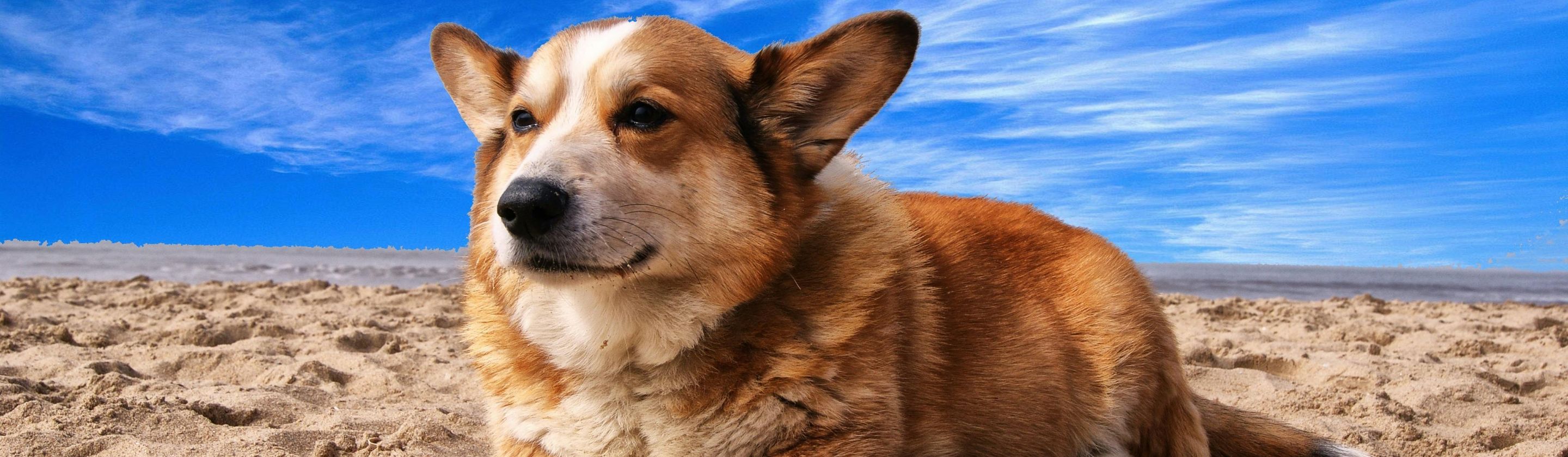
Every animal humans have tried to domesticate reflects a specific moment in history. Some filled vital roles before technology replaced them, while others proved too difficult, dangerous, or inefficient to keep. As societies changed, so did the animals we relied on. The ones we abandoned reveal just as much as the ones we kept, and we're here to remember both parties.
1. Cheetahs
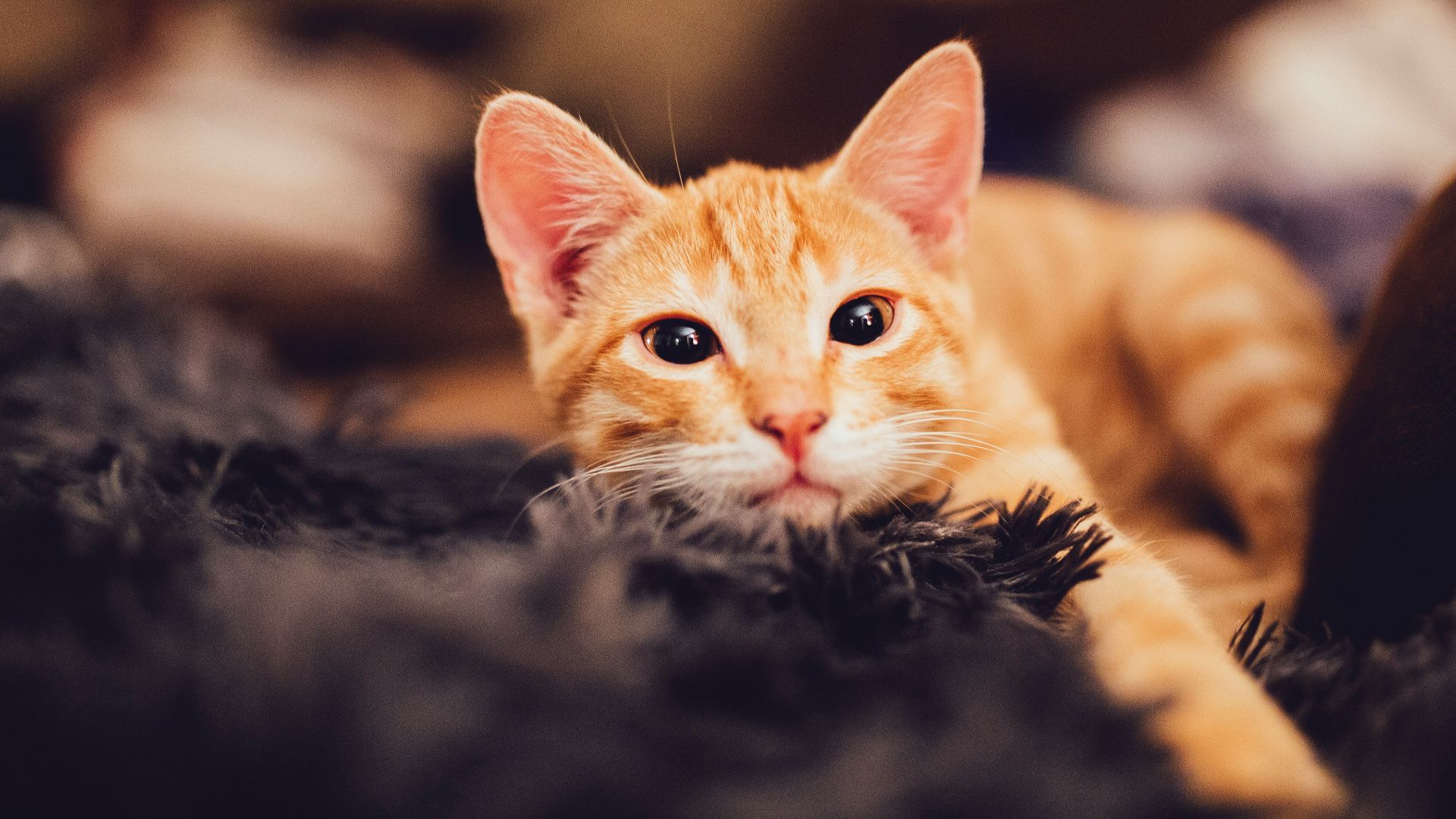
Royalty loved showing off their trained cheetahs at hunts. The spotted cats could run down prey faster than any dog, which made them status symbols across ancient Egypt and Mesopotamia. But cheetahs refused to breed in captivity, no matter what anyone tried. Eventually, the guns arrived, and nobody needed a temperamental cat anymore.
2. Ferrets
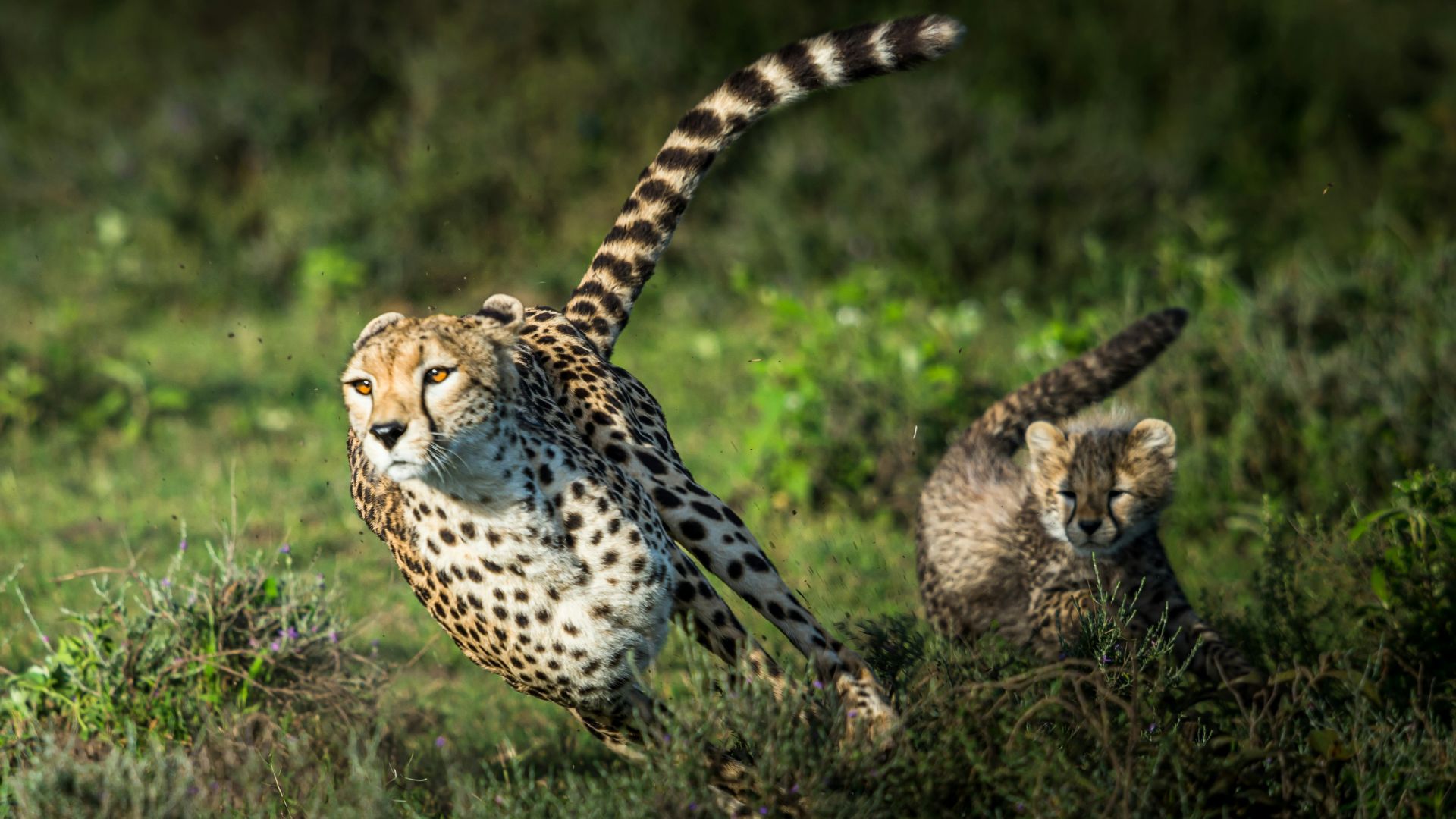
Rabbits stayed safe underground where dogs were useless, so farmers turned to ferrets. Their narrow bodies let them chase prey through burrows and flush rabbits into nets. The method worked for generations, until traps and poison made keeping an aggressive, hard-to-handle hunter feel pointless.
3. Cormorants
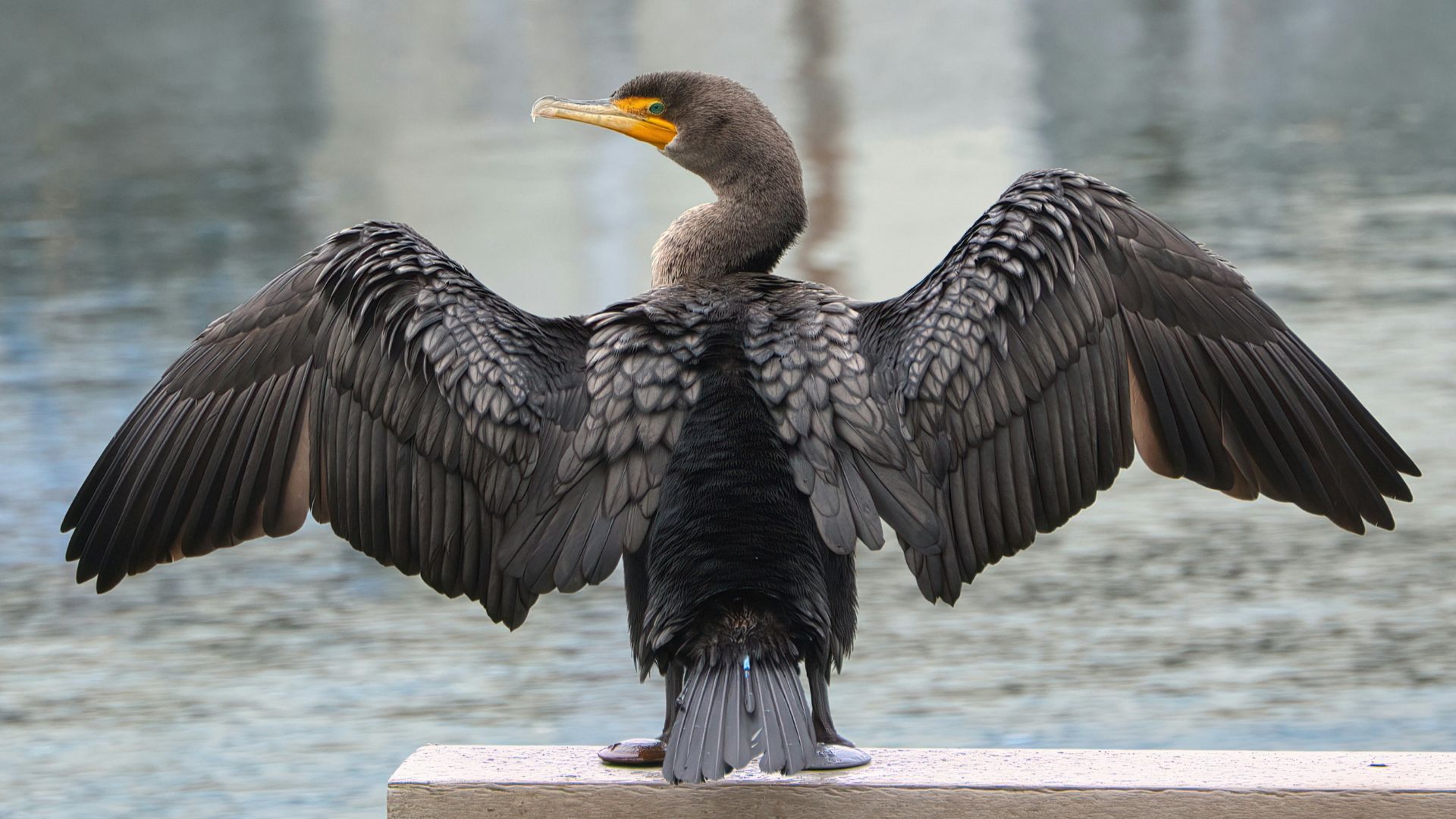
Picture a bird diving underwater to catch fish, but with a ring around its neck so it can't swallow the big ones. That's how Chinese fishermen worked for generations. Although tourism keeps the tradition alive now, nobody actually fishes this way anymore.
4. Elephants
Ancient soldiers often ran before the battle even started when elephants were used in the war. Hannibal took them over the mountains, and Indian kingdoms bred them specifically for combat. Then cannons arrived, and these massive targets became liabilities instead of weapons.
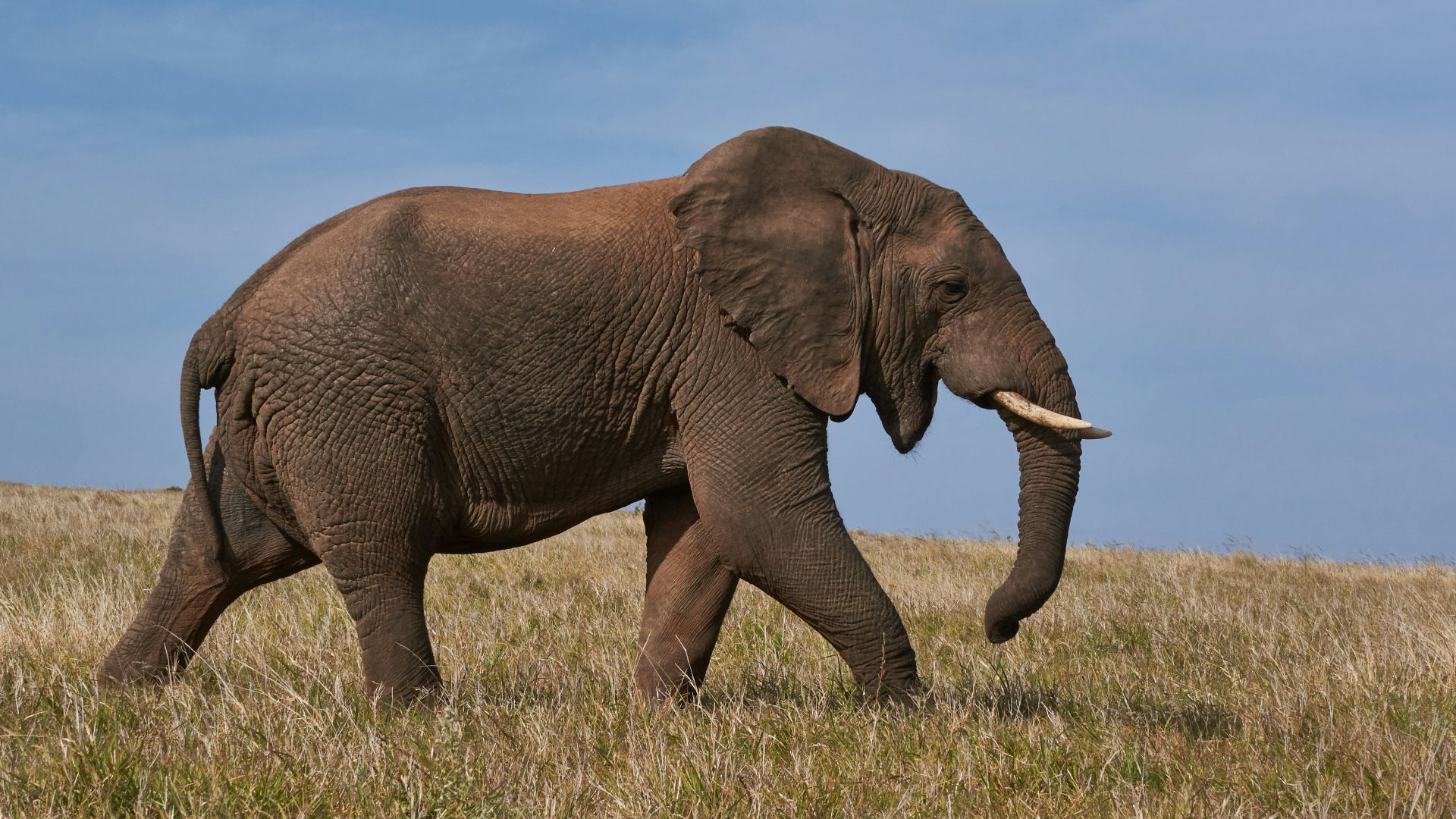 Wolfgang Hasselmann on Unsplash
5. Passenger Pigeons
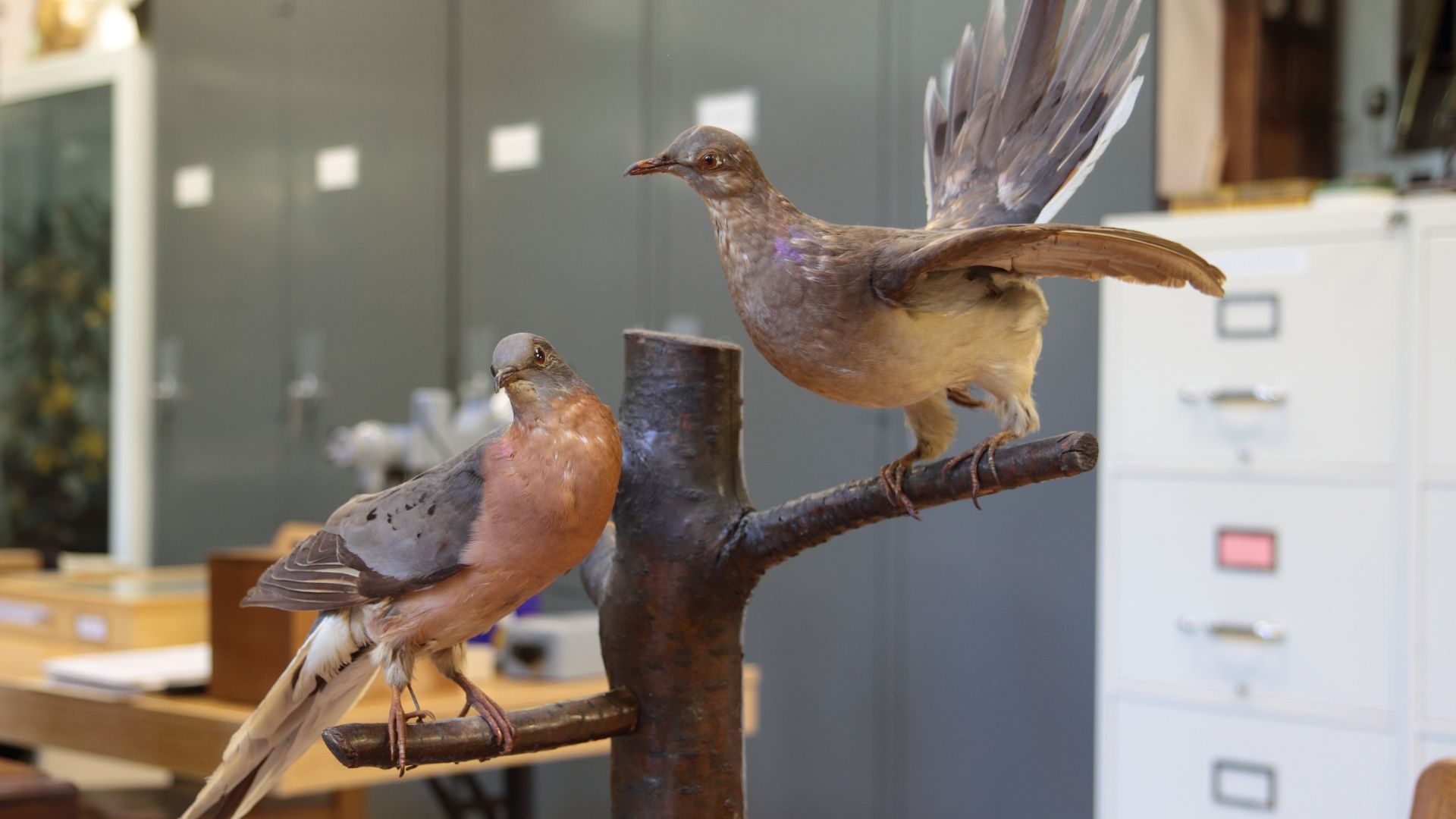
People kept passenger pigeons in coops like chickens because meat was meat, and these birds were everywhere. Hunters took billions of them for commercial sale. Within decades, they went from impossibly abundant to completely extinct, taking the domestication effort down with them.
6. Caracals
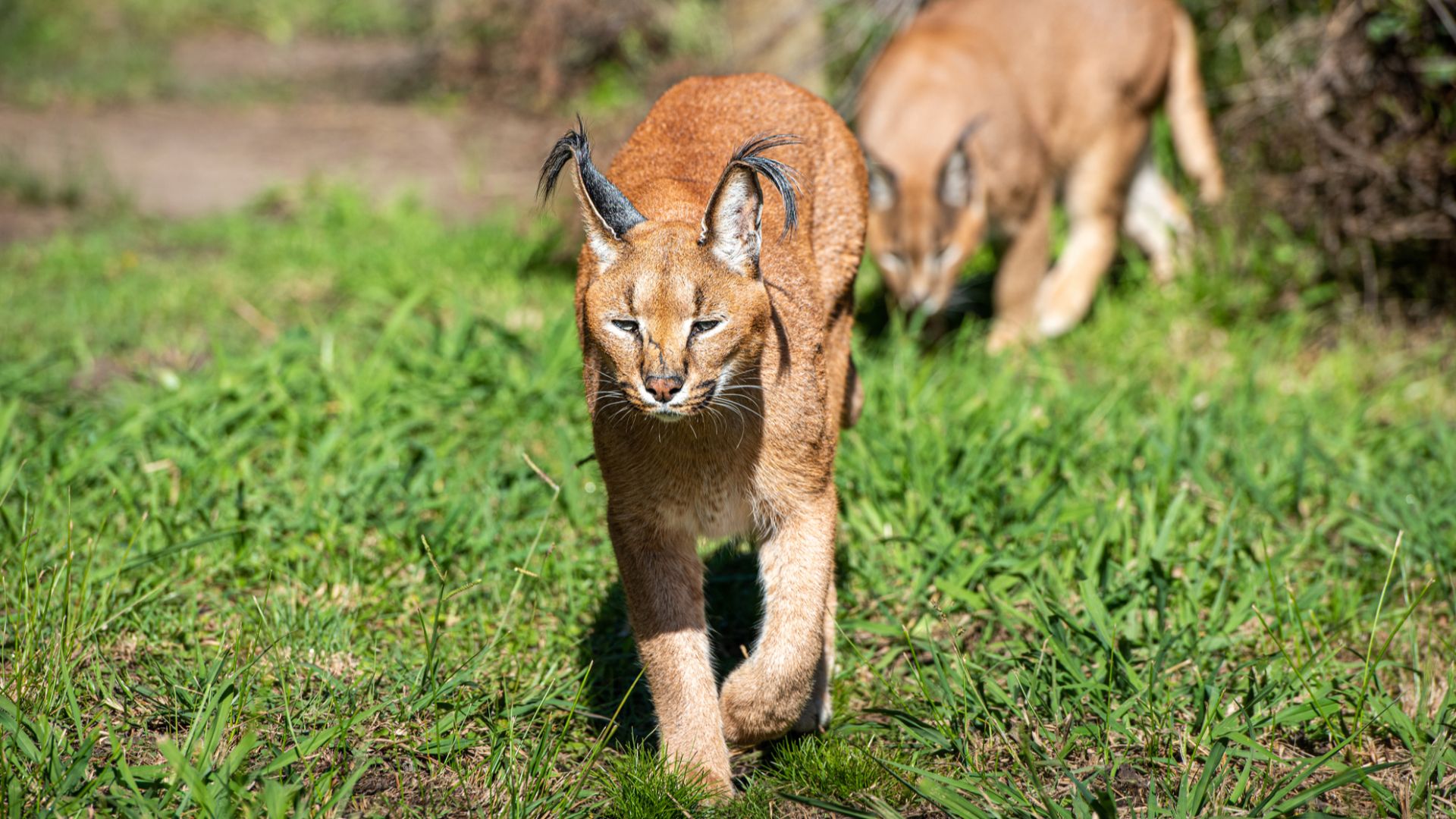
These wild cats could jump ten feet straight up and snatch birds out of the air. Persian nobles thought that was the coolest thing they'd ever seen and started training them for hunts. After a while, the training effort stopped being worth the entertainment value.
7. Guinea Fowl
African societies domesticated guinea fowl for meat and eggs long before chickens spread globally. They proved noisy, flighty, and hard to manage compared to chickens. Over time, most cultures abandoned them, leaving guinea fowl largely wild or semi‑wild today.
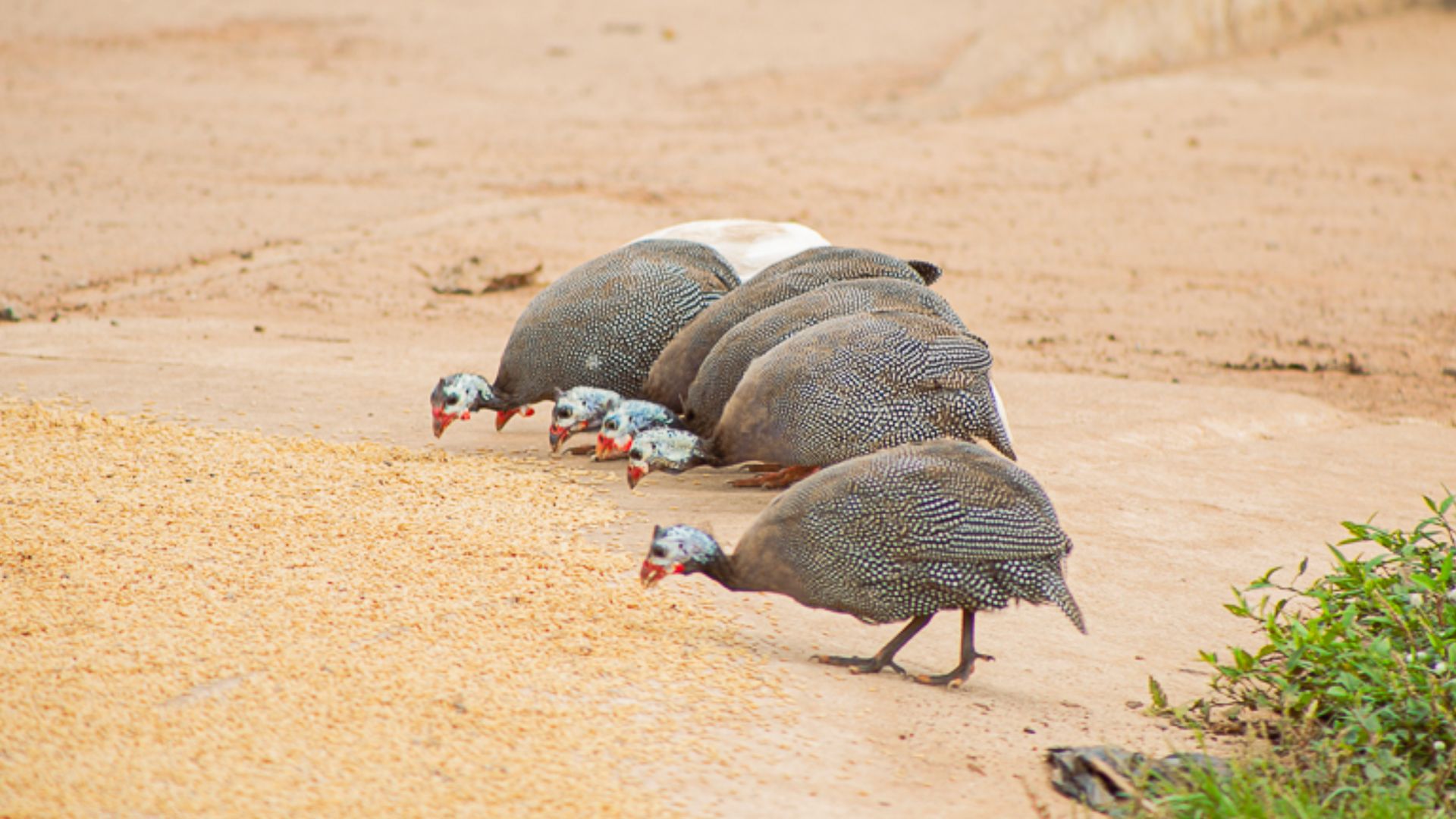 Salifu Wumpini Hussein (OJ) on Wikimedia
8. Aurochs
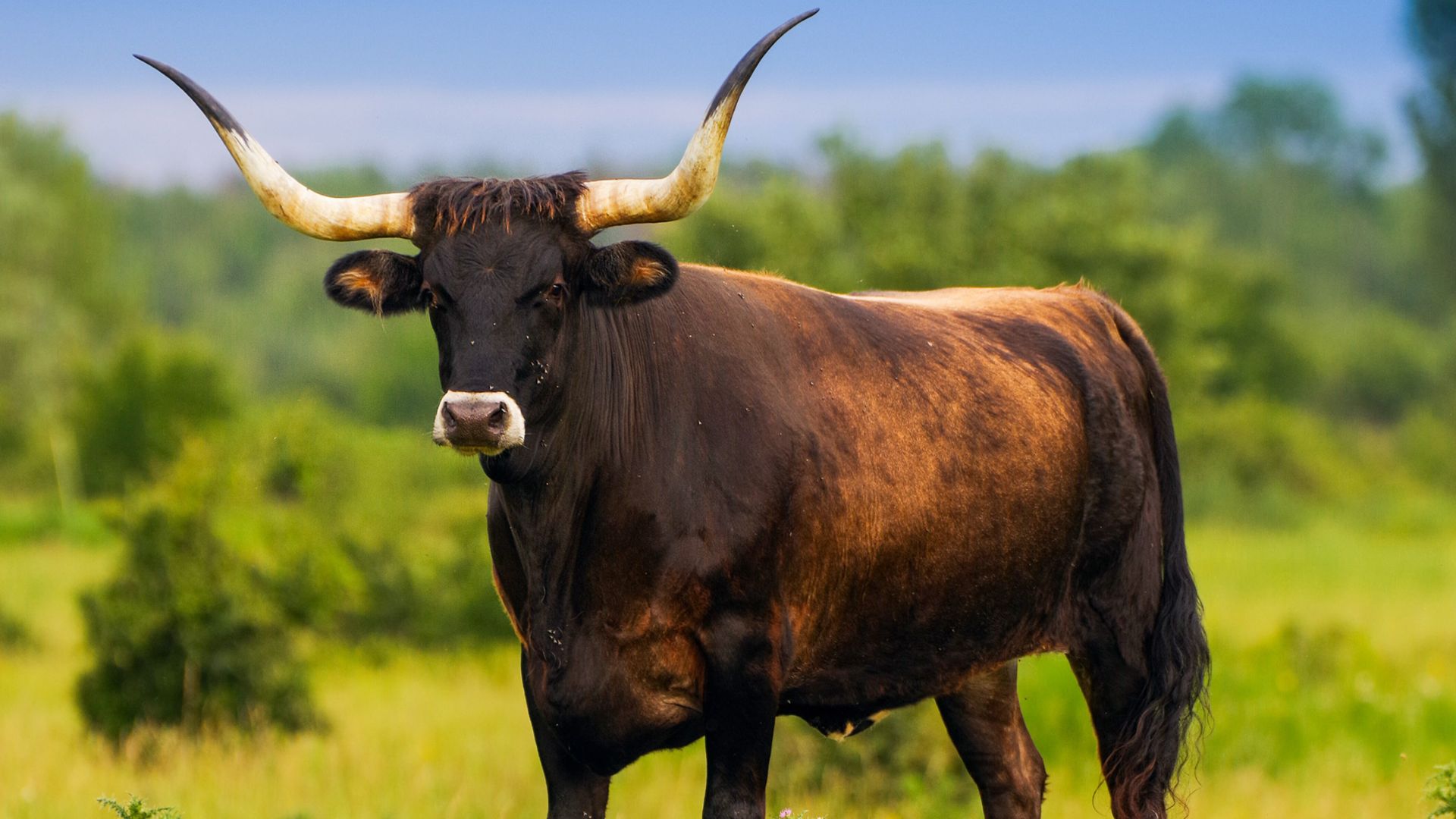
The wild ancestor of cows stood six feet tall at the shoulder with horns that could end a person easily. Early farmers managed to domesticate these terrifying beasts, but then spent generations breeding them smaller and calmer. The last aurochs died in 1627.
9. Crested Porcupines
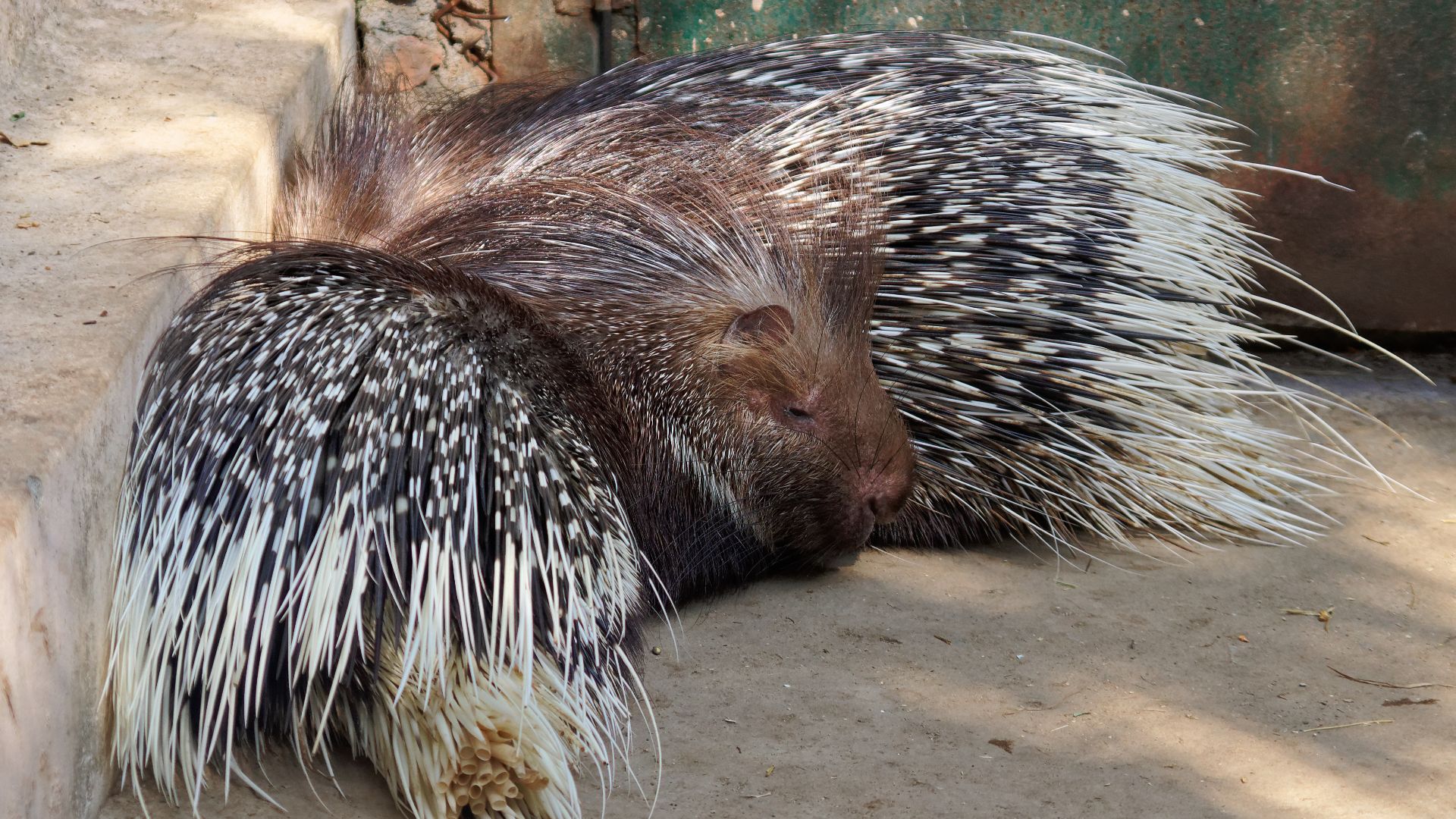
Romans collected exotic animals like trading cards, and porcupines with dramatic quills definitely qualified as exotic. Some people apparently ate them, too. But handling an animal covered in sharp spines gets old quickly, and they offered nothing special beyond novelty.
10. Moose
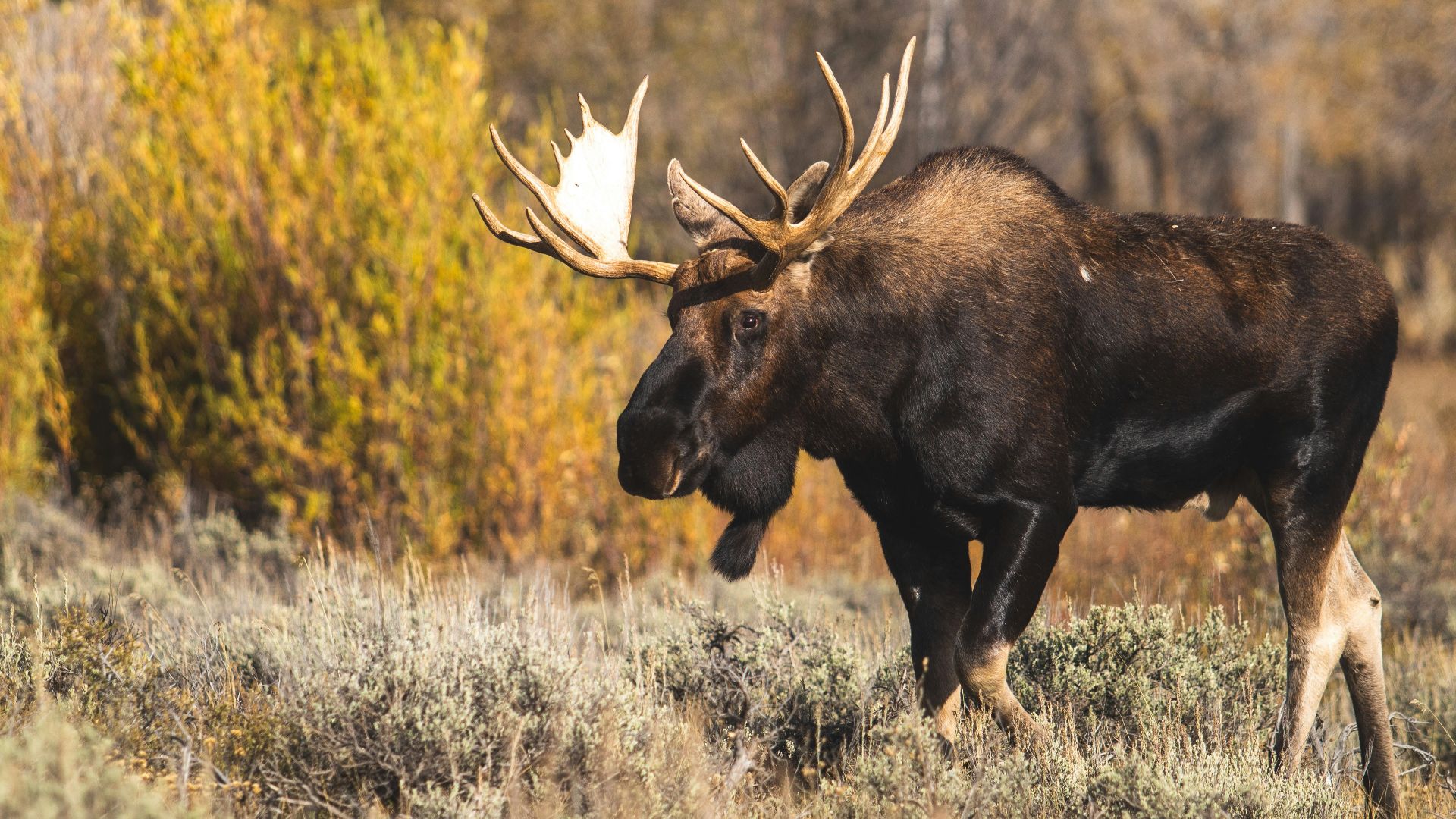
Sweden really tried to make moose farming work. The animals could produce milk and pull sleds in frozen places where regular cattle suffered. But moose get violently aggressive during mating season and need very specific foods. They also absolutely refuse to cooperate half the time.
Domestication only works when both sides benefit, and the next animals prove that balance still exists.
1. Dogs
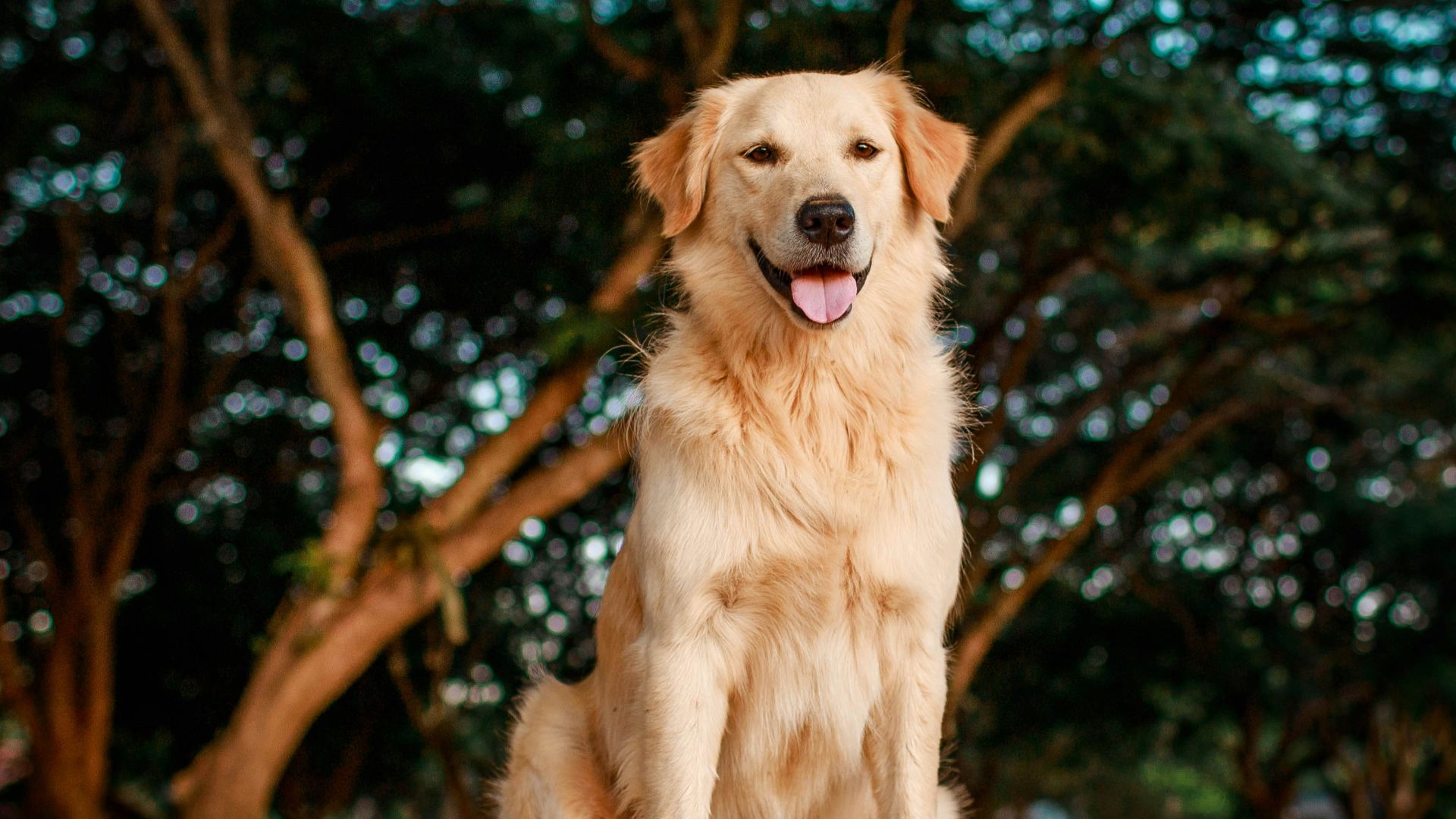
Wolves started hanging around human camps about 15,000 years ago to steal scraps. Somehow that turned into golden retrievers and chihuahuas. We've bent dogs into hundreds of shapes for thousands of jobs, from herding sheep to sniffing out cancer.
2. Cats
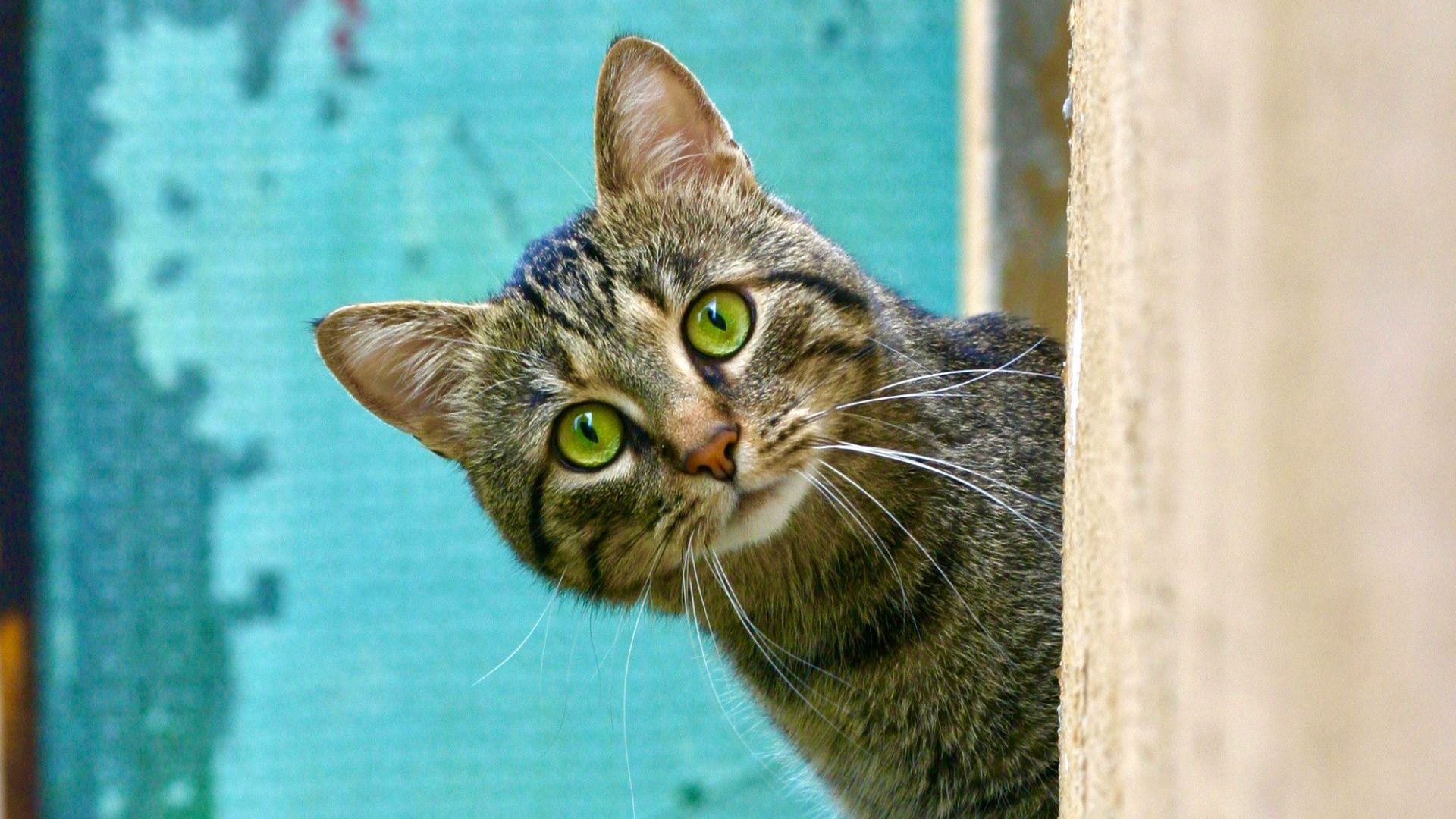
Cats basically domesticated themselves by deciding that human grain stores attracted delicious mice. Egypt went absolutely crazy for them and started worshipping cat gods. The cats didn't mind the attention. They still hunt rats on farms and ships while also napping on our keyboards.
3. Horses
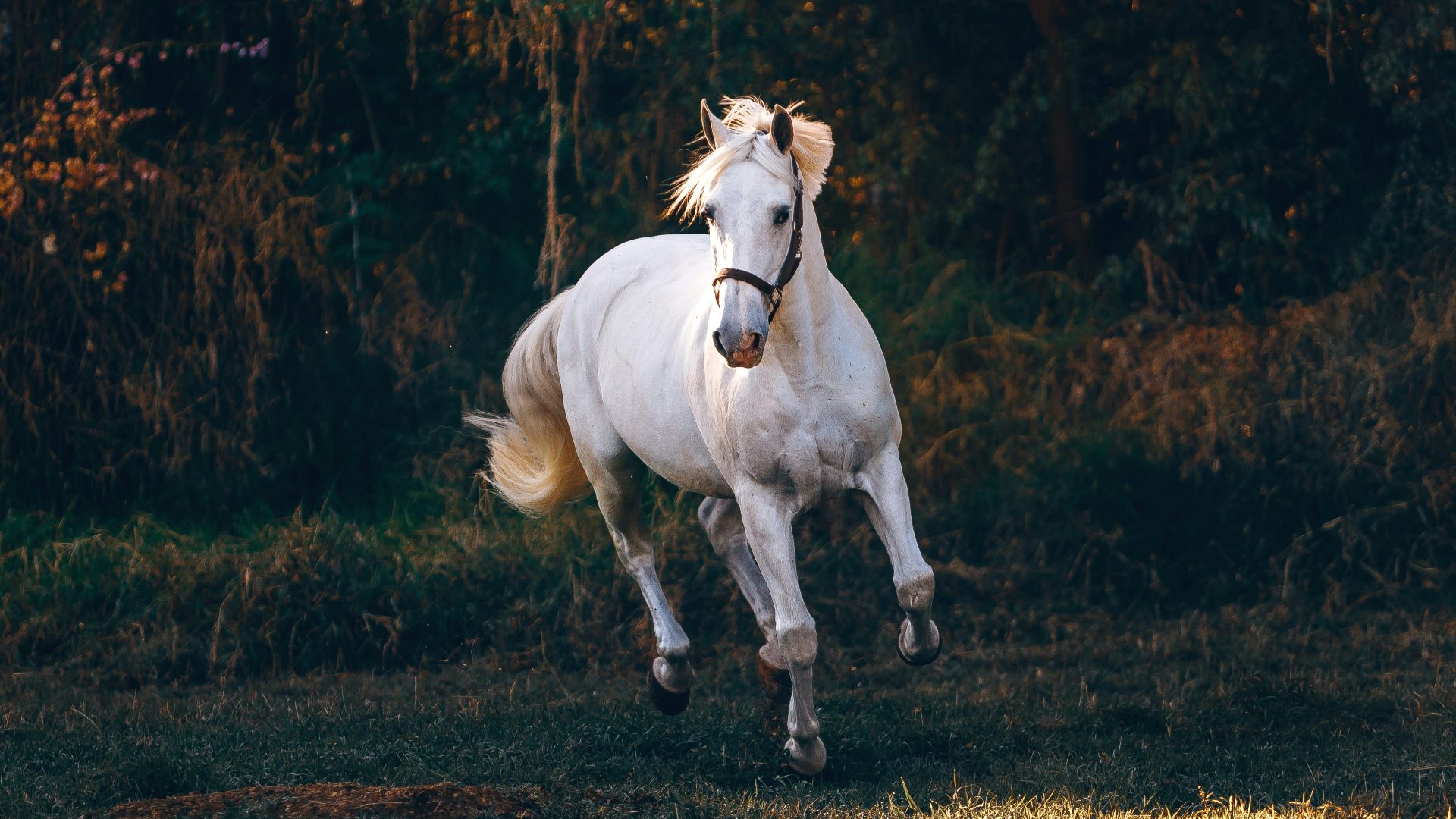
Someone in Central Asia climbed onto a horse about 6,000 years ago and changed everything. Suddenly, armies could move fast, plows could dig deeper, and distant cities weren't so distant anymore. Cars took over most horse jobs, but we still breed thousands of them yearly.
4. Camels
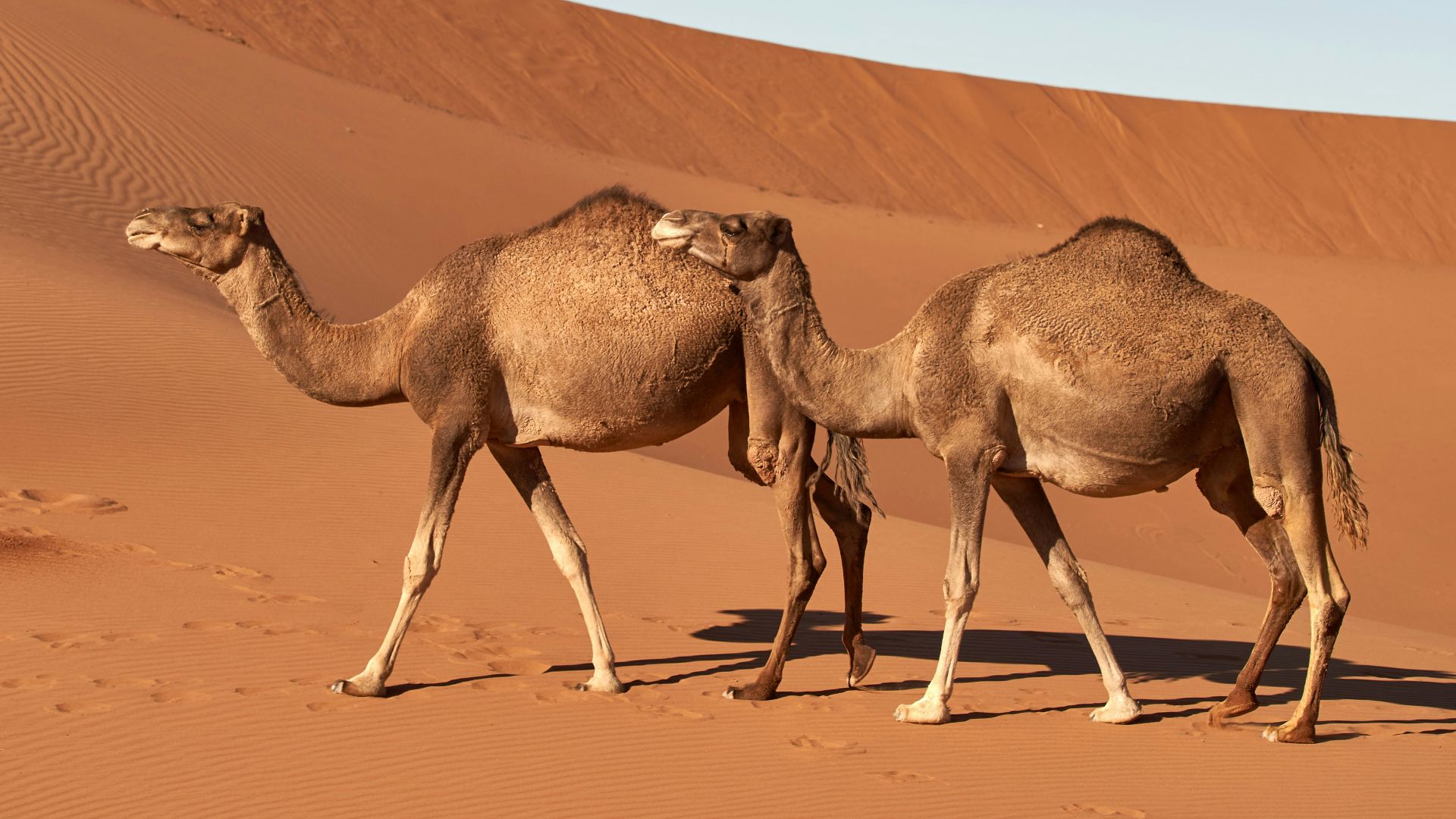
Deserts hurt horses pretty quickly. Camels, however, can cross waterless wastelands while carrying ridiculous amounts of cargo and barely complaining. Arabia domesticated them 4,000 years ago and opened up trade routes that connected continents.
 Wolfgang Hasselmann on Unsplash
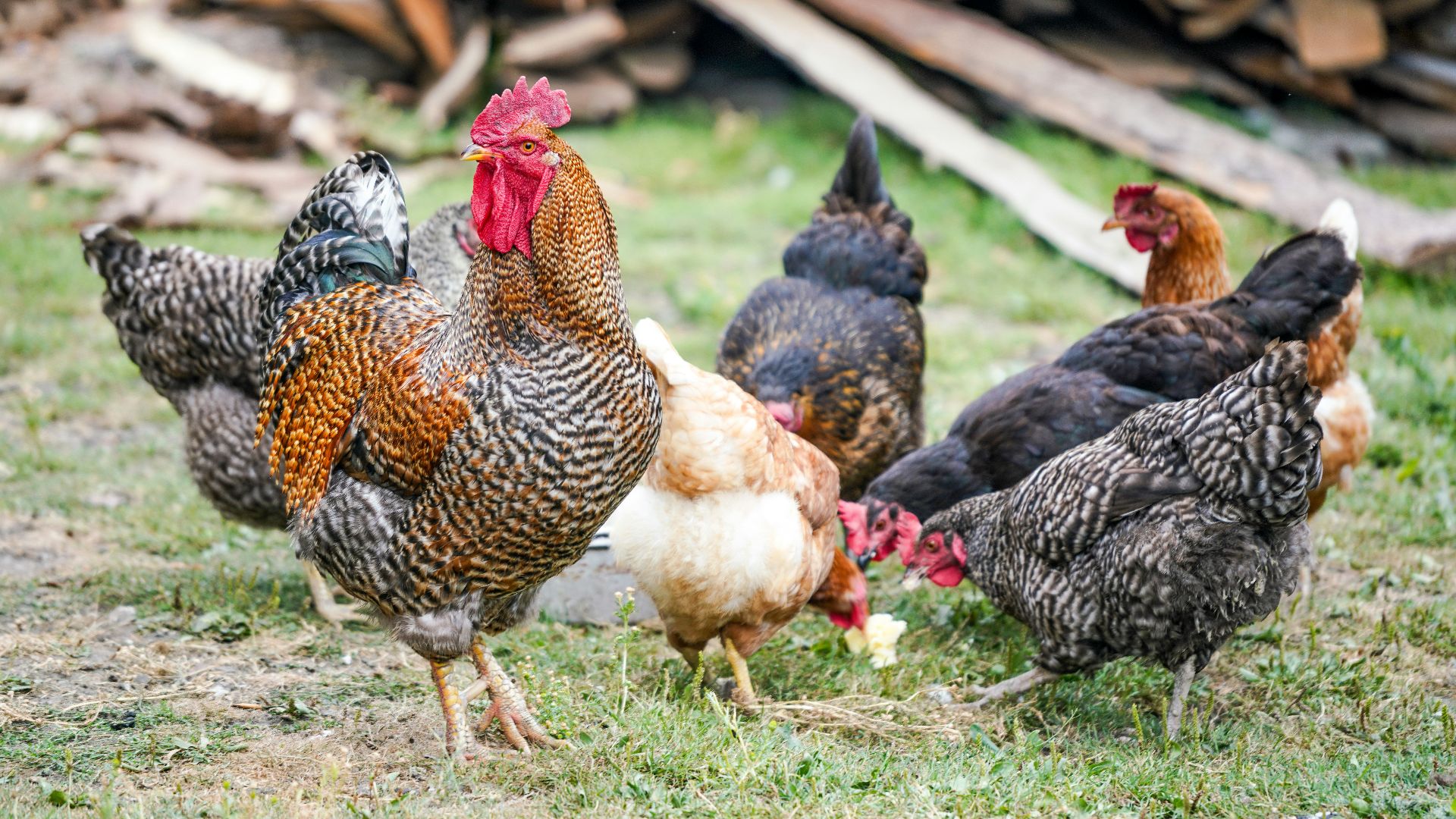
5. Chickens
Jungle fowl used to fight each other for entertainment in Southeast Asia. Then people realized they laid eggs and tasted pretty good. Modern meat chickens grow so fast that they're ready for dinner in six weeks. Fun fact: There are more chickens alive right now than any other bird on earth.
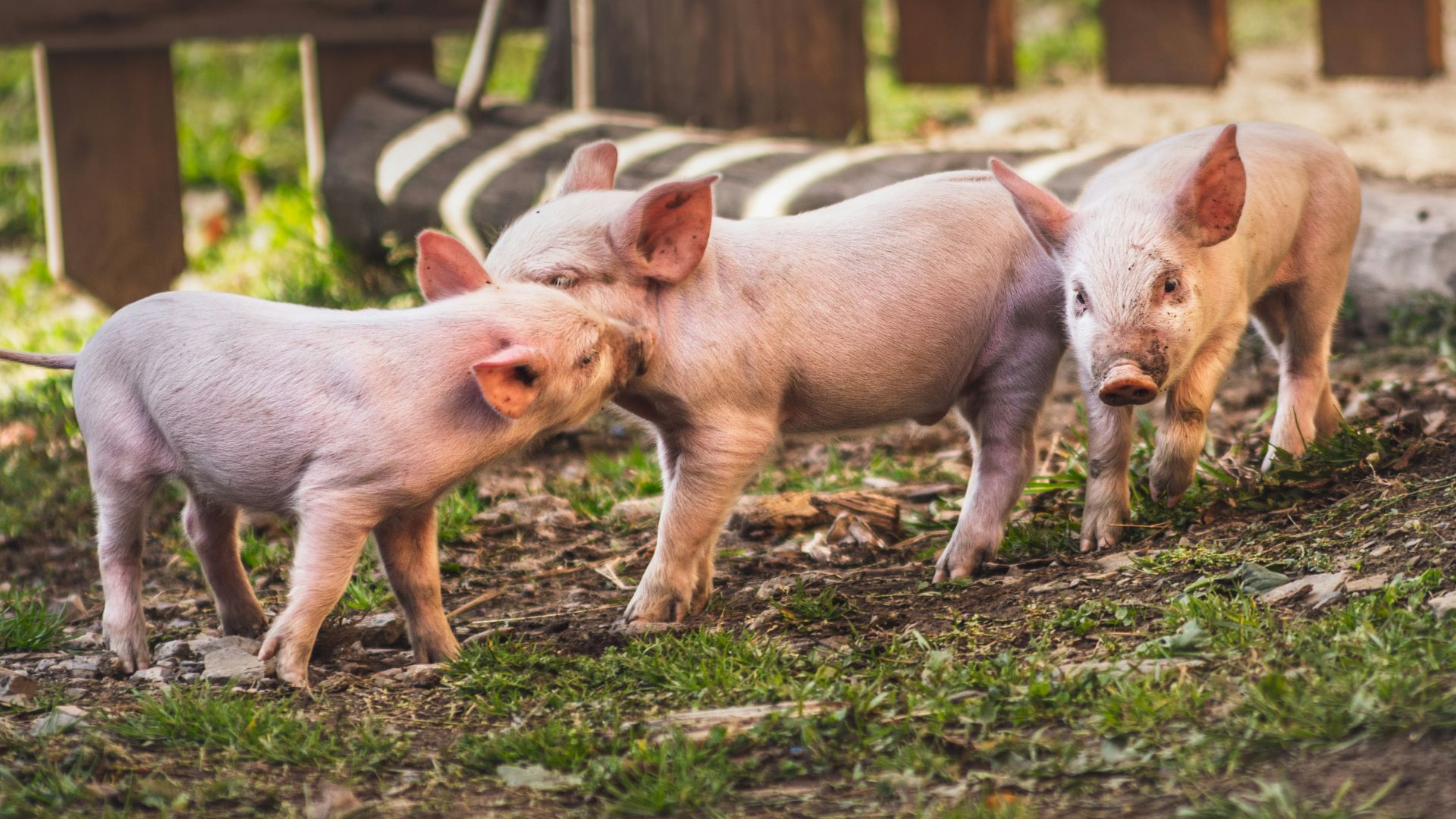
6. Pigs
Wild boars are smart, mean, and will eat anything, including each other. Chinese farmers turned them into pigs that could convert garbage into bacon, which might be humanity's best idea ever. They adapt to any climate and remain among our smartest livestock.
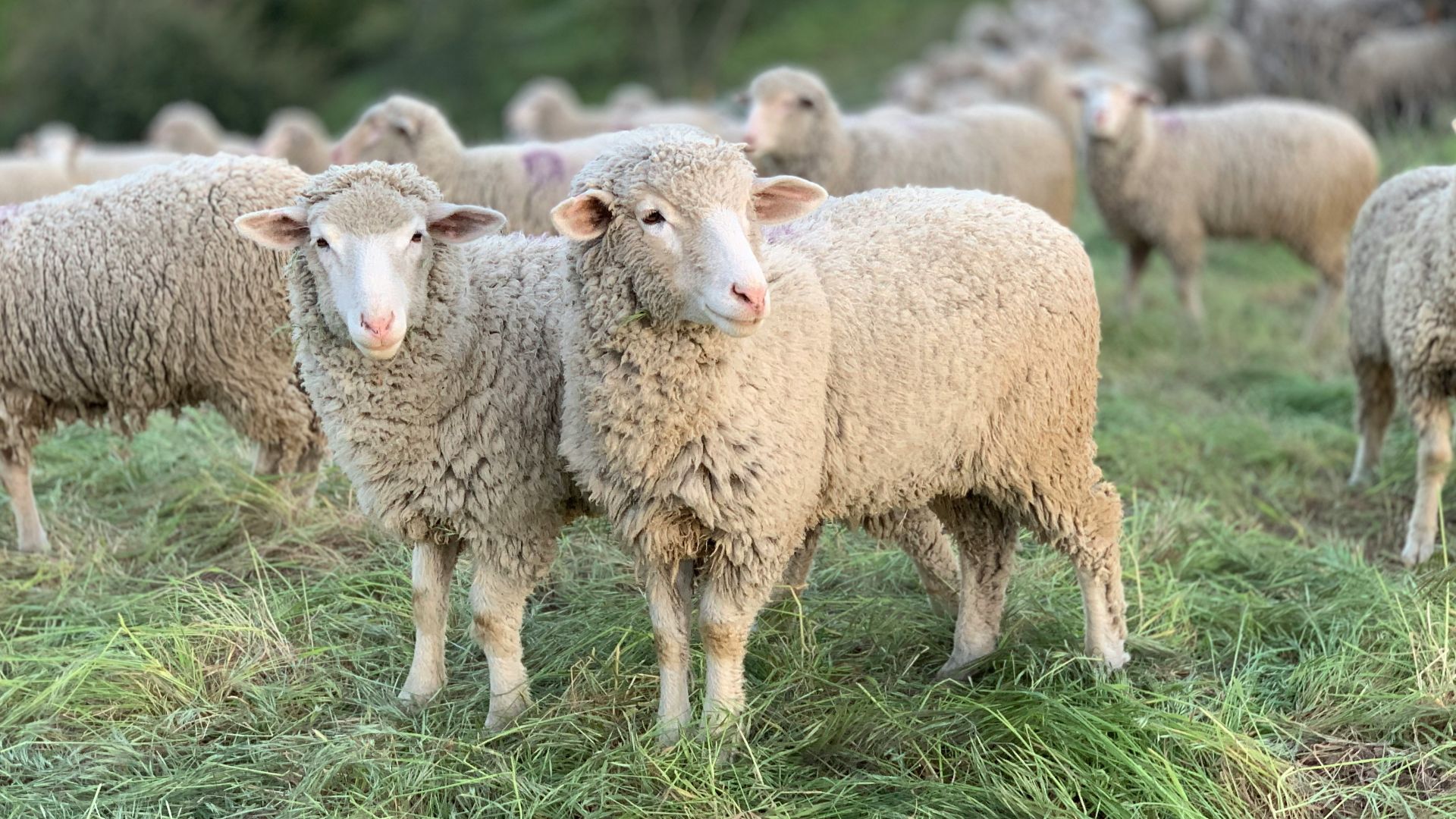
7. Sheep
Mesopotamian shepherds figured out you could shear wool off sheep every year without hunting them for meat. That made sheep walking renewable resources instead of one-time food sources. Modern breeds produce way more wool than their scraggly wild ancestors ever did.
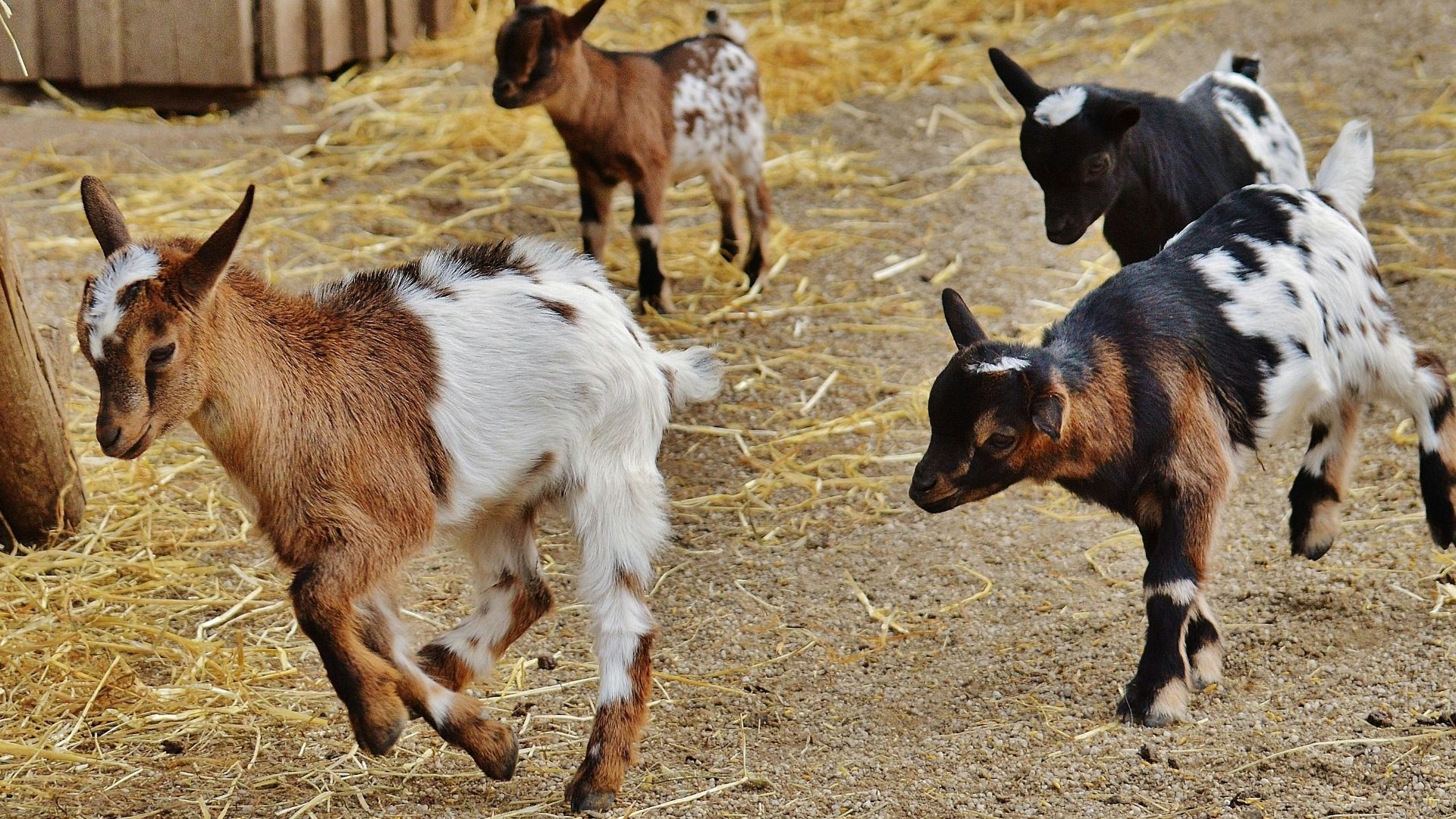
8. Goats
Goats have survived in human care for 10,000 years by being the livestock that works when nothing else will. Their milk has different proteins from cow milk, so people with allergies can often drink it.
9. Honeybees
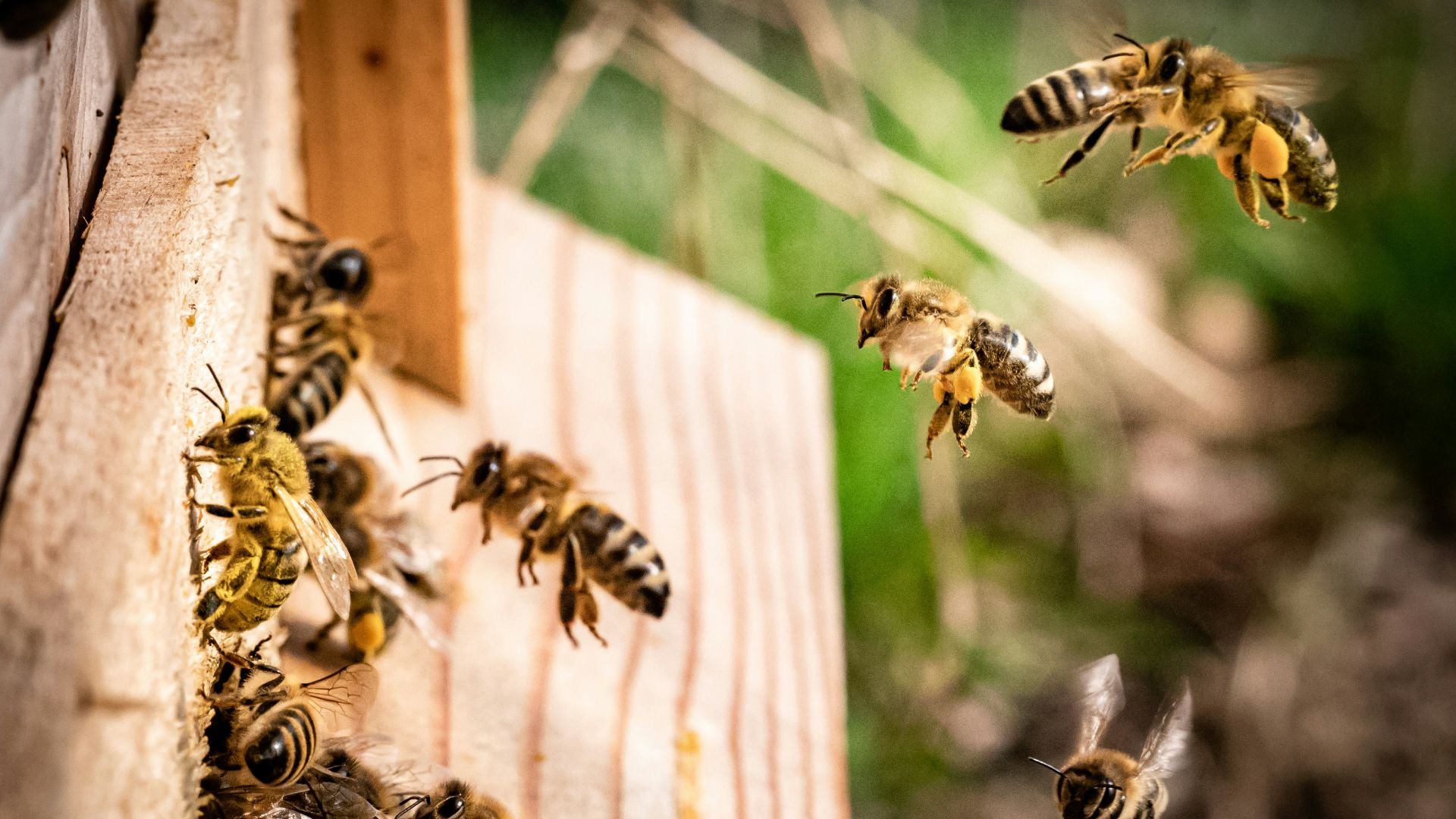
Bees aren't really domesticated since they'll leave whenever they feel like it. Humans just convinced them that wooden boxes make nice homes. Ancient Egyptians moved hives up and down the Nile on boats to pollinate crops seasonally. Today's agriculture would collapse without managed bee colonies.
10. Cattle
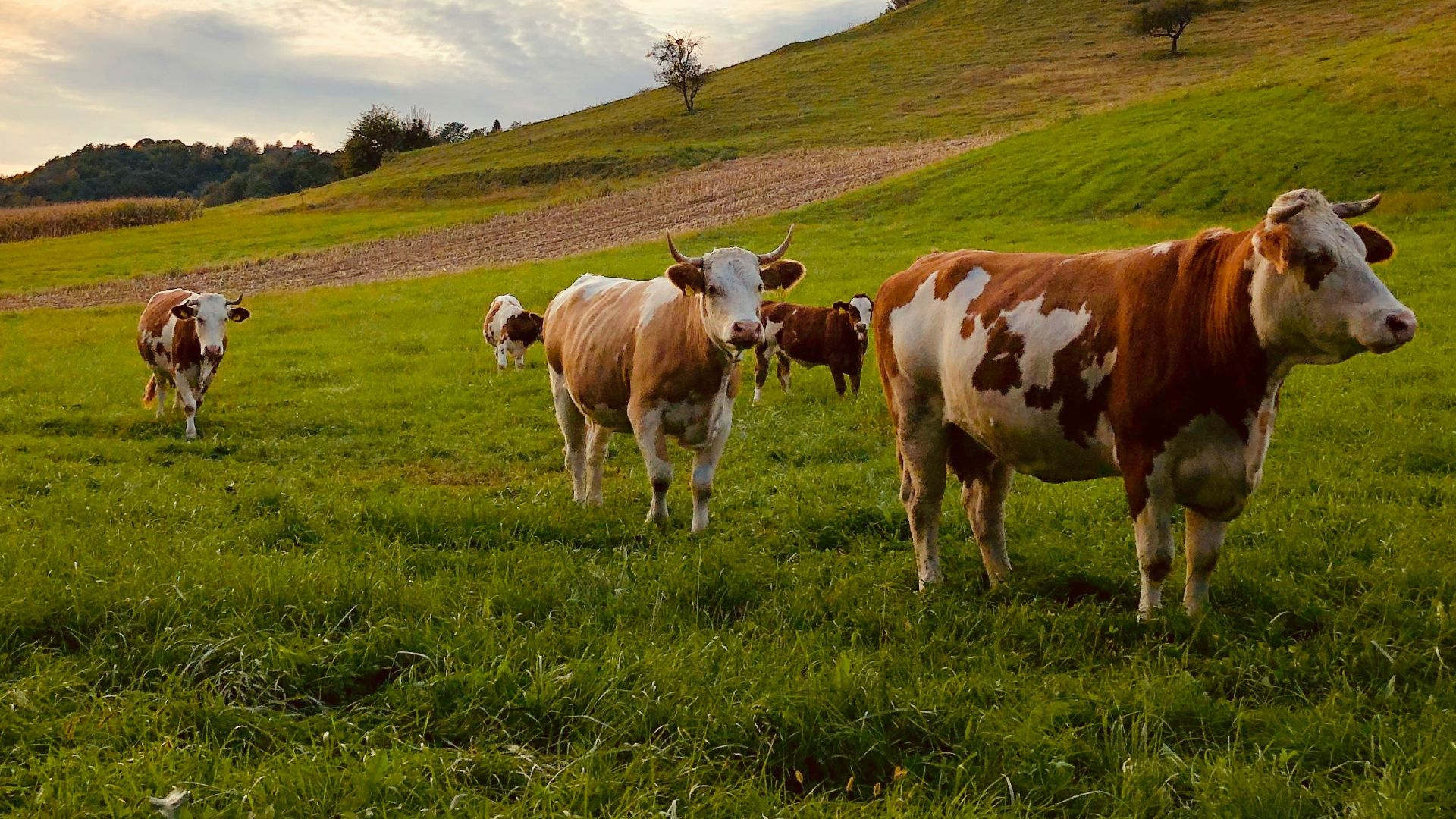
Ten thousand years ago, someone looked at an auroch and thought, "I bet I could make that give me milk daily." It worked. Cattle pulled plows that fed civilizations and provided meat and leather for basically everything else.
KEEP ON READING

The story of Ching Shih, the Woman Who Became the…
Unknown author on WikimediaFew figures in history are as feared…
By Emilie Richardson-Dupuis Dec 29, 2025
Einstein's Violin Just Sold At An Auction—And It Earned More…
A Visionary's Violin. Wanda von Debschitz-Kunowski on WikimediaWhen you hear…
By Ashley Bast Nov 3, 2025
This Infamous Ancient Greek Burned Down An Ancient Wonder Just…
History remembers kings and conquerors, but sometimes, it also remembers…
By David Davidovic Nov 12, 2025
The Mysterious "Sea People" Who Collapsed Civilization
3,200 years ago, Bronze Age civilization in the Mediterranean suddenly…
By Robbie Woods Mar 18, 2025
20 Famous Historical Events That Never Actually Happened
Made-Up History. What do Marie Antoinette saying "Let them eat…
By Christy Chan Jun 29, 2026
20 Soldiers Who Defied Expectations
Changing the Rules of the Battlefield. You’ve probably heard plenty…
By Annie Byrd Feb 10, 2026