


10 Miracles That Might Have Really Happened & 10 Proven Hoaxes
Supernatural Claims with a Paper Trail
A story doesn’t have to be true to feel true, and it doesn’t have to be false to be complicated, either. When an event lands in that strange zone between “people wrote this down” and “science cannot neatly file it away,” it tends to stick around for centuries, gathering extra details like lint in a pocket. At the same time, history is full of dazzling fakes, some pulled off for money, some for attention, and some because a crowd simply wanted a little magic that week. Here are ten supernatural miracles with some real documentation behind them, followed by ten hoaxes that eventually got nailed to the wall with evidence.
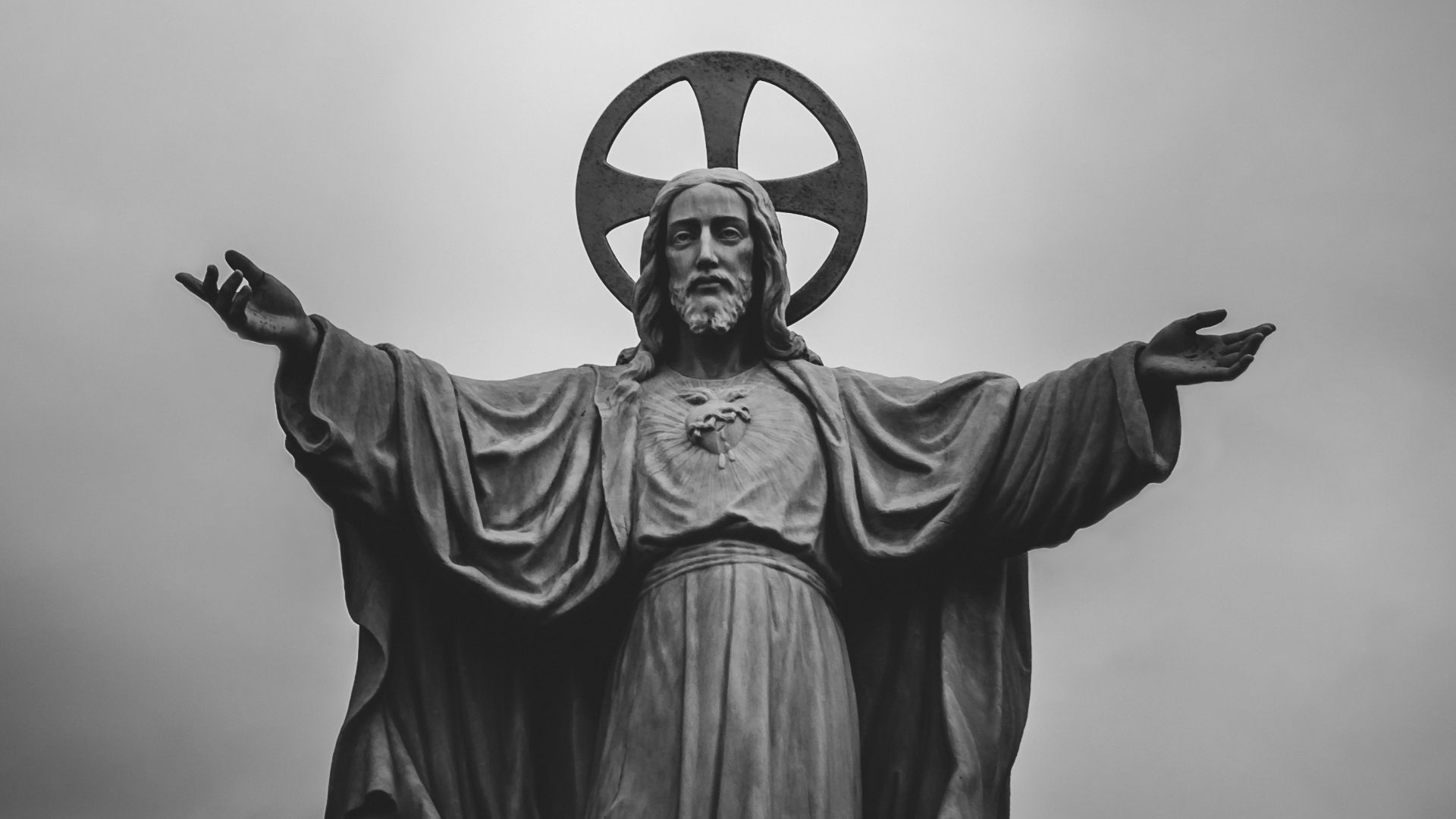
1. The Resurrection of Jesus
Even outside faith, the basic historical footprint is unusually early: Paul preserves a structured tradition about Jesus’s death, burial, resurrection, and reported appearances in 1 Corinthians 15. Non-Christian writers later confirm that Jesus was executed under Pontius Pilate and that the movement didn’t die quietly, which is the kind of mundane, external corroboration historians pay attention to even when the miracle claim stays unprovable.
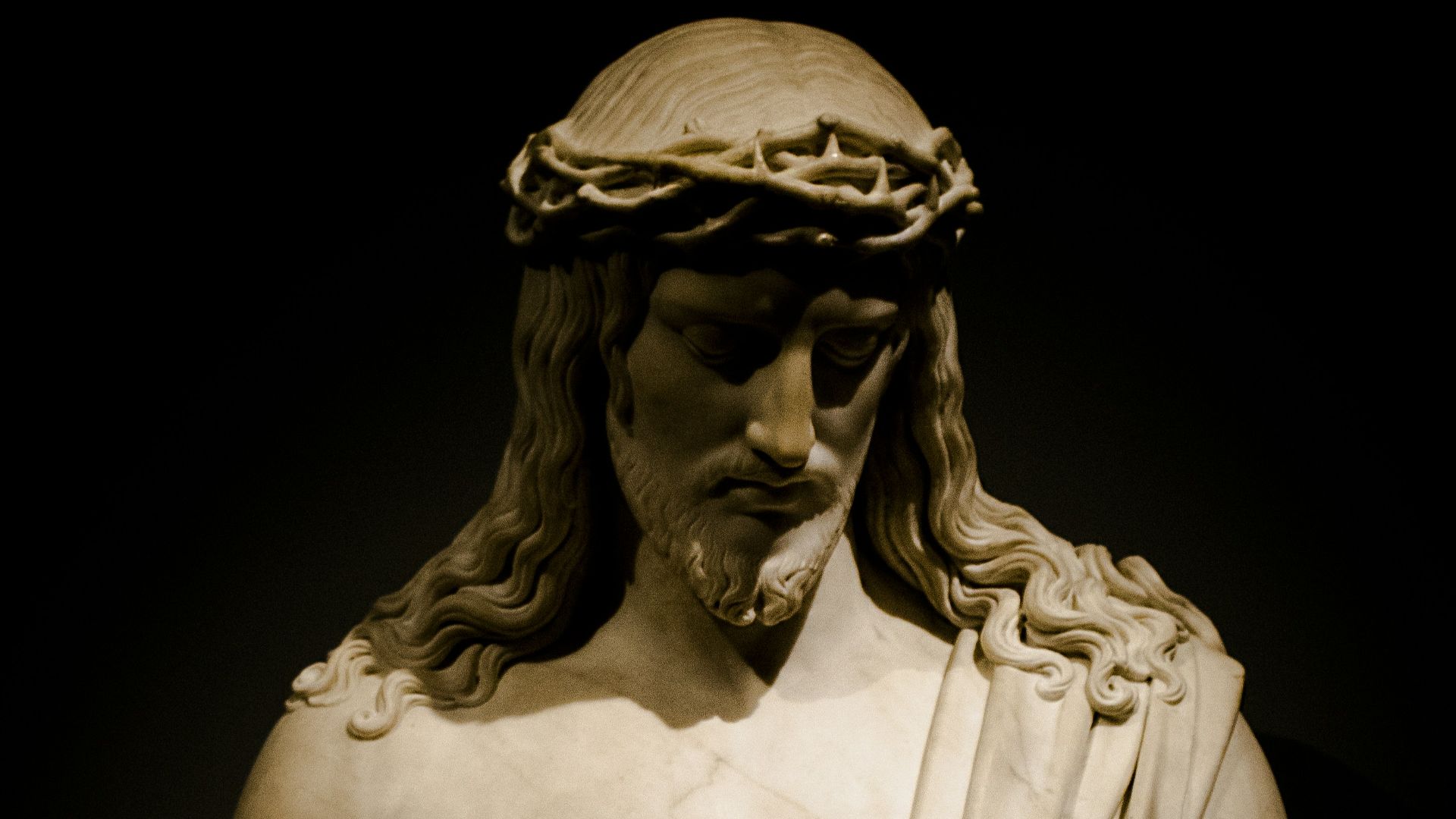 Alessandro Bellone on Unsplash
2. The Miracle of the Sun at Fátima
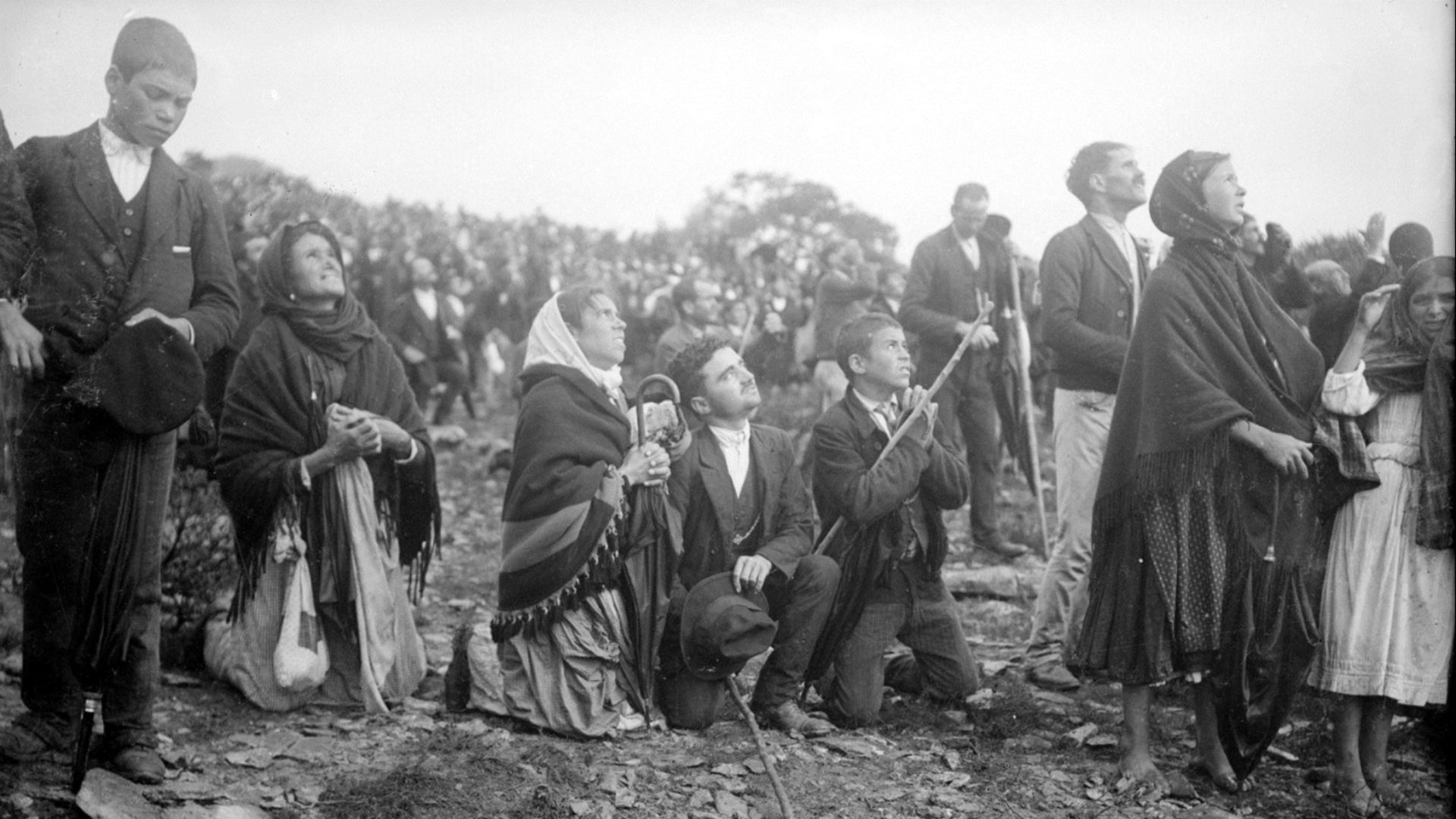
On October 13, 1917, a massive crowd in Portugal reported a strange solar display at Fátima, with descriptions that range from “dancing” movement to sudden drying of rain-soaked clothes, depending on who’s telling it. The Catholic Church later approved the Fátima apparitions, which doesn’t settle what happened in the sky, but it does anchor the story in a timeline of formal investigation rather than pure rumor.
3. The Healings at Lourdes
Lourdes is one of the rare places where the miracle conversation has a filing system: the sanctuary’s medical bureau has documented thousands of reported cures, and seventy have been officially recognized as miraculous since 1858. There’s also an International Medical Committee involved in evaluating whether a cure is “unexplained” given current medical knowledge, which at least tells you the claim is being treated as something more serious than vibes and candlelight.
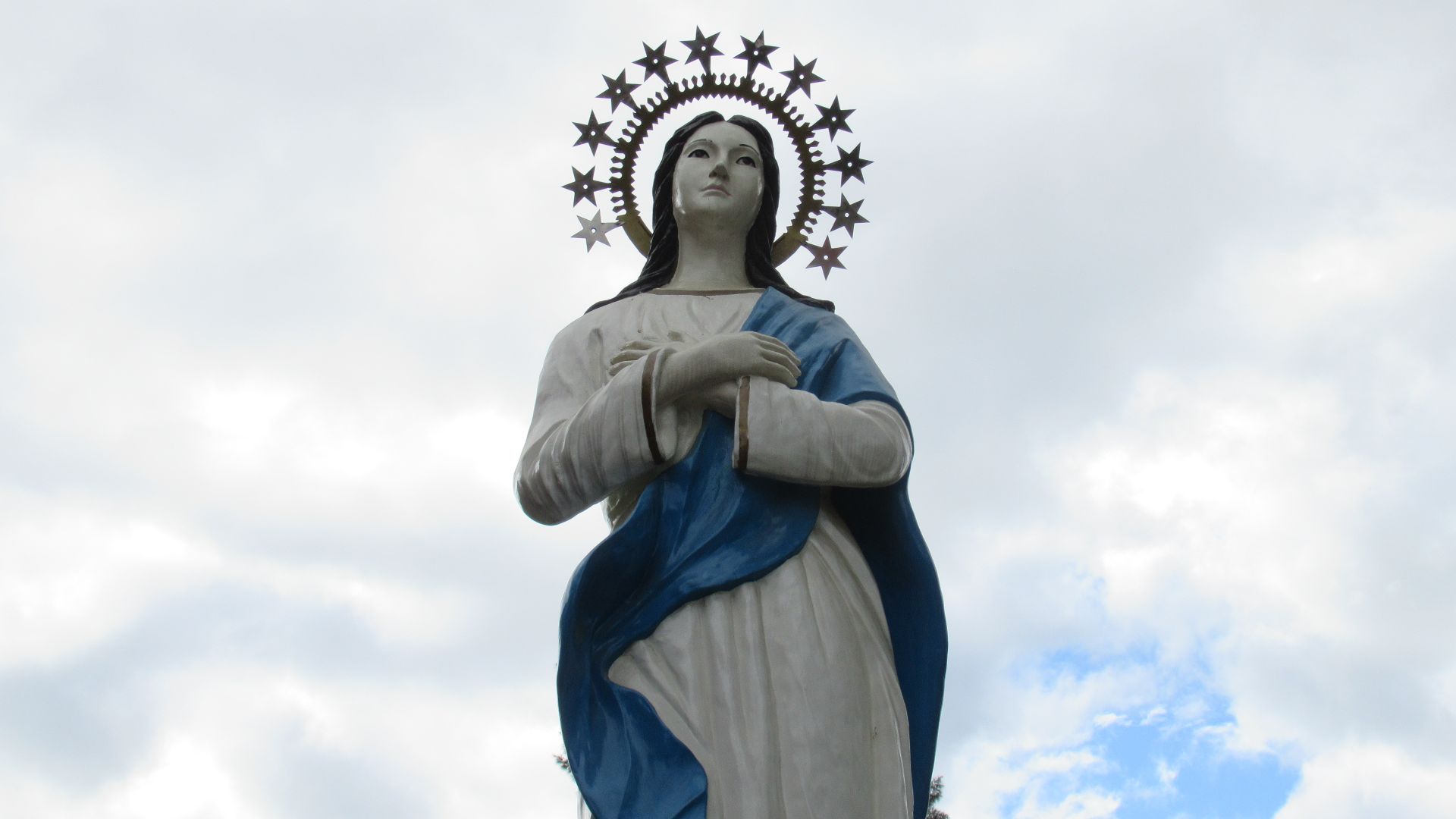
4. Our Lady of Zeitoun in Cairo
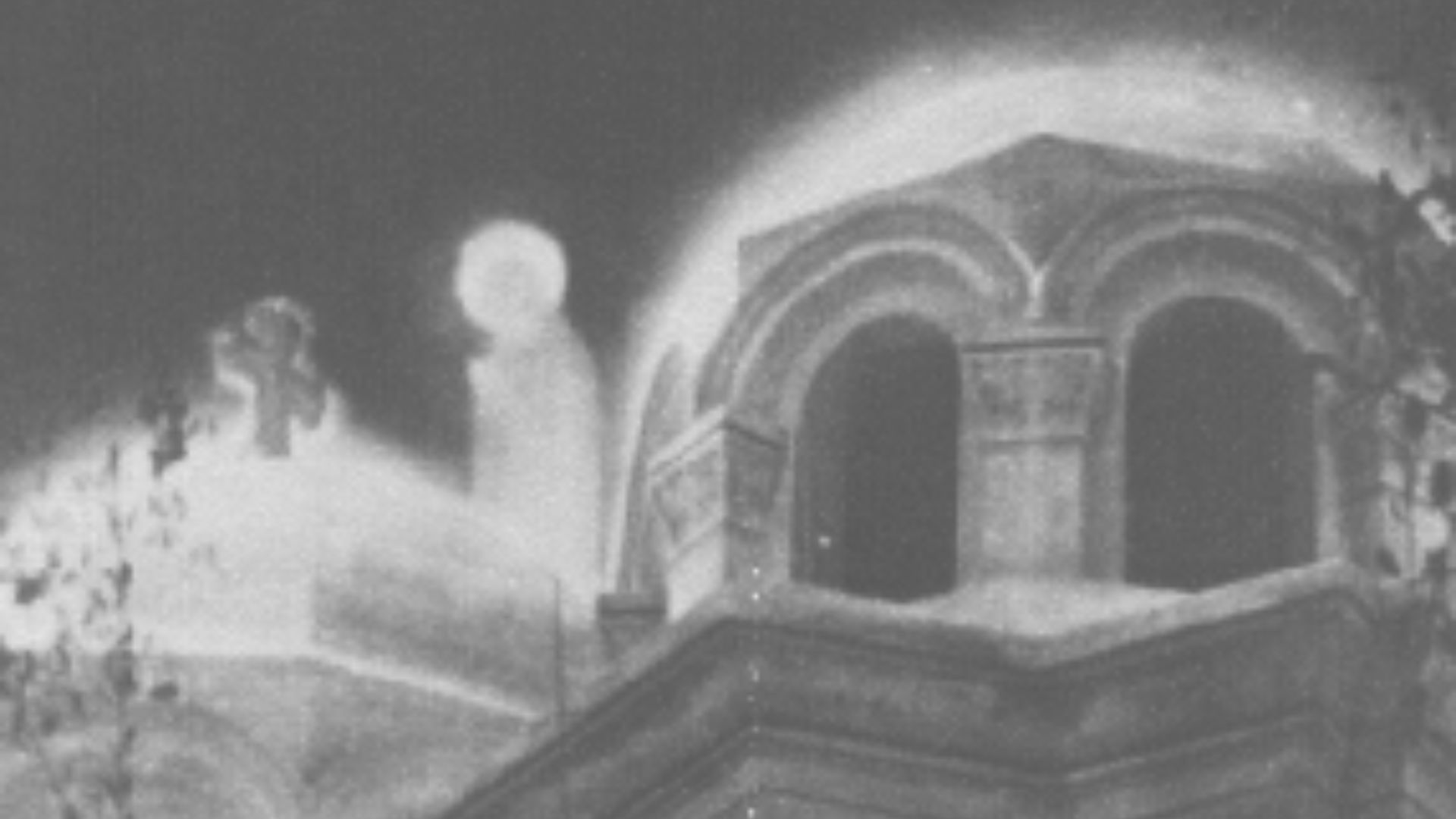
Between 1968 and the early 1970s, crowds gathered at a Coptic church in Zeitoun, Cairo, claiming to see a luminous female figure on the roof, sometimes described as the Virgin Mary. Scholarly writing has tracked how quickly the reports spread and how publicly the gatherings unfolded, including accounts from observers who showed up and still couldn’t confidently say what they saw.
5. The Weeping Madonna of Syracuse
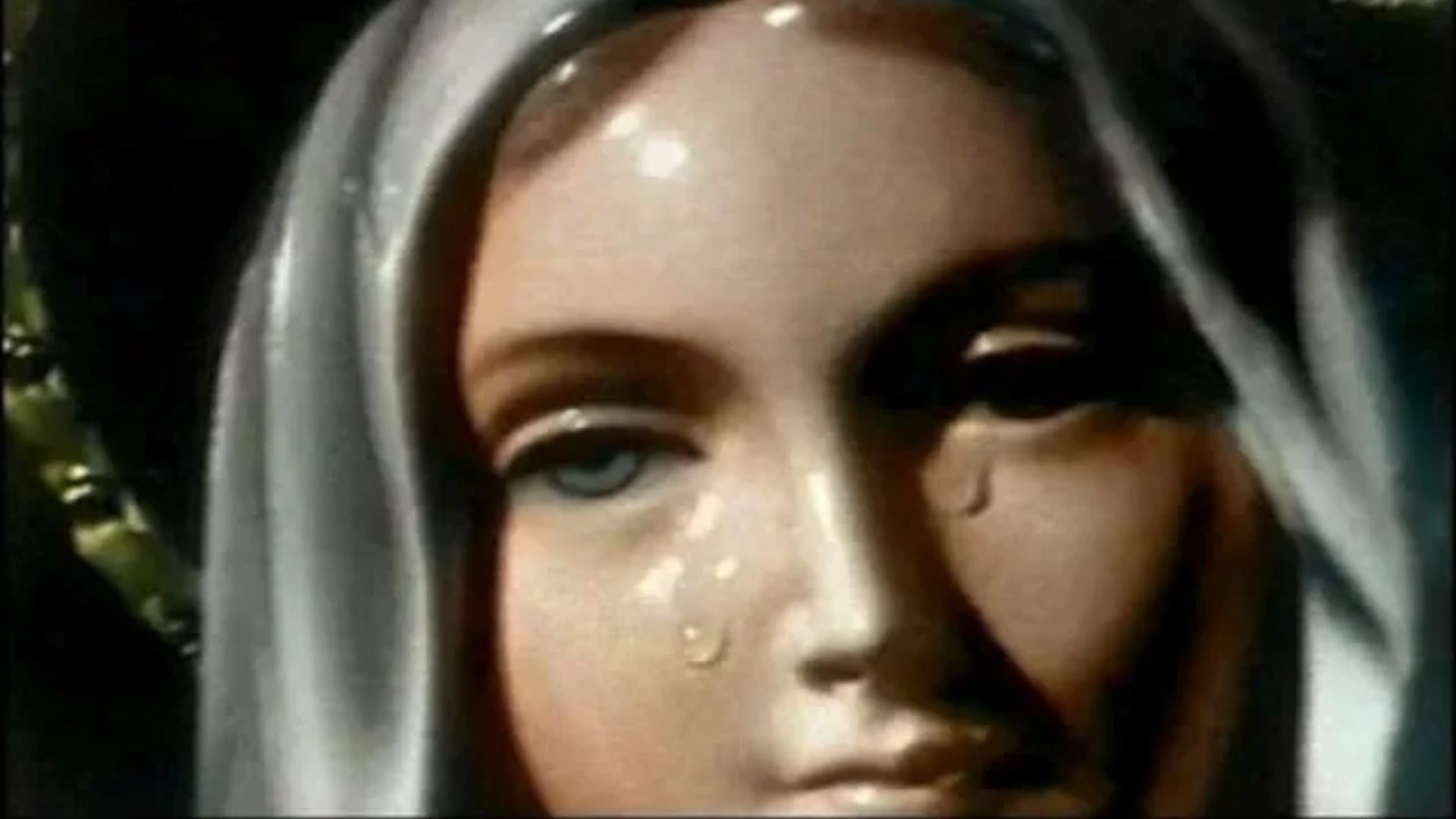
In 1953, a small plaster image in Syracuse, Sicily, became famous for reportedly shedding tears, a story that got big enough to trigger formal attention from church authorities. Contemporary reporting notes that Sicilian bishops issued a statement recognizing the phenomenon as miraculous, which is a concrete historical marker even if the physical mechanism remains debated.
6. The Liquefaction of St. Januarius’s Blood
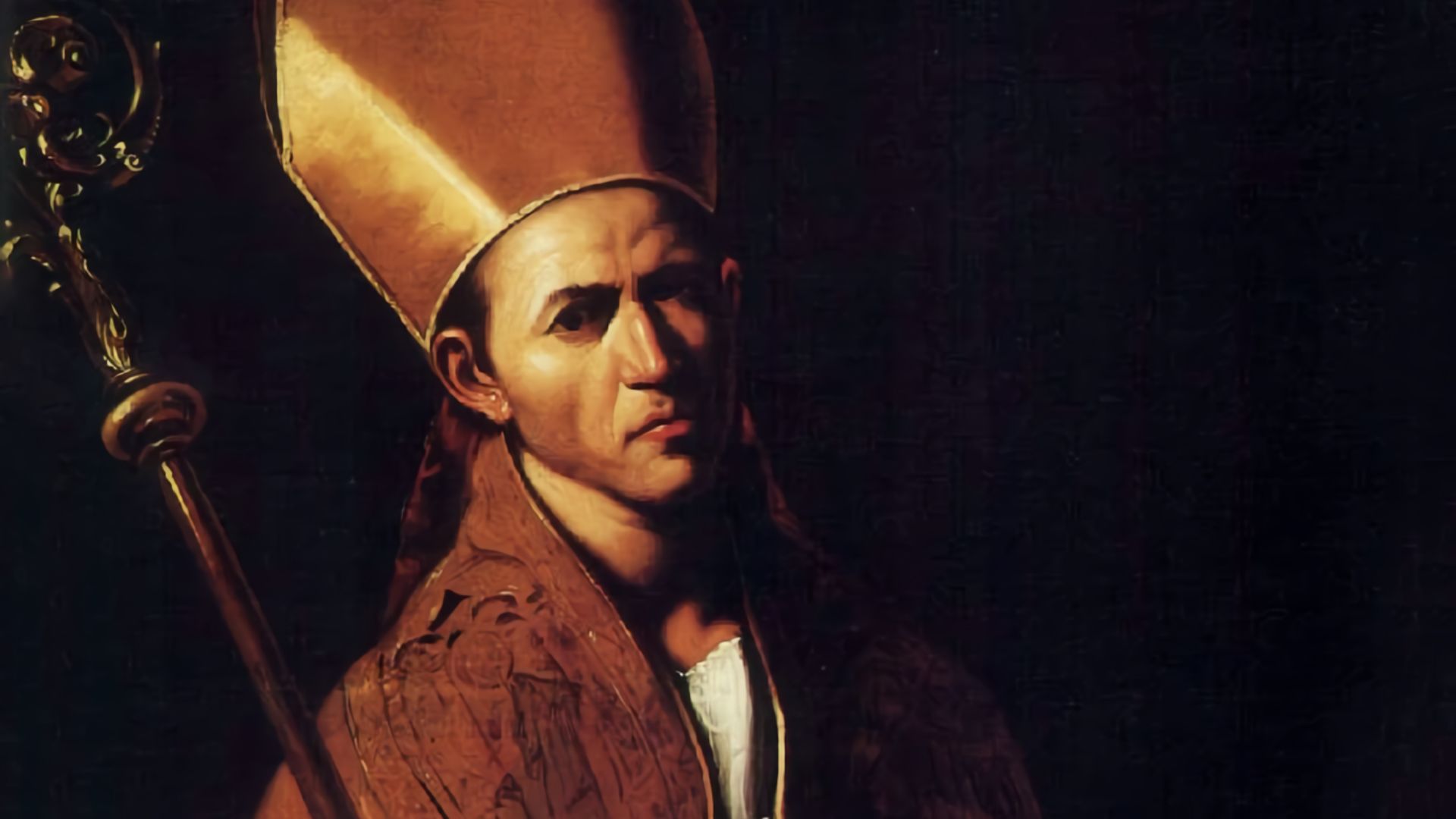
Naples has a recurring ritual where a sealed relic said to contain St. Januarius’s blood is displayed, and the substance is reported to liquefy on certain feast days. Even sympathetic sources treat the longevity of the tradition as part of the story, pointing to records that place the phenomenon’s documented history centuries back. The effect has also been reported as sometimes not happening, which weirdly strengthens the folklore.
7. Padre Pio’s Stigmata
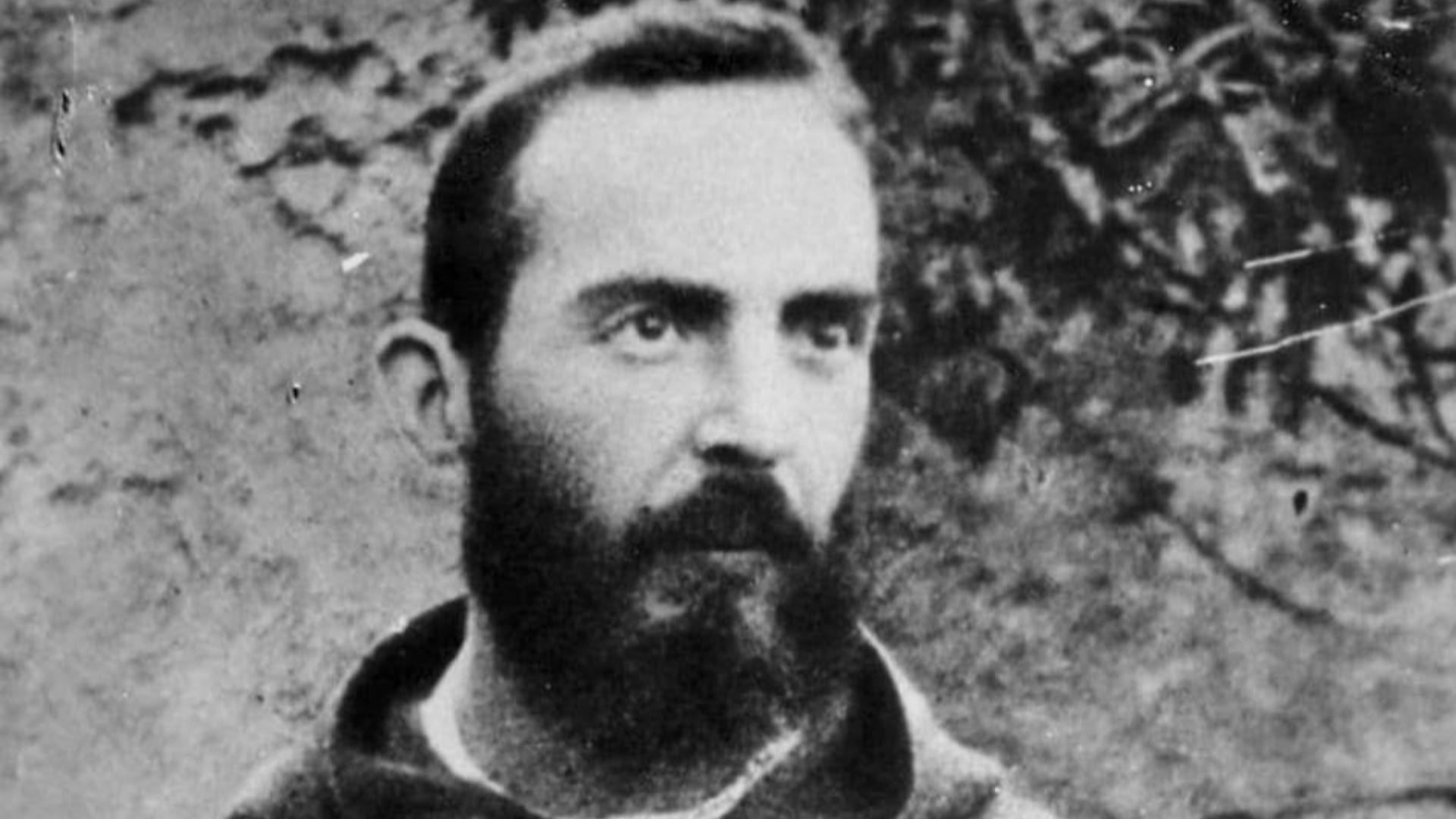
Padre Pio’s wounds are one of the most famous modern claims of stigmata, reported in 1918 and said to have remained until his death in 1968. The reason it won’t go away is that it sits at the intersection of public observation, medical scrutiny, and devotion, where every explanation sounds like it’s leaving something out.
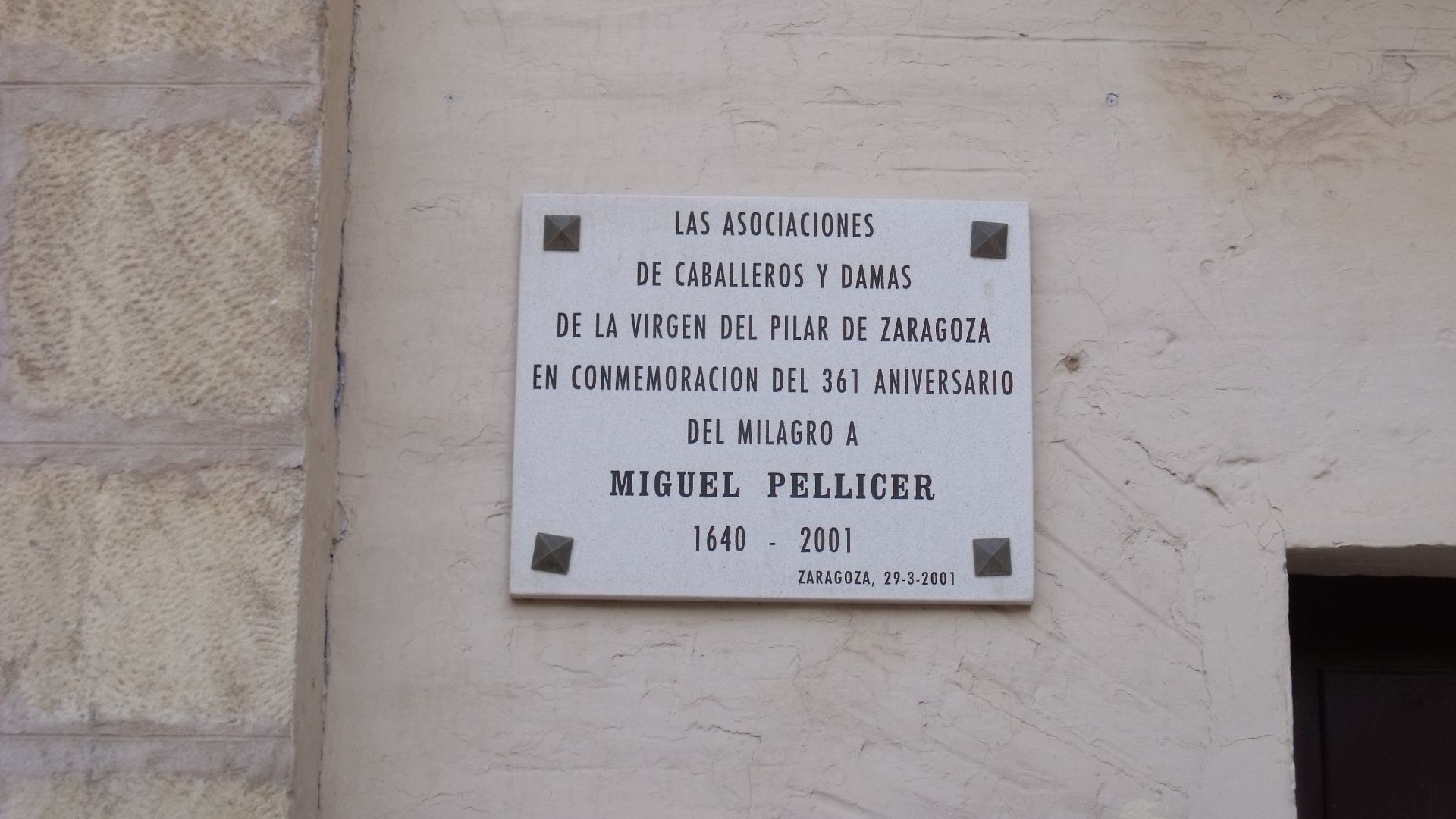
8. The Miracle of Calanda
In 1640 Spain, Miguel Juan Pellicer was said to have regained a leg that had been amputated years earlier, and the case is notable because it generated formal proceedings, not just tavern retellings. Surviving discussions of the documentation point to sworn testimony and an organized inquiry, and even skeptical treatments tend to concede that the paper trail is unusually robust for a story this wild.
9. Bernadette’s “Incorrupt” Exhumations
Bernadette Soubirous, tied forever to Lourdes, was exhumed multiple times during the canonization process, and reports from those events helped fuel the popular idea of “incorruptibility.” Some sources emphasize preservation, while others note later restoration work, including wax masks applied to the face and hands, which is the kind of unglamorous detail that makes the story feel more historically grounded, not less.
 Unknown authorUnknown author on Wikimedia
10. Our Lady of Guadalupe
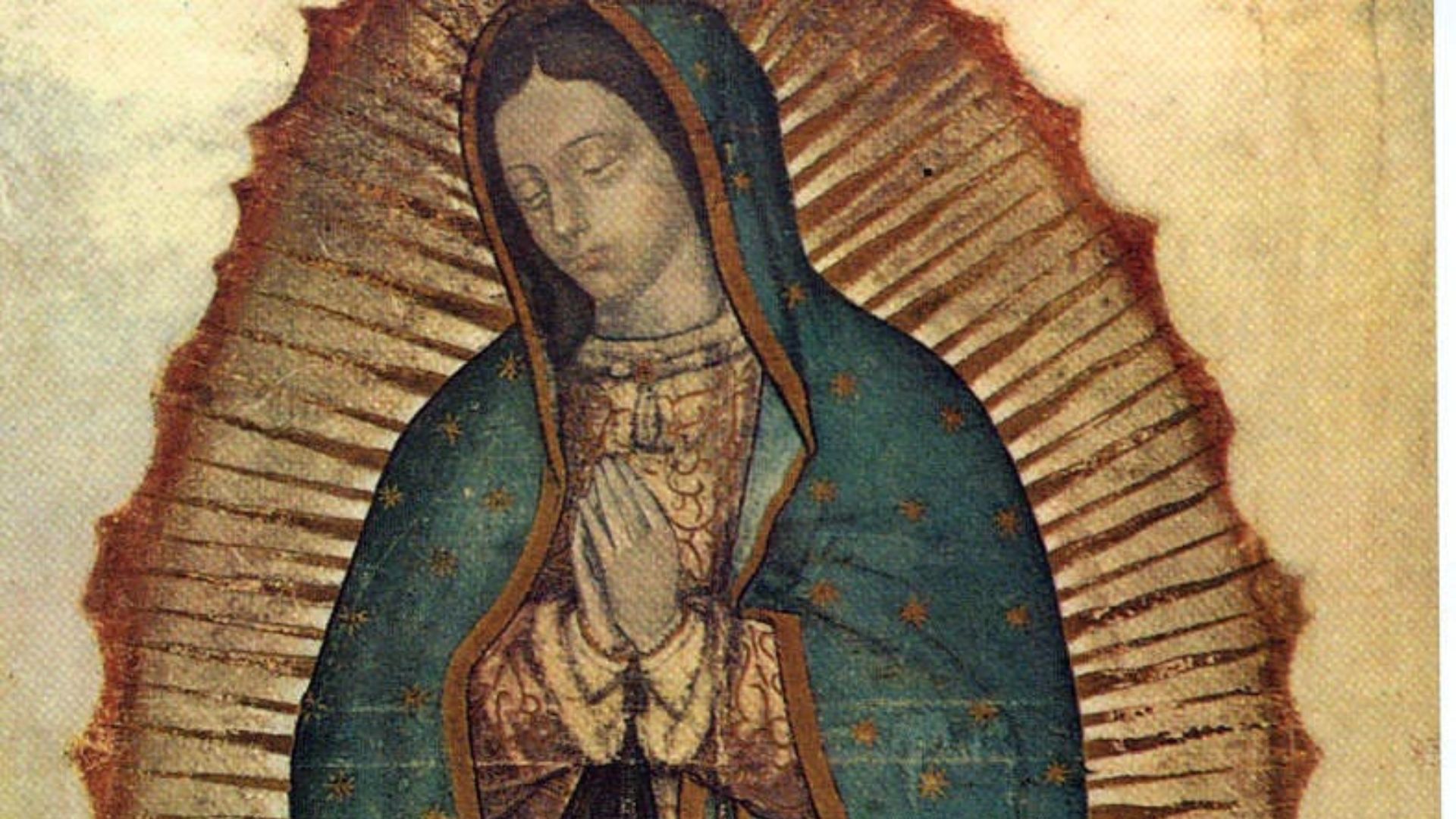
Guadalupe is often treated like it dropped fully formed into history, yet the written record has a real shape: a major Nahuatl account (the Nican Mopohua within the Huei tlamahuiçoltica) was first published in 1649, and scholars openly debate when the narrative was composed and how it circulated before print. That doesn’t prove the apparition, but it does prove something else: the devotion grew teeth, paperwork, and permanence, which is how miracle stories survive long enough to become national identity.
One list is about events that people still argue over; the next list of ten is what happens when the argument ends because the receipts show up.
1. Peter Popoff’s “Divine” Audience Readings
In the 1980s, faith-healer Peter Popoff wowed crowds by calling out strangers’ names and ailments like he was getting live updates from heaven. Investigators exposed that he was receiving details through a hidden earpiece, fed by his wife via radio, turning the miracle into a stage trick with a wireless mic.

2. Philippine “Psychic Surgery”
Psychic surgery plays like a nightmare-fantasy: bare hands, no incision, and suddenly a “tumor” appears, bloody and convincing, in the healer’s palm. Health officials and regulators have flatly labeled it fraud, and the trick’s reputation rests on sleight of hand plus grisly props, not supernatural intervention.

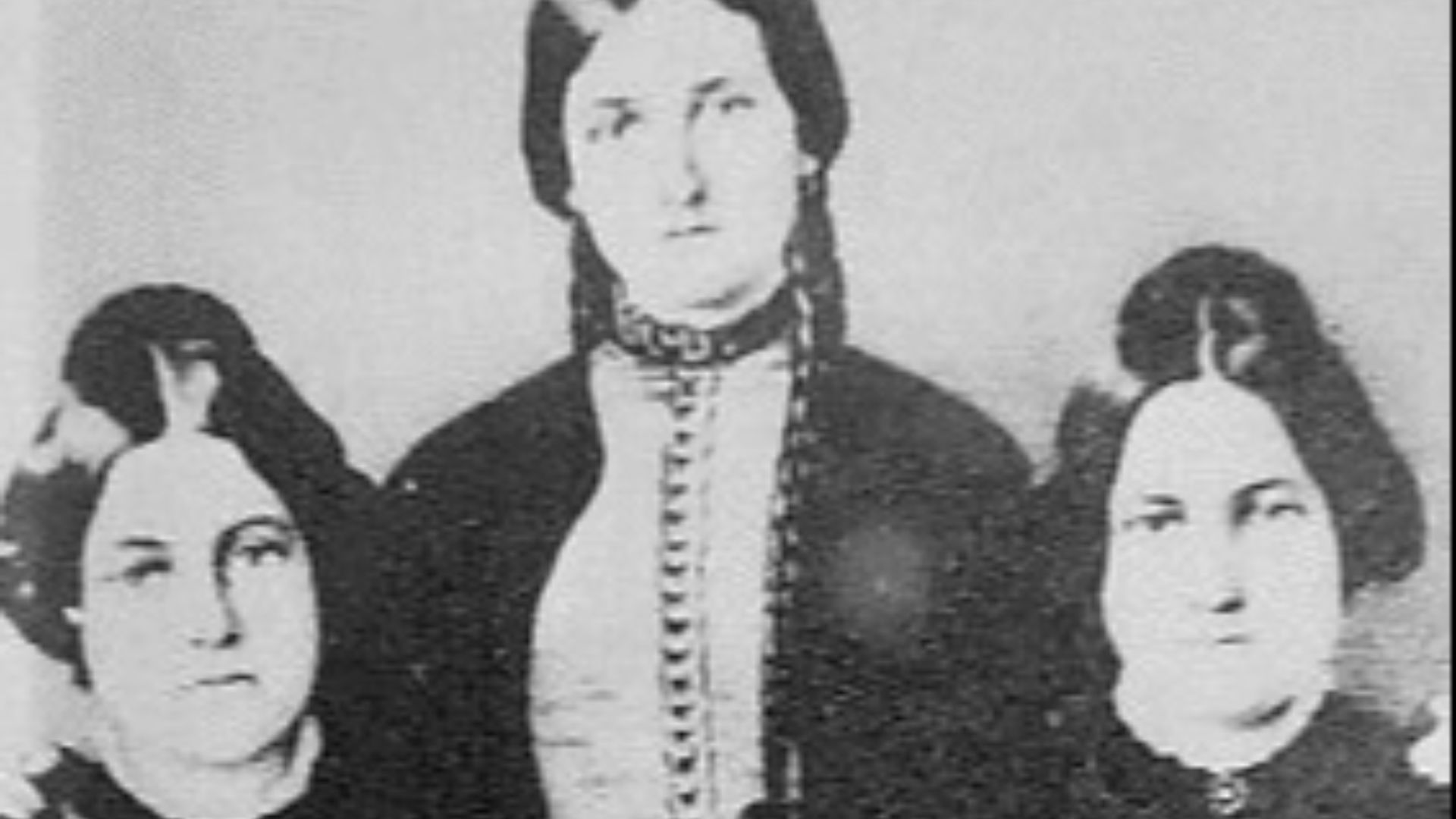
3. The Fox Sisters
In 1848, the Fox sisters’ “spirit raps” helped launch Spiritualism, and the scene spread fast because it gave grief a soundtrack and a ritual. Decades later, one sister publicly demonstrated how the sounds were made by cracking joints, and reporting from the time treated the confession as a real deflation of the act, not a minor rebrand.
4. The Cottingley Fairies
Two girls in England produced photographs in 1917 that seemed to show fairies, and the images hit cultural nerves so hard that even Arthur Conan Doyle endorsed them. Much later, the cousins admitted the pictures were staged with cutouts, a hoax that worked because the photographs looked like proof in an era hungry for enchantment.

5. Mary Toft’s Rabbit “Births”
In 1726, Mary Toft convinced doctors and onlookers that she was giving birth to rabbits, a spectacle so grotesque that it briefly scrambled professional judgment. The case collapsed as investigators found evidence of deception and Toft confessed, leaving behind a cautionary tale about how badly people want miracles when medicine feels helpless.

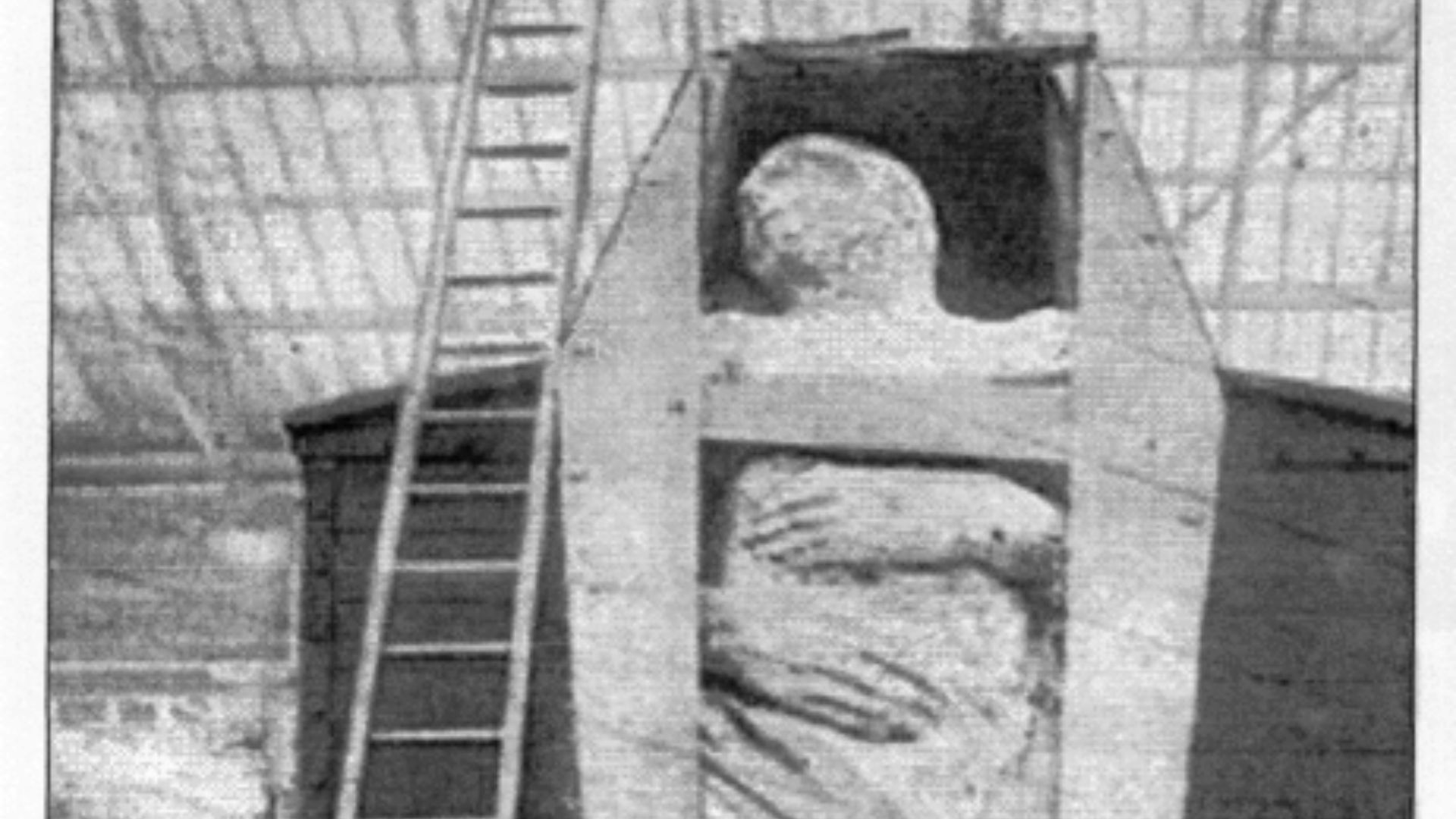
6. The Cardiff Giant
A “petrified” giant supposedly unearthed in New York in 1869 became an instant sensation, tapping straight into biblical imagination and showman greed. The creator, George Hull, eventually confessed, and the episode remains a masterclass in how quickly a paid admission line can become public belief.
 Scan from magazine on Wikimedia
7. The Fiji Mermaid
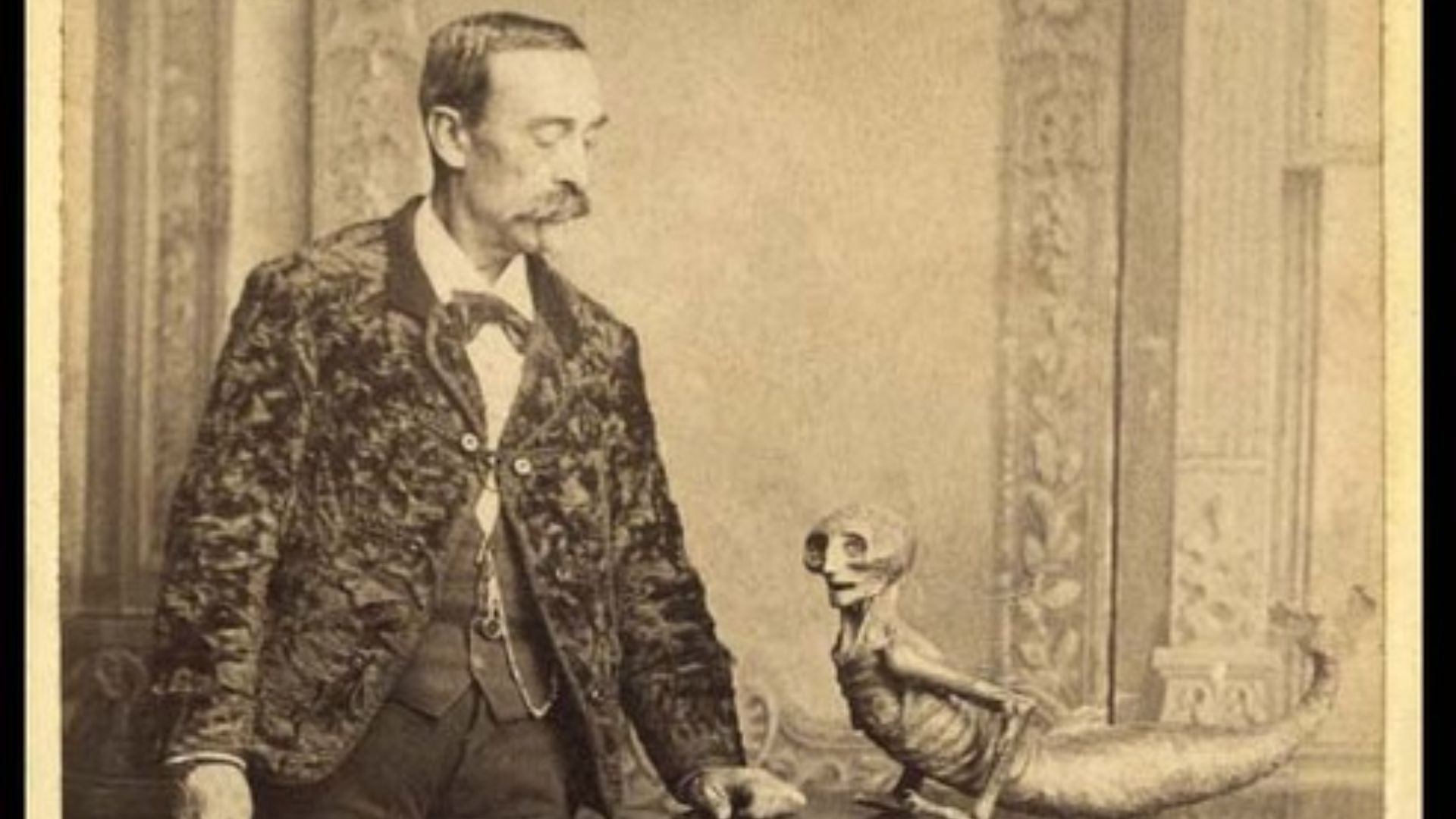
P. T. Barnum’s famous “mermaid” wasn’t a sea-creature mystery, it was a stitched-up composite meant to exploit the public’s love of freakish wonders. Later accounts describe it plainly as an ape-like torso attached to a fish tail, a creature built to be glimpsed in low light and remembered in higher drama.
 Unknown authorUnknown author on Wikimedia
8. The Angels of Mons
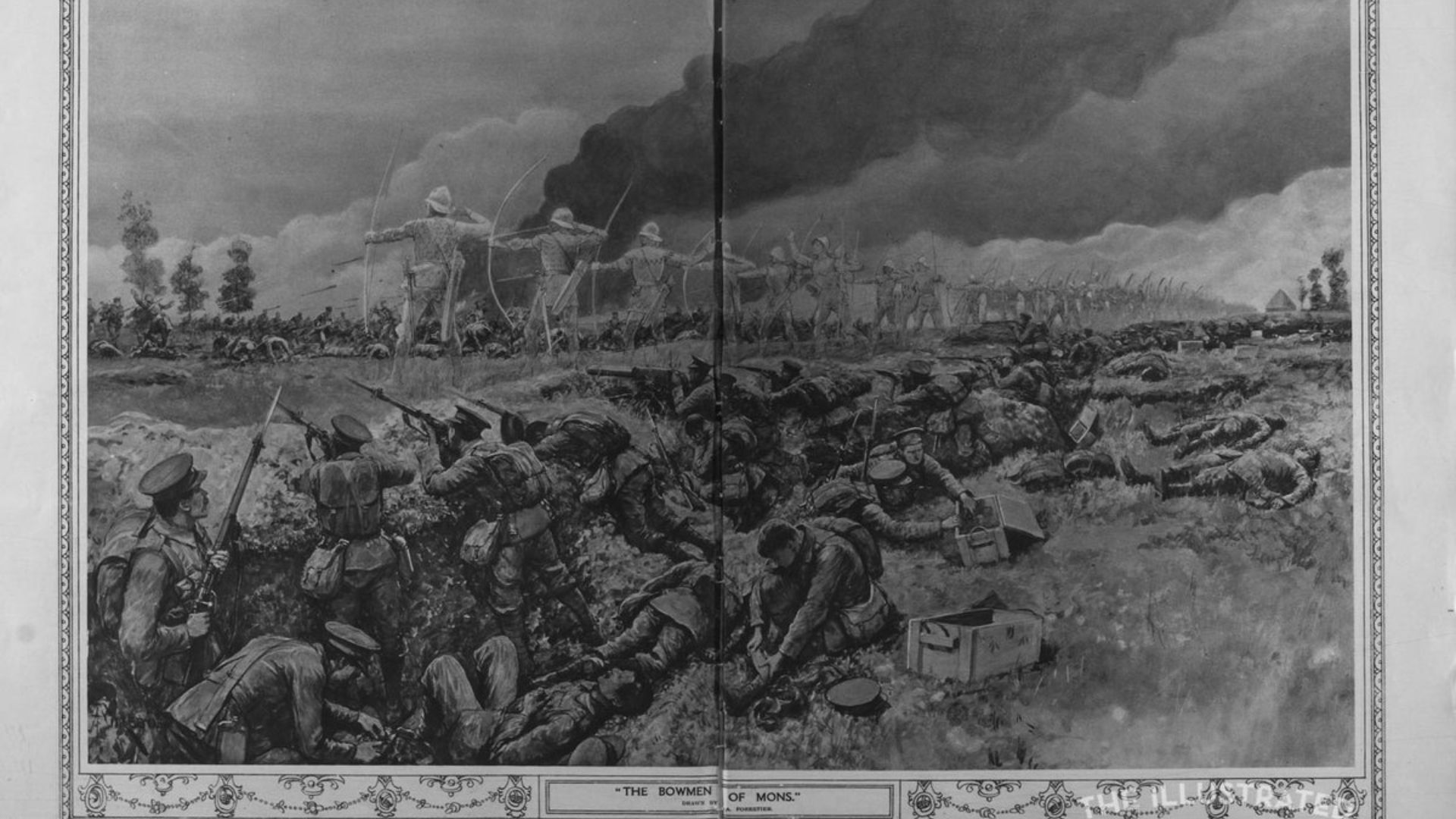
During World War I, stories spread that angelic beings, or ghostly bowmen, appeared to protect British troops at Mons, a rumor that felt like spiritual reinforcement for a terrified public. The myth traces back to a piece of fiction by Arthur Machen that wasn’t clearly labeled as such, and the true story versions multiplied anyway because wartime audiences were primed to turn metaphor into eyewitness testimony.
 After Amédée Forestier on Wikimedia
9. The Great Moon Hoax
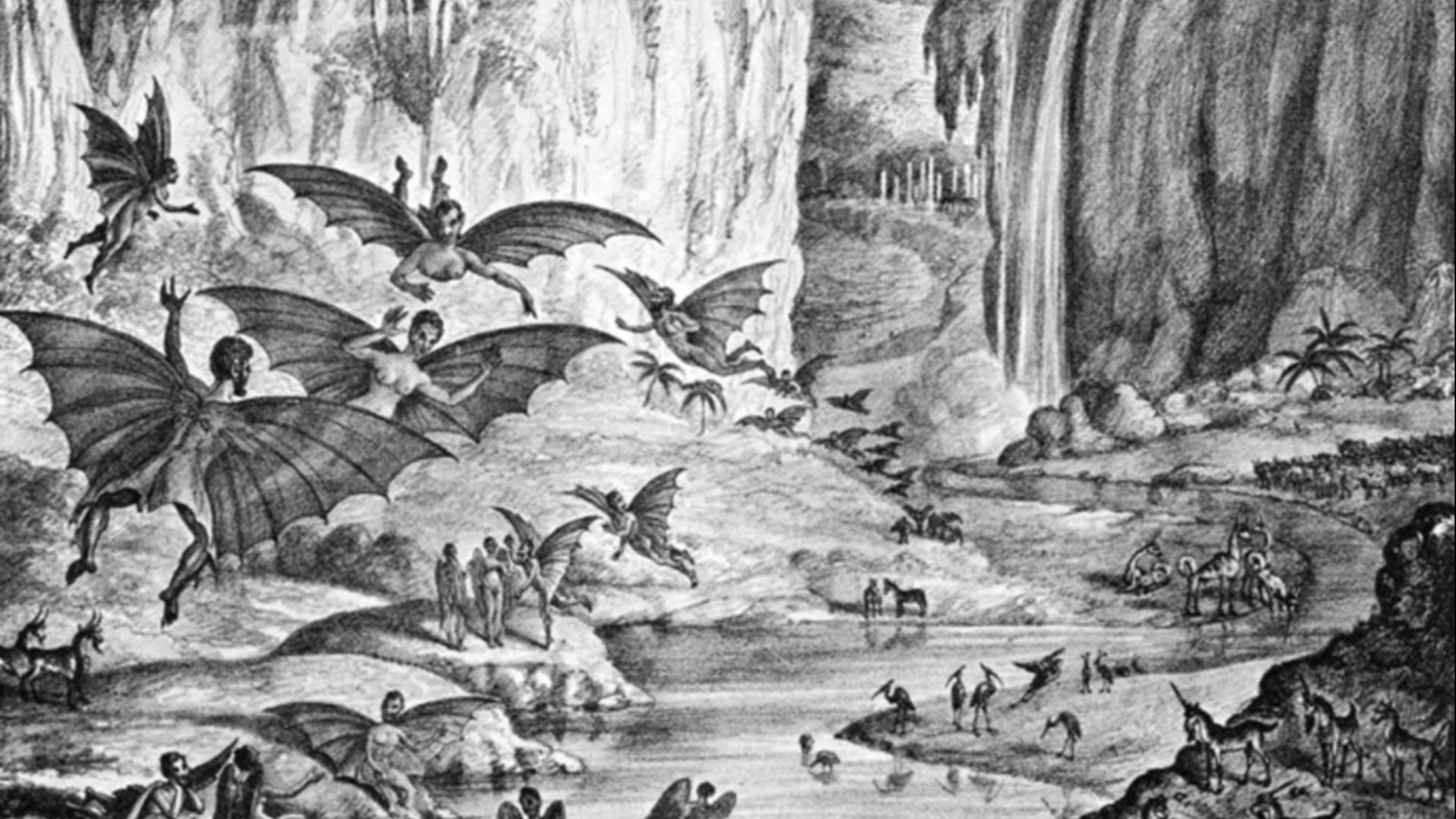
In 1835, the New York Sun ran a series claiming astronomers had discovered lunar civilizations and strange creatures, dressed up in scientific language that sounded just plausible enough. The paper later admitted the story was fabricated, and it remains one of the earliest famous examples of mass-media fantasy passing itself off as reportage.
10. Piltdown Man
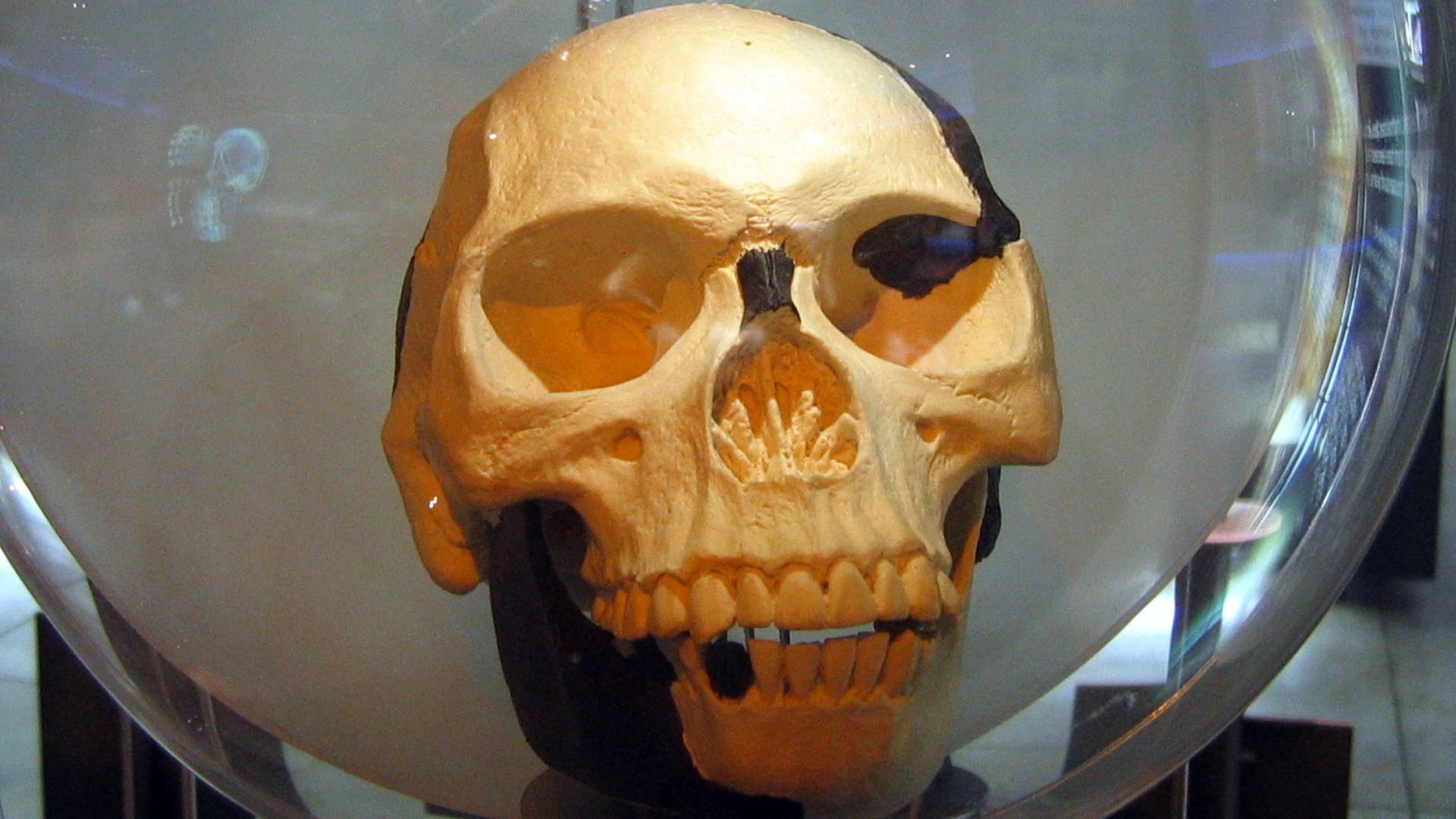
Piltdown Man was presented in 1912 as a “missing link” fossil, and for decades it shaped how people pictured human evolution, which is its own kind of secular miracle story. It was finally exposed as a deliberate composite of bones from different species, and later investigation pointed strongly toward Charles Dawson as the likely culprit.
KEEP ON READING
The 20 Most Recognized Historical Figures Of All Time
The Biggest Names In History. Although the Earth has been…
By Cathy Liu Oct 4, 2024
10 of the Shortest Wars in History & 10 of…
Wars: Longest and Shortest. Throughout history, wars have varied dramatically…
By Emilie Richardson-Dupuis Oct 7, 2024
10 Fascinating Facts About Ancient Greece You Can Appreciate &…
Once Upon A Time Lived Some Ancient Weirdos.... Greece is…
By Megan Wickens Oct 7, 2024
20 Lesser-Known Facts About Christopher Columbus You Don't Learn In…
In 1492, He Sailed The Ocean Blue. Christopher Columbus is…
By Emilie Richardson-Dupuis Oct 9, 2024
20 Historical Landmarks That Have The Craziest Conspiracy Theories
Unsolved Mysteries Of Ancient Places . When there's not enough evidence…
By Megan Wickens Oct 9, 2024
The 20 Craziest Inventions & Discoveries Made During Ancient Times
Crazy Ancient Inventions . While we're busy making big advancements in…
By Cathy Liu Oct 9, 2024