Frozen In Time
Cities don’t have “historic districts”; they’ve got neighborhoods that have been busy since knights, guilds, and monarchies flooded the streets. The medieval era left behind marketplaces, cathedrals, fortresses, and street plans you can still walk today. In the 20 cities below, modernity encompasses antiquity. Grab a snack, turn a corner, and step back in time.
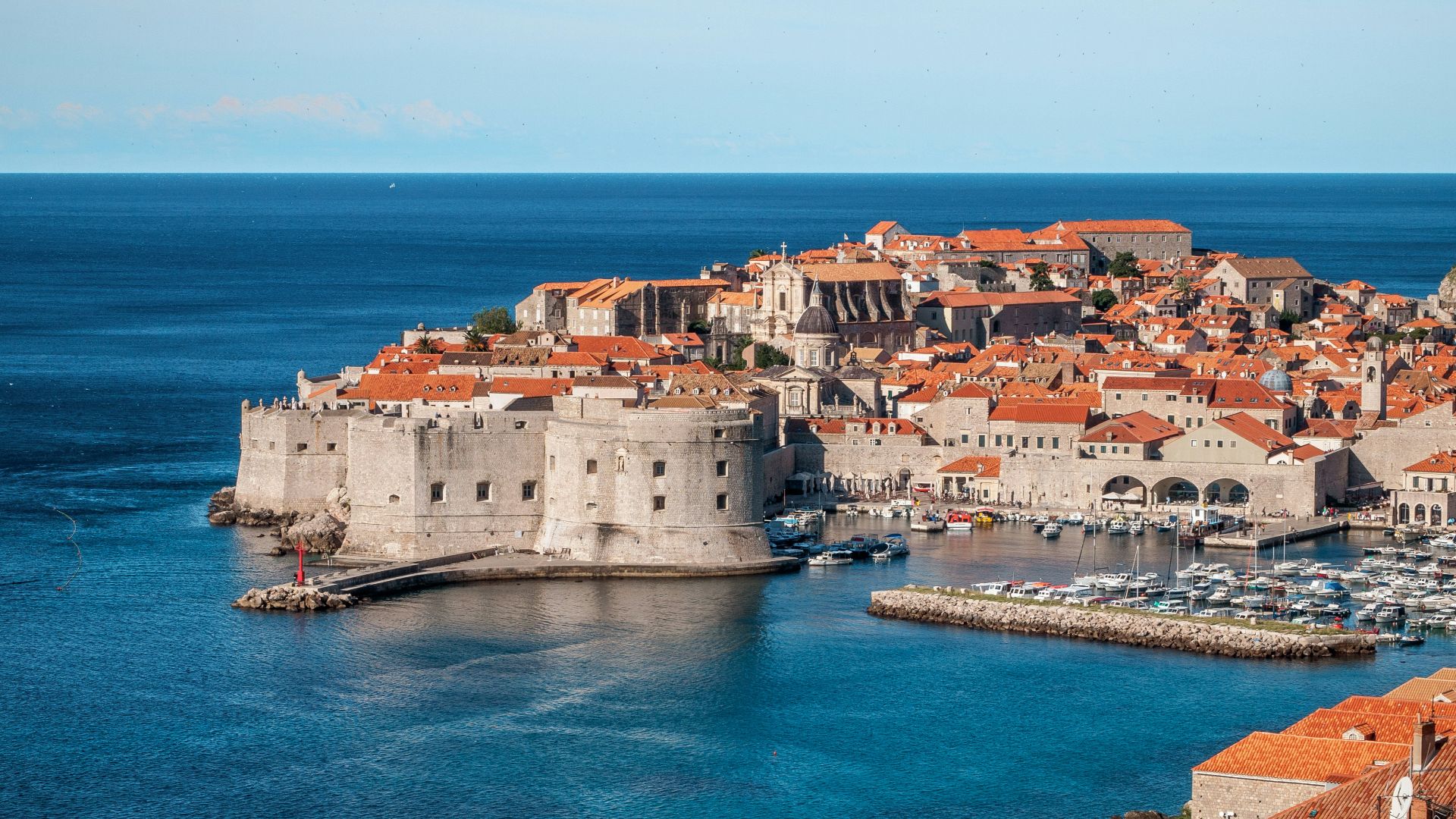
1. Dubrovnik, Croatia
Dubrovnik is a medieval city that never took off its armor. The Republic of Ragusa, built on seafaring trade and careful diplomacy, was encircled by walls erected during the 16th century. Within the walls, you can visit Old Town, a pedestrian-only area.
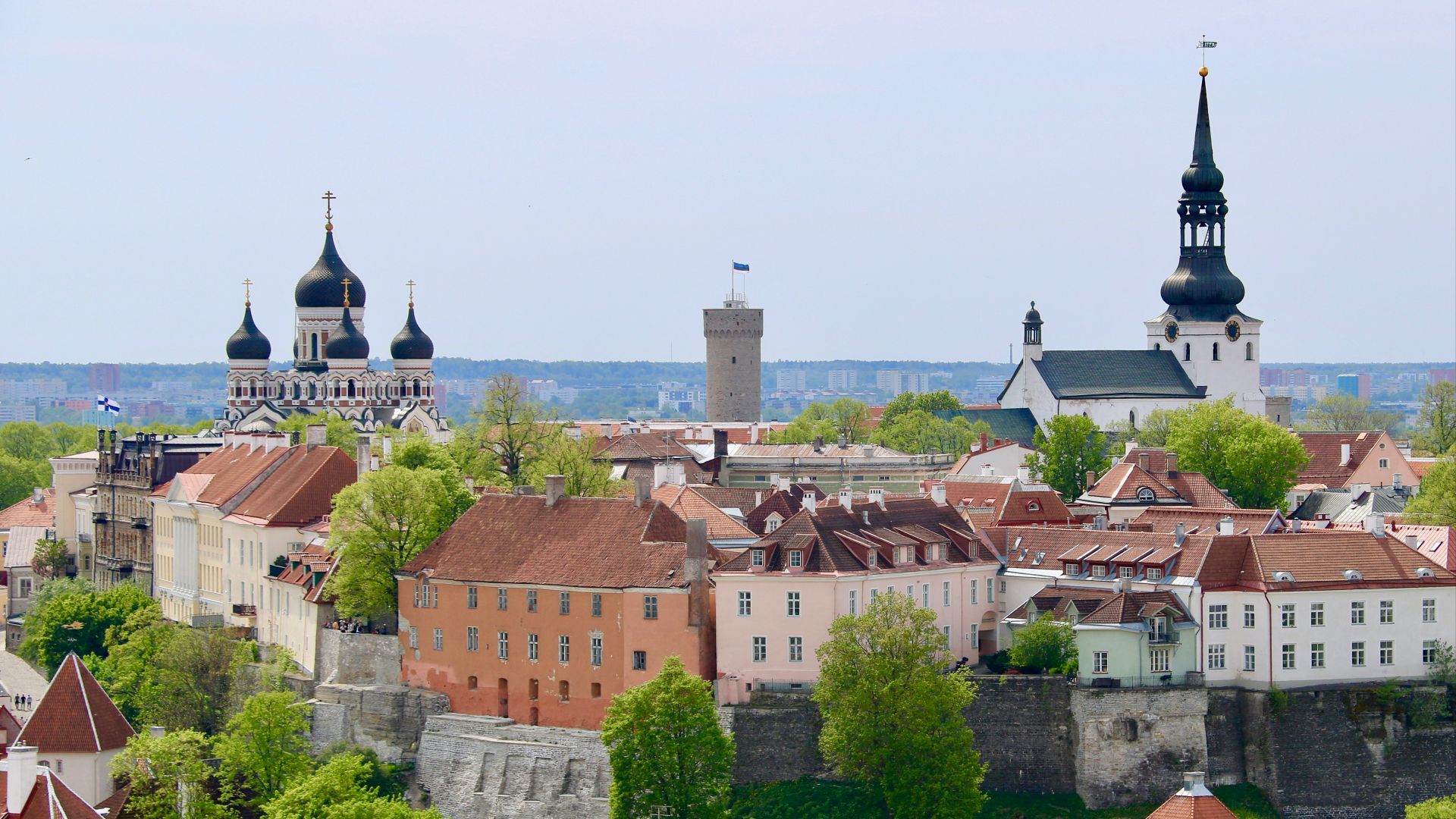
2. Tallinn, Estonia
Tallinn’s Old Town looks like a storybook smack dab in the middle of modernity. The town operated as a Hanseatic League port from the 13th century, but has been a site of human settlement for almost 5,000 years.
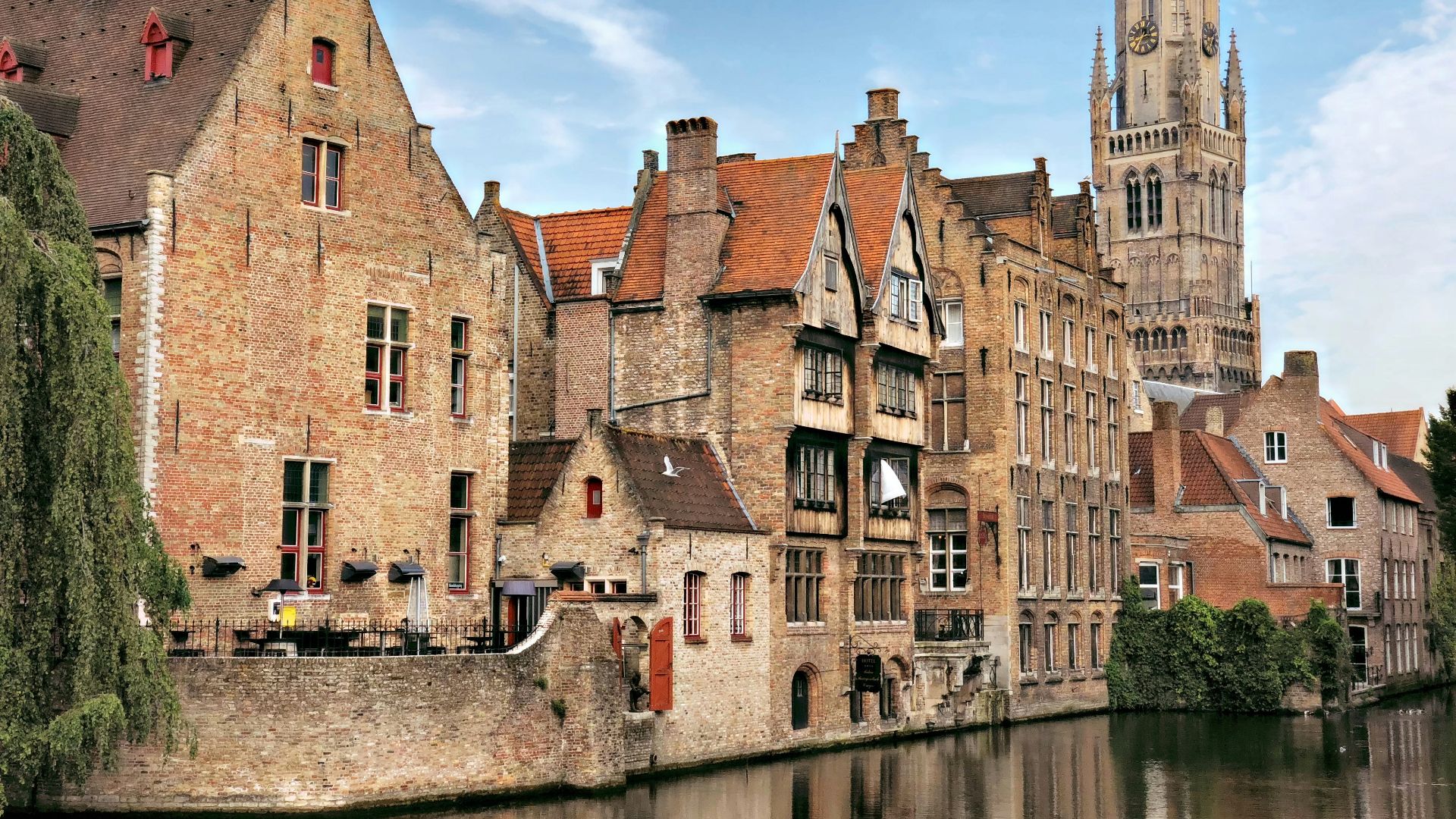
3. Bruges, Belgium
Medieval Bruges boomed on cloth, banking, and easy access to the sea. Its canals moved cargo as efficiently as they now move tourists. Today, the market square and Belfry Tower still serve as a reminder of the city’s 1000-year-old history.
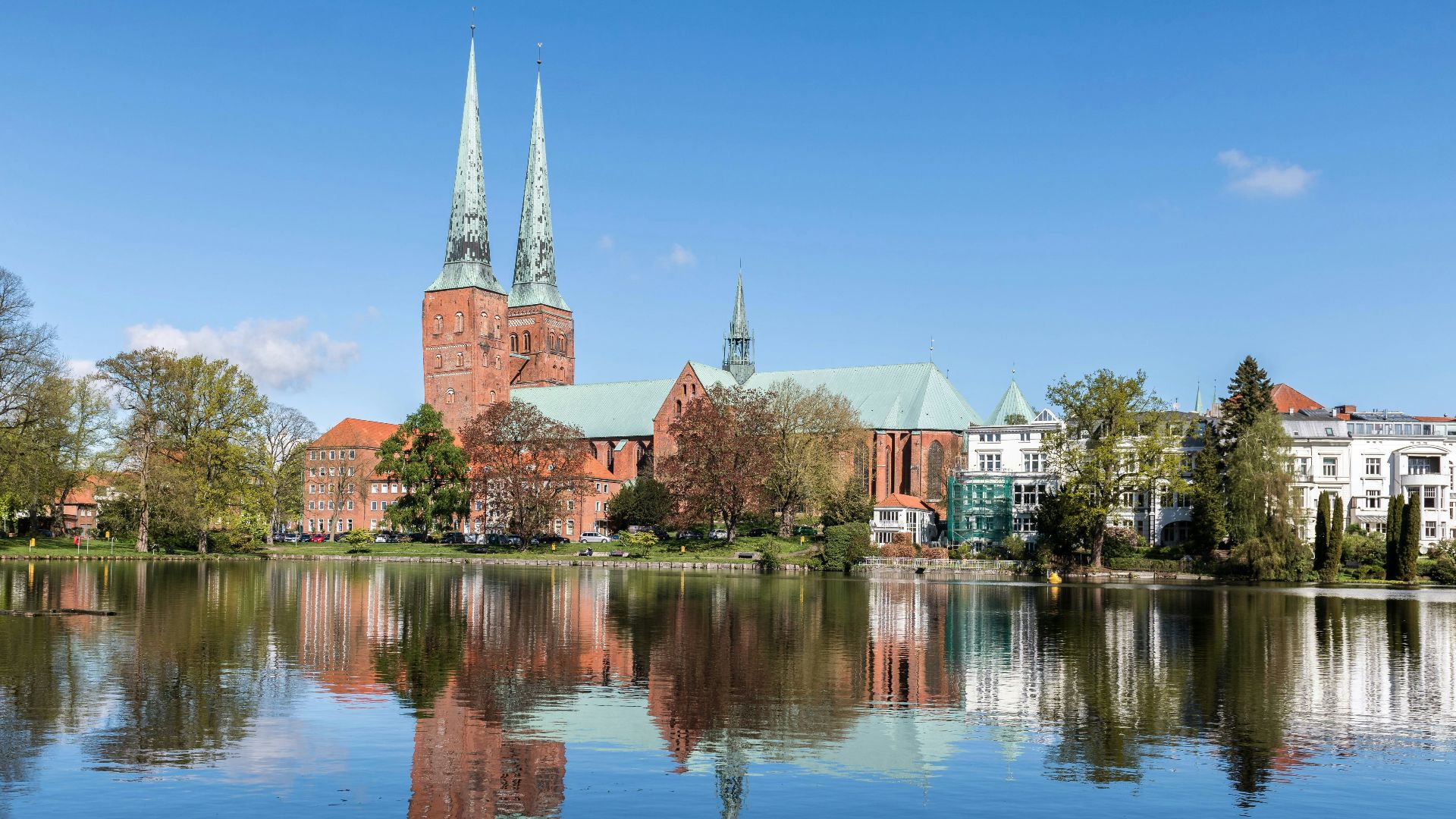
4. Lübeck, Germany
Founded in the 12th century, Lübeck became a headline name in Baltic trade. That money paid for bold brick-Gothic churches and proud civic buildings. Step into the old streets and you’ll see why it has the nickname the “Queen of the Hanse.”
5. Prague, Czech Republic
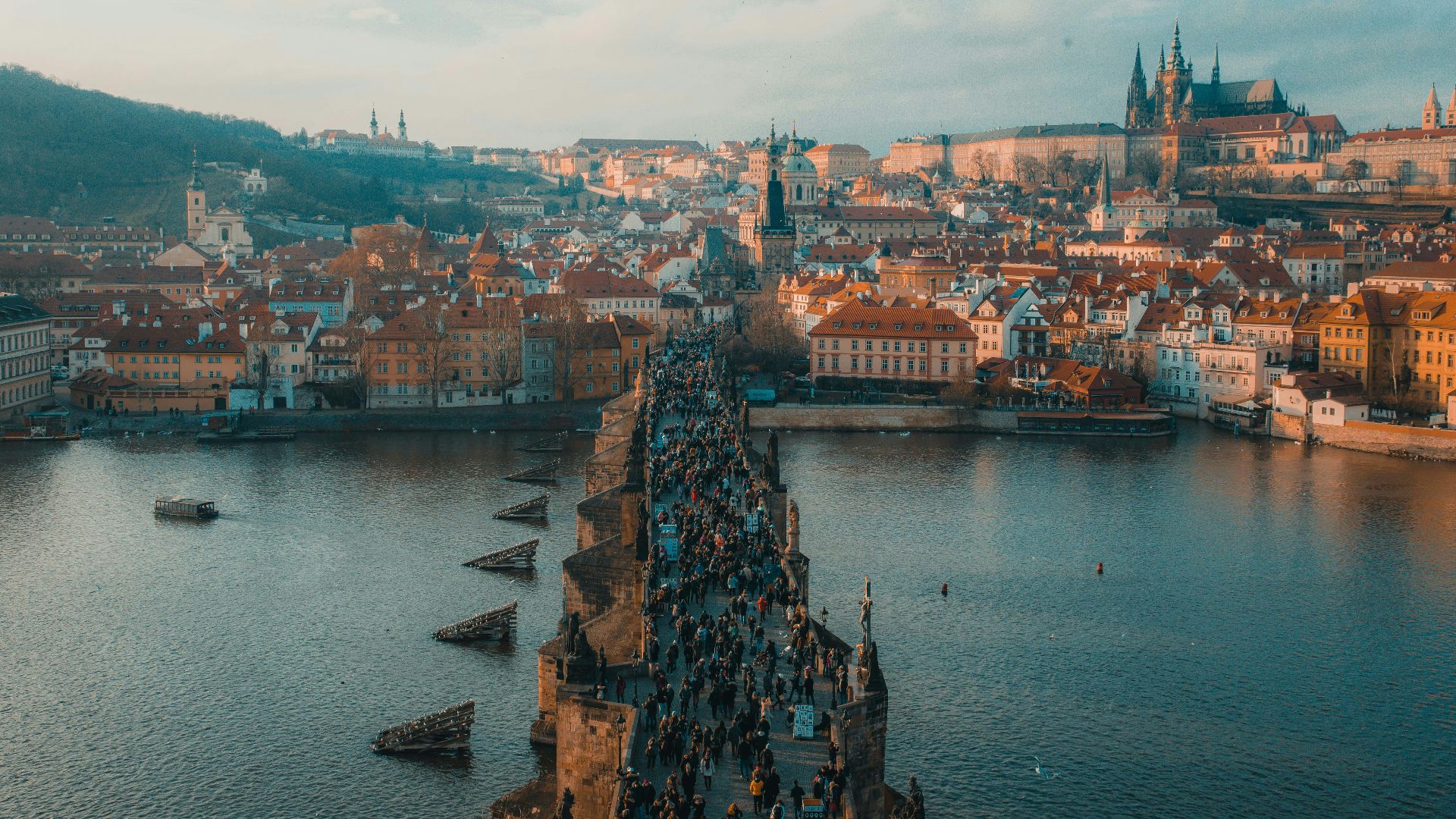
Medieval Prague grew into a Central European heavyweight, especially under Charles IV. Today, the city is still full of Gothic and Baroque architecture, with its Old Town still lined with cobblestone. You’ll know you’re entering an old town when you reach Powder Tower, a large Gothic gate that separates old and new.
6. Kraków, Poland
Kraków gained city rights in the 13th century and has been celebrated for its history and architecture ever since. Here, you can visit Wawel Castle, St. Mary’s Church, and gain a further understanding of what life was like during the nazi occupation of World War II.
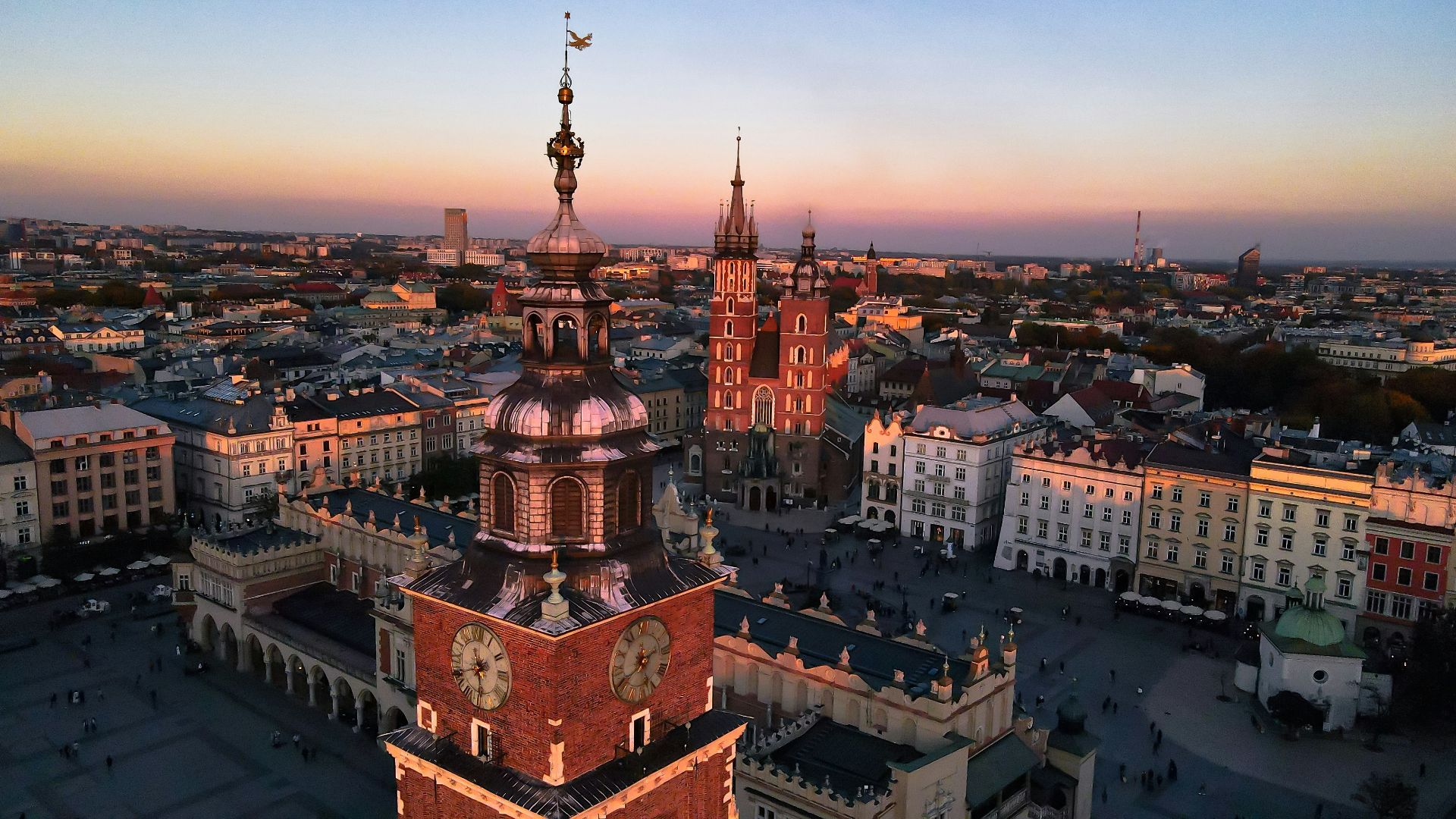 Kevin Perez Camacho on Unsplash
7. Nuremberg, Germany
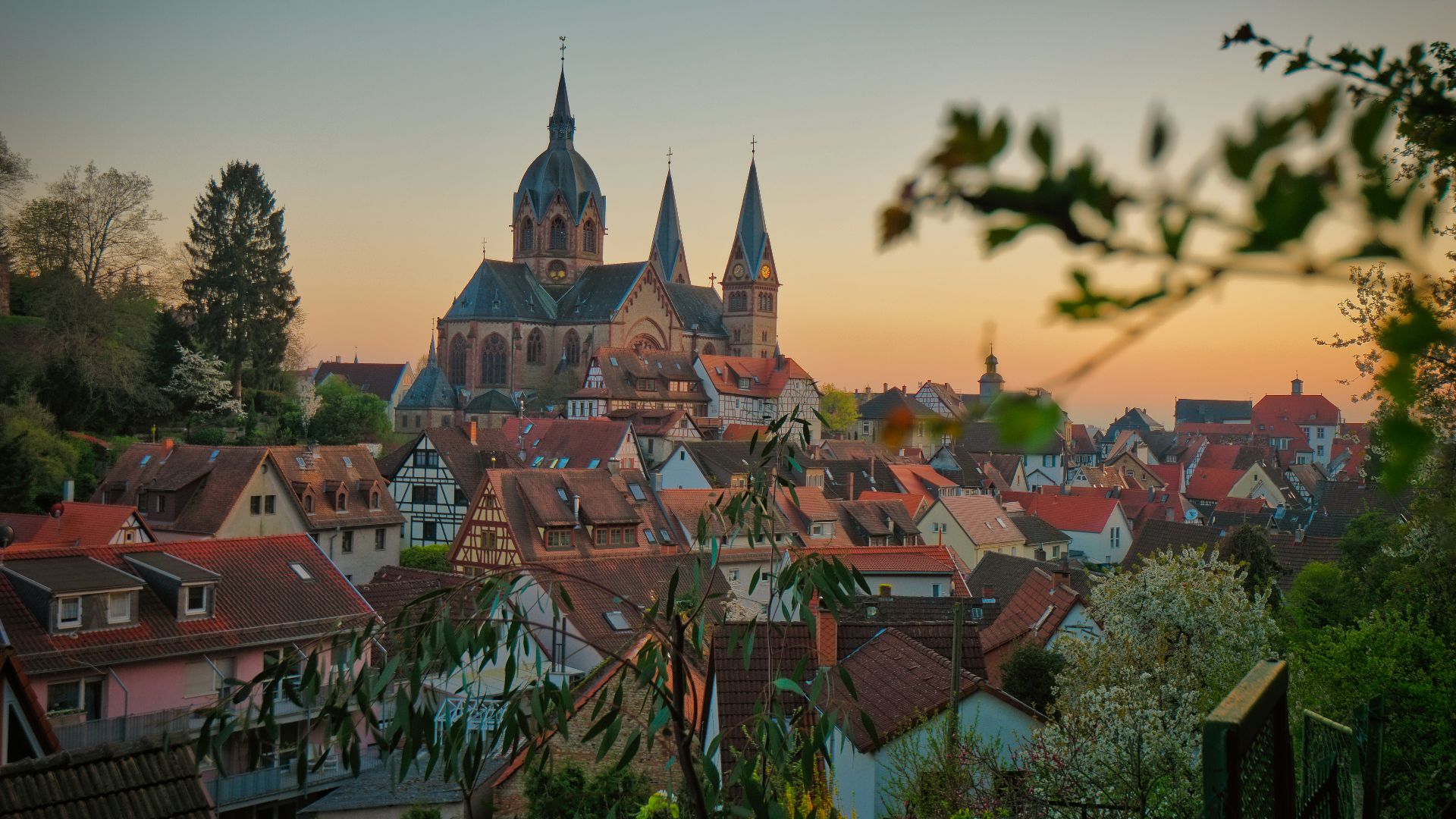
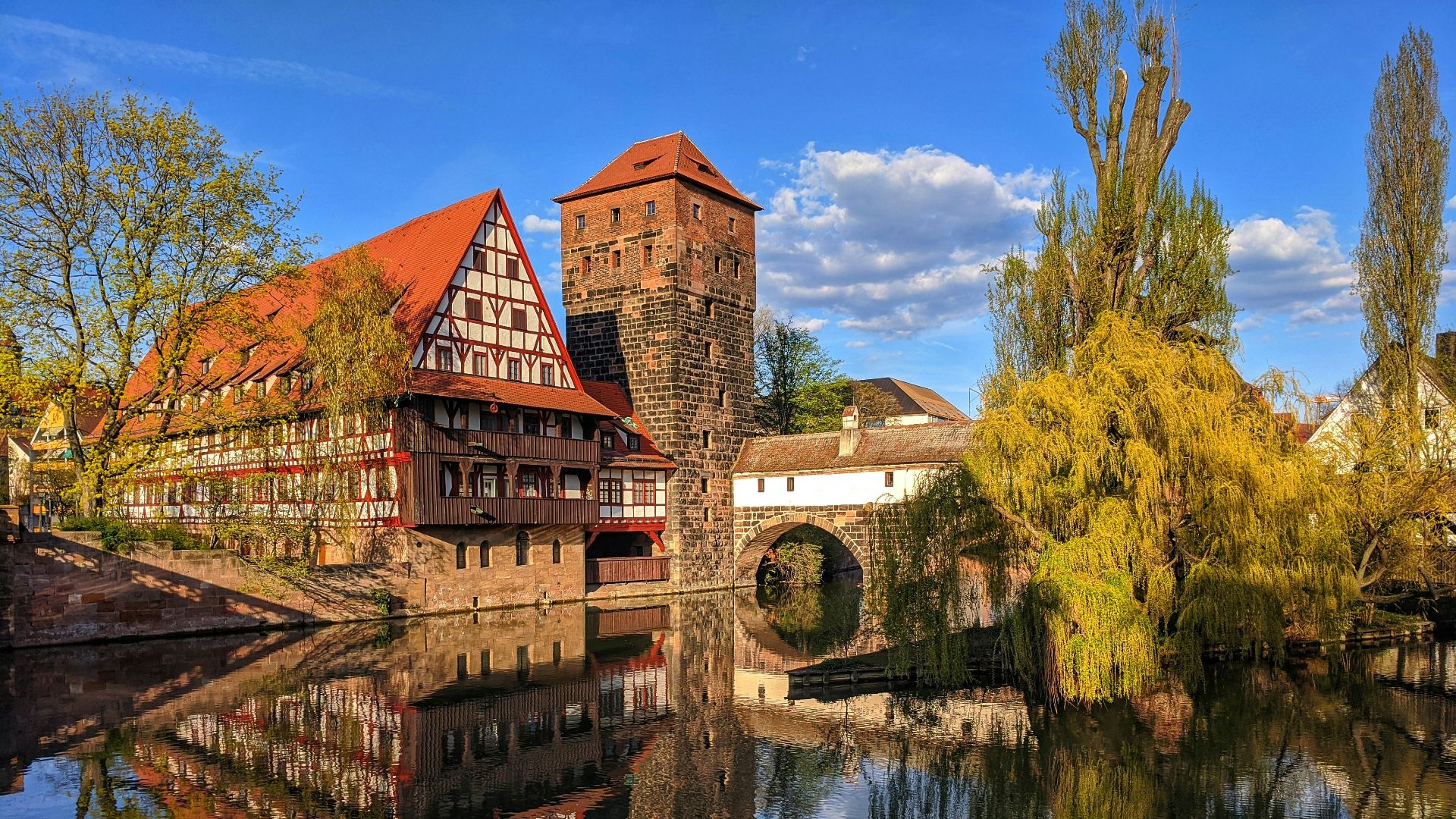
Nuremberg served the Holy Roman Empire as a political stop and an imperial meeting place. It's Old Town is well preserved with timber houses, a Christmas market, and the ever-present flow of the Pegnitz River; it’ll feel like you stepped back in time.
8. York, England
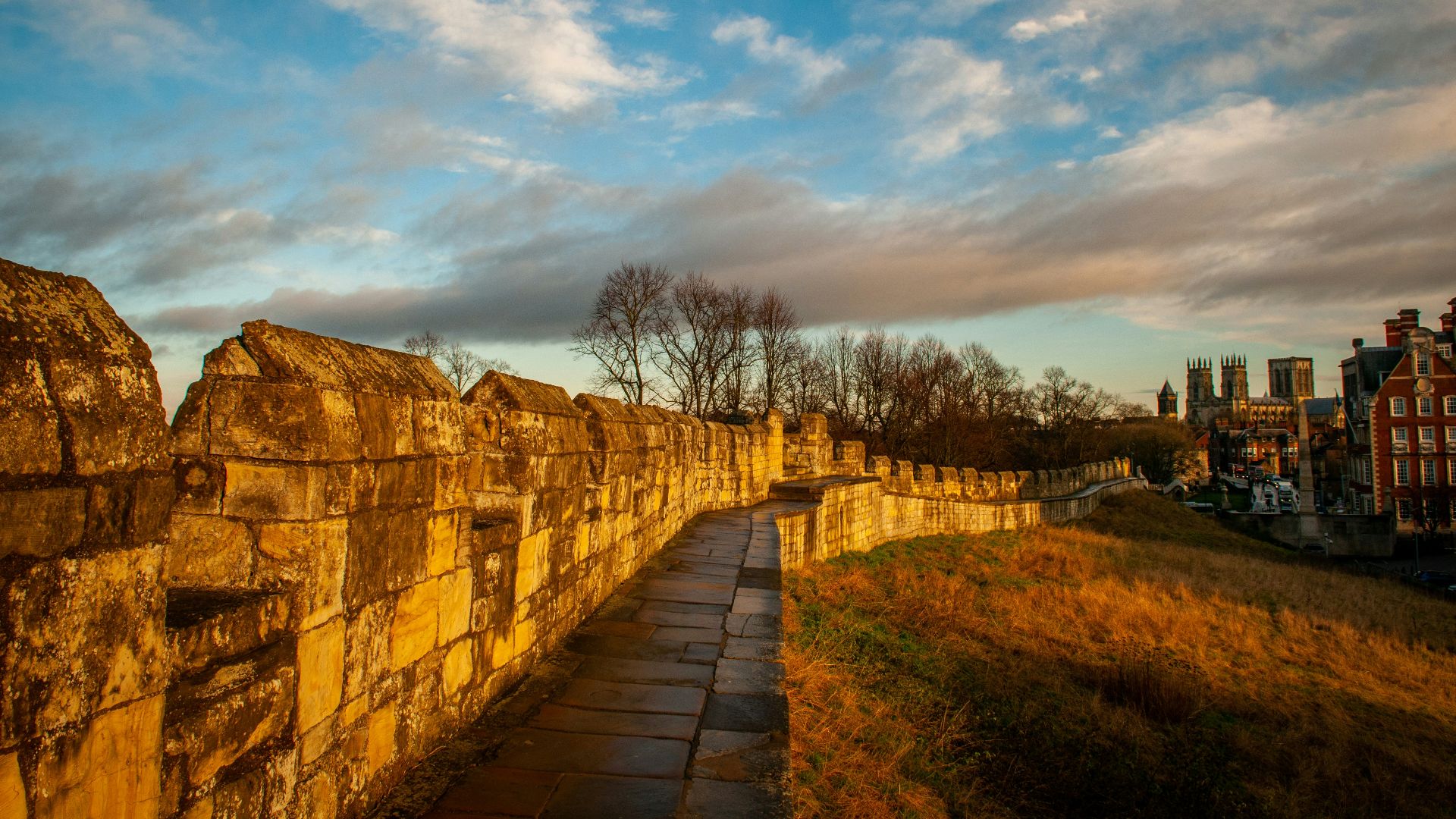
York’s medieval walls and gatehouses continue to make North Yorkshire a hotspot for history buffs and lovers of beautiful buildings. York Minster, with its Gothic grandeur, reflects the Roman influence on the area almost 1400 years ago.
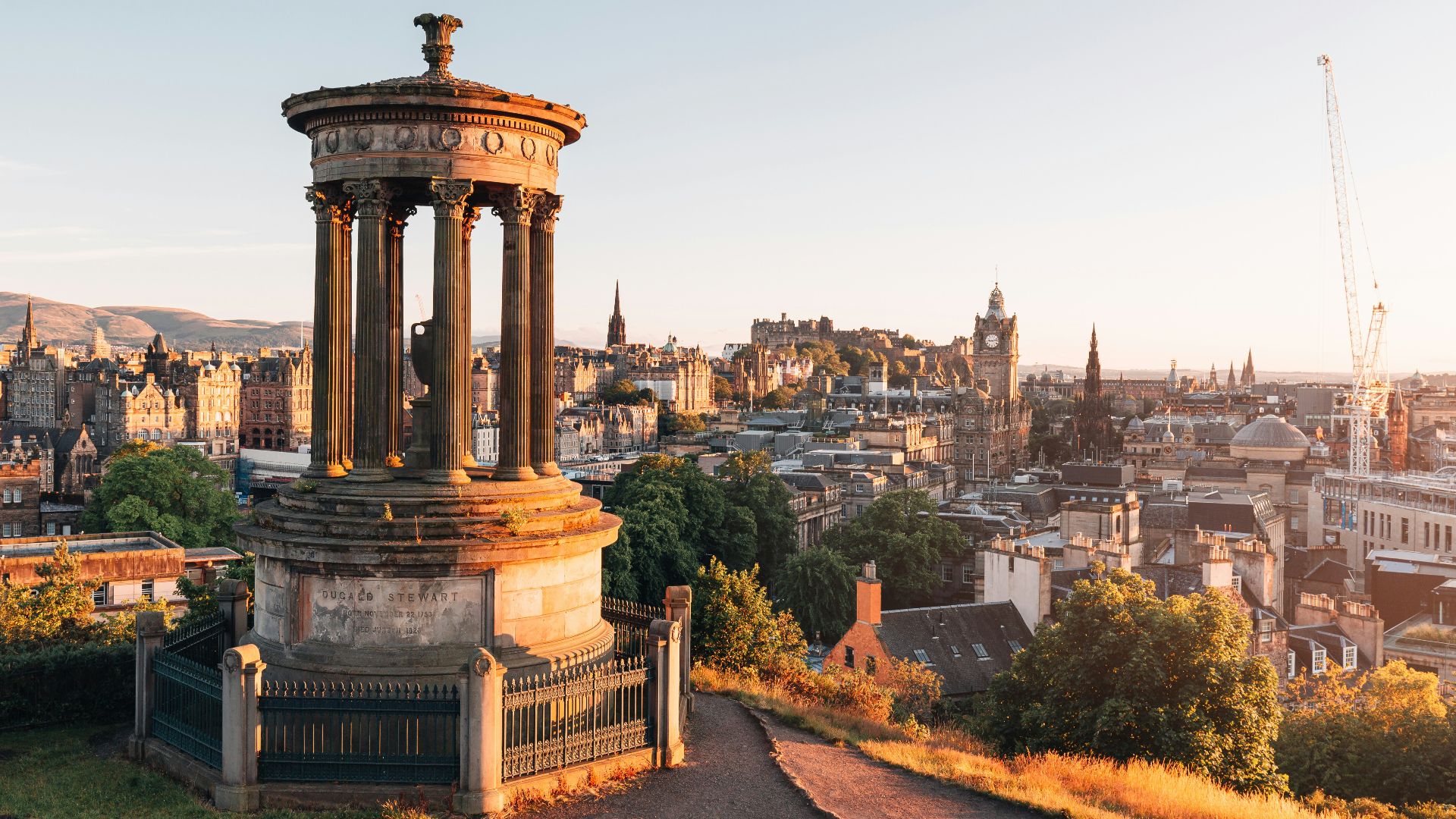
9. Edinburgh, Scotland
12th-century Edinburgh stretched along a ridge, which forced medieval builders to stack homes tightly together. Today, we can still see how our medieval ancestors used to live, winding through narrow alleyways and hidden streets. As you walk the Royal Mile, you’ll eventually end up at the grand Edinburgh Castle.
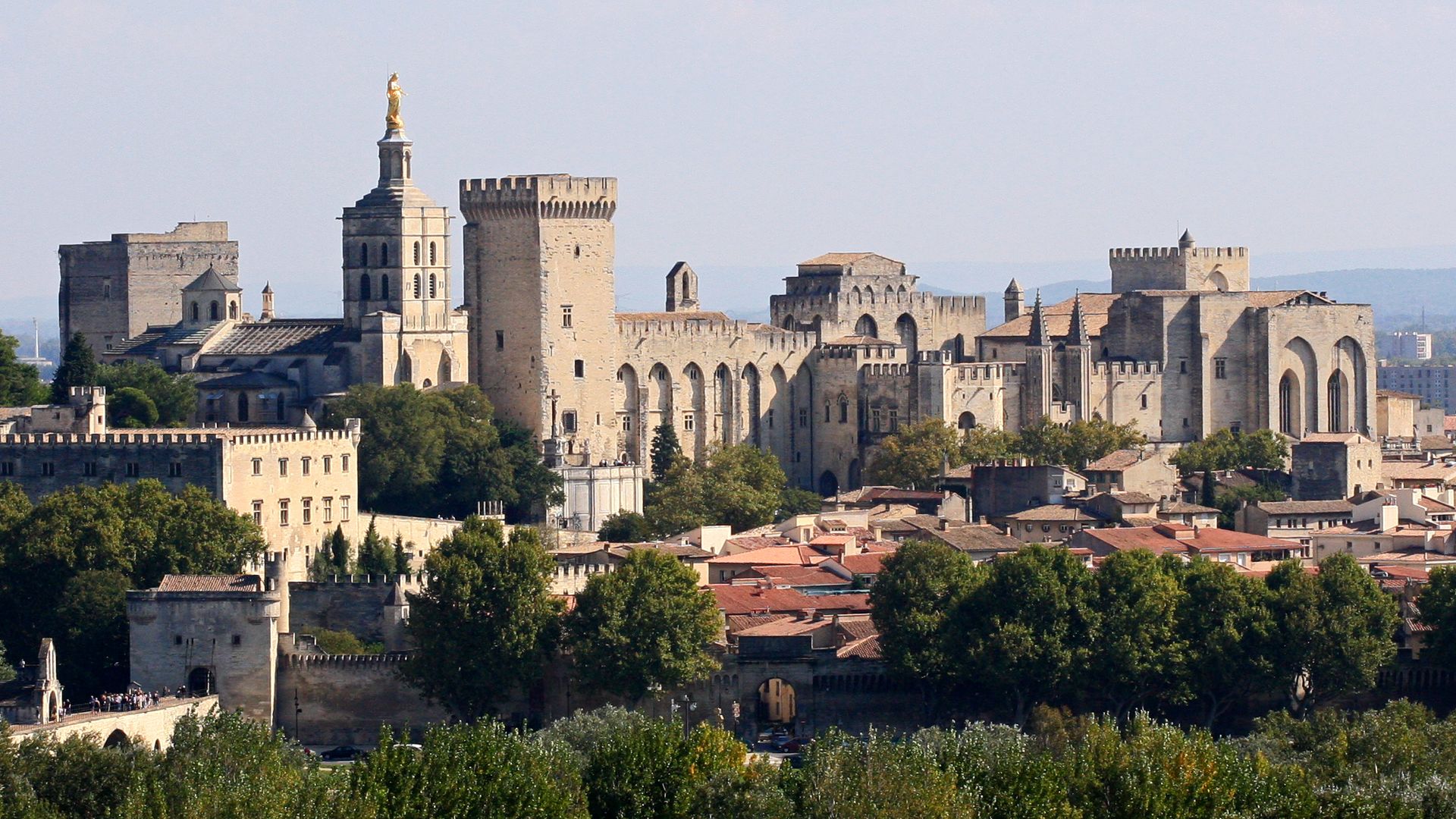
10. Avignon, France
From 1309 to 1377, Avignon was the seat of the Catholic popes, and its architecture reflects this honor. The Palais des Papes looks part palace, part fortress, and that’s not an accident. If history isn’t your thing, you can always visit during the Festival d’Avignon, one of the largest festivals for the performing arts.
 Jean-Marc Rosier (de/from http://www.cjrosier.com + http://www.gordes-immobilier.com) on Wikimedia
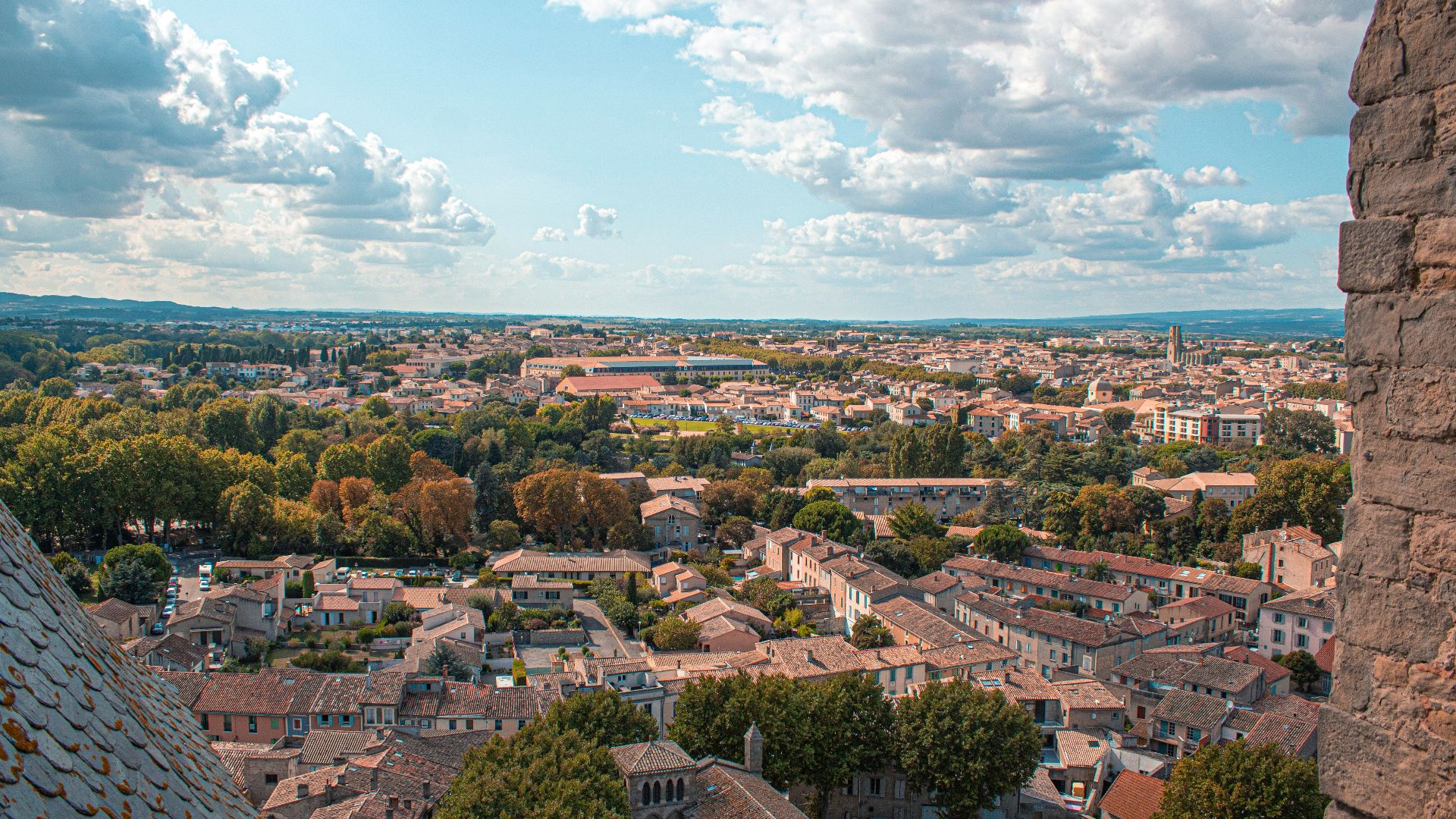
11. Carcassonne, France
Carcassonne’s fortified citadel wears two rings of defenses, because one set of walls apparently wasn’t enough. Medieval conflicts in southern France made strongholds like this valuable and necessary. Thanks to major restoration, you can study towers, battlements, and narrow streets that people have walked since the 6th century BCE.
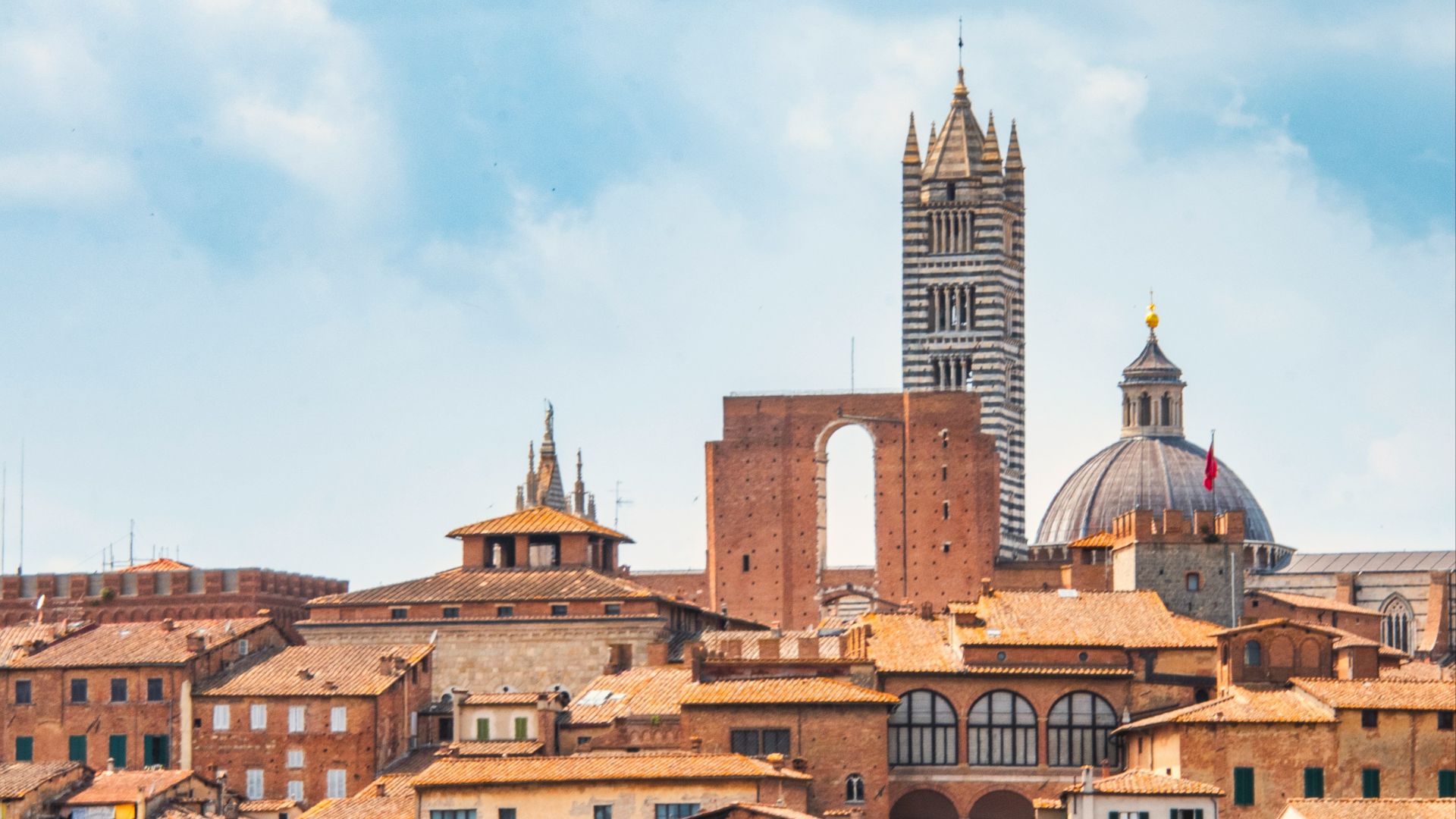
12. Siena, Italy
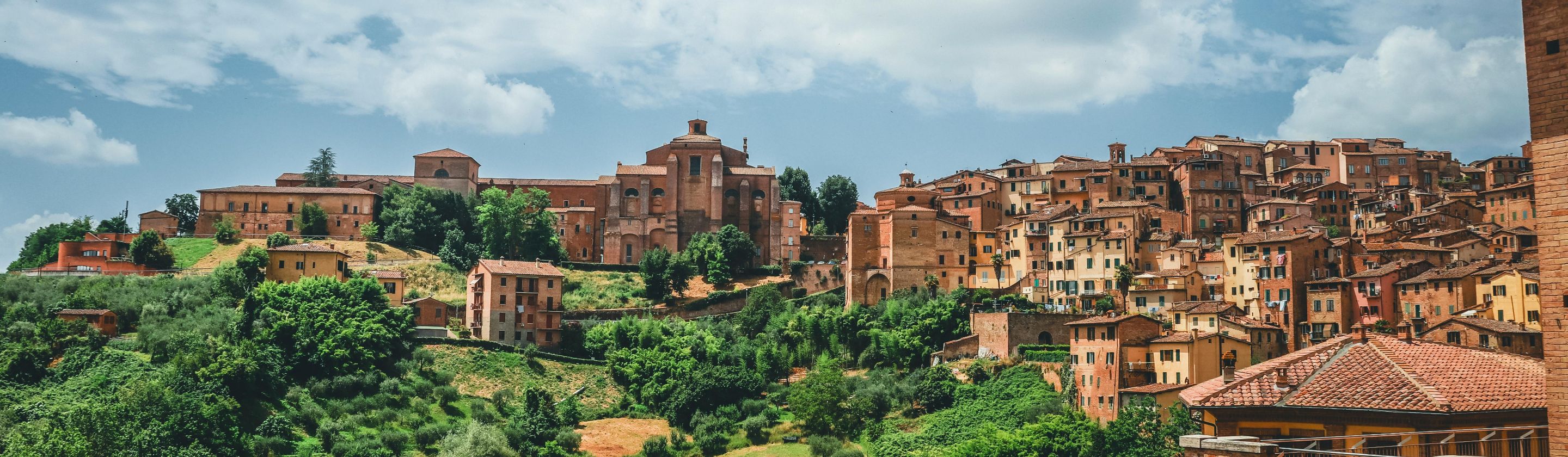
Siena thrived as a medieval city-state, making a name for itself through its prized wool industry. Here, you can visit the Piazza del Campo, the Siena Cathedral, and the Torre del Mangia to really grasp the area’s 12th-century beauty.
13. Venice, Italy
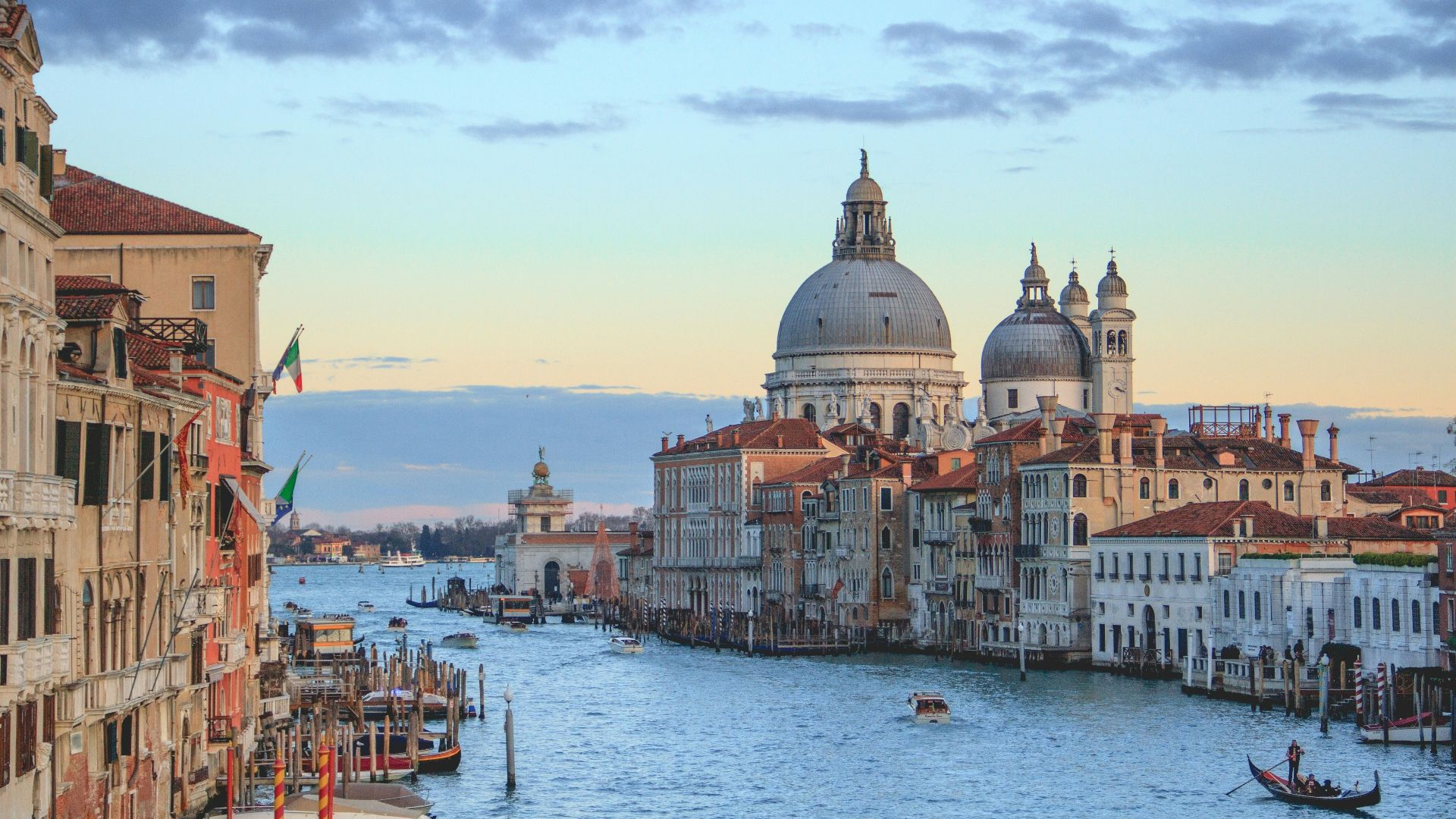
Venice built a medieval empire by controlling sea lanes instead of farmland. Shipbuilders, merchants, and the Doge’s government turned the lagoon into a trade machine. Thanks to its longstanding architecture, the Old City doesn’t allow cars or bikes to grace its streets.
14. Florence, Italy
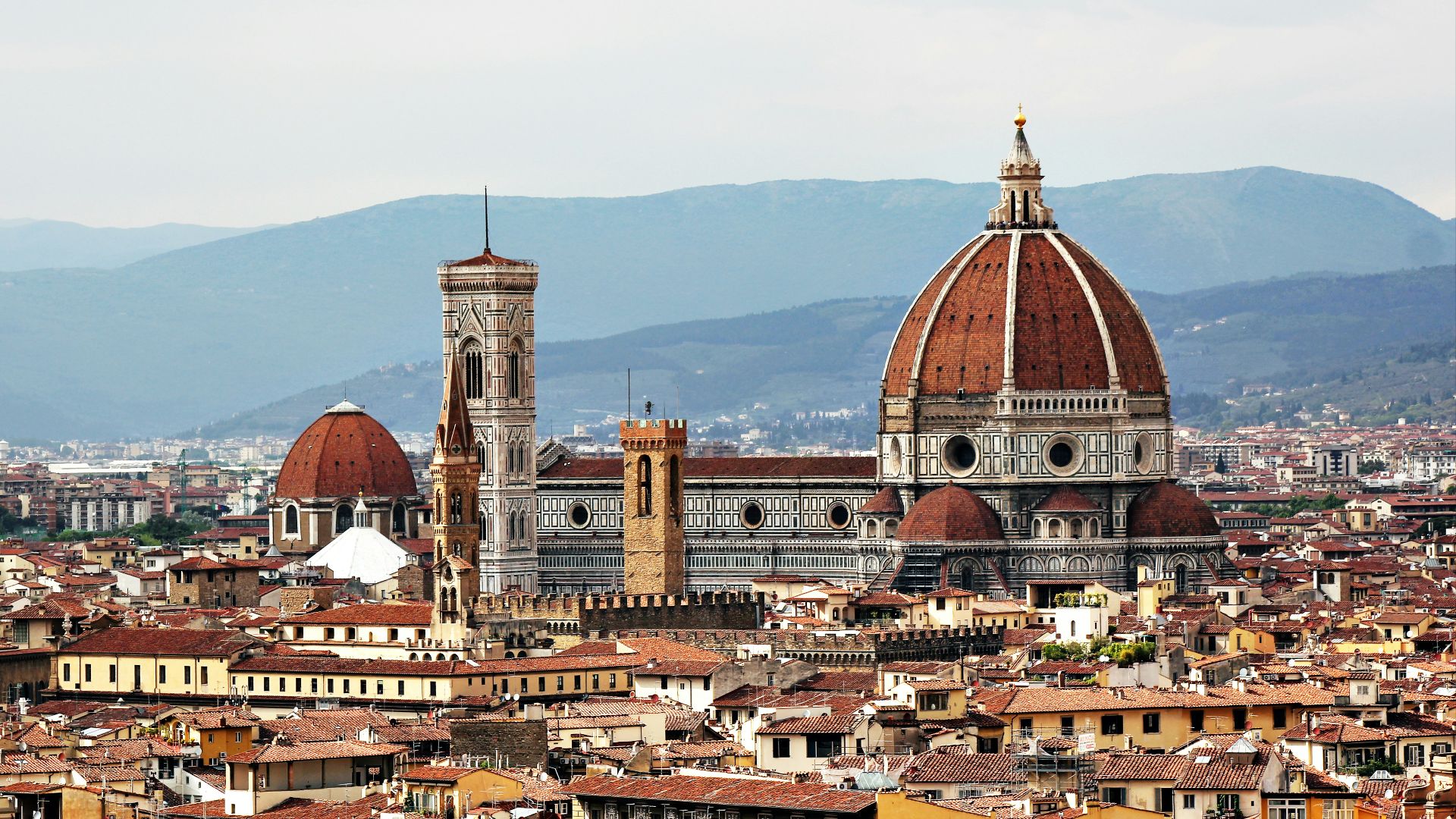
Medieval Florence was the epicentre of Renaissance art and architecture, and that feeling is only solidified today. Featuring the Piazza del Duomo, the Uffizi Gallery, the Ponte Vecchio, and the Boboli Gardens, you’ll understand why so many artists found inspiration in this historic place.
15. Toledo, Spain
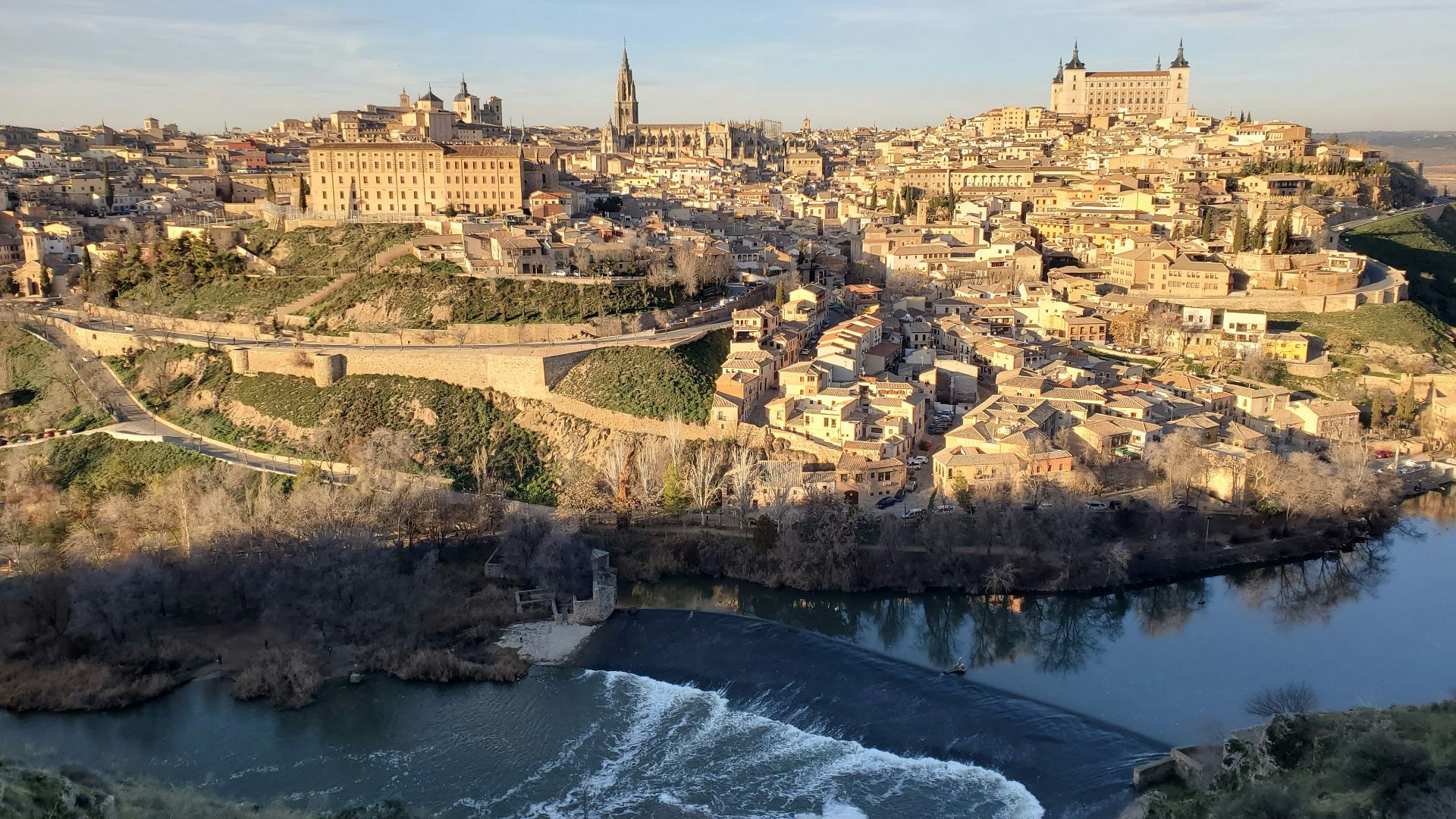
Known as the City of Three Cultures, Toledo spent most of the Medieval era as a crossroad between Christian, Muslim, and Jewish life. Not only that, but much of its architecture was heavily inspired by its former Roman occupation. If you’re looking for a catch-all area for history, this is the place to go.
 Hasmik Ghazaryan Olson on Unsplash
16. Córdoba, Spain
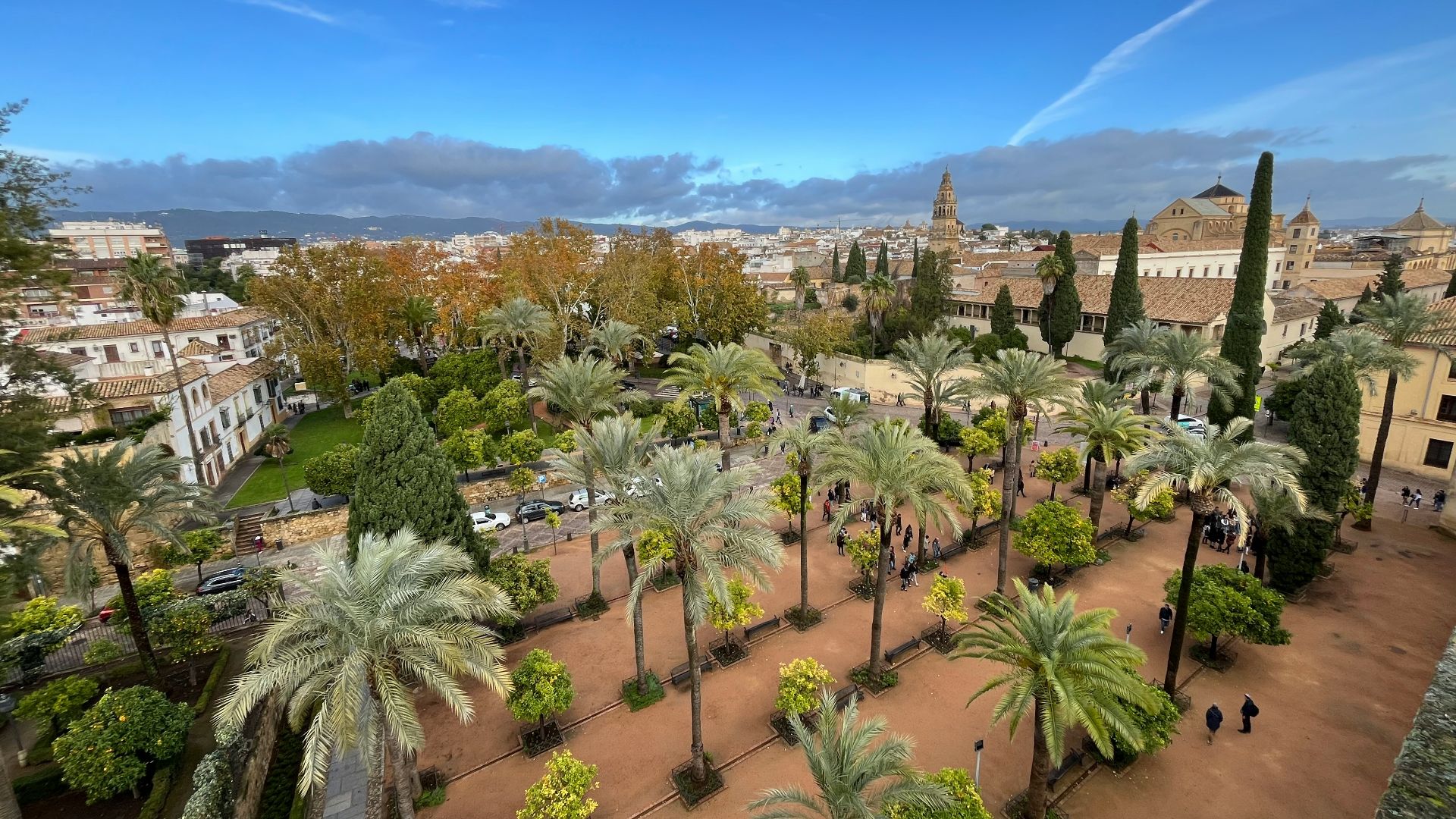
Córdoba was a major center of learning and power in medieval al-Andalus. Its Great Mosque, later adapted into a cathedral, shows how a city can change rulers without erasing its past. Walk the Roman Bridge, visit the Alcázar de los Reyes Christianos, and take in the sights while sipping coffee on a patio.
17. Fez, Morocco
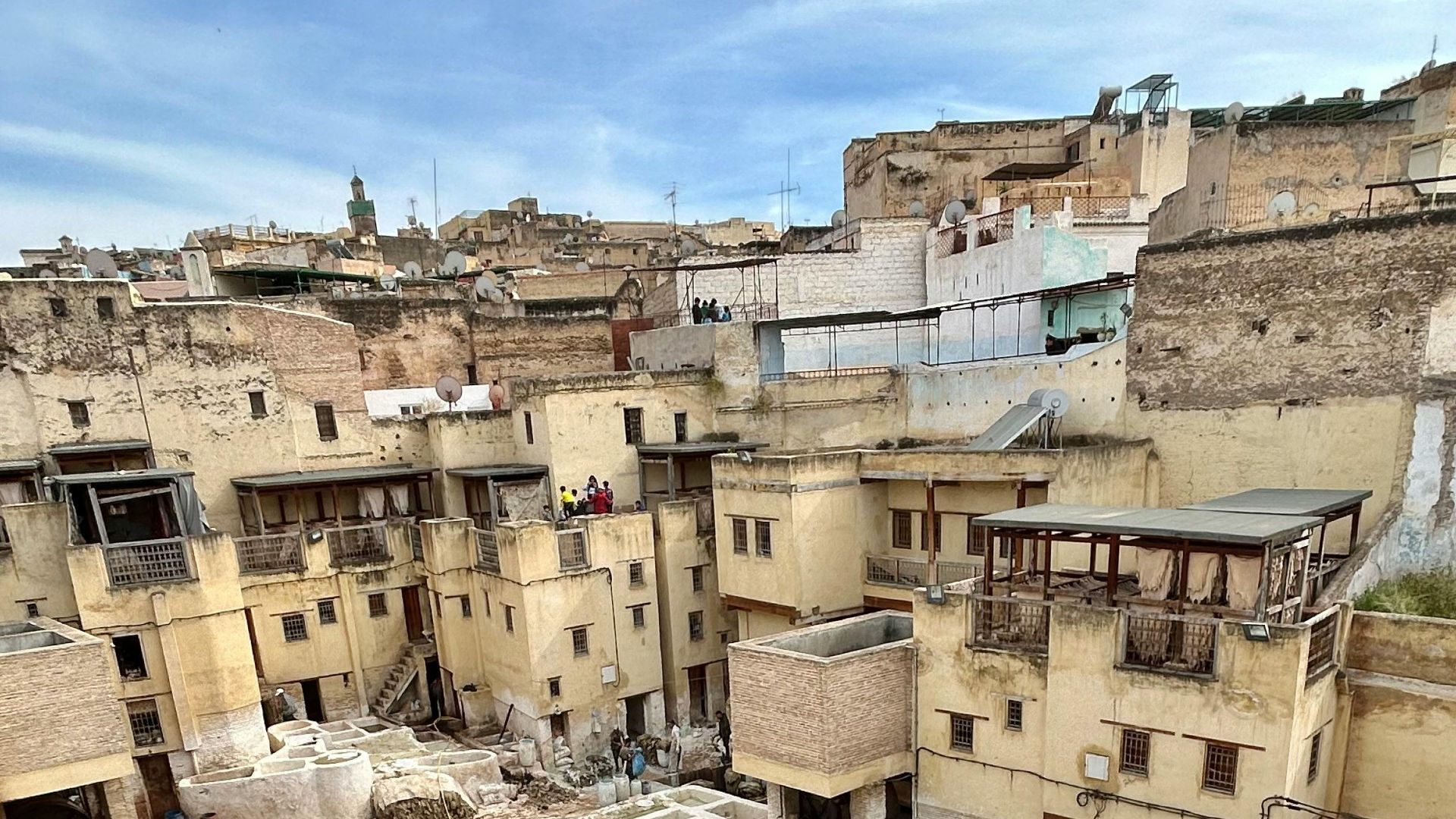
Founded in the 8th century, Fez grew into a medieval hub for scholarship, religion, and skilled craftsmanship. The old medina is huge and mostly car-free, which makes it feel timeless in the best way.
18. Marrakech, Morocco
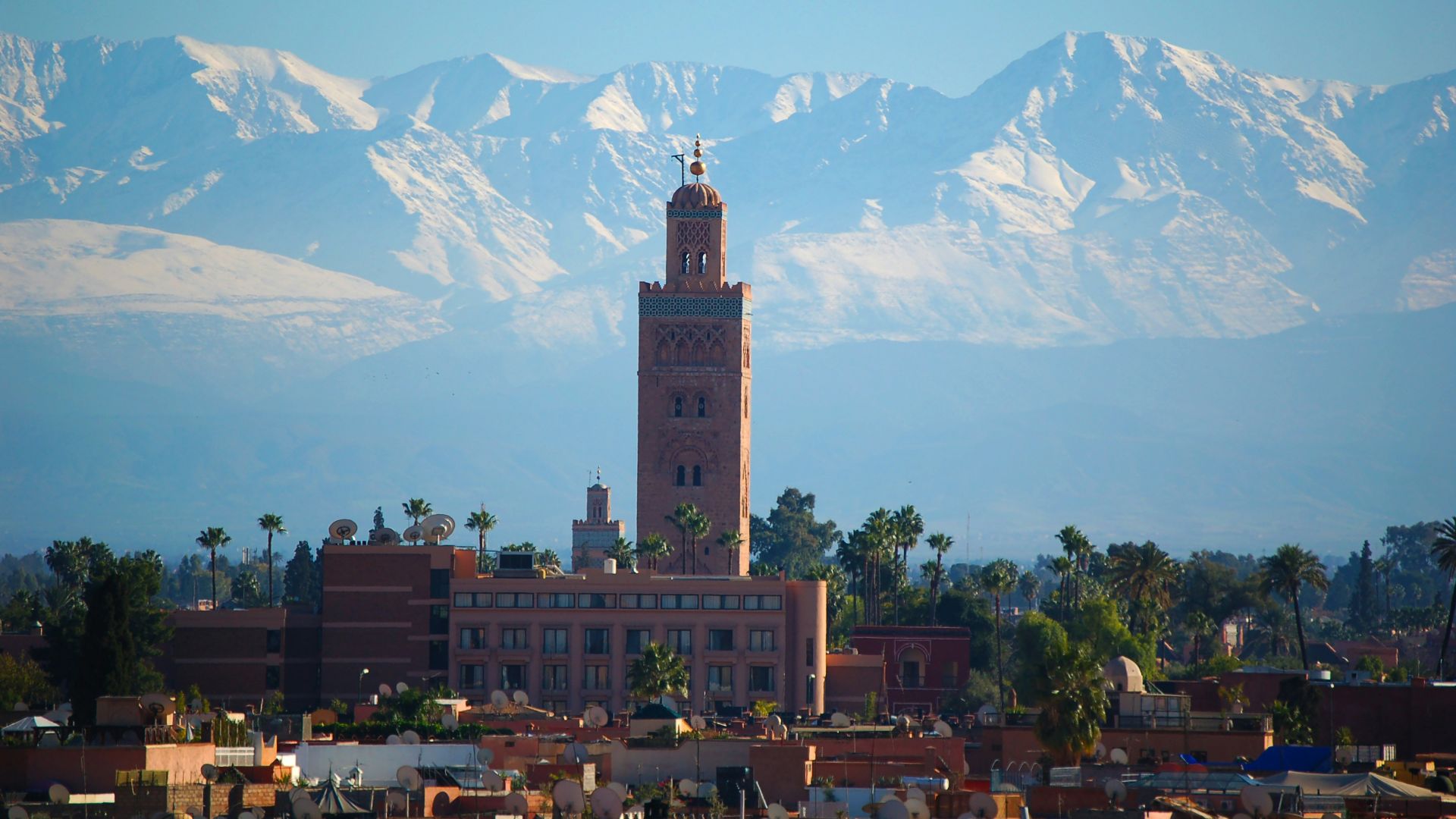
Founded in the 11th century, Marrakech became a key city for powerful North African dynasties. Its red walls, gardens, and markets made it both a stronghold and a trading stop. Today, the city still pivots around that medieval energy, especially in the square and souks.
19. Cairo, Egypt
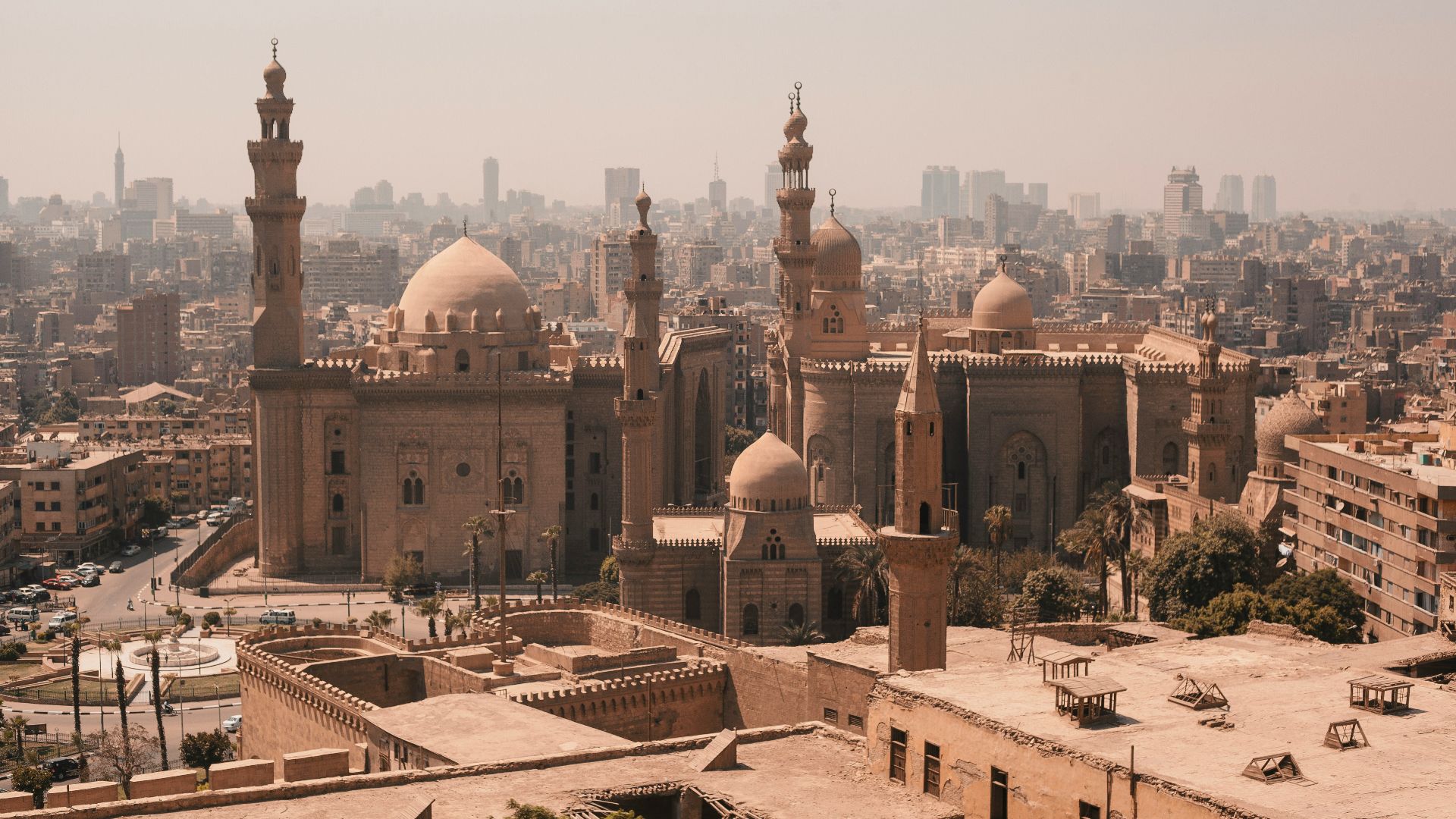
Cairo’s medieval layers show up in dense neighborhoods packed with minarets and schools. Under the Mamluks, builders turned architecture into a kind of competition for honor and prestige. You can admire a centuries-old monument, then immediately dive back into modern street life and snacks.
20. Istanbul, Not Constantinople
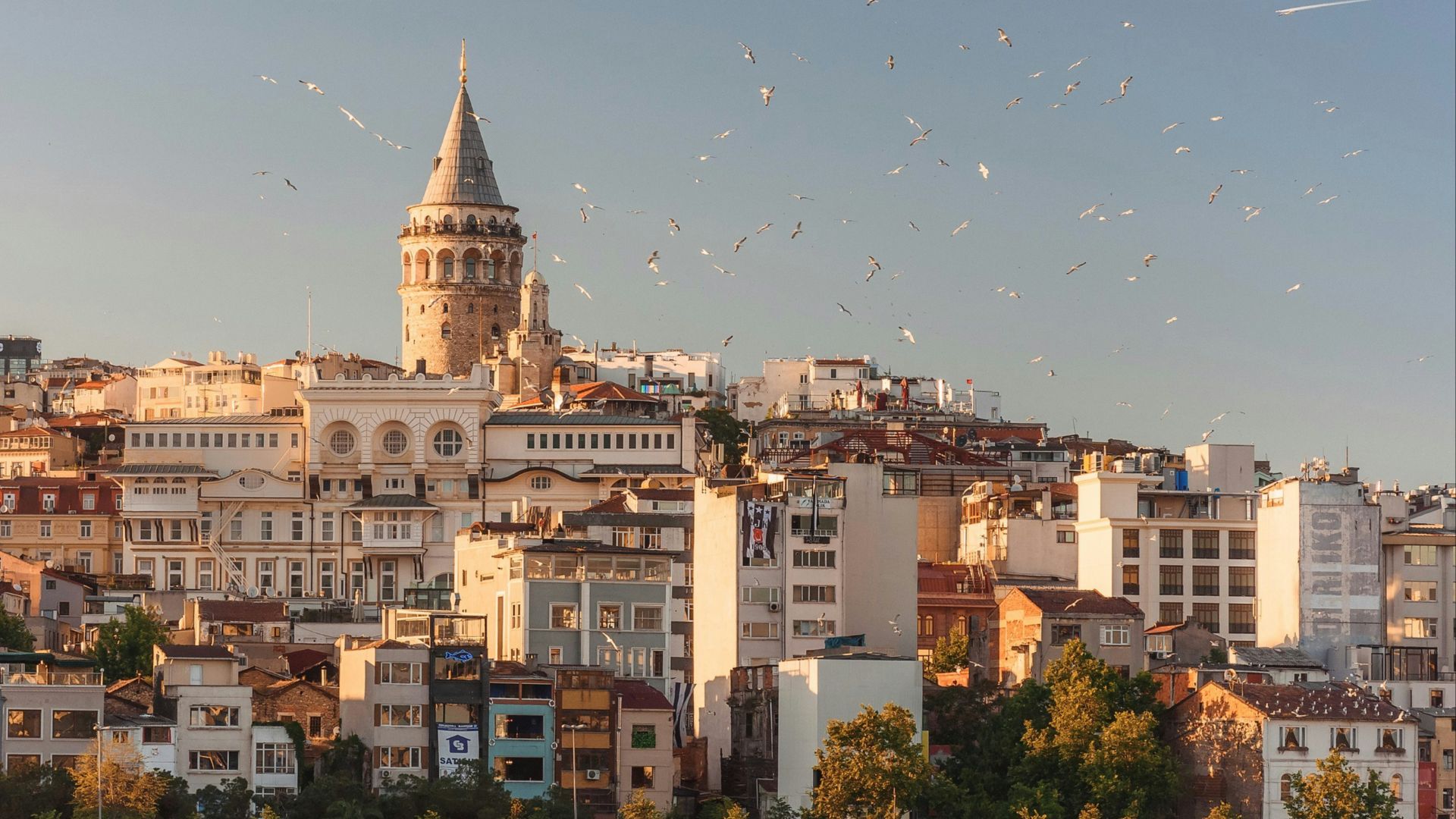
Well before Turkey became Turkey, this city served as the capital of the Byzantine Empire. After the empire fell in 1453, it became the capital of the Ottoman Empire for almost 500 years. Today, the city’s historic region falls on its peninsula, featuring landmarks like the Hagia Sophia, the Blue Mosque, Topkapi Palace, and the Basilica Cistern.
KEEP ON READING