When A “Perfect” Story Arrives Right On Time
History rarely moves in straight lines, yet public outrage often does. A fire breaks out, a border is “attacked,” and the villain shows up with suspicious speed, talking points, timelines, and the moral high ground. Sometimes the villain is real, and sometimes the evidence points elsewhere, or stays murky while the consequences stay permanent, especially when fear is already in the air. In the clean version of events, people respond to what happened; in the real version, people also respond to the story that gets repeated loudest. Here are 20 moments where that story, whether staged, twisted, or simply exploited, helped shove history onto a new track.
 Unknown authorUnknown author on Wikimedia
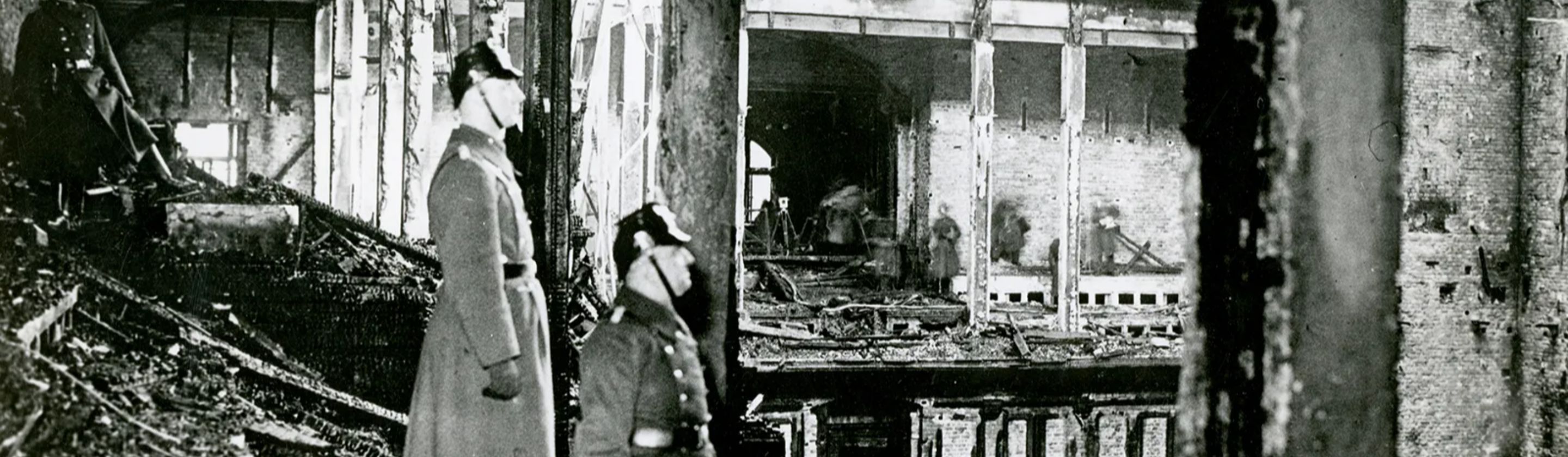
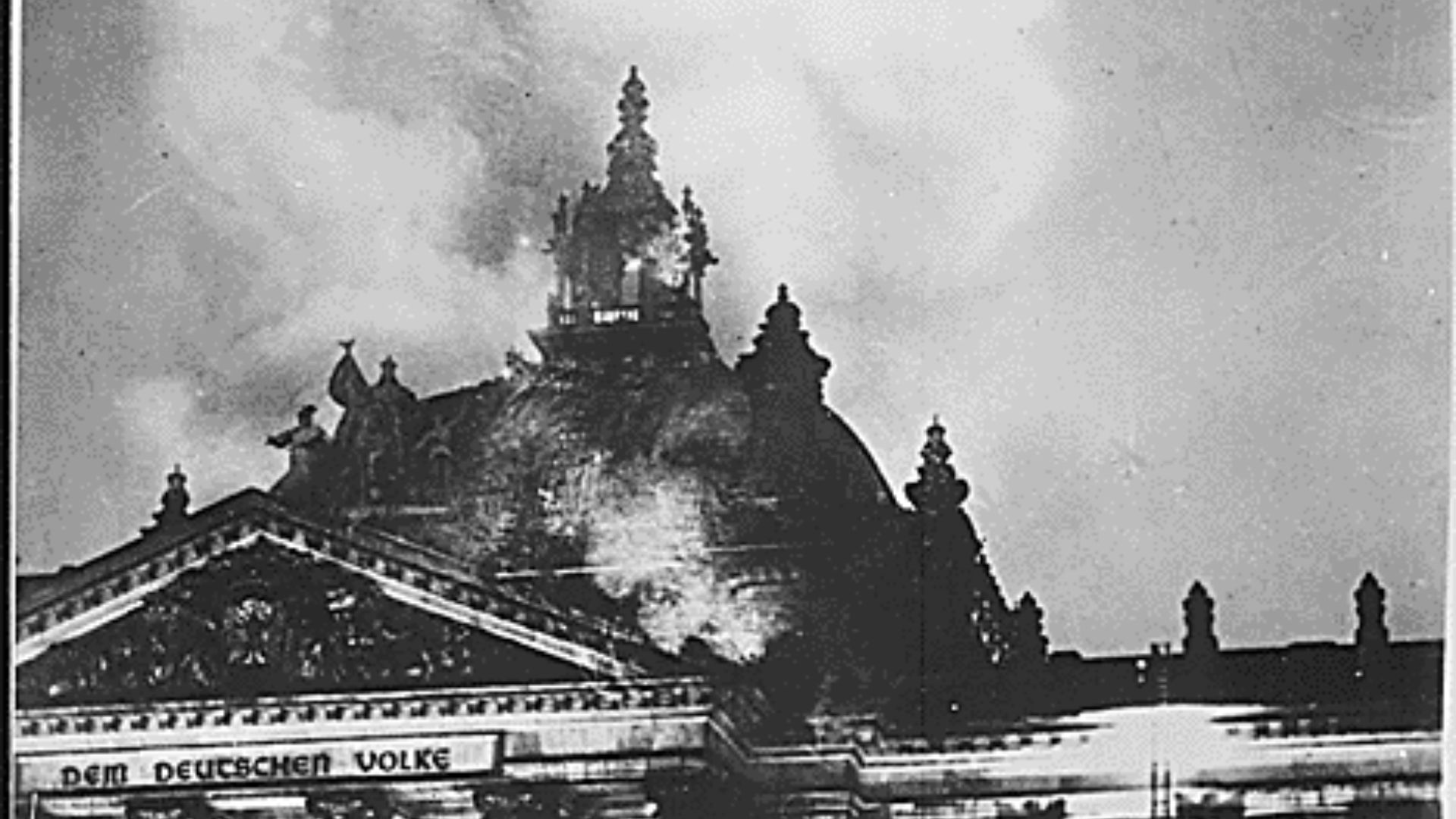
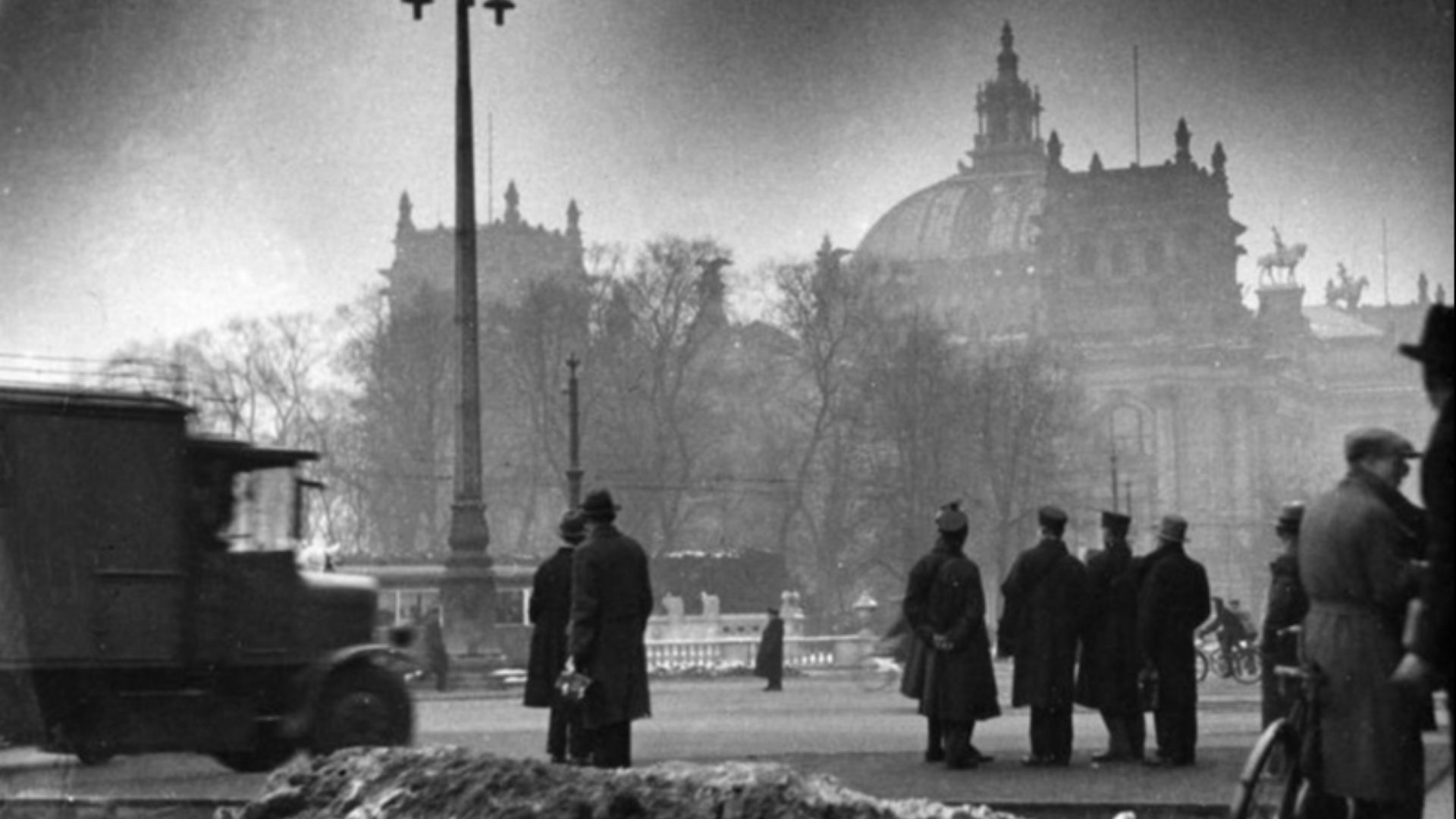
1. Reichstag Fire
On February 27, 1933, Germany’s parliament building burned, and the Nazis blamed communists almost immediately. The cause remains disputed, but the outcome is clear: the Reichstag Fire Decree helped suspend civil liberties and accelerate authoritarian rule.
 Unknown authorUnknown author on Wikimedia
2. Mukden Incident
In 1931, Japanese officers staged a blast near the South Manchuria Railway and used it to justify taking Manchuria. The damage was minor, which makes the logic feel cold: the “attack” mattered mainly as a headline.
 Unknown authorUnknown author on Wikimedia
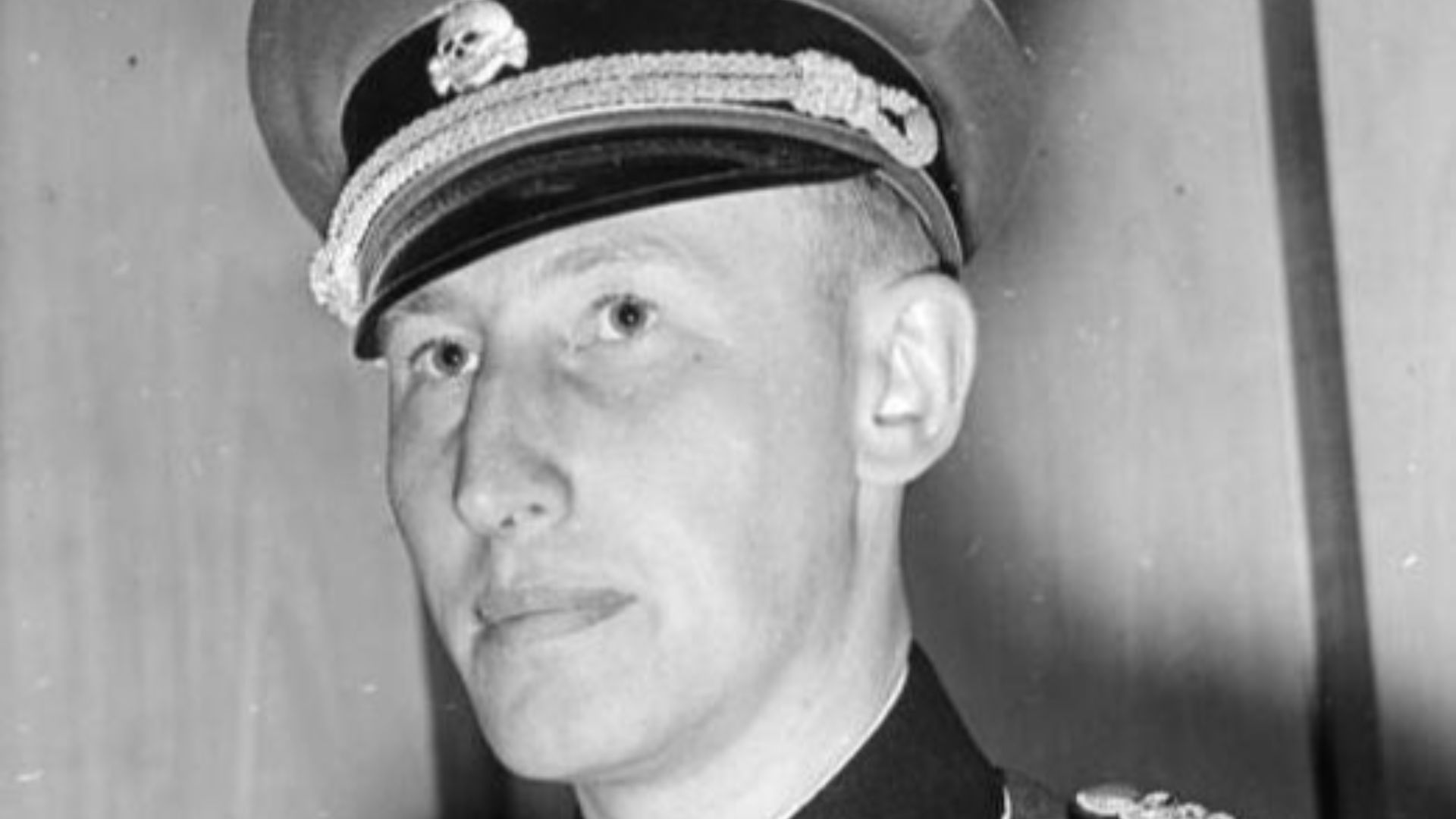
3. Gleiwitz Incident
On August 31, 1939, SS operatives posed as Polish attackers at a German radio station in Gleiwitz and broadcast a message as “proof.” Germany invaded Poland the next morning with a grievance already staged and ready for retelling.
 Unknown authorUnknown author on Wikimedia
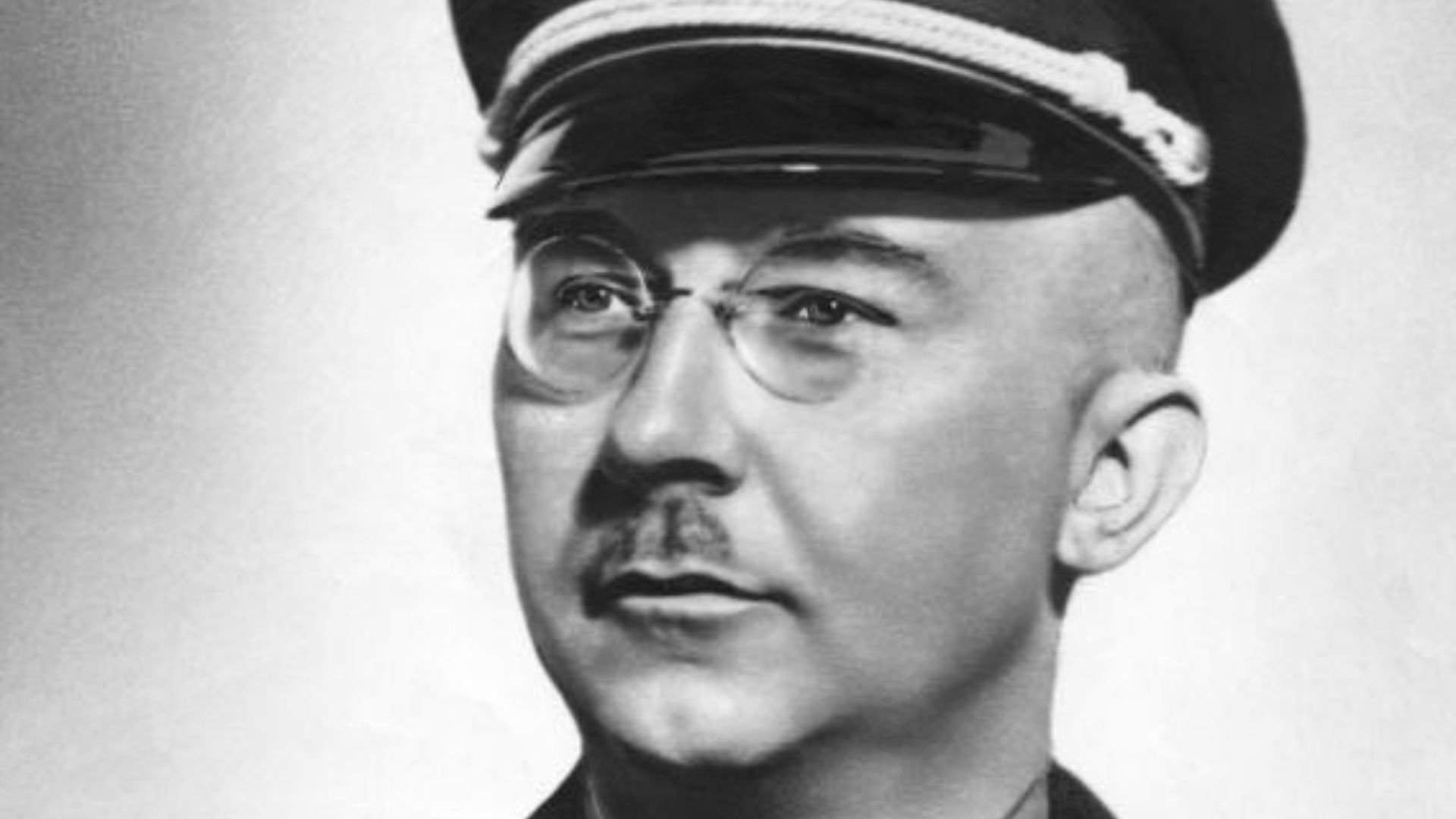
4. Operation Himmler’s Border Script
Gleiwitz was one of several manufactured border incidents meant to portray Poland as the aggressor. Seen together, they read like a series of props laid out for a war that had already been decided.
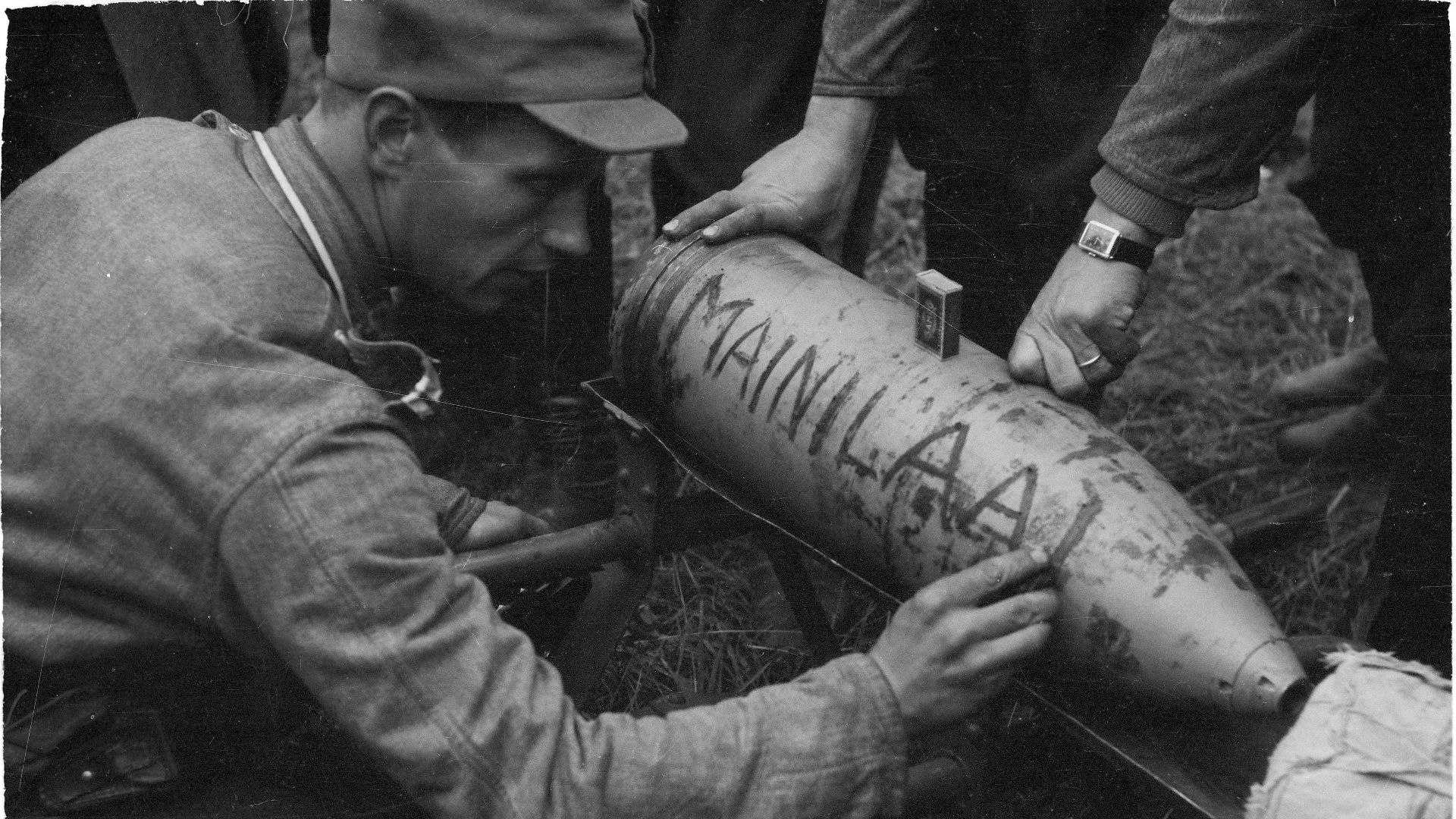
5. Shelling Of Mainila
In November 1939, the Soviet Union shelled Mainila, blamed Finland, and cited the claim to launch the Winter War. The episode is widely described as staged, showing how a small “incident” can be scaled into an invasion.
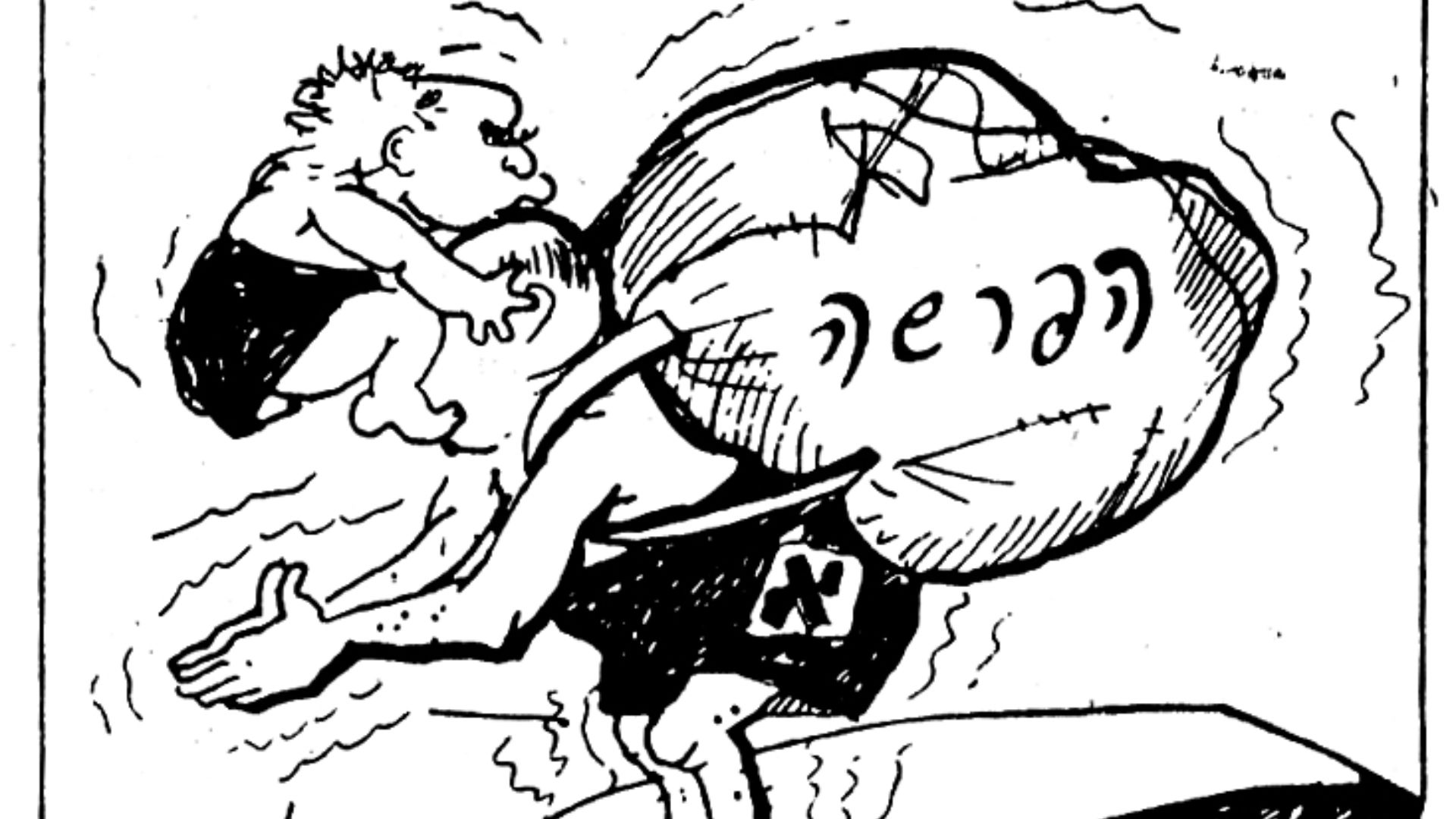
6. Lavon Affair
In 1954, a covert Israeli operation in Egypt involved bombings meant to be blamed on other groups to sway Western opinion. The plot collapsed, operatives were caught, and the diplomatic fallout outlived the blasts themselves.
 דני לבקוביץישראלי, יליד צרפת, 2002-1927 on Wikimedia
7. Katyn And The Long Lie
After mass graves at Katyn were revealed in 1943, the Soviet Union blamed the Nazis and held that line for decades. The later acknowledgment of NKVD responsibility shows how a false attribution can fossilize into policy and distrust.
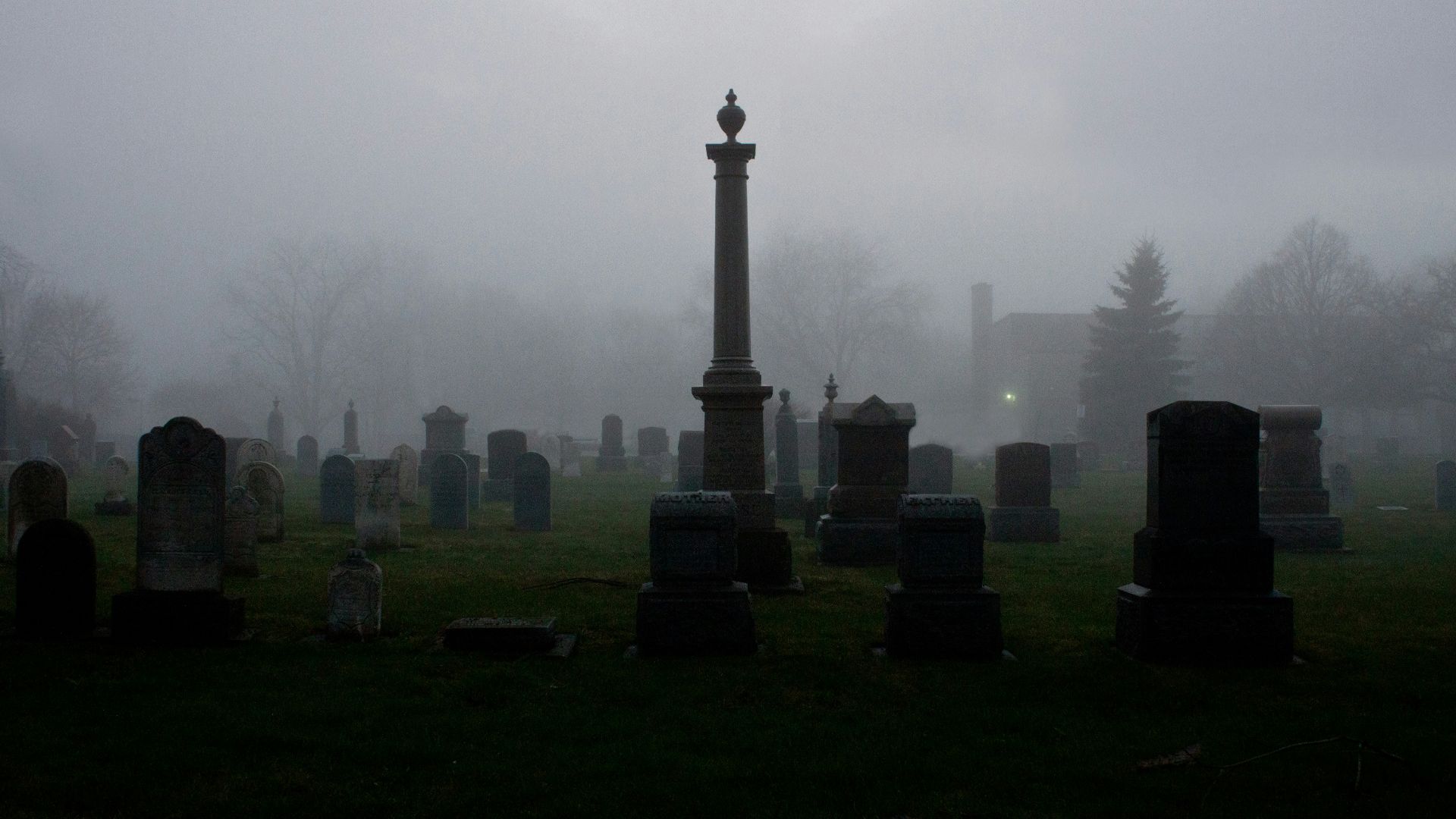
8. The Zinoviev Letter
Four days before the 1924 UK election, a letter framed as a Soviet directive to British communists hit the press. It is now widely regarded as a forgery, and its timing shows how a single document can tilt a national mood.
 Unknown (Bain News Service, publisher) on Wikimedia
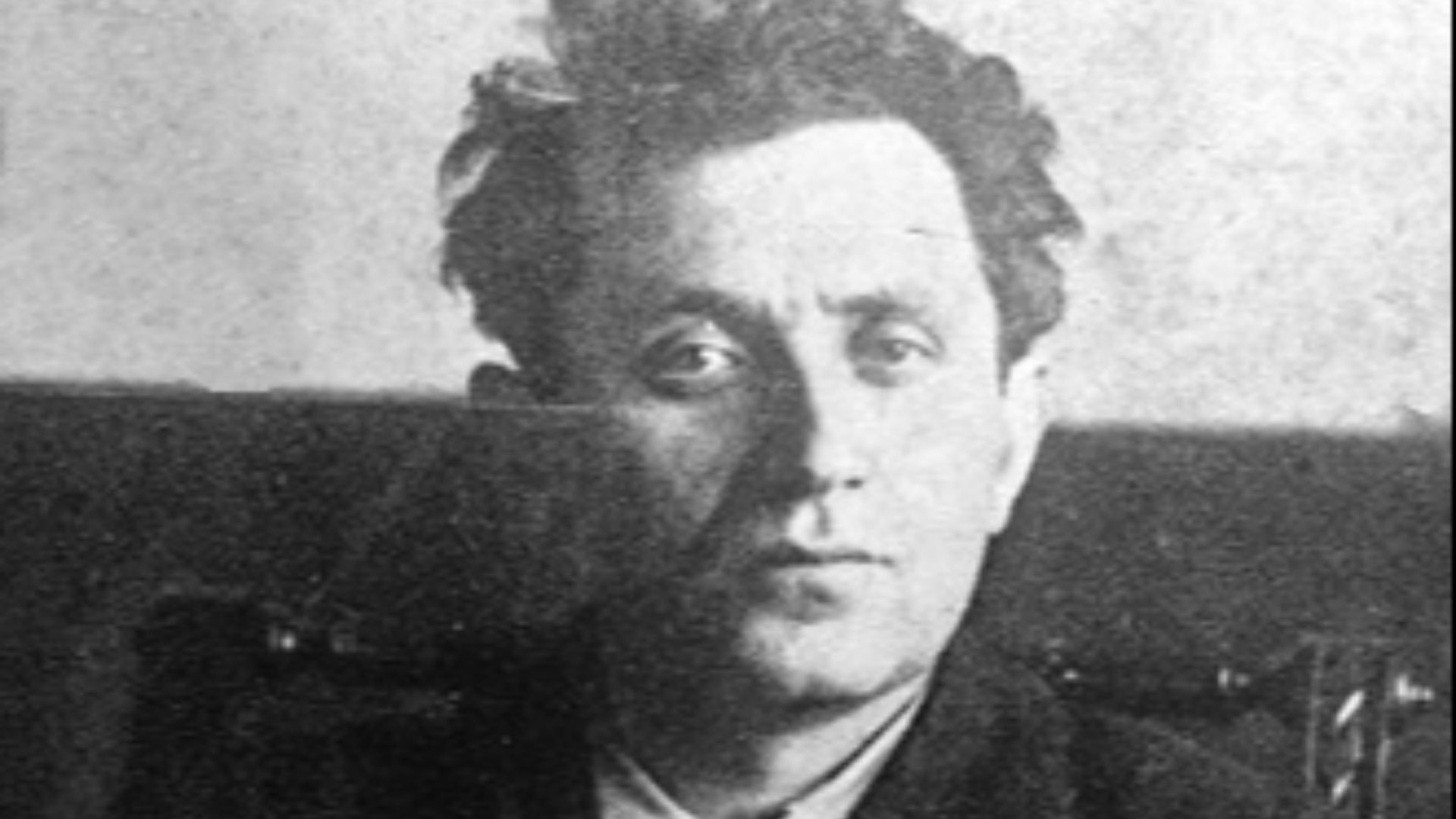
9. “Remember The Maine”
When the USS Maine exploded in Havana in 1898, much of the American press pinned blame on Spain and turned tragedy into a slogan. The cause is still debated, yet the slogan helped push the US toward the Spanish-American War.
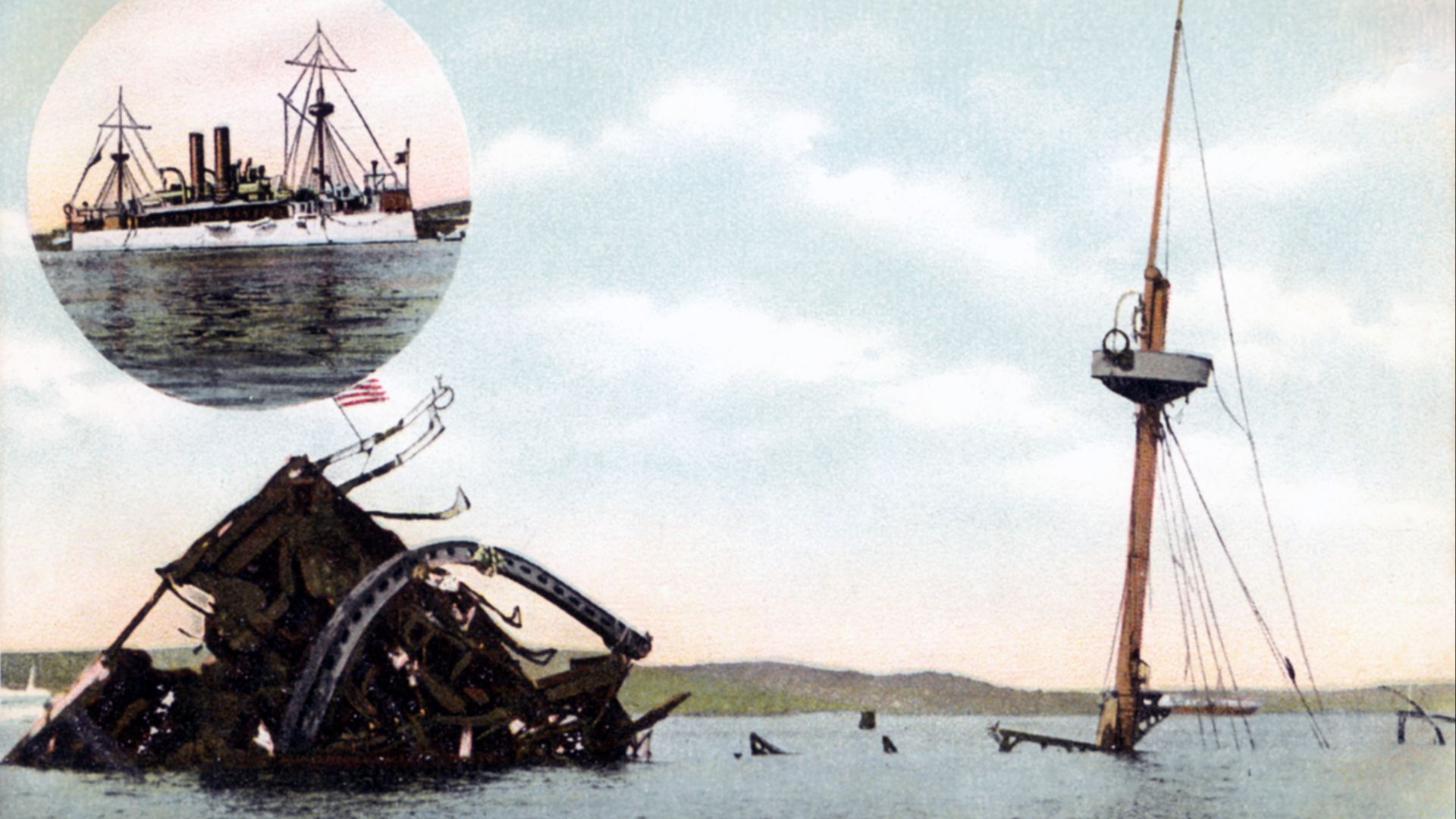
10. Kirov’s Assassination As Pretext
Sergei Kirov was murdered in 1934, and the Soviet state framed it as a conspiracy that demanded sweeping repression. Stalin’s involvement is debated, but the way the narrative was used as a trigger is well documented.
 N. A. Petrov (1875-1940) [3] on Wikimedia
11. Gulf Of Tonkin
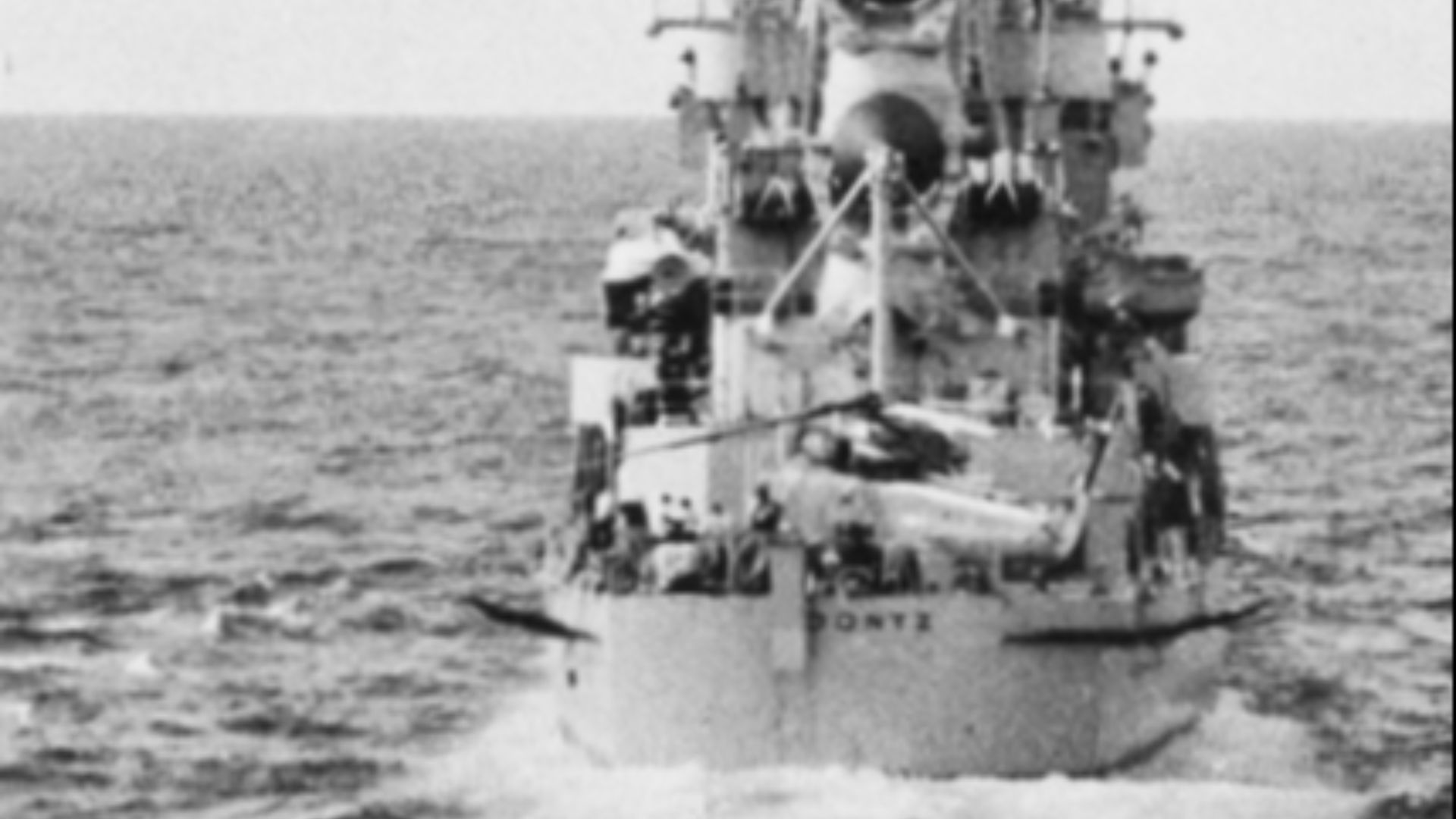
In August 1964, the Gulf of Tonkin events were described to Congress as unprovoked attacks, helping pass the Tonkin Resolution and expand the Vietnam War. Declassified NSA history later concluded the supposed second attack was built on faulty and skewed intelligence.
12. Operation Northwoods
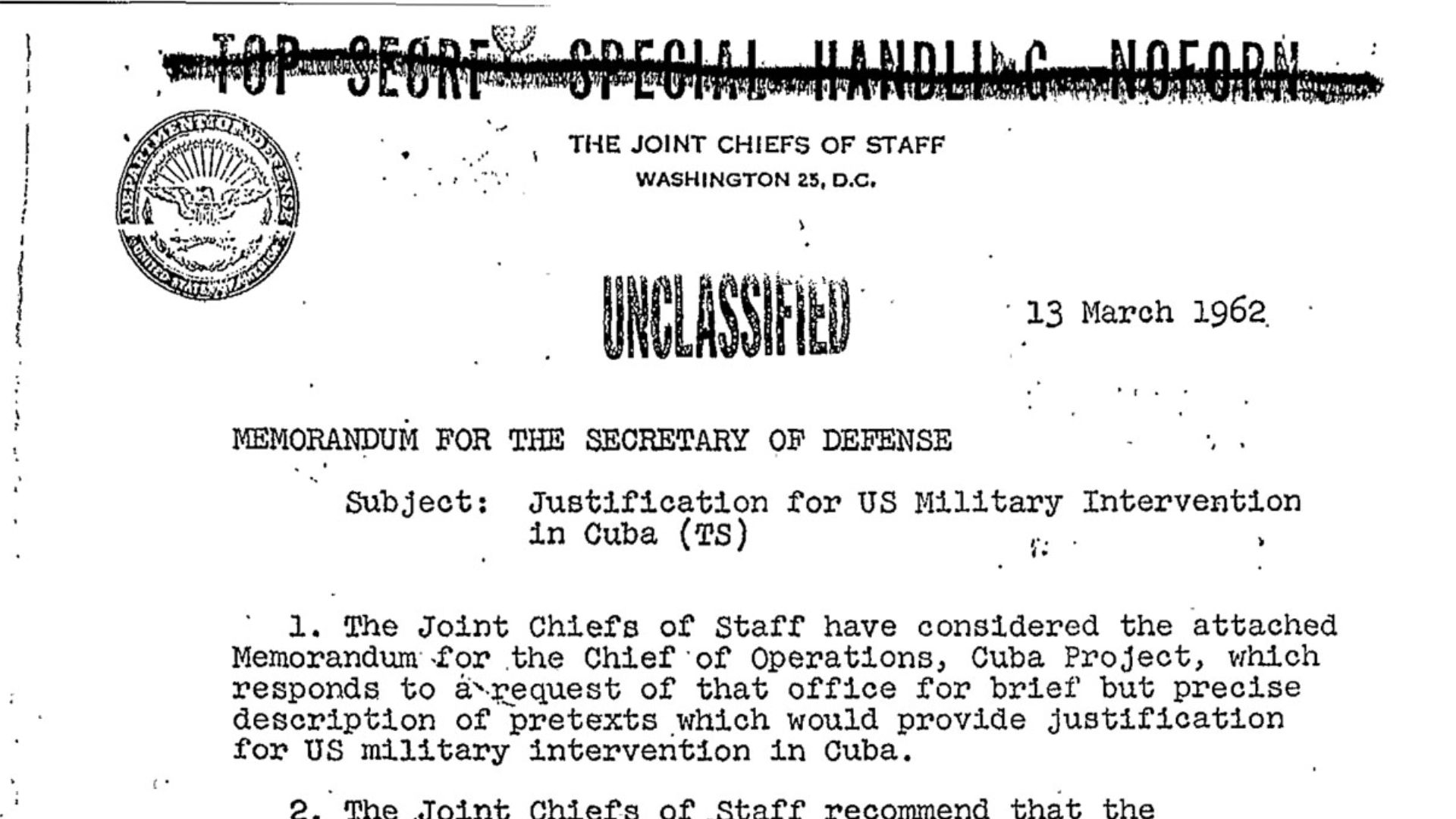
Operation Northwoods stayed on paper, which is the only relief. In 1962, US military leaders proposed staging or simulating attacks and blaming Cuba to justify intervention, a blunt glimpse of how pretexts can be designed.
13. COINTELPRO’s Forged Voices
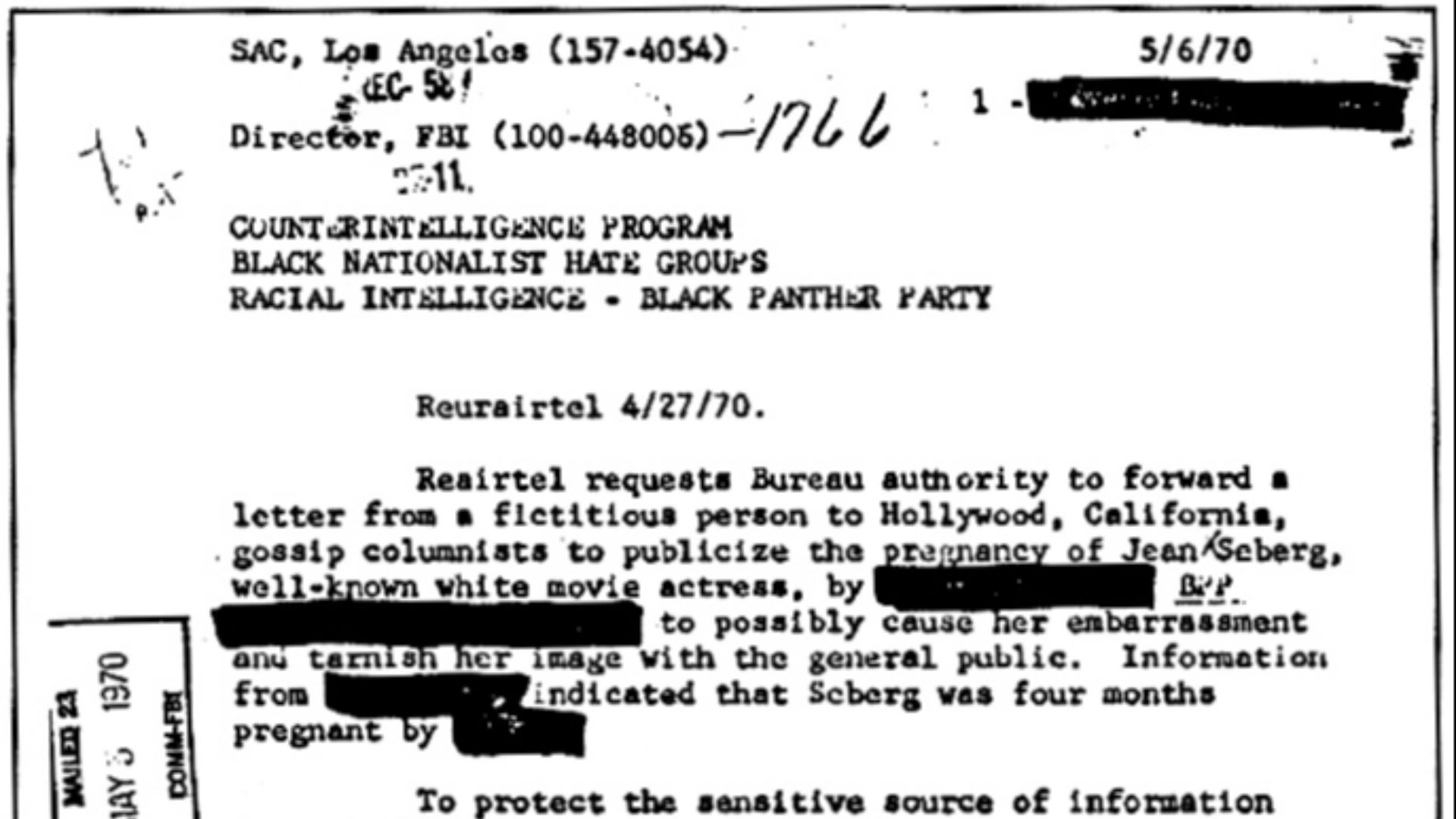
COINTELPRO used tactics like forged letters, planted stories, and anonymous threats to fracture political movements. When an agency can convincingly “speak” as someone else, trust becomes a resource that can be quietly destroyed.
14. Piazza Fontana And Early Blame
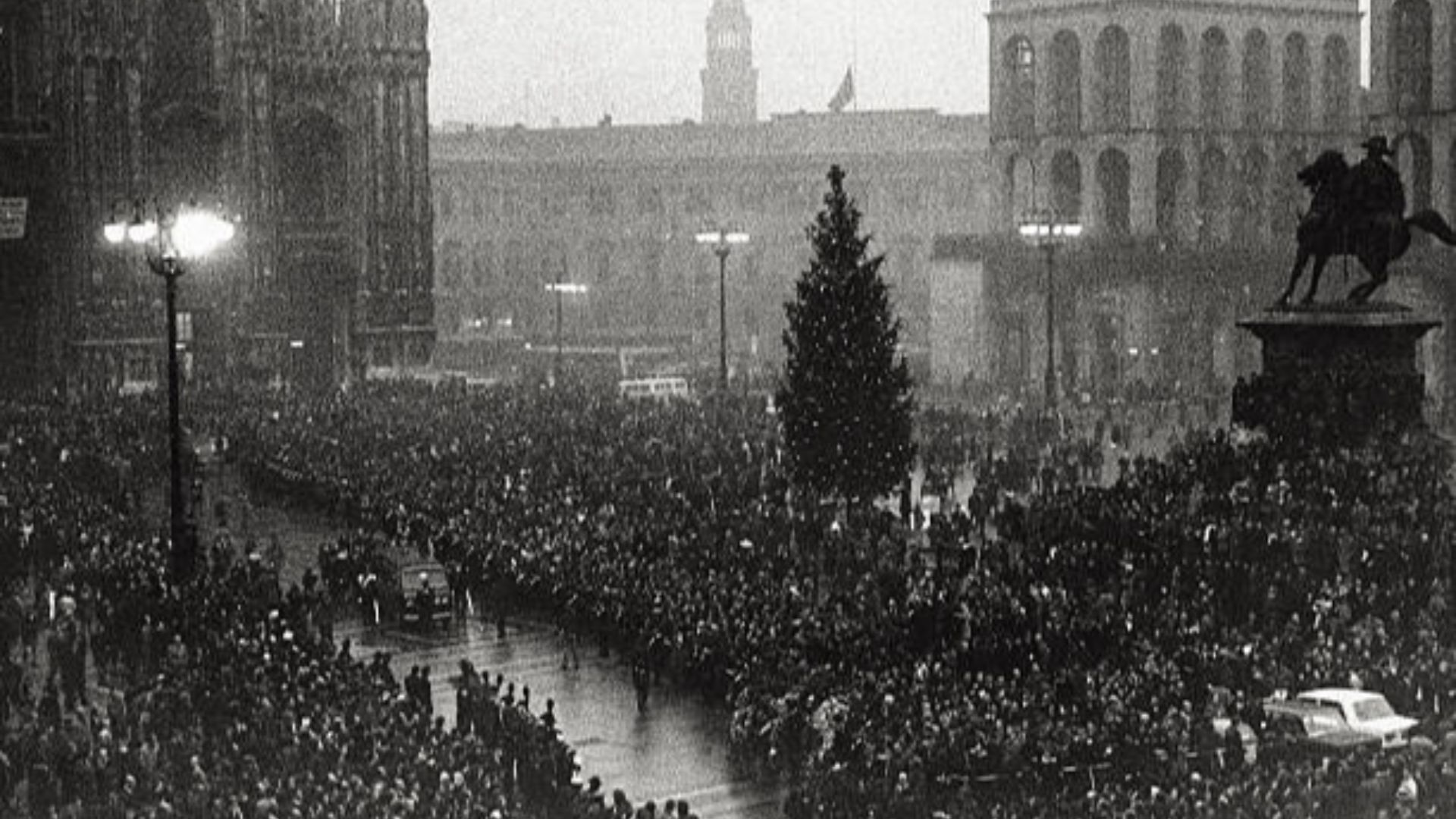
After the 1969 Piazza Fontana bombing in Milan, investigators quickly focused on anarchists, shaping a public mood primed for crackdowns. Later work emphasized neo-fascist networks, underscoring how first narratives can steer a country before truth settles.
15. Bologna Station Bombing
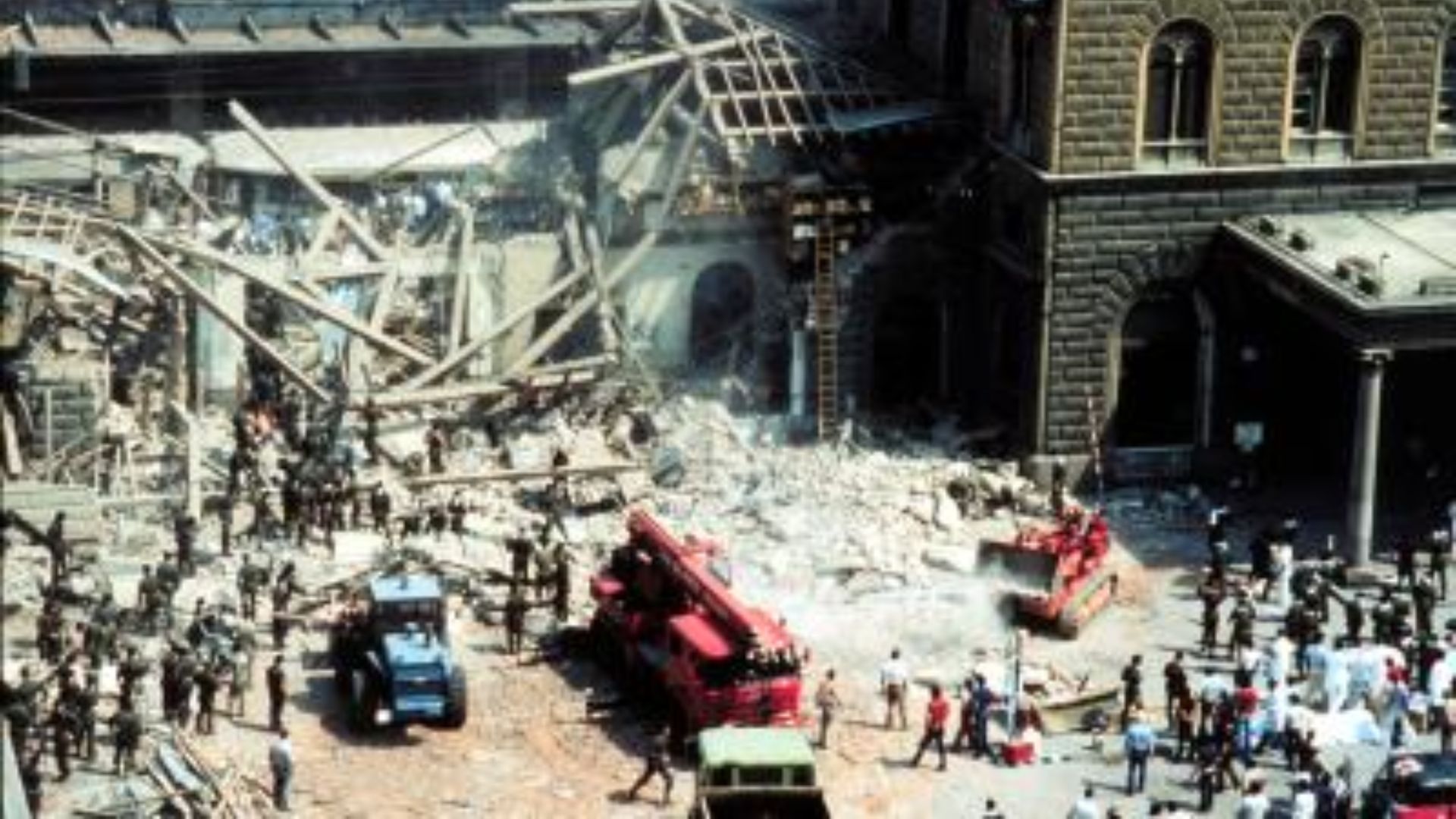
The 1980 Bologna station bombing killed 85 people and shook Italy into panic. Courts later convicted members of a neo-fascist group, and the attack became shorthand for terror that aims to provoke political reaction as much as grief.
 Beppe Briguglio, Patrizia Pulga, Medardo Pedrini, Marco Vaccari on Wikimedia
16. Crimea’s “Little Green Men”
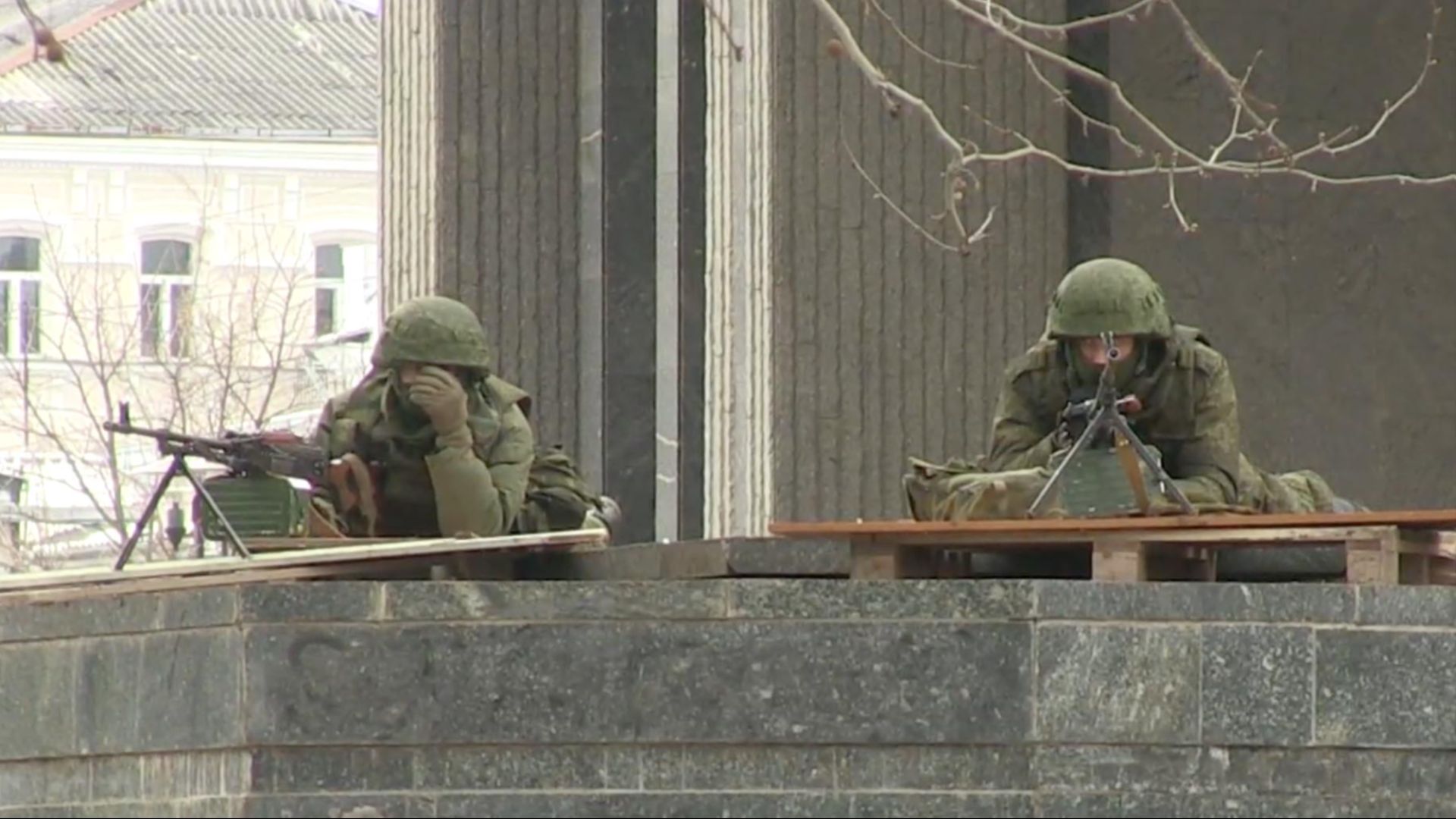
In early 2014, masked soldiers in unmarked uniforms seized key sites in Crimea while Russia denied they were Russian troops. The later admission of involvement shows how removing insignia can function like a geopolitical mask.
17. The Protocols Of The Elders Of Zion
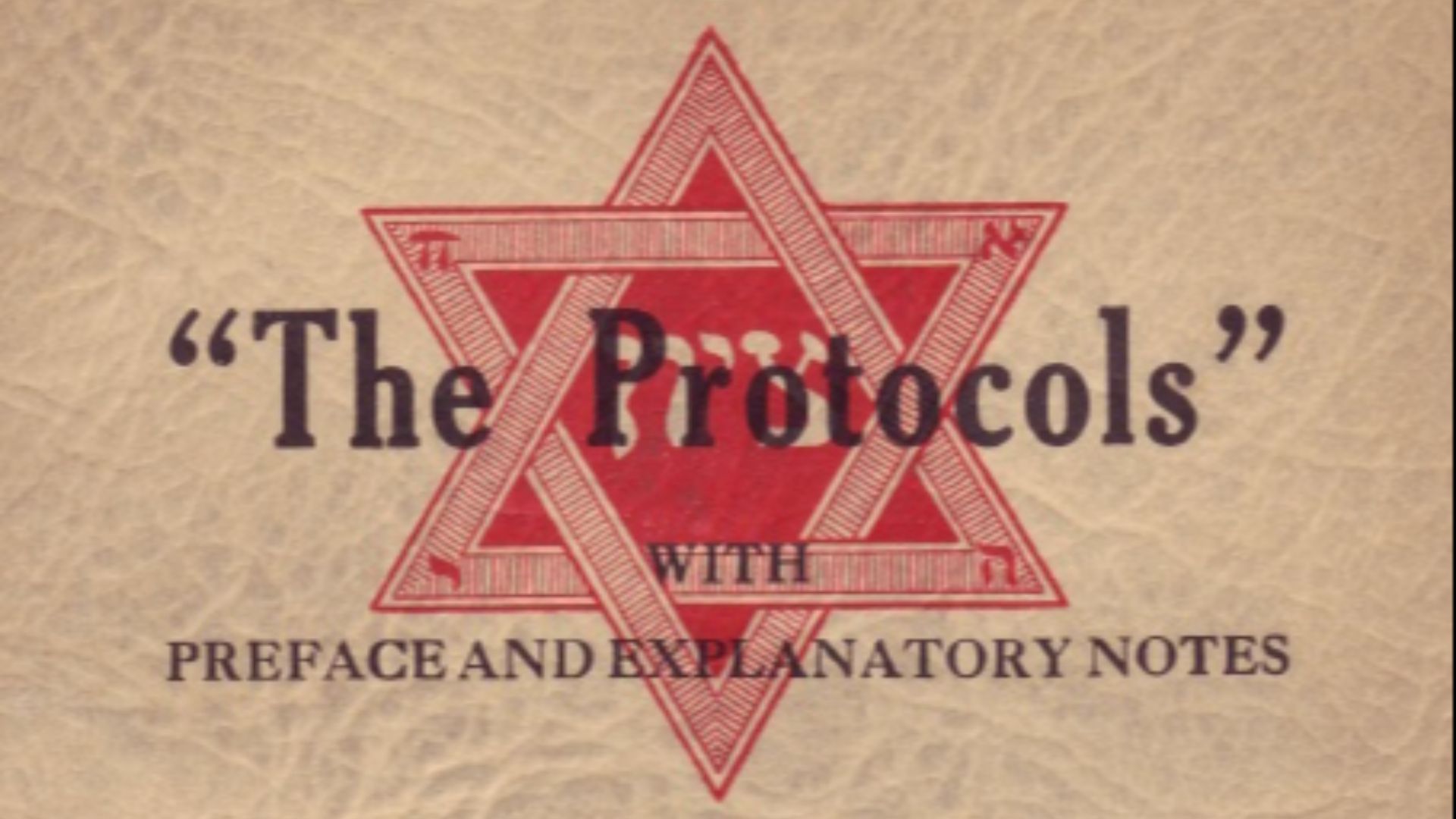
The Protocols posed as minutes of a secret Jewish conspiracy and became one of the most influential modern forgeries. The Times exposed it as fraudulent in 1921, yet it kept circulating, feeding conspiratorial politics with deadly consequences.
 Humus sapiens at English Wikipedia on Wikimedia
18. Operation Denver And The AIDS Lie
In the 1980s, a Soviet-bloc disinformation campaign pushed the claim that HIV/AIDS was a US bioweapon from Fort Detrick. Serious researchers have traced and documented the campaign’s mechanics, showing how a planted origin story can outlive its debunking.
 U.S. Navy photo by Mass Communication Specialist 3rd Class Andrew Ryan Smith on Wikimedia
19. Nayirah’s Incubator Testimony
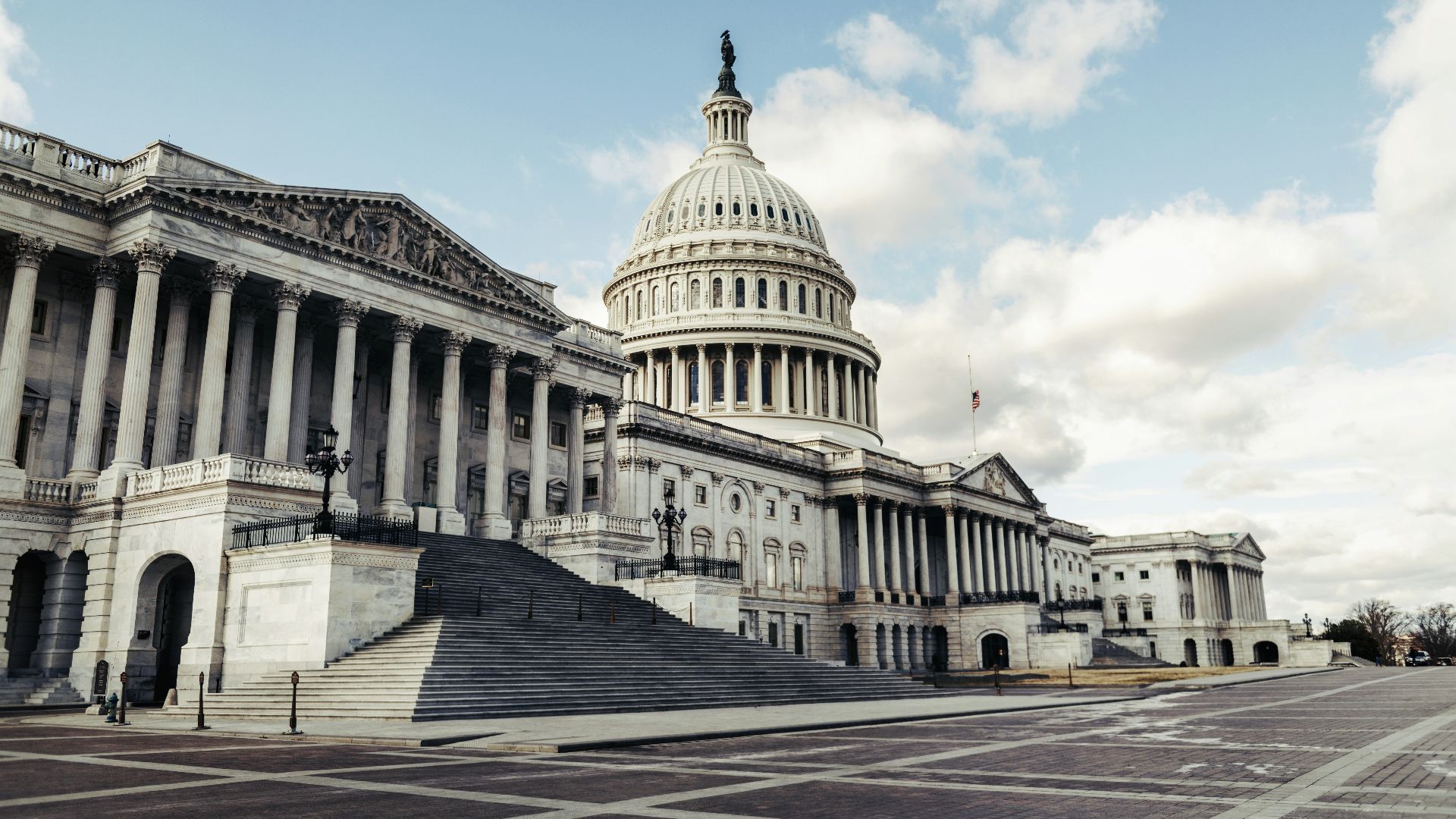
In 1990, “Nayirah” told a US congressional caucus that Iraqi soldiers pulled babies from incubators, and the story was cited widely as support for war. Later reporting revealed major credibility issues, including her identity as the Kuwaiti ambassador’s daughter.
20. Timisoara’s “Mass Graves” Moment
During Romania’s 1989 revolution, reports of Timisoara “mass graves” spread fast and shaped international perception. Later accounts showed key details were distorted and bodies were misrepresented, a reminder that chaos can be guided by the first story to travel.
KEEP ON READING