All Fair In Love And War
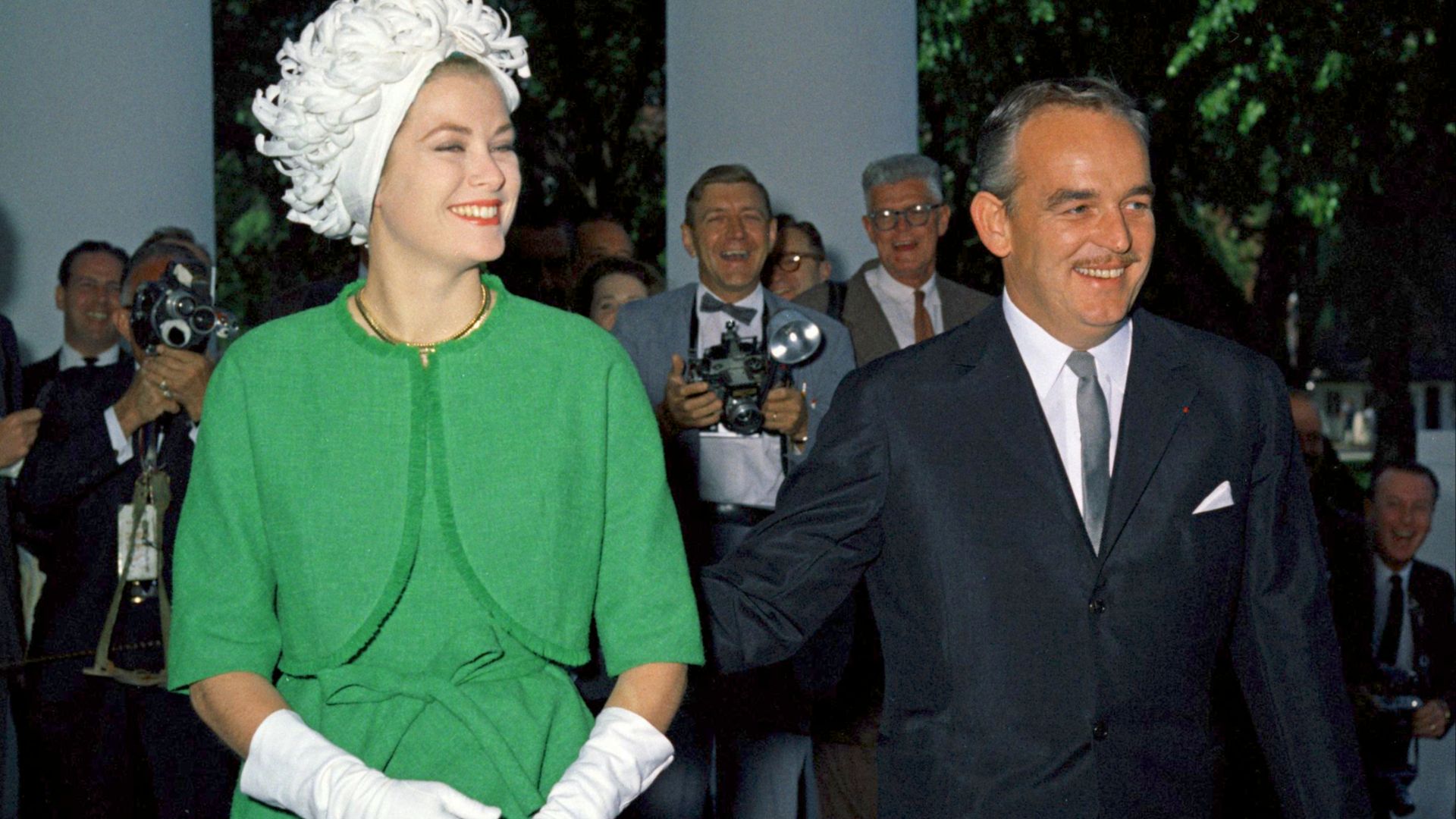
Political disagreements can make for awkward dinner conversations today, but history took the idea of marrying across political lines to an entirely different level. Royal marriages regularly connected rival kingdoms, competing dynasties, opposing religious factions, and even families that had recently been fighting each other. Some of these women married men who represented a rival political camp, while others entered unions specifically designed to end a conflict. In several cases, the marriage worked beautifully; in others, it merely gave everyone a new reason to argue.
1. Emma of Normandy and Æthelred II
Emma of Normandy found herself at the center of a political struggle between England and Scandinavia when she married King Æthelred II in 1002. Emma married him as England and Normandy negotiated their political alliance. When the Danish conquest overturned English politics, Emma remarried the invader himself by becoming Queen of England and Denmark through Cnut.
2. Eleanor of Aquitaine and Henry II
Eleanor of Aquitaine’s second husband was an adversary of her first. After marrying King Louis VII of France and later divorcing him, Eleanor married Henry, Duke of Normandy and Count of Anjou, who would later ascend to the English throne as Henry II. Henry would become one of France’s greatest rivals during Eleanor’s lifetime.
3. Urraca of León and Alfonso I of Aragon
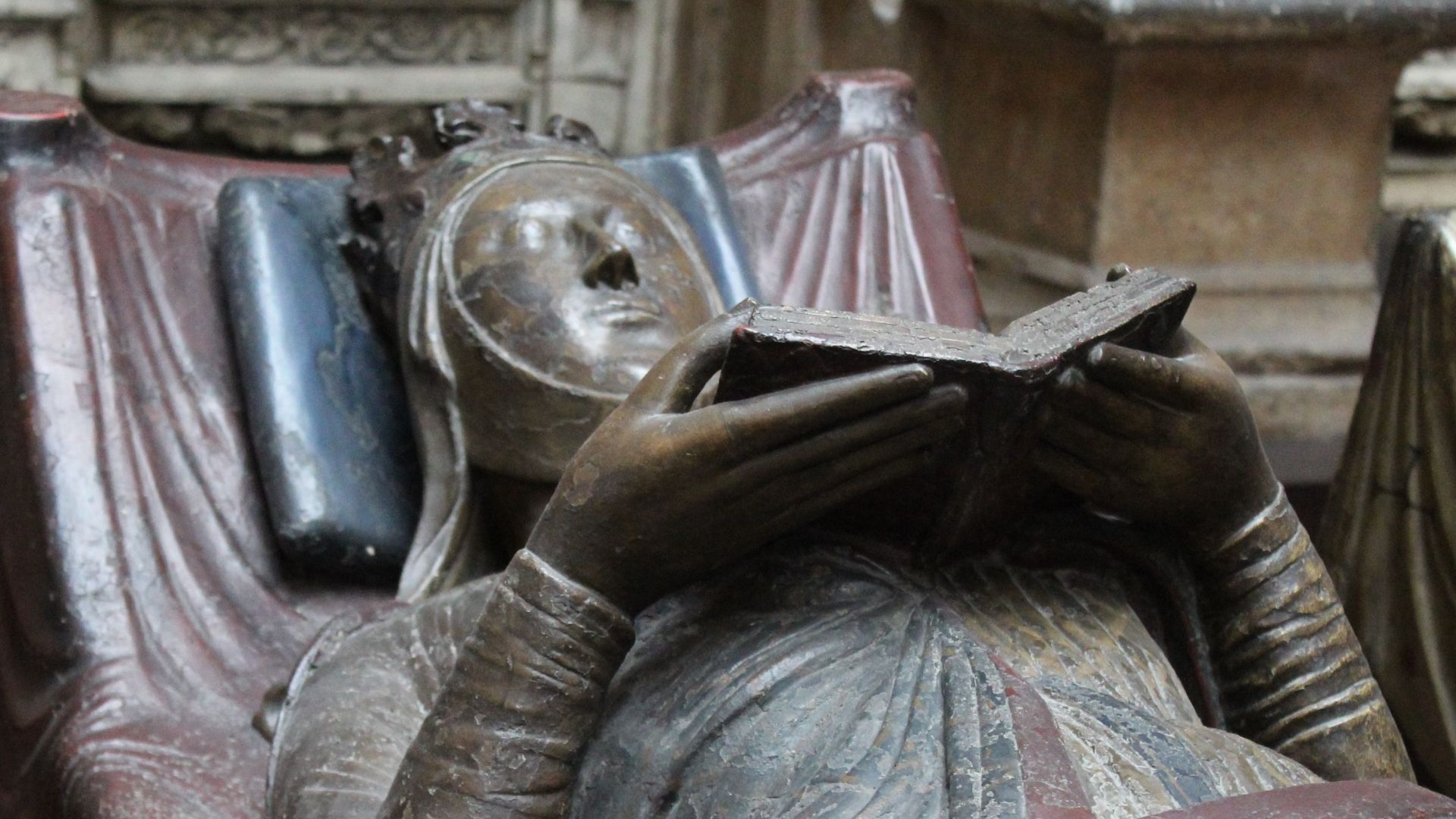
Queen Urraca of León and Castile married Alfonso I of Aragon in hopes of solidifying political connections between their realms. Their marriage was deeply unpopular with some nobles in Urraca’s territories who feared Alfonso’s influence. Once married, Urraca and Alfonso argued frequently, with their political disagreements even helping instigate a years-long civil war.
 Carlos Múgica y Pérez on Wikimedia
4. Isabella of France and Edward II
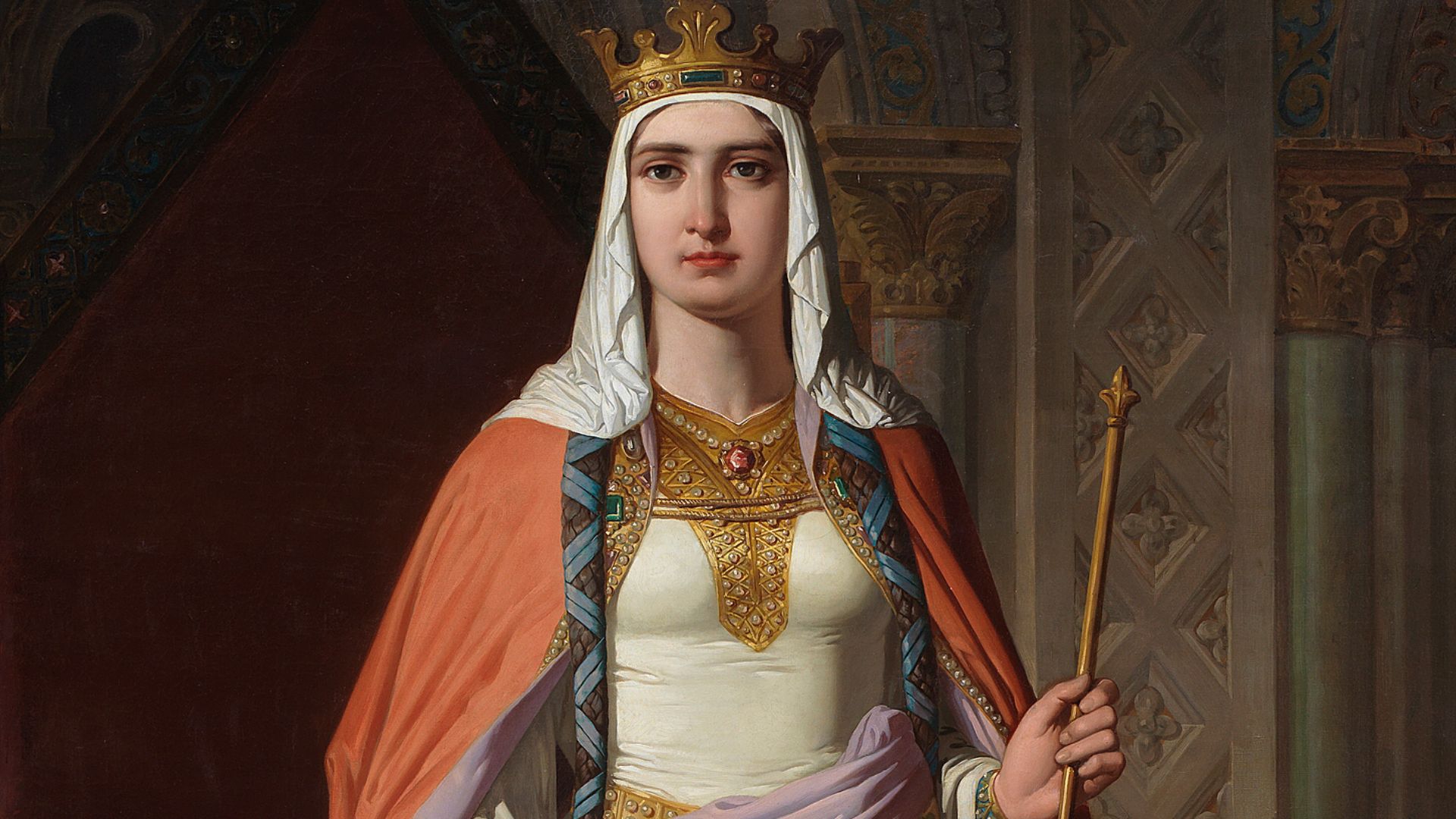
England’s Edward II was married to Isabella of France, creating a political connection between frequently hostile nations. Isabella ultimately took an active role in opposing her husband’s regime, going on to help depose Edward with the help of his political rival, Roger Mortimer. Isabella went from a princess of France married to England’s king to a major player in the opposition against him.
 AnonymousUnknown author on Wikimedia
5. Margaret Tudor and James IV of Scotland
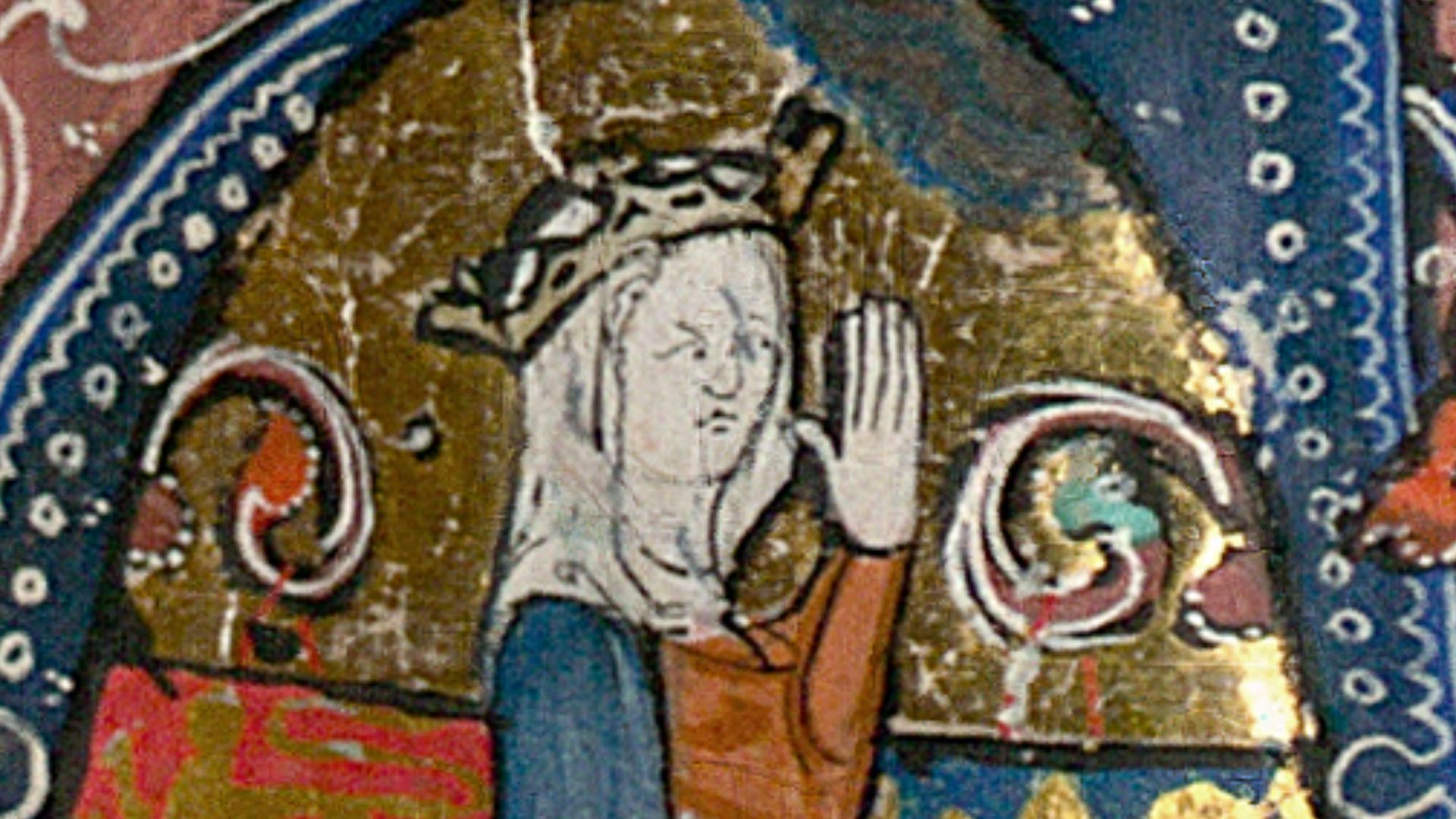
Margaret Tudor was Henry VII of England’s daughter, while James IV of Scotland had previously supported pretender to the throne Perkin Warbeck. Margaret and James married in 1503 as part of a treaty meant to settle hostilities between England and Scotland. While their marriage ultimately did not prevent hostilities, their great-grandson would eventually inherit both thrones.
6. Elizabeth Woodville and Edward IV
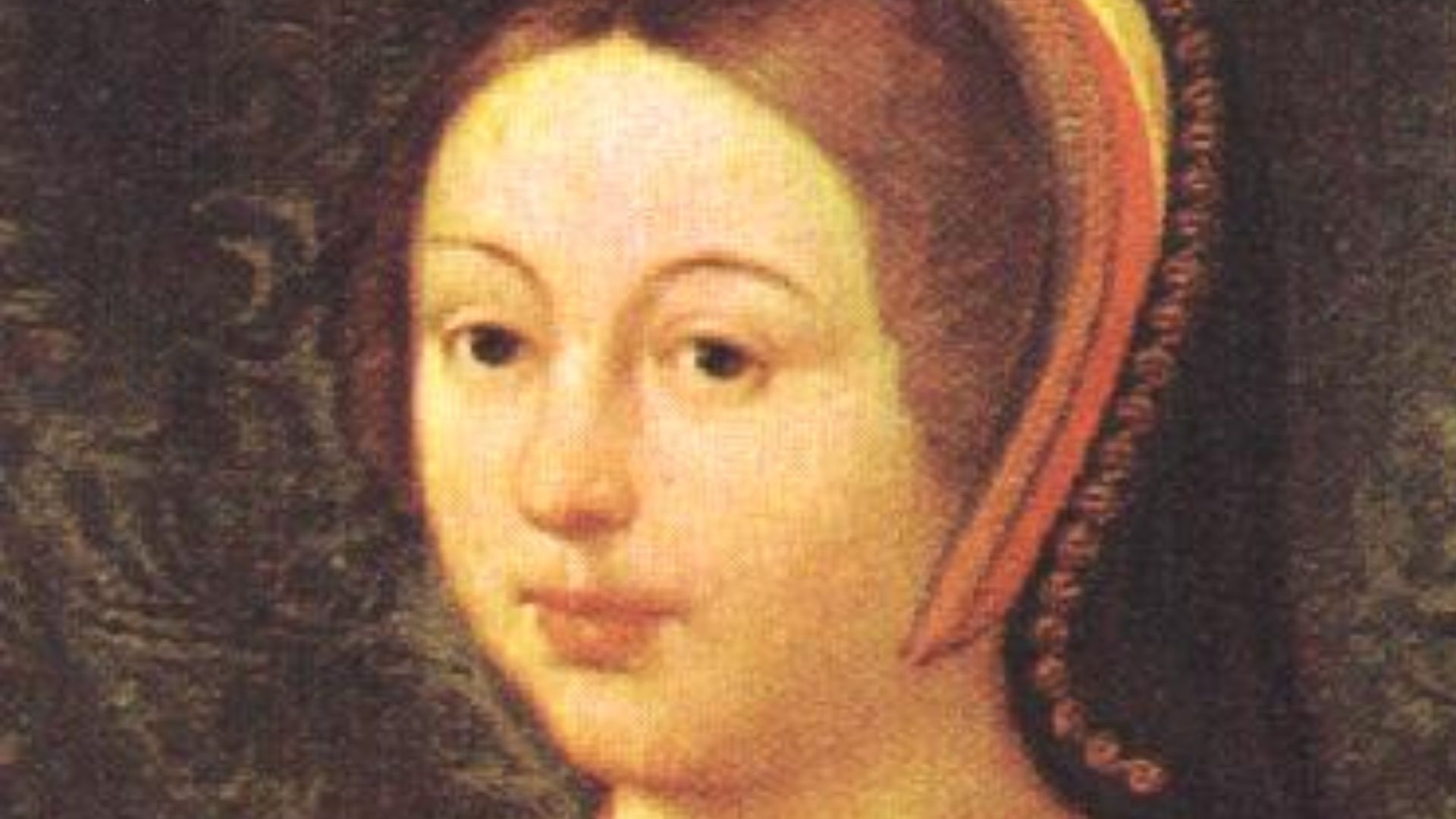
Elizabeth Woodville had family ties to England’s Lancaster royal house, while her husband Edward was from the York house that fought them in the Wars of the Roses. Woodville married Edward IV of England in secret in 1464. Their union angered Edward’s supporter, the Earl of Warwick, and drove a major political figure to switch sides in the conflict.
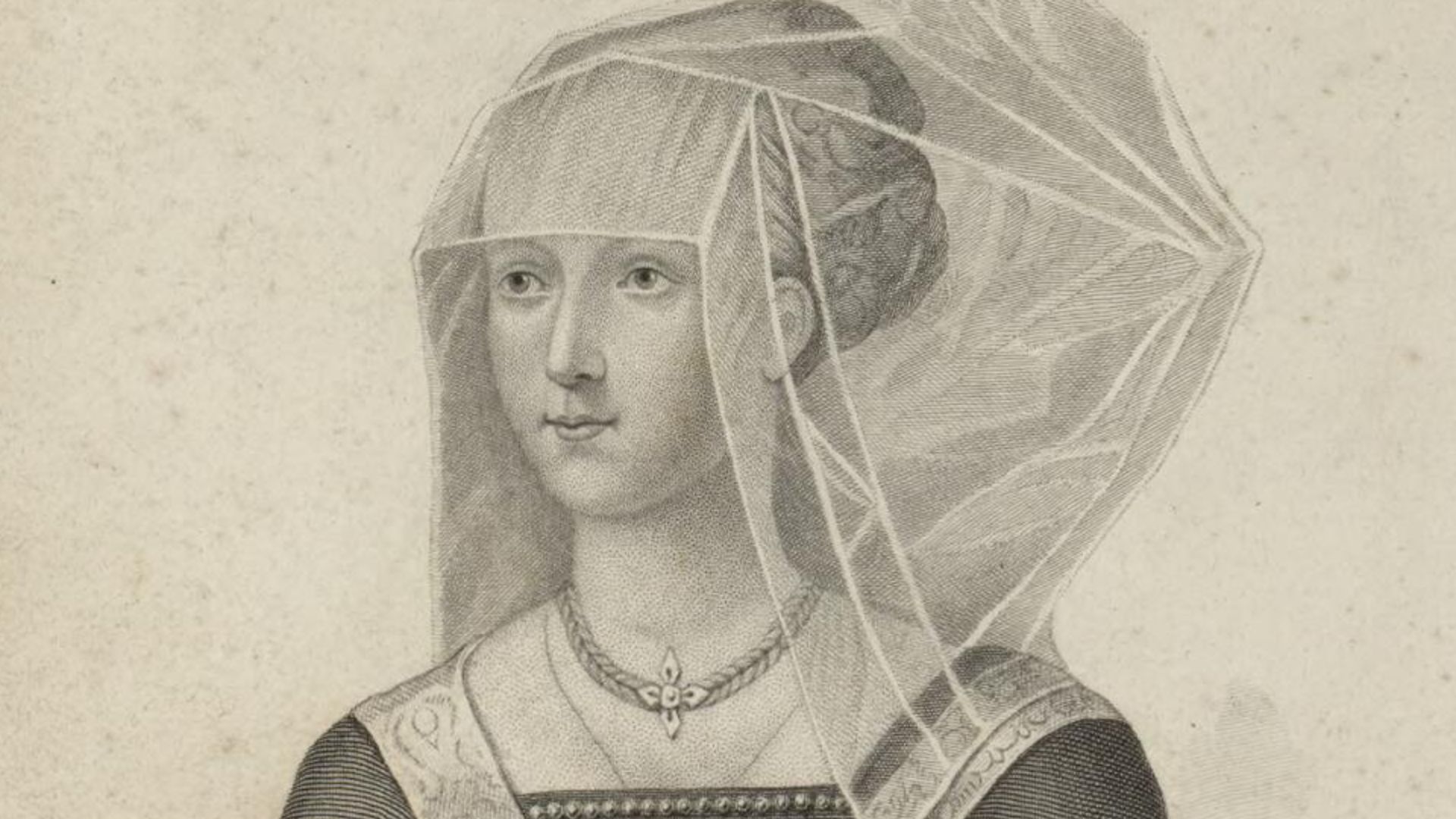 Unknown authorUnknown author on Wikimedia
7. Anne Neville and Richard III
Anne Neville's marriage to Richard, Duke of Gloucester, brought together two people whose families had fought on opposite sides of the Wars of the Roses. Anne had previously been married to Edward, Prince of Wales, the Lancastrian heir who passed away at the Battle of Tewkesbury. Richard, meanwhile, was one of the leading Yorkists responsible for defeating the Lancastrian cause. Their marriage therefore represented a remarkable reversal of political loyalties.
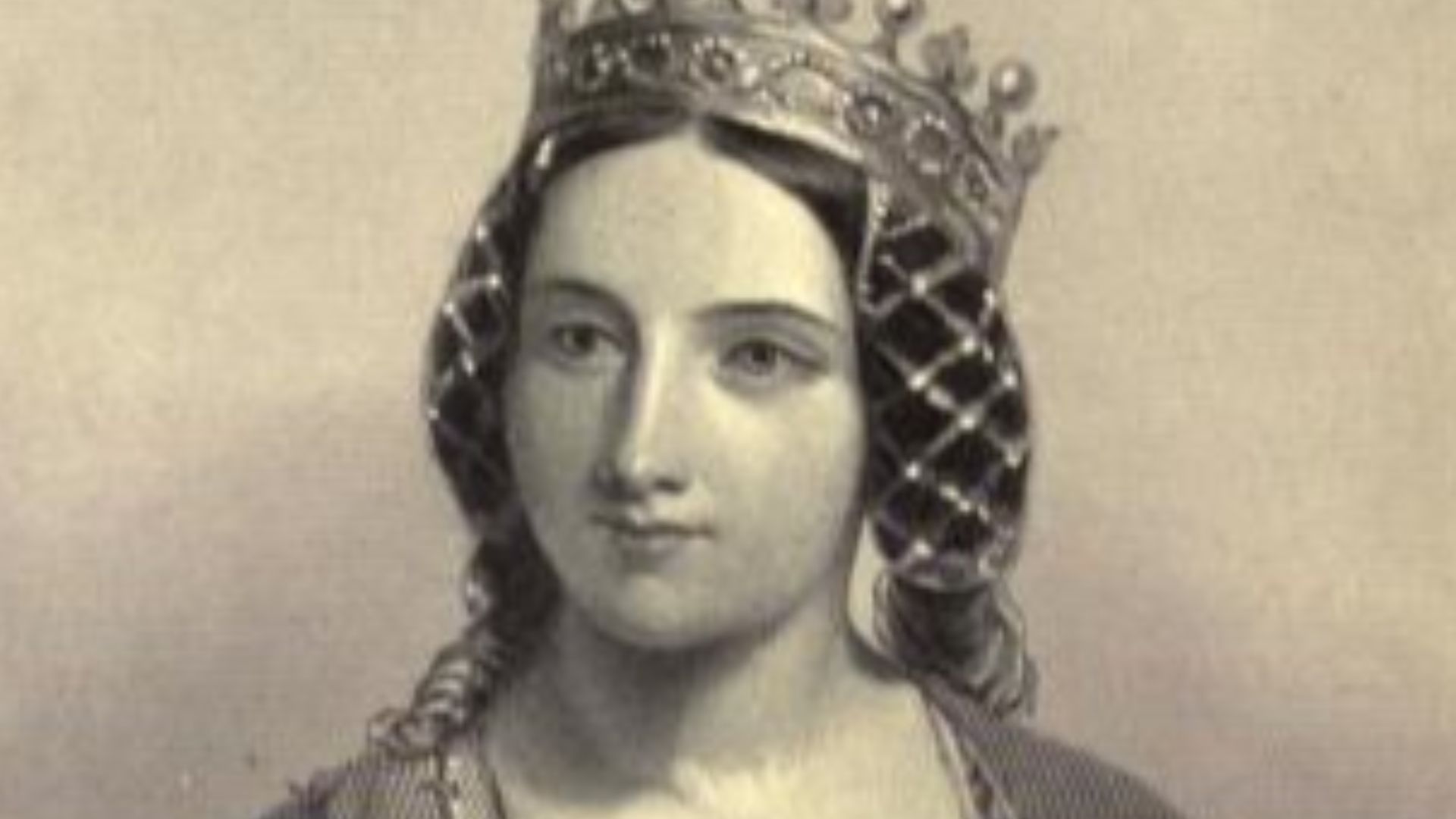 William Henry Mote on Wikimedia
8. Anne of Brittany and Charles VIII
Anne of Brittany was originally married to Maximilian, King of the Romans, by proxy. This created a political connection between Brittany and Austria that threatened French political interests. Charles VIII invaded Brittany, besieged Rennes, and compelled Anne to marry him instead.
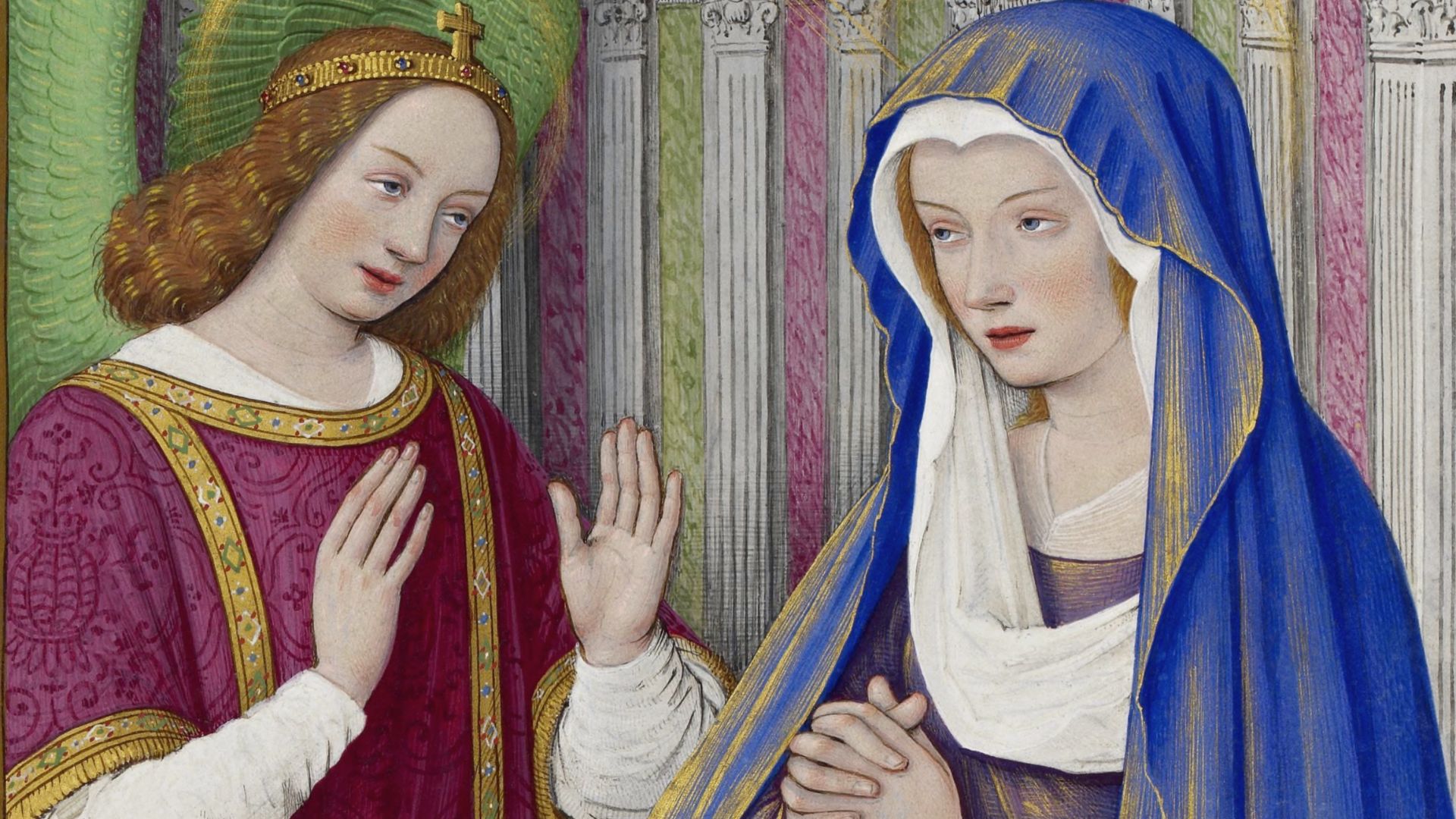
9. Mary Tudor and Louis XII
Henry VIII’s sister Mary Tudor married Louis XII of France as part of an English attempt to broker better relations with their rival nation. England and France had waged war against each other for centuries, and Henry VIII had previously increased military and political pressure on France. Mary was eventually widowed when Louis passed shortly after the marriage, but royal women would be used to end hostilities like this for centuries.
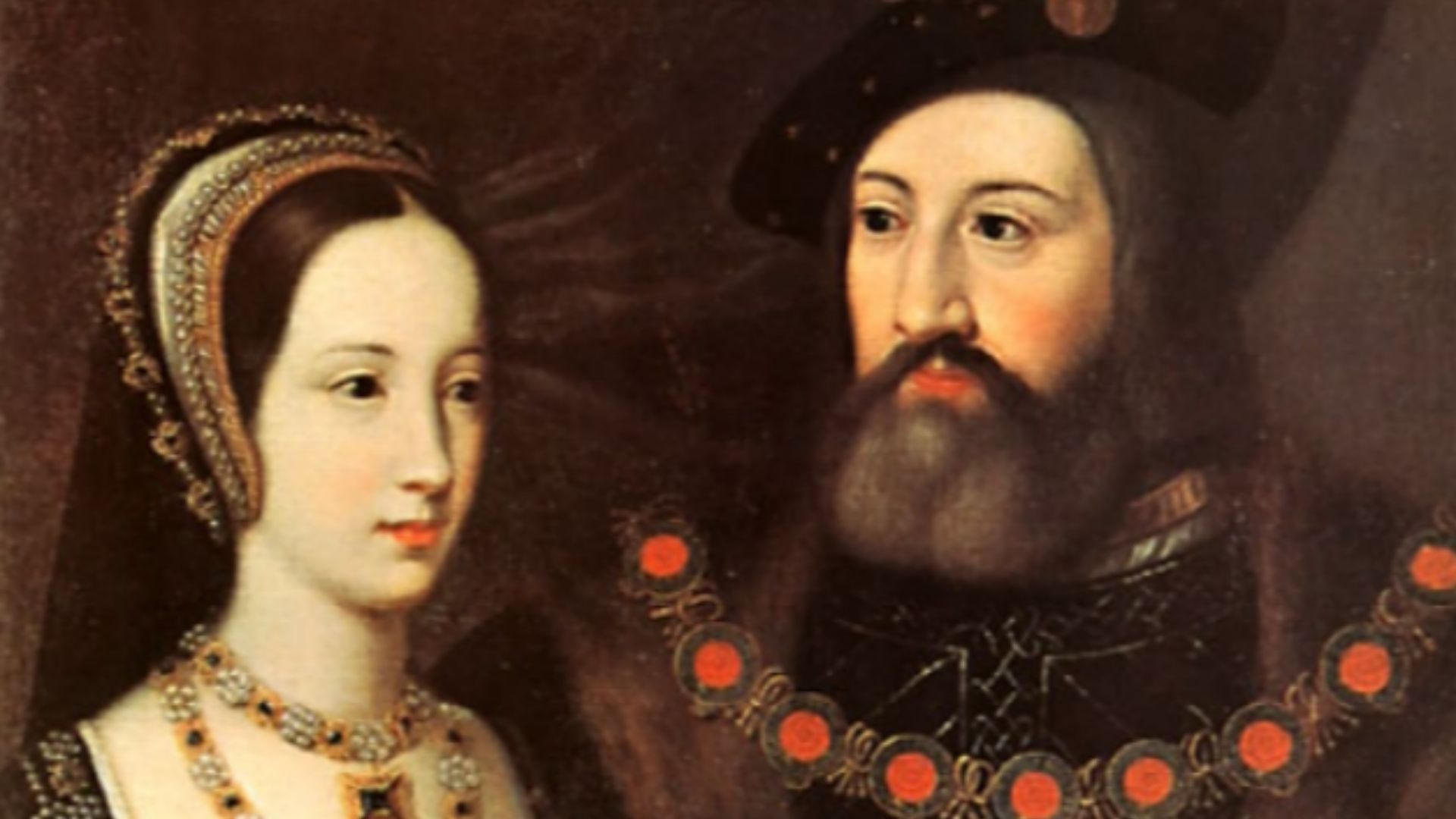 Attributed to Jan Gossaert on Wikimedia
10. Mary of Burgundy and Maximilian of Austria
Mary of Burgundy was an enormously wealthy heiress whose dowry made her one of Europe’s most sought-after royal wives. France wanted greater influence over Burgundy and began negotiating for Mary’s hand in marriage. Instead, Mary married Maximilian, King of the Romans, which brought Burgundy under Habsburg family influence.
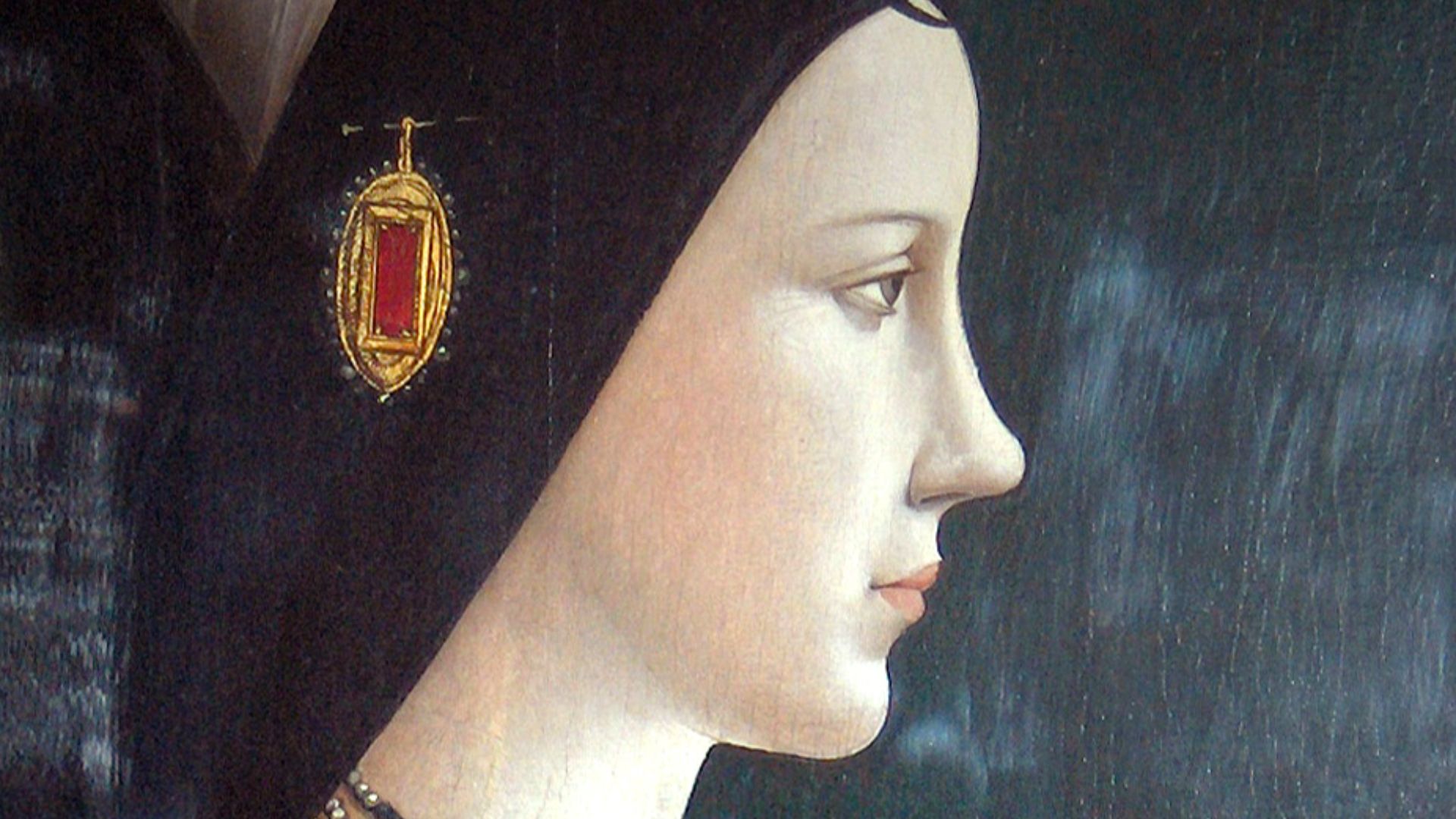 Possibly Michael Pacher on Wikimedia
11. Anne of Austria and Louis XIII
Anne of Austria was from the rival Spanish Habsburg royal family but married France’s Louis XIII in 1615. France and Spain were competitors on the European stage, but their marriage was arranged to solidify ties between the two Catholic kingdoms. Anne’s marriage did not end tensions between Spain and France, and she would become embroiled in French political conflicts when the two nations again became hostile toward one another.
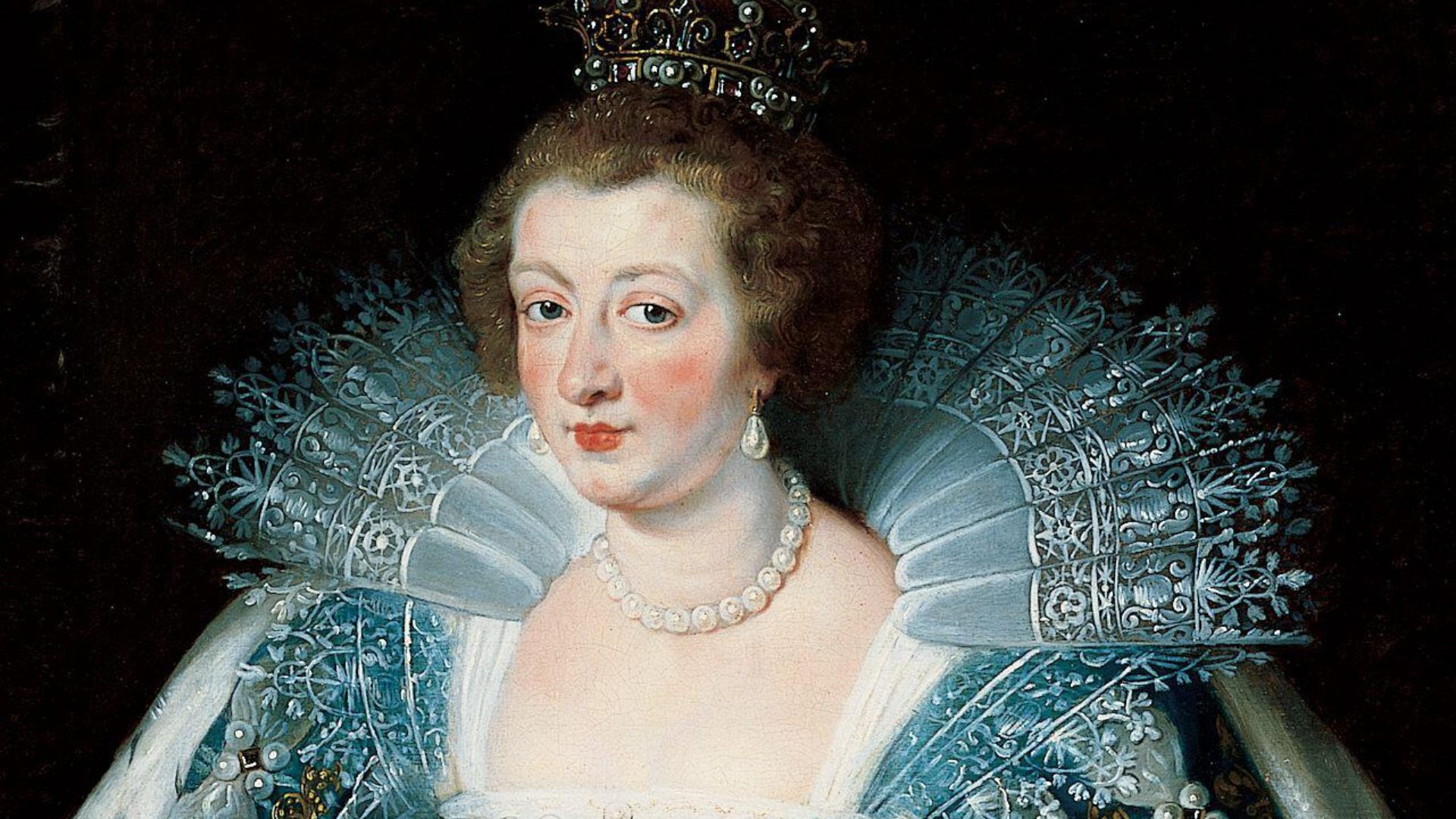 Peter Paul Rubens on Wikimedia
12. Elisabeth of France and Philip IV of Spain
Elisabeth of France was Philip IV of Spain’s wife at a time when the two nations were some of Europe’s greatest competitors. France and Spain’s dynastic peace was strengthened when Elisabeth and Philip married as part of a dual wedding that tied the two nations together. Elisabeth eventually became Queen of Spain and spent the rest of her life involved in politics in her husband’s kingdom.
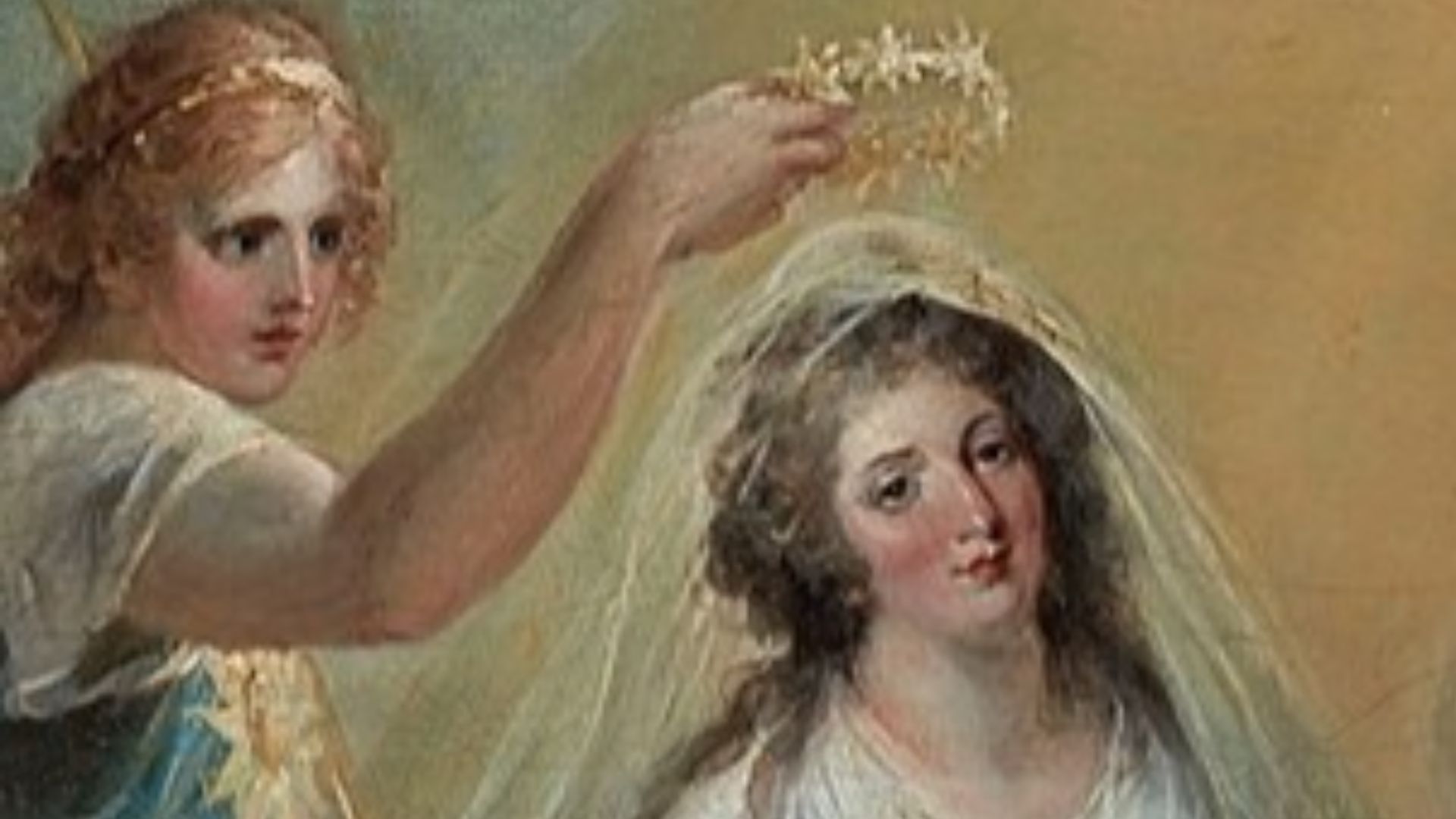
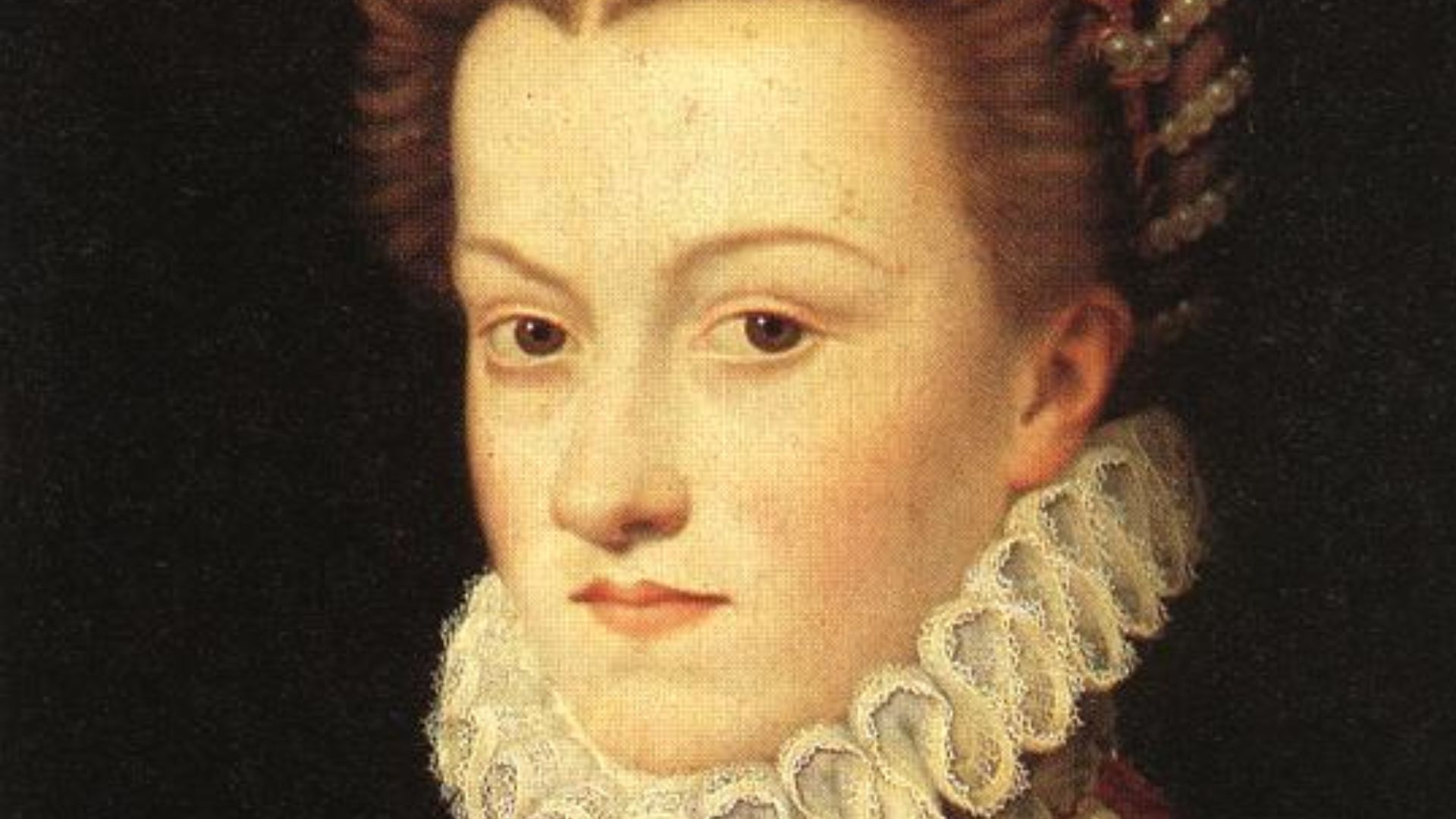
13. Elisabeth of Austria and Charles IX
Elisabeth of Austria married Charles IX of France soon after the Peace of Saint-Germain concluded another round of French religious conflict. Spain and the Holy Roman Empire, represented by Elisabeth’s family, were competitors for European influence. France wanted good relationships with both powers, and Charles and Elisabeth’s marriage helped provide them.
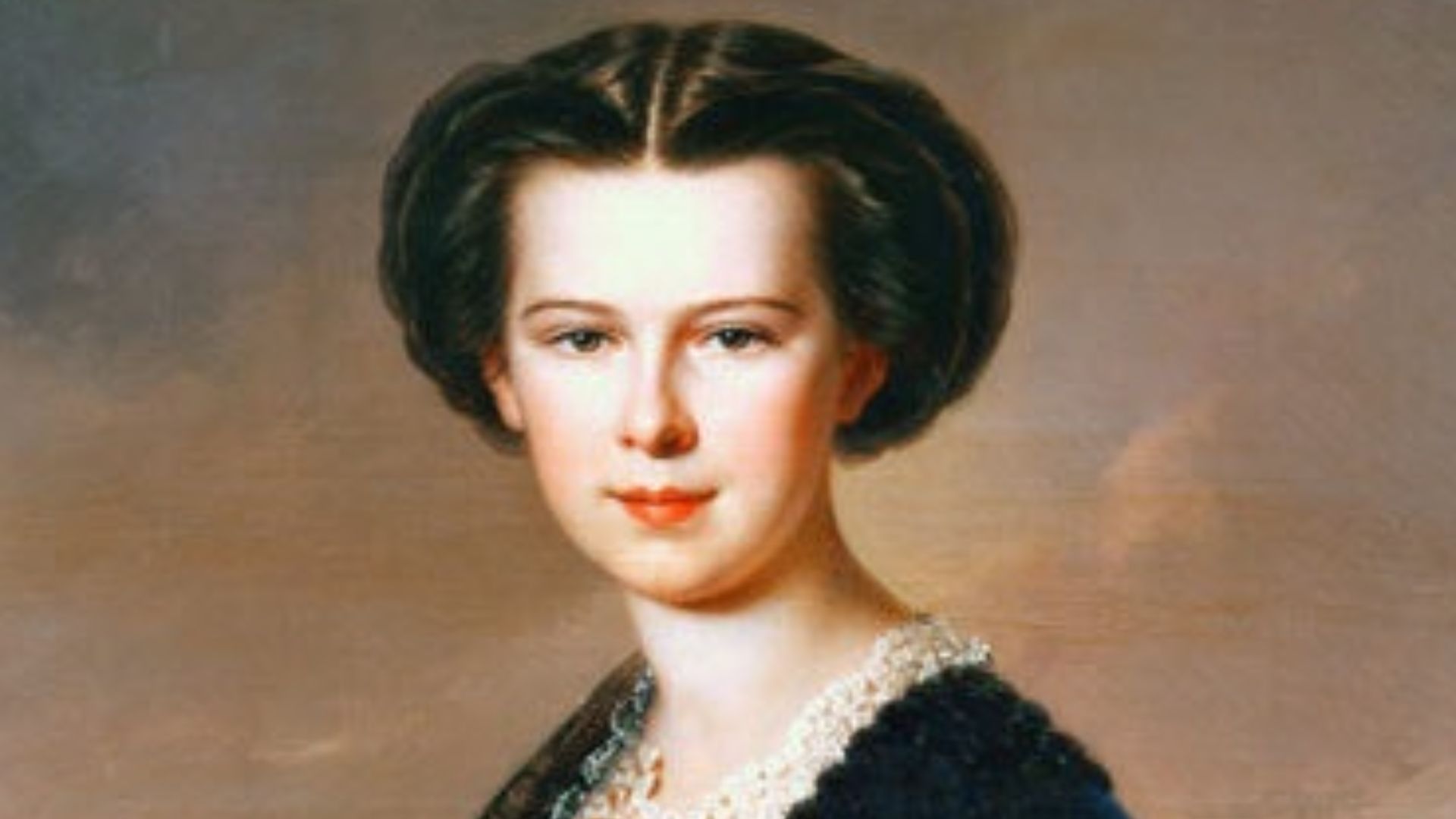 After Anton Einsle on Wikimedia
14. Maria Theresa of Spain and Louis XIV
Maria Theresa of Spain married Louis XIV of France as the two nations ended their own prolonged conflict. The Peace of the Pyrenees meant that Maria Theresa’s father, Philip IV of Spain, agreed to her marriage to Louis XIV as part of the settlement. It would help keep the peace between the two nations for a time, but Louis later invaded Spain using a claim connected to Maria Theresa’s ancestral lands.
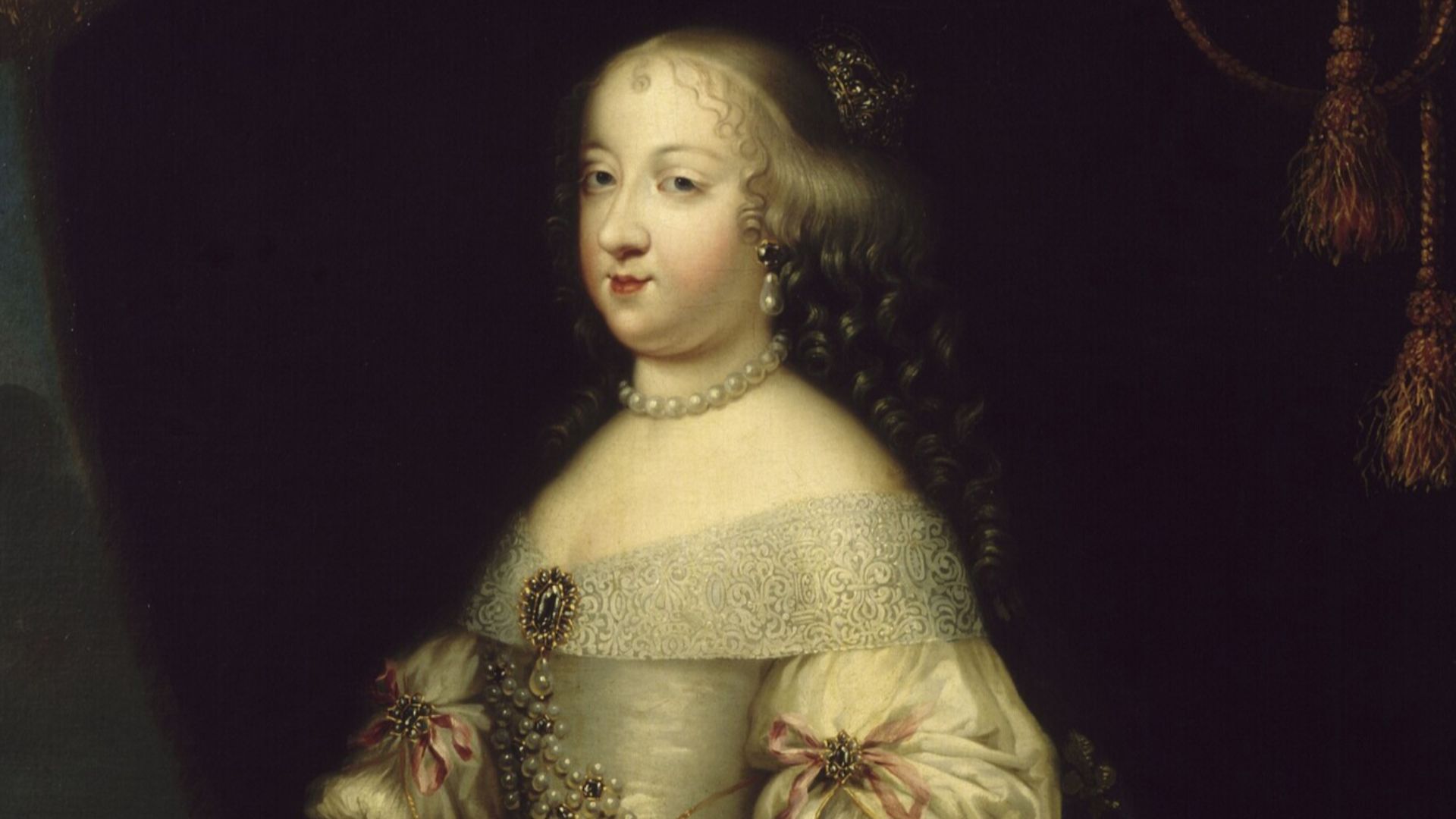 Henri and Charles Beaubrun / After Nicolas Pitau on Wikimedia
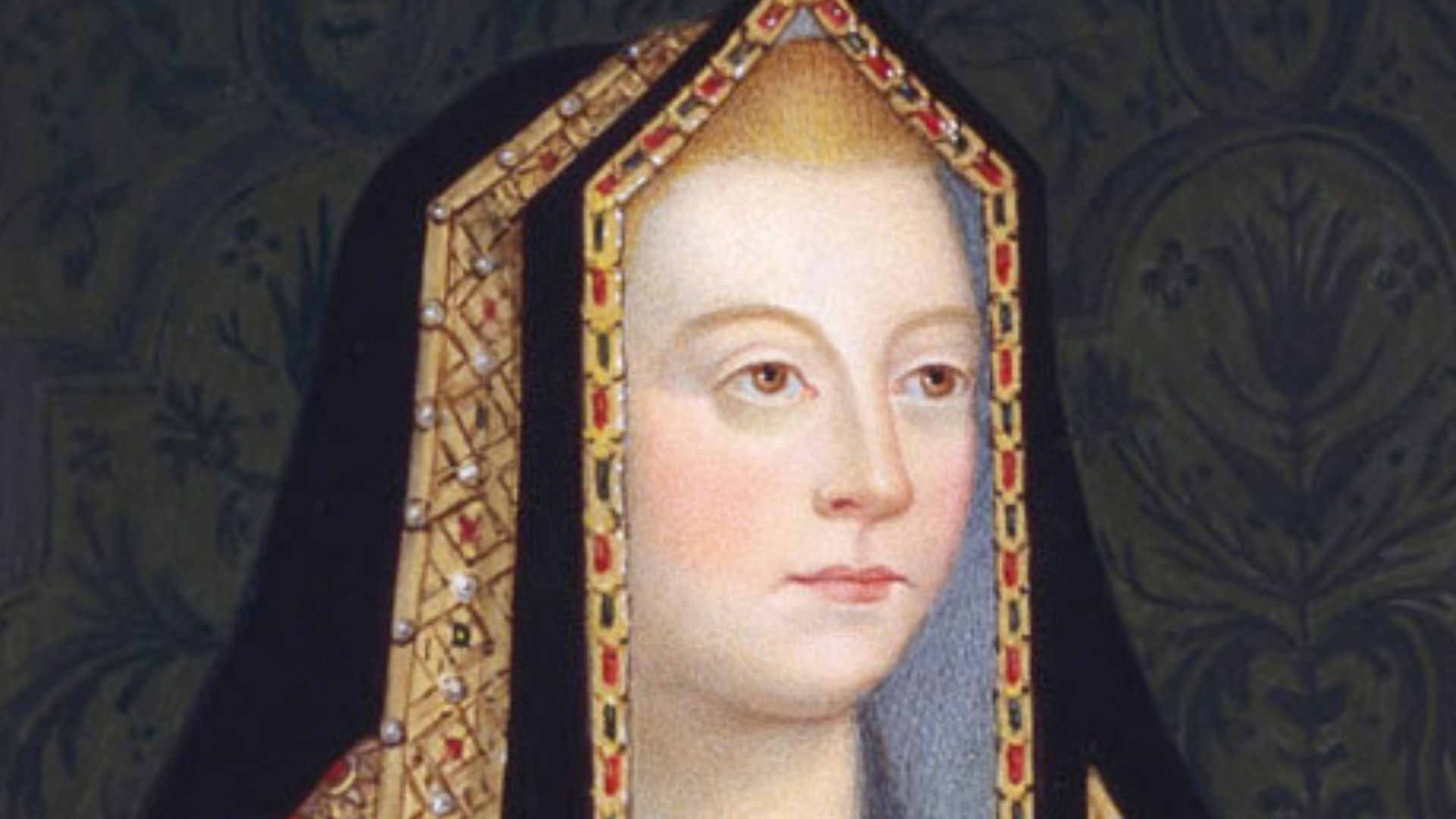
15. Elizabeth of York and Henry VII
Elizabeth of York was the daughter of defeated Yorkist King Edward IV of England. Henry VII defeated Elizabeth’s family in the Wars of the Roses by defeating Richard III at the Battle of Bosworth. Henry and Elizabeth married to symbolize the union of the two dynastic families.
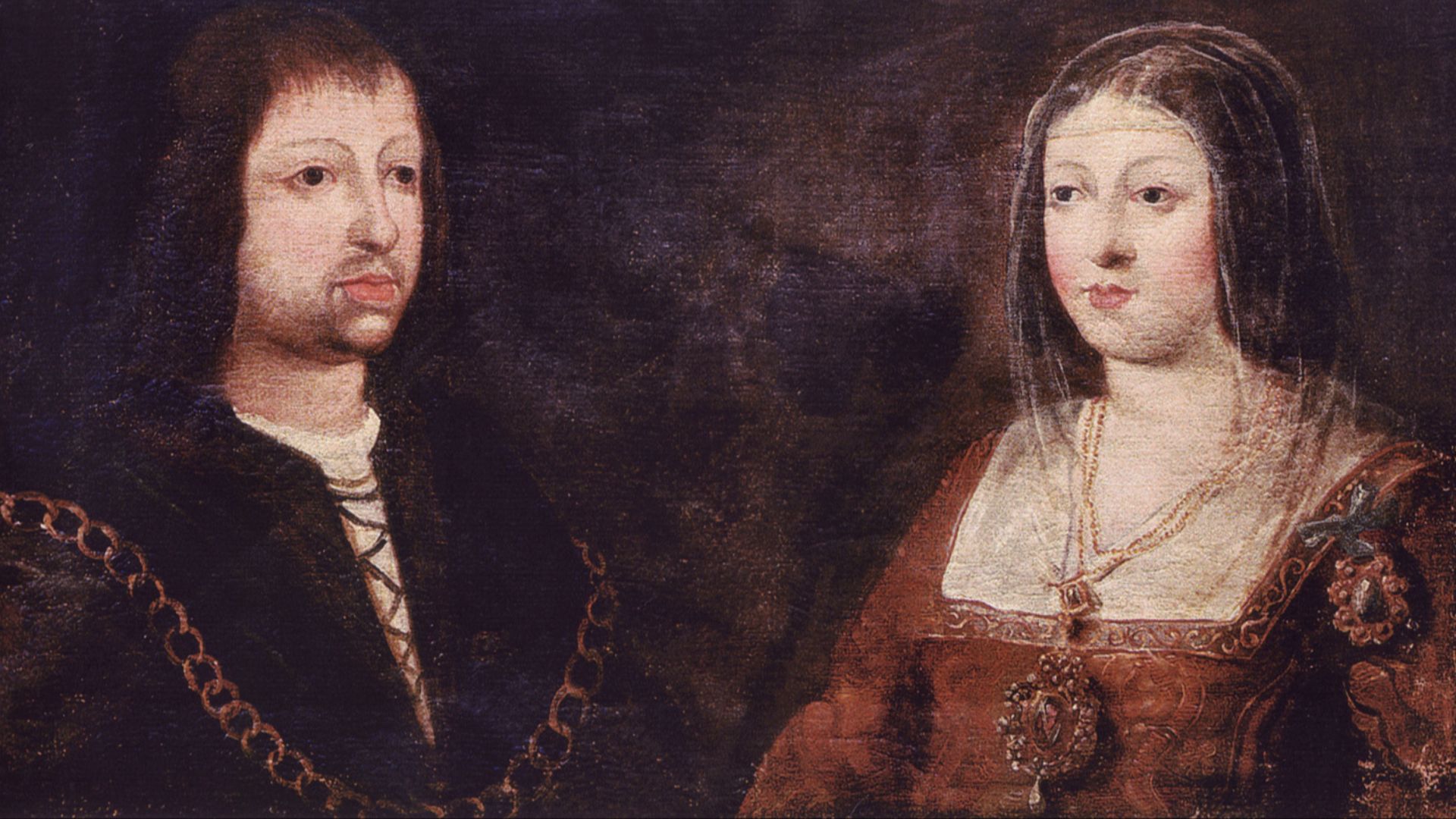
16. Isabella of Castile and Ferdinand of Aragon
Isabella of Castile and Ferdinand of Aragon’s marriage joined two frequently competitive kingdoms. Their marriage itself wasn’t unpopular but created substantial conflict within Castile, where factions had preferred that Isabella marry someone else. Isabella and Ferdinand went on to rule together, and their marriage altered the balance of power in Iberia for generations.
17. Sibylla of Jerusalem and Guy of Lusignan
Sibylla, Queen of Jerusalem, married Guy of Lusignan during a period when the Crusader kingdom was divided by fierce internal disagreements over how to deal with its enemies. Guy had powerful supporters at court, while other nobles favored rival candidates and different military strategies. Sibylla's decision to marry him therefore intensified an already bitter political divide.
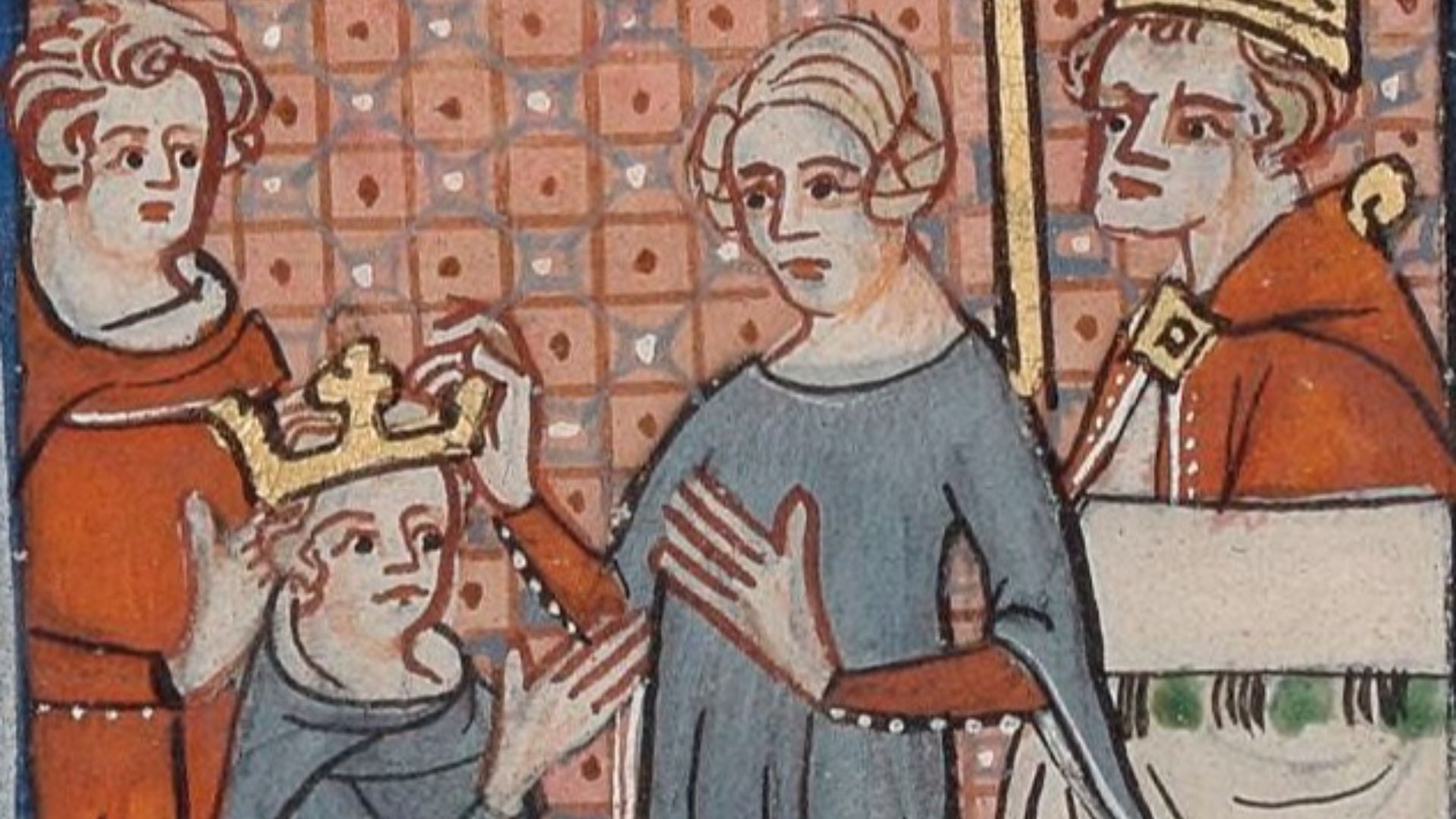 AnonymousUnknown author artist from Paris on Wikimedia
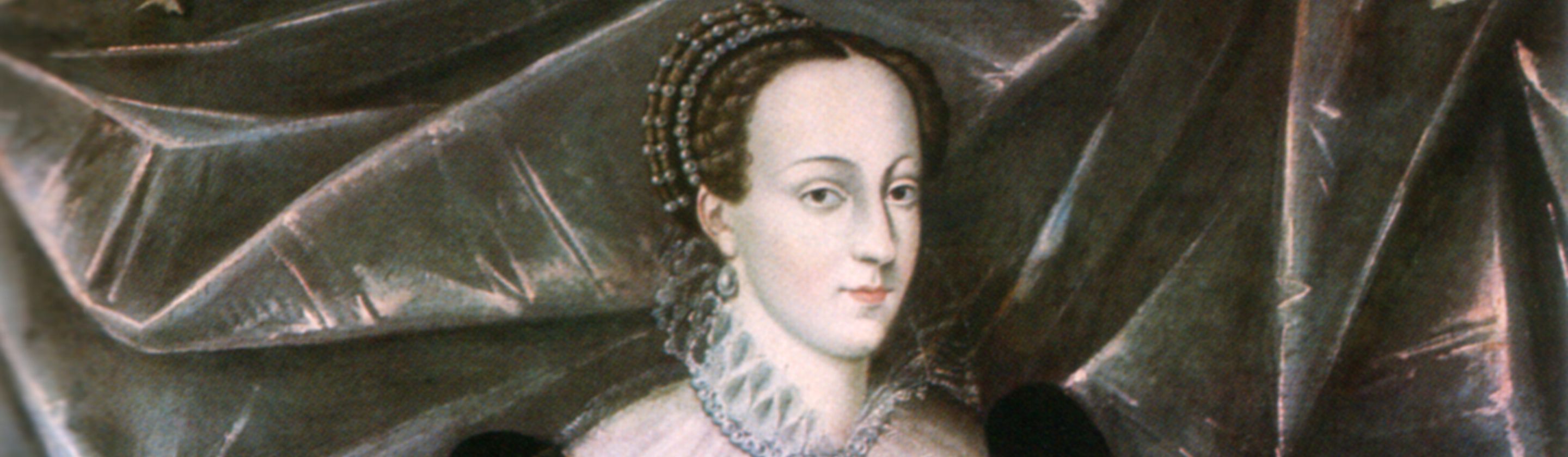
18. Mary, Queen of Scots and Henry Stuart, Lord Darnley
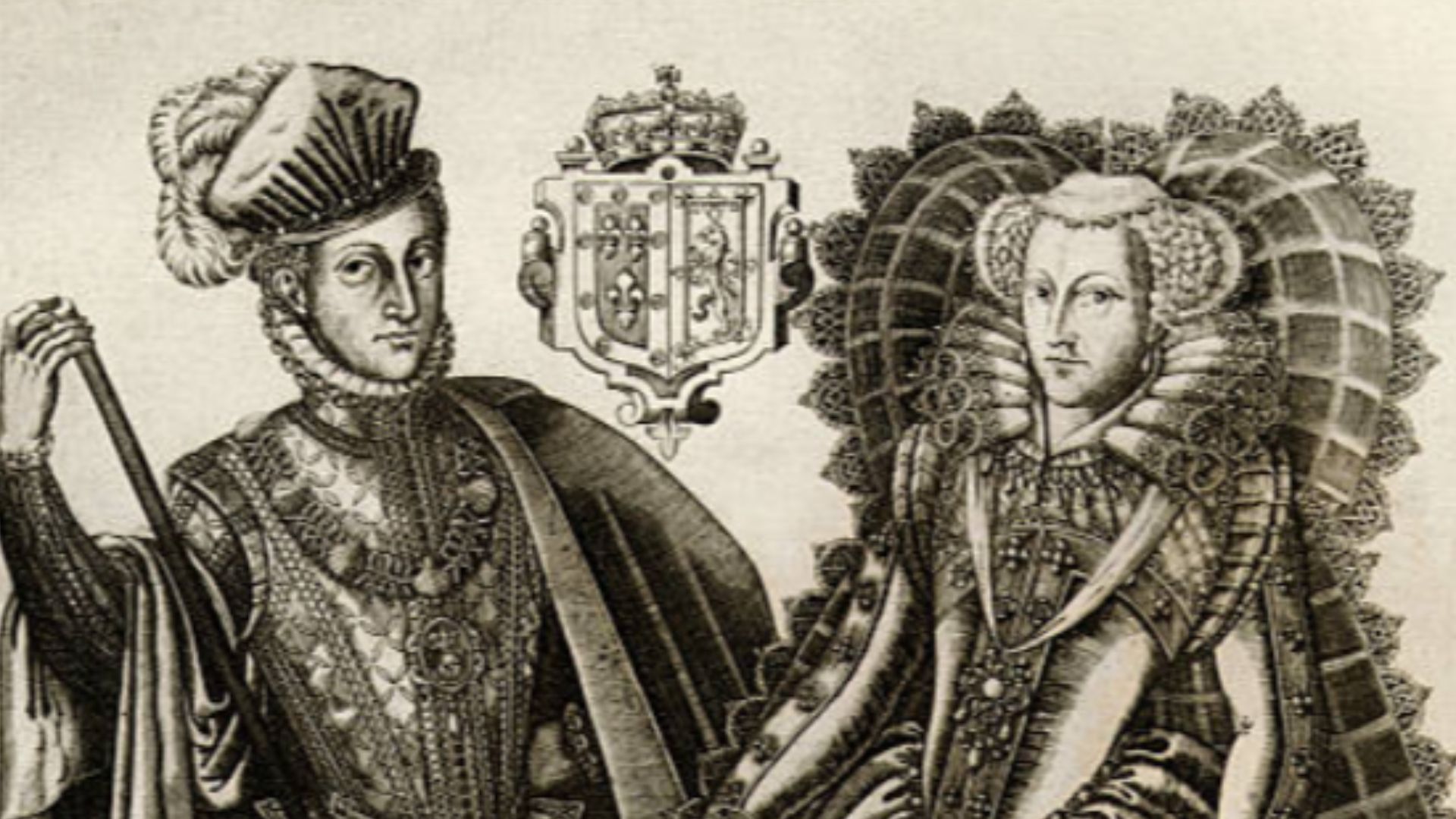
Mary, Queen of Scots, married Henry Stuart, Lord Darnley, despite his Catholicism and his own claim to the English throne. Their marriage was intensely unpopular with Mary’s political adversaries in Scotland, many of whom were Protestants. Many of Scotland’s powerful nobles, including Mary’s half-brother James Stewart, Earl of Moray, opposed the marriage and eventually rebelled against Mary.
19. Juana of Castile and Philip the Fair
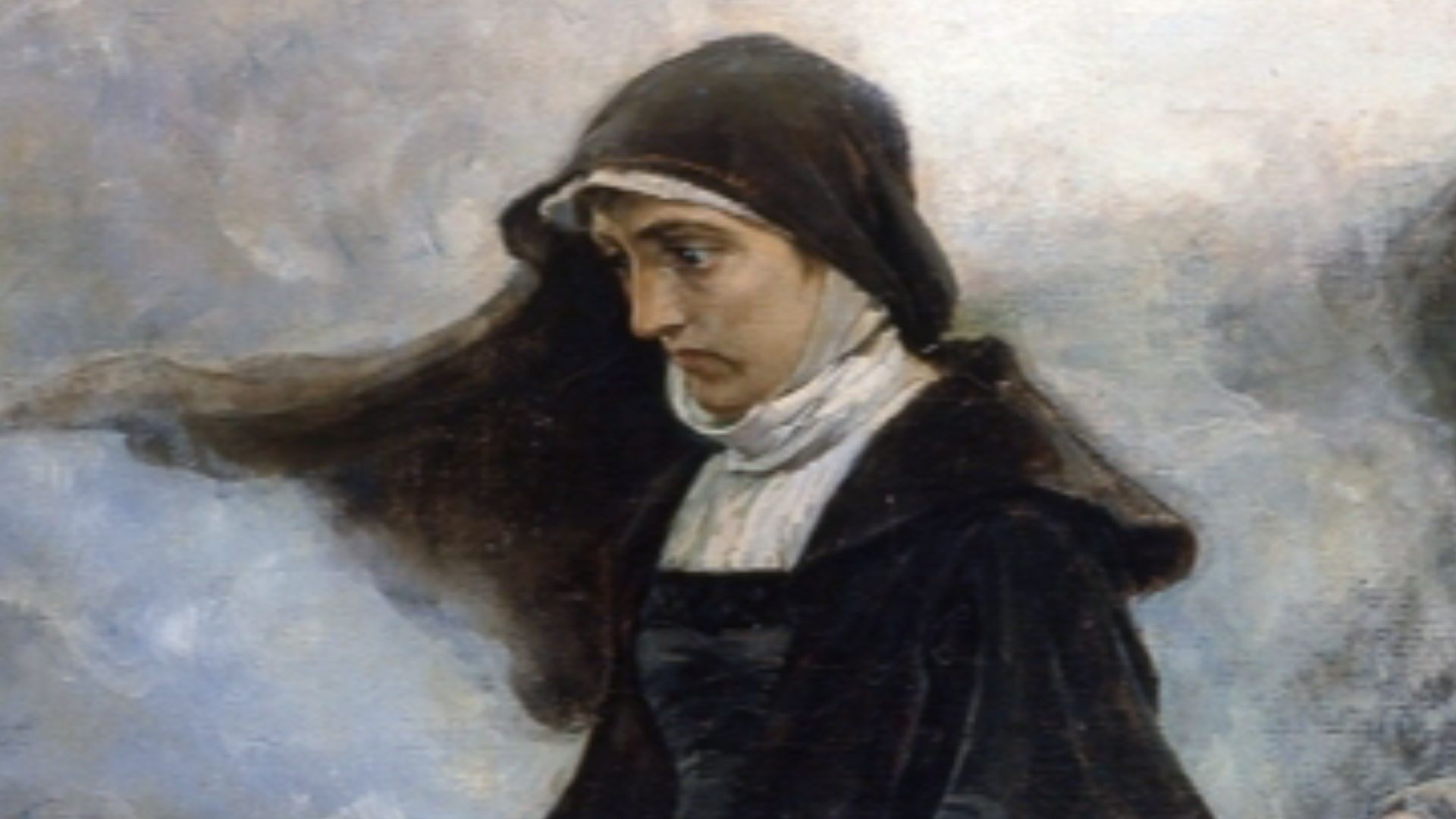
Juana of Castile married Philip the Fair during a period when Spain was actively trying to counter French power in Europe. Philip the Fair was a member of the politically powerful House of Habsburg, and his family did not always agree with Spain’s political goals. One of their sons would eventually become Charles V, King of Spain and Holy Roman Emperor.
 Francisco Pradilla y Ortiz on Wikimedia
20. Mary Matalin and James Carville
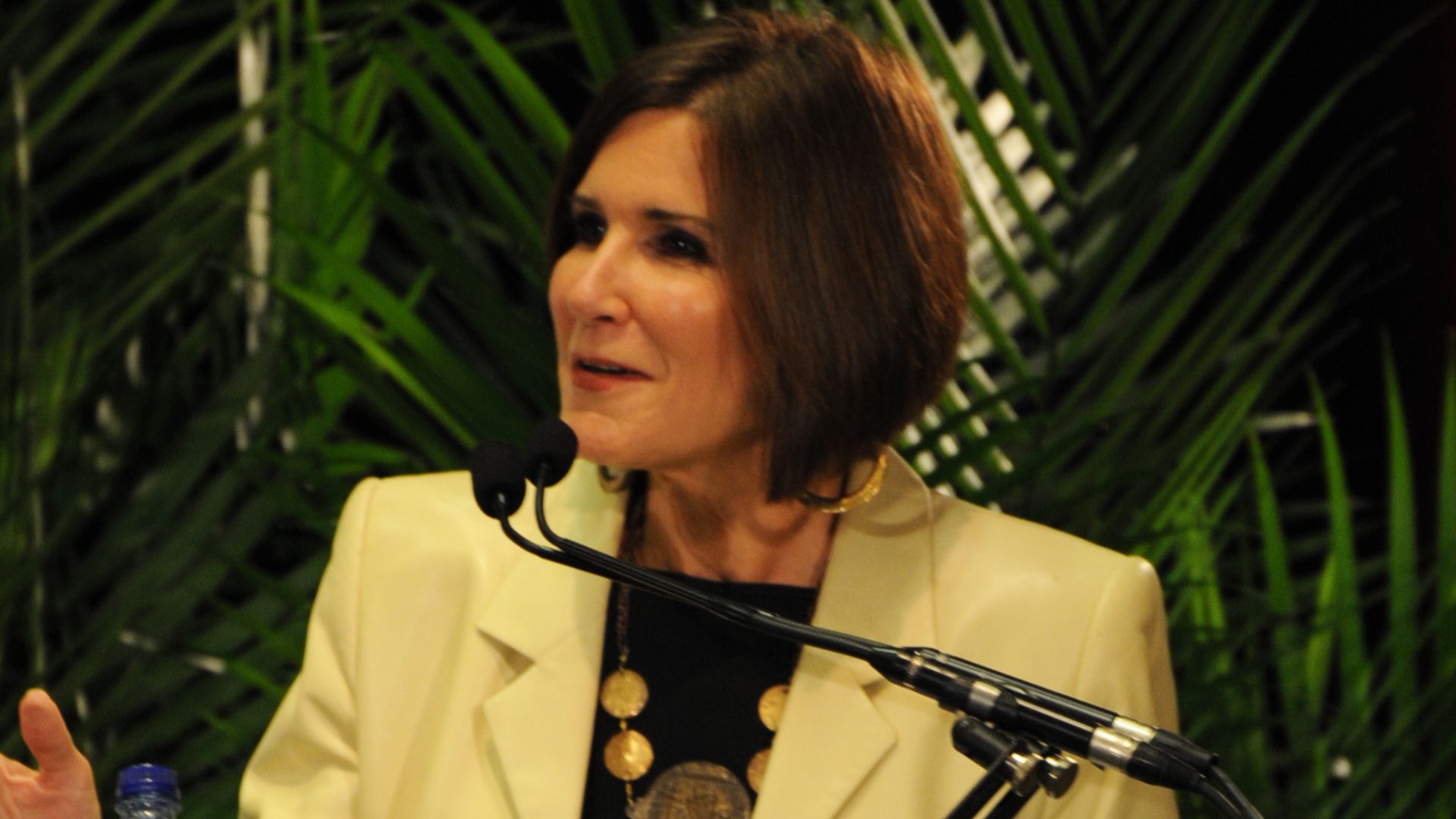
Republican political strategist Mary Matalin married Democratic political strategist James Carville. During their marriage, Mary worked for George H.W. Bush while James worked for Bill Clinton during one of the most heated modern political rivalries. Mary and James’s relationship shows that even people working to actively defeat the other’s preferred candidates can find common ground.
KEEP ON READING