20 Historical Figures Who Held the Worst Grudges
Some People Really Didn’t Know How To Let Things Go
History is full of rivalries, insults, betrayals, and political feuds that lasted far longer than they needed to. Some famous figures turned grudges into policy, military campaigns, personal vendettas, or years of careful revenge. A few were reacting to genuine betrayals, while others seemed perfectly willing to rearrange entire kingdoms over wounded pride. Either way, these 20 people took “holding a grudge” to a level that made their enemies seriously regret getting on the wrong side of them.
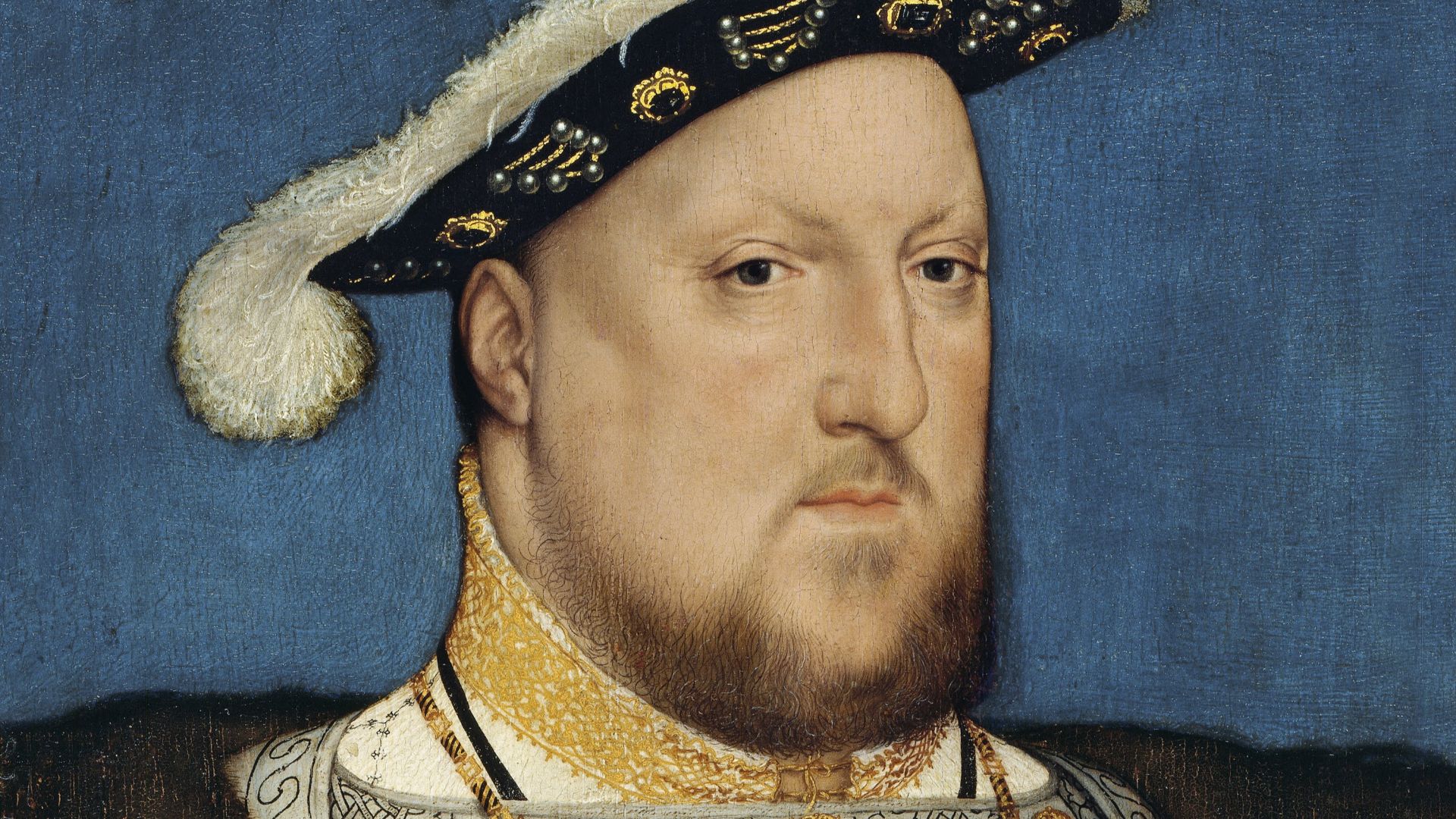 Hans Holbein the Younger on Wikimedia
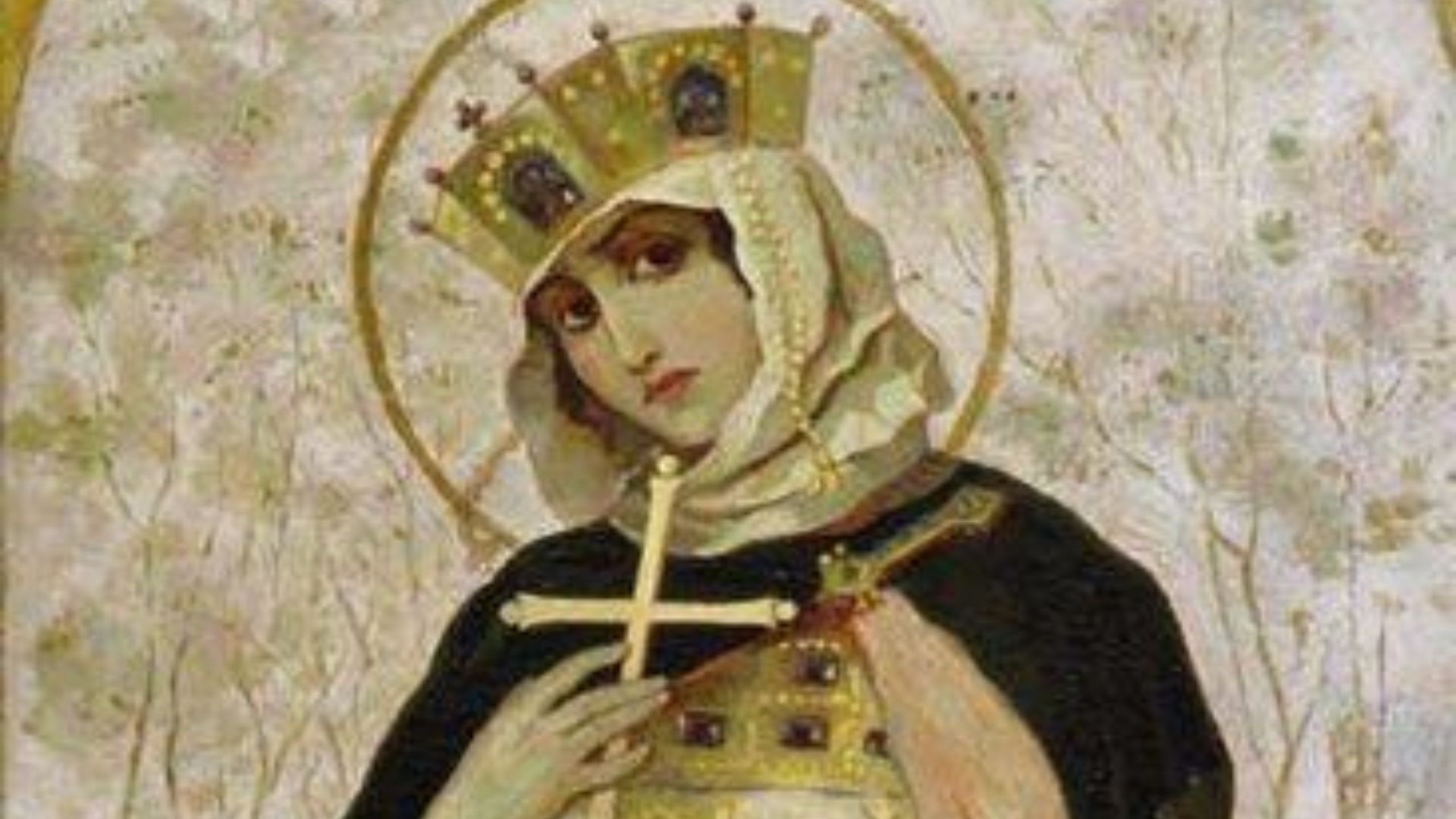
1. Queen Olga of Kyiv
After Olga’s husband, Igor, was killed by the Drevlians in 945, she didn’t settle for a diplomatic response. According to the Primary Chronicle, she carried out a series of elaborate retaliations that included killing envoys, attacking members of the tribe, and eventually besieging their capital. Whether every detail of the chronicle is literal or embellished, Olga’s reputation for revenge has lasted for more than a thousand years.
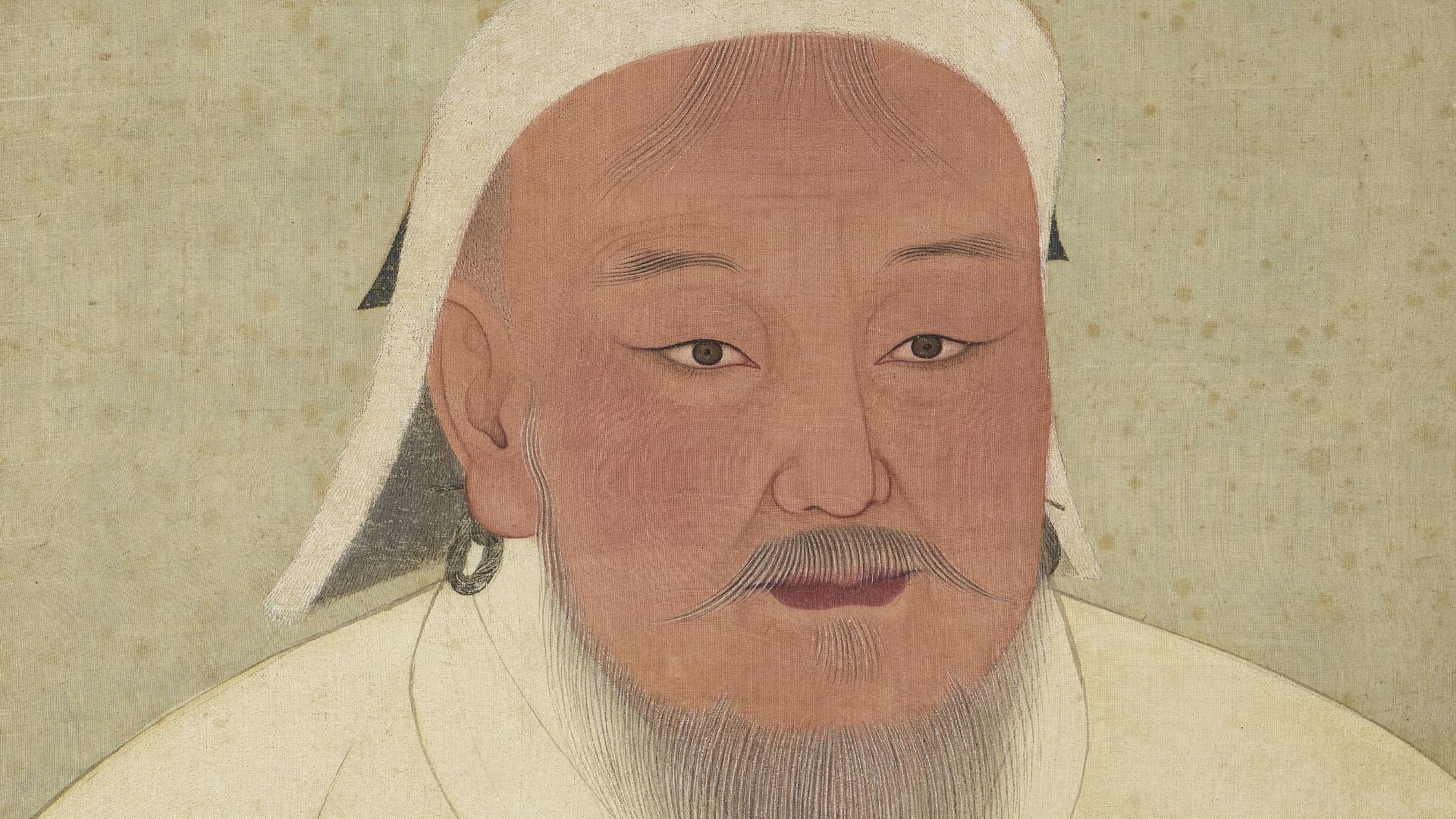
2. Genghis Khan
Genghis Khan could be extraordinarily generous to people who submitted to him, but resistance was another matter entirely. Cities that defied him or harmed his envoys could face devastating retaliation, with the Khwarazmian Empire providing the most famous example. After its ruler humiliated and killed members of a Mongol trade mission, Genghis responded with a campaign that destroyed much of the empire.
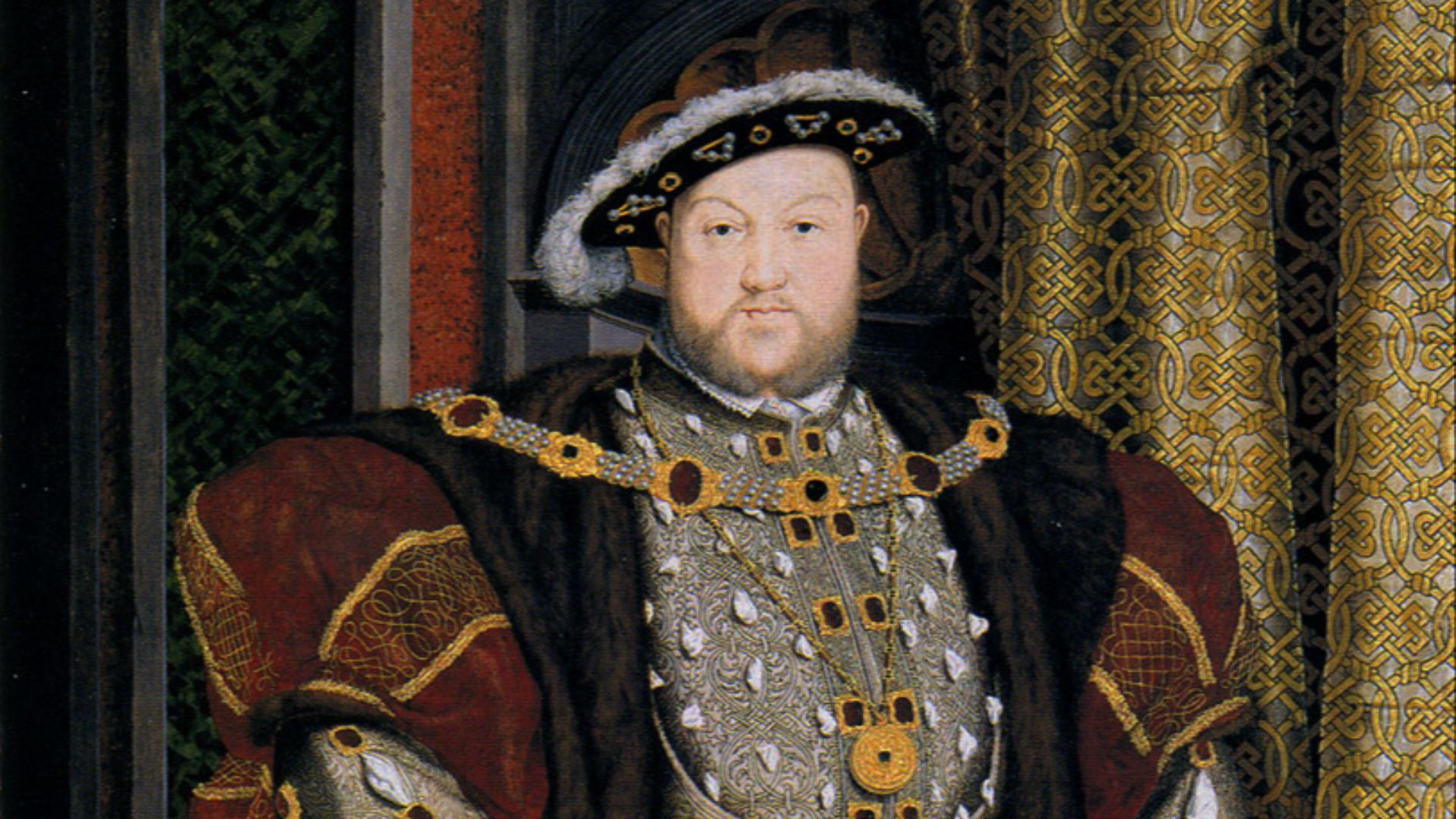
3. Henry VIII
Henry VIII wasn’t known for quietly moving on when someone disappointed him. As former ally Thomas More learned the hard way, falling out of the king’s favor could end with imprisonment or execution. His personal grievances often became inseparable from state policy, which made having an argument with Henry considerably more dangerous than having one with an ordinary person.
4. Octavian
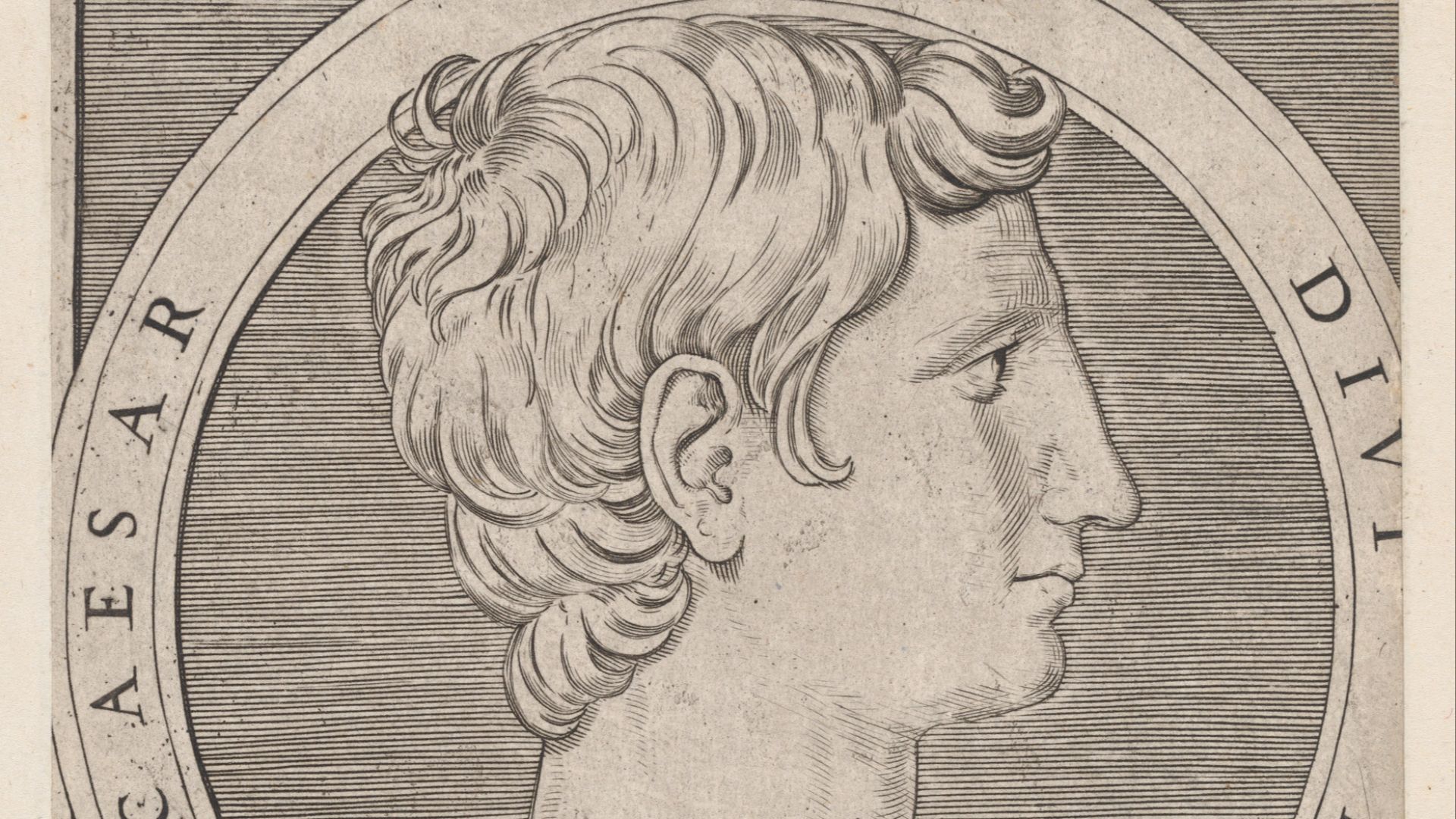
Octavian, later known as Augustus, liked his revenge best served cold. After Julius Caesar’s assassination, he spent years helping hunt down and defeat Caesar’s killers, including Brutus and Cassius. Once the civil wars ended, he had eliminated nearly every major rival standing between him and control of Rome.
 Marcantonio Raimondi on Wikimedia
5. Queen Isabella of France
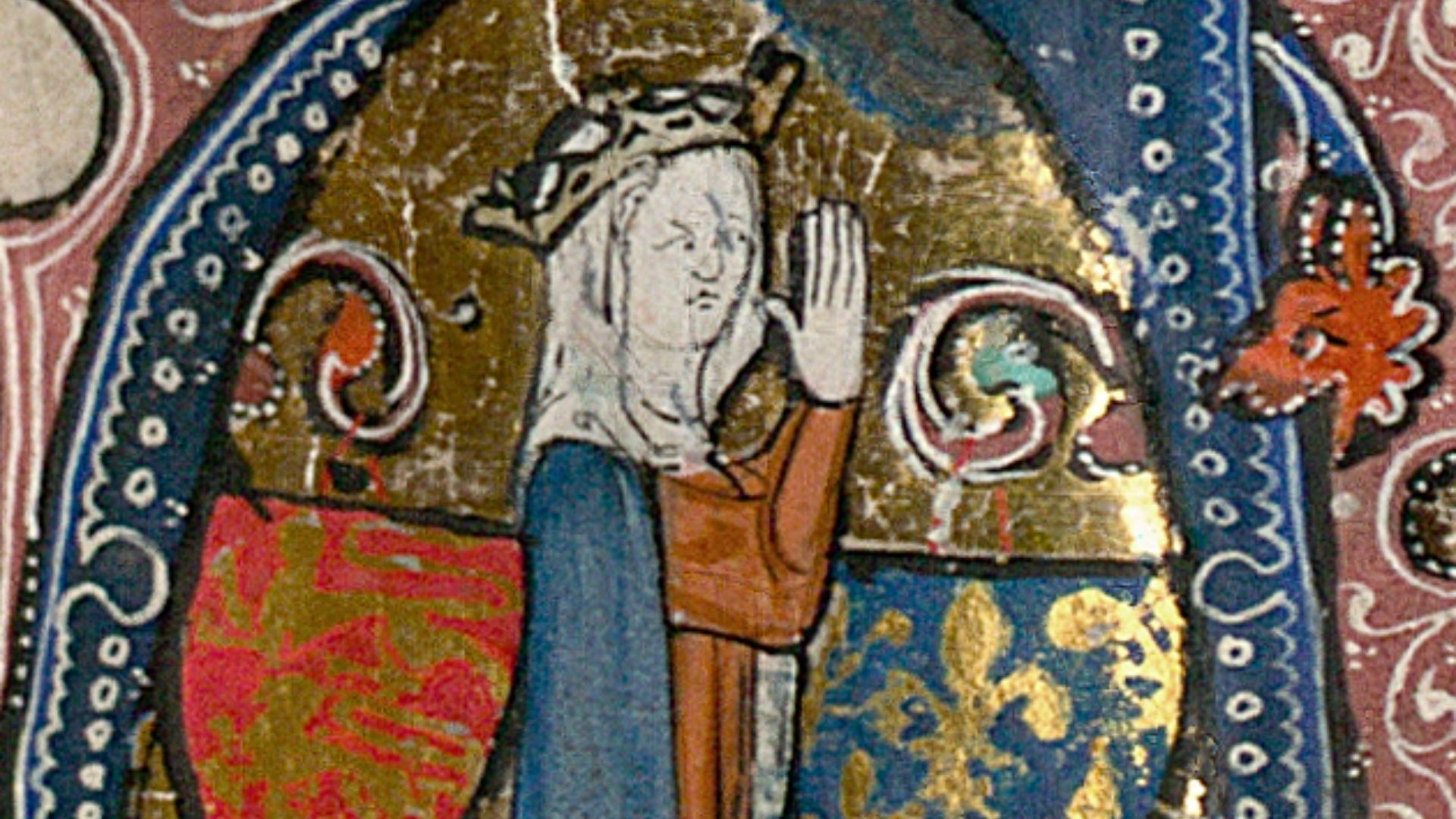
Isabella’s marriage to Edward II of England deteriorated dramatically, particularly as the king favored powerful courtiers such as Hugh Despenser the Younger. After leaving England, Isabella allied with Roger Mortimer, returned with an army, and helped overthrow her own husband in 1326. Despenser was captured and brutally executed, making it very clear that Isabella hadn’t forgotten how she’d been treated.
6. Louis XIV
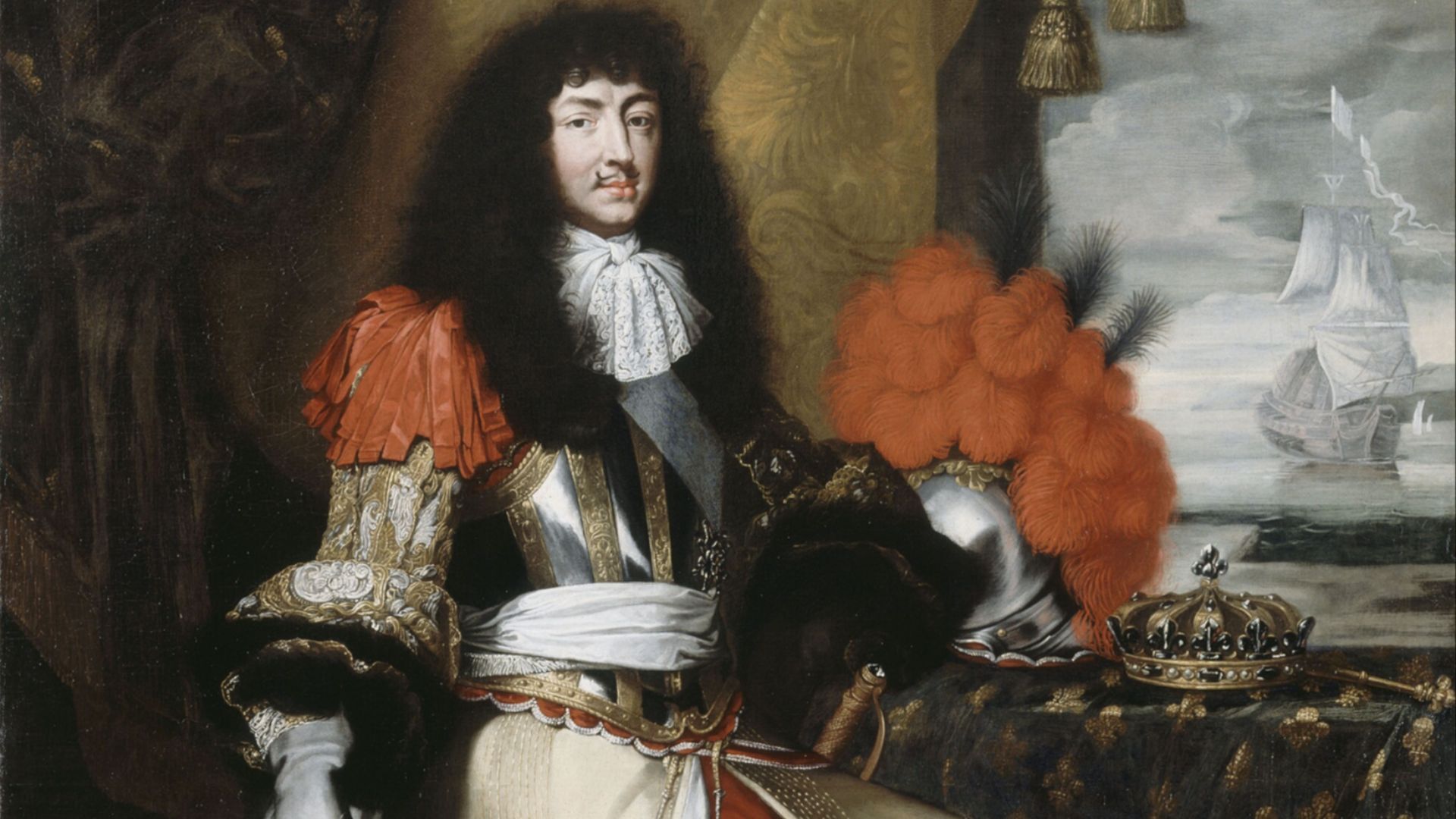
Louis XIV took challenges to royal authority extremely personally, especially after experiencing the Fronde rebellions during his childhood. Once he became the dominant force in France, he worked tirelessly to weaken the independent power of the nobility and concentrate authority around himself at Versailles. He didn’t simply defeat political opposition; he helped redesign the monarchy so that aristocrats would have a much harder time challenging a king again.
7. Vlad the Impaler
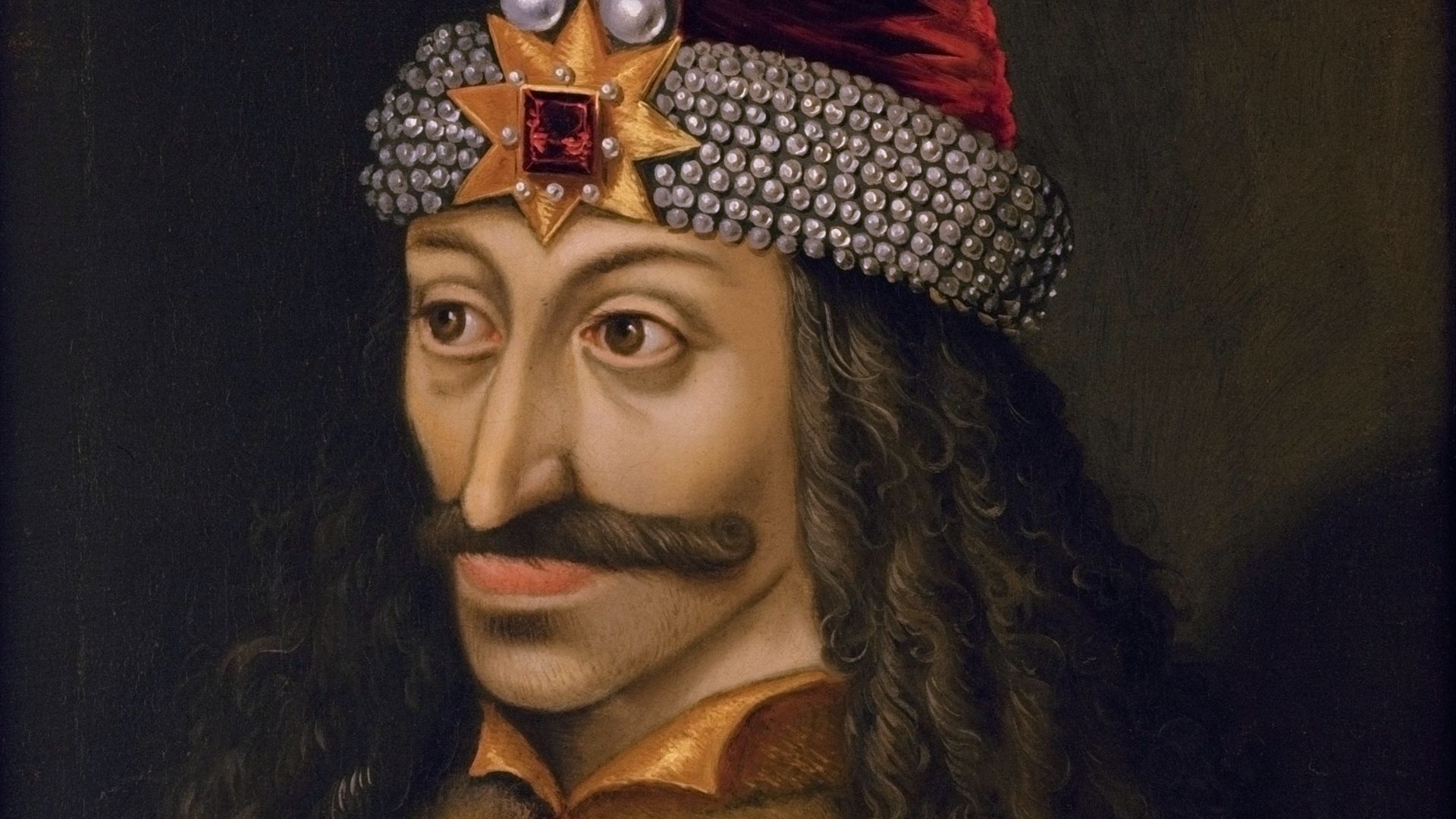
Vlad III of Wallachia had plenty of enemies, and he developed a particularly fierce hatred for the Ottoman Empire and rival boyars at home. Chroniclers describe him using terrifying punishments against people he considered disloyal or threatening. Stories about Vlad were often exaggerated by his enemies, but even allowing for propaganda, he clearly wasn’t someone who responded mildly to betrayal.
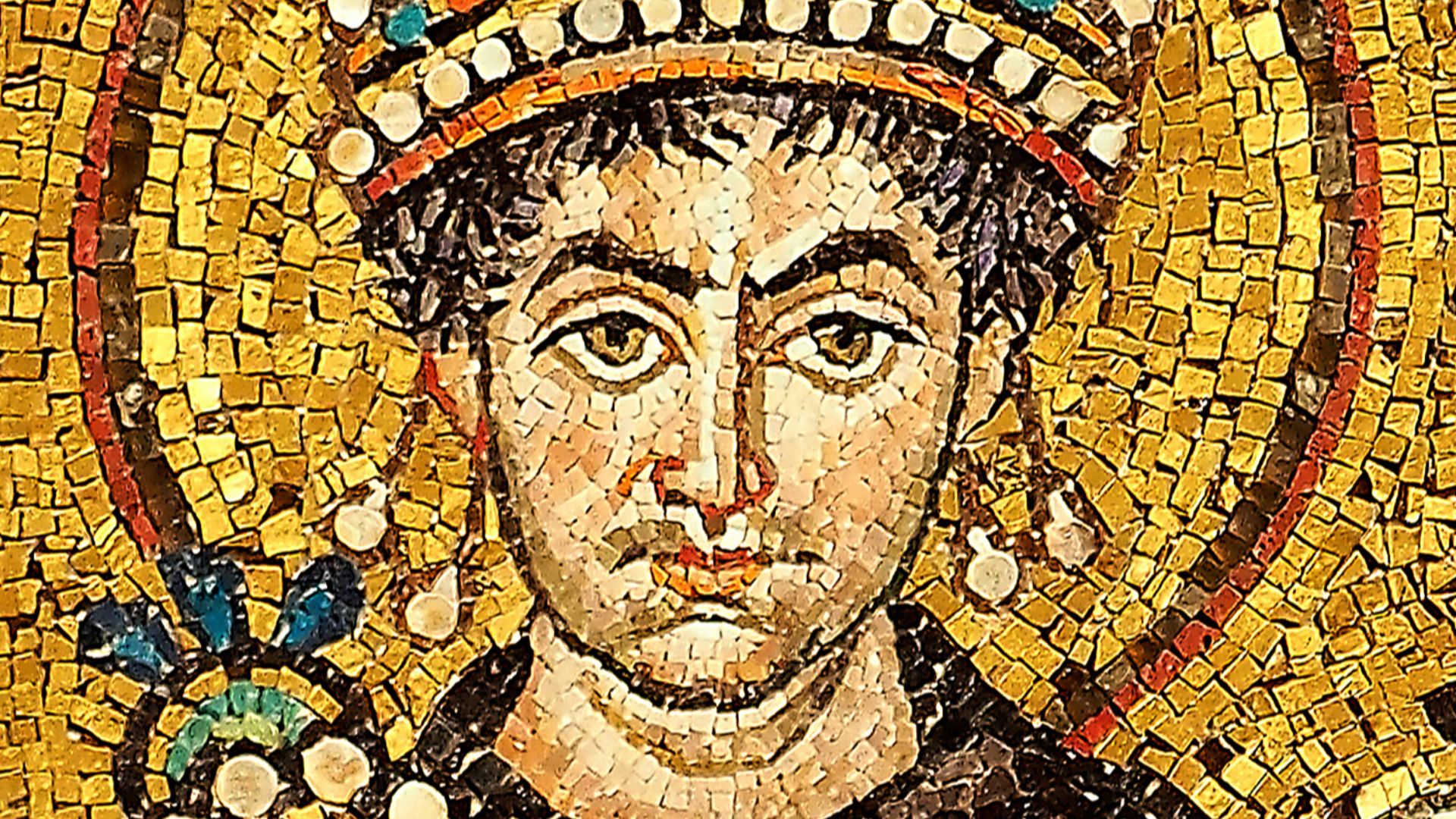
8. Emperor Justinian I
The Nika riots of 532 nearly drove Justinian from Constantinople, and he ultimately responded with overwhelming force. After briefly considering escape, he ordered troops into the Hippodrome, where thousands of rebels were killed. Justinian then continued ruling for decades, making sure the uprising that almost ended his reign instead became a warning about challenging it.
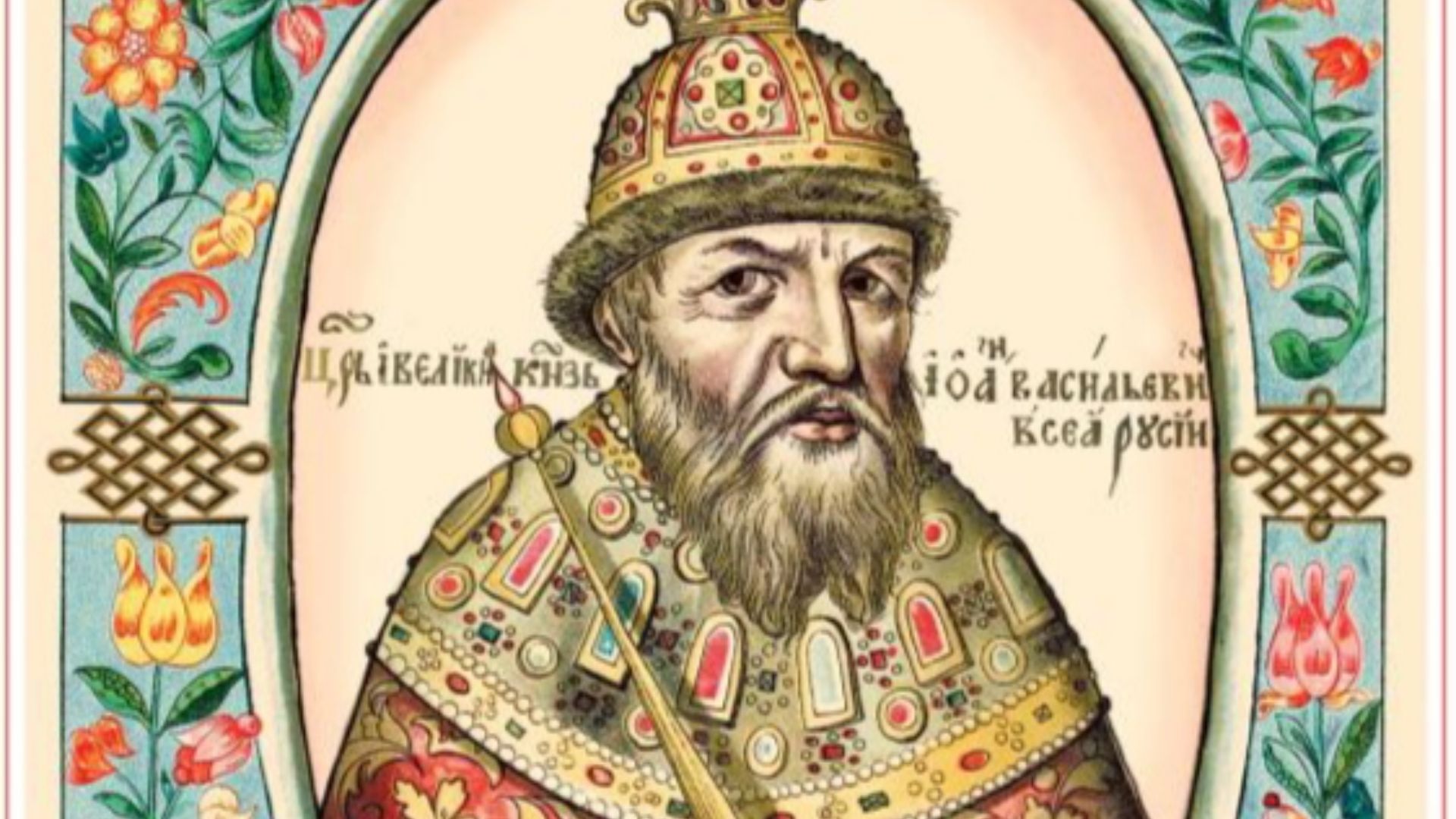
9. Ivan the Terrible
Someone doesn't earn the name "the Terrible" from being reasonable. Ivan IV became increasingly suspicious and vindictive as his reign progressed. Nobles he believed had betrayed him could lose their property, freedom, or lives, particularly during the brutal period of the Oprichnina. Real conspiracies certainly existed, but Ivan’s willingness to remember and punish perceived disloyalty helped create an atmosphere of fear across Russia.
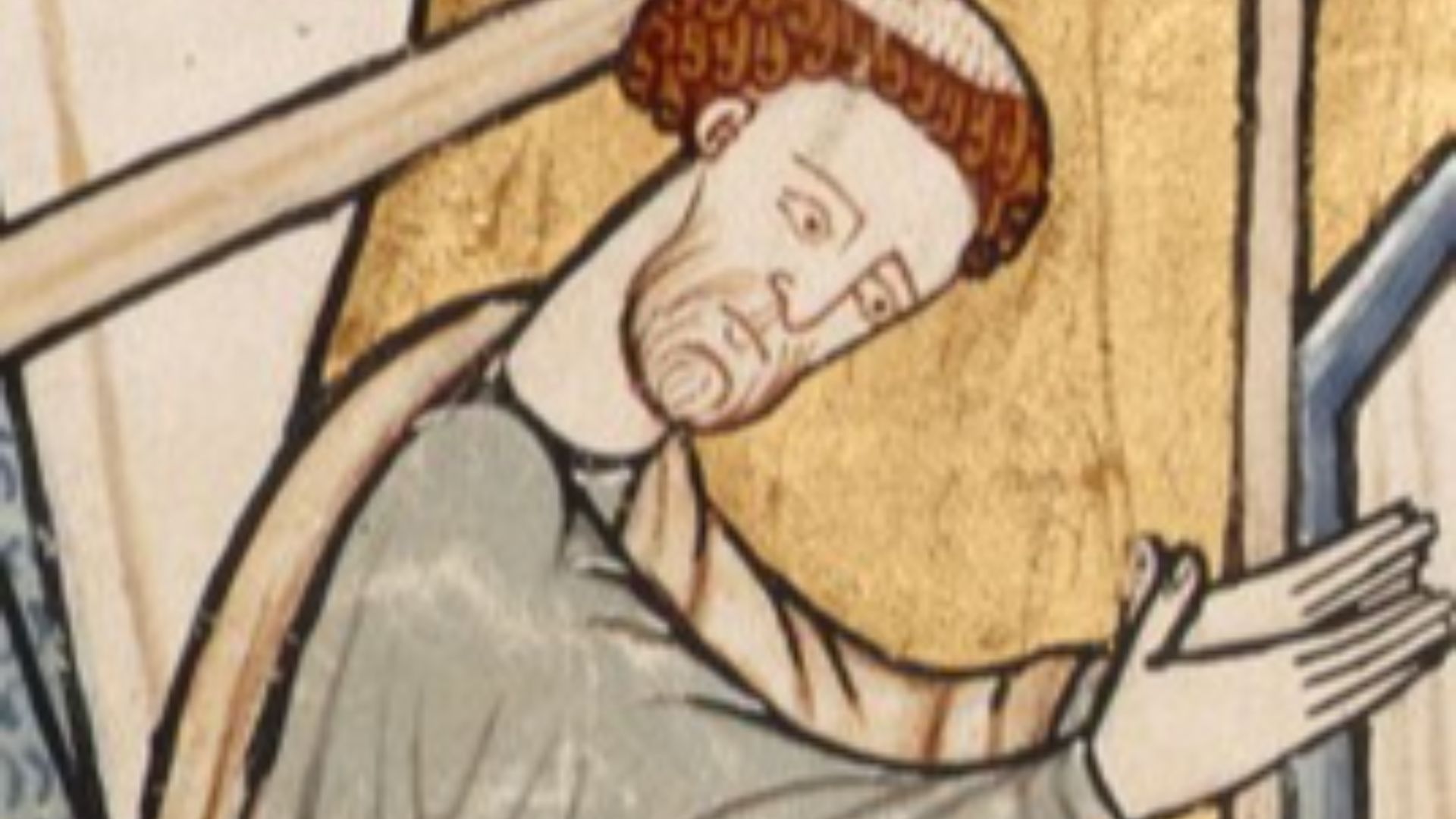
10. Thomas Becket
Thomas Becket’s feud with Henry II of England became one of the most famous political grudges of the Middle Ages. Once close companions, the two men fell out dramatically over the rights of the Church and royal authority. Becket spent years in exile rather than surrender his position, and their conflict ultimately ended with his murder in Canterbury Cathedral in 1170.
11. Napoleon Bonaparte
Napoleon rarely forgot humiliation, whether it came from another ruler, a rival general, or an entire country. His long struggle with Britain became especially personal, and he repeatedly tried to weaken British power through military campaigns and the Continental System. Even when direct invasion became unrealistic, he remained determined to damage the country economically and politically.
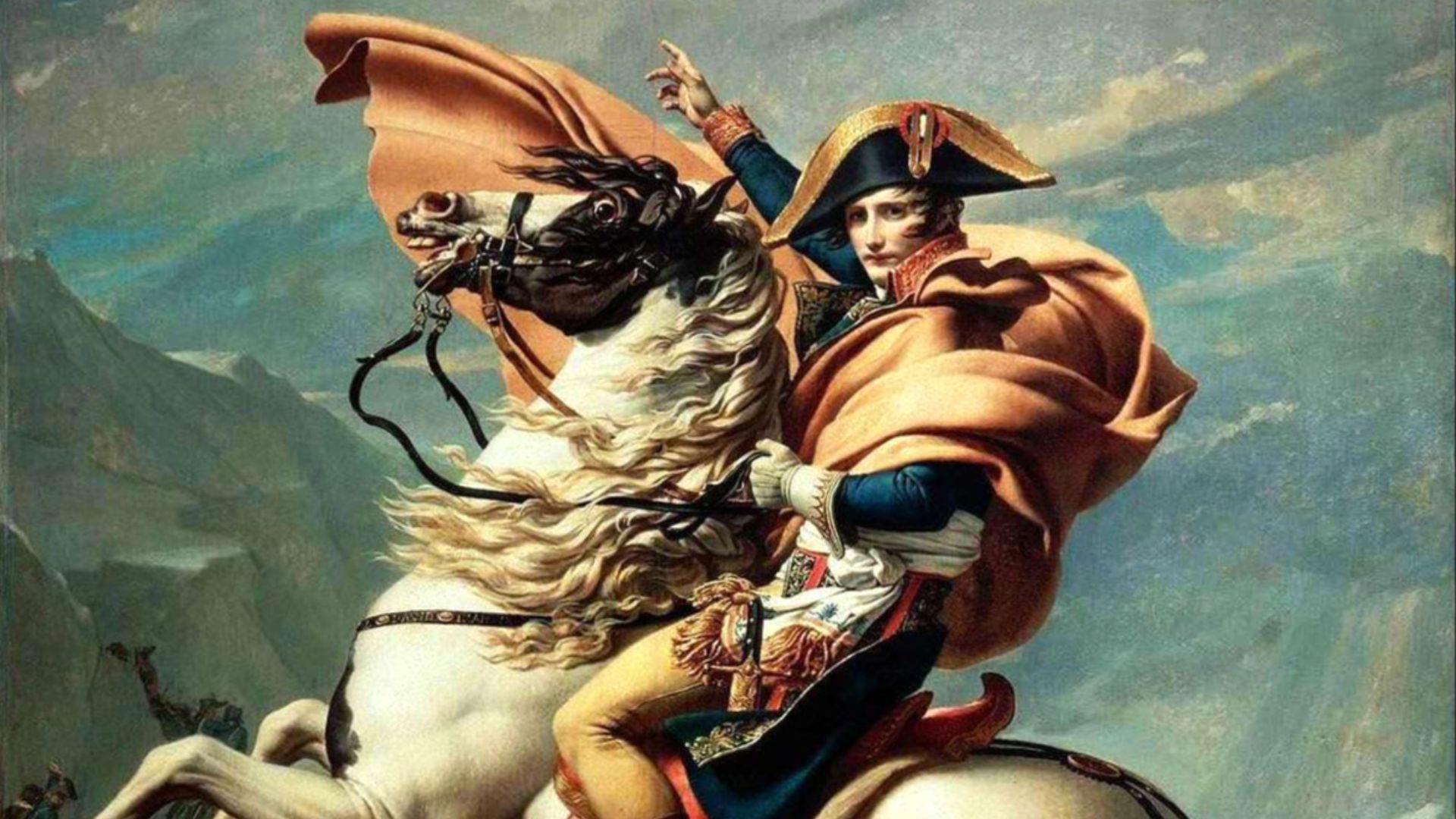 Jacques-Louis David on Wikimedia
12. Catherine de’ Medici
Catherine de’ Medici spent decades navigating the deadly political and religious rivalries of 16th-century France. She became particularly hostile toward the powerful Guise family and other factions she believed threatened her children’s authority. Her reputation for scheming has sometimes been exaggerated, but there’s no question she remembered enemies and worked hard to keep them from gaining too much power.
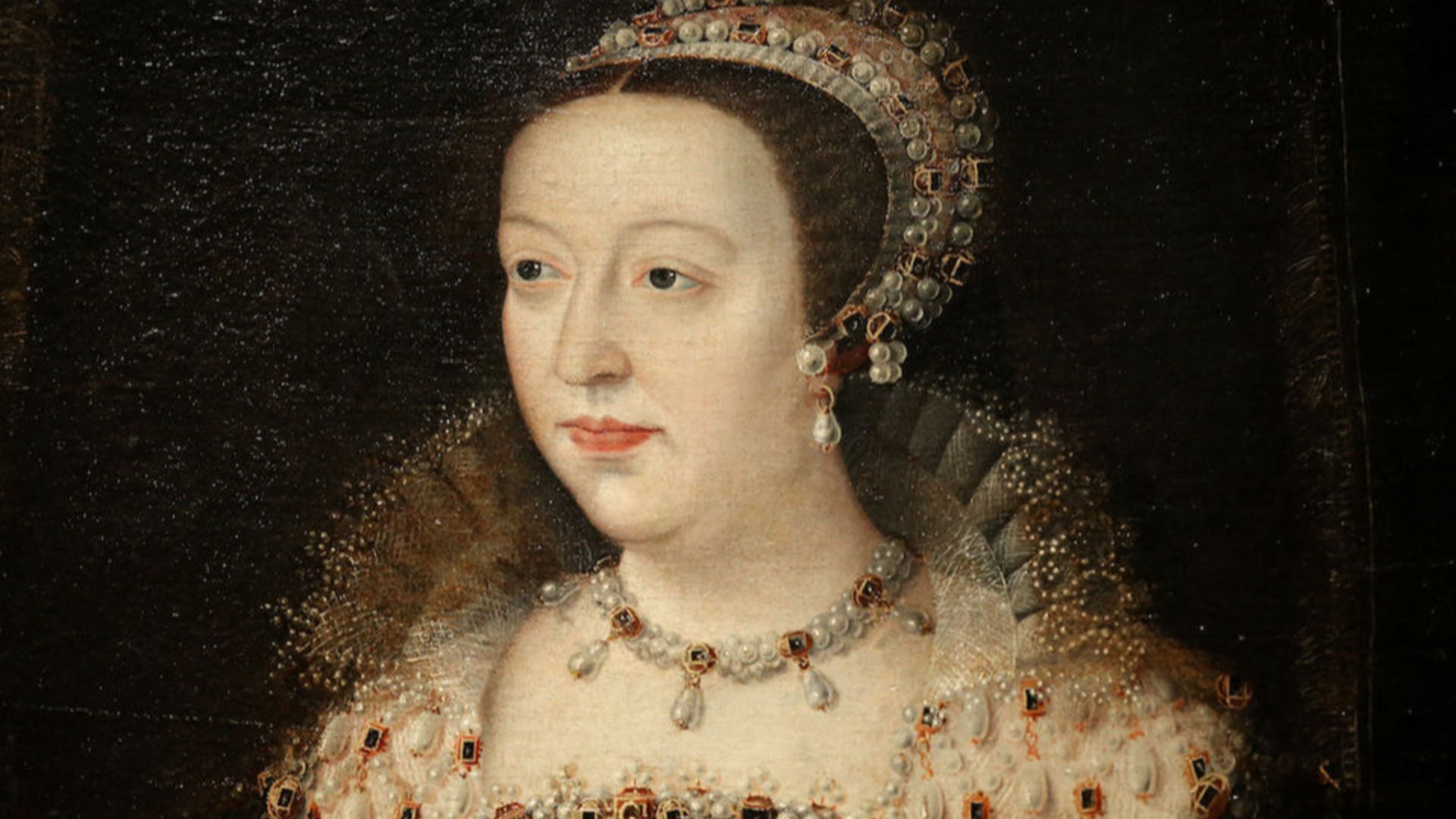 Attributed to Germain Le Mannier on Wikimedia
13. Richard III
Richard III’s rise to the English throne came amid a bitter conflict with the Woodville family, relatives of his brother Edward IV’s queen. Once Richard became protector and then king, several prominent Woodville allies were arrested or executed. Historians still debate his motives, but the political hostility between Richard and that faction was anything but subtle.
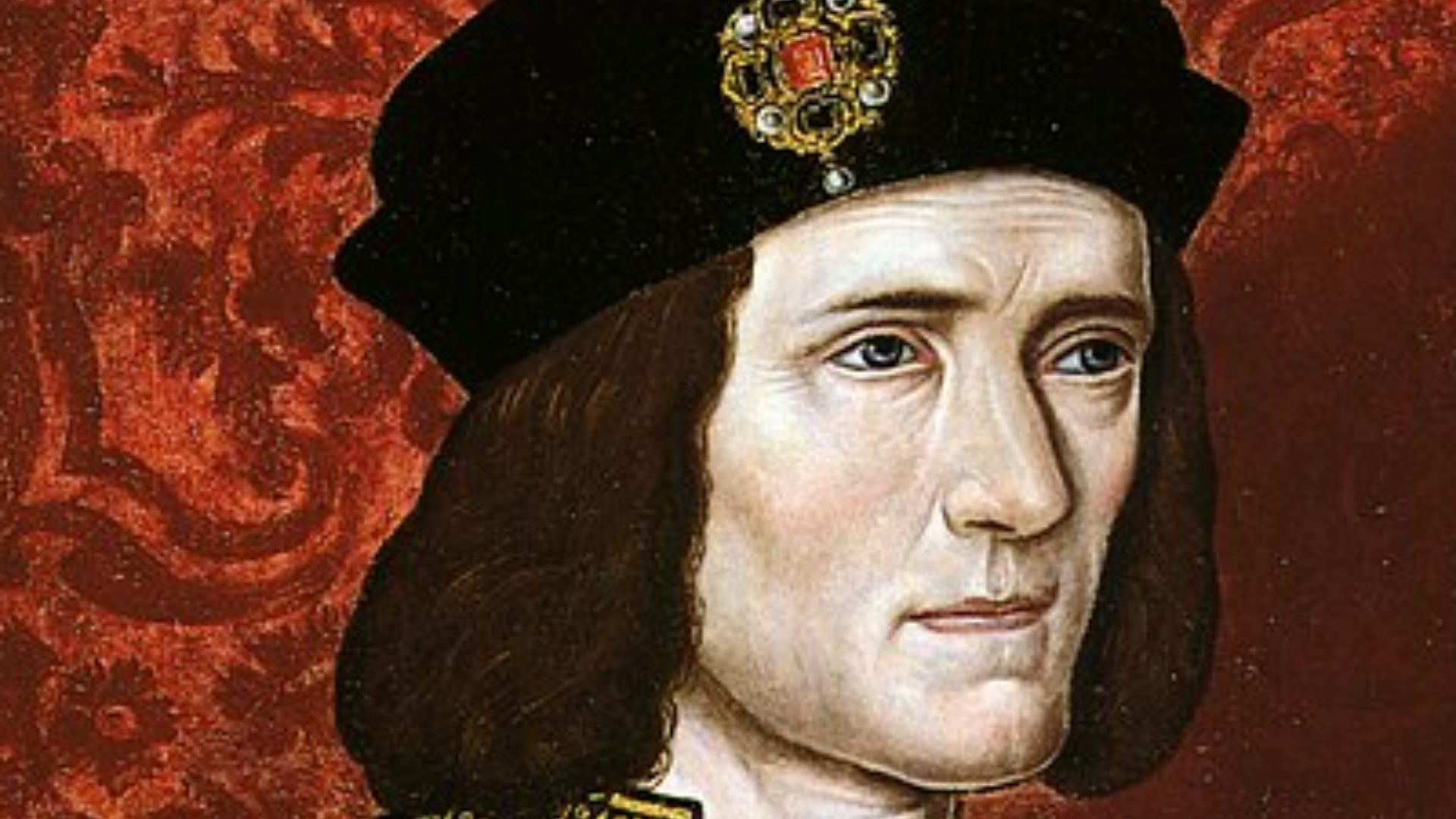
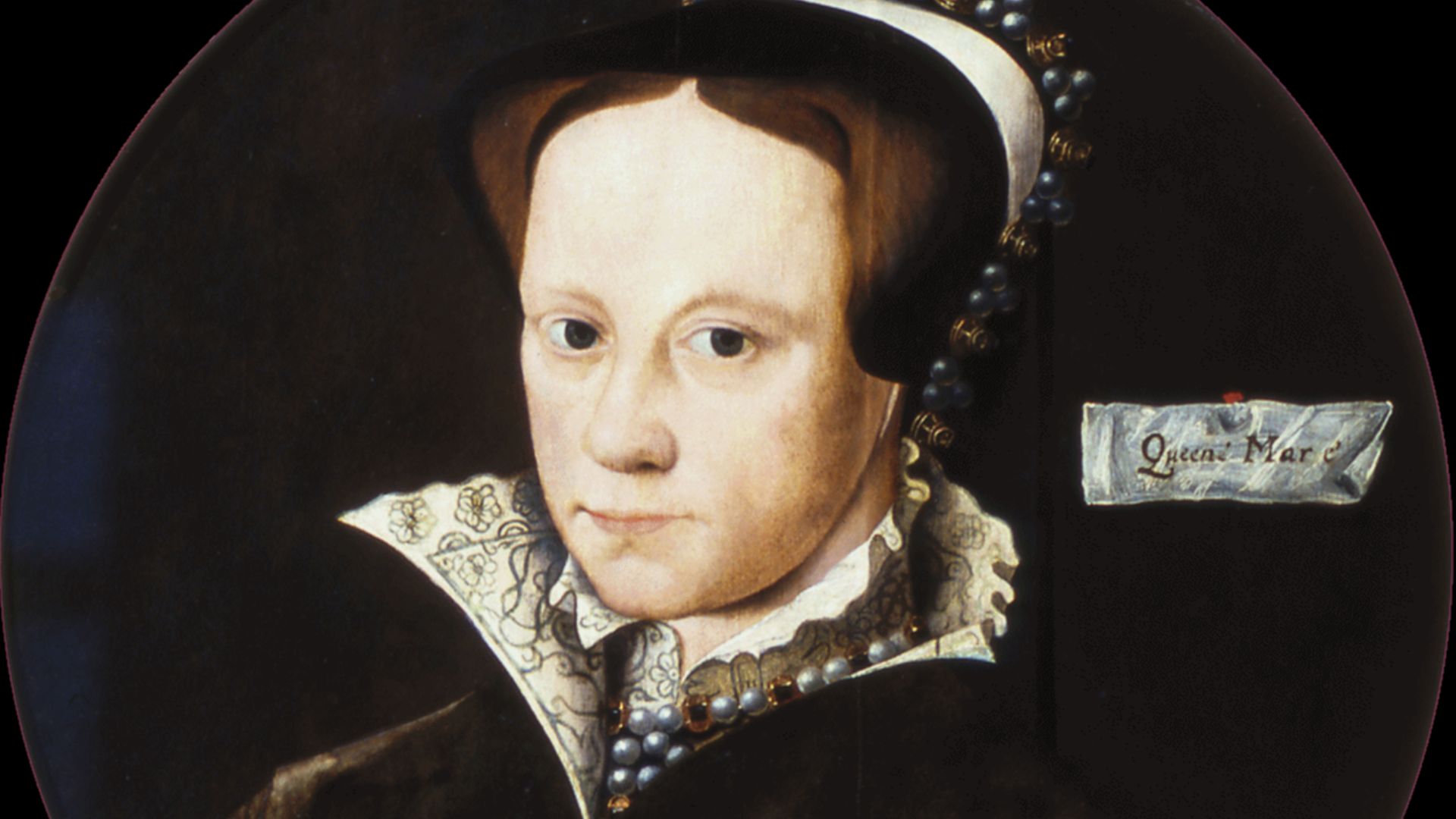
14. Mary I of England
Mary never forgot how her mother, Catherine of Aragon, had been pushed aside and how her own legitimacy had been attacked during Henry VIII’s reign. Once Mary became queen, she reversed many of the religious policies associated with her father and brother and restored herself to the position she believed had been unjustly taken from her. Her reign was driven by sincere religious conviction, but years of humiliation clearly shaped the way she viewed the Tudor settlement she inherited.
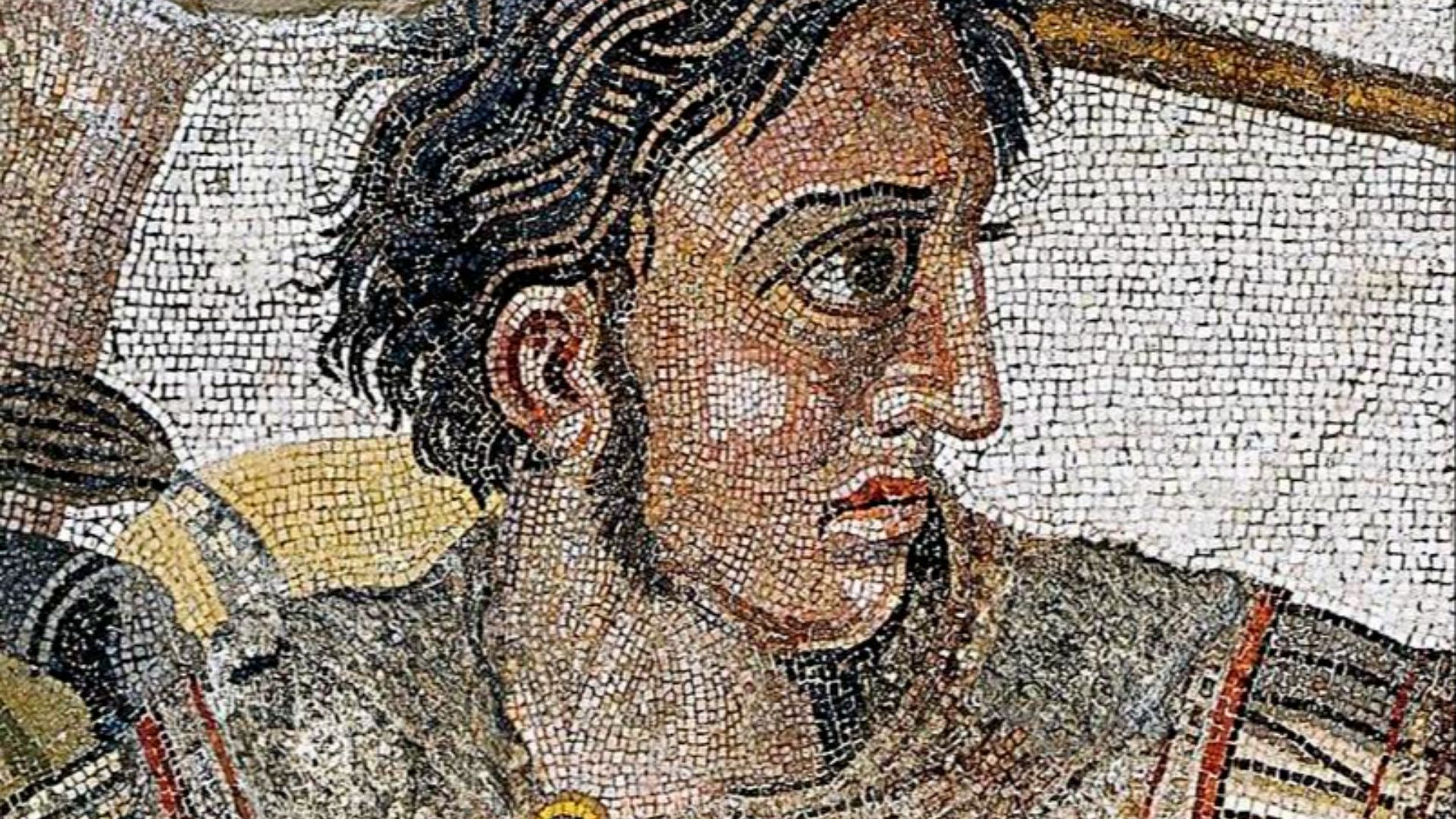
15. Alexander the Great
Alexander could be charitable toward defeated enemies, but personal betrayal was far less likely to be forgiven. When Philotas was accused of failing to report a conspiracy, Alexander had him tried and executed, then ordered the death of Philotas’s father, the veteran general Parmenion. Whether Alexander truly believed both men were dangerous or simply wanted to remove a potential threat, he made sure the matter was settled permanently.
16. Emperor Caracalla
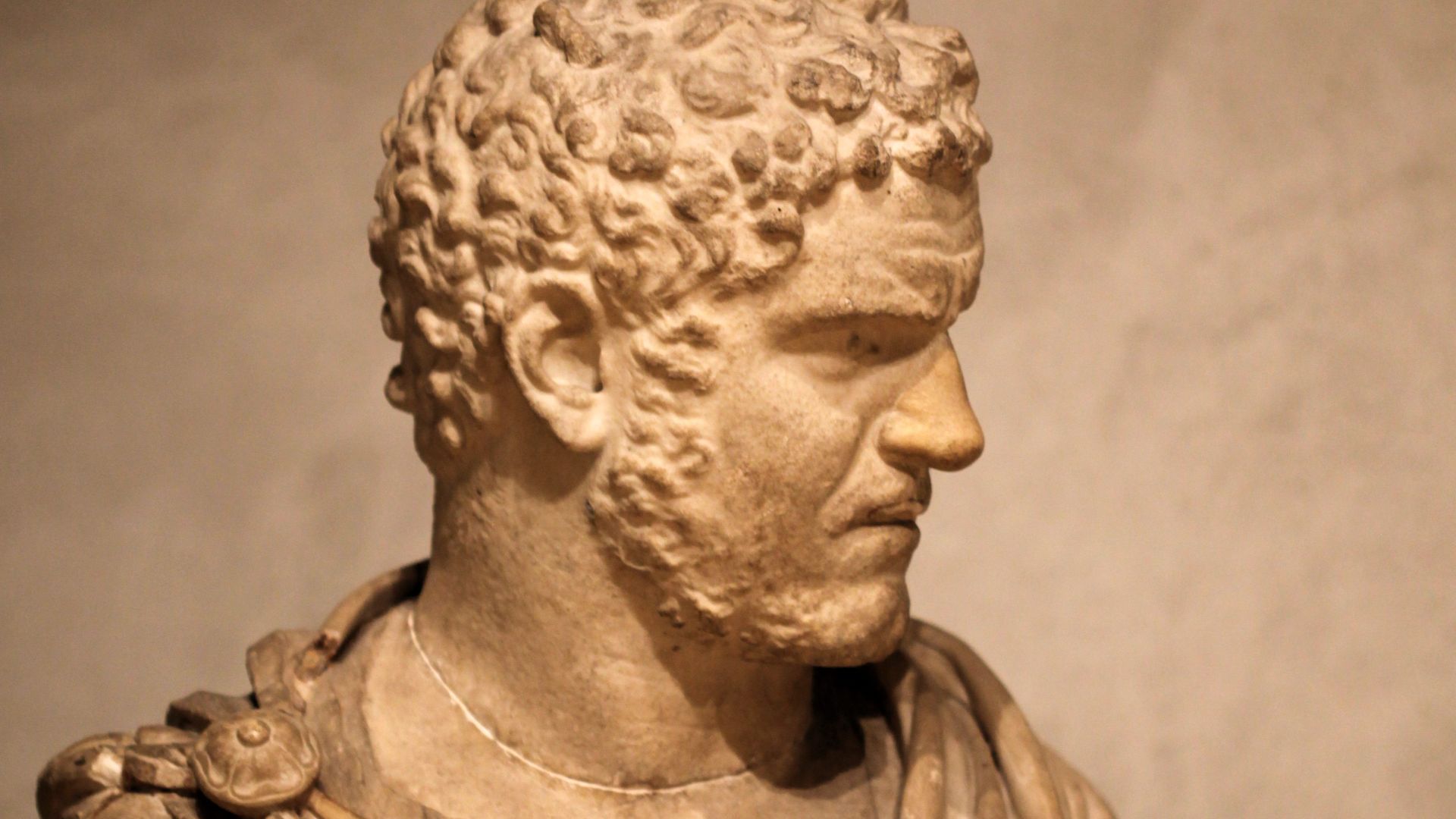
Caracalla’s relationship with his younger brother Geta became so hostile that sharing the Roman Empire proved impossible. After their father’s death, the brothers ruled together briefly before Caracalla had Geta murdered in their mother’s presence. He then ordered Geta’s name and image erased from public monuments, showing that killing his rival apparently wasn’t enough.
17. Edward I of England
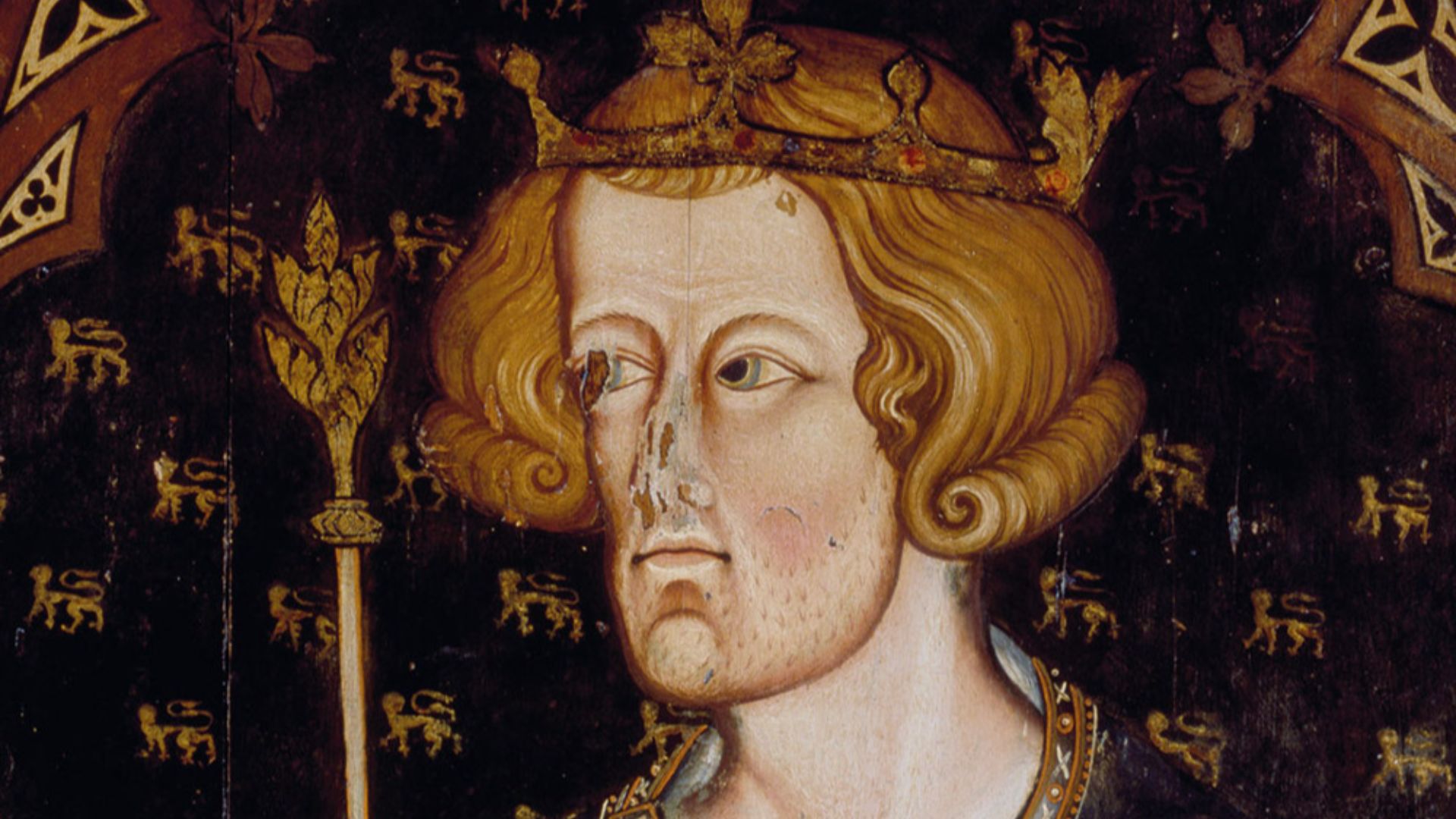
Edward I’s wars against Scotland became increasingly bitter after repeated rebellions against English rule. William Wallace, in particular, was treated as a traitor rather than as a legitimate enemy commander when he was captured. Edward’s determination to impose control over Scotland continued for years, even as resistance repeatedly returned.
18. Sulla
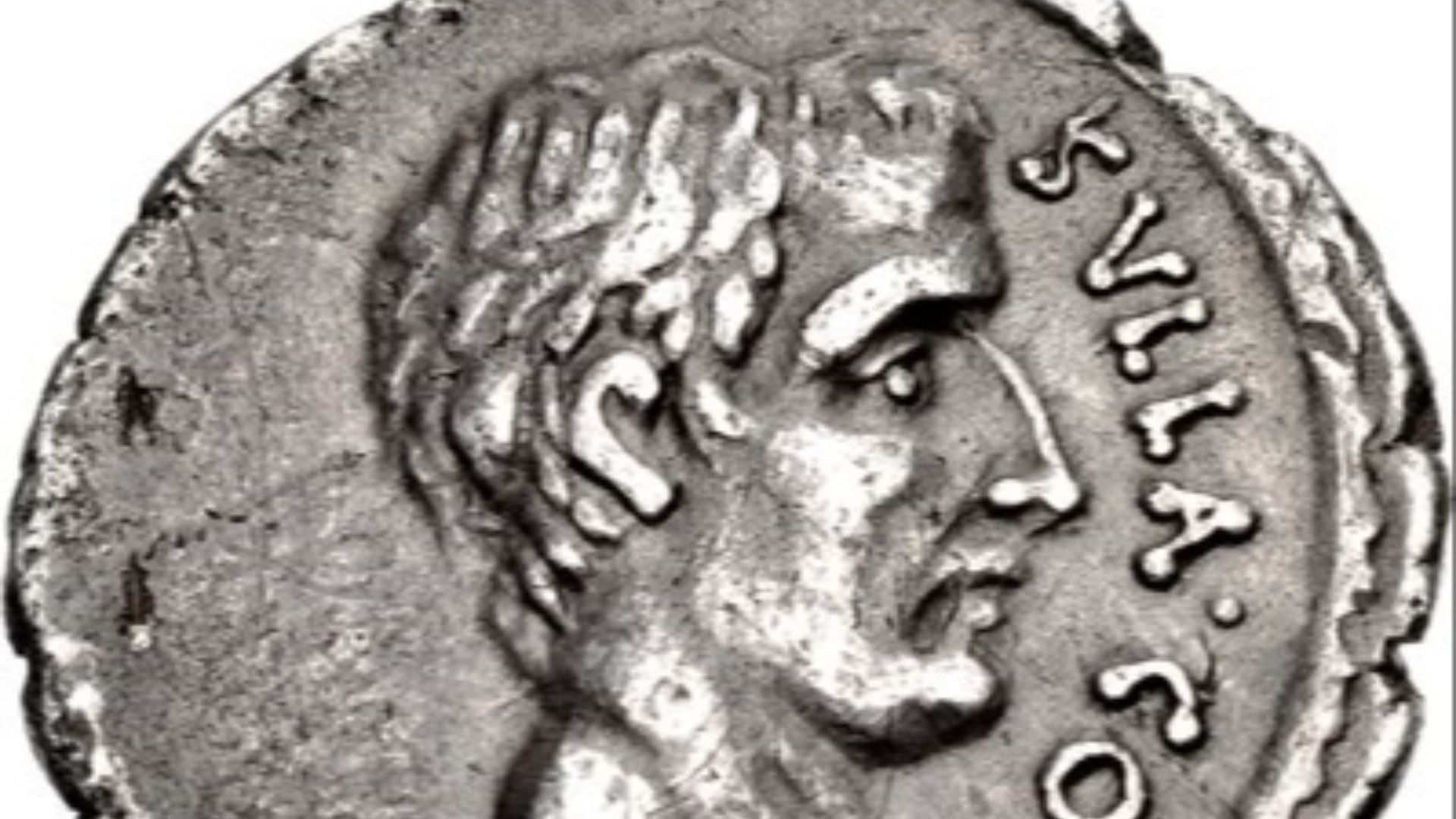
Roman general Lucius Cornelius Sulla turned political grudges into official lists of enemies. After marching on Rome and defeating his rivals, he introduced proscriptions that named people who could be killed and whose property could be confiscated. Personal scores, political rivalries, and financial motives became tangled together in one of the Roman Republic’s most horrifying purges.
19. Elizabeth I
Elizabeth I could be remarkably patient with troublesome courtiers, but there were limits. Robert Devereux, Earl of Essex, repeatedly challenged her authority, ignored orders, and eventually led a failed rebellion against the crown. After years of indulging him, Elizabeth finally signed his death warrant in 1601, bringing one of her most difficult personal and political relationships to a grim end.
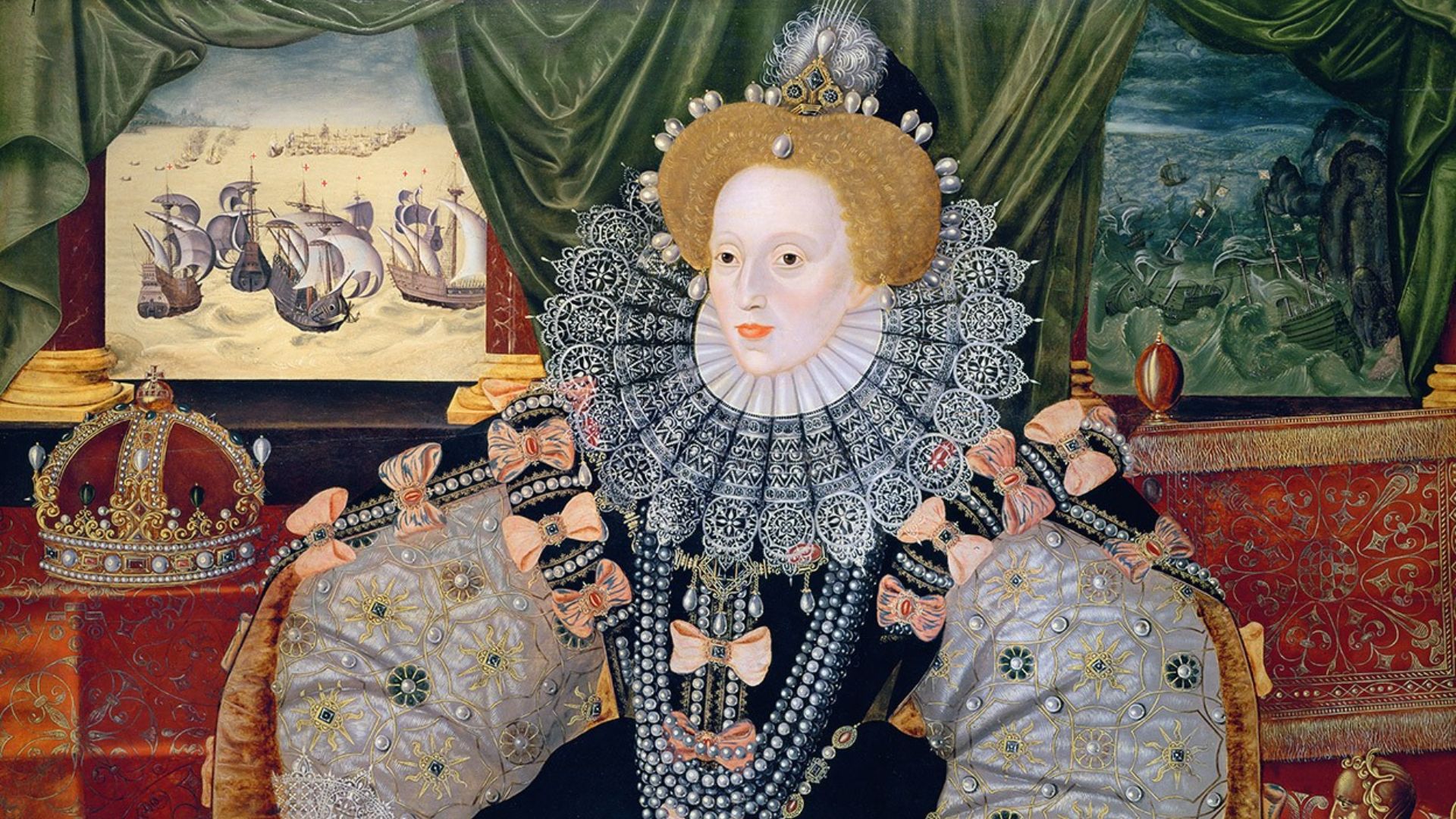 Formerly attributed to George Gower on Wikimedia
20. Pope Alexander VI
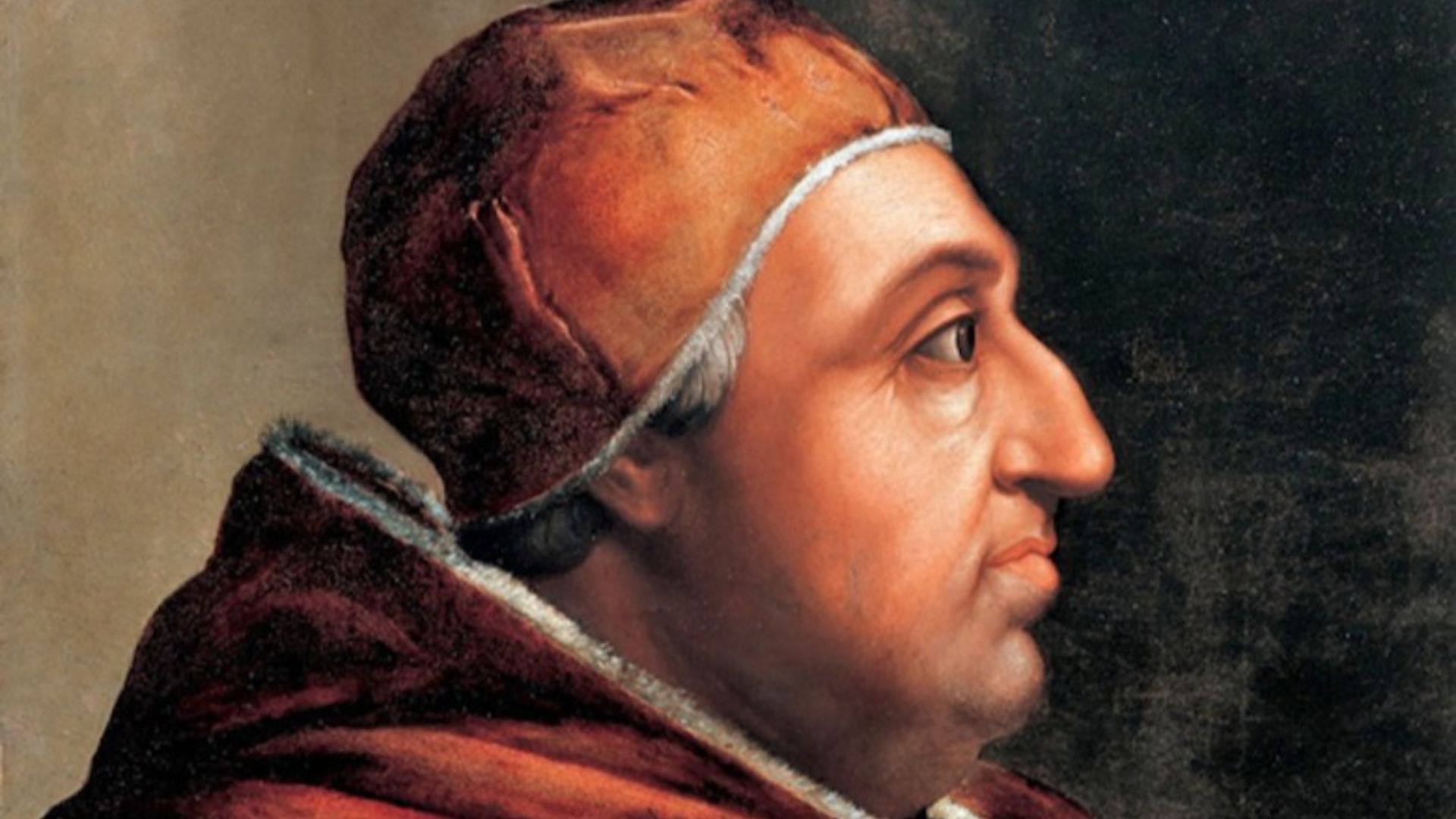
Rodrigo Borgia, better known as Pope Alexander VI, operated in a political world where rival families rarely forgot an insult. The Borgias clashed repeatedly with powerful opponents such as the Orsini and Colonna families, using alliances, confiscations, and military force to settle disputes. Alexander’s enemies certainly held grudges of their own, but he was more than capable of returning the favor when someone threatened his family’s power.
KEEP ON READING