They Didn't Ask For Permission
History is full of women who were handed a script, usually a marriage arranged without their input, and simply refused to read from it. Some walked away quietly, choosing solitude or hard work over the life picked out for them. Others went further, picking up a sword or a pen, and ended up rewriting the whole story. Here's 20 women in history who tore up the plan someone else made for them.
 Unknown authorUnknown author on Wikimedia
1. Hatshepsut
Hatshepsut was supposed to rule Egypt only as regent for her young stepson, but she declared herself pharaoh outright and adopted the full titulary of a king. She ruled for roughly two decades, and her building projects along the Nile still stand.
2. Boudica
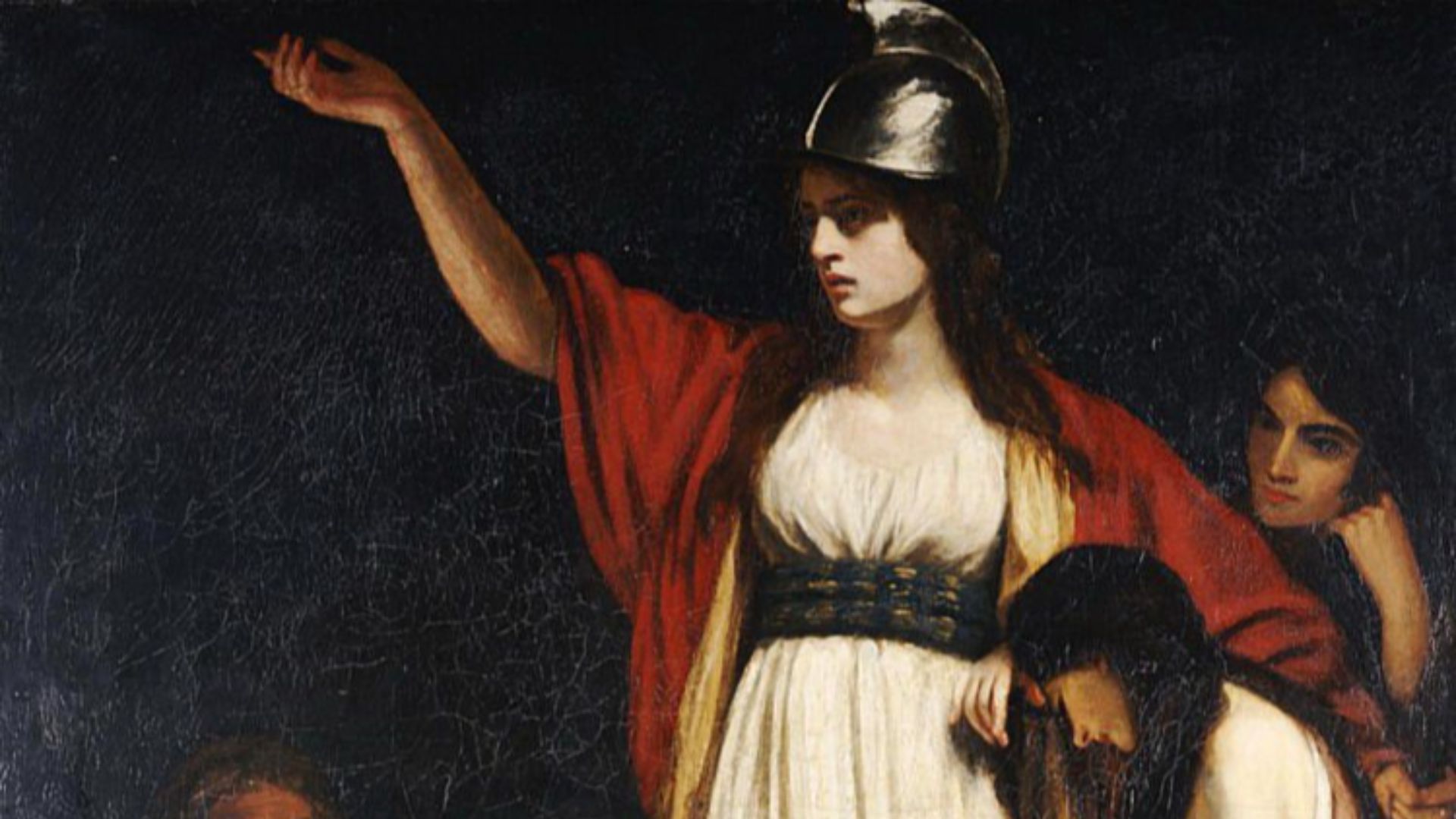
Boudica was queen of the Iceni in Roman Britain, and after her husband died, Rome seized her lands and assaulted her daughters rather than honor the inheritance he had arranged. She responded by uniting several tribes and burning Roman settlements, including what's now London, to the ground.
3. Wu Zetian
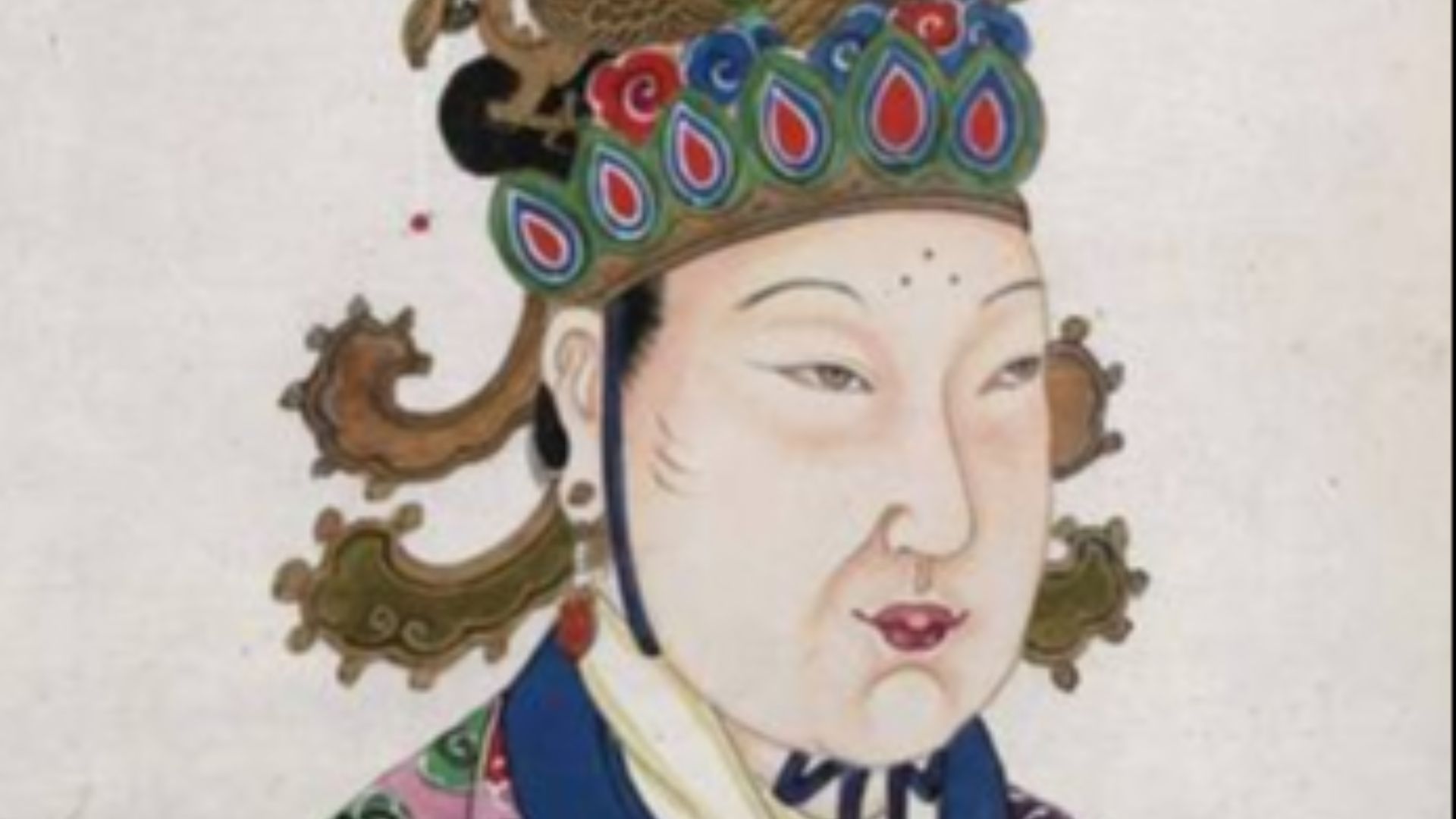
Wu Zetian entered the imperial palace as a low-ranking concubine, a role meant to define the rest of her life. She maneuvered her way to empress consort, then outlasted the men around her until she declared herself emperor outright, the only woman to hold that title in Chinese history.
 Unknown authorUnknown author on Wikimedia
4. Christine de Pizan
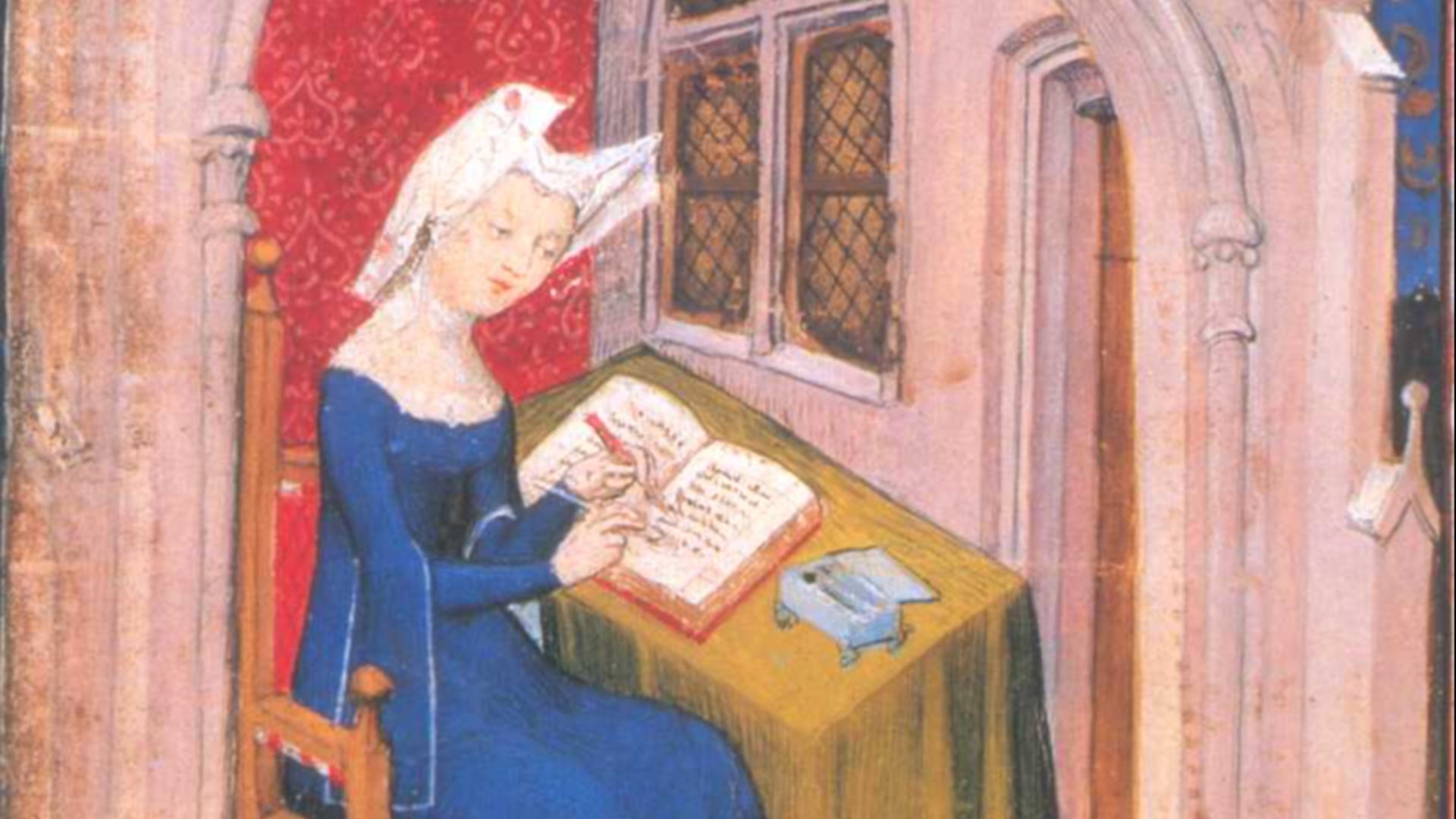
Christine de Pizan was widowed young with children and debts to cover, and the expected path was remarriage or dependence on relatives. She chose neither, teaching herself to write professionally instead, and became one of the first women in Europe to earn a living purely through her pen.
 The original uploader was Kelson at French Wikipedia. on Wikimedia
5. Joan of Arc
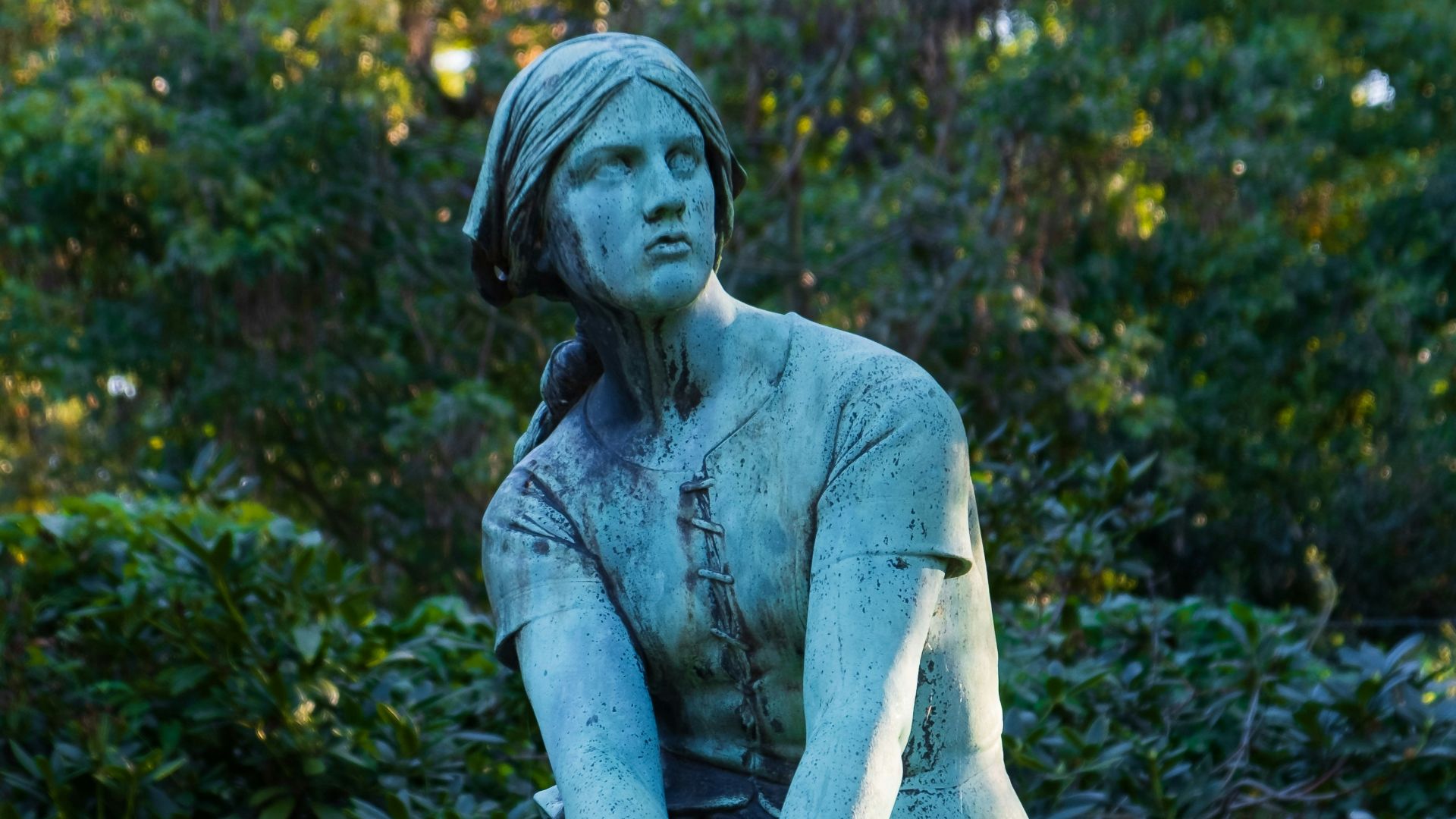
Joan of Arc was a peasant girl from Domrémy who was expected to marry and stay out of matters far above her station. She left home instead, led French troops into battle, and was ultimately burned at the stake in 1431 for refusing to recant her visions.
6. Grace O'Malley
Grace O'Malley was born into an Irish clan expected to raise her for marriage and little else, but she preferred her father's ships and eventually inherited command of his fleet. She ran a shipping and raiding operation off Ireland's west coast for decades, later meeting Queen Elizabeth I face to face and reportedly refusing to bow.
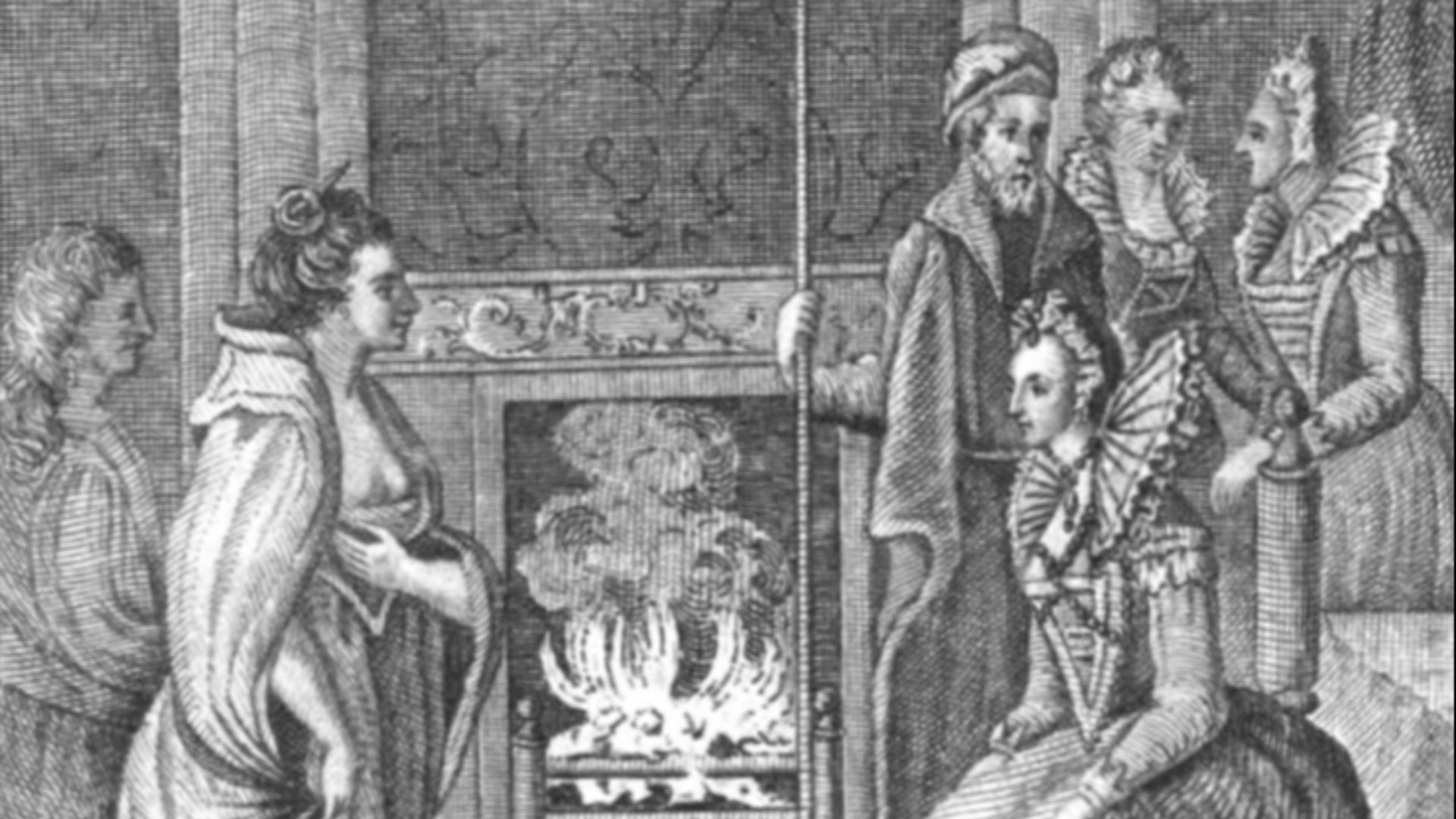
7. Elizabeth I
Elizabeth I spent her entire reign fielding marriage proposals from nearly every eligible prince in Europe, all of them expecting her to hand over power to a husband. She refused every one of them, styled herself the "Virgin Queen," and ruled England alone for forty-five years.
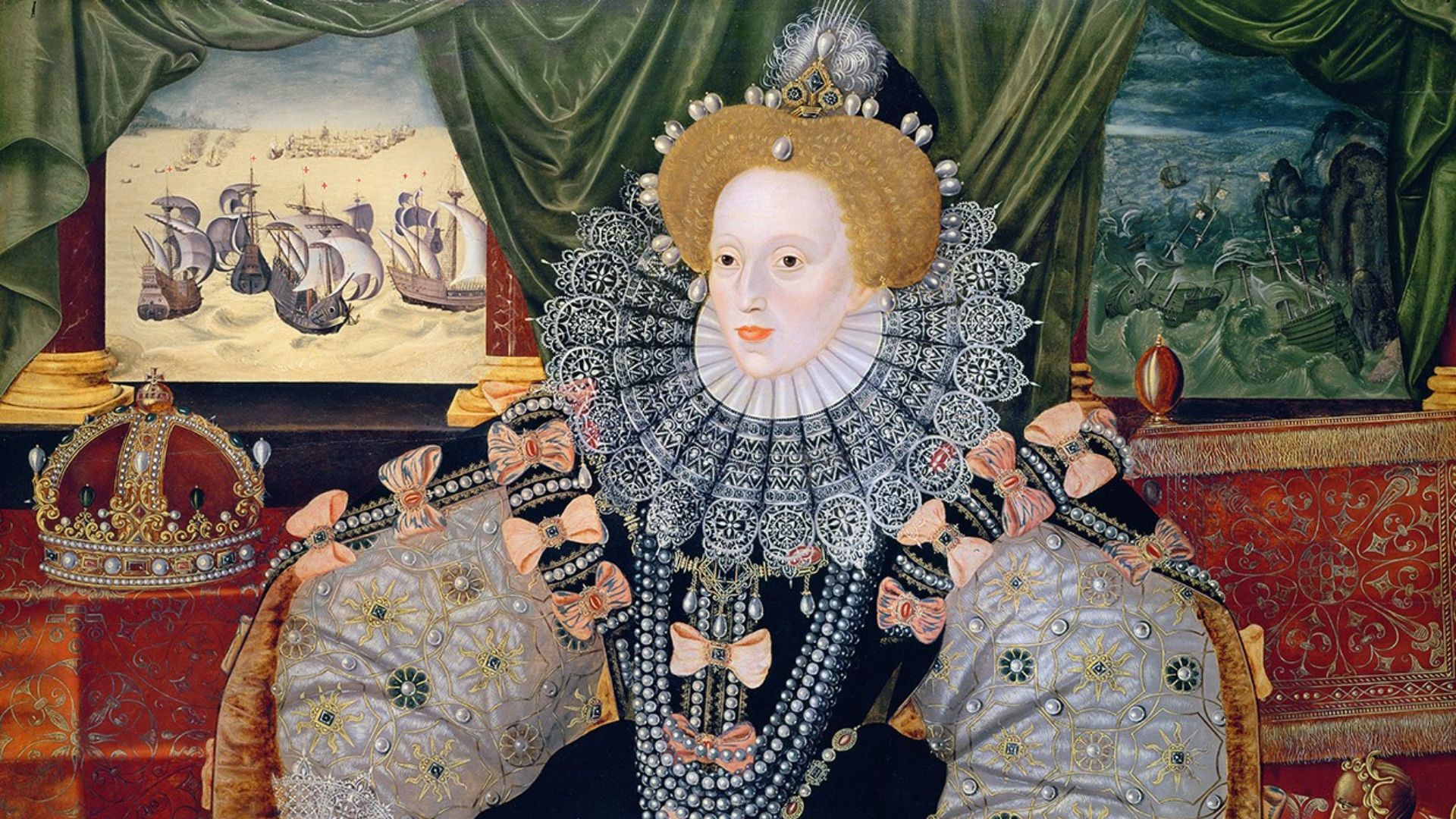 Formerly attributed to George Gower on Wikimedia
8. Njinga Mbande
Njinga Mbande was expected to serve quietly as a royal woman in the kingdom of Ndongo, in what's now Angola, but she took the throne herself after her brother's death and refused Portugal's attempts to reduce her to a vassal. She spent decades leading armies against colonial forces and died still ruling in her seventies.
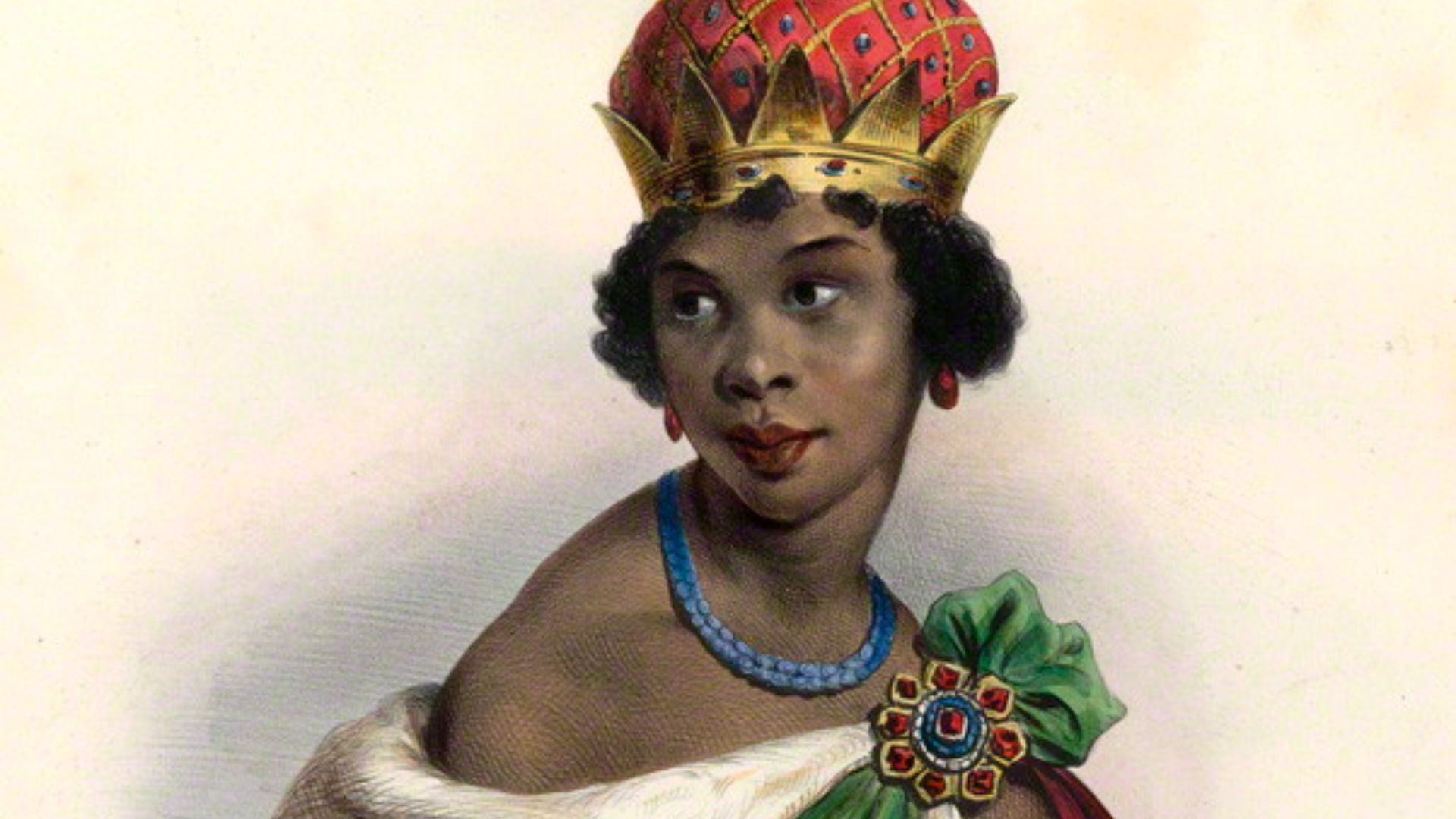
9. Catalina de Erauso
Catalina de Erauso was placed in a Spanish convent as a child, the expected fate for a girl with no dowry, and she climbed out a window at fifteen rather than take her vows. She cut her hair, dressed as a man, and spent years as a soldier across South America under a series of false names.
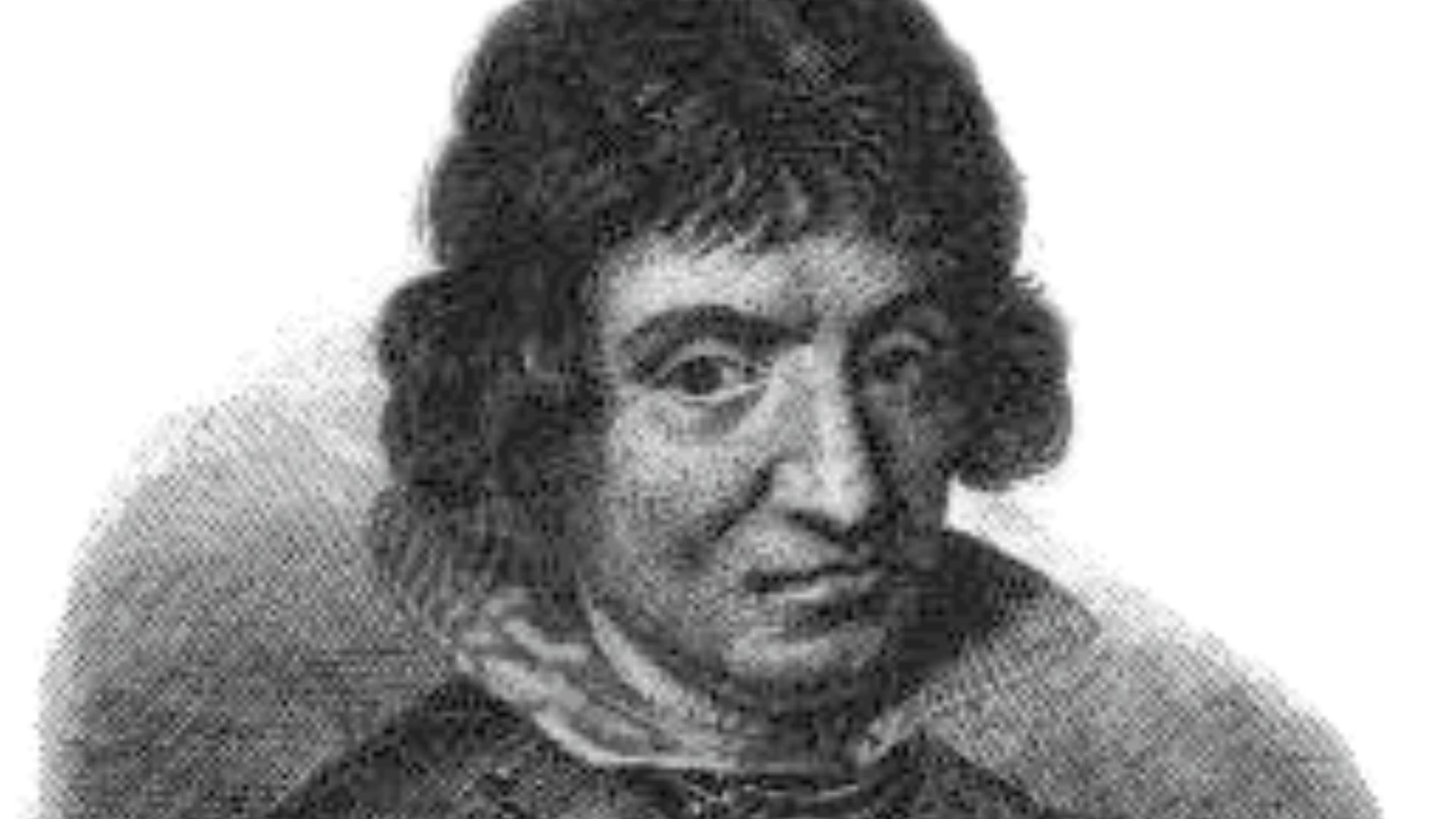 Remus Lupin~commonswiki on Wikimedia
10. Artemisia Gentileschi
Artemisia Gentileschi was raised to become a painter's wife at best, and after she was assaulted by one of her father's colleagues, the resulting trial put her own testimony under torture to test its truth. She kept painting anyway, producing works like "Judith Slaying Holofernes" and becoming the first woman admitted to Florence's Accademia delle Arti del Disegno.
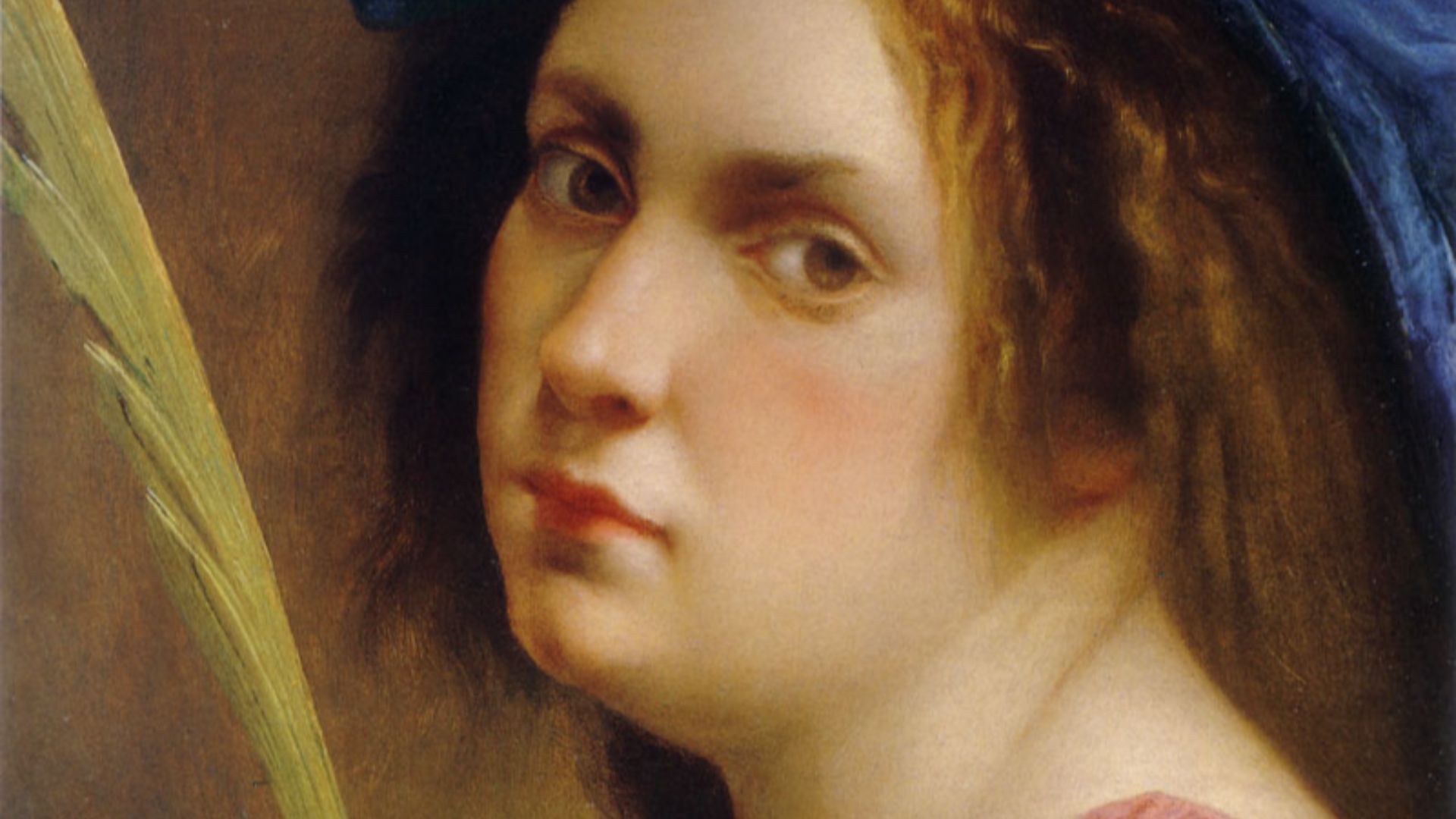 Artemisia Gentileschi on Wikimedia
11. Sor Juana Inés de la Cruz
Sor Juana Inés de la Cruz turned down marriage proposals in colonial Mexico because the convent, oddly enough, offered her more freedom to read and write than a husband ever would. She built one of the largest private libraries in the Americas inside her cell and kept writing until church officials pressured her into silence.
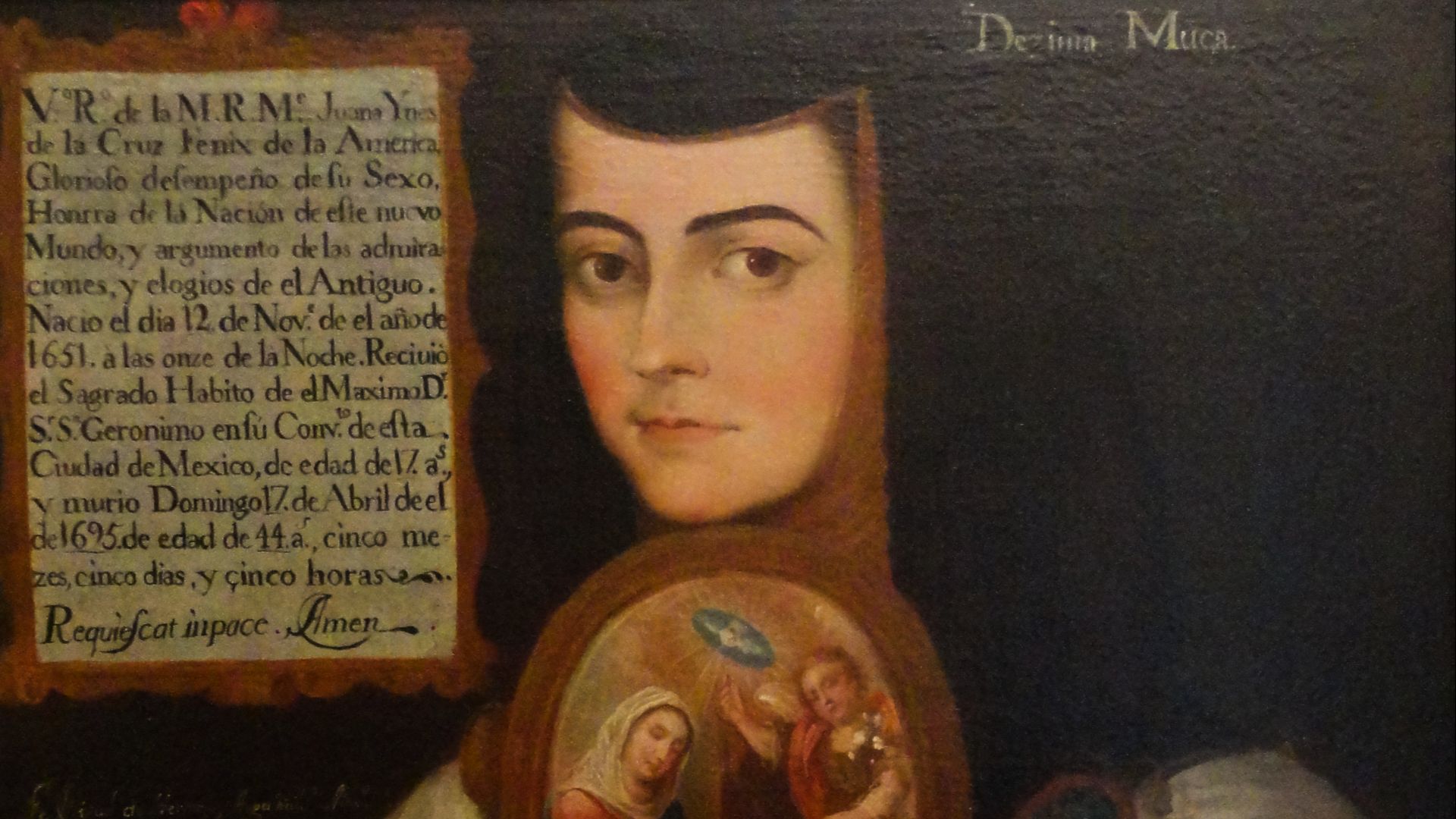 Fray Miguel de Herrera on Wikimedia
12. Mary Wollstonecraft
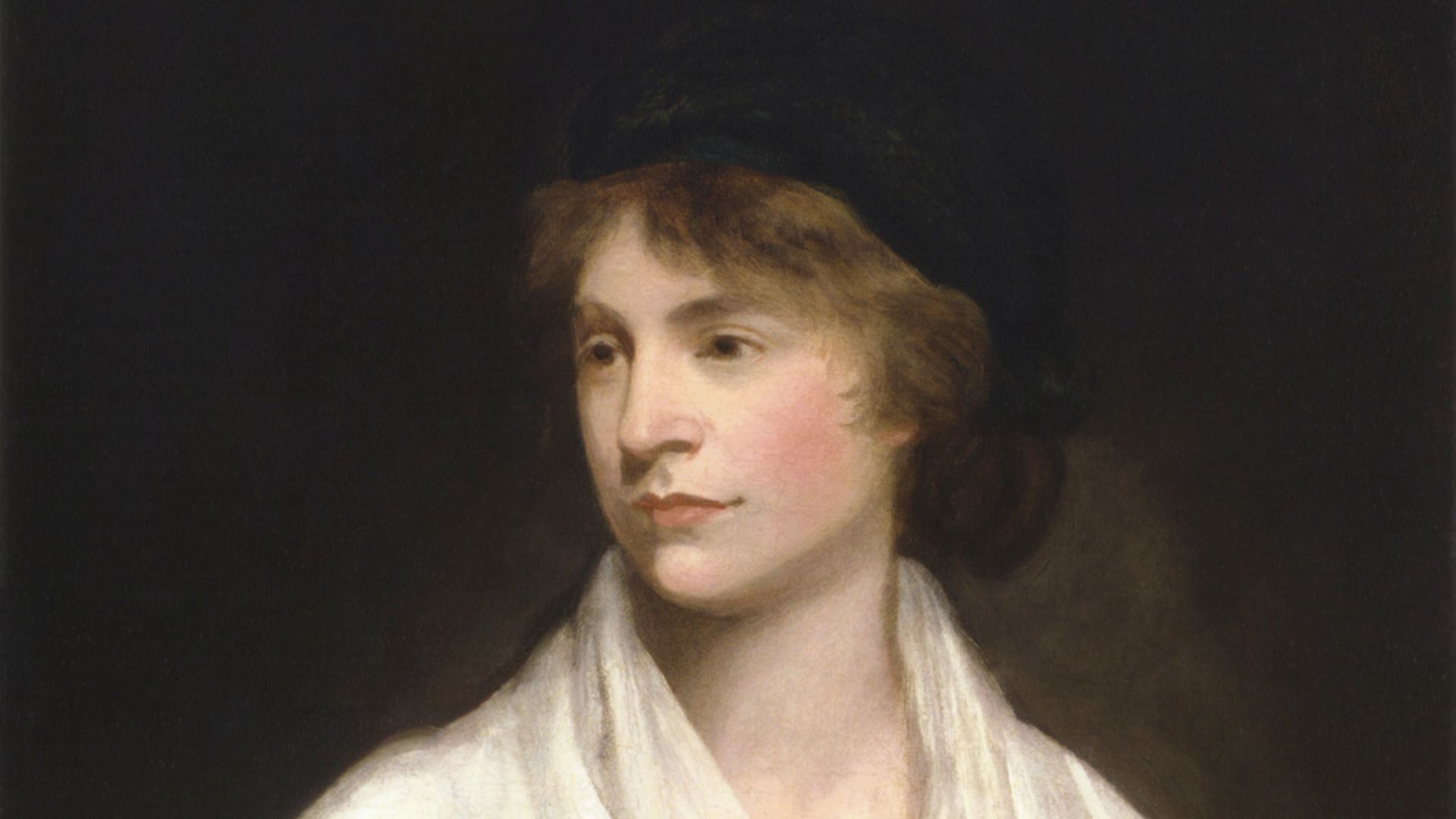
Mary Wollstonecraft grew up watching her mother endure a difficult marriage and decided early on that dependence on a husband wasn't a life she wanted. She supported herself as a governess and translator before writing "A Vindication of the Rights of Woman," arguing that women deserved an education equal to men's.
13. Ching Shih
Ching Shih worked in a floating brothel before marrying a pirate commander, and when he died, the fleet he left behind was supposed to pass to someone else entirely. She took command instead, built the Red Flag Fleet into a force of tens of thousands, and eventually negotiated an amnesty and retired wealthy.
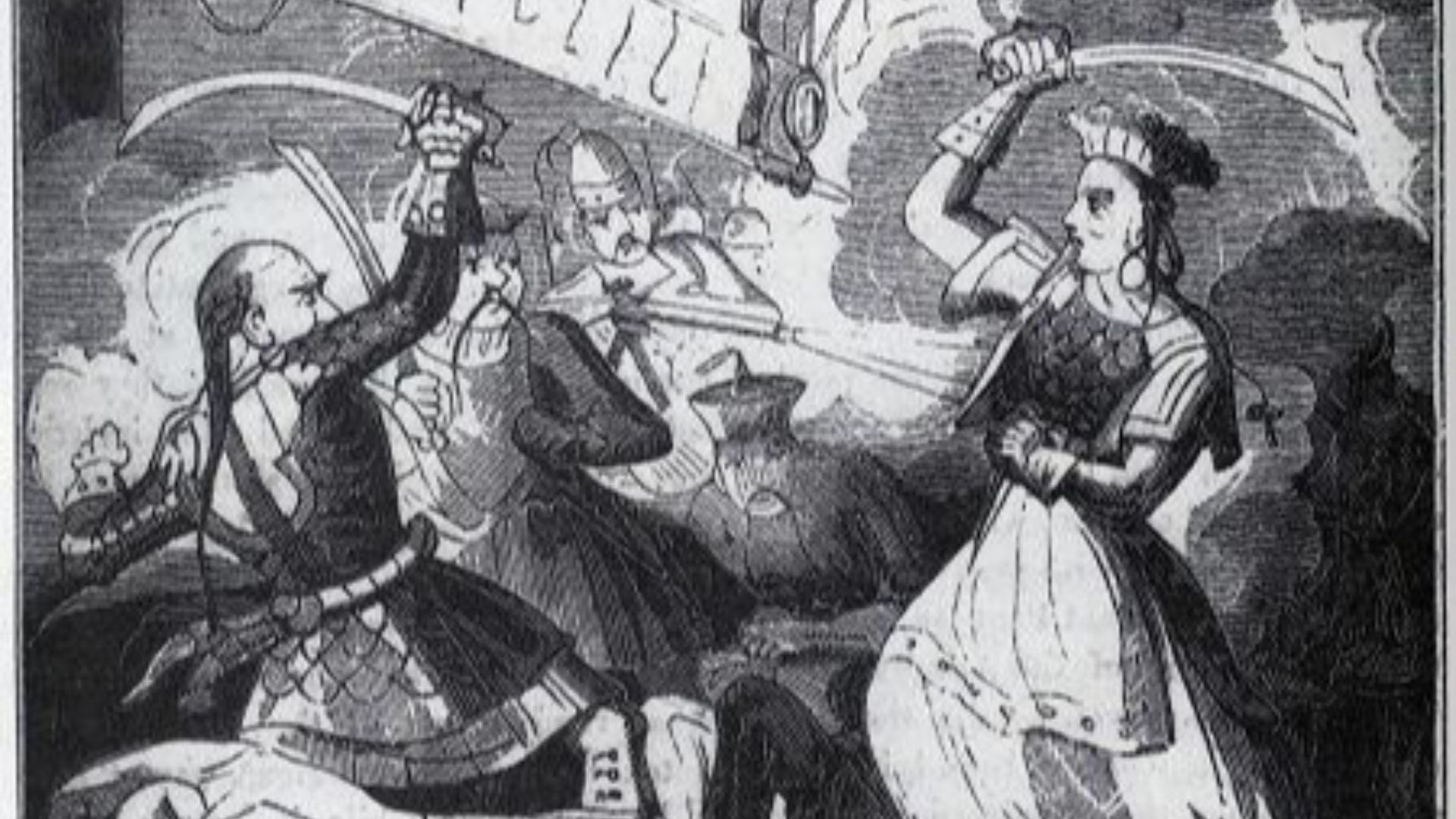 Unknown authorUnknown author on Wikimedia
14. George Sand
George Sand was born Amantine Lucile Dupin and left an unhappy marriage at a time when doing so meant giving up most of her legal rights. She wrote under a man's name to get published seriously and became one of the most prolific novelists in France.
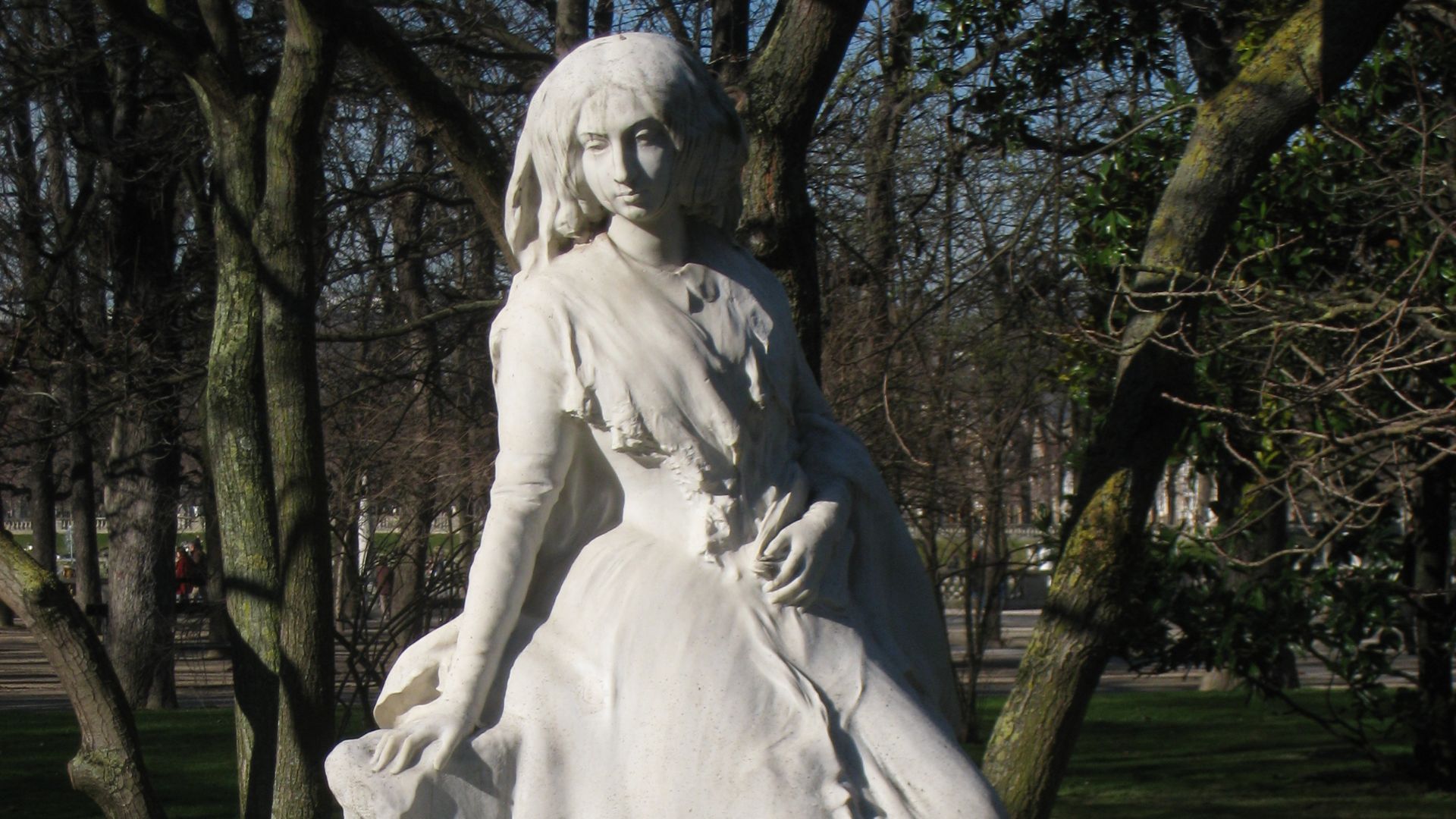 François-Léon Sicard on Wikimedia
15. Elizabeth Blackwell
Elizabeth Blackwell was rejected by nearly every medical school she applied to for being a woman, until one accepted her, reportedly after putting the decision to a joking student vote. She graduated first in her class in 1849, becoming the first woman to earn a medical degree in the United States.
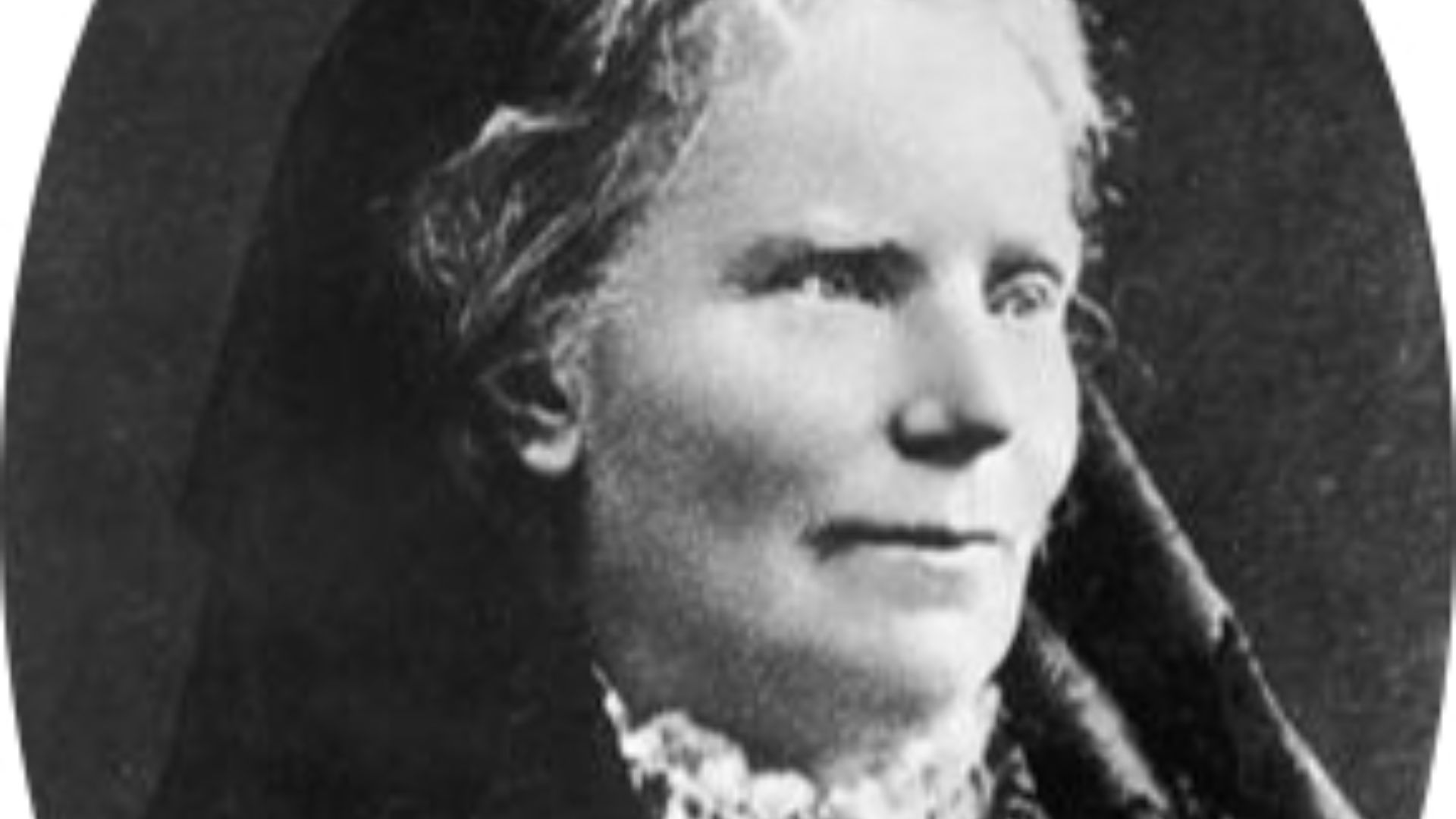 Unknown photographer on Wikimedia
16. Harriet Tubman
Harriet Tubman was born enslaved in Maryland and expected to live and die that way. She escaped alone in 1849, then went back at least a dozen times to lead others out along the Underground Railroad, and later became the first woman to lead an armed military raid in the United States.
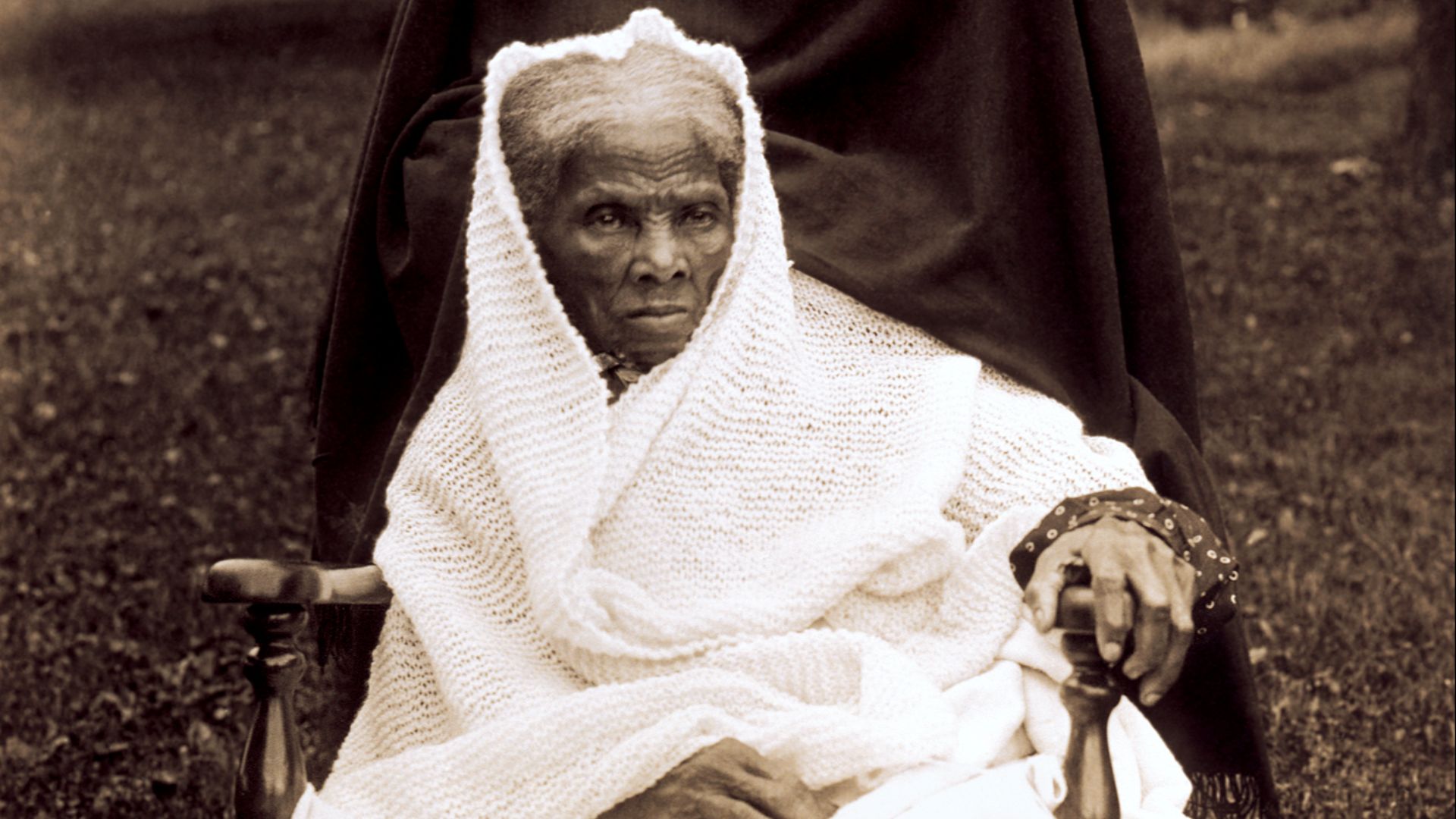 Unknown authorUnknown author on Wikimedia
17. Victoria Woodhull
Victoria Woodhull was expected to fit quietly into nineteenth-century domestic life, and instead became the first woman to open a brokerage firm on Wall Street. She used the money to fund a newspaper and, in 1872, ran for President of the United States, decades before women could legally vote.
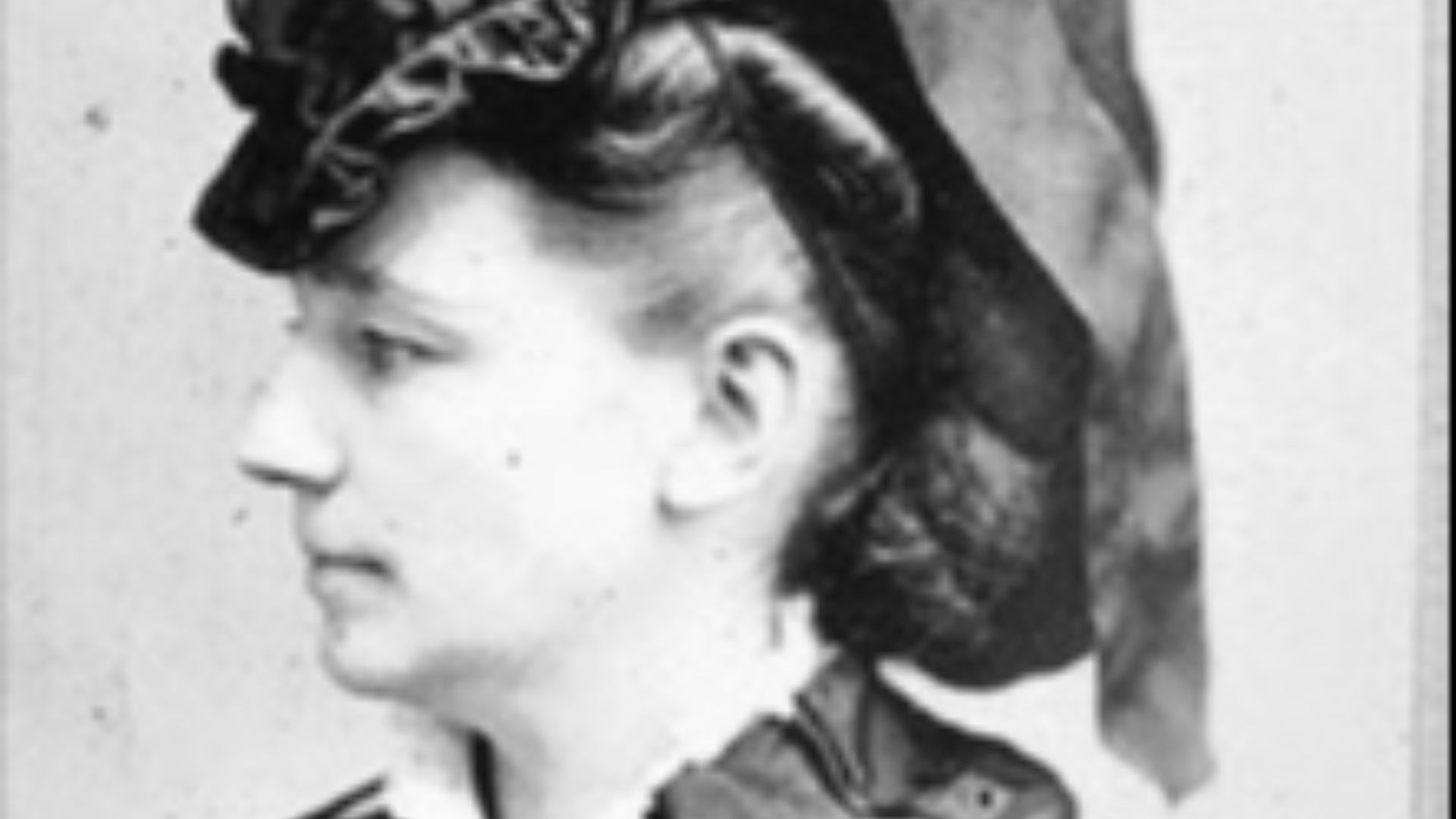 Unknown photographer on Wikimedia
18. Nakano Takeko
Nakano Takeko trained in martial arts from childhood, unusual for a woman in nineteenth-century Japan, and organized a unit of women fighters when the Boshin War reached her domain rather than evacuate. She was fatally wounded in battle in 1868 and asked her sister to behead her afterward rather than let the enemy take her head as a trophy.
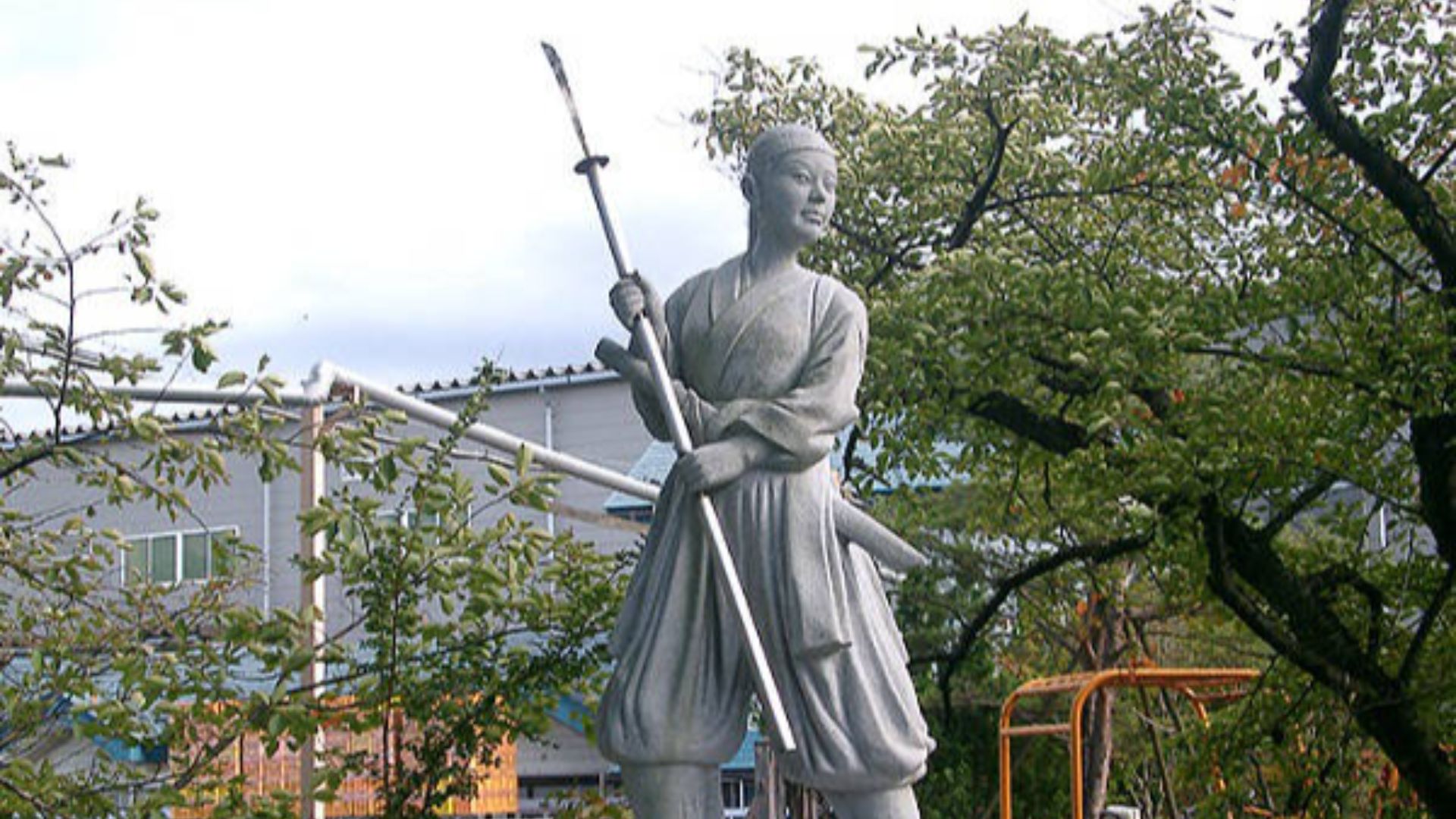 Torstein Barnhardt on Wikimedia
19. Ida B. Wells
Ida B. Wells was expected to accept segregation quietly, and instead sued a railroad in 1884 after being forcibly removed from a first-class train car. She went on to investigate and publish detailed reports on lynching across the South at real personal risk, and later helped found the NAACP.
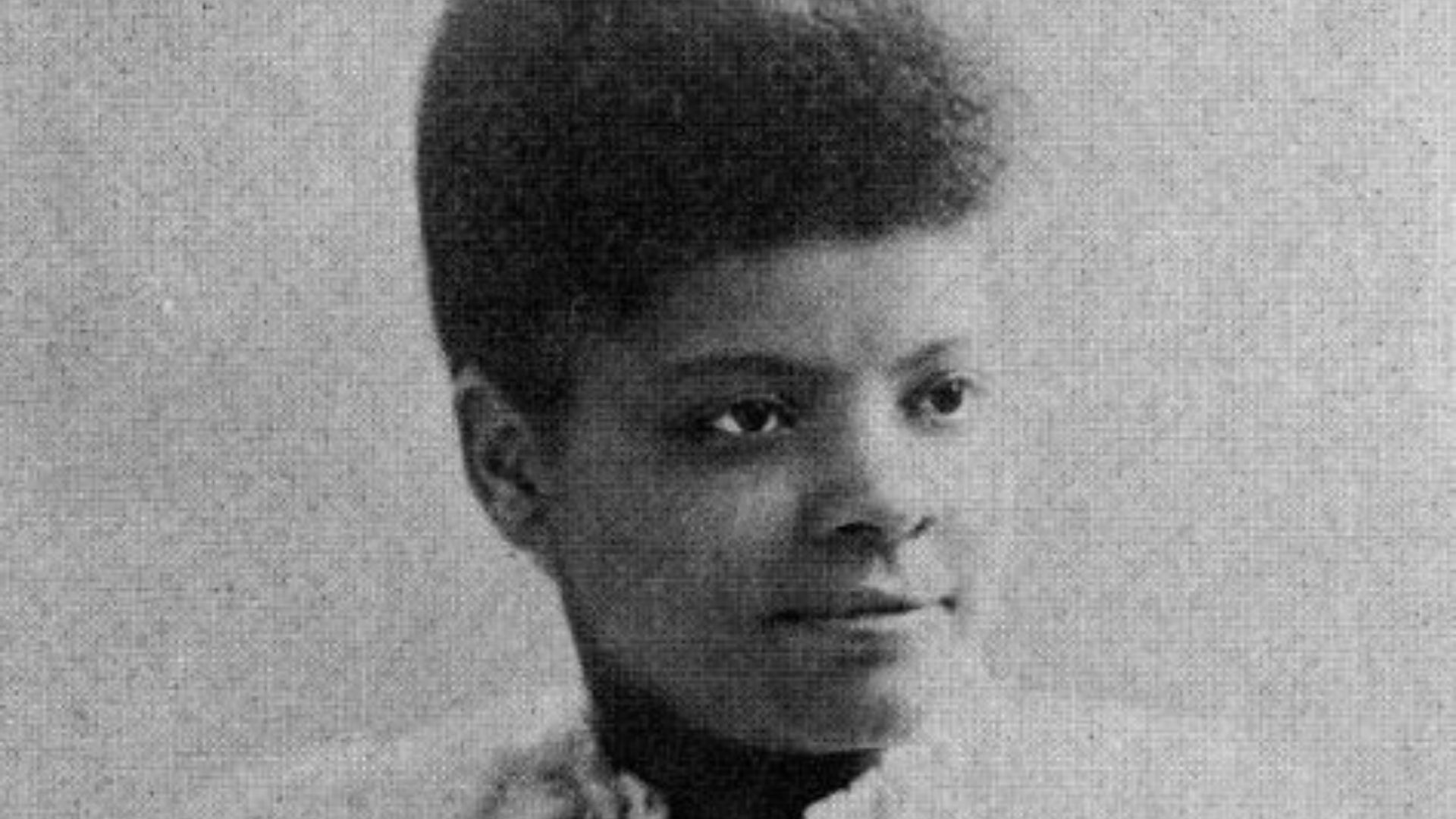 Photographer not stated on Wikimedia
20. Qiu Jin
Qiu Jin was married off young in an arranged match, expected to live out a conventional life as a wife and mother in Qing-dynasty China. She left her husband and children behind to study in Japan instead, organized a revolutionary uprising back home, and was captured and executed in 1907 at thirty-one.
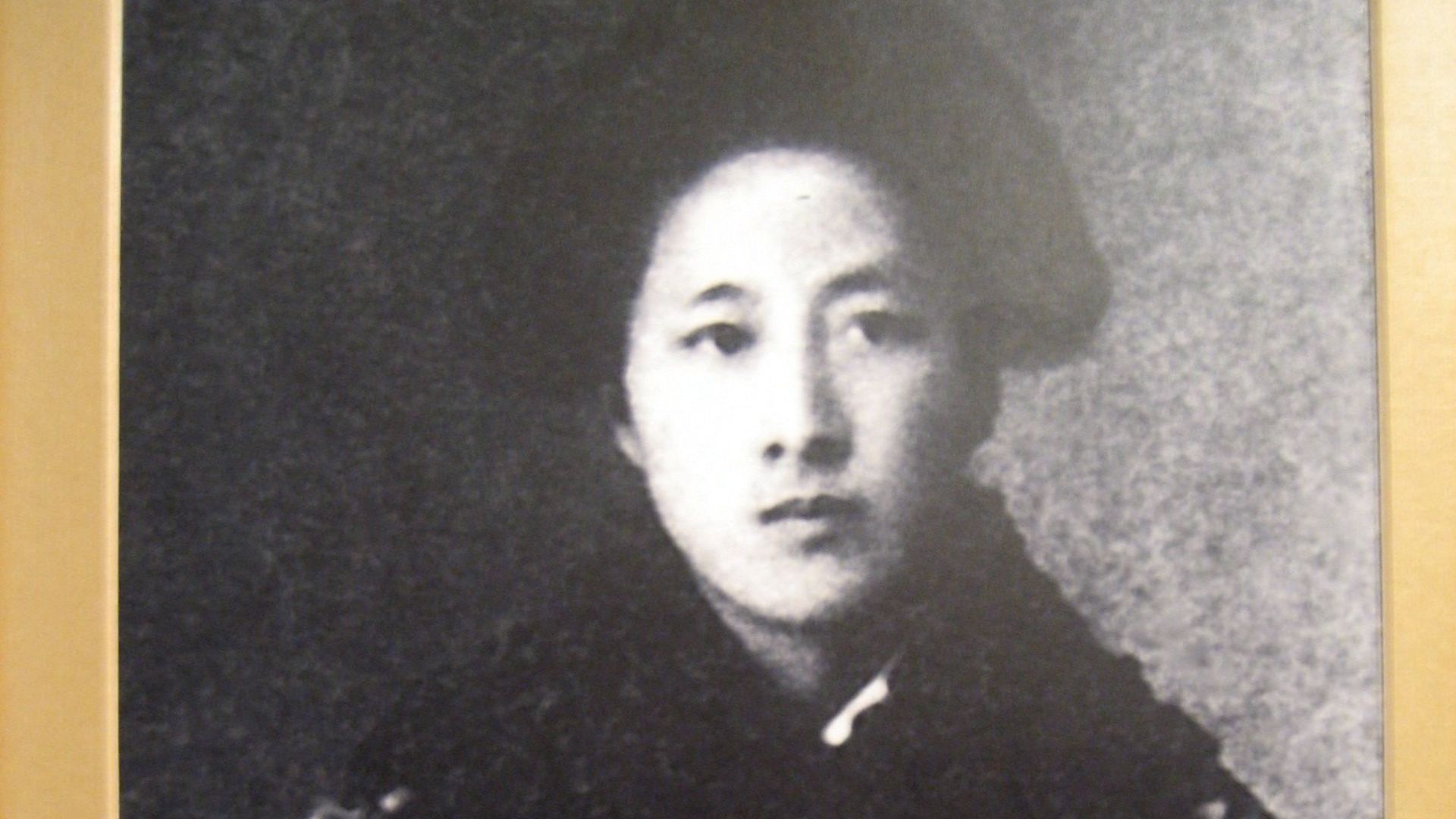
KEEP ON READING