10 Explorers Whose Names You Already Know & 10 Whose Names You’ve Walked Past A Dozen Times
10 Explorers Whose Names You Already Know & 10 Whose Names You’ve Walked Past A Dozen Times
Some Explorers Became Famous While Others Became Street Signs
Certain explorers are remembered through school lessons, documentaries, and familiar historical stories, while others survive mainly through the names of rivers, bays, cities, streets, and public buildings. Their journeys ranged from ocean crossings and polar expeditions to inland mapping missions, and their legacies aren’t always simple. These 20 figures show how exploration can shape public memory even when the person behind a familiar name has largely been forgotten.
1. Christopher Columbus
Christopher Columbus made four voyages across the Atlantic under the sponsorship of Spain beginning in 1492. Although he never reached Asia as intended, his expeditions created lasting contact between Europe and the Americas. His reputation has become increasingly controversial because his voyages were followed by colonization, forced labor, disease, and severe harm to Indigenous communities.
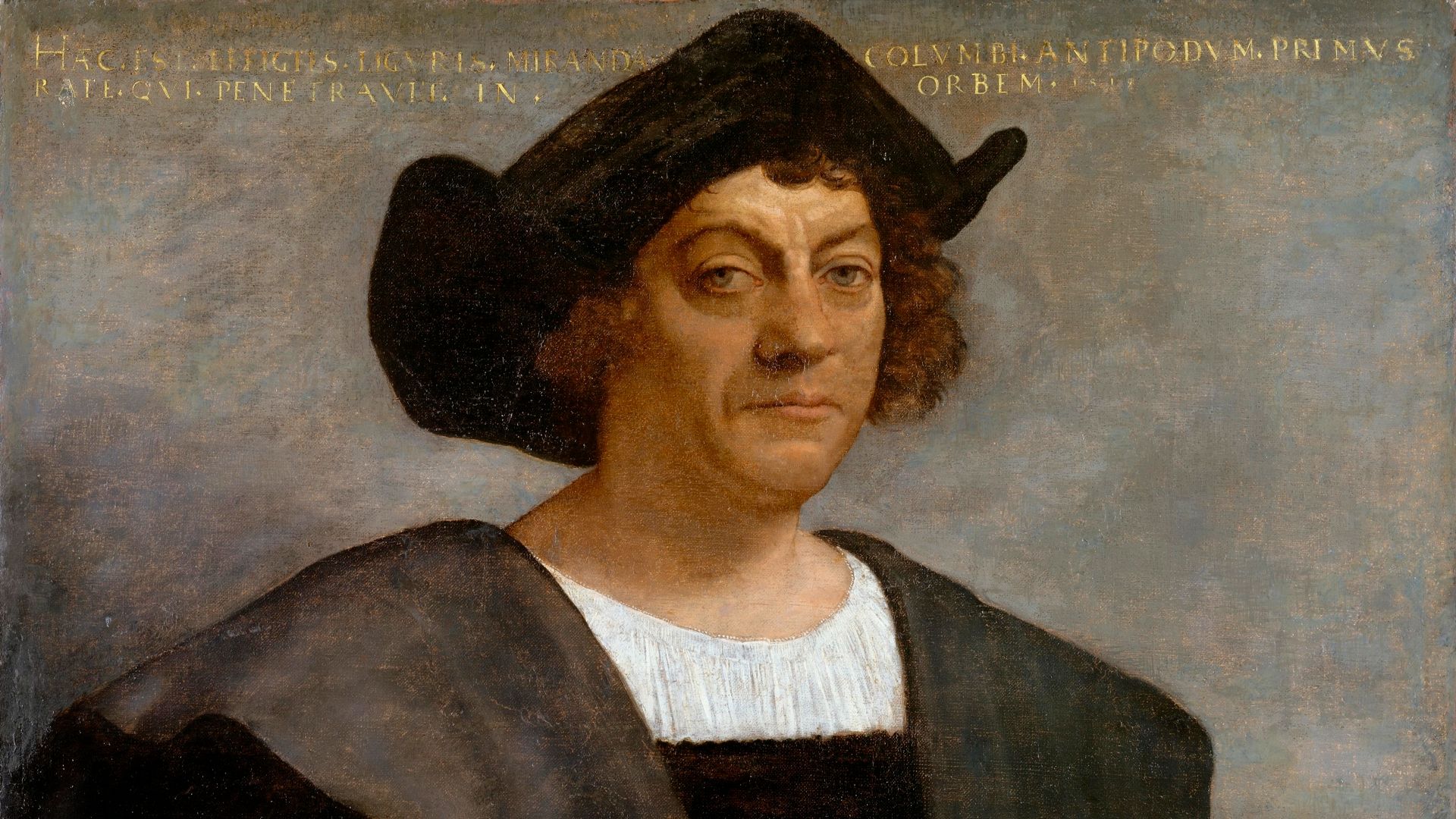 Sebastiano del Piombo on Wikimedia
2. Marco Polo
Marco Polo was a Venetian merchant whose accounts described a long journey through Asia during the 13th century. His book introduced many European readers to places, customs, and trading systems they knew little about.
 Unknown authorUnknown author on Wikimedia
3. Ferdinand Magellan
Ferdinand Magellan led the expedition that achieved the first recorded circumnavigation of the globe, although he didn’t survive to complete it. He was killed in the Philippines in 1521, and Juan Sebastián Elcano commanded the remaining crew back to Spain. The voyage demonstrated the enormous scale of the Pacific Ocean and provided powerful evidence of the planet’s interconnected geography.
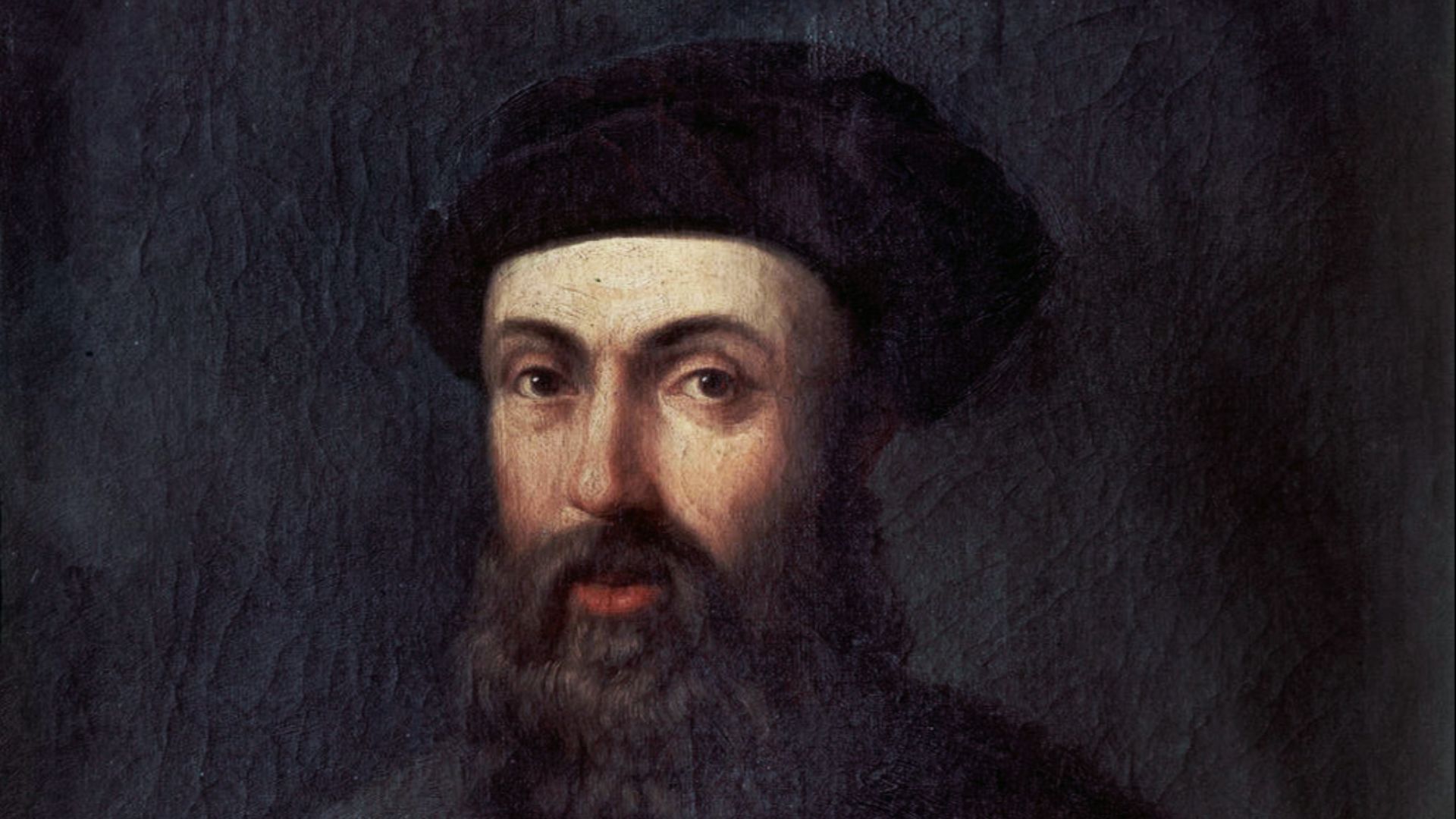 Unknown artistUnknown artist on Wikimedia
4. James Cook
James Cook carried out three major Pacific voyages during the 18th century and produced highly detailed maps of many coastlines. His expeditions reached Australia’s eastern coast, New Zealand, Hawaii, and parts of the Pacific Northwest.
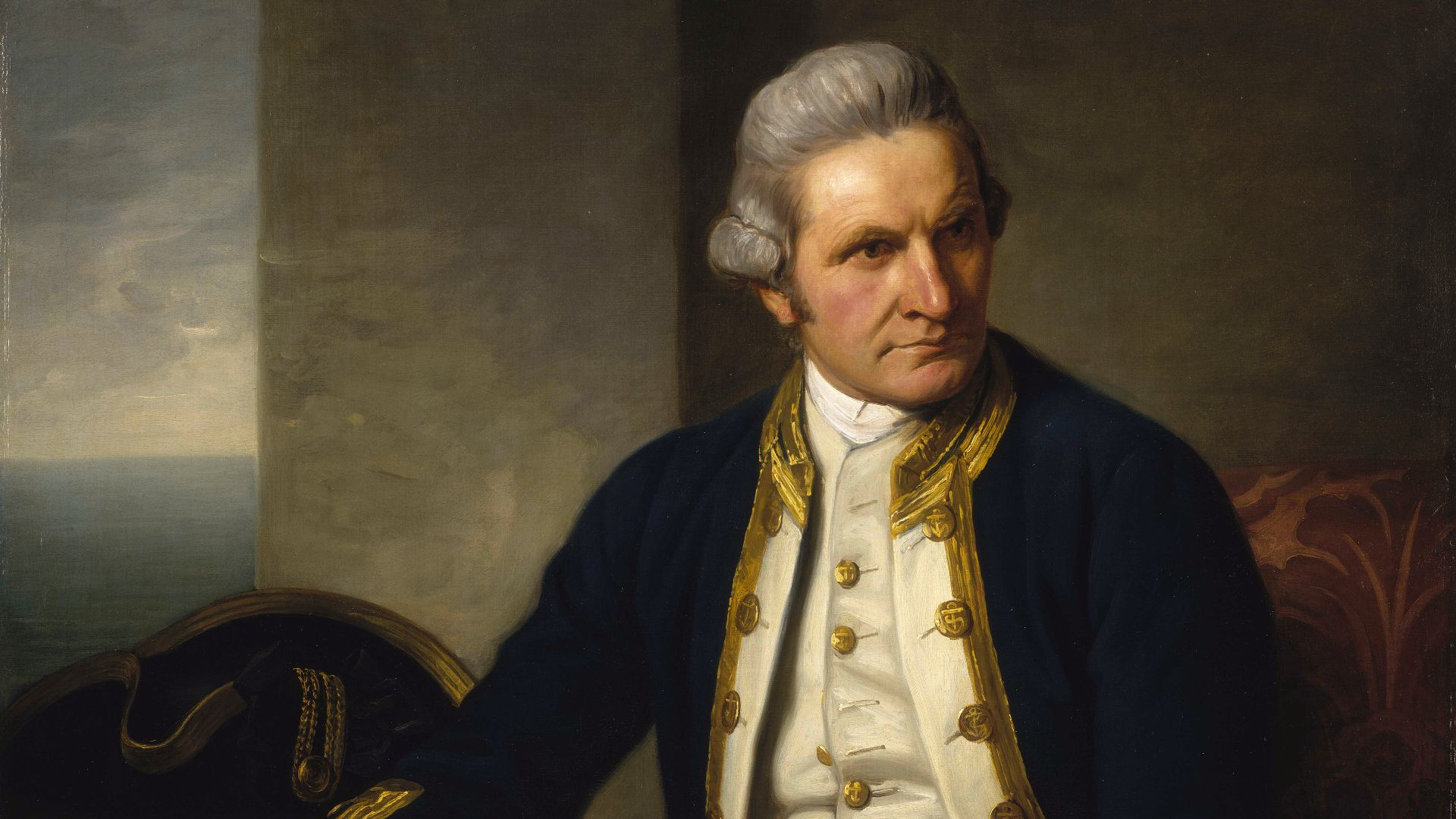 Nathaniel Dance-Holland on Wikimedia
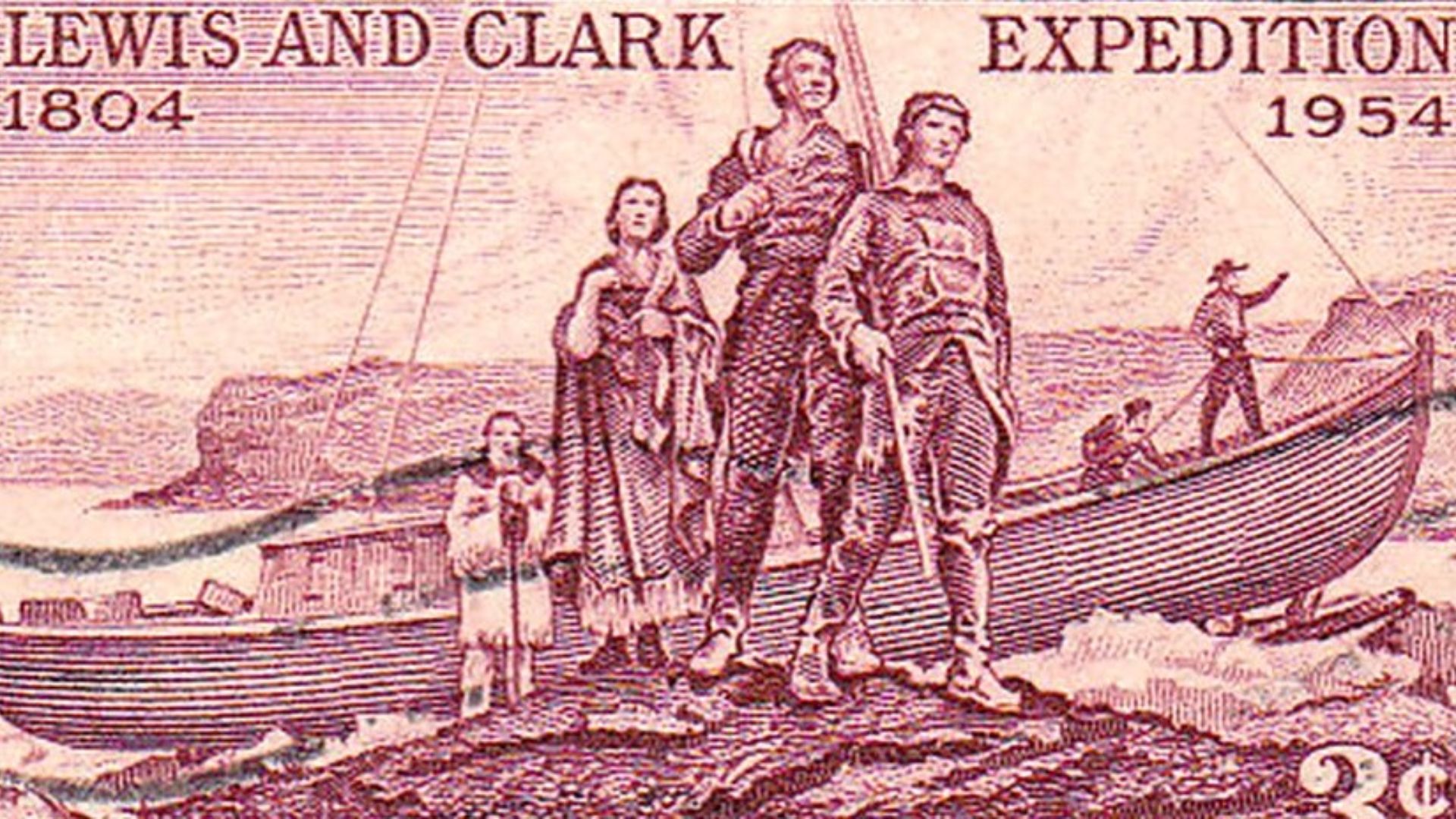
5. Lewis And Clark
Meriwether Lewis and William Clark led the Corps of Discovery across the western portion of North America between 1804 and 1806. Their expedition gathered geographic, scientific, and diplomatic information after the Louisiana Purchase. The journey depended heavily on assistance from Indigenous nations and from Sacagawea, whose knowledge and presence helped the group navigate unfamiliar territory.
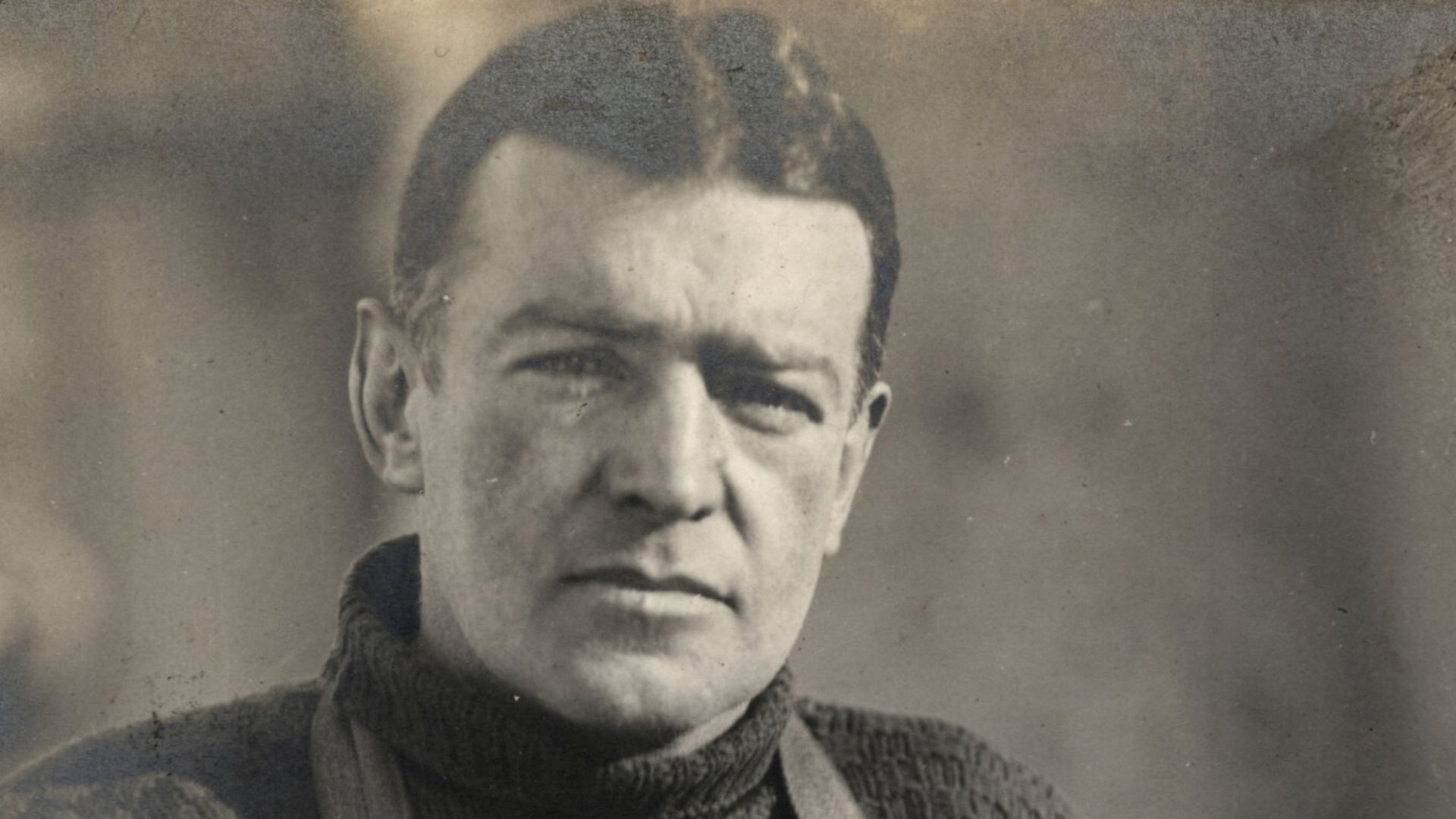
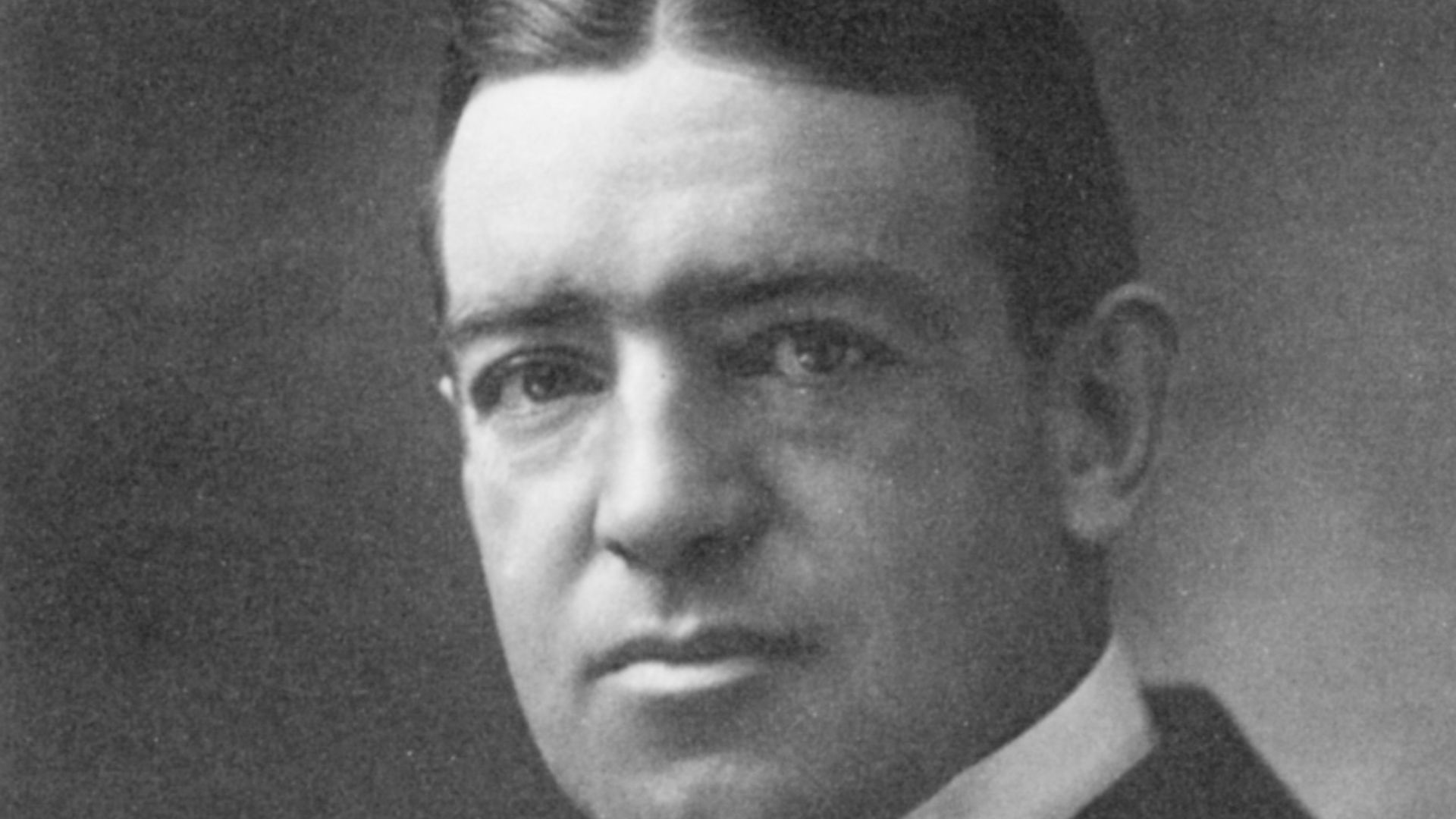
6. Ernest Shackleton
Ernest Shackleton became famous for Antarctic expeditions and for the survival story surrounding the loss of his ship, Endurance. After the vessel became trapped and crushed by sea ice, he organized a remarkable effort to rescue every member of his crew.
7. Roald Amundsen
Roald Amundsen was a Norwegian explorer who led the first successful expedition to reach the South Pole in 1911. His team used skis, carefully selected equipment, and sled dogs suited to polar conditions. Amundsen had also completed the first navigation of the Northwest Passage and later participated in aerial exploration of the Arctic.
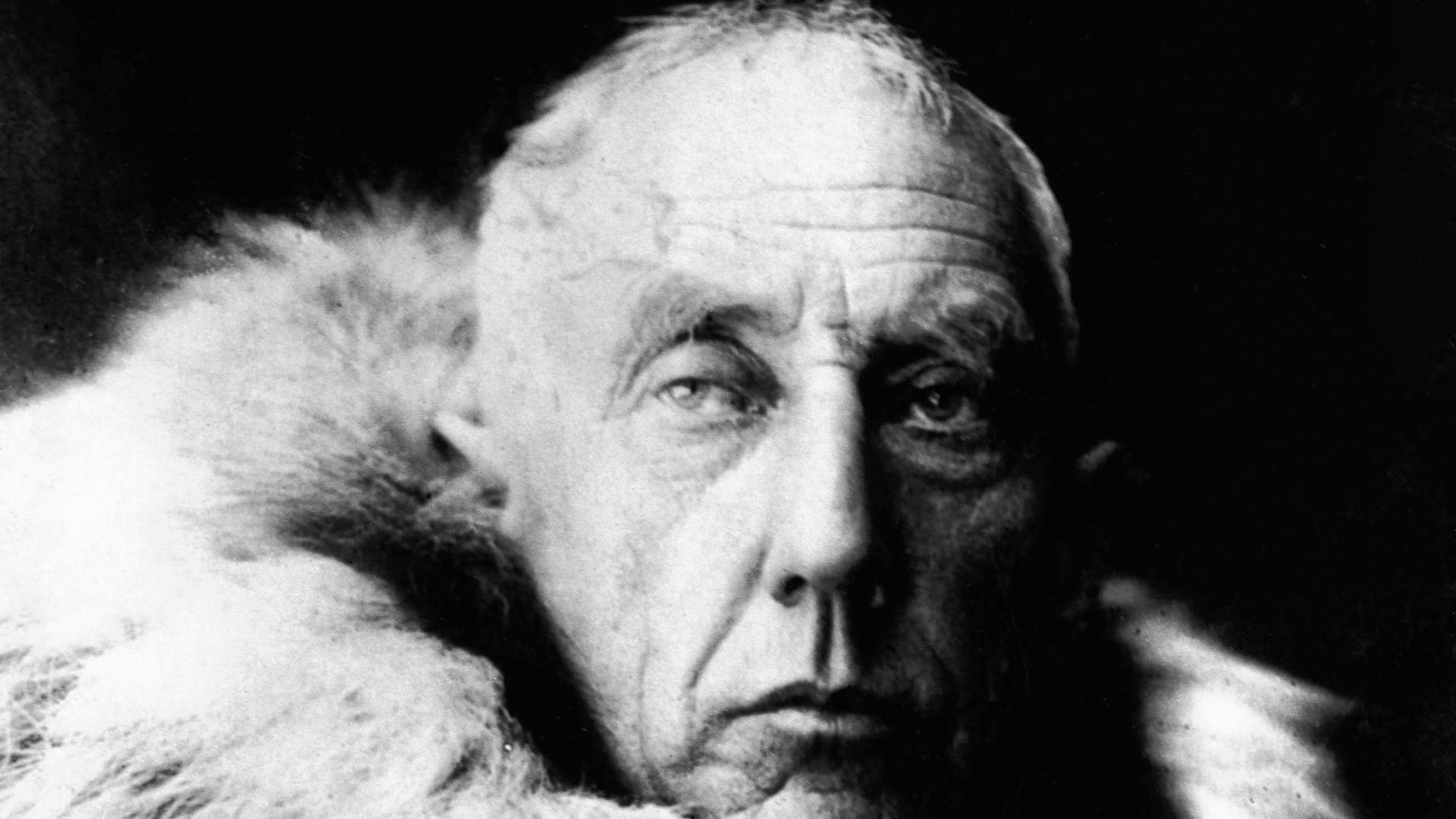 AnonymousUnknown author on Wikimedia
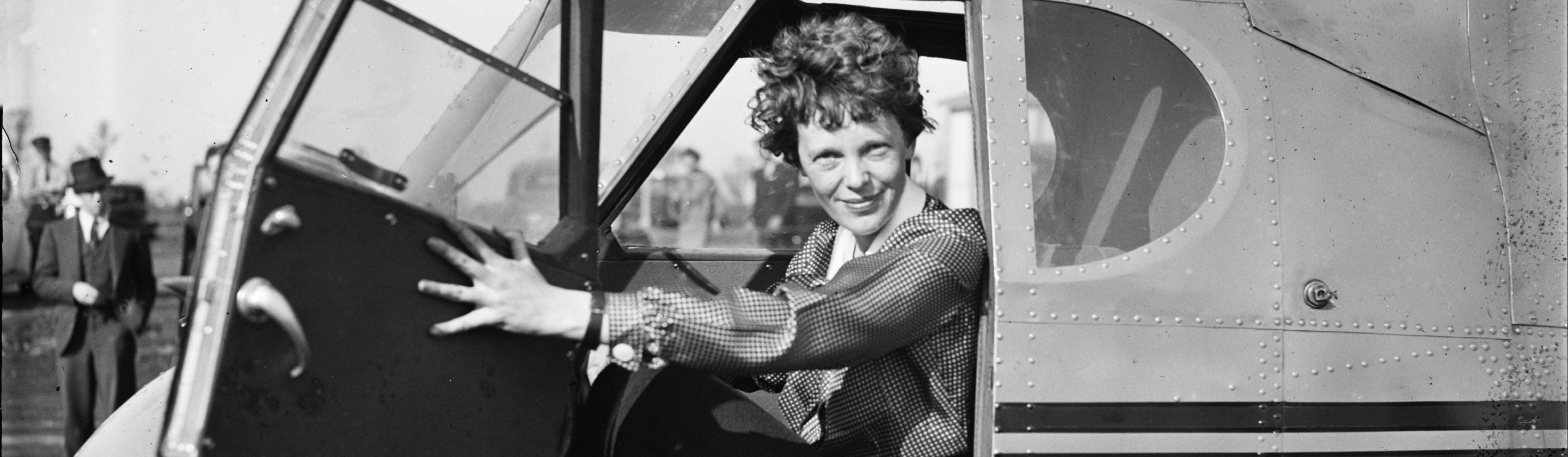
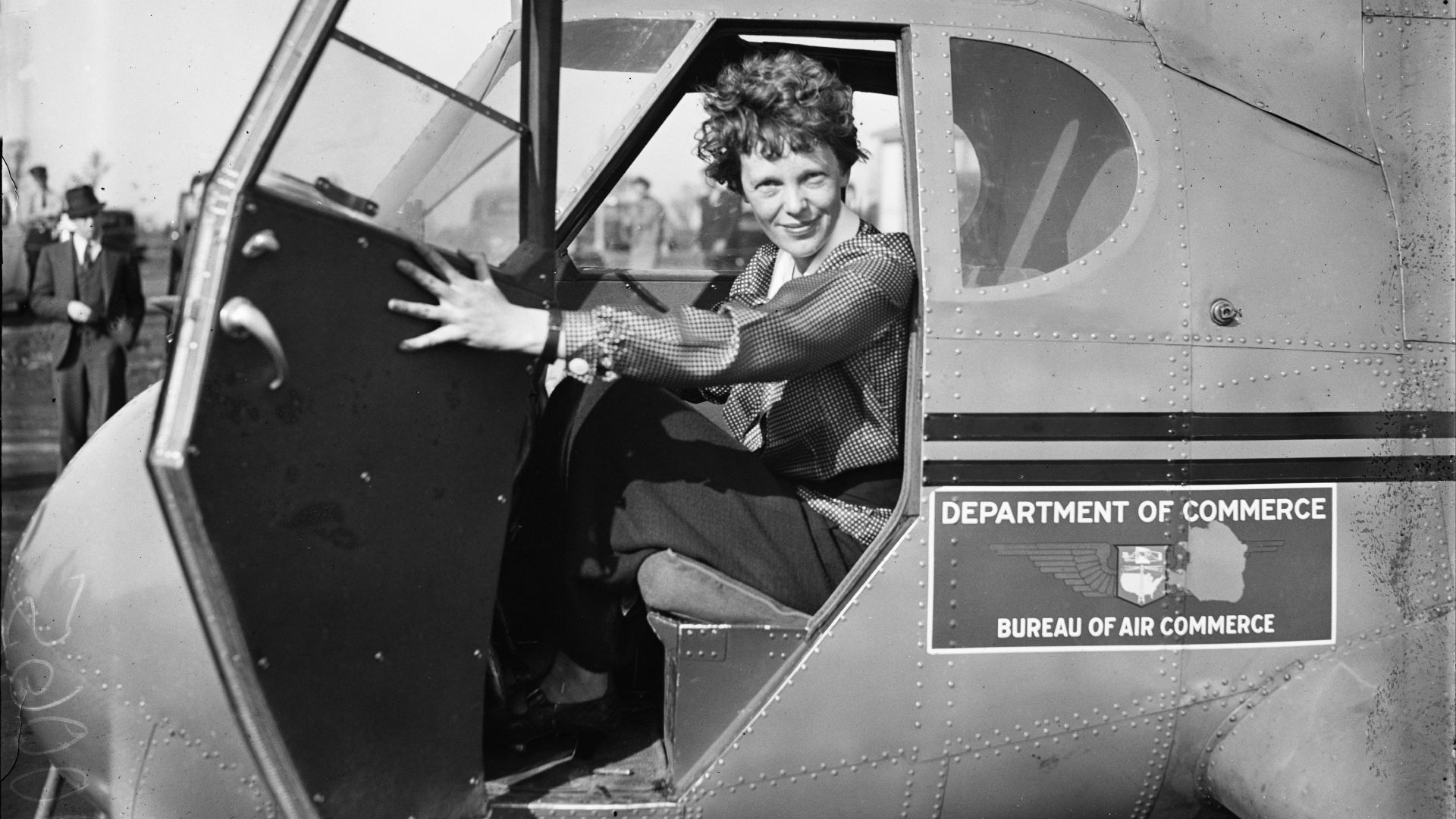
8. Amelia Earhart
Amelia Earhart was an aviator whose record-setting flights made her one of the most recognizable explorers of the skies. In 1932, she became the first woman to fly solo nonstop across the Atlantic Ocean. Her disappearance in 1937 during an attempt to fly around the world remains unresolved and continues to attract public interest.
9. Jacques Cousteau
Jacques Cousteau helped bring underwater exploration to a worldwide audience through films, television programs, and books. Working with engineer Émile Gagnan, he helped develop the Aqua-Lung, which made extended underwater diving more practical.
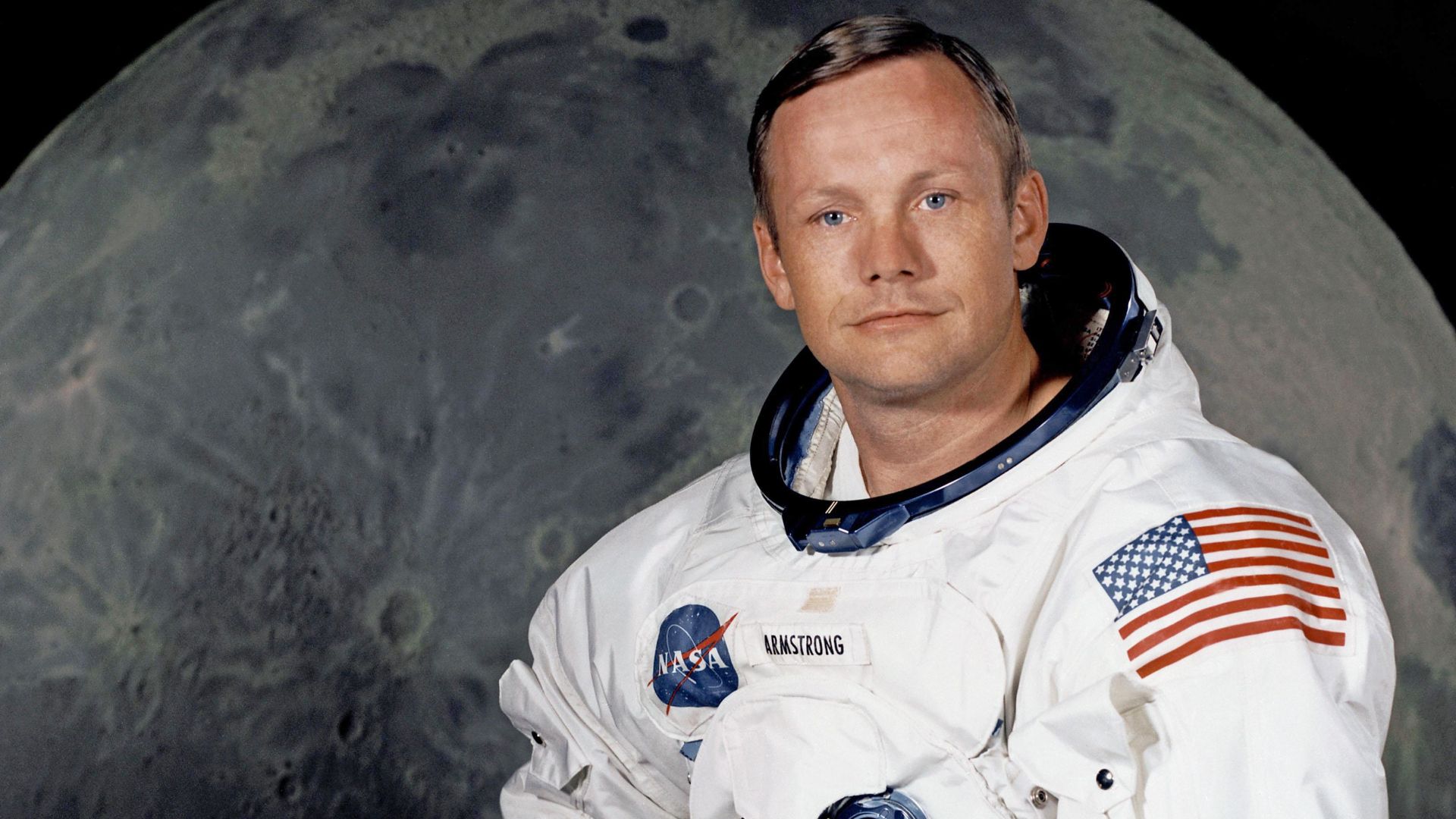
10. Neil Armstrong
Neil Armstrong became the first person to walk on the Moon during the Apollo 11 mission in July 1969. Before becoming an astronaut, he served as a naval aviator and worked as a test pilot. His careful, reserved personality contrasted with the enormous public attention surrounding an achievement that expanded exploration beyond Earth.
 Unknown authorUnknown author on Wikimedia
1. Henry Hudson
Henry Hudson was an English navigator who explored parts of the Arctic and northeastern North America while searching for a route to Asia. The Hudson River, Hudson Bay, and Hudson Strait all bear his name.
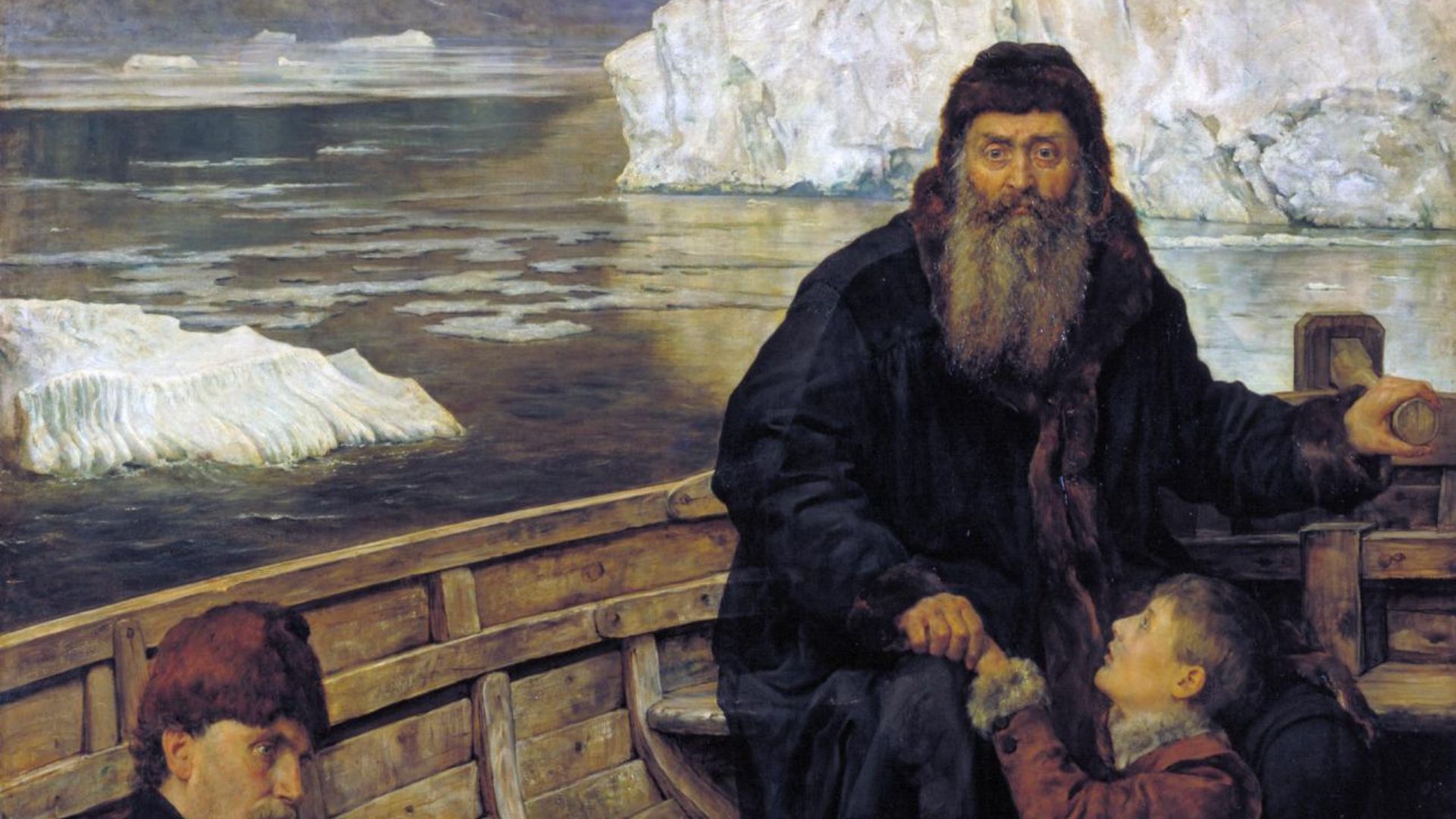
2. Samuel De Champlain
Samuel de Champlain was a French explorer, cartographer, and colonial administrator closely connected with the founding of Quebec City in 1608. Lake Champlain, which lies between New York and Vermont, carries his name.
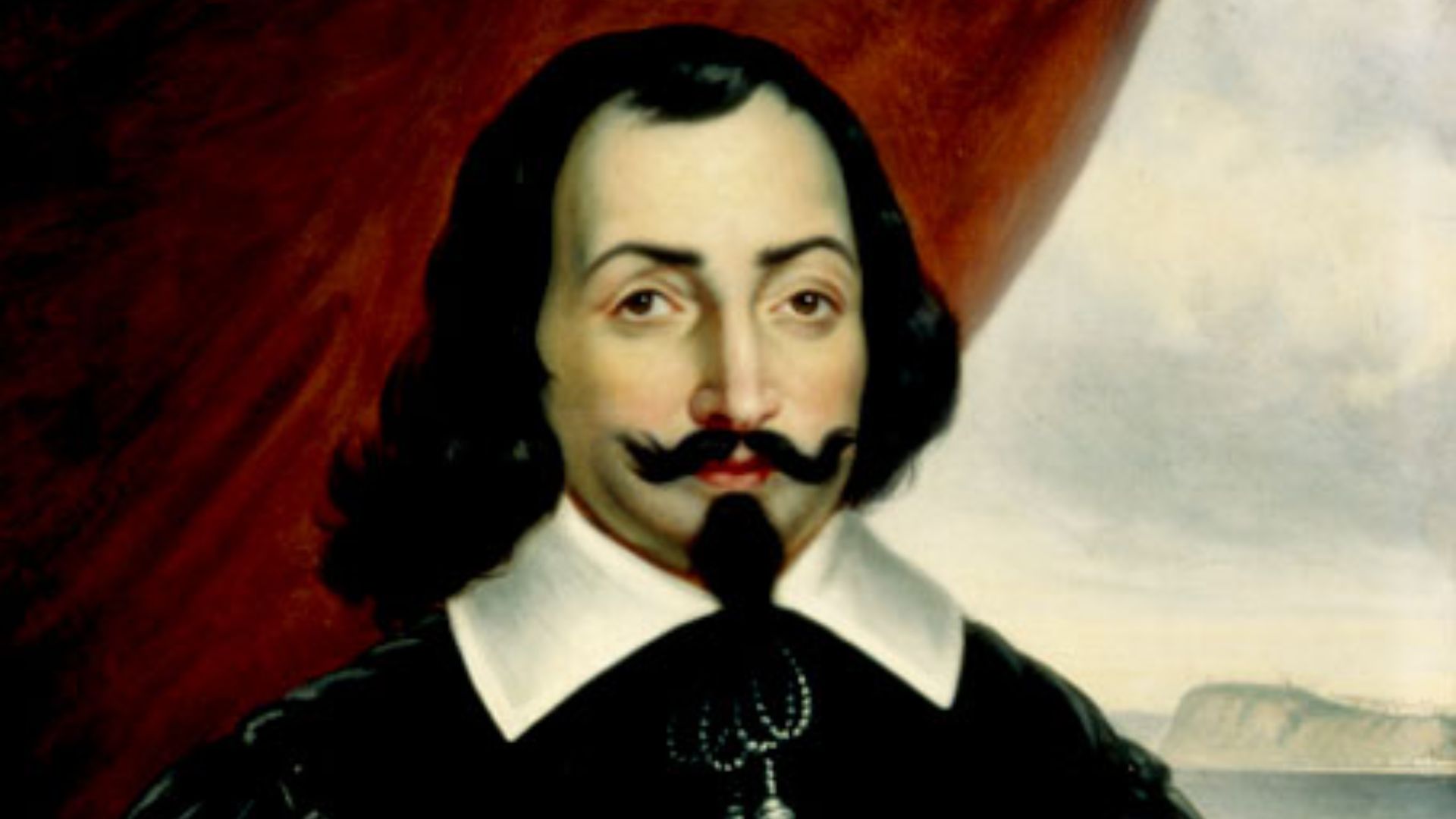
3. John Cabot
John Cabot was an Italian navigator who sailed for England and reached the coast of North America in 1497. Cabot Strait, which separates Newfoundland from Cape Breton Island, commemorates his voyage and its importance to later English territorial claims.
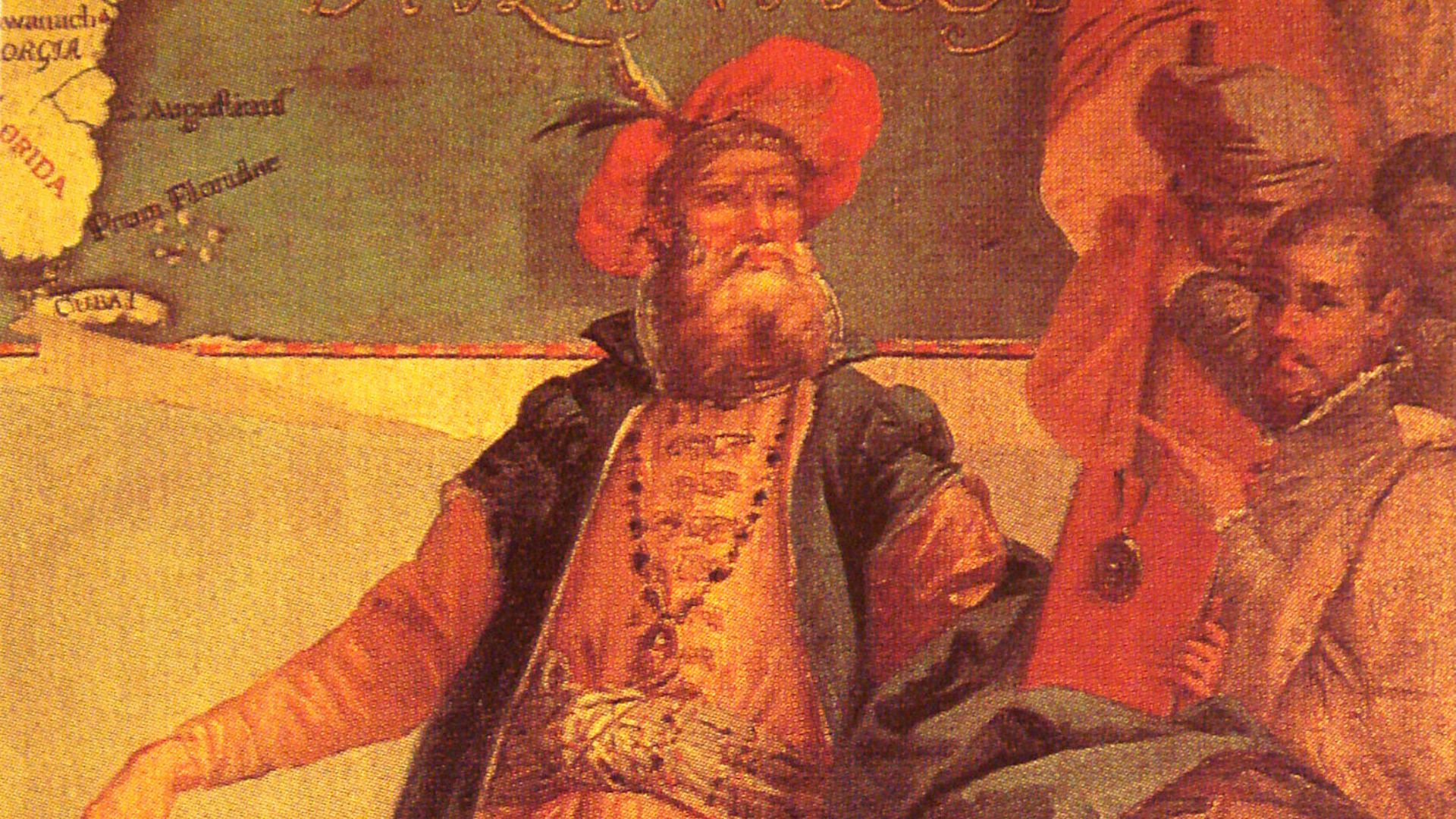 Giustino Menescardi on Wikimedia
4. George Vancouver
George Vancouver was a British naval officer who mapped extensive sections of the Pacific coast of North America during the 1790s. His expedition produced remarkably accurate coastal charts while building on information gathered by Indigenous peoples and earlier navigators.
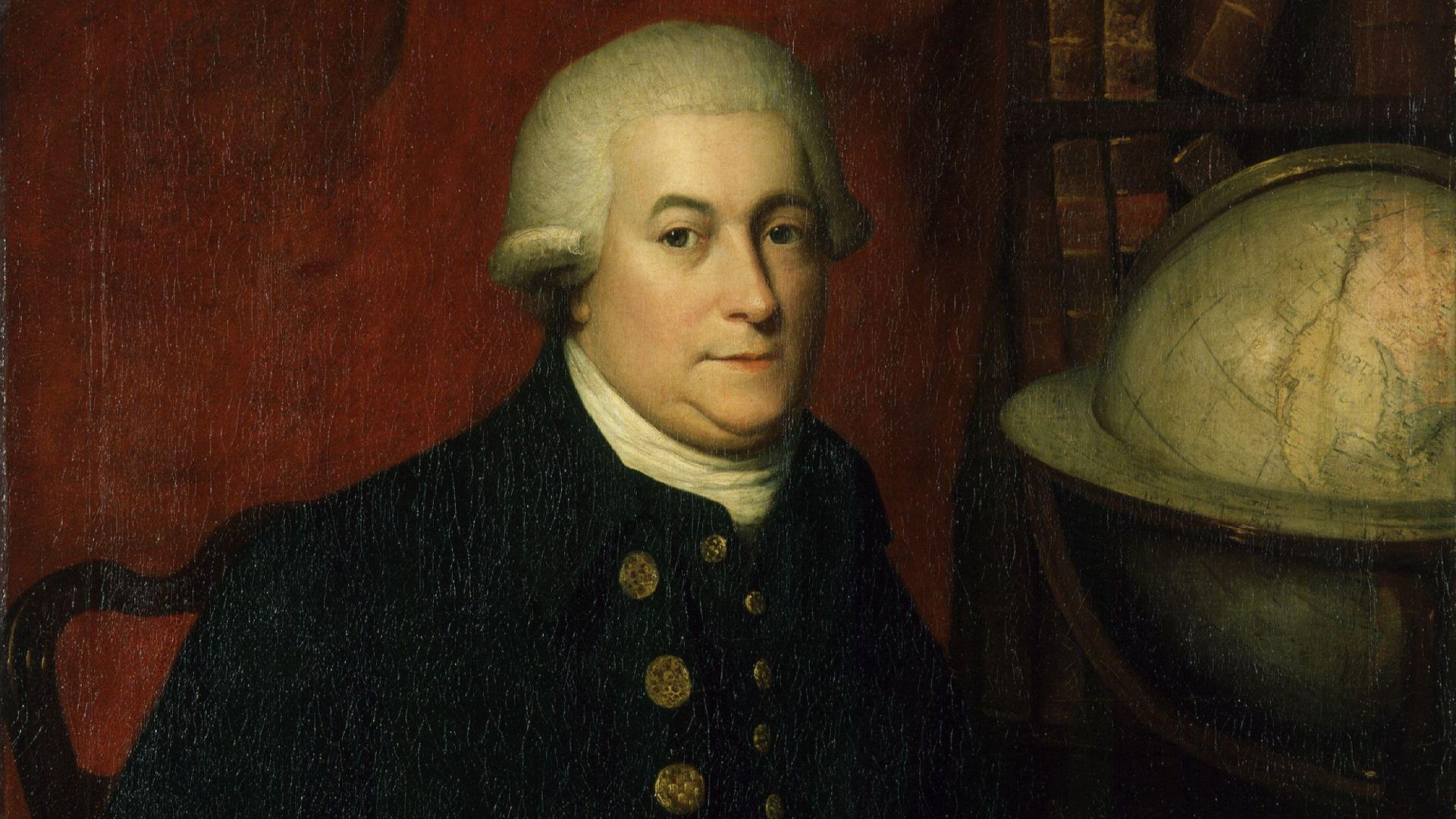
5. Alexander Mackenzie
Alexander Mackenzie was a Scottish explorer whose journeys helped map large parts of what is now western and northern Canada. The Mackenzie River, the country’s longest river system, was named for him after his 1789 expedition followed it to the Arctic Ocean.
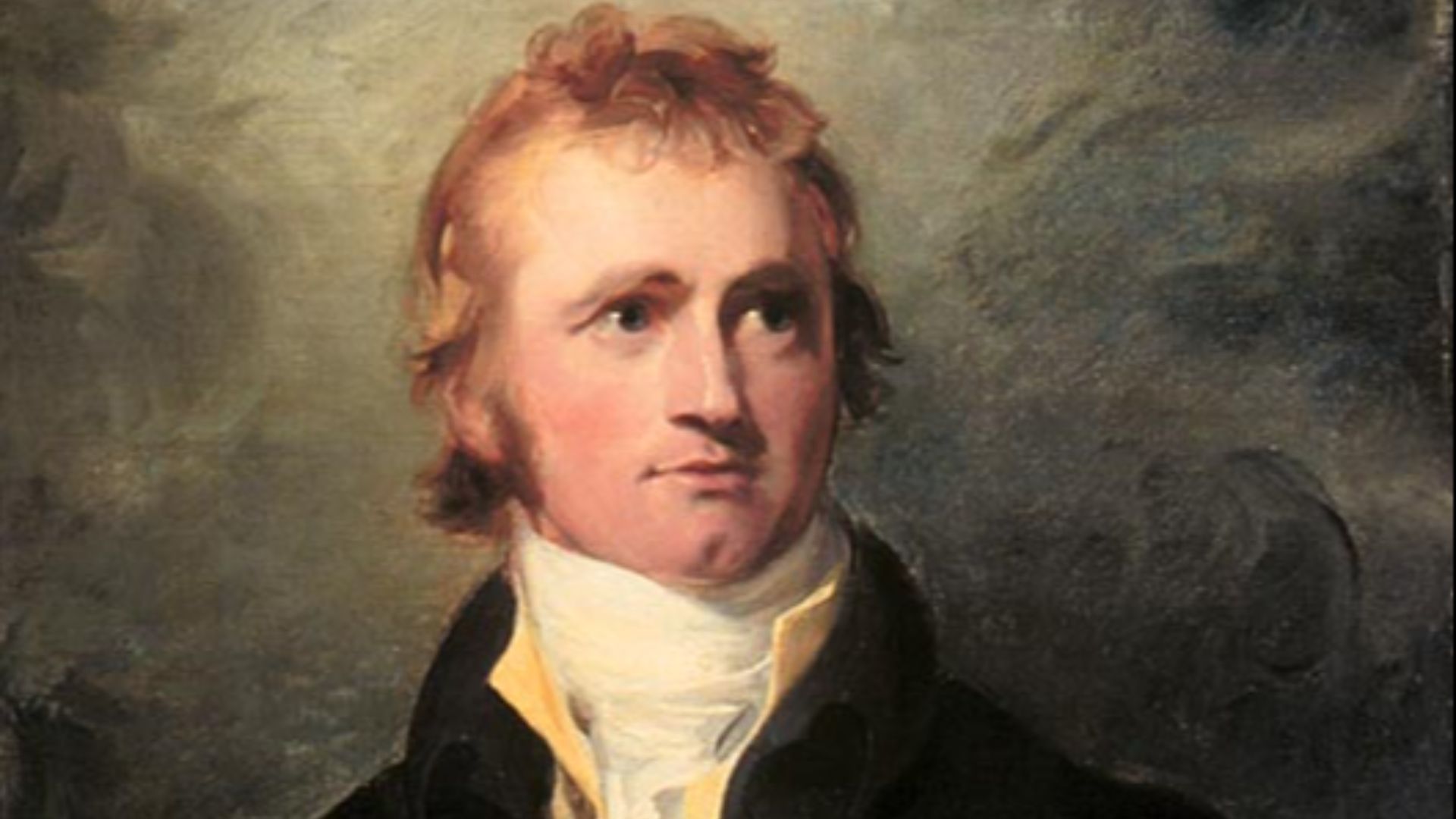
6. Simon Fraser
Simon Fraser was a fur trader and explorer who mapped sections of western Canada for the North West Company. The Fraser River and British Columbia’s Fraser Valley now preserve his name.
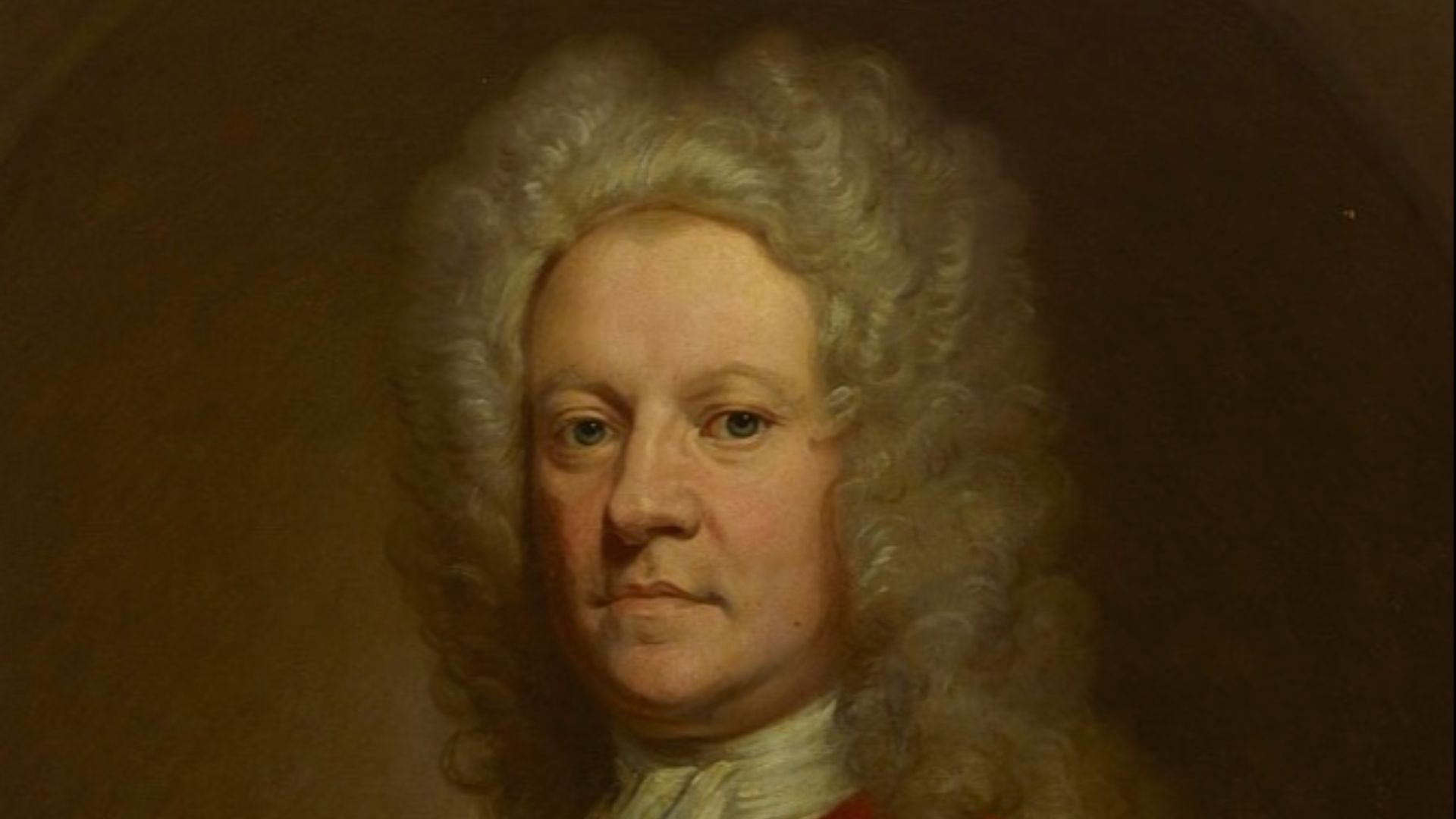
7. René-Robert Cavelier, Sieur De La Salle
René-Robert Cavelier, Sieur de La Salle, explored the Great Lakes and Mississippi River regions during the 17th century. He claimed the Mississippi basin for France and named the territory Louisiana in honor of King Louis XIV.
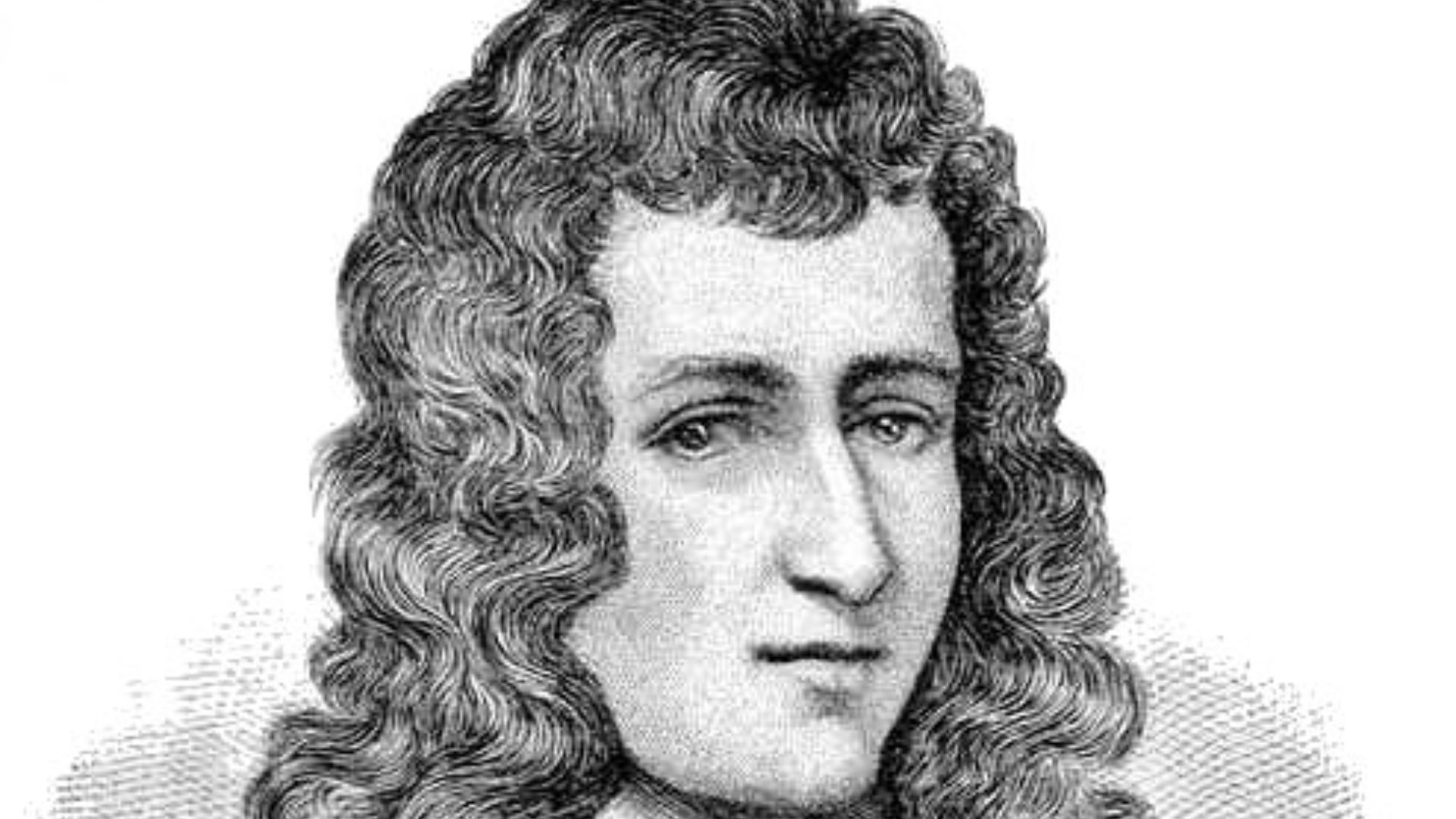 Charles André Waltner (1846-1925) on Wikimedia
8. Gaspar De Portolá
Gaspar de Portolá led the first recorded European land expeditions through what is now California in the late 1760s. Portola Valley in California and numerous streets and schools bear his name, although his expeditions helped establish a colonial system that disrupted Native communities.
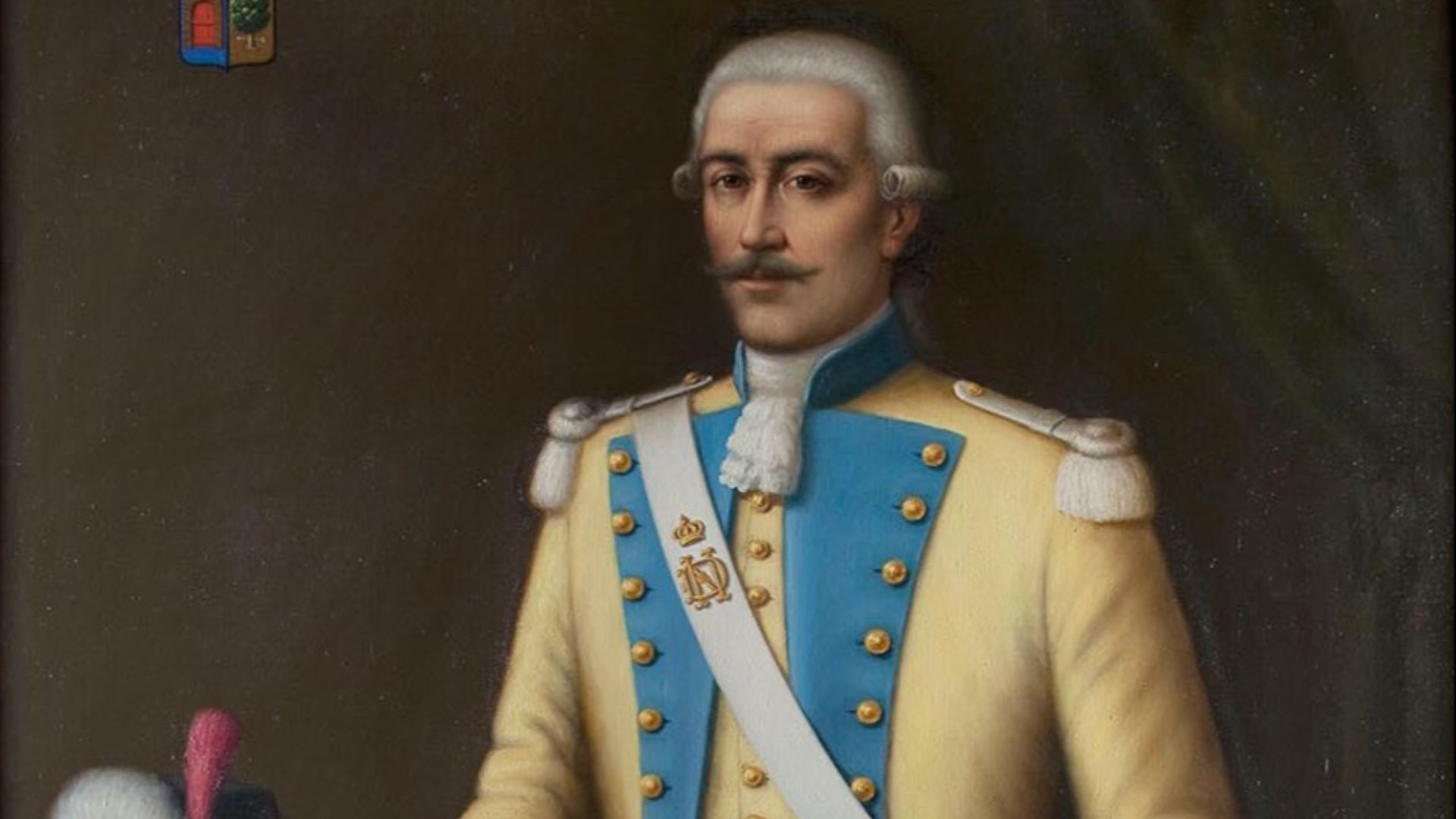
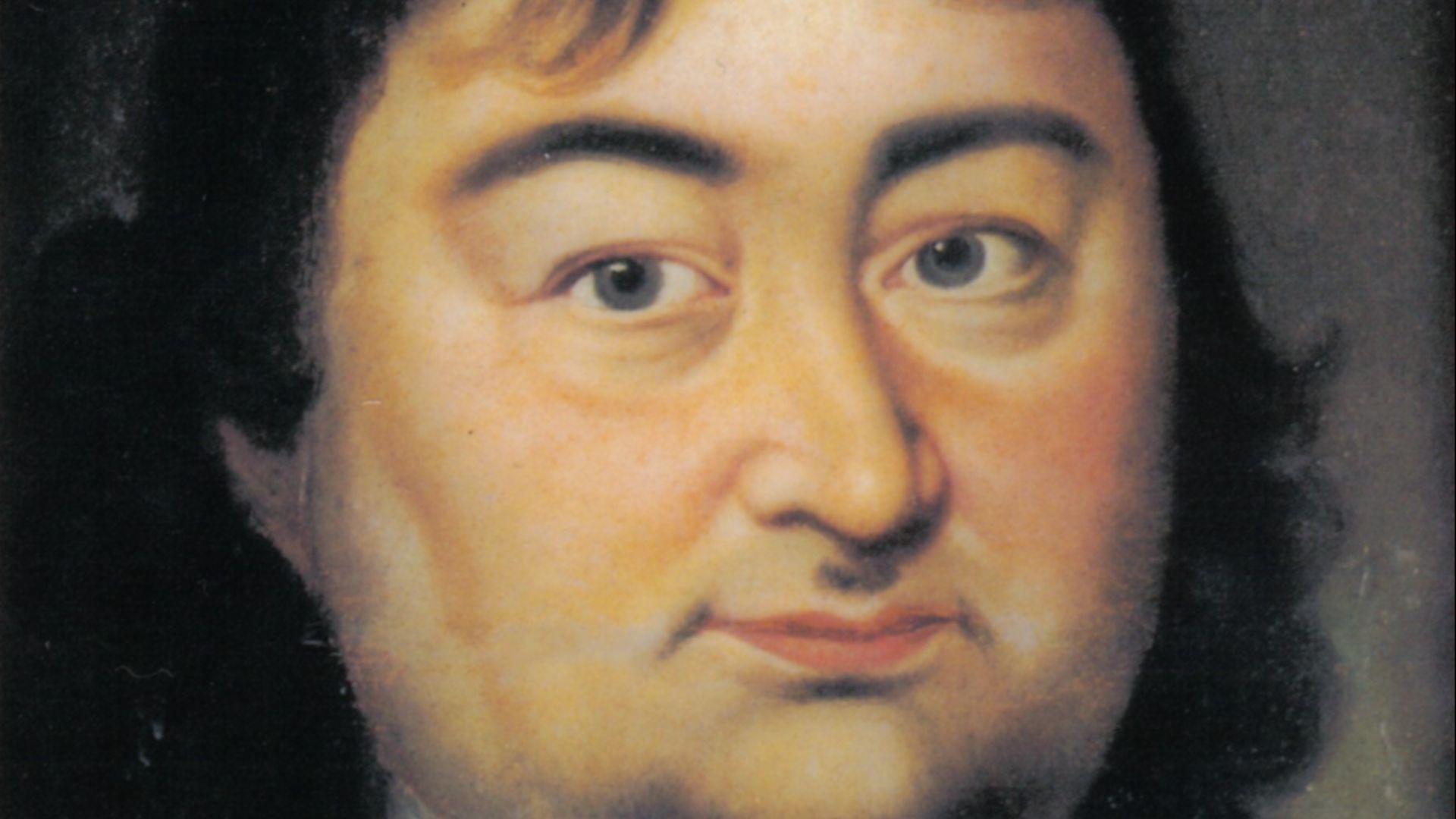
9. Vitus Bering
Vitus Bering was a Danish navigator who served in the Russian Navy and led expeditions through the northern Pacific. The Bering Sea, Bering Strait, and Bering Island were named after him.
 Unknown authorUnknown author on Wikimedia
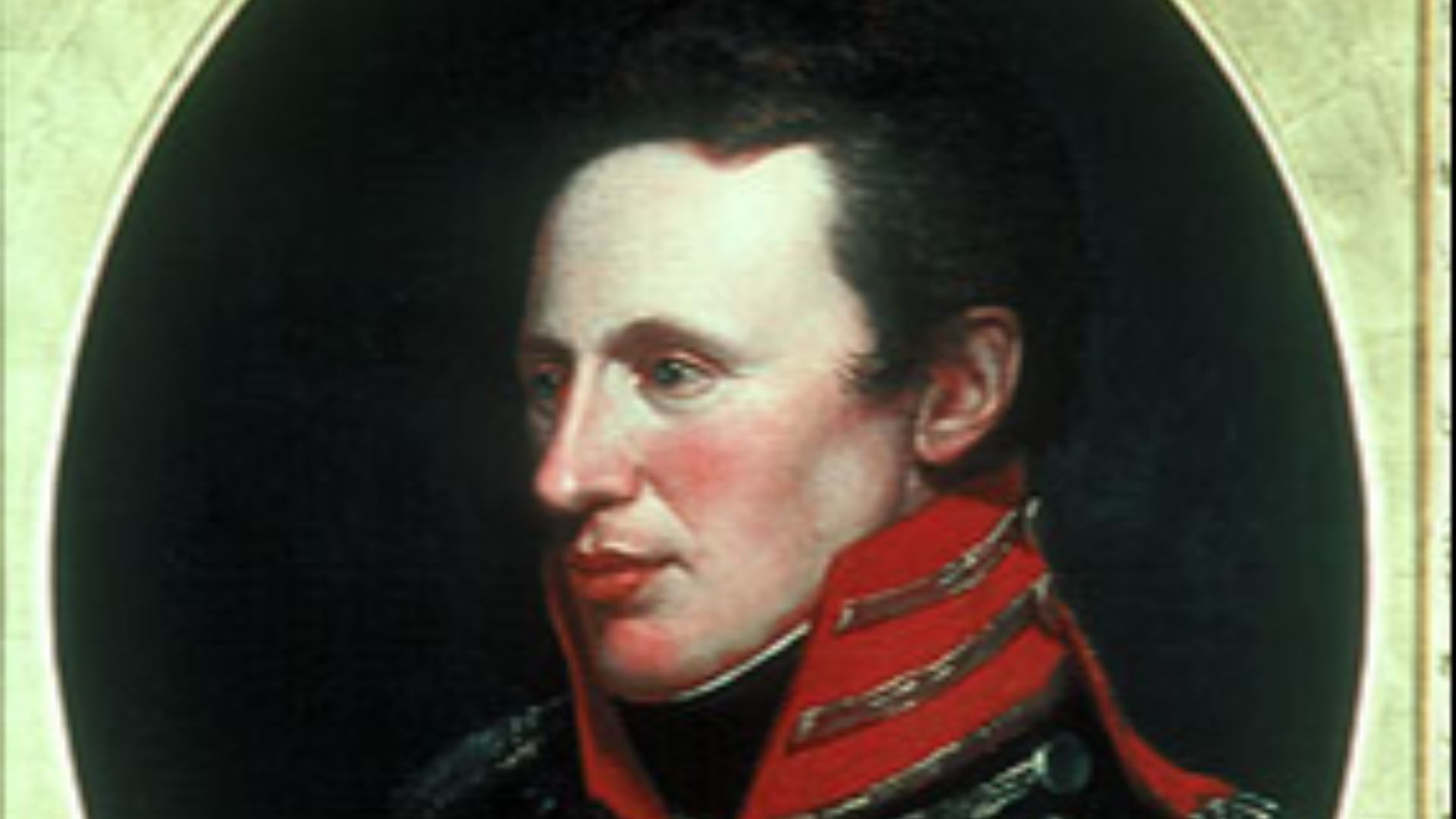
10. Zebulon Pike
Zebulon Pike was an American military officer who led expeditions into the southern and western territories of the United States. His reports increased American knowledge of the Southwest while also contributing to later military and territorial expansion.
KEEP ON READING