20 Most Productive Humans in History (And the Weird Methods They Used)
History's Most Eccentric High Achievers
We often think of history's greatest minds as perfectly disciplined icons who spent every waking hour sitting rigidly at standard desks. In reality, many of the most prolific writers, scientists, and world leaders were incredibly strange people with bizarre operational rules. They didn't achieve historic levels of output by following standard routines; instead, they relied on highly eccentric, borderline unhinged rituals to spark their genius.
1. Benjamin Franklin's Morning Air Baths
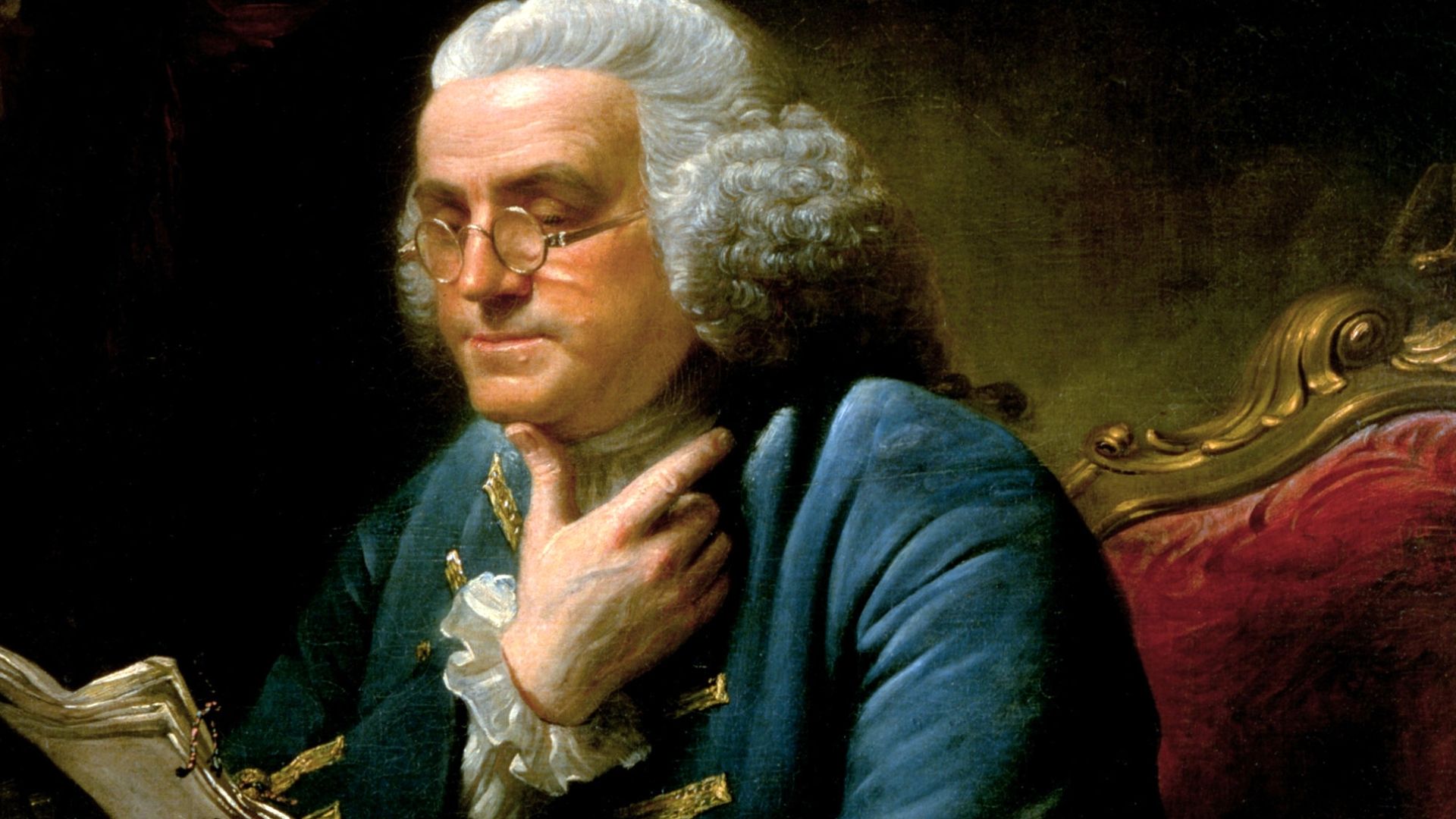
The legendary American founding father didn't just spend his mornings writing historic documents; he did it completely naked in front of an open window. He firmly believed that cold air flowing over his skin prevented various illnesses and kept his mind sharp. You might find the idea of shivering in your birthday suit for an hour a bit extreme, but it clearly worked wonders for his daily focus.
2. Ludwig van Beethoven's Exact Bean Count
Beethoven didn’t just let anyone make his coffee before writing music; he counted the beans himself. For each cup of coffee he drank, the composer would hand-count exactly 60 beans to regulate his caffeine intake. He threw away the entire batch if the count was off.
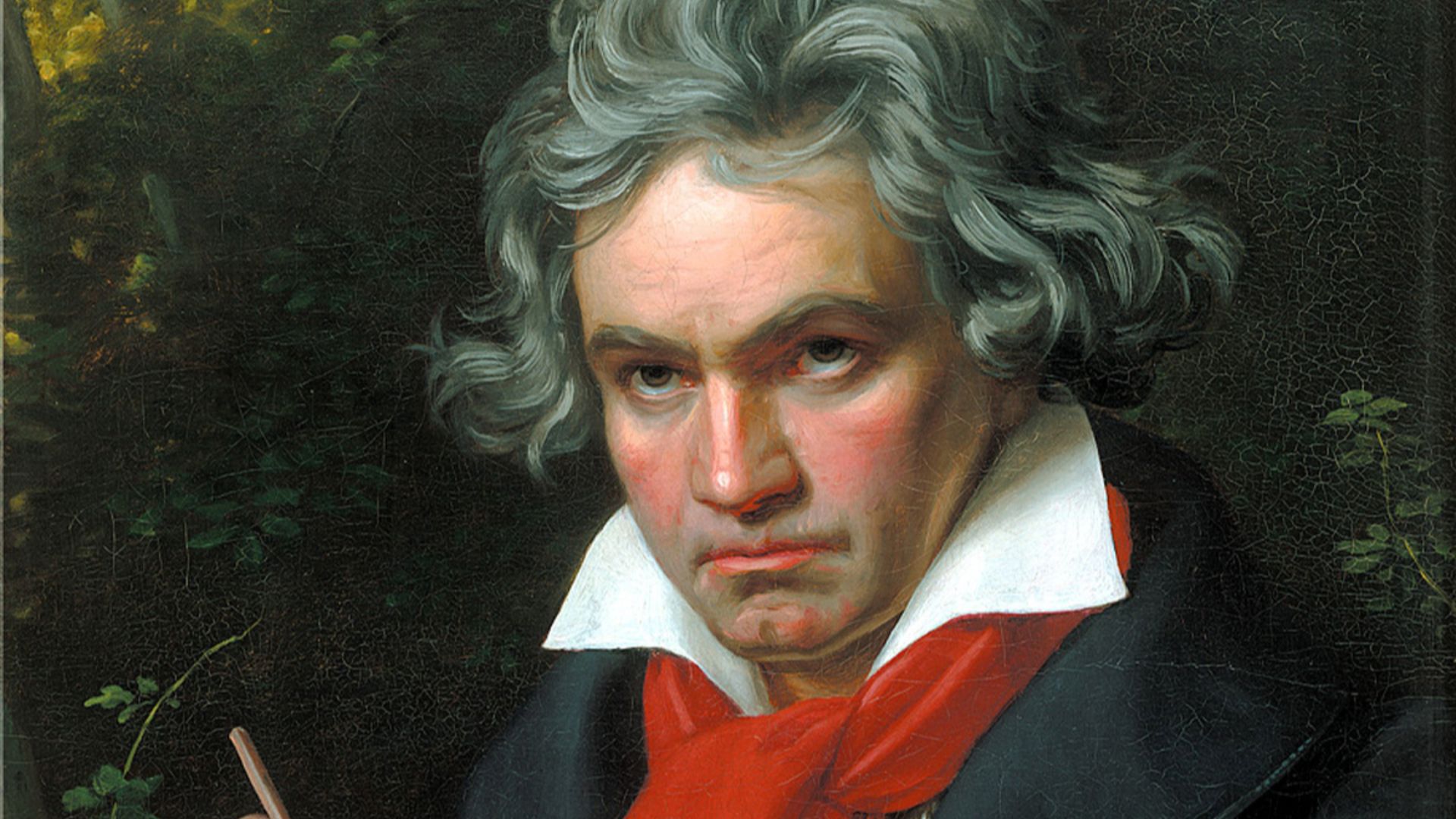 Joseph Karl Stieler on Wikimedia
3. Yoshiro Nakamatsu's Underwater Brain Deprivation
The incredibly prolific Japanese inventor of the floppy disk used a method that was downright terrifying to spark his best ideas. He routinely swam underwater and held his breath. He claimed that starving his brain of vital oxygen forced brilliant, multimillion-dollar insights to flash into his mind.
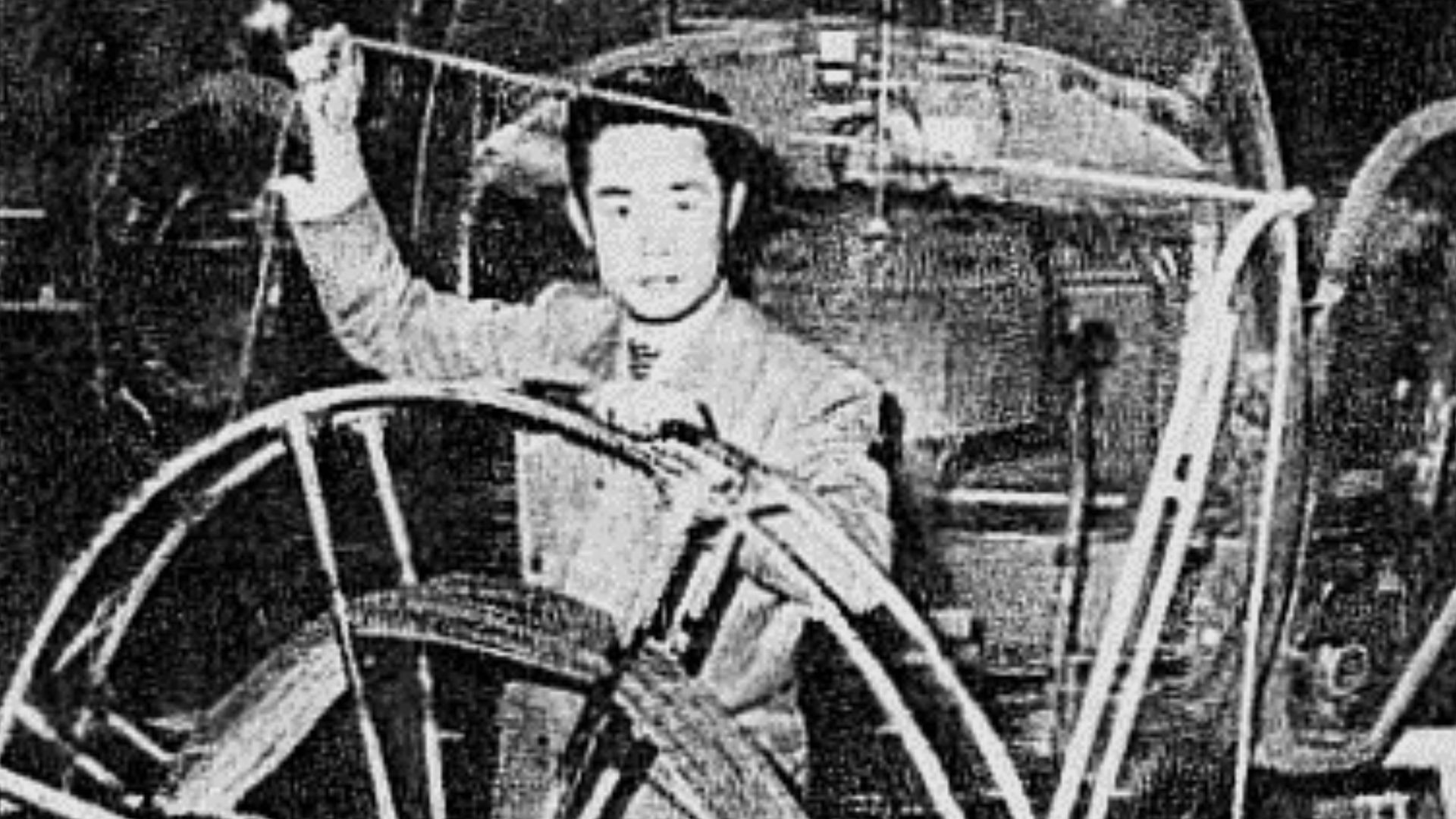 Unknown authorUnknown author on Wikimedia
4. Honoré de Balzac's Massive Caffeine Overload
Writing all those classic books had to take a toll on Balzac’s health somehow, right? His secret was black coffee, plain and simple. He drank up to 50 cups a day to stay awake during exhausting writing sessions.
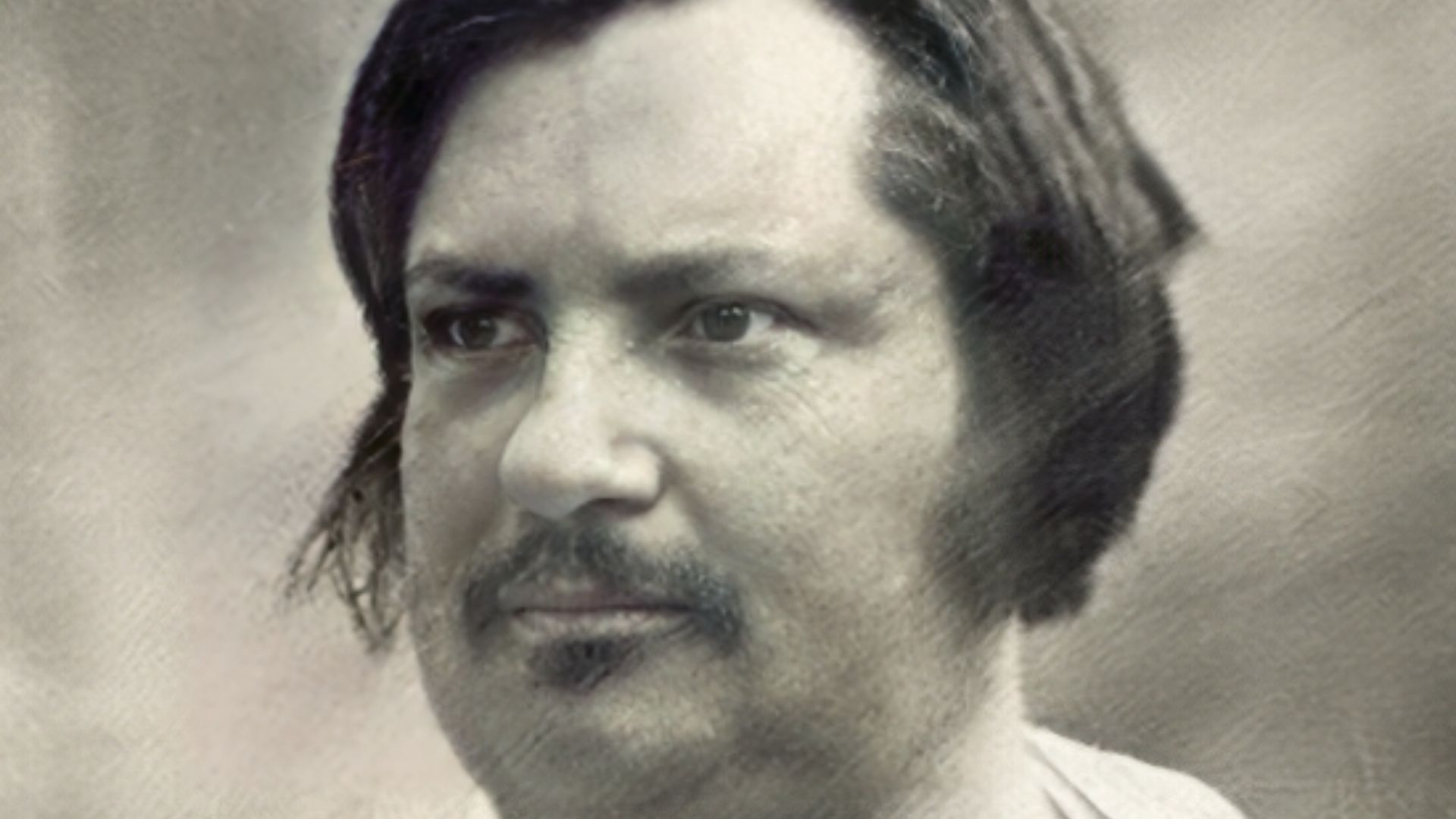 Louis-Auguste Bisson on Wikimedia
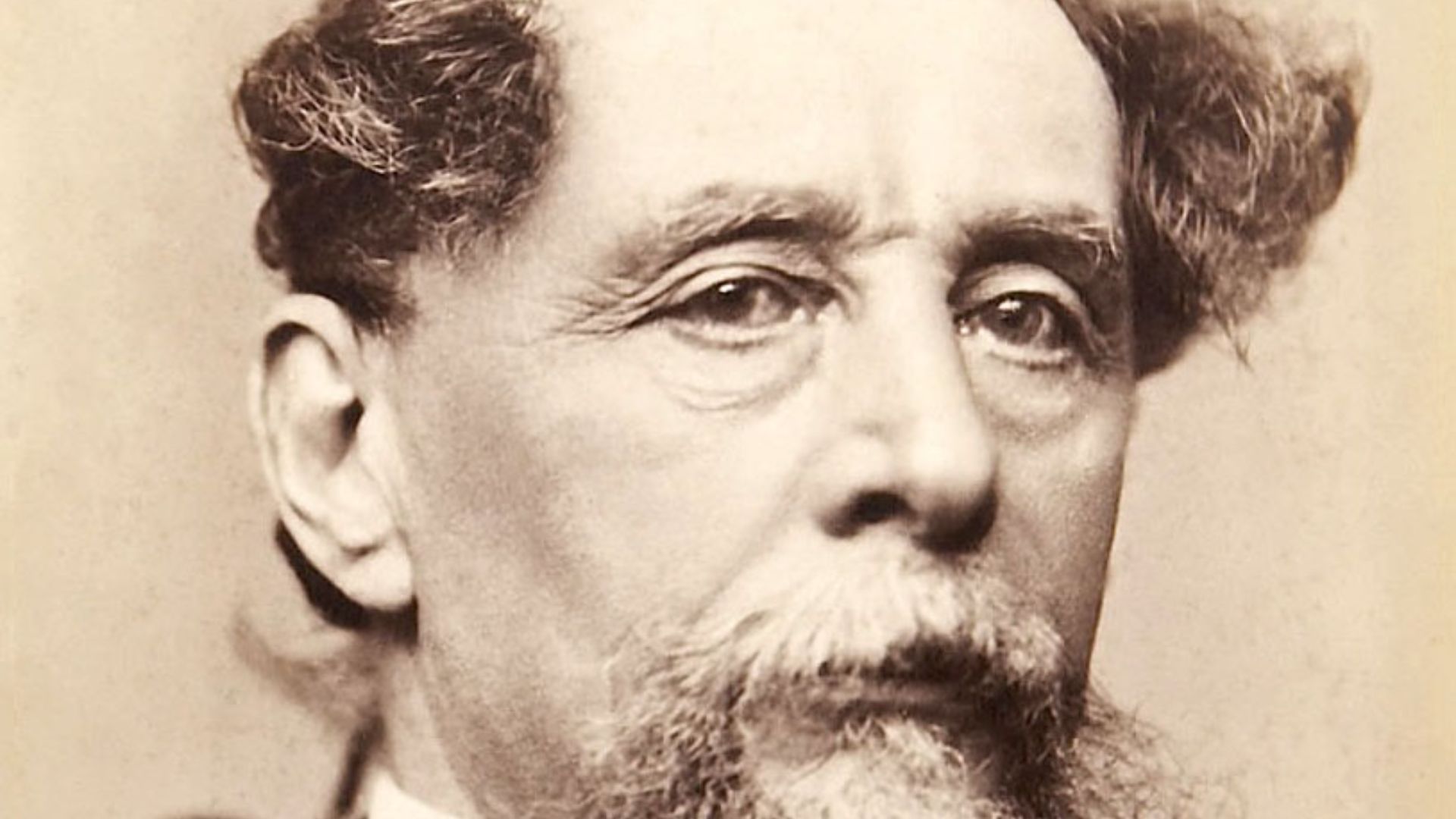
5. Charles Dickens' North-Facing Slumber
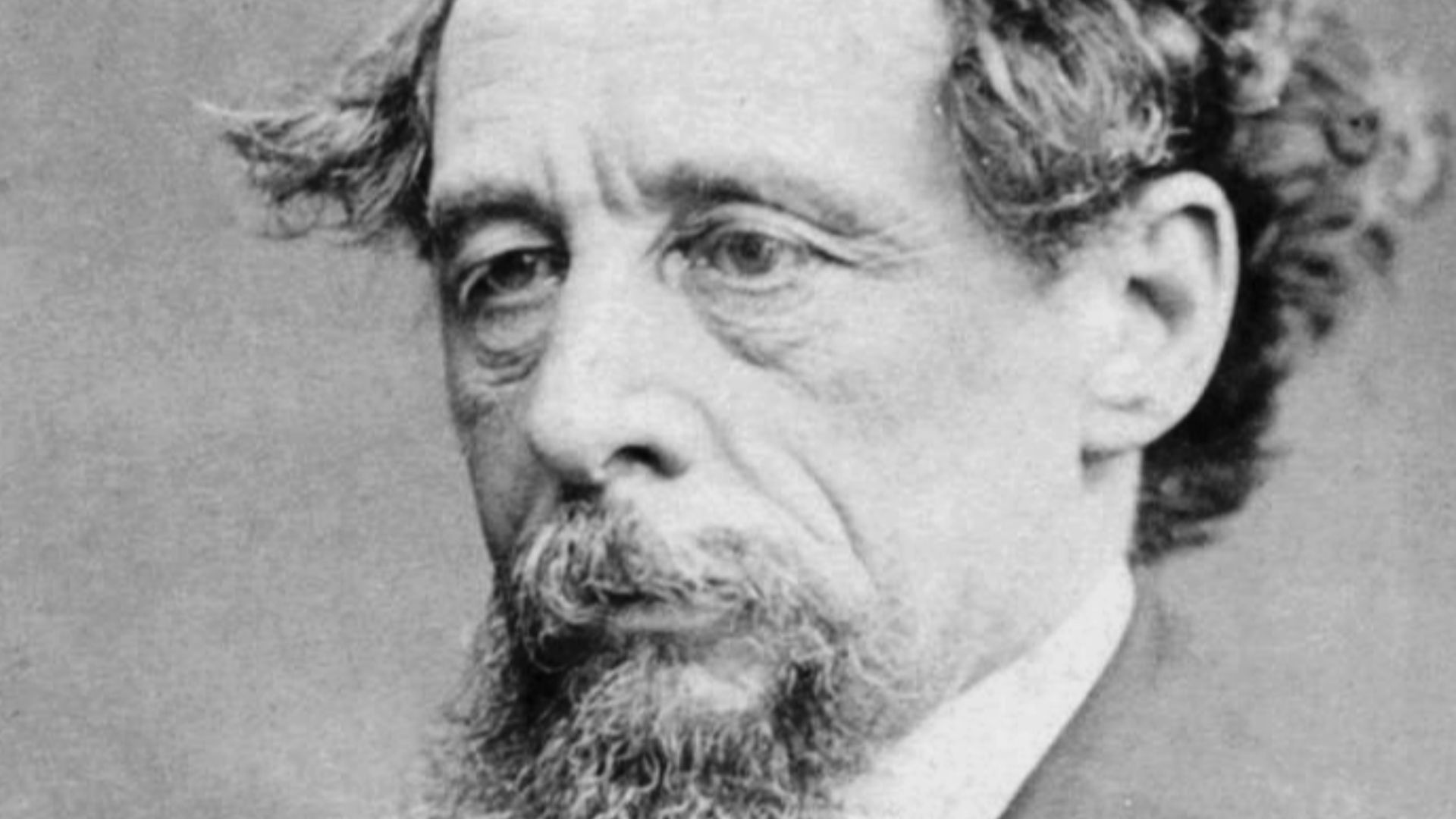
The author of legendary novels like A Tale of Two Cities was incredibly fussy about how his furniture was arranged. He carried a compass everywhere he traveled because he absolutely refused to sleep in a bed that didn't face due north. He believed that aligning his body with the magnetic currents of the Earth was the only way to boost his daily creativity.
6. Salvador Dalí's Falling Key Trick
To capture the bizarre imagery for his surreal paintings, this iconic artist mastered the art of micro-napping with a heavy metal key in his hand. He would place a metal pan on the floor directly beneath his arm right as he drifted off to sleep. The exact second he lost consciousness, his fingers would relax, dropping the key to wake him up with fresh dream imagery.
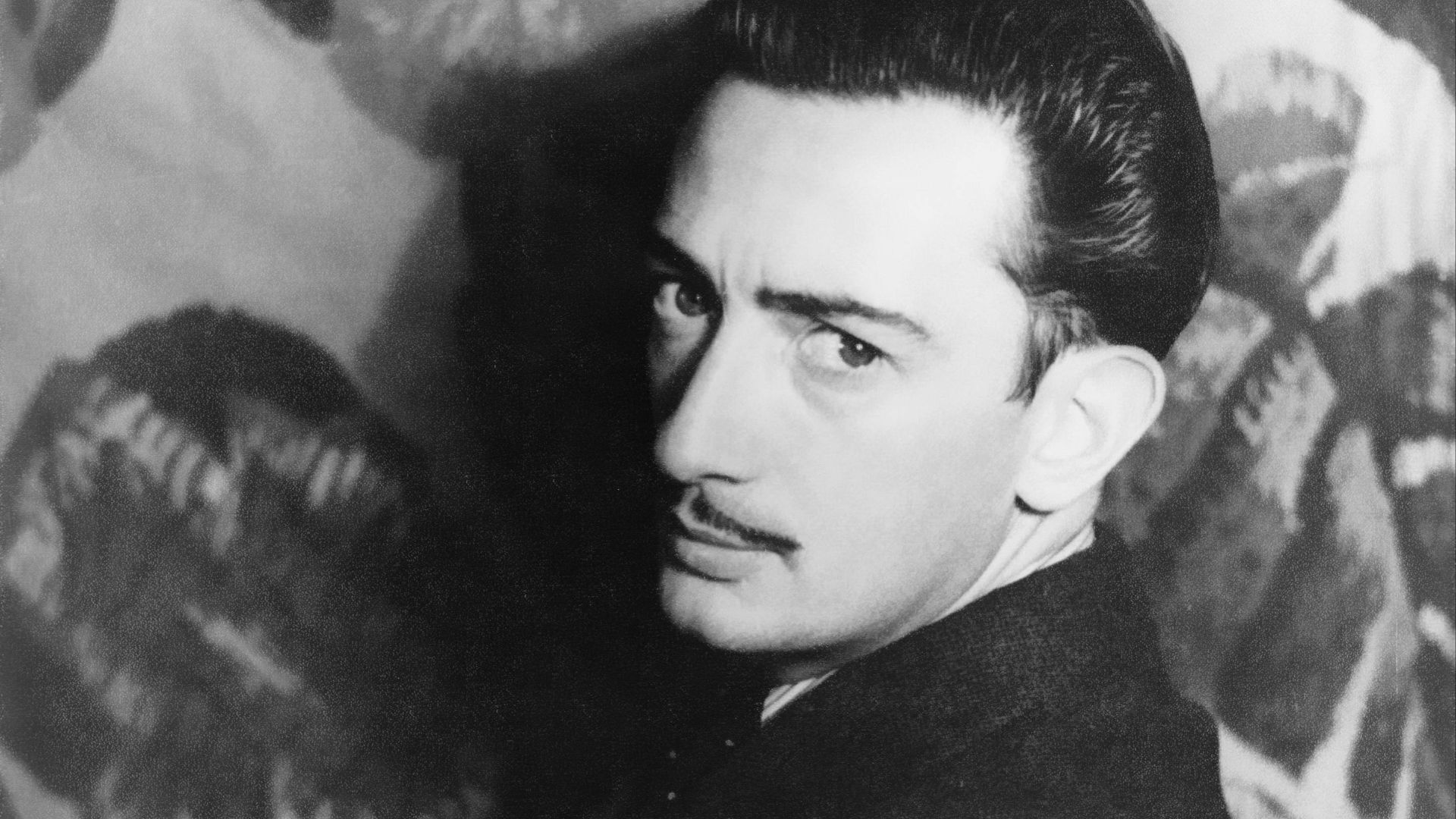 Van Vechten, Carl, 1880-1964. on Wikimedia
7. Igor Stravinsky's Creativity Headstands
Famous composer Igor Stravinsky wasn’t above lying face down on the floor to brainstorm. If he ever ran into writer’s block, he immediately dropped and went into a headstand. Stravinsky figured being upside down would rejuvenate his creativity and get the ideas flowing again.
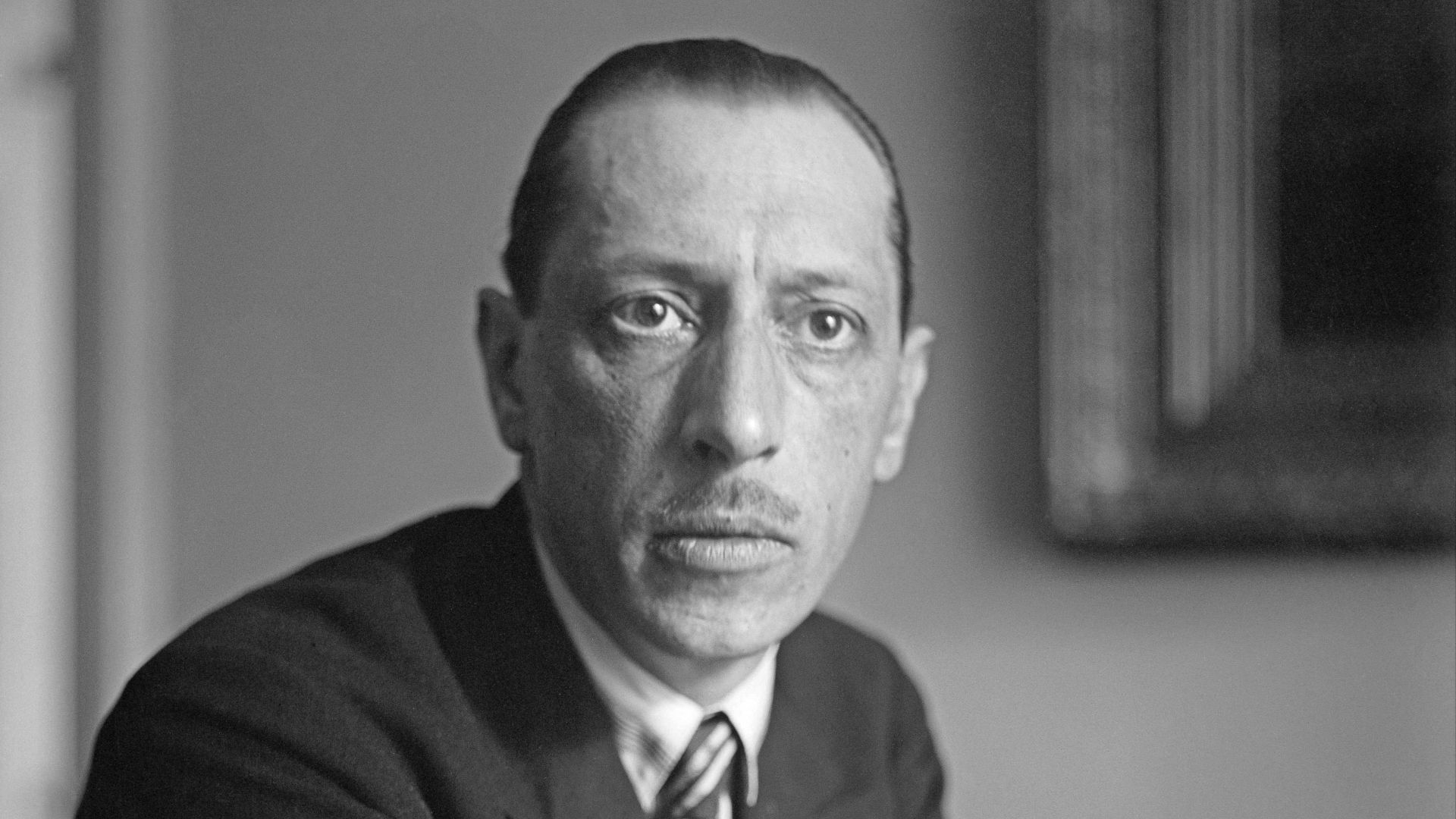 George Grantham Bain Collection on Wikimedia
8. Friedrich Schiller's Stash of Rotten Apples
Schiller kept rotting apples in his desk drawer to sniff whenever he got writer’s block. Whenever his brain felt foggy, he’d open the drawer and take a deep whiff of fermented apple juice to clear his mind. Weird, but it worked for him.
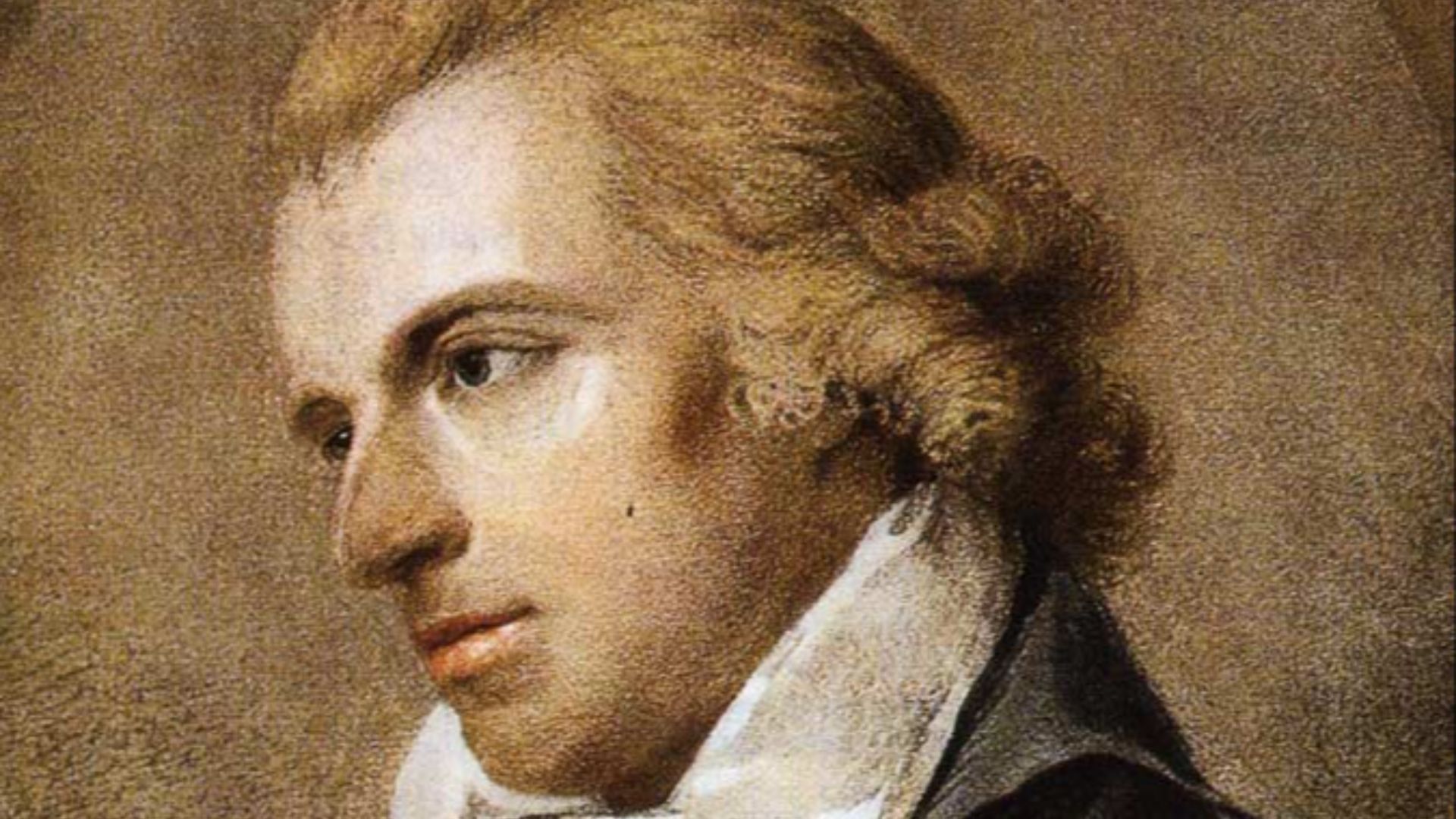 Ludovike Simanowiz on Wikimedia
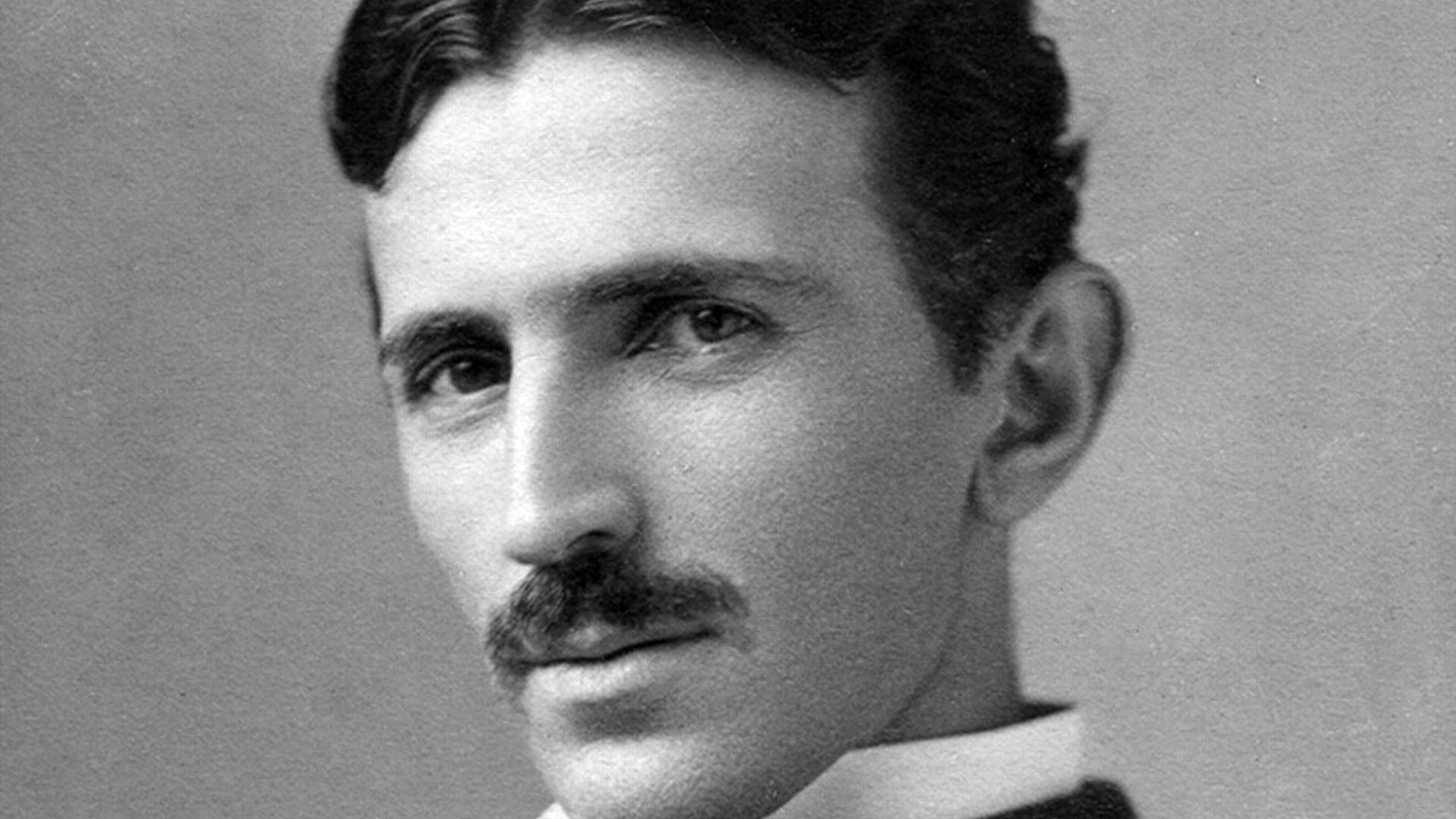
9. Nikola Tesla's Extreme Polyphasic Sleep
You definitely won’t find Nikola Tesla downing espresso shots or loading up on caffeine pills. He created his genius ideas on a strict polyphasic sleep schedule of twenty-minute naps. Tesla only slept for four hours a day in 20-minute increments, allowing for up to 22 hours of productive thinking time.
10. Agatha Christie's Deskless Bathtub Brainstorming
Despite writing over eighty iconic mystery novels, this legendary author never actually owned a proper writing desk. She preferred to eat fresh apples in a warm bathtub while working out the intricate plots for her detective stories. Once she knew exactly how the mystery would unfold, she'd type up the manuscript on any random table she could find.
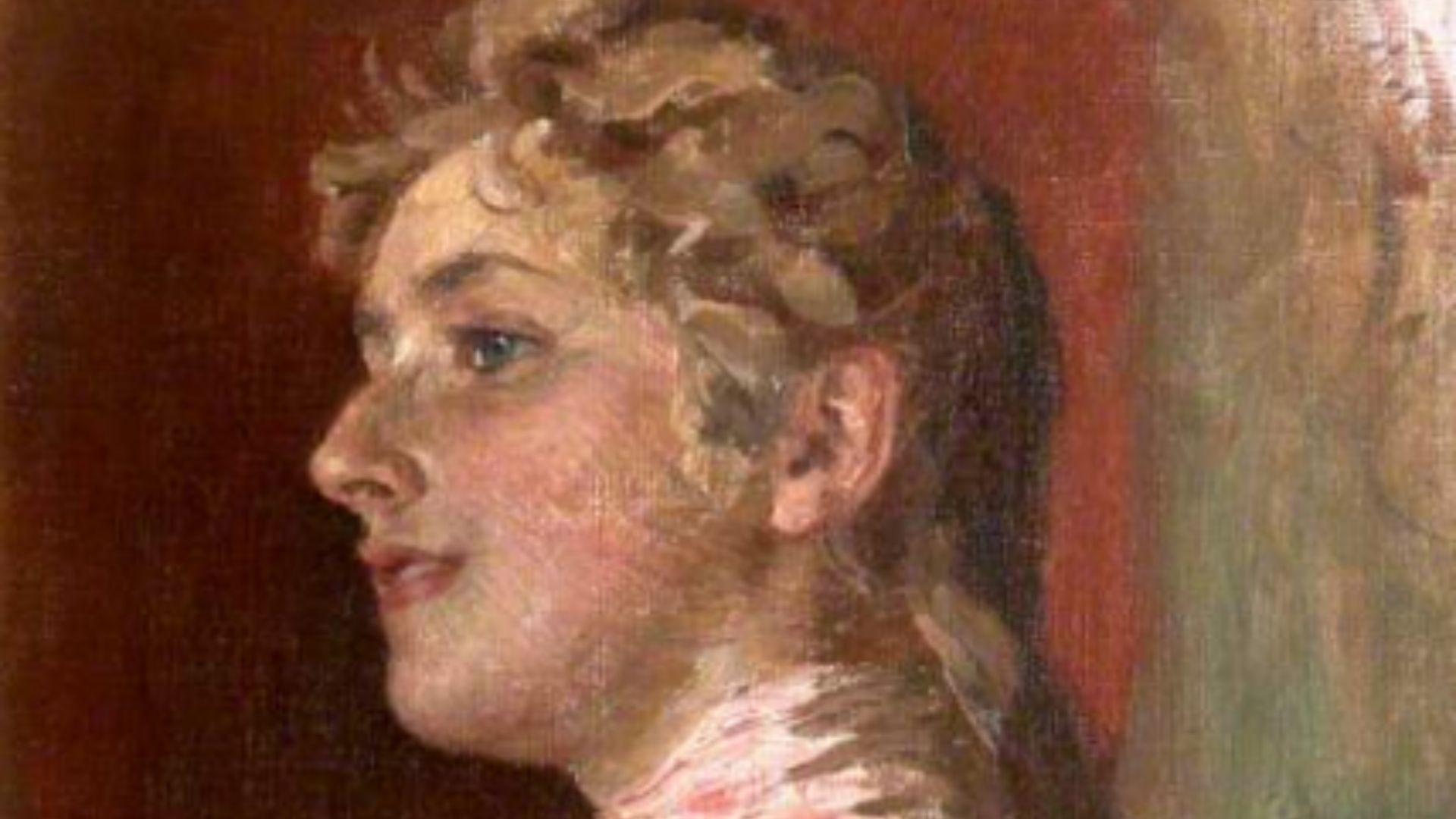 Nathaniel Hughes John Baird on Wikimedia
11. Maya Angelou's Plain Hotel Isolation
Finding the perfect writing spot was impossible for poet Maya Angelou. Angelou only wrote her important works in bare hotel rooms from morning to afternoon. She didn’t want fancy decorations or artwork getting in the way of her thoughts, so she had the hotel staff strip the room of them.
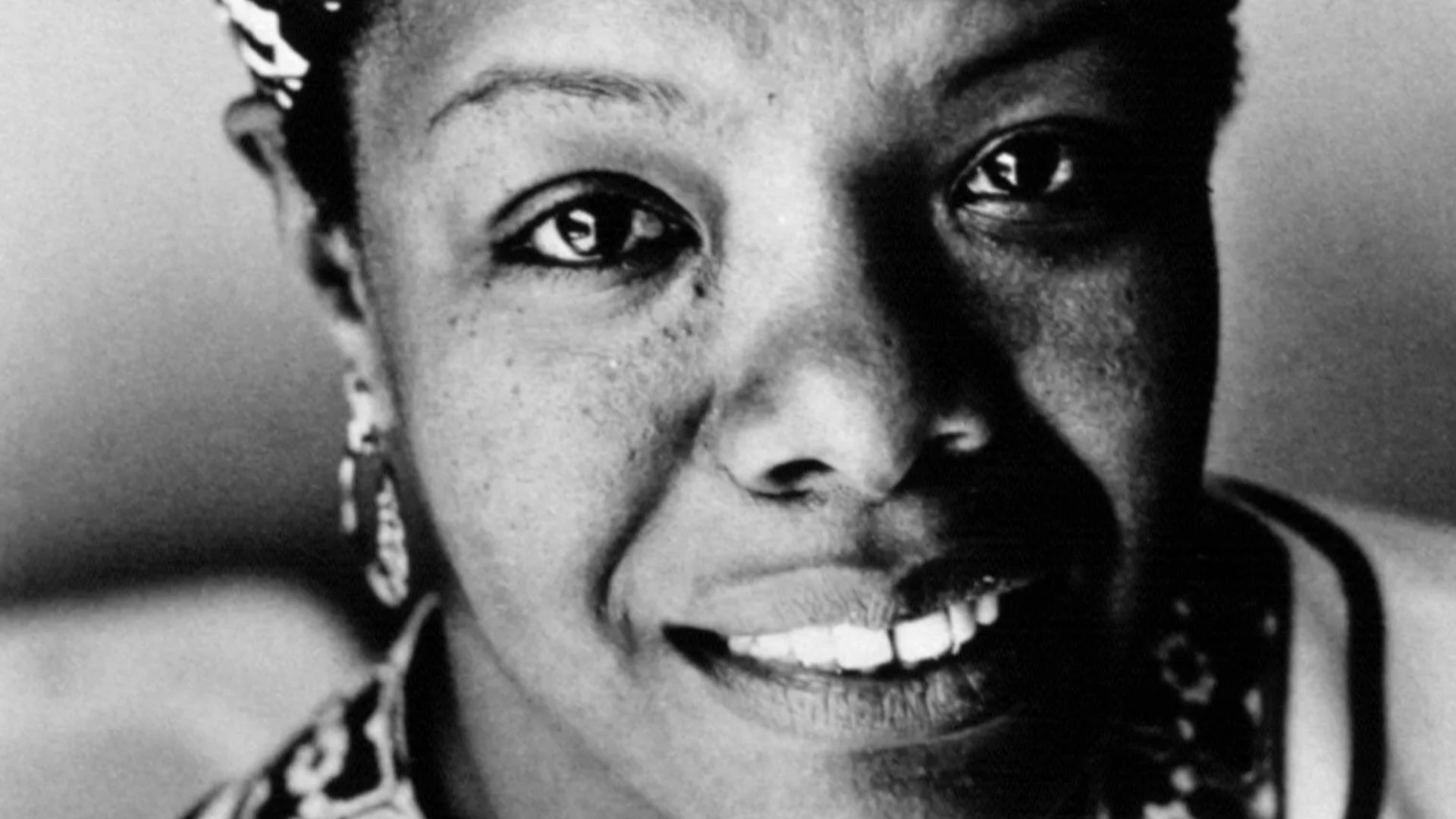 Unknown authorUnknown author on Wikimedia
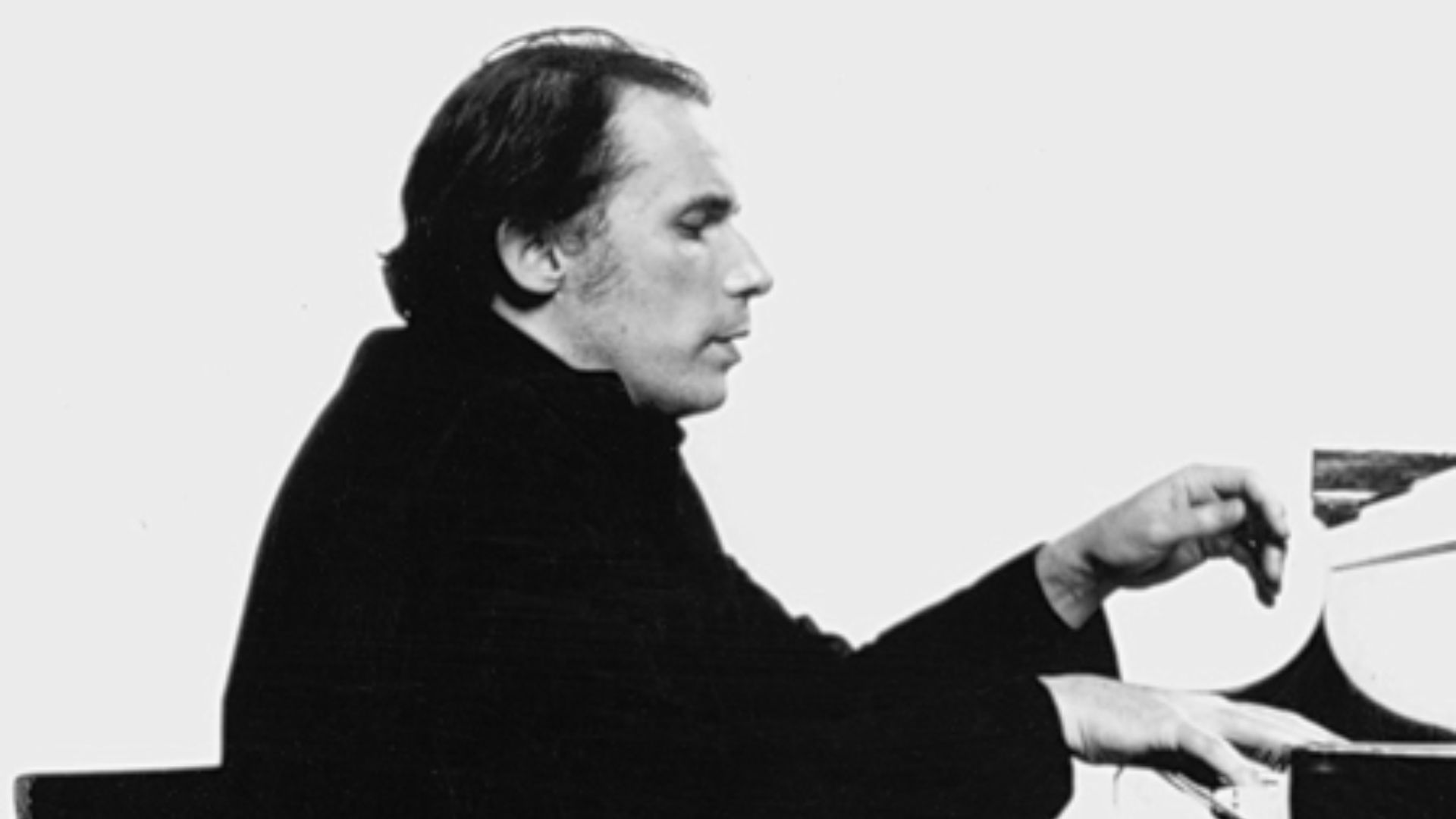
12. Glenn Gould's Strategic Music Fasting
This world-renowned classical pianist firmly believed that eating a full meal before a performance completely dulled his musical genius. He would completely fast on the days he recorded music because he felt a hungry belly made his mind incredibly sharp. You might find your stomach growling too loudly to think, but he needed that physical emptiness to perform at his absolute best.
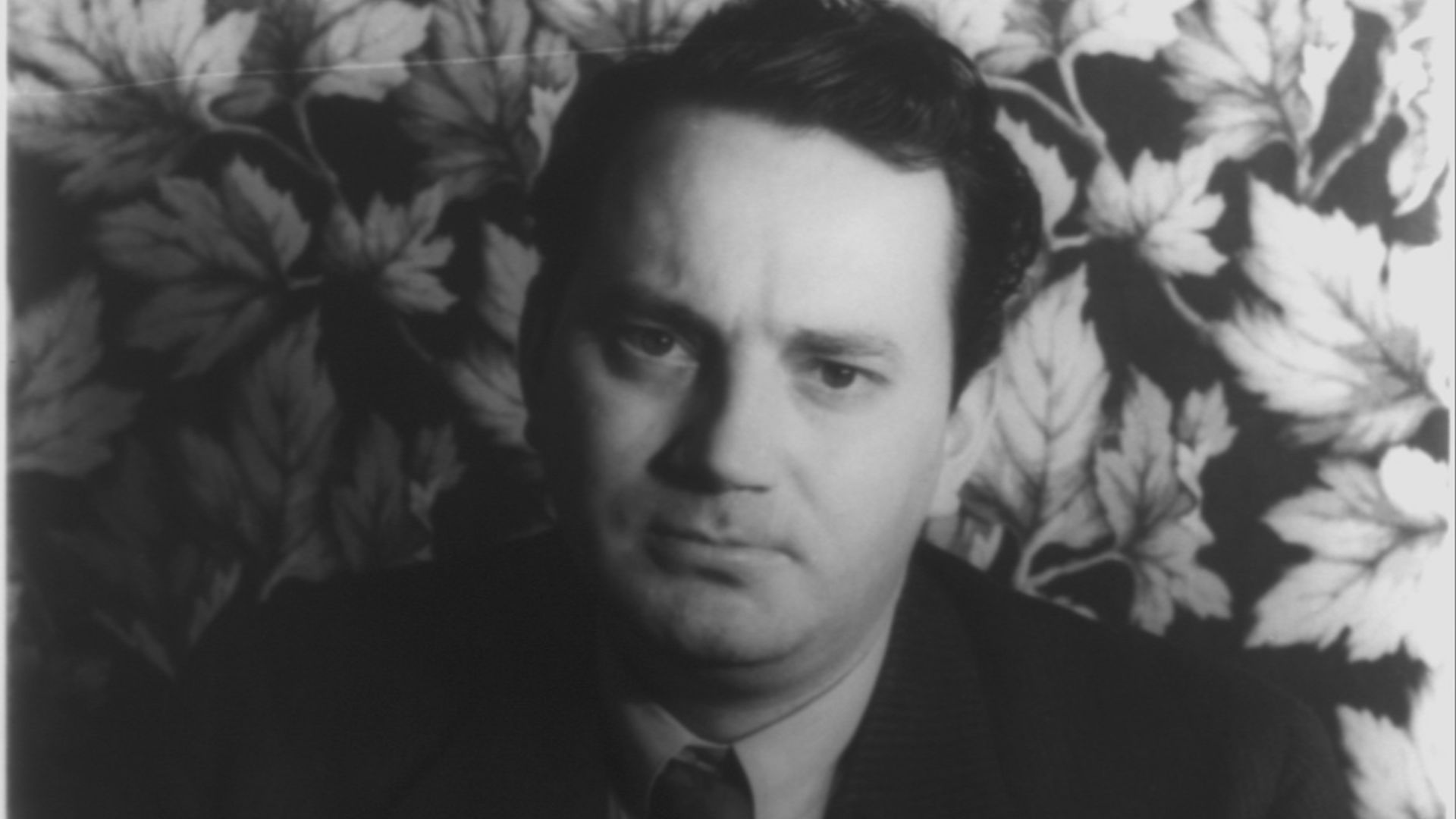
13. Thomas Wolfe's Refrigerator Desktop
Standing at an impressive six feet and six inches tall, this prominent American novelist couldn't stand sitting at standard furniture. He decided to use the top of his refrigerator as a standing desk to write his sprawling, epic manuscripts. He would pace around his kitchen, write a few sentences while standing over the appliance, and then resume his pacing.
14. Jonathan Franzen's Total Sensory Deprivation
Want to block out distractions? Try wearing a blindfold, some earmuffs, and earplugs like Jonathan Franzen. The author wore goggles while he worked on his computer to limit distractions.
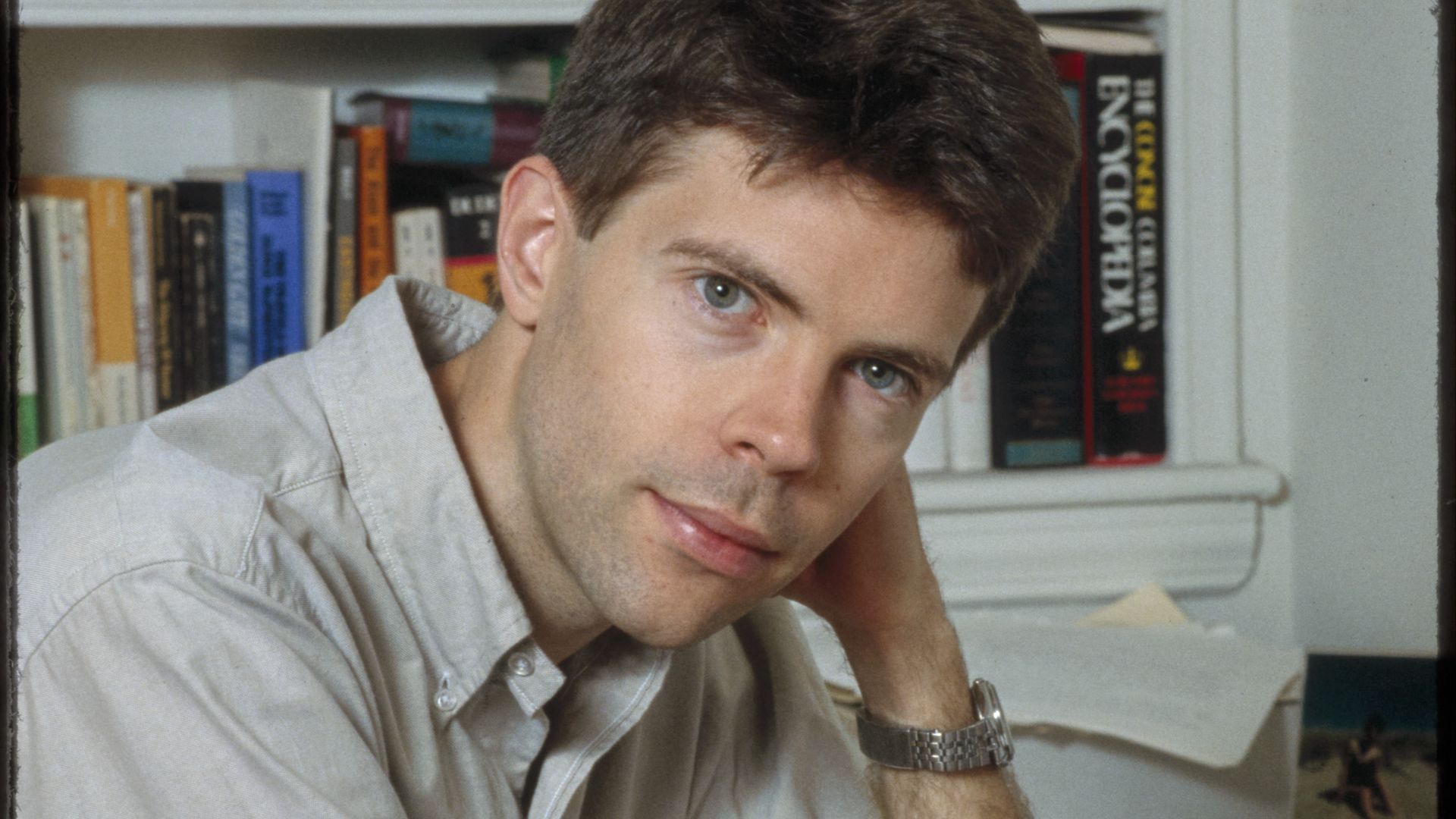 Gotfryd, Bernard, photographer on Wikimedia
15. Virginia Woolf's Artistic Standing Stance
Long before modern office workers started obsessing over ergonomic furniture, this brilliant novelist wrote her masterpieces at a tall standing desk. Her motivation wasn't about health or fitness, as she simply wanted to mimic the physical stance of a painter. She liked being able to easily step away from her work to view her sentences from a completely different physical perspective.
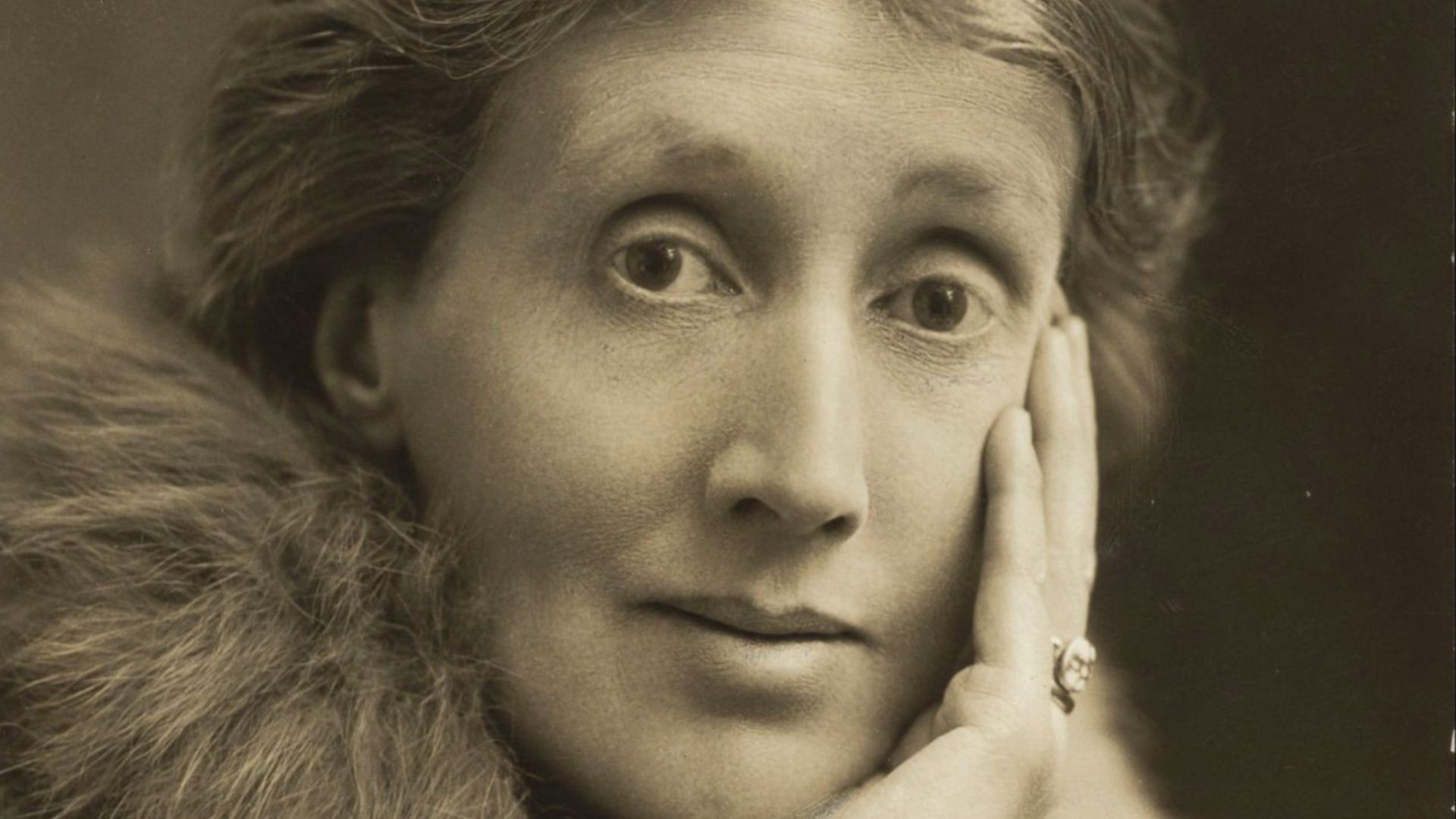 Unknown authorUnknown author on Wikimedia
16. Jonathan Edwards' Pin-and-Paper Horseback System
Jonathan Edwards came up with great ideas while horseback riding but couldn’t write everything down. He would tack small bits of paper to his clothing with the thoughts written on them. By the time he rode back to his study, Edwards had paper scraps all over him reminding him what to write about.
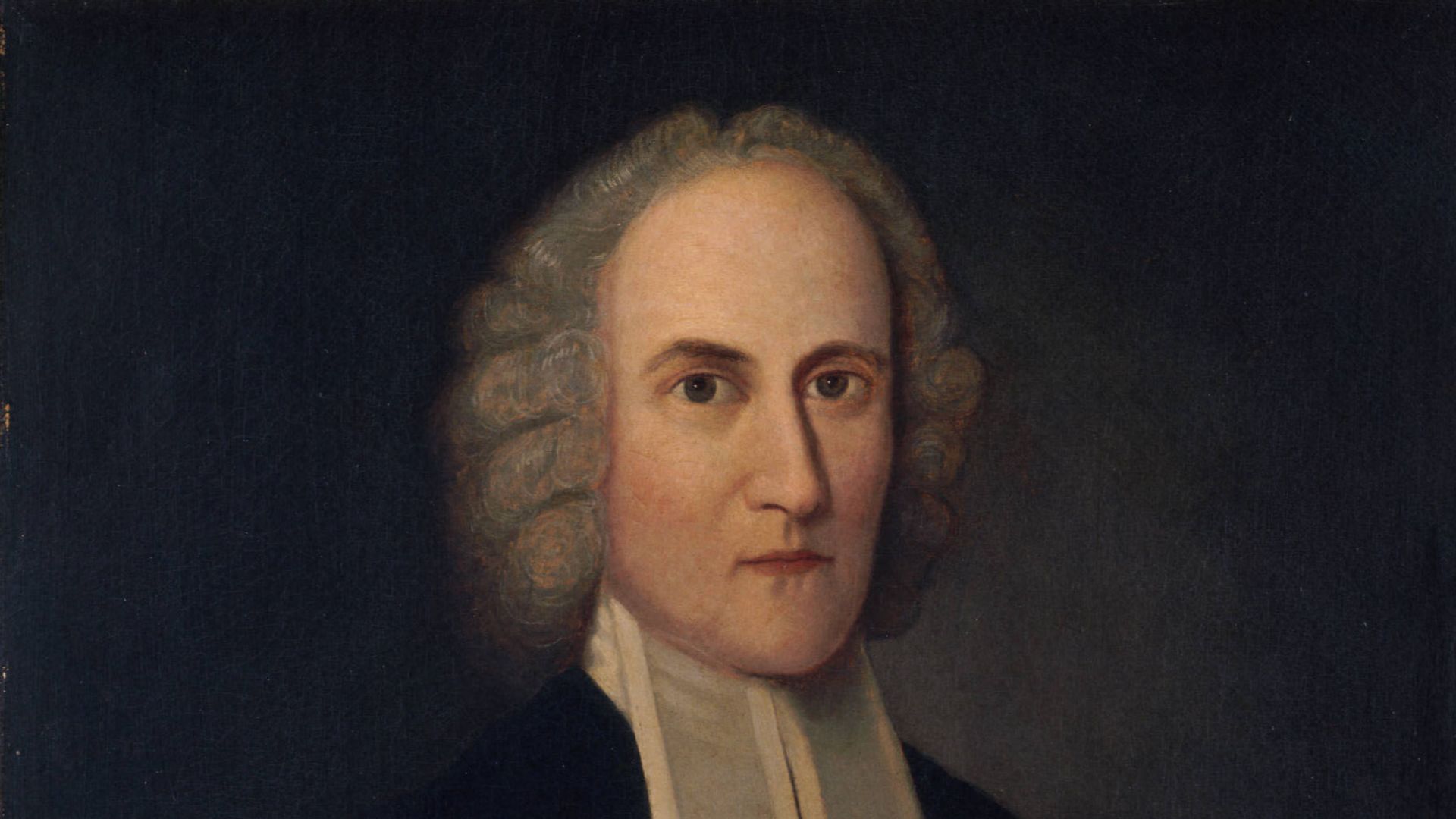 Henry Augustus Loop after Joseph Badger on Wikimedia
17. Vladimir Nabokov's Index Card Shuffling
The famous author of Lolita completely refused to write his book drafts in a standard, linear notebook. He wrote every single paragraph on individual index cards so he could easily rearrange his story with a quick shuffle. This unique method allowed him to write scenes completely out of order whenever inspiration happened to strike.
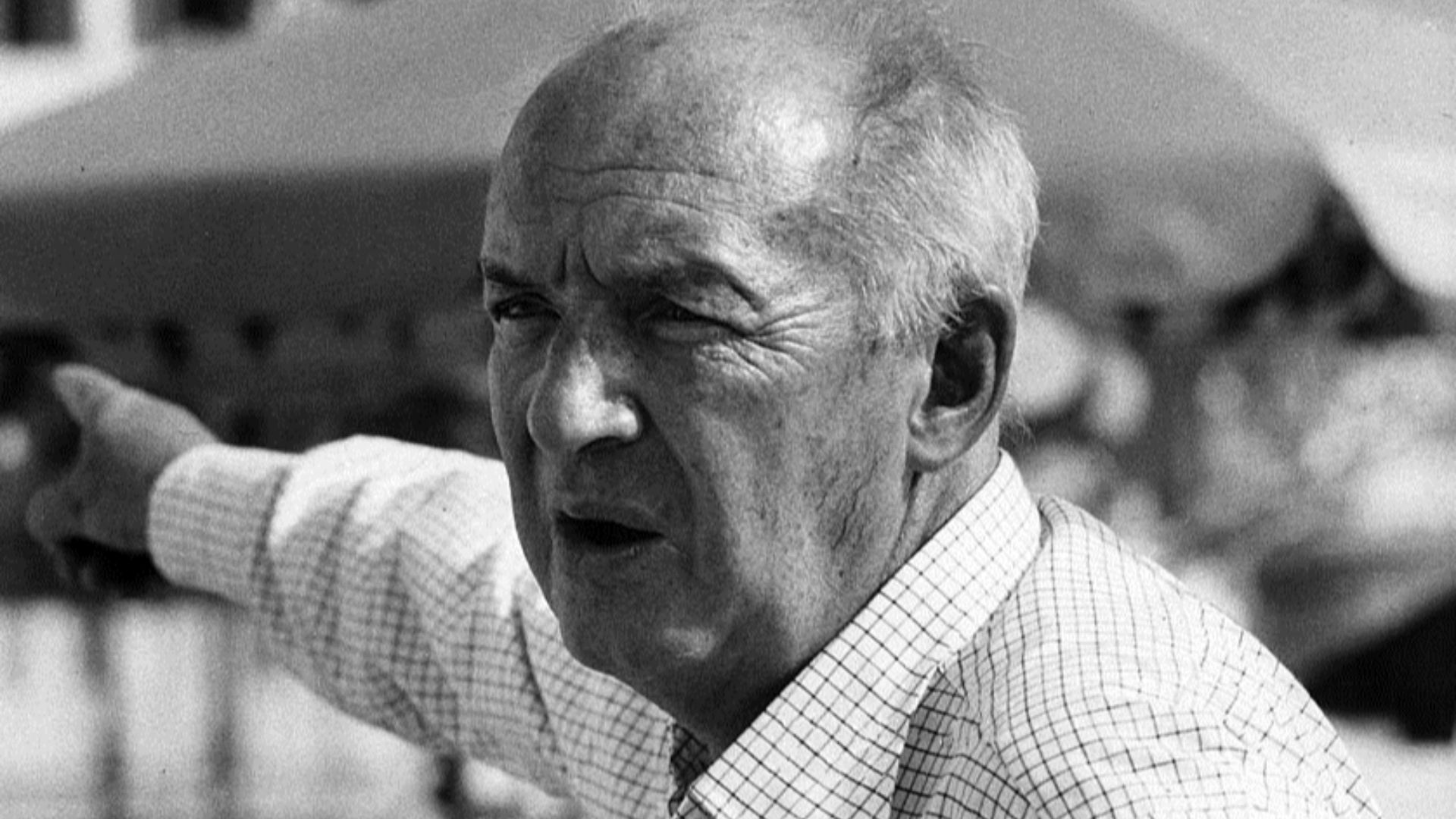 Walter Mori (Mondadori Publishers) on Wikimedia
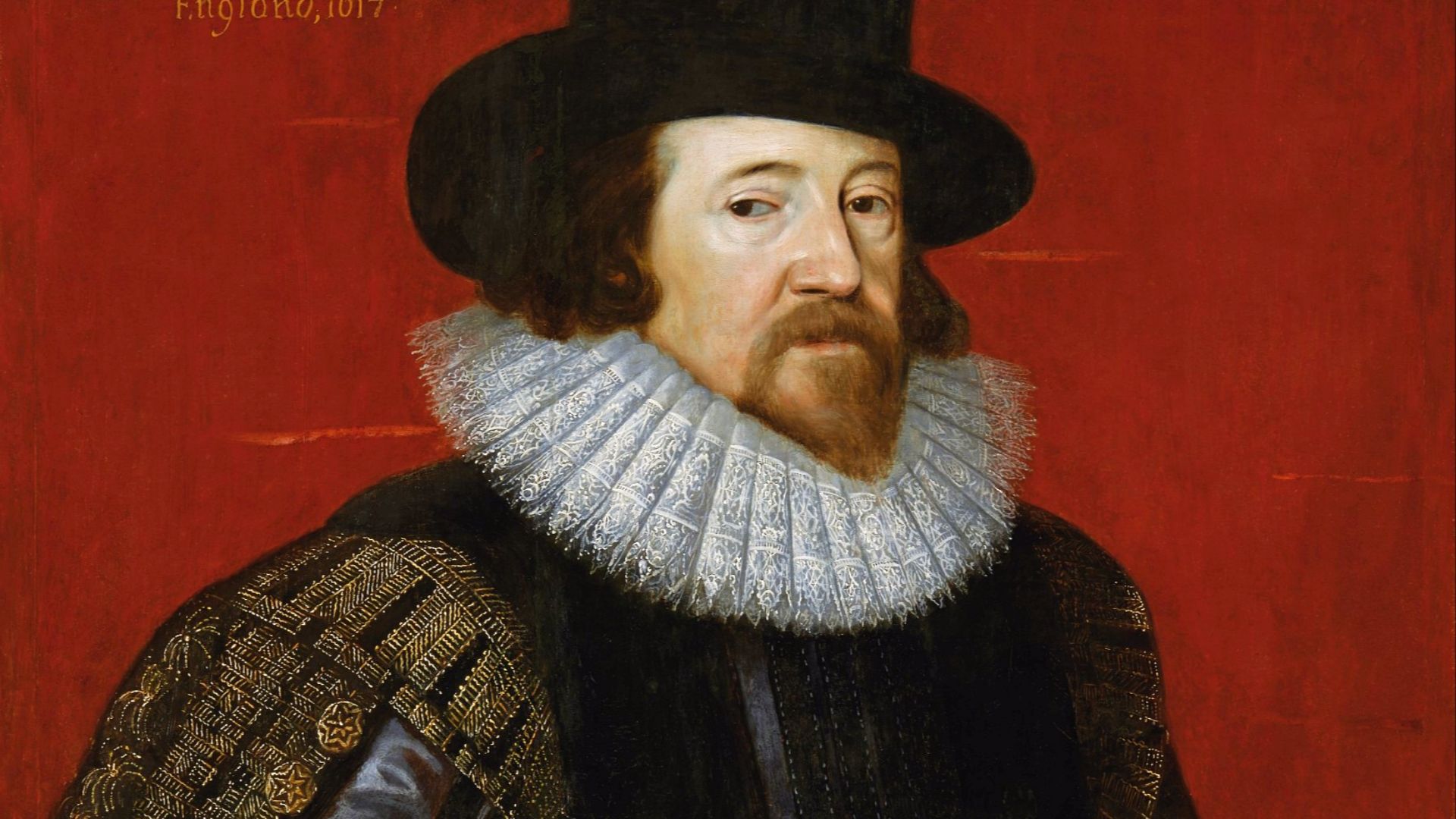
18. Francis Bacon's Morning Paint Sessions
This highly successful and controversial British painter loved to spend his nights drinking with friends until the early morning hours. He would head straight to his studio at daybreak because he actually preferred to paint while dealing with a brutal hangover. He claimed the physical misery stripped away his inhibitions.
 Paul van Somer I / Formerly attributed to Frans Pourbus the Younger on Wikimedia
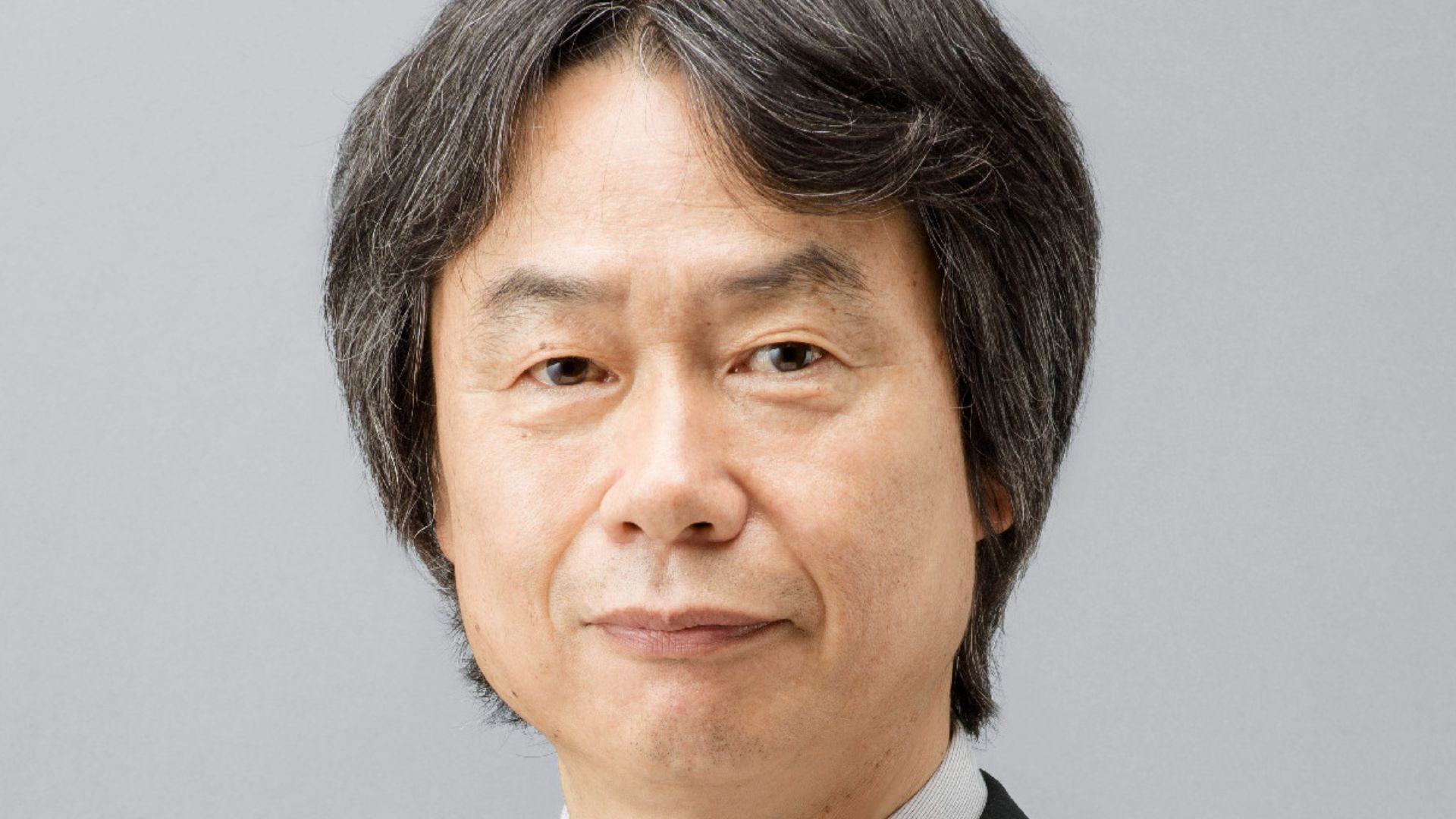
19. Shigeru Miyamoto's Obsessive Tape Measuring
Ever wonder how Nintendo game designer Shigeru Miyamoto keeps a sharp eye for detail? He guessed the dimensions of random objects throughout the day and measured them. He got into the habit of carrying around a tape measure so he could constantly test his observational skills.
 Minister's Secretariat Personnel Division on Wikimedia
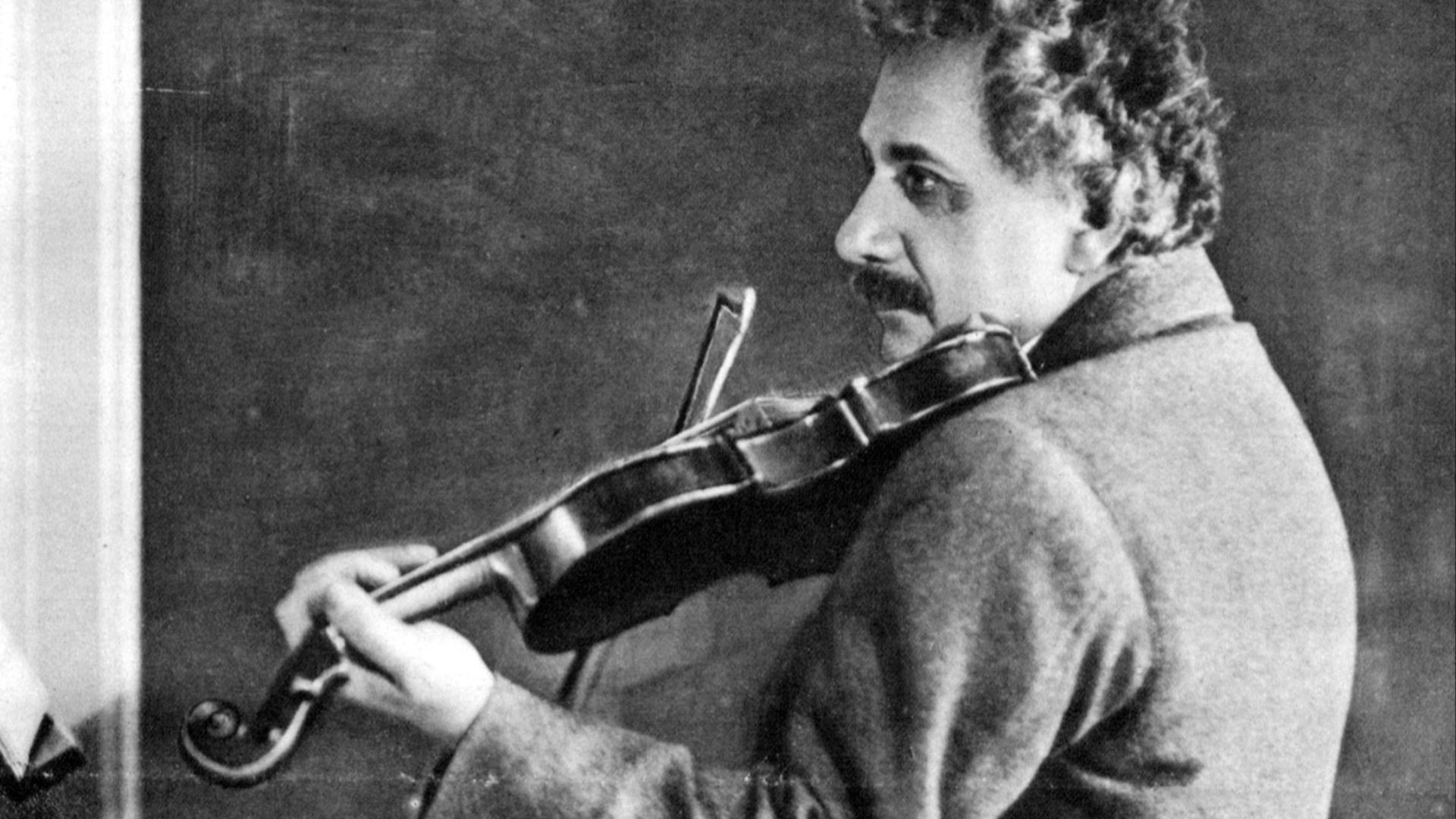
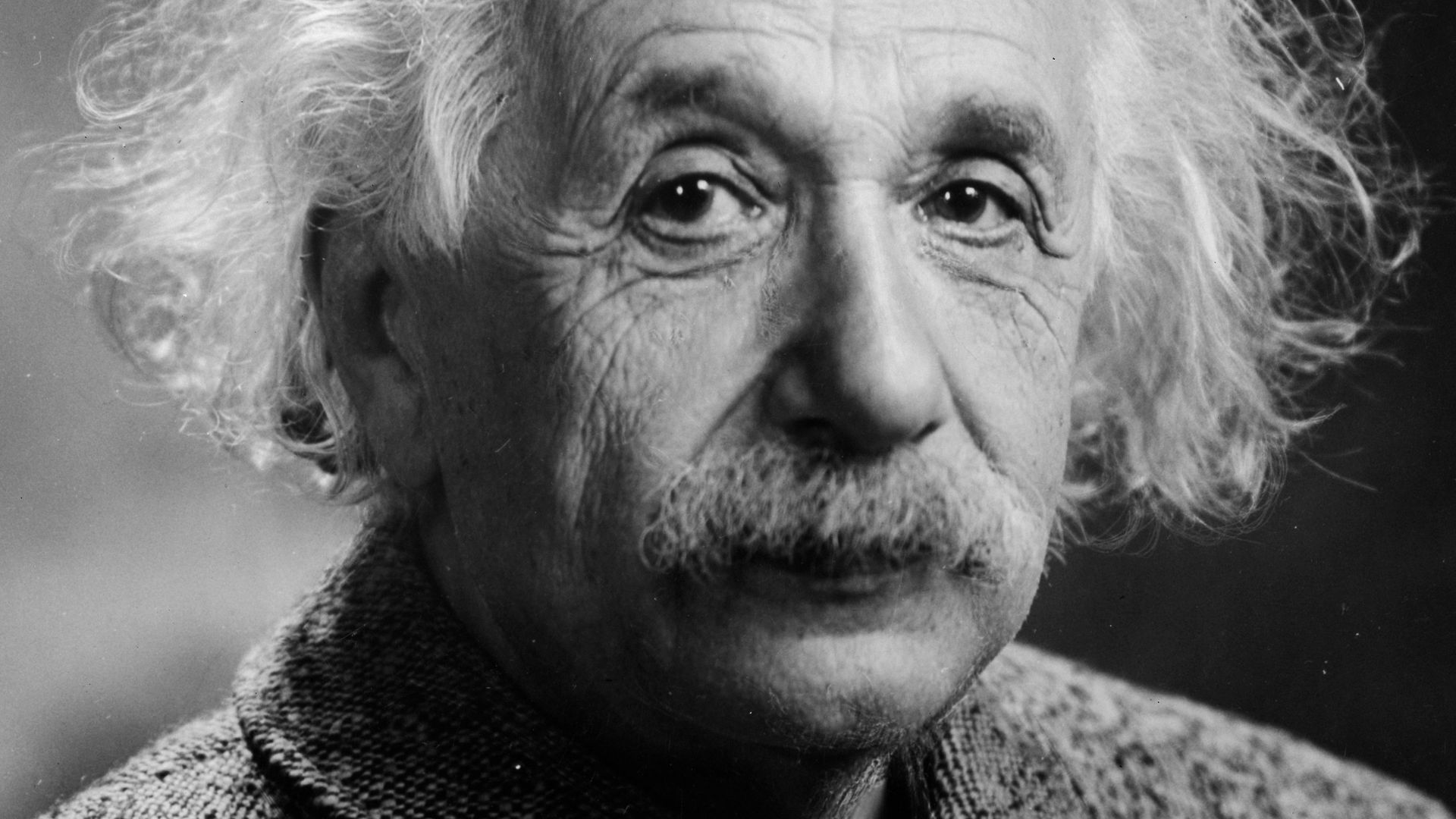
20. Albert Einstein's Ten-Hour Sleep Rule
While some swear by restricting their sleep, Albert Einstein did the complete opposite. He slept for ten hours a night and took extra naps during the day to fuel his dreams. Einstein protected his sleep schedule religiously because he believed his theories needed time to marinate.
KEEP ON READING