Objects That Don't Make Sense
Walk into any museum and you'll find no shortage of strange, meticulously preserved relics. But past the predictable displays of pottery, coins, and the occasional sword, every so often an object turns up that leaves everyone, including researchers, scratching their heads for decades. Take the Shroud of Turin, for example, a tattered piece of linen with a faint outline of a crucified man that many believe to be Jesus. Or the Lycurgus Cup, a color-changing goblet that took modern scientists a good while to understand how to achieve its effect after examining it under a microscope. As you read through this list, you'll find each point more bizarre than the last, serving as a reminder that those who came before us have left behind some of the strangest pieces of physical evidence ever known.
1. Stonehenge
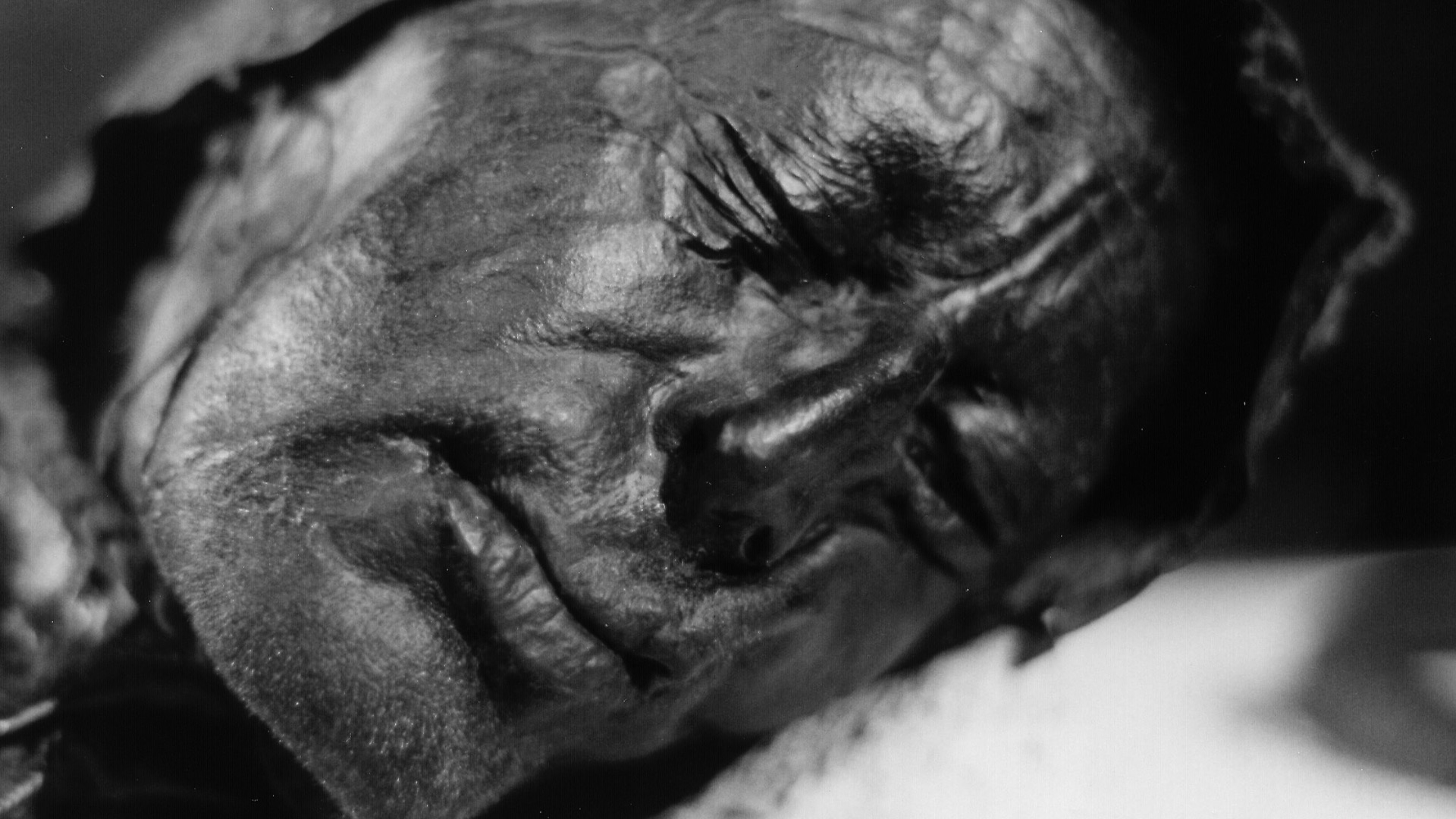
You've probably seen a photo of Stonehenge a hundred times, but the "how" and "why" behind it are still up for debate. Builders moved some of the massive bluestones nearly 150 miles from Wales, an achievement that seems almost impossible without modern machinery. Theories about its purpose range from an astronomical calendar to a burial site, and archaeologists still haven't landed on a single accepted answer.
2. The Voynich Manuscript
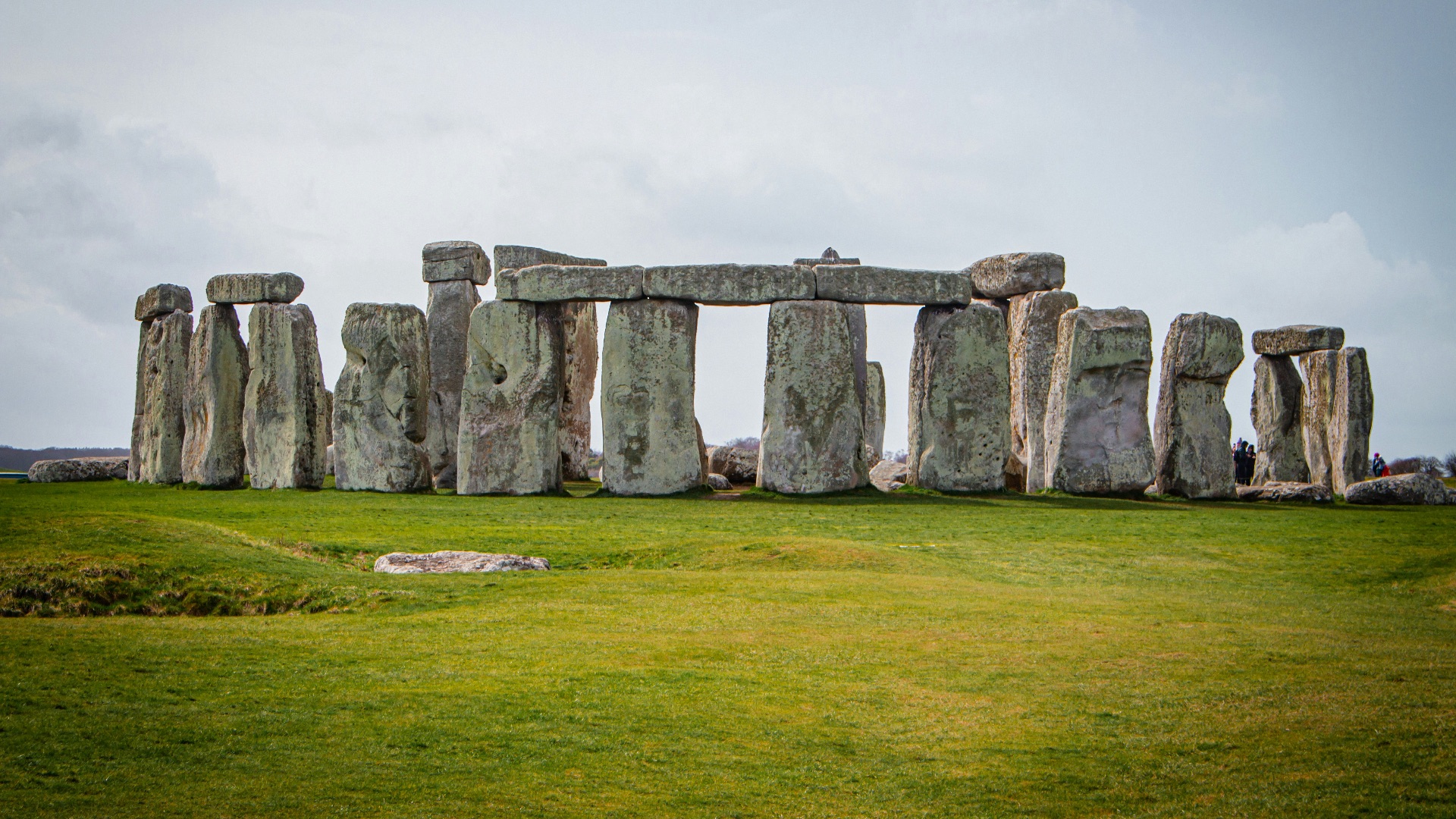
This early 15th-century book is filled with page after page of text written in a script nobody has ever managed to translate. Strange illustrations of plants that don't match any known species accompany the writing, adding another layer of confusion for researchers. Cryptographers, linguists, and even AI programs have all taken a crack at it, and the manuscript keeps its secrets to this day.
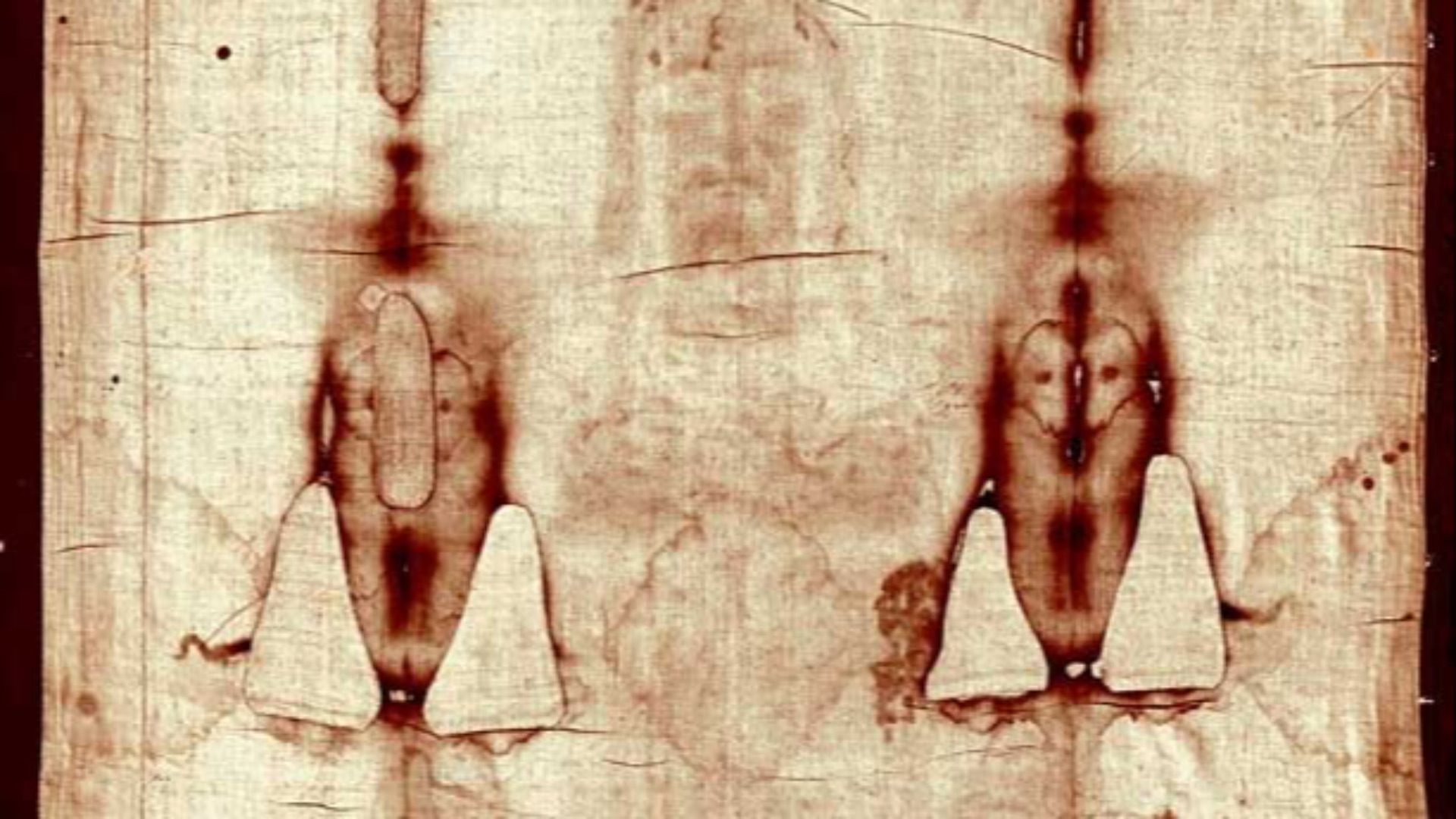
3. The Shroud of Turin
Believed by some to be the burial cloth of Jesus Christ, this linen fabric bears a faint image of a man's body that has fascinated and divided people for centuries. Carbon dating in the 1980s suggested the cloth originated in the medieval period, though skeptics of that test still argue the sample may have been contaminated. Scientists continue to study the fabric's fibers and staining patterns, and the debate over its authenticity shows no signs of cooling off.
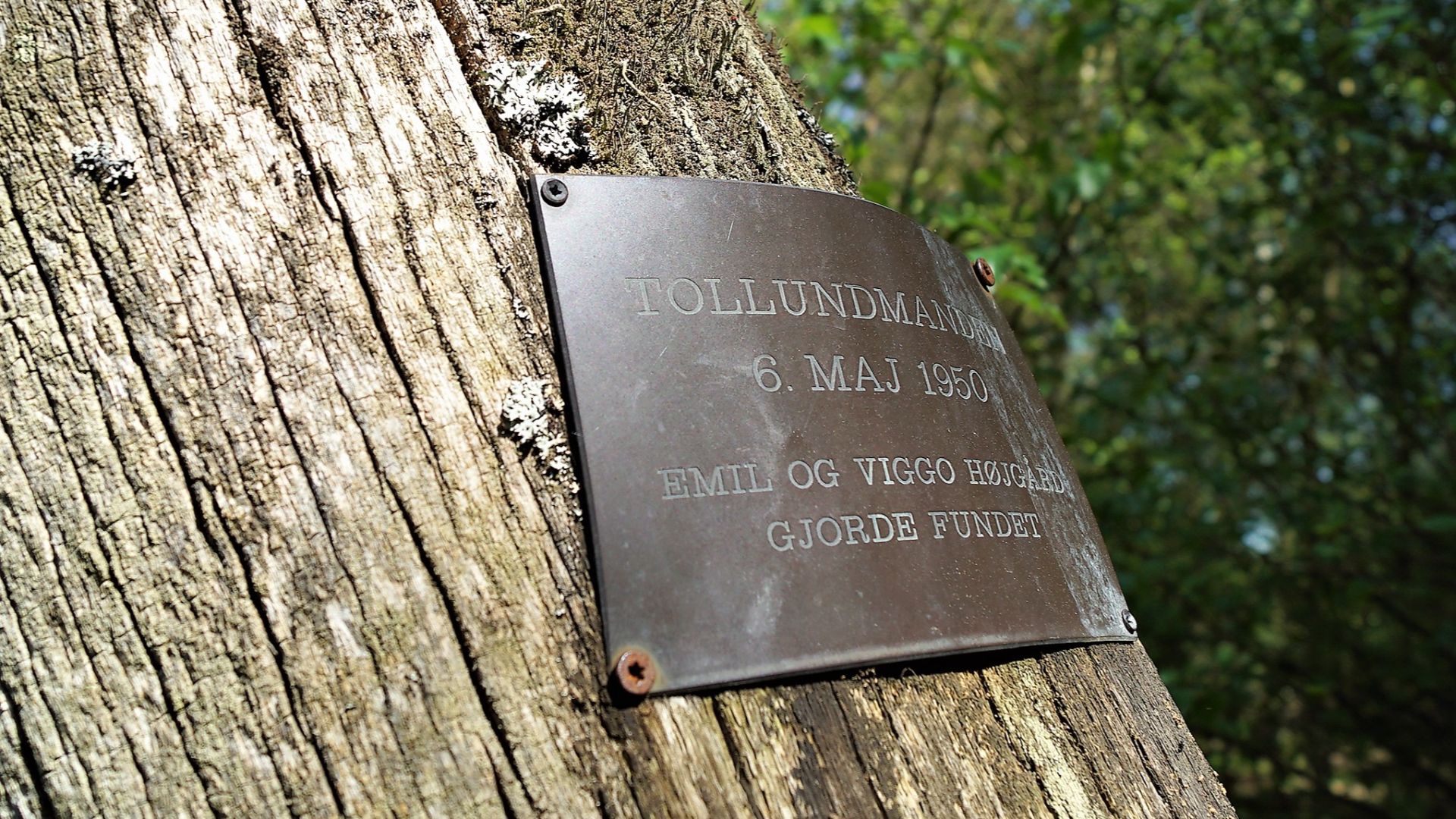
4. Tollund Man
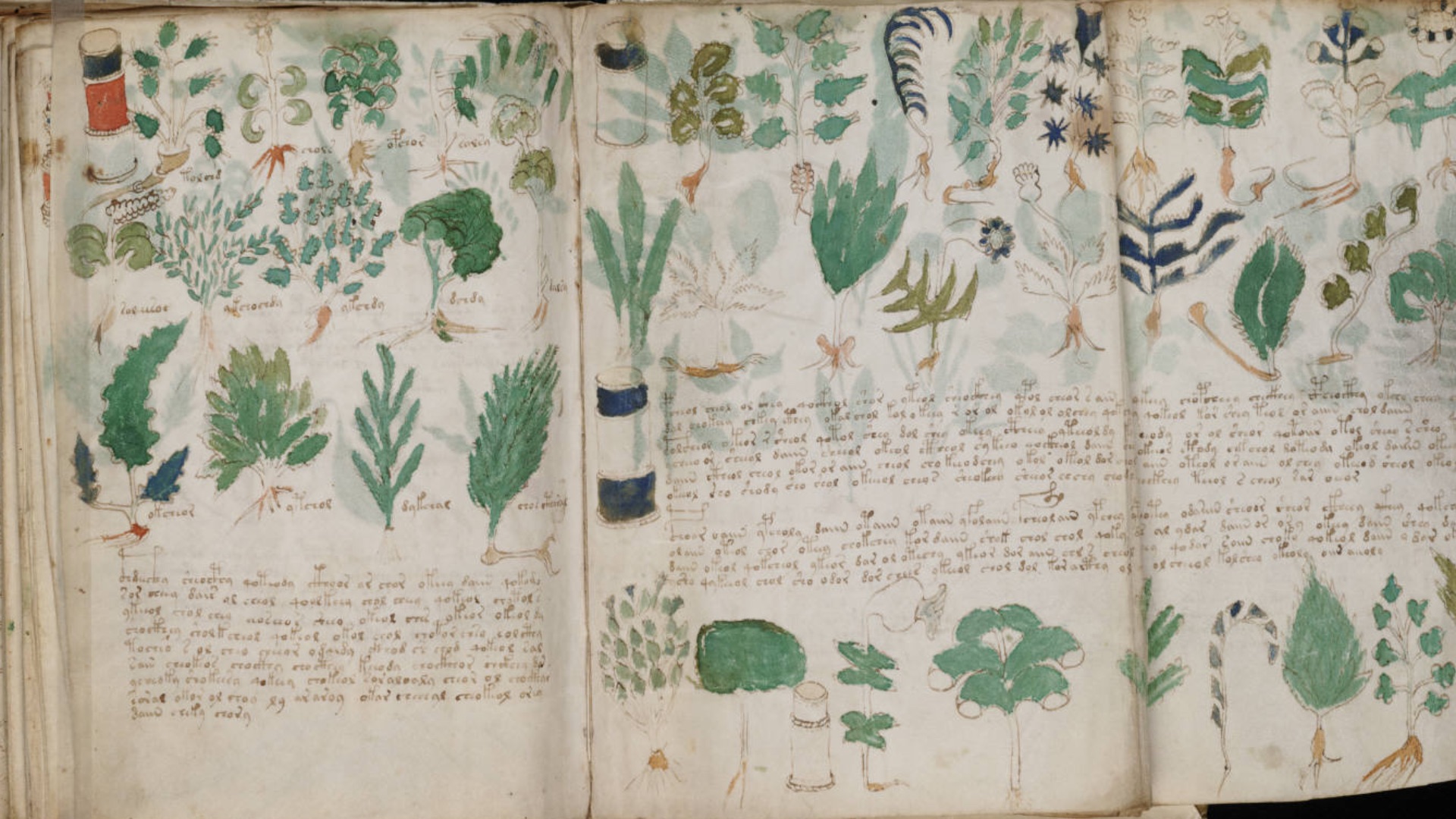
Pulled from a Danish peat bog in 1950, this Iron Age body was so well preserved that the men who found him initially thought they'd stumbled onto a recent murder victim. His facial expression looks almost peaceful, despite clear evidence that he was hanged before being placed in the bog. Researchers believe bodies like his were part of ritual sacrifices, though the exact reasoning behind these practices remains murky.
 Nils Jepsen /user:Nico on Wikimedia
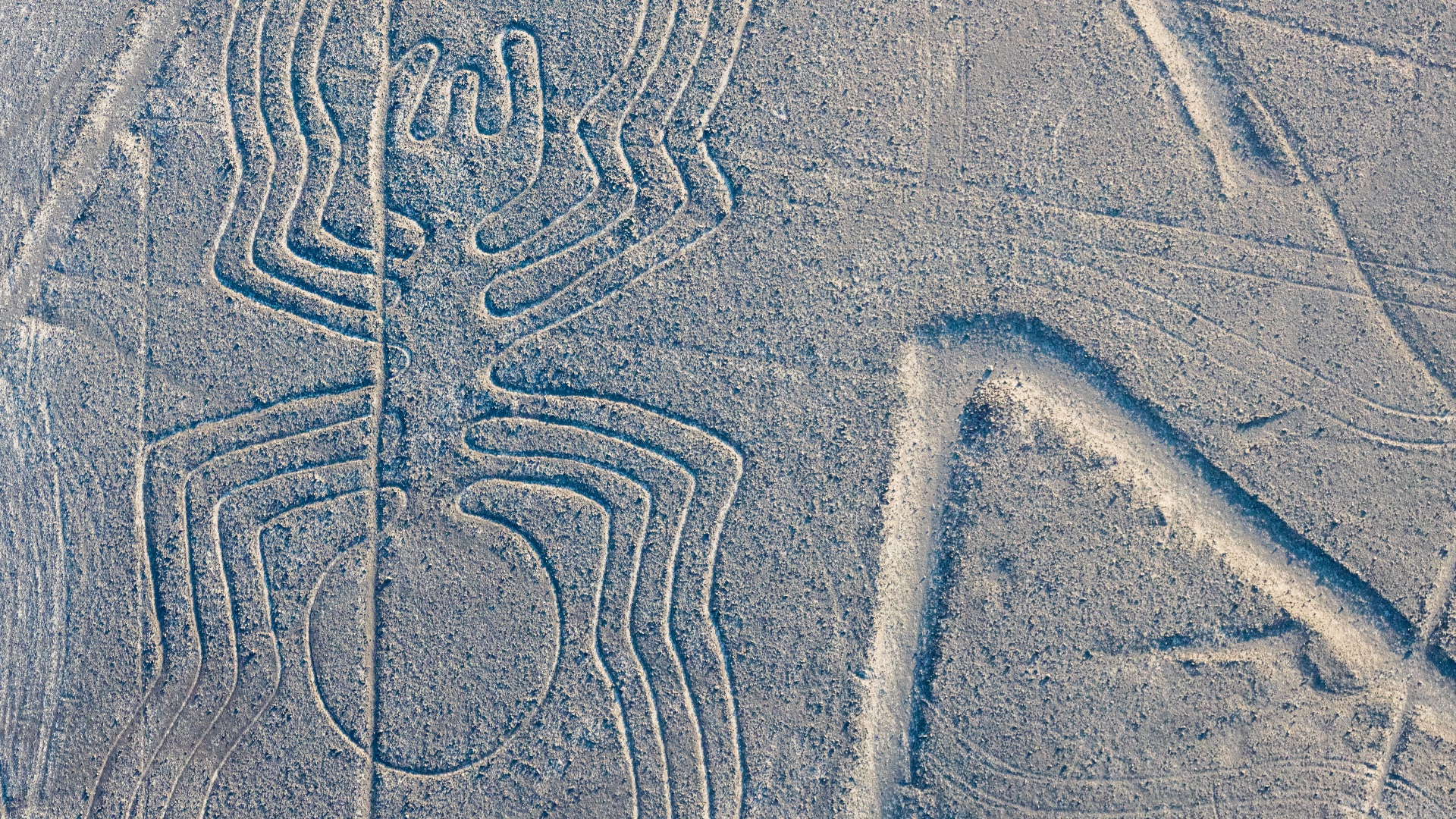
5. The Nazca Lines
Carved into the Peruvian desert floor, these massive geoglyphs depict animals, plants, and geometric shapes that are only fully visible from the air. You'd think ancient people without flight had no reason to design something meant to be seen from above, which is exactly what makes the lines so puzzling. Archaeologists now believe they held ceremonial or astronomical significance, but the full picture is still incomplete.
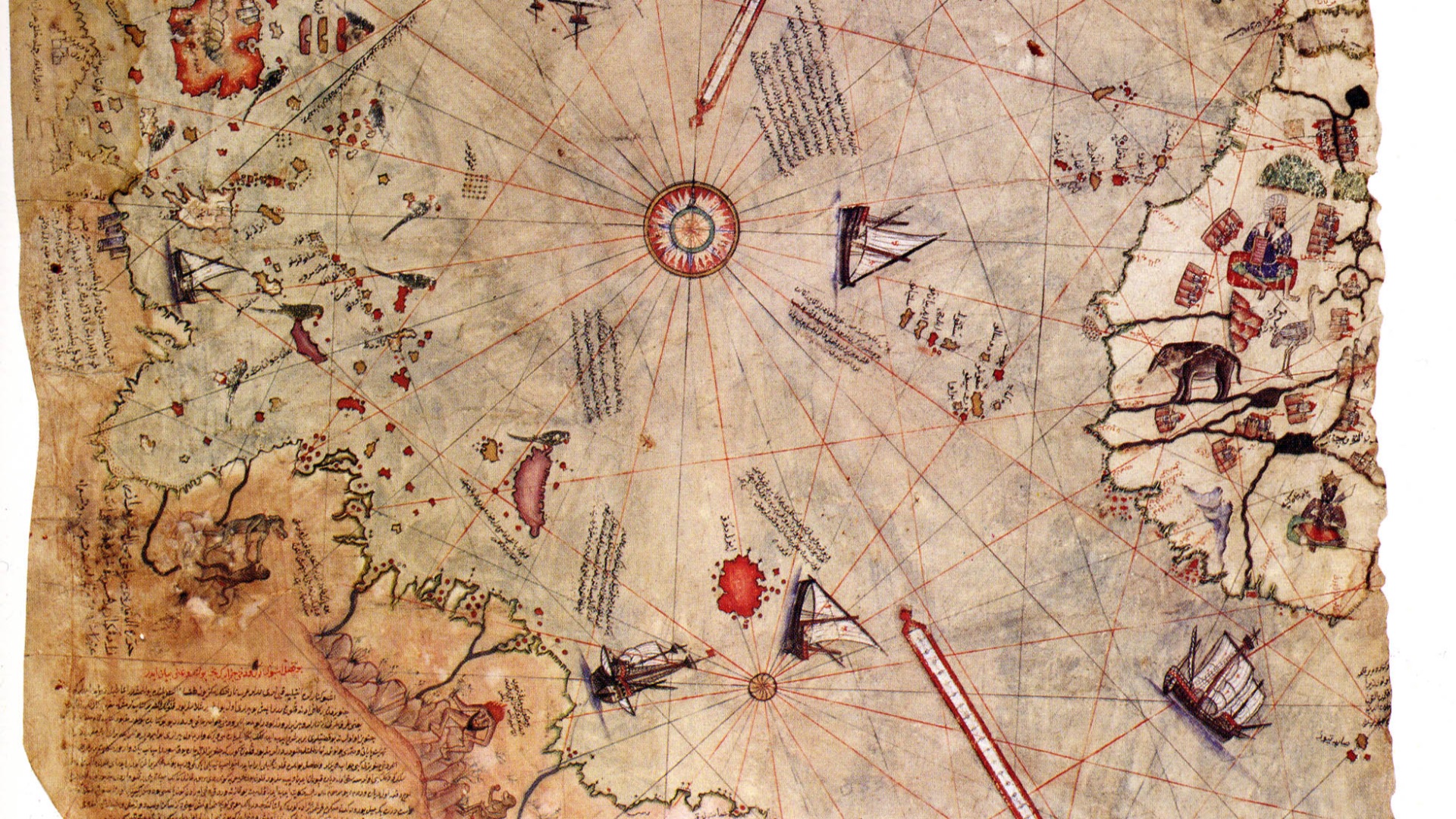
6. The Piri Reis Map
Drawn by an Ottoman admiral in 1513, this map accurately shows the coastlines of South America and West Africa in impressive detail for its era. Some researchers have claimed the map even depicts the coastline of Antarctica before the continent was officially discovered, though that theory remains hotly contested among historians. Regardless of how you interpret it, the map's precision continues to surprise cartography experts.
7. The Lycurgus Cup
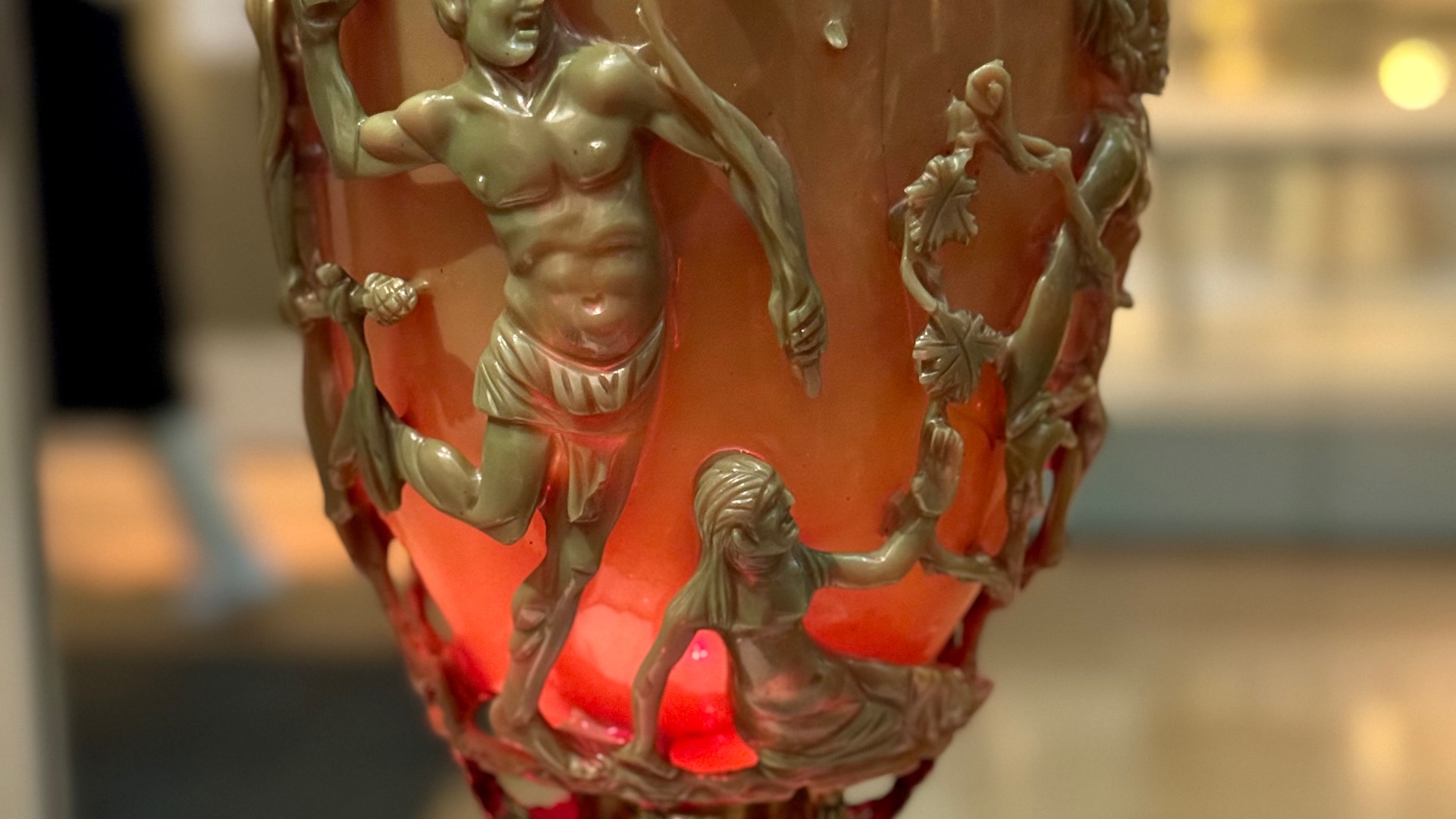
This Roman glass cup changes color depending on how light hits it, appearing green when lit from the front and glowing red when lit from behind. Modern scientists eventually figured out that Roman artisans had embedded microscopic particles of gold and silver into the glass, creating an effect that wouldn't be fully explained until the rise of nanotechnology. It's a stunning reminder that ancient craftspeople sometimes stumbled onto science well before anyone had a name for it.
8. The Gundestrup Cauldron
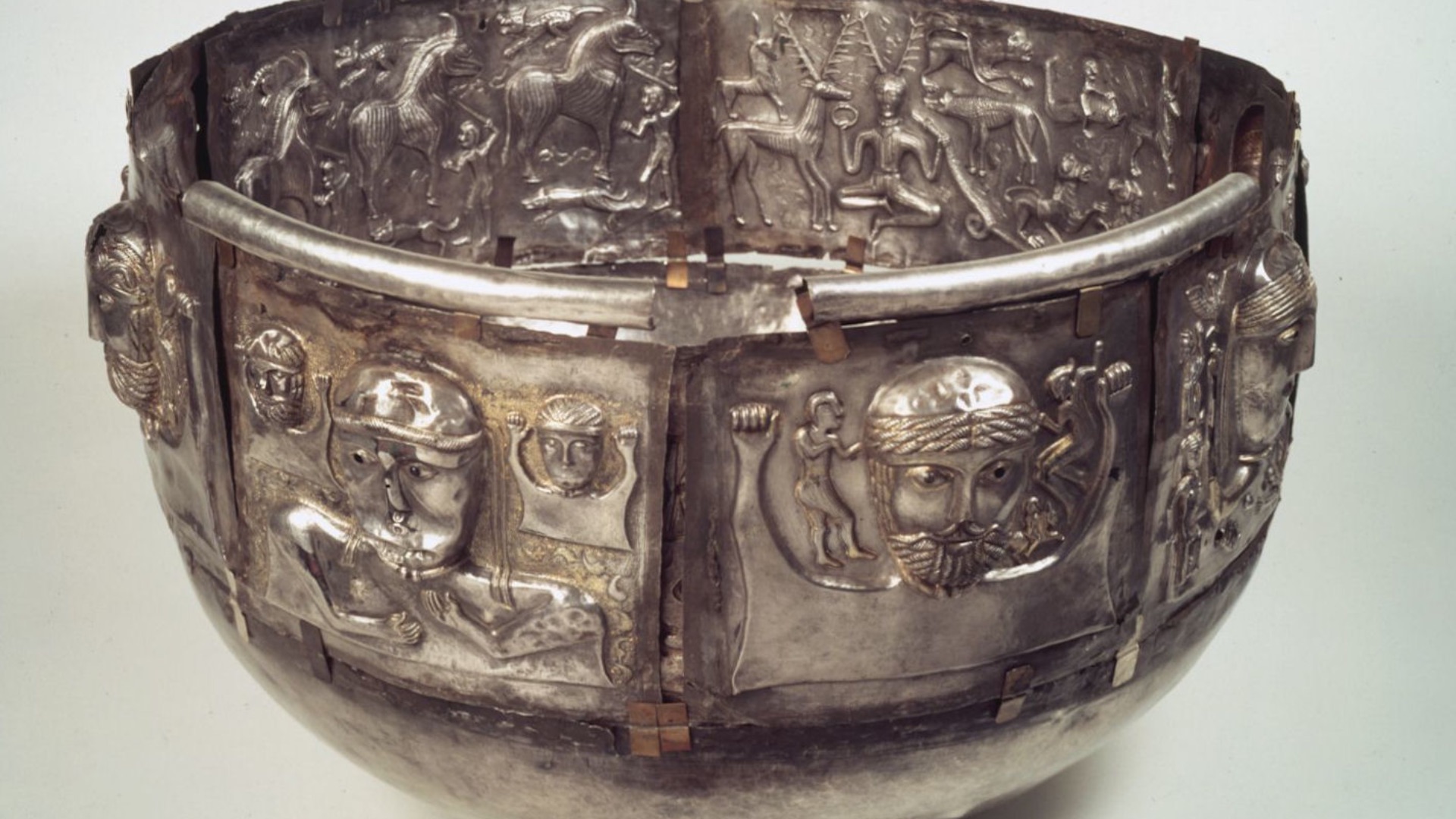
Found in a Danish bog, this ornate silver vessel is covered in detailed scenes of gods, animals, and rituals that don't match typical Celtic or Norse styles. Experts have debated whether it was crafted locally or brought in from a distant region, since some of the imagery resembles Thracian artwork from far to the southeast. Its origin story remains unsettled, which only adds to its reputation as one of Europe's strangest finds.
9. The Mask of Agamemnon
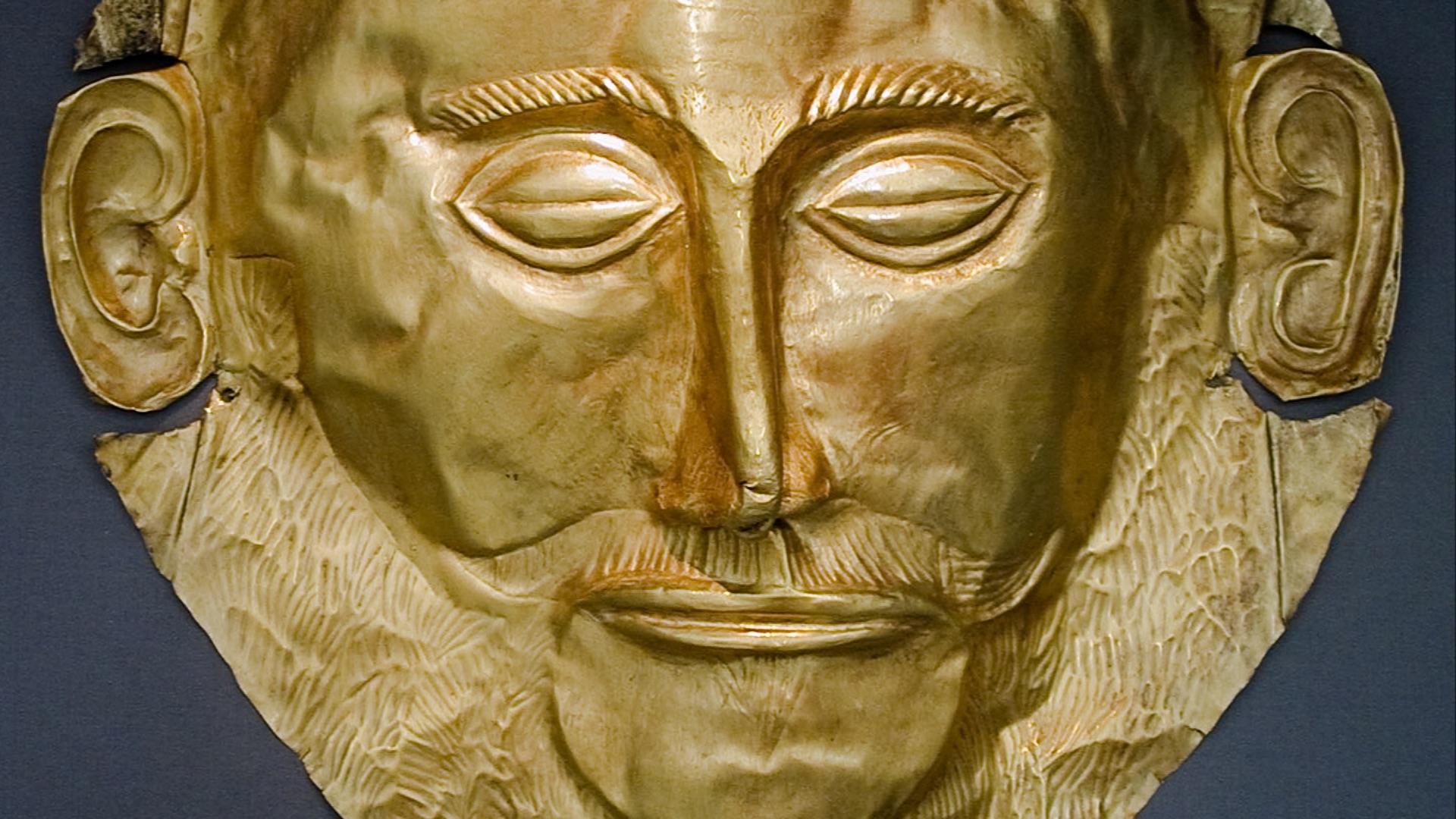
Discovered in Greece in 1876, this gold funeral mask was originally believed to depict the legendary king from Homer's epics. Later analysis showed the mask actually predates the Trojan War by several centuries, which means the name attached to it is likely a myth built after the fact. Some researchers have even questioned whether the mask is entirely authentic, adding a layer of intrigue to an already famous object.
10. The Iron Pillar of Delhi
Standing in India for more than 1,600 years, this iron pillar has barely rusted despite constant exposure to the elements. Metallurgists eventually discovered that ancient smiths created a thin protective layer through an unusual mix of phosphorus and specific forging techniques. It's a small miracle of ancient engineering that modern manufacturers still study for clues on corrosion resistance.

11. The Ica Stones
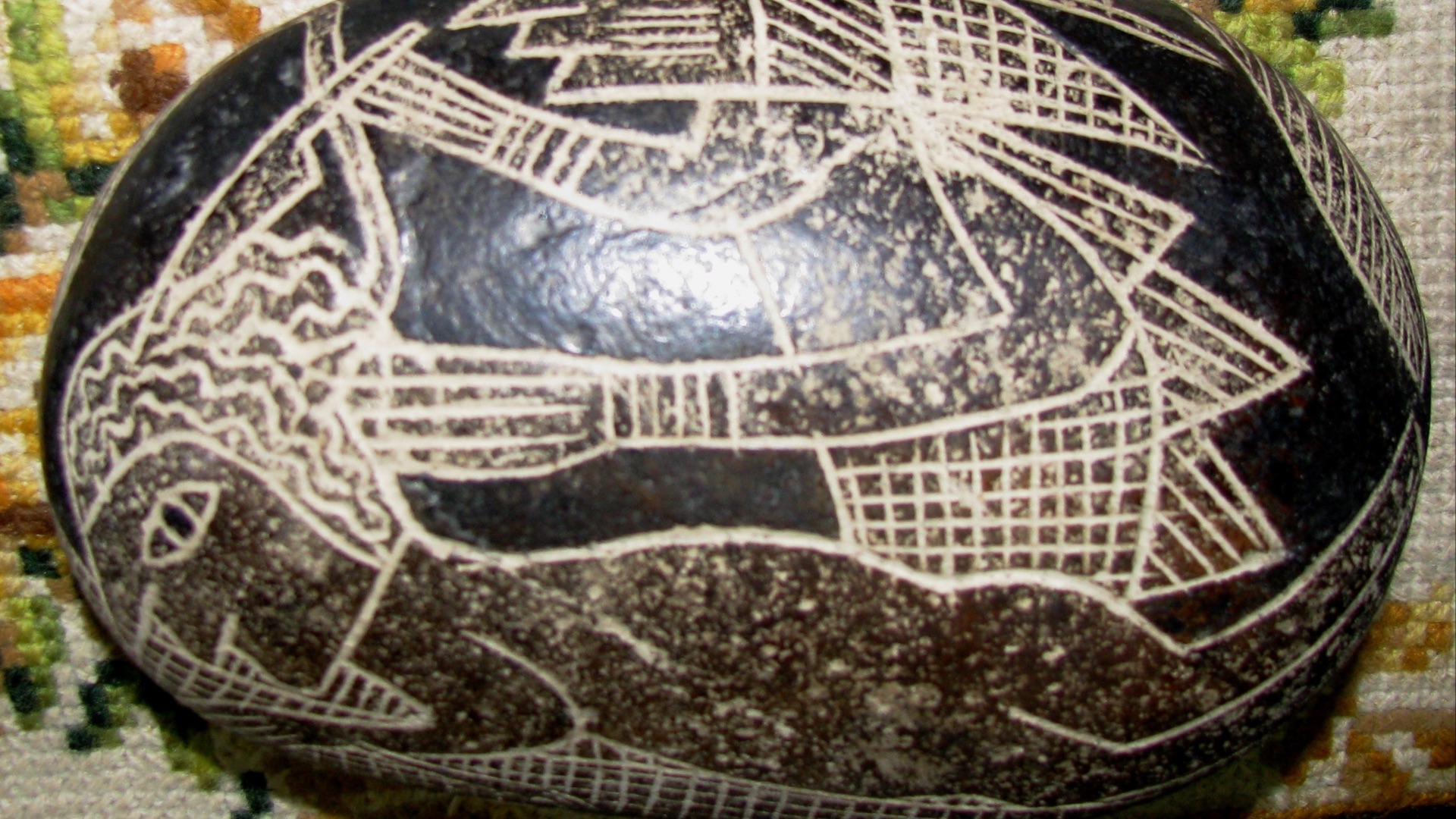
This collection of thousands of carved stones from Peru shows detailed images that some claim depict humans interacting with dinosaurs. Most archaeologists dismiss the collection as a modern hoax, pointing to inconsistencies in the carving style and a lack of any verified excavation site. Despite the skepticism, the stones remain a favorite topic among fringe theorists who argue the mainstream narrative doesn't add up.
12. The Shigir Idol
Carved from larch wood in what is now Russia, this towering sculpture is considered the oldest known wooden statue in the world. Its surface is covered in geometric patterns and faces that researchers still can't fully interpret. The sheer age of the piece, older than both the pyramids and Stonehenge, continues to challenge assumptions about how sophisticated early hunter-gatherer art could be.
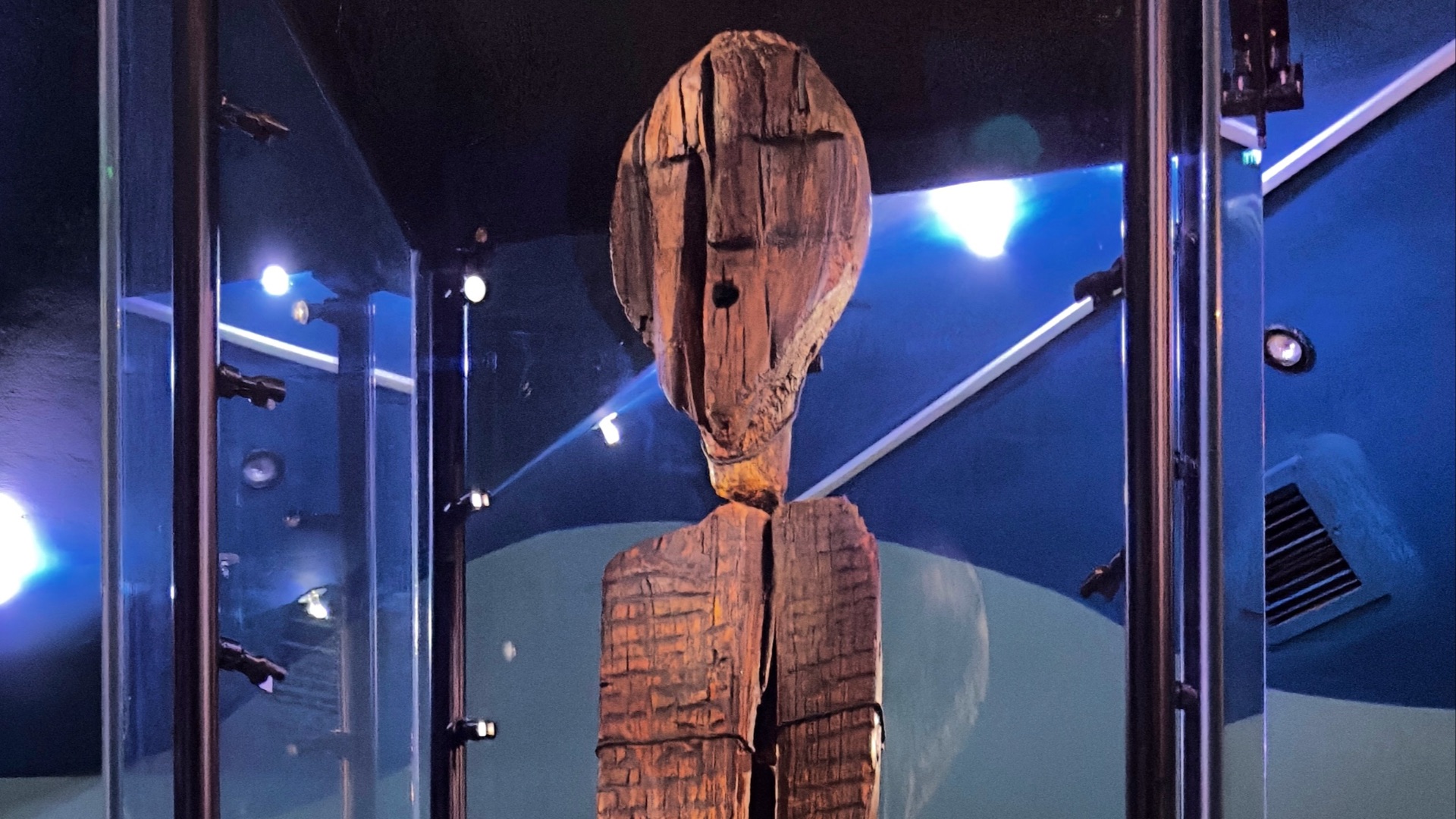 Vyacheslav Bukharov on Wikimedia
13. The Tarim Mummies
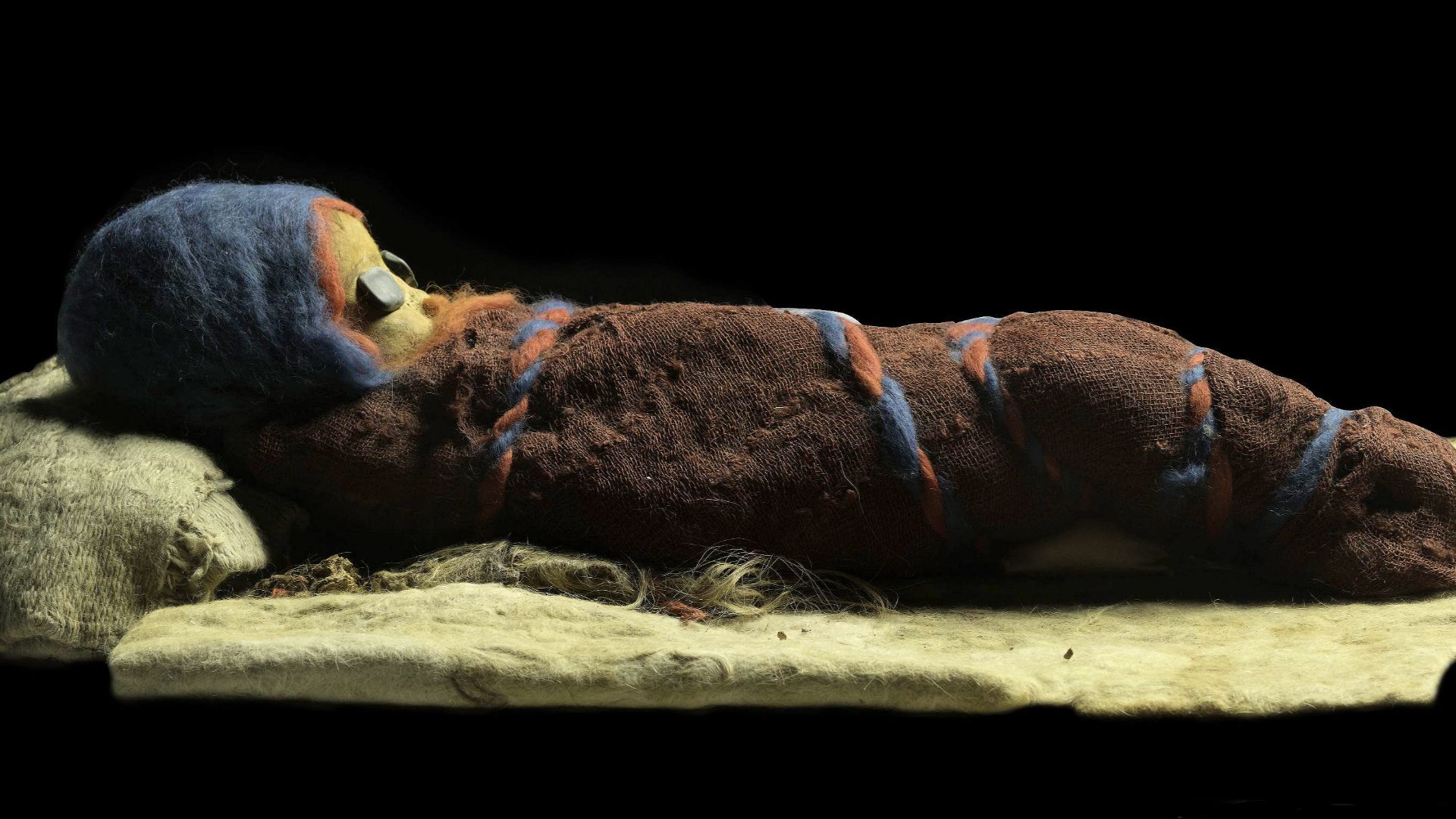
Buried in the deserts of western China, these mummies have reddish or blond hair and facial features that don't match the region's expected ancestry. Their well-preserved woven textiles show patterns similar to those found in parts of Europe, which raised immediate questions about ancient migration routes. Genetic testing later revealed a more complicated picture involving multiple ancestral groups, keeping the debate over their origins alive.
14. The Ubaid Lizardmen Figurines
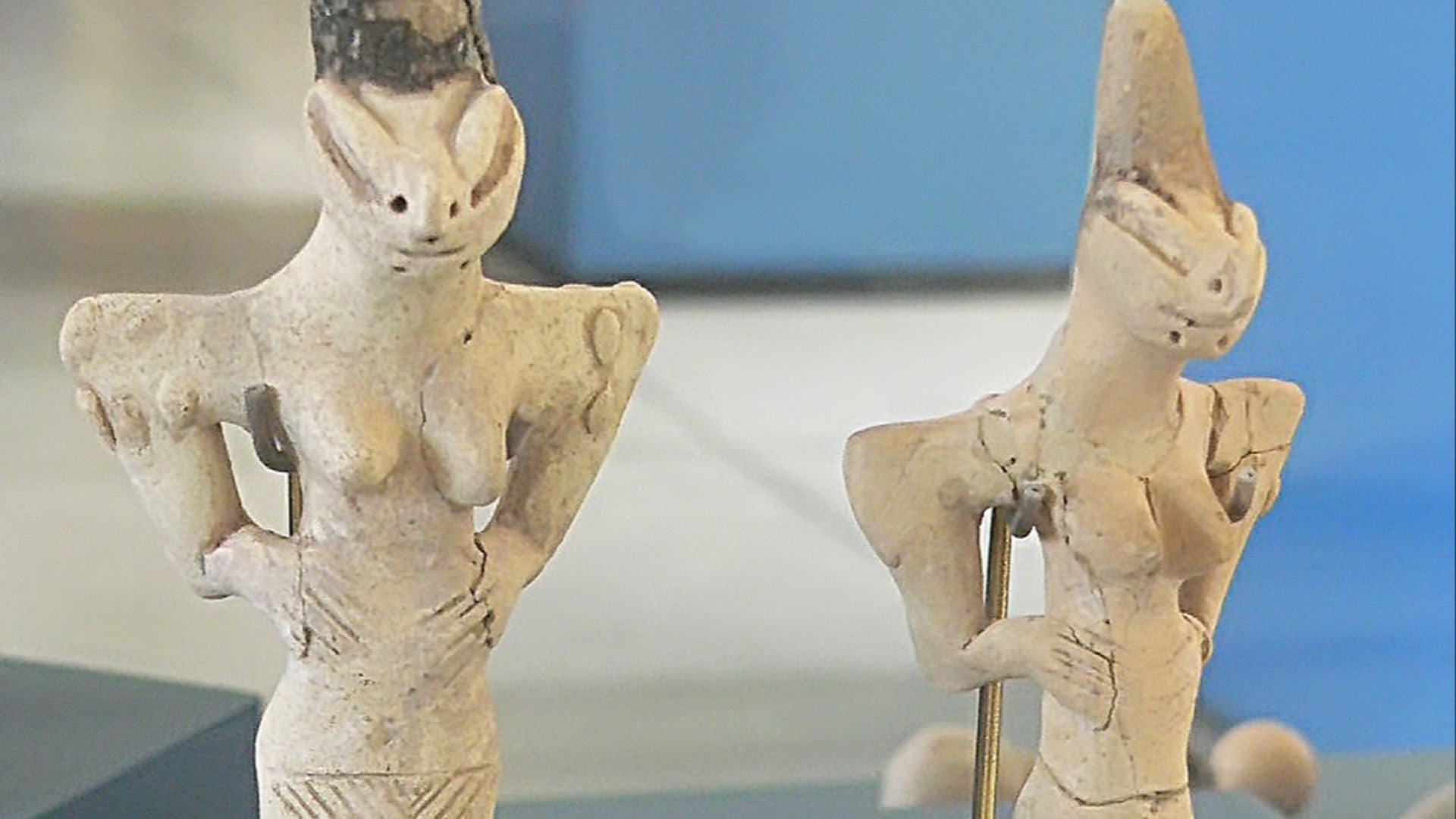
These small clay figures from ancient Mesopotamia feature human bodies topped with elongated, reptilian-looking heads. Nobody knows for certain whether they represent deities, fertility symbols, or something else entirely tied to Ubaid culture. Their unsettling appearance has made them a favorite subject for anyone drawn to ancient mysteries with a slightly eerie edge.
15. The Starchild Skull
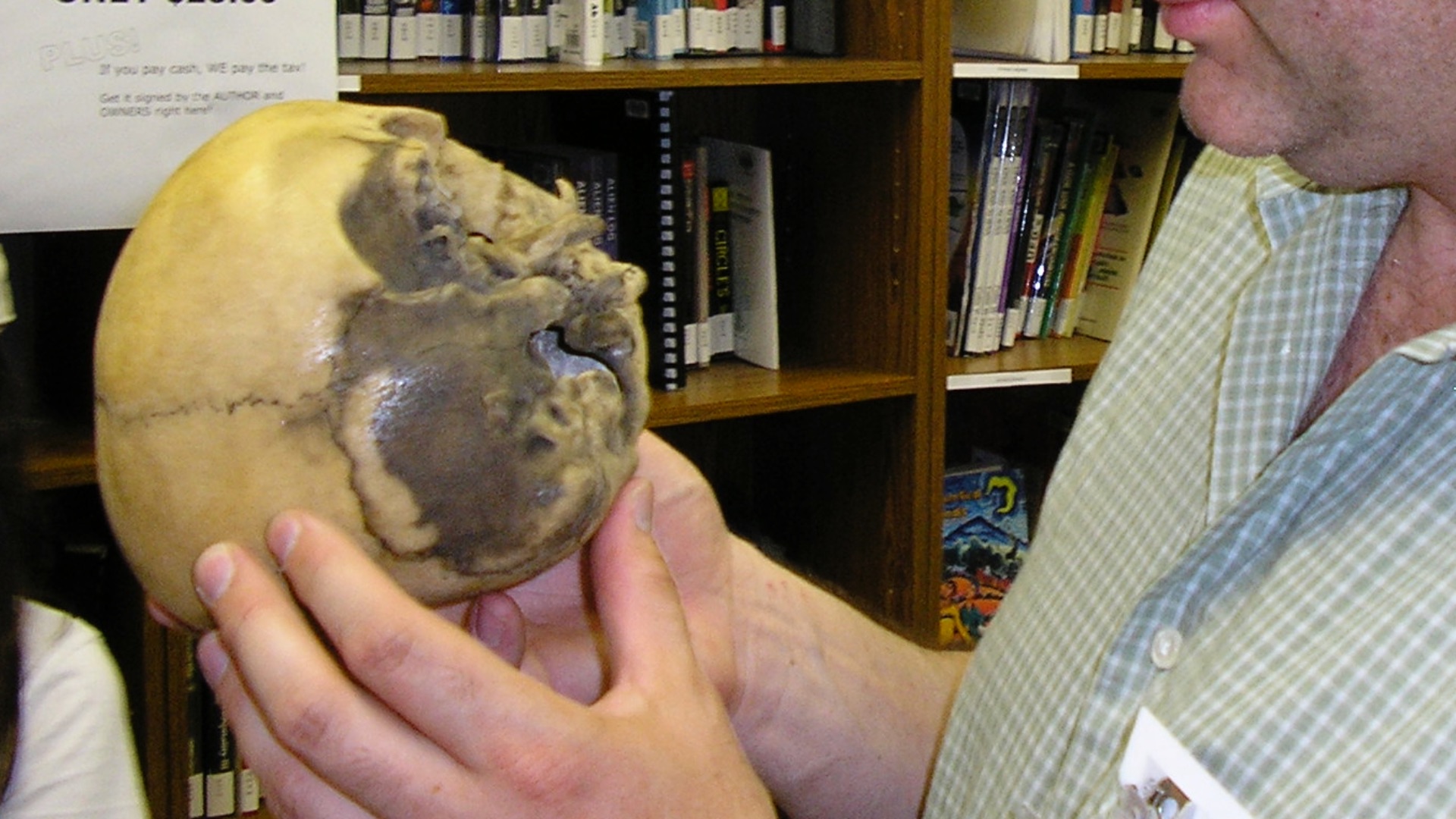
Found in Mexico in the 1930s, this deformed skull has an unusually shaped cranium that led some to suggest it belonged to something other than a typical human. DNA testing eventually confirmed the skull came from a human child, likely one affected by a severe medical condition that altered bone growth. Even with that explanation on record, the skull still draws attention from people convinced there's more to the story.
16. The Trundholm Sun Chariot
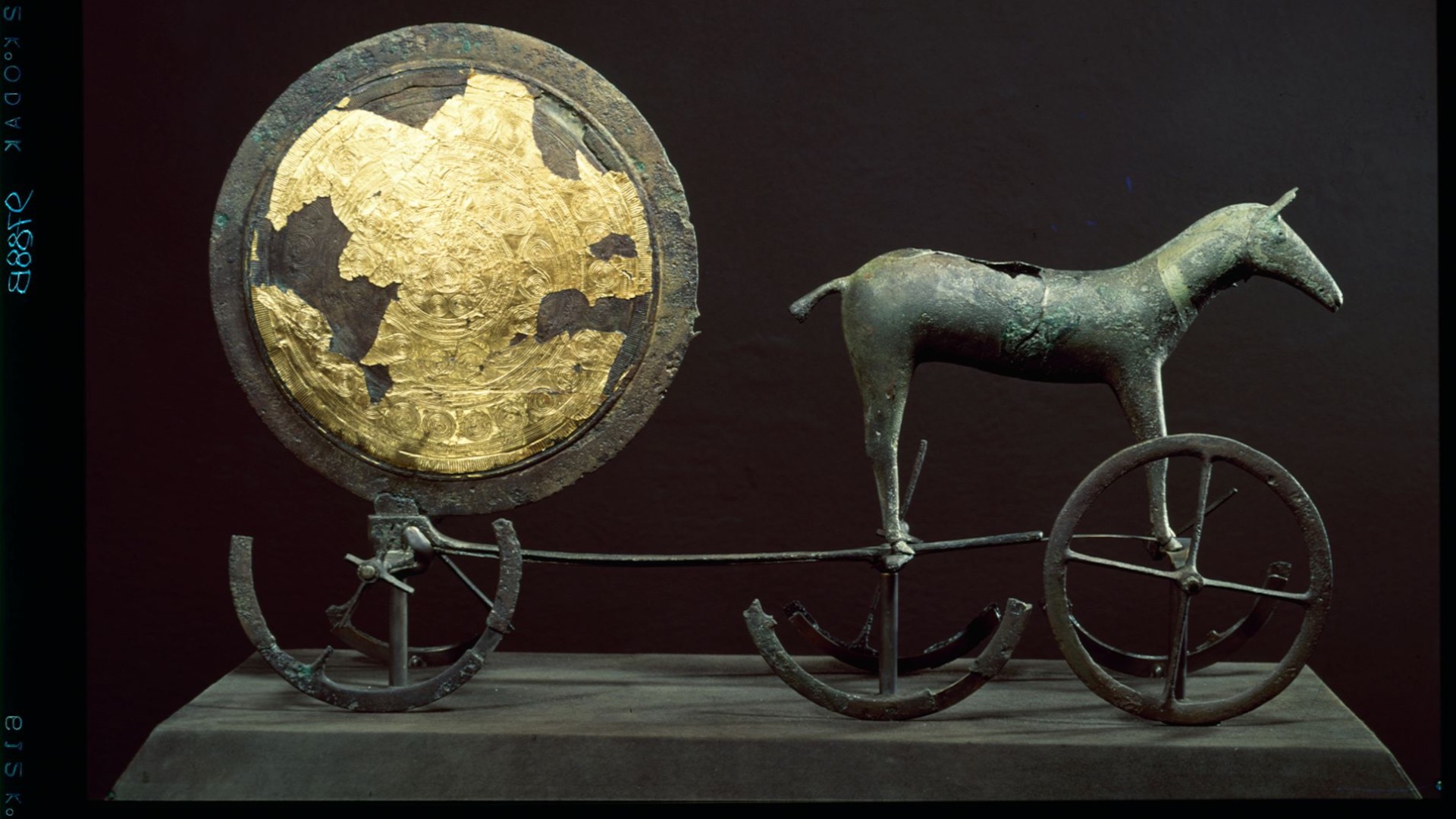
Discovered in a Danish bog, this bronze sculpture shows a horse pulling a large golden disk, believed to represent the sun being carried across the sky. Dating back to the Bronze Age, the piece suggests that early Scandinavian communities had complex religious beliefs tied to solar movement. Its craftsmanship is remarkably detailed for its time, and it remains one of the most striking symbols of prehistoric Northern European art.
17. The Newark Holy Stones
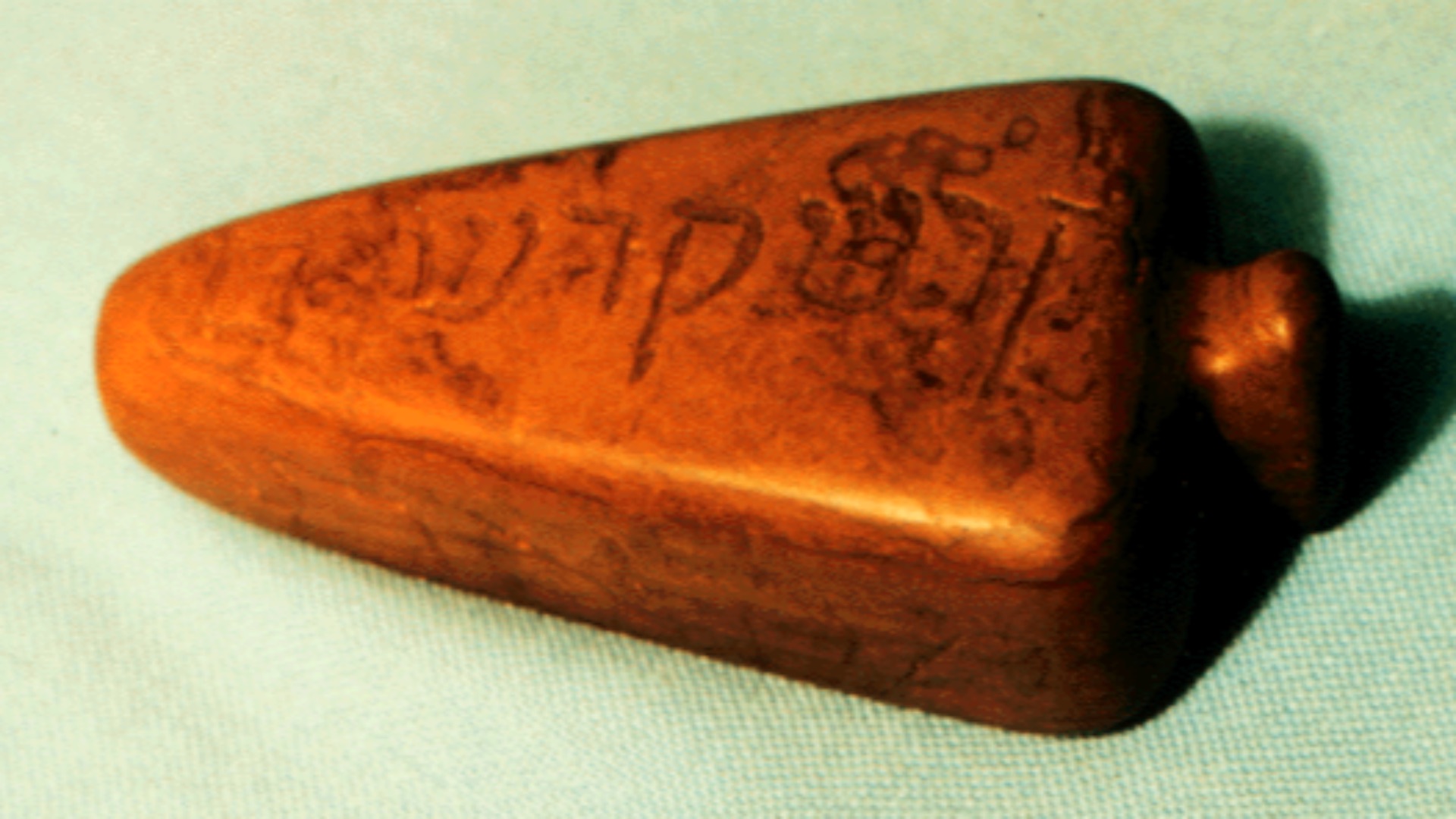
Uncovered in Ohio during the 19th century, these inscribed stones appeared to show Hebrew text at a site tied to the ancient Hopewell culture. Many historians consider them an elaborate hoax meant to link Native American mound builders to biblical narratives, a popular theory at the time of their discovery. The stones remain a case study in how easily archaeology can be shaped by the cultural assumptions of the people doing the digging.
 J. Huston McCulloch on Wikimedia
18. The Lovelock Cave Duck Decoys
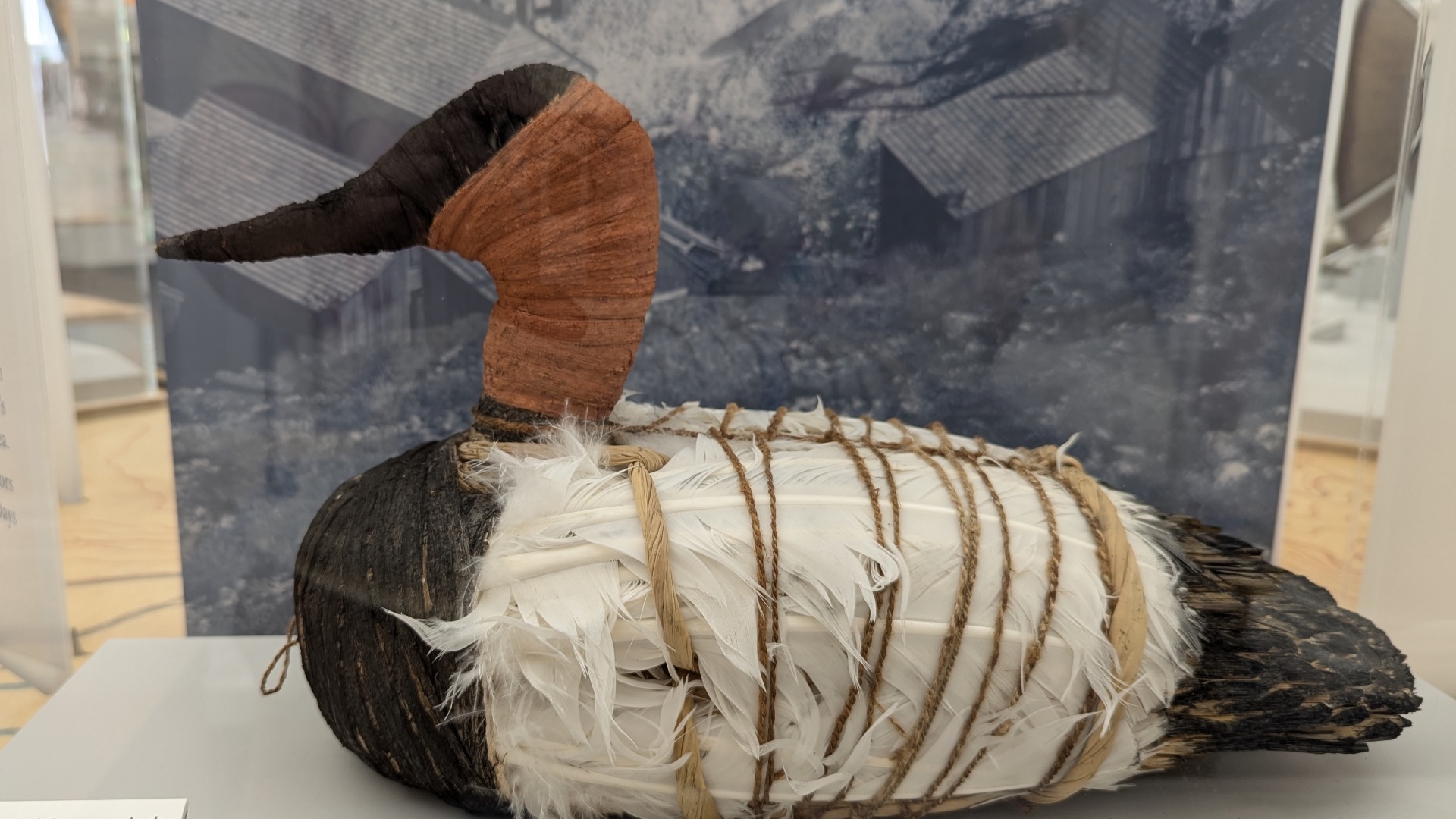
Tucked away in a Nevada cave, these woven duck decoys are around 2,000 years old and were remarkably well preserved thanks to the site's dry conditions. Ancient hunters crafted them from reeds and feathers with enough detail to fool real waterfowl into landing nearby. Their survival offers a rare, tangible look at how practical and clever early hunting tools could be.
19. The Meteorite Buddha Statue
This small statue, often linked to Tibetan Buddhist tradition, was carved from a meteorite that fell to Earth thousands of years ago. Its material alone makes it a scientific curiosity, but questions about its true age and origin have made headlines and stirred plenty of debate among researchers. Whether it's an ancient religious artifact or a more recent creation using rare material, it remains one of the more unusual objects to blur the line between science and spirituality.
 Jose Luis Sanchez Pereyra on Unsplash
20. The Sacsayhuamán Stones
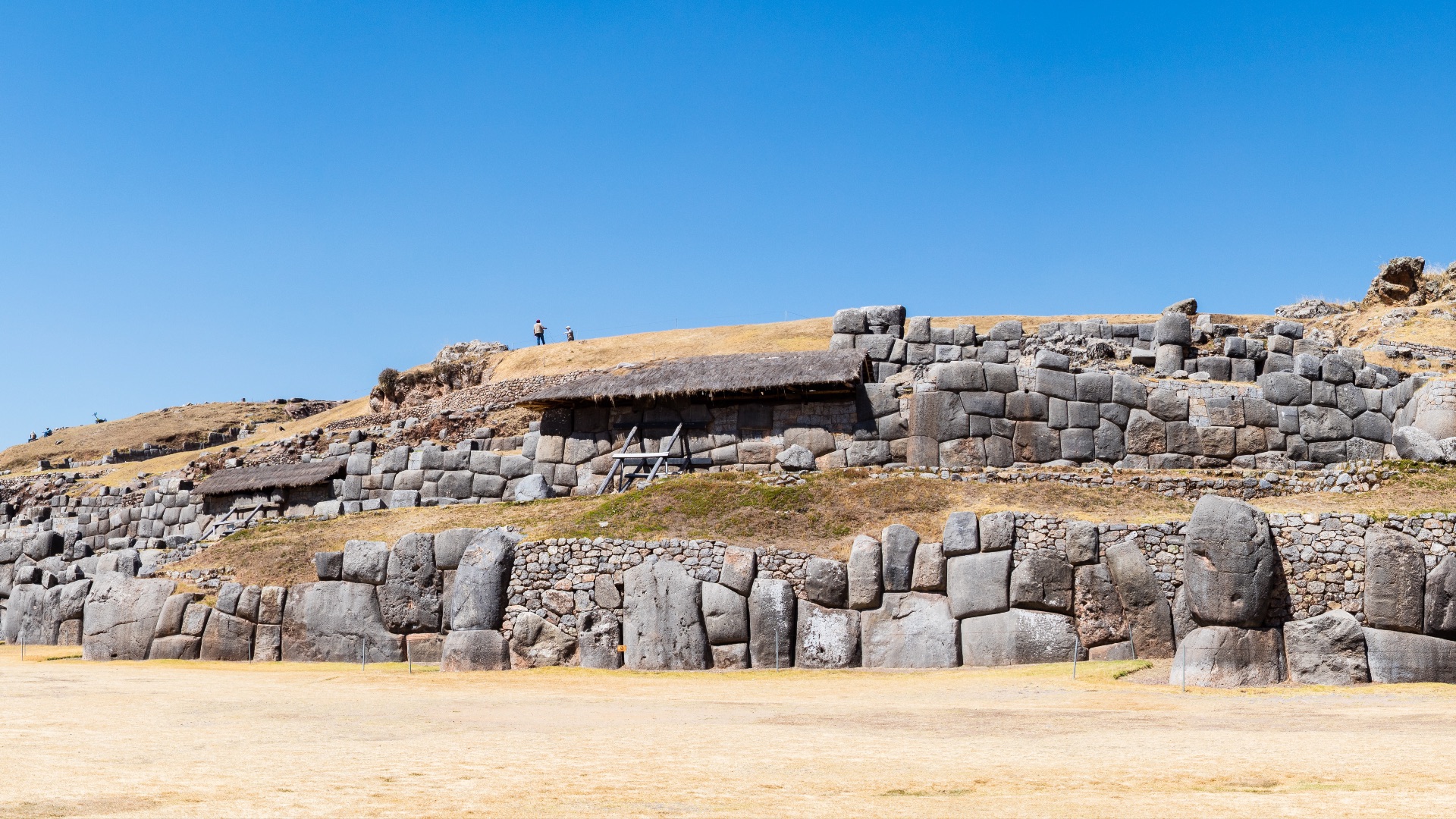
Perched above Cusco in Peru, this fortress features massive stone blocks fitted together so precisely that you can't slide a piece of paper between them. Some of these stones weigh well over 100 tons, and historians still debate exactly how Inca builders transported and positioned them without modern tools. The site continues to impress engineers today, standing as proof that ancient societies found ingenious solutions long before machinery entered the picture.
KEEP ON READING