10 Famous Witch-Hunters From History & 10 Famous “Witches”
The People Behind the Witch-Hunting Craze
Witch-hunting has produced some of history's strangest characters, from judges and theologians who insisted that supernatural threats were everywhere to ordinary people who suddenly found themselves accused of practicing magic. The word "witch" itself is complicated because many of the people accused of witchcraft almost certainly weren't practicing anything supernatural at all. Some were victims of local feuds, religious fears, political tensions, or plain old bad luck, while others became famous because later generations turned them into folklore figures.
1. Heinrich Kramer
Heinrich Kramer was a German clergyman who participated in witch trials and authored one of the most infamous witch-hunting manuals. Kramer argued that witchcraft existed and provided advice on prosecuting supposed witches in his book, Malleus Maleficarum. Even in his own time period, the book was considered controversial but gained a lot of influence, and Kramer is responsible for much of witch-hunting's chilling thoroughness, though not all officials agreed with his perspective.
 Kramer, W. (Fotograaf) on Wikimedia
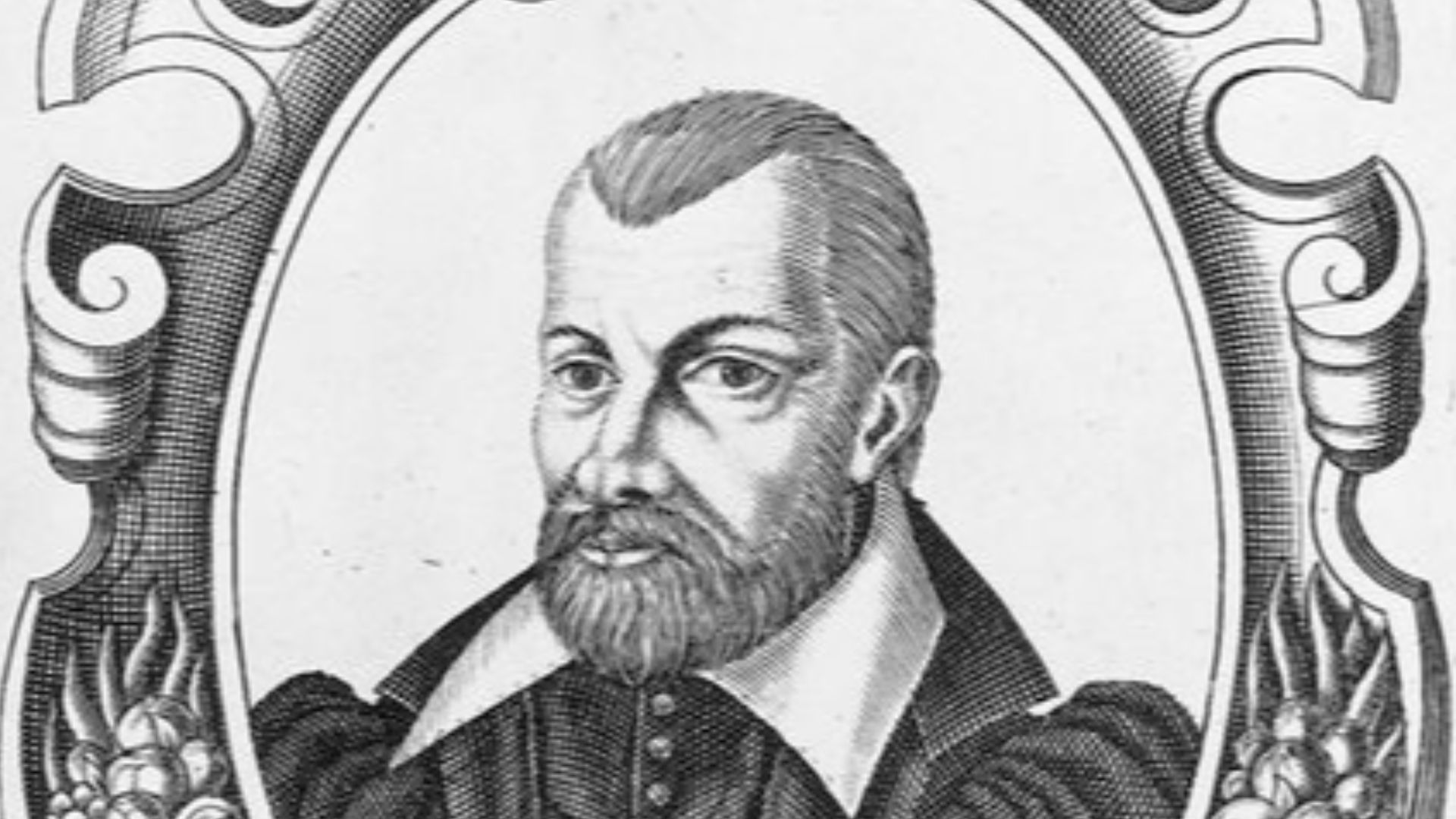
2. Jean Bodin
Jean Bodin was a French philosopher best known today for his political writings. However, he did publish a treatise about witchcraft in which he argued that witchcraft was a serious concern and should be stopped by governments. Europe was embroiled in serious religious strife during Bodin's lifetime, and supernatural accusations could often be matters of law.
 François Stuerhelt on Wikimedia
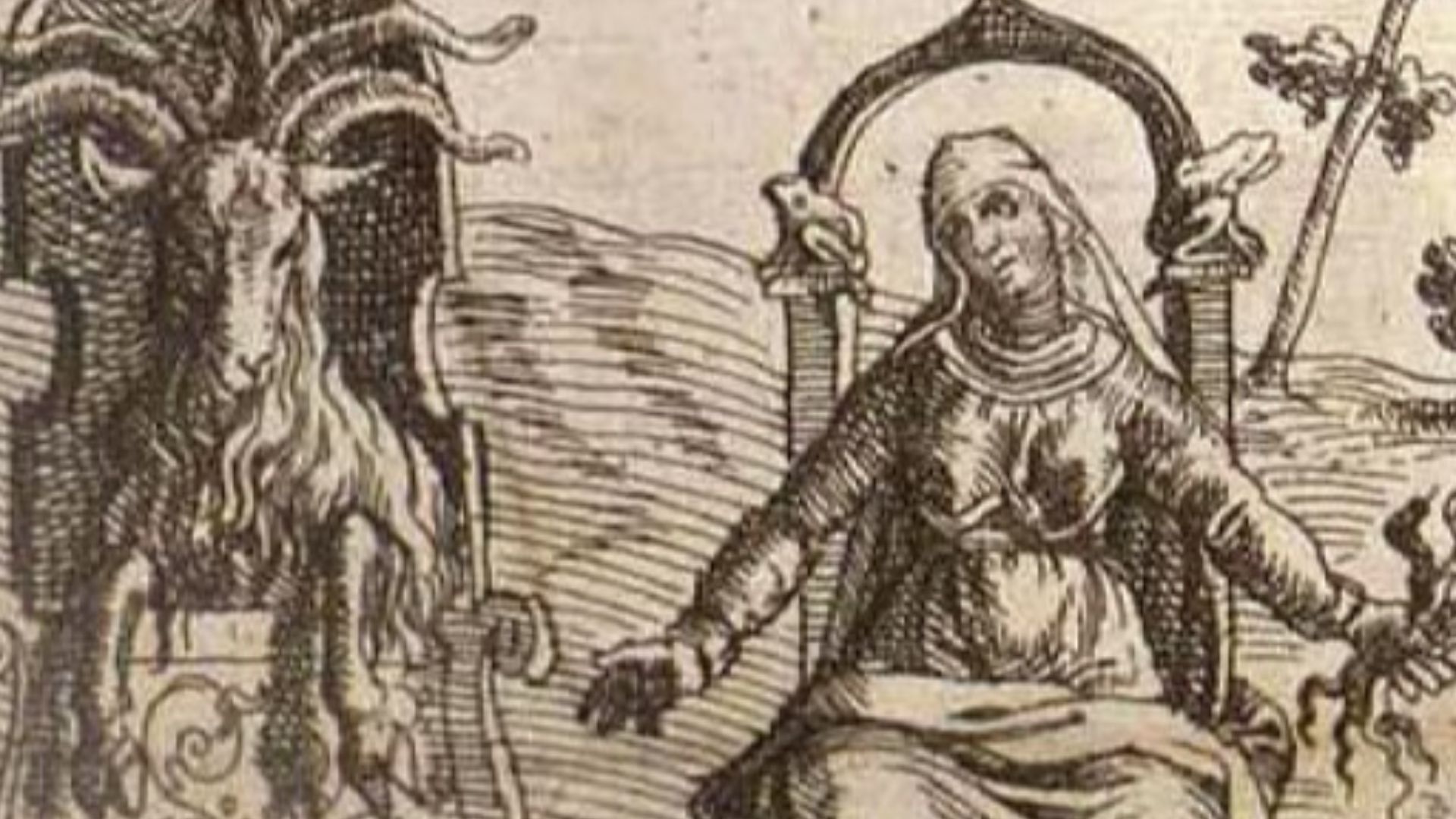
3. Pierre de Lancre
Pierre de Lancre was another magistrate who focused heavily on hunting witches. During his career, he specifically targeted people in the Basque region by assuming the whole area was filled with satanic conspiracies. His writings also reveal how easily fear and prejudice could turn local customs and rumors into supposed evidence of witchcraft.
 Unknown authorUnknown author on Wikimedia
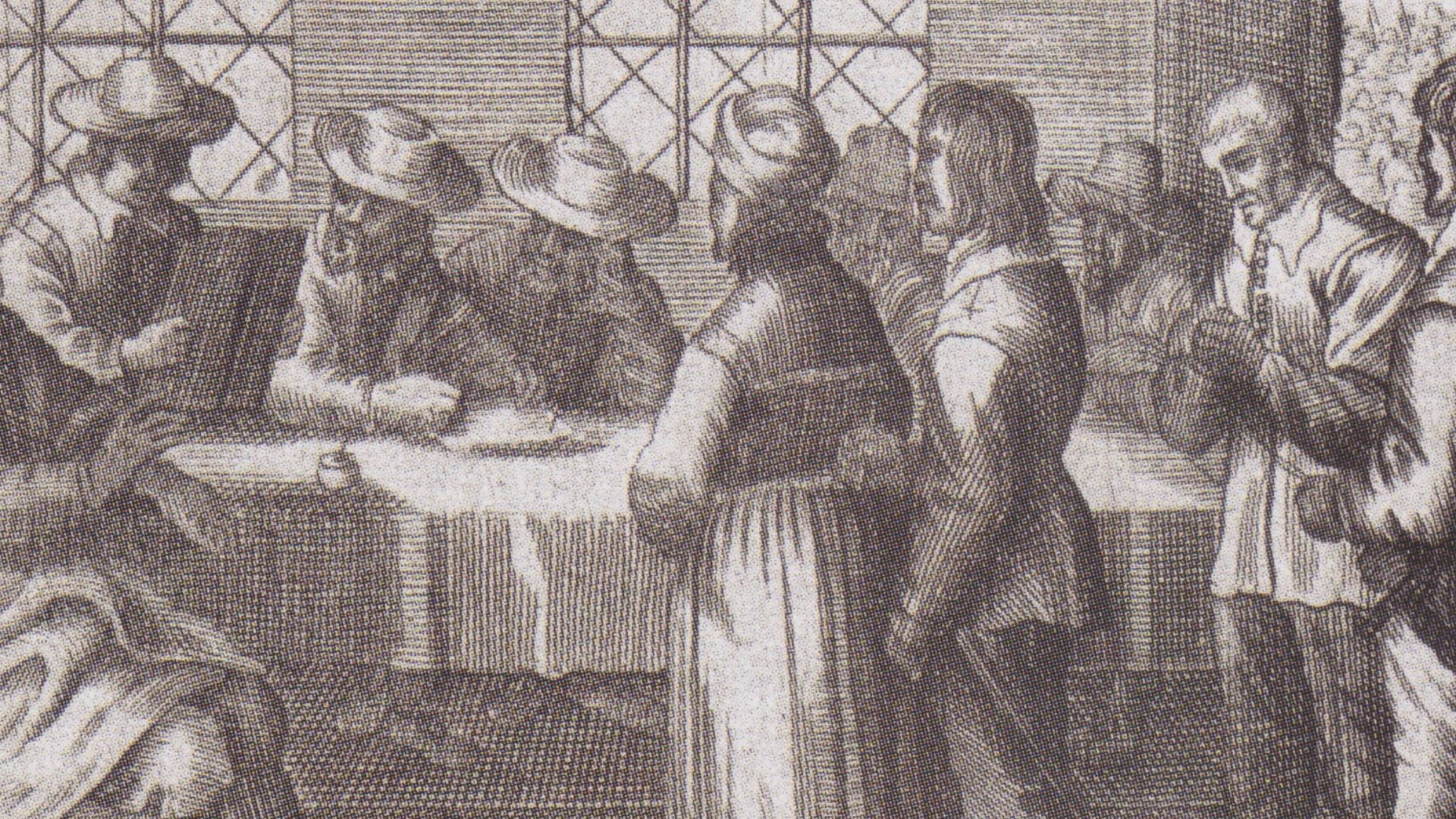
4. Nicholas Rémy
Nicholas Rémy was a French magistrate who presided over witchcraft cases in Lorraine and claimed responsibility for hundreds of executions. He was responsible for hundreds of executions and published a book called Demonolatry that argued that witchcraft was prevalent. Nicholas Rémy was another judicial official who held tremendous power over those who were nearly impossible to defend.
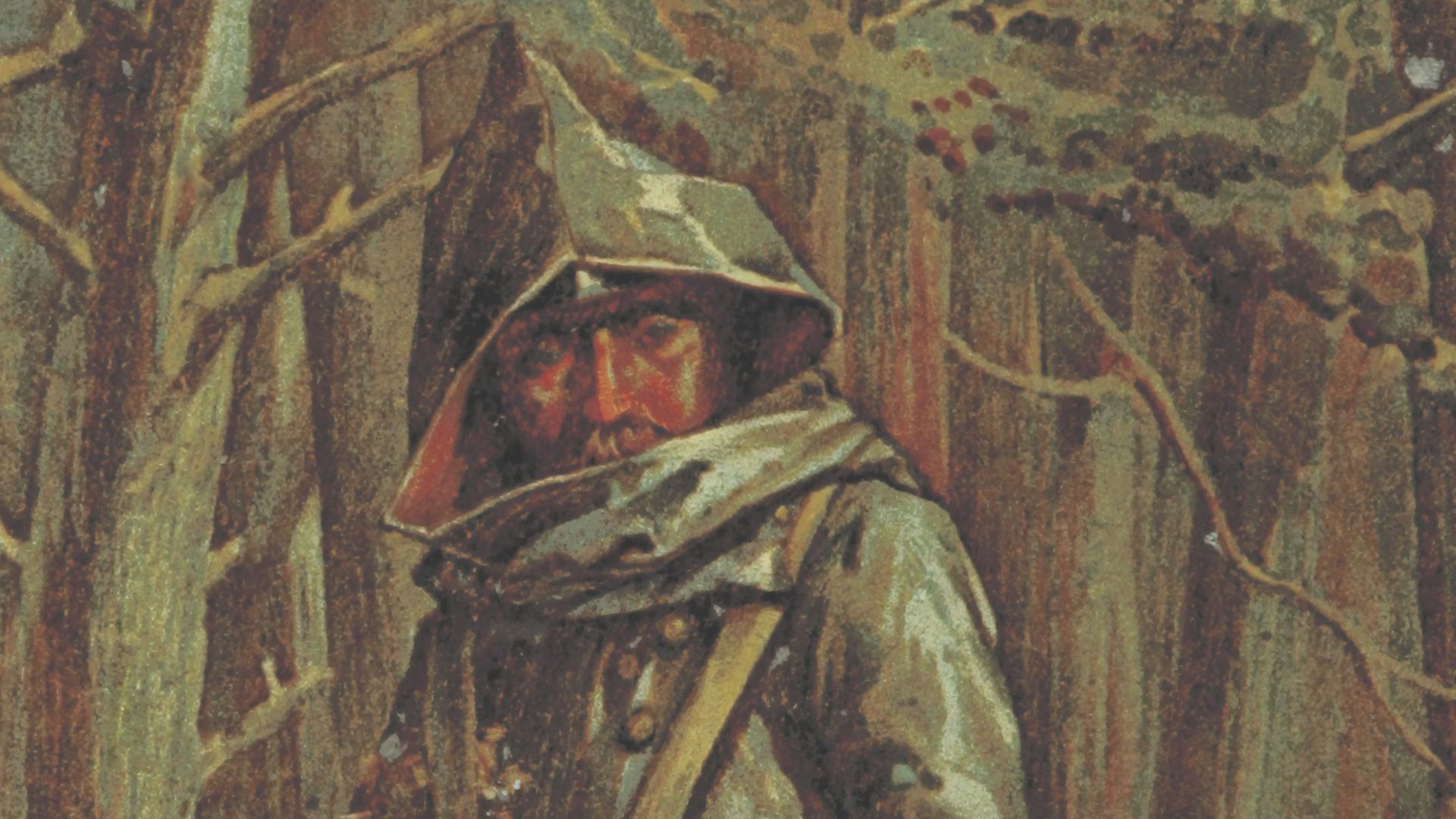
5. Henri Boguet
Henri Boguet served as a judge who hunted down and prosecuted alleged witches. He wrote a book called Discours des sorciers that specifically outlined how to deal with witchcraft as legal authorities. Boguet tended to go fully after those accused of witchcraft, often interpreting things that might have been innocent as proof of their guilt.
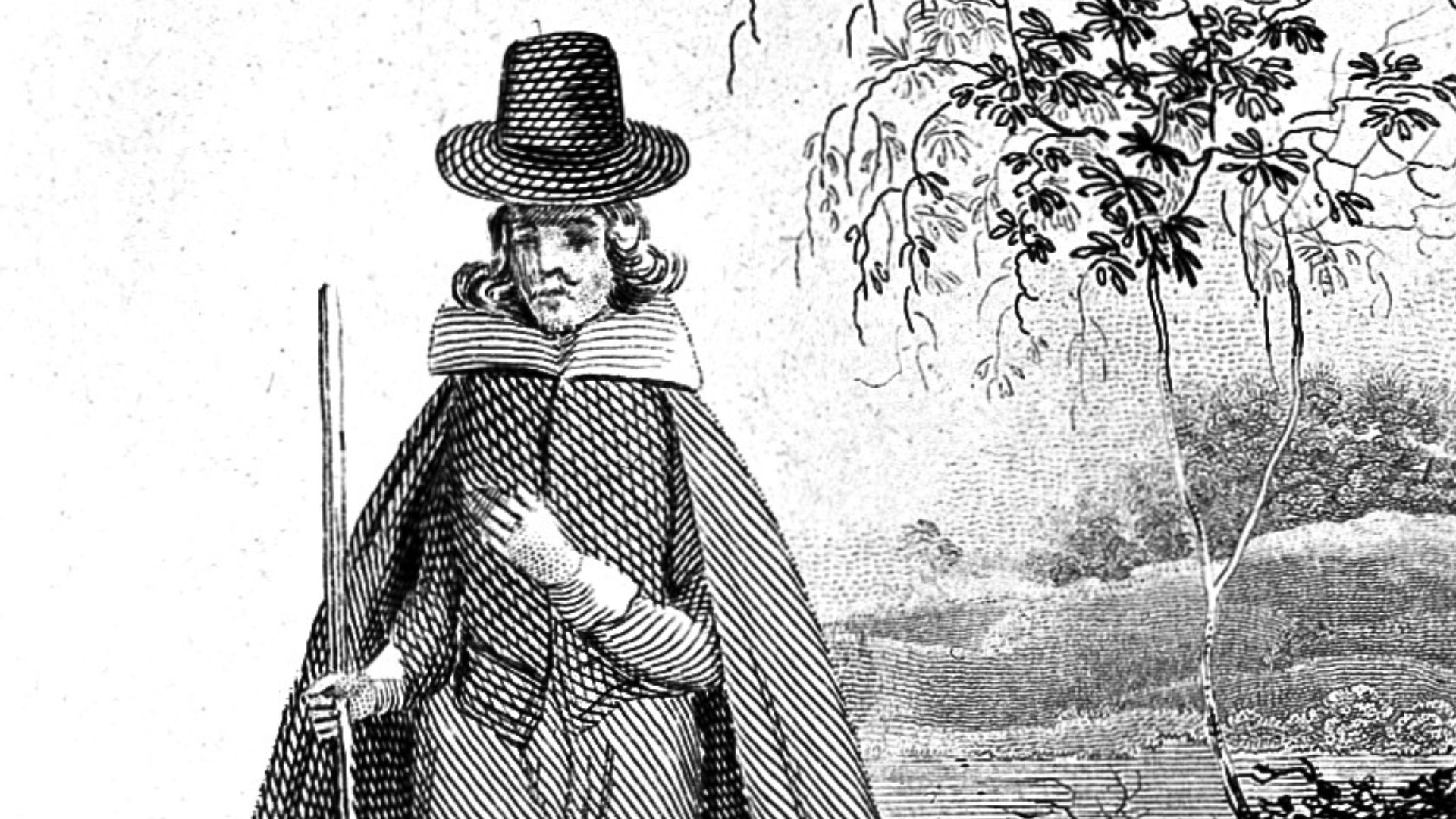
6. Matthew Hopkins
Hopkins was an English witch hunter who called himself the Witchfinder General. He traveled throughout the country during the Civil War, gathering accusations and helping to prosecute many. Hopkins often utilized torture during his questioning to get the answers that he wanted, and his career remains one of the clearest examples of how witch-hunting could become a profitable business.
7. John Stearne
John Stearne traveled with Hopkins and assisted him with his witch-hunting work. He would question accused witches and search for evidence to confirm their crimes. Stearne actually published a book about his experiences, giving historians incredible details about the process of witch-hunting.
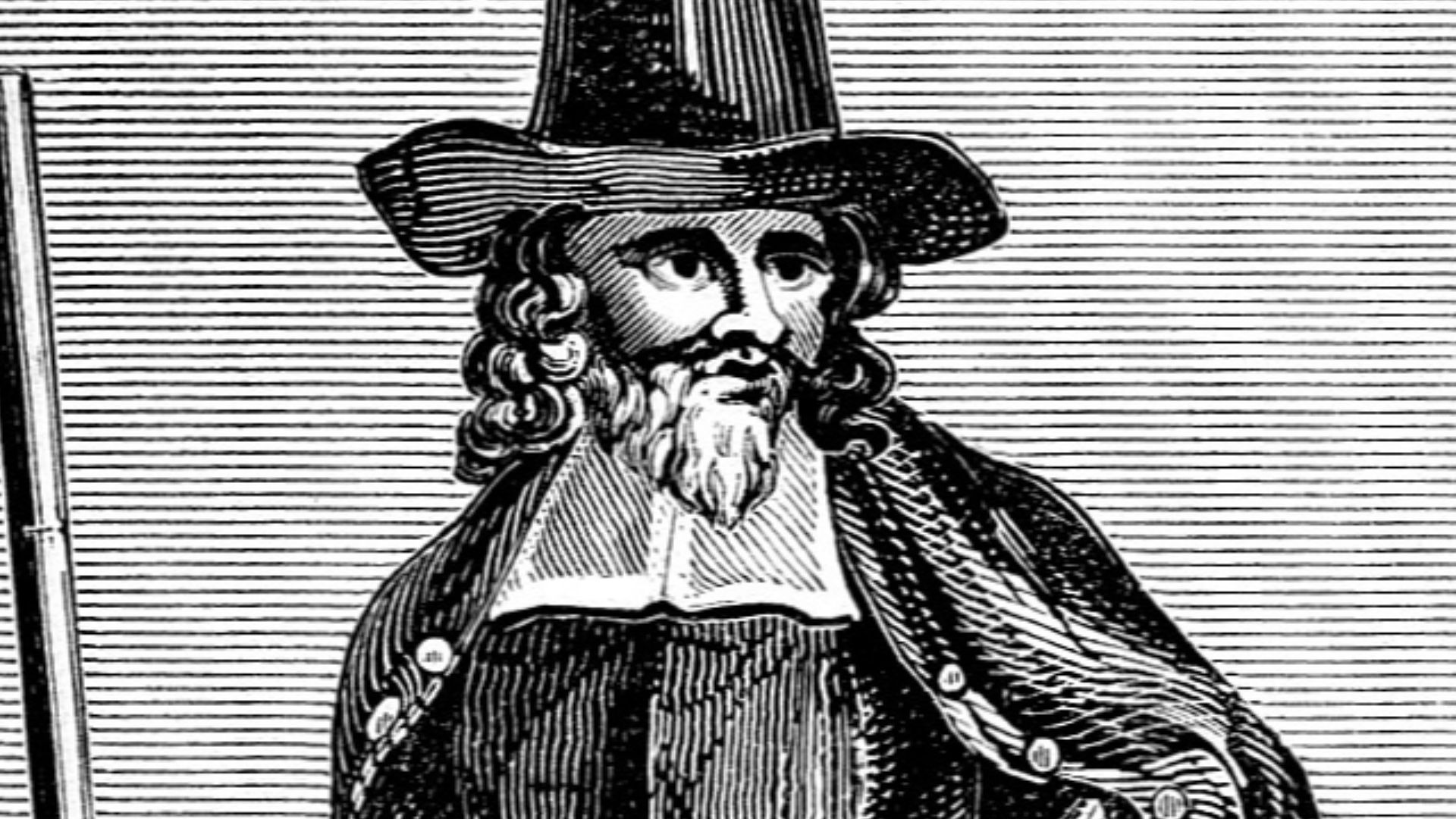
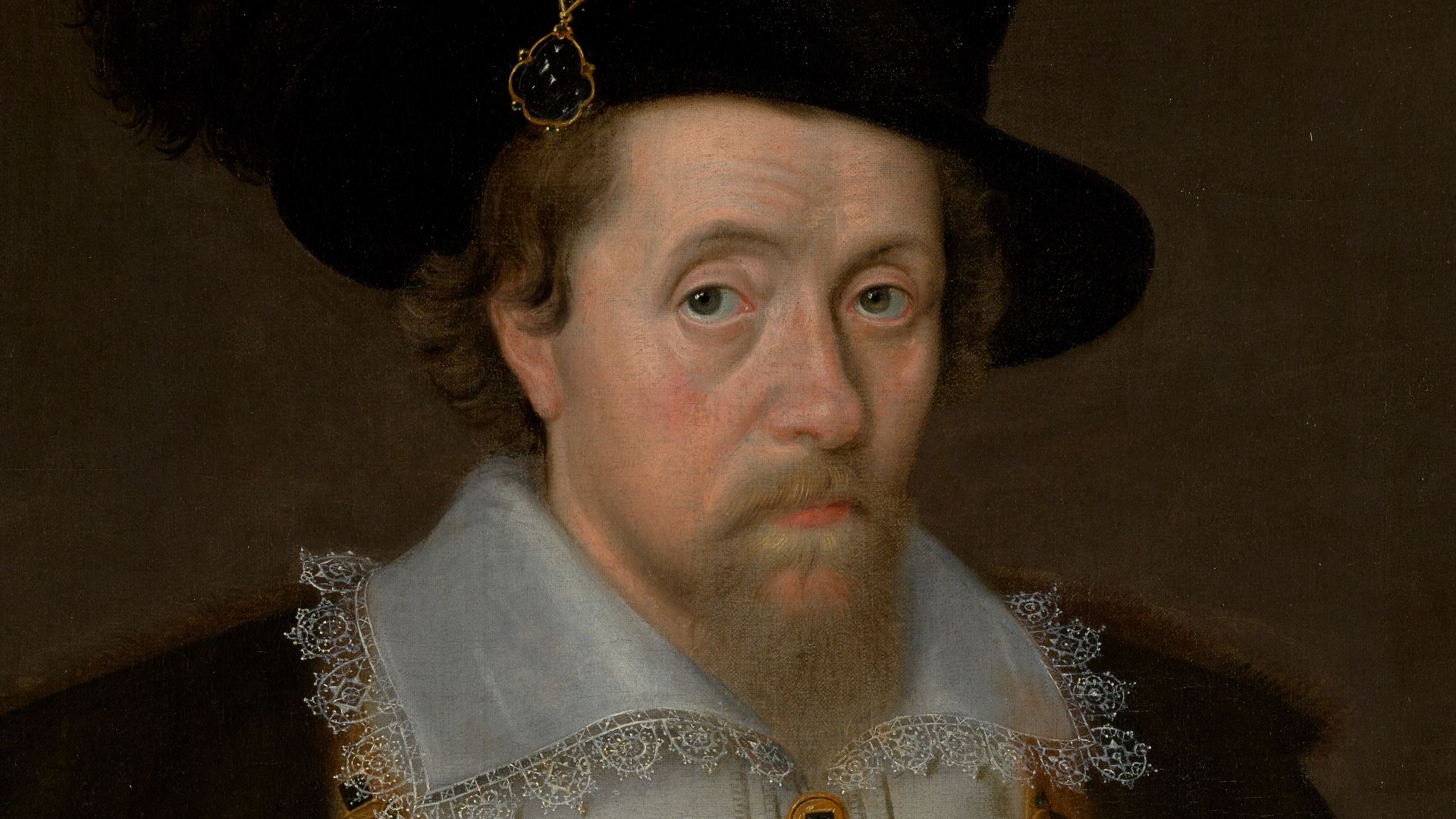
8. King James VI and I
King James VI of Scotland was given tremendous evidence about witchcraft and believed that he was the target of witchcraft. He wrote a book called Daemonologie arguing that witches were real and should be prosecuted. As a king, James commanded the attention of an entire country and gave witch-hunting greater prominence.
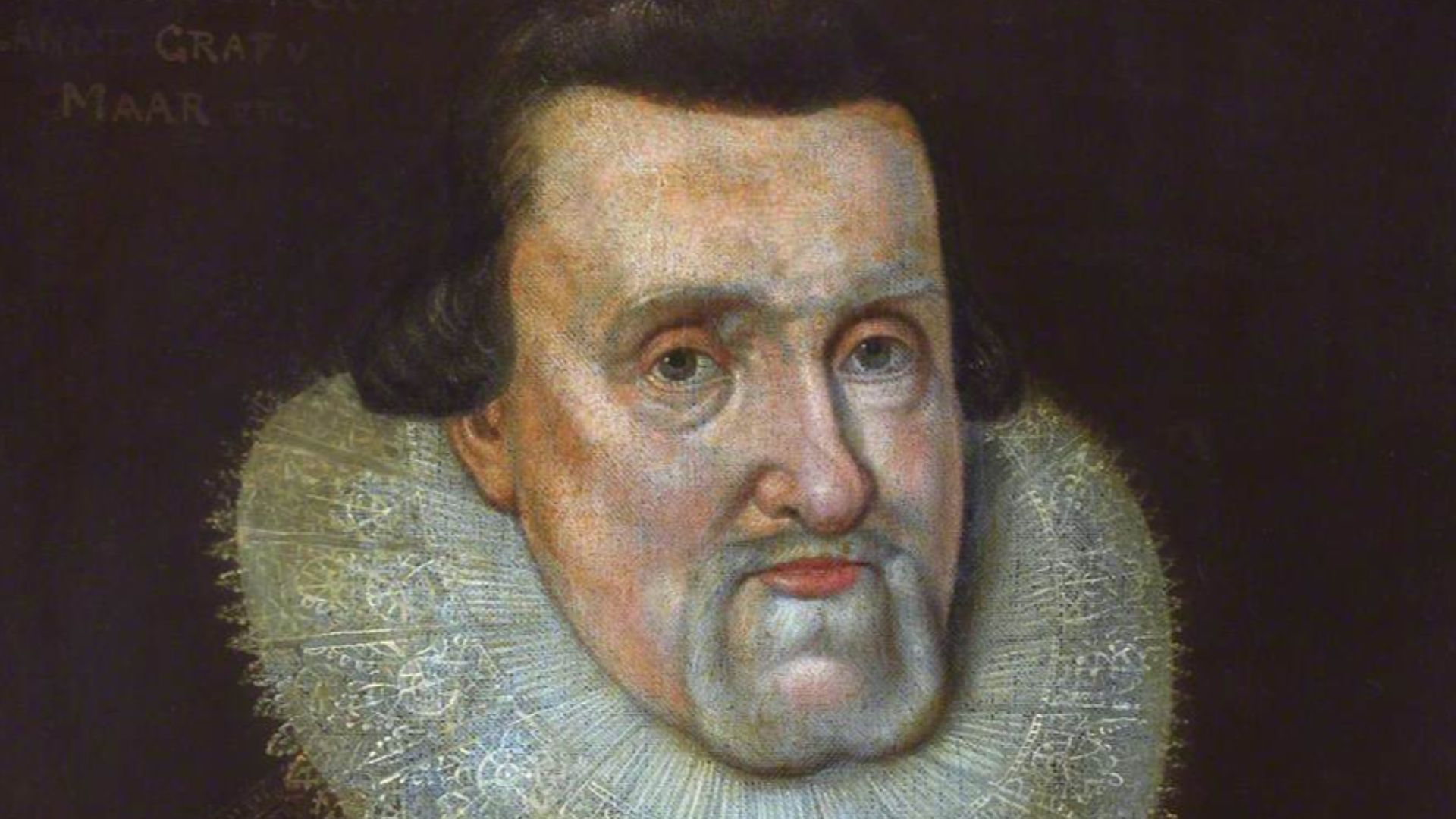
9. Cotton Mather
Cotton Mather was a minister who played a significant role in the Salem Witch Trials. Although he may not have directly influenced the trials as history depicts, he was a firm believer in witchcraft. His writings about the trials nevertheless helped preserve the episode's religious interpretation for later generations.
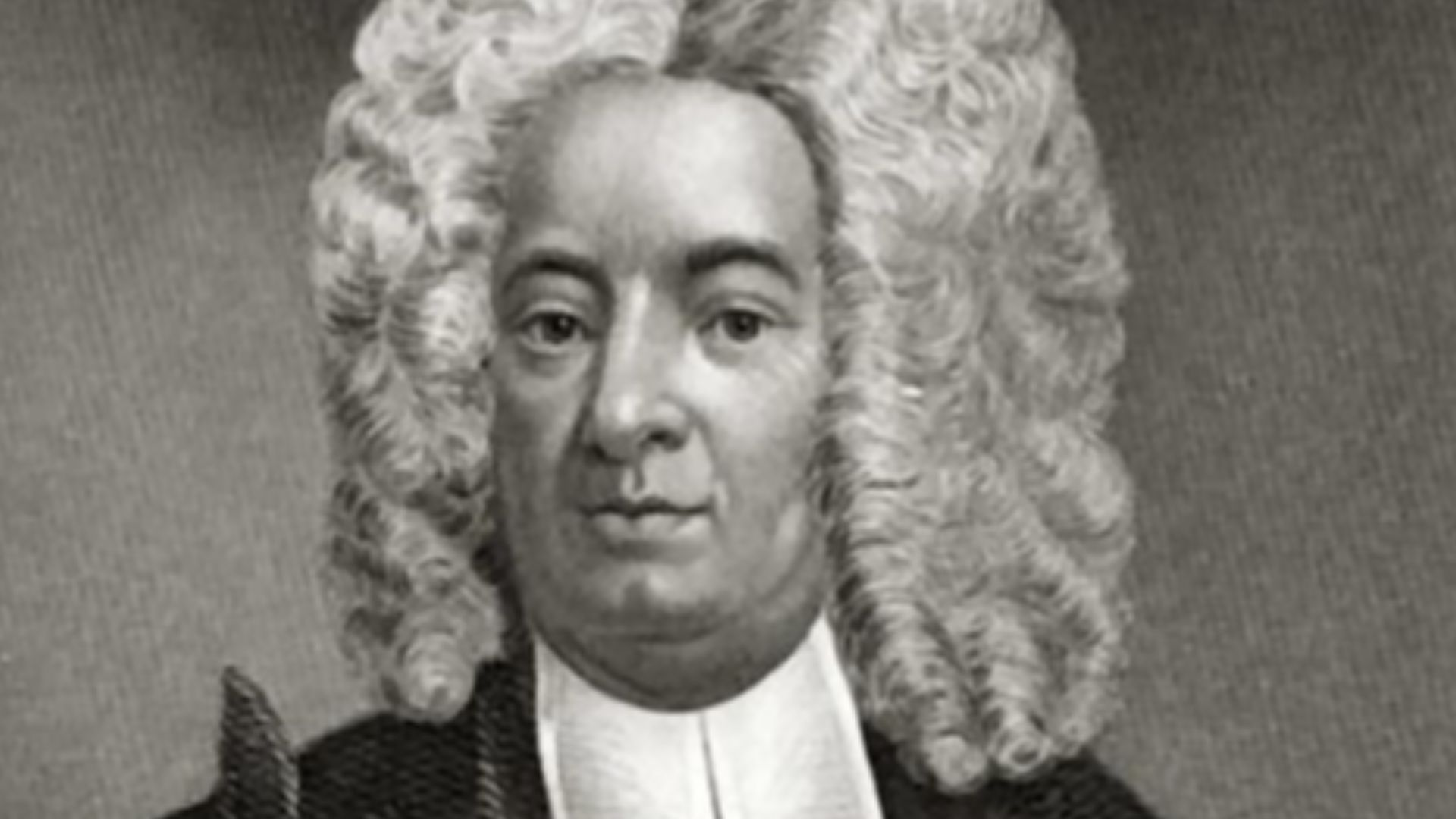 Peter Pelham, artist on Wikimedia
10. William Stoughton
Stoughton was a judge who took his belief in witches into his profession. He accepted all sorts of evidence that wouldn't be allowed in a courtroom today and continued to prosecute accused witches. His role illustrates how frightening ideas can become particularly dangerous when they receive the authority of a courtroom.
Now that we talked about 10 infamous witch hunters, here are 10 infamous witches.
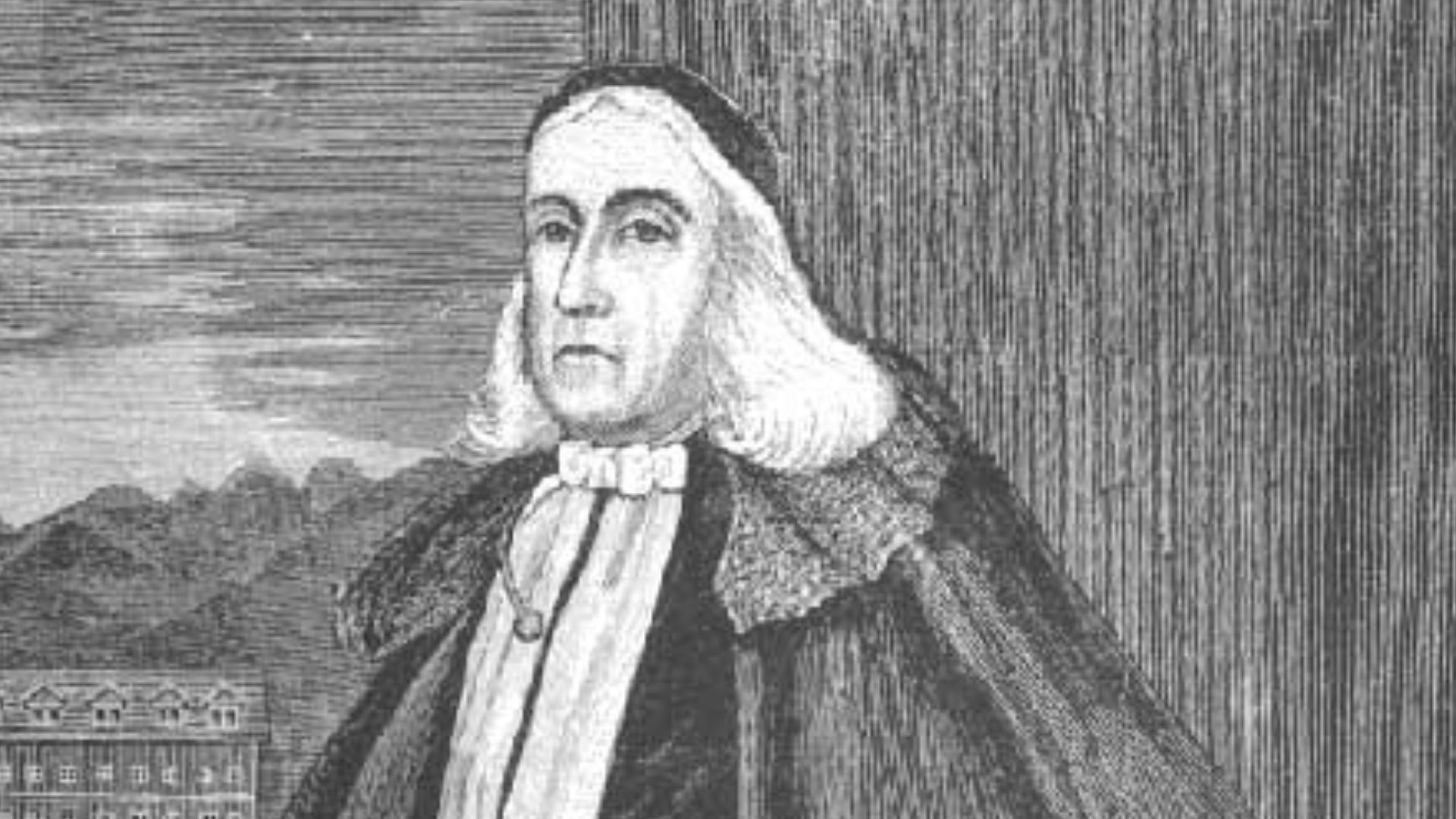
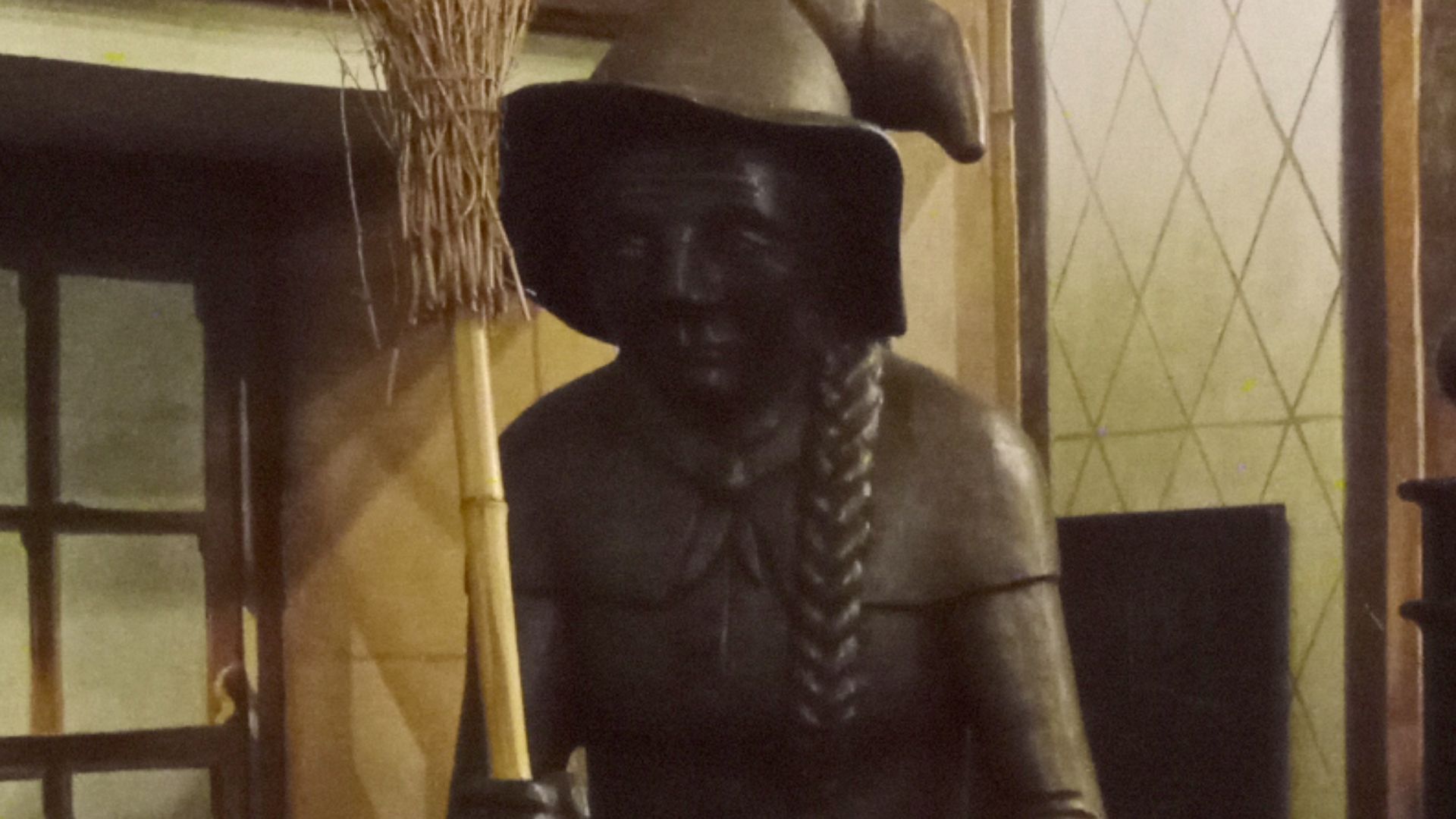
1. Alice Kyteler
Alice Kyteler was accused of practicing witchcraft against her husbands in medieval Ireland. She was accused by her fourth husband's stepchildren, who said she used witchcraft to extend her wealth. She managed to escape the judicial system and avoid punishment but is still considered notorious to this day.
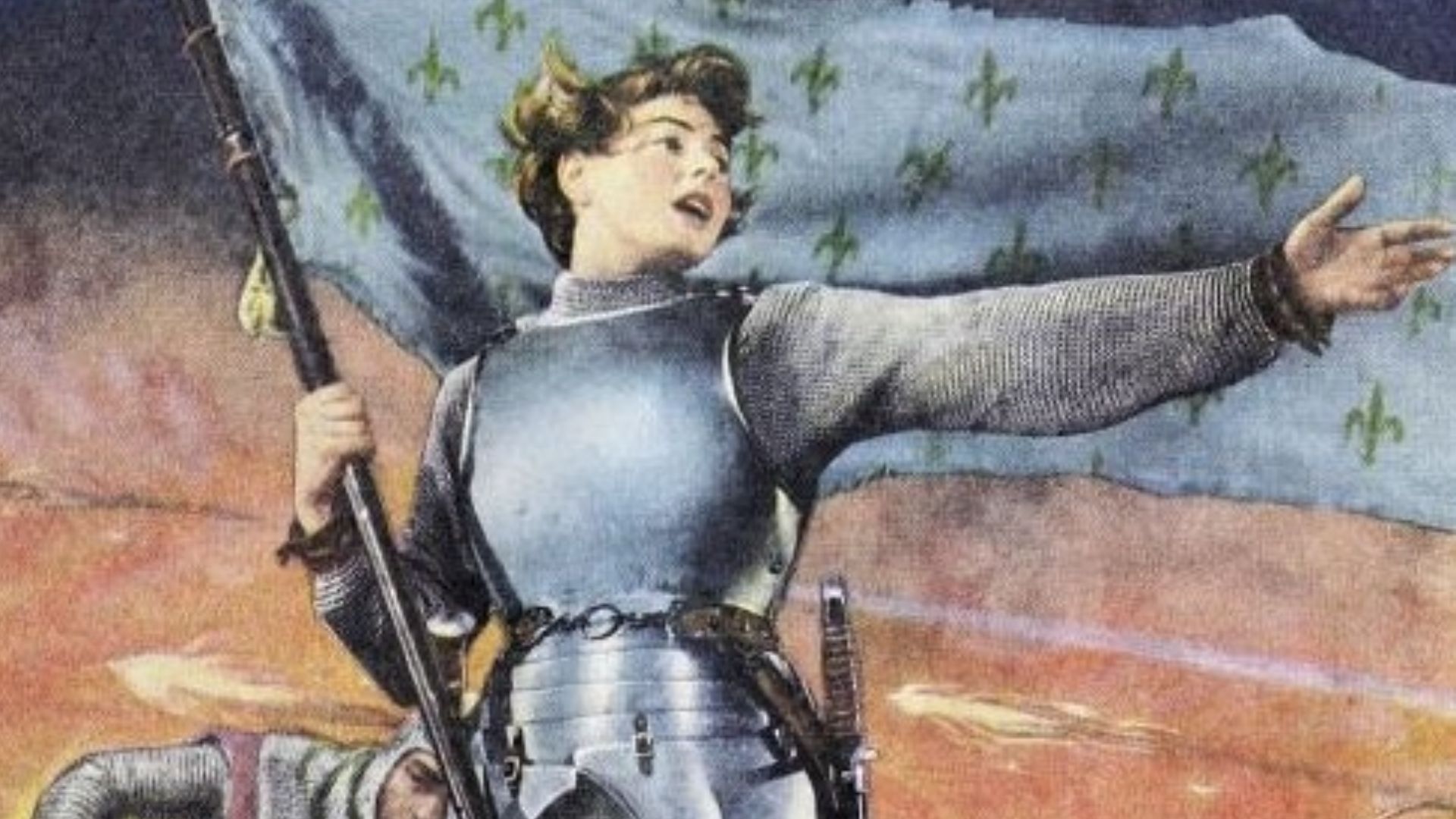
2. Joan of Arc
Joan of Arc did not face witchcraft charges specifically, but she was attacked with accusations of witchcraft during her trial. She faced religious and political adversaries who were able to take advantage of ecclesiastical courts. Her story demonstrates how accusations involving supernatural forces could be used against someone who had become politically inconvenient.
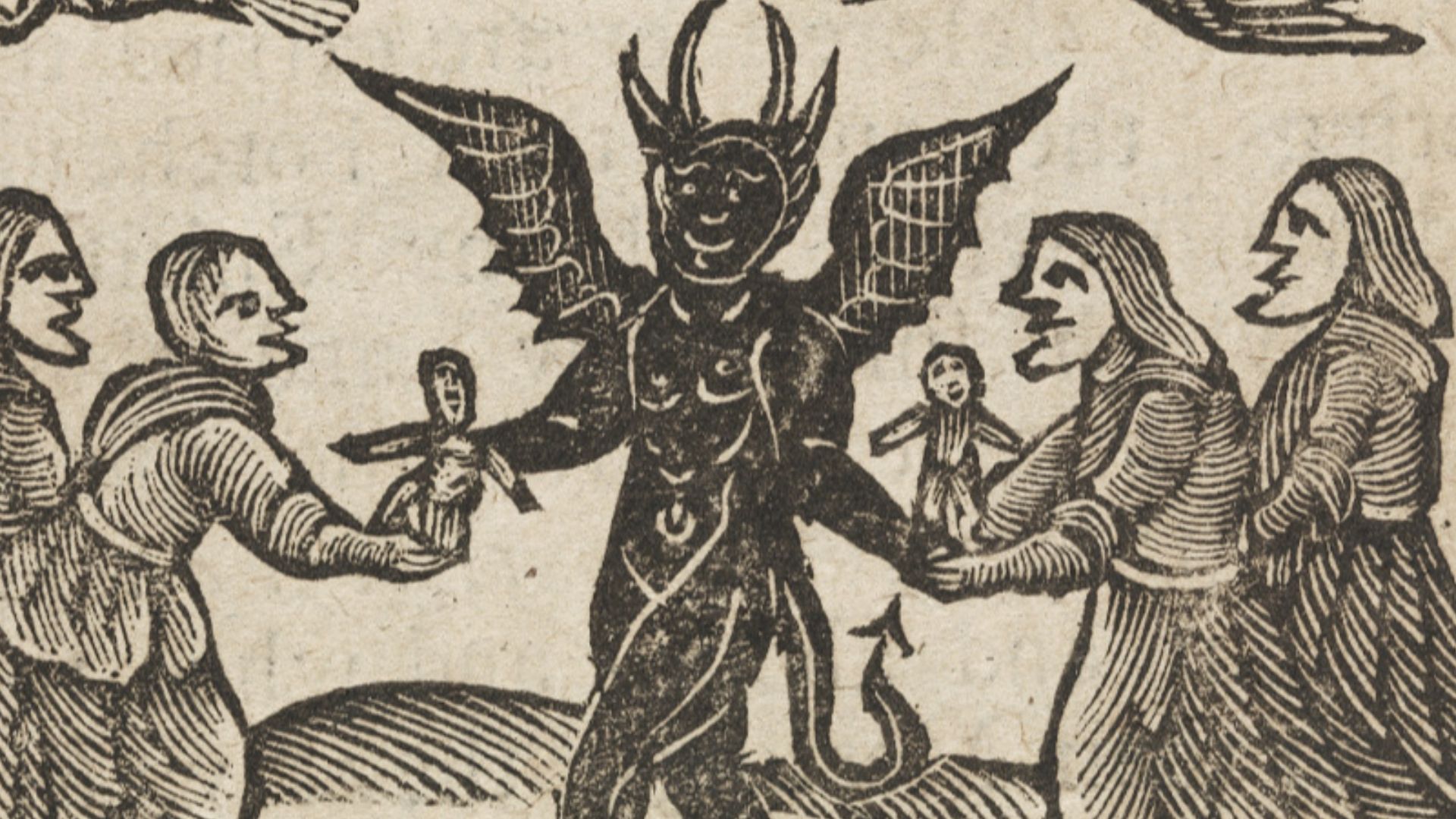
3. Agnes Sampson
Agnes Sampson was one of the many people caught up in the North Berwick witch trials of 1590 and 1591. She was accused of being part of a conspiracy to harm King James VI using witchcraft and was tortured for information. She eventually signed a confession to avoid the torture and was executed by being burned at the stake.
 Unknown authorUnknown author on Wikimedia
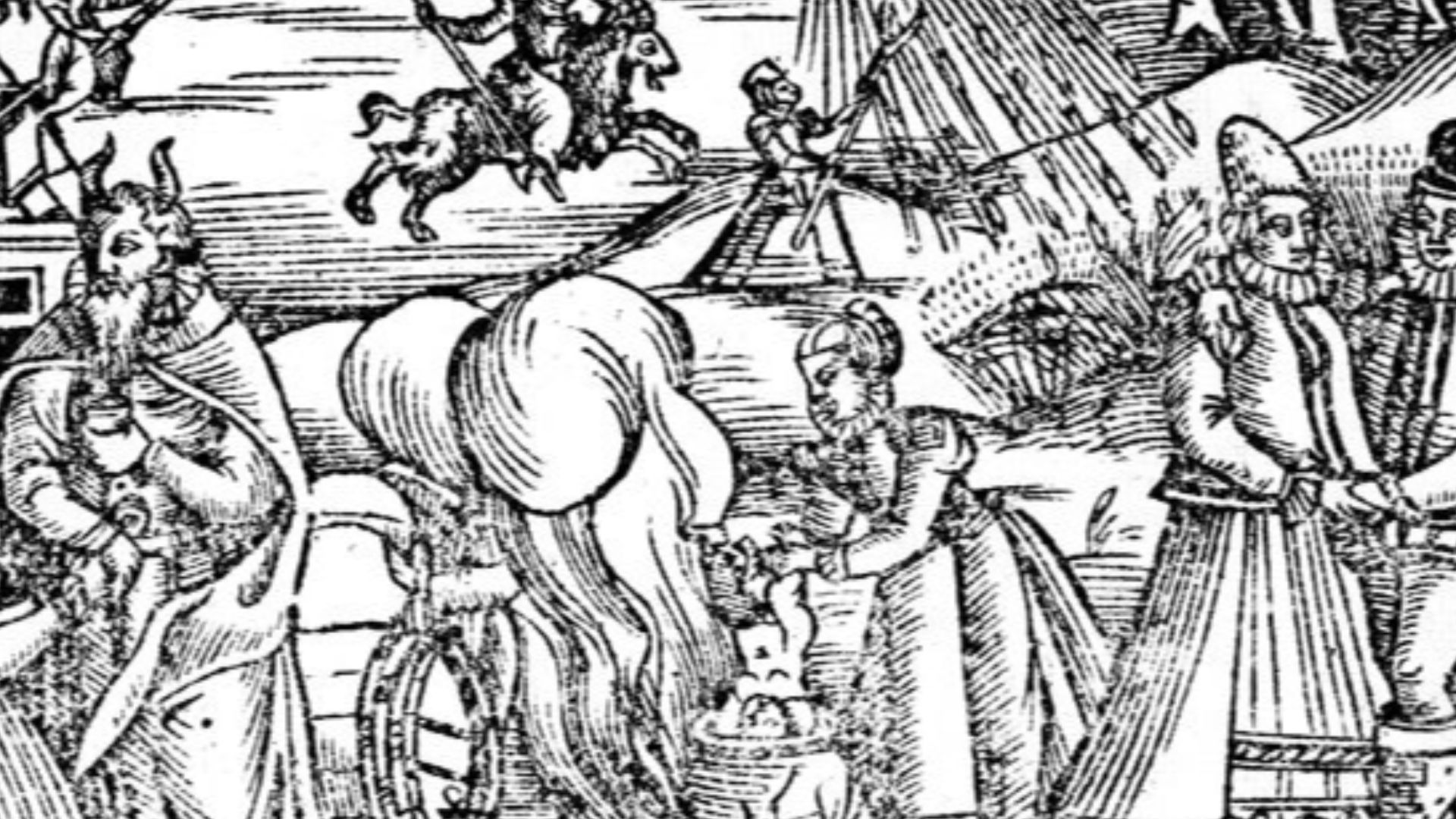
4. Isobel Gowdie
Isobel Gowdie was accused and tortured for witchcraft in Scotland, but her detailed confession has kept her famous. She signed a confession that was so elaborate that it was questioned by her own judges. Her tale of fairy interactions and supernatural events was far-fetched, leading some to believe that she was fabricating a story to avoid torment.
 Peter Binsfeld (c. 1540 – 1598 or 1603) on Wikimedia
5. Tituba
Tituba was an enslaved woman in the home of Samuel Parris and was accused along with his daughter. After several young girls in Salem became ill, they claimed witchcraft was responsible and accused Tituba. She confessed and created a tale about witchcraft that became important to the trials.
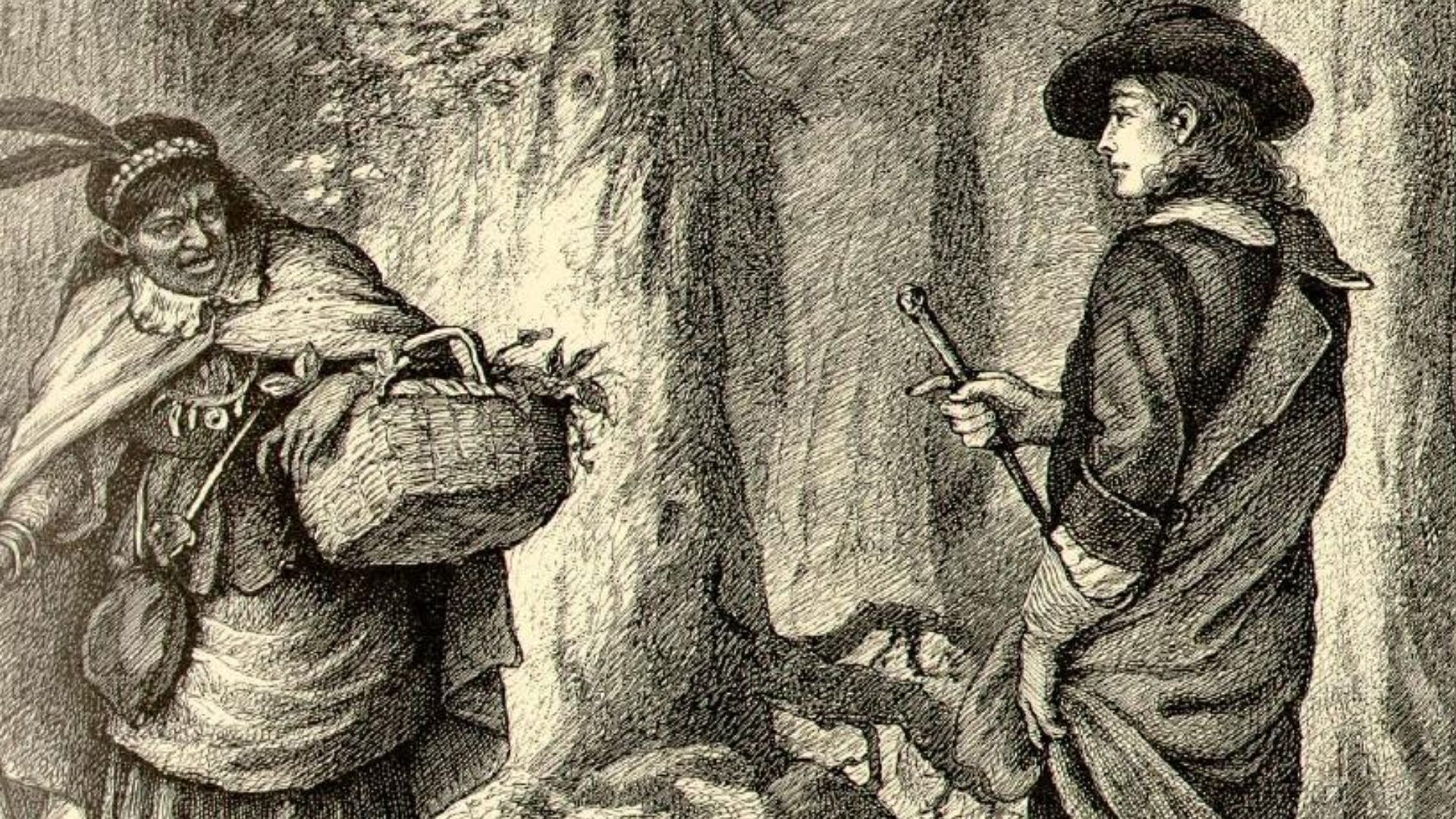 John Whetton Ehninger on Wikimedia
6. Bridget Bishop
Bridget Bishop was accused of witchcraft during the Salem Witch Trials and was the first person executed. Bishop had even been accused of witchcraft in the past, which likely made her the perfect target. The accusations ranged from strange behavior to spectral attacks but wouldn't hold up in a court of law today.
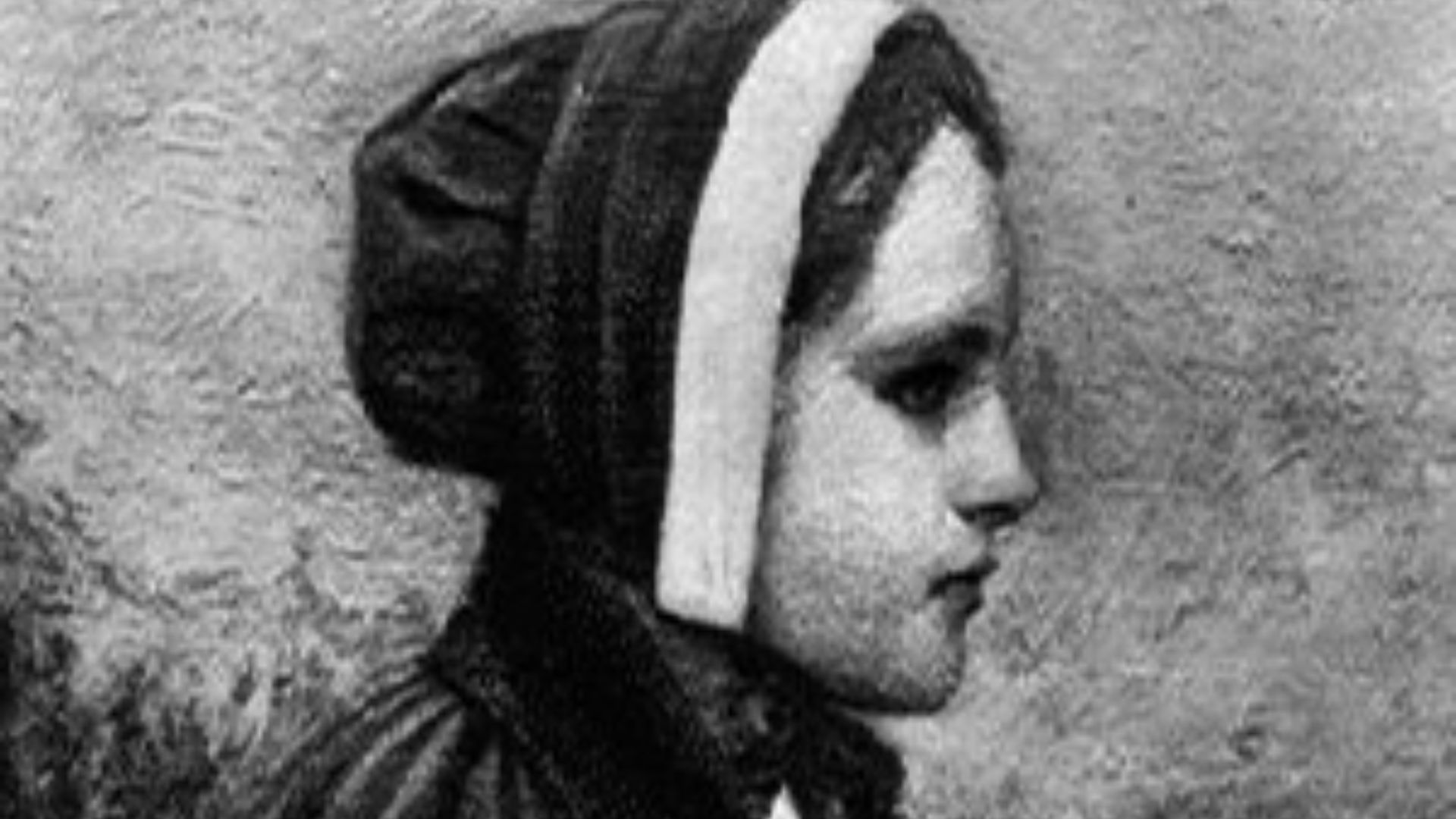 Unknown authorUnknown author on Wikimedia
7. Sarah Good
Sarah Good lived in Salem Village and was known to have a difficult reputation in the community. This poor woman was vulnerable to accusations and was called a witch by several locals. Her case demonstrates how poverty and social isolation could make someone particularly vulnerable during a period of collective fear.
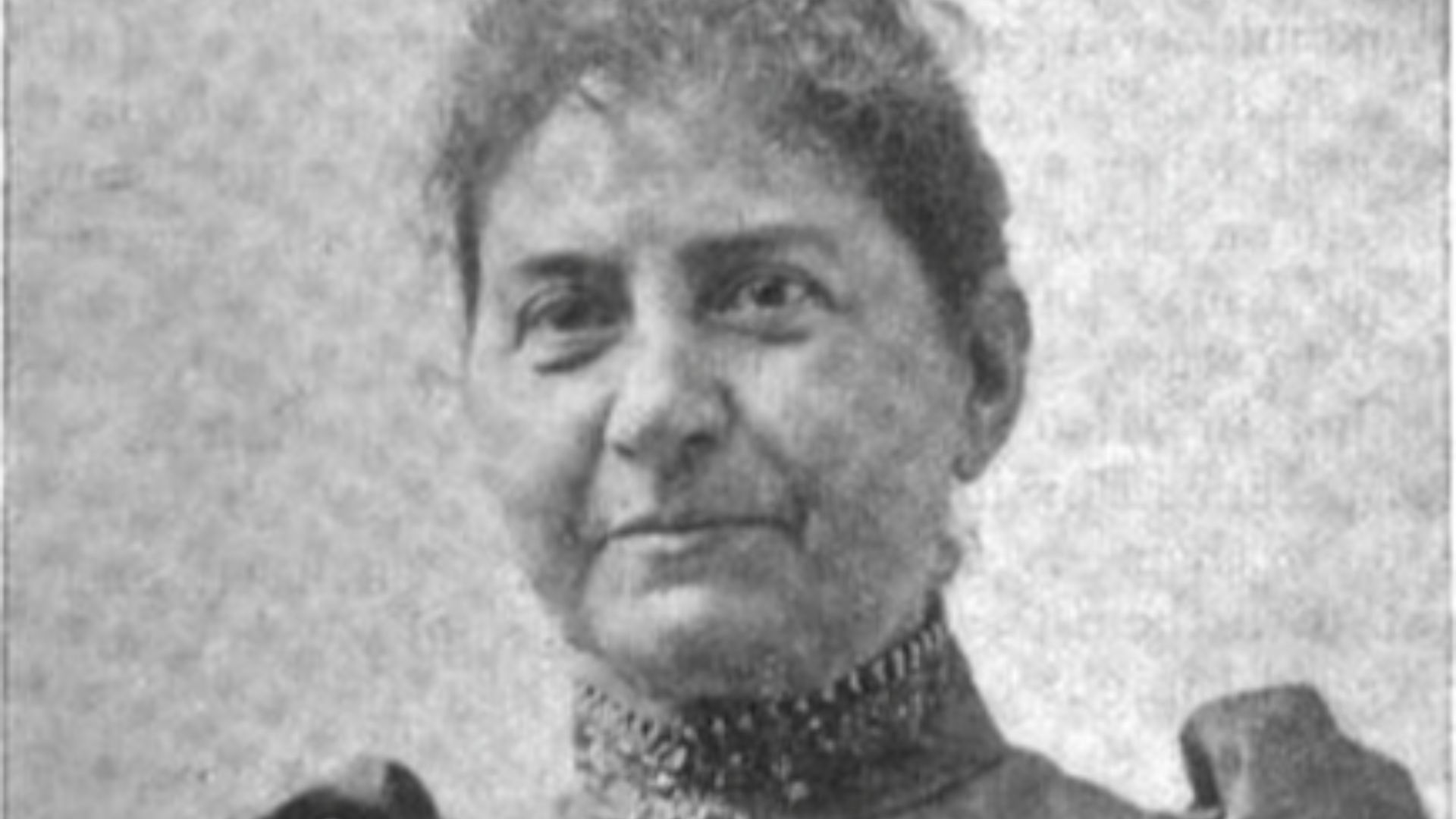 Photographer not named. on Wikimedia
8. Margaret Jones
Margaret Jones was from Massachusetts and was executed on charges of witchcraft in 1648. She was accused of causing illness in those around her through her witchcraft and was found guilty. Witchcraft accusations were already happening in America long before the famous Salem Witch Trials.
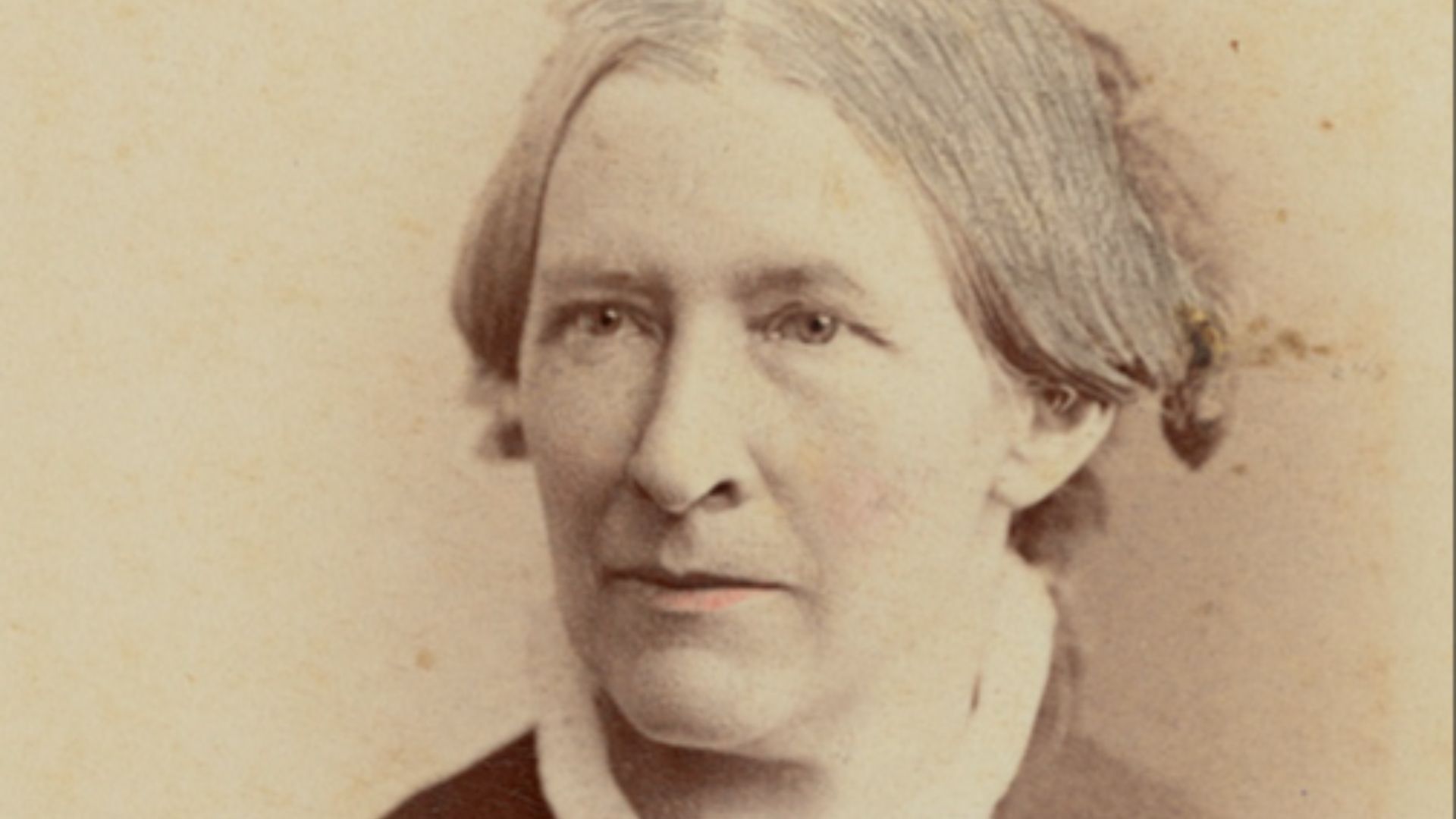 The Library of Congress from Washington, DC, United States on Wikimedia
9. Elizabeth Sawyer
Elizabeth Sawyer became known as the "Witch of Edmonton" after being accused and executed for witchcraft. Reports say that she became accosted after having disputes with her neighbors. Her story later inspired a popular play, ensuring that her name survived not simply as a historical case but as part of English theatrical folklore.
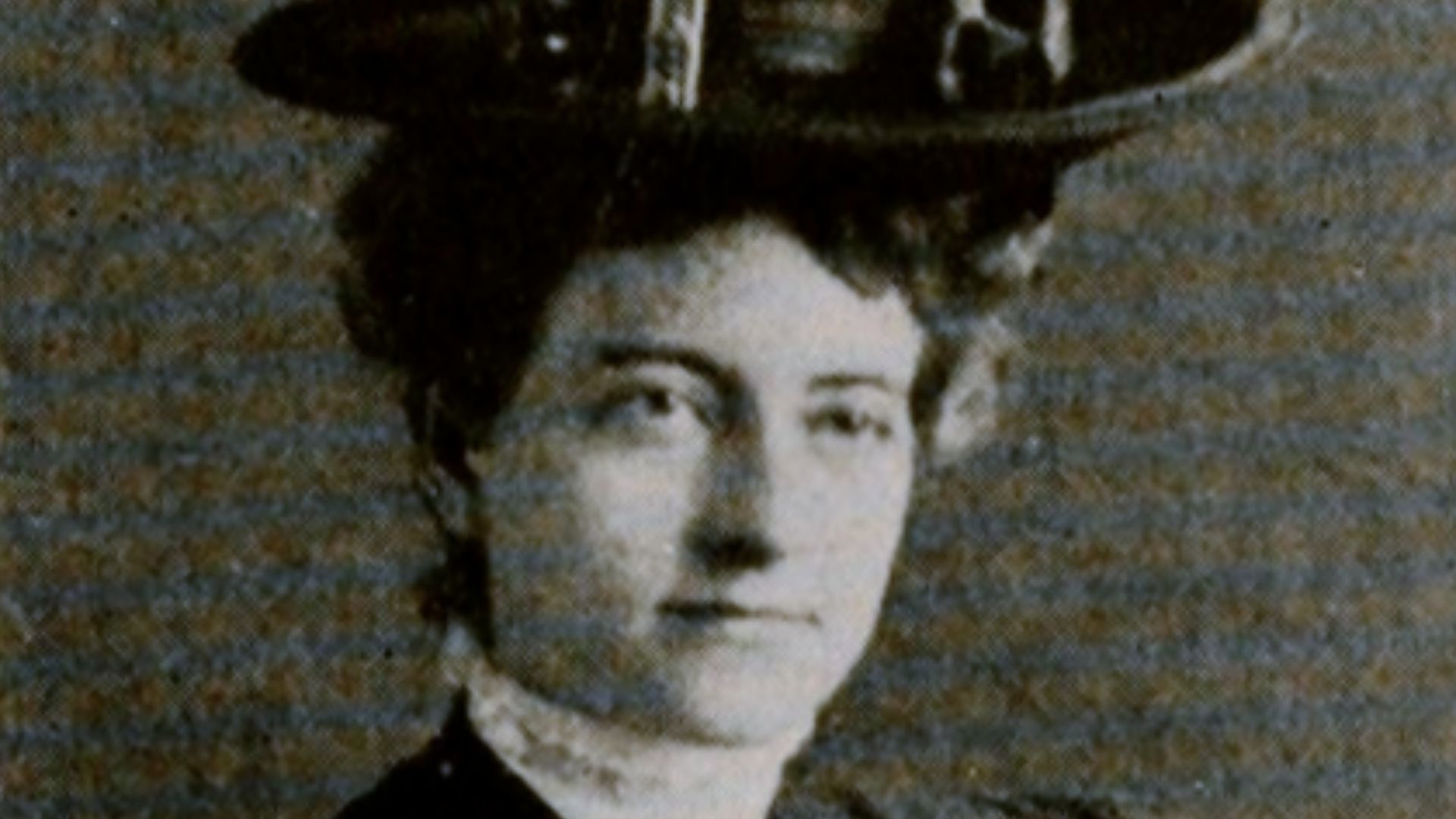 Photographer not named. on Wikimedia
10. Ursula Kemp
Ursula Kemp was a healer and midwife who lived in Essex, England. She was accused of witchcraft by those that she helped and was eventually executed. Neighbors said she caused death and illnesses through witchcraft and was found guilty, and Ursula was burned at the stake after confessing to her crimes.

KEEP ON READING