

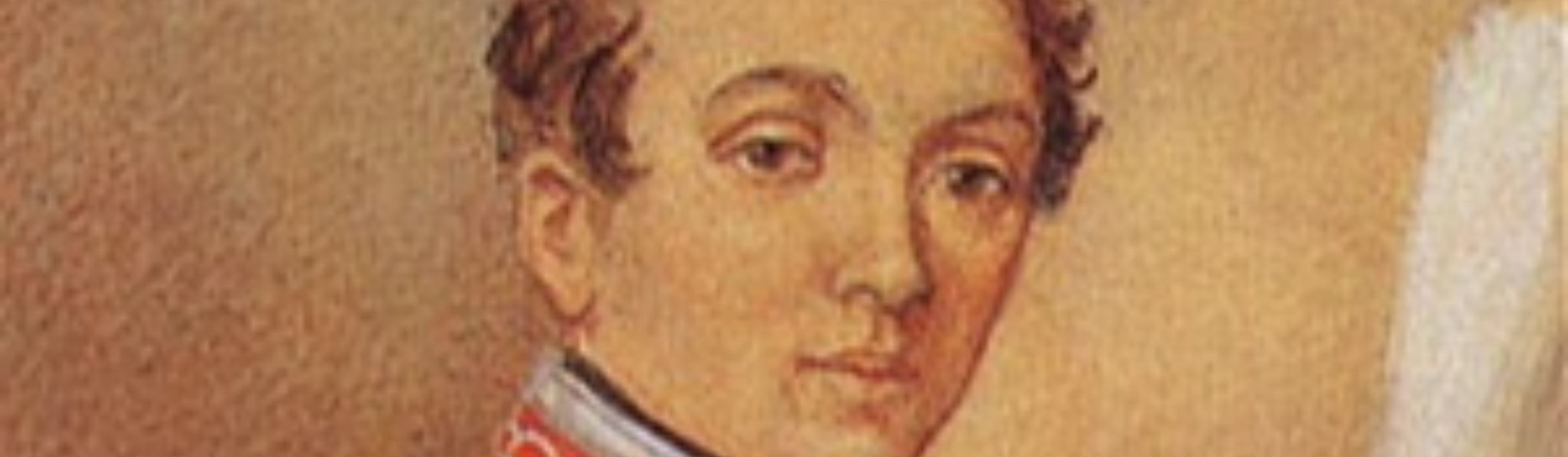
20 Women From History Who Lived Under False Names
The Hidden Identities Behind Famous Lives
History is full of women who had to get creative with their names just to move through the world with a little more freedom. Some used aliases to fight in wars, some adopted pen names to be taken seriously, and others hid their identities because survival depended on it. Their stories are fascinating because a false name wasn’t always about deception for its own sake; sometimes it was the only way to get past the locked doors society kept putting in front of them. Here are 20 women who lived under false names.
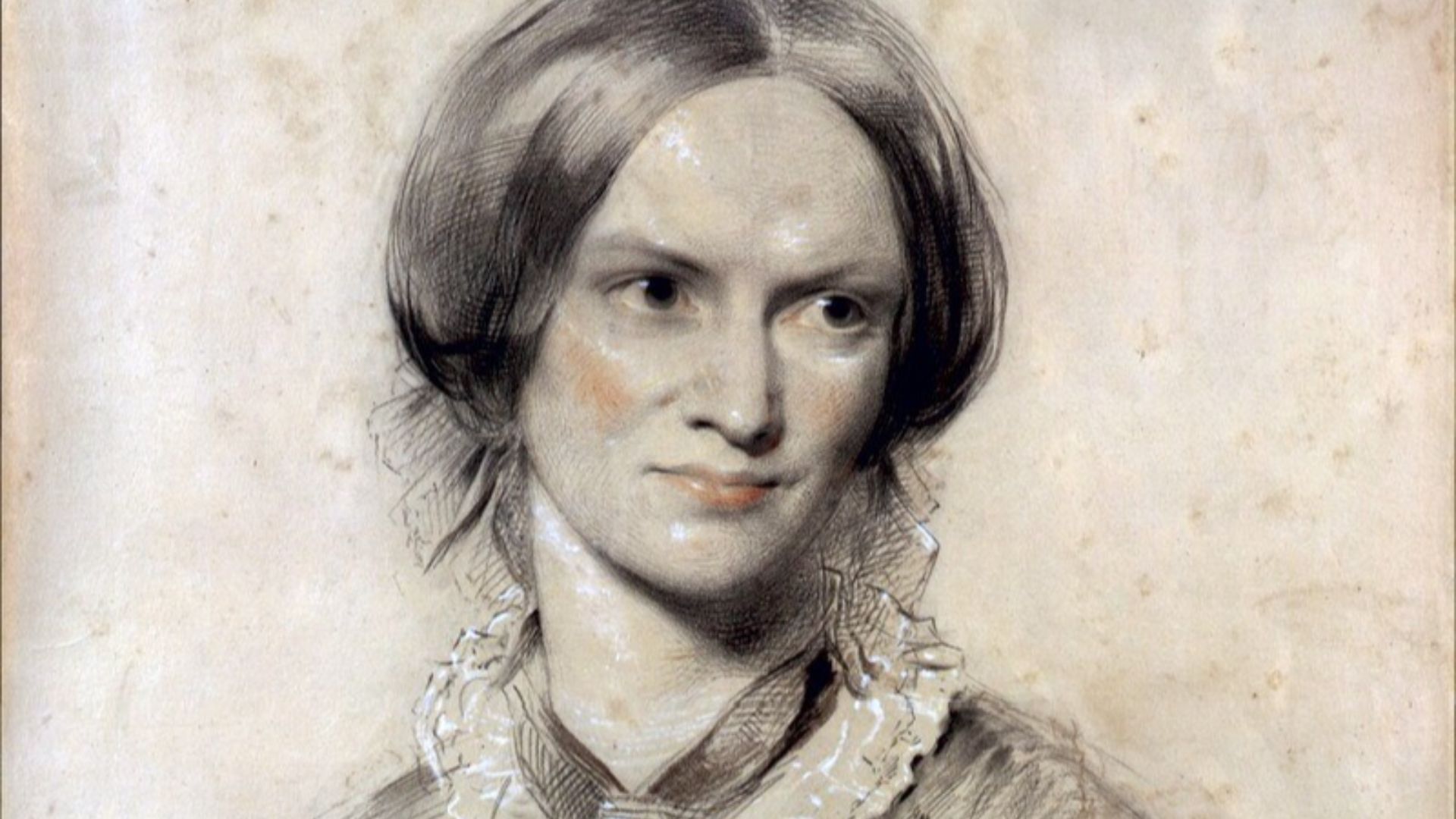
1. Deborah Sampson as Robert Shurtliff
Deborah Sampson wanted to fight in the American Revolution, so she enlisted under the name Robert Shurtliff. She served in the Continental Army while disguised as a man and managed to keep her identity hidden for quite some time. When her secret eventually came out, she was given an honorable discharge and later became the first woman to receive a full military pension in the U.S.
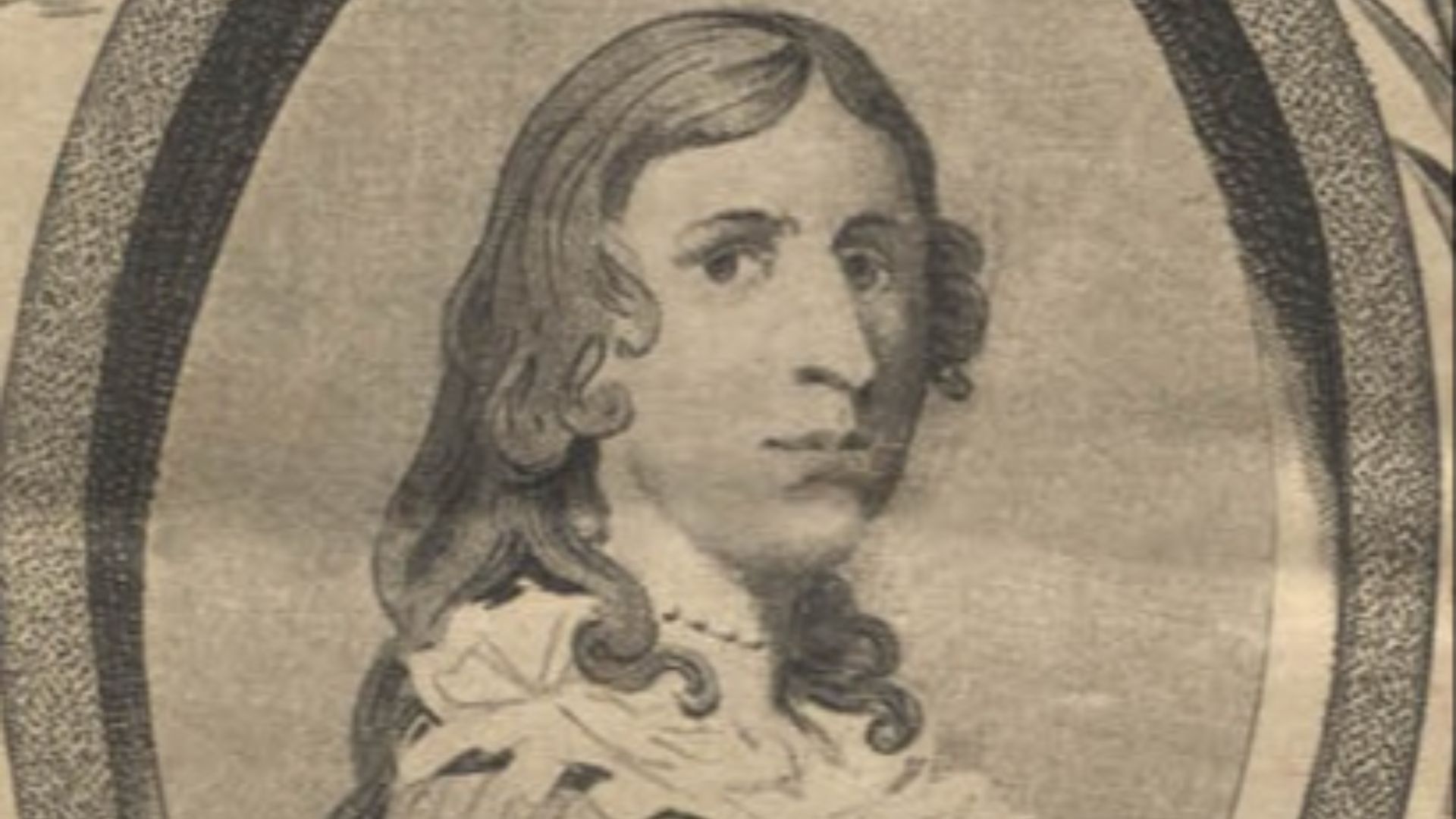
2. Sarah Emma Edmonds as Franklin Thompson
Sarah Emma Edmonds joined the Union Army during the Civil War under the name Franklin Thompson. She worked as a soldier and nurse, and later accounts also described her as taking on spy work. She disguised herself as a man for nearly two years until she contracted malaria, and, fearing a military hospital would expose her biological sex, she left the army and resumed her life as a woman.
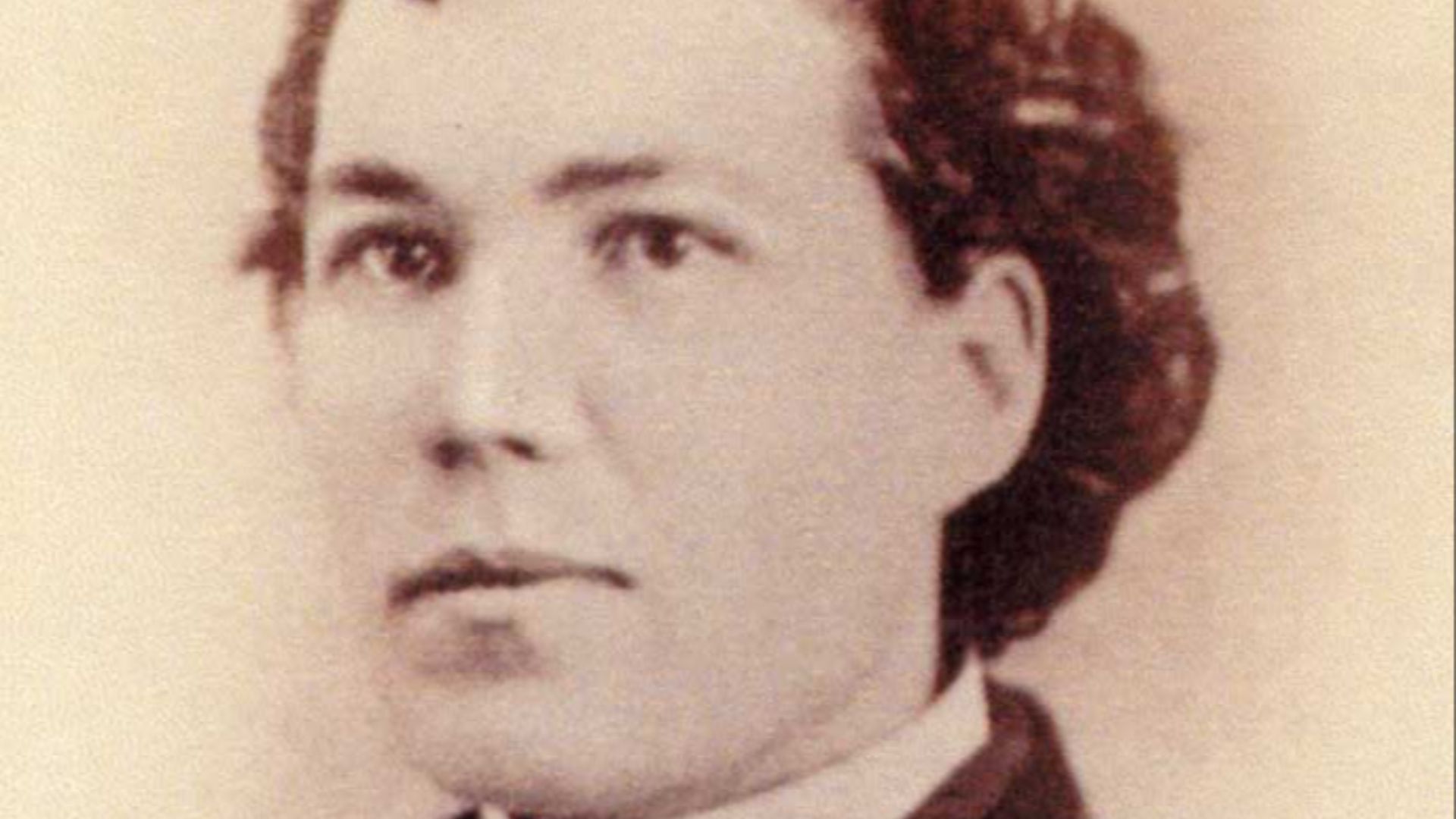
3. Hannah Snell as James Gray
Hannah Snell took on the identity of James Gray and served as a British marine in the 18th century. She reportedly fought overseas and kept her sex hidden while enduring the same brutal conditions as the men around her. After returning to England, she publicly revealed her identity and turned her unusual life into a source of fame.
4. Cathay Williams as William Cathay
Cathay Williams was born enslaved and later became the first known Black woman to enlist in the United States Army. She did so under the name William Cathay, serving with the Buffalo Soldiers after the Civil War for nearly two years. A doctor who was treating her eventually discovered her secret, and she was discharged.
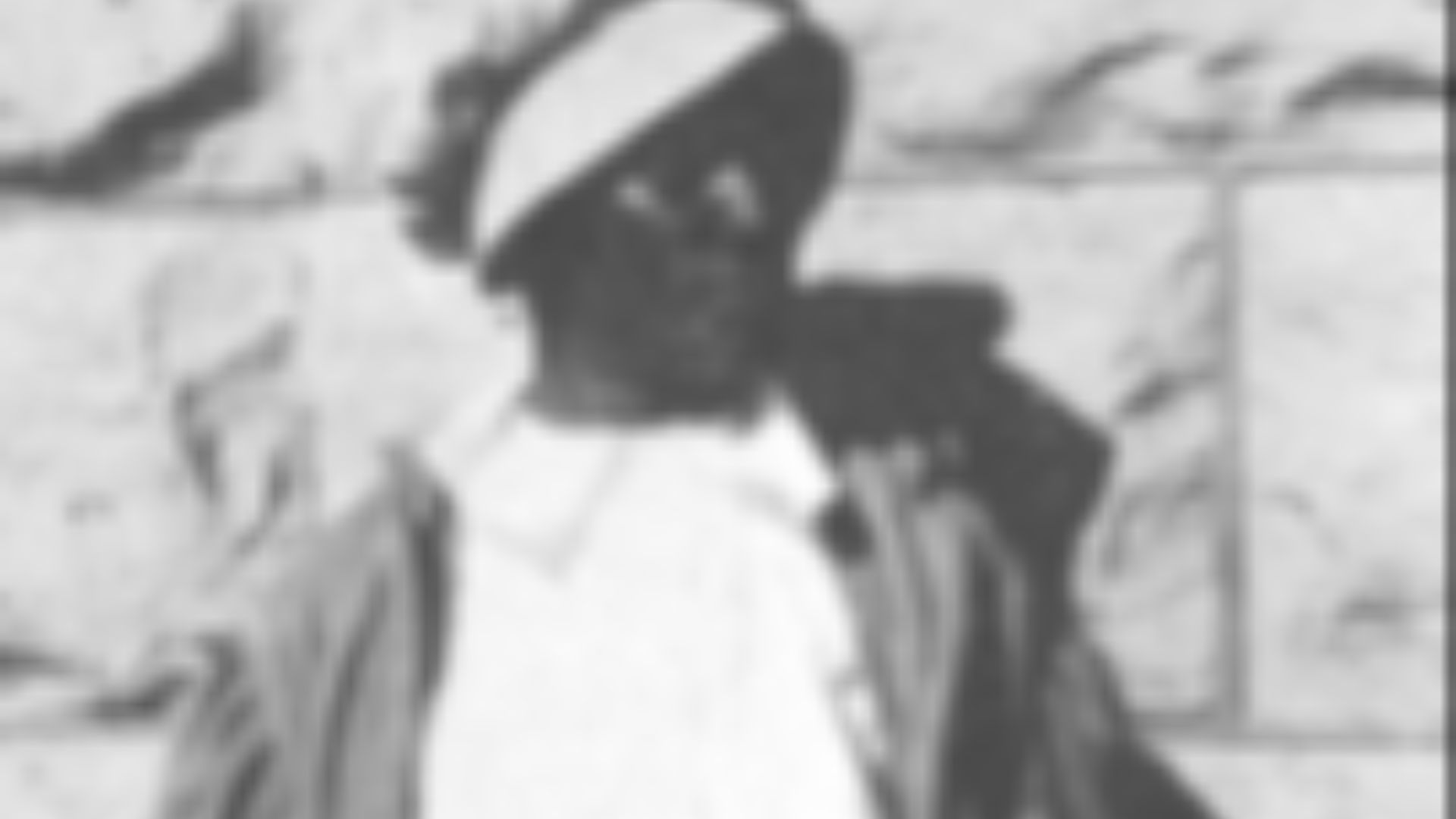
5. Nadezhda Durova as Alexander Sokolov
Nadezhda Durova left behind the life expected of her and entered the Russian cavalry under a male name. She served during the Napoleonic Wars and became known as Alexander Sokolov, later using the name Alexander Alexandrov as well. Her memoir made her even more remarkable because she didn’t just live the story; she helped make sure people heard it.
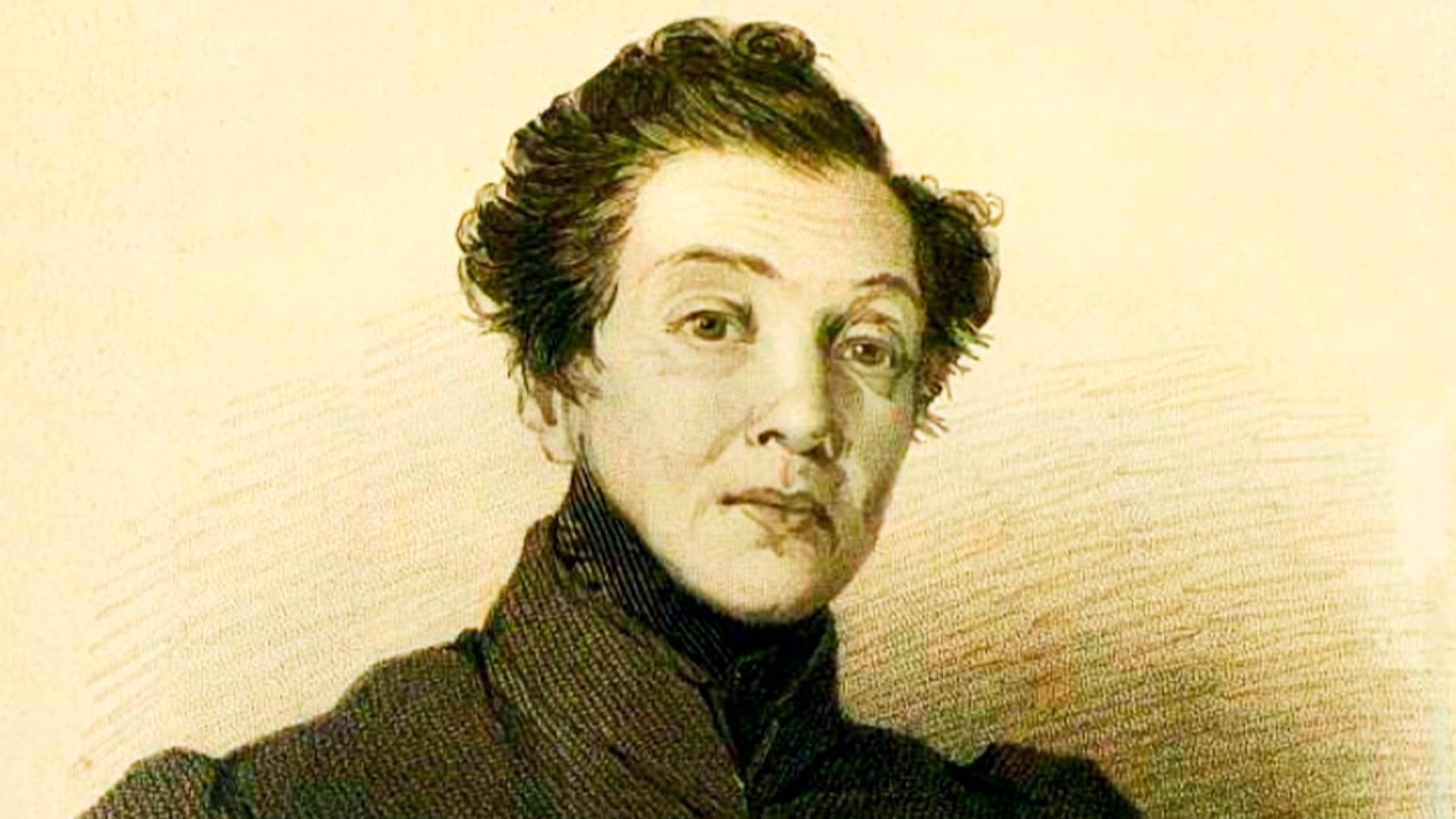
6. Loreta Janeta Velazquez as Harry T. Buford
Loreta Janeta Velazquez claimed to have fought for the Confederacy during the Civil War under the name Harry T. Buford. Her memoir is still debated by historians, which makes her a tricky figure rather than a neat one. Even so, her story became part of the larger history of women who used male identities to enter military spaces.
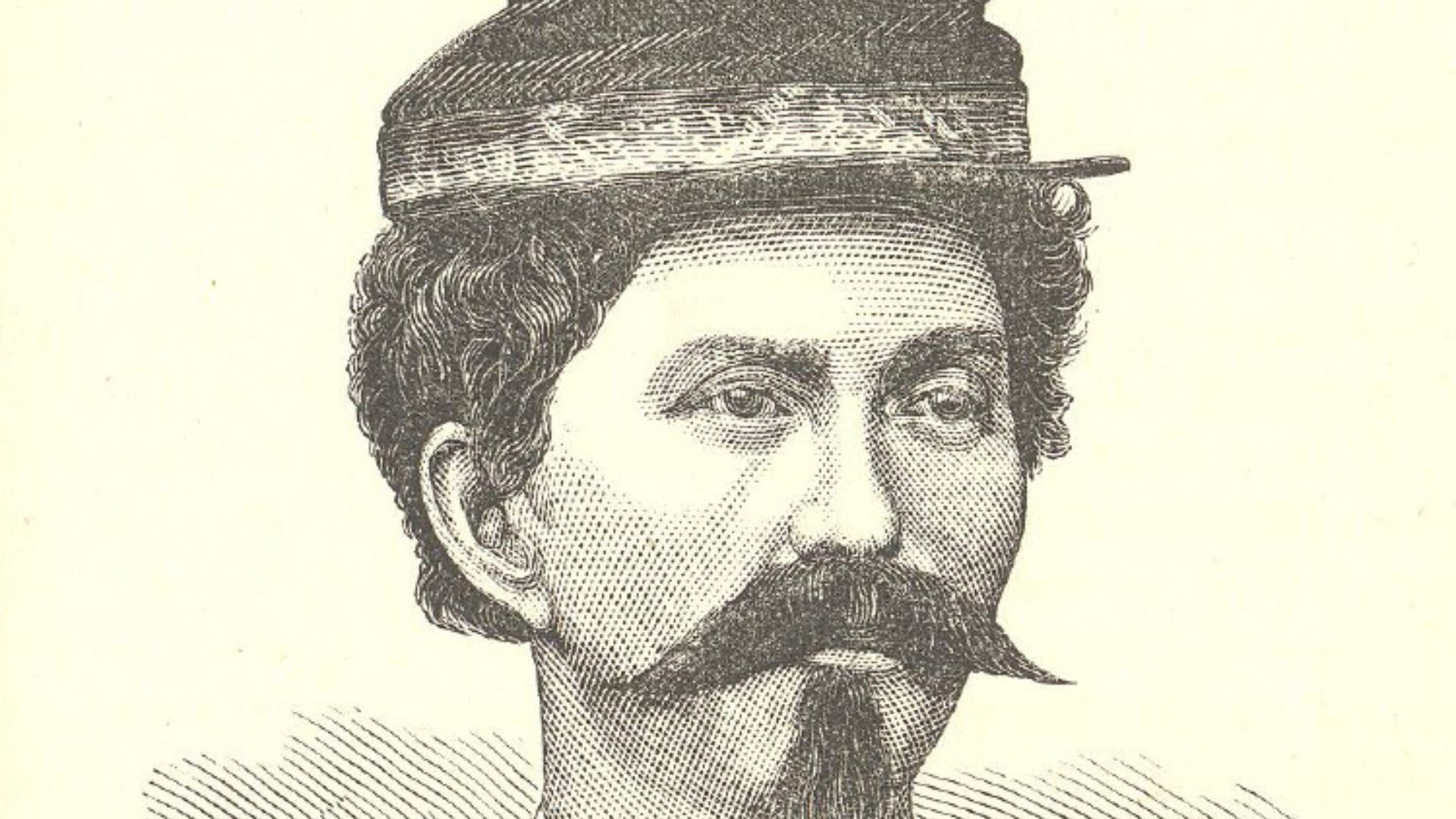
7. Frances Clayton as Jack Williams
Frances Clayton reportedly joined the Union Army during the Civil War while using the name Jack Williams. Like many stories of women soldiers from that era, details can be hard to pin down perfectly, but the broad account has remained part of Civil War lore. What stands out is the sheer risk involved, since discovery could mean humiliation, punishment, or being forced out immediately.
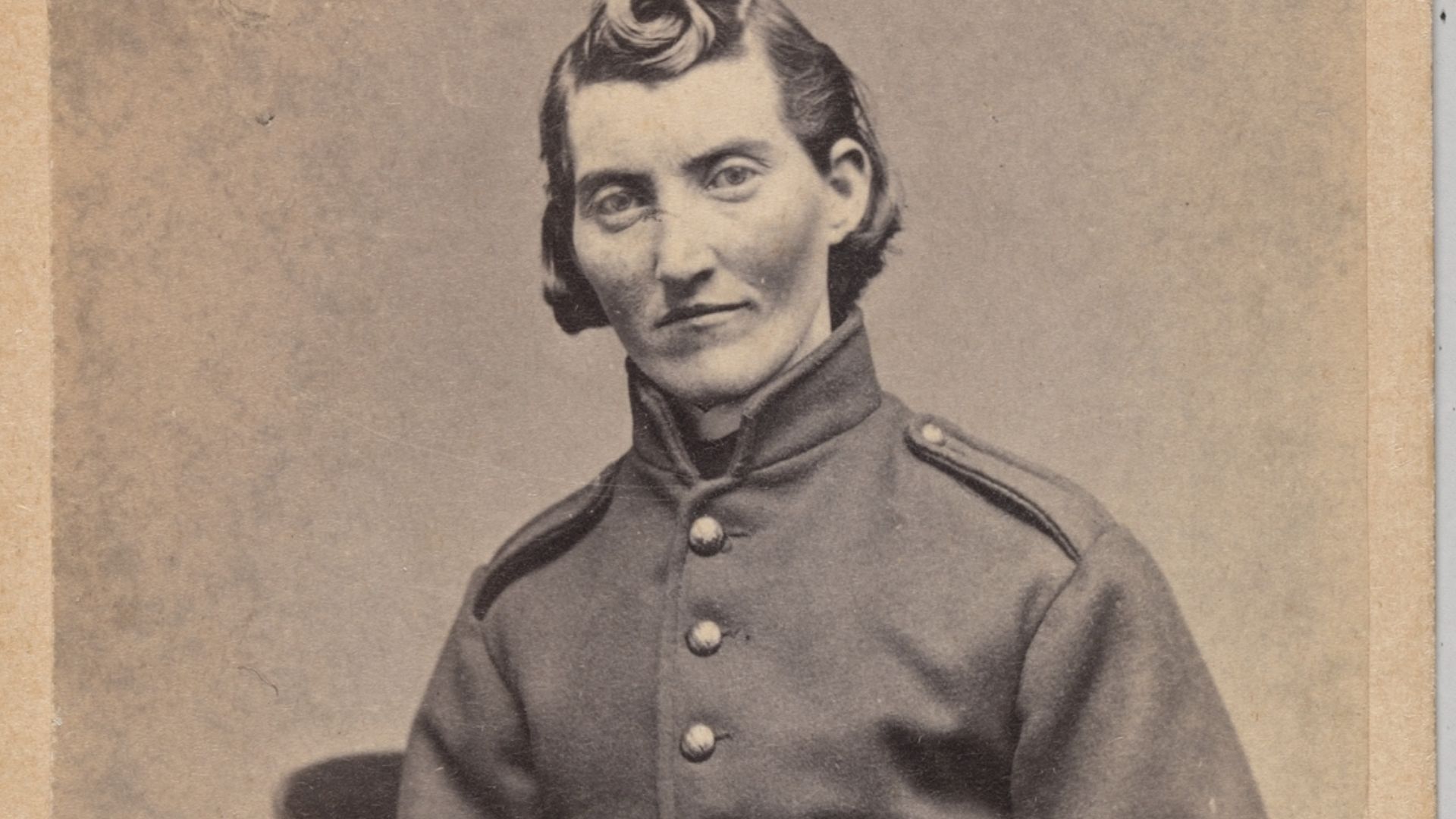
8. Dorothy Lawrence as Denis Smith
Dorothy Lawrence was a young English journalist who wanted to report from the front lines during World War I. When official channels blocked her, she disguised herself as a soldier and used the name Denis Smith to get closer to the action. However, the harsh conditions in the trenches led her to decide to reveal her identity to seek medical treatment after only 10 days.
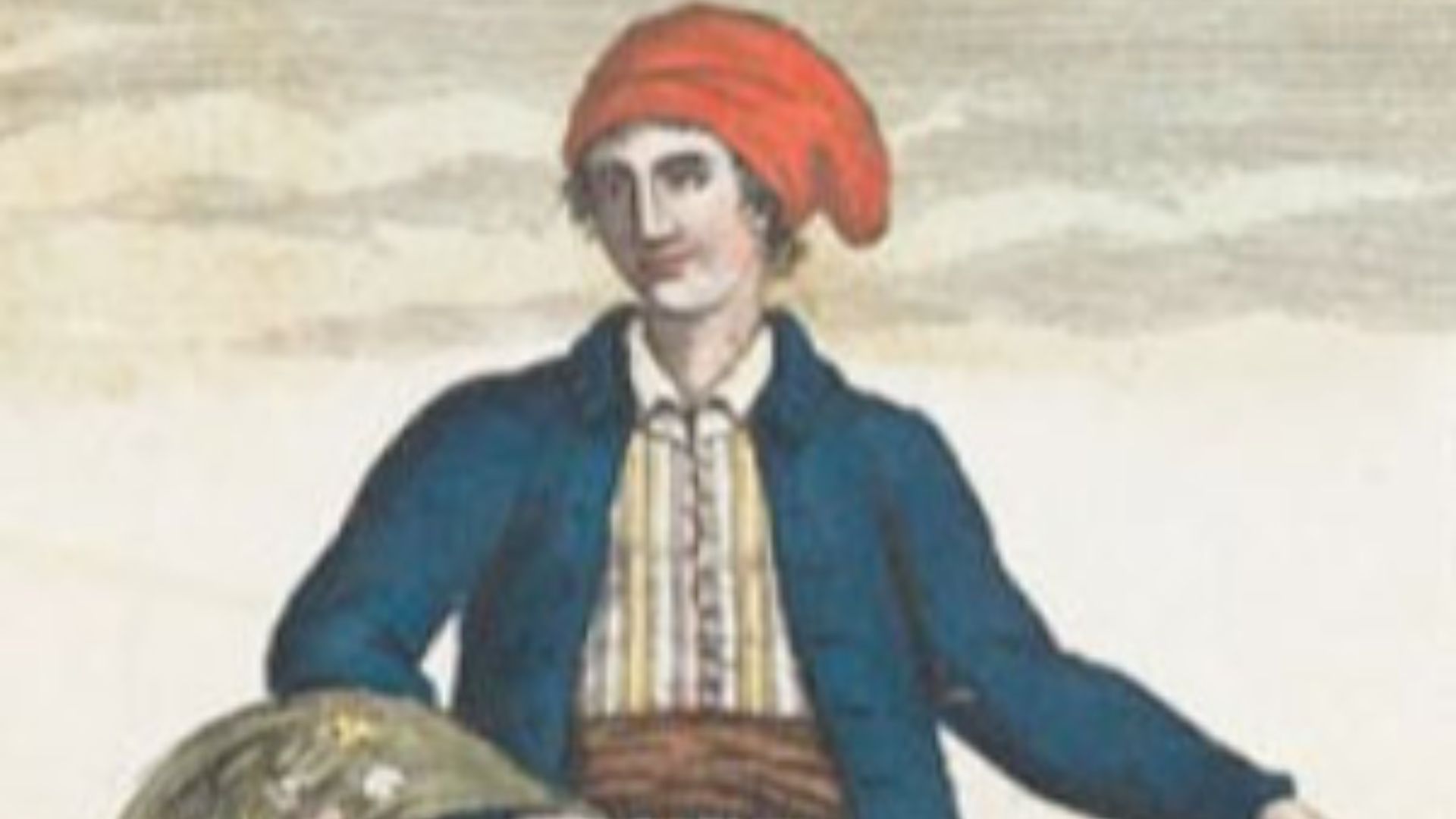
9. Jeanne Baret as Jean Baret
Jeanne Baret disguised herself as a man, often identified as Jean Baret, so she could join a French expedition around the world in the 18th century. Women weren’t allowed on French naval ships at the time, so her false identity was the only way onto the voyage. She’s now remembered as the first woman known to have circumnavigated the globe.
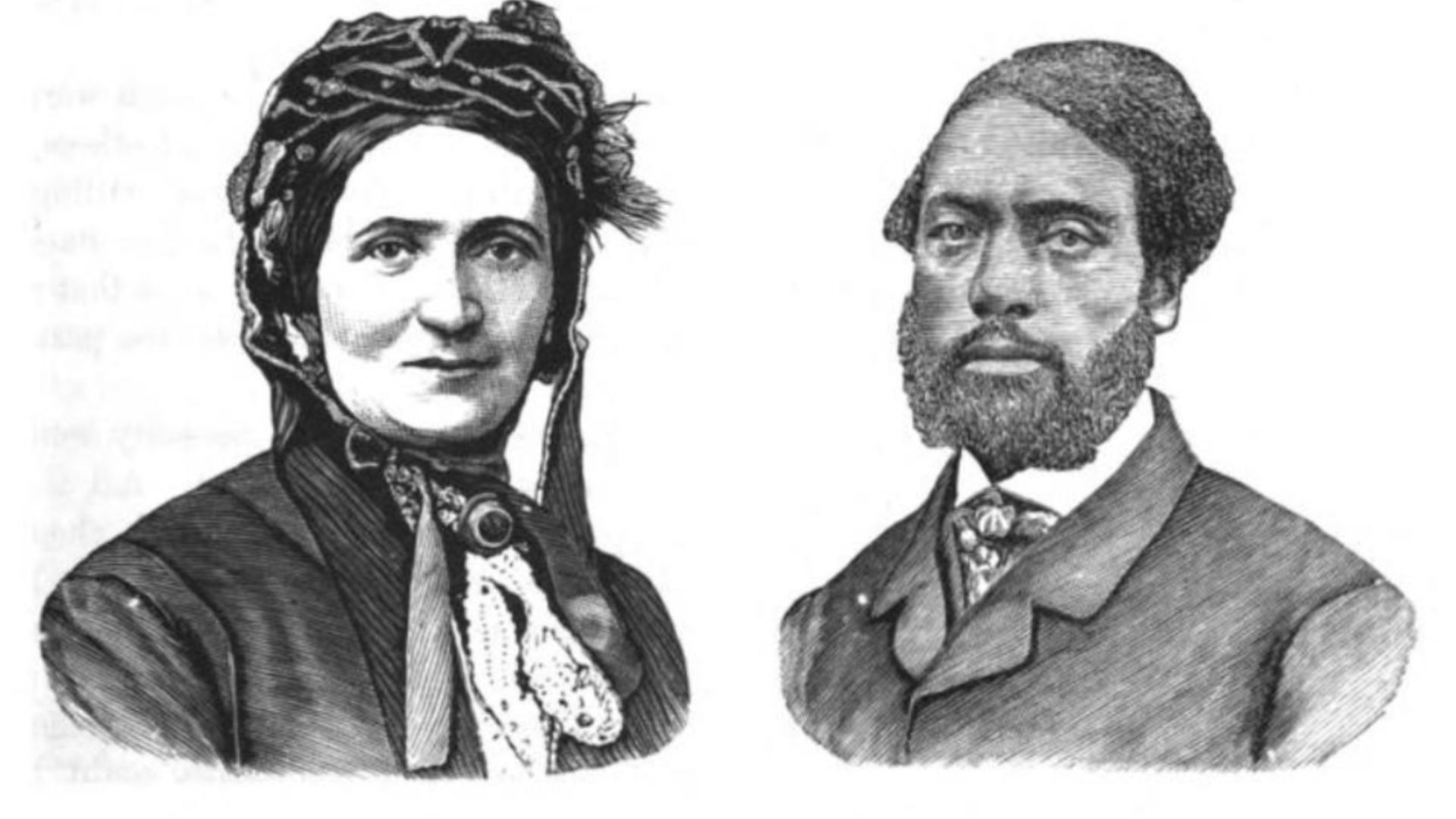
10. Ellen Craft as a White Male Planter
Ellen Craft, the daughter of a white enslaver, escaped slavery with her husband, William, by taking on one of the most daring disguises in American history. She dressed as a wealthy white male enslaver traveling with William, who posed as her servant. The false identity helped them move through dangerous public spaces, and the escape remains one of the most astonishing stories of resistance from the 19th century.
11. Mary Ann Evans as George Eliot
Mary Ann Evans, the author of Middlemarch, published under the name George Eliot because women writers were often dismissed or boxed into lighter fiction. The name helped her work be judged more seriously, though readers eventually learned who was behind it.
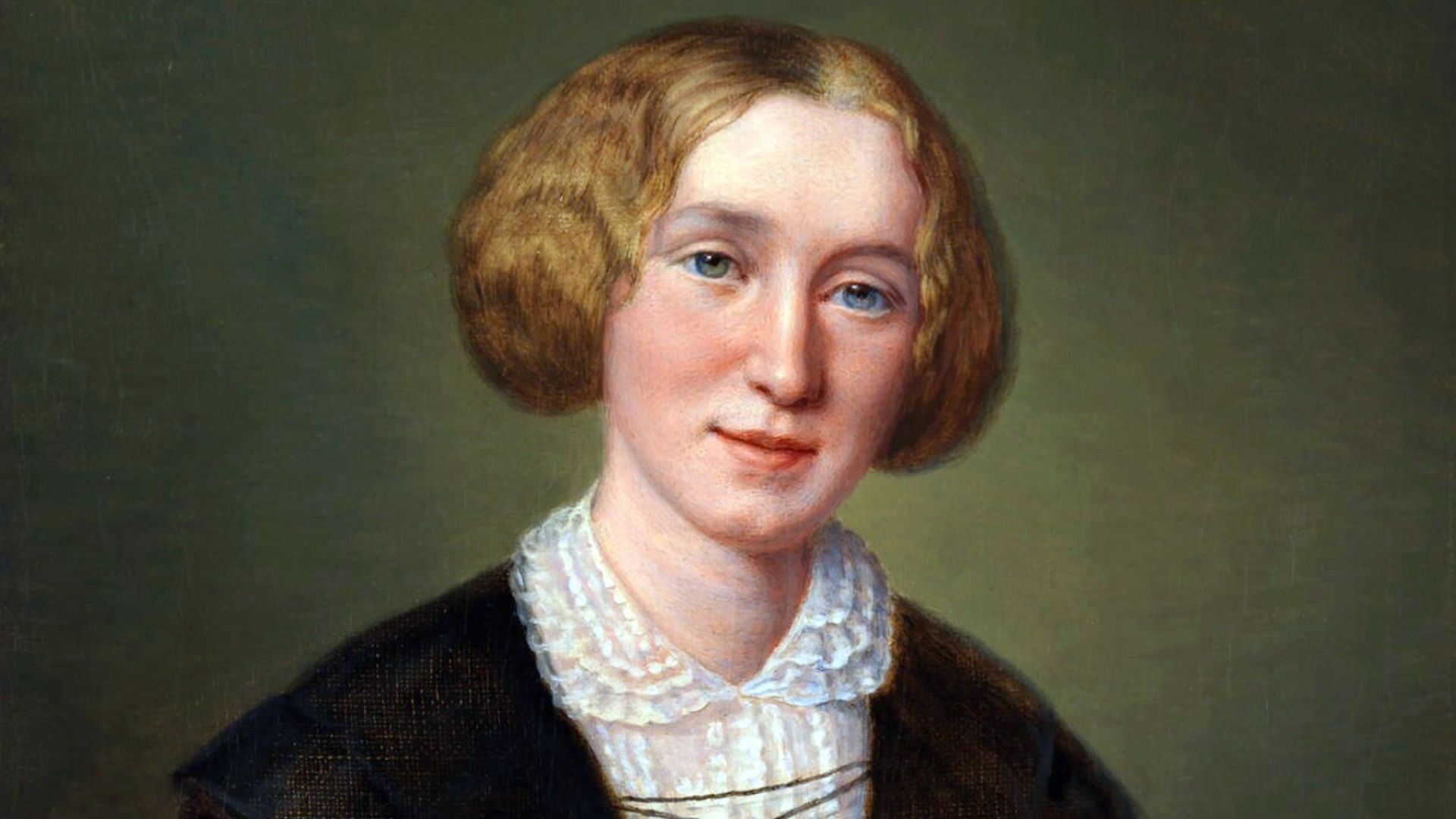 replica by François D’Albert Durade (1804–1886) on Wikimedia
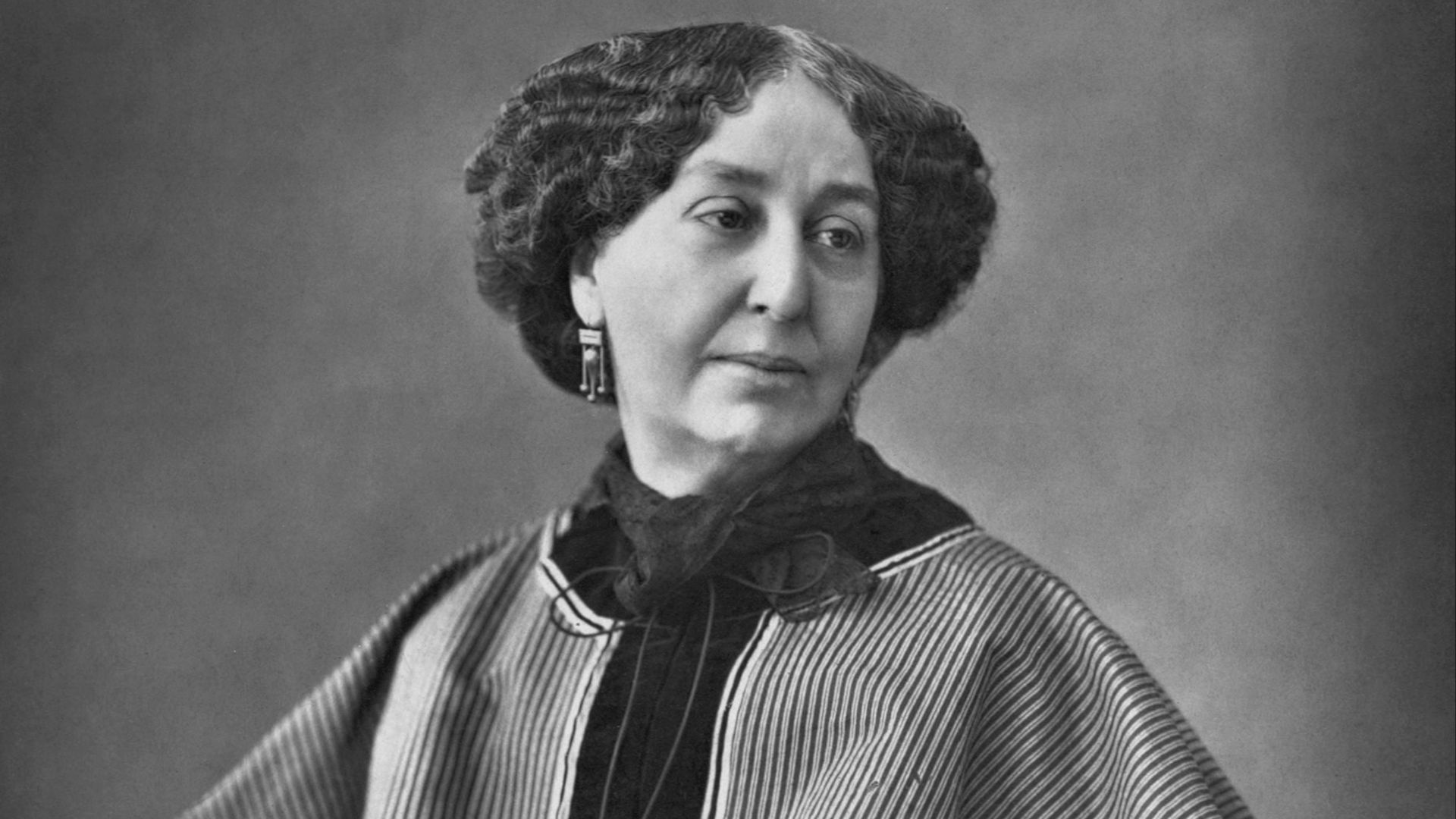
12. Aurore Dupin as George Sand
Aurore Dupin became famous under the name George Sand, and she didn’t exactly tiptoe through the 19th-century literary world. She wrote novels, wore men’s clothing in public at times, and built a reputation for living with unusual independence. Her chosen name became so famous that many people know the alias better than the woman’s birth name.
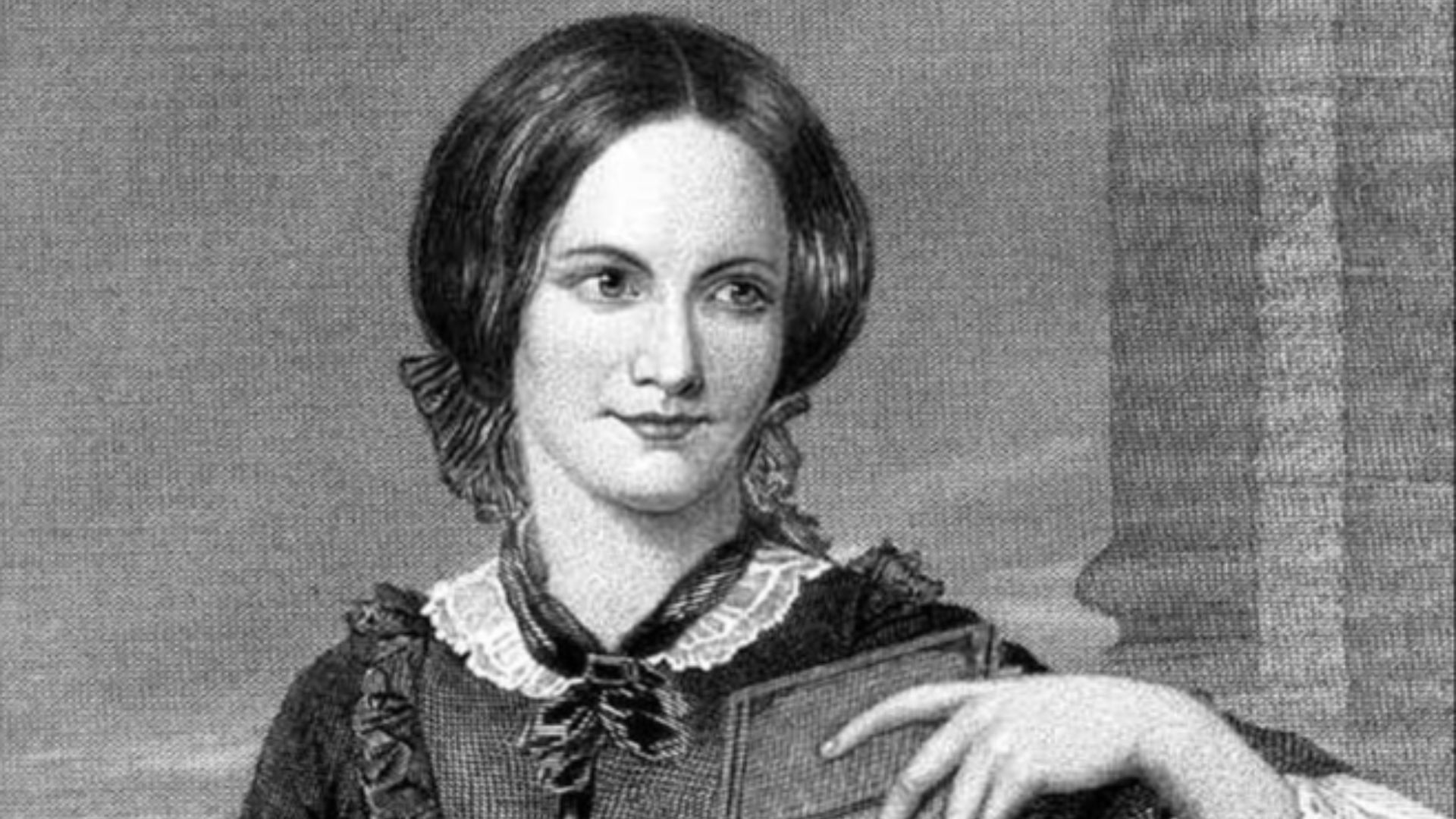
13. Charlotte Brontë as Currer Bell
Charlotte Brontë published under the name Currer Bell, partly because she and her sisters knew female authors could be treated unfairly. The name gave her work a better chance of being taken seriously before readers focused on the author’s gender. However, once Jane Eyre became a sensation, the secret behind Currer Bell became much harder to keep.
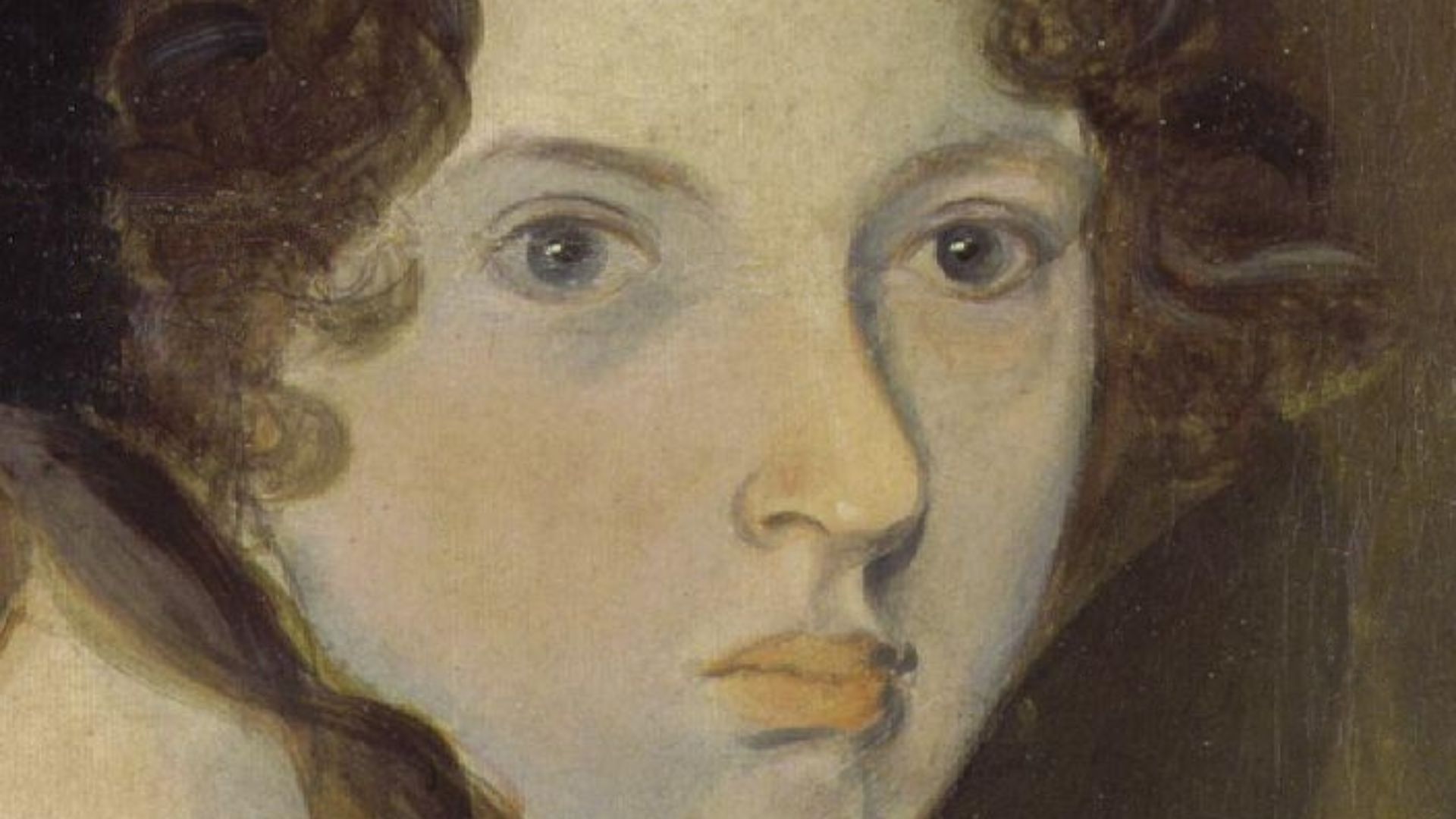
14. Emily Brontë as Ellis Bell
Emily Brontë used the name Ellis Bell when Wuthering Heights was first published. The alias helped shield her from the assumptions critics often made about women writers, especially those writing intense and unconventional fiction.
15. Anne Brontë as Acton Bell
Anne Brontë rounded out the famous Bell trio by publishing as Acton Bell. Her novels tackled serious issues, including alcoholism, abusive relationships, and women’s limited choices, which weren’t exactly topics everyone wanted a woman discussing openly. The pen name gave her a small layer of protection, though her work still had plenty to say once readers opened the cover.
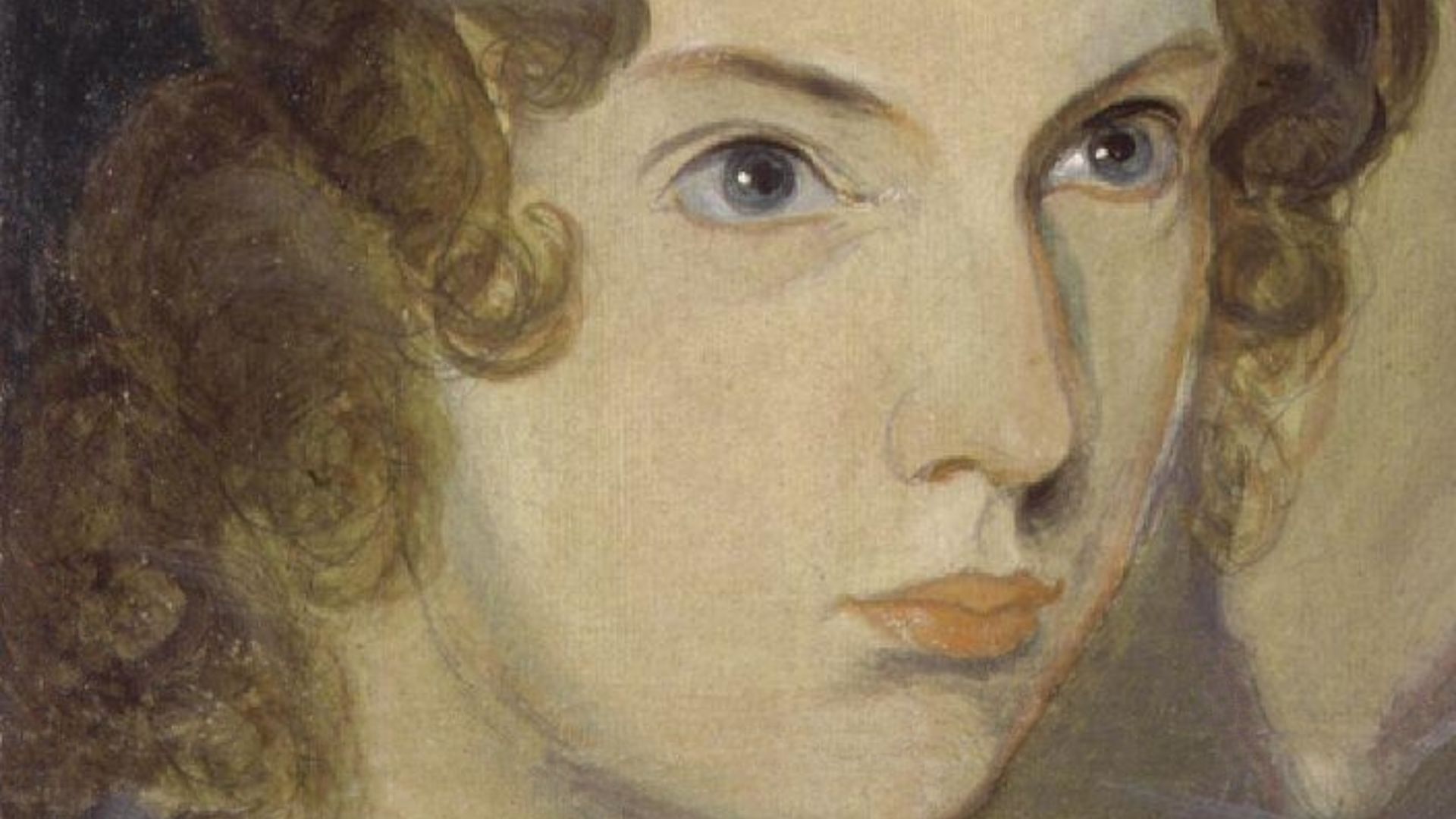
16. Sophie Germain as Monsieur LeBlanc
Sophie Germain used the name Monsieur LeBlanc so she could correspond with leading mathematicians at a time when women were discouraged from serious scientific study. The alias allowed her ideas to be read before they could be dismissed because of her gender. When her real identity became known, her talent was already too obvious to ignore.
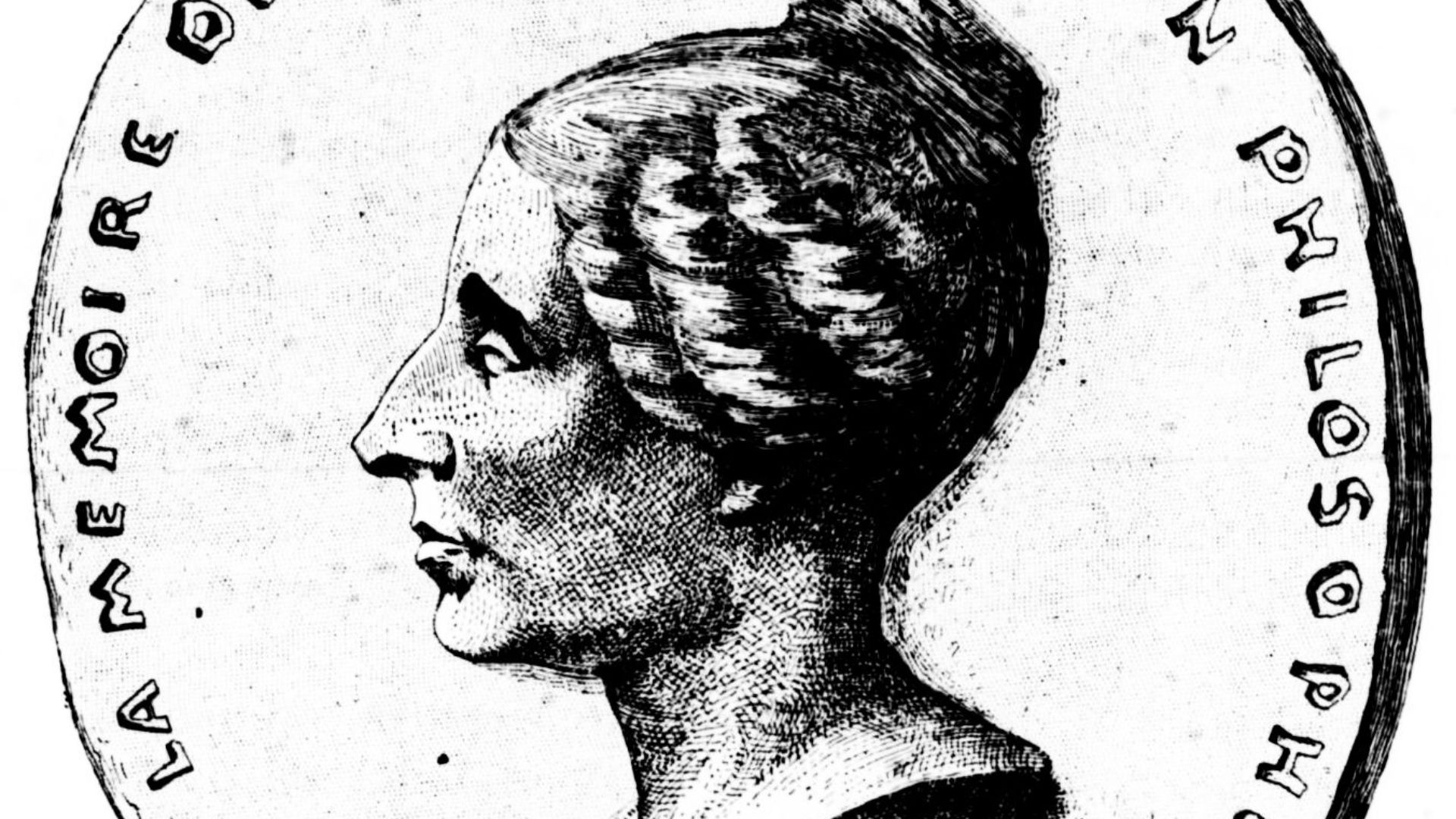 Berthe Chégaray née Becher et J. Poinsot on Wikimedia
17. Mary Read as Mark Read
Mary Read is best remembered as one of history’s most famous female pirates, and she spent part of her life living under a male identity. She reportedly dressed as a boy when she was young and later served as a soldier before eventually joining a pirate crew. Her story has plenty of legend mixed in, but the use of a male name and disguise remains one of the reasons she still stands out in pirate history.
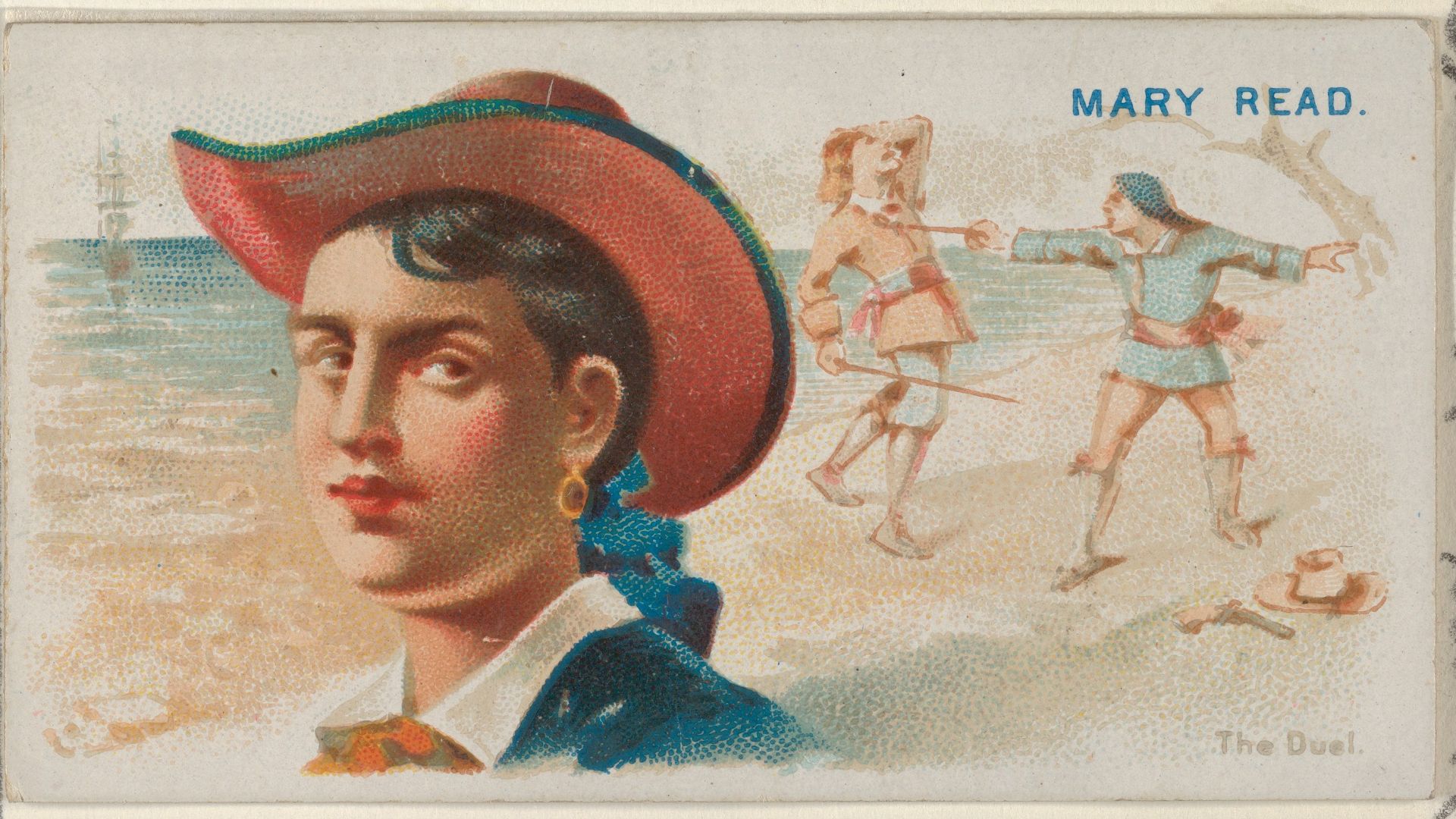 Geo. S. Harris and Sons / Allen & Ginter on Wikimedia
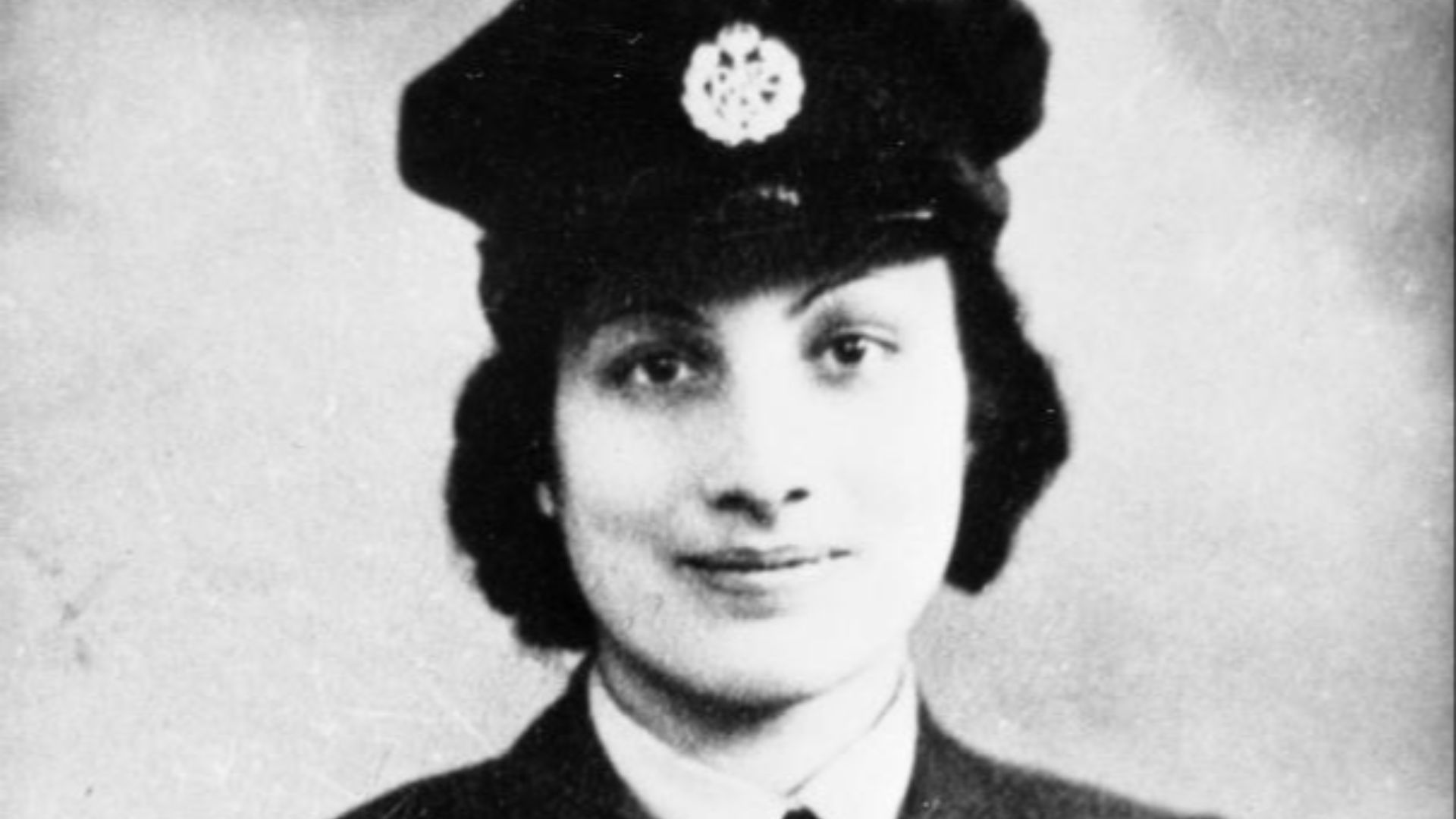
18. Noor Inayat Khan as Madeleine
Noor Inayat Khan worked as a British Special Operations Executive agent during World War II under the code name Madeleine. Operating in occupied France, she used false papers and secrecy while sending radio messages under terrifying conditions.
19. Virginia Hall as Marie Monin
Virginia Hall used multiple aliases during her intelligence work in World War II, including Marie Monin. She operated in occupied France despite being hunted by the Gestapo, who considered her one of the Allies’ most dangerous spies. Her false names weren’t stylish accessories; they were survival tools in a career built on nerve, caution, and quick thinking.
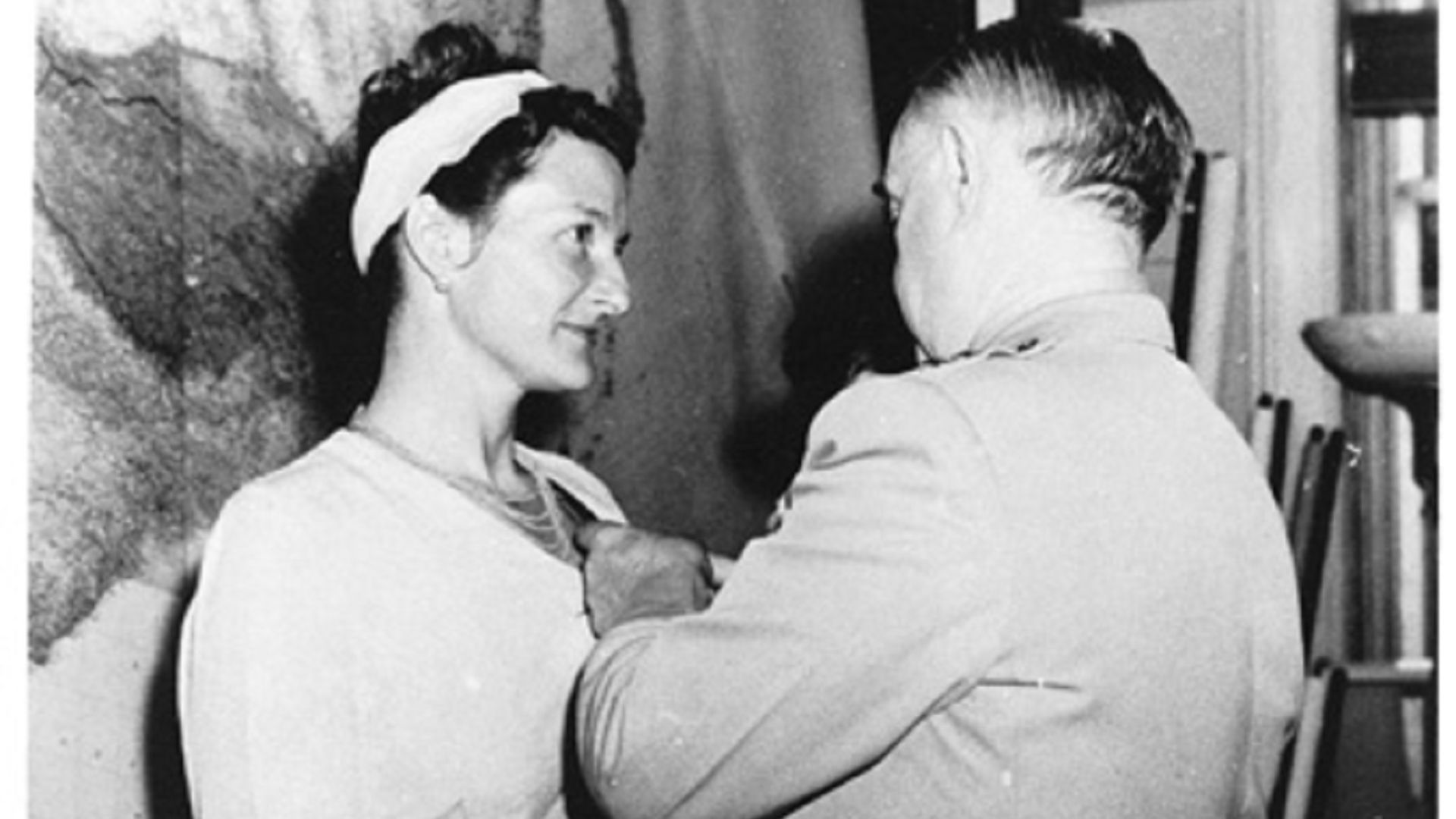 Unknown photographer who worked for the CIA. on Wikimedia
20. Margaretha Zelle as Mata Hari
Margaretha Zelle became famous across Europe under the stage name Mata Hari. She built an exoticized public persona as a dancer, and during World War I, that name became tied to accusations of espionage. Her guilt has been debated for decades, but there’s no question that the name Mata Hari became far more famous than the woman behind it.
KEEP ON READING
The Brutal Realities Of Gladiator Life Beyond the Arena
David Cruz asenjo on PexelsWhen most people think of gladiators,…
By Rob Shapiro Mar 31, 2026
The Volcano Winter That Nearly Toppled Europe
Collin Ross on UnsplashMost people, if asked to name a…
By Cameron Dick Mar 31, 2026
From School Plays To Starting A Cult: 20 Of The…
The Books That Made Us. Many people will tell you…
By Farva Ivkovic Jan 31, 2025
20 Facts About Jane Grey, The Forgotten Queen Of England
A Quick, Messy, and Tragic Reign. Lady Jane Grey never…
By Maria Cruz Jan 31, 2025
20 Priceless Historical Art Pieces Rescued By The Monuments Men
Protecting Human History. While the soldiers on the front lines…
By Sara Springsteen Mar 31, 2026
Almost Every Ancient Statue Has a Missing Nose, And It's…
Gary Todd from Xinzheng, China on WikimediaWalk through the classical…
By Elizabeth Graham Mar 31, 2026