

20 People In History Who Got Revenge In The Pettiest Possible Way
Documented Grudges
History tends to celebrate the bold move, the decisive battle, the speech that changed everything. But tucked inside the historical record, if you look closely enough, is a whole other story about people who were wronged, stewed on it, and then did something about it in the most disproportionate and specific way imaginable. These weren't acts of war or justice. They were personal. Here's 20 people from history who got their revenge and made absolutely sure it was felt.
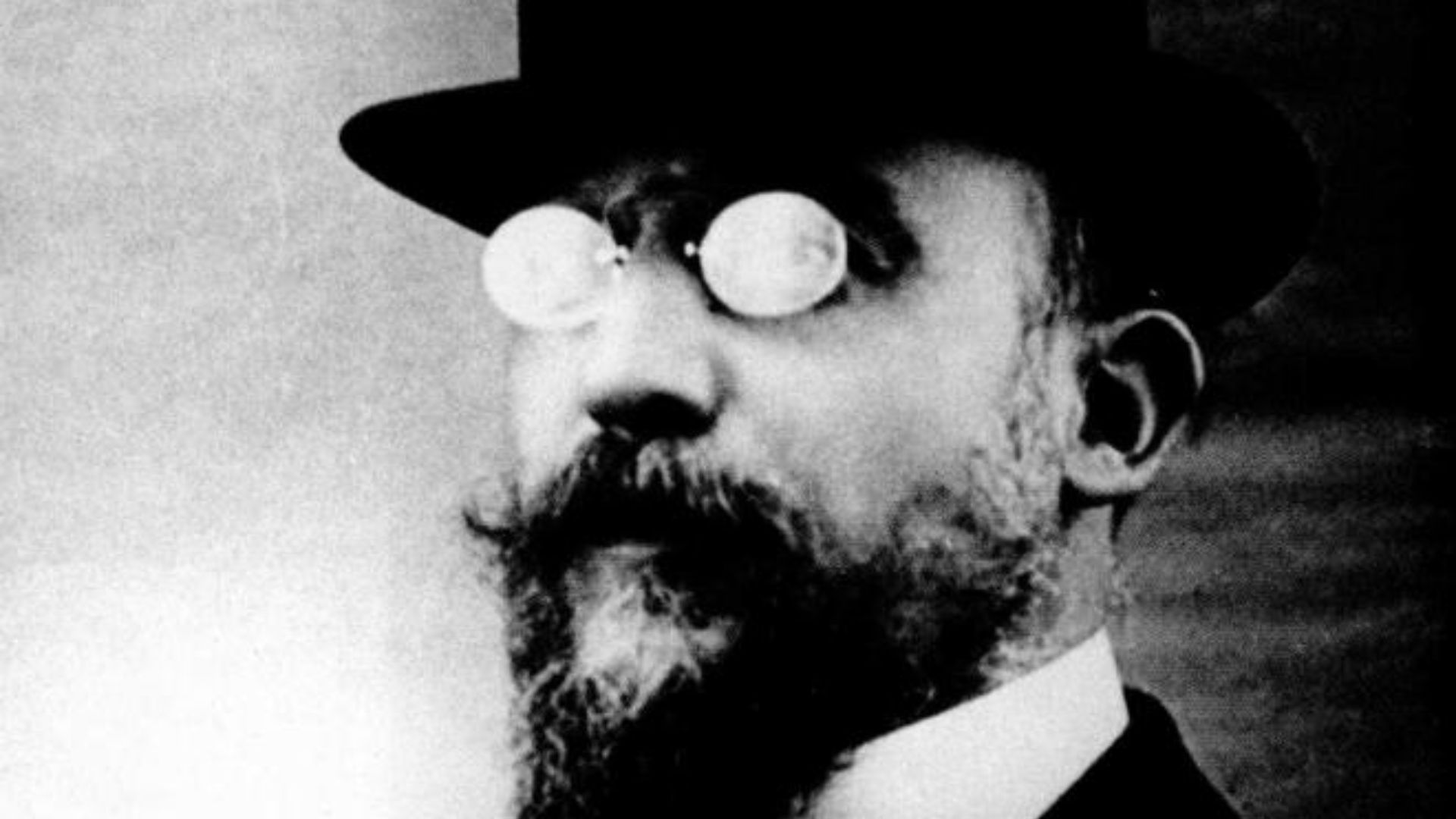 Inconnu - Erik Satie (1865-1925) en 1909 on Wikimedia
1. Artemisia I of Caria
During the Battle of Salamis in 480 BC, Artemisia was fighting for Persia when her ship got boxed in. She rammed and sank an allied Persian vessel to escape. Xerxes, watching from shore, assumed she'd sunk a Greek enemy and praised her for it. She destroyed an ally and received a compliment.
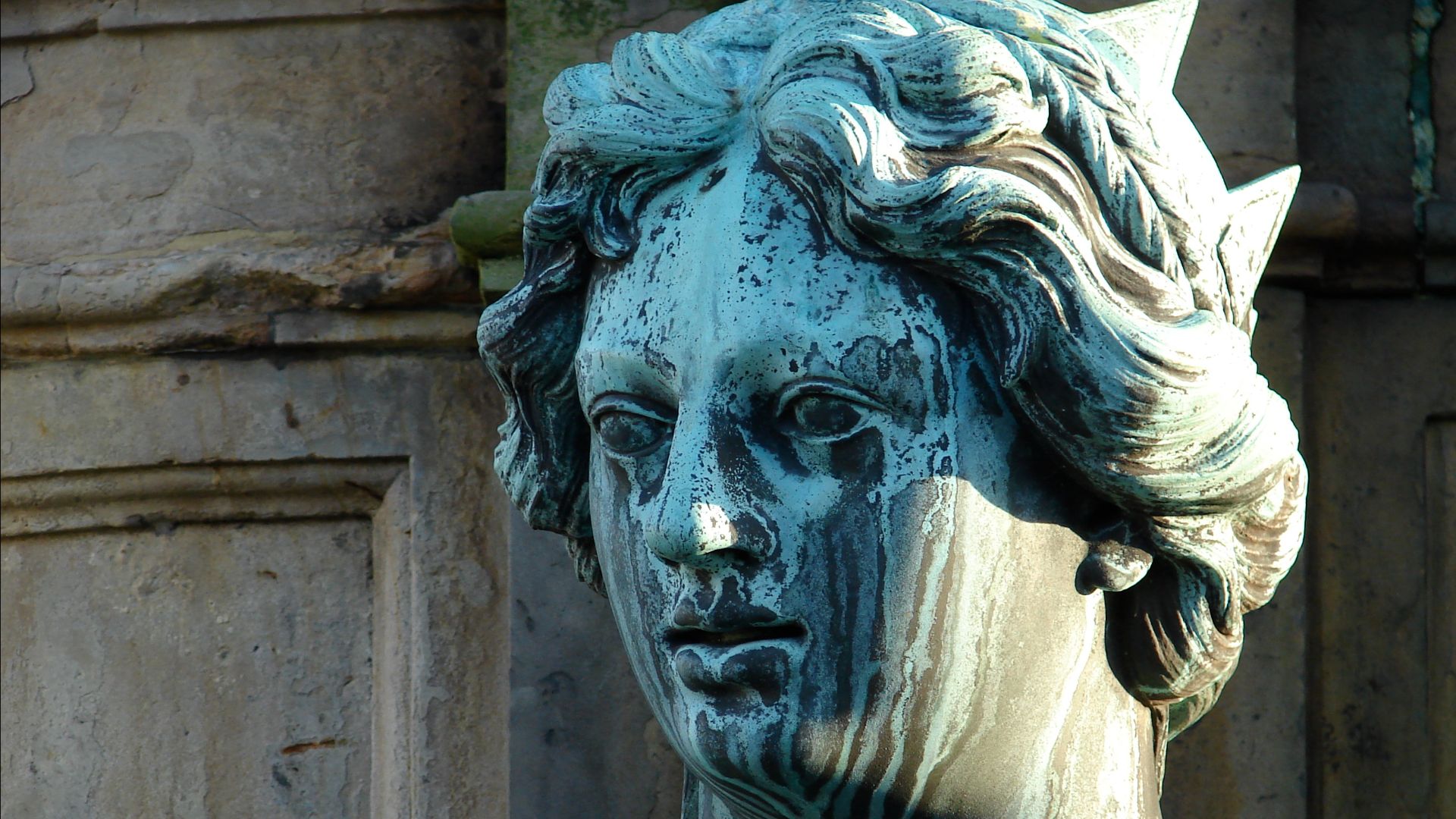
2. Michelangelo
When Vatican official Biagio da Cesena complained that the Sistine Chapel's Last Judgment was too obscene for a holy space, Michelangelo painted him into the fresco as Minos, judge of the underworld, with donkey ears and a serpent biting his genitals. Da Cesena appealed to the Pope. The Pope said his jurisdiction didn't extend to hell.
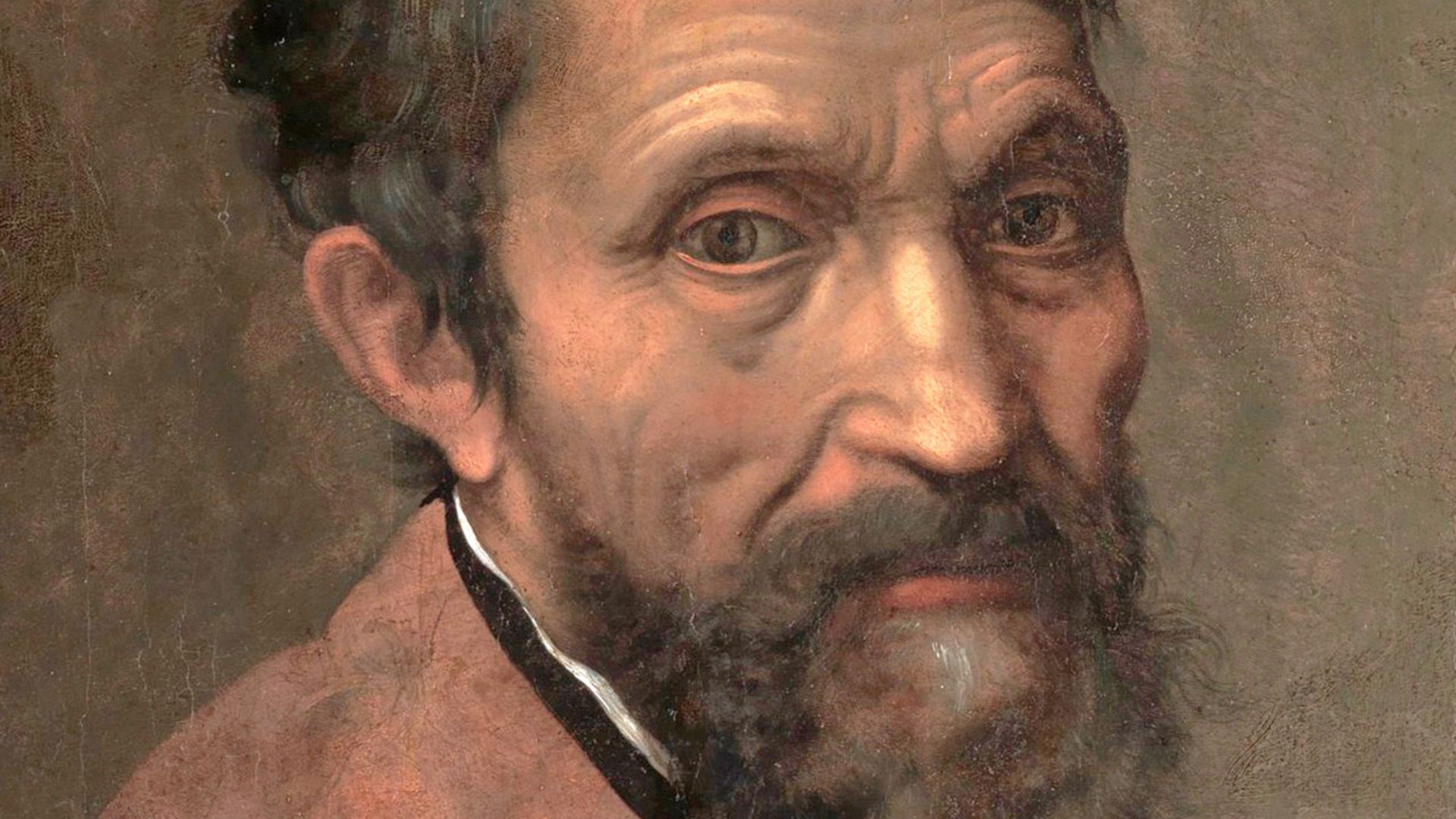 Attributed to Daniele da Volterra on Wikimedia
3. Empress Wu Zetian
When two of Emperor Gaozong's favorite consorts mocked Wu Zetian early in her court career, she waited. Years later, after consolidating power, she had both women arrested on charges she personally curated. She named their punishment "making them drunk to the bone." She wanted credit for the specificity.
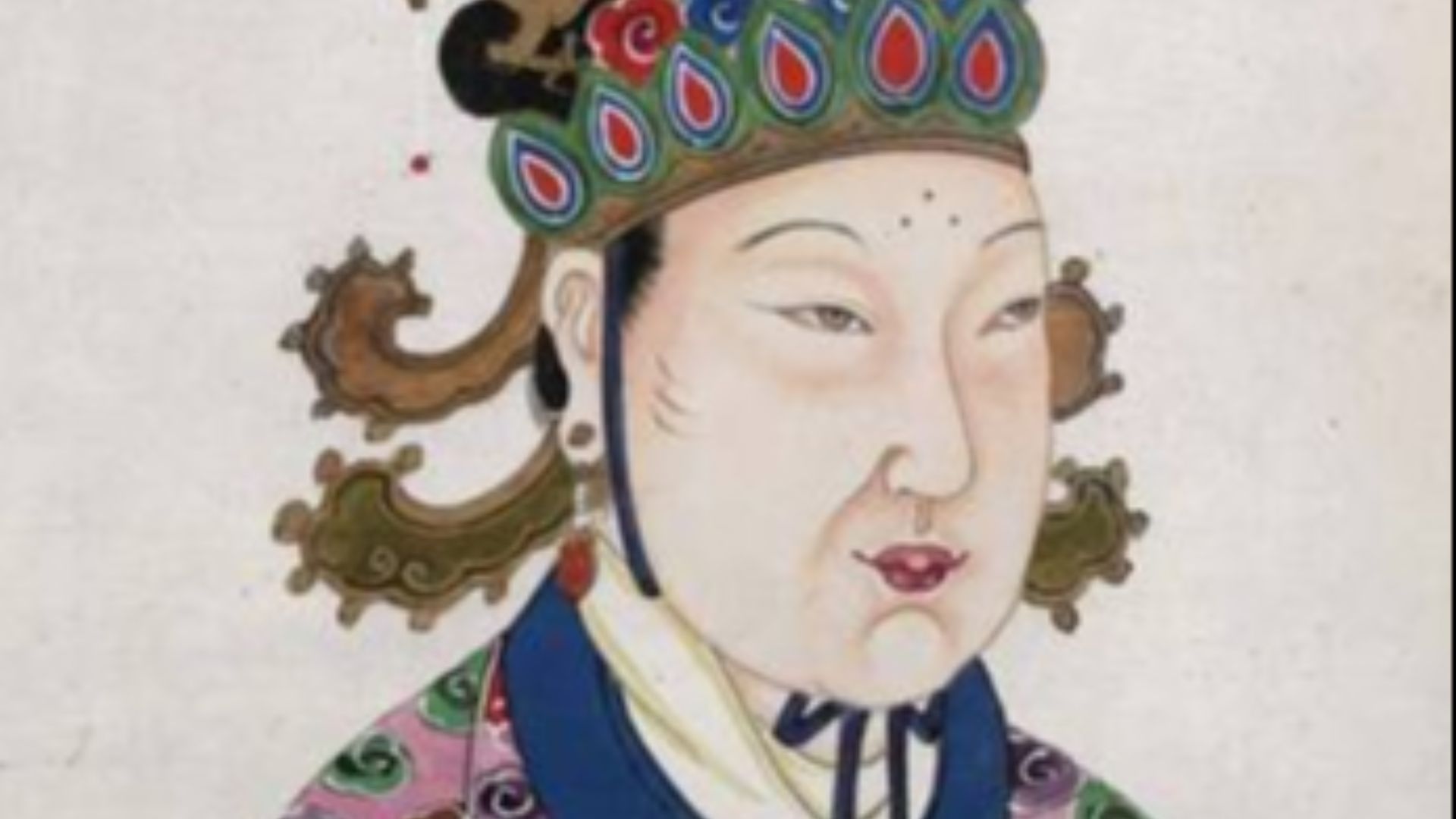 Unknown authorUnknown author on Wikimedia
4. Nikola Tesla
After Thomas Edison reportedly cheated him out of $50,000 in promised payment, Tesla quit and spent years systematically outdoing him in patents, press coverage, and public credibility. When both men were nominated for the Nobel Prize in Physics in 1915, Tesla announced he would refuse it rather than share with Edison. Neither man received it that year.
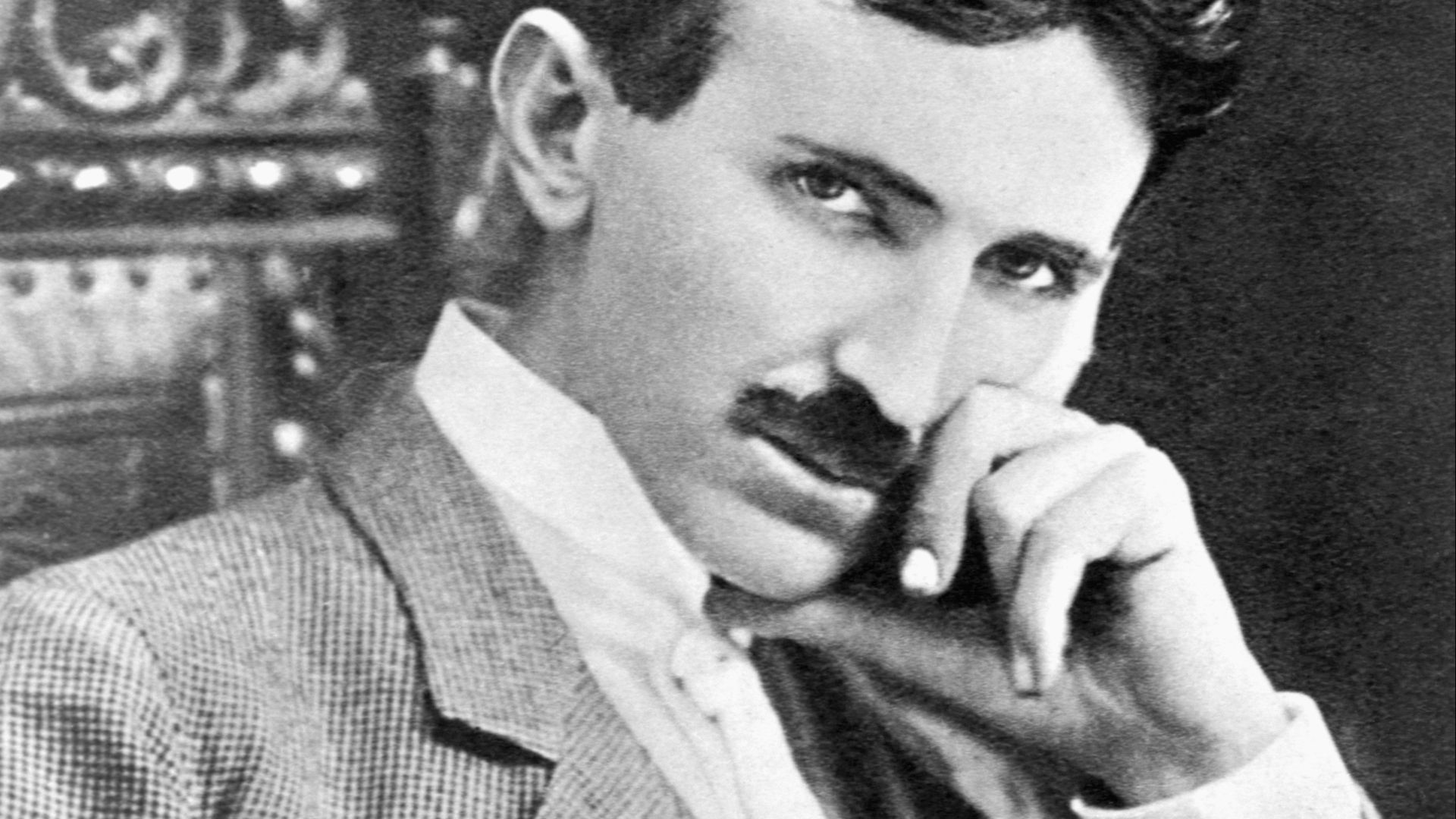 Unknown authorUnknown author on Wikimedia
5. Voltaire
In 1729, Voltaire noticed a mathematical flaw in the French lottery: the prize money exceeded the total cost of all tickets when combined with certain government bonds. He formed a syndicate with mathematician Charles de la Condamine and bought tickets systematically until the government shut it down. Voltaire had already made the equivalent of several million dollars. He used the financial independence to write whatever he wanted for the rest of his life.
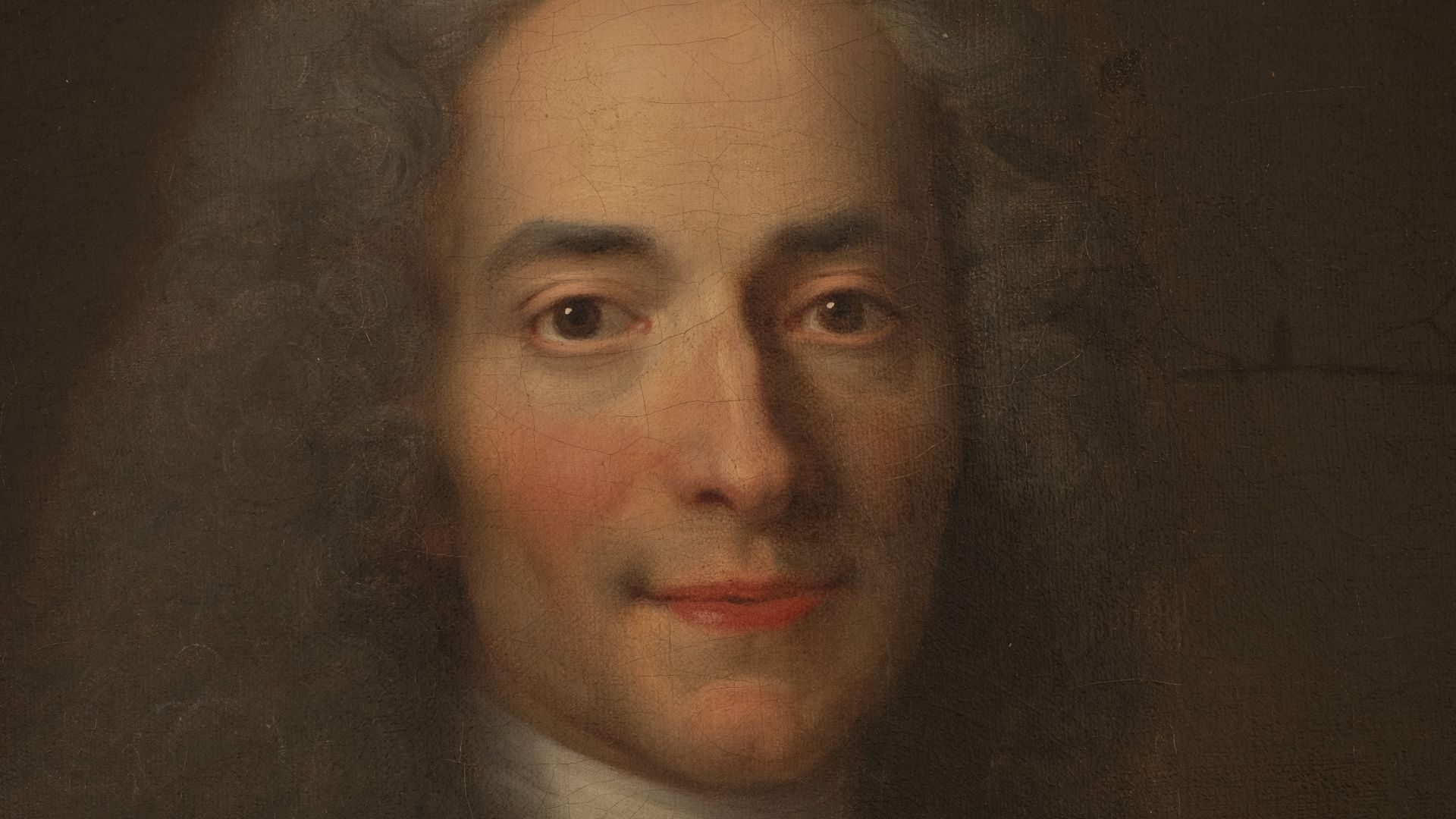 Nicolas de Largillière on Wikimedia
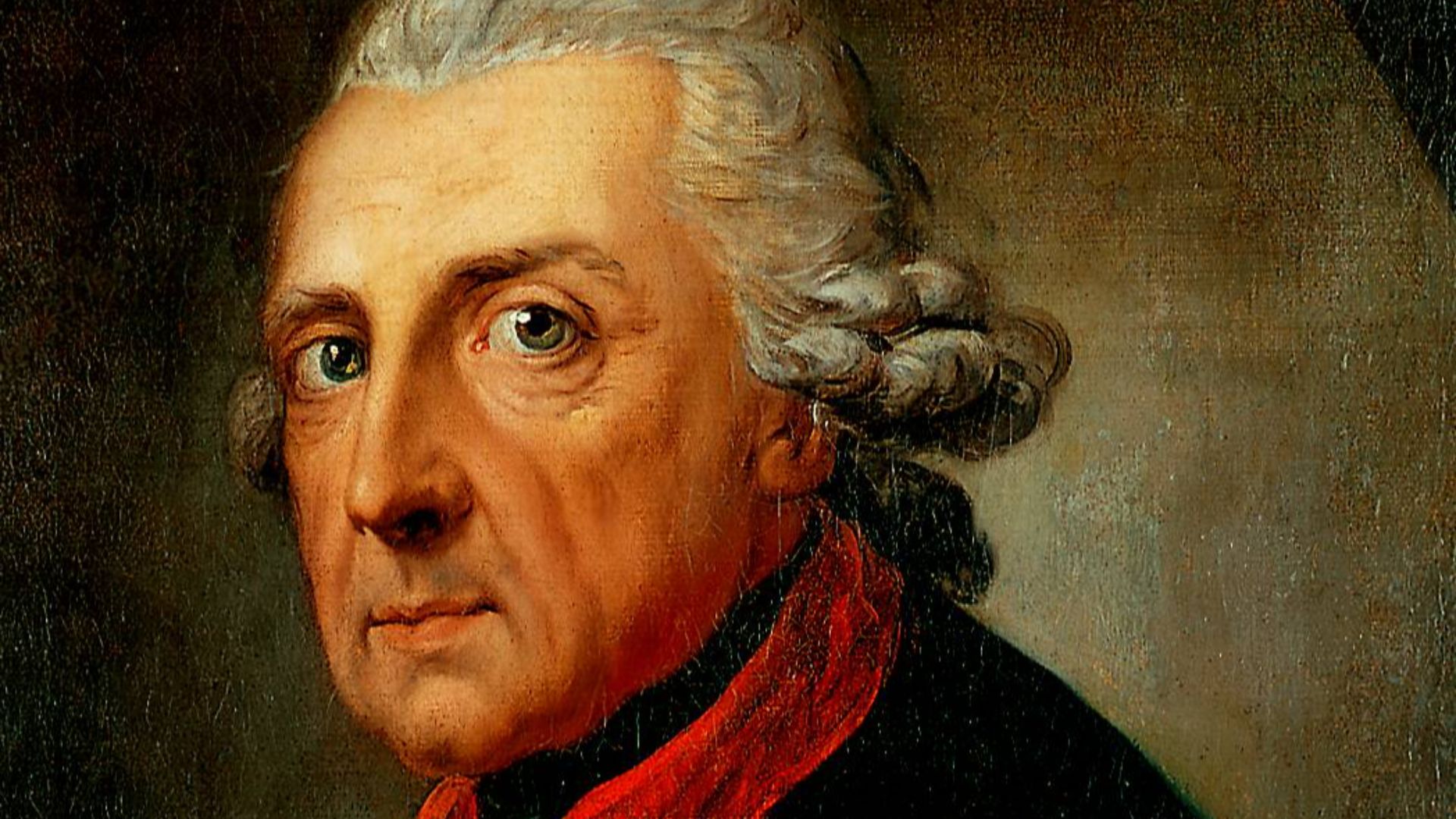
6. Frederick the Great
At eighteen, Frederick was imprisoned by his father after a failed escape attempt. His father forced him to watch the execution of his closest friend as punishment. Once Frederick inherited the throne, he dismantled nearly every policy his father had imposed that he personally disagreed with, quickly and without ceremony. He never cited his father as the reason.
7. Erik Satie
After being rejected by the pianist Suzanne Valadon, the woman he called his only love, Satie wrote a piano piece called "Vexations" with a handwritten instruction to play it 840 times consecutively. The piece itself is slow, strange, and deeply uncomfortable to sit through even once. Whether it was aimed at her specifically is debated. The instruction to repeat it 840 times is not debated. That part is written down.
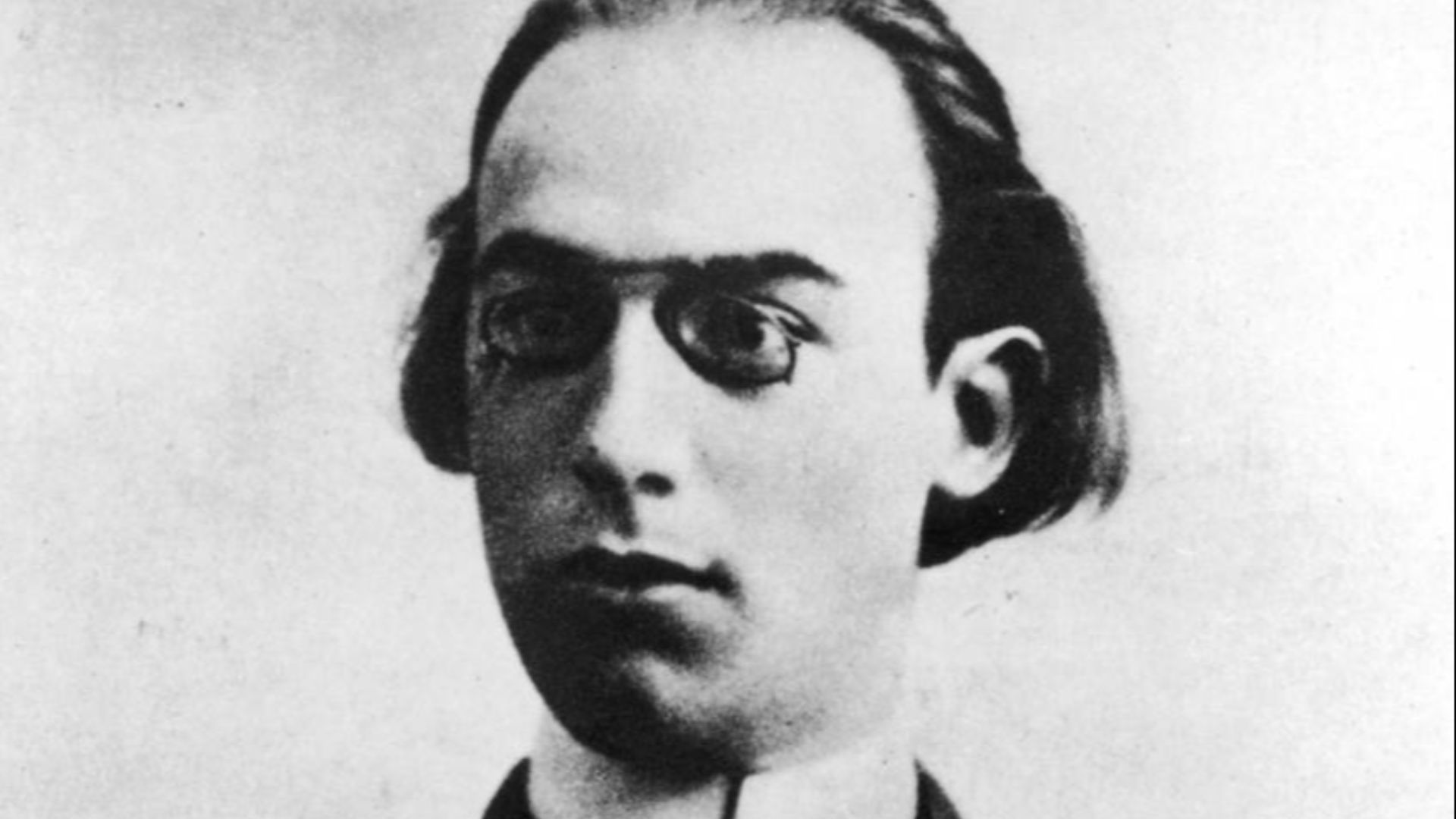 Published on LIFE on Wikimedia
8. Ramesses II
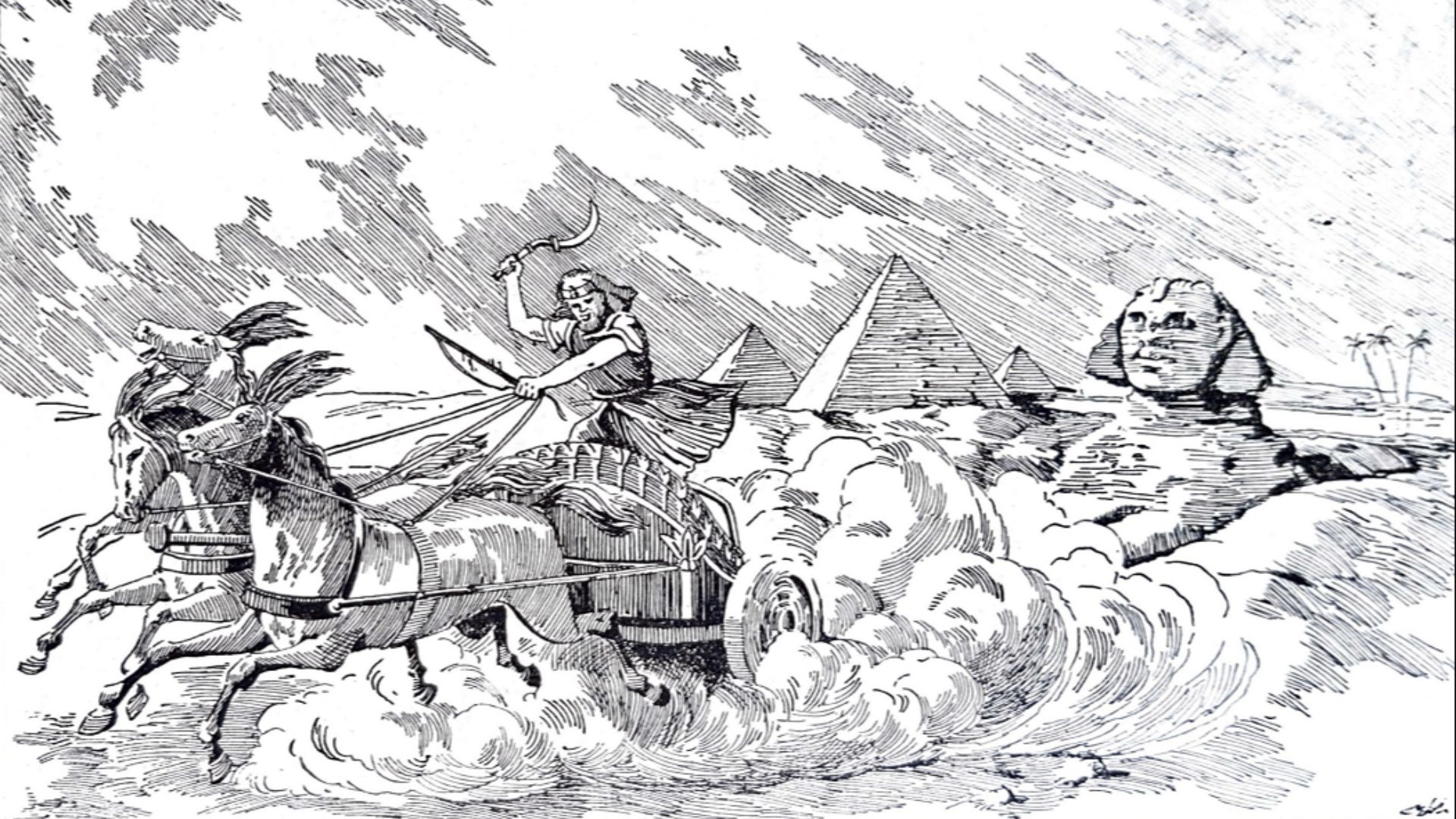
After fighting the Hittites to a stalemate at Kadesh in 1274 BC, Ramesses commissioned one of the most extensive propaganda campaigns in ancient history, carving accounts of himself as a singular hero across temple walls throughout Egypt. When both sides eventually signed what is considered the world's first surviving peace treaty, he had that carved into the walls too.
 Unknown authorUnknown author on Wikimedia
9. Caterina Sforza
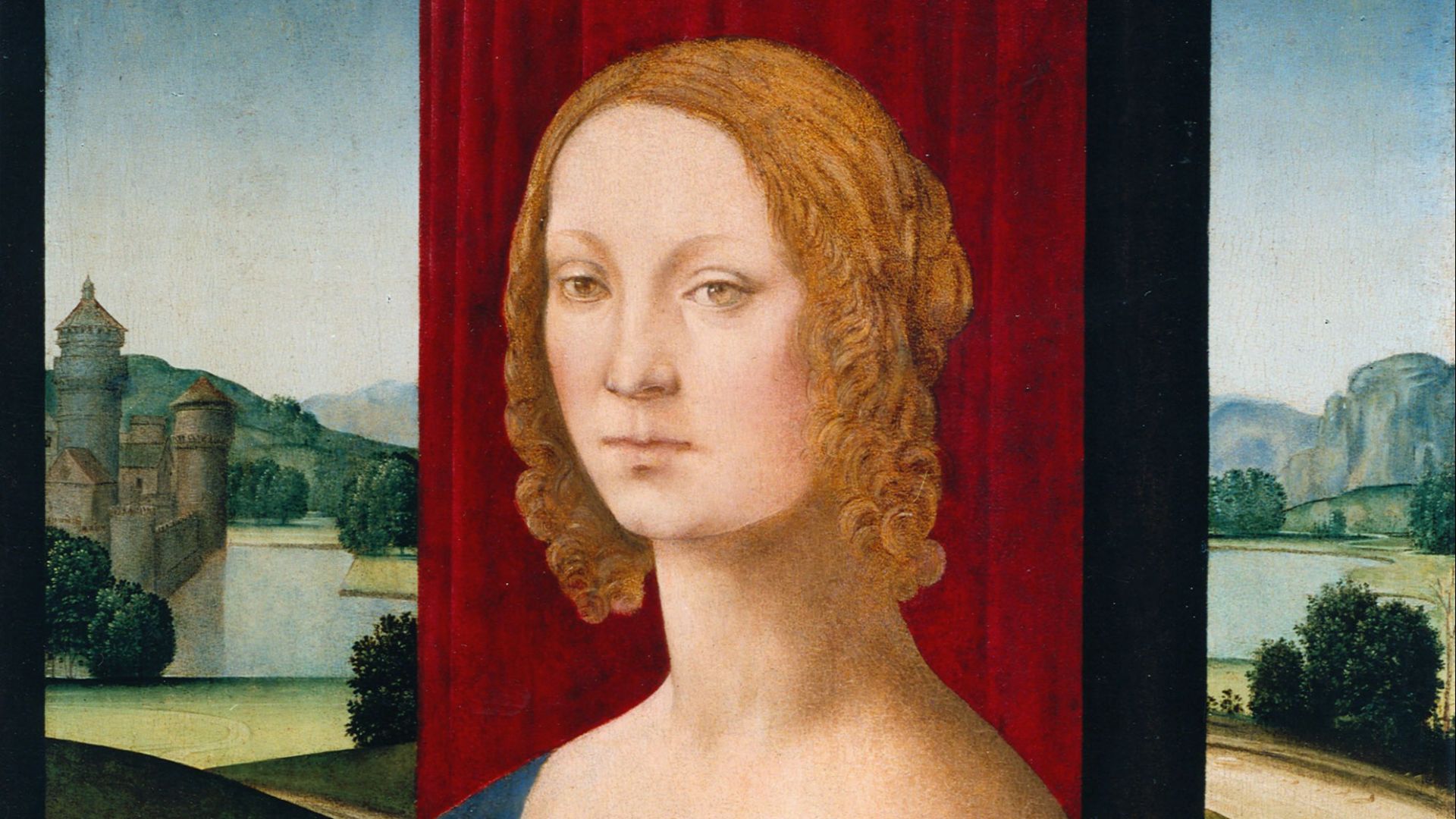
When enemies captured her children to force her surrender of the Forli fortress in 1488, Caterina climbed the walls where they could see her, made an extremely graphic gesture indicating she could produce more children, and refused to yield. Her children were not harmed, possibly because her captors couldn't figure out what to do next. Multiple contemporaries documented the gesture. It is not suitable for elaboration here.
 commons.wikimedia.org on Google
10. Isaac Newton
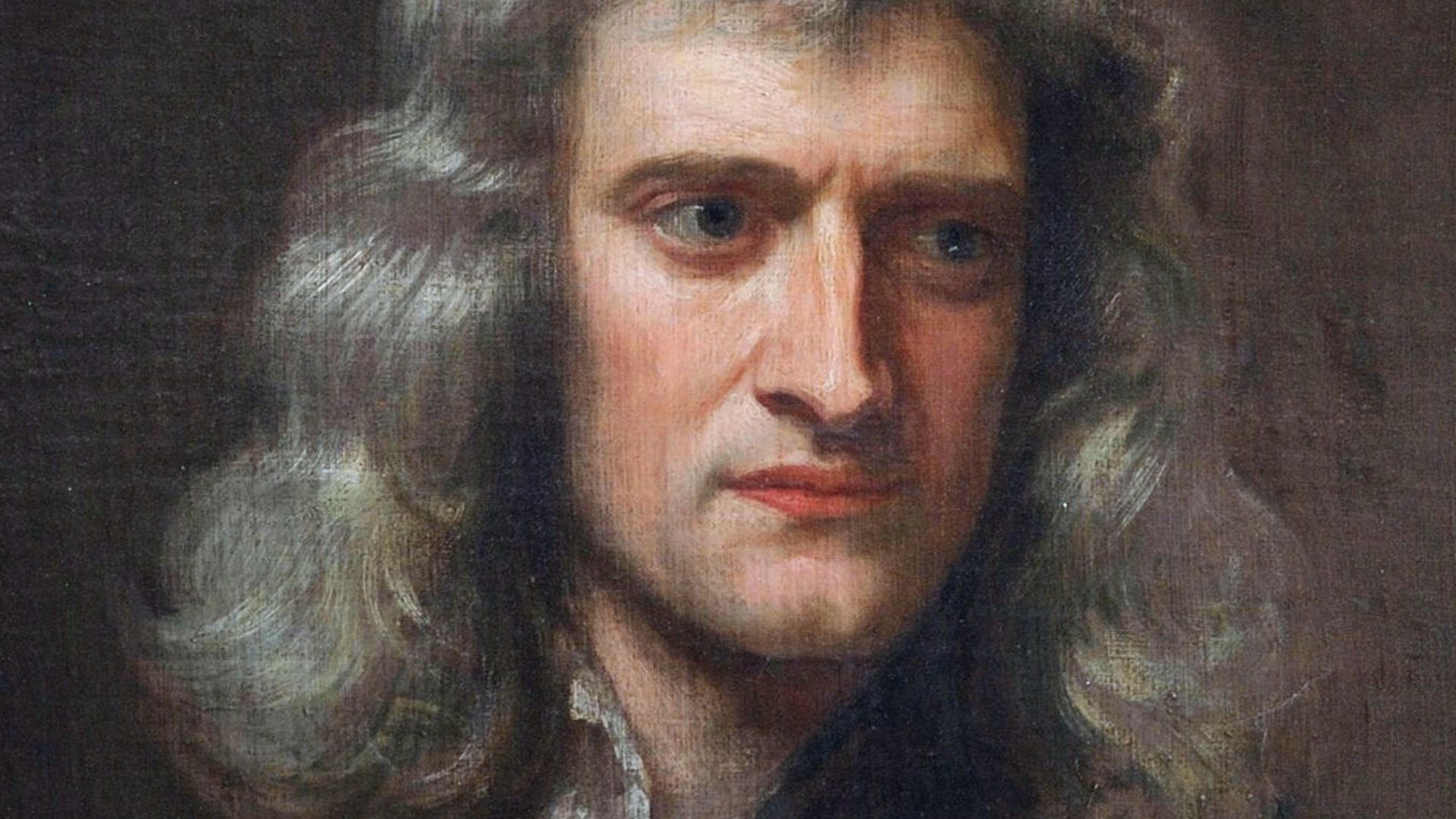
As Master of the Royal Mint, Newton pursued the counterfeiter William Chaloner with an intensity that went well beyond job requirements. Chaloner had publicly mocked Newton's competence before Parliament. Newton spent two years personally gathering evidence and building the case. He attended the trial himself. Chaloner was hanged in 1699.
 James Thronill after Sir Godfrey Kneller on Wikimedia
11. Empress Theodora
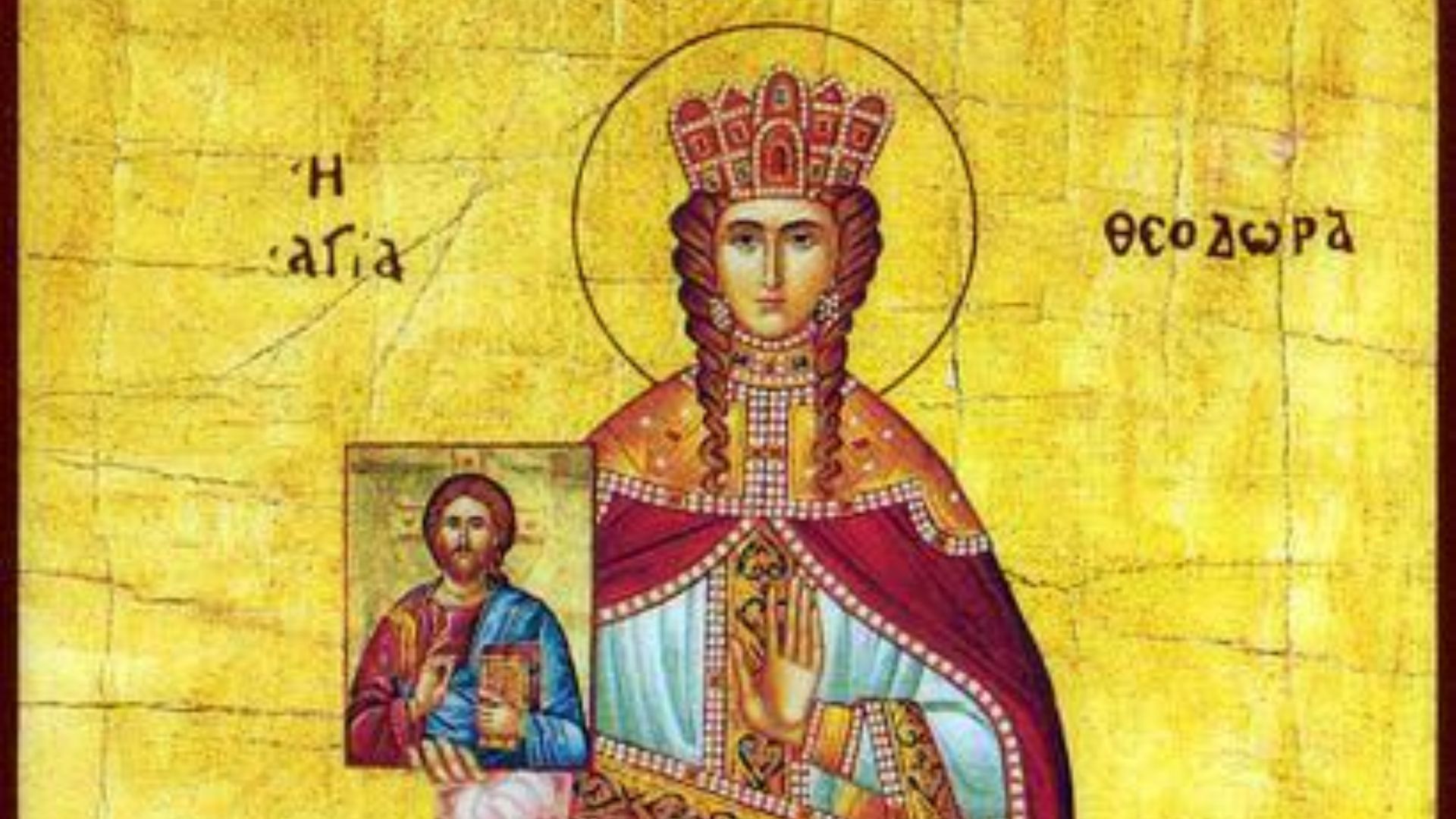
Before becoming empress, Theodora had been abandoned penniless in North Africa by a governor named Hecebolus. Years later, from the most powerful position in the Byzantine Empire, she pushed through legal reforms around the treatment of abandoned and exploited women that remain among the most significant of the Byzantine period. Hecebolus is remembered only because of his connection to her.
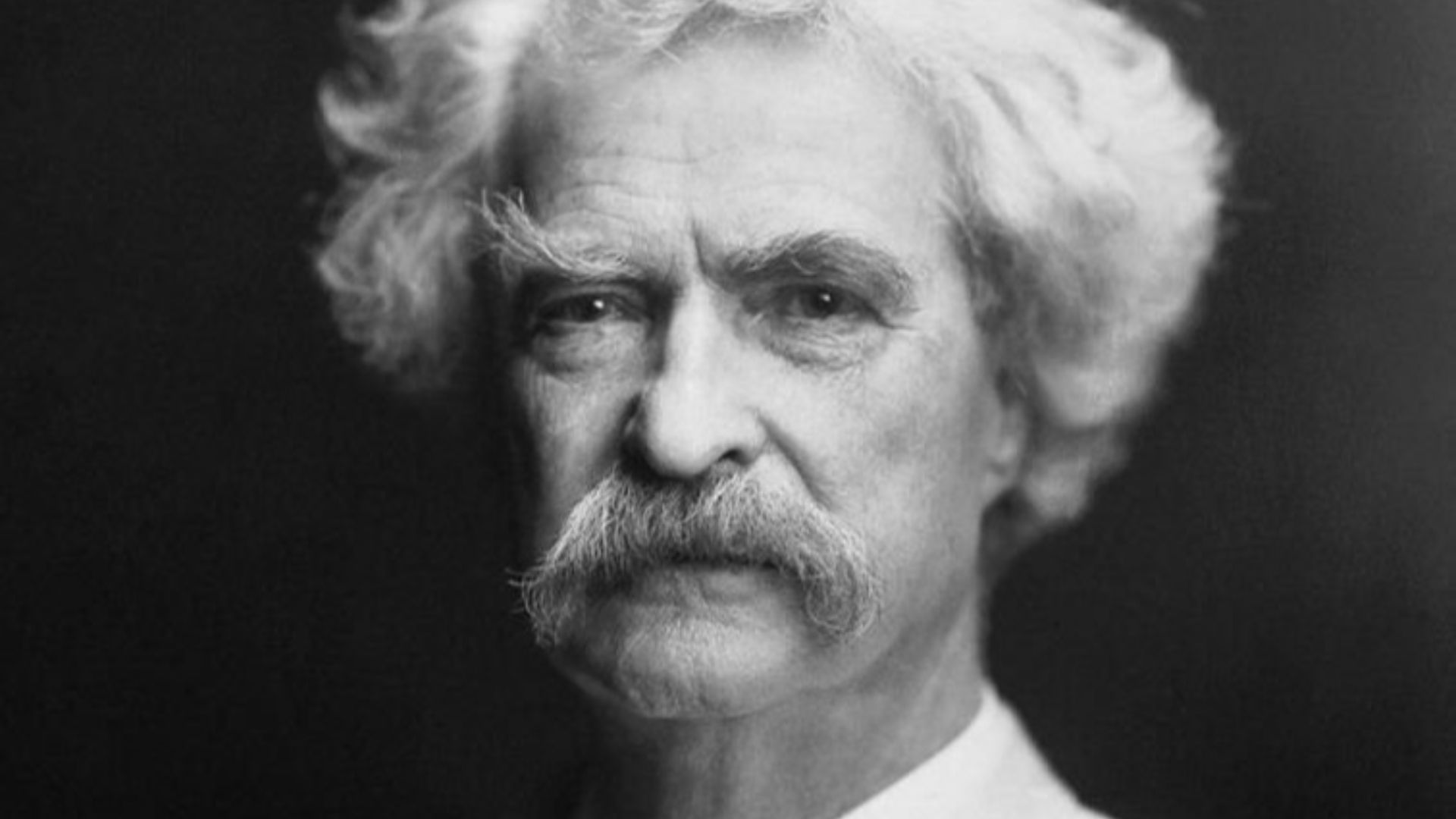
12. Mark Twain
After a publisher cheated him on royalties, Twain started his own firm and used it to publish Ulysses S. Grant's memoirs under terms that were, for the time, extraordinarily favorable to the author. He structured the deal specifically to demonstrate what fair royalties looked like and talked about it openly. The firm later failed, but the point had been made.
 A.F. Bradley, New York on Wikimedia
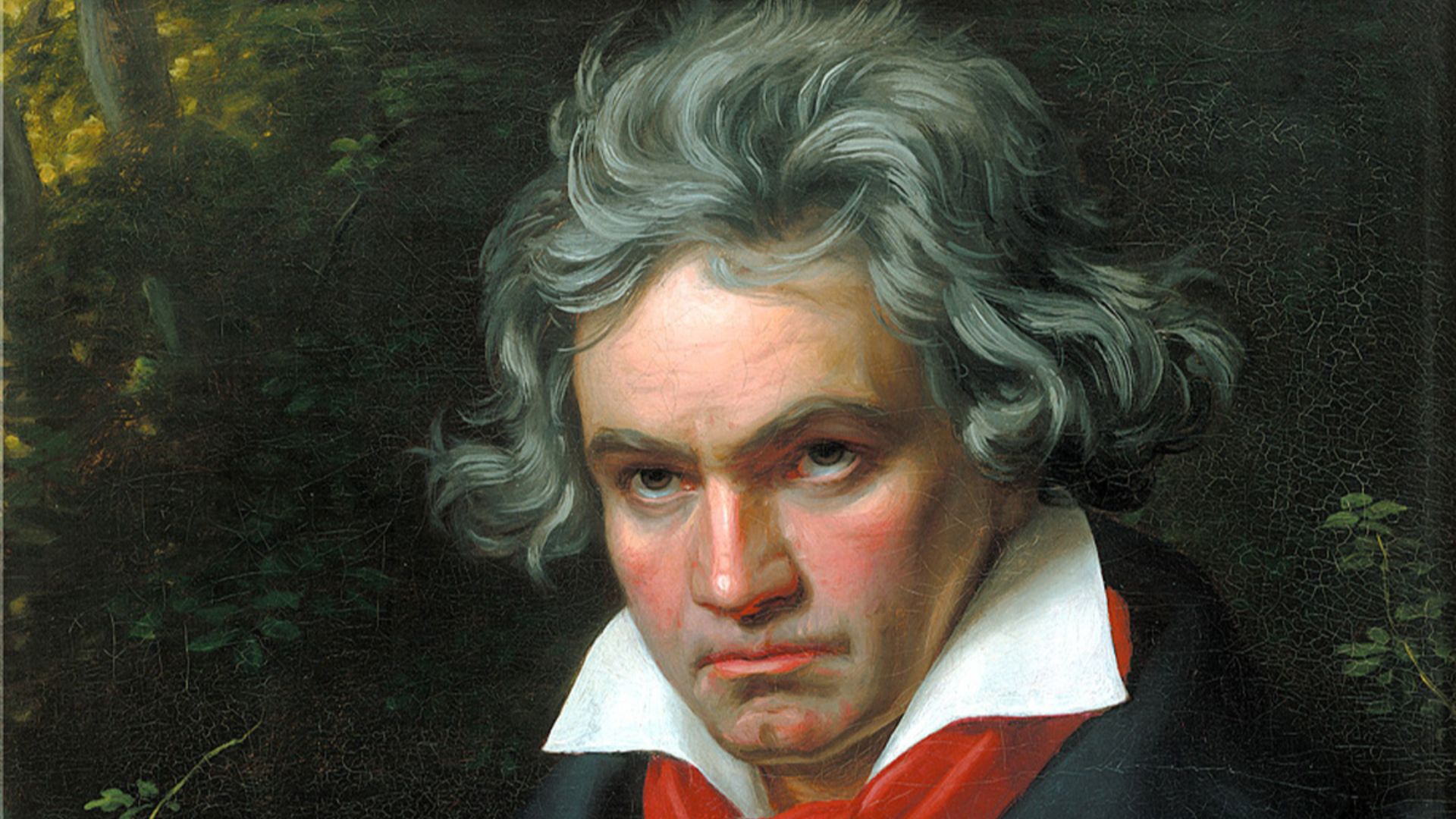
13. Ludwig van Beethoven
When Prince Karl Alois von Lichnowsky tried to force Beethoven to perform for French officers at his estate in 1806, Beethoven refused, left, and destroyed the prince's bust back in Vienna. He sent Lichnowsky a letter that survives, reading in part that princes have been and will be thousands, but there is only one Beethoven. He dedicated his next major work to someone else. Lichnowsky never received another dedication.
 Joseph Karl Stieler on Wikimedia
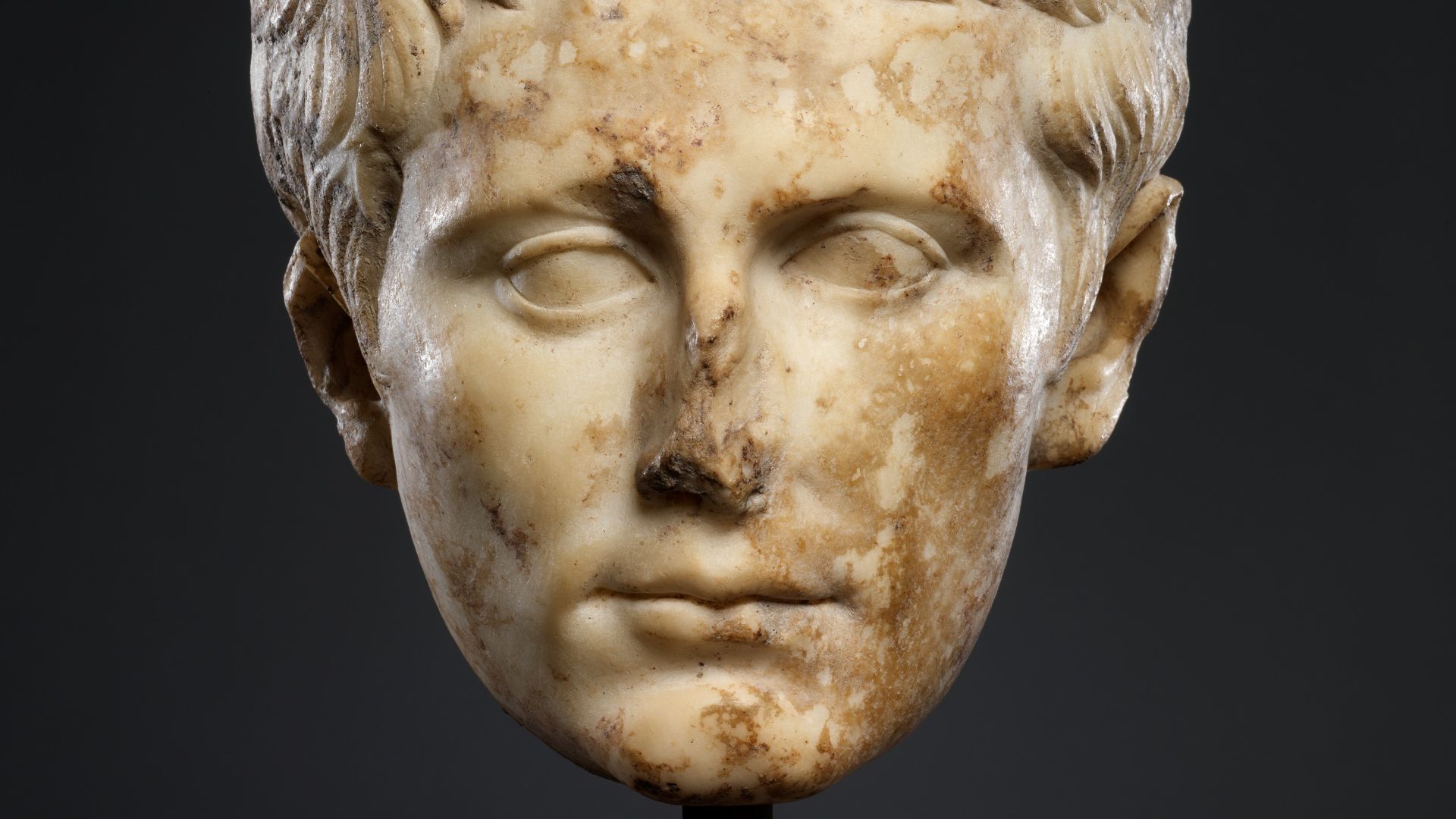
14. Emperor Augustus
After the poet Ovid published material Augustus found personally embarrassing, the emperor exiled him to a remote town on the Black Sea and had his books pulled from Rome's public libraries while Ovid was still alive to know about it. Ovid spent the rest of his life writing letters begging to return. Augustus never responded. Neither did Augustus's successor Tiberius, who maintained the exile without explanation.
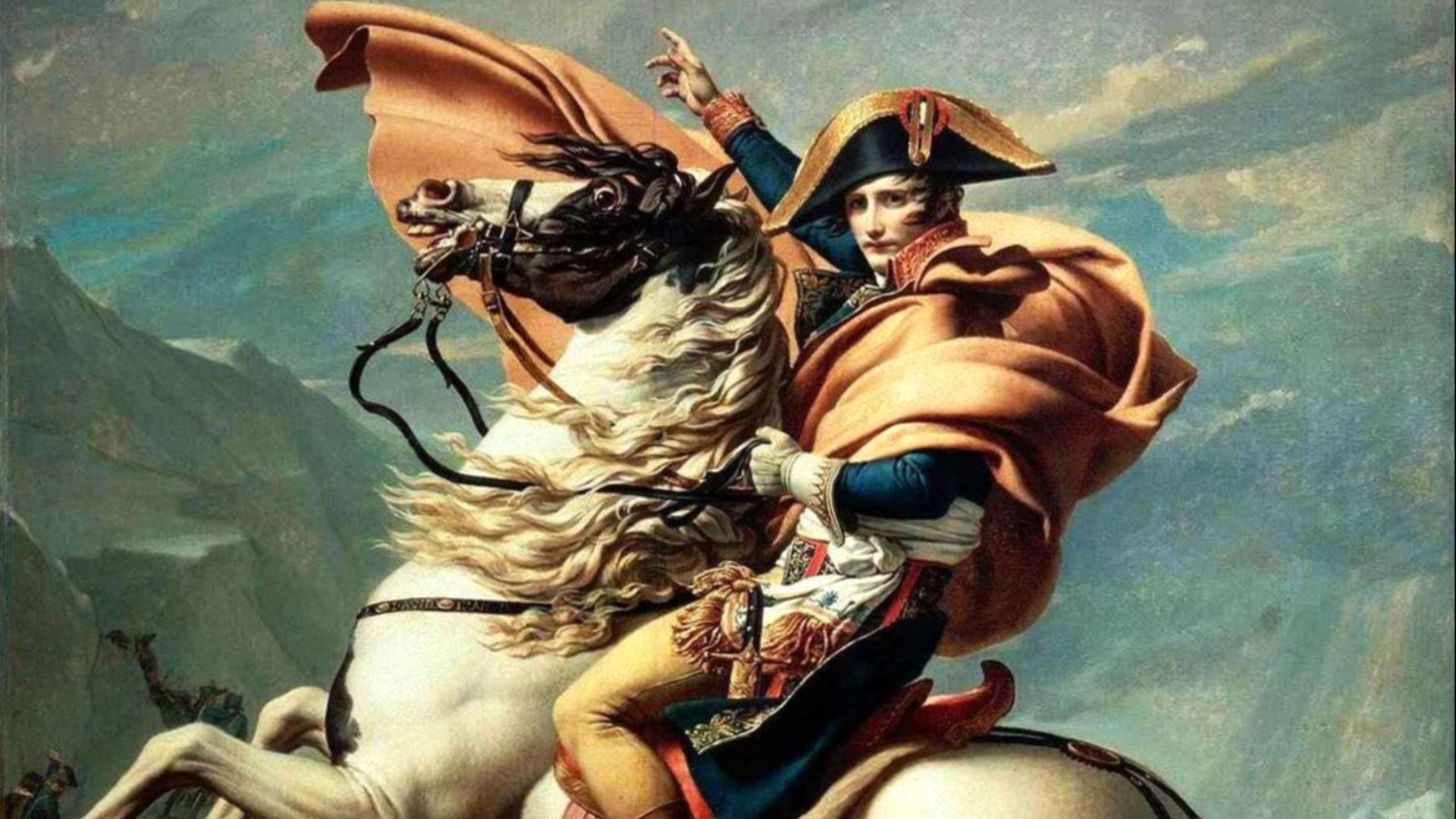
15. Napoleon Bonaparte
After being exiled to Elba in 1814, Napoleon spent months memorizing the names, regiments, and personal histories of every guard assigned to him, addressing each one individually by detail. He was building loyalty in case he needed it. He escaped within a year. He needed it.
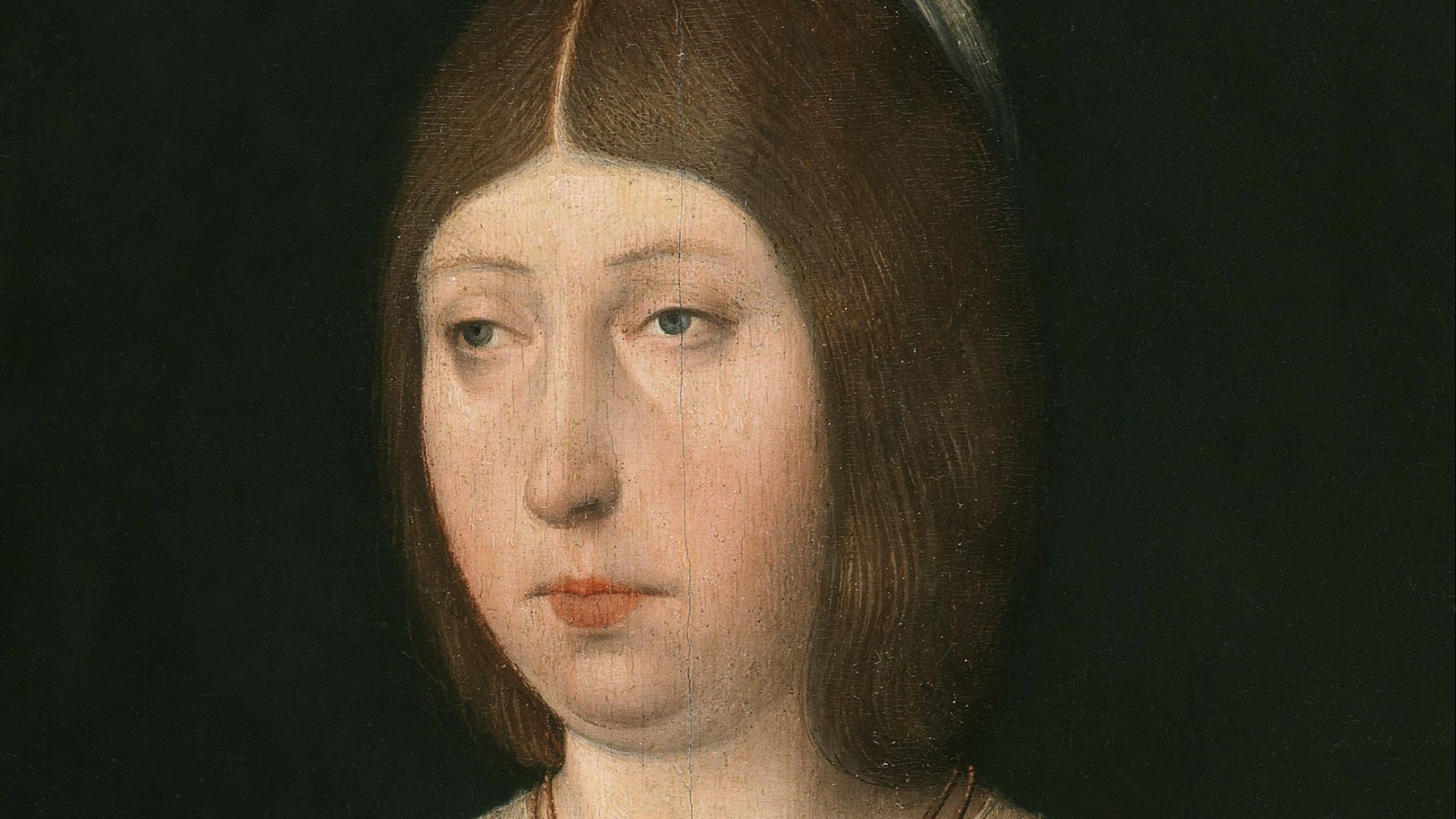
16. Queen Isabella I of Castile
When Pope Alexander VI began maneuvering in ways that threatened Spanish interests in the Americas, Isabella started funding her own ecclesiastical appointments in Spanish territories, effectively boxing the papacy out of influence over the church in her domain. She never framed it as retaliation. She framed it as piety, which was somehow more effective.
17. Antonio Salieri
Late in his life, Salieri reportedly began telling people he had poisoned Mozart, a claim historians largely believe was false and that Salieri himself may have partly manufactured. The current theory is that he spread the rumor to attach his name permanently to Mozart's legacy rather than be forgotten alongside it. It worked, after a fashion. Salieri is remembered almost entirely because of Mozart, which is probably not the outcome he was hoping for.
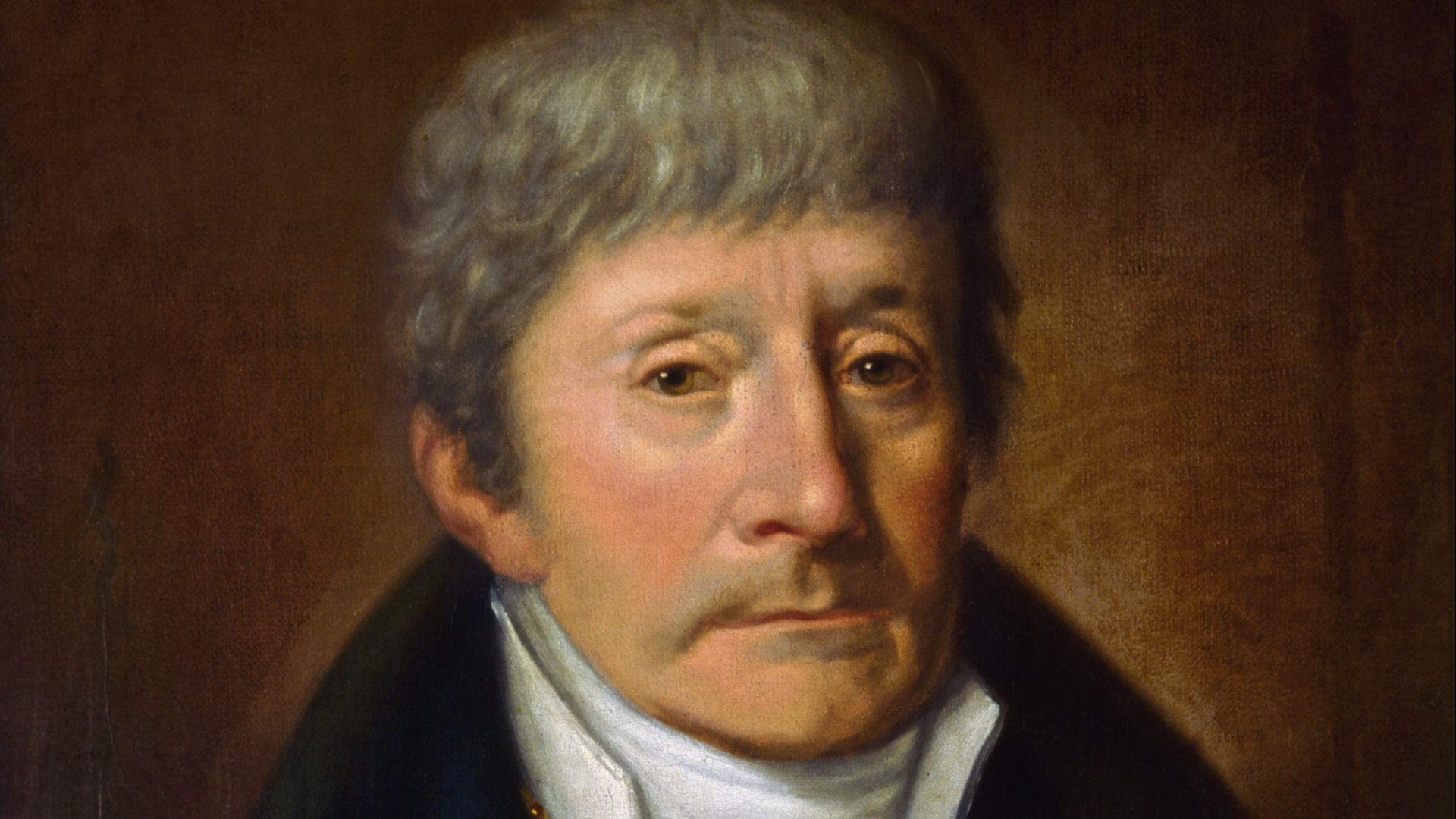 Joseph Willibrord Mähler on Wikimedia
18. Cyrus the Great
After conquering Babylon in 539 BC, Cyrus made a point of publicly honoring the Babylonian god Marduk and presenting himself as a liberator rather than a conqueror. The previous king, Nabonidus, had neglected Marduk's cult and alienated the priesthood for years. Cyrus walked directly into that resentment and used it. The Babylonians handed him the city partly because their own king had spent years making enemies of the people who mattered most.
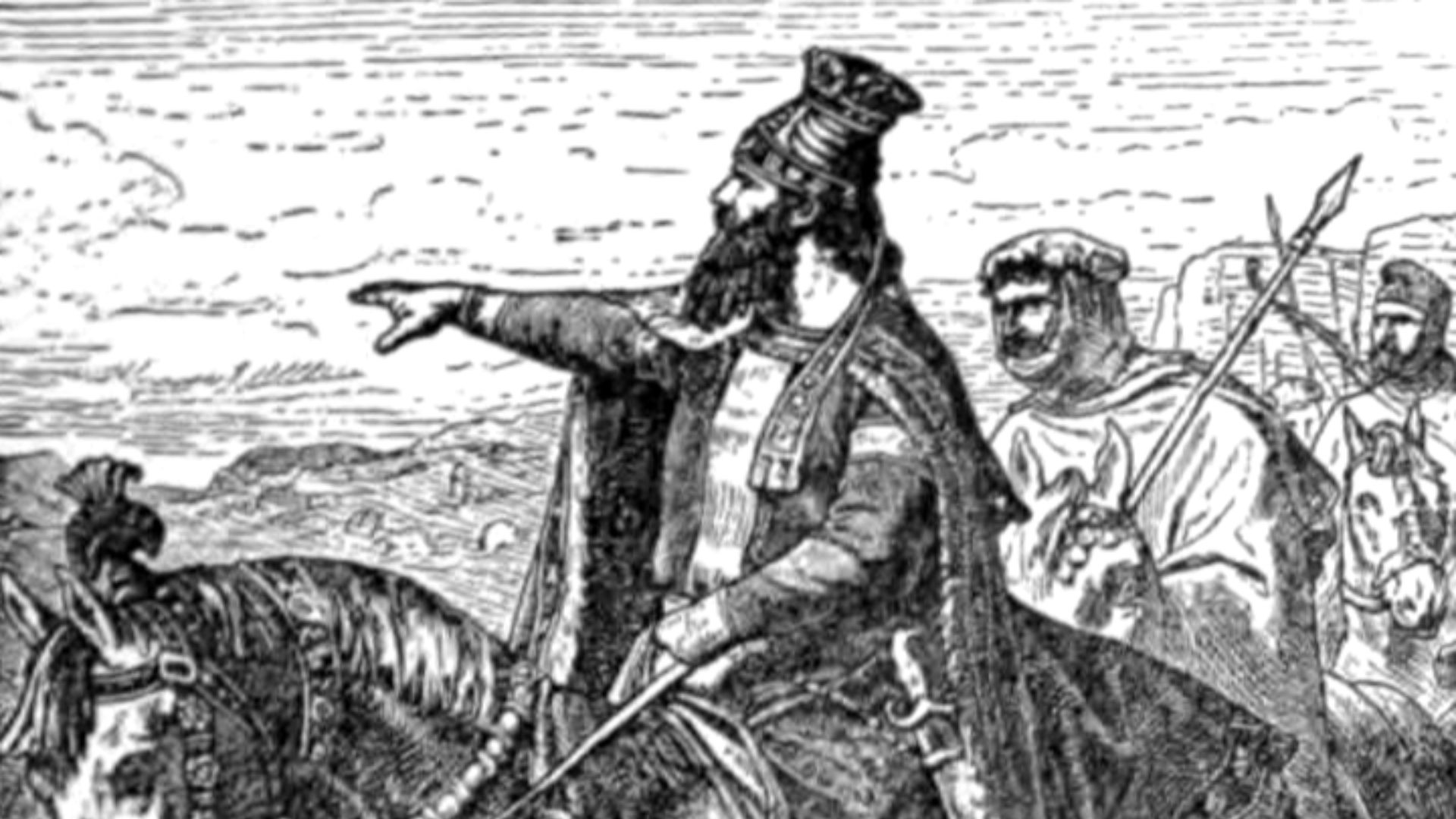 Charles Francis Horne Clarence Cook on Wikimedia
19. Giacomo Puccini
When Milanese critics savaged the premiere of his opera Edgar in 1889 and questioned whether he had any future in the form, Puccini kept every review. He had them bound into a single volume. Years later, after La Bohème and Tosca had made him the most celebrated opera composer in the world, he reportedly took the volume out occasionally to reread them. He gave no interviews about it. He just kept the book.
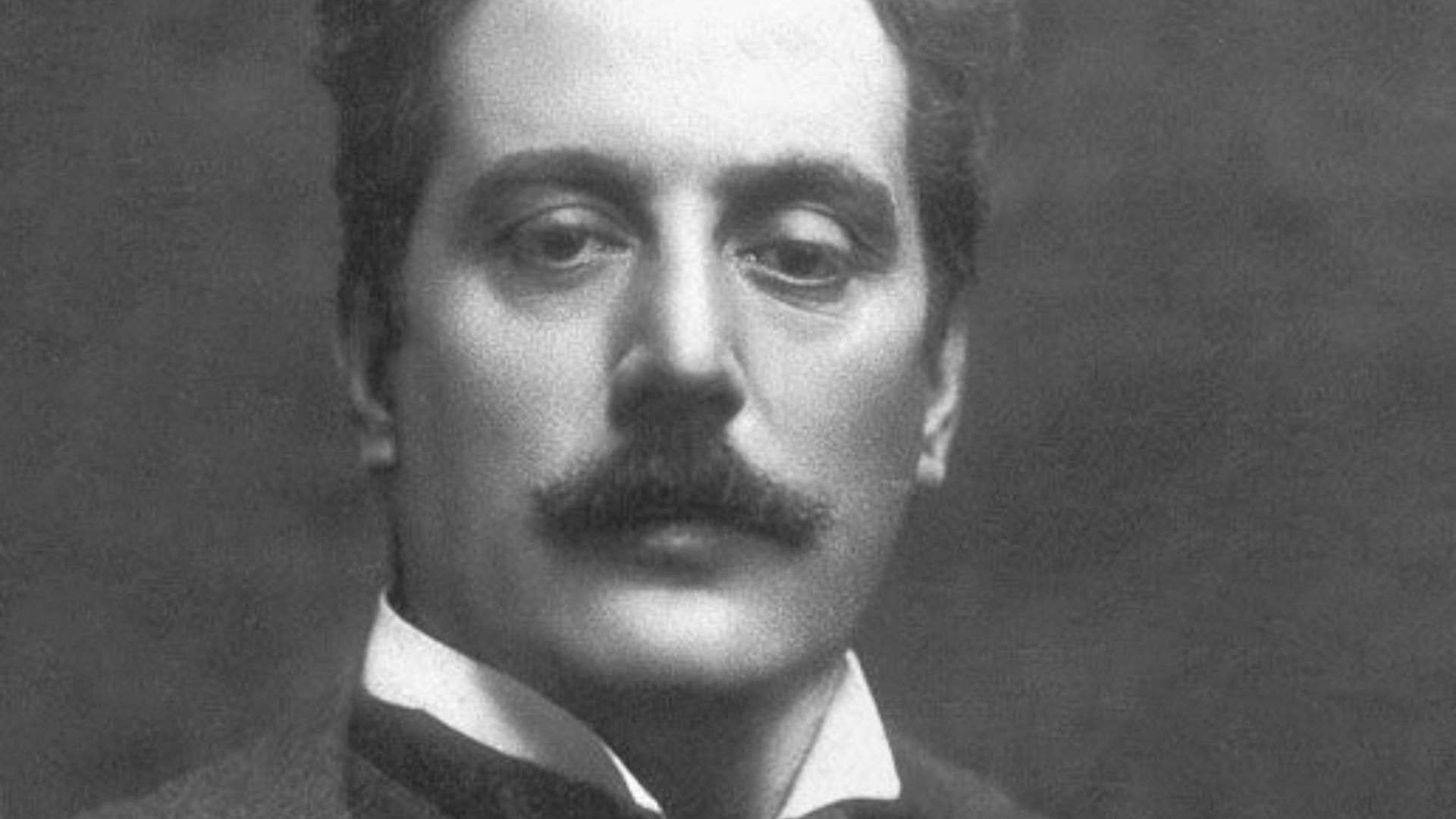 Unknown authorUnknown author on Wikimedia
20. Marguerite de Navarre
When a Franciscan friar named Guillaume Briçonnet publicly accused Marguerite of heresy in the 1520s for her religious writings, she wrote him into her Heptaméron as a series of corrupt, lecherous, and hypocritical clergymen. The book circulated widely across France. Briçonnet is largely forgotten. The Heptaméron is still in print.

KEEP ON READING

20 People In History Who Got Revenge In The Pettiest…
Documented Grudges. History tends to celebrate the bold move, the…
By Cameron Dick Jun 26, 2026
20 Ordinary Citizens Who Became Robin Hood-Style Outlaws and Defied…
Viva Revolution. History loves to focus on kings and queens,…
By Sara Springsteen Jun 26, 2026
20 People in History Who Charmed Their Way to the…
Charisma Has Always Opened Doors. History is full of people…
By Emilie Richardson-Dupuis Jun 26, 2026
20 Insane Things People In the 1800s Thought Would Keep…
Part Science, Part Guesswork. Doctors might not have all the…
By Annie Byrd Jun 26, 2026
How a Deformity Made This Man an Urban Legend
Alex Fu on PexelsThere's a stretch of road in western…
By Christy Chan Jun 25, 2026
The Deadly Beer Flood That Sounds Too Strange To Be…
en.wikipedia.org on GoogleOn the afternoon of October 17, 1814, a…
By Cameron Dick Jun 25, 2026