

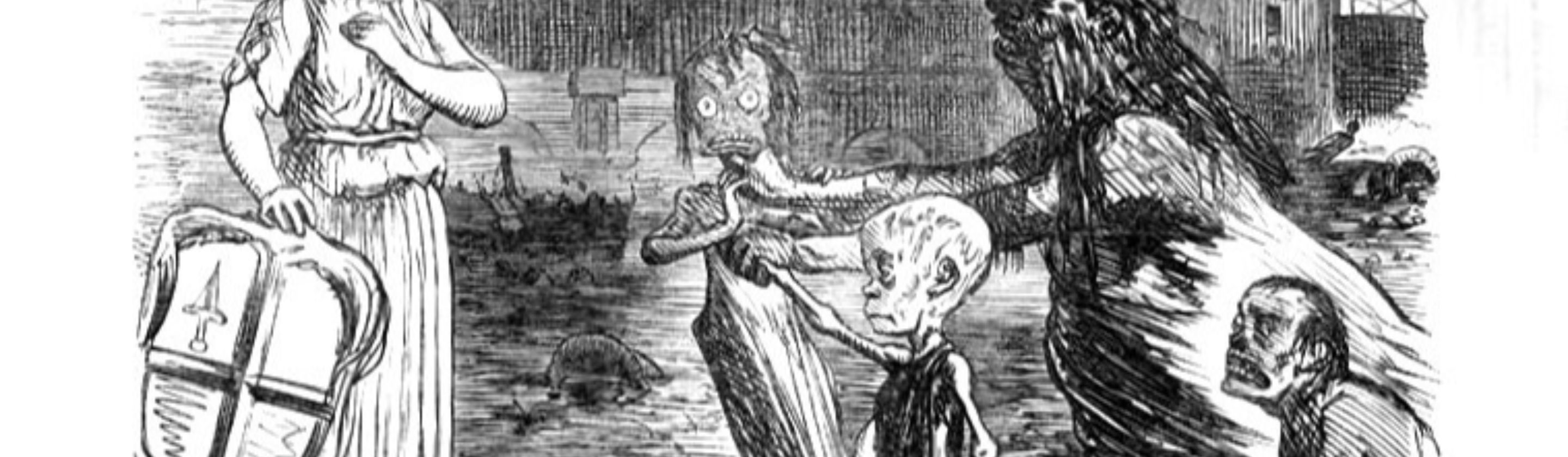
Part Science, Part Guesswork
Doctors might not have all the answers today, but health advice in the 1800s could be serious, sincere, and wildly unsettling all at once. Everyone from doctors and inventors to traveling salesmen all promised ways to keep the body strong, even when their ideas were based on bad theories. Come with us as we go through some of the craziest so-called remedies people had back in the day, even for more serious ailments.
1. Avoiding “Bad Air”
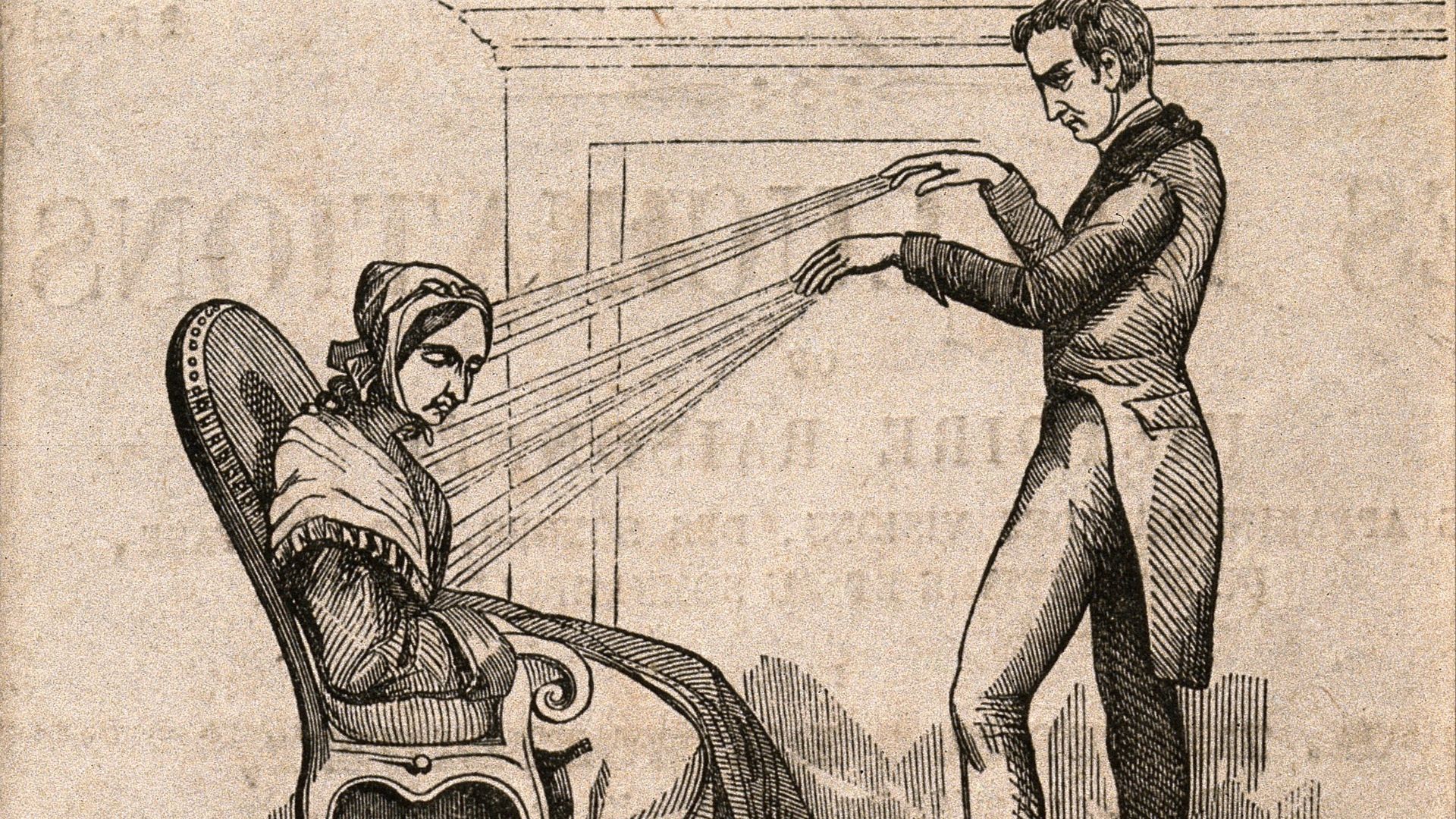
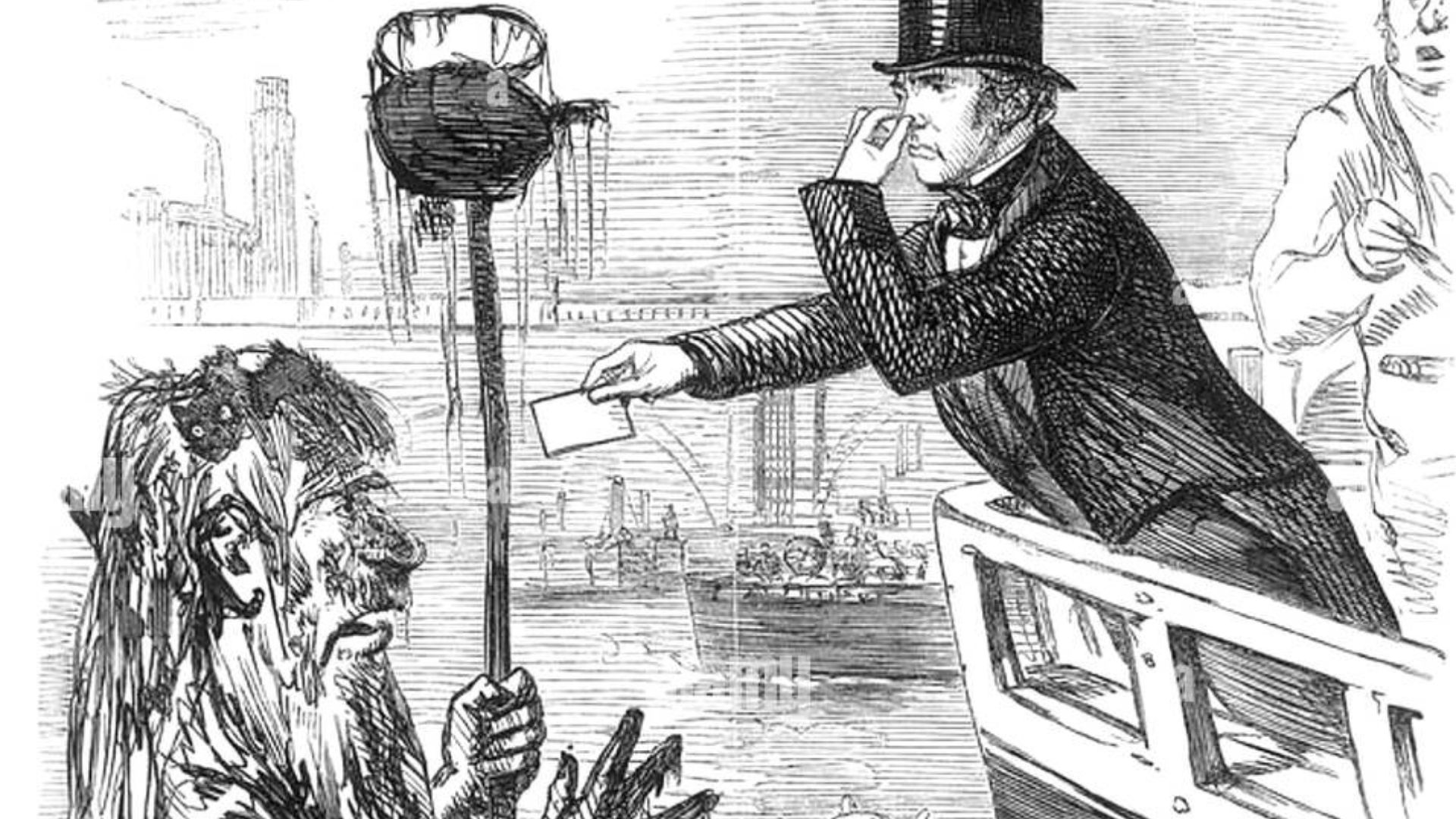
Many 19th-century people believed miasma, or foul-smelling air, caused diseases. To avoid things such as cholera and typhus, open windows and avoiding night air felt like serious health decisions rather than simple comfort choices. The belief was so strong, in fact, that during London’s Great Stink of 1858, officials feared the smell from the Thames itself might sicken Parliament.
2. Letting Doctors Drain Their Blood
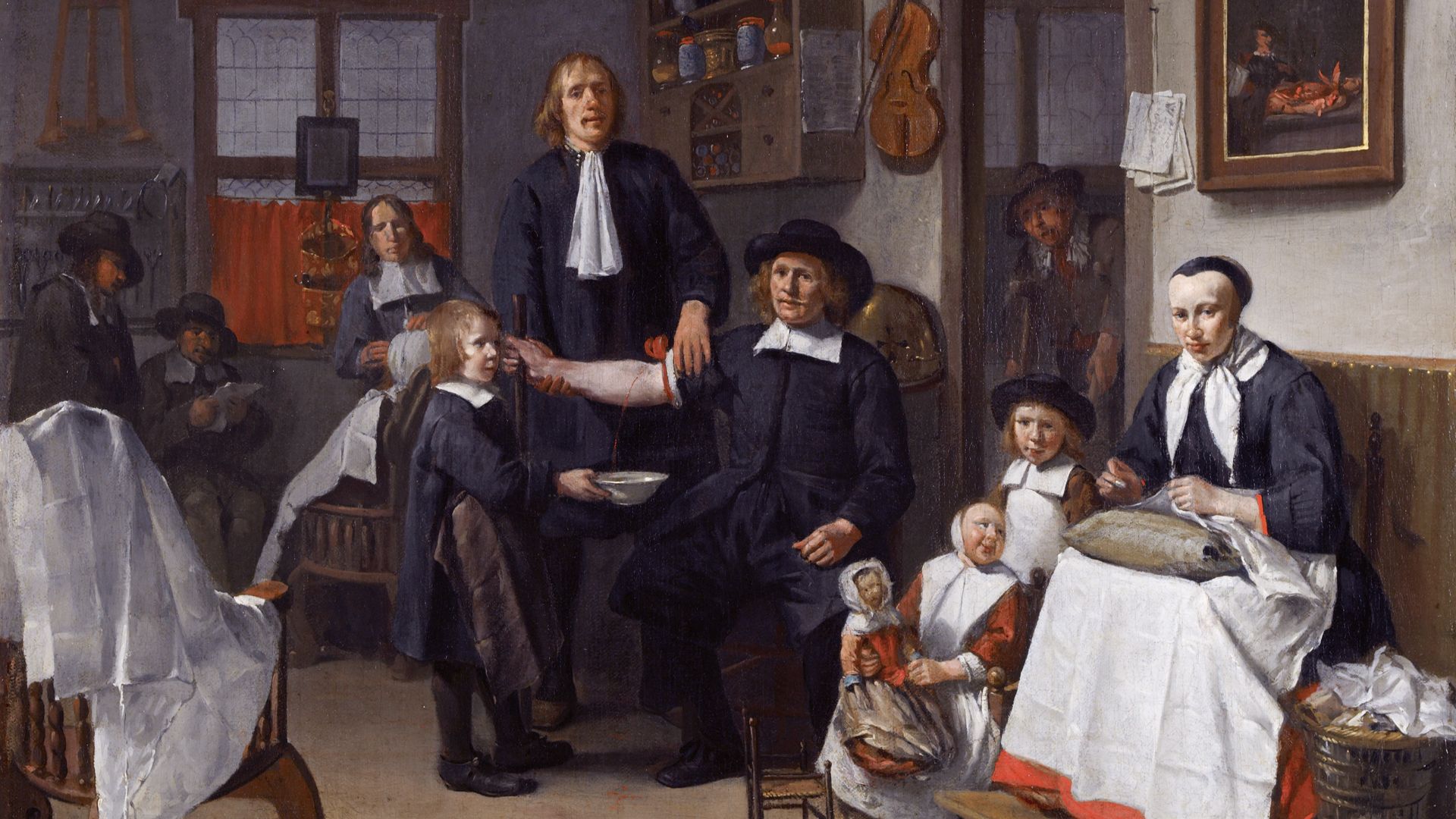
Bloodletting wasn’t some ancient cure-all solution; it was actually still used in the 1800s. Many physicians believed illness came from an imbalance in the body’s fluids, so a patient with fever or general weakness might be cut with a lancet or treated with leeches to remove blood. At the time, losing blood was presented as a way to restore order inside the body.
 Egbert van Heemskerck on Wikimedia
3. Taking Mercury
Calomel was a mercury-based compound, and it was one of the century’s most trusted purgatives. Doctors used it for everything from constipation and fevers to cholera, all because they thought forceful purging would clear harmful substances from the body. Little did they know that mercury poisoning was actually damaging the mouth, gums, teeth, and nervous system.
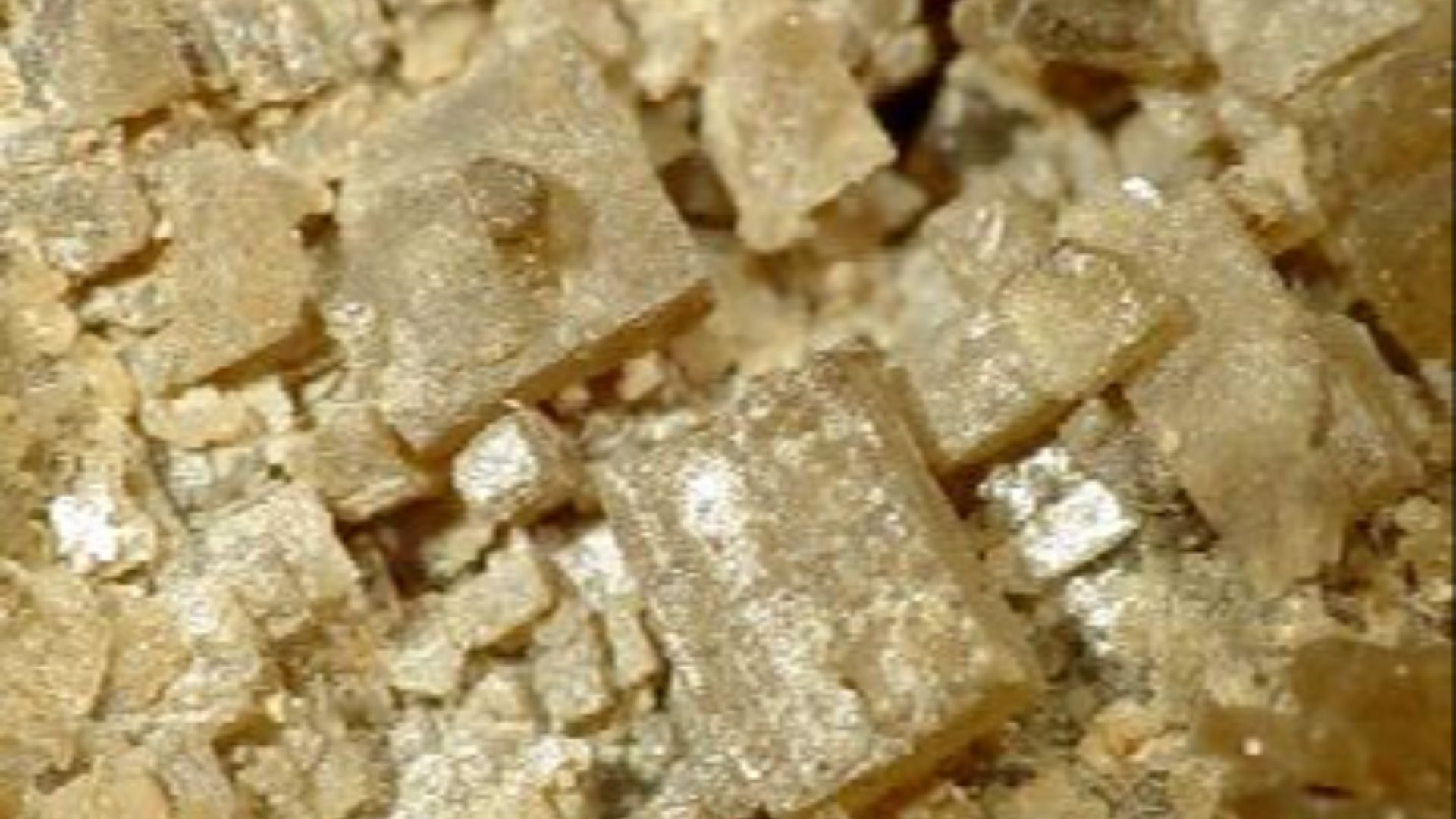 Robert M. Lavinsky on Wikimedia
4. Swallowing Laudanum For Pain
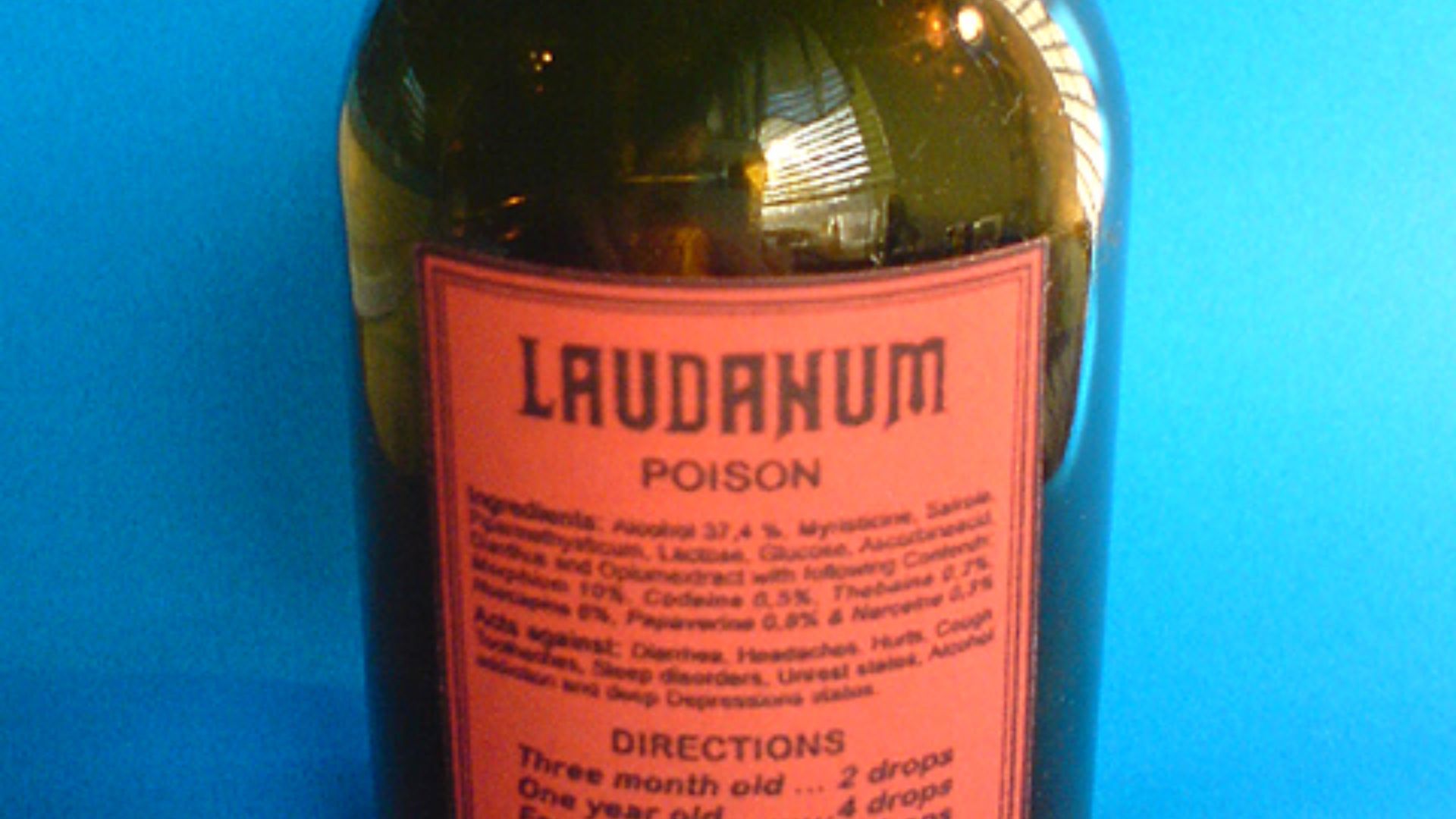
However, mercury was the least of your problems in the 1800s. Laudanum was an opium-and-alcohol mixture that many households treated like a common remedy. It was used for all kinds of things: coughs, diarrhea, insomnia, menstrual pain, general nervousness—you name it. The relief was real, but so were the risks.
5. Morphine Syrup
Despite its name, Mrs. Winslow’s Soothing Syrup was anything but. Though it was marketed in the mid-1800s as a calming remedy for fussy infants and teething children, the syrup contained morphine and alcohol. As you can imagine, that made its quieting effect far more dangerous than the advertisements suggested.
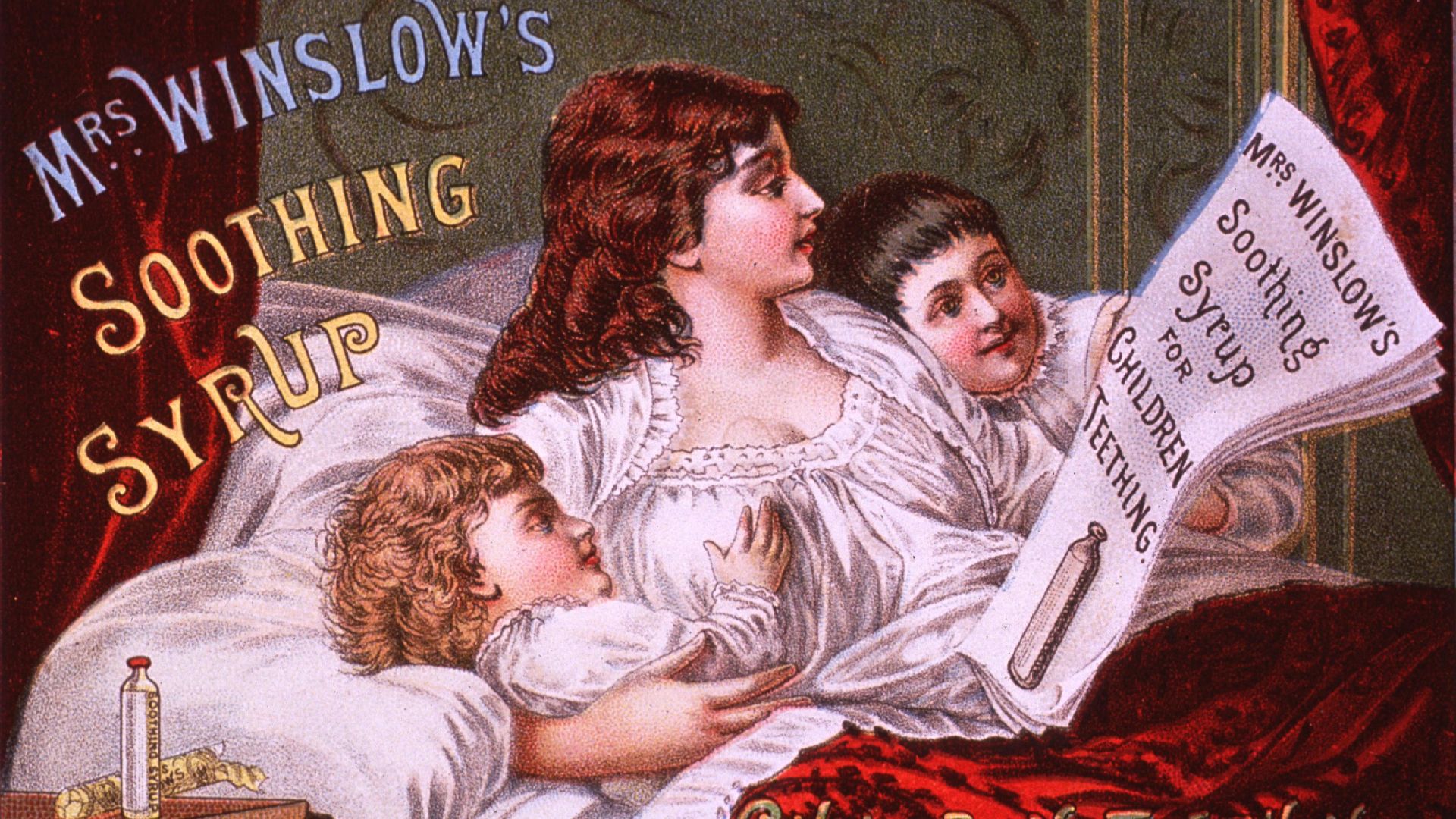 National Library of Medicine - History of Medicine on Wikimedia
6. Patent Medicines With Secret Formulas
Patent medicines filled 19th-century newspapers, shop shelves, and traveling medicine shows—and they all promised the same thing: restored strength. Products such as Lydia E. Pinkham’s Vegetable Compound, first sold in the 1870s, were promoted for women’s complaints. Countless tonics claimed to fix nerves. Others swore they could treat fatigue. However, since ingredient labels were often vague or missing, you had no idea what you were ingesting.
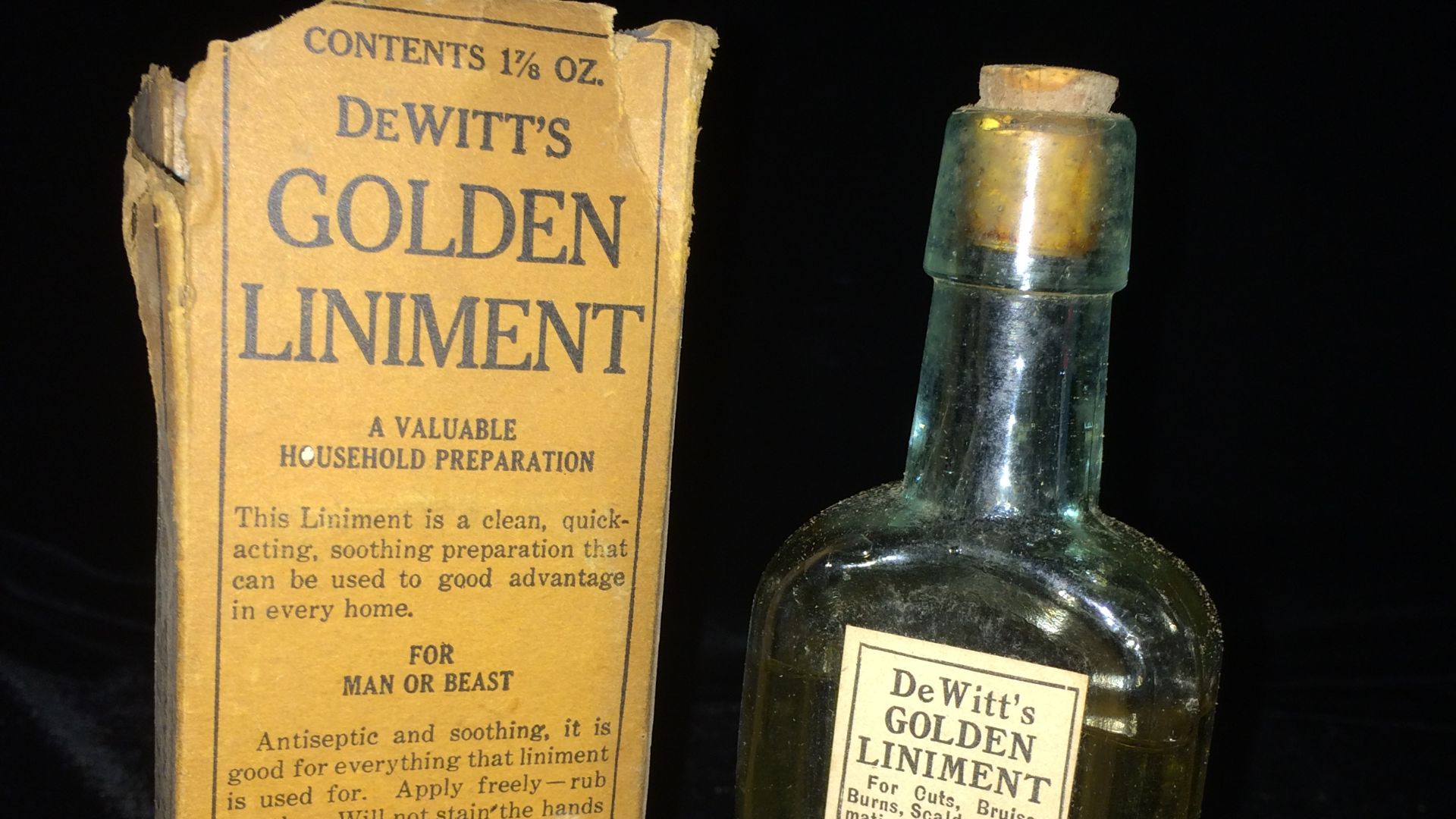 The U.S. Food and Drug Administration on Wikimedia
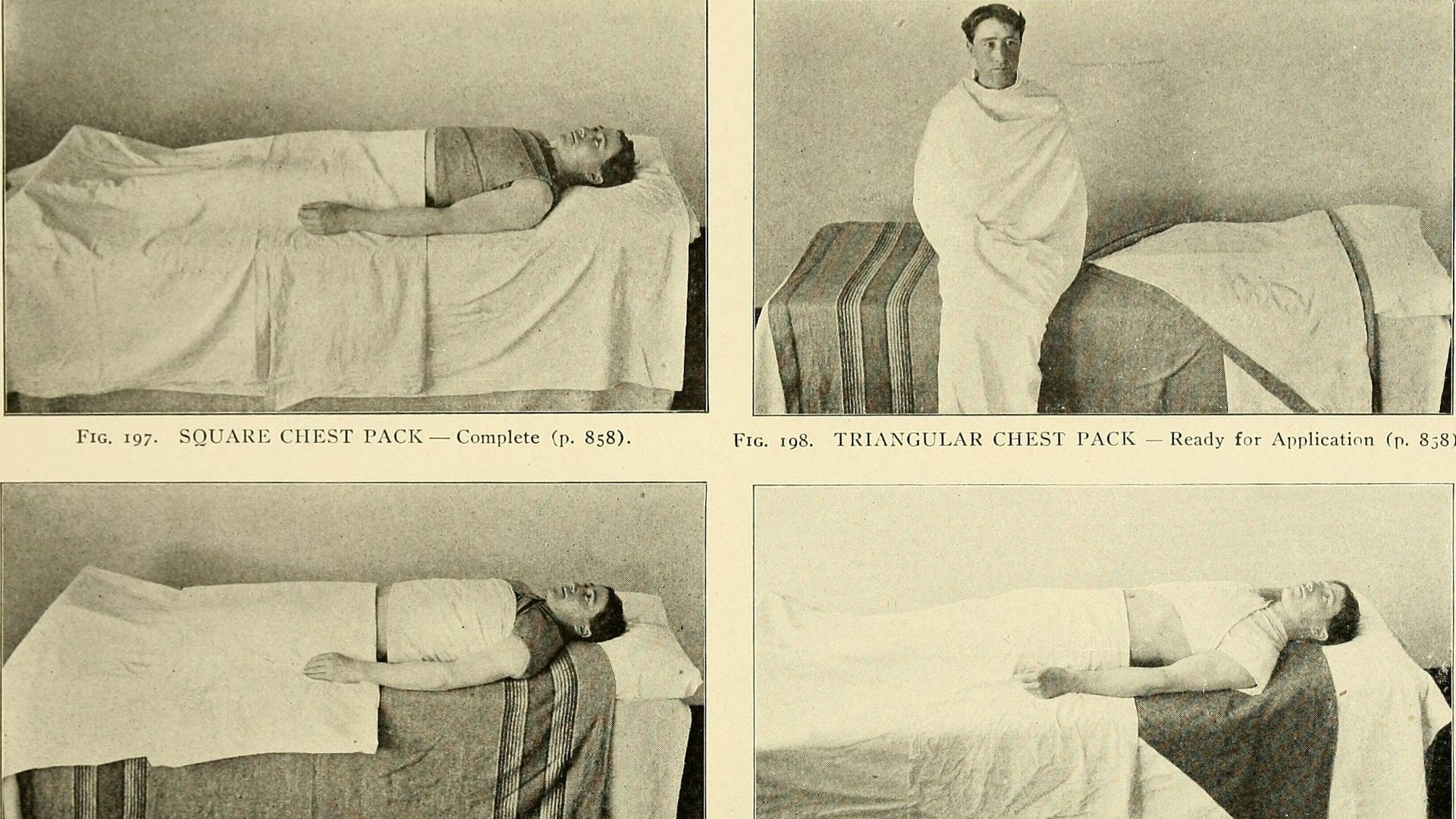
7. Cold Wet Sheets
Hydropathy, also called the water cure, became popular in the 1840s after European ideas about water treatment spread to Britain and America. Long story short, patients were packed in wet sheets, plunged into cold baths, soaked, and told to drink plenty of water. The idea was that it would restore health.
 Kellogg, John Harvey, 1852-1943 on Wikimedia
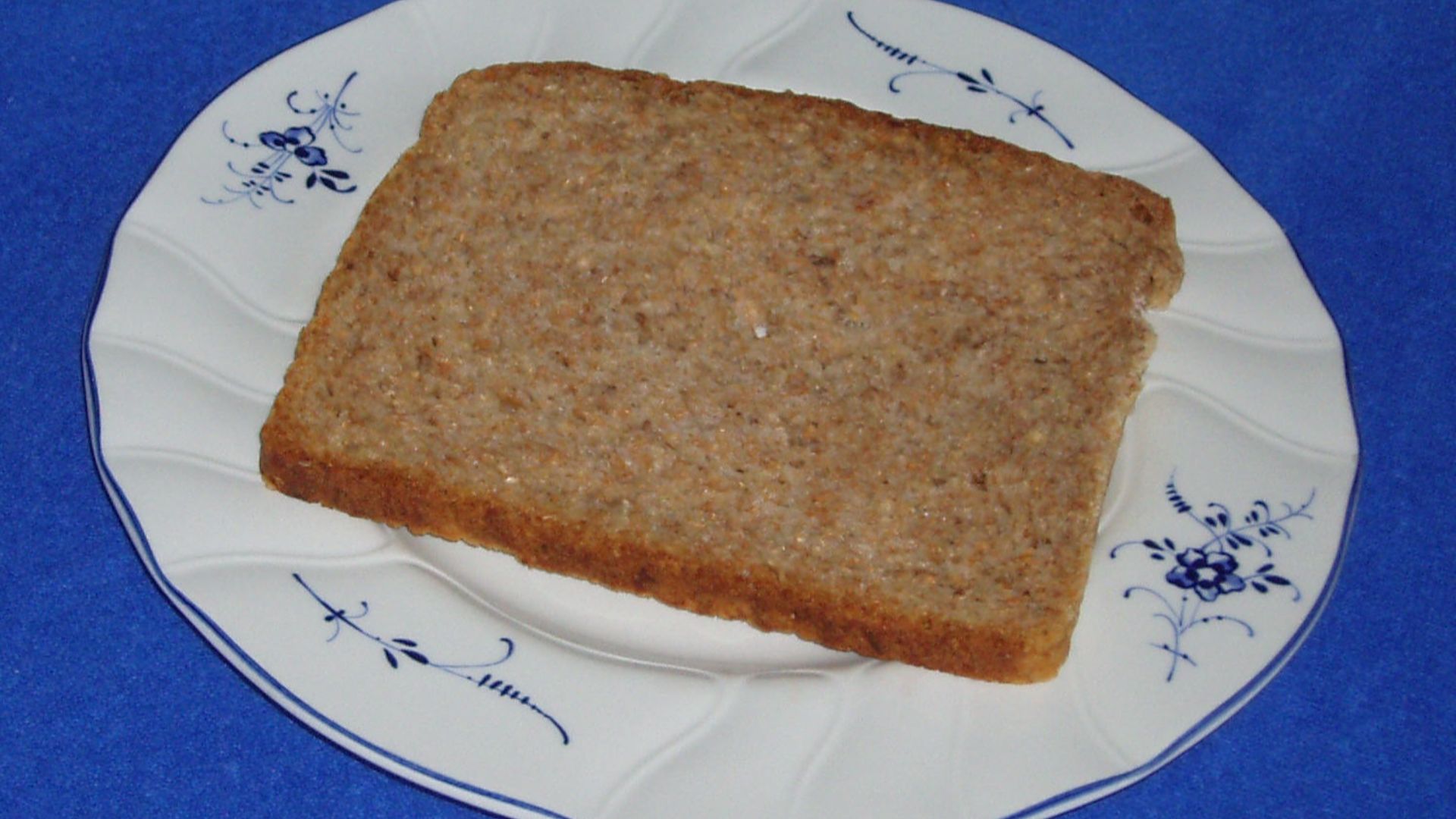
8. Eating Bland Graham Bread
Sylvester Graham, a Presbyterian minister and health reformer, promoted a strict lifestyle in the 1830s, but it wasn’t built around miracle tonics. No, his ideas were built around vegetarian food, whole-grain bread, and clean water. His followers believed that his diet plan could not only protect the body but also control dangerous urges.
 --Xocolatl 17:21, 31 July 2007 (UTC) on Wikimedia
9. Taking Arsenic
Fowler’s Solution was used in medicine from the late 1700s into the 1800s, though it probably shouldn’t have been. It contained potassium arsenite and was prescribed for conditions like malaria, skin problems, and later even leukemia. The unsettling part is obvious now: arsenic is toxic and long-term exposure causes serious damage.
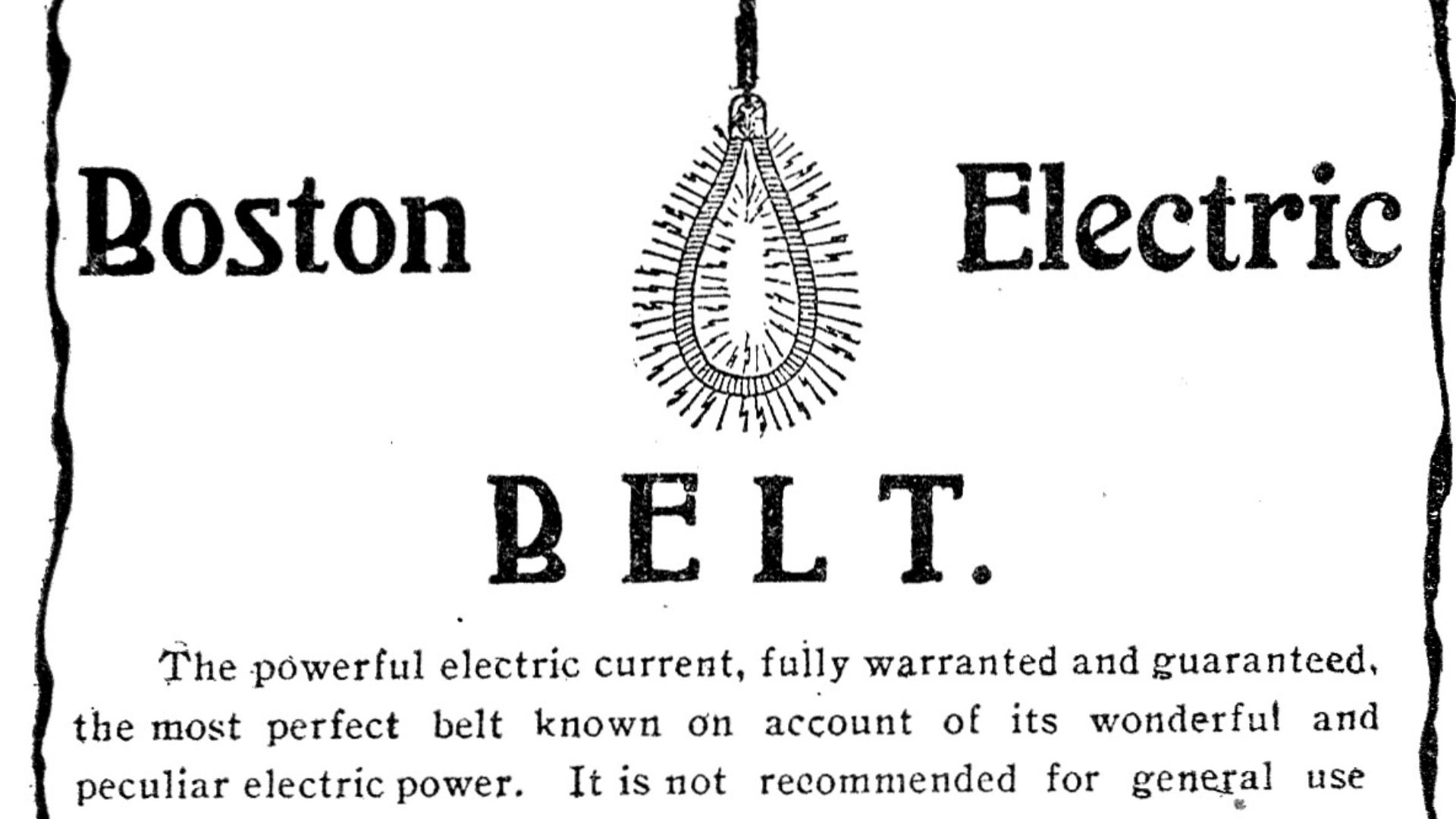
10. Wearing Electric Belts For Energy
By the late Victorian period, electricity had everyone abuzz, and it had become exciting enough that inventors sold it as a health tool. (Of course they did.) Electric belts, batteries, and small devices were advertised for nervous disorders and weakness. The products looked modern enough, too, which helped people buy into the notion that a mild shock might do what ordinary medicine couldn’t.
11. Tightening Corsets For Posture and Support
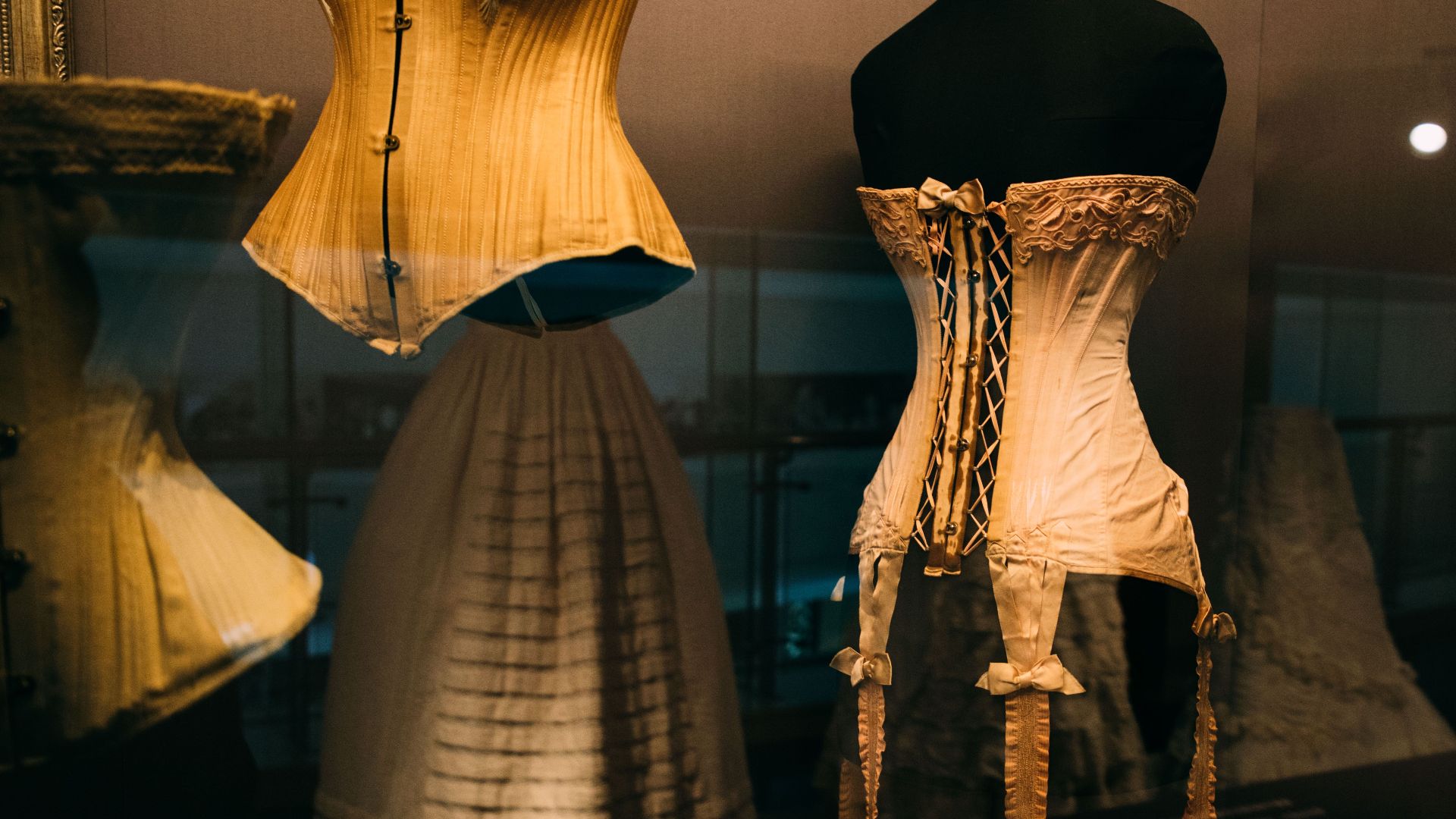
If you’ve ever worn a corset, you know how awful they are. But back in the day, many people also viewed them as useful support for the body. Women, and sometimes children, wore them to shape the torso, encourage upright posture, and fit the era’s standards of respectable appearance. Critics warned that tight lacing could harm breathing and internal organs, but pain is beauty.
12. Resting In Bed Until “Nerves” Improved
Physician S. Weir Mitchell developed the rest cure in the 1860s and 1870s for nervous exhaustion. That sounds like an everyday remedy, so that’s the harm, right? Well, we’re not talking a few days of rest. Patients, especially women, could be ordered into long bed rest, heavy feeding, isolation, and strict limits on daily activities. Charlotte Perkins Gilman later criticized this treatment through her famous 1892 story “The Yellow Wallpaper,” which should tell you something.
 Small, Maynard & Company on Wikimedia
13. Tiny Homeopathic Doses
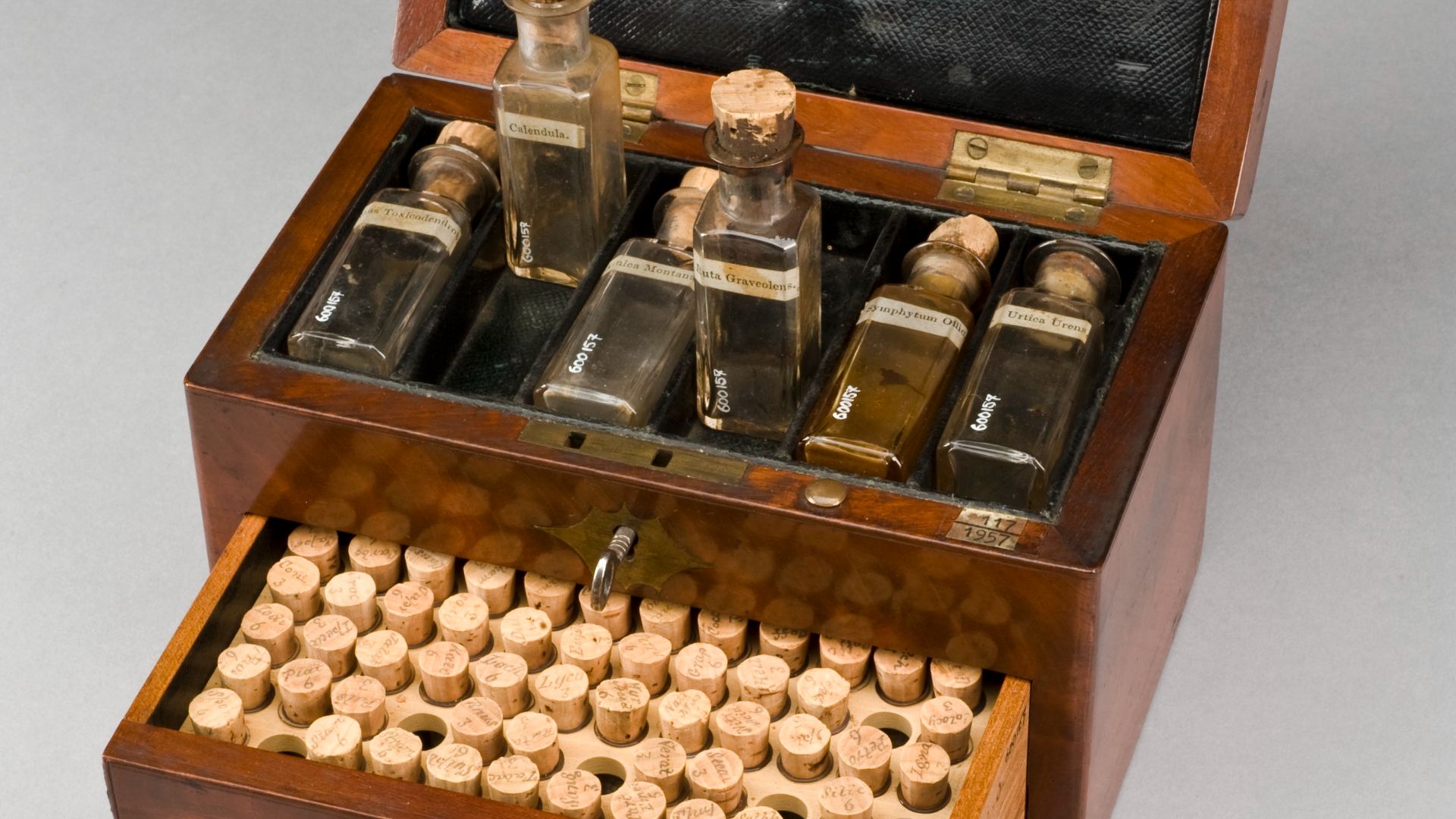
Homeopathy entered the United States in the early 1800s and gained a real following during a time when regular medicine could be harsh. Its supporters believed that “like cures like” and that highly diluted remedies could actually kick-start the healing process. You can’t really blame them—compared with bloodletting and mercury purges, it seemed gentler.
14. Reading Skull Bumps
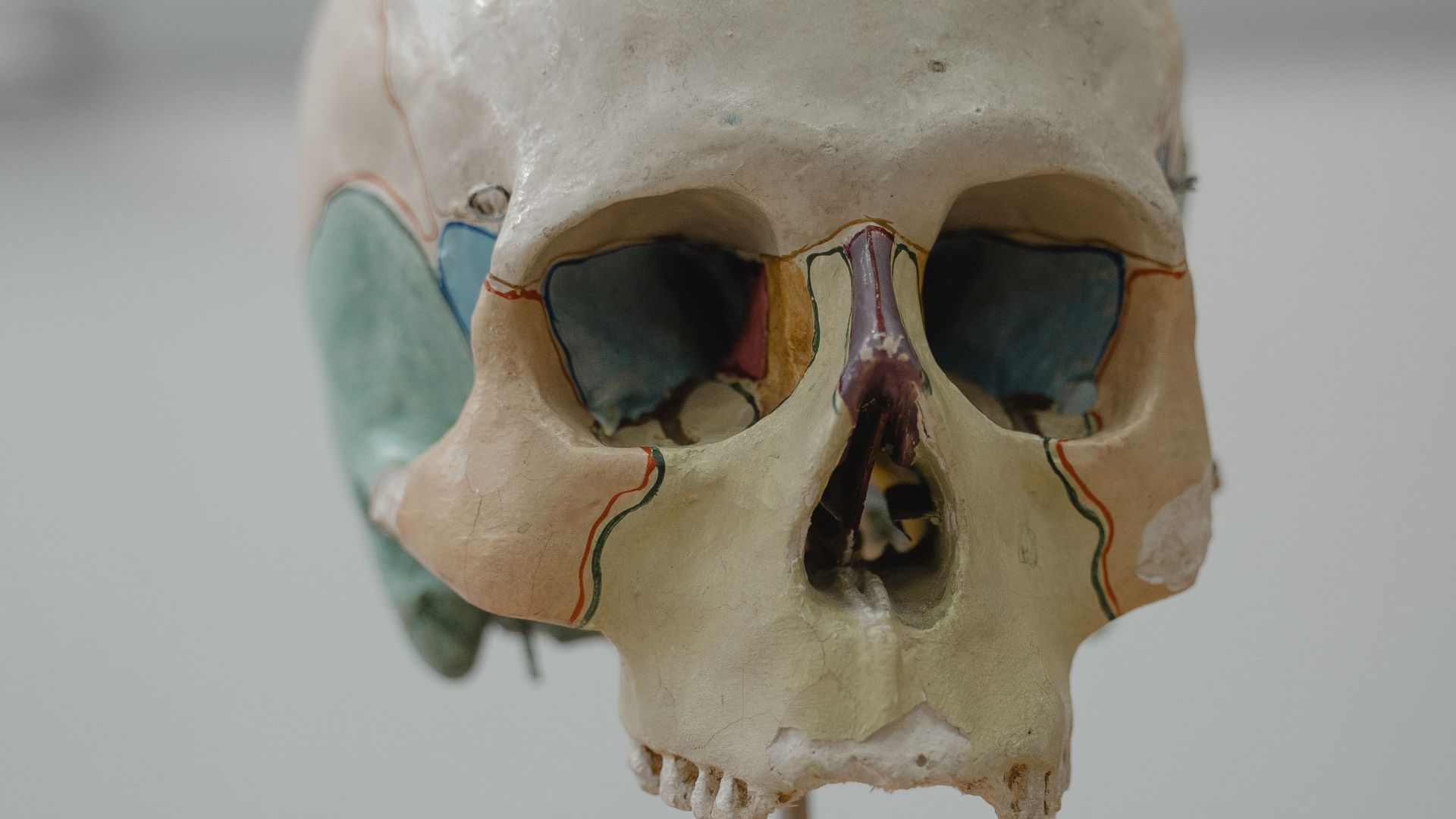
Phrenology became pretty fashionable in the 1800s; it promised to reveal character and weaknesses by studying the shape of the skull. Some treated it as a guide to mental and moral health, too, not just personality. For example, a phrenologist might tell someone they needed lifestyle changes based on bumps that supposedly reflected areas of the brain.
15. Getting “Magnetized” By a Mesmerist
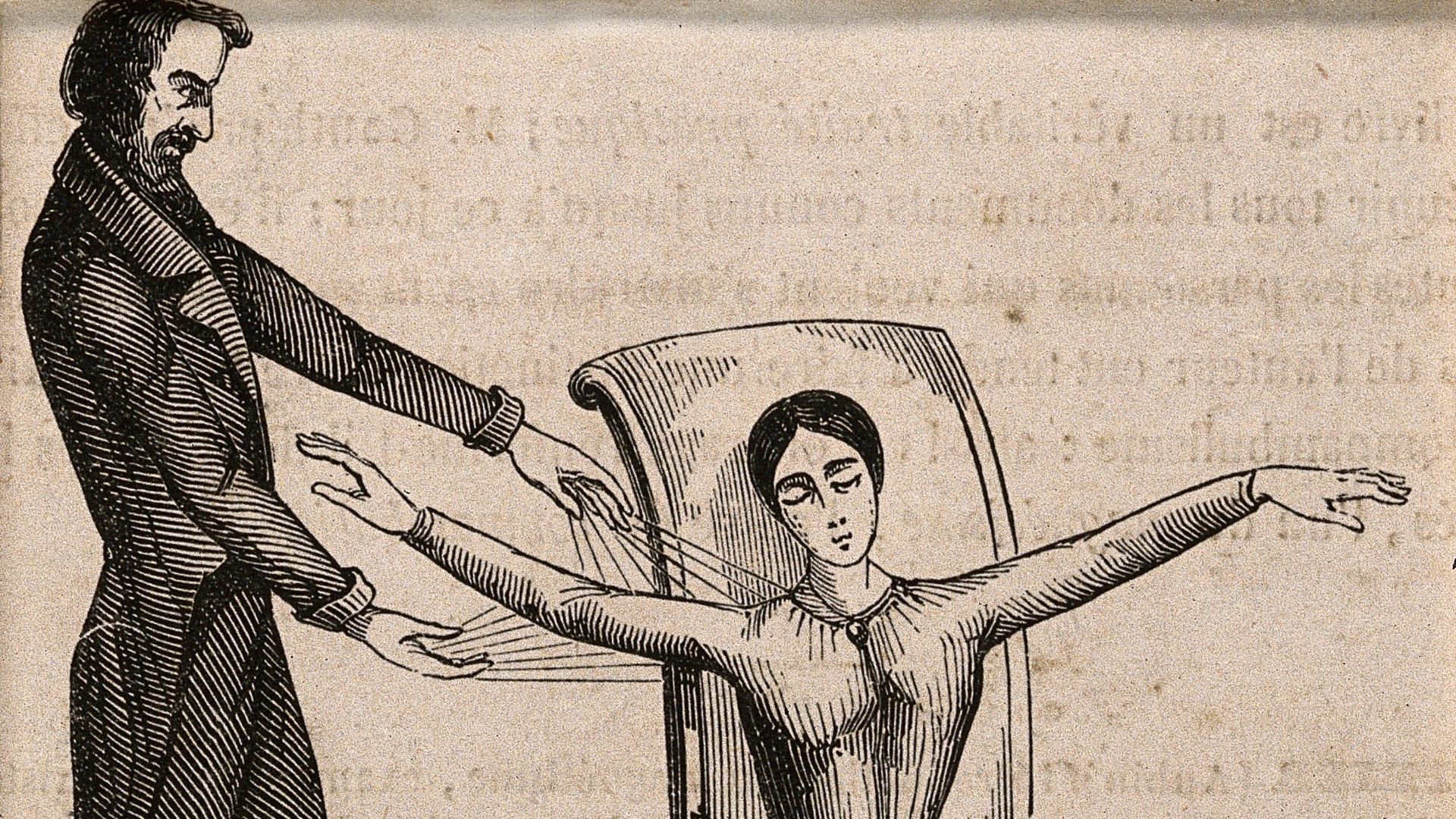
Mesmerism came from Franz Anton Mesmer’s 18th-century ideas but remained influential into the 1800s. Practitioners claimed that an invisible force could be directed through the body to relieve illness, and once word spread, people attended all kinds of demonstrations. They also submitted to passes of the hands and sometimes believed they had experienced legitimate medical treatment.
16. Sweating Out Illness In Turkish Baths
Victorian Turkish baths spread through Britain and beyond in the 19th century, helped by reformers who linked bathing and heat with better health. Bathers moved through hot rooms, sweated heavily, washed, and rested as part of their routine. The cleanliness was helpful, sure, but the larger claim that heat could drive out a wide range of illnesses sang heavy-handed praises.

17. Moving Tuberculosis Patients Into Fresh-Air Sanatoriums
Before antibiotics, tuberculosis treatment often centered on clean air, rest, and isolation. German physician Hermann Brehmer promoted sanatorium care in the mid-1800s, and the idea spread widely as patients were eventually sent to mountain or seaside institutions. Sadly, picturesque views couldn’t reliably cure anything.

18. Sitting Under Blue Glass
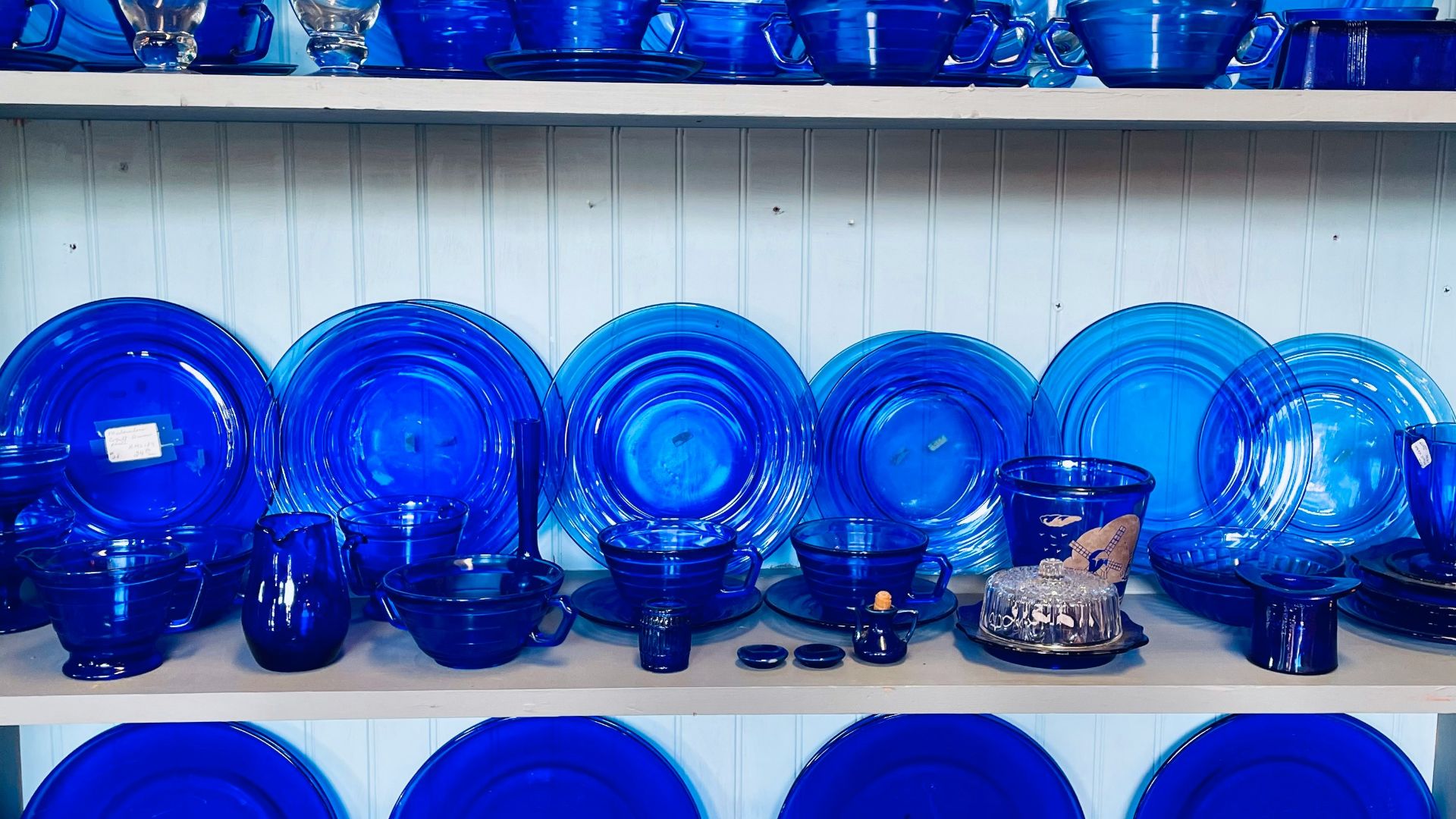
You’ve heard of blue light glasses, but this is something a little different. In 1876, Augustus J. Pleasonton published claims that blue sunlight could improve plant, animal, and human health. Those very ideas helped create a blue-glass craze, with people believing panes of blue glass could channel special healing from the sun.
19. Steaming the Body
Samuel Thomson’s popular botanical system spread in early 19th-century America as an alternative to elite medical practice. But we’re not just talking about heat; Thomsonian treatments also used lobelia, an herb that could induce vomiting. Followers believed heat and purging helped the body throw off disease, and at the time, it sounded natural, even when it was rough on the body.

20. Fancy Tonics for Nervous Systems
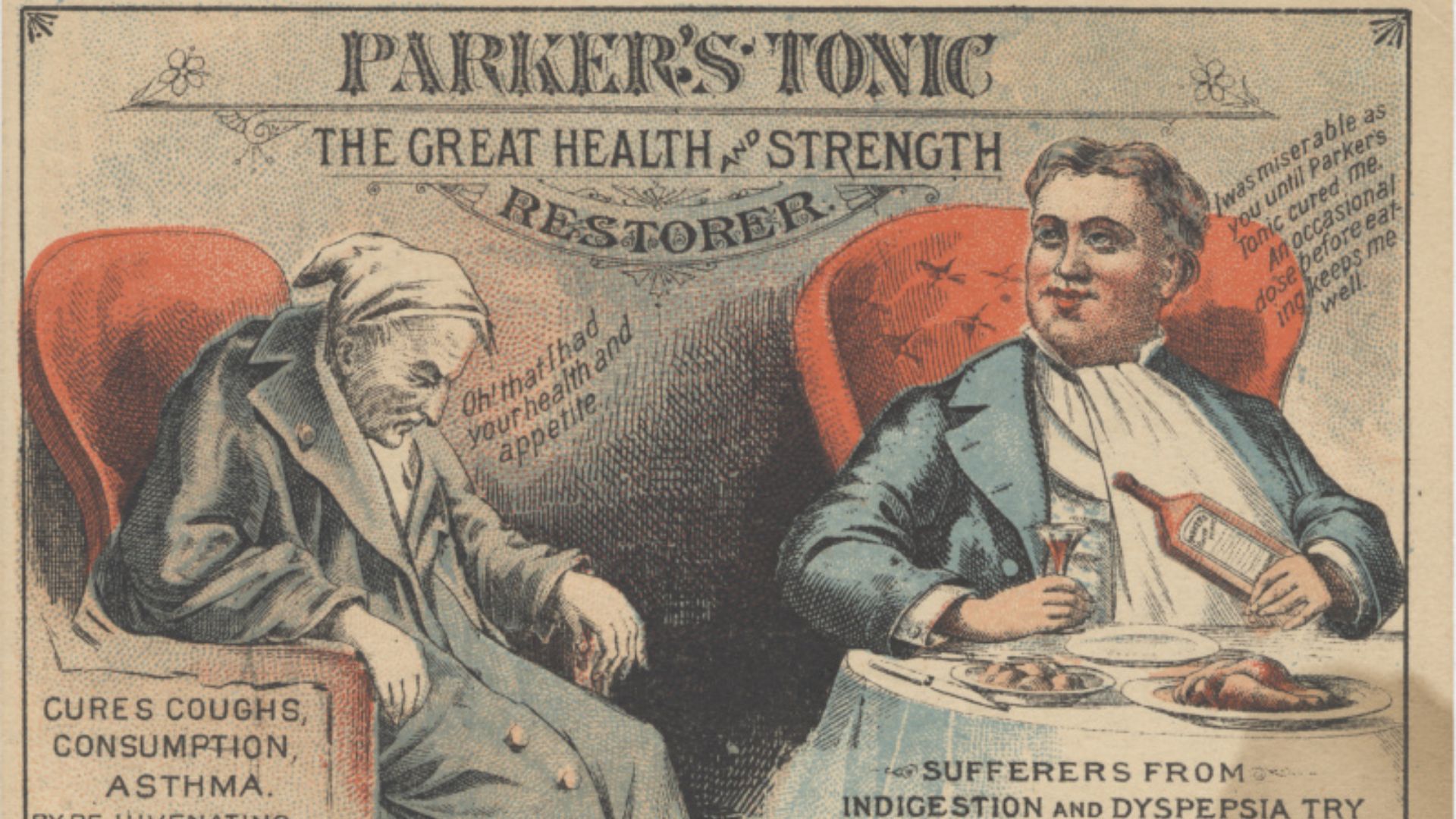
Nerve tonics became a favorite 19th-century answer to everything: fatigue, anxiety, sleeplessness, or just the vague complaint of feeling run down. Advertisements ran with the promises, too, claiming renewed vigor through products with alcohol, coca, caffeine, or opiates.
KEEP ON READING

From Heroes To Zeroes 20 Historical Figures Whose Heroism Was…
History is full of legends, but not every hero lived…
By Noone Feb 25, 2026
The Clueless Crush: How I Accidentally Invited a Hacker Into…
Fluorescent Lights and First Impressions. My name is Tessa, I'm…
By Ali Hassan Nov 4, 2025
This Infamous Ancient Greek Burned Down An Ancient Wonder Just…
History remembers kings and conquerors, but sometimes, it also remembers…
By David Davidovic Nov 12, 2025
Einstein's Violin Just Sold At An Auction—And It Earned More…
A Visionary's Violin. Wanda von Debschitz-Kunowski on WikimediaWhen you hear…
By Ashley Bast Nov 3, 2025
The Mysterious "Sea People" Who Collapsed Civilization
3,200 years ago, Bronze Age civilization in the Mediterranean suddenly…
By Robbie Woods Mar 18, 2025
The 20 Smartest Women in History
Intelligence Has Always Had More Than One Form. Calling anyone…
By Emilie Richardson-Dupuis Jun 16, 2026