

When Success Becomes a Trap
Fame has a way of picking favorites, and it doesn't always pick the things creators are proudest of. Some of the most celebrated works in music, literature, and art exist because audiences fell in love with something the person who made it actively resented. A handful spent decades trying to distance themselves from the very thing their name would always be attached to. Here's 20 creators who ended up trapped by their own success.
 Herbert Rose Barraud (1845-1896) on Wikimedia
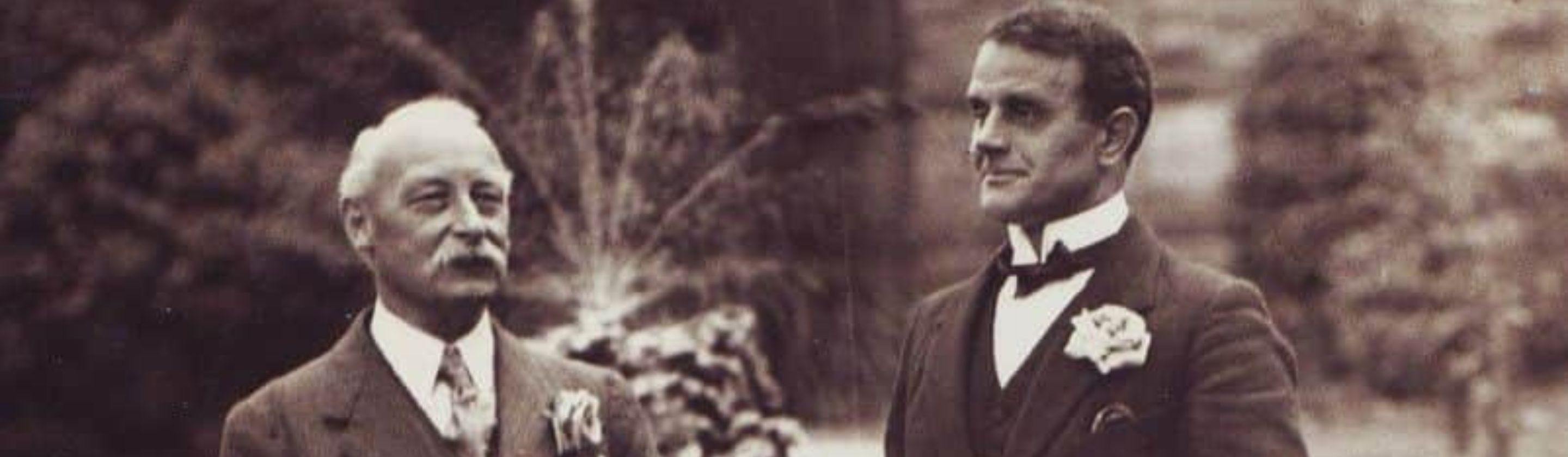
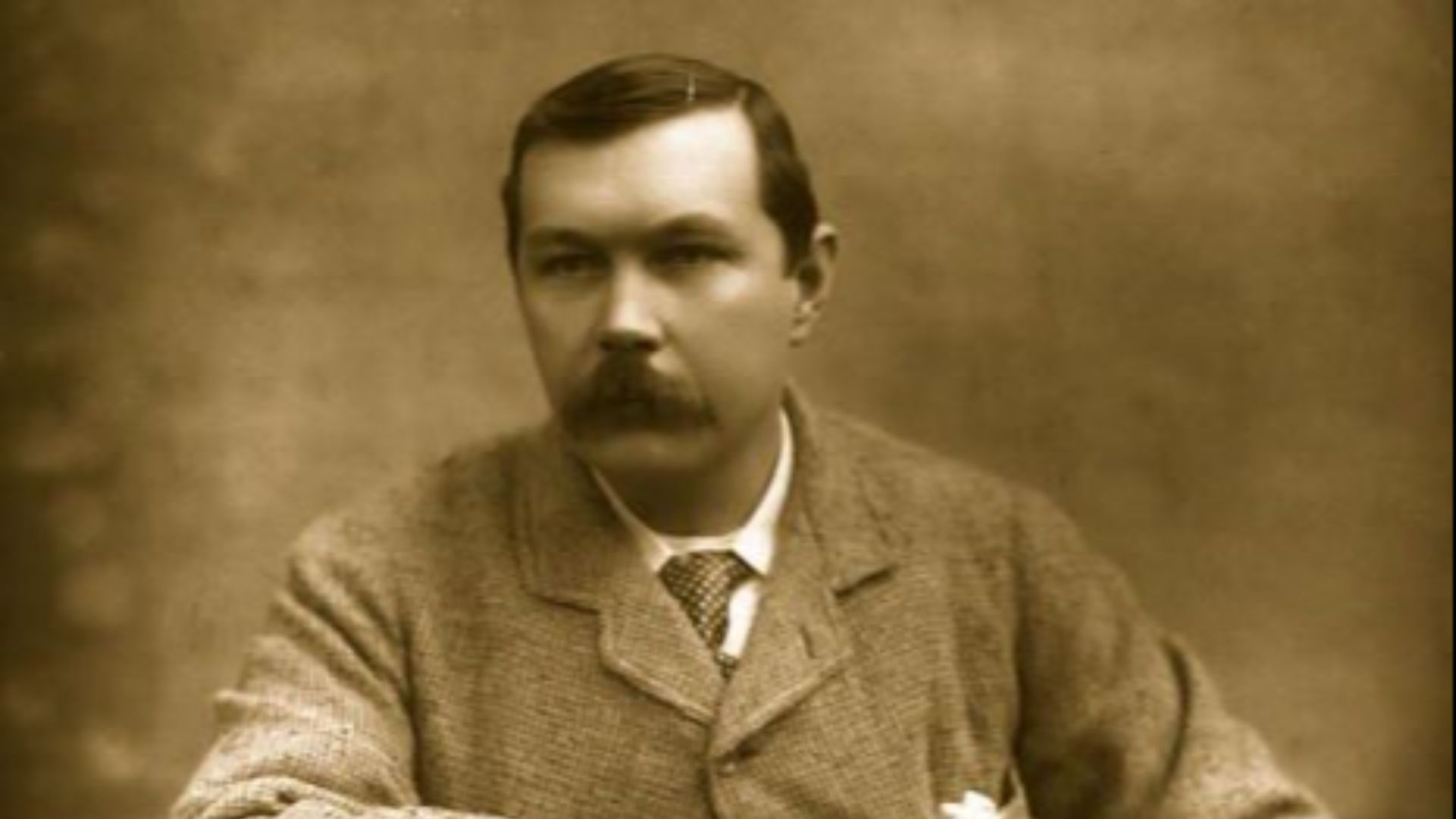
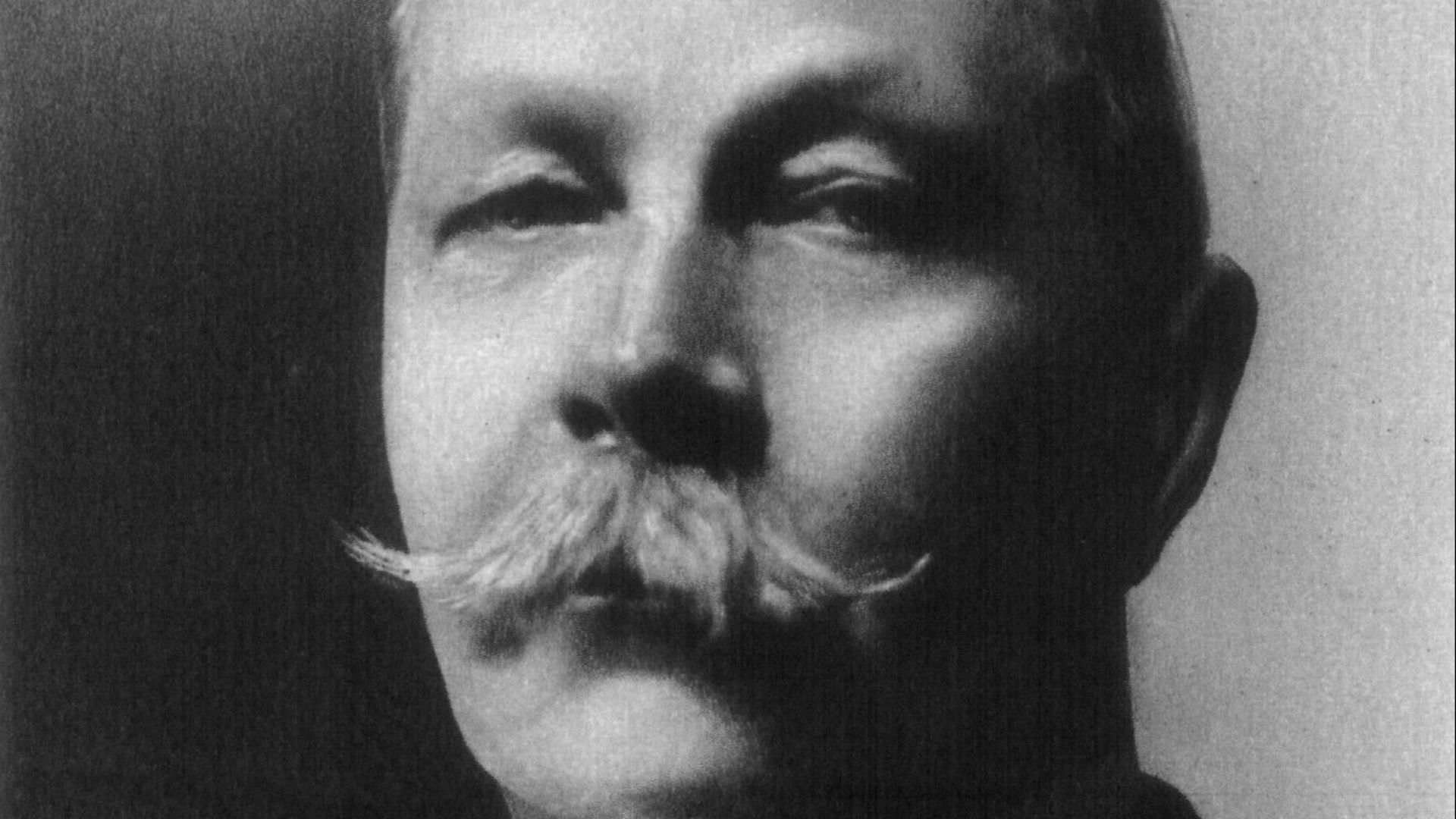
1. Arthur Conan Doyle — Sherlock Holmes
Doyle grew so tired of Sherlock Holmes that he killed the character off in 1893, only to resurrect him under massive public pressure. He considered Holmes a distraction from the historical novels he actually cared about. The detective followed him anyway.
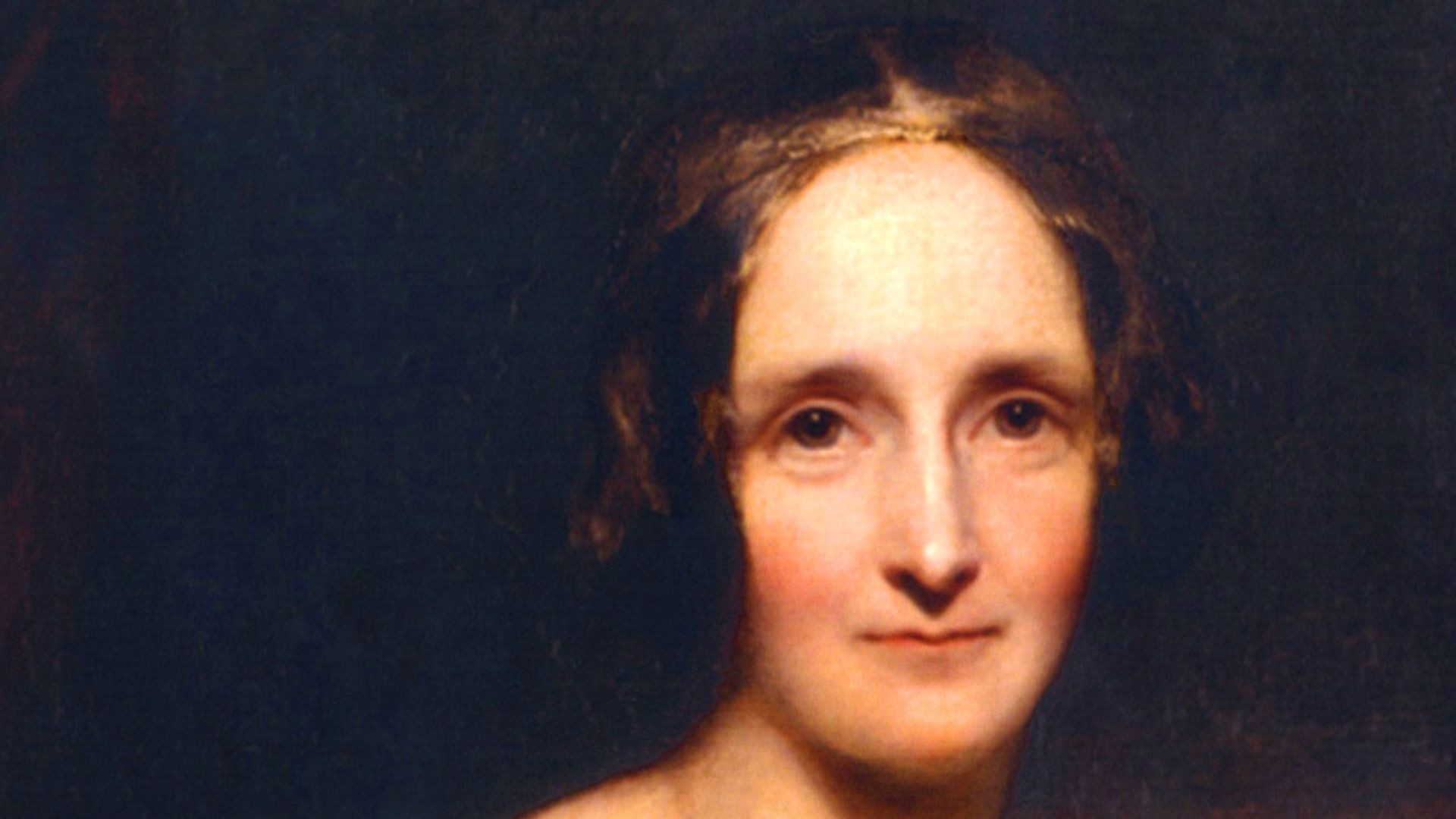
2. Mary Shelley — Frankenstein
Shelley wrote Frankenstein at nineteen as part of a ghost story competition with Percy Shelley and Lord Byron. She spent much of her later life uncomfortable with how the novel overshadowed her other work and how it was sensationalized. She had meant it as something more philosophical than the monster story it became.
 commons.wikimedia.org on Google
3. Harper Lee — To Kill a Mockingbird
Lee gave almost no interviews after the novel's publication and largely withdrew from public life. The weight of it became something she chose not to engage with. She went decades without publishing another novel, and the circumstances around Go Set a Watchman remain disputed.
 commons.wikimedia.org on Google
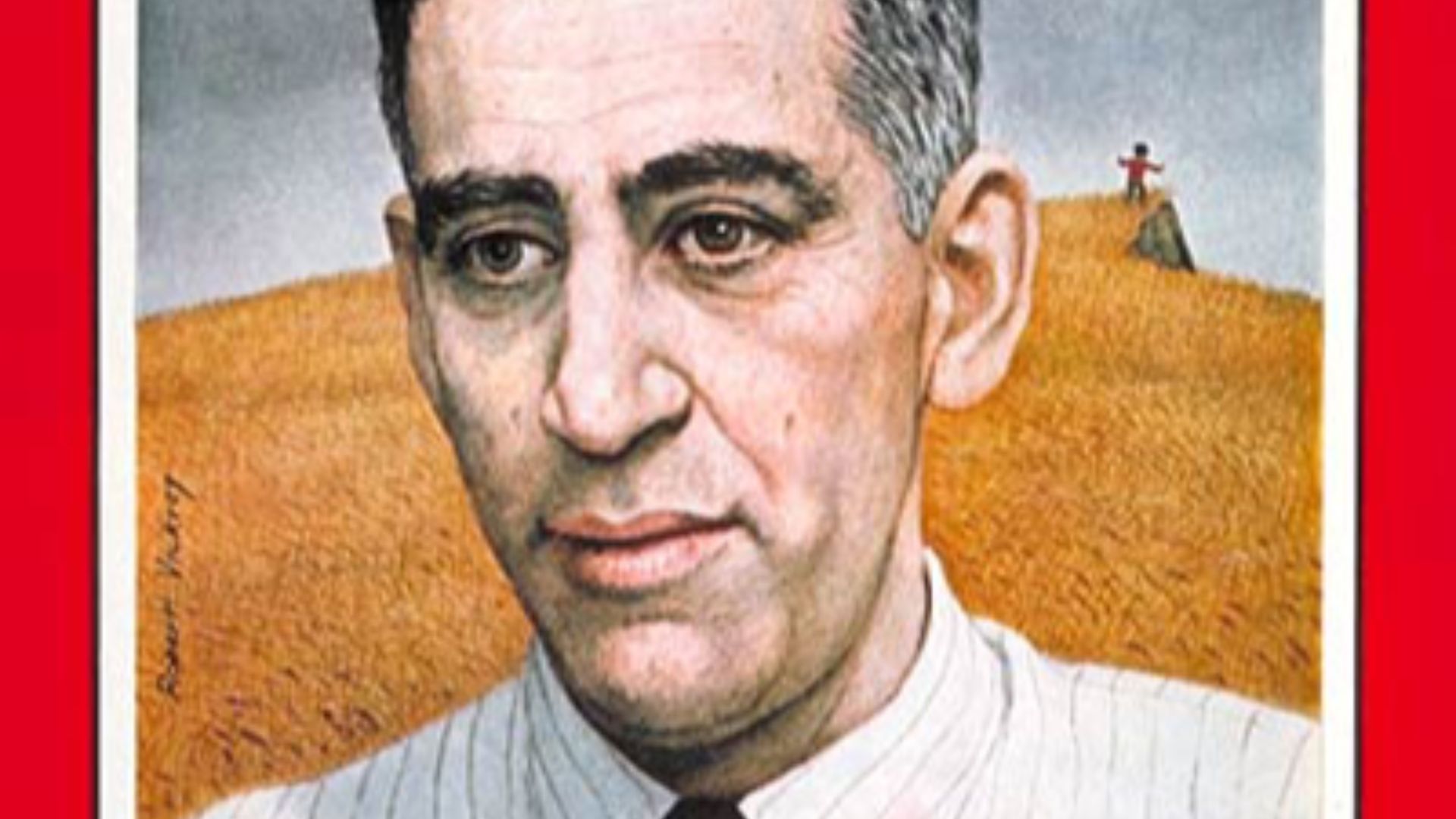
4. J.D. Salinger — The Catcher in the Rye
Salinger spent the second half of his life in deliberate isolation, refusing interviews and adaptations alike. He hated what the book's fame had done to his privacy. Whether he hated the book itself is less clear, but he hated everything that came with it.
 commons.wikimedia.org on Google
5. Radiohead — Creep
Thom Yorke called Creep a crap song for years and the band refused to play it live for much of the nineties. Audiences loved it precisely because it was direct and emotional in a way the band quickly moved away from. Being defined by your most uncharacteristic work is a specific kind of creative trap.

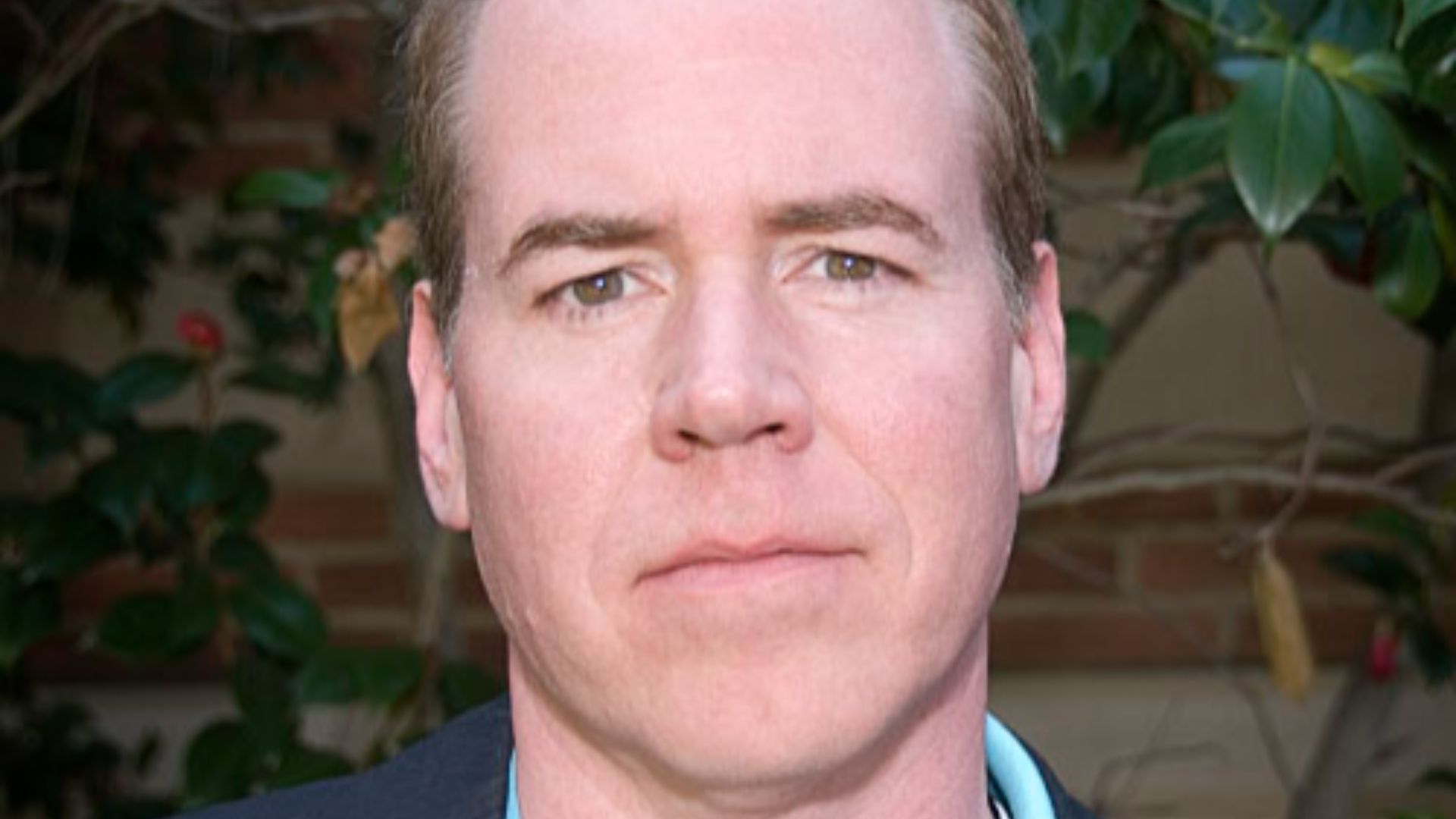
6. Bret Easton Ellis — American Psycho
Ellis has spoken at length about how American Psycho became the thing people think he is rather than one book among several. The controversy around its publication calcified into a permanent reputation he's spent years trying to complicate. The novel's cultural staying power has made that harder.
 Mark Coggins from San Francisco on Wikimedia
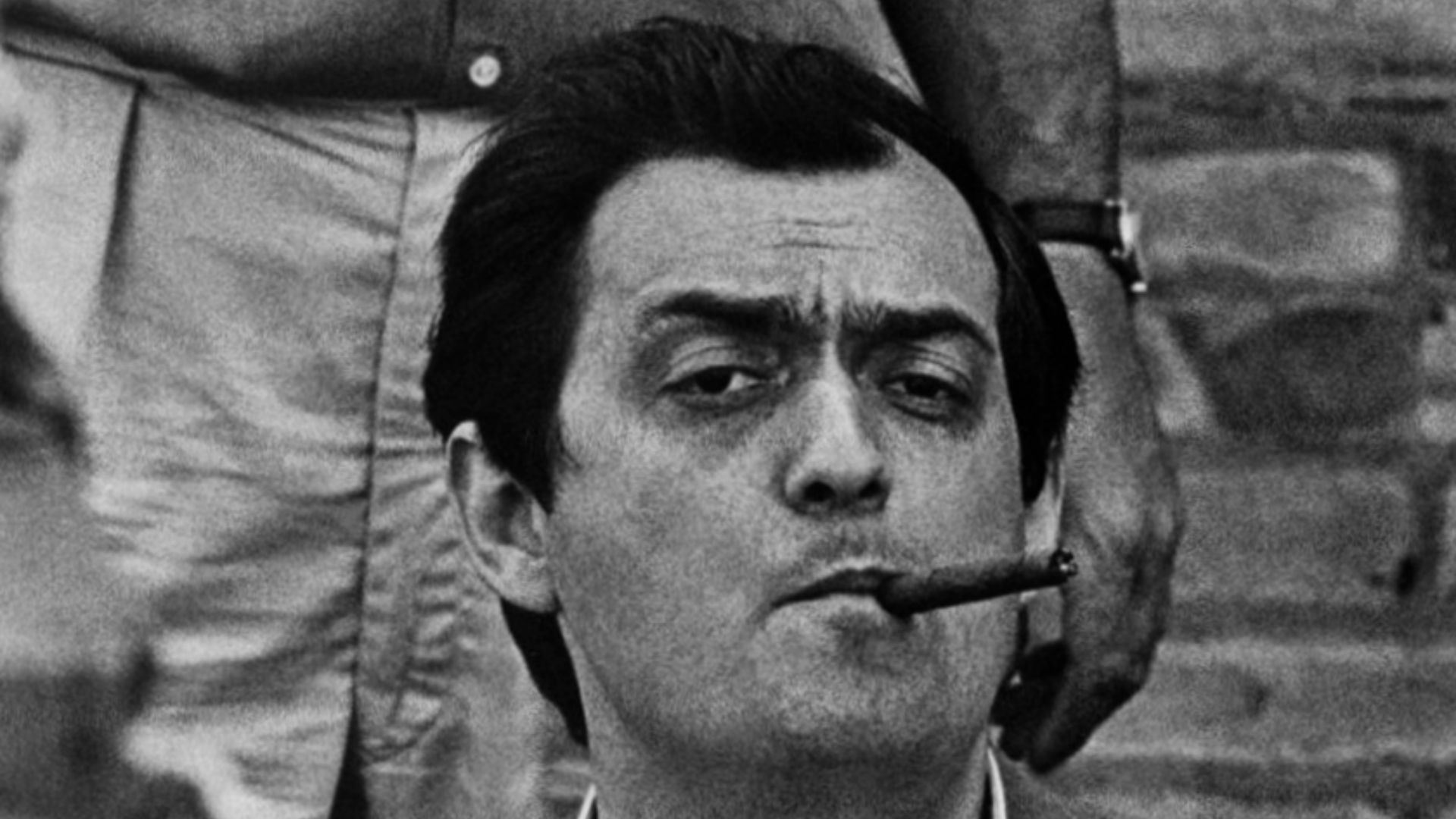
7. Stanley Kubrick — Spartacus
Kubrick referred to Spartacus as the only film he made without full creative control. He was brought in as a director for hire and overruled repeatedly by Kirk Douglas, who was producing. Kubrick excluded it from discussions of his filmography afterward.
 Columbia Pictures on Wikimedia
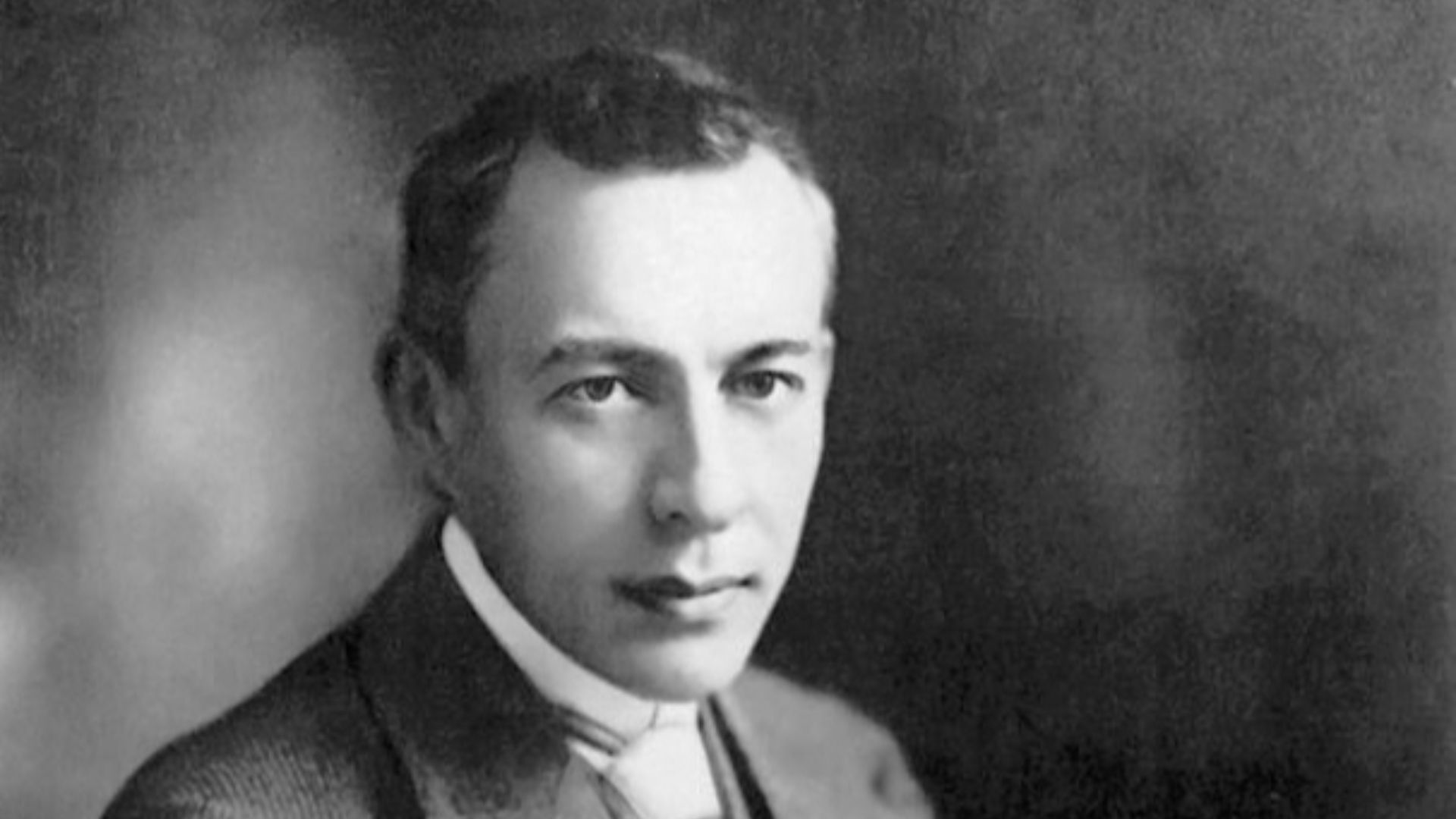
8. Sergei Rachmaninoff — Piano Concerto No. 2
Rachmaninoff wrote the concerto after years of creative paralysis following the disastrous premiere of his First Symphony. It became his most beloved and most performed work. He felt the constant association with it reduced everything else he had written to a footnote.
 Unknown authorUnknown author, probably Mario Nunes Vais on Wikimedia
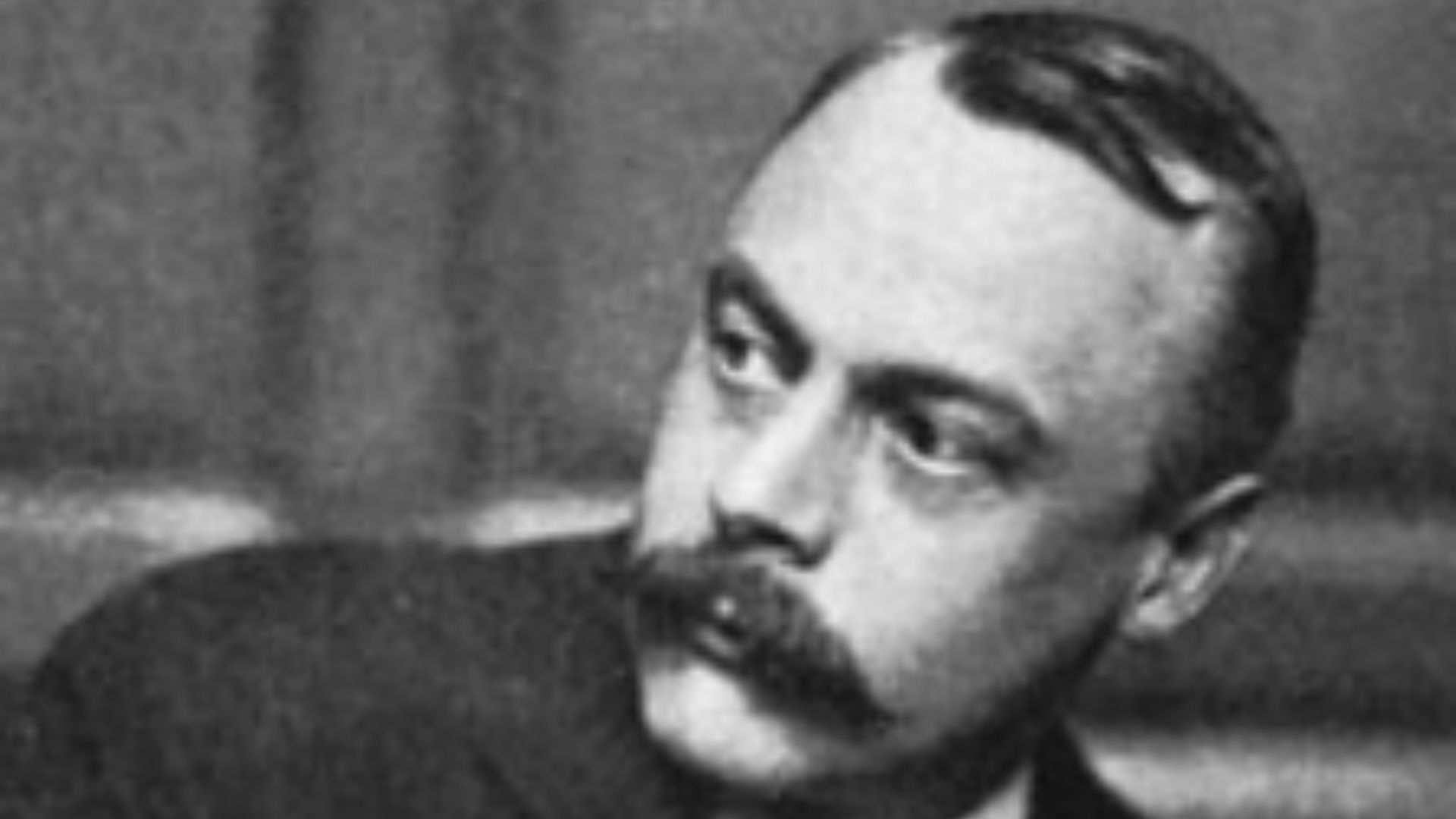
9. Kenneth Grahame — The Wind in the Willows
Grahame wrote the book reluctantly and considered it minor, something assembled from bedtime stories he had told his son. He was a serious essayist who wanted to be taken seriously on those terms. The Wind in the Willows became immortal and the essays are almost entirely forgotten.
 Unknown authorUnknown author on Wikimedia
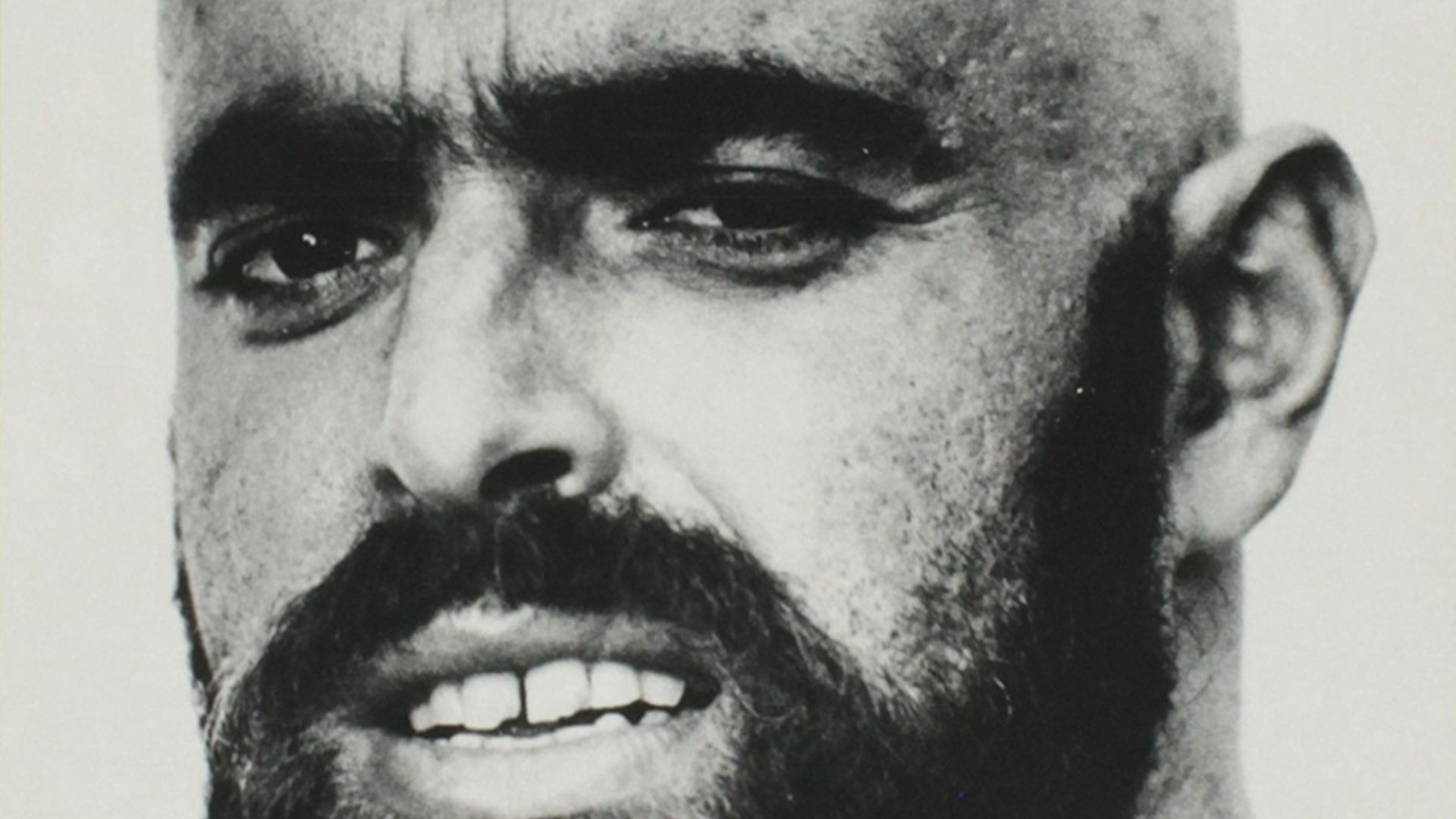
10. Shel Silverstein — The Giving Tree
Silverstein was primarily a cartoonist and songwriter who saw himself as a satirist and adult humorist. The Giving Tree's status as a beloved children's classic was a long way from how he intended it. He was making a darker point that most readers preferred not to notice.
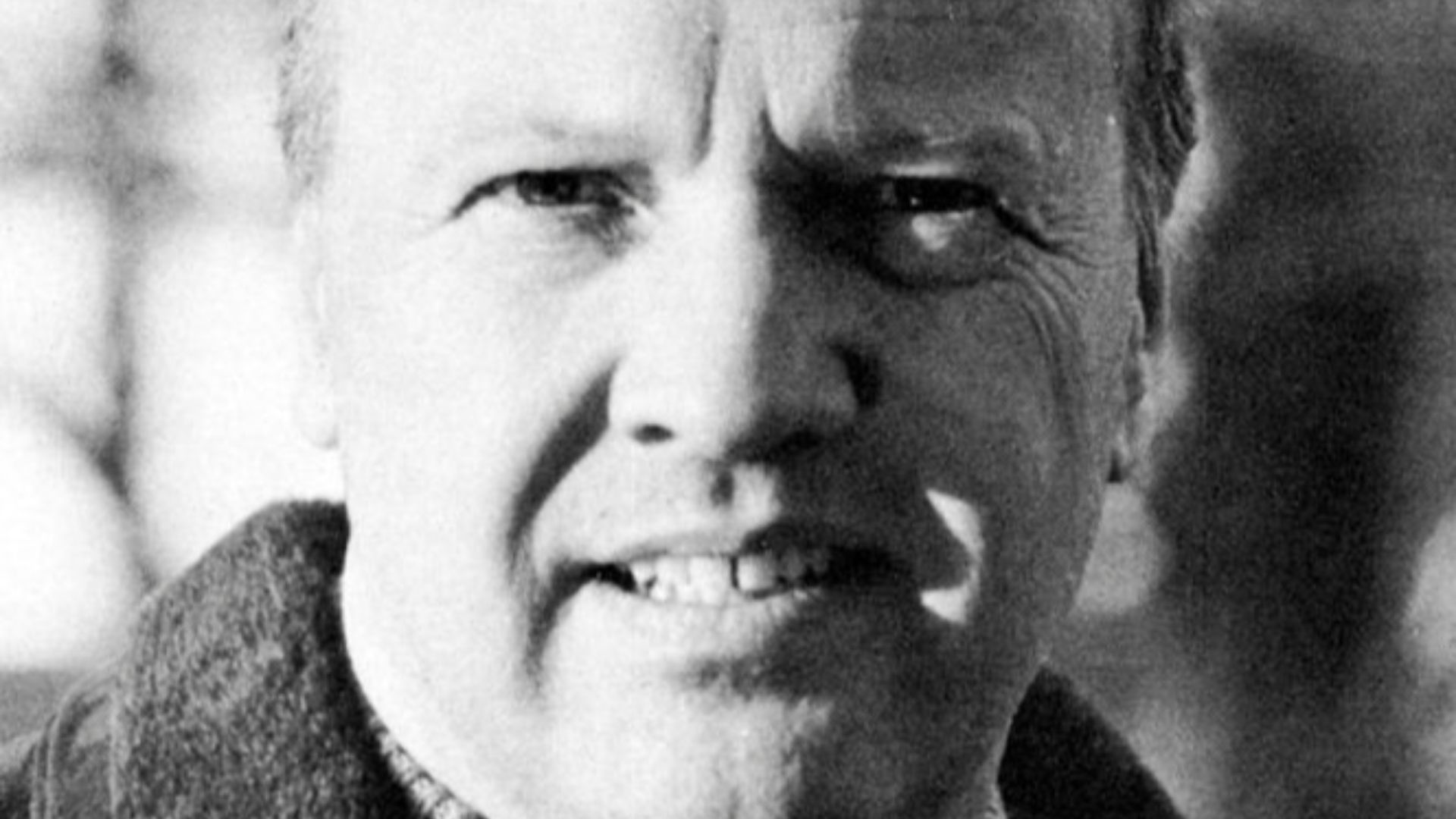
11. James Dickey — Deliverance
Dickey was a poet who considered himself primarily a poet and spent years trying to be recognized as one. Deliverance became a cultural event and then a major film and then a permanent shorthand for a certain kind of Southern Gothic dread. The novel consumed the poet, at least publicly.
 Christopher Dickey on Wikimedia
12. Alan Silvestri — The Back to the Future Theme
Silvestri composed hundreds of scores across a long career, but the Back to the Future theme is the one that defines him in most people's minds. Composers who spend decades developing a serious body of work rarely love being reduced to one piece from a 1985 blockbuster.
 Anthony Skelton at https://www.flickr.com/people/17955537@N00 on Wikimedia
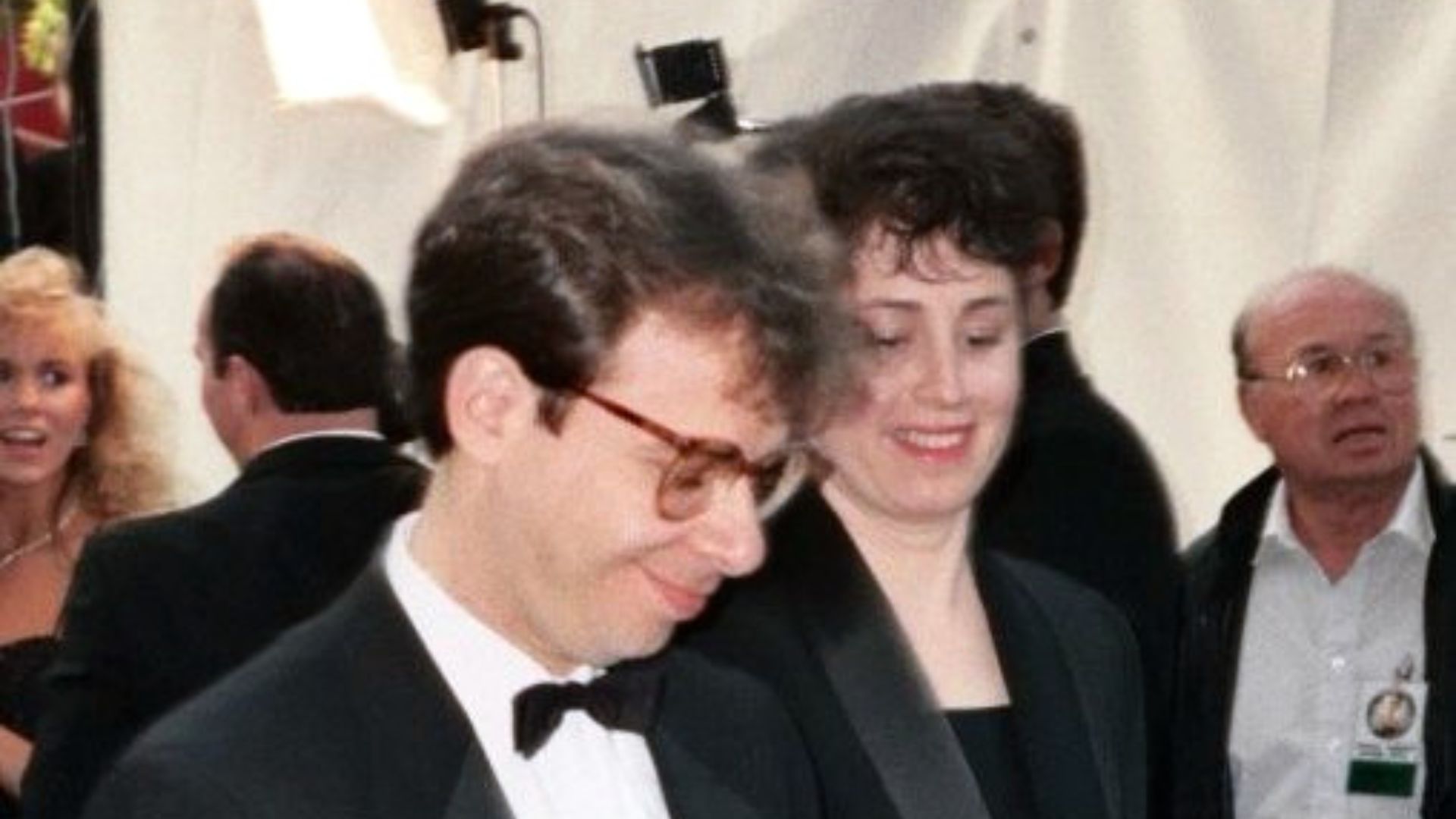
13. Rick Moranis — Ghostbusters and Honey, I Shrunk the Kids
Moranis eventually left Hollywood entirely, which suggests something about his relationship to the kind of films that made him famous. The comedic sidekick roles he played in the eighties were never what he considered his best work. The contrast between his output and his reputation was always visible.
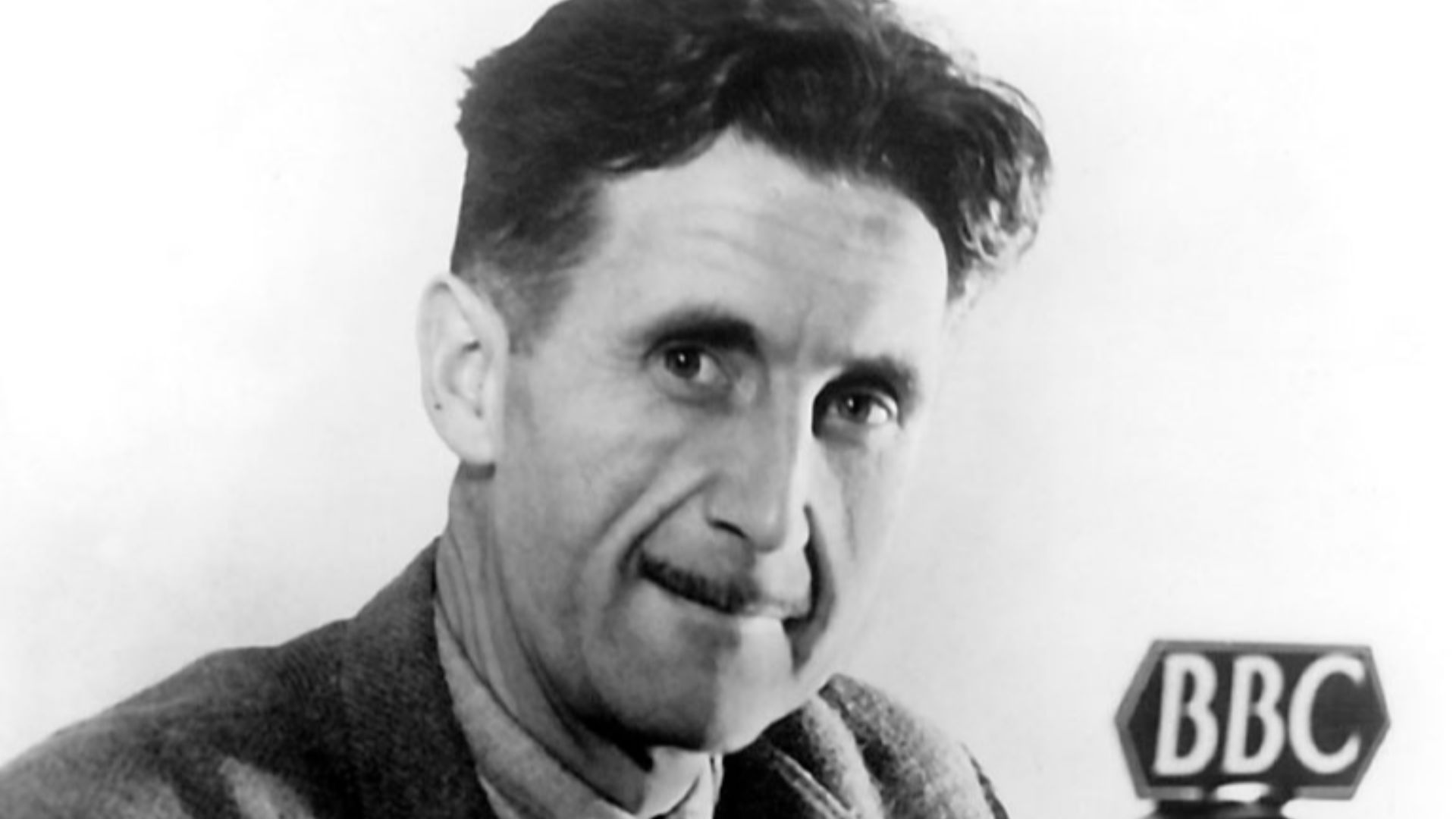
14. George Orwell — Animal Farm
Orwell's concern was that Animal Farm would be too easily read as simple anti-Soviet satire rather than a broader critique of any authoritarian system. He was right to worry. The Cold War era adopted it enthusiastically as propaganda for one side of an ideological argument, which was nearly the opposite of his intent.
15. Daniel Clowes — Ghost World
Clowes has been careful in interviews, but Ghost World's crossover success brought an audience that wasn't always engaging with the work he cared most about. Being the person who made Ghost World became a category that made it harder to be seen as a serious cartoonist with a wider range.
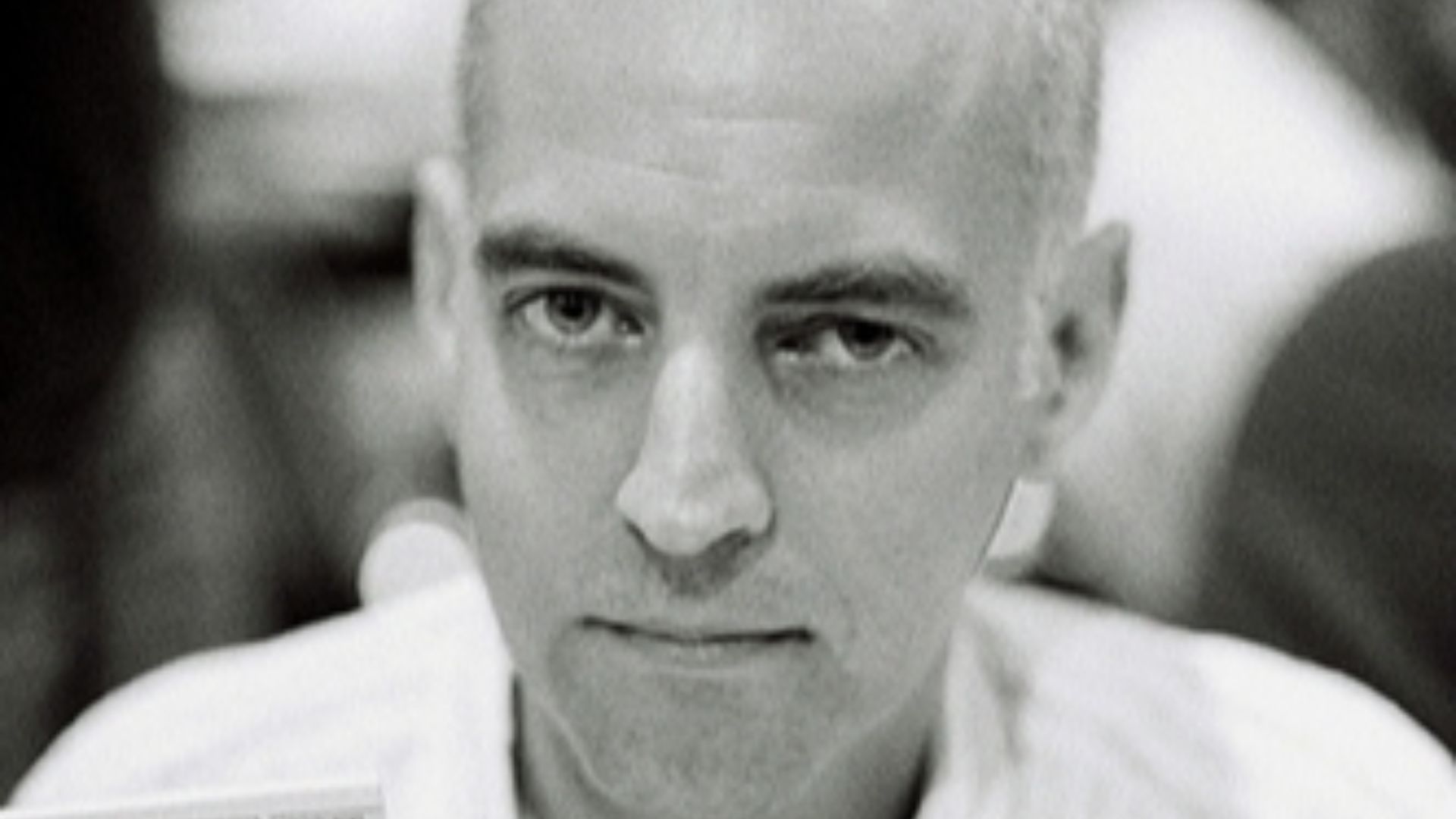 Sean Dejecacion at https://www.flickr.com/photos/festivalcity/ on Wikimedia
16. Gaston Leroux — The Phantom of the Opera
Leroux was a journalist and crime novelist who wrote The Phantom of the Opera quickly as a serial and never considered it his best work. He preferred his Rouletabille detective fiction and worked to promote those books instead. The Phantom had other ideas, and Leroux has been remembered for almost nothing else.
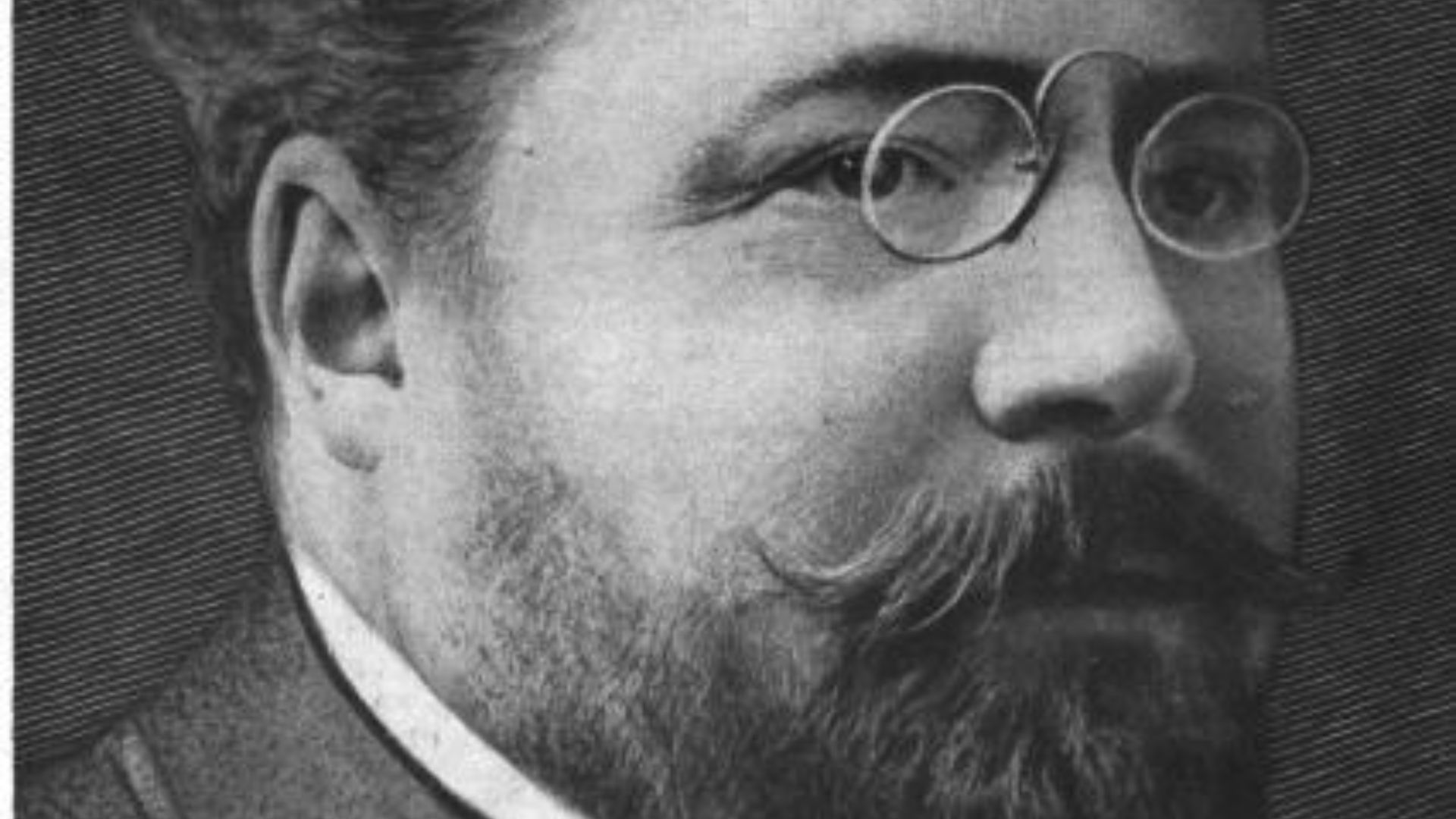 Unknown authorUnknown author on Wikimedia
17. William Golding — Lord of the Flies
Golding was a serious novelist who wrote extensively across a long career and won the Nobel Prize. Lord of the Flies was his first novel and became permanently attached to his name through the school curriculum. He found its status as a set text for teenagers reductive given everything he wrote afterward.
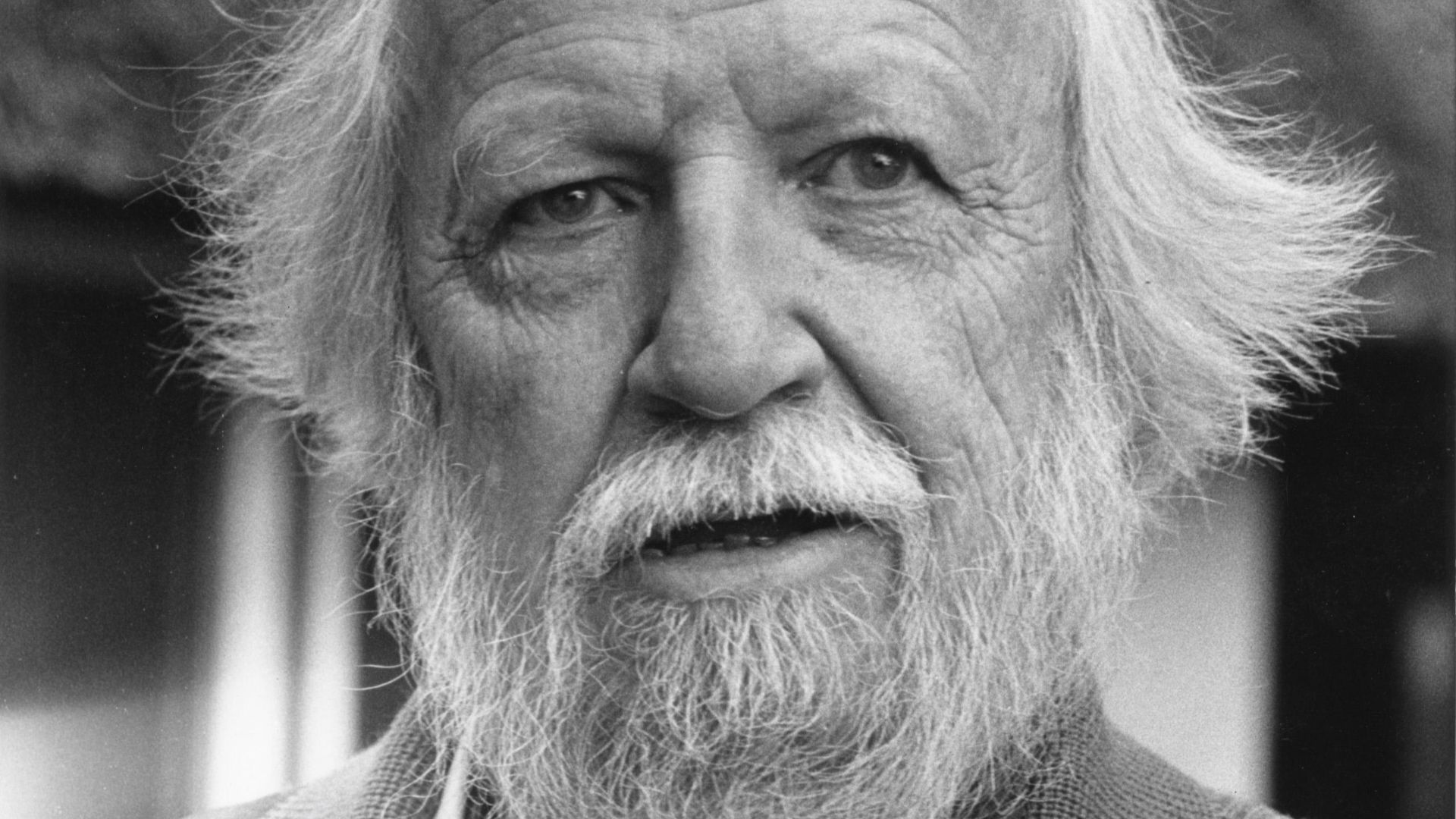 Unknown authorUnknown author on Wikimedia
18. Suzanne Vega — Tom's Diner
Vega has spoken about her strange relationship with the song, which became famous largely without her involvement when DNA remixed it in 1990 and took it to number one worldwide. It is also the track used to develop the MP3 format. Neither has much to do with the quiet, a cappella original she recorded in 1987.

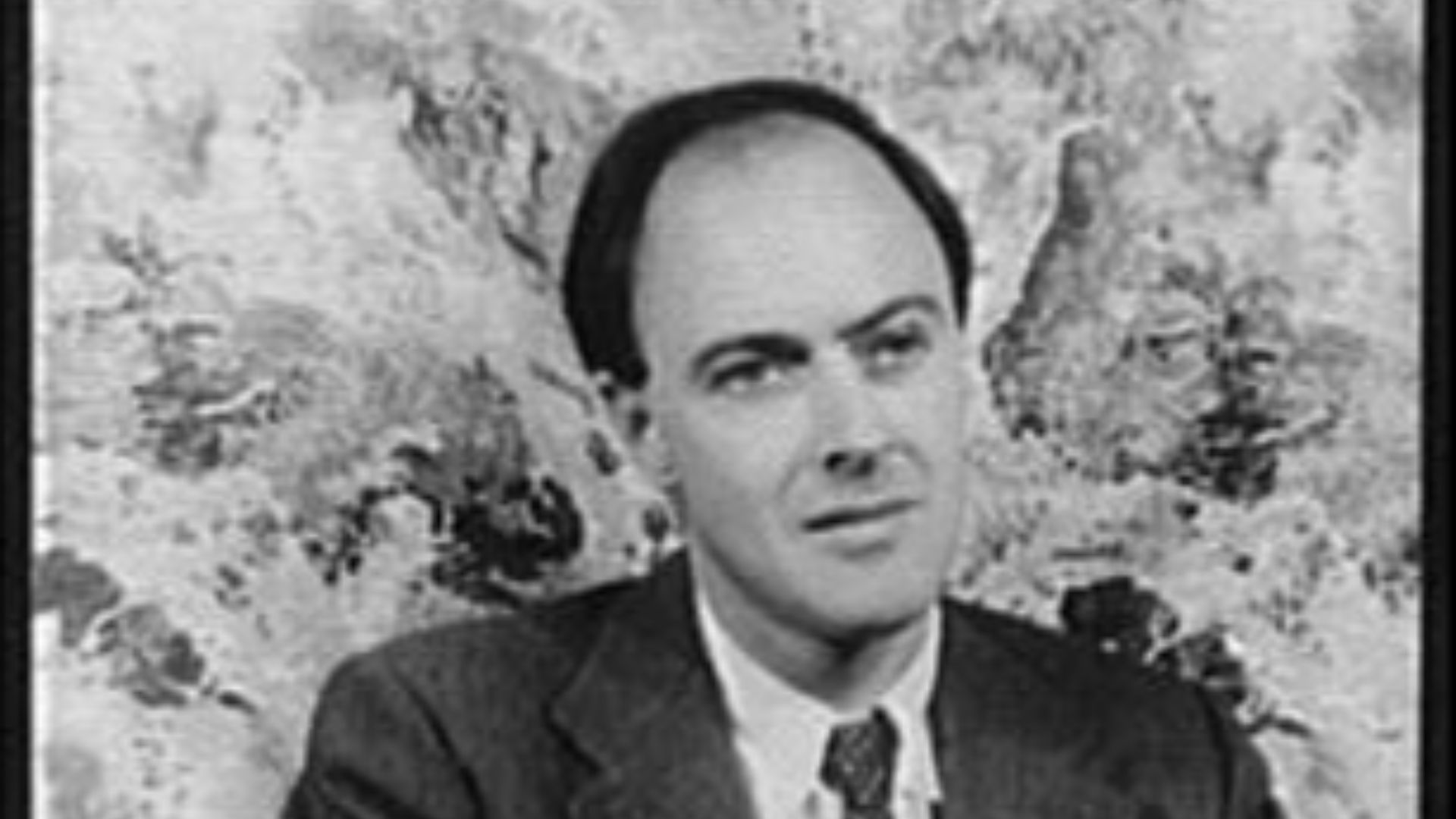
19. Roald Dahl — Charlie and the Chocolate Factory
Dahl disowned the 1971 film adaptation publicly and later blocked any sequel. But even the source novel became something he felt was misused as purely escapist children's entertainment. He intended the darkness to be read as darkness, not as whimsy.
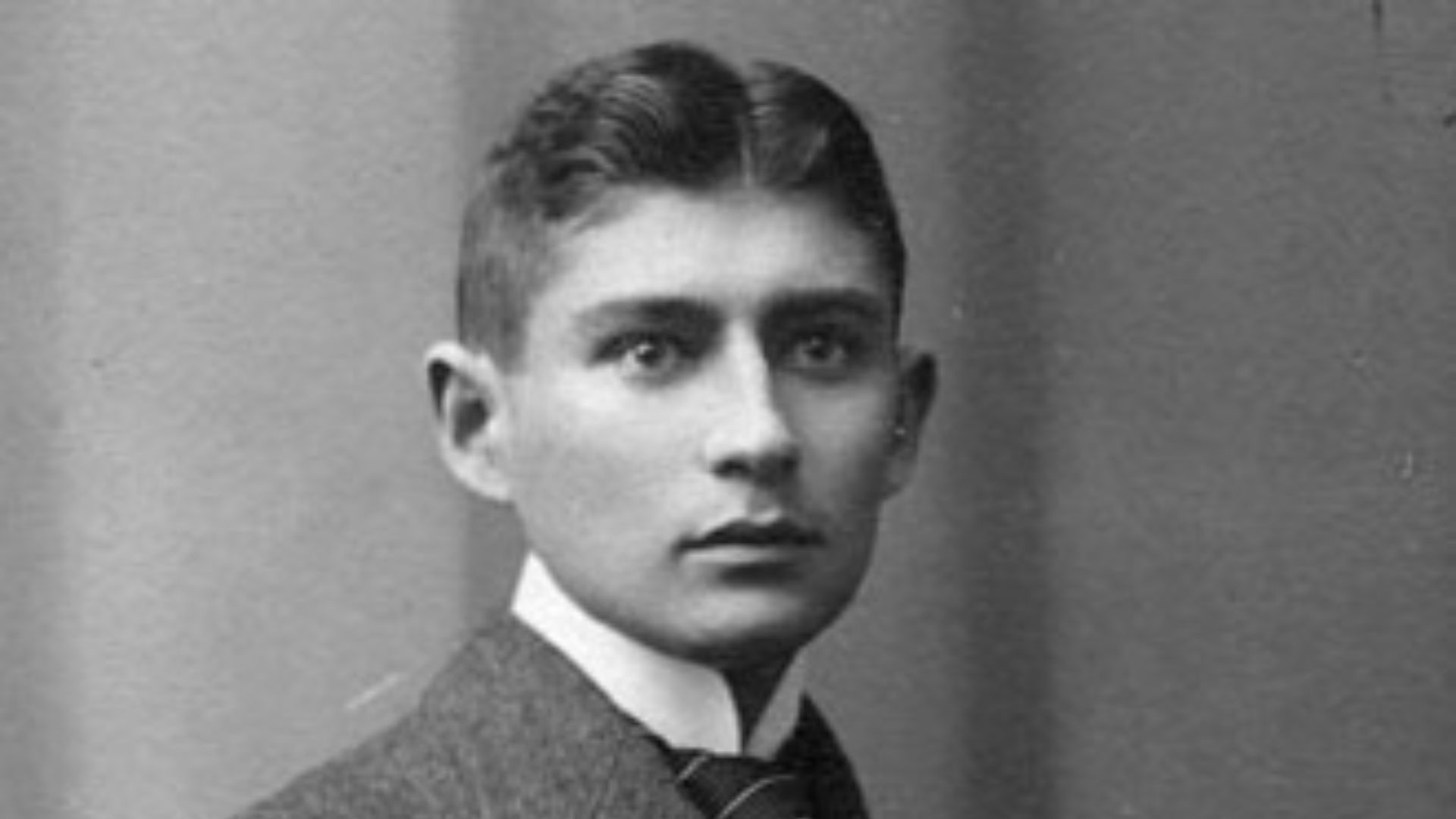
20. Franz Kafka — Almost Everything
Kafka instructed his friend Max Brod to burn all his unpublished manuscripts after his death. Brod did not. The result is that Kafka's most celebrated works, including The Trial and The Castle, exist entirely against the author's wishes. He had made his feelings about their survival clear enough.
.jpg)
.jpg)

KEEP ON READING
The story of Ching Shih, the Woman Who Became the…
Unknown author on WikimediaFew figures in history are as feared…
By Emilie Richardson-Dupuis Dec 29, 2025
Einstein's Violin Just Sold At An Auction—And It Earned More…
A Visionary's Violin. Wanda von Debschitz-Kunowski on WikimediaWhen you hear…
By Ashley Bast Nov 3, 2025
This Infamous Ancient Greek Burned Down An Ancient Wonder Just…
History remembers kings and conquerors, but sometimes, it also remembers…
By David Davidovic Nov 12, 2025
The Mysterious "Sea People" Who Collapsed Civilization
3,200 years ago, Bronze Age civilization in the Mediterranean suddenly…
By Robbie Woods Mar 18, 2025
10 Revolutions Sparked By Ideas & 10 Fueled By Hunger
When Ideas And Survival Changed The Course Of History. Revolutions…
By Rob Shapiro Jun 29, 2026
20 Soldiers Who Defied Expectations
Changing the Rules of the Battlefield. You’ve probably heard plenty…
By Annie Byrd Feb 10, 2026