

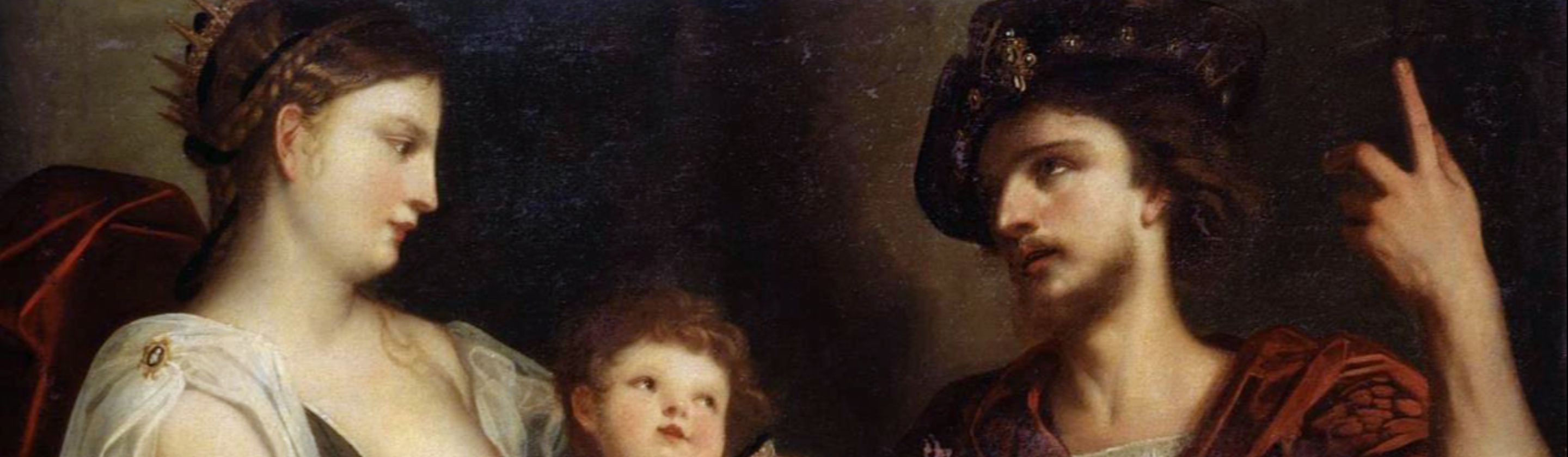
20 Historical Marriages That Were Basically Political Hostage Situations
When "I Do" Really Meant "We Have No Choice"
For most of human history, marriage had almost nothing to do with love and almost everything to do with power. Kingdoms needed alliances, wars needed ending, and the fastest way to seal a deal was to hand over a daughter or a sister to whoever was sitting across the negotiating table. In many cases they were teenagers sent to live among strangers in a foreign court, expected to produce heirs and cause no trouble. Here's 20 marriages that were really just diplomacy with a wedding attached.
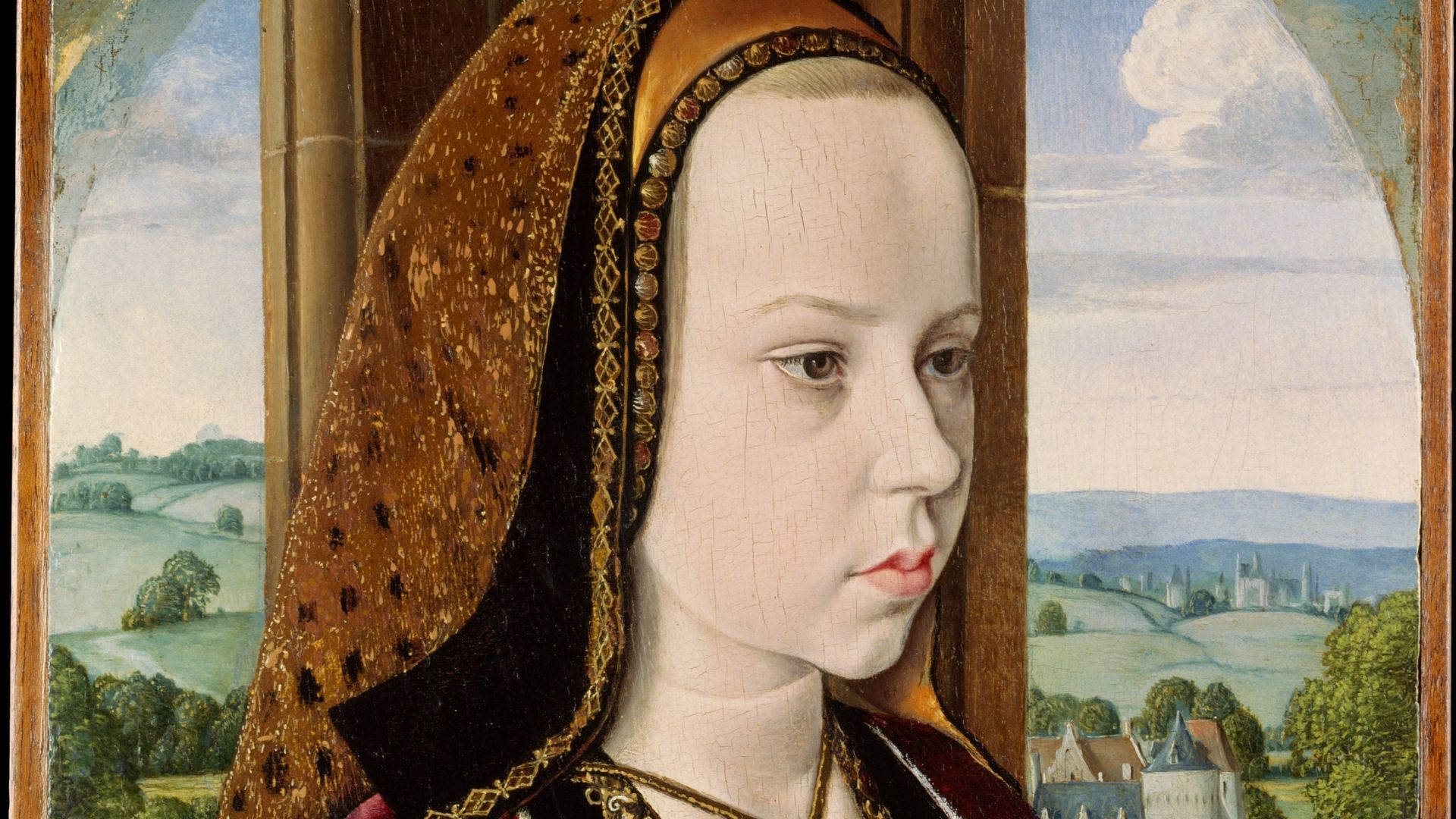
1. Mary Queen of Scots and Francis II of France
Mary was sent to France at age five to be raised alongside her future husband, the French dauphin. The marriage was designed to bind Scotland to France, and when Francis died young, Mary was shipped back to a Scotland she barely knew, a widow at eighteen with a crown and no footing.
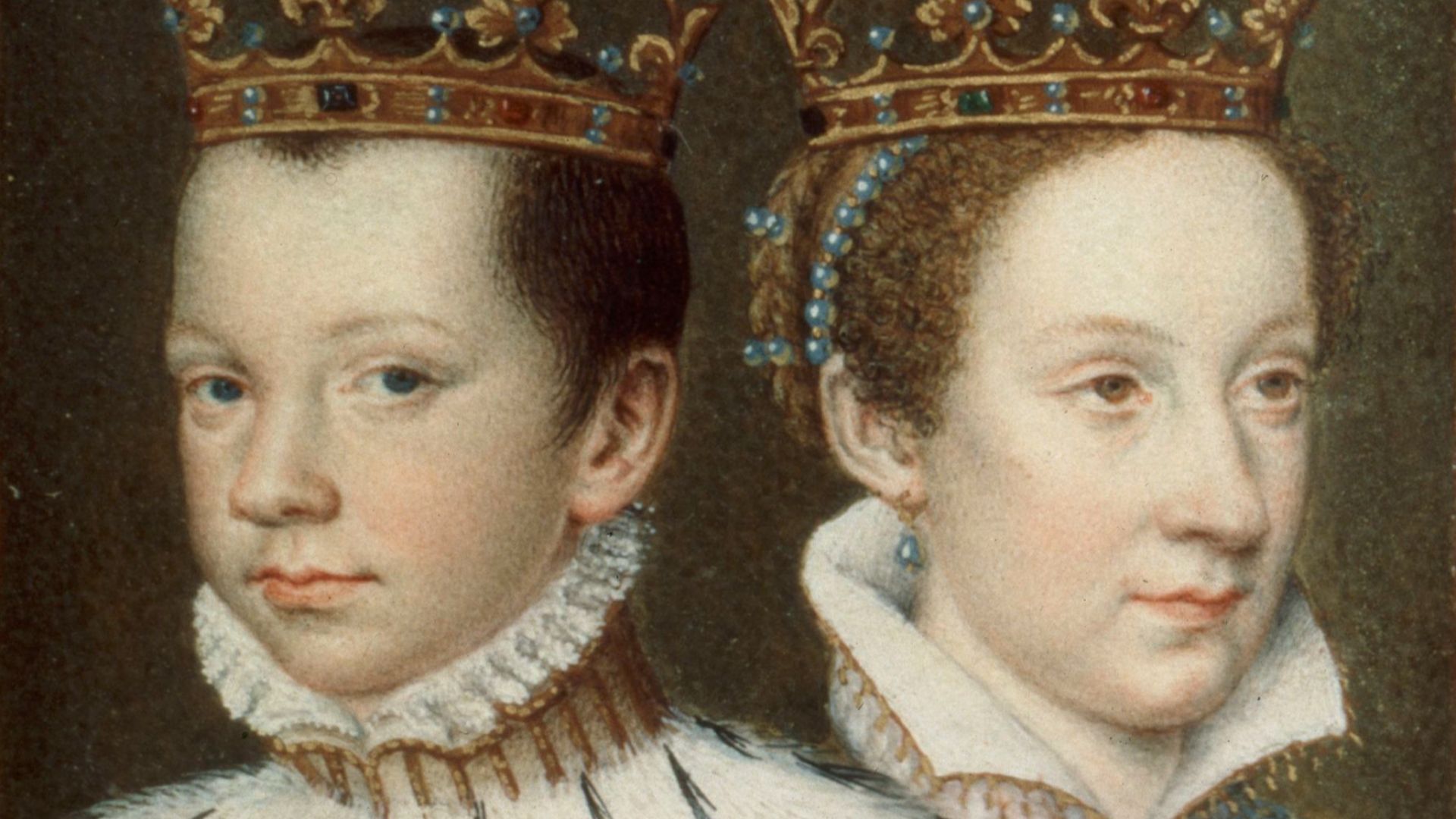 After François Clouet on Wikimedia
2. Eleanor of Castile and Edward I of England
Eleanor was thirteen when she married the future Edward I as part of a treaty resolving a territorial dispute in Gascony. They eventually developed genuine affection for each other, which makes this one unusual. But it began as a transaction, and Eleanor's preferences were not part of it.
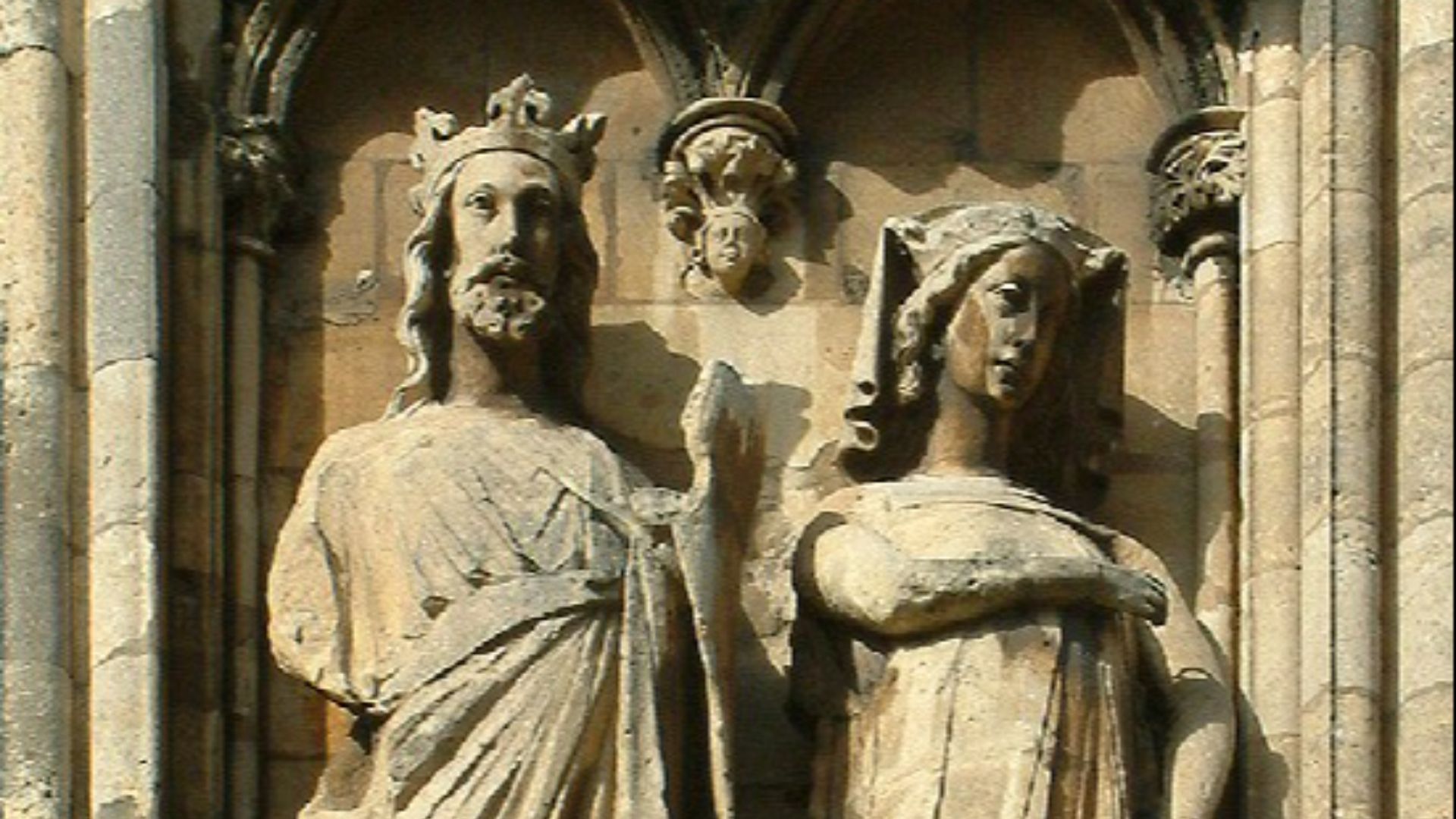 Von Lincolnian (Brian) from Lincoln, UK on Wikimedia
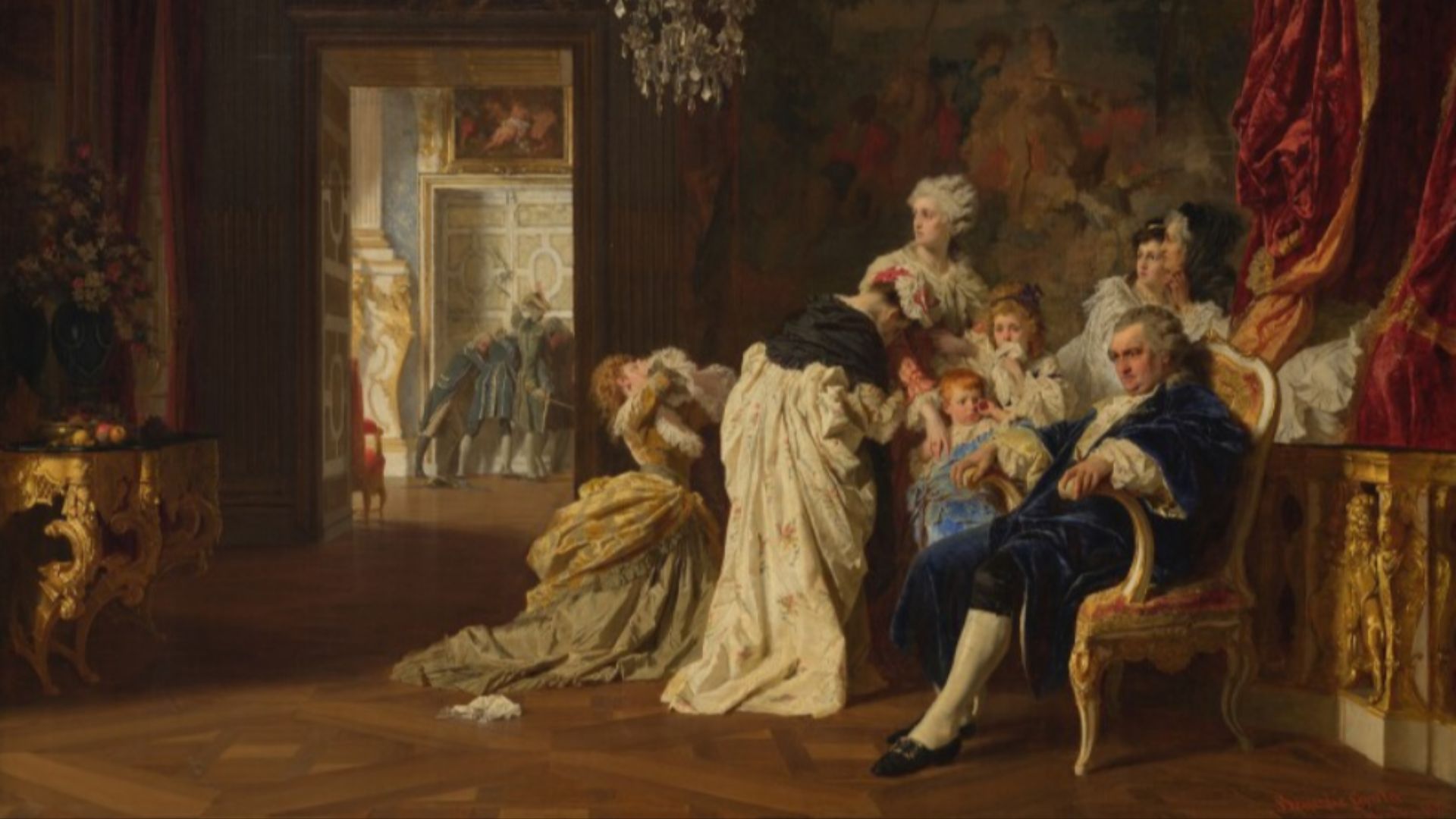
3. Marie Antoinette and Louis XVI of France
Marie Antoinette was fourteen when she was handed from Austria to France to cement an alliance. She was stripped of her Austrian identity at the border, her clothes changed, her attendants replaced. She arrived at Versailles as a stranger and spent the rest of her life being blamed for a court she had never wanted to join.
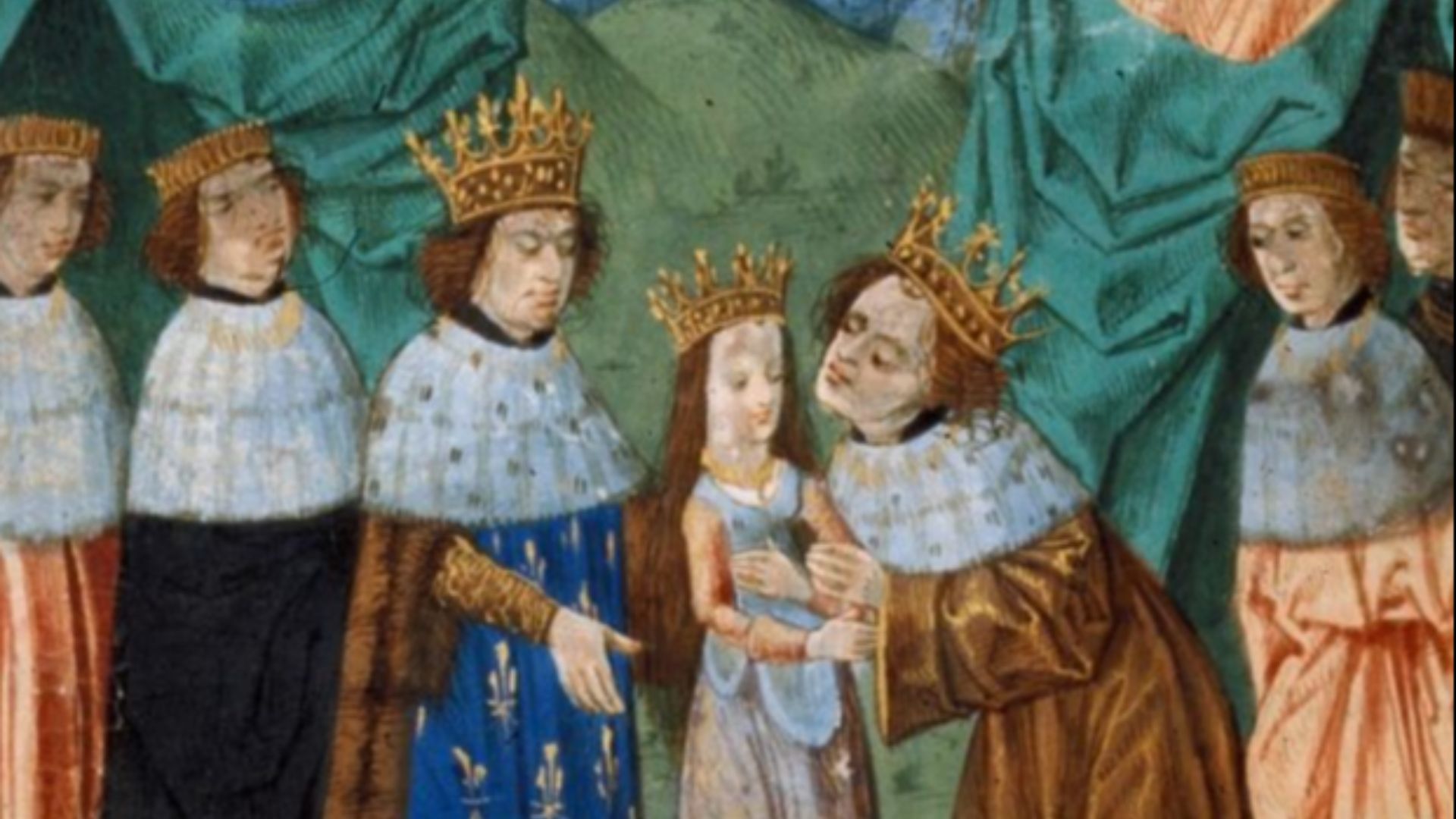
4. Isabella of Valois and Richard II of England
Isabella was six years old when she married the twenty-nine-year-old Richard II to secure a truce between England and France. When Richard was deposed and died, she was sent back to France still a child, a widow before she understood what marriage was supposed to mean.
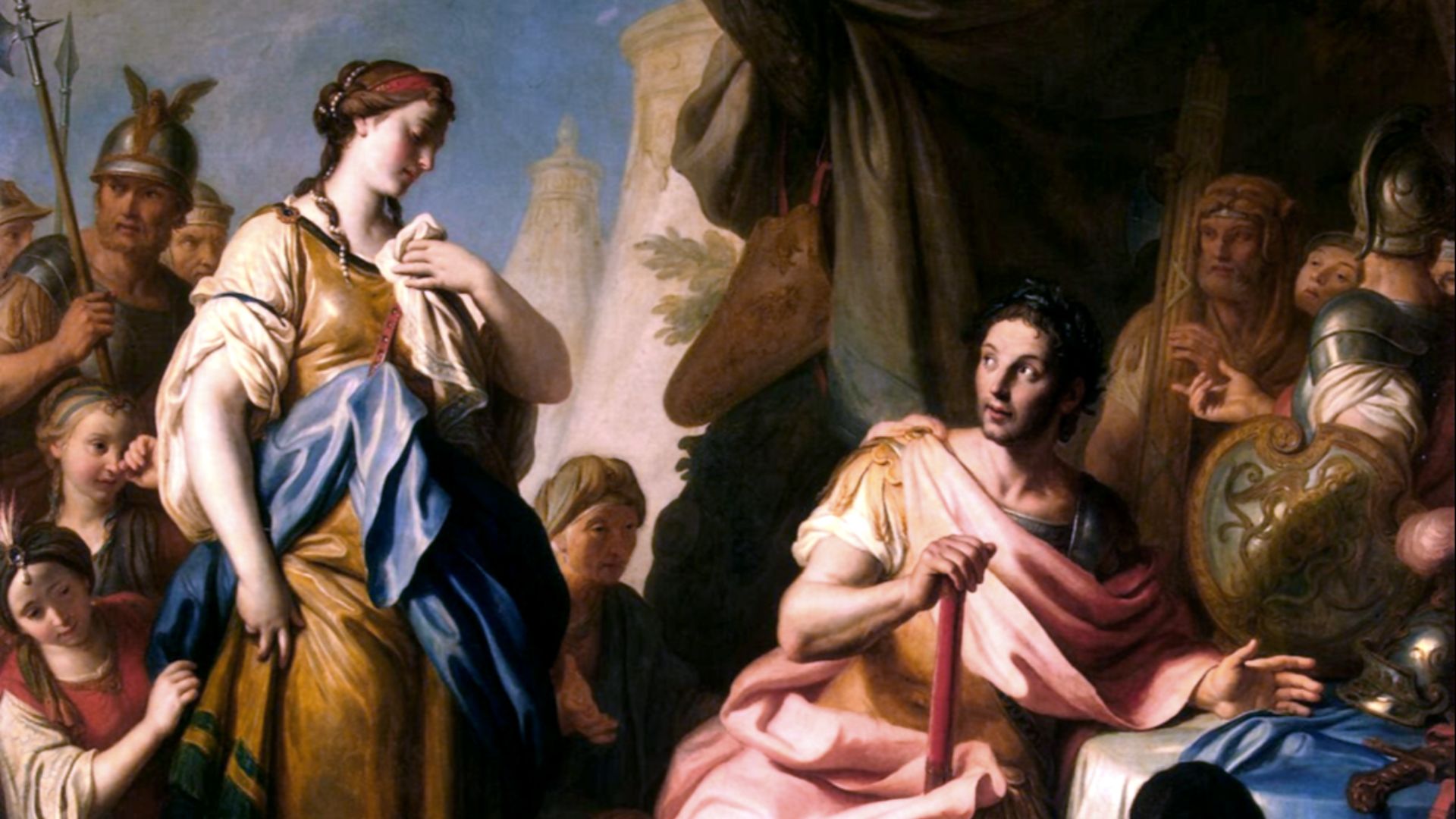
5. Roxana and Alexander the Great
Roxana was a Bactrian princess whose father surrendered to Alexander after a long siege. The marriage was framed as romantic by some historians, but the context was a conquered people and a conqueror stabilizing new territory. Whether she had any genuine agency in the situation is a question the sources don't really answer.
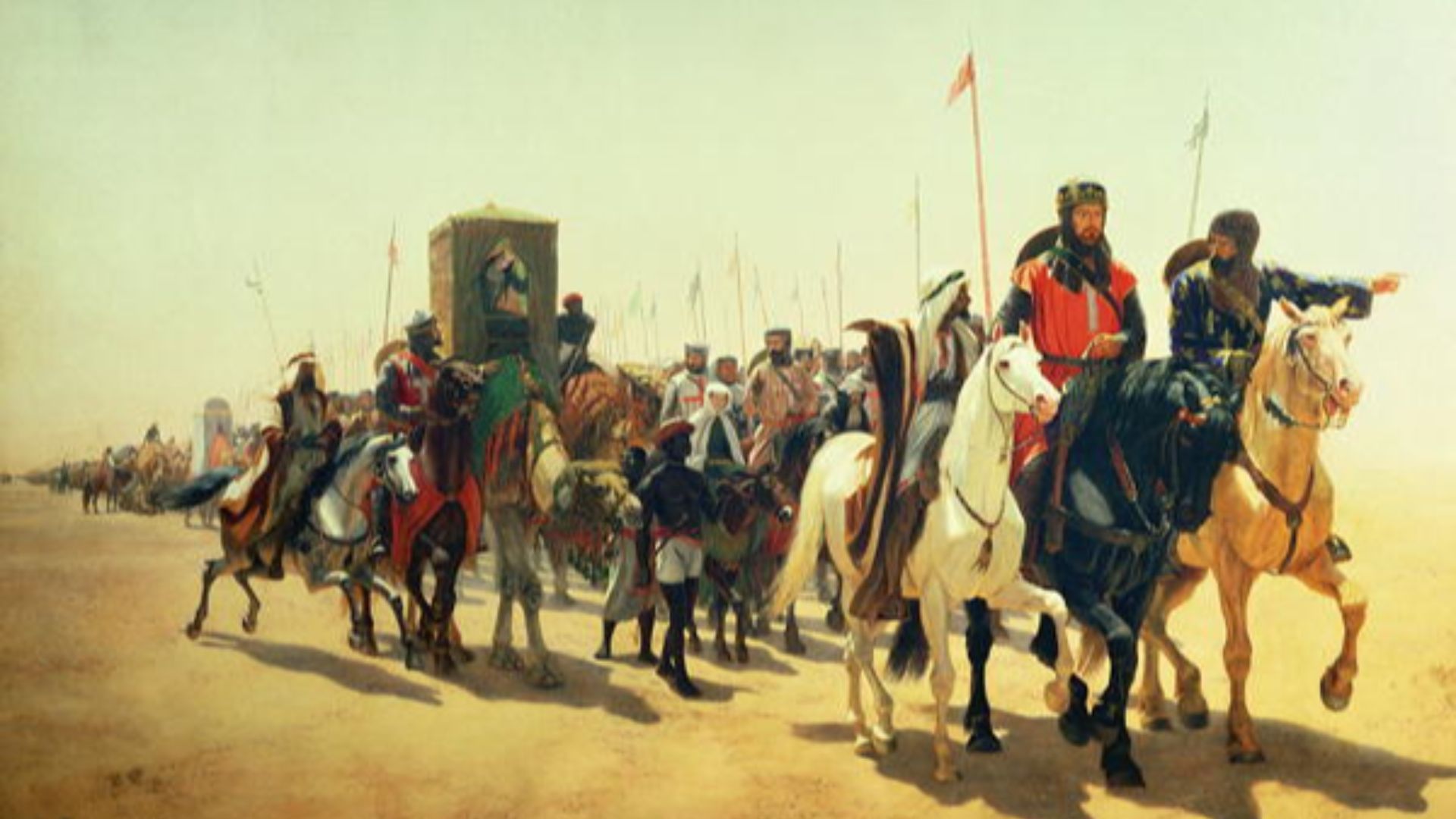
6. Berengaria of Navarre and Richard I of England
Richard I is widely believed to have been uninterested in women, which made his marriage to Berengaria a bleak arrangement for her. The two spent almost no time together, she never set foot in England during his reign, and she outlived him as a widow with no influence.
 James William Glass on Wikimedia
7. Catherine of Aragon and Arthur, Prince of Wales
Catherine was sixteen when she arrived in England to marry the fifteen-year-old Arthur, both of them tools of a diplomatic alliance between Spain and England. Arthur died five months in, and Catherine spent years in limbo before being reassigned to his younger brother Henry.
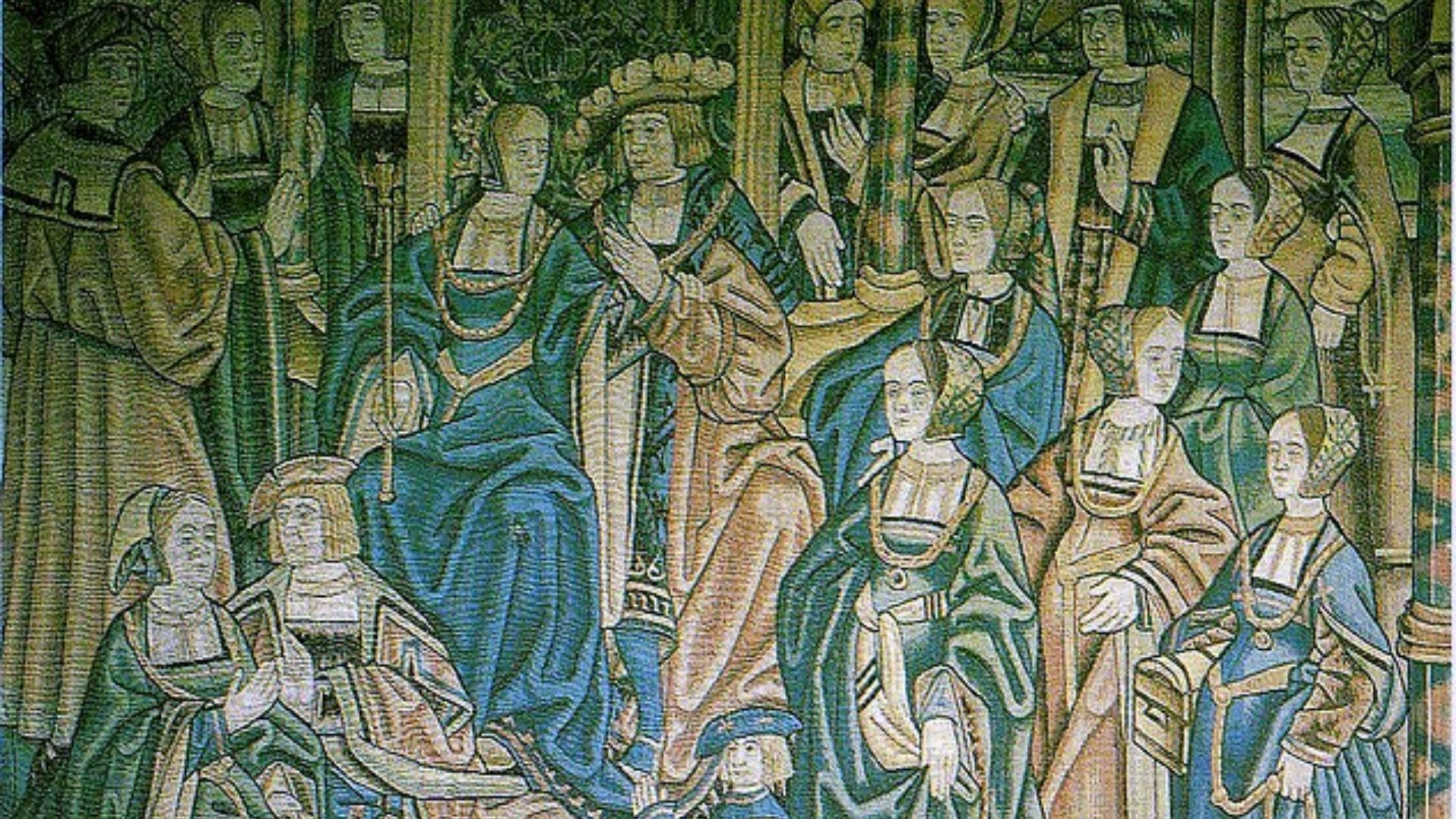 Unknown authorUnknown author on Wikimedia
8. Anne of Cleves and Henry VIII of England
Henry VIII agreed to marry Anne based largely on a flattering portrait. When she arrived, he found her unattractive and blamed the painter. Anne had been sent from a German duchy to secure a Protestant alliance. She negotiated her annulment shrewdly and ended up better off than several of her successors.
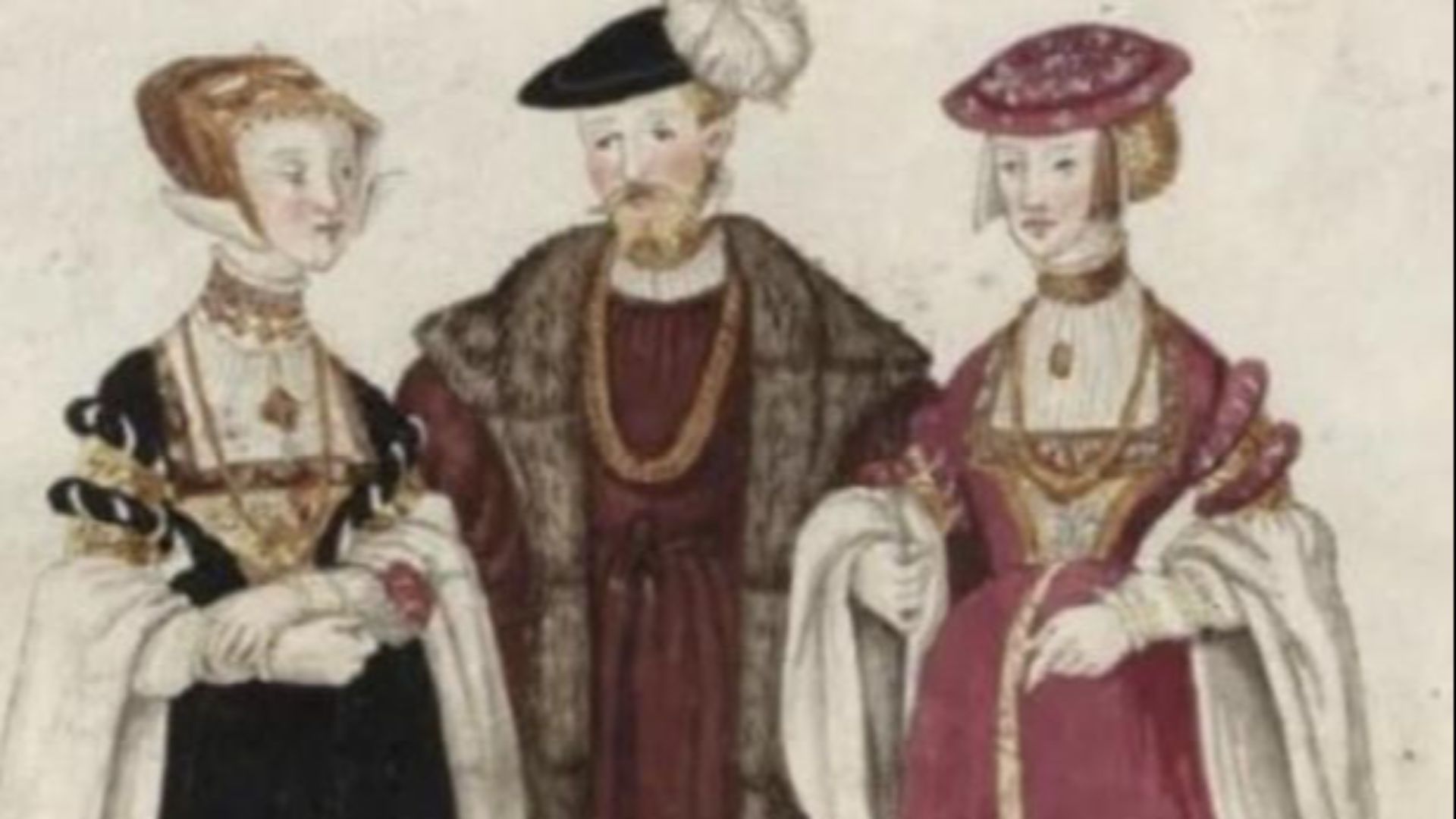
9. Blanche of Castile and Louis VIII of France
Blanche was twelve when she was sent from Spain to marry the future Louis VIII, selected because she was Eleanor of Aquitaine's granddaughter and could help resolve an English succession claim. She became one of the most capable regents in French history, which nobody had anticipated.
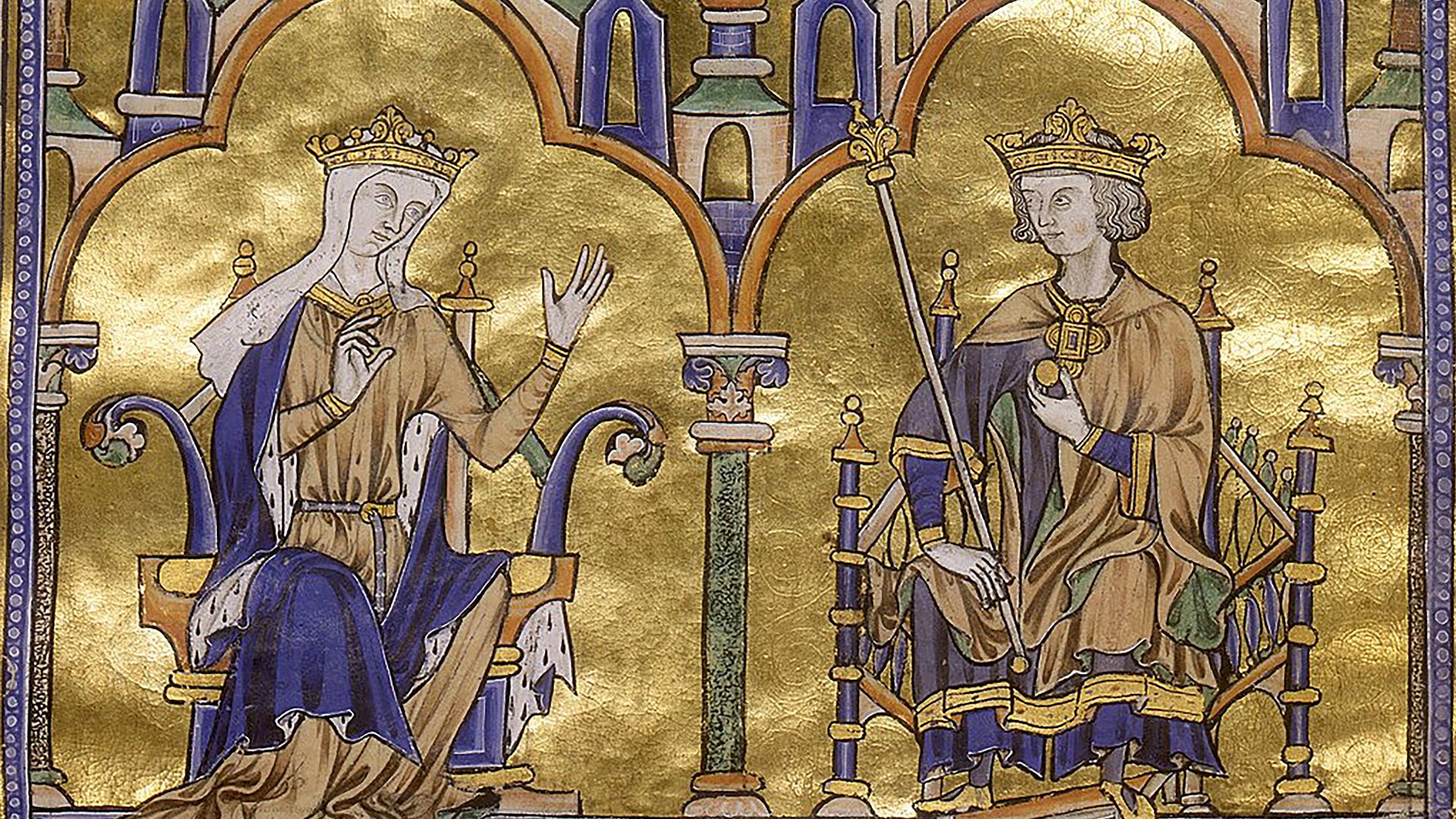 Levan Ramishvili from Tbilisi, Georgia on Wikimedia
10. Hatshepsut and Thutmose II of Egypt
Hatshepsut was married to her half-brother Thutmose II to keep the royal succession contained within the bloodline, a standard arrangement for the Egyptian royal family. She eventually became pharaoh herself, which was considerably less standard.
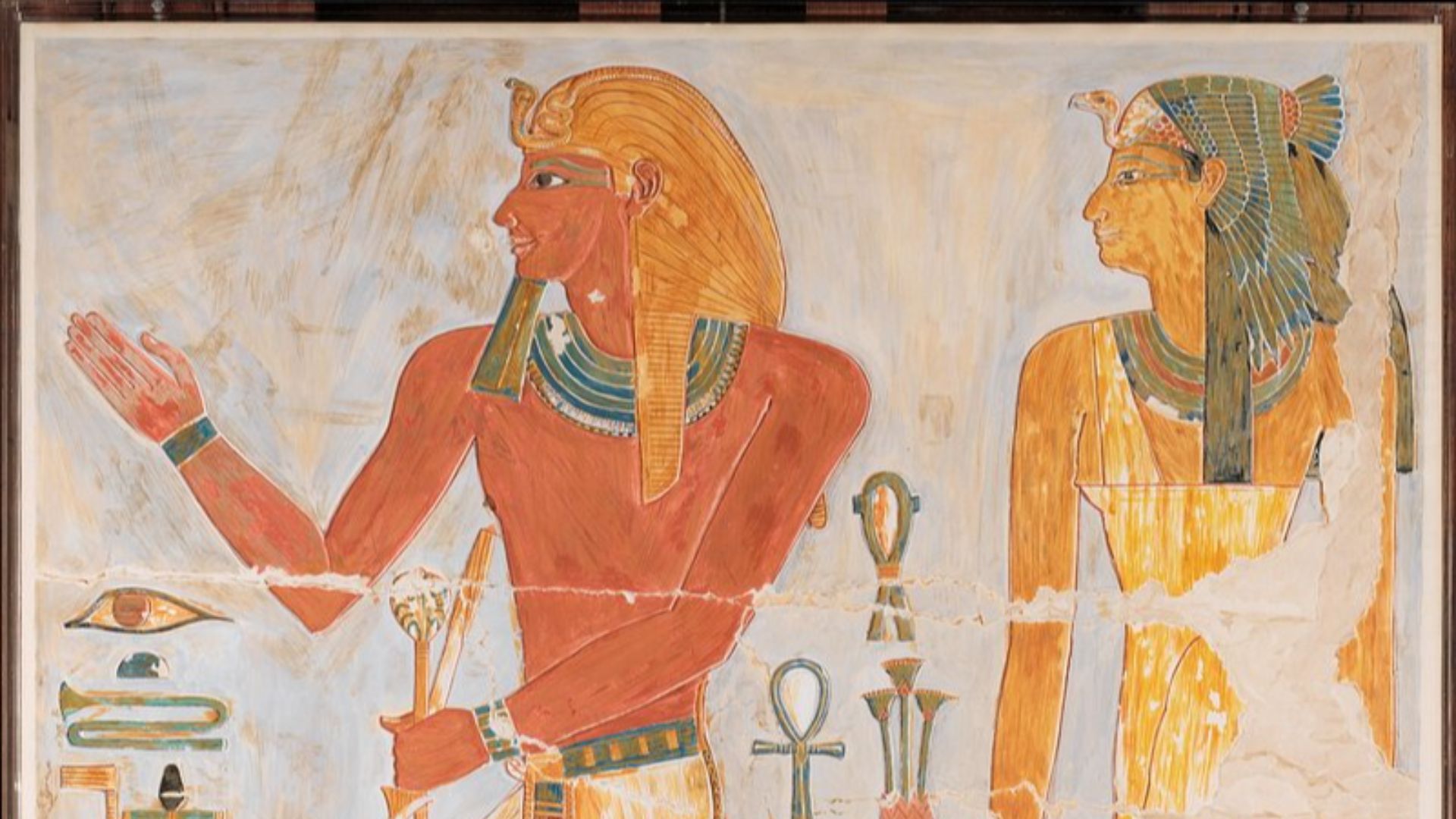
11. Agrippina the Younger and Emperor Claudius
Agrippina was Claudius's niece when she married him, requiring the Roman Senate to pass a special law permitting uncle-niece marriages. She maneuvered the match to secure the succession for her son Nero. It didn't end well for Claudius.
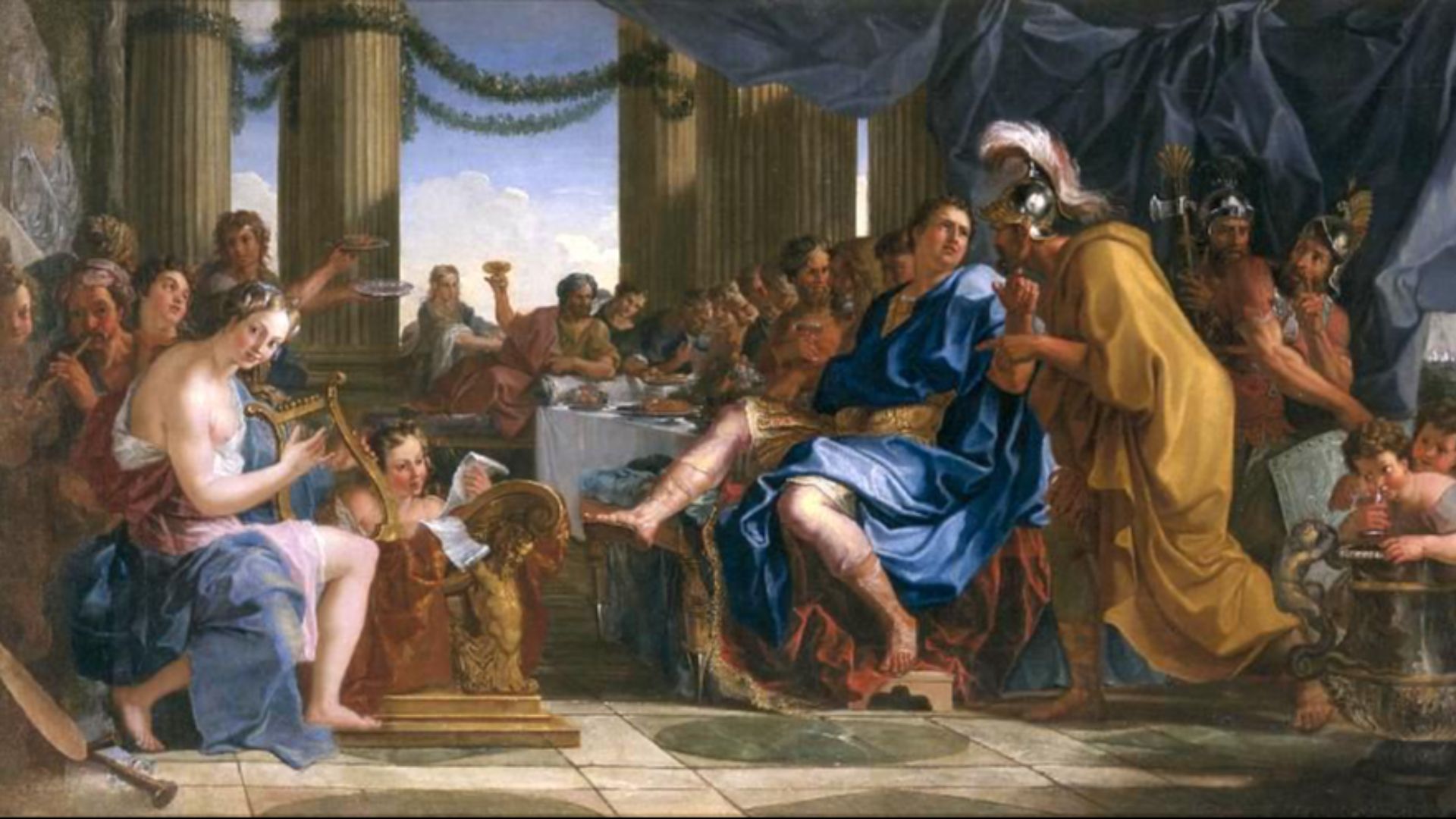 Noël Coypel I (French, 1628 - 1707) on Wikimedia
12. Margaret Beaufort and Edmund Tudor
Margaret was twelve when she married the twenty-four-year-old Edmund Tudor, who died the following year while she was pregnant. She gave birth to the future Henry VII at thirteen, a delivery so difficult it likely left her unable to have more children.
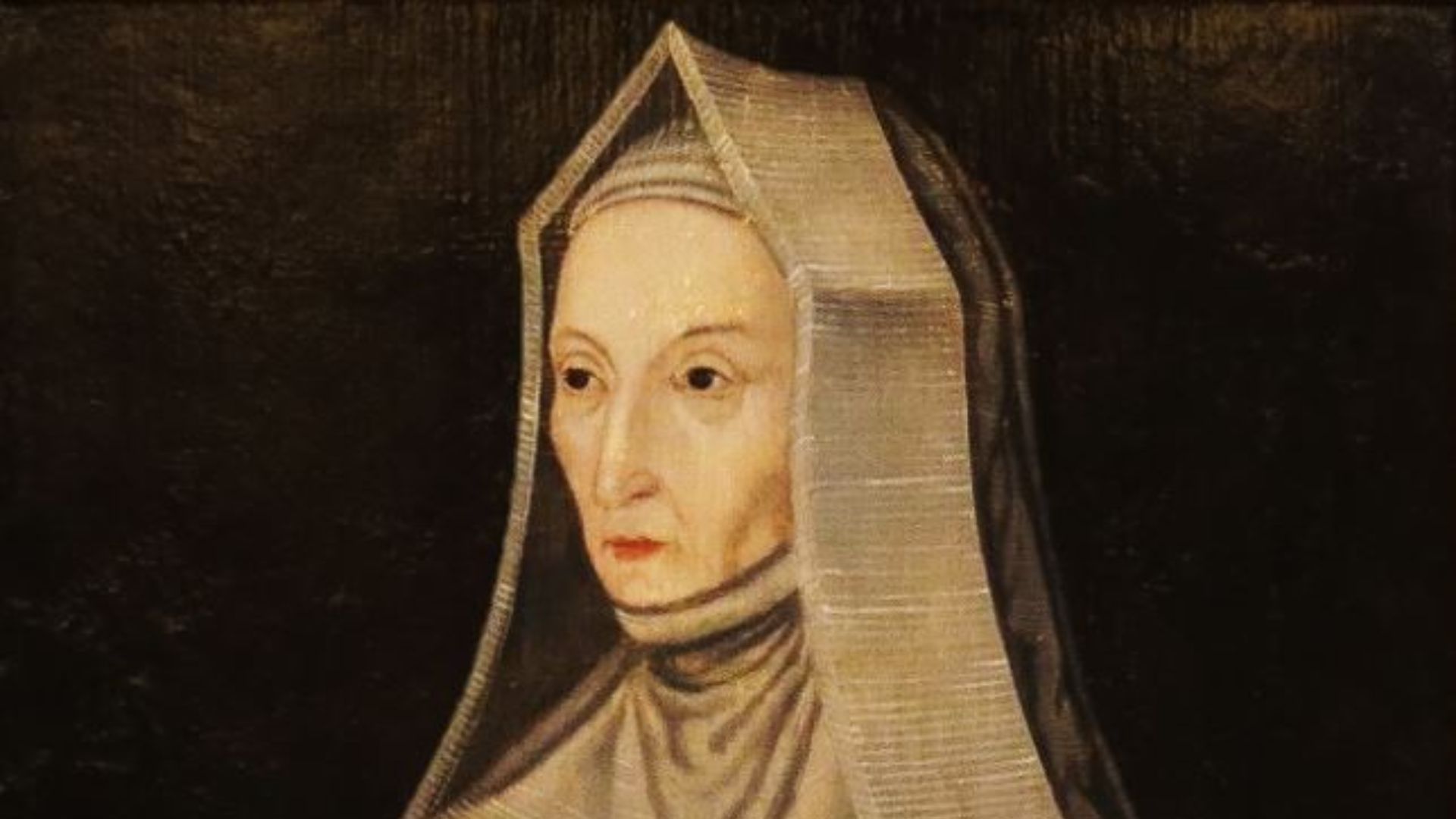
13. Urraca of Castile and Alfonso I of Aragon
Urraca was a widow and queen regnant when she was pressured into marrying Alfonso of Aragon to stabilize the Iberian political situation. She found the marriage intolerable, and the two eventually separated, spending years fighting each other over their territories. It is one of history's cleaner examples of a forced alliance backfiring completely.
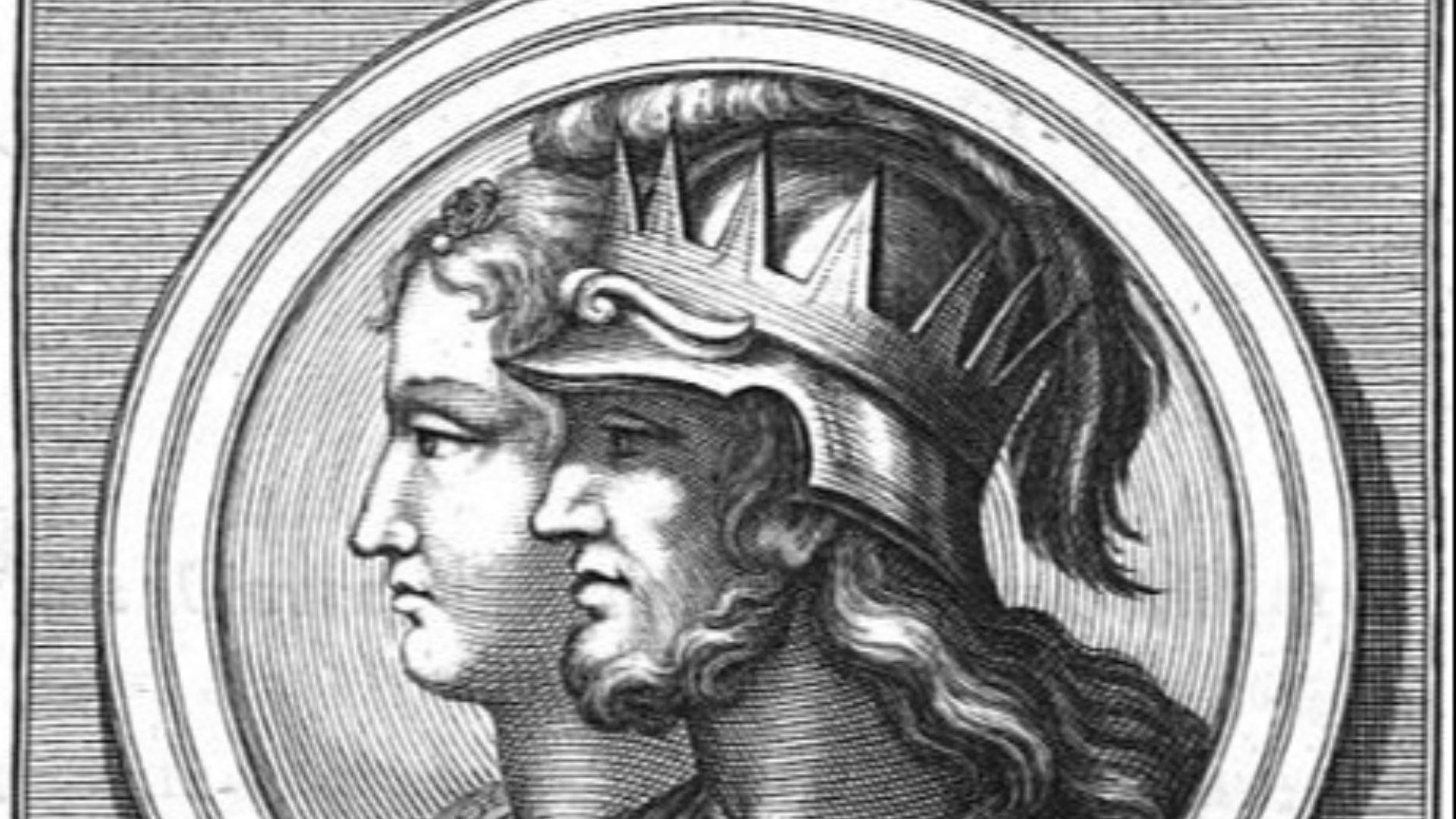 Engraved by Manuel Rodríguez on Wikimedia
14. Philippa of Hainault and Edward III of England
Philippa was selected from among several sisters as the most suitable bride for the future Edward III, on criteria that were entirely political. She and Edward appear to have been genuinely compatible, but her feelings about the arrangement were not part of the initial negotiation.
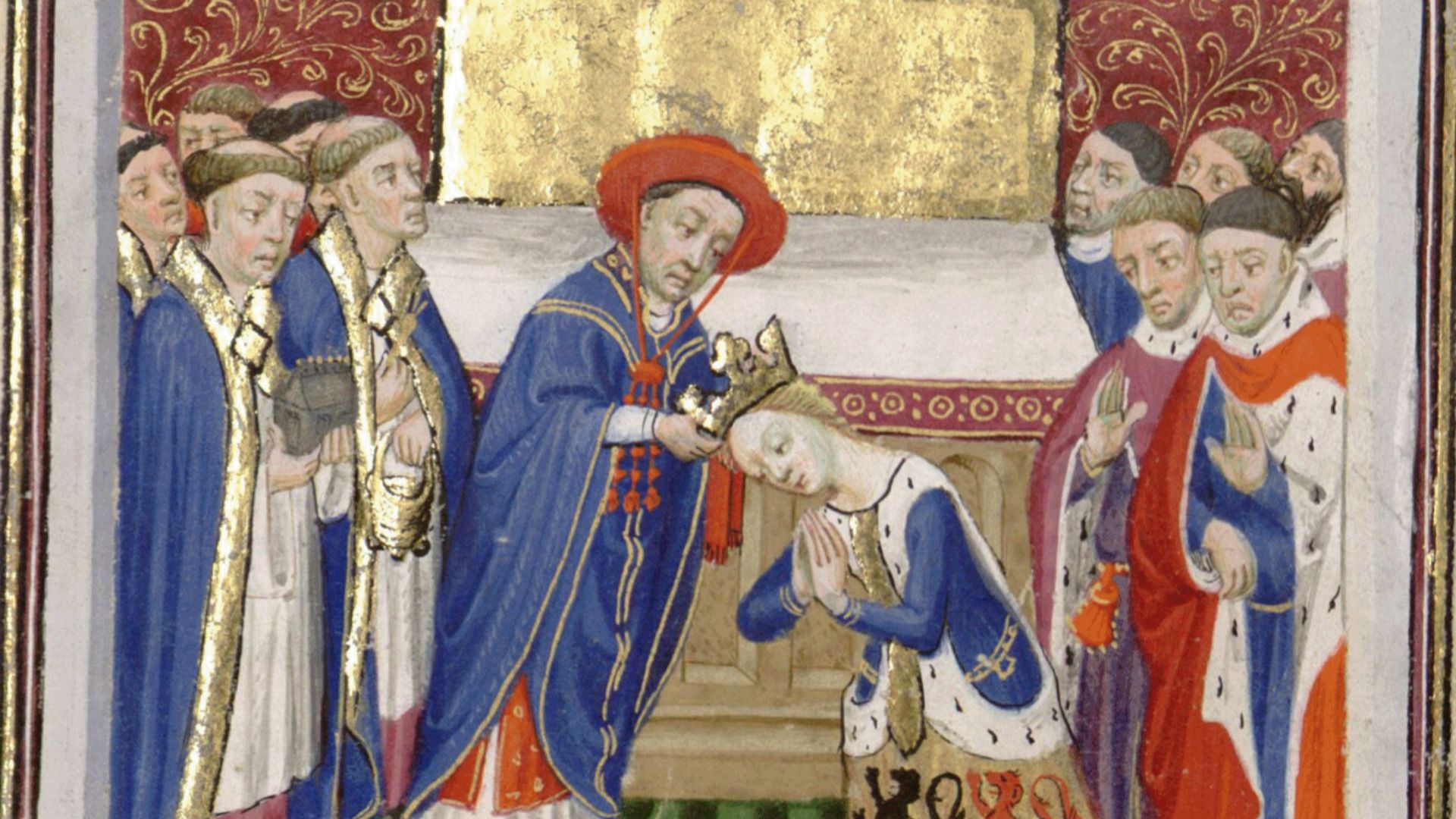
15. Mary I of England and Philip II of Spain
Mary was thirty-seven and Philip was twenty-six when they married, a match deeply unpopular in England because it threatened to pull the country into Spanish foreign policy. Philip spent very little time there and viewed the marriage as a duty. Mary died without the heir the alliance was supposed to produce.
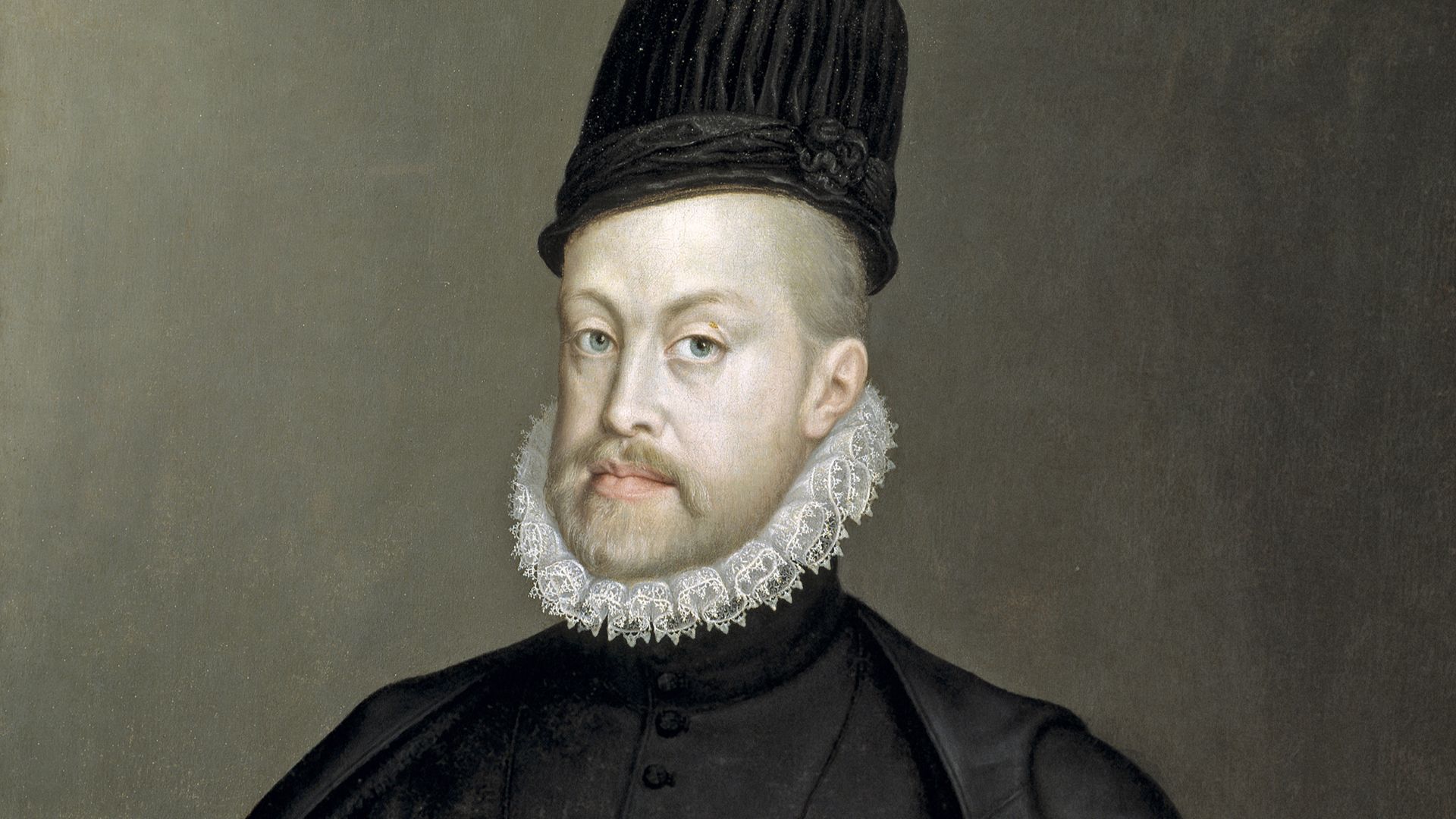 Sofonisba Anguissola on Wikimedia
16. Anne of Brittany and Multiple French Kings
Anne was married to Maximilian of Austria by proxy in 1490, only to be forced by Charles VIII of France to annul that marriage and wed him instead. When Charles died, she was required to marry his successor, Louis XII. She spent her adult life being passed between rulers who needed control of Brittany.
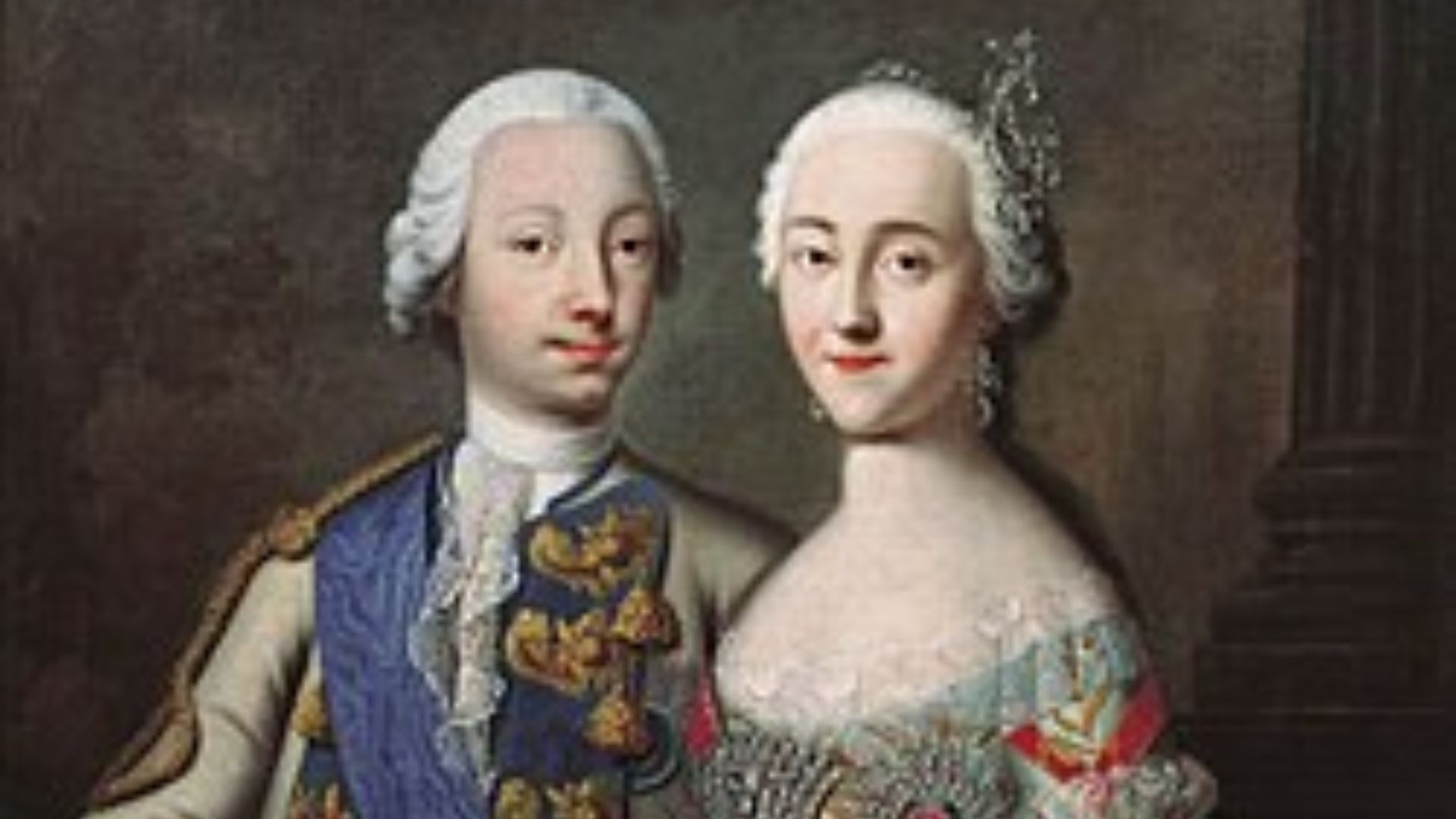
17. Catherine the Great and Peter III of Russia
Catherine was a minor German princess when she was selected to marry the heir to the Russian throne. She converted, learned Russian, and spent years navigating a court that viewed her as a foreign import. Peter III turned out to be erratic and hostile, and she eventually had him deposed.
 commons.wikimedia.org on Google
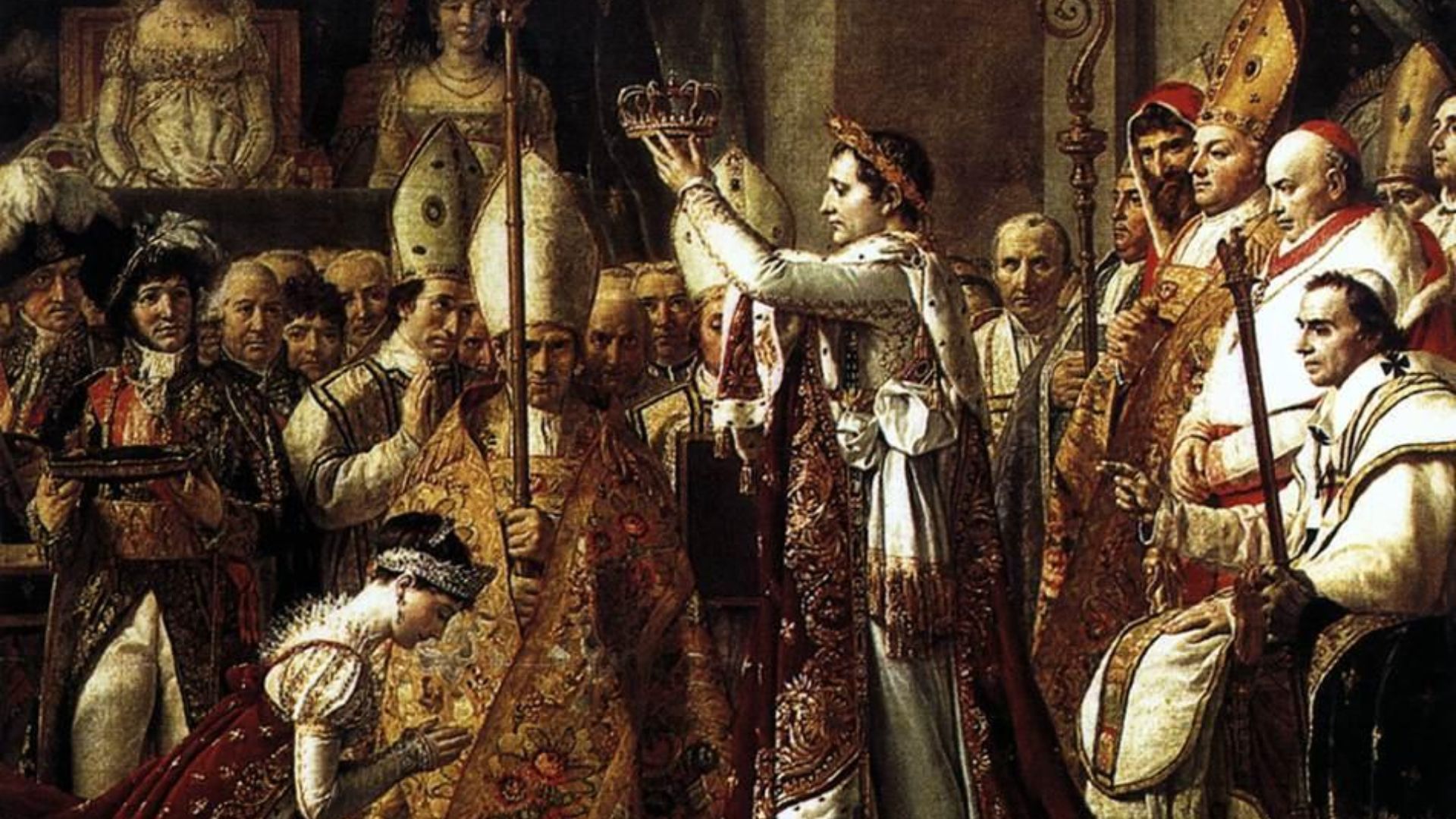
18. Empress Josephine and Napoleon Bonaparte
Napoleon pursued Josephine aggressively and she accepted largely because her finances were precarious after the Revolution. When she failed to produce an heir, he divorced her to marry Marie Louise of Austria, a union that was explicitly dynastic and in which Marie Louise had no say at all.
 commons.wikimedia.org on Google
19. Margaret of Austria and Multiple Husbands
Margaret of Austria was betrothed at age three, married and widowed twice before she was twenty-four, and used as a diplomatic instrument so many times that she eventually requested to be left out of the marriage market entirely. She spent the rest of her life as a highly effective regent.
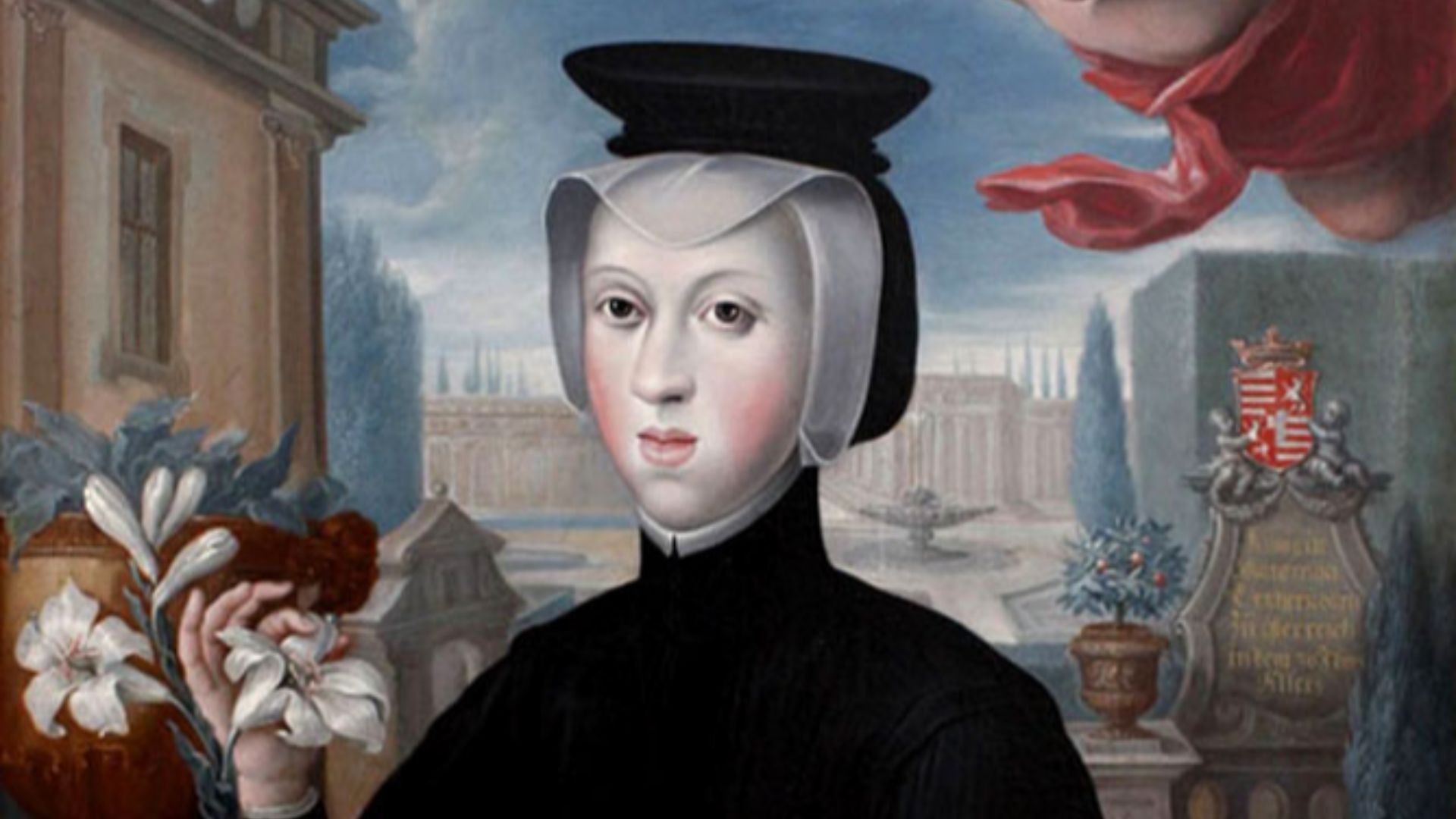 Unidentified painter on Wikimedia
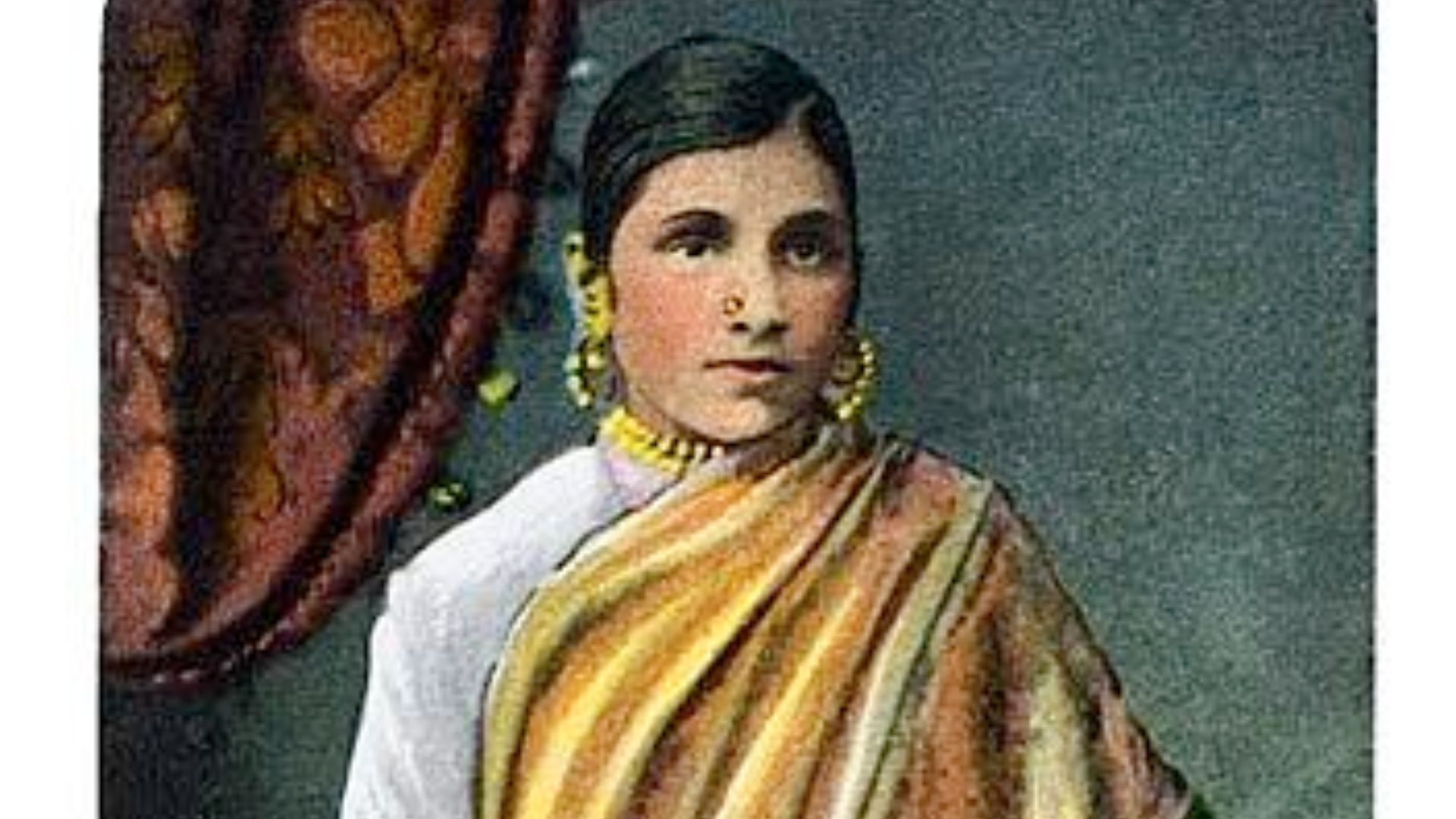
20. Nur Jahan and Emperor Jahangir of the Mughal Empire
Nur Jahan was a widow when she married Jahangir and became arguably the most powerful person in the Mughal court, effectively running the empire while her husband struggled with addiction. It's a reminder that the women handed around as diplomatic currency were sometimes considerably more capable than the men who arranged their fates.
.jpg)

KEEP ON READING
The story of Ching Shih, the Woman Who Became the…
Unknown author on WikimediaFew figures in history are as feared…
By Emilie Richardson-Dupuis Dec 29, 2025
Einstein's Violin Just Sold At An Auction—And It Earned More…
A Visionary's Violin. Wanda von Debschitz-Kunowski on WikimediaWhen you hear…
By Ashley Bast Nov 3, 2025
This Infamous Ancient Greek Burned Down An Ancient Wonder Just…
History remembers kings and conquerors, but sometimes, it also remembers…
By David Davidovic Nov 12, 2025
The Mysterious "Sea People" Who Collapsed Civilization
3,200 years ago, Bronze Age civilization in the Mediterranean suddenly…
By Robbie Woods Mar 18, 2025
20 Artists Who Hated Their Most Famous Work
When Success Becomes a Trap. Fame has a way of…
By Cameron Dick Jun 29, 2026
20 Soldiers Who Defied Expectations
Changing the Rules of the Battlefield. You’ve probably heard plenty…
By Annie Byrd Feb 10, 2026