

10 Rulers Who Outlived Their Empires & 10 Empires That Outlasted Their Rulers
10 Rulers Who Outlived Their Empires & 10 Empires That Outlasted Their Rulers
When Leaders and States Parted Ways
History doesn't always end neatly when a ruler dies or when an empire falls. In some cases, monarchs, emperors, and political leaders lived long enough to witness the collapse of the states they once controlled. In others, powerful empires survived their founders or most famous rulers by decades or even centuries, continuing under new leadership and changing circumstances. These 20 examples show that while individuals can shape history in remarkable ways, states and empires often follow timelines of their own.
 Pierre André Leclercq on Wikimedia
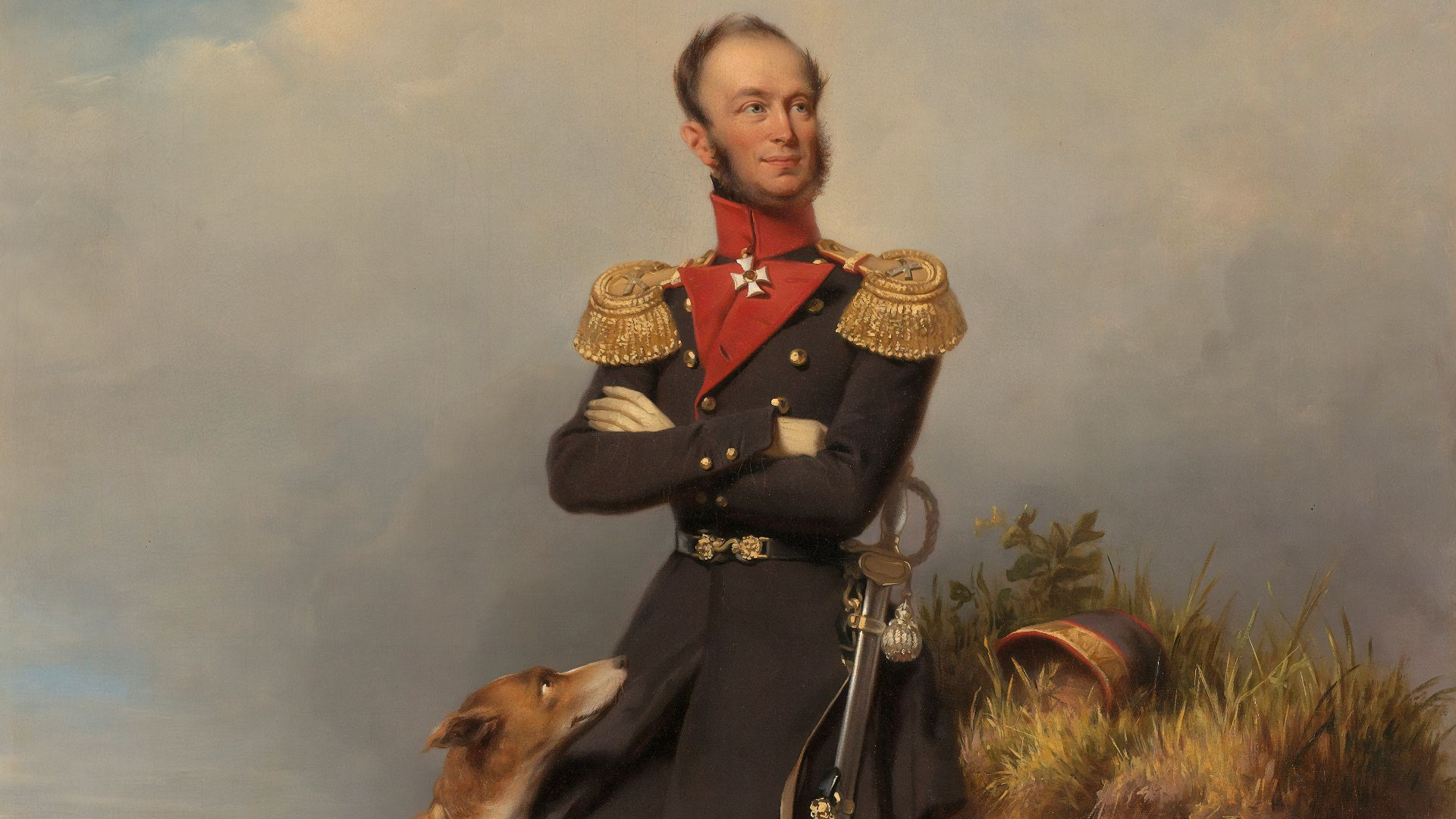
1. Wilhelm II
Germany's last emperor was forced to abdicate in November 1918 as the German Empire collapsed at the end of World War I. He fled to the Netherlands and spent the rest of his life in exile. Wilhelm lived until 1941, giving him more than two decades to reflect on the empire he had once ruled.
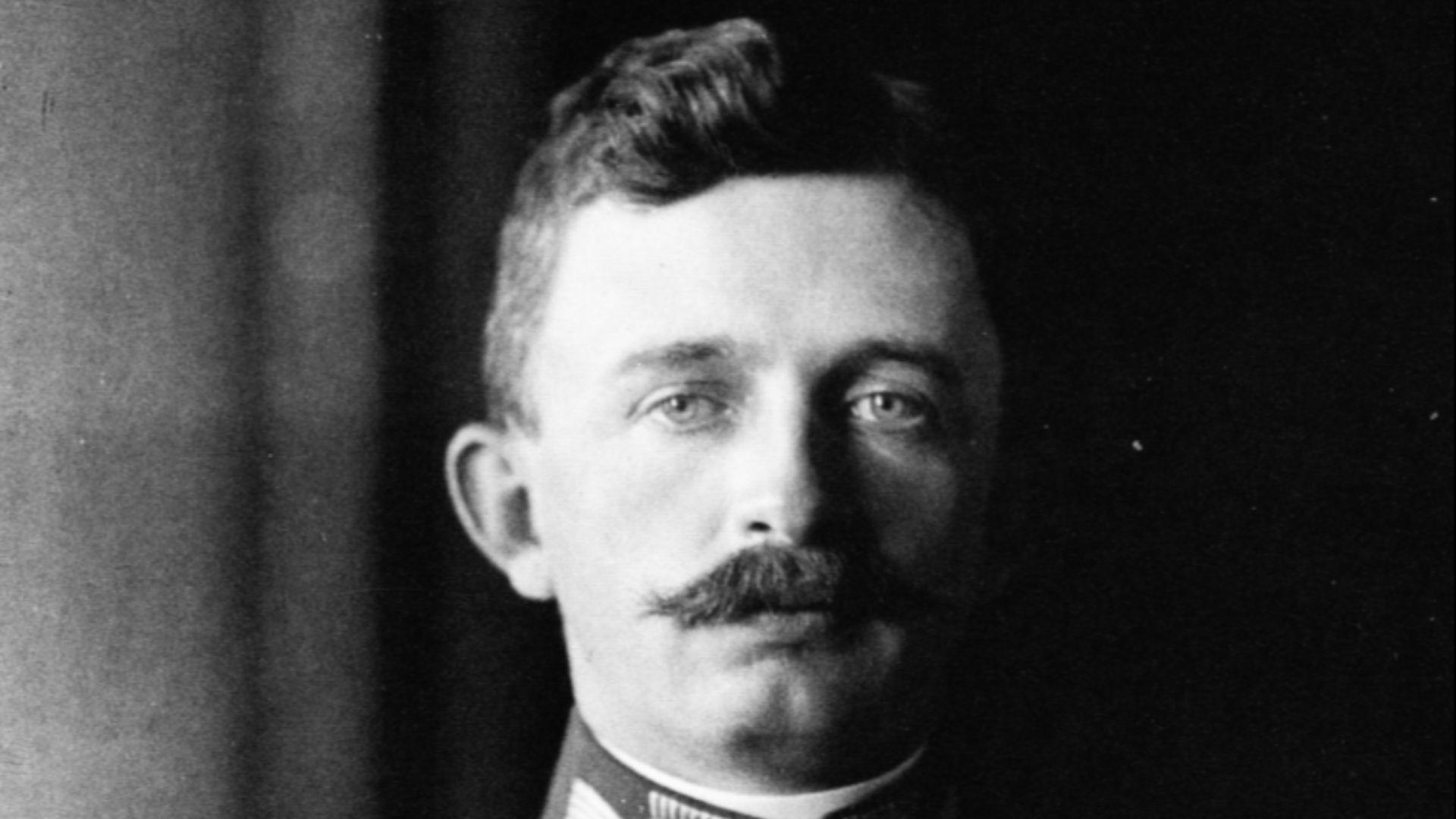
2. Charles I of Austria
Charles I became emperor during the final years of Austria-Hungary and inherited a state already under immense pressure from World War I. The empire dissolved in 1918, ending centuries of Habsburg rule across Central Europe. He survived until 1922, spending his remaining years unsuccessfully attempting to regain power.
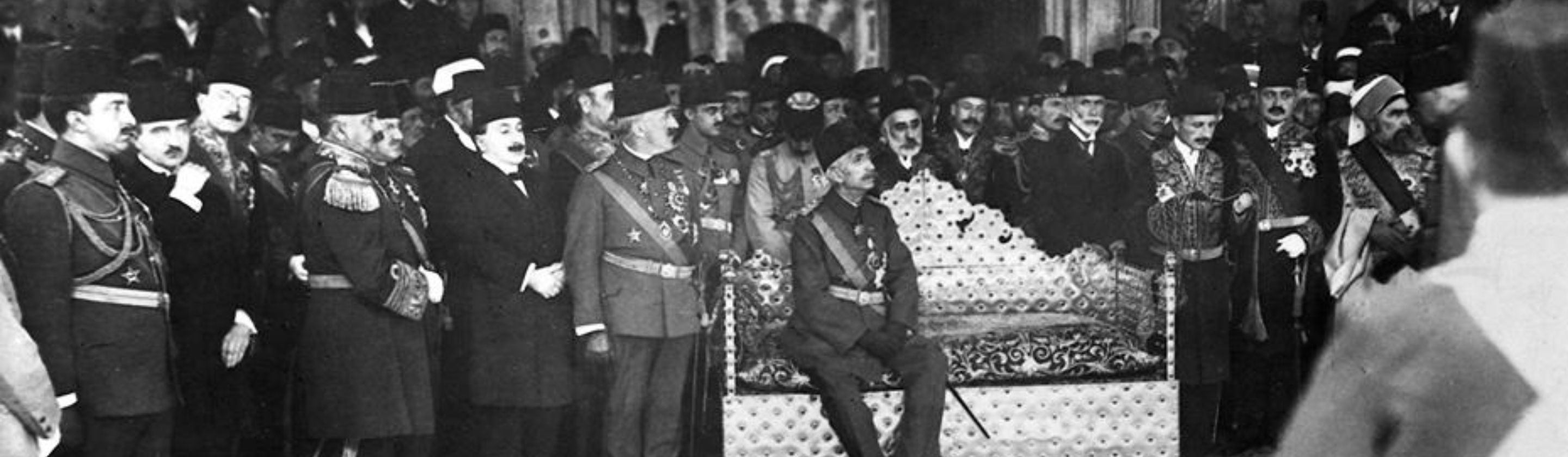
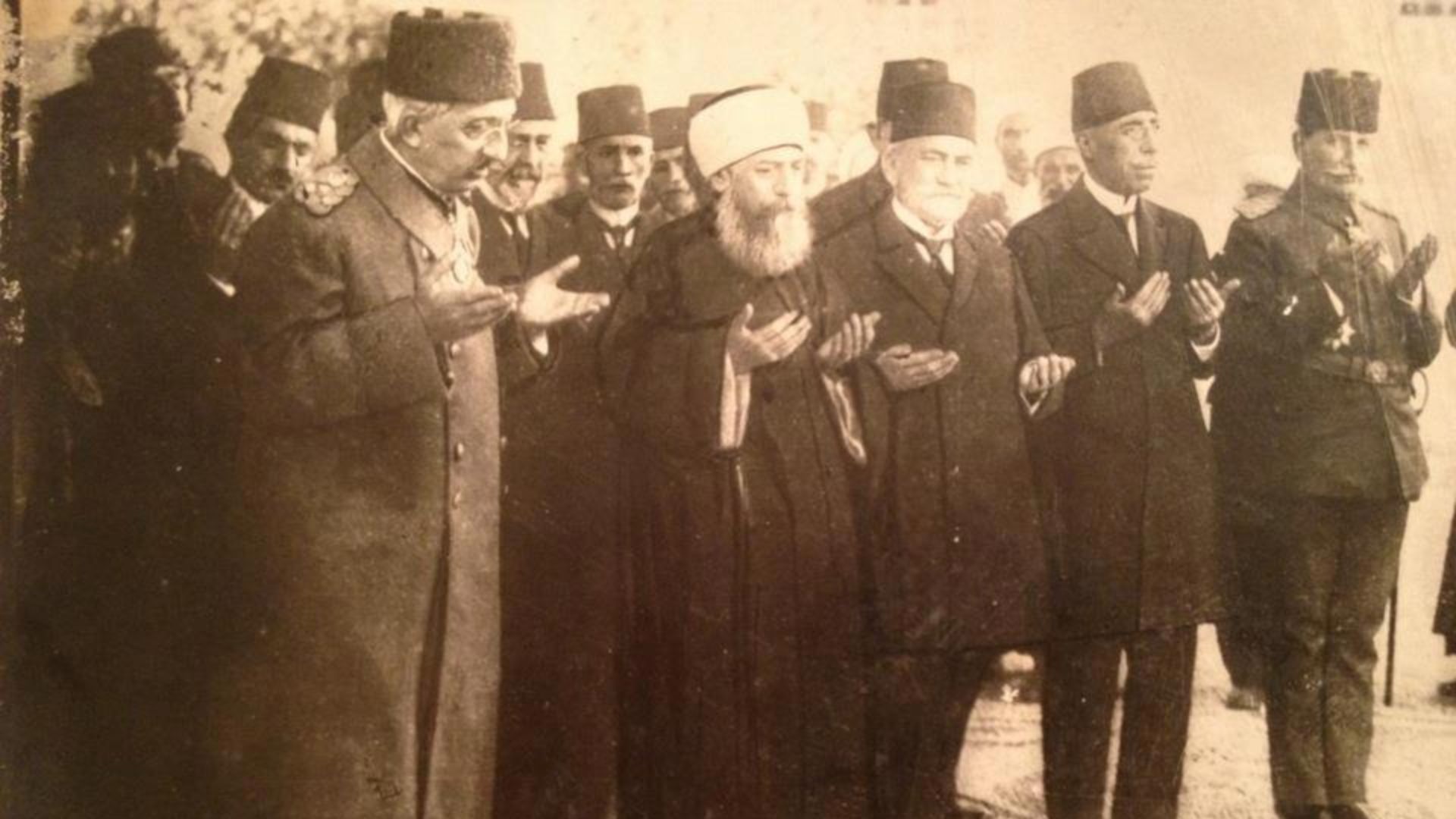
3. Mehmed VI
As the last sultan of the Ottoman Empire, Mehmed VI presided over its final years following World War I. The Ottoman state formally ended in 1922, and he departed Istanbul aboard a British warship. He lived in exile until 1926, long enough to see the new Republic of Turkey firmly established.
 Unknown authorUnknown author on Wikimedia
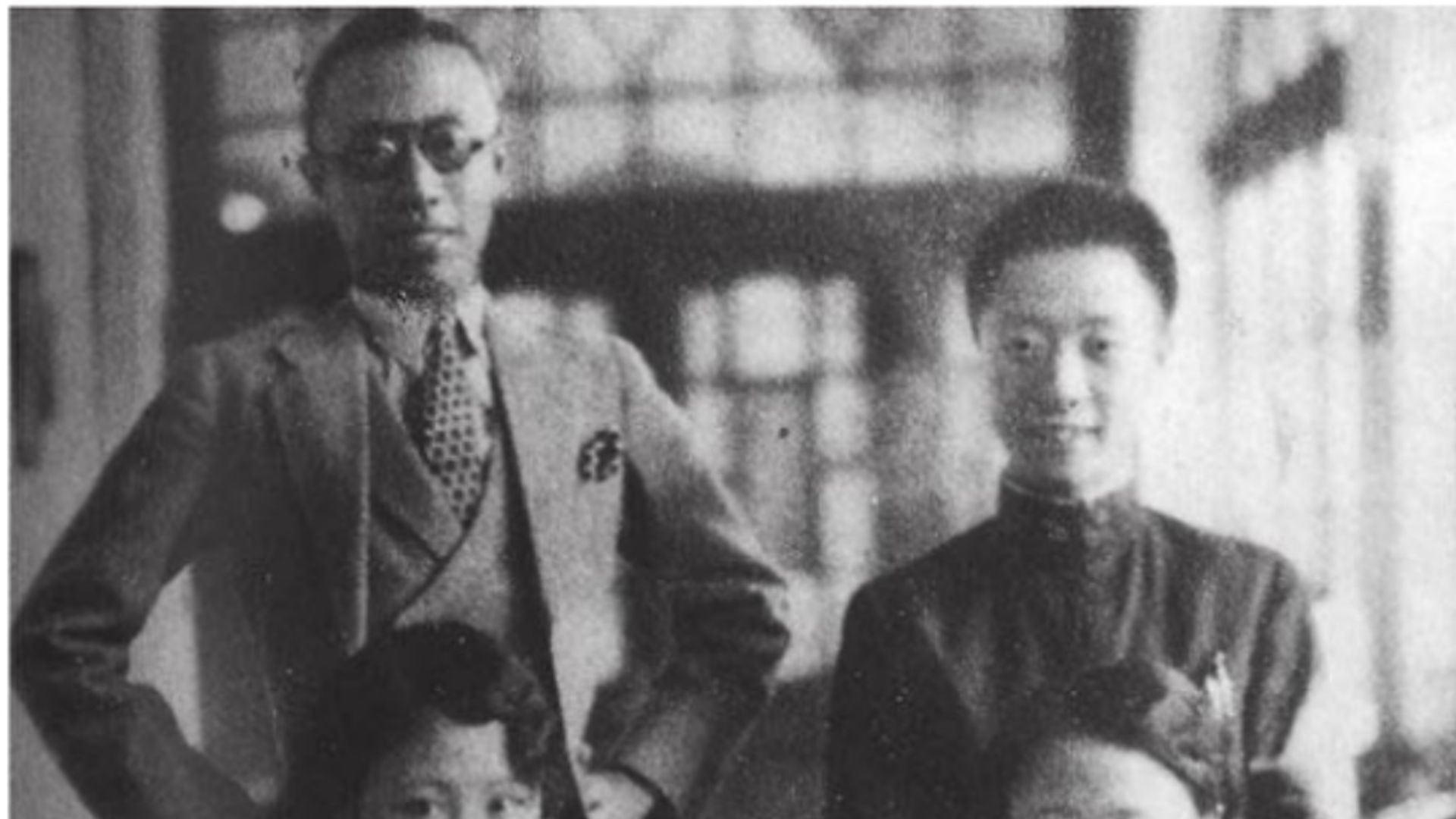
4. Puyi
China's last emperor lost his throne when the Qing dynasty collapsed in 1912. Although he briefly returned during a failed restoration attempt in 1917, imperial rule was finished. Puyi lived until 1967, witnessing decades of dramatic political change in China after the empire's end.
 Unknown authorUnknown author on Wikimedia
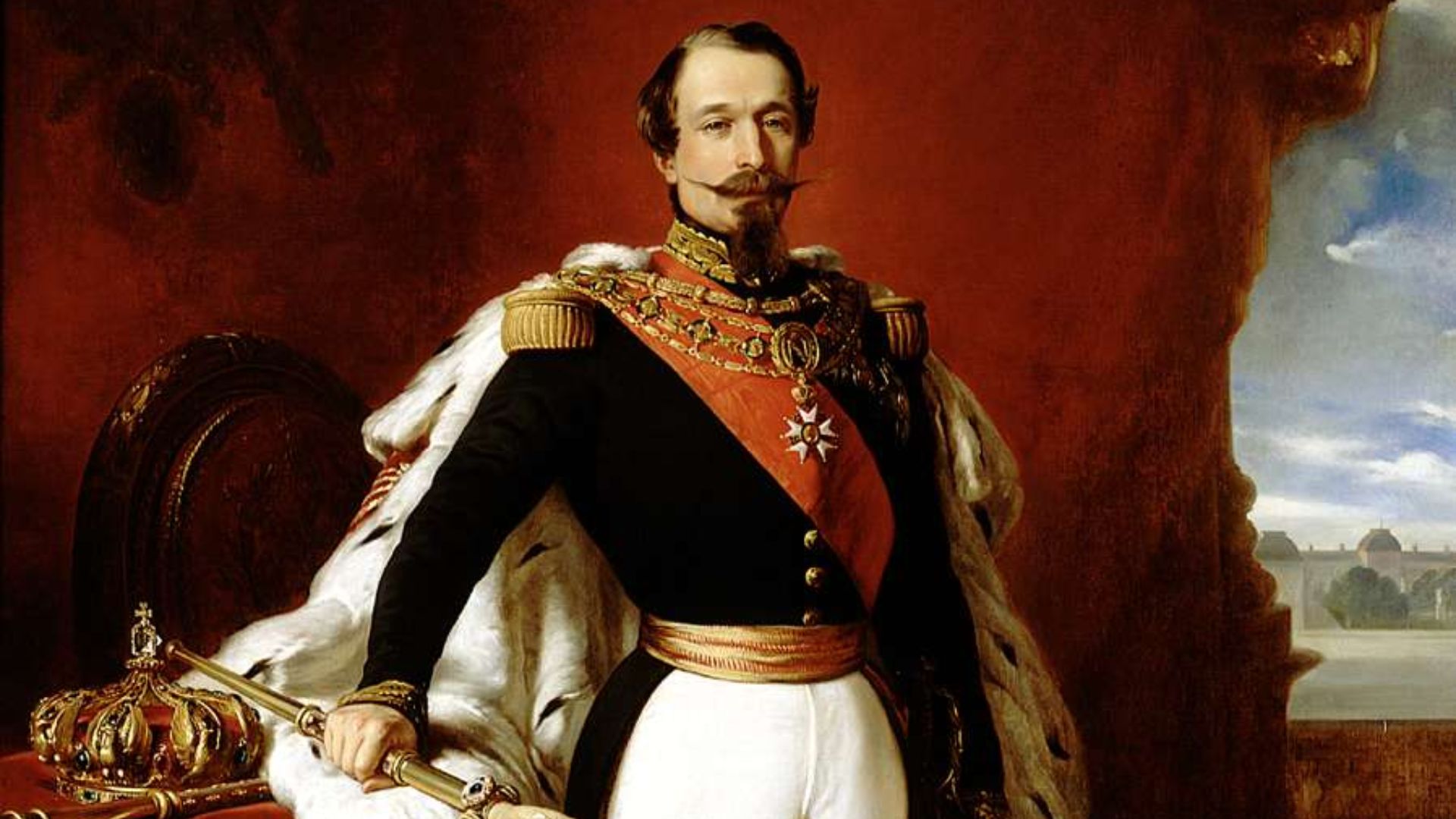
5. Napoleon III
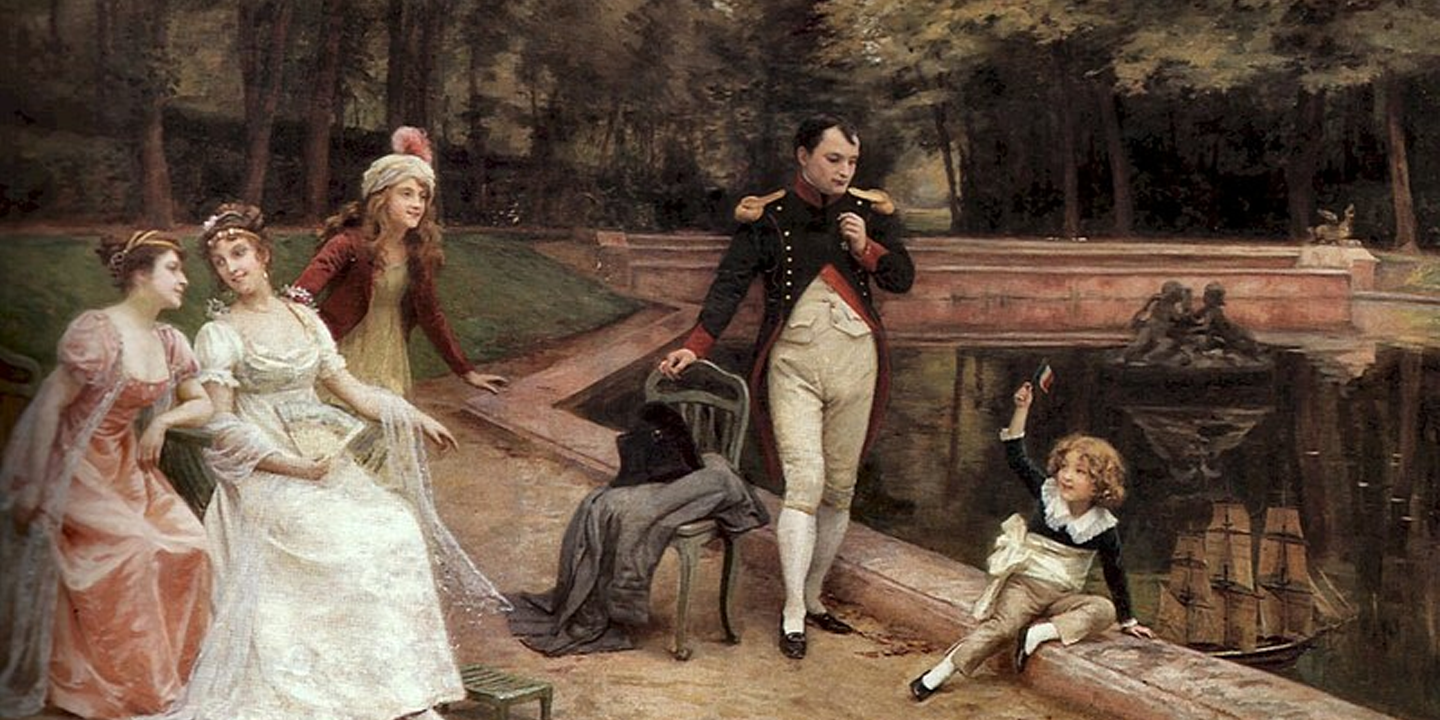
France's Second Empire came to an abrupt conclusion after Napoleon III was captured during the Franco-Prussian War in 1870. The emperor was deposed, and the Third Republic quickly replaced his regime. He spent his remaining years in England and died in 1873.
 Franz Xaver Winterhalter on Wikimedia
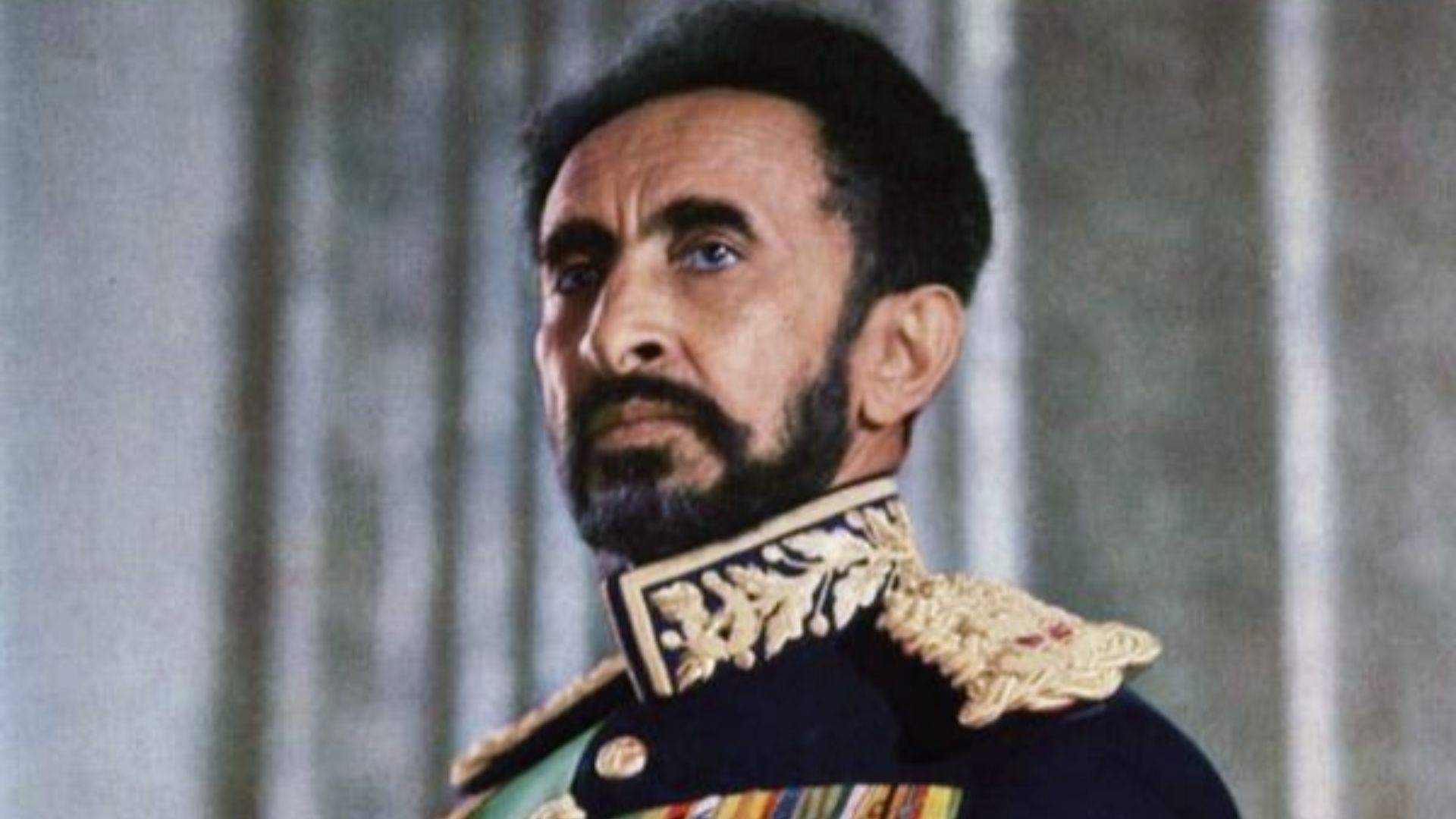
6. Haile Selassie
Haile Selassie ruled Ethiopia for decades and became one of Africa's most recognizable monarchs. The Ethiopian monarchy was abolished in 1974 after a military coup removed him from power. He survived for about a year afterward before dying in 1975.
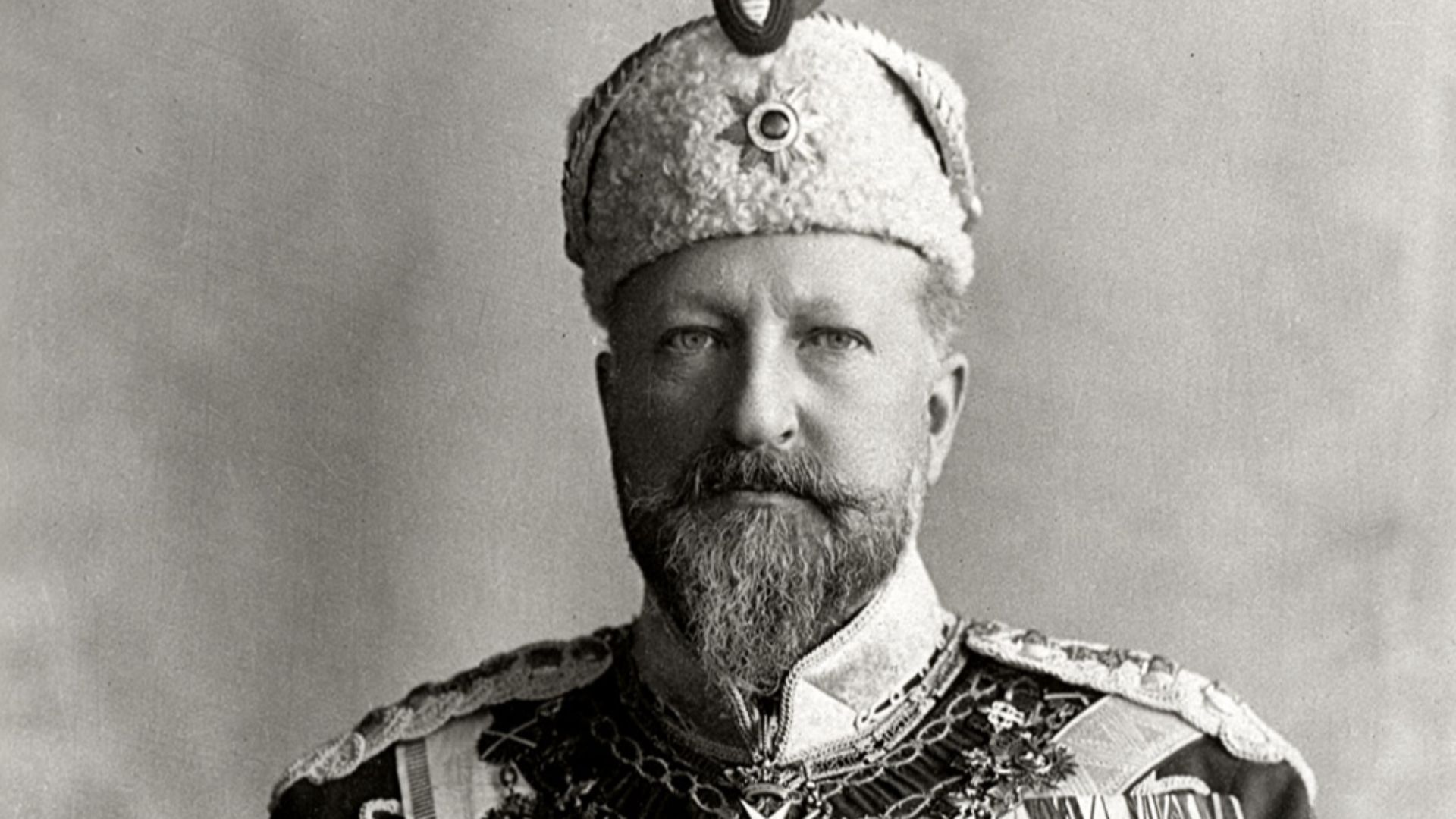
7. Ferdinand I of Bulgaria
Ferdinand I led Bulgaria during the turbulent years surrounding the Balkan Wars and World War I. Military defeat forced him to abdicate in 1918, marking the effective end of his political influence. He then lived in exile for three more decades, dying in 1948.
 Unknown authorUnknown author on Wikimedia
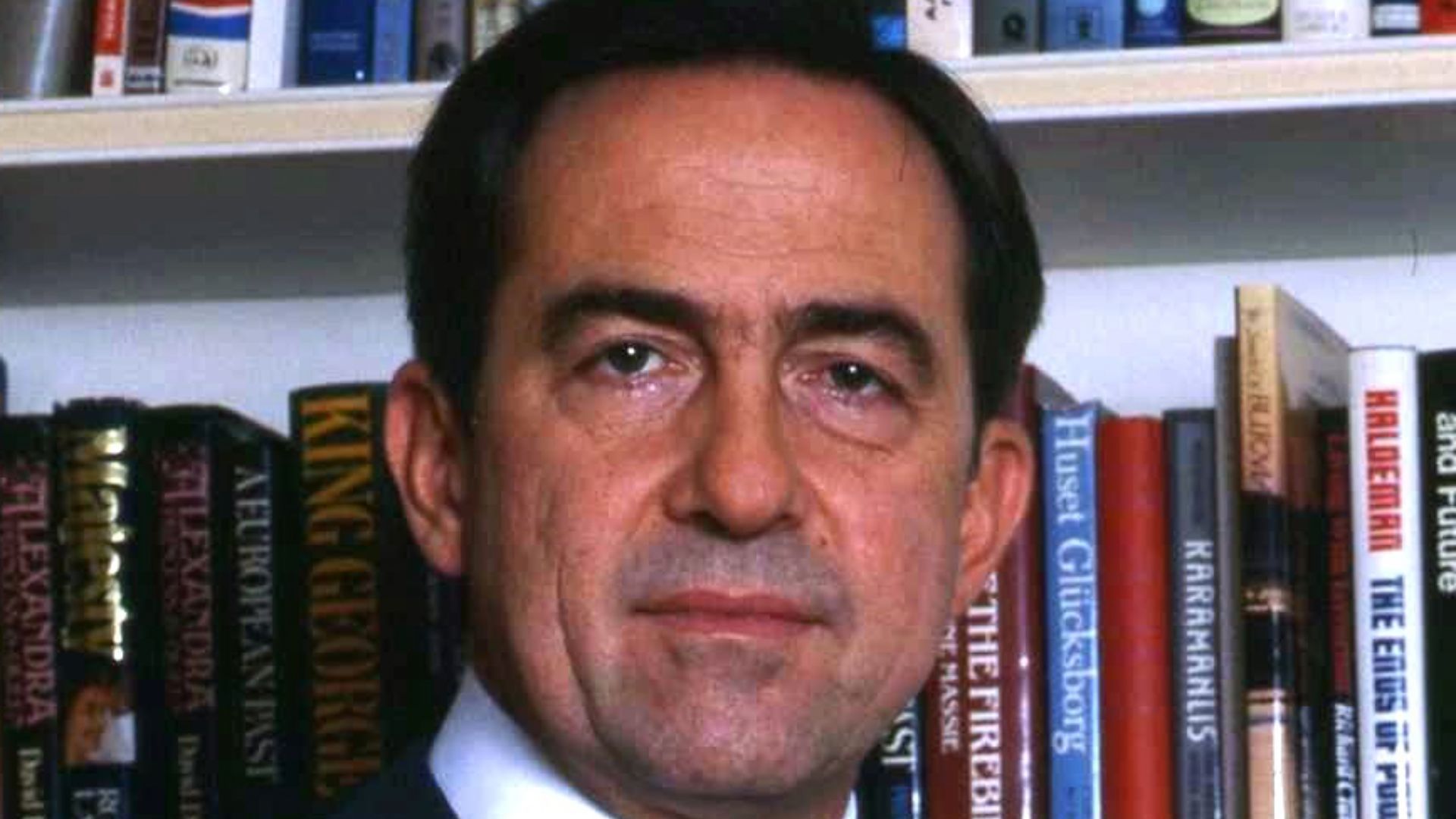
8. Constantine II of Greece
The Greek monarchy effectively lost power after a military coup in 1967 and was formally abolished through a referendum in 1973. Constantine II spent many years living outside Greece while the country remained a republic.
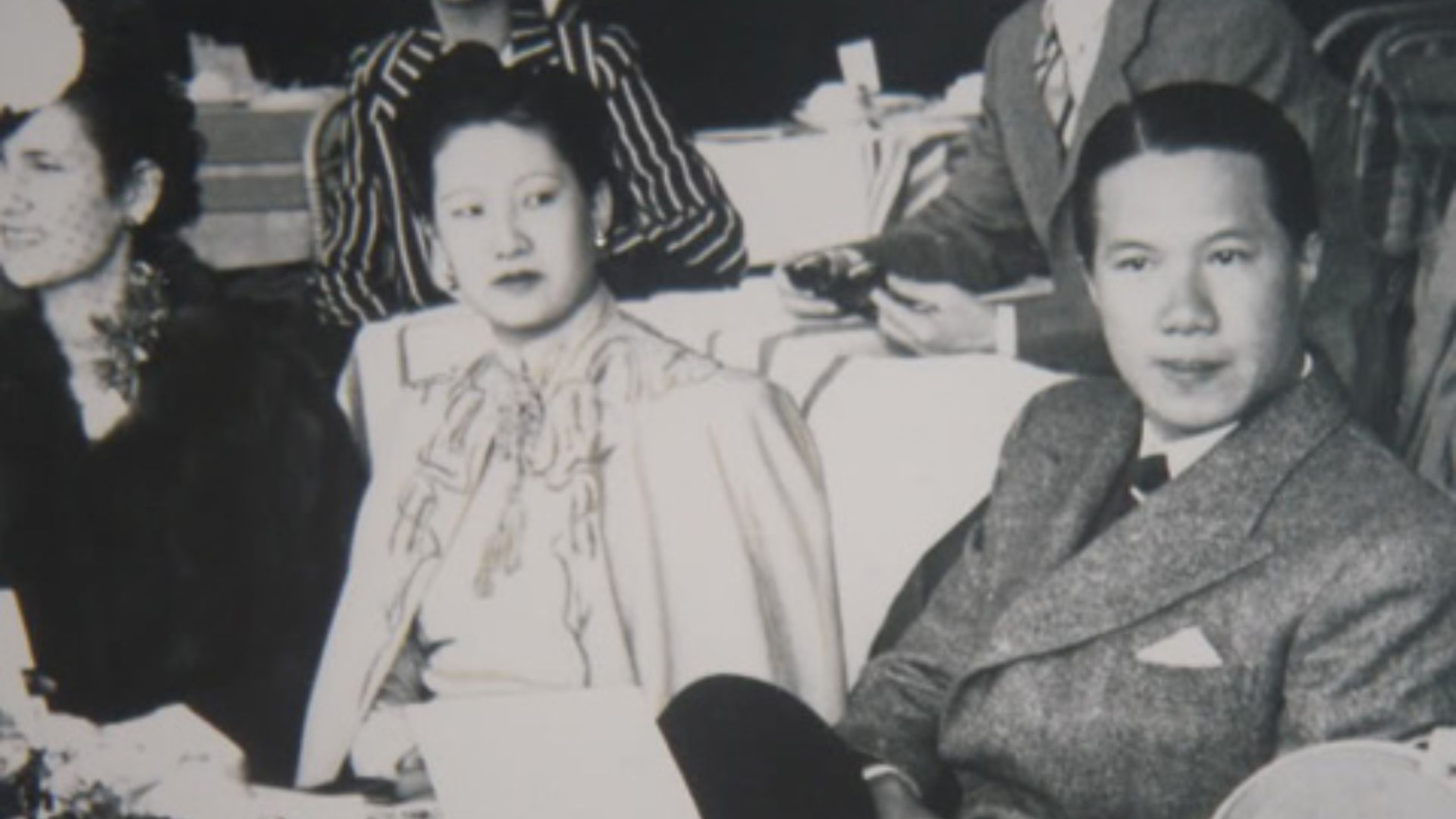
9. Bao Dai
Bao Dai served as the final emperor of Vietnam before the monarchy ended in 1945. Although he later held political roles under French-backed governments, imperial authority never returned. He spent much of his later life abroad and lived until 1997.
10. Simeon II of Bulgaria
Simeon II became tsar as a child during World War II. Bulgaria abolished its monarchy in 1946, forcing the royal family into exile. Remarkably, Simeon survived for decades afterward and even returned to serve as Bulgaria's prime minister from 2001 to 2005.
 Unknown authorUnknown author on Wikimedia
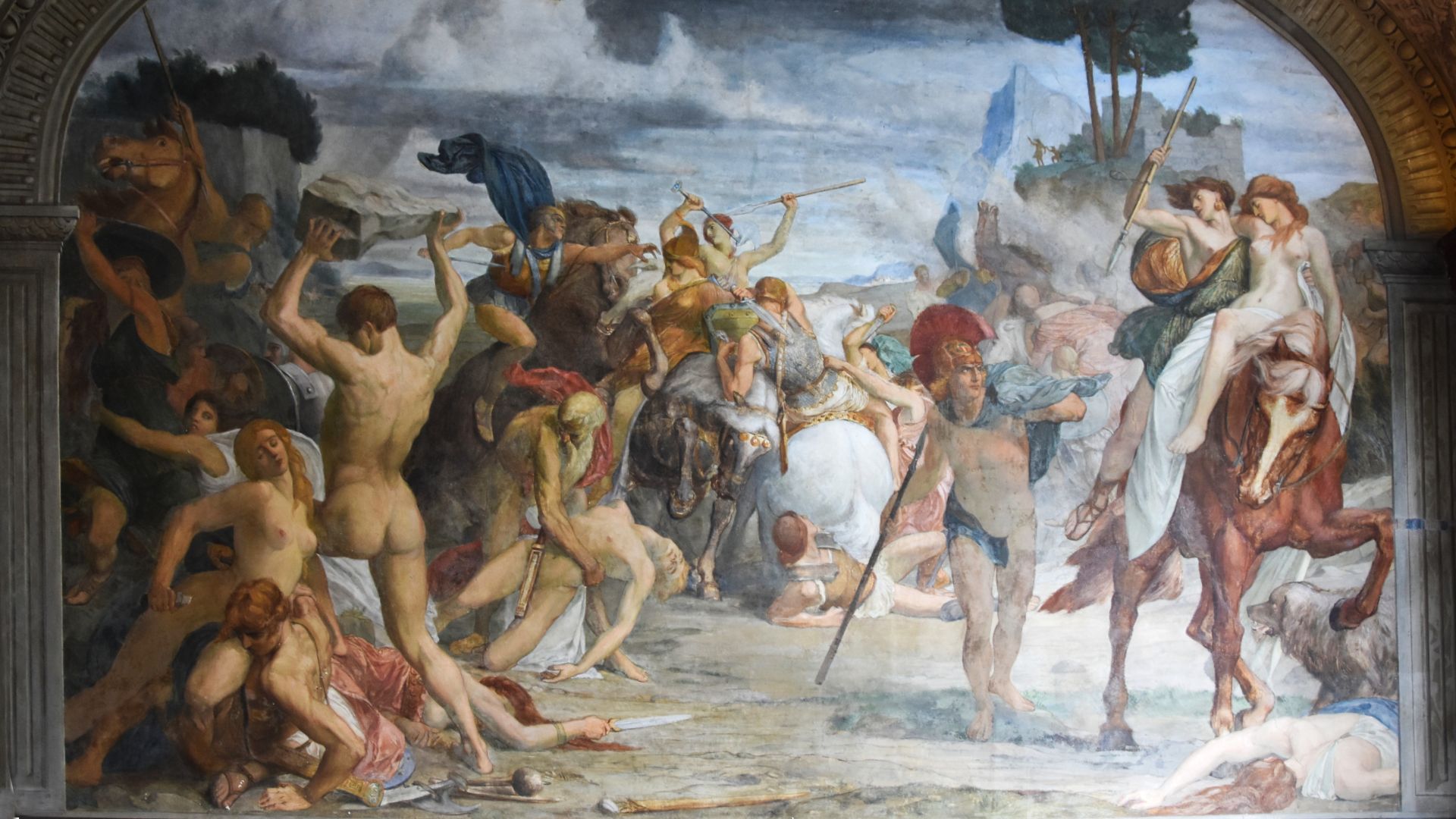
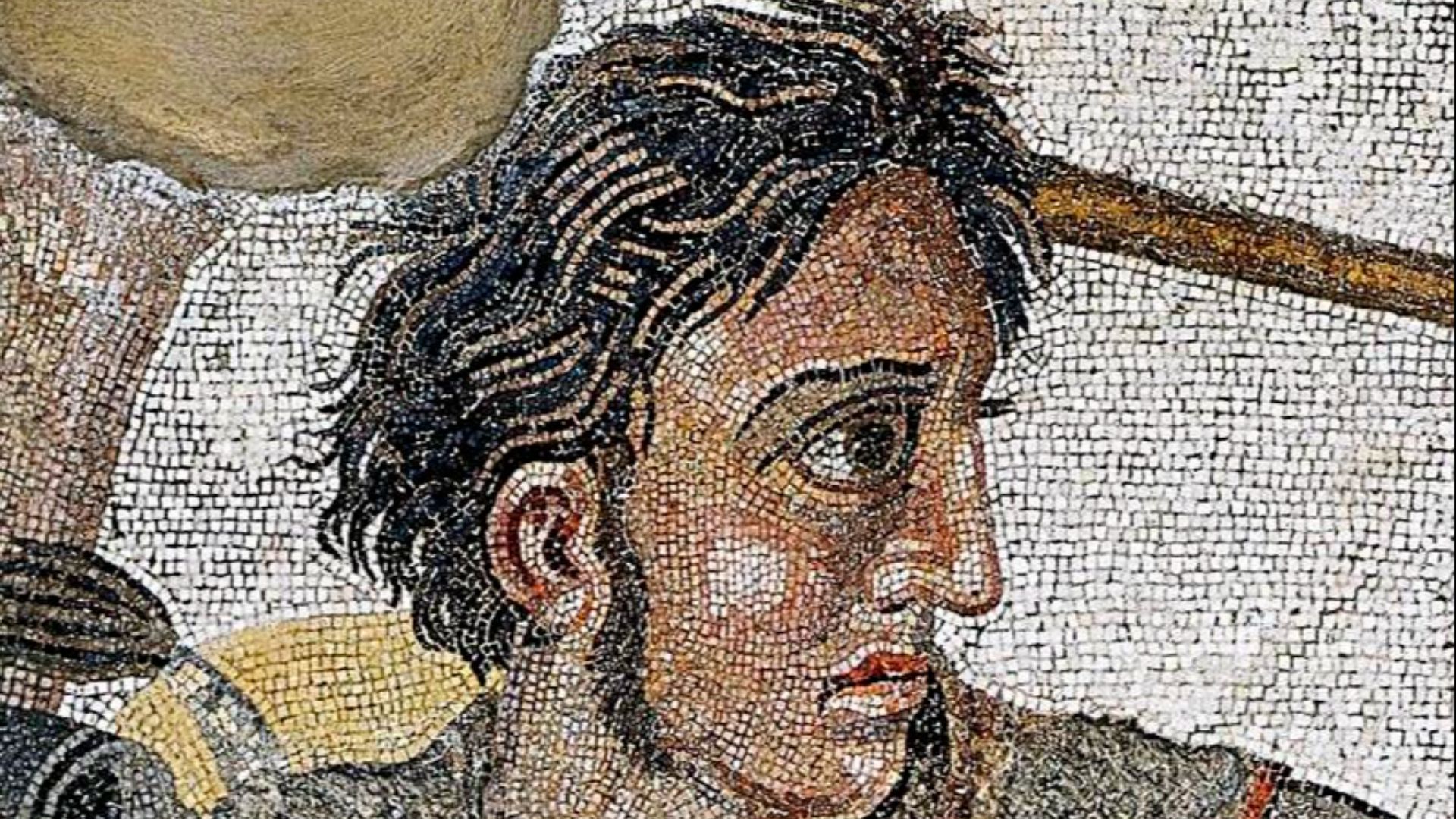
1. The Macedonian Empire After Alexander the Great
Alexander the Great died in 323 BC at just thirty-two years old. His empire did not vanish immediately, despite lacking a clear successor. Several successor kingdoms emerged from his conquests and continued ruling large territories for generations.
 Unknown authorUnknown author on Wikimedia
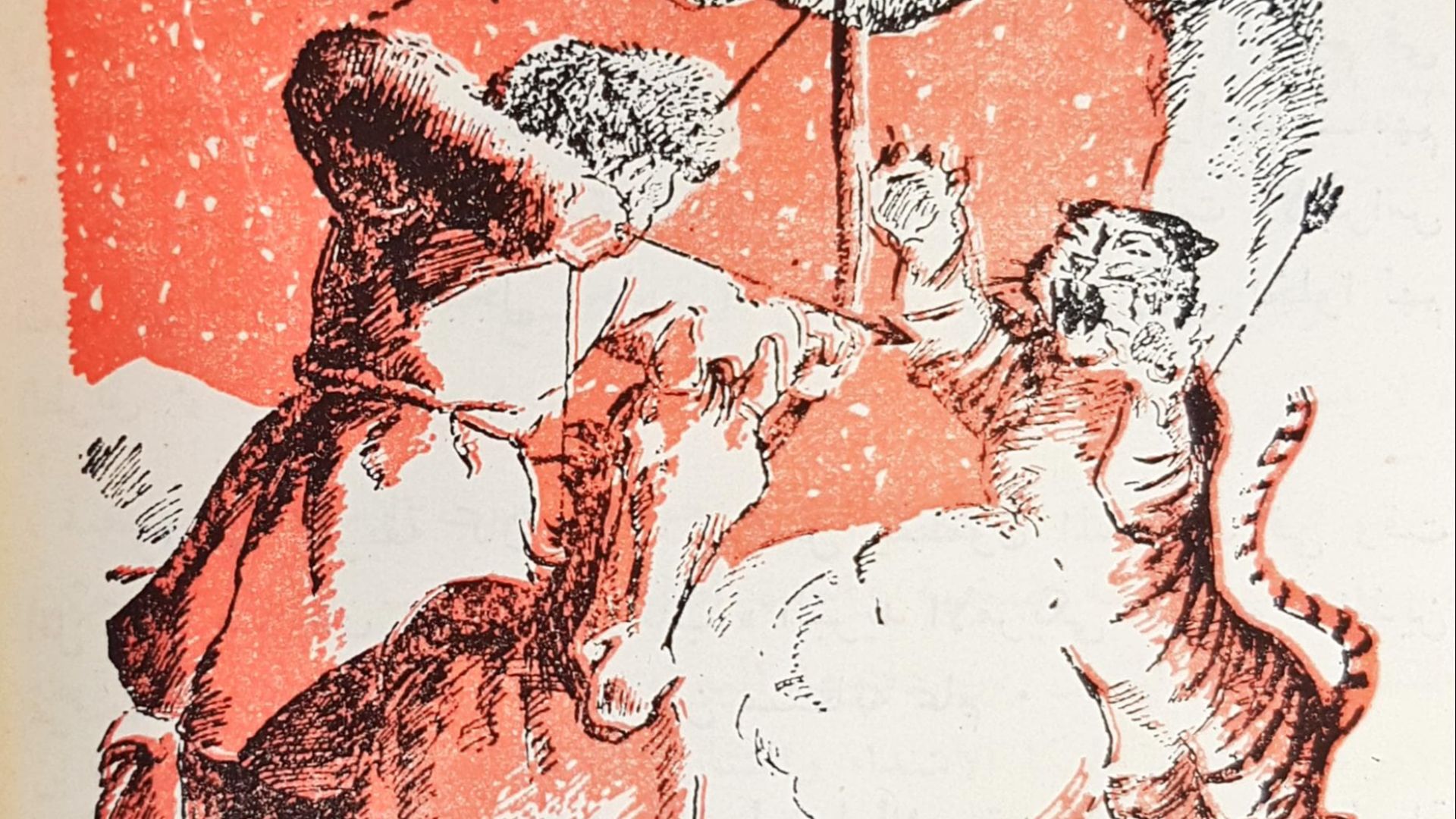
2. The Mongol Empire After Genghis Khan
When Genghis Khan died in 1227, the Mongol Empire was already enormous. His descendants expanded it even further, creating the largest contiguous land empire in history.
 Unknown authorUnknown author on Wikimedia
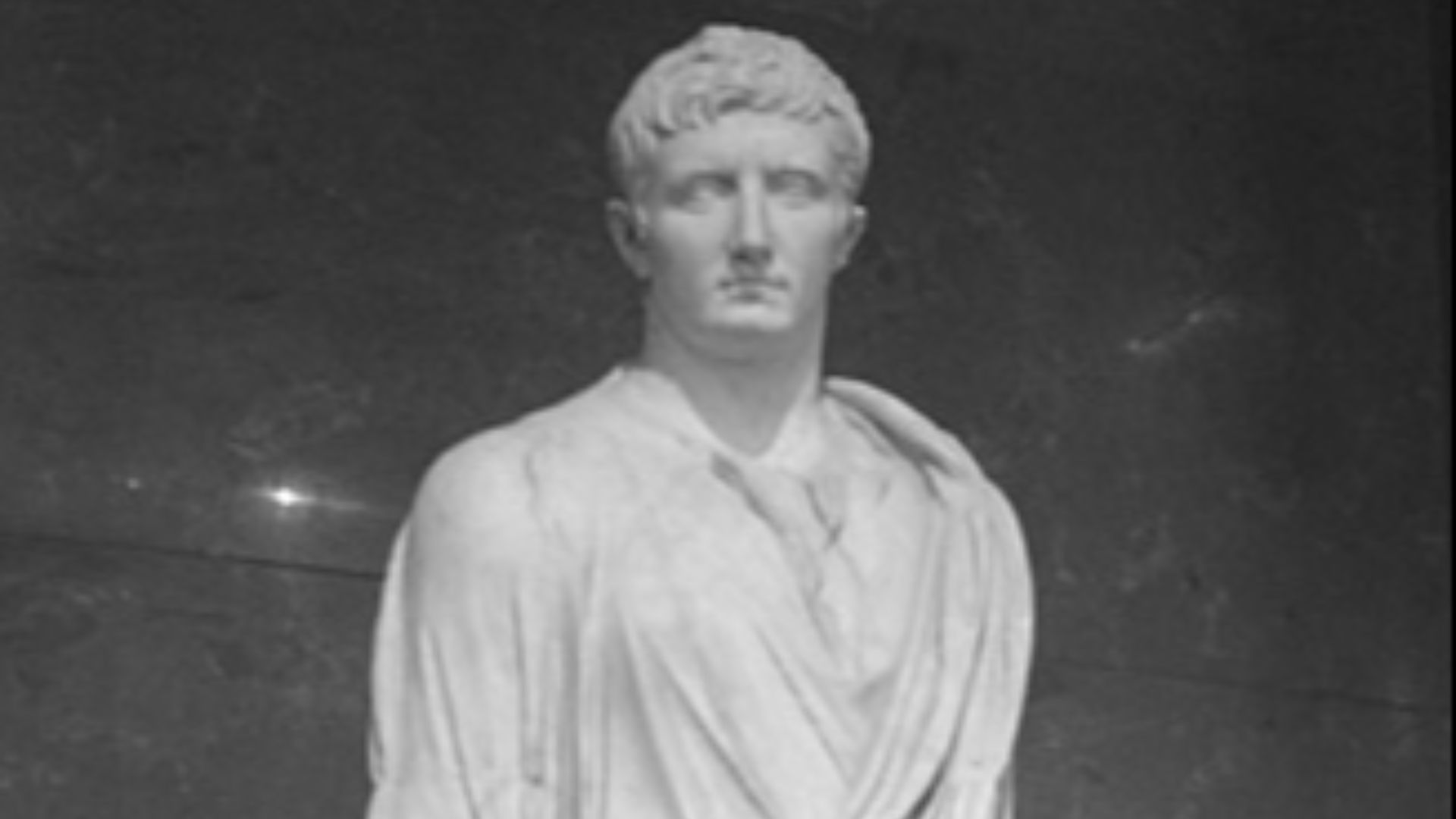
3. The Roman Empire After Augustus
Augustus established the Roman Empire and transformed Rome's political system. Following his death in AD 14, the empire continued to grow and prosper under later emperors.
 Unknown artistUnknown artist on Wikimedia
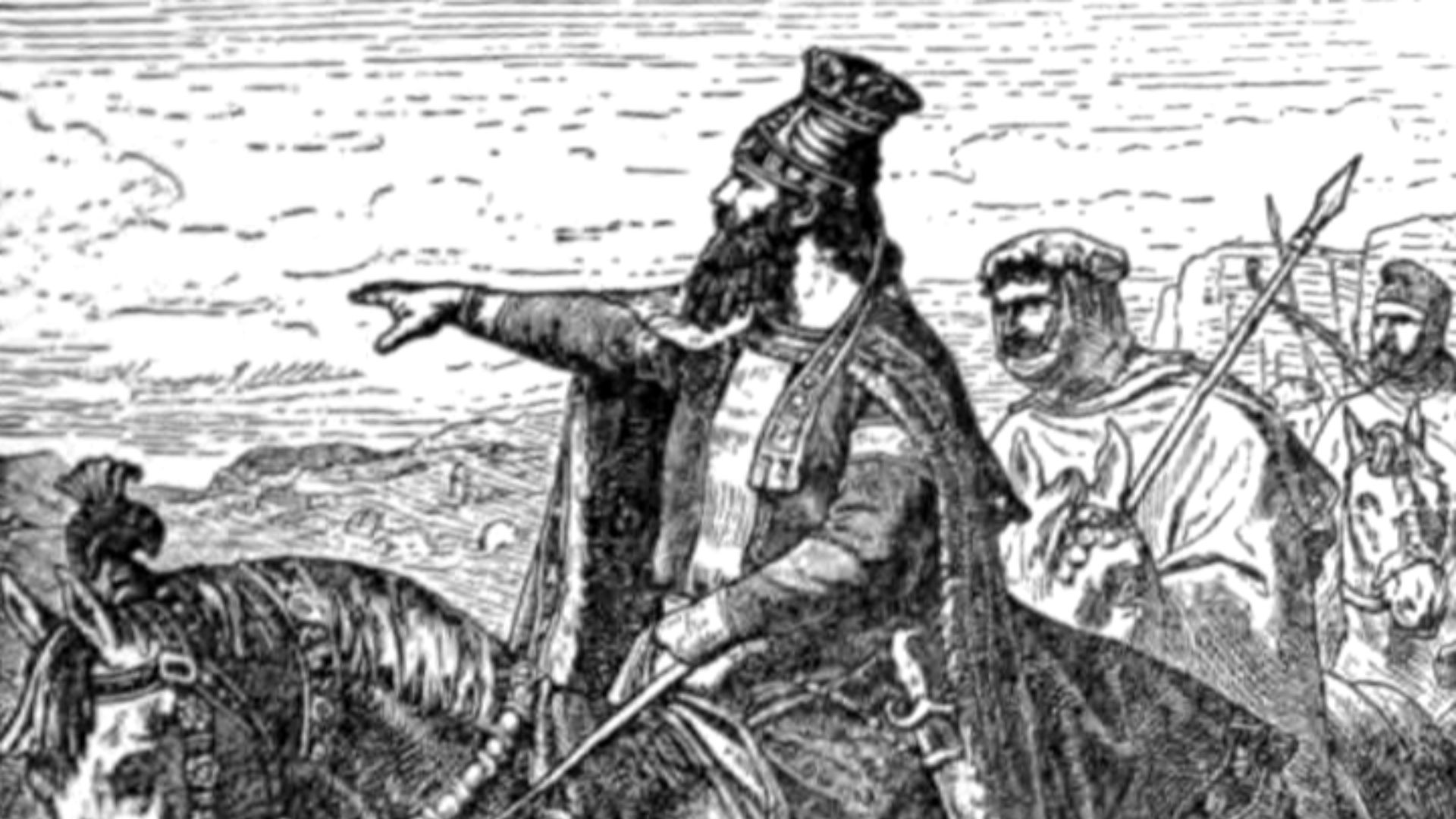
4. The Achaemenid Persian Empire After Cyrus the Great
Cyrus the Great created one of the ancient world's most influential empires. After his death around 530 BC, Persia continued expanding under rulers such as Cambyses II and Darius I. The empire endured for nearly two centuries before Alexander's conquest.
 Charles Francis Horne Clarence Cook on Wikimedia
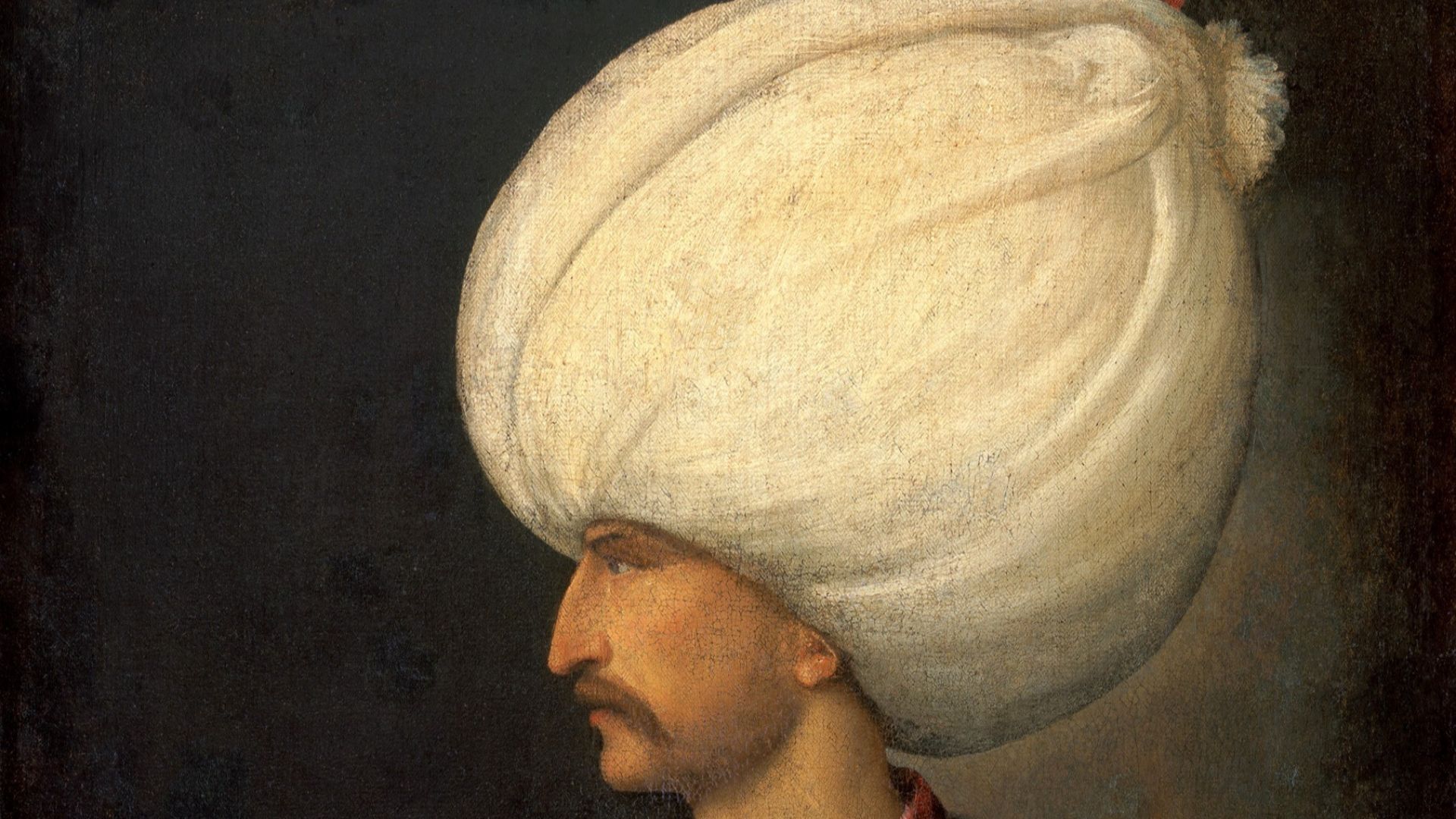
5. The Ottoman Empire After Suleiman the Magnificent
Suleiman is often regarded as the Ottoman Empire's greatest ruler. His death in 1566 did not halt Ottoman power, and the empire remained a major political force across Europe, Asia, and Africa. In fact, it survived for more than 350 additional years.
6. The Mughal Empire After Akbar
Akbar strengthened and expanded Mughal rule across much of the Indian subcontinent. Successors such as Jahangir and Shah Jahan inherited a powerful state and continued governing vast territories.
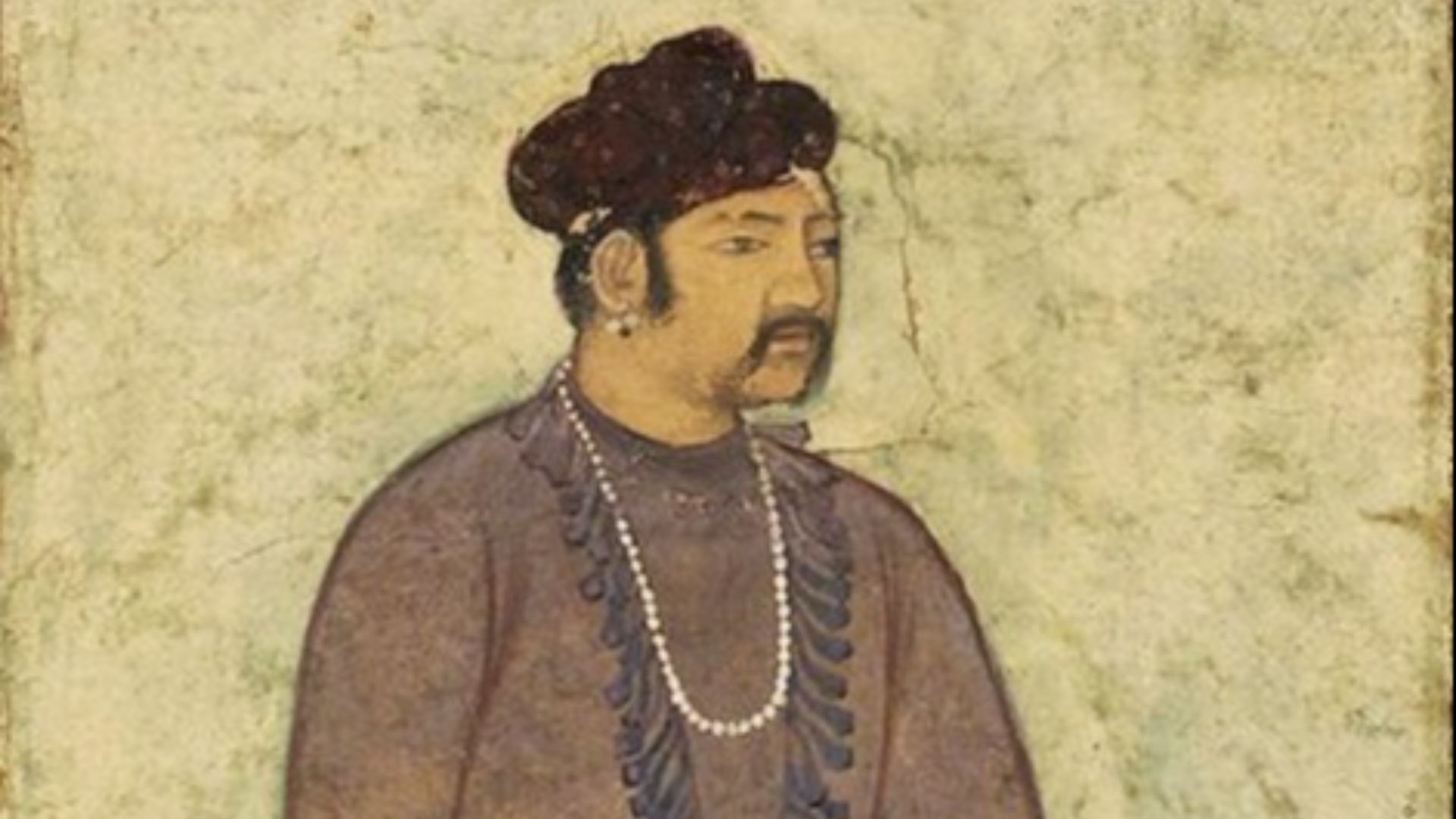 Manohar. Worked in late 16th century. on Wikimedia
7. The British Empire After Queen Victoria
Queen Victoria became closely associated with Britain's imperial height and even held the title Empress of India. After she died in 1901, the British Empire continued expanding and reached its greatest territorial extent during the twentieth century.
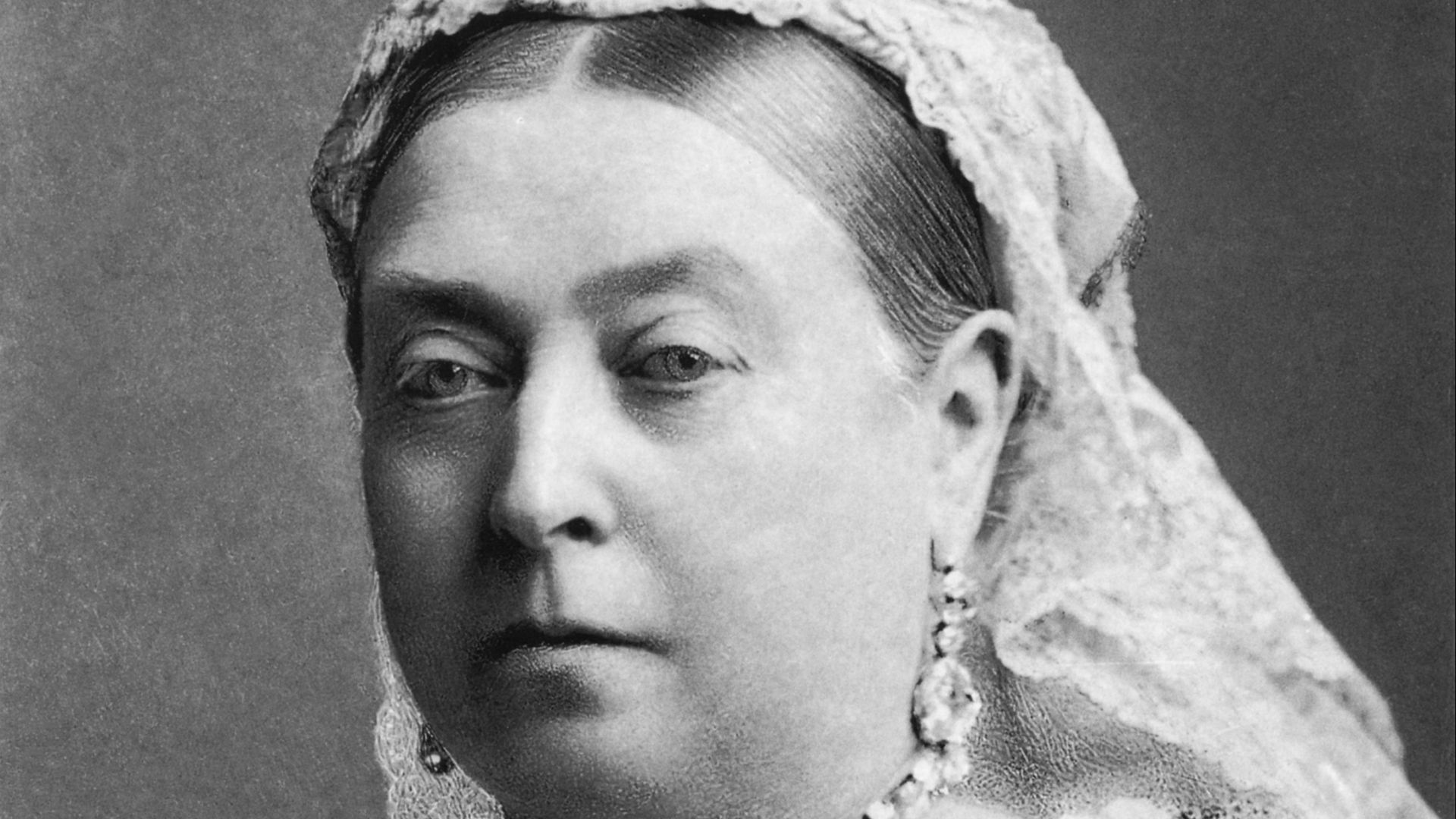 Alexander Bassano on Wikimedia
8. The Carolingian Empire After Charlemagne
Charlemagne built a vast European empire and was crowned emperor in AD 800. His successors maintained control after he died in 814, although political divisions gradually emerged. The empire remained intact for several decades before being partitioned by the Treaty of Verdun in 843.
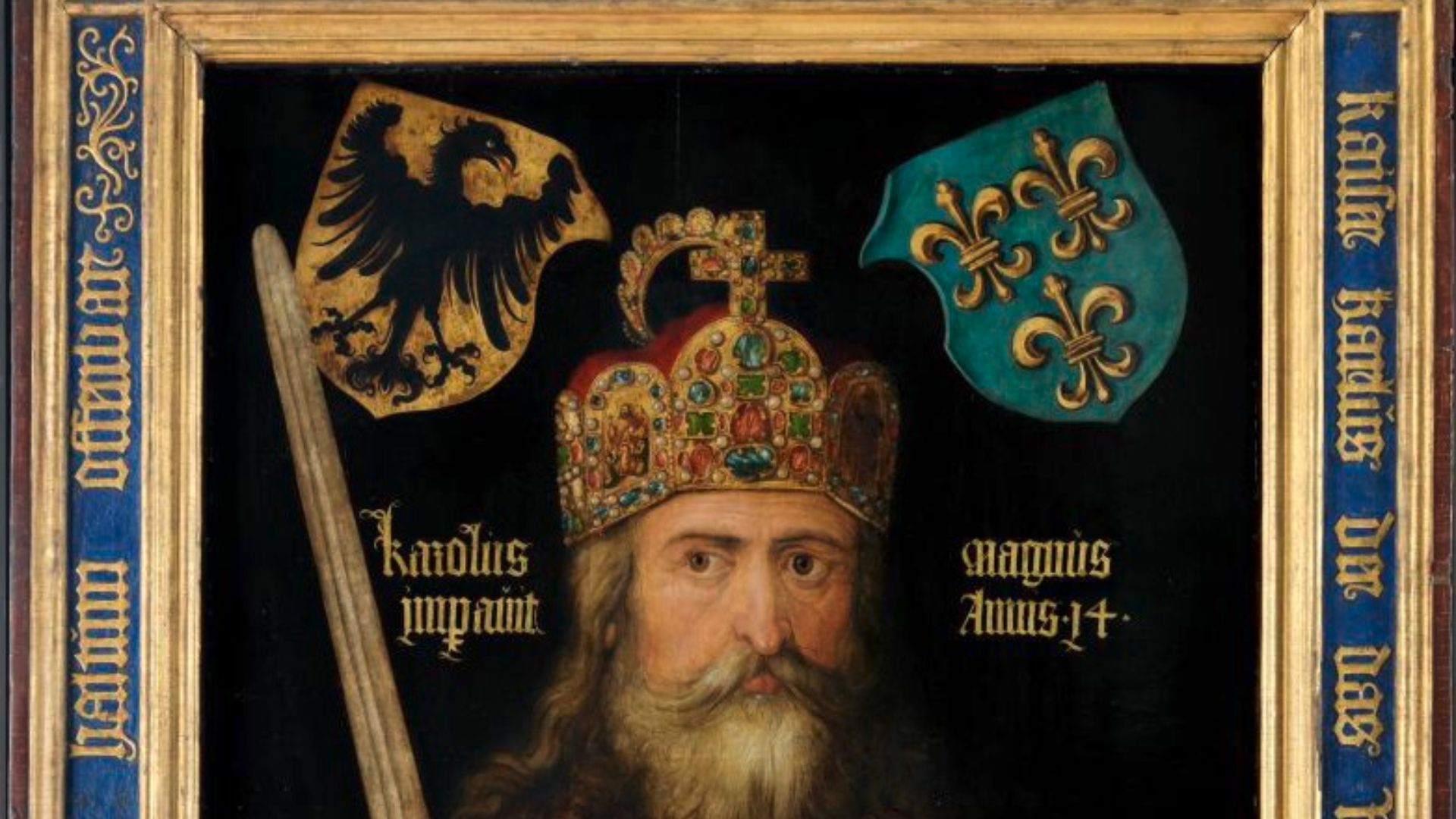
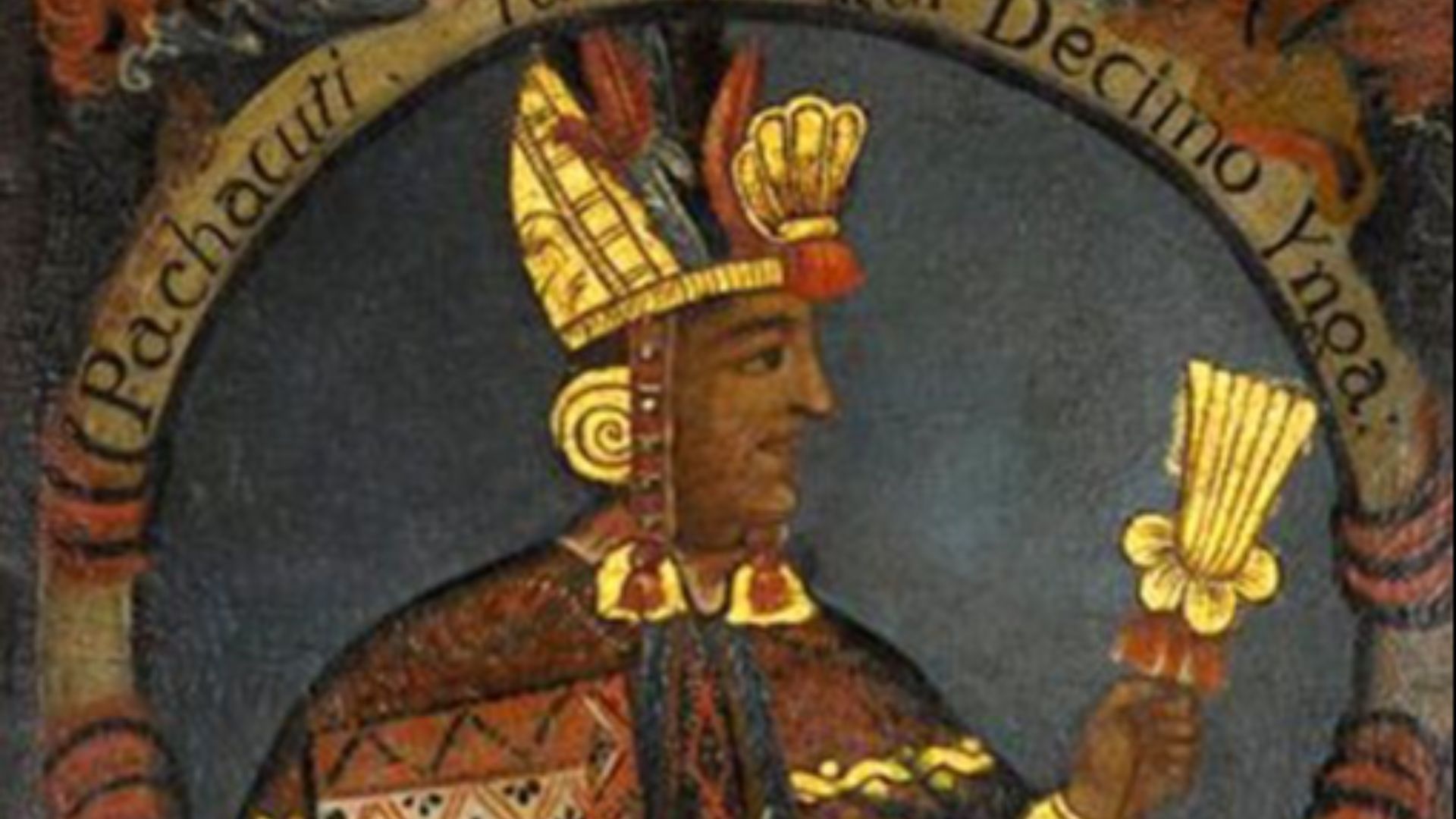
9. The Inca Empire After Pachacuti
Pachacuti transformed the Inca state into a major empire during the fifteenth century. Future rulers expanded their territory even further, extending control across large portions of western South America.
10. The Maurya Empire After Chandragupta Maurya
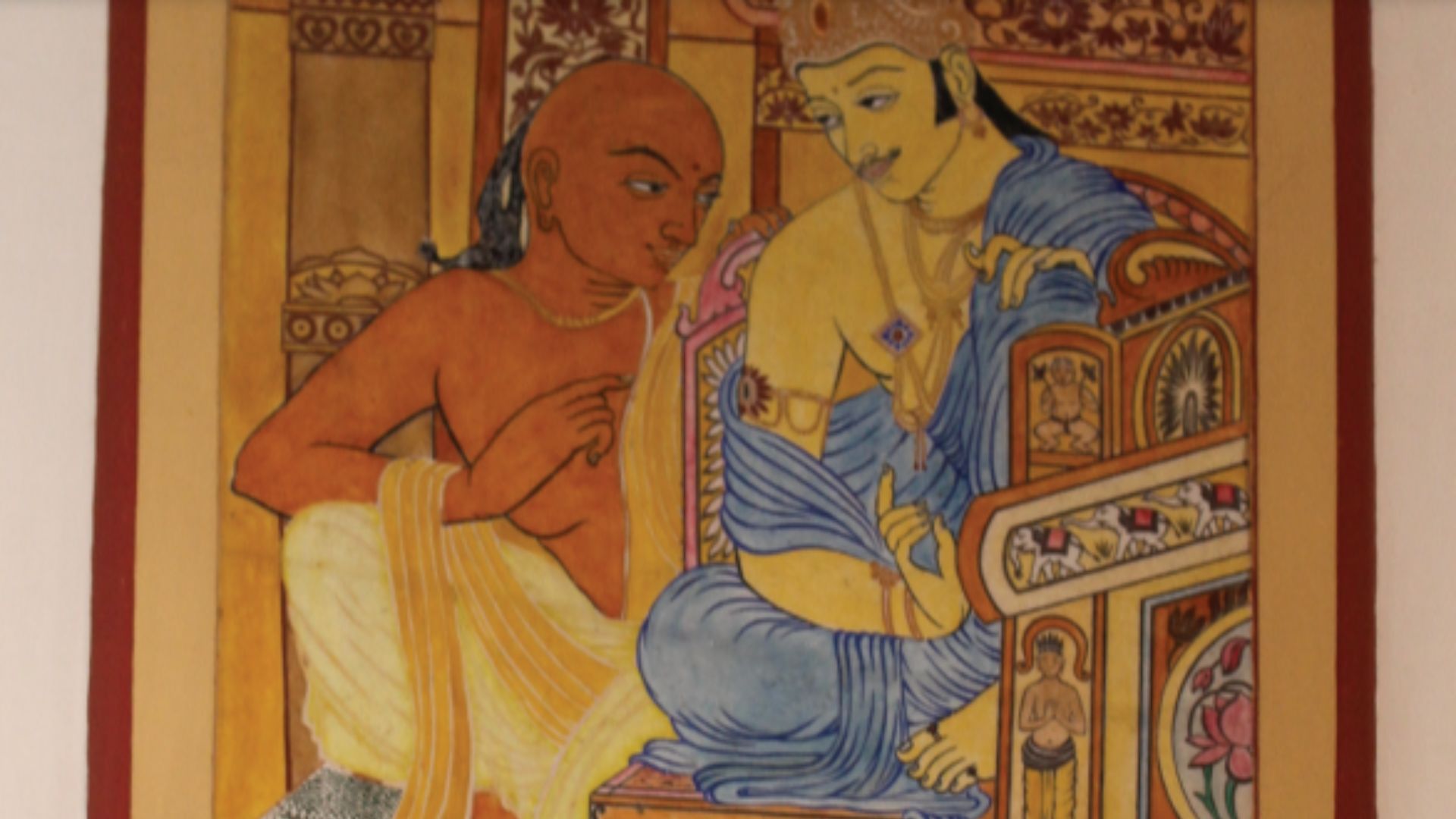
Chandragupta Maurya founded the Maurya Empire in ancient India around the fourth century BC. Following his reign, his descendants governed an increasingly powerful state, including the famous emperor Ashoka.
KEEP ON READING
The 20 Most Recognized Historical Figures Of All Time
The Biggest Names In History. Although the Earth has been…
By Cathy Liu Oct 4, 2024
10 of the Shortest Wars in History & 10 of…
Wars: Longest and Shortest. Throughout history, wars have varied dramatically…
By Emilie Richardson-Dupuis Oct 7, 2024
10 Fascinating Facts About Ancient Greece You Can Appreciate &…
Once Upon A Time Lived Some Ancient Weirdos.... Greece is…
By Megan Wickens Oct 7, 2024
20 Lesser-Known Facts About Christopher Columbus You Don't Learn In…
In 1492, He Sailed The Ocean Blue. Christopher Columbus is…
By Emilie Richardson-Dupuis Oct 9, 2024
20 Historical Landmarks That Have The Craziest Conspiracy Theories
Unsolved Mysteries Of Ancient Places . When there's not enough evidence…
By Megan Wickens Oct 9, 2024
The 20 Craziest Inventions & Discoveries Made During Ancient Times
Crazy Ancient Inventions . While we're busy making big advancements in…
By Cathy Liu Oct 9, 2024