

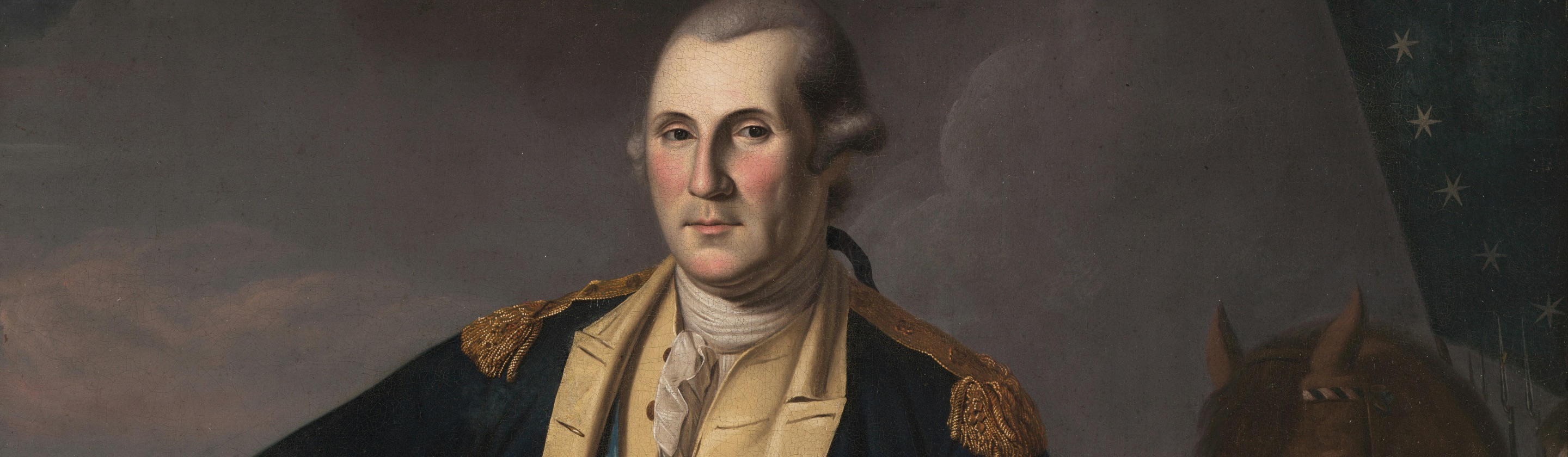
Made-Up History
What do Marie Antoinette saying "Let them eat cake" and Paul Revere shouting "The British are coming" have in common? They never happened. In fact, a lot of the historical facts you've probably heard or read didn't actually happen exactly the way they're often told. Vincent van Gogh, for one, probably cut off his own ear for a different reason than you might have believed. It just goes to show that sometimes, a lot of history may be made up of a lot of murky findings and retellings. Here are 20 famous “events” that never really happened.
 Edward Mason Eggleston (1882-1941) on Wikimedia
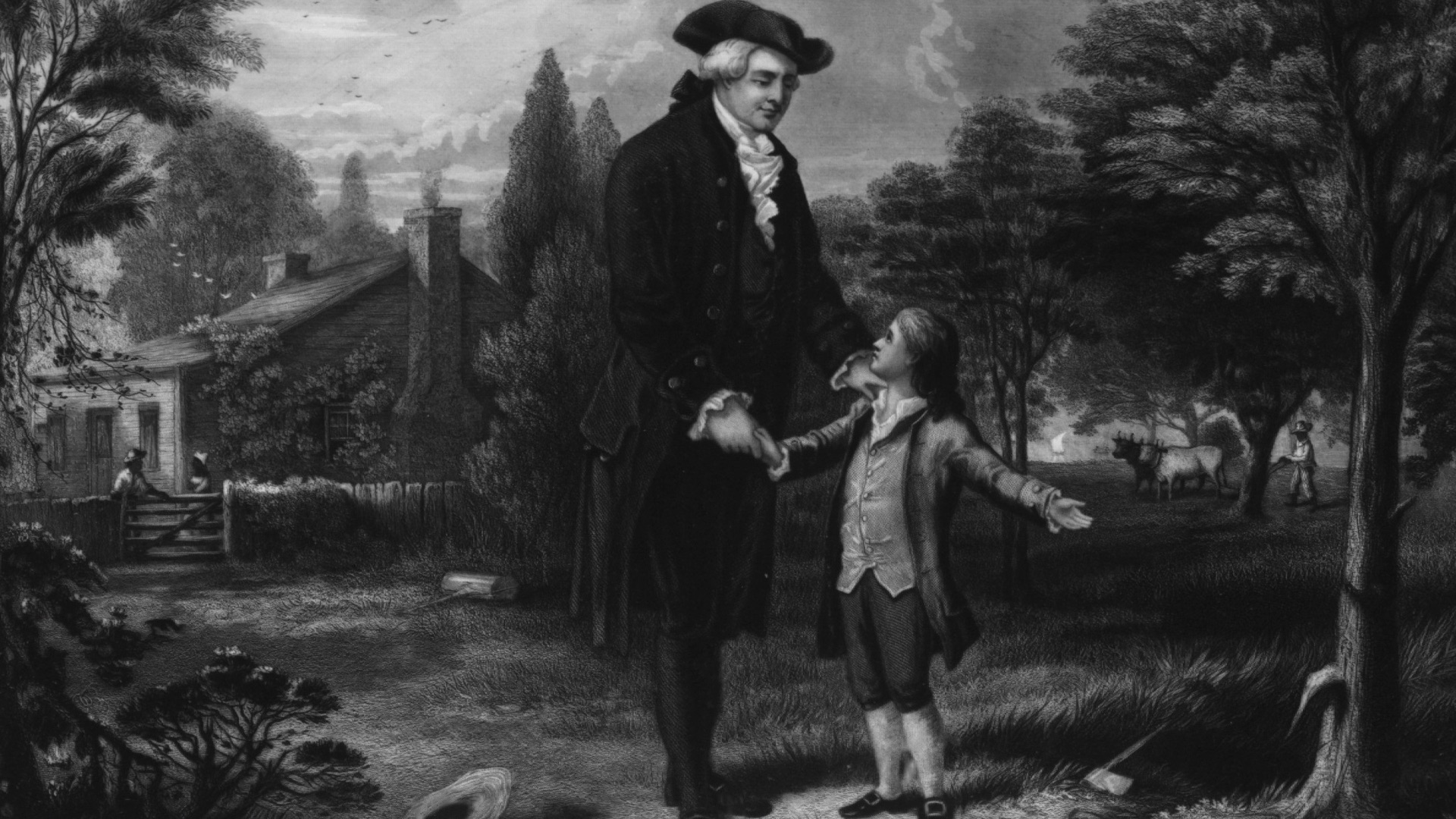
1. George Washington Cutting Down the Cherry Tree
The story of young George Washington chopping down a cherry tree and then confessing, “I cannot tell a lie,” has long been treated as a perfect little lesson in American virtue. The problem is that it doesn’t appear in Washington’s childhood records, family papers, or any account from someone who knew him as a boy. It surfaced years after his death in Mason Locke Weems’ popular biography, which helped turn Washington into an almost impossibly moral national figure. The tale endured because it was simple, flattering, and easy to repeat, not because it was documented.
 John C. McRae after a painting by G. G. White on Wikimedia
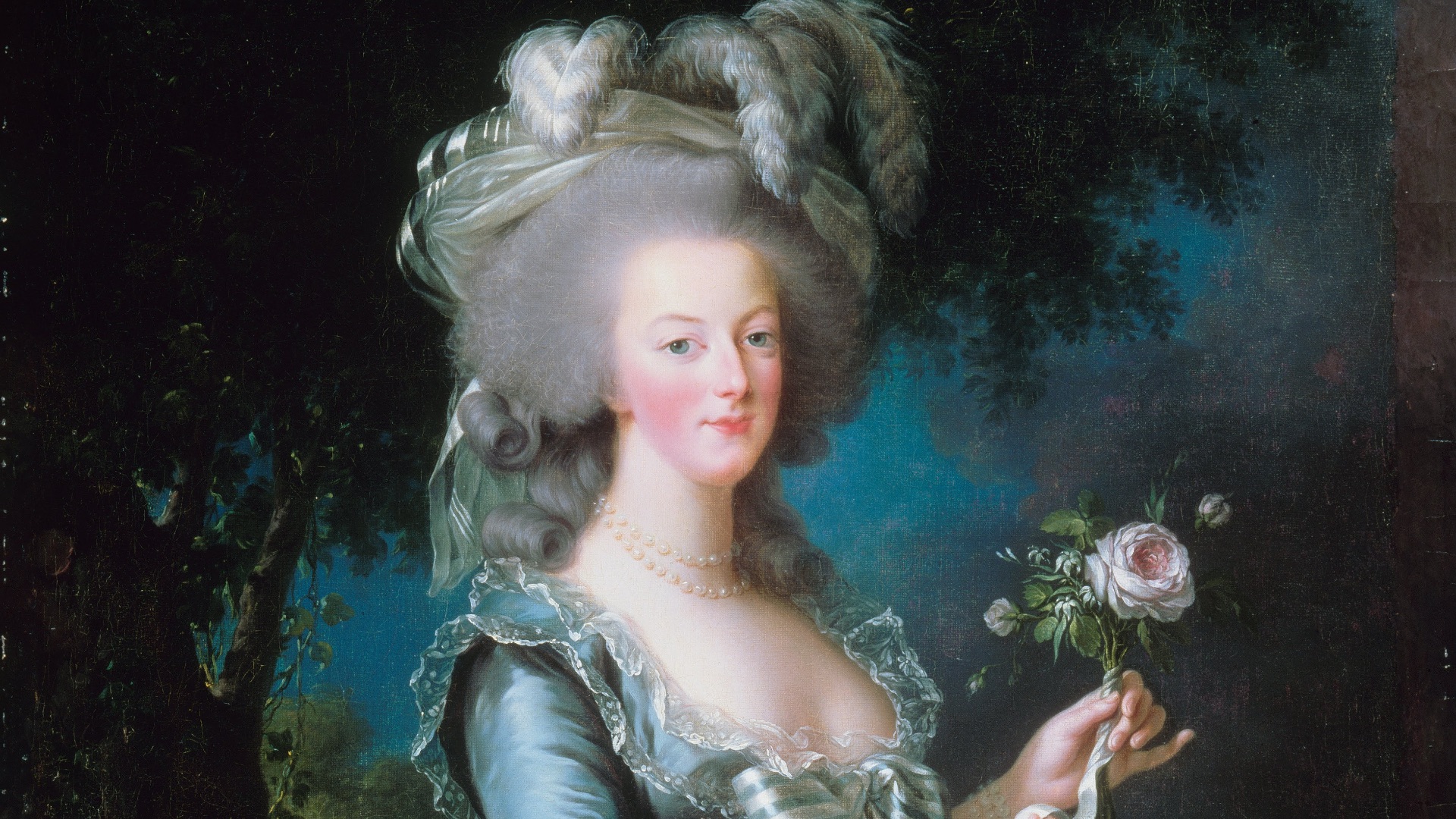
2. Marie Antoinette Saying “Let Them Eat Cake”
Marie Antoinette is still widely blamed for sneering “Let them eat cake” when told that French peasants had no bread. There’s no solid evidence she ever said it, and versions of the phrase (“Qu’ils mangent de la brioche”) were circulating before she was even queen. During the French Revolution, the quote was useful because it made her seem extravagantly cruel and disconnected from ordinary suffering. Her real life was politically complicated enough, but this famous line almost certainly doesn’t belong to her.
 Élisabeth Louise Vigée Le Brun on Wikimedia
3. Columbus Proving the Earth Was Round
A familiar version of Christopher Columbus’s story claims he had to convince ignorant Europeans that the Earth wasn’t flat. In reality, educated Europeans in his time already understood that the world was round. The serious debate centered on distance, because Columbus badly underestimated how far west Asia was from Europe. His voyage changed history, but it wasn’t a heroic victory over flat-Earth thinking.
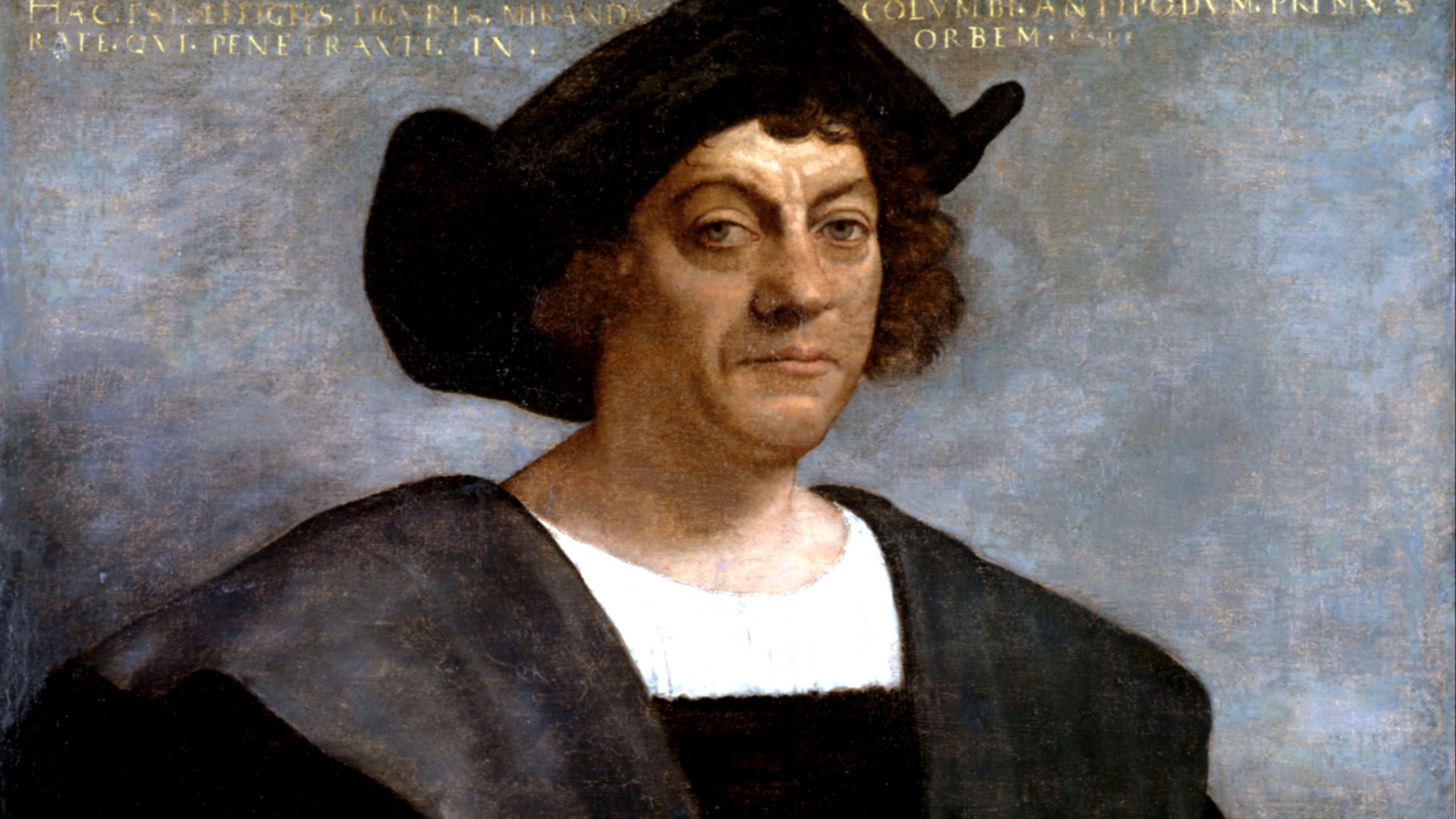 Sebastiano del Piombo on Wikimedia
4. Nero Fiddling While Rome Burned
The image of Emperor Nero playing a fiddle while Rome burned in A.D. 64 is one of history’s most durable accusations. It can’t be literally true, since the fiddle didn’t exist in ancient Rome. Some ancient writers later claimed Nero sang or performed around the time of the disaster, but those reports came through hostile sources and political rumor. The story survived because it reduced a complex imperial crisis into a single unforgettable charge of indifference.
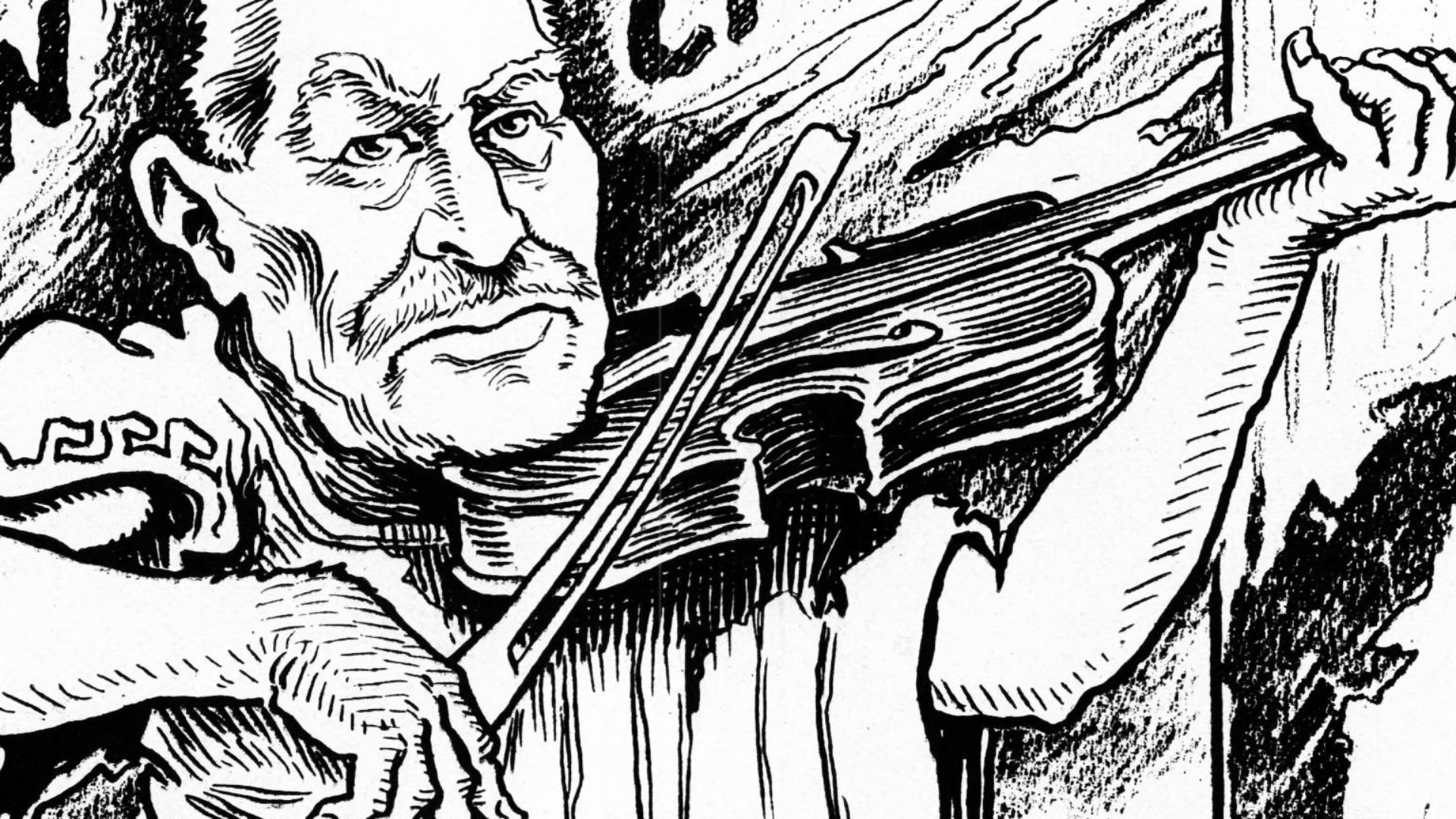 Bartholomew, Charles Lewis 'Bart', 1869-1949 on Wikimedia
5. Betsy Ross Designing the First American Flag
Betsy Ross is often credited with sewing the first American flag after a supposed visit from George Washington and other revolutionary figures. The story didn’t become widely known until nearly a century later, when her grandson promoted it through family testimony. There’s no contemporary evidence proving that Ross designed the flag, while Francis Hopkinson has stronger documentary claims connected to early flag design. Ross may well have made flags, but the famous origin scene is far from established history.
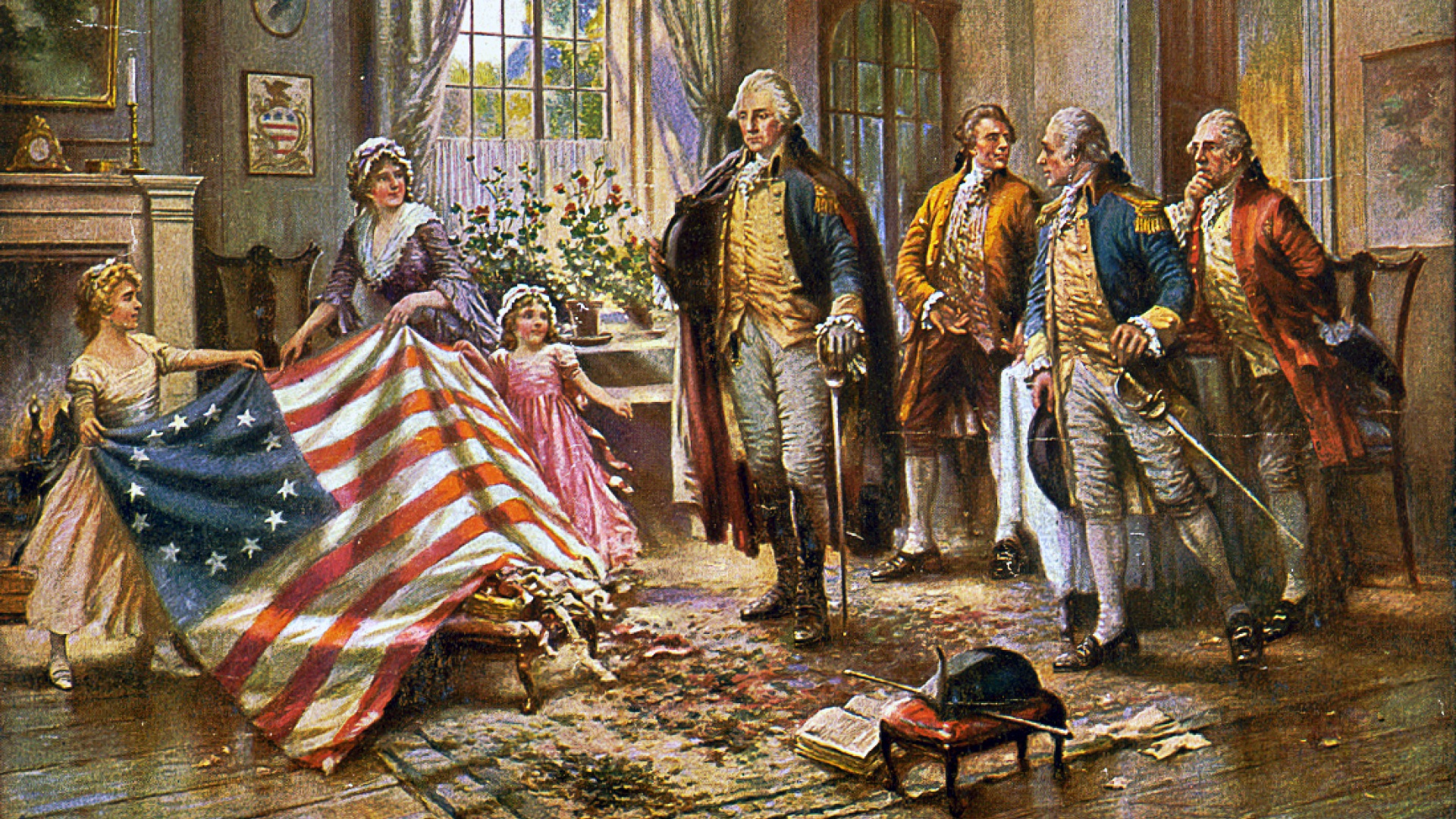 Edward Percy Moran on Wikimedia
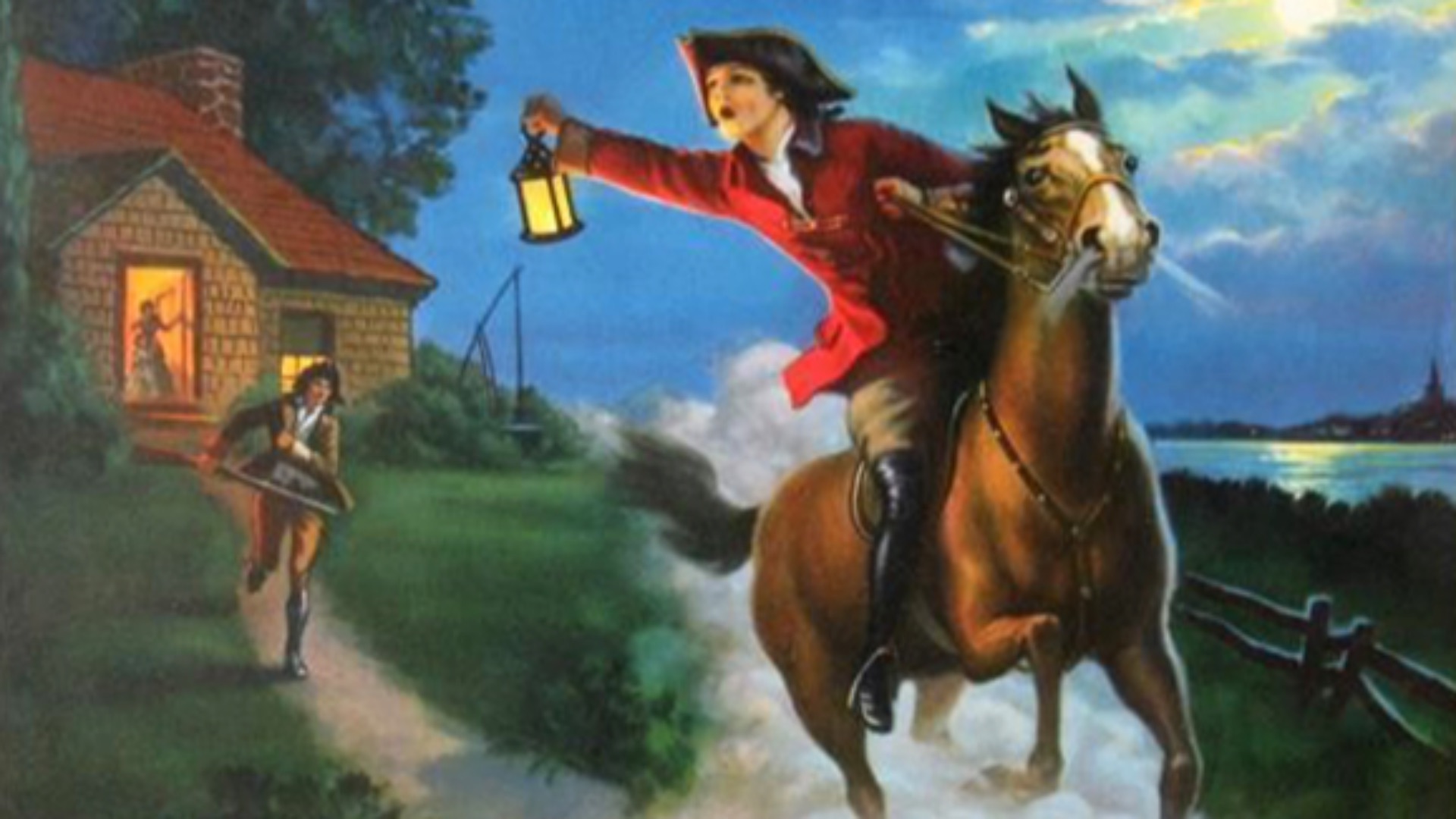
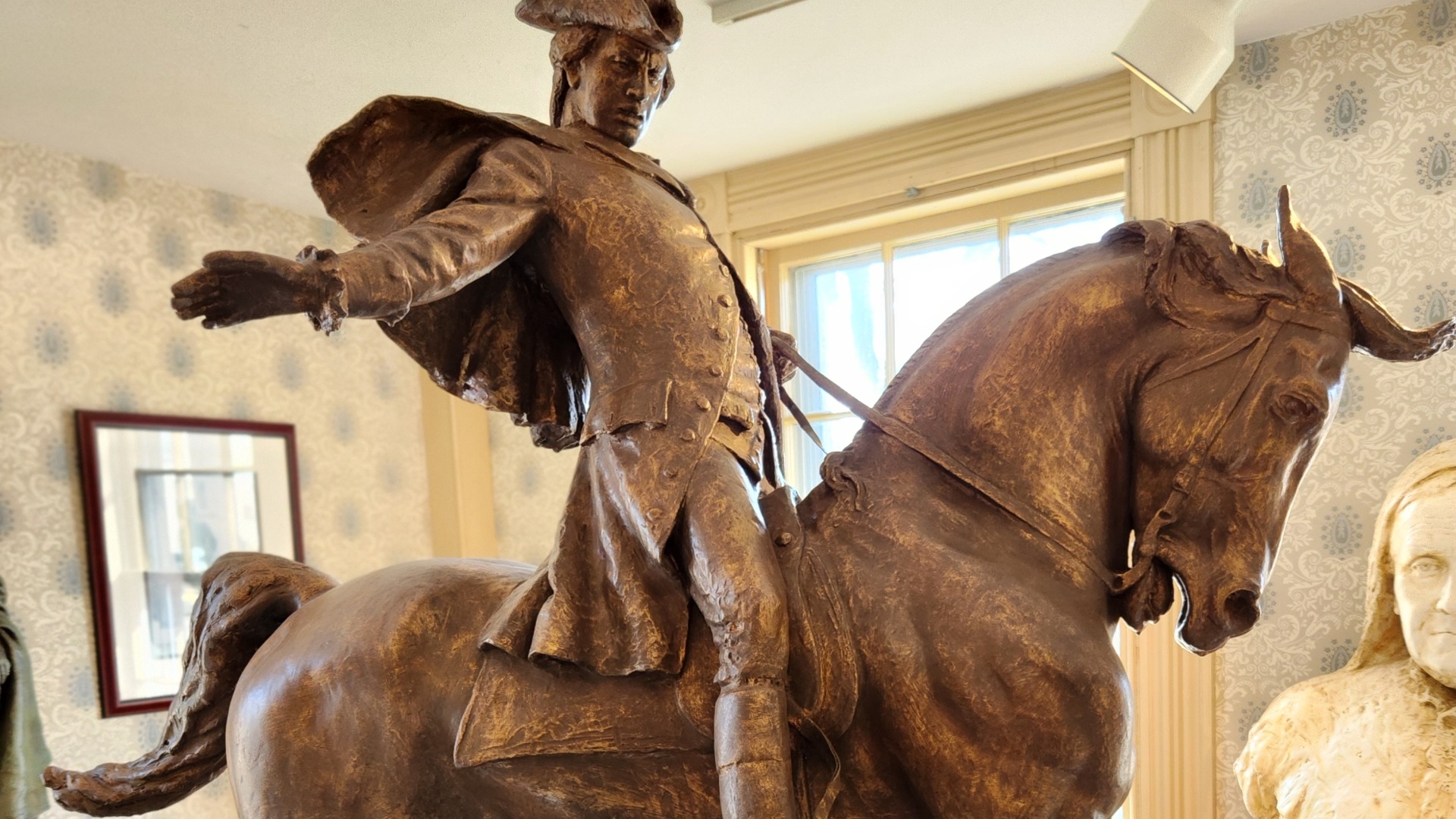
6. Paul Revere Riding Alone and Shouting “The British Are Coming”
Paul Revere really did ride on the night of April 18, 1775, to help warn colonial leaders before the battles of Lexington and Concord. Still, he wasn’t a lone rider racing through the countryside by himself. The warning system involved several people, including William Dawes and Samuel Prescott, and the famous cry “The British are coming” would’ve been both risky and oddly phrased at the time. Later storytelling, especially patriotic poetry, turned a coordinated alarm network into one man’s midnight mission.
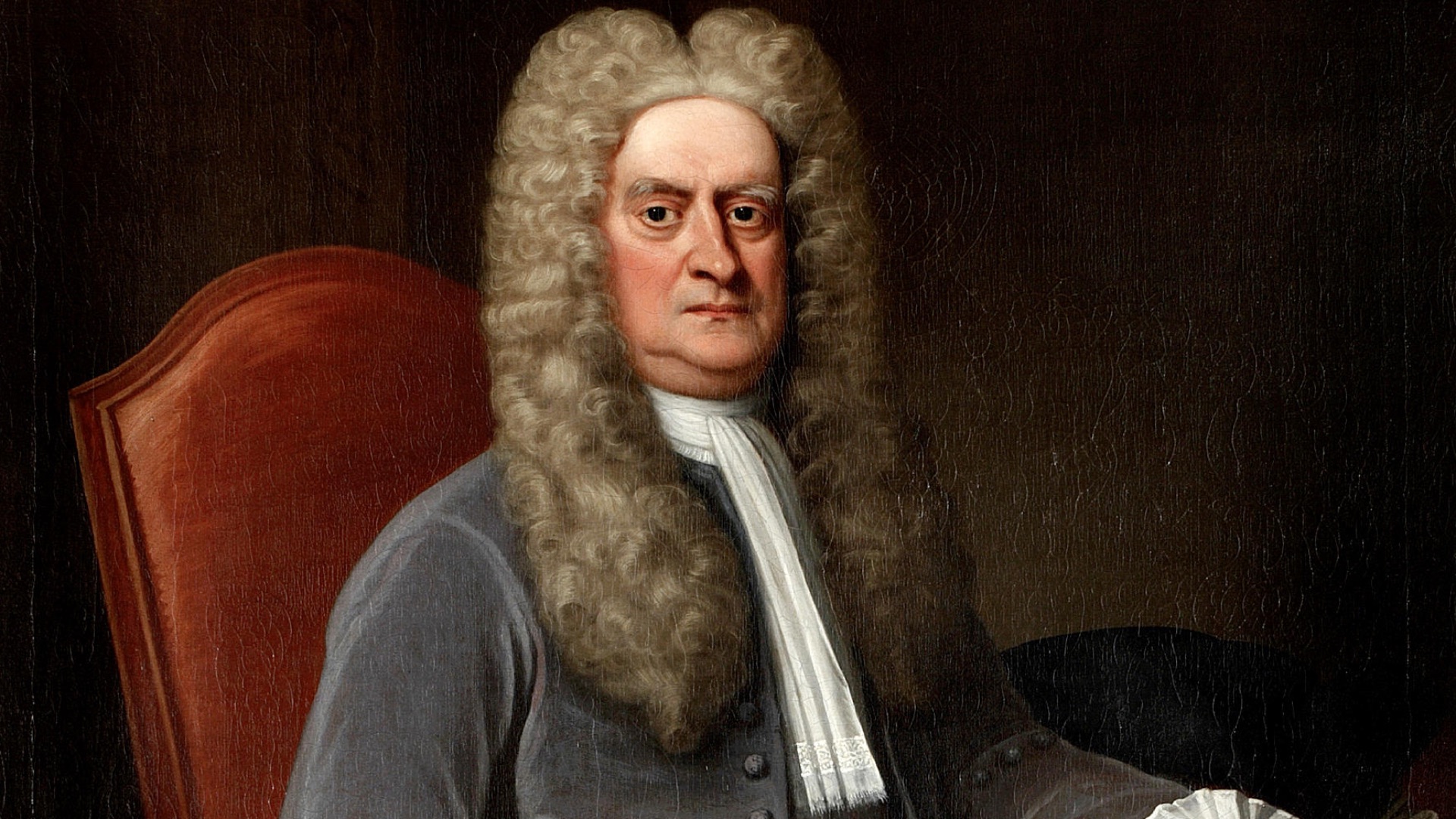
7. Newton Being Hit on the Head by an Apple
Isaac Newton did reflect on gravity after observing an apple fall, at least according to accounts close to him. The dramatic version where the apple smacks him on the head is the part that history can’t support. Newton’s work on gravity came through years of thought, mathematics, and scientific development, not one sudden bruise-inducing moment. The falling apple remains memorable, but the head injury belongs to legend.
 attributed to 'English School' on Wikimedia
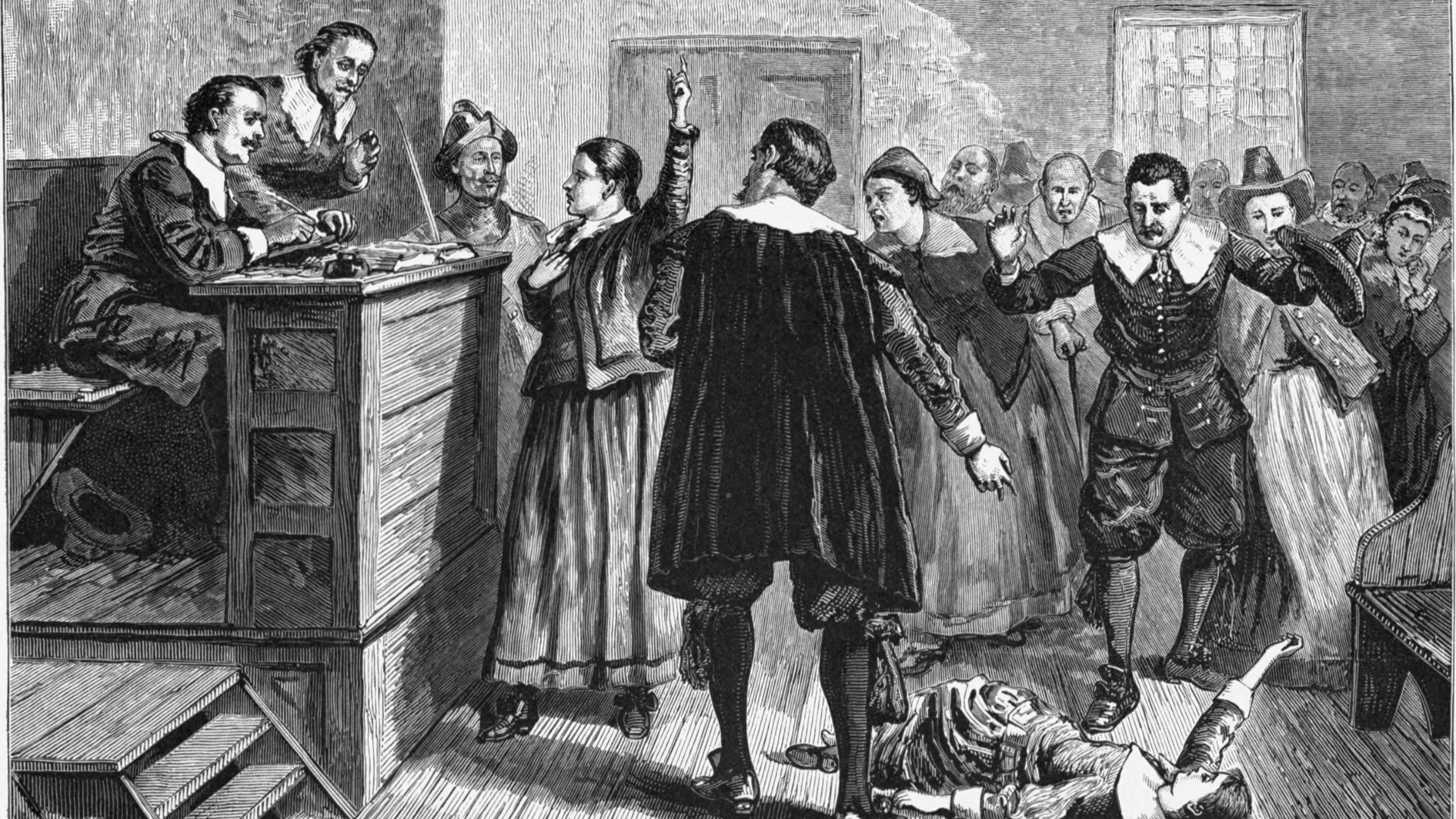
8. Salem’s Accused Witches Being Burned at the Stake
The Salem witch trials were real, and the panic that overtook colonial Massachusetts in 1692 had deadly consequences. However, the accused were not burned at the stake. Nineteen people were hanged, and Giles Corey died after being pressed with heavy stones when he refused to enter a plea. The burning-at-the-stake image likely comes from European witch trials, where execution by fire did occur in some places.
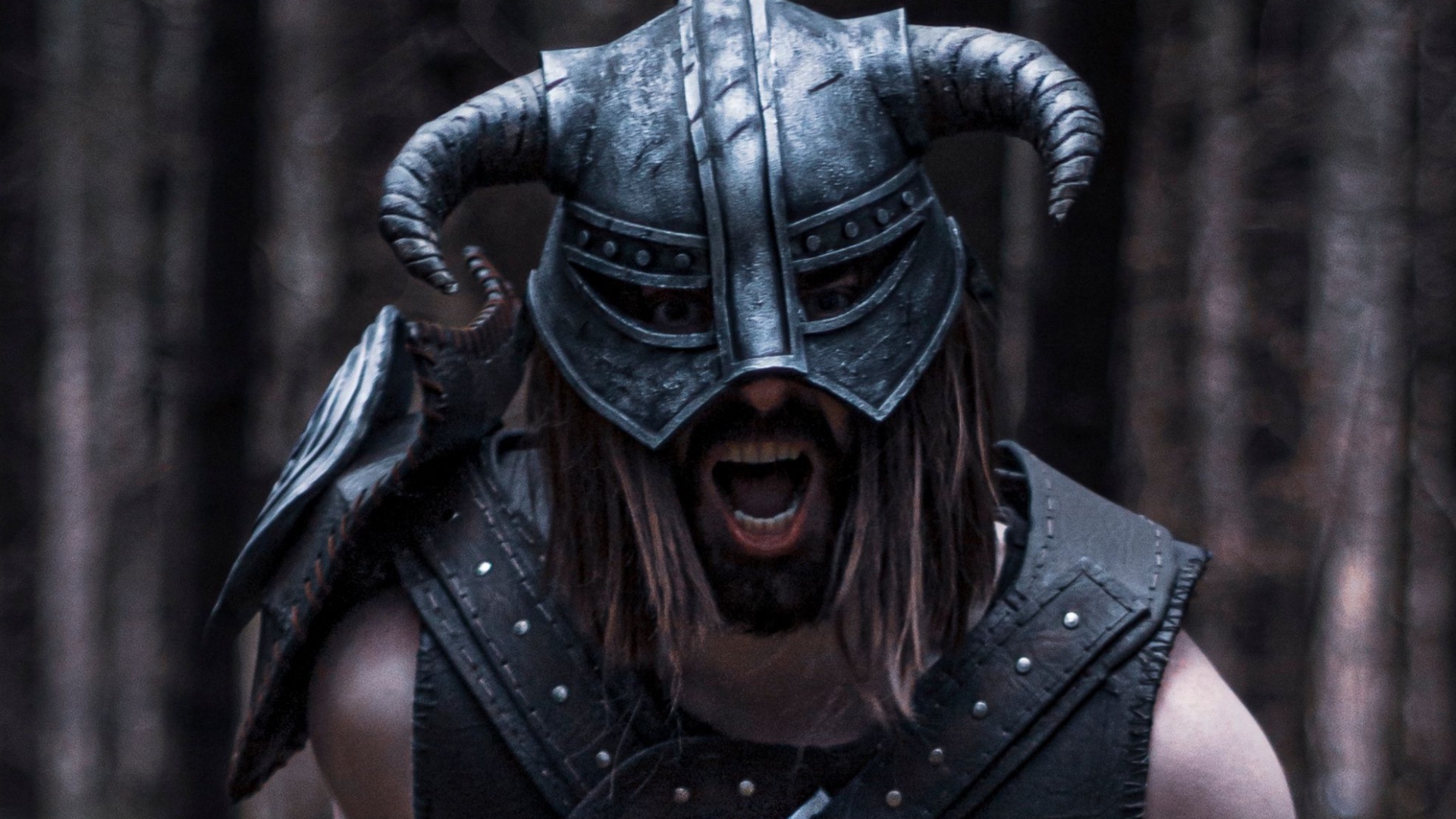
9. Vikings Wearing Horned Helmets Into Battle
The horned Viking helmet has become one of the most recognizable images attached to Norse warriors. Archaeological evidence doesn’t support the idea that Viking fighters wore horned helmets into battle. The look became popular much later, especially through 19th-century art, opera, and costume design. Real Viking armor was made for survival, and horns would’ve been impractical in close combat.
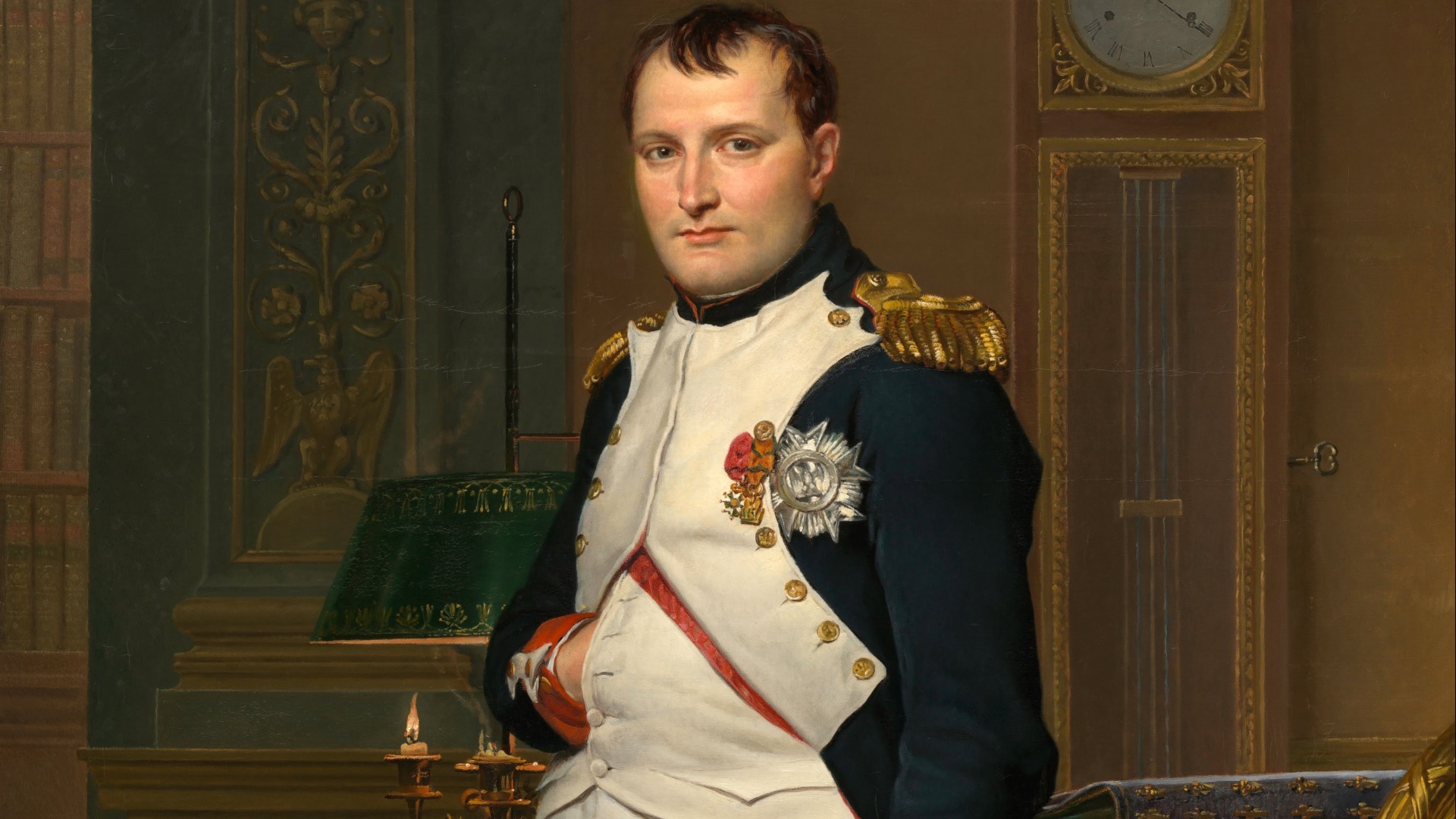
10. Napoleon Being Ridiculously Short
Napoleon Bonaparte is still treated as the ultimate example of a powerful man compensating for being short. He wasn’t unusually small for his era, and the myth grew from a mix of measurement confusion and hostile British caricature. French and British units didn’t match neatly, which helped distort how his height was understood outside France. Over time, political mockery hardened into one of the most persistent personal myths in European history.
 Jacques-Louis David on Wikimedia
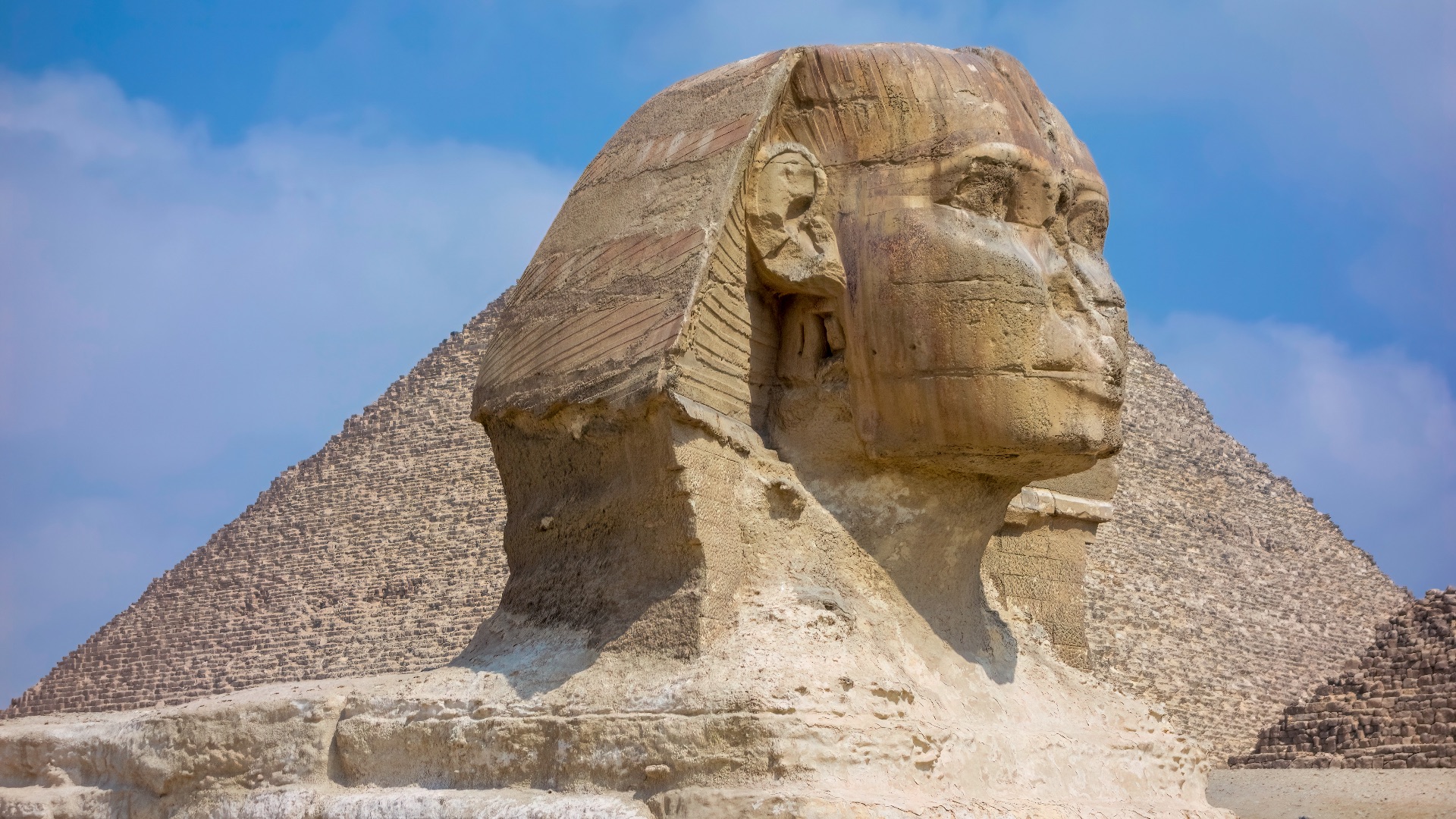
11. Napoleon’s Soldiers Shooting the Nose Off the Sphinx
A long-running story claims Napoleon’s soldiers blasted the nose off the Great Sphinx of Giza by using it for target practice. The damage is older than Napoleon’s Egyptian campaign, and drawings made before his arrival already show the Sphinx without its nose. Other explanations point to earlier deliberate defacement, though the exact details remain debated. What’s clear is that Napoleon’s troops didn’t create the famous missing-nose image.
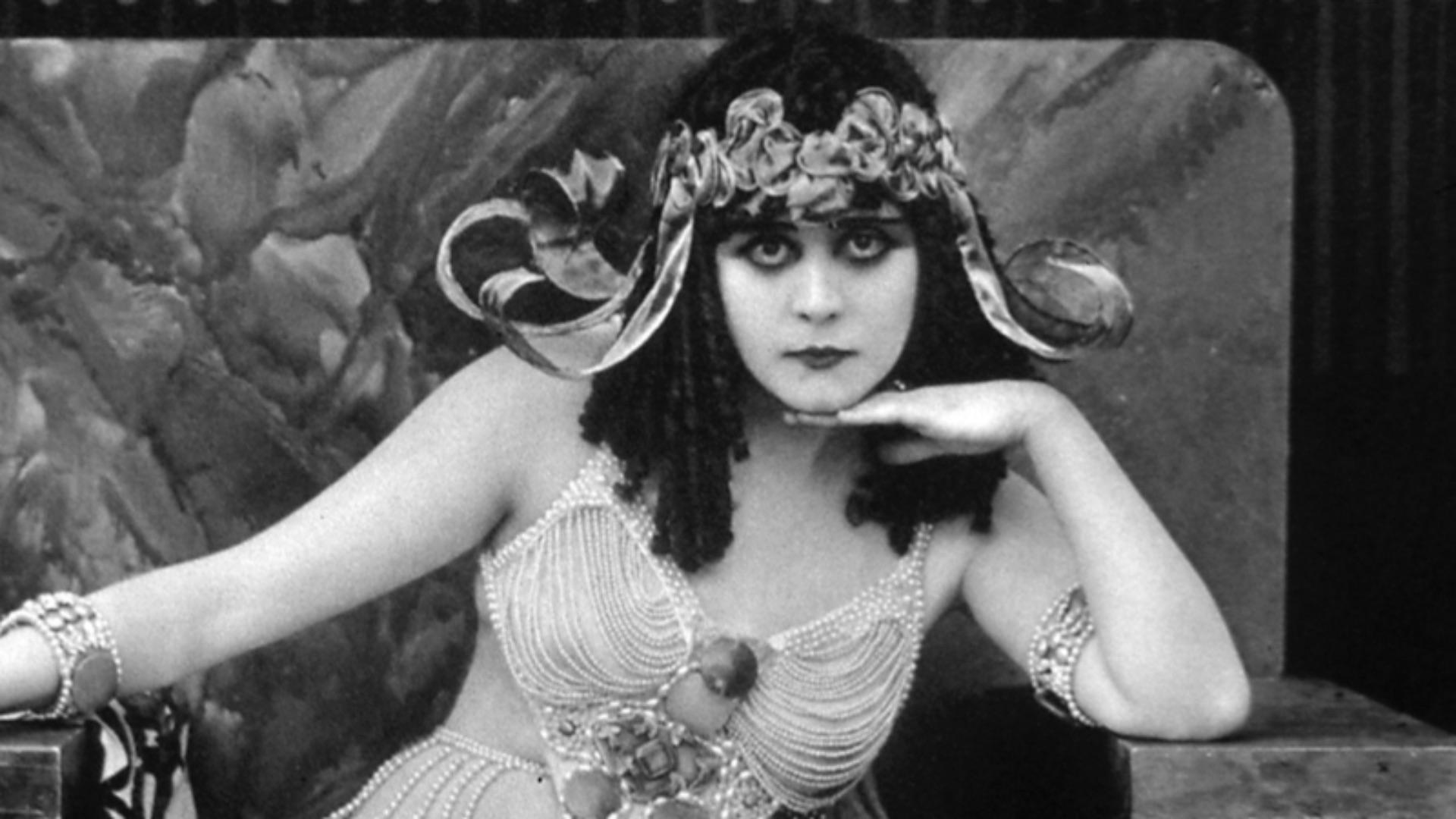
12. Cleopatra Dying from an Asp Bite
Cleopatra’s death in 30 B.C. is usually pictured as a perfectly staged royal suicide, with an asp smuggled into her chambers and placed against her body. The ancient evidence is much less tidy. Roman-era writers described different possibilities, including a snakebite, poisoned ointment, or poison introduced with a sharp implement. Cleopatra almost certainly died by suicide after Octavian’s victory, but the famous snake scene belongs as much to later art and drama as to reliable history.
 Fox Film Corporation on Wikimedia
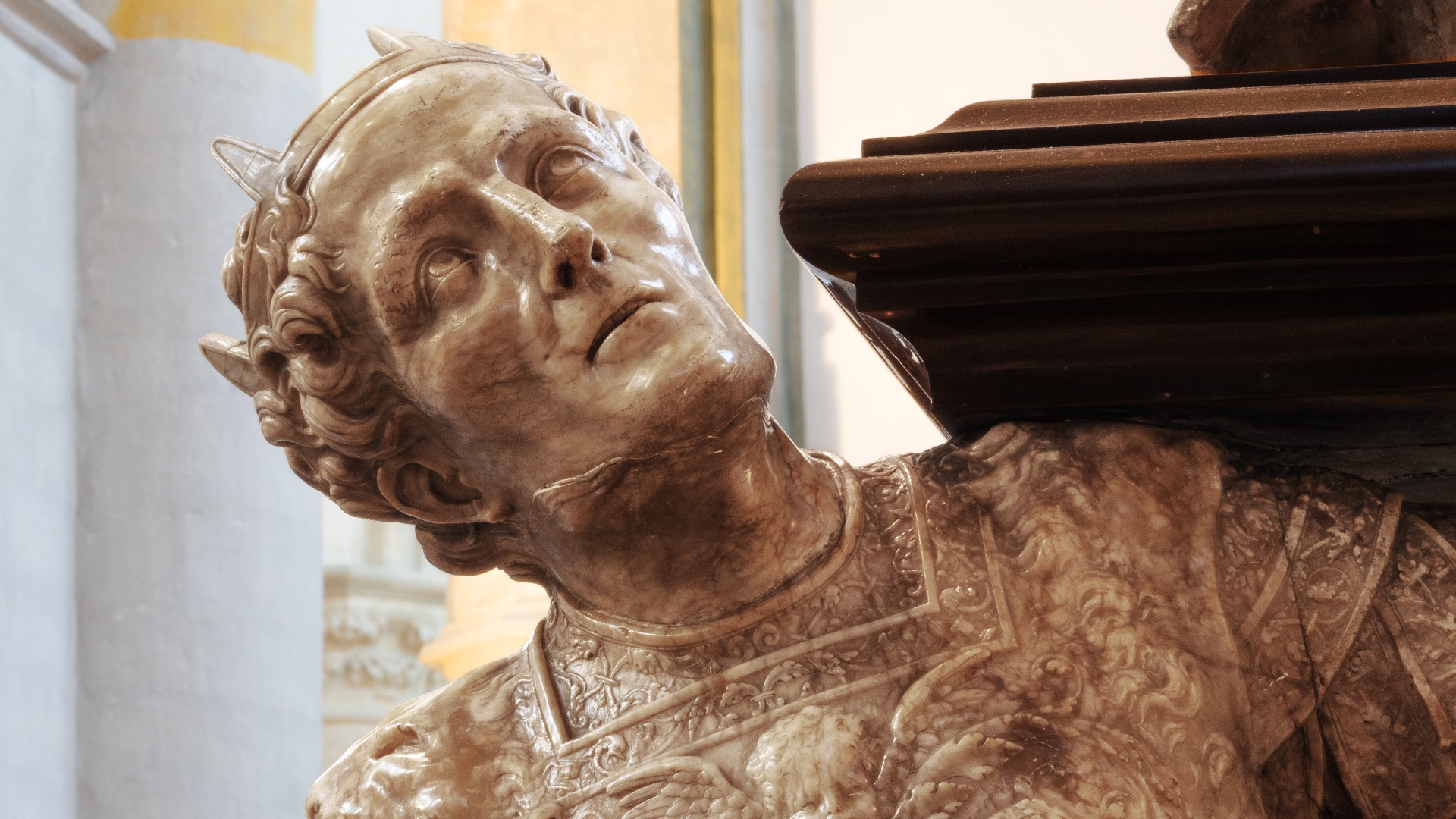
13. Julius Caesar Saying “Et Tu, Brute?”
Julius Caesar’s assassination on the Ides of March in 44 B.C. is one of the most famous political killings in history, but his supposed last words are much less certain. The line “Et tu, Brute?” comes mainly from Shakespeare, whose version turned betrayal into a scene English-speaking audiences never forgot. Ancient sources offer different possibilities, including the Greek phrase “You too, child?” or the possibility that Caesar said nothing after the attack began. The assassination happened, but the famous Latin farewell belongs more to theater than to reliable history.
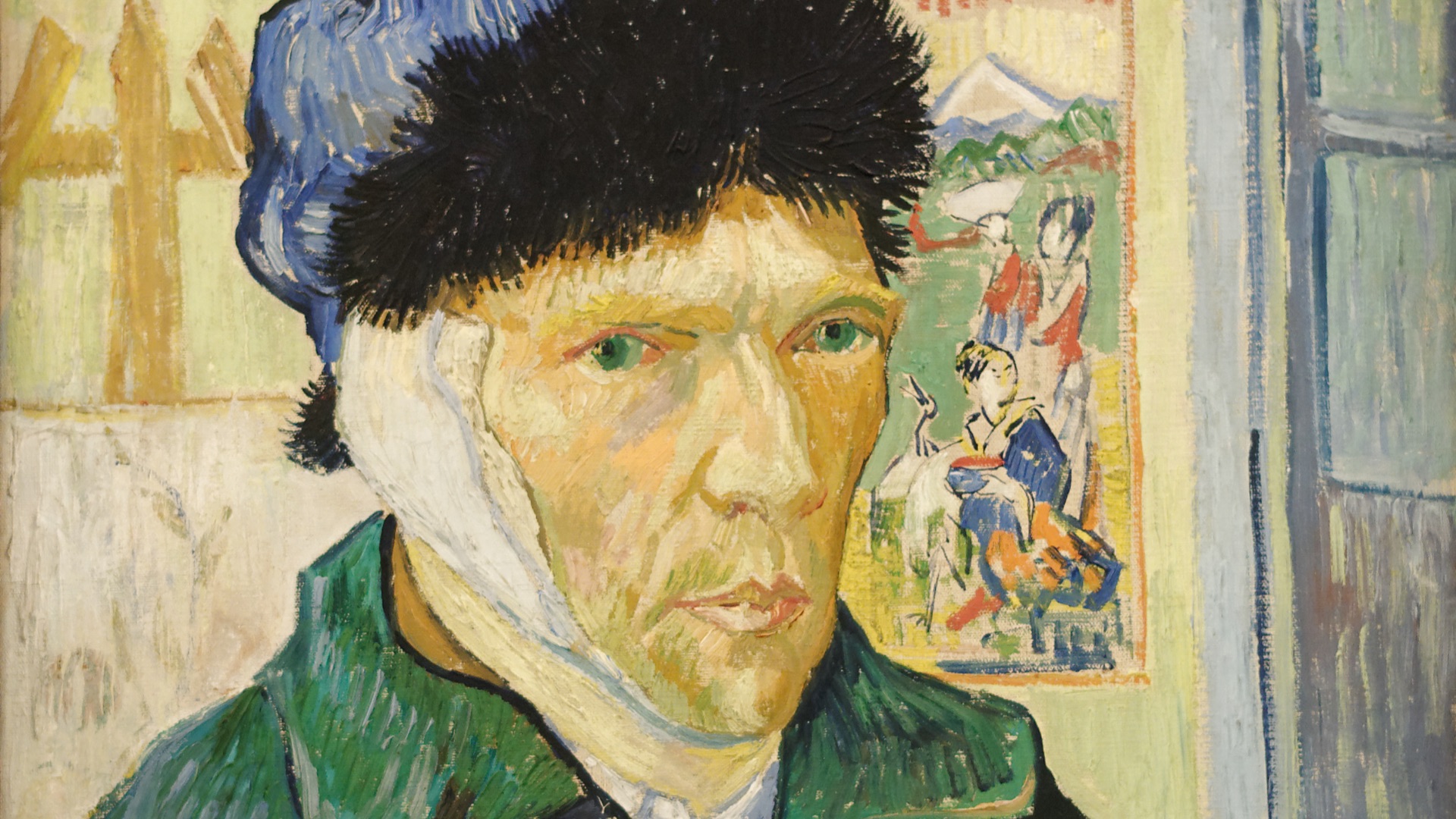
14. Vincent van Gogh Cutting Off His Entire Ear
Vincent van Gogh really did mutilate his left ear in Arles in December 1888, so this story isn’t a complete invention. What’s less certain is how it happened and what led up to the incident. Historians generally agree that the act was caused by a severe mental breakdown during the period when he was living and working near Paul Gauguin, whom he'd chased with the razor before turning it on himself, though some believe it might have been exacerbated by absinthe. The horrid act may have even been a plea for help.
15. Pocahontas and John Smith Having a Romance
Pocahontas and John Smith have often been portrayed as tragic romantic figures, but that version doesn’t match the historical timeline. Pocahontas was a child when Smith was in Virginia, while he was an adult English colonist. Smith later wrote about her saving his life, but historians continue to debate the meaning and reliability of that account. The romance came later, reshaping a complex colonial encounter into a much simpler story.
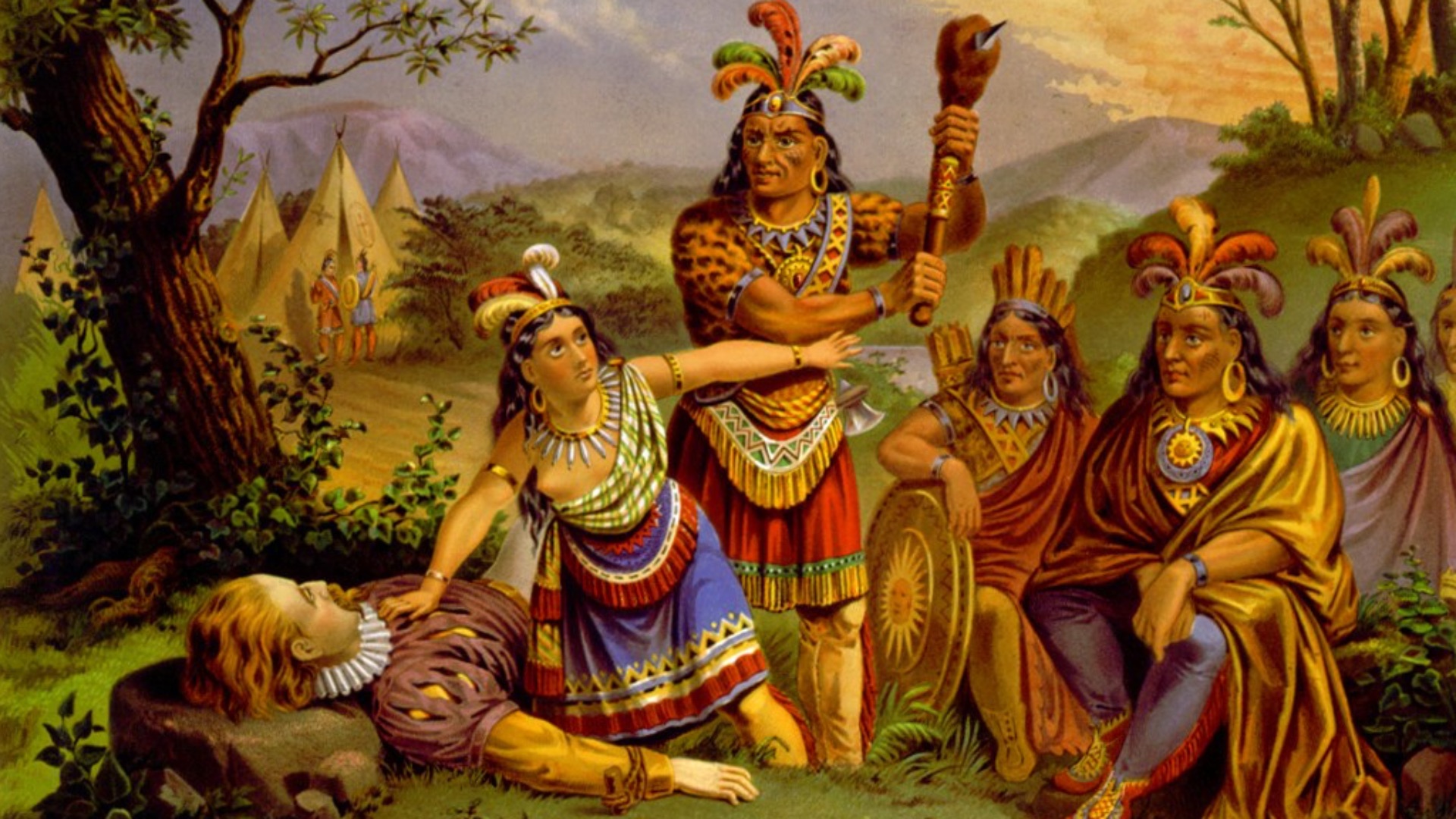 New England Chromo. Lith. Co. on Wikimedia
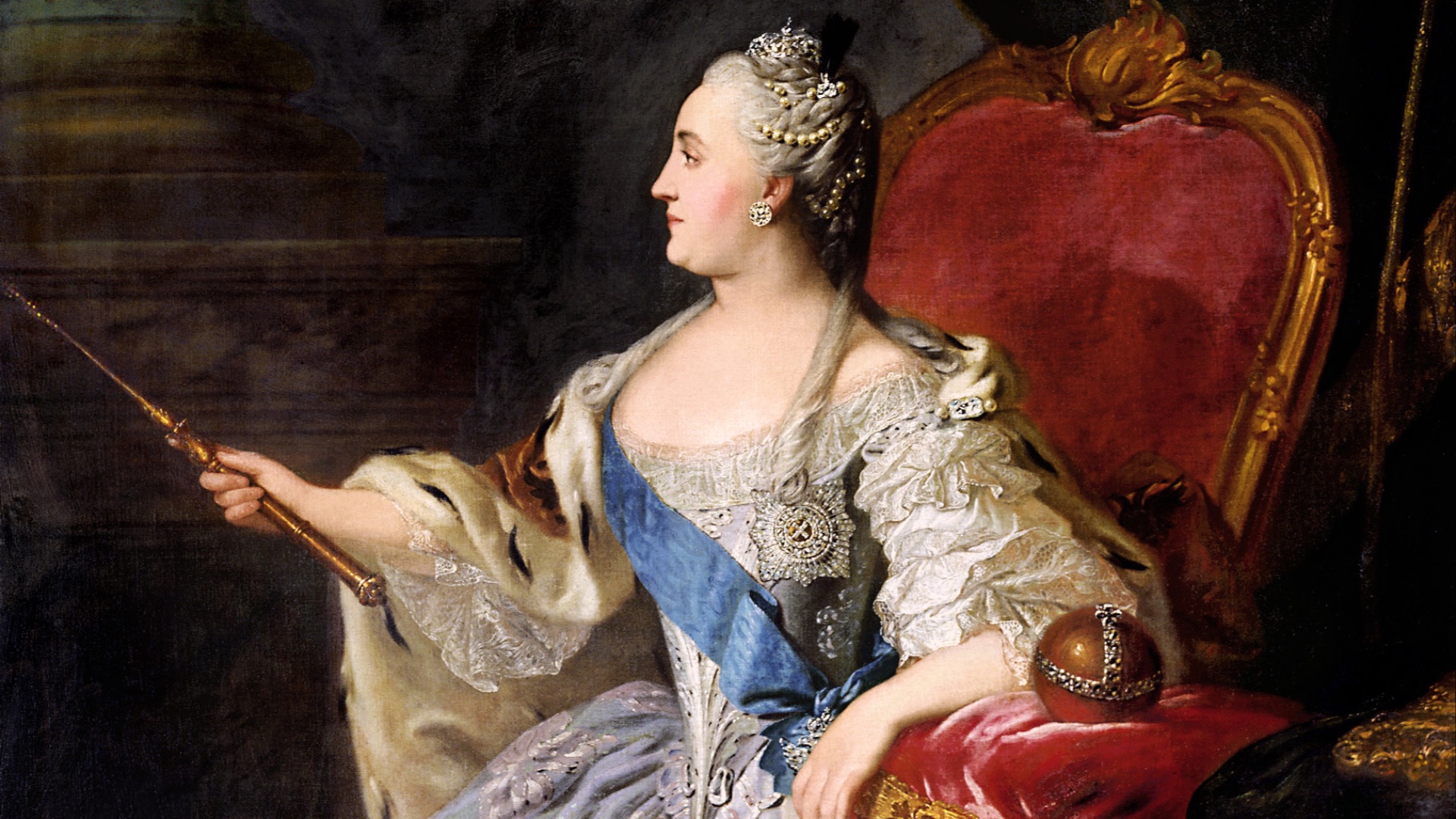
16. Catherine the Great Dying in a Horse Accident
Catherine the Great’s death has been surrounded by vulgar rumors for centuries, including the false claim that she died in a scandal involving a horse. That event never happened. She died in 1796 after suffering a stroke, and the more sensational story was political slander aimed at degrading her reputation. Powerful women in history have often attracted myths designed to turn authority into embarrassment.
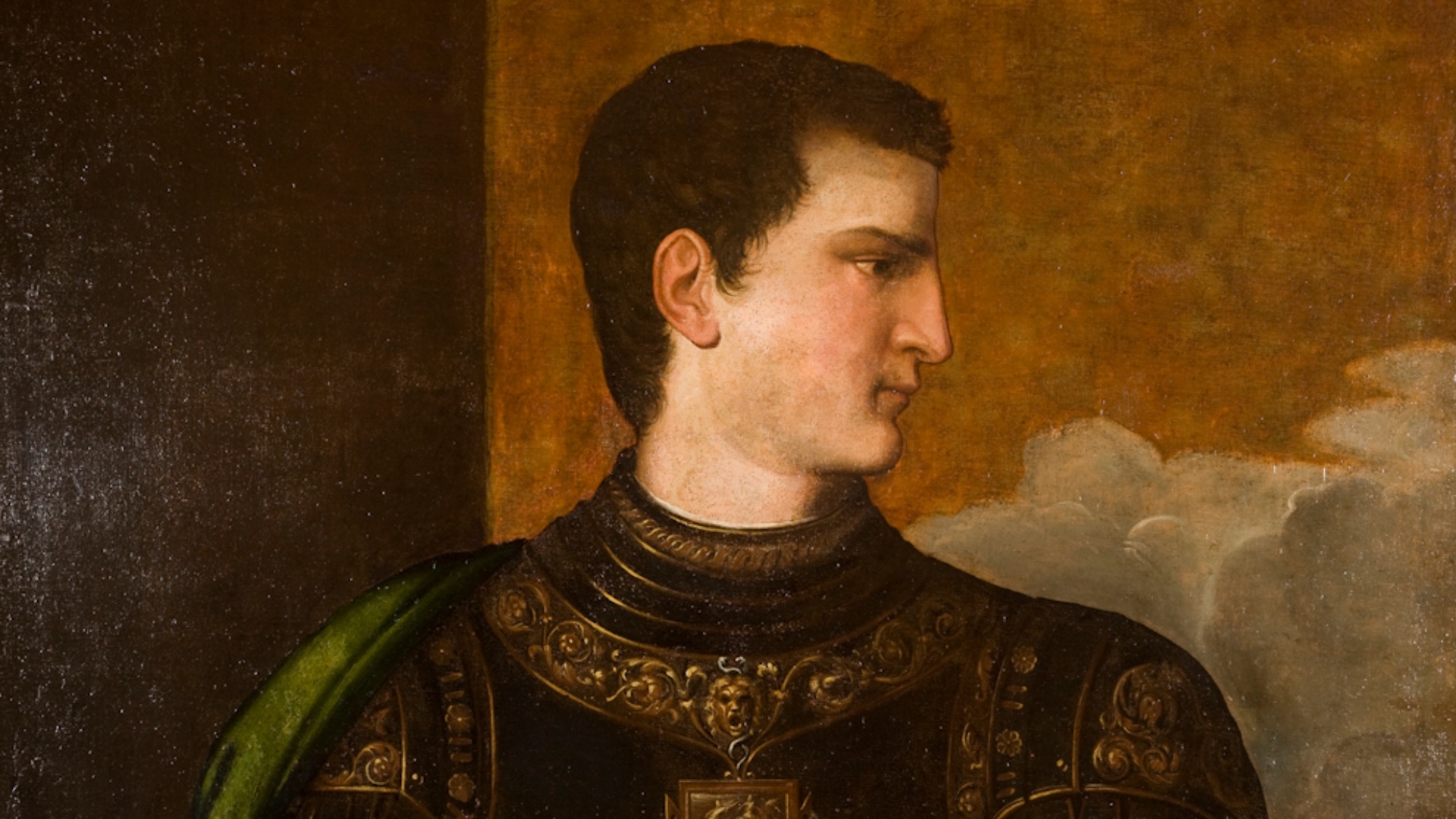
17. Caligula Making His Horse a Roman Consul
The Roman emperor Caligula is often said to have appointed his beloved horse, Incitatus, as consul. Ancient sources describe Caligula pampering the horse and possibly threatening to give it high office, but there’s no evidence that the appointment actually happened. The story may have been satire, political insult, or a way for later writers to capture how outrageous his rule seemed. It remains famous because it expresses a reputation, even if the event itself didn’t occur.
18. The Black Death Being Caused by Rats
Contrary to what most people believe, the Black Death wasn’t actually caused by rats (at least not entirely) but by the bacterium Yersinia pestis, which spread through several possible routes. For generations, the familiar explanation blamed black rats and their fleas for carrying plague across Europe, but that tidy version has become harder to defend as the whole story. Some researchers argue that human fleas and body lice may have done more to accelerate transmission during the 14th-century pandemic than commensal rats alone. Rats still matter in plague history, but turning them into the single cause of the Black Death oversimplifies one of history’s deadliest disasters.

19. The Egyptian Pyramids Being Built by Slaves
The image of enslaved people dragging stones across the desert has shaped how many people picture the Egyptian pyramids. Modern archaeology tells a different story, especially at Giza, where evidence points to organized crews of Egyptian laborers who were housed, fed, and supported near the construction site. These workers were not simply disposable captives; they belonged to a massive state-run labor system tied to royal authority, seasonal work, and skilled organization. Ancient Egypt did use forced labor in other contexts, but the familiar scene of the pyramids rising from slave gangs is more movie tradition than historical fact.

20. Walt Disney Being Cryogenically Frozen
A surprisingly persistent rumor claims Walt Disney had his body frozen after death so he could be revived in the future. He was actually cremated after he died in 1966. The rumor likely spread because Disney’s name was so strongly associated with technology, futurism, and ambitious imagination. It’s a modern urban legend, not a hidden chapter in entertainment history.
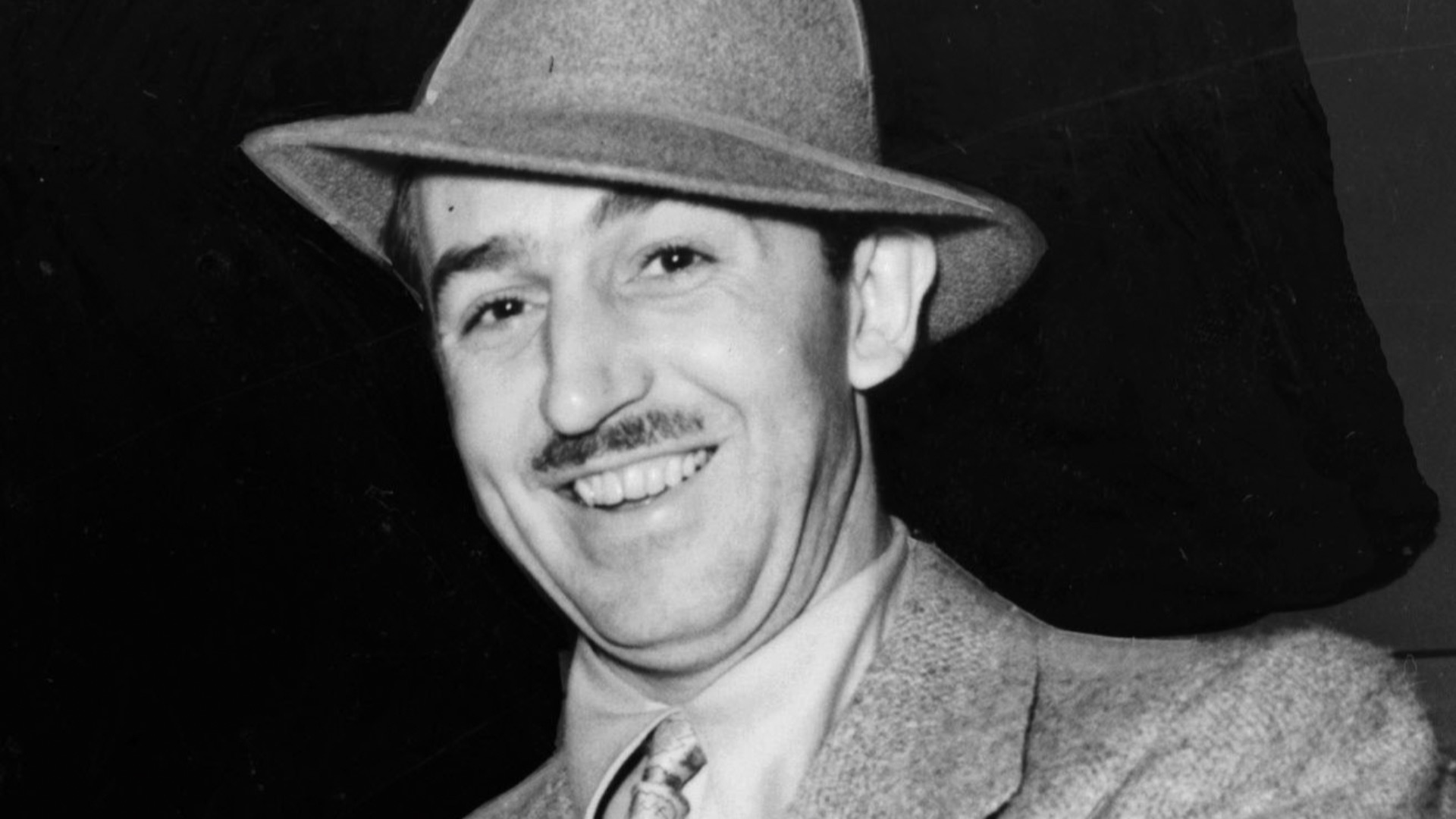 New York World-Telegram and the Sun staff photographer: Fisher, Alan, photographer. on Wikimedia
KEEP ON READING

10 Greatest Quarterbacks Of All Time & 10 That Are…
Do You Disagree?. Few topics in sports generate as much…
By Farva Ivkovic Dec 2, 2025
The story of Ching Shih, the Woman Who Became the…
Unknown author on WikimediaFew figures in history are as feared…
By Emilie Richardson-Dupuis Dec 29, 2025
20 Shakespearean Words, Translated For A Modern Audience
What’s In A Word?. Shakespeare was a wordsmith of the…
By Breanna Schnurr Dec 17, 2025
20 Inspiring Stories From Native American History
Incredible Stories Of Resilience And Endurance. Many of us didn't…
By Ashley Bast Dec 17, 2025
You Think You Have Problems? These Royal Families Were Cursed
Boasson and Eggler St. Petersburg Nevsky 24. on WikimediaHeavy is…
By Ashley Bast Dec 5, 2025
MH370: The Plane That Can't Be Found
Anna Zvereva from Tallinn, Estonia on WikimediaEleven years after Malaysia…
By Christy Chan Dec 10, 2025