20 Times Secret Love Children Completely Altered The Course Of History
Hidden Heirs Who Left A Lasting Mark
Throughout history, powerful families have often worked hard to protect their reputations, which sometimes meant keeping children born outside of marriage out of the public eye. Despite those efforts, many of these sons and daughters went on to influence politics, wars, royal successions, literature, and even entire nations. Whether they eventually gained recognition or remained controversial figures, their lives often had consequences that reached far beyond their own families.
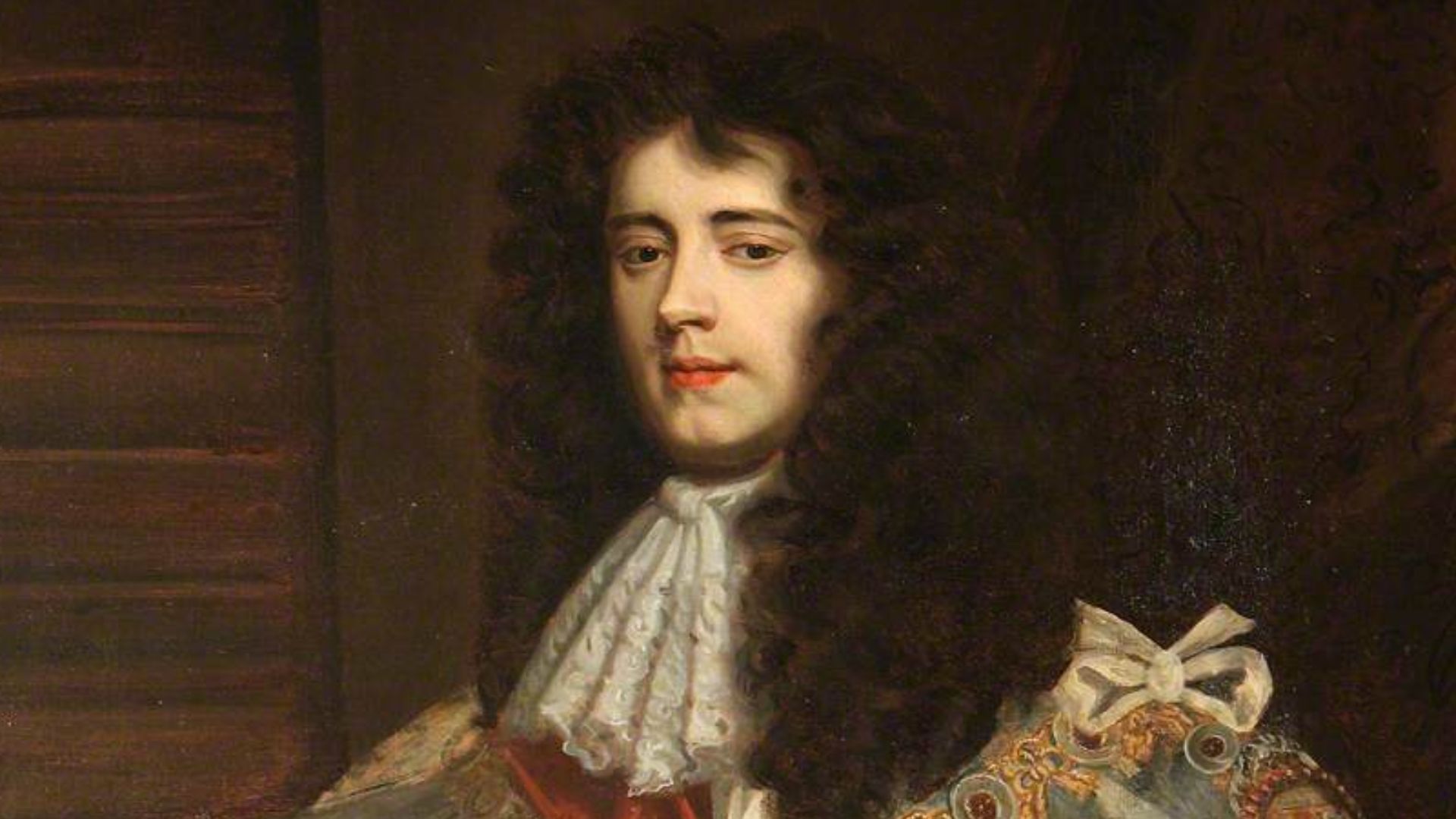
1. William The Conqueror Changed England Forever
William the Conqueror was born to Duke Robert I of Normandy and Herleva, who wasn't married to the duke, earning him an insulting nickname. Despite the stigma surrounding his birth, he secured control of Normandy and invaded England in 1066. His victory at the Battle of Hastings transformed English government, law, language, and culture for centuries afterward.
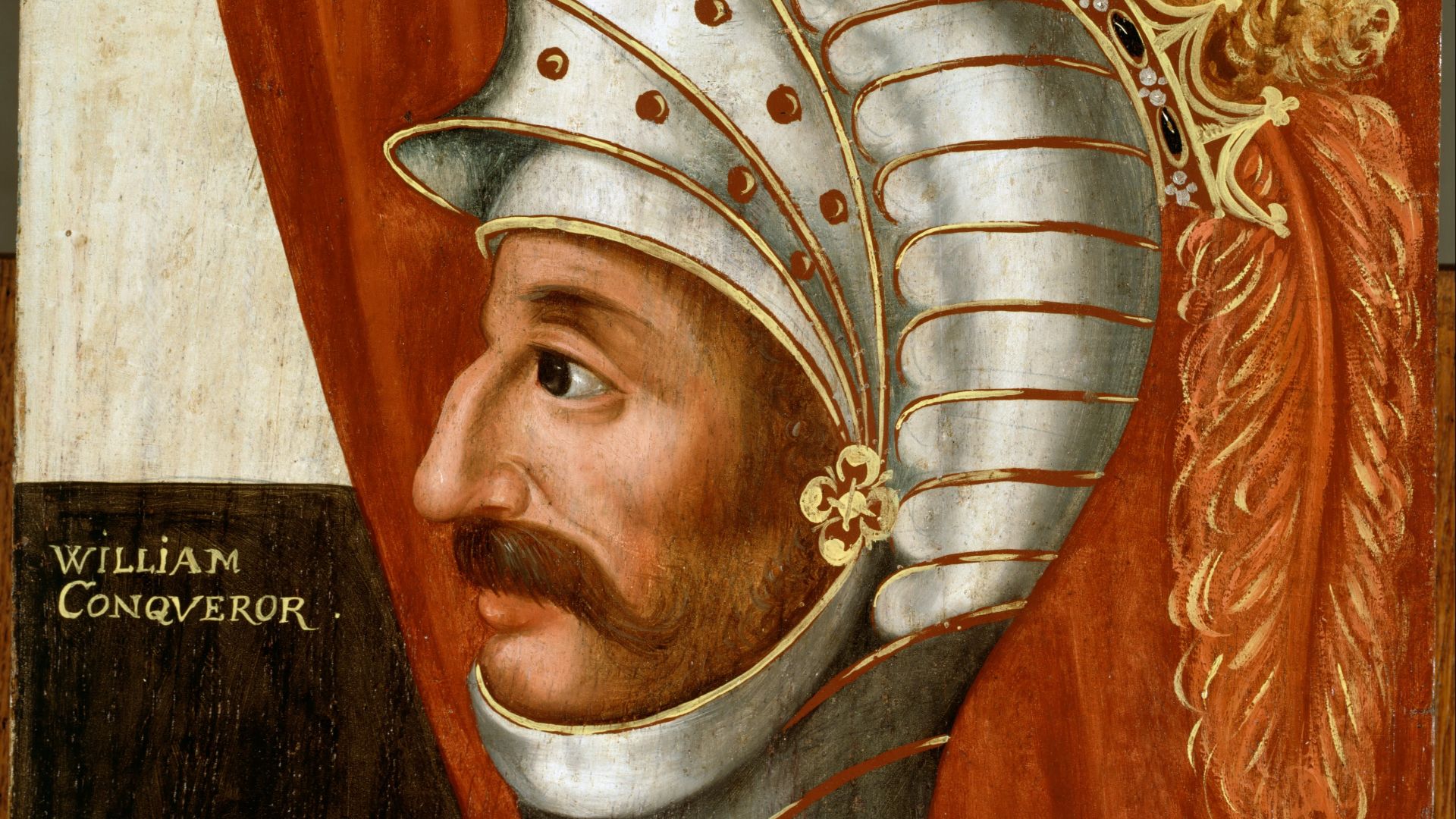 British – School Details on Google Art Project on Wikimedia
2. Henry FitzRoy Nearly Became King Of England
Henry FitzRoy was King Henry VIII’s illegitimate son, whom Henry VIII made Duke of Richmond. Henry FitzRoy had more power and prestige as the king’s son than most illegitimate children born to royalty. There was even a period when it seemed possible that Henry VIII would attempt to put him in the line of succession due to the lack of legitimate male heirs.
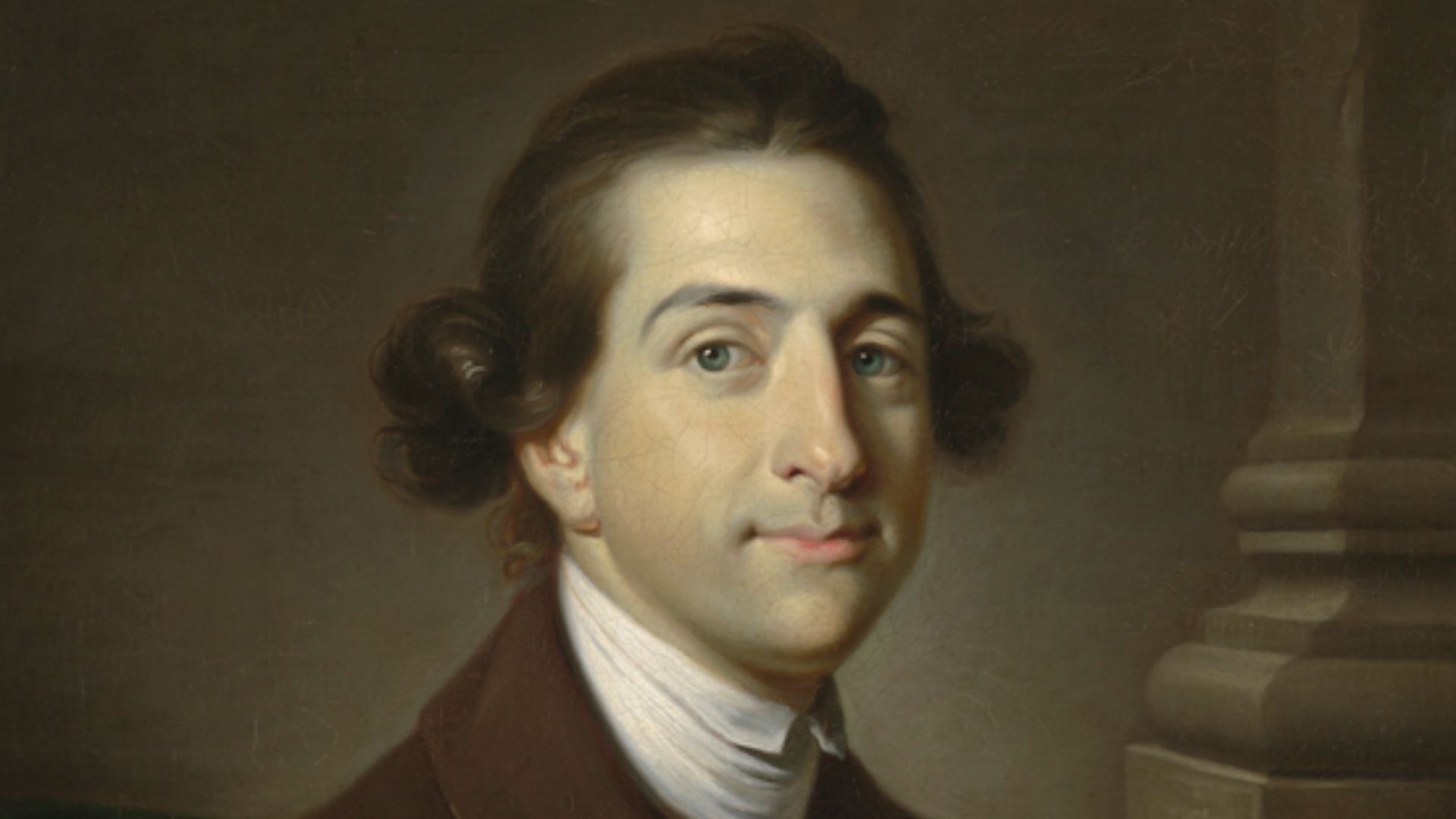 Sir Nathaniel Dance-Holland on Wikimedia
3. Don John Of Austria Led A Defining Military Victory
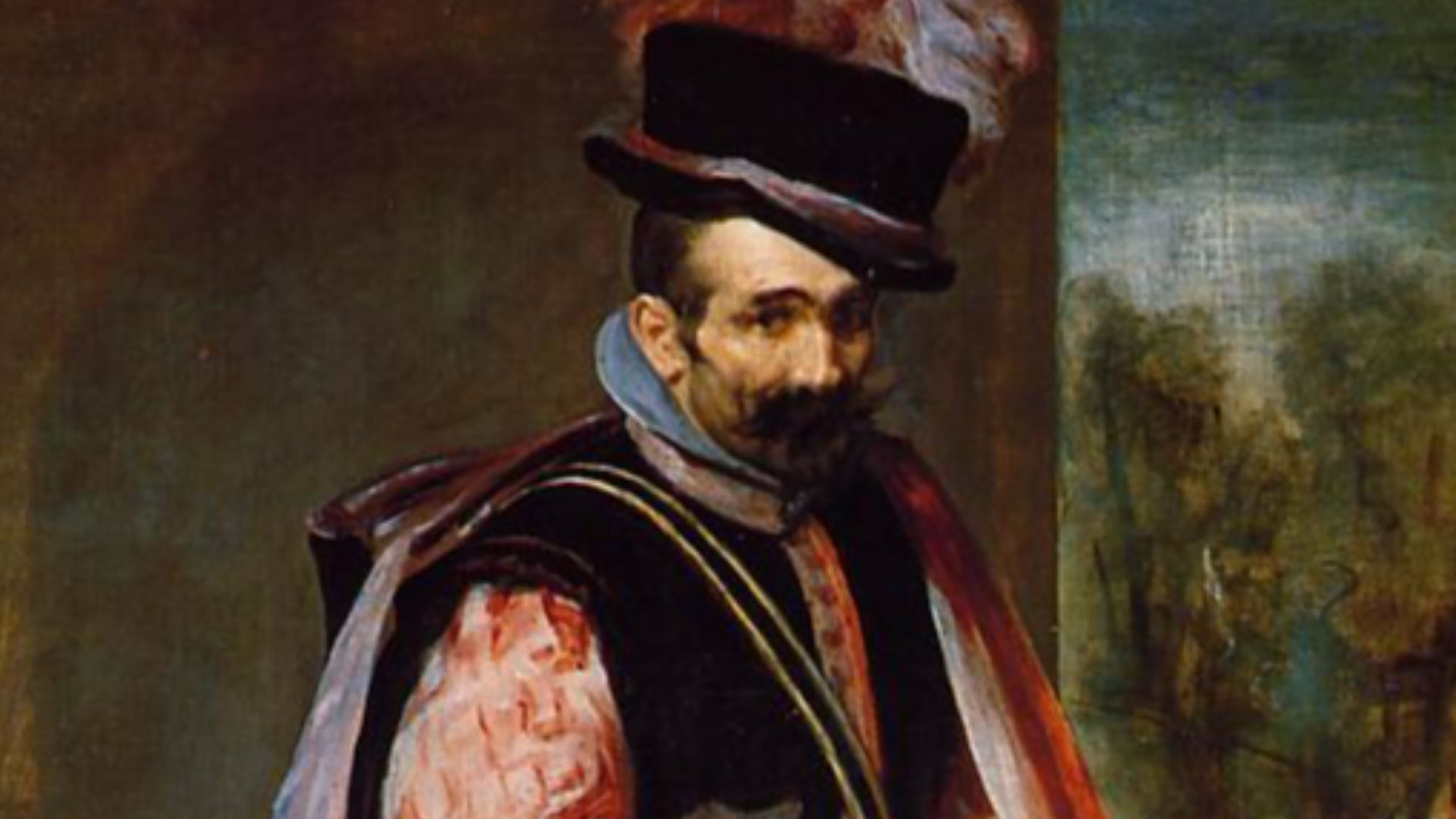
Don John of Austria was the illegitimate son of Holy Roman Emperor Charles V, though his identity remained hidden during his childhood. Once recognized, he rose rapidly through military ranks and commanded the Holy League fleet at the Battle of Lepanto in 1571. That victory slowed Ottoman expansion in the Mediterranean and became one of Europe's most celebrated naval triumphs.
4. James Scott Sparked A Rebellion
James Scott, Duke of Monmouth, was King Charles II’s eldest illegitimate son. Following Charles II’s death, Protestant leader Monmouth was seen as an alternative to Catholic King James II. Monmouth’s attempt to wrest the crown from James II failed, but his short rebellion helped solidify the power of the monarchy and set the stage for the Glorious Revolution.
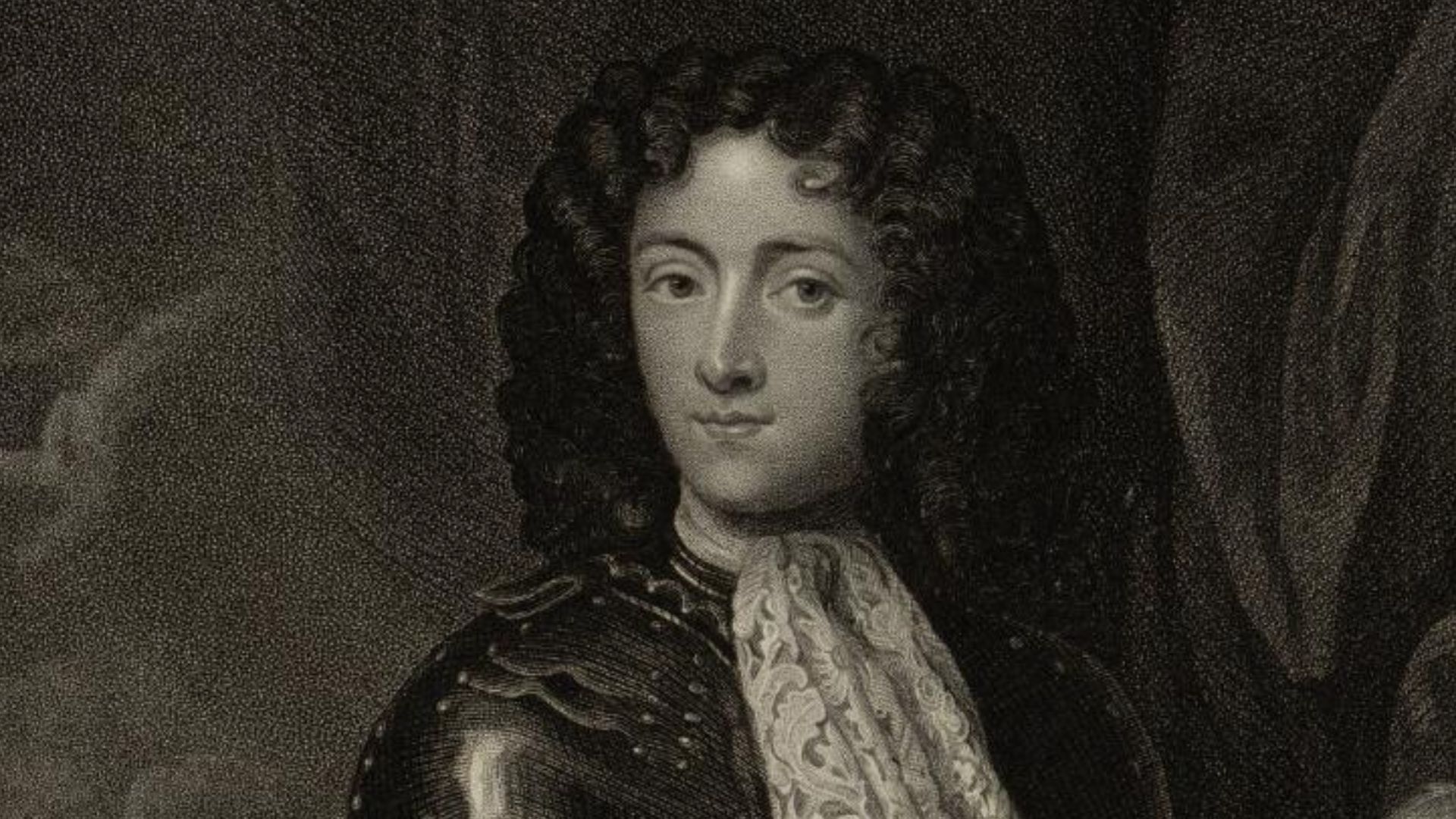 William Thomas Fry on Wikimedia
5. Cesare Borgia Reshaped Renaissance Politics
Cesare Borgia was born before his father, Rodrigo Borgia, became Pope Alexander VI, making his family circumstances politically sensitive. Rather than living quietly, Cesare became one of Renaissance Italy's most ambitious military leaders. His pursuit of power influenced regional politics and even inspired parts of Niccolò Machiavelli's The Prince.
 Unknown artistUnknown artist on Wikimedia
6. Lucrezia Borgia's Family Connections Changed Alliances
It’s unclear if Lucrezia Borgia herself was legitimate or not. Her family, however, has certainly been accused of everything from hiding lovers on the side to having children out of wedlock. The offspring and resulting strategic marriages changed political alliances between Italy’s city-states.
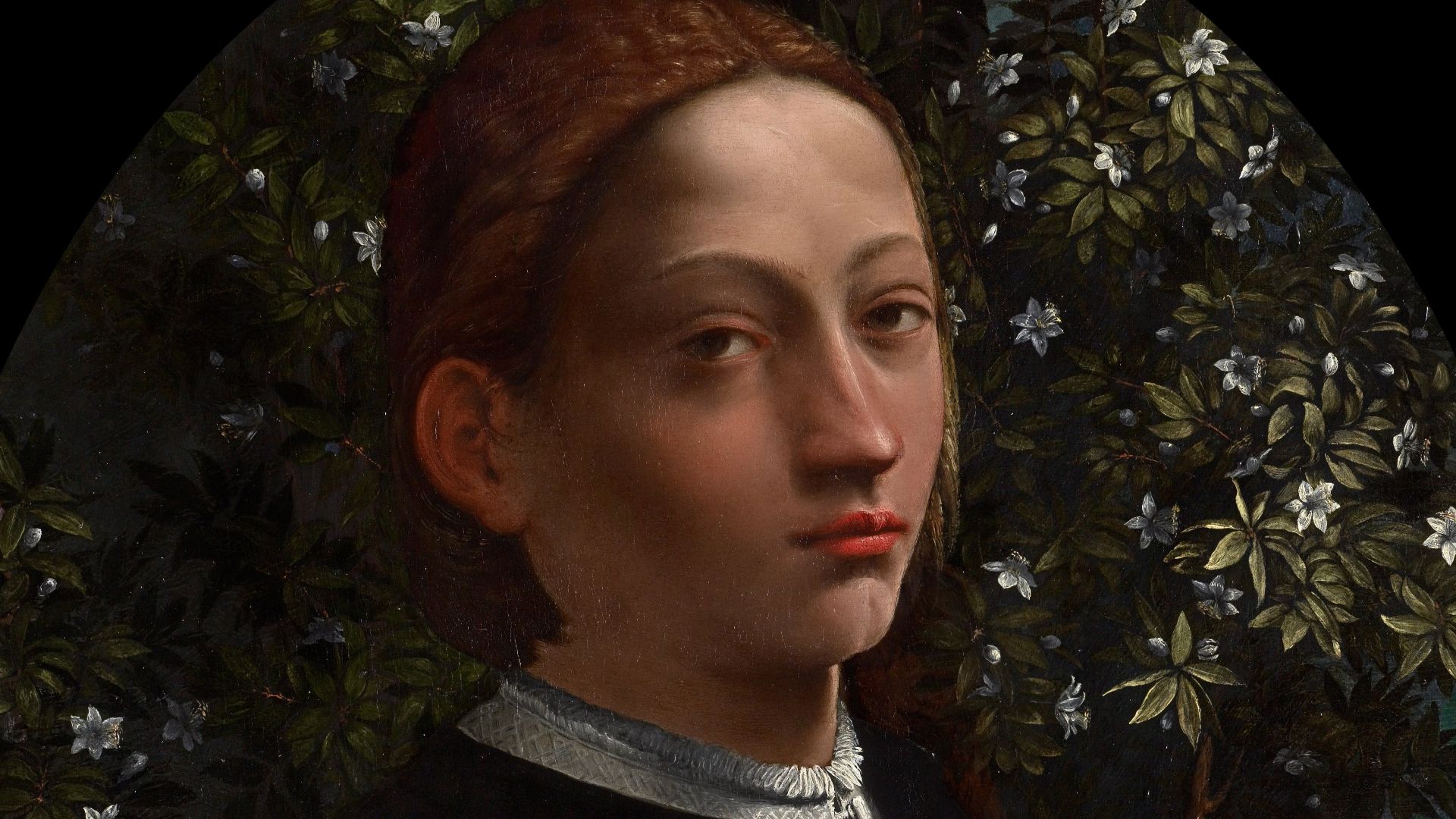 Attributed to Dosso Dossi on Wikimedia
7. Charles De Valois Strengthened The French Crown
Charles de Valois, the illegitimate son of King Charles IX of France, eventually earned recognition despite his birth. He became a respected military commander and loyal servant of the French monarchy. His career demonstrated that even children born outside marriage sometimes became valuable political figures.
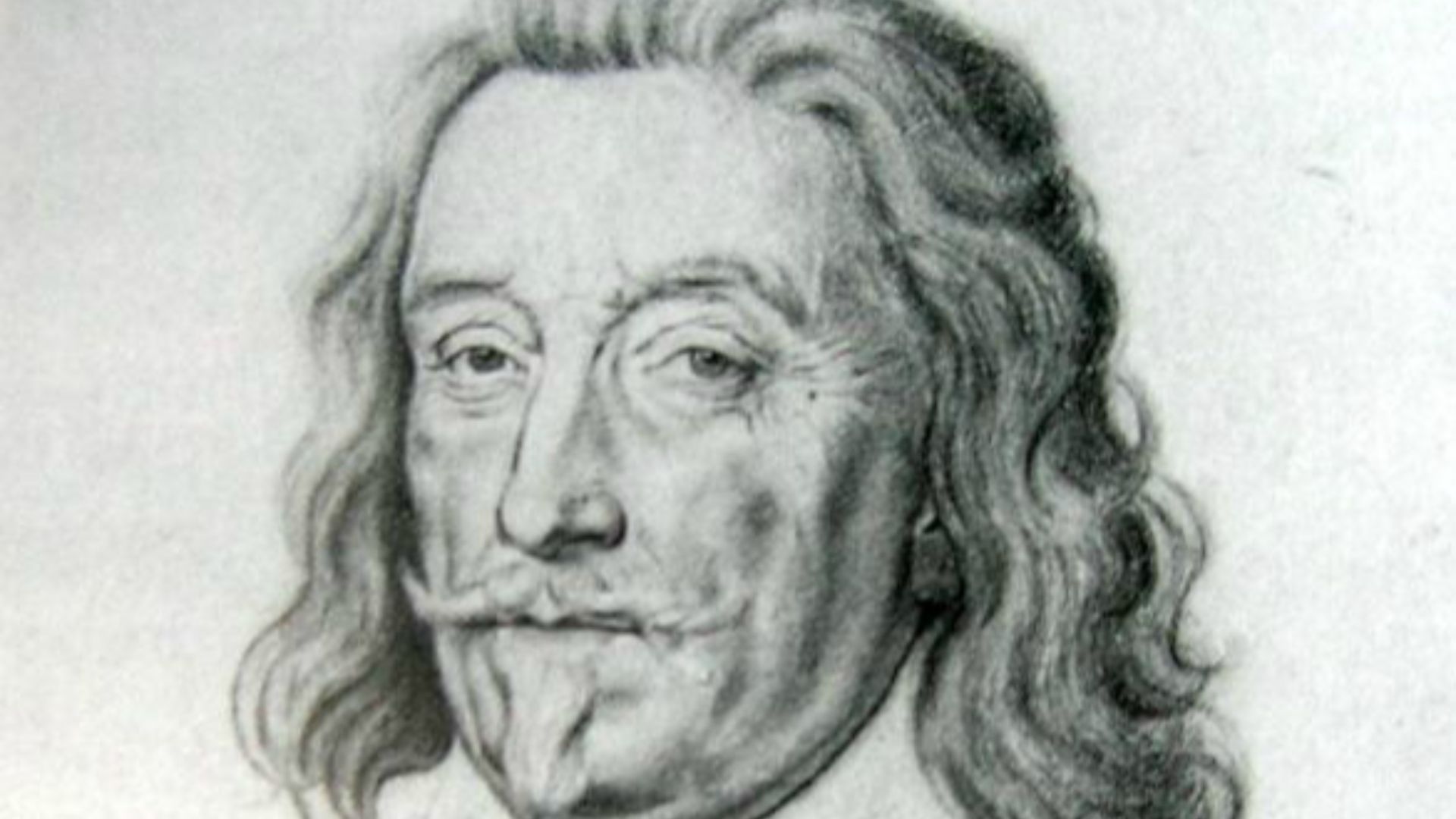 Daniel Dumonstier on Wikimedia
8. Antoine De Bourbon's Descendants Influenced Europe
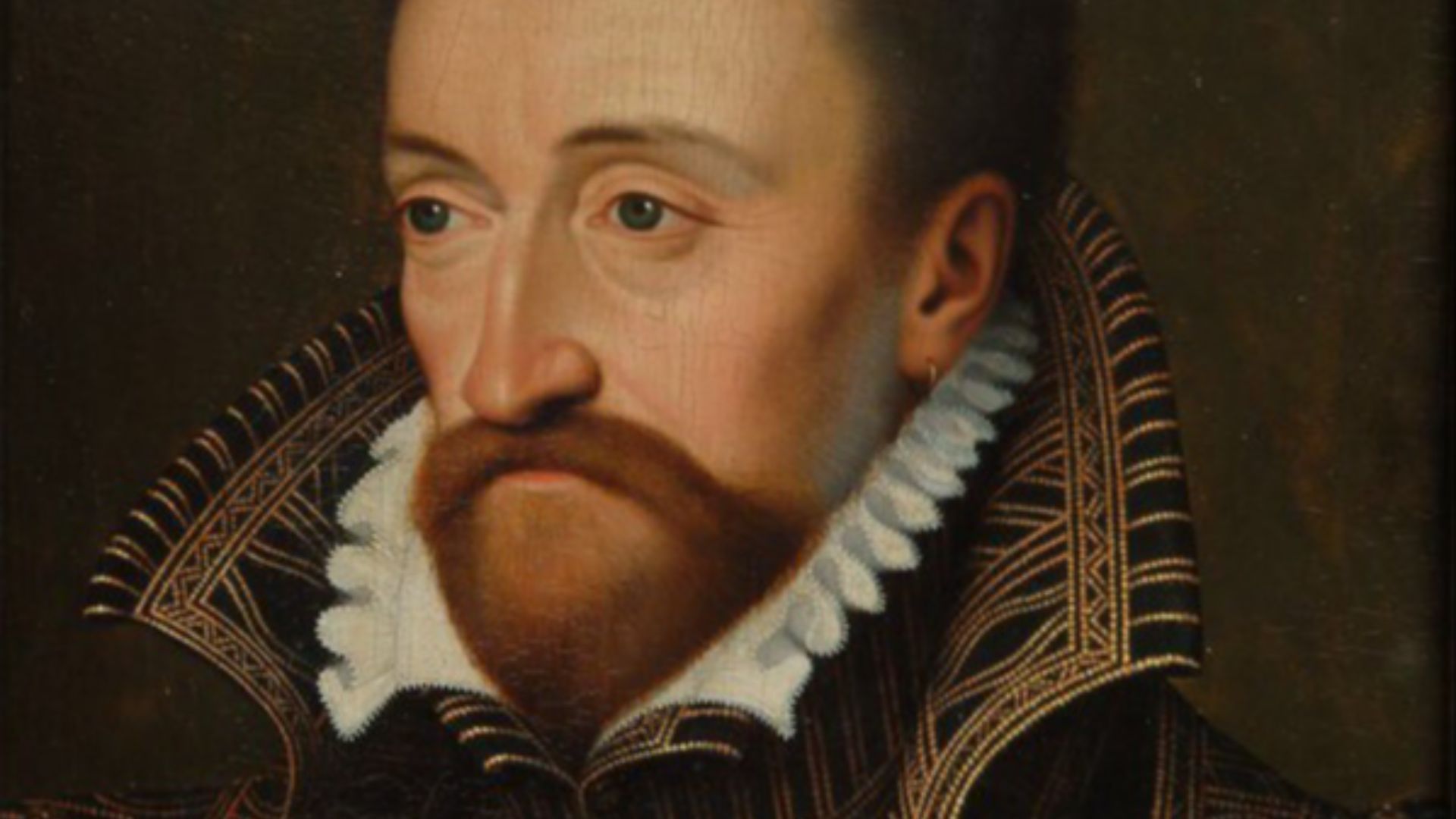
Antoine de Bourbon was an acknowledged illegitimate child of King Charles IX of France. Children born out of wedlock to Antoine’s cousins would go on to found multiple lines of the Bourbon dynasty. Like Antoine himself, many went on to have successful careers influencing European politics through military might or serving as diplomats.
9. The Beaufort Family Changed England's Royal Future
The Beaufort children were born from the relationship between John of Gaunt and Katherine Swynford before the couple married. Although they were later legitimized, they were officially excluded from inheriting the English throne. Even so, their descendants eventually produced King Henry VII, founding the Tudor dynasty after the Wars of the Roses.
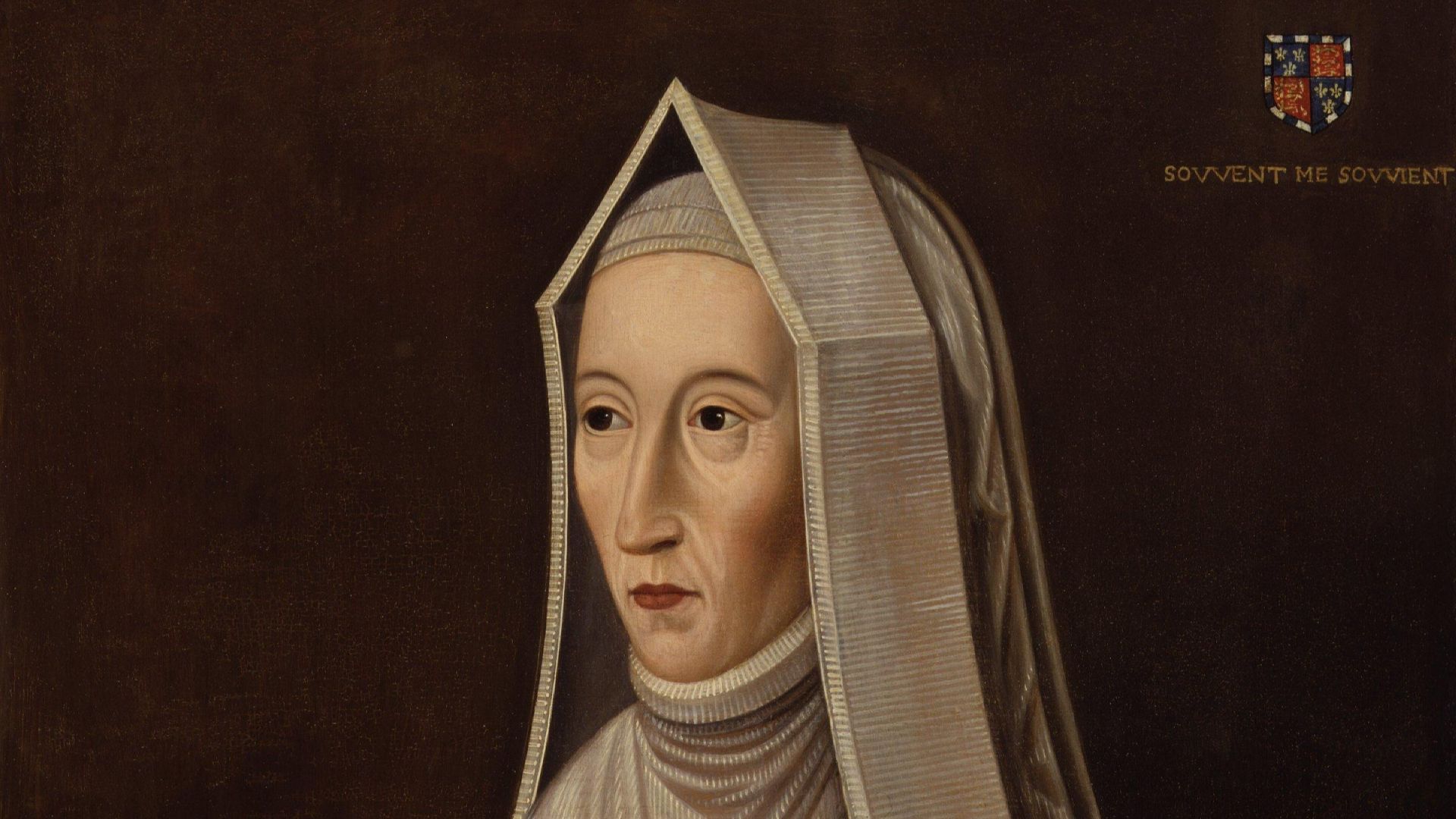 Unidentified painter on Wikimedia
10. Henry VII Owed Much To A Complicated Family Tree
Henry VII wasn’t an illegitimate child born out of wedlock, but his claim to the throne was strengthened by his Beaufort mother. The Beaufort line had been born out of wedlock before John of Gaunt and Katherine Swynford married. Without their branch of the family, the Tudor dynasty would never have existed.
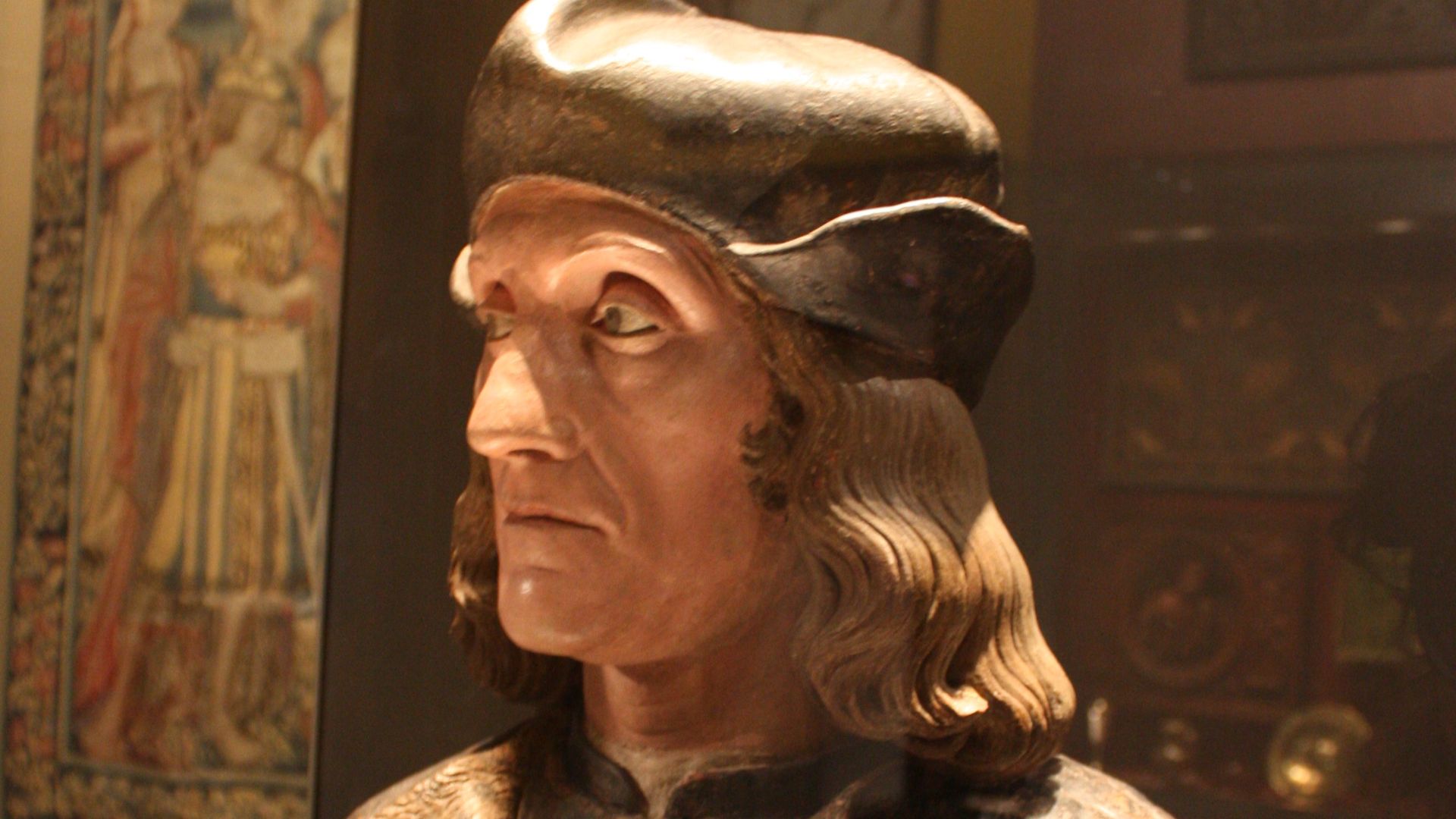 Wikipedia Loves Art participant
11. Alfonso Of Aragon Rose Beyond Expectations
Alfonso, the illegitimate son of King Ferdinand I of Naples, overcame questions about his birth through military ability and political skill. He became Duke of Calabria and played an important role in Italian affairs during the fifteenth century. His leadership helped stabilize the kingdom during a period of constant regional rivalry.
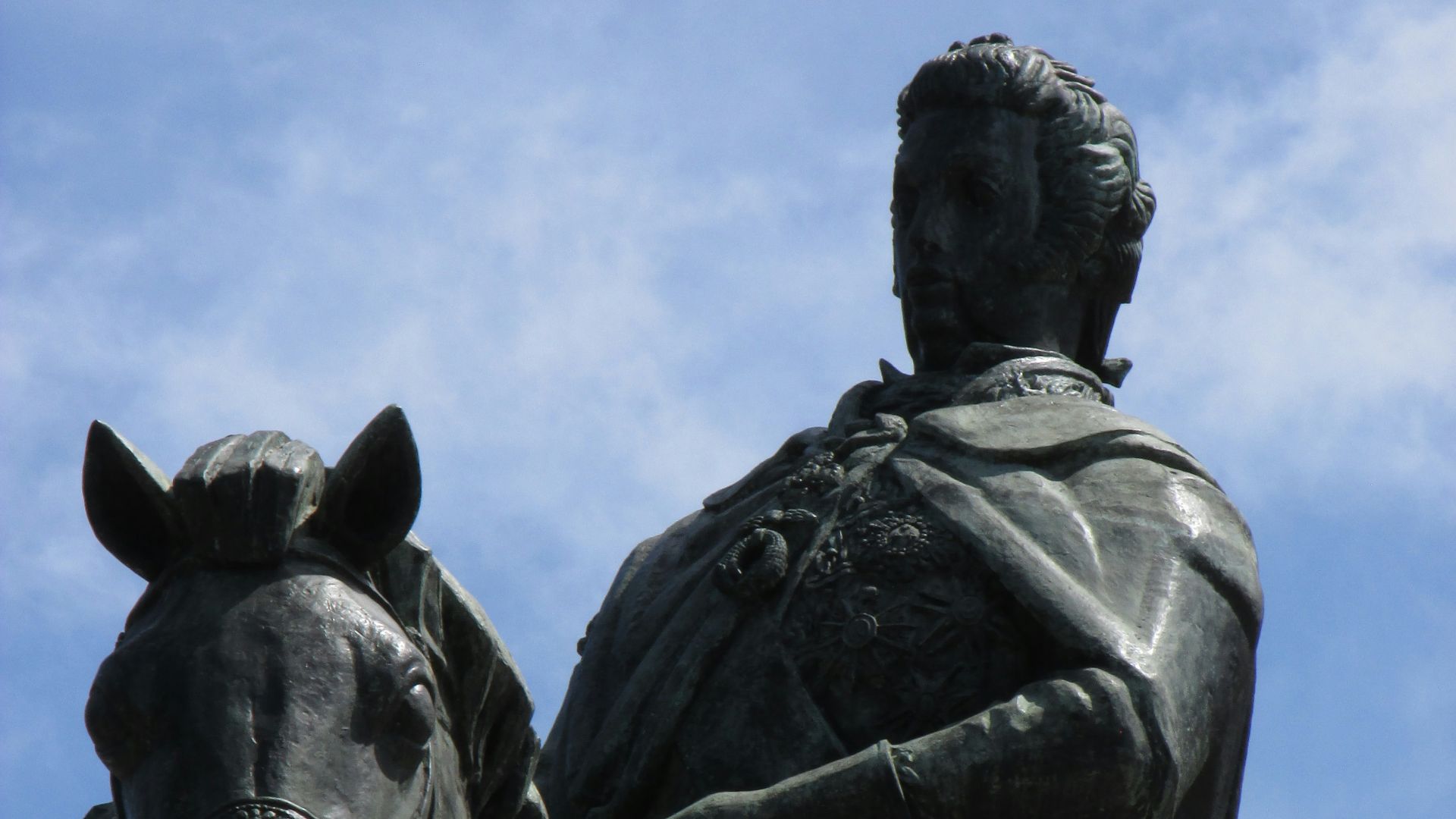
12. The FitzClarence Family Expanded Royal Influence
King William IV had 10 children with actress Dorothea Jordan. They weren’t born of royal weddings, but that didn’t stop their descendants from becoming connected to Britain’s elite. Members of Britain’s aristocracy started with the FitzClarence family.
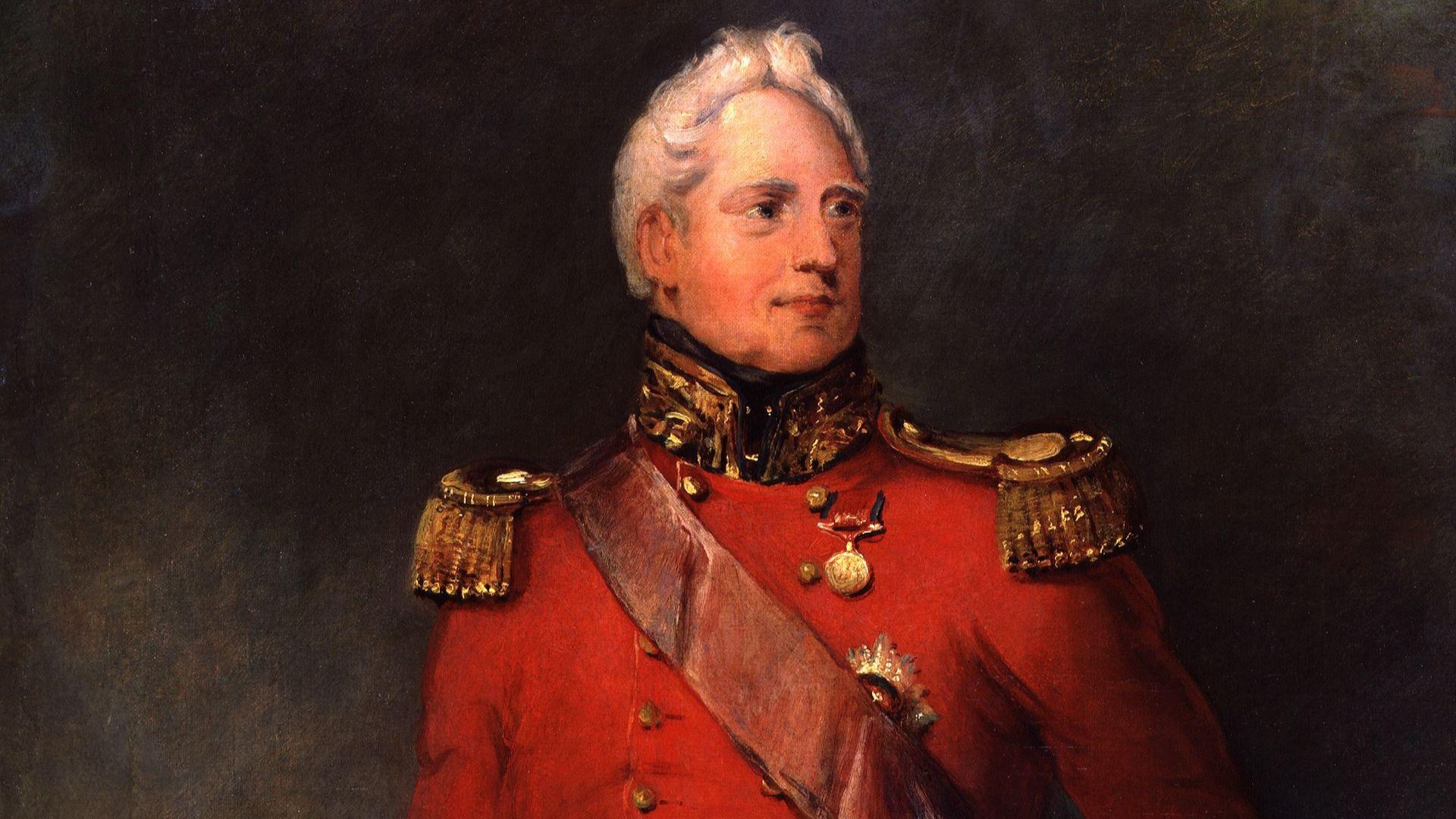 William Salter (died 1875) on Wikimedia
13. Alexandre Dumas Turned Personal History Into Literary Greatness
Celebrated author Alexandre Dumas was born outside of marriage, though his father later acknowledged him. Rather than allowing social expectations to limit his future, he became one of France's most famous writers. Works like The Three Musketeers and The Count of Monte Cristo continue to shape literature around the world.
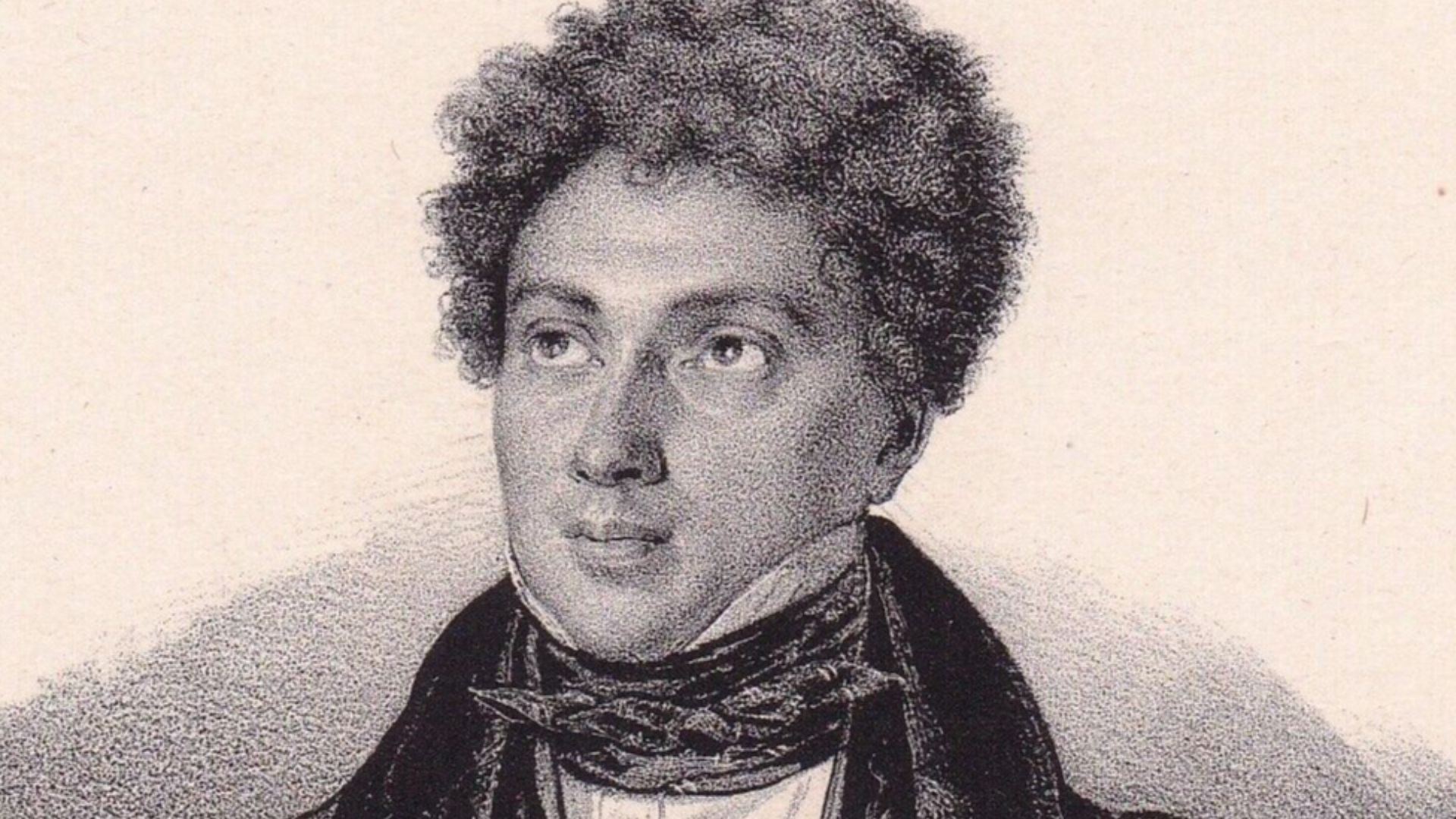 François-Séraphin Delpech on Wikimedia
14. The Earl Of Essex Became A Royal Favorite
Robert Devereux, Earl of Essex, descended from royal lines with known instances of acknowledged illegitimate children. This didn’t stop Essex from becoming a favorite of Queen Elizabeth I. His position as favorite Earl gave him the power to influence politics until he decided to rebel against Elizabeth.
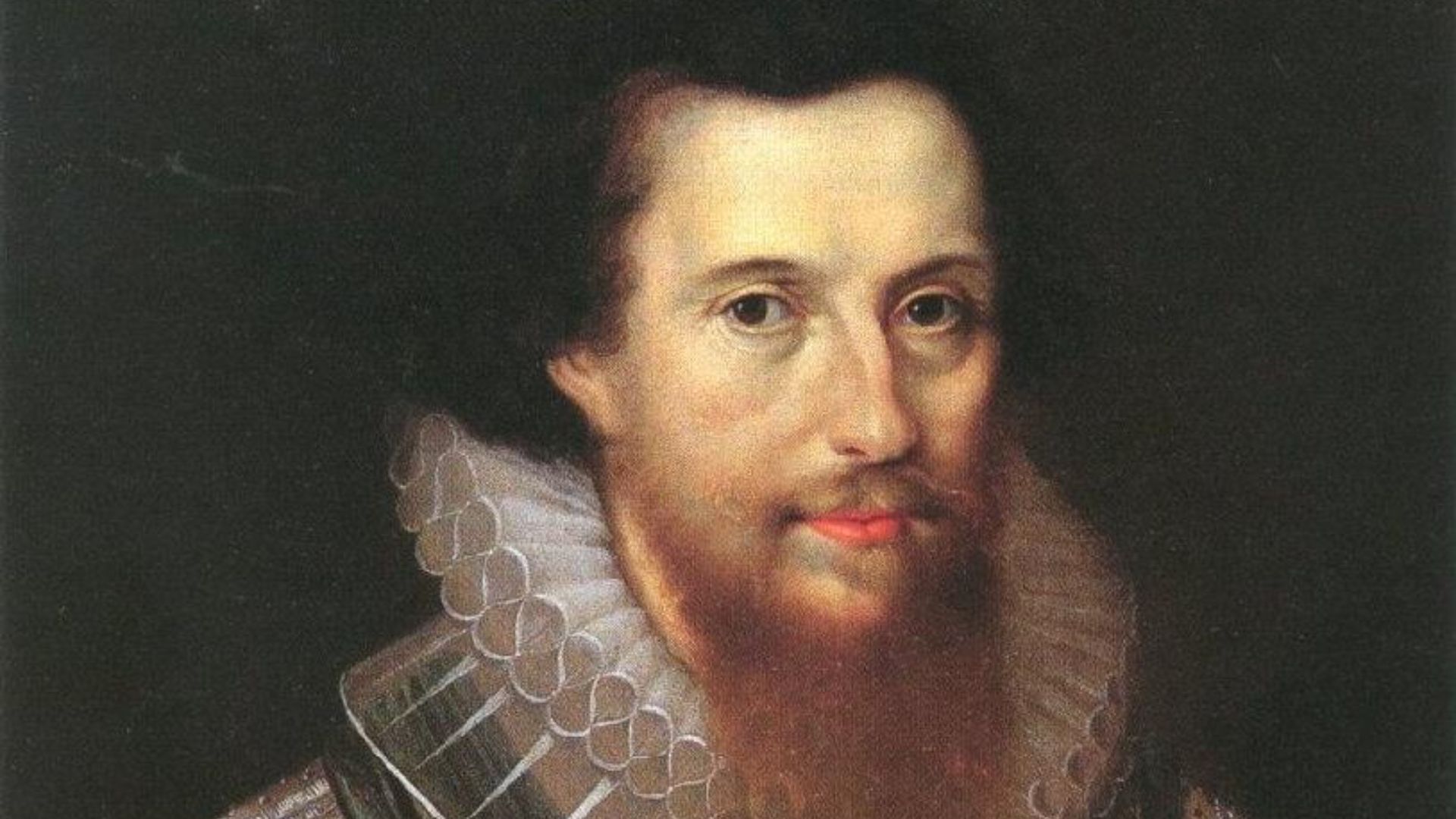 After Marcus Gheeraerts the Younger on Wikimedia
15. Charles Martel's Line Reached Charlemagne
Charles Martel himself was born outside his father's primary marriage, creating early uncertainty about his inheritance. Despite those challenges, he became one of Europe's most influential military leaders after defeating invading forces at the Battle of Tours. His descendants later included Charlemagne, whose empire reshaped medieval Europe.
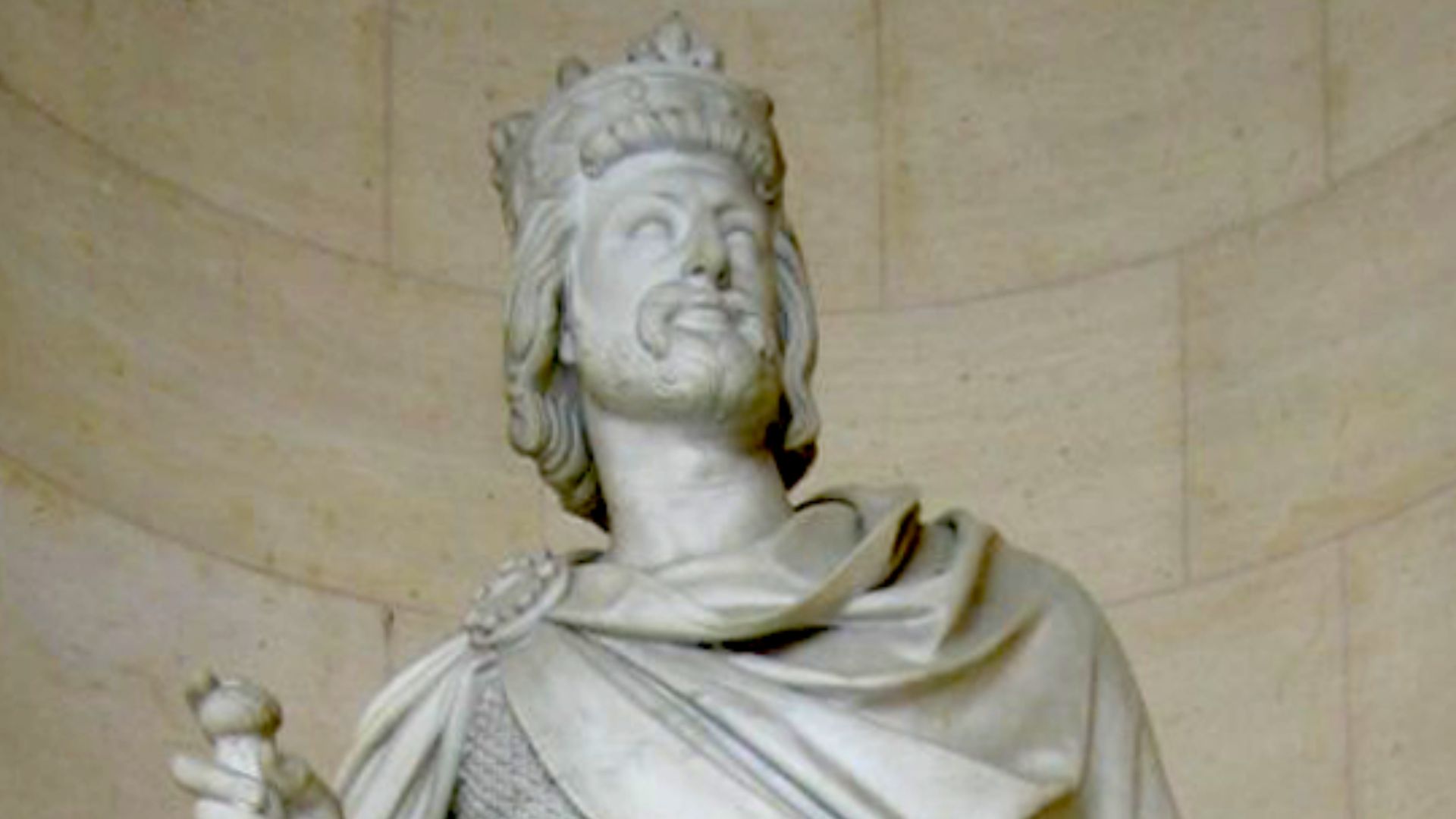
16. The House Of Avis Began With An Illegitimate Son
João I of Portugal was born outside wedlock to King Peter I of Portugal. Political luck would have it that João I would eventually take the throne after Portugal’s War of Restoration. He and his descendants began the House of Aviz, which would lead Portugal during its Age of Exploration.
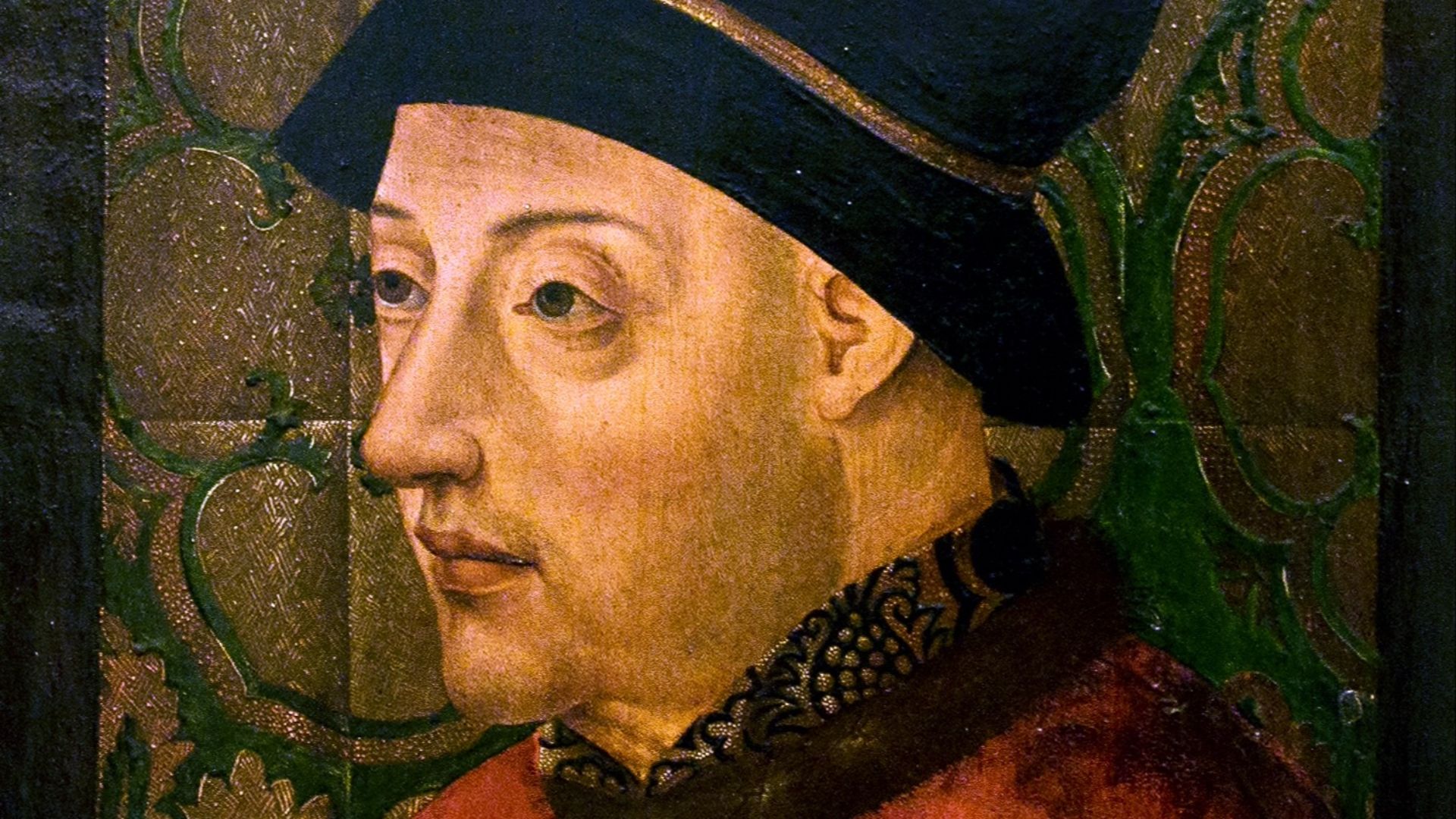
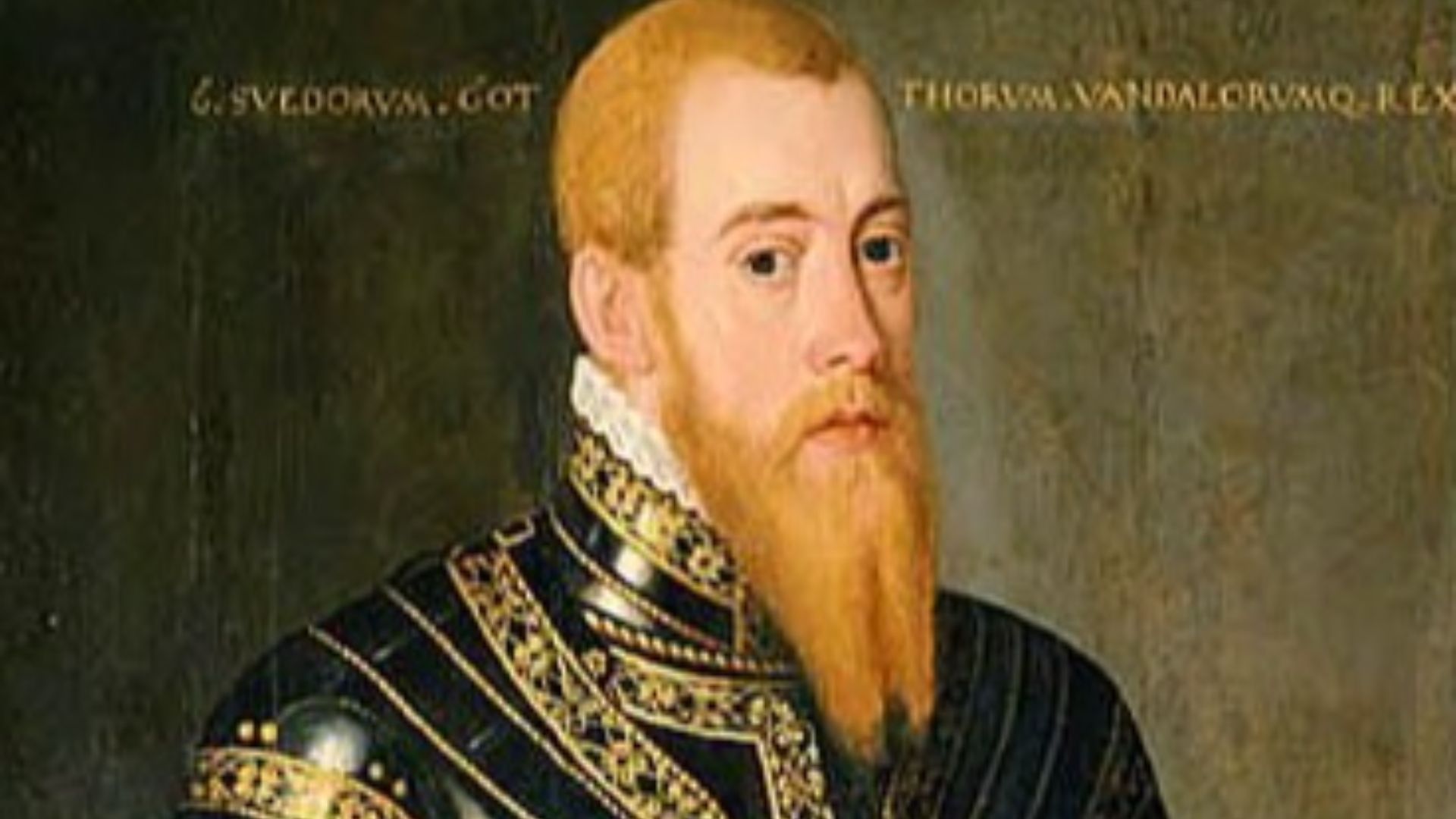
17. Gustavus Vasa's Son Helped Shape Sweden's Royal Legacy
Erik XIV of Sweden was the son of King Gustav I Vasa, though questions surrounding his mother's background and the legitimacy of certain family claims created controversy around the Vasa dynasty. Despite these challenges, Erik became King of Sweden in 1560 and ruled during a turbulent period marked by conflicts with neighboring powers and internal struggles. His reign helped define Sweden's transformation into a major European power, while his descendants continued to influence the country's royal history.
 Attributed to Domenicus Verwilt on Wikimedia
18. Afonso I Of Portugal Began As An Unexpected Heir
Afonso Henriques, who became known as Portugal’s first king, was born into nobility. Complex family dynamics, battles over inheritance, and contested legitimacy between royal families colored his early years. Despite being born into a highly contested noble family, his claim to leadership held strong.
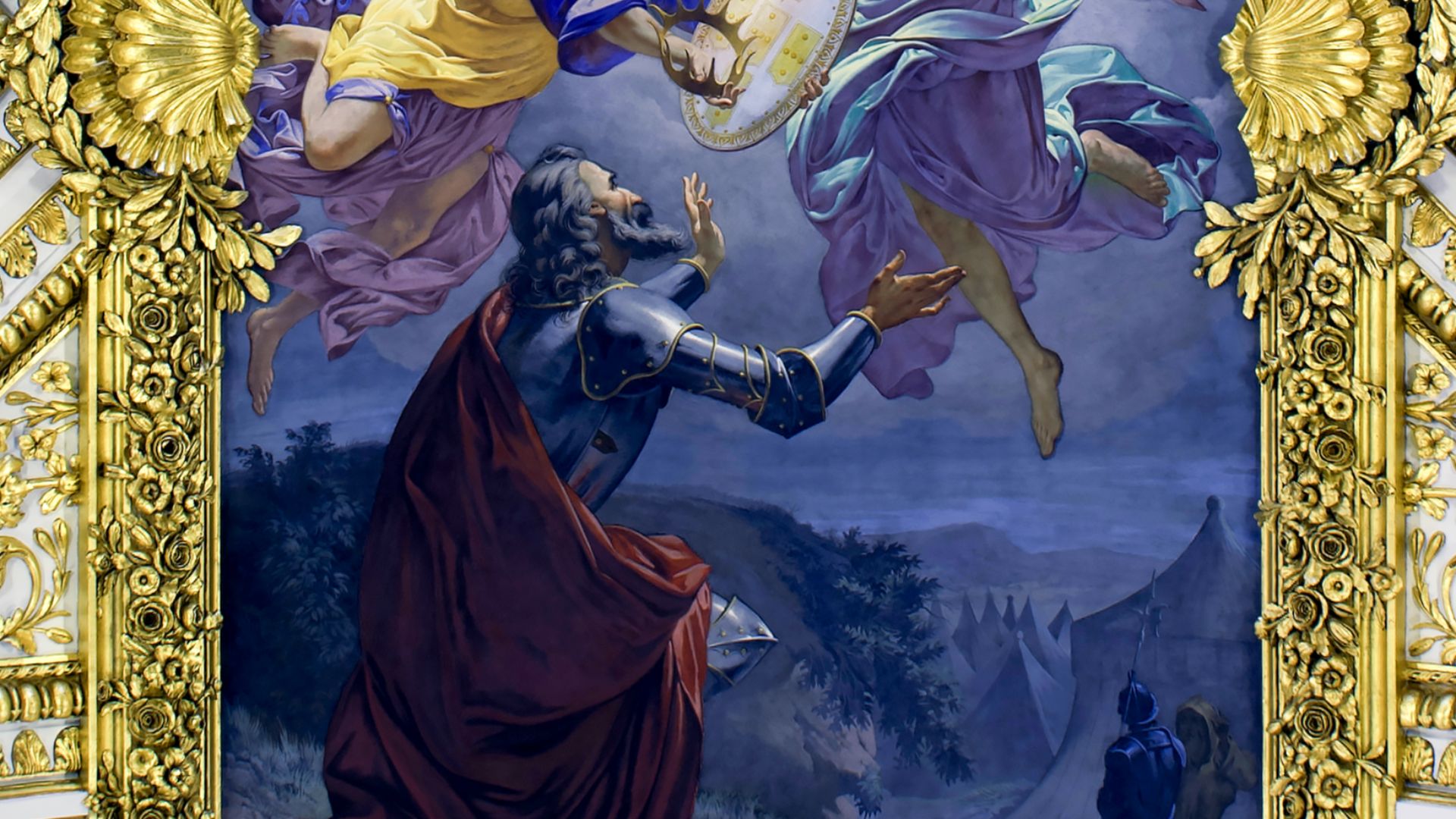
19. The Duke Of Richmond Became A Trusted Royal Figure
Charles Lennox, 1st Duke of Richmond, was the acknowledged illegitimate son of England's King Charles II and one of several children the monarch openly recognized. Although he never had a claim to the throne, Charles II rewarded him with titles and influence that allowed him to play an important role in British political and military life. His descendants remained prominent members of the British aristocracy for generations, demonstrating how even children born outside marriage could leave a lasting mark on history.
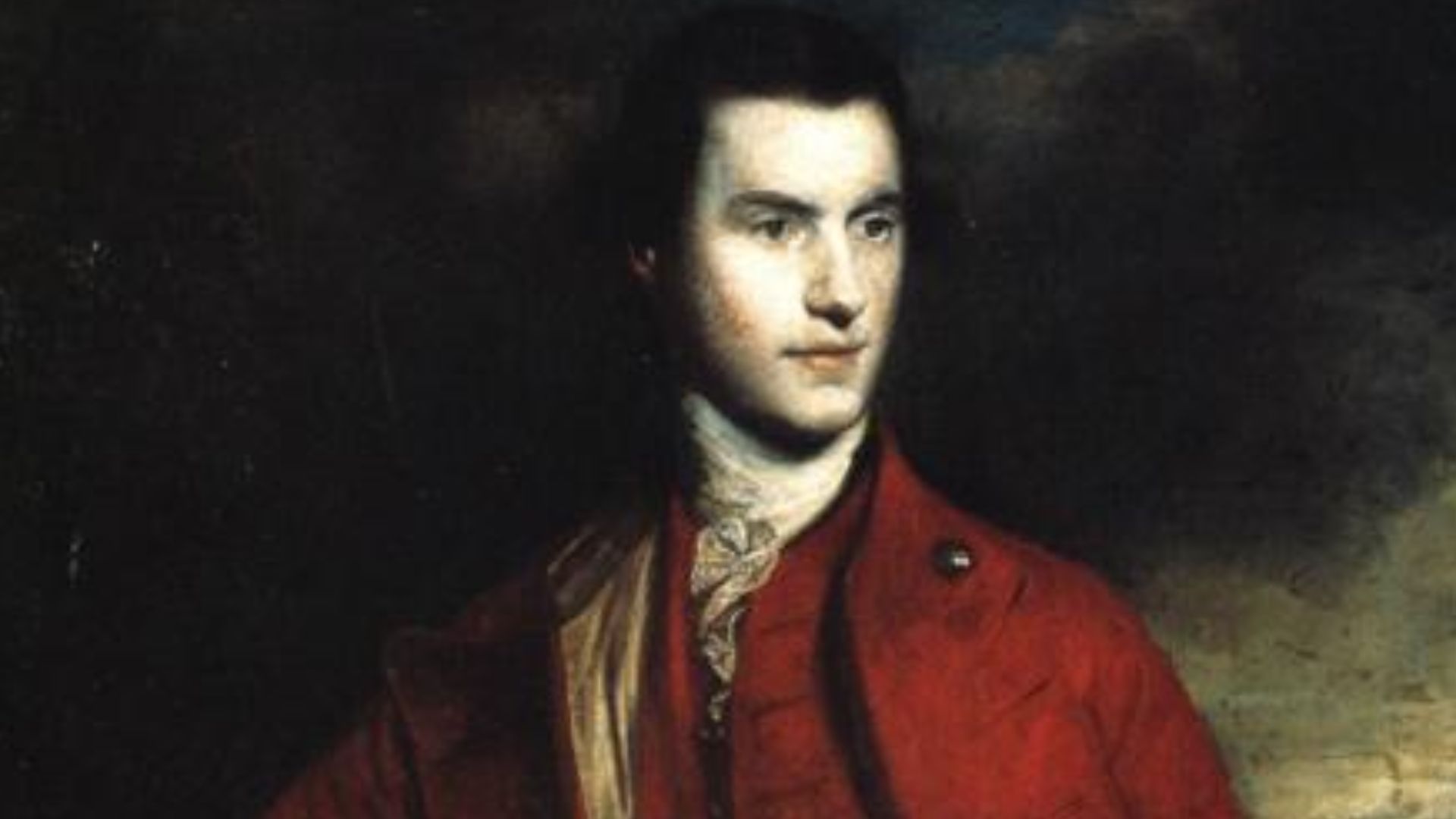
20. Eystein Magnusson's Hidden Family Ties Shaped Norwegian Succession
Eystein Magnusson was King of Norway during the Middle Ages. Questions around family lineage and who should be king were contentious during his early life. During his reign, those same questions would reshape Norway’s leadership once again.
KEEP ON READING