Yesterday’s Threats Are Today's Choices
People have been predicting the end of marriage for centuries. Whenever couples gained more say over whom they married, how they handled money, whether they had children, or when they could leave, someone warned that family life was falling apart. Those fears weren’t shared by everyone, though they turned up regularly in laws, sermons, newspapers, political campaigns, and advice about how respectable couples should behave. Many choices once called selfish, unnatural, or downright dangerous are now familiar parts of married life. These 20 examples show how often personal freedom was mistaken for a threat to marriage.

1. Marrying For Love
Love and affection certainly existed in earlier marriages, though they weren’t always the main reasons people chose a spouse. As marrying for love became increasingly common, critics worried that young people would ignore their families, overlook major differences, and make lifelong promises based on feelings that might fade.

2. Treating Spouses As Equals
Marriage was traditionally built around a husband’s legal and financial authority, so the idea of equal partners made some people deeply uncomfortable. Opponents feared that discussing and negotiating household matters would replace duty, while wives with an equal voice would weaken a husband’s established place in the home.

3. Letting Wives Own Property
Under coverture, a married woman’s legal identity was largely folded into her husband’s, which limited her control over property and contracts. When reforms allowed wives to own assets separately, critics claimed that separate ownership would create competing financial interests inside the home.

4. Allowing Wives To Keep Their Earnings
A wife who worked didn’t always have the legal right to control the money she earned. Her wages could be treated as her husband’s property. Critics warned that personal income would make women less dependent and less obedient, while also giving them the practical means to leave.

5. Married Women Taking Jobs
Working wives were accused of neglecting their homes, weakening male breadwinners, and taking jobs away from men who supposedly needed them more. During the Great Depression, marriage bars in government offices and private workplaces restricted or ended the employment of many women after they married.
6. Sending Women To College
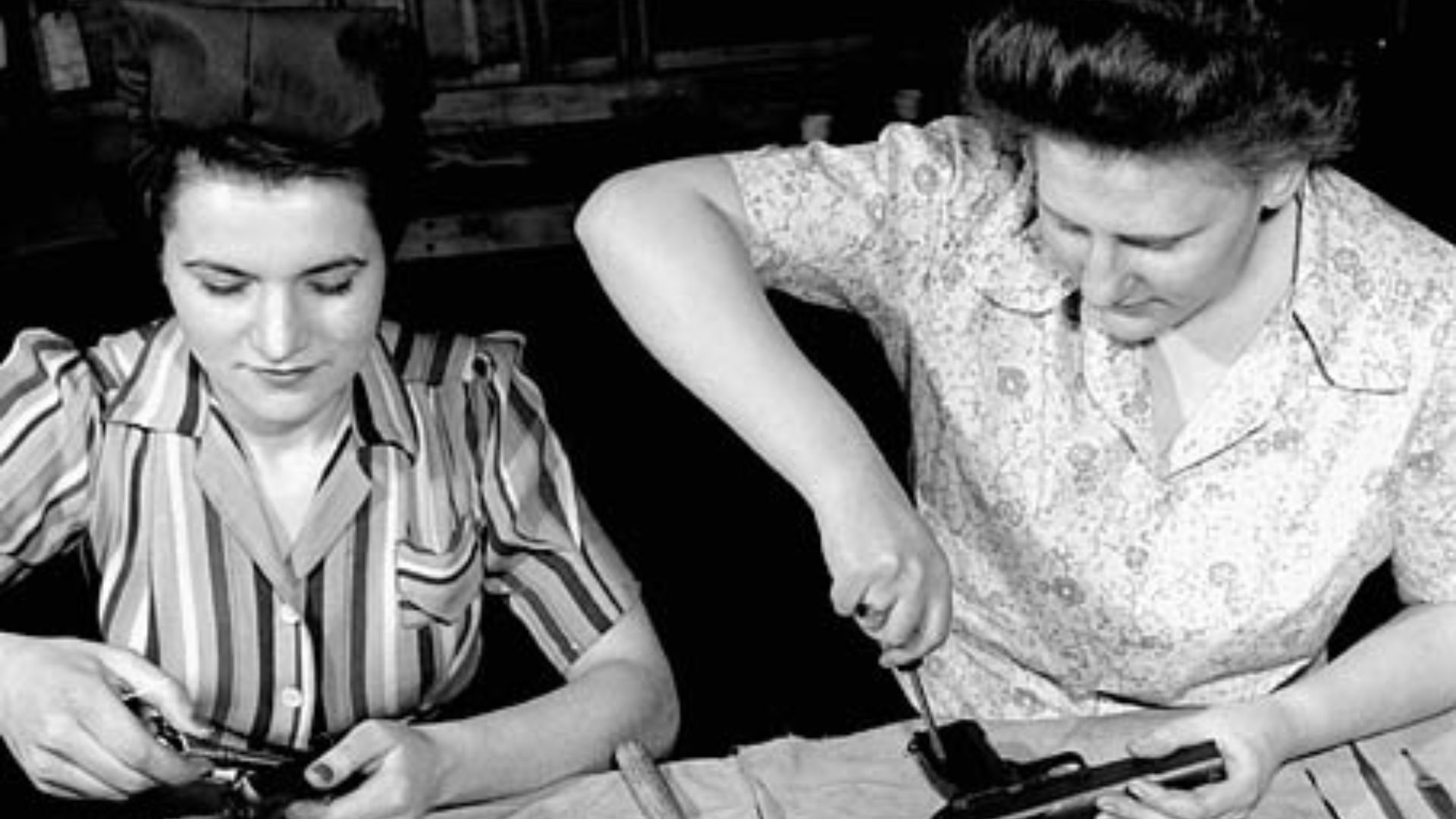
Opponents of women’s higher education claimed that serious study could harm their health, discourage them from marrying, or make them too ambitious for domestic life. College could also give a woman higher expectations for intellectual companionship, independence, and a meaningful say in household decisions. Those expectations challenged the familiar idea that a good wife should follow her husband’s judgment and make marriage the center of her identity.
 https://kaboompics.com/ on Pexels
7. Educating Men And Women Together
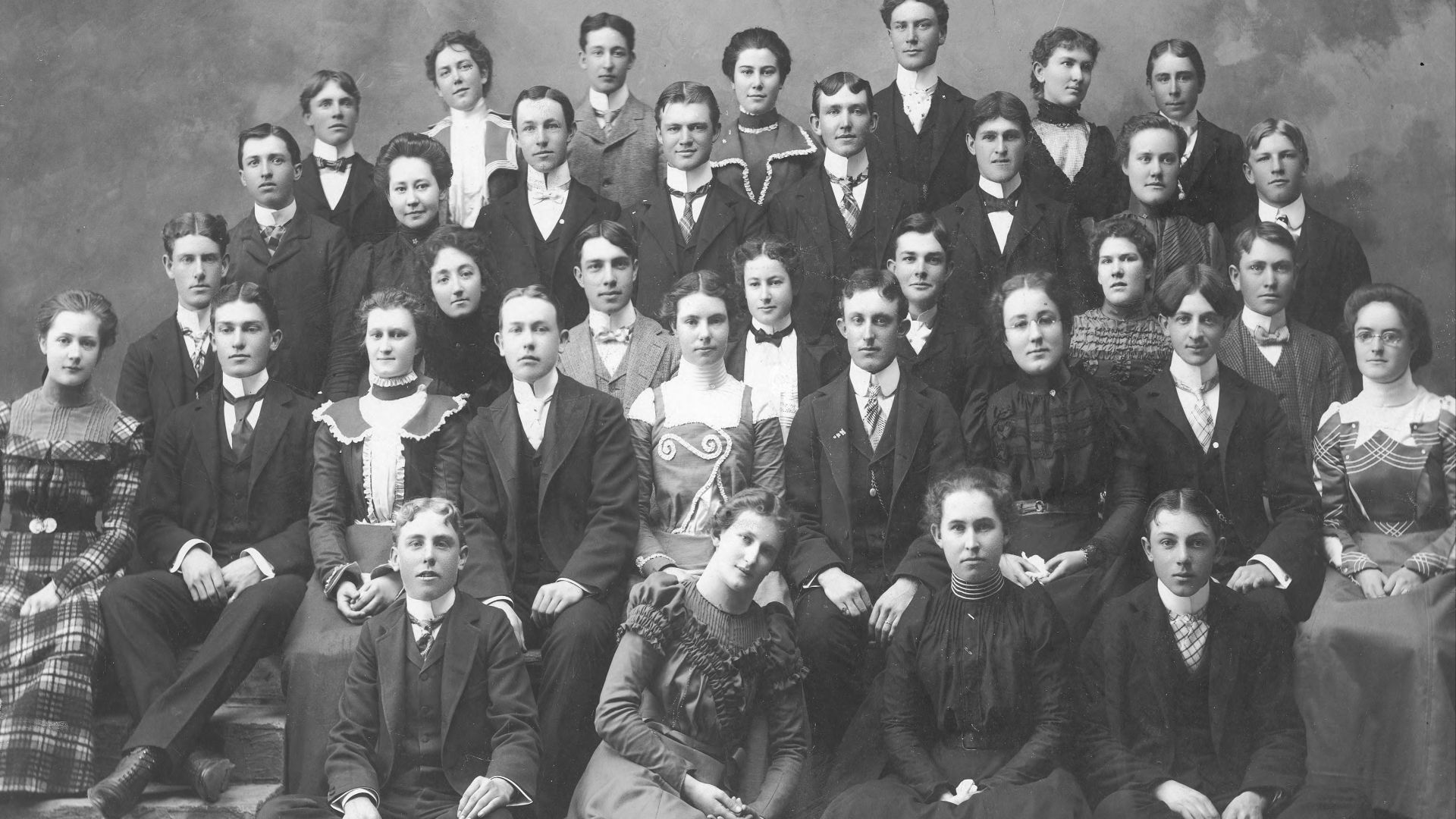
Coeducation caused plenty of worry about improper relationships, changing gender roles, and women becoming less suited to traditional wifehood and motherhood. Some critics believed mixed classrooms would create romantic distractions or encourage women to pursue goals beyond the home.
 Unknown authorUnknown author on Wikimedia
8. Giving Women The Vote
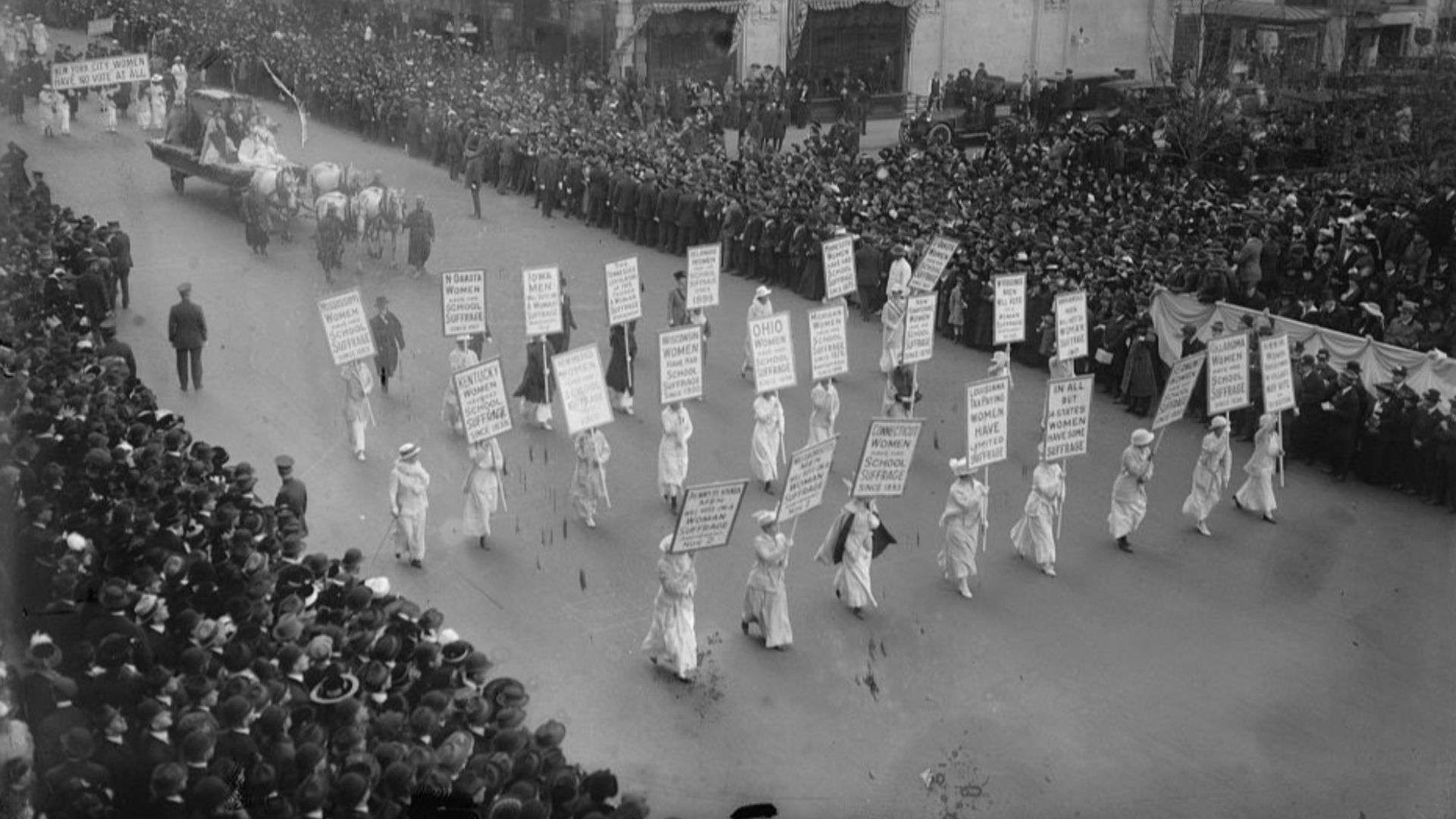
Anti-suffrage arguments often claimed that politics would pull women away from their homes and create tension between spouses. A wife who attended meetings, followed public debates, or formed her own political opinions seemed to be moving outside her accepted role.
 Bain News Service on Wikimedia
9. Keeping A Birth Name
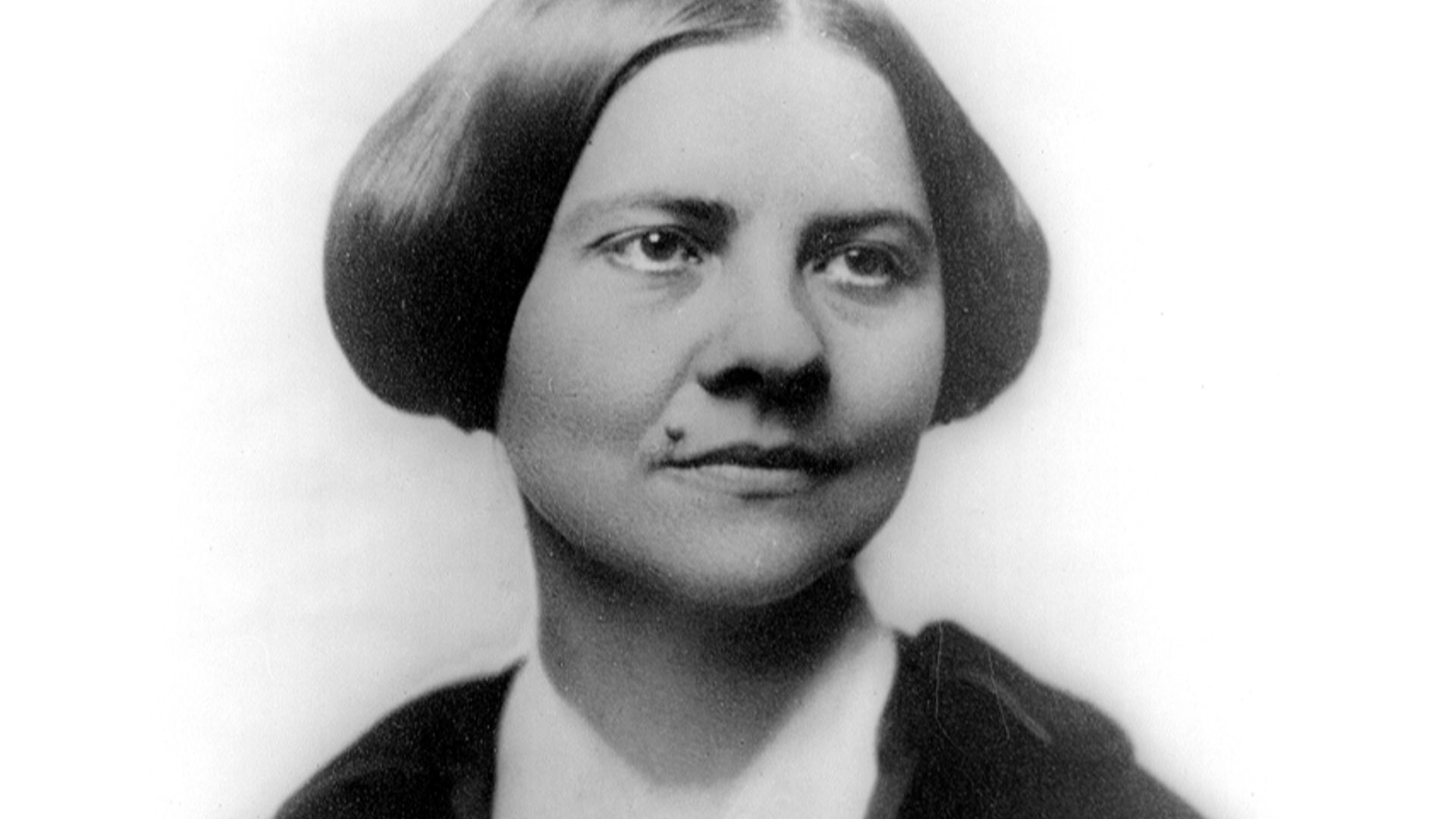
A wife taking her husband’s surname was widely seen as proof that the couple had become one social unit. Women who kept their birth names, including 19th-century reformer Lucy Stone, were accused of rejecting marital unity or challenging a husband’s proper place in the household.
 Unknown authorUnknown author on Wikimedia
10. Giving Wives Credit In Their Own Names
Women once faced common barriers when applying for credit, mortgages, and other loans without their husbands. Lenders often dismissed or reduced the value of a married woman’s income, and some women needed a husband’s signature even when they earned their own money. Letting wives build financial histories in their own names challenged the belief that a husband should speak for the entire household whenever major financial choices came up.

11. Using Birth Control
Contraception separated marital sex from automatic parenthood, which brought legal, religious, and moral opposition. Critics claimed birth control encouraged selfishness, weakened the connection between marriage and having children, and allowed couples to avoid responsibilities tied to married life.
 Reproductive Health Supplies Coalition on Unsplash
12. Limiting Family Size
Couples who deliberately had fewer children were sometimes accused of choosing comfort over their duty to society. During periods of concern about falling birth rates, private family decisions became public issues connected to religion, national strength, class, and racial prejudice.

13. Choosing A Child-Free Marriage
Marriage was long expected to lead to parenthood, regardless of whether every couple actually wanted children. As voluntary childlessness became more openly discussed, critics described child-free couples as selfish, immature, or unwilling to accept the sacrifice that respectable adulthood was supposed to require.

14. Living Together Before Marriage
Premarital cohabitation was once widely treated as scandalous and downright immoral. Opponents believed couples who lived together would lose their reason to wed and become comfortable with relationships they could leave without legal or social consequences. Sharing a home before the wedding also suggested that traditional courtship rules and expectations about intimacy no longer carried the authority they once had.

15. Making Divorce Easier
Traditional divorce laws often required one spouse to prove adultery, cruelty, desertion, or another accepted offense. Critics of reform warned that reducing those barriers would make marriage disposable and encourage couples to walk away from everyday problems.

16. Introducing No-Fault Divorce
No-fault divorce brought a fresh round of warnings that husbands and wives would leave at the first sign of trouble. Critics feared that removing the need to prove wrongdoing would weaken commitment and make separation far too easy.

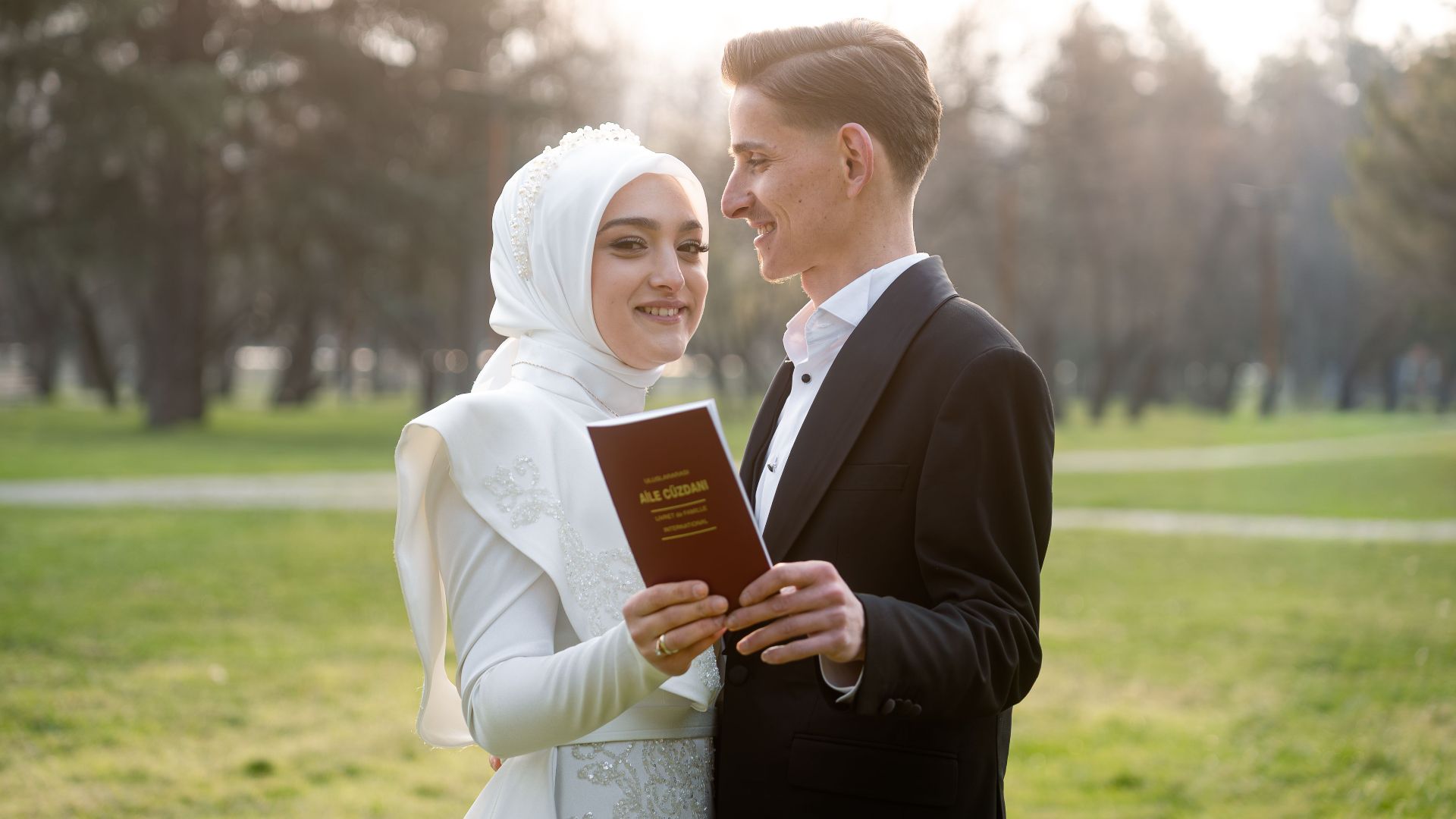
17. Interfaith Marriage
Interfaith couples were warned that differences involving worship, holidays, food, family loyalty, and children would make a peaceful marriage impossible. Families and religious communities sometimes saw marriage outside the faith as a rejection of shared traditions or the loss of future members. A relationship between two people could quickly become a larger argument about whether both spouses could honor their backgrounds while creating a home together.
18. Interracial Marriage
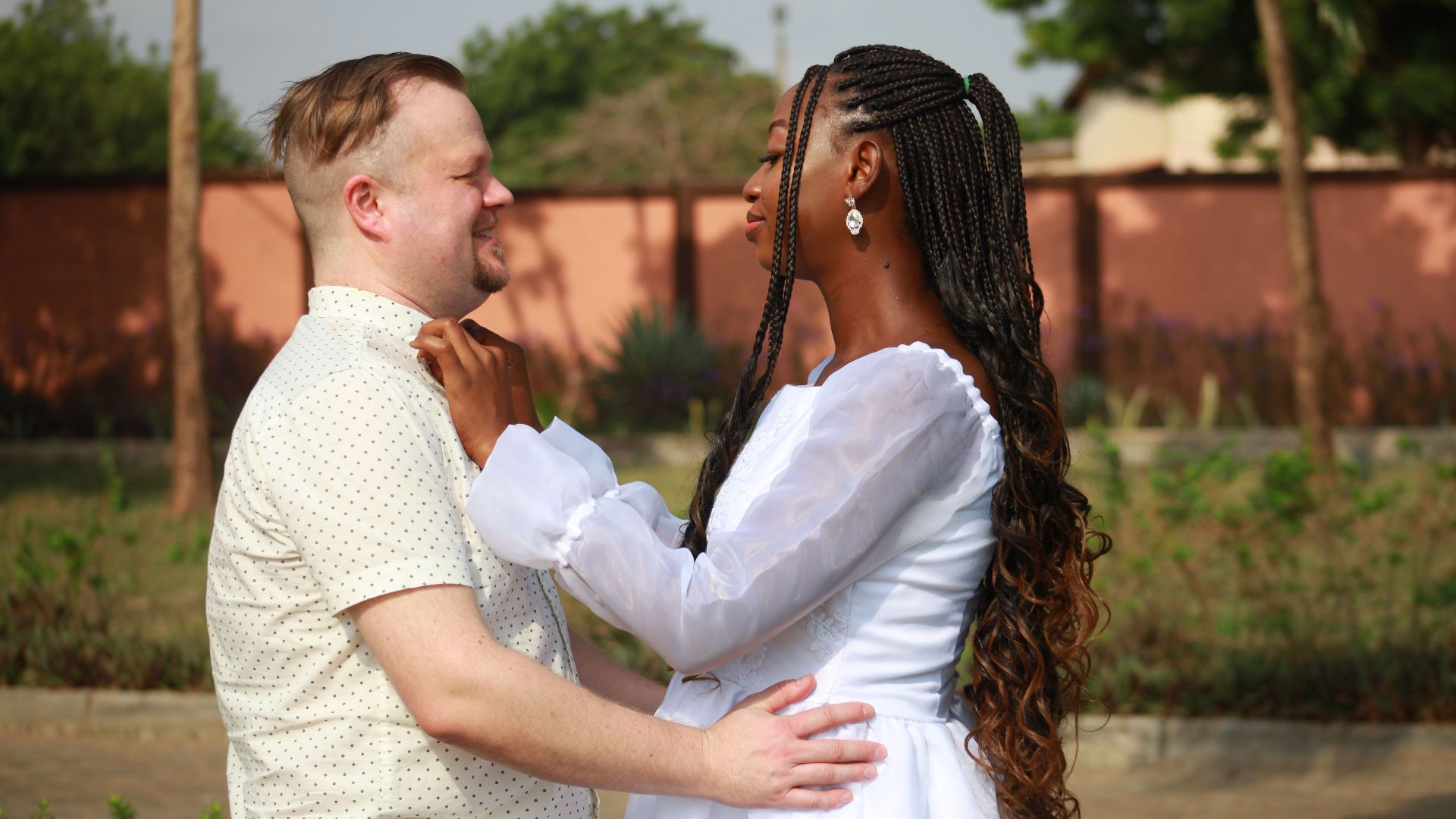
Interracial marriage faced legal bans and intense social opposition rooted in white supremacy and false ideas about racial purity. Supporters of those restrictions claimed that keeping people of different races apart protected families, communities, and marriage itself. In the United States, the remaining state bans were struck down in 1967.
19. Recognizing Same-Sex Marriage
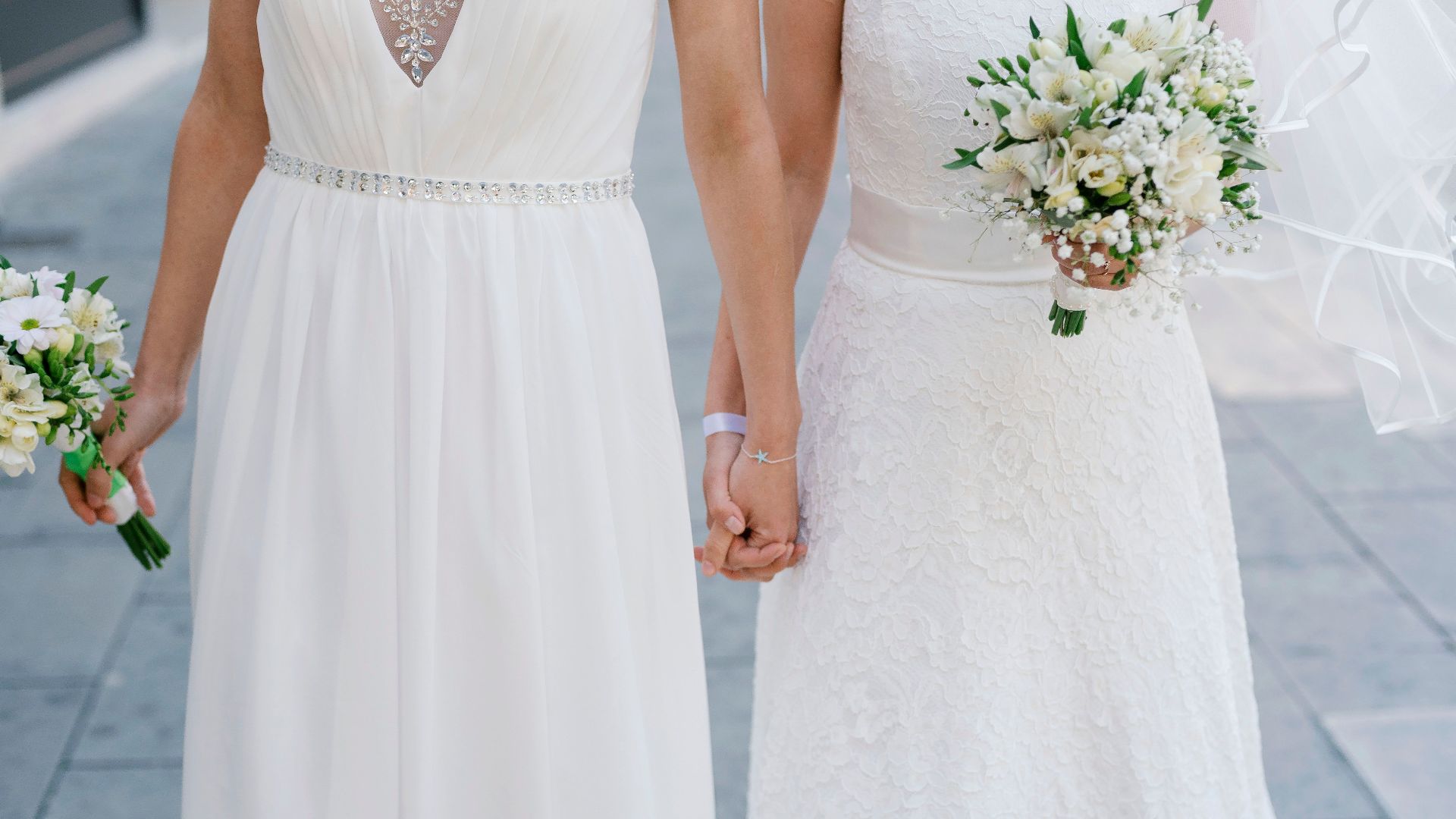
Opponents claimed that allowing gay and lesbian couples to marry would change the institution and weaken it for heterosexual couples. The debate often treated marriage like a limited status that would somehow mean less when more people were allowed to take part in it. Nationwide recognition arrived in the United States in 2015.
20. Treating Marital Abuse As A Crime
Violence and sexual coercion within marriage were often treated as private household matters, while older legal traditions gave husbands broad protection from accountability. Authorities sometimes placed family privacy and the preservation of marriage above the safety of an abused spouse. Reformers challenged that approach and established a basic legal principle: marriage didn’t erase consent, personal safety, or the rights held by either spouse.

KEEP ON READING