The Submarine Officer Who Quietly Refused To Start A Nuclear War
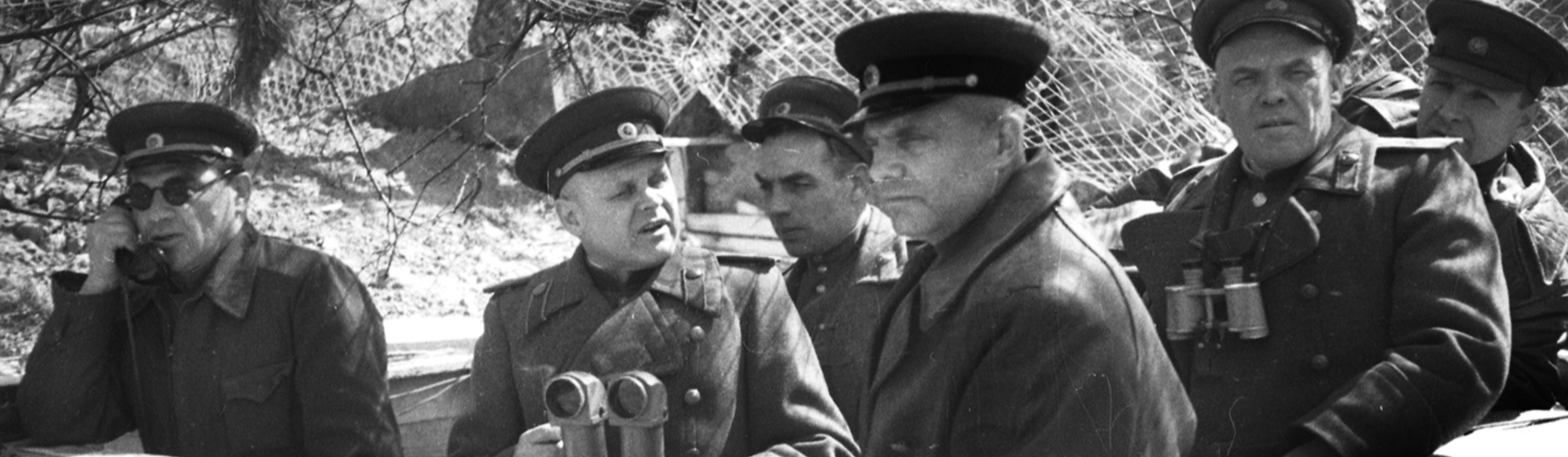
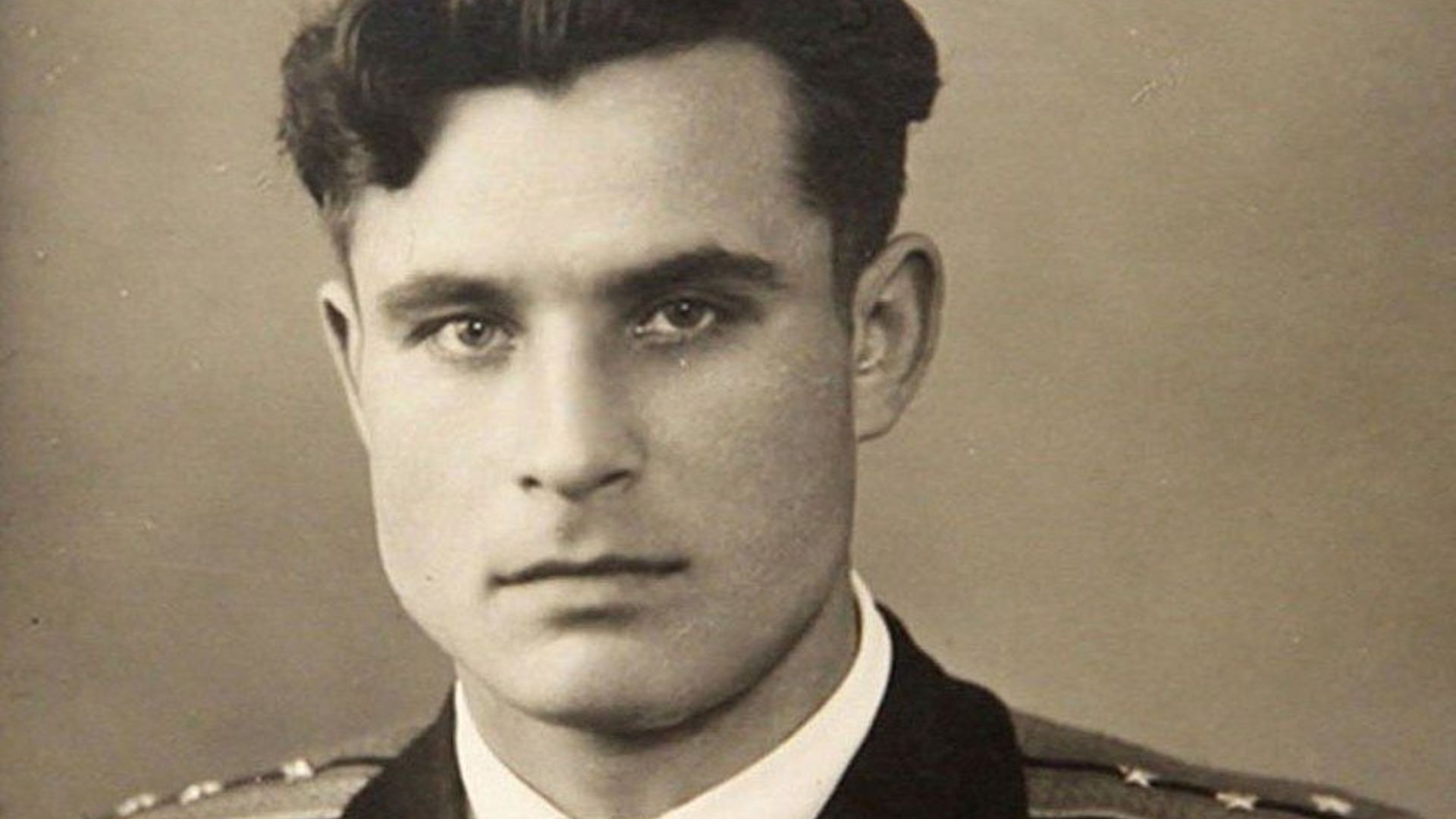 Image courtesy by Olga Arkhipova on Wikimedia
On October 27, 1962, the single most dangerous day of the Cuban Missile Crisis played out not in Washington or Moscow but underwater, inside a cramped Soviet submarine most people had never heard of. A Foxtrot-class diesel boat called B-59 sat submerged off Cuba, hunted by American destroyers who had no idea it was carrying a nuclear-tipped torpedo. Inside that hull, a decision came down to three men, and only one of them stood between that moment and something the world may never have recovered from.
His name was Vasily Arkhipov, and almost nobody outside a small circle of Soviet naval officers knew what he had done until decades later. No press conference followed, no medal ceremony, nothing that resembled the kind of recognition history usually reserves for people credited with averting catastrophe.
Trapped Beneath The Caribbean With No Word From Moscow
B-59 had left the Kola Peninsula on October 1, one of four Foxtrot-class submarines Moscow sent toward Cuba as part of the broader missile deployment. Each carried a nuclear torpedo with roughly the destructive force of the bomb dropped on Hiroshima, a detail the crews knew and the Americans searching for them did not. By late October, communication with Moscow had grown spotty at best, leaving the boat's officers with almost no sense of how the wider crisis was unfolding above the waterline.
On October 27, an American task force built around the aircraft carrier USS Randolph located B-59 and began dropping small practice depth charges meant to force it to the surface for identification. To the exhausted crew below, those explosions sounded a great deal like the opening of a war nobody had told them had started. Batteries were running low, the air conditioning had failed, and temperatures in some compartments had climbed well past 100 degrees Fahrenheit.
Carbon dioxide levels crept upward as the submarine stayed submerged far longer than intended, and several crew members reportedly began losing consciousness from the heat and bad air. Captain Valentin Savitsky, cut off from any confirmation of what was happening on the surface, became convinced that war had already broken out between the two superpowers. He gave the order to prepare the nuclear torpedo for launch against the American ships pressing down on his submarine.
The Vote That Needed Three Signatures
Soviet protocol for these particular submarines required agreement from both the commanding officer and the political officer before a nuclear weapon could be fired, and on B-59 that second man was Ivan Maslennikov, who reportedly sided with Savitsky. On the other three submarines in the flotilla, that would have been enough to authorize the launch outright. B-59 carried an extra complication that nobody hunting it from the surface could have known about.
Arkhipov held the rank of chief of staff for the entire submarine flotilla and happened to be riding aboard B-59 rather than commanding his own vessel that day. Because of that added seniority, protocol on this particular boat required his consent as well, making the vote a matter of three signatures rather than two. Savitsky and Maslennikov were ready to fire. Arkhipov was not.
Accounts pieced together later from surviving crew members describe a tense argument inside the submarine, with Arkhipov pushing back against the assumption that war had already started and arguing for surfacing to await direct orders from Moscow instead. He eventually talked Savitsky down, and B-59 rose to the surface in the middle of the American fleet that had been hunting it. The submarine was allowed to leave without incident, and it turned back toward the Soviet Union.
The World Found Out Forty Years Later
Almost none of this became public knowledge at the time, and it stayed buried in Soviet naval records for four decades afterward. Arkhipov went on with an ordinary career, eventually reaching the rank of vice admiral before retiring, and rarely discussed what had happened aboard B-59 even with his own family. He died in 1998 of kidney cancer that many attribute to radiation exposure from an earlier posting aboard the submarine K-19, where a reactor coolant failure in 1961 had already put him at the center of one Cold War near-disaster.
The full story only reached a wider audience in 2002, at a conference in Havana marking the fortieth anniversary of the missile crisis. Thomas Blanton, director of the National Security Archive at George Washington University, presented declassified Soviet naval records alongside testimony gathered from surviving officers of the flotilla. His summary of Arkhipov's role in preventing the launch spread quickly through historical and diplomatic circles afterward.
Arkhipov's widow attended that conference and later said her husband had spoken of the incident only rarely, treating it as a routine part of his service rather than an act of heroism. He was never given a public honor for it during his lifetime, and the closest thing arrived nearly two decades after his death, when the Future of Life Institute recognized him posthumously in 2017 for the decision he made in a sweltering submarine most of the world would spend forty years not knowing existed.
KEEP ON READING