20 Historical Figures Who Were Famous for All the Wrong Reasons
When Infamy Becomes a Lasting Legacy
History doesn’t only remember the people who changed the world for the better. Some figures became famous through cruelty, betrayal, scandal, fraud, or one extremely bad decision that overshadowed all their other accomplishments. Others received reputations that were exaggerated by propaganda and repeated until the legend became more familiar than the truth. Whether fully deserved or surprisingly unfair, these 20 names became permanently associated with behavior nobody would want mentioned in an obituary.
1. Caligula
Caligula became one of ancient Rome’s most notorious emperors, despite ruling for less than four years. Later accounts accused him of executions, humiliating senators, wasting public money, and behaving as though ordinary rules no longer applied to him. Some of the wildest stories may have been exaggerated by hostile Roman writers, but his name still represents chaotic, cruel, and unchecked power.
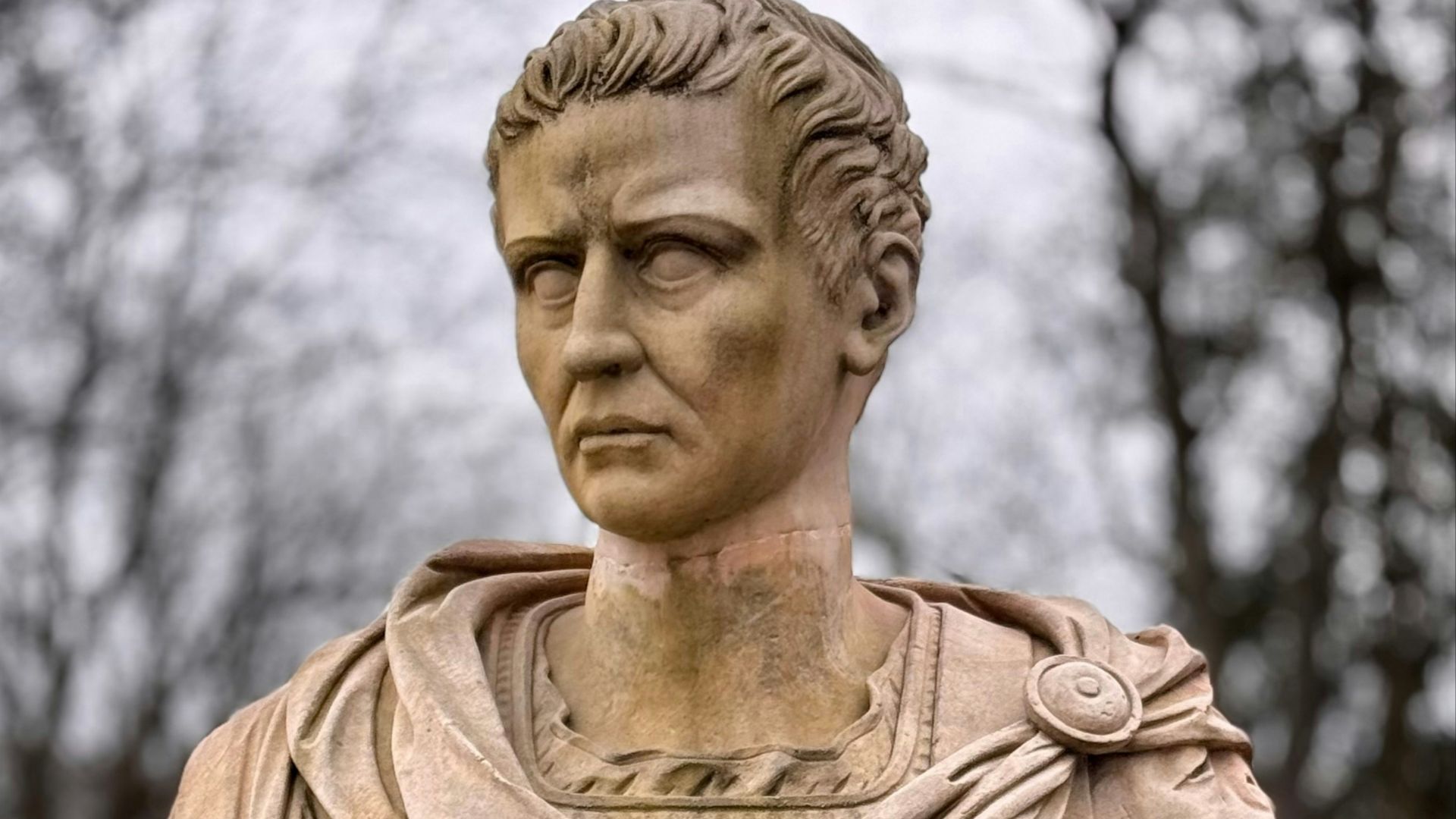 Roman Empire Times on Unsplash
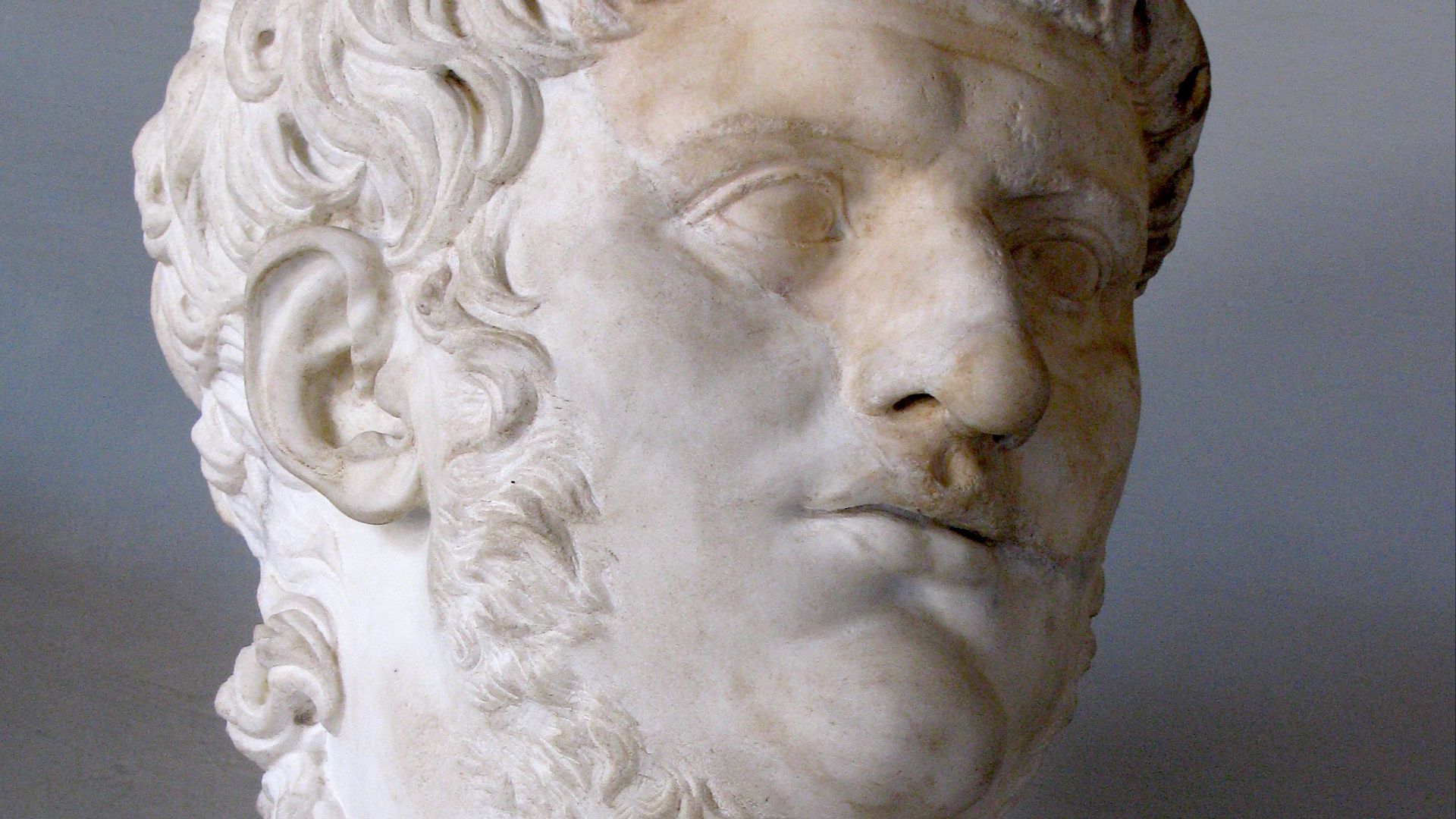
2. Nero
Few rulers have been blamed for as many disasters as Nero, whose reputation includes murder, persecution, extravagance, and terrible artistic performances that nobody could safely criticize. The familiar story that he played music while Rome burned is a myth, but he did use land cleared by the fire for an enormous palace complex. Even allowing for biased ancient sources, arranging the death of his own mother didn’t exactly help his public image.
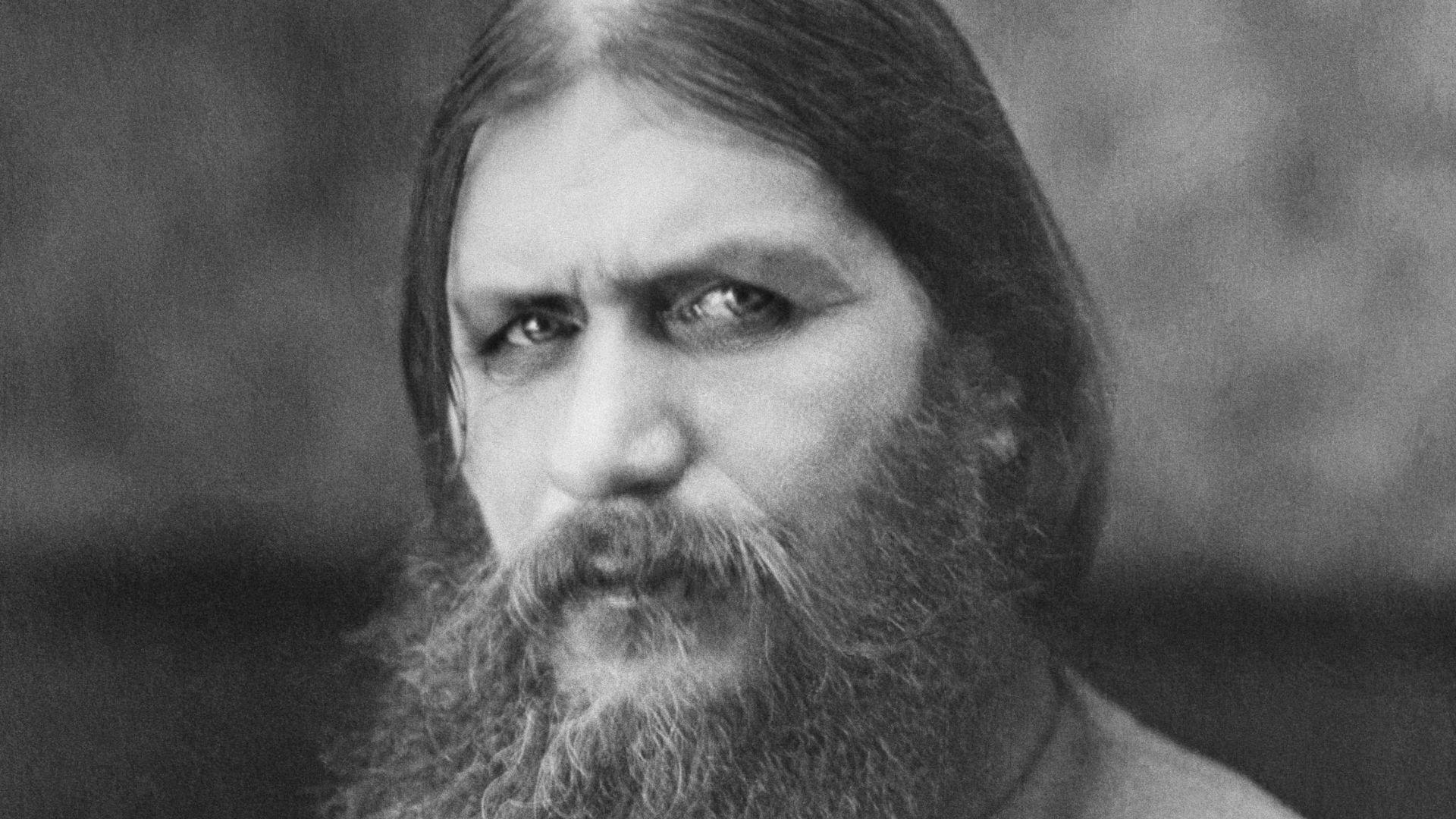
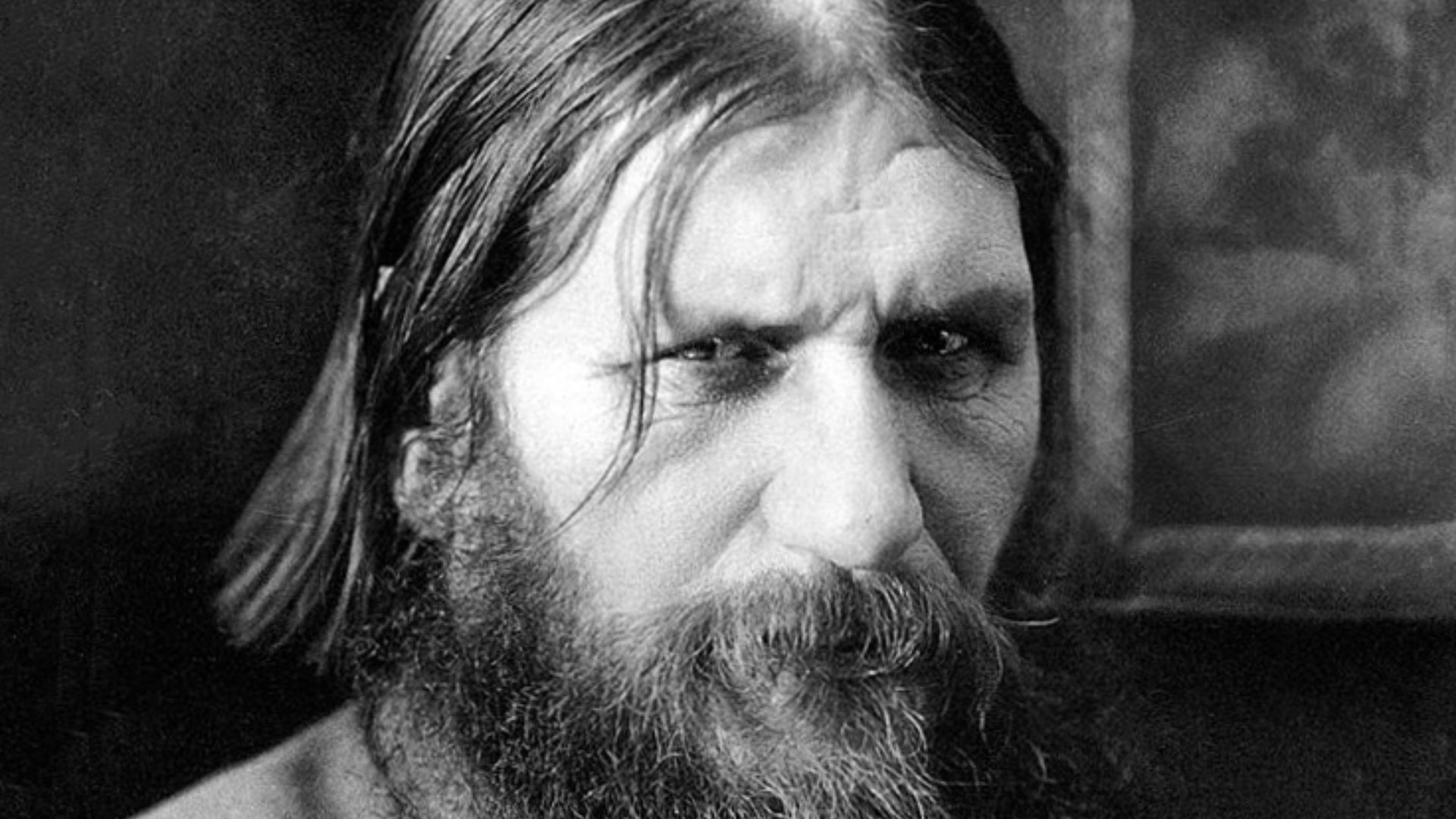
3. Grigori Rasputin
Rasputin entered the Russian imperial court because Empress Alexandra believed he could ease her son Alexei’s hemophilia. His access to the royal family soon inspired rumors about drunkenness, sexual misconduct, political manipulation, and secret control over the empire. Many stories were inflated, but his presence is often linked to the downfall and brutal destruction of the Russian royal family.
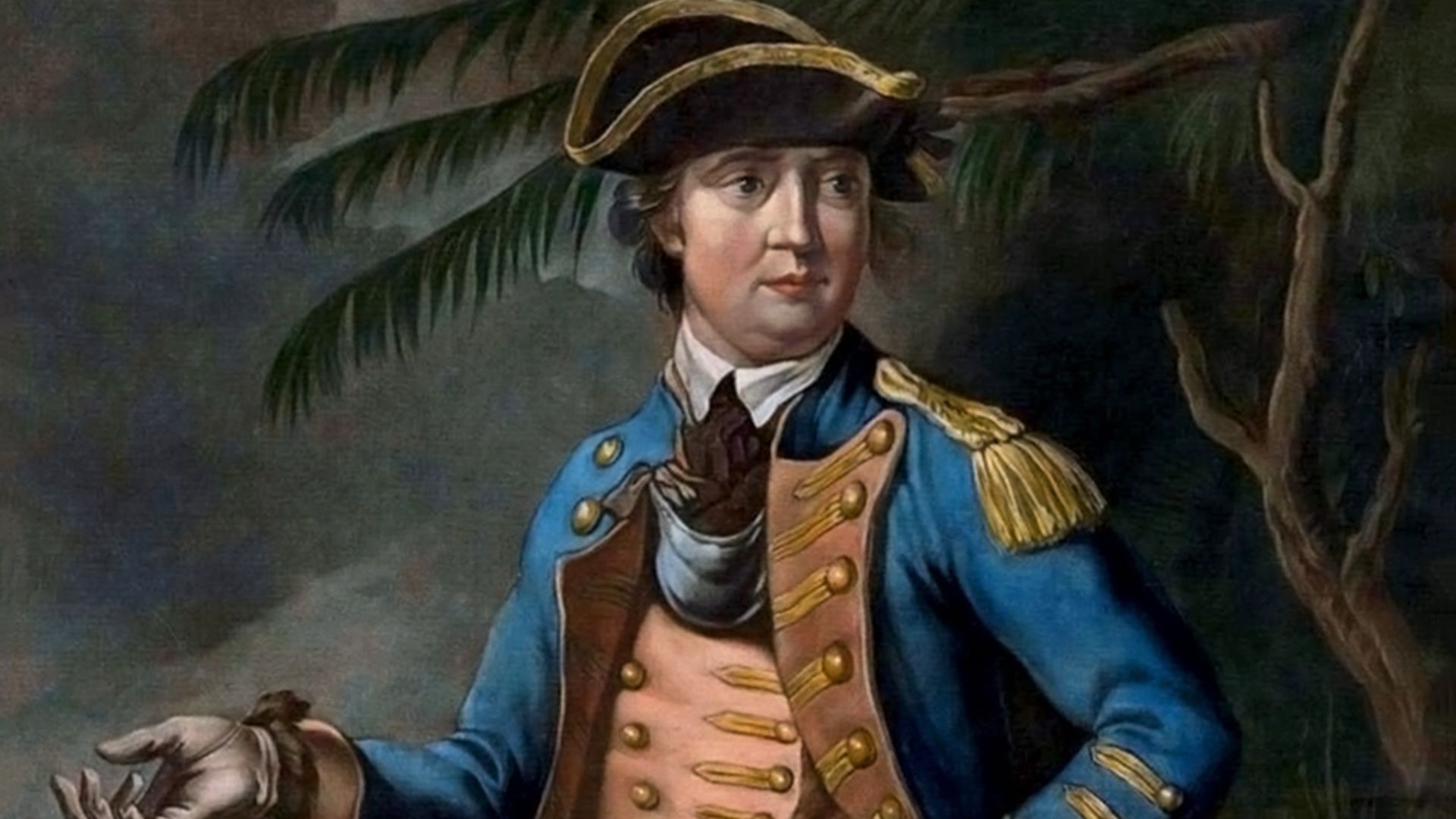
4. Benedict Arnold
Before becoming America’s most famous traitor, Benedict Arnold had been one of the Continental Army’s bravest and most effective commanders. Resentment over money, promotions, and perceived disrespect eventually led him to plot the surrender of West Point to the British. The plan failed, but it succeeded in turning his name into a lasting synonym for betrayal.
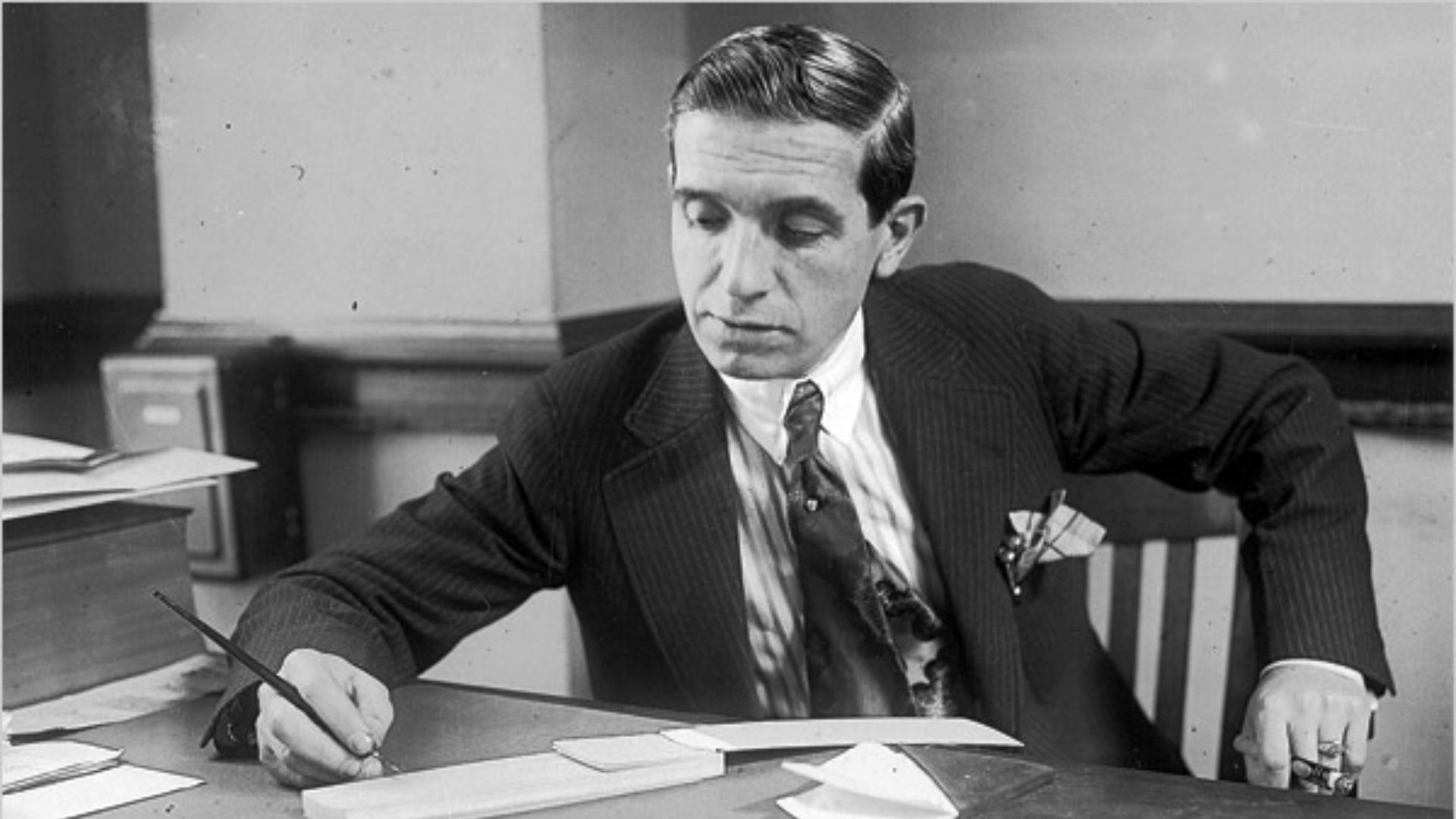
5. Charles Ponzi
Charles Ponzi promised investors enormous profits through a plan involving international postal reply coupons. In practice, money from newer customers was used to pay earlier ones until the entire operation inevitably collapsed. He wasn’t the first person to run this kind of fraud, but his name was the one that got attached to it.
 Boston Library (NYT); en.wikipedia.org on Wikimedia
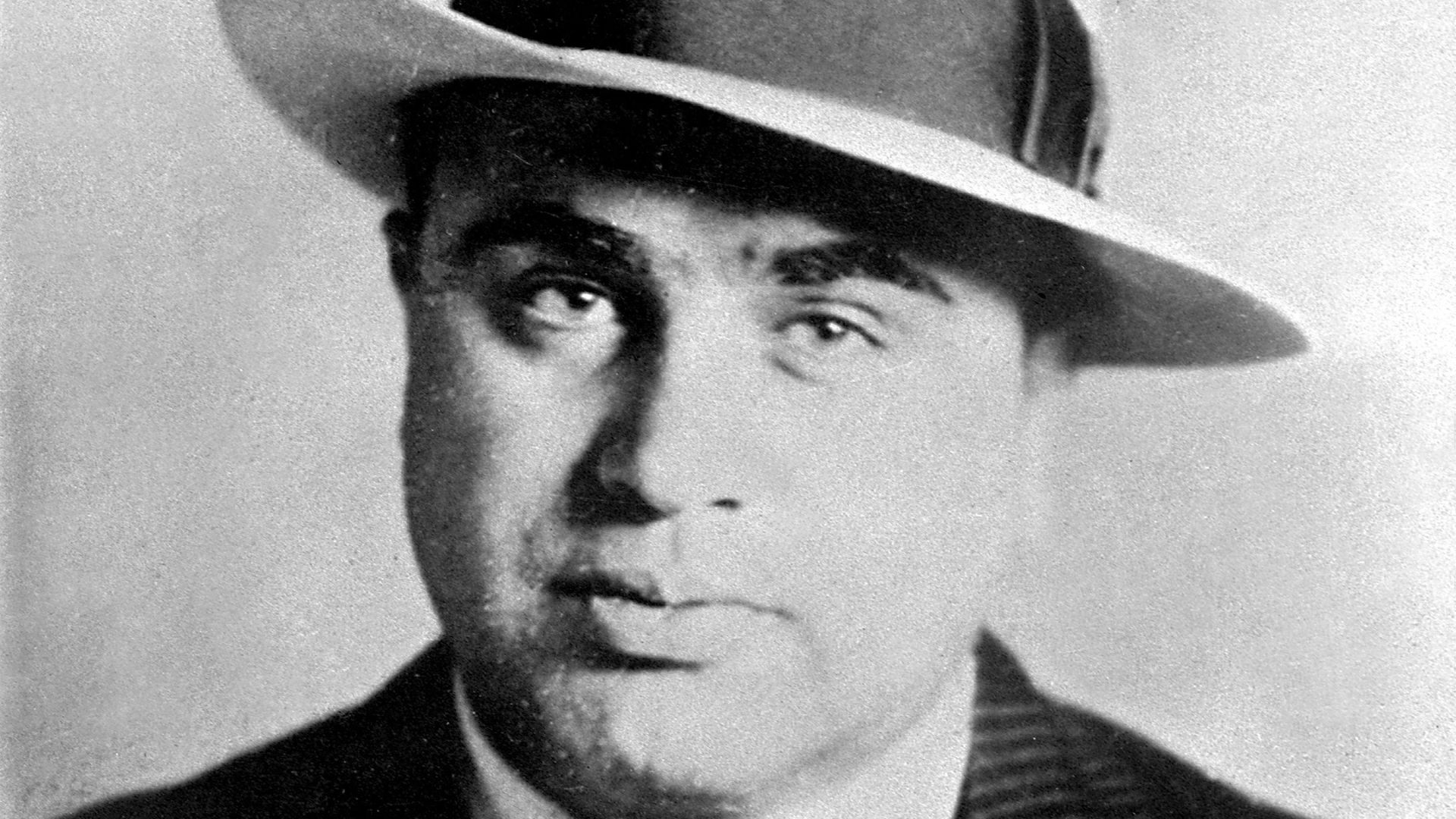
6. Al Capone
Al Capone became the public face of organized crime during Prohibition, running a Chicago operation connected to illegal alcohol, gambling, and violence. His expensive suits and confident interviews occasionally made him look more like a celebrity businessman than a gang leader. After authorities struggled to prosecute him for more violent crimes, he was finally imprisoned for income tax evasion, which was a considerably less dramatic ending than his reputation suggested.
 Pennsylvania Department of Corrections / FBI on Wikimedia
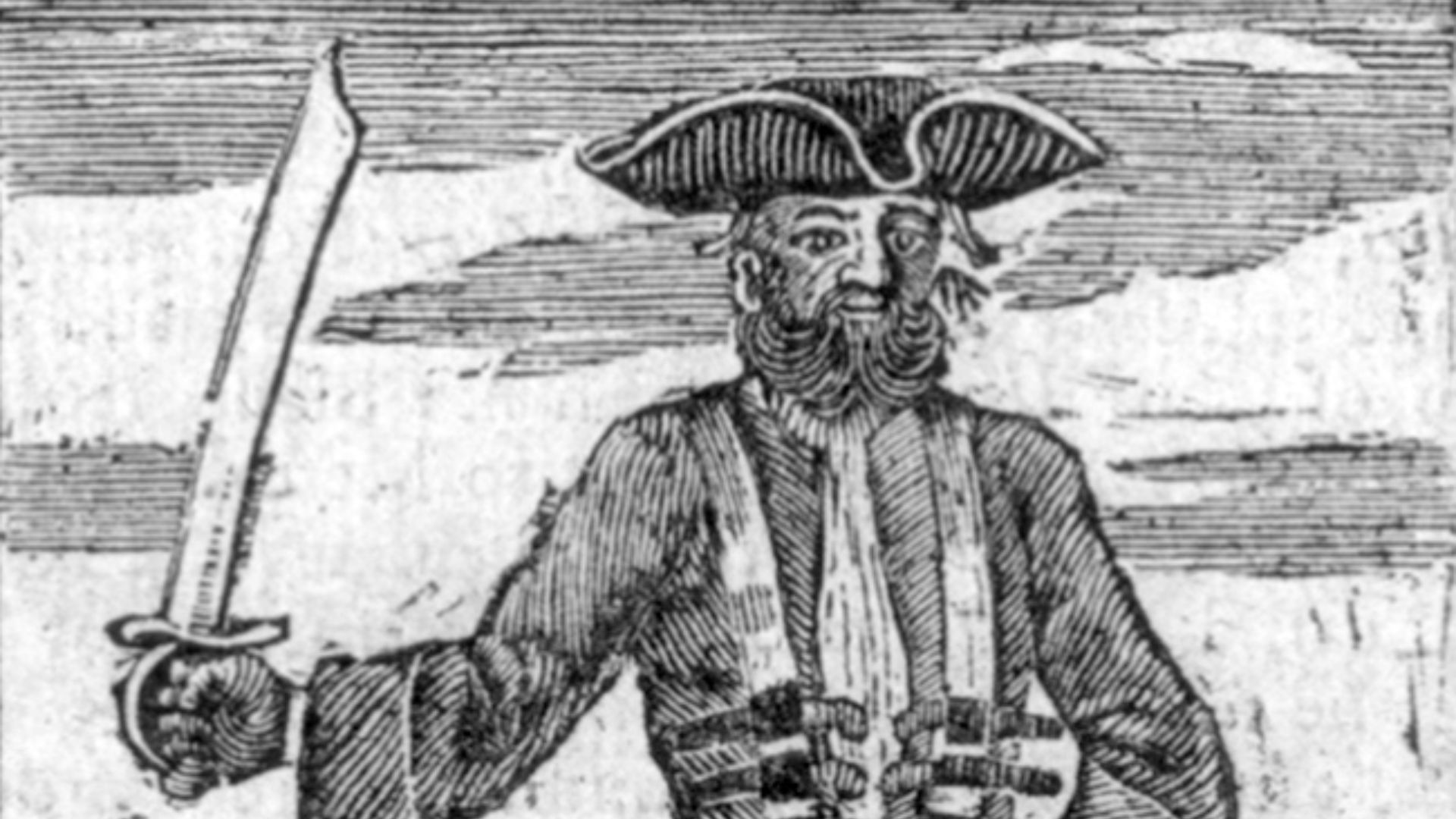
7. Blackbeard
Edward Teach, better known as Blackbeard, carefully designed an appearance that would frighten sailors before fighting even began. He reportedly tied ribbons into his beard and placed smoking fuses around his head during confrontations. His piracy career was surprisingly short, but his attention to personal branding made him one of history’s most recognizable criminals.
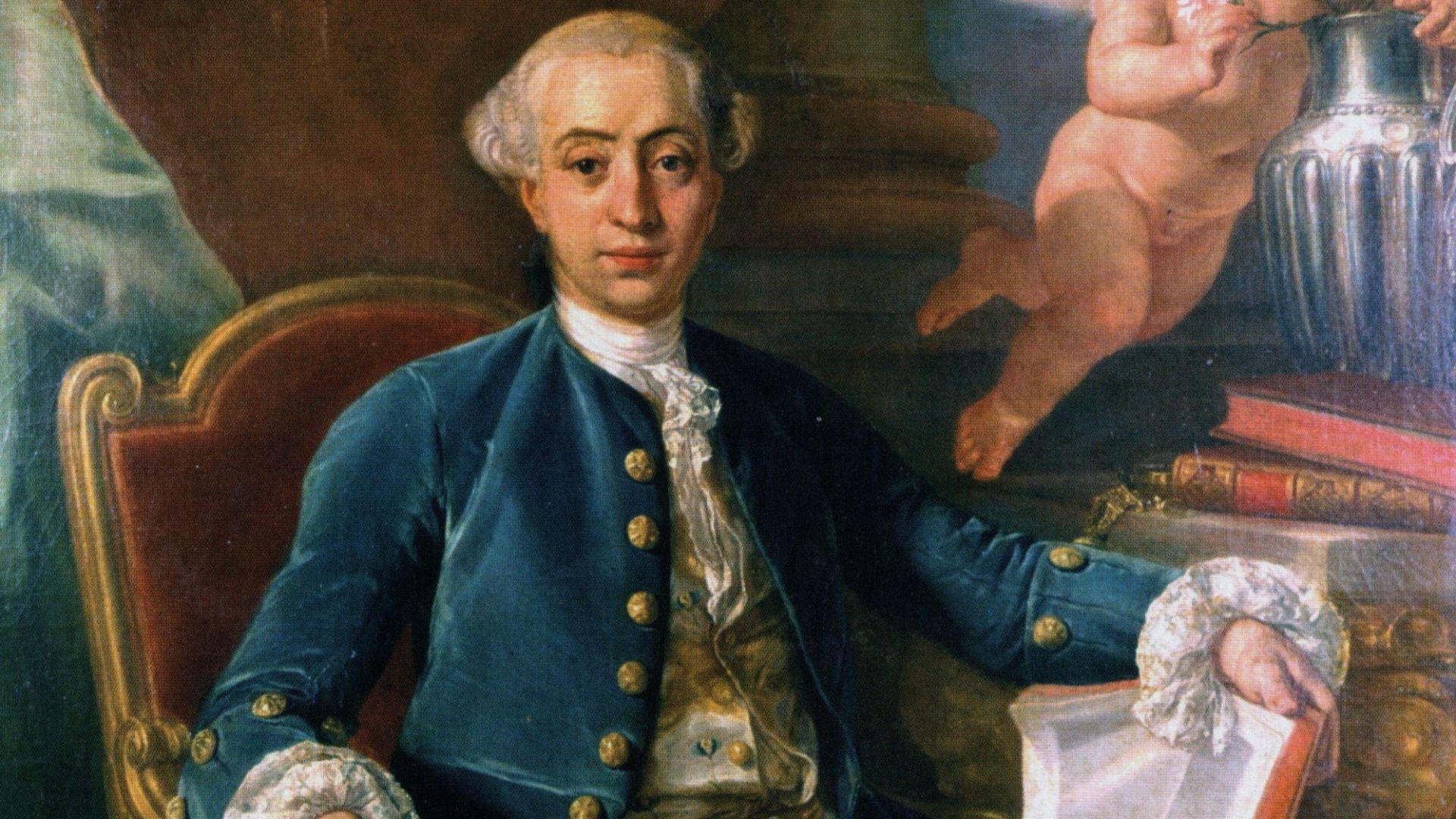
8. Giacomo Casanova
Casanova worked as a writer, diplomat, gambler, traveler, and occasional con man, yet nearly all of that disappeared behind his romantic reputation. His detailed memoir described numerous relationships and adventures across 18th-century Europe, turning his surname into another word for a habitual seducer. The reputation has become less charming under modern scrutiny, particularly because several encounters he described involved deception, exploitation, or troubling power imbalances.
 Attributed to Francesco Narici on Wikimedia
9. Mary Mallon
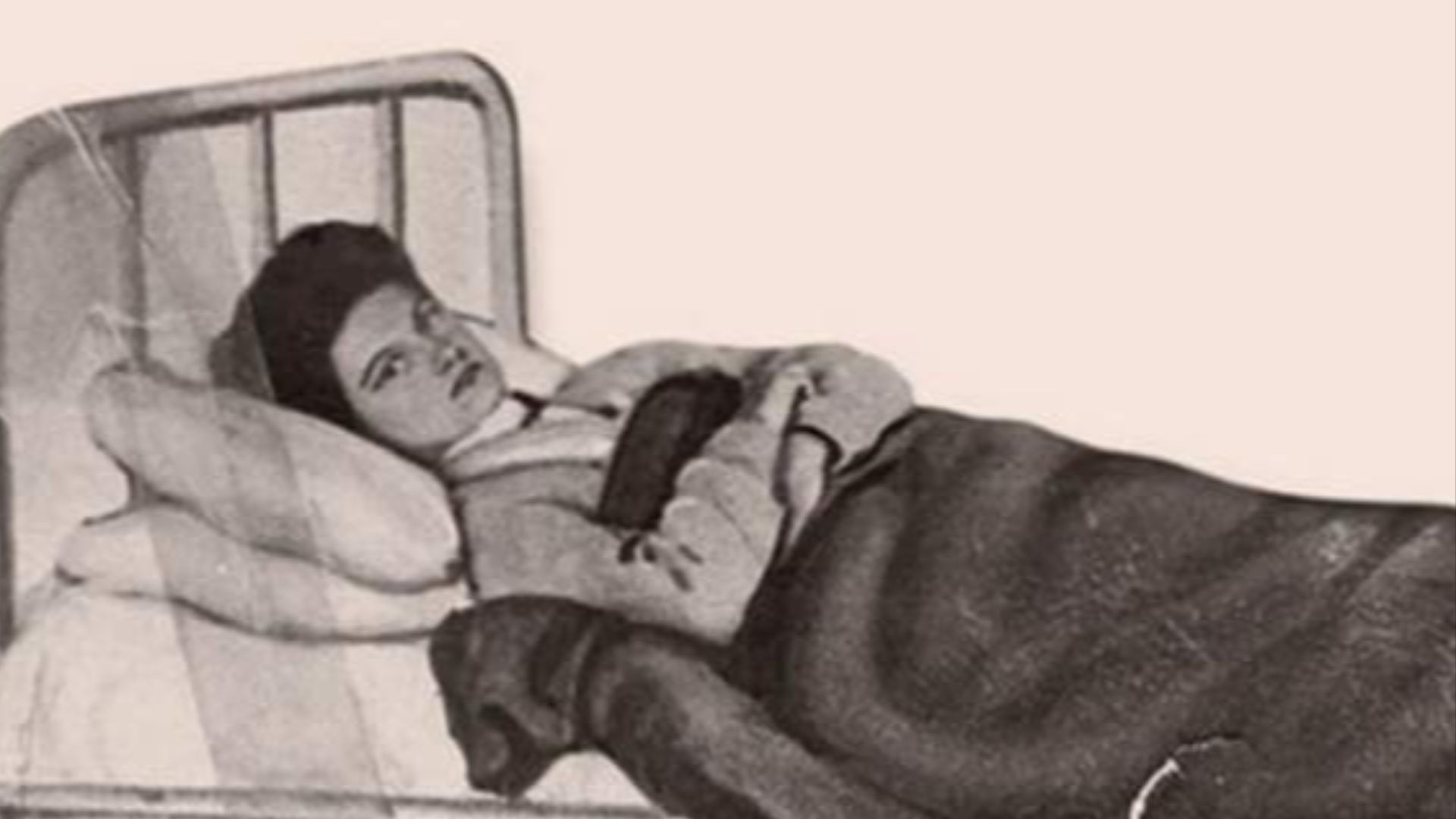
Mary Mallon became known as “Typhoid Mary” after investigators connected her work as a cook to several outbreaks in New York. Because she carried the bacteria without appearing sick, she refused to believe she could infect anyone and later returned to cooking under another name. Her nickname became shorthand for anyone spreading illness.
10. William Bligh
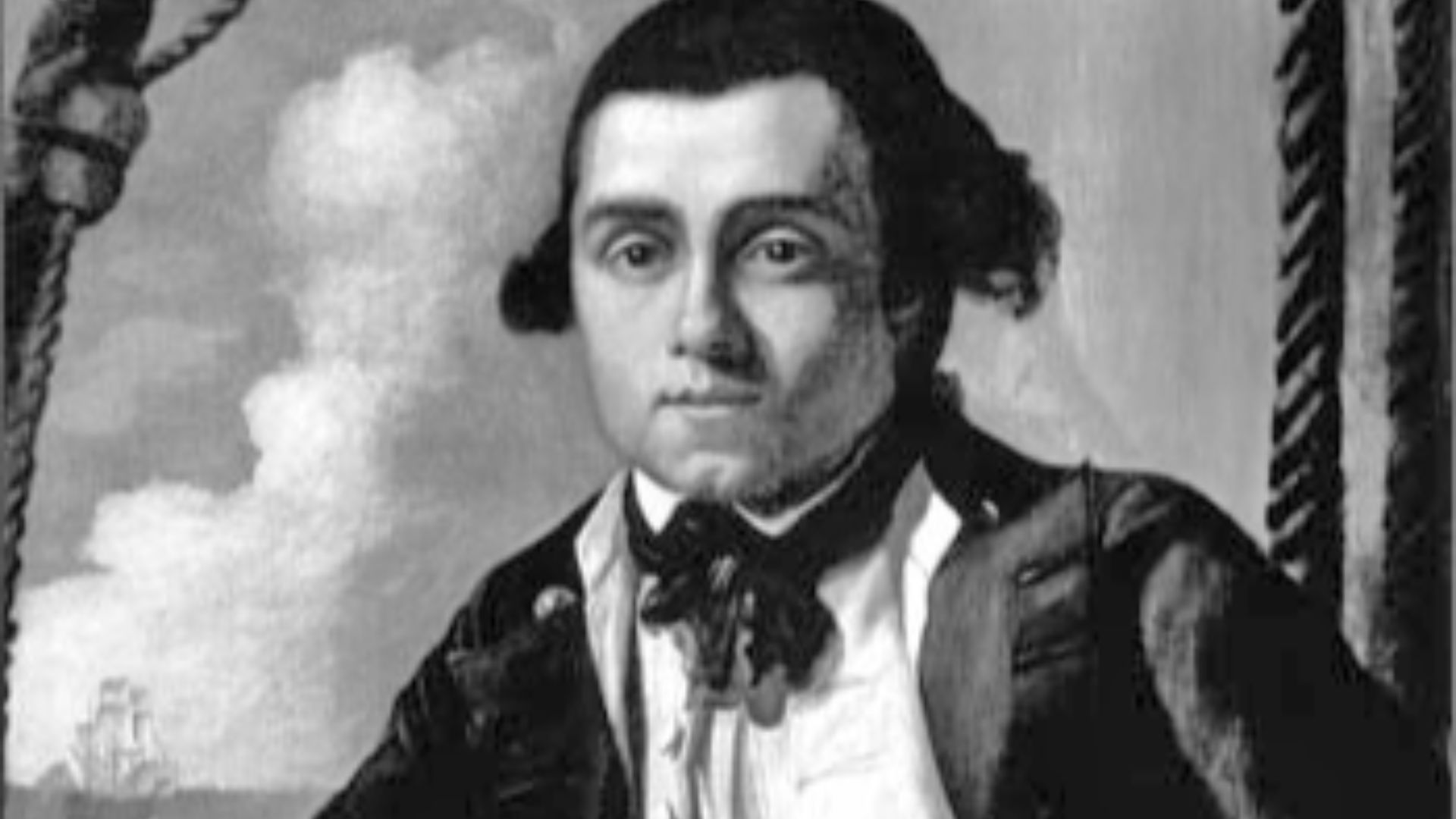
Captain William Bligh is mainly remembered as the harsh commander whose crew mutinied aboard the *Bounty*. Books and movies often portrayed him as a nearly unbearable tyrant who pushed sailors beyond their limits. Historical records present a more complicated figure, since Bligh was also a highly capable navigator whose conduct wasn’t unusually brutal by contemporary naval standards.
11. Elizabeth Báthory
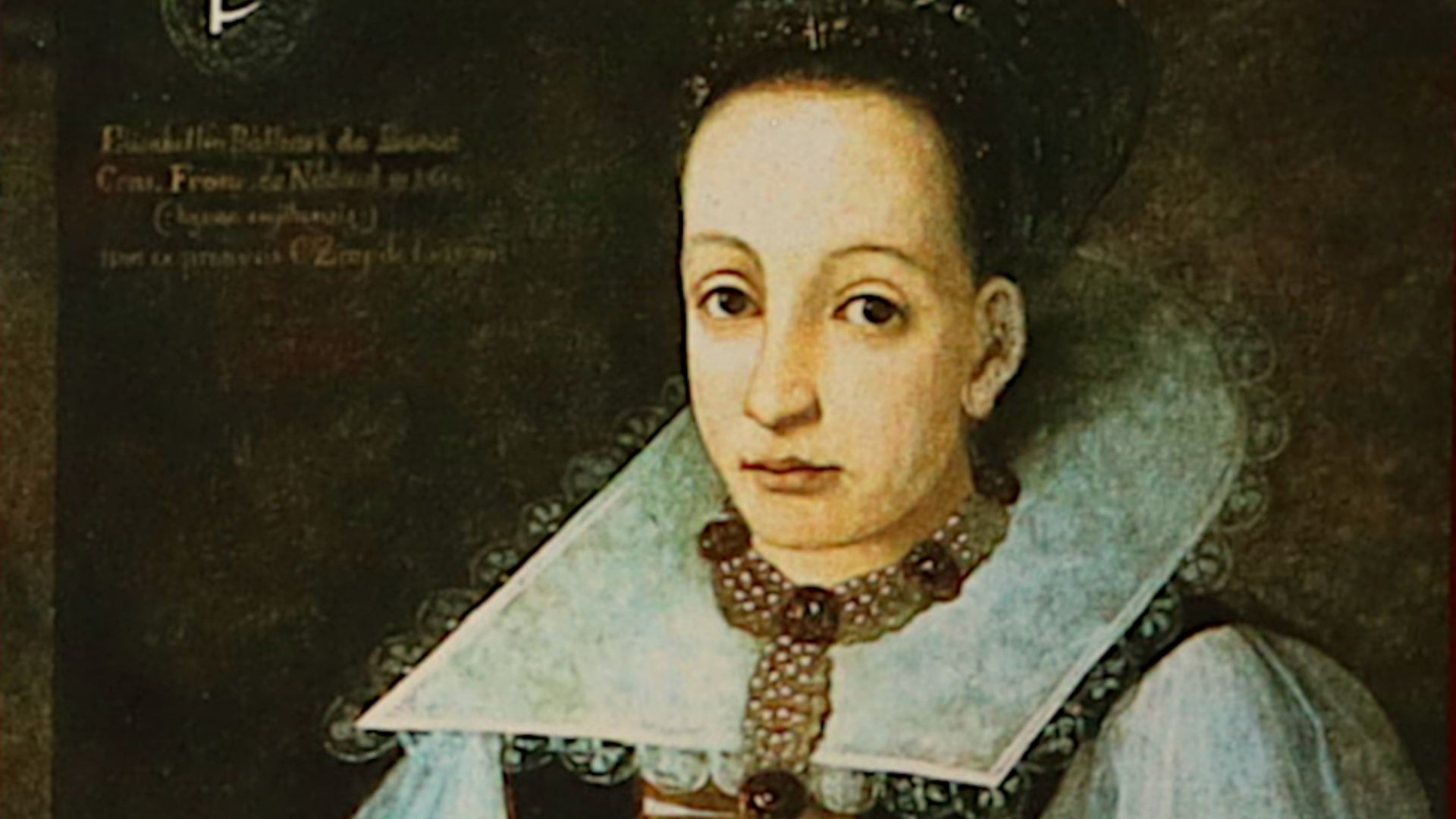
Elizabeth Báthory was accused of torturing and killing young women on her Hungarian estates, earning the later nickname “the Blood Countess.” Sensational versions claimed she bathed in her victims’ blood to preserve her youth, although that detail appeared long after her death. Historians continue to debate whether she was a prolific murderer, the target of a political conspiracy, or something between those extremes.
12. Vlad the Impaler
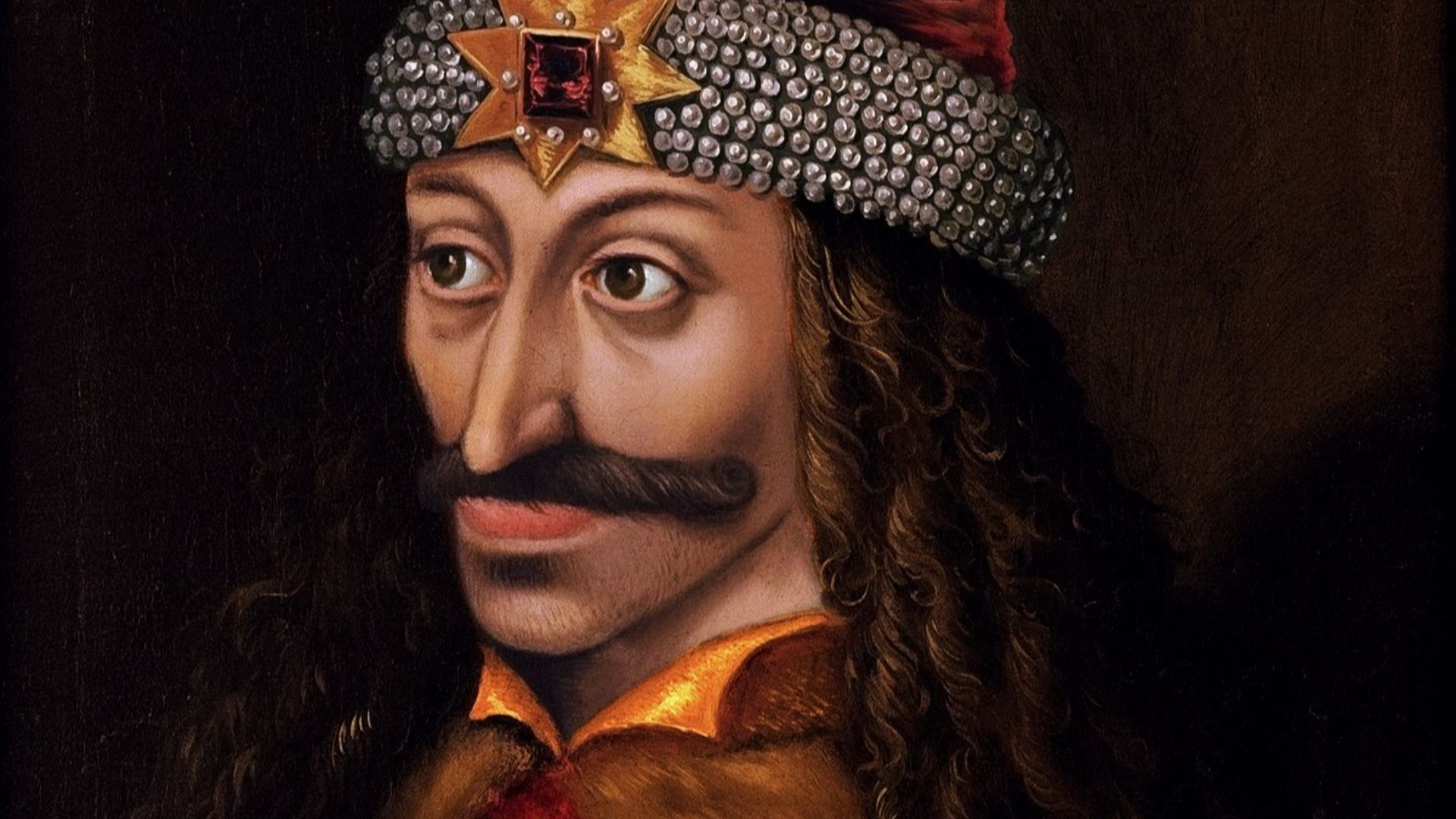
Vlad III of Wallachia became infamous for using impalement as a punishment against enemies and suspected criminals. Stories about forests of bodies helped turn him into a symbol of medieval cruelty and later contributed to his association with Dracula. In parts of Romania, however, he’s also remembered as a forceful ruler who resisted Ottoman expansion and imposed order during a violent period.
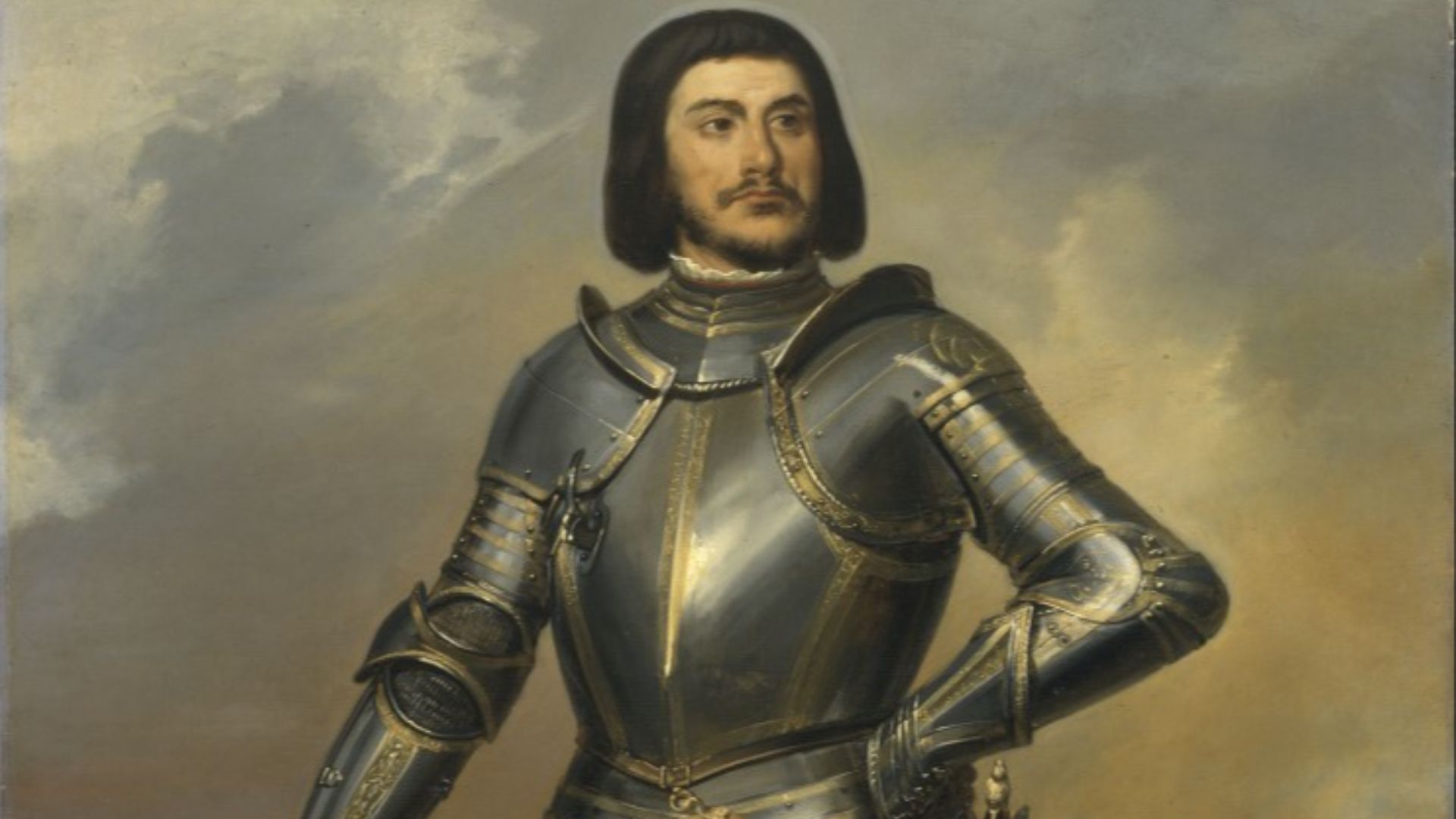
13. Gilles de Rais
Gilles de Rais began his public life as a wealthy nobleman and military commander who fought alongside Joan of Arc. His legacy changed completely after he was tried and executed in 1440 for the abuse and murder of children. Questions have been raised about the politics and procedures surrounding his trial, but the horrifying accusations permanently overwhelmed his earlier military reputation.
 Éloi Firmin Féron on Wikimedia
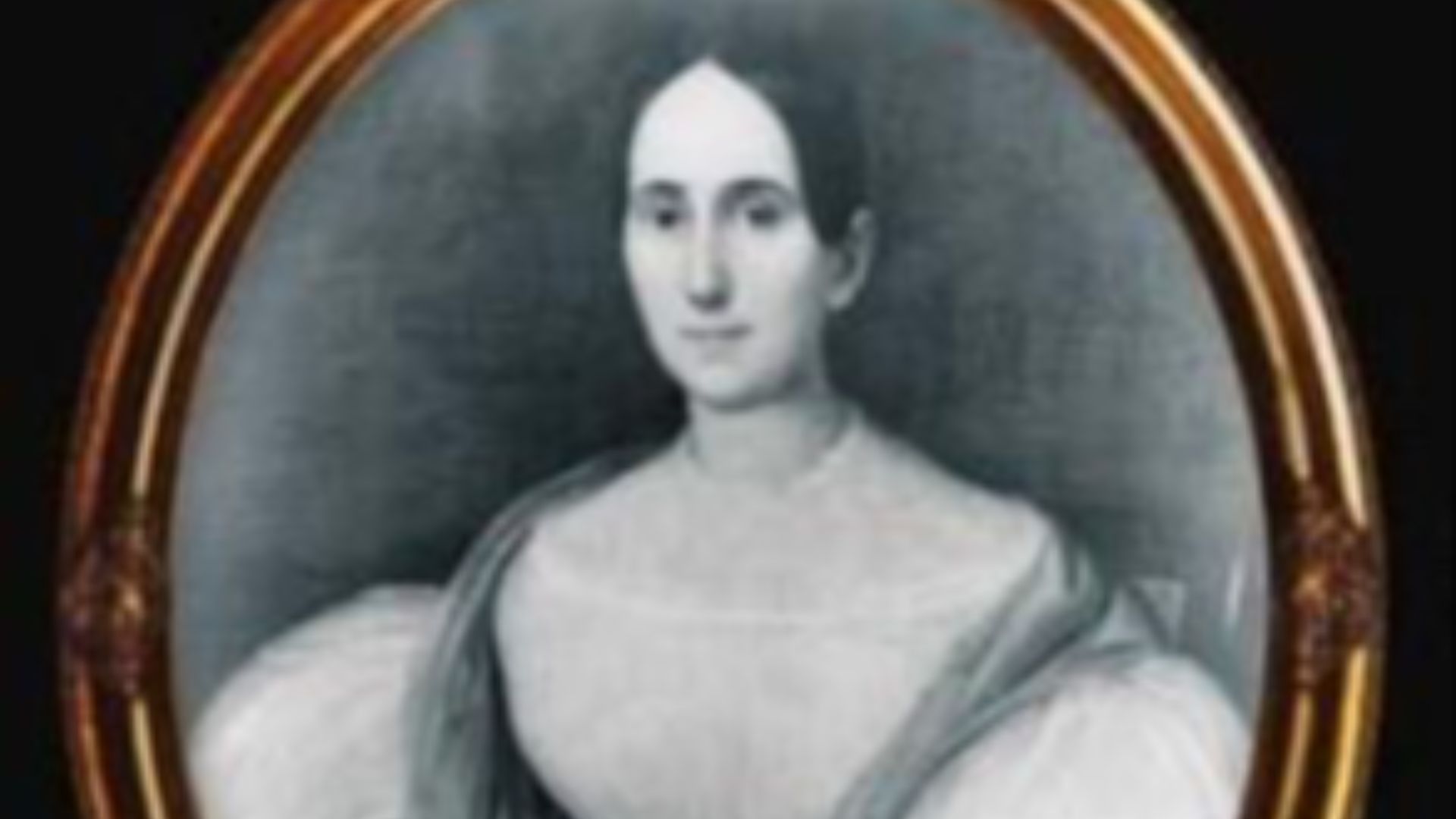
14. Madame LaLaurie
Delphine LaLaurie was a wealthy New Orleans socialite whose elegant home concealed the brutal mistreatment of enslaved people. The abuse became publicly known after an 1834 fire brought rescuers into the property. LaLaurie fled the city, leaving behind a reputation so disturbing that her mansion later became one of New Orleans’ best-known sites of dark tourism.
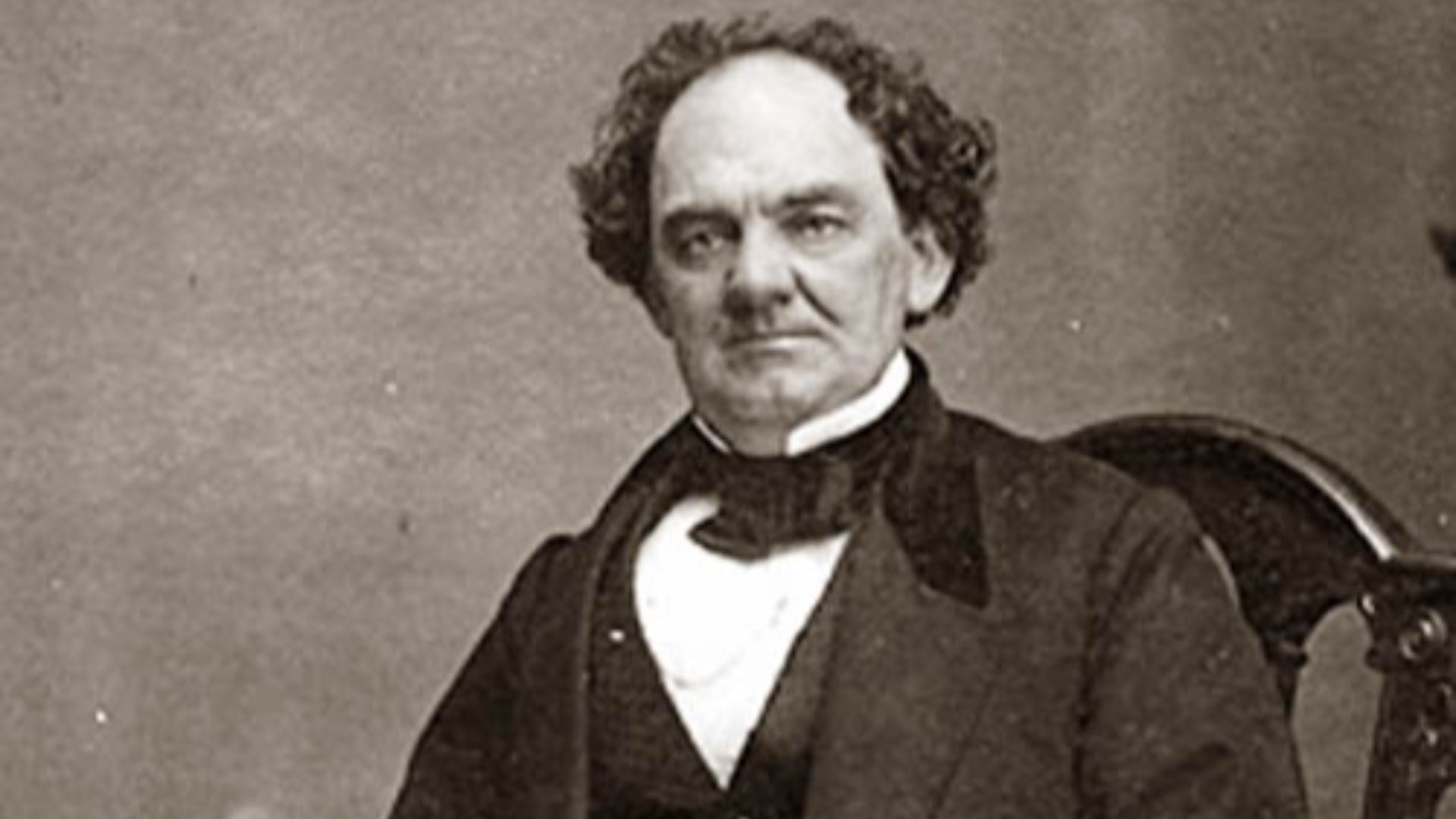
15. P.T. Barnum
P.T. Barnum helped transform popular entertainment through museums, exhibitions, and the circus that eventually carried his name. He also built his career by promoting hoaxes and displaying people whose bodies, backgrounds, or identities were presented as curiosities for paying crowds. His talent for publicity was undeniable, but many of his methods look exploitative through a modern lens.
 Mathew Benjamin Brady on Wikimedia
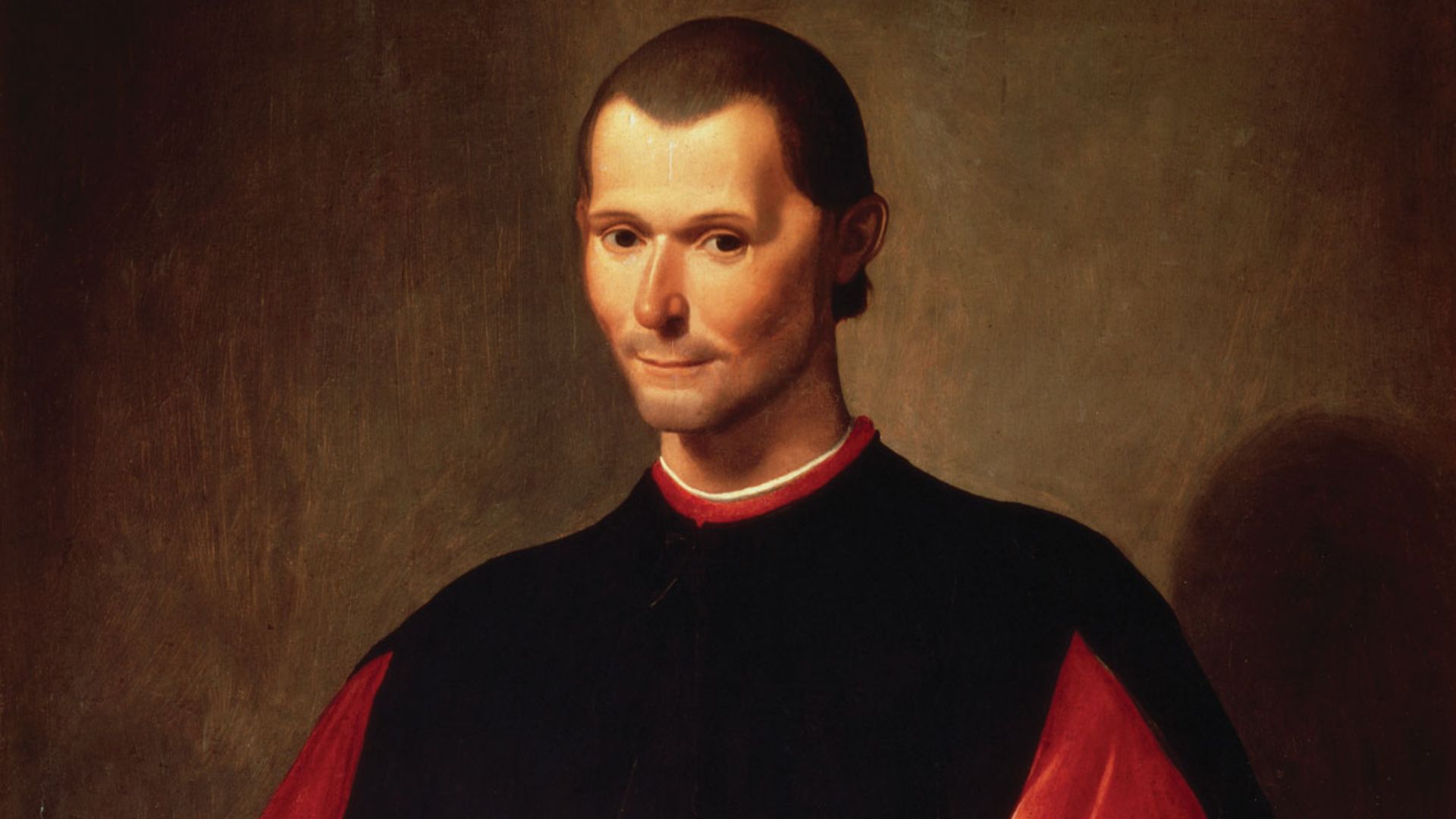
16. Niccolò Machiavelli
Machiavelli’s name became associated with manipulation, dishonesty, and the ruthless pursuit of power. That reputation largely comes from The Prince, which discussed how rulers gain and maintain control in an unstable political world. Whether he was endorsing such behavior or simply describing it realistically remains debated, but "Machiavellian” certainly isn’t a compliment most people hope to receive.
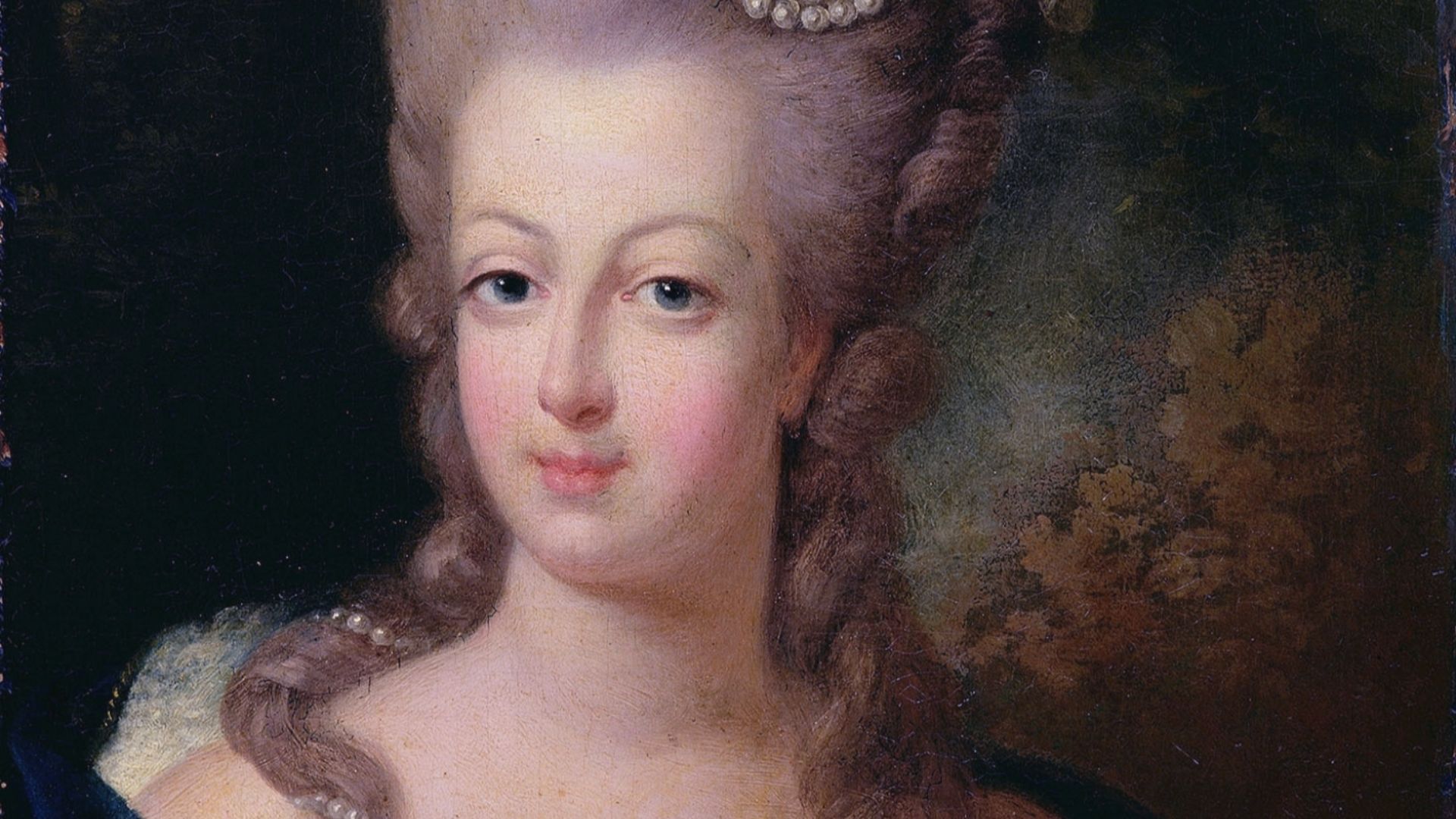
17. Marie Antoinette
Marie Antoinette became a symbol of royal extravagance while ordinary French citizens faced hunger and economic hardship. She’s still widely associated with the dismissive statement “Let them eat cake,” even though there’s no reliable evidence she ever actually said that. Her spending and poor political instincts damaged her image, but propaganda turned her into a convenient explanation for problems far larger than one queen’s wardrobe.
 After Jean-Baptiste André Gautier-Dagoty on Wikimedia
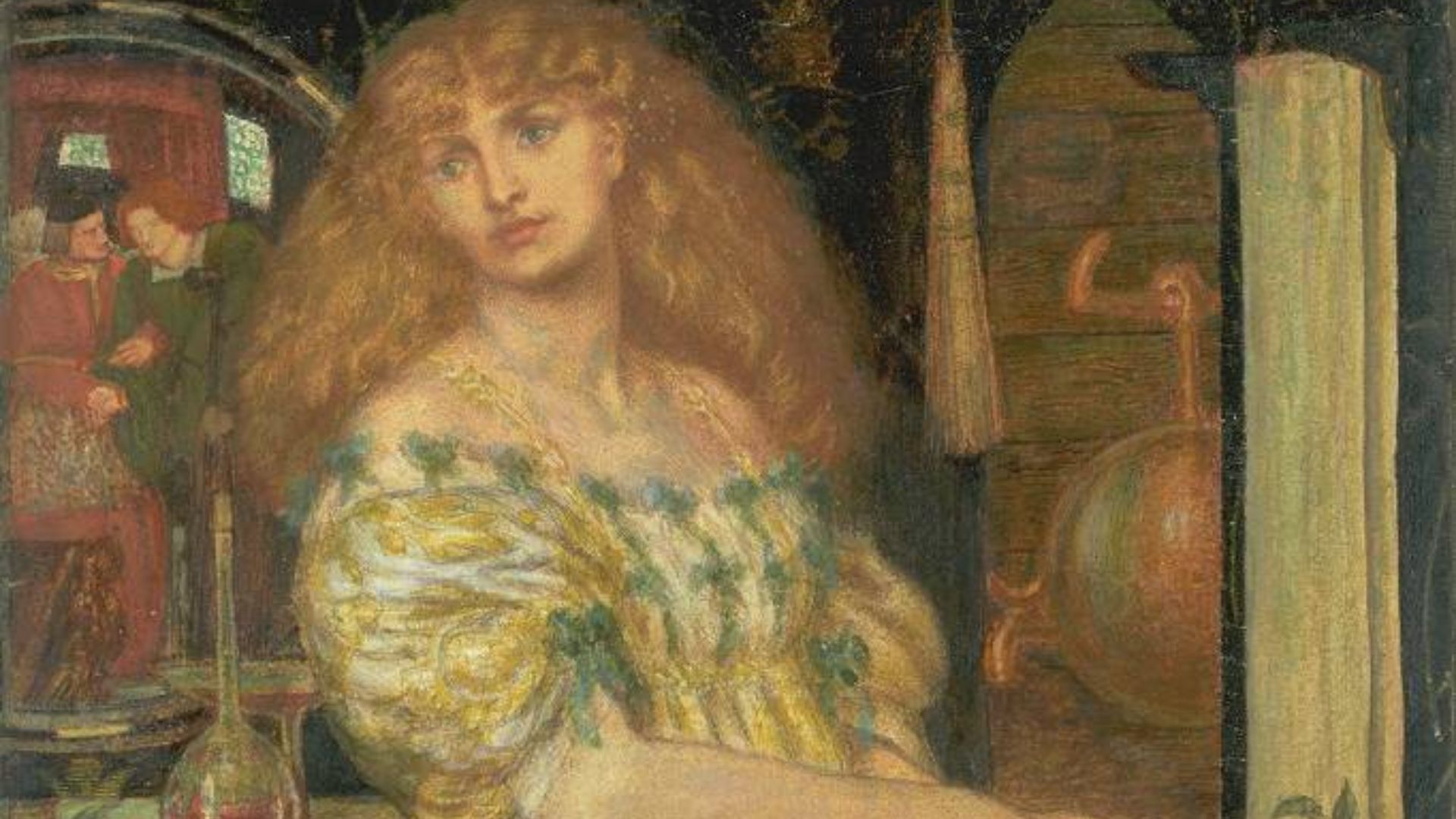
18. Lucrezia Borgia
For centuries, Lucrezia Borgia was portrayed as a seductive poisoner who helped her powerful family eliminate its enemies. Much of that reputation grew from rumors surrounding her father, Pope Alexander VI, and her brother Cesare, both of whom used marriages and alliances for political advantage. Surviving evidence suggests Lucrezia was often a pawn in her family’s plans and later became a respected administrator and patron in Ferrara, but that former association stuck.
 Dante Gabriel Rossetti on Wikimedia
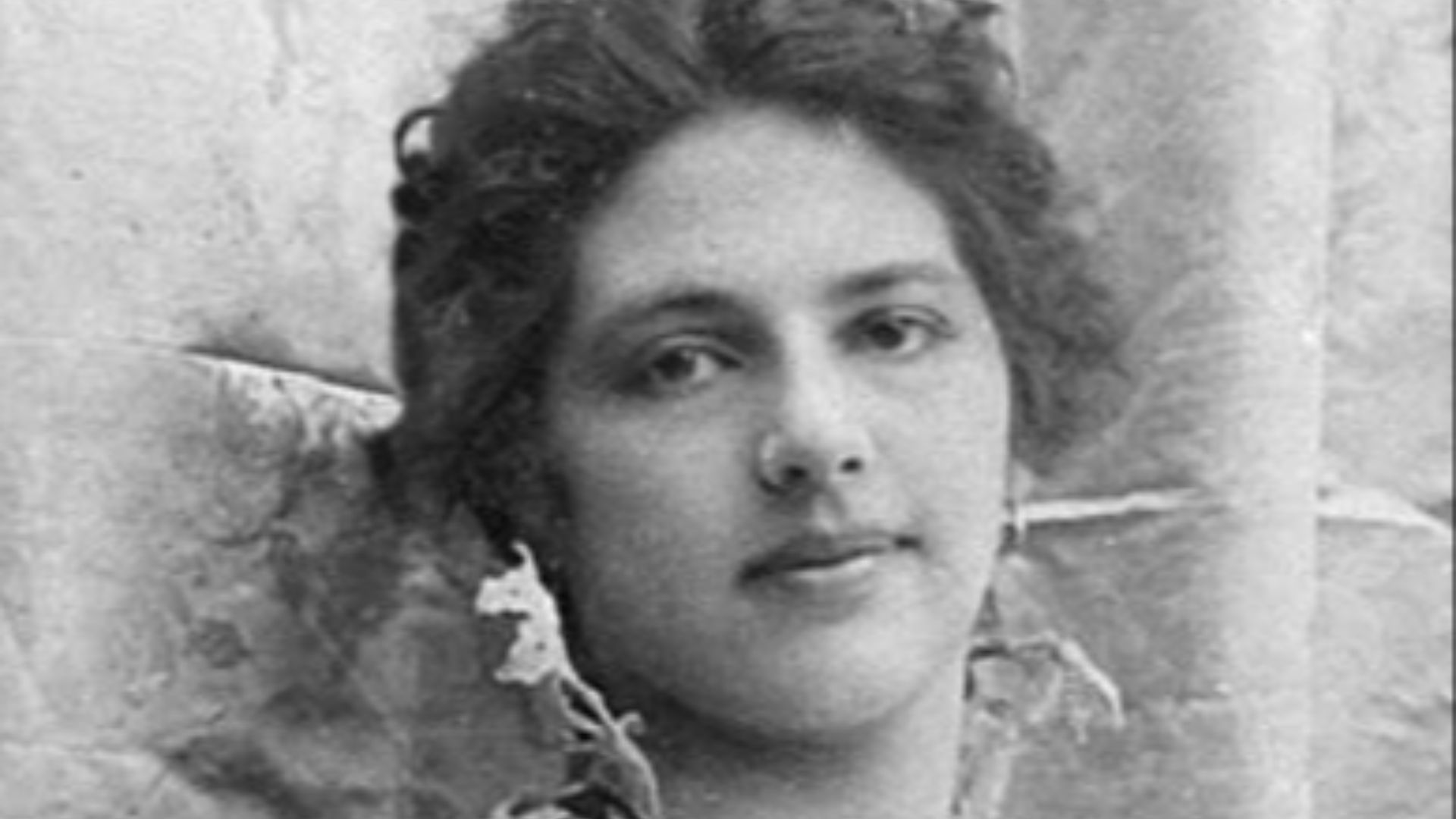
19. Mata Hari
Mata Hari became famous as the glamorous dancer who supposedly seduced military officers and stole secrets during World War I. France convicted and executed her for spying in 1917, portraying her as a dangerously effective German agent. Later historians have questioned the strength of the case, suggesting that her scandalous image made her a useful scapegoat during a disastrous period of the war.
 Koene & Com / Batavia-Amsterdam on Wikimedia
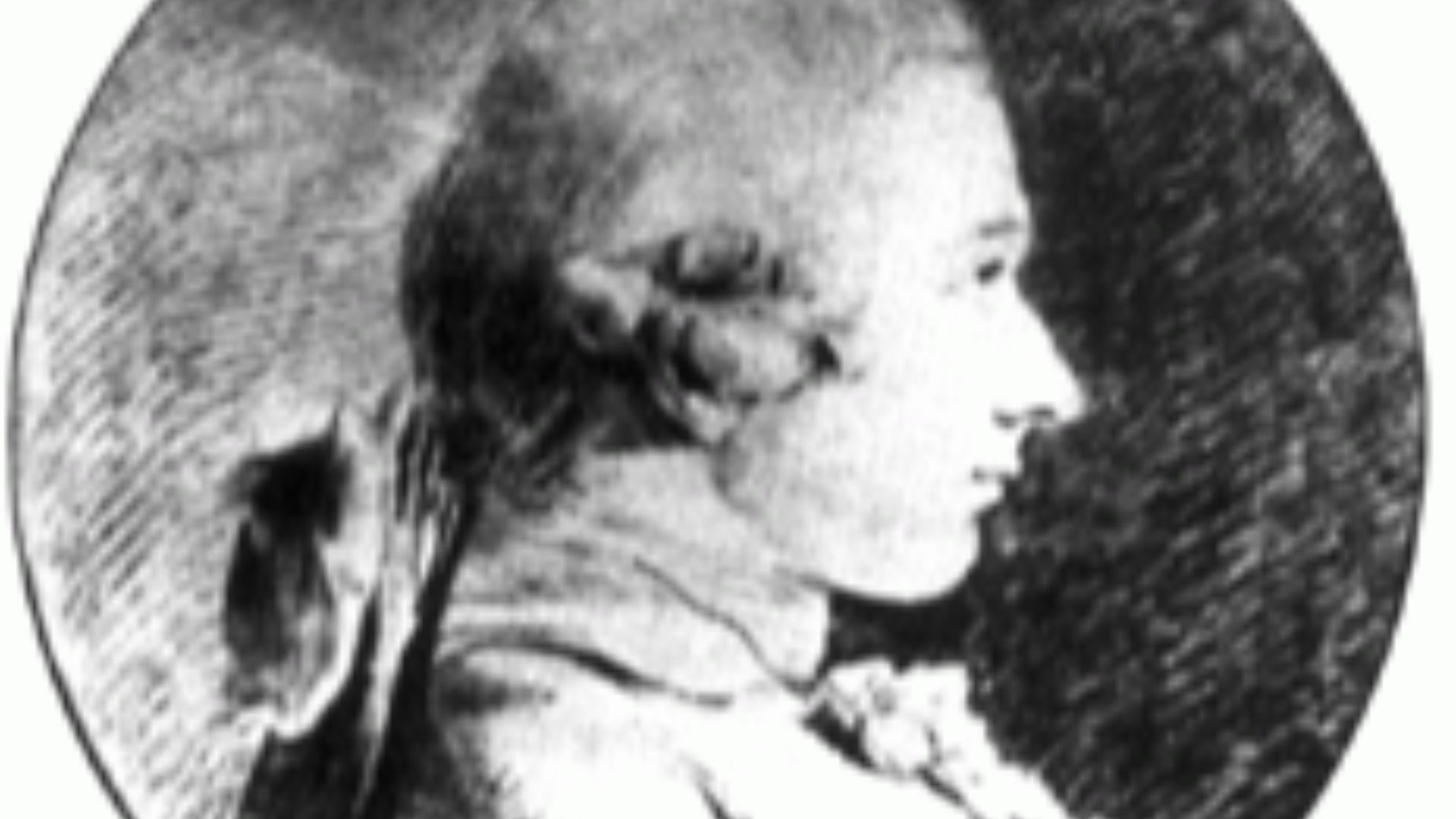
20. Marquis de Sade
The Marquis de Sade became notorious for writing sexually explicit works filled with violence, cruelty, and extreme abuses of power. His private life was nearly as scandalous, involving repeated arrests, accusations of assault, and long periods of imprisonment. His name eventually gave rise to the term “sadism,” ensuring that his literary reputation would always be tied to behavior most people find deeply disturbing.
KEEP ON READING