History's Best Kept Secrets
History textbooks only have room for so many names, and the ones that make the cut tend to repeat themselves year after year. Meanwhile, entire lives full of shipwrecks, disguises, and impossible odds get quietly left out. Some of these people changed the course of a war. Others just survived something that should have killed them ten times over. None of them are household names, but every one of them deserves to be. Here's 20 lives that put most adventure movies to shame.
 File Upload Bot (Magnus Manske) on Wikimedia
1. Ching Shih
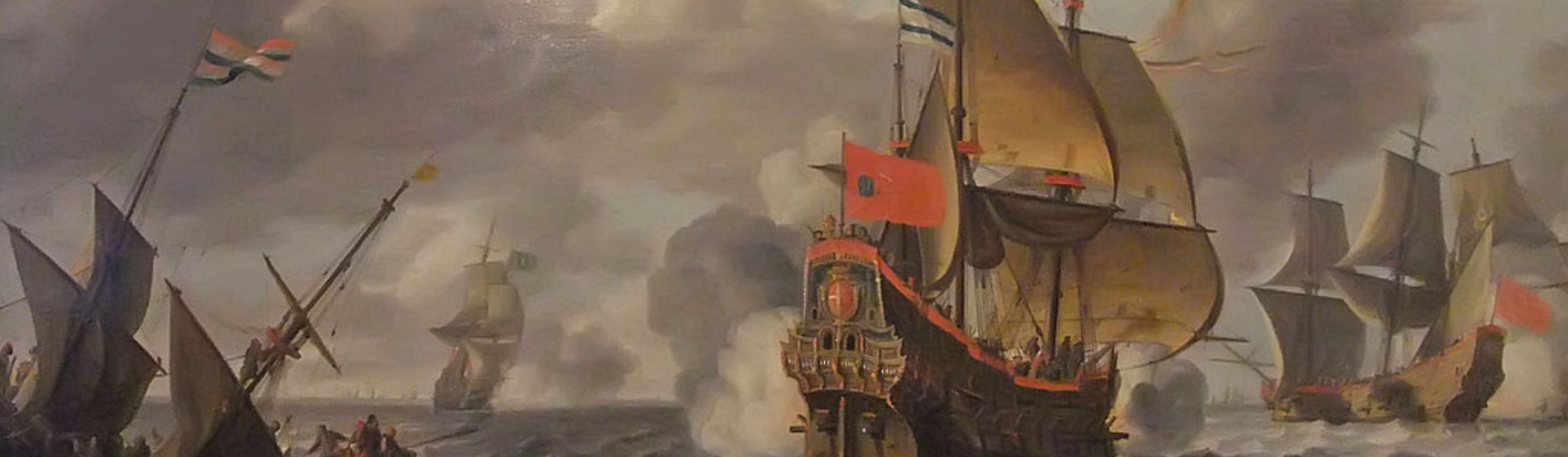
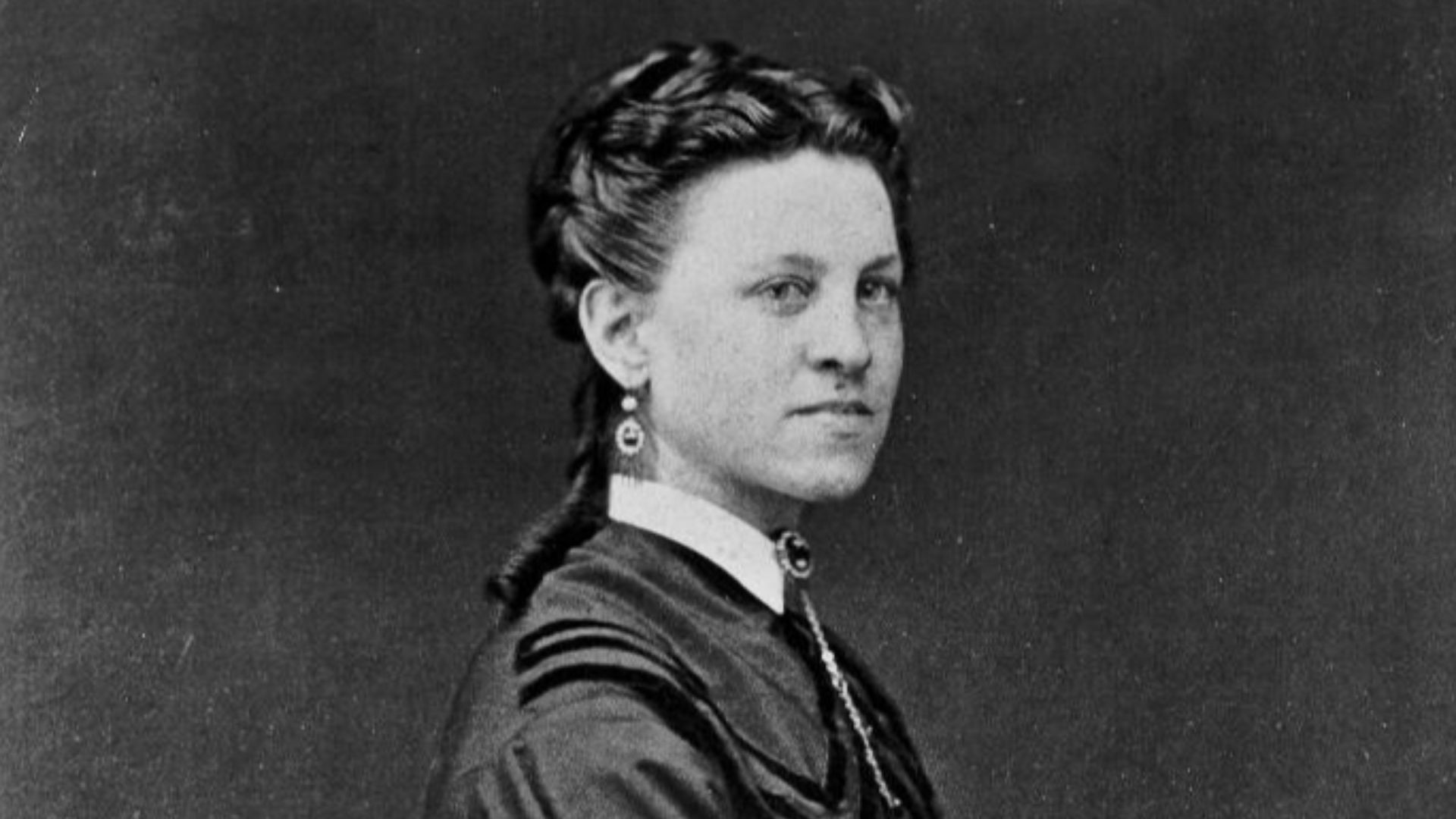
Ching Shih started out as a sex worker in Canton before marrying a pirate and eventually commanding a fleet of over 300 ships and tens of thousands of men. She wrote her own code of conduct for her crews, enforced it brutally, and negotiated a full pardon from the Chinese government when she finally decided to retire. She spent her later years running a gambling house, which feels like a fitting encore.
 Unknown authorUnknown author on Wikimedia
2. Mary Anning
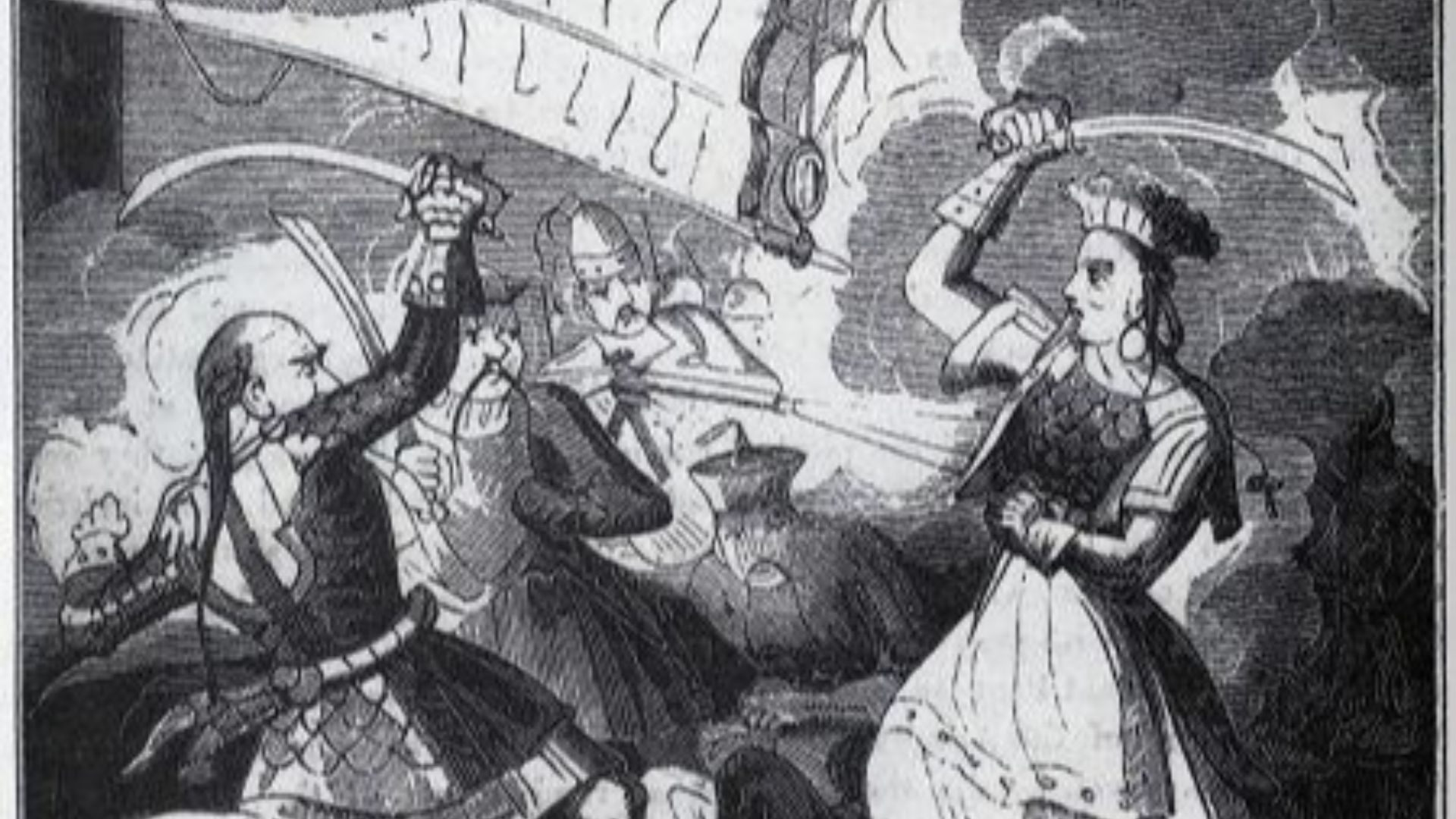
Mary Anning grew up poor on the English coast and taught herself to identify fossils by walking cliffside after storms, often risking landslides to get to them first. She found the first correctly identified ichthyosaur skeleton as a child and went on to unearth some of the most important fossils in paleontology. Male scientists took credit for her discoveries for decades before she got any real recognition.
3. Ida Lewis
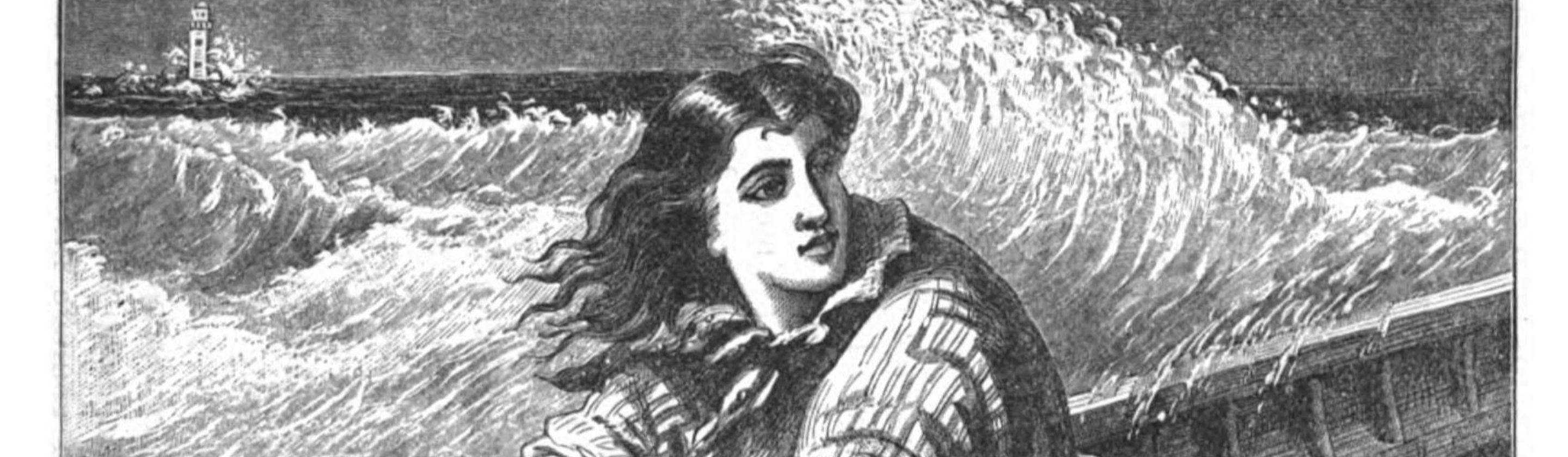
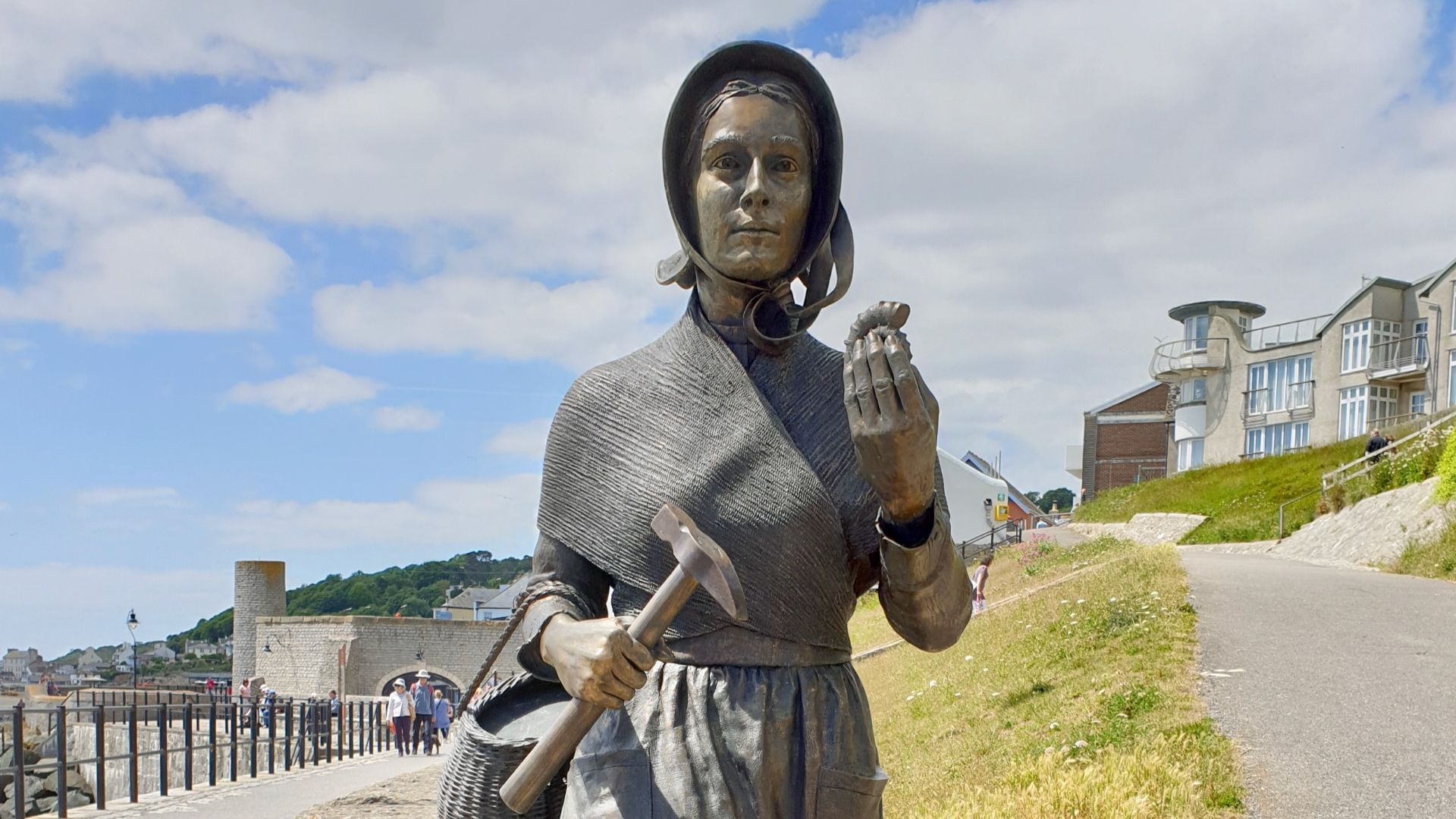
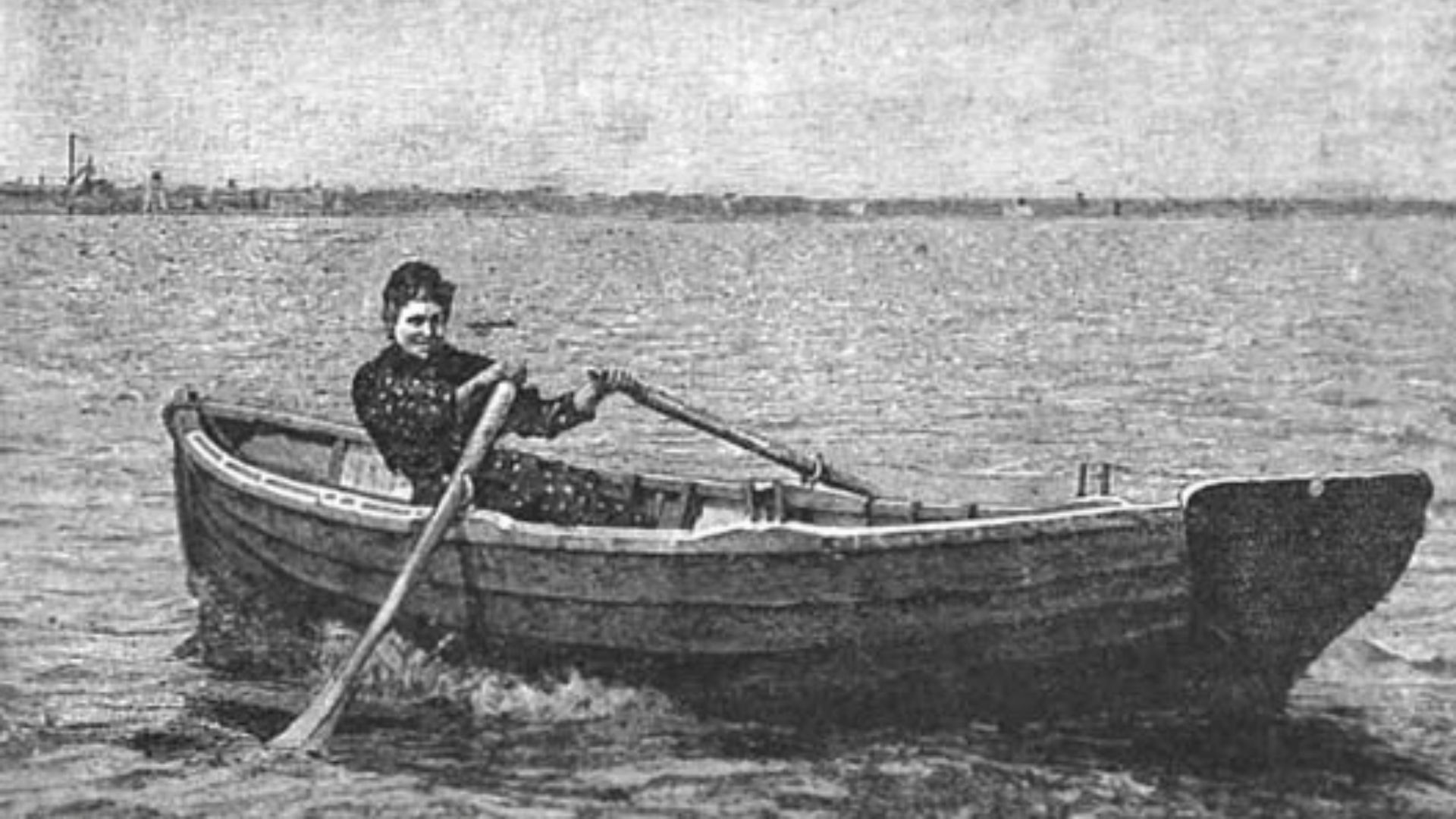
Ida Lewis took over her father's lighthouse keeper duties on Rhode Island's Lime Rock as a teenager after he fell ill, and she stayed there for most of her life. She's credited with saving somewhere between 18 and 25 lives, rowing out into brutal storms without hesitation. Ulysses S. Grant reportedly visited just to meet her.
 Unknown authorUnknown author on Wikimedia
4. Nakahama Manjiro
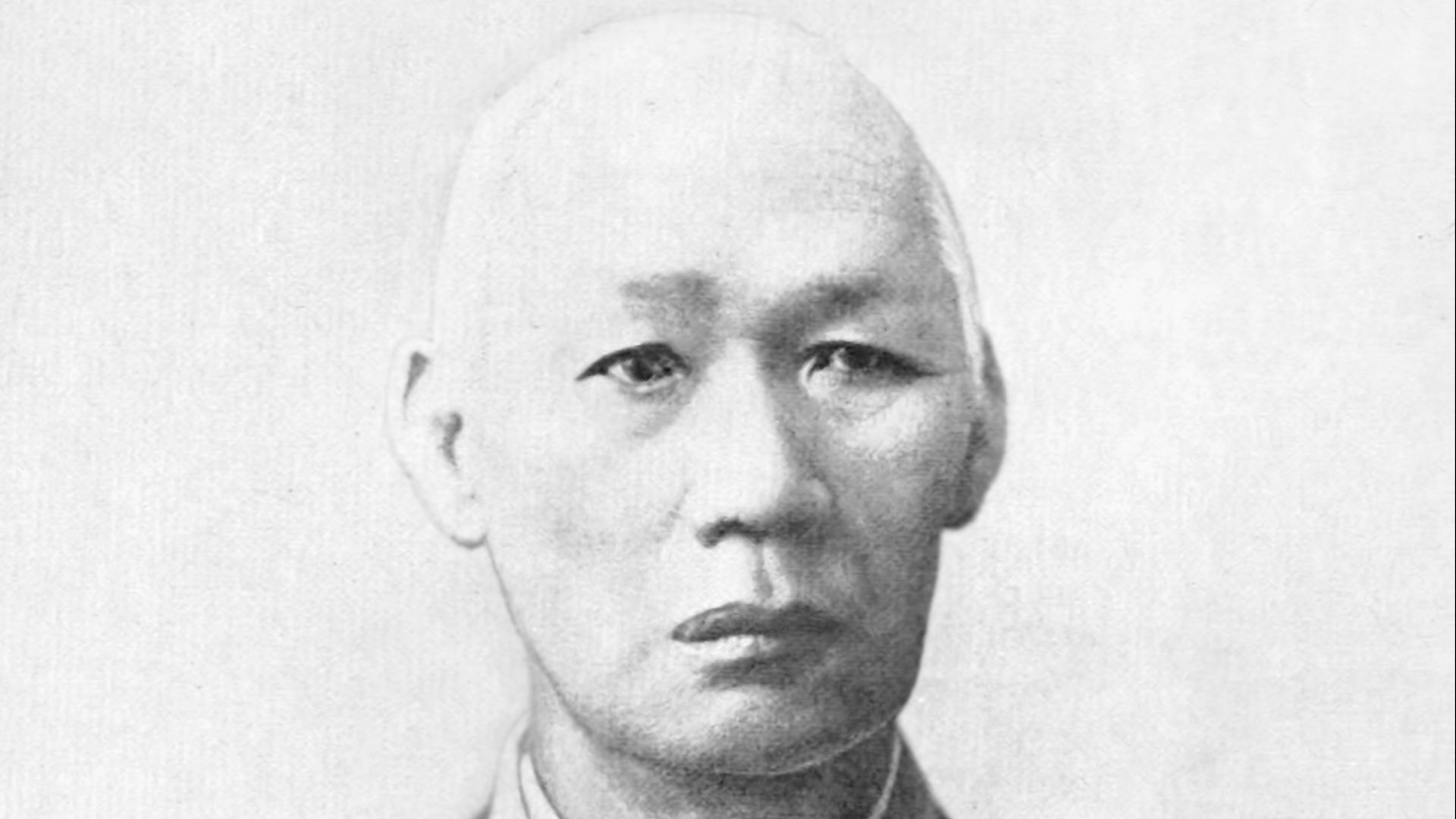
Nakahama Manjiro was a Japanese fisherman shipwrecked as a teenager and rescued by an American whaling ship at a time when Japan forbade its citizens from leaving the country. He lived in New England, learned English and navigation, and eventually found a way back home despite the risk of execution for having left. He became one of the key figures who helped Japan open trade with the West, translating and advising at the highest levels.
 Photographer uncredited on Wikimedia
5. Robert Smalls
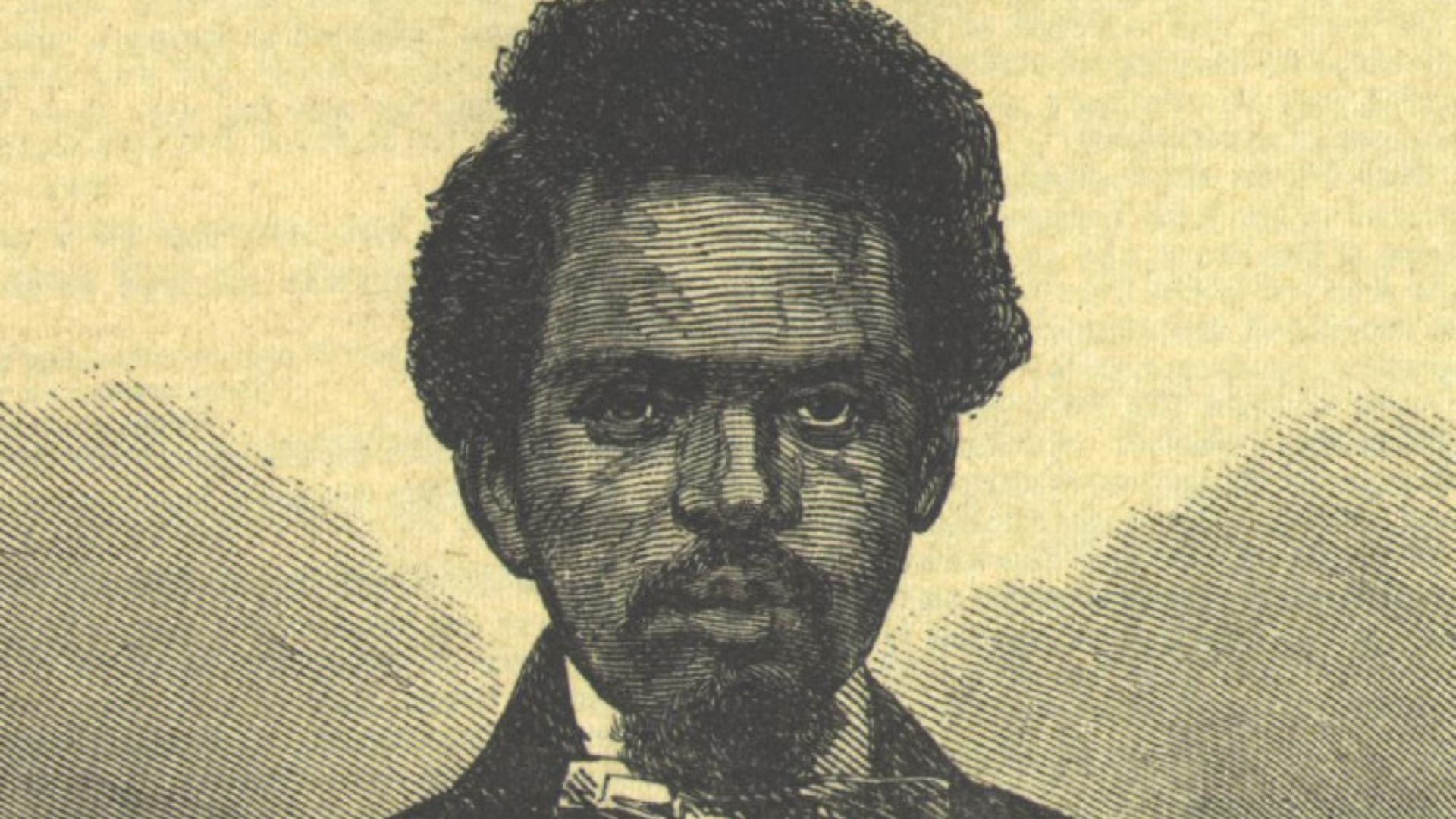
Robert Smalls was enslaved and forced to work on a Confederate transport ship during the Civil War, and one night he simply commandeered it. He sailed it past Confederate checkpoints by mimicking the captain's signals, delivered it to the Union Navy, and freed his family and crew in the process. He later became a U.S. congressman.
6. Sarah Emma Edmonds
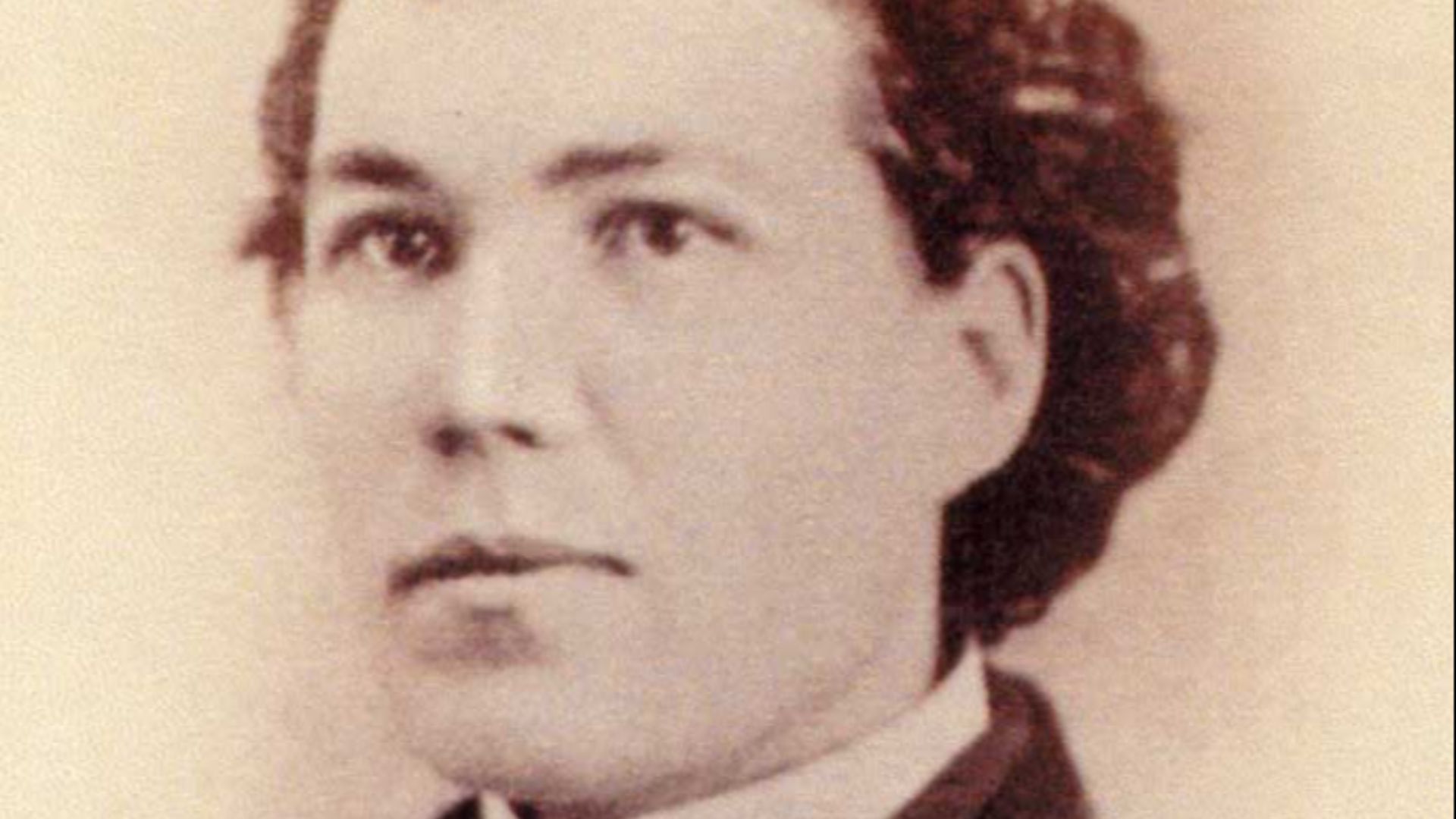
Sarah Emma Edmonds disguised herself as a man to enlist in the Union Army, serving as a soldier, nurse, and spy under the name Franklin Thompson. She crossed into Confederate territory multiple times in disguise, once posing as a Black laborer and another time as an Irish peddler woman. She kept up the deception for two years before desertion charges forced her to walk away quietly.
 Unknown authorUnknown author on Wikimedia
7. Hiroo Onoda
Hiroo Onoda was a Japanese intelligence officer stationed in the Philippines during World War II who refused to believe the war had ended. He kept fighting in the jungle for 29 years, surviving on stolen supplies and dodging search parties sent to find him. He only surrendered in 1974 after his original commanding officer flew out to personally relieve him of duty.
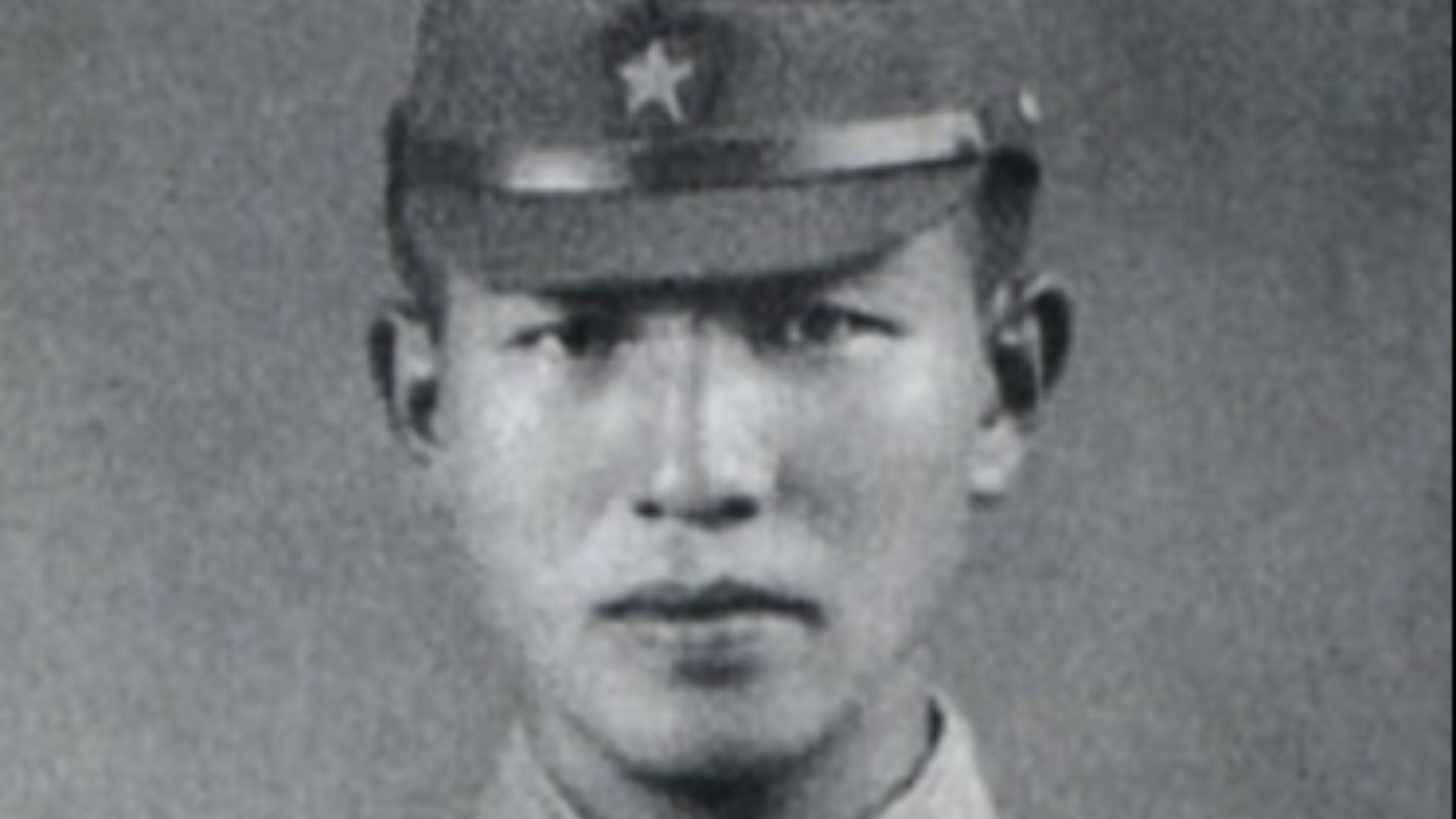 Unknown authorUnknown author on Wikimedia
8. Douglas Mawson
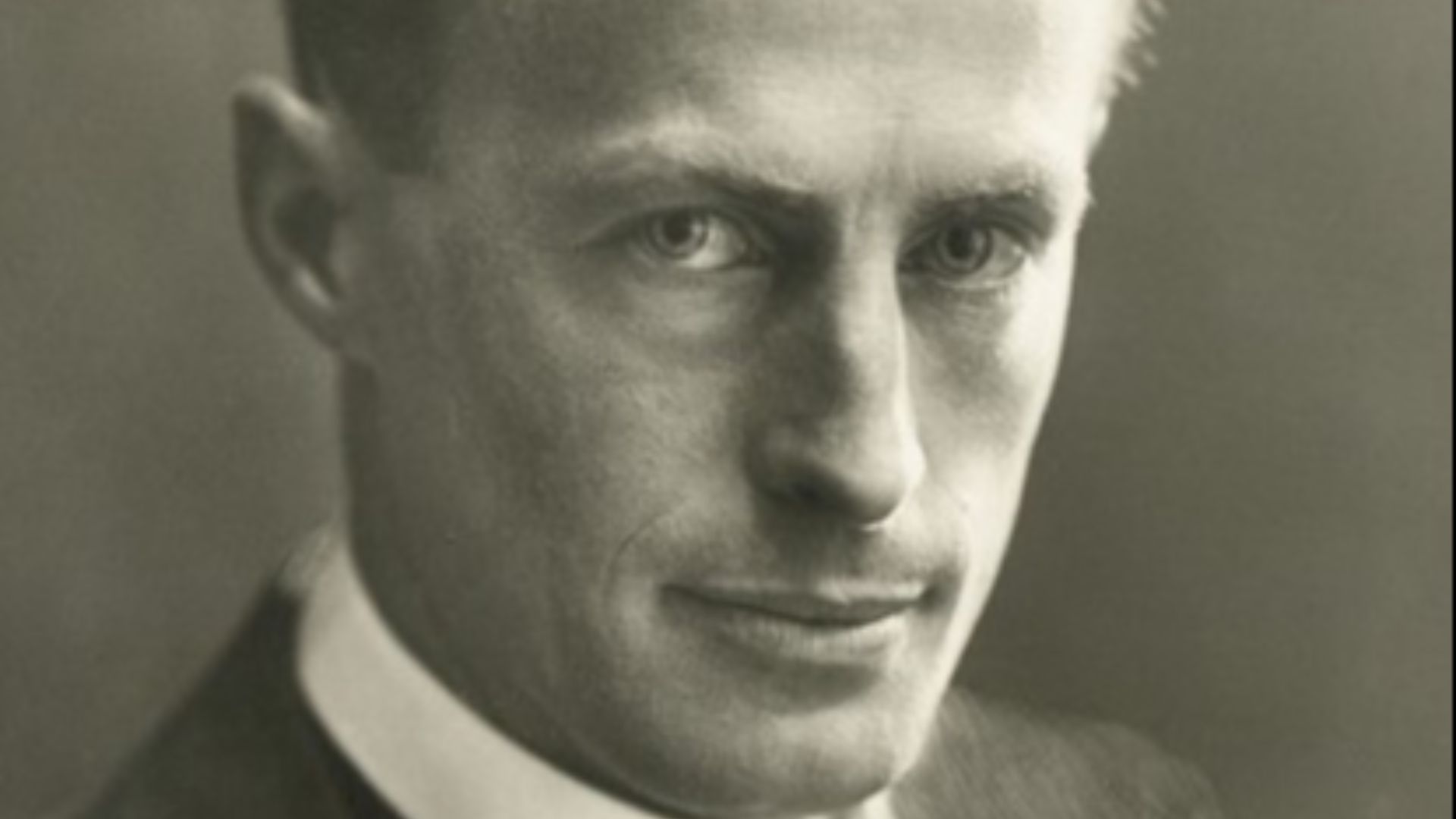
Douglas Mawson led an Antarctic expedition in which both of his companions died, one after falling into a crevasse with most of their food. He hauled a makeshift sledge alone across hundreds of miles of ice, losing the skin off the soles of his feet along the way. He arrived back at base just hours after his ship had already left without him.
9. Irena Sendler
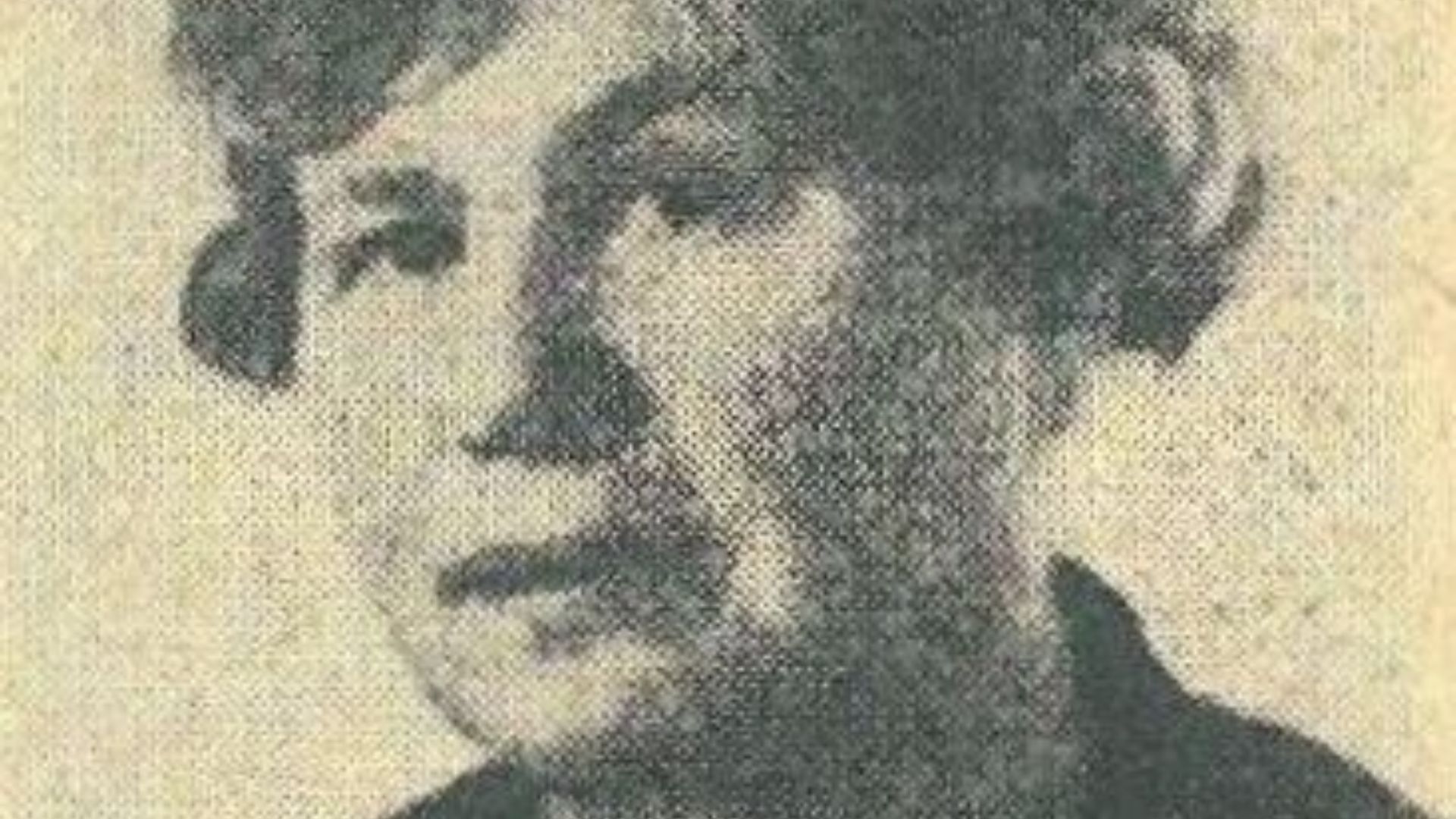
Irena Sendler was a Polish social worker who smuggled roughly 2,500 Jewish children out of the Warsaw Ghetto, often hiding them in coffins, sacks, and toolboxes. She kept records of each child's real name buried in jars, hoping to reunite families after the war. The Gestapo eventually caught and tortured her, but she never gave up a single name.
10. Freddie Oversteegen
Freddie Oversteegen joined the Dutch resistance at 14 years old, and by 16 she was luring Nazi soldiers into the woods on the pretense of a date, then executing them with her fellow resistance fighters. She rode her bike through checkpoints with weapons hidden in a basket, using her age to avoid suspicion. She rarely spoke about it publicly until decades later.
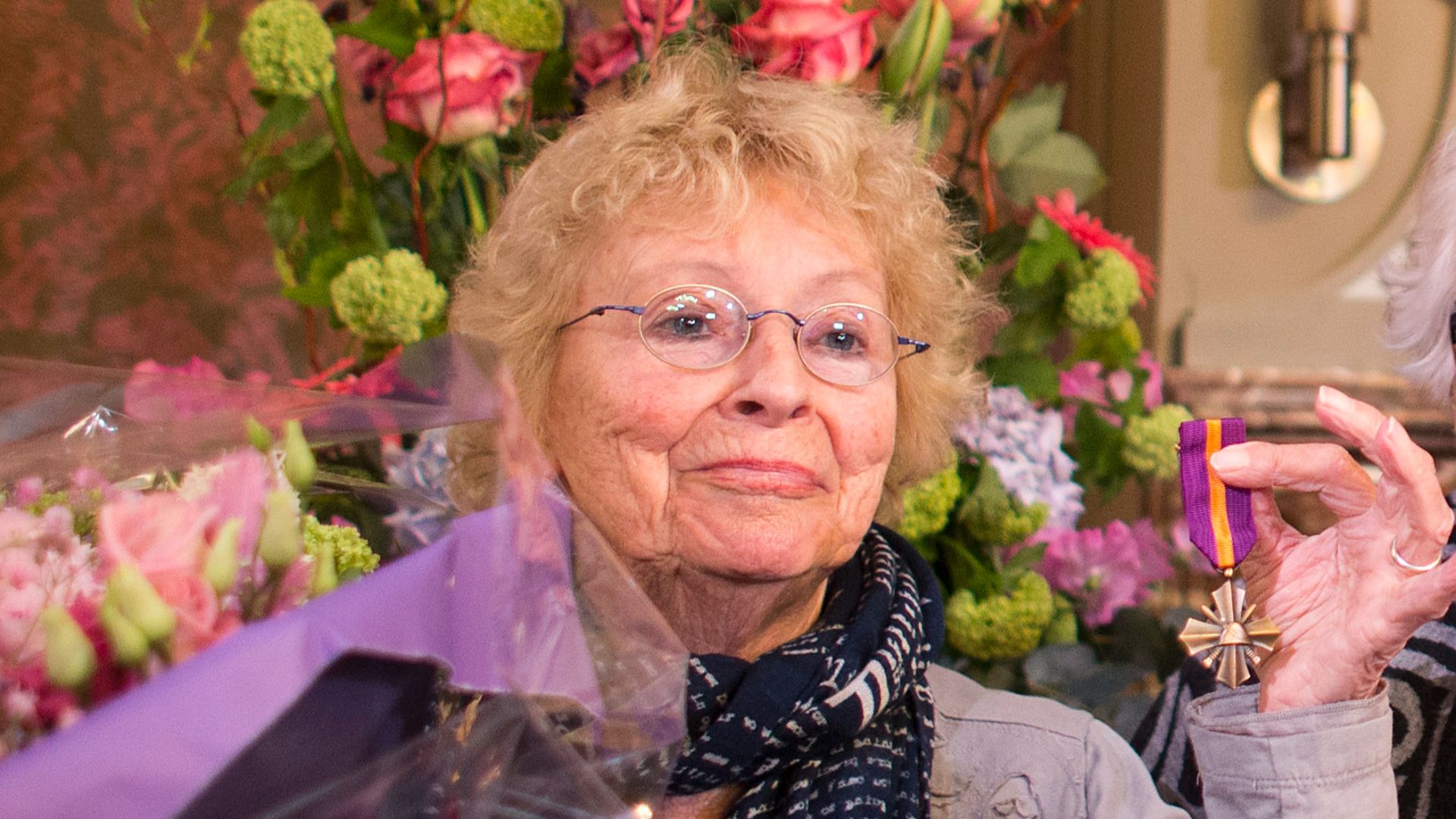 commons.wikimedia.org on Google
11. Bass Reeves
Bass Reeves escaped slavery and later became one of the first Black U.S. Deputy Marshals west of the Mississippi, arresting over 3,000 outlaws across a territory spanning 75,000 square miles. He was a master of disguise, sometimes posing as a farmer or an outlaw himself to get close to his targets. Many historians believe he was a real-life inspiration for the Lone Ranger.
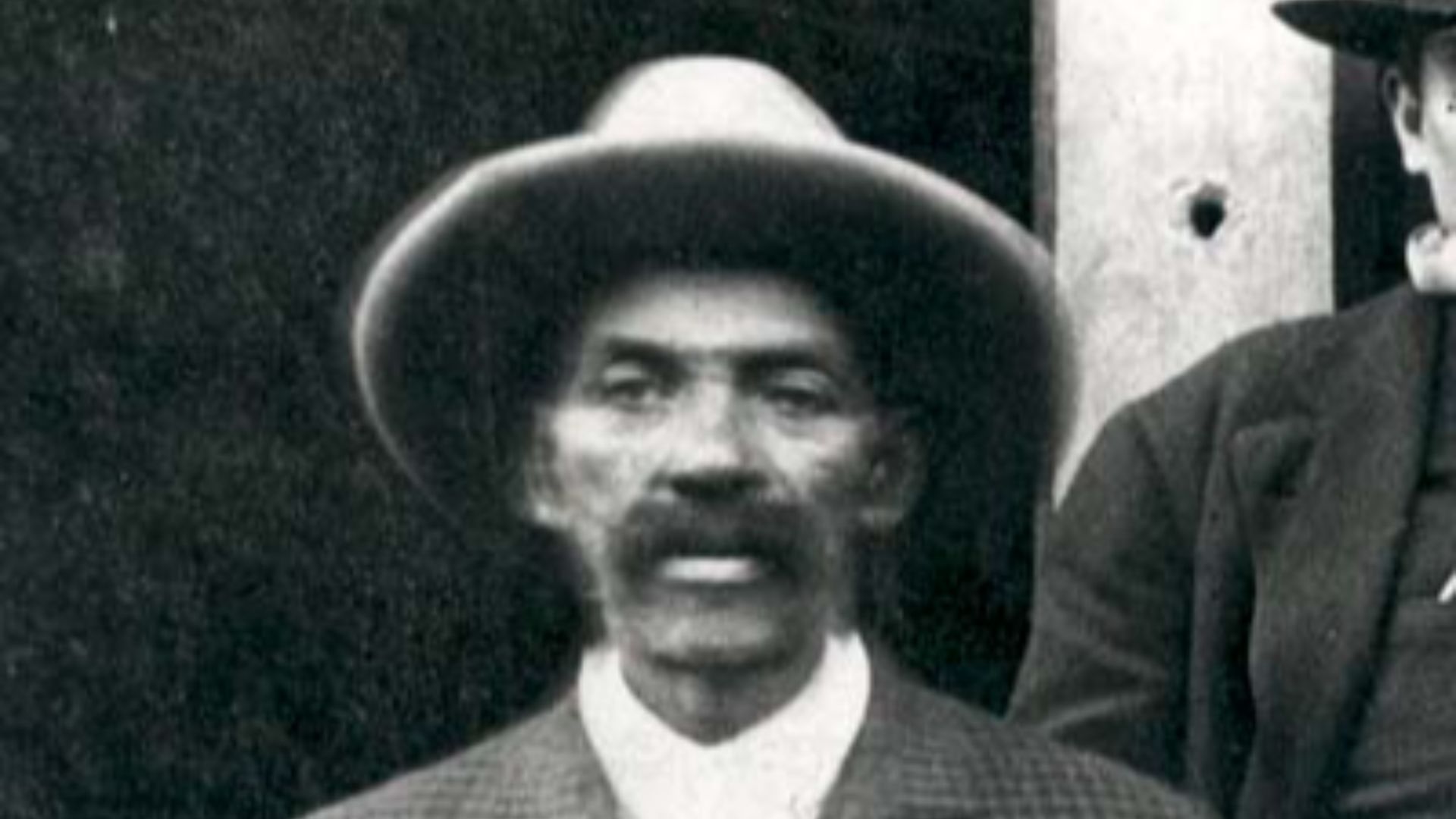 Unknown authorUnknown author on Wikimedia
12. Mary Seacole
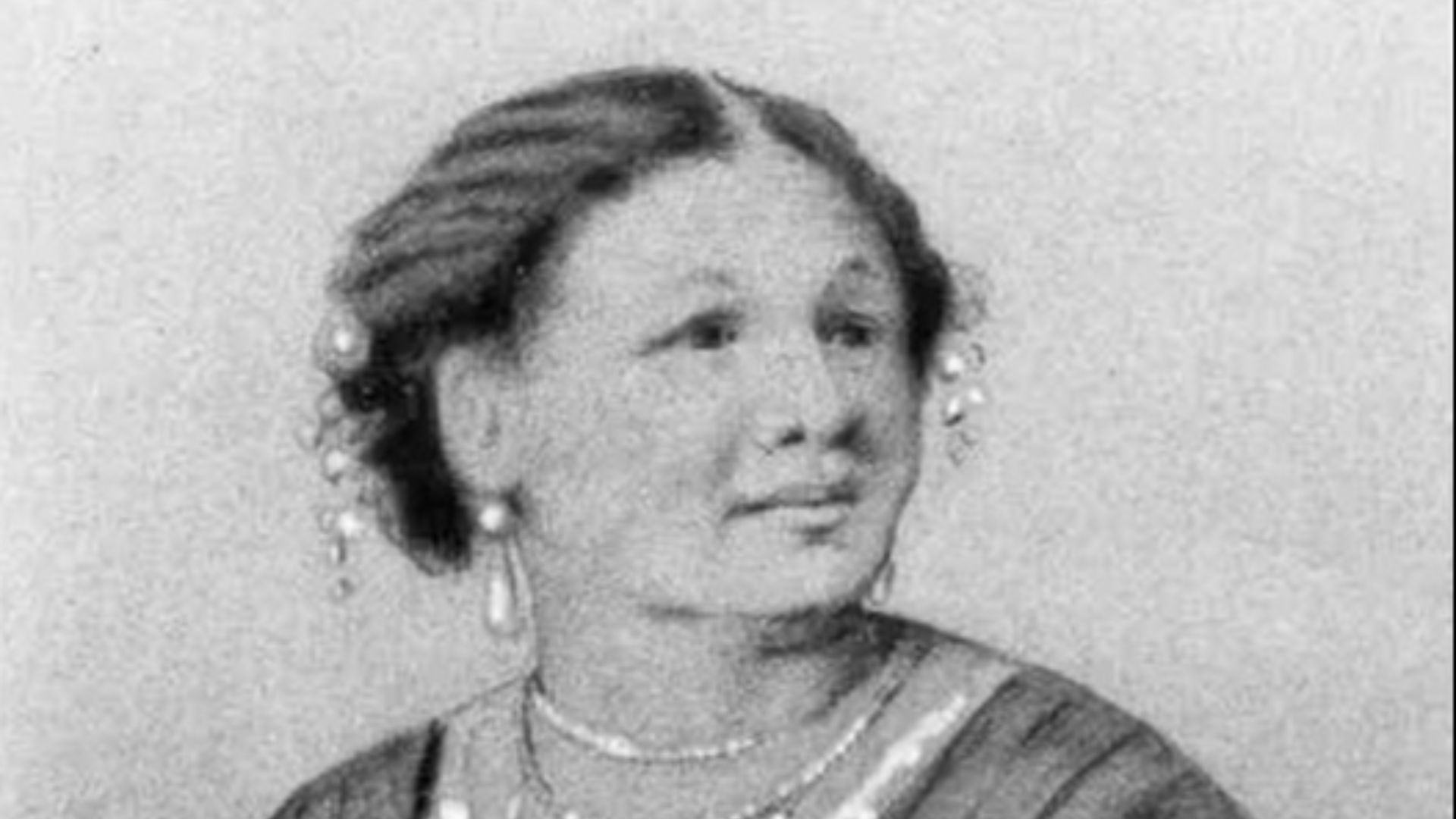
Mary Seacole was a Jamaican-Scottish nurse who funded her own trip to Crimea after the British War Office rejected her offer to help, and she built a hotel near the front lines to treat wounded soldiers from both sides. Soldiers reportedly preferred her care to the official field hospitals. She was largely written out of history in favor of Florence Nightingale until a resurgence of interest decades later.
13. Nzinga of Ndongo
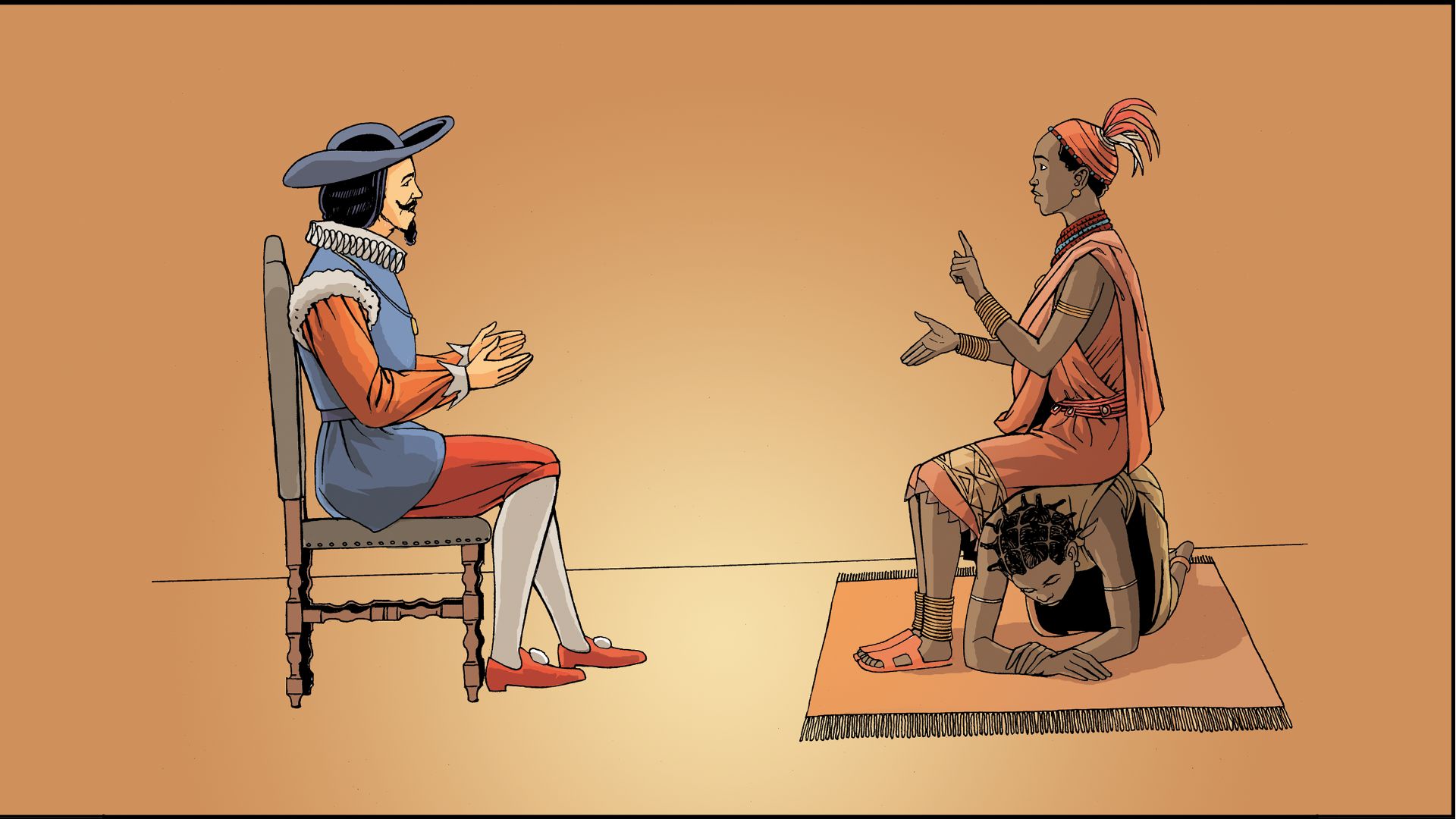
Nzinga ruled the Ndongo and Matamba kingdoms in what is now Angola and spent decades resisting Portuguese colonization through a mix of diplomacy, military strategy, and shifting alliances. She reportedly negotiated a peace treaty while sitting on the back of a servant since the Portuguese governor refused to offer her a chair. She led troops into battle herself well into her sixties.
14. Violette Szabo
Violette Szabo was a British-French agent for the Special Operations Executive during World War II, parachuted into occupied France to help coordinate resistance sabotage. She was captured after a firefight where she reportedly kept firing to let a fellow agent escape, and she endured brutal interrogation without breaking. She was executed at Ravensbrück, and her daughter received her posthumous George Cross.
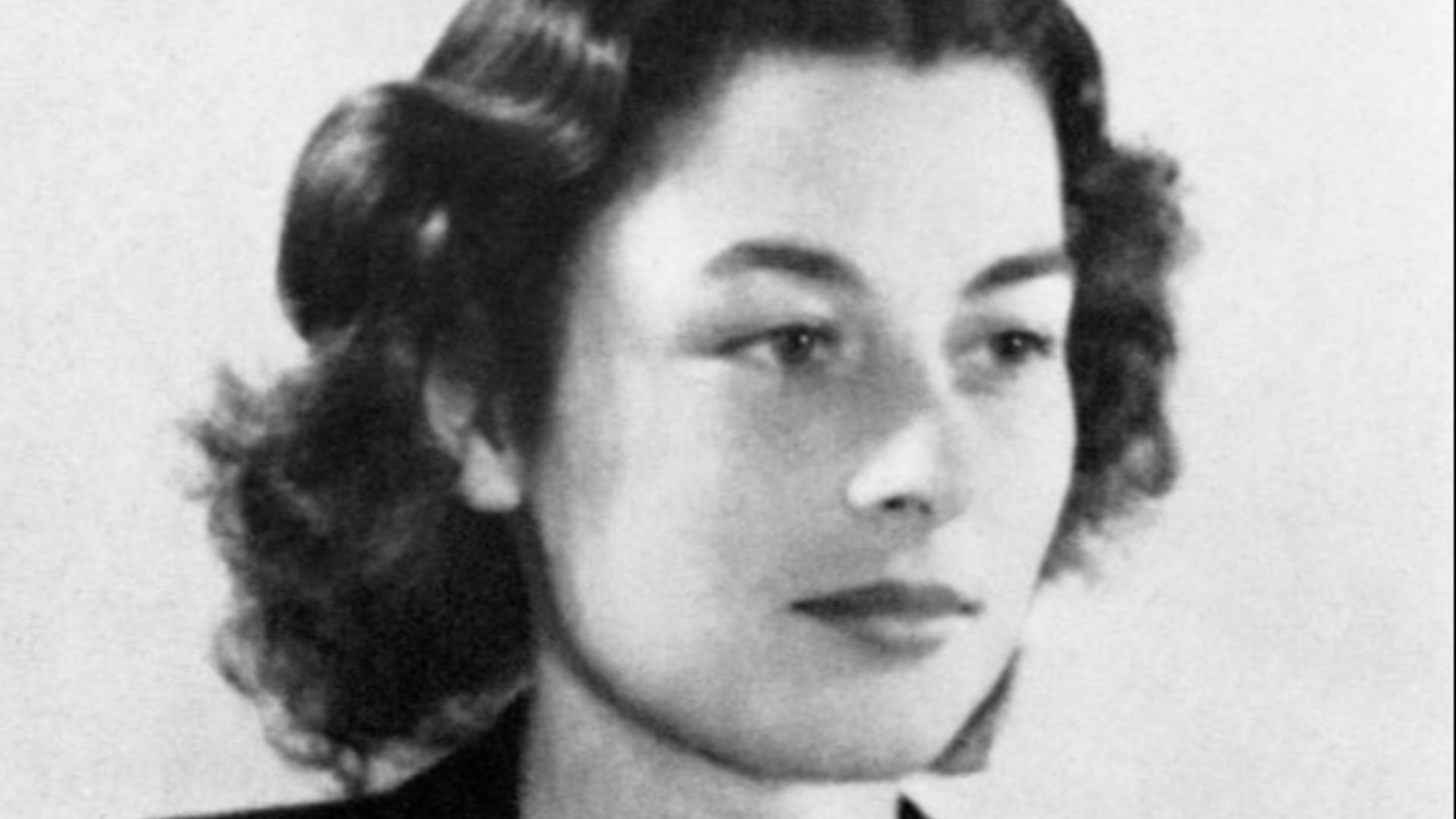 Unknown authorUnknown author on Wikimedia
15. Jeanne Baret
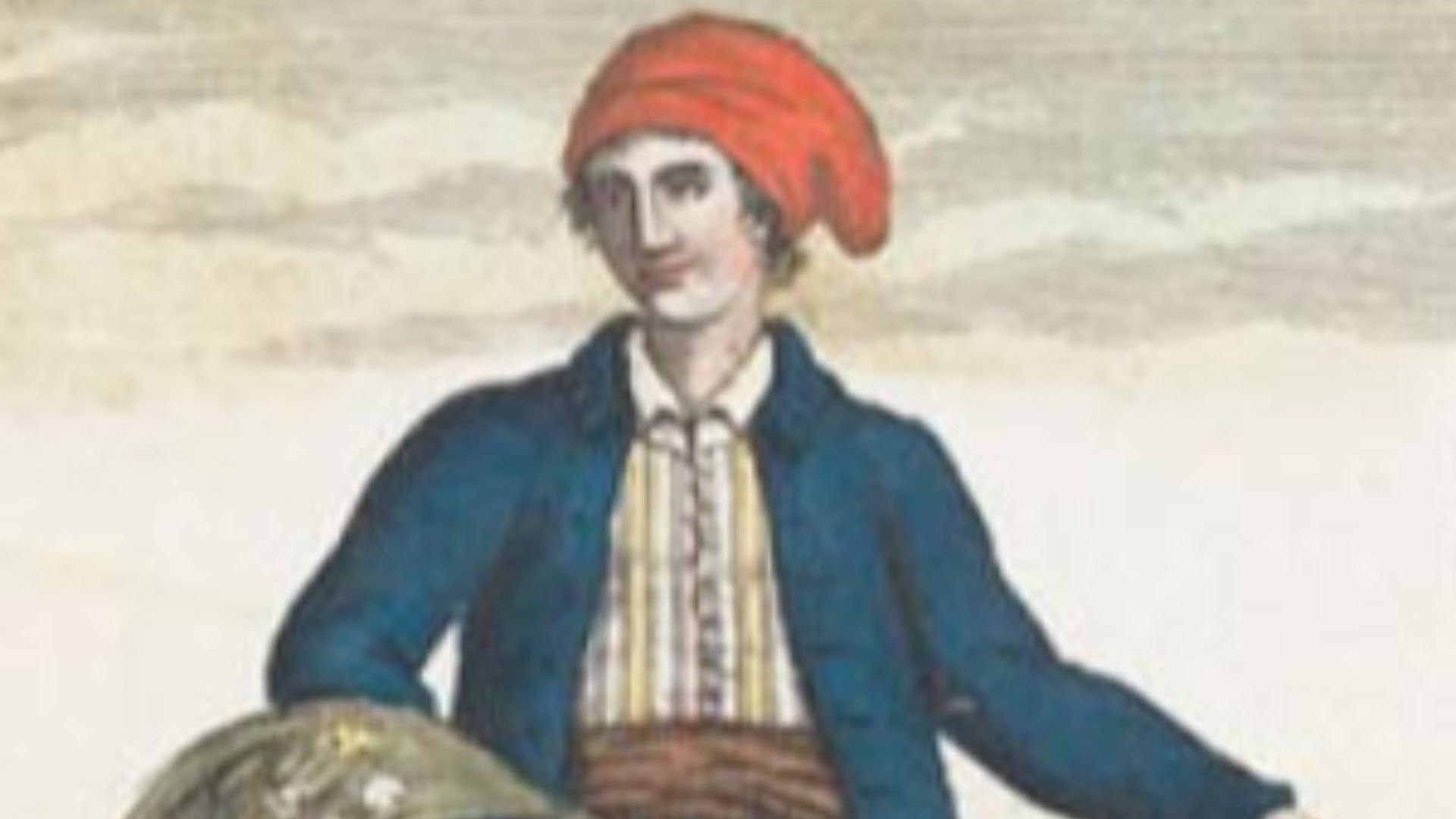
Jeanne Baret disguised herself as a man to join a French scientific expedition in the 1760s, becoming the first woman known to circumnavigate the globe. She worked as an assistant botanist, collecting thousands of plant specimens, some of which she likely identified herself despite receiving no formal credit at the time. Her disguise held for months before crewmates began to suspect her.
16. Sybil Ludington
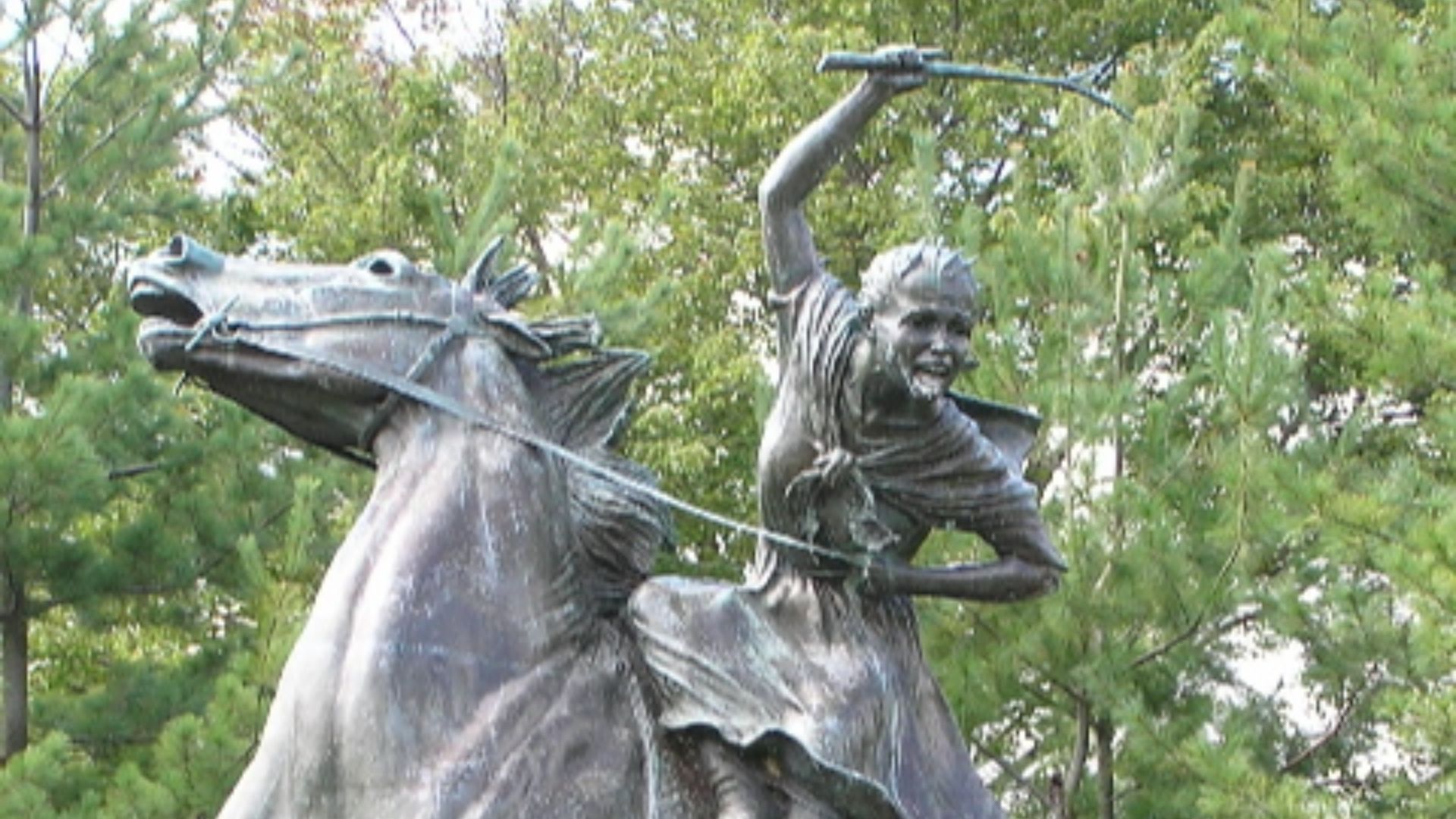
Sybil Ludington rode roughly 40 miles through the night at 16 years old to warn colonial militia of a British attack, nearly double the distance of Paul Revere's famous ride. She navigated dark, unfamiliar roads alone, fighting off at least one highwayman along the way with a stick. Almost no one outside a few history buffs knows her name.
17. Matthew Henson
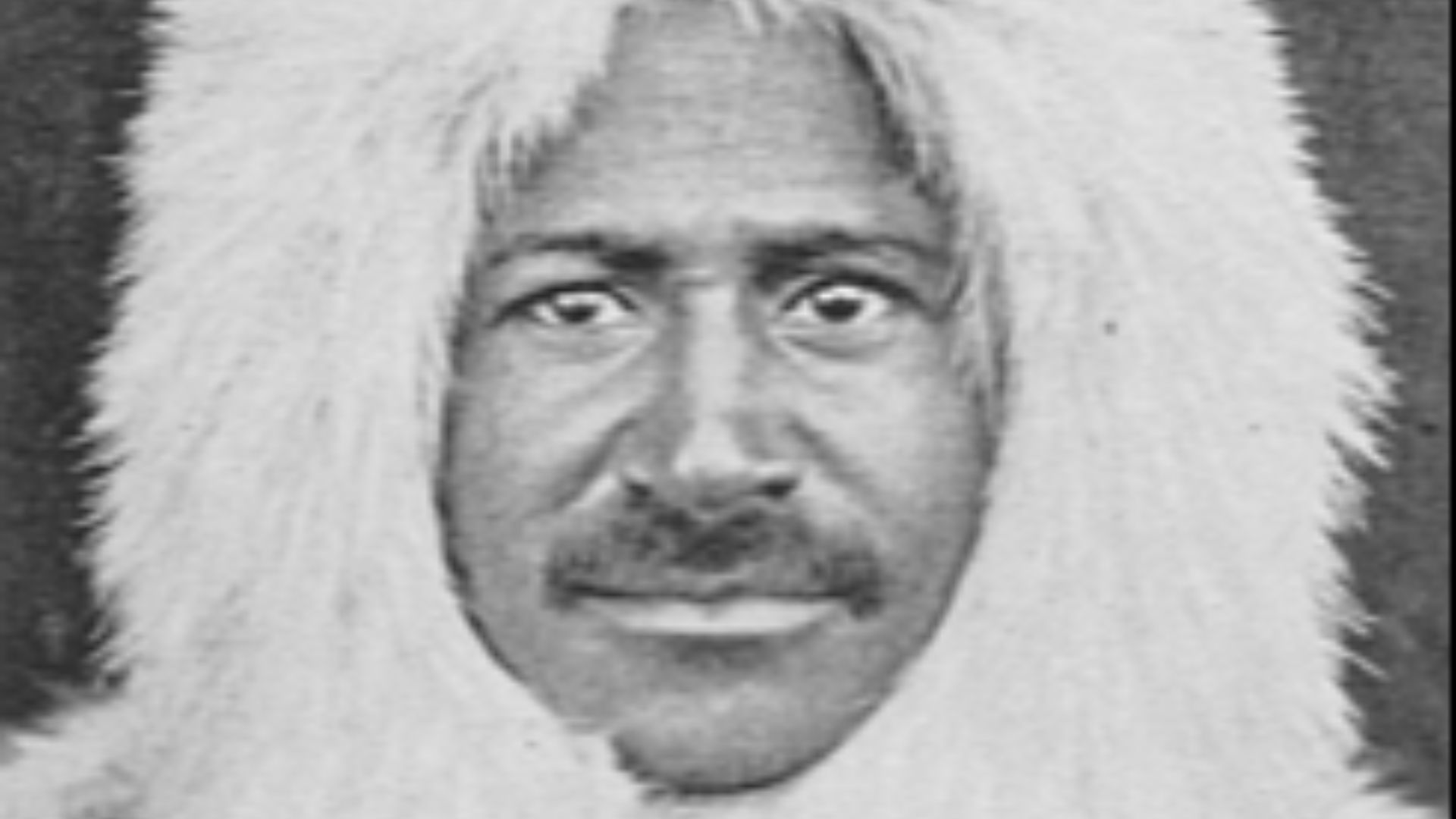
Matthew Henson was an African American explorer who spent nearly two decades traveling the Arctic alongside Robert Peary, and many historians now believe he was the first of the pair to actually reach the North Pole. He spoke Inuit fluently, built the sledges, and trained the dog teams that made the expeditions possible. Peary got the fame; Henson got a government desk job and decades of obscurity.
 Unknown photographer on Wikimedia
18. Alfred Wegener
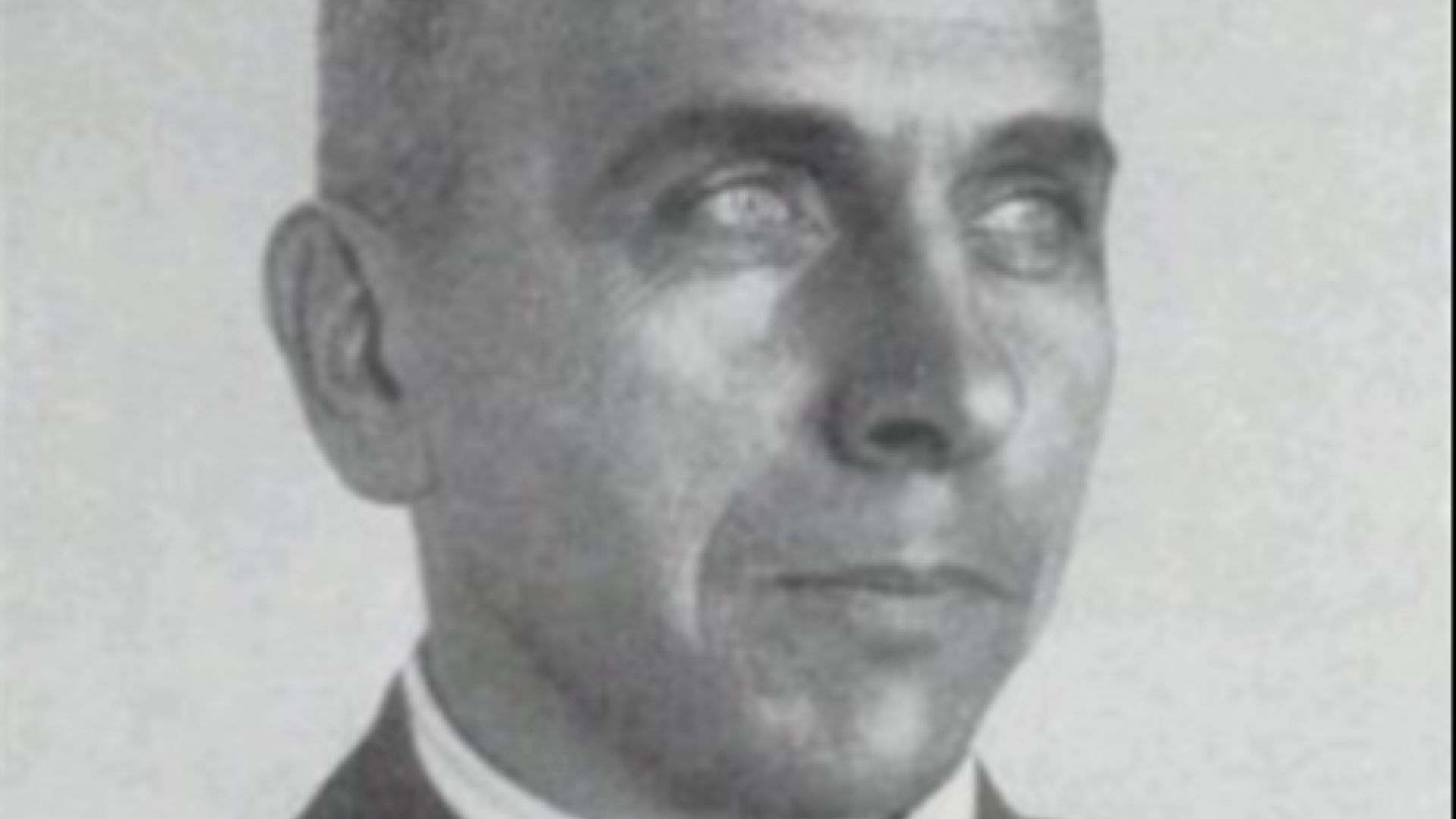
Alfred Wegener proposed the theory of continental drift decades before plate tectonics gave it any scientific backing, and the scientific community mocked him for most of his life over it. He kept pursuing fieldwork anyway, eventually dying on a Greenland expedition while trying to resupply a remote research station in brutal winter conditions. Vindication came only after his death, once new evidence proved him right.
19. Harriet Chalmers Adams
Harriet Chalmers Adams spent years riding horseback through South America, often through regions no outsider had mapped, documenting indigenous cultures and ancient ruins along the way. She later became a war correspondent in World War I, one of the only women allowed near the front lines. She helped found the Society of Woman Geographers after being denied entry to the all-male version.
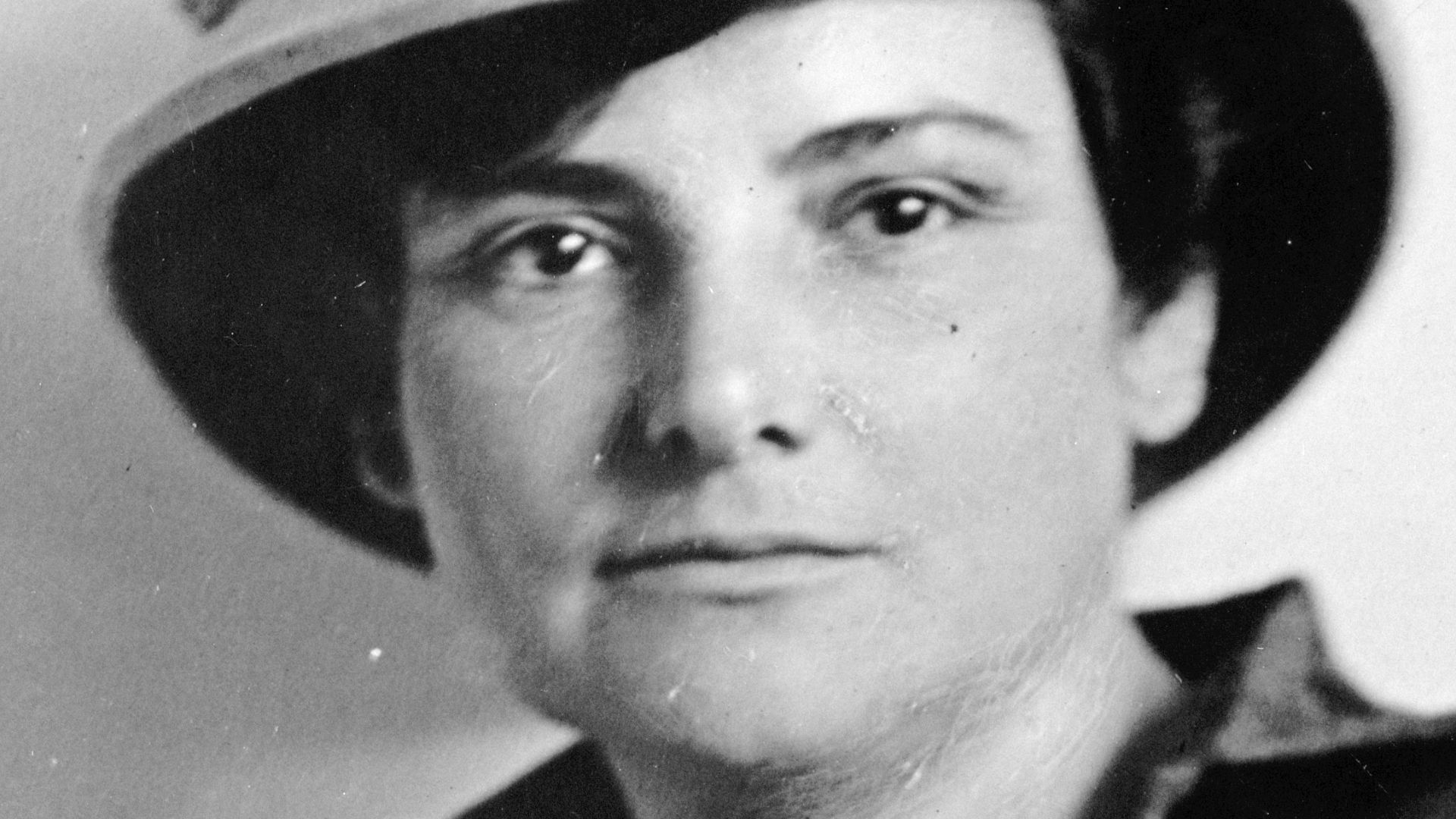 National Photo Company Collection (Library of Congress) on Wikimedia
20. William Kamkwamba
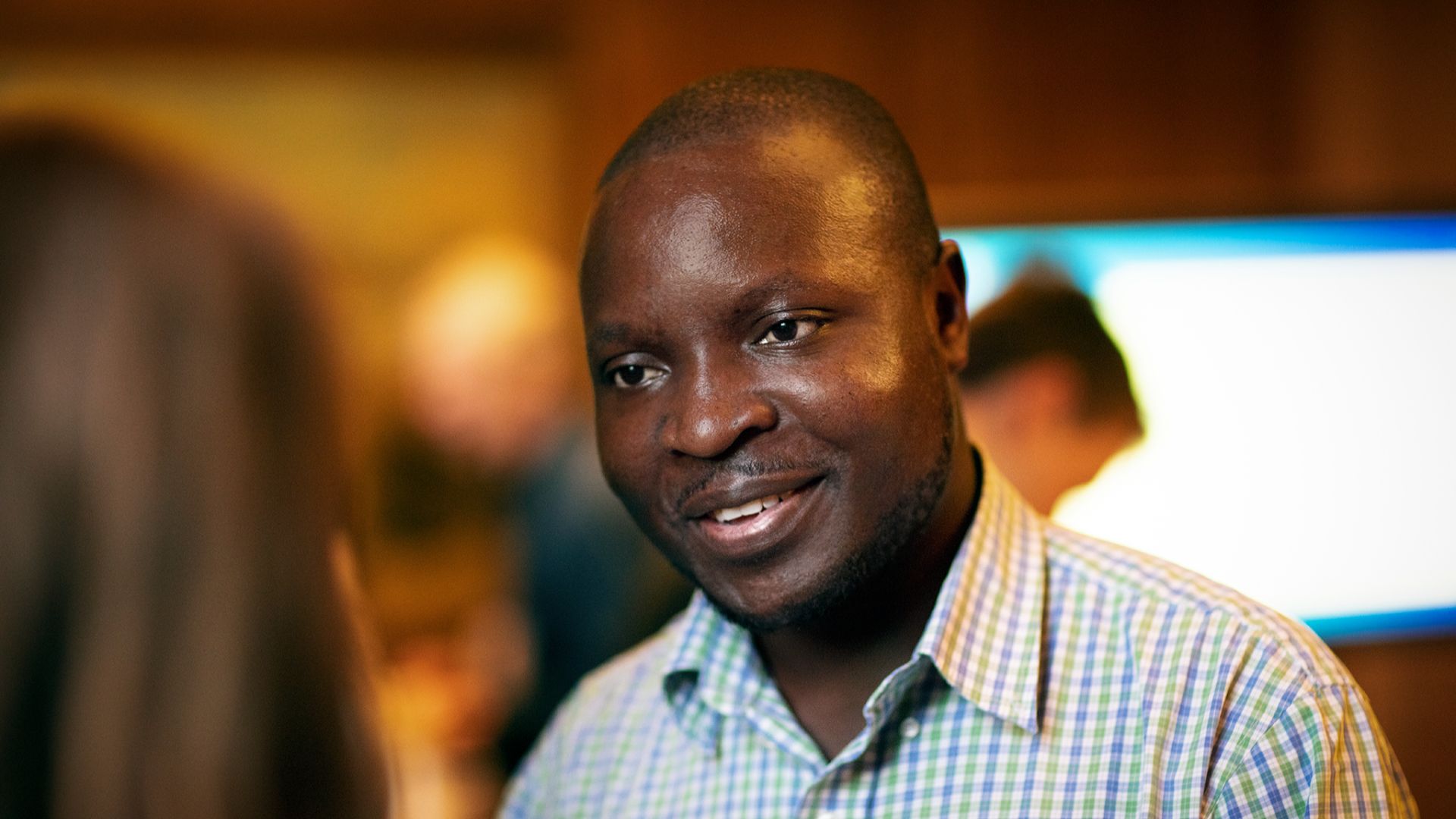
William Kamkwamba was a teenager in Malawi who dropped out of school during a famine because his family couldn't afford tuition, and he taught himself electrical engineering from library books instead. Using scrap metal, bicycle parts, and a broken windmill fan, he built a working turbine that brought electricity to his family's home. Word of the windmill eventually reached international engineers, and it changed the entire trajectory of his life.
KEEP ON READING