Sacred Authority Meets Political Power
Religious institutions and governments have often depended on each other, but that hasn’t prevented them from competing over laws, land, education, appointments, and public loyalty. Some disputes ended in negotiated compromises, while others led to excommunications, executions, revolutions, or years of armed resistance. Neither church officials nor political leaders consistently held the moral advantage, since both sides sometimes defended principles while also protecting wealth and influence. These confrontations reveal 20 epic fights between the church and the state.
1. The Investiture Controversy
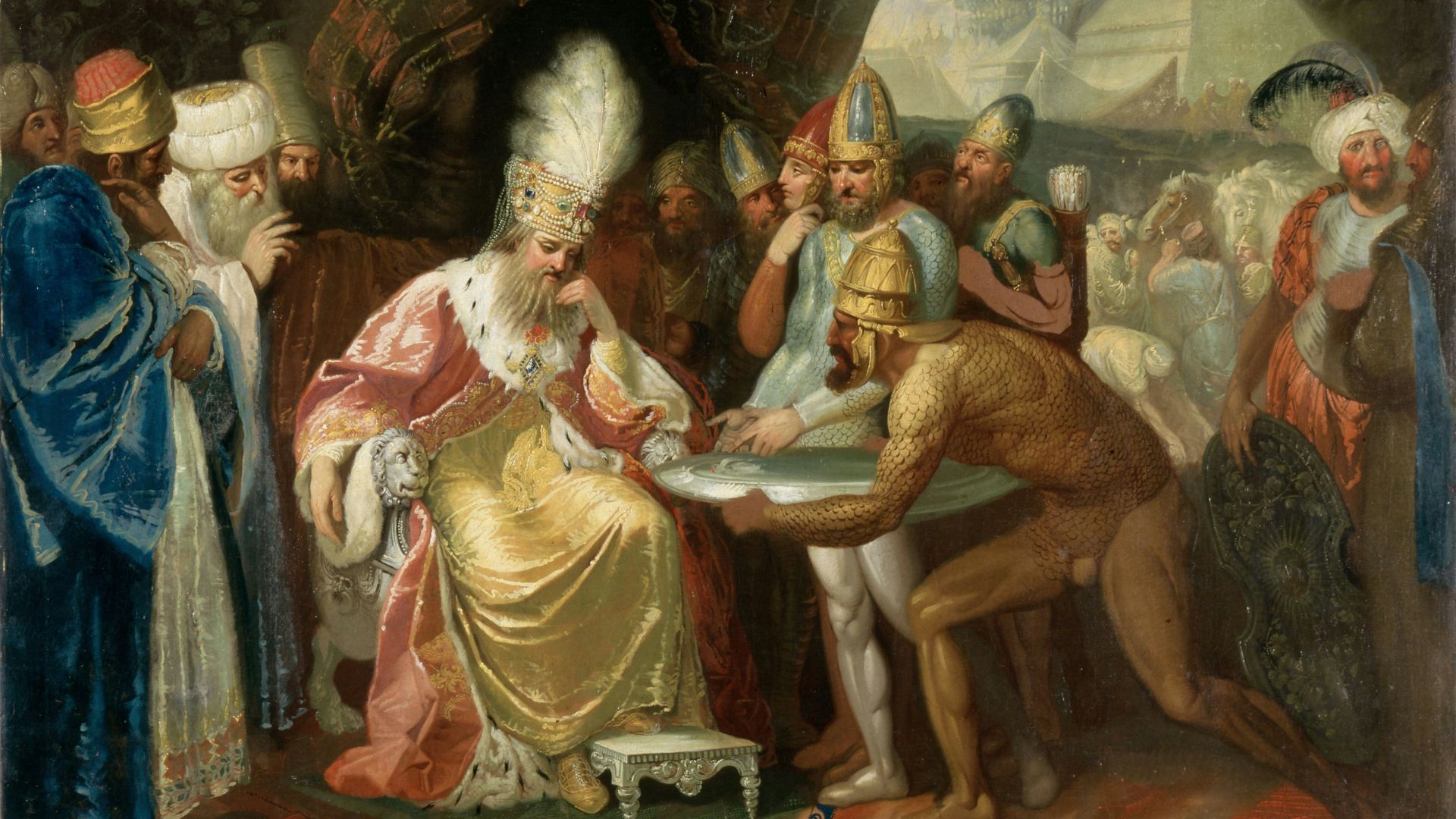
Pope Gregory VII and King Henry IV fought over whether secular rulers could appoint bishops and grant them the symbols of office. Their struggle continued beyond both men and eventually produced the Concordat of Worms in 1122, which divided appointment powers between religious and secular authorities.
 Unknown authorUnknown author on Wikimedia
2. Henry II Versus Thomas Becket
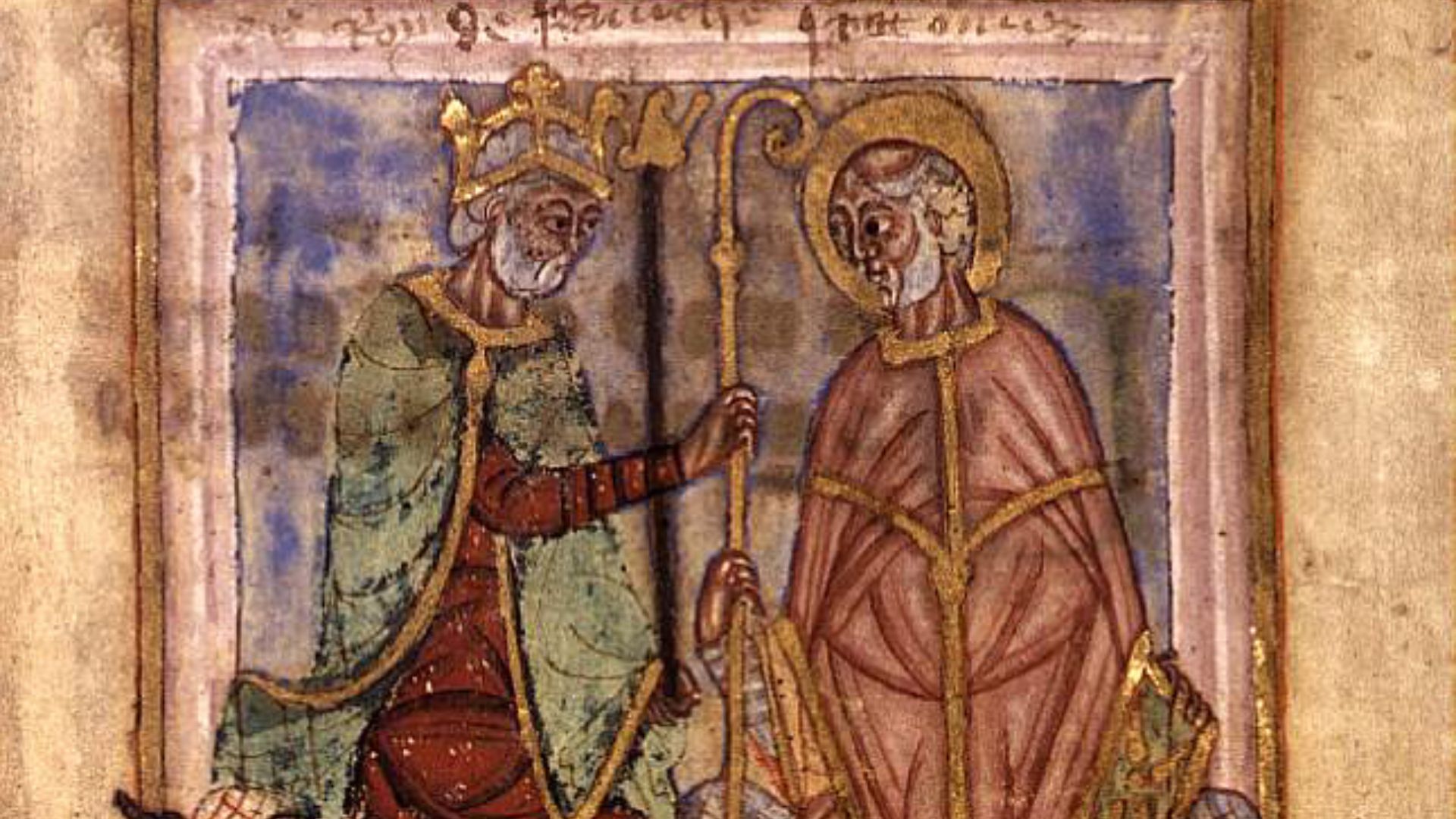
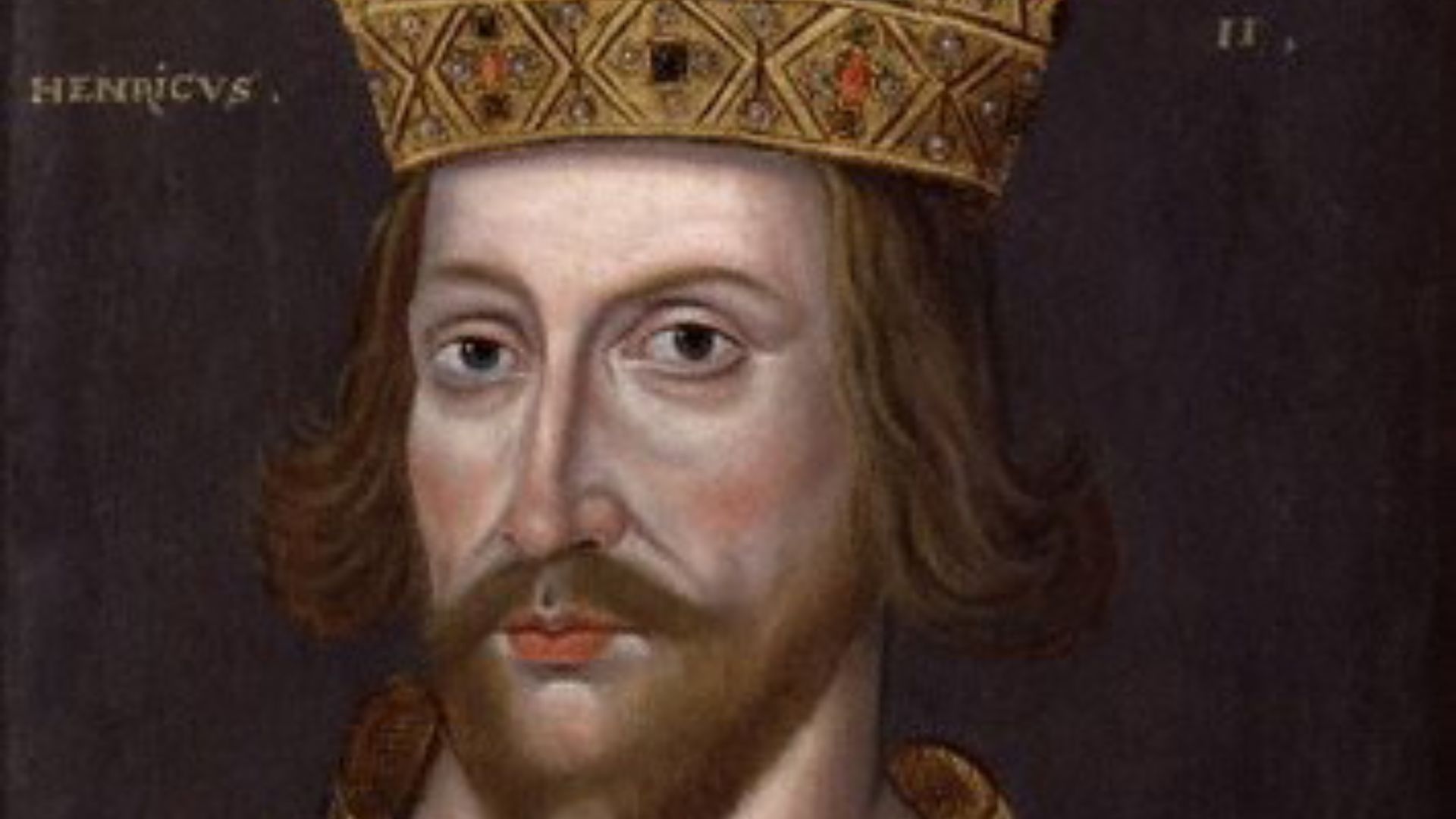
King Henry II expected Thomas Becket to support royal control after appointing him Archbishop of Canterbury. Instead, Becket defended church courts and resisted the king’s proposed legal reforms. Four knights murdered him inside Canterbury Cathedral in 1170, causing widespread outrage and forcing Henry to perform public penance several years later.
3. King John Challenges Pope Innocent III
England’s King John rejected Pope Innocent III’s choice of Stephen Langton as Archbishop of Canterbury. Facing political and military pressure, John surrendered his kingdom to papal authority in 1213 and received it back as a papal fief.
4. Philip IV Arrests a Pope
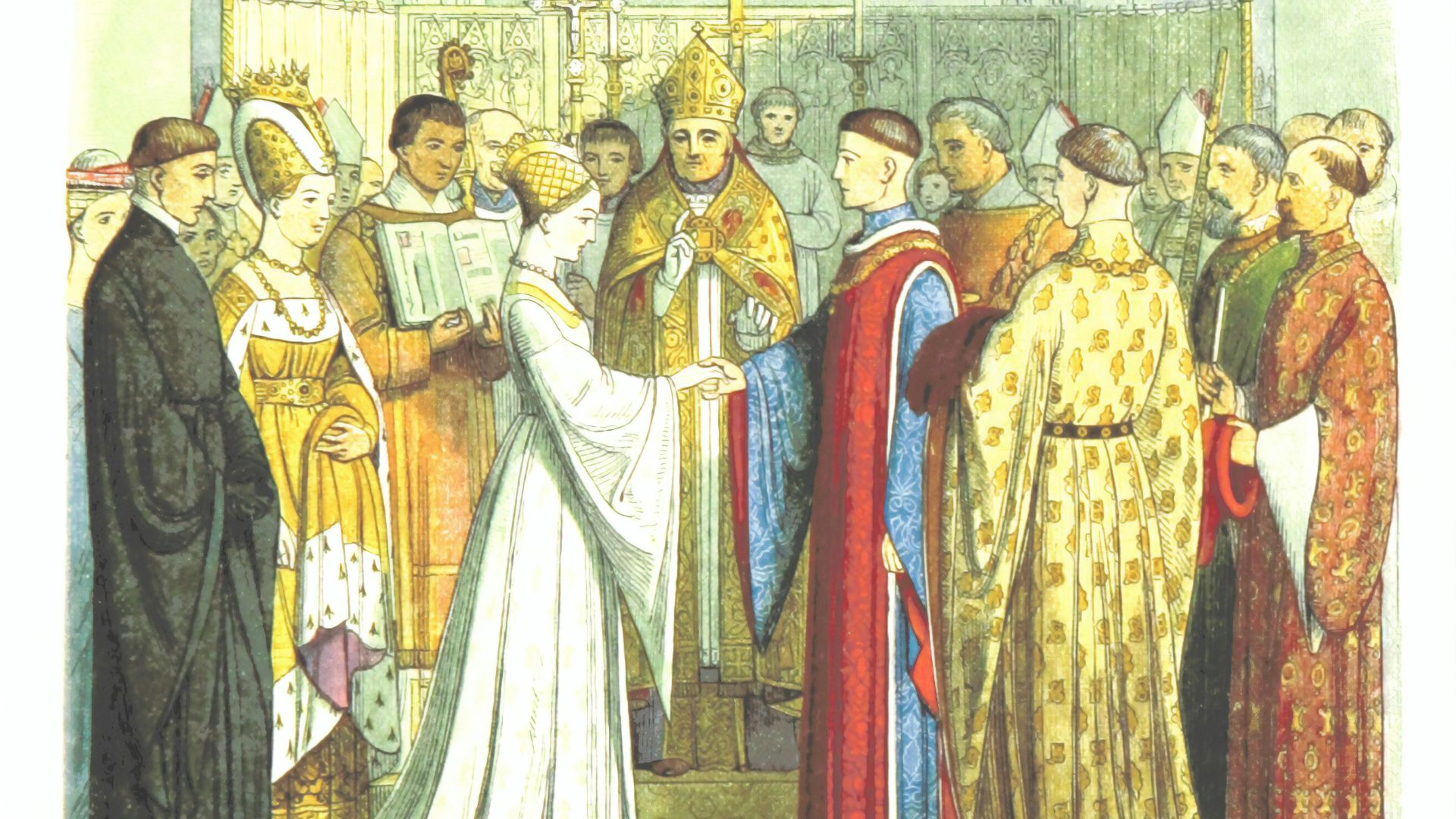
Pope Boniface VIII insisted that spiritual authority stood above secular power, particularly during his dispute with King Philip IV of France over taxing clergy. Philip’s agents seized Boniface at Anagni in 1303 and held him briefly before residents freed him.
 The New York Public Library on Unsplash
5. The Hussites Defy Church and Empire
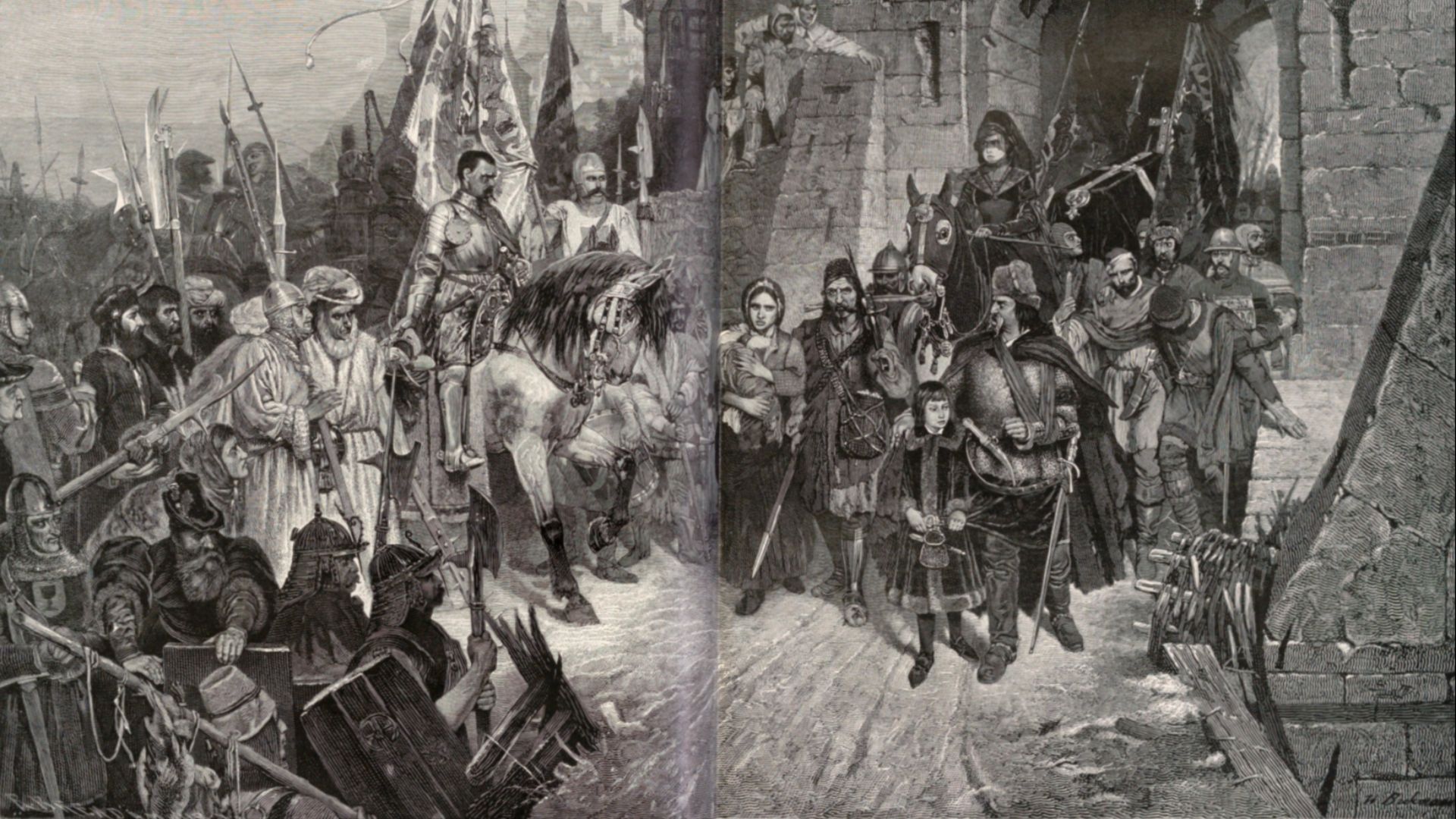
The execution of reformer Jan Hus for heresy in 1415 angered many of his followers in Bohemia. Internal divisions eventually weakened the movement, but moderate Hussites secured religious concessions that were highly unusual in medieval Europe.
 Creator:Wilhelm Beckmann on Wikimedia
6. Henry VIII Breaks With Rome
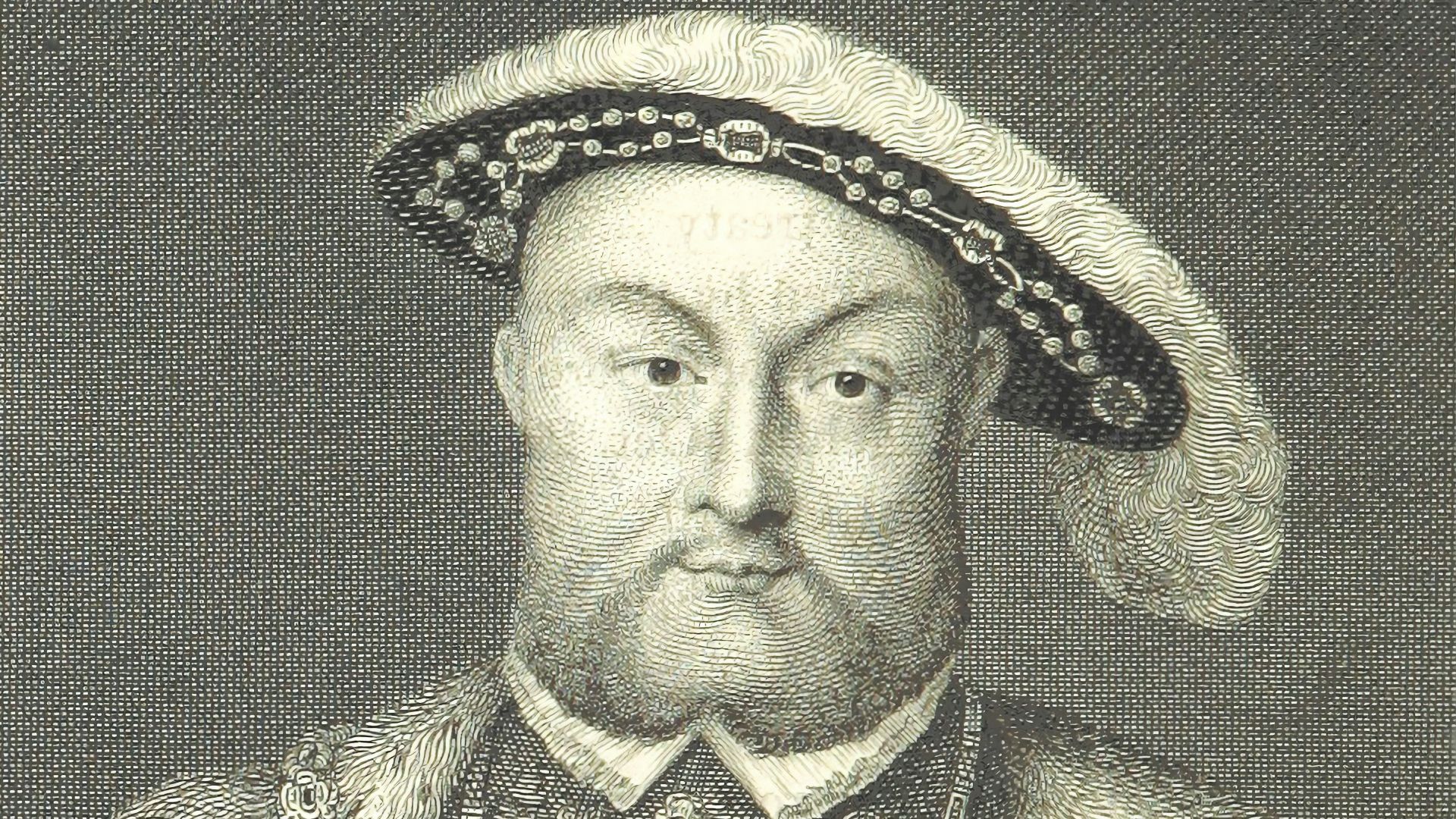
Henry VIII’s request to annul his marriage to Catherine of Aragon became a struggle over papal and royal authority. After Rome refused to grant the annulment, Parliament declared the king supreme head of the Church of England. Monasteries were dissolved, their property was transferred, and resistance to the new religious settlement could be punished as treason.
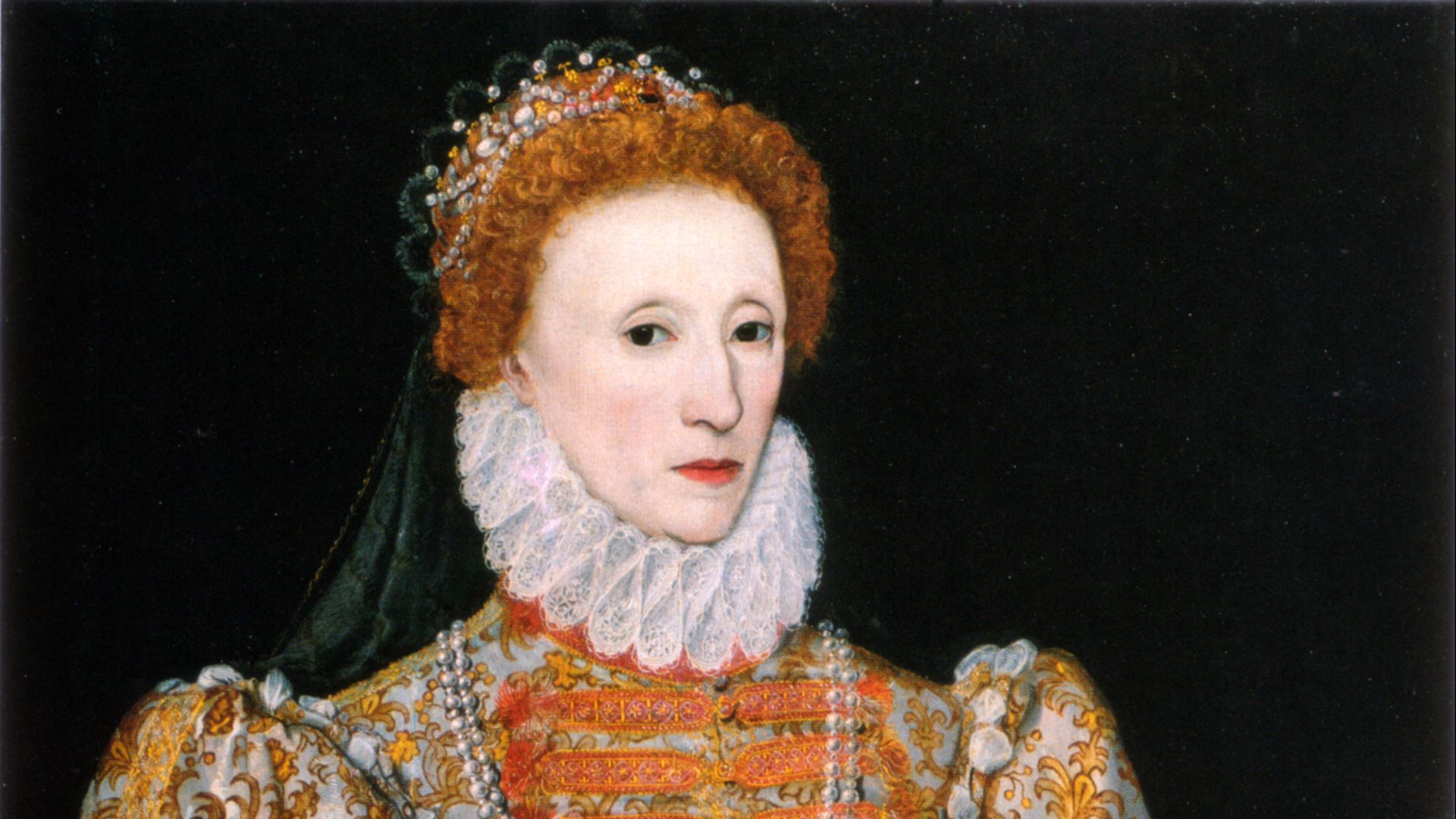
7. Elizabeth I Faces Papal Opposition
Elizabeth I restored Protestant royal supremacy after taking the English throne in 1558. Pope Pius V excommunicated her in 1570 and declared that her Catholic subjects were released from allegiance to her. The decision intensified government suspicion toward Catholics, especially after several plots connected to replacing Elizabeth with Mary, Queen of Scots.
 Unidentified painter on Wikimedia
8. The Dutch Revolt Targets Religious Rule
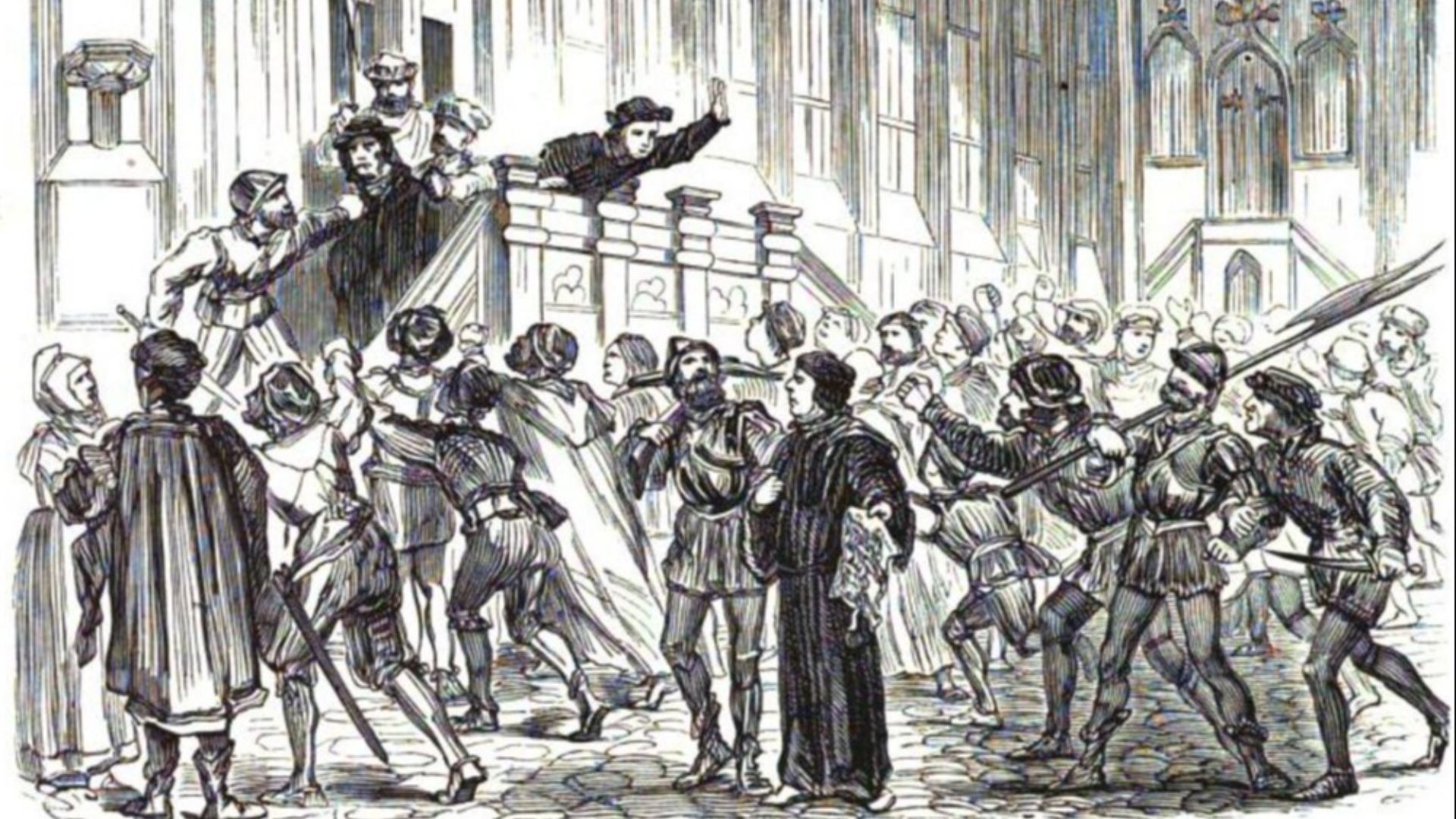
Spanish king Philip II attempted to preserve Catholic authority while tightening political control over the Netherlands. Protestant resistance, resentment of taxation, and opposition to centralized government combined into a prolonged revolt.
9. Galileo Faces the Inquisition
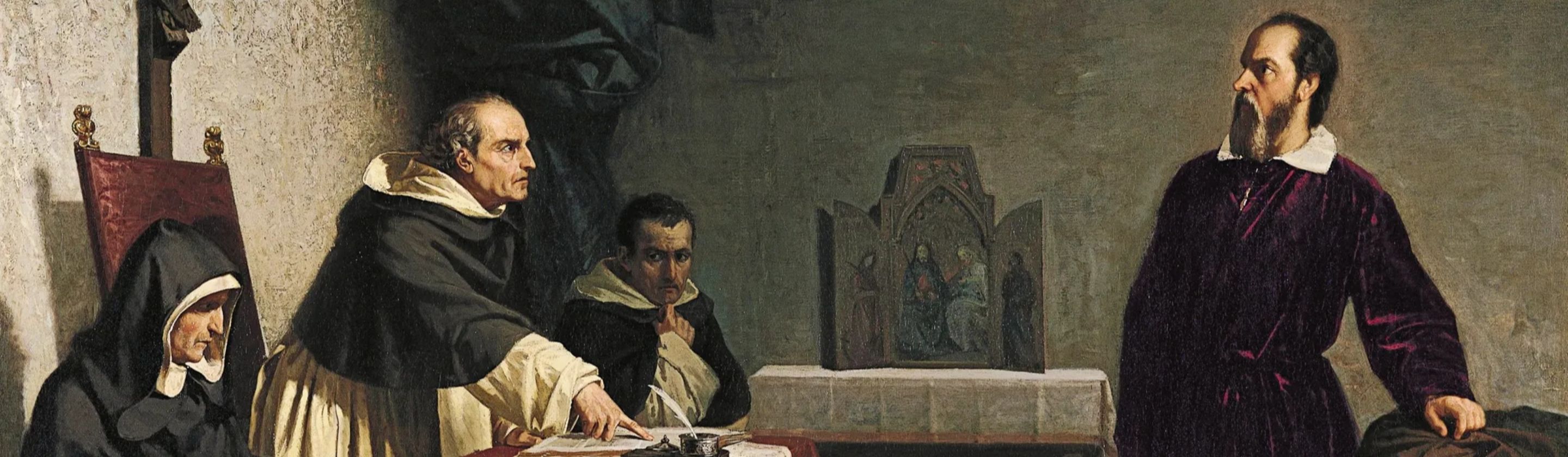
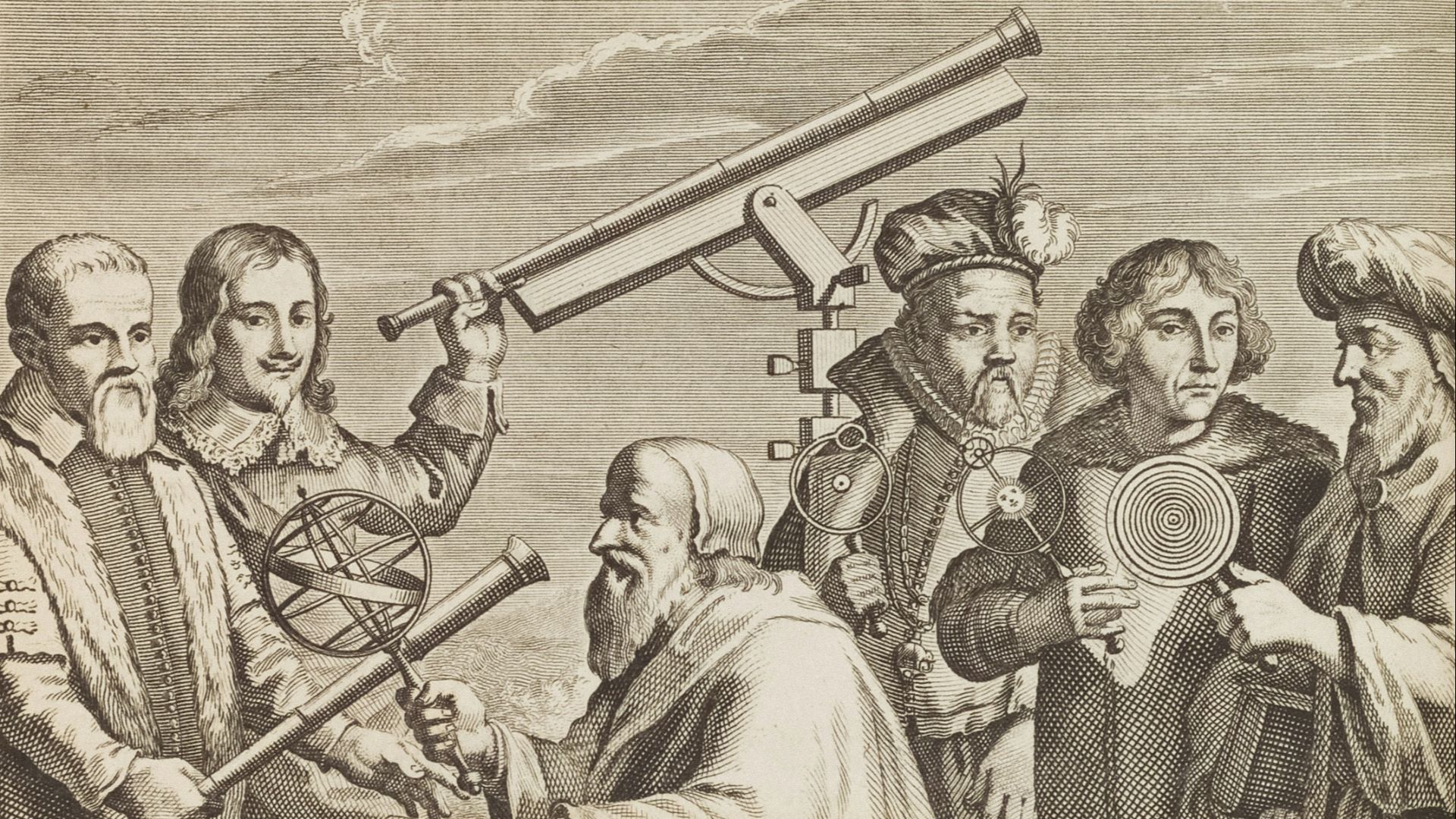
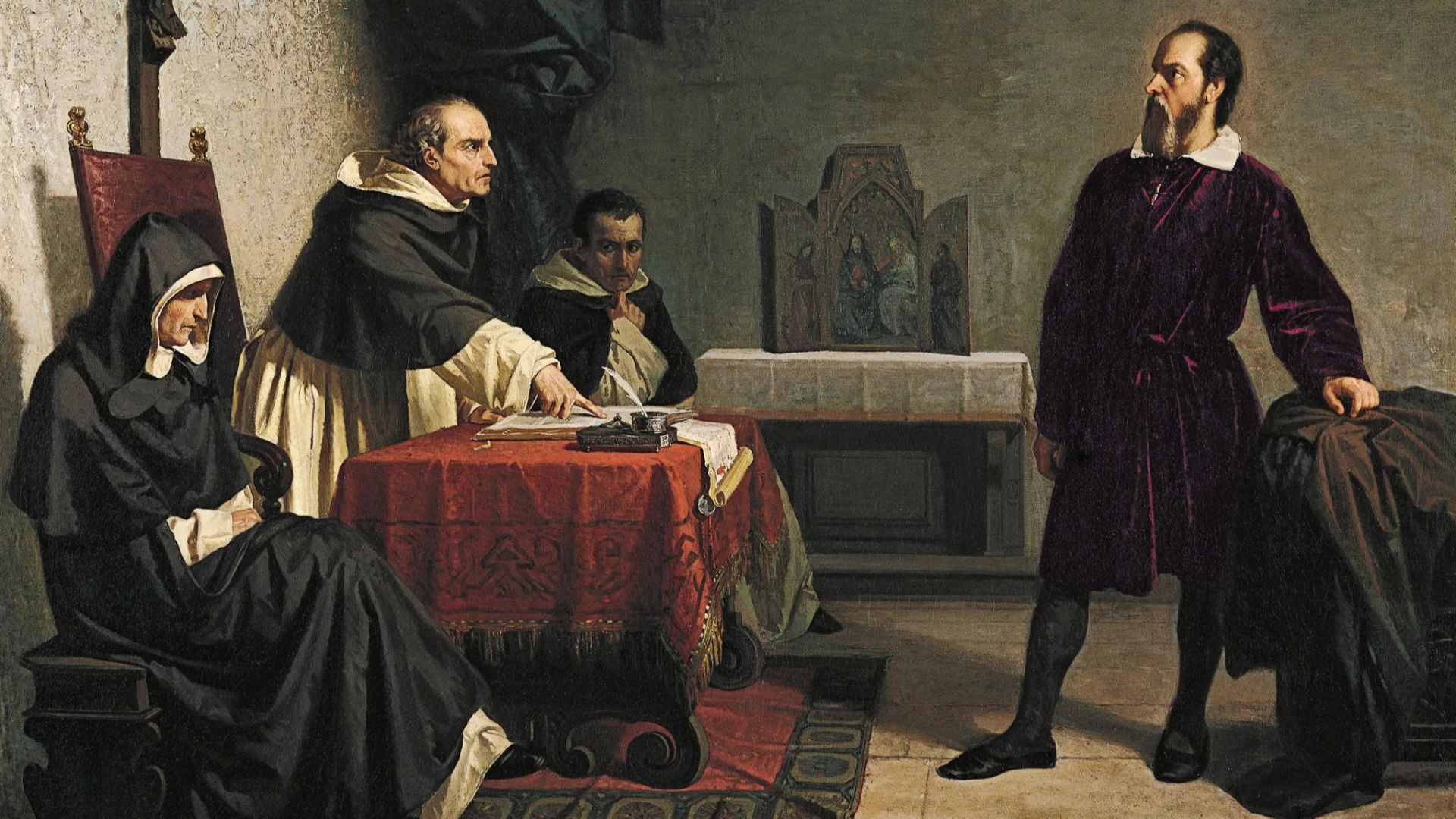
Galileo Galilei publicly defended the Copernican model, which held that Earth moved around the sun. Church authorities had warned him against presenting heliocentrism as established physical fact, and his later publication led to a Roman Inquisition trial in 1633. He was found strongly suspected of heresy, compelled to recant, and kept under house arrest.
10. Joseph II Reorganizes the Church
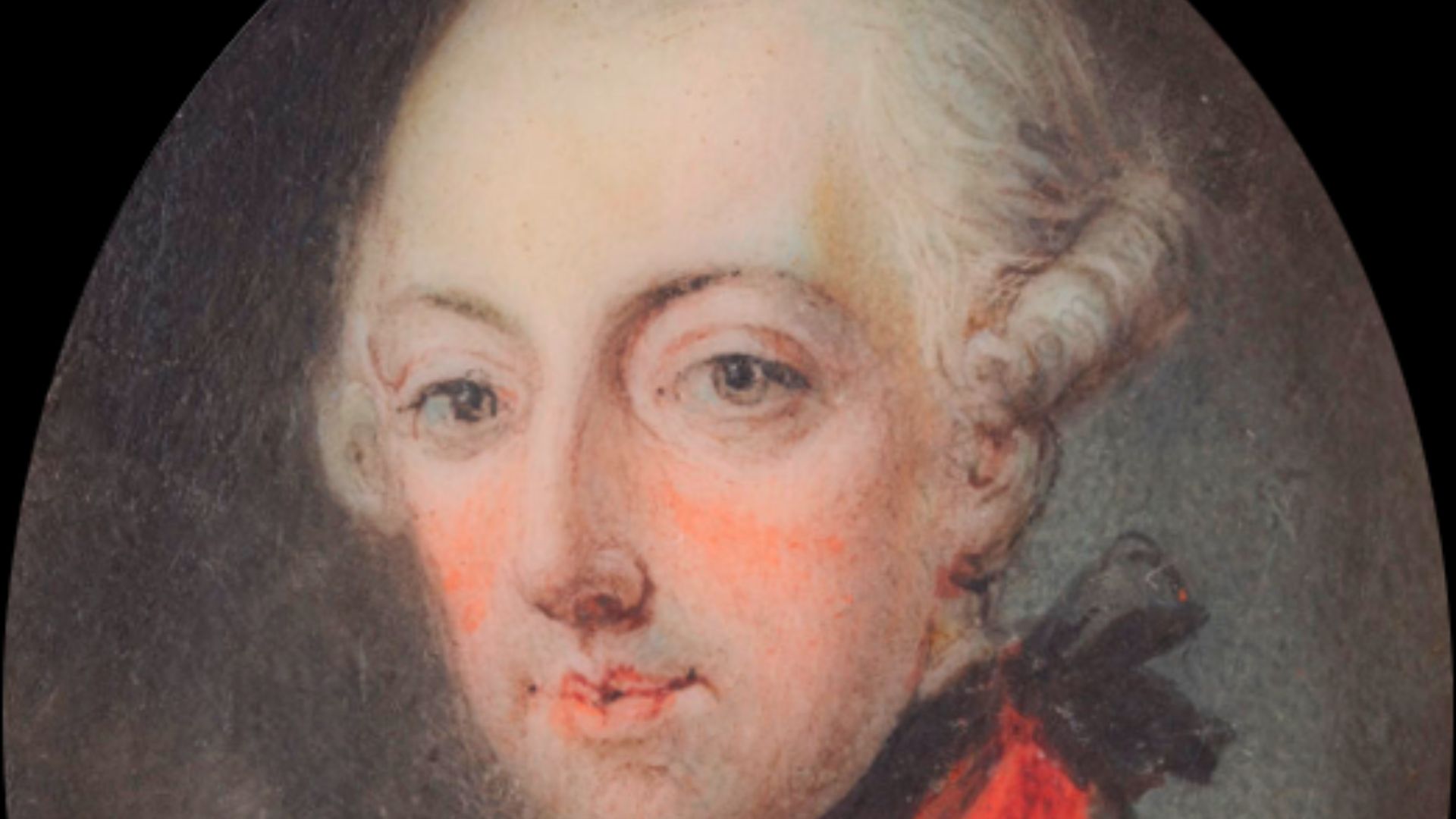
Holy Roman Emperor Joseph II believed religious institutions should serve practical state purposes. He closed hundreds of contemplative monasteries, reorganized dioceses, regulated seminaries, and placed restrictions on communication with Rome.
 Unidentified painter on Wikimedia
11. Revolutionary France Controls the Clergy
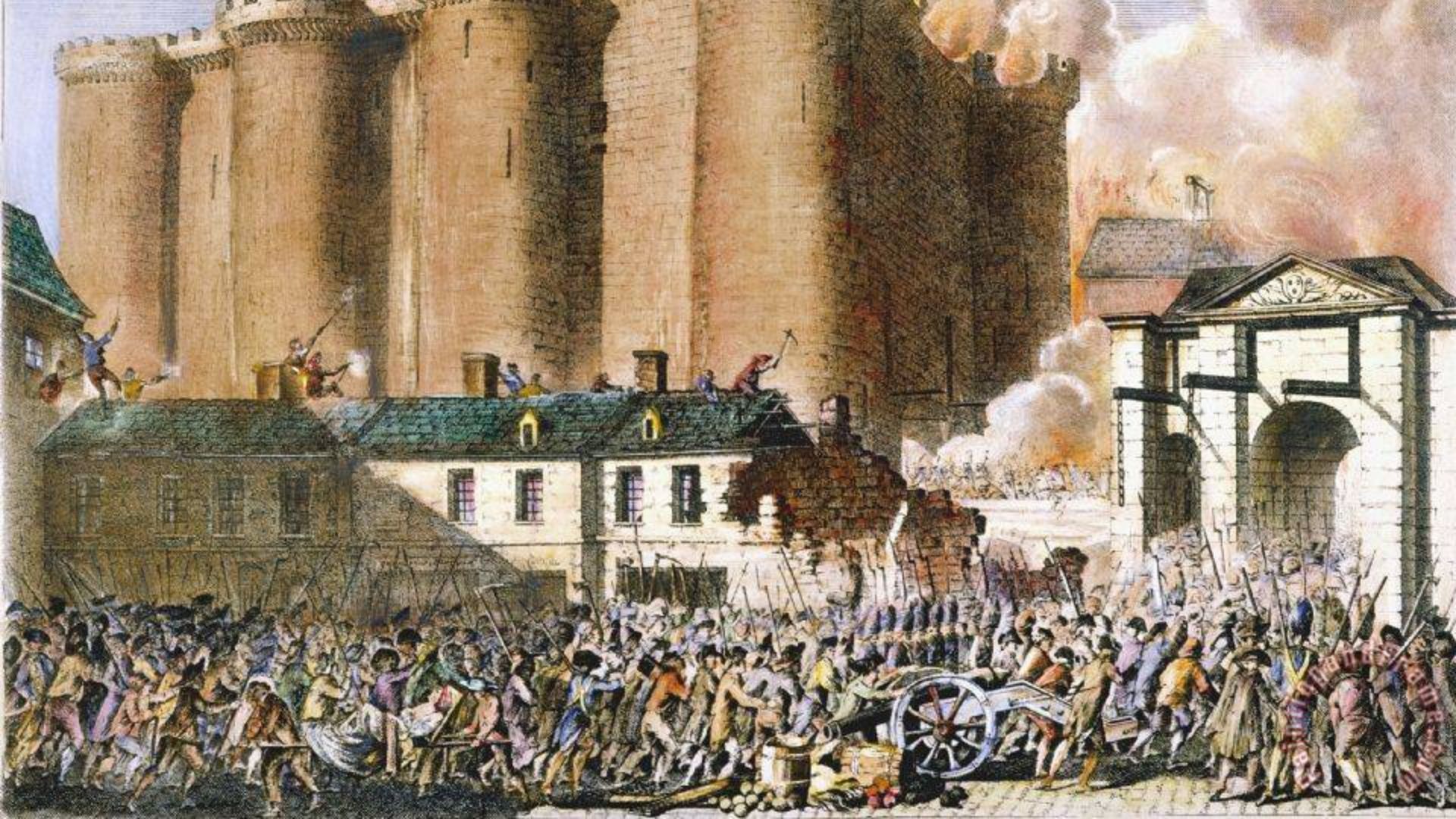
The French Revolution nationalized church property and passed the Civil Constitution of the Clergy in 1790. Priests and bishops became state employees who had to swear loyalty to the new political order, creating a deep split between cooperating and resisting clergy.
 Unknown authorUnknown author on Wikimedia
12. Napoleon Imprisons Pope Pius VII
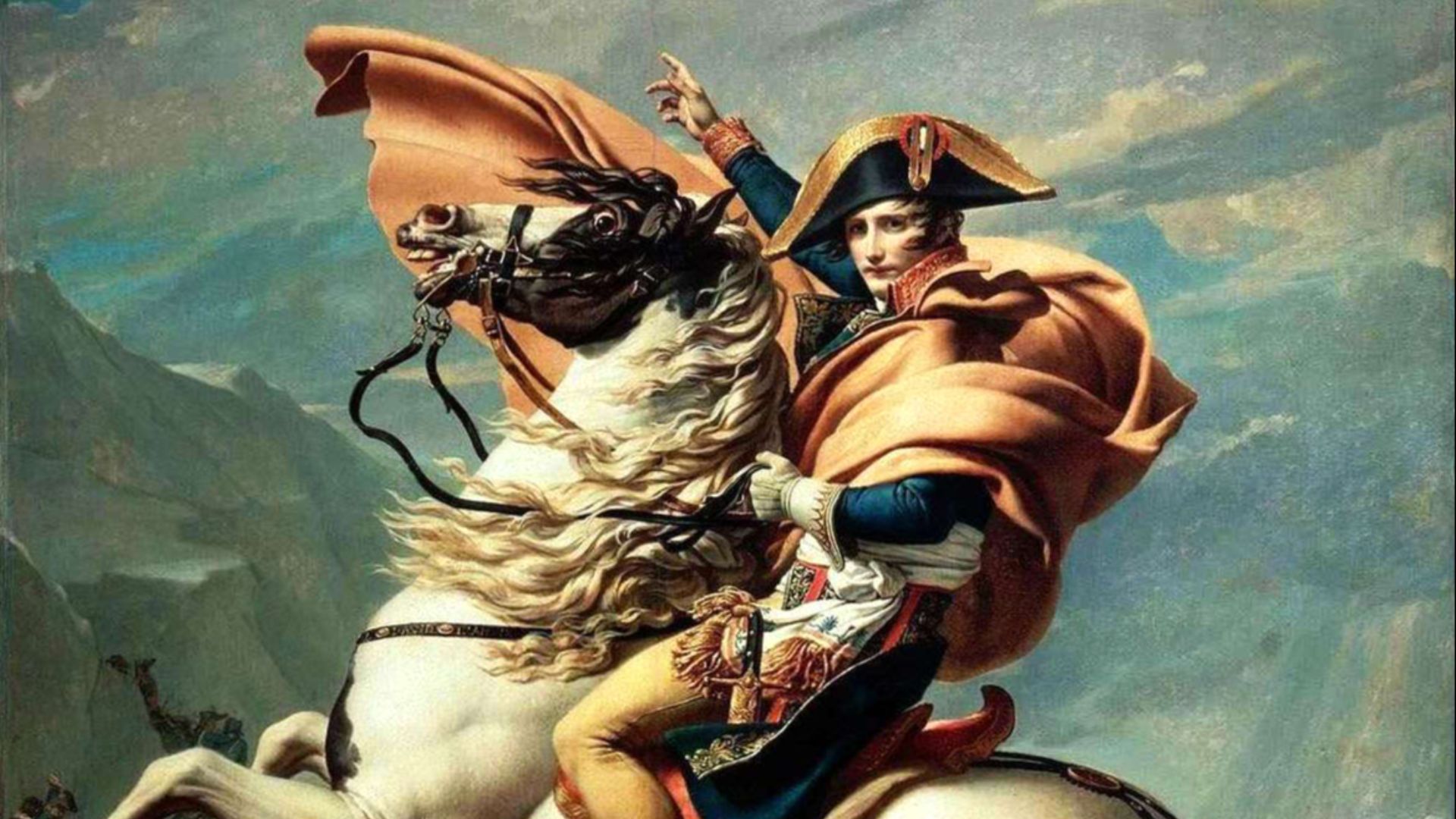
Napoleon initially restored relations with the Catholic Church through the Concordat of 1801. Their cooperation collapsed as the emperor demanded greater control and annexed papal territory. Pius VII excommunicated those responsible, prompting Napoleon’s forces to arrest him in 1809 and hold him under guard until the emperor’s political position began falling apart.
 Jacques-Louis David on Wikimedia
13. Mexico’s Reform Laws Break Church Power
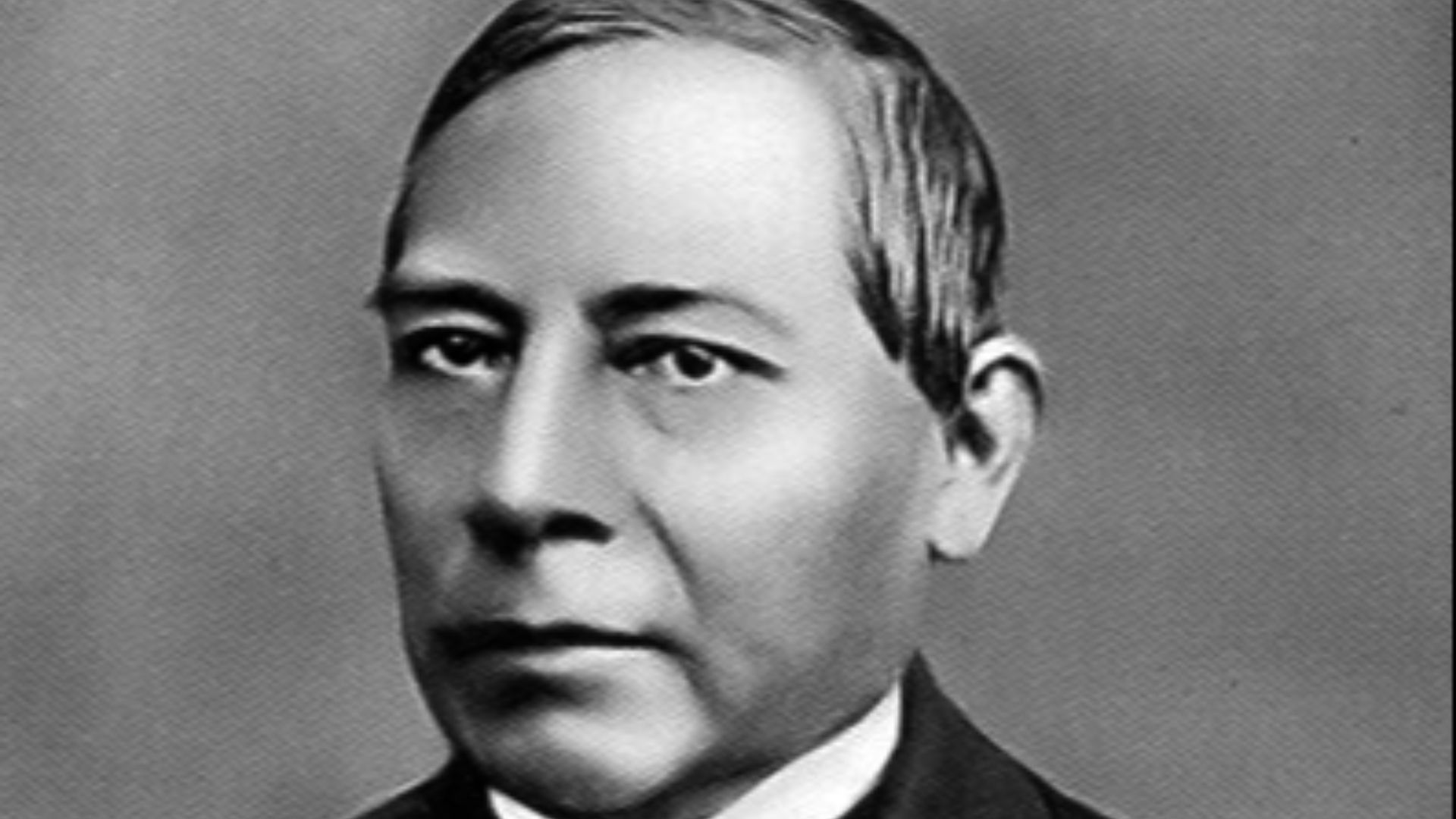
Mexican liberals led by Benito Juárez sought to reduce the Catholic Church’s extensive economic and legal privileges during the 1850s. Their Reform Laws nationalized church property, established civil marriage, and limited separate church courts.
 AnonymousUnknown author on Wikimedia
14. Italian Unification Ends the Papal States
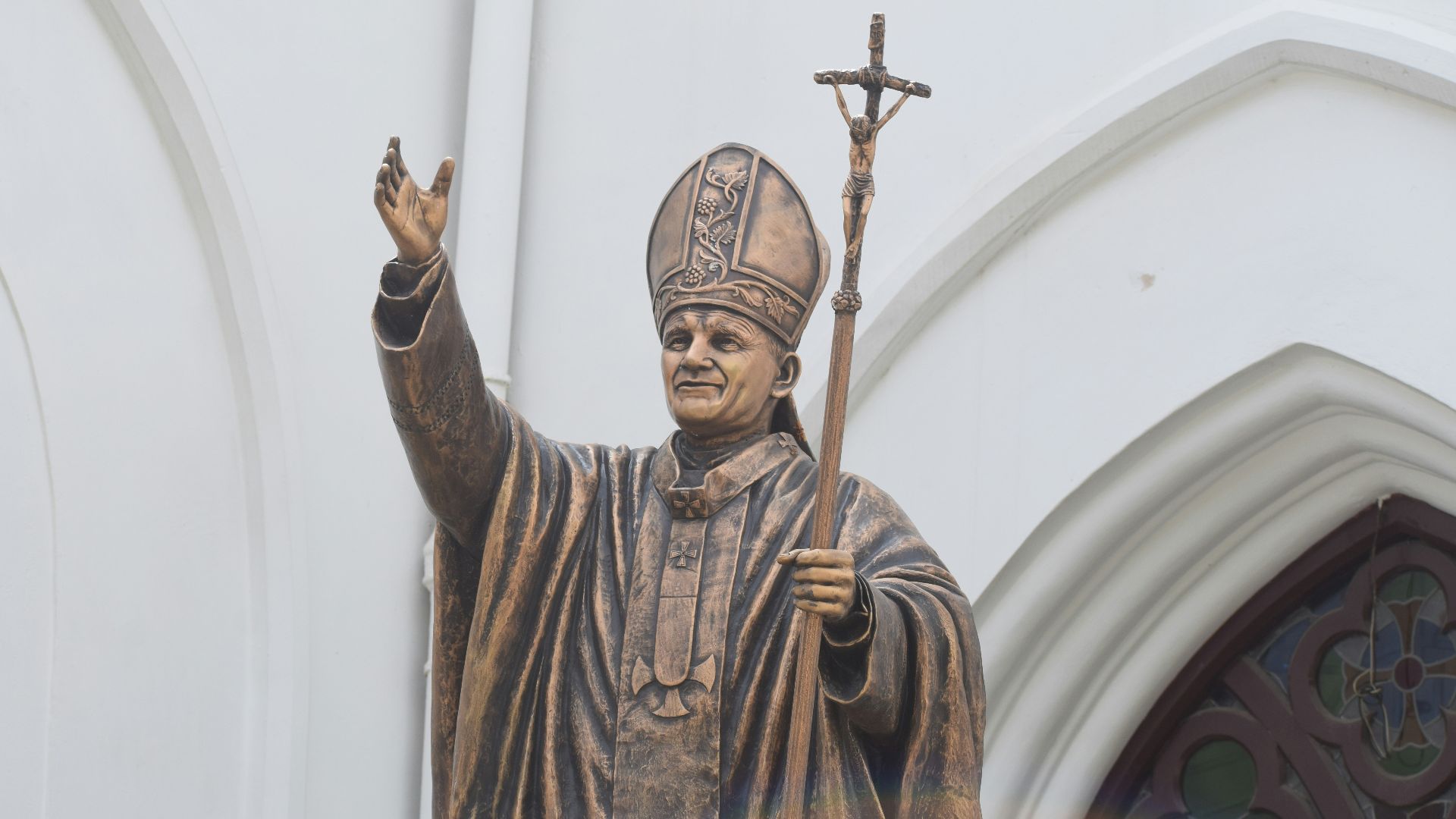
The popes governed substantial territory across central Italy before the country’s unification. Italian nationalist forces gradually absorbed most papal lands and captured Rome in 1870 after French troops withdrew.
15. Bismarck Launches the Kulturkampf
German Chancellor Otto von Bismarck considered organized Catholic political influence a possible threat to the newly unified empire. His government placed education under greater state supervision, restricted religious orders, and introduced controls over clerical training and appointments.
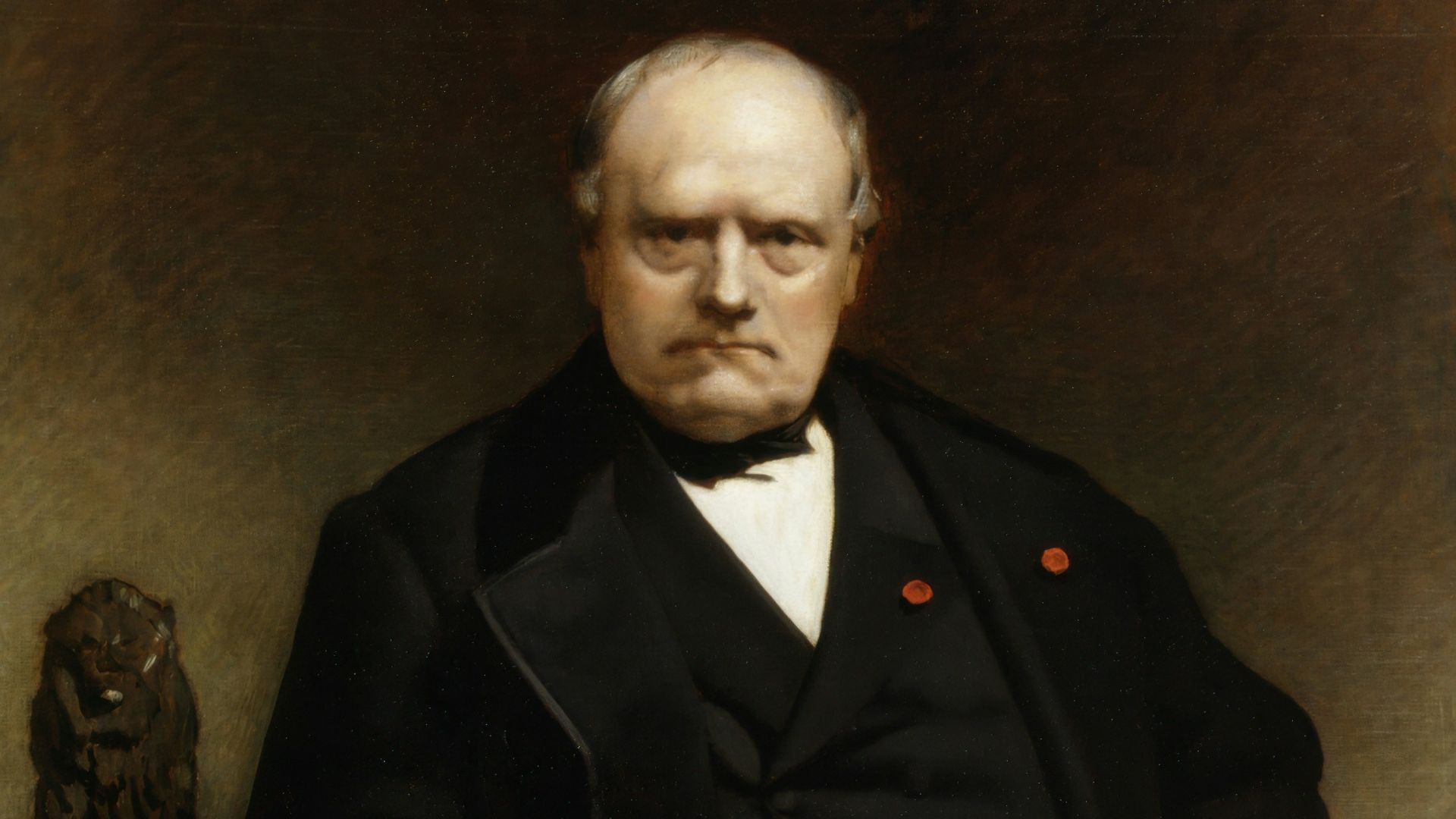 The Walters Art Museum on Unsplash
16. France Removes Religion From Public Education
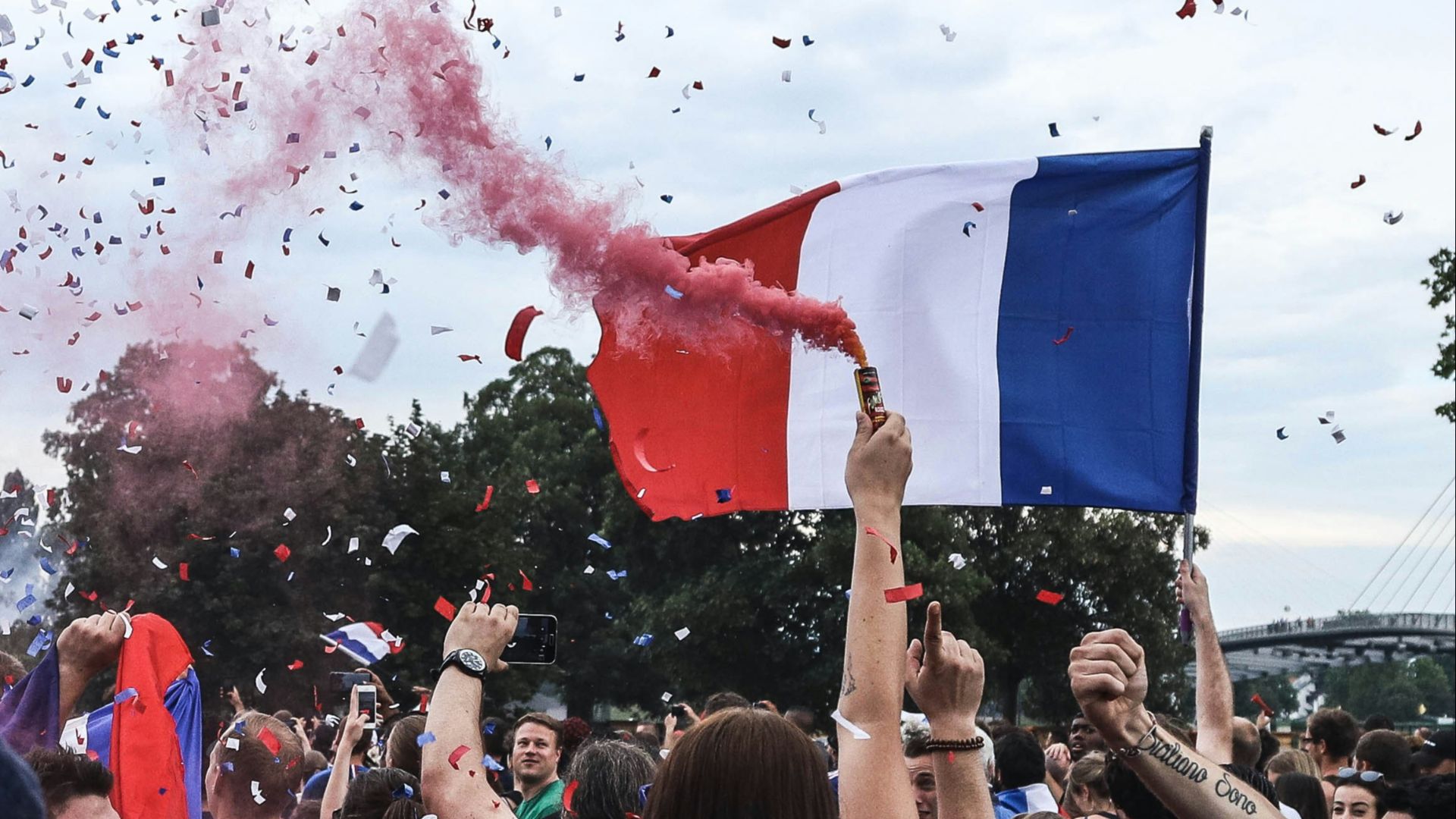
Leaders of France’s Third Republic viewed the Catholic Church as closely associated with monarchy and conservative political power. During the late 1800s, republican governments expanded secular schooling and limited the teaching activities of religious congregations.
17. The Portuguese Republic Confronts Catholicism
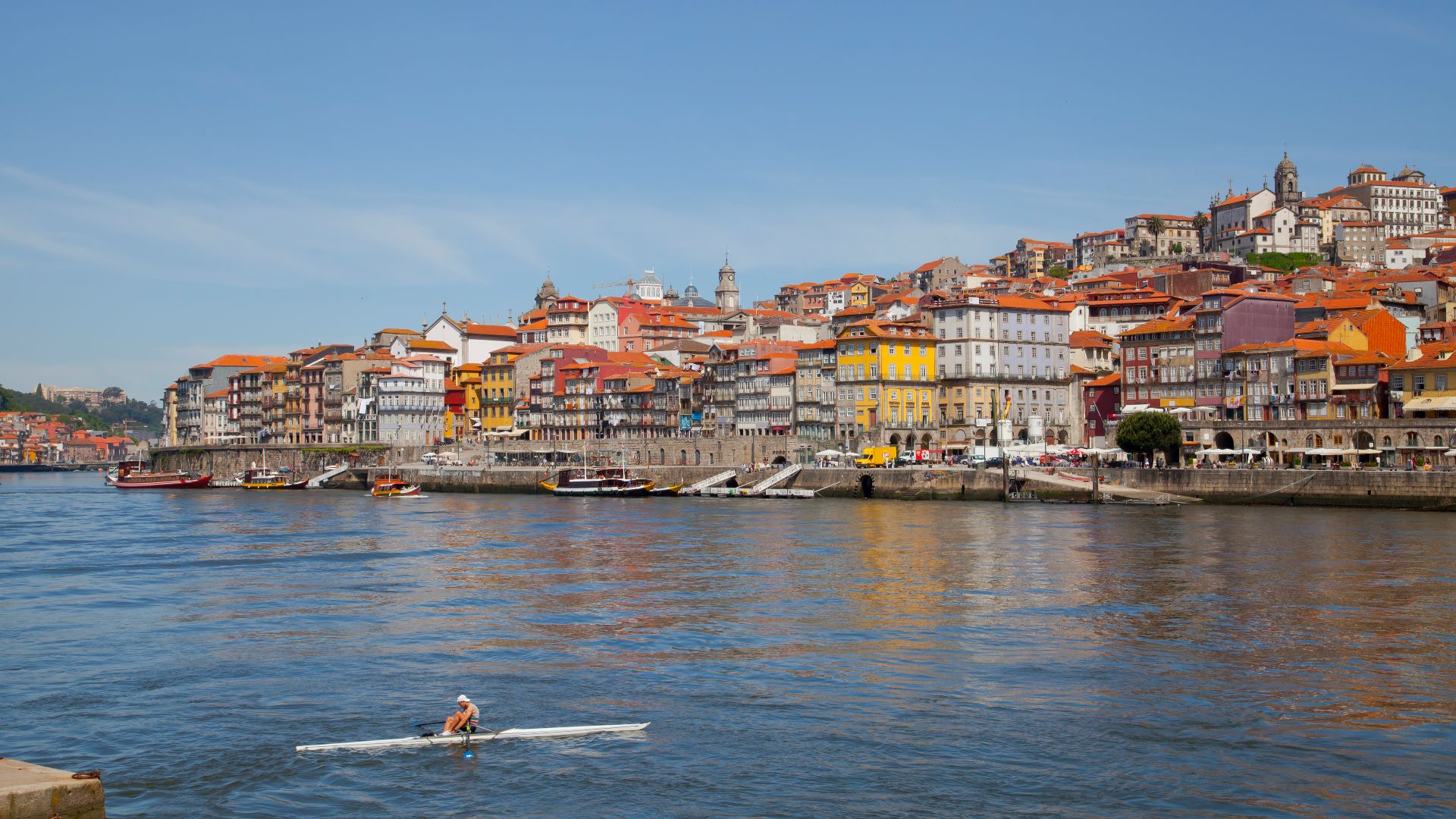
Portugal’s monarchy had maintained close ties with the Catholic Church, making religion a major target after republicans seized power in 1910. The new government expelled religious orders, secularized education, and separated church institutions from the state.
18. The Soviet Government Attacks Organized Religion
After the Russian Revolution, the Bolshevik government separated church and state while confiscating religious property and promoting official atheism. Orthodox clergy and believers faced arrests, closures, executions, and campaigns designed to reduce religious participation.
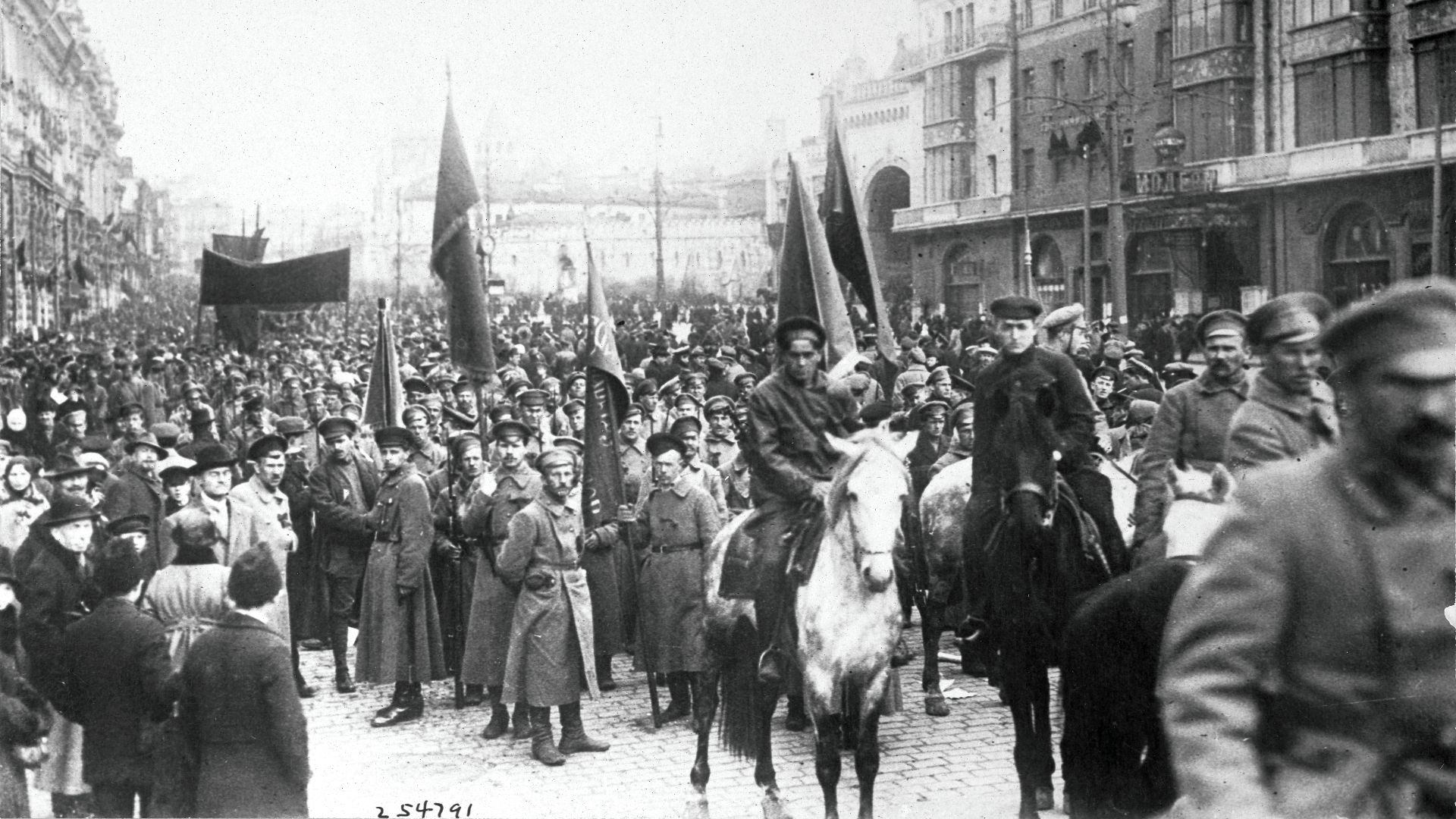 Unknown authorUnknown author or not provided on Wikimedia
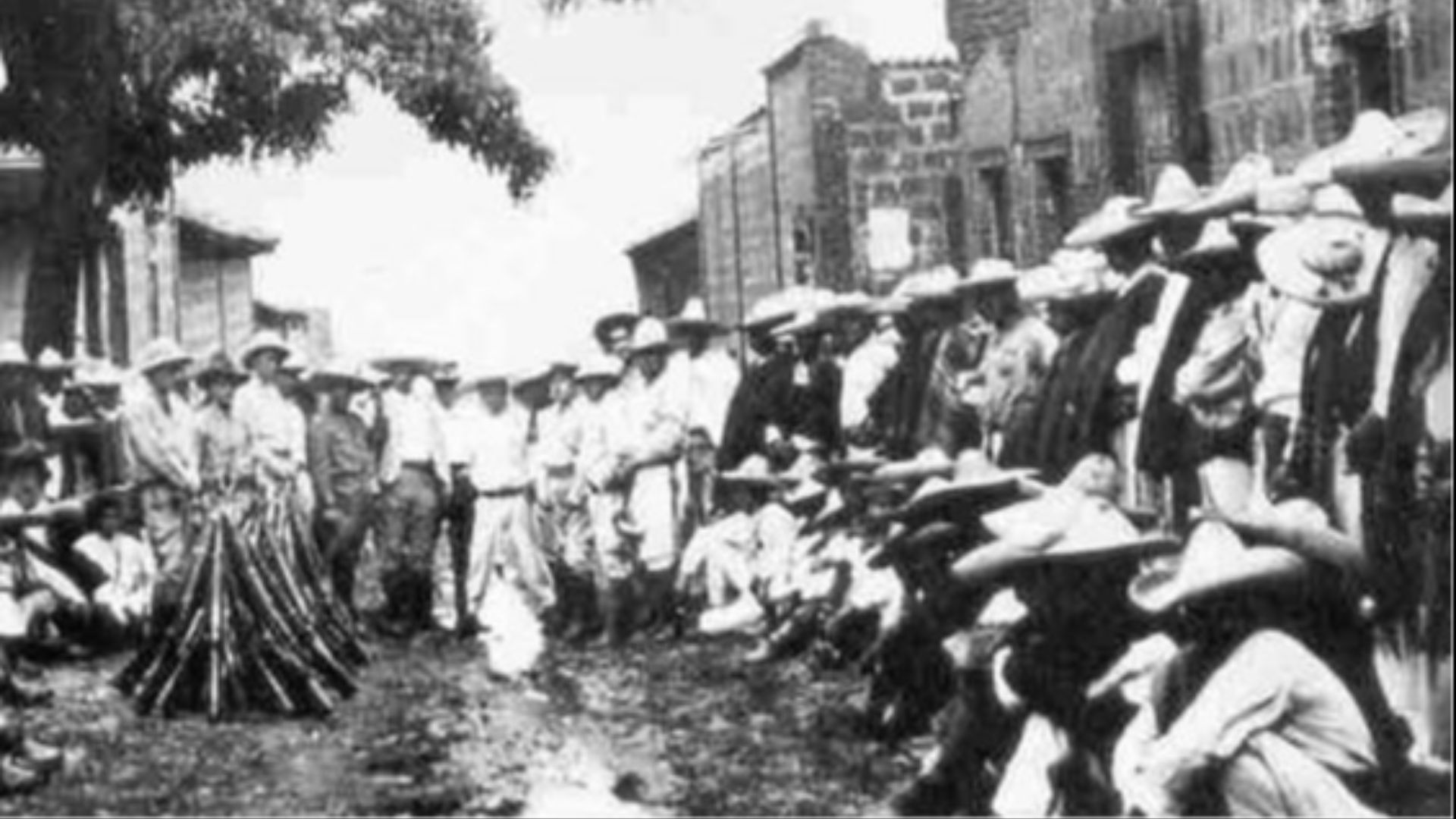
19. Mexico’s Cristero War Turns Violent
President Plutarco Elías Calles strictly enforced anticlerical provisions in Mexico’s constitution during the 1920s. Restrictions on clergy and public worship prompted Catholic resistance, which developed into an armed rural rebellion known as the Cristero War.
 User:Tatehuari el 01 de Junio de 2007 on Wikimedia
20. Spain’s Religious Conflict Fuels Civil War
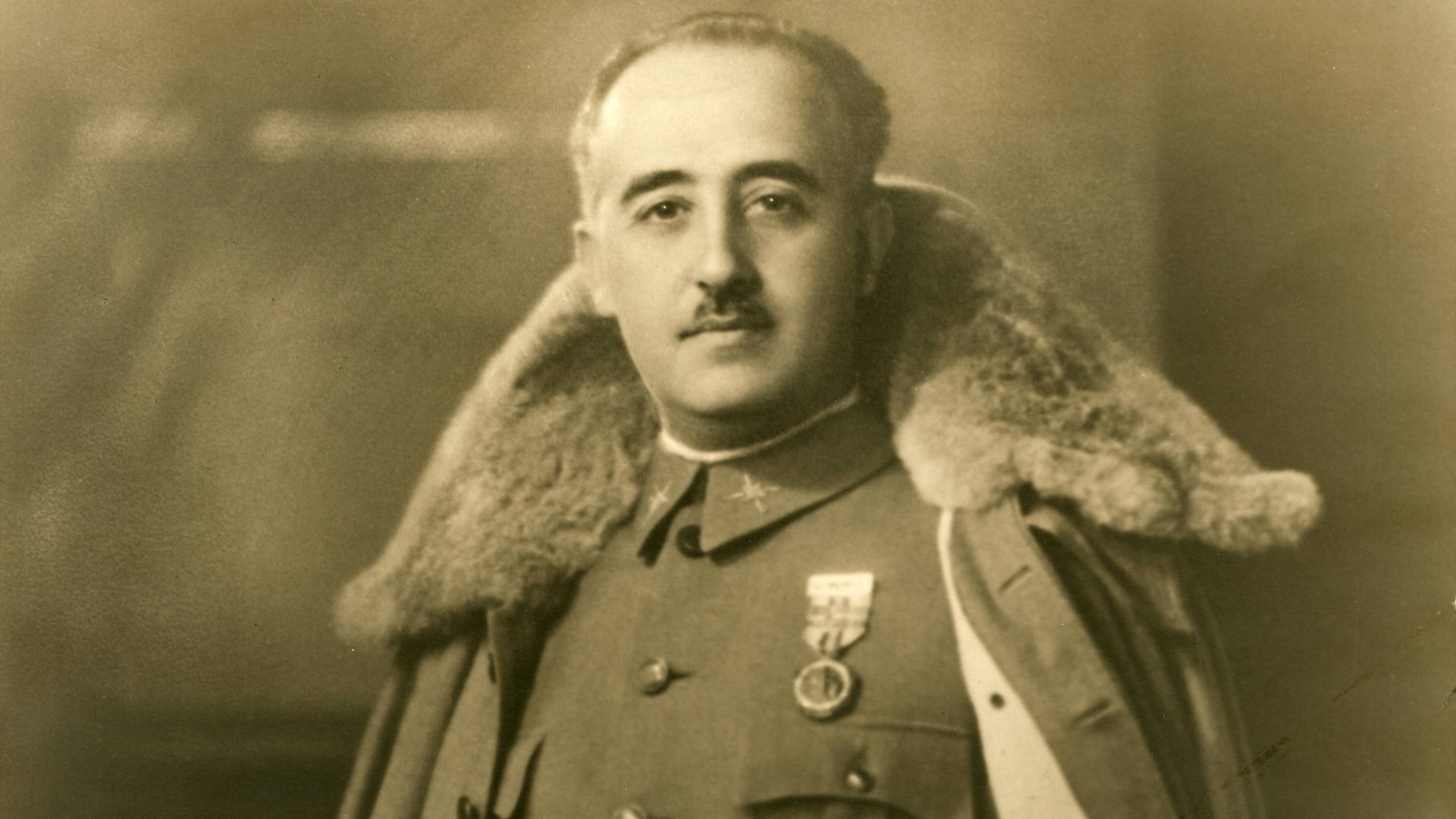
Spain’s Second Republic introduced secular reforms affecting education, marriage, religious orders, and church property. Anticlerical violence and attacks on clergy pushed much of the Catholic hierarchy toward the Nationalist side after civil war erupted in 1936.
KEEP ON READING