Famous Historical Rivalries That Changed The Course Of Empires
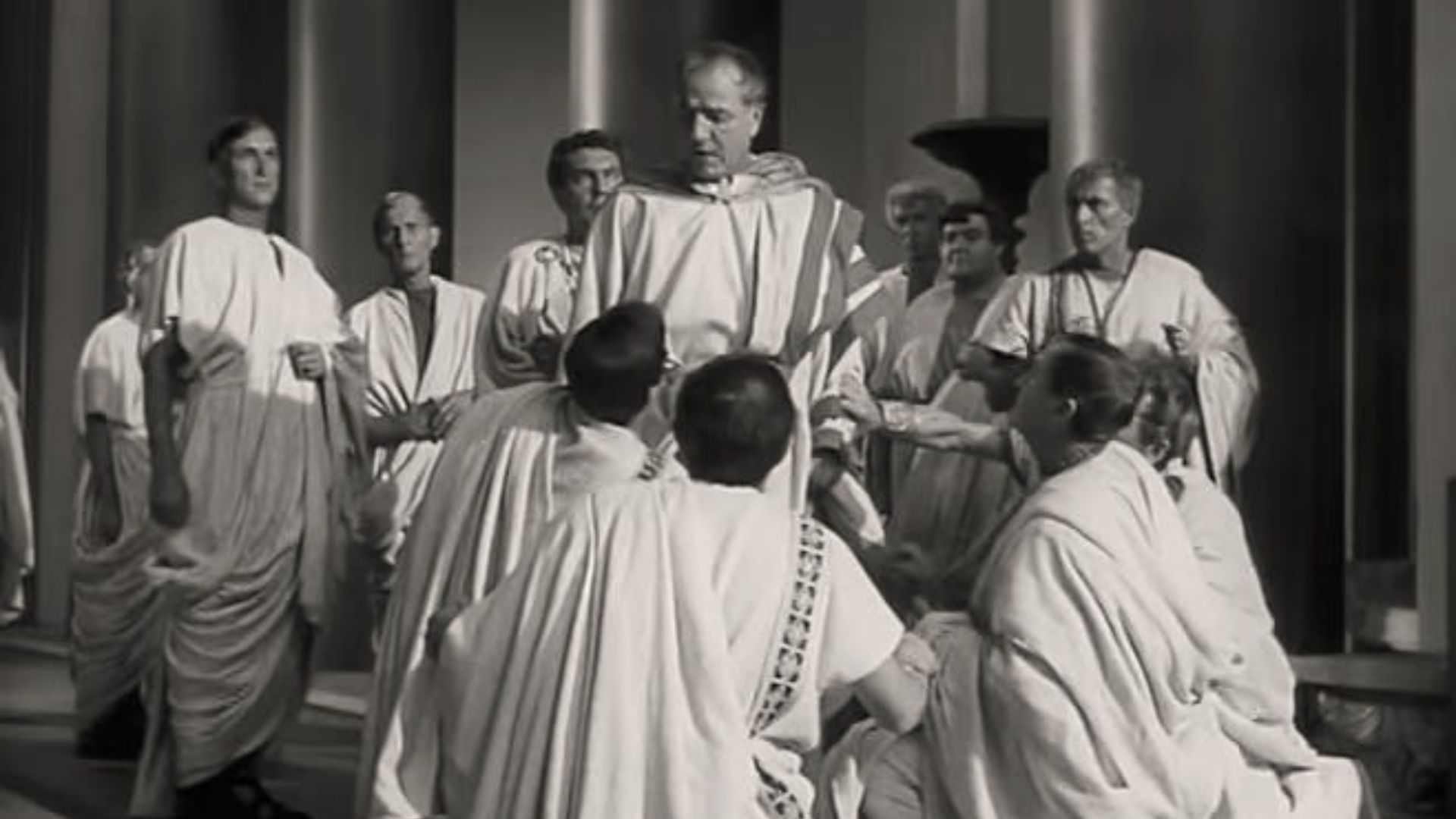 film trailer screenshot (MGM) on Wikimedia
Empires rarely rise or fall because of one person alone, yet individual rivalries can push existing tensions toward dramatic outcomes. Military commanders and rulers often competed over territory, political legitimacy, trade routes, religious influence, and personal survival, turning their confrontations into struggles that affected millions.
Three rivalries stand out because their effects continued long after the participants were gone: Hannibal and Scipio Africanus, Julius Caesar and Pompey the Great, and Sultan Selim I and Shah Ismail I. Each contest brought two ambitious leaders into direct conflict at a moment when their societies were already undergoing major change. Their decisions altered the Roman, Carthaginian, Ottoman, and Safavid worlds while influencing the political development of surrounding regions.
Hannibal And Scipio Africanus
Hannibal Barca became Rome’s most feared opponent after leading a Carthaginian army across the Alps during the Second Punic War. He defeated Roman forces in several major battles, including the devastating encounter at Cannae in 216 BCE, and remained in Italy for years. Although he couldn’t force Rome to surrender, his campaigns exposed serious weaknesses in its military leadership and alliance system.
Publius Cornelius Scipio emerged as the Roman commander capable of challenging Carthage beyond the Italian battlefield. Rather than continuing to pursue Hannibal directly, he attacked Carthaginian power in Iberia and eventually carried the war into North Africa. That strategy threatened Carthage itself and forced Hannibal to leave Italy after a campaign lasting more than a decade. Their rivalry became personal only near the end, but each man had spent years adapting to the military achievements of the other.
The decisive confrontation came at Zama in 202 BCE, where Scipio’s army defeated Hannibal and ended Carthage’s ability to compete with Rome as an equal Mediterranean power. Carthage lost overseas territory, surrendered much of its fleet, and accepted major financial and military restrictions. Rome gained greater control over the western Mediterranean and entered a period of rapid expansion that eventually brought it into conflicts across Greece, North Africa, and Asia Minor.
Julius Caesar And Pompey The Great
Julius Caesar and Pompey initially cooperated within the political arrangement later known as the First Triumvirate. Pompey possessed enormous prestige from earlier military victories, while Caesar gained wealth, loyal troops, and fame during his campaigns in Gaul. Their partnership depended partly on shared interests and Caesar’s family connection to Pompey through his daughter Julia.
Tensions grew over whether Caesar could seek another consulship while retaining command of his army and the legal protections associated with office. Pompey aligned himself more closely with Caesar’s senatorial opponents, who demanded that Caesar surrender his command before returning to Rome. Caesar refused and crossed the Rubicon with troops in 49 BCE, beginning a civil war that spread through Italy, Greece, Egypt, North Africa, and Spain.
Caesar defeated Pompey’s forces at Pharsalus in 48 BCE, prompting Pompey to flee to Egypt, where he was murdered shortly after arriving. Caesar’s eventual victory destroyed much of the organized opposition to his power, and he was later appointed dictator for life. His assassination in 44 BCE didn’t restore stable republican government because another series of civil wars followed.
Selim I And Shah Ismail I
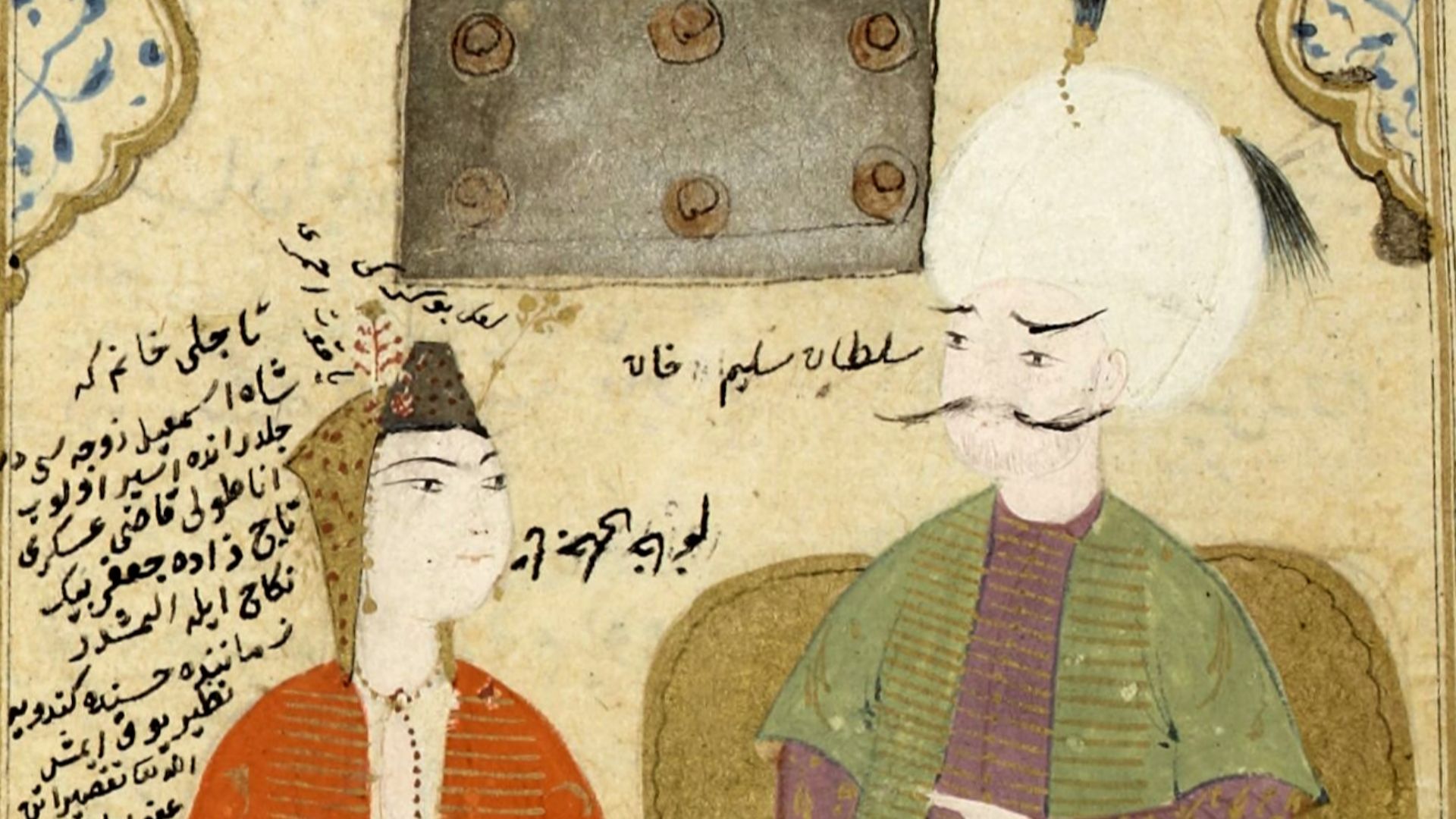 16th century author on Wikimedia
Shah Ismail I founded the Safavid state in Iran at the beginning of the 16th century and established Twelver Shiism as its official religious identity. His military support came largely from devoted Qizilbash followers, many of whom lived in or maintained connections with eastern Anatolia. Their influence concerned Ottoman leaders because loyalty to Ismail could compete with obedience to the sultan. The rivalry therefore involved political authority, frontier security, tribal alliances, and religion rather than a simple disagreement between two rulers.
Selim I became Ottoman sultan in 1512 and adopted an aggressive policy toward the Safavid challenge. Ismail’s expanding influence threatened Ottoman control in Anatolia, while Selim wanted to secure the empire’s eastern frontier before pursuing campaigns elsewhere. Their correspondence included insults and competing claims of legitimacy, but the underlying conflict concerned control over people and territory.
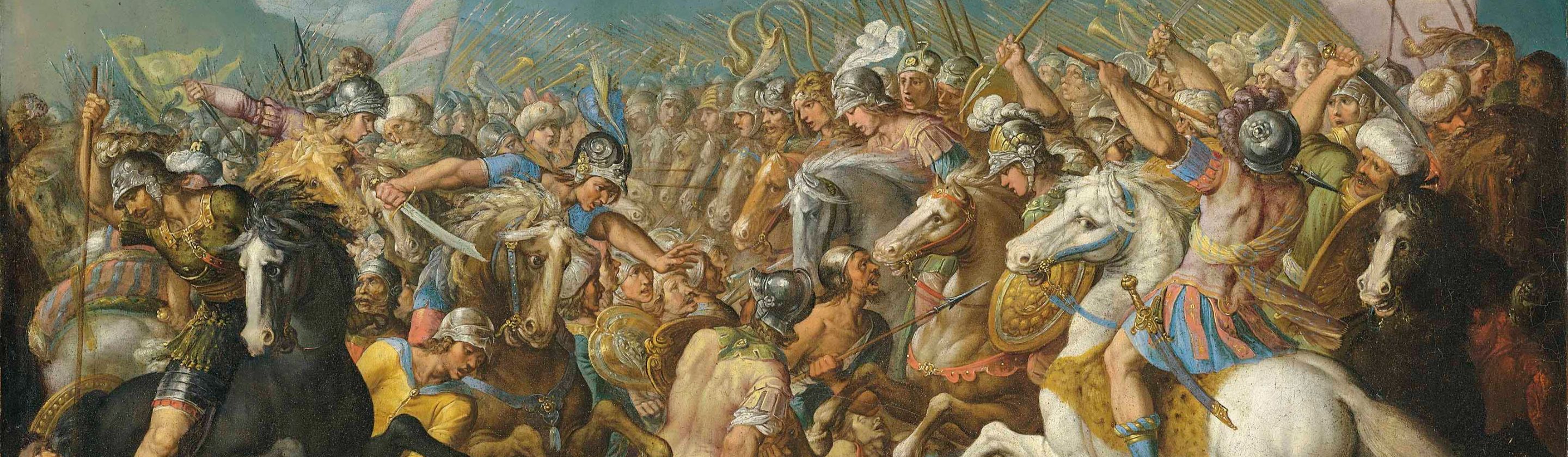
Their armies met at the Battle of Chaldiran in 1514, where the Ottomans gained a major victory with the help of disciplined infantry, defensive preparations, and extensive use of firearms and artillery. Selim briefly occupied Tabriz, although his army soon withdrew, and the Safavid state survived the defeat. The confrontation helped define a long Ottoman-Safavid rivalry that influenced regional borders, religious identities, and military policy for generations.
These three rivalries mattered because they transformed struggles between leaders into permanent changes within their states. Scipio’s victory opened the way for Roman dominance over Carthage, Caesar’s defeat of Pompey hastened the Roman Republic’s destruction, and Selim’s triumph over Ismail shaped the balance between two major Middle Eastern empires. Their stories show how personal competition can become historically significant when it connects with larger military, political, and social pressures.
KEEP ON READING