How Did We Survive?
Every generation of parents wants the same simple things: a healthy kid, a comfortable kid, and, if the universe is feeling generous, a kid who actually falls asleep at bedtime. But the path to that goal has taken some pretty wild detours, especially whenever a doctor, an "expert," or a shiny new product promised a shortcut. Some of these ideas stuck around for decades. Others were fads that burned bright and vanished within a few years. Nearly all of them disappeared once the risks became obvious, the laws caught up, or someone finally asked, "Wait, why are we doing this?" These 20 trends prove that "trusted advice" has an expiration date, and sometimes it's a short one.
 Vyacheslav Argenberg on Wikimedia
1. Window Cages
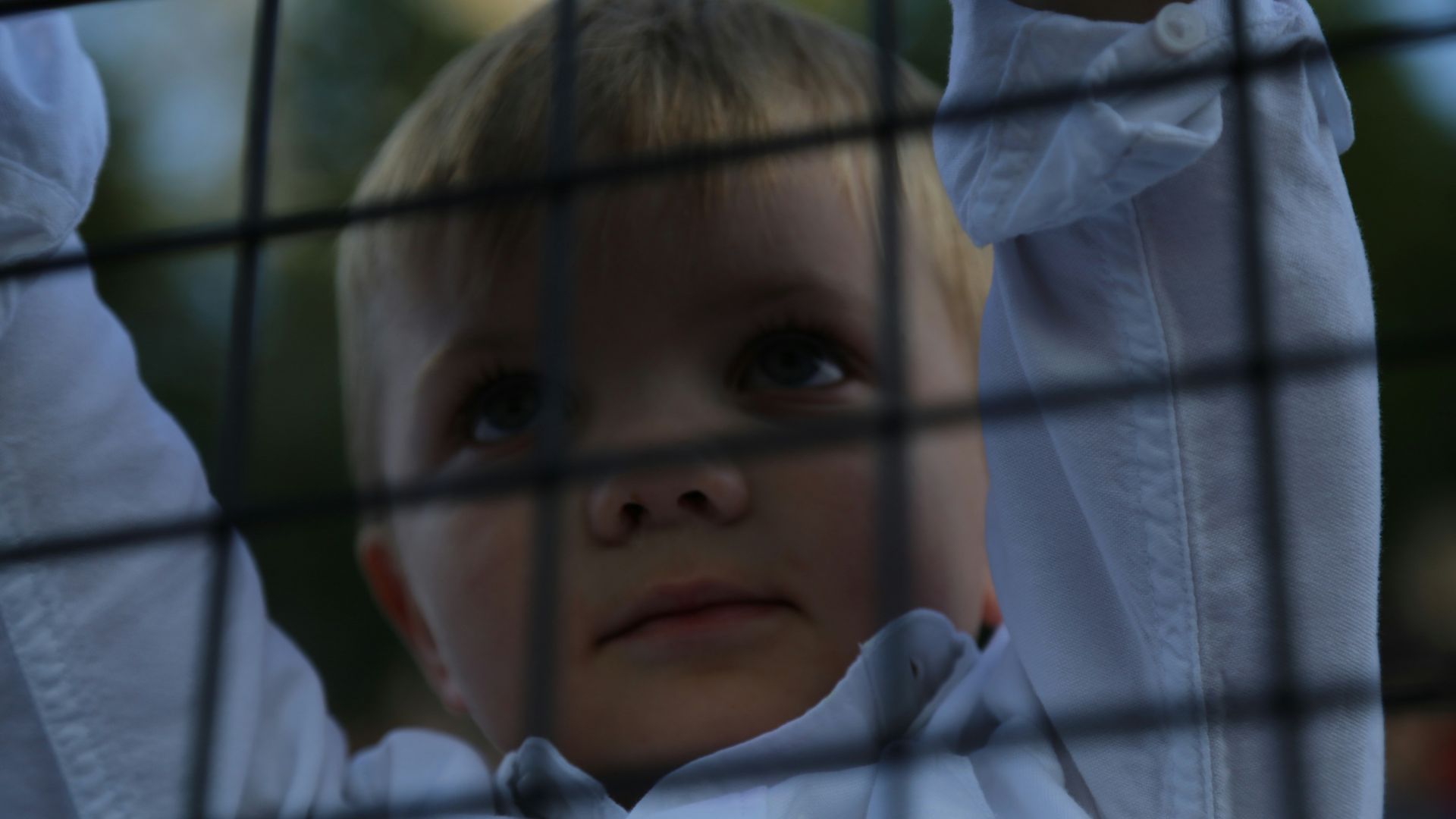
Fresh air was treated as a miracle cure in the early 1900s, especially for city families. The solution some parents landed on? Wire cages bolted to the outside of windows, several stories up, so babies could nap in the sunshine in view of their parents.
2. Sending Children Through The Mail
When the U.S. parcel post expanded in 1913, nobody had thought to specify that children didn't count as packages. A handful of families actually paid the postage and had a familiar local carrier walk their kid over to a relative's house nearby.

3. Baby Judging
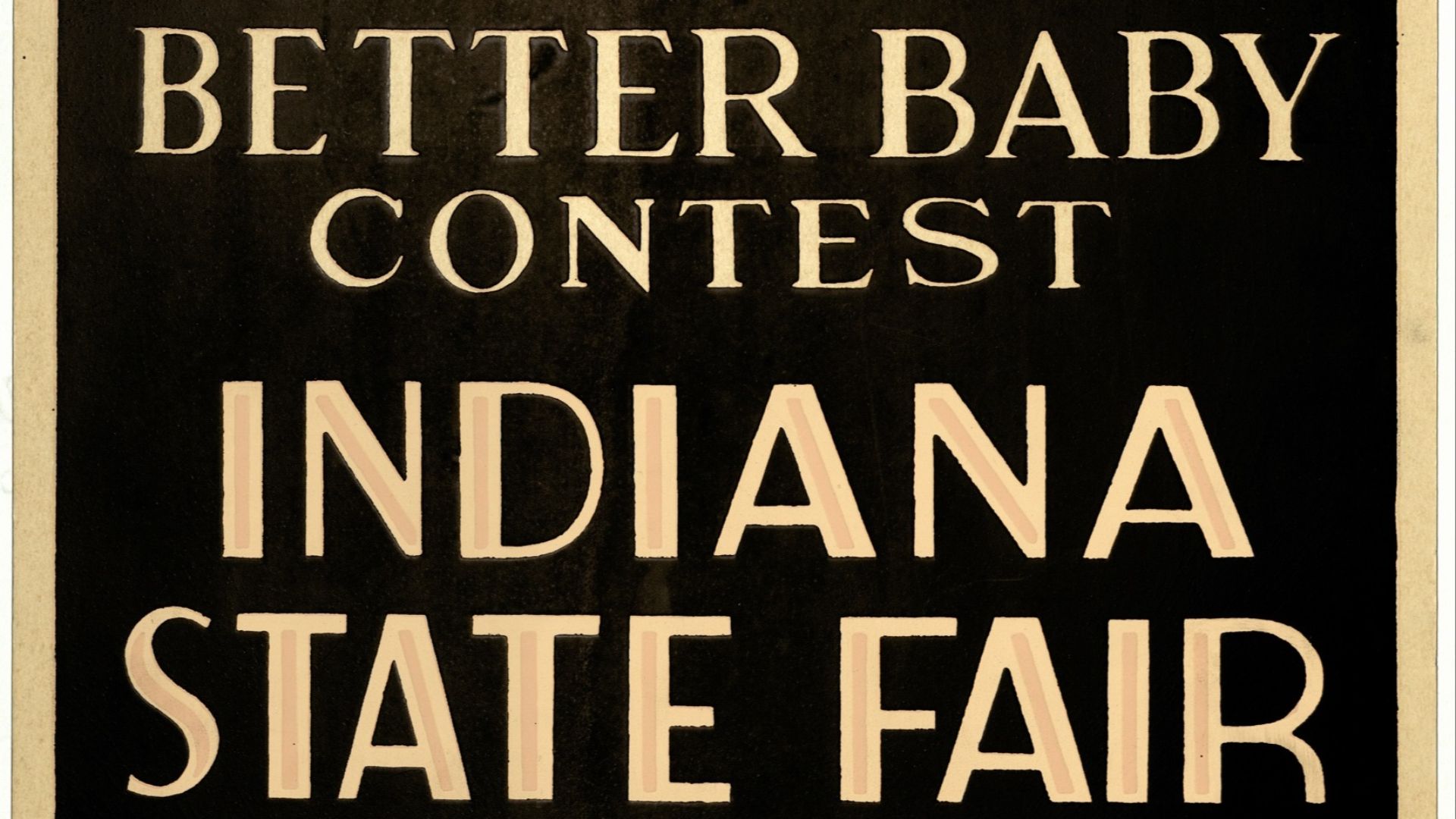
"Better Babies" contests scored infants on their health, growth, and physical measurements; often at the very same fairs where prize pigs and pumpkins were competing for ribbons. Part health screening, part beauty pageant, these contests encouraged parents to get their kids examined by medical professionals.
4. Minimal Affection
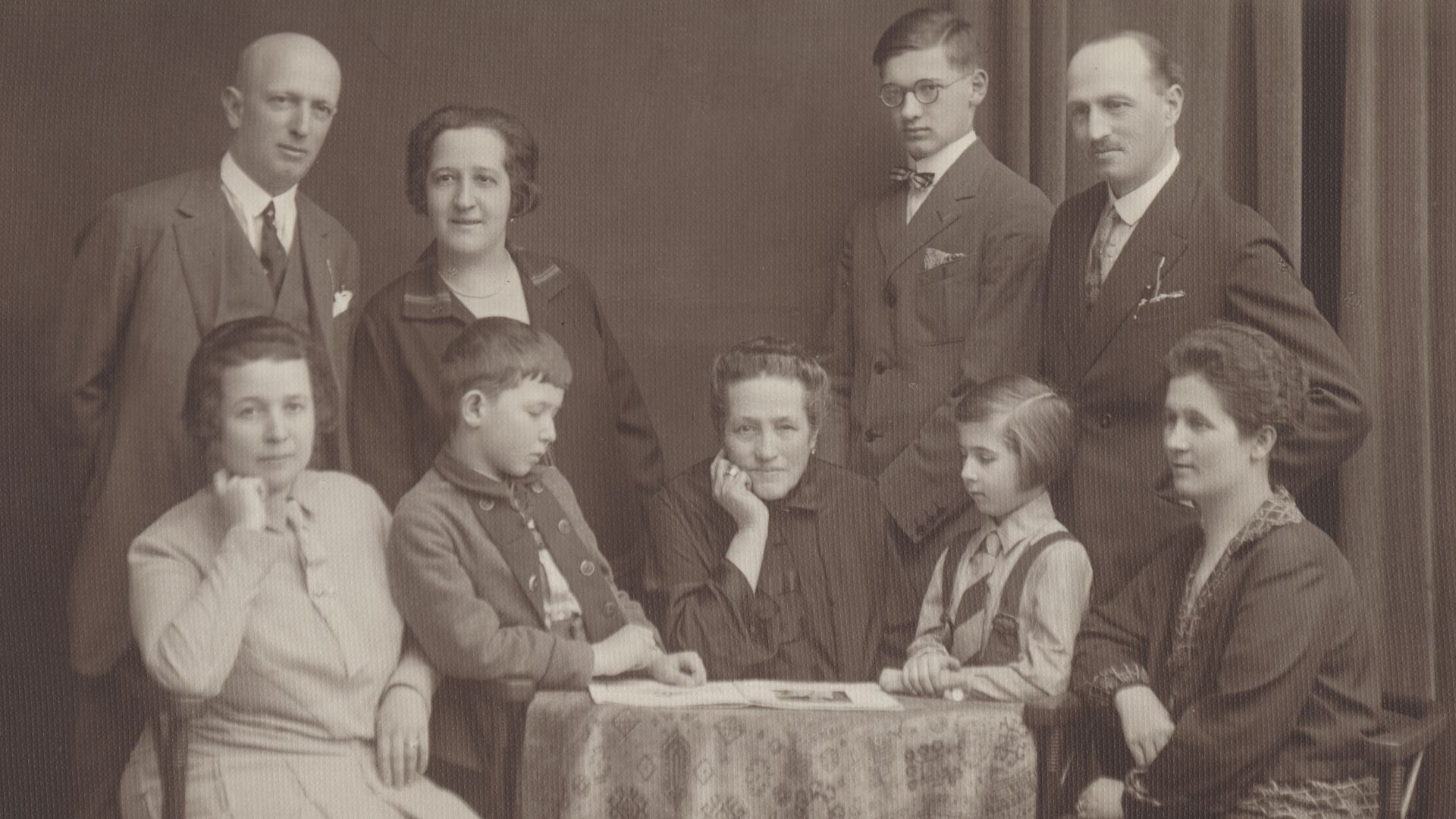
In the 1920s, some of the era's most trusted parenting advice insisted that too much kissing and cuddling would turn kids into needy, emotionally fragile adults. Parents were told to stay businesslike and detached. Some even greeted their own children with a handshake instead of a hug.
 Stojkovits és Békés on Wikimedia
5. Four-Hour Feeding Cycles
Strict feeding schedules demanded babies eat every four hours on the dot. One popular New Zealand routine ran from early morning to late evening with zero nighttime feeds built in. In practice, plenty of exhausted mothers quietly abandoned the clock the moment their very hungry infant made it clear the plan wasn't working.

6. Early Toilet Training
Some early 20th-century parenting manuals urged families to start bowel training when babies were mere weeks old. It required enormous patience and an even bigger tolerance for laundry. Eventually, experts started paying attention to actual physical readiness for the porcelain throne.
7. Stomach Sleeping
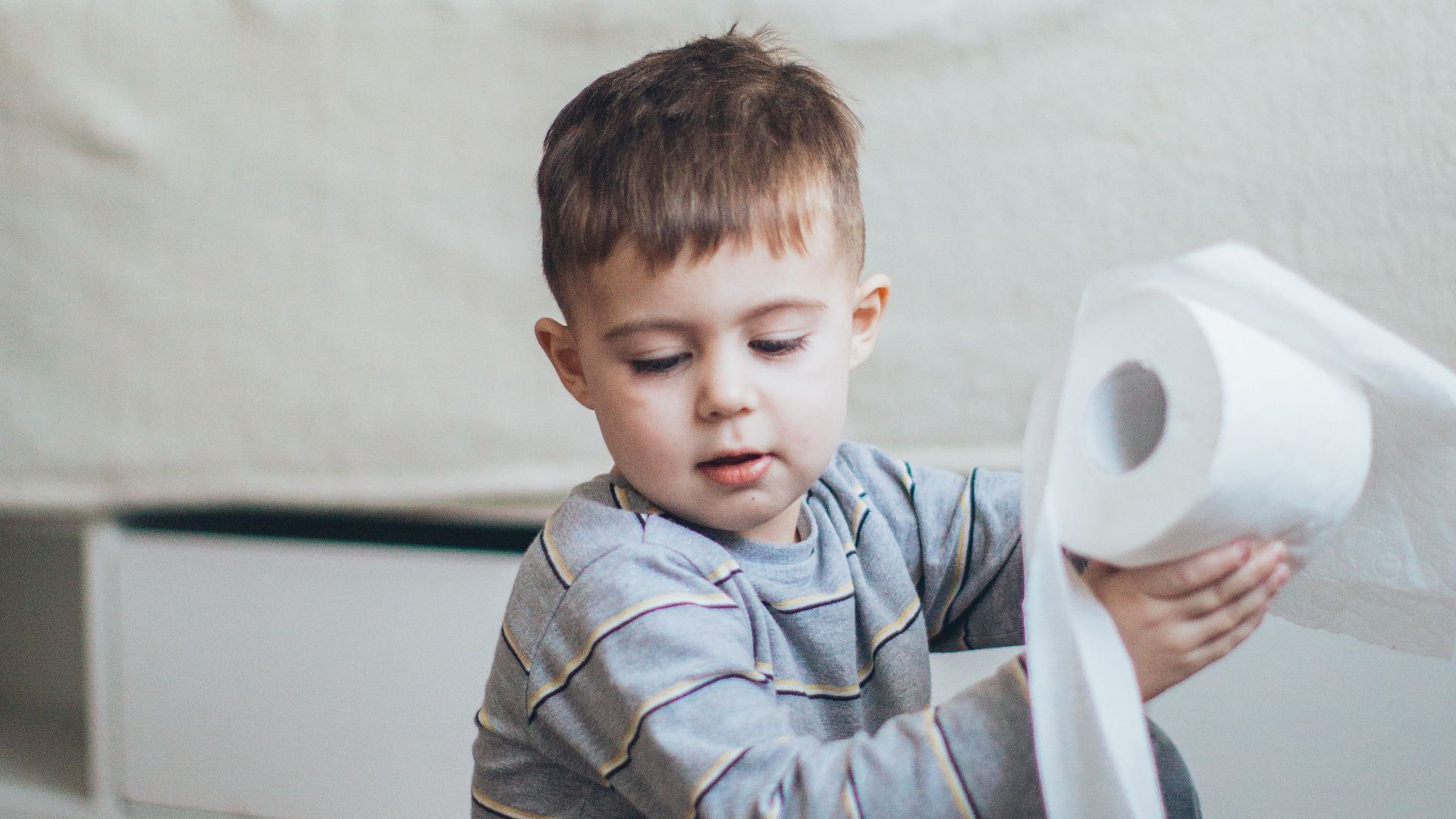
For years, American parents were told stomach-sleeping was the safer bet, since babies might choke lying on their backs. It became the default in homes and hospitals alike. Research eventually linked prone sleeping to a higher risk of sudden infant death syndrome, and in the 1990s, the advice flip-flopped.

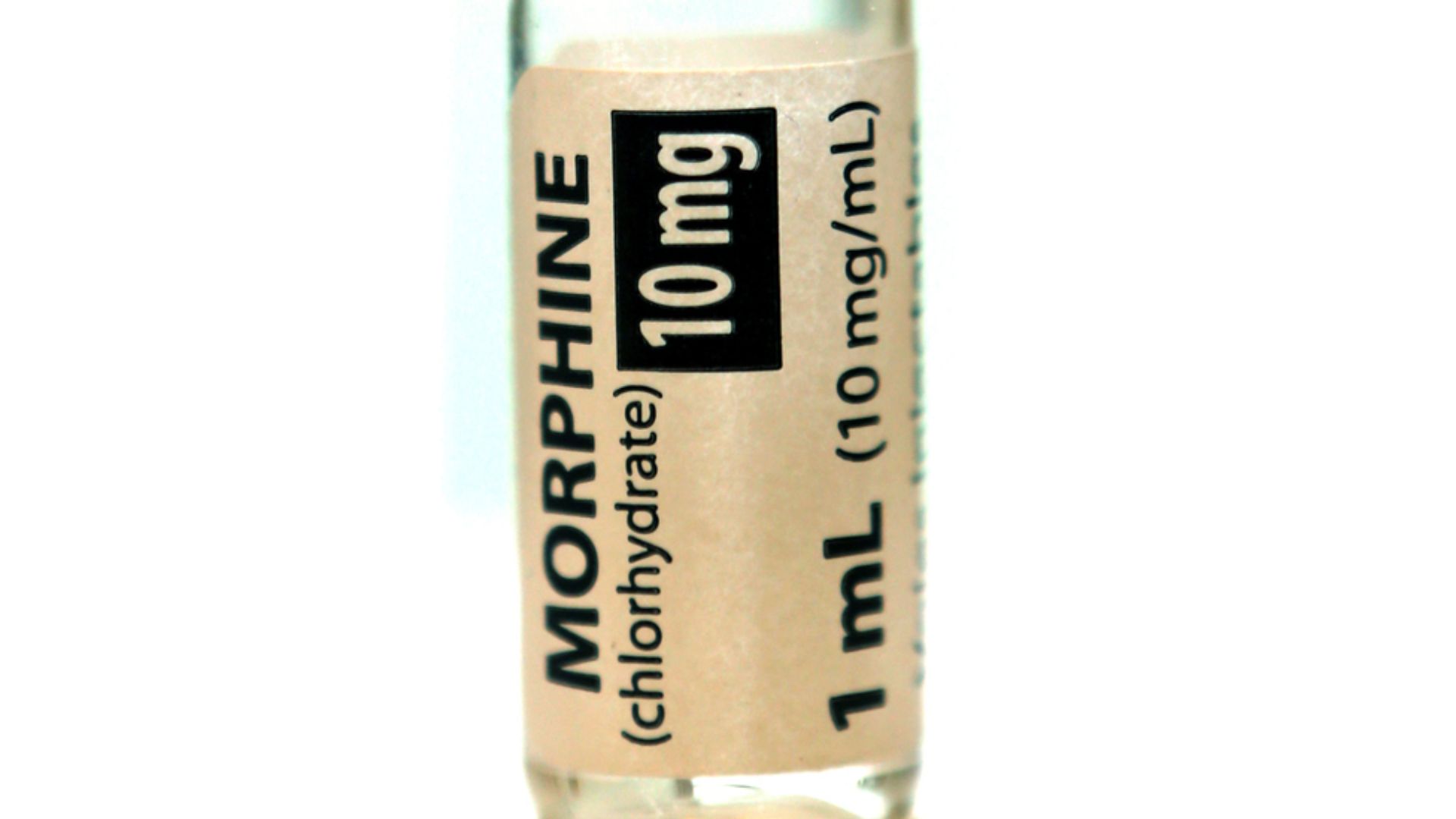
8. Morphine
Soothing syrups promised exhausted parents a miracle: a calm baby and a full night's sleep. The dark secret was that some contained morphine and alcohol, which would absolutely quiet a crying child — because it's sedating them, sometimes fatally. Parents often had no idea what was actually in the bottle.
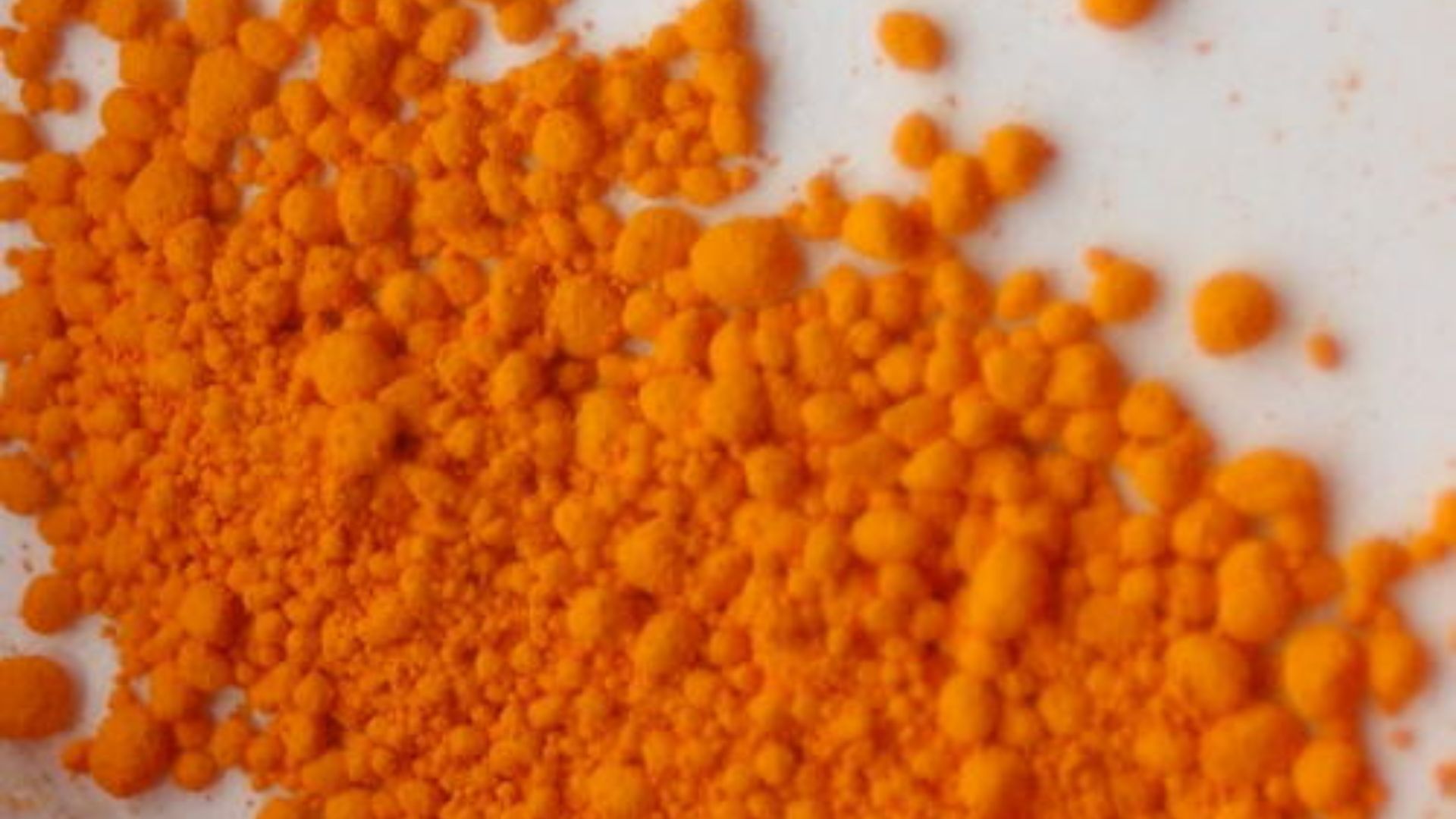
9. Mercury Powders
Teething powders laced with mercury compounds stuck around well into the first half of the 20th century, marketed as a gentle fix for fussy, sore gums. Mercury exposure, though, could trigger "pink disease" — a painful condition causing weakness, irritability, and skin changes in vulnerable kids.
 Materialscientist (talk) on Wikimedia
10. Long-Tube Feeding Bottles
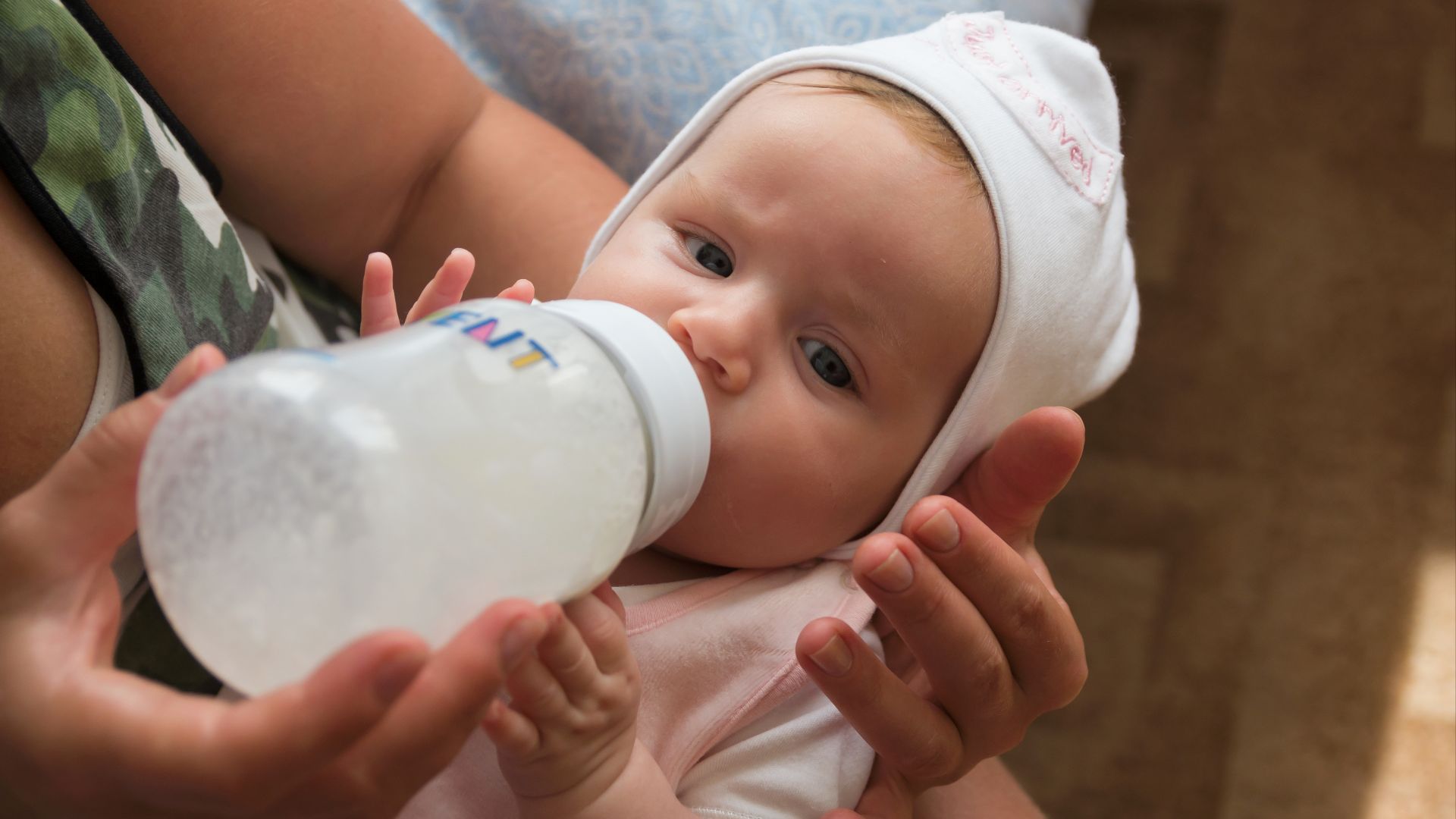
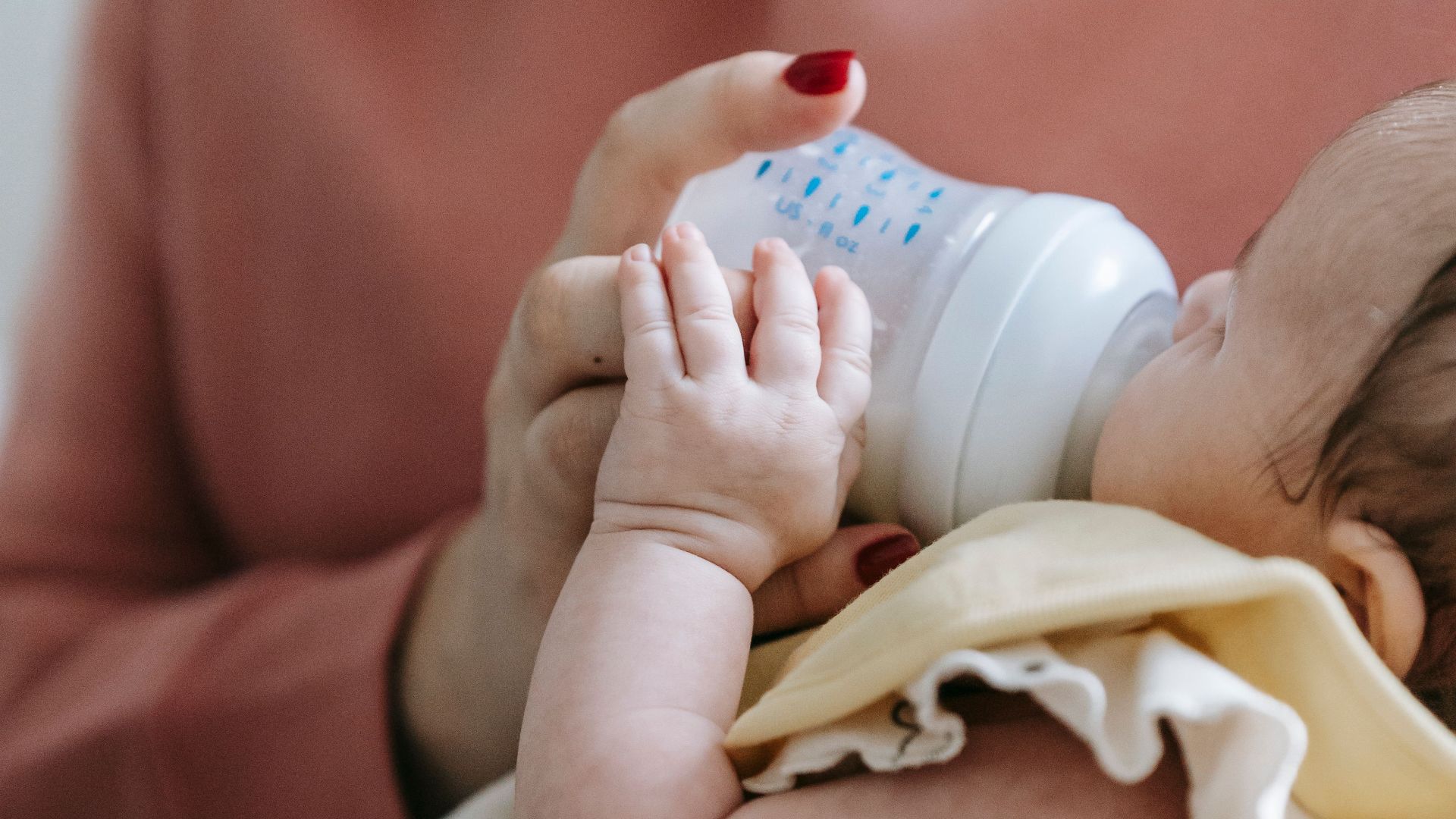
Imagine a bottle a baby could drink from entirely on its own, no adult required. Convenient in theory, disastrous in practice: the curved glass, narrow openings, and soft tubing were nearly impossible to clean, letting old milk and bacteria hide in every nook.
11. Making Formula With Evaporated Milk
Long before store-bought formula was the norm, many mid-century parents mixed their own using evaporated milk, water, and sugar. It was cheap, shelf-stable, and far more practical than fresh milk in homes without dependable refrigeration. As commercial formula became widely available and feeding guidelines evolved, the homemade version quietly stepped aside.

12. Artificial Sunshine
To combat rickets, kids were sometimes placed under powerful ultraviolet lamps; indoor "sunshine" that felt cutting-edge, especially during gloomy winters. It seemed like a clever workaround until vitamin D–fortified foods offered a far simpler solution, and growing awareness of UV overexposure risks made those home light sessions look a lot less appealing.

13. Starting Solid Food Within Weeks
In the 1950s, some parents were advised to start feeding babies cereal, vegetables, and purées when they were only weeks old. Later research shifted the focus to actual developmental readiness, and "solids by six weeks" became a relic.
14. Aspirin
Aspirin used to be the reflexive answer for kids running a fever, fighting the flu, or battling chickenpox. Use of the popular medication was eventually linked to Reye syndrome, a rare but devastating illness affecting the brain and liver.

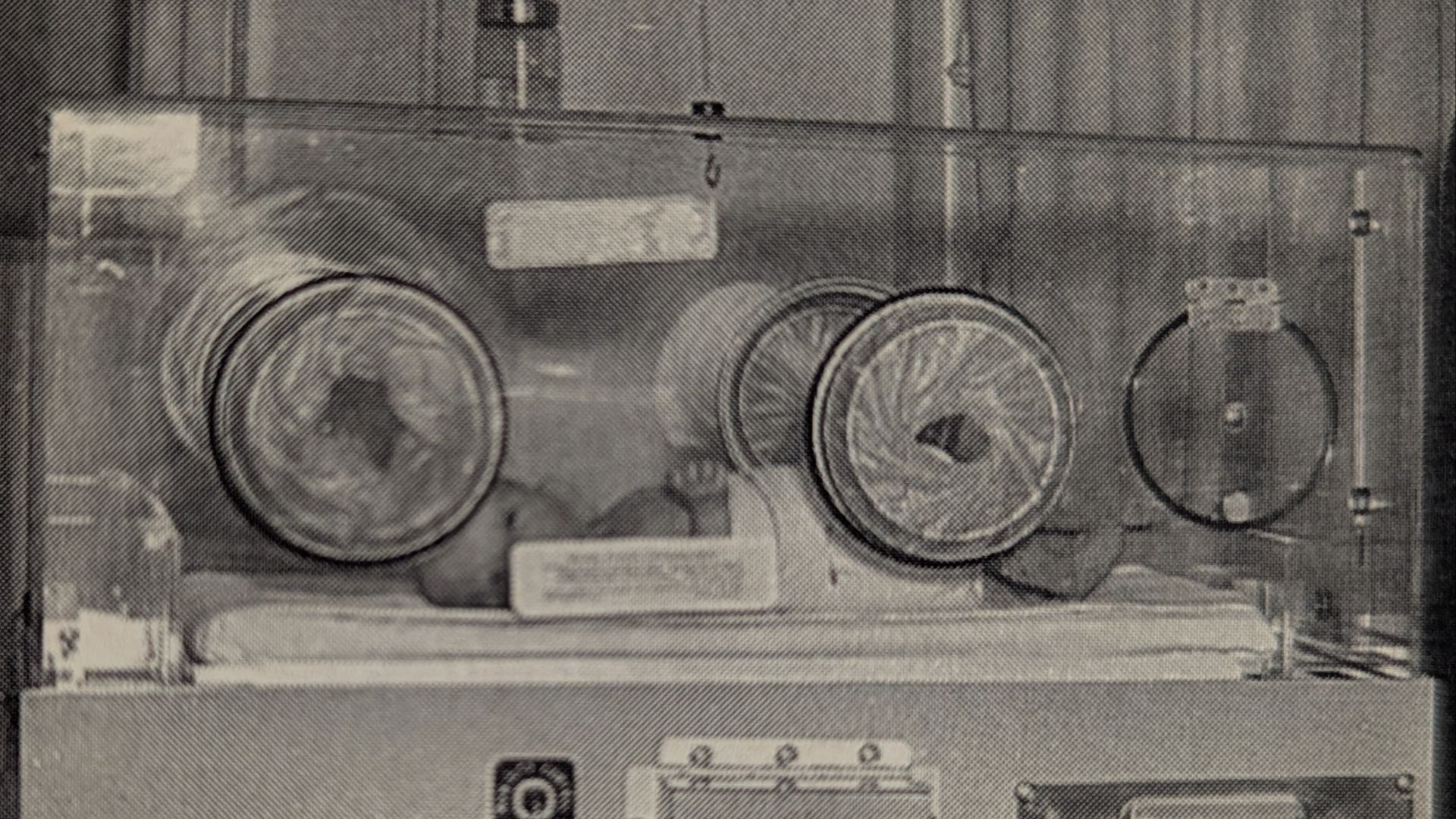
15. Incubator Shows
Before hospitals had dedicated neonatal units, some premature infants were cared for at public incubator exhibits set up at fairs and amusement parks, with paying visitors peering in at nurses tending to tiny babies behind glass. It sounds exploitative, but the ticket revenue actually funded free medical care families couldn't otherwise afford.
16. Sleep Positioners
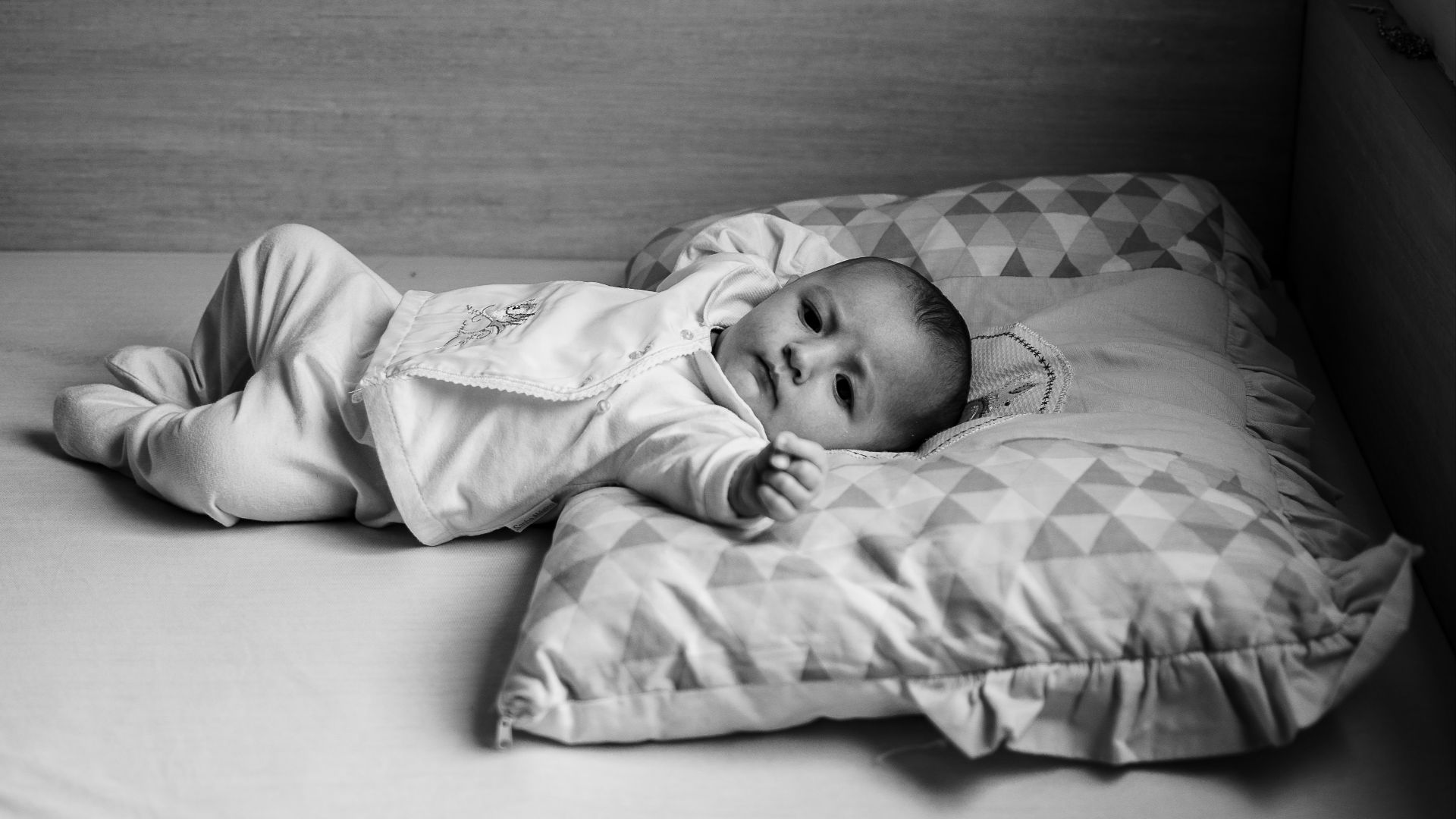
Foam wedges and padded mats promised to keep babies locked in one "safe" sleeping position all night, sometimes with added claims about reflux relief or head shape. In reality, babies could roll into the padding or become wedged against it, and a string of suffocation reports turned new parents off of these cozy death traps.
17. Inclined Sleepers
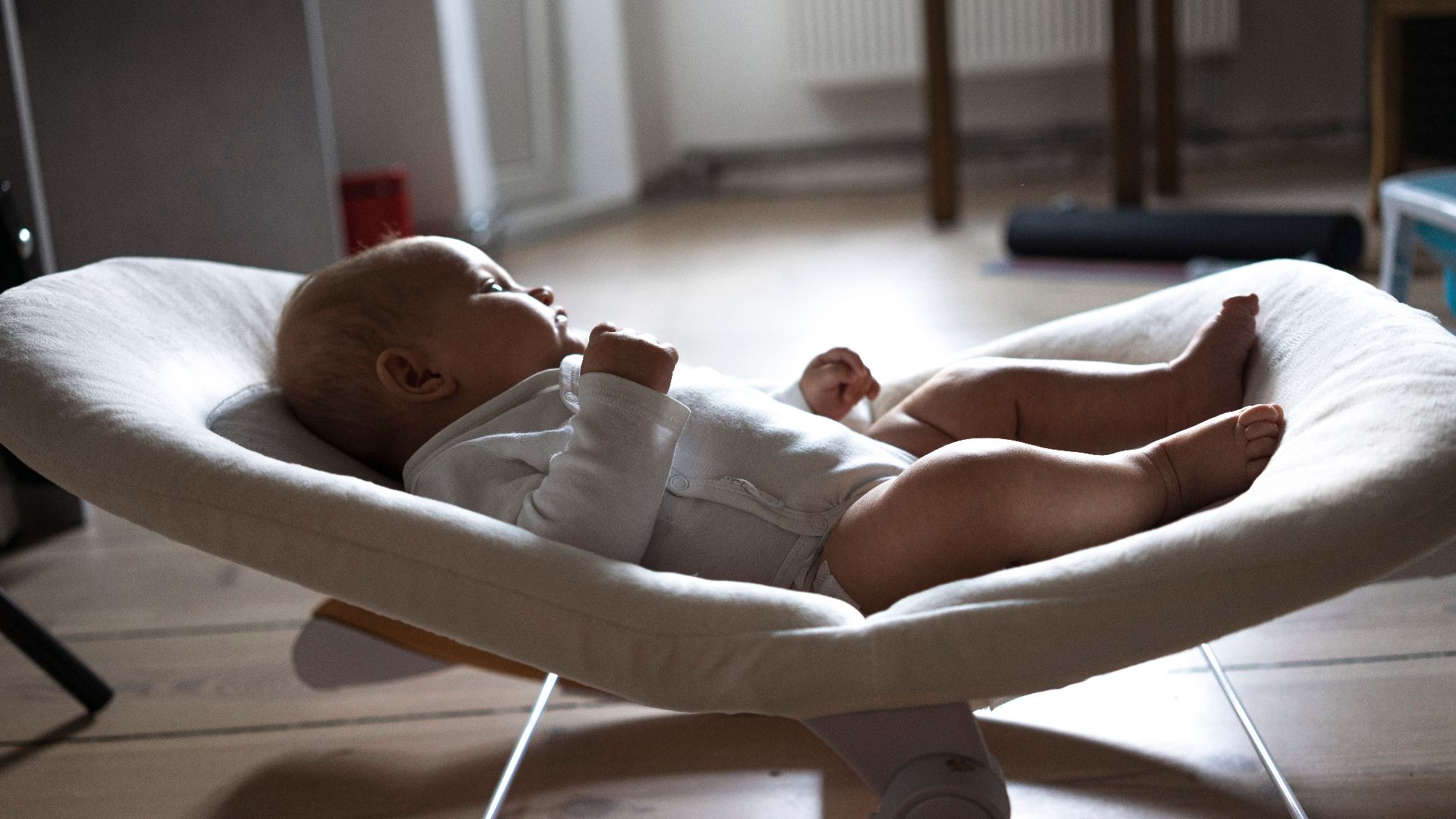
Soft, angled sleepers were marketed as the answer for fussy or reflux-prone babies, promising longer, more comfortable stretches of sleep. An influx of infant deaths, breathing concerns, and recalls followed this invention. By 2022, the U.S. had banned inclined sleepers with surfaces steeper than 10 degrees.
18. Crib Liners
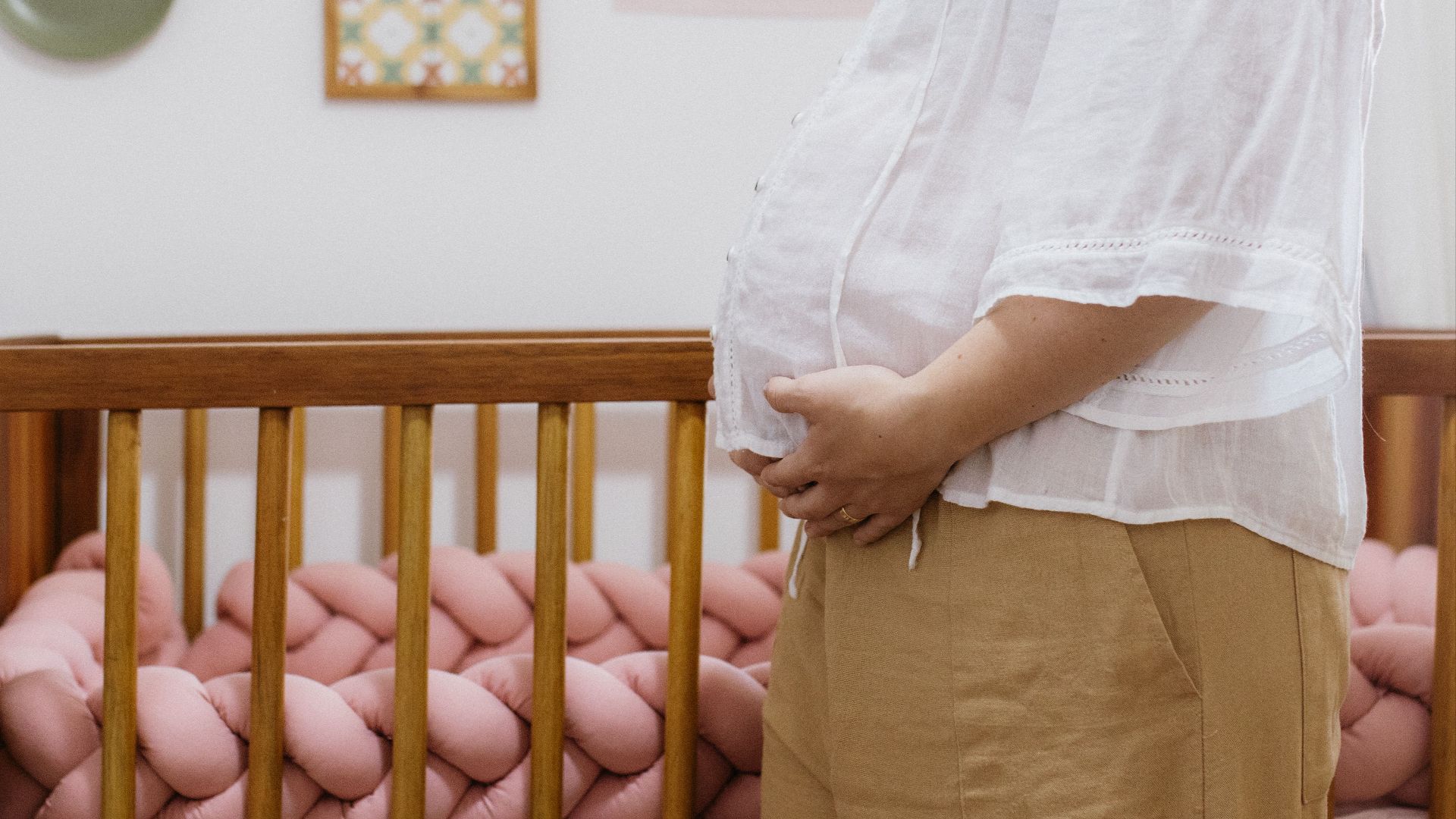
Bumpers were designed to stop babies from bonking their heads on crib rails or getting a limb stuck between slats, and they doubled as the finishing touch on a coordinated nursery set. As crib designs improved, the original safety argument lost its footing, and mounting concerns about suffocation and entrapment led the U.S. to ban padded crib bumpers in 2022 as well.
19. Playing Mozart
A 1993 study found that college students performed slightly better on certain spatial tasks after listening to Mozart. Pop culture ran wild with this claim, telling parents they could raise geniuses if they played a little classical music. Later analysis found no lasting evidence that a little Mozart made anyone's baby smarter.
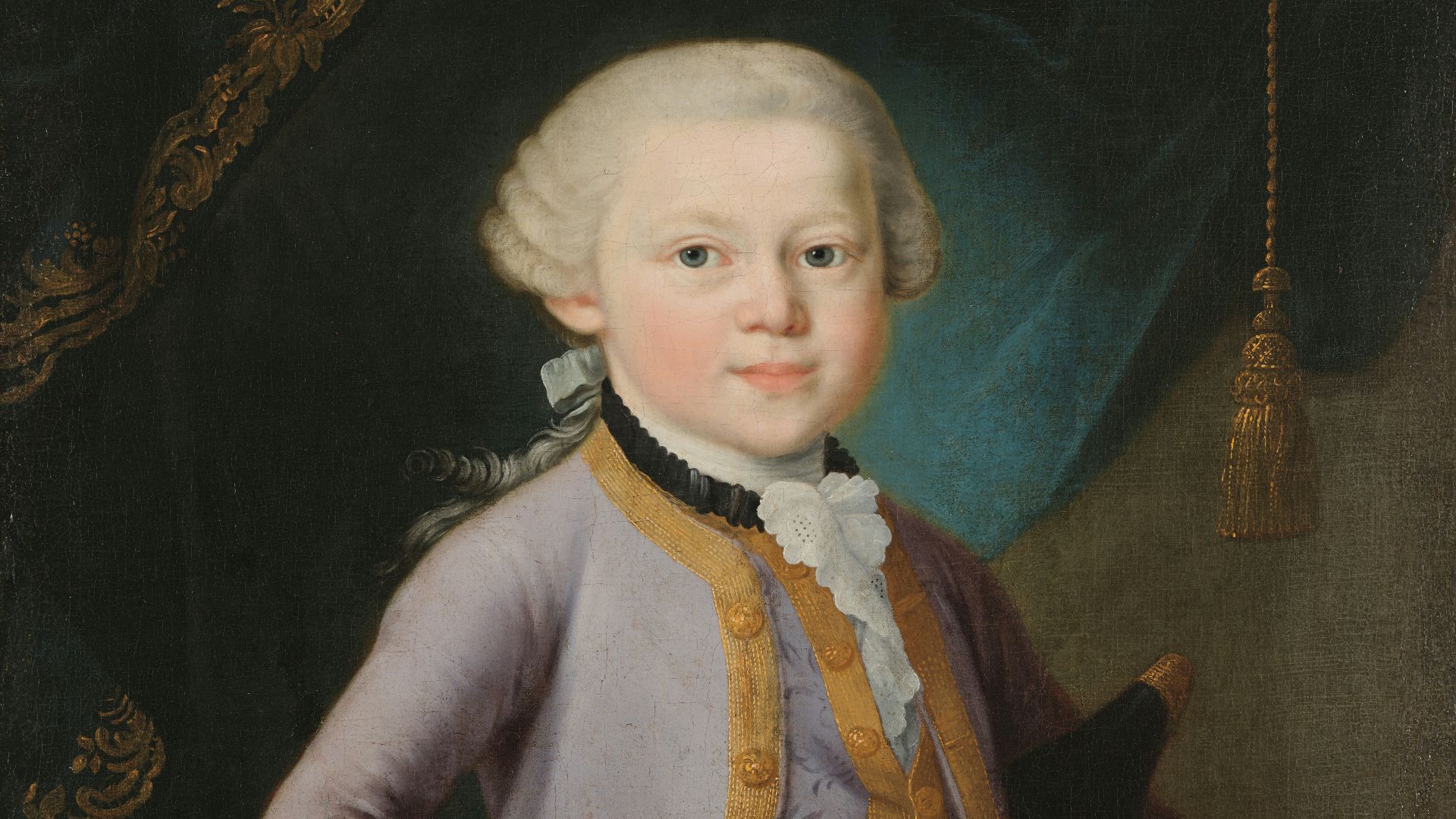 Possibly Pietro Antonio Lorenzoni on Wikimedia
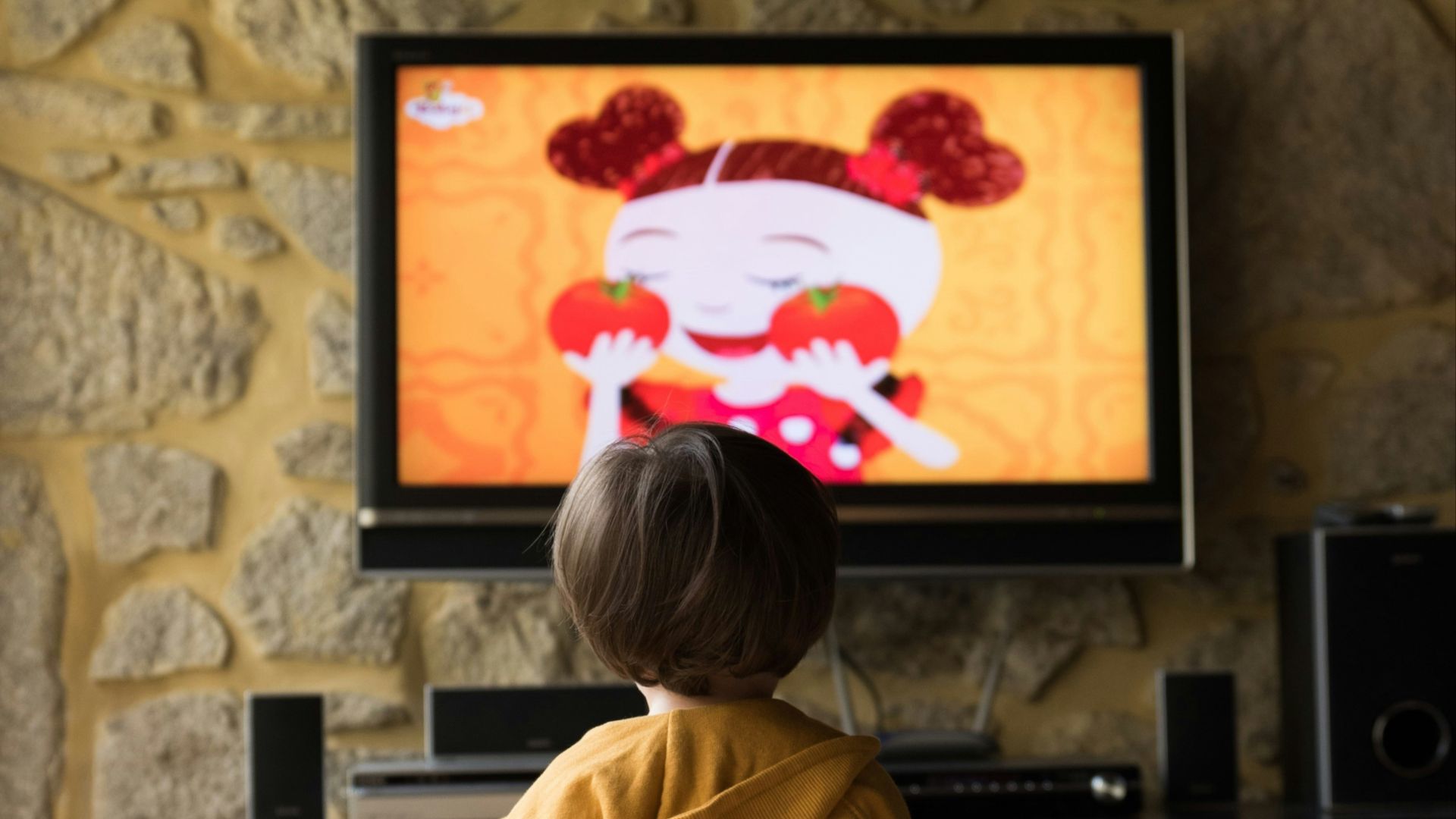
20. Educational Baby Videos
Videos aimed at infants promised vocabulary boosts, early language exposure, and cultural enrichment, all wrapped in bright colors, puppets, and gentle music. For exhausted parents, they doubled as a useful few minutes of quiet. But the grand educational claims never held up, and a later reanalysis of the language data found the actual effects of baby-video watching were essentially negligible.
KEEP ON READING