Nature Sometimes Keeps Its Secrets
Declaring a species extinct is more complicated than failing to find it during a few surveys. Animals may survive in remote forests, deep water, underground habitats, or small areas that scientists rarely visit, while local communities may know about creatures that haven’t been formally documented for decades. Rediscovery doesn’t mean a species is safe, since many return with tiny populations and serious threats still surrounding them. These remarkable cases reveal 20 animals we thought were extinct only to be wrong.
1. Coelacanth
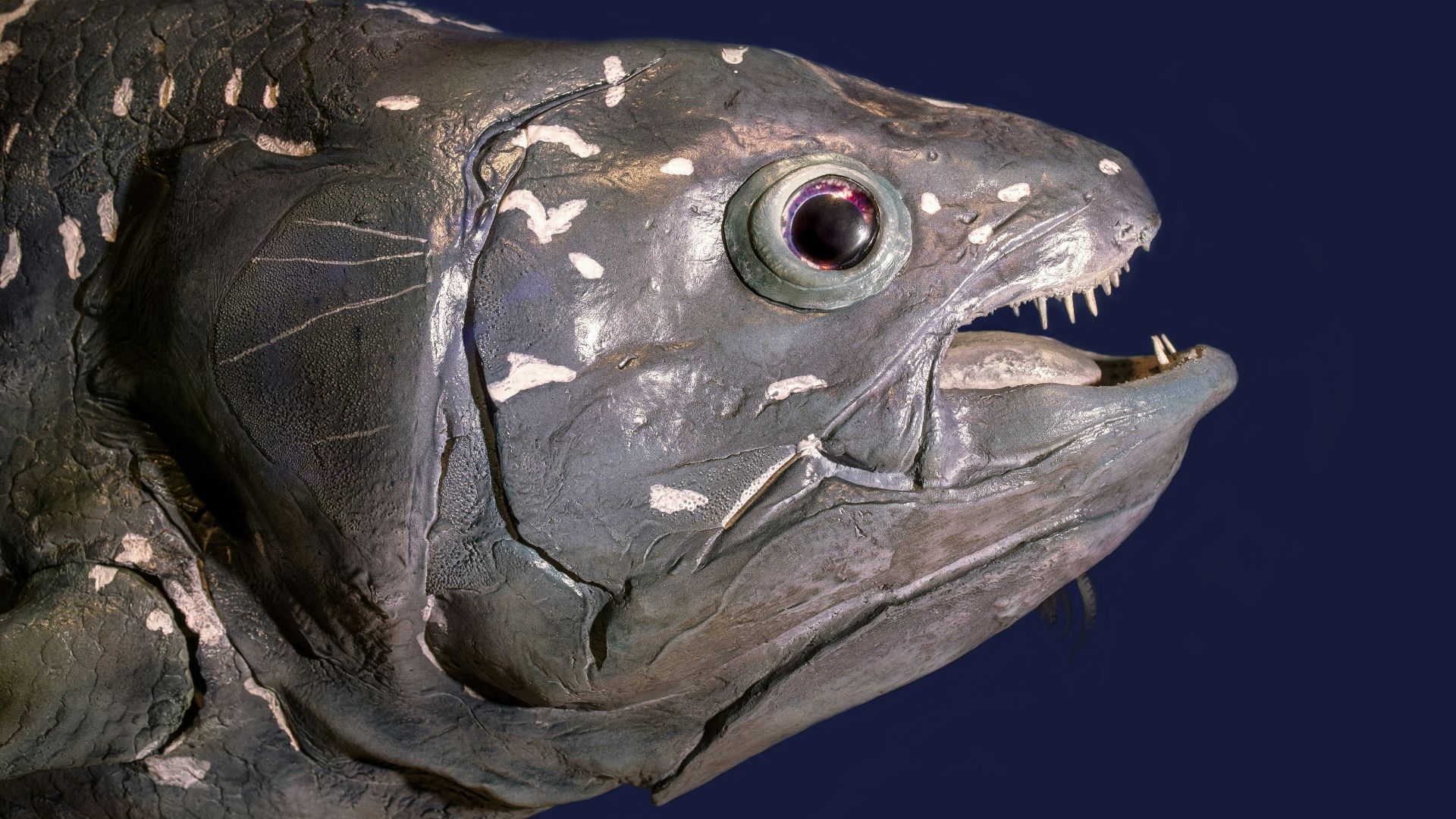
Coelacanths were known from fossils and believed to have vanished around the time non-avian dinosaurs disappeared. That assumption collapsed in 1938 after a living specimen was caught near South Africa. Scientists have since identified two living species.
2. South Island Takahē
New Zealand’s South Island takahē was considered extinct after no confirmed sightings were recorded for several decades. In 1948, physician and amateur naturalist Geoffrey Orbell found a surviving population in the remote Murchison Mountains.
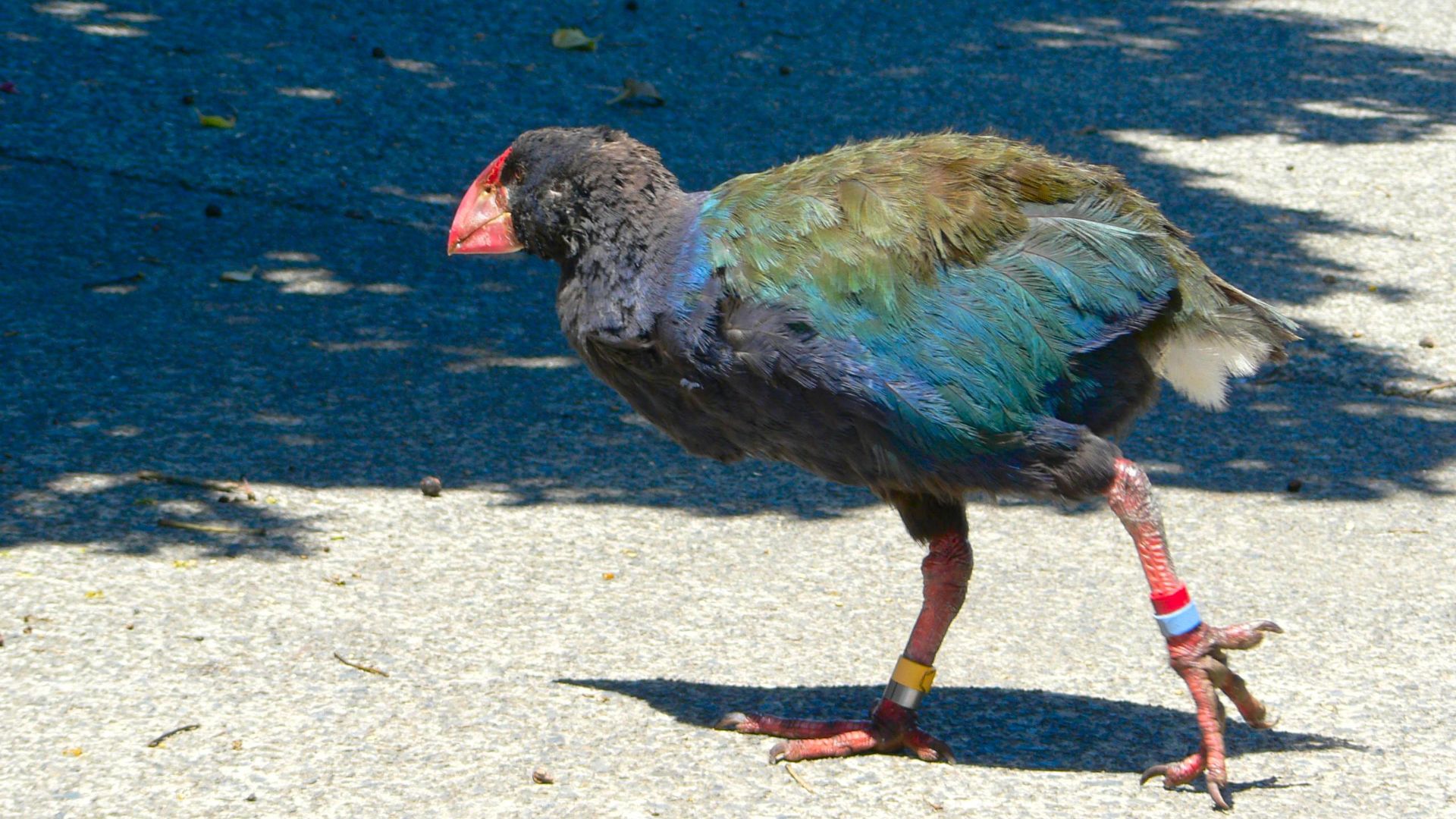 Sandy Austin from Auckland, New Zealand on Wikimedia
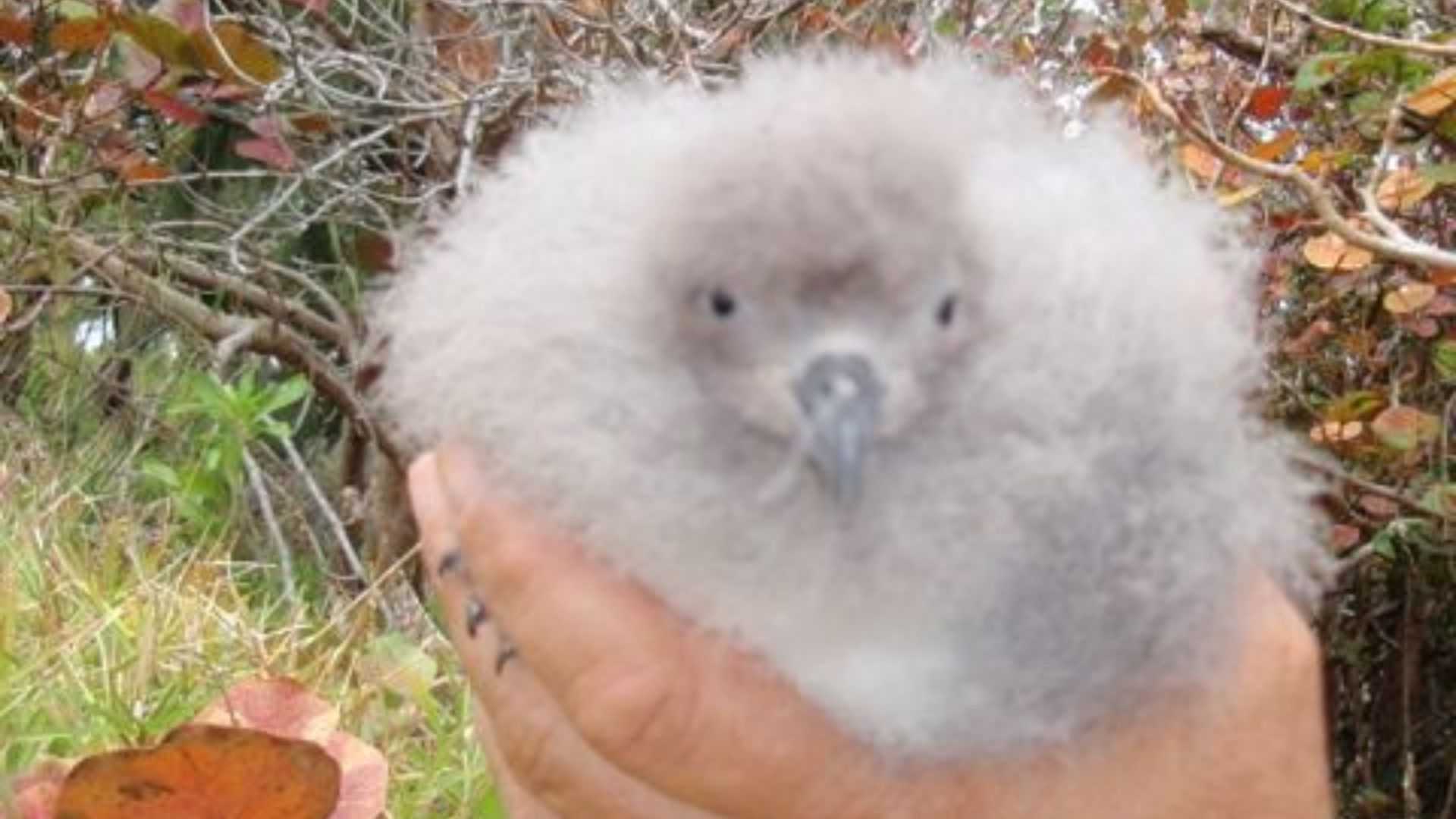
3. Bermuda Petrel
The Bermuda petrel, also called the cahow, was believed extinct for more than 300 years after introduced animals and human hunting devastated its colonies. A small nesting population was confirmed in 1951 on isolated rocky islets. Intensive protection, artificial nesting sites, and habitat management have since helped the species gradually recover.
4. Black-Footed Ferret
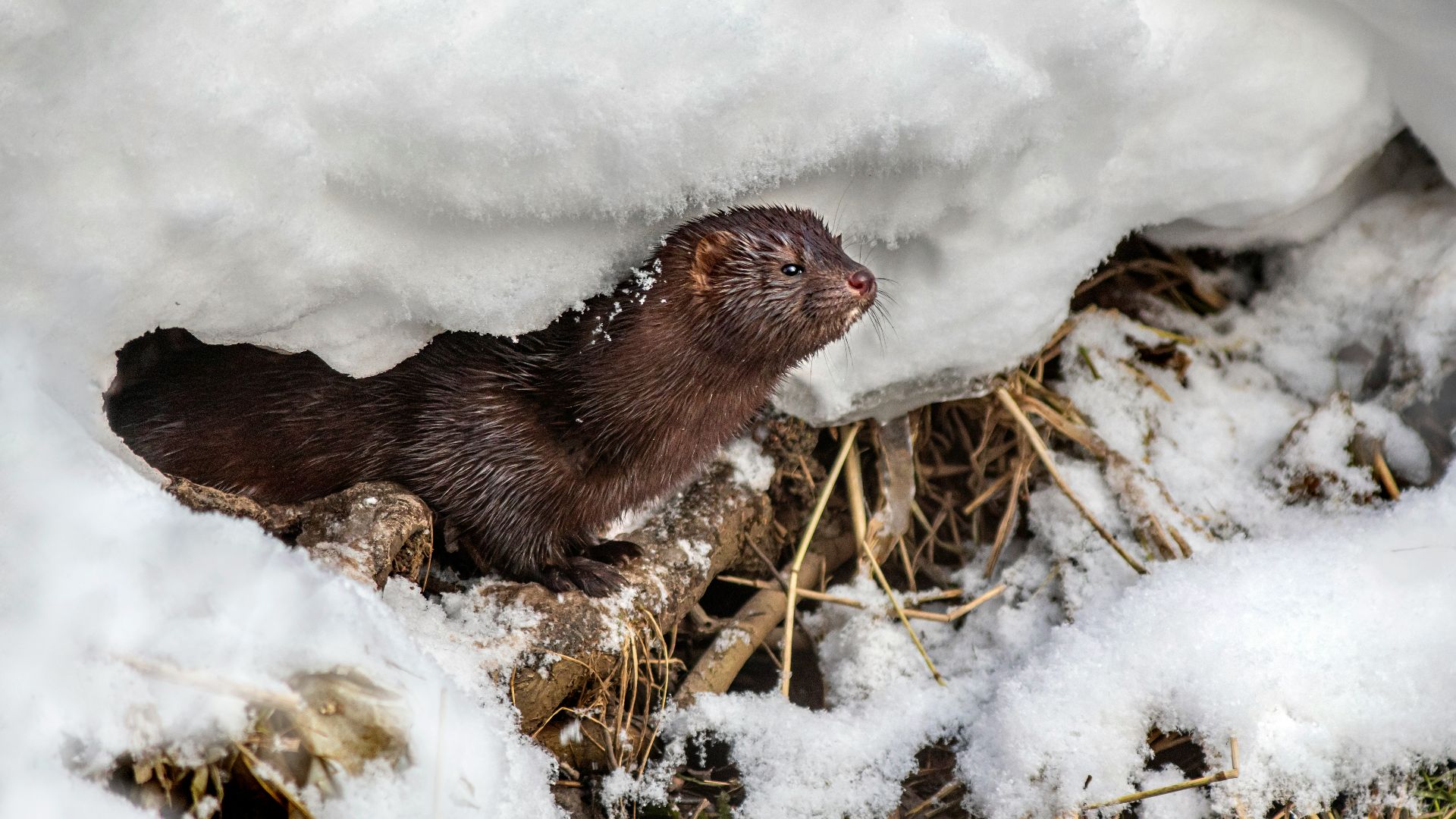
North America’s black-footed ferret was declared extinct in the wild after its prairie dog habitat collapsed and the last known captive animals died. A ranch dog discovered a surviving ferret population in Wyoming in 1981.
5. Lord Howe Island Stick Insect
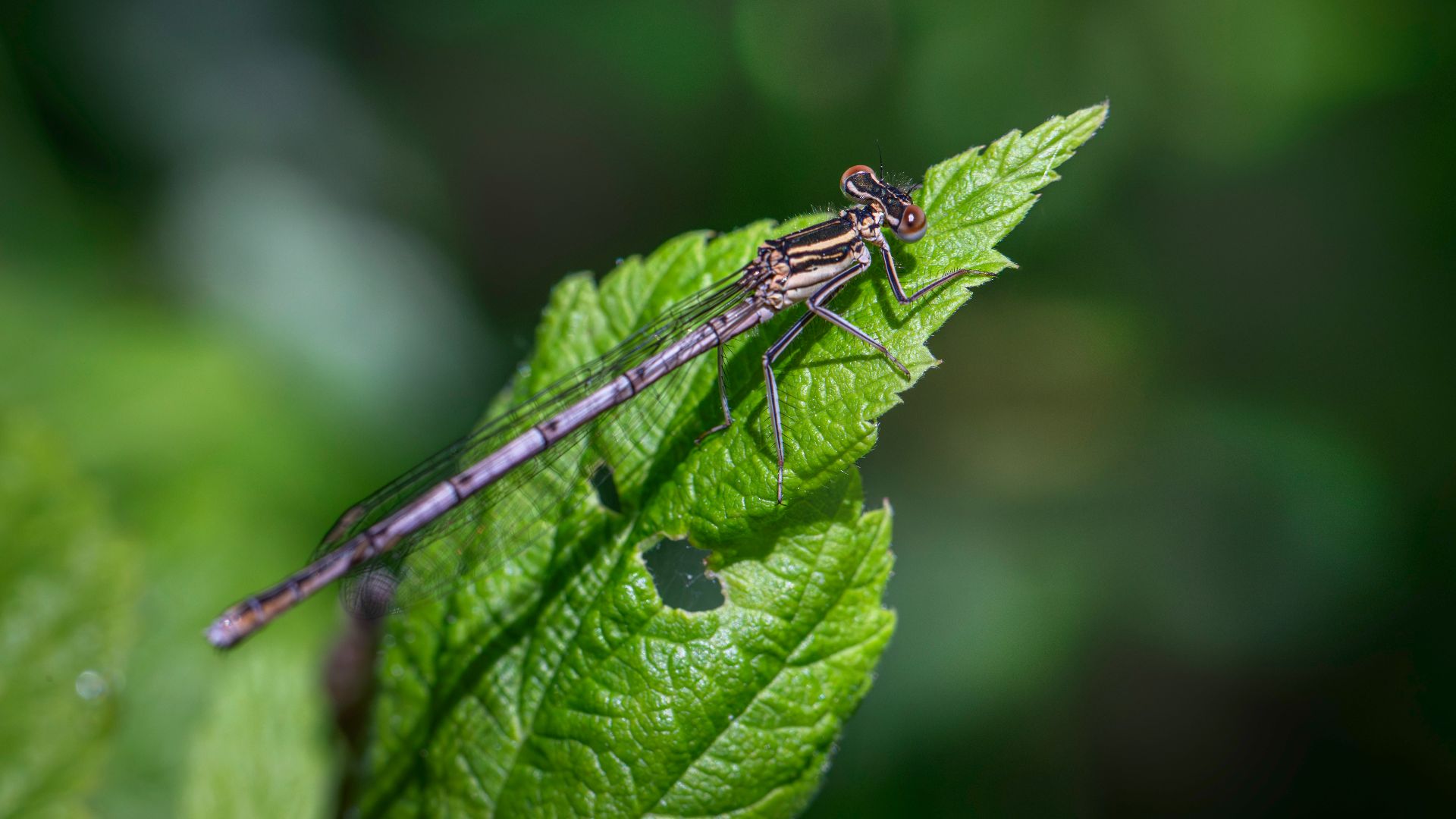
This large Australian insect appeared to disappear after invasive rats reached Lord Howe Island in the early 1900s. Climbers discovered a tiny surviving population in 2001 on Ball’s Pyramid, a steep volcanic outcrop rising from the ocean.
6. Mountain Pygmy Possum
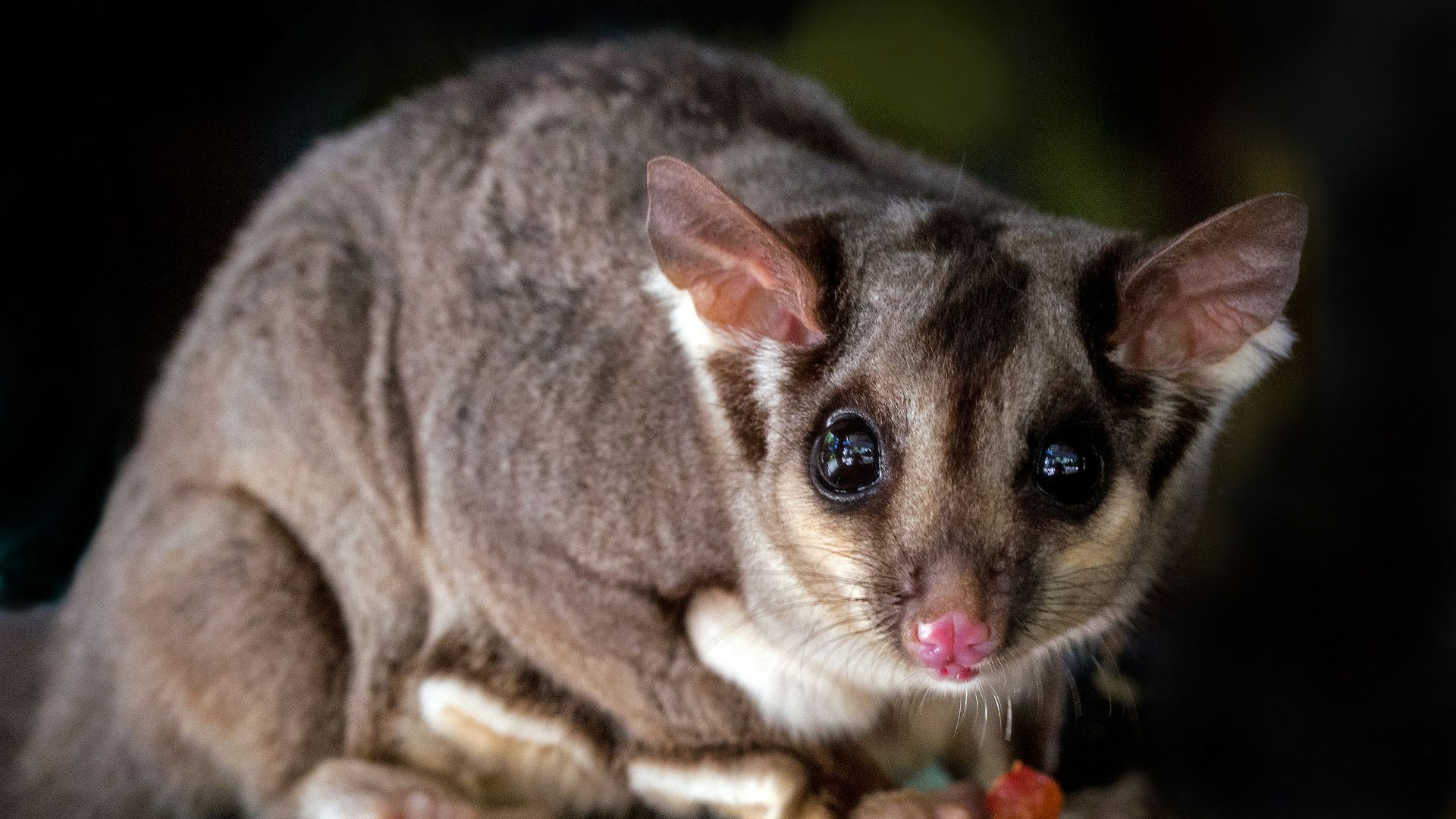
Scientists first knew the mountain pygmy possum only from fossils and assumed it had vanished thousands of years earlier. A living animal was unexpectedly found at an Australian ski lodge in 1966. The small marsupial continues to survive in alpine regions.
7. Chacoan Peccary
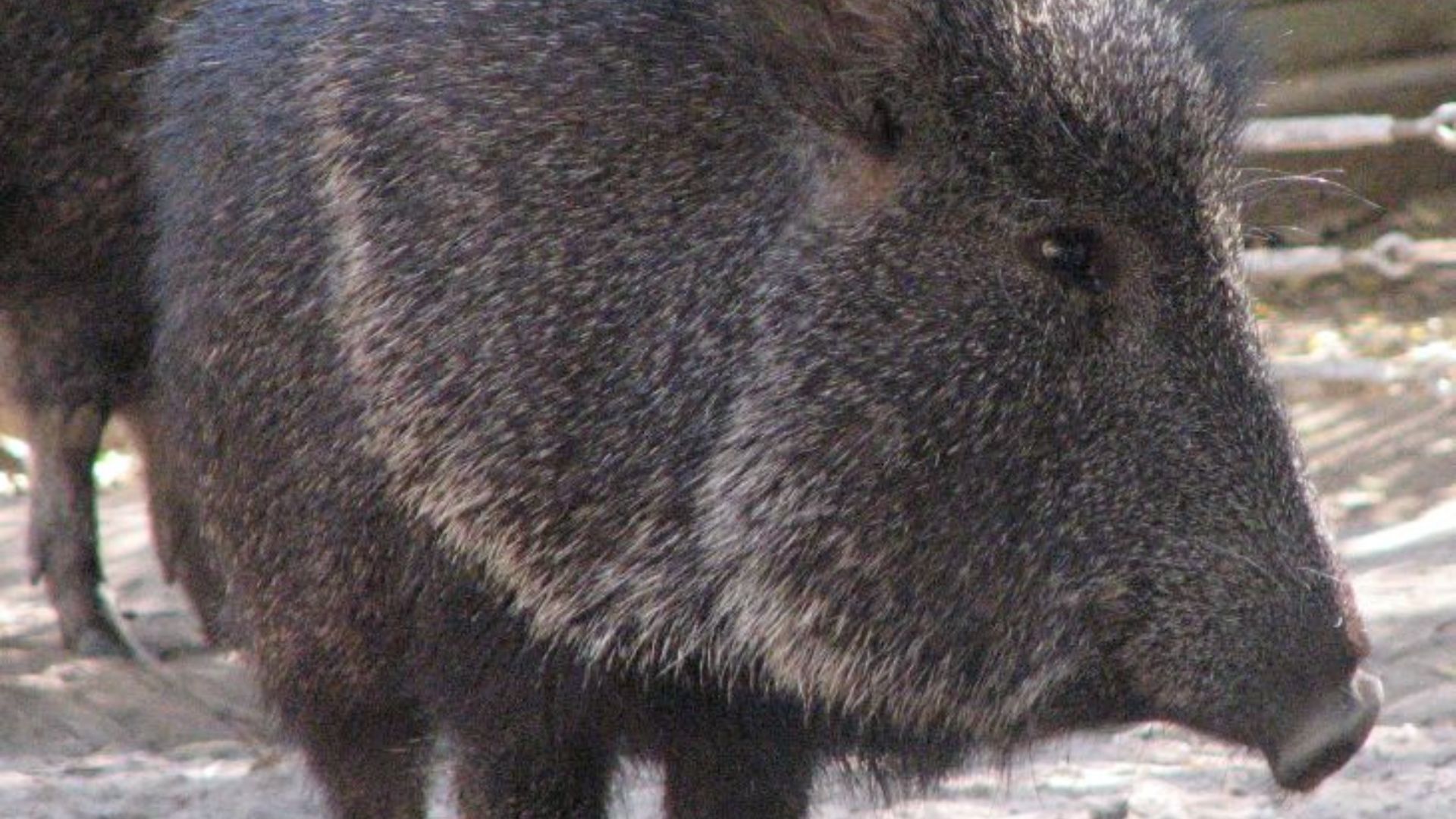
The Chacoan peccary was described from fossil remains in the 1930s and was considered long extinct. Researchers learned in the 1970s that Indigenous people in the Gran Chaco region were familiar with a living animal matching the fossils.
8. Fernandina Giant Tortoise
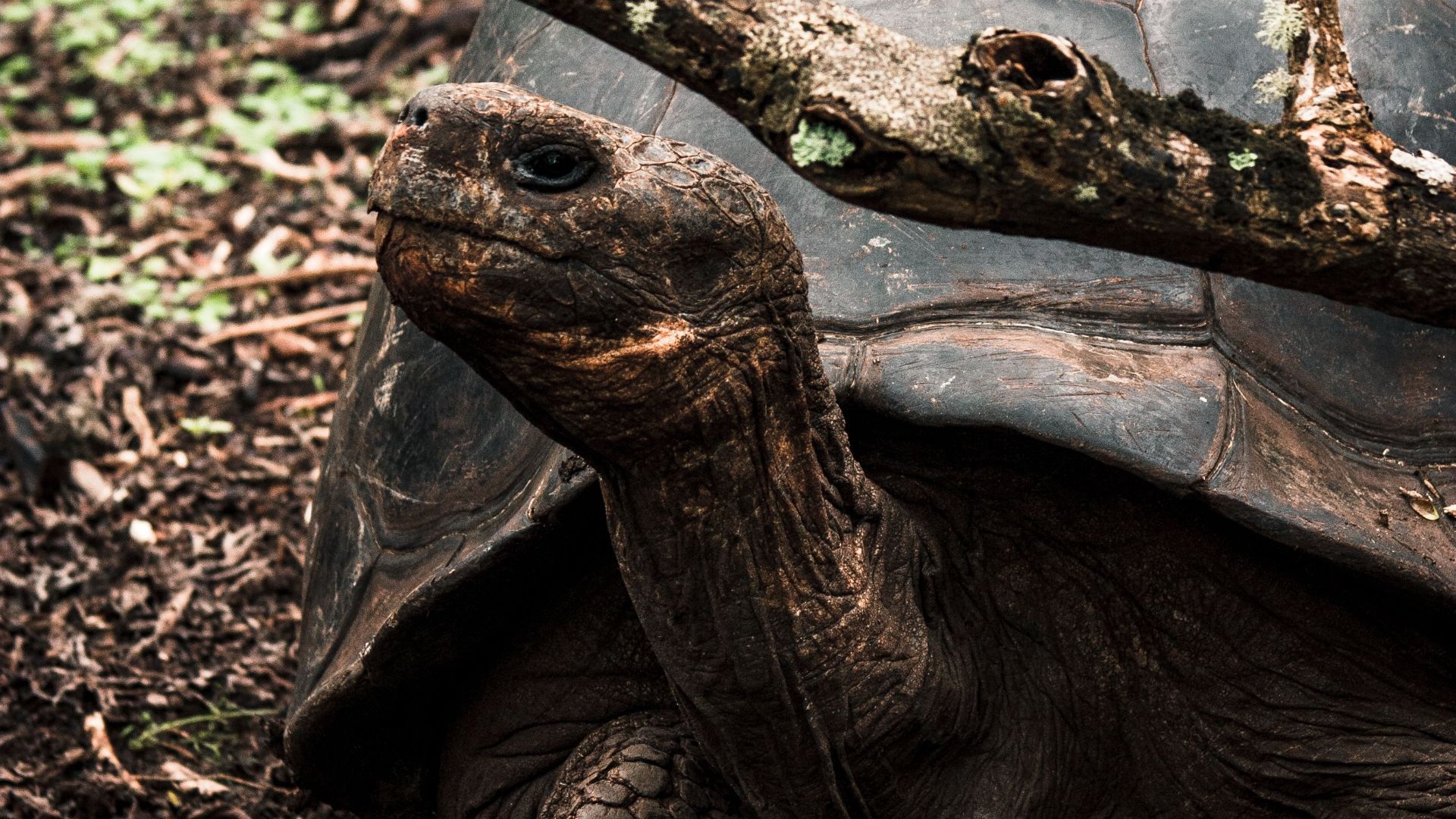
The Fernandina giant tortoise hadn’t been officially recorded since a single specimen was collected in 1906. An elderly female was found on the Galápagos island of Fernandina in 2019, and genetic analysis later confirmed her identity.
9. Night Parrot
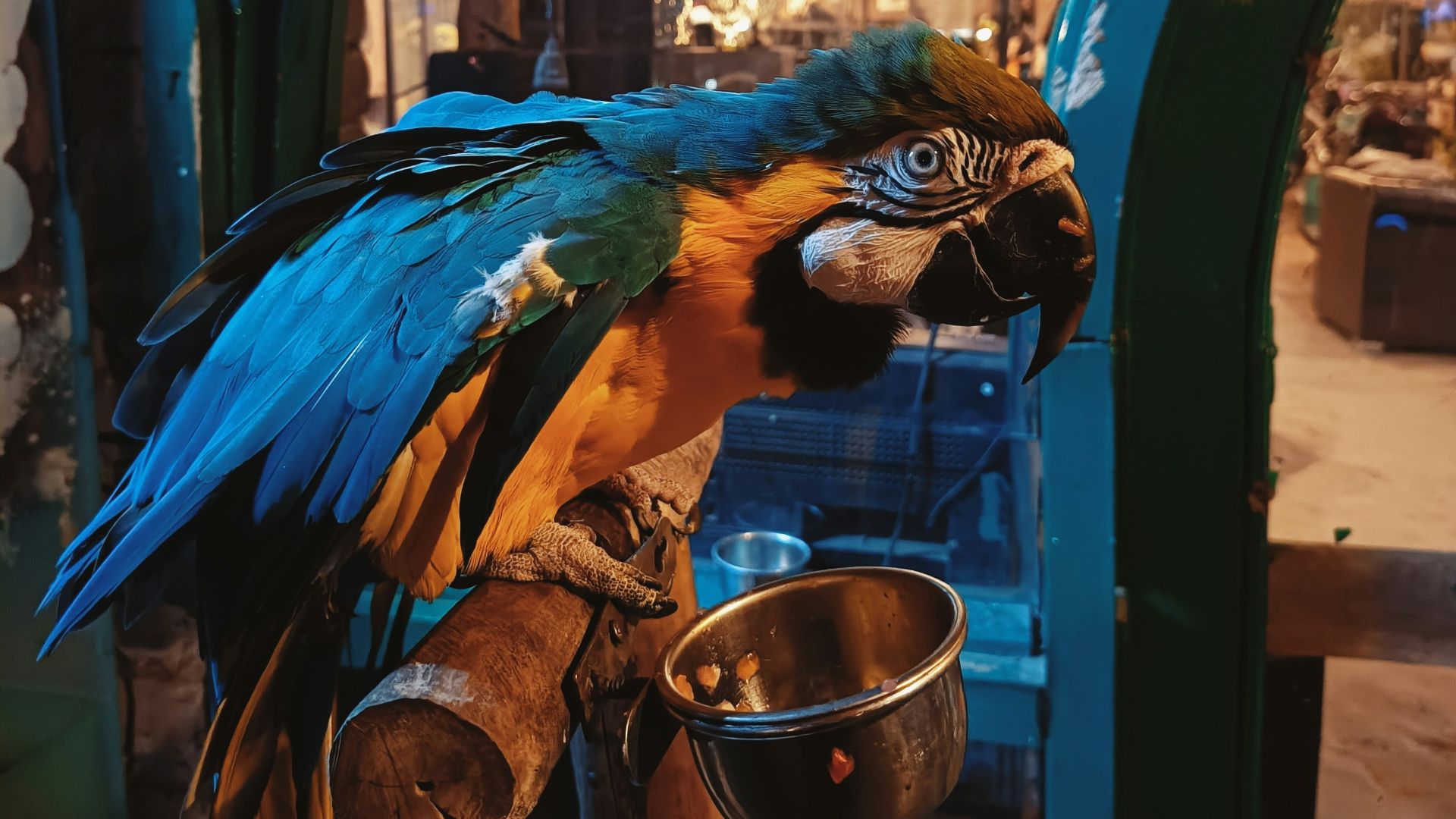
Australia’s night parrot went decades without a confirmed sighting, leading many people to fear that it had disappeared completely. Photographic and video evidence finally confirmed a living bird in 2013.
10. Attenborough’s Long-Beaked Echidna
This unusual egg-laying mammal was known to science from one specimen collected in Indonesia in 1961. No verified sighting followed for more than six decades, and some researchers worried that the species was gone. Trail cameras finally recorded a living echidna in the Cyclops Mountains during a 2023 expedition.
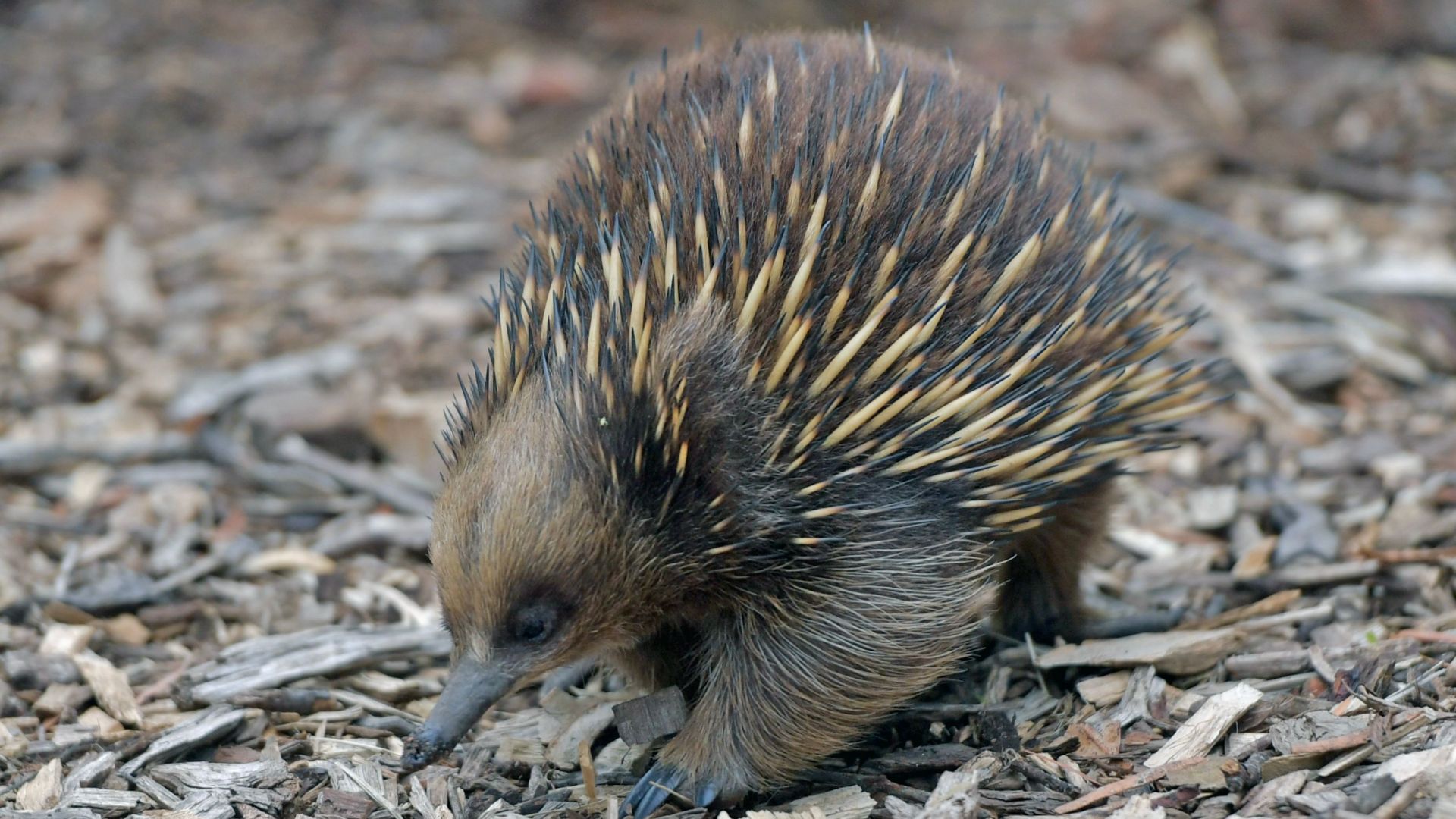
11. Black-Naped Pheasant-Pigeon
The black-naped pheasant-pigeon hadn’t been scientifically documented for roughly 140 years. Researchers working with local hunters placed cameras on Fergusson Island in Papua New Guinea and captured images of the bird in 2022.
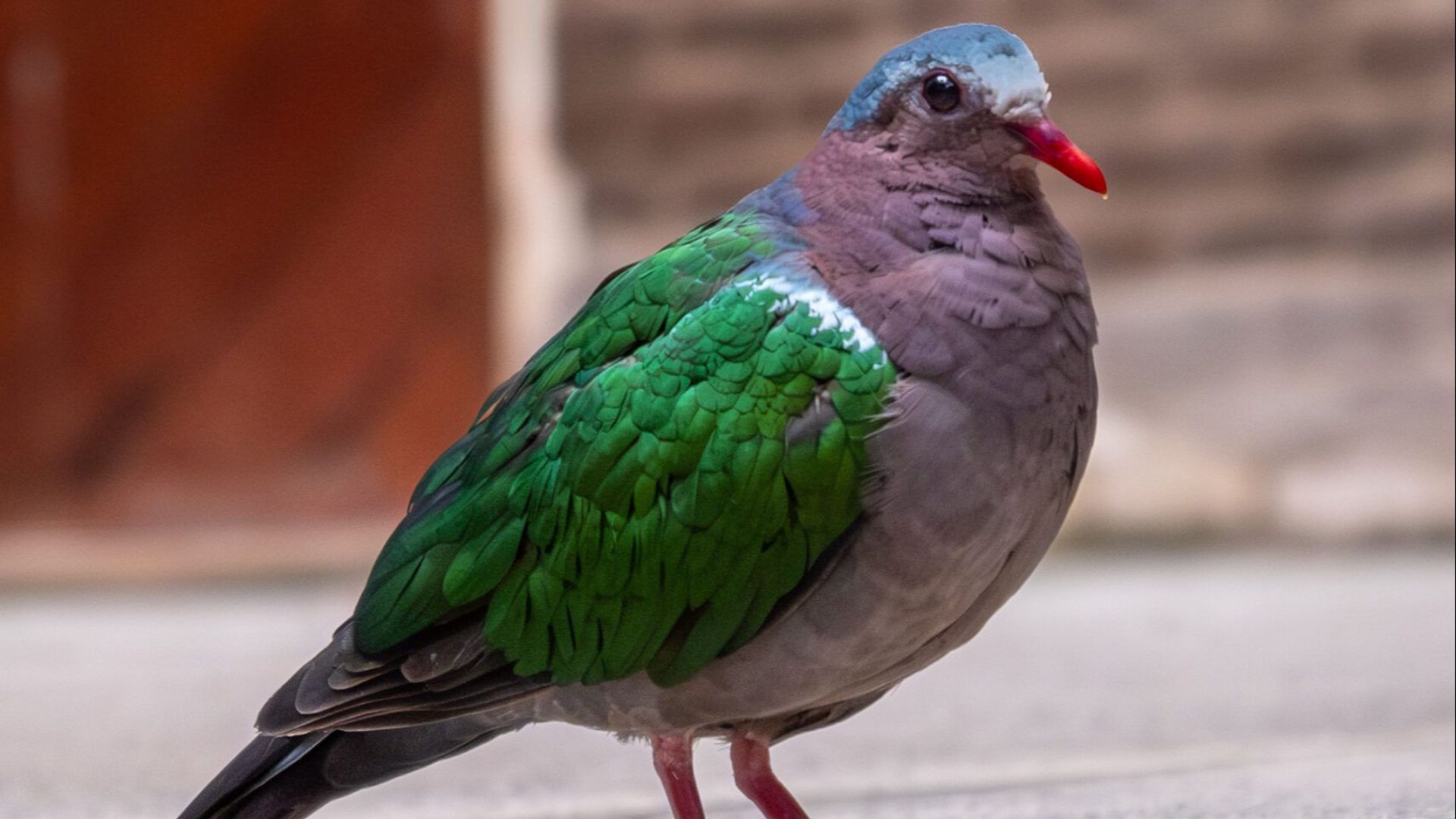
12. Silver-Backed Chevrotain
The rabbit-sized silver-backed chevrotain, sometimes called the Vietnamese mouse-deer, was missing from scientific records for nearly three decades. Camera traps photographed the animal in a Vietnamese forest in 2019.
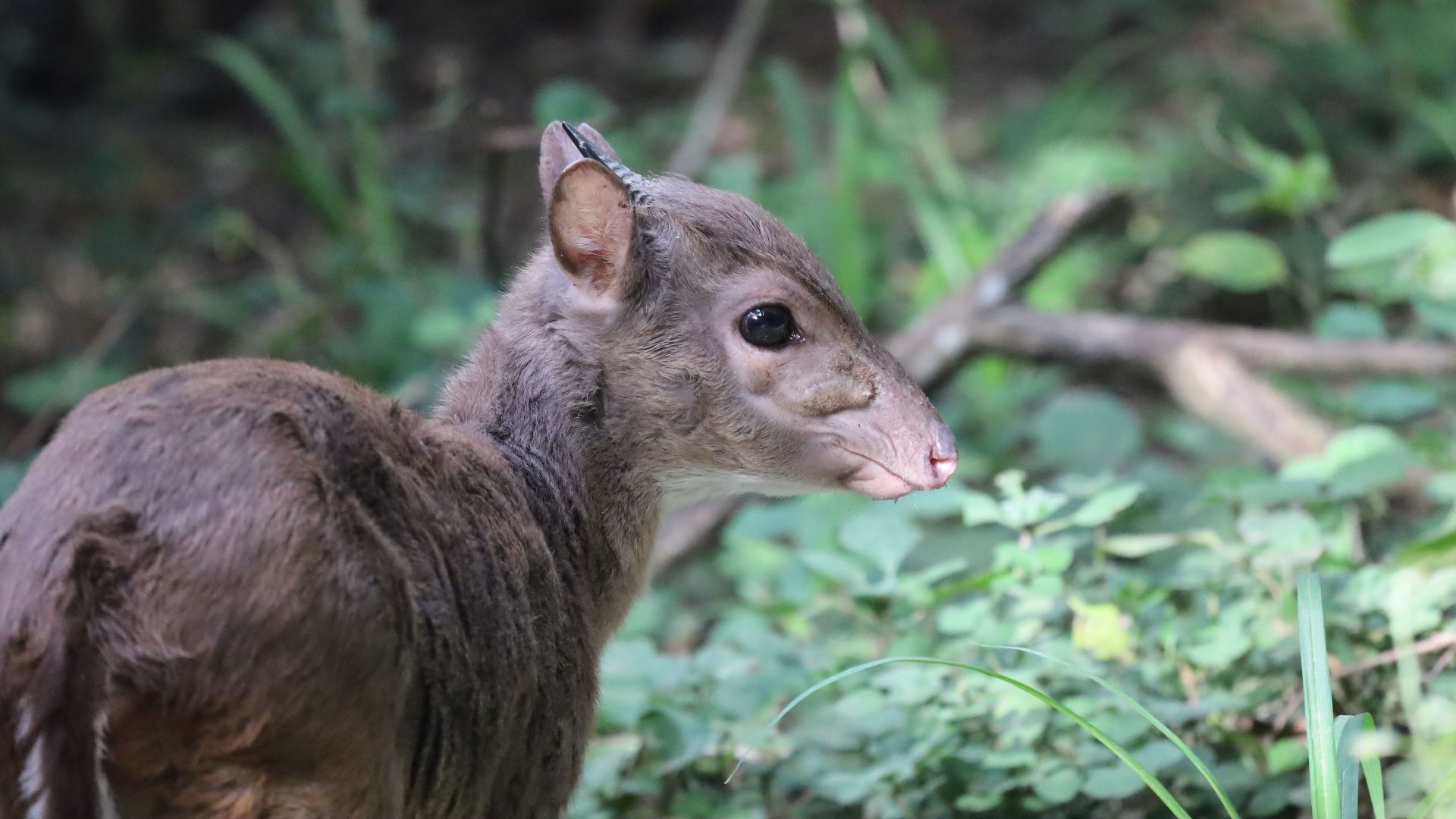
13. Jackson’s Climbing Salamander
Jackson’s climbing salamander disappeared from scientific observation after its discovery in Guatemala during the 1970s. Conservationists distributed identification materials to local reserve workers, hoping someone would recognize the brightly colored amphibian. A guard spotted one during a lunch break in 2017, ending a 42-year absence from confirmed records.
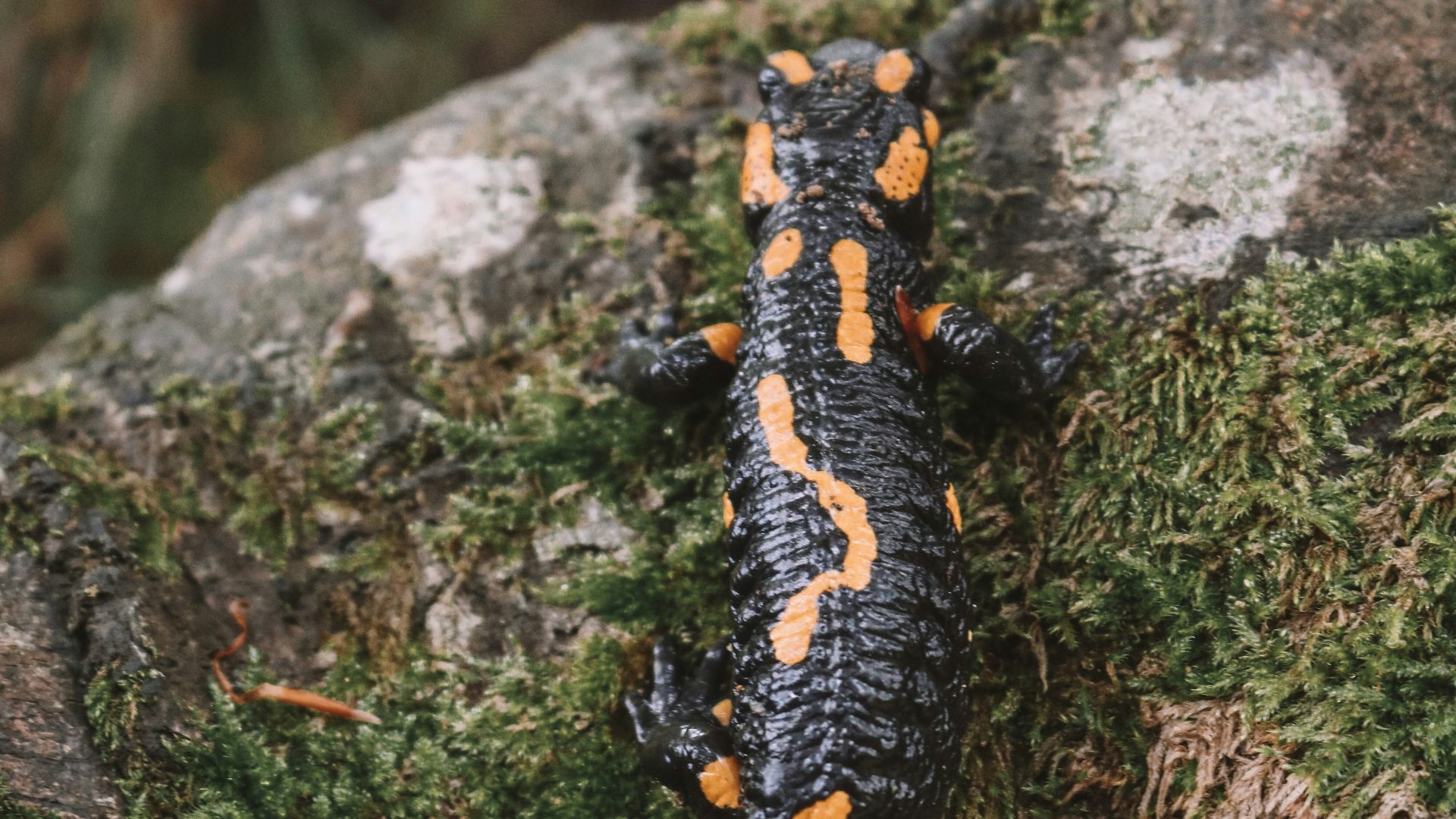
14. Somali Sengi
The Somali sengi, a small elephant-shrew relative, hadn’t been officially recorded since the late 1960s. Scientists set thousands of baited traps in Djibouti during a 2019 expedition and photographed several healthy specimens.
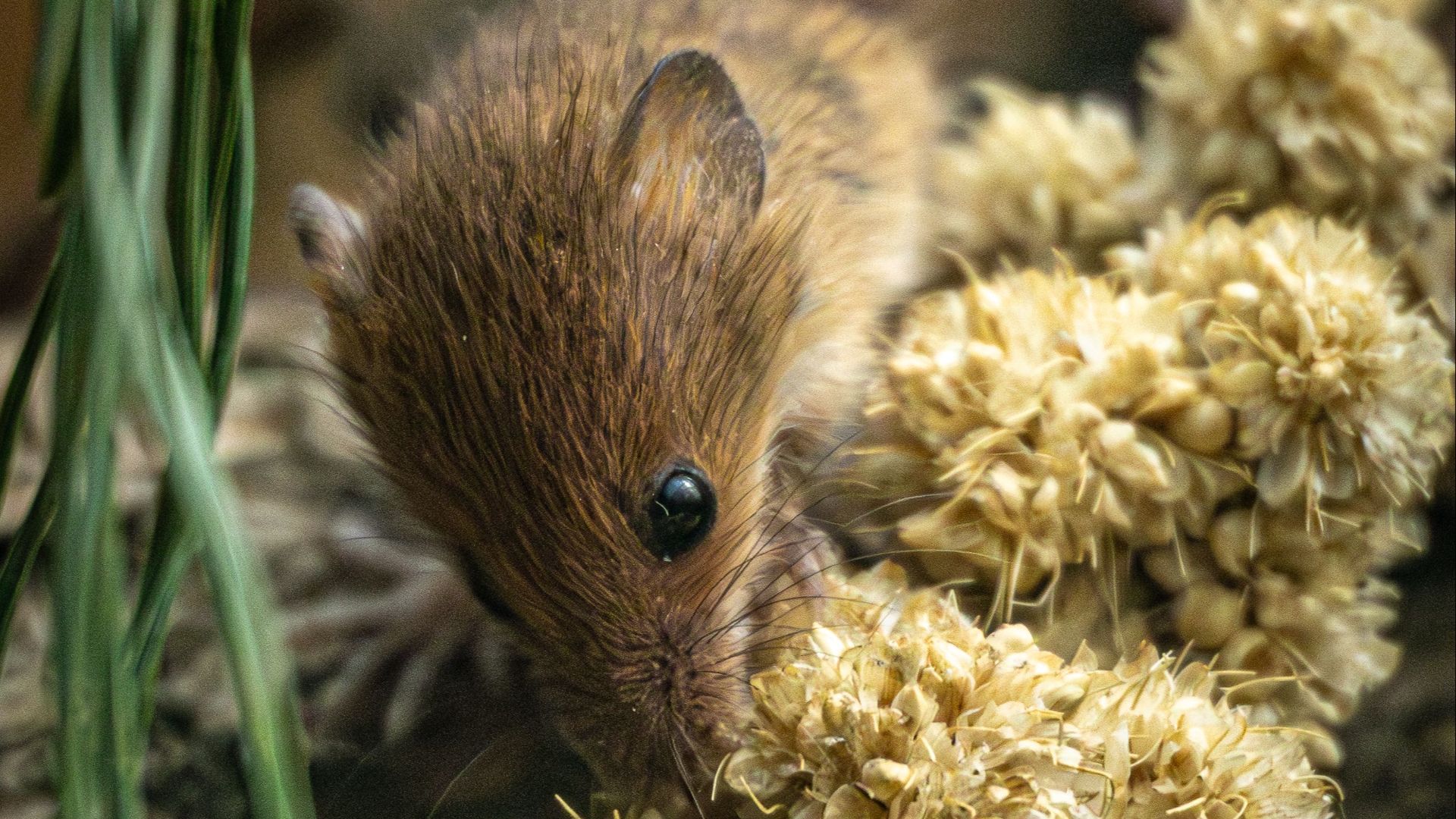
15. Voeltzkow’s Chameleon
Voeltzkow’s chameleon was known from Madagascar but hadn’t been documented by scientists for more than a century. Researchers rediscovered the species in 2018 and observed both males and females for the first time in modern studies. Its brief seasonal life cycle may help explain why earlier surveys repeatedly missed it.
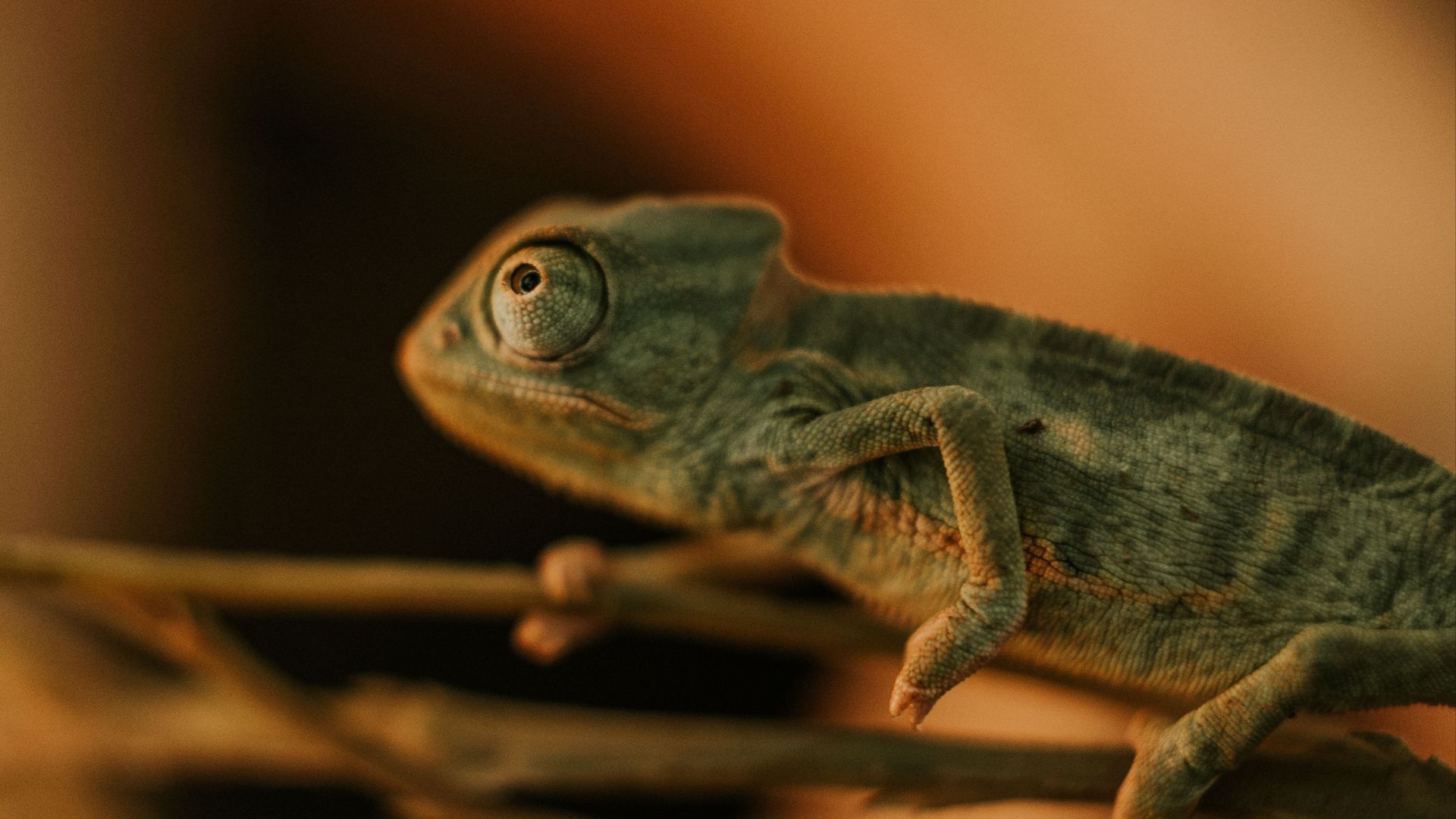
16. Wallace’s Giant Bee
Wallace’s giant bee is the world’s largest known bee, with females reaching an impressive size. An expedition photographed a living female inside a termite nest in 2019, although habitat destruction and wildlife collecting continue to place the species at risk.
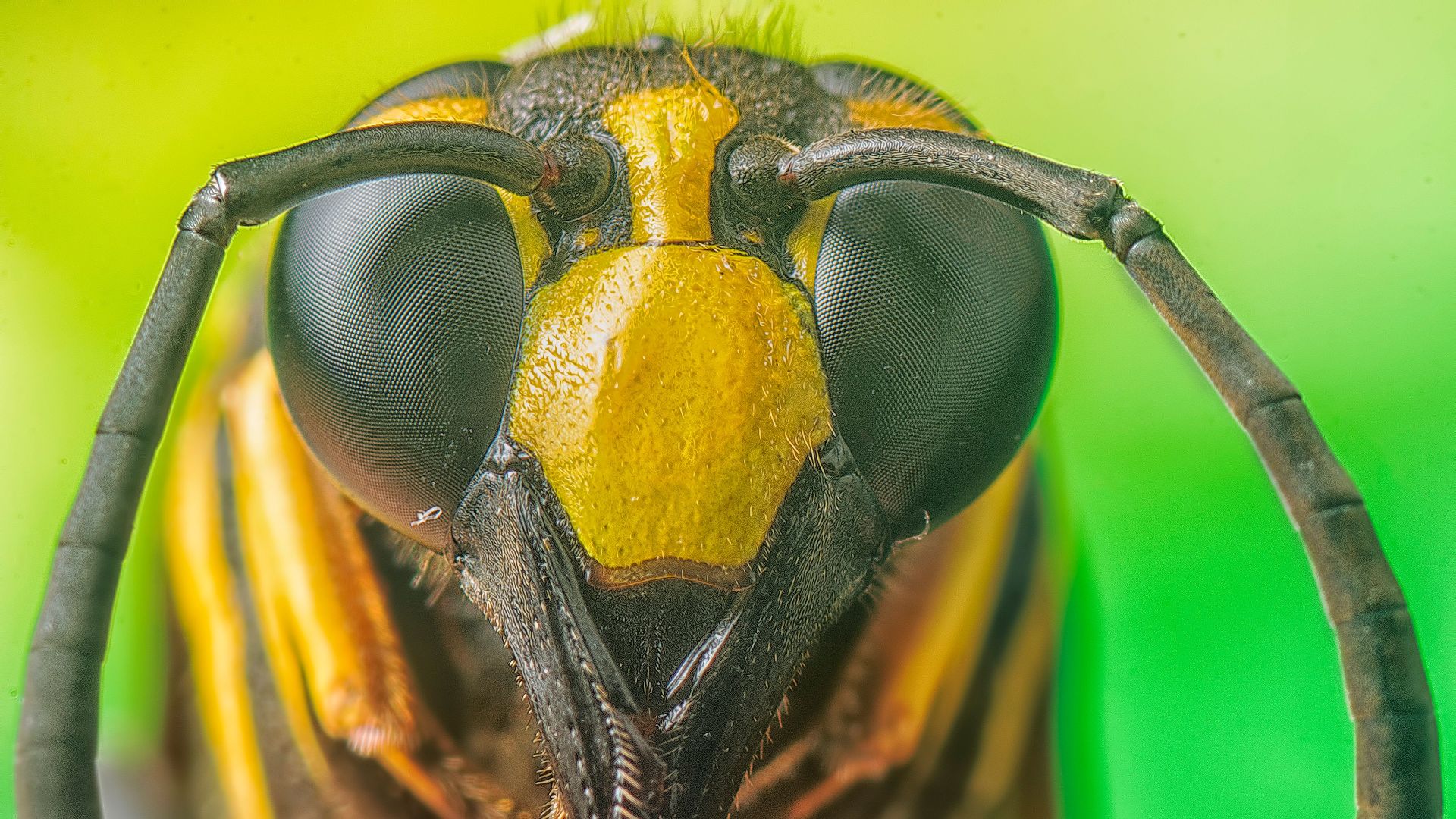
17. Victorian Grassland Earless Dragon
The Victorian grassland earless dragon hadn’t been officially seen in its Australian namesake state since 1969. Scientists rediscovered a small population in 2023 after years of uncertainty about its survival there.
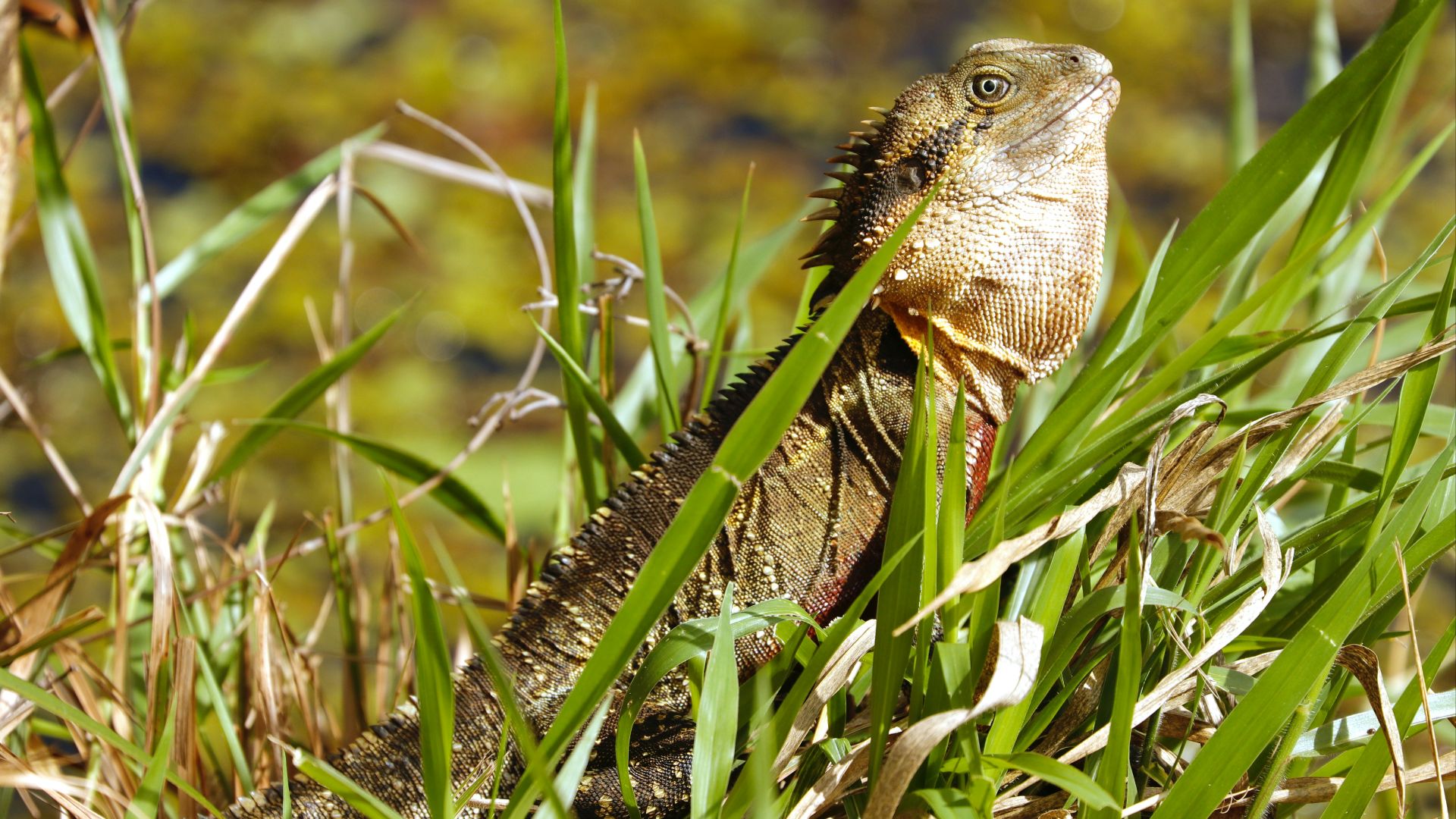
18. Santa Marta Sabrewing
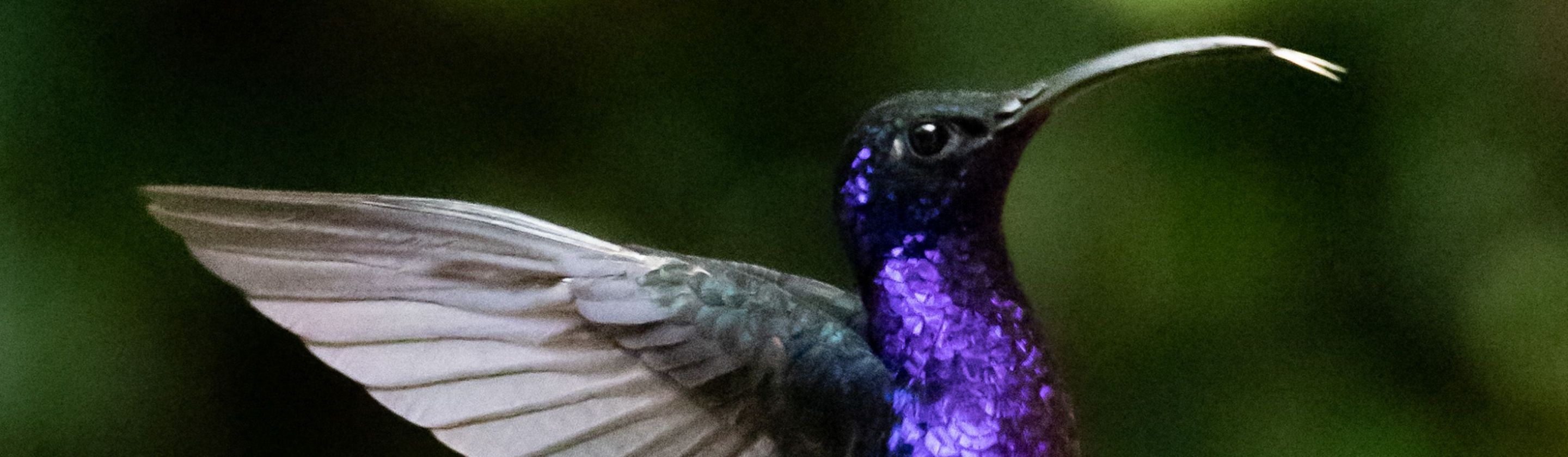
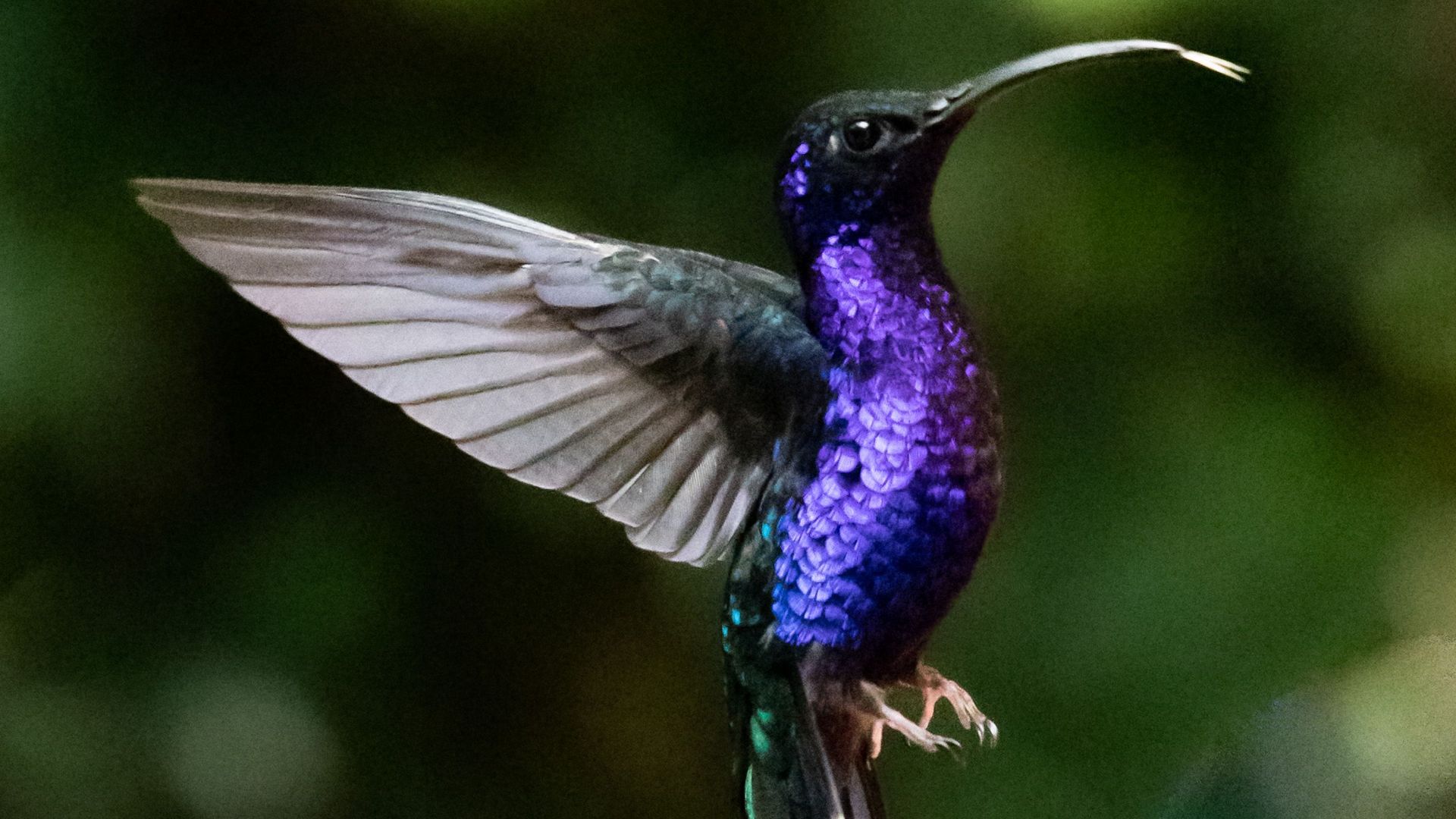
The Santa Marta sabrewing is a large hummingbird found only in the mountains of northern Colombia. After extremely limited records and long gaps between sightings, scientists feared the species might have disappeared. A confirmed observation in 2022 was followed by the discovery of additional birds, allowing researchers to study their behavior and habitat needs.
19. Pygmy Long-Fingered Possum
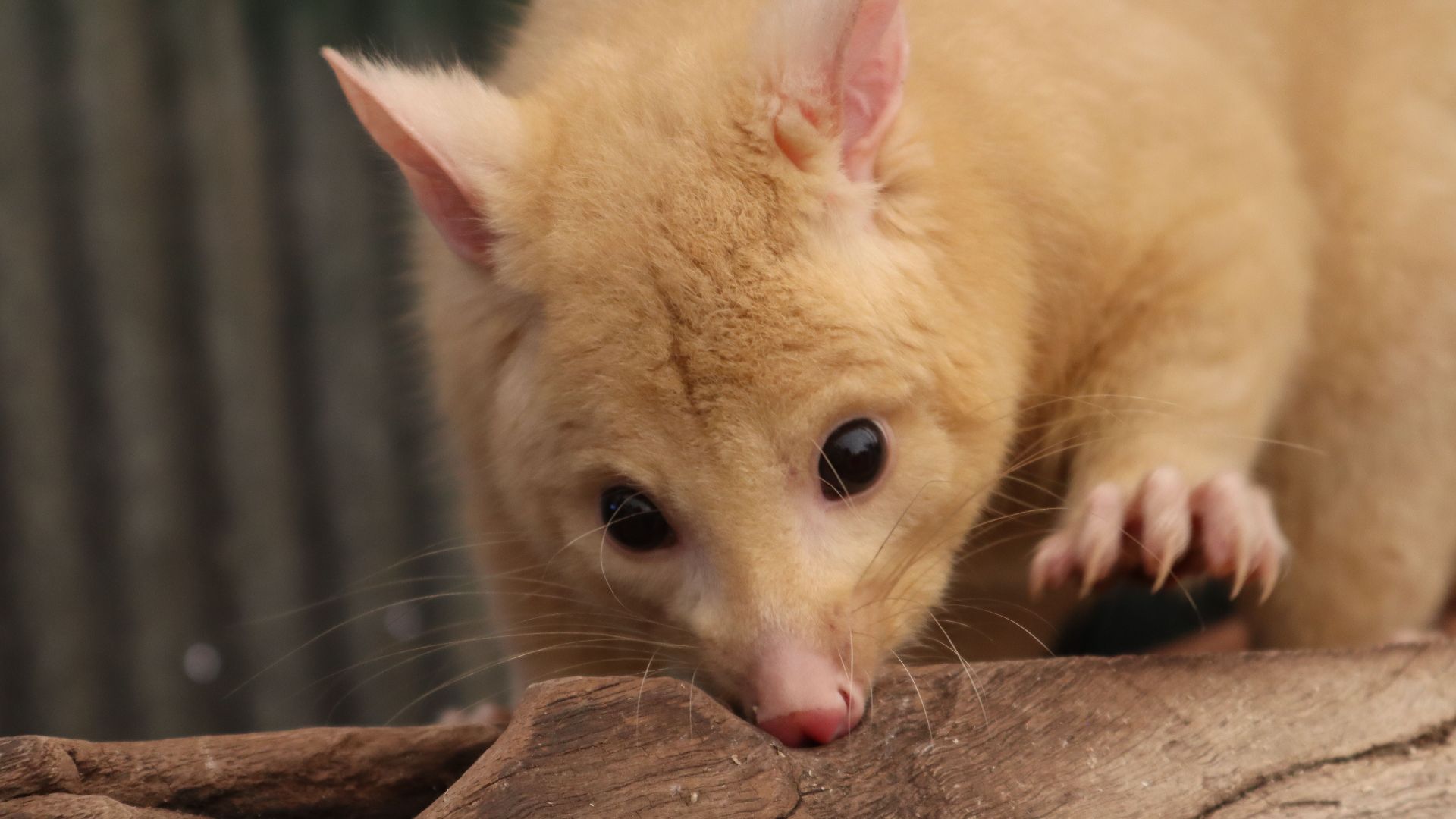
For years, the pygmy long-fingered possum was known only through ancient remains from New Guinea. Researchers working with Indigenous communities confirmed living animals in 2026, overturning the belief that the species had vanished thousands of years ago.
20. Ring-Tailed Glider
The ring-tailed glider was another New Guinea marsupial believed to have disappeared roughly 6,000 years ago. Finding two supposedly ancient extinctions alive at nearly the same time demonstrated how much biodiversity may remain undocumented in remote regions.
KEEP ON READING