
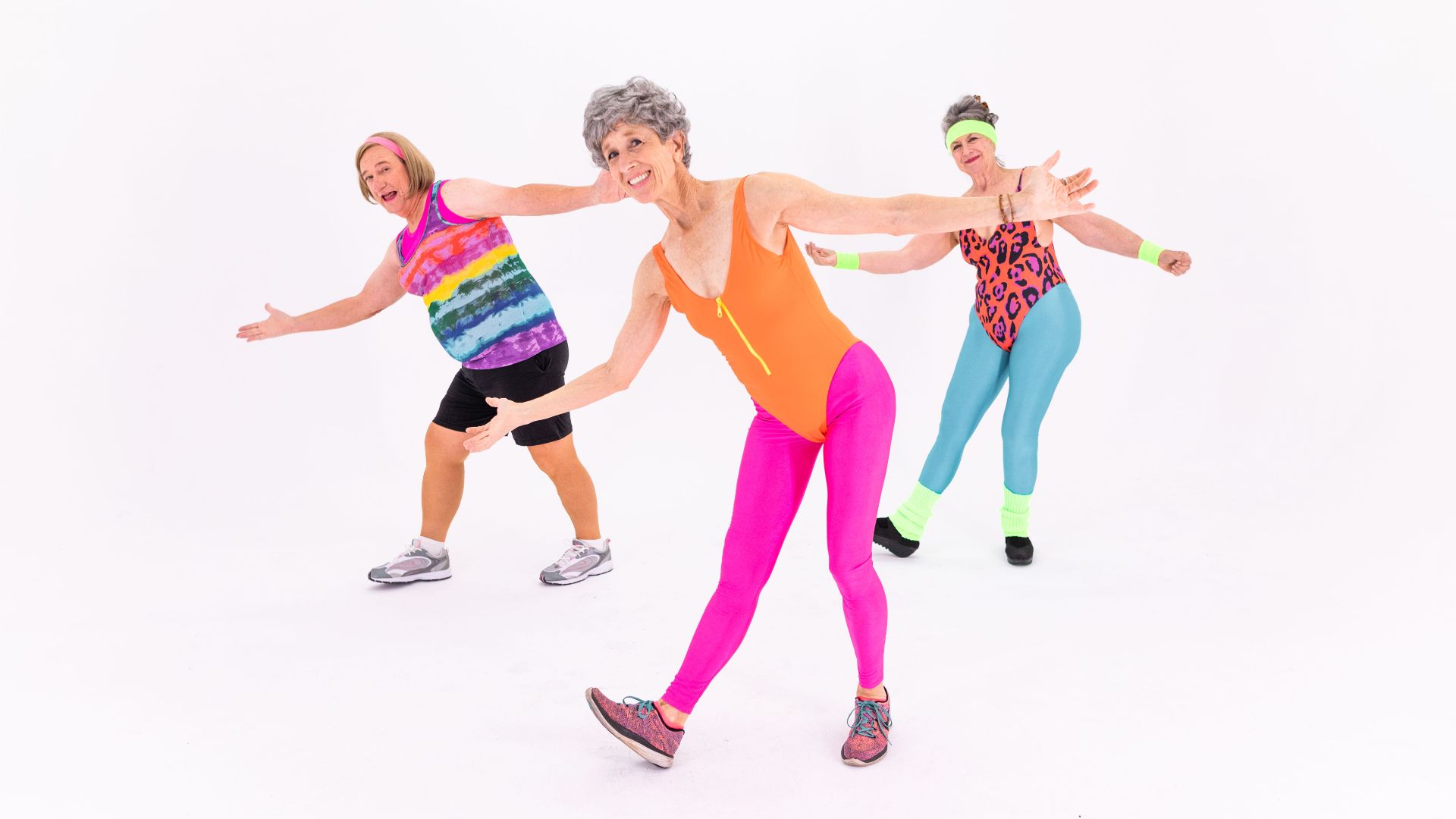
For more than a century, inventors, doctors, entertainers, and business owners have promoted new ways to make exercise easier, faster, or more enjoyable. The equipment has changed from iron levers and vibrating belts to television programs and dance classes, but the basic pitch hasn’t changed much. People have always wanted workouts that fit comfortably into everyday life.
Some exercise fads disappeared because their promised shortcuts didn’t deliver what buyers expected. Others stuck around because they, maybe surprisingly, solved a problem. From Gustav Zander’s mechanical equipment to the rise of Jazzercise, fitness history has mixed technology, medicine, fashion, and entertainment in some surprising ways. The results have included useful ideas, questionable health claims, and more than a few machines that look strange now.
Machines That Promised Effortlesses
 Unknown authorUnknown author on Wikimedia
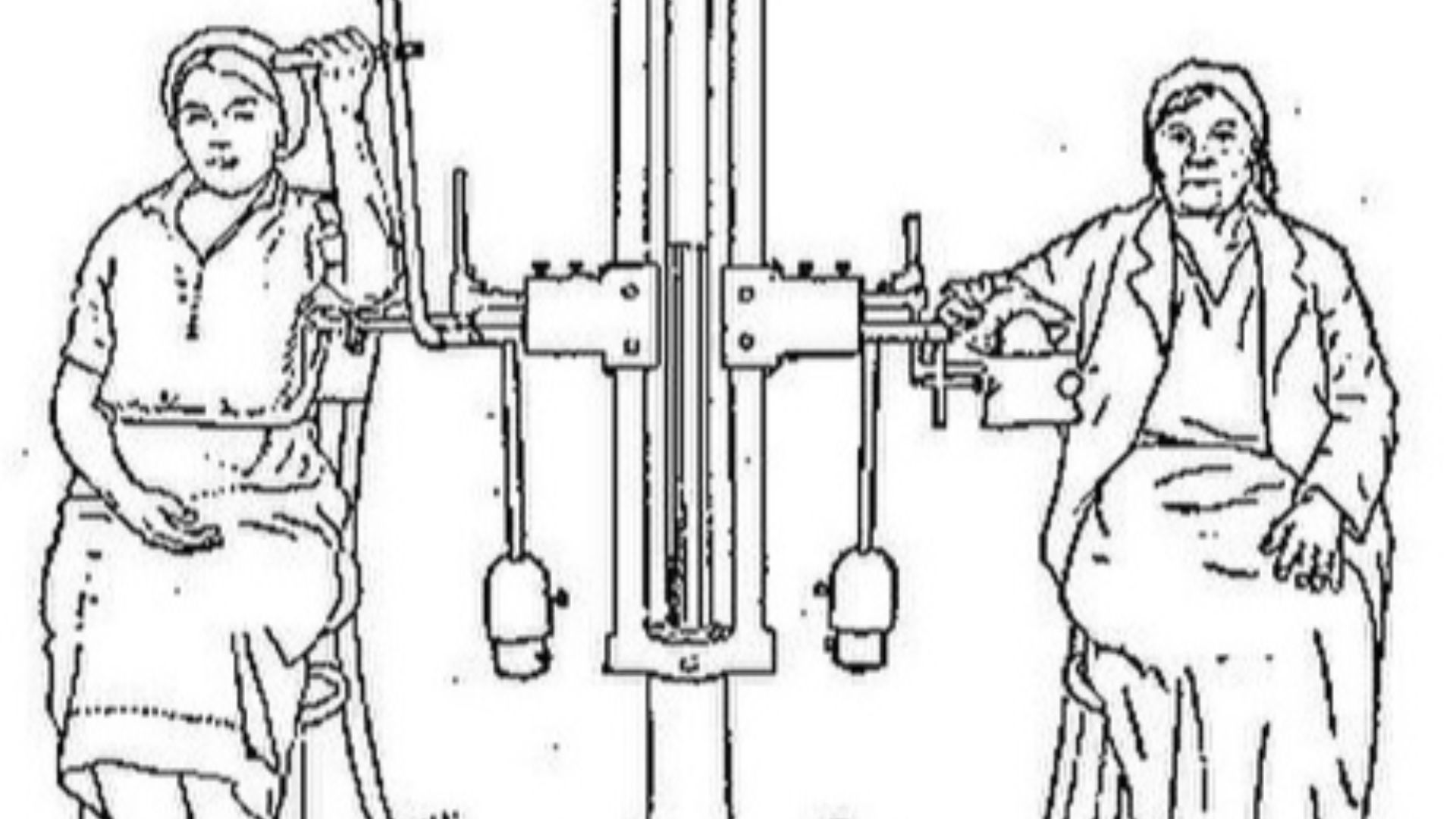
Swedish physician Gustav Zander helped develop mechanotherapy, a system that used specially designed equipment for health and physical rehabilitation. While attending medical school in the early 1860s, he studied how the body moved and how muscles developed. Eventually, he created machines that guided users through particular exercises, turning movement into something that could be organized and repeated.
Zander’s machines included weights, pedals, levers, and padded supports. Some were designed to strengthen muscles or move joints, while others created vibrating or massaging motions. Zander believed a machine could provide more consistent resistance than a human assistant. His approach brought a greater level of order and consistency to therapeutic exercise, even if the equipment sometimes looked more like factory machinery than gym gear.
Electricity soon became part of the health and fitness business as well. Dr. Horne’s electrotherapeutic belts, widely advertised during the 1880s, were based on patents issued to California inventor Charles N. West, and a surviving example can be found in the National Museum of American History. By around 1930, the Savage Health Motor was claiming that its motorized belt could address obesity, improve circulation, and strengthen muscles and internal organs. Belt vibrators didn’t disappear quickly, either. The Kansas Historical Society records that Walton Belt Vibrators were still being sold during the 1960s and 1970s with the promise of “maximum exercise with minimum effort.”
The Workout Moves Into The Living Room
Home exercise didn’t begin with streaming classes, DVDs, or television. In 1922, the Victor Talking Machine Company released “Health Exercises,” a set of three records prepared under the supervision of Charles H. Collins of Philadelphia’s Collins Institute for Physical Culture. According to the National Museum of American History, the complete set sold for three dollars. Buyers could play the records, listen to the spoken directions, and follow the exercises without traveling to an instructor.
The records turned a guided workout into something people could repeat whenever they had enough time and room at home. The setup wasn’t exactly smooth, since users still had to stop and change or turn the records during a session. Even so, the main idea was already in place. Fitness instruction could be recorded, packaged, sold, and used in private, which is the same basic approach that later appeared on television, videotapes, DVDs, and online platforms.
Television made home workouts feel more personal by putting a recognizable instructor right in front of viewers. Beginning in the 1930s, Jack LaLanne developed exercise routines and equipment that he later shared through television programs and public appearances. LaLanne helped make the living room seem like a perfectly normal place to exercise, although his routines required much more movement than a vibrating belt did. Fitness culture was also changing through physician Kenneth H. Cooper’s 1968 book “Aerobics,” which promoted regular exercise as a way to support health and physical conditioning.
Dance Fitness Finds Its Rhythm
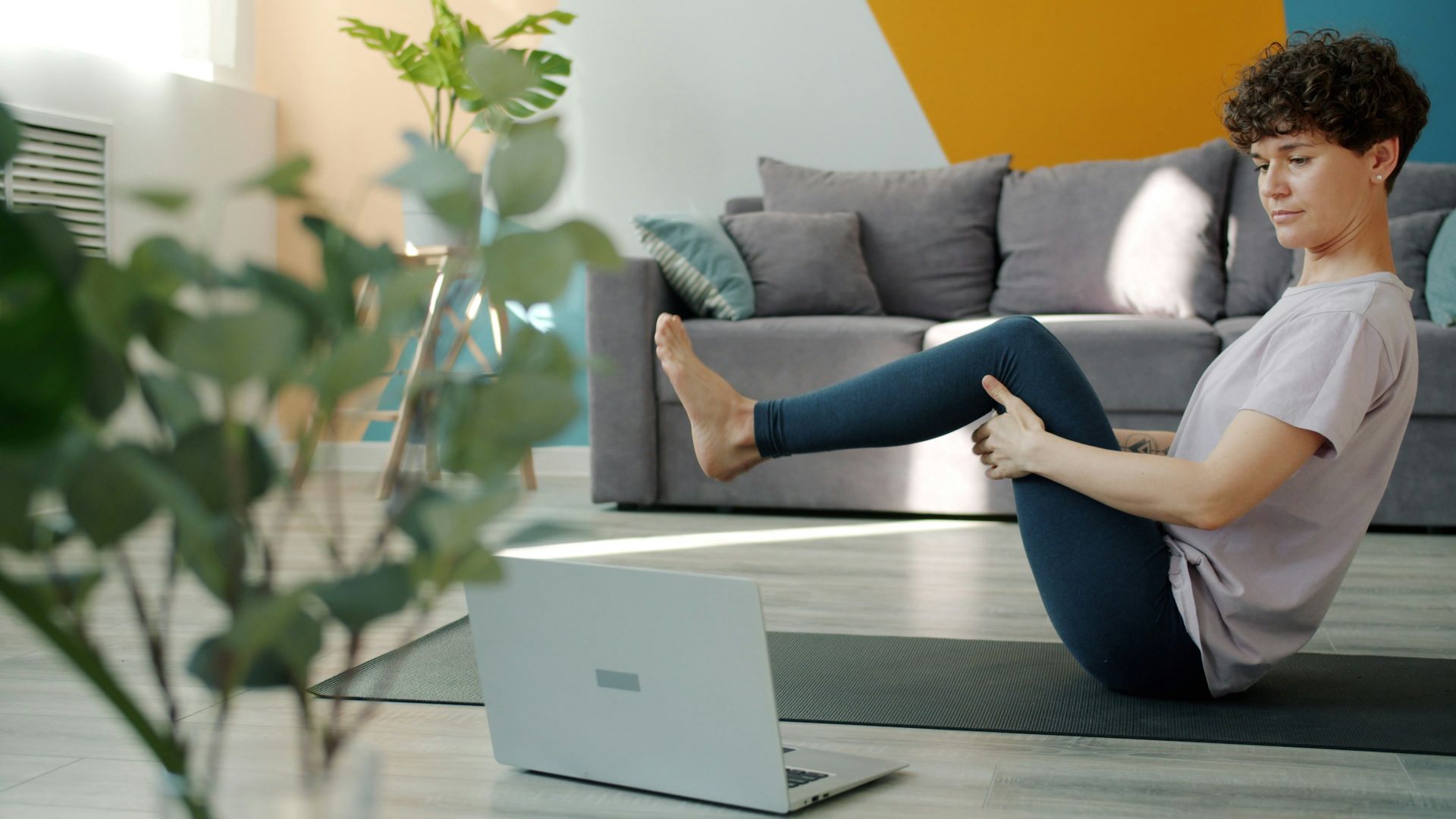
Judi Sheppard Missett founded Jazzercise in 1969 while working as a professional dancer and instructor. She realized that many of her students weren’t trying to become performers; they mainly wanted an enjoyable workout and the physical benefits of dancing. She simplified the movements, used popular music, and placed less importance on technical perfection. An interview published through Jazzercise describes how those changes helped make the classes friendlier for people who didn’t think of themselves as “dancers.”
Jazzercise’s mix of music, dance, and group participation offered a livelier alternative to jogging alone or doing calisthenics in silence. Participants could move together, follow an instructor, and let the beat help them keep up with repeated movements. The program also showed that a fitness business didn’t need to rely on a large or complicated machine. Jazzercise is closely tied to memories of the 1980s fitness boom, but it had already been around for more than 10 years by that point.
Home video soon gave instructor-led exercise another way to reach people. Jane Fonda released her first workout video on April 24, 1982, after opening a workout studio and publishing an exercise book. Her video didn’t invent home workouts, aerobic exercise, or dance fitness, but it did combine ideas that had been developing for decades. Her work within the fitness community brought recorded instruction, popular music, repeatable routines, a familiar personality, and the convenience of exercising at home. From Victor’s phonograph records to Fonda’s videocassettes, the technology changed while the appeal remained familiar. Belt machines offered the dream of results with very little effort, while Jazzercise made effort feel social, upbeat, and much easier to enjoy.
KEEP ON READING