The Dos And Don'ts Of The Monarchy
The British royal family operates inside a web of rules that most people never think about, and a surprising number of them have nothing to do with table manners or which fork to use. The real restrictions are about something bigger: keeping the Crown out of politics, out of private business deals, and firmly answerable to the public it serves. Some of these rules apply only to the King himself. Others govern any working royal the moment they step out to represent the institution. Together, they reveal just how tightly choreographed royal life actually is, even in moments that look completely spontaneous. Here are 20 things British royals are quietly, firmly forbidden from doing in public or while on official duty.
 Louis-Michel van Loo on Wikimedia
1. Signing Personal Autographs
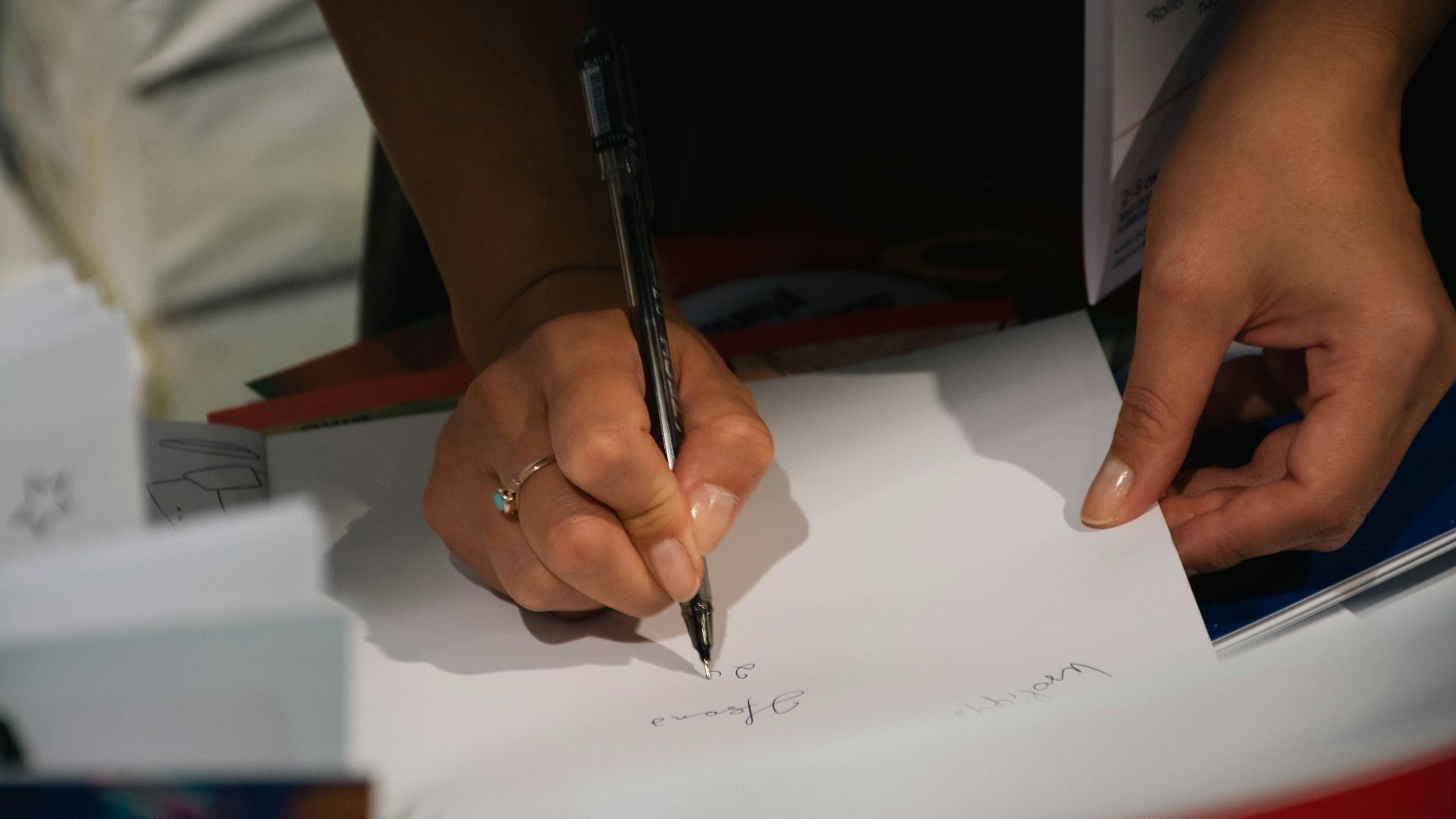
It looks rude on camera. A royal glides past an outstretched notebook without signing it, and the internet lights up calling them cold. In reality, it's a policy. Royal signatures are valuable and easy to forge, so working royals stick to official visitors' books and steer clear of scribbling their names on photos, drawings, or fan memorabilia.
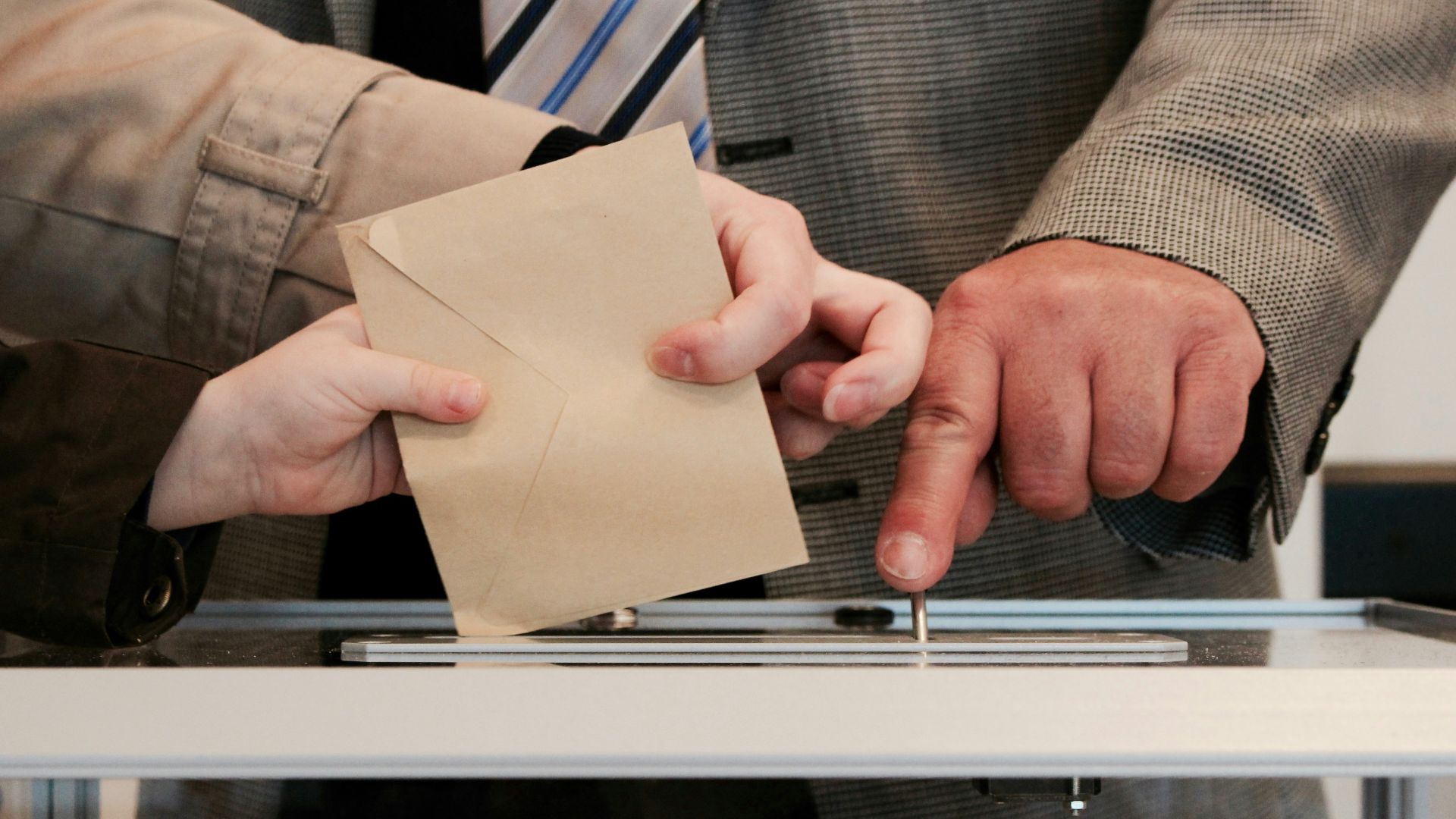
2. Casting a Public Vote
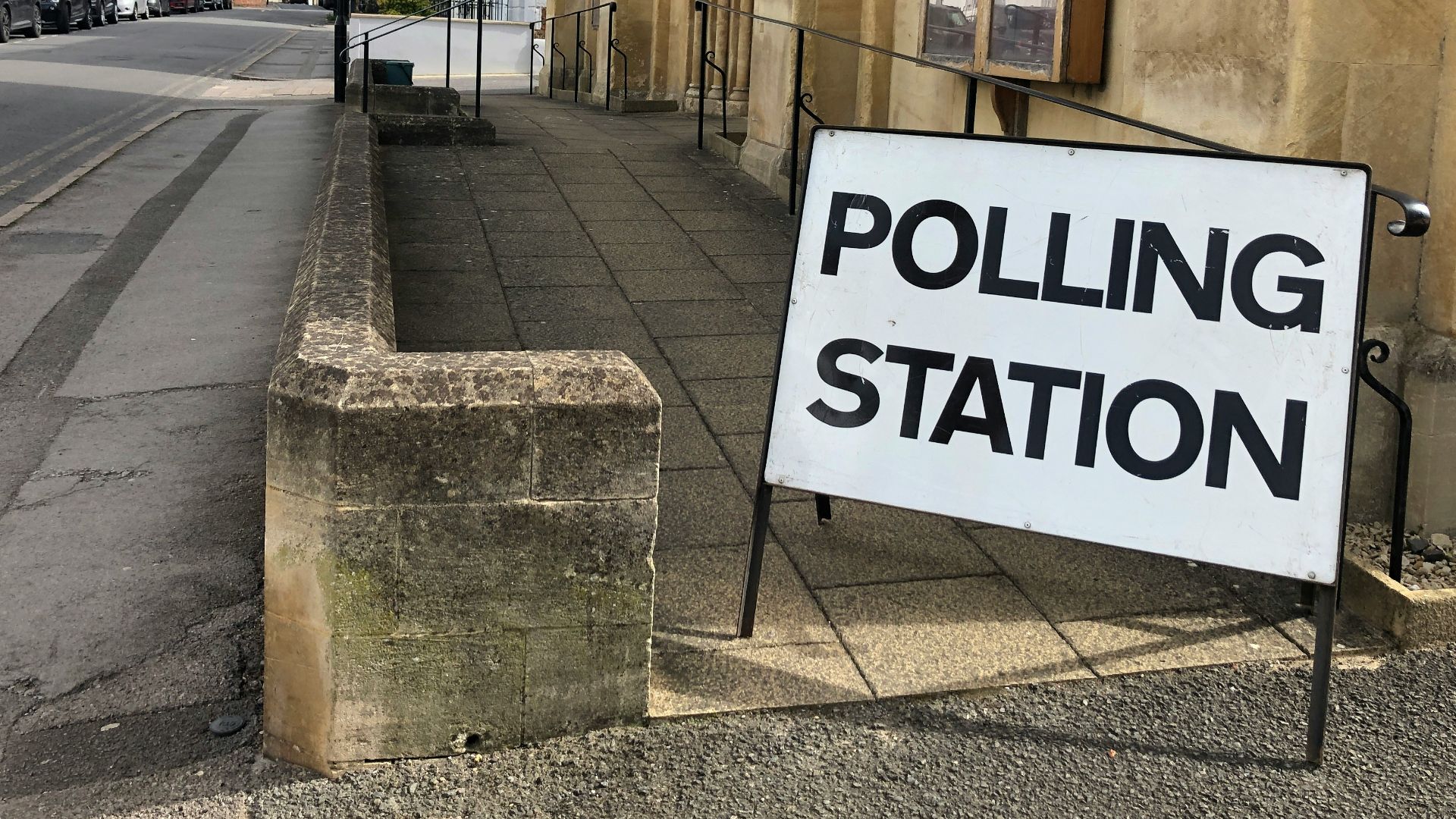
Surprisingly, the King and his working relatives are legally free to vote. They simply choose not to. Staying out of the ballot box is how the monarchy keeps its promise of neutrality, no matter which party wins. If nobody knows who a royal voted for, nobody can accuse the Crown of playing favorites.
3. Campaigning for a Political Party
You will never catch a royal standing behind a podium with a campaign banner, urging a crowd to vote a particular way. The monarchy has to remain above party politics entirely. Even a low-key appearance near a campaign poster risks turning a visit into an unintended endorsement.
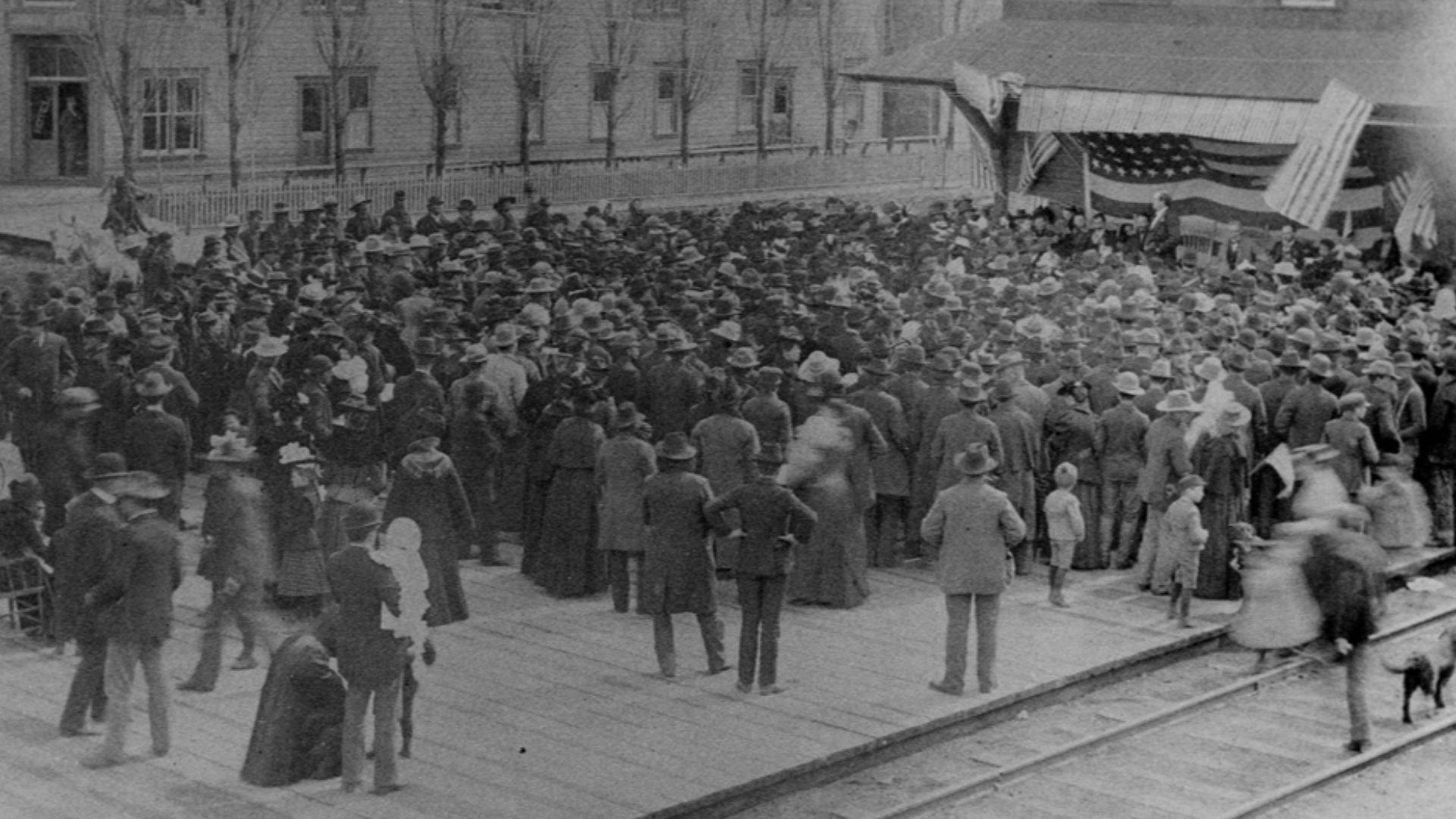
4. Endorsing a Candidate
This one goes further than campaigning. A single offhand remark, even something as small as "I think she'd do well," could be read as a royal seal of approval. Because that kind of comment carries enormous weight, working royals train themselves to avoid it entirely, keeping their public role completely separate from the horse race of an election.
5. Attacking Government Policy in Public
Royals throw their support behind causes all the time: mental health, conservation, youth homelessness. What they don't do is take a swing at government policy. They can raise awareness about a problem without turning the moment into a political jab at the people currently in charge.
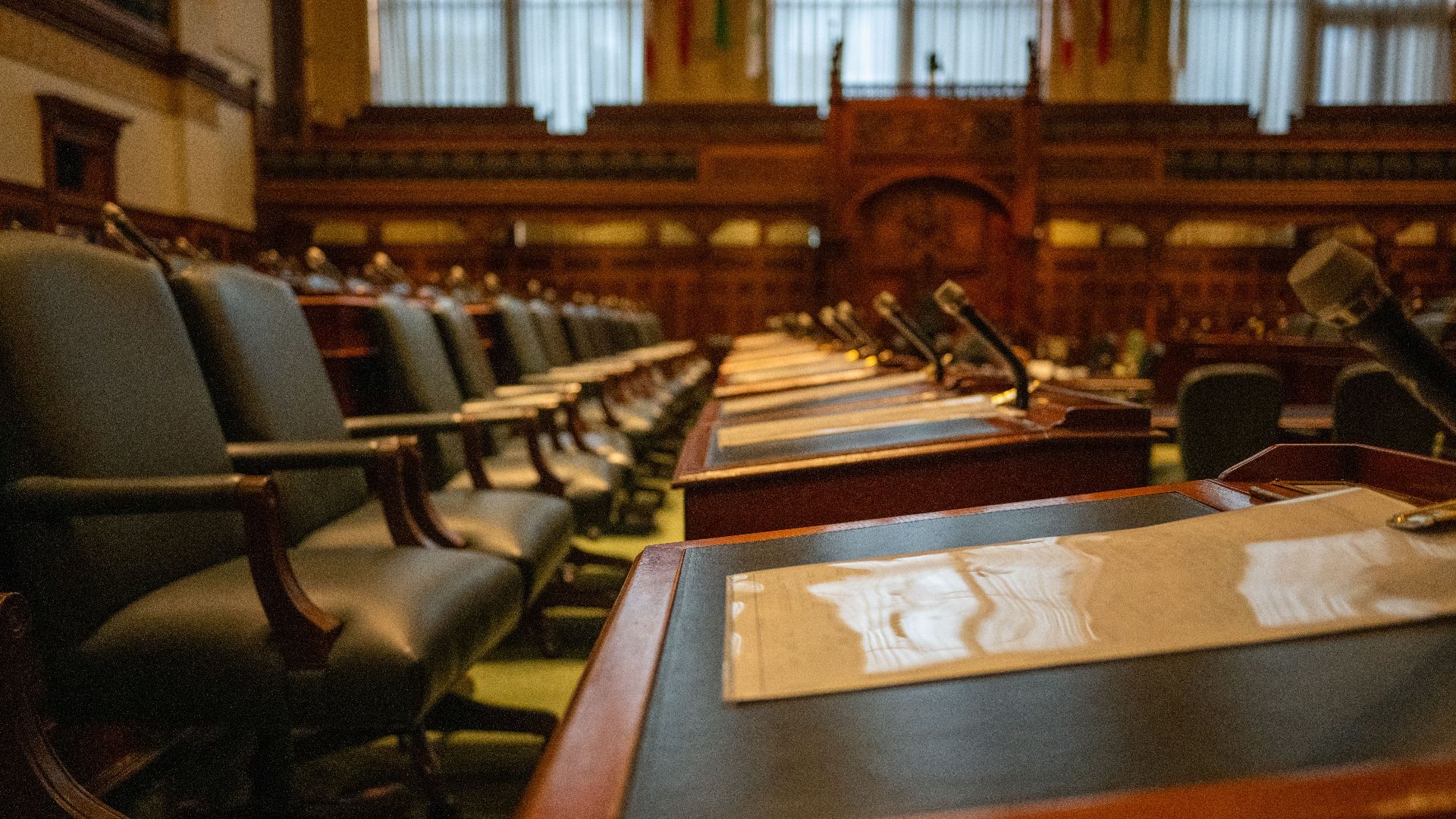
6. Vetoing a Bill for Personal Reasons
Technically, royal assent is still the final step before a bill becomes law. In practice, no modern monarch blocks legislation just because they personally dislike it. Lawmaking belongs to elected officials, popular or not, and the Crown's job is to formalize the process, not referee it.
7. Repeating Private Meetings With the Prime Minister
Every week, the King sits down privately with the sitting Prime Minister to discuss the business of the government. What's said in that room stays in that room. The confidentiality is exactly what allows the monarch to speak candidly.
8. Picking a Prime Minister by Personal Preference
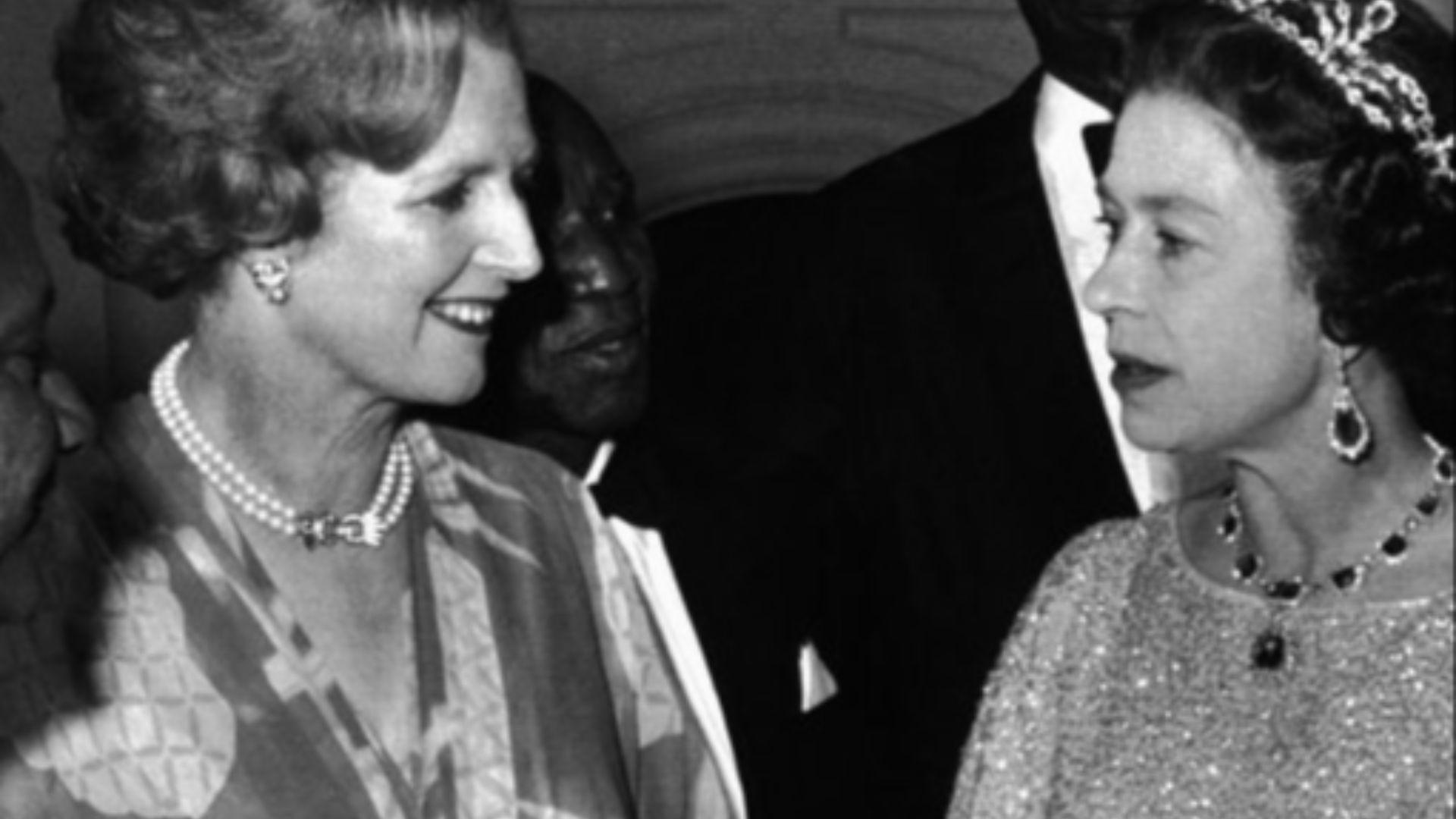
The King formally appoints the Prime Minister, but "formally" is the key word. The choice isn't about who charms him at dinner parties. It comes down to who can command the confidence of the elected chamber. The monarch signs off on a decision democracy has already made.
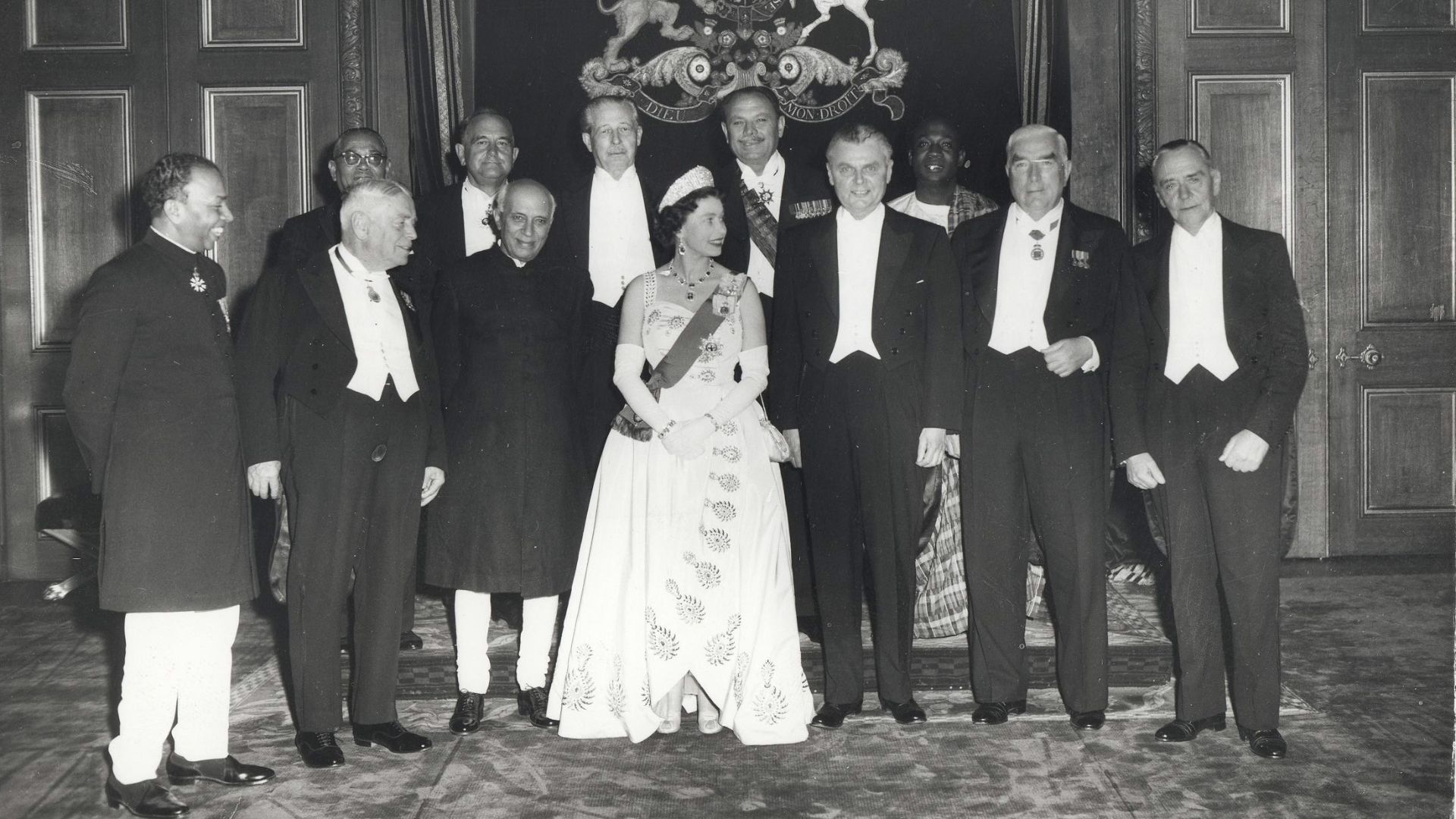 Not known, Diefenbaker Centre credits British Government on Wikimedia
9. Writing a Personal King's Speech
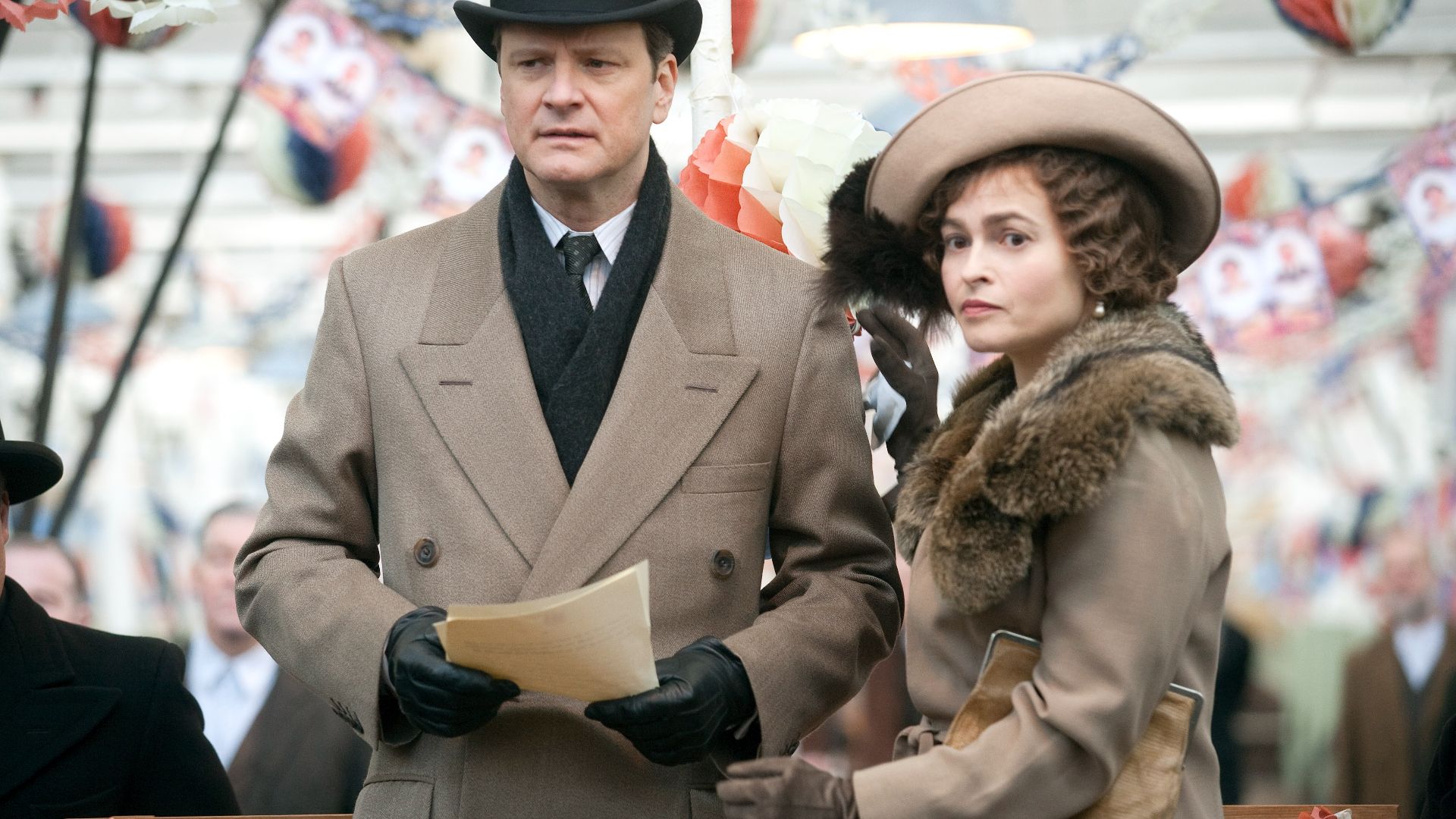
Every year, the monarch reads a speech from the throne that sounds, on the surface, deeply personal. It isn't. The King's Speech spells out the government's legislative agenda, not the King's own opinions.
 www.lancashire.gov.uk on Wikimedia
10. Making Laws Alone
No decrees, no royal proclamations that skip Parliament. Lawmaking sits squarely with the elected legislature, and the modern monarchy is built specifically to prevent any single person, crown or no crown, from ruling by personal fiat.
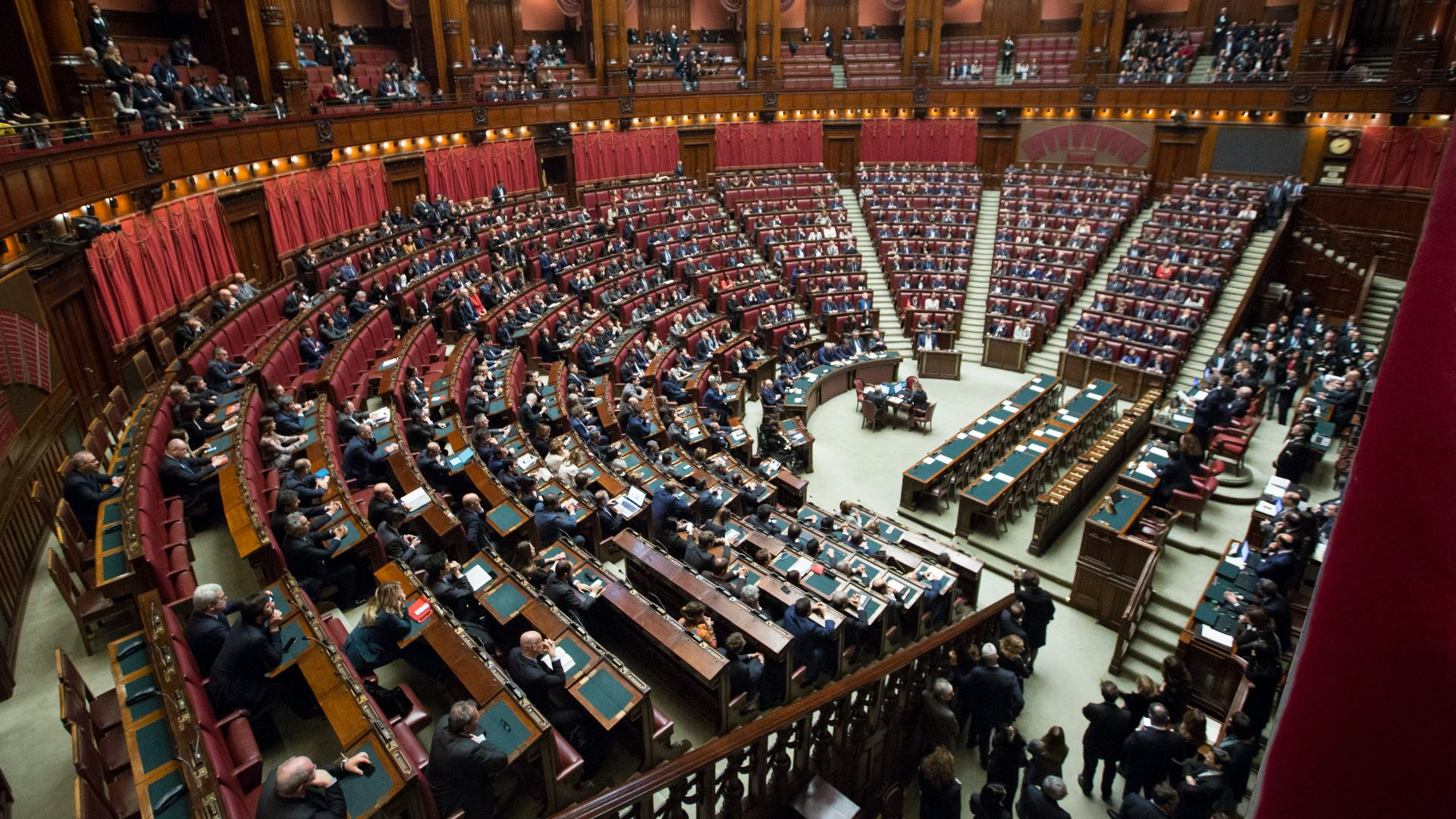
11. Entering the Elected Chamber
In 1642, King Charles I marched into the House of Commons with armed guards, hunting for five members he wanted arrested. No monarch since has set foot in that chamber. Instead, elected members are summoned out to hear the monarch speak, a tradition born directly from that 400-year-old standoff.
12. Accepting Cash at an Official Event
Someone offers a wad of bills during a walkabout, hoping to help a cause the royal supports. It gets politely declined every time. Accepting money on the spot could look like a bribe, a payoff, or a shortcut to special access, so official channels handle every donation instead.

13. Passing Charity Donations Along Personally
Even well-meaning gestures, like handing a royal an envelope of cash "for the charity," aren't allowed. Donations have to go directly to the organization. Cutting the royal out of the transaction keeps the money trail clean and keeps the royal out of any awkward middleman position.

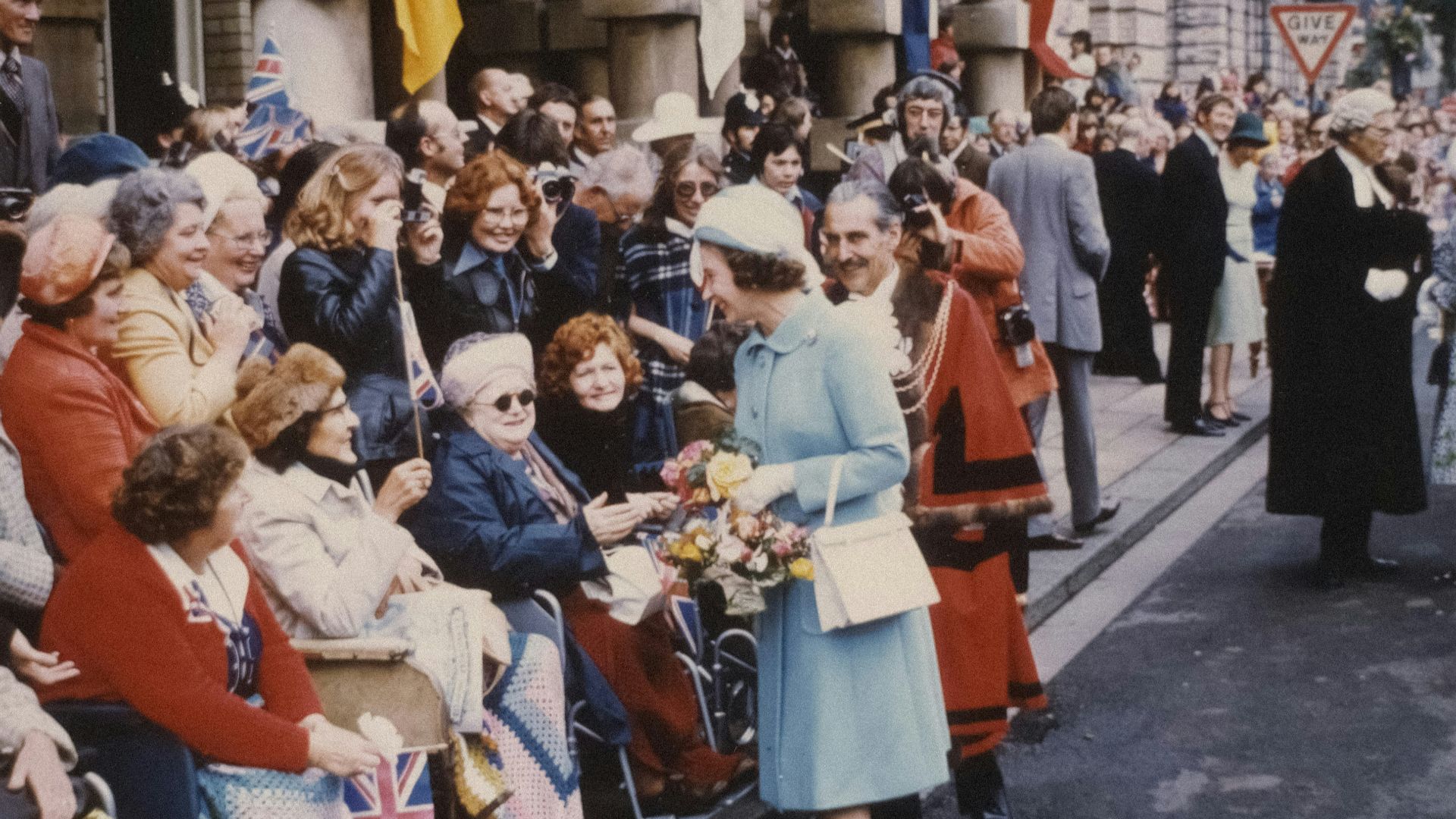
14. Accepting Every Gift at a Walkabout
Those flower bouquets and handmade cards that make walkabouts look effortless and spontaneous? There's far more planning behind them than meets the eye. Gifts are ideally flagged in advance, and offerings from strangers with no prior connection get accepted only on a case-by-case basis.
 East Riding Archives on Unsplash
15. Keeping Every Unsolicited Package
Mailing a gift straight to a royal residence doesn't guarantee it reaches the person on the envelope. Unsolicited parcels are often screened, repurposed, donated, or simply disposed of, particularly if there's no safe or practical way to store or return them.
 Anastasiya Doicheva on Unsplash
16. Taking Food From Unofficial Donors
It sounds harsh, turning down a home-baked pie from an adoring fan, but it's pure safety practice. Perishable gifts from unofficial sources are off limits across the board.

17. Treating State Gifts as Personal Belongings
When a head of state hands over a gift during an official visit, it seems personal. It isn't. The gift belongs to the role, not the individual. Nonperishable state gifts typically join the Royal Collection or get held in trust rather than going home in someone's suitcase.

18. Selling or Trading Official Presents
Those state gifts can be displayed, stored, loaned out, or donated through proper channels, but they can never be sold, swapped, or cashed in for personal profit. Ownership hardly transfers to the individual who accepted the gift on camera. It stays tied to the public role that received it.

19. Turning a Business Gift Into an Endorsement
Companies sometimes hand royal members products during official visits, hoping for a little reflected glow. That's carefully guarded against. A royal accepting a gift can never be spun into a product endorsement, and official appearances are never allowed to double as free advertising.

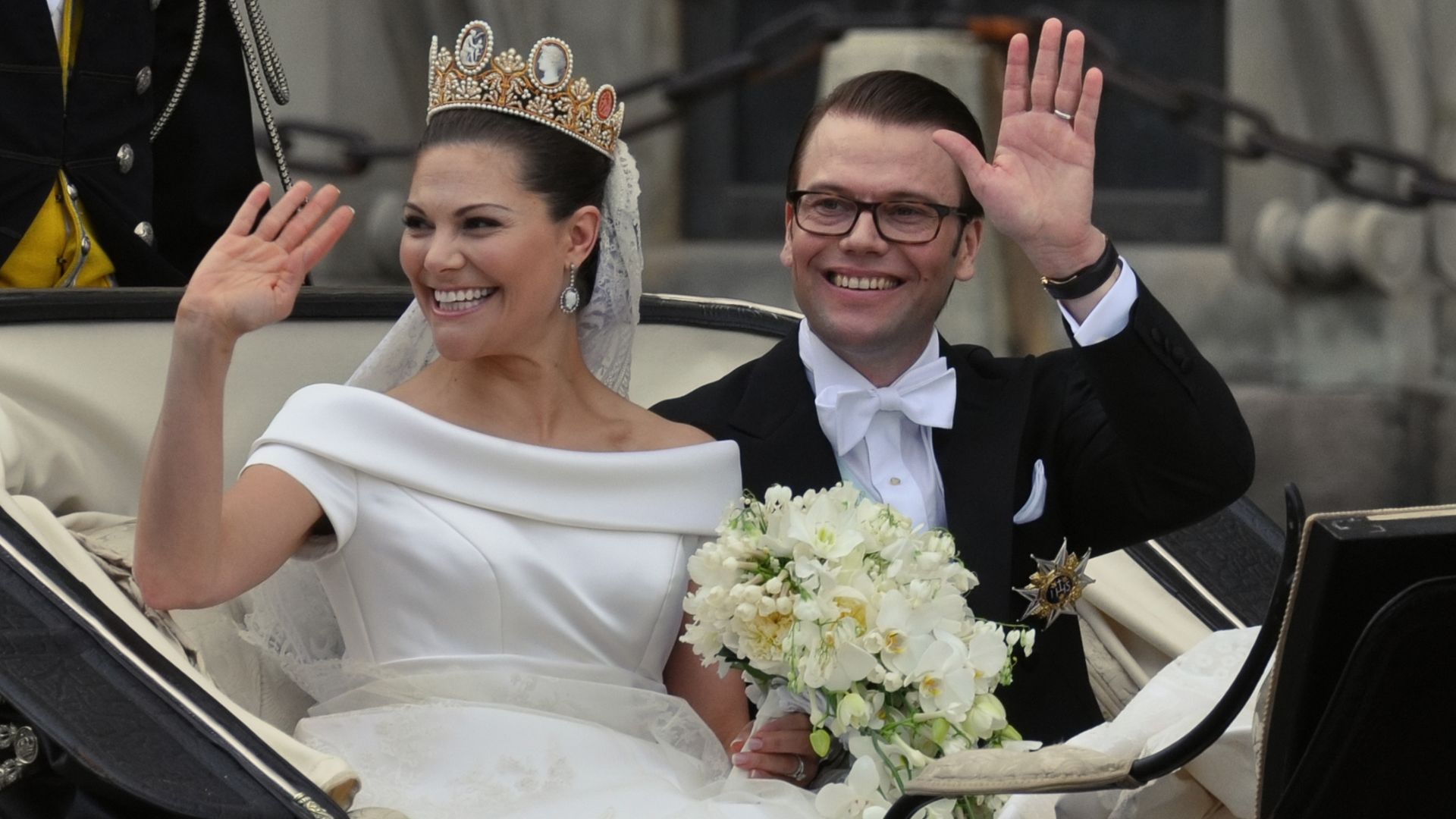
20. Marrying Without Consent
The first six people in line to the throne need the Sovereign's consent before marrying. Skip that step and the marriage is still legally valid, but the consequences are steep: the royal and any children from that marriage lose their place in the line of succession. For anyone close to the Crown, it's a decision that can reshape the future of the monarchy.
 Prolineserver (talk) on Wikimedia
KEEP ON READING