20 People In History With the Highest Step Count
Some People Covered Serious Ground
Long before cars, planes, and easy train routes, some people spent their lives moving across enormous distances. They marched with armies, crossed deserts, climbed mountains, traveled for faith, escaped danger, explored unfamiliar regions, or followed political missions that took them far from home. Whether they were famous leaders, travelers, activists, or explorers, here are 20 historical figures whose boots really were made for walking.
1. Alexander the Great
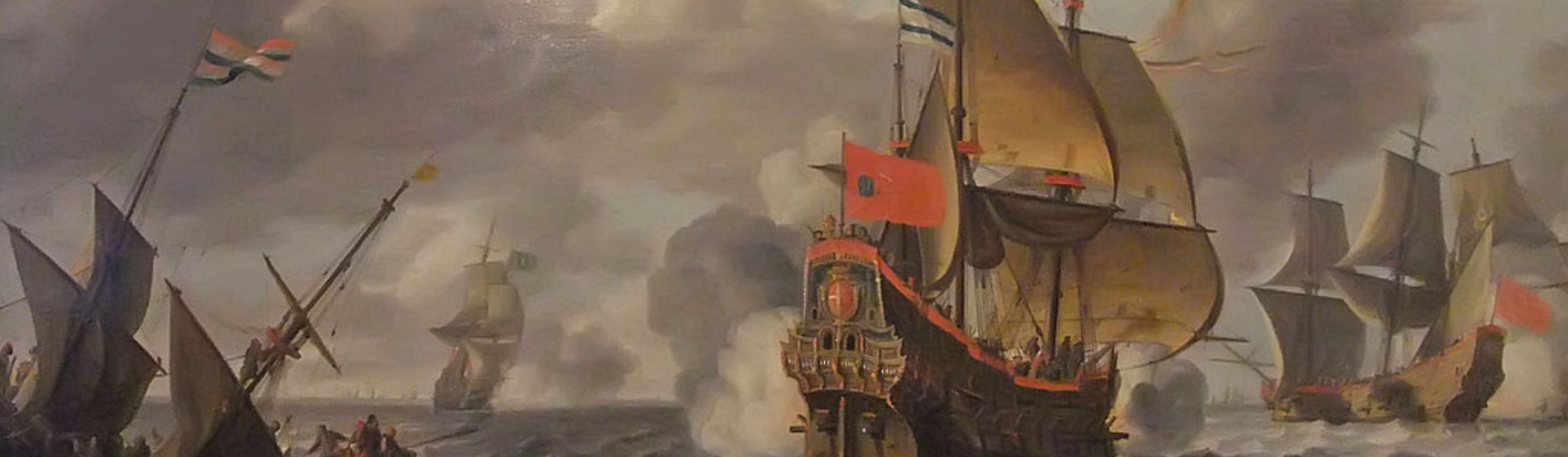
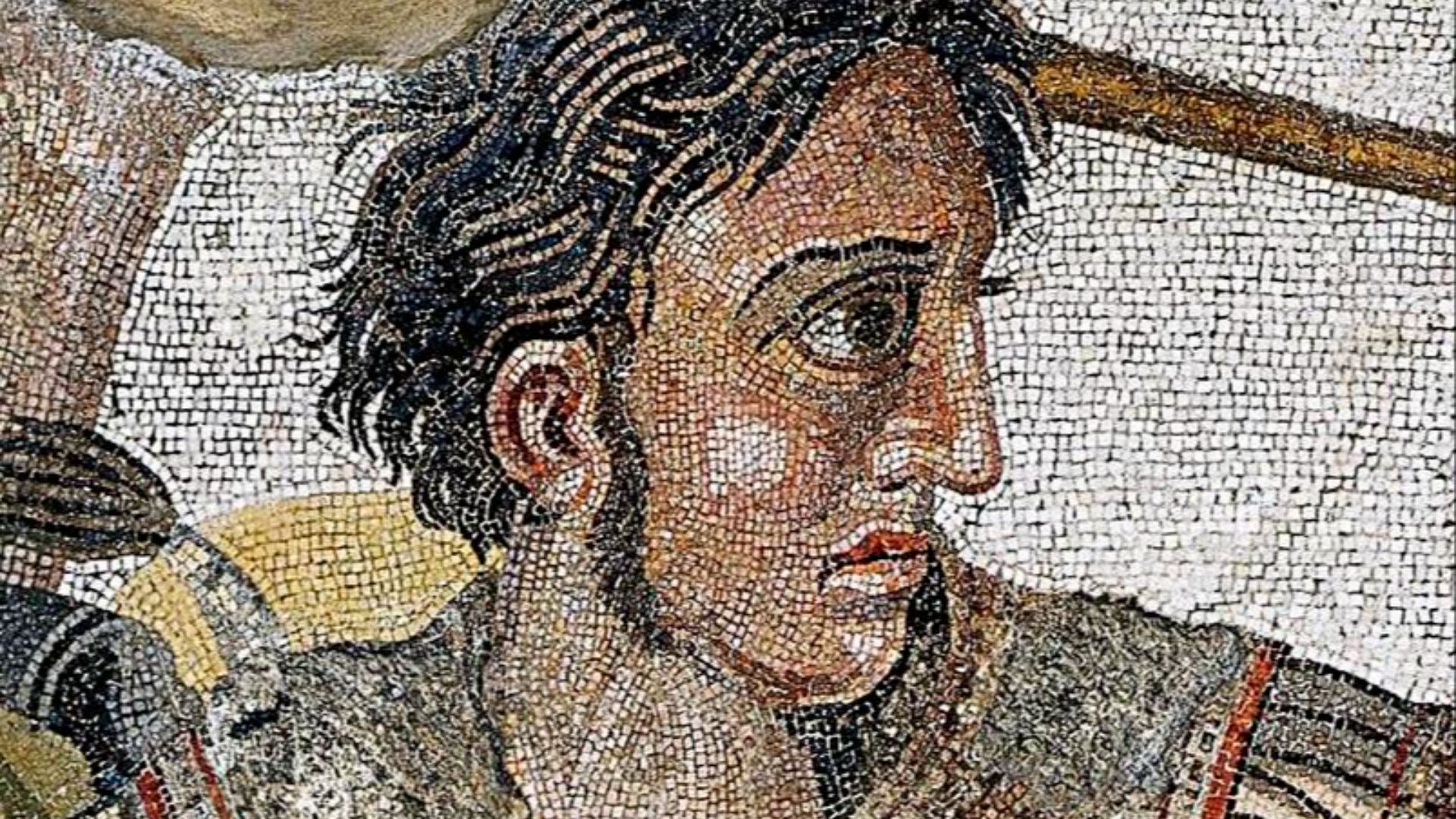
Alexander the Great spent much of his short life moving across an enormous empire. His campaigns took him from Macedonia through Persia, Egypt, Central Asia, and into India, with armies marching through deserts, mountains, and hostile territory. He probably rode often, of course, but even commanders didn’t get to spend years conquering half the known world without serious mileage.
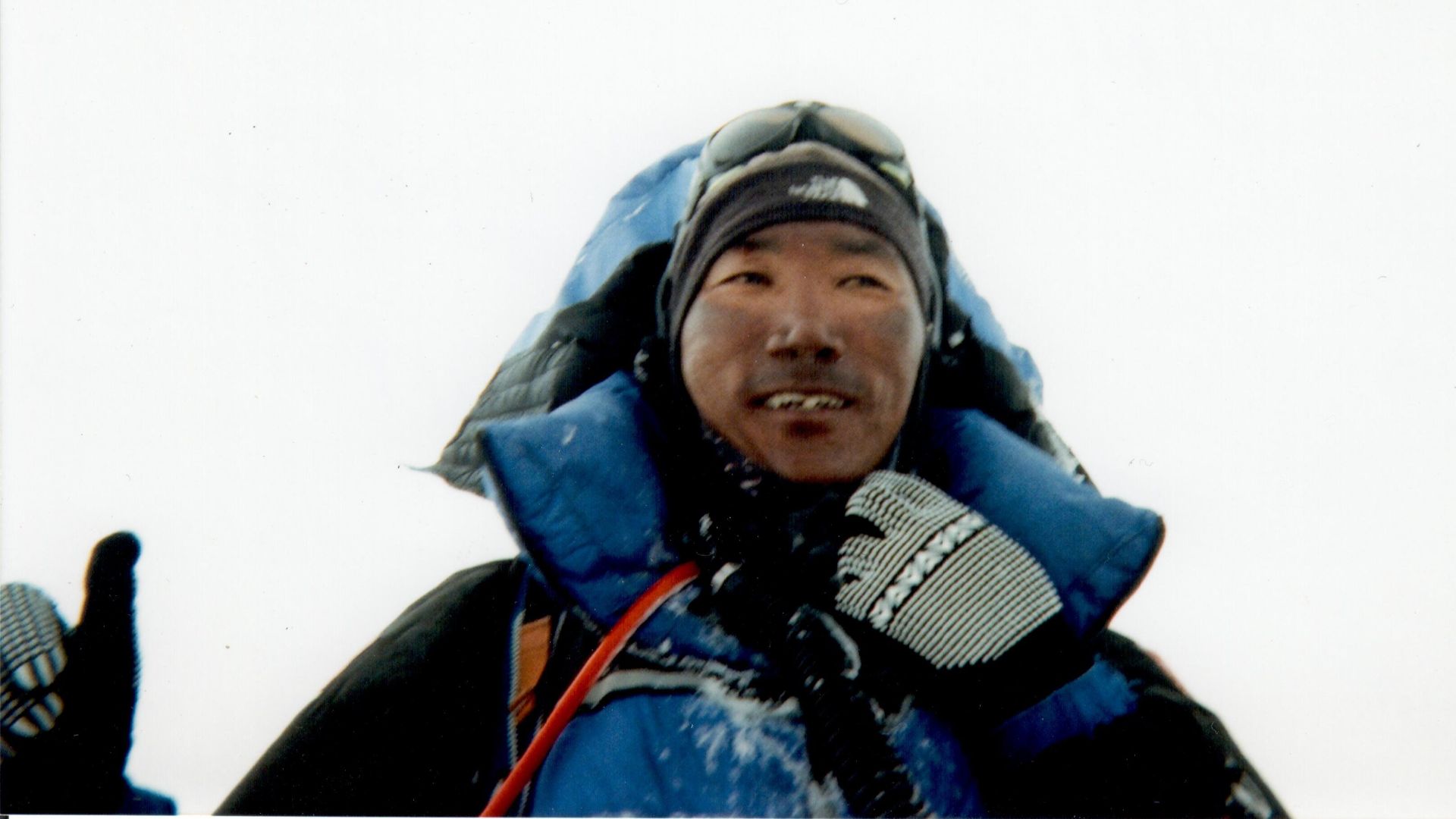
2. Kami Rita Sherpa
Kami Rita Sherpa has climbed Mount Everest more times than anyone else, which puts him in a very different category of endurance. His work as a high-altitude guide means his “steps” aren’t just long-distance steps; they’re taken in thin air, brutal cold, and terrain where every movement has to count.
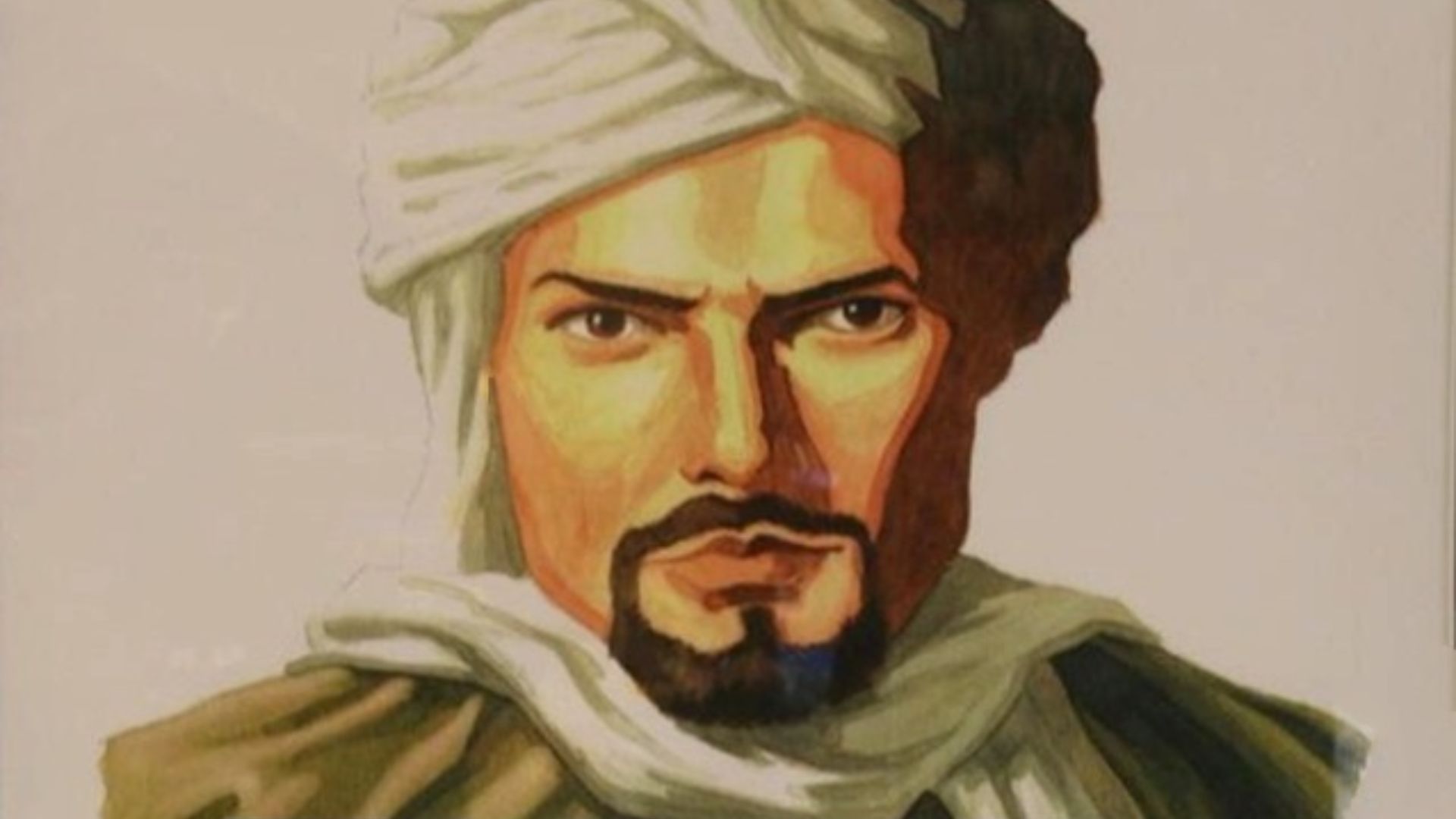
3. Ibn Battuta
Ibn Battuta may be one of history’s ultimate travelers. The 14th-century Moroccan explorer journeyed across North Africa, the Middle East, East Africa, Central Asia, India, Southeast Asia, and China over several decades. He used different forms of transportation, but the amount of ground he covered still makes most travel influencers look extremely local.
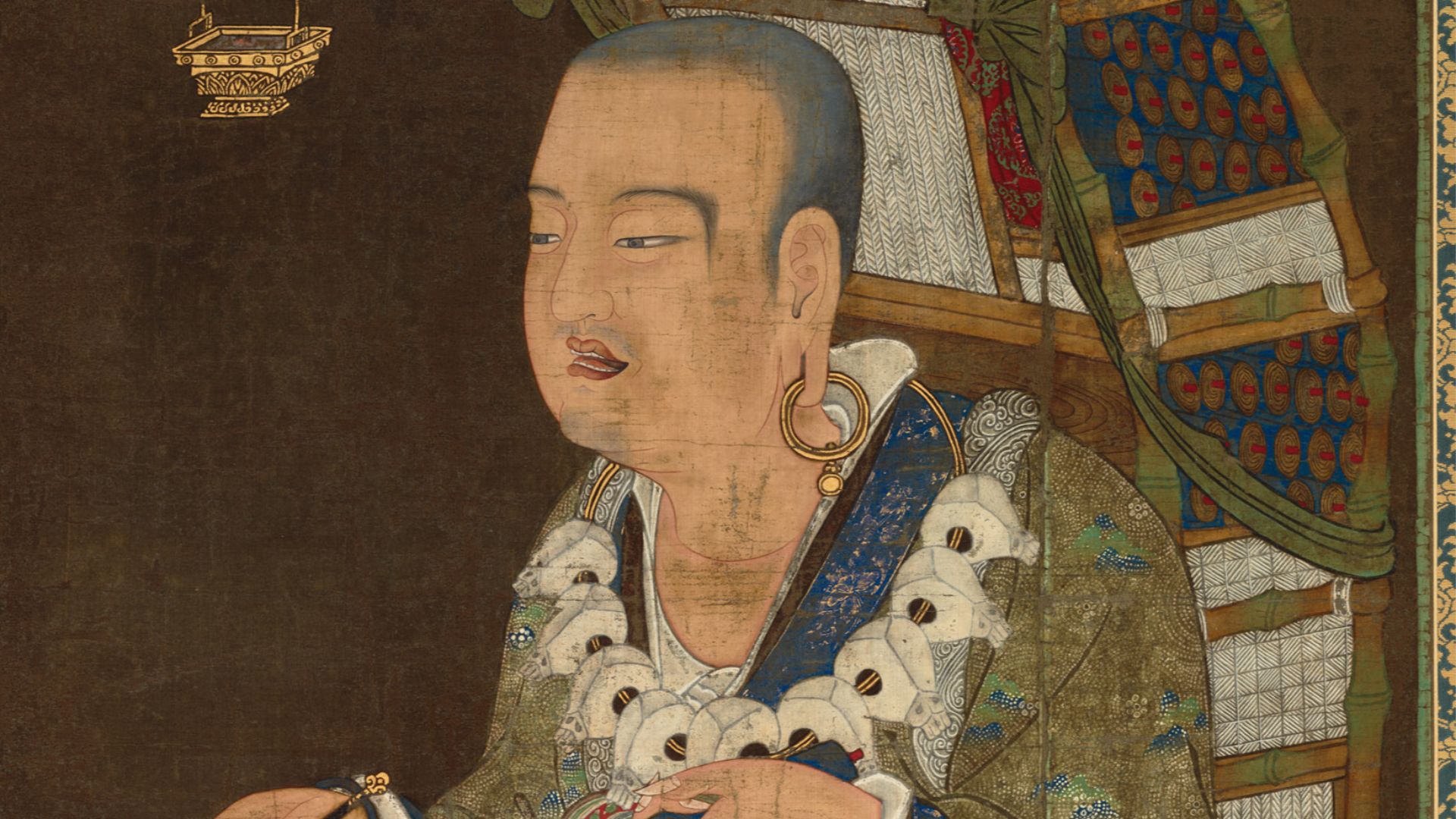
4. Xuanzang
Xuanzang, a Chinese Buddhist monk, traveled from China to India in the 7th century in search of sacred texts. His journey took him across deserts, mountains, and dangerous political borders at a time when travel was anything but casual. He returned with Buddhist scriptures and knowledge that shaped religious and cultural history in East Asia. It was scholarship with blisters.
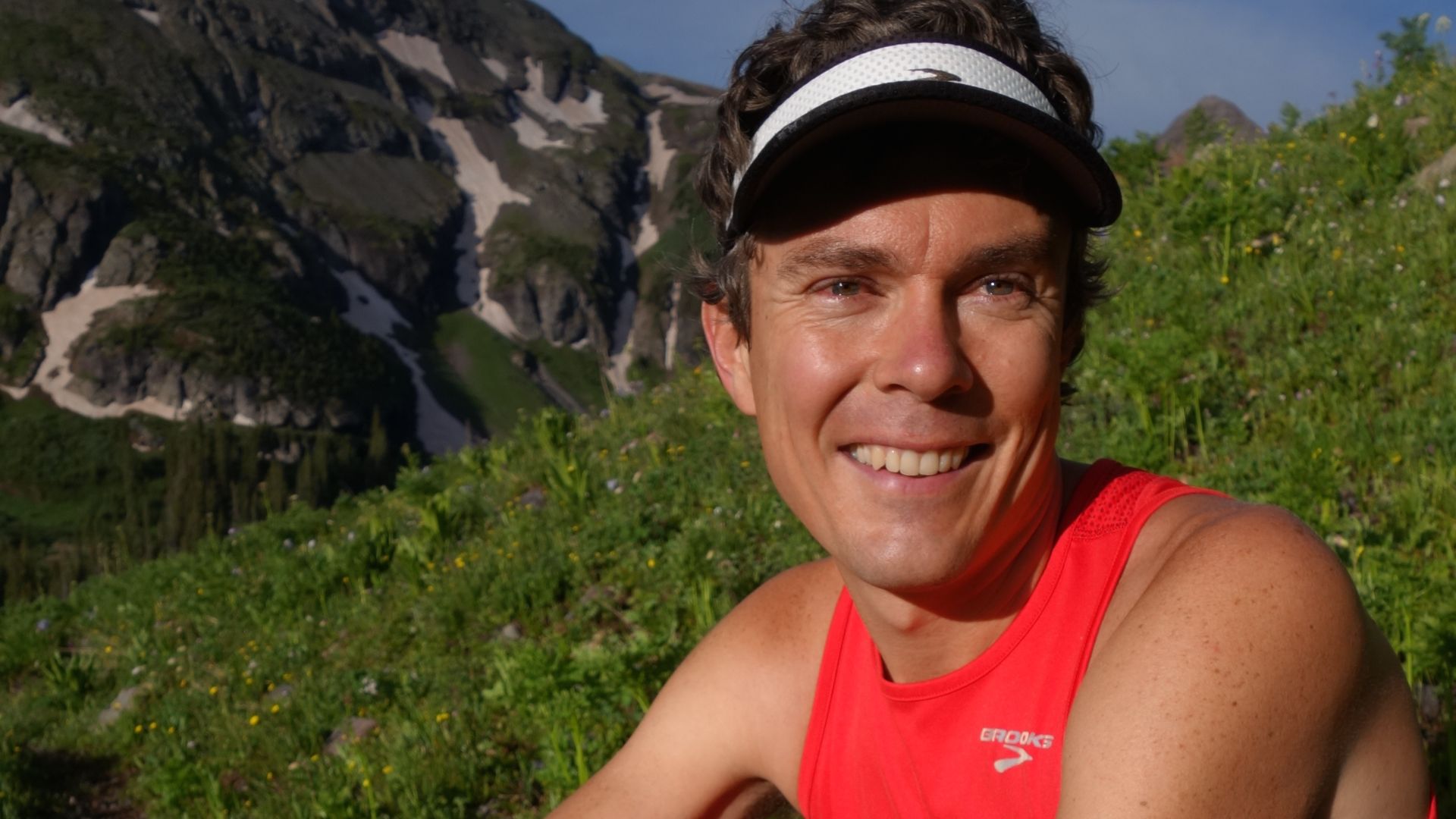
5. Scott Jurek
Scott Jurek became one of ultrarunning’s best-known figures through victories in some of the sport’s toughest races. He won the Western States 100 multiple times and later set a speed record on the Appalachian Trail, covering thousands of miles on foot.
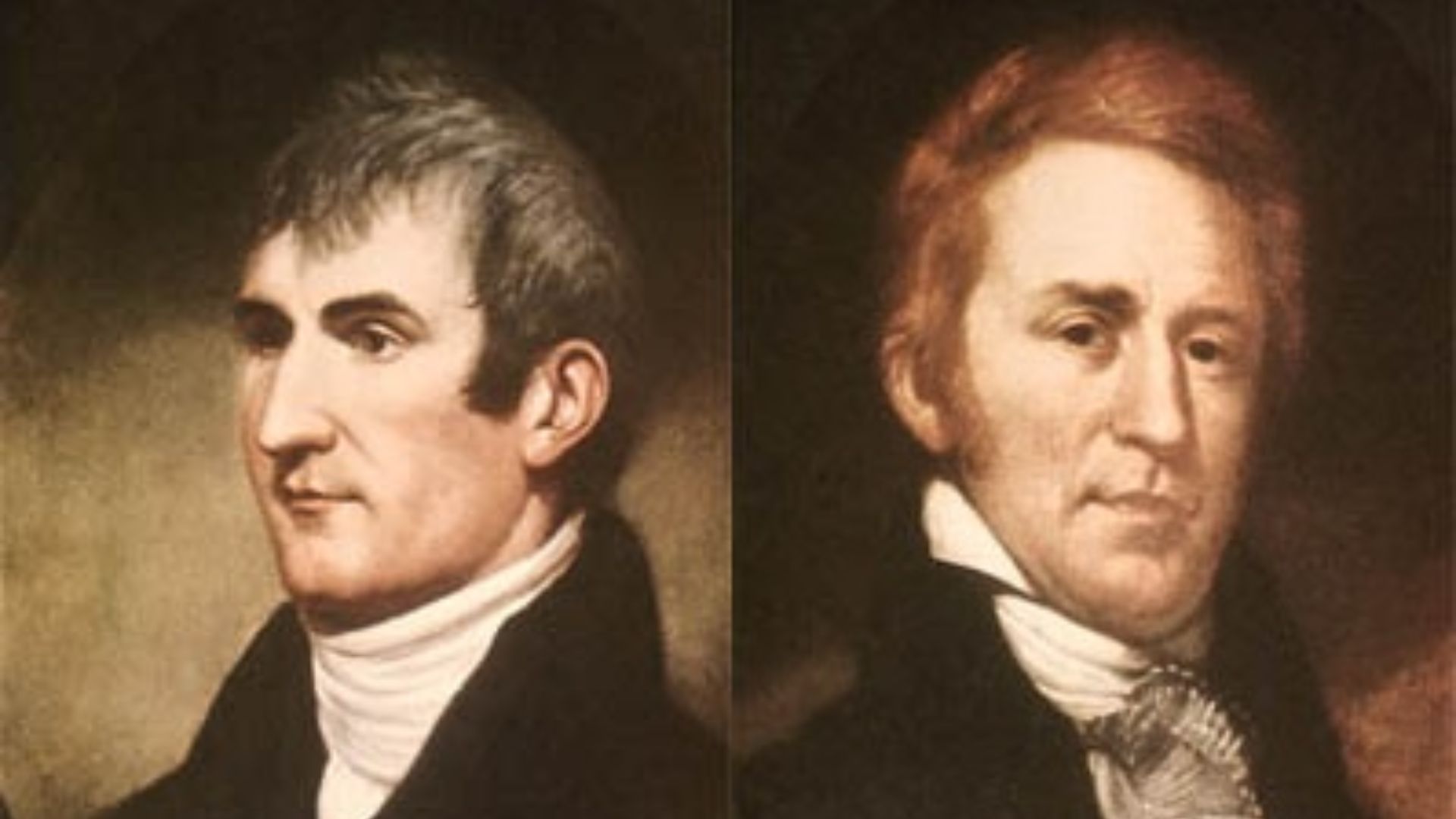
6. Lewis & Clark
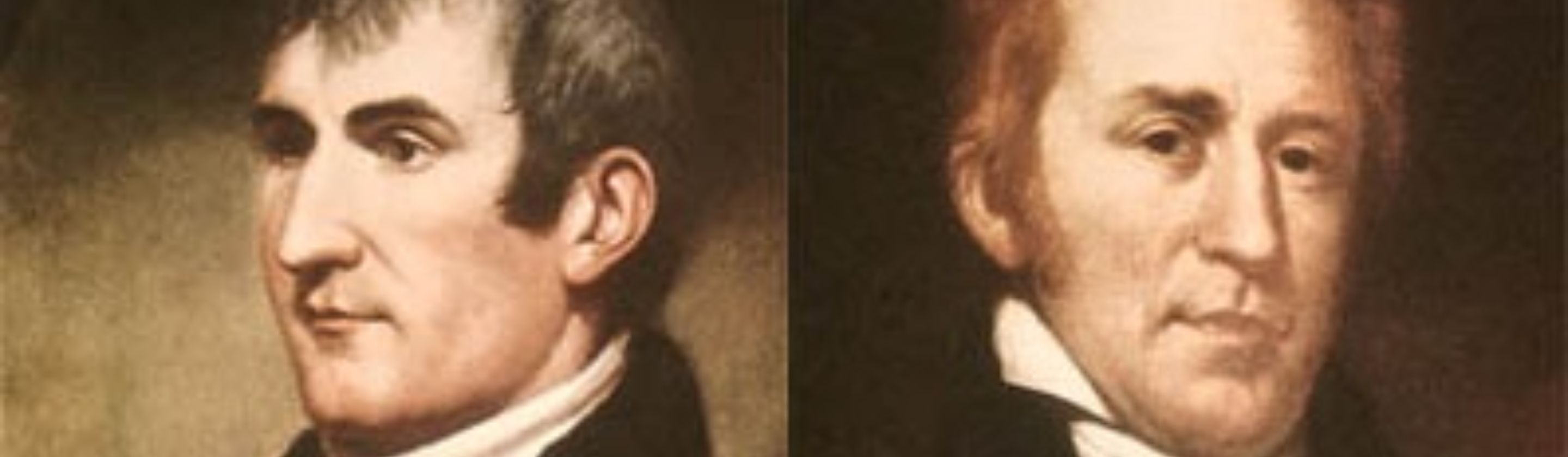
Meriwether Lewis and William Clark led one of the most famous expeditions in American history. From 1804 to 1806, their Corps of Discovery crossed rivers, plains, mountains, and unfamiliar terrain while mapping routes to the Pacific. They used boats and horses along the way, but many stretches required hard travel on foot.
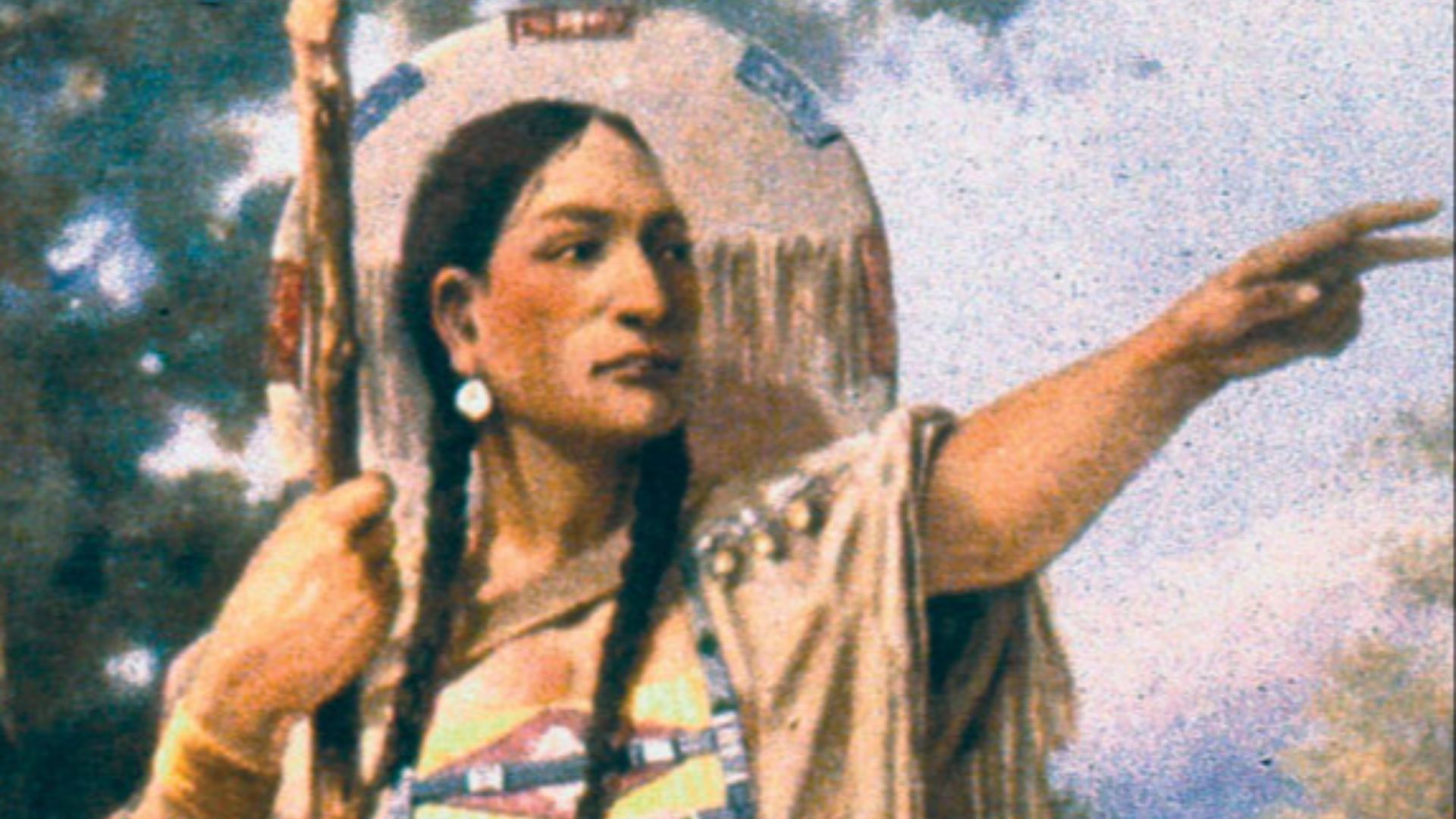
7. Sacagawea
Sacagawea’s role in the Lewis and Clark expedition meant traveling through demanding landscapes while helping guide, translate, and support the group. She made the journey while carrying and caring for her infant son, which adds a whole other level of difficulty. Her presence helped the expedition communicate with Indigenous communities and move through unfamiliar territory.
 Edgar Samuel Paxson on Wikimedia
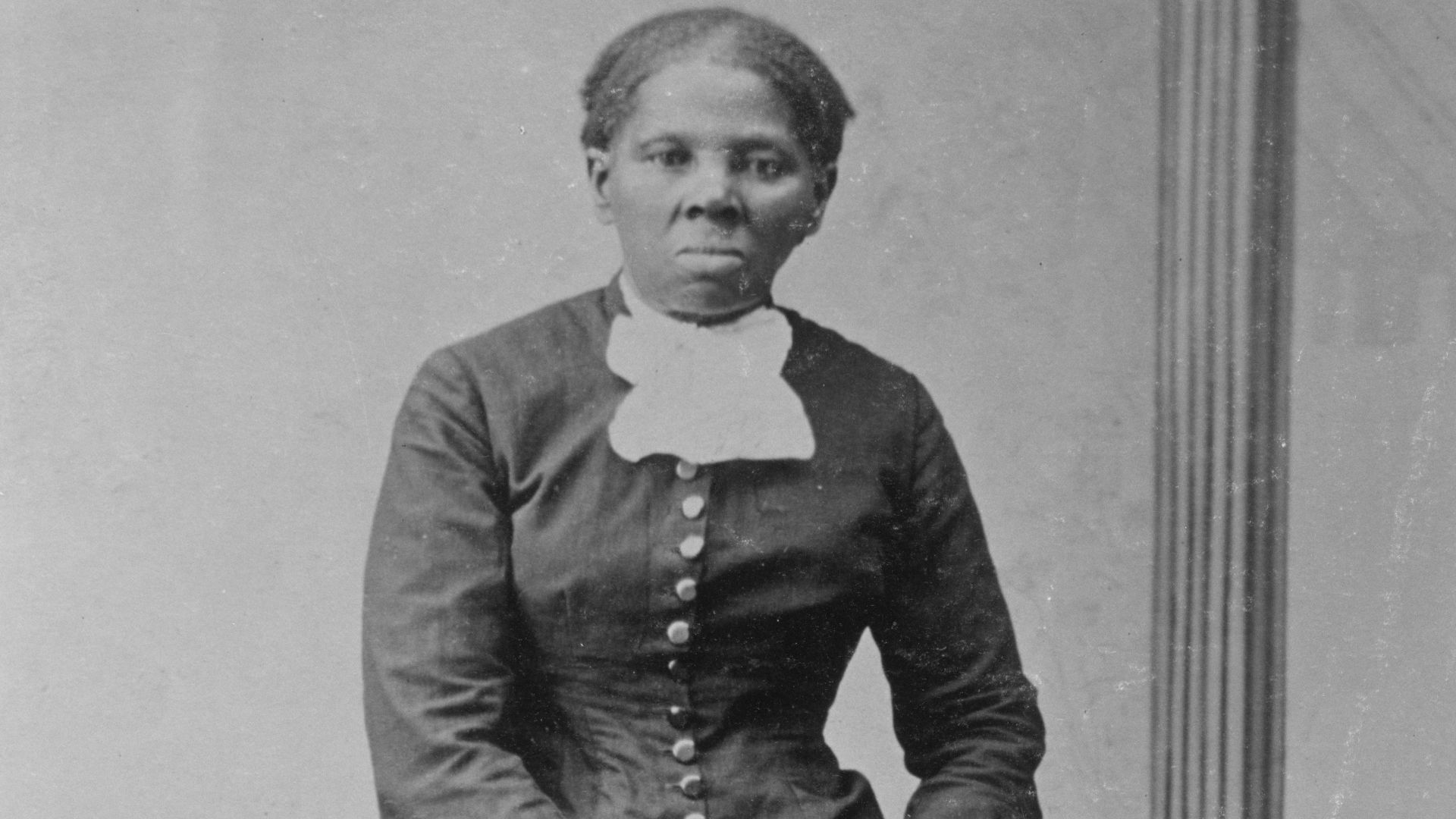
8. Harriet Tubman
Harriet Tubman made repeated dangerous journeys to help enslaved people escape through the Underground Railroad. These trips required secrecy, courage, night travel, and long distances through woods, fields, towns, and hostile territory. She wasn’t walking for adventure or fame, but because lives depended on it.
 Library of Congress on Unsplash
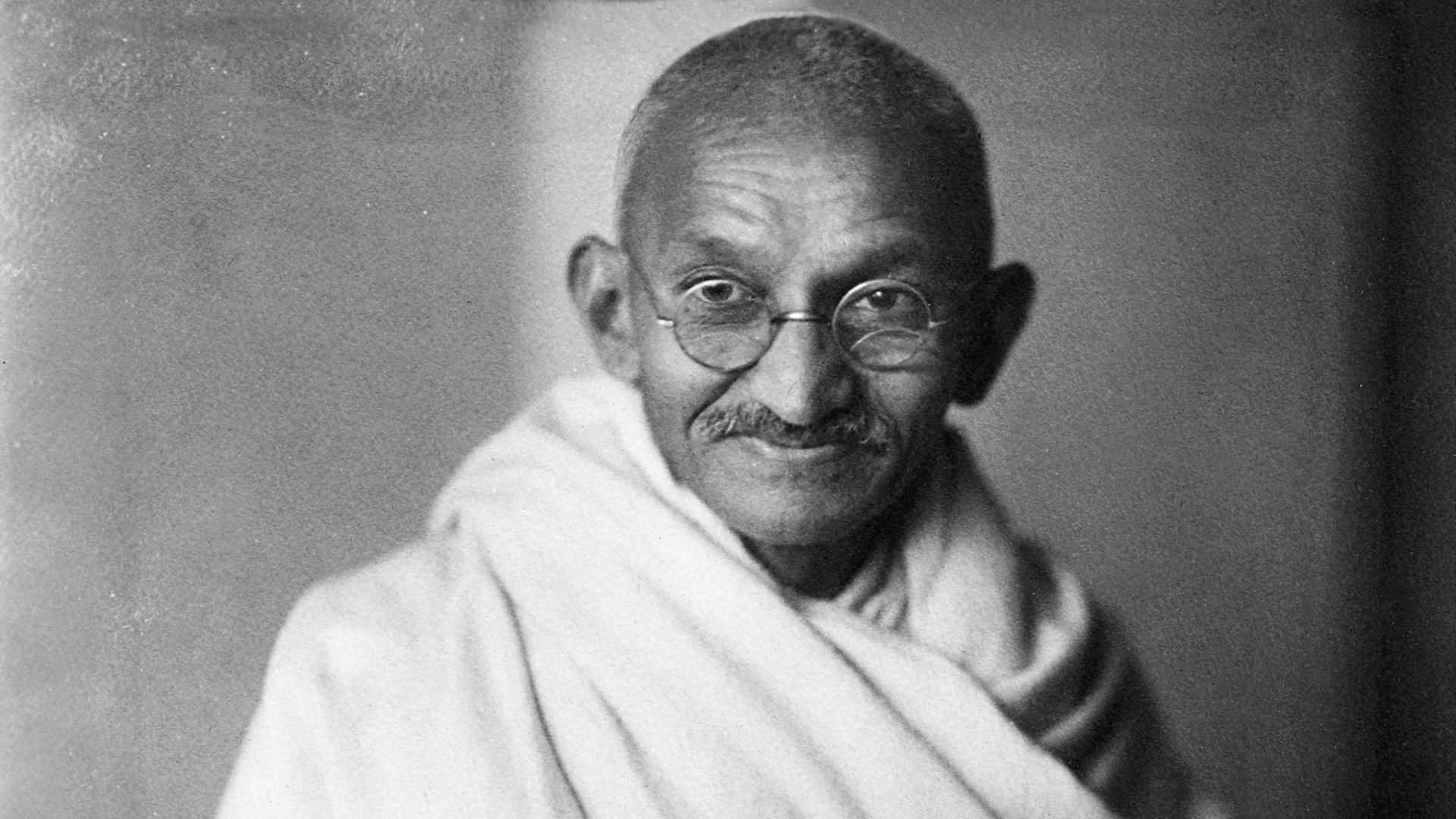
9. Mahatma Gandhi
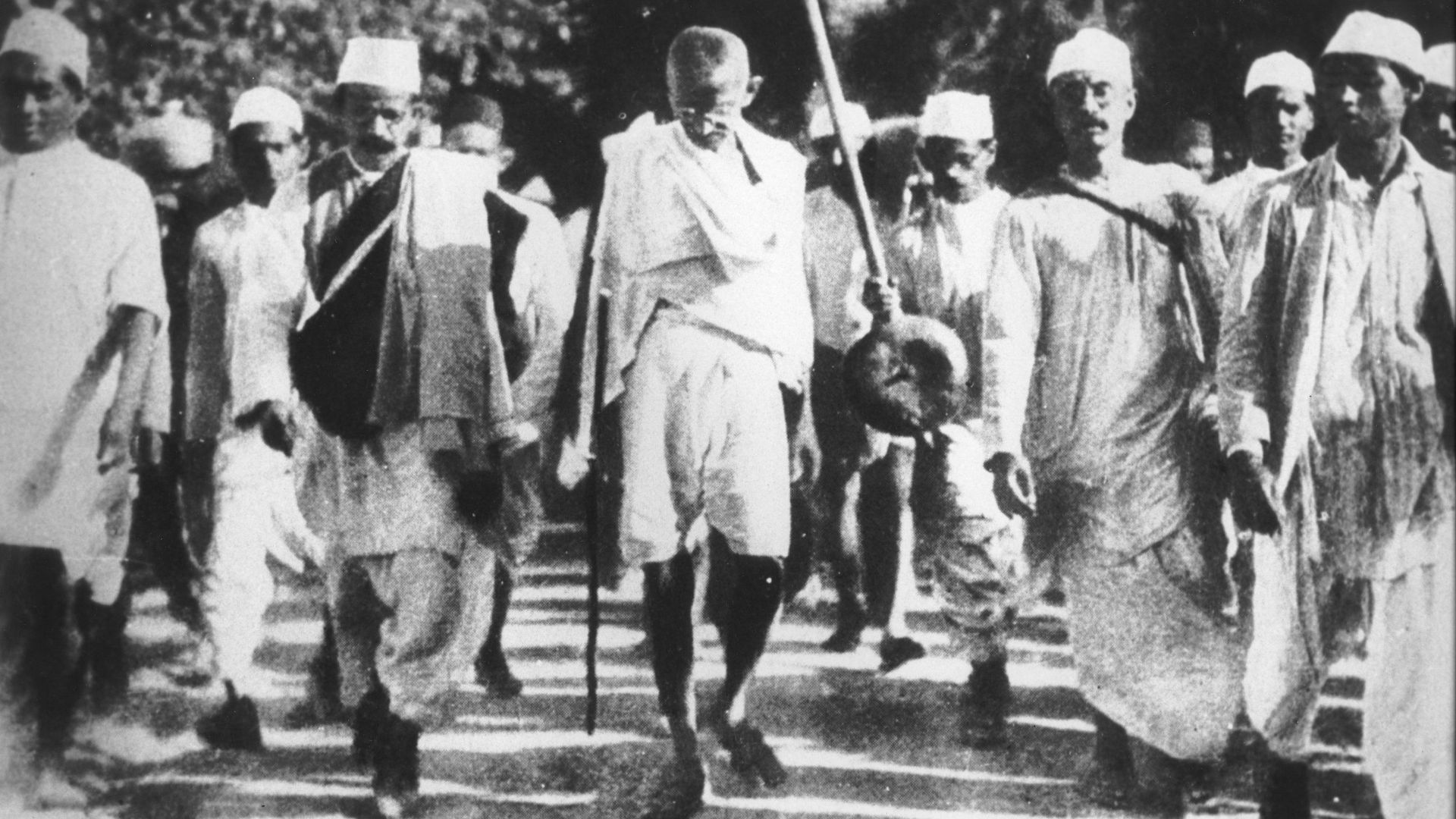
Mahatma Gandhi turned walking into political action. His 1930 Salt March covered roughly 240 miles and became one of the most famous protests against British rule in India. The march was symbolic, strategic, and physically demanding, drawing national and international attention. Gandhi proved that walking slowly and deliberately could still shake an empire.
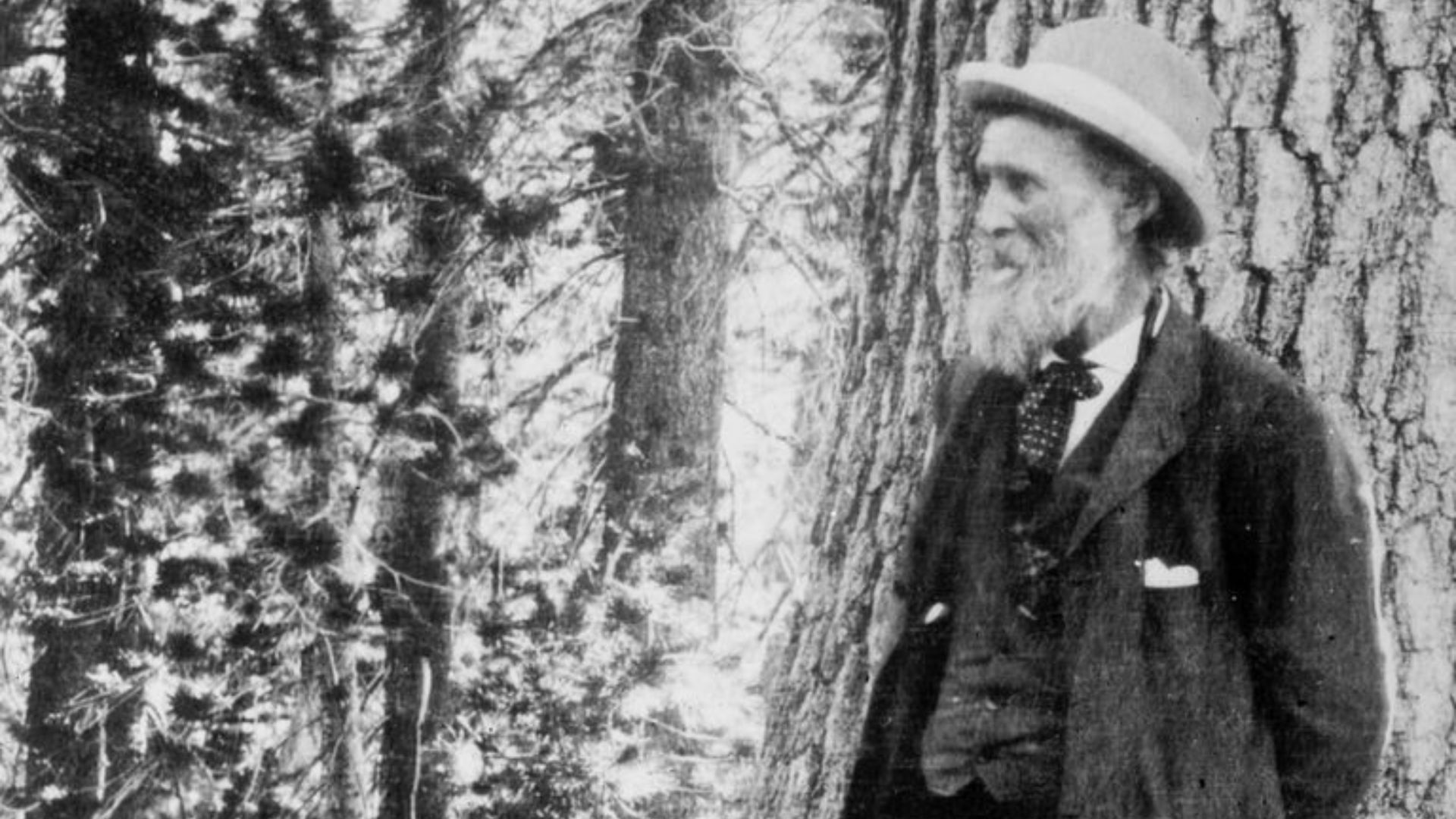
10. John Muir
John Muir spent years walking through wild landscapes, especially in the American West. His travels through the Sierra Nevada helped shape his writing, environmental philosophy, and campaign to protect wilderness areas. He often explored on foot, studying plants, glaciers, mountains, and forests with intense curiosity.
 Library of Congress on Wikimedia
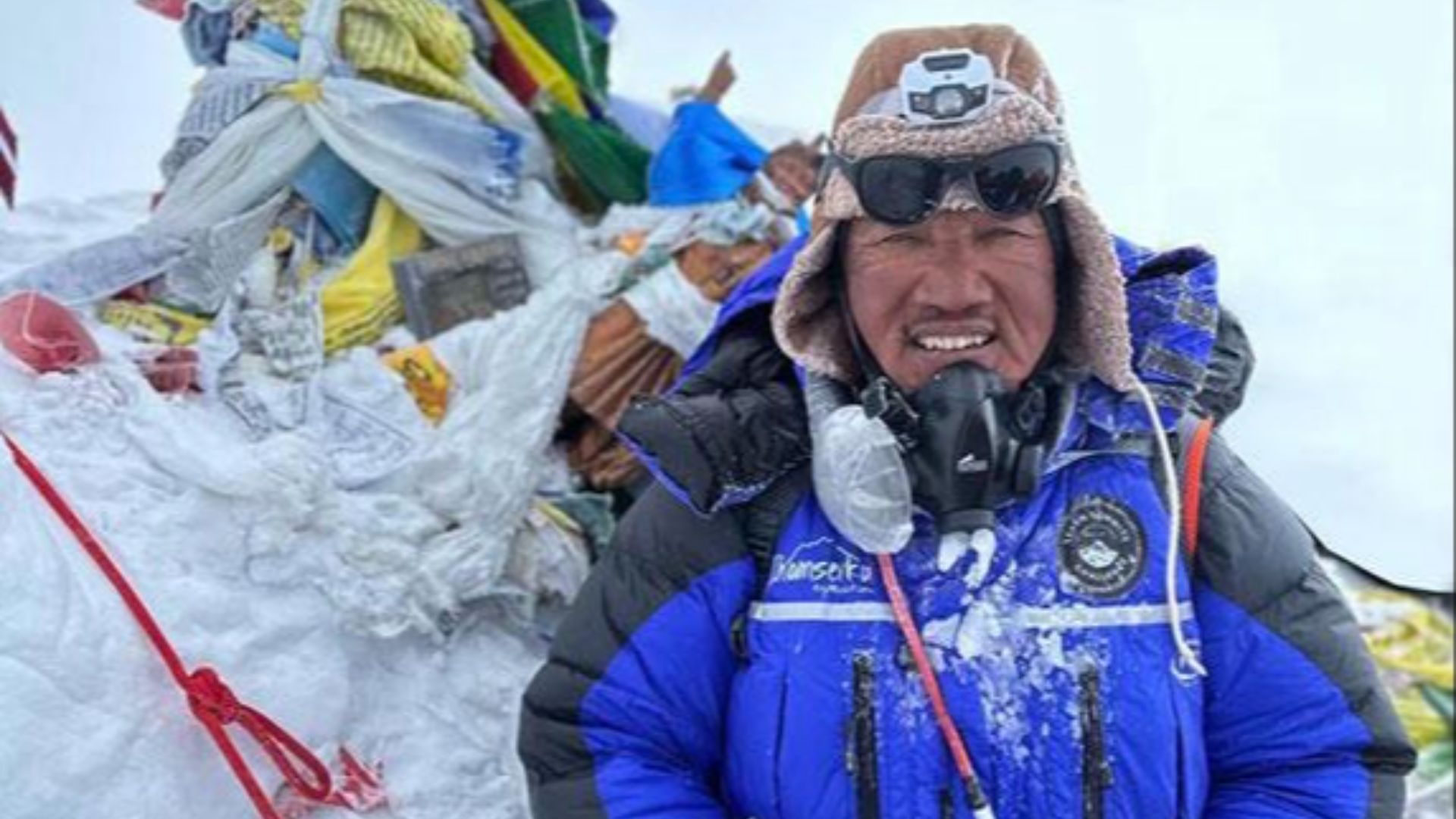
11. Lhakpa Sherpa
Lhakpa Sherpa became famous for climbing Everest more times than any other woman. Her achievements are even more remarkable because high-altitude mountaineering demands strength, patience, and repeated exposure to dangerous conditions. She has taken on climbs that would exhaust most people just reading about them.
 Lhakpa Sonam Sherpa on Wikimedia
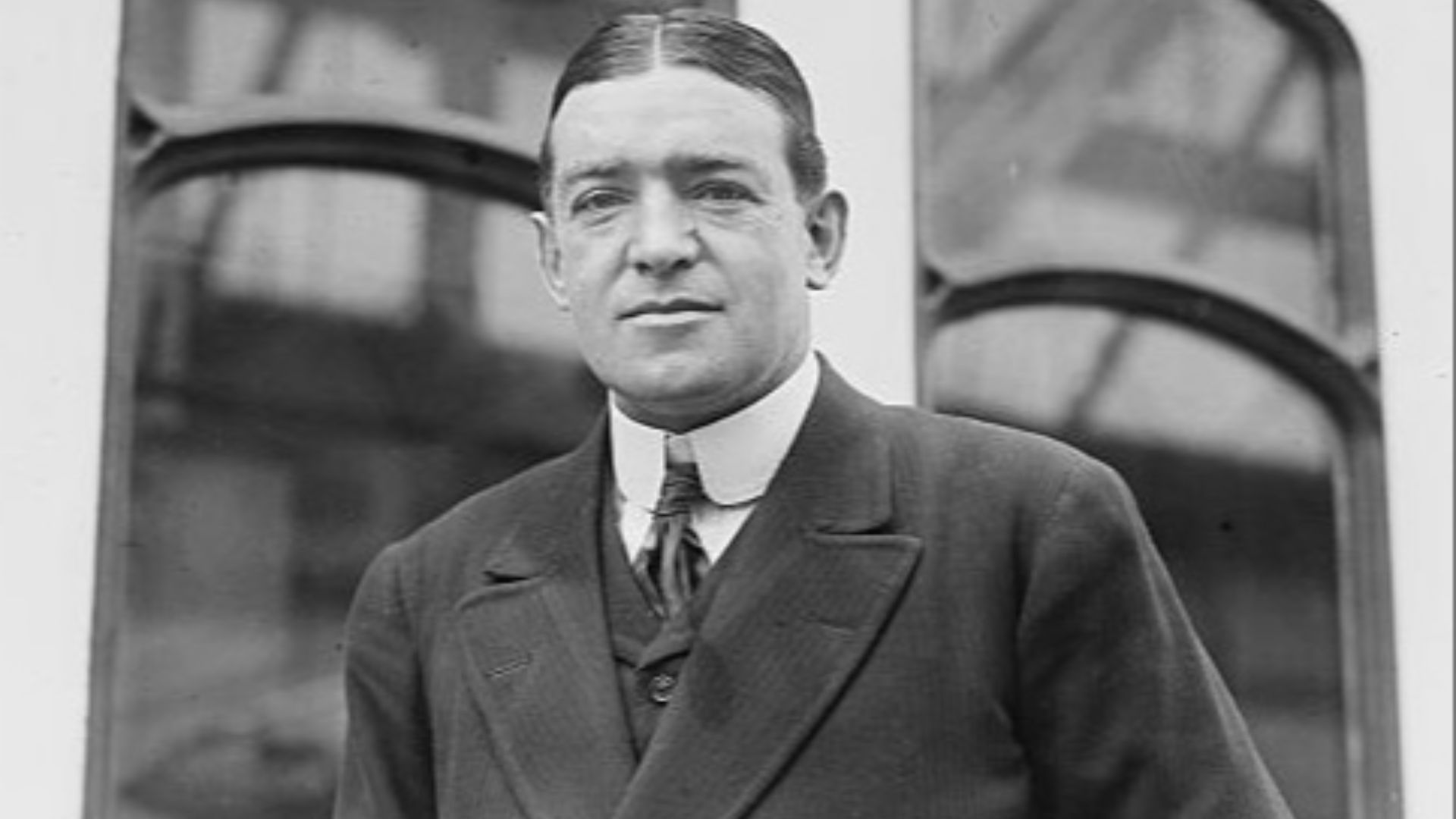
12. Ernest Shackleton
Ernest Shackleton’s Antarctic expeditions pushed human endurance into brutal territory. During the Endurance expedition, he and his crew faced ice, freezing weather, dangerous seas, and long treks after their ship was trapped and crushed. Shackleton’s survival story involved more than walking, but the physical hardship was enormous.
 Bain News Service, publisher on Wikimedia
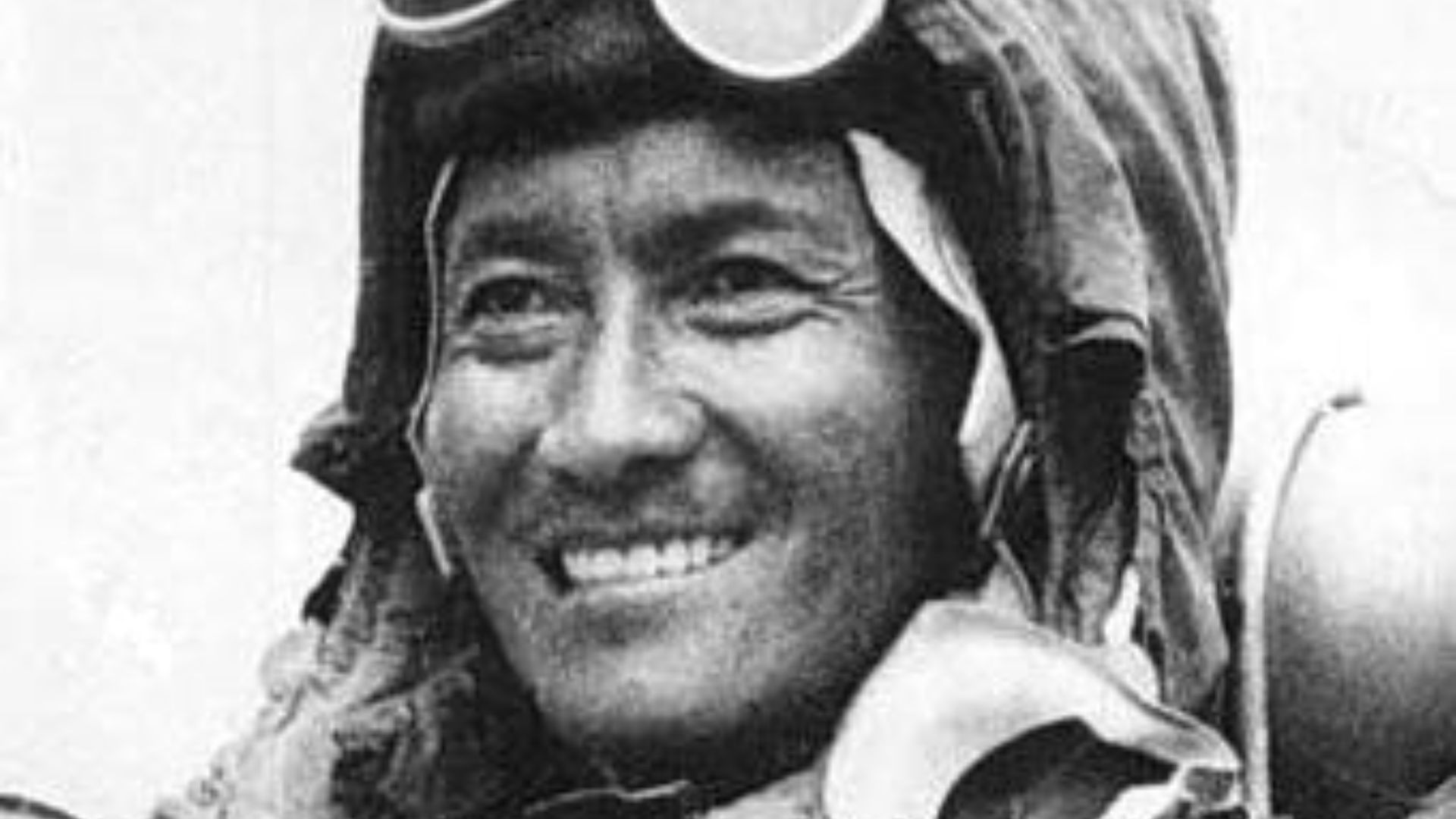
13. Tenzing Norgay
Tenzing Norgay became one of the first two people confirmed to reach the summit of Mount Everest, alongside Edmund Hillary, in 1953. As a skilled Sherpa mountaineer, he had already spent years climbing, carrying, guiding, and moving through some of the world’s hardest terrain.
 original : OeiJamling Tenzing Norgay on Wikimedia
14. Edmund Hillary
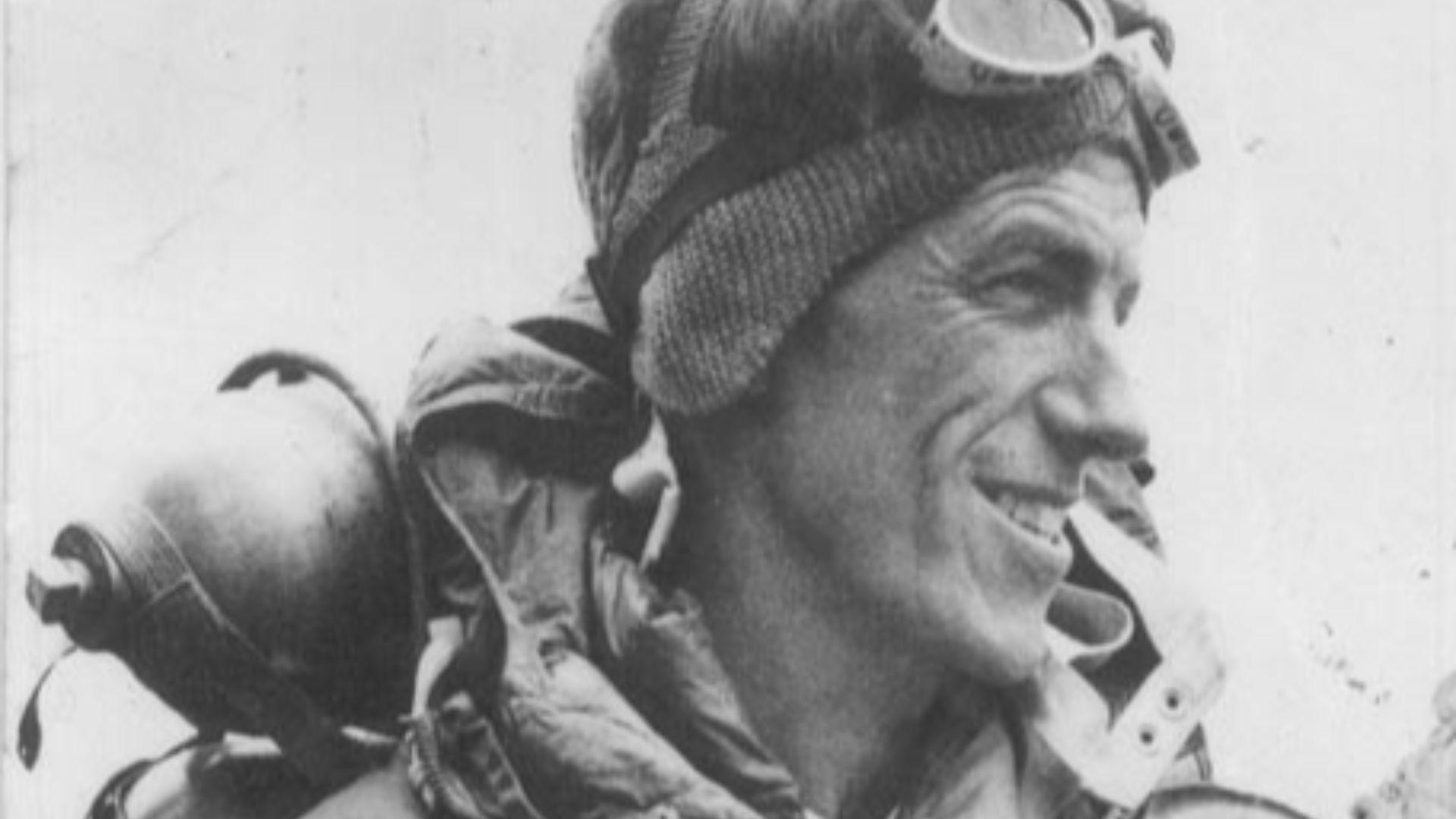
Edmund Hillary’s place in history is tied forever to Everest, but his life of adventure went far beyond one summit. He climbed, trekked, explored, and later supported projects in Nepal, especially through his work with Sherpa communities. The famous 1953 climb required stamina, patience, and step after step in thin air.
 Jamling Tenzing Norgay on Wikimedia
15. Fridtjof Nansen
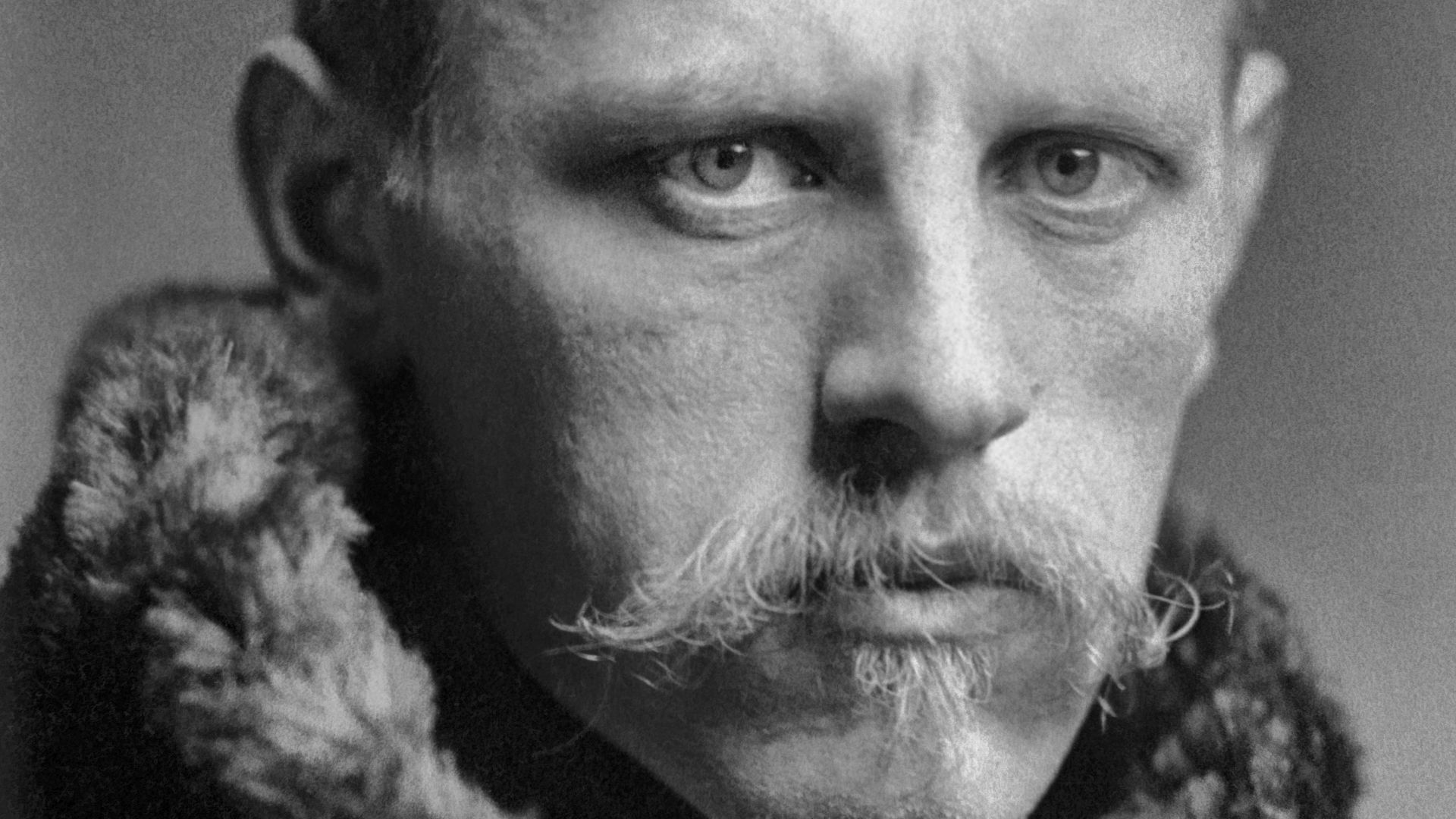
Fridtjof Nansen was a Norwegian explorer, scientist, and humanitarian who pushed Arctic exploration forward. He crossed Greenland on skis and later attempted to reach the North Pole through one of the most daring polar expeditions of his era. Much of his movement happened on skis rather than ordinary walking, but that doesn't mean those steps were any easier.
 Henry Van der Weyde on Wikimedia
16. Eliud Kipchoge
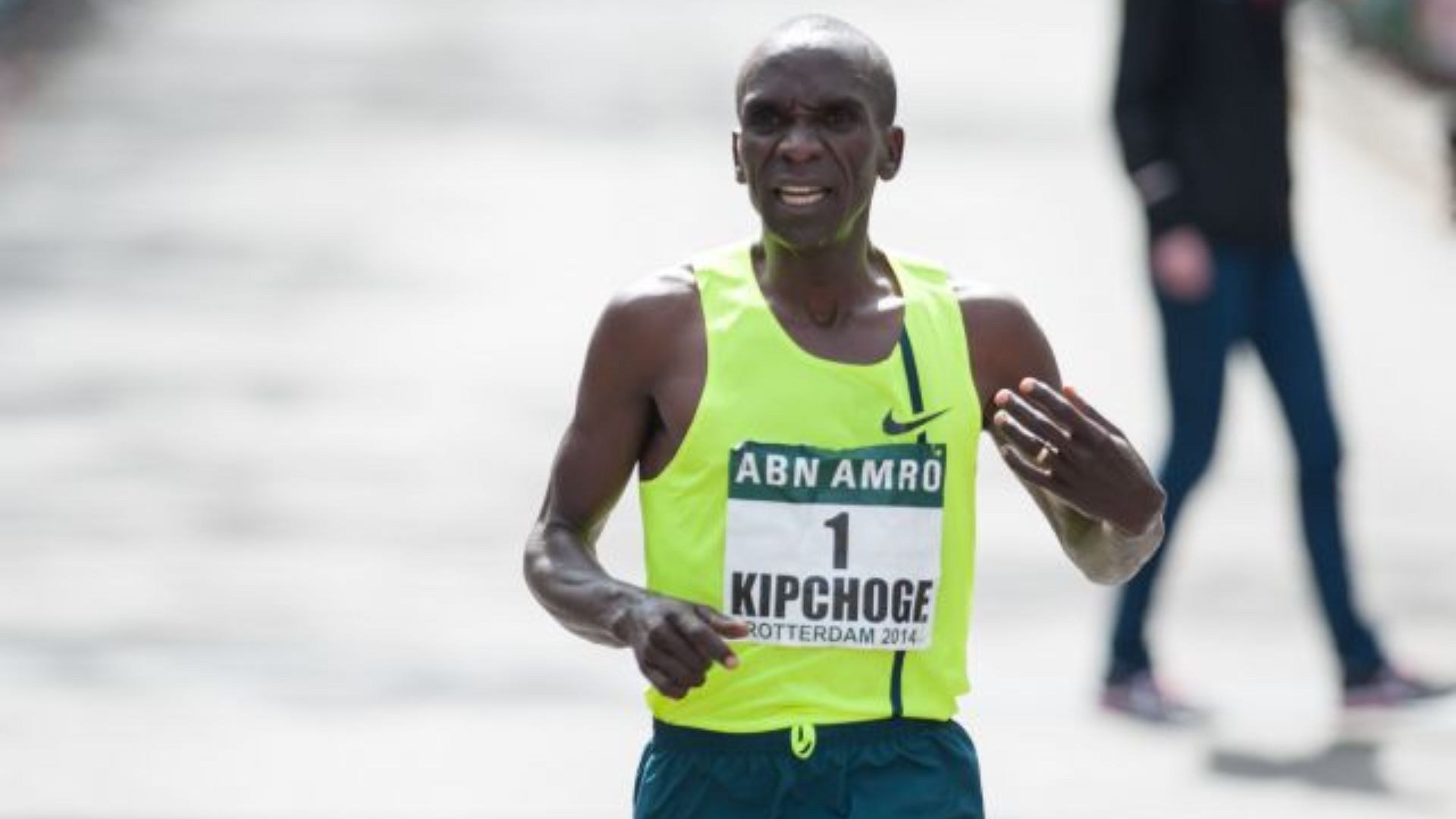
Eliud Kipchoge is one of the greatest marathon runners in history, known for his smooth, controlled style and extraordinary consistency. He won Olympic marathon gold and became the first person to run a marathon distance in under two hours in a special non-record-eligible event. His step count isn’t about wandering across continents; it’s about turning thousands of perfectly disciplined strides into history.
17. Mary Kingsley
Mary Kingsley traveled through parts of West and Central Africa in the late 19th century, often in conditions that would scare off less determined explorers. She studied local cultures, natural history, and trade routes while moving through forests, rivers, and challenging landscapes. She didn’t just step outside her comfort zone; she kept walking until the comfort zone was nowhere in sight.
18. David Livingstone
David Livingstone spent years traveling through Africa as a missionary, explorer, and anti-slavery advocate. His expeditions covered vast distances, often through difficult terrain and under harsh conditions. His legacy is complicated by the broader context of European exploration and colonial history, but his physical endurance was undeniable.
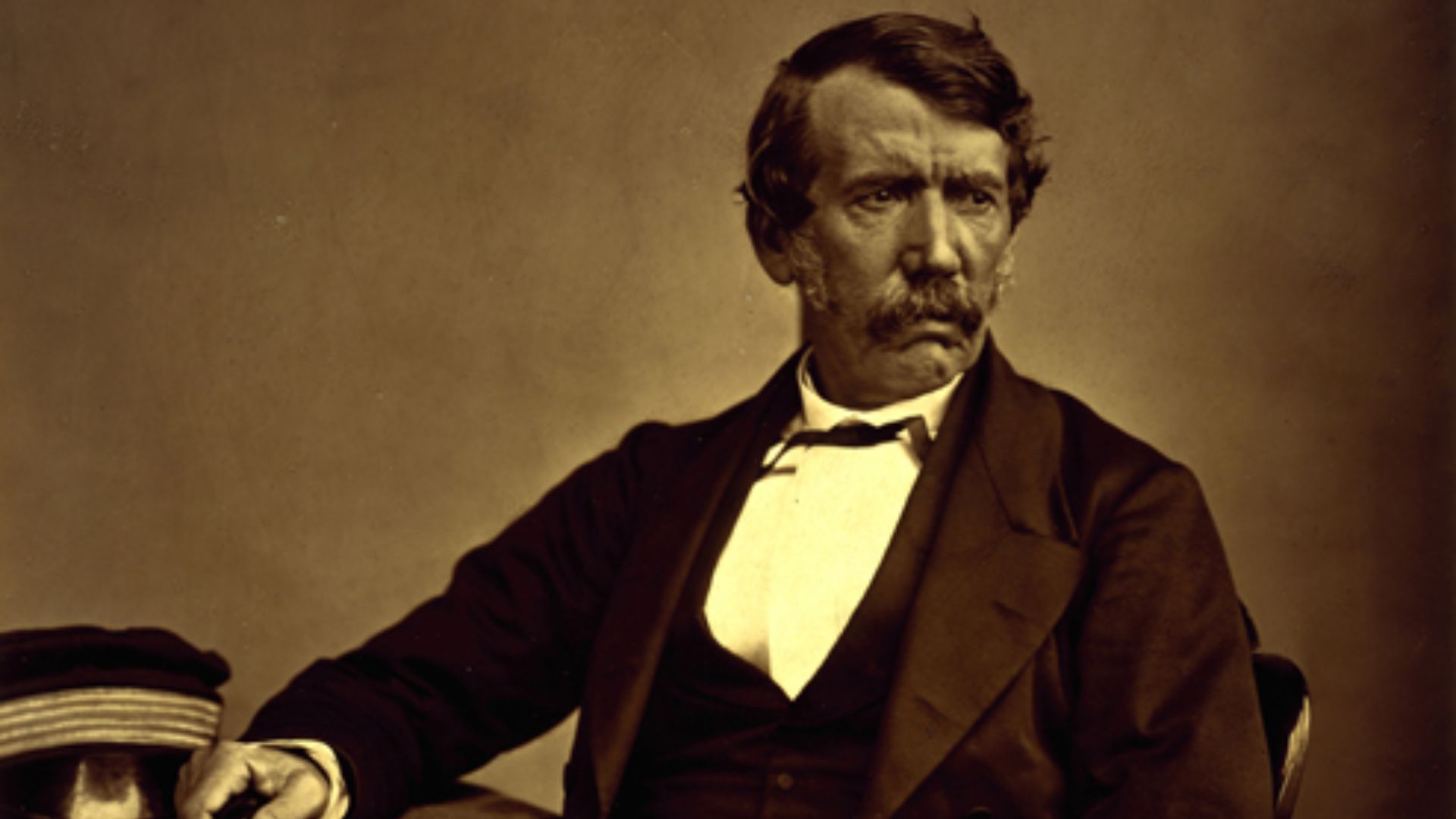 National Galleries of Scotland on Wikimedia
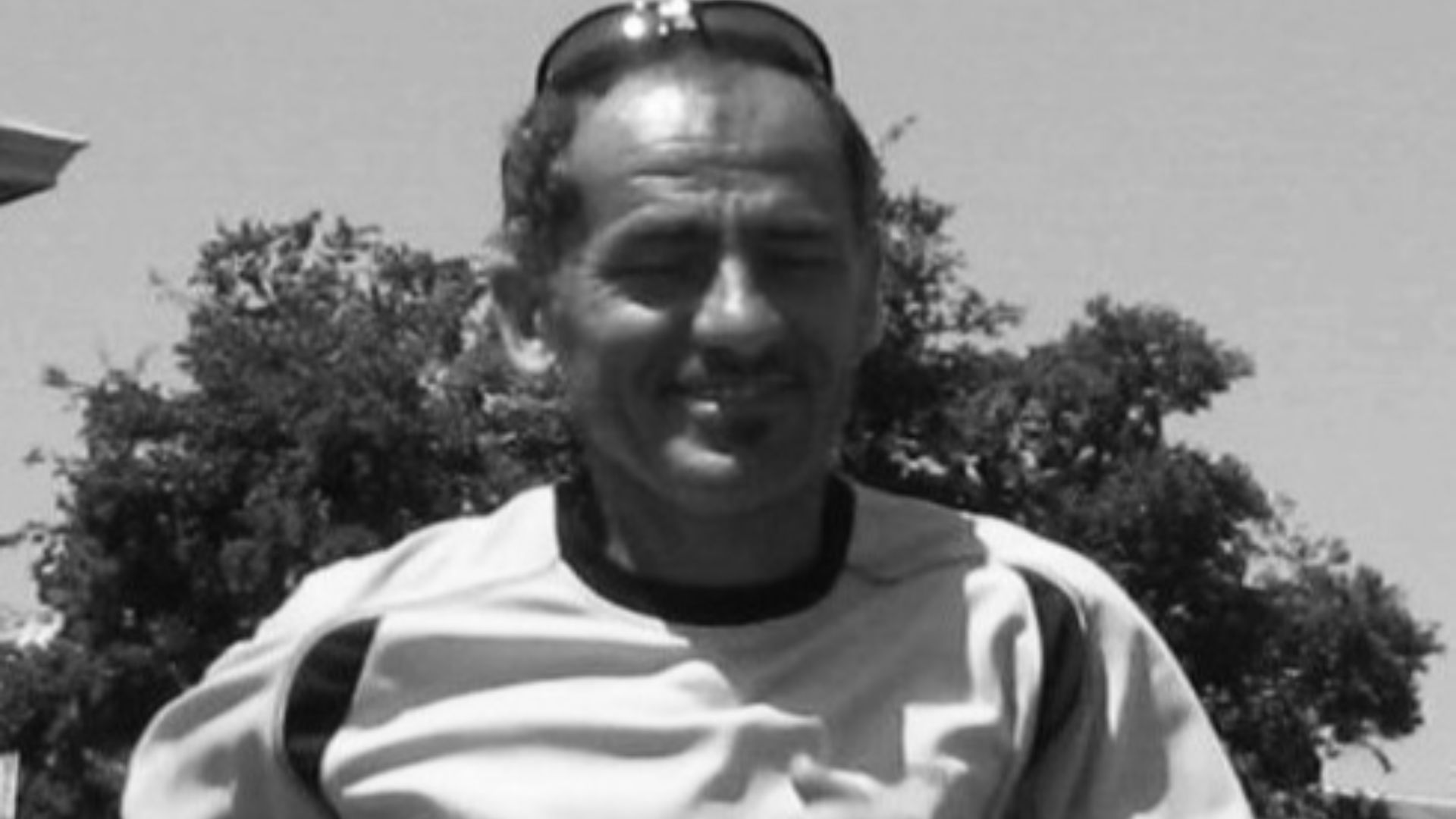
19. Yiannis Kouros
Yiannis Kouros is one of the most legendary ultramarathon runners ever, known for performances that sound unreasonable to normal people. He dominated extreme-distance races and set records across events that stretch far beyond the standard marathon, which is already an extreme amount of running.
20. Fyodor Konyukhov
Fyodor Konyukhov is a modern adventurer whose expeditions make ordinary travel look deeply unambitious. He has crossed oceans, climbed major peaks, trekked through polar regions, and completed demanding journeys across some of the planet’s toughest environments. He's climbed Everest twice, was the first person to row across the South Pacific, and set the world record for the fastest time circumnavigating the globe in a balloon, solo.
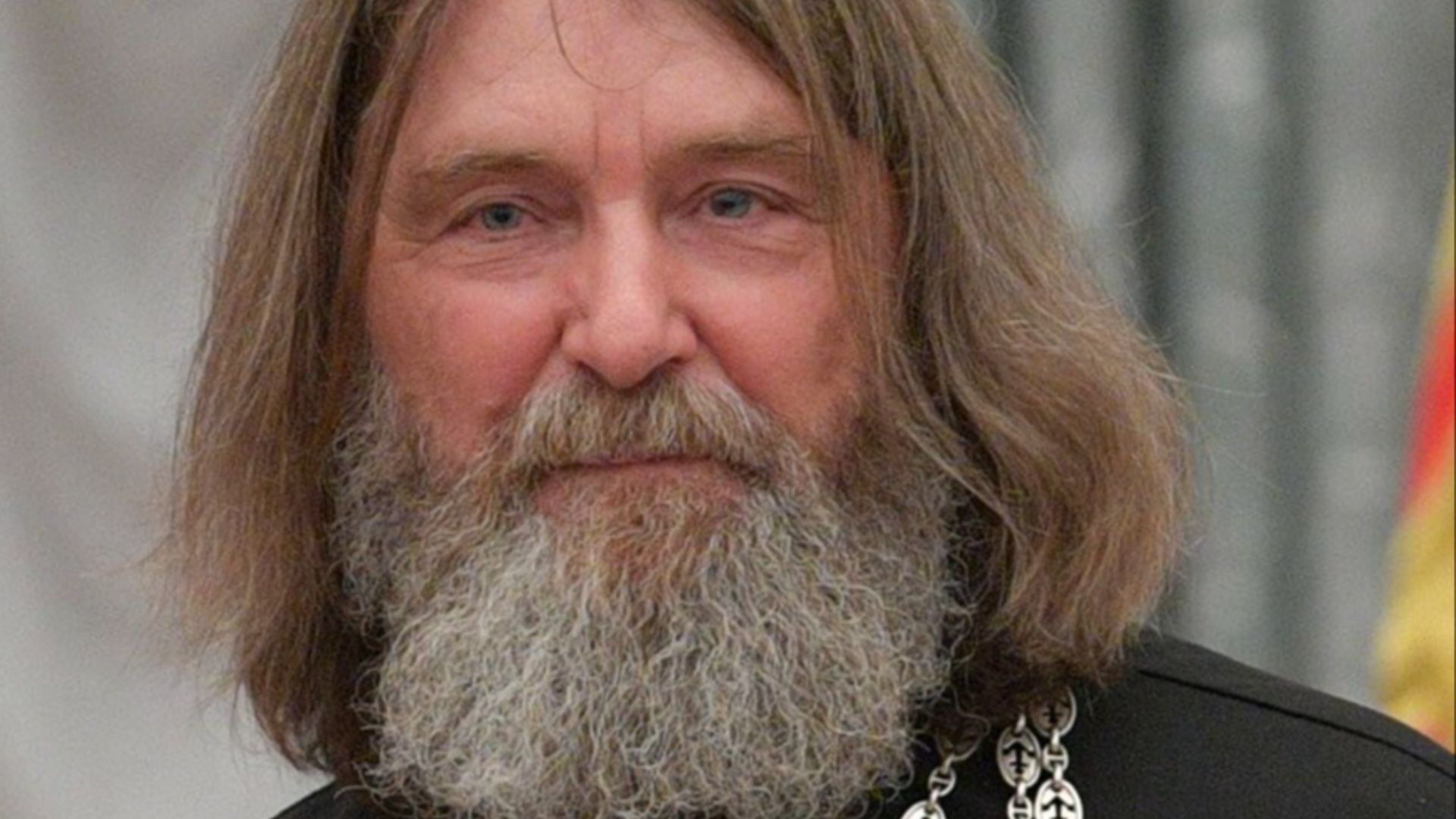 Press-office of the President of the Russian Federation on Wikimedia
KEEP ON READING