The Crown Had Secrets, And The Servants Were Usually Standing Close Enough To Hear Them
Royal households were built to look polished. The public saw crowns, portraits, ceremonies, fine clothes, and people walking through grand rooms as if everything was perfectly under control. Servants saw a different side of royal life. They handled the clothes, meals, letters, doors, nurseries, private rooms, and daily routines that kept the whole court moving. They didn’t always have official power, but they were often close enough to notice what others missed. These are 20 royal households where servants knew far more than the palace walls let on.

1. Henry VIII’s Household at Hampton Court
Henry VIII’s household wasn’t a quiet home with a few people helping out. It was a huge court filled with officers, attendants, cooks, grooms, pages, clerks, and servants. The people closest to him saw his health, temper, favorites, and changing moods before the public version of the king appeared.
 Unknown authorUnknown author on Wikimedia
2. Elizabeth I’s Female Household
Elizabeth I’s female attendants helped protect one of the most carefully shaped royal images in Europe. They dressed her, guarded her privacy, and watched who was allowed near her. They also knew how much daily work it took to make a queen seem distant, brilliant, and almost untouchable.
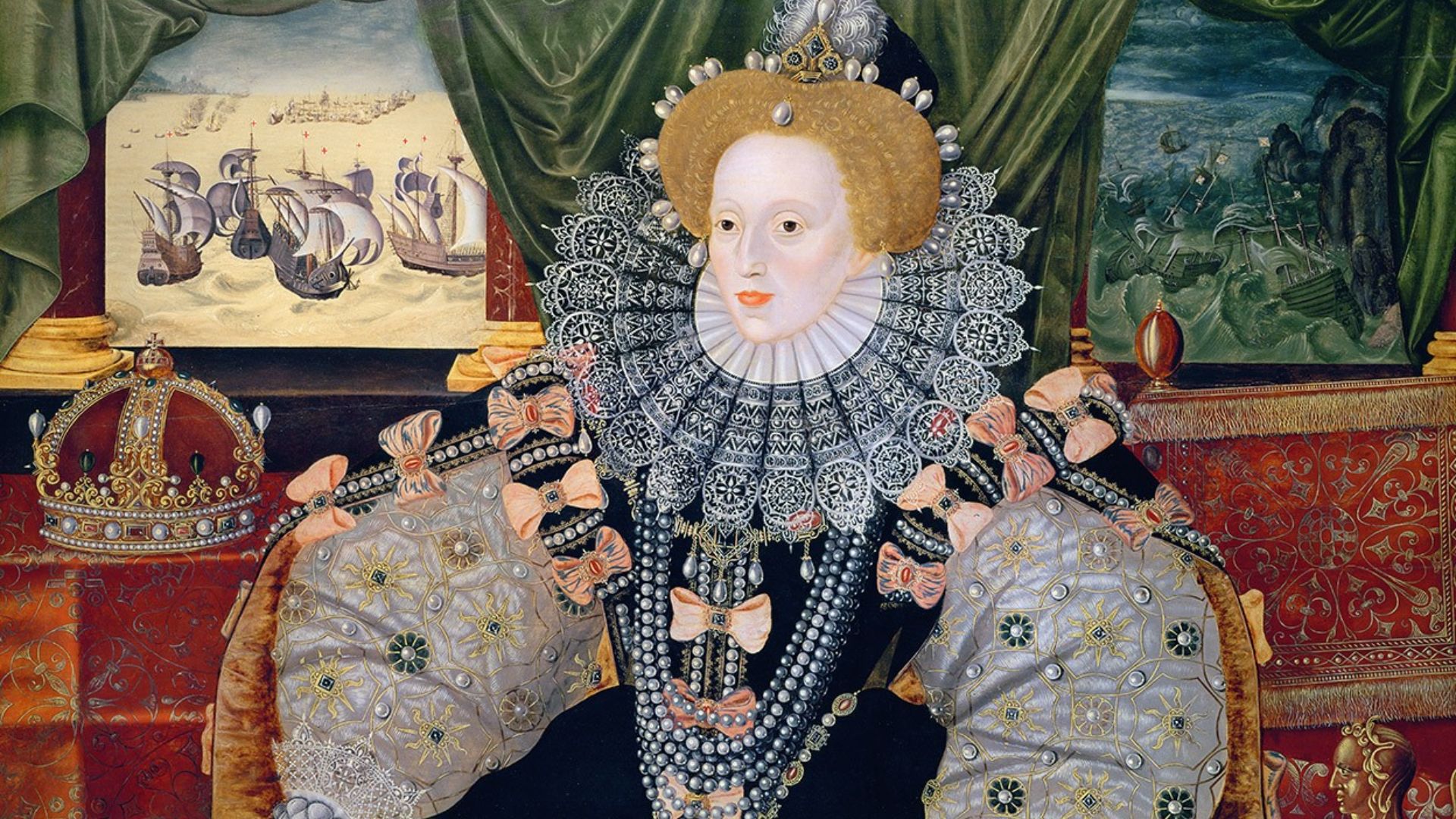 Formerly attributed to George Gower on Wikimedia
3. Charles II’s Restoration Bedchamber
Charles II’s bedchamber wasn’t just a place to sleep. It was tied to rank, favor, and who had access to the king. The servants and attendants who handled doors, clothes, meals, and messages could see which visitors stayed too long, which courtiers were rising, and which private habits might soon become court gossip.
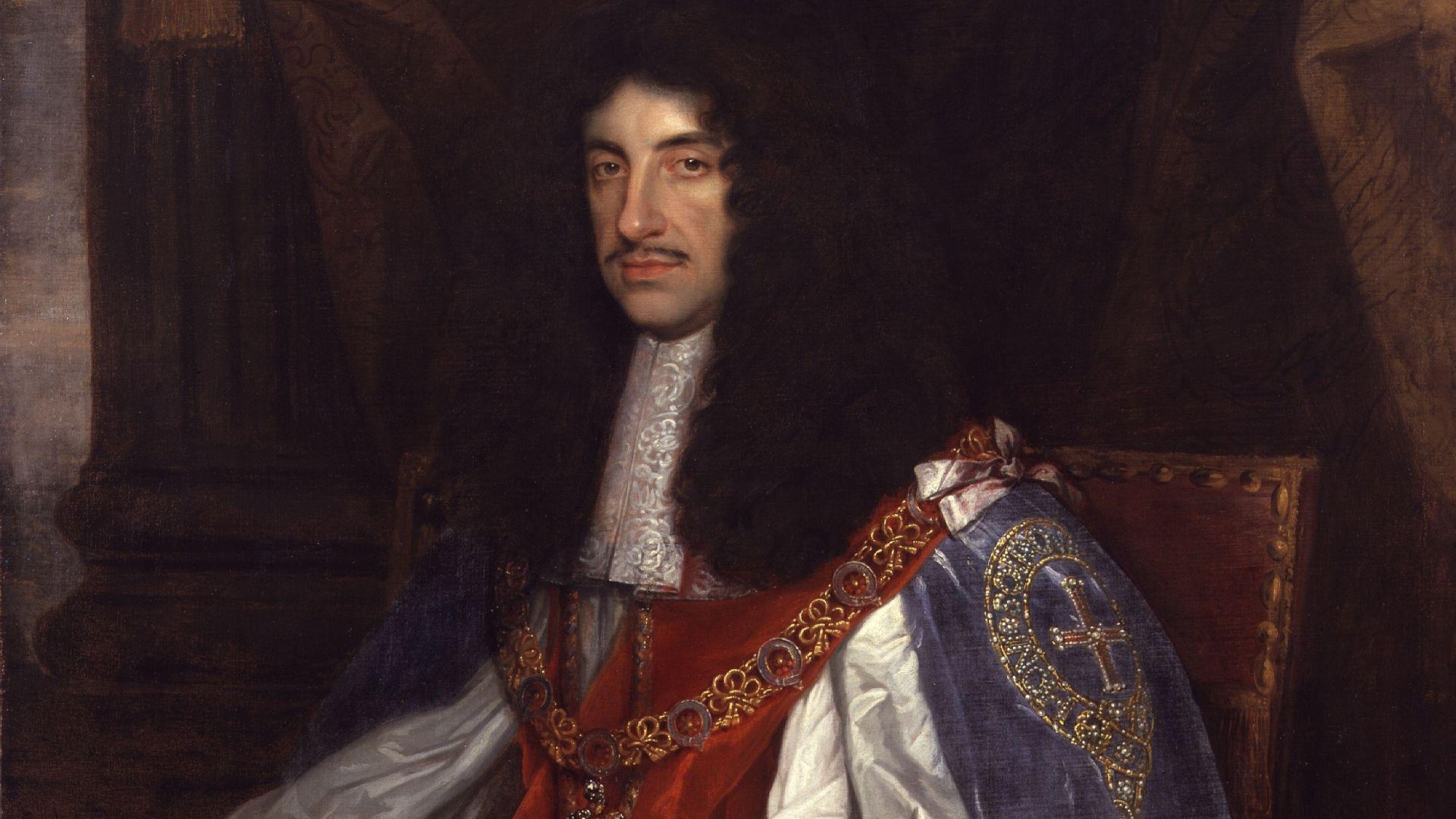 John Michael Wright on Wikimedia
4. The Georgian Household at Kensington Palace
Georgian palace life relied on porters, nurses, seamstresses, cooks, pages, laundresses, and domestic workers. These servants saw the practical side of royal life, from nursery needs and wardrobe problems to family tension behind closed doors.

5. Queen Victoria’s Household
Queen Victoria’s household shows how personal royal service could become. John Brown and Abdul Karim both moved beyond ordinary attendance and gained close access to the queen’s grief, routines, loyalties, lessons, and private conversations. Their closeness made people around the throne uneasy.
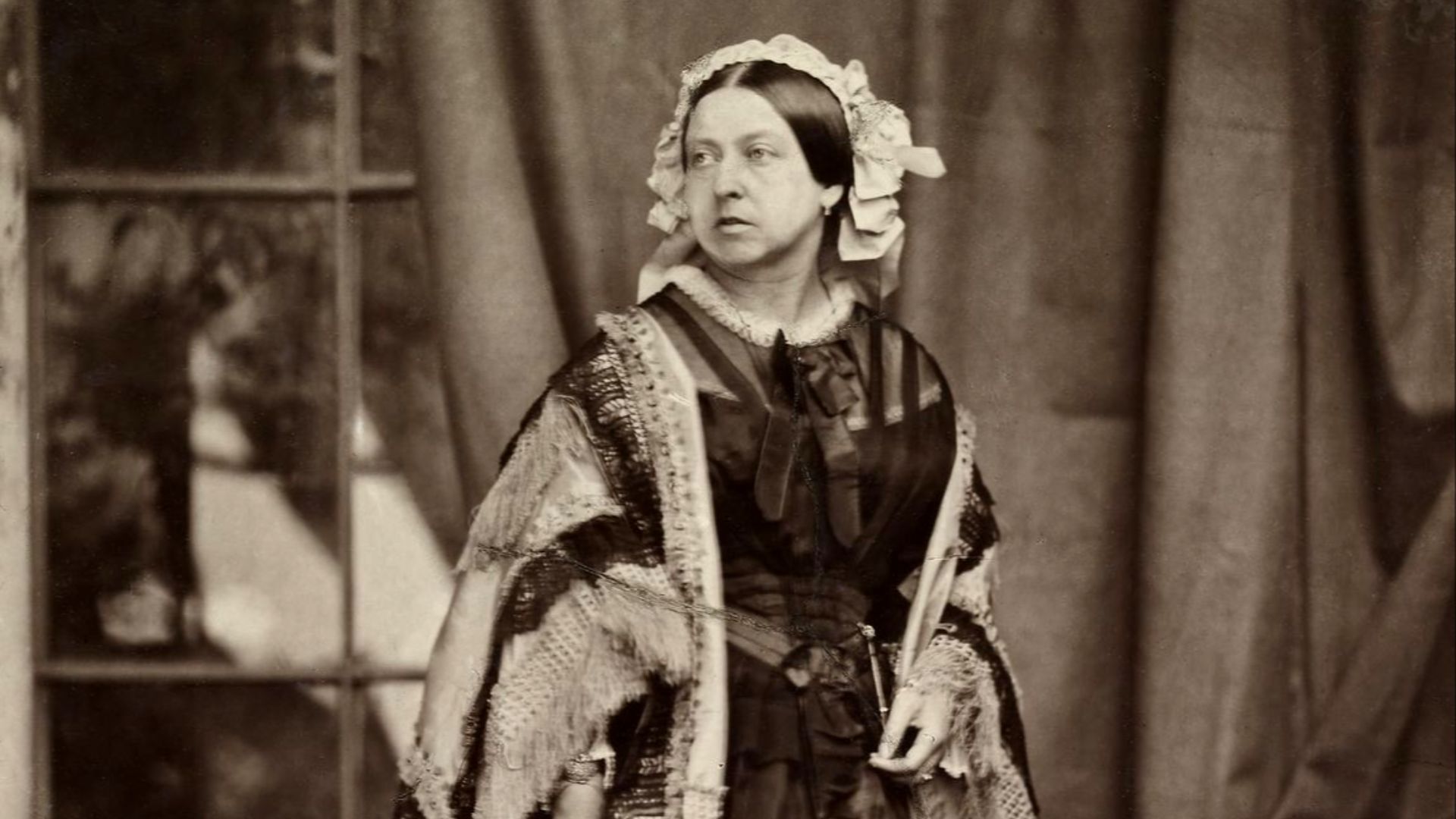 John Jabez Edwin Mayall on Wikimedia
6. Louis XIV’s Versailles
Louis XIV made ordinary daily routines part of the royal ceremony. His waking, dressing, dining, and going to bed were all arranged around rank and timing. The servants who helped with those routines knew that royal power depended on more than just grand rooms and strict manners.

7. Marie Antoinette’s Household at Versailles
Marie Antoinette’s attendants saw the queen in both public and private settings. In formal rooms, they helped her perform her royal role. In her smaller private spaces, they saw her look for quiet, friendship, motherhood, and room to breathe inside a court that watched nearly everything.
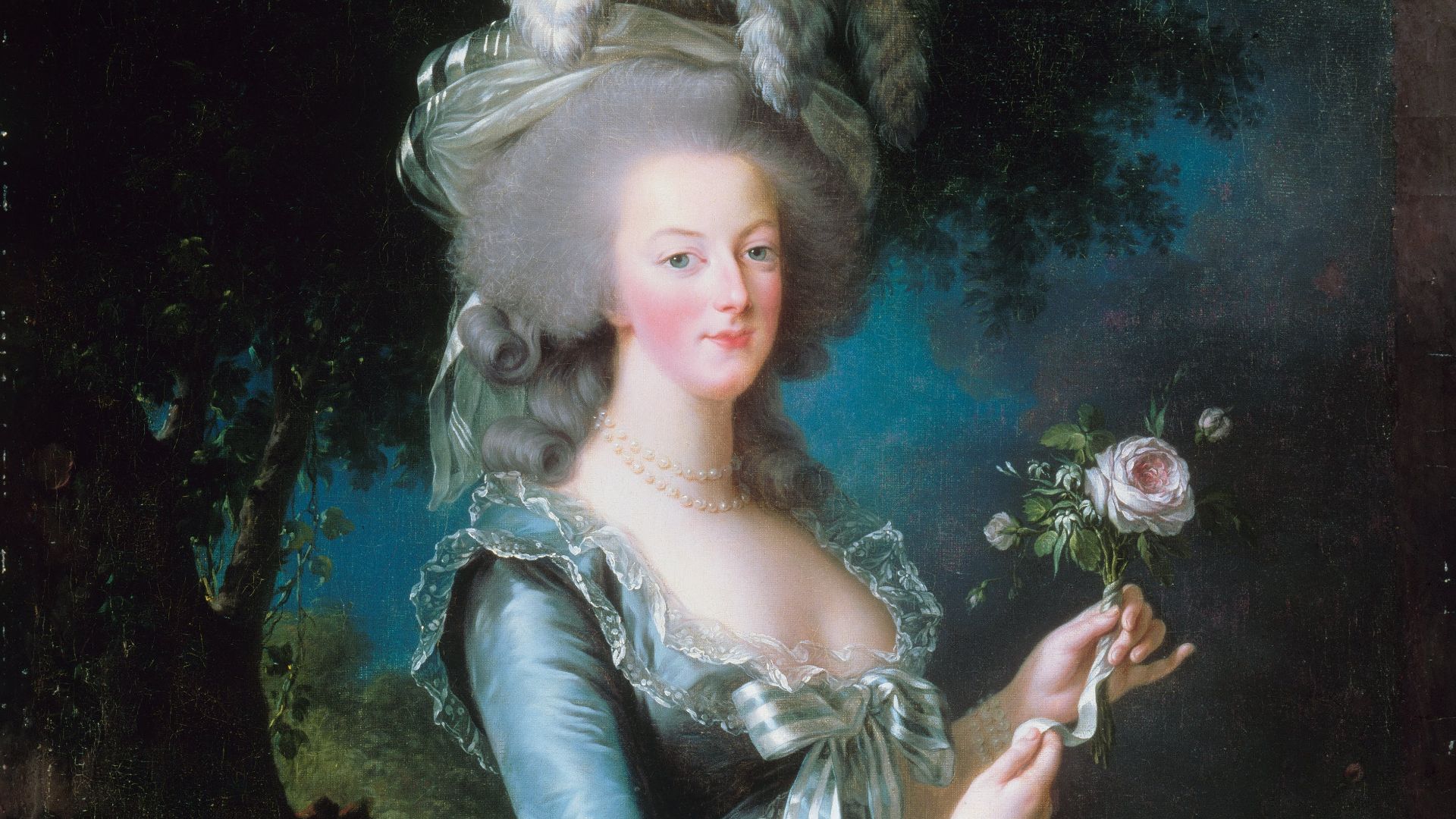 Élisabeth Louise Vigée Le Brun on Wikimedia
8. Catherine de Medici’s Valois Court
Catherine de Medici’s female household became tied to rumors about seduction, spying, and political influence. That said, her household was still fascinating: her attendants stood near marriage politics, private conversations, diplomatic tension, and the daily movement of power.
 After Justus Sustermans on Wikimedia
9. Philip IV’s Spanish Habsburg Court
Philip IV’s court was shaped by ceremony, rank, and close attention to who stood where. The attendants around the royal family, including maids of honor and household officers, knew who was allowed near the royal children and who could enter private rooms.

10. Empress Elisabeth’s Habsburg Household
Empress Elisabeth’s attendants helped maintain one of the most famous royal images of the 19th century. Her dressing room, hair care, exercise routines, and dislike of stiff court life gave servants a close view of the work behind the Sisi legend. They saw the discipline, discomfort, and loneliness that most people only saw from a distance.
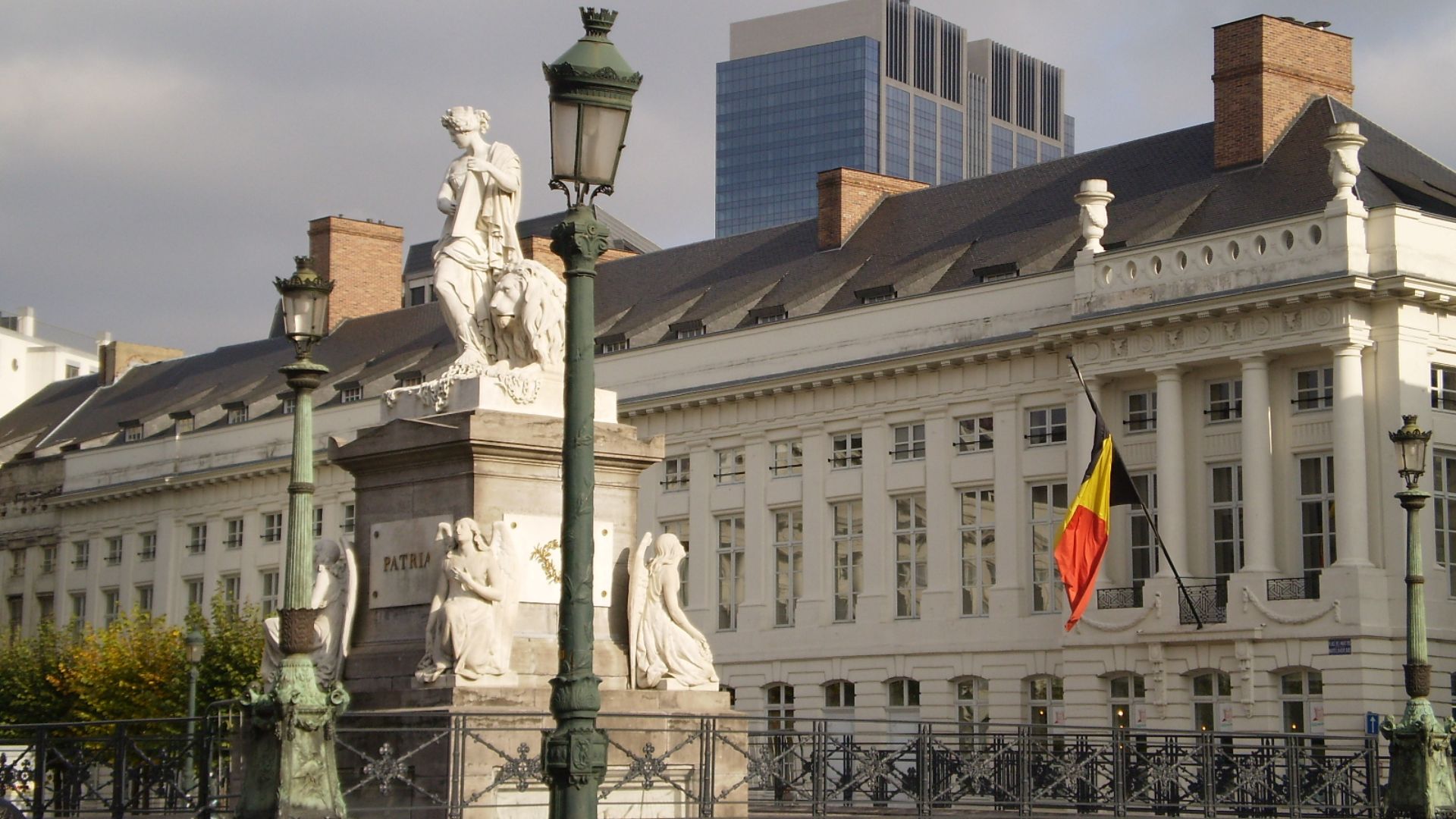 Dr Les (Leszek - Leslie) Sachs from Brussels, Belgium on Wikimedia
11. The Romanov Household at the Alexander Palace
Nicholas II and Alexandra used the Alexander Palace as a family refuge during the final years of the Russian Empire. Tutors, nurses, guards, and attendants knew the habits of the imperial children, the parents’ worries, and the routines of a household growing more cut off from the outside world. As revolution moved closer, that private world became even more closed.
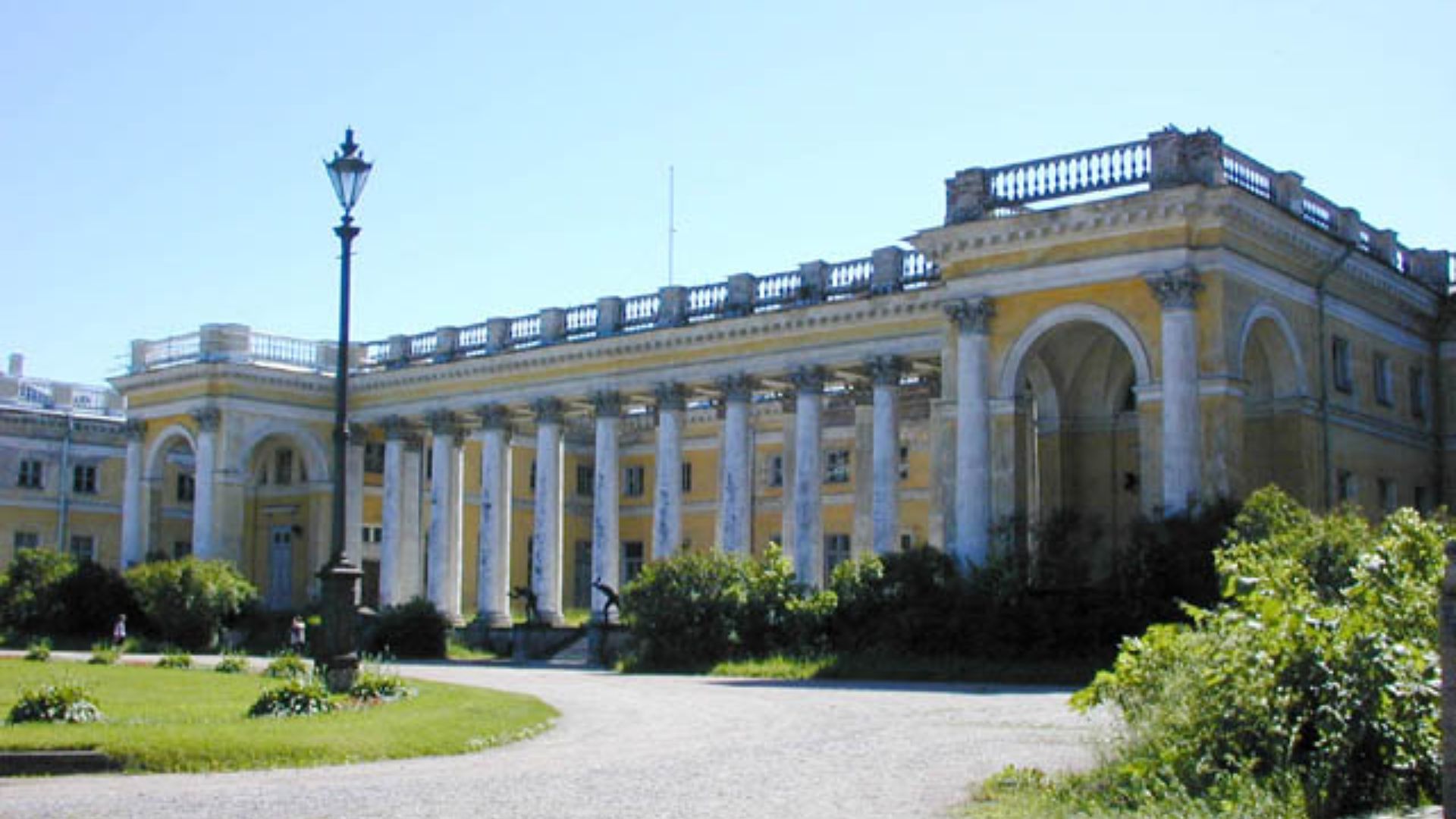 Alexei Troshin (Алексей Трошин) on Wikimedia
12. The Roman Imperial Household
Roman emperors relied on enslaved people and freed people for far more than basic household work. Some handled letters, petitions, accounts, and access to the emperor. That placed palace workers close to the daily business of the empire, even when they didn’t hold official public rank.

13. The Byzantine Great Palace
The Byzantine court cared deeply about who could get near the emperor. Eunuchs and chamber servants often worked near the emperor’s private rooms, which meant they could know his schedule, health, visitors, moods, and decisions before many formal officials did. Their work put them right where private life and imperial rule met.
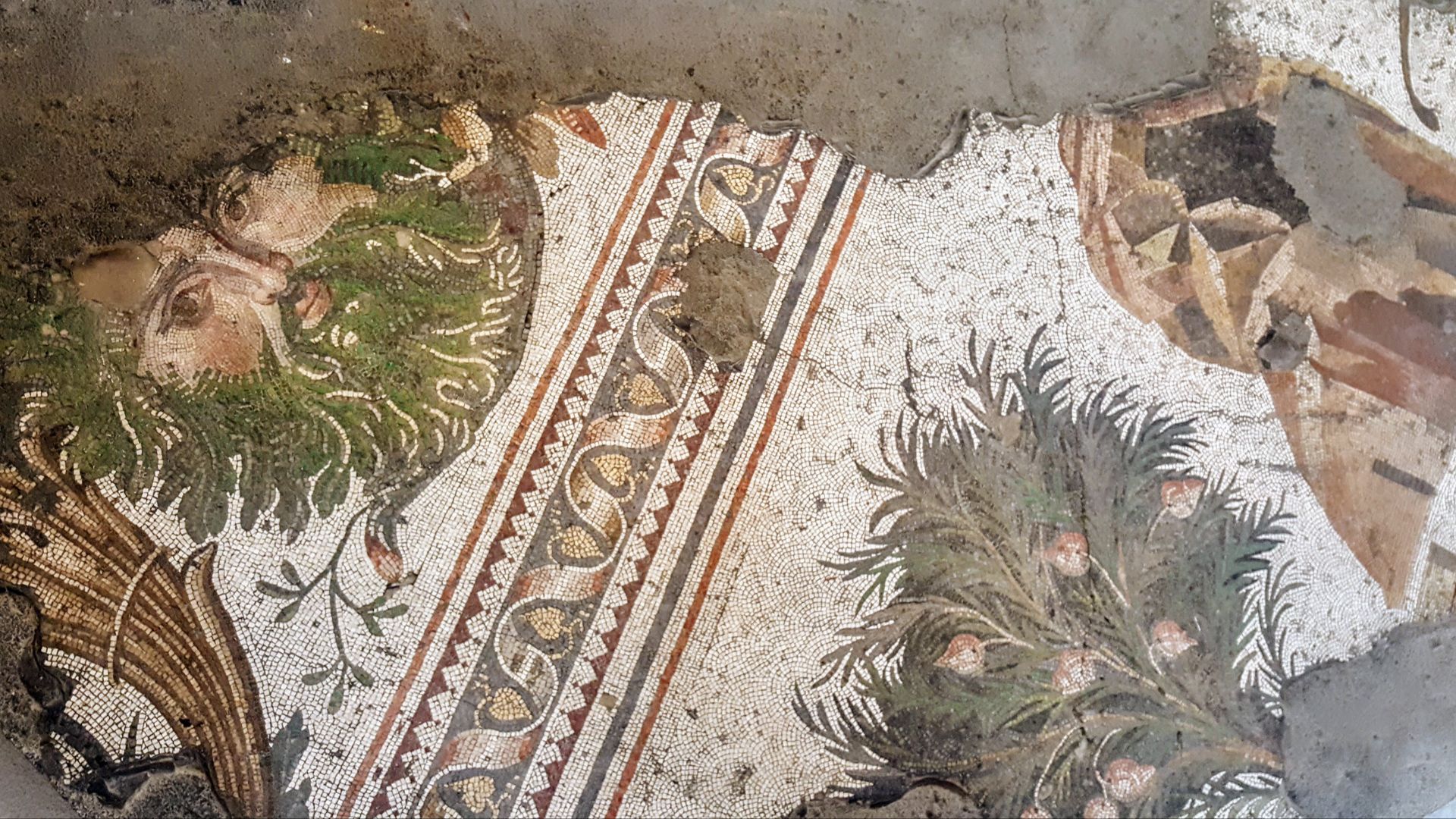
14. The Ottoman Imperial Harem at Topkapi
The Ottoman imperial harem was a structured royal household with ranks, rules, family politics, and real influence. Eunuchs and attendants inside its guarded world understood succession pressure, messages, alliances, and the changing power of the women closest to the sultan. Their knowledge came from daily life in one of the most private parts of the palace.
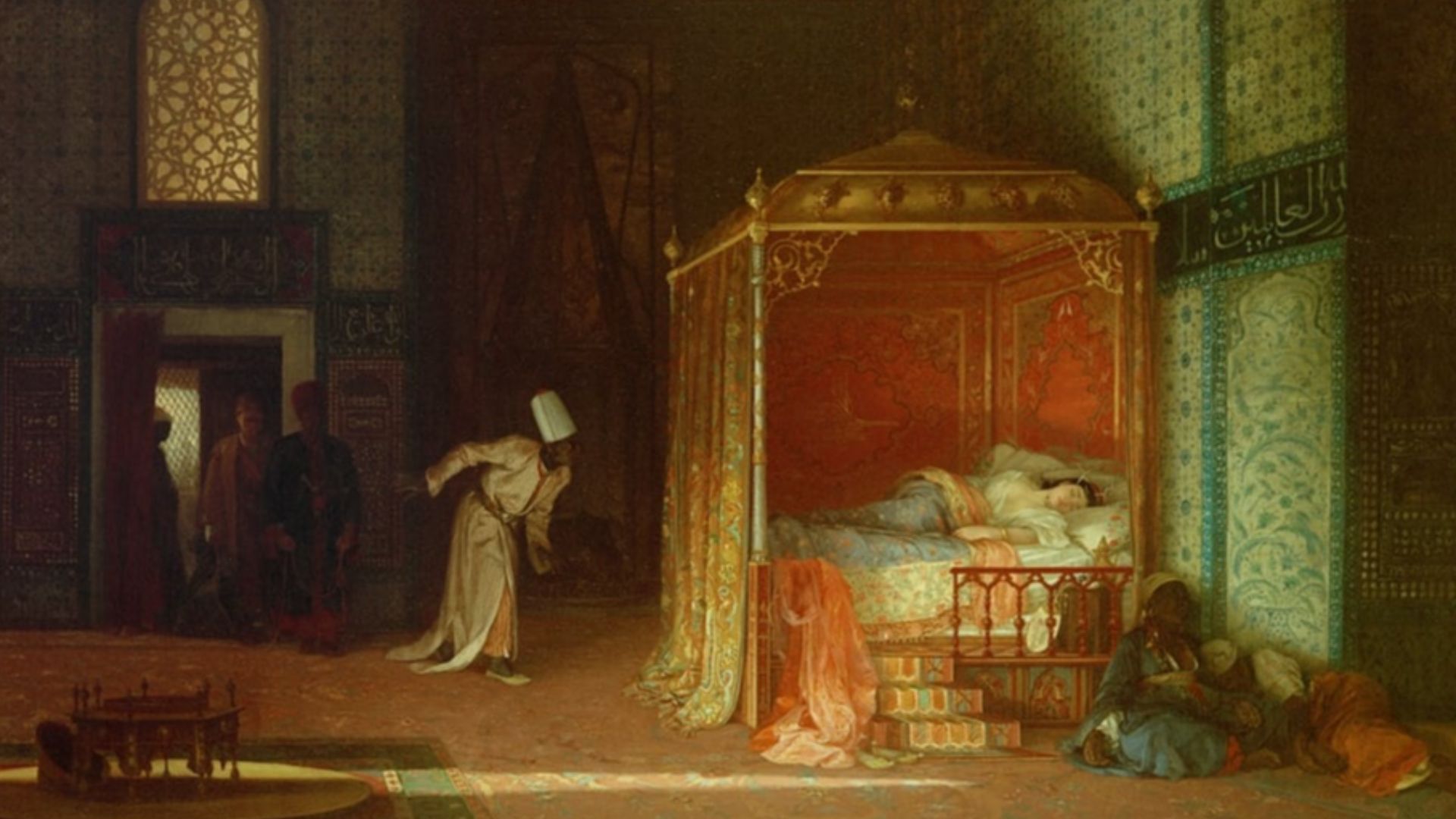 Stanislaus von Chlebowski on Wikimedia
15. The Mughal Zenana
The Mughal zenana was a guarded inner world with its own order, wealth, communication, and politics. Eunuchs and trusted servants carried messages, controlled access, guarded thresholds, and saw when private family matters began to matter outside the palace. Their work made them quiet witnesses to relationships that carried real weight.
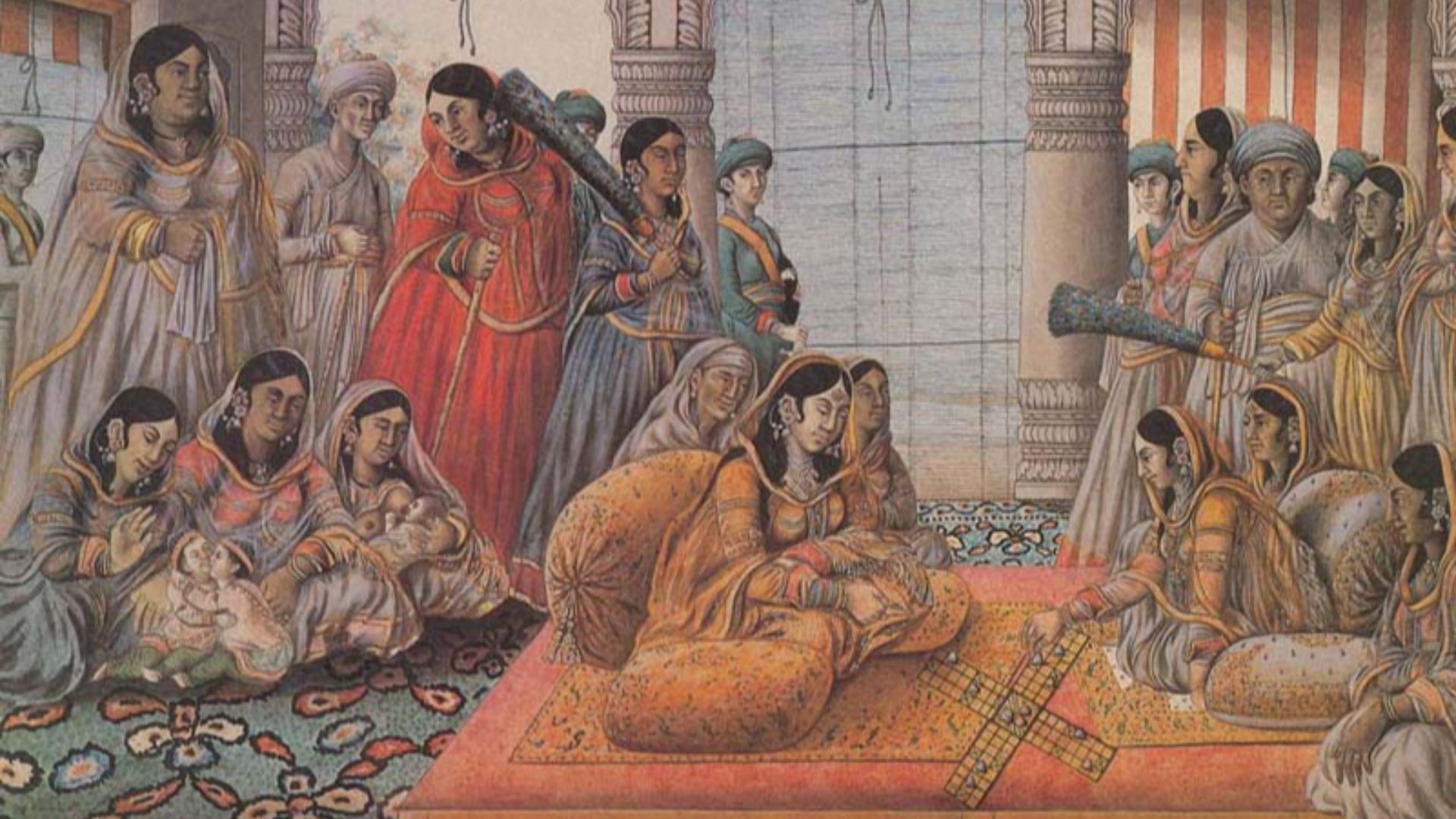 possibly by Navasi Lal after a lost original by Tilly Kettle. Mughal, Lucknow on Wikimedia
16. The Ming Forbidden City
The Ming Forbidden City depended heavily on eunuchs who lived and worked inside the palace complex. Because they served the emperor closely and could control access, some became important gatekeepers of information, appointments, documents, and daily contact with the throne. In a palace where movement was tightly restricted, that position could matter a great deal.
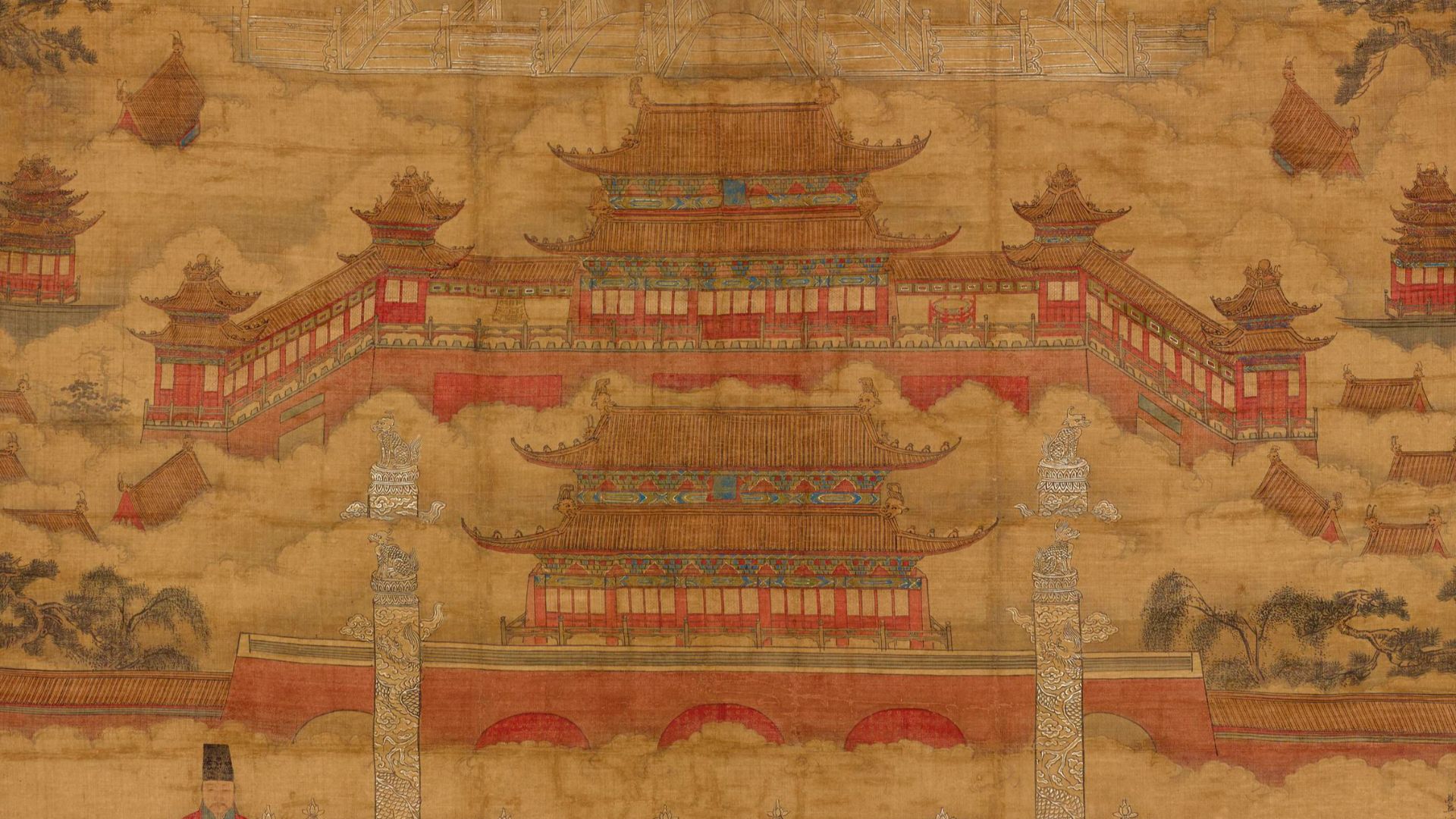 Creator:朱邦 Zhu Bang on Wikimedia
17. The Qing Forbidden City
Qing palace life was shaped by rank, ritual, and strict control over who could move through the inner court. Servants near emperors, empresses, consorts, and children saw which relationships were favored, which rooms drew attention, and which family details carried political weight. Much of palace life came down to who was allowed close.

18. The Joseon Royal Palace
Joseon Korea’s palaces depended on court ladies who served, cooked, did laundry, sewed, embroidered, cleaned, and cared for people inside royal spaces. Many spent long stretches of their lives within the palace. That gave them close knowledge of meals, clothing, illness, childbirth, ceremonies, and daily routines.
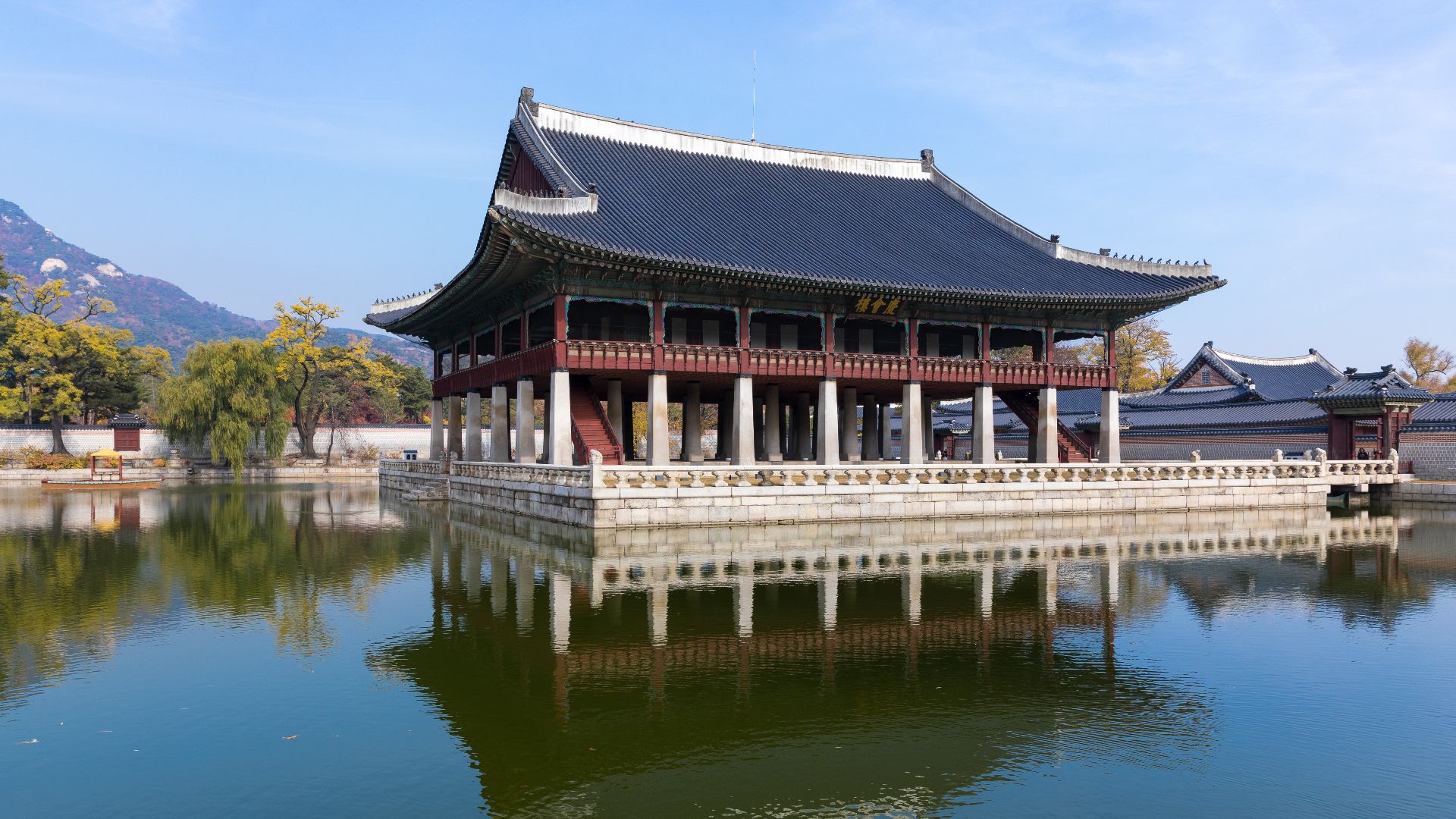 Frank Schulenburg on Wikimedia
19. The Heian Imperial Court
The Heian court paid close attention to poems, clothing, handwriting, visits, and rumor. Ladies-in-waiting watched court life from behind screens and curtains, seeing flirtations, slights, rivalries, and quiet negotiations unfold nearby. Their position gave them a rare view of what people said, hid, and hinted at.
20. ʻIolani Palace in the Hawaiian Kingdom
ʻIolani Palace held royal ceremonies, government work, entertainment, and private life in the same building. The staff who worked in kitchens, offices, storerooms, and household spaces saw the monarchy as both a family and an institution. Their daily work placed them close to royal life during one of the kingdom’s most painful periods.

KEEP ON READING