Summer camp is supposed to be one of childhood's simplest joys: a week of campfires, friendship bracelets, and stories under the stars. But tragically, for three young Girl Scouts from the Tulsa area, that promise turned into a nightmare on their very first night at Camp Scott in Mayes County, Oklahoma. What happened to them in the early hours of June 13, 1977, remains one of the most disturbing unsolved cases in the state's history, and it's a story that still unsettles anyone who learns the details.
Nearly five decades later, the case continues to draw true crime enthusiasts, documentary filmmakers, and law enforcement officials who refuse to let it fade into obscurity. The victims, Lori Farmer, Doris Milner, and Michele Guse, were between eight and 10 years old when they were assaulted and killed, their bodies left on a trail near the campsite's showers. You'll find that the details of this case, from the eerie warning left before the crime to the courtroom drama that followed, make it impossible to forget.
The Night Everything Went Wrong
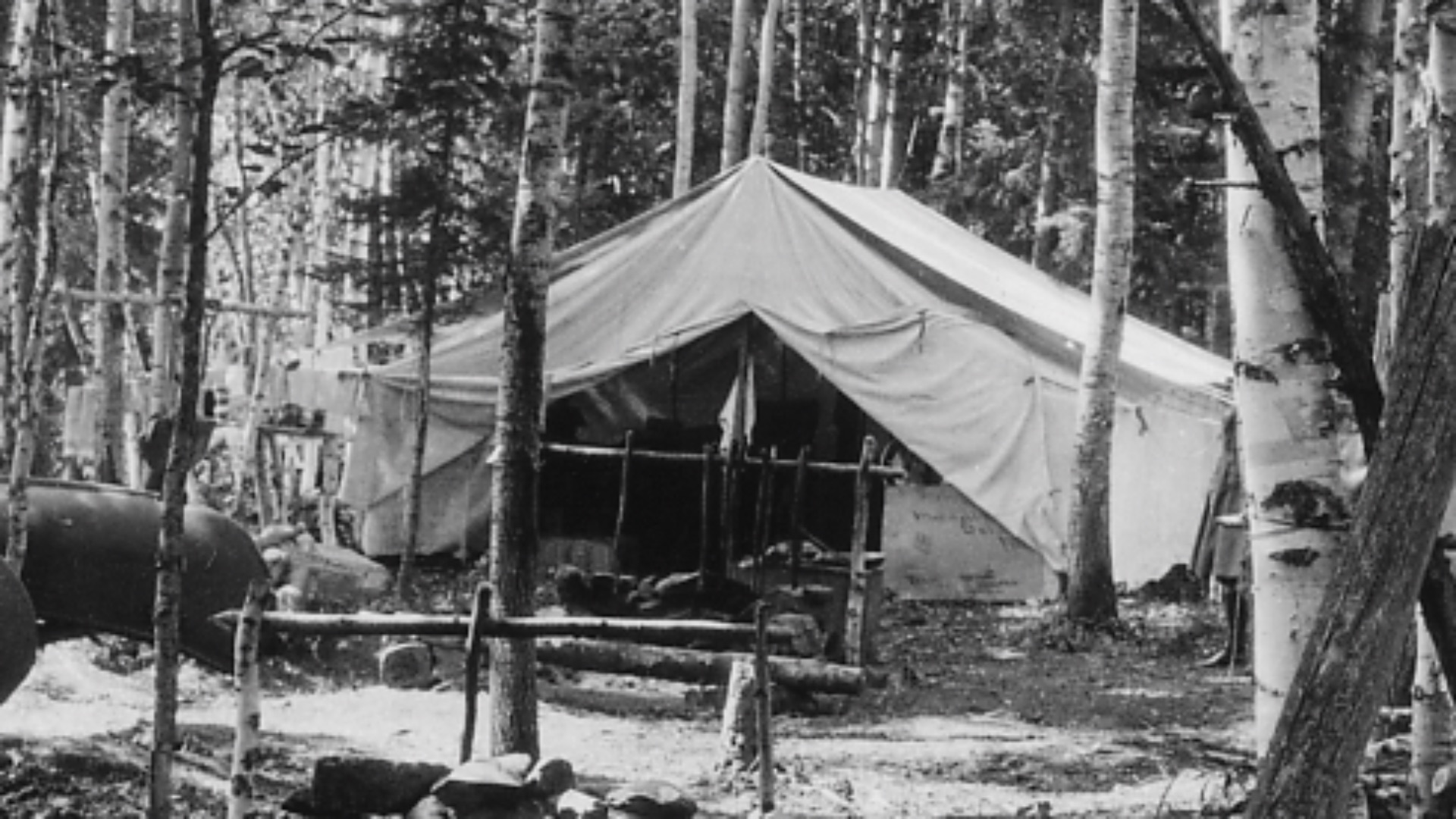
On the evening of June 12, 1977, the girls settled into tent number seven in the camp's "Kiowa" unit, which sat farther from the counselors than any other tent and was partly hidden by the camp's shower building. It's a detail that still troubles people familiar with the case, since that isolation likely made it easier for whoever committed the crime to approach without being seen or heard. The girls, all from the Tulsa suburb of Broken Arrow, had no way of knowing that their location within the camp would play such a tragic role in what happened next.
Early the next morning, around 6 a.m., a counselor walking toward the shower spotted a girl's body inside a sleeping bag in the wooded area just outside the tent. She initially believed she was looking at the aftermath of some kind of accident, and it wasn't until the camp director and camp nurse arrived that the full scope of the tragedy became clear. Two of the girls were found together in a single sleeping bag, while the third was visible outside it, a discovery that left the counselors and staff in shock as they scrambled to account for the rest of the campers.
What makes this timeline even more chilling is that there had been a warning. Months before the murders, a counselor doing on-site training at Camp Scott found that her belongings had been rifled through and her doughnuts stolen, with a handwritten note left inside the empty box reading, in capital letters: "We are on a mission to kill three girls in tent one." Whether that note was connected to the actual killings has never been definitively proven, but investigators and true crime researchers alike have long wondered whether someone was watching the camp well before the tragedy occurred.
A Suspect, a Trial, and an Acquittal
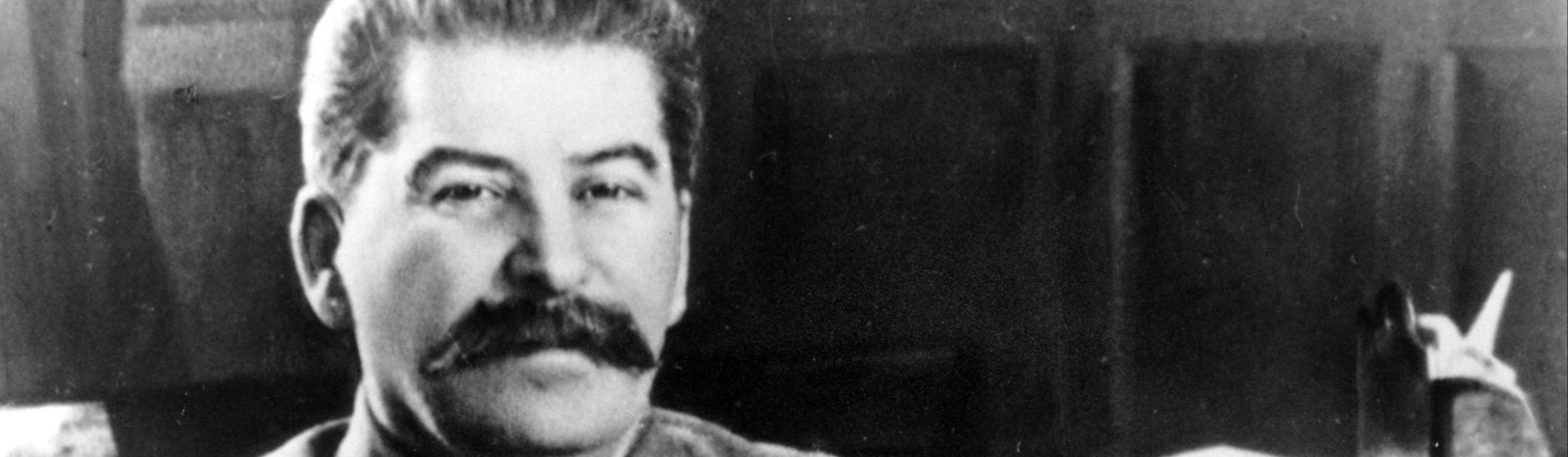
Law enforcement soon zeroed in on Gene Leroy Hart, a local man who had escaped from jail and had a documented history of violent crime, including assault. Hart was arrested and the case was considered solved by authorities at the time, though that certainty didn't last. Hart was of Cherokee descent, and his connection to the local community made the case especially fraught, since many residents were divided over whether he was truly guilty or simply a convenient target.
The trial that followed became a spectacle in its own right. A waitress named Dean Boyd testified that she'd seen a nervous man at a diner roughly 12 miles from Camp Scott the morning of the killings, and that man was later identified as William Stevens. A friend of Stevens even claimed he had loaned him the flashlight recovered at the crime scene and that Stevens later confessed to the killings. Despite this alternative theory being presented to the jury, it wasn't enough to shift the outcome of the case.
On March 30, 1979, the jury deliberated briefly before finding Hart not guilty. Hart had already been convicted on unrelated charges of assault, kidnapping, and burglary, and he was serving a lengthy sentence for those crimes when, just months after his acquittal, he died of a heart attack in prison. His death effectively closed the door on any chance of a second trial, leaving families and investigators with more questions than answers.
The Case That Refuses to Stay Closed
You might assume that DNA technology would have settled the matter decades ago, and in some ways it's come close. Testing conducted in 1989 on samples recovered from the scene showed that three out of five genetic probes seemed to match Hart's DNA, a result that reignited public interest in his guilt even though he'd already been acquitted and had passed away. More recent testing, completed by 2019 and funded partly through private donations from Mayes County residents, has been described by Sheriff Mike Reed as strongly suggesting Hart's involvement while ruling out several other potential suspects, even though the results remain officially inconclusive.
The case has also taken on a new legal dimension in recent years. Following the U.S. Supreme Court's 2020 ruling in McGirt v. Oklahoma, which restored tribal jurisdiction over crimes involving Native Americans across much of eastern Oklahoma, the Cherokee Nation Marshal Service assigned its own investigator to take a fresh look at the case. That development means the investigation, which many assumed had gone cold decades ago, is technically still active under a different jurisdiction entirely.
Public fascination with the murders has only grown thanks to media coverage. A four-part documentary series called Keeper of the Ashes: The Oklahoma Girl Scout Murders premiered on Hulu in May 2022, hosted by actress Kristin Chenoweth, who had actually planned to attend that same camping trip as an eight-year-old Girl Scout before illness kept her home. That personal connection has helped keep the story in the public eye, reminding new generations of just how close to home this tragedy hit for so many Oklahoma families.
Nearly fifty years later, the murders at Camp Scott remain a painful reminder of how quickly innocence can be shattered and how elusive true justice can be, even when evidence seems to point clearly in one direction. Between the eerie note left weeks before the crime, the flawed trial that ended in acquittal, and the DNA results that arrived decades too late to matter in court, this case continues to raise more questions than it answers. For the families of Lori Farmer, Doris Milner, and Michele Guse, the search for closure has stretched across generations, and for the state of Oklahoma, the heartwrenching memory of that June morning still lingers as one of its darkest unsolved mysteries.