20 Historical Figures Whose Bodies Became Political Symbols
When Death Became a Political Statement
For many famous people, death didn't mark the end of their influence. Their remains became symbols that governments, revolutionaries, religious groups, and political movements used to inspire loyalty, settle old scores, or reshape national identity. Sometimes bodies were moved, hidden, displayed, or even stolen because of what they represented. These historical figures all became part of political stories that continued long after their lives had ended.
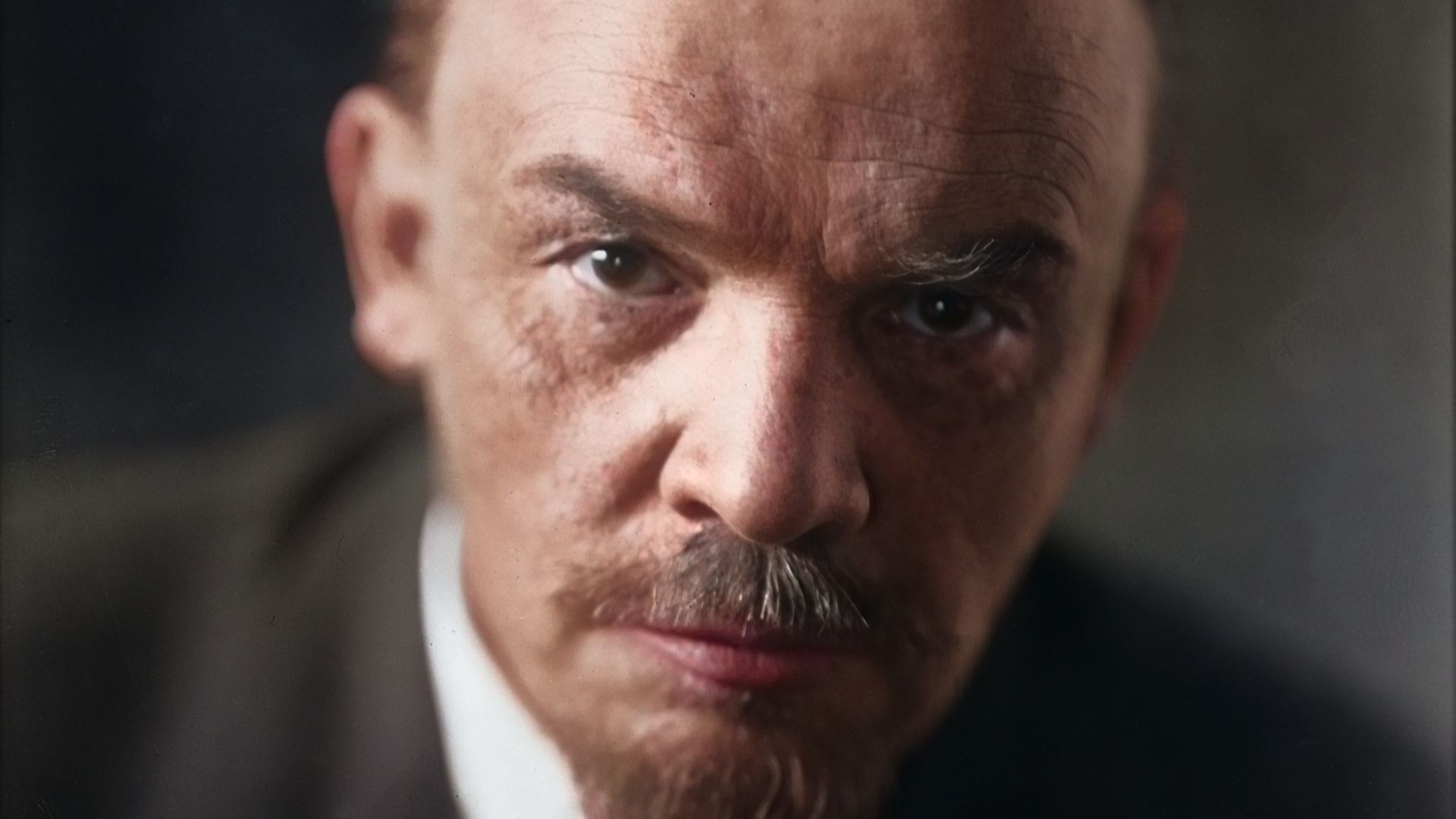
1. Vladimir Lenin
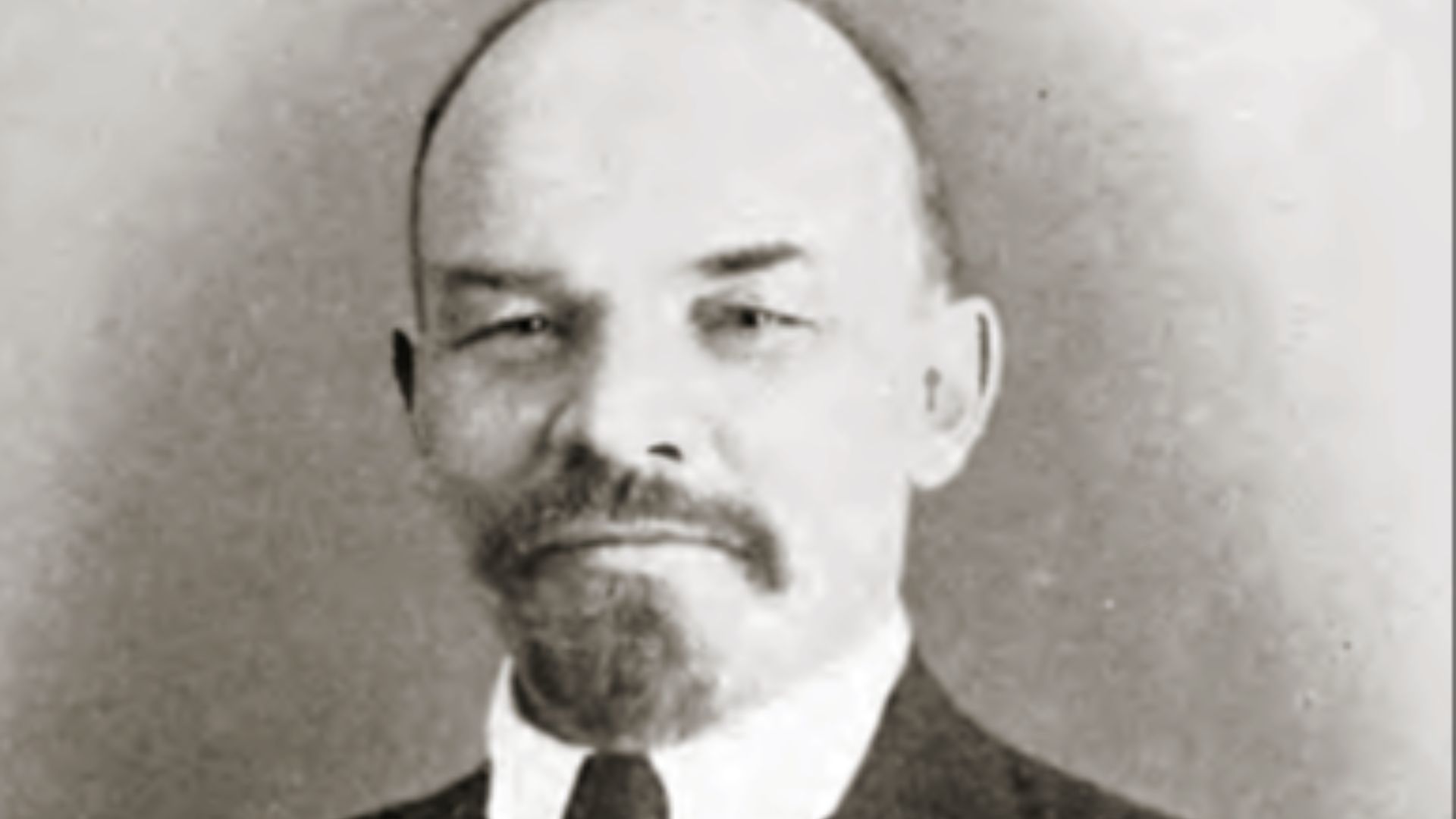
After Lenin died in 1924, Soviet leaders rejected a traditional burial and instead embalmed his body for permanent display in Moscow. His mausoleum quickly became one of the Soviet Union's most recognizable political landmarks. Millions visited it as part of state ceremonies, turning Lenin's preserved body into a lasting symbol of communist ideology.
2. Eva Perón
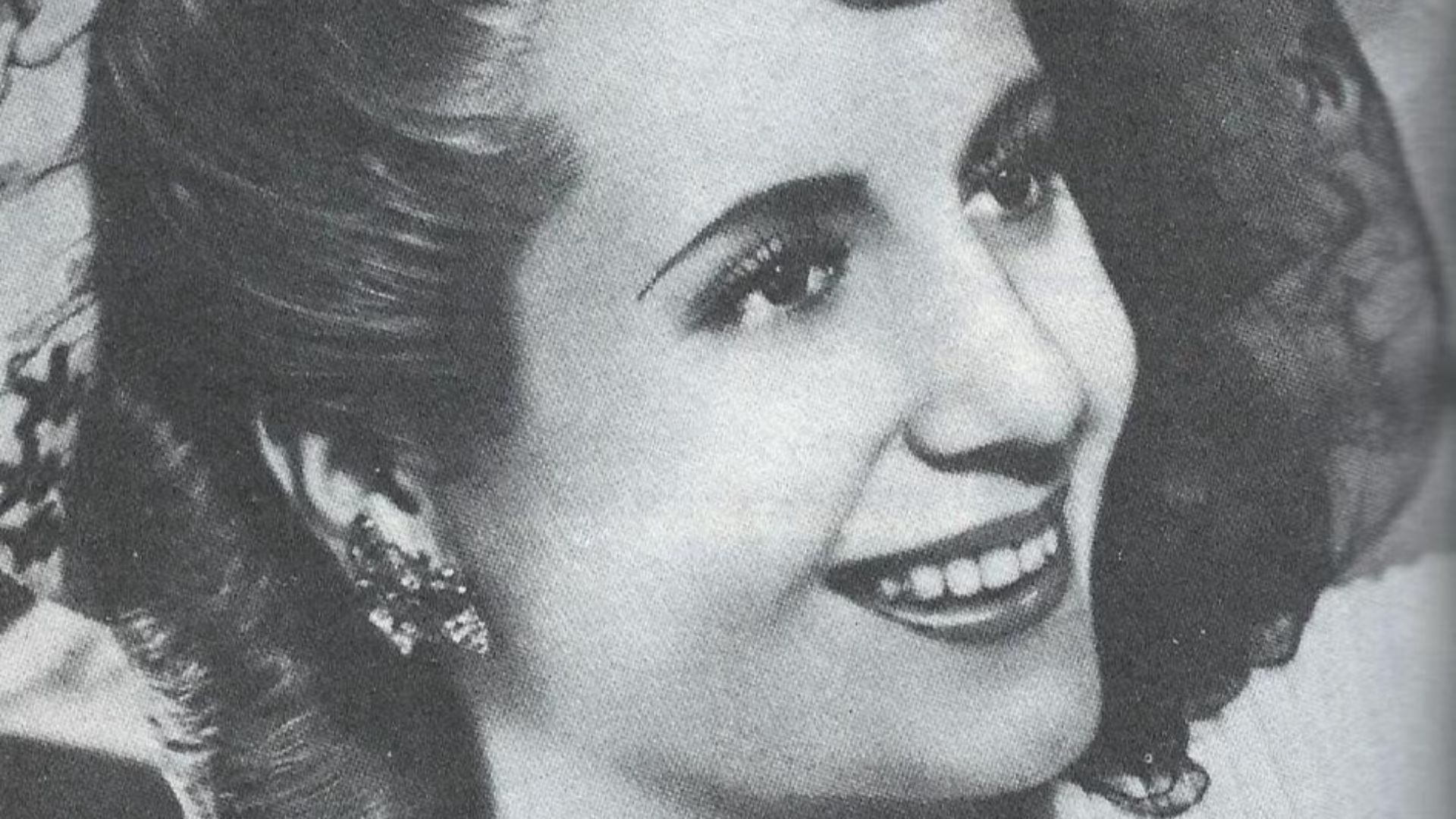
When Eva Perón died in 1952, she became an icon for Argentina's working class almost overnight. After Juan Perón was overthrown, military leaders secretly removed and hid her embalmed body to prevent it from becoming a rallying point for Peronist supporters. Years later, her remains were returned to Argentina, where they still carry enormous political significance.
 Unidentified photographer on Wikimedia
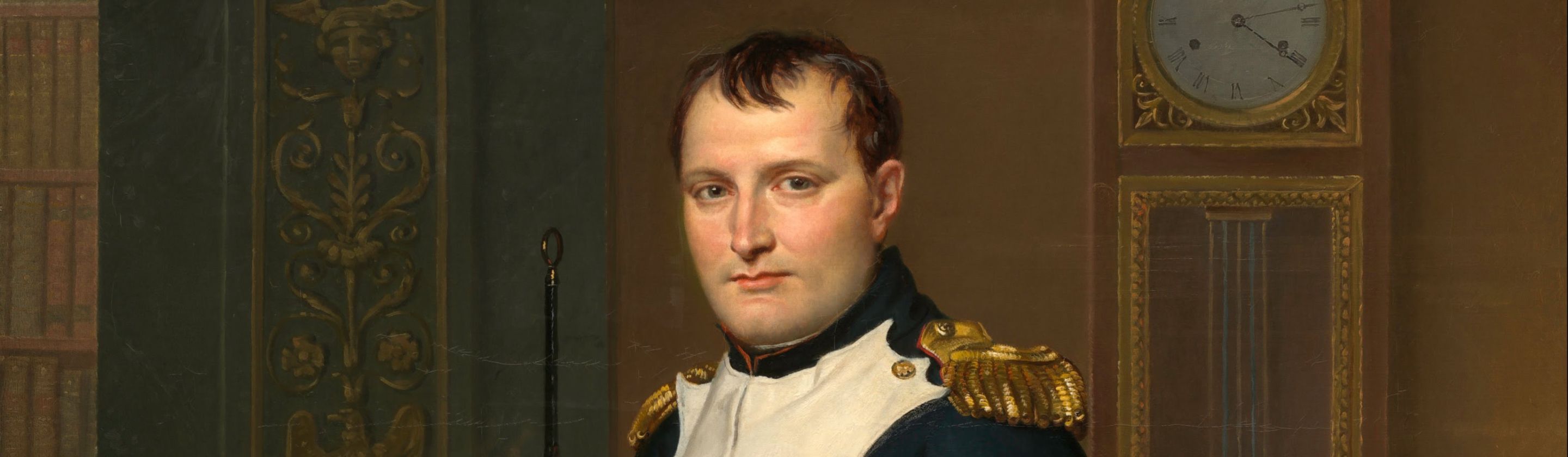
3. Napoleon Bonaparte
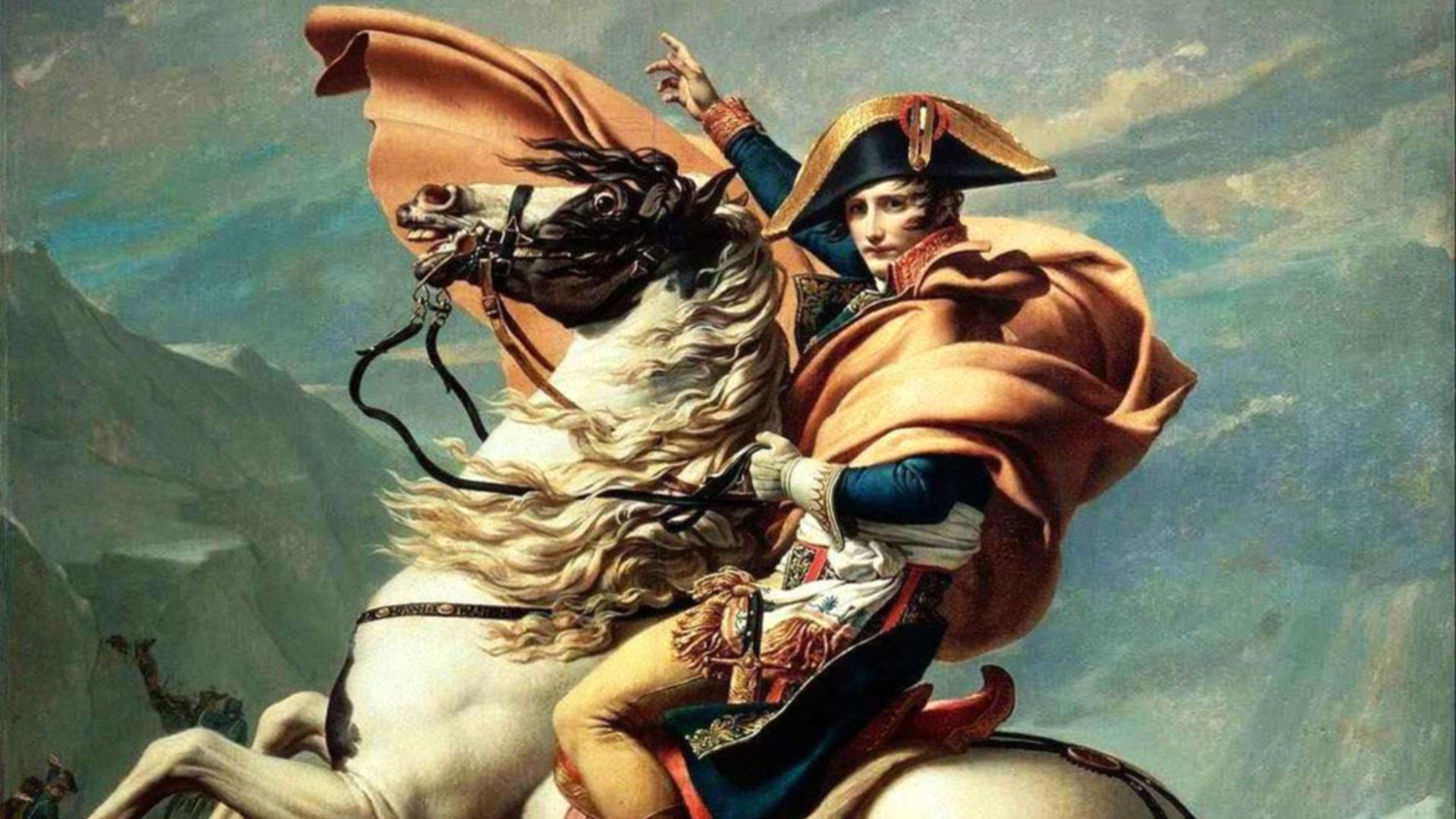
Napoleon died in exile on Saint Helena, far from the empire he once ruled. Nearly two decades later, the French government brought his remains back to Paris in an elaborate ceremony known as the retour des cendres. The event helped strengthen French nationalism by transforming the former emperor into a symbol of national pride.
 Jacques-Louis David on Wikimedia
4. Oliver Cromwell
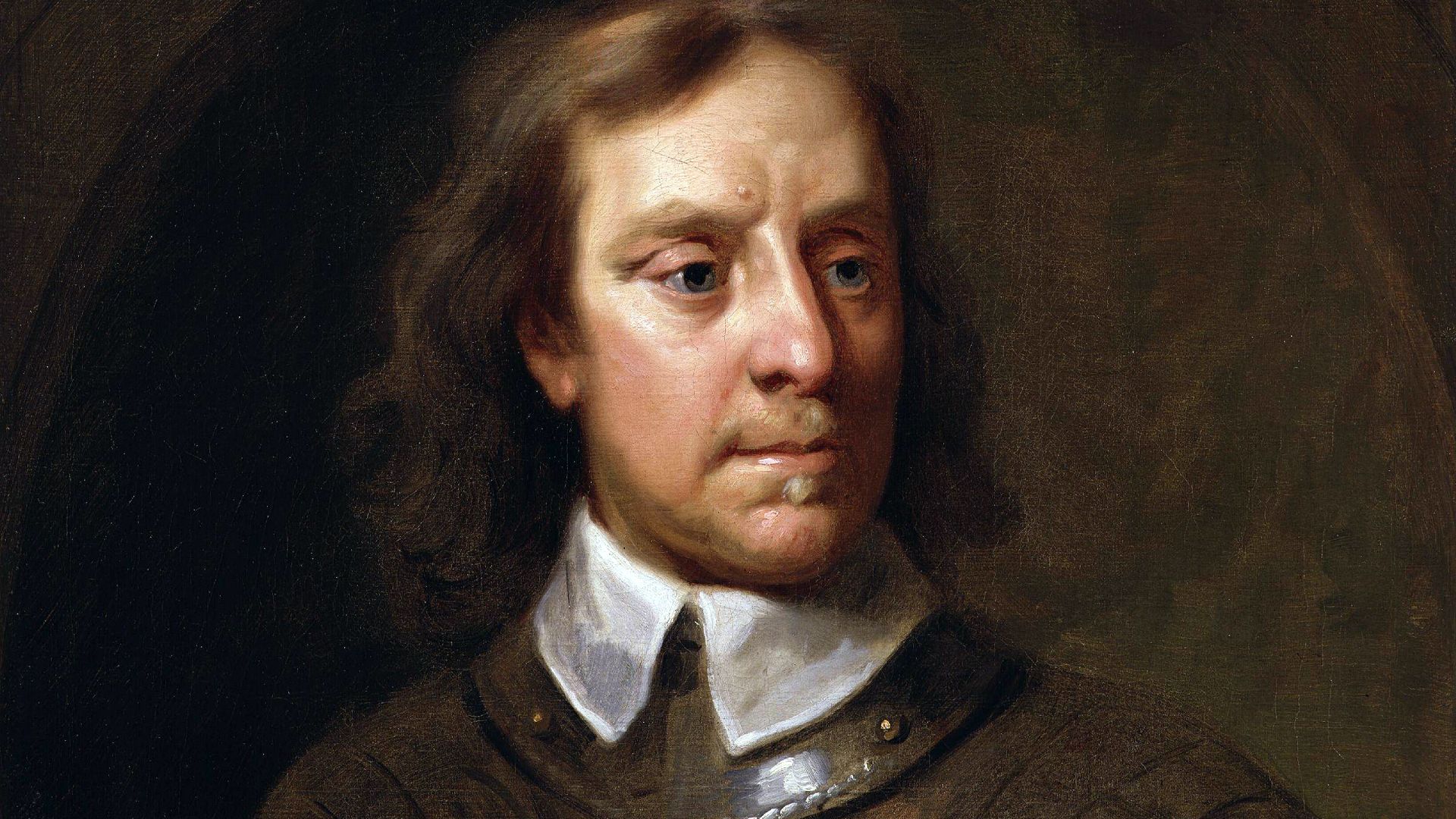
Even death didn't spare Oliver Cromwell from political revenge. After the monarchy was restored in England, his body was dug up, symbolically executed, and beheaded years after his burial. The gruesome display was intended to show that royal authority had returned and that rebellion against the crown would never be forgotten.
 After Samuel Cooper on Wikimedia
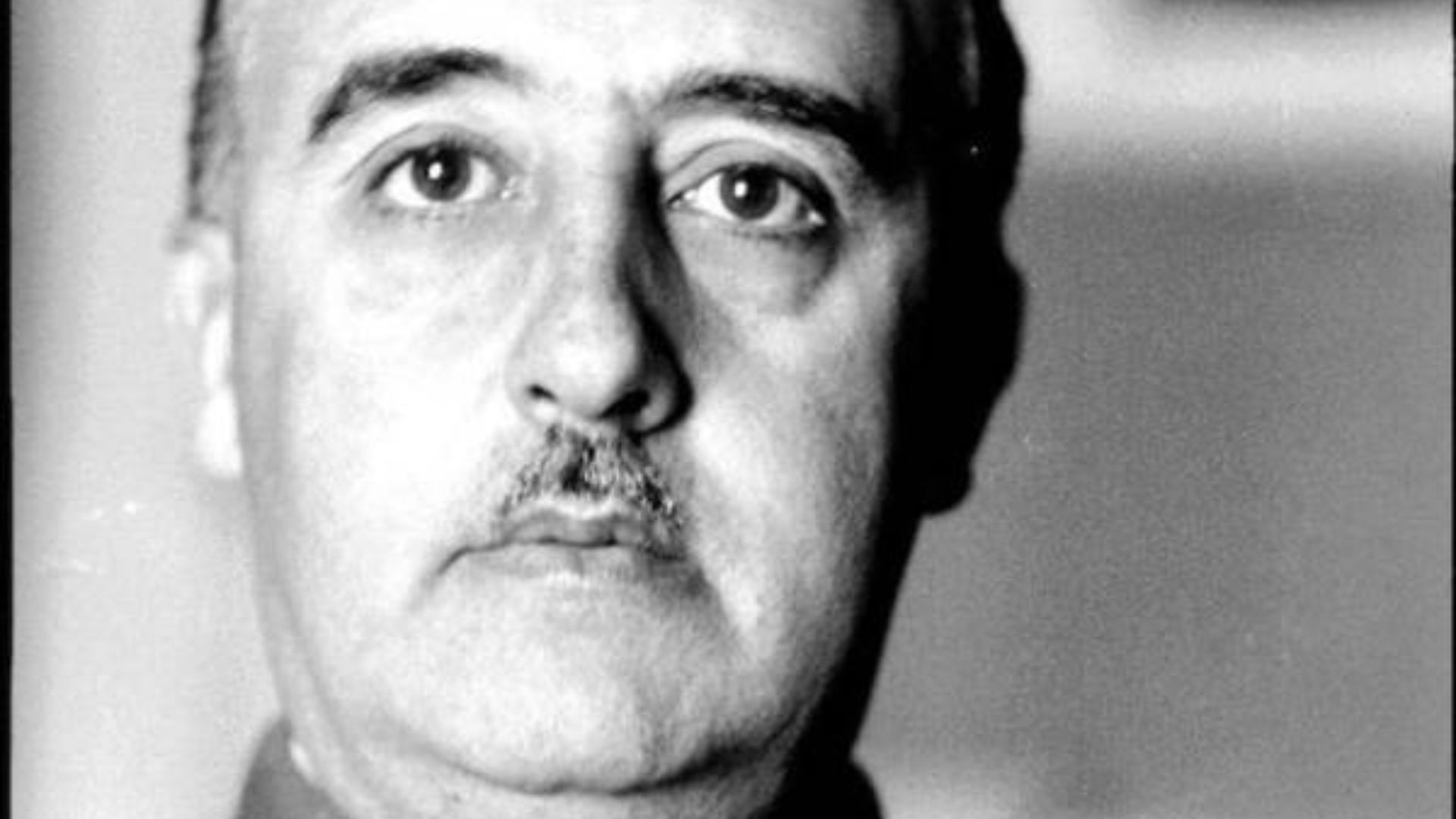
5. Francisco Franco
Spain's former dictator remained buried in the Valley of the Fallen for decades after his death. Supporters viewed the site as a place of remembrance, while critics believed it glorified authoritarian rule. In 2019, the Spanish government exhumed and relocated his remains in an effort to reshape how the country remembers its past.
 Unknown authorUnknown author on Wikimedia
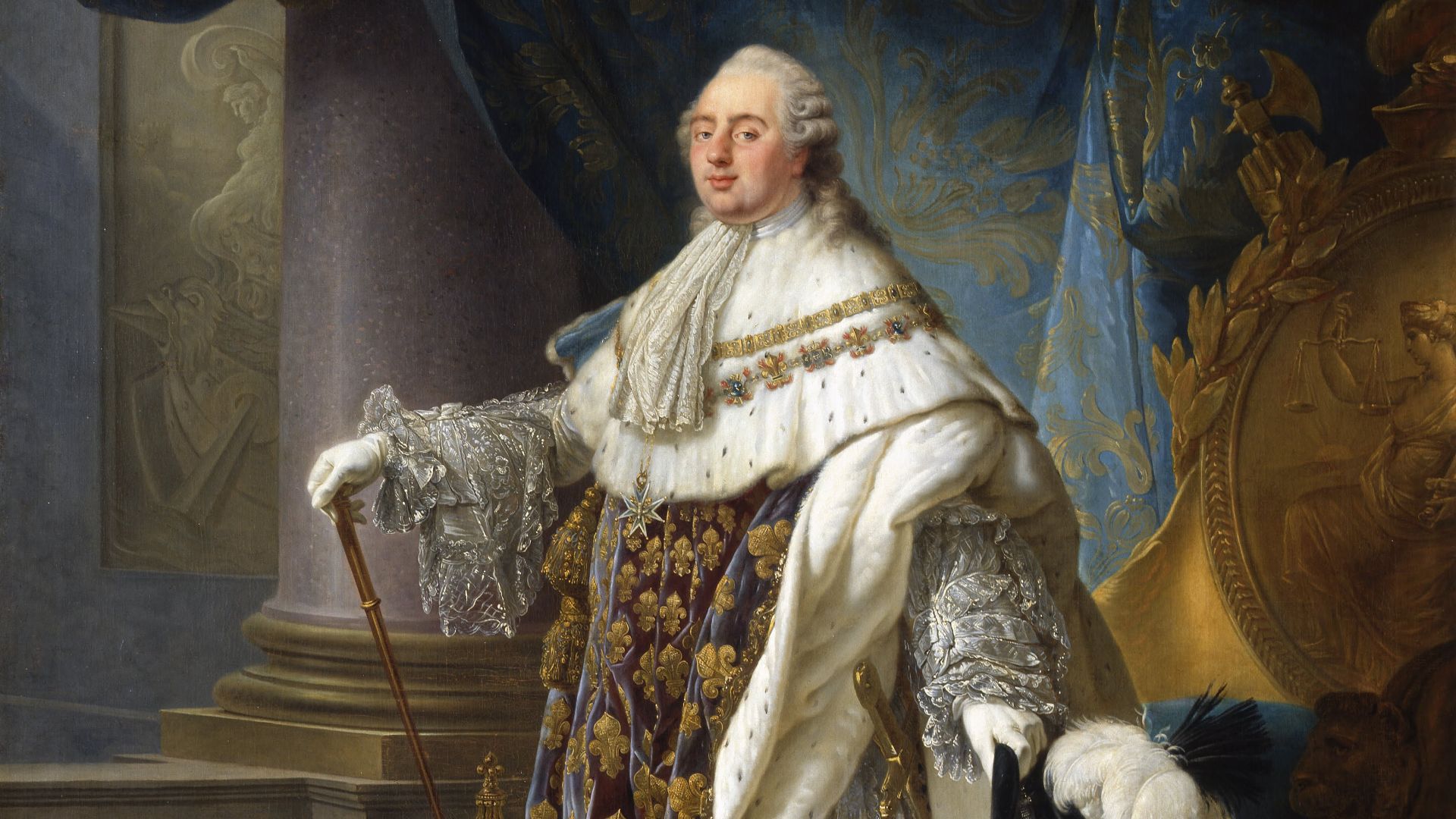
6. King Louis XVI
After Louis XVI was executed during the French Revolution in 1793, he was buried in an unmarked grave to prevent royalists from turning his tomb into a shrine. When the Bourbon monarchy returned to power in 1815, his remains were exhumed and reburied with great ceremony in the Basilica of Saint-Denis. The lavish reburial wasn't simply about honoring a former king, but was meant to reinforce the legitimacy of the restored monarchy and rewrite the political narrative.
 Antoine-François Callet on Wikimedia
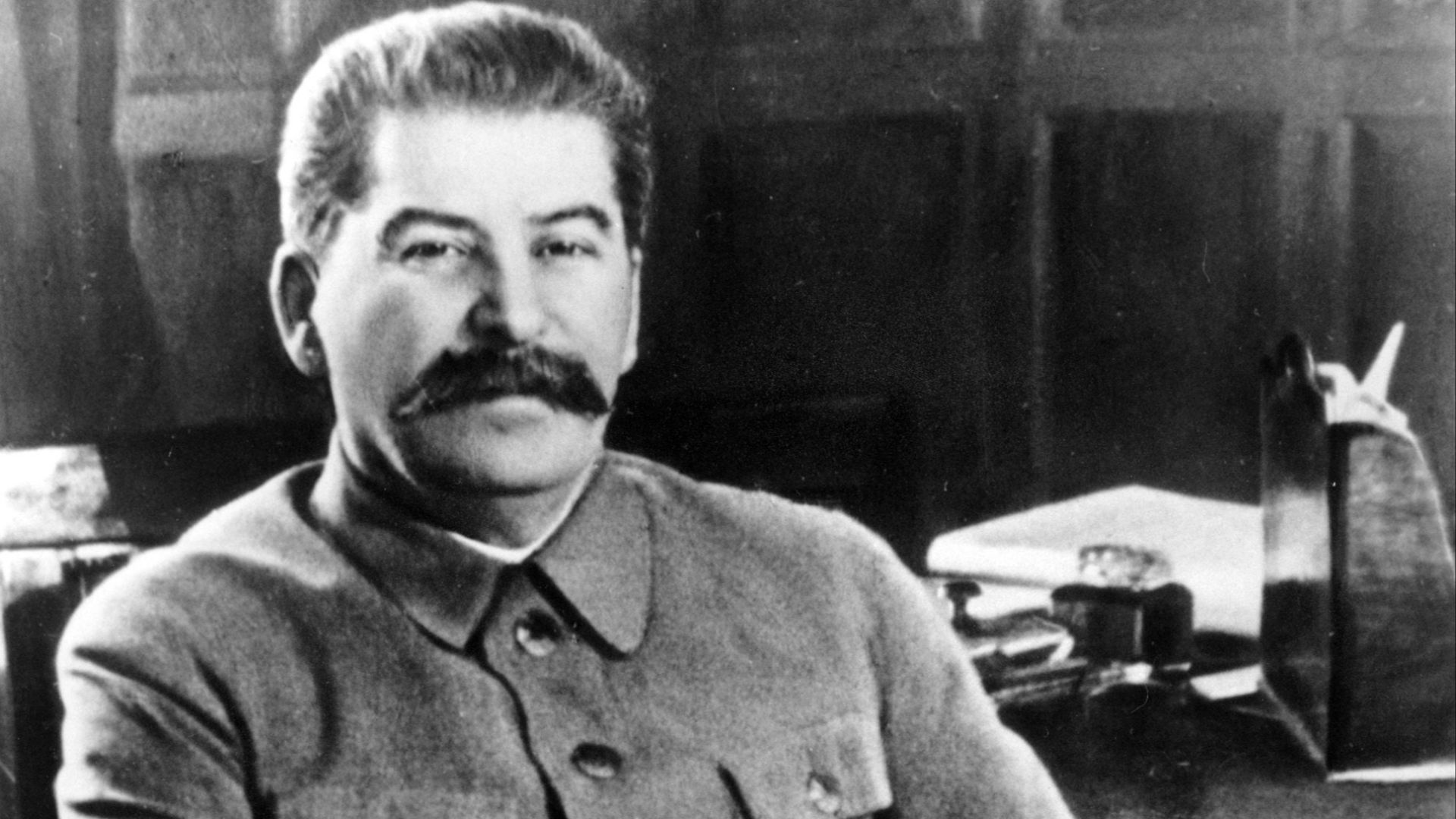
7. Joseph Stalin
Following Stalin's death in 1953, his embalmed body was placed beside Lenin's in Red Square. During the Soviet Union's campaign of de-Stalinization, officials quietly removed his remains from the mausoleum and buried him near the Kremlin Wall. The relocation reflected a dramatic shift in how the government wanted citizens to remember him.
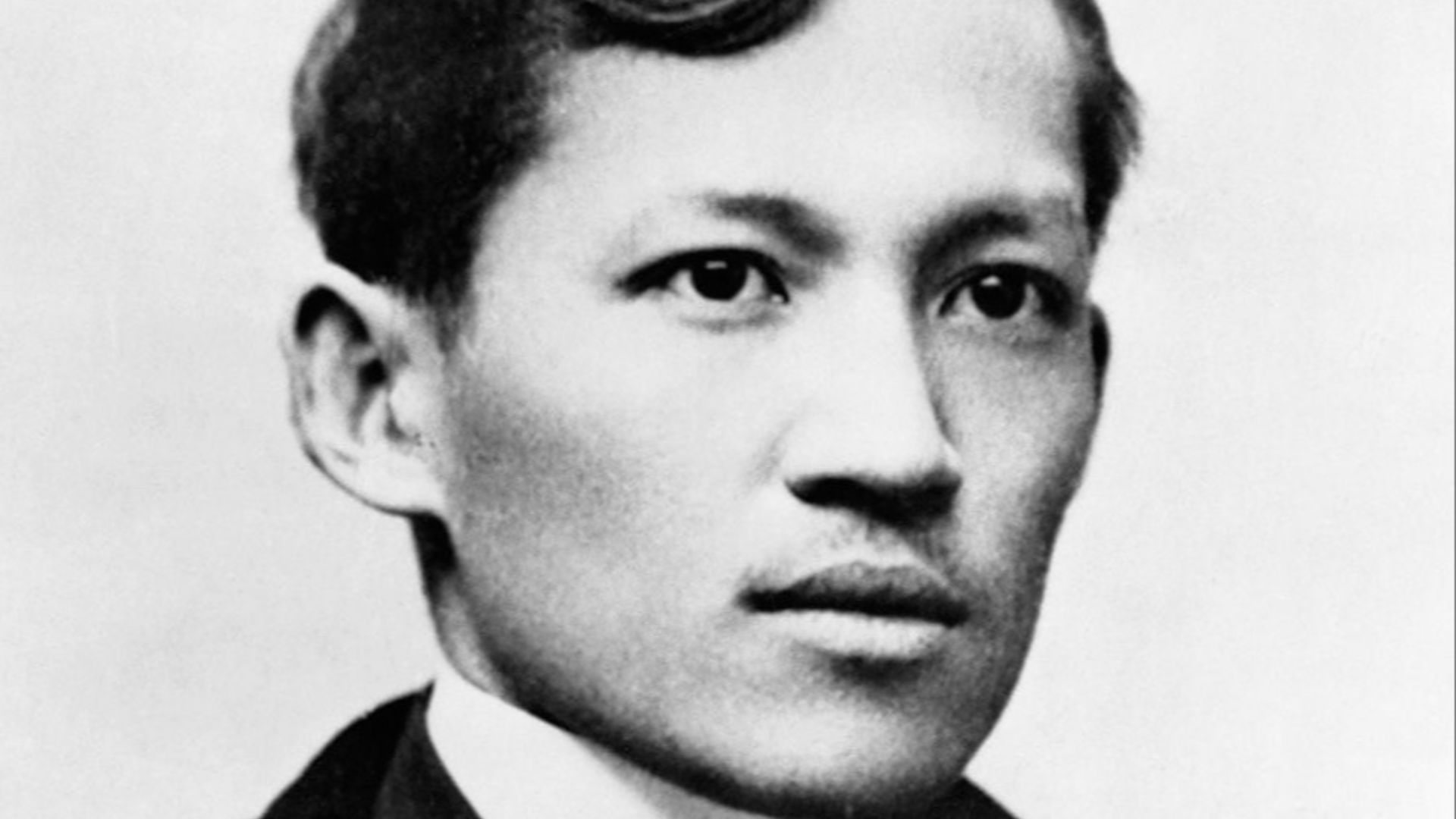
8. José Rizal
After José Rizal was executed by Spanish colonial authorities in 1896, he was buried in an unmarked grave to discourage Filipinos from turning him into a national hero. His family later recovered his remains, and after the Philippines gained greater autonomy, they were reburied beneath a monument in Manila. The site became a powerful symbol of the country's struggle for independence. Today, Rizal's resting place is one of the Philippines' most important national memorials.
9. Voltaire
Church authorities opposed giving Voltaire a traditional Christian burial because of his outspoken criticism of organized religion. His supporters quietly buried him at an abbey before officials could stop them. During the French Revolution, his remains were triumphantly transferred to the Panthéon, where they became a symbol of Enlightenment ideals and free thought.
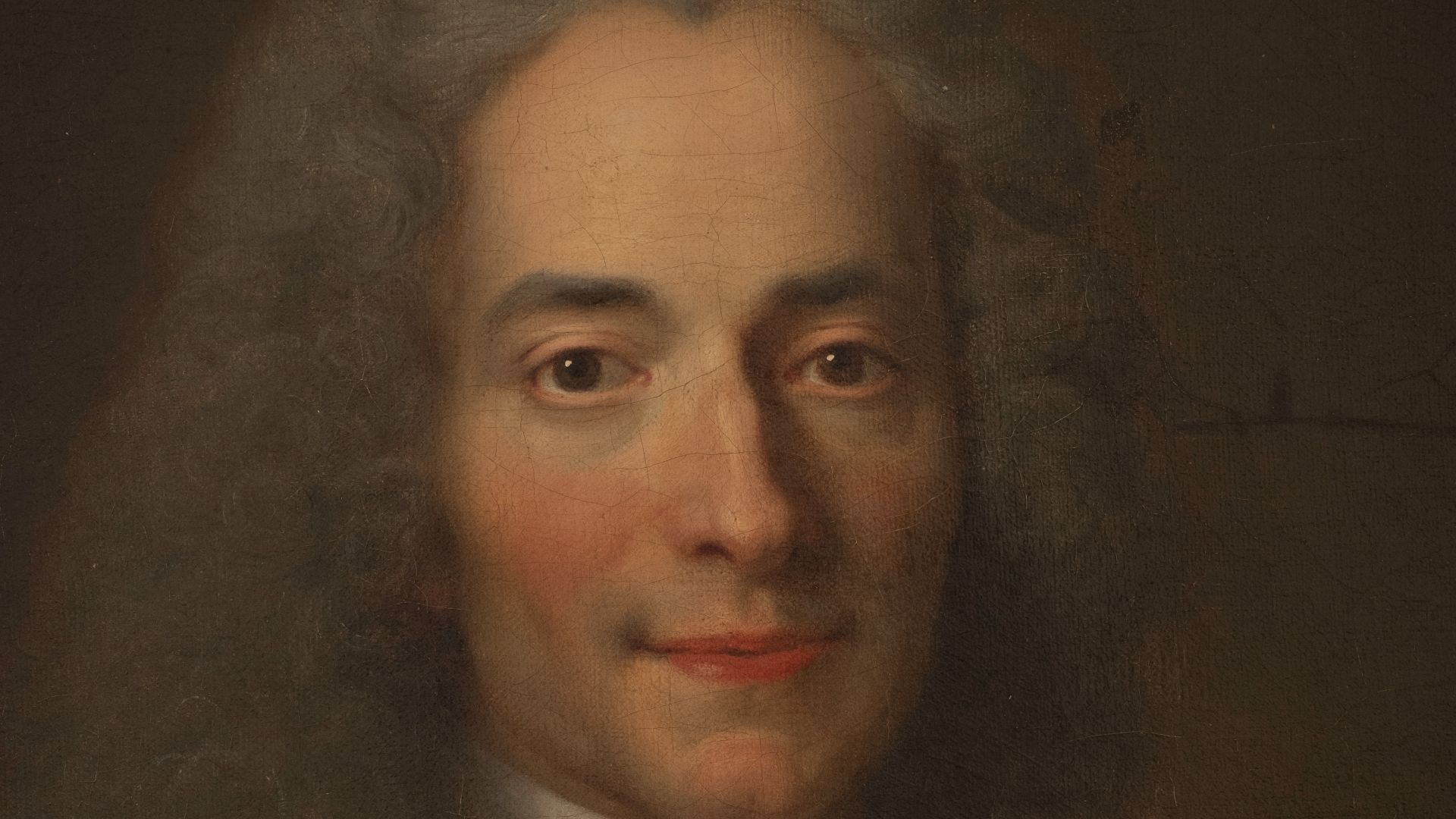 Nicolas de Largillière on Wikimedia
10. Jean-Jacques Rousseau
Rousseau's original burial place reflected the admiration of close friends rather than the French state. Revolutionary leaders later moved his remains to the Panthéon to honor him as one of the intellectual fathers of modern democracy. His body became part of a broader effort to celebrate the values that fueled the Revolution.
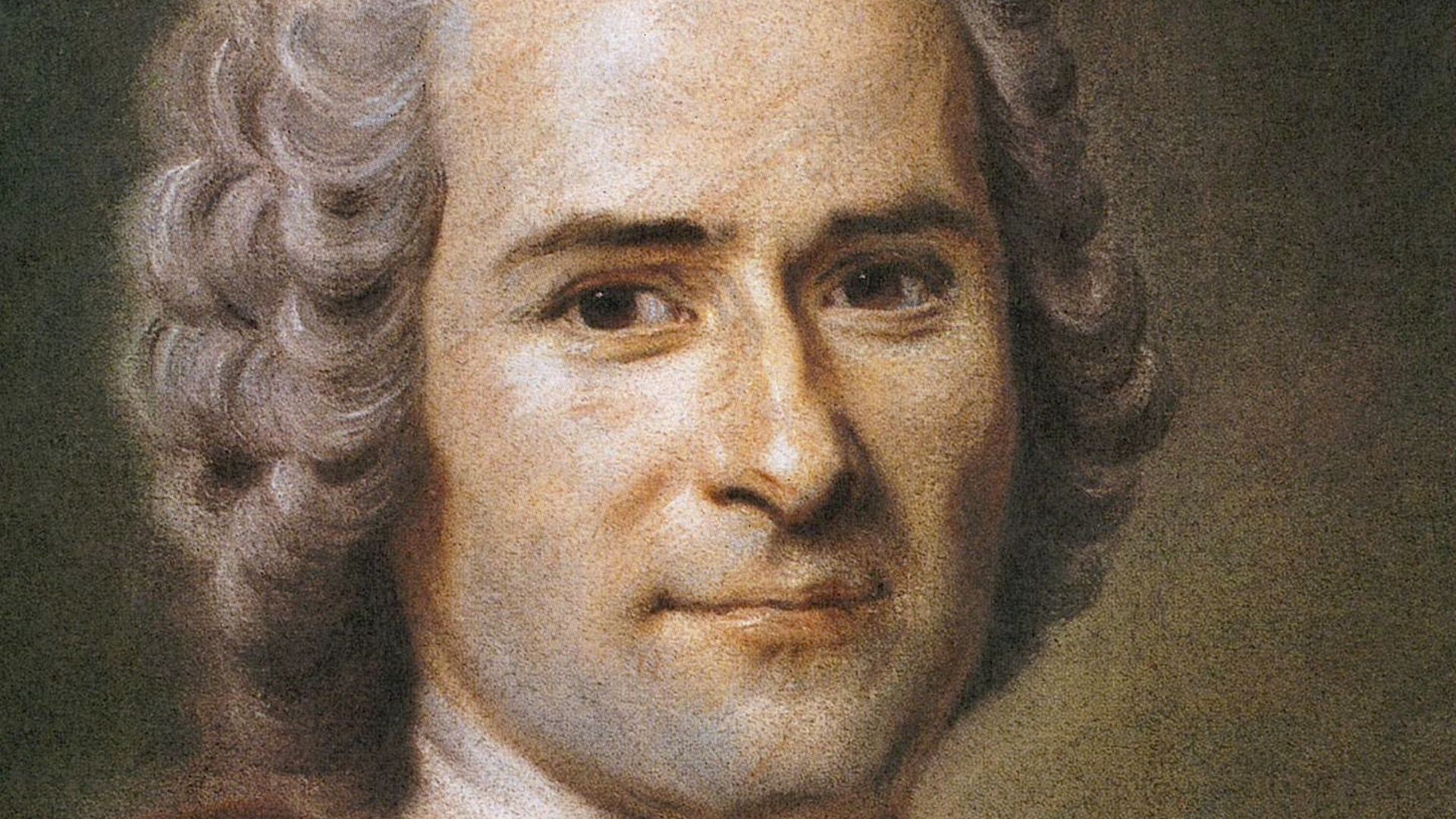 Maurice Quentin de La Tour on Wikimedia
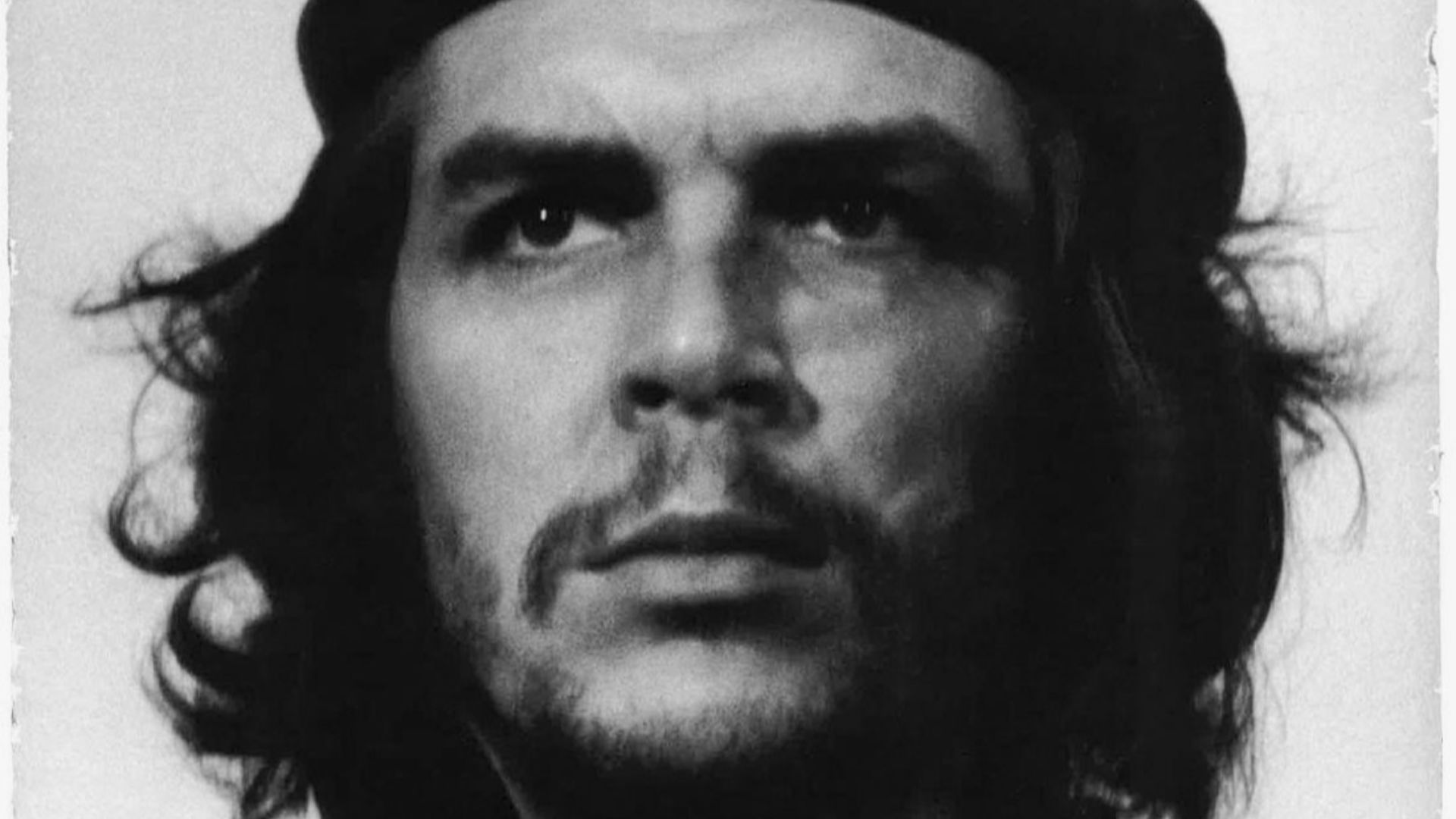
11. Che Guevara
After Che Guevara was executed in Bolivia, authorities secretly buried his body to discourage future uprisings. Decades later, his remains were recovered and returned to Cuba with full state honors. Today, his mausoleum serves as both a memorial and a powerful political symbol for supporters of the Cuban Revolution.
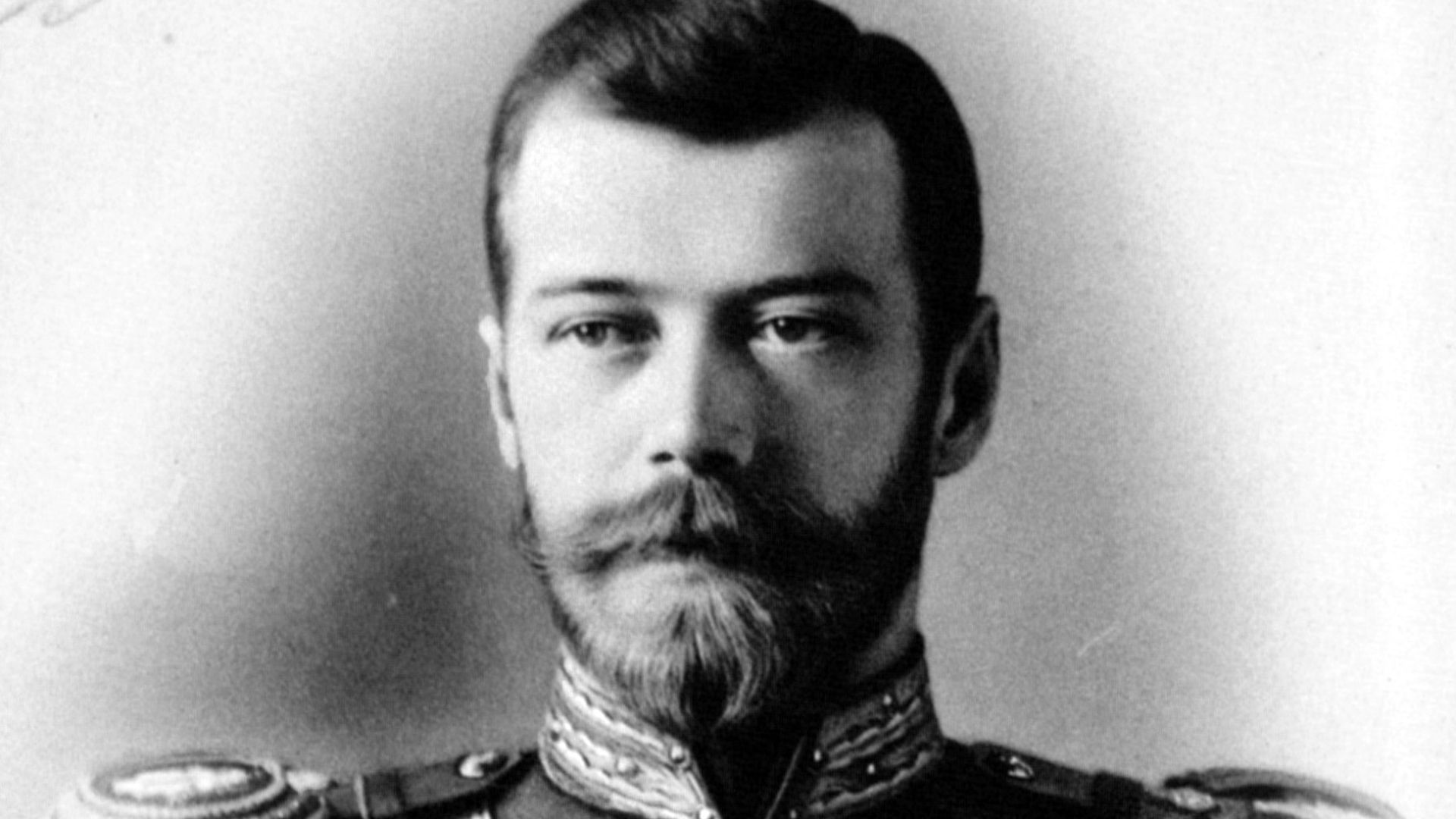
12. Tsar Nicholas II
The last Russian emperor and his family were secretly buried after their execution during the Russian Revolution. When their remains were identified decades later, debates erupted over authenticity, religion, and Russia's national identity. Their eventual reburial became as much a political event as a historical one.
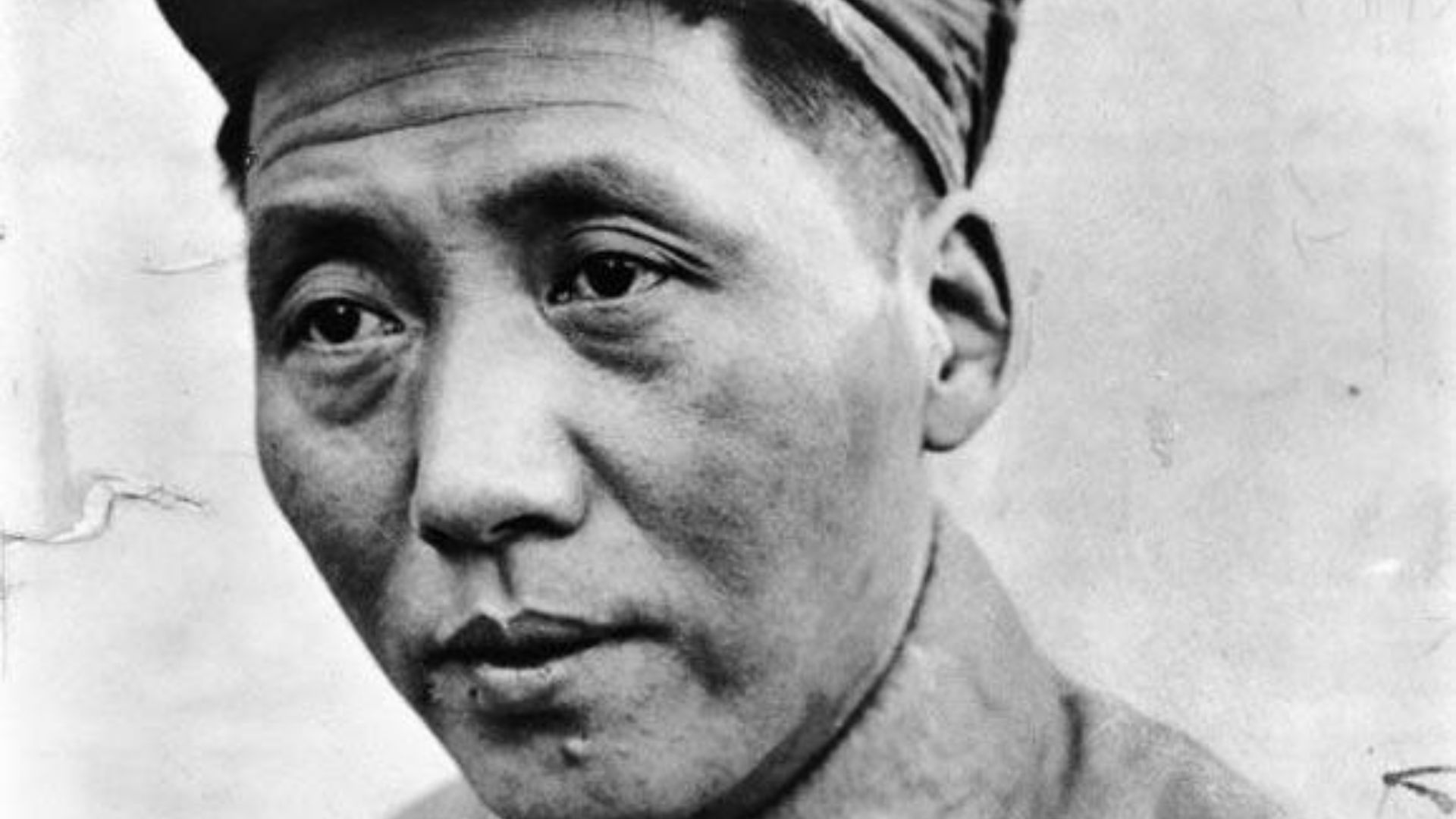
13. Mao Zedong
After Mao Zedong died in 1976, Chinese leaders chose to embalm his body and place it in a massive mausoleum in Beijing's Tiananmen Square. The decision went against Mao's reported wish to be cremated, but officials believed his preserved remains would reinforce the legitimacy of the Communist Party. Millions of visitors have passed through the mausoleum over the decades, making his body a lasting symbol of the People's Republic of China rather than simply a memorial to its founder.
 Unknown photographer on Wikimedia
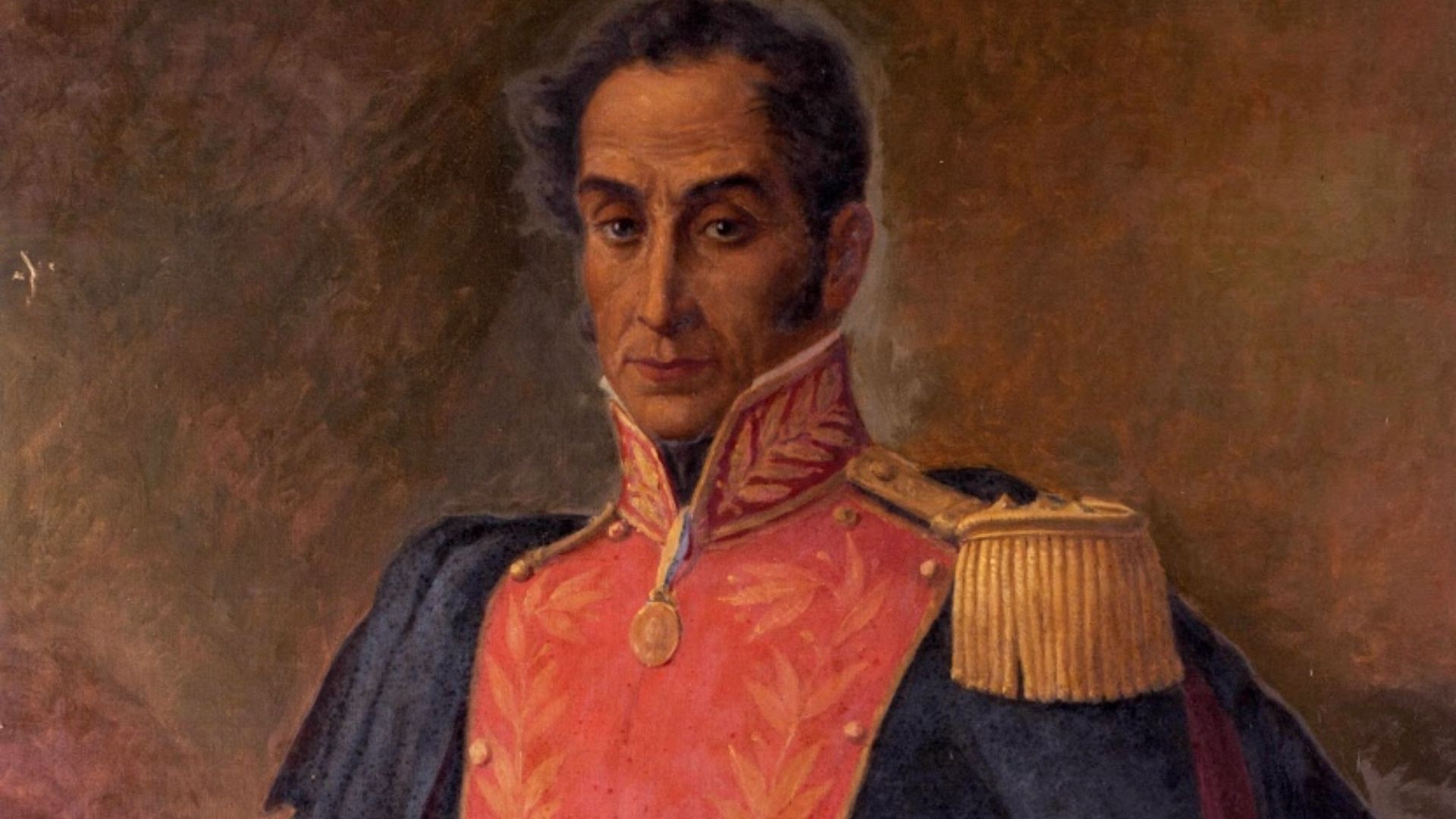
14. Simón Bolívar
Bolívar's remains have long served as a symbol of South American independence. In 2010, Venezuelan President Hugo Chávez ordered his tomb opened to investigate theories about the liberator's death. The highly publicized exhumation blended historical curiosity with contemporary political messaging.
 Ricardo Acevedo Bernal on Wikimedia
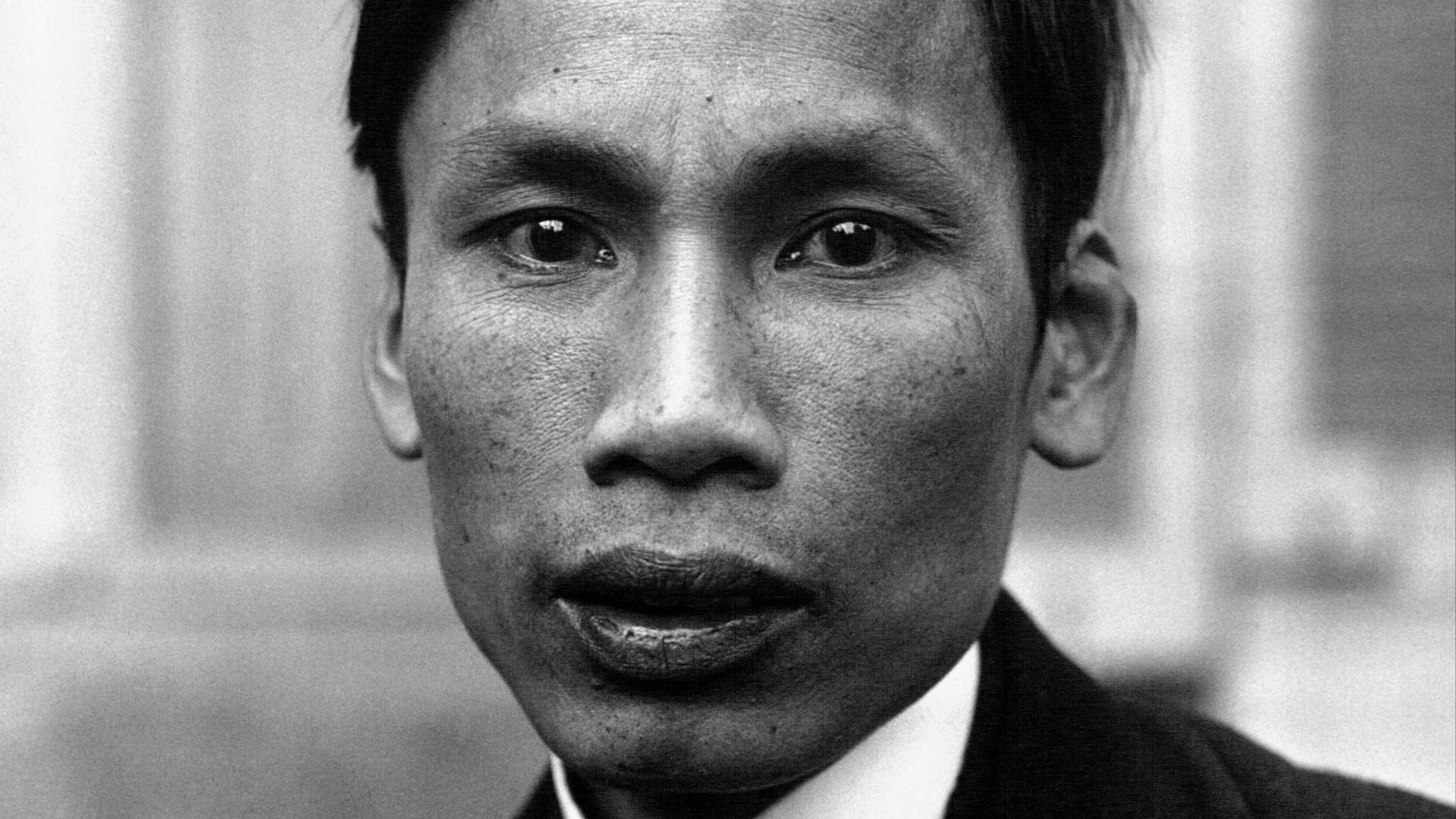
15. Ho Chi Minh
Ho Chi Minh reportedly wanted to be cremated and have his ashes scattered across Vietnam. Instead, the Vietnamese government embalmed his body and built an imposing mausoleum in Hanoi where it remains on public display. Leaders believed preserving his body would strengthen national unity and provide a permanent symbol of the revolution. His final resting place continues to play an important role in state ceremonies and national identity.
 Agence de presse Meurisse on Wikimedia
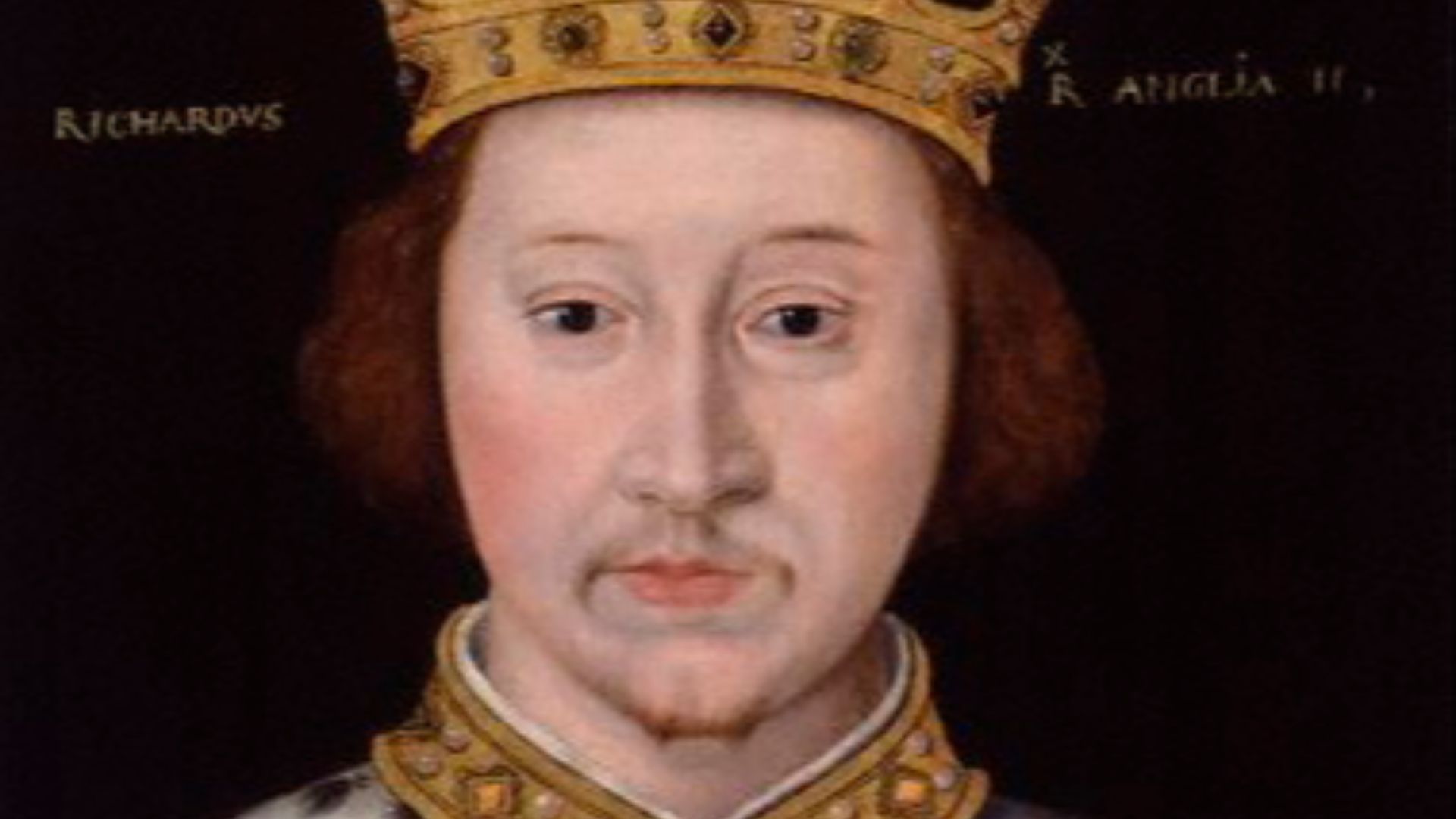
16. King Richard II
After Richard II died in captivity, he was buried quietly at Kings Langley rather than in Westminster Abbey alongside England's monarchs. Years later, King Henry V ordered his remains transferred to Westminster to reinforce the legitimacy and continuity of the royal dynasty. His final resting place became part of a broader political reconciliation.
17. Mustafa Kemal Atatürk
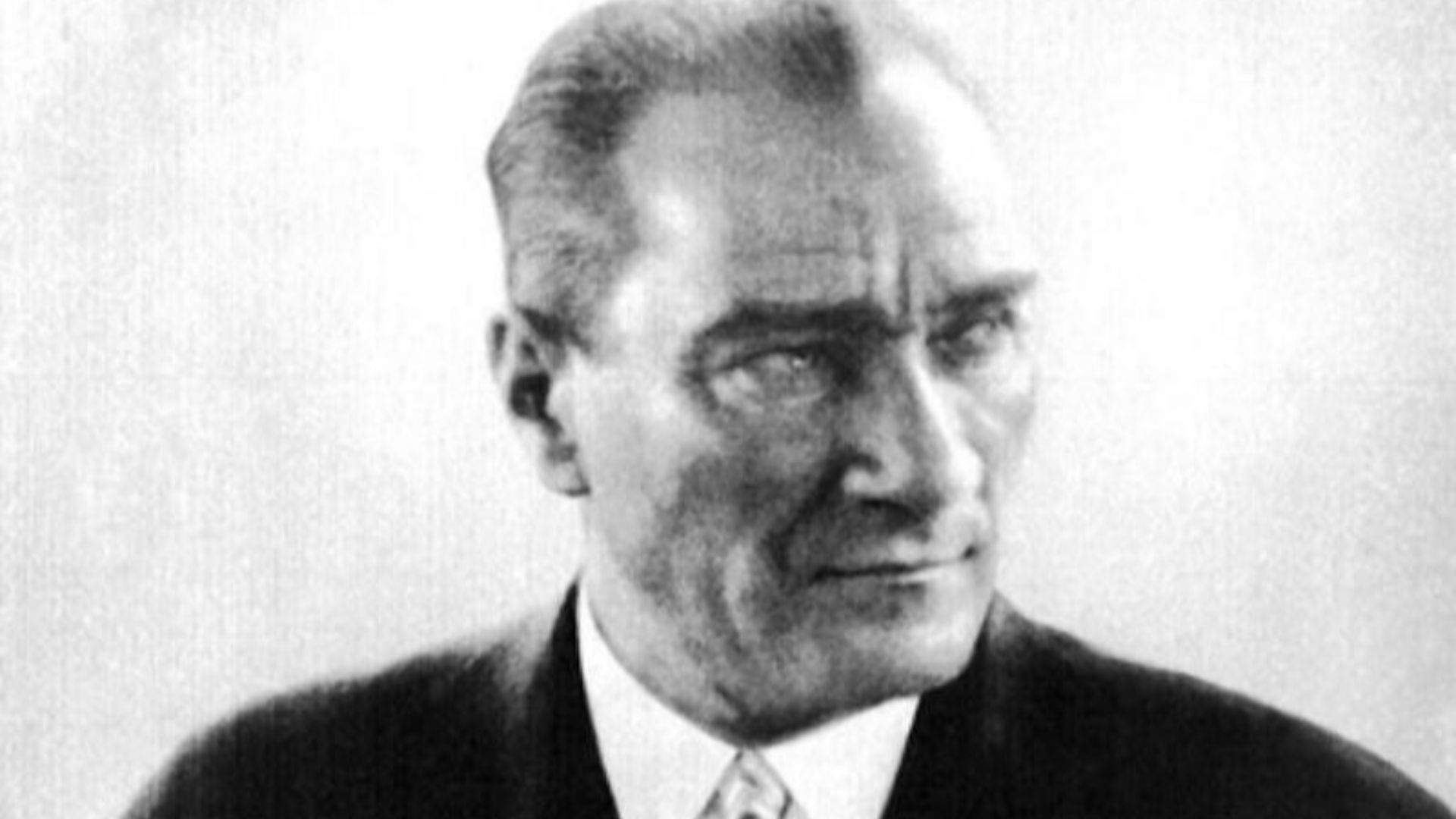
When Mustafa Kemal Atatürk died in 1938, his body was placed in a temporary tomb until Anıtkabir, a monumental mausoleum in Ankara, was completed fifteen years later. The enormous complex was designed to symbolize the ideals of the modern Turkish Republic that Atatürk founded. His tomb remains a destination for national ceremonies, military commemorations, and civic celebrations. Over time, his resting place has become one of Turkey's most recognizable political landmarks.
18. Benito Mussolini
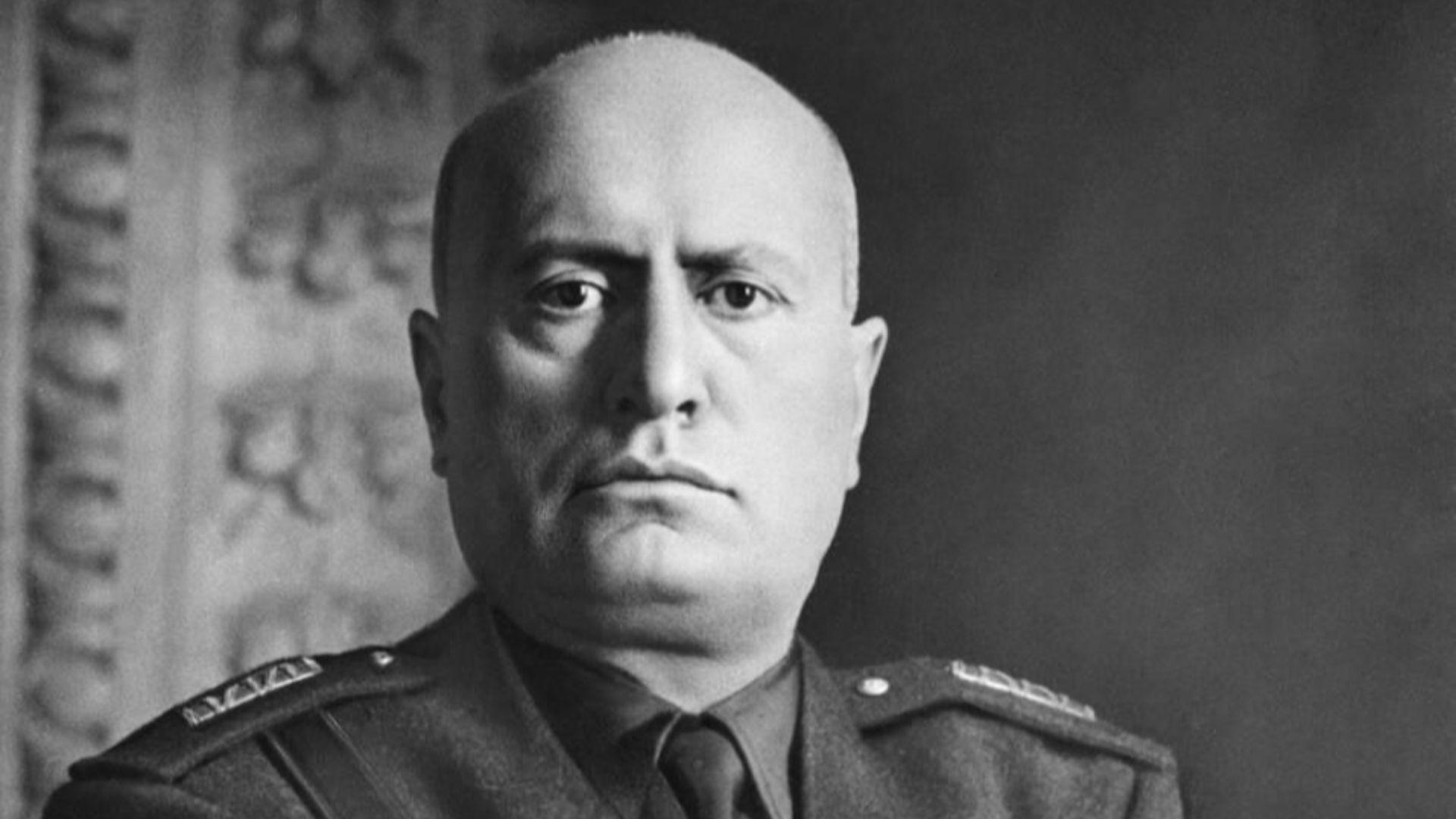
After Mussolini was executed in 1945, his body was publicly displayed upside down in Milan to demonstrate the collapse of Fascist rule. His remains were later stolen by supporters before eventually being recovered by authorities. Even decades later, his burial site continues to attract political attention and controversy.
19. Kim Il Sung
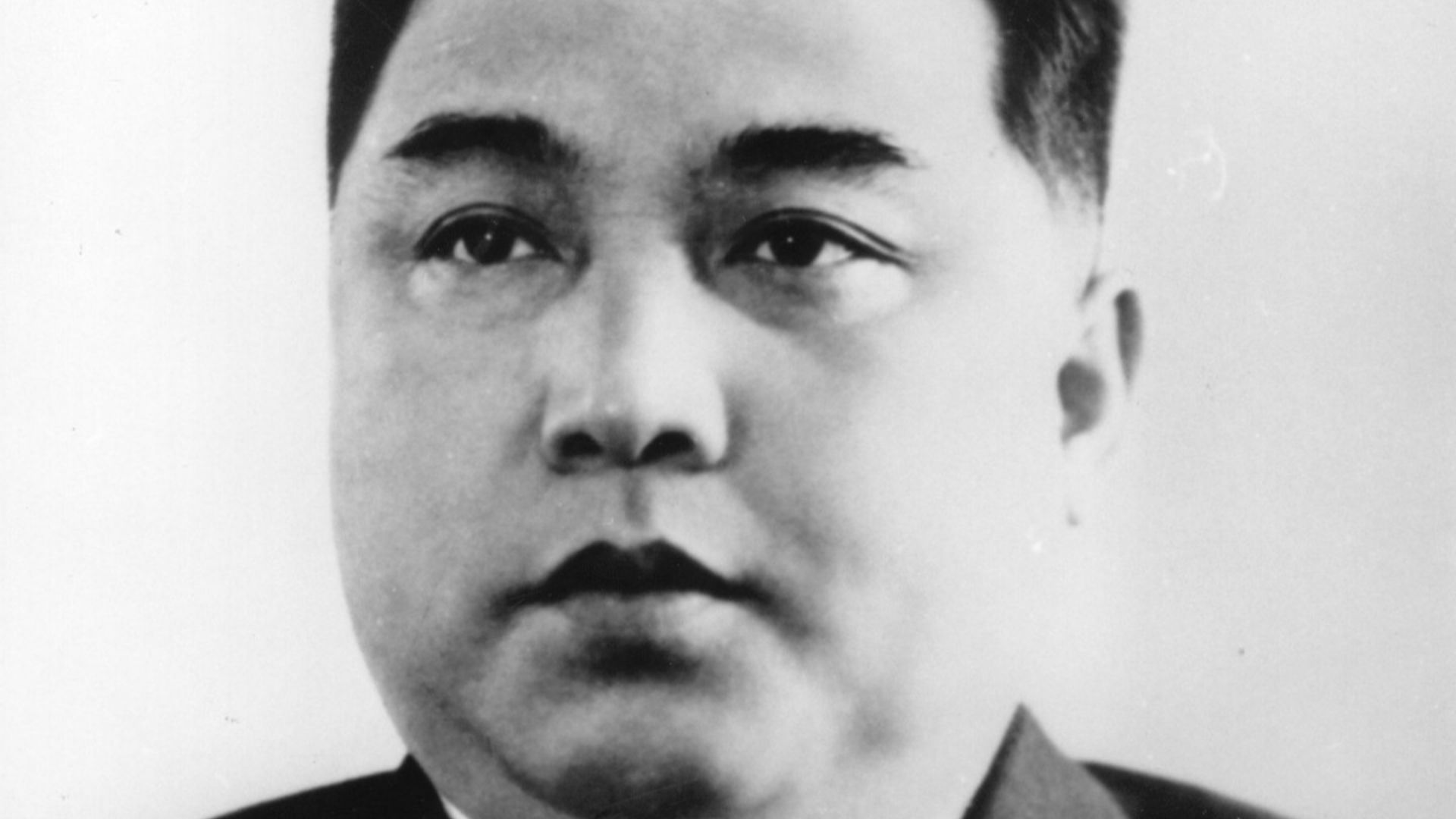
North Korea preserved Kim Il Sung's body after his death in 1994 and placed it on permanent display inside the Kumsusan Palace of the Sun. Visitors follow a carefully choreographed route before bowing to the country's founding leader, reinforcing the state's carefully cultivated personality cult. His preserved remains serve as both a memorial and a powerful political symbol of the ruling Kim dynasty.
20. John Brown
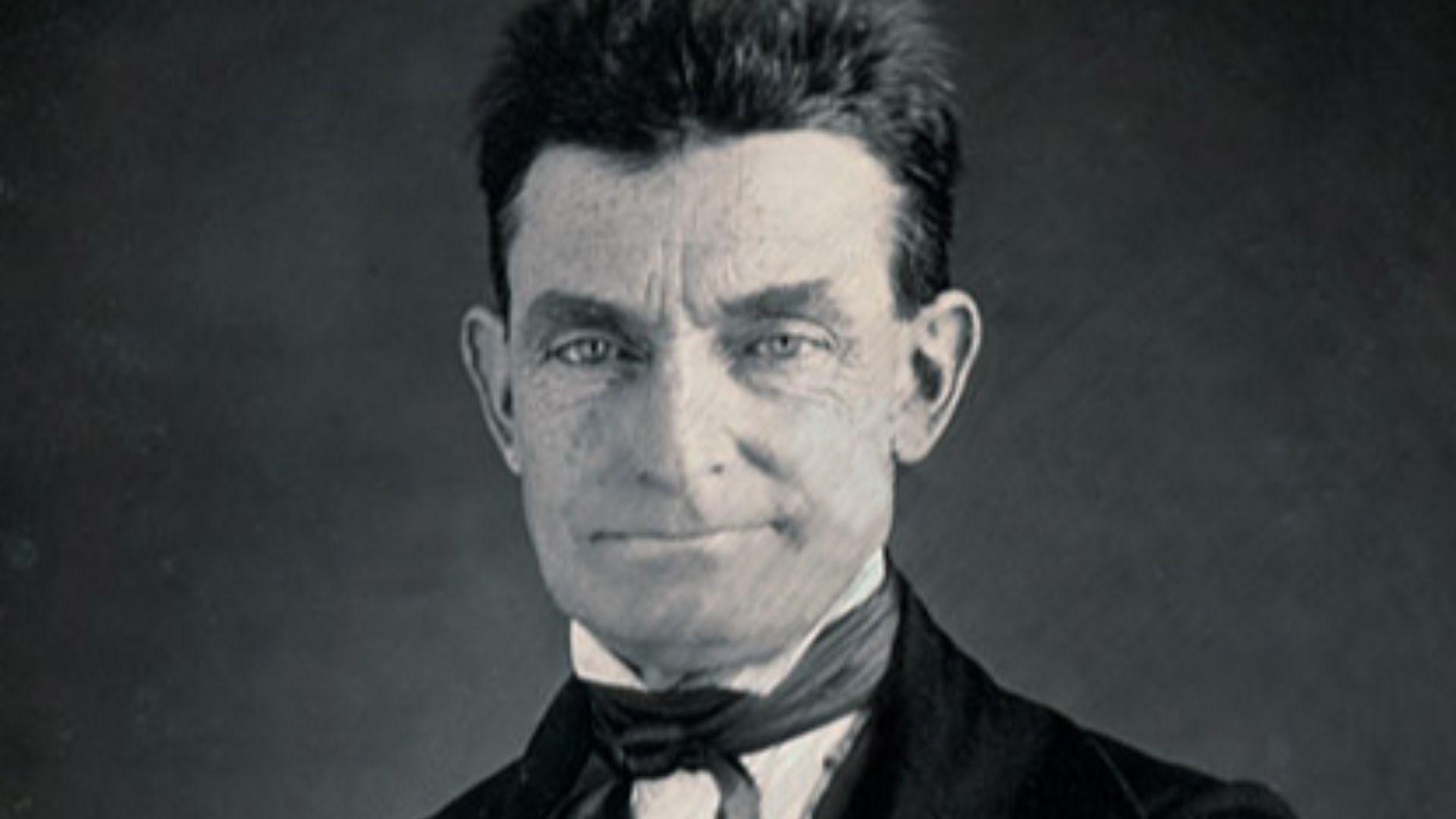
After abolitionist John Brown was executed following the raid on Harpers Ferry, supporters treated his burial site as sacred ground. His death transformed him from a failed revolutionary into a martyr for the anti-slavery movement, while opponents viewed him as a dangerous extremist. Long after his execution, his grave continued to symbolize the growing divide that led to the American Civil War.
 Augustus Washington on Wikimedia
KEEP ON READING