
20 Historical Figures Who Were Forgotten Despite Doing Something Huge
The People Who Deserved a Much Bigger Place in History
History books tend to celebrate familiar names, but plenty of remarkable people have made enormous contributions without receiving the recognition they deserved. Some changed science, medicine, politics, or technology, while others helped shape major historical events and somehow ended up as footnotes. Their achievements weren't necessarily small or unimportant; in many cases, their stories were simply overshadowed by more famous figures, overlooked by historians, or forgotten as generations passed.
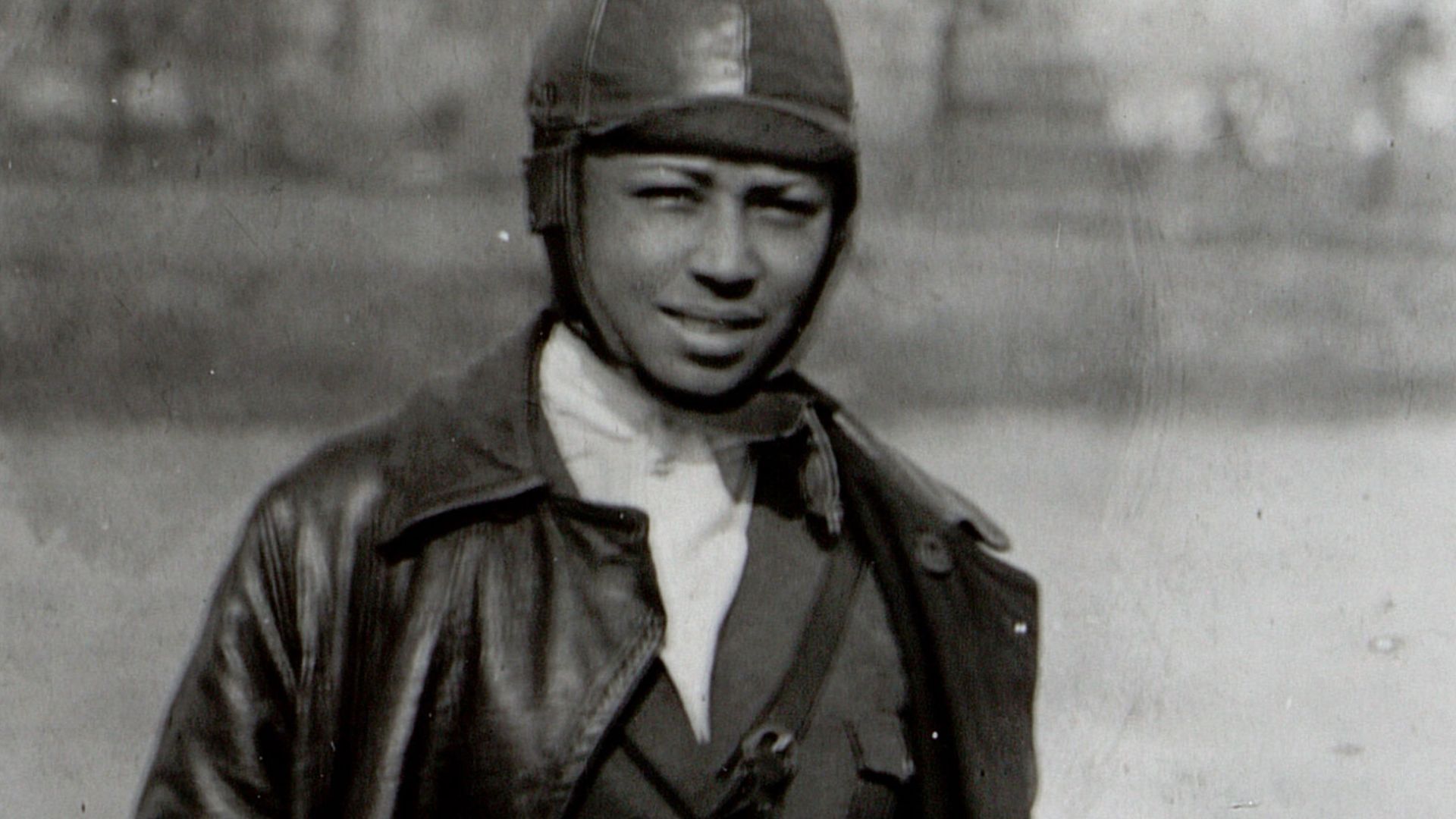
1. Claudette Colvin
Claudette Colvin was only 15 when she refused to relinquish her bus seat to a white passenger in Montgomery, Alabama, in 1955. This was nine months before Rosa Parks became famous for performing the same act of defiance against racial segregation. Colvin went on to become one of the plaintiffs in a lawsuit challenging bus segregation in Montgomery, which helped lead to the integration of the city's buses.
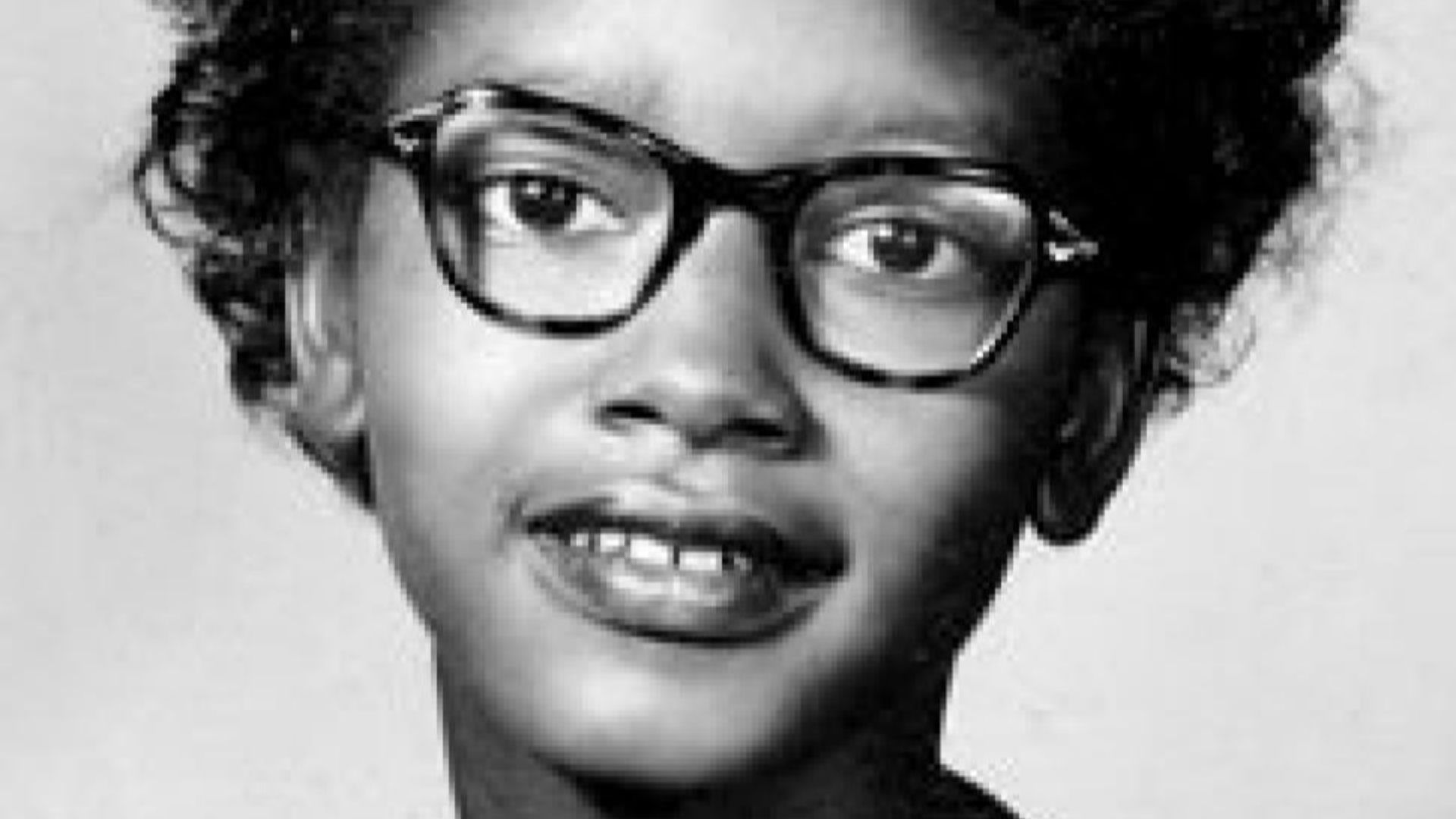 The Visibility Project, Claudette Colvin on Wikimedia
2. Alice Ball
Alice Ball devised a way to process and extract medicine from chaulmoogra oil, making it soluble for medical treatment of leprosy. At the University of Hawaii, she pioneered this process as a young adult before her untimely passing at age 24. Sadly, another scientist initially received much of the recognition for her discovery before her contribution was properly acknowledged.
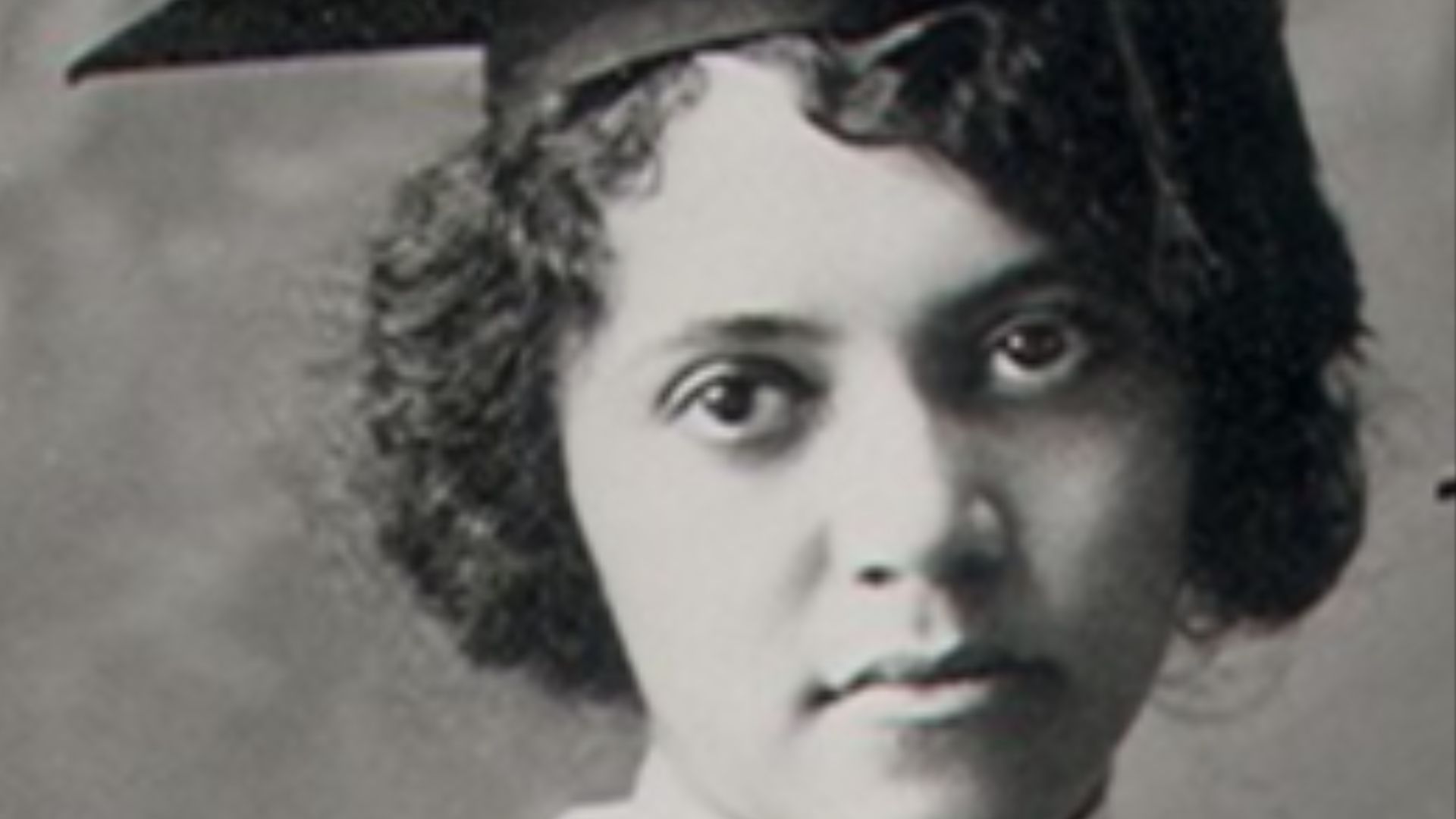 Unknown authorUnknown author on Wikimedia
3. Stanislav Petrov
Stanislav Petrov correctly identified a malfunction in the USSR's early-warning nuclear missile system in 1983, averting a potential conflict with the United States. If he had reported an imminent US nuclear strike to his superiors, as the system indicated, Soviet retaliation would likely have ensued. His judgment helped prevent a potentially catastrophic escalation, yet his story remained relatively unknown outside specialist historical circles for many years.
4. Mary Anning
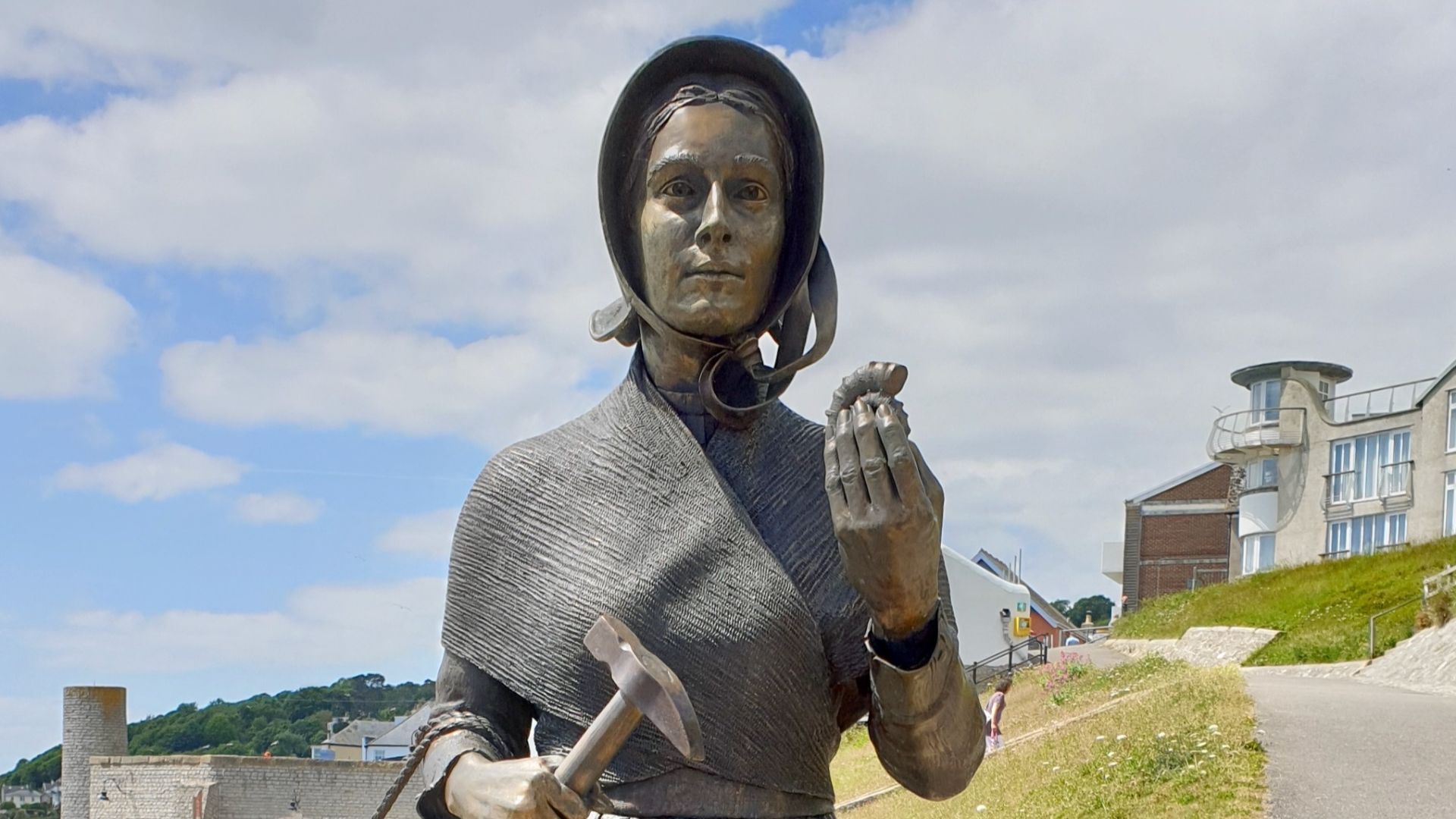
Mary Anning found numerous important fossils along England's Jurassic Coast, which helped establish our knowledge of prehistoric life and various dinosaur species. She is perhaps best known for the discovery and documentation of several ichthyosaur specimens. Despite her extraordinary expertise, she received little formal recognition during her lifetime because she was a working-class woman in a scientific community dominated by wealthy men.
5. Bayard Rustin
When people remember the 1963 March on Washington, Martin Luther King Jr.'s famous speech usually comes to mind, but Bayard Rustin played an enormous role in making the event happen. He organized transportation, coordinated volunteers, managed logistics, and helped bring hundreds of thousands of people together for the historic demonstration. His contributions were often pushed into the background because of prejudice surrounding him.
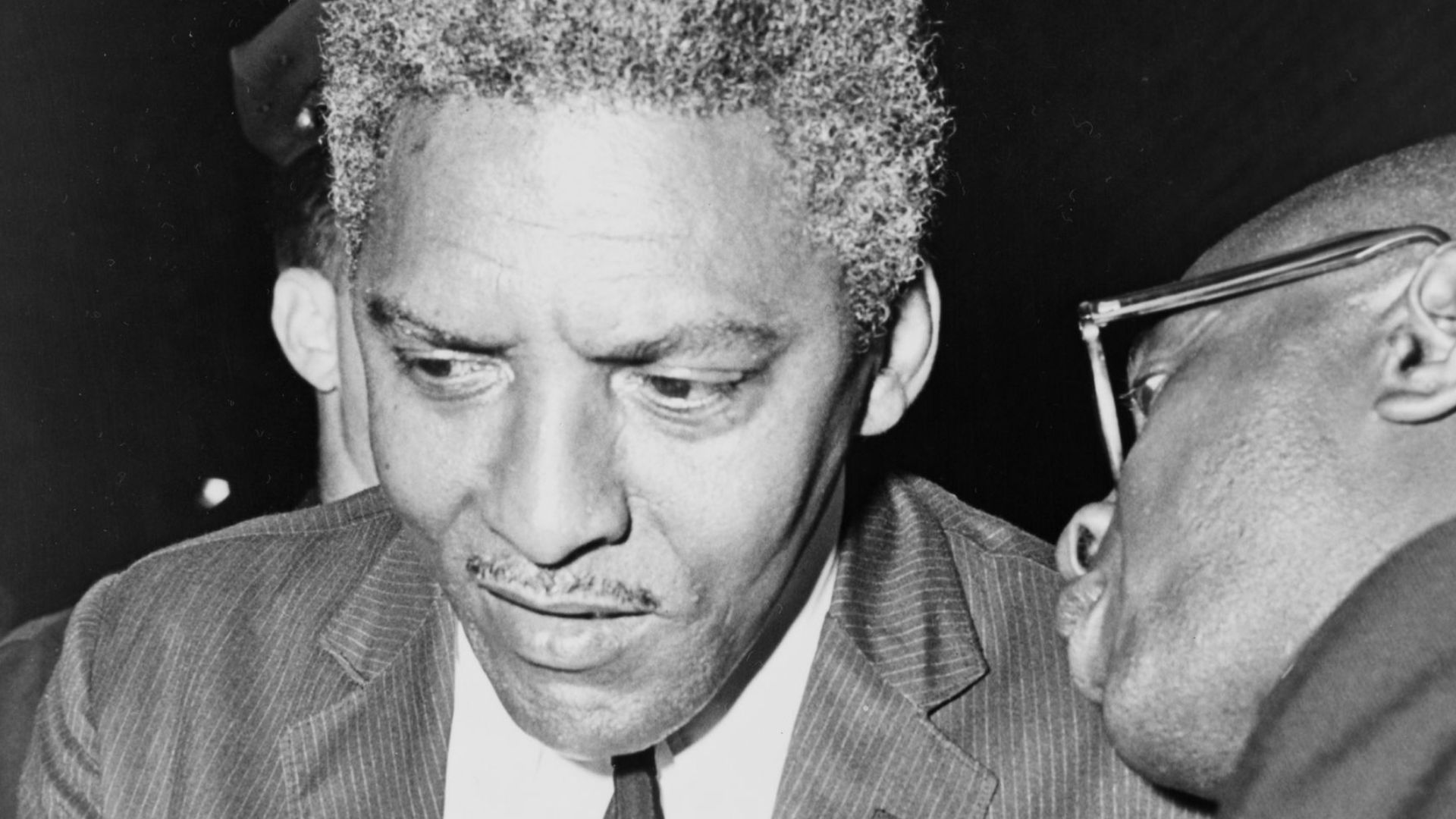 New York World-Telegram and the Sun staff photographer: Wolfson, Stanley, photographer. on Wikimedia
6. Alice Guy-Blaché
Alice Guy-Blaché directed and produced early examples of feature-length narrative films in the 1890s. She formed her own film studio, which produced a large number of movies during her career. Her achievements rarely make the headlines alongside those of her better-known contemporaries.
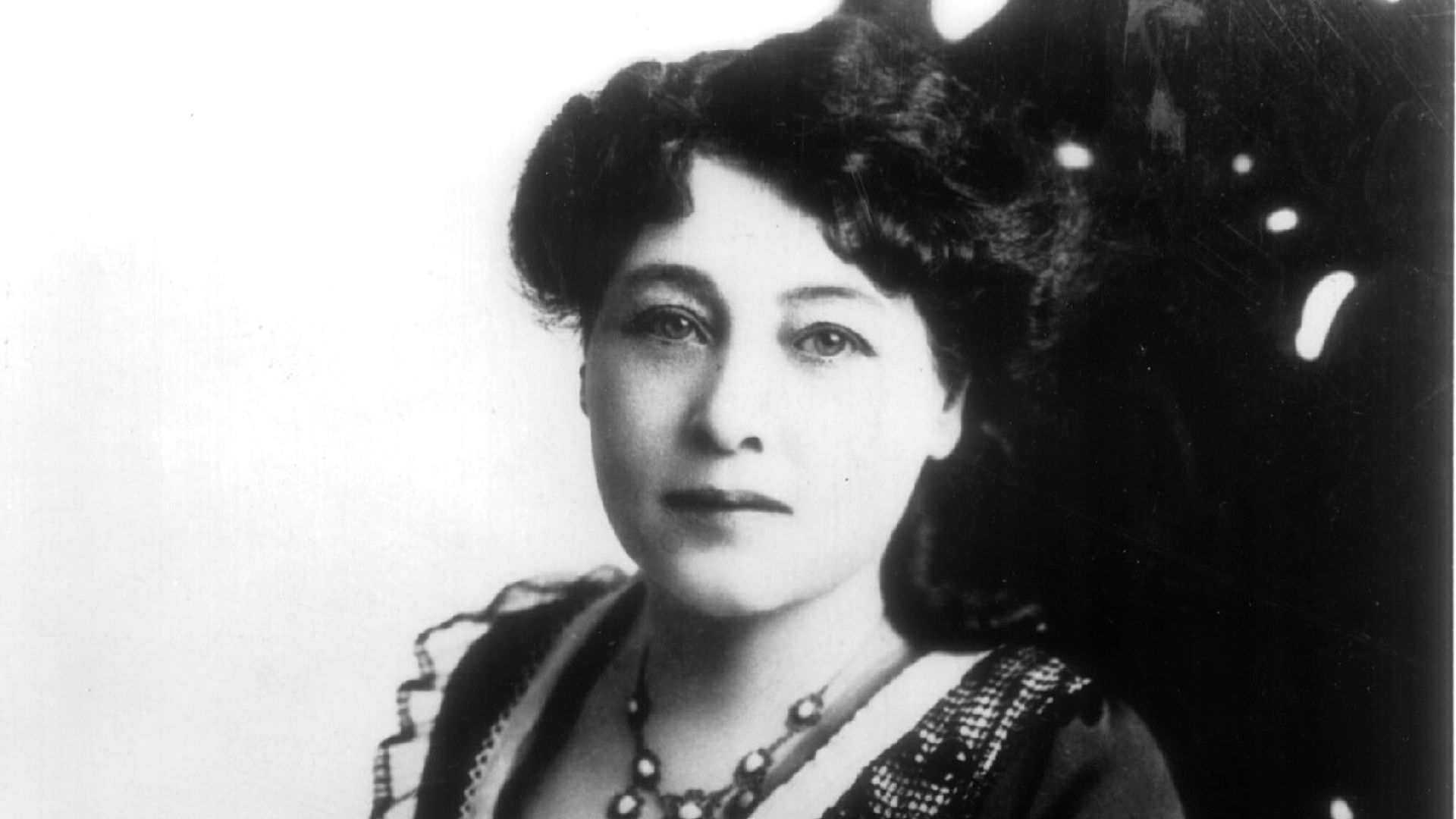 Apeda Studio New York on Wikimedia
7. Lewis Latimer
Lewis Latimer created an improved form of carbon filament for the incandescent light bulb and was responsible for preparing patent diagrams for Alexander Graham Bell's telephone. He went on to further improve many technologies as an engineer and inventor, yet fell far short of achieving the popularity of Thomas Edison and his association with the light bulb.
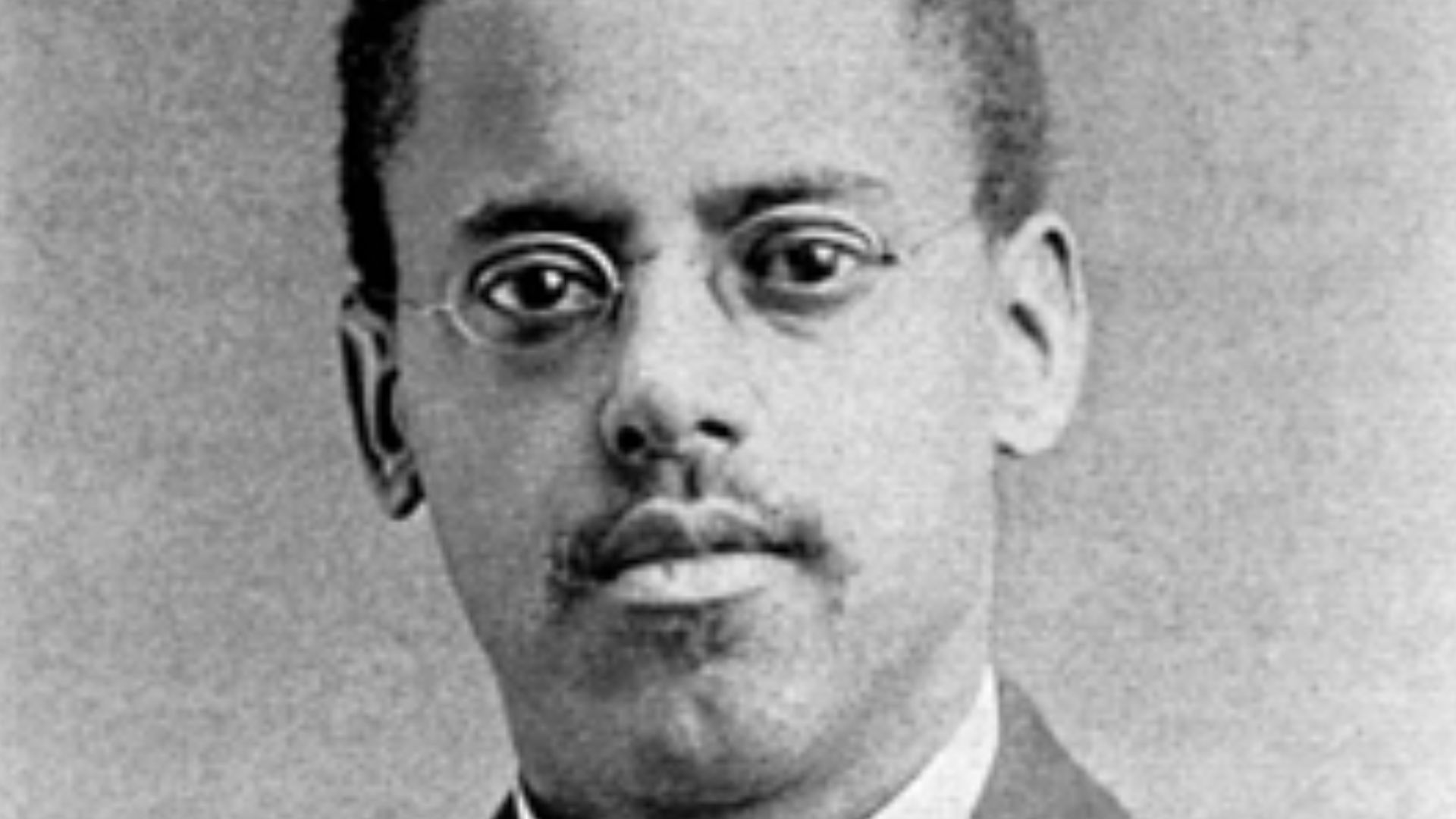 Unknown authorUnknown author on Wikimedia
8. Eunice Foote
Eunice Foote discovered in 1856 that carbon dioxide and water vapor had properties that enabled them to trap warmth and create a "greenhouse effect." She presented these observations several years before John Tyndall, who also made notable findings on this topic. However, because women faced significant barriers in scientific institutions at the time, Foote's work received little attention and was largely forgotten for generations.
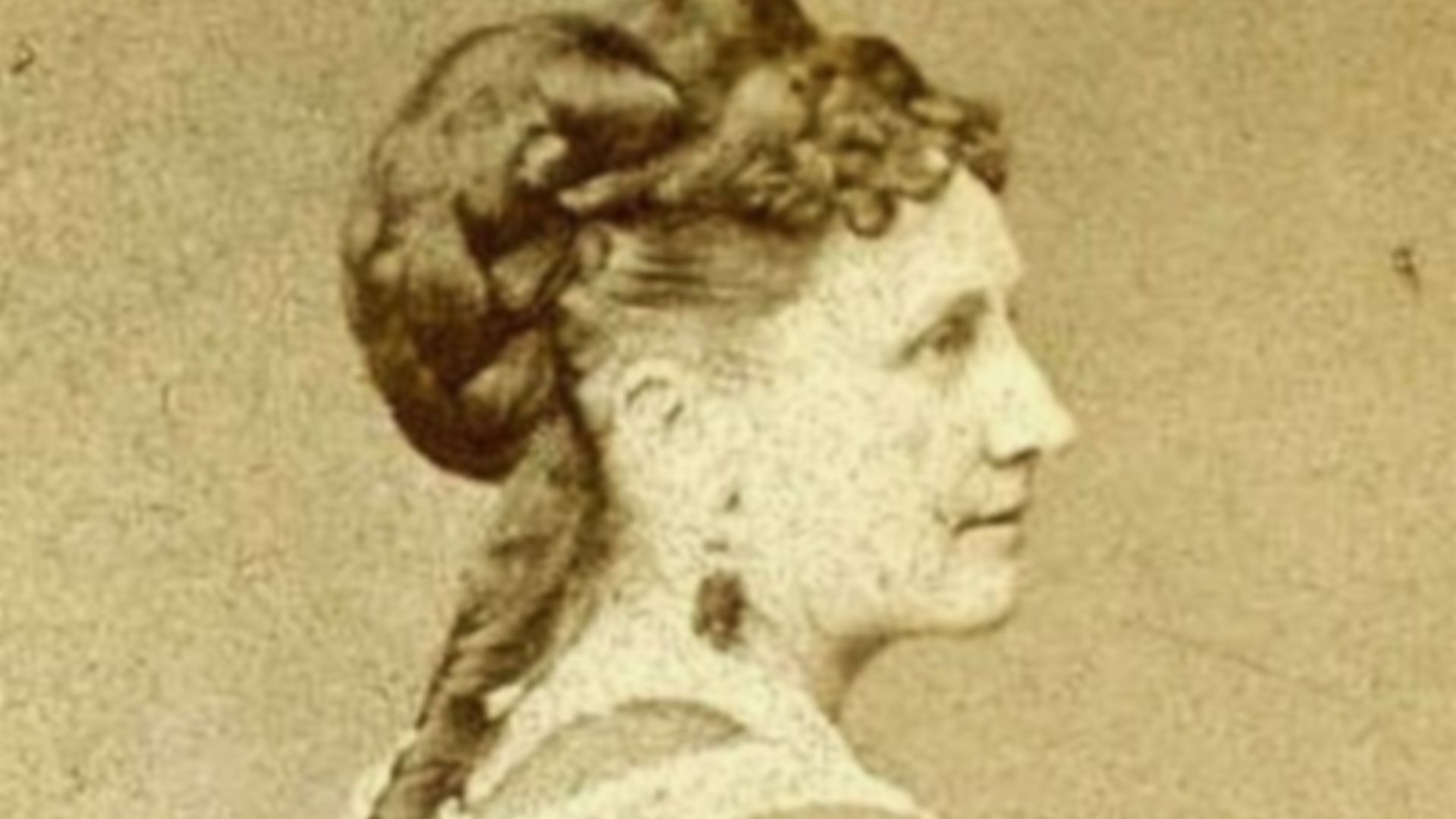 Unknown photographer on Wikimedia
9. Garrett Morgan
Garrett Morgan developed an innovative traffic signal that included a warning position between the stop and go signals, giving drivers more time to react. His addition of an intermediate stage gave greater consideration to road user safety at intersections. In addition to his traffic signal innovation, Morgan was also credited with inventing an early gas mask for firefighters and workers entering smoke-filled buildings.
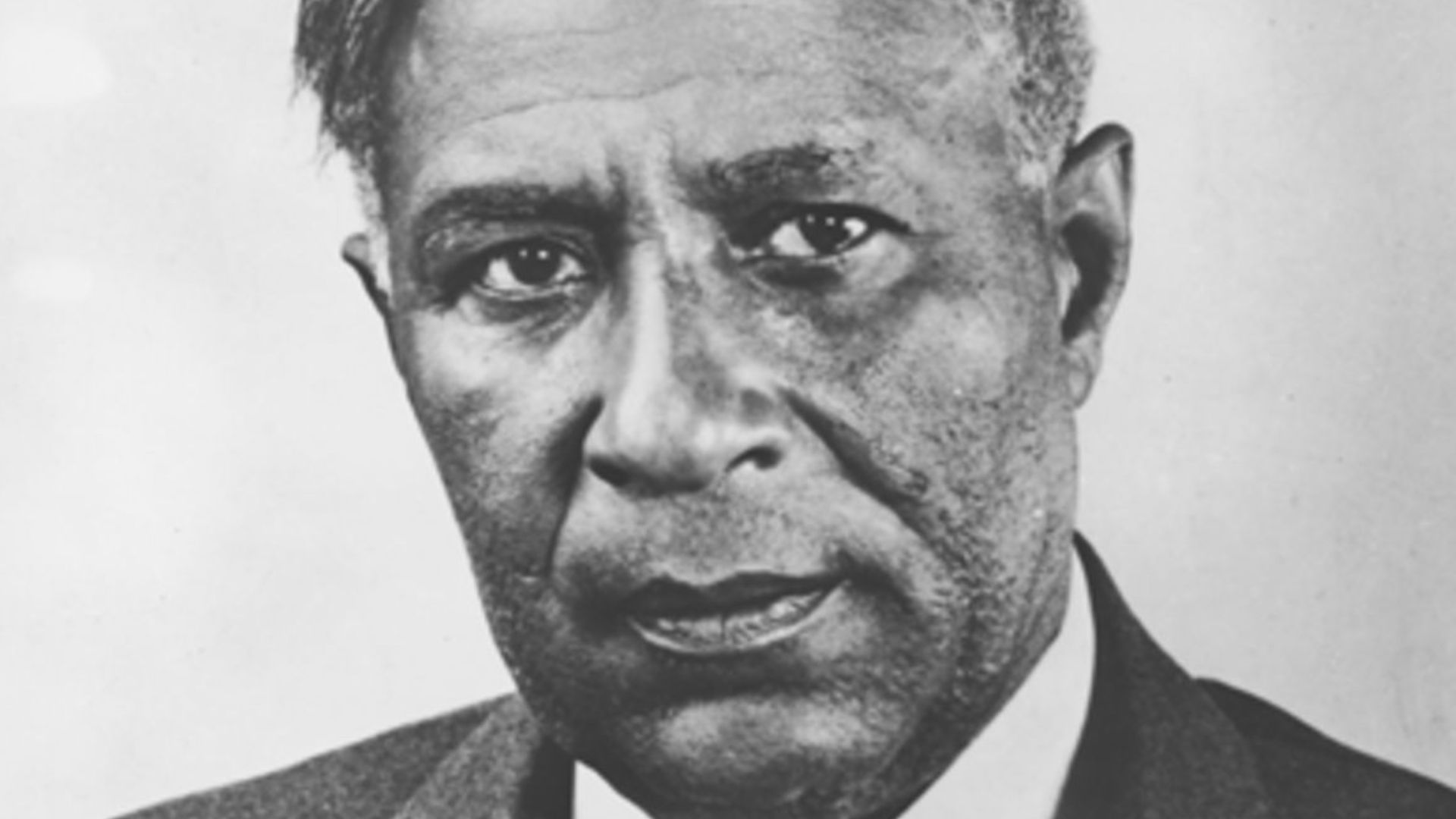 Unknown authorUnknown author on Wikimedia
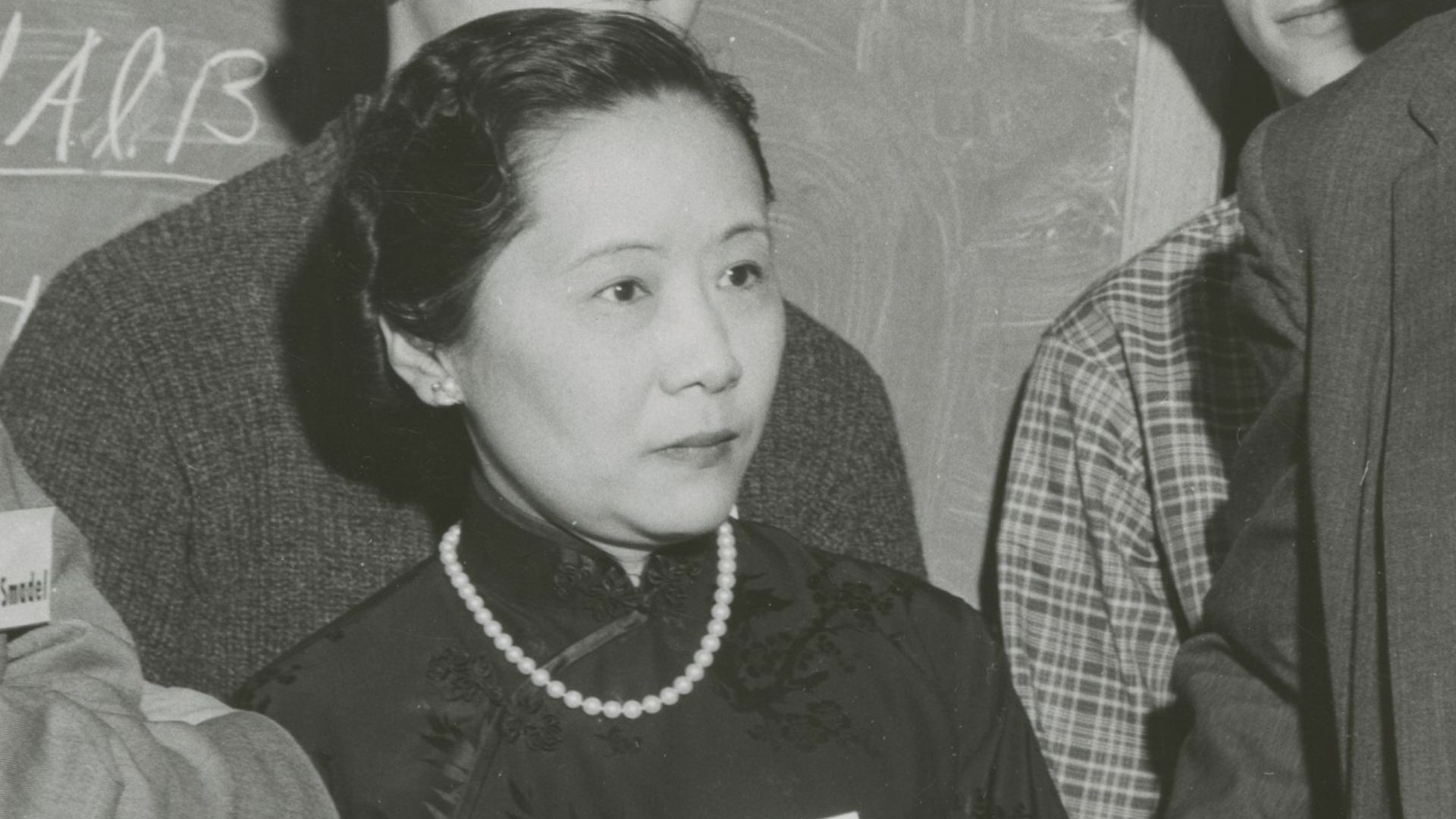
10. Chien-Shiung Wu
Wu carried out a famous test of the principle of parity in physics and demonstrated that it didn't always hold true, validating predictions made by theorists Lee and Yang. Her efforts were key in substantiating their theory; however, neither of these male physicists acknowledged her contribution when they won the Nobel Prize for the discovery in 1957.
 Smithsonian Institution from United States on Wikimedia
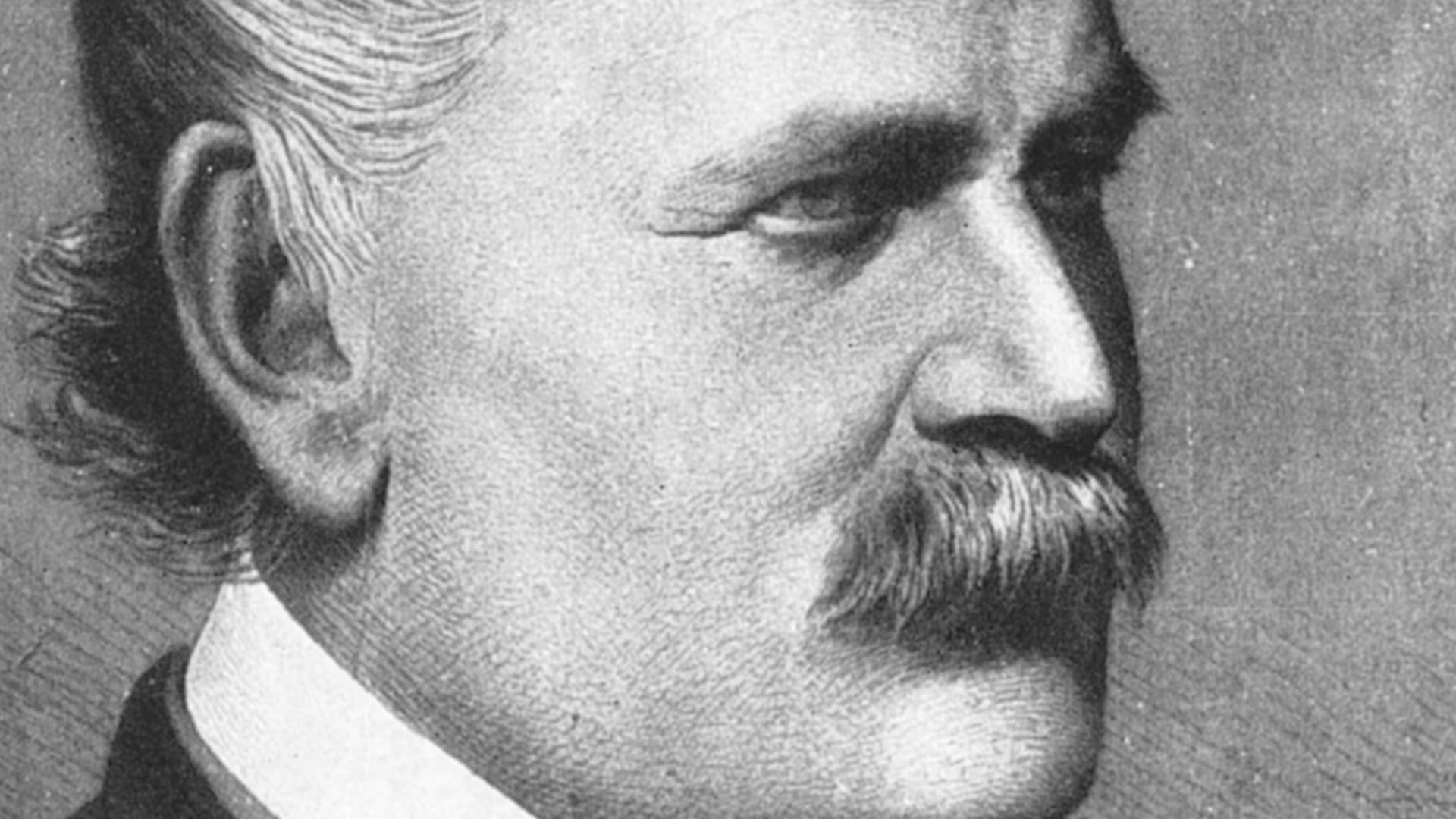
11. Ignaz Semmelweis
Ignaz Semmelweis observed a disproportionately high mortality rate among female patients undergoing childbirth in physicians' clinics compared with those in midwives' clinics in the 1840s. After instituting a chlorine scrub for all physicians before entering patients' rooms, mortality figures dropped substantially. Unfortunately, many of his colleagues rejected his findings during his lifetime, and his ideas weren't widely accepted until after his death.
 After Jenő Doby's engravig on Wikimedia
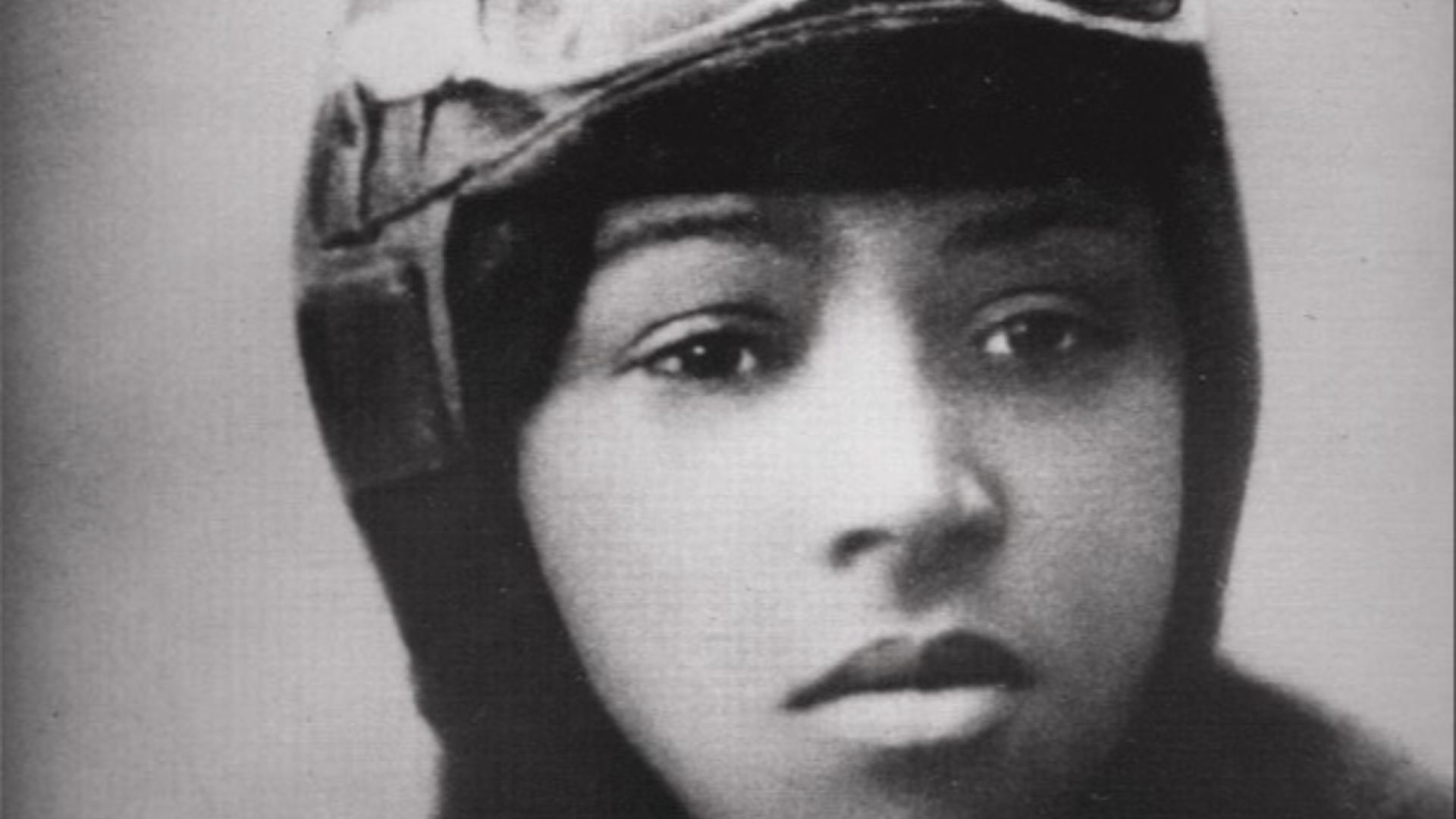
12. Bessie Coleman
Bessie Coleman was the first African American woman and the first Native American woman to earn a pilot's license. She later performed air stunts around America and continued to fly, though she has faded from collective consciousness compared with many other aviation pioneers.
 National Air and Space Museum on Wikimedia
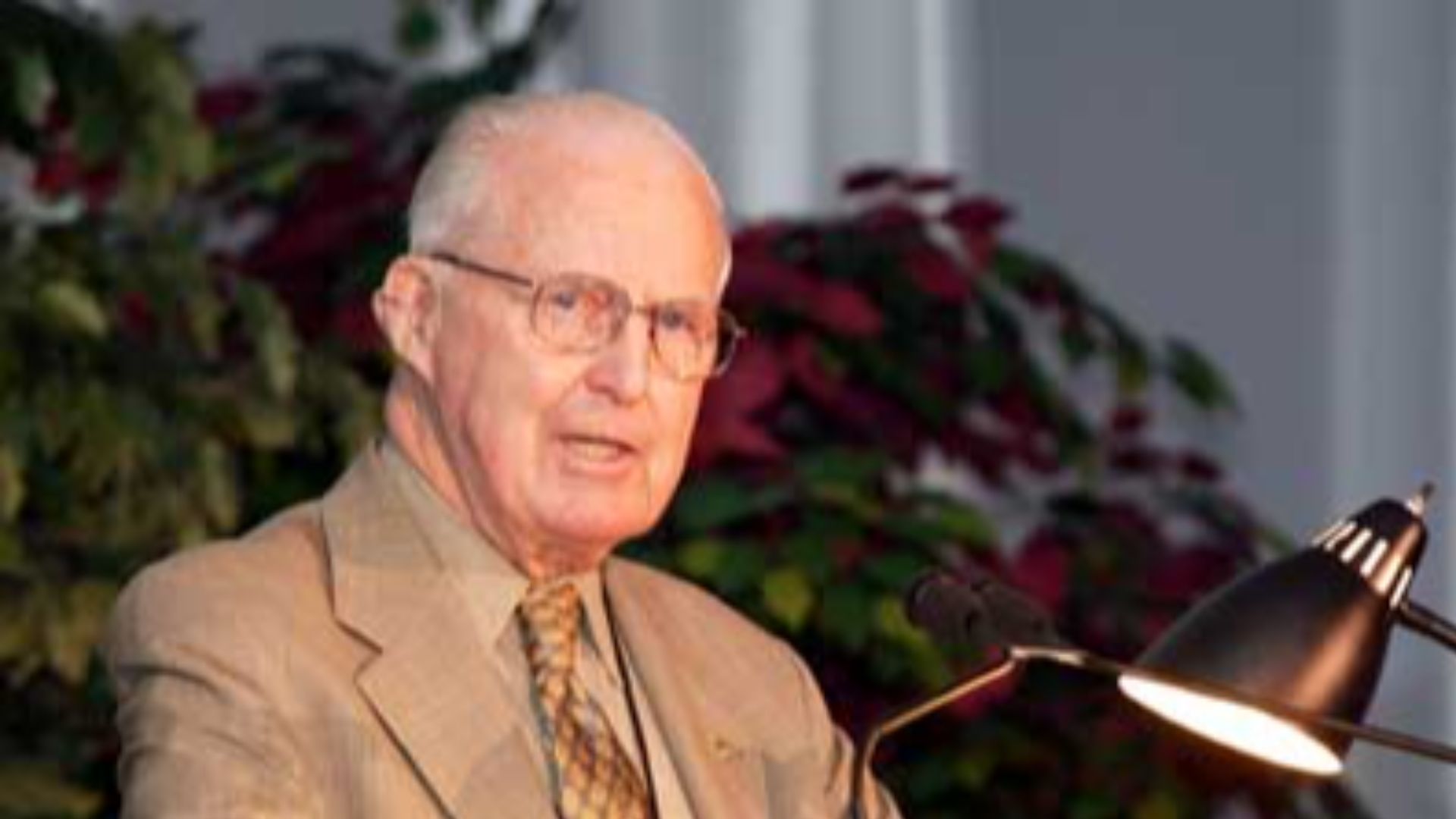
13. Norman Borlaug
Norman Borlaug developed high-yield, disease-resistant wheat varieties that helped dramatically increase agricultural production in several parts of the world. His work became a major part of the Green Revolution, improving food supplies and helping countries address serious hunger problems. He received the Nobel Peace Prize in 1970, but his name remains surprisingly unfamiliar.
14. Alice Hamilton
Alice Hamilton was a physician and researcher who investigated the health hazards faced by industrial workers in the United States. Her research exposed the dangers of lead poisoning, toxic chemicals, and other workplace hazards, helping push for stronger occupational safety protections. She became the first woman appointed to the faculty of Harvard Medical School.
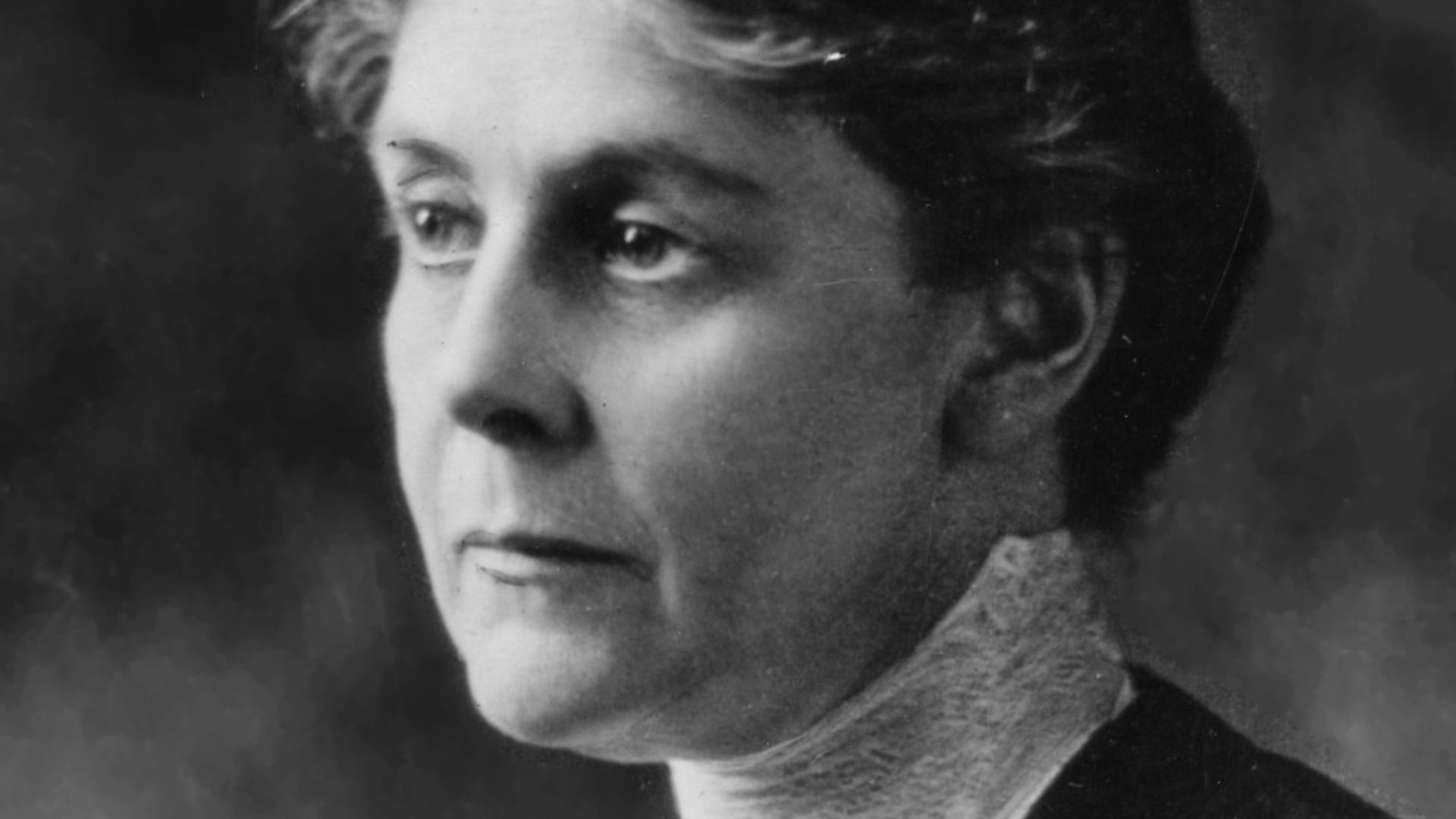 Original uploader was PDH at Smithsonian Institution and en.wikipedia on Wikimedia
15. Matthew Henson
American Matthew Henson accompanied US explorer Robert Peary on his final expedition to the North Pole in 1909. As Henson was an experienced and seasoned explorer of the Arctic region himself, he was pivotal in guiding Peary through the journey. While his accomplishments came to light in his later years, it was predominantly Peary who was lauded for this feat.
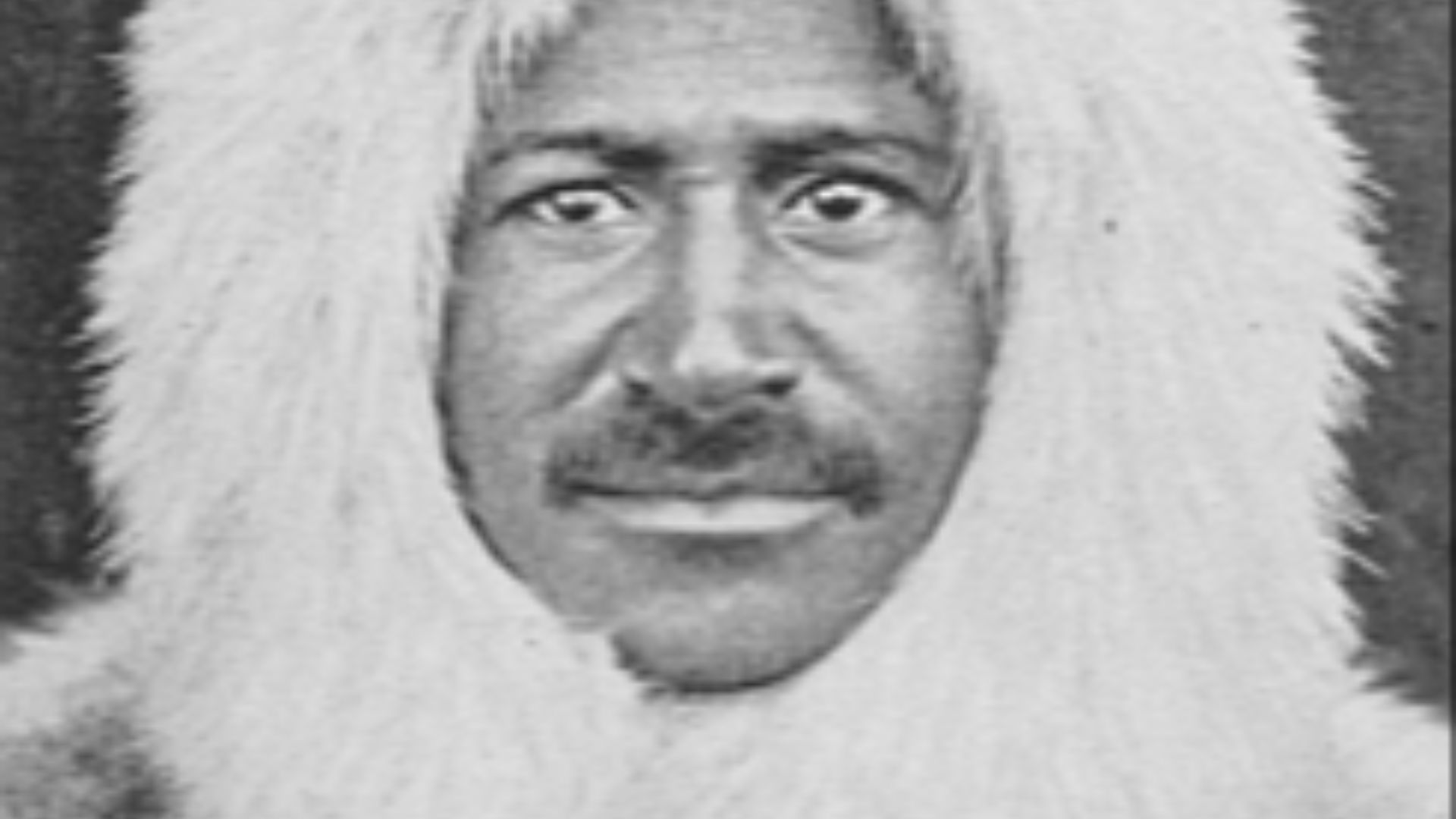 Unknown photographer on Wikimedia
16. Hedy Lamarr
Hedy Lamarr was famous for her Hollywood career, but she also had a remarkable talent for inventing. During World War II, she co-developed a frequency-hopping communication system with composer George Antheil, designed to make radio-controlled torpedoes more resistant to interference. Although their invention wasn't immediately adopted by the military, the underlying concept later became important to wireless communication technologies, including systems used in Bluetooth and Wi-Fi.
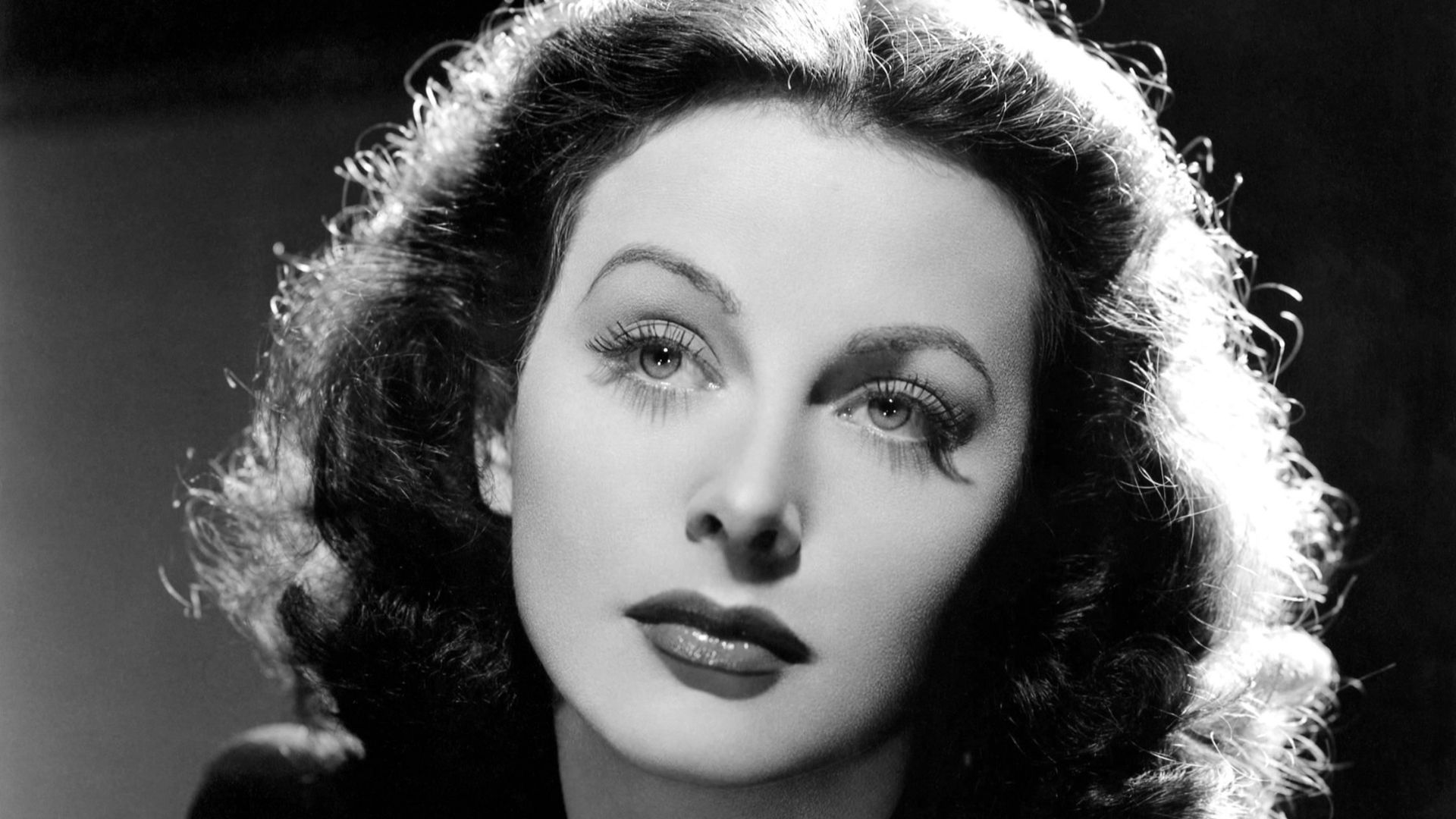 Employee(s) of MGM on Wikimedia
17. Percy Julian
Julian devised methods to synthesize key hormones and steroids from plant extracts more easily and cost-effectively, greatly facilitating their medical use for many conditions, including rheumatoid arthritis. He was subjected to considerable racism throughout his life but still became one of America's finest and most prolific chemists, whose name has received comparatively little media attention.
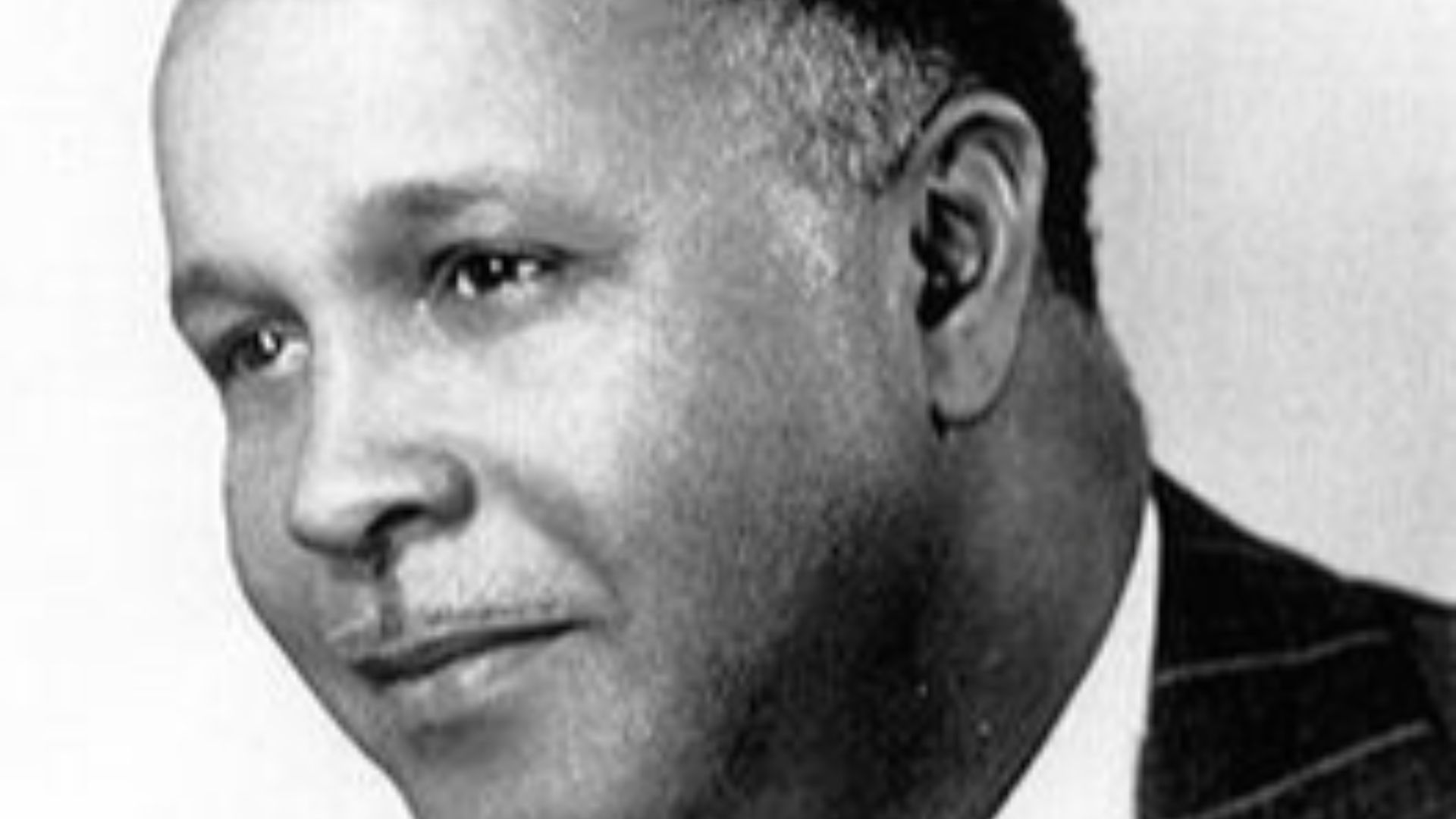 AnonymousUnknown author on Wikimedia
18. Lise Meitner
Lise Meitner played a crucial role in explaining nuclear fission, the process in which an atomic nucleus splits and releases enormous amounts of energy. Working with her nephew Otto Frisch, she provided the theoretical explanation for experimental results obtained by chemist Otto Hahn and his colleague Fritz Strassmann. Hahn received the 1944 Nobel Prize in Chemistry, but Meitner was excluded, despite the importance of her scientific contribution to understanding the discovery.
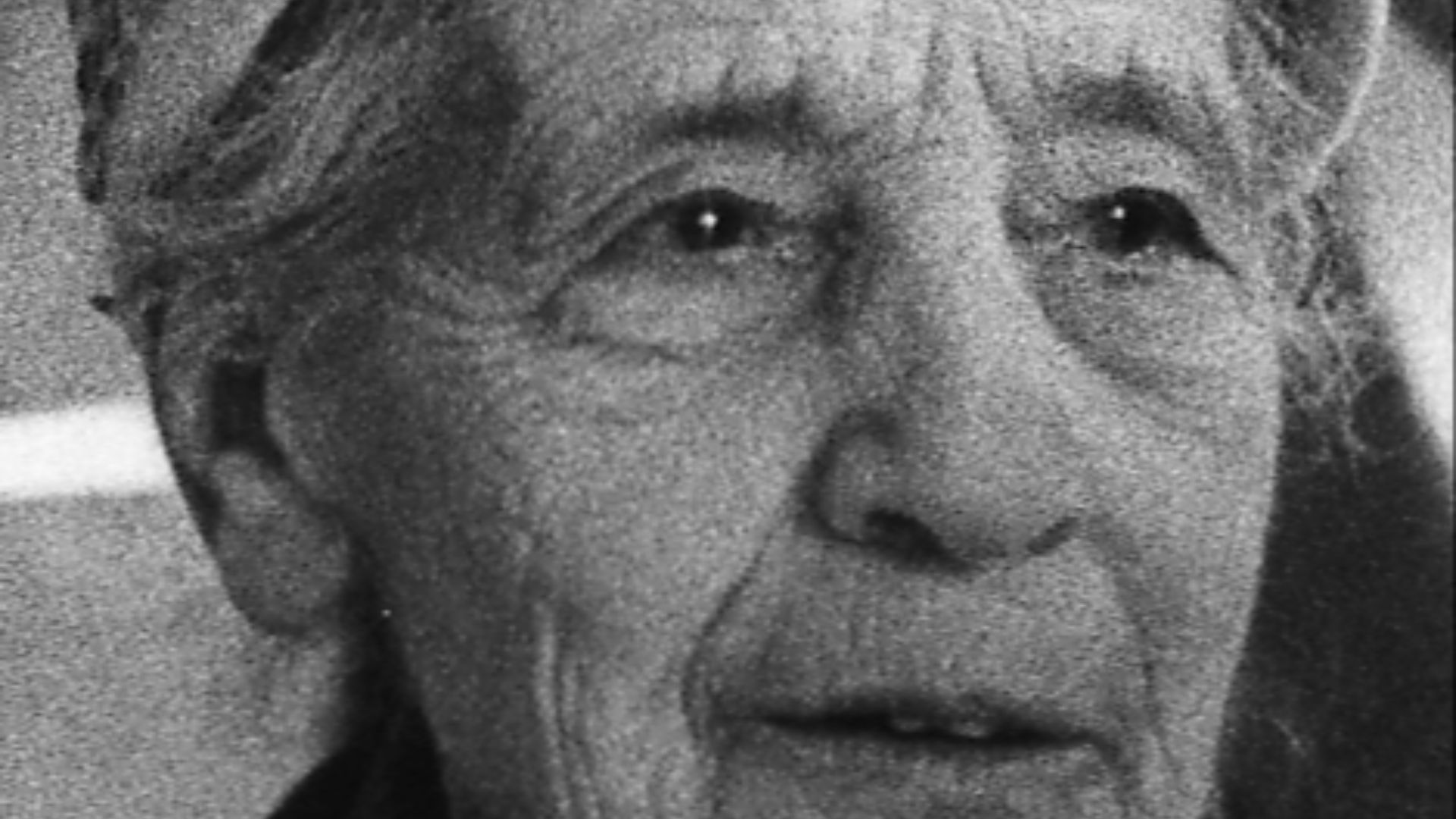
19. Claudie Haigneré
Claudie Haigneré was the first French woman to travel into space in 1996, undertaking several research studies aboard the Russian space station Mir. She returned to space shortly afterward on a second trip before going on to hold multiple positions of scientific influence and government policy in France. Few people know of Haigneré, even if they live in Europe.
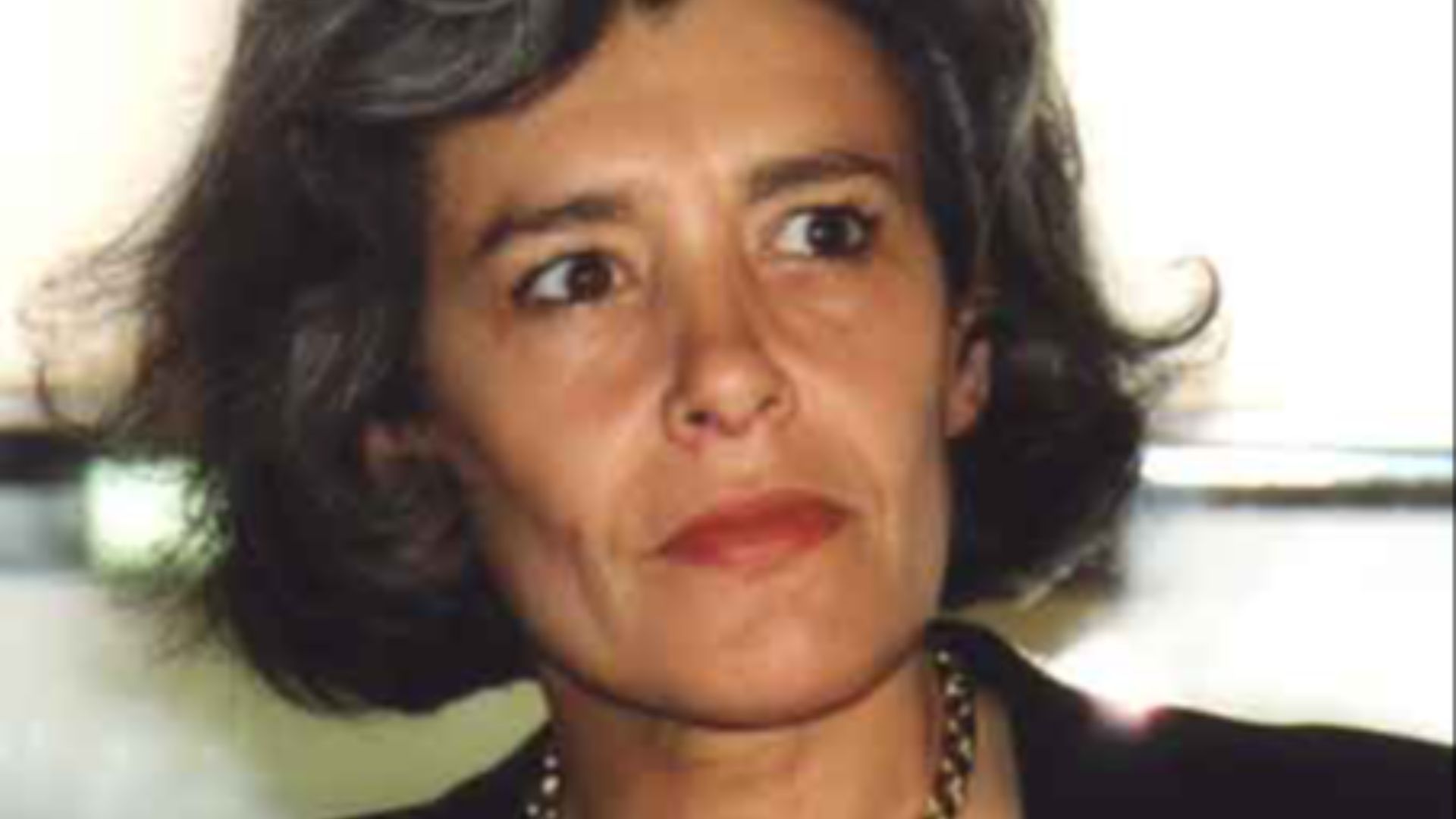
20. Isabel Morgan
Isabel Morgan performed significant research before Jonas Salk's work, focusing on isolating strains of polio and developing a vaccine. She was able to demonstrate that animals immunized with her experimental vaccine could resist polio infection before she abandoned her research shortly afterward. Morgan therefore deserves due credit for laying the groundwork for subsequent polio vaccination.
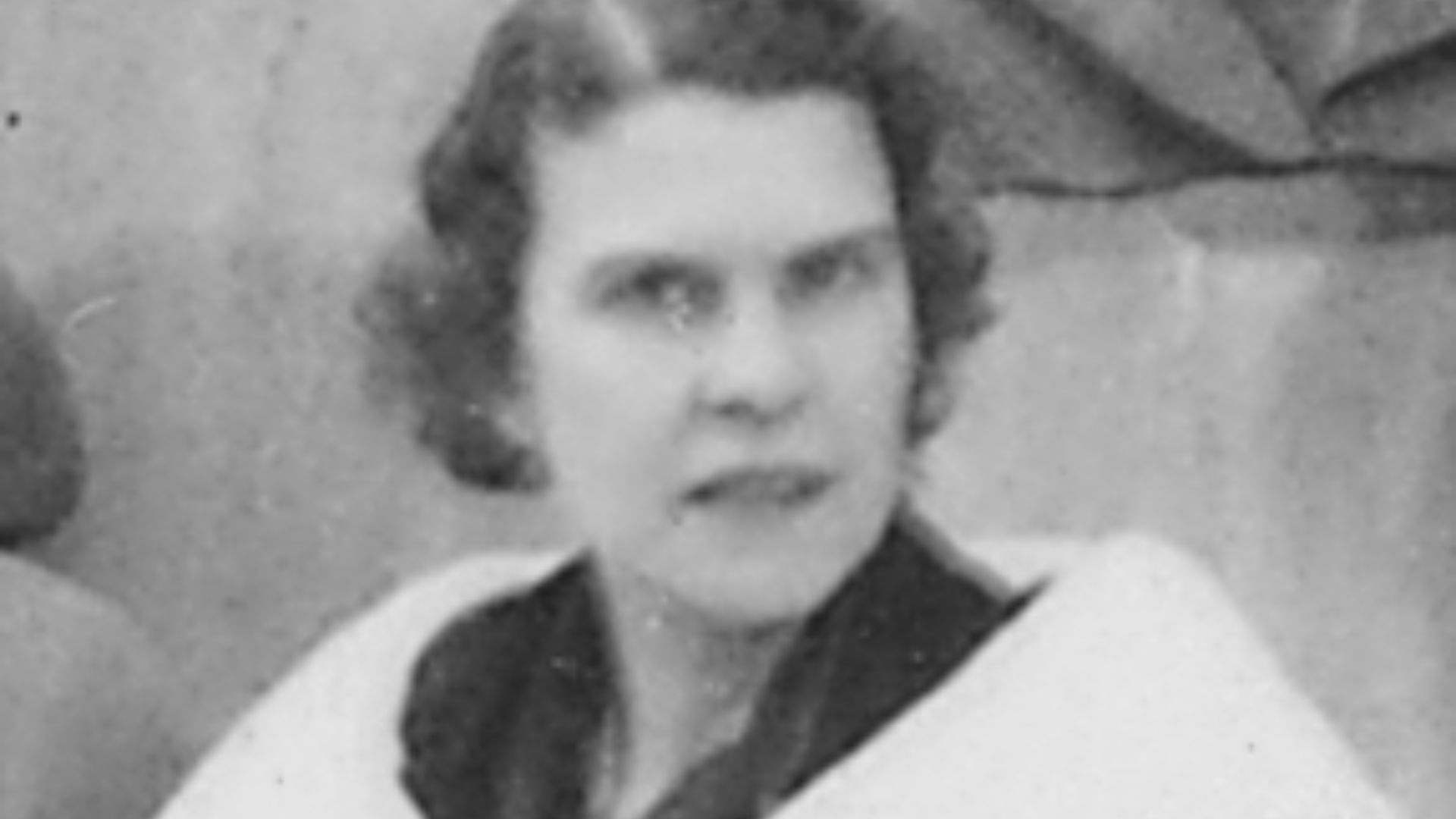 UnknownUnknown Photographer on Wikimedia