 Charles Green / Joseph Swain and workshop on Wikimedia
Few historical mysteries have inspired as much curiosity as the story of the Man in the Iron Mask, a prisoner whose identity was hidden for decades during the reign of King Louis XIV of France. His unusual circumstances, secretive imprisonment, and mysterious appearance eventually made him one of history's most recognizable unsolved figures. Even today, the story invites plenty of questions, particularly because the truth is considerably less straightforward than the legends suggest.
Although popular culture often portrays him as a forgotten royal heir locked away to protect a powerful family secret, historians have uncovered a number of fascinating details about his imprisonment. The real story involves royal officials, heavily guarded fortresses, and a mysterious man whose name was apparently never meant to become public knowledge. So, who was this prisoner, and why has his identity remained such an enduring puzzle?
The Prisoner Behind the Mysterious Mask
 AnonymousUnknown author on Wikimedia
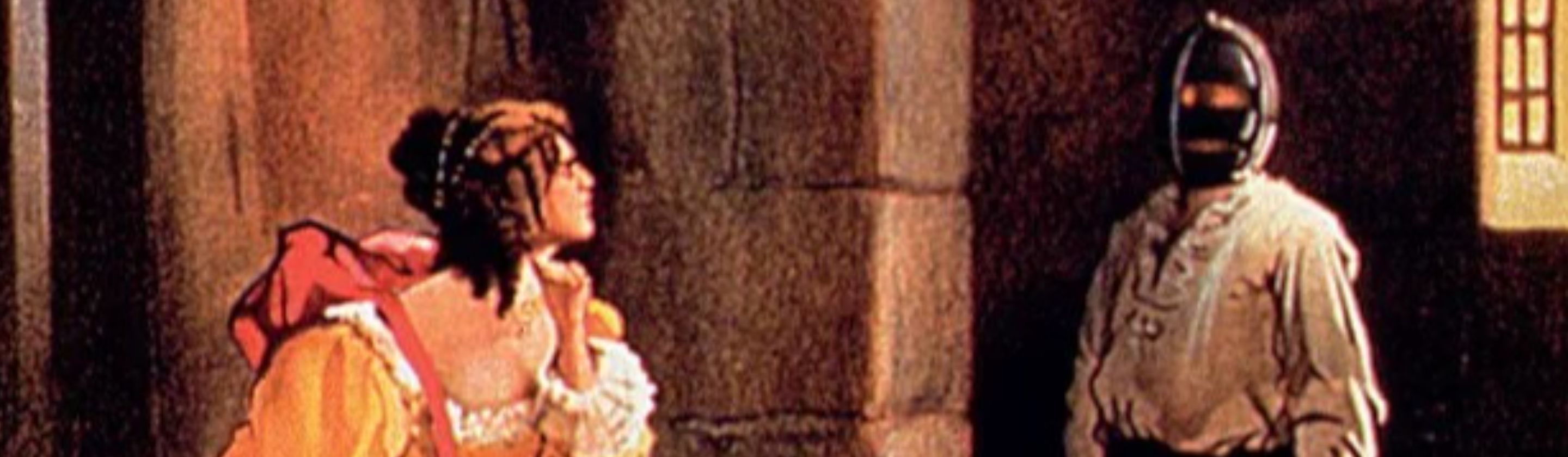
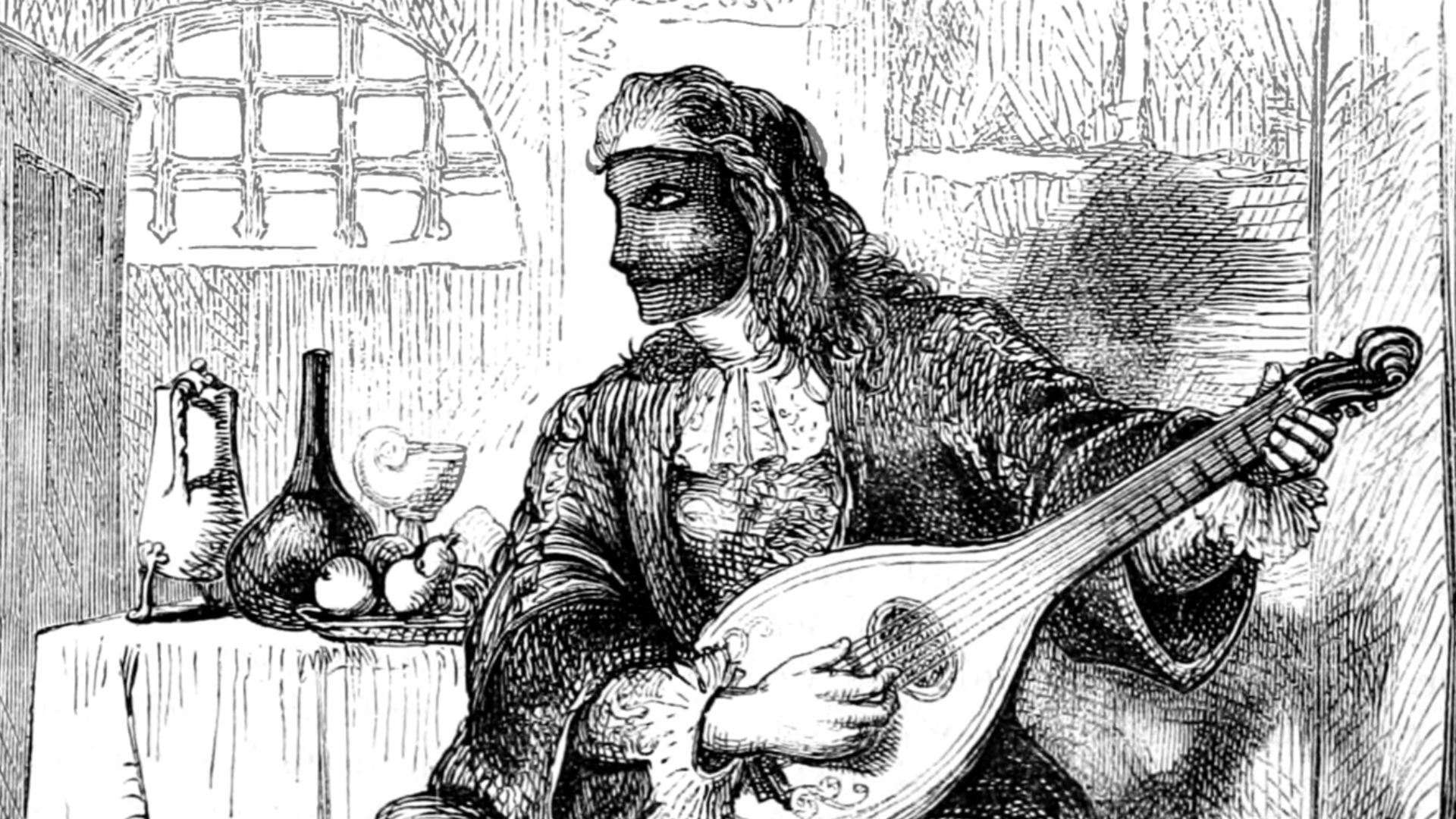
The Man in the Iron Mask lived during the reign of Louis XIV, the French monarch often called the Sun King. Historical records confirm that an unidentified prisoner was held under unusually strict security arrangements during the second half of the seventeenth century. His identity was concealed, and he was reportedly required to wear a mask when appearing outside his cell or encountering certain people. Understandably, such unusual treatment encouraged speculation about who he might be.
One of the first documents on file regarding this prisoner dates from July 1669. Louvois, François-Michel Le Tellier, who was Louis XIV's Minister of War, sent a letter to the prison governor, Bénigne Dauvergne de Saint-Mars, telling him to expect a prisoner known as Eustache Dauger. The letter was intended to ensure that this prisoner would be properly watched and have little contact with other inmates. It stated that Dauger was a valet, but little else can be concluded about this man's past or how he came to be imprisoned.
Dauger was kept at Pignerol, a prison located in what is now known as northern Italy, which was under French control at the time. Saint-Mars remained in charge of watching over this man as he was appointed to multiple prison locations throughout the years. At some point, the prisoner was moved to the prison on the island of Sainte-Marguerite, off the French coast. Then, in 1698, the prisoner was moved to the well-known Bastille in France.
How a Prisoner Became a National Mystery
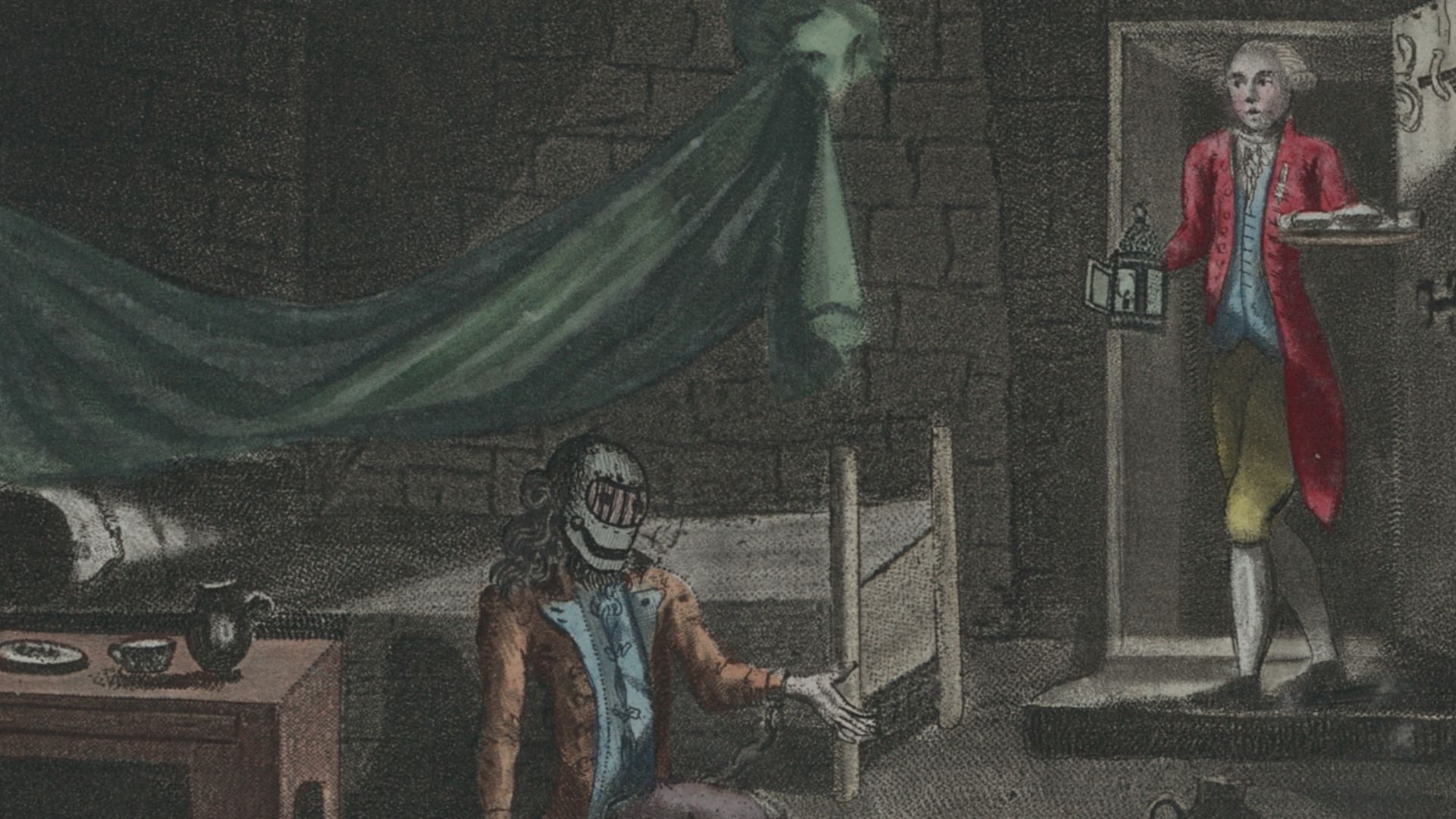
The prisoner's unusual treatment naturally attracted attention, but the details became even more intriguing after his arrival at the Bastille. An entry in the prison's records, written by lieutenant Étienne du Junca, describes Saint-Mars arriving with an elderly prisoner who was always masked and whose name was never spoken. This contemporary account provides valuable evidence that the mysterious individual genuinely existed. It also helps separate the historical facts from the more imaginative stories that developed afterward.
The prisoner died at the Bastille on November 19, 1703, and was buried in the cemetery of Saint-Paul in Paris. According to contemporary records, his burial was registered under the name Marchioly rather than Eustache Dauger. His personal belongings and clothing were reportedly destroyed, while precautions were taken to remove traces of his presence from his accommodation. Such measures only added another layer of intrigue to an already unusual case.
As the years passed, writers and historians became increasingly interested in discovering the prisoner's identity. French philosopher Voltaire helped popularize the mystery in the eighteenth century, describing a prisoner whose face was concealed behind a mask with steel components. His writings helped establish the idea that the man wore an iron mask, although historical accounts more commonly describe a black velvet covering. Alexandre Dumas later brought the mystery to an even wider audience through his novel The Vicomte de Bragelonne, which featured a dramatic royal conspiracy.
Theories, Suspects, and the Search for Answers
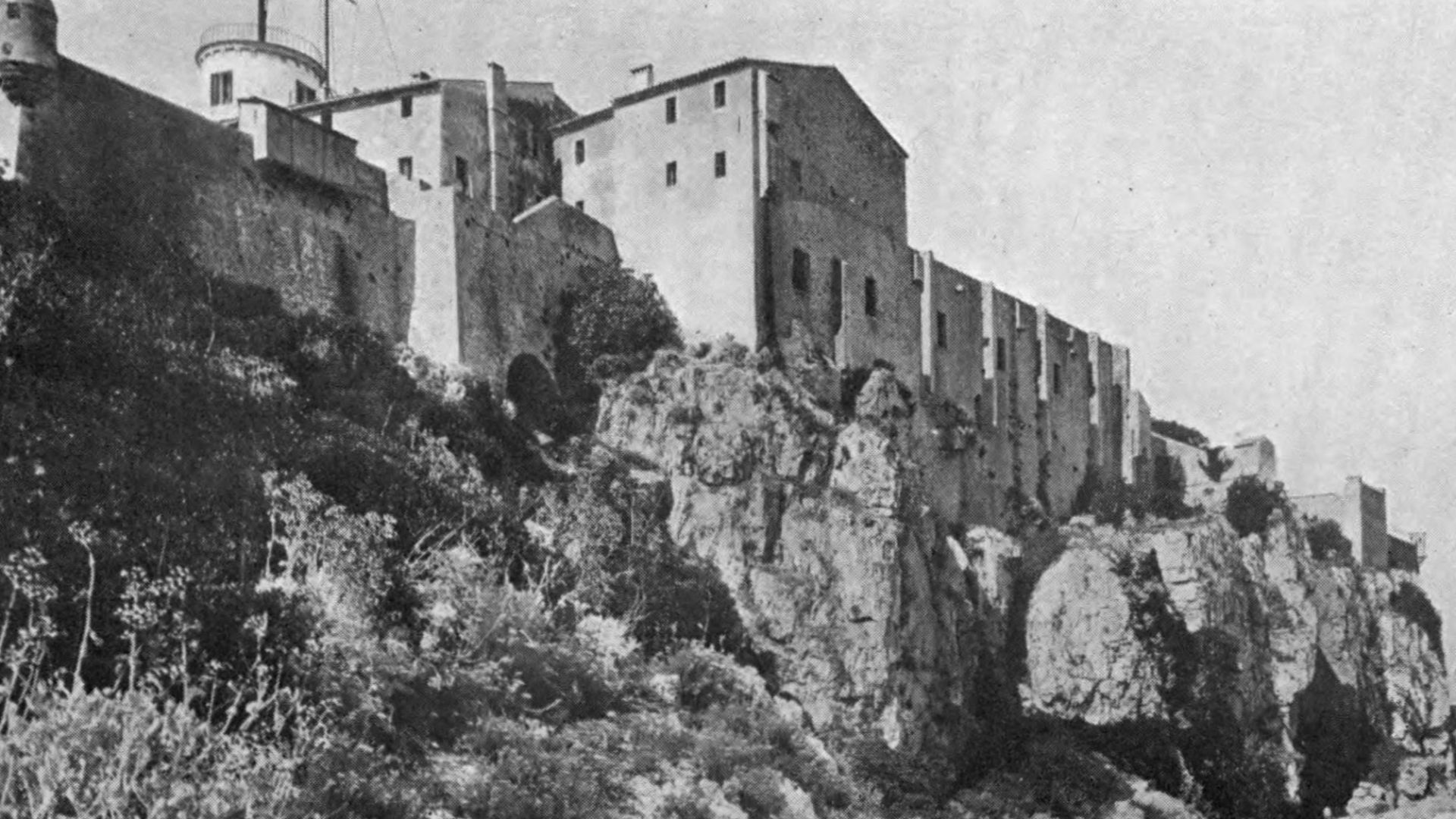 From a photograph by J. Giletta on Wikimedia
One of the more popular theories was that he was the secret twin of Louis XIV. Many have claimed that this was true because it would explain why he was imprisoned for so long. The king wanted another son to take over after him, and this would have prevented that from happening. Alexandre Dumas helped make this theory more well-known, and many movies have also been made about it. It's a good story, but we have no facts to back up the claim that the man was related to the king by blood.
Ercole Antonio Mattioli was also believed to be the man behind the bars. Mattioli was an Italian diplomat who started discussing politics with Louis XIV. He was taken into custody once his dealings with the king became too much for the king's liking. Once again, he was a reasonable person to lock up for an unknown period of time. His last name was also similar to the name Marchioly on the prisoner's death certificate. However, the timing makes it difficult to believe that this was, in fact, our prisoner.
As things stand, Eustache Dauger remains the leading theory. Letters point to his imprisonment in 1669. Many have theorized that he could have been a servant who knew too much about certain situations that took place during his time. One such theory, proposed by historian Paul Sonnino, suggested that he worked for someone with a financial connection to Cardinal Mazarin. While there is more information about Dauger than about some of the other suspects, we still don't know who he was or why officials needed to go through such measures to keep him locked away.
Ultimately, the Man in the Iron Mask remains an intriguing example of how a relatively small collection of historical records can inspire centuries of speculation. We know that the prisoner existed, that he spent decades in custody, and that officials went to considerable lengths to conceal his identity. What remains unknown is precisely who he was or what information made him such a closely guarded individual. Perhaps the most fascinating part of this mystery is that, despite all the books, investigations, and dramatic adaptations, the real answer may never be fully established.
KEEP ON READING