The Real Authors Are Mostly Nobodies
Some of the most famous quotations in Western history have no reliable record of the person credited with saying them. Words get changed in retelling, and lines that first appeared in newspaper columns end up attributed to presidents or philosophers. Once a famous name gets attached, few people think to check the original source. Here are 20 well-known quotations whose origins don't hold up to scrutiny.
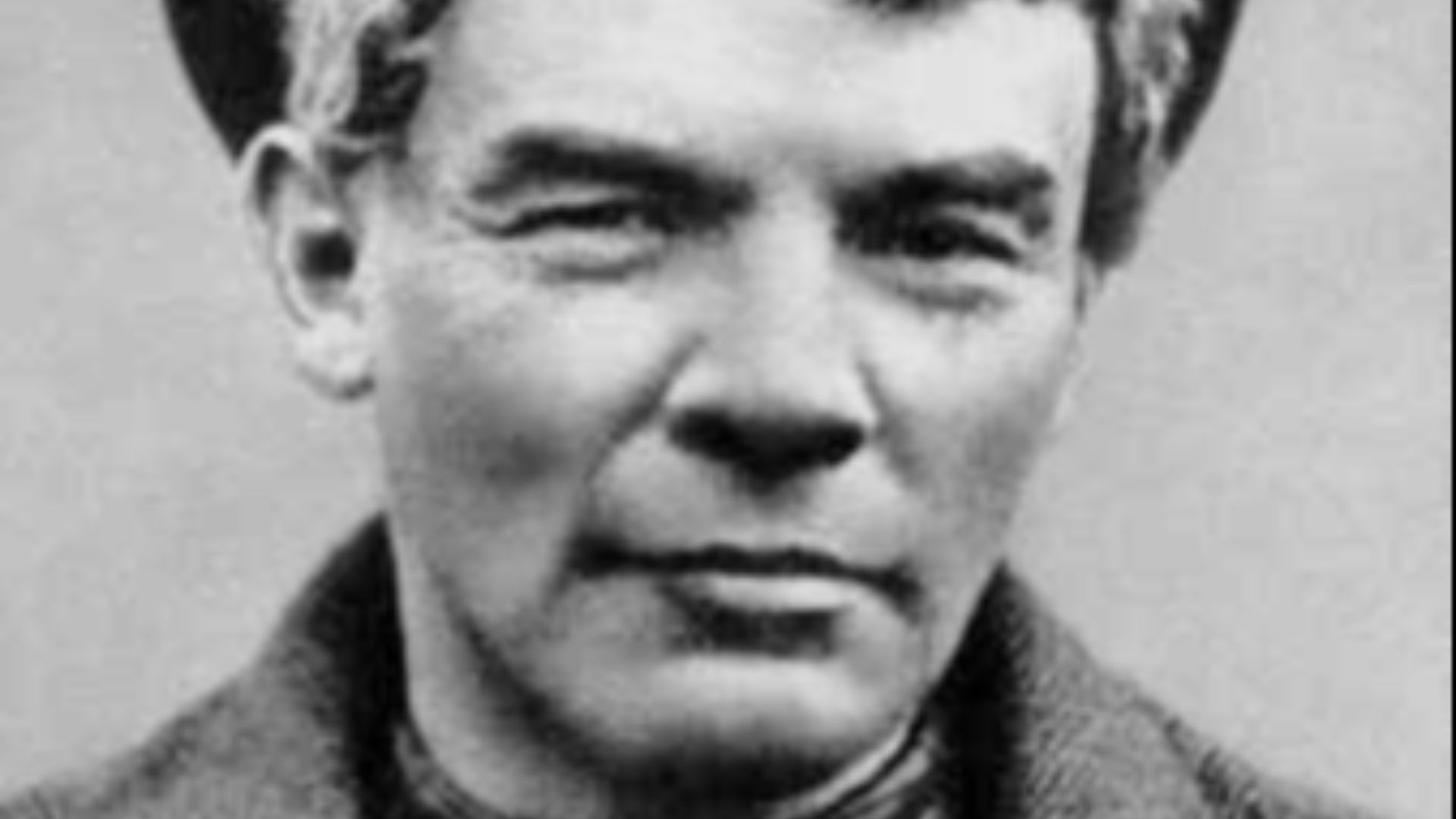
1. Let Them Eat Cake Came From Jean-Jacques Rousseau
Jean-Jacques Rousseau tells the story in his Confessions about a great princess he leaves unnamed. The French behind the English version "Let them eat cake" is qu'ils mangent de la brioche, and brioche is enriched bread rather than cake. Marie Antoinette was a child in Austria when he wrote the passage, and the phrase was first attached to her decades after her execution.
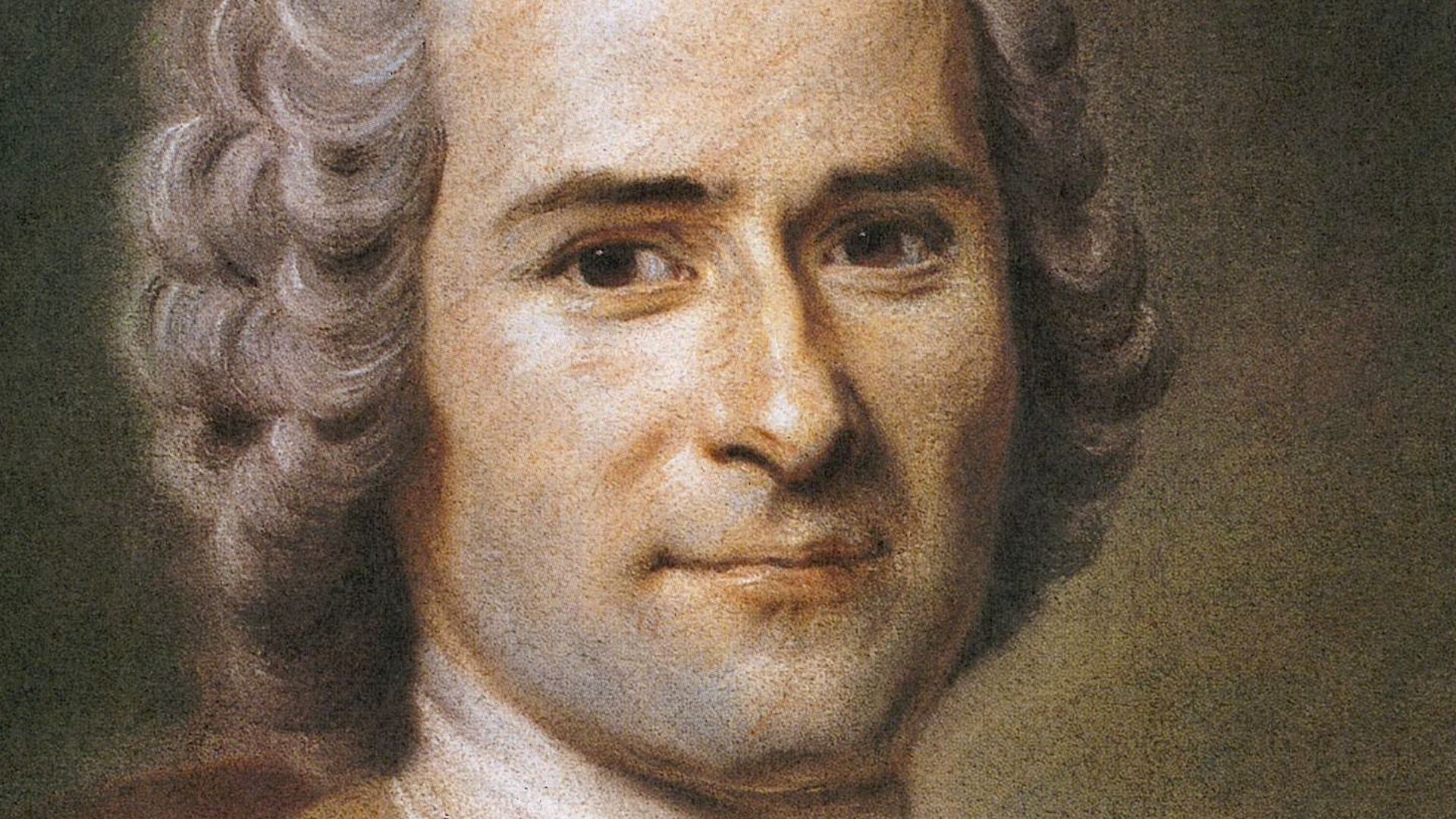 Maurice Quentin de La Tour on Wikimedia
2. Albert Einstein And The Definition Of Insanity
Recovery literature holds the earliest strong matches for the insanity line "doing the same thing over and over and expecting different results," including a Narcotics Anonymous pamphlet from 1981. Albert Einstein died in 1955 and had nothing to do with any of it.
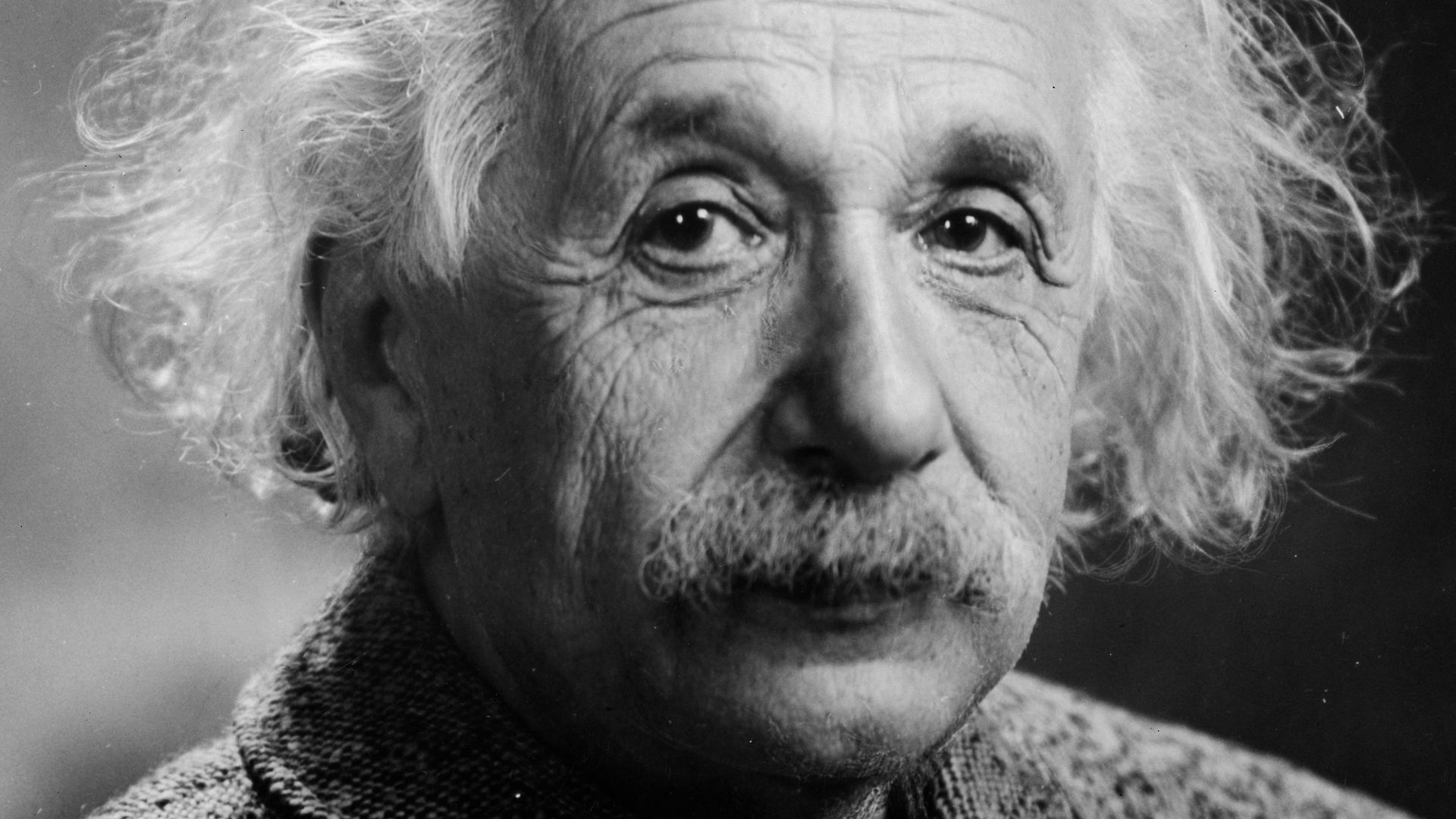
3. Be The Change Came From Mohandas Gandhi's Grandson
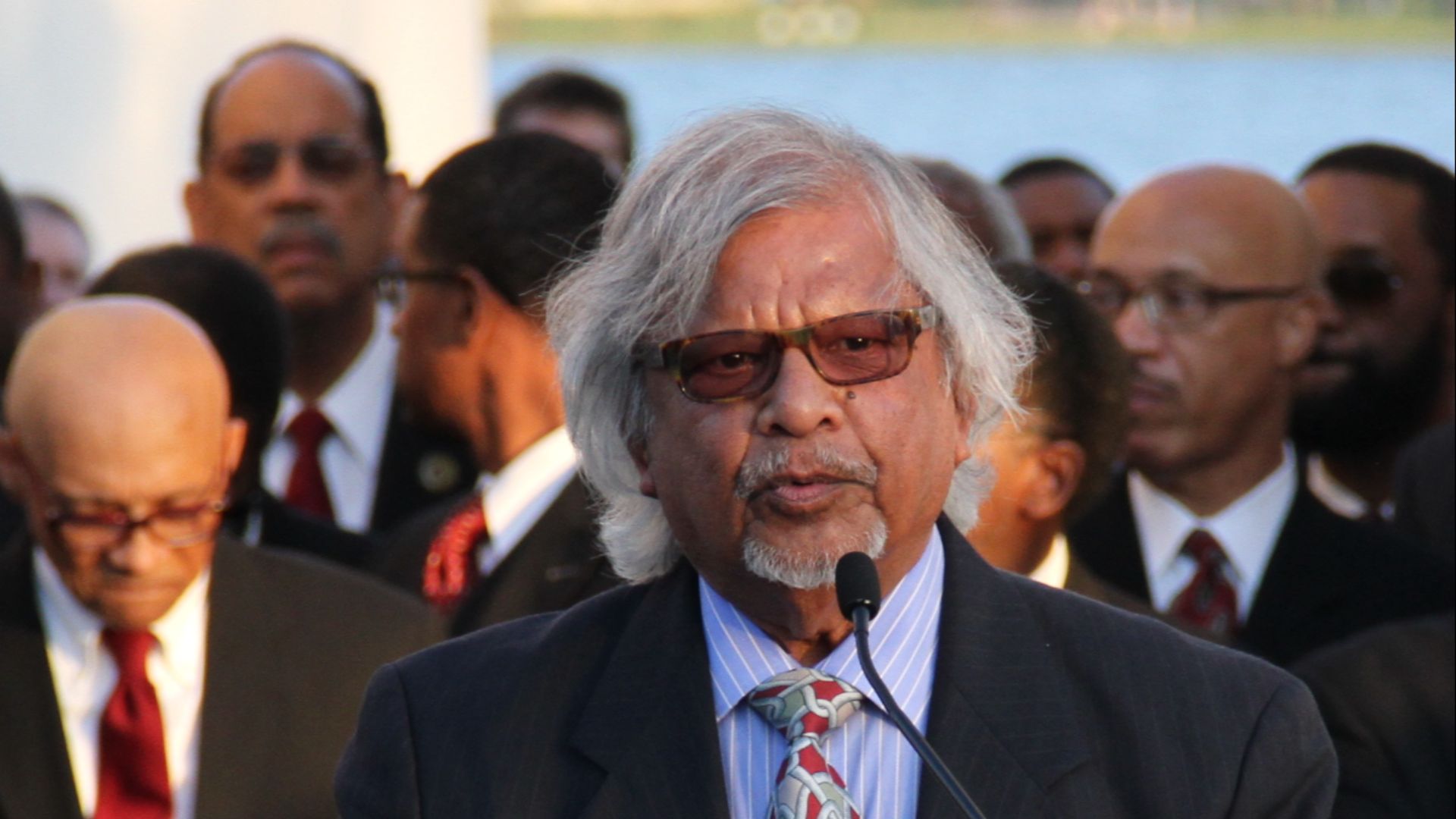
Arun Gandhi spent the early 2000s paraphrasing his grandfather in interviews, on the need to change yourself first. That is how the quotation "Be the change you wish to see in the world" came about, and nothing in Mohandas Gandhi's collected writing matches it.
4. Voltaire's Free Speech Line Belongs To His Biographer
Evelyn Beatrice Hall published The Friends of Voltaire in 1906 under the pen name S. G. Tallentyre, and the free speech line "I will defend to the death your right to say it" is hers. She wrote it to sum up Voltaire's response to a persecuted writer. Hall said later that the words were hers, not Voltaire's.
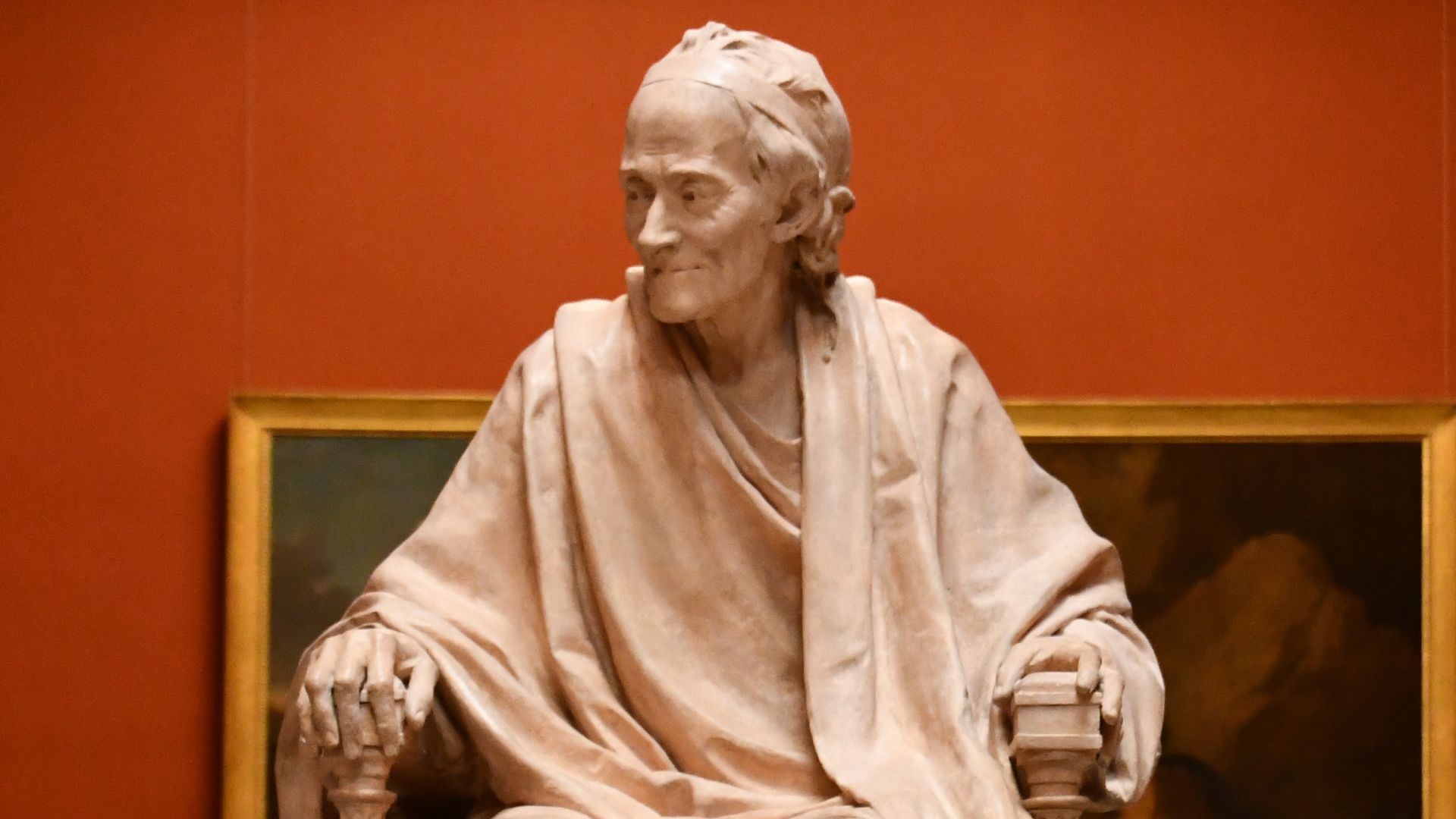
5. Edmund Burke Never Wrote The Triumph Of Evil Line
John F. Kennedy told the Canadian Parliament in 1961 that Edmund Burke had written the good men line, "the triumph of evil is that good men do nothing." The Yale Book of Quotations puts the earliest Burke credit in a 1950 Washington Post column, and a reverend named Charles F. Aked used the closest early version in a 1916 temperance speech. Aked introduced it as a common saying rather than his own.
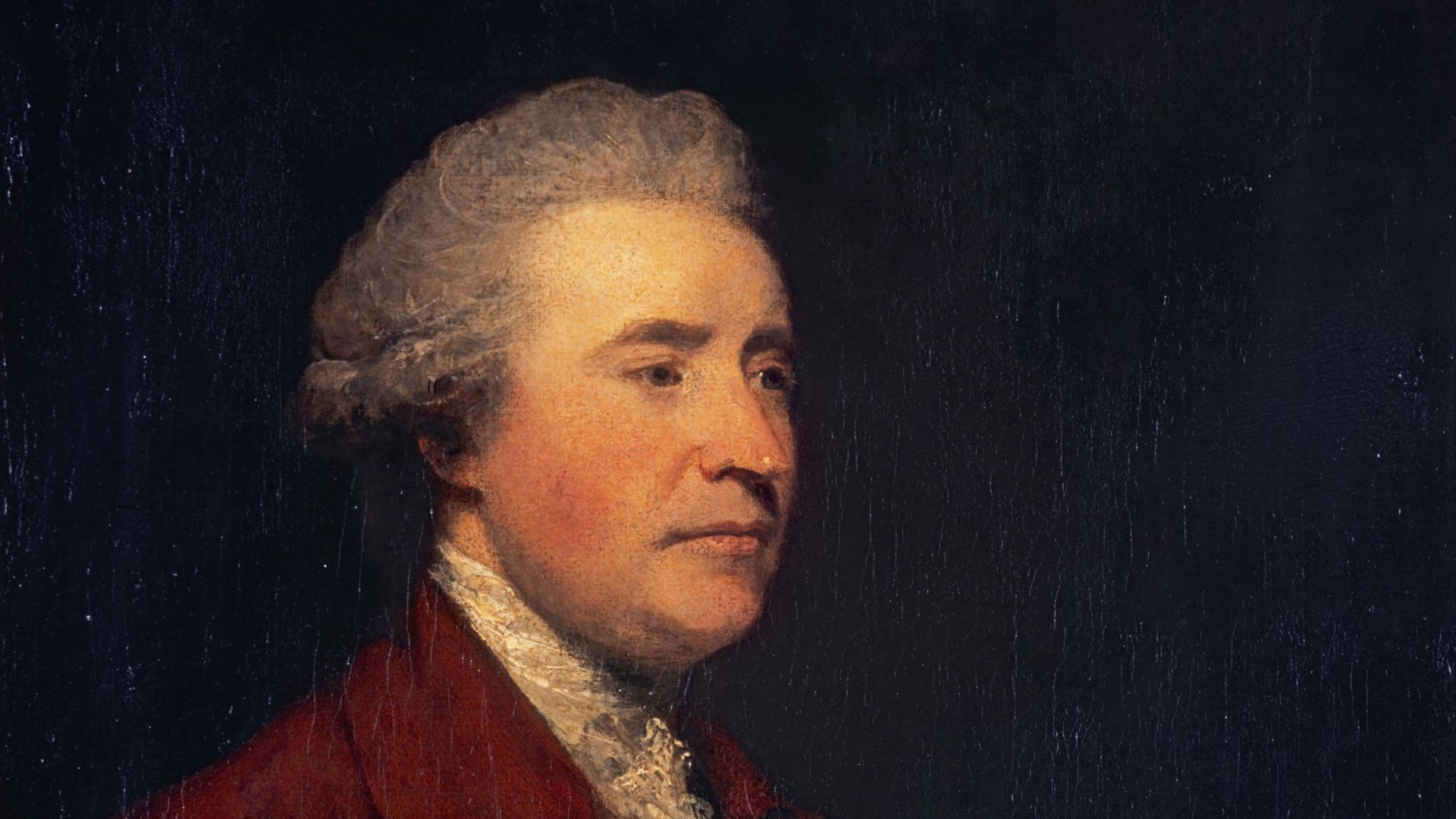
6. Give Me Liberty Was Reconstructed 42 Years Later
Nobody wrote the speech down in 1775, so Patrick Henry's closing words "Give me liberty or give me death" come to us secondhand. William Wirt built the speech from interviews with men who claimed to have been in the room, publishing it in 1817, 42 years after Henry spoke and 18 after he died.
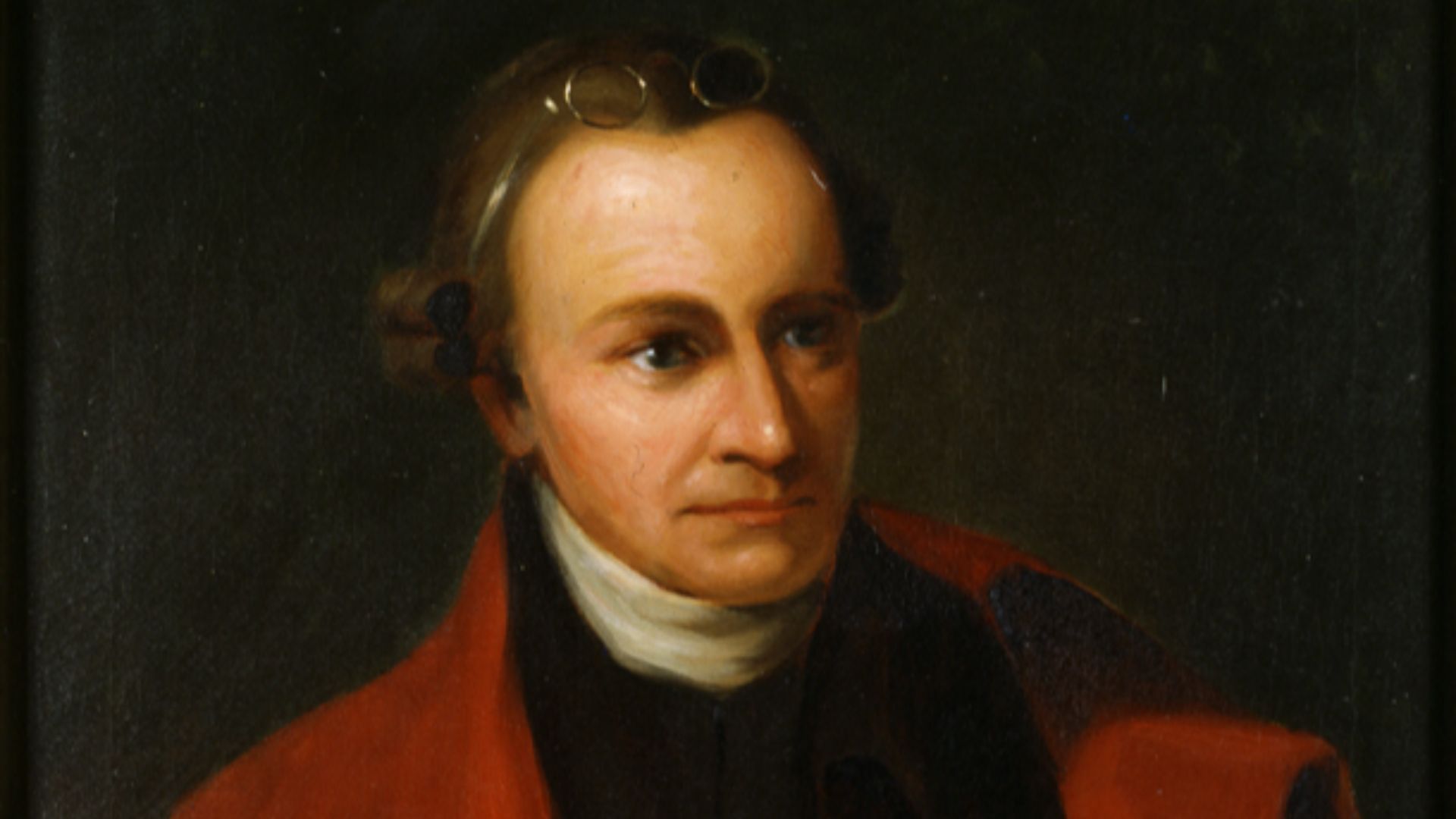 George Bagby Matthews (1857 - 1943), after Thomas Sully (1783-1872) on Wikimedia
7. The Cherry Tree Was A Bookseller's Invention
Mason Locke Weems published his life of George Washington in 1800 with no hatchet and no cherry tree in it. The confession "I cannot tell a lie" appears five editions later, in 1806. Weems was a traveling book agent and a minister, and he wrote it for children.
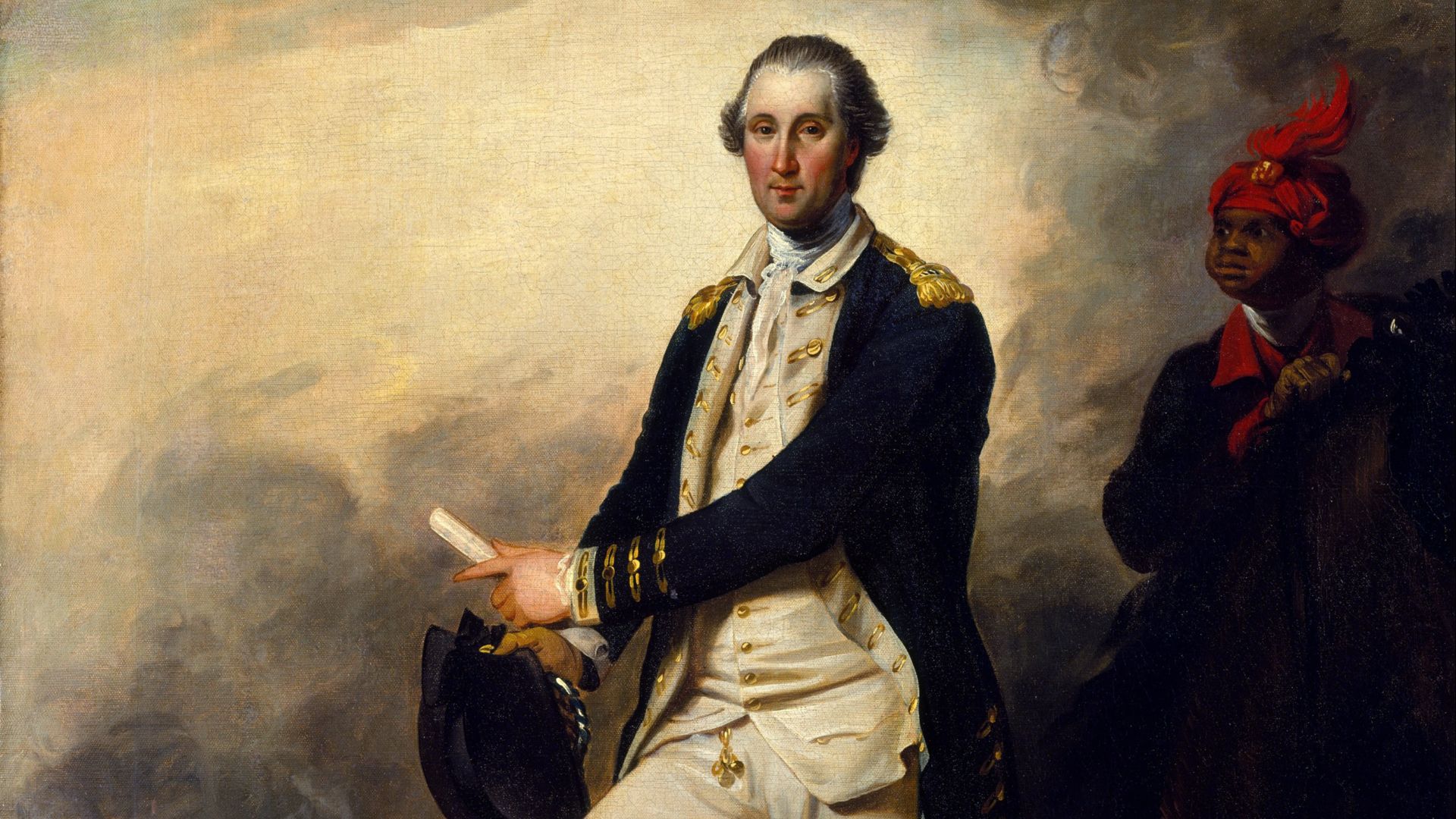
8. Paul Revere Warned That The Regulars Were Out
Massachusetts colonists in April 1775 counted themselves British, which is why Paul Revere never shouted the famous warning "The British are coming." His own account and their recollections give it as the regulars coming out. Secrecy was the point with British patrols on the roads, so he knocked on doors instead of waking whole towns.
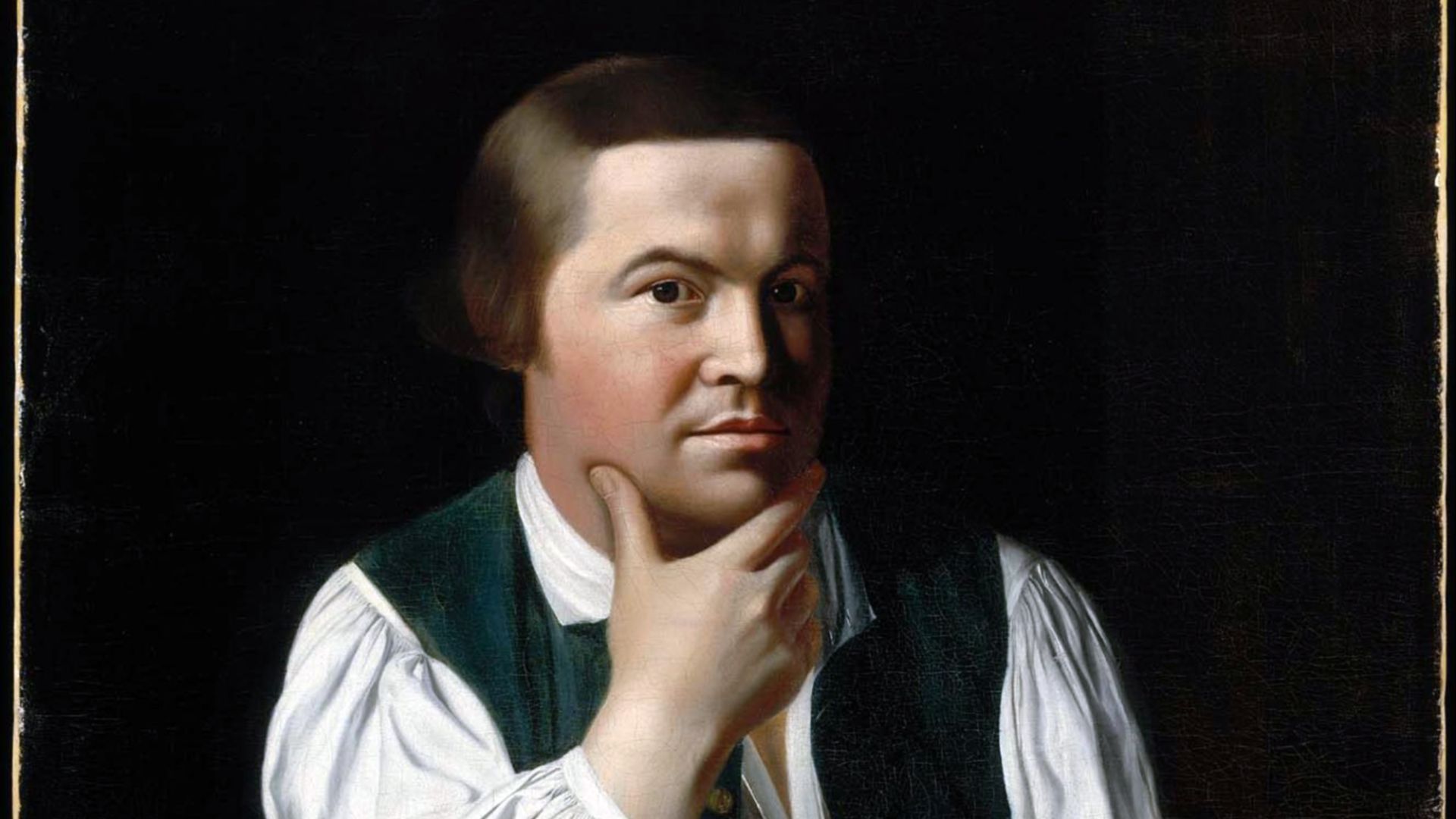 John Singleton Copley on Wikimedia
9. P. T. Barnum And The Sucker Born Every Minute
A paper in Rockford, Illinois credited the sucker line "There's a sucker born every minute" in 1889 to a Chicago gambling boss named Mike McDonald, and it had been circulating anonymously since at least 1879. P. T. Barnum died in 1891 without ever being recorded saying it.
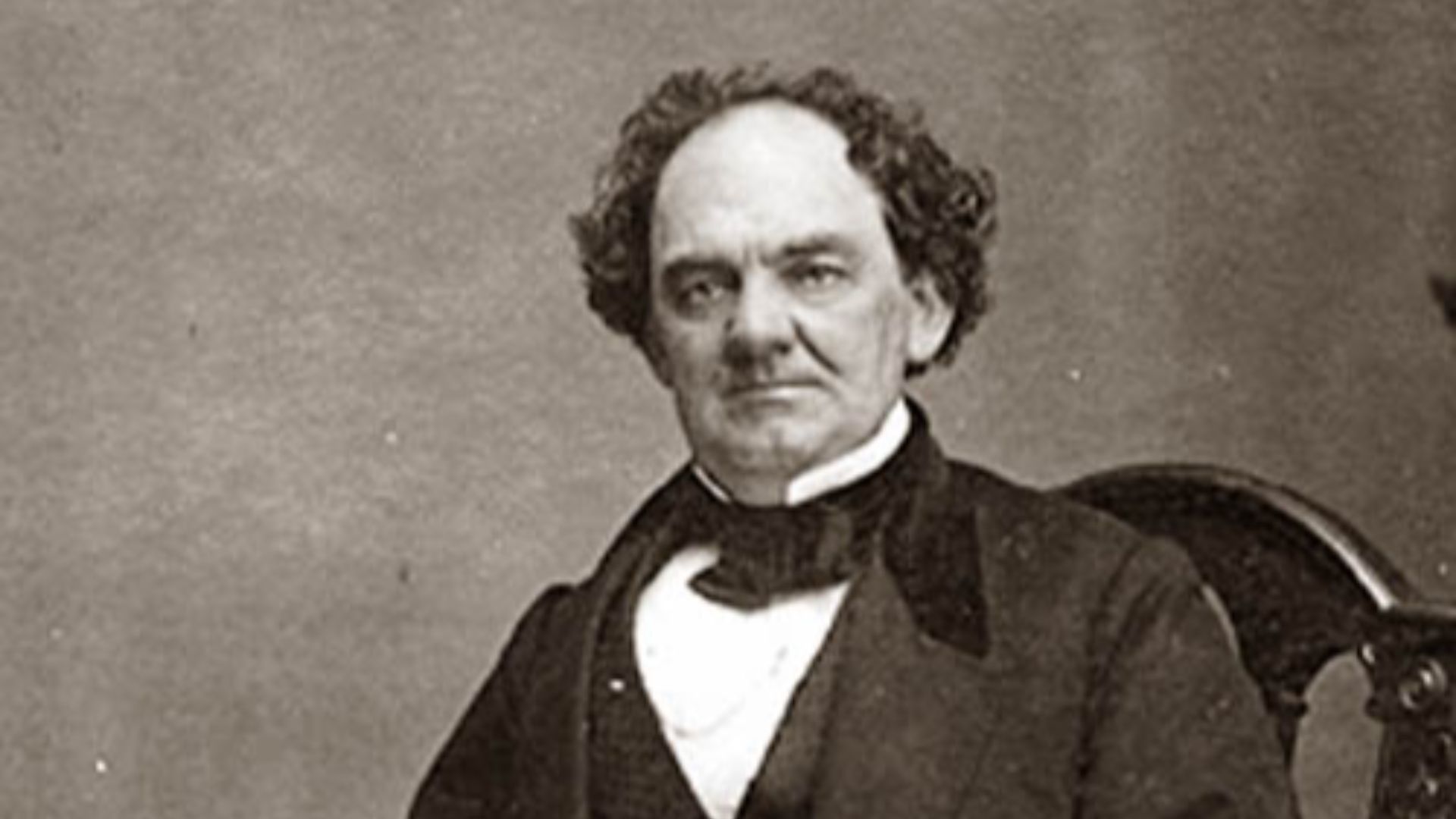 Mathew Benjamin Brady on Wikimedia
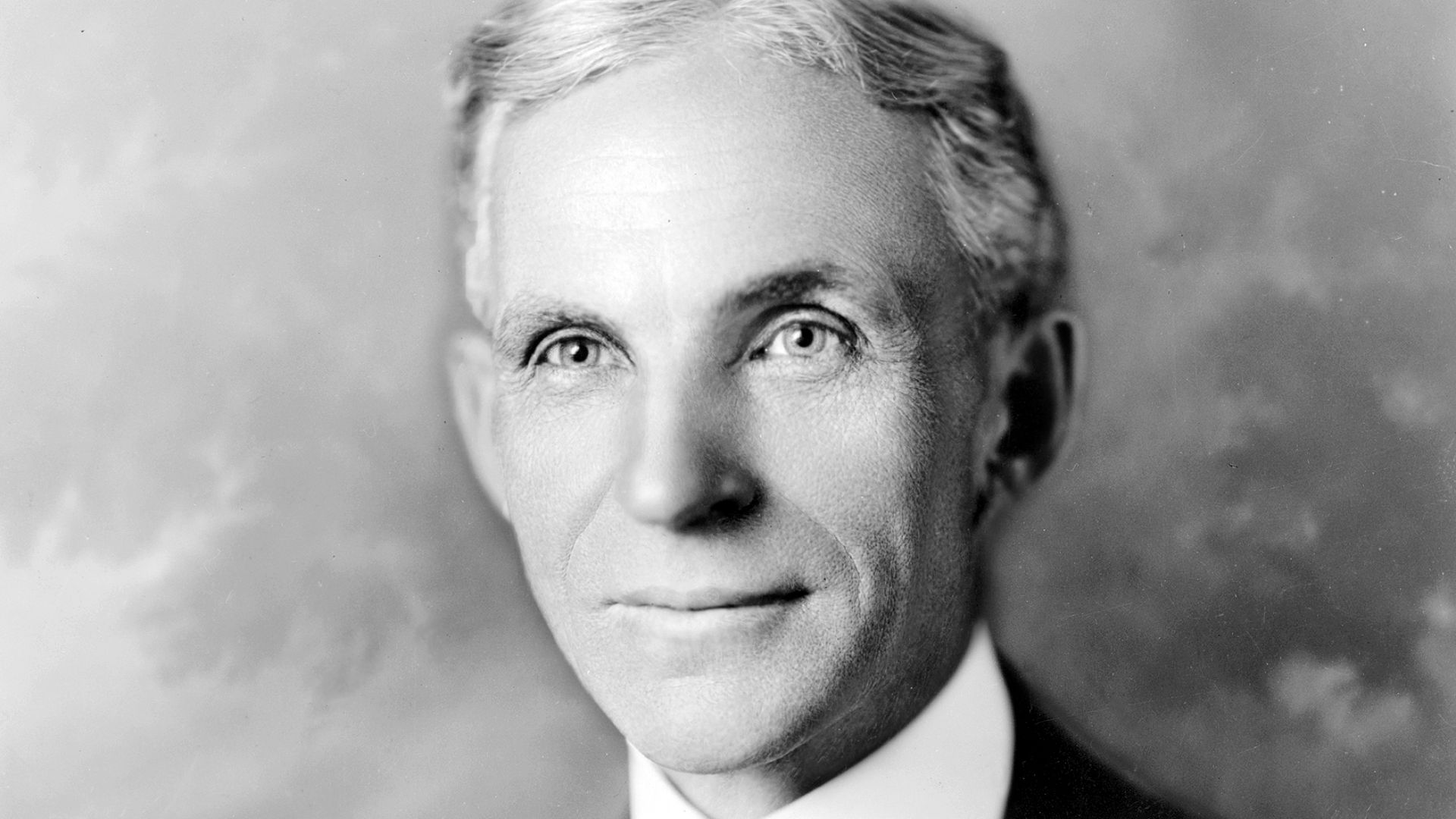
10. Henry Ford's Faster Horses Line Surfaced In 1999
Henry Ford died in 1947, and the earliest known appearance of the market research line "they would have said faster horses" under his name is a cruise industry trade quarterly from 1999. The Henry Ford, the museum he founded, has never traced it to him.
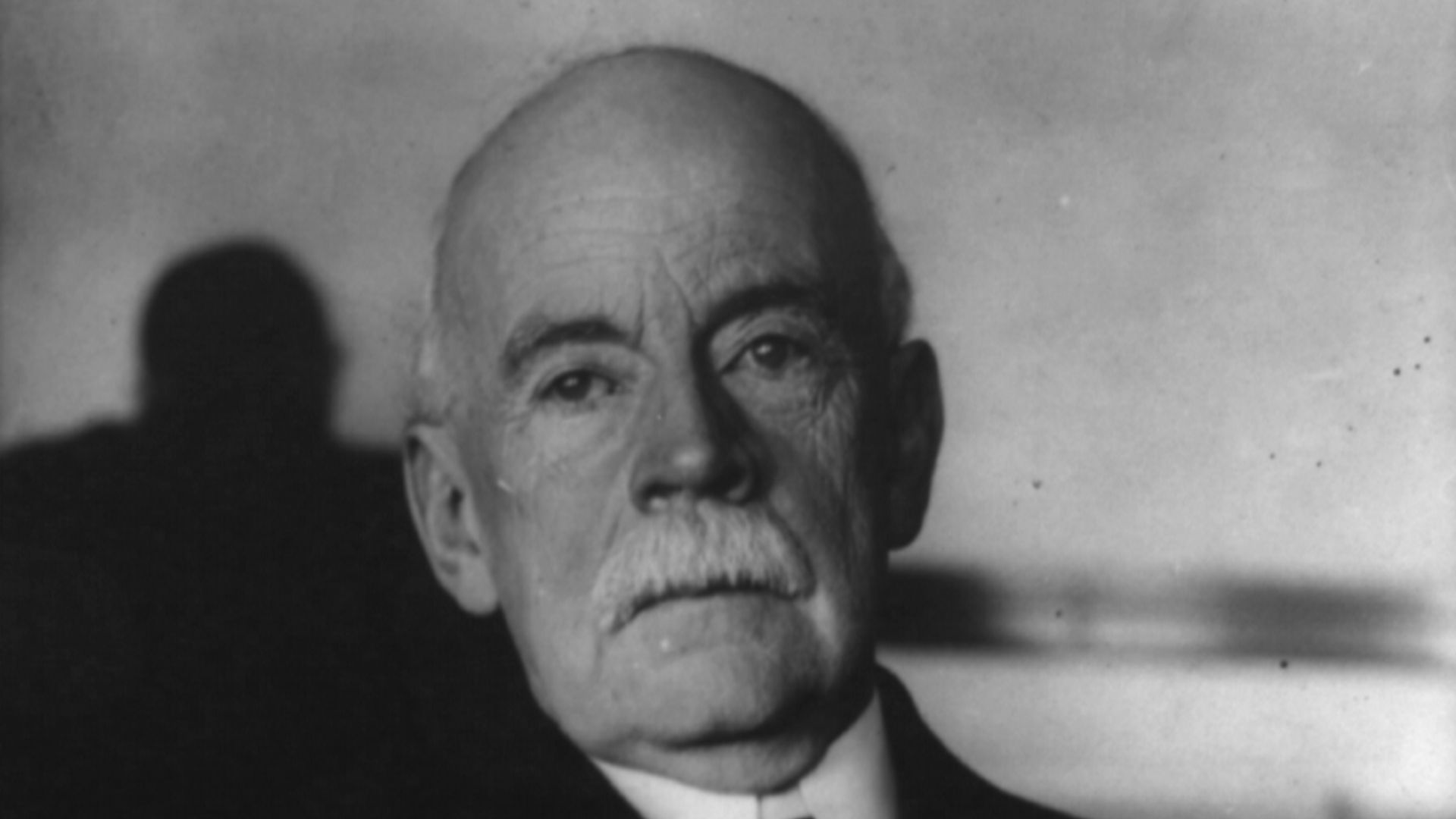
11. The Patent Office Story Has No Source
Charles H. Duell, commissioner of patents from 1898 to 1901, is the usual candidate for the resignation line "Everything that can be invented has been invented." Eber Jeffery went looking in 1940 and published the result in the patent office's own journal, finding no official who resigned because invention looked finished. Duell's office granted more than 25,000 patents in 1899 alone, and he left for unrelated reasons.
12. Plato Didn't Write About The End Of War
The Imperial War Museum in London has Plato's name carved into the building under a line he never wrote. George Santayana wrote the line "Only the dead have seen the end of war." Douglas MacArthur had credited Plato too, in his 1962 farewell address at West Point.
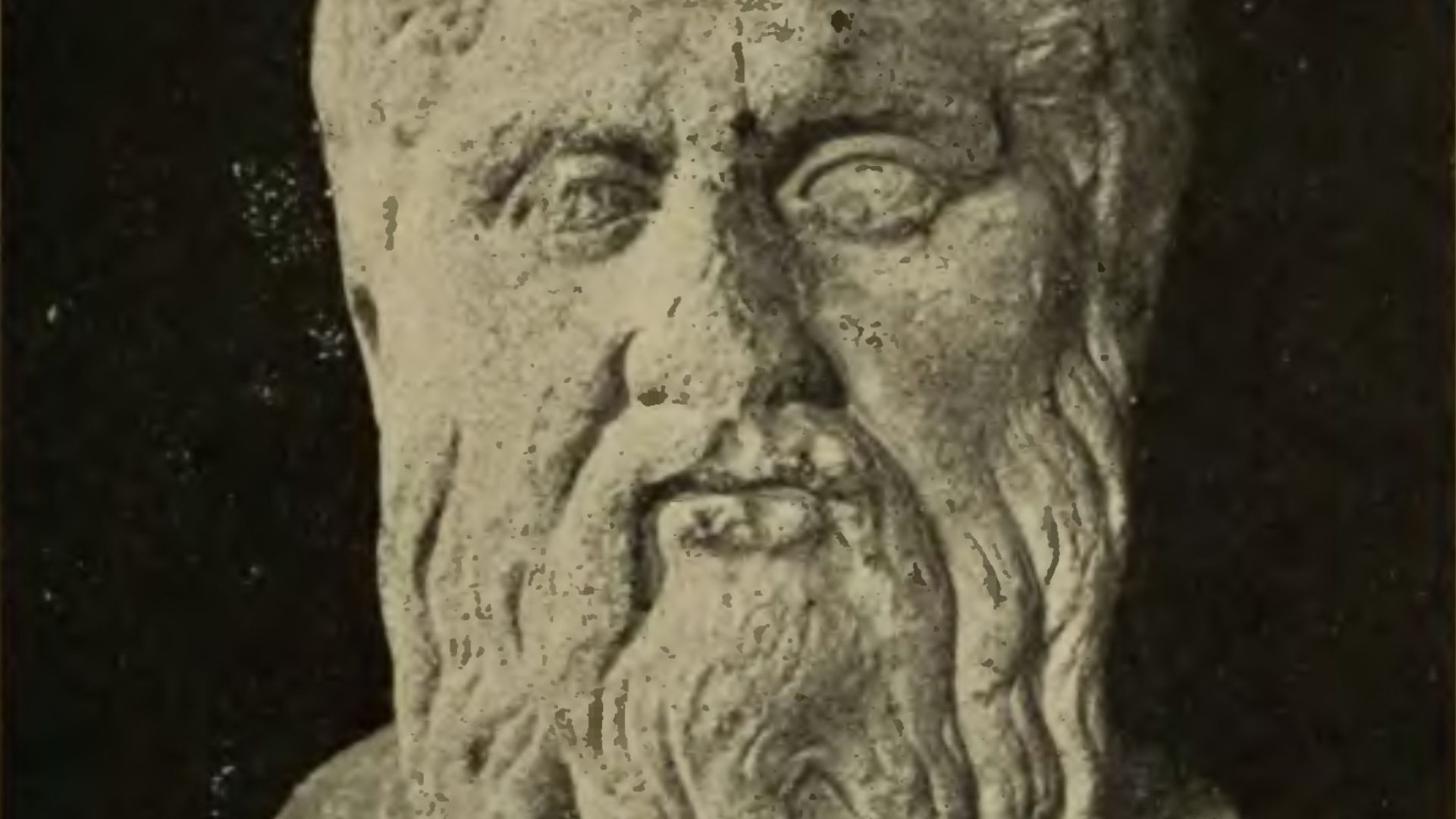
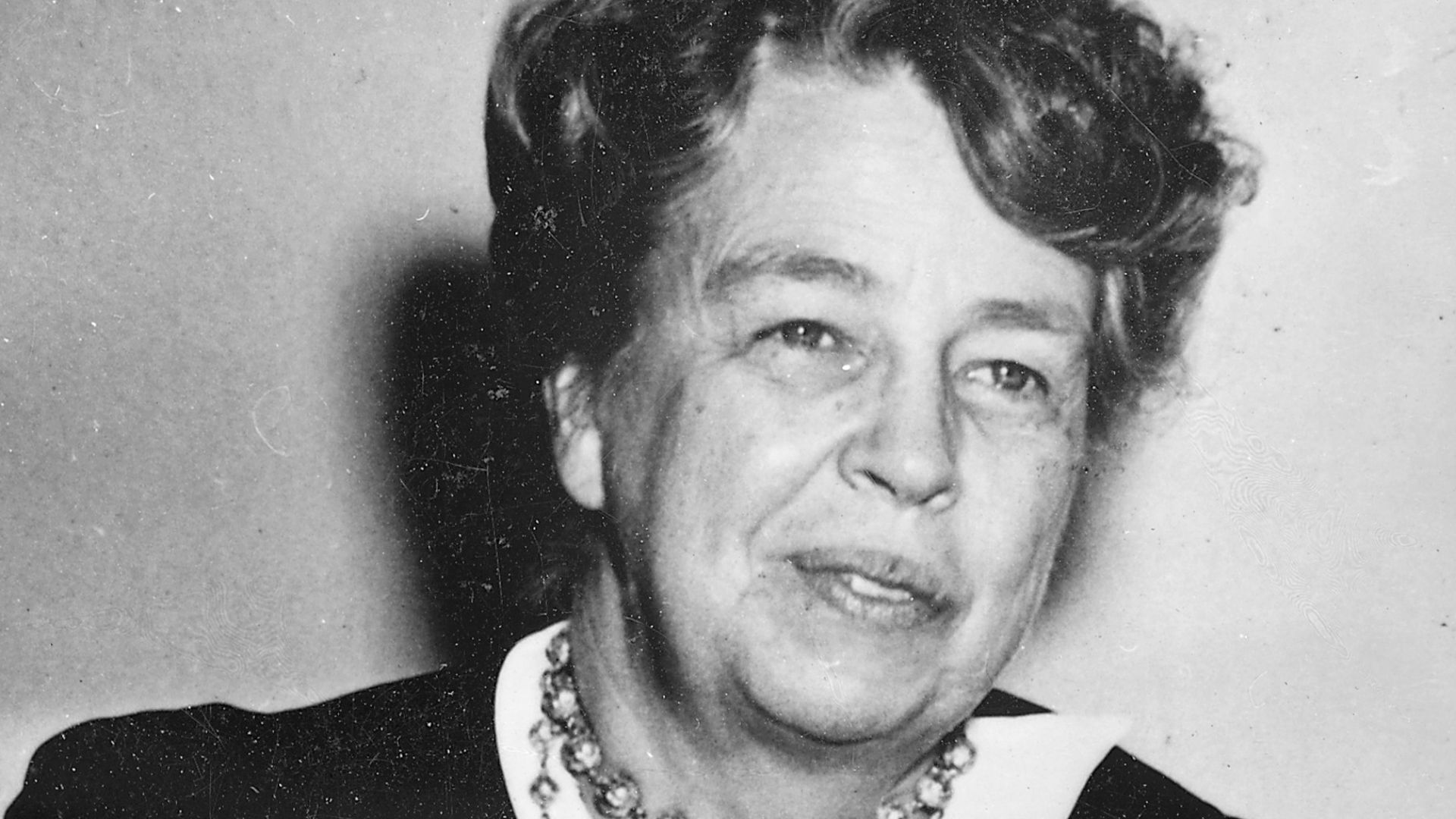
13. Great Minds Discuss Ideas Predates Eleanor Roosevelt
Newspapers were running the three minds line "Great minds discuss ideas, average minds discuss events" under Eleanor Roosevelt's name by 1987. She died in 1962, and the line was in print by the late 1920s under names now forgotten.
 Unknown authorUnknown author or not provided on Wikimedia
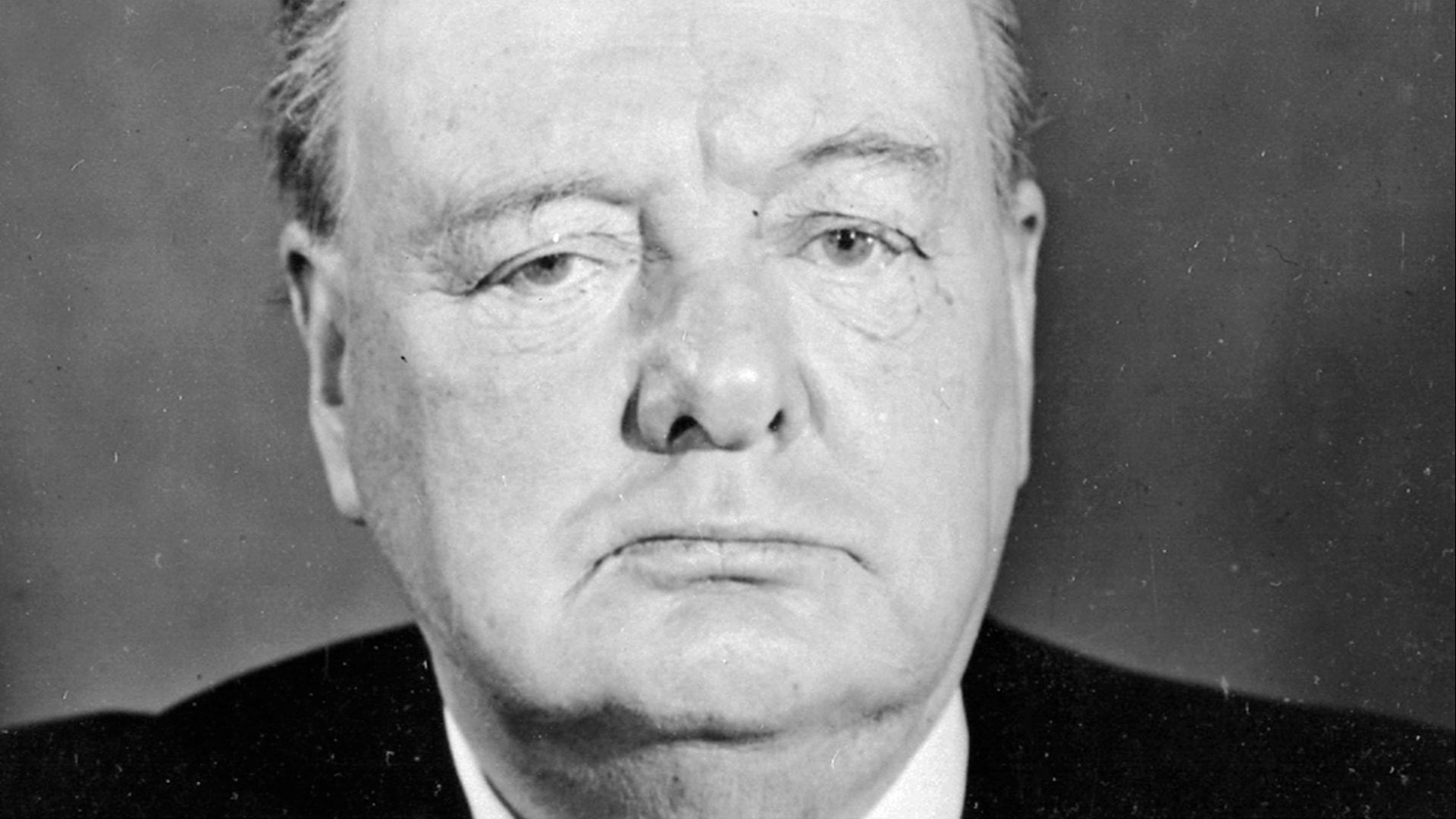
14. Winston Churchill Was A Conservative At 25
Winston Churchill sat as a Conservative from the start and crossed to the Liberals in his late twenties, the opposite order from the aging quip "If you're not a liberal at 20 you have no heart." Richard Langworth, who keeps the record of Churchill's real and invented lines, lists this one as invented. Versions of the thought belong to French politicians decades earlier.
 Central Office of Information on Wikimedia
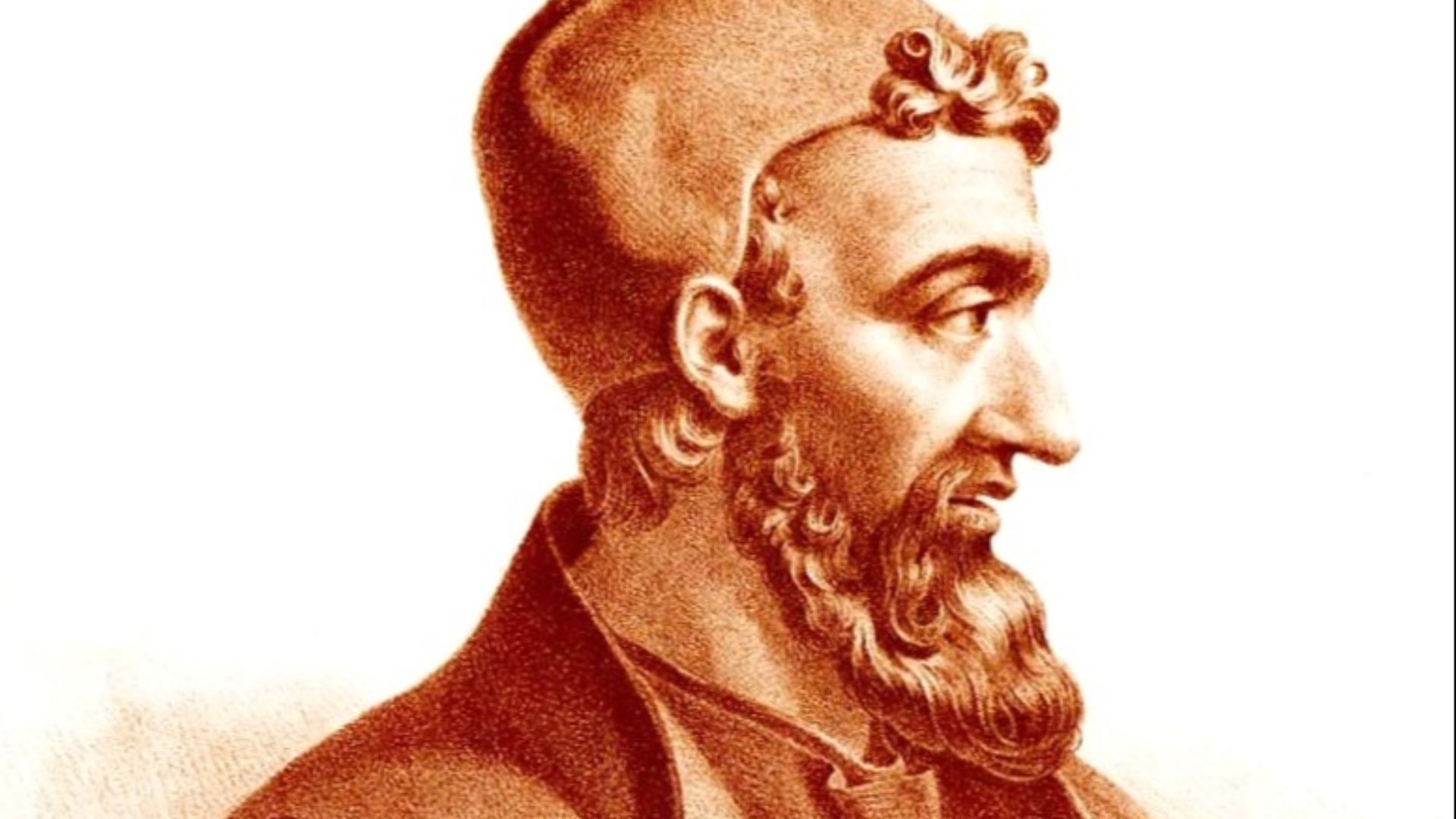
15. First Do No Harm Isn't In The Hippocratic Oath
No Greek or Latin copy of the Hippocratic Oath contains the phrase doctors are supposed to swear by. The oath does ask physicians to keep patients from harm and injustice, which is as close as it comes to the motto "First do no harm." The Latin version goes back to Galen, who practiced some six centuries after Hippocrates.
 Pierre-Roch Vigneron on Wikimedia
16. The Ends Justify The Means Isn't In The Prince
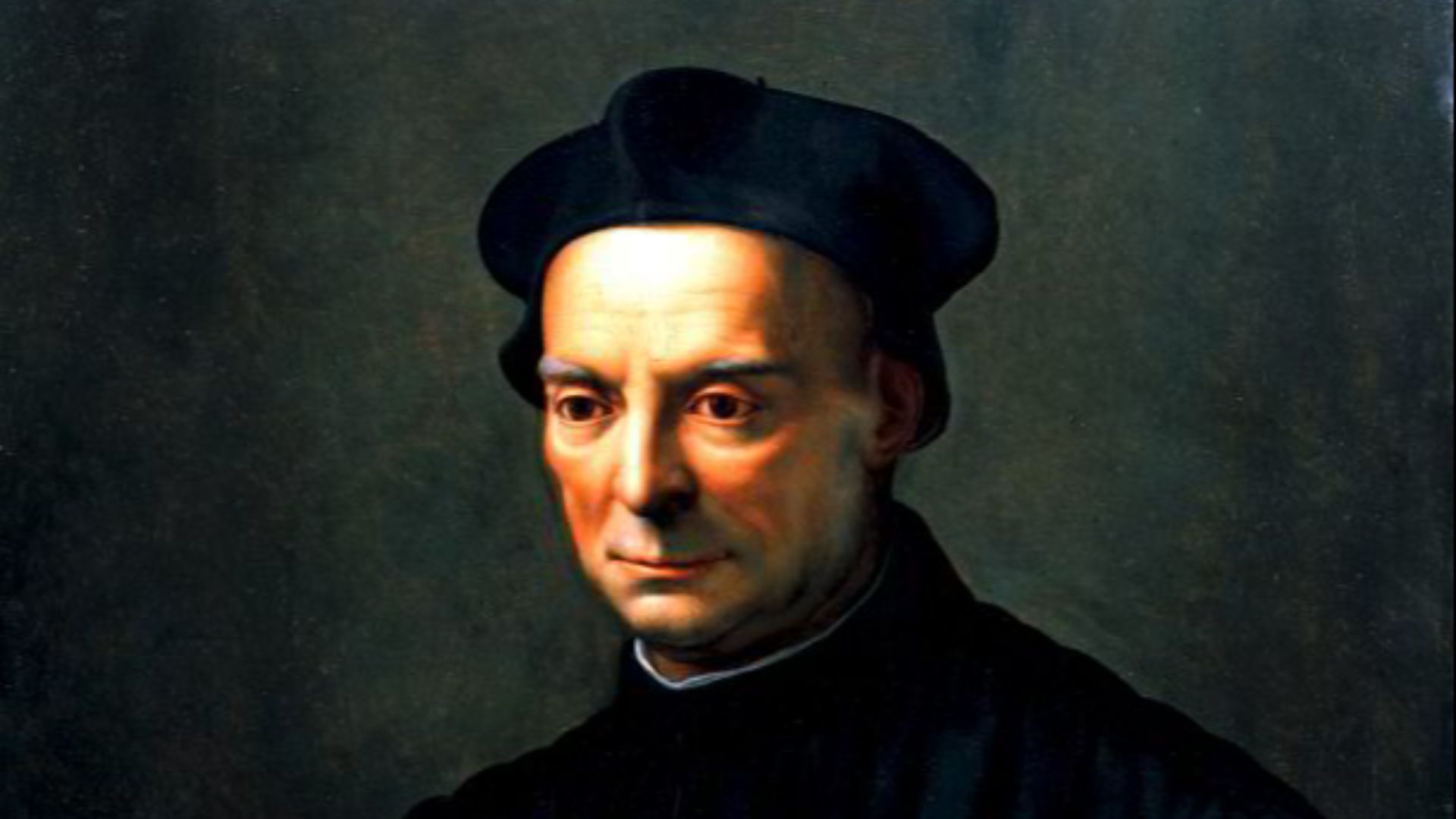
The sentence The Prince is famous for, "The ends justify the means," appears nowhere in the book. Niccolò Machiavelli argues instead that a ruler will sometimes have to accept the cost of methods he cannot defend, and later readers shortened that into the slogan.
 Ridolfo del Ghirlandaio on Wikimedia
17. Well-Behaved Women Came From A Harvard Historian
Laurel Thatcher Ulrich meant a loss when she wrote the line "Well-behaved women seldom make history" in a scholarly article from 1976 about Puritan women whose good behavior kept them out of the record. It now gets used as a compliment to troublemakers. The line has since been handed to Marilyn Monroe and to Eleanor Roosevelt, who died 14 years before it existed.
18. Nathan Hale's Last Words Had No Witness
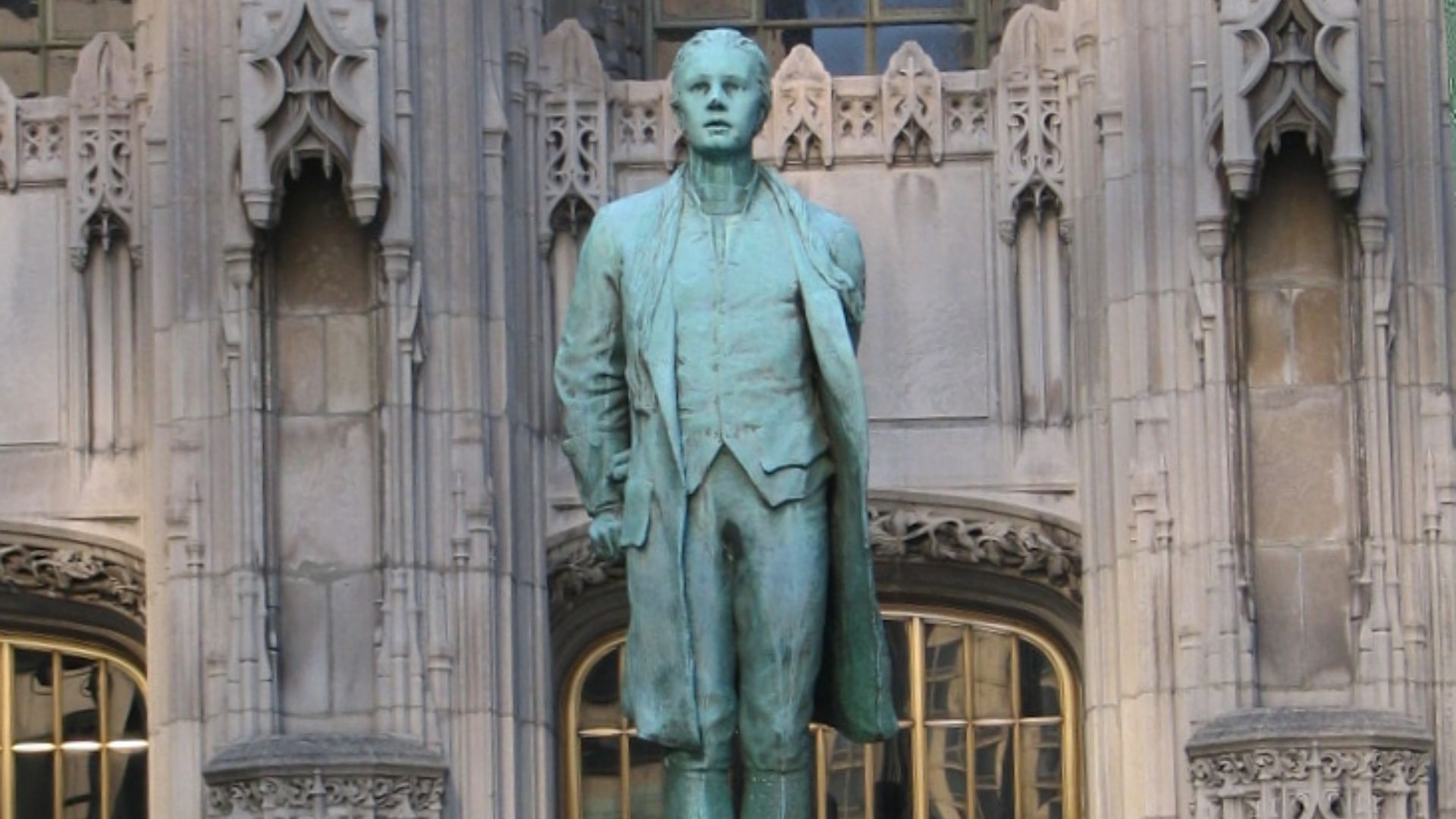
William Hull heard about the gallows speech from a British officer and wrote it down without having been there. No official record exists of the sentence Nathan Hale got credit for decades later, "I only regret that I have but one life to lose for my country." Hale had read Joseph Addison's play Cato, which contains a very similar line.
19. Mark Twain Handed This One To Benjamin Disraeli
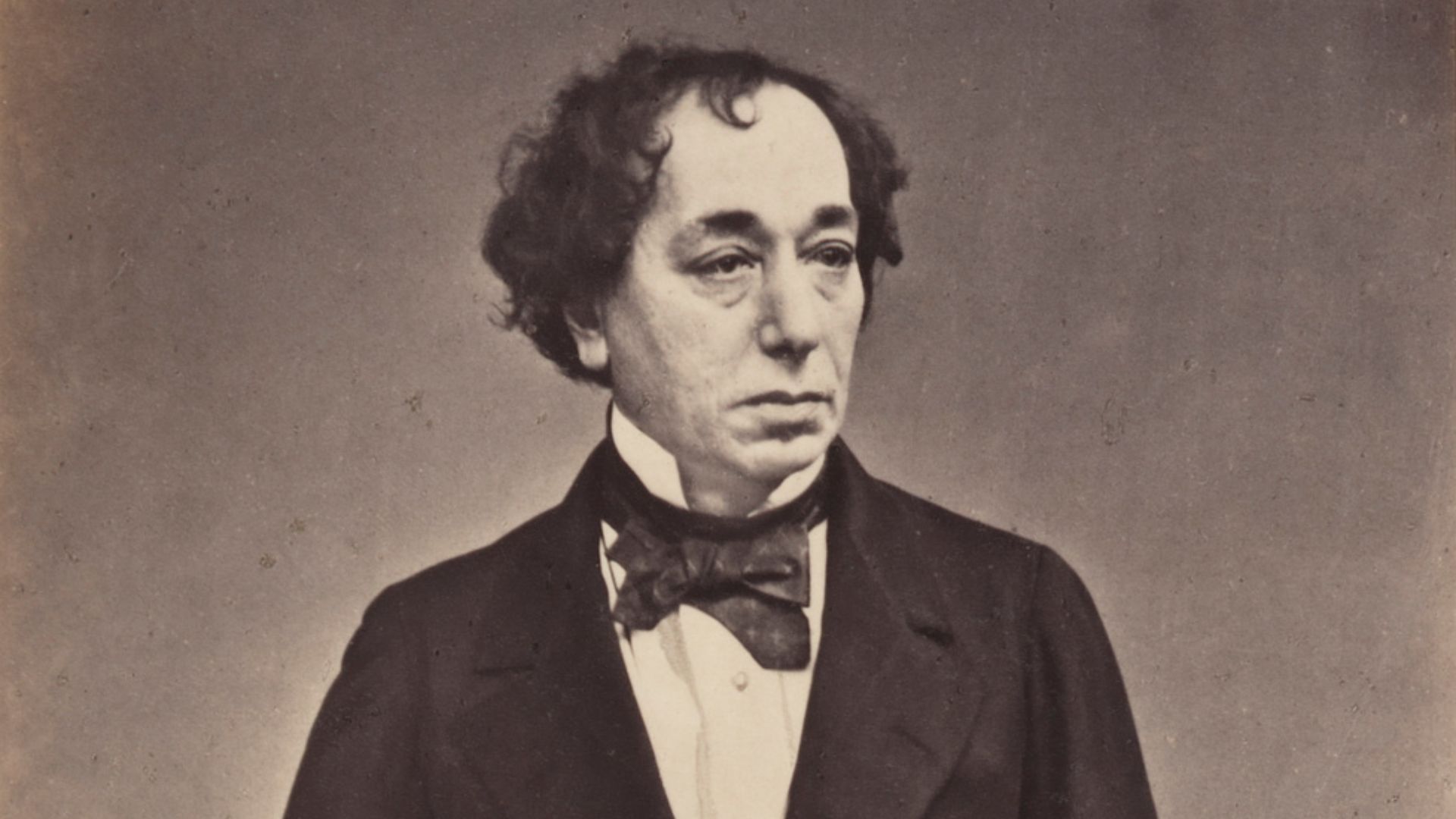
Benjamin Disraeli never published the statistics line "Lies, damned lies, and statistics", and he died in 1881. Mark Twain wrote in his autobiography that people attributed the remark to Disraeli. One 1891 version gives it to an anonymous writer and another to Sir Charles Dilke.
 Unknown photographer on Wikimedia
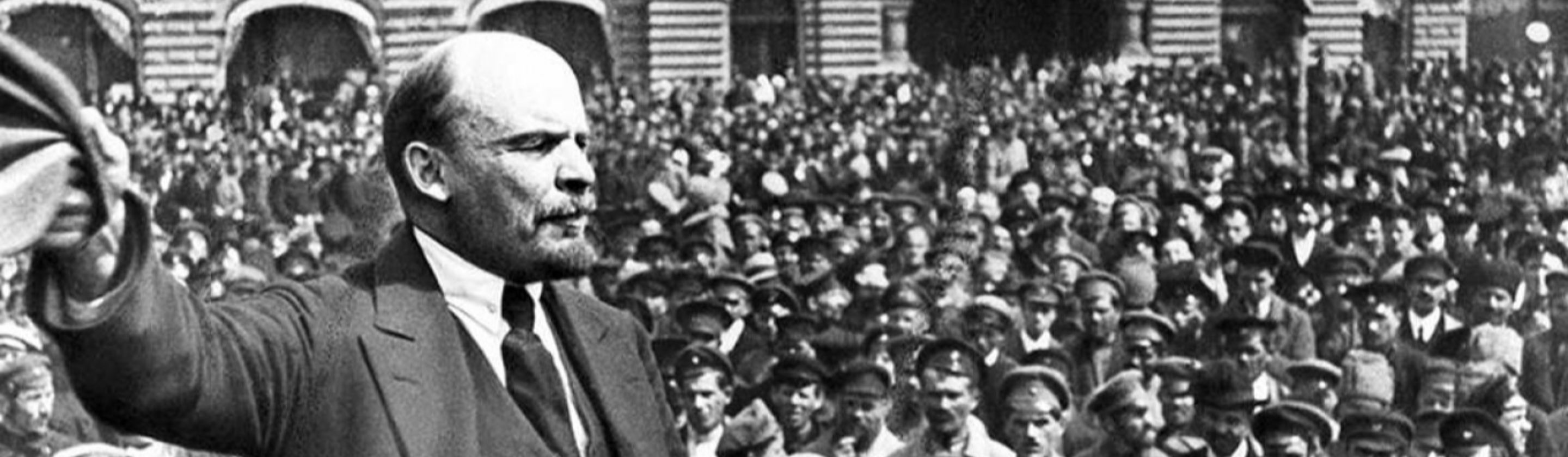
20. Vladimir Lenin's Lie Quote Has No Primary Source
Vladimir Lenin and Joseph Goebbels are both credited with the propaganda maxim "A lie told often enough becomes the truth." Psychologists call the underlying effect the illusion of truth, and it works regardless of who said the line.
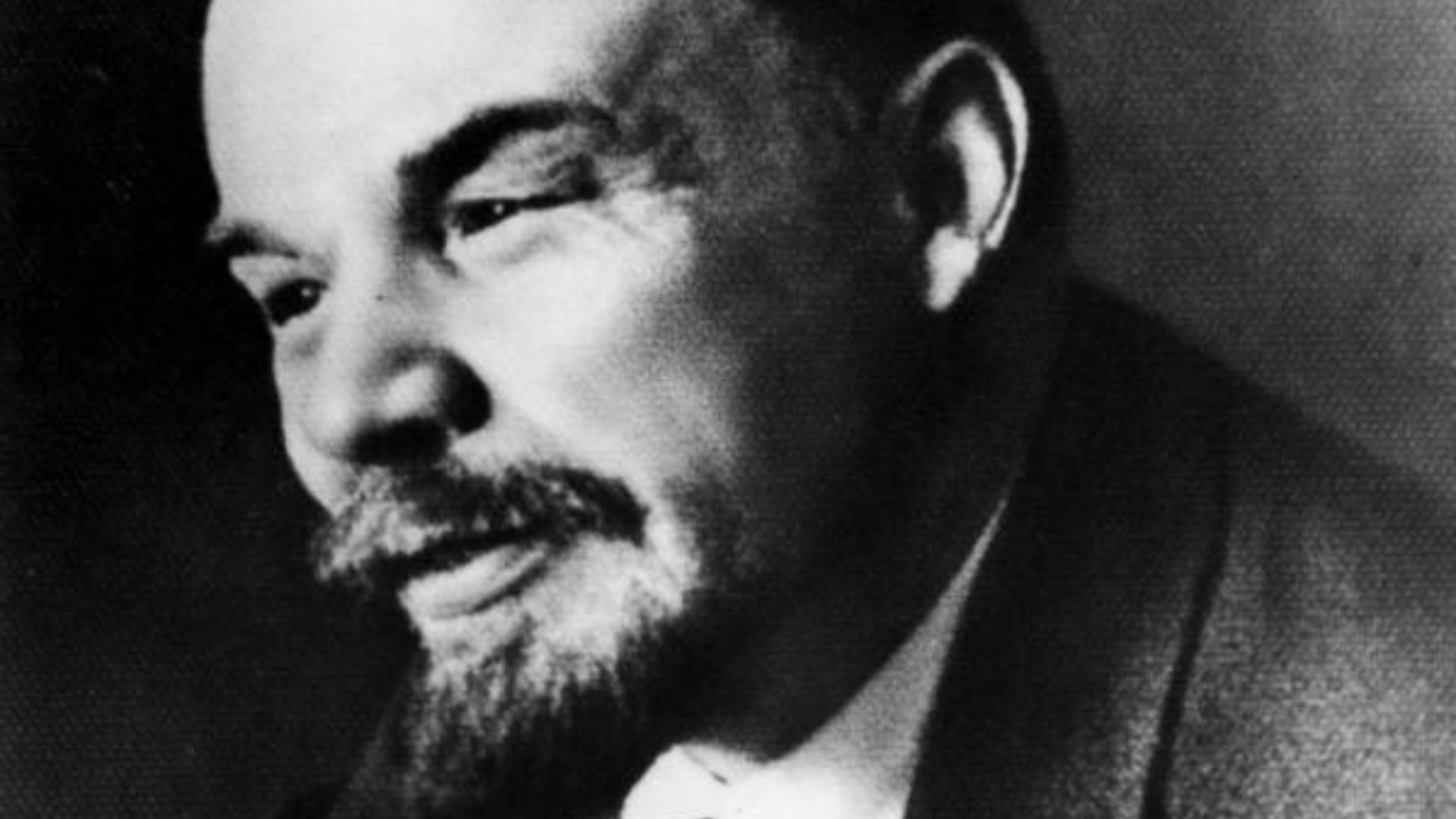 Photo by Time Life Pictures/Mansell/The LIFE Picture Collection, published on LIFE on Wikimedia
KEEP ON READING