
The Real Neighbors and the Famous Mismatches
Dinosaur movies have given T. rex plenty of opponents it never had a chance to meet. Some were already extinct tens of millions of years before it appeared, while others lived on the other side of the planet. To find its actual neighbors, paleontologists look to rocks from the very end of the Cretaceous, especially the Hell Creek Formation in Montana and the Dakotas. These fossils capture roughly the last couple of million years before the mass extinction 66 million years ago. Here are 10 animals that really shared T. rex's world, and 10 whose famous showdowns could only happen in a movie.
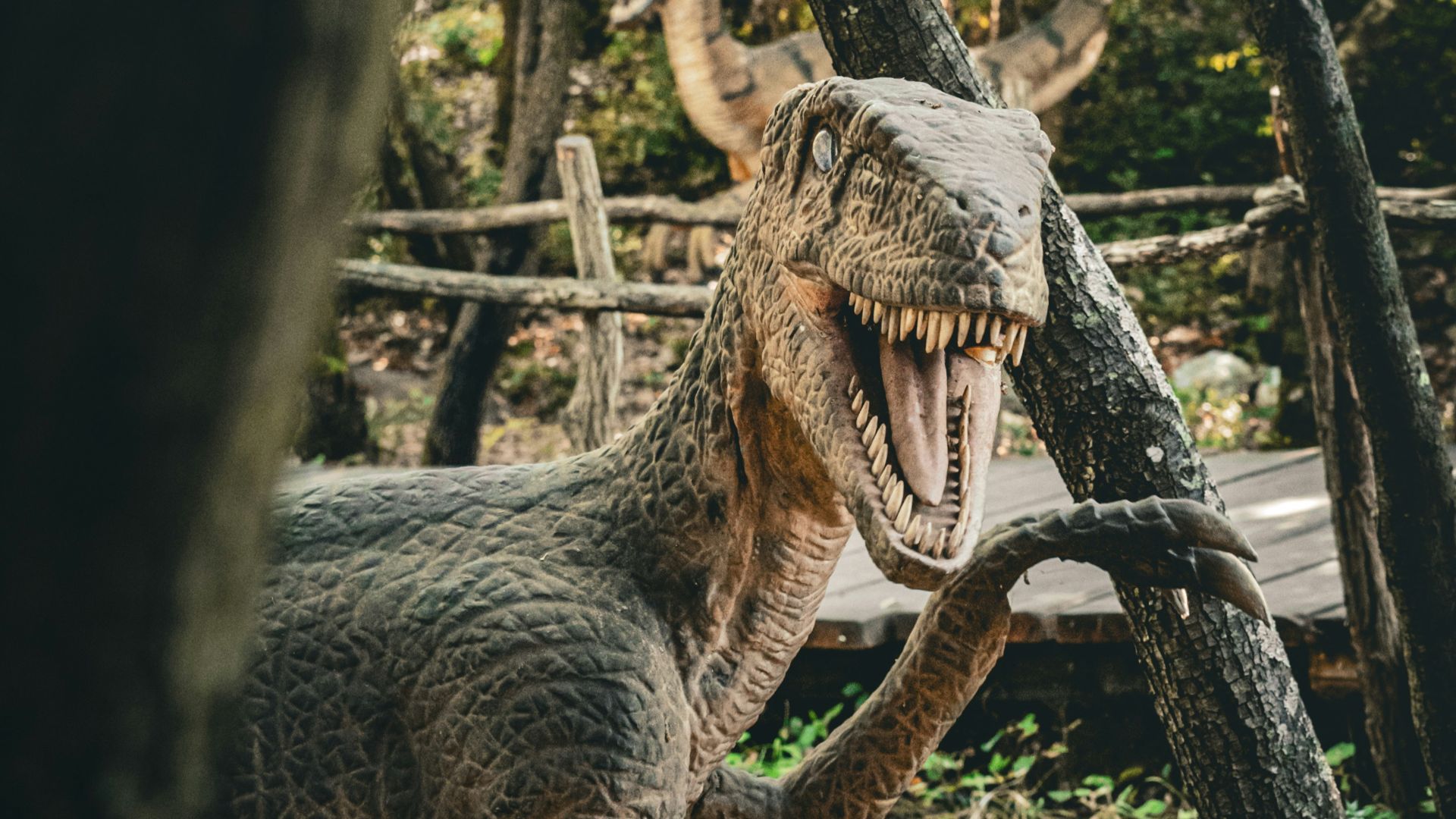
1. Triceratops
Triceratops was the most common large dinosaur in Hell Creek. A 2011 census of skeletons from the formation counted 23 of them against five Tyrannosaurus in the upper beds. Triceratops bones with tooth marks are common enough that the predator and prey relationship between the two is well documented.
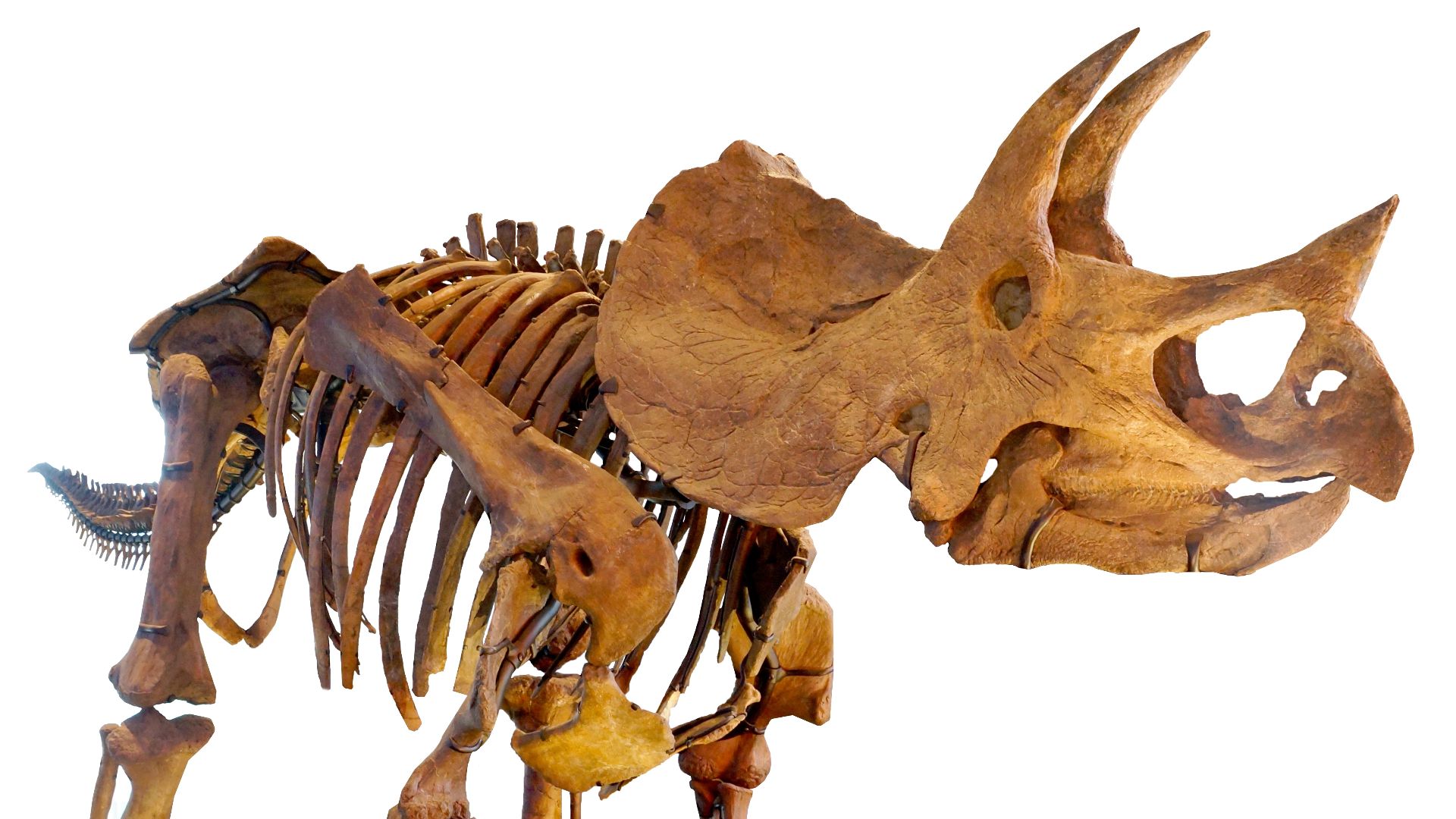 Source: Allie_Caulfield Derivative: User:MathKnight on Wikimedia
2. Edmontosaurus
Edmontosaurus was a duck-billed plant eater that moved in herds across the same floodplains. T. rex skeletons are about as abundant as Edmontosaurus skeletons higher in the sequence, which the census team noted was unusual for an apex predator. It was the last large hadrosaur in North America.
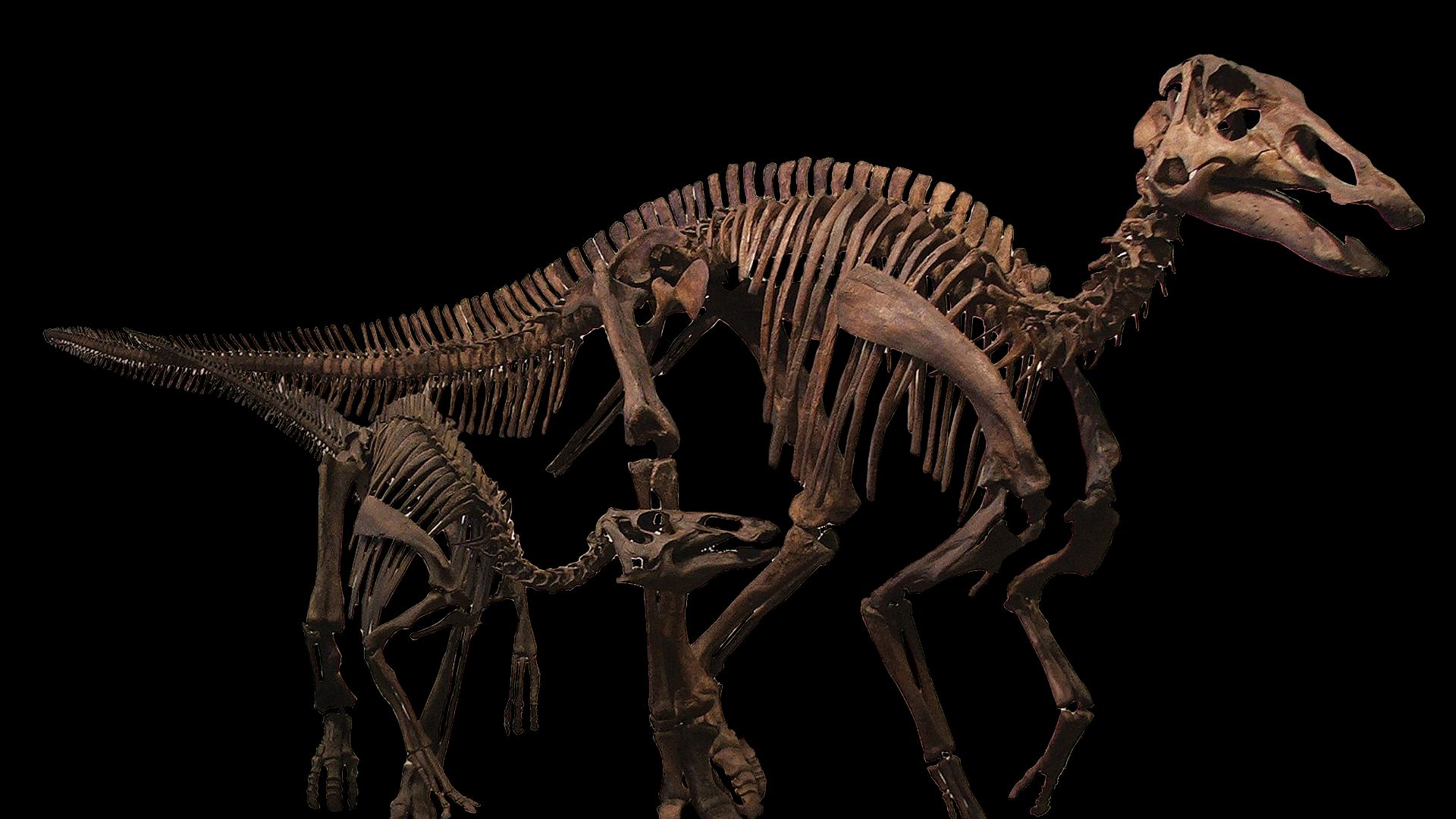
3. Ankylosaurus
Ankylosaurus had a club at the end of its tail and bony plates set into its skin. No complete skeleton has been found, so the eight-meter length estimate comes from partial material. It is one of the rarer animals in the formation despite being one of the best known, and paleontologists still disagree about whether the club was used against predators or against other ankylosaurs.
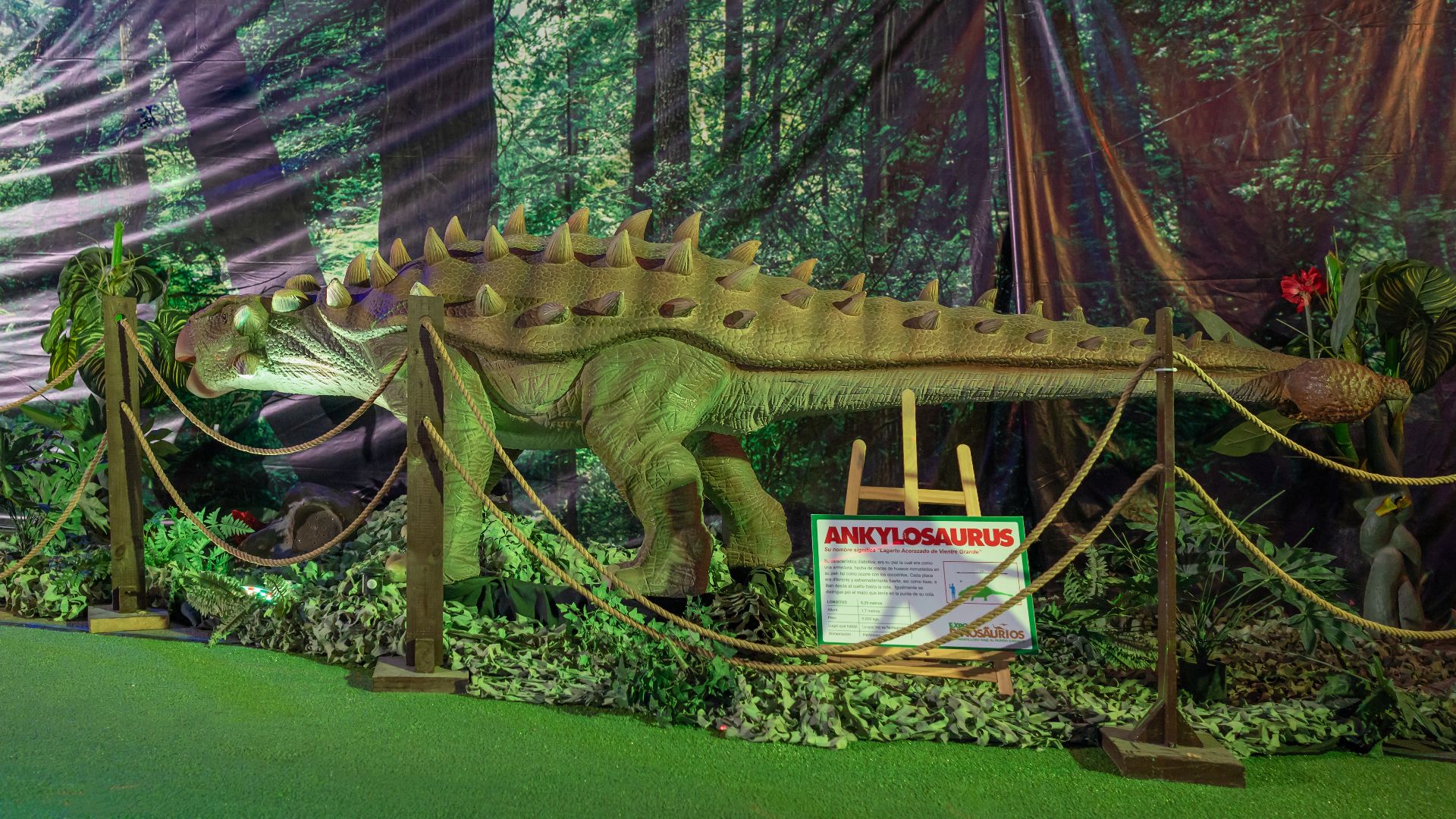
4. Nanotyrannus
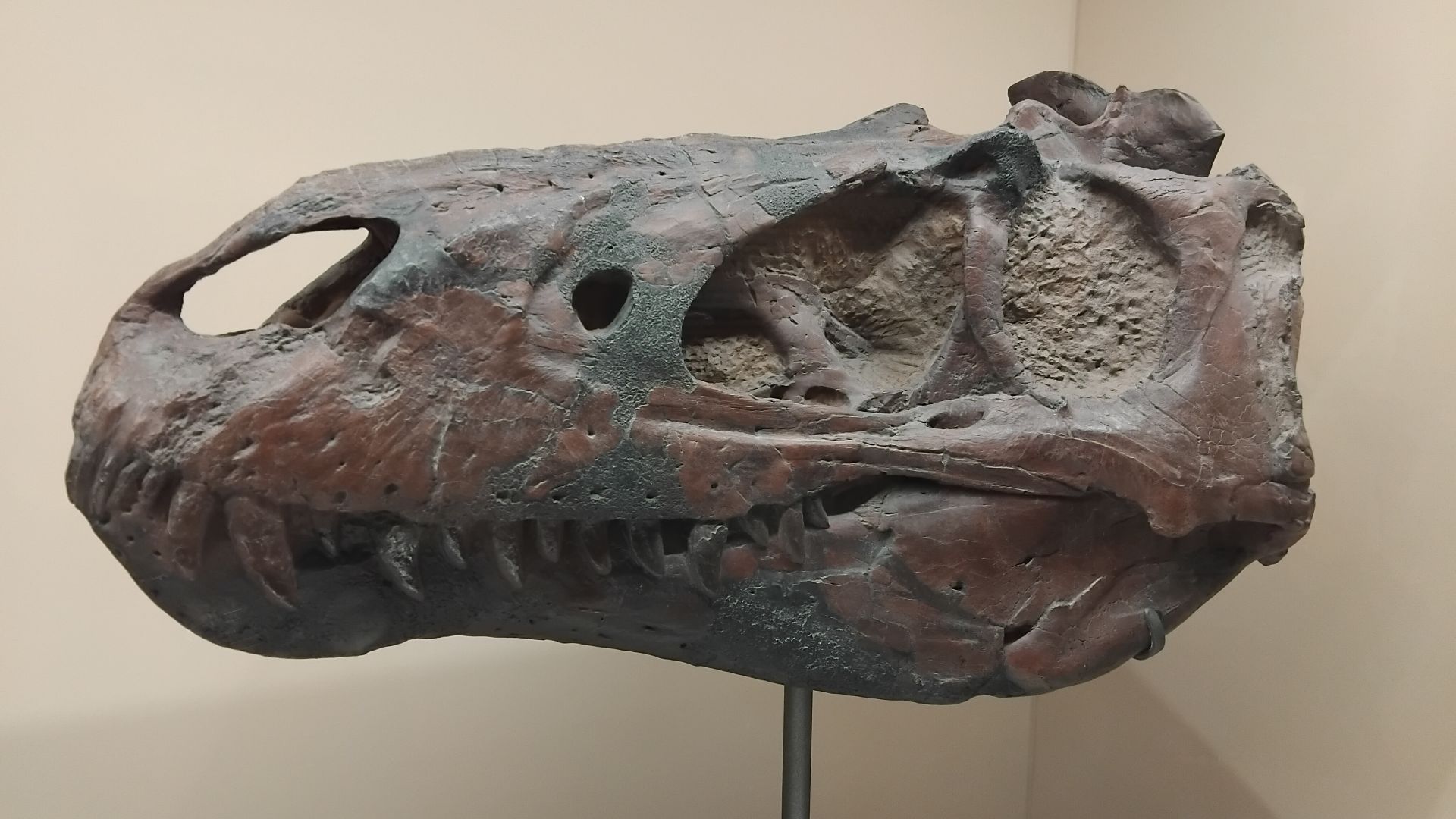
Hell Creek's smaller tyrannosaur was treated for decades as a juvenile T. rex. A 2025 description of a nearly complete skeleton, the predator in the Dueling Dinosaurs fossil, found more teeth and larger forelimbs than any growth stage of Tyrannosaurus would produce. Two separate tyrannosaur species were living on the same floodplain.
 Gustave en résidence on Wikimedia
5. Quetzalcoatlus
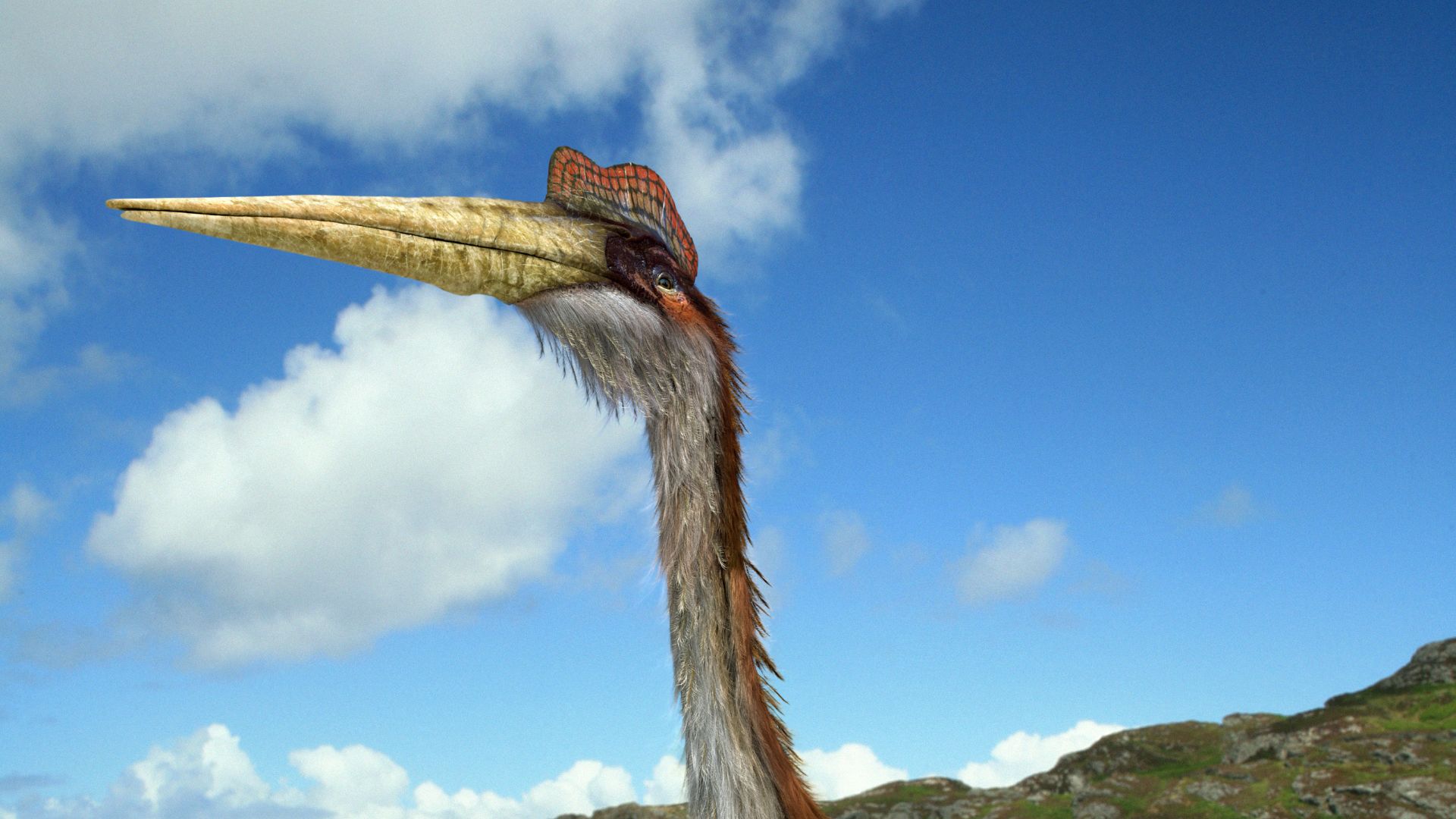
Quetzalcoatlus is known best from the Javelina Formation in Big Bend, Texas, deposited during the same final stretch of the Maastrichtian. It lived on inland floodplains a few hundred kilometers from the coast, the same kind of setting Tyrannosaurus occupied. The azhdarchid material from Hell Creek itself is fragmentary, so the northern animal may be a different species.
6. Anzu
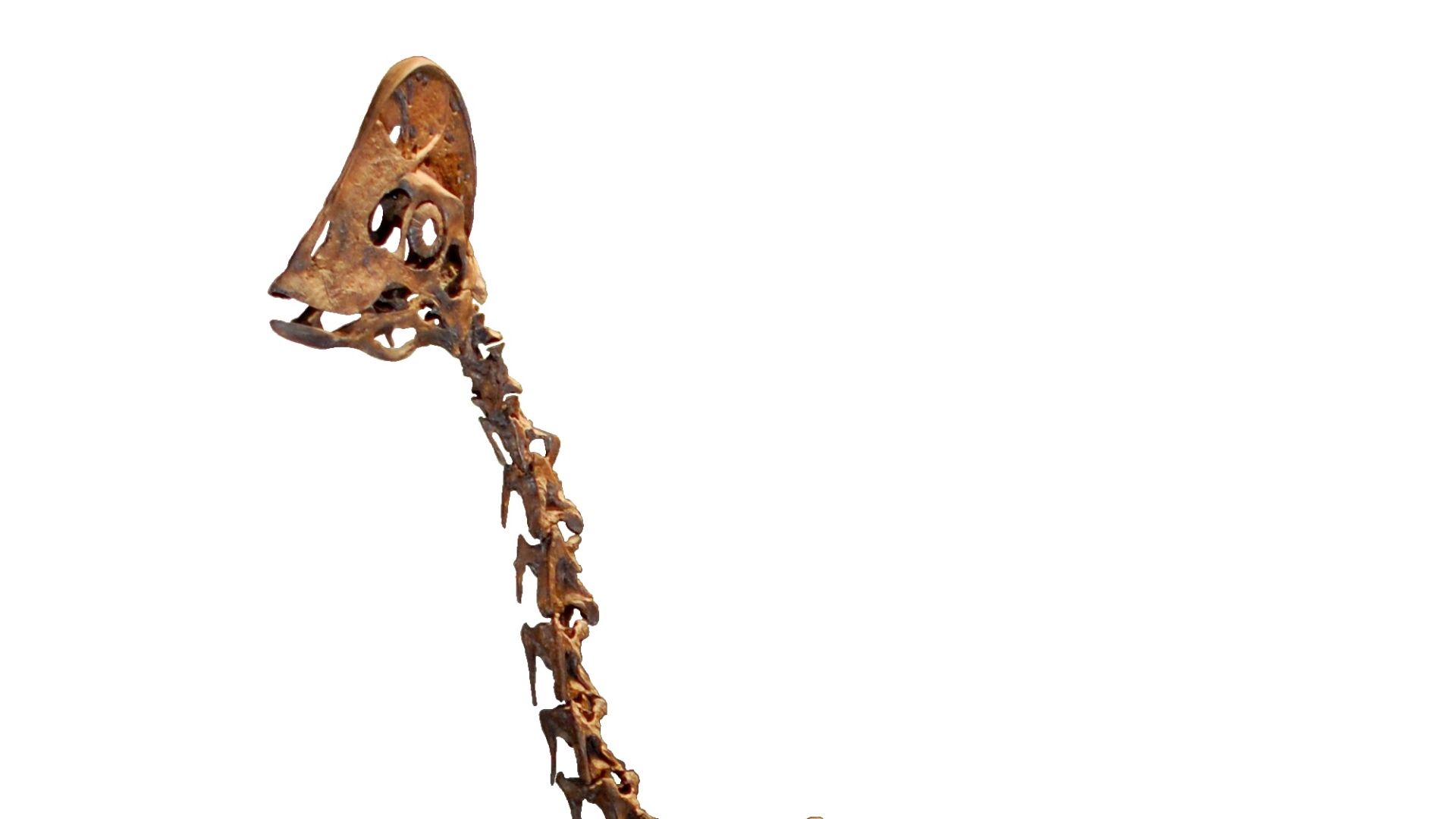
Anzu wyliei was a feathered omnivore with long legs and a toothless beak. The skull carried a crest, and the hands had long curved claws. It reached close to four meters, much of that neck and tail, and animals this size were a regular part of the fauna, smaller than the tyrannosaurs and larger than the mammals.
 Tadek Kurpaski from Pittsburgh,PA, USA on Wikimedia
7. Acheroraptor
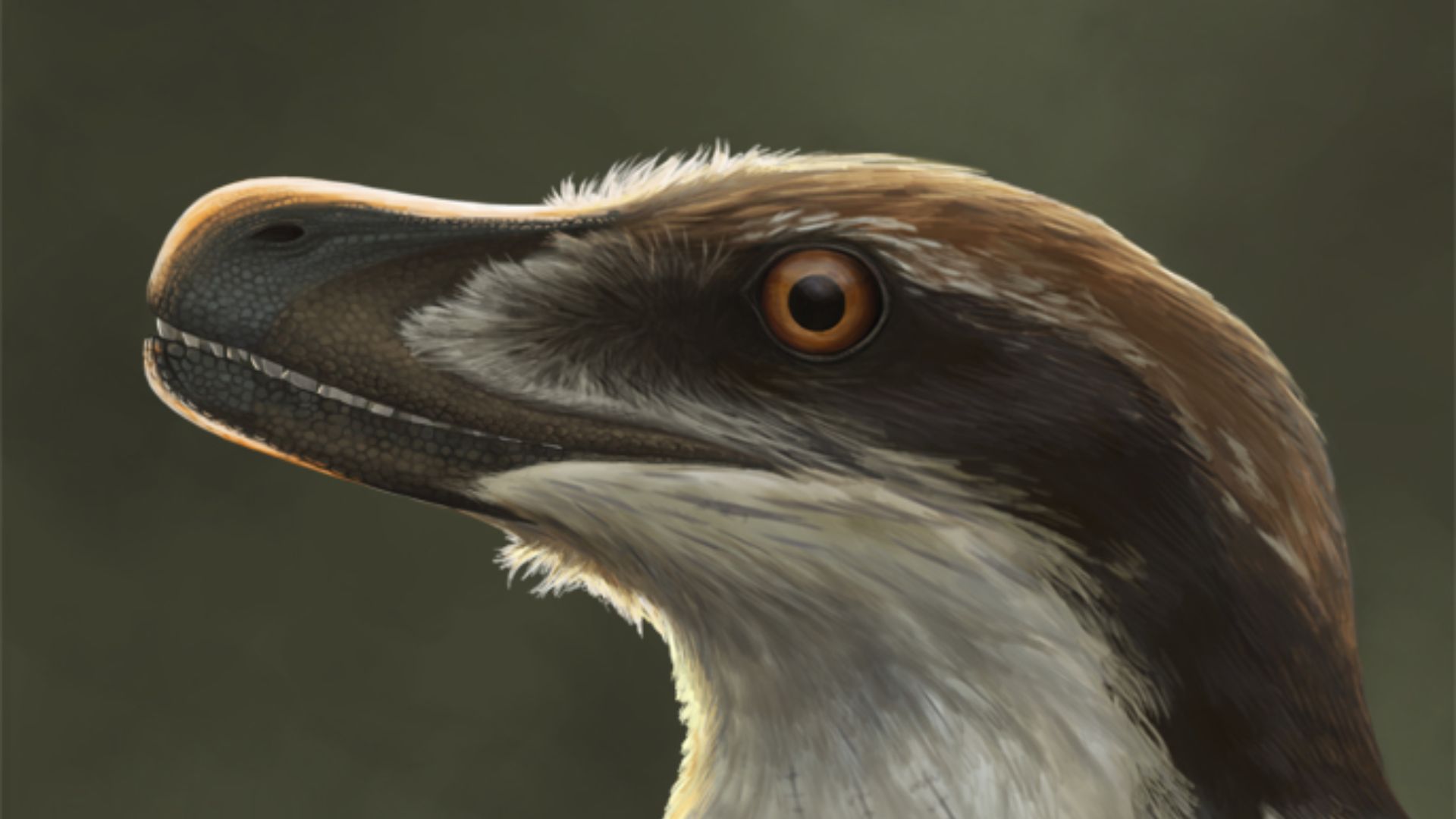
Acheroraptor temertyorum was the dromaeosaur of the formation, known mostly from jaw material and reaching about two meters. That is far below the raptors in the films, closer to a coyote with a sickle claw on each foot. Small predators preserve poorly, so the actual number of species was probably higher.
 Emily Willoughby, ([email protected], emilywilloughby.com) on Wikimedia
8. Didelphodon
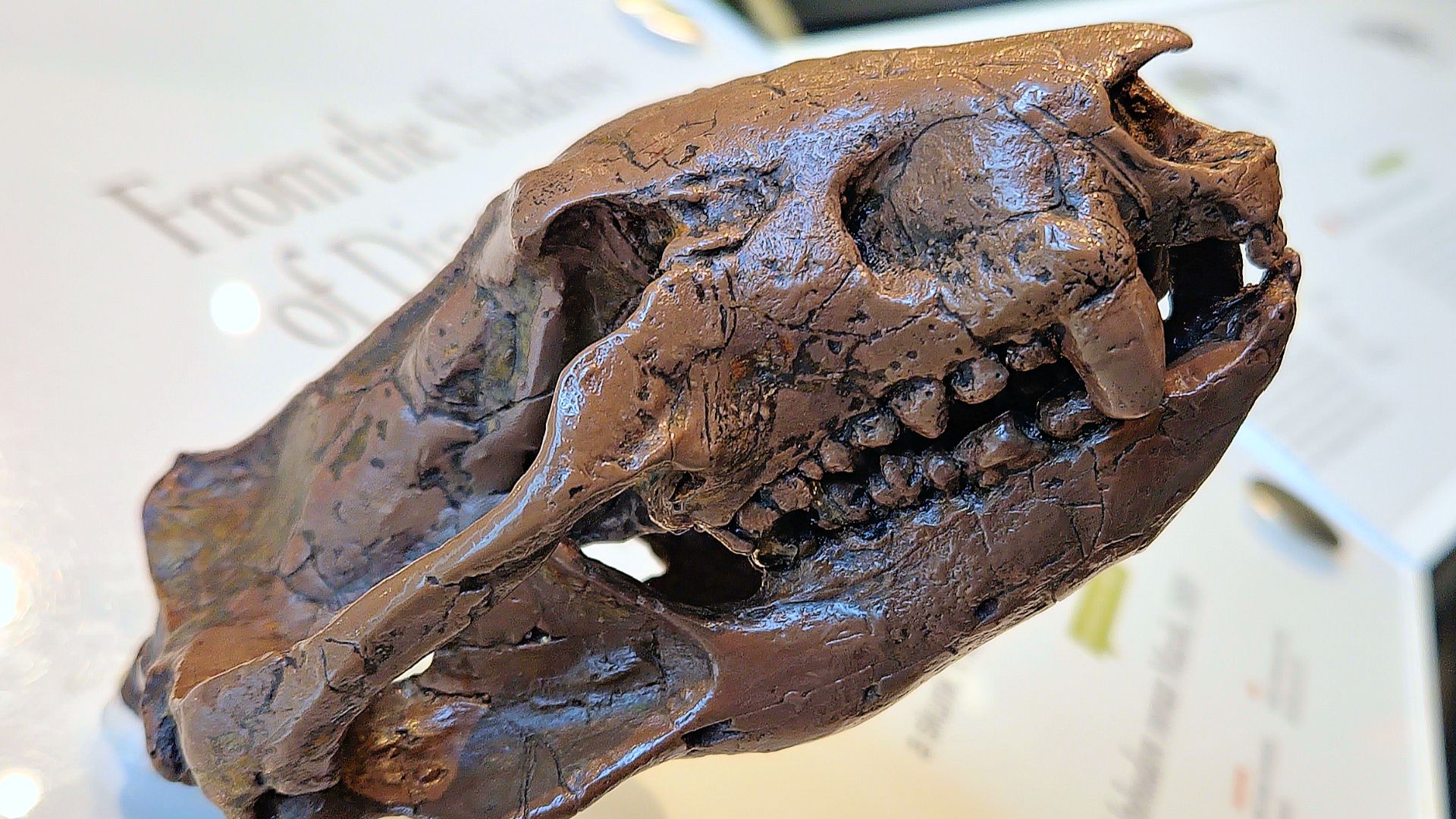
Didelphodon vorax was a marsupial relative about the size of a Virginia opossum, large for a Cretaceous mammal. A 2016 study found its bite force was the strongest of any mammal relative to body size. It ate shellfish and bone, and probably dinosaur eggs as well.
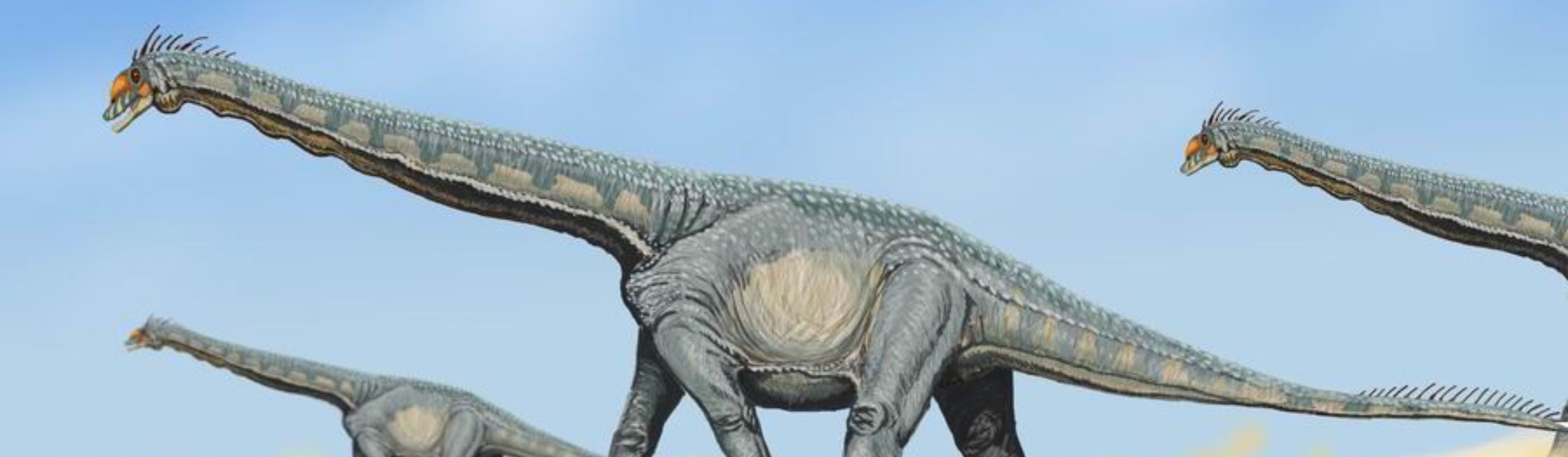
9. Alamosaurus
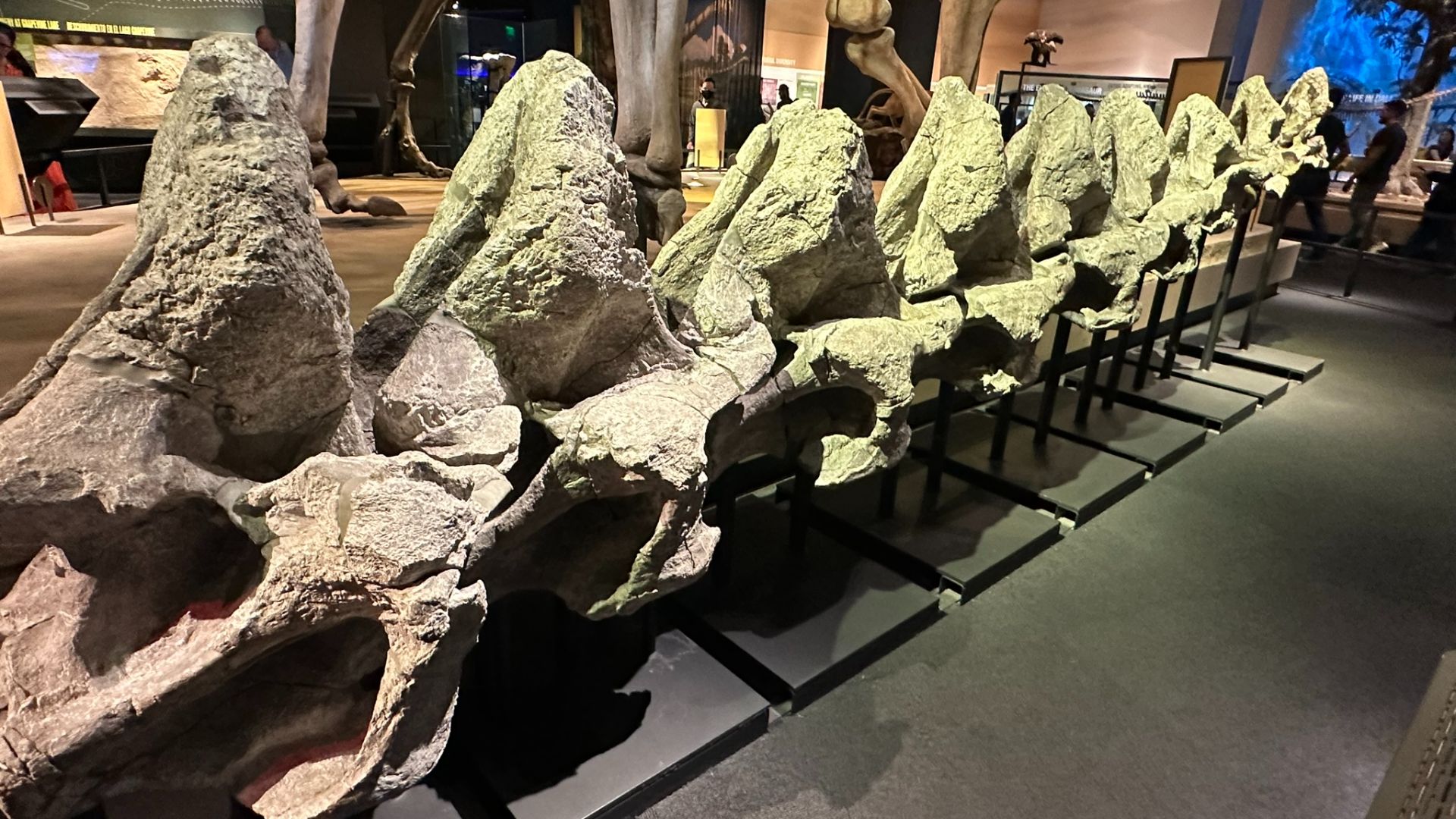
Sauropods were absent from North America for close to 30 million years, and then Alamosaurus appeared in the south. It lived on the Texas and New Mexico floodplains with Tyrannosaurus between about 70 and 66 million years ago, which is why the Perot Museum mounts the pair together. Juvenile bones have been found a few meters below the extinction layer.
10. Pachycephalosaurus
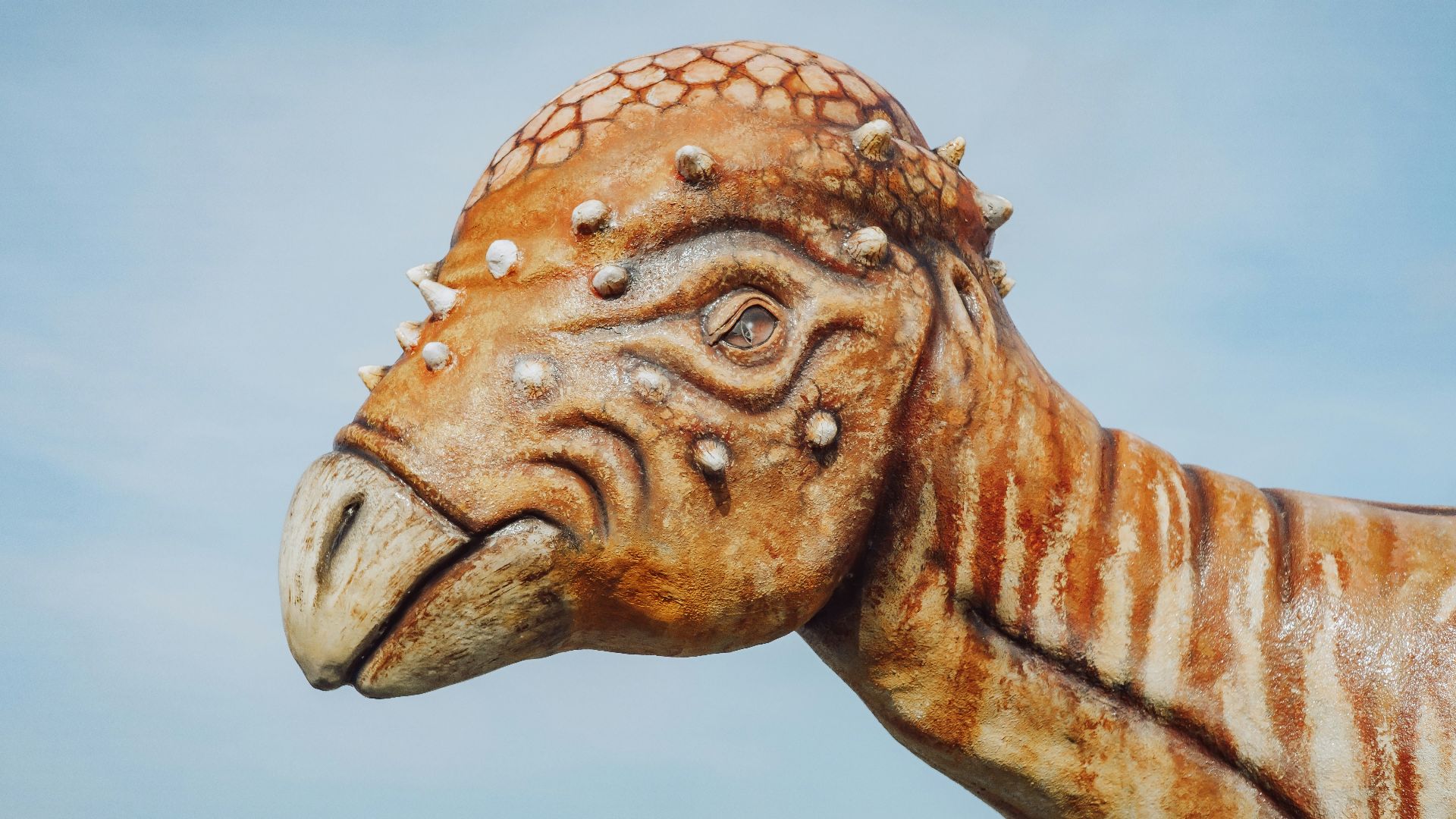
Pachycephalosaurus had a thick dome of solid bone on top of its skull, making it the largest of the dome-headed dinosaurs. For years, scientists figured it used that built-in helmet to butt heads with rivals. The idea is still debated, though healed injuries on some skulls suggest there may be something to it. Most of what we know about the animal comes from its unusually sturdy skull.
Now for 10 animals that never crossed paths with T. rex.
1. Stegosaurus
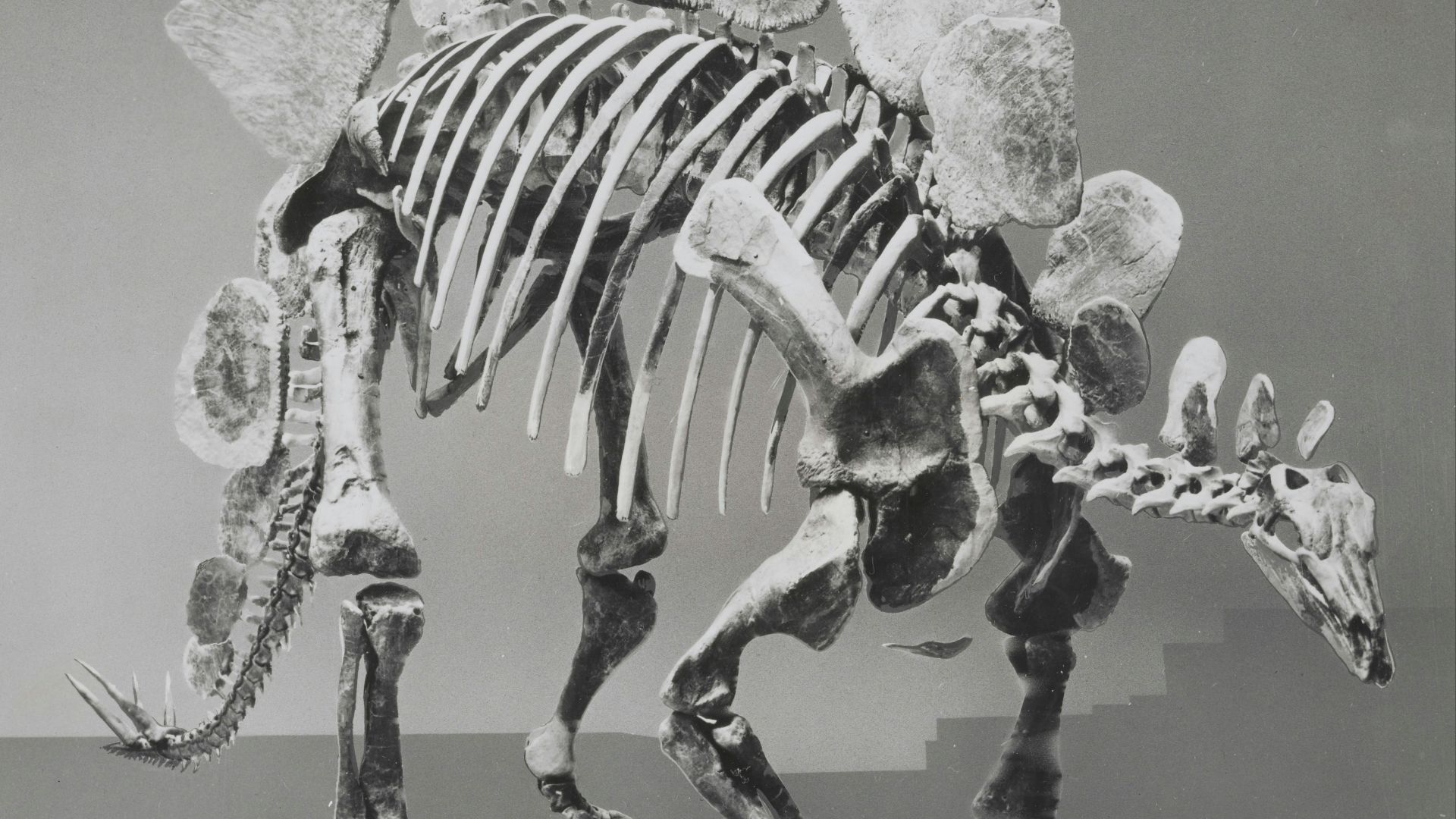
Stegosaurus lived between roughly 155 and 145 million years ago, about 80 million years before the first T. rex. That is a longer separation than the one between T. rex and the present day. Stegosaurus was extinct well before tyrannosaurs reached large body sizes.
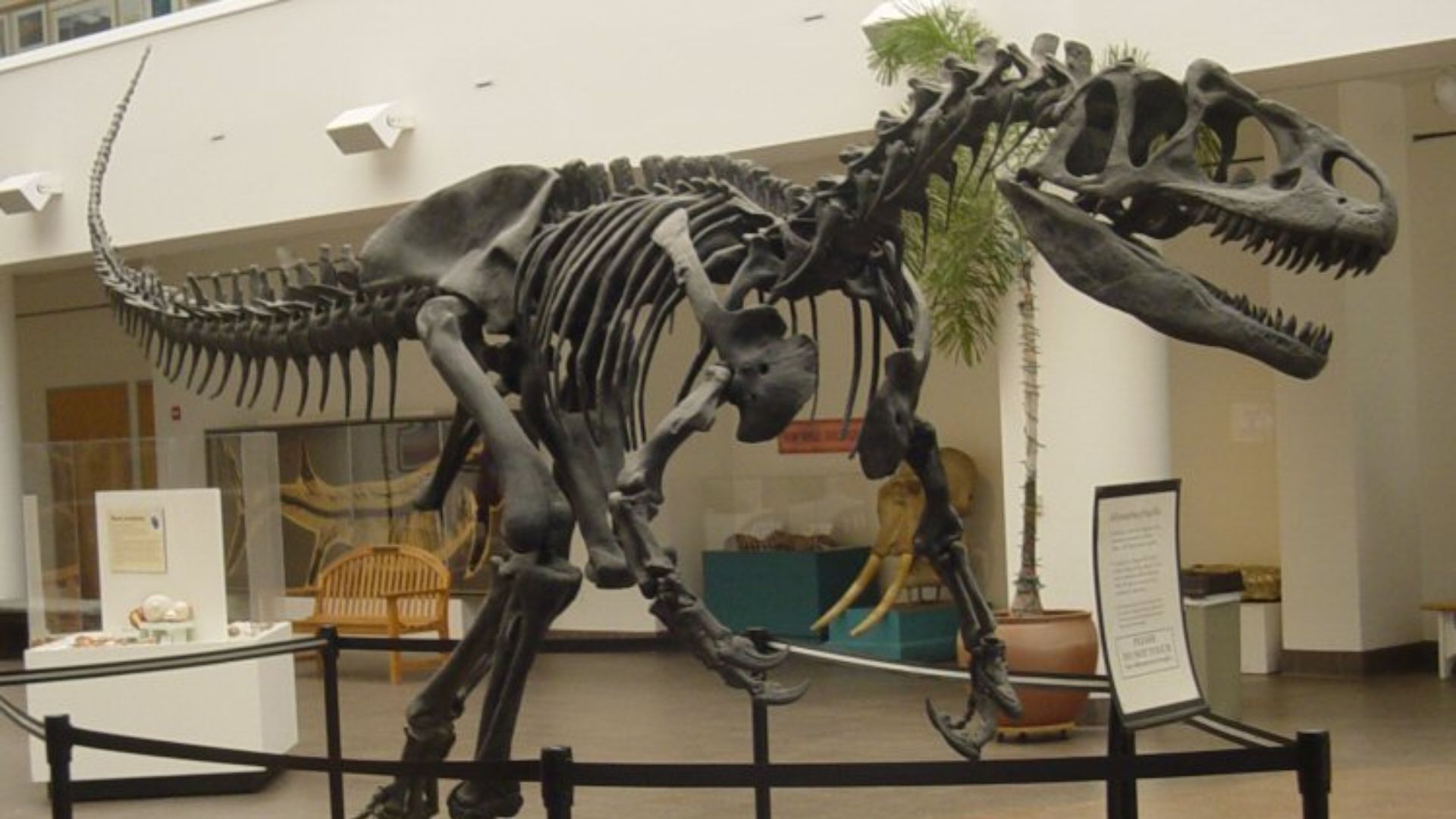
2. Allosaurus
Allosaurus had the right continent but showed up about 80 million years too early. It roamed North America roughly 155 to 145 million years ago and was one of the most common large predators in the Morrison Formation, much as T. rex would later be in Hell Creek. Fossils have also turned up in Portugal, so Allosaurus certainly got around.
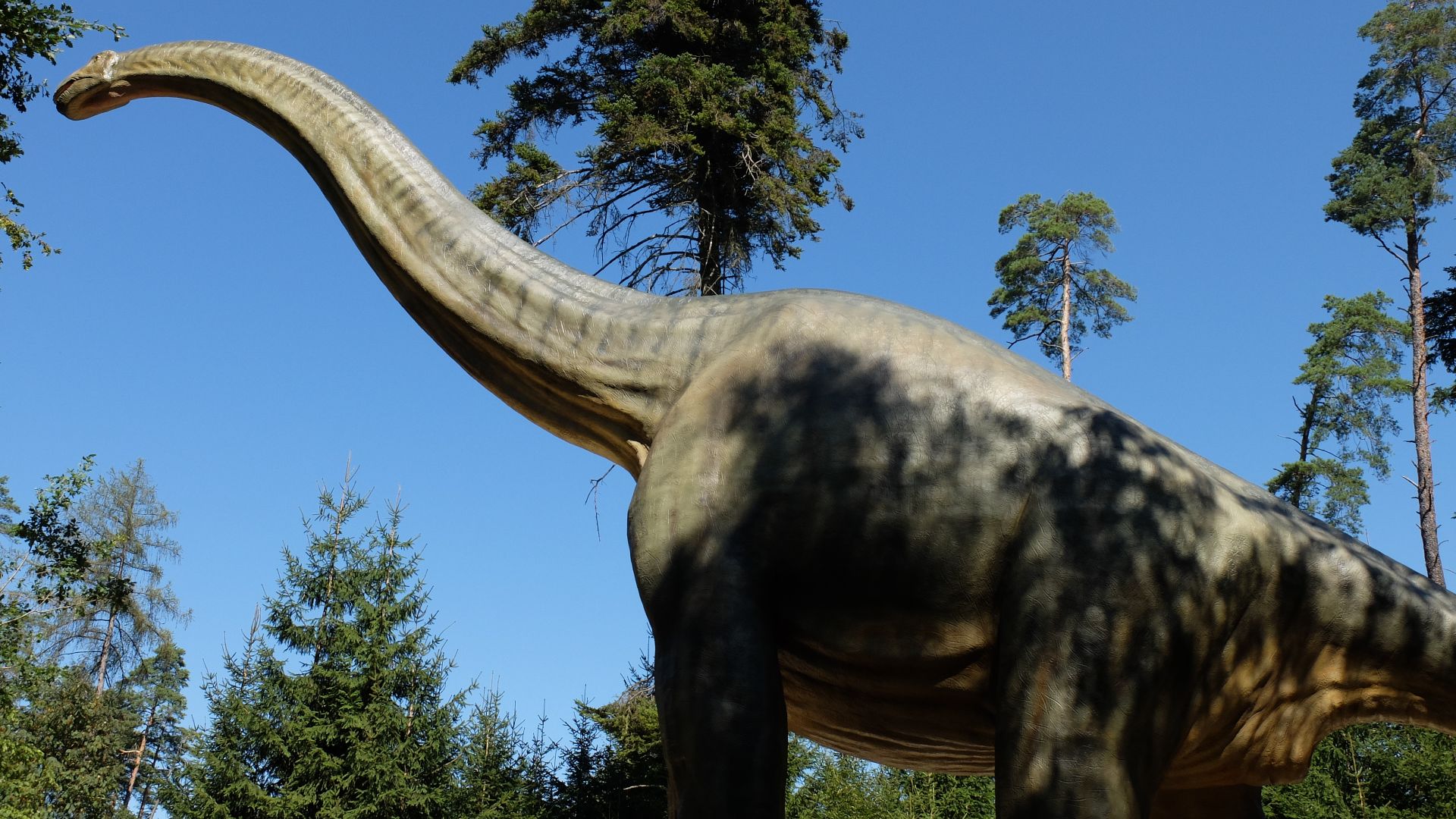
3. Brachiosaurus
Brachiosaurus roamed western North America around 150 million years ago, long before T. rex arrived. By the time of the last dinosaurs, the continent's known sauropod holdout was Alamosaurus, a giant titanosaur from a different branch of the family tree. Brachiosaurus and T. rex might look right together in a dinosaur movie, but putting them in the same scene skips about 85 million years of history.
 Christian-wittmann-1964 on Wikimedia
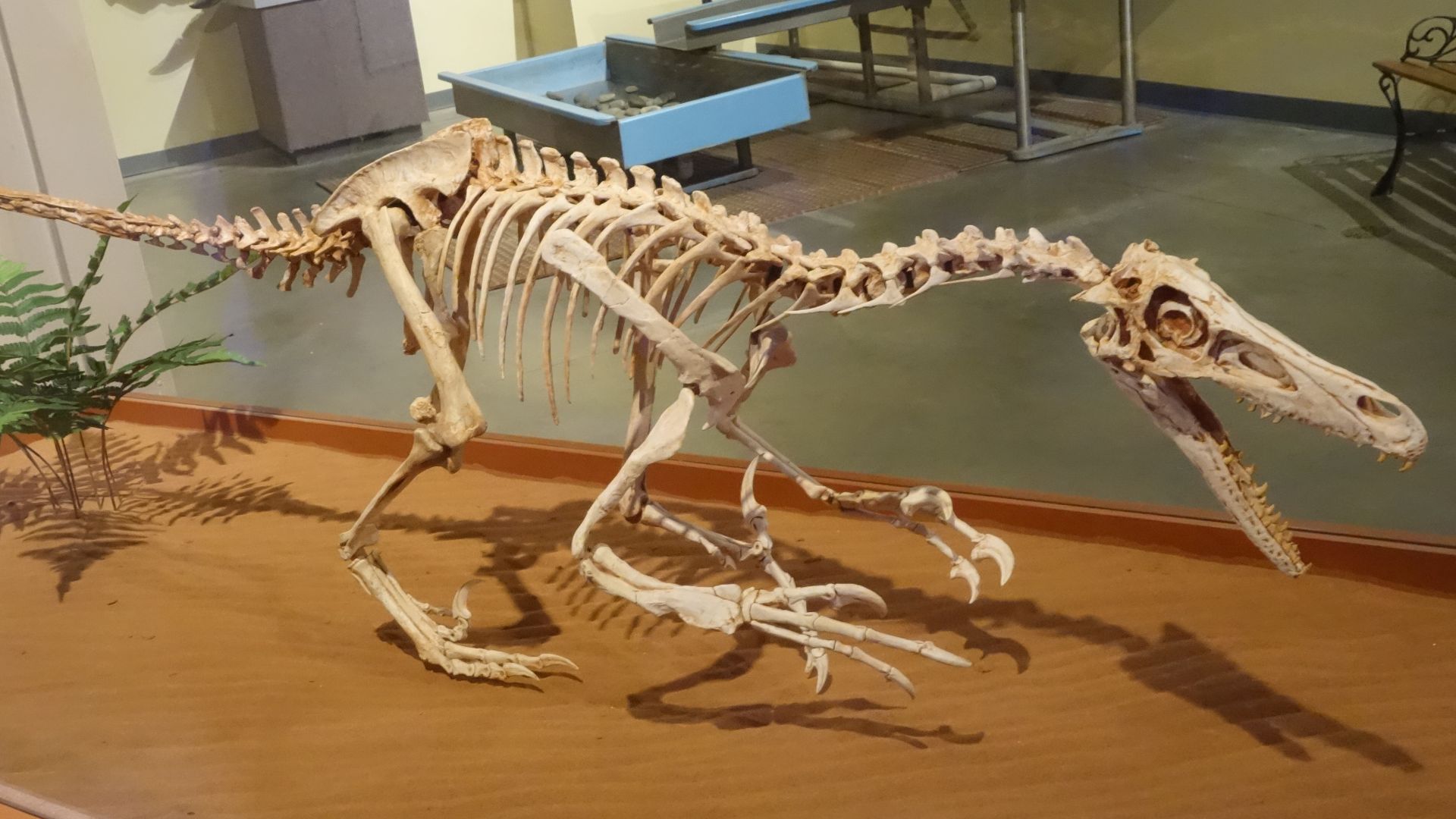
4. Velociraptor
The real Velociraptor was closer to a turkey in size than the towering movie monster. It lived in what's now Mongolia around 75 to 71 million years ago, several million years before T. rex appeared. Quill knobs on its forearms confirm it had feathers, and the famous Fighting Dinosaurs fossil preserves one locked in combat with a Protoceratops. Clearly, Velociraptor had enough excitement without needing a showdown with T. rex.
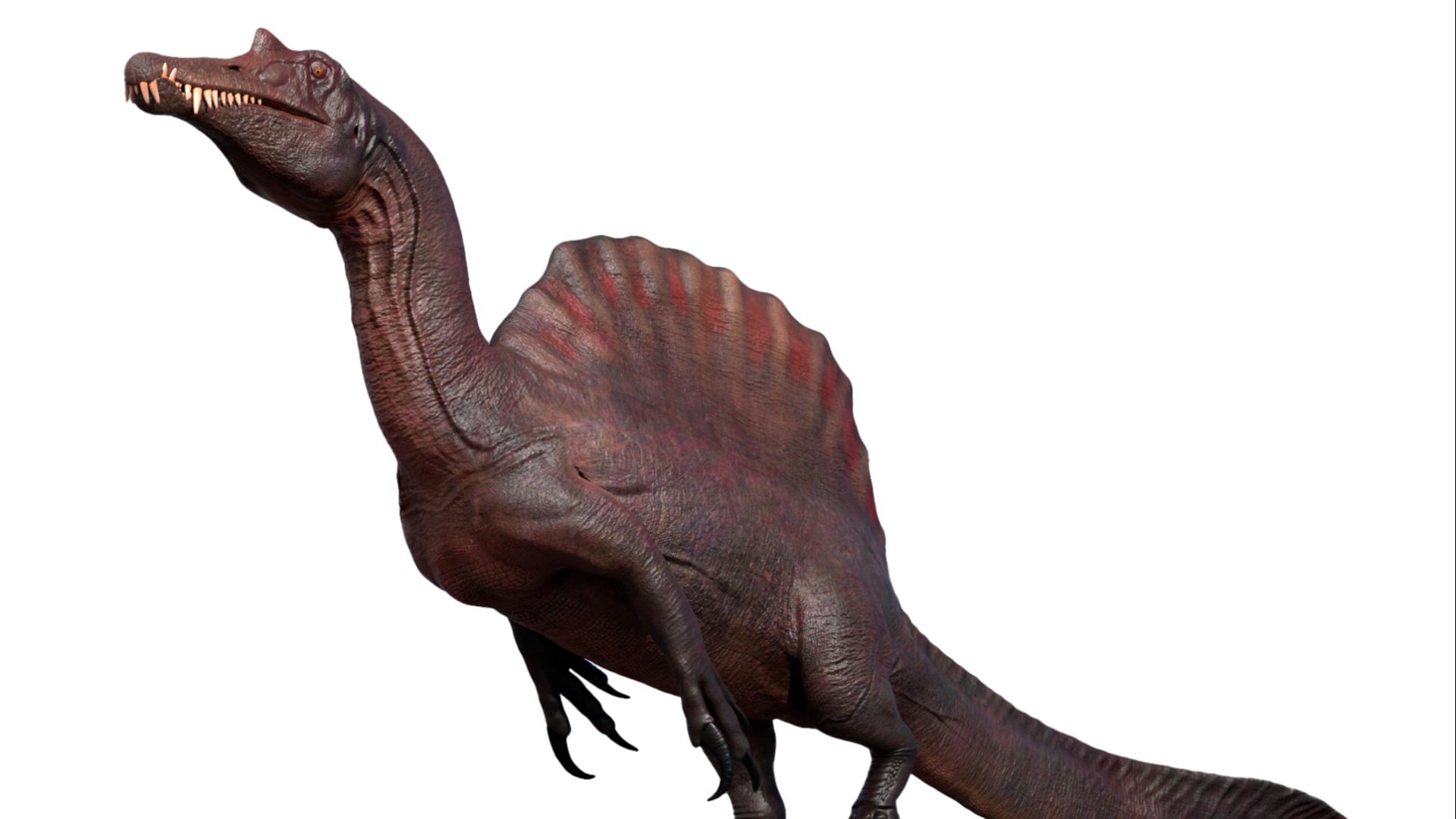
5. Spinosaurus
Spinosaurus and T. rex make a great movie matchup, provided you ignore the ocean and roughly 25 million years separating them. Spinosaurus lived around North African rivers between 100 and 94 million years ago, with dense bones and a paddle-like tail suggesting it spent plenty of time in the water.
 Petr Menshikov (https://twitter.com/Petr75113553; https://vk.com/prehistoricproduction) on Wikimedia
6. Giganotosaurus
Giganotosaurus was another enormous predator that never got the chance to challenge T. rex. It lived in what's now Argentina around 98 million years ago, roughly 30 million years before its famous rival appeared. It belonged to the carcharodontosaurs, a group of giant meat-eaters that had largely disappeared by the time tyrannosaurs took over in the north.
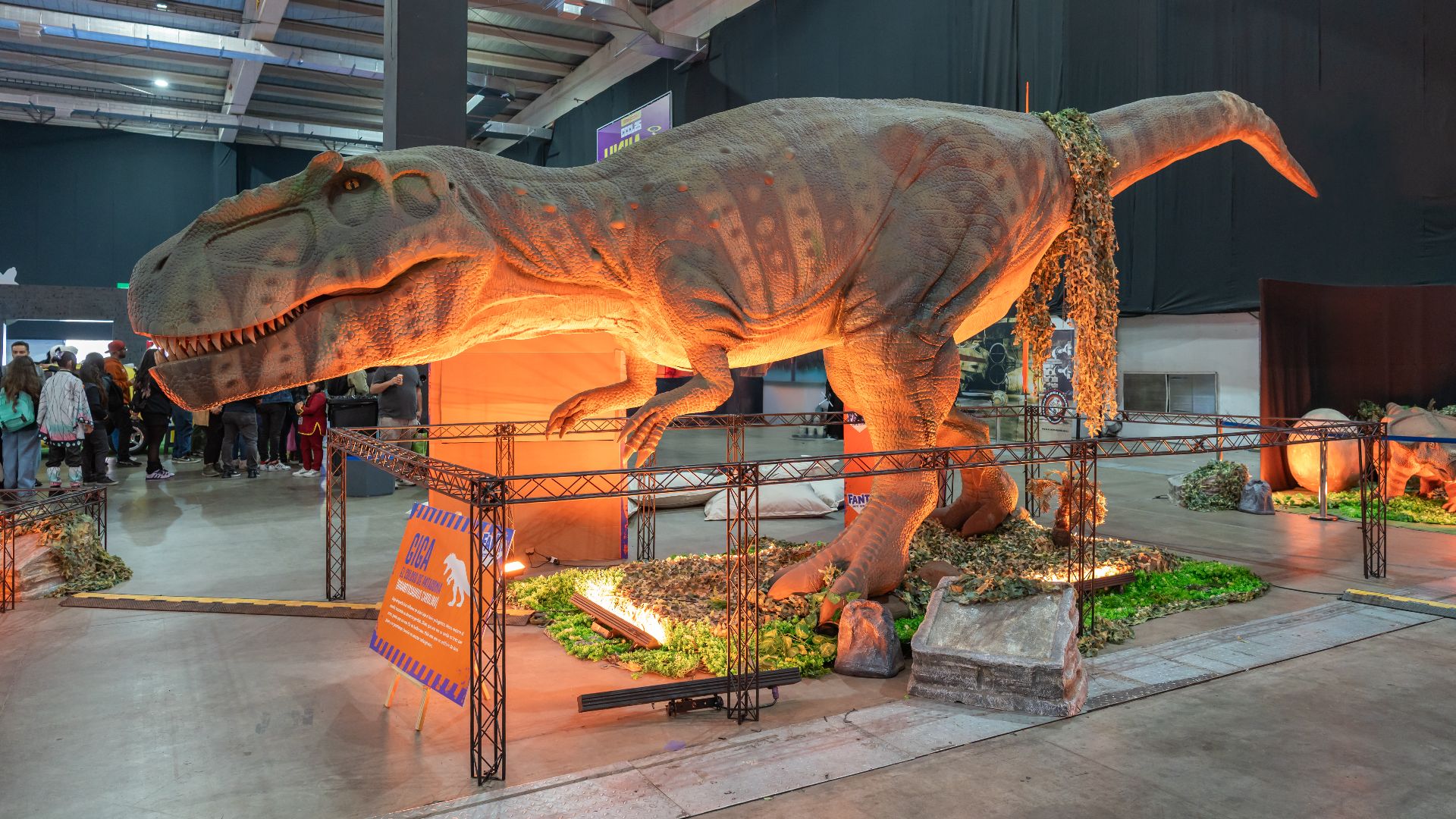
7. Carnotaurus
Carnotaurus came closer to meeting T. rex than most dinosaurs on this list, at least in terms of timing. Known from a single well-preserved skeleton found in Patagonia, it lived roughly 72 to 70 million years ago, just a few million years before T. rex appeared. Unfortunately, geography spoiled any chance of a showdown.
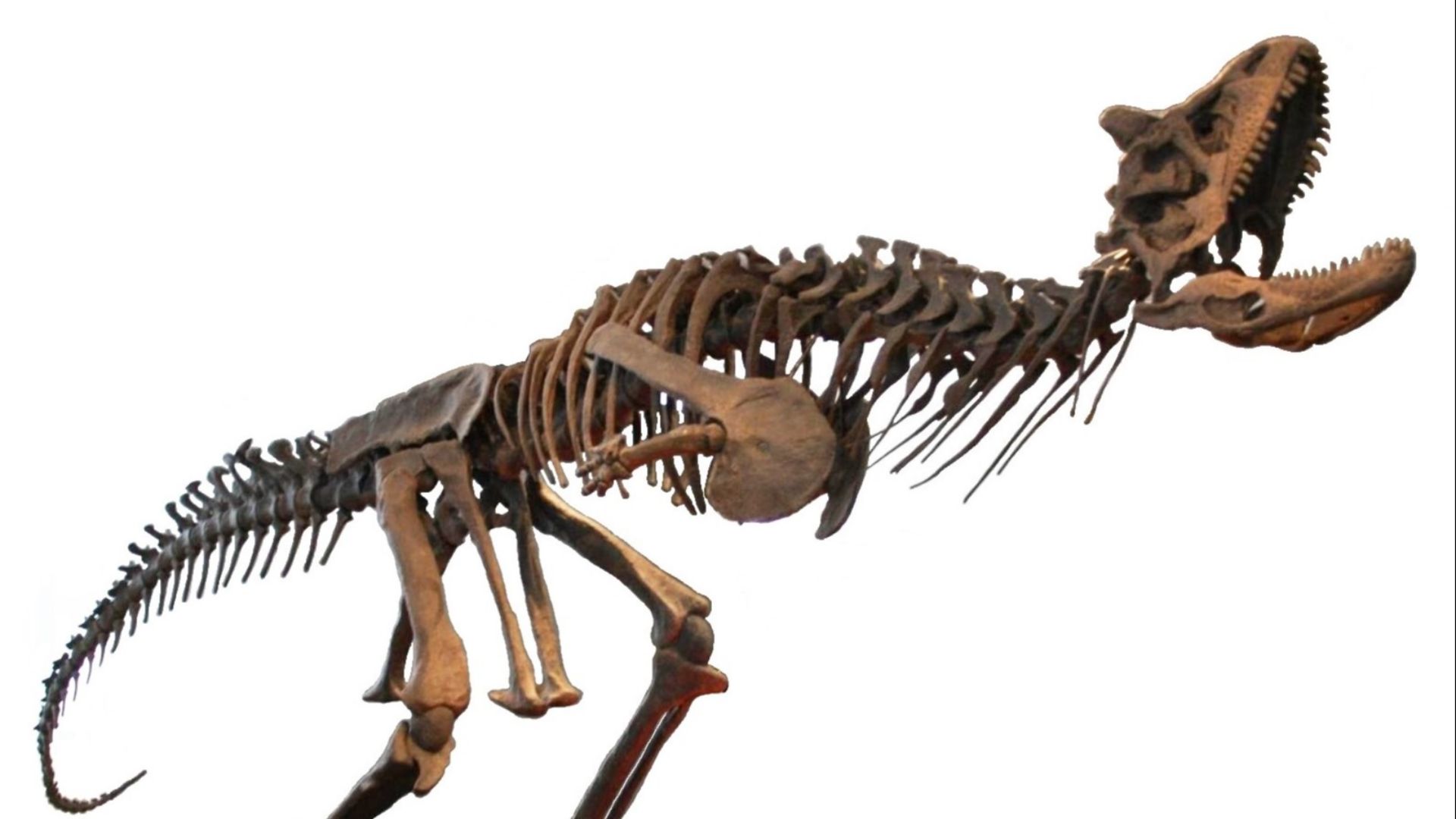 https://www.flickr.com/photos/23992608@N06/ on Wikimedia
8. Pteranodon
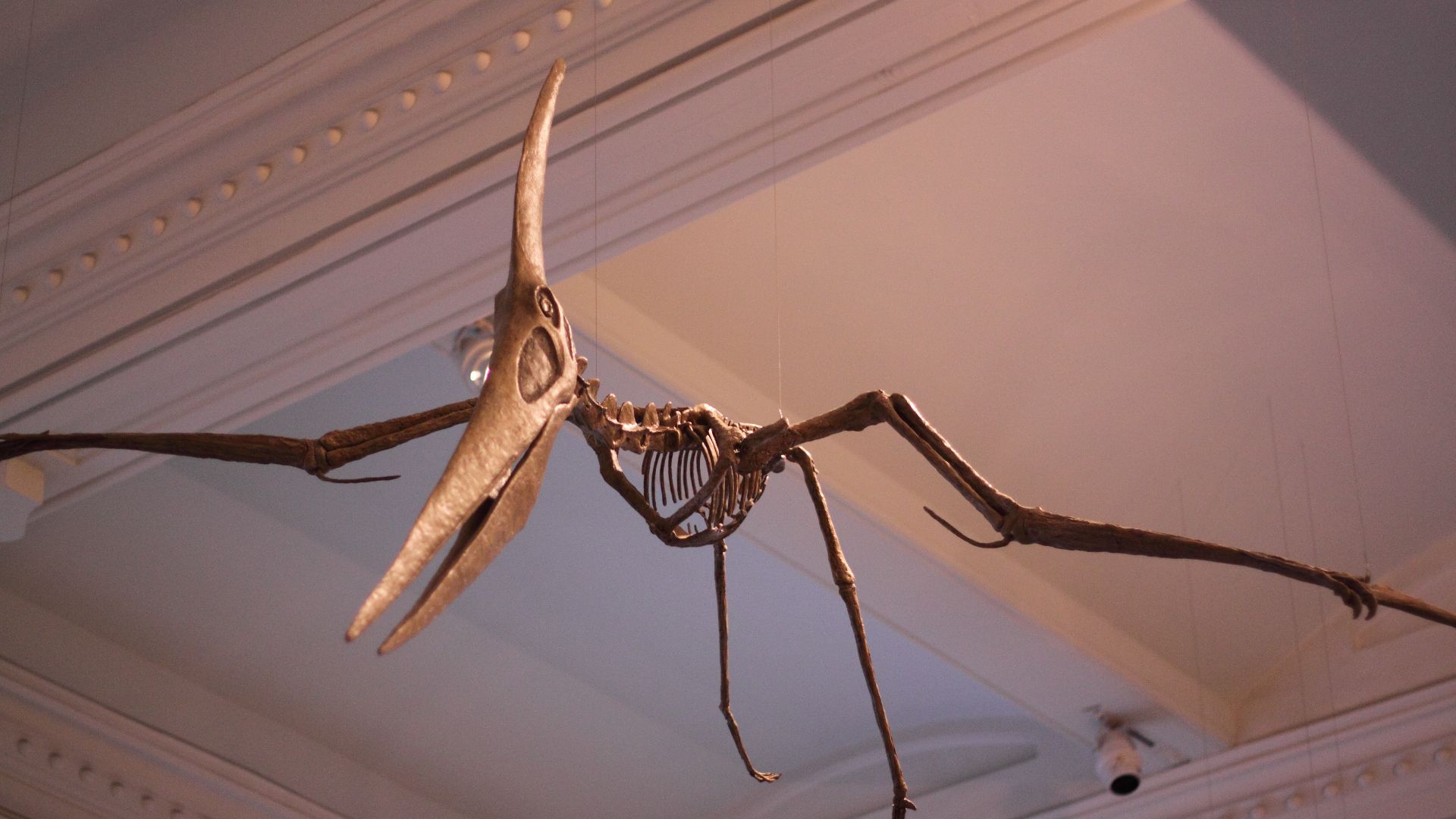
Pteranodon was soaring over North America long before T. rex arrived, roughly 86 to 84.5 million years ago. Most of its fossils come from Kansas, which was underwater back then, beneath a vast inland sea. By the time T. rex appeared, that sea had largely disappeared, and different giant pterosaurs ruled the skies.
9. Dimetrodon
Dimetrodon has been a regular in dinosaur toy sets for decades, despite one important detail: it wasn't a dinosaur. It lived roughly 295 to 272 million years ago, disappearing about 40 million years before the first dinosaurs appeared. It was actually more closely related to mammals than to modern reptiles.
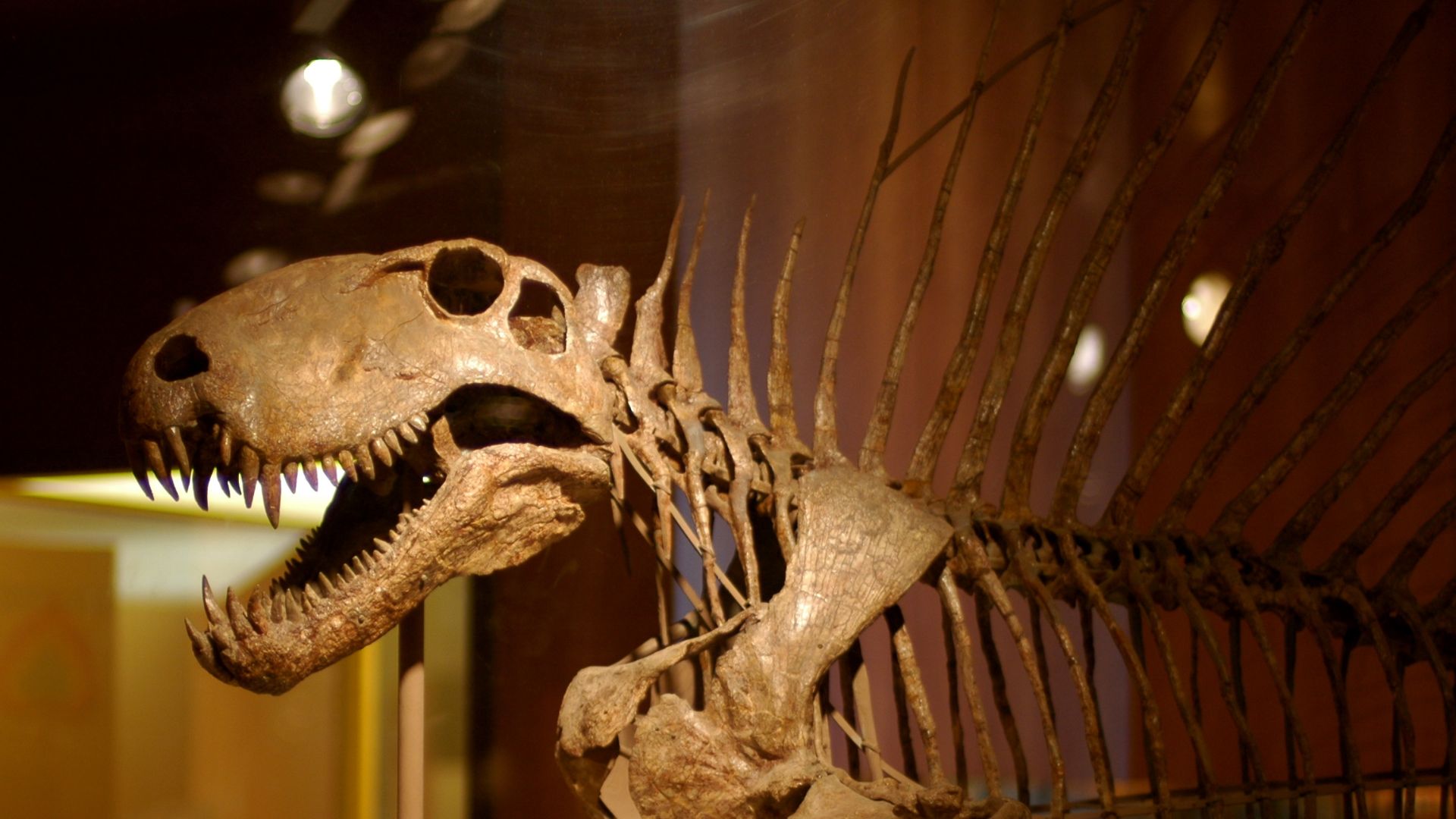 Jeff Kubina from Columbia, Maryland on Wikimedia
10. Megalodon
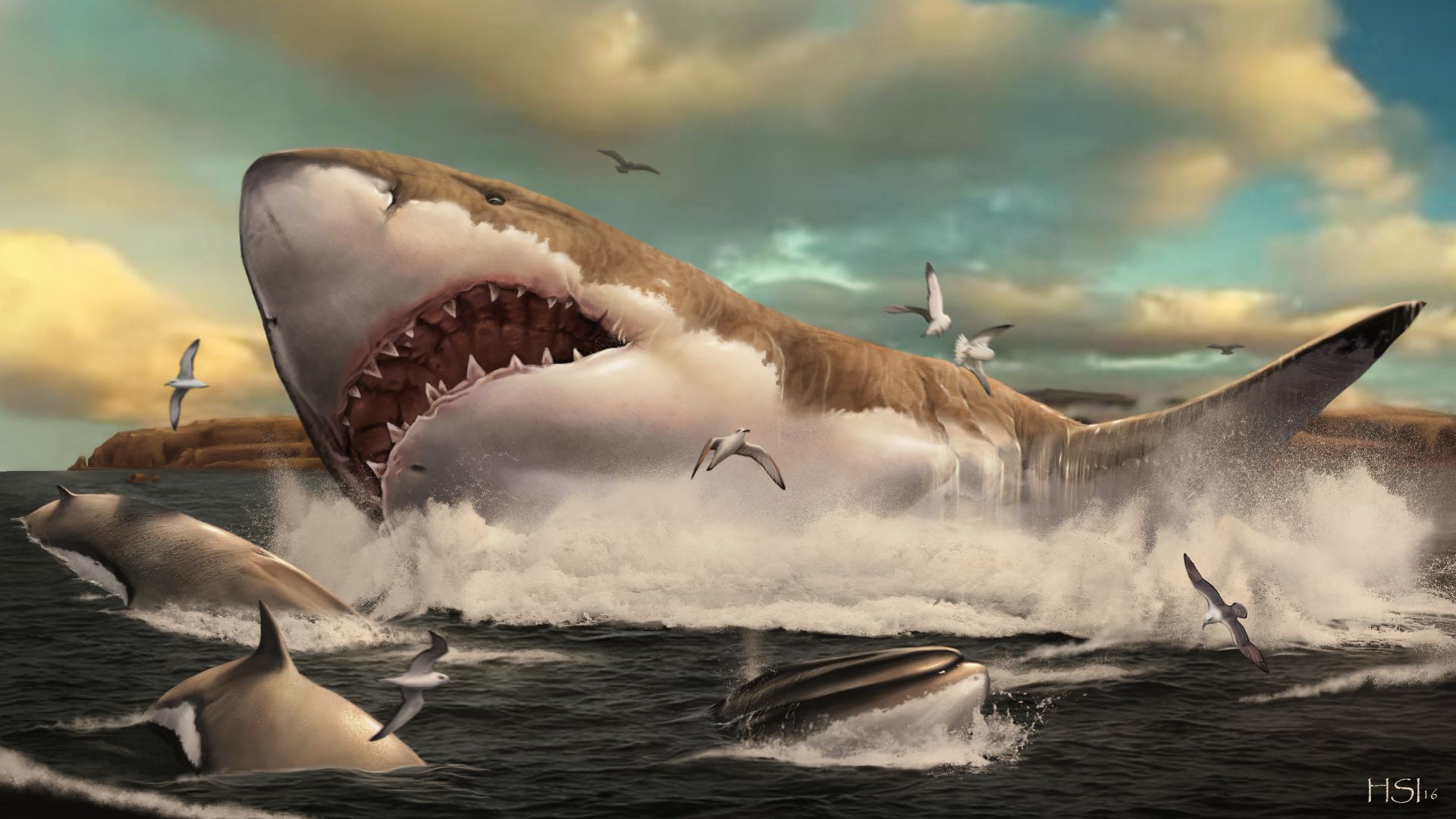
Megalodon arrived about 23 million years ago, a full 43 million years after T. rex went extinct. This enormous shark survived until roughly 3.6 million years ago, according to a 2019 reanalysis of the fossil record. That puts it much closer in time to early humans than to T. rex.