The Women Who Made the American Frontier Famous
The Wild West might be remembered for its notorious gunslingers and daring outlaws, but like so many instances from history, the women were just as important—and just as forgotten in the grand scheme of things. From sharpshooters who entertained royalty to criminals who terrorized frontier towns, these women earned reputations that were just as impressive as those of their male counterparts, and we’re here to revisit exactly what made them so famous.
 Edward F. Hartley on Wikimedia
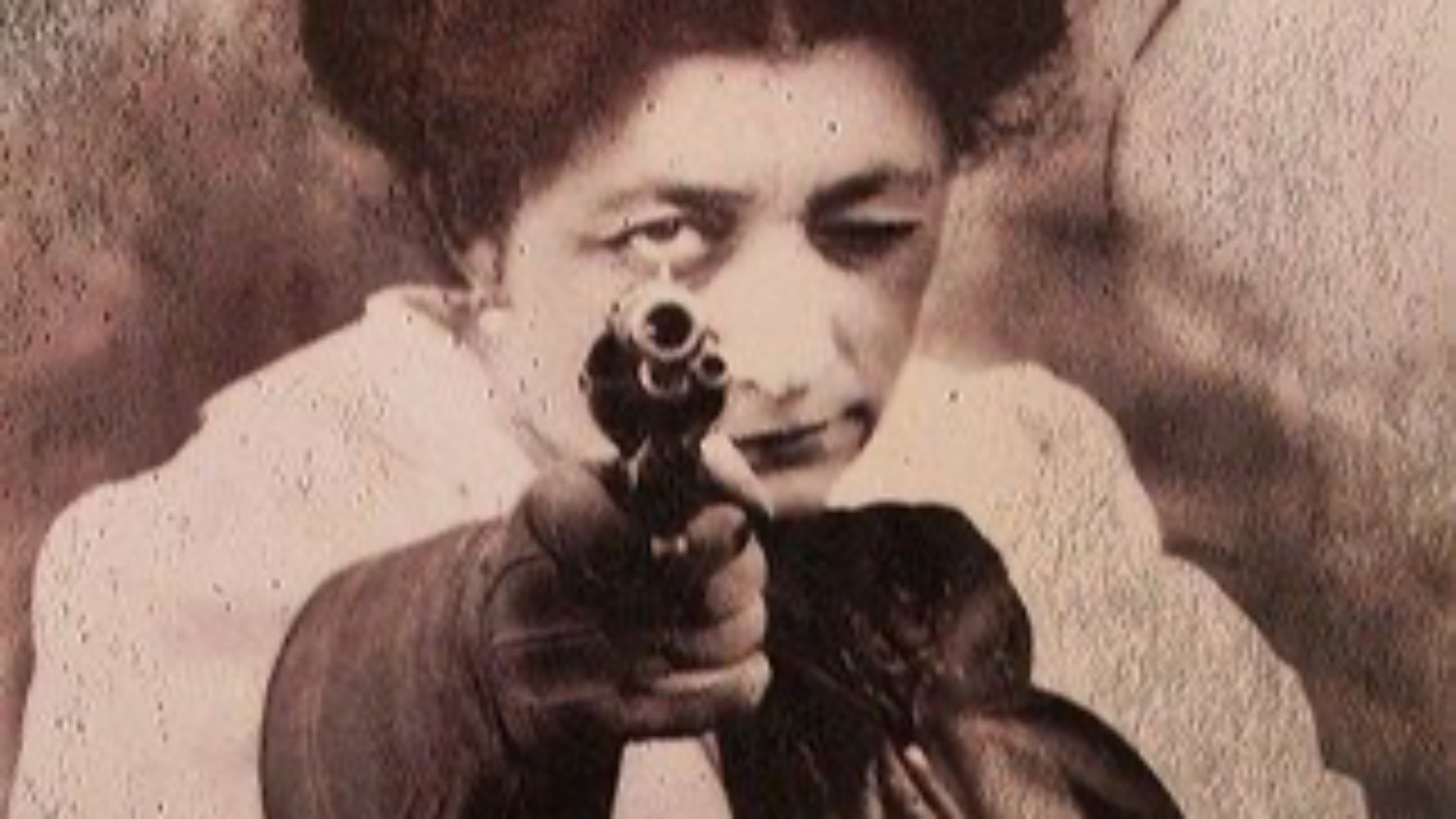
1. Annie Oakley
You know about Buffalo Bill, but what about Annie Oakley? She became one of America's most celebrated sharpshooters too after joining his Wild West show in 1885. She was such a good shot, in fact, that she was quite literally known as "Little Sure Shot," entertaining audiences by hitting remarkably small targets, including playing cards. If that wasn’t enough, her performances eventually took her across Europe, where she showed off before royalty.
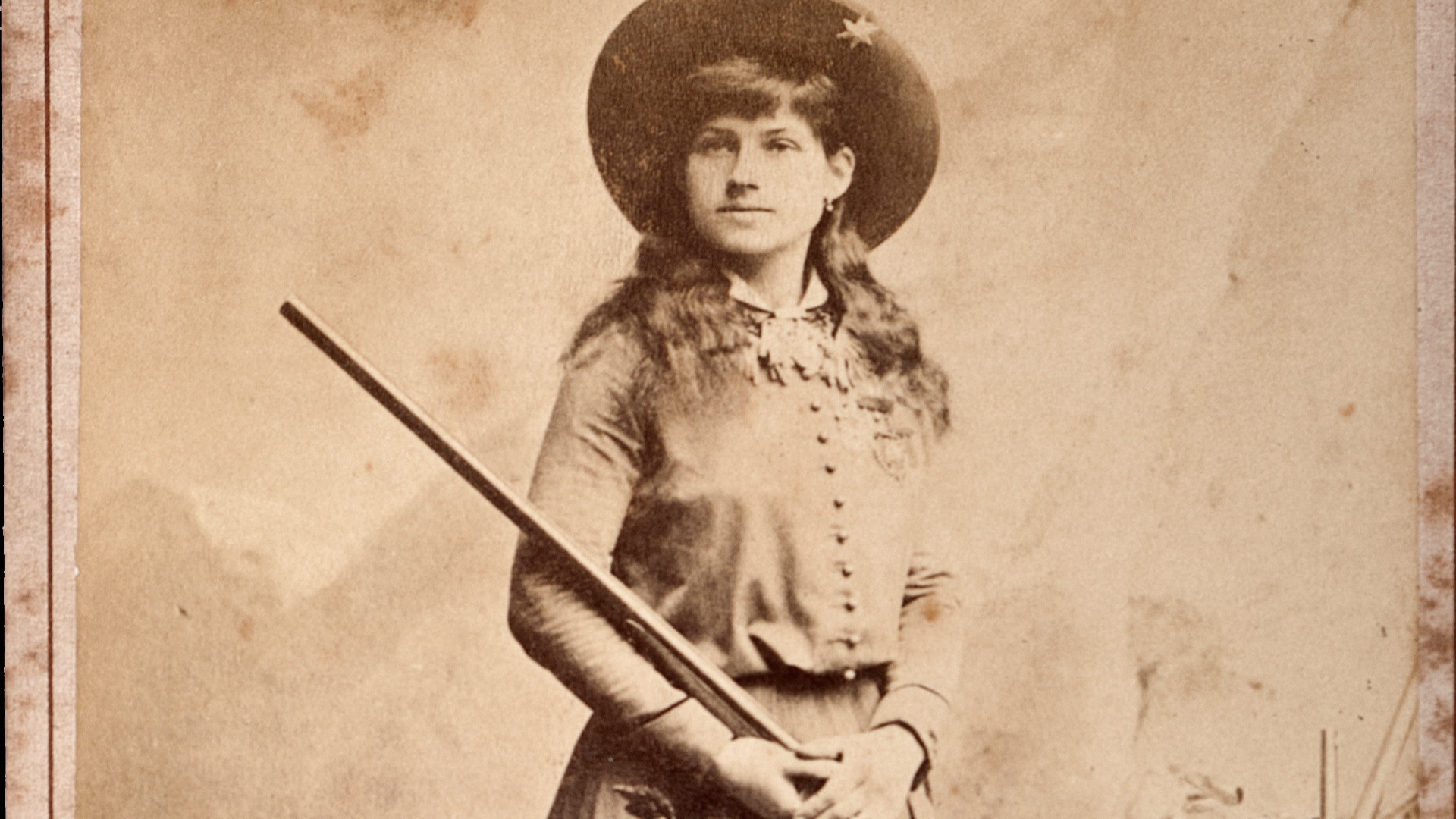
2. Calamity Jane
Martha Jane Cannary, better known as Calamity Jane, made a name for herself throughout the Dakota Territory for her unconventional behavior and association with Wild Bill Hickok. We’re not just talking about being a cowgirl, either. She wore men's clothing, worked various jobs, and became a recognizable personality around Deadwood during the 1870s.
 imprint of C.E. Finn, Livingston, Mont. on Wikimedia
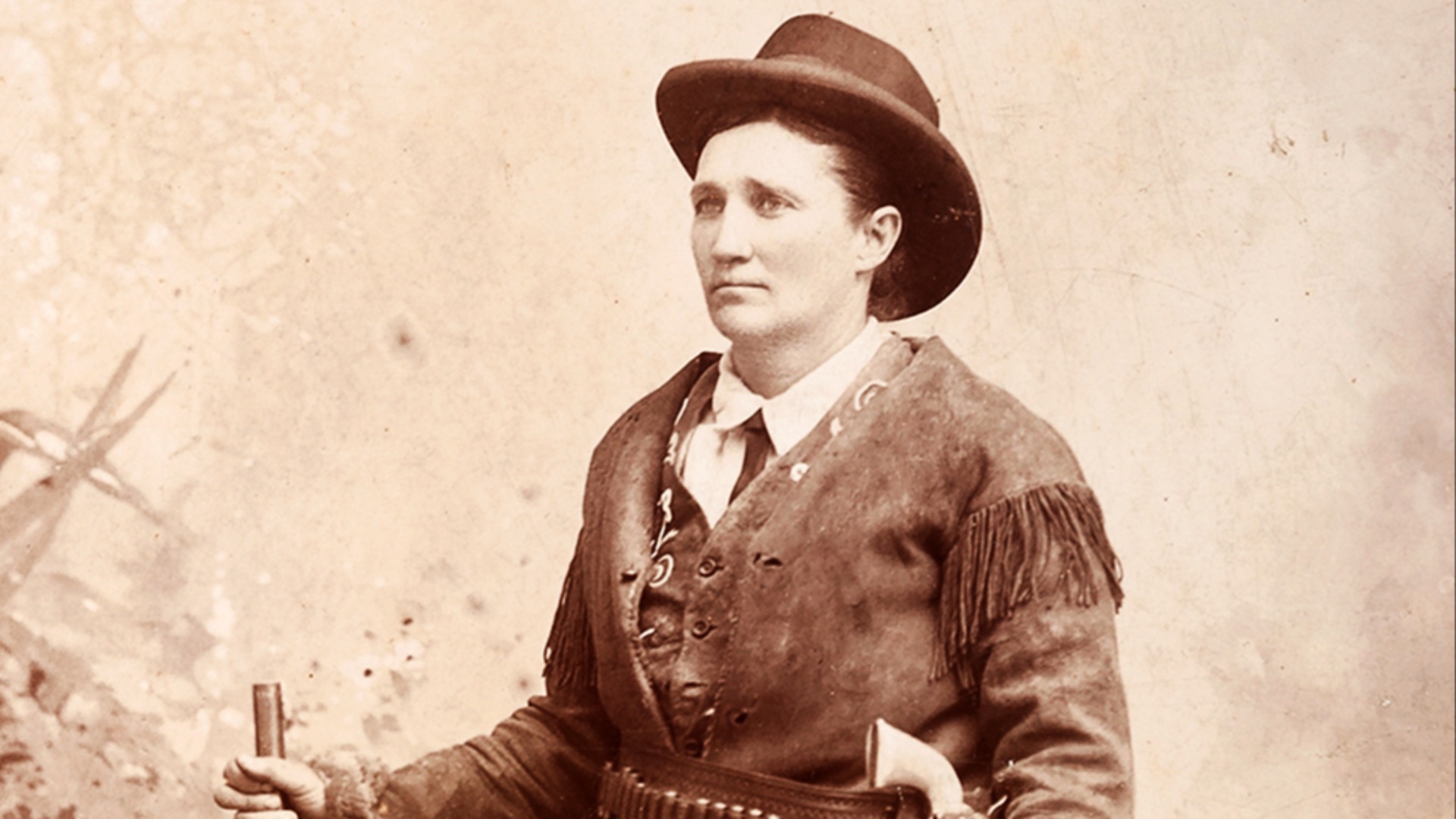
3. Belle Starr
Belle Starr earned the nickname "Bandit Queen," which should tell you all you need to know about her. Connections with notorious criminals and involvement in horse theft were the name of her game. In 1883, she and her husband, Sam Starr, were convicted of stealing horses and served time in a federal prison. Her reputation only grew after she was murdered in 1889.
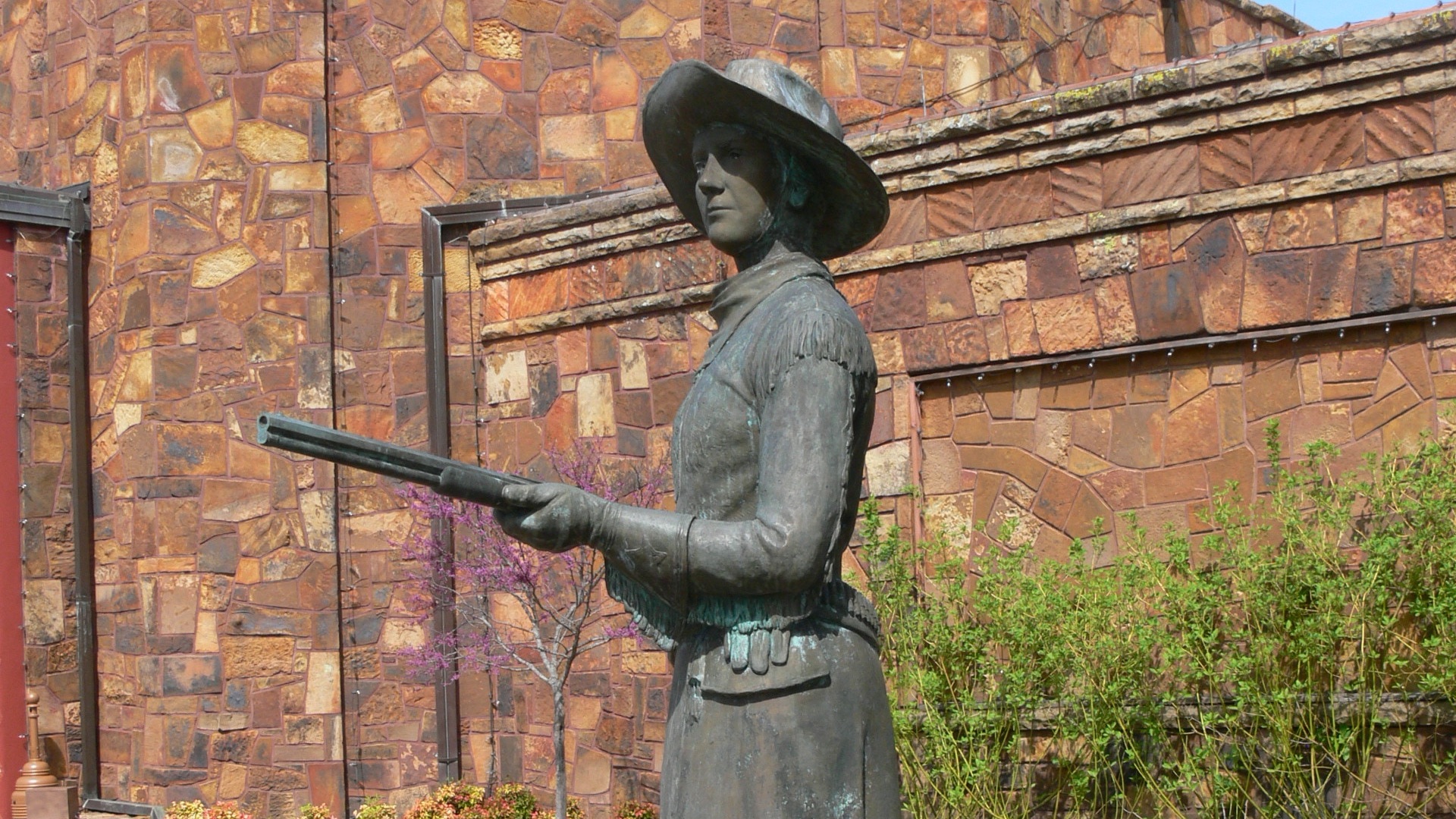
4. Pearl Hart
Not all Canadians are nice girls! Pearl Hart became pretty famous after participating in a stagecoach robbery in 1899. Alongside her accomplice Joe Boot, she stole $421 from passengers before the pair were captured just a few days later. Even so, her unusual crime attracted national attention—female stagecoach robbers were pretty rare.
 Unknown photographer on Wikimedia
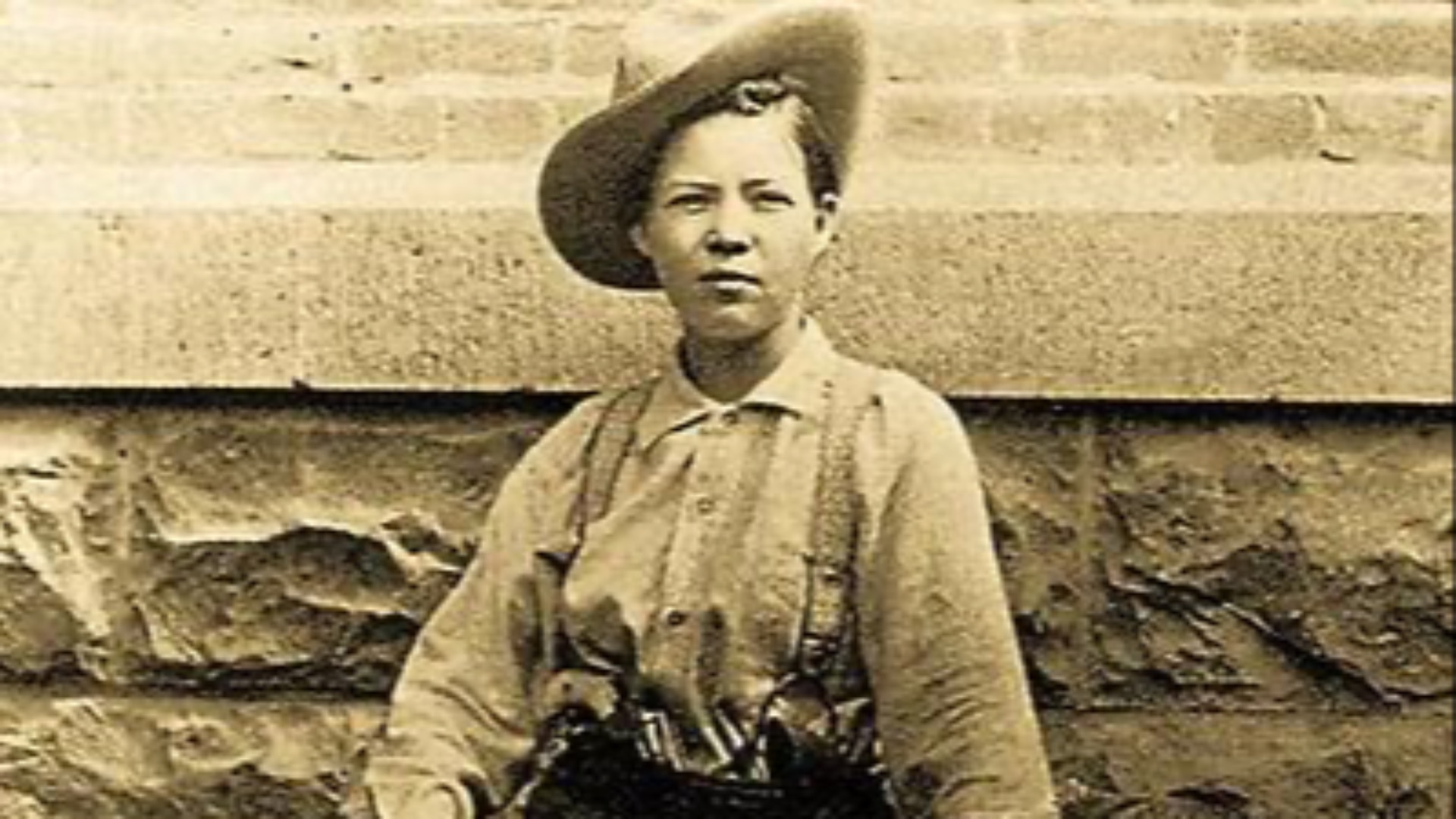
5. Mary Fields
Speaking of stagecoaches, Fields quite literally had a nickname branding what she was most known for: "Stagecoach Mary.” Born into slavery, she eventually became one of the first women and the first Black woman to work as a star route mail carrier in the United States. Mail delivery was no walk in the park back then, so armed with a rifle and revolver, she delivered mail through difficult weather and earned considerable respect from the residents of Cascade.
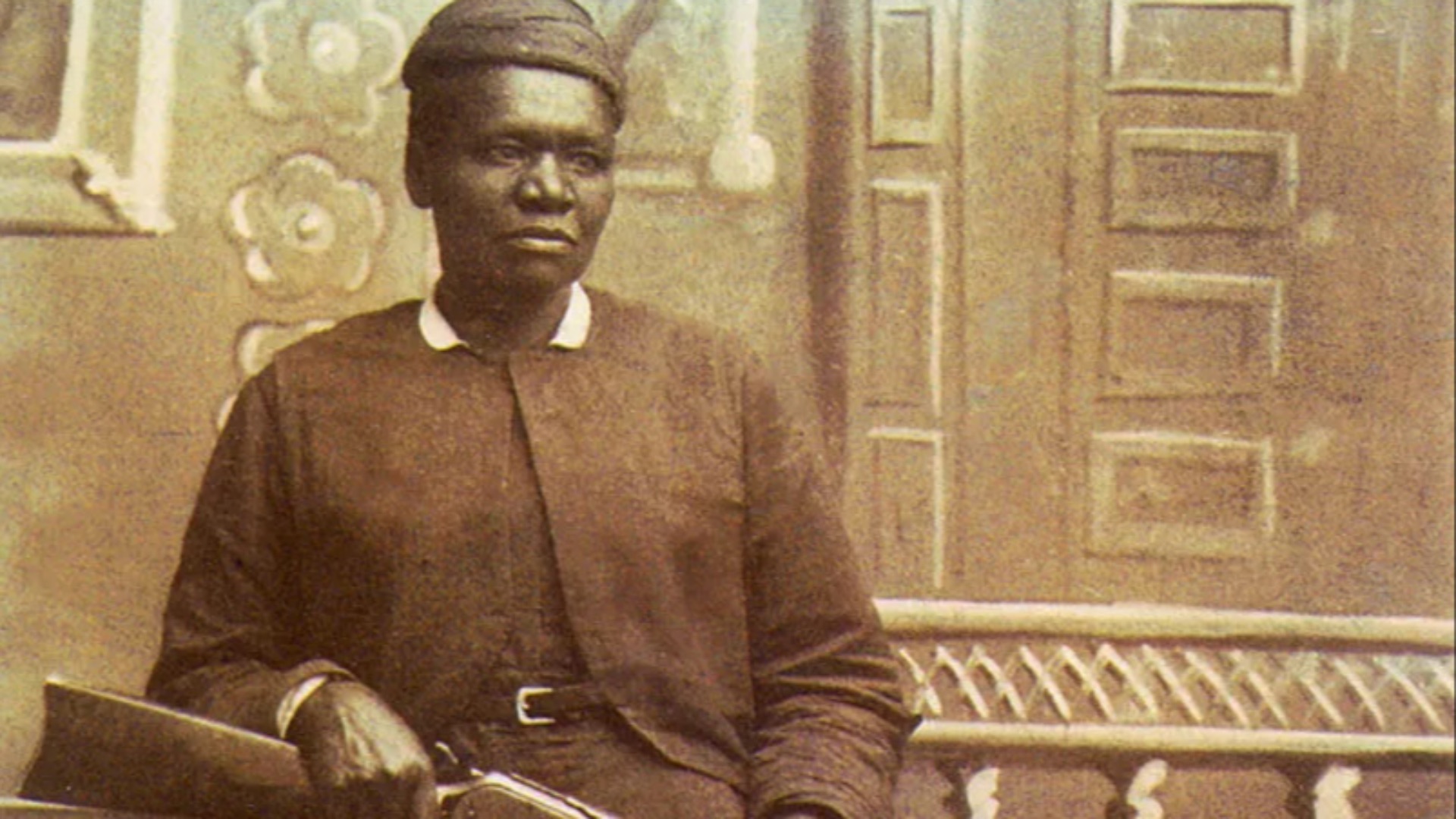
6. Poker Alice
Oh, you thought you knew poker? Guess again! You might know Alice Ivers better as Poker Alice, one of the most recognizable professional gamblers in the American West. She spent years playing cards in mining towns and gambling establishments, where her skills raked in plenty of money. By the 1890s, her reputation had spread well beyond Deadwood, and she reportedly won $6,000 during one gambling trip to New Mexico.
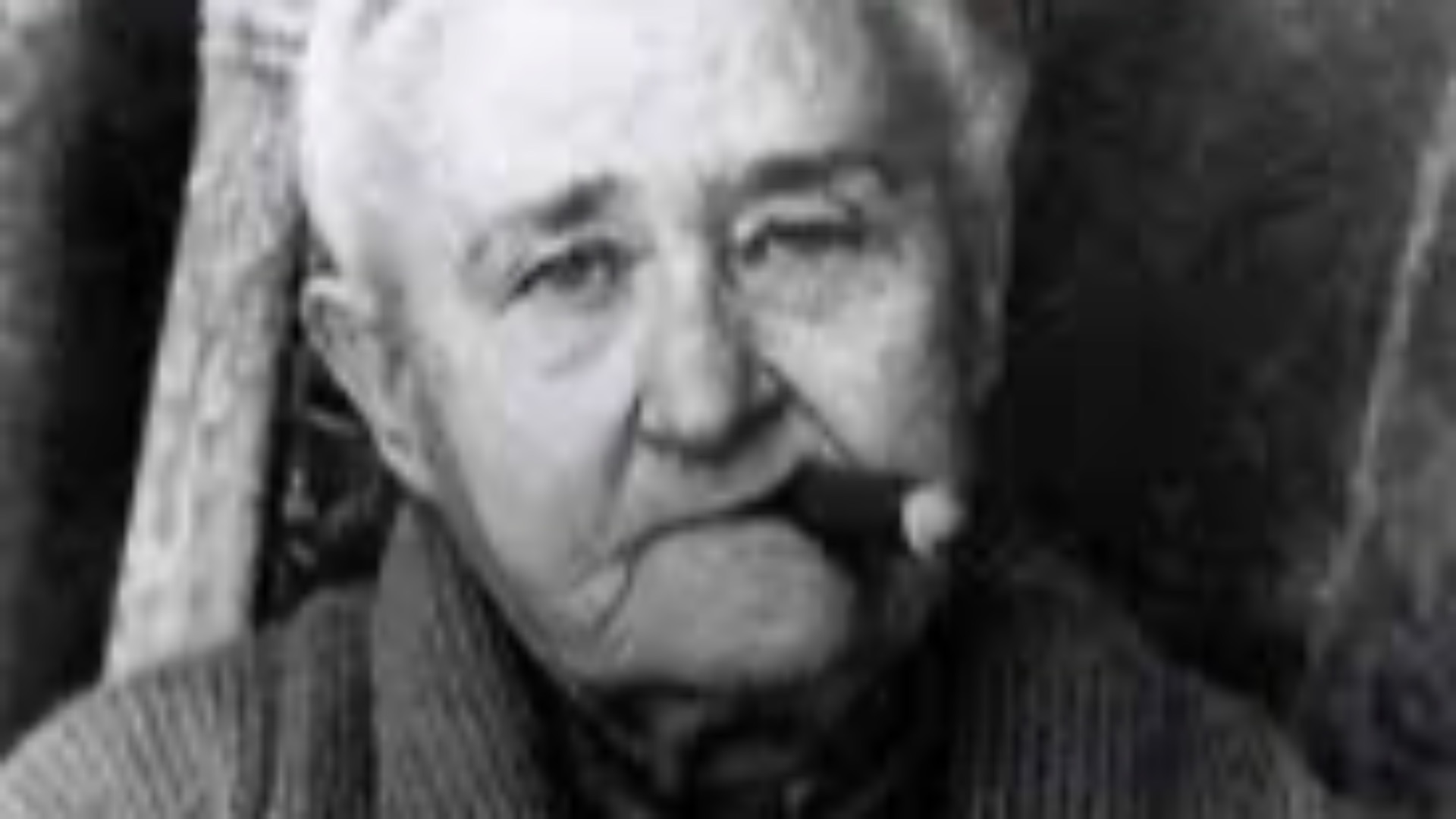 The black-and-white photo is courtesy of the South Dakota Historical Society on Wikimedia
7. Big Nose Kate
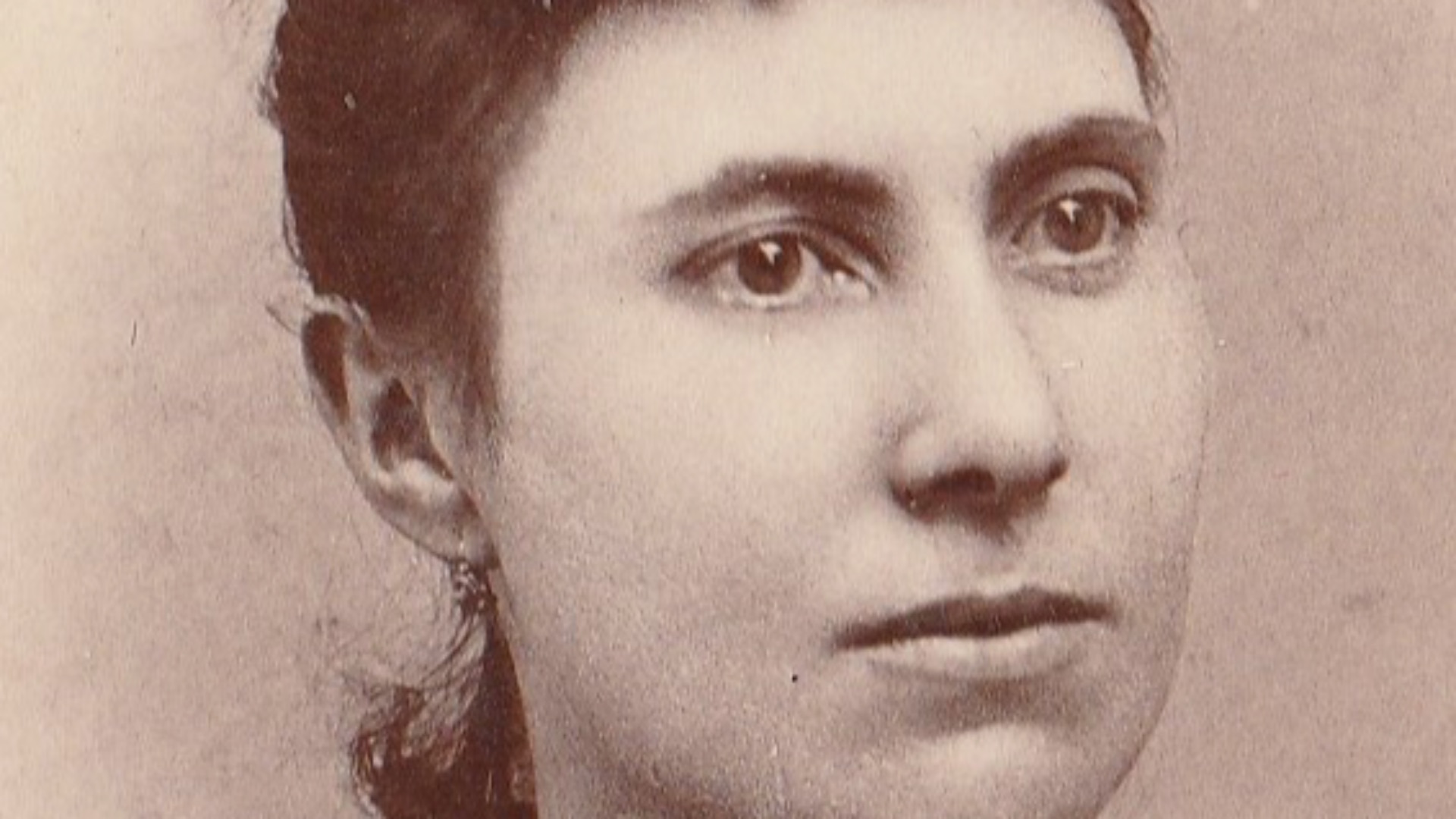
Unfortunate name aside, Mary Katherine Horony was best known for her relationship with the notorious gunfighter Doc Holliday. She spent time in frontier settlements throughout the West and was closely associated with him during his years in Dodge City. Pop culture ran wild with her as a constant participant in his adventures, but surviving evidence suggests otherwise.
 Photography Studio on Wikimedia
8. Etta Place
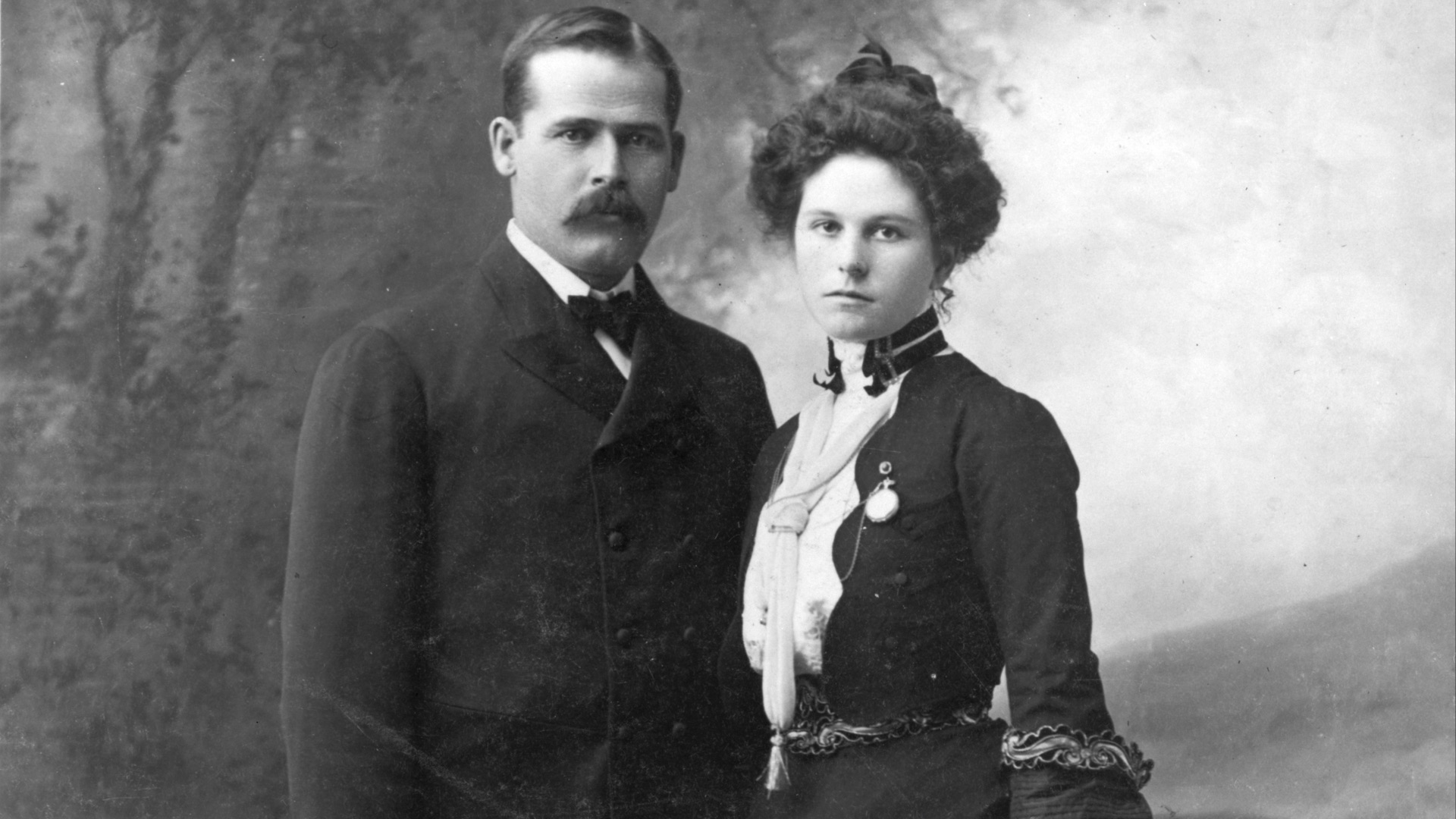
If you’re looking for a walking enigma, Etta Place is it. She remains one of the Wild West's most mysterious women, mostly thanks to her ties with the Sundance Kid. She traveled with the famous outlaw in the early 1900s, when he and Butch Cassidy attempted to escape authorities nipping at their heels. Even the Pinkertons struggled to put a name to the face, and historians still don’t know what happened to her.
 DeYoung Photography Studio on Wikimedia
9. Lucille Mulhall
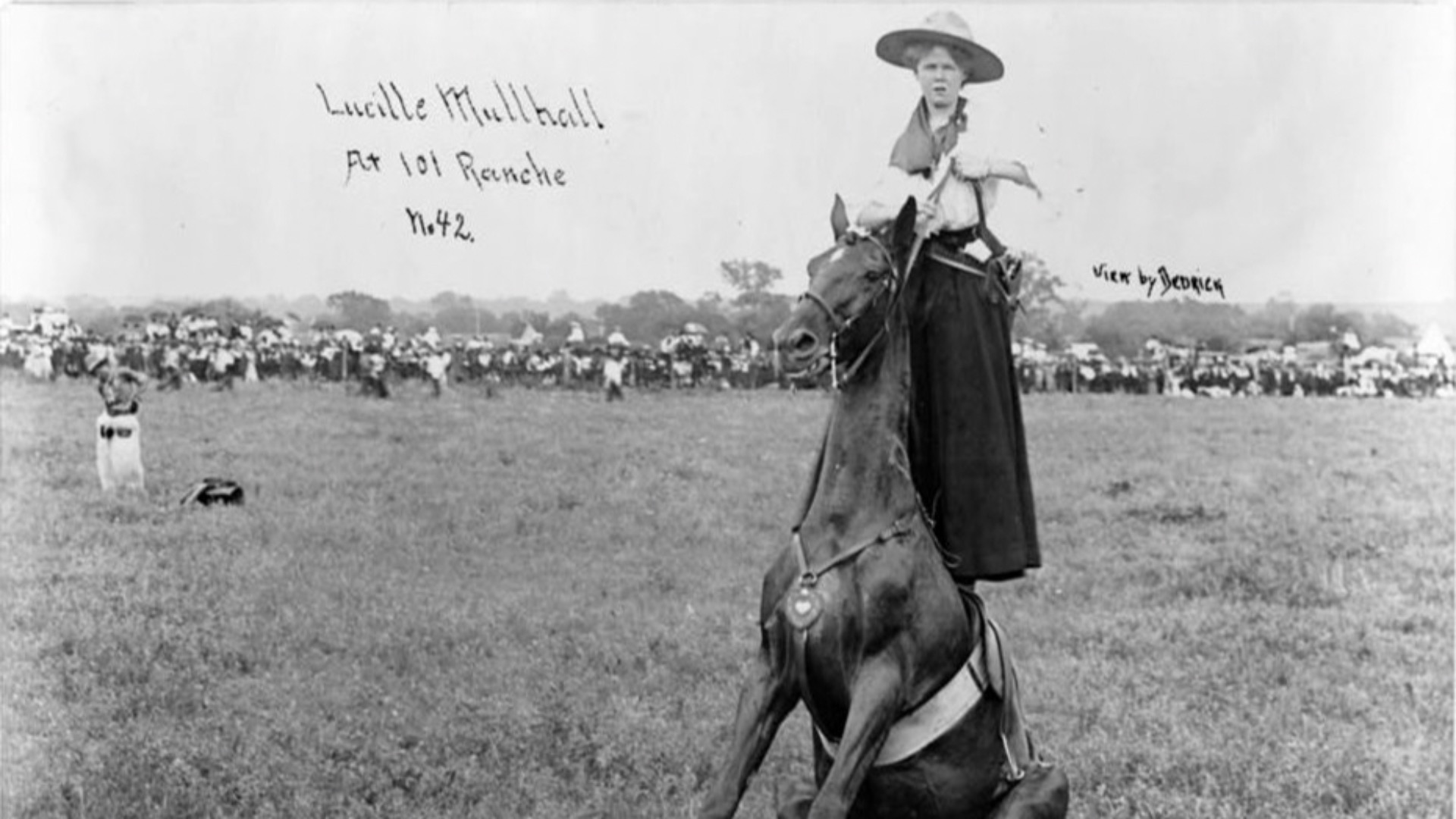
Ever wondered where the term “cowgirl” even came from? Well, Lucille Mulhall might have an answer! She actually helped popularize the term through her impressive riding and roping performances in the early 1900s. Raised on an Oklahoma ranch, she competed against experienced cowboys and won a major roping championship in Fort Worth in 1903. President Roosevelt himself reportedly called her the "Golden Girl of the West."
10. Nellie Cashman
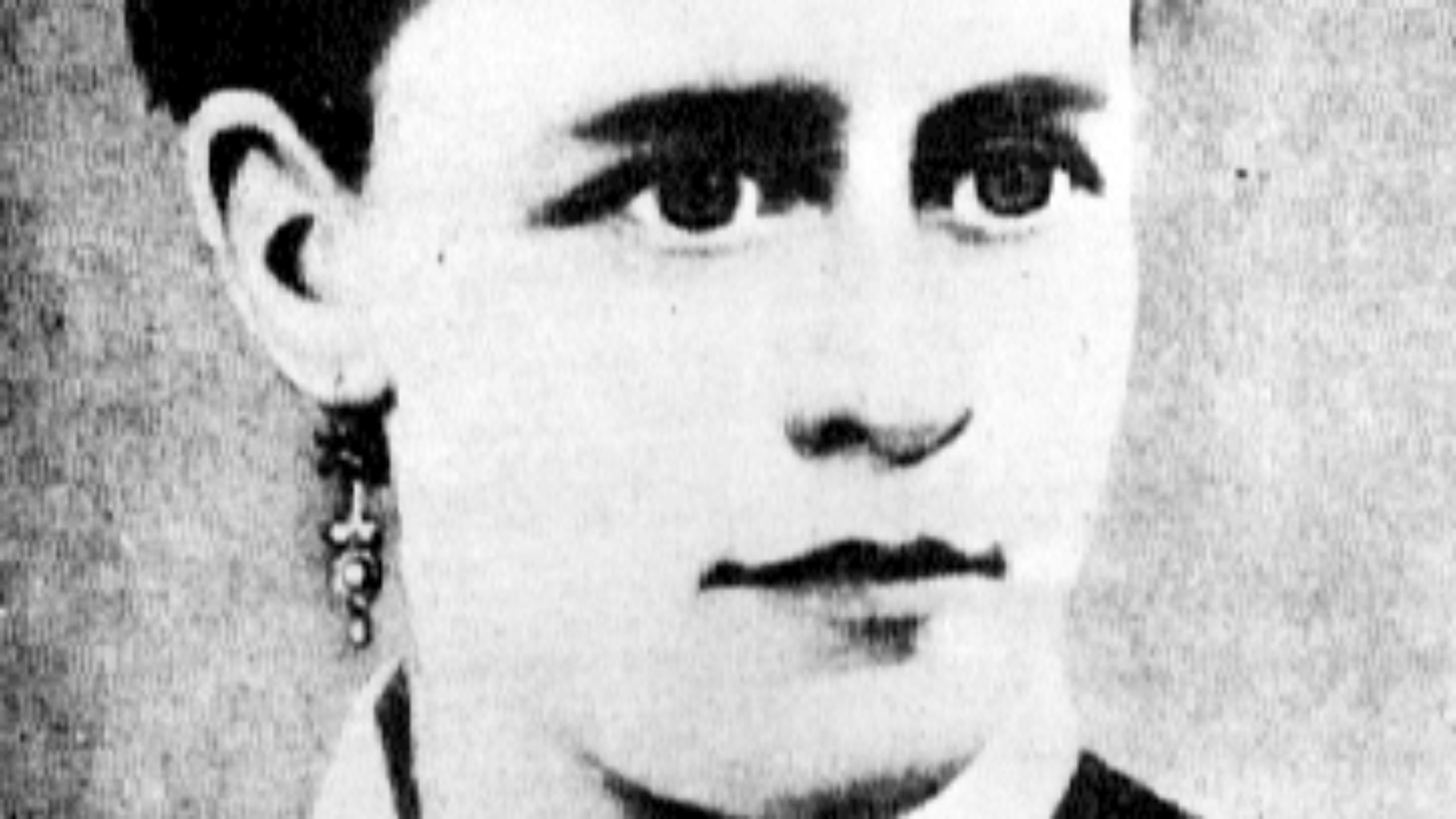
No one said that the Wild West was only for outlaws, and Nellie Cashman proved that. She earned the nickname "Angel of Tombstone" through her charitable work in Arizona's notoriously rough mining communities. She operated businesses, raised money for hospitals, and helped care for miners suffering from illness and injury. Her career eventually carried her all the way to Alaska, where she spent time helping people in need.
11. Lillian Smith
Where there’s talent, there’s competition, and Lillian Smith became Annie Oakley's greatest female rival after joining Buffalo Bill's Wild West show in 1886. Billed as the "California Girl," the sharpshooting teen had already attracted her fair share of publicity with her talent. The two butted heads so badly that it eventually became a subject of newspaper attention.
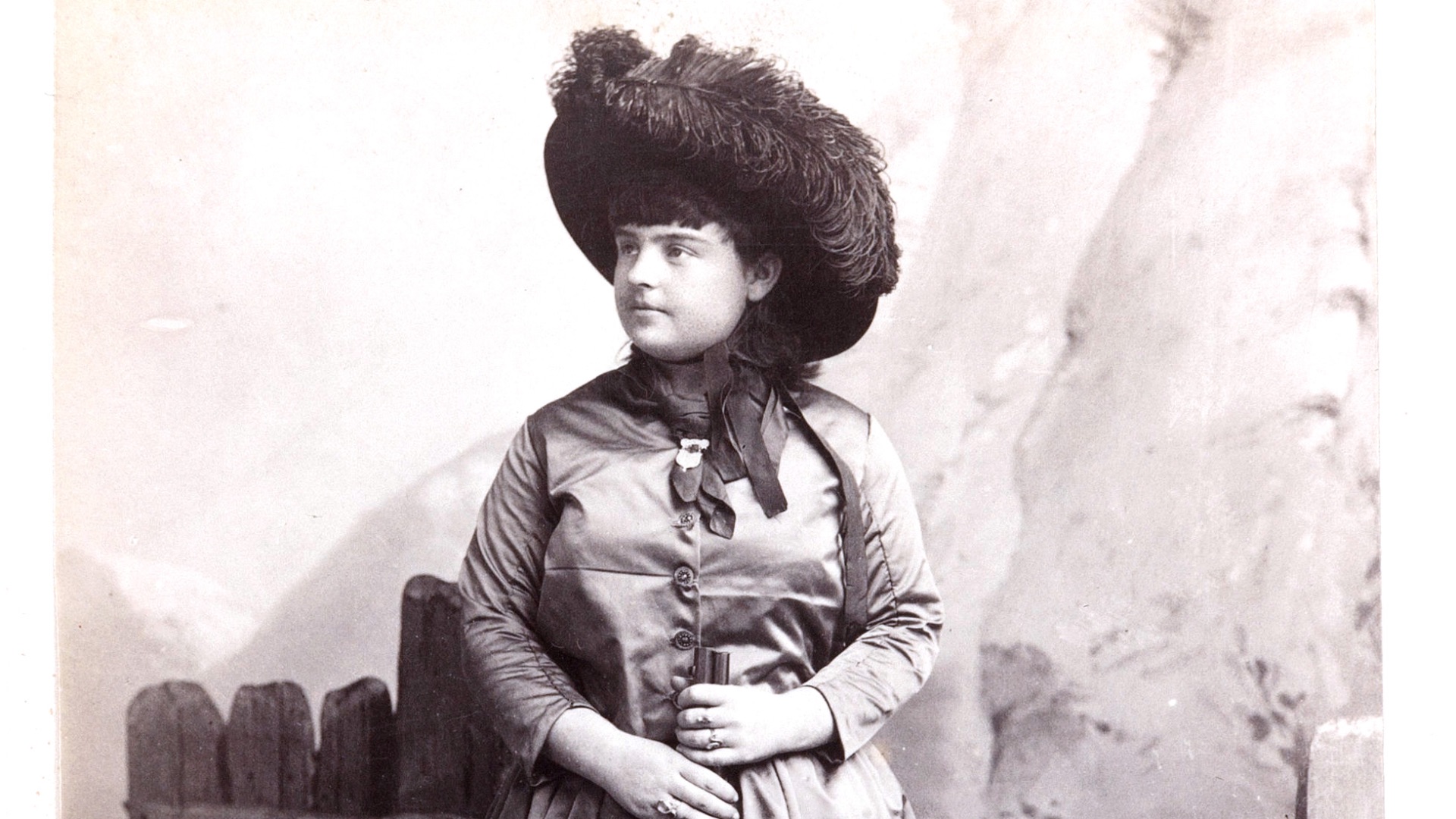 Anderson, 785 Broadway, NY on Wikimedia
12. Susan McSween
Susan McSween became an important figure in New Mexico history following the violent Lincoln County War of 1878. Her husband, Alexander McSween, was killed during the conflict involving Billy the Kid, but she subsequently established a successful ranching operation. Eventually known as the "Cattle Queen of New Mexico," developing a reputation as a capable businesswoman despite the profession being mostly run by men at the time.
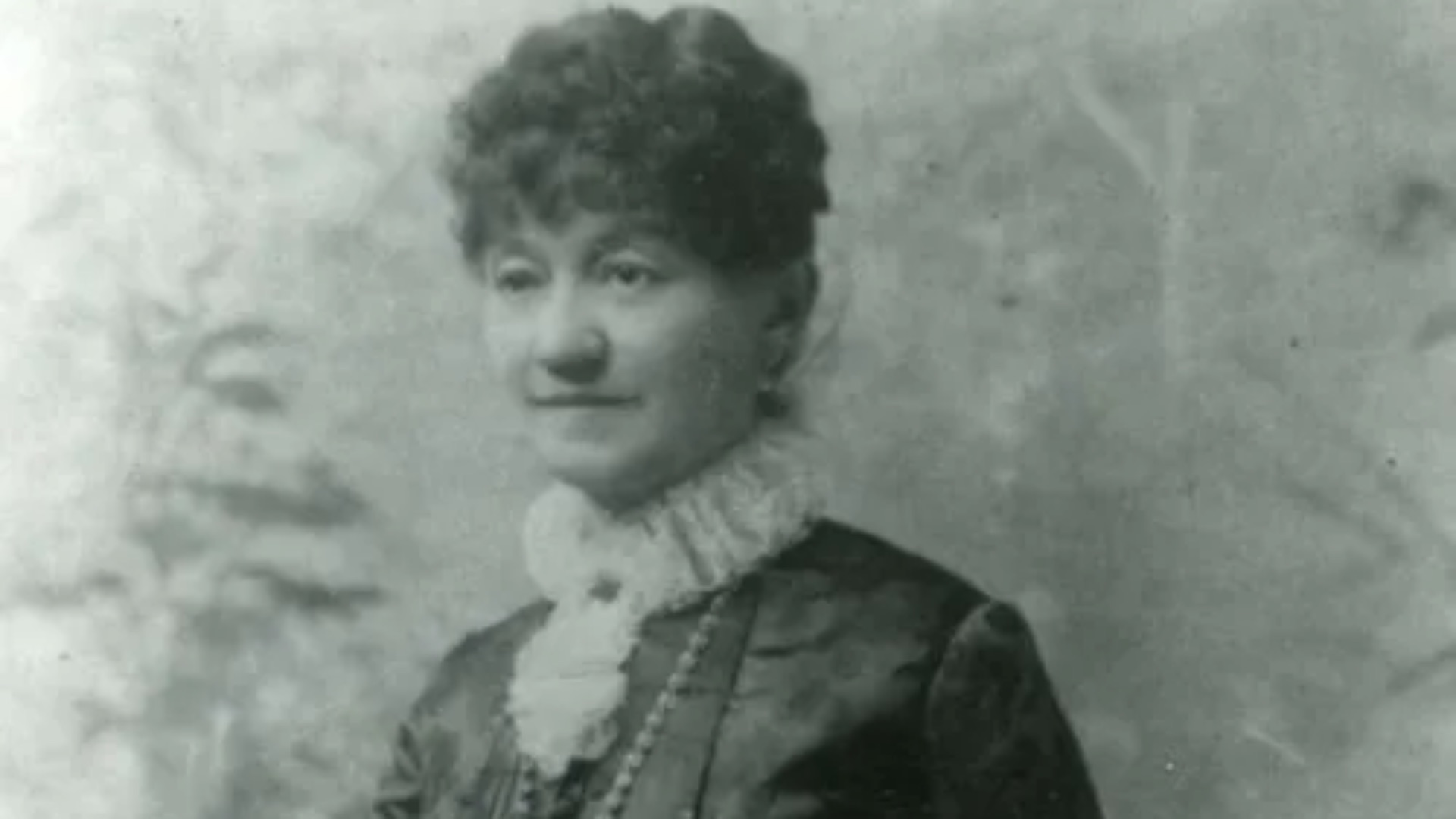
13. Sarah Winnemucca
Sarah Winnemucca was a Northern Paiute activist who became nationally recognized for defending the rights of Indigenous people in the American West. During the 1880s, she delivered hundreds of public lectures describing the mistreatment of Native communities and even published a book in 1883. Indigenous women rarely received such national attention, but none of that stopped Winnemucca from speaking up.
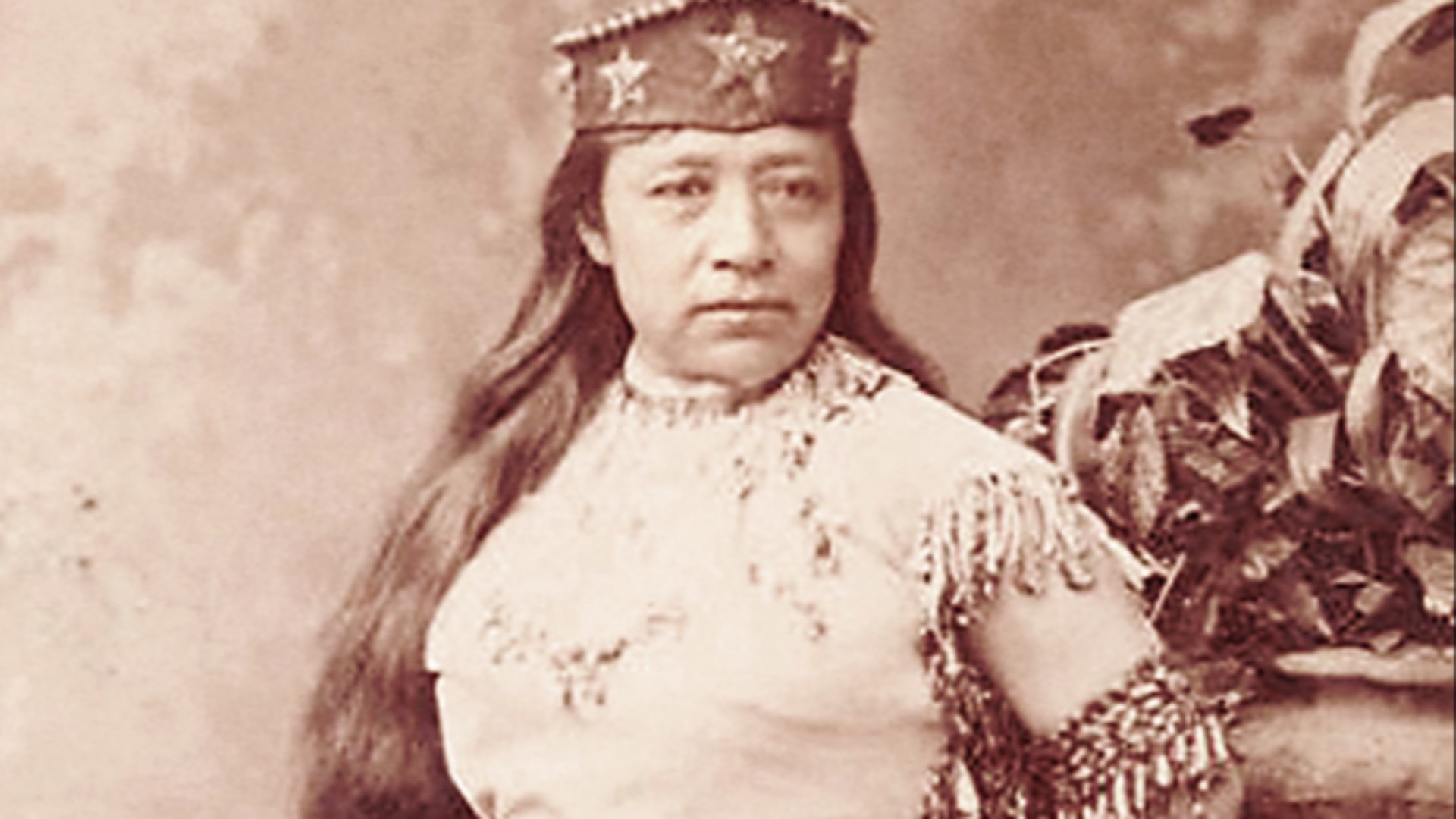
14. May Lillie
May Lillie became a celebrated sharpshooter after she and her husband, Gordon "Pawnee Bill" Lillie, established their Wild West entertainment company in 1888. At the time, she donned the mouthful of a moniker, "Champion Girl Horseback Shot of the West.” She went on to impress audiences by demonstrating her marksmanship while riding—and maintaining her family’s ranch behind the scenes.
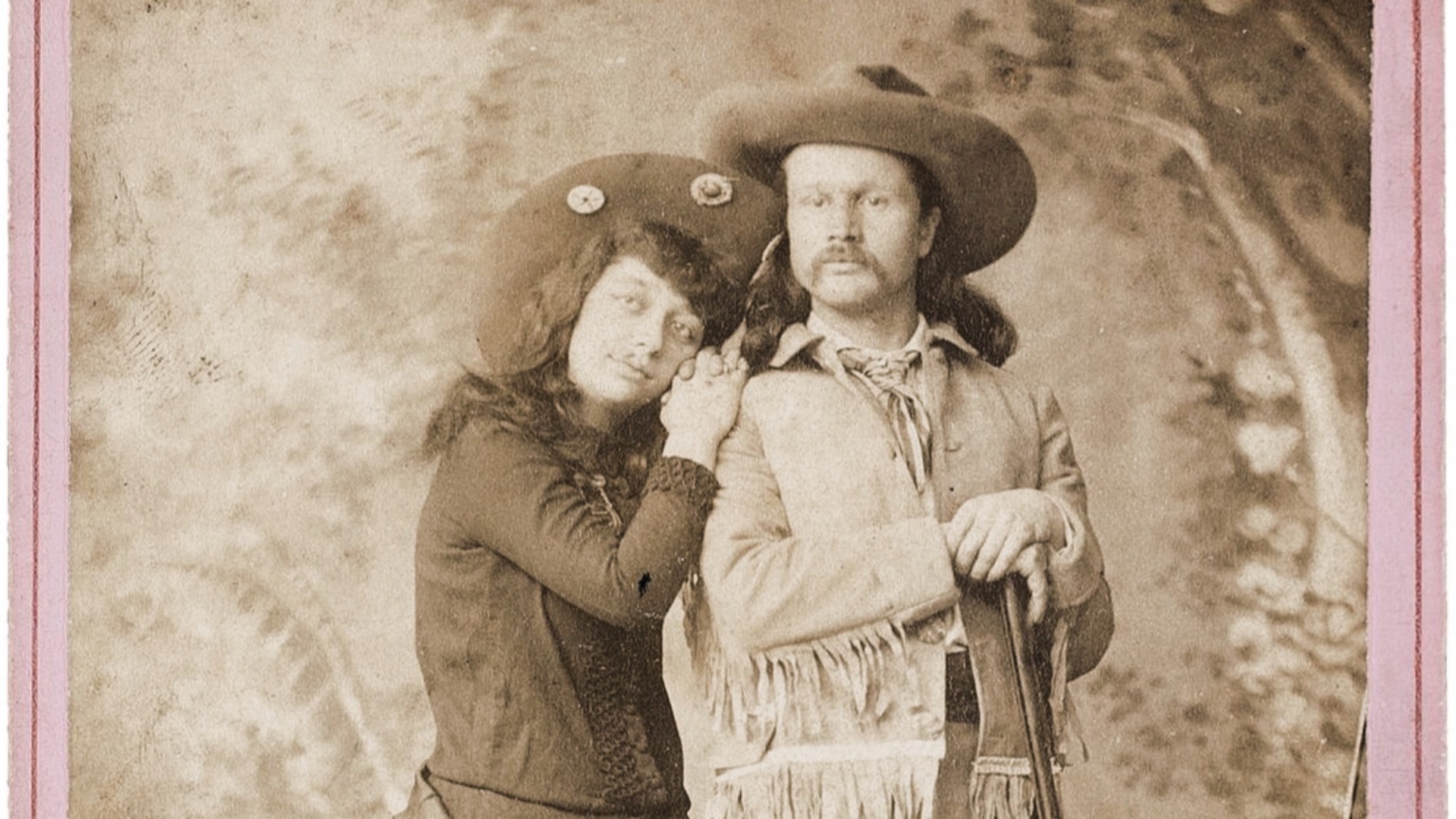
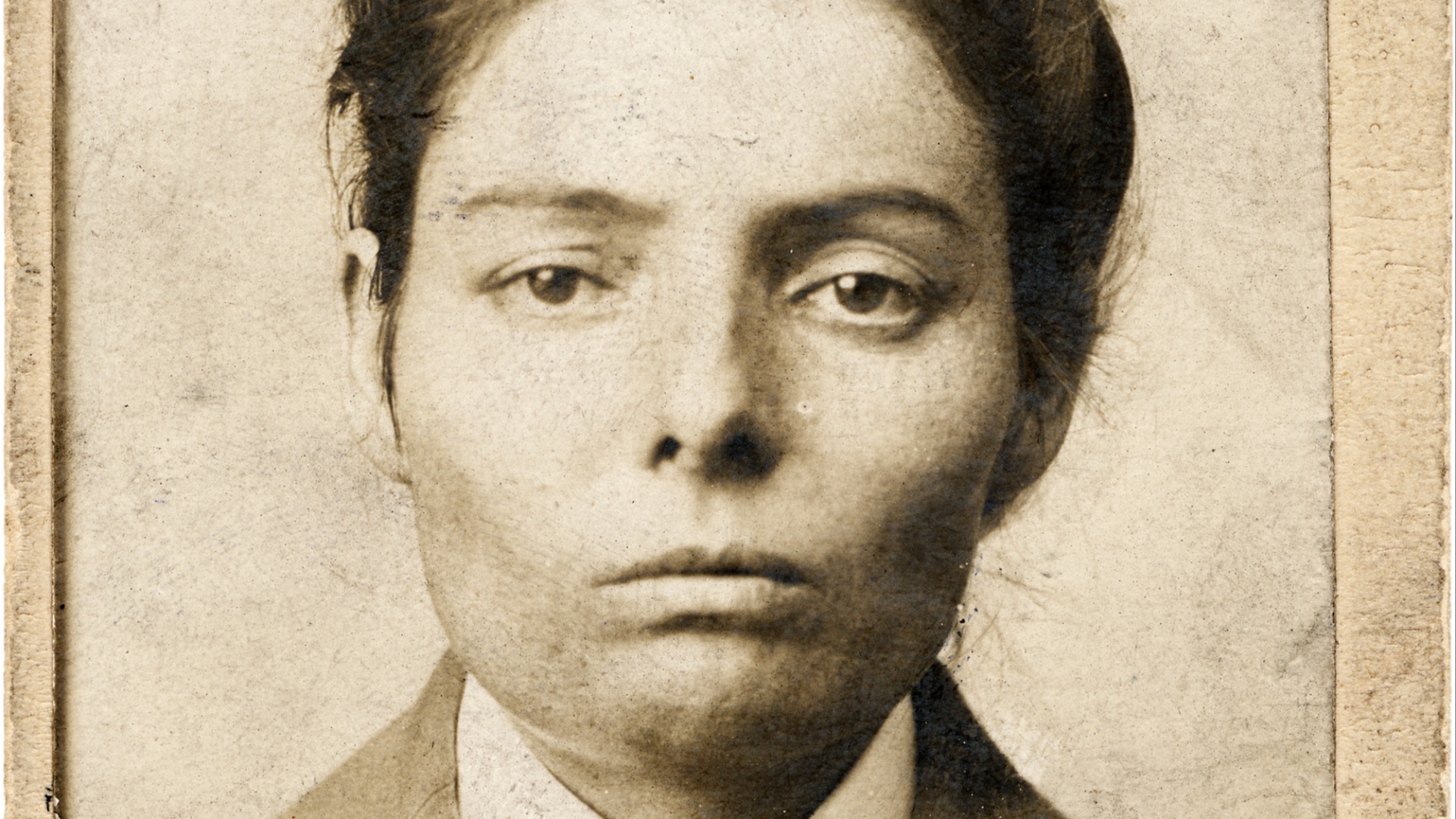
15. Laura Bullion
If you’ve ever encountered the name Butch Cassidy, you’ve likely seen Laura Bullion’s pop up, too. She became associated with the Wild Bunch around the turn of the 20th century. Known as "Della Rose," she was connected to the gang's criminal activities and was arrested in 1901 with banknotes linked to a train robbery. After serving time in prison, she said goodbye to the life and settled in Tennessee.
 Pinkerton's National Detective Agency on Wikimedia
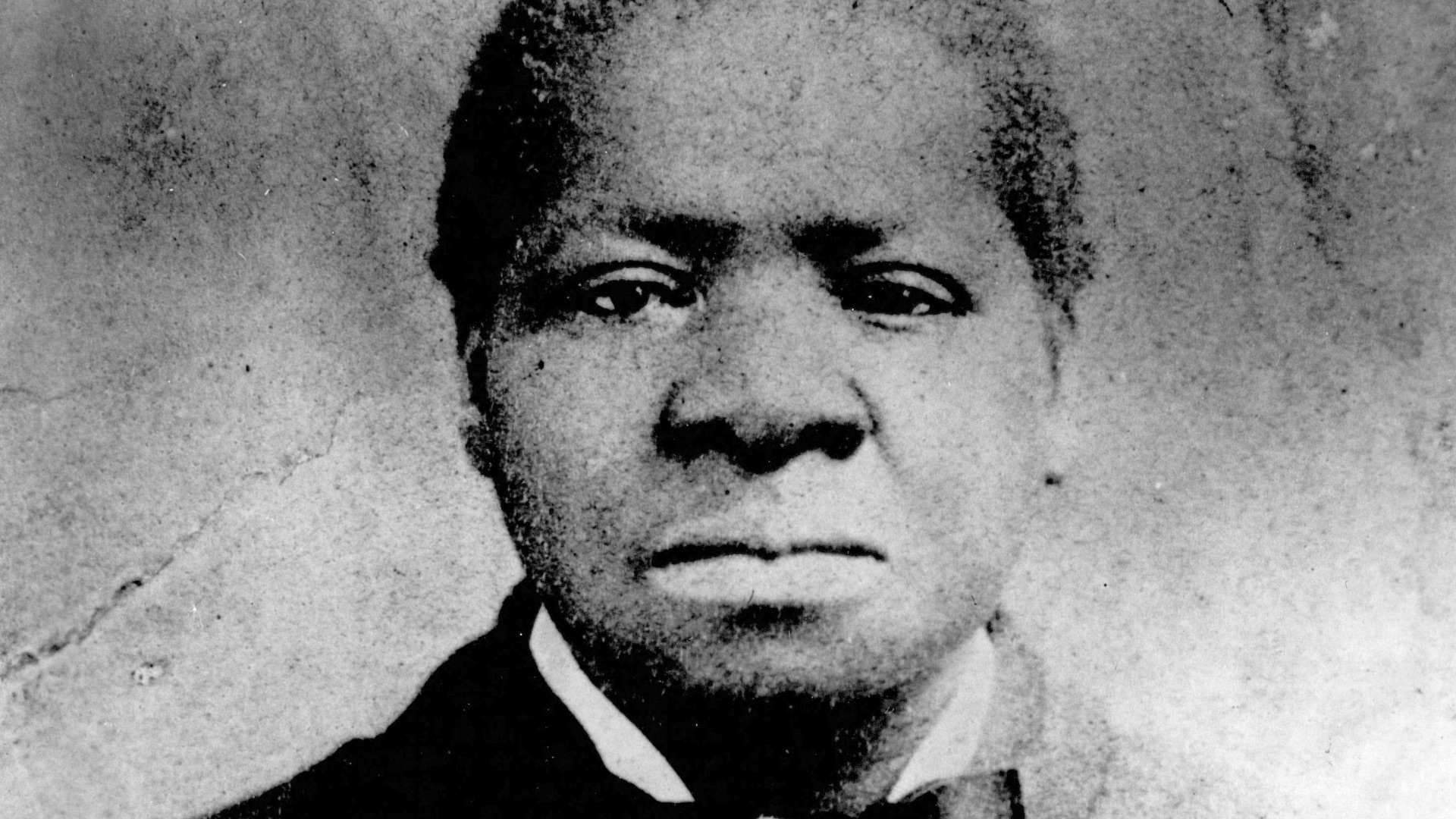
16. Biddy Mason
Bridget "Biddy" Mason transformed her life after successfully obtaining freedom from slavery in 1856. She worked as a nurse and midwife in Los Angeles before investing in real estate, eventually becoming one of the city's wealthiest Black women. Her generosity was equally significant—she helped establish the First African Methodist Episcopal Church of Los Angeles and supported struggling members of her community.
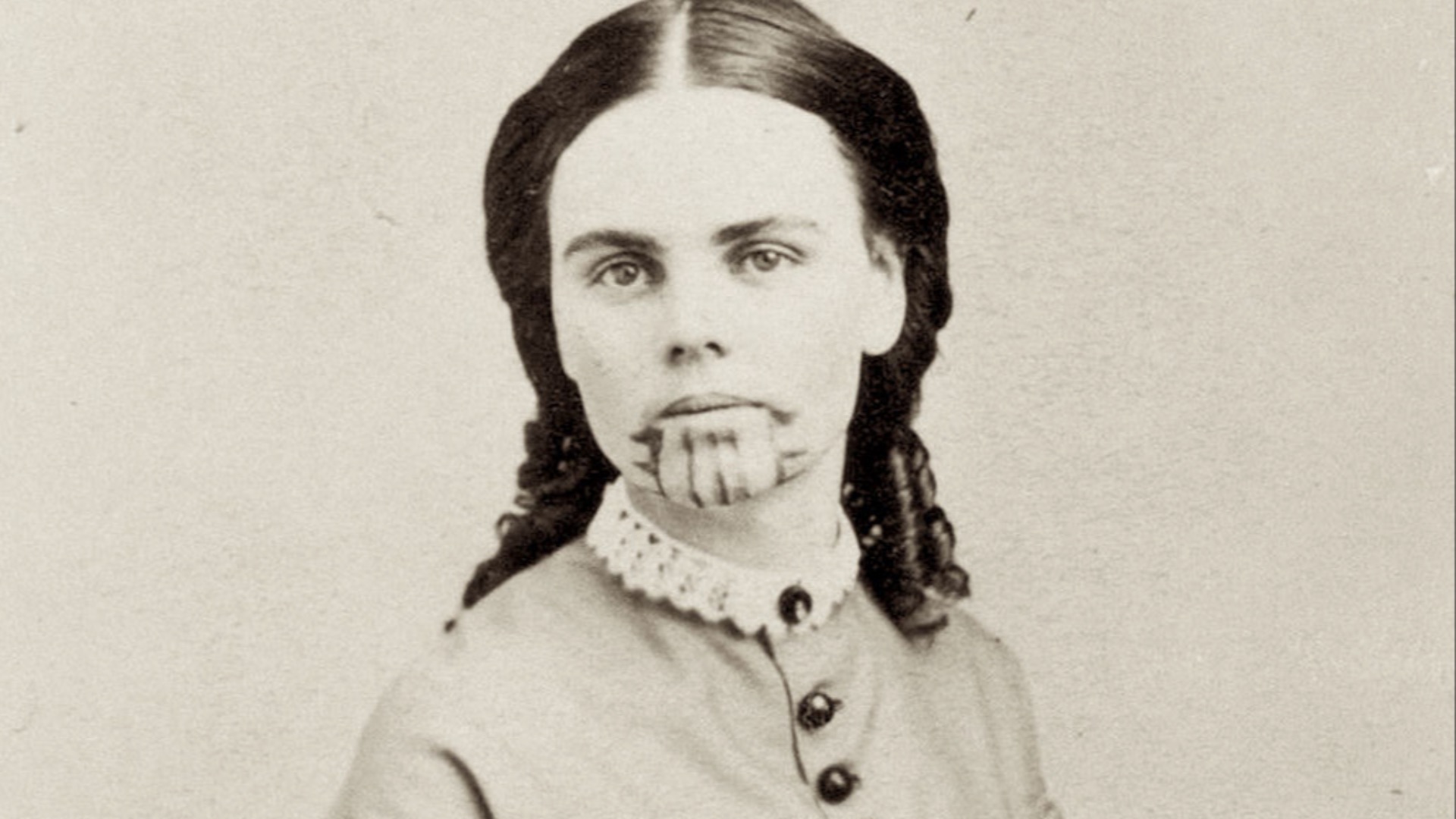
17. Olive Oatman
Olive Oatman became a nationally recognized frontier figure after surviving captivity among Native American communities in the 1850s. Following an attack on her family's wagon party in 1851, she lived first among the Yavapai and later with the Mohave, who gave her the distinctive facial tattoo. Her return to white society in 1856 attracted a ton of publicity, and she went on to lecture to the masses about her experiences.
 Benjamin F. Powelson on Wikimedia
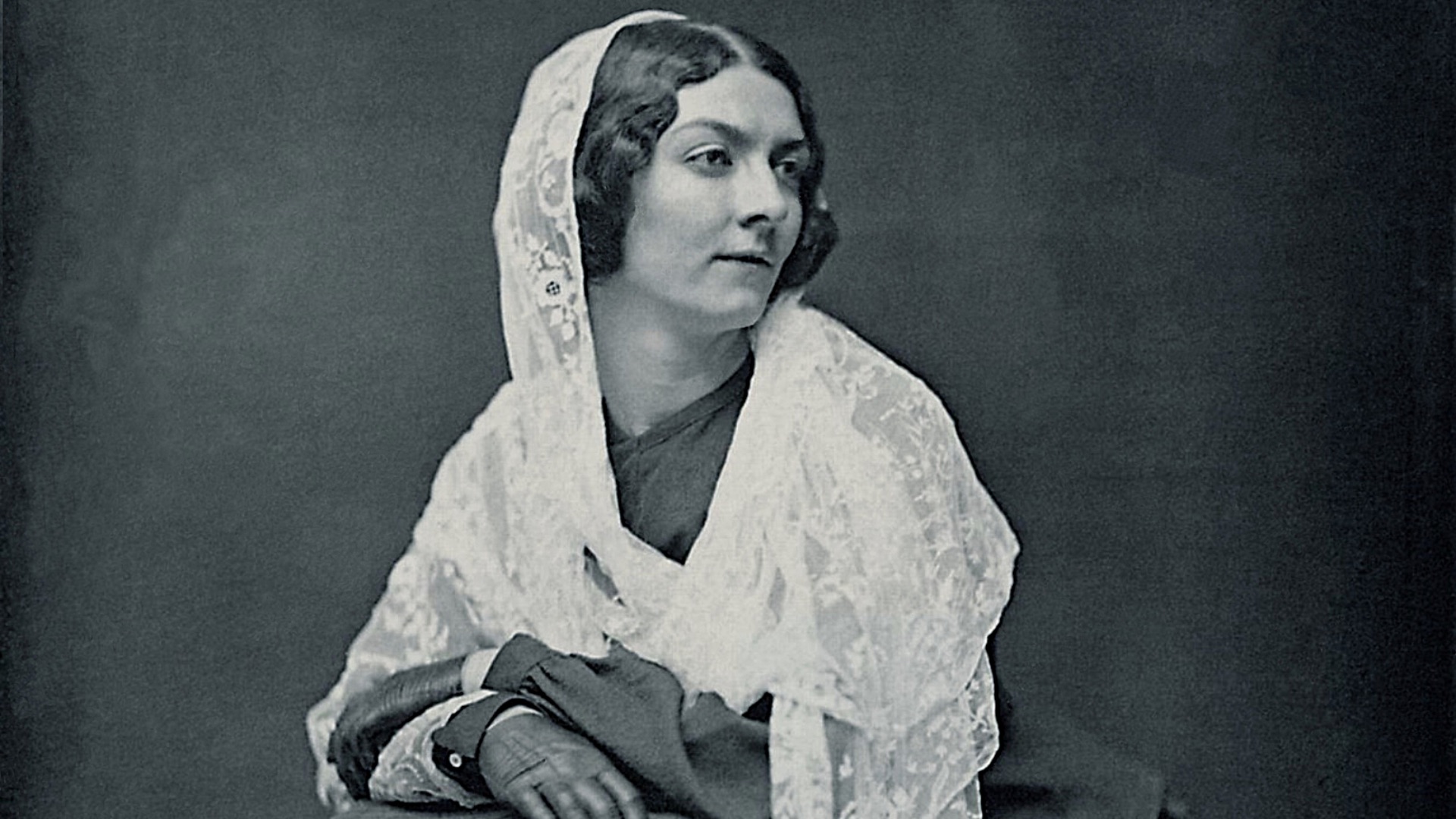
18. Lola Montez
Lola Montez was already an international entertainer when she arrived in California during the Gold Rush era. It wasn’t really because of sharpshooting or cattle rustling, though. The Irish-born performer stunned crowds with her provocative stage appearances and personal life, which wasn't kept behind closed doors. Historians argue what took her life, but it’s widely believed that she passed due to complications of syphilis.
 Southworth & Hawes on Wikimedia
19. Clara Brown
Clara Brown became a respected Colorado pioneer after moving west following her emancipation from slavery. She established a successful laundry business during the gold rush and used a good chunk of her earnings to help formerly enslaved people. Her kindness earned her the well-deserved nickname, "Aunt Clara.”
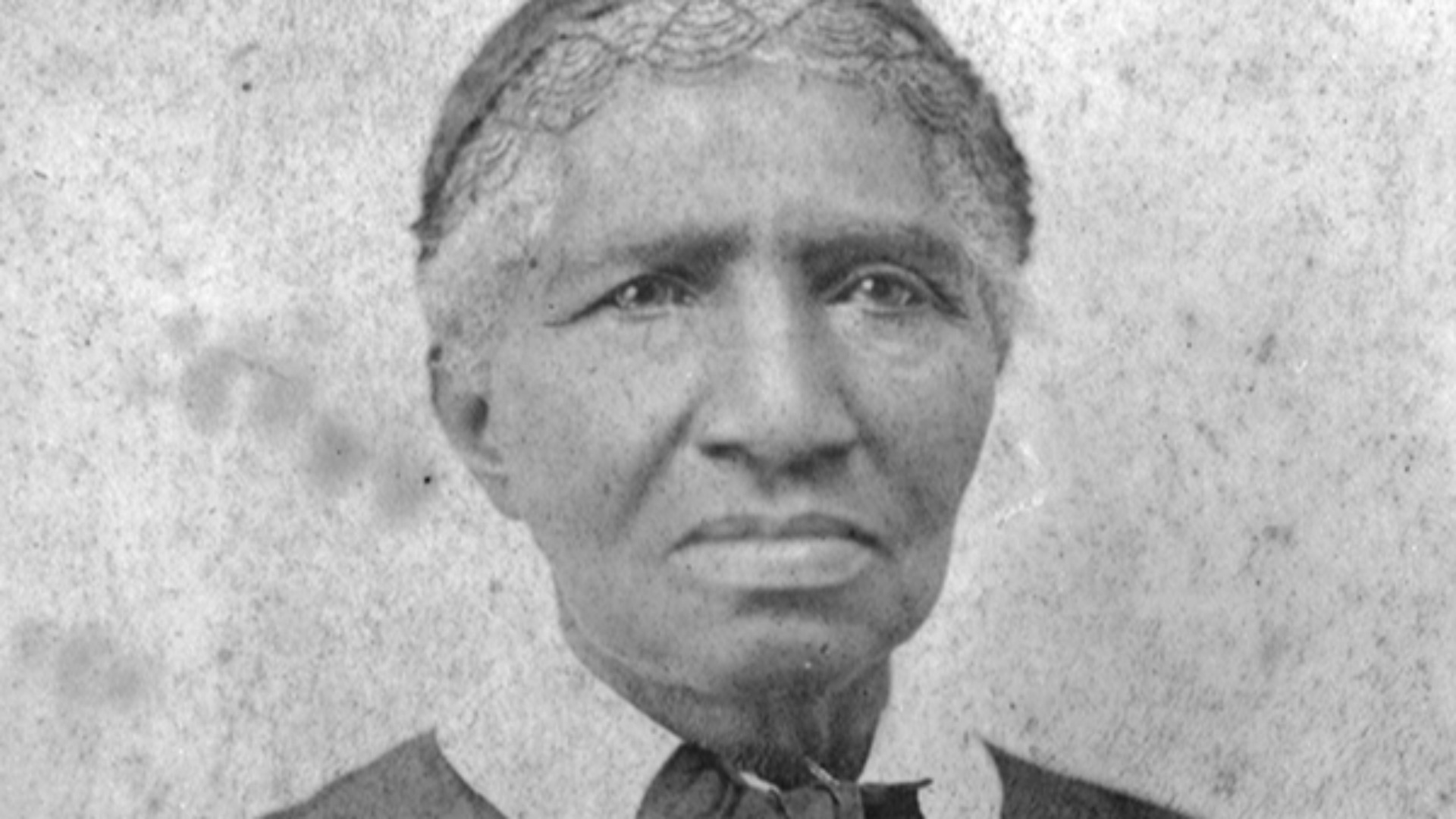
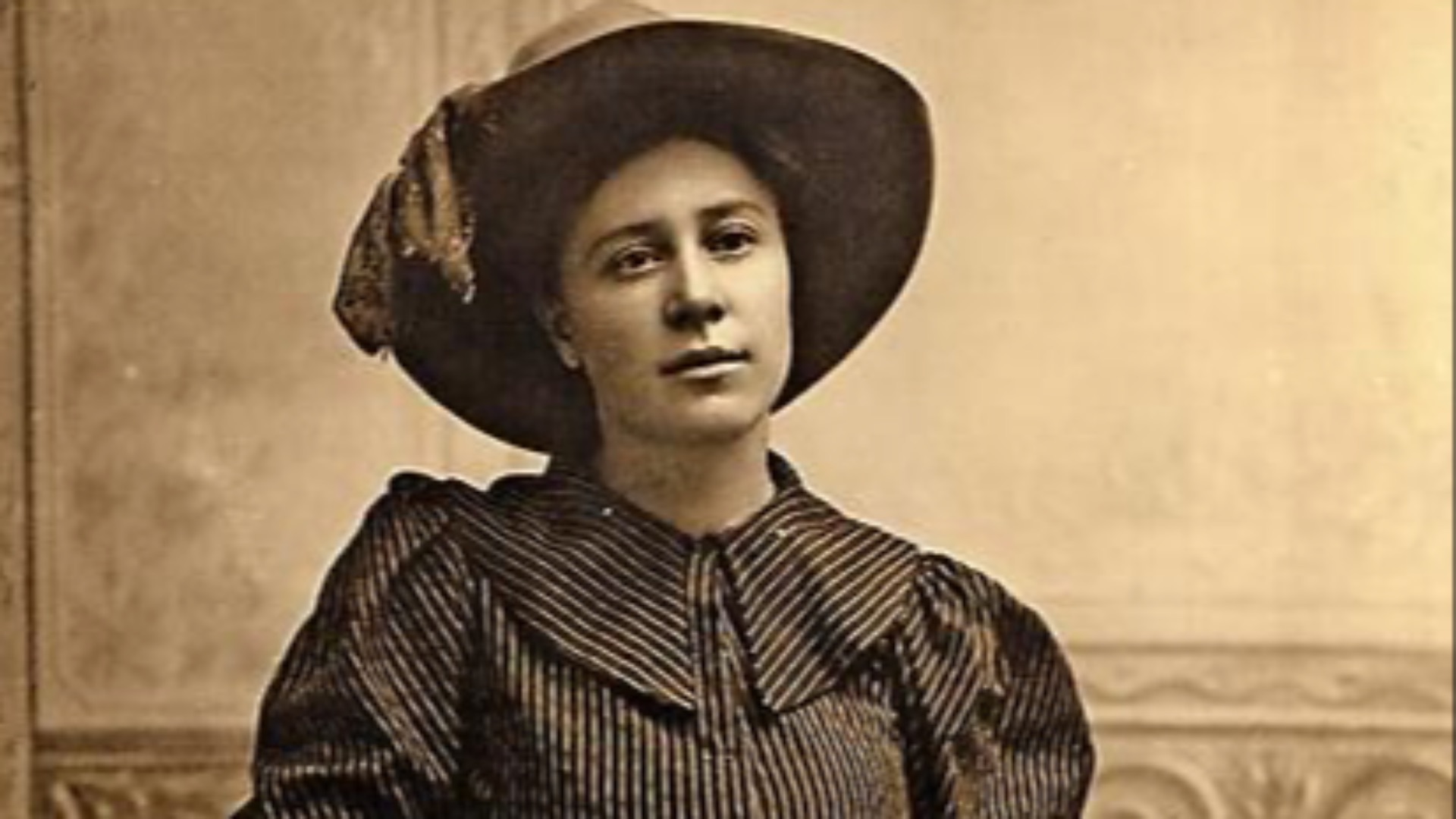
20. Rose Dunn
Rose Dunn, popularly remembered as the "Rose of Cimarron," earned her keep with the Doolin-Dalton gang during the 1890s. Her relationship with George "Bitter Creek" Newcomb only strengthened her reputation, especially after his death in 1895. Although later stories portrayed her as an active participant in gunfights, historians don’t really know how big a role she played.
 Unknown photographer on Wikimedia
KEEP ON READING