20 Historical Figures Who Refused One Last Chance To Save Themselves
Some Would Rather Die Than Give In
How far would you go to save your own life? It’s not something we’re forced to ponder often in today’s world, but plenty of figures throughout history have faced that very question. More interestingly, not every one of them jumped at the opportunity to actually do anything in the face of death. Their reasons ranged from extraordinary courage to stubbornness, personal loyalty, and religious conviction, with consequences that were sometimes more gruesome than you’d expect. These 20 historical figures had the chance to escape terrible fates, and decided that saving themselves wasn't worth the price.
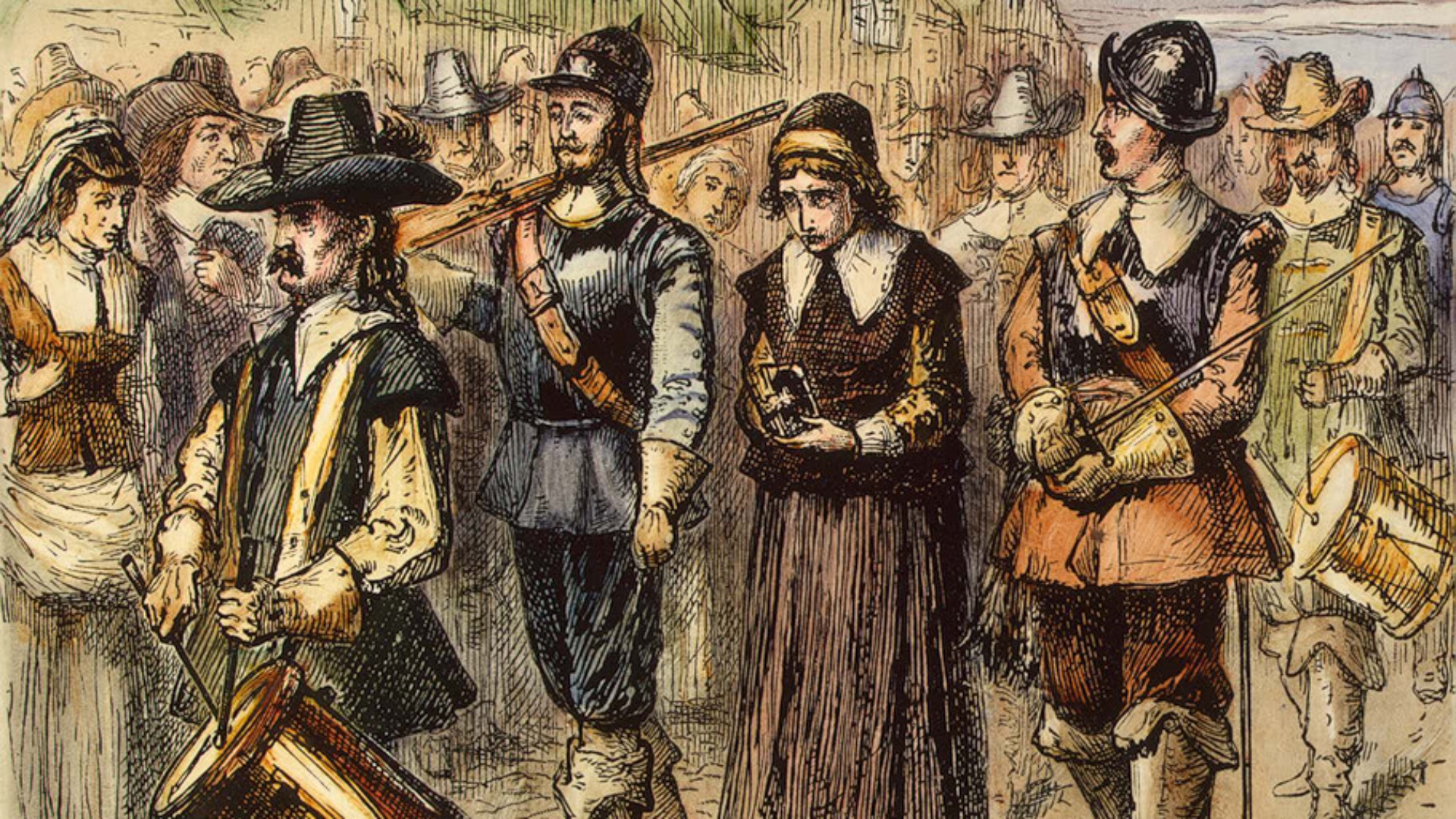 unknown 19th century artist on Wikimedia
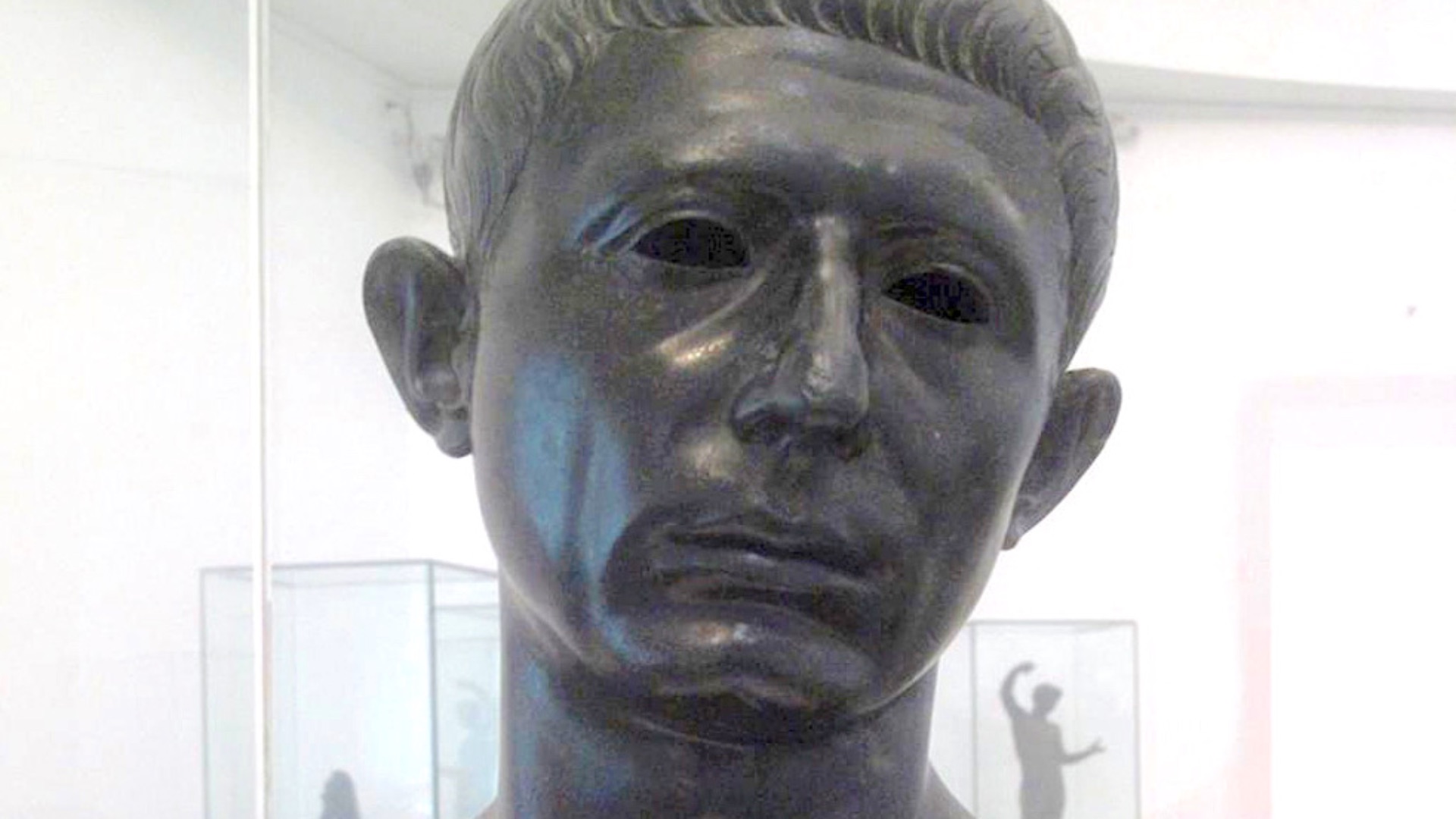
1. Cato the Younger
As Julius Caesar's forces approached in 46 BC, Cato the Younger refused to seek the victor's mercy, even though his supporters were willing to negotiate on his behalf. Instead, he arranged for others to escape before taking his own life (which didn’t even work the first time; a physician tried to save him). But Cato tore open his wounds after regaining consciousness, more willing to die rather than live under Caesar's heel.
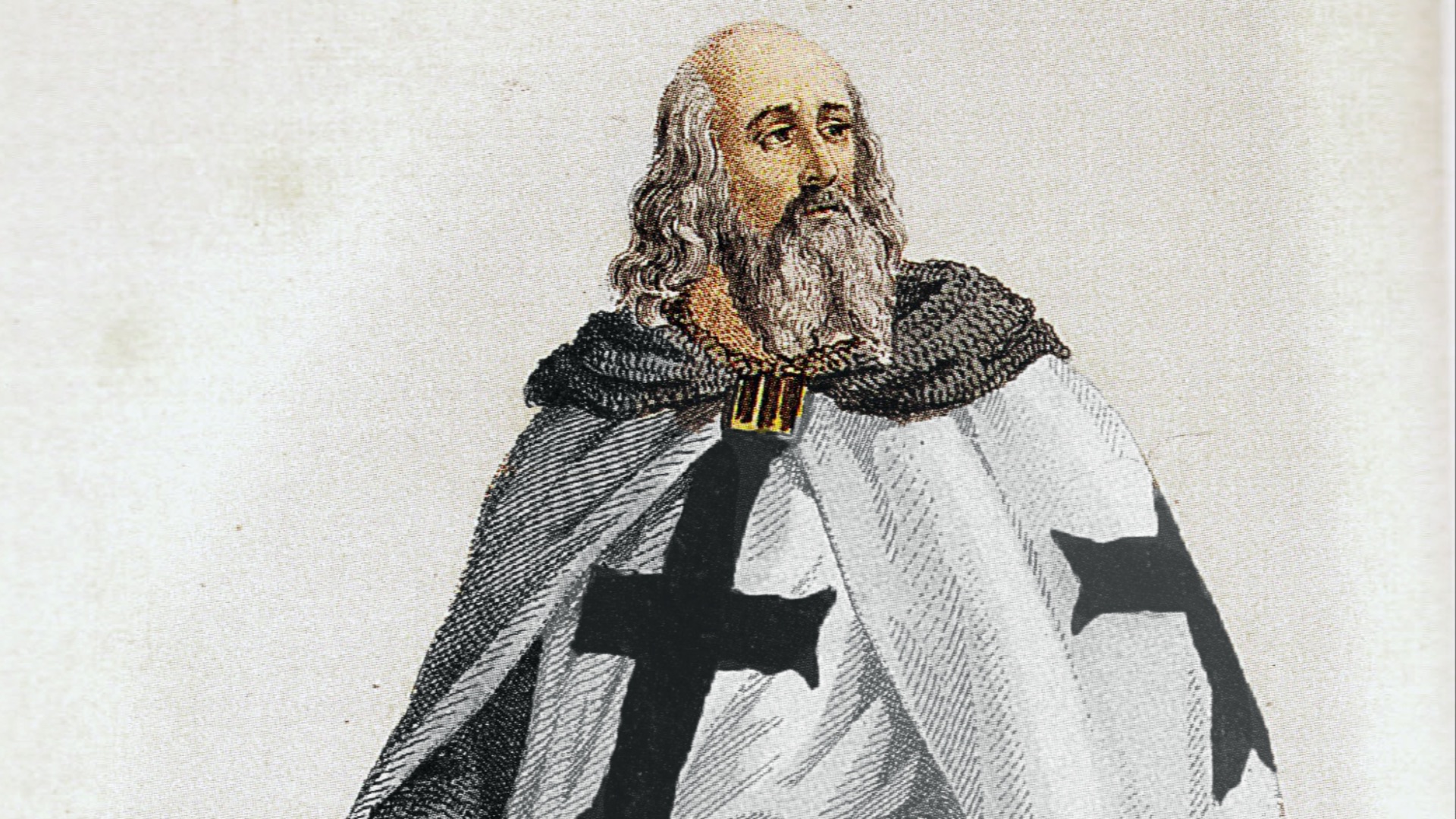
2. Jacques De Molay
In 1314, Jacques de Molay, the last grand master of the Knights Templar, was facing life in prison after years of interrogation and allegations. He wasn’t interested in that. He publicly repudiated the confession that was only given under duress, exposing himself to a far worse punishment. King Philip IV of France quickly ordered his execution, and Molay was burned alive.
 Unknown authorUnknown author on Wikimedia
3. John Frith
English Protestant scholar John Frith was offered a chance to escape while being transported to an examination before Archbishop Thomas Cranmer in 1533. Remarkably, he declined the assistance and continued toward the hearing, where officials tried unsuccessfully to persuade him to abandon his religious positions. Frith was subsequently condemned for rejecting Catholic teachings, and he was burned in 1533.
4. Henry Norris
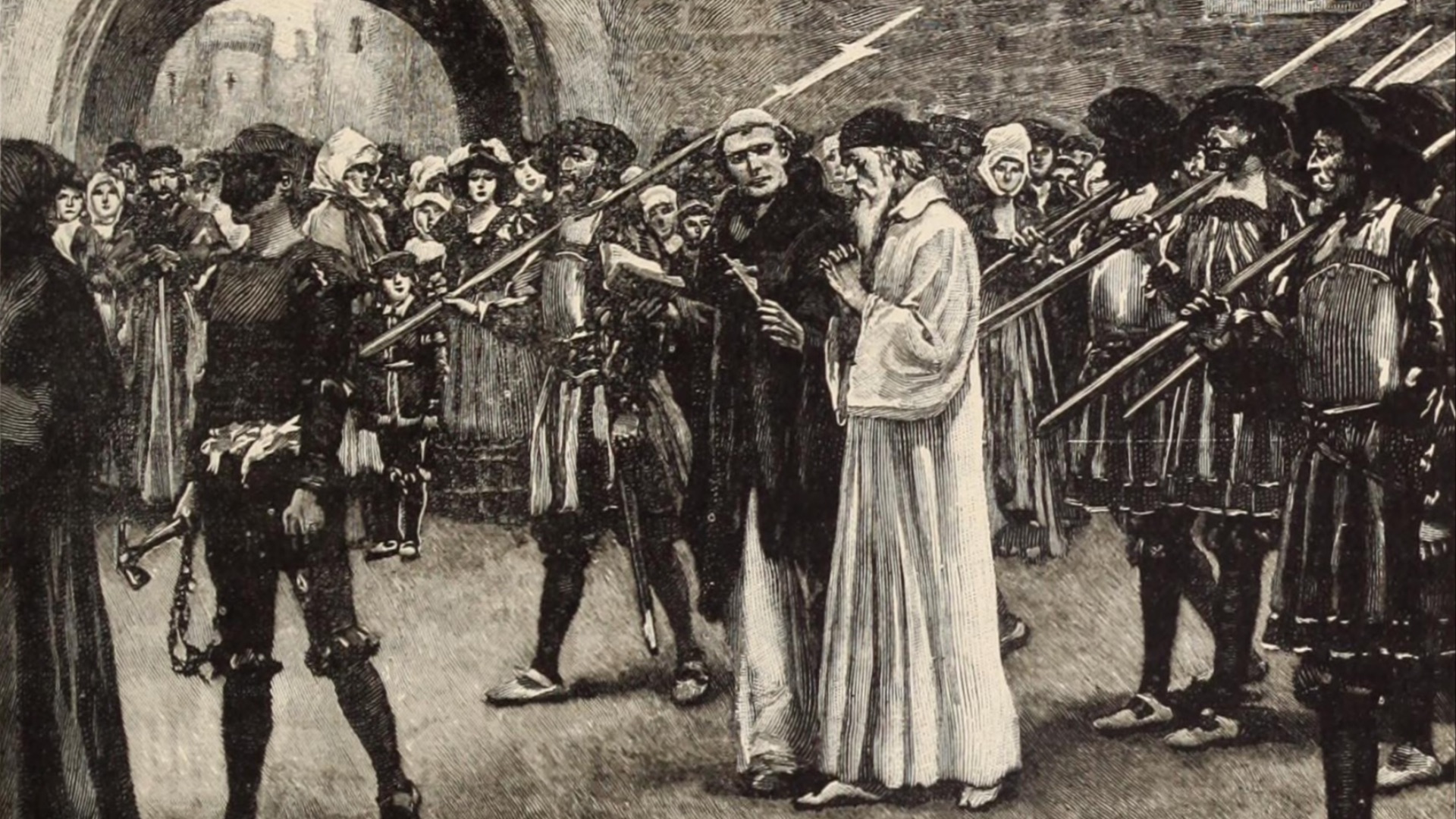
Henry Norris had served Henry VIII for years when he became implicated in the accusations of adultery against Anne Boleyn in 1536. As you can imagine, that didn’t go over very well, and even though the king personally offered to spare Norris if he confessed, Norris kept pleading his innocence. He was executed, and historians still debate whether Henry's mercy was ever genuine.
 After Melina Thomas on Wikimedia
5. Anne Askew
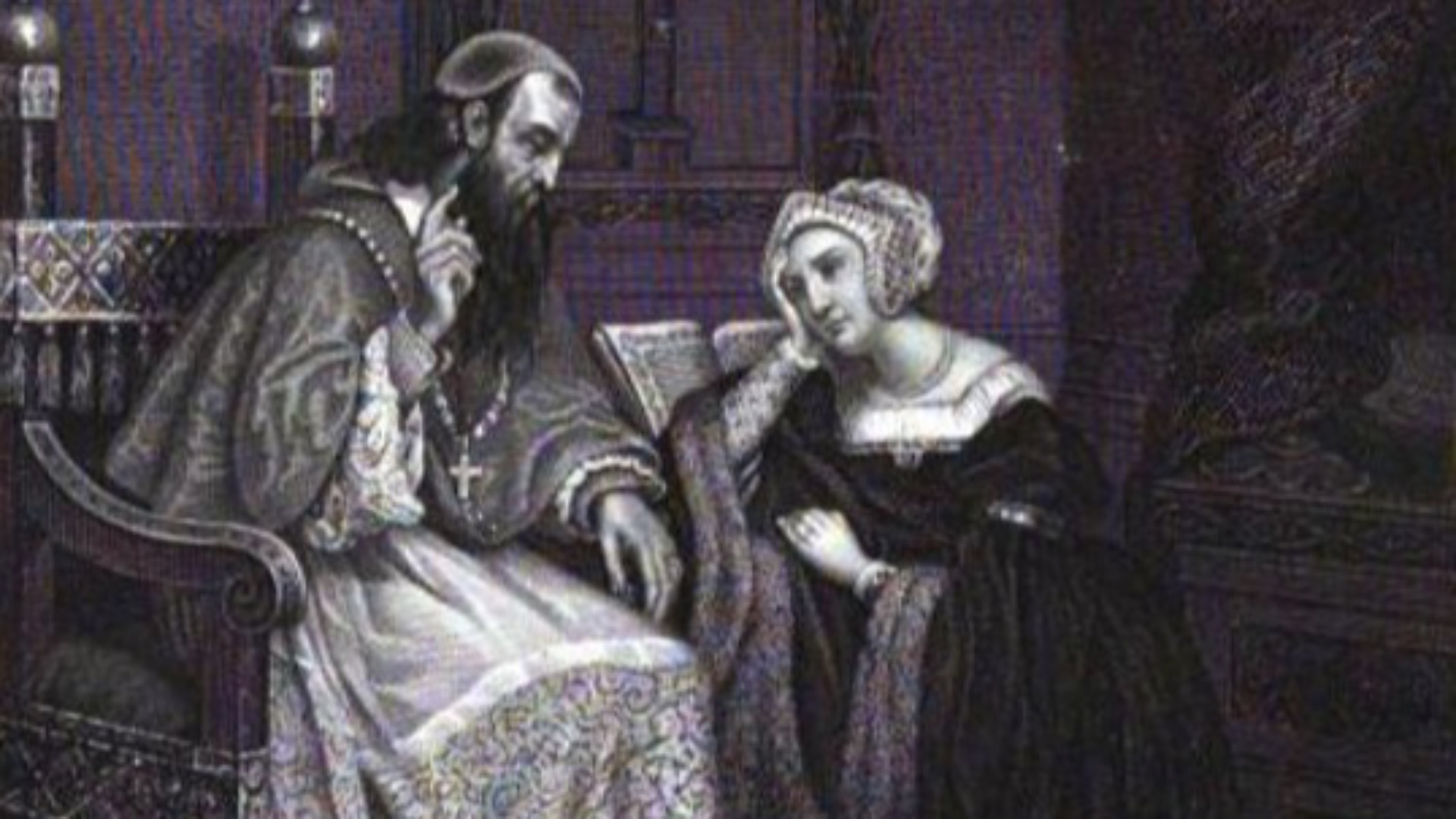
After being arrested for her Protestant beliefs in 1546, Askew was subjected to interrogations meant to sniff out other religious dissenters. She fell victim to the rack, but even under all that treatment, she never gave up her fellow believers or signed the confession presented to her. Her injuries were apparently so bad that she couldn’t even walk to her execution, but she was burned at Smithfield all the same.
6. William Tyndale
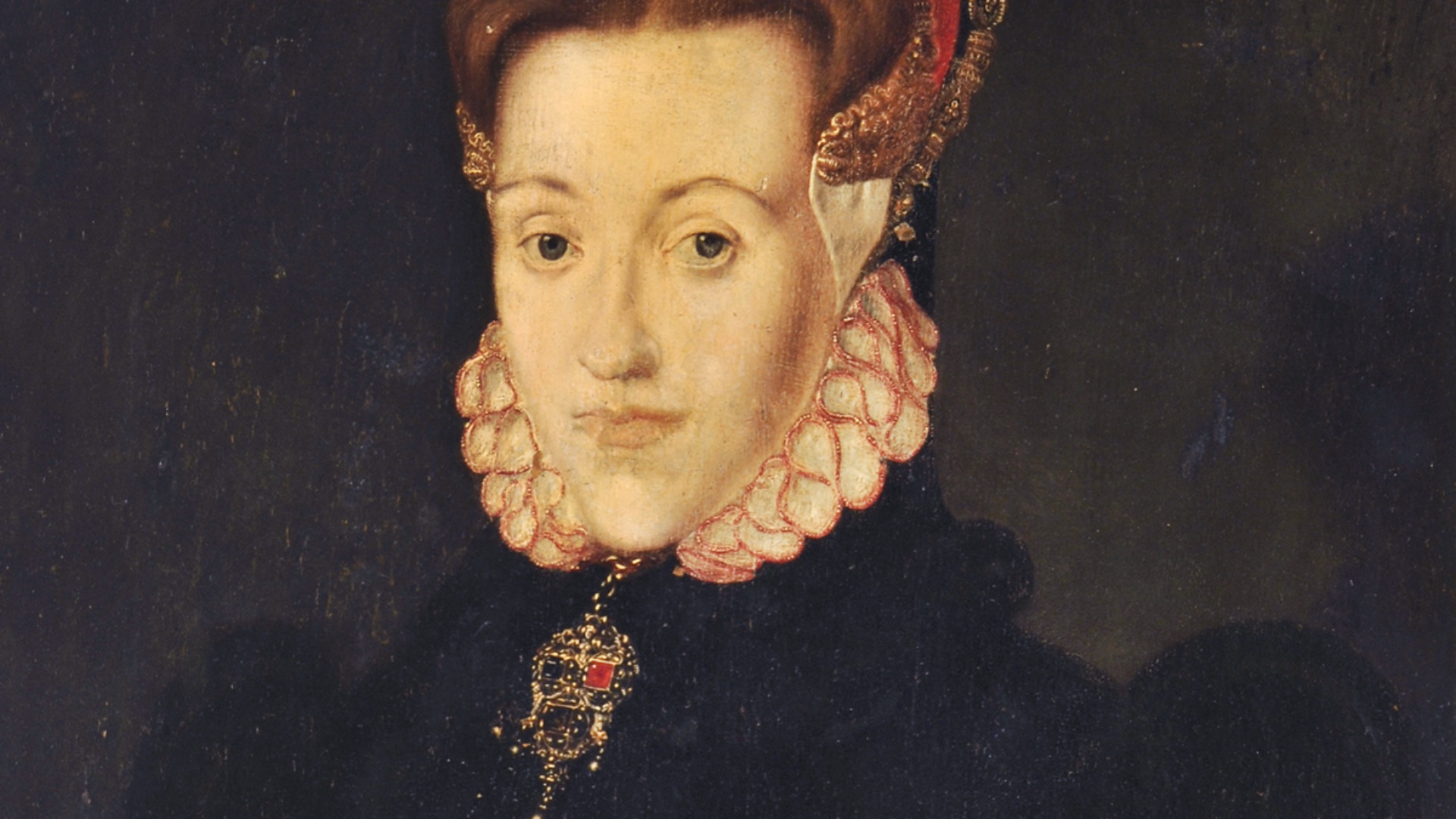
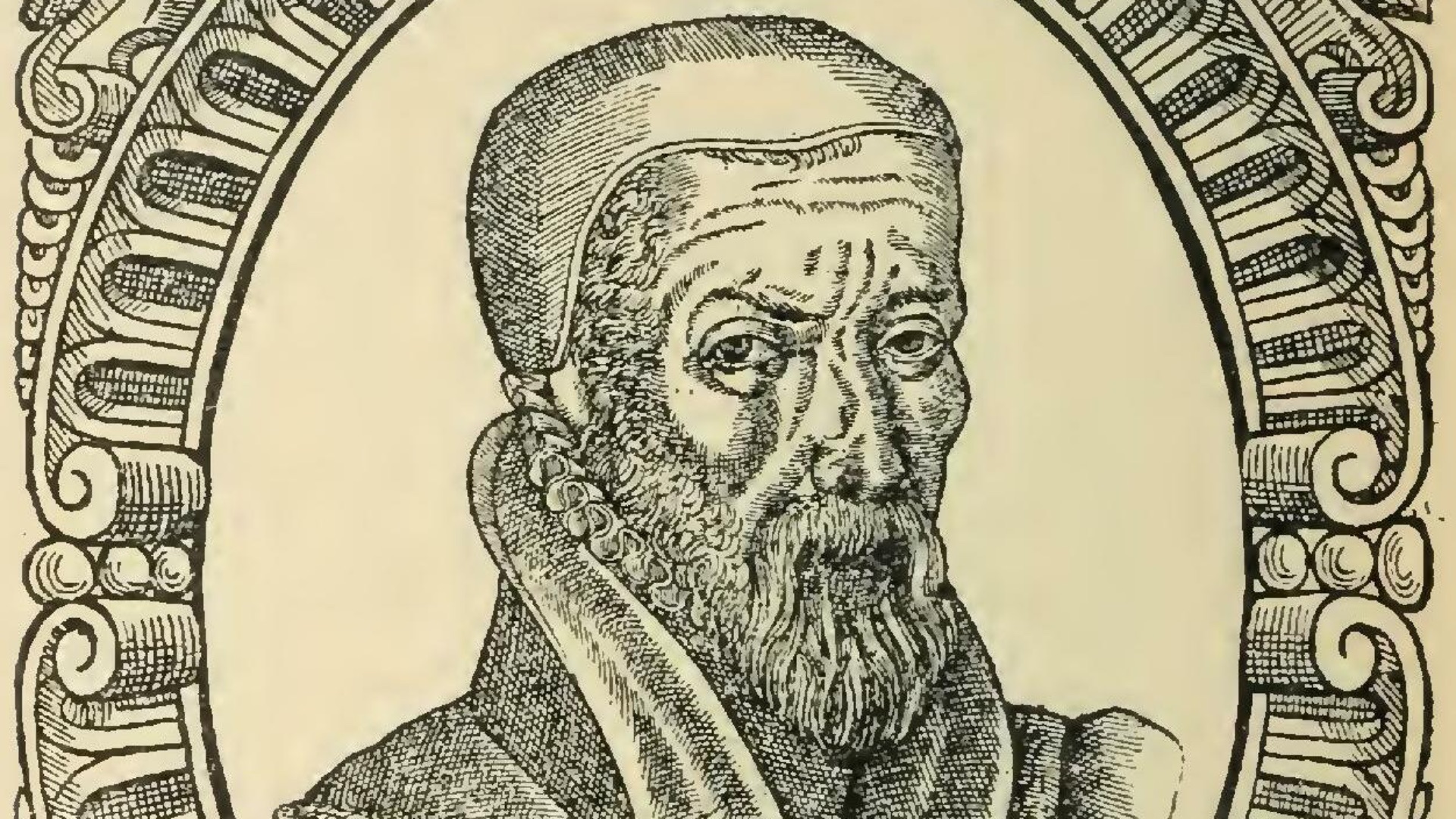
William Tyndale was determined to translate the Bible into English, a risky move that already made him a wanted man when he was arrested in 1535. Following more than a year of imprisonment, he was given a final opportunity to recant his beliefs, but he wouldn't. Authorities then strangled him before burning his body.
 McCrie, Charles Greig, 1836-1910
Bèze, Théodore de, 1519-1605 on Wikimedia
7. Thomas Cranmer
Archbishop Thomas Cranmer actually did try to save himself during Mary I's persecution of Protestants, signing several statements renouncing his former religious beliefs. However, when he was expected to publicly reaffirm his conversion in 1556, he withdrew. Cranmer was burned that same day.
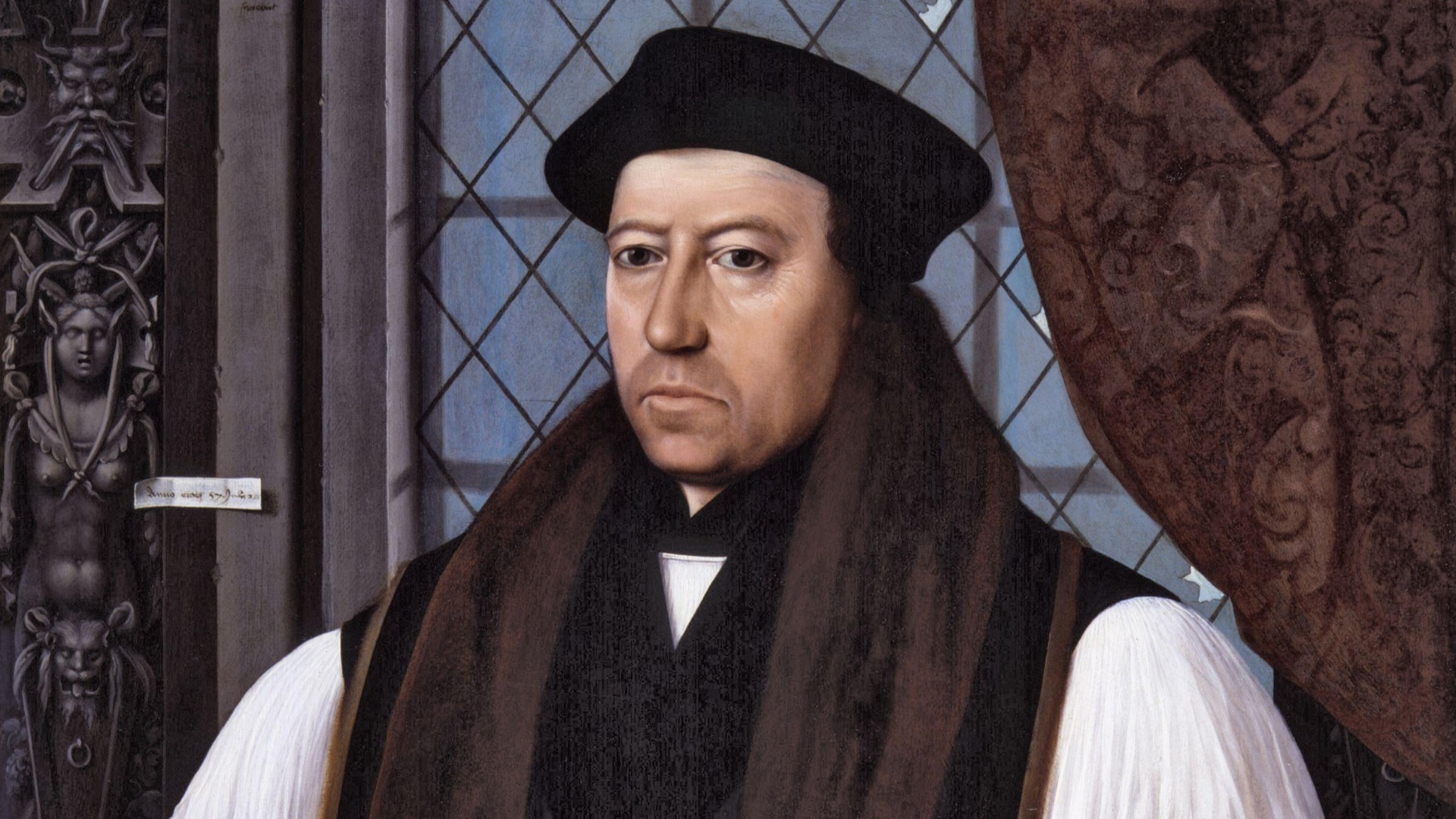
8. Felix Manz
Swiss religious reformer Felix Manz made an extraordinary escape from prison in 1526, climbing through the roof with other prisoners before lowering himself over the walls. But he couldn’t leave well enough alone, resuming his Anabaptist preaching before getting arrested again. He stood his ground despite the risks, and in 1527, authorities drowned him in the Limmat River.
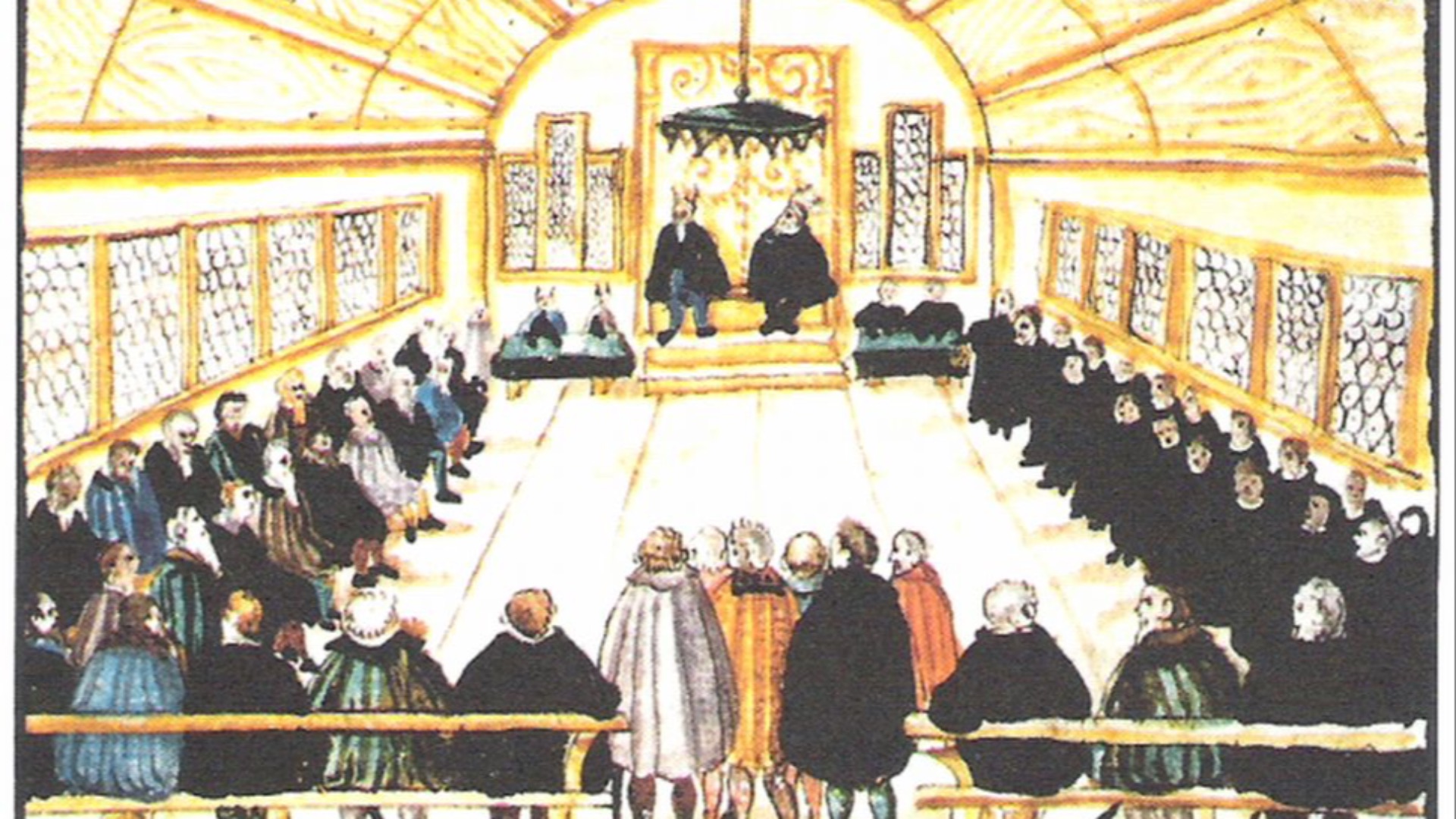 Heinrich Thomann (1544-1619) on Wikimedia
9. Michael Servetus
Spanish theologian Michael Servetus challenged Christian teachings about the Trinity, earning him the ire of both Catholic and Protestant authorities. After he was arrested in 1553, religious officials begged him to recant, including during the procession to his execution. Servetus acknowledged his sins but wouldn't renounce his teachings, and he was burned outside Geneva.
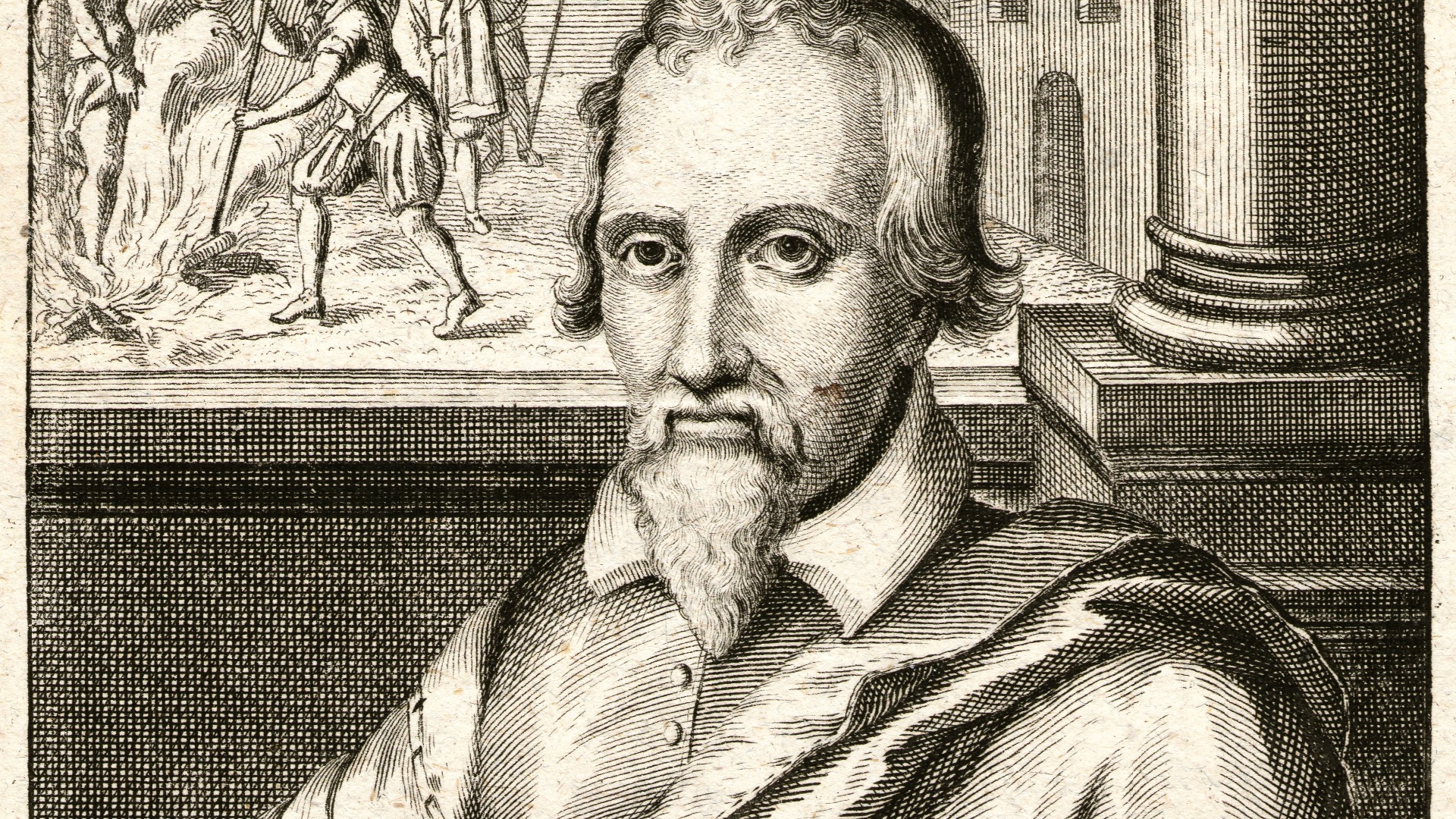 Christian Fritzsch on Wikimedia
10. Margaret Clitherow
When Margaret Clitherow was arrested in York in 1586 for sheltering Catholic priests, she refused to enter a plea despite repeated warnings about what would happen to her. Her refusal prevented an ordinary jury trial, and although relatives and preachers urged her to cooperate, she didn’t budge. Authorities executed her with peine forte et dure.
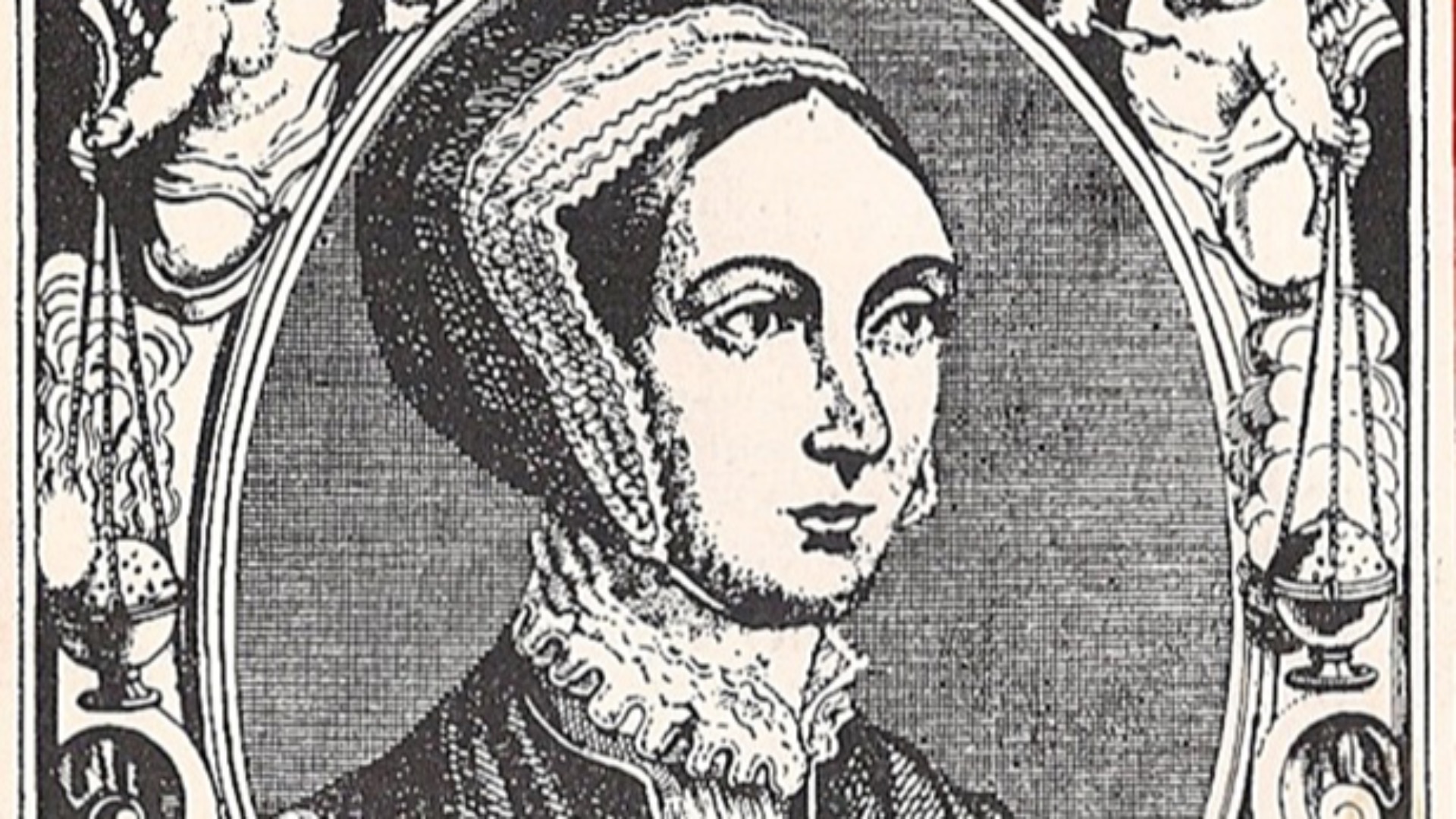 zeitgenössischer Stecher, um 1750, nach älterer Darstellung on Wikimedia
11. Dirk Willems
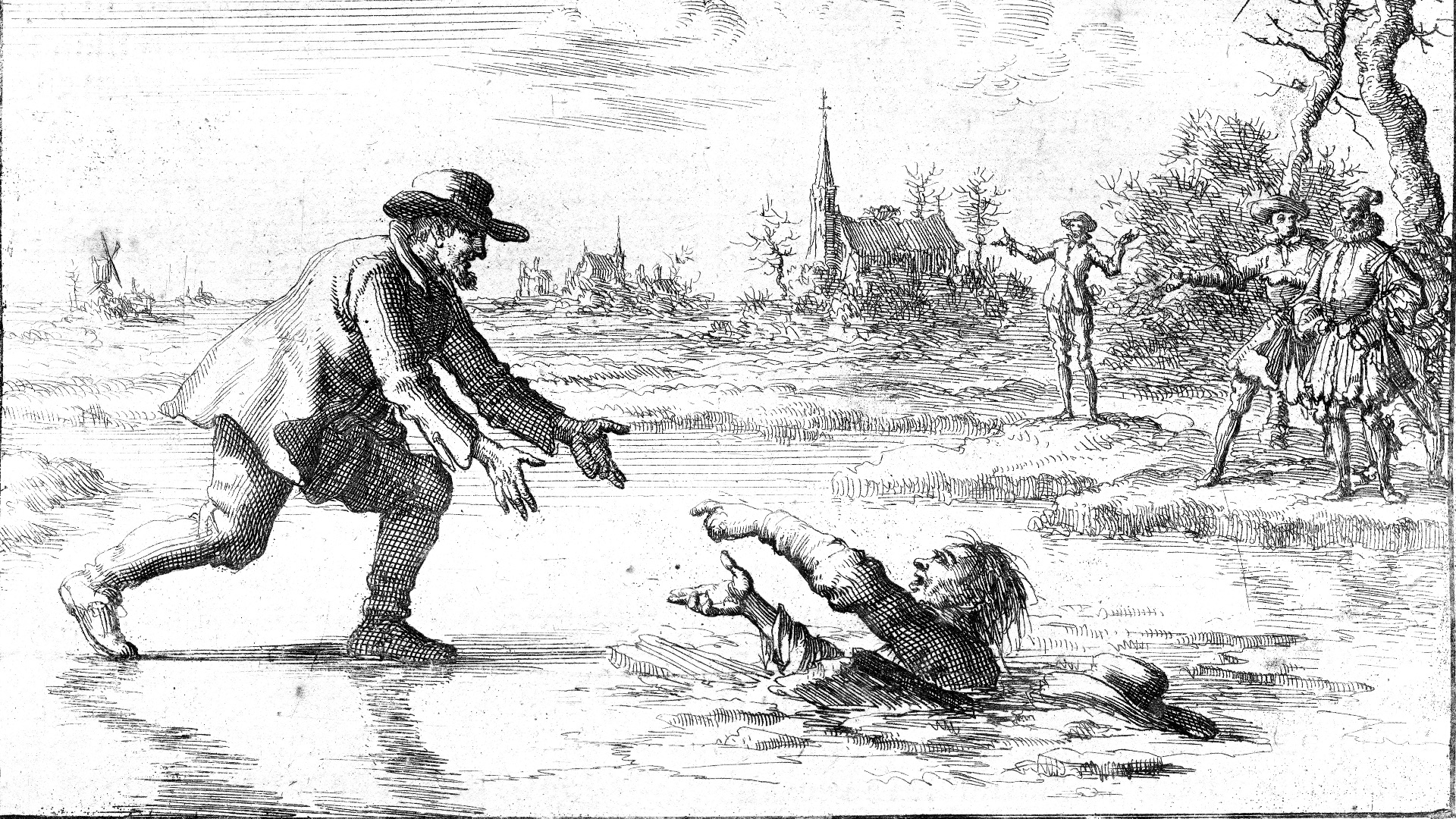
Dutch Anabaptist Dirk Willems had already escaped prison in 1569 once, and it was only due to his kindness that he was ever captured again. Initially, the guard chasing him fell through the ice covering a frozen stretch of water, prompting Willems to turn around and rescue him…only to be arrested again. He was subsequently burned outside Asperen.
12. Mary Dyer
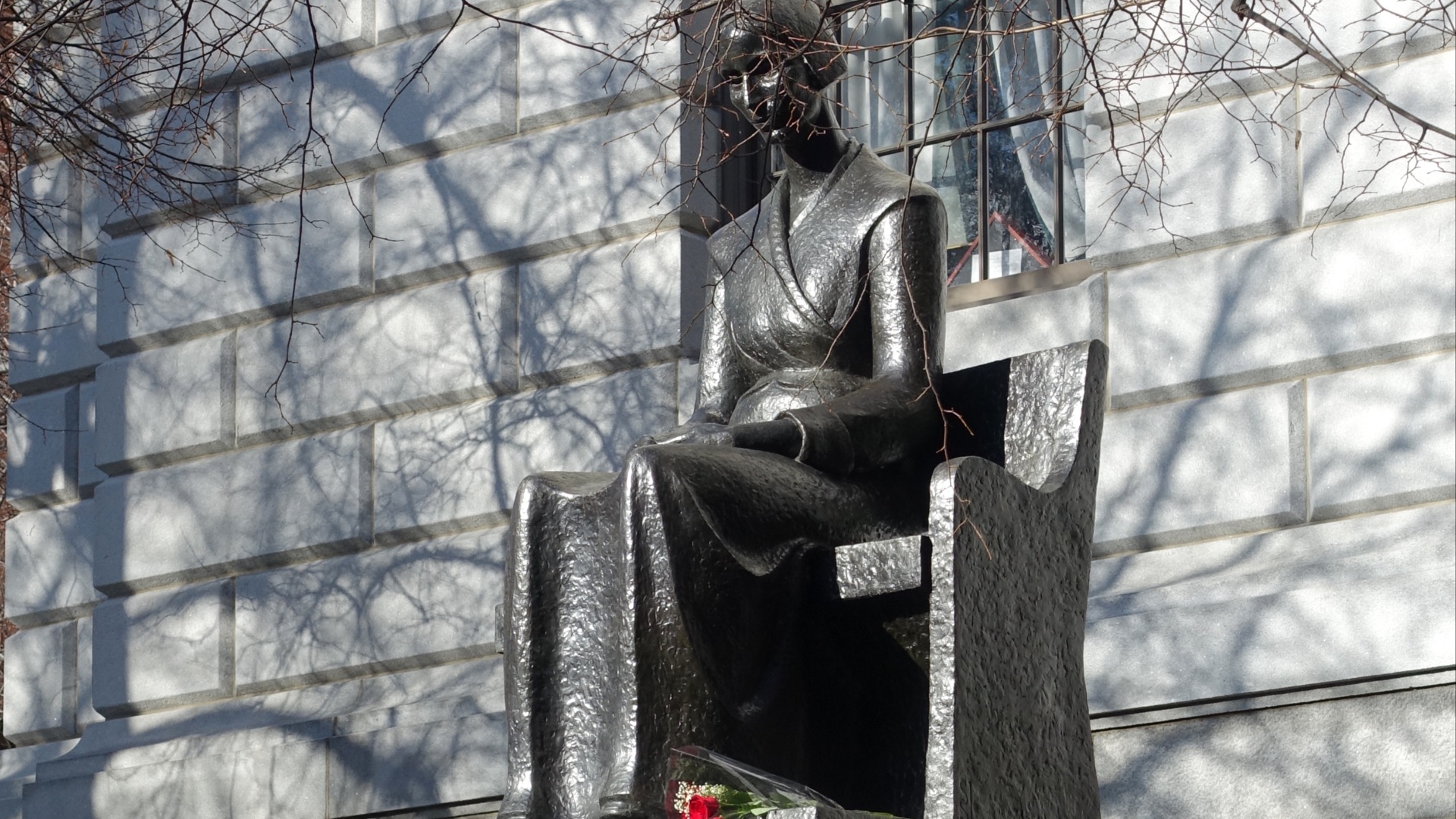
Mary Dyer was knocking on death’s door in 1659, but Massachusetts authorities granted her a last-minute chance while she stood at the gallows. Although she was permitted to leave the colony, the Quaker missionary returned in 1660 to challenge the laws that threatened members of her religion with death. She rejected another opportunity to avoid execution by promising never to return, and officials hanged her that same year.
13. Queen Ketevan
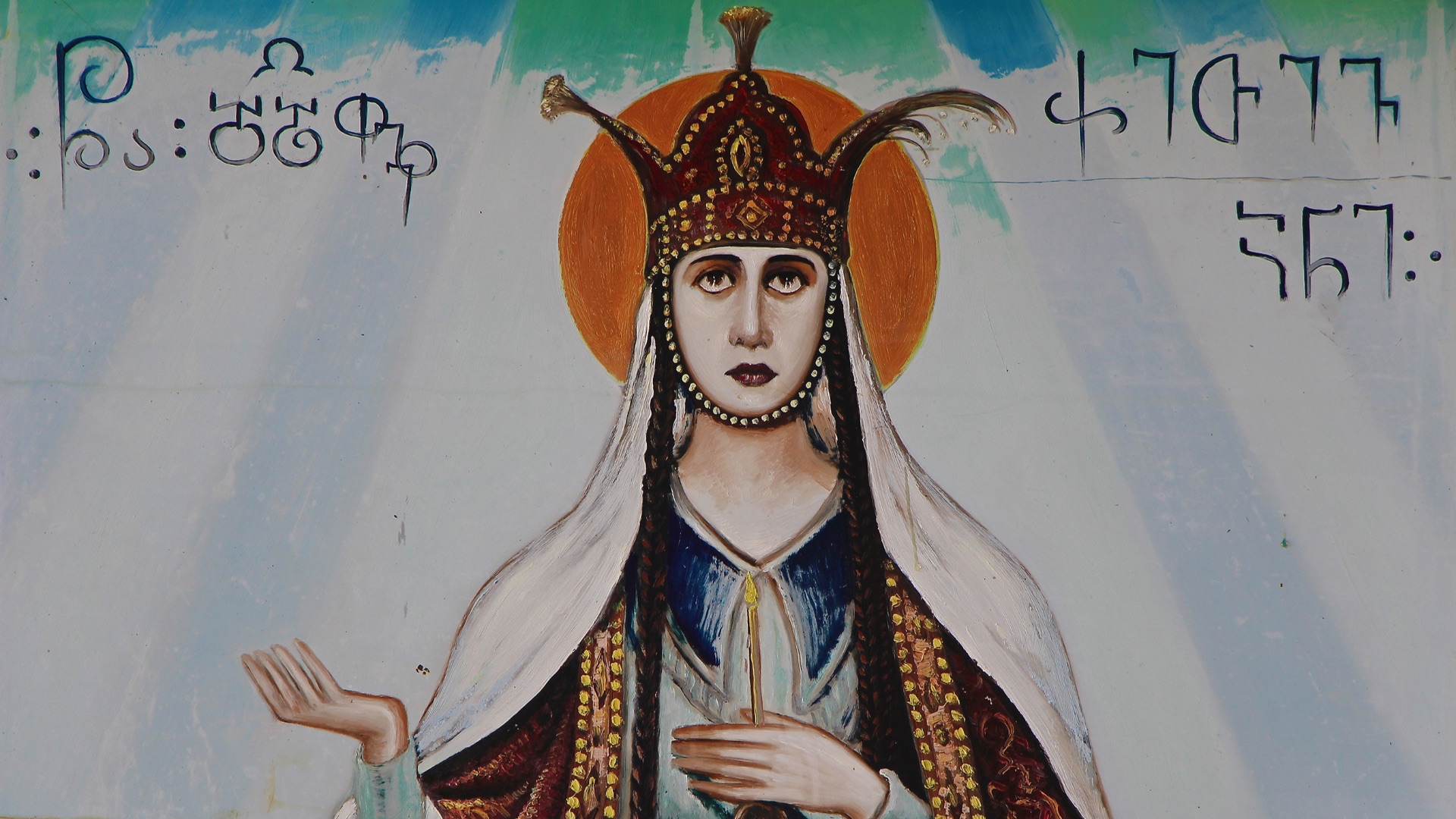
Queen Ketevan of Georgia spent years as a hostage of Shah Abbas I of Persia. In 1624, she was told that she could avoid death by converting to Islam, but the devoted Christian refused. People’s pleas didn’t move her, either. She was tortured to death in Shiraz, and her remains were later taken from Persia by Portuguese missionaries.
14. Guru Tegh Bahadur
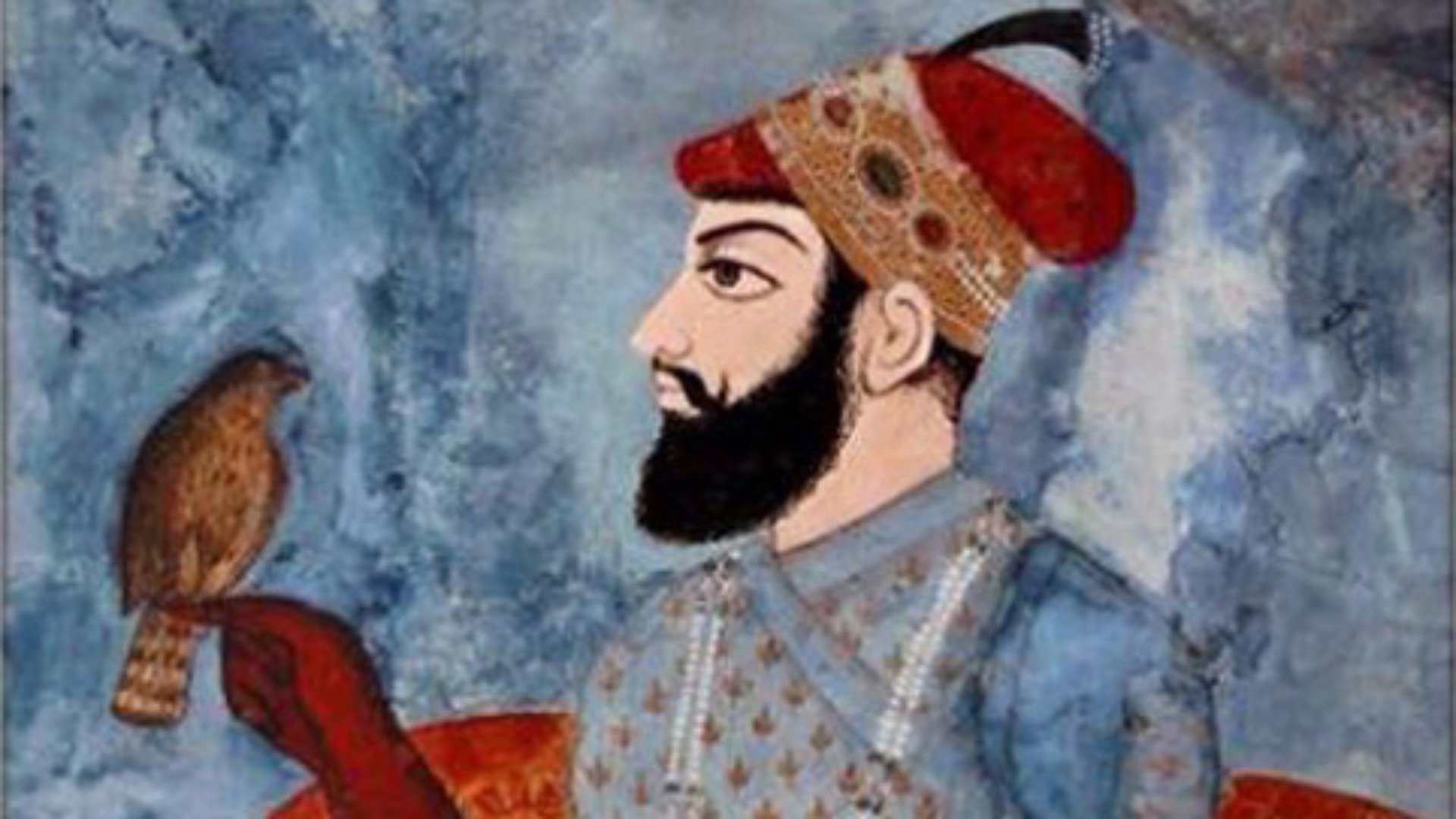
Guru Tegh Bahadur was arrested by Mughal authorities after defending religious freedom during Emperor Aurangzeb's reign. According to accounts, officials demanded that he convert to Islam or face execution—an ultimatum already acted upon several of his companions who were killed. But he refused to abandon his faith and was beheaded in 1675.
15. John Fisher
Bishop John Fisher became one of Henry VIII's biggest thorns when he refused to acknowledge the king's supremacy over the English Church. Imprisonment didn’t stop Fisher’s views, either, and he maintained his position. It didn’t get him far, however, and he was executed on June 22, shortly after Pope Paul III named him a cardinal.
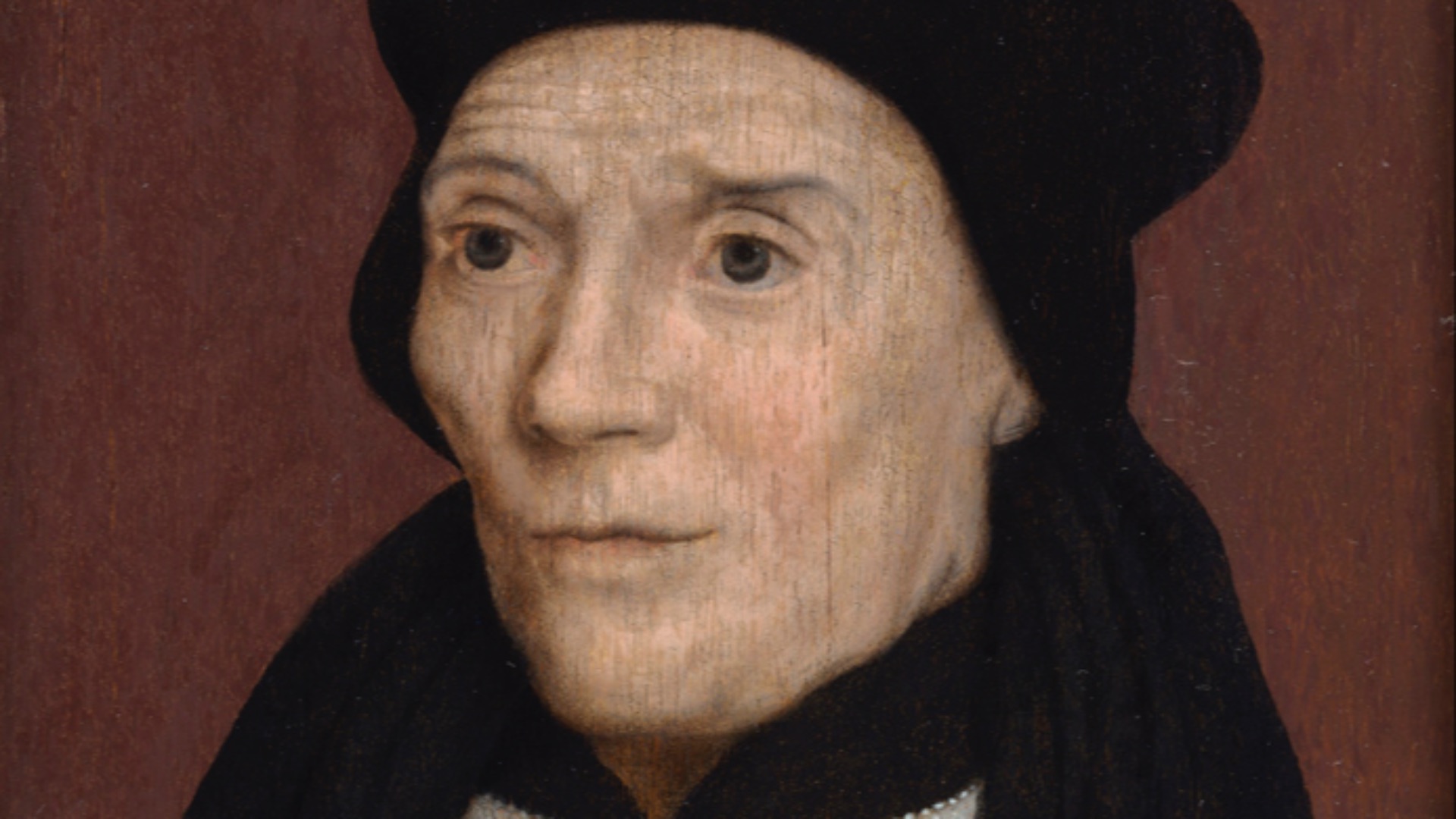 After Hans Holbein the Younger on Wikimedia
16. Emperor Otho
Roman Emperor Otho still had troops willing to fight for him after his forces were defeated during the civil war of AD 69. But Otho was tired of fighting, and instead of launching another campaign, he decided that continuing the conflict would cost too many lives. So, Otho arranged for his supporters' safety and then took his own life.
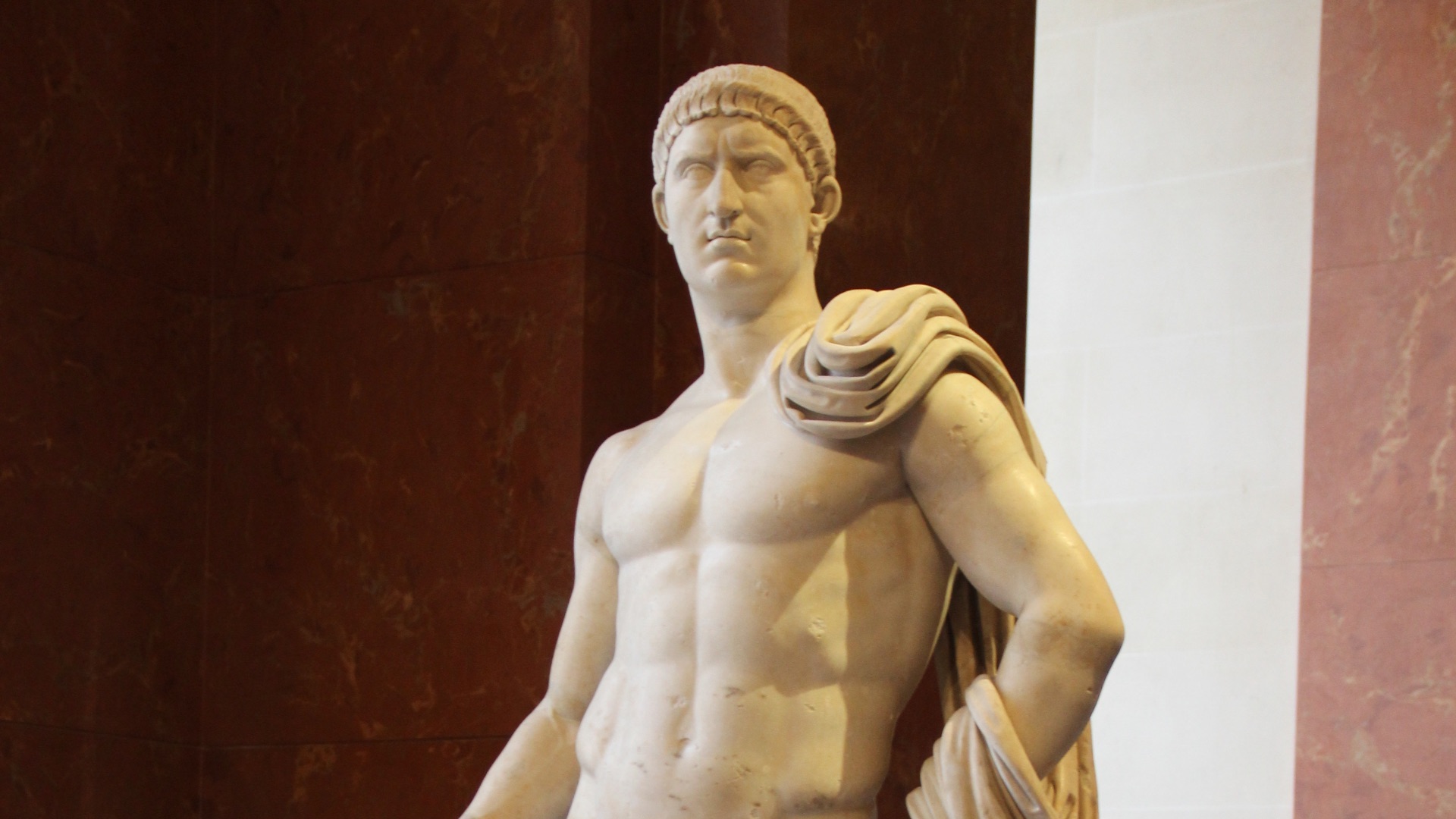 Gary Todd from Xinzheng, China on Wikimedia
17. Marshal Michel Ney
Following Napoleon's defeat at Waterloo in 1815, French Marshal Michel Ney faced serious danger for having abandoned Louis XVIII and rejoined the emperor. Napoleon's former police minister Joseph Fouché reportedly provided Ney with a passport to escape France, but the marshal refused to leave and was eventually arrested. Convicted of treason, Ney faced a firing squad and famously refused a blindfold.
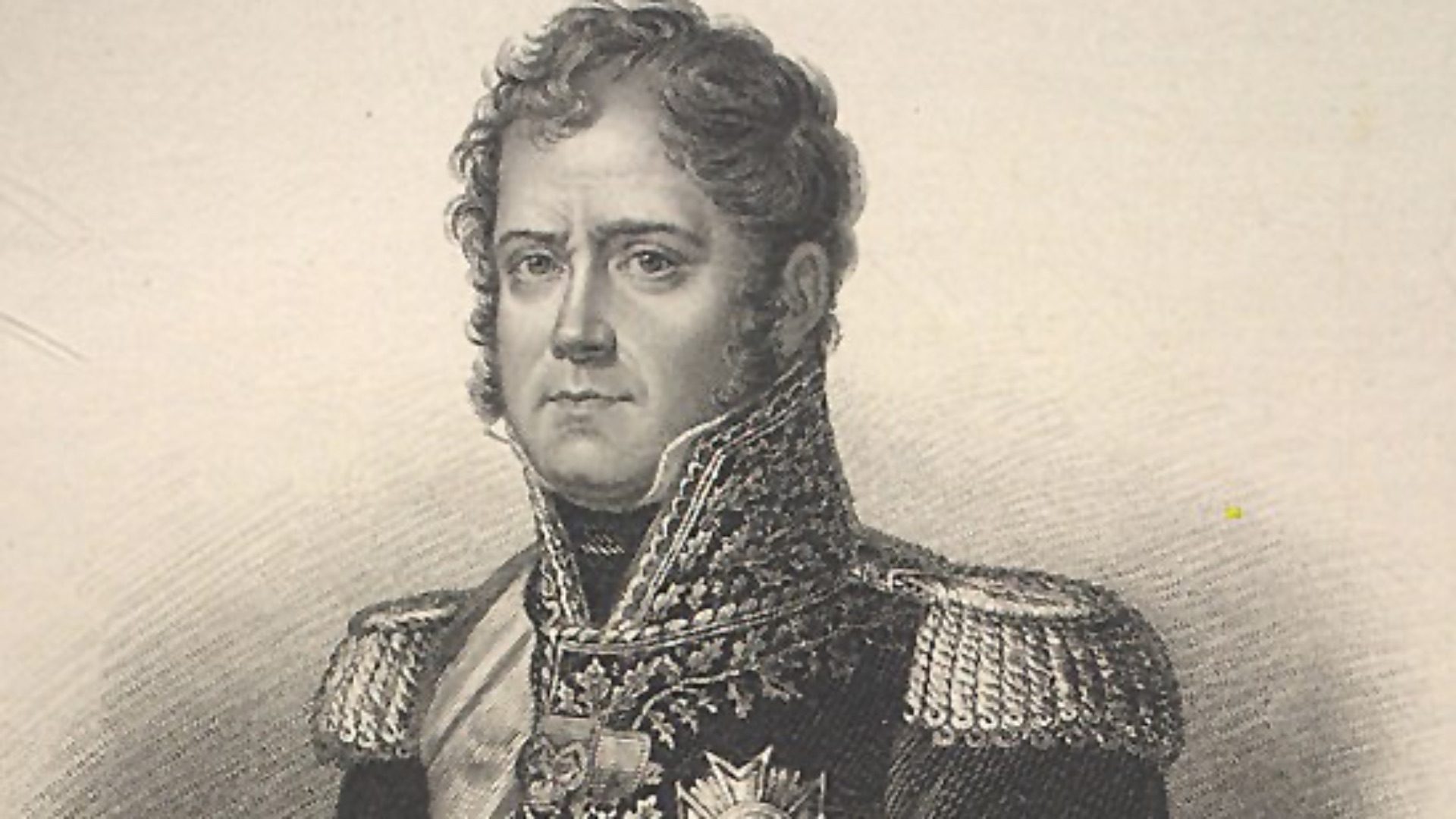 artist : COOK, Charles on Wikimedia
18. Marie Antoinette
We’ve all heard about Marie Antoinette in one way or another, but a detail people often miss is that following the execution of Louis XVI, Antoinette remained imprisoned. Though some rescue efforts were intercepted by authorities, Antoinette completely turned down others, especially those that would’ve required her to abandon her children (who were also imprisoned). She was ultimately guillotined in 1793.
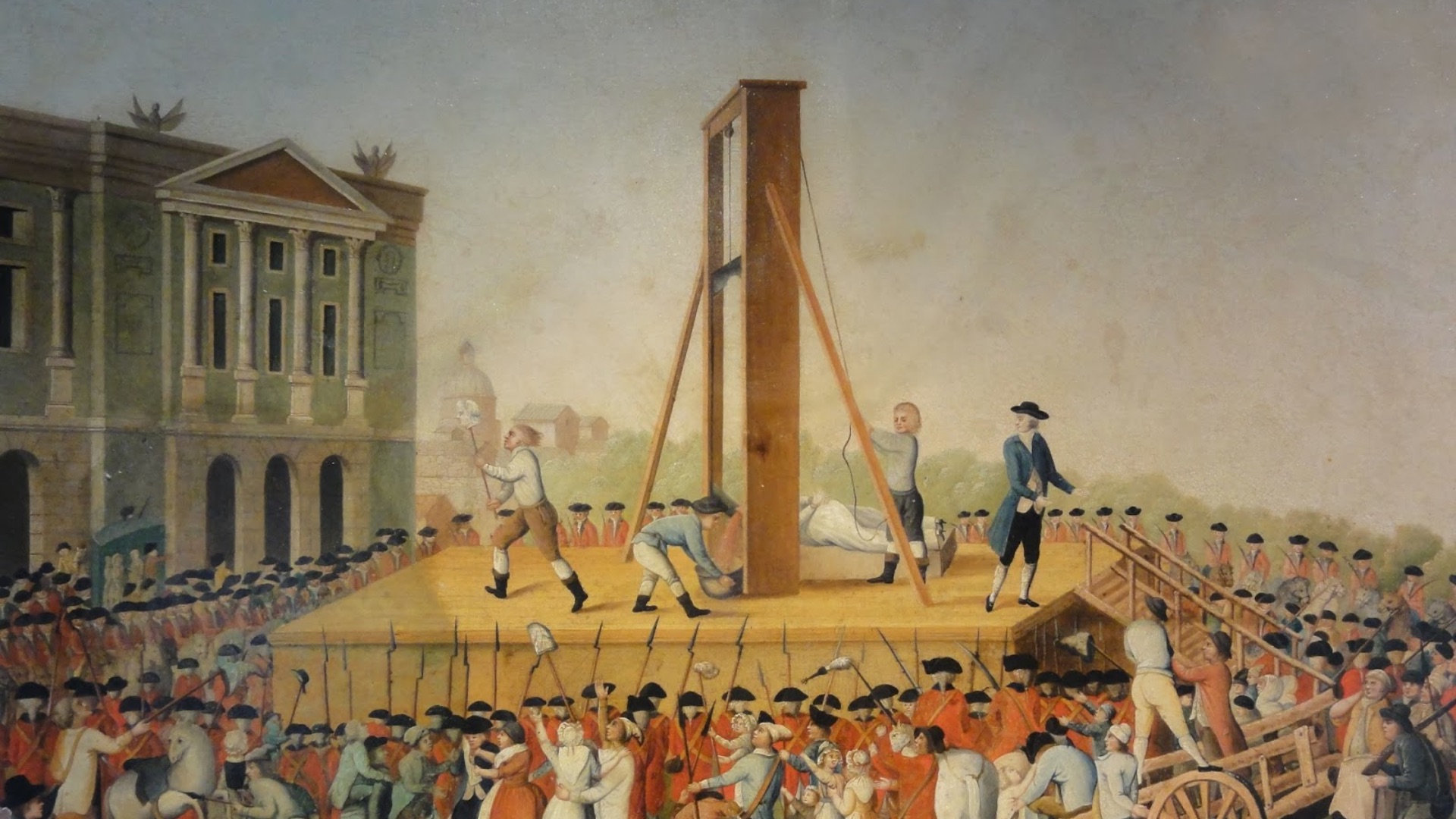 Unknown authorUnknown author on Wikimedia
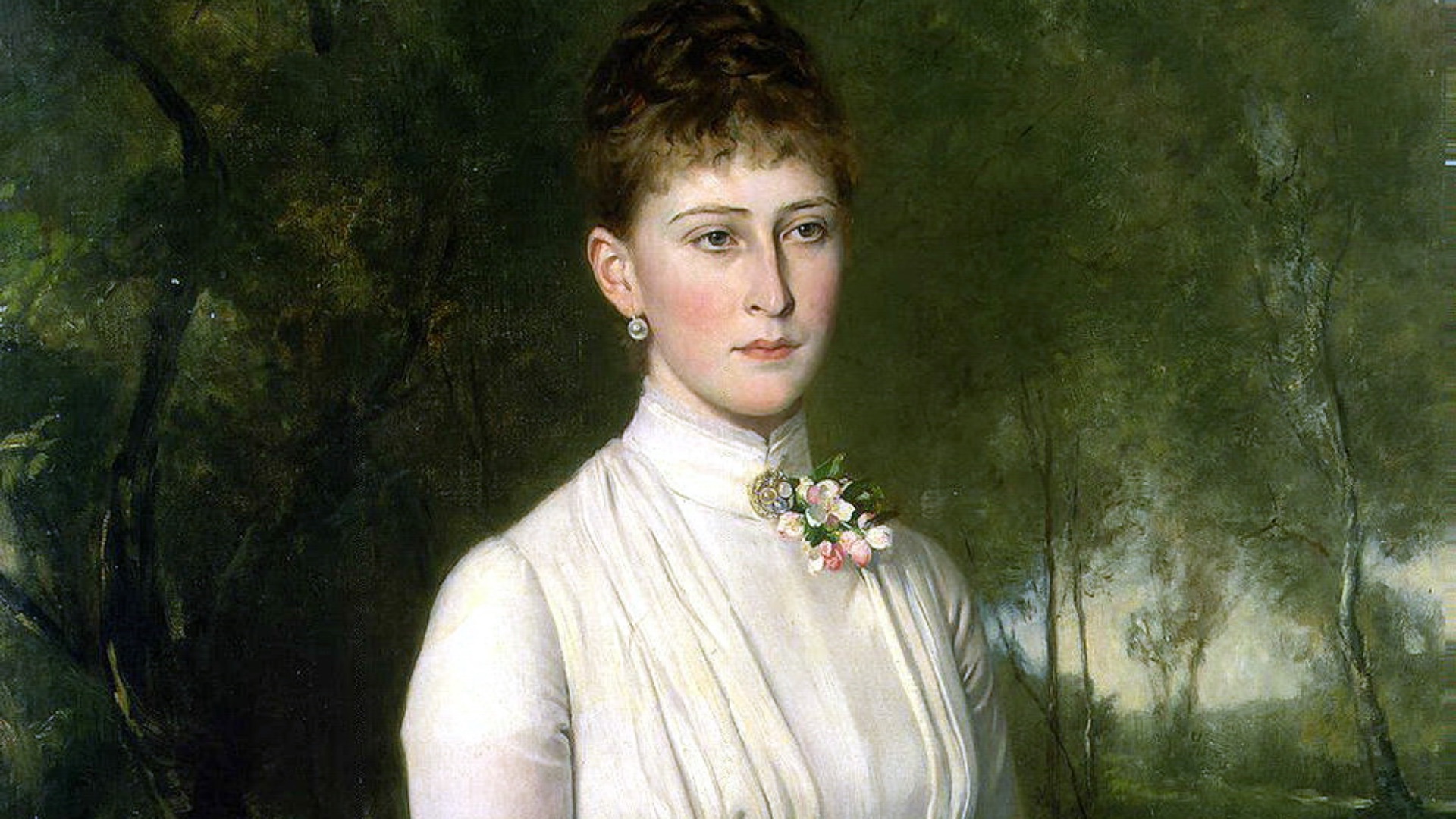
19. Grand Duchess Elizabeth Feodorovna
After the Russian Revolution, Grand Duchess Elizabeth Feodorovna continued operating her religious community in Moscow despite the danger of doing so. Historical accounts describe an attempted intervention on her behalf by German Emperor Wilhelm II, but Elizabeth refused to abandon Russia and the people she had dedicated herself to helping. Bolshevik authorities arrested her in 1918, and she was subsequently murdered that year.
 Carl Rudolph Sohn on Wikimedia
20. Maximilian Kolbe
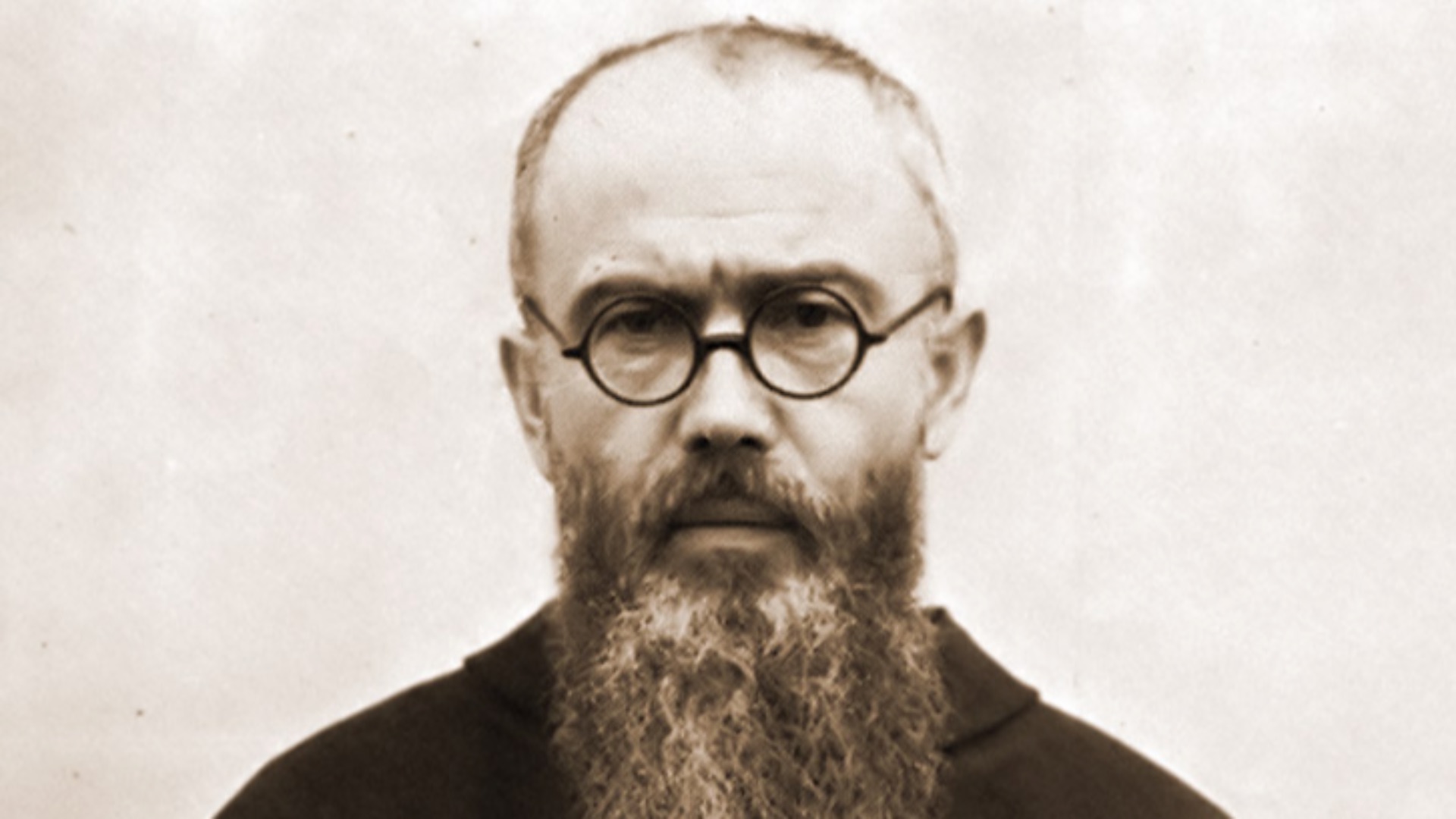
When Auschwitz officials selected ten prisoners to die by starvation following an escape in 1941, Polish Franciscan priest Maximilian Kolbe wasn't actually on the list. But after hearing how upset one chosen prisoner was, Kolbe volunteered to take his place. He lasted about two weeks in the starvation cell before being killed by a lethal injection.