20 Historical Figures Who Were Forgotten Despite Doing Something Huge
The History Makers Time Almost Forgot
History tends to celebrate a handful of famous names, but many of the people who changed the world never became household names. Some were overshadowed by more powerful figures, while others simply faded from public memory as the years passed. If you dig a little deeper into the past, you'll find remarkable individuals whose achievements shaped science, politics, medicine, exploration, and society in ways that still affect us today. Here are 20 historical figures who were more or less forgotten despite doing something huge.
 Unknown authorUnknown author on Wikimedia
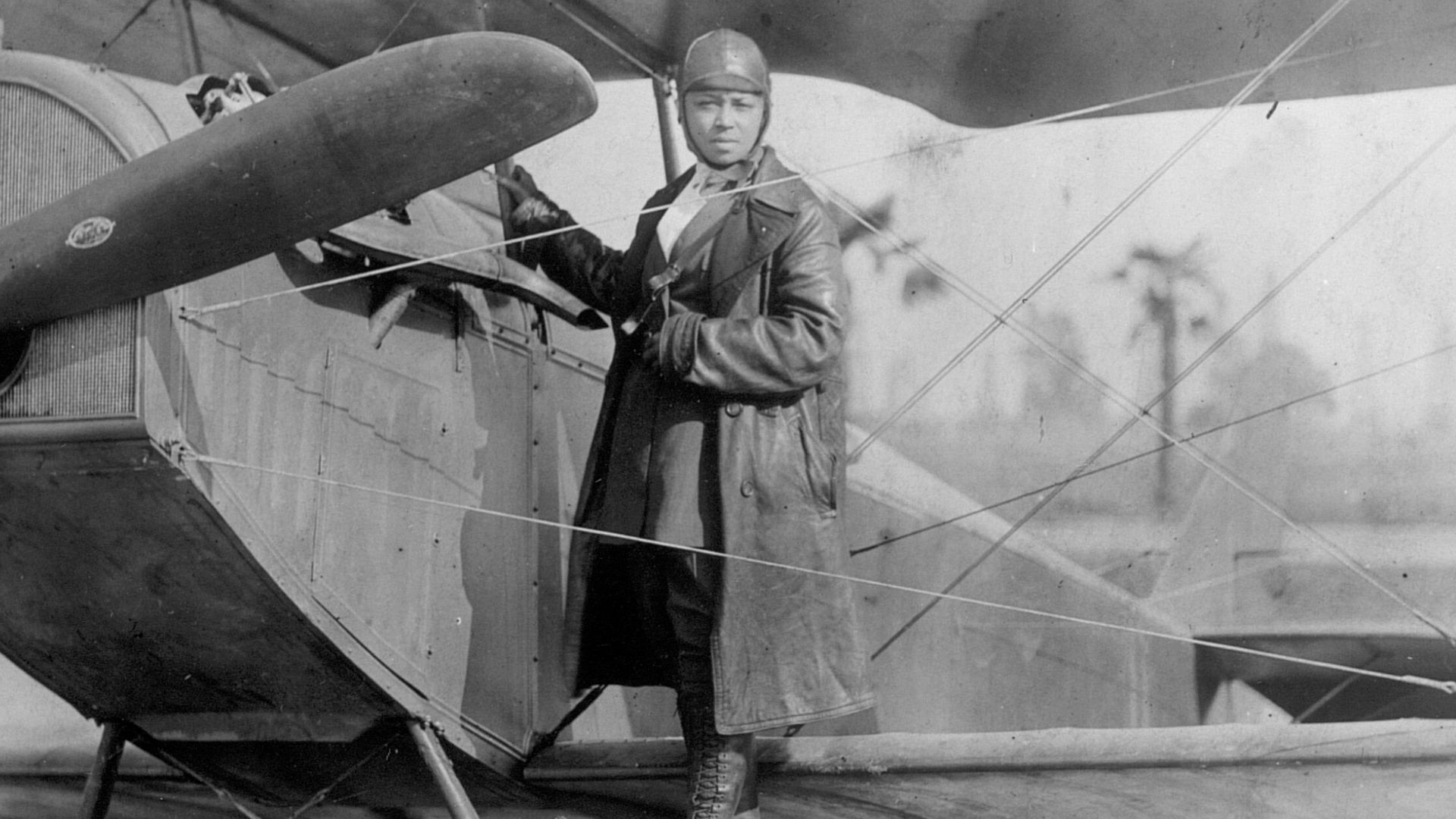
1. Ignaz Semmelweis
Long before germ theory became widely accepted, Ignaz Semmelweis realized that doctors washing their hands dramatically reduced deaths during childbirth. His insistence on hand hygiene was dismissed by many of his contemporaries, and he died before receiving widespread recognition. Today, his simple recommendation is considered one of the most important advances in medical history.
 Auguste Alexis Canzi on Wikimedia
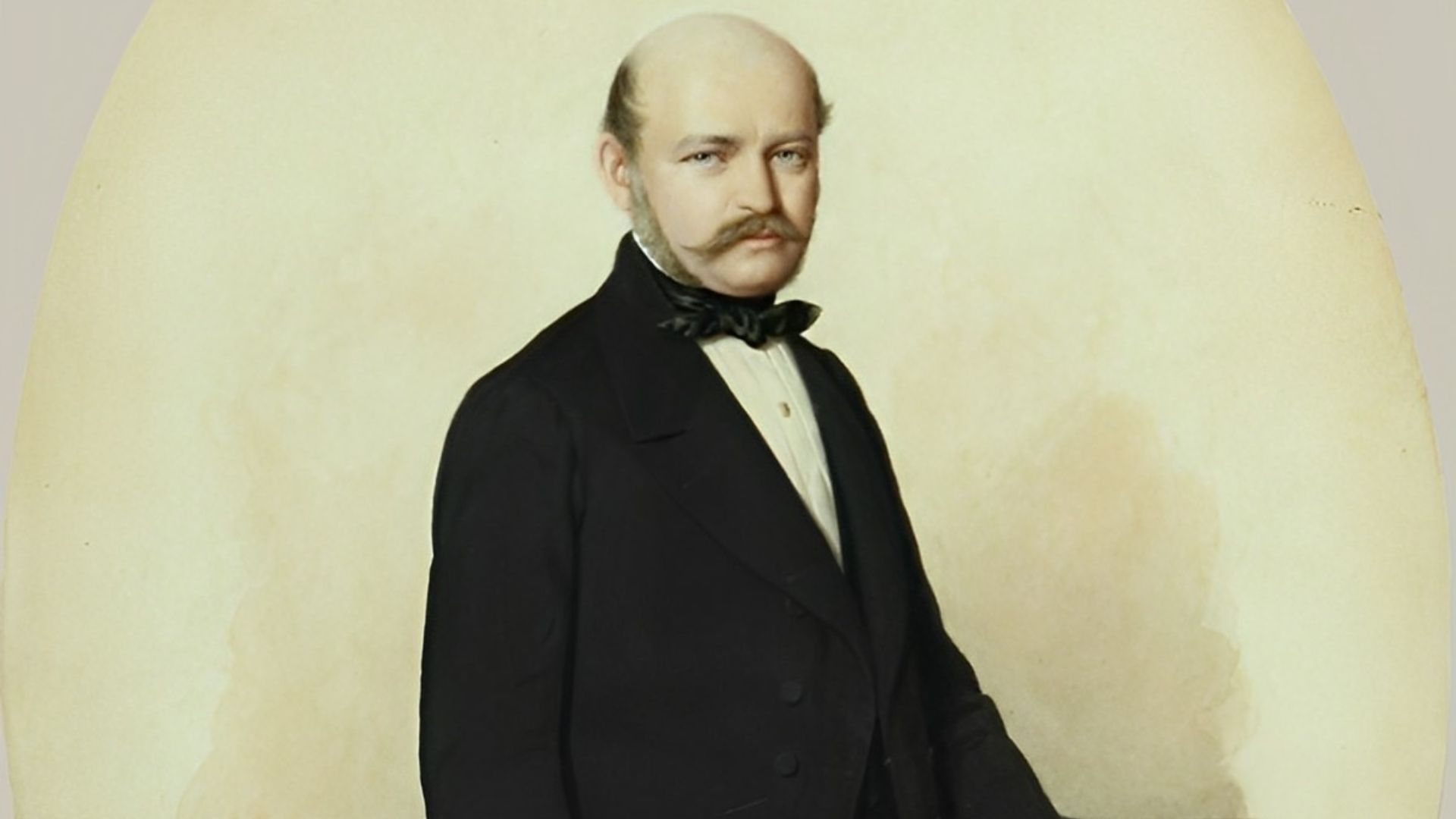
2. Henri Dunant
After witnessing the horrors of the Battle of Solferino in 1859, Henri Dunant organized aid for wounded soldiers regardless of which side they fought on. His efforts led directly to the creation of the International Committee of the Red Cross and inspired the first Geneva Convention. Despite helping establish one of the world's most important humanitarian organizations, Dunant's name is far less recognizable than the institution he created.
 Frédéric Boissonnas on Wikimedia
3. Stanisław Petrov
In 1983, Soviet officer Stanisław Petrov received warnings suggesting the United States had launched nuclear missiles. Instead of immediately reporting an attack, he trusted his judgment and identified the alert as a false alarm. If he hadn't reacted with restraint in the way he did, the result could've been a catastrophic nuclear conflict.
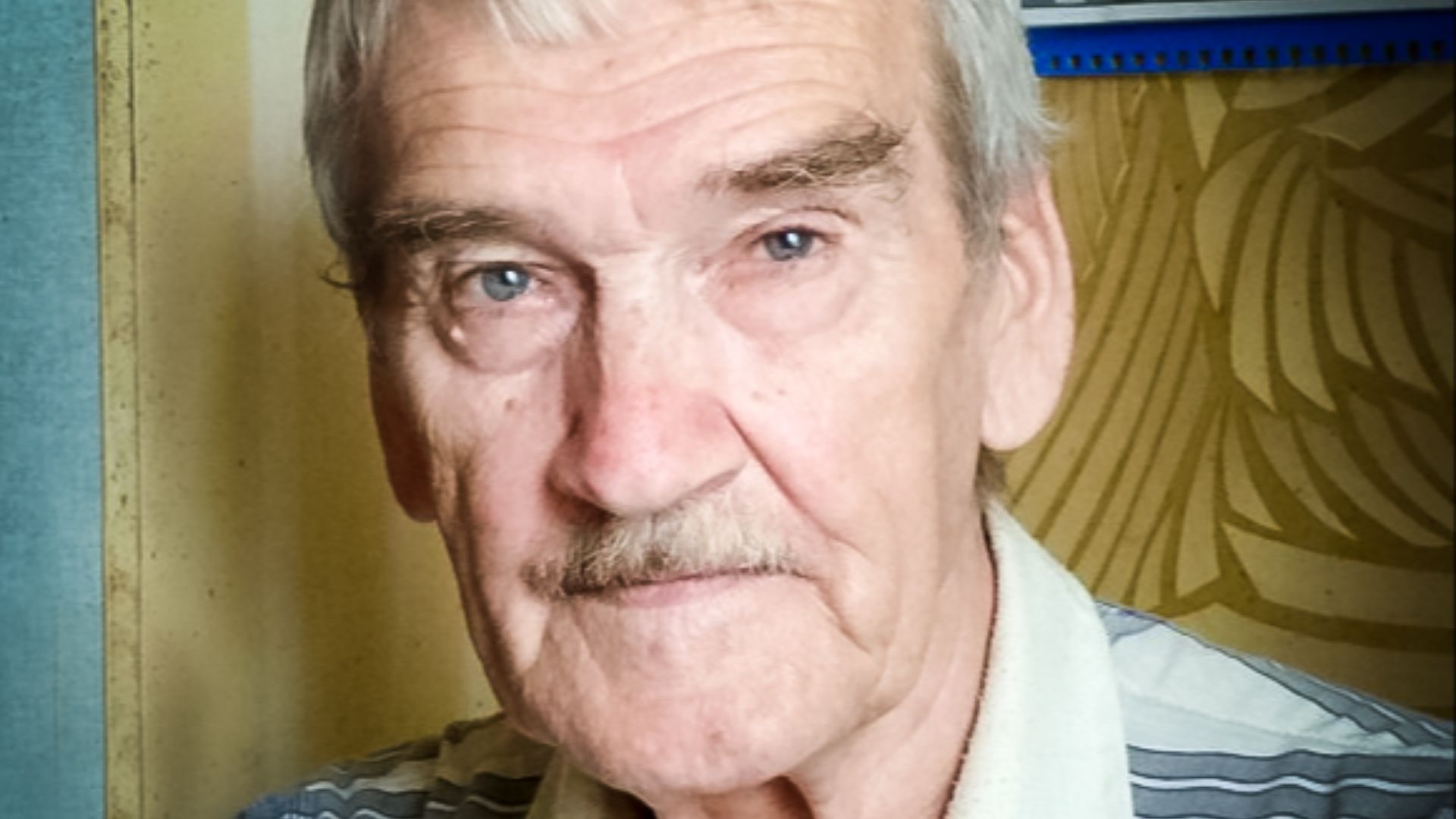
4. Claudette Colvin
Months before Rosa Parks became a symbol of the Civil Rights Movement, 15-year-old Claudette Colvin refused to give up her bus seat in Montgomery, Alabama. She was arrested and later became a key plaintiff in the lawsuit that helped end bus segregation. Despite her courage, her role remained largely overlooked for decades.
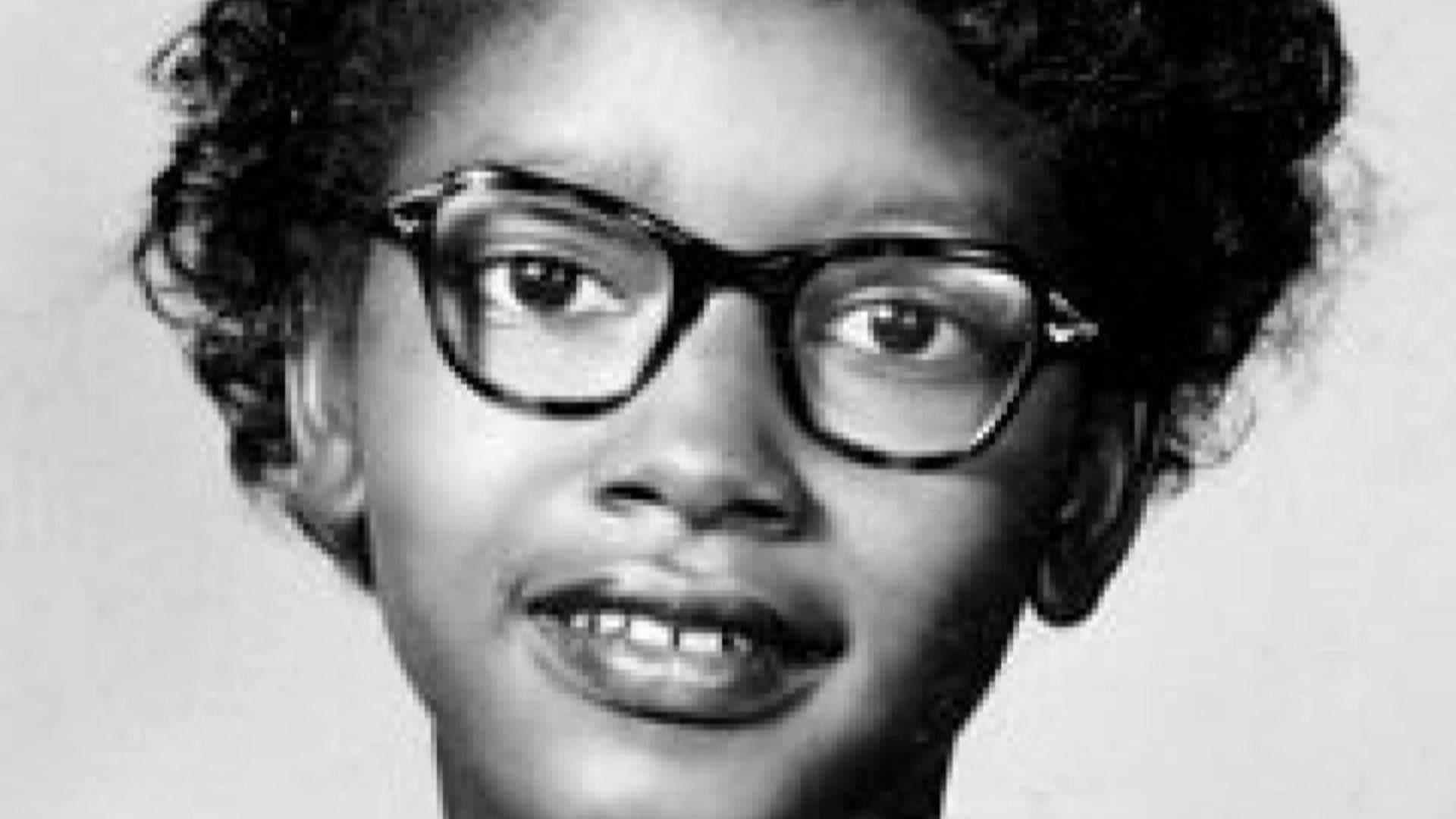 The Visibility Project, Claudette Colvin on Wikimedia
5. Norman Borlaug
Naturalist Norman Borlaug developed high-yield wheat varieties that dramatically increased food production around the world. His work fueled the Green Revolution and helped prevent widespread famine across several continents. Millions of lives were likely saved because of his agricultural innovations, yet his name is rarely mentioned outside scientific circles.
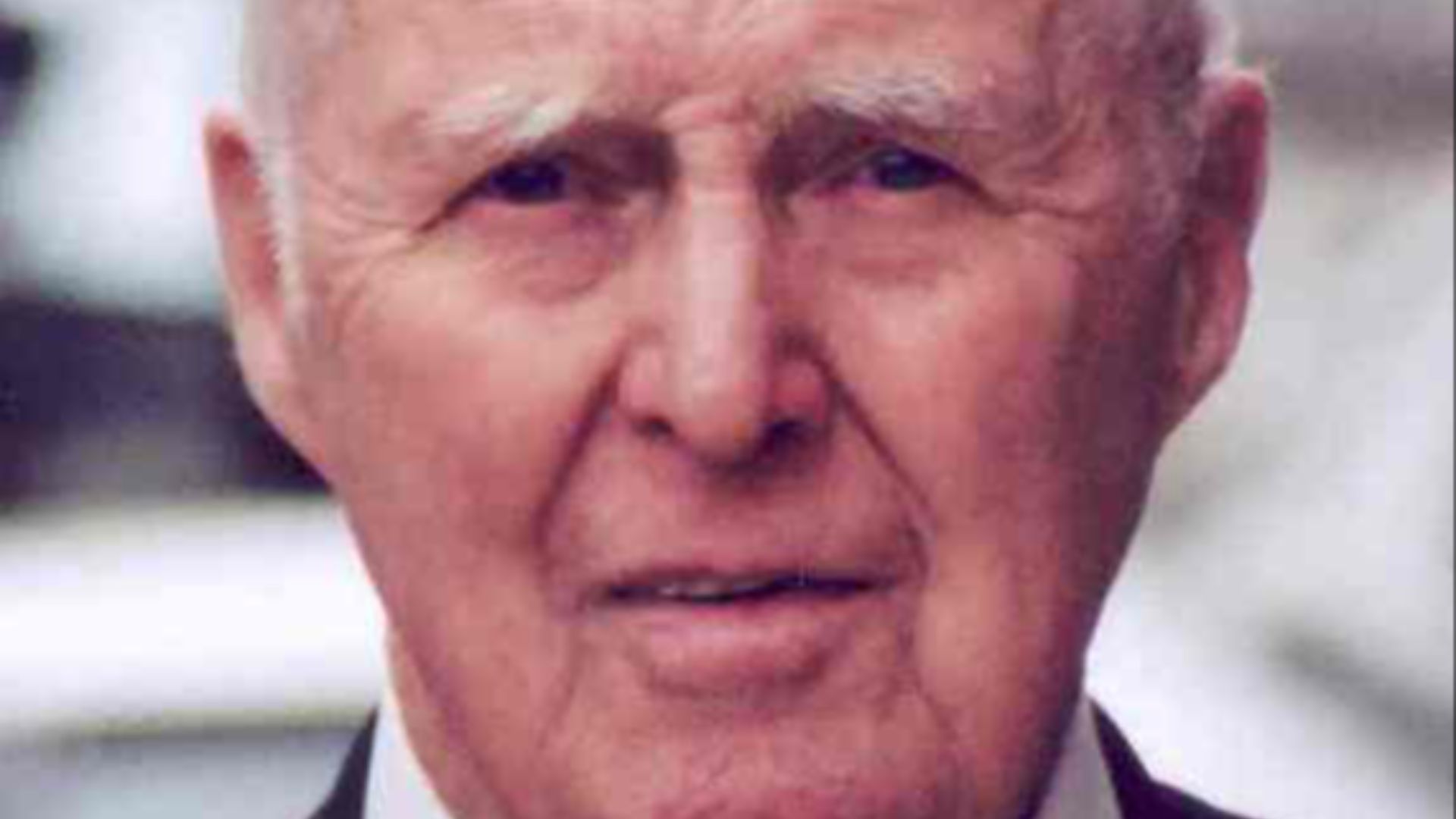 Ben Zinner, USAID on Wikimedia
6. Nellie Bly
Nellie Bly transformed investigative journalism by going undercover to expose abuse inside a New York mental institution. Her reporting led to meaningful reforms and demonstrated the power of firsthand investigation. She also completed a record-breaking trip around the world.
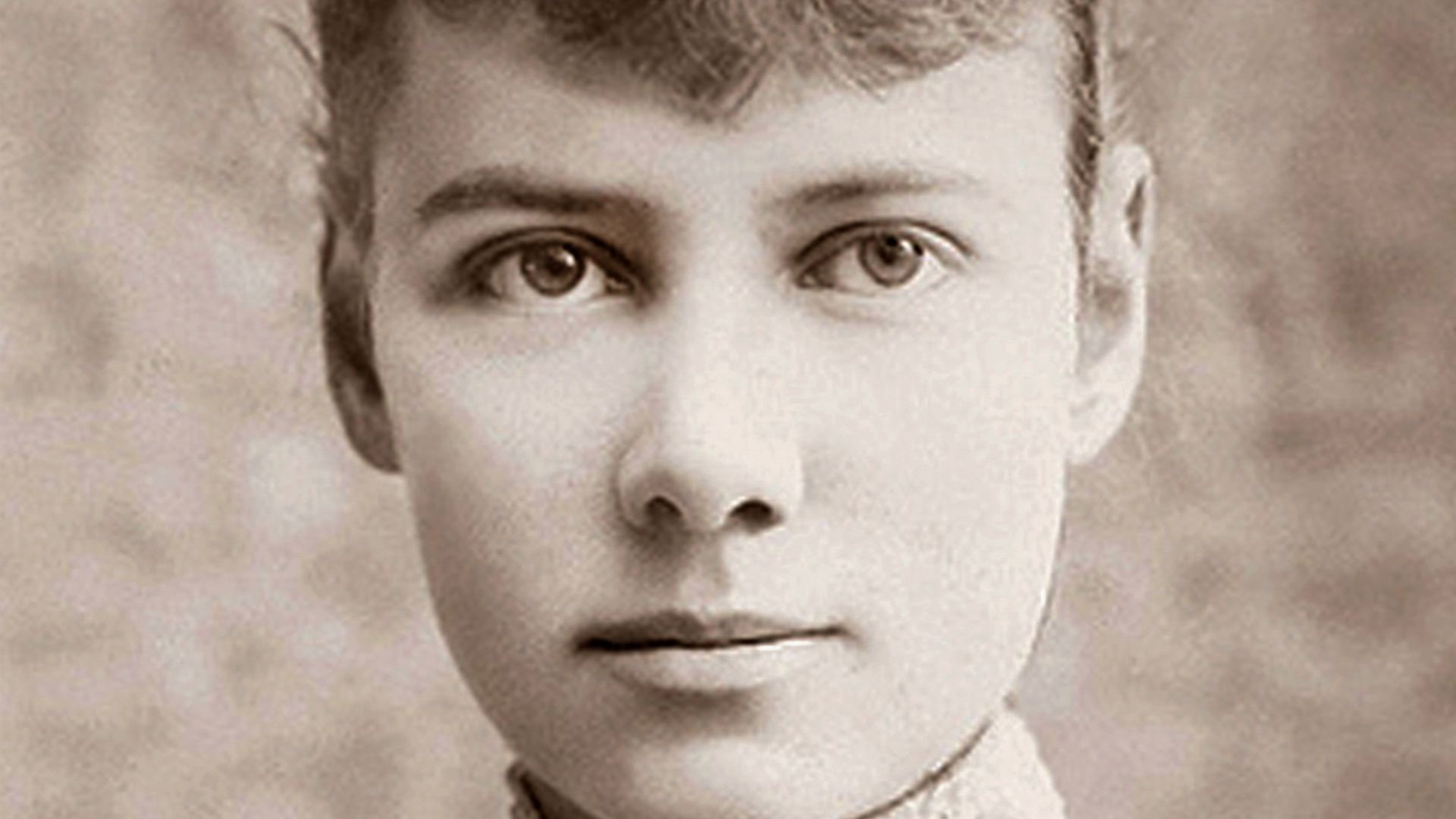 H. J. Myers, photographer on Wikimedia
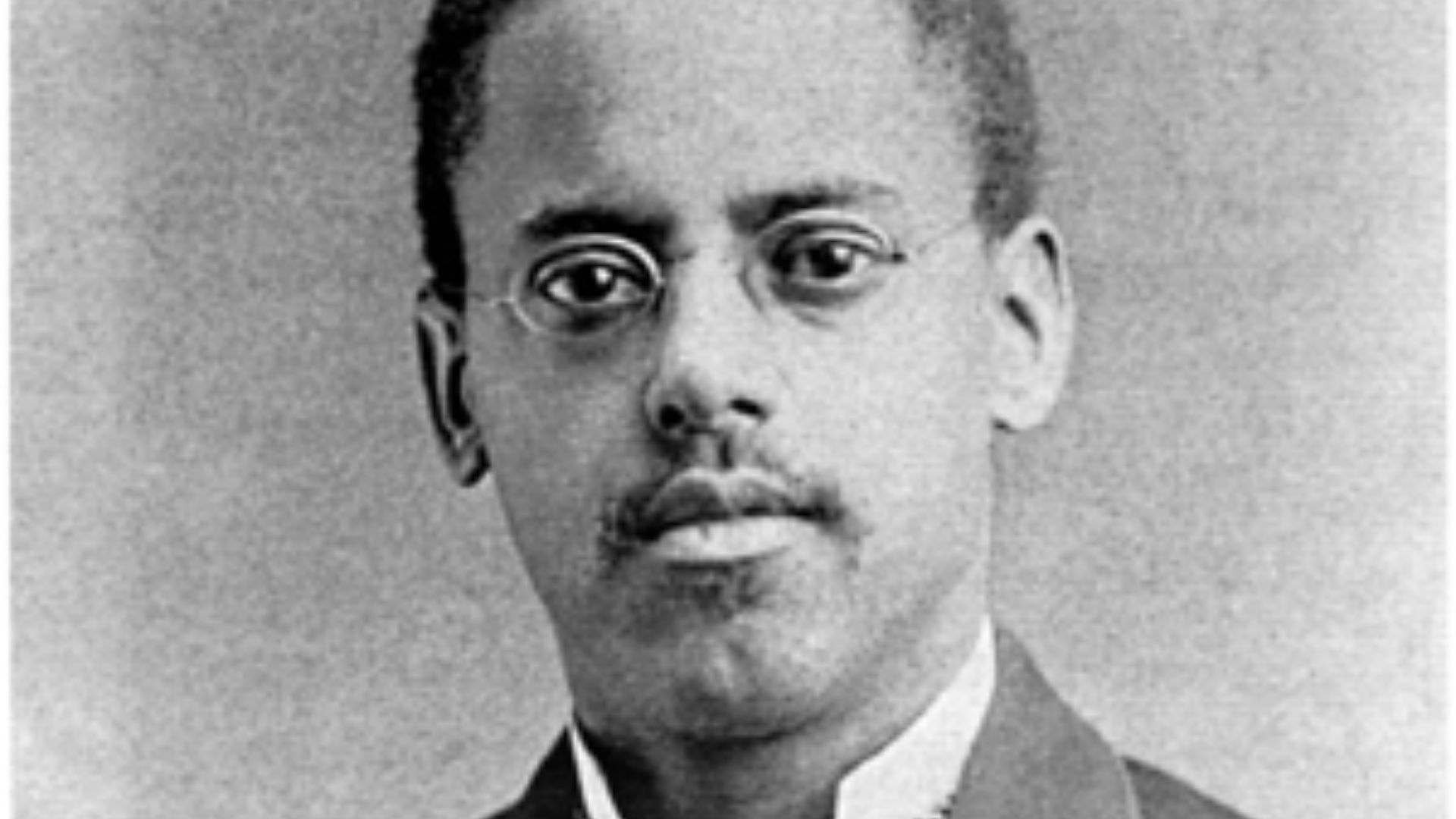
7. Lewis Latimer
Lewis Latimer played a crucial role in improving the electric light bulb by developing a longer-lasting carbon filament. He also helped draft technical drawings for Alexander Graham Bell's telephone patent. While Thomas Edison's name is remembered worldwide, Latimer's contributions deserve far more recognition.
 Unknown authorUnknown author on Wikimedia
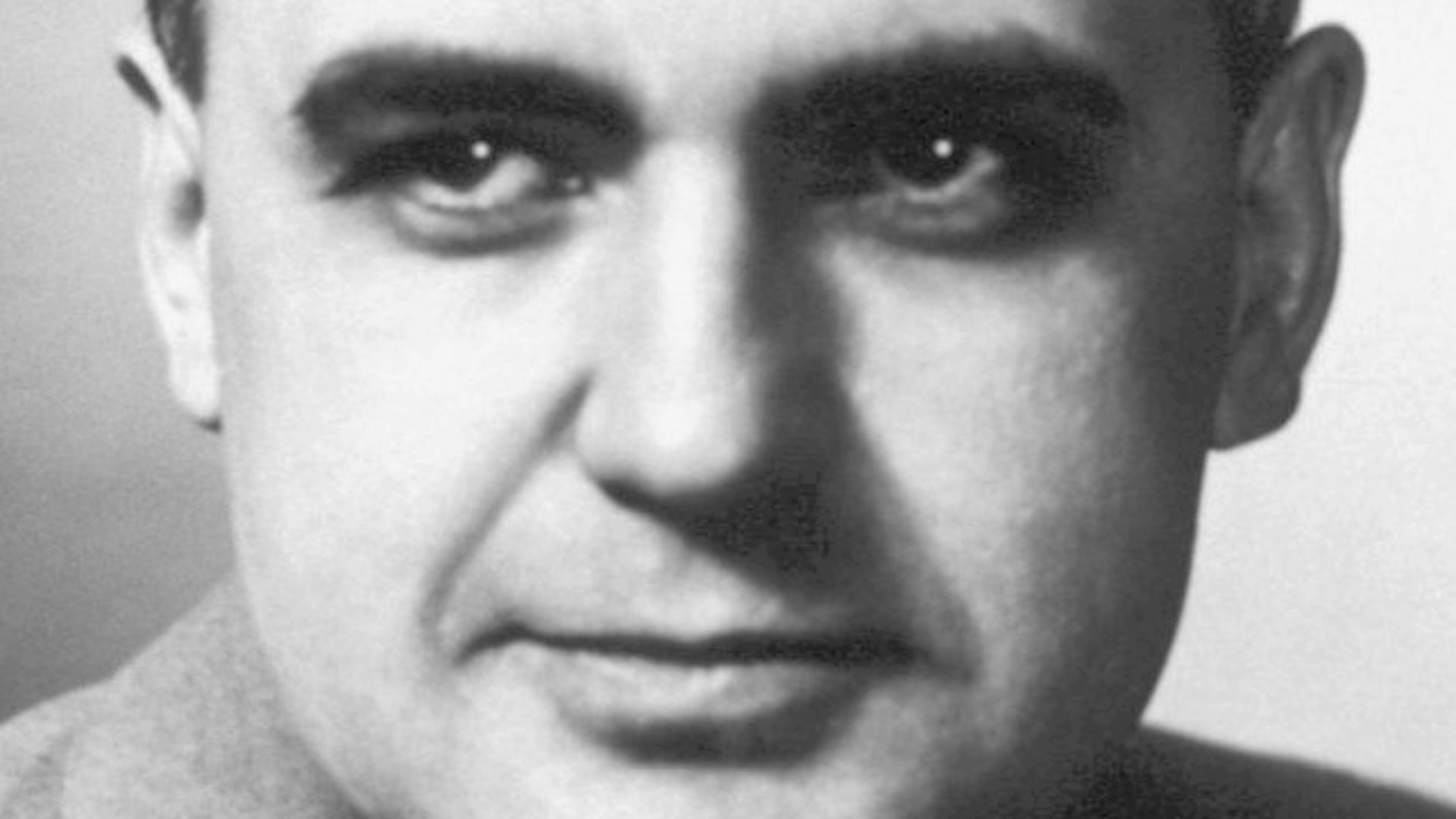
8. Maurice Hilleman
Maurice Hilleman developed or helped create more than 40 vaccines during his remarkable career. Vaccines for measles, mumps, hepatitis A, hepatitis B, and several other diseases all benefited from his work. Public health experts estimate his discoveries have saved millions of lives worldwide.
 Walter Reed Army Medical Center on Wikimedia
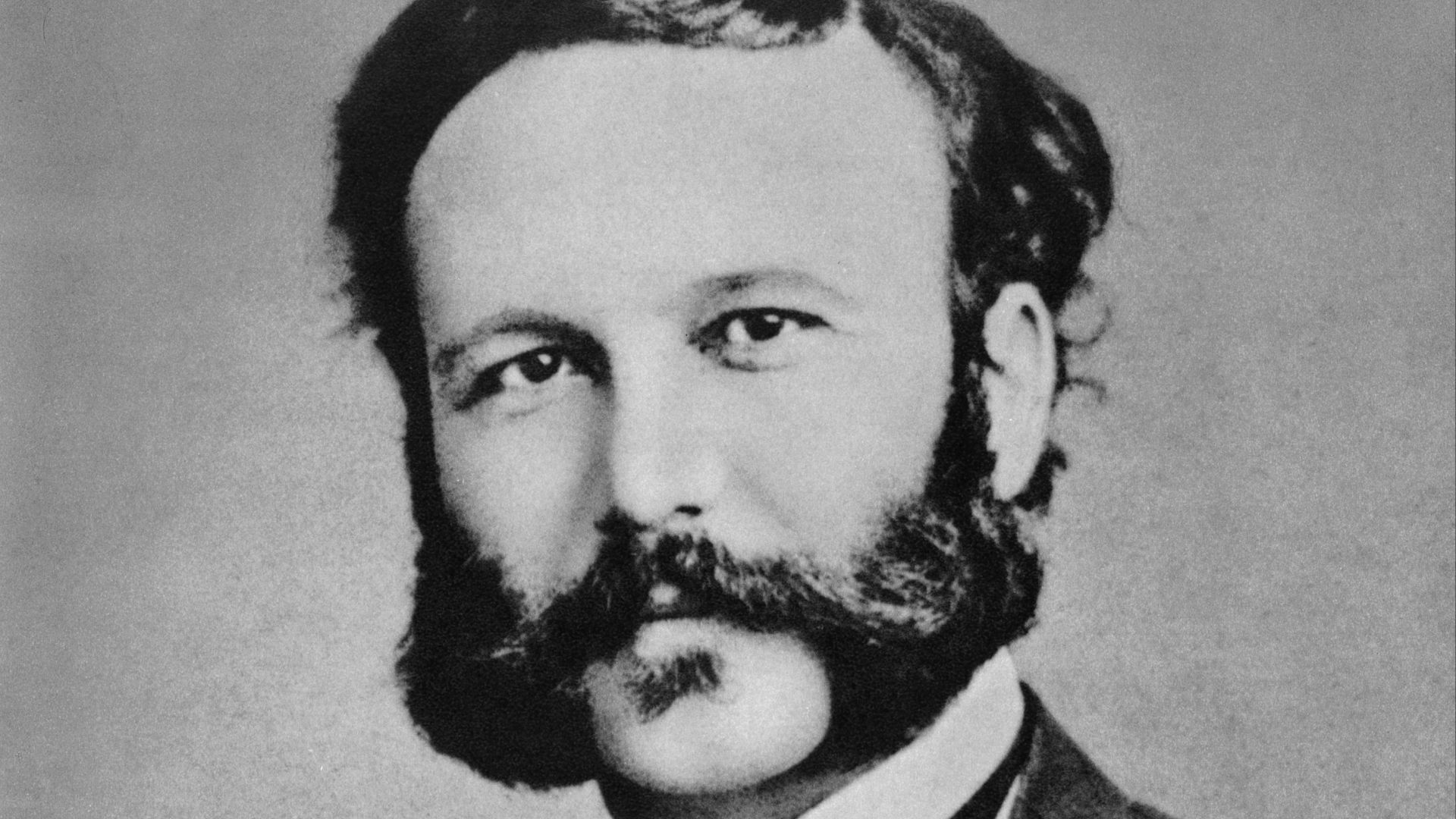
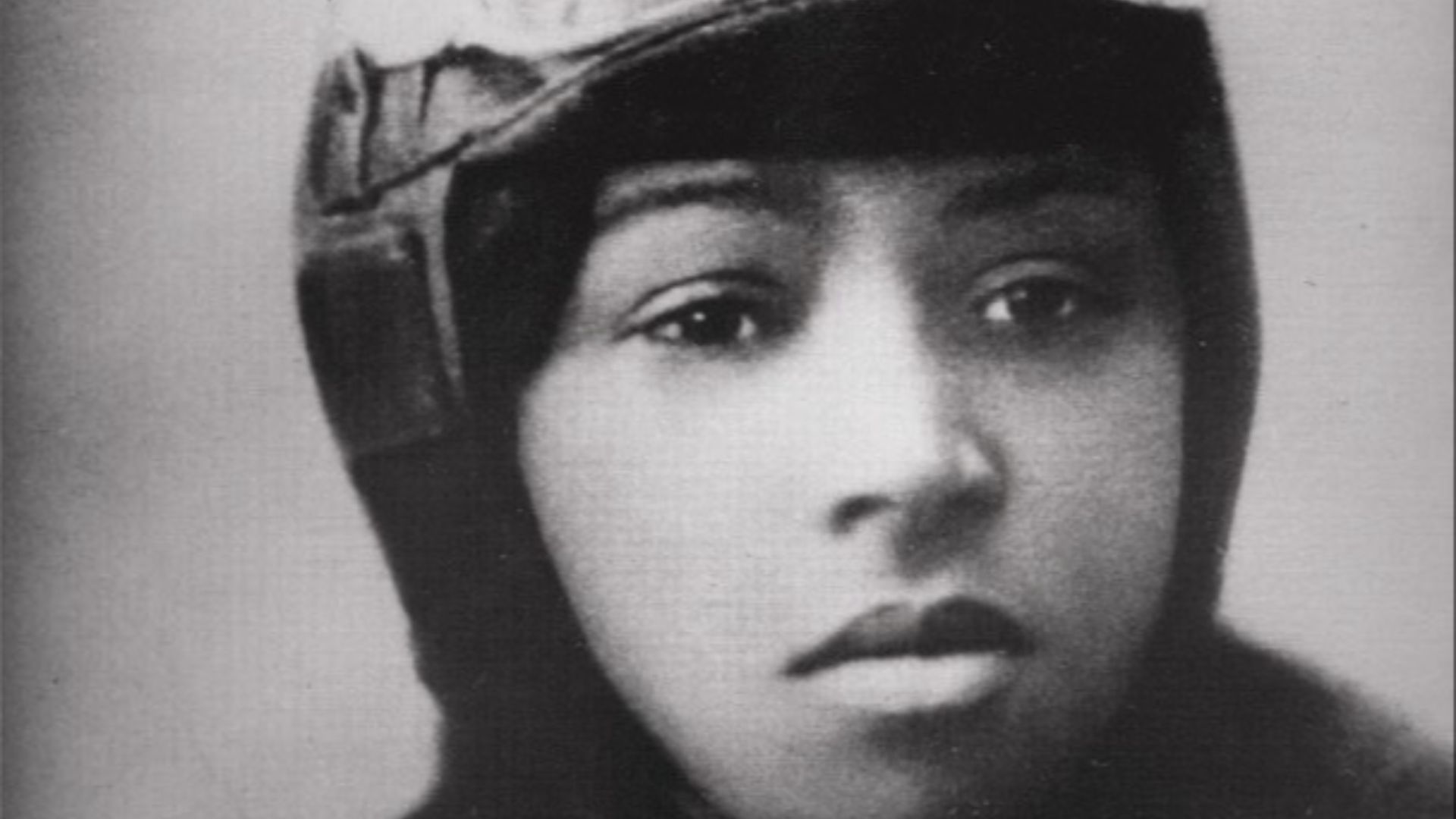
9. Bessie Coleman
Bessie Coleman became the first African American and first Native American woman to earn an international pilot's license. Denied flight training in the United States because of racism and sexism, she traveled to France to achieve her dream. Her success inspired future generations of aviators, even though her story isn't nearly as famous as it should be.
 National Air and Space Museum on Wikimedia
10. Vasili Arkhipov
During the Cuban Missile Crisis, Soviet naval officer Vasili Arkhipov helped prevent the launch of a nuclear torpedo from a submarine under extreme pressure. His refusal to authorize the strike likely prevented a dramatic escalation between the superpowers. Many historians consider it one of the most important acts of restraint in modern history.
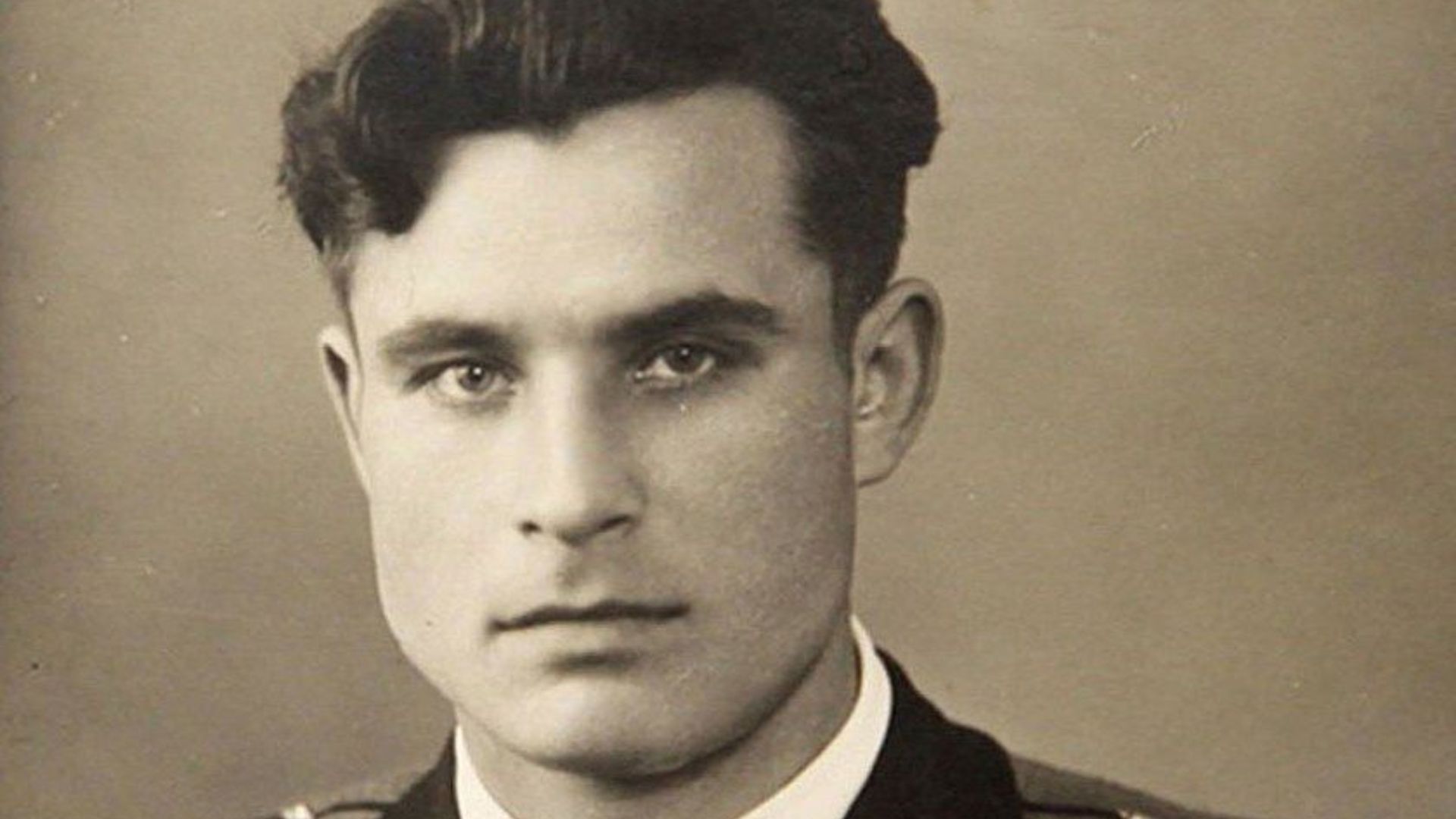 Image courtesy by Olga Arkhipova on Wikimedia
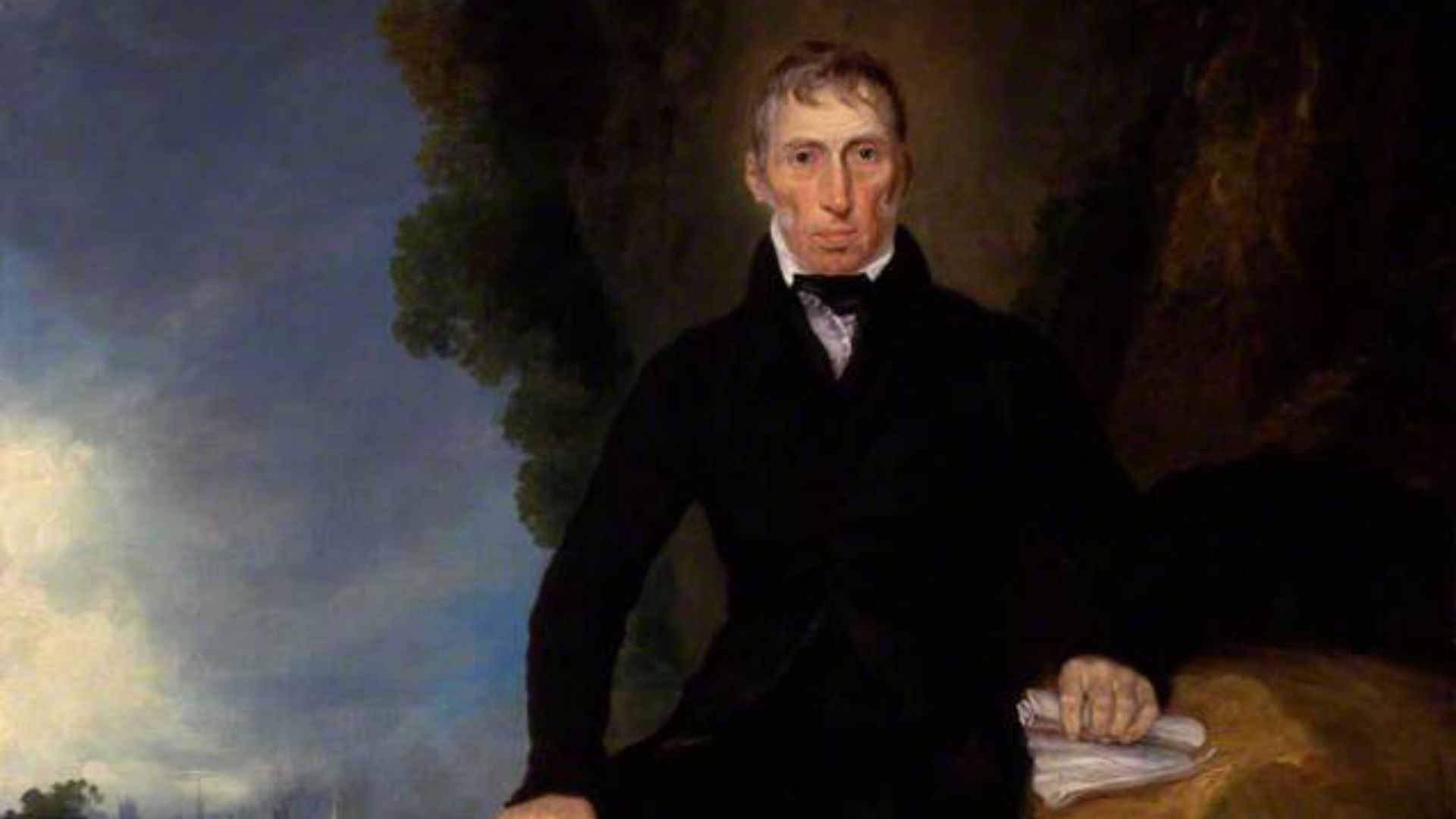
11. John Loudon McAdam
John Loudon McAdam revolutionized road construction by developing the layered stone surface known as "macadam." His method created smoother, more durable roads that made travel, trade, and transportation far more efficient around the world. Modern paved roads evolved directly from his ideas, yet few people recognize the man whose innovations literally changed how the world gets from place to place.
12. Bayard Rustin
Bayard Rustin helped organize the 1963 March on Washington, one of the defining events of the Civil Rights Movement. He was also a close adviser to Martin Luther King Jr. Despite his enormous influence, Rustin spent years receiving less public recognition because of prejudice surrounding his identity as a gay man.
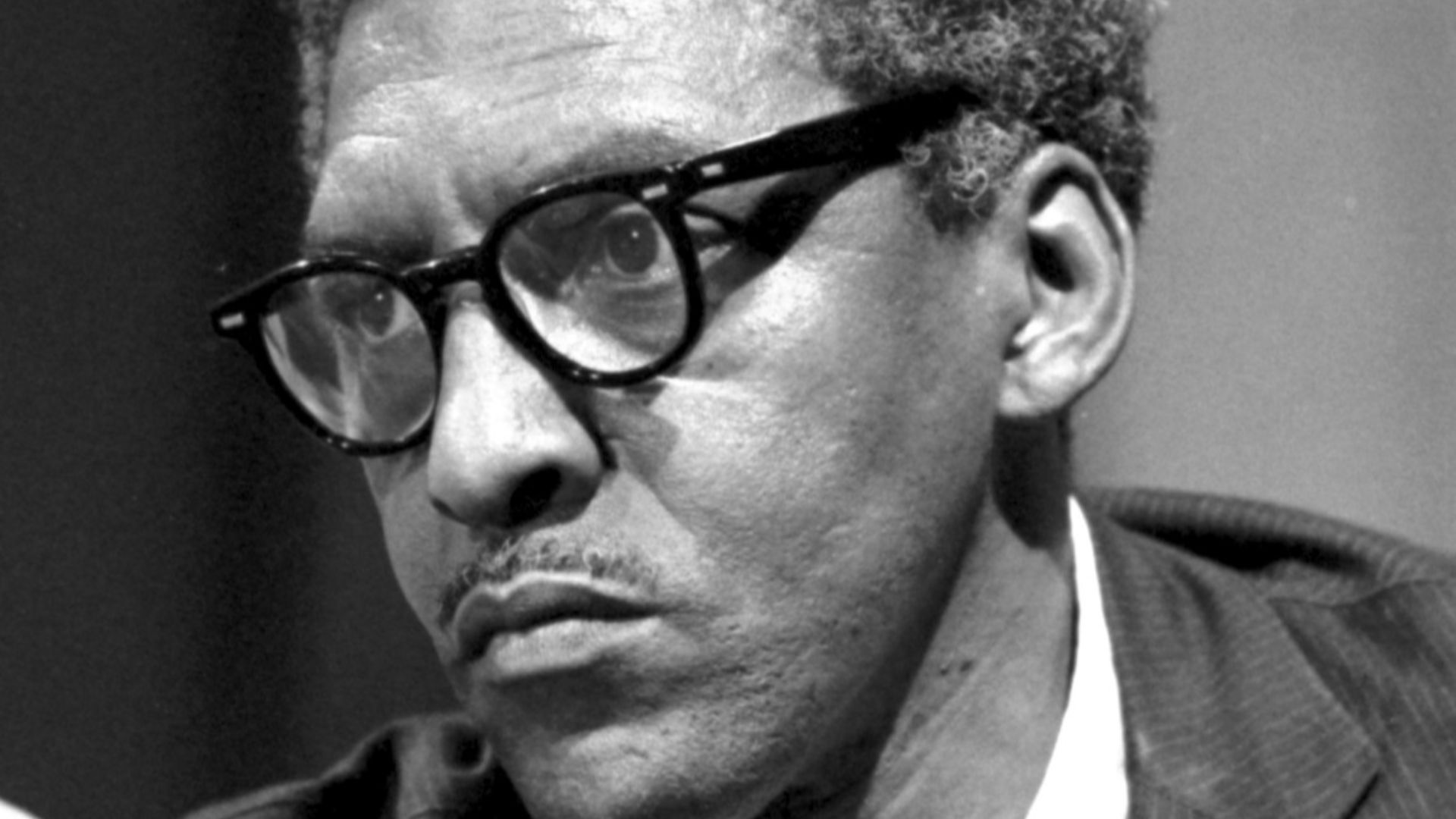 Leffler, Warren K. on Wikimedia
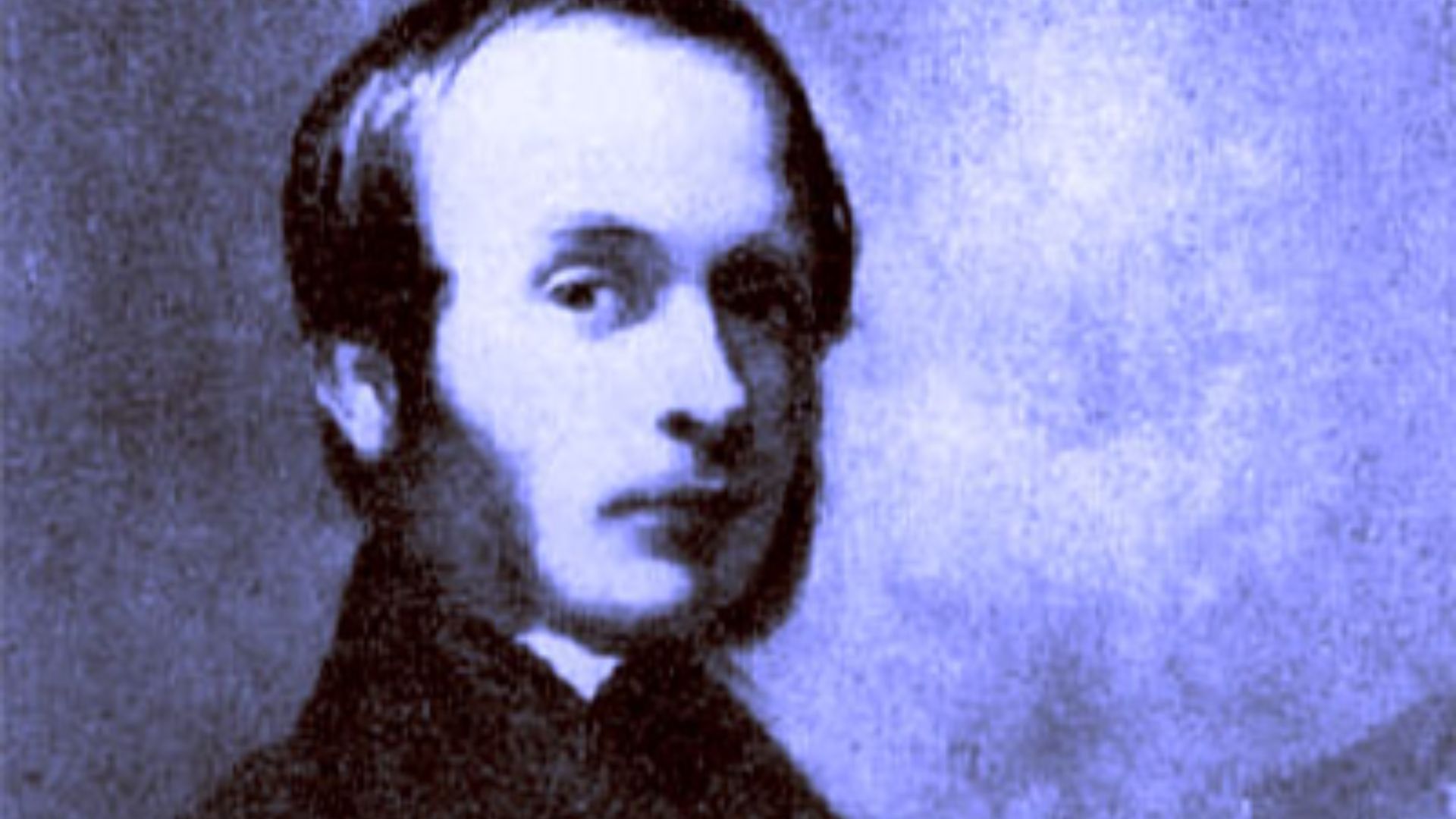
13. John Snow
When cholera devastated London in the 1850s, physician John Snow traced the outbreak to a contaminated public water pump. His careful investigation laid the foundation for modern epidemiology and public health. The idea that disease could spread through contaminated water changed how cities approached sanitation forever, but few people know the name of the man resposible for that shift.
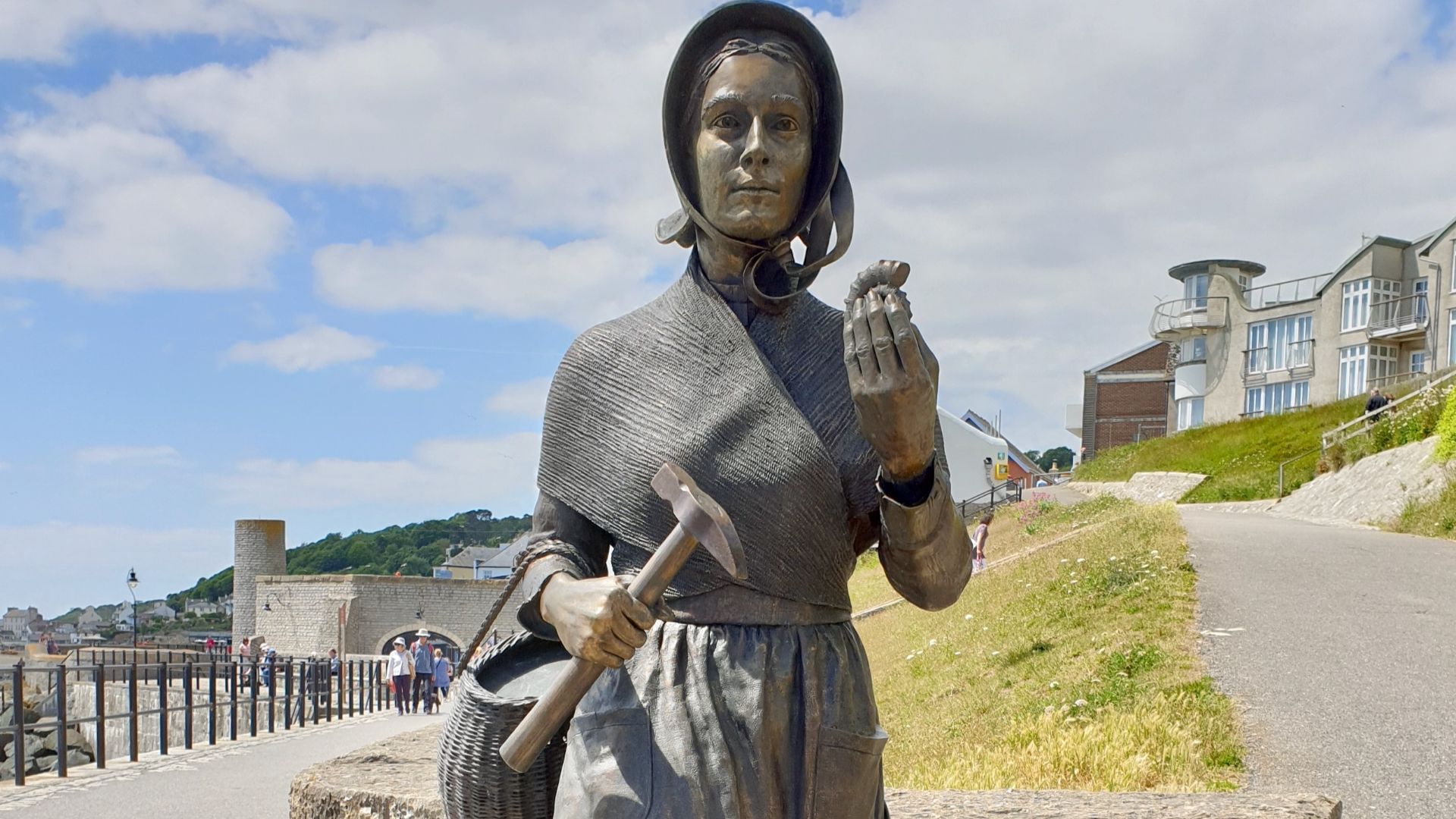
14. Mary Anning
Mary Anning uncovered some of the most significant prehistoric fossils ever discovered along England's Jurassic Coast. Her finds transformed scientists' understanding of ancient marine reptiles and extinct life. However, because she was a working-class woman, many of her discoveries were credited to others during her lifetime.
15. Percy Julian
Percy Julian pioneered methods for producing life-saving medicines from plant compounds. His work made treatments involving steroids and hormones much more affordable and widely available. Despite overcoming tremendous racial barriers, his scientific achievements aren't nearly as well known as they deserve to be.
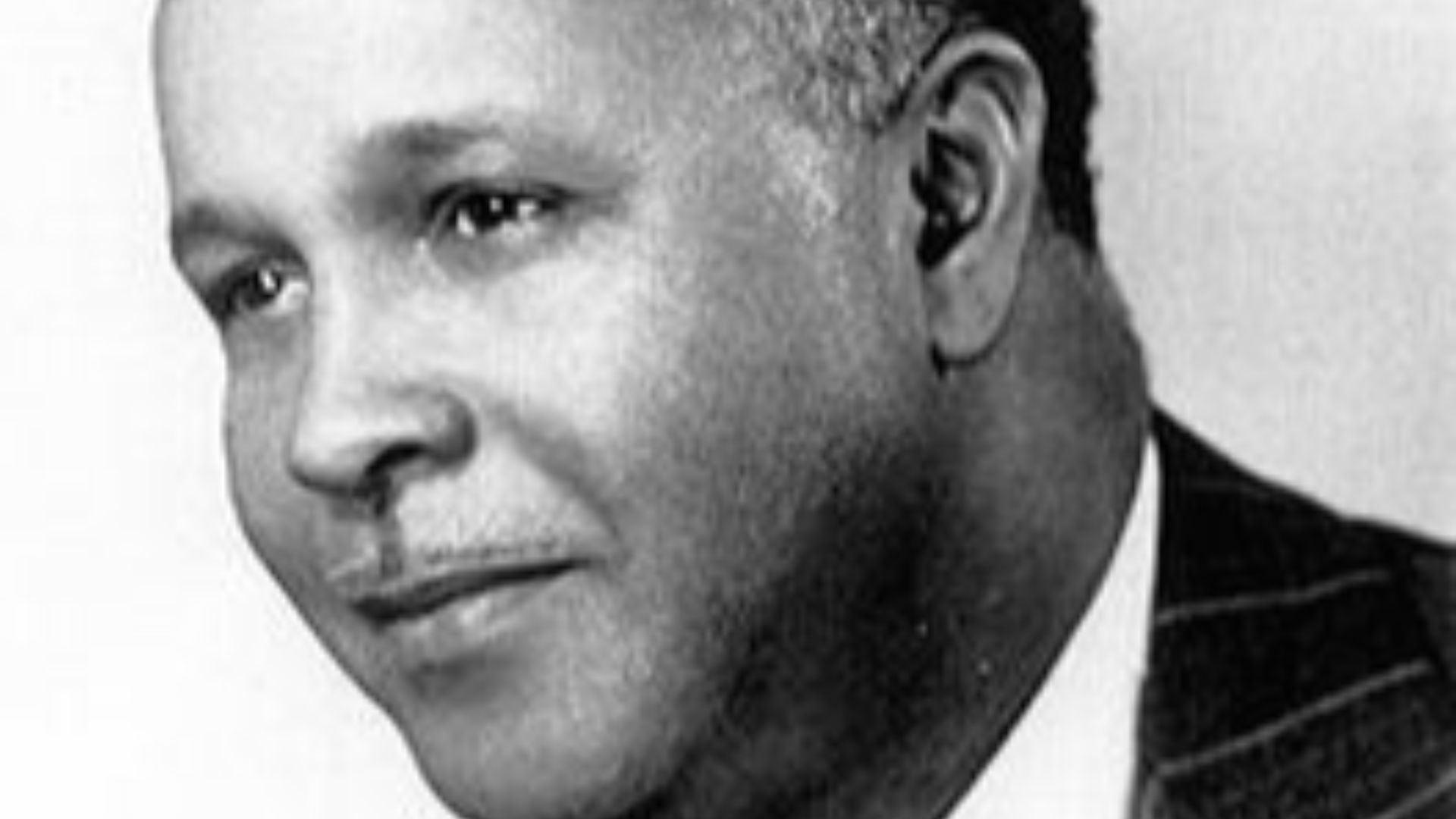
16. John Harrison
For centuries, sailors struggled to determine longitude accurately while at sea. John Harrison solved the problem by inventing highly precise marine chronometers that transformed navigation. His breakthrough made global travel and trade significantly safer and more reliable.
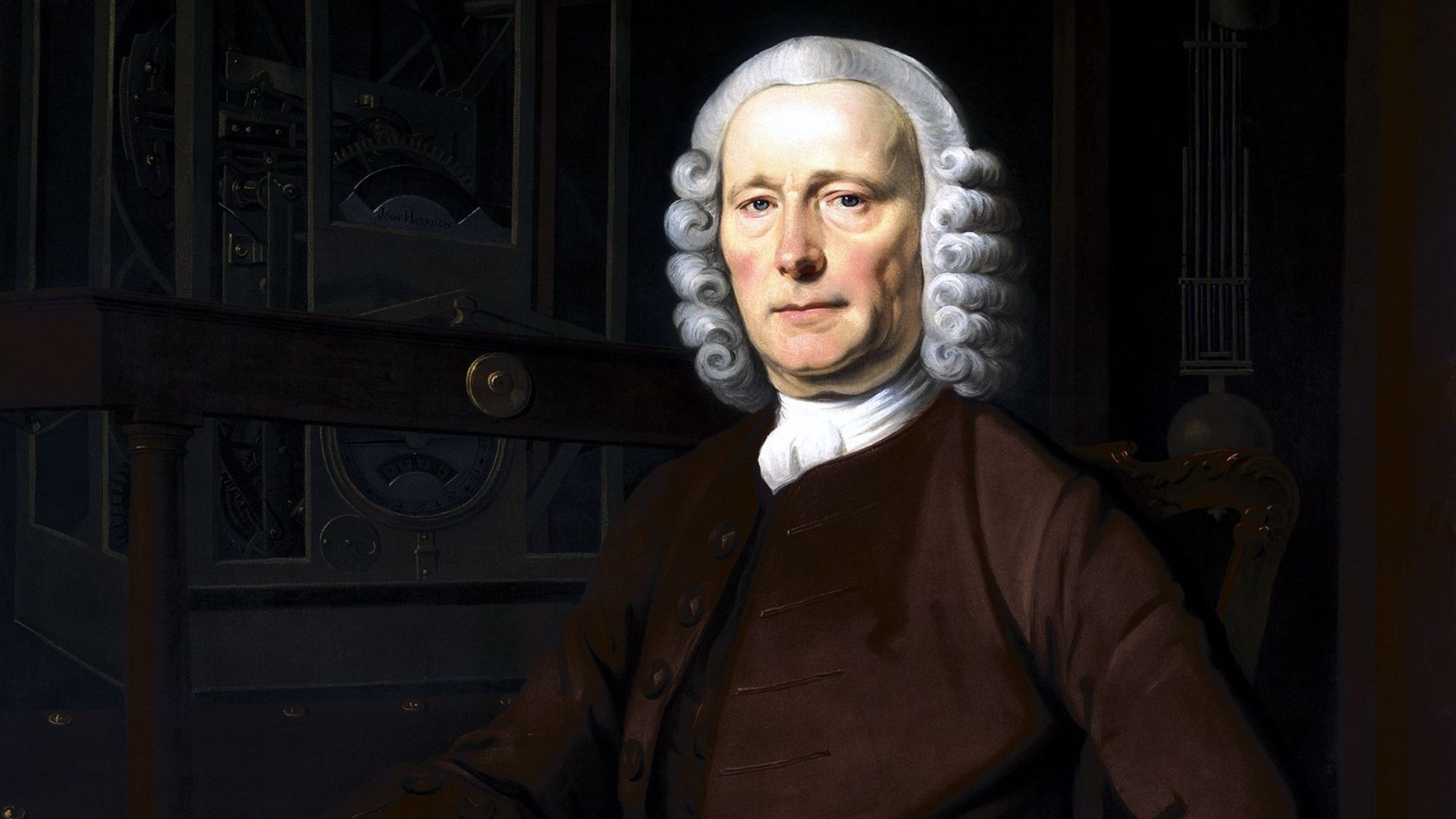
17. Hedy Lamarr
Most people remember Hedy Lamarr as a Hollywood actress, but she also co-invented frequency-hopping technology during World War II. That invention eventually contributed to wireless communication systems including Wi-Fi, Bluetooth, and GPS technologies. It's an extraordinary scientific legacy that often surprises people.
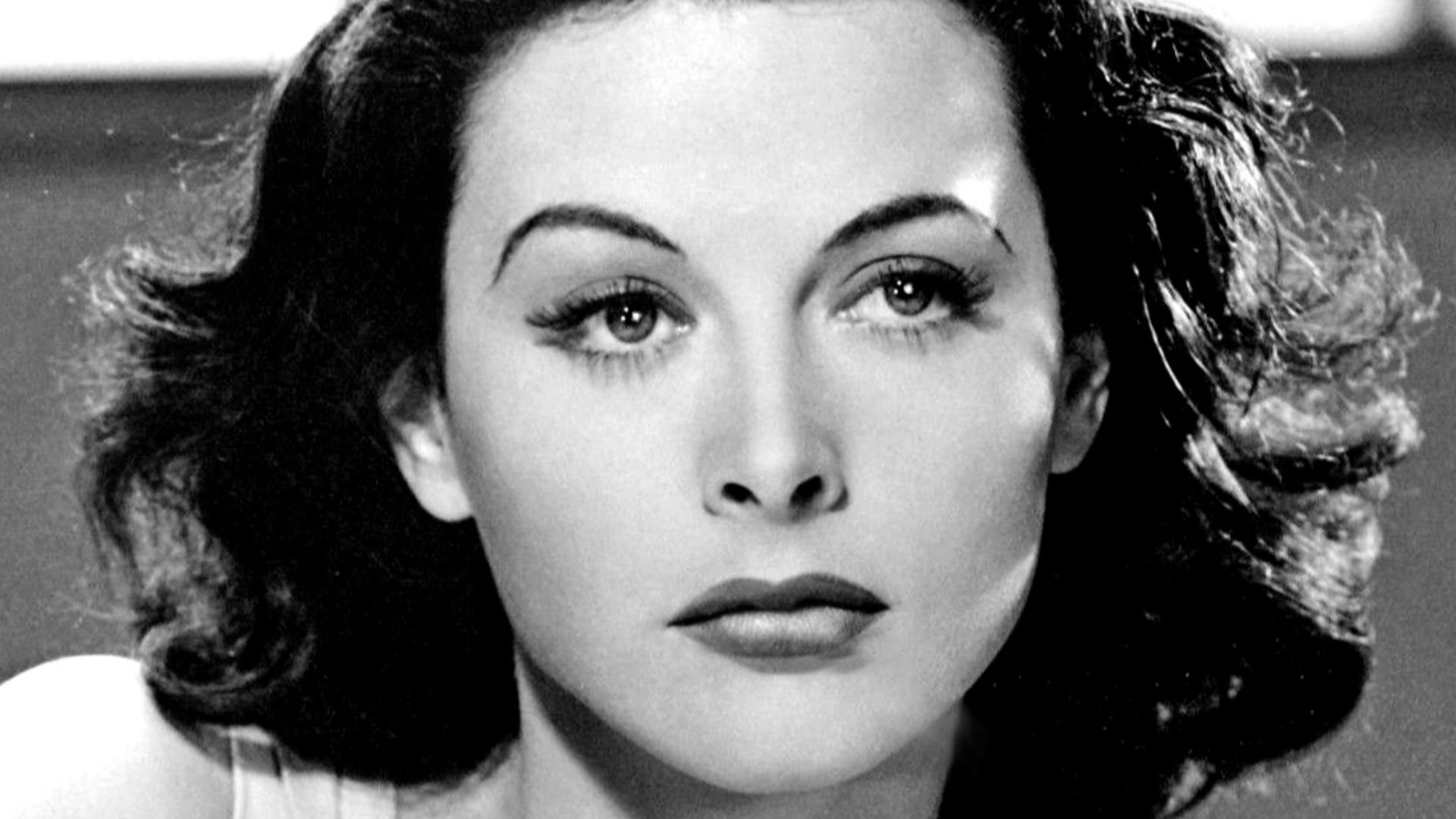 MGM / Clarence Bull on Wikimedia
18. Katherine Johnson
Katherine Johnson performed the complex orbital calculations that helped send American astronauts safely into space. Her mathematical expertise proved vital during the early years of NASA's space program. Although the film Hidden Figures introduced her story to a wider audience, many still underestimate the scale of her contributions.
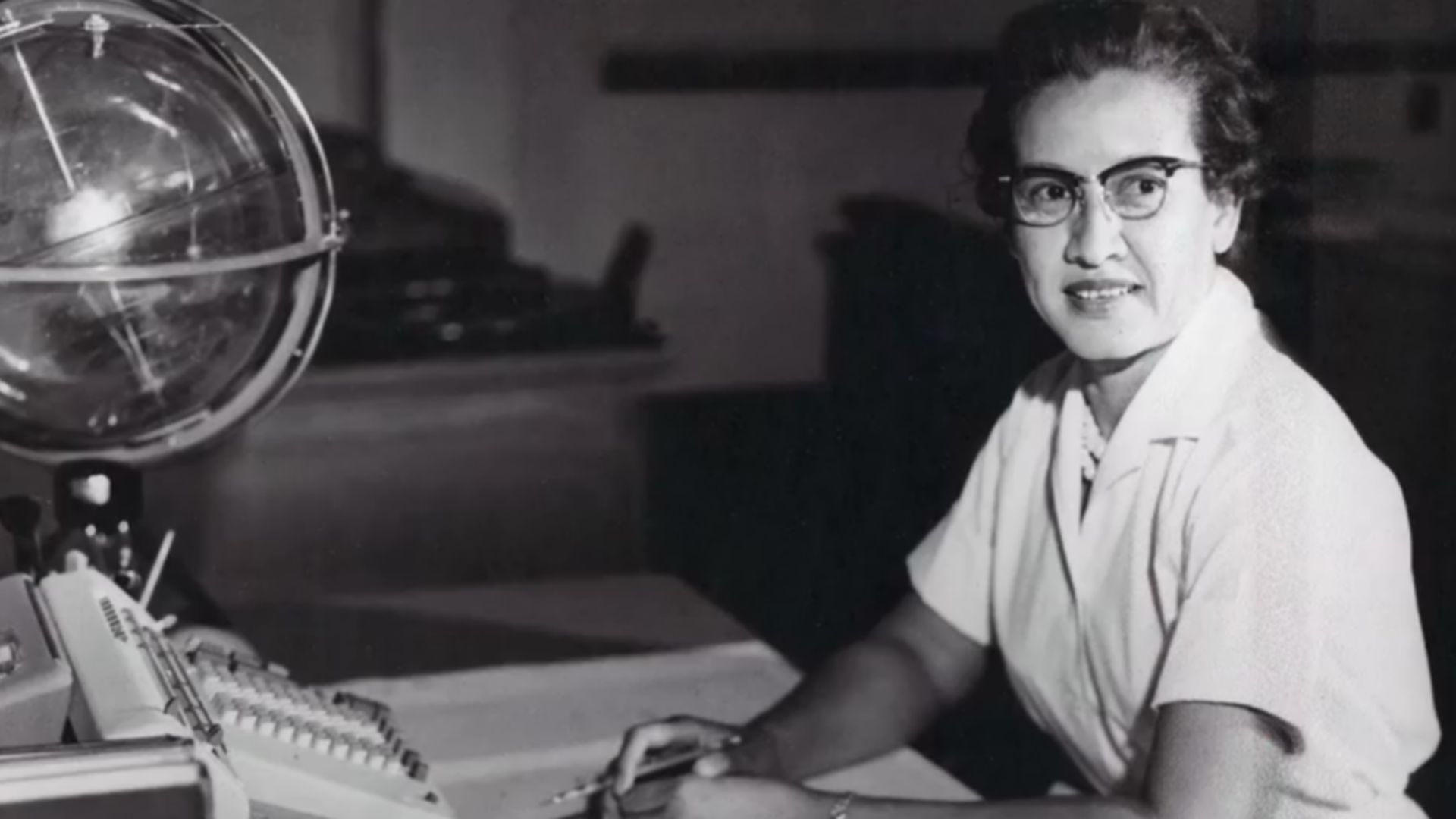
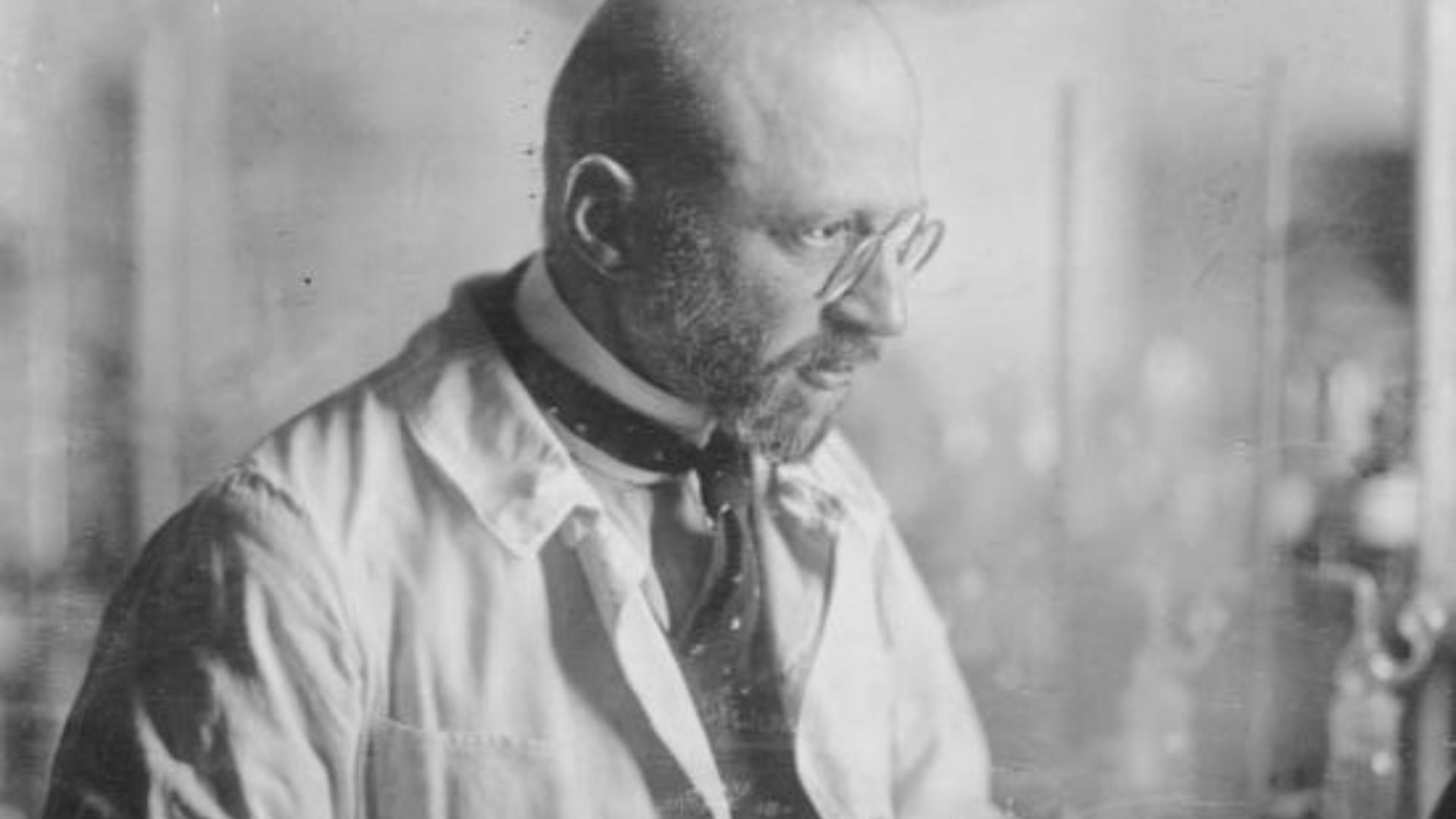
19. Fritz Haber
Fritz Haber developed the Haber-Bosch process, which made large-scale synthetic fertilizer possible and dramatically increased global food production. Without that breakthrough, the modern world's ability to feed billions of people would look very different. His legacy is complicated because he also contributed to chemical warfare, but his agricultural achievement remains one of history's most consequential scientific advances.
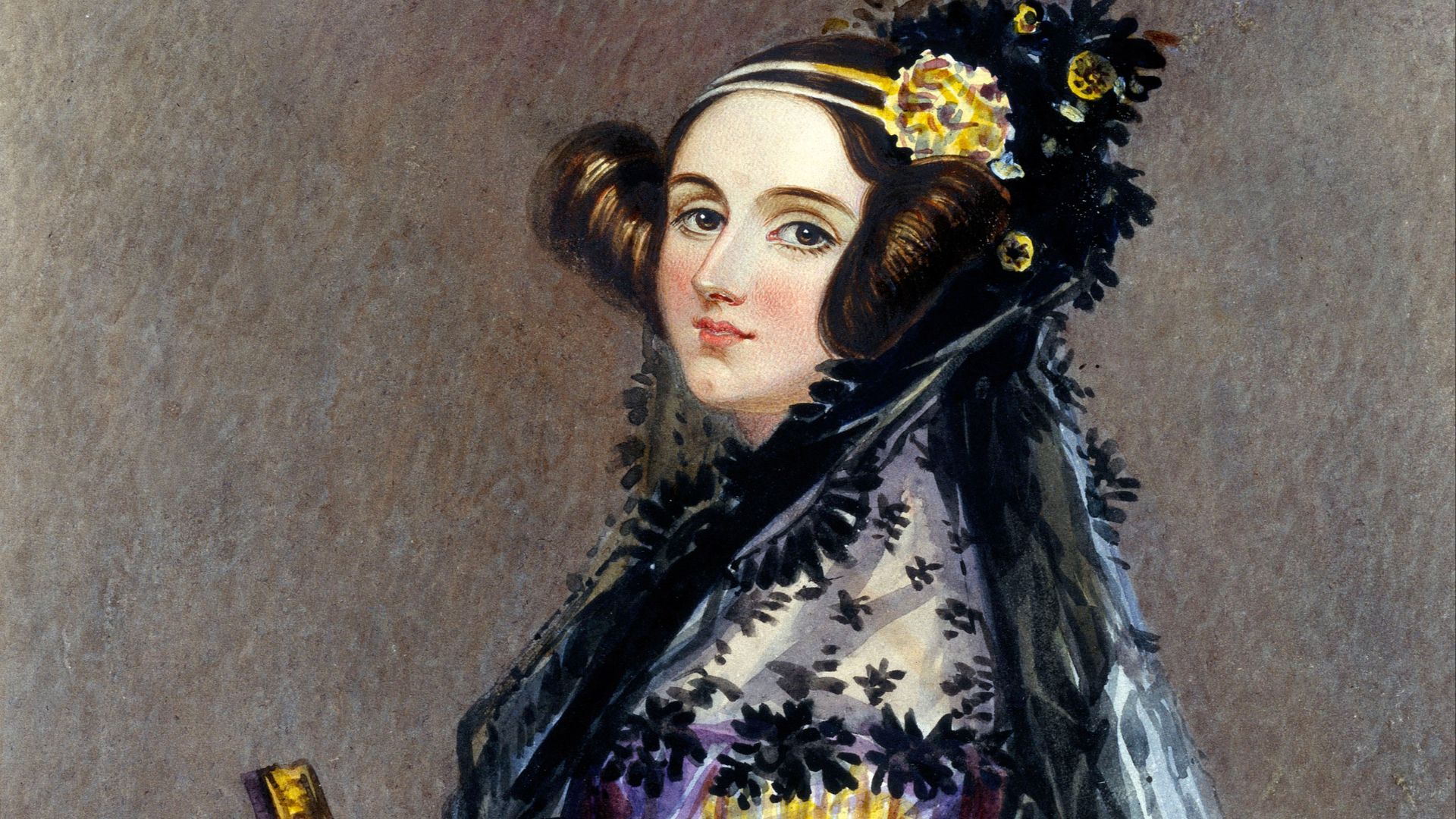
20. Ada Lovelace
Ada Lovelace recognized that Charles Babbage's proposed Analytical Engine could do far more than simple calculations. She wrote what is widely considered the first published algorithm intended for a machine, earning her recognition as the world's first computer programmer. Long before computers existed in the modern sense, she envisioned possibilities that wouldn't become reality for more than a century.
KEEP ON READING