Survival Was the Full-Time Job
Life in medieval Europe wasn't a single hardship, it was a stack of them, each one compounding the next. A bad harvest didn't just mean a lean winter, it meant rent you couldn't pay and a landlord who didn't care why. Disease didn't need to be exotic to kill you, since a scraped knee or a rotten tooth could do the job just as well without antibiotics or real dentistry. Add in warfare that dragged on for generations and a legal system that sometimes let God decide your guilt, and the picture gets grim fast. Here's 20 reasons daily life between roughly 500 and 1500 CE was as brutal as its reputation suggests.
1. The Black Death Killed Up to Half the Continent
Between 1347 and 1351, the plague swept through Europe and killed somewhere between 30 and 60 percent of the population, depending on the region. Entire villages emptied out within months, and manors in places like Essex lost more than half their tenants. The disease returned in smaller waves for decades afterward, so survivors spent much of their lives bracing for it to come back.
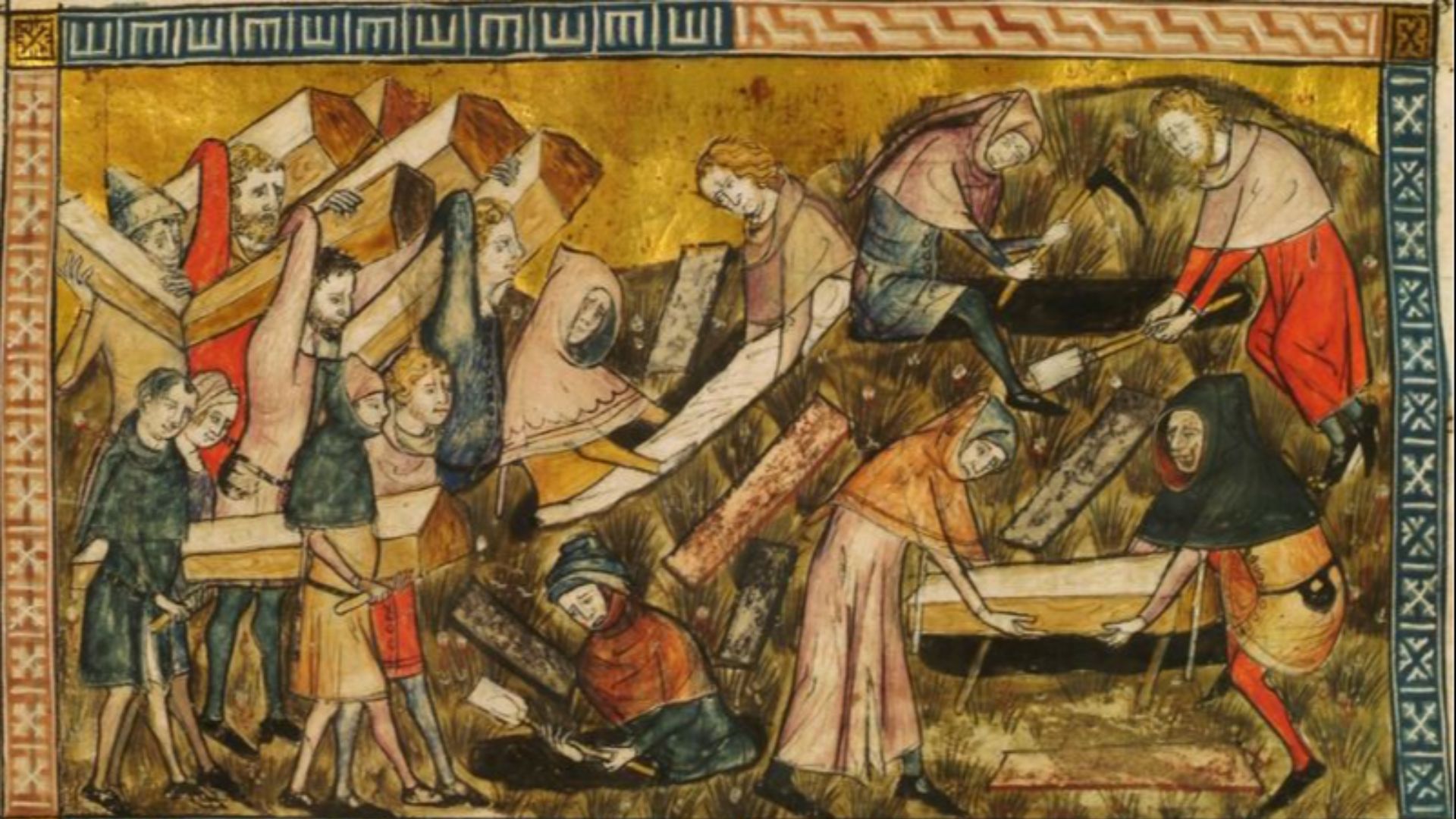 Pierart dou Tielt (fl. 1340-1360) on Wikimedia
2. The Great Famine Starved the Continent First
Just a few decades before the plague, relentless rain from 1315 to 1317 rotted crops in the field across England, France, the Low Countries, and beyond. People ate seed grain meant for the next planting, then moved on to roots, bark, and diseased livestock just to survive. Weakened by hunger, many who lived through the famine died from the illnesses that followed it.
3. Childbirth Killed Mothers Routinely
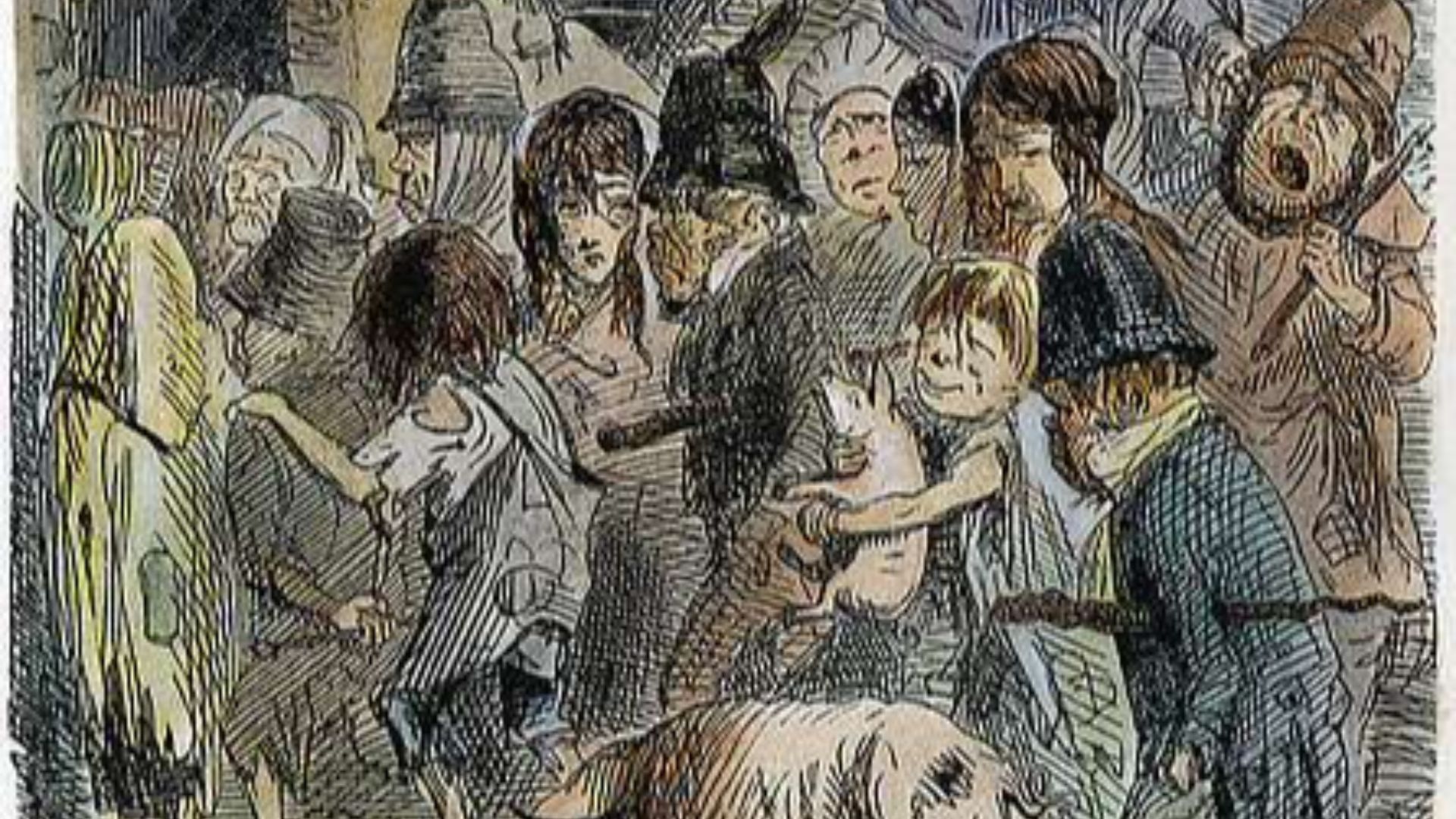
Without antiseptics, forceps, or any real understanding of infection, childbirth carried a serious risk of death for both mother and infant. A woman might face that risk many times over her life, since large families were both a cultural expectation and a hedge against high child mortality. Midwives worked with skill but had few tools for the complications that modern medicine handles routinely.

4. Life Expectancy Rarely Reached 40
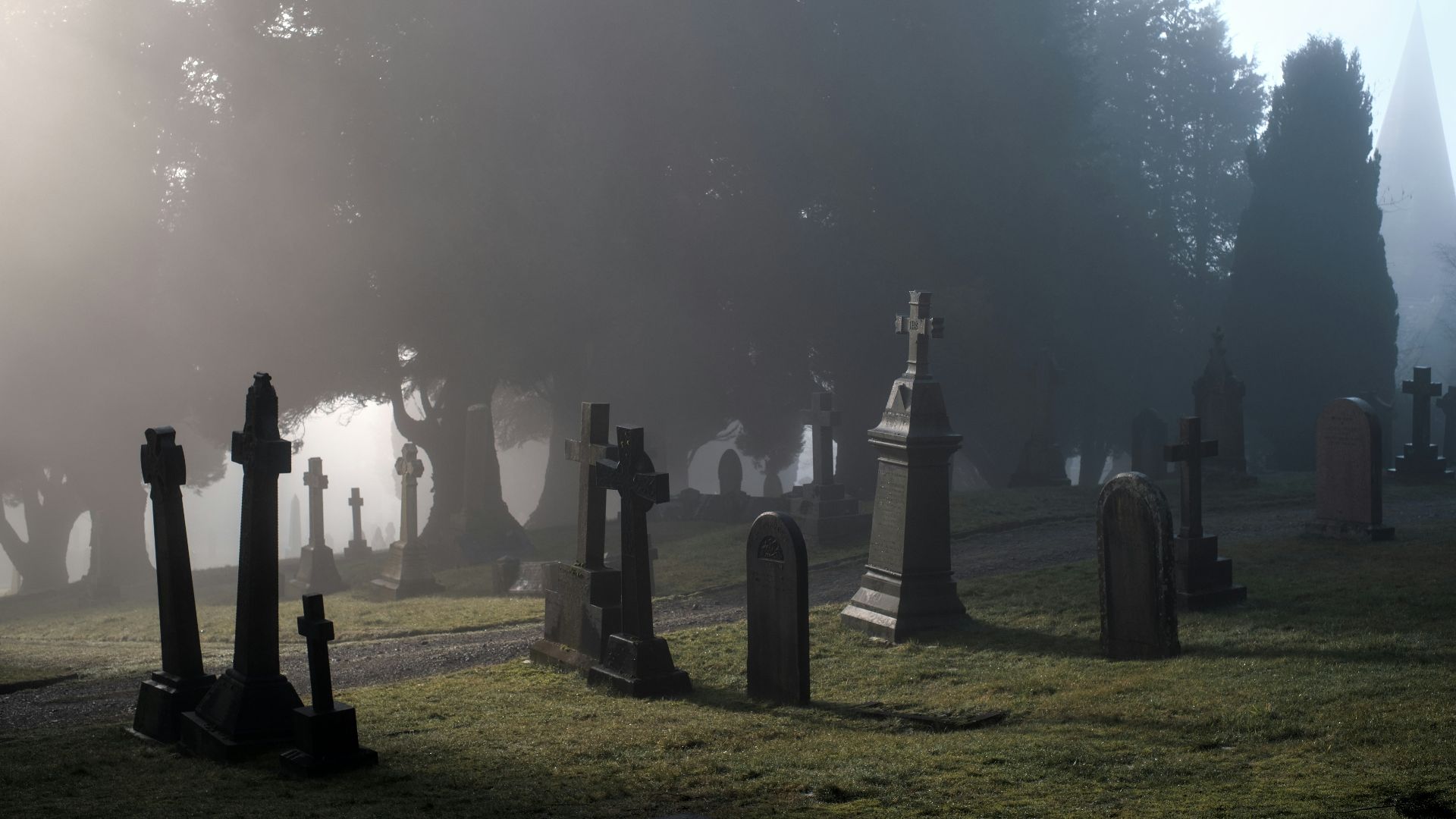
Average life expectancy at birth hovered in the low 30s across much of the period, a number dragged down heavily by infant and child mortality. Someone who survived to adulthood had a real shot at reaching their 50s or 60s, but getting there was the hard part. Roughly a third of children didn't live past age five.
5. Streets Doubled as Open Sewers
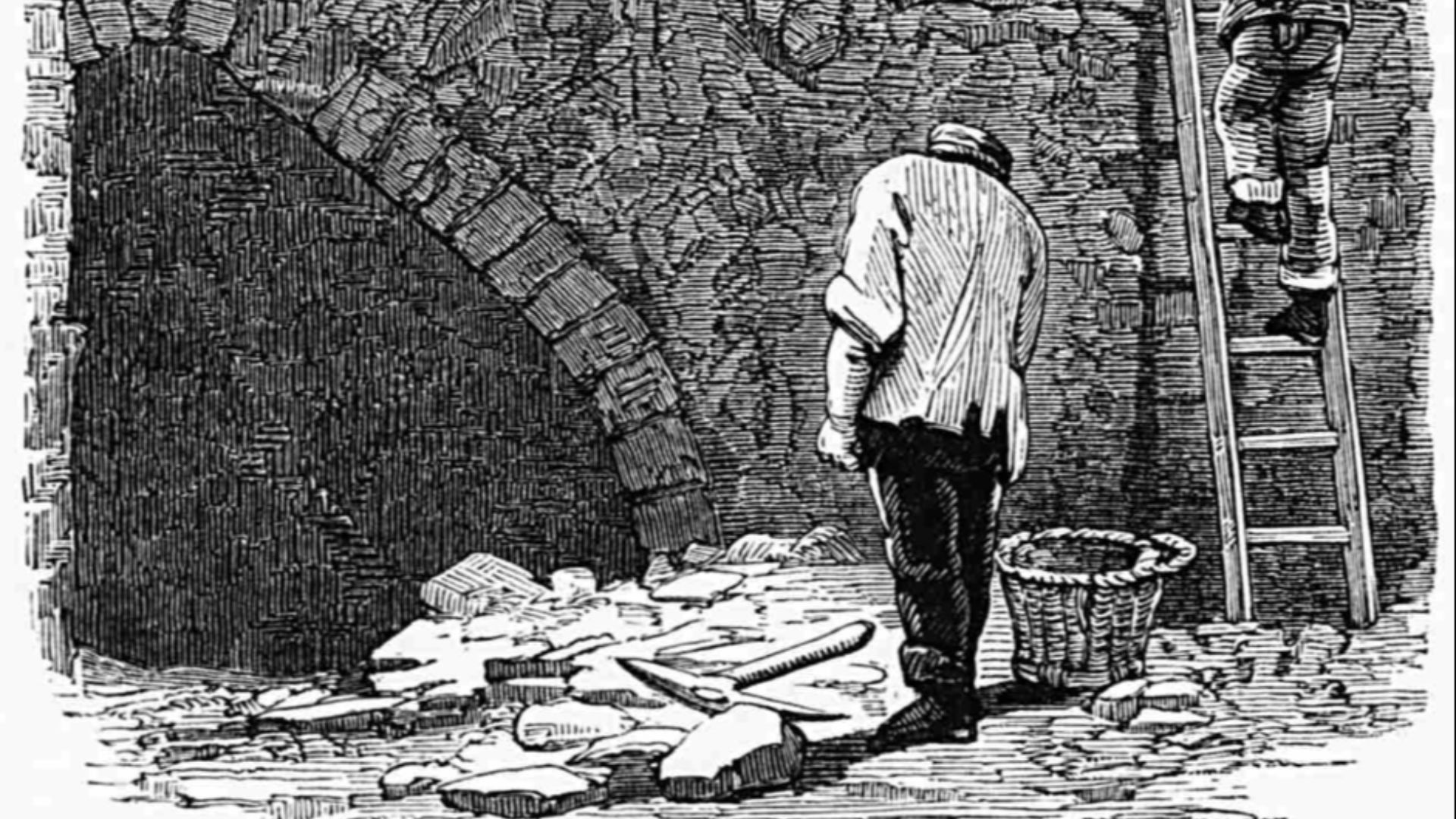
Most towns had no sewer systems, so waste and household refuse ended up in the same streets people walked every day. Rain washed it toward wells and rivers that towns also used for drinking water, which kept dysentery and other waterborne illness in constant circulation. Even prosperous cities smelled the part.
 Published by Joseph Clayton, jr. 265 Strand. on Wikimedia
6. Bread Was Often the Only Reliable Meal
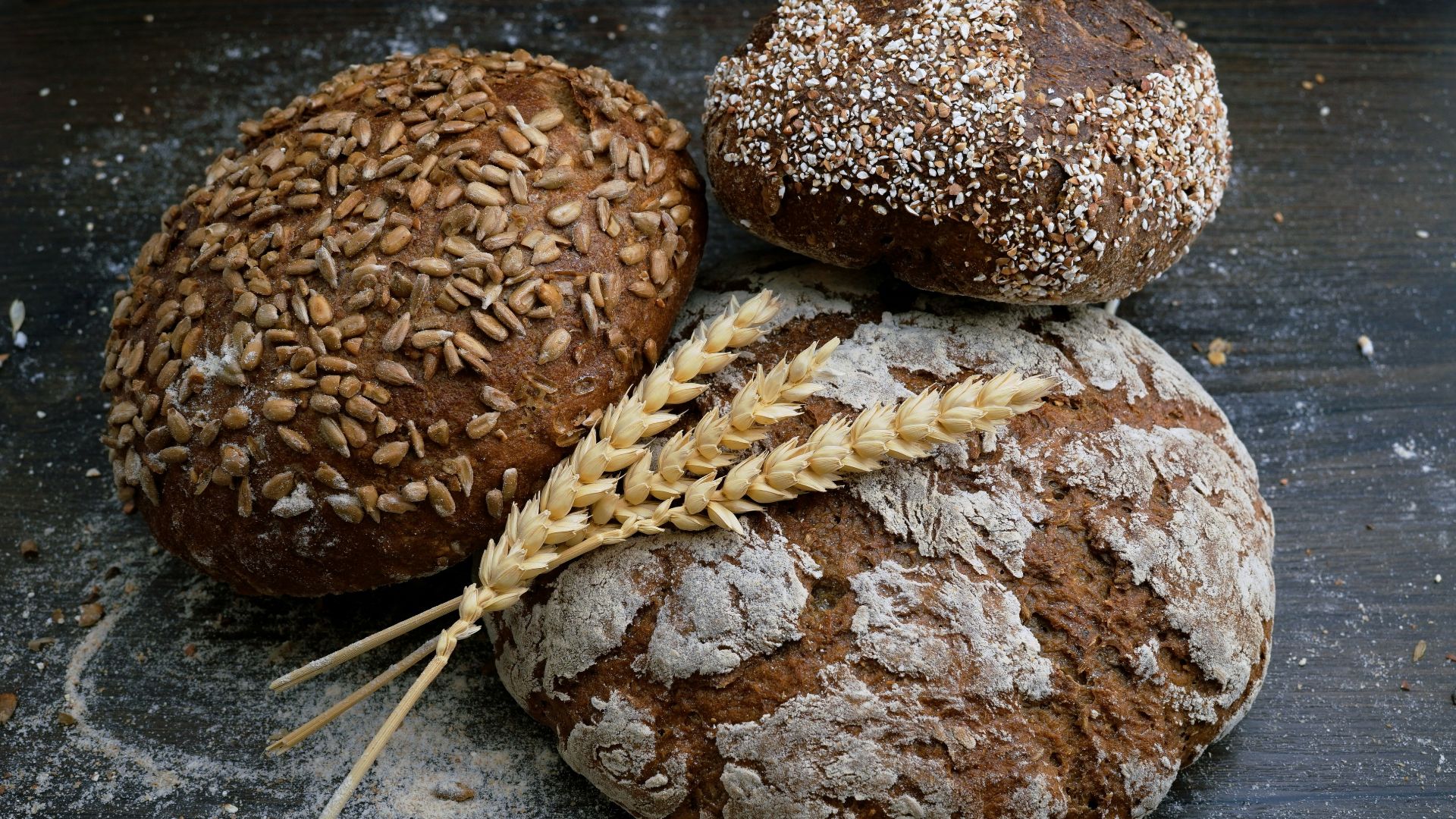
Grain, mostly in the form of bread or pottage, made up the bulk of the medieval diet for peasants, since meat and fresh vegetables were expensive or seasonal. A poor harvest meant less bread for everyone, and there was rarely a backup food source to fall back on. Nutrition suffered accordingly, especially through the late winter months before any new crops came in.
7. Medicine Ran on the Four Humors
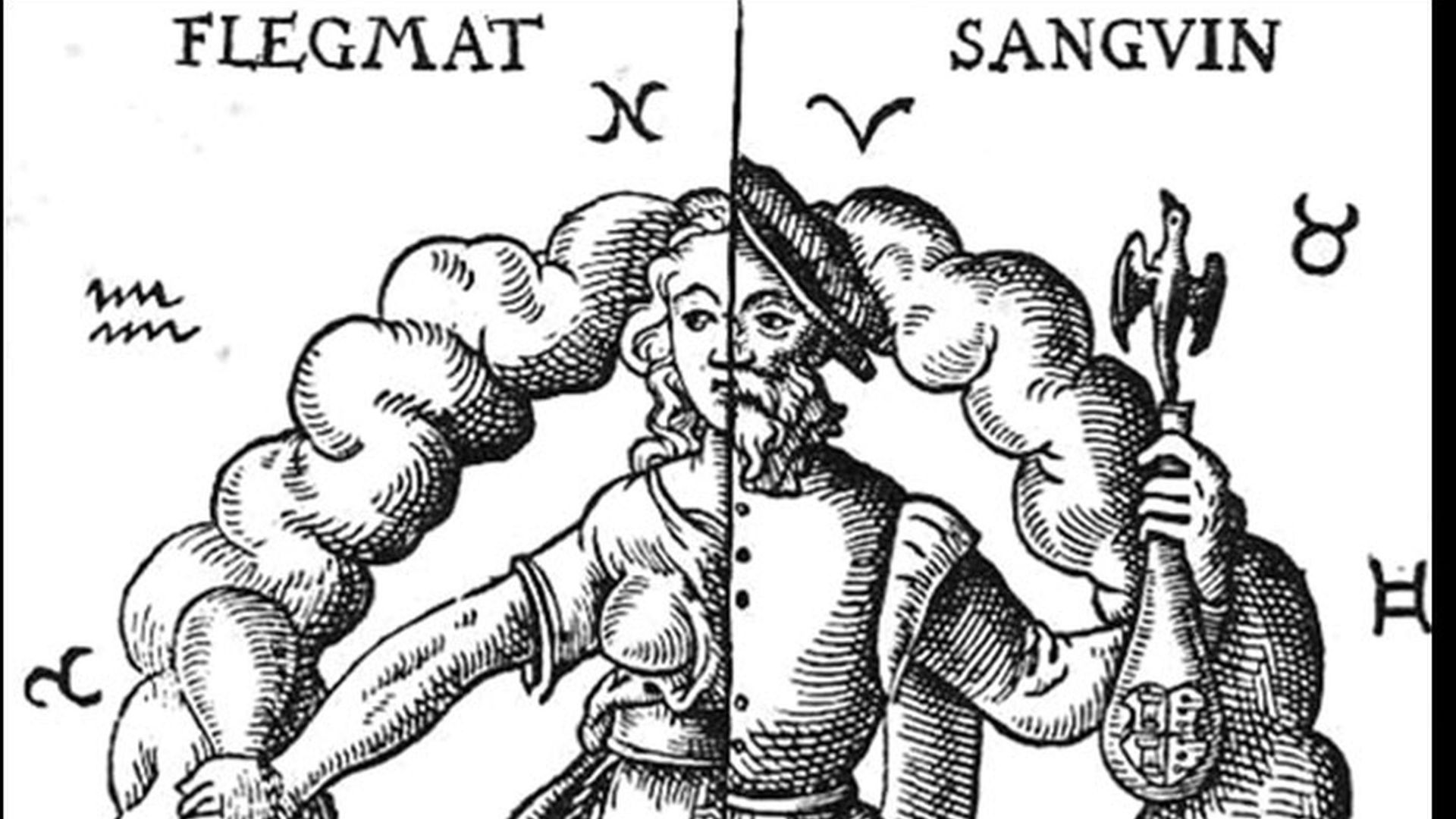
Physicians diagnosed illness using humoral theory, the idea that health depended on a balance of blood, phlegm, black bile, and yellow bile. Treatment often meant bloodletting, purging, or dietary changes based on that framework rather than any understanding of infection or anatomy. A serious illness or injury was frequently a death sentence regardless of how skilled the physician was.
 Unknown authorUnknown author on Wikimedia
8. Fires Could Level a City in a Single Night
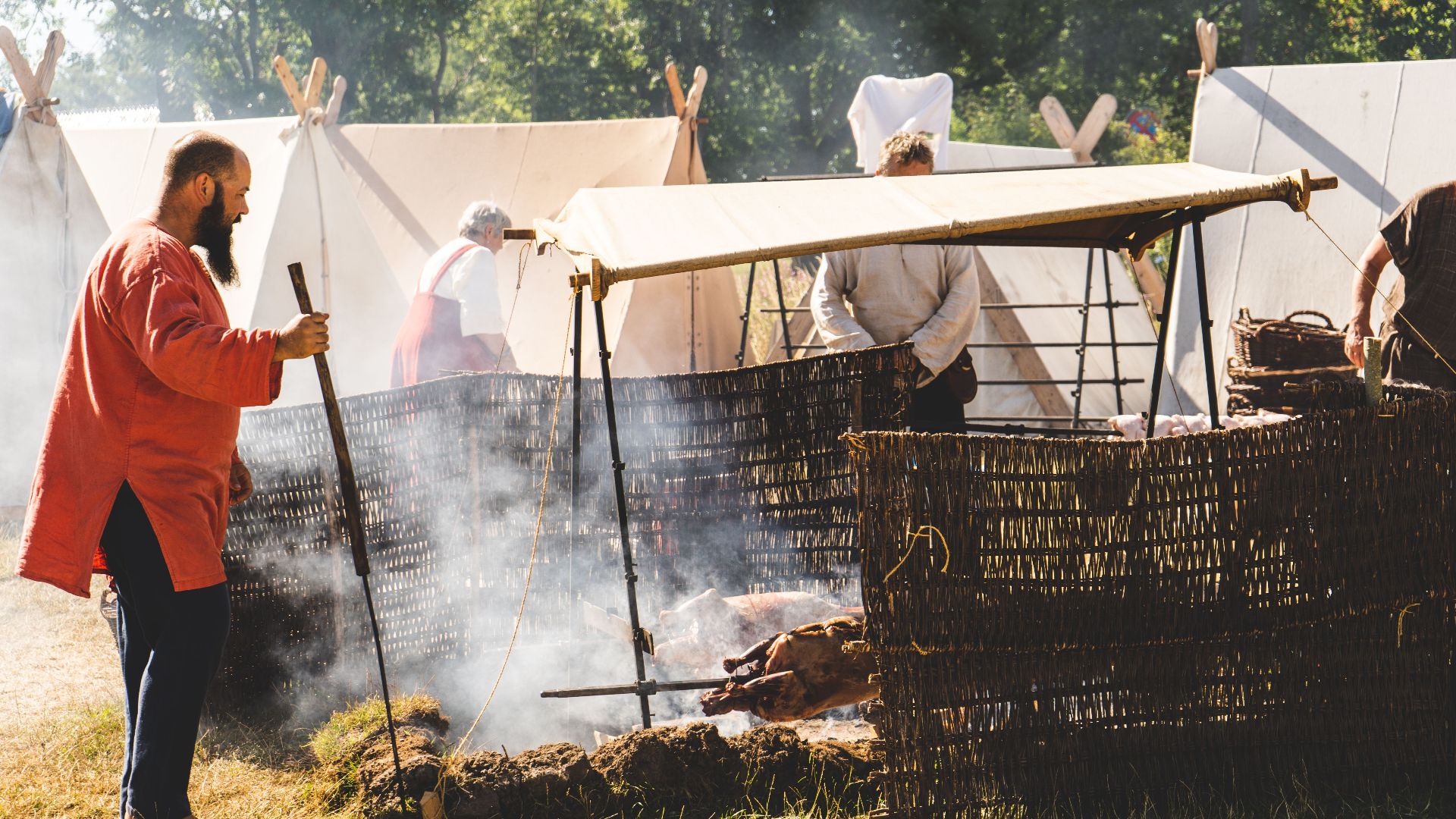
Timber-framed buildings packed close together, open hearths, and thatched roofs made fire one of the most consistent dangers of urban life. Cities across Europe recorded devastating fires again and again through the period, and once flames caught in dry, cramped quarters, there was little anyone could do to stop them from spreading block to block.
9. Serfdom Bound You to the Land You Worked
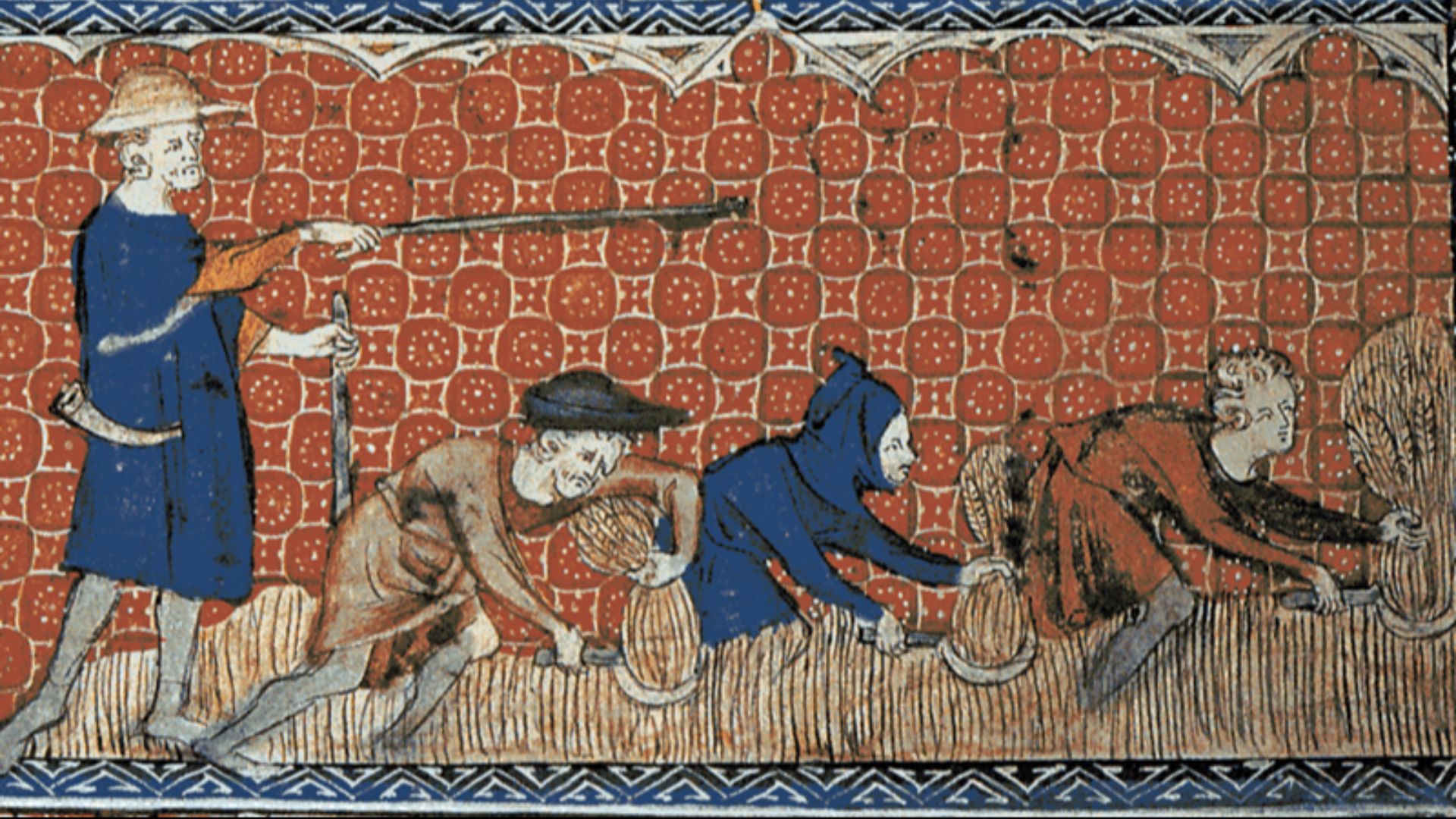
Most rural peasants lived as serfs, legally tied to a lord's land and required to farm it in exchange for protection and a small plot of their own. Leaving without permission was against the law in most places, and marriage, inheritance, and even where you could travel often required a lord's approval. It was a legal status passed down through generations, not a job you could quit.
 anonymous (Queen Mary Master) on Wikimedia
10. Punishments Were Brutal for Minor Crimes
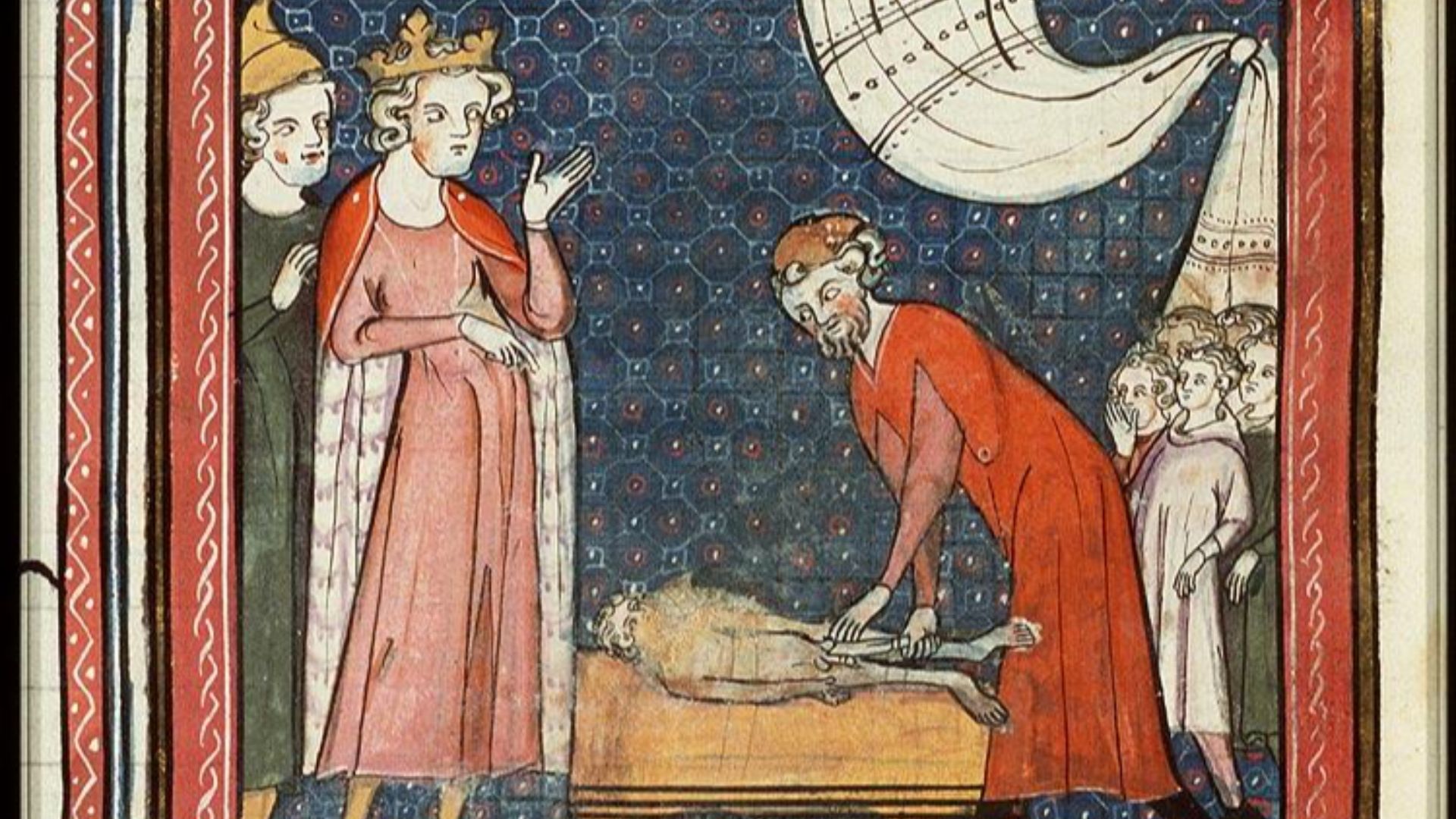
Theft, even of small amounts, could result in mutilation, branding, or execution depending on the region and century. Public punishment was the point, meant to be seen by as many people as possible as a warning. Courts had few options between a fine and physical punishment, so penalties for minor offenses could be shockingly severe.
 AnonymousUnknown author on Wikimedia
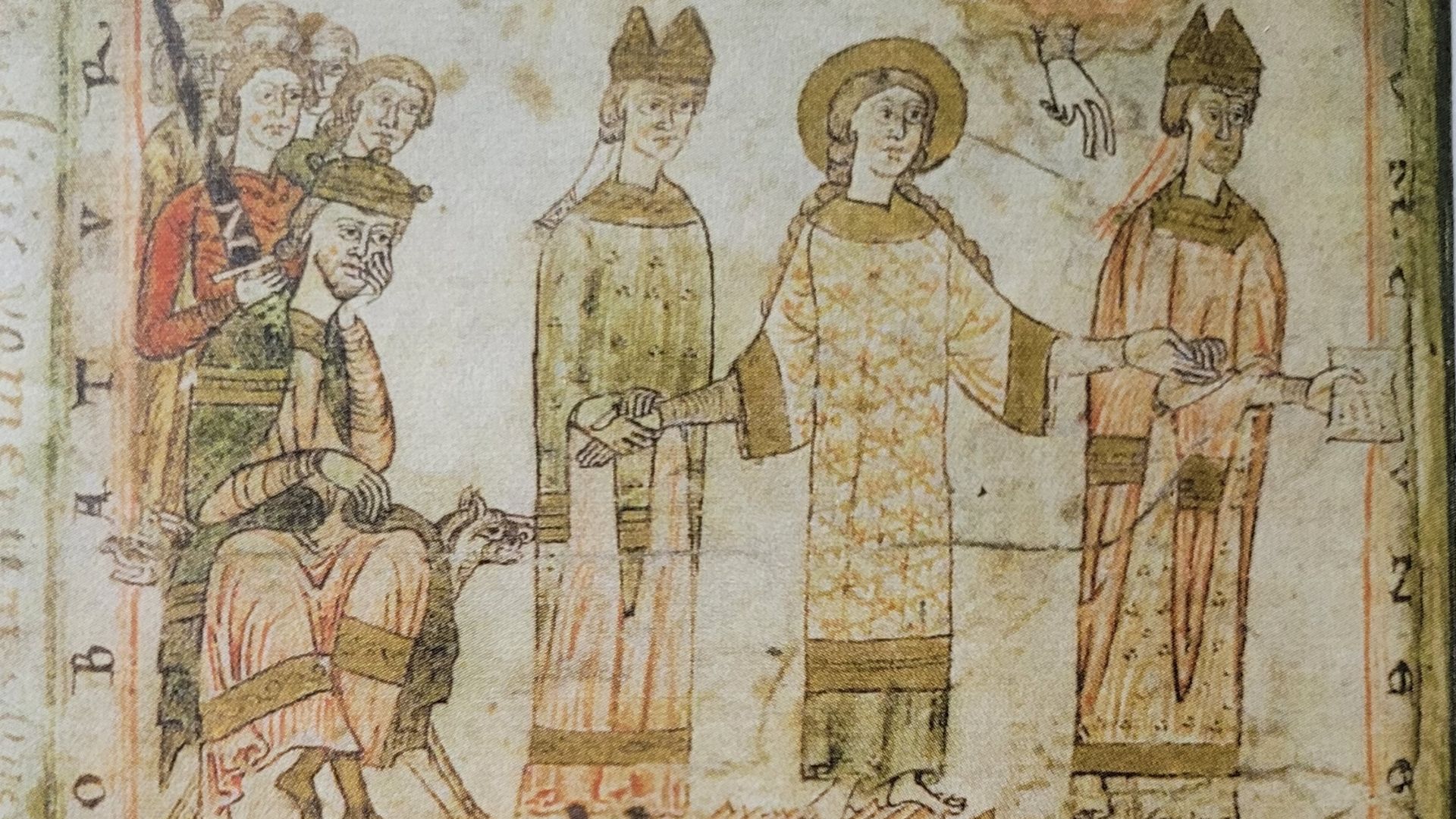
11. Trial by Ordeal Decided Guilt Until 1215
Before the Fourth Lateran Council banned clergy from taking part in 1215, many legal disputes were settled by ordeal, such as forcing the accused to carry hot iron or plunge a hand into boiling water. The healing or scarring of the wound afterward supposedly revealed a verdict from God. It was a system built on faith rather than evidence, and it stayed in use across parts of Europe for centuries.
 Unbekannter Autor on Wikimedia
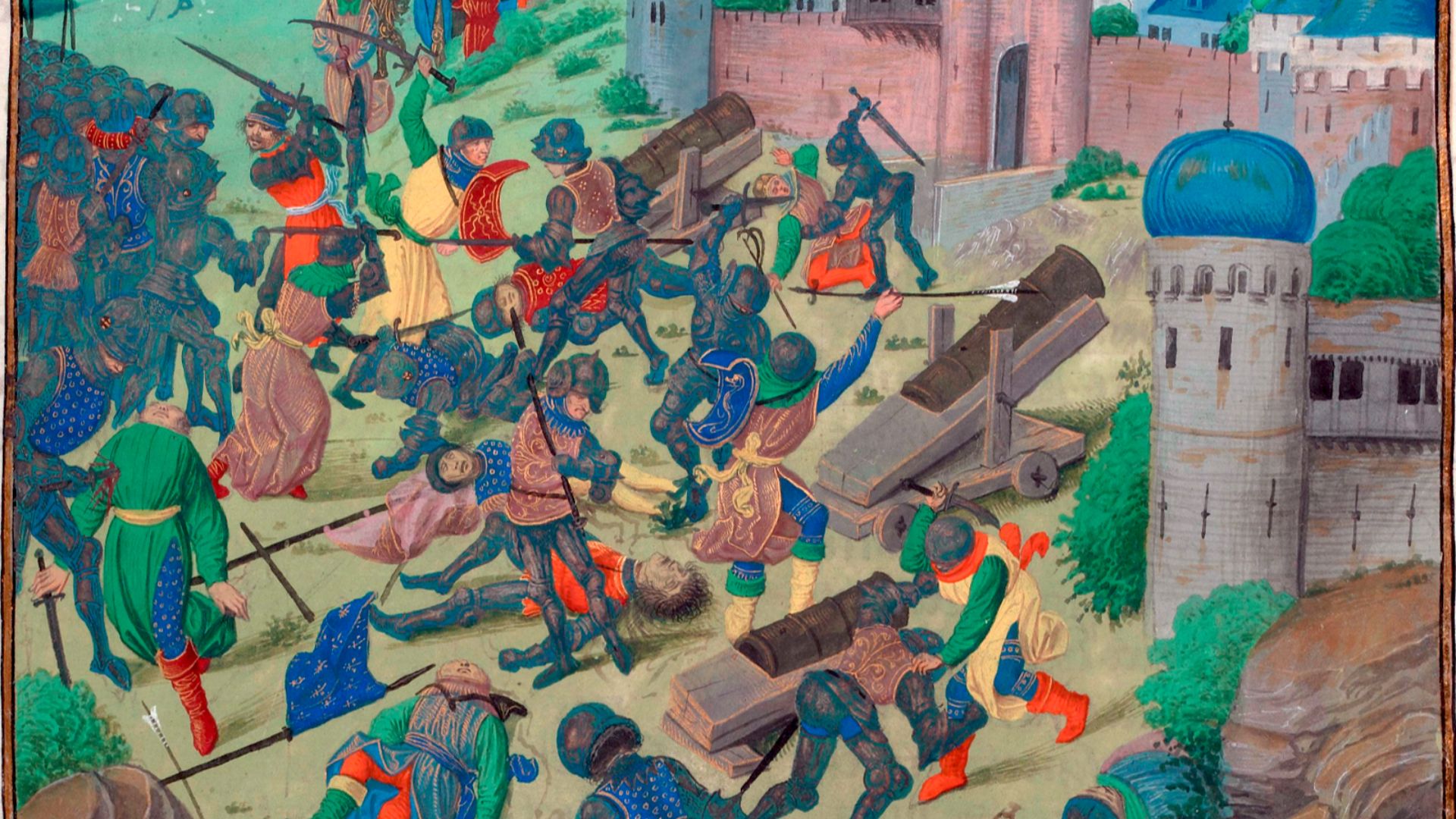
12. Warfare Rarely Let Up for Long
The Hundred Years' War between England and France ran from 1337 to 1453, and it was only one of many prolonged conflicts layered across the period. Armies requisitioned food and labor from the countryside they marched through, leaving local populations to absorb the cost of wars they had no say in starting. Peace tended to be temporary rather than expected.
13. Winters Were Fought With Almost Nothing
Homes for most people were small, drafty, and heated by a single hearth that had to serve cooking, warmth, and light all at once. Glass windows were rare outside wealthier households, so many homes relied on shutters or oiled cloth that did little to keep out cold air. Frostbite, hypothermia, and illnesses tied to prolonged cold were a normal part of surviving winter.

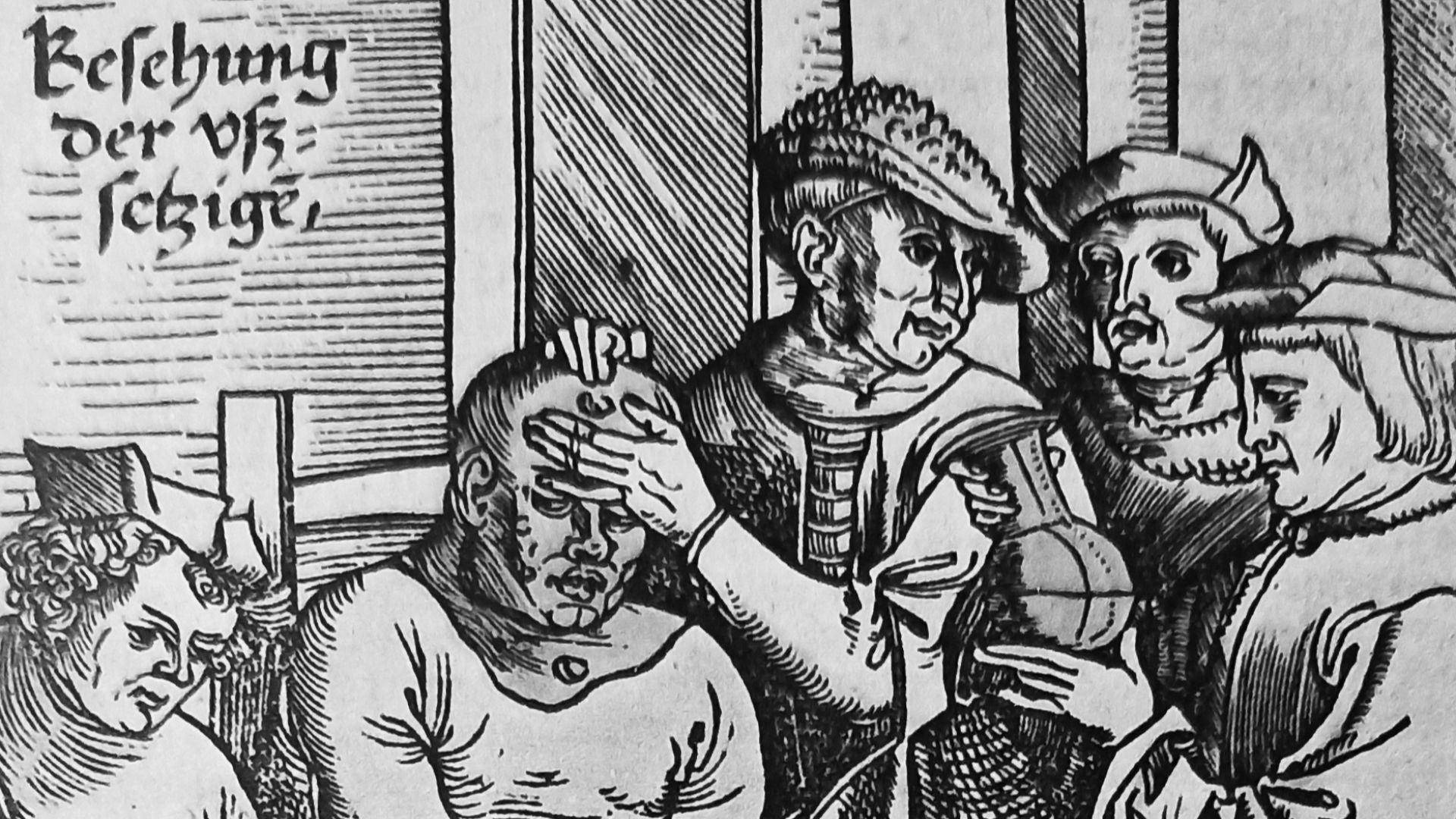
14. Leprosy Meant Permanent Exile
Leprosy carried both a physical toll and a social one, since those diagnosed were frequently forced out of their communities and into isolated leper houses. Some regions required a public ceremony marking the person as legally and socially dead before they even left. Treatment was essentially nonexistent, so a diagnosis meant separation from family for whatever life remained.
 Hans von Gersdorff (c.1455-1529) on Wikimedia
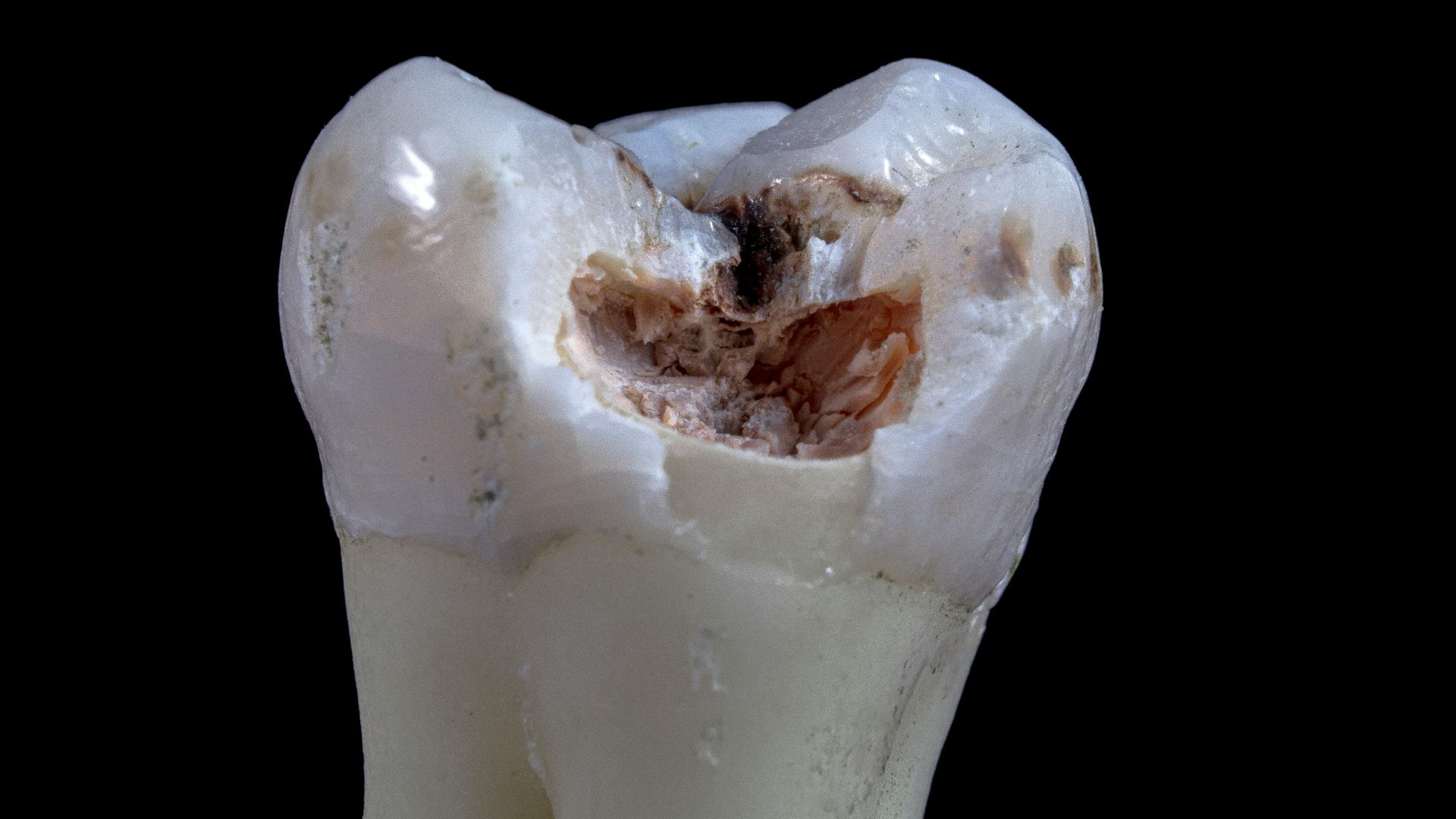
15. Rotten Teeth Had No Real Cure
Dental care amounted to a barber or blacksmith pulling a tooth with pliers, usually with nothing for the pain beyond alcohol or herbal remedies. Cavities and abscesses went untreated until they became unbearable, and a bad infection in the jaw could spread and become fatal without anyone fully understanding why. Toothache was a common, dreaded, and largely unavoidable part of getting older.
16. The Church Held Power Over Life and Death
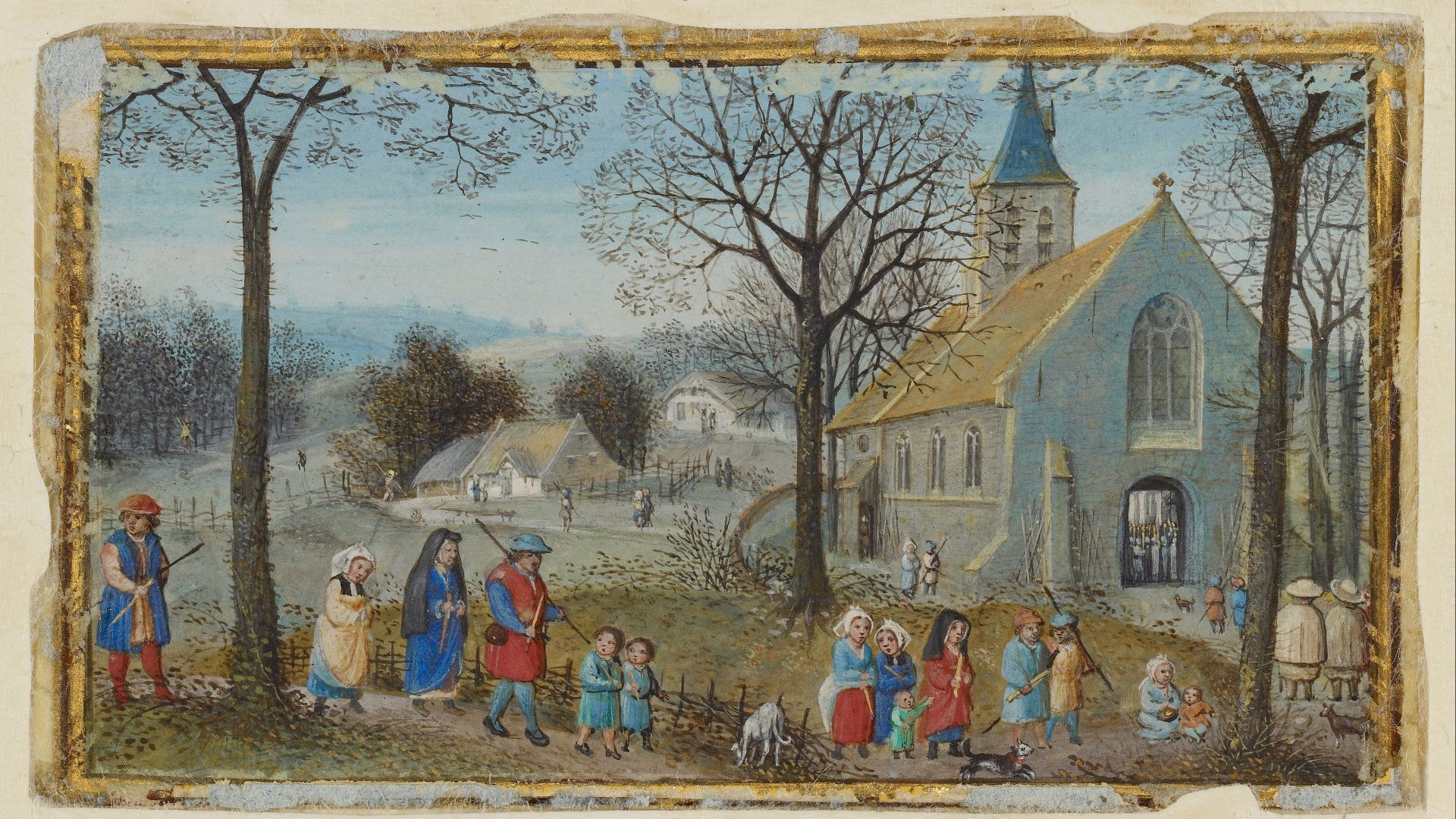
Religious authority extended well past Sunday services into law, land, and politics, and heresy could be treated as a capital offense. Excommunication cut a person off from the sacraments and, in the eyes of the community, from any hope of salvation. Refusing the Church's authority carried consequences that reached into every part of daily life.
17. Peasant Revolts Ended in Massacres
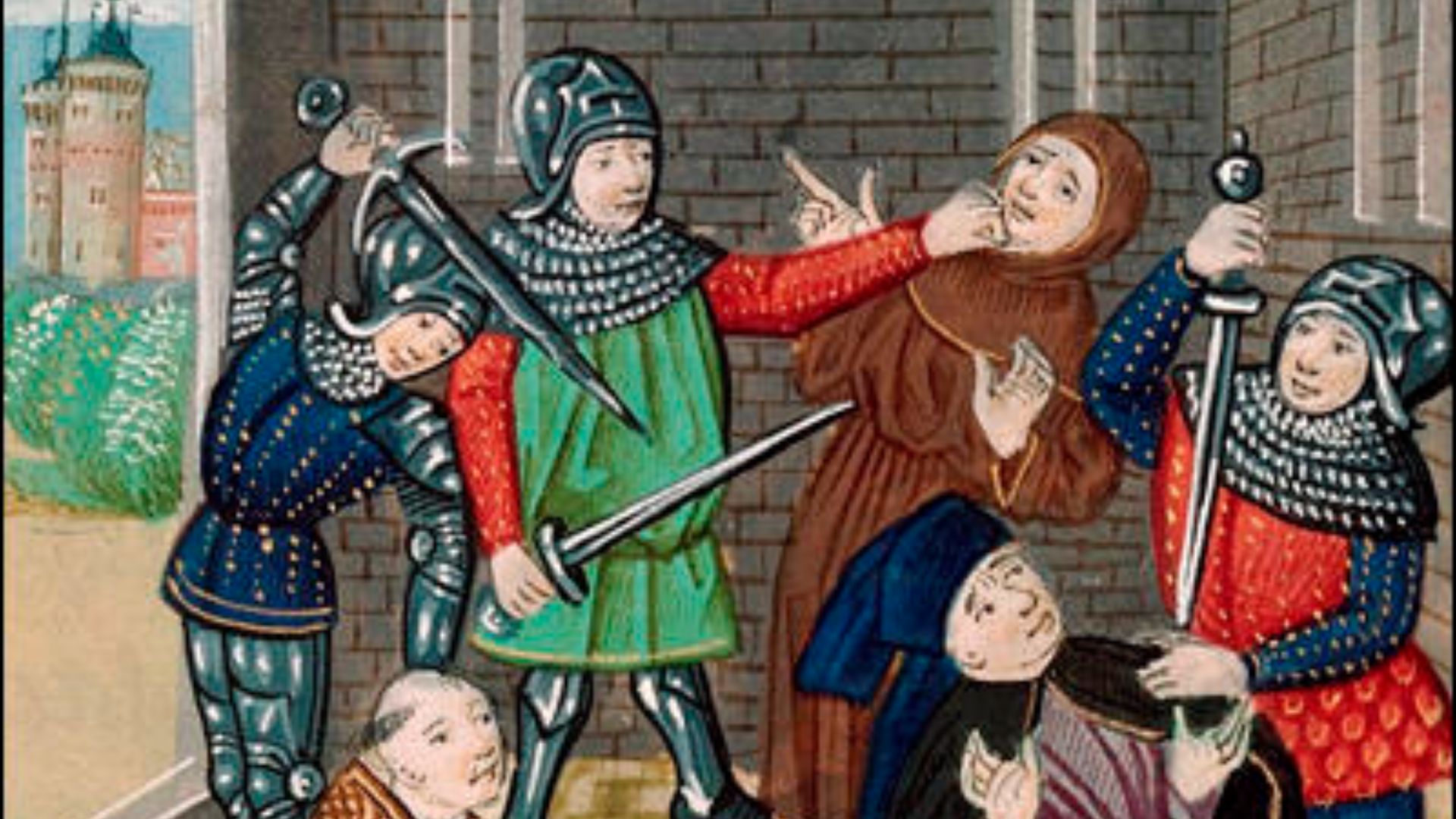
When peasants pushed back against taxes or feudal obligations, the response was rarely negotiation. The English Peasants' Revolt of 1381 gathered real momentum and even reached the young King Richard II directly, only to collapse once its leader, Wat Tyler, was killed and the crown's promises evaporated. Retribution against the rebels afterward was swift and violent.
 Jean Froissart, Crônicas on Wikimedia
18. Any Bad Harvest Could Turn Into Famine
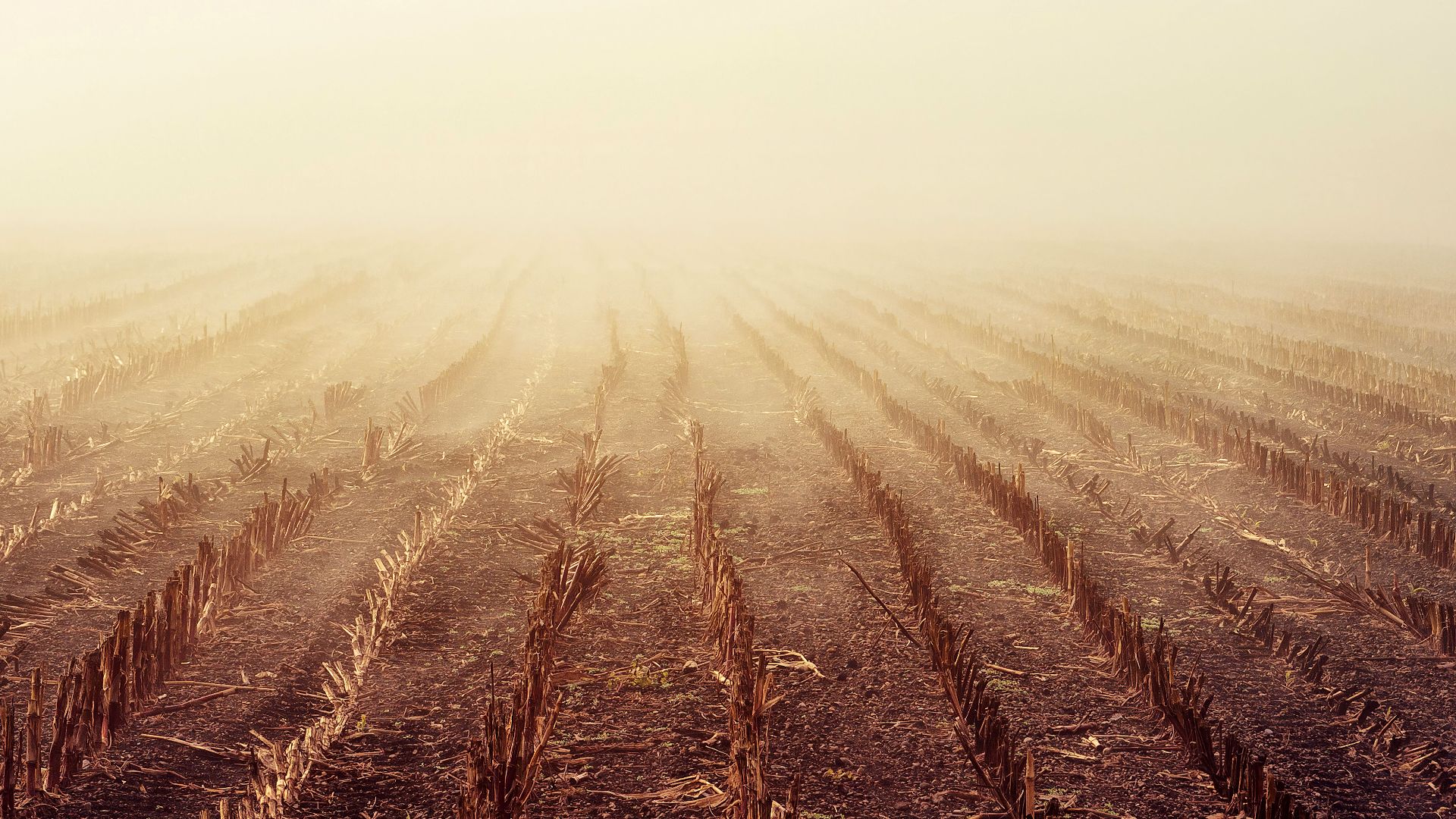
Without refrigeration, reliable transport, or grain reserves built for a true crisis, a single poor growing season could tip a region from tight to starving within months. Local lords and towns sometimes stored surplus grain, but it rarely covered a shortfall as severe as a full crop failure. Hunger was never more than one bad summer away.
19. Most People Never Learned to Read
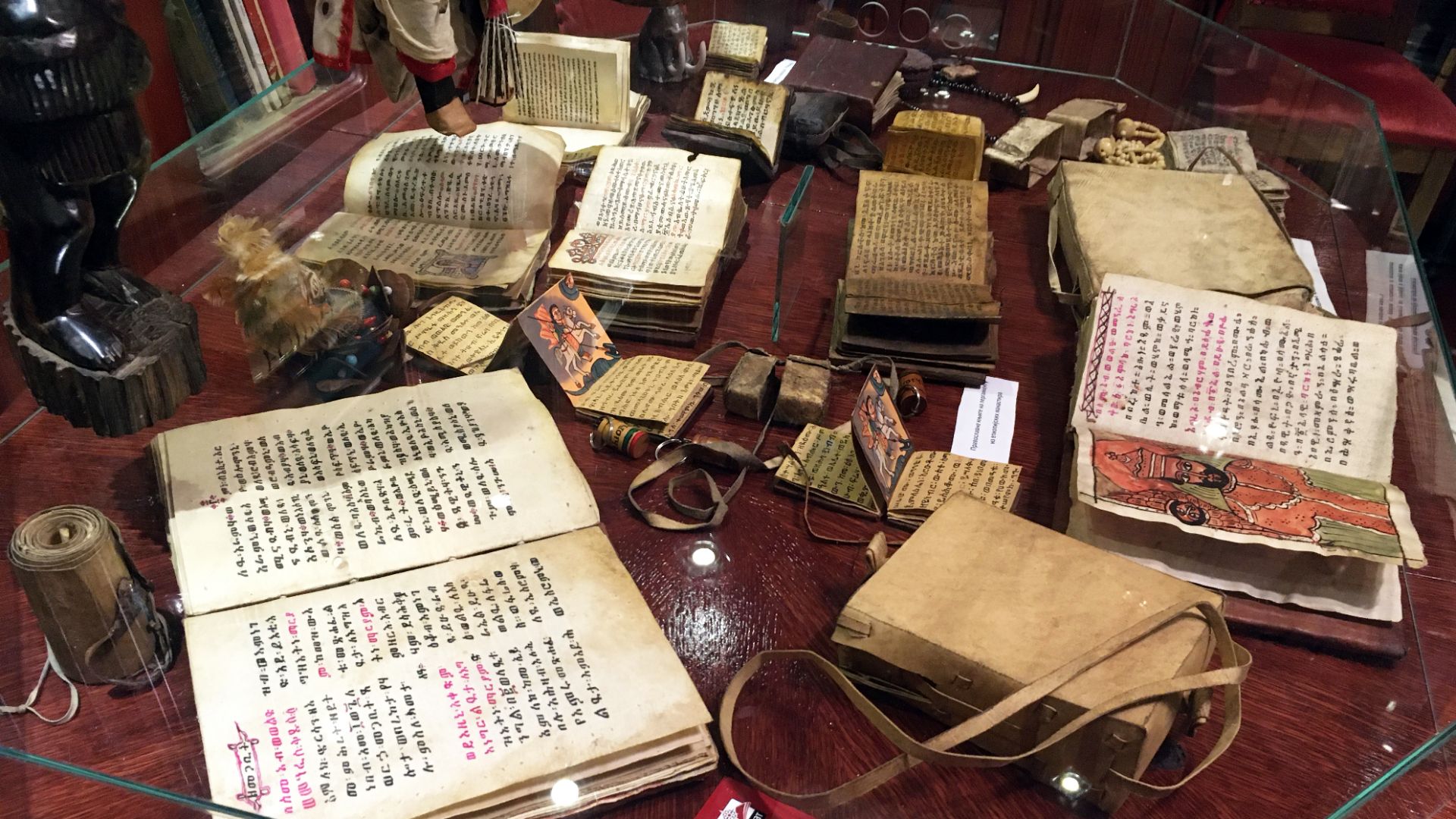
Literacy stayed largely confined to clergy, nobility, and a small merchant class for most of the period, since formal education was expensive and mostly tied to the Church. For everyone else, information traveled by word of mouth, sermon, or public proclamation. That left most people dependent on others to interpret contracts, laws, and even their own debts.
 This image was made by Sadko. Please credit this with:
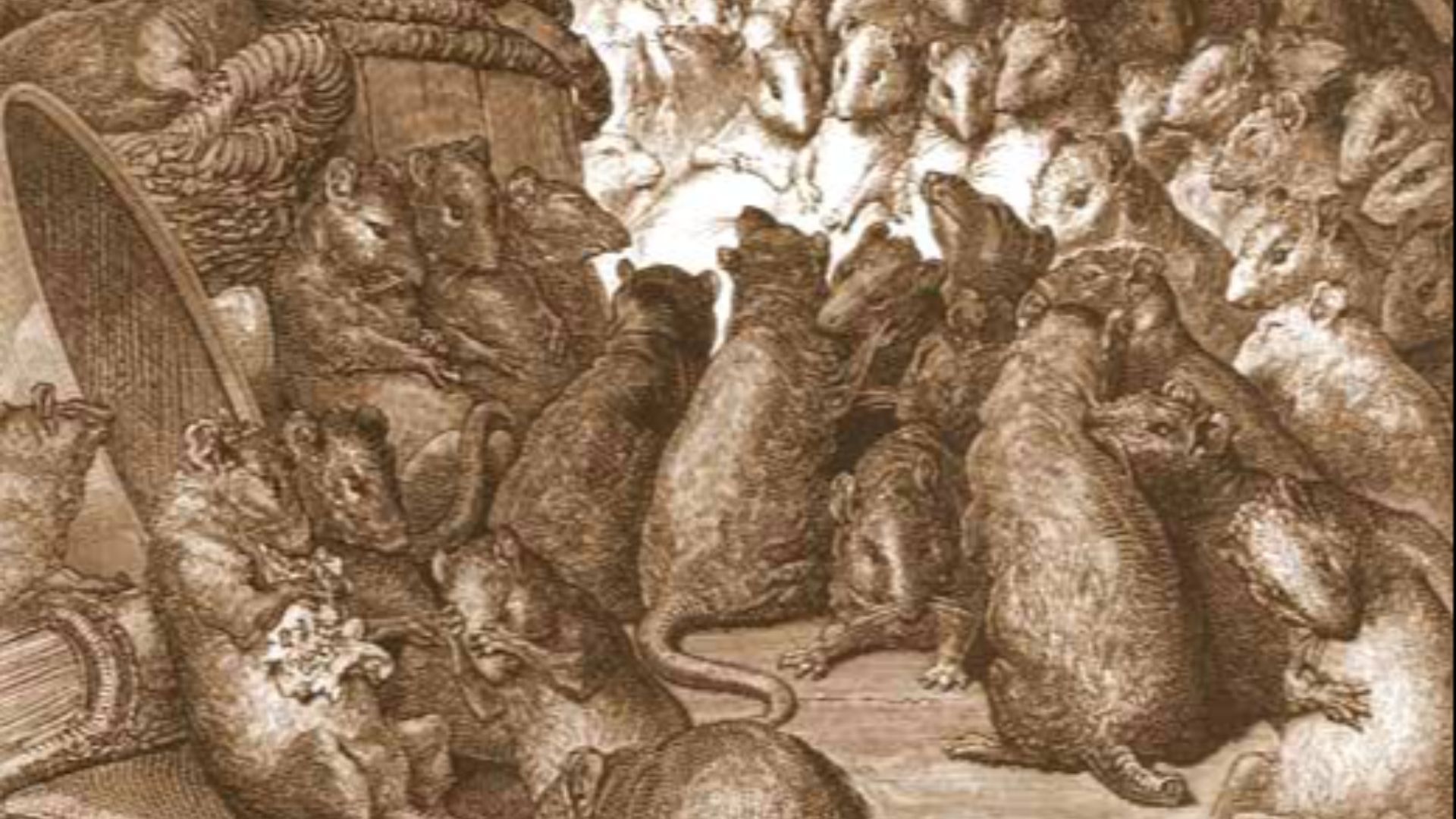
20. Rats and Fleas Spread Disease No One Understood
The link between fleas, rats, and plague wasn't identified until centuries later, so medieval Europeans fought outbreaks with prayer, quarantine, and guesswork instead of any real countermeasure. Grain stores and crowded housing kept rat populations high in exactly the places people lived and worked. Without knowing the actual cause, there was no way to break the cycle until an outbreak simply burned itself out.
KEEP ON READING