The Last Word Wasn’t Final
In a perfect world, deathbed confessions would settle old questions. The speaker doesn’t have much time left to protect a reputation or revise the story again, so you’d think they’d provide more answers—not more questions. History, however, isn’t full of those. These 20 last-minute confessions didn’t provide answers so much as make people scratch their heads.
1. Antonio Salieri’s Supposed Admission
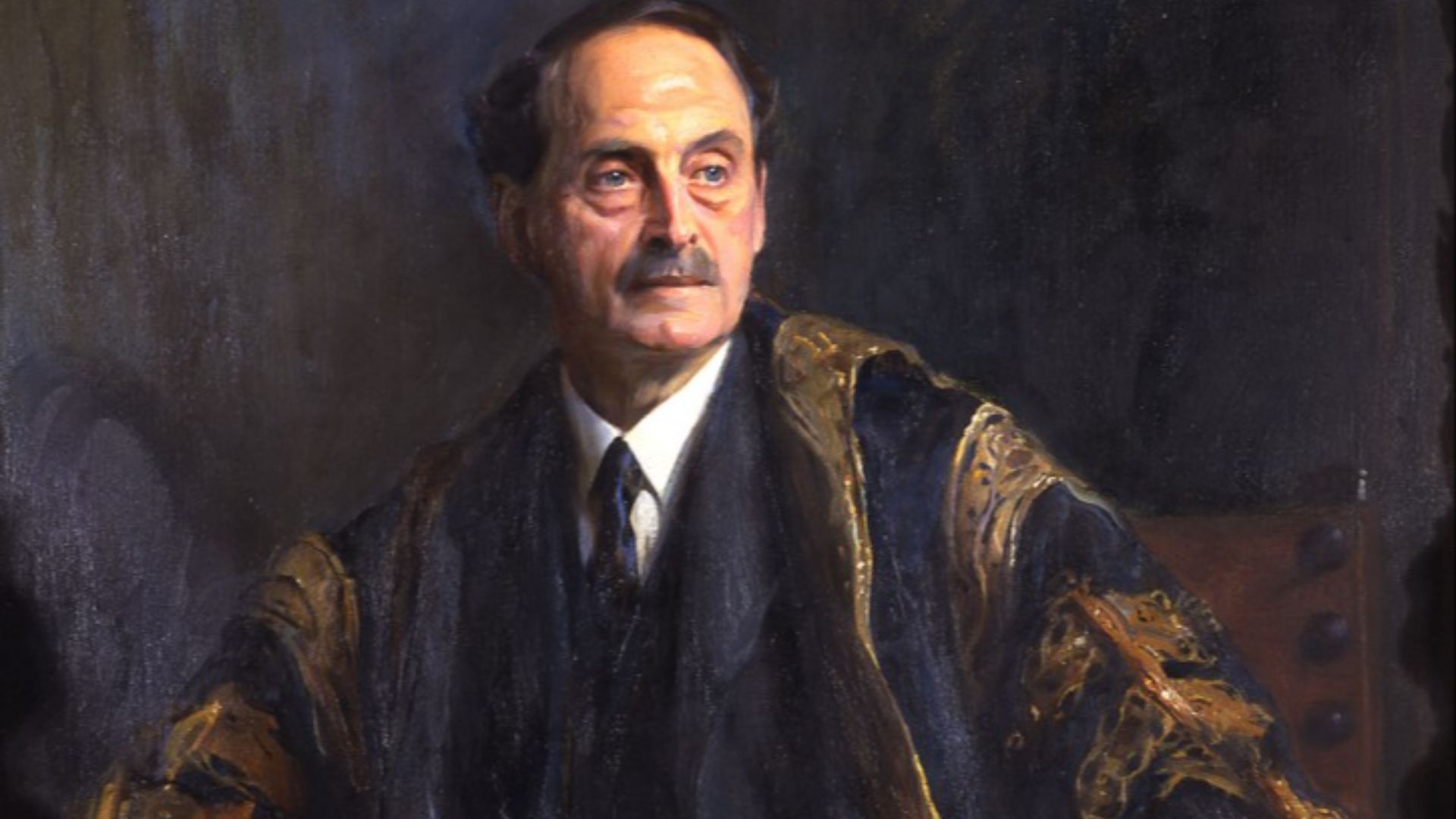
During Salieri’s final decline in the 1820s, gossip spread through Vienna claiming he’d admitted to poisoning Mozart. The thing is, two medical attendants refuted that, Salieri obviously denied the rumor, and no evidence established that Mozart was even murdered. Whether or not it’s true didn’t even matter back then—the tale created a lasting question about who started the accusation and why listeners were so eager to buy it.
 Joseph Willibrord Mähler on Wikimedia
2. Frederica Loss Reframed Mary Rogers’s Death
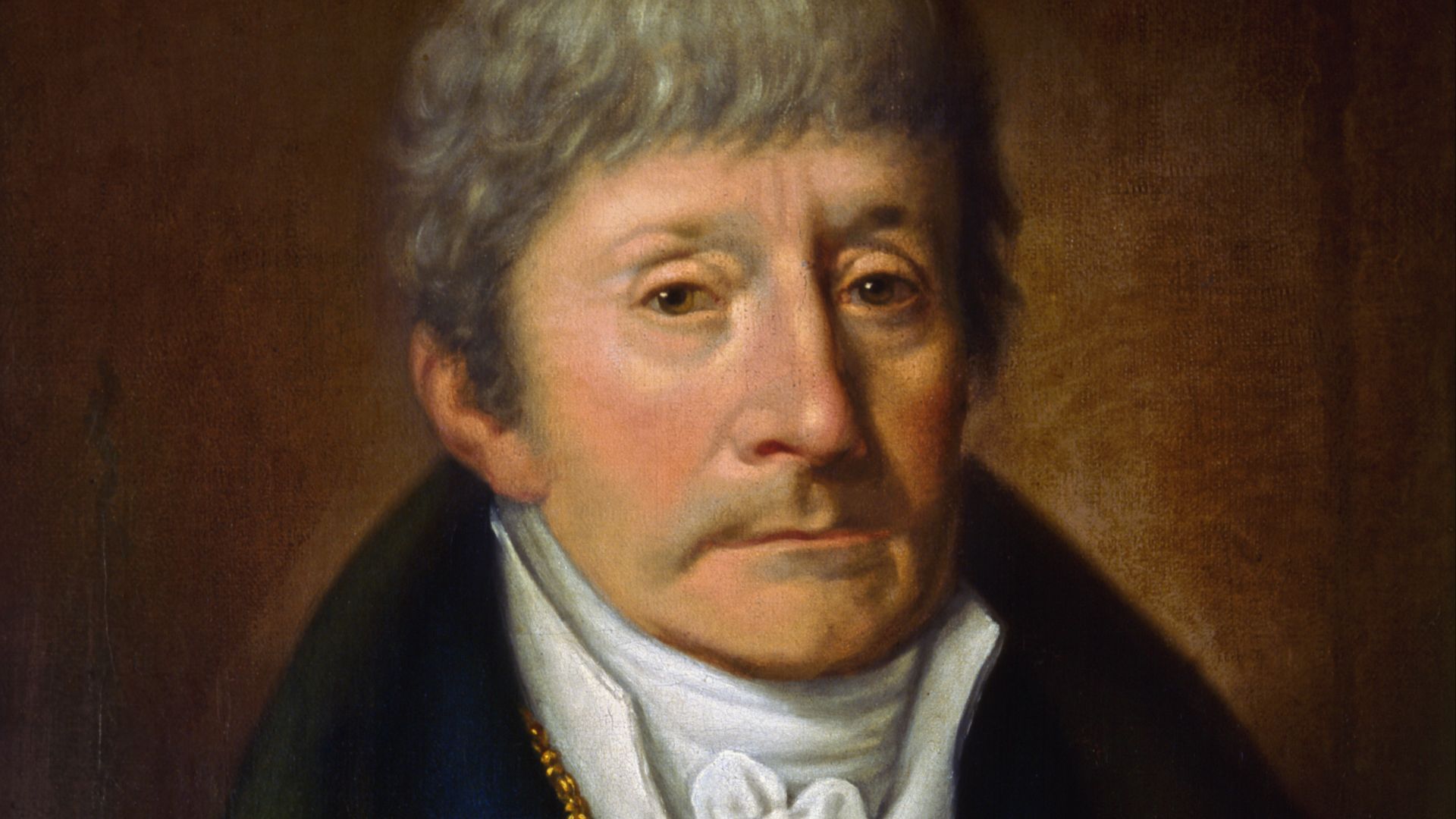
After being accidentally shot in 1842, Frederica Loss said Mary Rogers had lost her life during an abortion performed at her home. Loss claimed one of her own sons got rid of Rogers’s body and clothing, though parts of the account failed to align with the evidence. Nevertheless, it didn’t stop papers from publishing it.
3. An Elderly Man Chose Margaret Cook’s Photograph
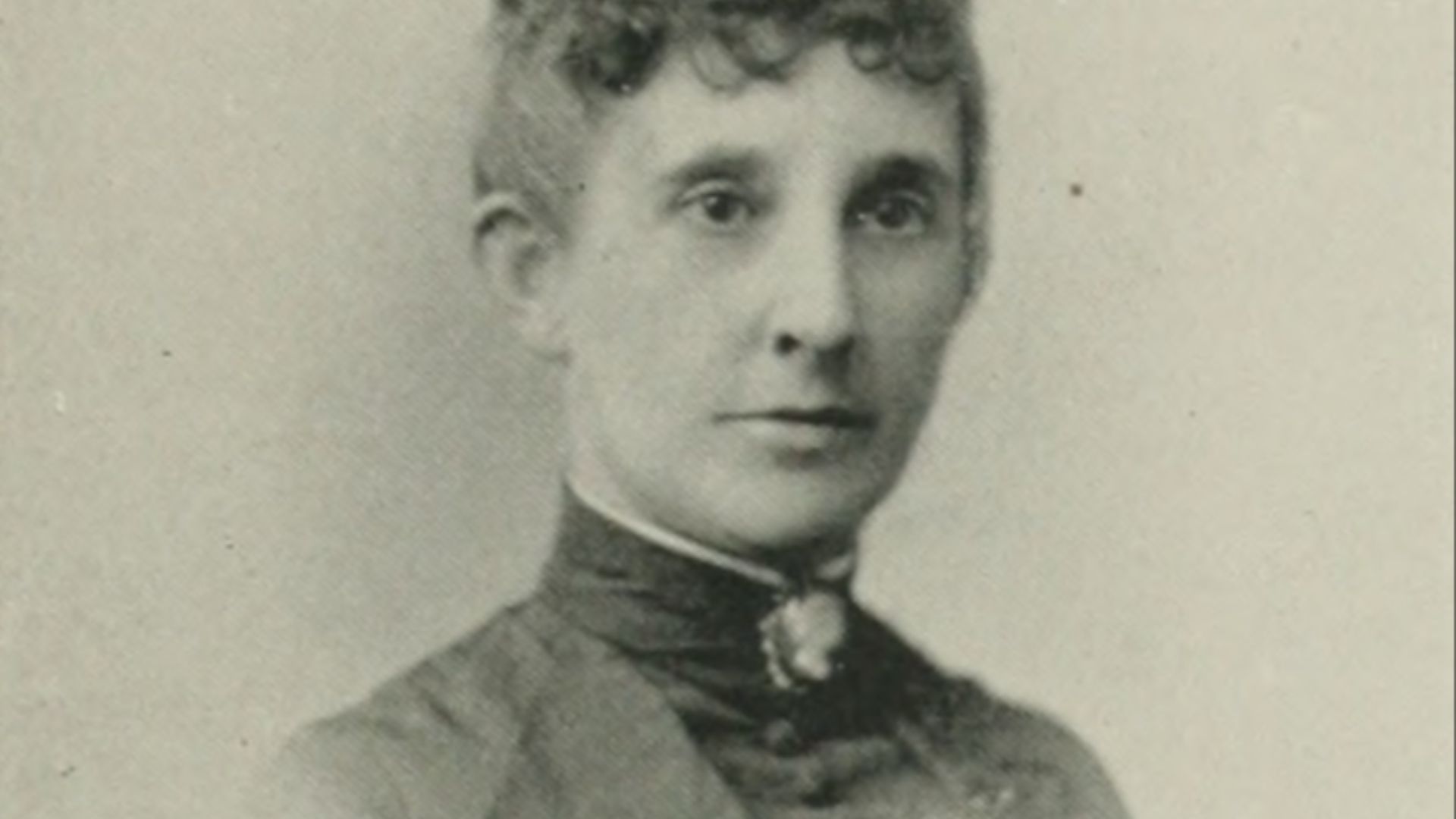
In 2015, an unnamed 91-year-old living in Canada claimed responsibility for shooting a woman in 1946. He couldn’t remember the victim’s name, but he did pick a photograph of 26-year-old Margaret Cook, whose killer at the time had disappeared into a crowd. The identification was striking enough to raise some flags, though no one got any other information out of him.
4. Frank Sheeran Claimed He Was Hoffa’s Killer
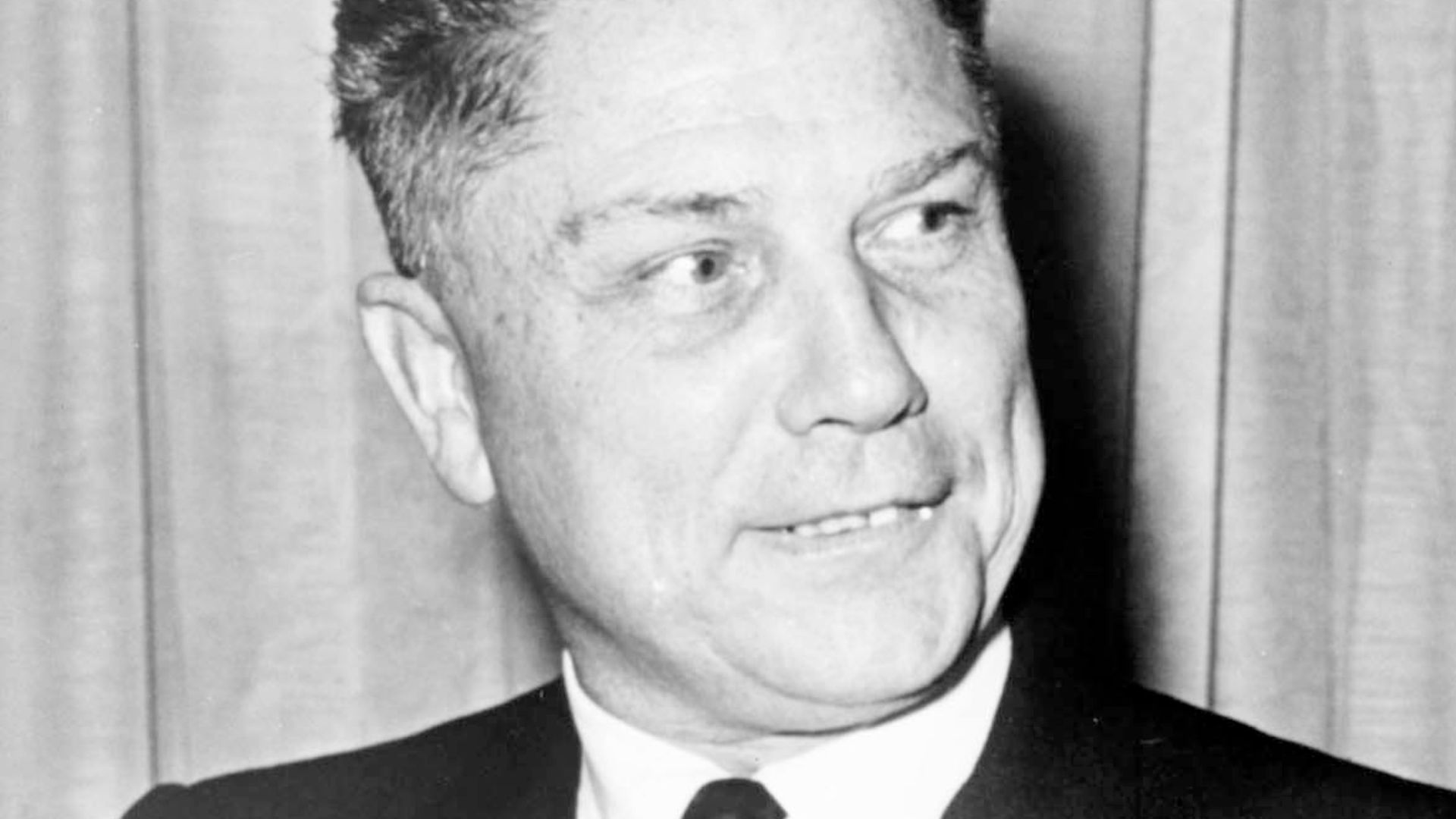
Near the end of his life, Frank Sheeran spilled the beans to Charles Brandt that he shot Jimmy Hoffa. Sheeran did actually know Hoffa and organized-crime figures, but today’s researchers reject his version. Even contemporary investigators didn’t regard him as a primary suspect. Either way, Hoffa's body has never been found, so Sheeran's story only added another theory as to what happened.
5. Duane Weber Claimed the D.B. Cooper Identity
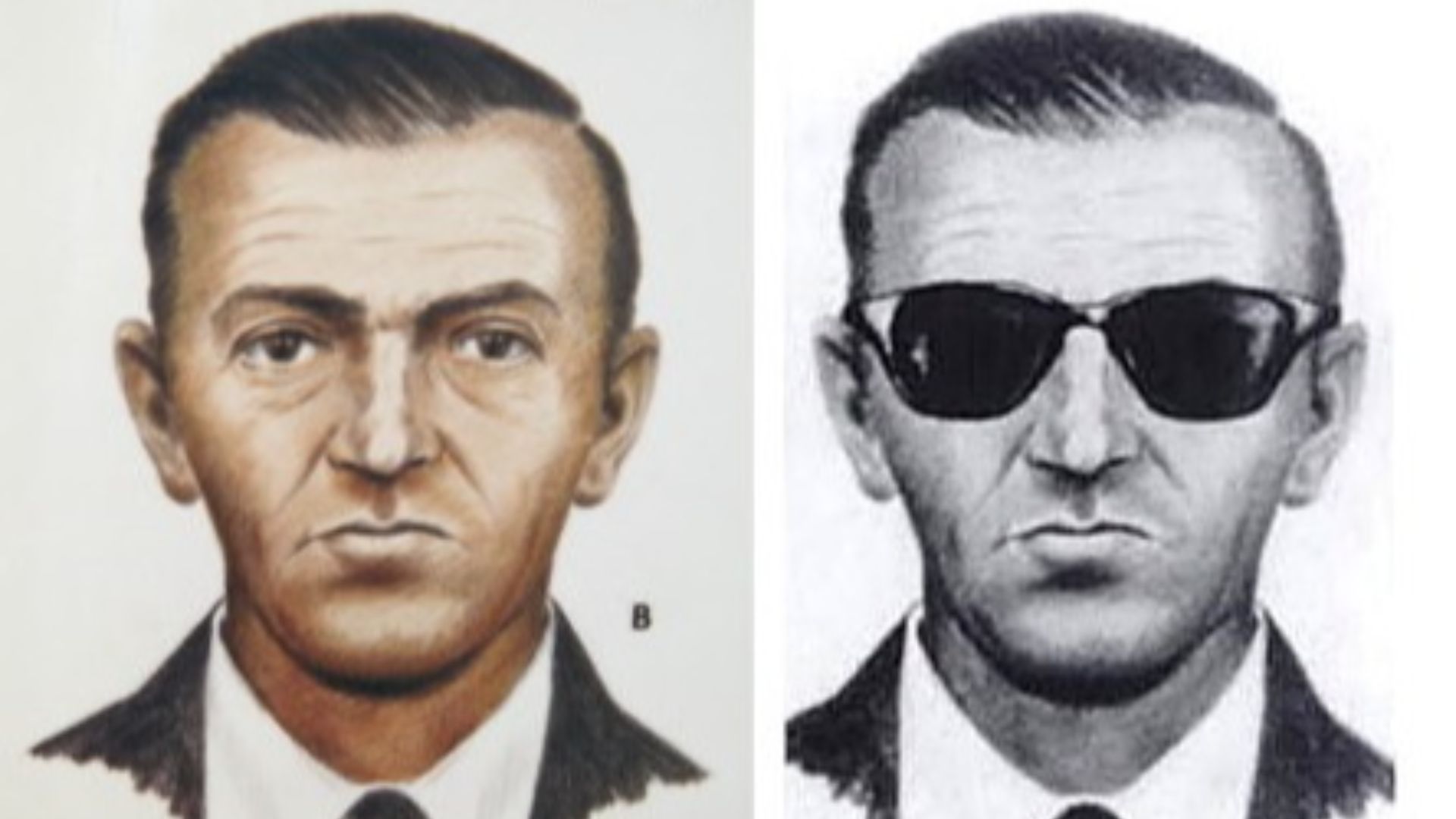
On his deathbed, Duane Weber claimed to be the unidentified hijacker who parachuted from Northwest Orient Flight 305 in 1971. It was easy enough to say, but by the time he made the claim, the FBI had recovered a DNA sample from the hijacker’s tie, and testing later ruled Weber out as its source.
 Federal Bureau of Investigation on Wikimedia
6. Louie Myers Became a Zodiac Suspect
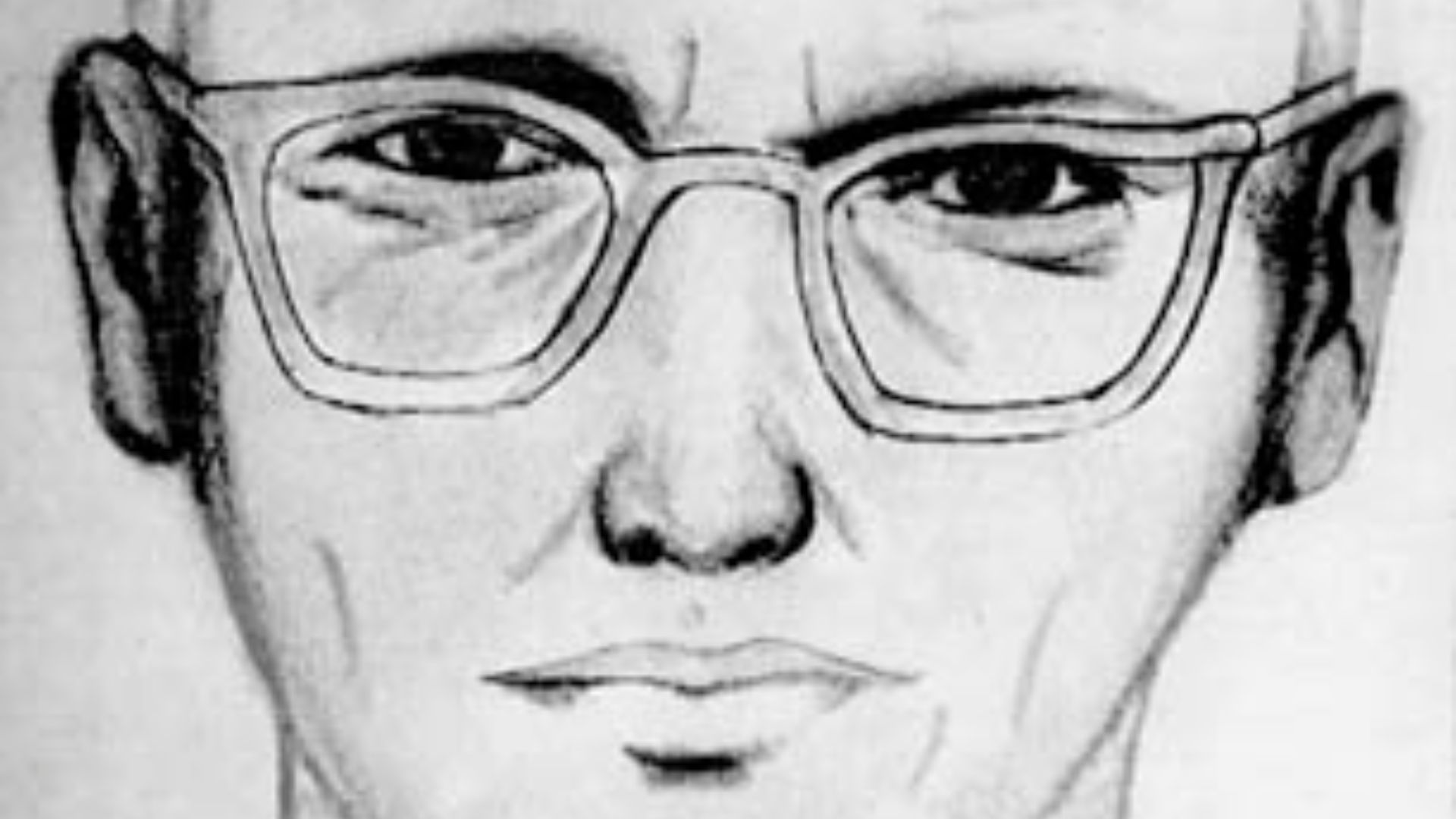
Randy Kenney said his friend Louie Myers confessed in 2001 to being the Zodiac Killer, and she only did it after receiving a terminal diagnosis. Myers had circumstantial links to Vallejo and some of the victims, but former officers noted that he didn’t really resemble descriptions. Not only that, but Kenney had no weapon or other physical proof to offer.
 San Francisco Police Department on Wikimedia
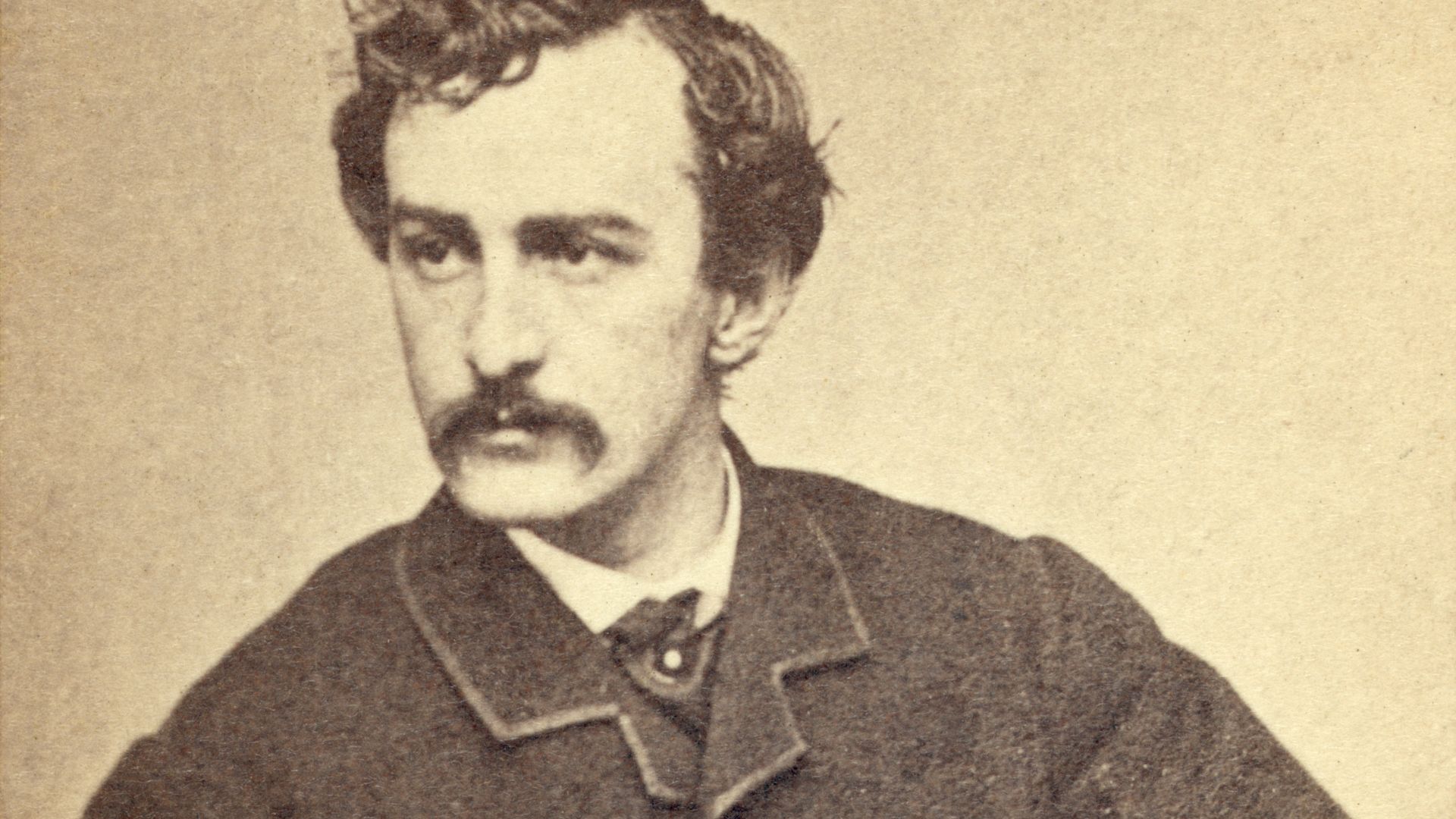
7. John St. Helen Said He Was John Wilkes Booth
When Texas saloonkeeper John St. Helen got ill with pneumonia, lawyer Finis Bates later said that he identified himself as John Wilkes Booth. Well, St. Helen recovered and elaborated, but Booth’s body had already been recognized in 1865 by people who knew him. Historians vehemently deny the claim and dismiss it as nothing more than conspiracy.
 Alexander Gardner on Wikimedia
8. Jacob Waltz Left Several Paths to One Mine
When Arizona prospector Jacob Waltz died in 1891, he reportedly shared directions to a gold mine hidden somewhere in the Superstition Mountains. Sure enough, different people have different versions of his final instructions, but each thought they had the correct route. More than a century later, treasure hunters still comb the area because no one has ever been able to prove which version, if any, was actually true.

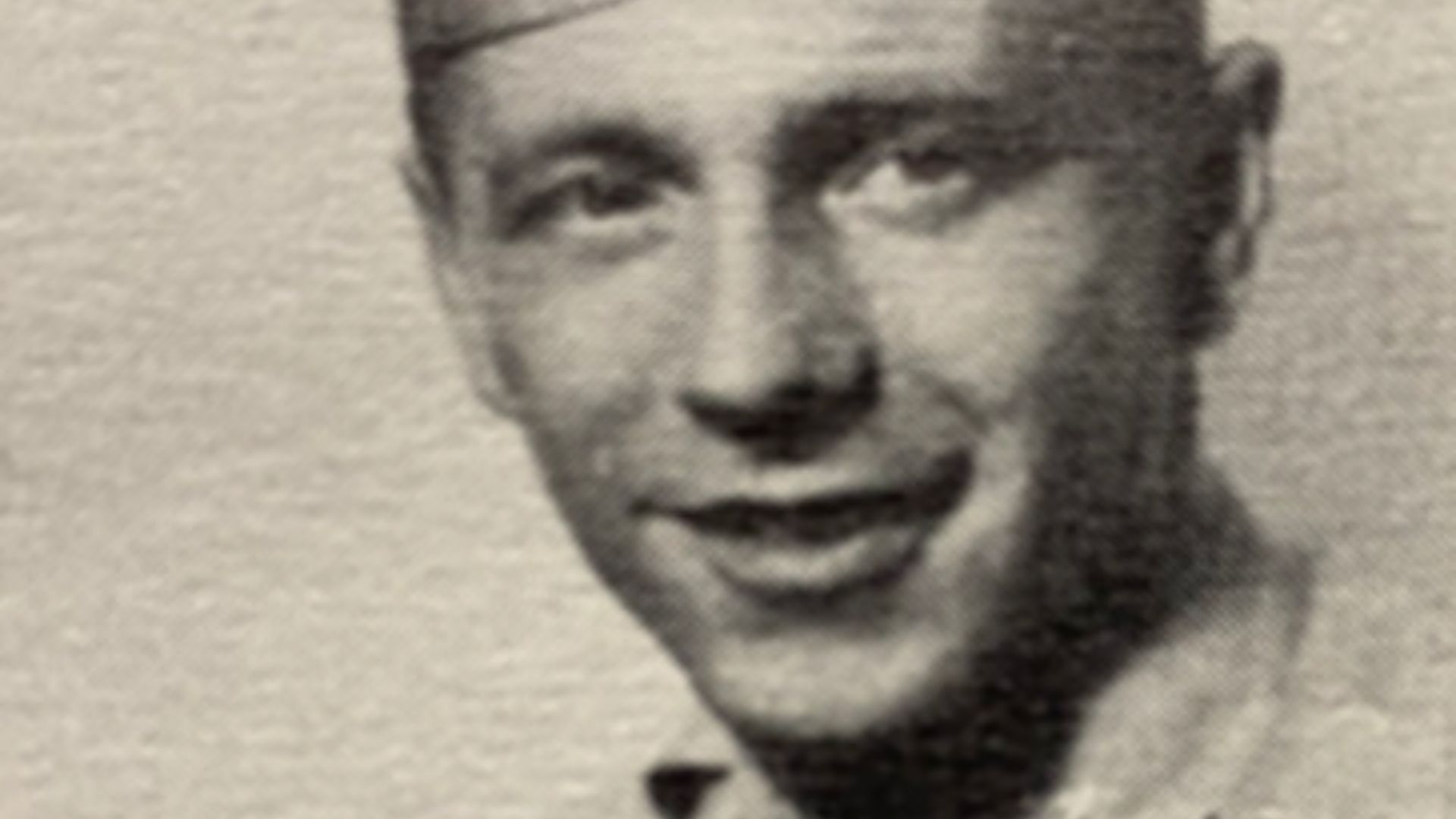
9. Walter Haut Sealed His Roswell Account
Walter Haut, the officer who issued the 1947 Roswell press release, signed an affidavit in 2002 that stayed sealed until after his death. In it, he said that strange debris and small bodies were recovered, directly contradicting what the U.S. Air Force said—that the wreckage was nothing more than a balloon. Despite being written 55 years after the incident, people just about ran away with potential meanings.
 US Govt (Roswell Army Air Field staff) on Wikimedia
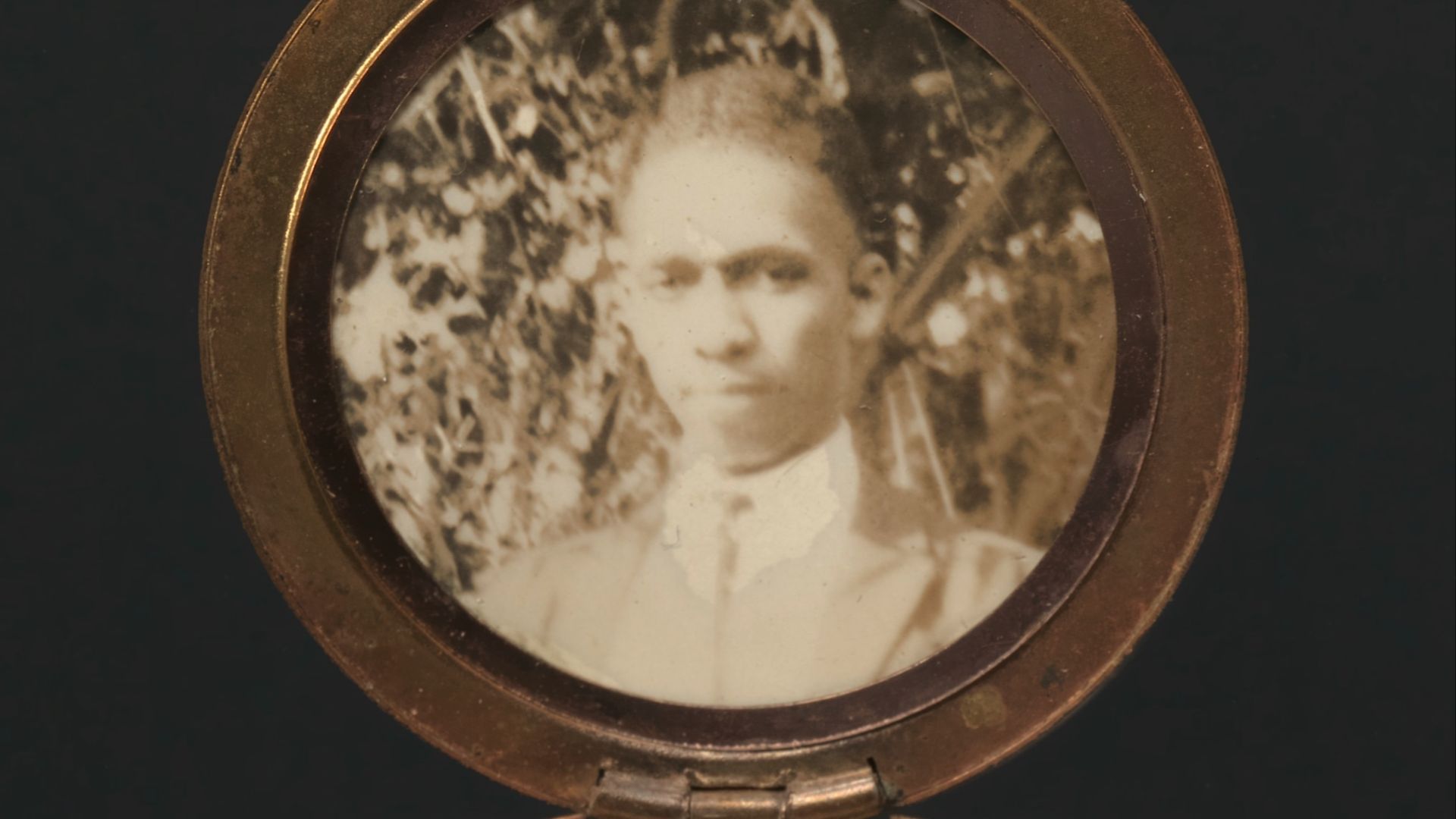
10. Edward Spivey Pointed to the Moore Bombing Plot
Edward Spivey was dying of cancer in 1978 when he told investigators that Joseph Neville Cox had planted the bomb that killed Harry and Harriette Moore in 1951. Later reviews actually did identify Cox, Spivey, and two other suspects as the likely group, but all four were dead, and no trial could happen.
 Intellectualpropri on Wikimedia
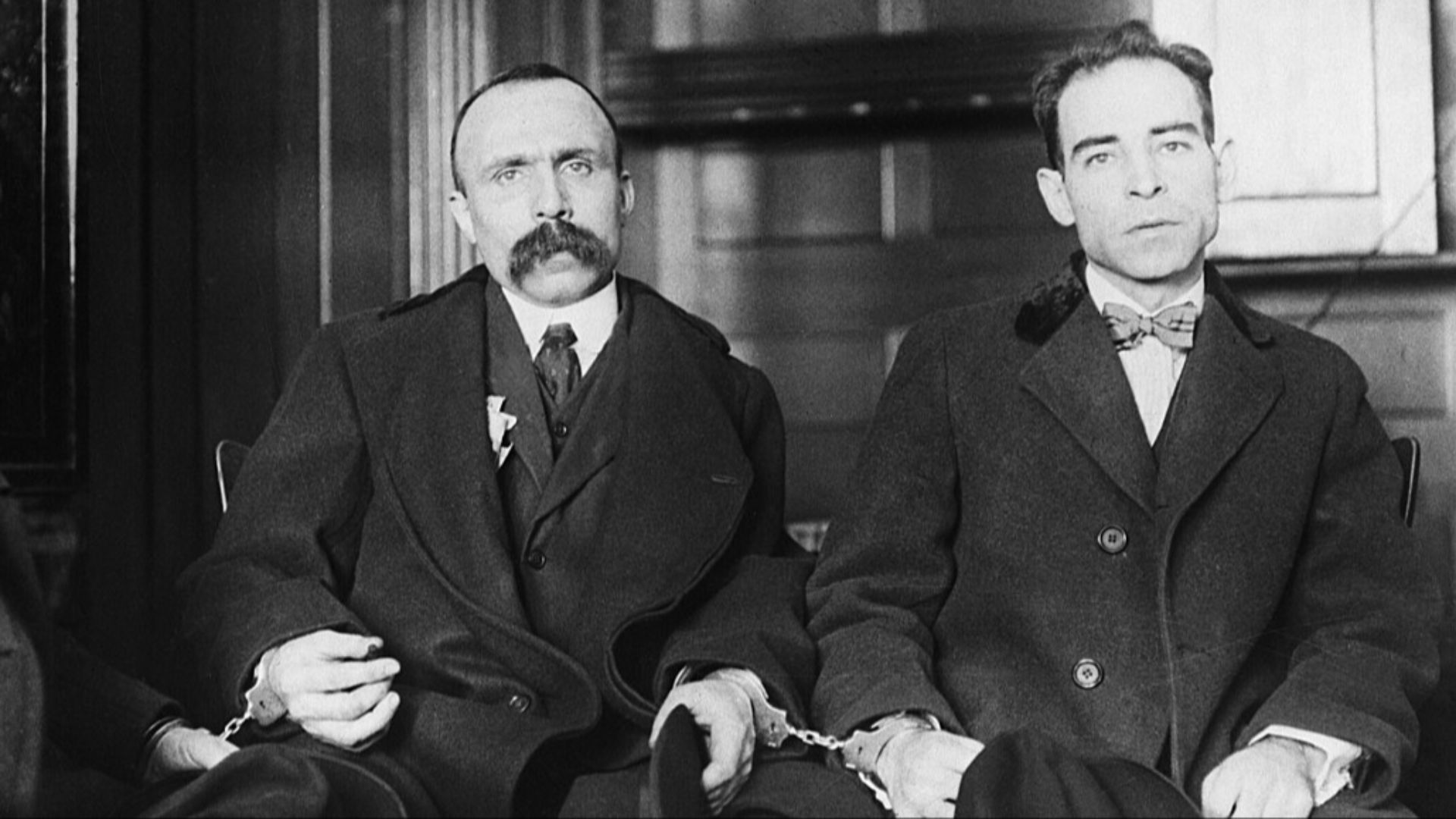
11. Celestino Madeiros Tried to Clear Sacco and Vanzetti
While awaiting execution in 1925, Celestino Madeiros confessed to participation in the South Braintree payroll robbery, insisting Nicola Sacco and Bartolomeo Vanzetti weren’t there. The confession became one of the biggest arguments for their innocence, but Judge Webster Thayer rejected it as unreliable, and inconsistencies still have historians divided.
 Unknown authorUnknown author on Wikimedia
12. Kreszentia Mayer Accused Her Brothers
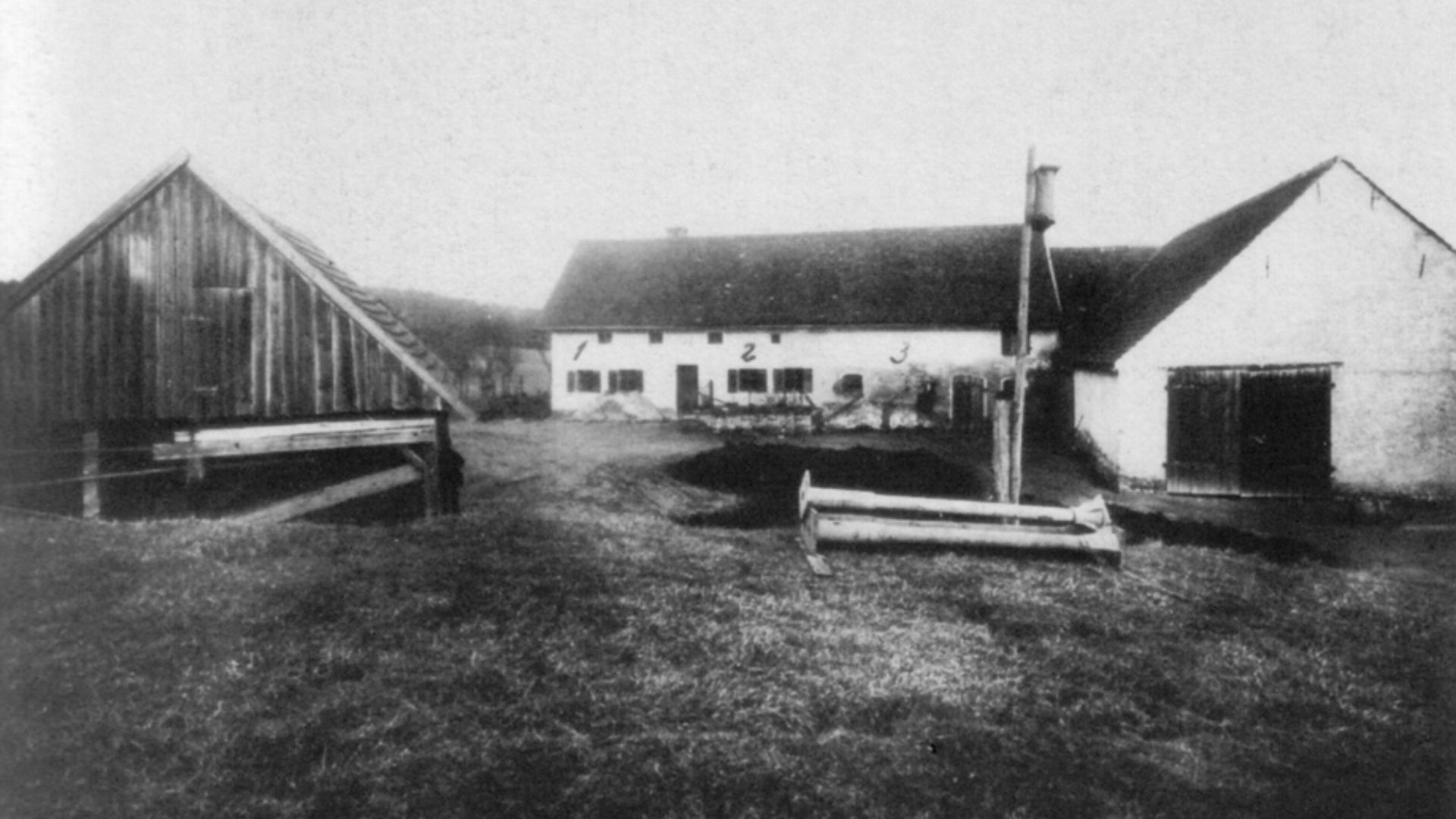
For some people, just saying Hinterkaifeck sparks a thousand theories about what happened. Well, a deathbed accusation revived the investigation in 1951 when Kreszentia Mayer reportedly told priest Anton Hauber that her brothers committed the 1922 atrocity. Nothing really came of it, though. Prosecutors couldn’t prove Anton was involved, Adolf was already dead, and the case was closed in 1954.
 Andreas Biegleder on Wikimedia
13. Toni Mannix Allegedly Confessed About George Reeves
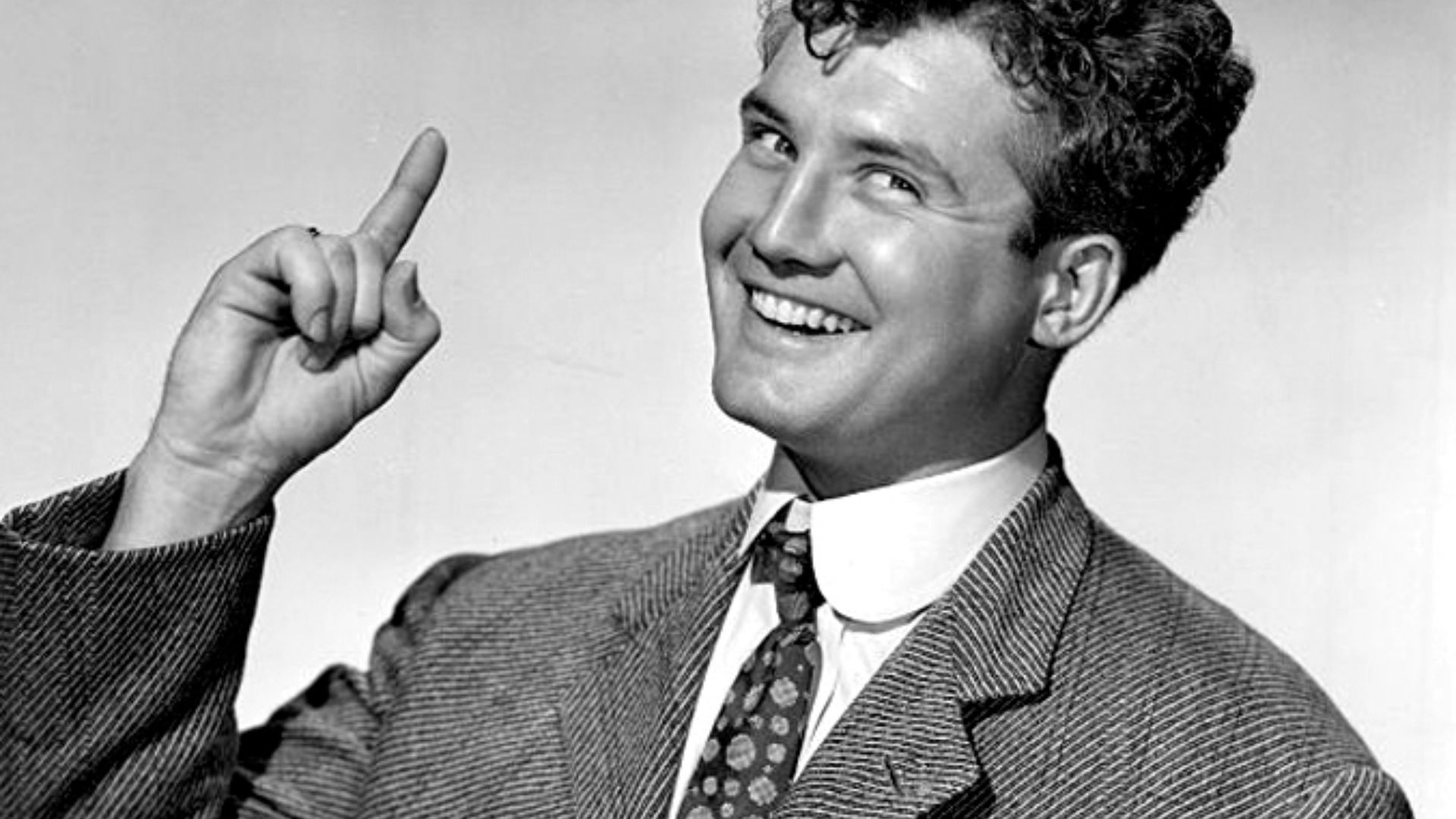
Publicist Edward Lozzi claimed he overheard Toni Mannix confess to a priest that she arranged actor George Reeves’s 1959 death. The whole thing was kind of a mess; theories already blamed Reeves’s fiancée, and Lozzi didn’t even publicize his account until 15 years after Mannix died. Reeves's death is still officially classified as a suicide.
 Paramount Pictures on Wikimedia
14. Gerard Soete Confessed About Lumumba
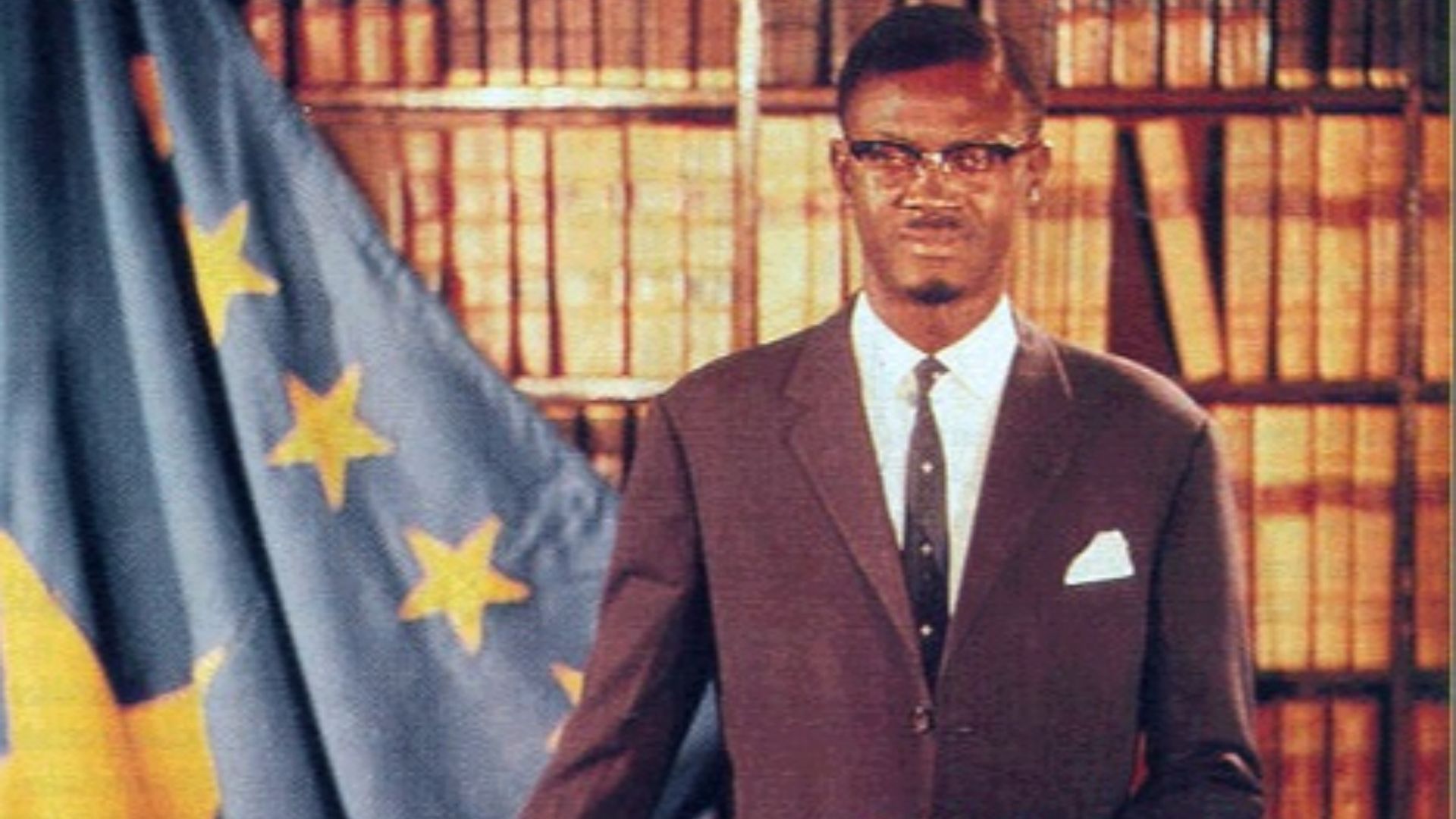
Years after helping cover up the 1961 assassination of Congolese leader Patrice Lumumba, Belgian police commissioner Gerard Soete openly admitted to what happened. He also acknowledged keeping several teeth as souvenirs. Belgium eventually returned one tooth to Lumumba’s family, but prosecutors acknowledged there was no certainty about its identity, mainly because DNA testing would destroy it.
 unknown, Republic of the Congo (Léopoldville) government on Wikimedia
15. Kaspar Hauser Described His Fatal Wound
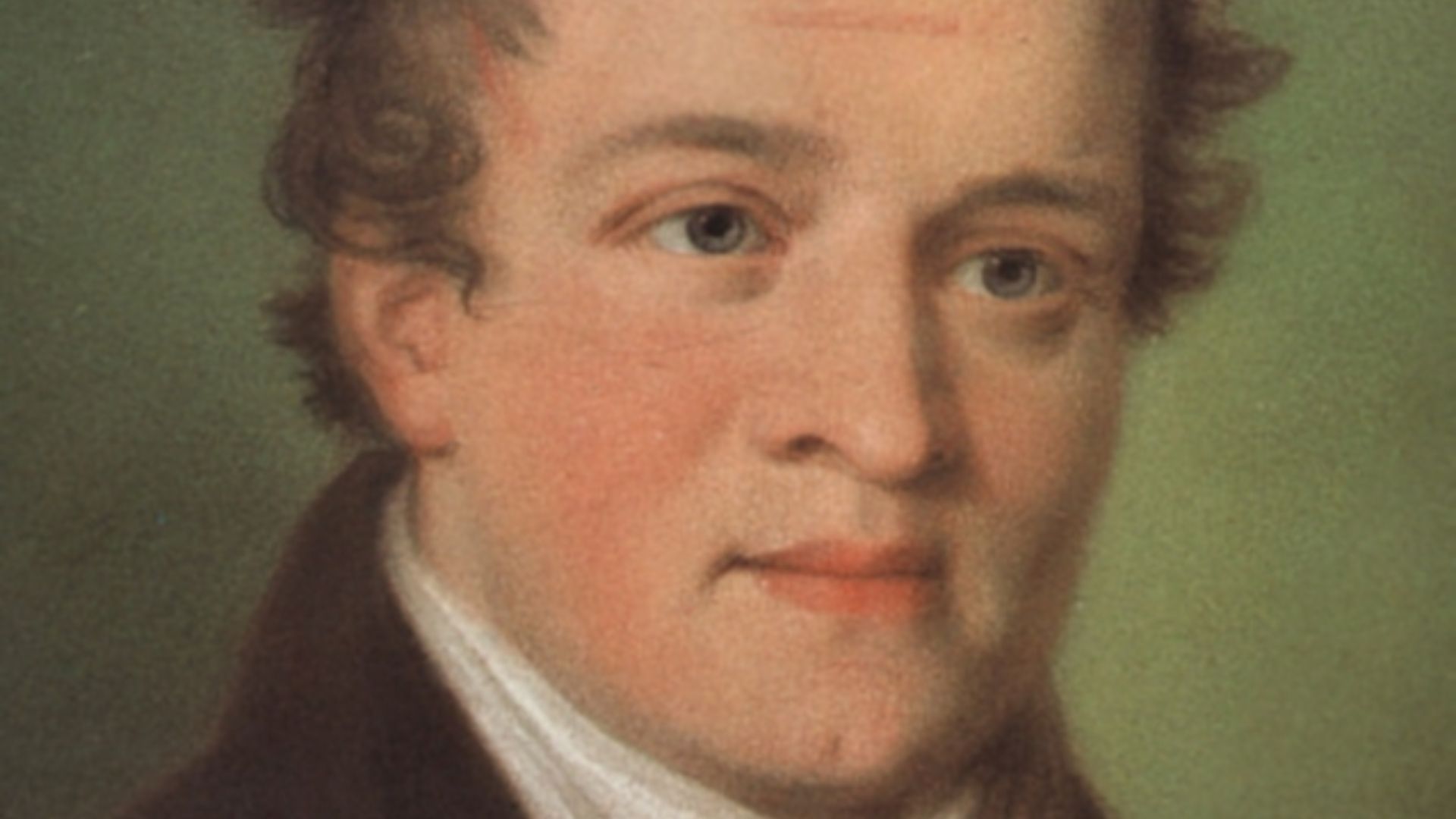
After being stabbed in 1833, Kaspar Hauser claimed he was attacked by a mysterious stranger who lured him into a park. Hauser thought he’d get information about his past, but he died three days later. Investigators found inconsistencies that suggested a self-inflicted wound, while modern analysis has since ruled out the theory that Hauser was a missing prince of Baden.
 Johann Lorenz Kreul on Wikimedia
16. Sir James Tyrrell Allegedly Named Richard III
Sir James Tyrrell supposedly confessed while imprisoned in 1502 to arranging the murders of Edward V and his younger brother. No original record of the confession survives, though, and today’s historians still question whether More accurately reported what Tyrrell said.
17. Perkin Warbeck Confessed to a Common Birth
Before his 1499 execution, Perkin Warbeck’s confession identified him as a commoner from Tournai—not Richard, Duke of York. The thing is, that confession was made while he was imprisoned by Henry VII, so some historians debate whether it was the truth or just something the Tudor government wanted.
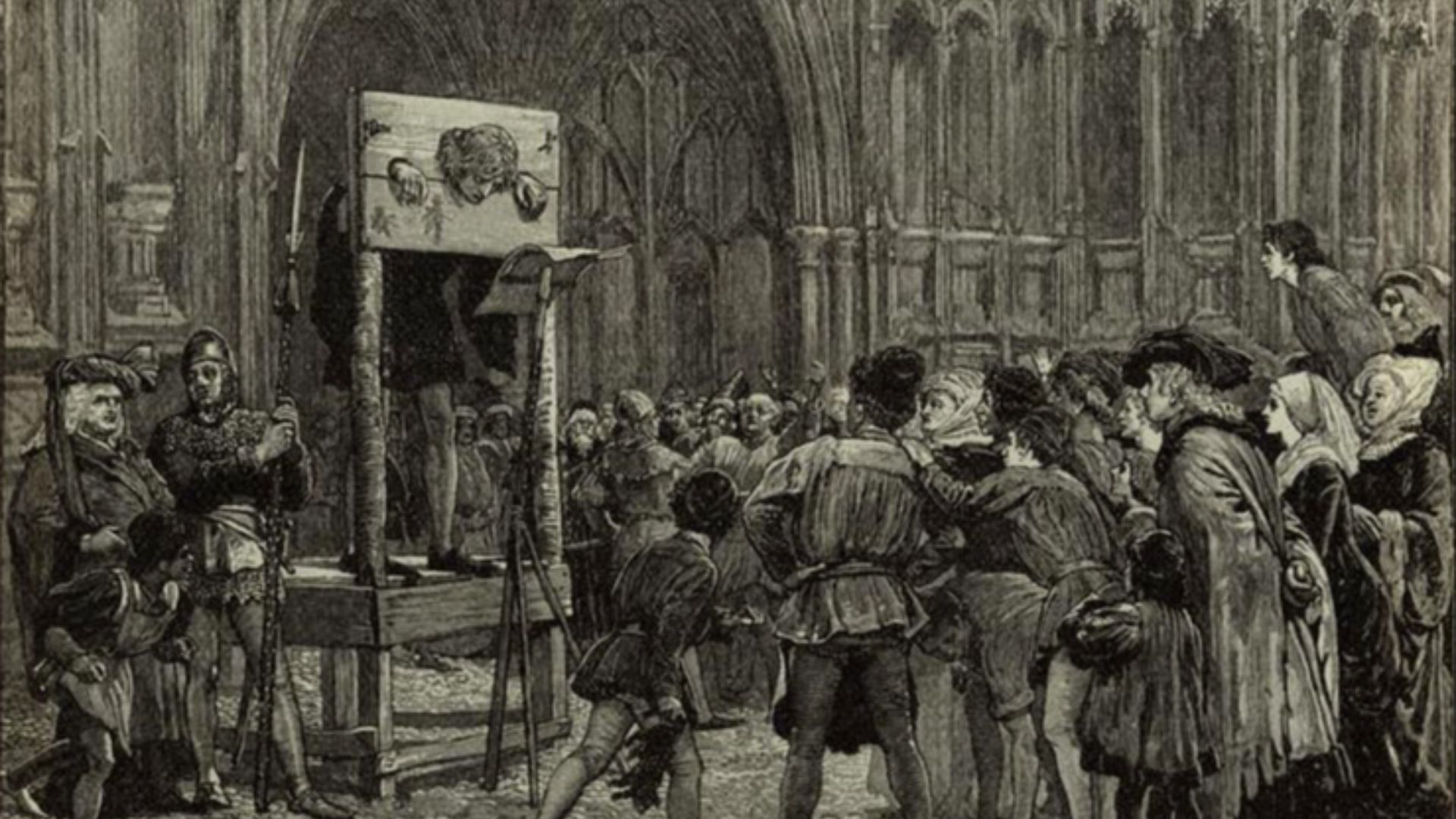 Paget, H. M. (Henry Marriott) on Wikimedia
18. Harold Julien Reported Explosions
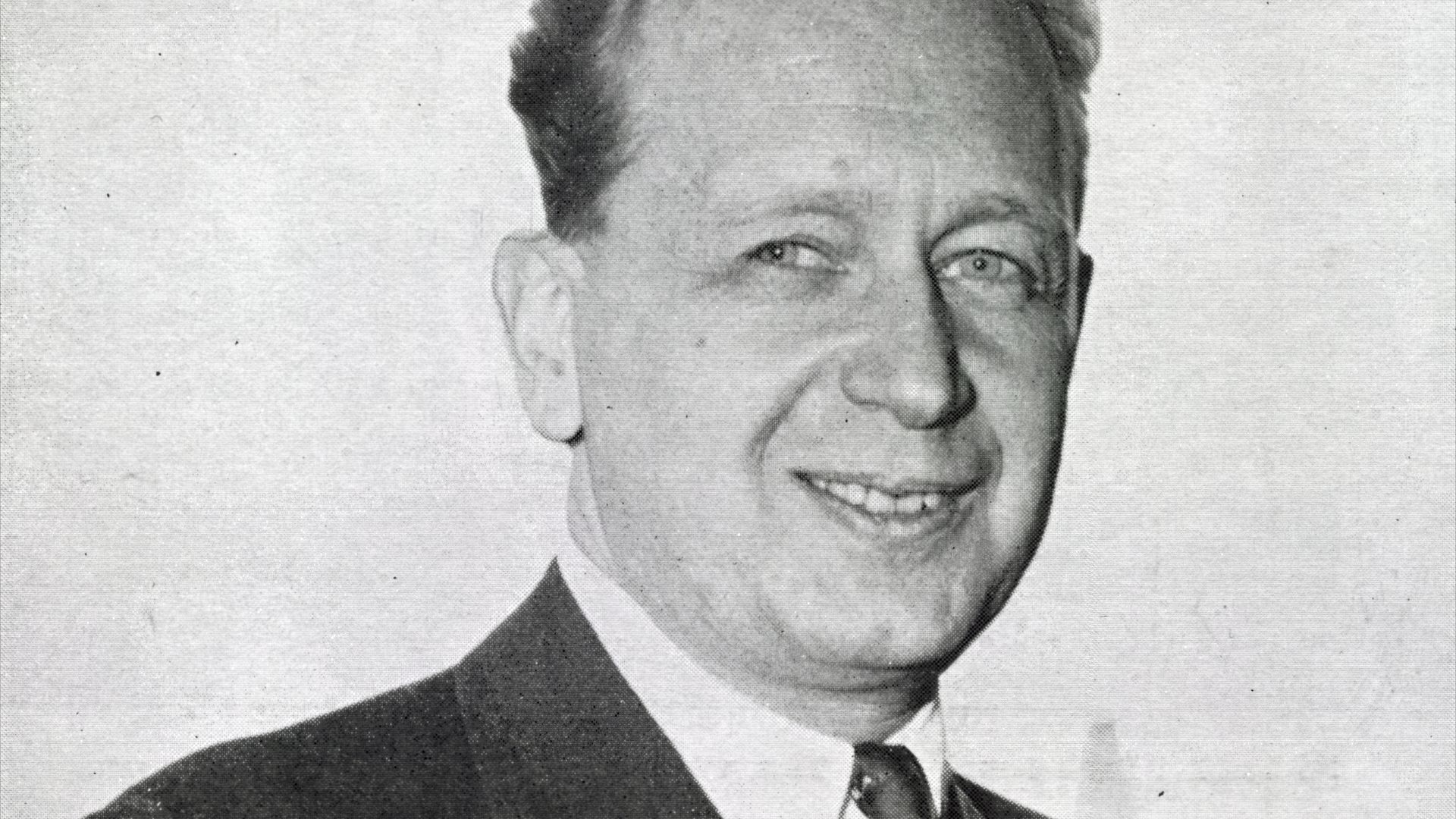
For five days after the 1961 crash that killed UN Secretary-General Dag Hammarskjöld, security officer Harold Julien was alive in the hospital. He then told an inspector that the aircraft had blown up, suggesting the crash may not have been an accident. Different witnesses have different accounts of his final statement, though, so investigators have debated this whole thing for decades.
19. Lord Dawson Timed King George V’s Death
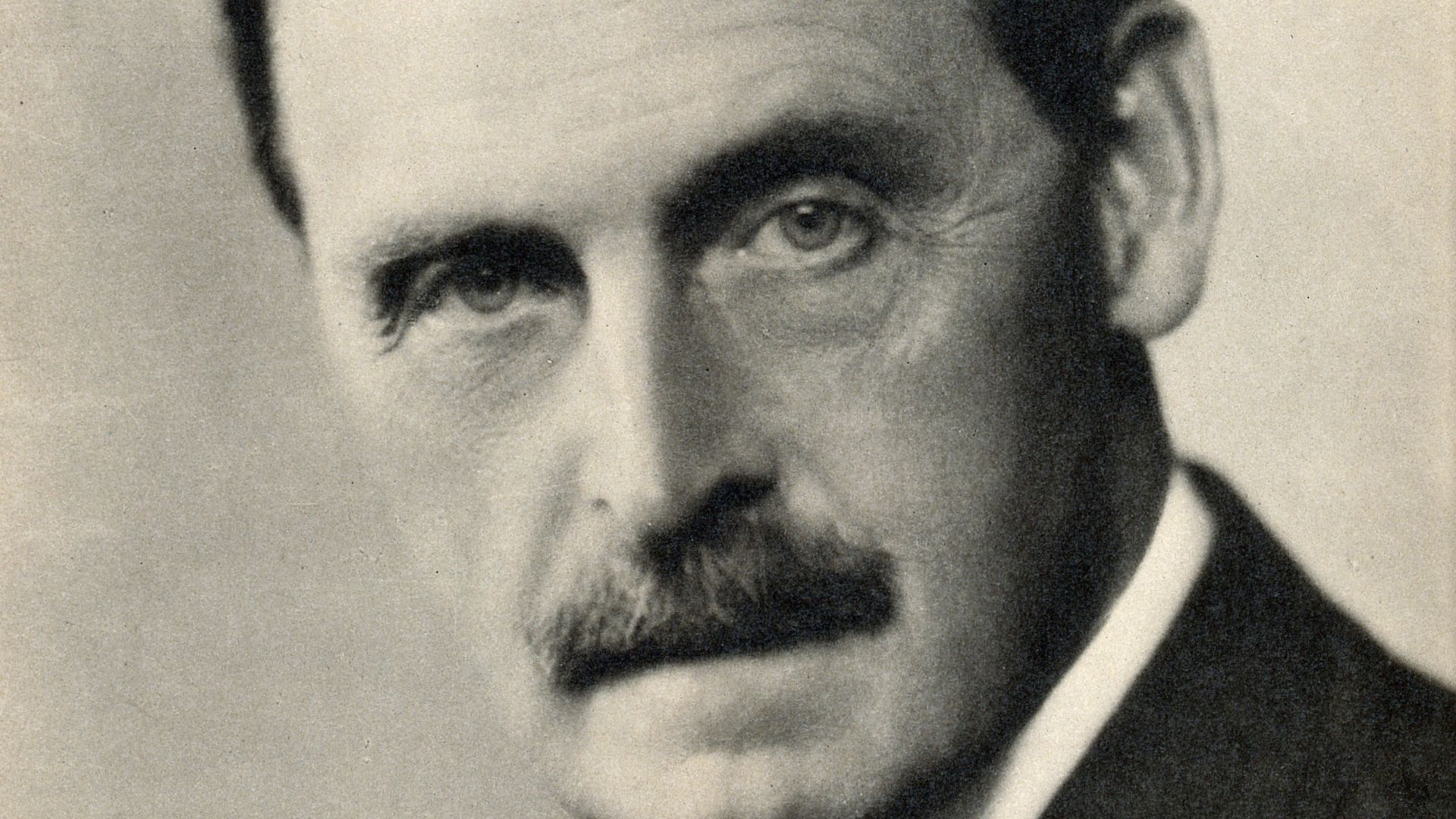
King George V's physician, Lord Dawson of Penn, privately recorded that he was the one who provided fatal doses of morphine to the king in 1936. He also wrote that he wanted the monarch to die peacefully, believing the confession would be an easier pill to swallow if it wound up in the morning edition of The Times rather than evening newspapers.
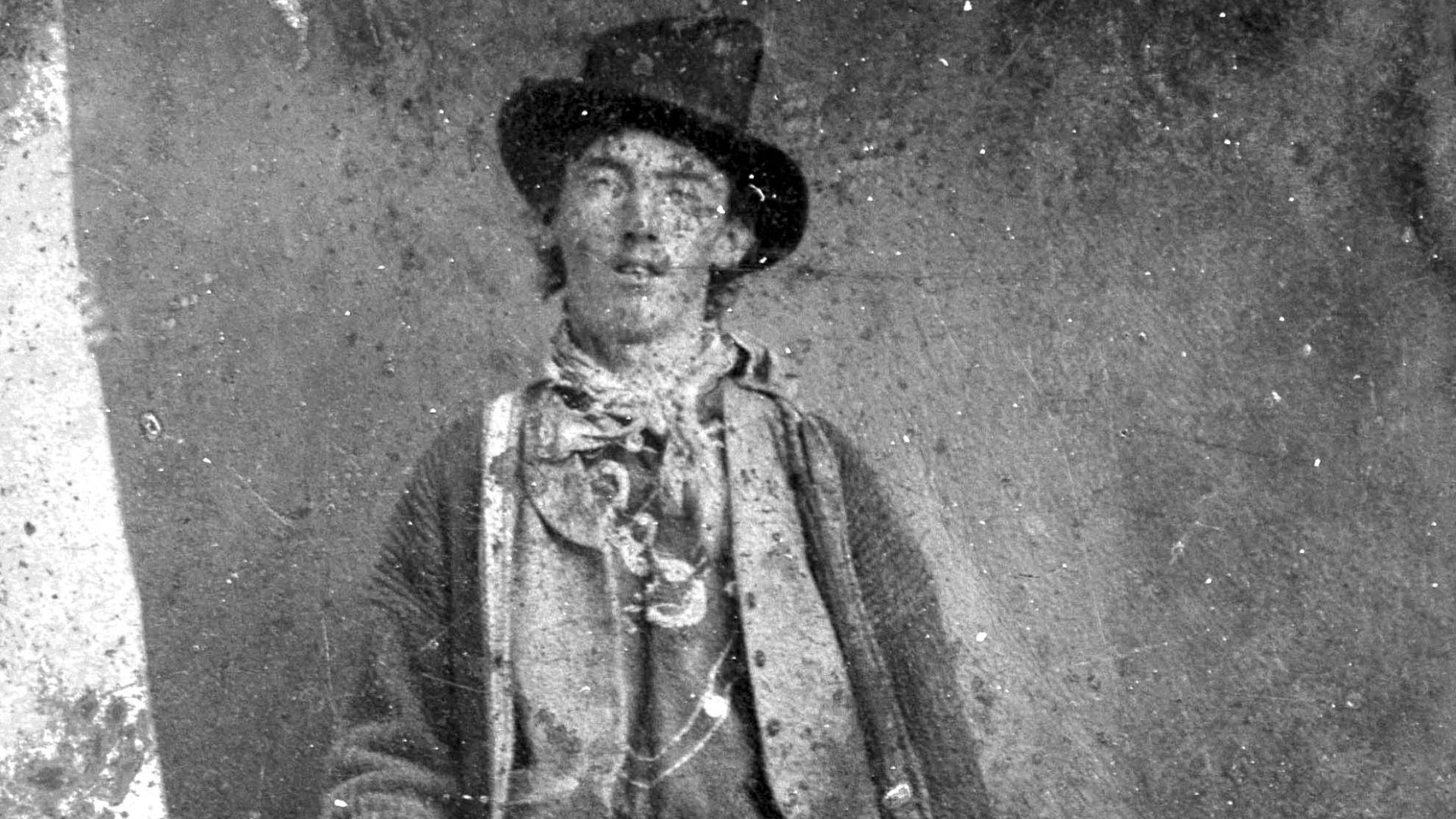
20. Brushy Bill Said Billy the Kid Was Still Alive
Back in 1950, an old-timer named Ollie “Brushy Bill” Roberts asked New Mexico’s governor to pardon him for Billy the Kid’s crimes, insisting he was the outlaw. As interesting as it would’ve been, family records placed Roberts’ birth around 1879, which would have made him a child when Billy was reported killed in 1881.
KEEP ON READING