20 Historical Figures Who Supposedly Woke Up At Their Own Funeral
When The Funeral Was Seriously Premature
Few historical stories are more unsettling than accounts of someone being declared dead, placed in a coffin, and then apparently showing signs of life during their own funeral. Tales like these have circulated for centuries, often becoming more dramatic with every retelling. Some involve genuine medical emergencies in which a person was mistakenly believed to have passed, while others are difficult to verify and may have grown from rumors or folklore.
 Louis-Auguste Bisson on Wikimedia
1. Ann Green
Ann Green was an English woman executed in 1650 after being convicted, and her story became famous because she reportedly showed signs of life after being taken down. Those present noticed movement and other indications that she wasn't actually dead, leading to an extraordinary reversal of events. She was revived and eventually pardoned.
2. Margaret B. Clitherow
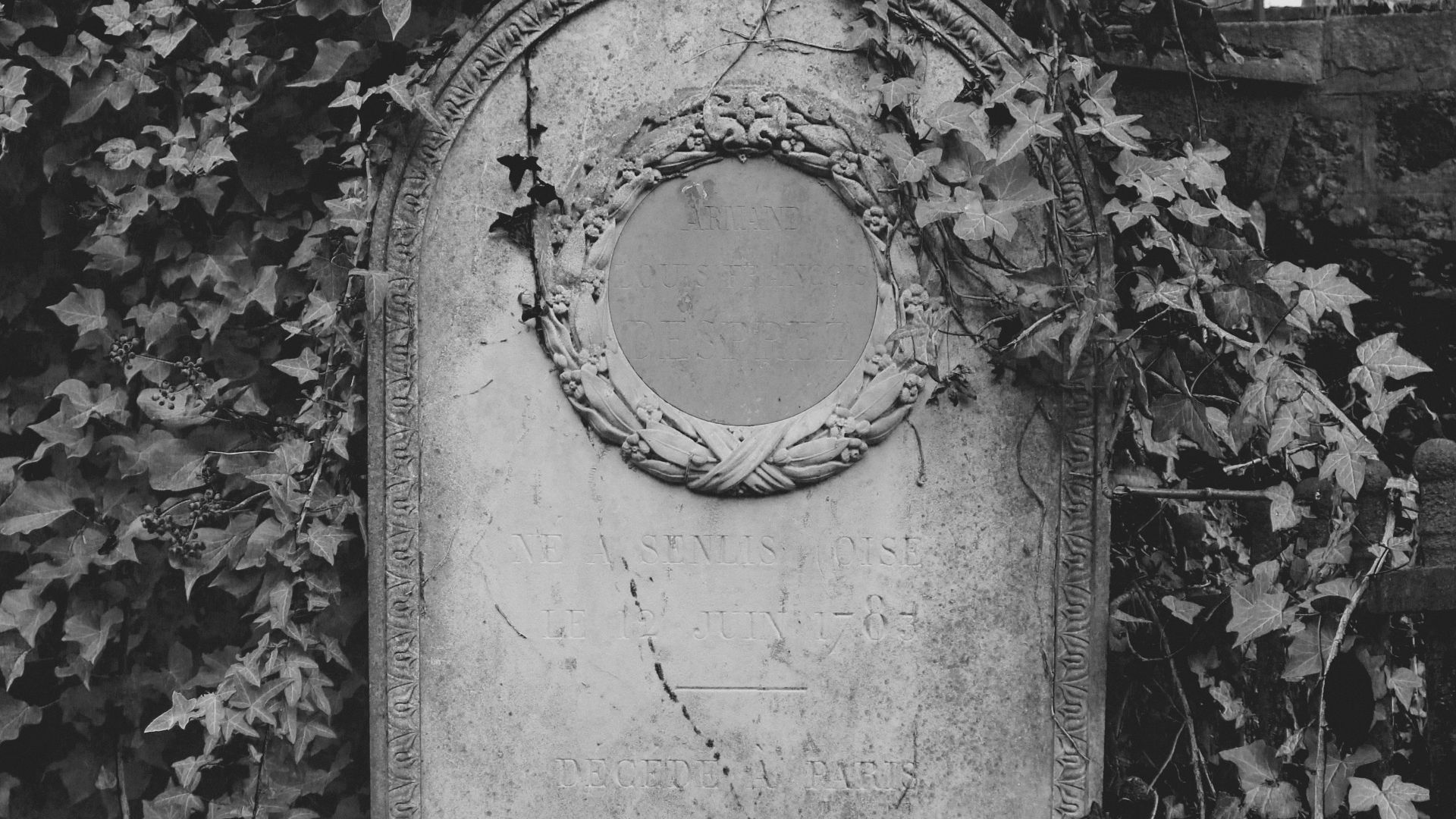
Margaret Clitherow is one of several historical figures who has sometimes been listed as waking up at her own funeral even though the evidence does not support it. She was executed in York in 1586 and passed during the punishment imposed on her. Later retellings have occasionally mixed her story with other accounts of people surviving apparent death.
3. Angelo Hays
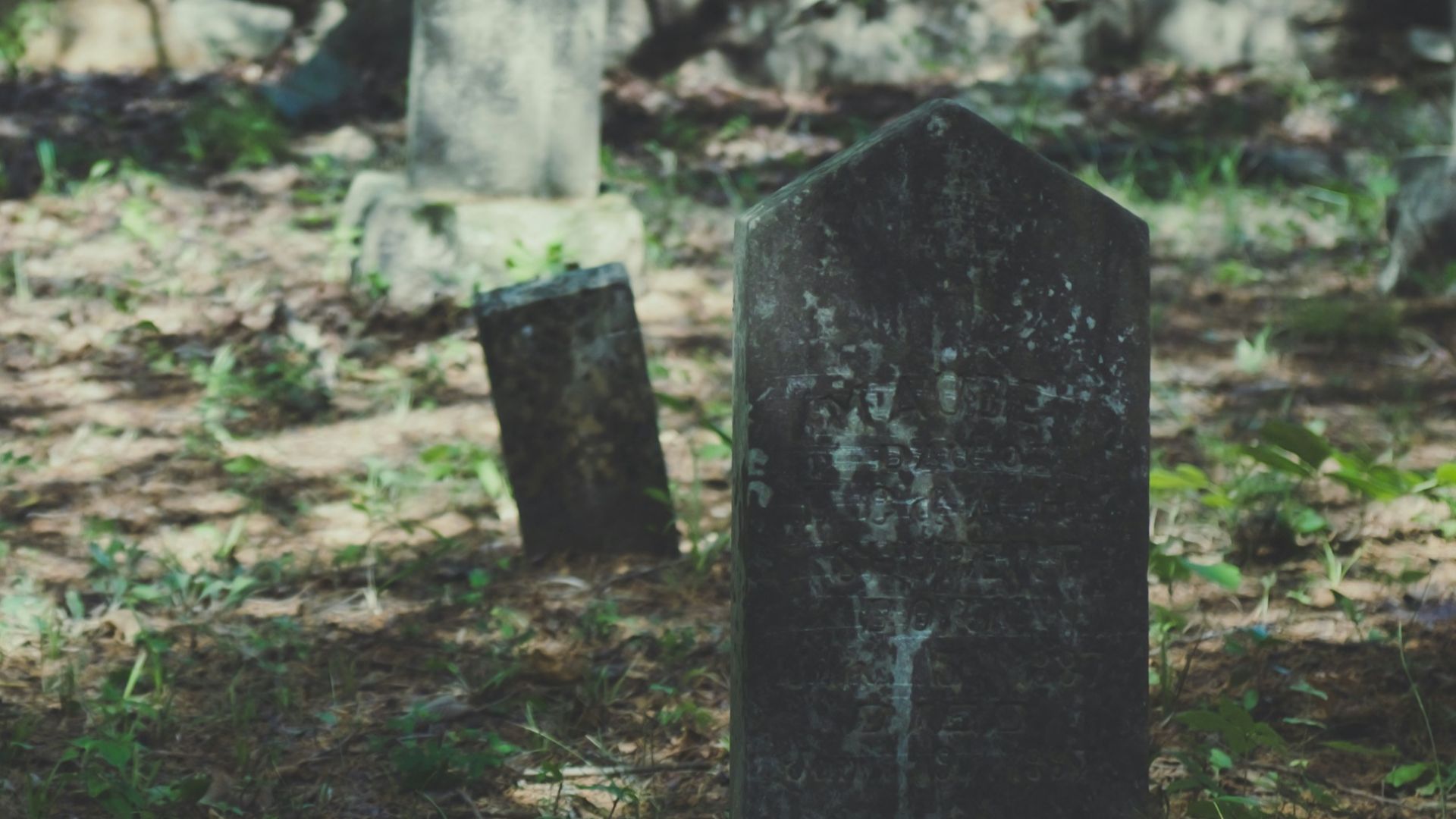
Angelo Hays became one of the most famous modern examples of an apparent premature burial after a motorcycle accident in France in 1937. He was declared dead, but his body was reportedly kept under observation after doctors noticed unusual signs suggesting that he might not have been completely lifeless. Hays survived and later became associated with stories about preventing premature burial.
4. Harriet Tubman
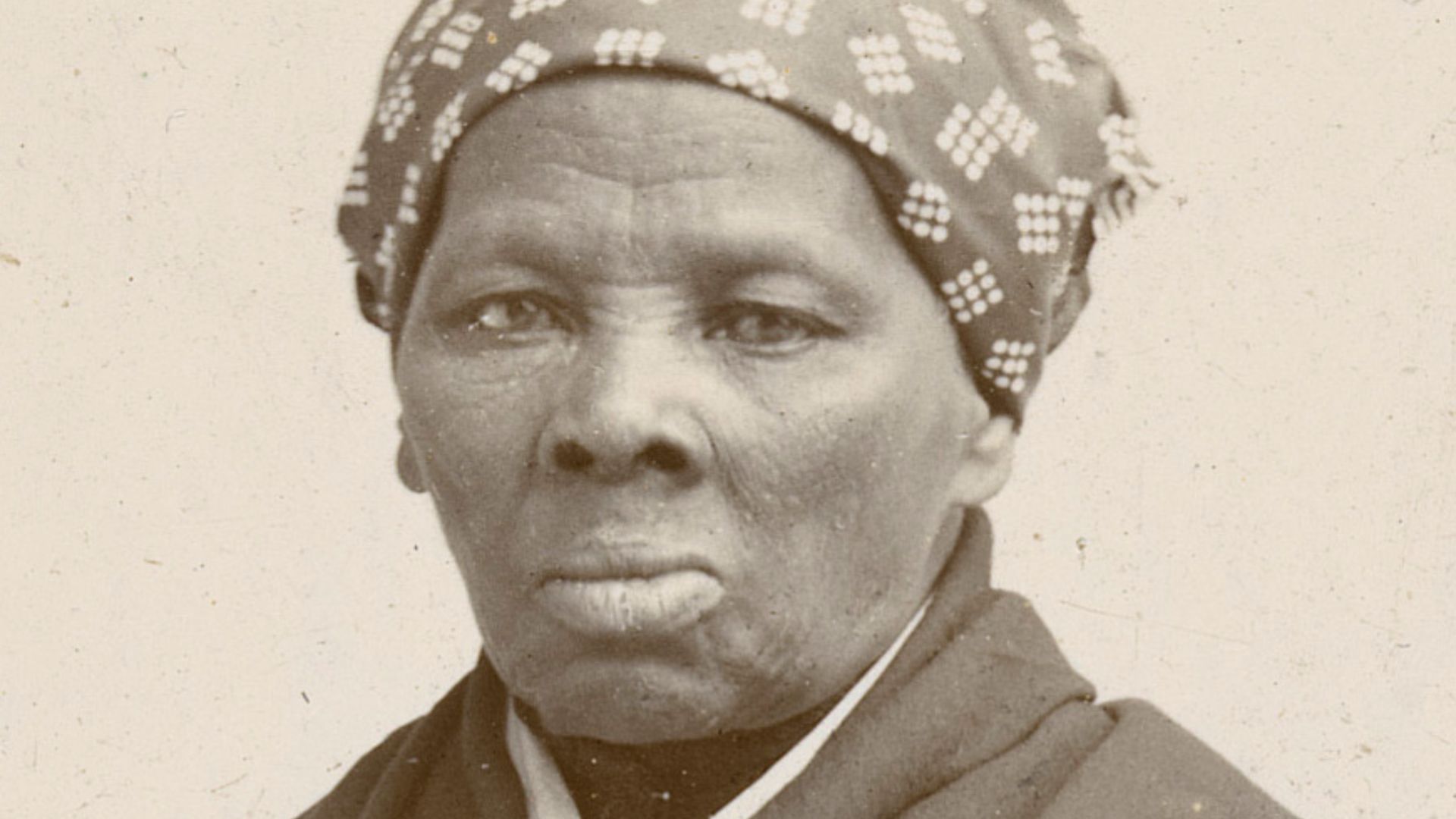
Harriet Tubman is occasionally pulled into lists of people who supposedly came back from the dead, but there is no reliable evidence that she woke during her own funeral. Her well-documented life already contains plenty of remarkable episodes, which may have helped later storytellers attach additional legends to her name. Her funeral took place in 1913, and accounts of the ceremony do not establish that she regained consciousness.
 Horatio Seymour Squyer on Wikimedia
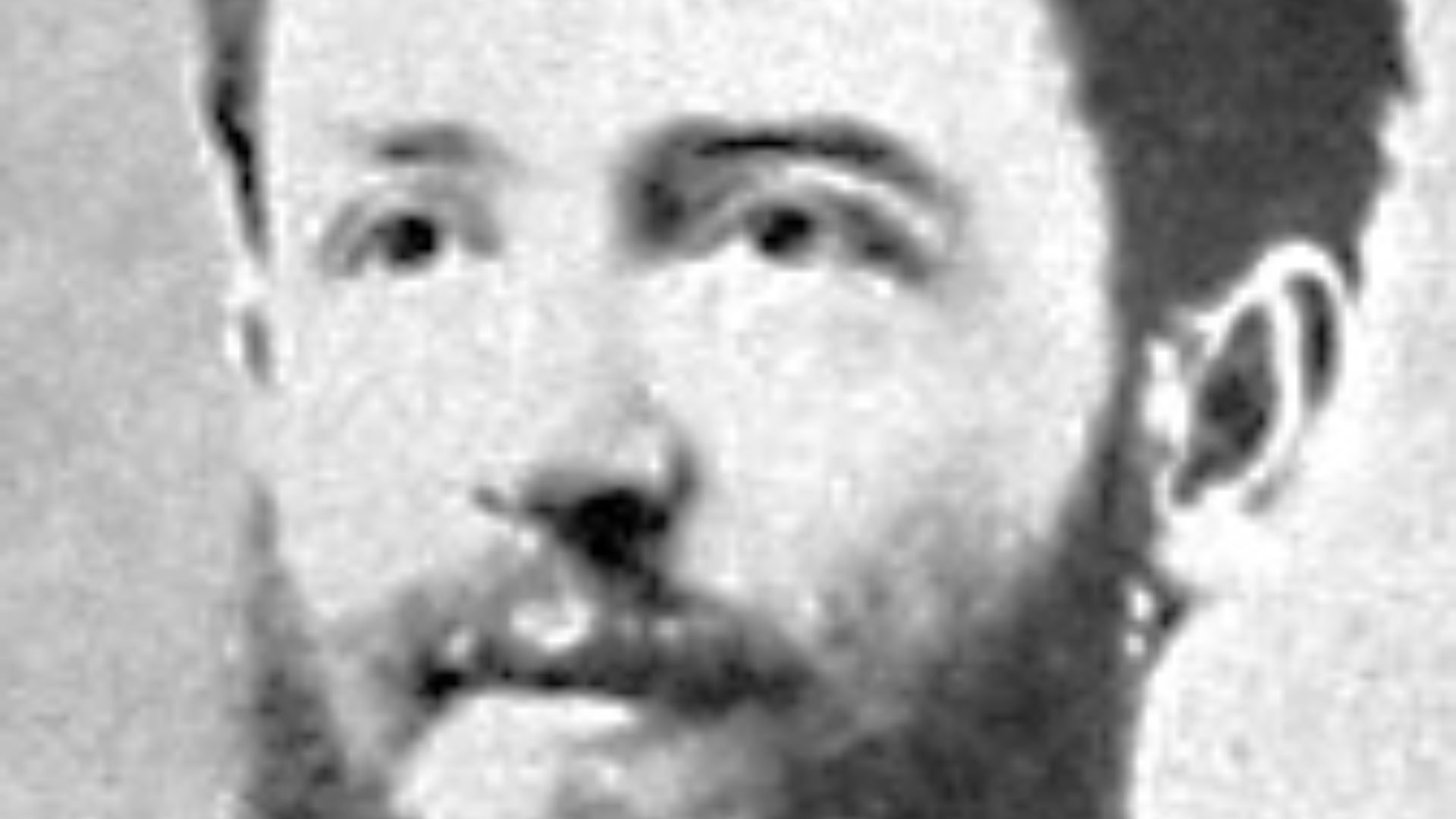
5. Washington Irving Bishop
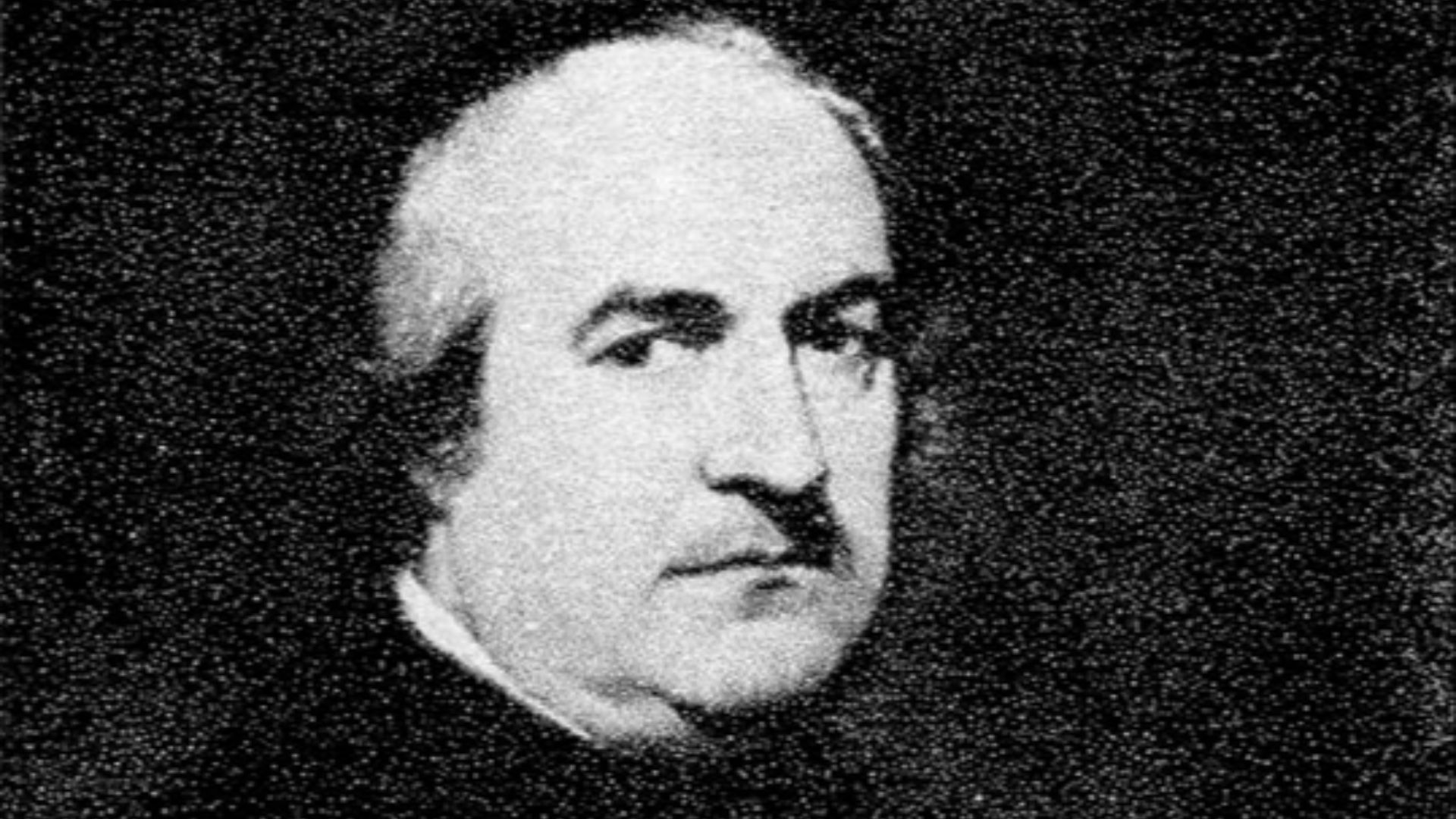
Washington Irving Bishop, a nineteenth-century mentalist, became involved in one of the era's most bizarre controversies surrounding death and mistaken diagnosis. Bishop had a condition that sometimes left him appearing unresponsive, and after his death in 1889, some observers argued that he might have been in a cataleptic state rather than truly dead.
 Unknown authorUnknown author on Wikimedia
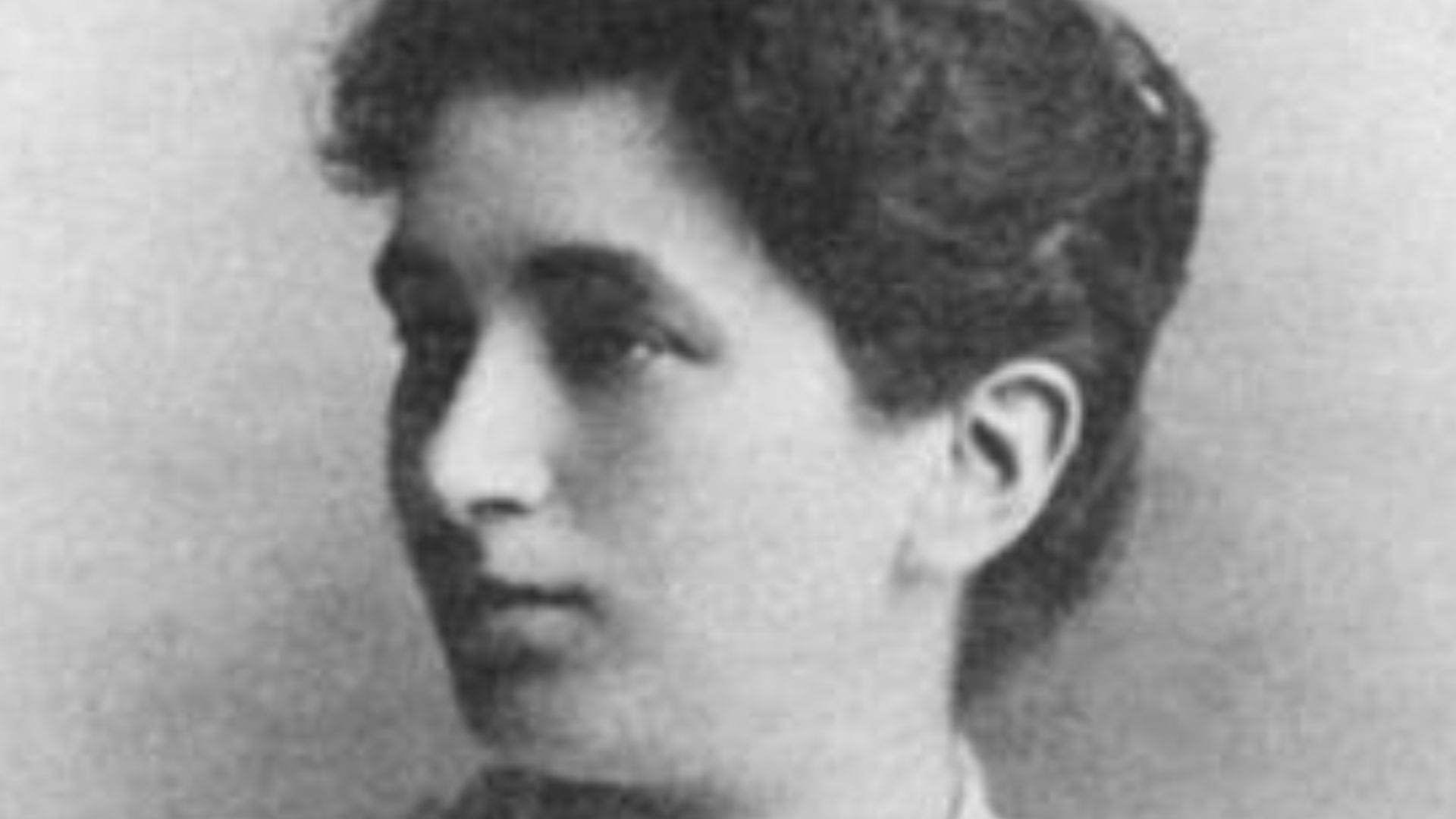
6. Emma Eckstein
Emma Eckstein appears in some collections of unusual medical stories, although claims that she awakened at her own funeral don't have strong historical support. Her actual medical history is documented through her association with Sigmund Freud and the complicated surgical treatment she underwent. Later lists sometimes combine genuine medical cases with sensational stories.
 Unknown authorUnknown author on Wikimedia
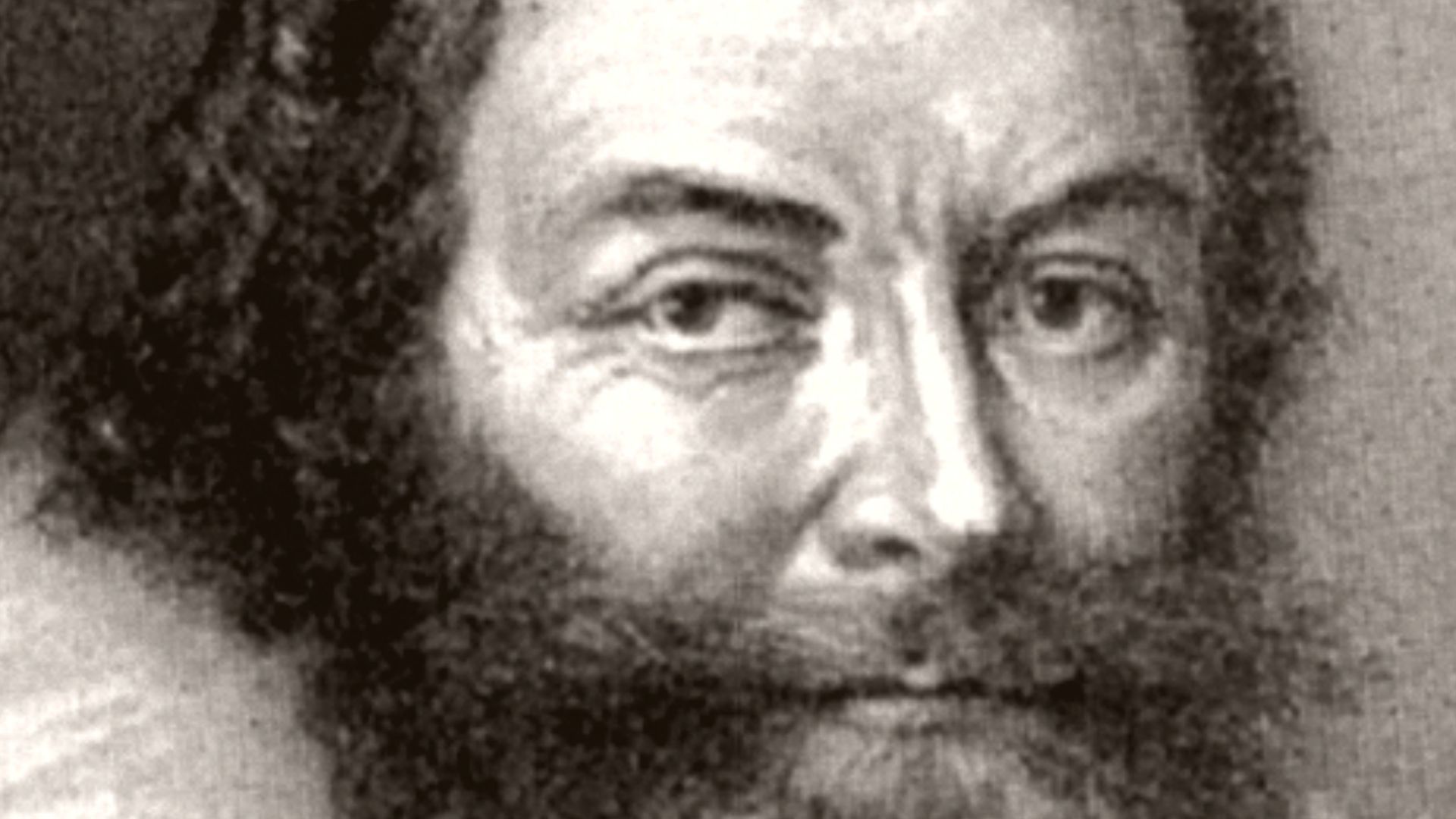
7. John Smith
John Smith of Vermont is credited with being the original story that a deceased individual sat up in their coffin before being buried. His family believed he had passed and began making funeral arrangements, but according to accounts, he regained consciousness before burial. The story is sometimes presented as a dramatic awakening at the funeral itself.
 derivative work: Spiderpig (talk)
Captain_John_Smith_gravure.jpg: Frédéric on Wikimedia
derivative work: Spiderpig (talk)
Captain_John_Smith_gravure.jpg: Frédéric on Wikimedia
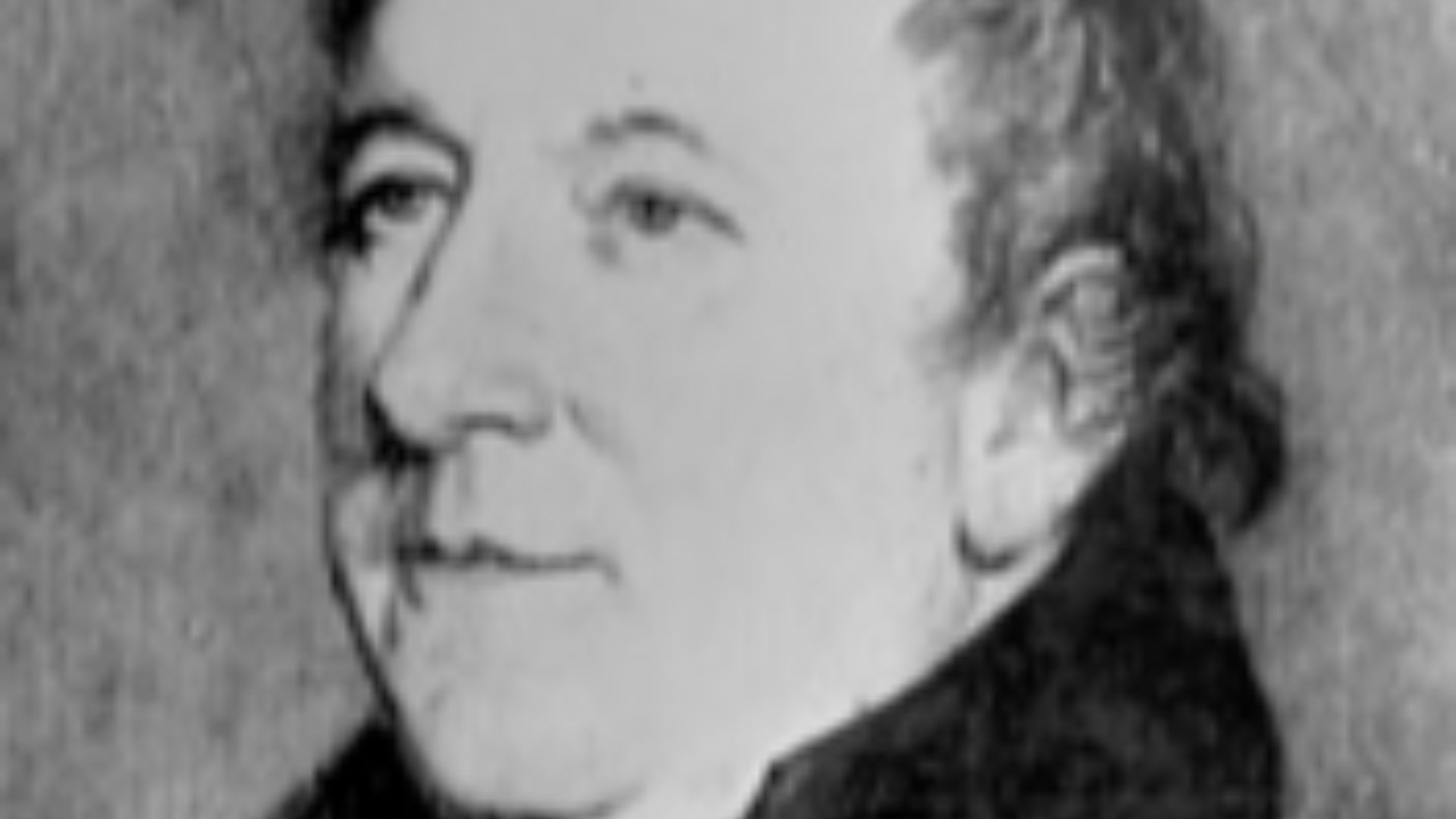
8. Rufus K. King
Rufus K. King is associated with one of several nineteenth-century American accounts involving people believed to have passed before unexpectedly showing signs of life. Stories of this kind were especially common during periods when doctors had fewer reliable methods for confirming death. Unfortunately, the surviving documentation for many such cases is thin.
 Unknown authorUnknown author on Wikimedia
9. Alice Blunden
Alice Blunden became the subject of a notorious English premature-burial story in the eighteenth century. According to contemporary accounts, she was believed to have passed after taking a substance, and her body was reportedly placed in a vault. When people later discovered evidence that she was still alive, she was removed and treated.
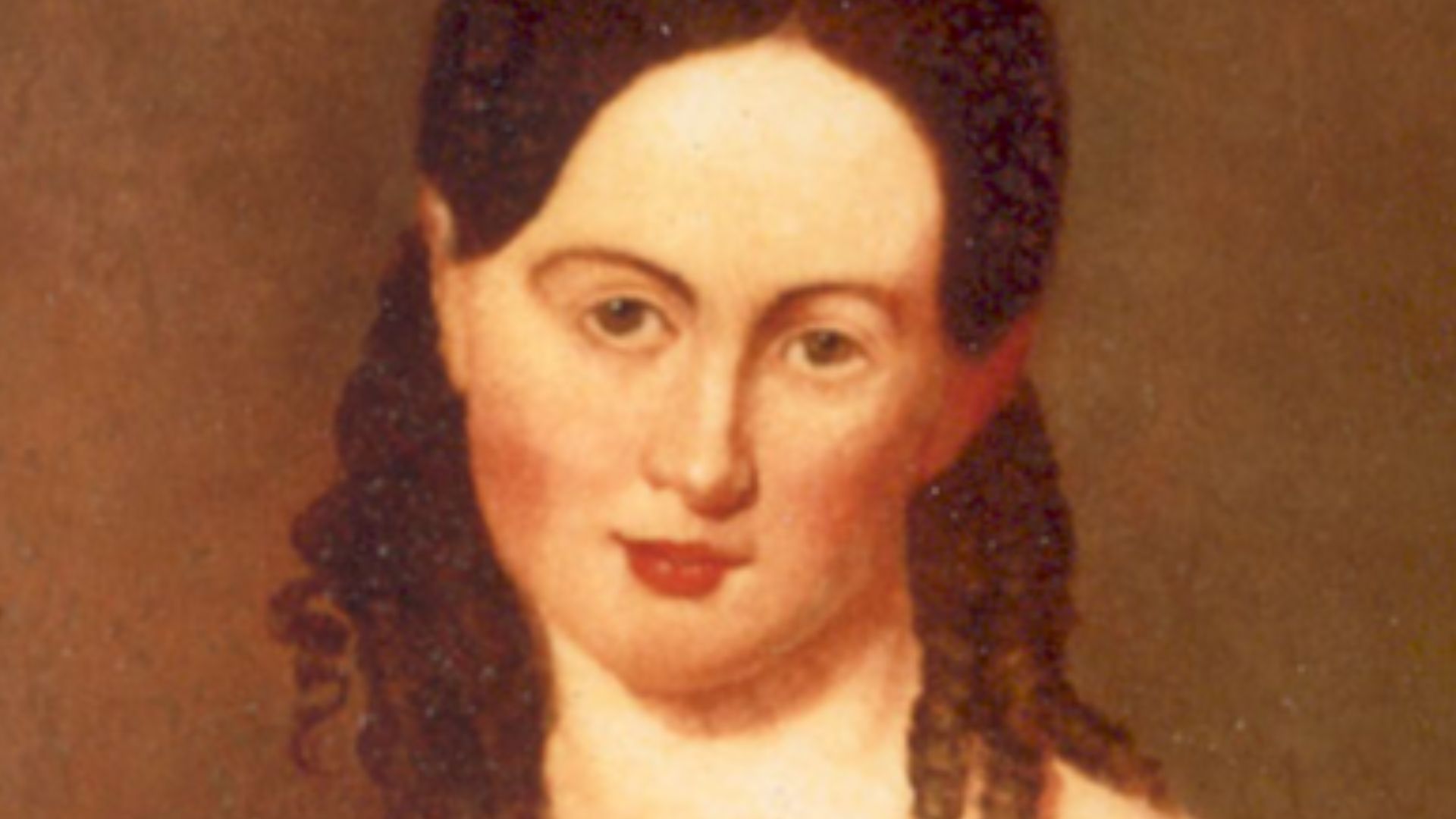
10. Anne Hill Carter
Confederate general Robert E. Lee's mother has been included on lists of famous people who woke up during their funeral. In reality, historians have found no information that Mrs. Carter had anything remotely resembling this happen to her. Her appearance on these lists is likely attributable to piling on famous individuals rather than actual occurrences.
 Unknown authorUnknown author on Wikimedia
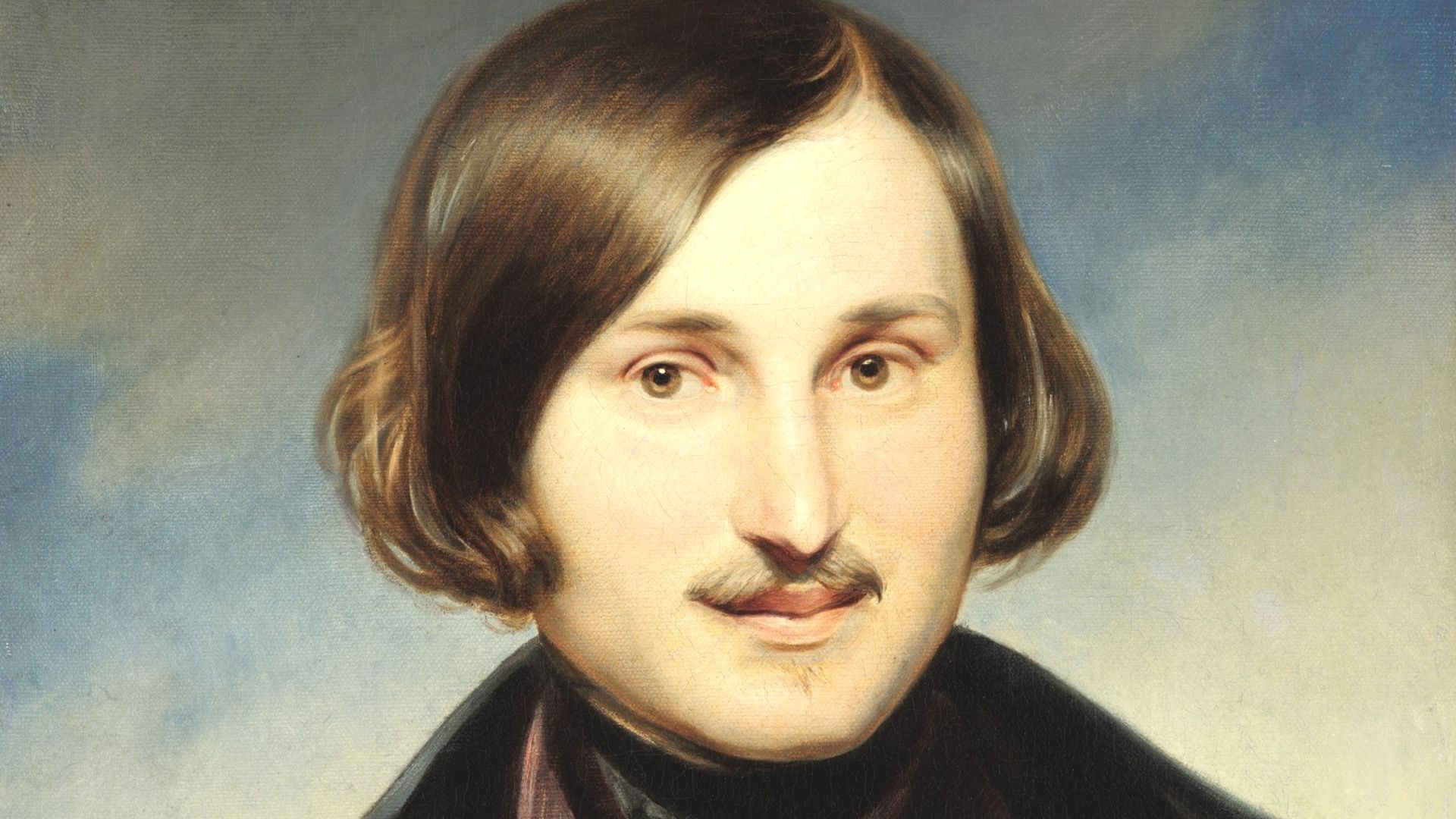
11. Nikolai Gogol
Russian writer Nikolai Gogol has long been surrounded by rumors that he was buried alive. The story gained particular attention because his body was reportedly found in a strange position when his grave was opened years later. That discovery fueled speculation that he had awakened inside the coffin, but historians have questioned whether the body's position actually demonstrated movement after burial.
 Otto Friedrich Theodor von Möller on Wikimedia
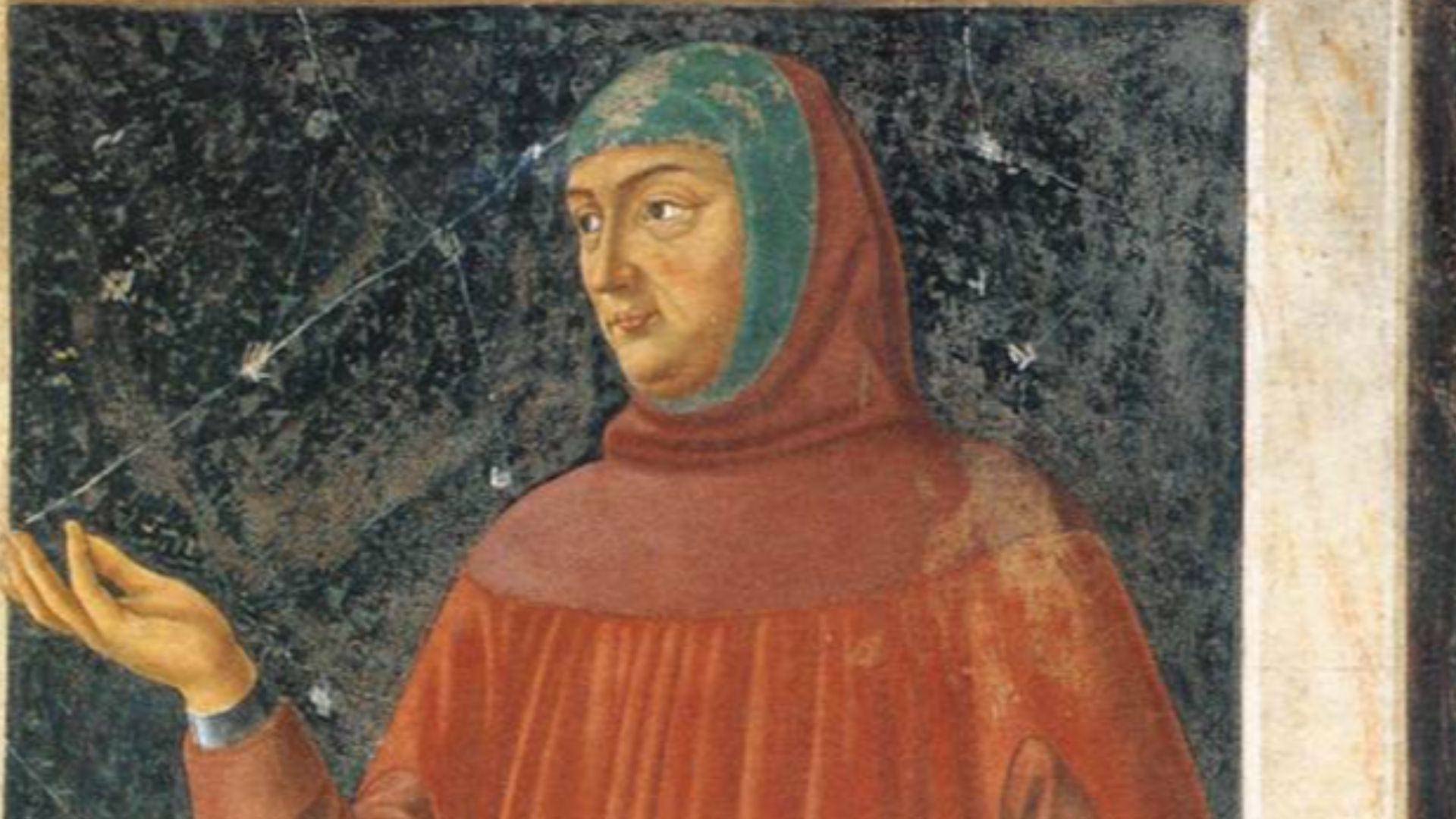
12. Francesco Petrarch
The famous Italian poet Petrarch has sometimes been mentioned in stories about people mistakenly declared dead, but there is no credible evidence that he awakened during his funeral. He passed in 1374 after becoming one of Europe's most influential writers. His inclusion in premature-burial lists demonstrates how easily centuries-old biographies can acquire dramatic details.
 Andrea del Castagno on Wikimedia
13. Washington Roebling
Washington Roebling, the engineer associated with the Brooklyn Bridge, suffered serious health problems and spent years dealing with the consequences of decompression sickness. Stories about his condition sometimes become exaggerated into tales of near-death experiences or mistaken death. There is no reliable evidence, however, that Roebling was ever buried or had to wake during his own funeral.
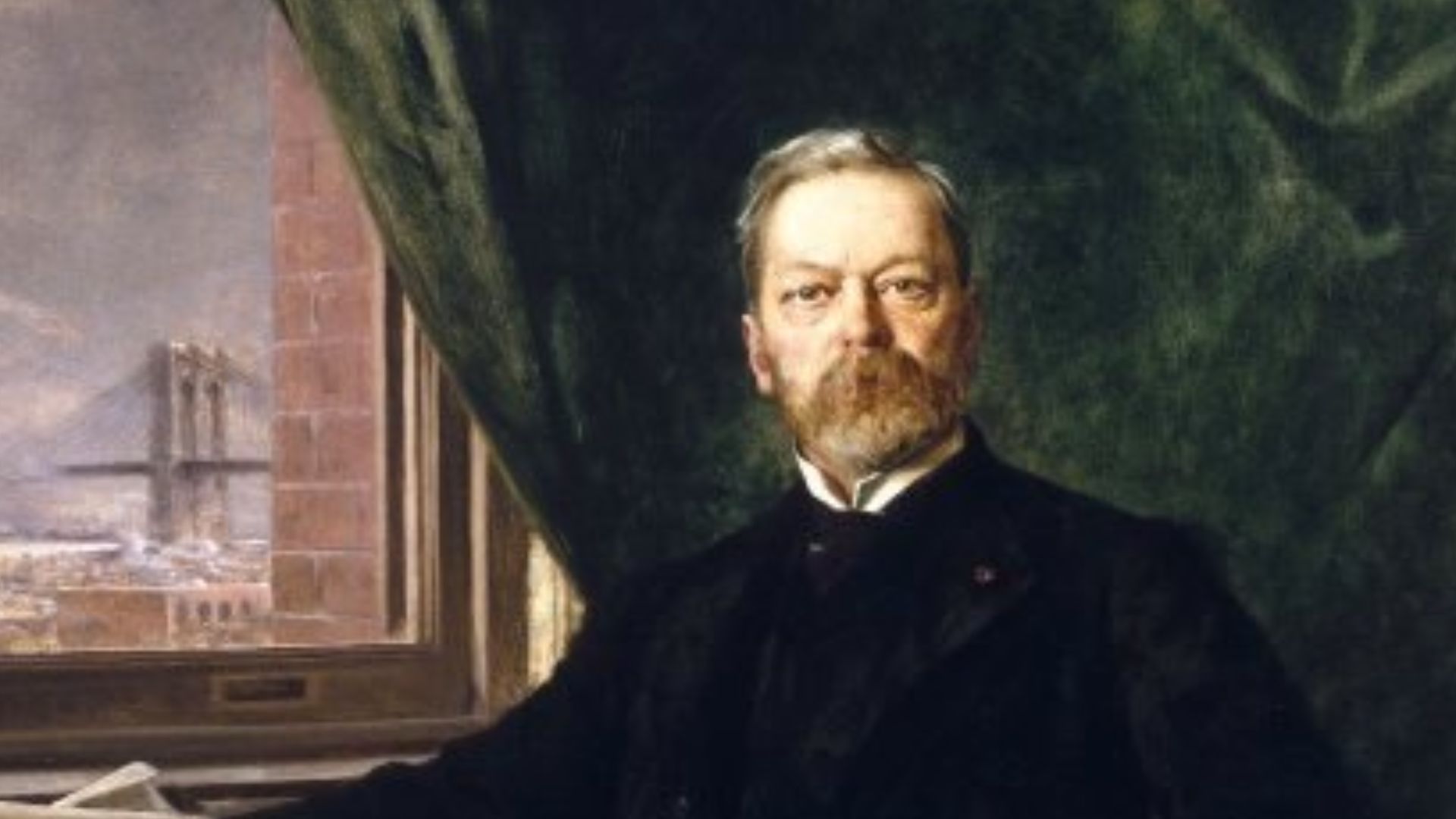 Théobald Chartran on Wikimedia
14. Alfred Nobel
Occasionally someone will find Alfred Nobel on one of these lists and he will instantly become famous again. He passed at his home in San Remo, Italy, after suffering from poor health for years. There is no reliable historical evidence that he revived at his funeral, making this another example of a fascinating claim that doesn't survive closer examination.
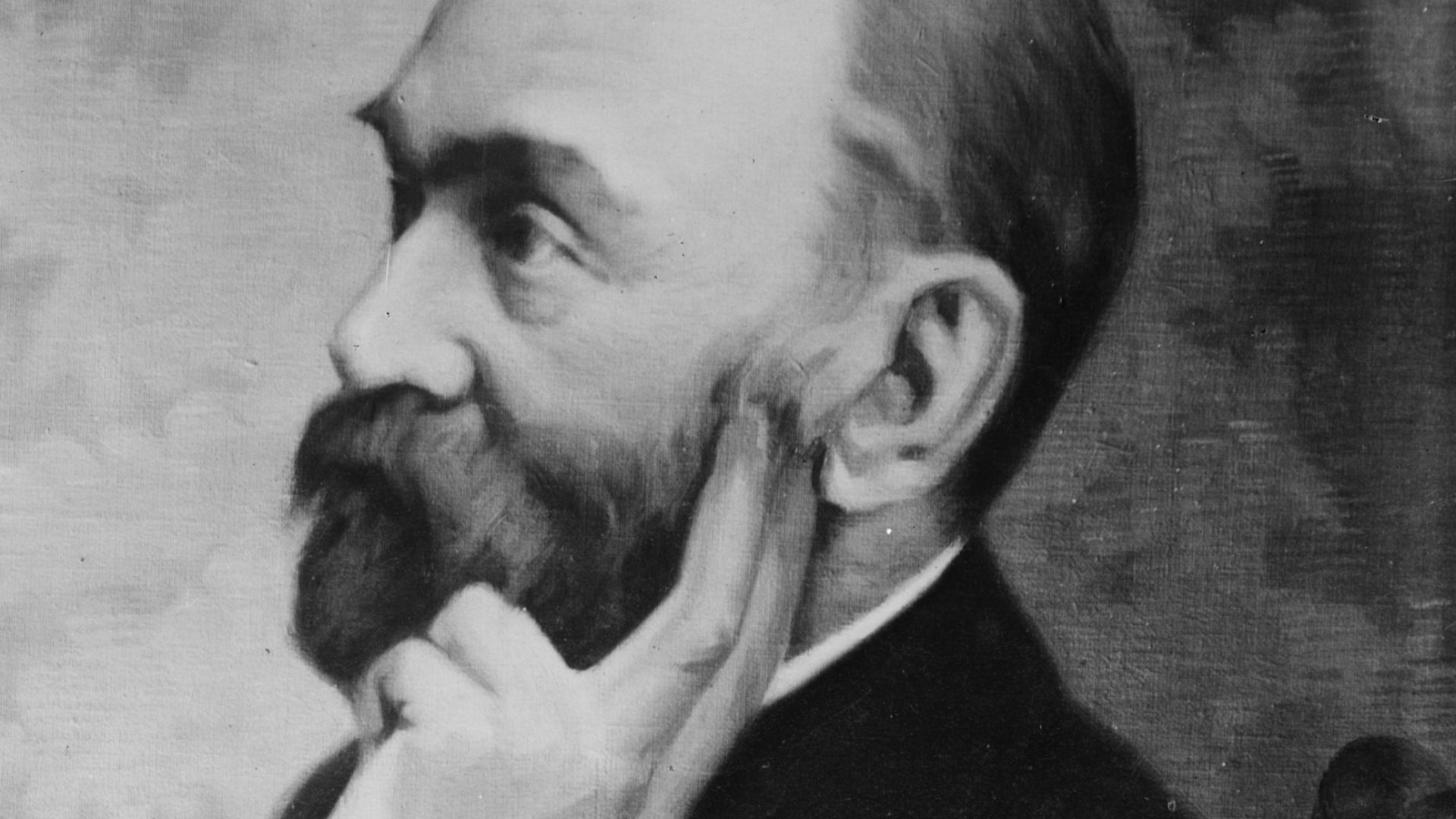 Gösta Florman (1831–1900) / The Royal Library on Wikimedia
15. George Washington
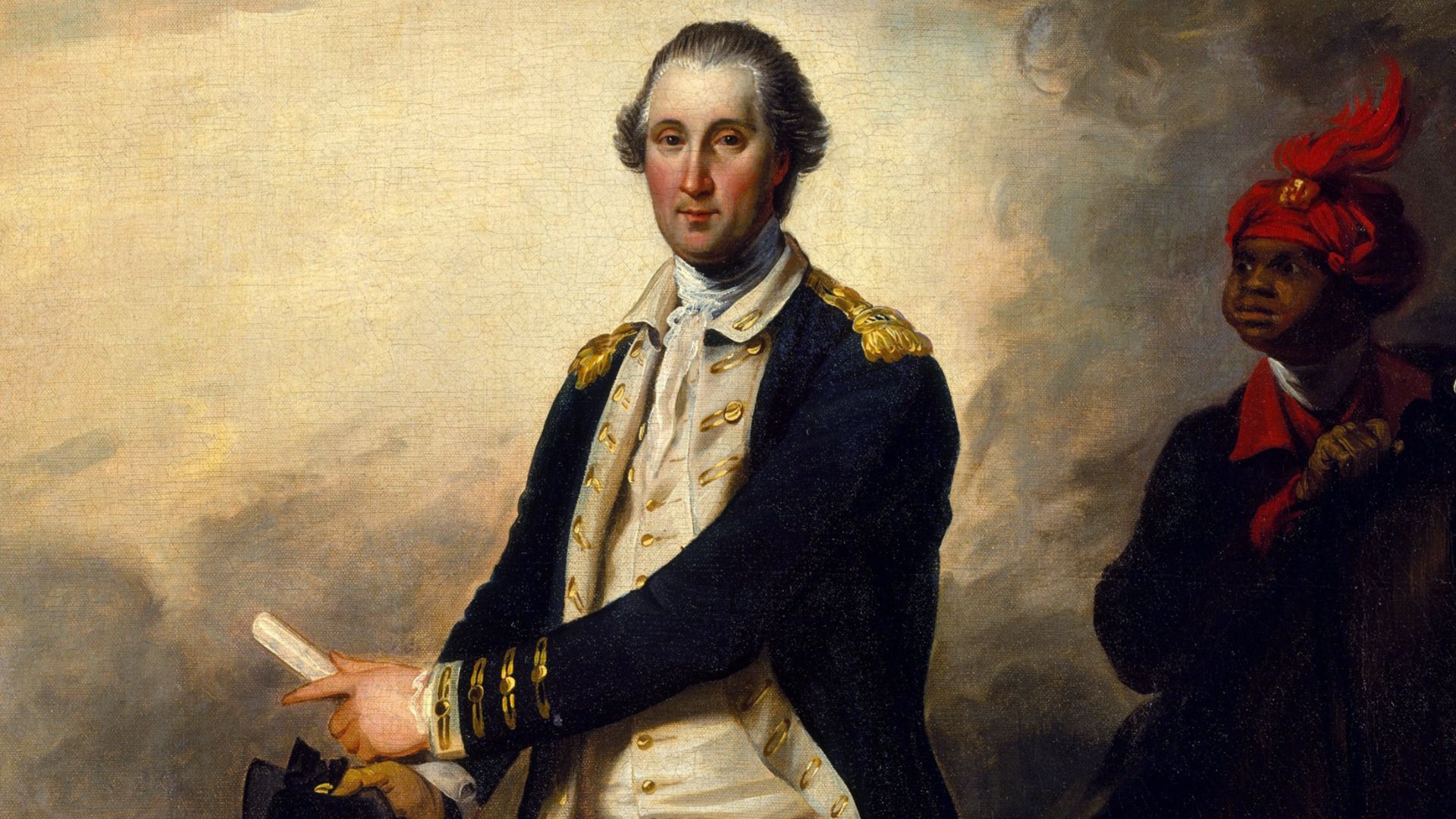
George Washington's name has been attached to premature-burial stories largely because he was reportedly concerned about the possibility of being buried alive. His final illness was carefully observed, and he passed at Mount Vernon in 1799. He never woke at his funeral, but his expressed concern about premature burial helped inspire later stories and discussions about how death should be confirmed.
16. Edgar Allan Poe
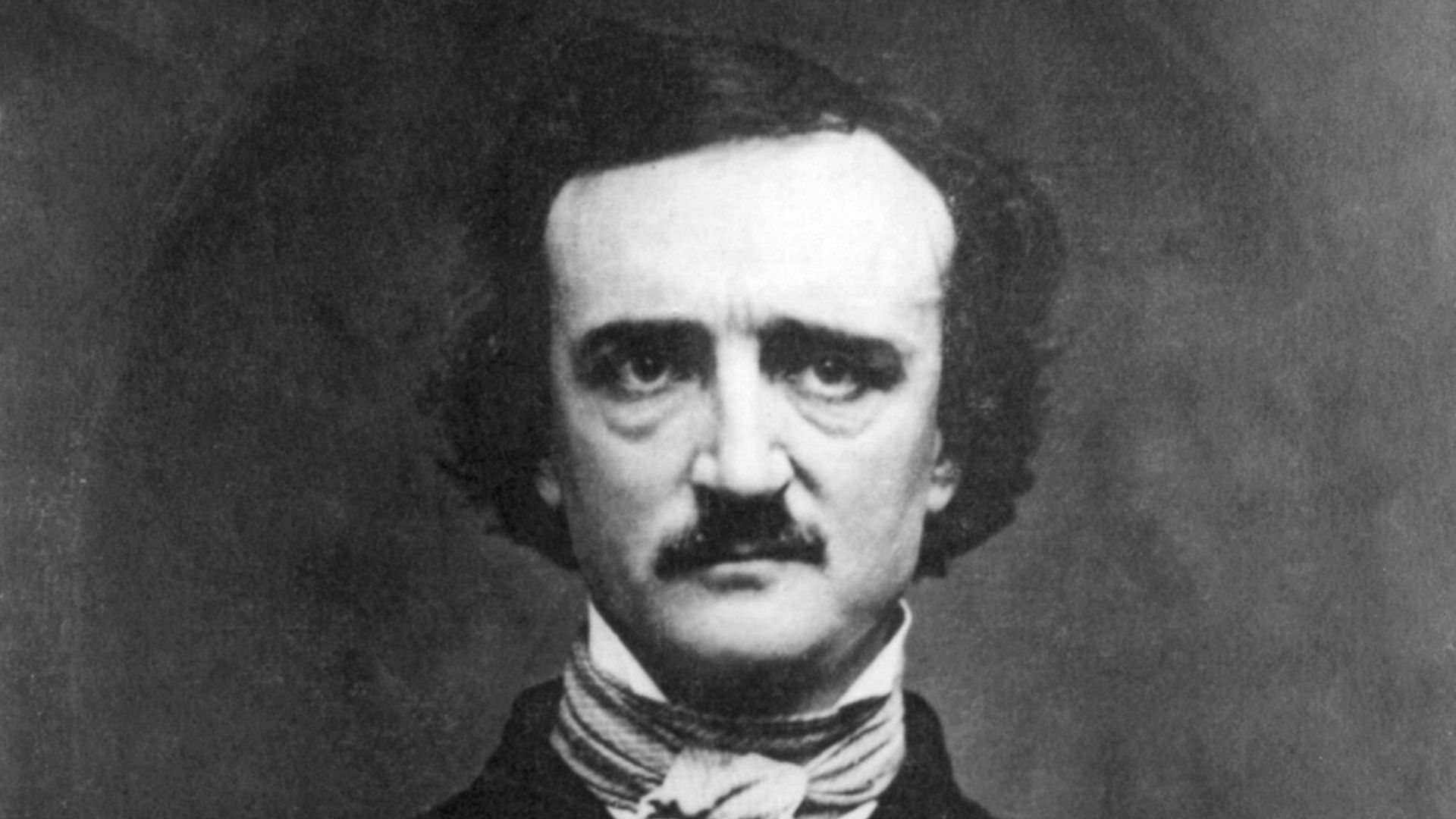
Edgar Allan Poe has become the subject of countless legends surrounding his mysterious death, including claims that he was somehow buried prematurely. Poe passed in Baltimore in 1849 under circumstances that remain debated, but there is no credible evidence that he regained consciousness during his funeral or after burial. His famously mysterious final days have nevertheless made his name a frequent addition to lists.
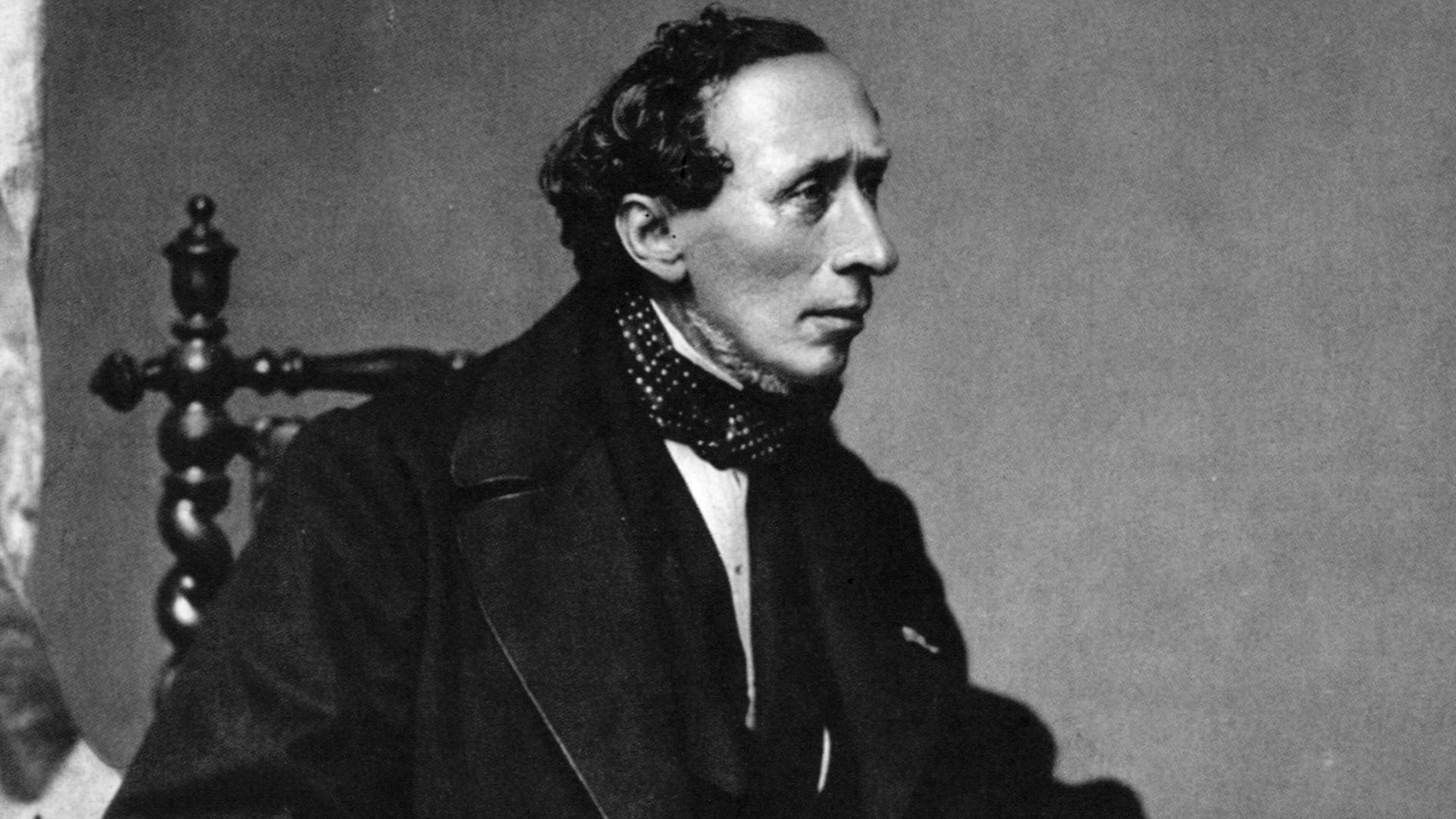
17. Hans Christian Andersen
Hans Christian Andersen reportedly had a personal fear of being buried while still alive, which influenced the precautions he took when he became ill. Some accounts say he kept a note near his bed indicating that he wasn't actually dead if he appeared unresponsive. He passed in 1875 without any documented revival, but his anxiety about premature burial has sometimes been transformed.
 Franz Hanfstaengl on Wikimedia
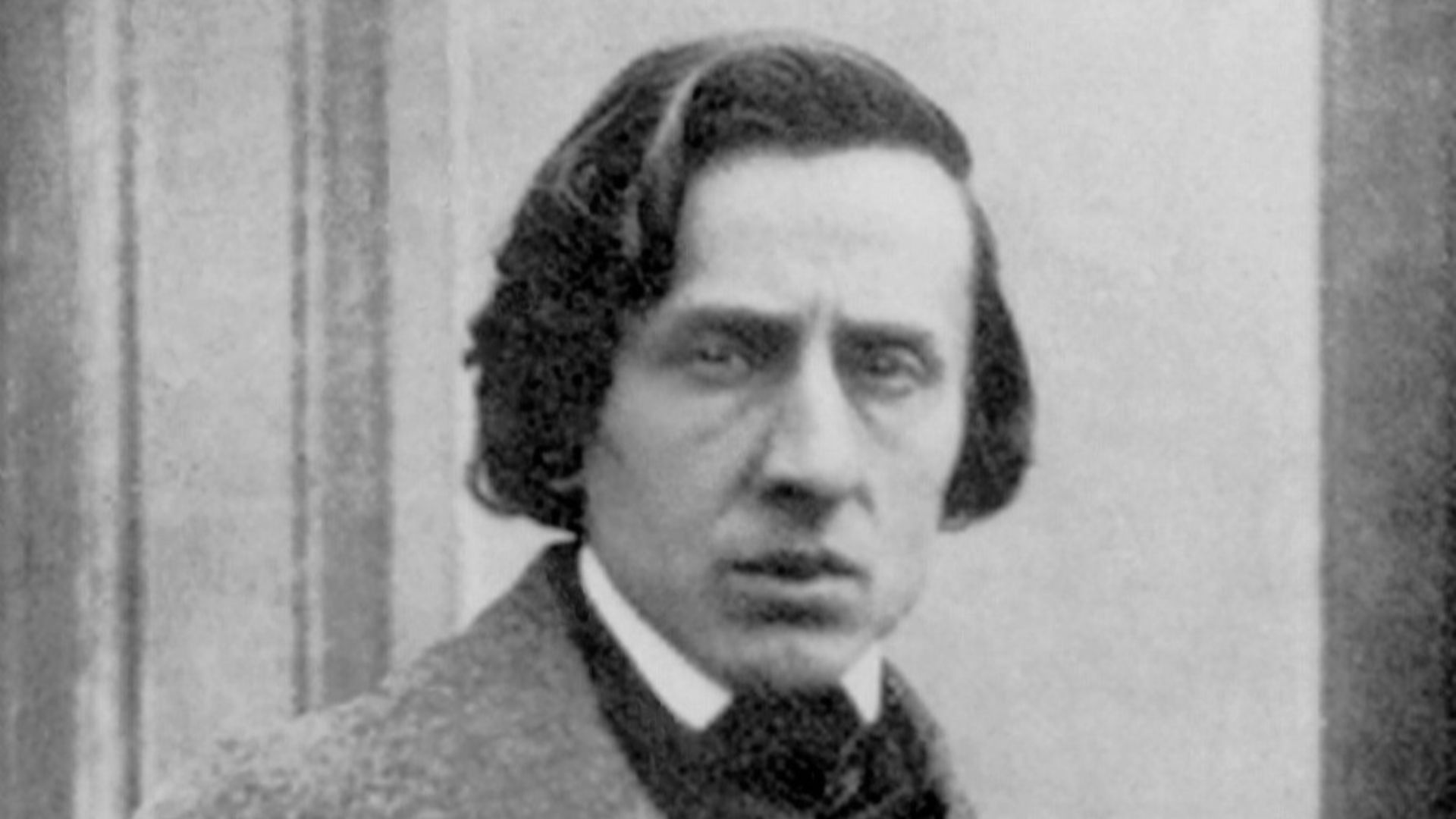
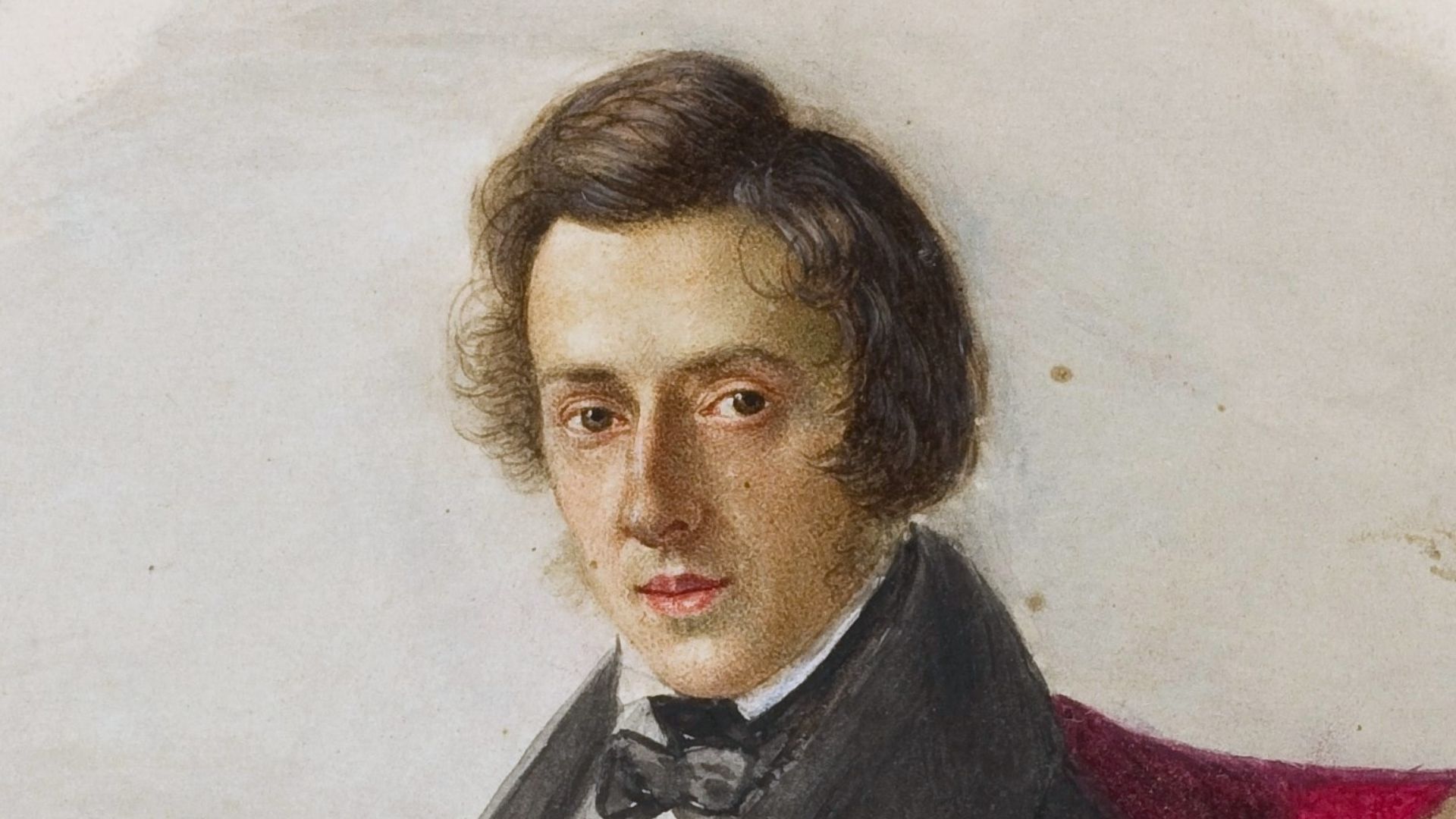
18. Frédéric Chopin
Frédéric Chopin's complicated health history has inspired numerous theories about what actually caused his death in 1849. He reportedly expressed fear of being buried alive and asked that his heart be removed before burial, a request that was carried out. Despite the dramatic circumstances surrounding his death, there is no reliable evidence.
19. George Edward Manby
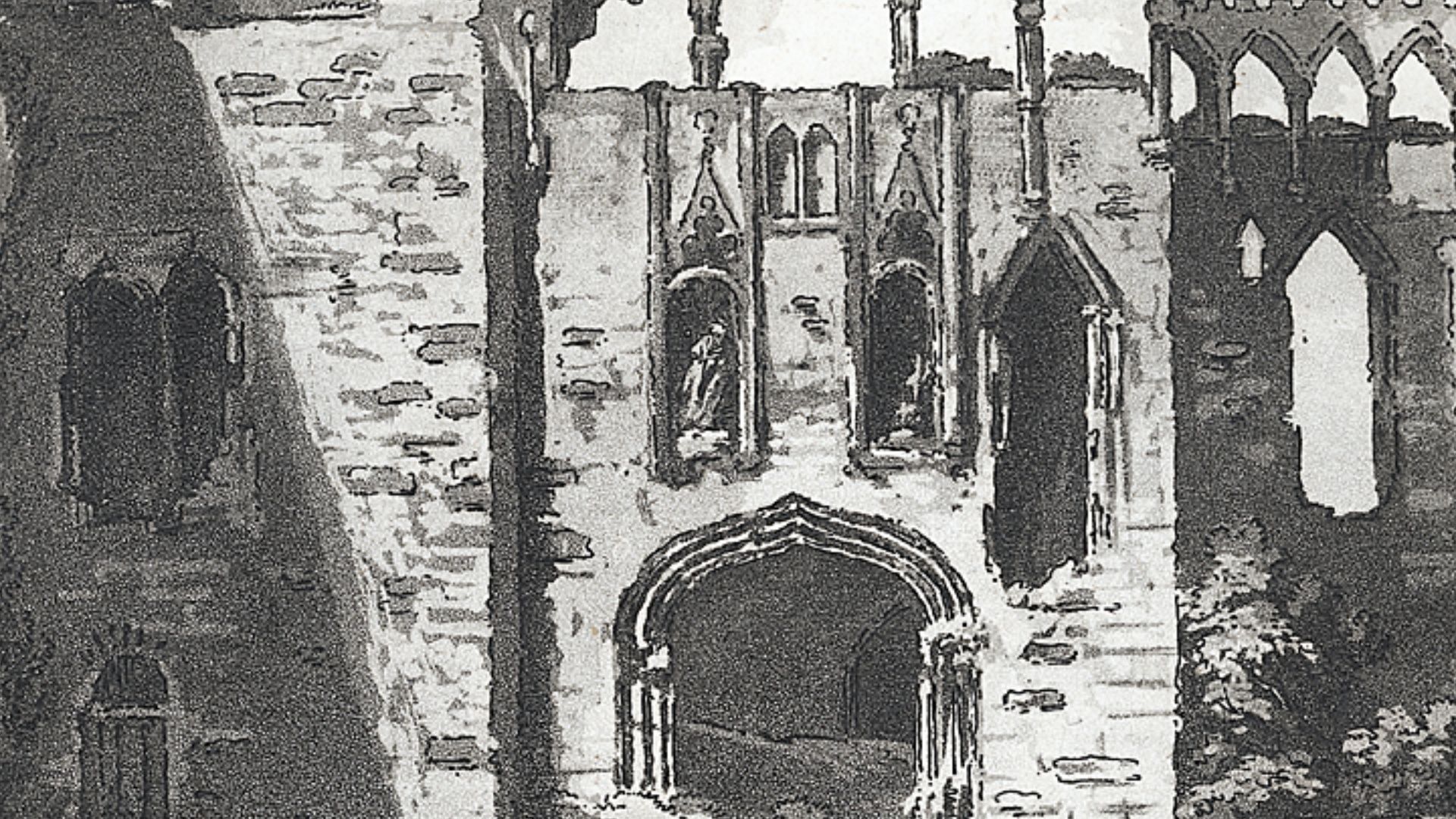
George Edward Manby, an English inventor and military figure, became associated with discussions about premature burial because of the era's widespread concern about mistaken death. Various accounts from the nineteenth century describe people being discovered alive after being presumed dead, and his name occasionally appears in later compilations.
 Manby, George William, 1765-1854 Harding, fl. ca. 1801, engraver. on Wikimedia
20. The Unknown Victims Of Premature-Burial Stories
Perhaps the most important point is that many supposed historical cases don't involve identifiable people at all. Newspapers, medical journals, and folklore collections have preserved numerous stories of people allegedly showing signs of life after being declared dead, but the names and details are often inconsistent. Some probably originated from genuine medical uncertainty, while others were exaggerated over time.
KEEP ON READING