The Dragons That Haunted Civilizations
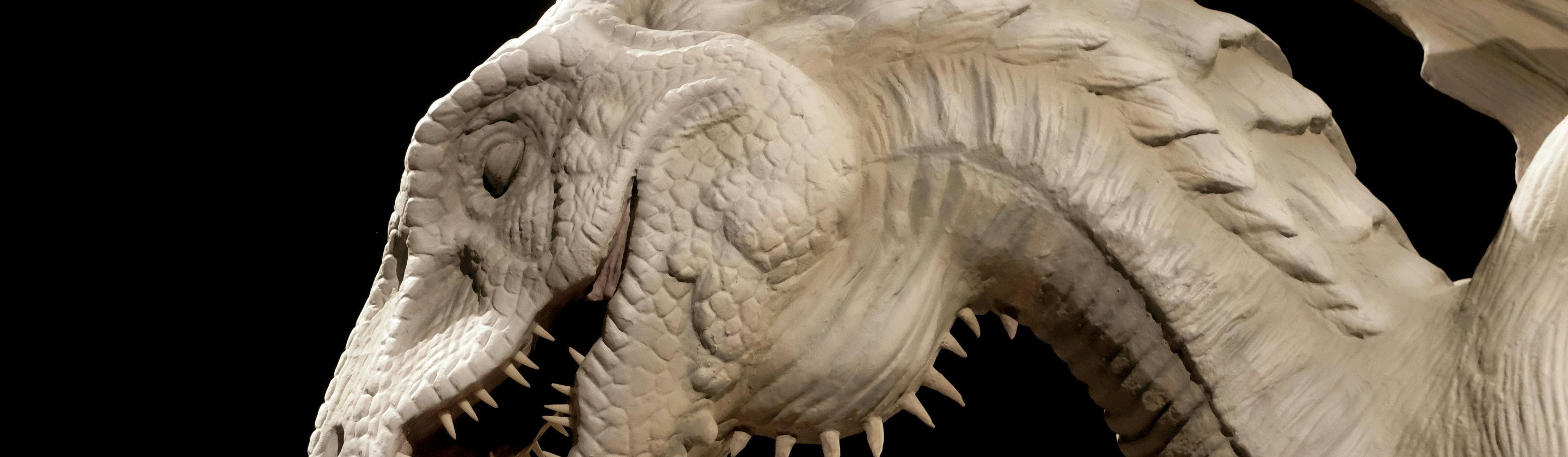
Dragons have appeared in stories for thousands of years, showing up as terrifying monsters, wise protectors, divine creatures, and sometimes all three at once. Nearly every culture seems to have its own version, even if those versions look and behave very differently. From ancient mythology to legends that still inspire modern fantasy, these are 20 of the most famous dragons throughout history.
1. Fafnir
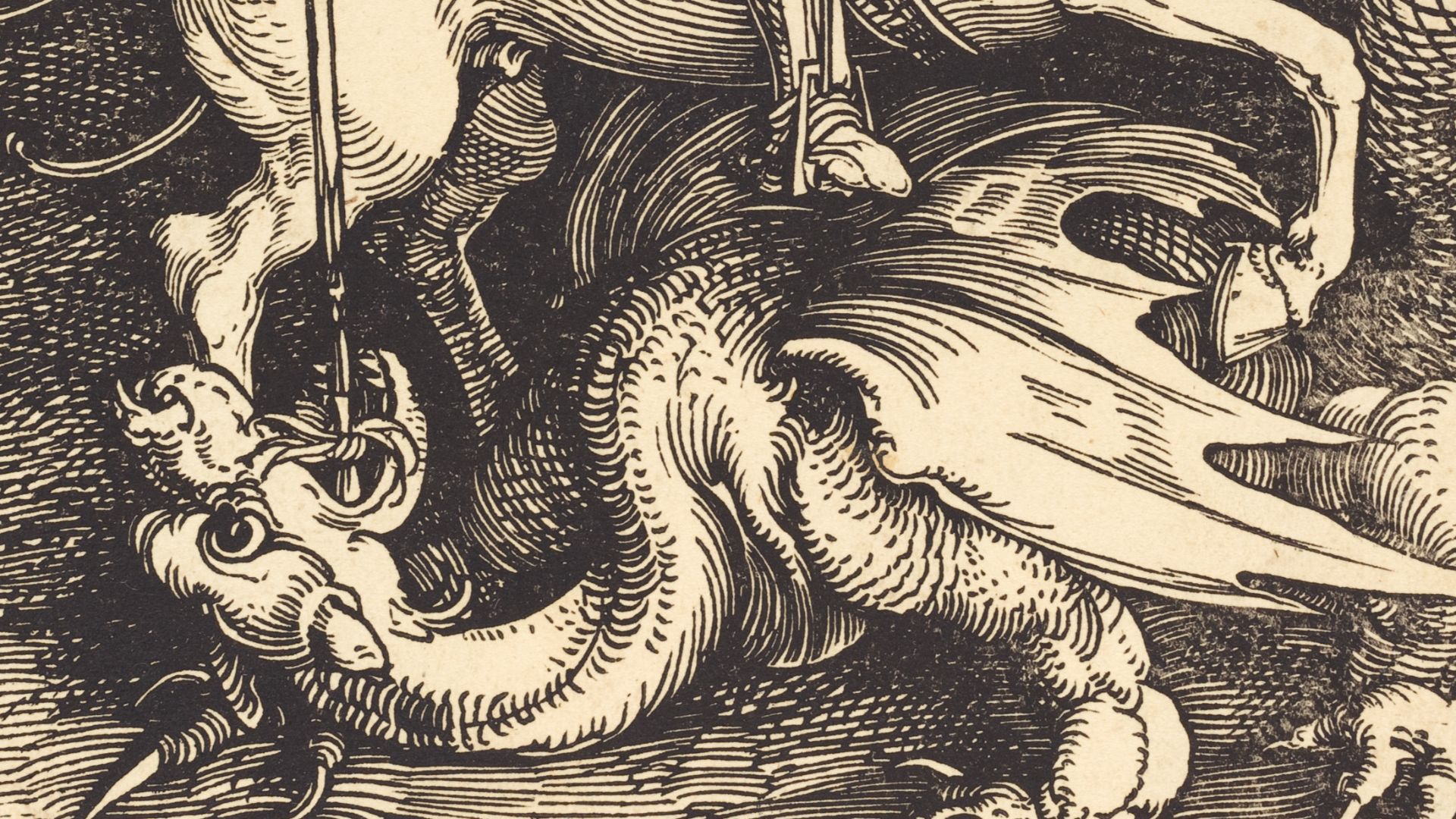
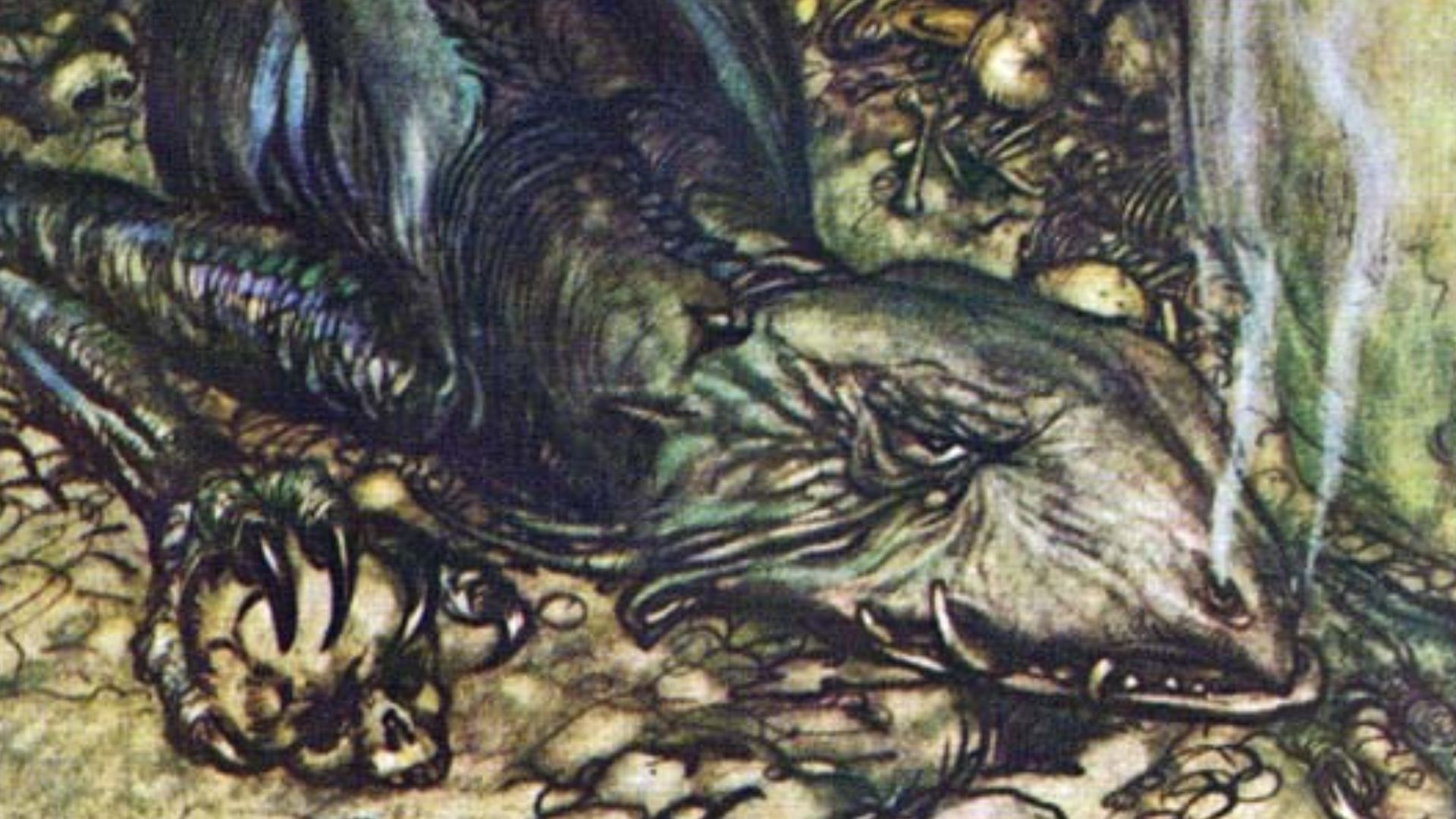
Fafnir started life in Norse mythology as a greedy little dwarf. After attacking his father to seize a cursed treasure hoard, his greed eventually turned him into a dragon-like monster. He was later defeated by the hero Sigurd, who gained the power of understanding birds’ speech as well.
2. Jörmungandr
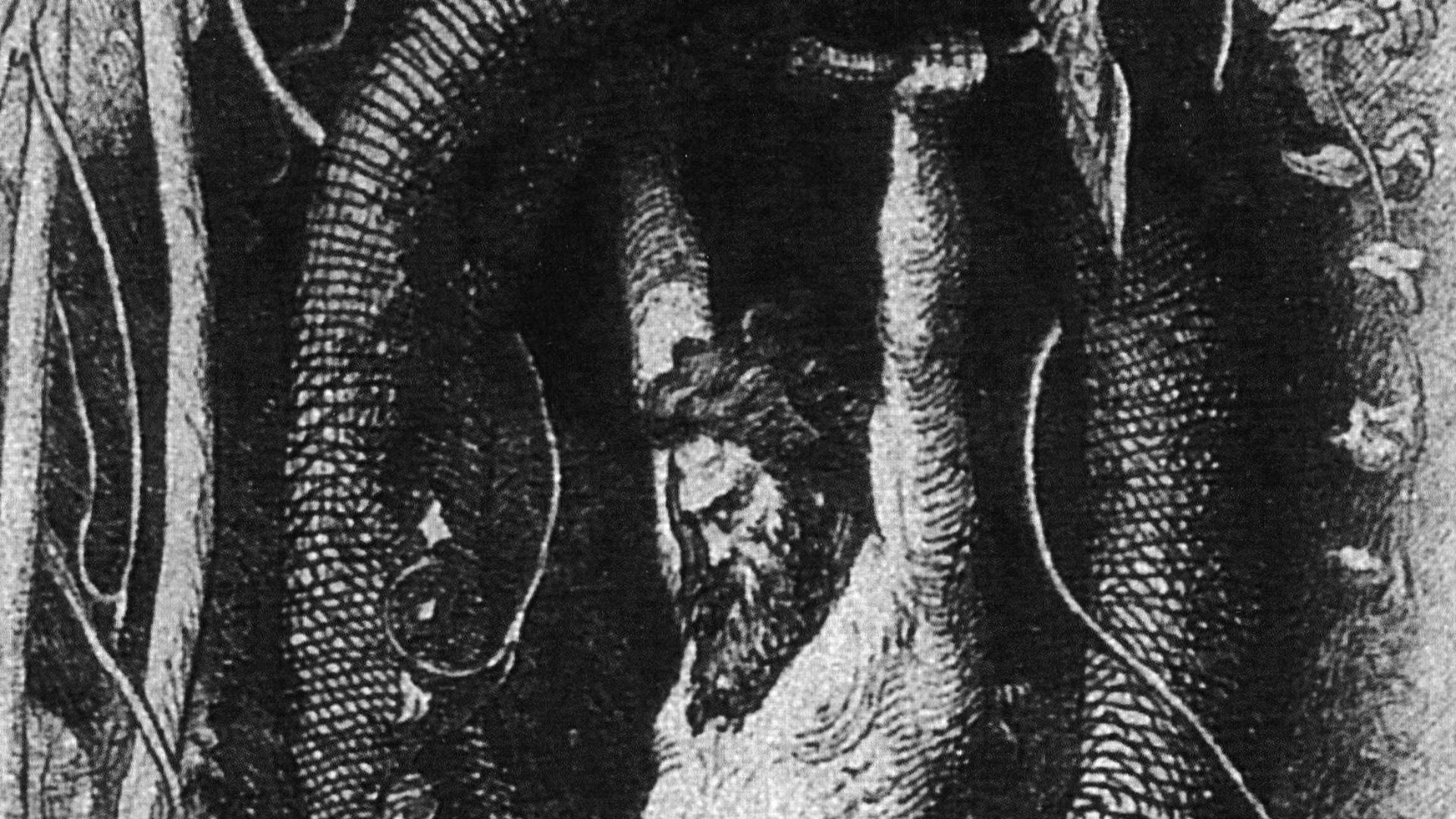
One of the biggest creatures in Norse mythology was the giant serpent Jörmungandr, also known as the Midgard Serpent. It was so large that it circles the entire world while eating its own tail. Legend goes, Jörmungandr will eventually fight against Thor during Ragnarök.
3. The Dragon of St. George
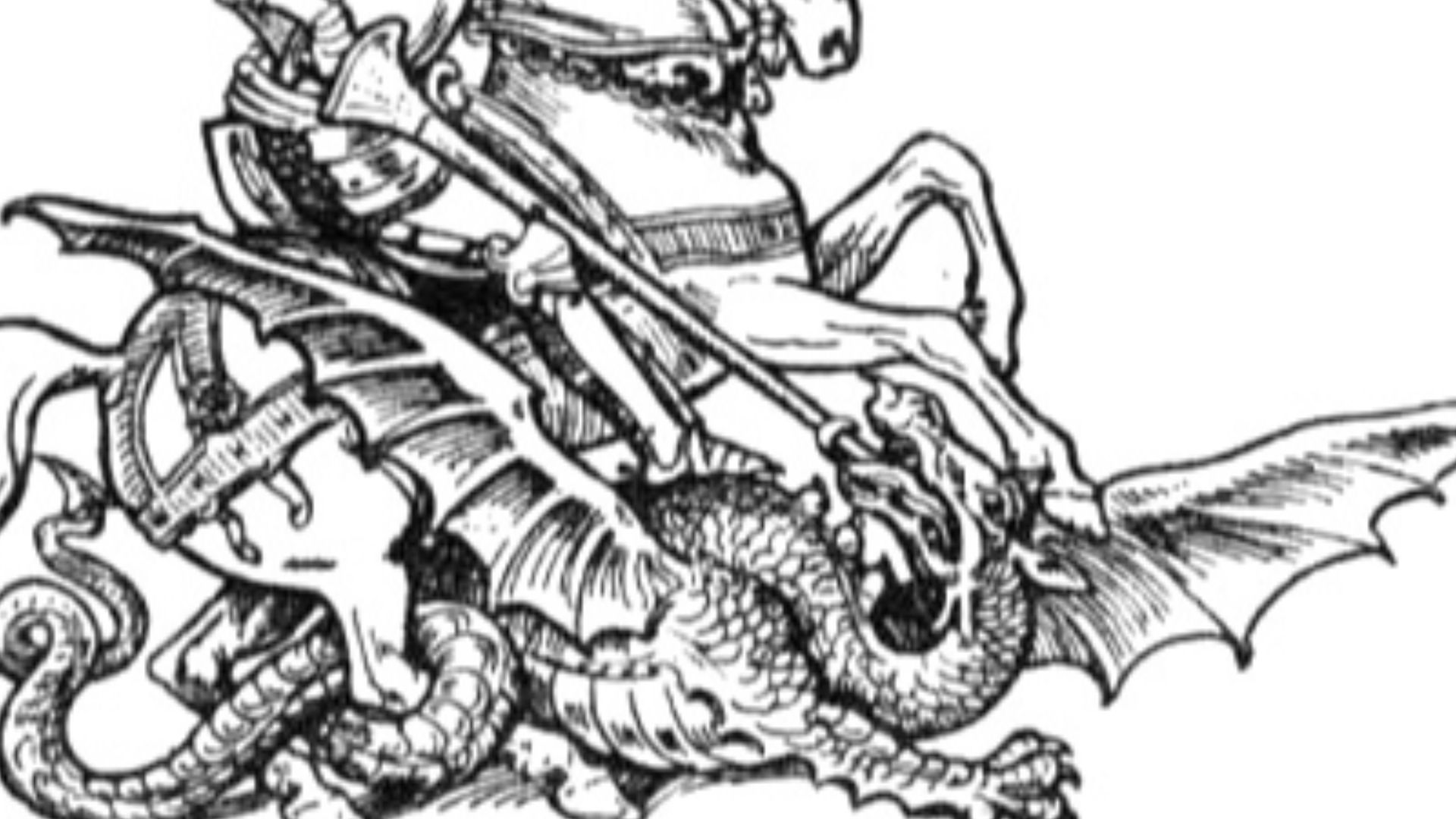
Legend has it that St. George slew a dragon to save the town it terrorized from destruction. The story became wildly popular across Europe and soon evolved into the tale most of us know today. Since then, it has become a prominent symbol of bravery.
4. The Lernaean Hydra
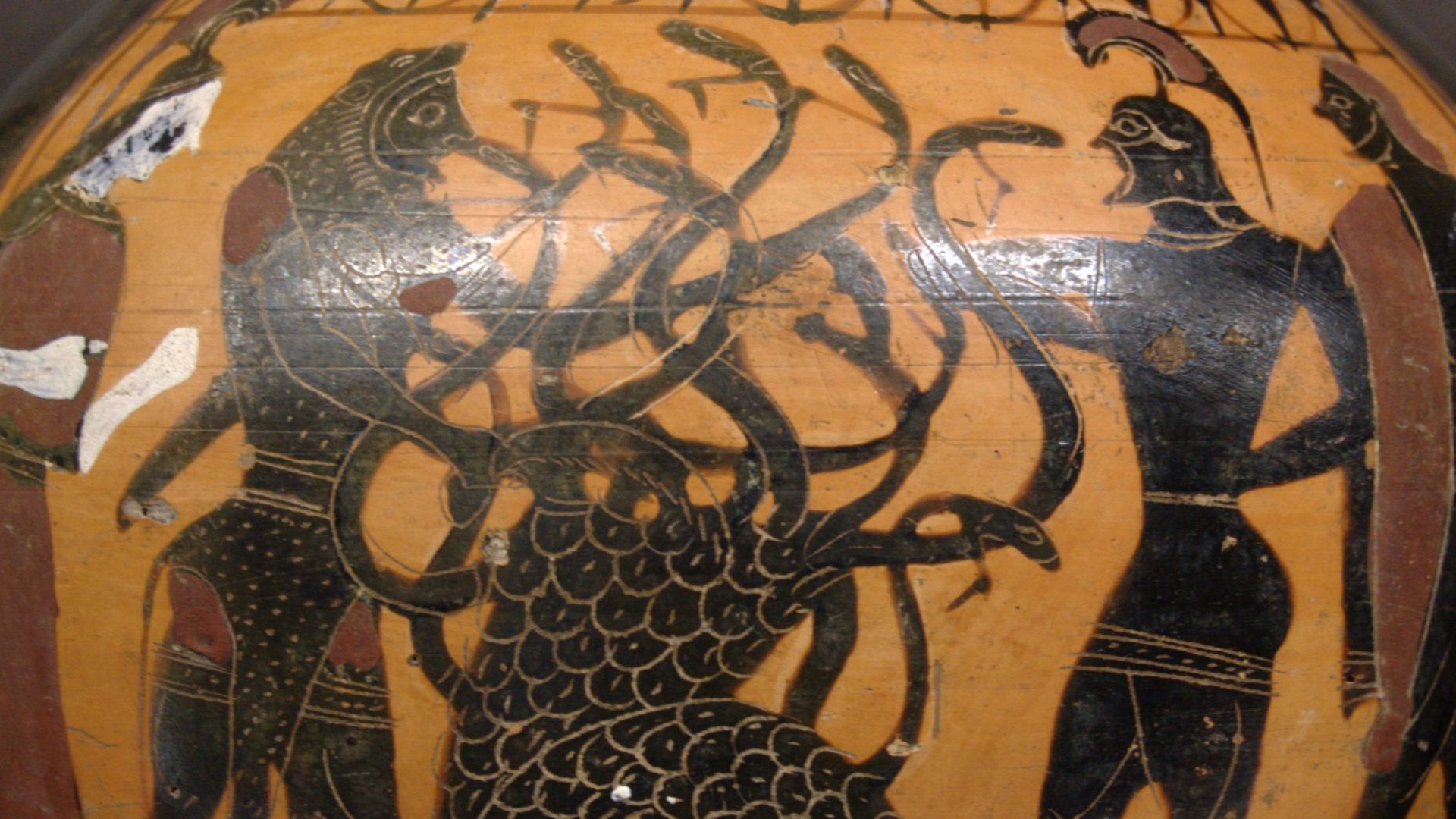
There are many dangerous beasts in Greek mythology, but few of them were as gruesome as the hydra. The creature had multiple heads, and cutting off one could cause even more to grow back. Heracles finally defeated it as part of his famous Twelve Labors.
5. Ladon
Tasked with guarding the golden apples of the Hesperides, Ladon was another dragon from Greek mythology. The details of his appearance vary, but Ladon is usually depicted with dozens of heads. Heracles slew or tricked him during his eleventh labor.
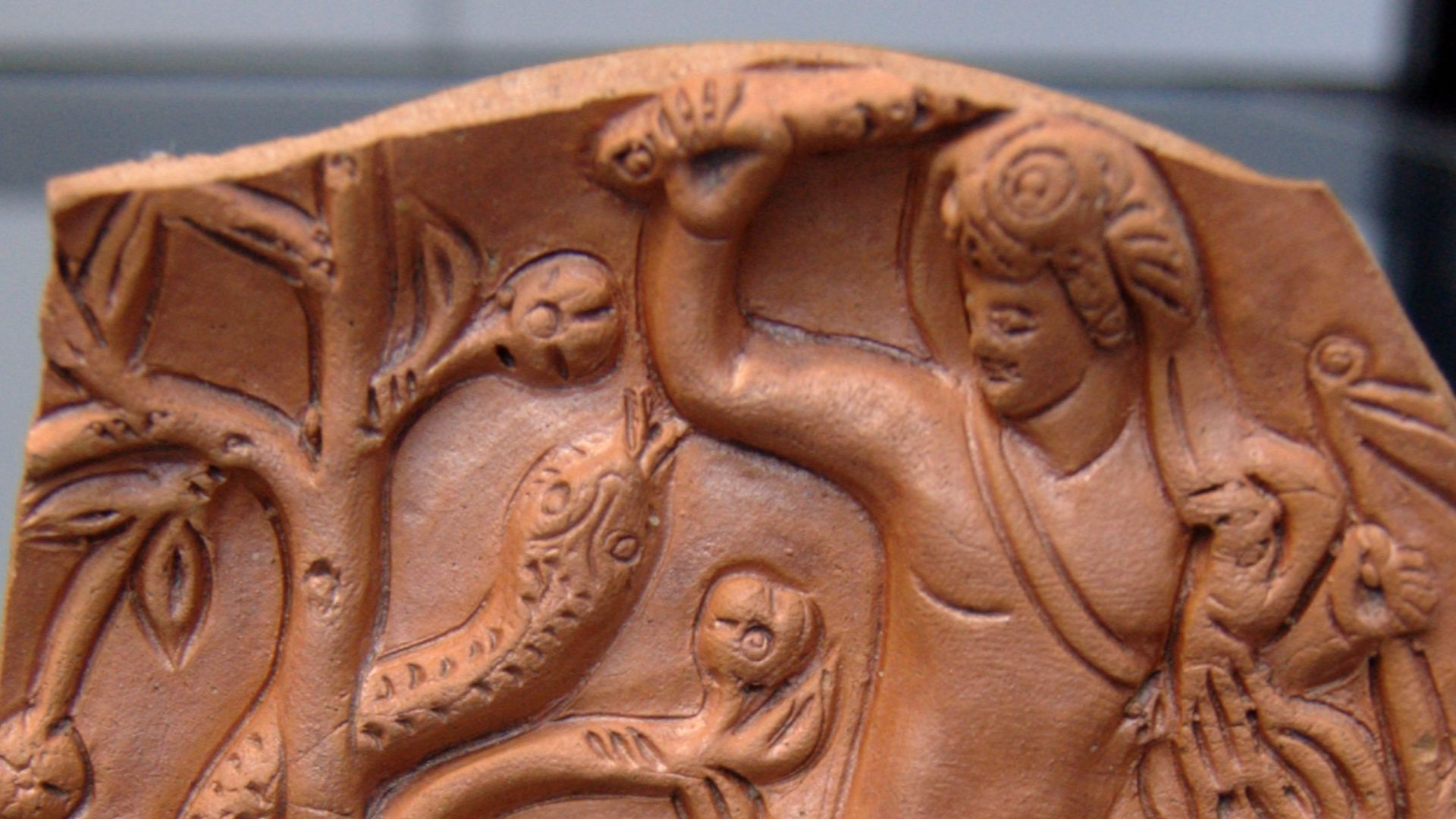
6. Python
Python was a monstrous serpent that guarded the Oracle of Delphi before Apollo took it over. Apollo eventually defeated the creature and claimed Delphi for himself. The story became part of the mythology surrounding one of ancient Greece’s most important religious centers.
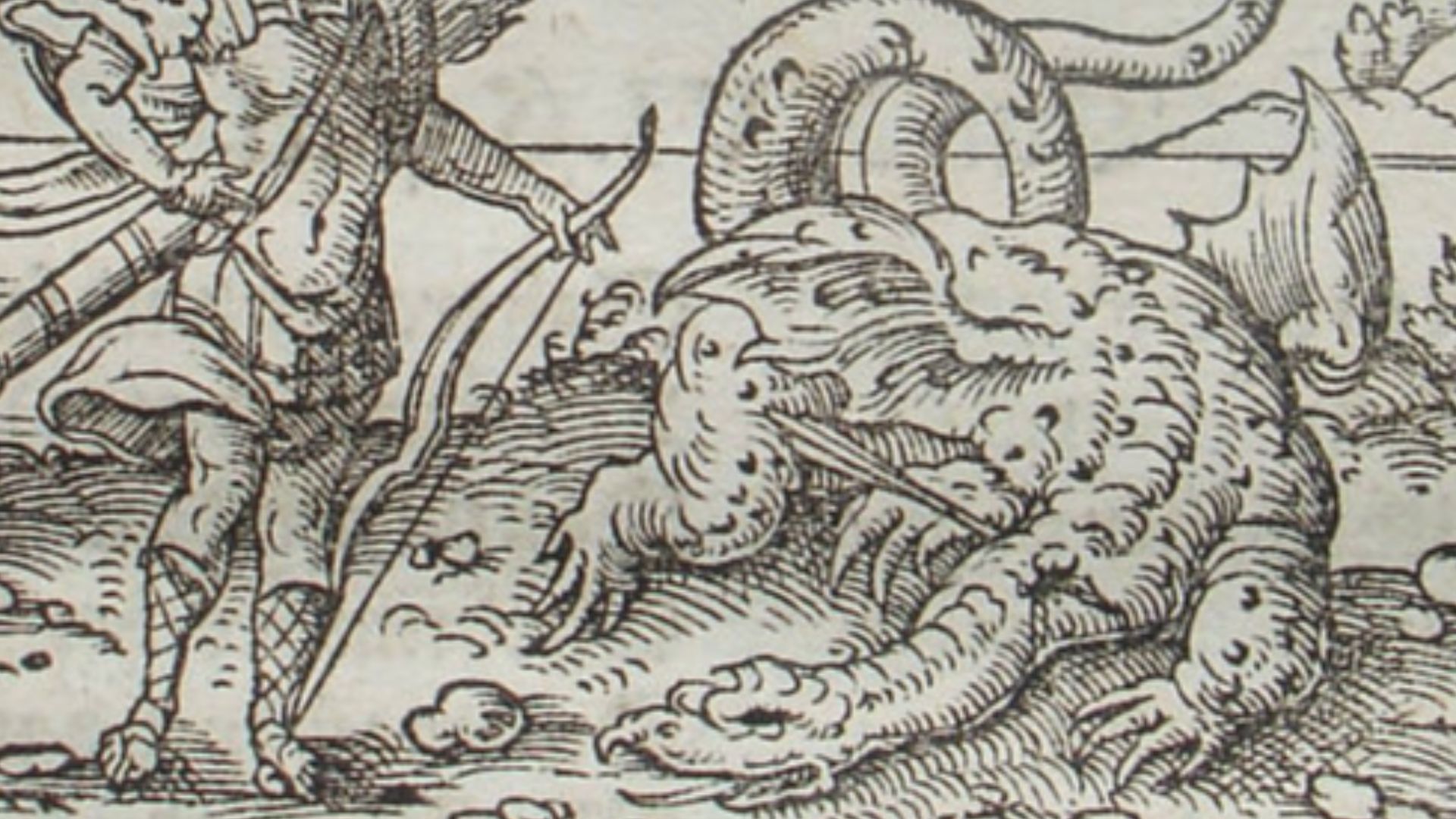 Scan by Hans-Jürgen Günther on Wikimedia
7. Tiamat
Tiamat is often described as a dragon, although she was originally depicted as more like a snake. She was a creator goddess from ancient Mesopotamia associated with the sea. Tiamat would become a destructive force that the god Marduk would eventually slay.
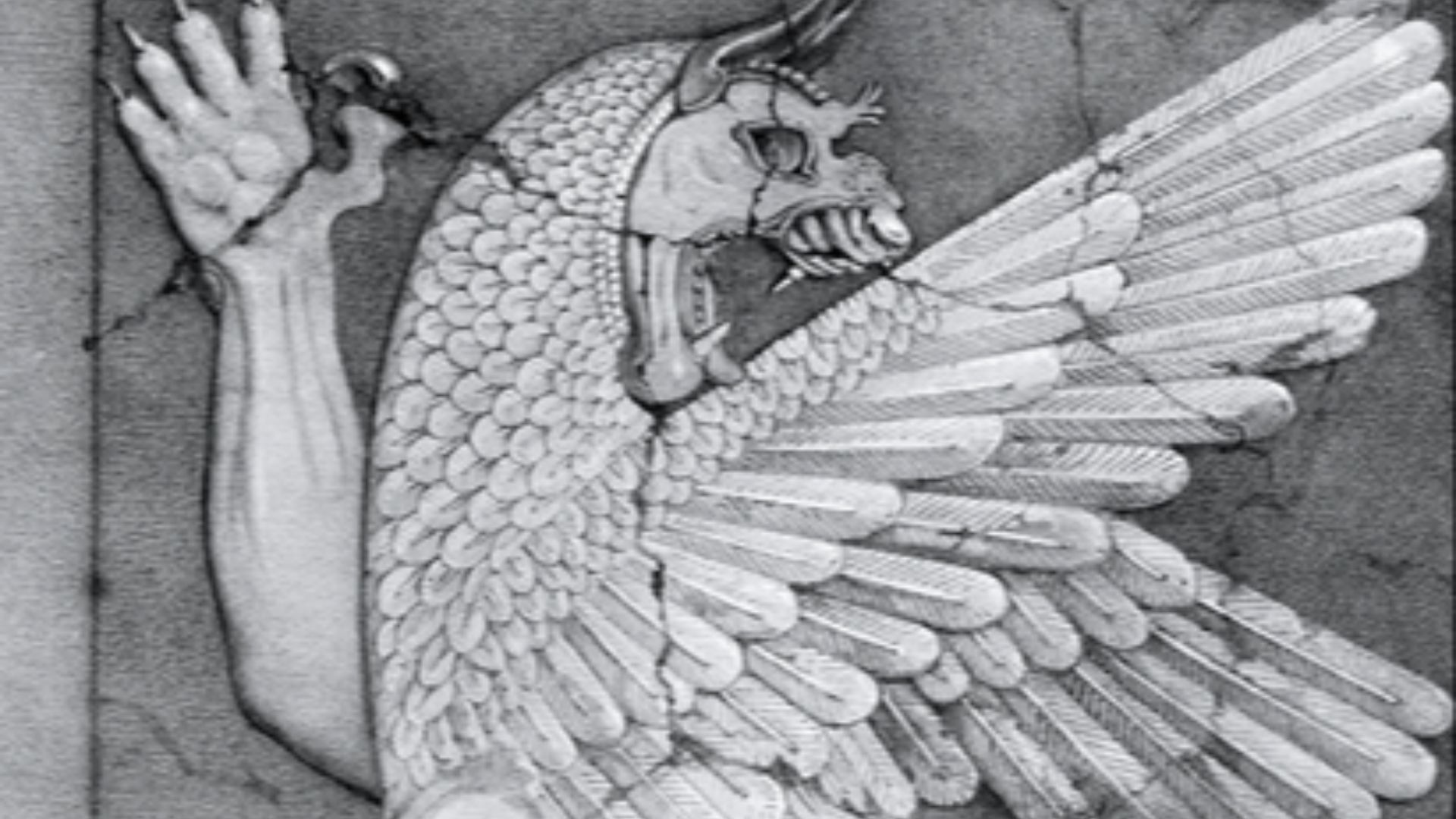 Unknown authorUnknown author on Wikimedia
8. Vritra
Hindu mythology contains a dragon or serpent named Vritra who prevented the flow of waters upon the world. Eventually, Indra slew the beast, allowing the waters to spread over the Earth. It makes Vritra’s defeat a very important step in creation.
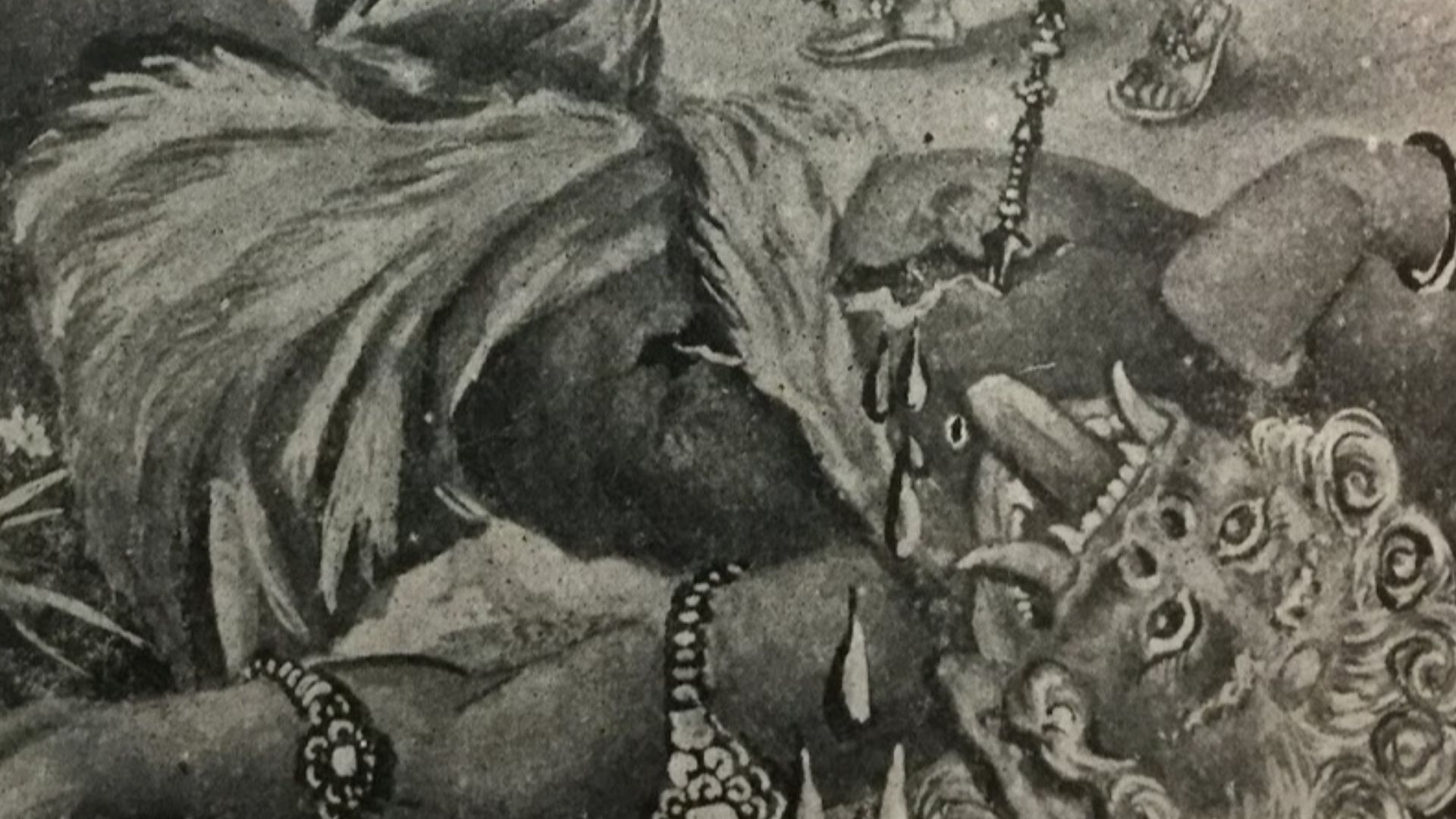 Unknown authorUnknown author on Wikimedia
9. The Dragon of Beowulf
The final monster in the epic poem Beowulf is an enormous dragon guarding a hidden treasure. After a man steals a cup from his collection, the dragon retaliates and goes ravaging the nearby kingdom. Beowulf defeats the dragon, but the battle costs him his life.
10. Nidhogg
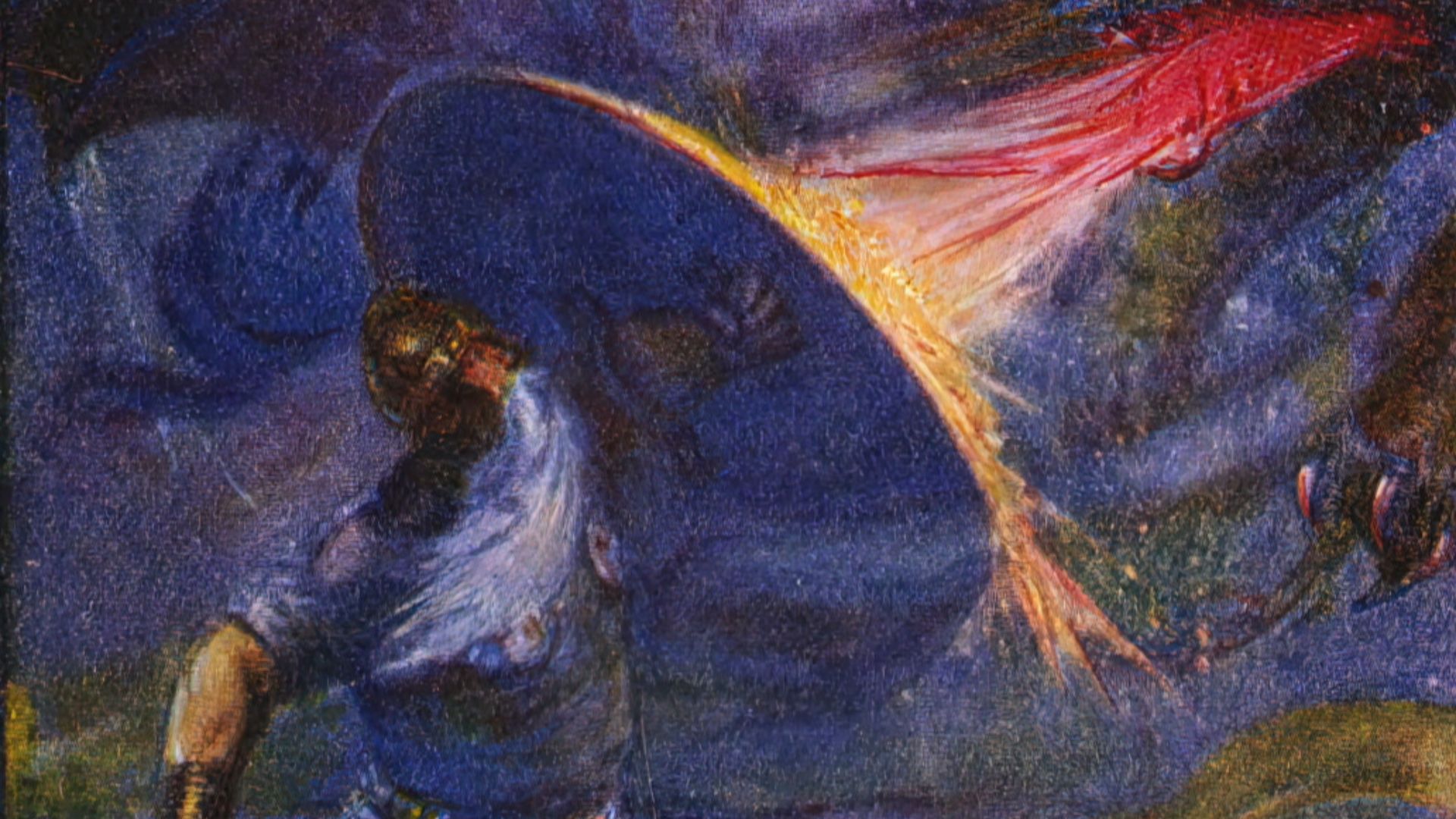
This scary serpent or dragon from Norse mythology gnaws away at the roots of Yggdrasil. In addition to that rather destructive hobby, it is also associated with the fallen and Ragnarök. You’d think chewing on the roots of reality would keep a creature busy enough without everything else.
11. Ryūjin
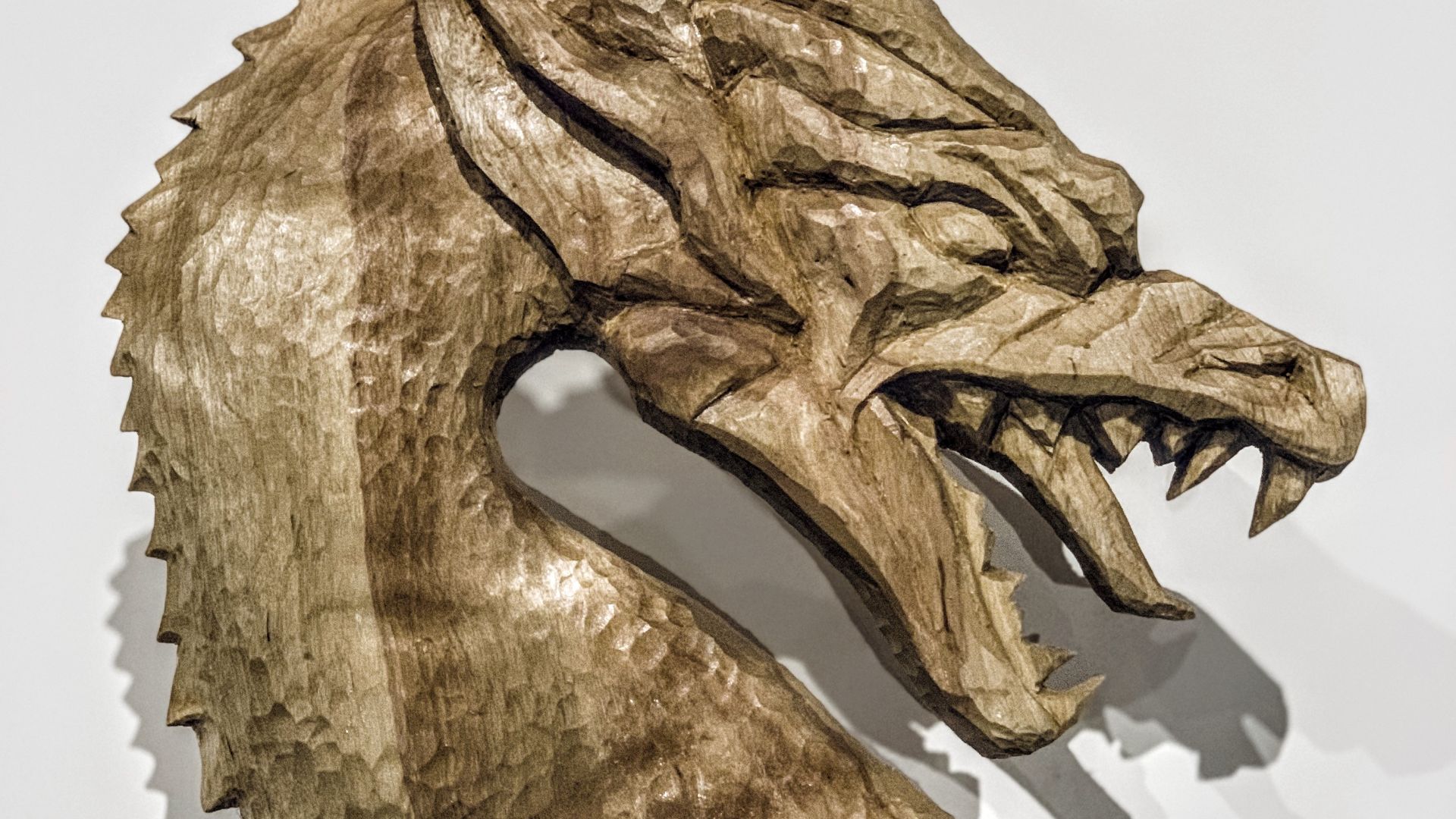
Japanese folklore speaks of Ryūjin, a dragon-like serpent god of the sea. He is also associated with magical jewels that control the tides as well as an underwater palace. Instead of hoarding treasure like European dragons, Ryūjin commands the ocean’s forces.
12. The Yellow Dragon
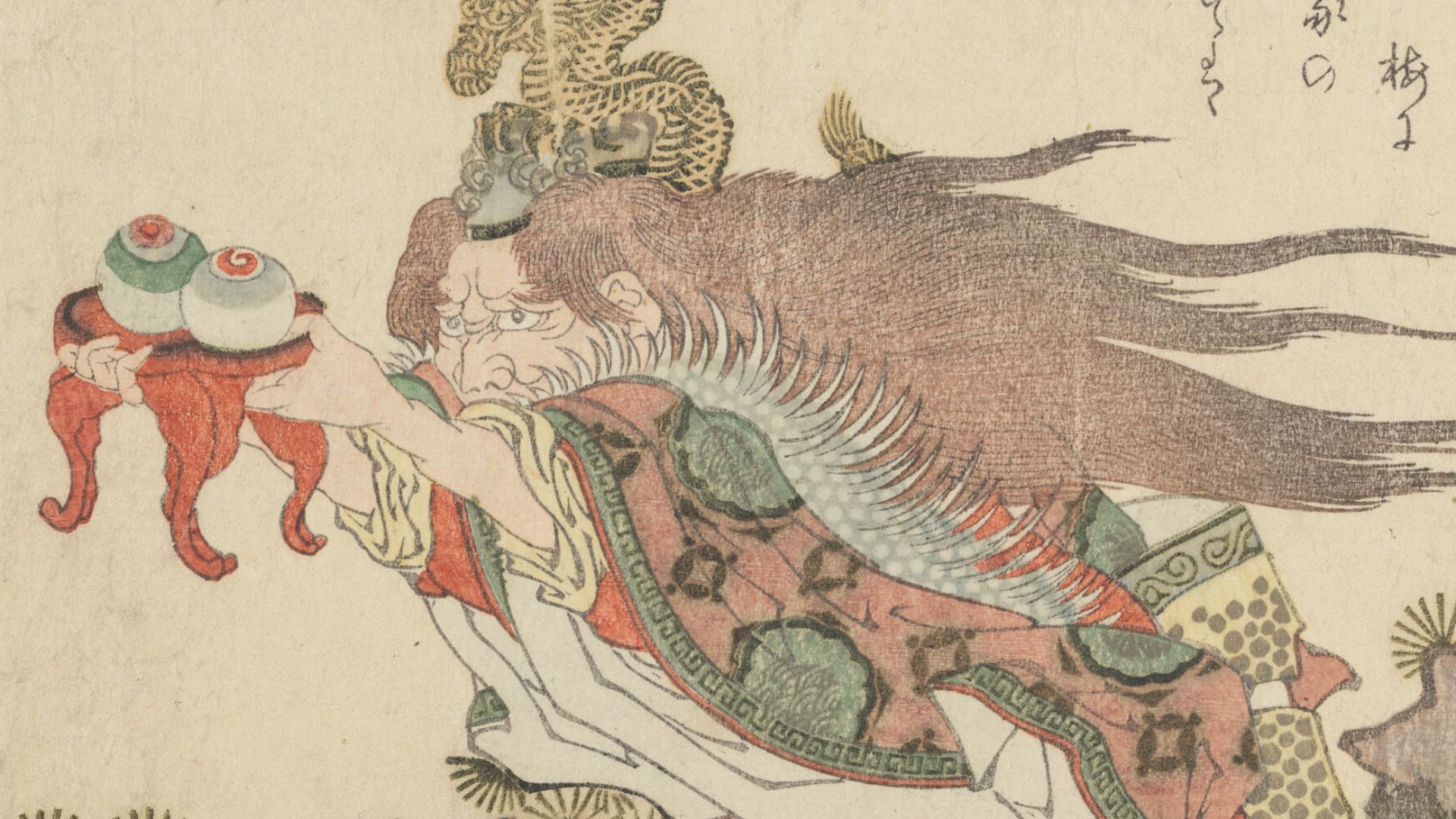
Chinese dragons come in many different varieties, with the Yellow Dragon being one of the most important. Associated with the Yellow Emperor, he also symbolizes power, wisdom, and imperial authority. Unlike European dragons, Chinese dragons were usually benevolent.
13. The Azure Dragon
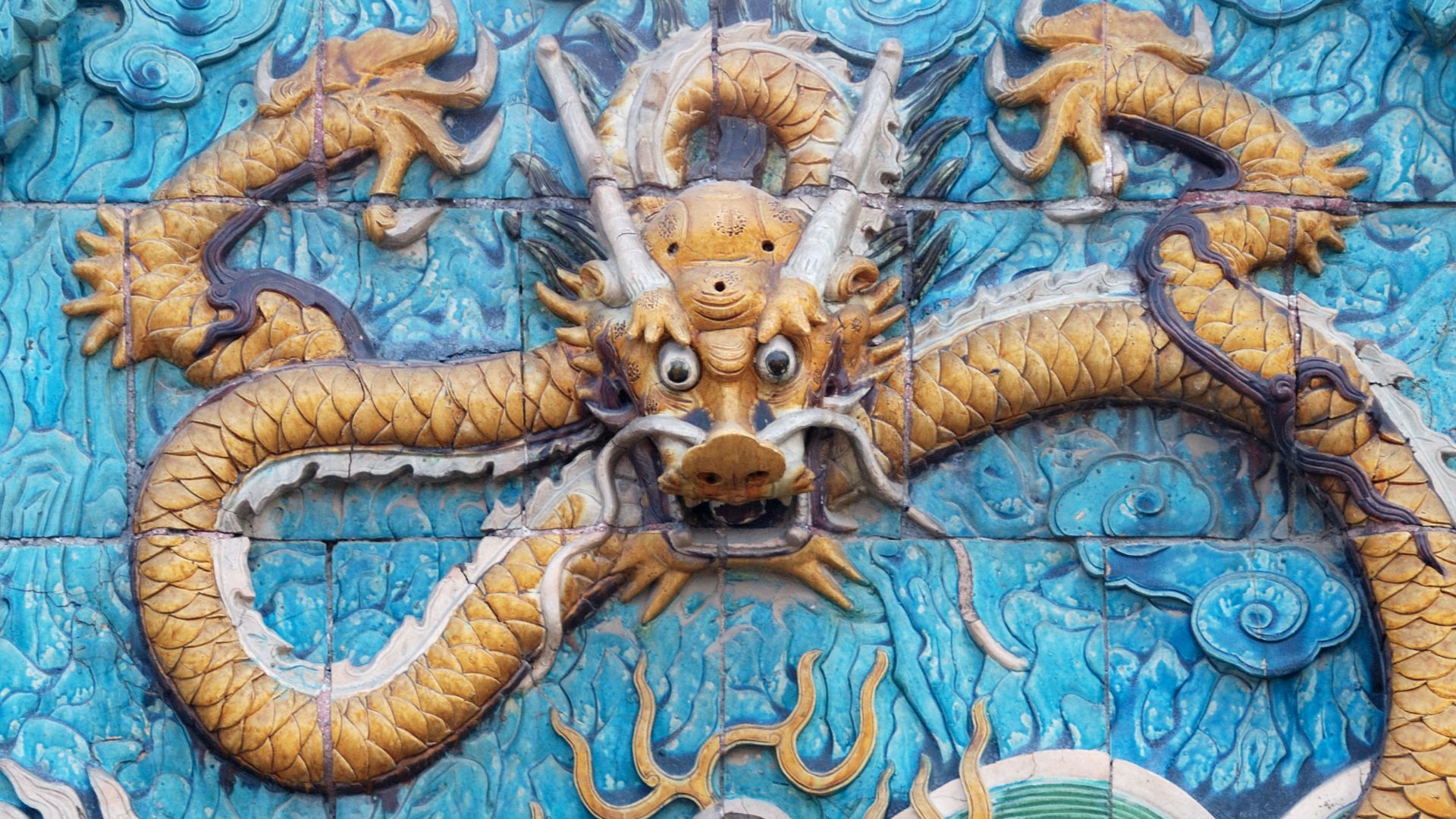
Also known as the Blue Dragon, this one is another important Chinese dragon. He is one of the Four Symbols and represents the east and spring. Azure dragons were said to control celestial order and had an entire direction to look after.
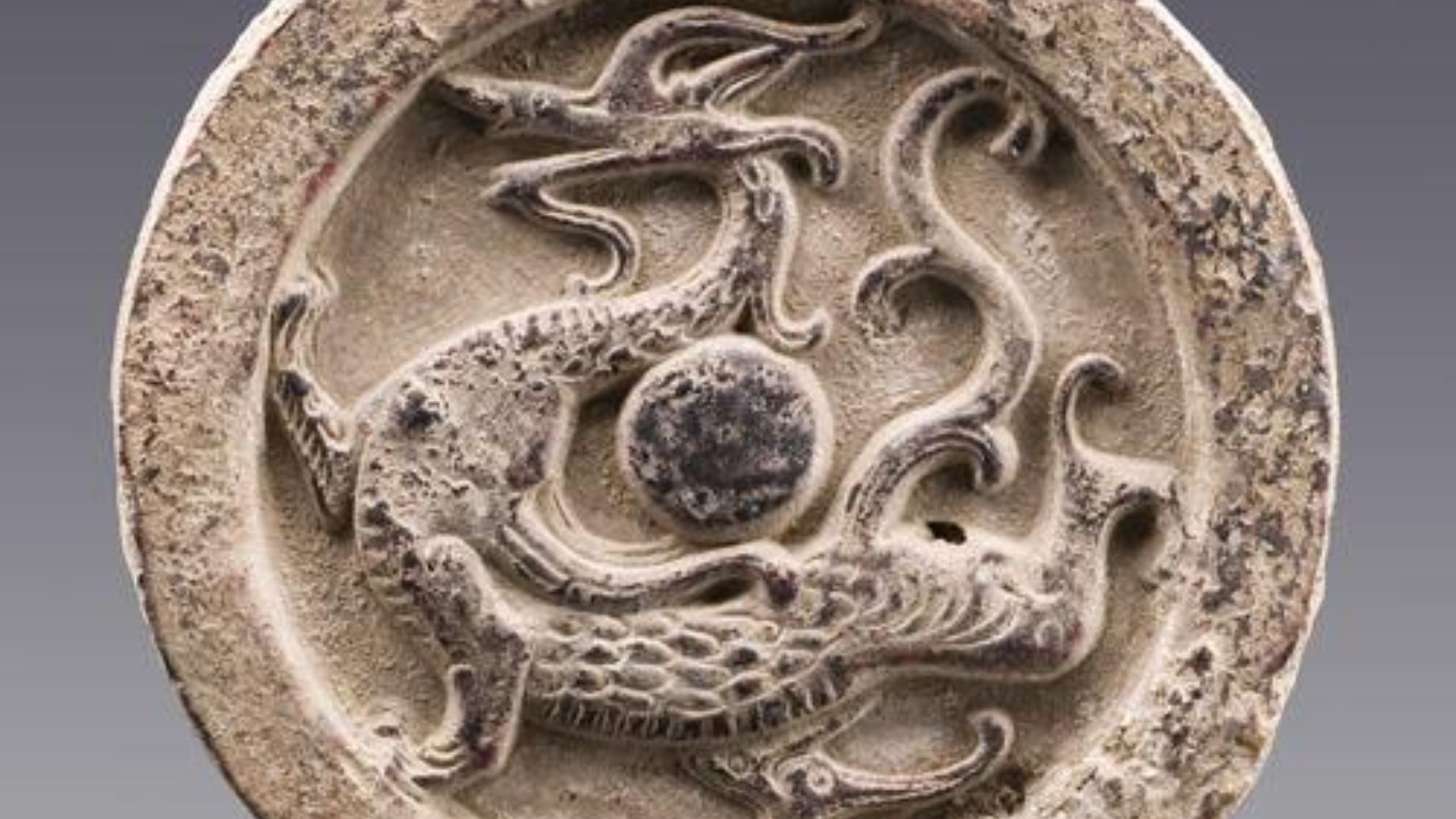
14. Quetzalcoatl
Mesoamerica had dragon-like creatures of its own. Quetzalcoatl is the famous feathered serpent god of the same culture. Aside from being the creator of humanity, he was also associated with learning, wisdom, and the wind.
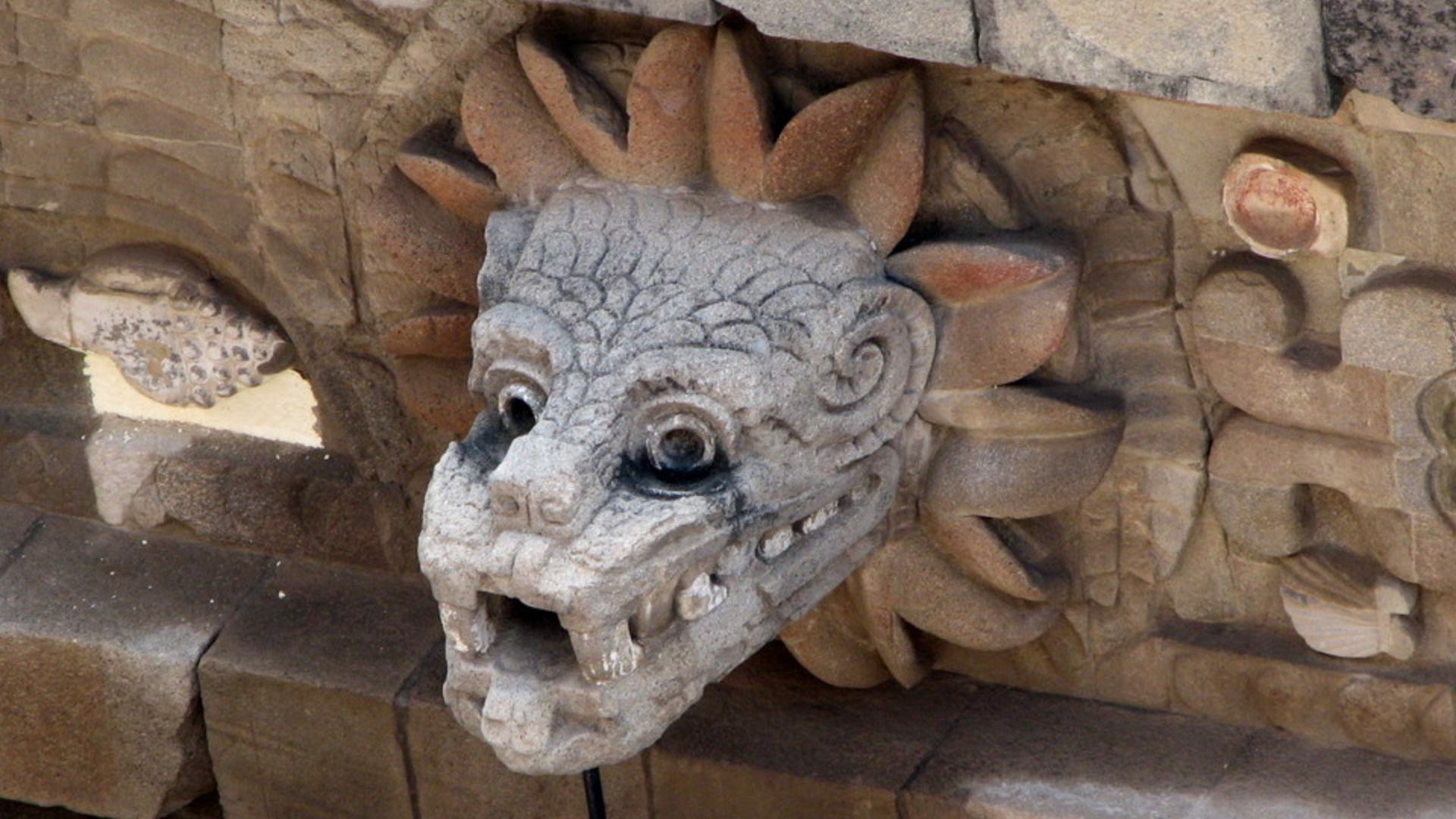
15. Kukulkan
Likewise, the Maya people worshiped a serpent deity of their own called Kukulkan. A lot of his symbolism overlaps with Quetzalcoatl, including him being a feathered serpent. Just like his predecessor, he was a god of wind and learning.
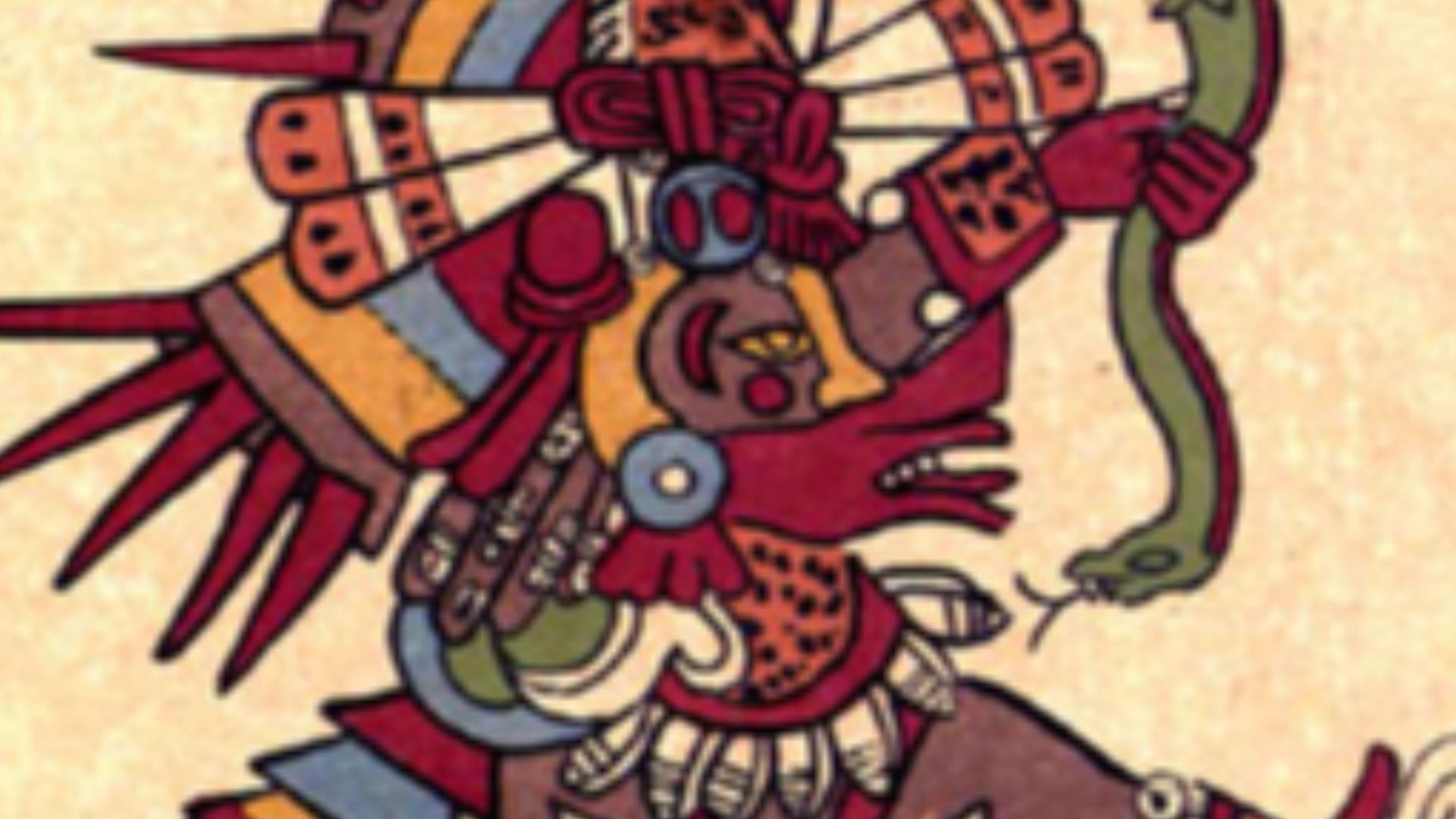
16. Leviathan
The giant serpent monster of ancient Jewish and biblical texts is known as Leviathan. Artists and writers over the centuries have reimagined it as a dragon-like monster of the seas. Its size and strength are what ultimately made Leviathan such a well-known monster.
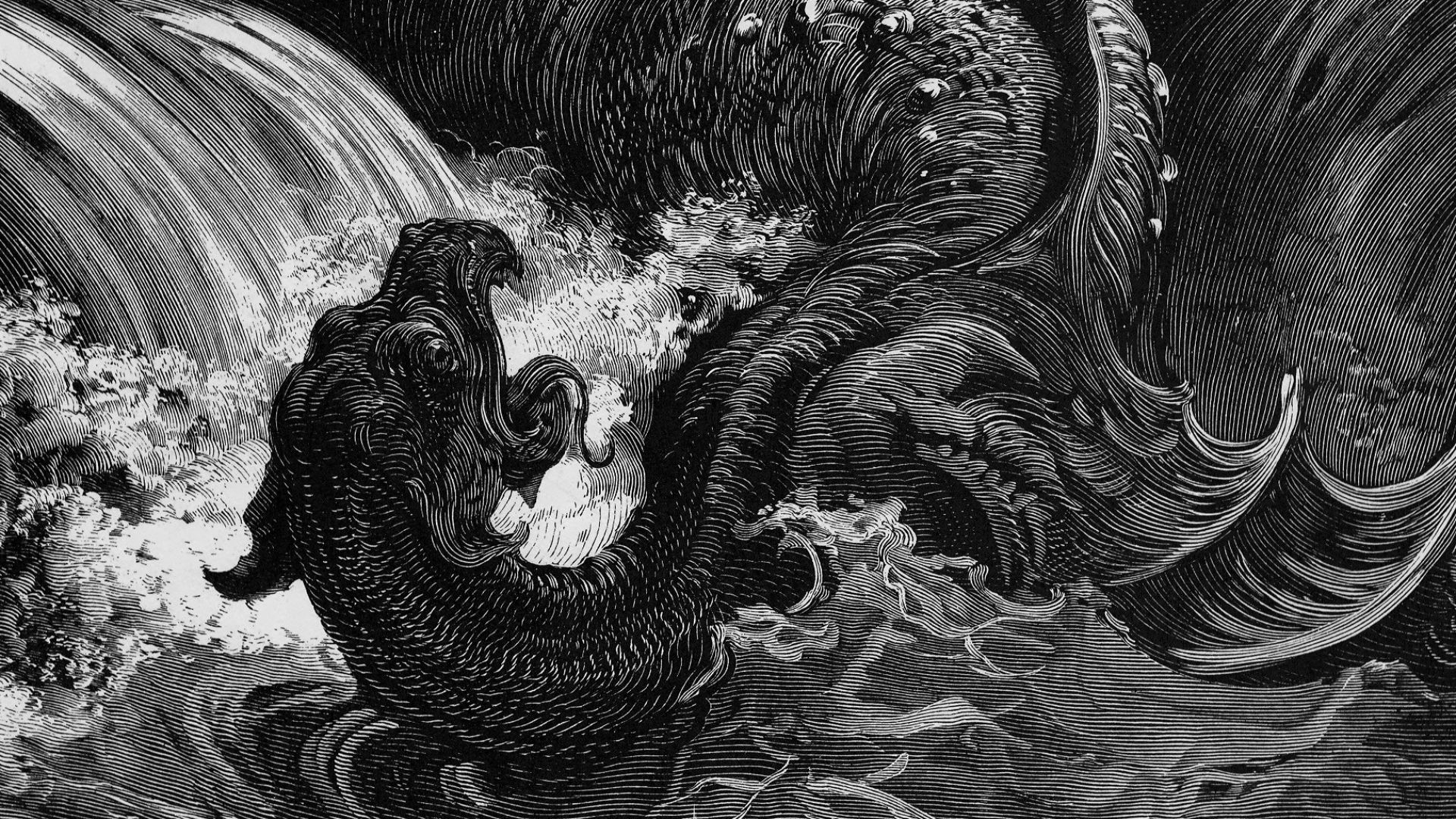
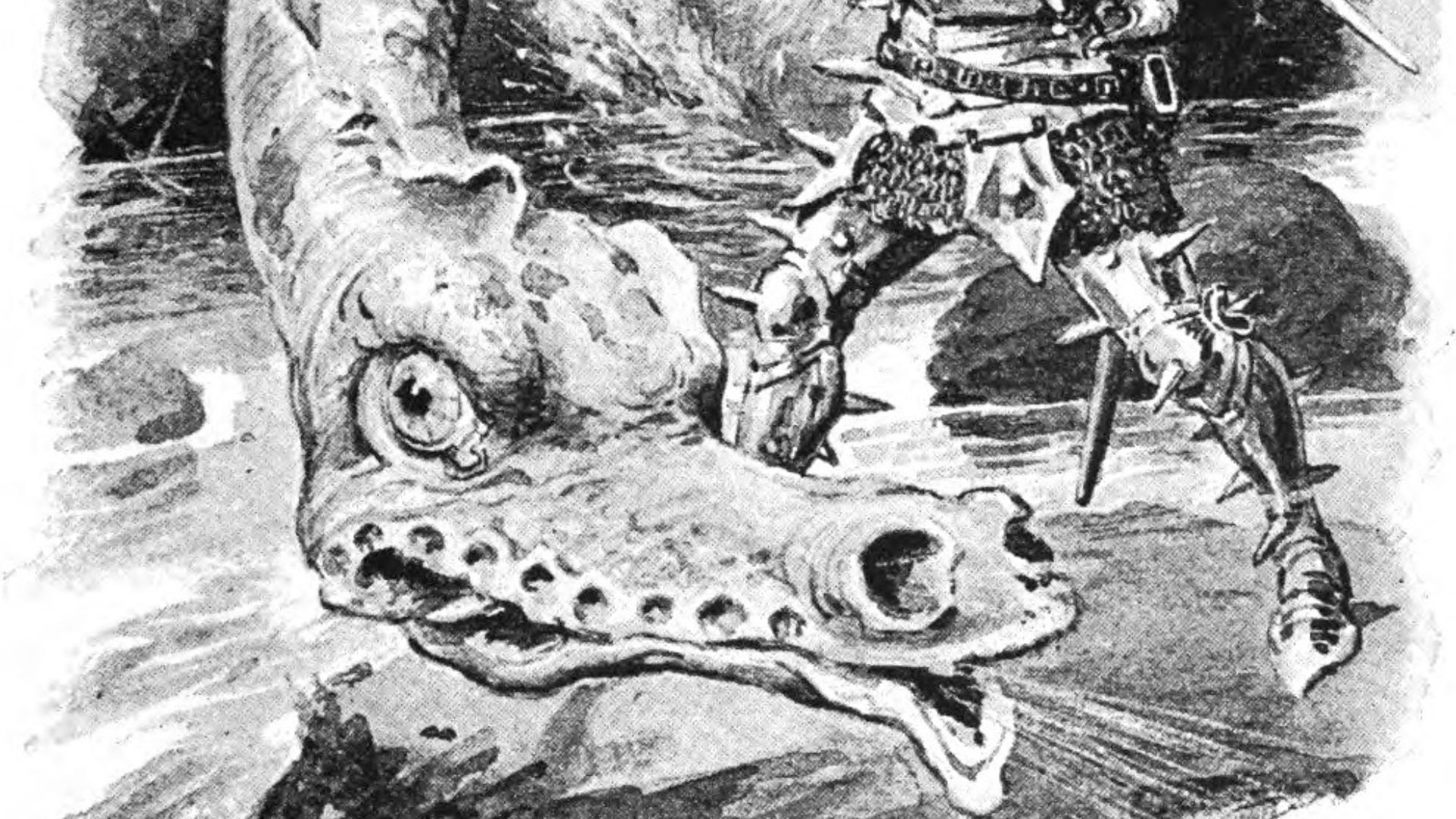
17. The Lambton Worm
English folklore is home to a dragon-like monster by the name of the Lambton Worm. According to the story, John Lambton throws a strange little worm into a well, only for it to become enormous. He later returns home and must figure out how to defeat the monster he accidentally created.
 Unknown authorUnknown author on Wikimedia
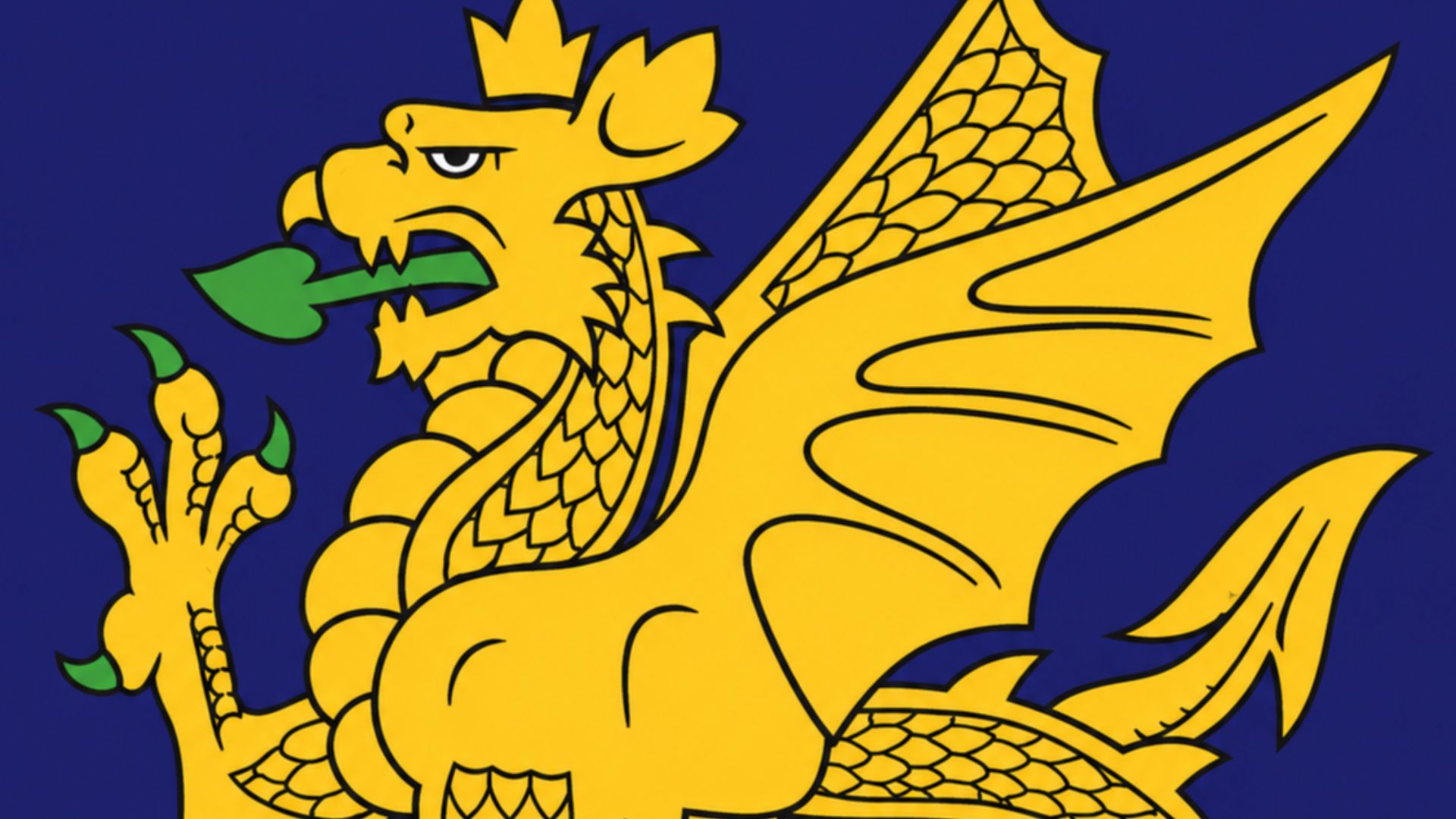
18. The Wyvern of Wessex
Wyverns look almost identical to dragons, minus two key details. First of all, they have two legs rather than four. Second, they have become associated with British heraldry more than actual dragons.
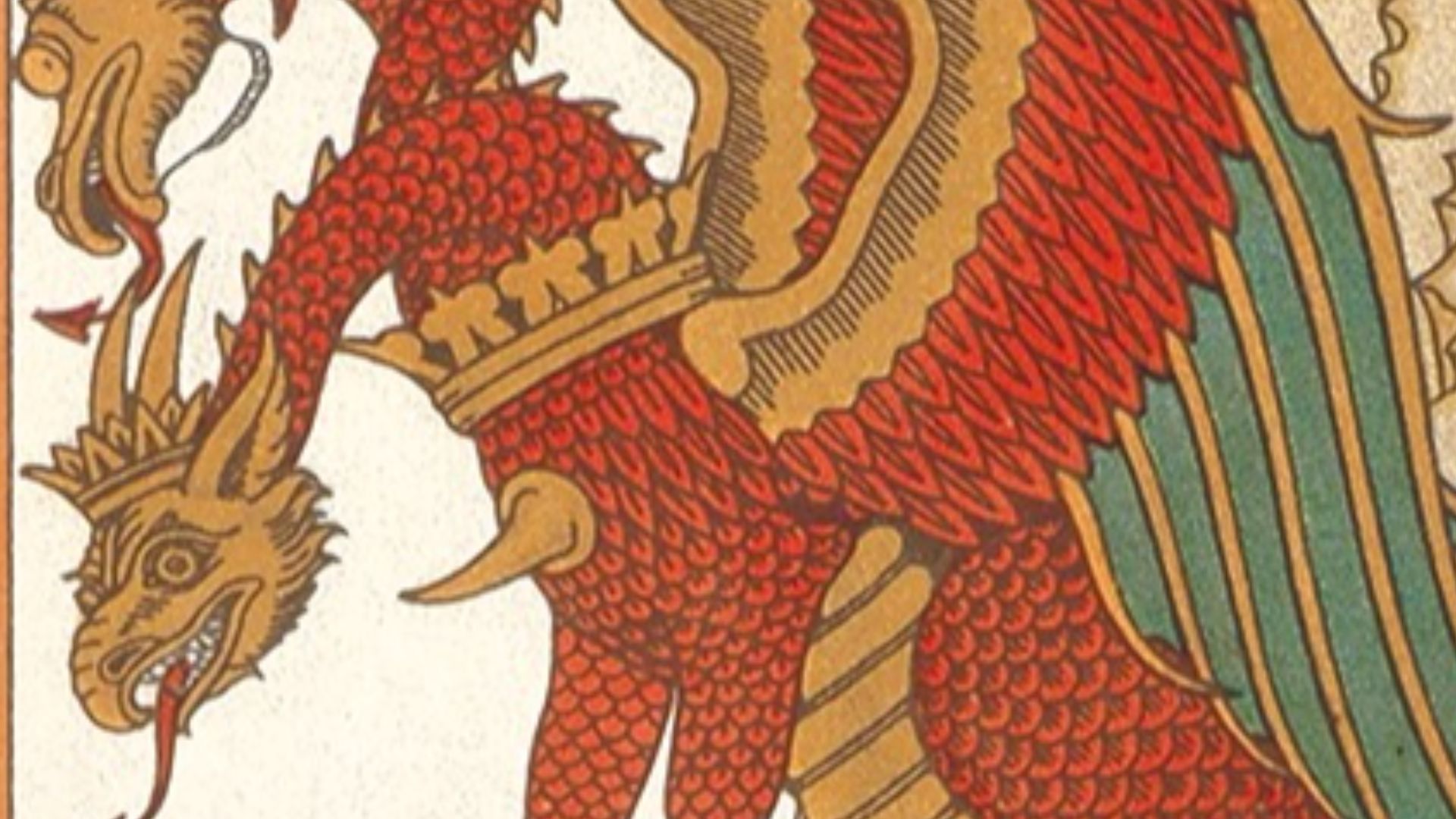
19. Zmey Gorynych
Zmey Gorynych is a famous Russian dragon from local folklore. The dragon is known for having three or more heads and showing up in a lot of stories. Heroes would usually have to slay or battle Zmey Gorynych during their adventures.
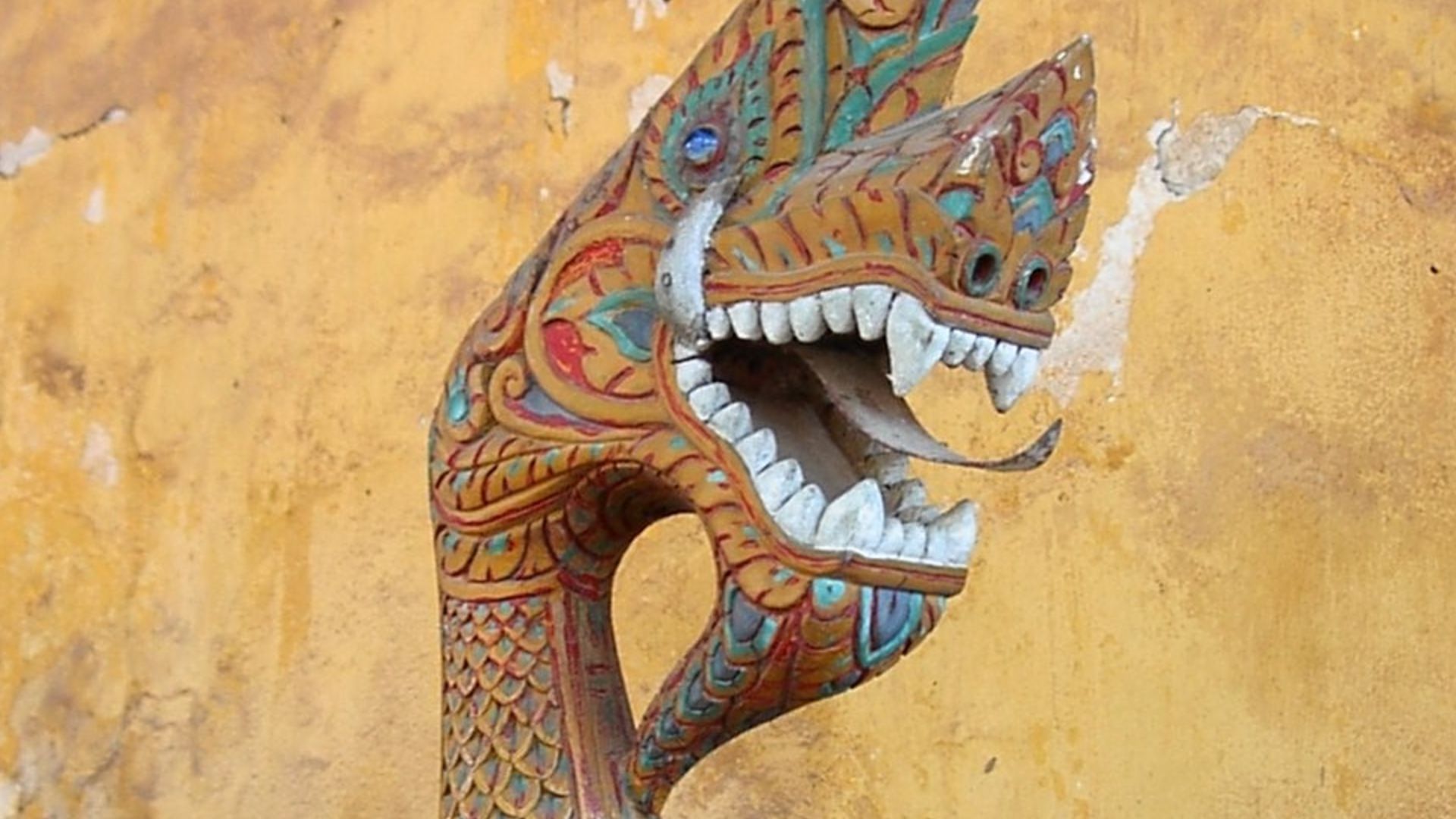
20. The Naga
Nagas are powerful serpent beings from Hindu and Buddhist traditions. Serpents from this family have been associated with knowledge, fertility, water, and the underworld. Nagas can be beneficial dragons as well as take on human appearances sometimes.
KEEP ON READING