20 Historical Figures Who Never Recovered From One Tragic Event
Some Moments Changed Everything
History tends to remember famous people for wars, discoveries, books, scandals, and political victories, but sometimes a single personal disaster mattered more than any public achievement. The people below survived the events that shattered their lives, yet many were never quite the same afterward. Some withdrew from society, others became obsessed with grief, and a few spent the rest of their lives trying unsuccessfully to move past what had happened. Here are 20 historical figures who never recovered from a tragic event.
 Lytton Strachey, Artist Von Angeli. on Wikimedia
1. Queen Victoria
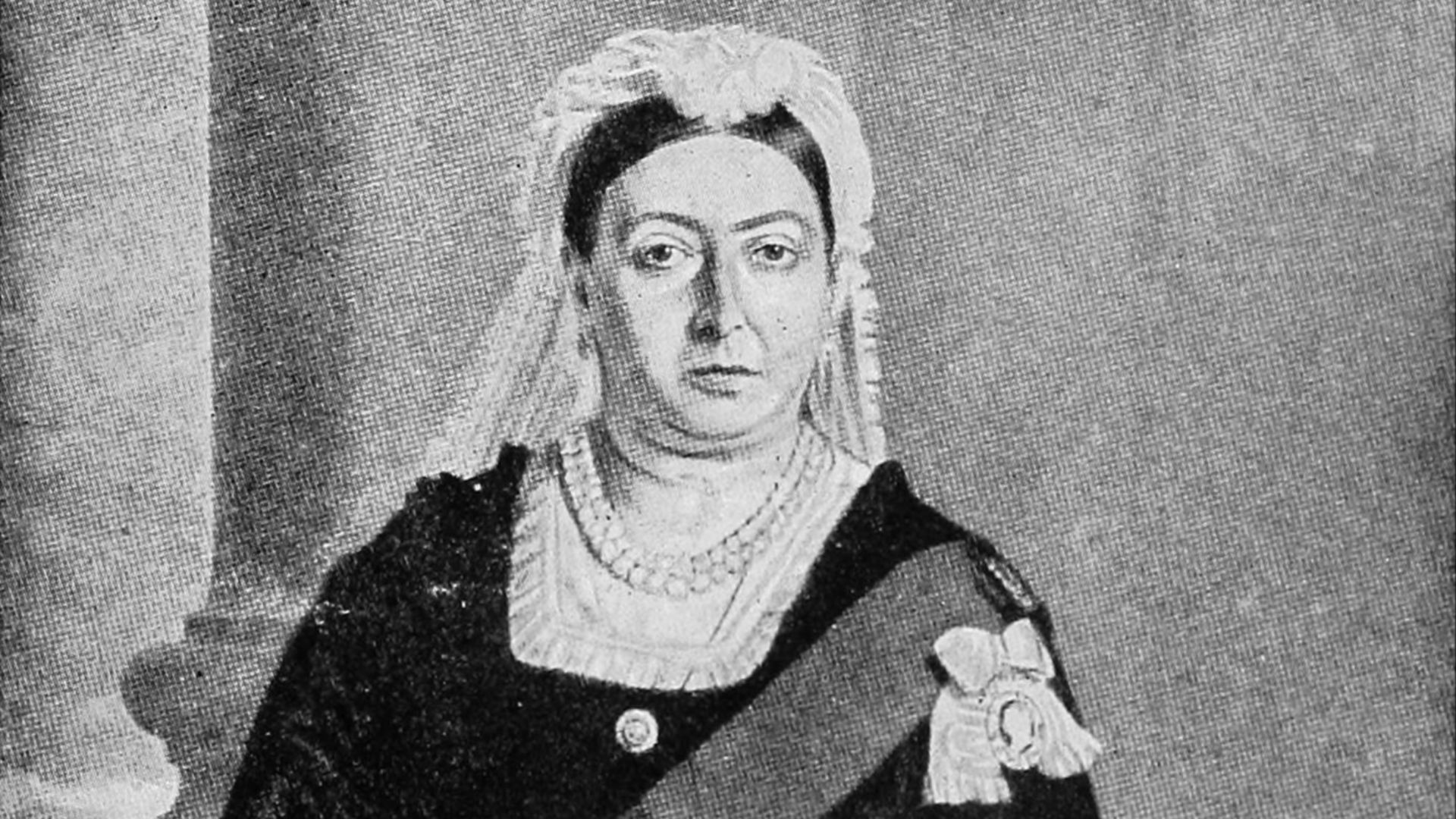
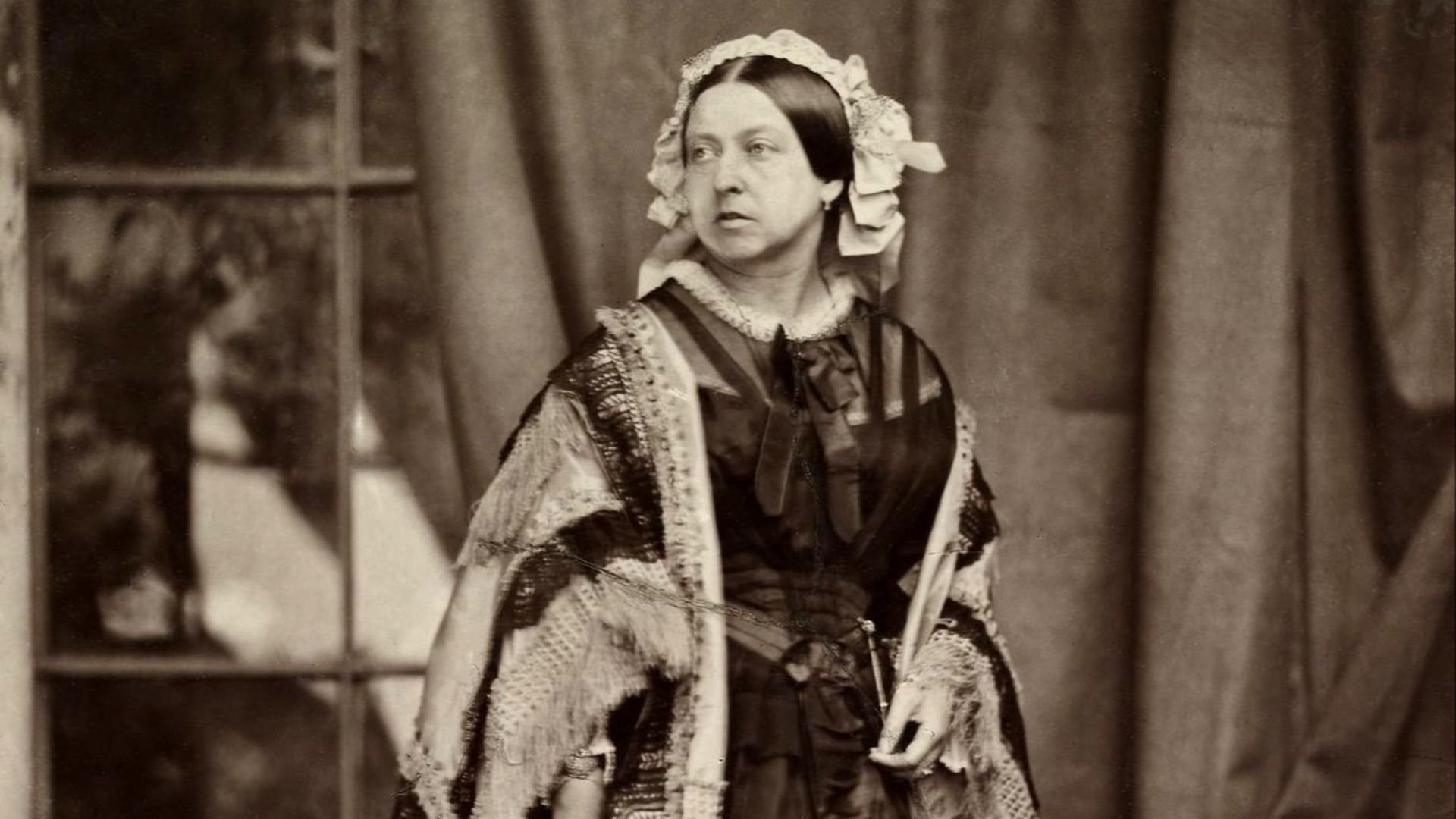
Queen Victoria was devastated when her husband, Prince Albert, died of typhoid fever in 1861 at just 42 years old. She withdrew from public life, famously wore black for the rest of her life, and had Albert's rooms preserved much as he had left them. Although she eventually resumed many royal duties, her mourning became such a defining part of her personality that Britain spent decades watching its queen grieve.
 John Jabez Edwin Mayall on Wikimedia
2. Mary Todd Lincoln
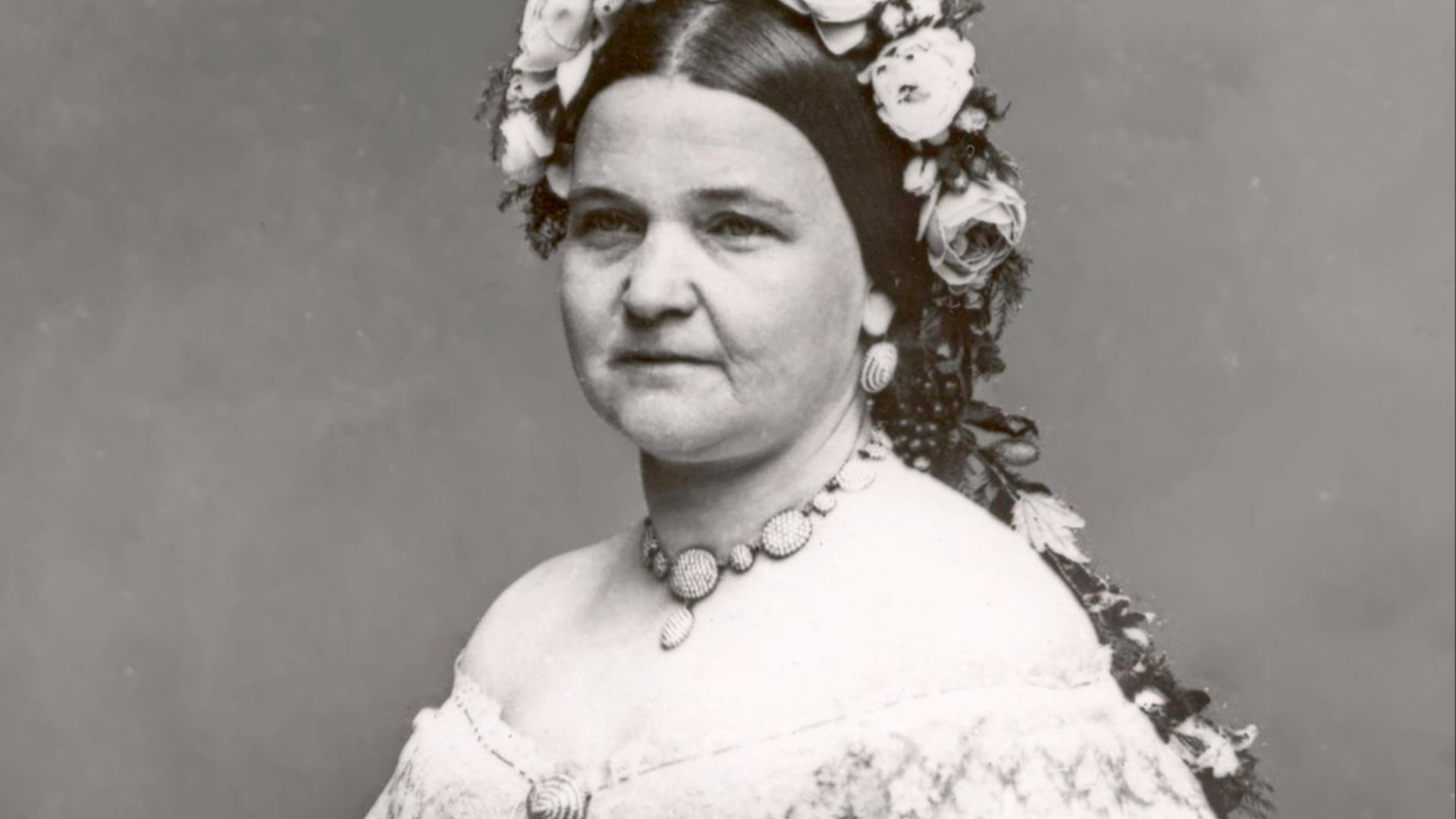
Mary Todd Lincoln was sitting beside her husband when John Wilkes Booth shot President Abraham Lincoln at Ford's Theatre in 1865. Already familiar with grief after losing two sons, she was emotionally overwhelmed by the assassination and struggled badly in the years that followed. Her behavior became increasingly erratic to the point where her surviving son Robert even had her briefly committed to a psychiatric institution.
3. Henry Wadsworth Longfellow
Poet Henry Wadsworth Longfellow suffered a horrifying loss in 1861 when his wife, Frances, accidentally set her dress on fire. Longfellow desperately tried to extinguish the flames, suffering severe burns himself, but Frances died the next day. He later described his grief as overwhelming, and the beard he became famous for reportedly helped conceal the scars left by the accident.
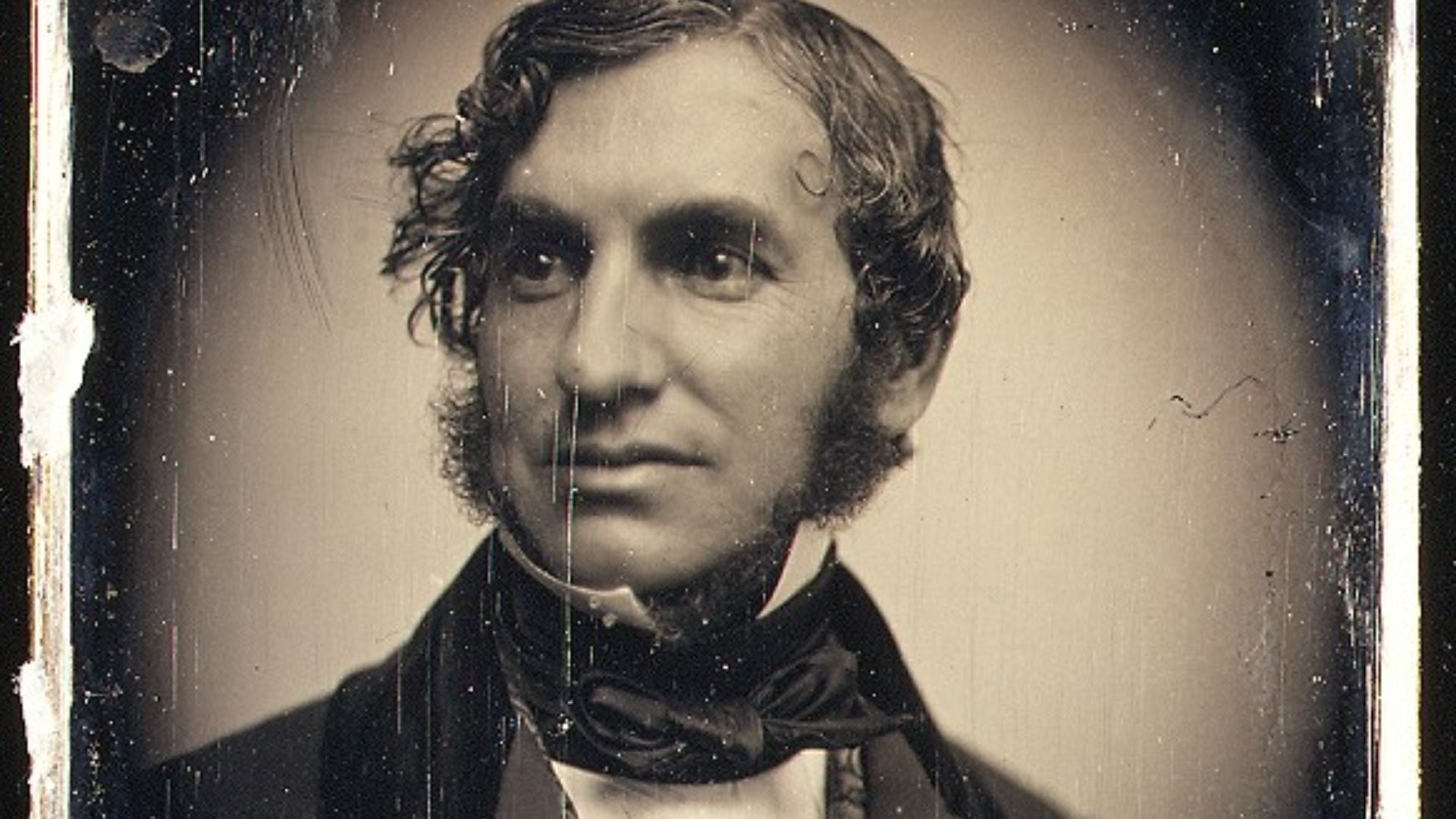 Albert Southworth / Josiah Johnson Hawes / Southworth & Hawes on Wikimedia
4. Emperor Franz Joseph I
Austria's Emperor Franz Joseph endured plenty of family disasters, but the assassination of his wife Elisabeth in 1898 struck particularly hard. An Italian anarchist stabbed her while she was walking toward a steamship in Geneva. Franz Joseph reportedly responded to the news by saying that no one could know how much he had loved her, and, unfortunately, he spent the rest of his long reign surrounded by further loss.
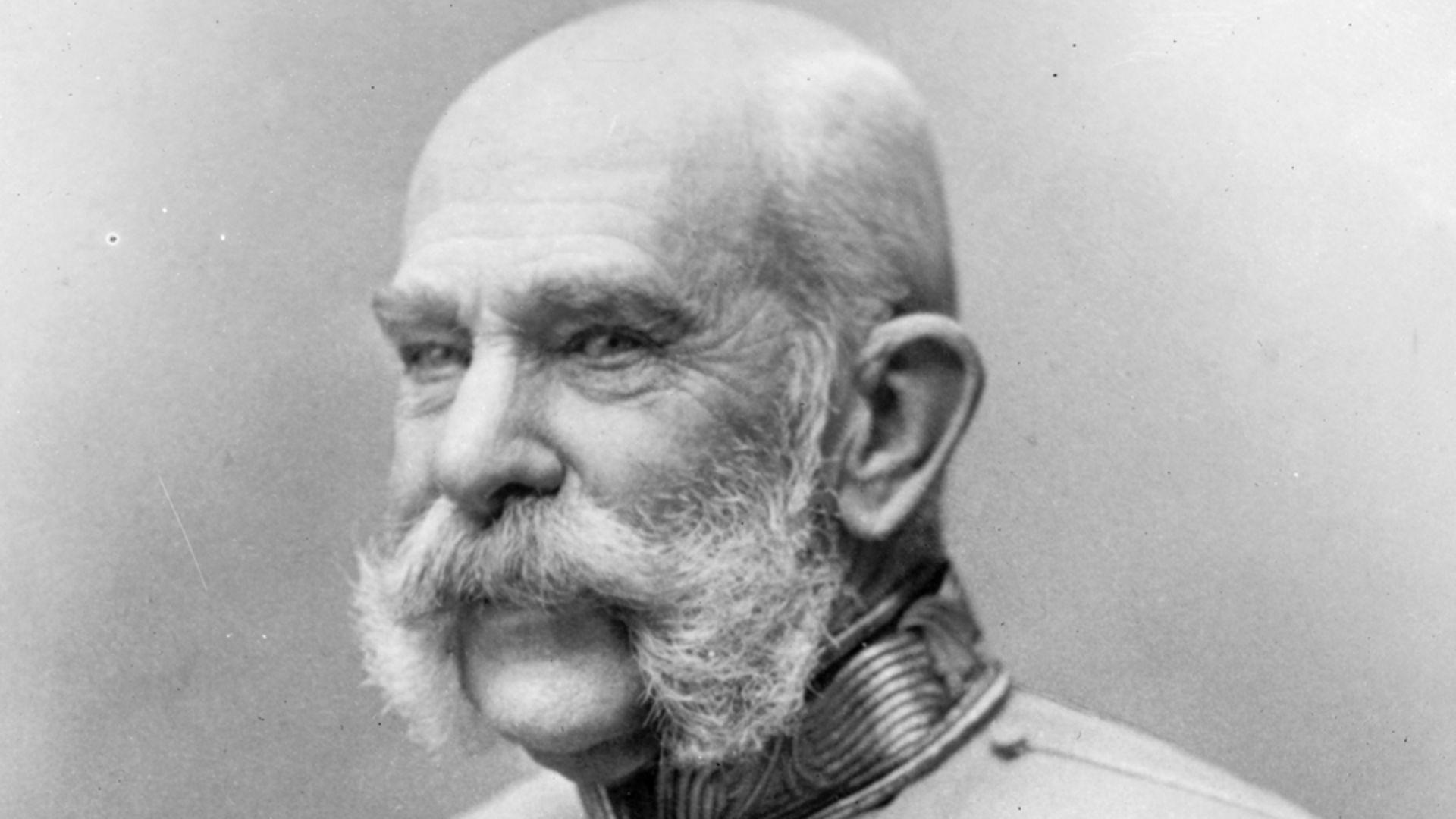 Bain News Service, publisher on Wikimedia
5. Sarah Winchester
Sarah Winchester lost her infant daughter in 1866 and her husband, William Wirt Winchester, in 1881, but his death appears to have marked a dramatic turning point in her life. She moved from Connecticut to California and eventually began expanding the enormous house now known as the Winchester Mystery House. Stories that she was desperately trying to appease ghosts are probably fabricated, but there's no doubt that grief helped shape the unusual, isolated life she built afterward.
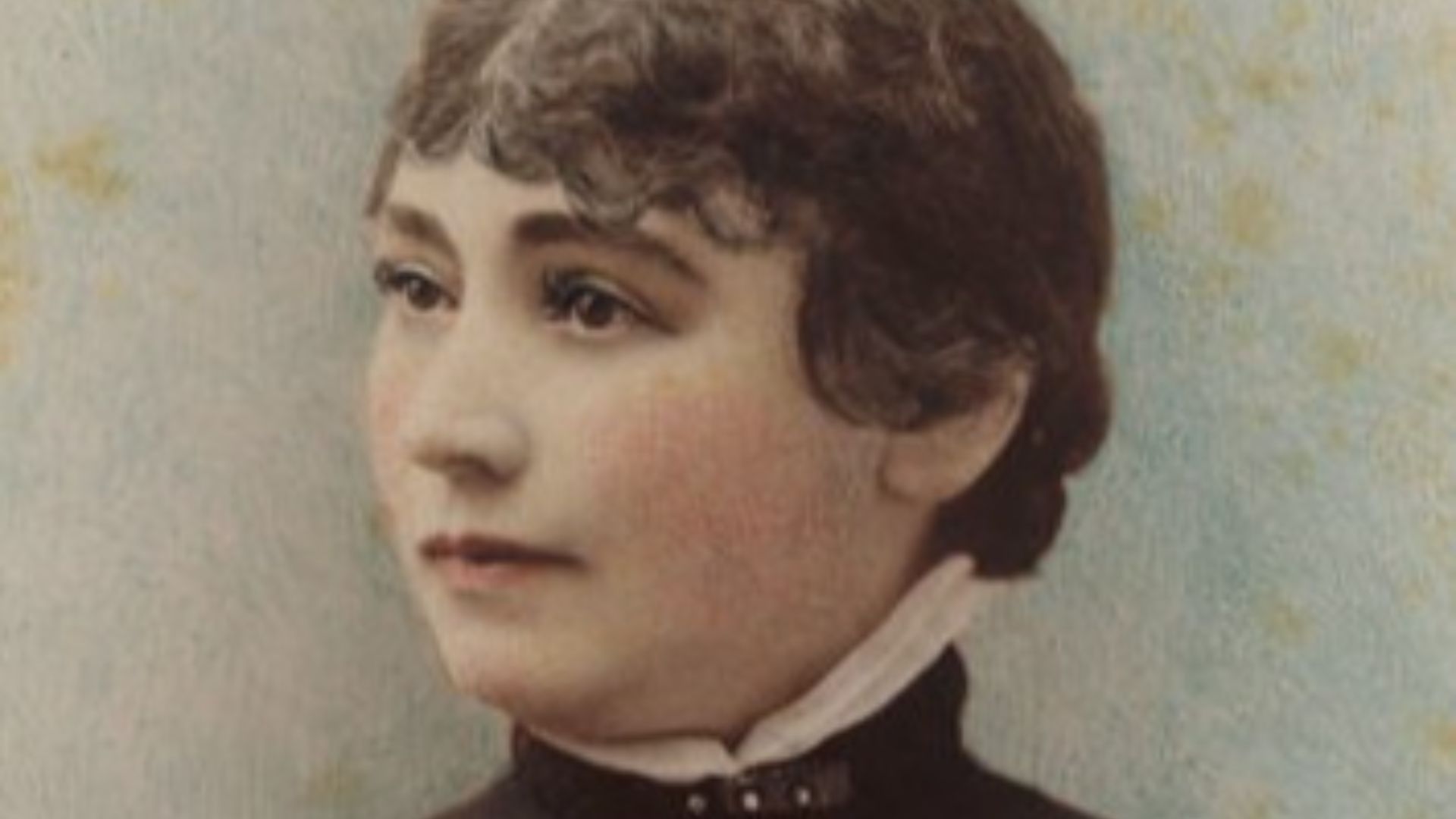 Taber Photographic Co. (I.W. Taber?) on Wikimedia
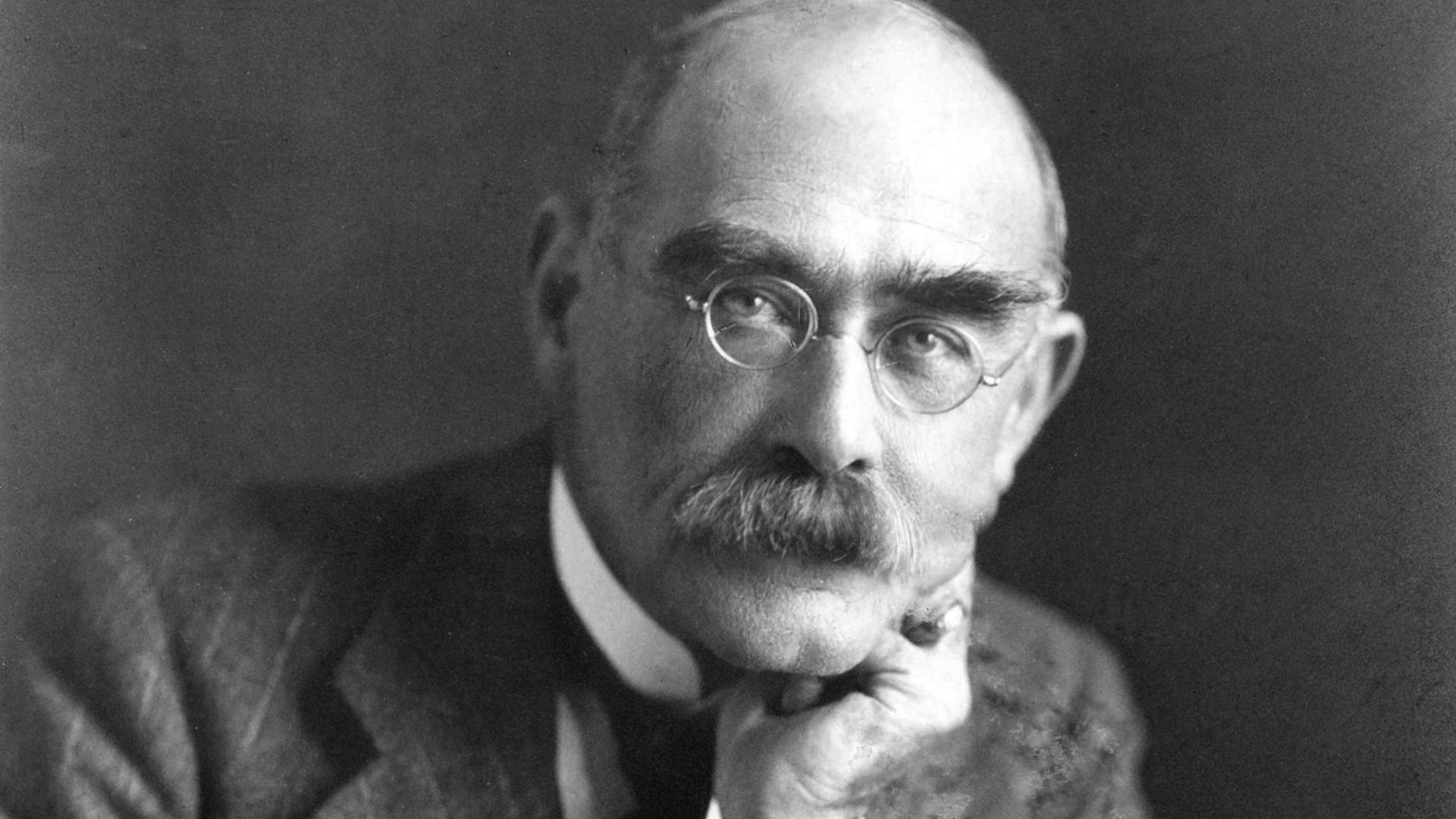
6. Rudyard Kipling
Rudyard Kipling enthusiastically supported Britain's involvement in World War I and helped his severely nearsighted son John obtain a military commission. John disappeared during the Battle of Loos in 1915 and was eventually presumed dead at just 18 years old. Kipling spent years trying to learn exactly what had happened to him, and his later writing reveals a much darker understanding of wartime sacrifice.
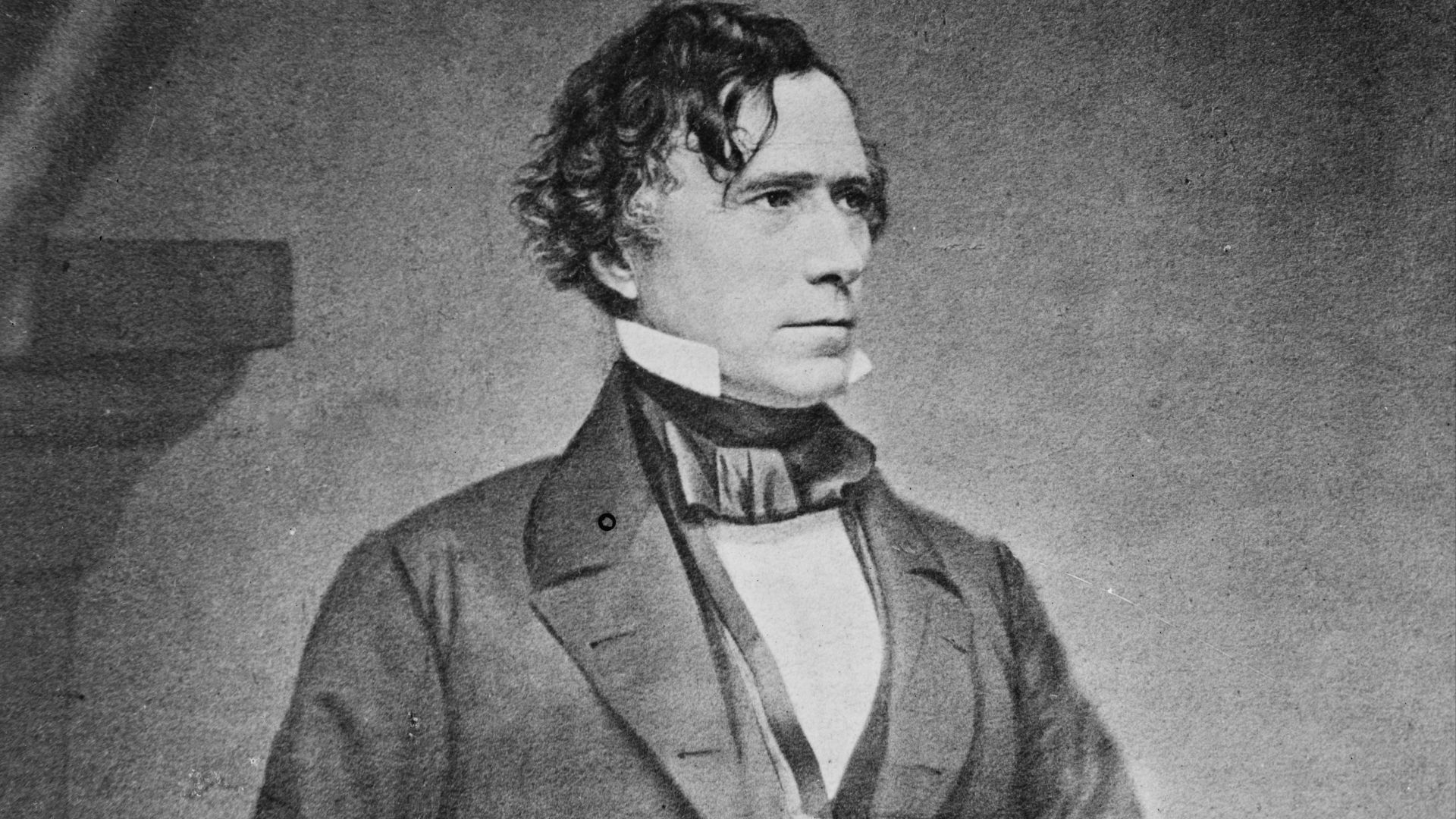
7. Franklin Pierce
President-elect Franklin Pierce and his wife Jane were traveling with their 11-year-old son Benjamin in 1853 when their train derailed in Massachusetts. Benjamin was killed instantly. Jane interpreted the tragedy as divine punishment for Pierce's political ambition, while Pierce entered the presidency deeply shaken and increasingly dependent on alcohol.
 Mathew Benjamin Brady on Wikimedia
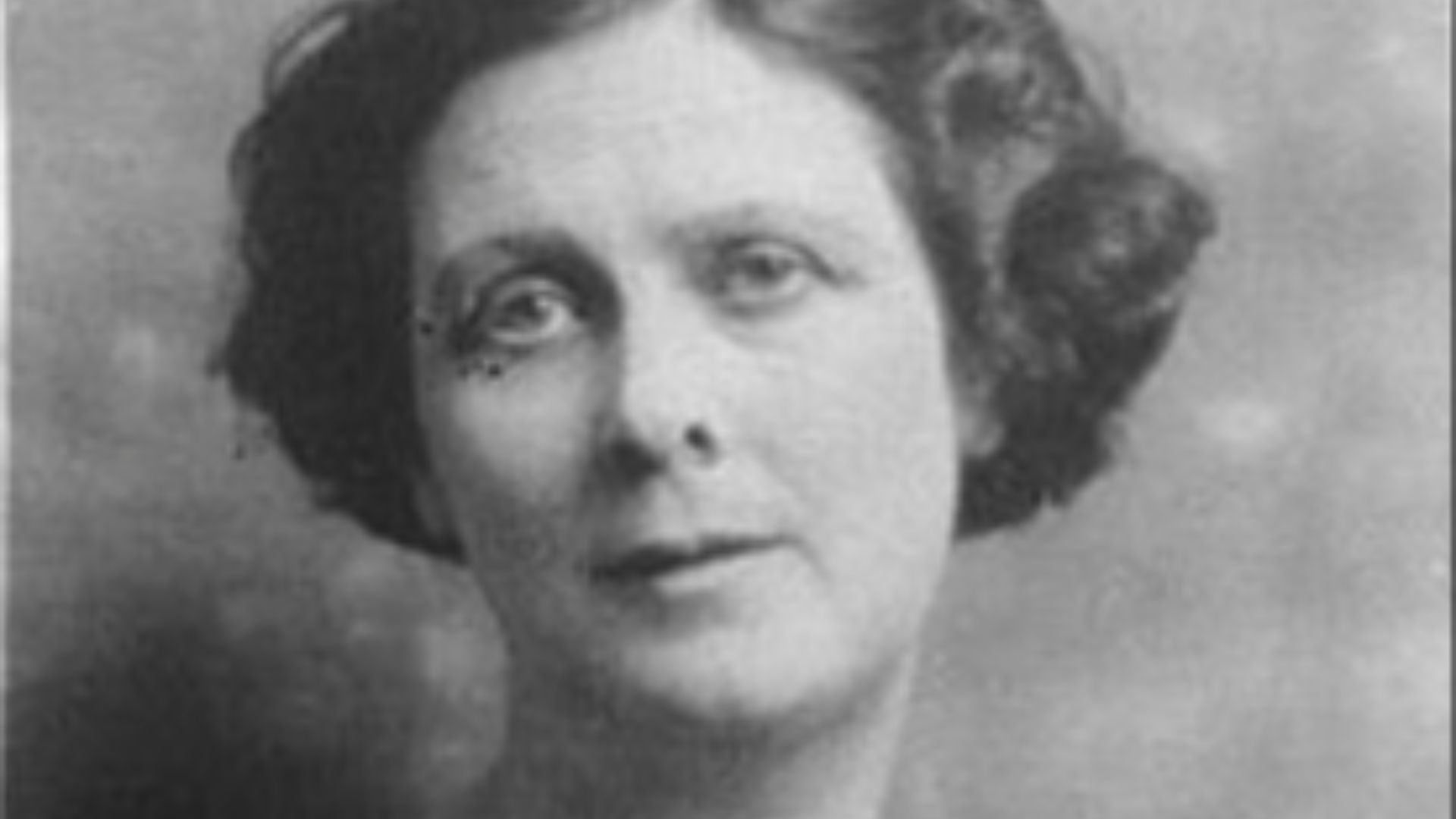
8. Isadora Duncan
Dancer Isadora Duncan experienced an unimaginable tragedy in 1913 when a car carrying her two young children rolled into the Seine after its driver stepped away. Both children and their nanny drowned before rescuers could reach them. Duncan continued performing and traveling, but her memoirs and later life show how deeply the deaths affected her, and she repeatedly returned to the subject of her lost children.
 Genthe, Arnold, 1869-1942, photographer on Wikimedia
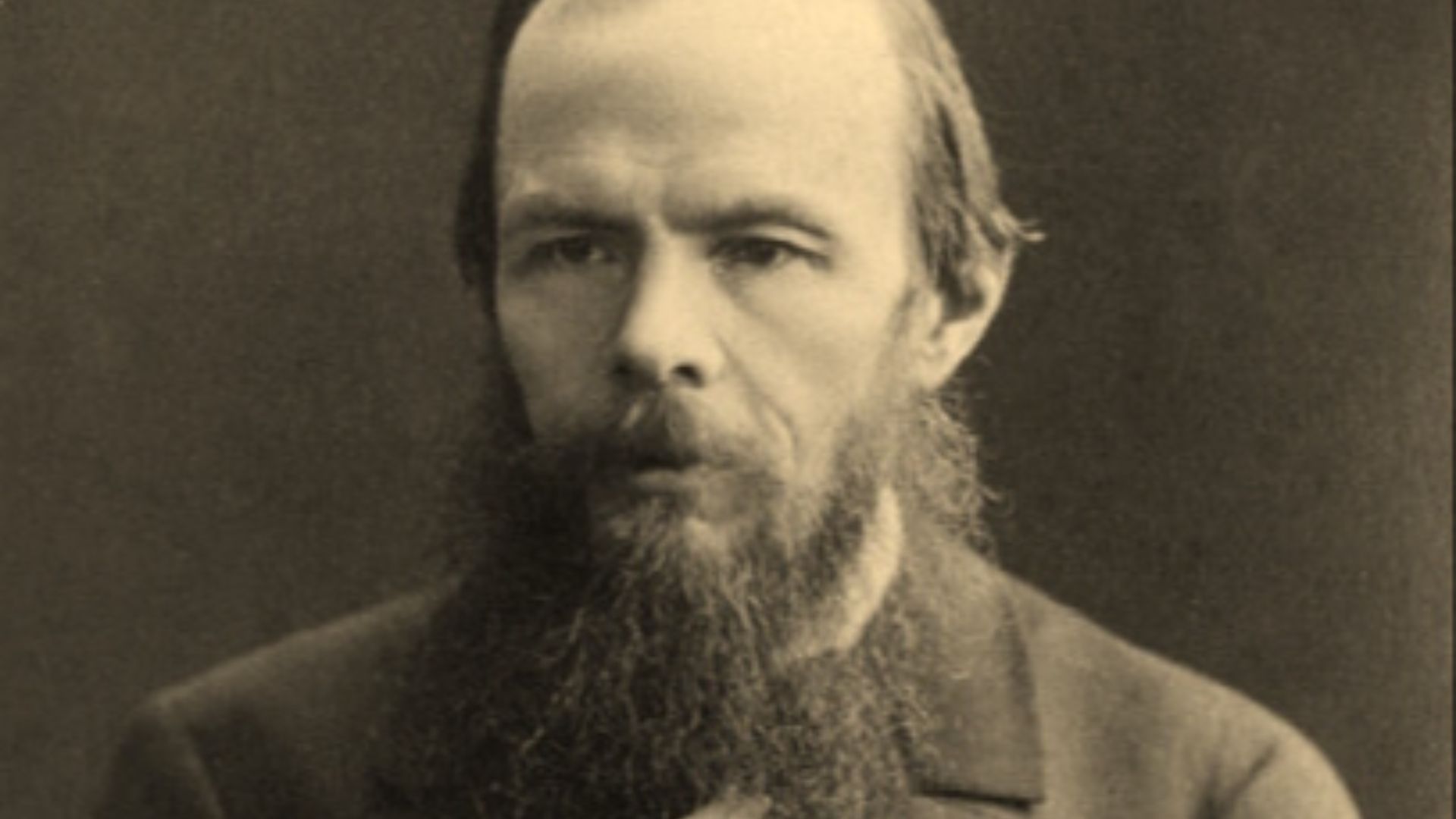
9. Fyodor Dostoevsky
In 1849, Russian writer Fyodor Dostoevsky was led before a firing squad after being arrested for participating in a discussion group considered politically dangerous. He and the other prisoners believed they were moments away from death before a messenger announced that their sentences had been commuted. Dostoevsky never forgot the experience, and probably helped inform the themes of execution, mortality, guilt, and second chances that appeared repeatedly in his later novels.
 Constantin Shapiro on Wikimedia
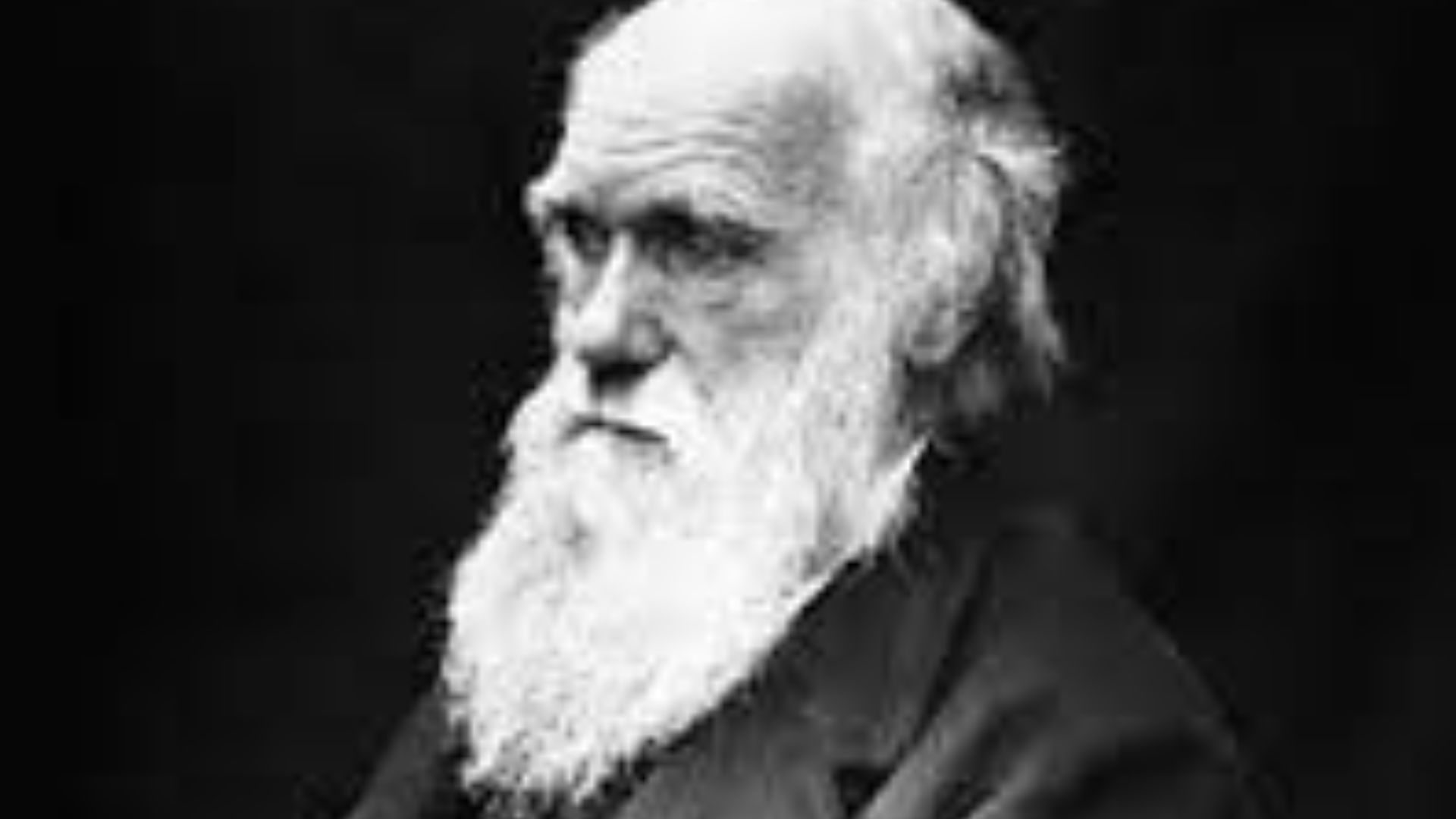
10. Charles Darwin
Charles Darwin and his wife Emma lost their beloved 10-year-old daughter Annie in 1851 after a long illness. Darwin had already wrestled with questions about religion, but Annie's death appears to have intensified his doubts about traditional Christian belief. He rarely discussed the loss publicly, yet his private writings make it clear that her death remained one of the deepest emotional wounds of his life.
11. Marie Curie
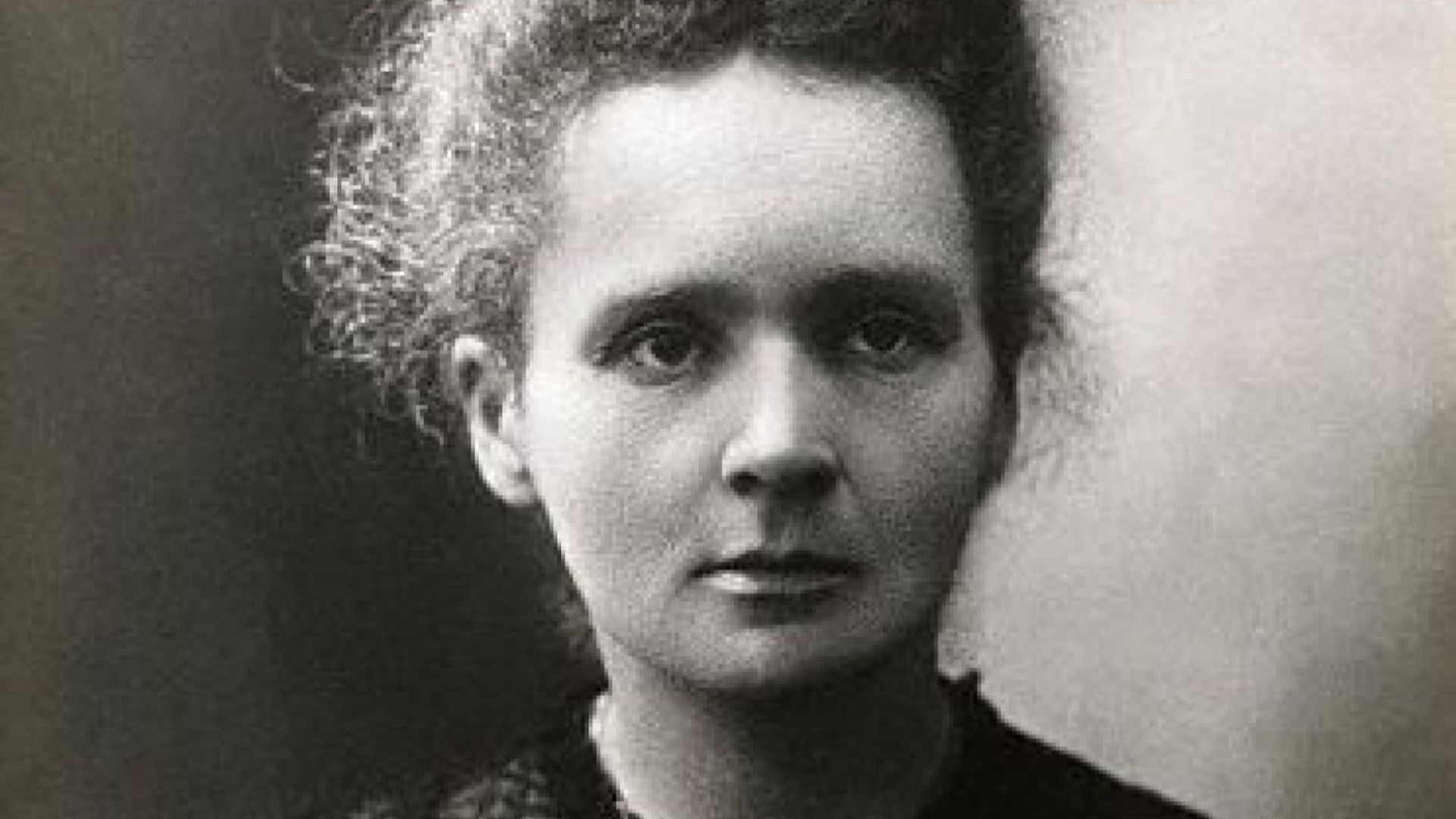
Marie Curie's husband and scientific partner, Pierre, died suddenly in 1906 after slipping on a rainy Paris street and being run over by a horse-drawn vehicle. Curie's private diary from the months afterward records intense grief and her continued habit of addressing Pierre as though he were still present. She eventually returned to groundbreaking scientific work, but his absence remained with her.
12. Mark Twain
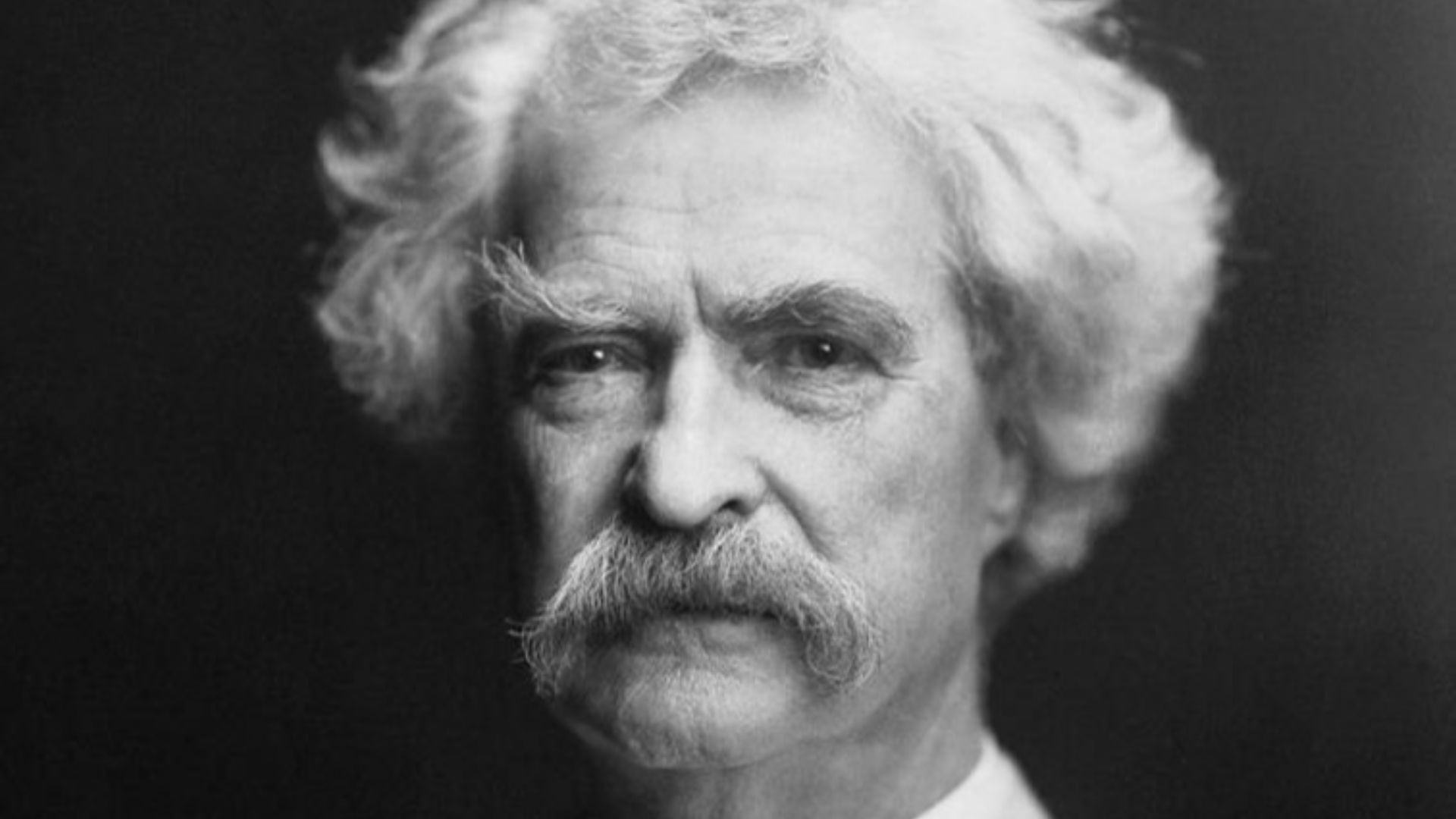
Mark Twain built his public image around humor, but his personal life became considerably darker after his daughter Susy died from spinal meningitis in 1896 at the age of 24. He was traveling abroad when she died and carried enormous regret over not being with her. Twain continued writing, yet his later work became increasingly pessimistic as further family deaths added to his grief.
 A.F. Bradley, New York on Wikimedia
13. Alfred Tennyson
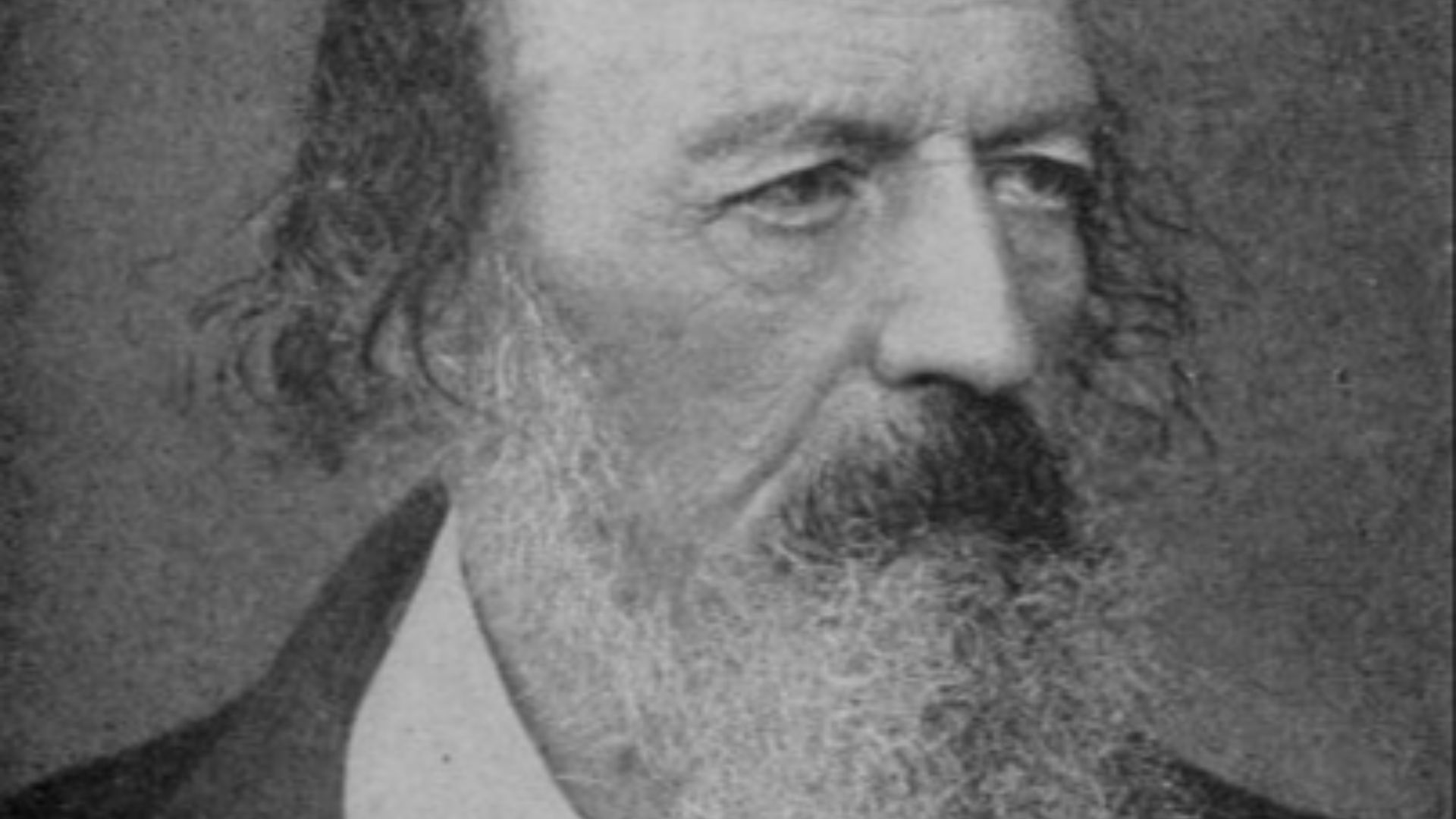
Poet Alfred Tennyson was deeply affected when his closest friend, Arthur Hallam, died unexpectedly from a cerebral hemorrhage in 1833 at just 22 years old. Hallam had also been engaged to Tennyson's sister, making his death a devastating blow to the entire family. Tennyson spent years processing the loss through poetry, eventually producing In Memoriam A.H.H., one of the most famous expressions of grief in English literature.
14. Eleanor Roosevelt
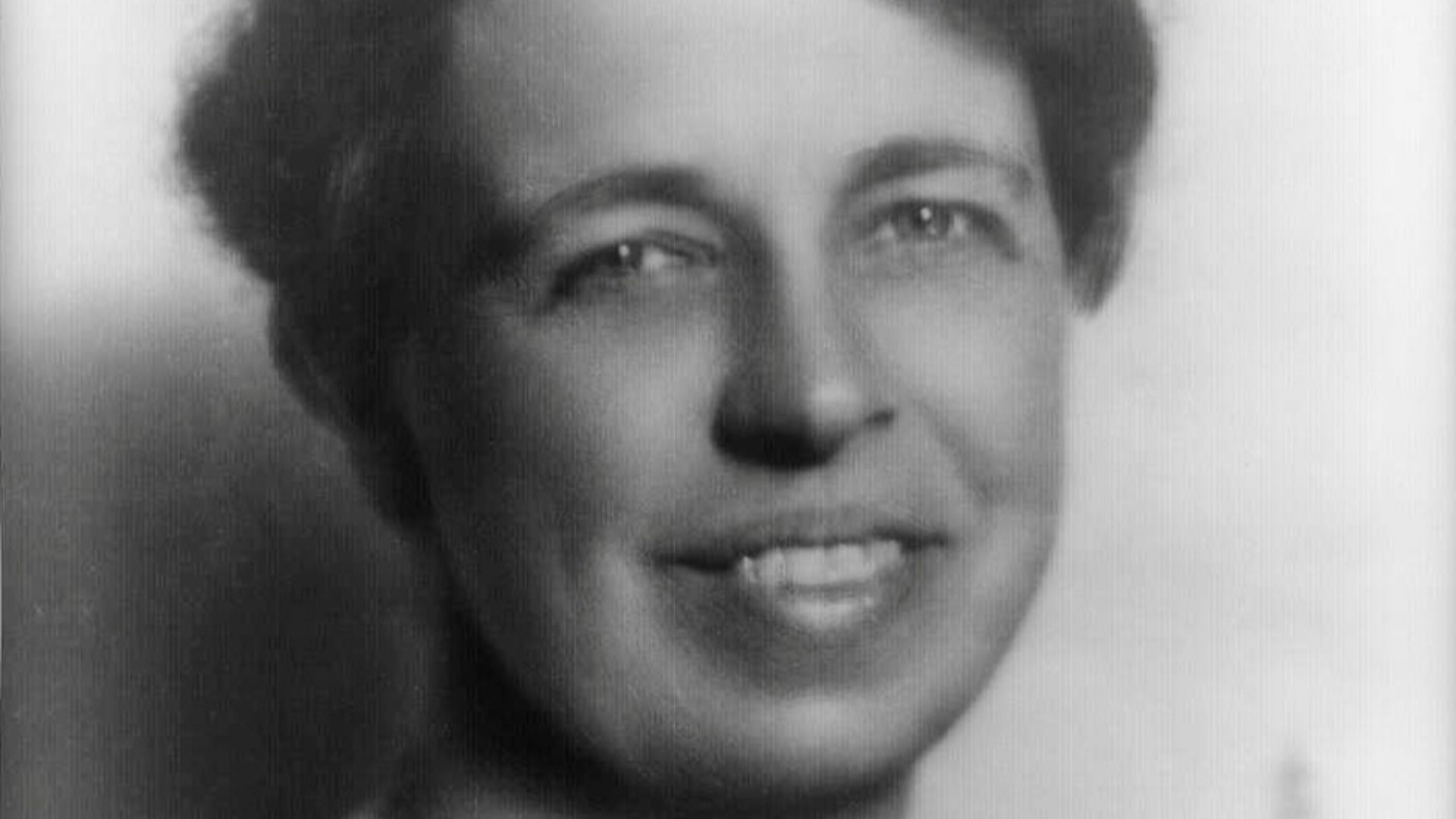
In 1918, Eleanor Roosevelt discovered love letters revealing that her husband Franklin had been having an affair with her social secretary. Eleanor offered him a divorce, but political and family pressure helped keep the marriage intact. Their relationship changed permanently, and Eleanor increasingly built an independent public life rather than returning to the conventional marriage they had once shared.
15. Dante Alighieri
Dante's defining personal disaster wasn't a death, but his permanent exile from Florence in 1302 after political enemies took control of the city. He spent the rest of his life moving between courts in northern Italy and never returned to the city he considered home. His bitterness toward the people responsible turns up repeatedly in The Divine Comedy, where several of them received especially memorable punishments.
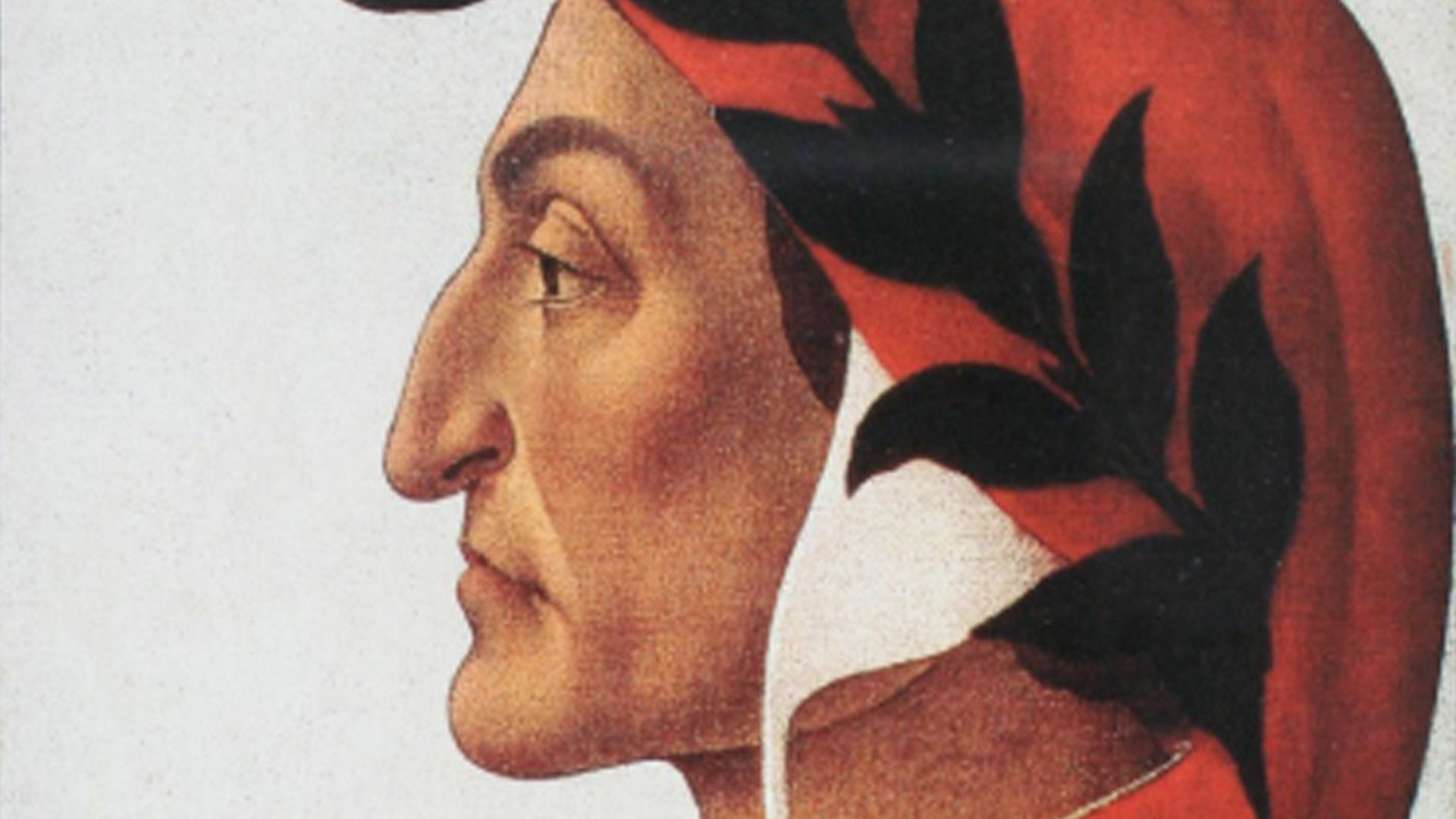 After Sandro Botticelli on Wikimedia
16. Ludwig van Beethoven
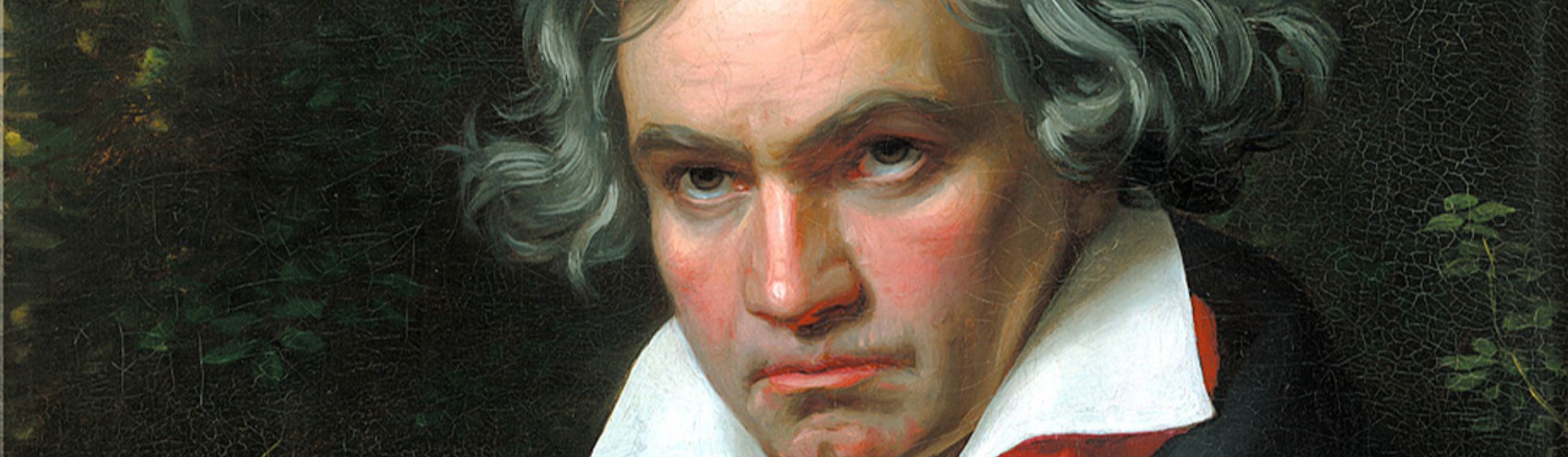
For a composer, few events could have been more frightening than slowly losing the ability to hear music. By 1802, Beethoven was despondent enough to write the Heiligenstadt Testament, a private document in which he admitted that his worsening deafness had driven him toward thoughts of suicide. He kept composing extraordinary music, but the condition increasingly isolated him from ordinary social life.
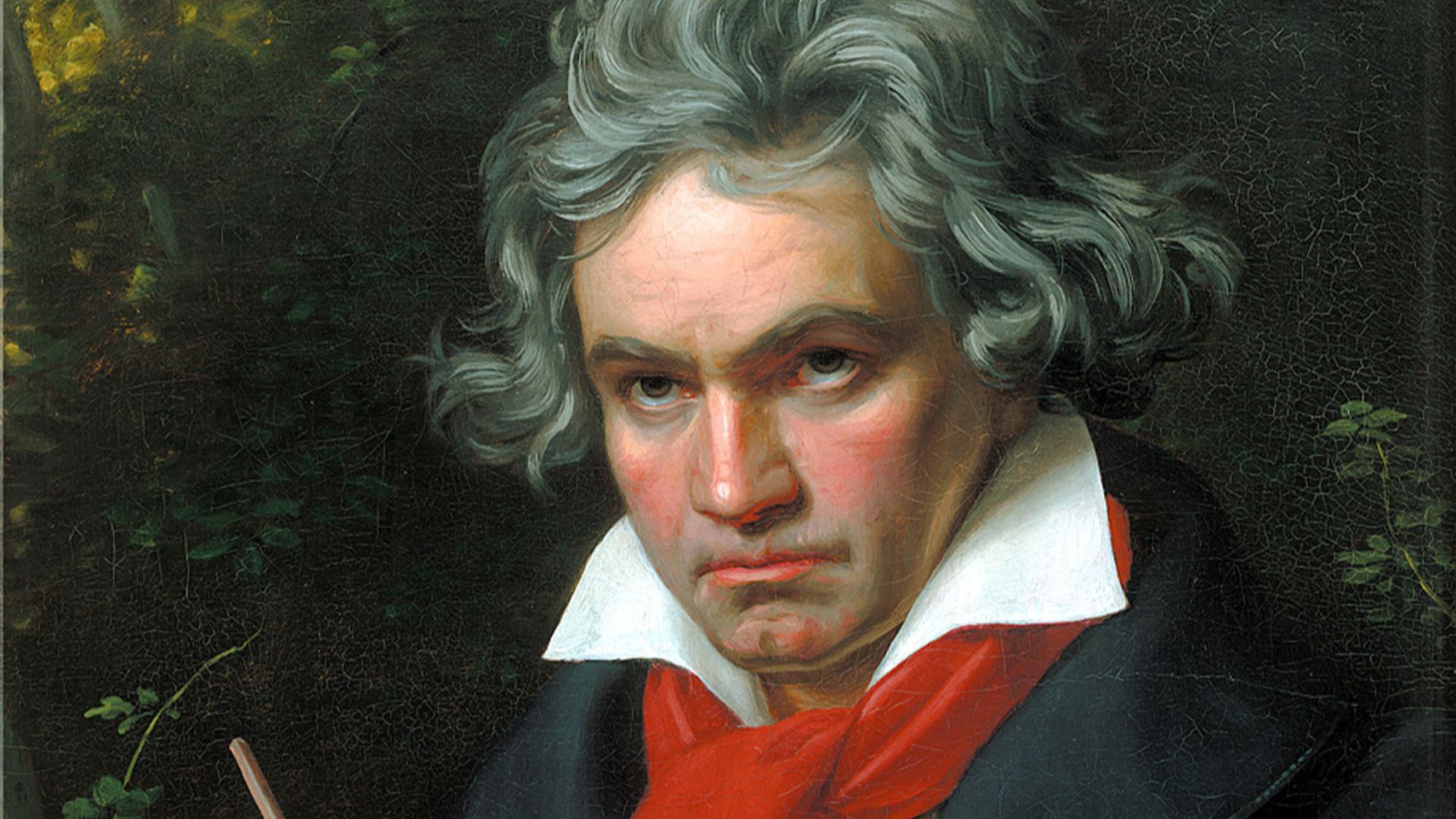 Joseph Karl Stieler on Wikimedia
17. Theodore Roosevelt
On February 14, 1884, Theodore Roosevelt lost both his mother and his young wife Alice in the same house only hours apart. In his diary, he marked the day with a large X and wrote that the light had gone out of his life. He soon left New York for the Dakota Territory, where he threw himself into ranching and physical activity while rarely speaking publicly about Alice again.
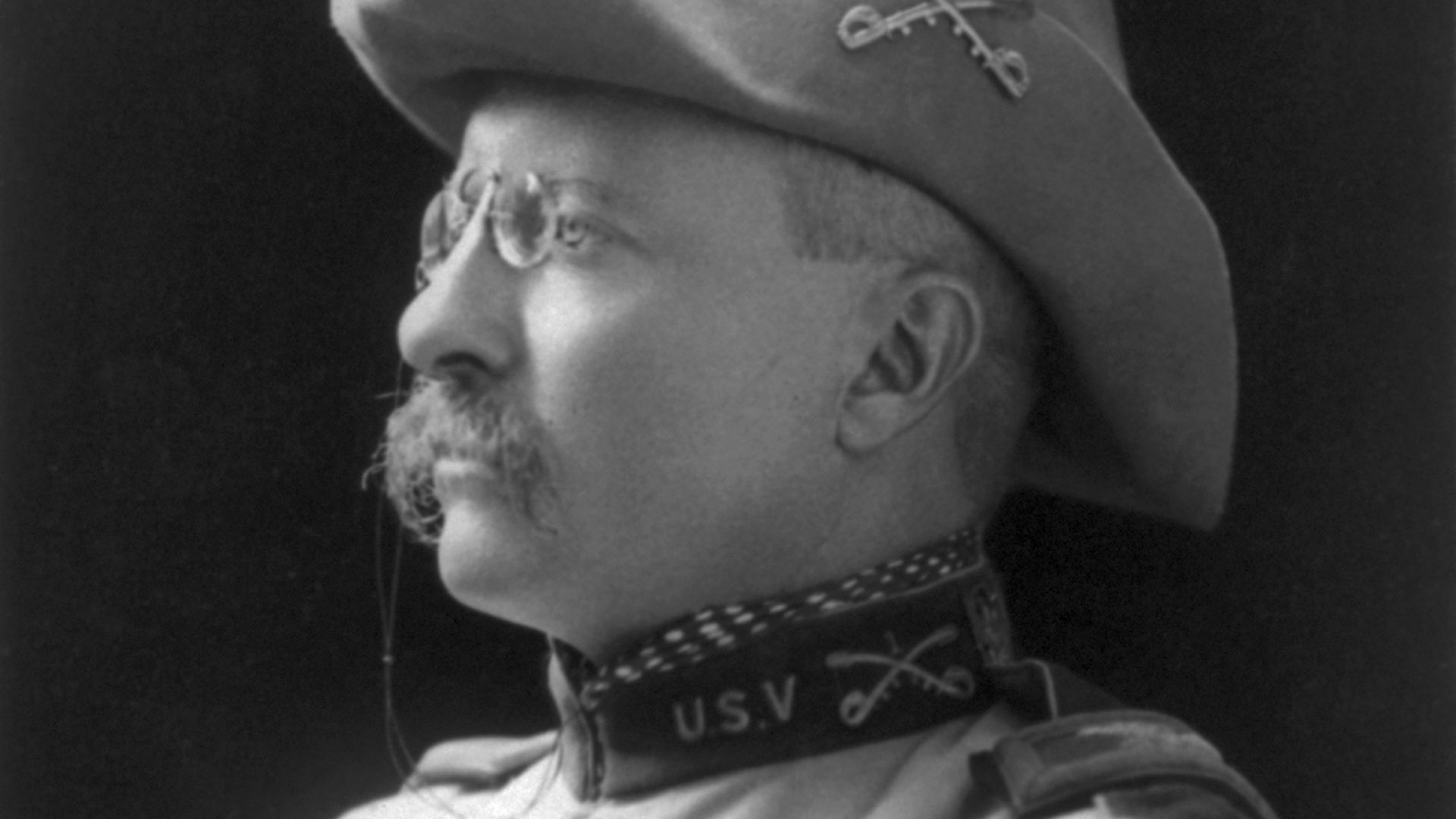 B.J. Falk (1853-1925) on Wikimedia
18. Vincent van Gogh
Vincent van Gogh's mental crisis in December 1888 became one of the most famous episodes of his troubled life. After a severe confrontation with fellow artist Paul Gauguin, Van Gogh mutilated part of his own ear and was hospitalized. He continued painting prolifically afterward, but recurring episodes of mental distress followed until his death in 1890.
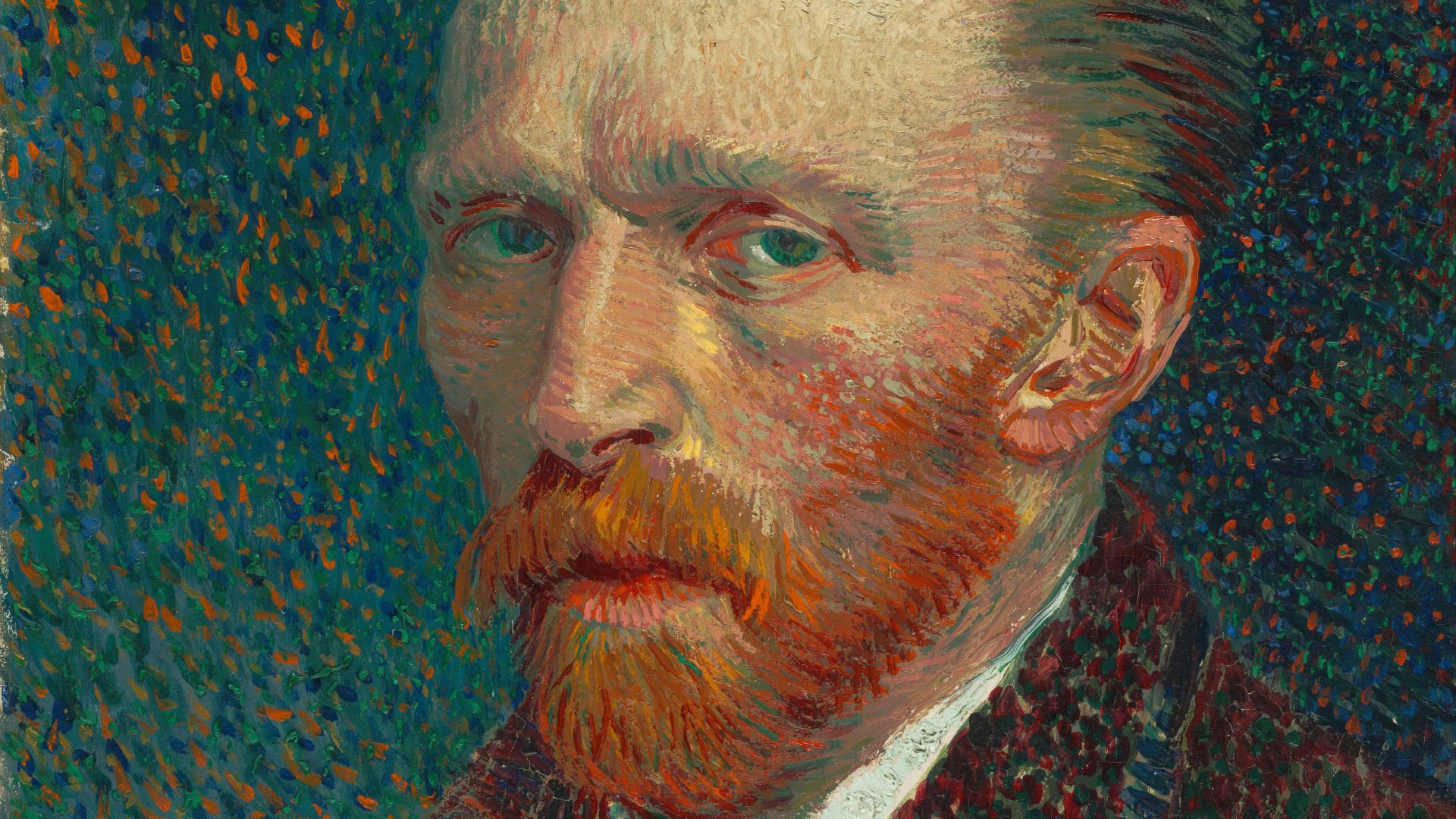
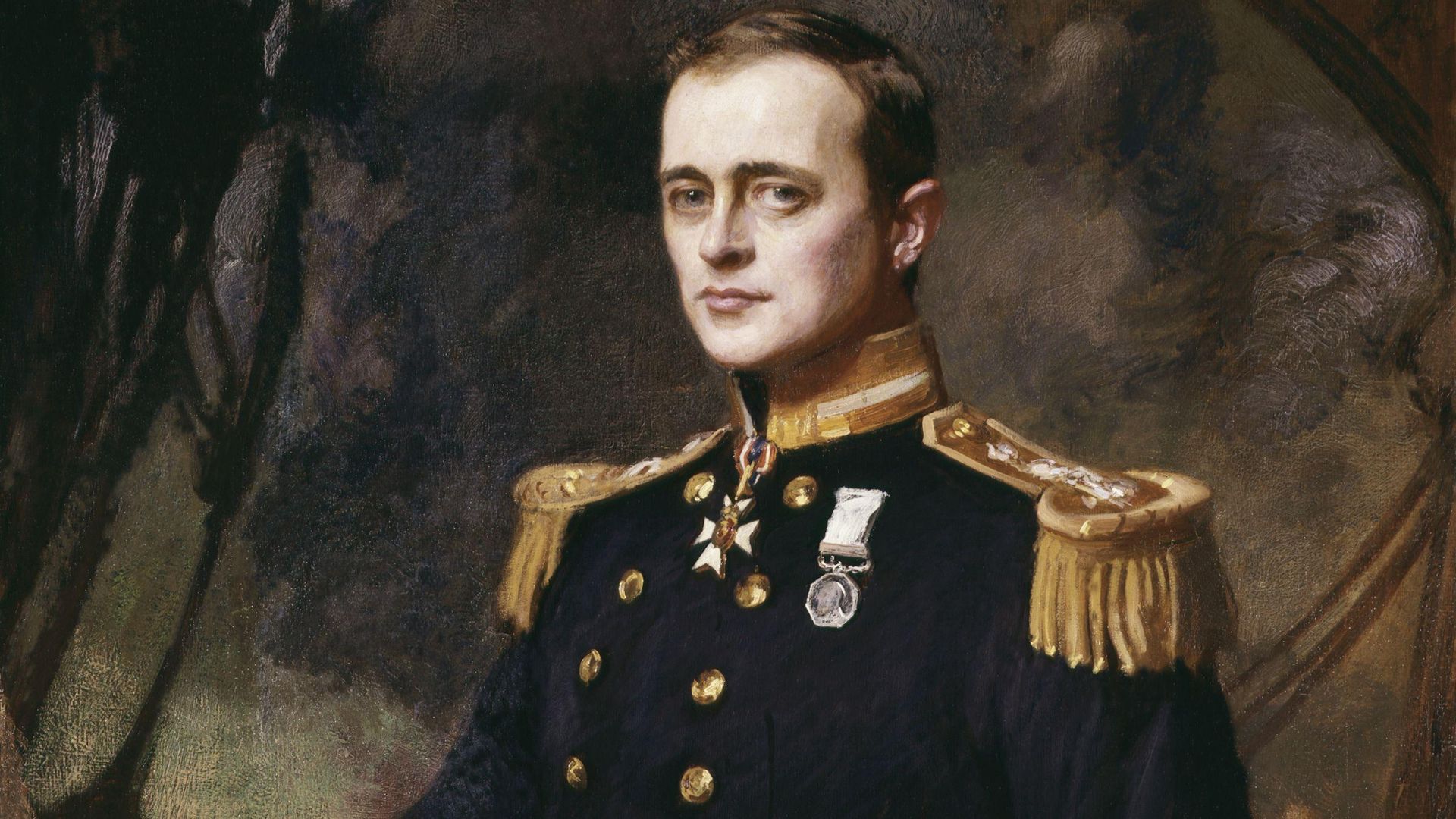
19. Robert Falcon Scott
British explorer Robert Falcon Scott's return journey from the South Pole began collapsing after his team member Edgar Evans died in February 1912 following a rapid physical decline. Evans's death made an already desperate situation significantly worse by leaving the remaining men weakened and shorthanded. Scott's diary entries afterward became increasingly grim as he realized that the expedition's chances of survival were declining.
 Daniel A. Wehrschmidt on Wikimedia
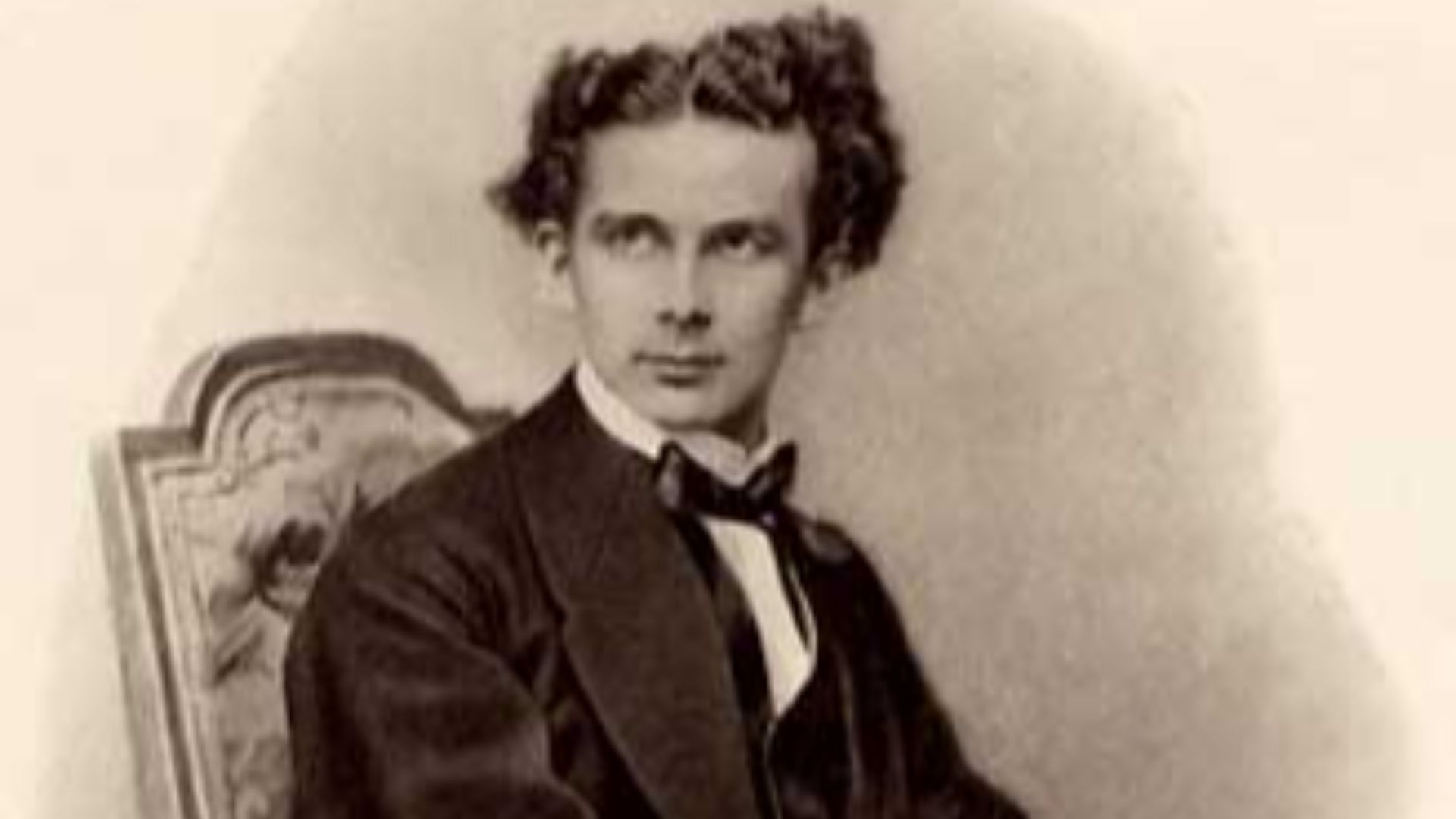
20. Ludwig II of Bavaria
King Ludwig II of Bavaria idolized composer Richard Wagner, whose music and theatrical ideas became central to the king's private world. When Wagner died in 1883, Ludwig reportedly withdrew even further from public affairs and became increasingly isolated in his elaborate castles. His political problems had deeper causes than grief alone, but Wagner's death removed one of the few people Ludwig genuinely revered during an already troubled final period of his life.
KEEP ON READING