20 Historical Figures Who Had the Most Dramatic Downfalls
From the Top of the World to the Bottom of the Page
History is full of people who seemed untouchable right up until everything collapsed around them. Emperors lost their thrones, generals watched entire campaigns unravel, political stars became prisoners, and wealthy power brokers discovered that reputation can disappear remarkably fast. Some downfalls were deserved, others were tragic, and a few were so abrupt they still feel almost unbelievable centuries later. These 20 figures went from influence, fame, or victory to endings nobody at their peak would have wanted to imagine.
 Department of Defense on Wikimedia
1. Napoleon Bonaparte
Napoleon rose from relatively modest origins to become emperor of France and dominate much of Europe. His disastrous invasion of Russia in 1812 helped begin a rapid decline that ended with defeat, abdication, exile, a brief comeback, and another defeat at Waterloo. He spent his final years on the remote island of Saint Helena, far from the empire he had once controlled.
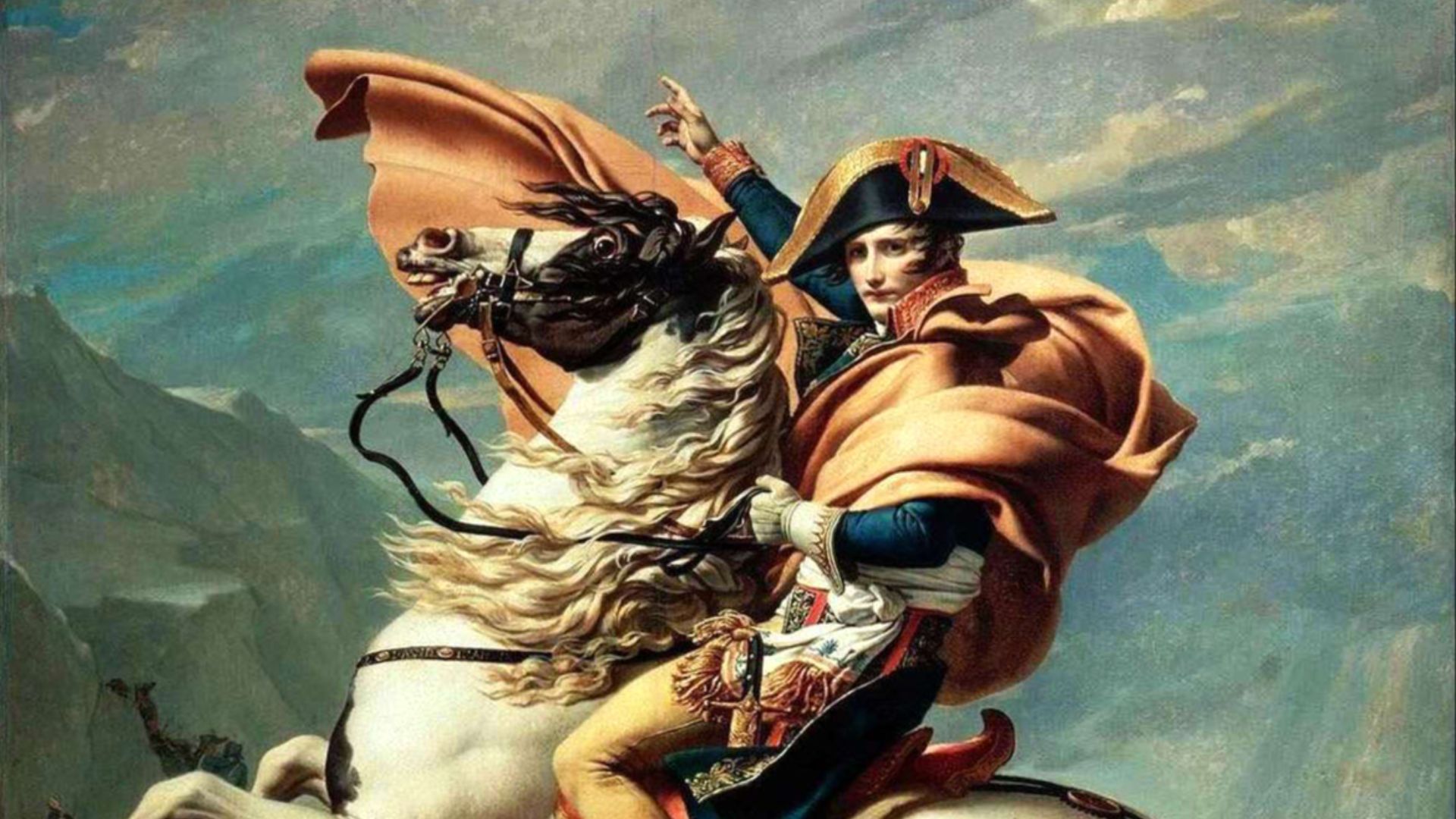 Jacques-Louis David on Wikimedia
2. Marie Antoinette
Marie Antoinette entered France as an Austrian archduchess and became queen at one of Europe’s most glamorous courts. As the French Revolution intensified, she went from fashion icon to symbol of royal excess and eventually became a prisoner of the revolutionary government. In 1793, she was executed by guillotine after a public trial that completed one of history’s sharpest reversals of fortune.
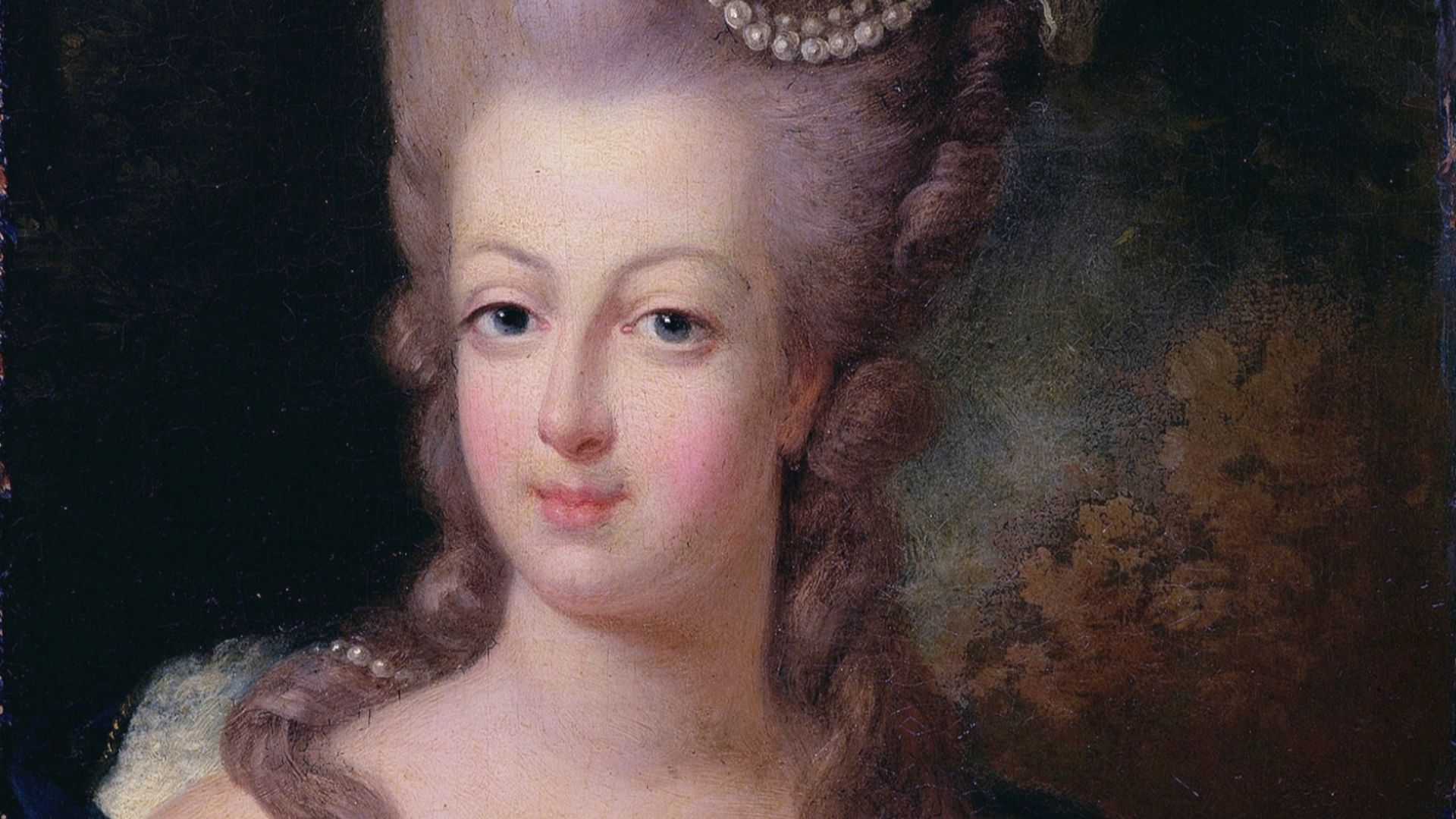 After Jean-Baptiste André Gautier-Dagoty on Wikimedia
3. Maximilien Robespierre
Robespierre became one of the most powerful figures of the French Revolution and a central voice during the Reign of Terror. For months, political enemies faced arrest and execution while his own influence seemed nearly absolute. Then his opponents turned against him, arrested him, and sent him to the same guillotine he had helped make such a familiar sight.
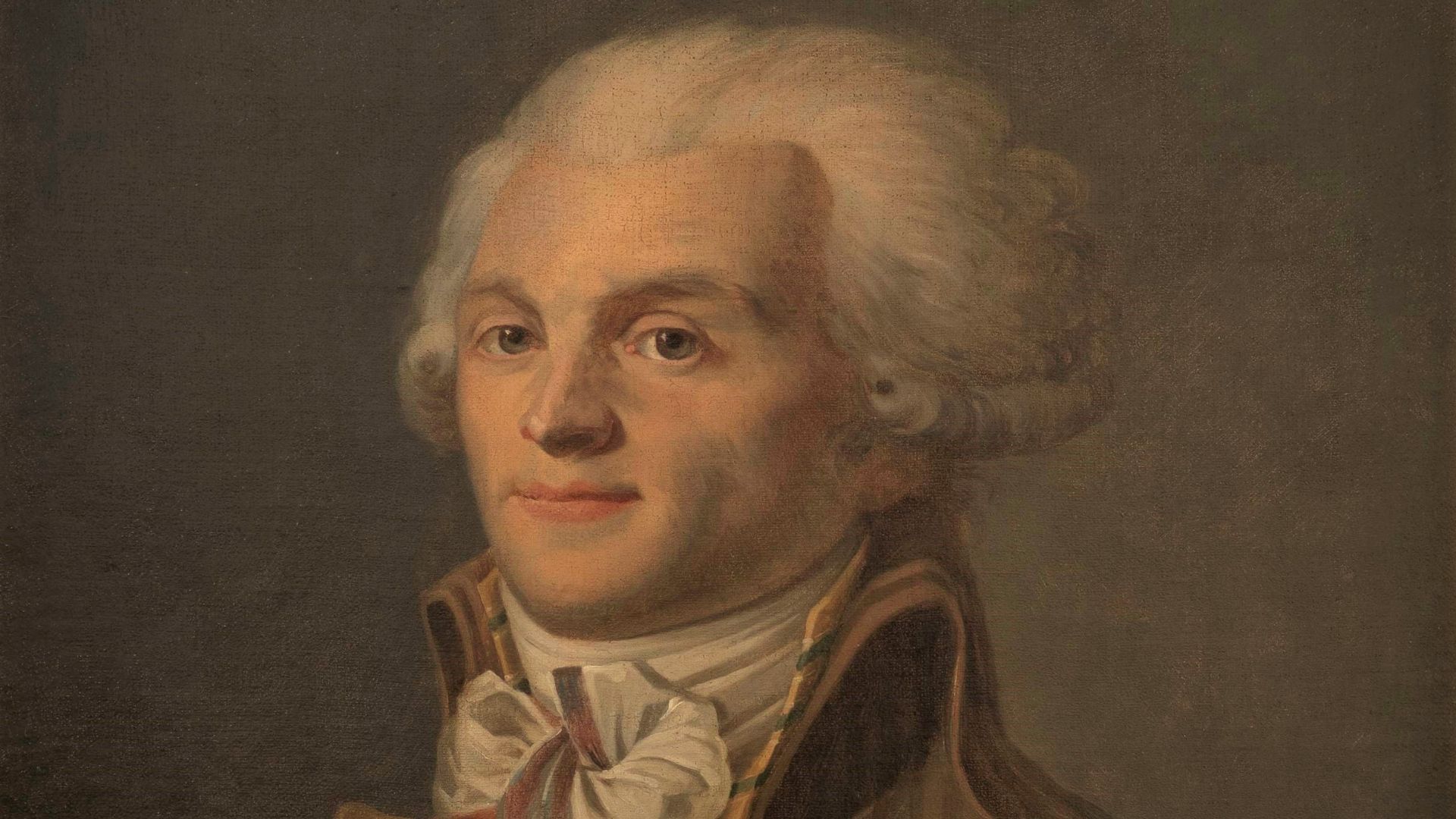 Unidentified painter on Wikimedia
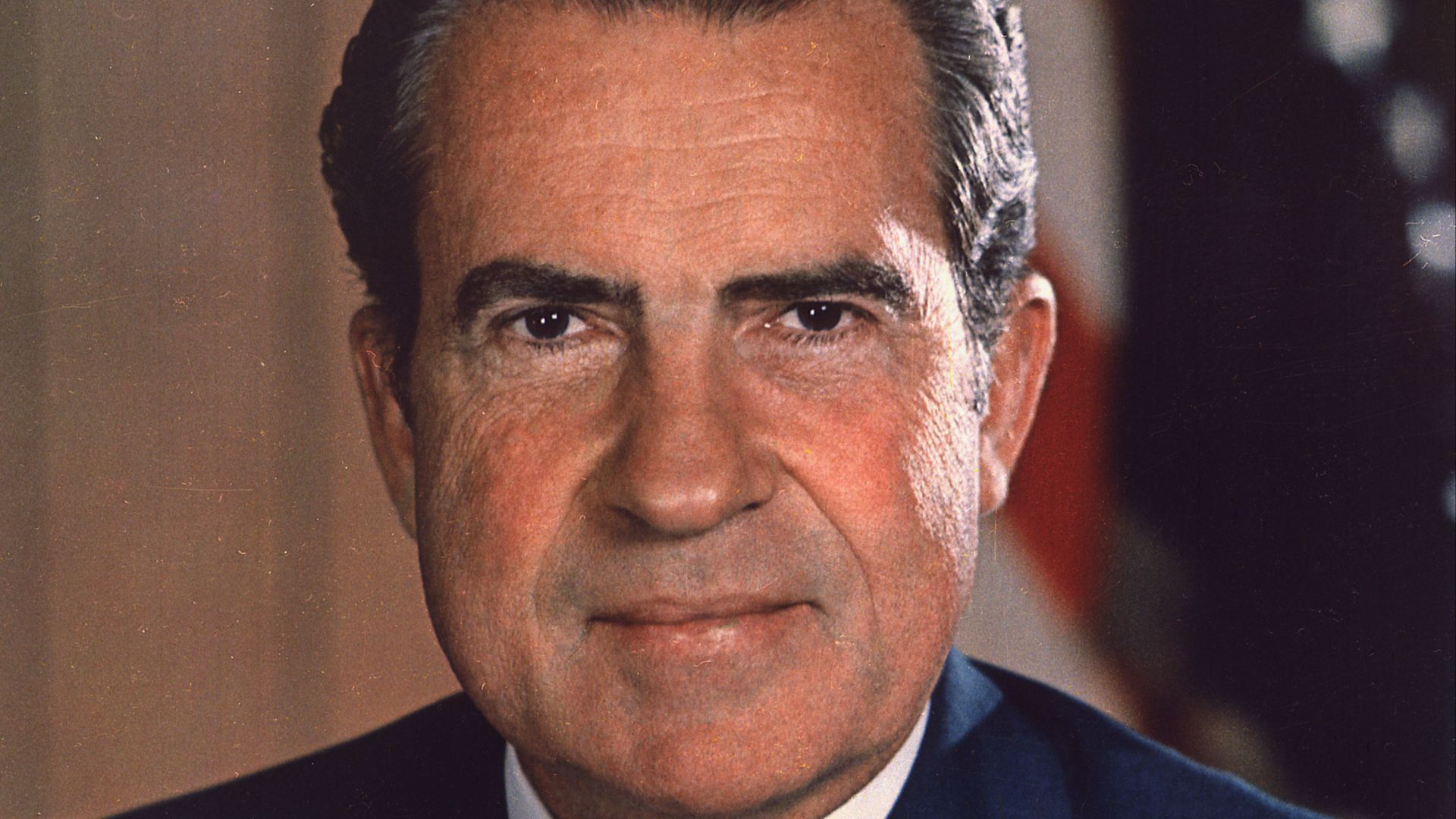
4. Richard Nixon
Richard Nixon won reelection as U.S. president in 1972 by one of the largest electoral margins in American history. Within two years, the Watergate scandal had destroyed his administration and left impeachment looking increasingly likely. Nixon resigned in 1974, becoming the only American president to leave office that way.
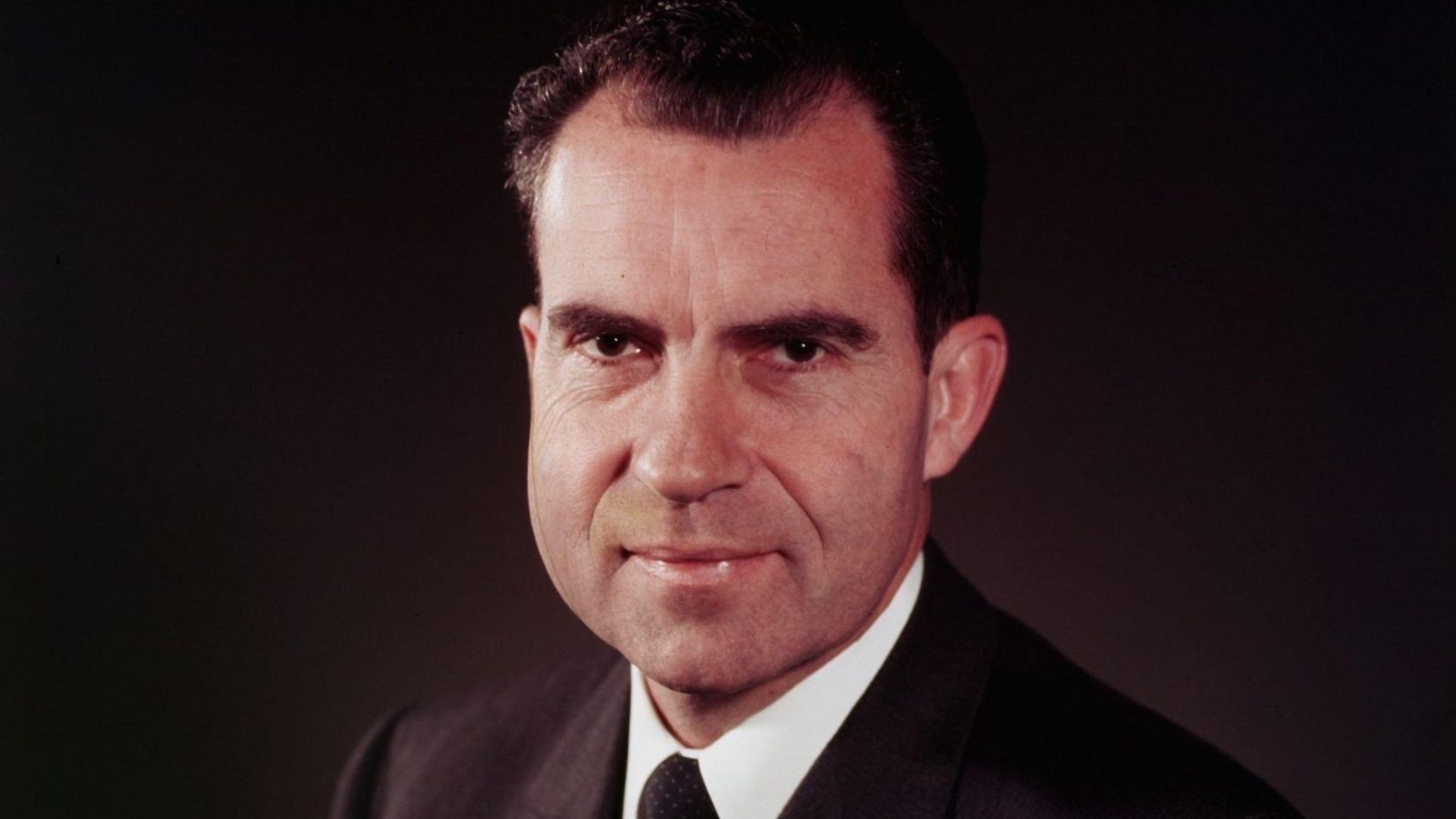 Louis Fabian Bachrach, Jr. on Wikimedia
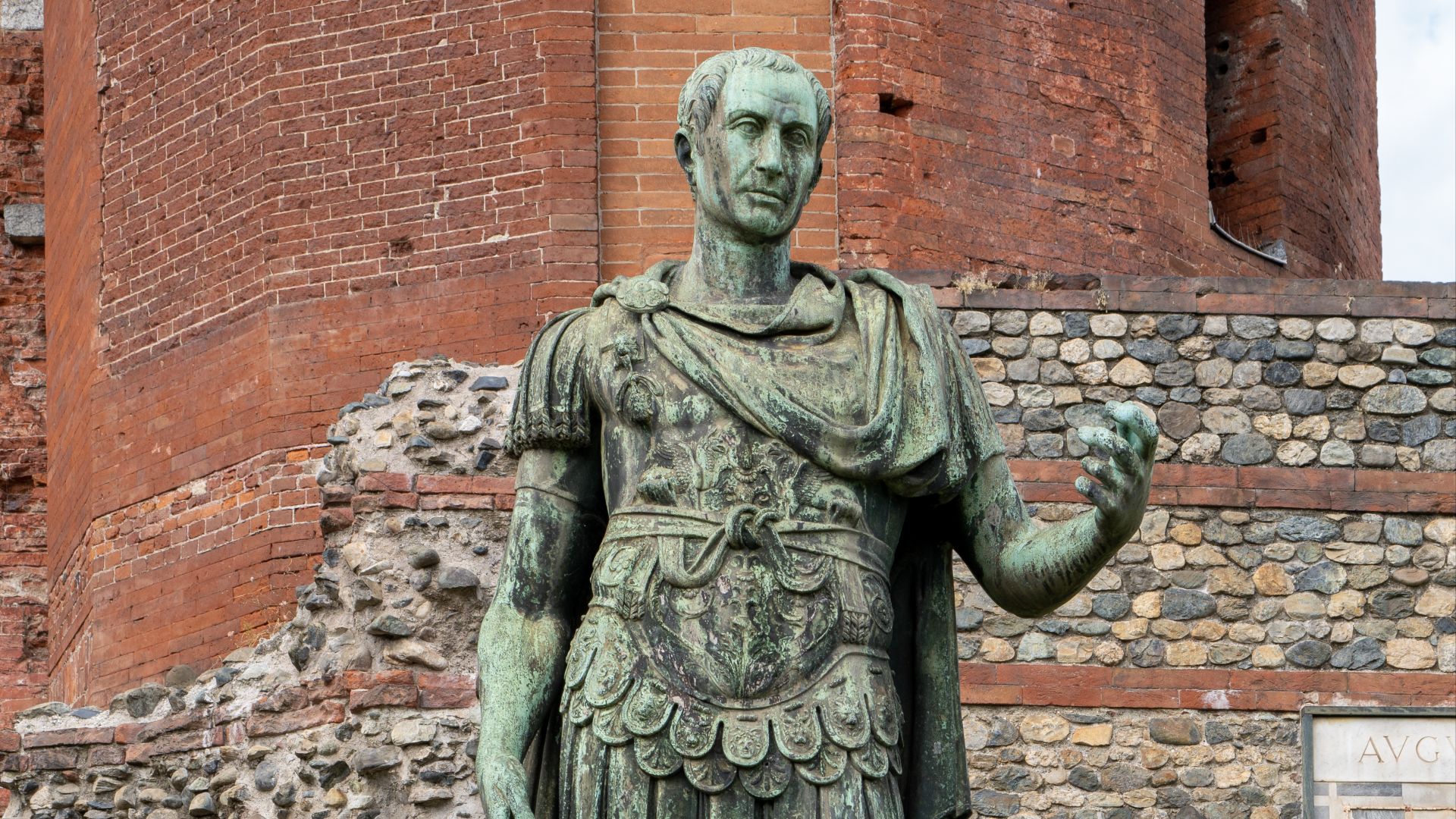
5. Julius Caesar
Julius Caesar accumulated enormous military prestige and political authority after years of conquest and civil war. By 44 B.C., he had been named dictator perpetuo, giving his enemies reason to fear that Rome’s republic was effectively finished. A group of senators responded by stabbing him to death during a meeting, turning the most powerful man in Rome into the center of its most famous assassination.
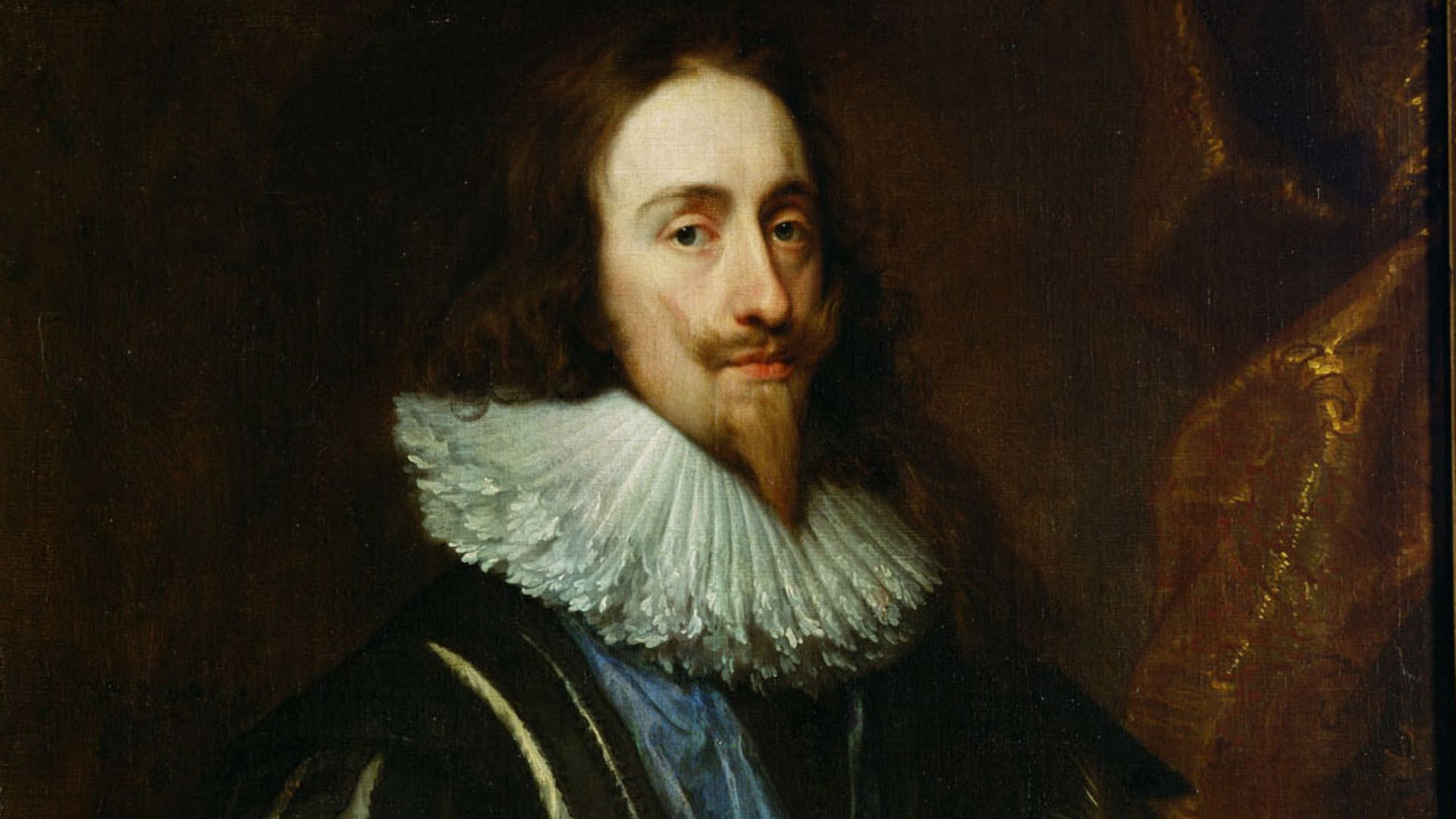
6. Charles I of England
Charles I firmly believed in royal authority and spent years clashing with Parliament over money, religion, and the limits of his power. Civil war followed, and the king eventually found himself defeated and imprisoned by his own subjects. In 1649, he was tried for treason and publicly beheaded outside the Banqueting House in London.
7. Louis XVI
Louis XVI inherited one of Europe’s most prestigious crowns but also a kingdom drowning in financial and political problems. Attempts to reform the system failed, and the French Revolution soon stripped him of both authority and public trust. By 1793, the king who once lived at Versailles was being executed as Citizen Louis Capet.
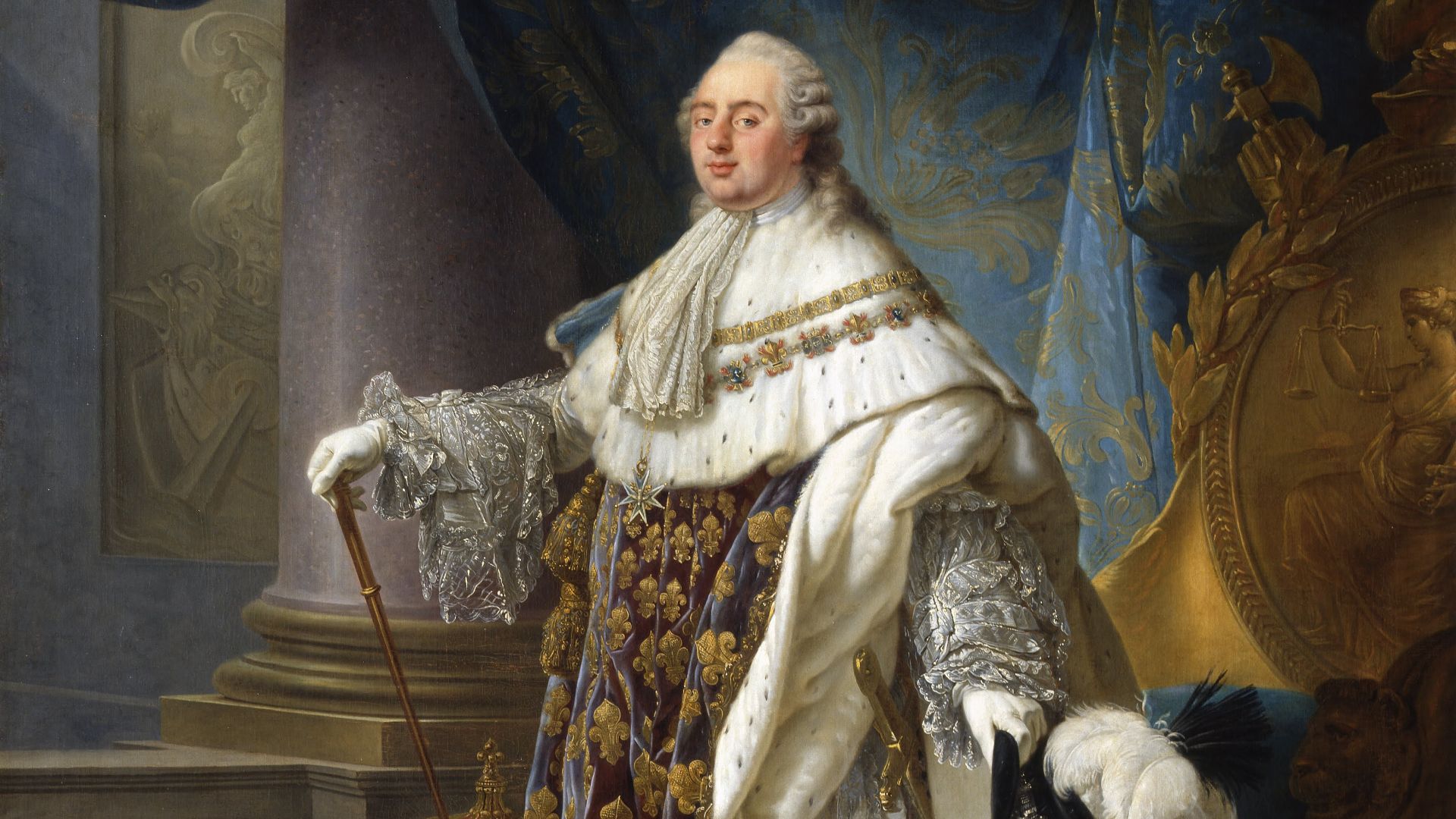 Antoine-François Callet on Wikimedia
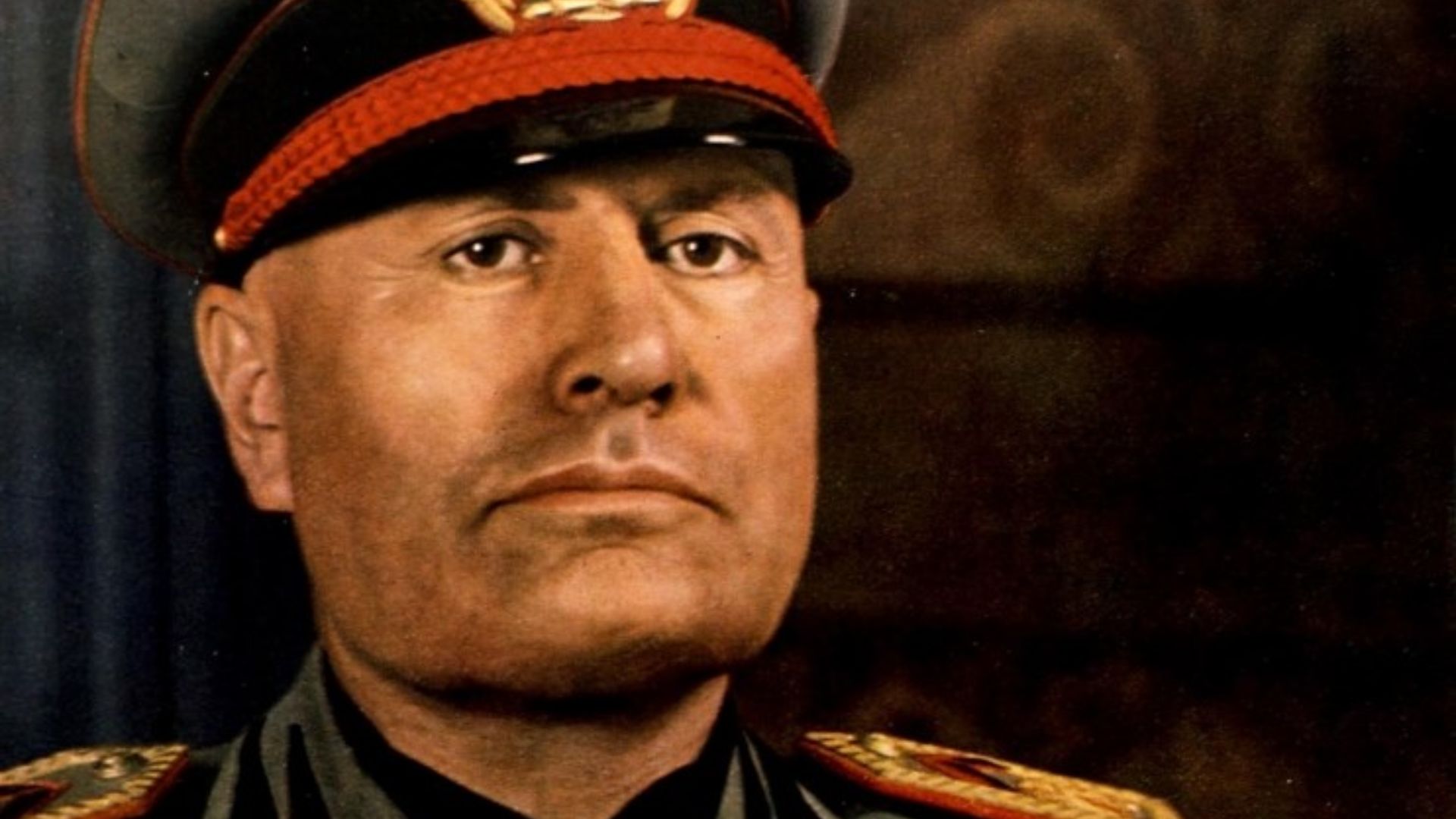
8. Benito Mussolini
Benito Mussolini ruled Italy as a fascist dictator and spent years cultivating an image of strength and national revival. His alliance with Nazi Germany and disastrous wartime decisions gradually destroyed that reputation as Italy suffered military defeats and domestic collapse. In 1945, Mussolini was captured and executed by Italian partisans while trying to flee the country.
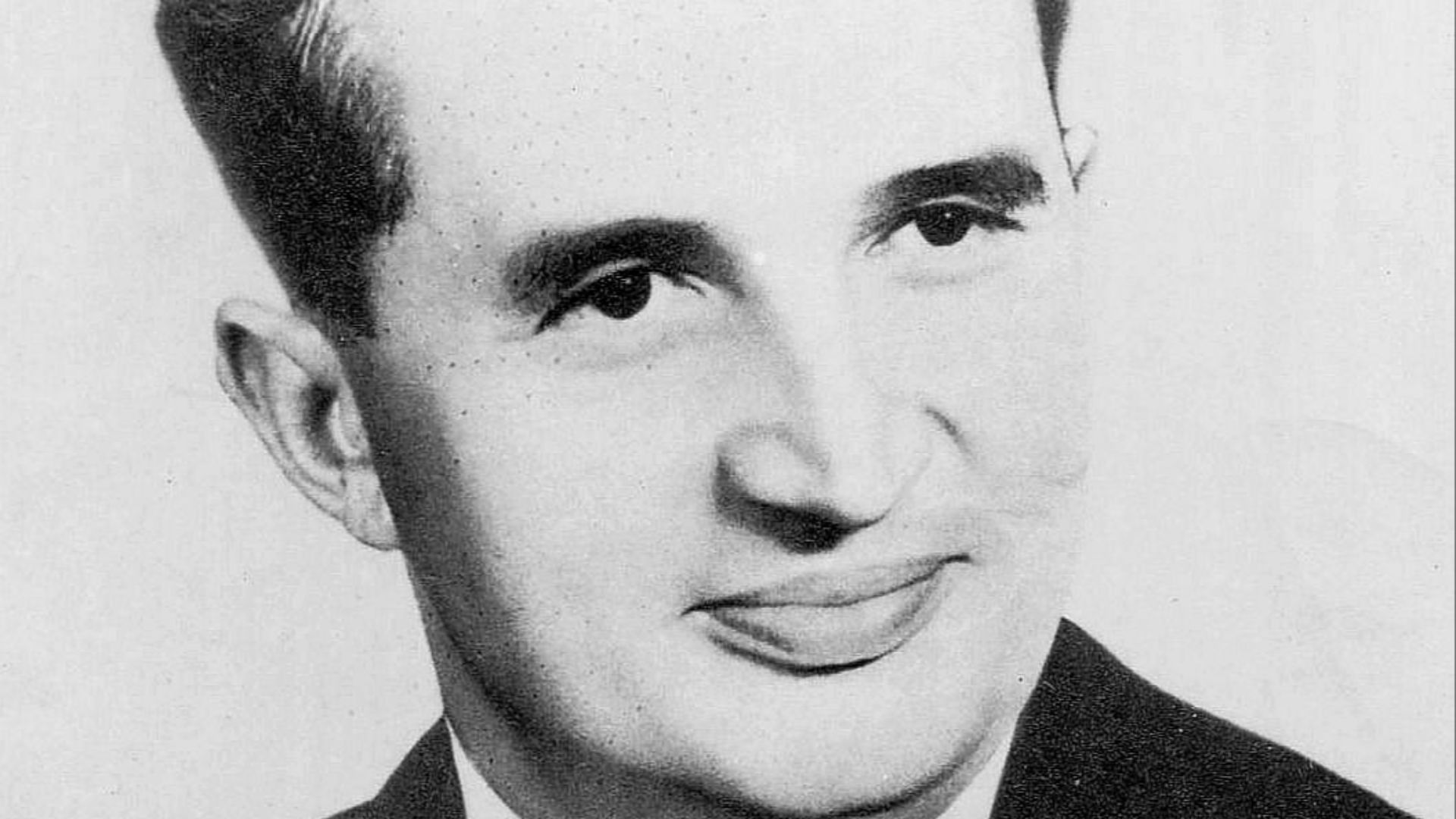
9. Nicolae Ceaușescu
Nicolae Ceaușescu controlled communist Romania for more than two decades through repression, propaganda, and an intense personality cult. In December 1989, protests spread rapidly, and the military stopped supporting his regime. Within days, Ceaușescu and his wife had fled, been captured, put through a hurried trial, and executed by firing squad.
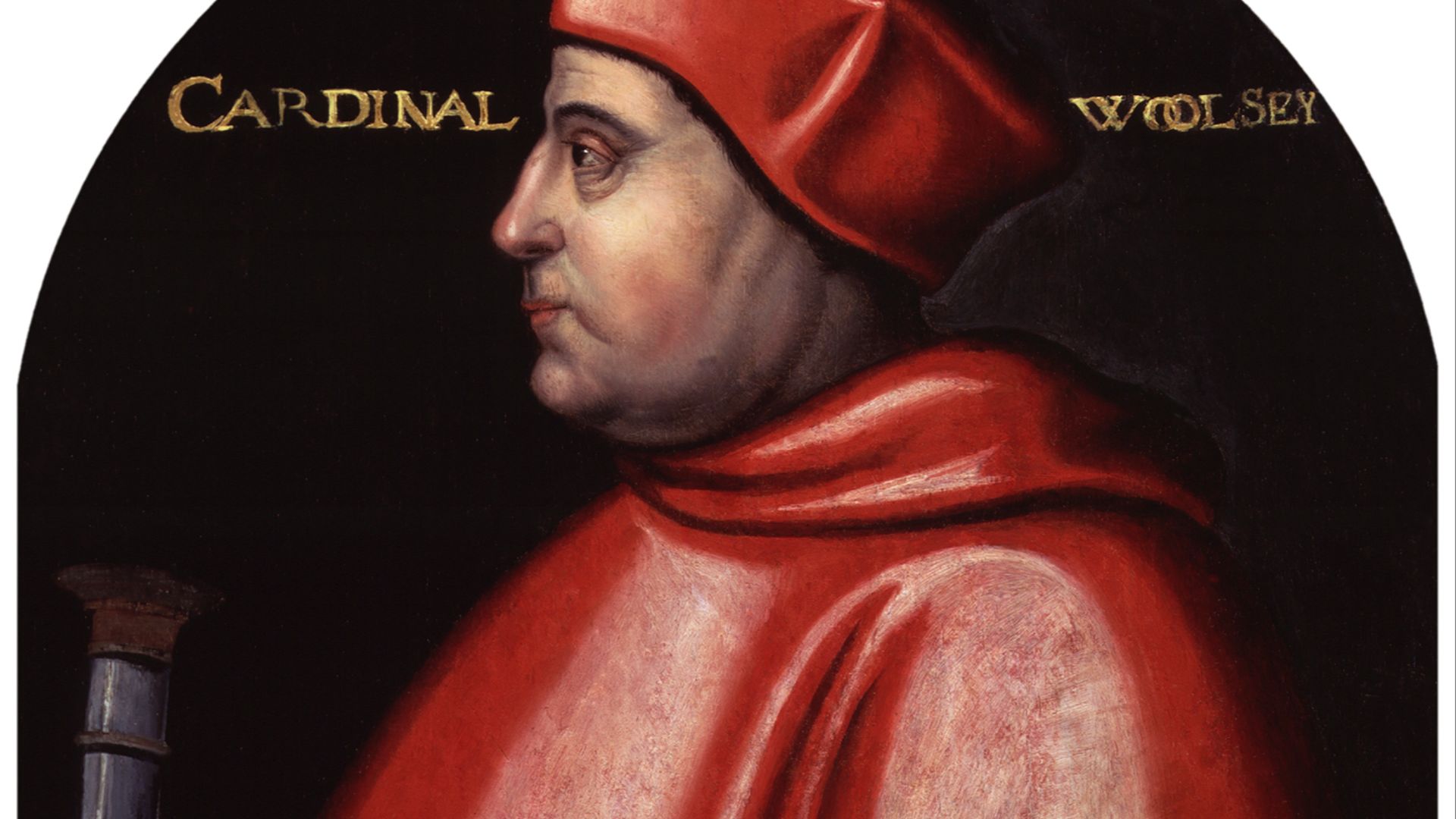
10. Thomas Wolsey
Cardinal Thomas Wolsey became Henry VIII’s chief minister and one of the most influential men in Tudor England. His inability to secure the king’s desired annulment from Catherine of Aragon caused his position to collapse almost overnight. Wolsey lost his offices and property, was accused of treason, and died while traveling to face the king.
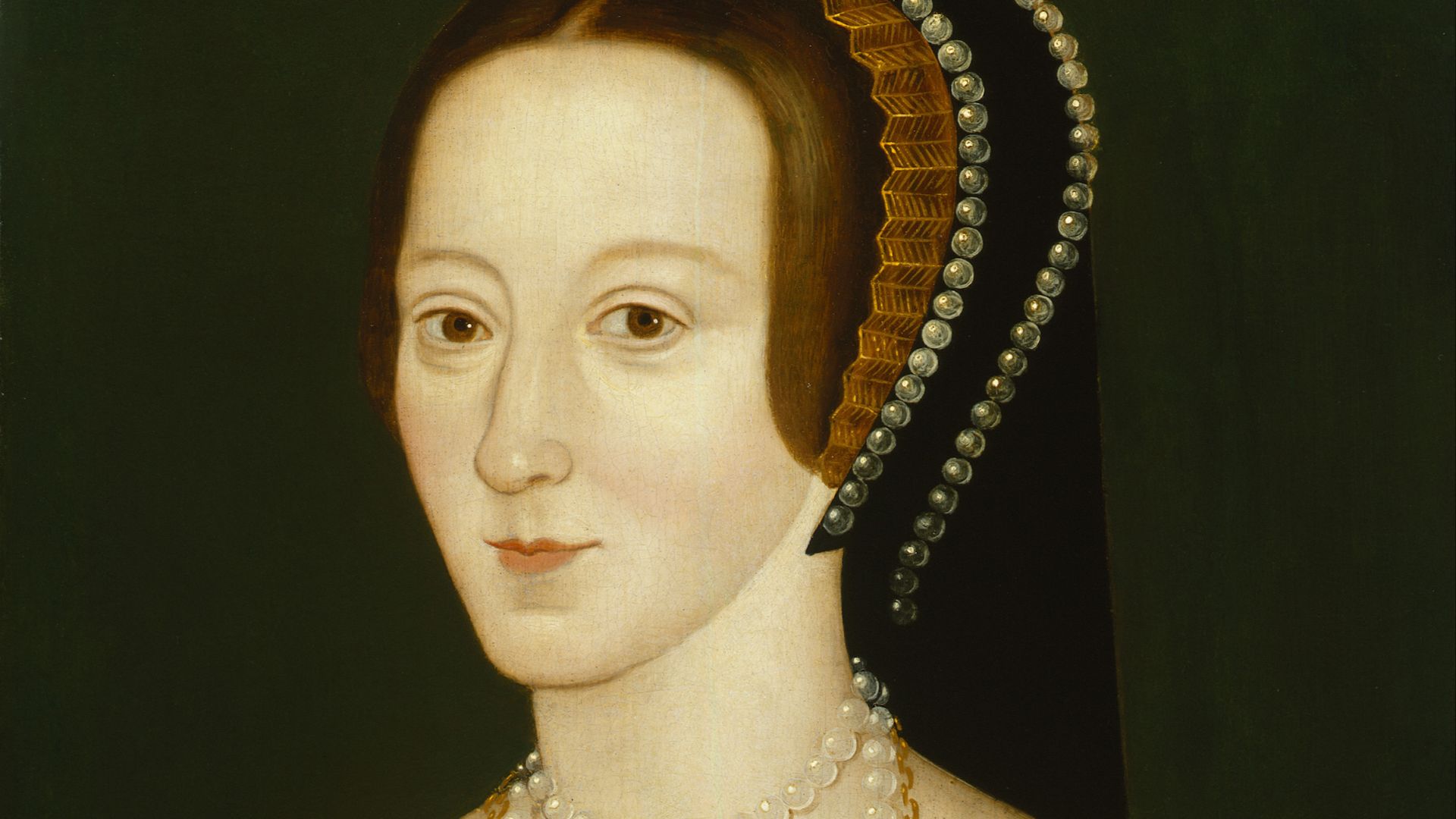
11. Anne Boleyn
Anne Boleyn’s relationship with Henry VIII helped change the religious and political direction of England. After becoming queen, she enjoyed enormous influence, but her failure to produce a surviving son left her increasingly vulnerable at court. In 1536, she was arrested on charges including adultery and treason and executed at the Tower of London.
 UnknownUnknown , English on Wikimedia
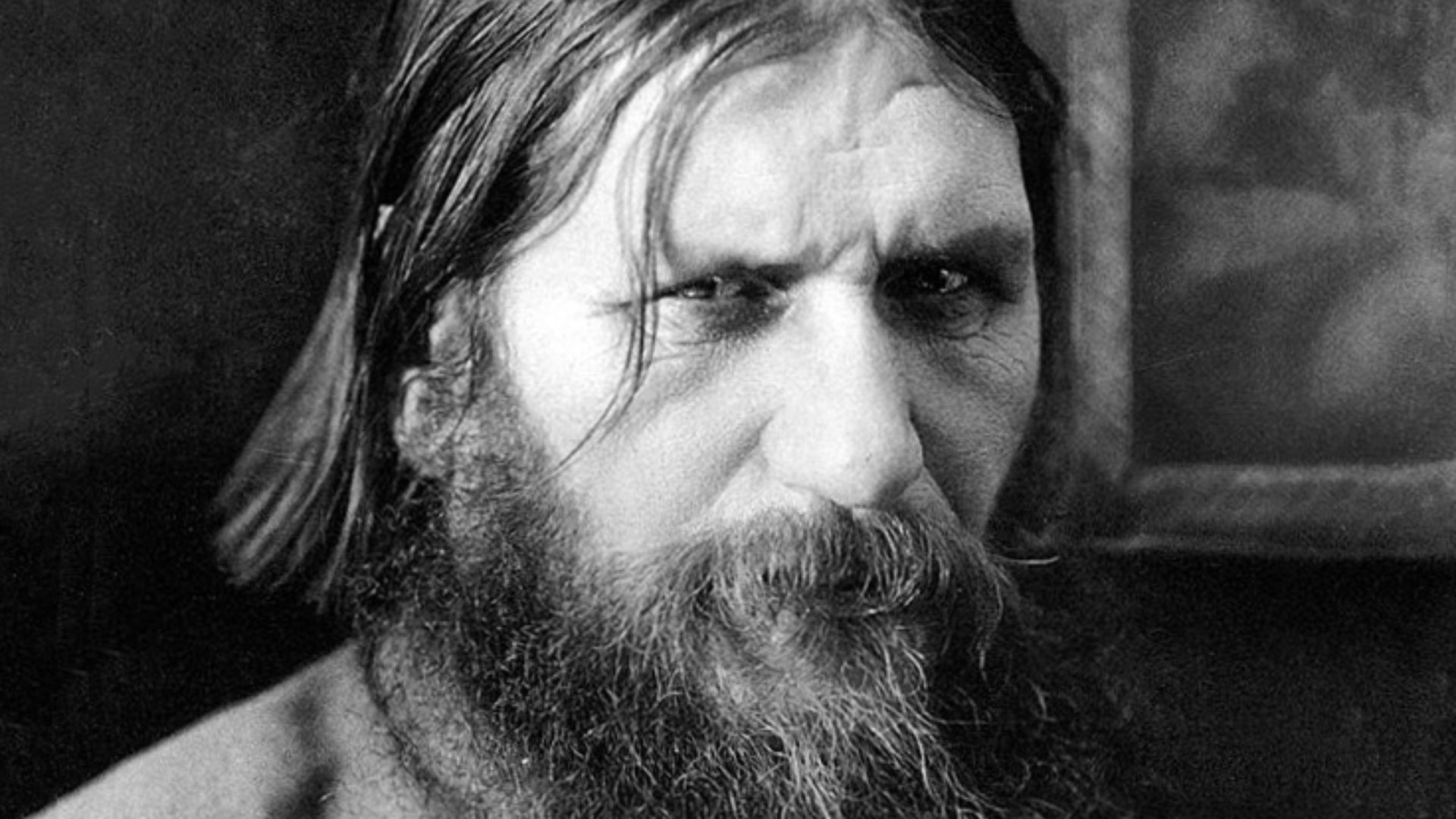
12. Grigori Rasputin
Rasputin went from an obscure Siberian religious wanderer to having direct access to Russia’s imperial family. His relationship to Empress Alexandra made him a target of rumors that he secretly controlled government decisions. In 1916, aristocratic conspirators murdered him, and the dynasty he had been accused of manipulating collapsed only months later.
13. Aaron Burr
Aaron Burr became vice president of the U.S. and came within striking distance of the presidency during the disputed election of 1800. His political career never recovered after he killed Alexander Hamilton in a duel, and later accusations of conspiracy made his reputation even worse. Burr was acquitted of treason, but he spent much of the rest of his life politically isolated and financially troubled.
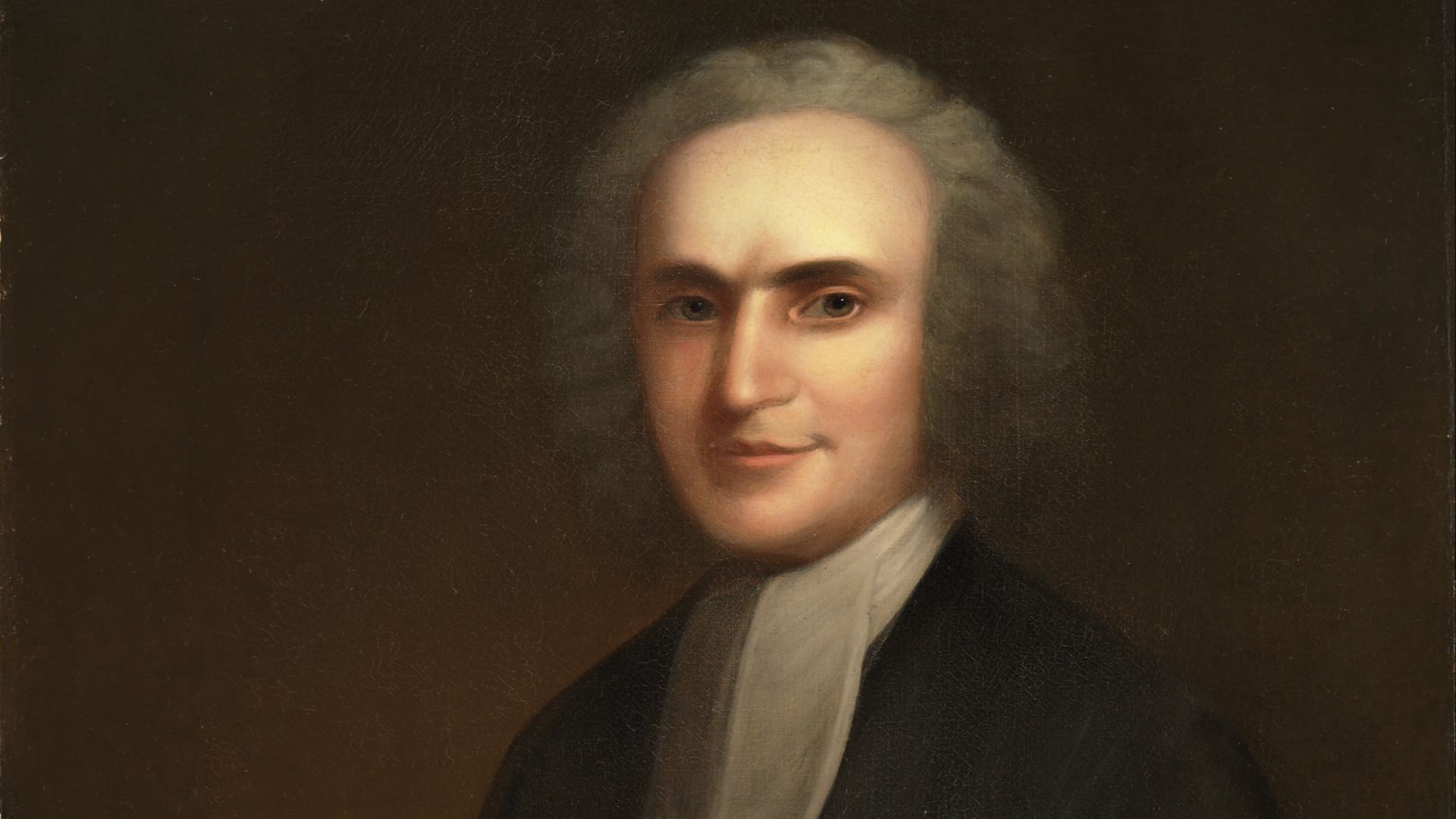 Edward Ludlow Mooney, American, 1813–1887 on Wikimedia
14. Oscar Wilde
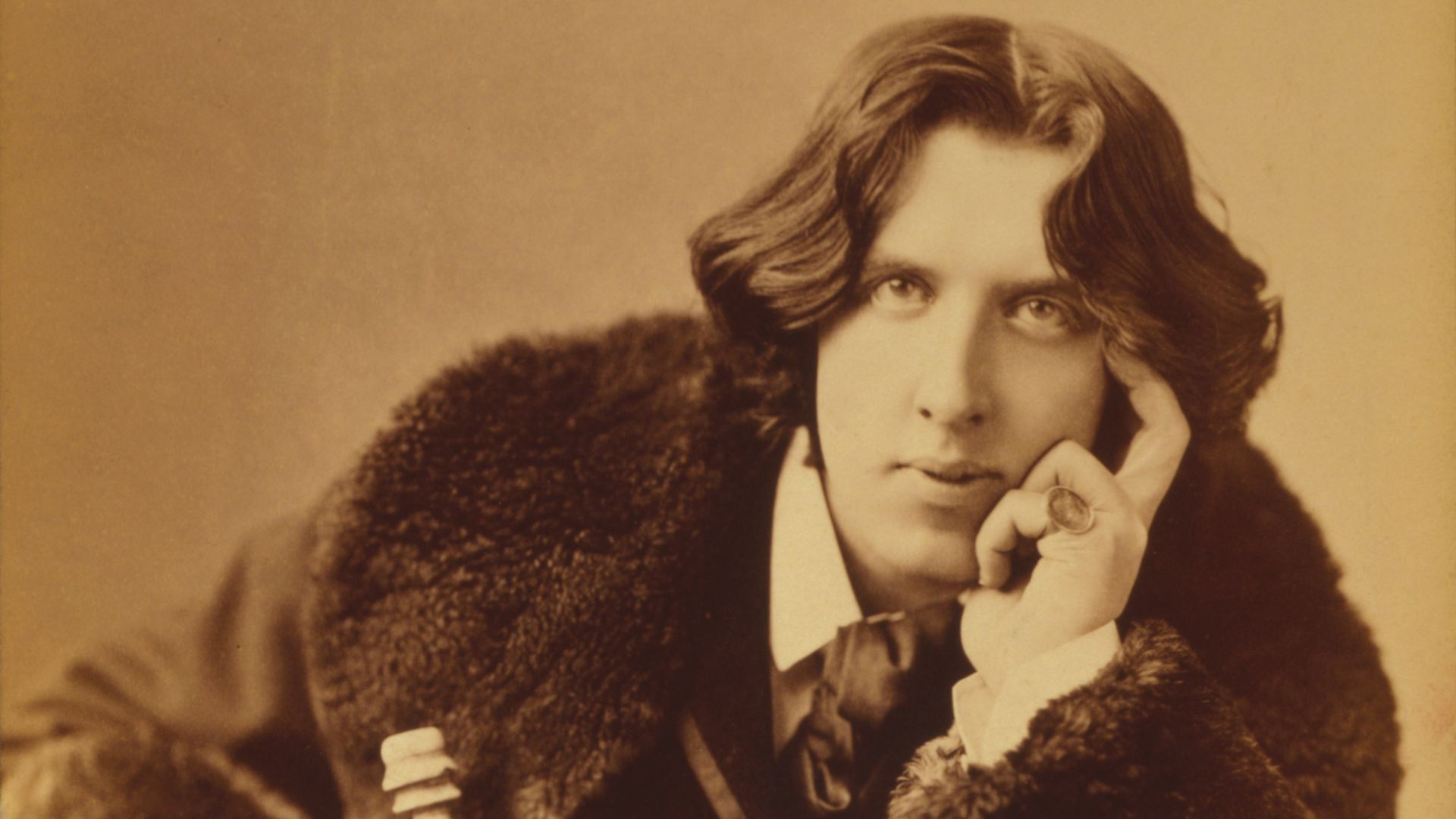
Oscar Wilde was one of Britain’s most celebrated playwrights, known for his wit, fashionable public image, and enormous theatrical success. His decision to pursue a libel case against the Marquess of Queensberry exposed evidence about Wilde’s private relationships and ultimately led to his own prosecution for his sexual orientation. Imprisonment destroyed his health and career, and he died in Paris only a few years after leaving prison.
15. Bernie Madoff
Bernie Madoff spent decades presenting himself as a highly successful and respected figure on Wall Street. In 2008, his investment business was exposed as an enormous Ponzi scheme that had cost clients billions of dollars. The financier who had once enjoyed wealth and prestige received a 150-year prison sentence and died behind bars.
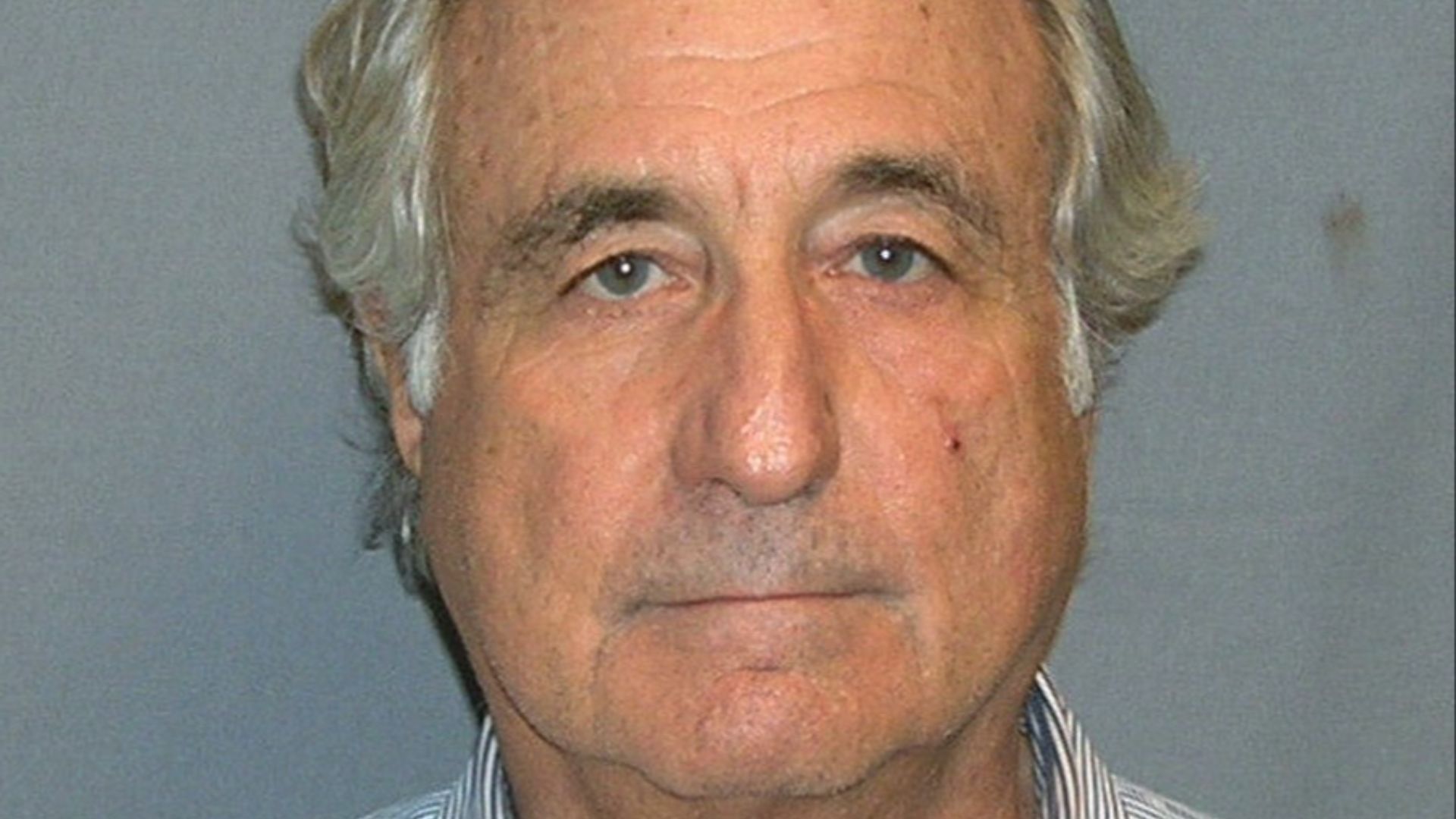 U.S. Department of Justice on Wikimedia
16. Qin Er Shi
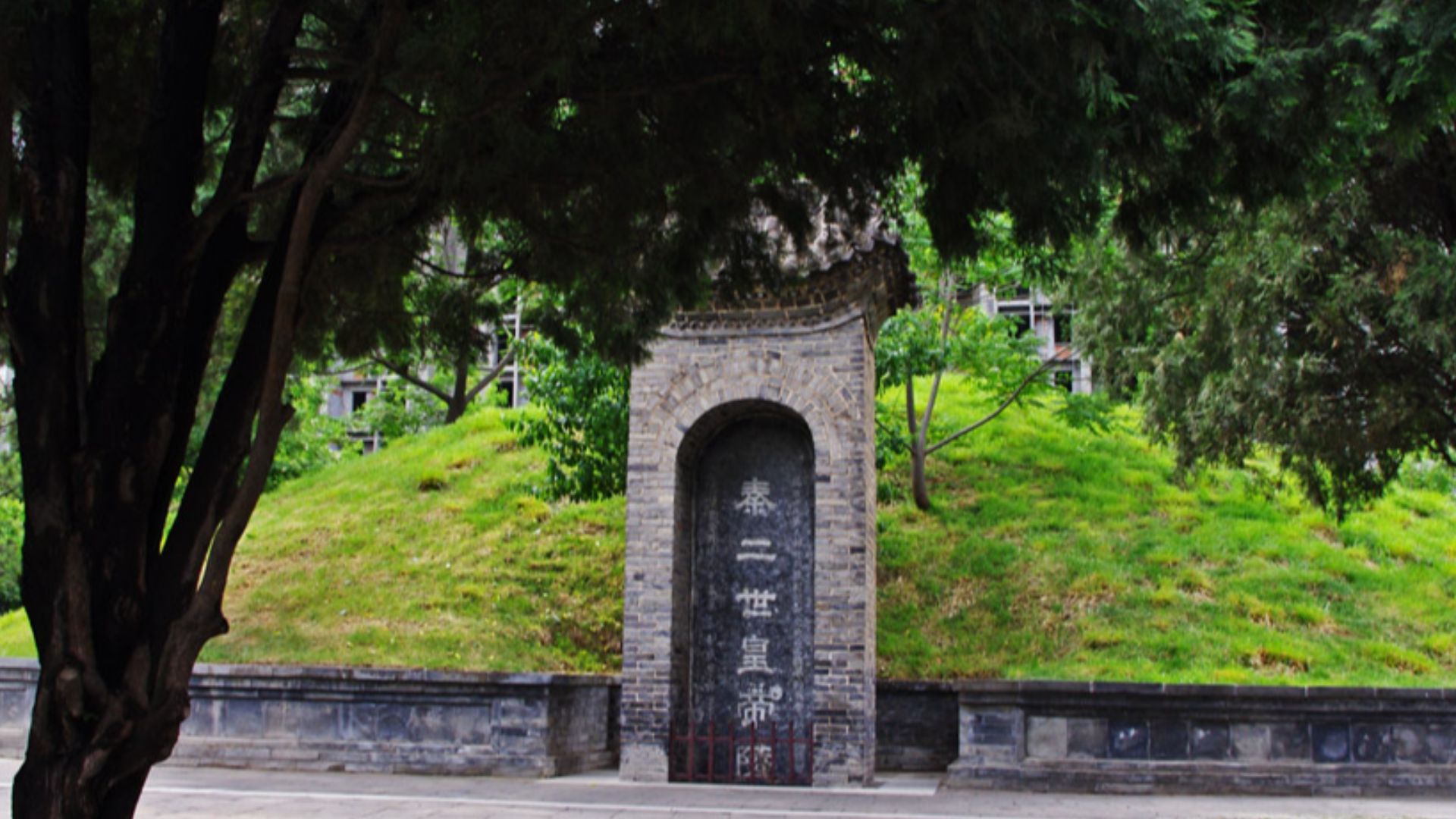
Qin Er Shi inherited the Chinese empire created by his father, Qin Shi Huang, but he lacked both his predecessor’s authority and political ability. Court intrigue, rebellions, and disastrous decisions quickly weakened a dynasty that had only recently unified China. After just a few years on the throne, the young emperor was forced to take his own life as the Qin regime collapsed.
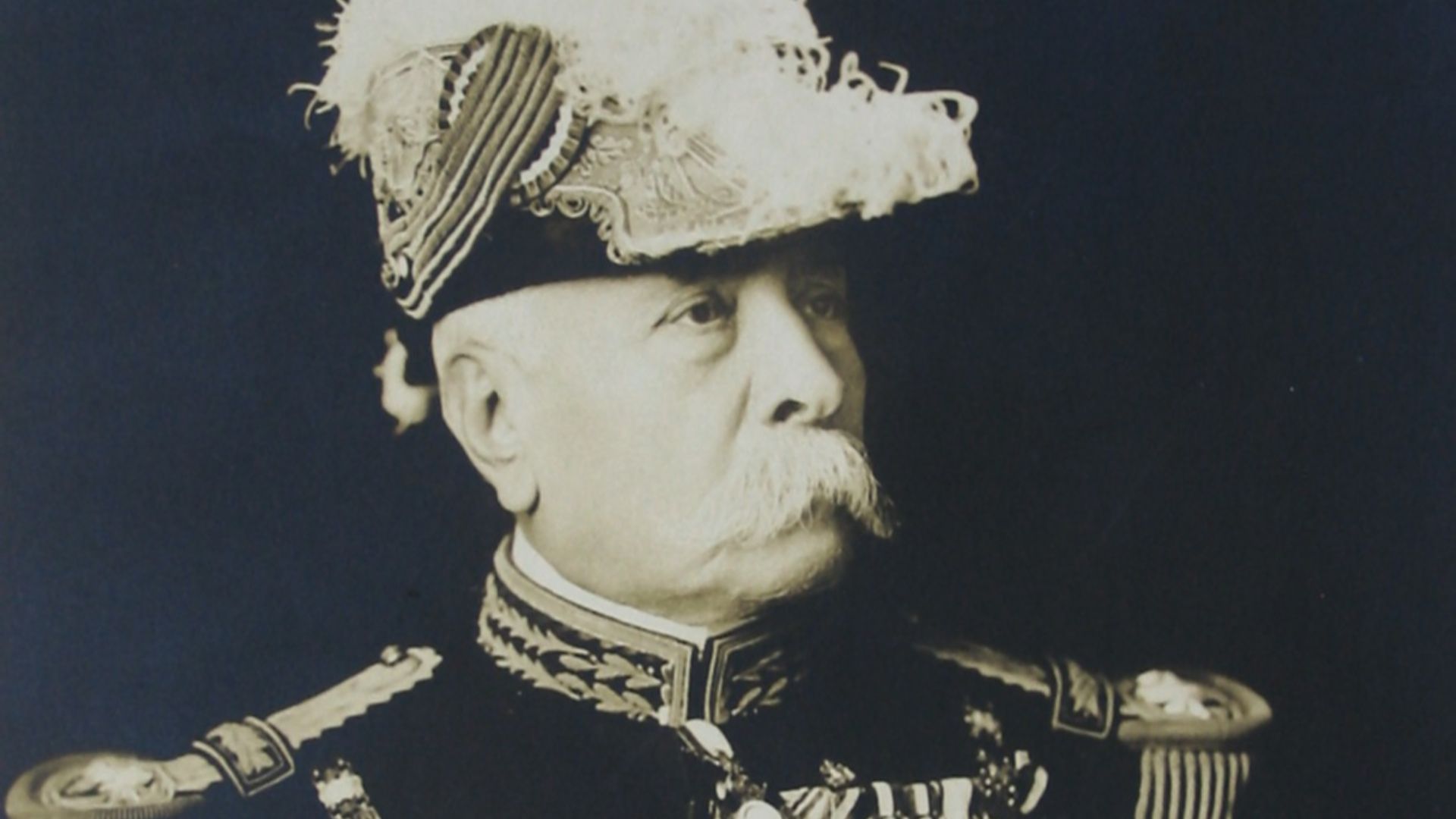
17. Porfirio Díaz
Porfirio Díaz dominated Mexican politics for decades and presented his rule as a period of order, modernization, and economic growth. By the early 20th century, resentment over authoritarian government and inequality fueled a powerful revolutionary movement. Díaz resigned in 1911 and left Mexico for exile in France, watching the political system he had built unravel behind him.
 Aurelio Escobar Castellanos, Archive on Wikimedia
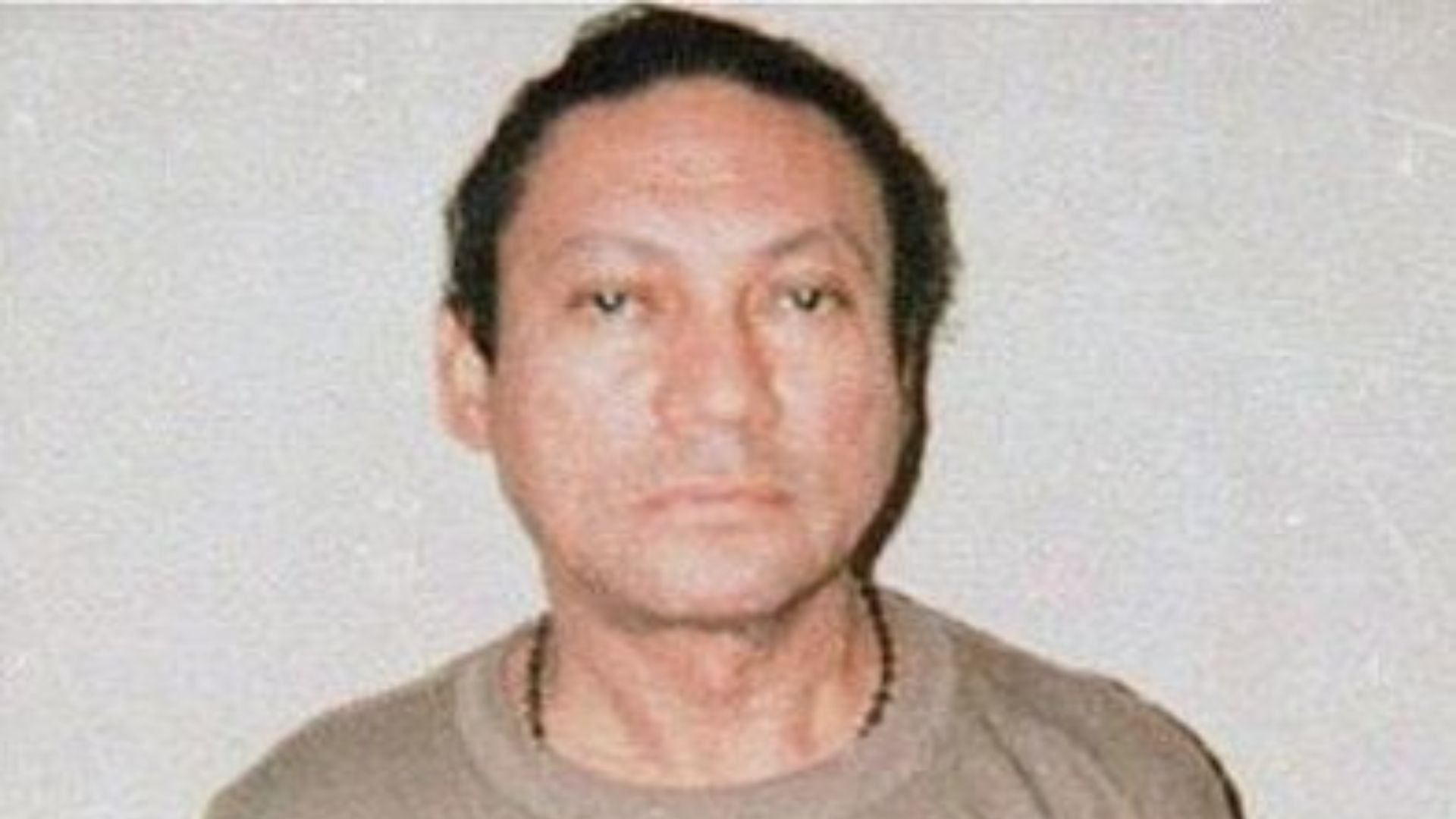
18. Manuel Noriega
Manuel Noriega ruled Panama as its de facto military strongman while maintaining a complicated relationship with the U.S. By the late 1980s, accusations involving drug trafficking, corruption, and election interference had turned him into an international problem. An American invasion removed him from power in 1989, after which he spent decades moving between prisons in several countries.
 U.S. Marshals Service in Miami, Florida on Wikimedia
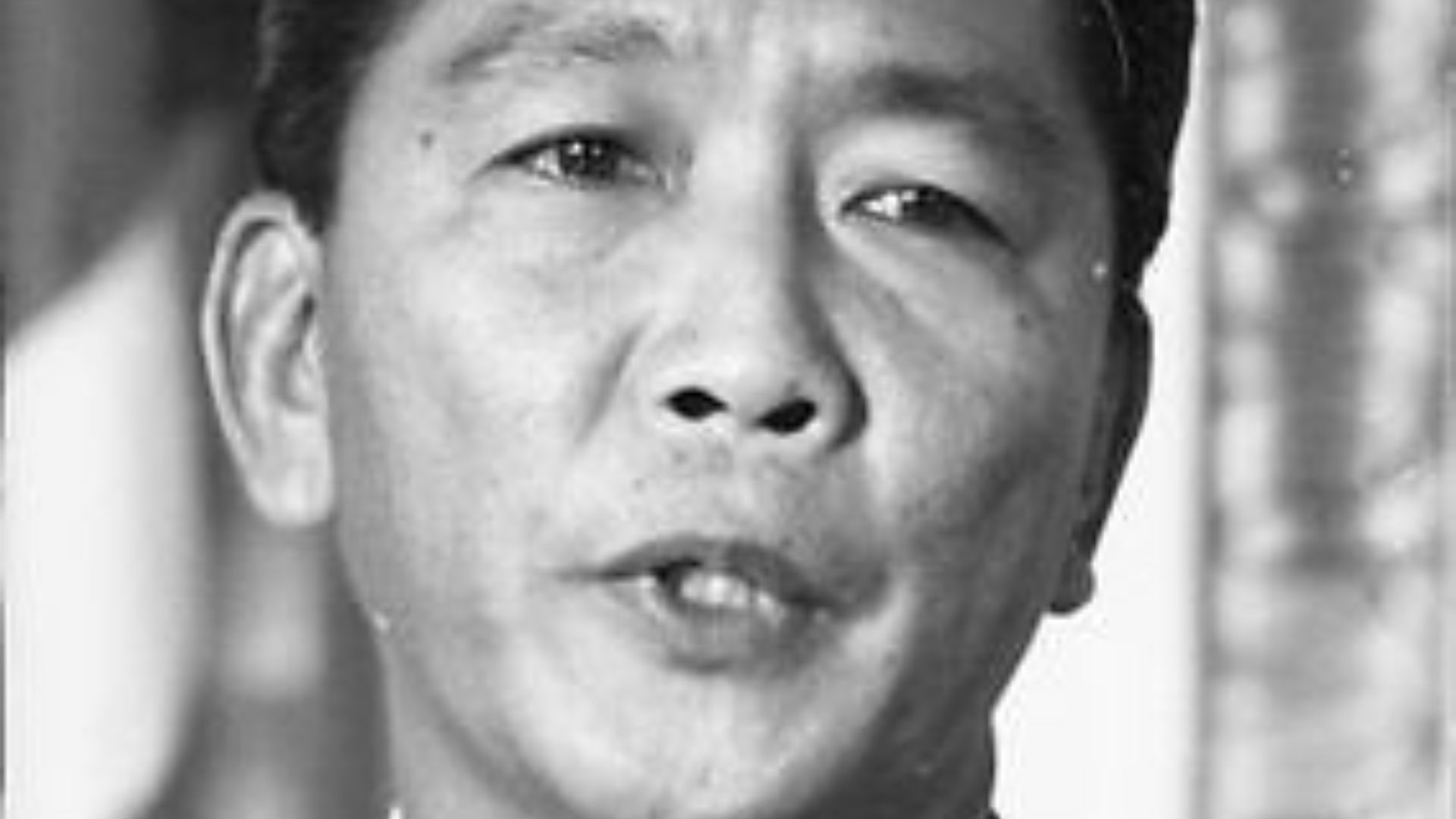
19. Ferdinand Marcos
Ferdinand Marcos ruled the Philippines for more than 20 years, including a long period under martial law. His government became associated with corruption, human rights abuses, and extraordinary personal wealth accumulated by the ruling family. The 1986 People Power Revolution forced Marcos from office, and he fled into exile in Hawaii as crowds celebrated his departure.
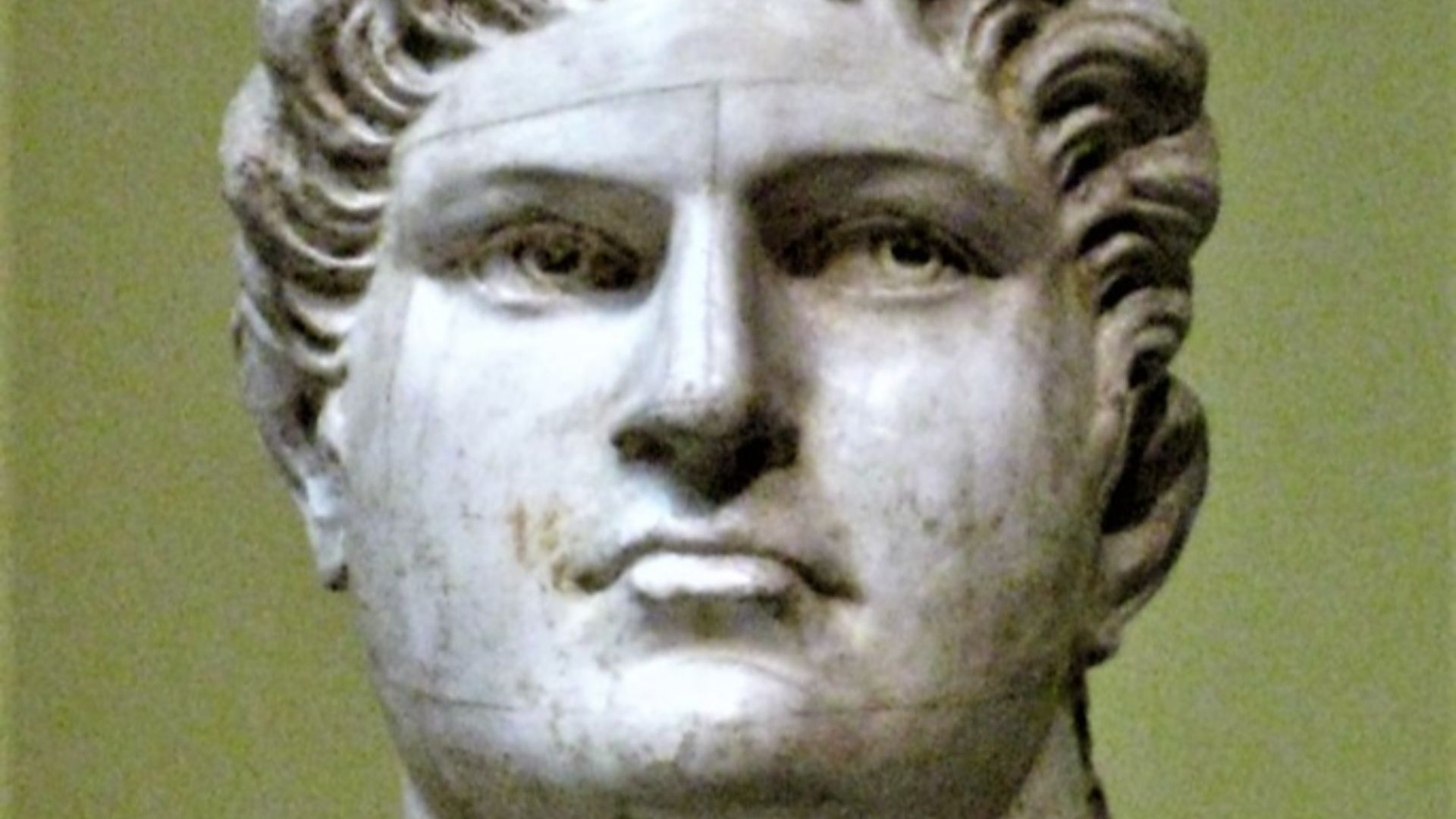
20. Nero
Nero became Roman emperor while he was still a teenager and initially benefited from capable advisers around him. Over time, his reign became associated with political killings, rebellion, extravagant spending, and growing opposition within the empire. When support finally collapsed in A.D. 68, the Senate declared him a public enem,y and Nero took his own life rather than face capture.
KEEP ON READING