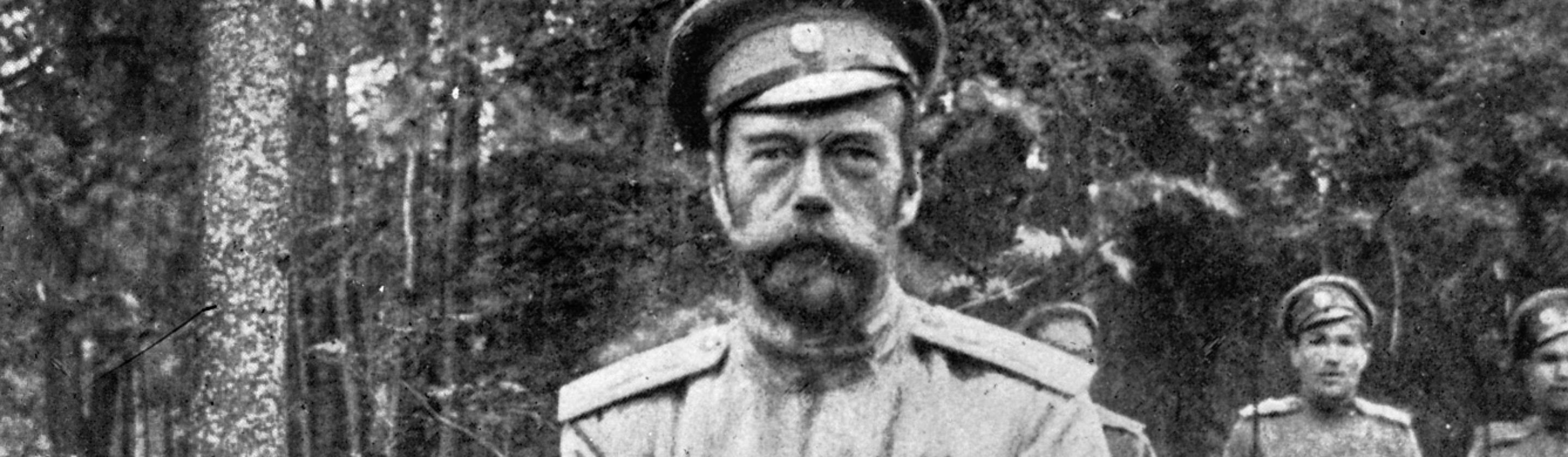
History Wasn't Kind to Everyone
History can be incredibly fascinating when you read about all these historical figures who possessed incredible power, accomplished amazing discoveries, or beat terrible odds, but when you really get to know their history and life, you'll be surprised by how depressingly many of them end. Kings lost their crowns, political leaders went to prison, explorers disappeared, and celebrated thinkers were punished. Here are just 20 examples of historical figures who definitely didn't get a very happy ending.
 Unknown authorUnknown author on Wikimedia
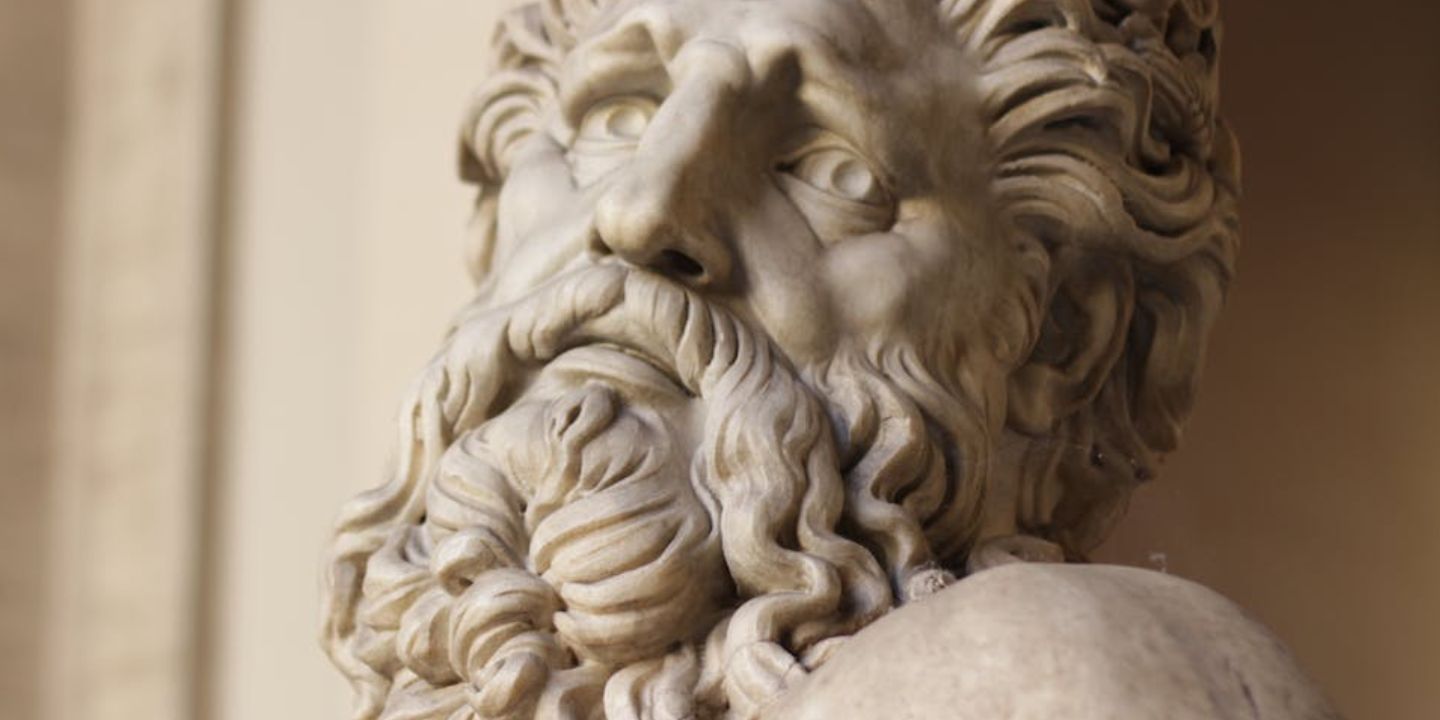
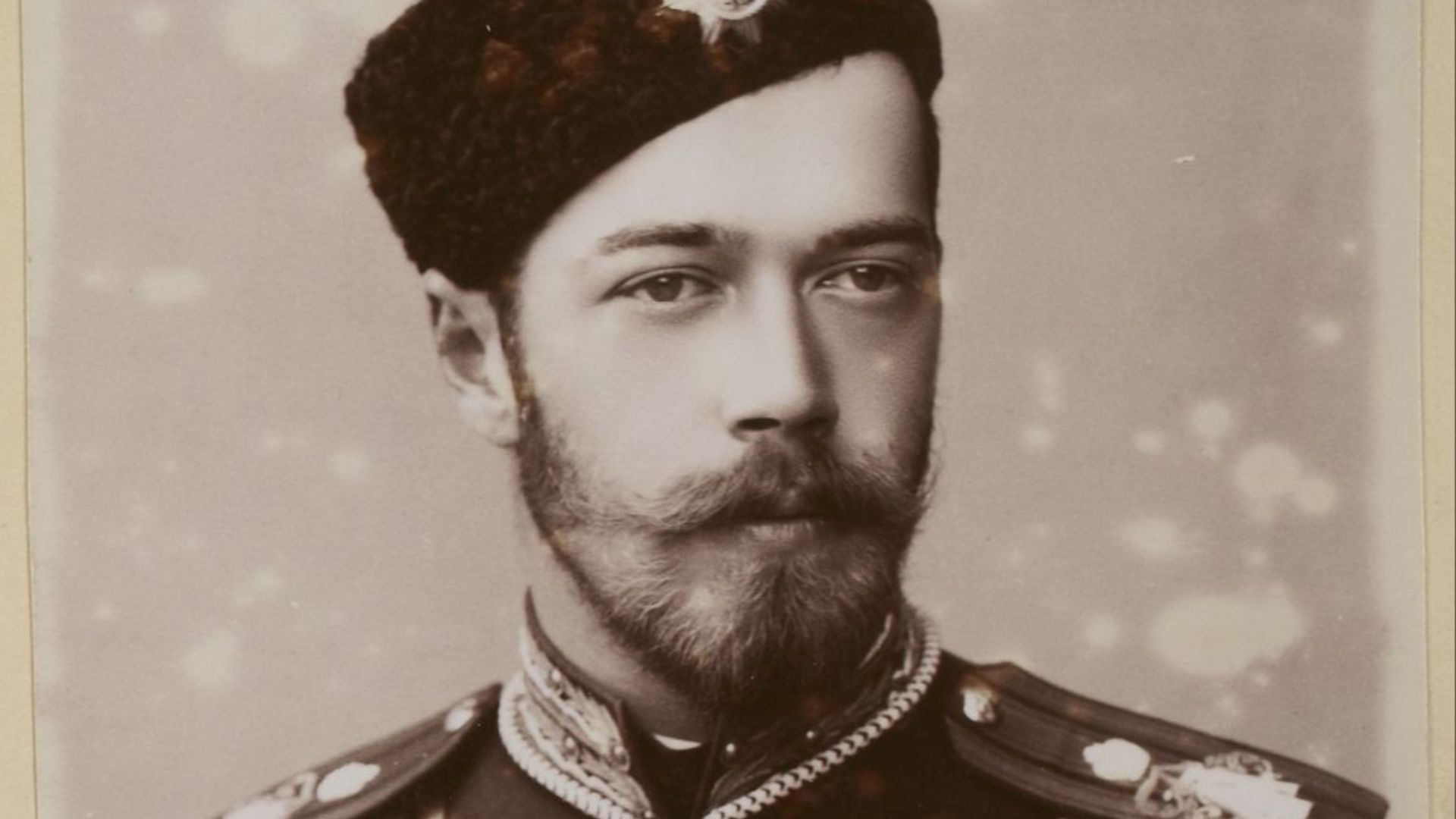
1. Socrates Was Sentenced to Death by His Own City
Socrates is best known for spending his life asking philosophical questions about the morality and knowledge of Athens, which is exactly the habit that made him so unpopular that he was sentenced to death for charges of impiety and "corrupting the city's youth" in 399 B.C. Instead of attempting to flee, his method of execution was drinking a poisonous mixture made of hemlock.
 Copy of Lysippos (?) on Wikimedia
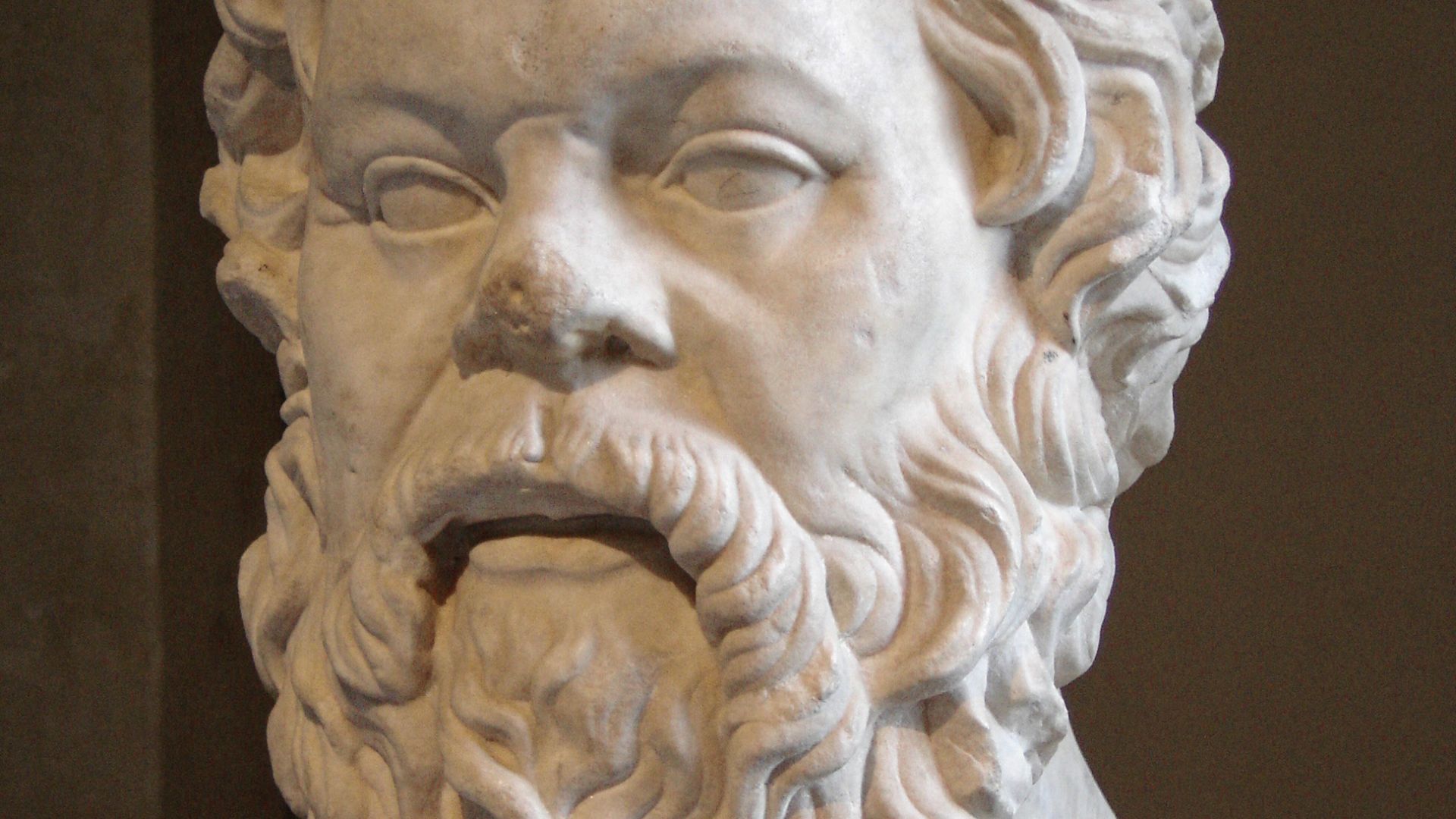
2. Julius Caesar Was Assassinated by Fellow Senators
Everyone knows the horrifying betrayal that led to Julius Caesar's demise. After rising to extraordinary power in Rome after years of military success, Caesar became a threat in the eyes of a group of Senators who believed he was wrong for the Roman Republic. This led to an attack during a Senate meeting in 44 B.C. where Caesar was ultimately stabbed repeatedly, dying at the scene.
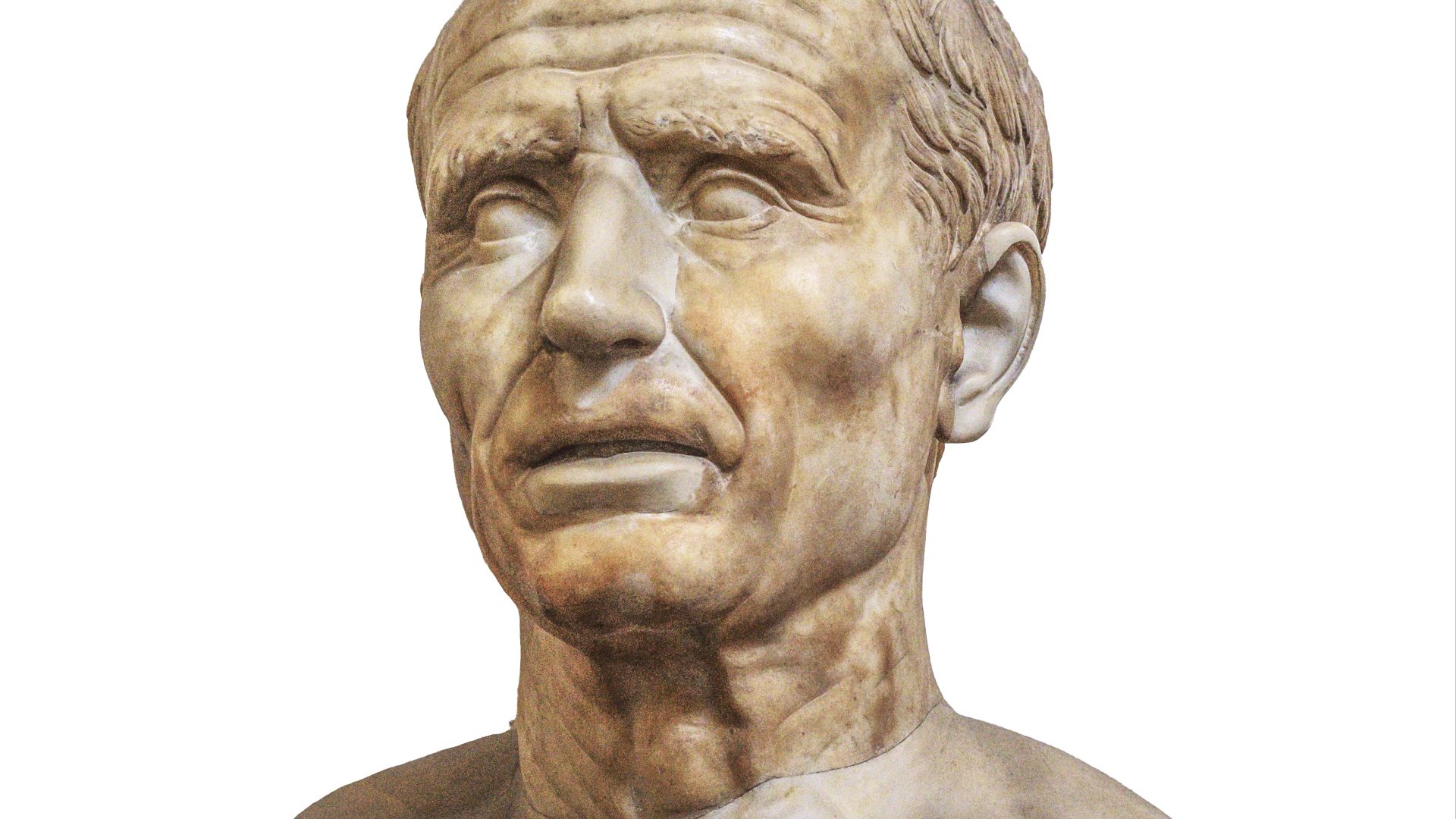
3. Cleopatra VII Lost Her Kingdom
Cleopatra VII ruled Egypt during a time when Rome was becoming increasingly dominant across the Mediterranean. However, after aligning herself with Julius Caesar and then Mark Antony, they found themselves losing the battle against Octavian, the future Roman emperor Augustus. After losing her empire, both ended dying by suicide in 30 B.C.
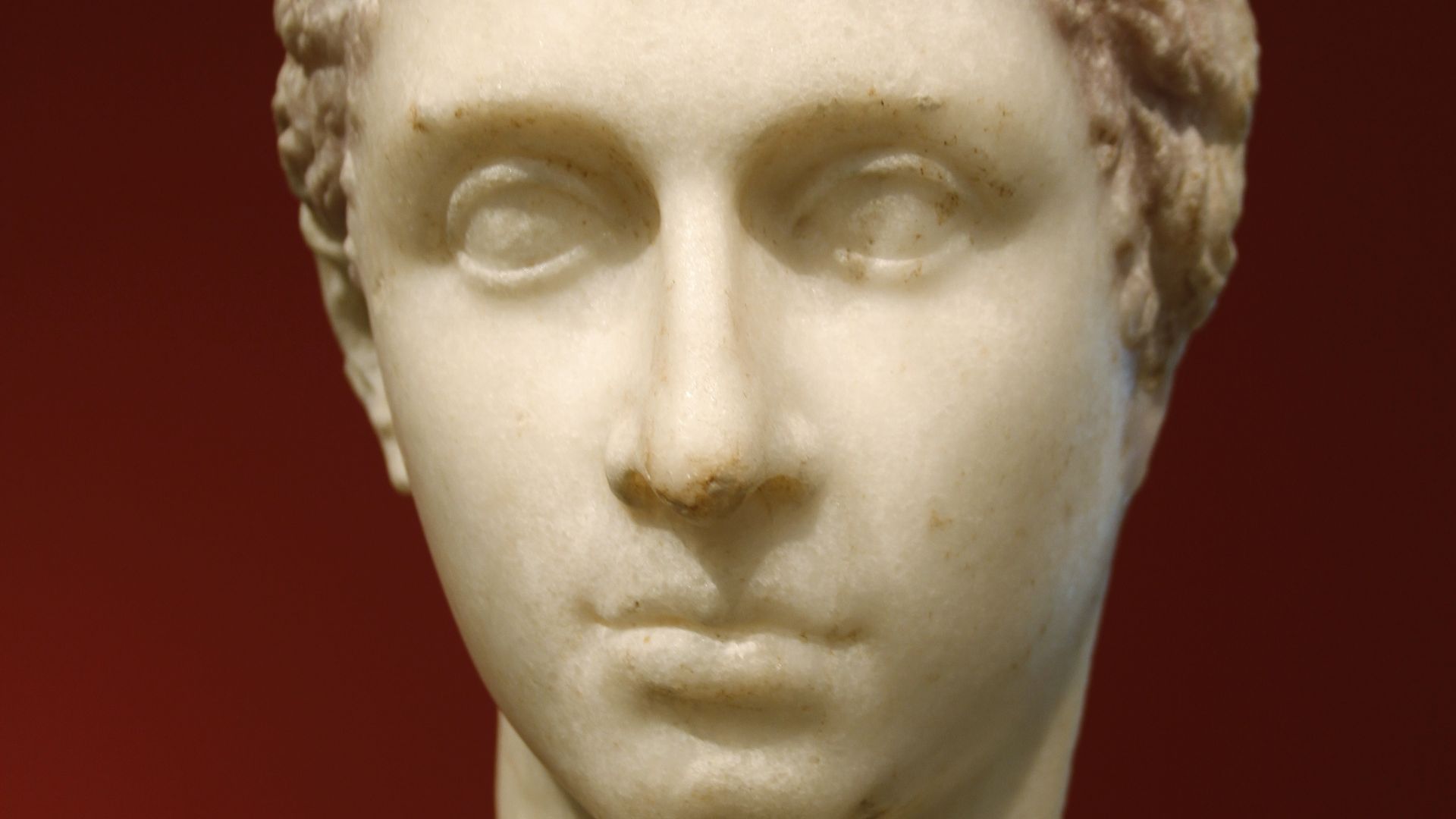
4. Seneca Was Ordered to Take His Own Life
After being accused of being involved in a conspiracy plot against Emperor Nero, Roman philosopher Seneca was ordered to die by taking his own life in A.D. 65. Considering he spent his life writing about self-control, virtue, and handling adversity, it's unfortunate this his writings on accepting death became a reality for him.
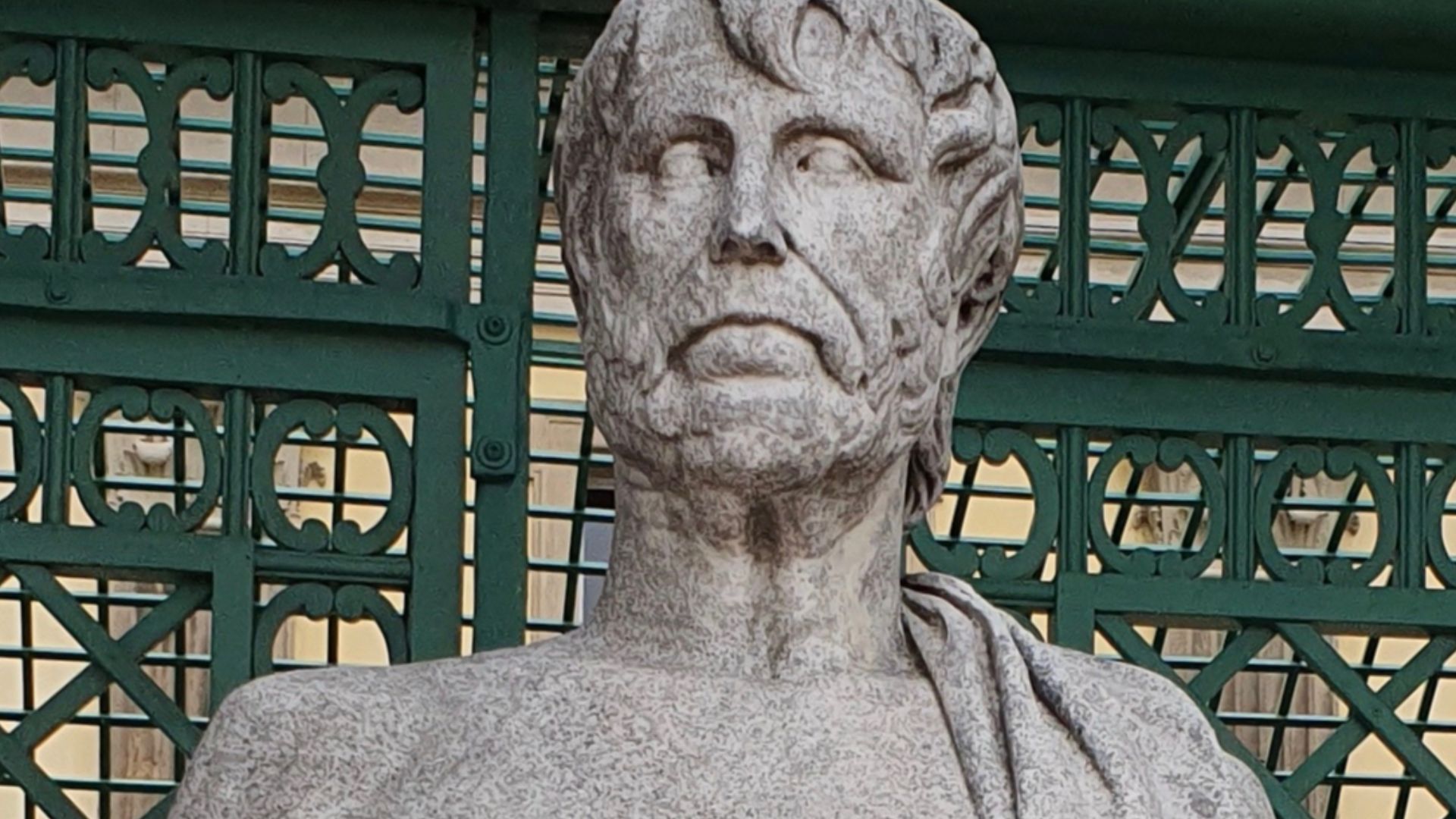
5. Joan of Arc Was Burned at the Stake
After becoming a remarkable military and religious figure during the Hundred Years' War, strengthening the French cause against England, it's sad to read that Joan of Arc was captured and burned at the stake at just 19 years of age for being guilty of heresy.
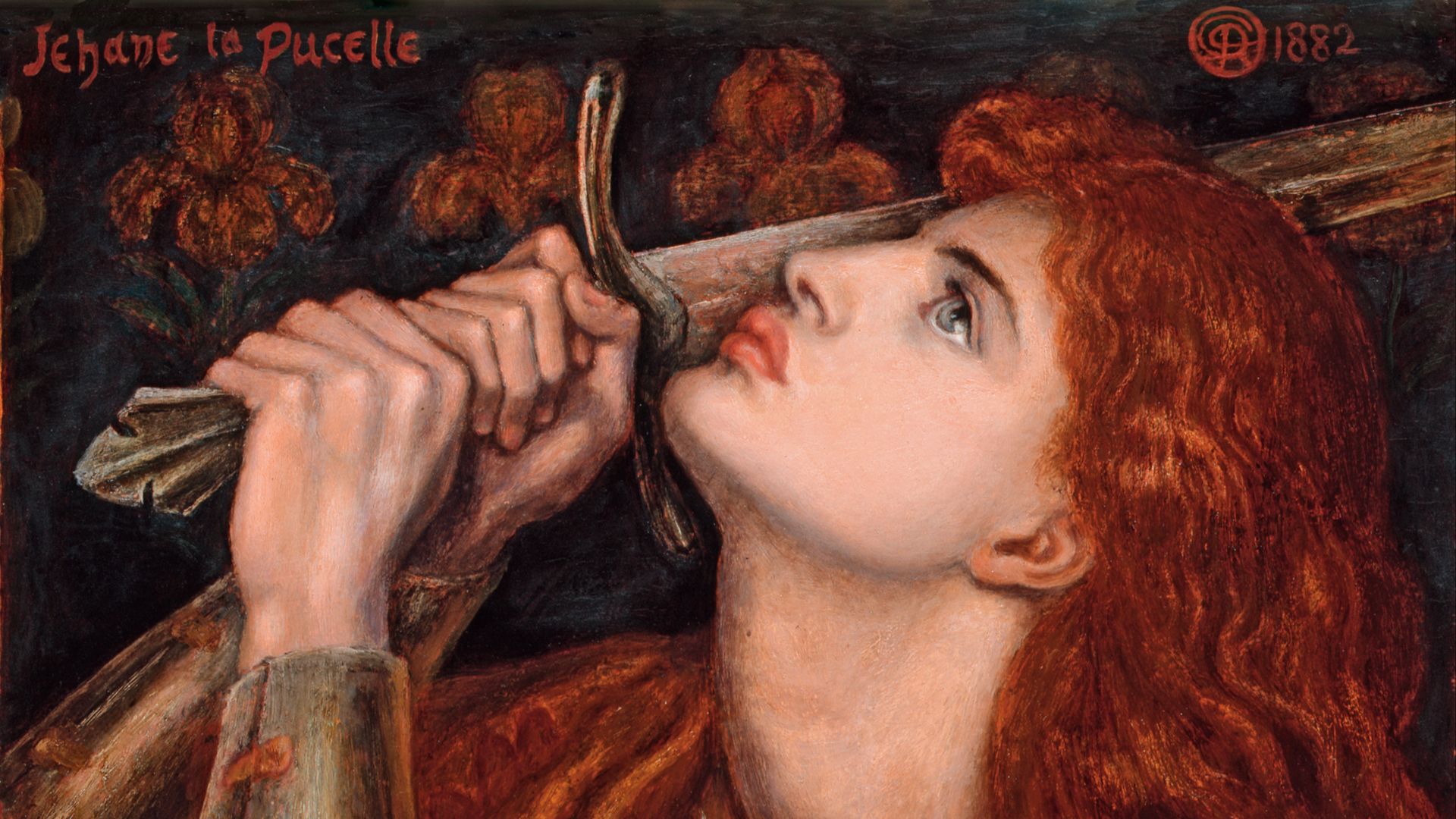 Dante Gabriel Rossetti on Wikimedia
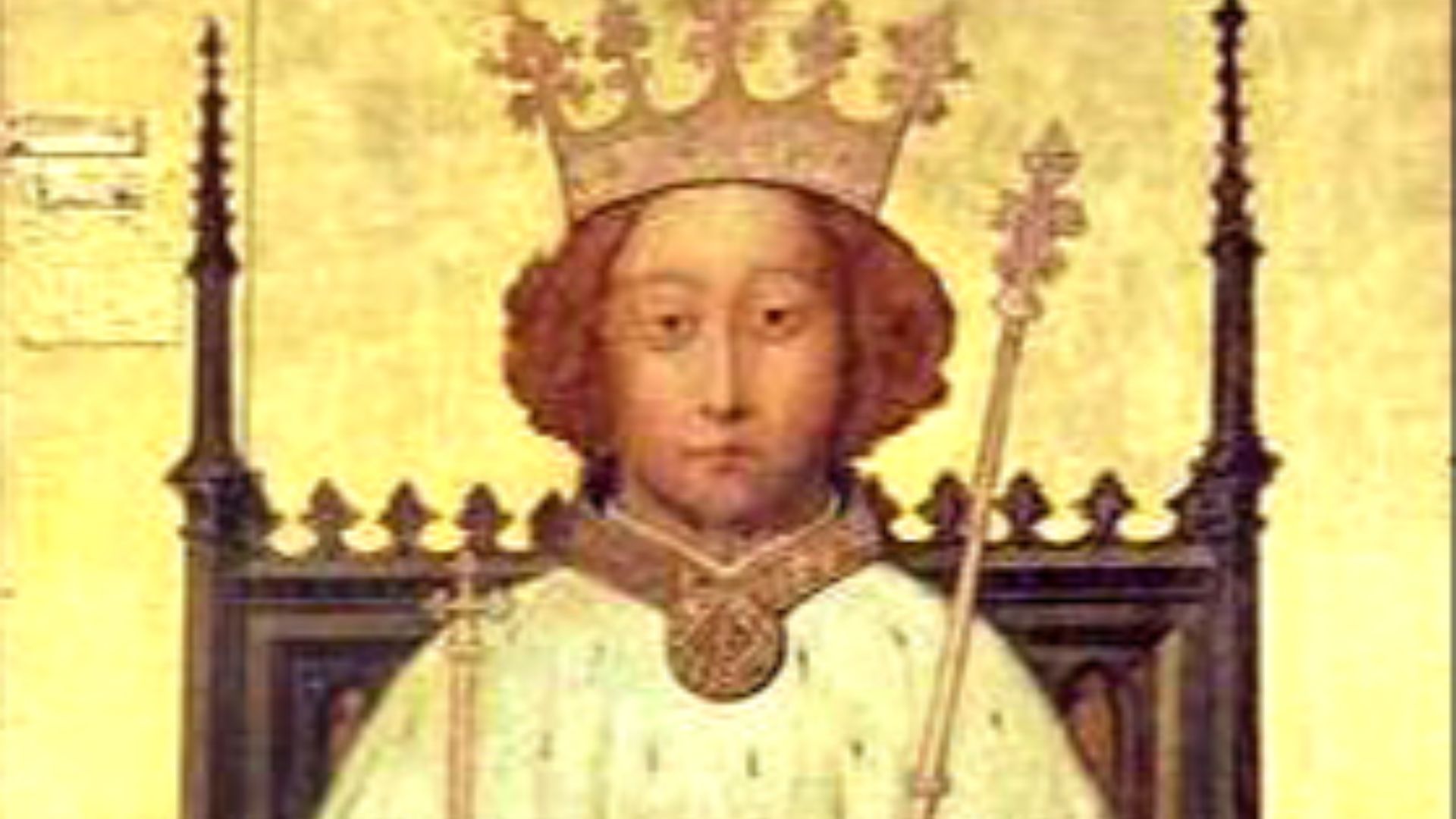
6. Richard II Lost His Throne and His Freedom
When he was just a child, Richard II became King of England and struggled throughout his adulthood trying to rule against powerful nobles who disliked his style of government. But in 1399 while away in Ireland, his exiled cousin Henry Bolingbroke returned and gathered enough support to overthrow him. And if that wasn't enough, Richard was then imprisoned for the remainder of his life, where he would die at Pontefract Castle shortly after.
 AnonymousUnknown author on Wikimedia
7. Thomas More Was Executed for Defying Henry VIII
Before becoming lord chancellor under Henry VIII, Thomas More had a successful career as a scholar, lawyer, writer, and statesman. Though very esteemed, his refusal to accept Henry's supremacy over the Church in England and take the Oath of Supremacy eventually led to him being convicted of treason and beheaded in 1535.
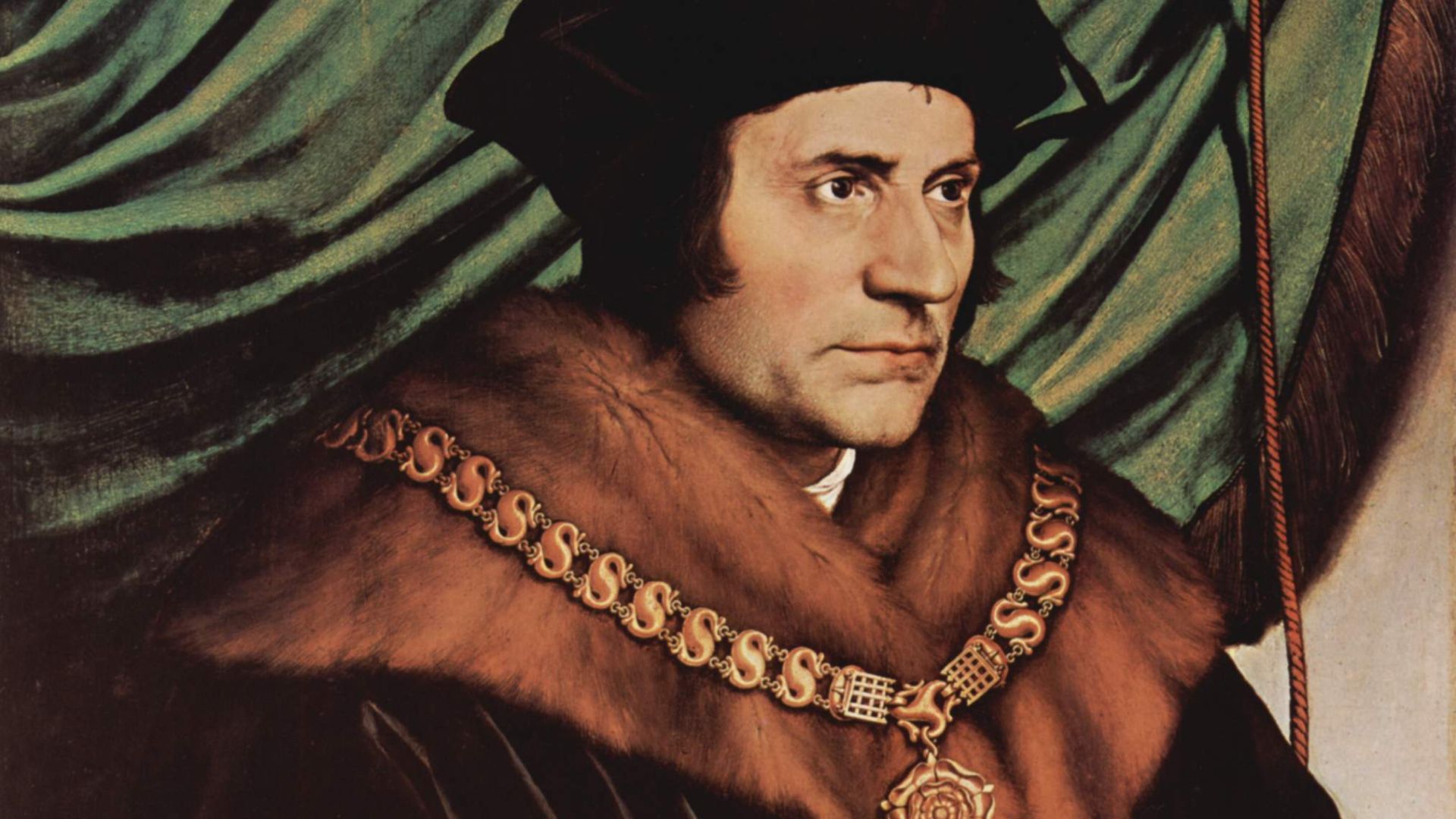 Hans Holbein the Younger on Wikimedia
8. Anne Boleyn Went From Queen to Prisoner
Anne Boleyn's relationship with Henry VIII played a crucial part in English history. After becoming queen in 1533, Anne failed to provide Henry with a surviving male heir, leading to her political position weakening and the loss of the king's affections. After Henry wanted to remarry Jane Seymour, Anne was said to be framed and arrested in 1536 for adultery, incest, and treason, leading to her beheading in 1536.
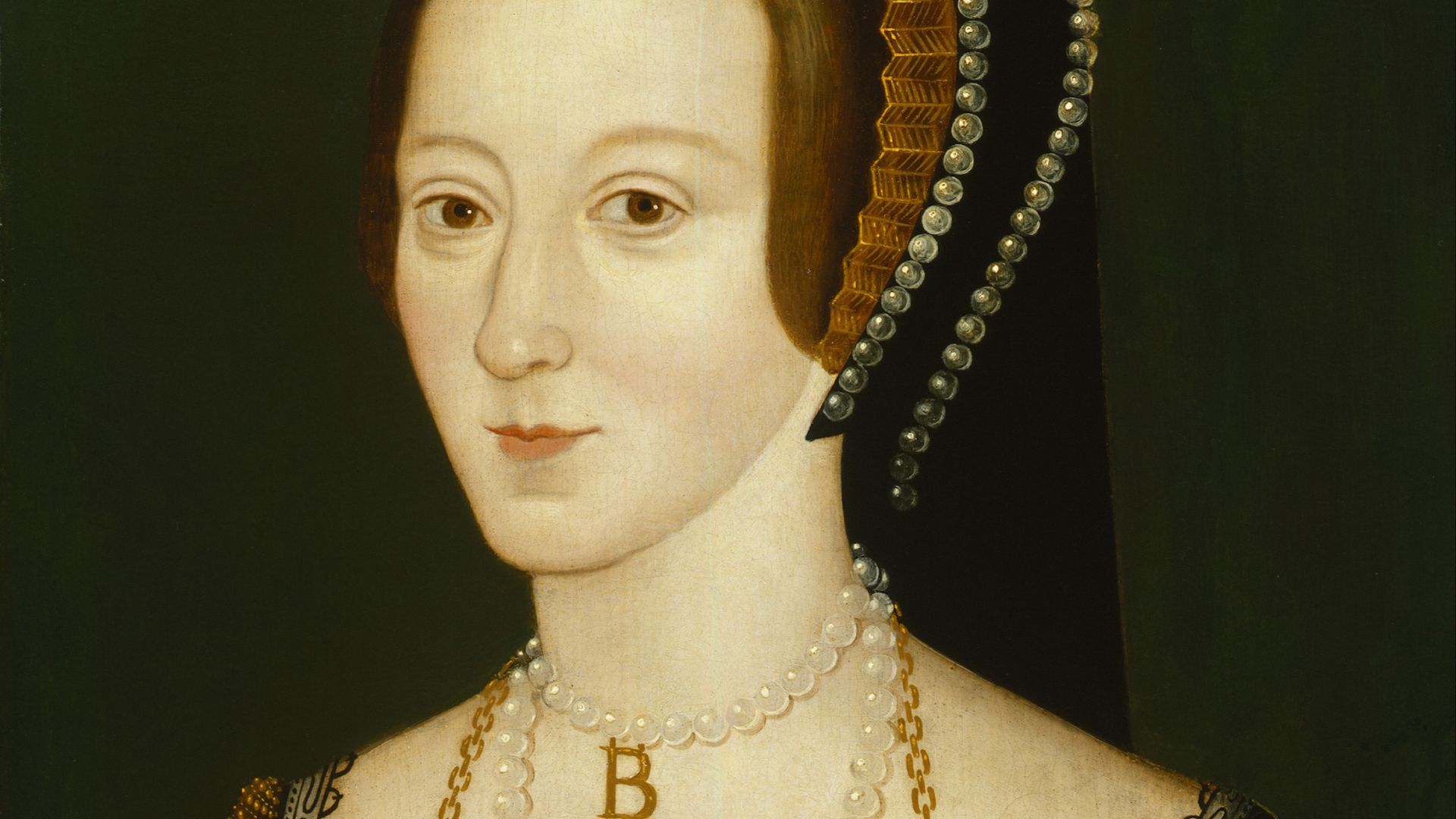 UnknownUnknown , English on Wikimedia
9. Mary, Queen of Scots Spent Years in Captivity
After inheriting the Scottish crown as an infant, Mary, Queen of Scots' life grew to be entangled in political disputes, religious tensions, and troubled personal relationships. Not only was she forced to abdicate the throne for her son, but she was imprisoned by her cousin, Elizabeth I for 19 years where she was also eventually executed for being implicated in a plot against Elizabeth.
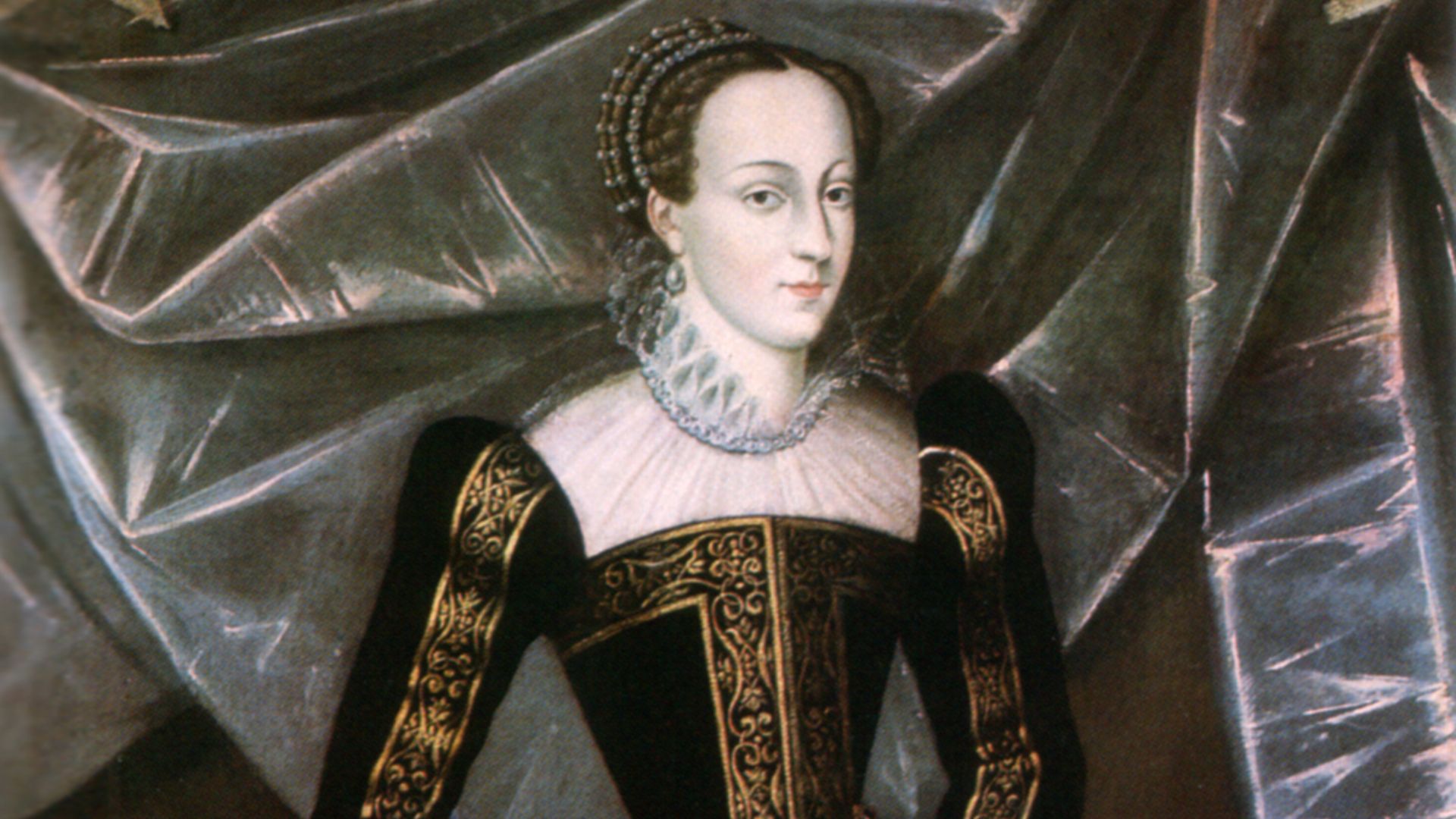 Unidentified painter on Wikimedia
10. Giordano Bruno Was Executed for Heresy
Giordano Bruno was an Italian philosopher whose religious and philosophical views repeatedly brought him into conflict with authorities. He traveled around Europe for years before being arrested in Venice, transferred to Rome for a lengthy trial conducted by the Roman Inquisition, and condemned and burned at the stake in 1600 for heresy.
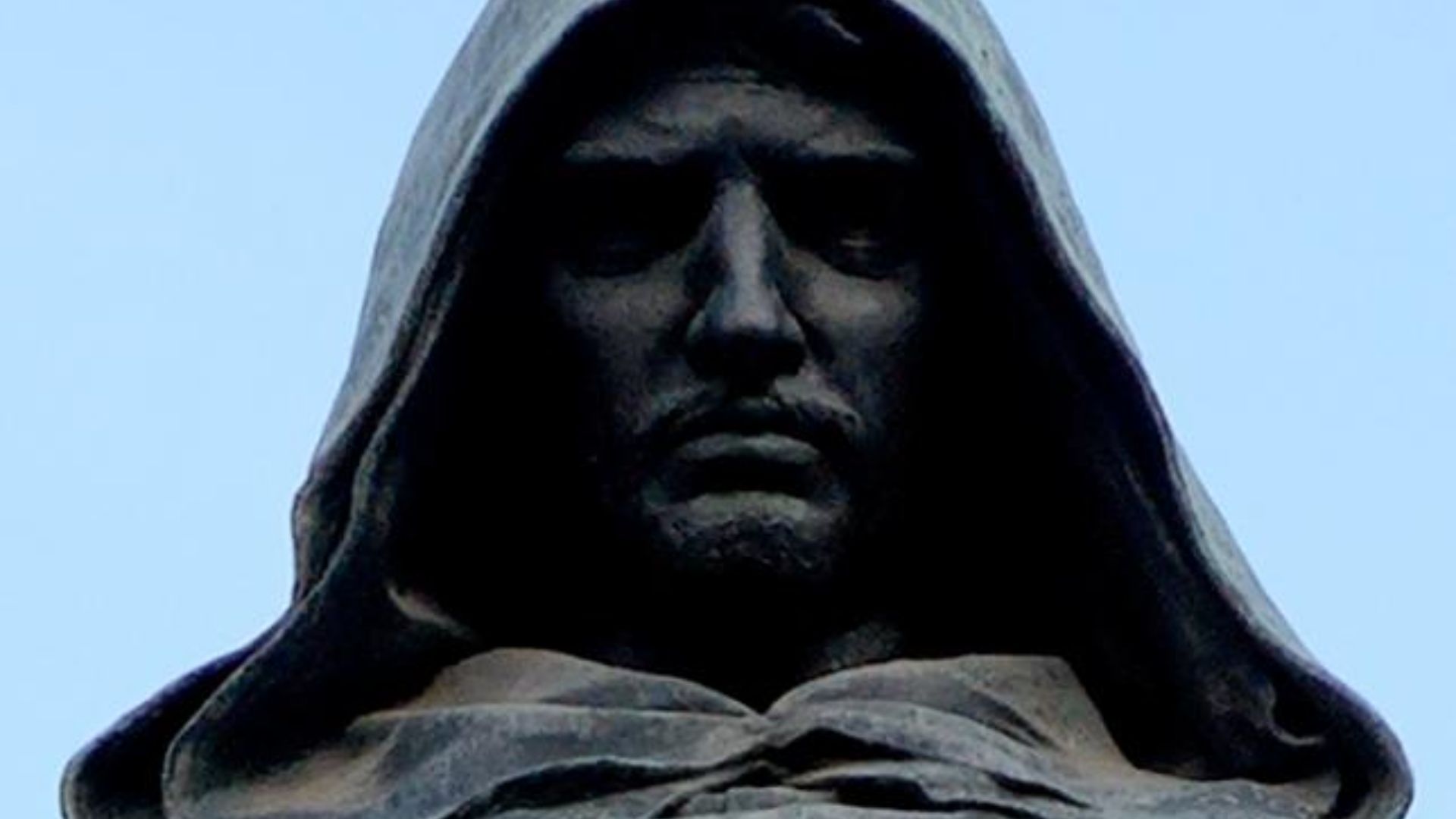 Jastrow. cropped detail made by User:Nolanus on Wikimedia
11. Walter Raleigh Ended Up on the Executioner's Block
Best remembered as an explorer, writer, soldier, and a favorite of Elizabeth I, Sir Walter Raleigh sadly lost his reputation once James I came into the picture. In 1603, he was convicted of treason against the king and was imprisoned for years in the Tower of London. He was released temporarily to lead an expedition to South America, but when he returned without success, his sentence was reinvoked and he was beheaded in 1618.
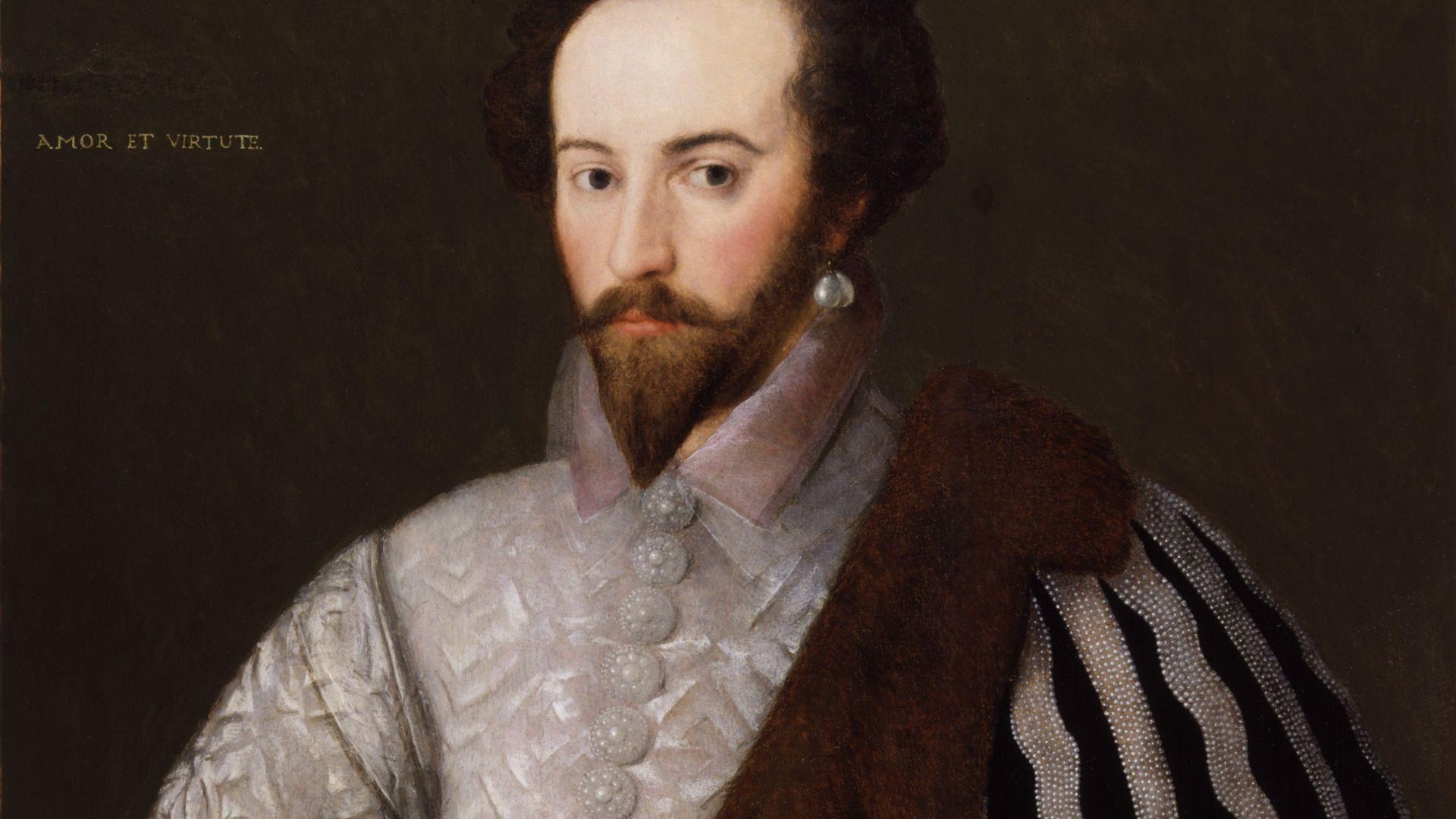
12. Charles I Lost a Civil War and His Head
Charles I's disputes with Parliament over money, religion, and royal authority contributed to the outbreak of the English Civil Wars, which the Royalist forces ultimately lost. As a result, Charles was captured after years of fighting, and in 1649, he was tried for high treason, convicted, and publicly beheaded outside the Banqueting House in London.
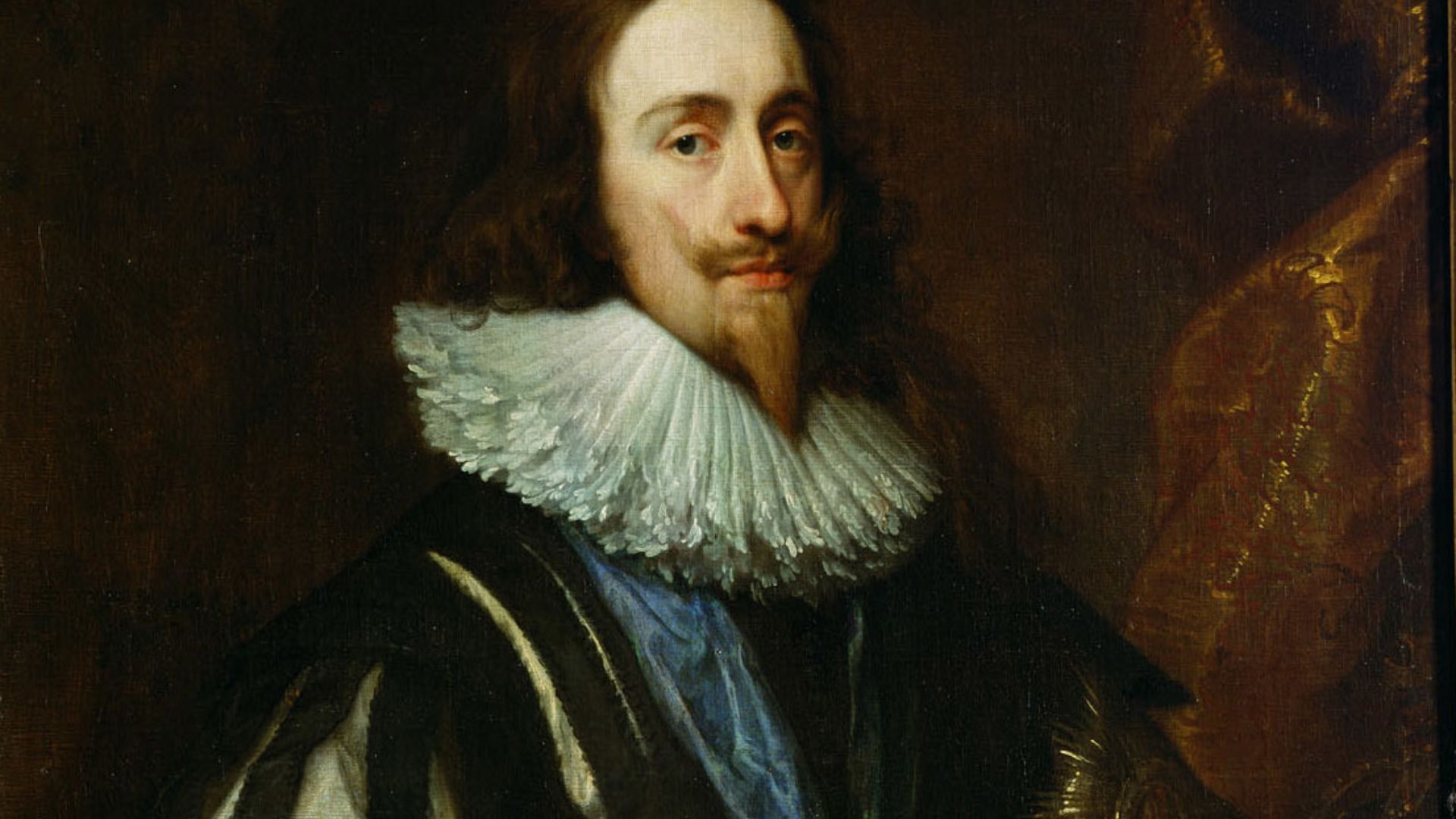
13. Marie Antoinette Became a Symbol of a Collapsing Monarchy
Famously known for destroying her reputation as queen alongside Louis XVI when the monarchy faced economic and political crises, Marie Antoinette unfortunately dealt with extreme propaganda that portrayed her as over-the-top, foreign, and indifferent to everyday French people. This led to her imprisonment and being convicted of treason, with her eventually being executed by guillotine in 1793.
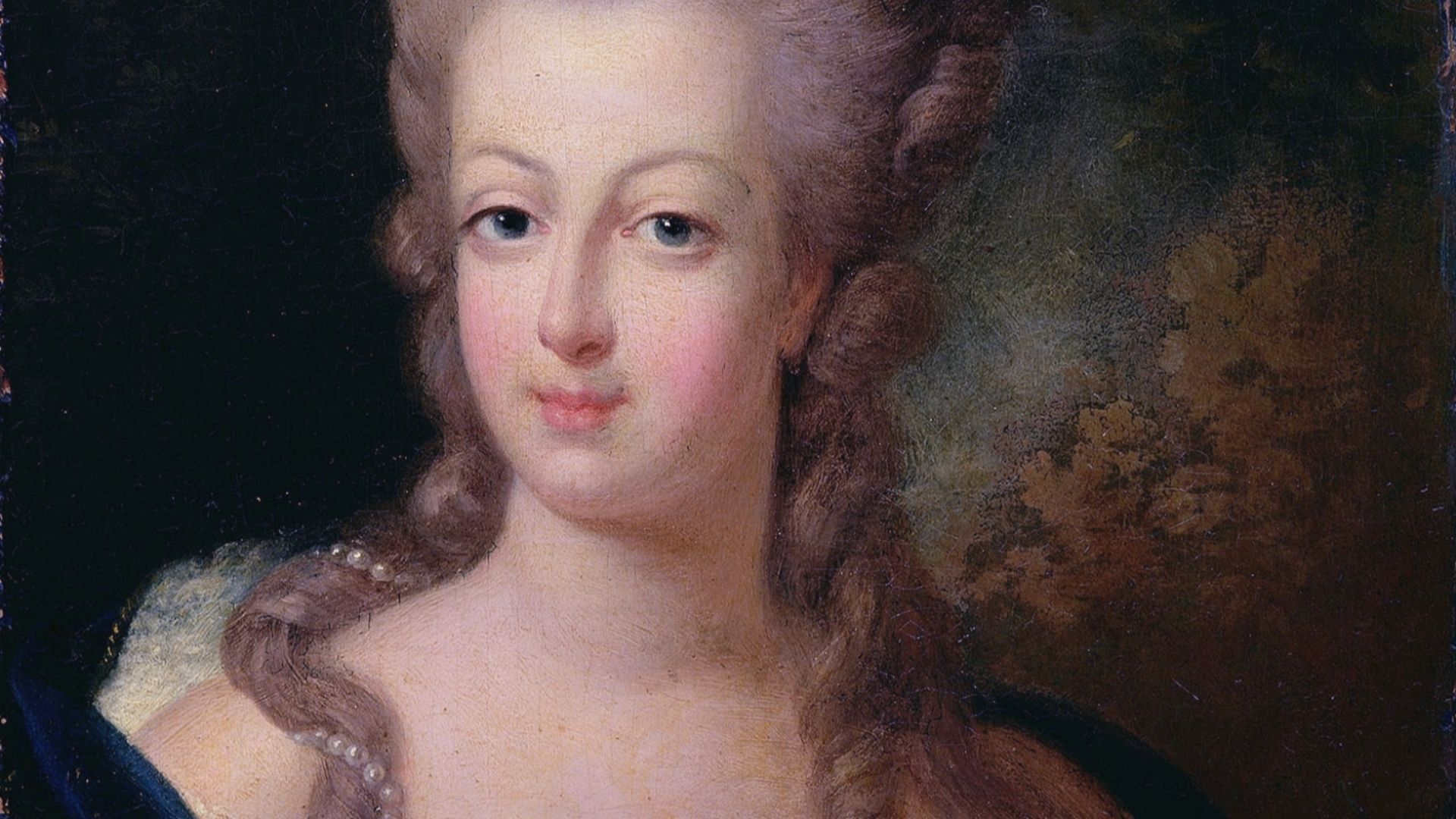 After Jean-Baptiste André Gautier-Dagoty on Wikimedia
14. Maximilien Robespierre Fell Victim to the Revolution He Helped Lead
Despite emerging as one of the most influential political figures of the French Revolution, Maximilien Robespierre's life ended rather miserably. In July 1794, Robespierre's escalation of the Reign of Terror caused fellow politicians to decide he posed a danger, leading to his arrest after a dramatic confrontation. He was guillotined the following day, reminding us just how messy and complicated revolutionary politics were.
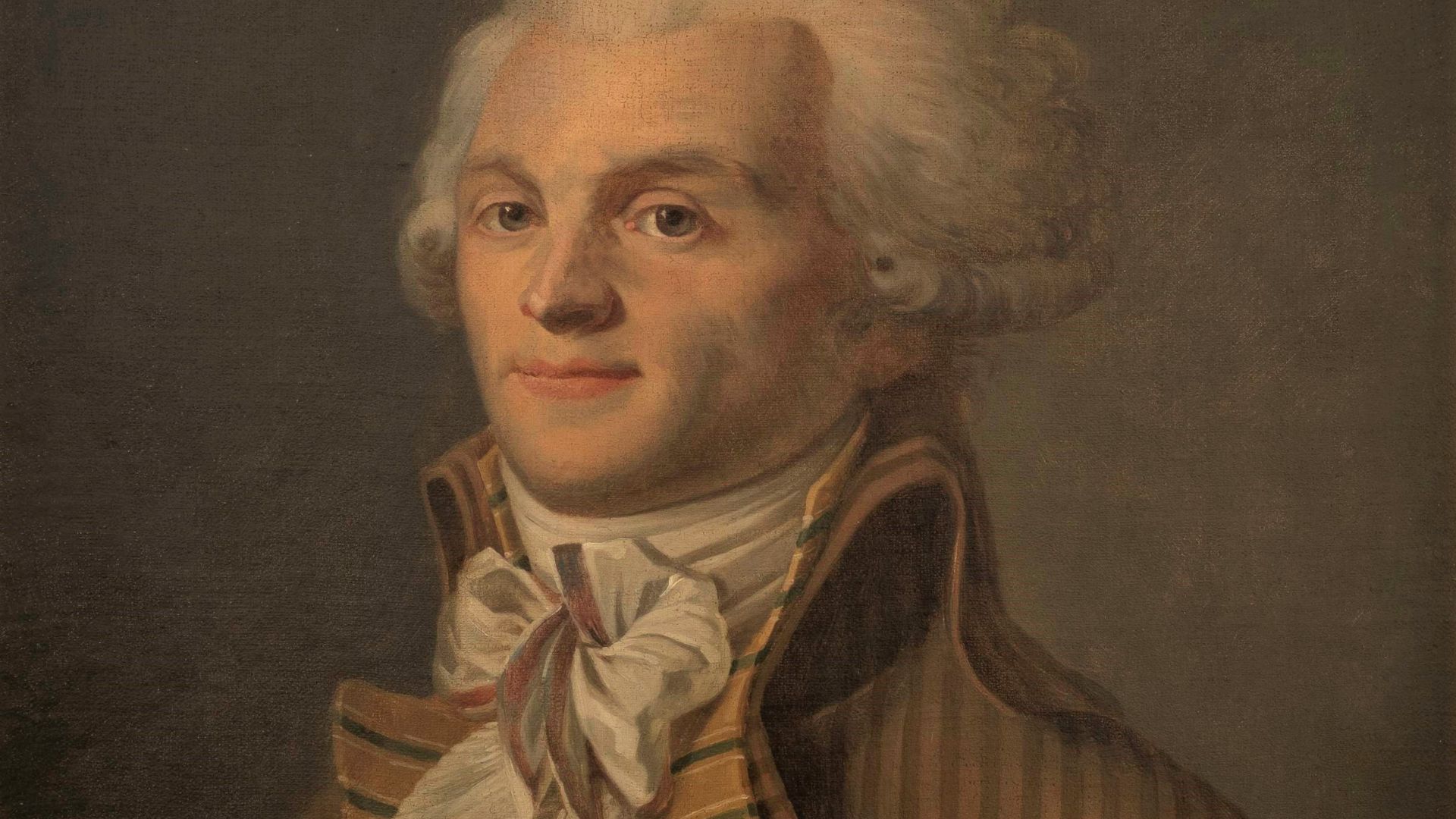 Unidentified painter on Wikimedia
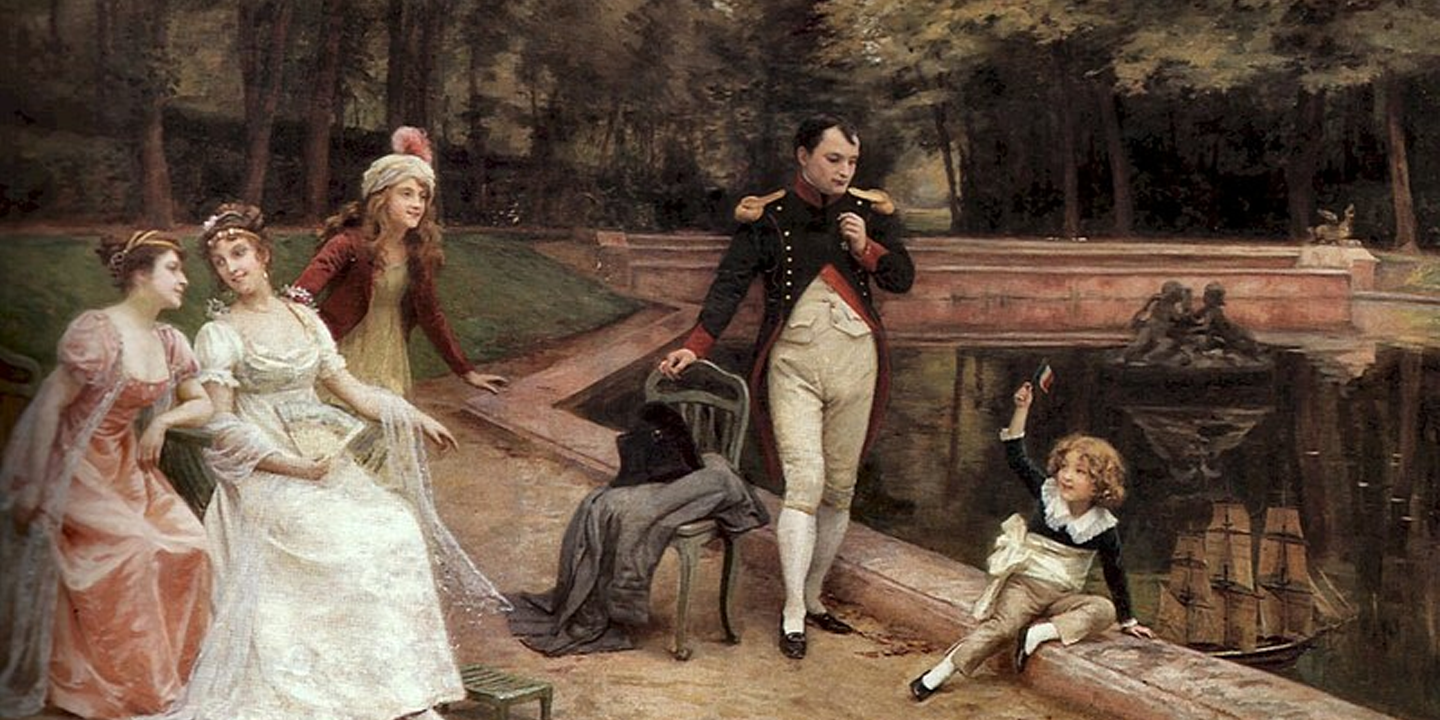
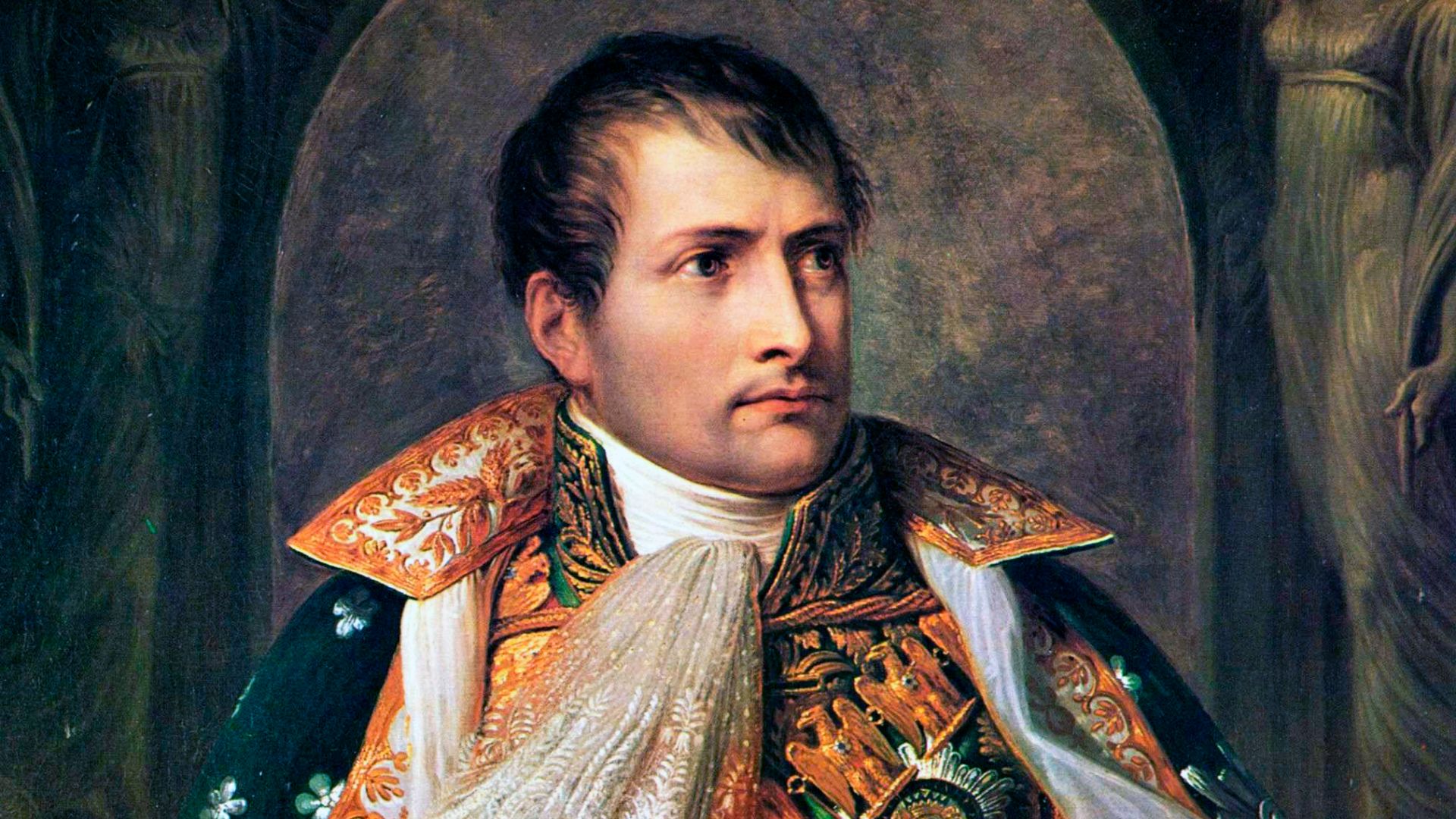
15. Napoleon Bonaparte Finished His Life in Exile
A familiar name found in many history books, Napoleon Bonaparte might be remembered as a dominant emperor and military officer, but the end of his life wasn't all that great. After several devastating military defeats, he was forced to abdicate in 1814. And after his loss at Waterloo in 1815, the British banished him to the island of Saint Helena, where he eventually died in 1821, far away from his home.
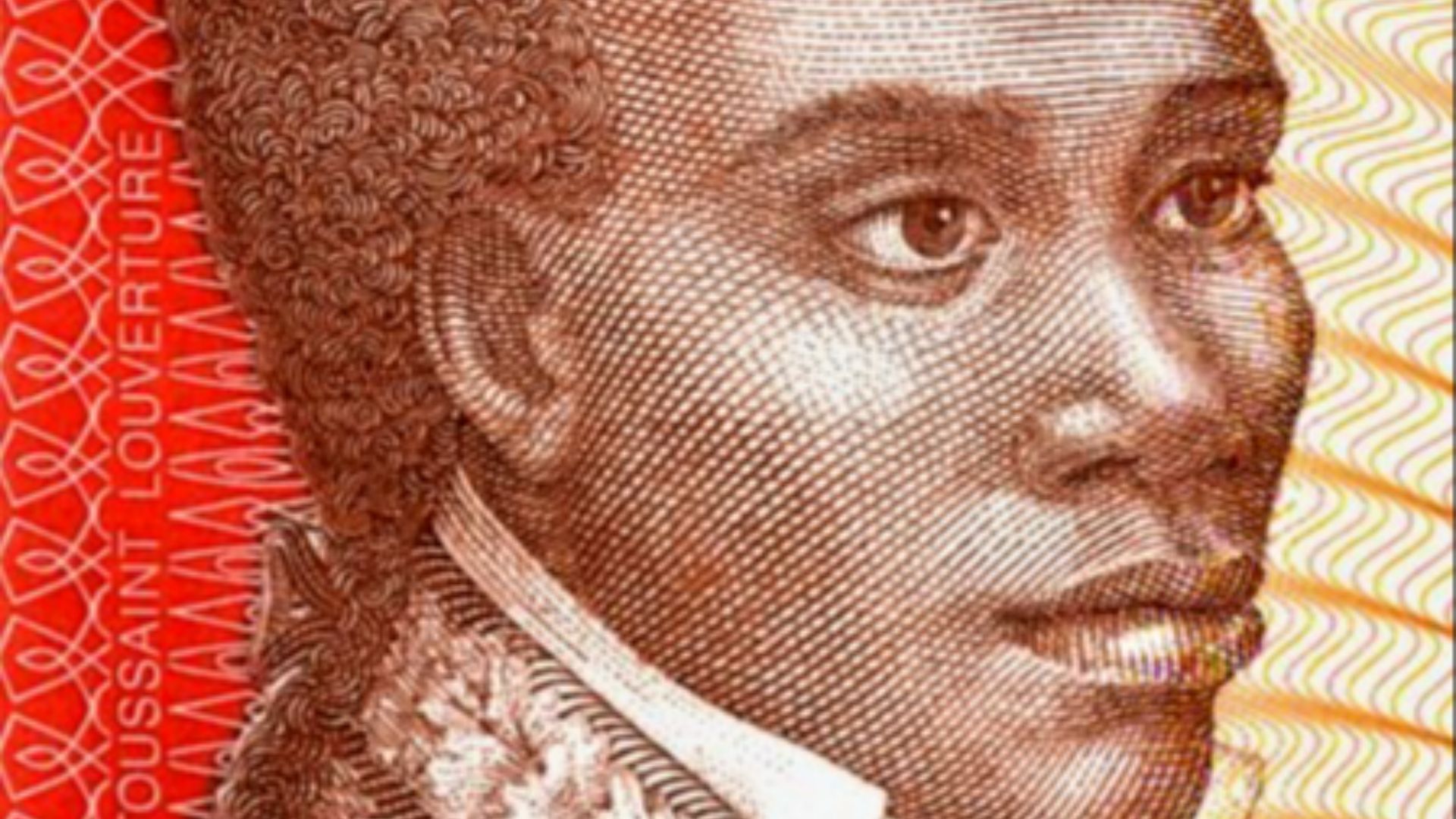
16. Toussaint Louverture Died in a French Prison
As one of the primary leaders of the Haitian Revolution, Toussaint Louverture is remembered for helping transform a massive slave uprising into an organized movement. In 1802, he was arrested by the French following Napoleon's orders, where he was imprisoned at Fort de Joux in Eastern France. He died there from malnutrition and severe weather conditions just a year later in 1803.
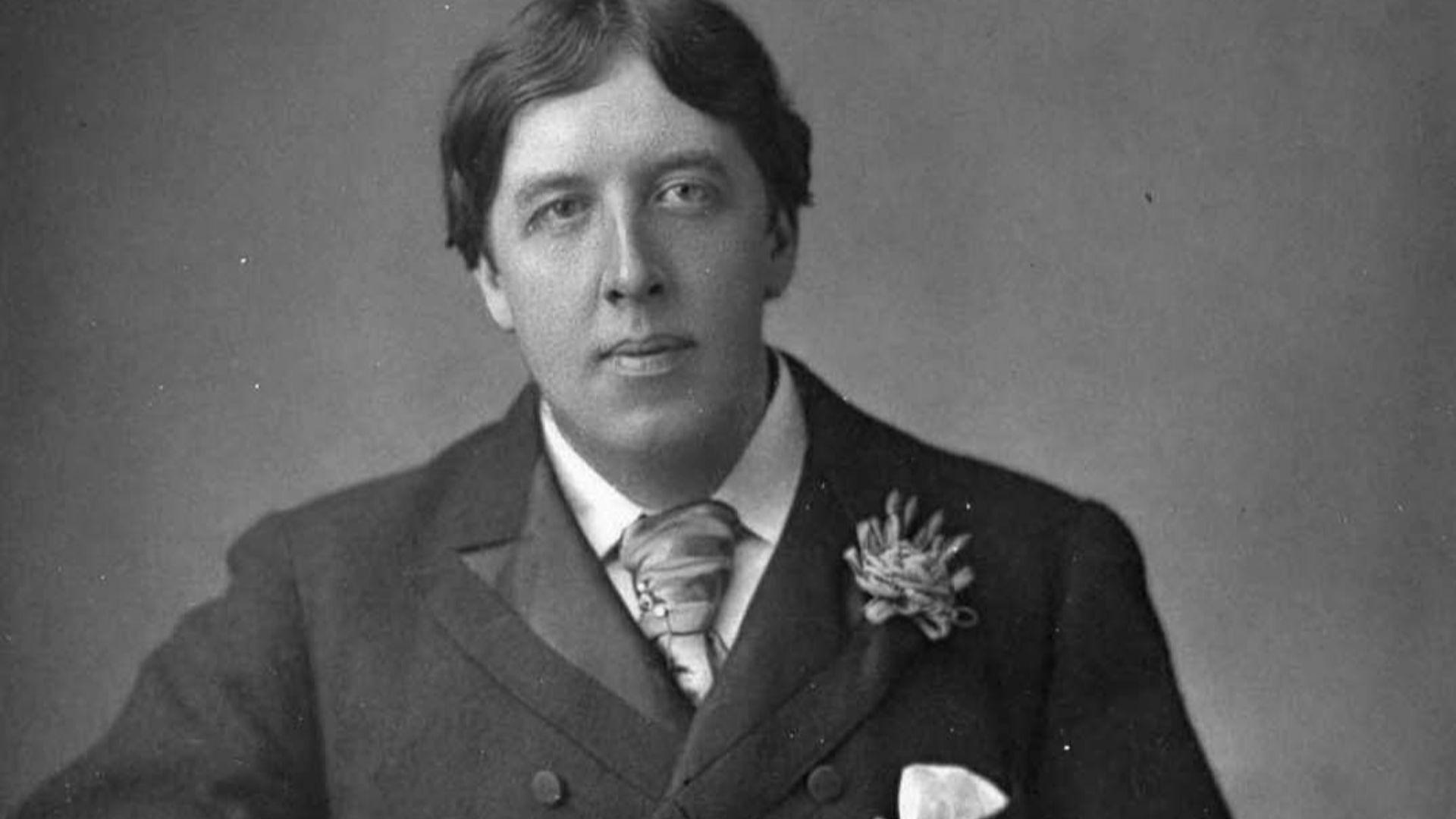
17. Oscar Wilde Left Prison With His Life in Ruins
Best known for literary works including The Importance of Being Earnest and The Picture of Dorian Gray, Oscar Wilde's life was anything but easy. He may be celebrated today, but his relationships with men at a time when homosexual acts were criminalized led to him being sentenced to two years of hard labor. He was eventually released, but with his health and finances so poorly in tact, he died in 1900 at the young age of 46.
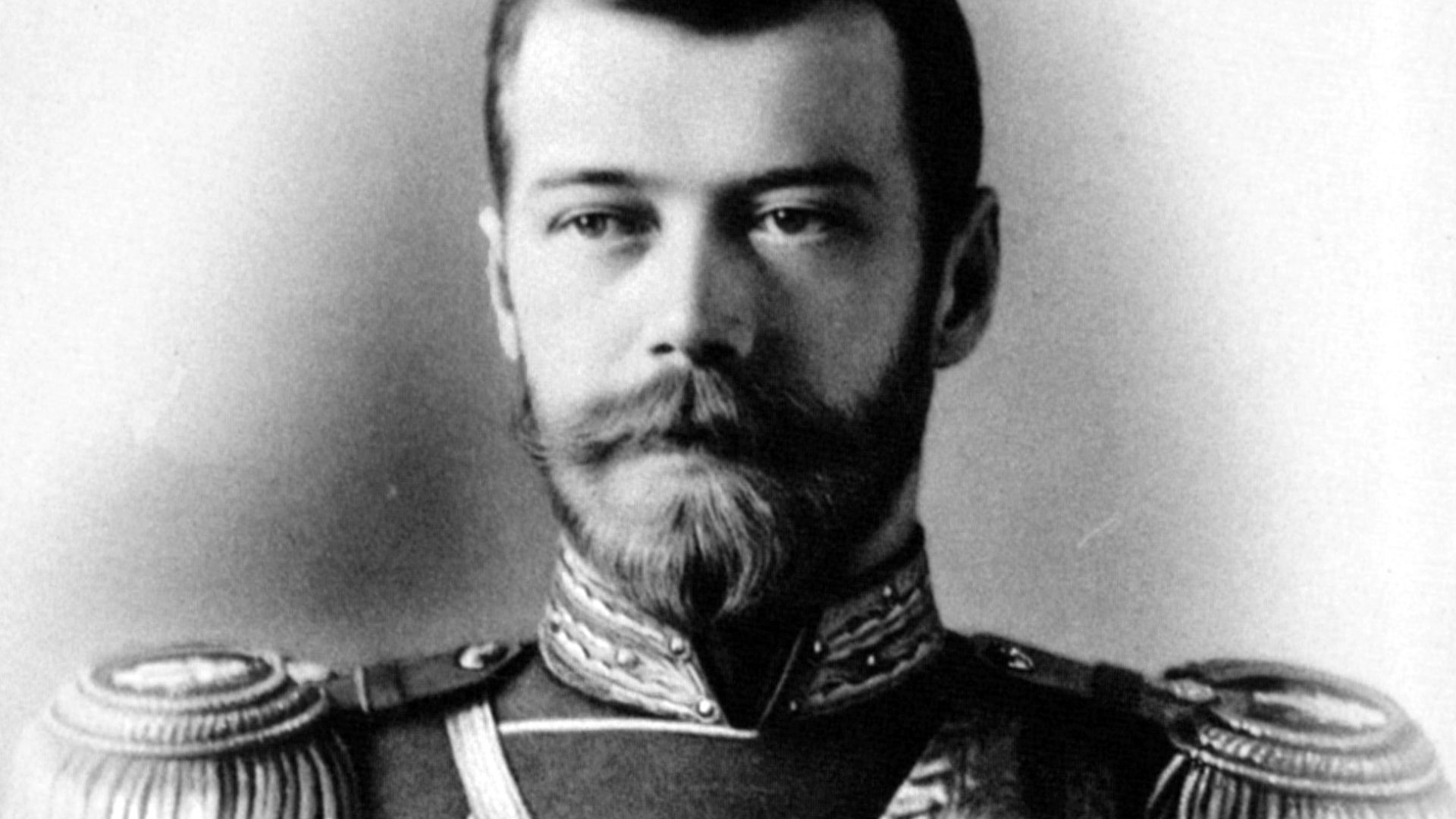
18. Nicholas II Watched the Russian Empire Disappear
Nicholas II became Russia's final emperor in 1894, ruling over a period marked heavily by political unrest, military disasters, and growing opposition to autocratic government. During the 1917 Russian Revolution, he abdicated the throne which ended more than three centuries of Romanov rule. After losing his position, in July 1918, Bolshevik authorities tragically executed him and his family, including his wife Alexandra and their five children.
19. Mata Hari Was Executed as a Spy
Born Margaretha Zelle, Mata Hari was known as an exotic danger that moved through influential European social circles before and during World War I. She was arrested by the French in 1917 for being accused of spying for Germany, which she was eventually convicted (despite what people believe today) and executed by firing squad near Paris later that year.
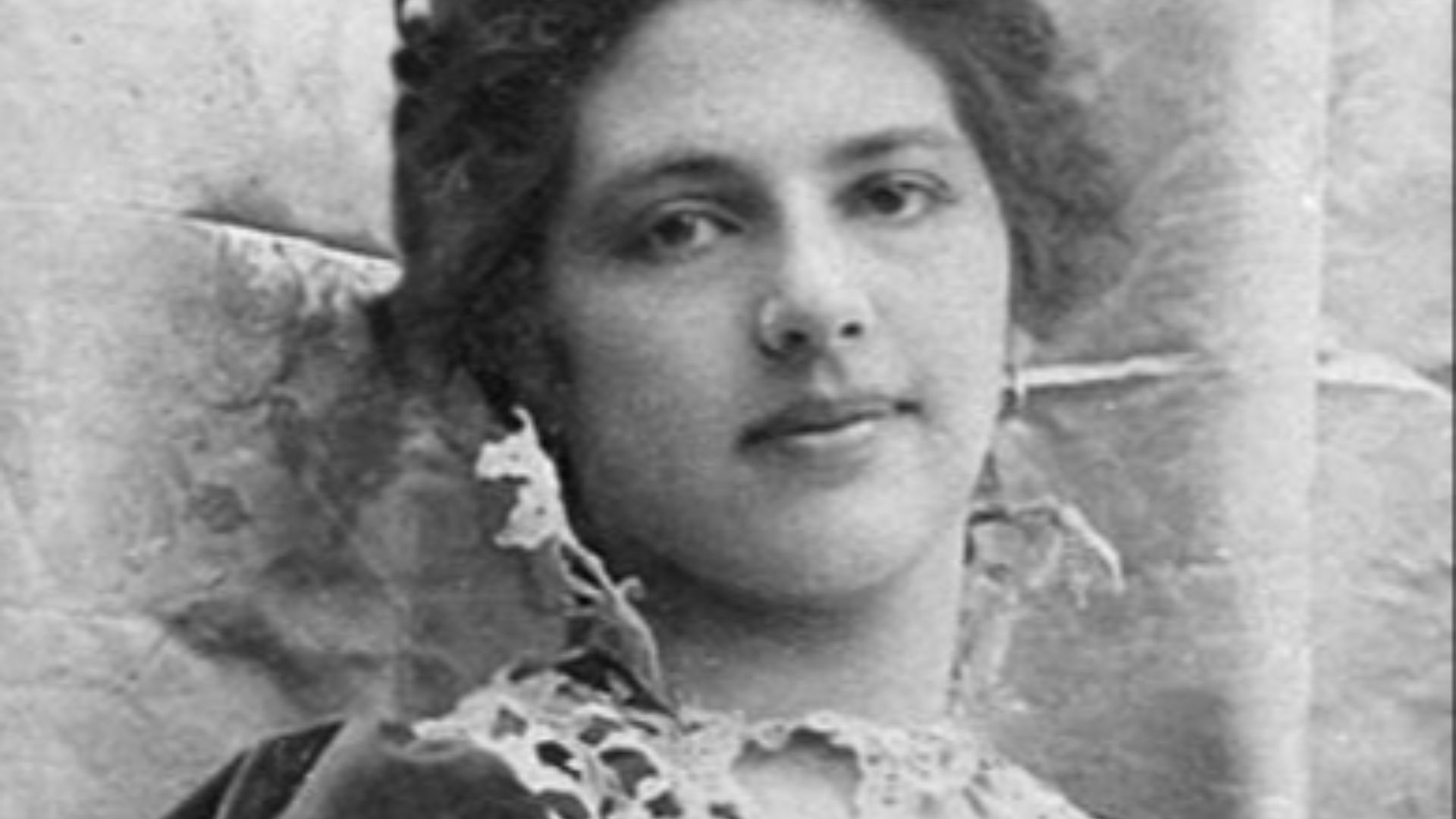 Koene & Com / Batavia-Amsterdam on Wikimedia
20. Amelia Earhart Disappeared Without a Confirmed Explanation
It's hard to come by someone who hasn't heard of Amelia Earhart and her shocking disappearance. Despite having so many incredible aviation achievements, her attempt to fly around the world with Fred Noonan ended abruptly when their aircraft disappeared while approaching Howland Island in 1937. Many extensive searches have been made, but no one has been able to officially locate their whereabouts.
 Underwood & Underwood (active 1880 – c. 1950)[1] on Wikimedia