The Sites That Refuse To Give Up Their Answers
Some places just don't cooperate with the historical record. The people who built them left no instructions and often no written language at all, so what's left behind is a pile of stone and a long list of educated guesses. Archaeologists have carbon dating, ground-penetrating radar, and decades of fieldwork on their side, and it still isn't enough to close the file on some of these sites. The gaps aren't always dramatic, but they're real, and they tend to get a room full of specialists arguing at a conference. Here's 20 places where the evidence runs out before the questions do.
 Stephanie Morcinek on Unsplash
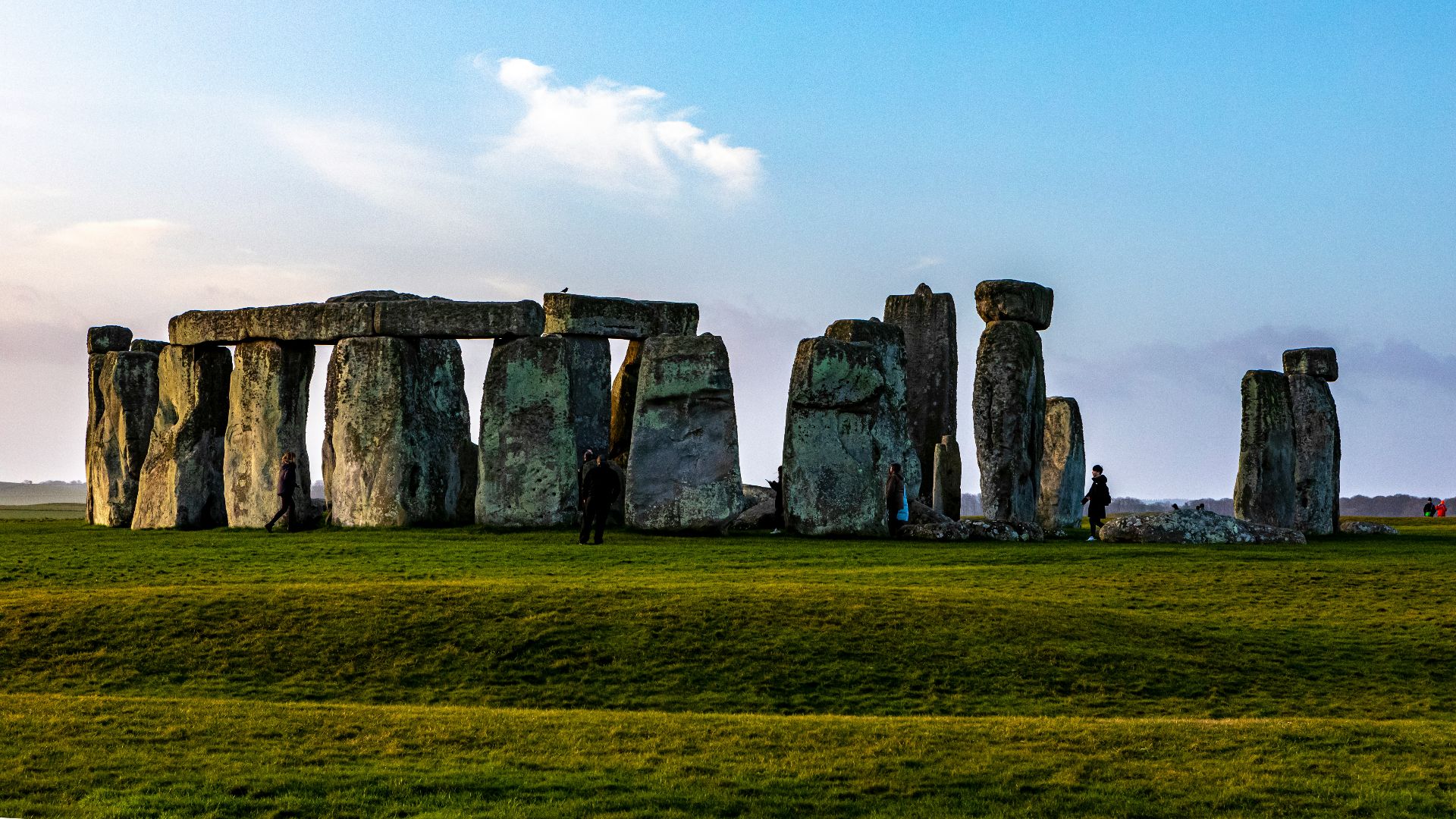
1. Stonehenge, England
The bluestones came from quarries in Wales roughly 150 miles away, and how Neolithic people moved multi-ton rock that far by hand is still debated. What the monument was actually for is even less settled, with burial ground, calendar, and healing site all still in play.
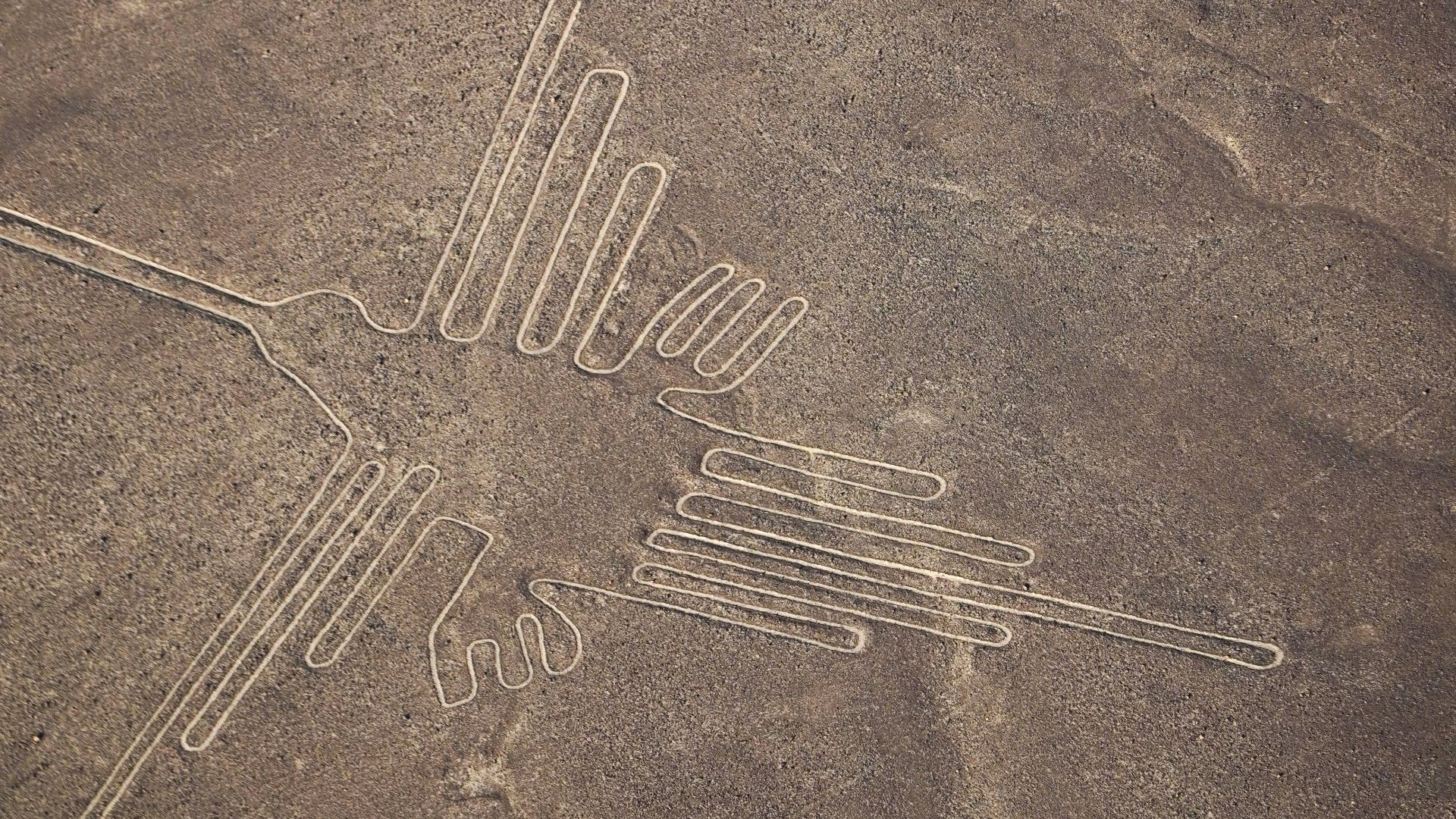
2. Nazca Lines, Peru
Carved into the Peruvian desert floor are hundreds of massive geoglyphs that only really read as shapes from the air. The Nazca culture made them roughly 2,000 years ago with no way to see their own work from above, and theories about why still range from calendar to ritual pathway.
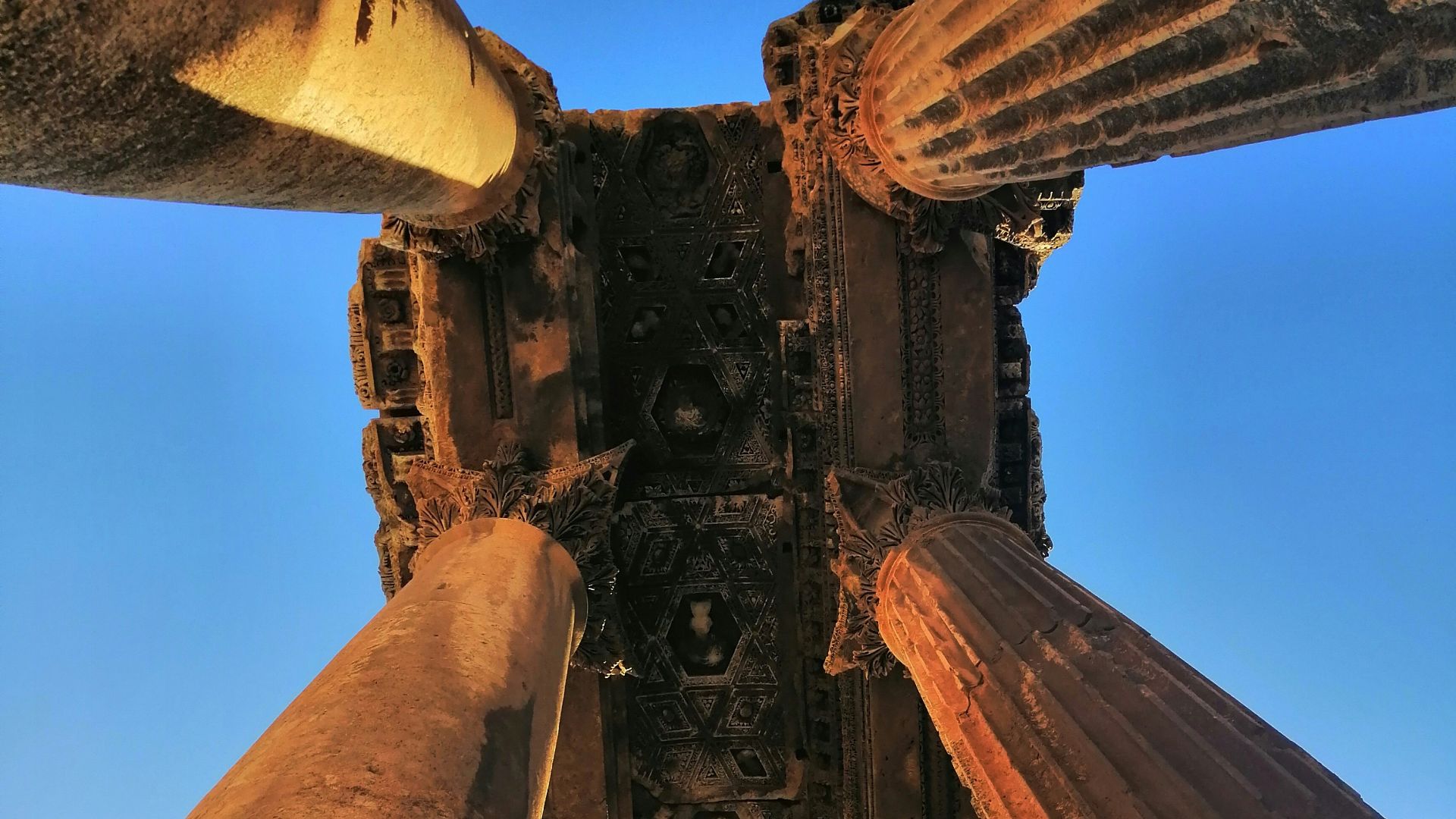
3. Baalbek, Lebanon
Buried in a Roman temple's foundation sit three stone blocks known as the Trilithon, each weighing around 800 tons. A fourth, even larger block sits unfinished nearby, abandoned mid-project, and exactly how Roman engineers planned to move stones that size remains unresolved.
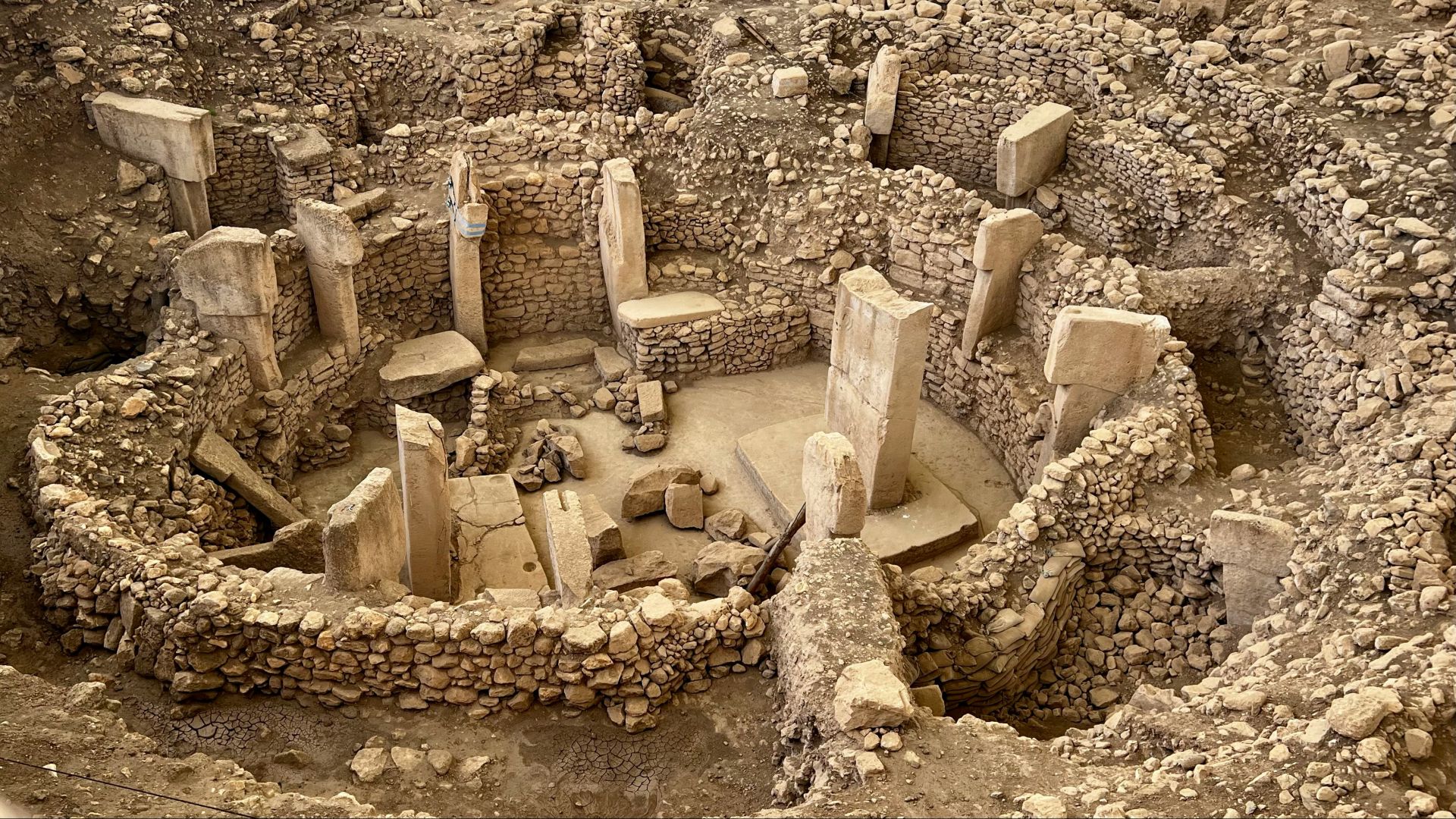
4. Göbekli Tepe, Turkey
This site predates farming and pottery altogether, which is what makes it such a headache for the standard timeline of civilization. Hunter-gatherers apparently raised massive carved stone pillars here, then deliberately buried the whole complex around 8000 BCE for reasons nobody has pinned down.
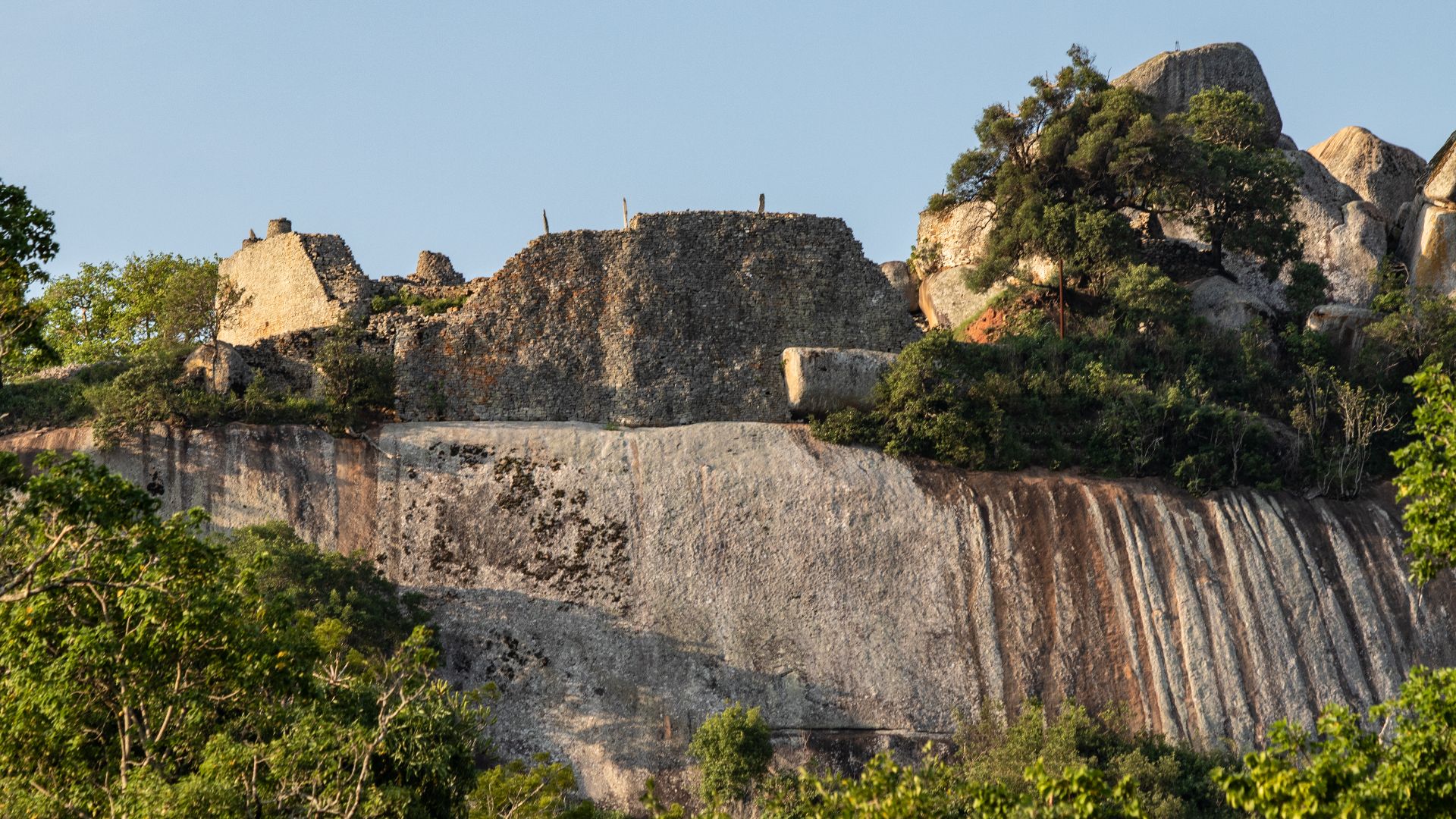
5. Great Zimbabwe, Zimbabwe
Built by ancestors of the Shona people between the 11th and 15th centuries, this stone complex was constructed without mortar, fitted with real precision. Colonial-era archaeologists wrongly denied African builders for decades, and questions still remain about how the city's power actually functioned at its peak.
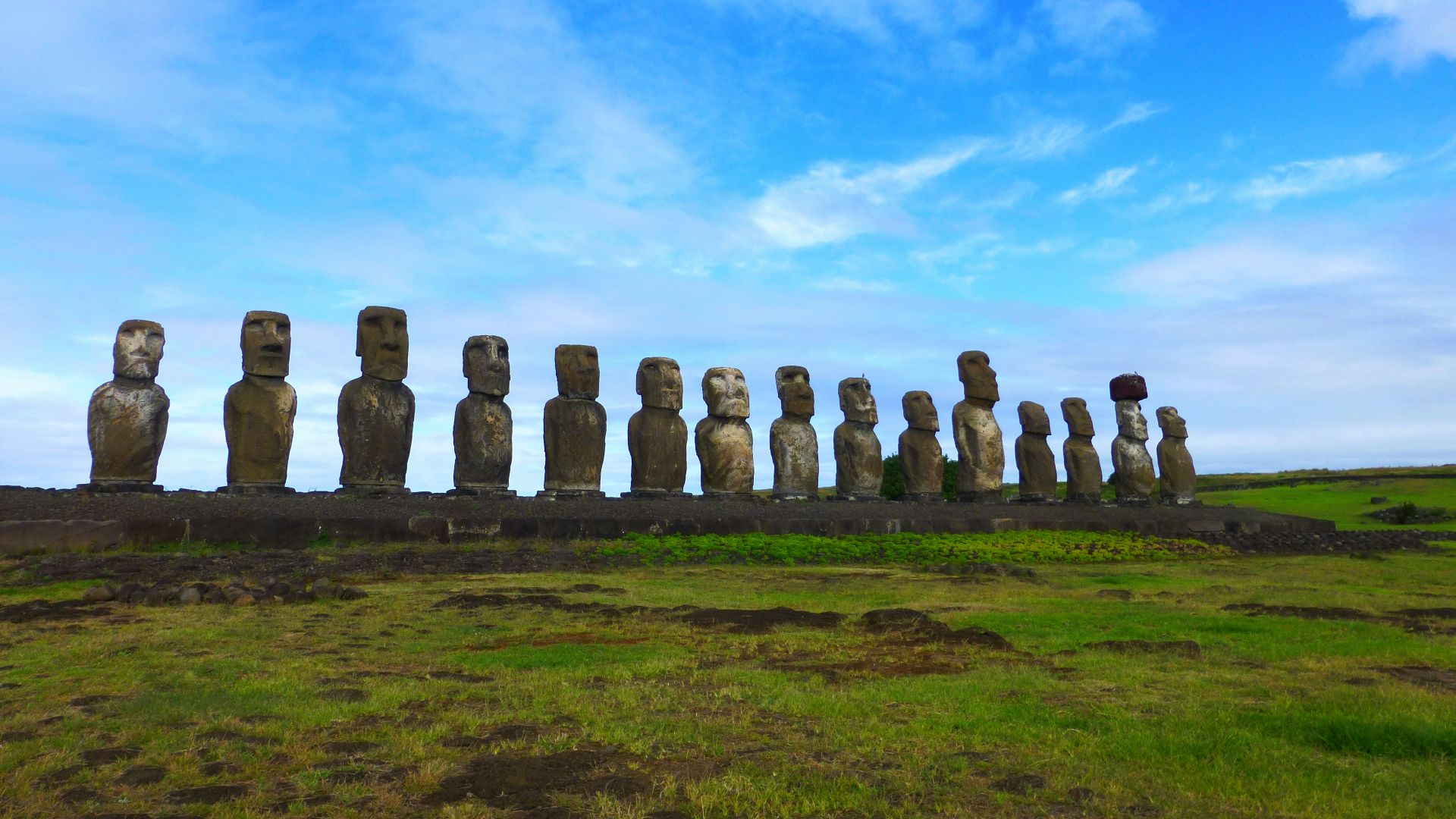
6. Easter Island, Chile
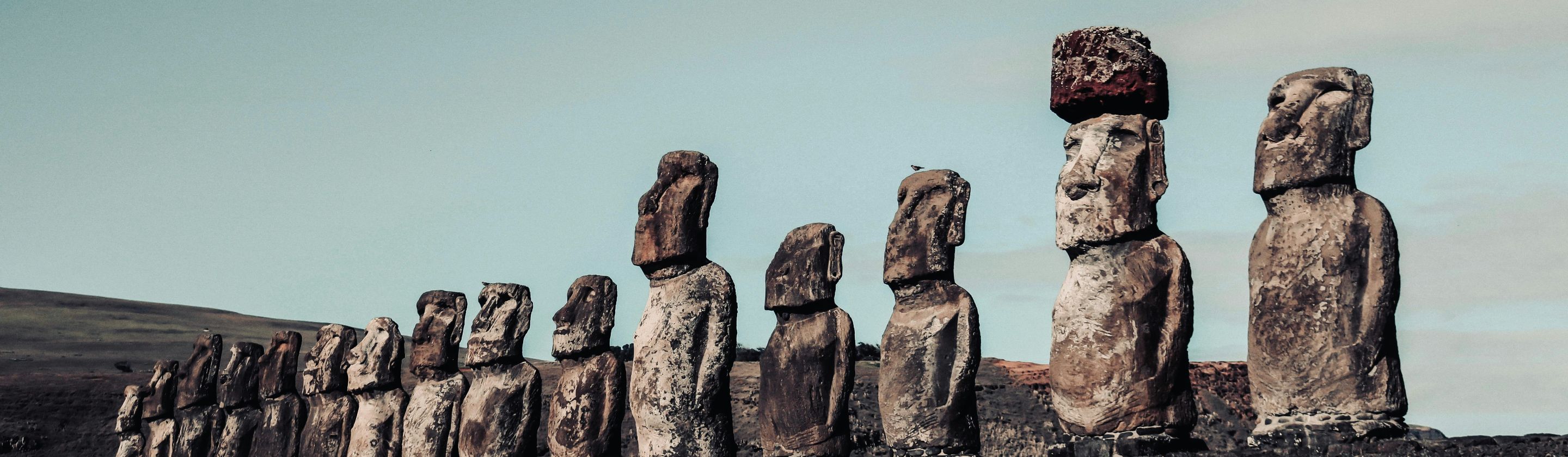
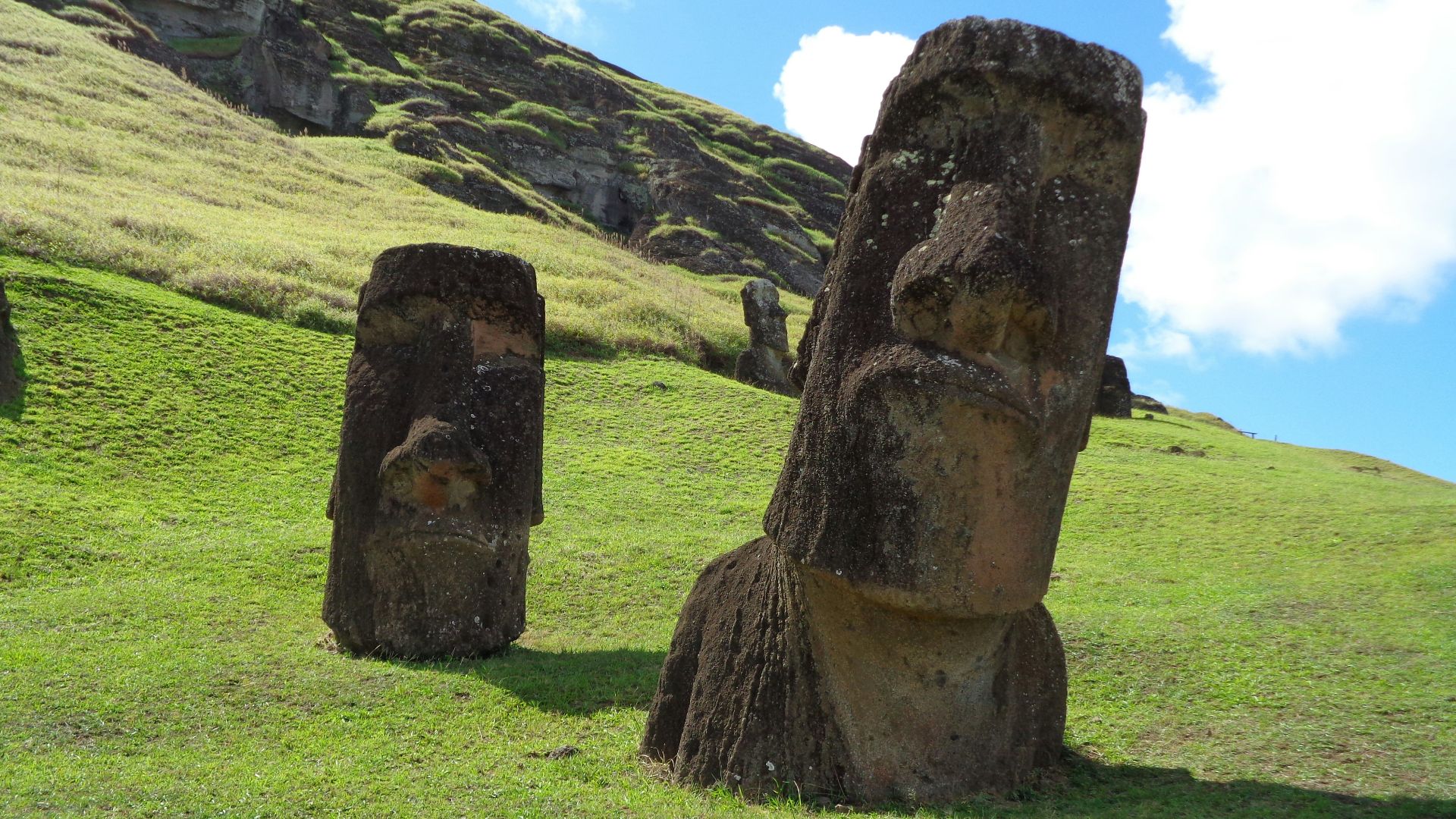
How the moai statues were moved without wheels or draft animals is still argued over, with a rocking, walking technique now favored over simple rollers. Why the island's population later collapsed, whether from ecological self-destruction or European disease and slave raids, is even less settled, and its Rongorongo script has never been deciphered.
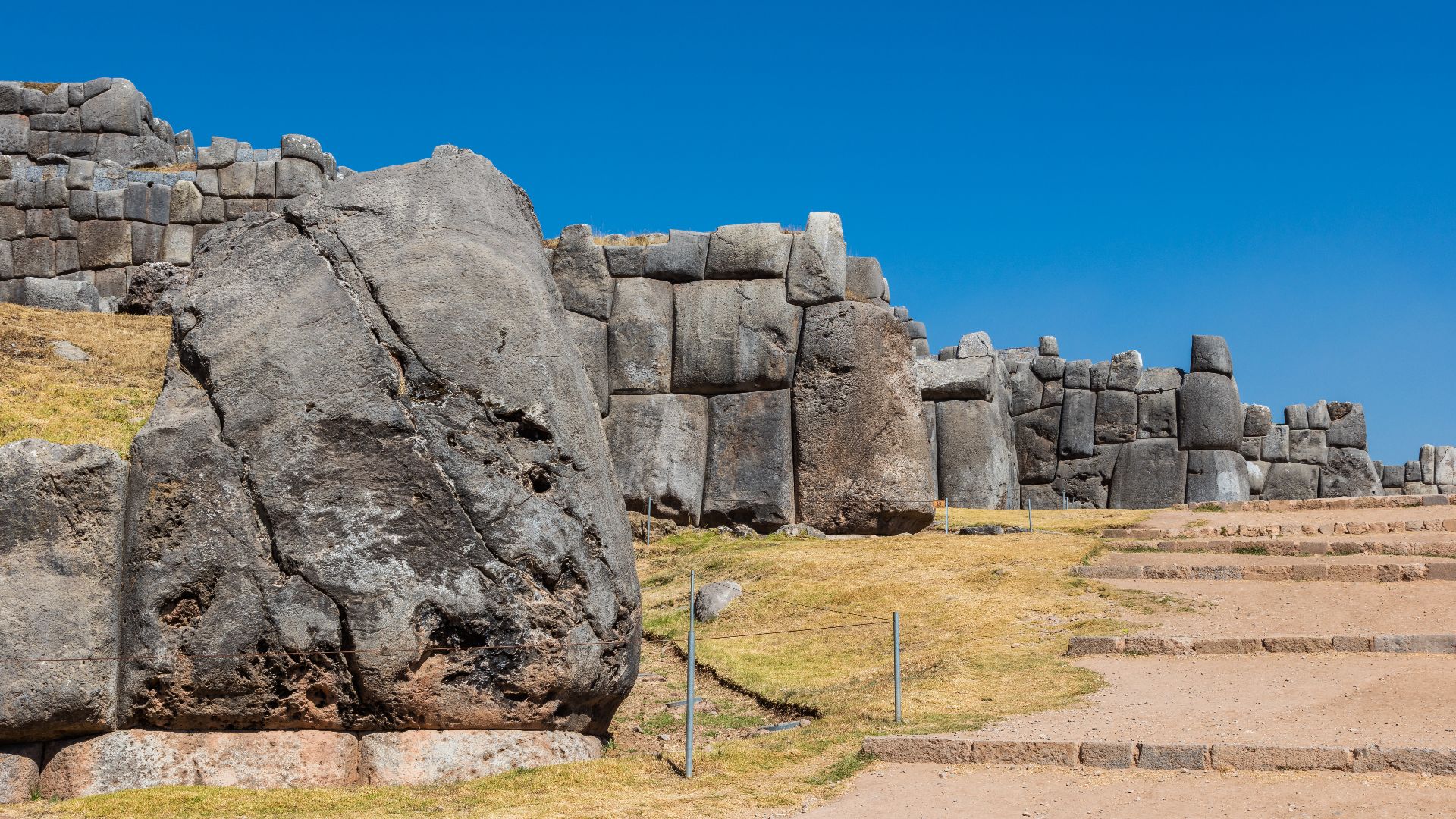
7. Sacsayhuamán, Peru
Above Cusco sits an Inca wall built from blocks weighing well over 100 tons, cut and fitted so tightly a knife blade can't slide between them, with no mortar involved. Several methods have been proposed for that precision without iron tools, but none has been confirmed.
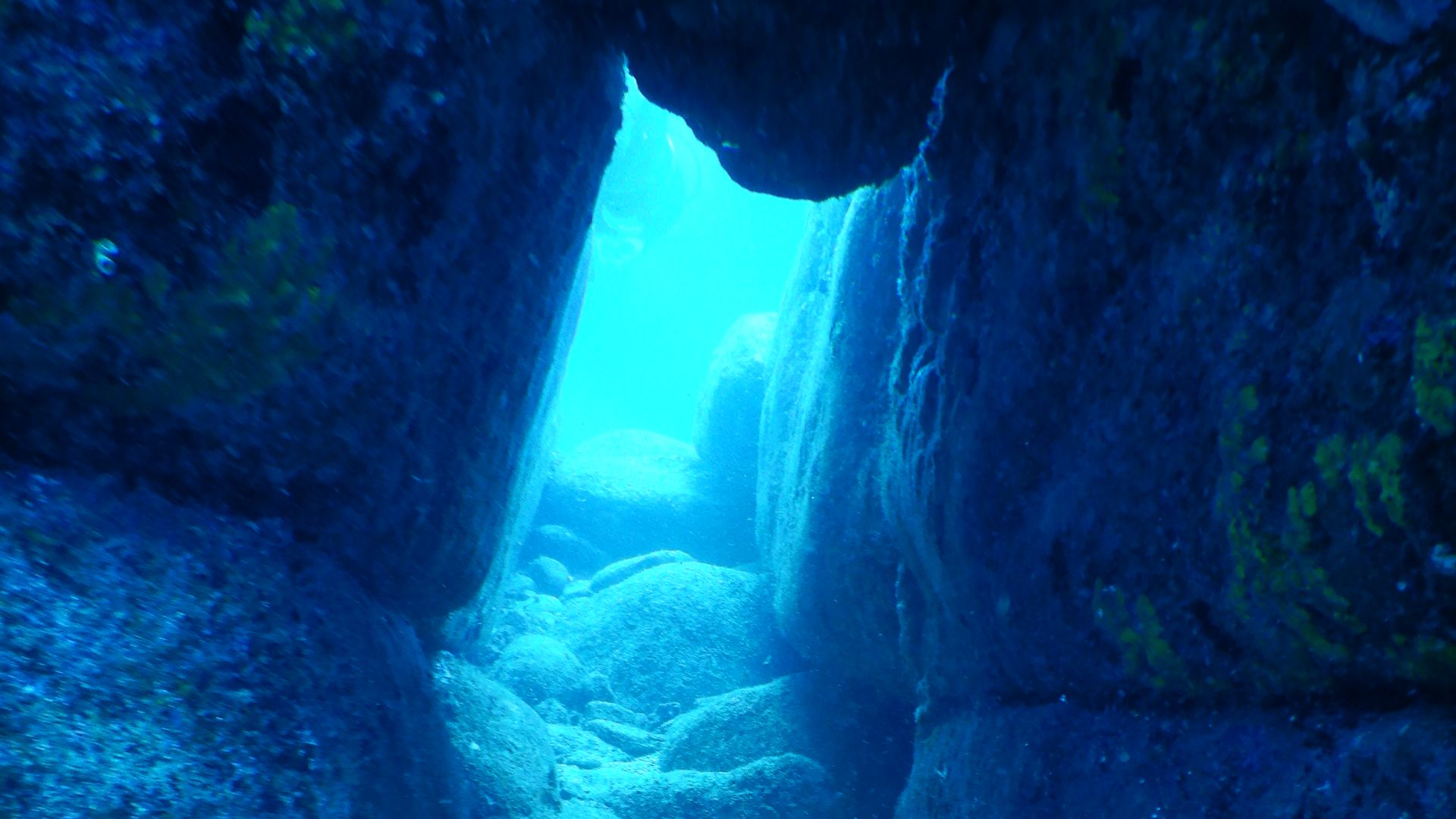
8. Yonaguni Monument, Japan
Off the coast of Yonaguni Island sits an underwater rock formation with strikingly flat surfaces and sharp angles. Most geologists call it natural sandstone shaped by fracturing, while some archaeologists insist the angles are too clean, and the debate hasn't moved much either way.
9. Puma Punku, Bolivia
Part of the Tiwanaku complex in Bolivia, this site features stone blocks cut with interlocking joints and surfaces flat enough to look machined. Researchers agree the Tiwanaku built it using stone tools and abrasives, but the exact techniques behind the precision, and why the site was later abandoned, aren't fully worked out.
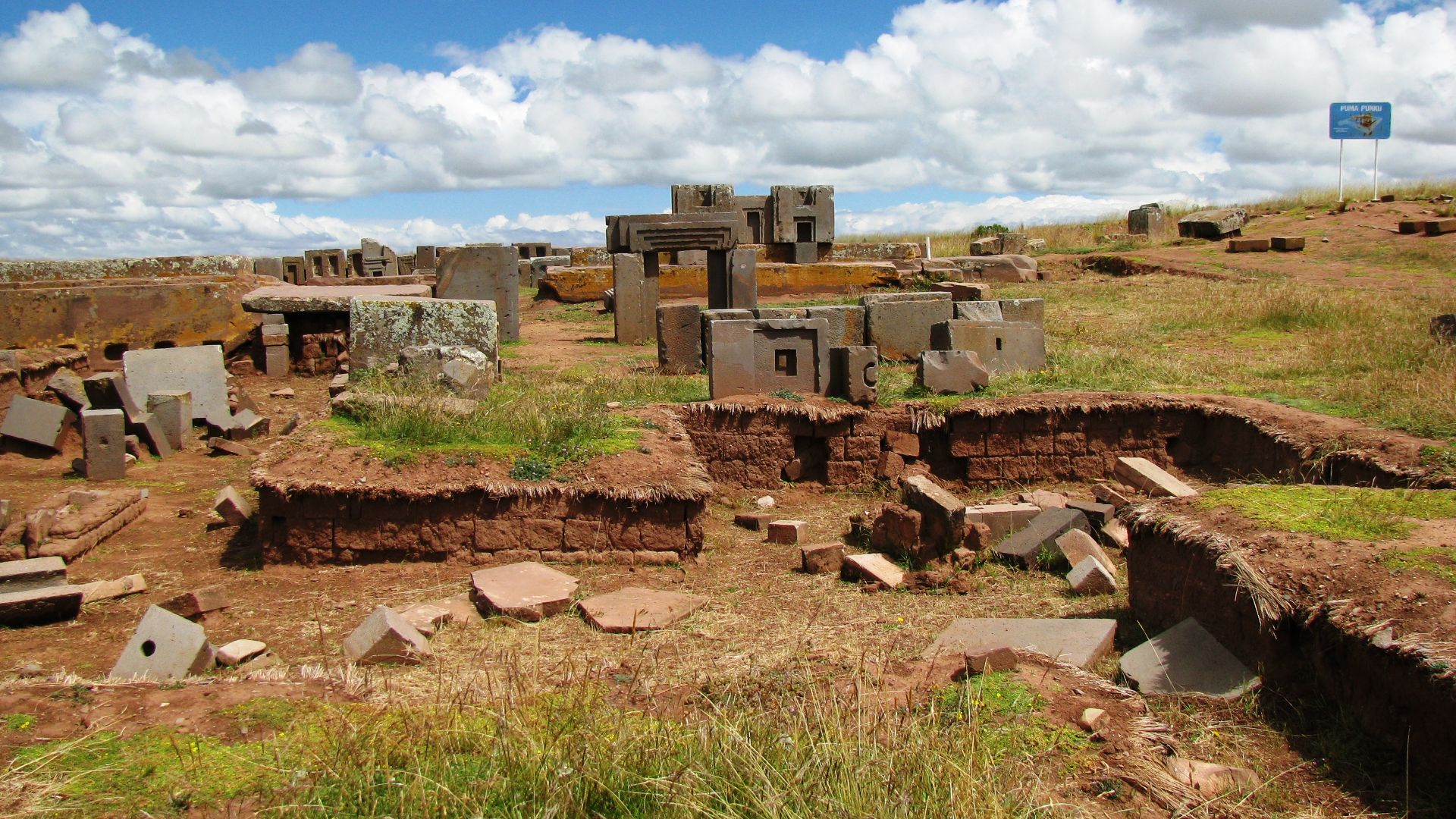
10. Newgrange, Ireland
Older than Stonehenge and the Great Pyramid, this passage tomb aligns so precisely with the winter solstice sunrise that light floods its inner chamber for about seventeen minutes a year. Whether it served mainly as tomb, ceremonial space, or solar calendar is still argued, and its spiral carvings have never been convincingly translated.
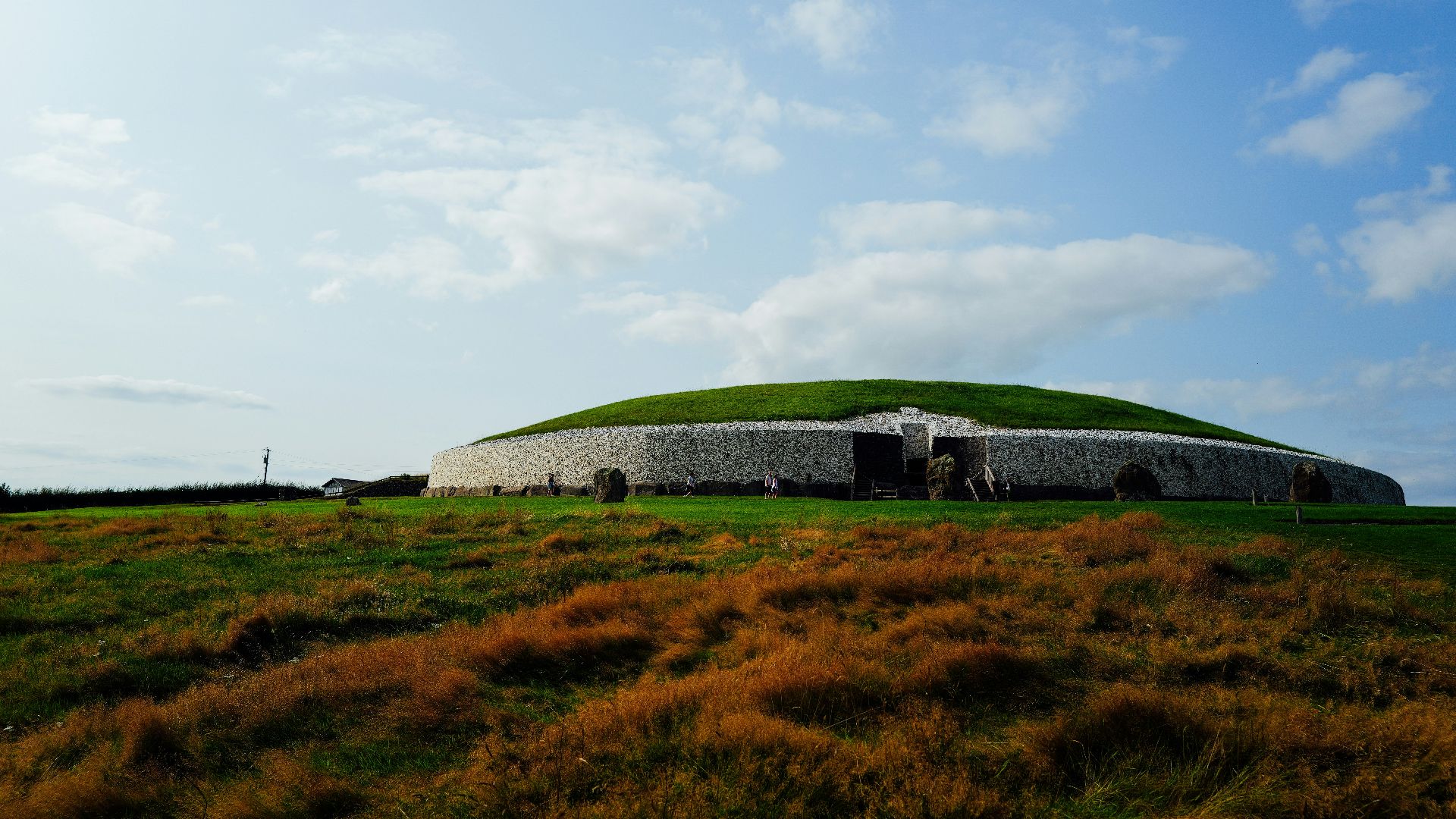
11. Skara Brae, Scotland
A Neolithic village in Orkney, buried under sand for thousands of years until a storm exposed it in 1850. Its stone furniture and drainage systems suggest real social organization that's still being pieced together, and why the settlement was finally abandoned stays fuzzy.
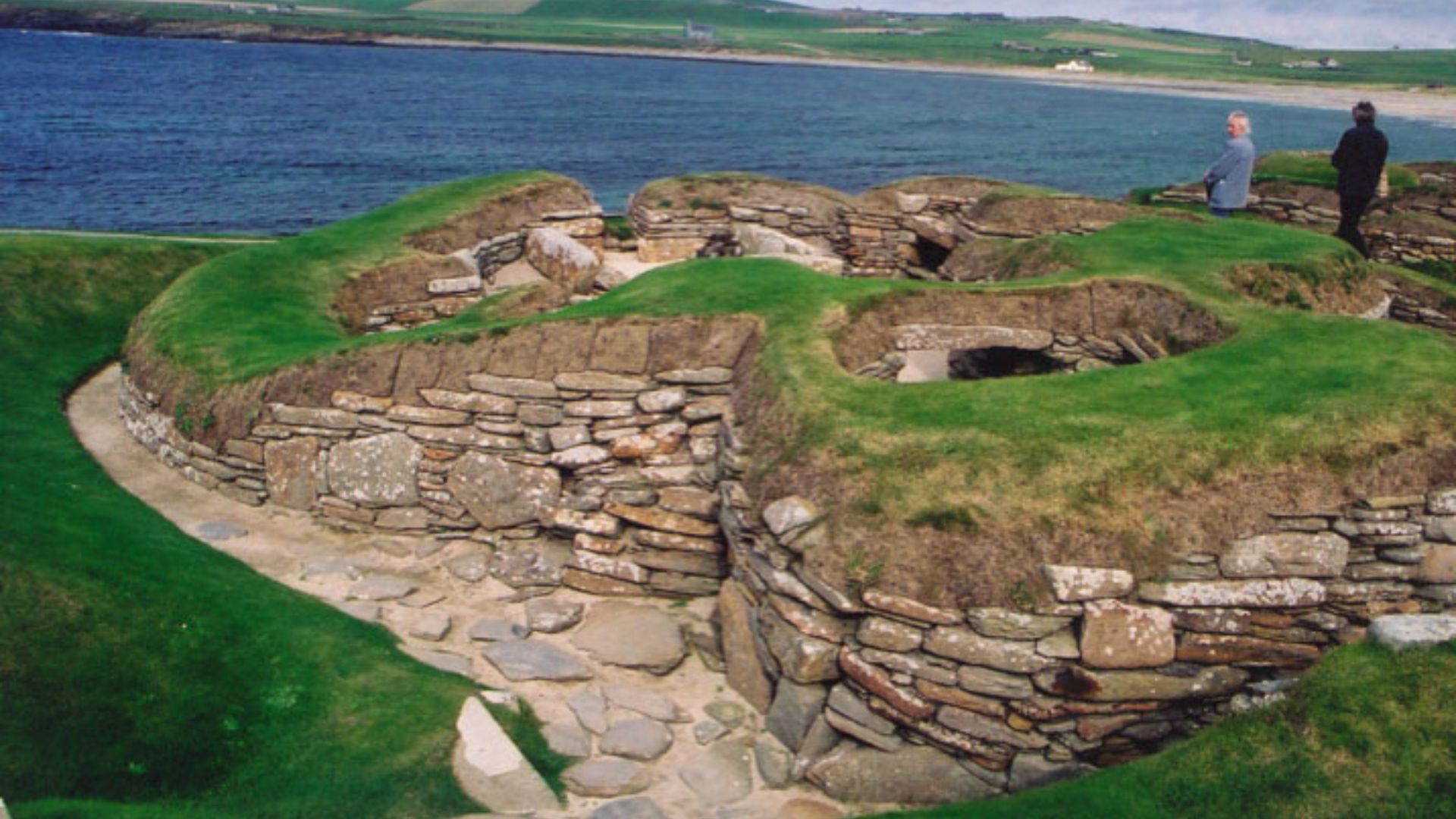
12. Plain of Jars, Laos
Thousands of massive stone jars are scattered across the Xiangkhoang Plateau, and archaeologists still can't say with full confidence who carved them. Human remains found near several sites point toward some kind of mortuary practice, but dating the jars has proven difficult, with estimates spanning nearly a thousand years.
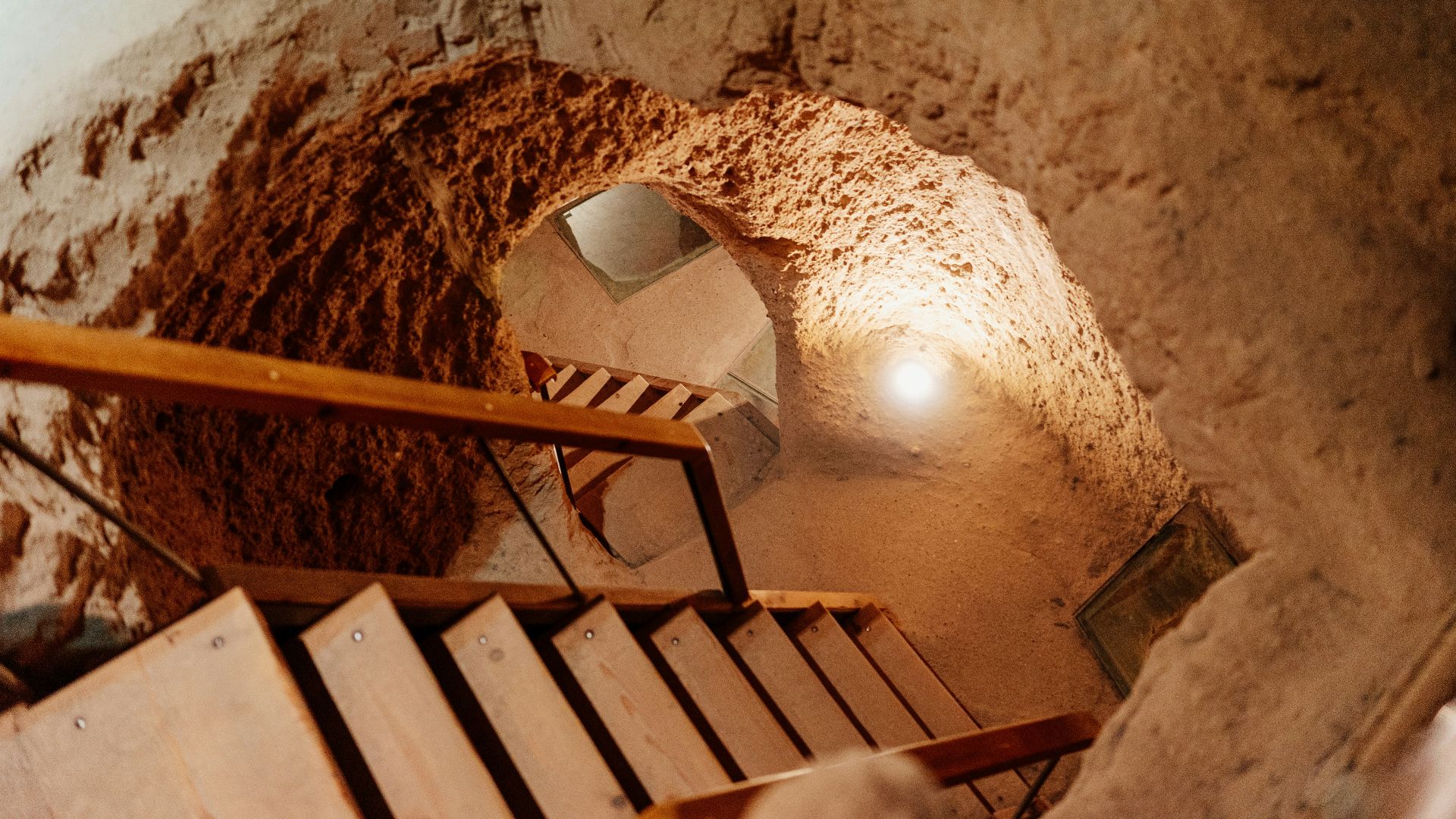
13. Derinkuyu, Turkey
This underground city in Cappadocia drops several stories into the rock and could reportedly shelter thousands of people, complete with ventilation shafts and stables. Nobody has fully nailed down who first carved it, though most researchers think it predates the Byzantine Christians who later expanded it for refuge during raids.
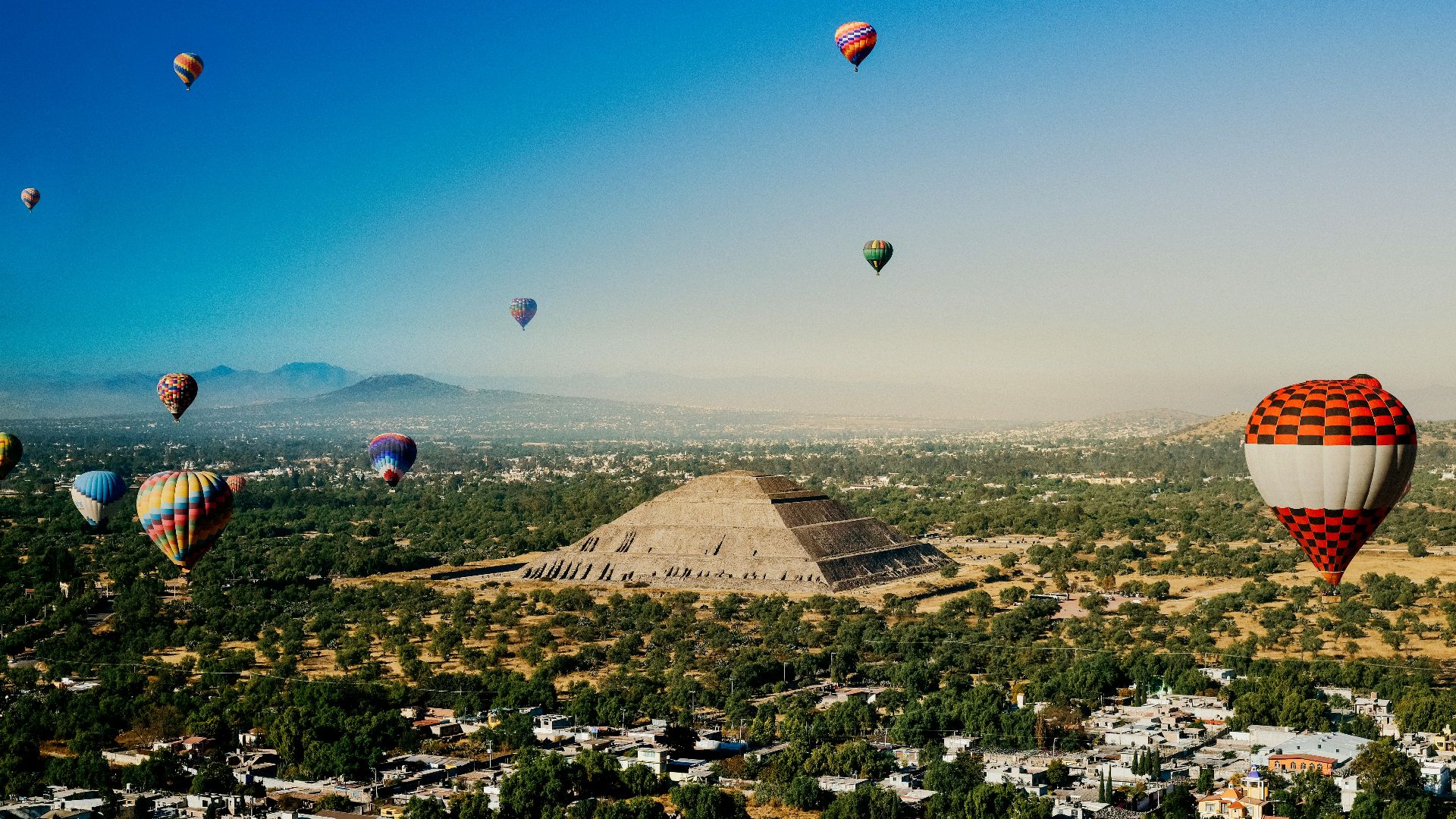
14. Teotihuacan, Mexico
At its height, this was one of the largest cities in the ancient world. The Aztecs found it already abandoned and gave it its name, which means the identity, and even the language, of the people who actually built and ran it remains unknown.
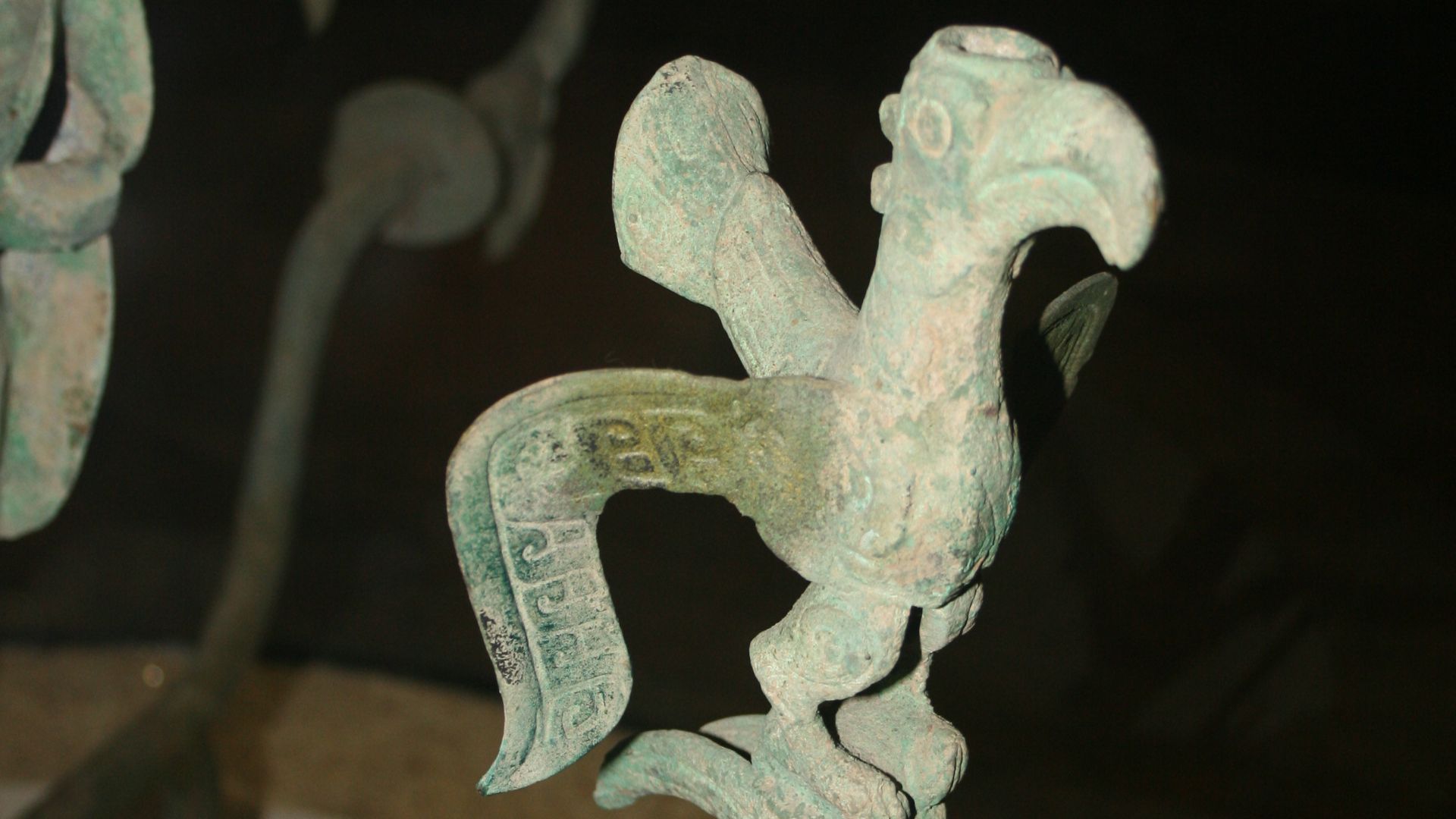
15. Sanxingdui, China
This Bronze Age site in Sichuan revealed a previously unknown civilization when farmers stumbled on it in the 1920s, with major pits of bronze masks uncovered decades later in 1986. The objects were deliberately smashed, burned, and buried, and why the culture disappeared afterward is still debated between earthquake and internal conflict.
16. Serpent Mound, Ohio
This quarter-mile-long effigy mound has resisted a firm date for over a century, split between the Adena culture around 300 BCE and the later Fort Ancient culture around 1070 CE. Some researchers have proposed astronomical alignments built into its curves, but which culture actually built it is still unsettled.
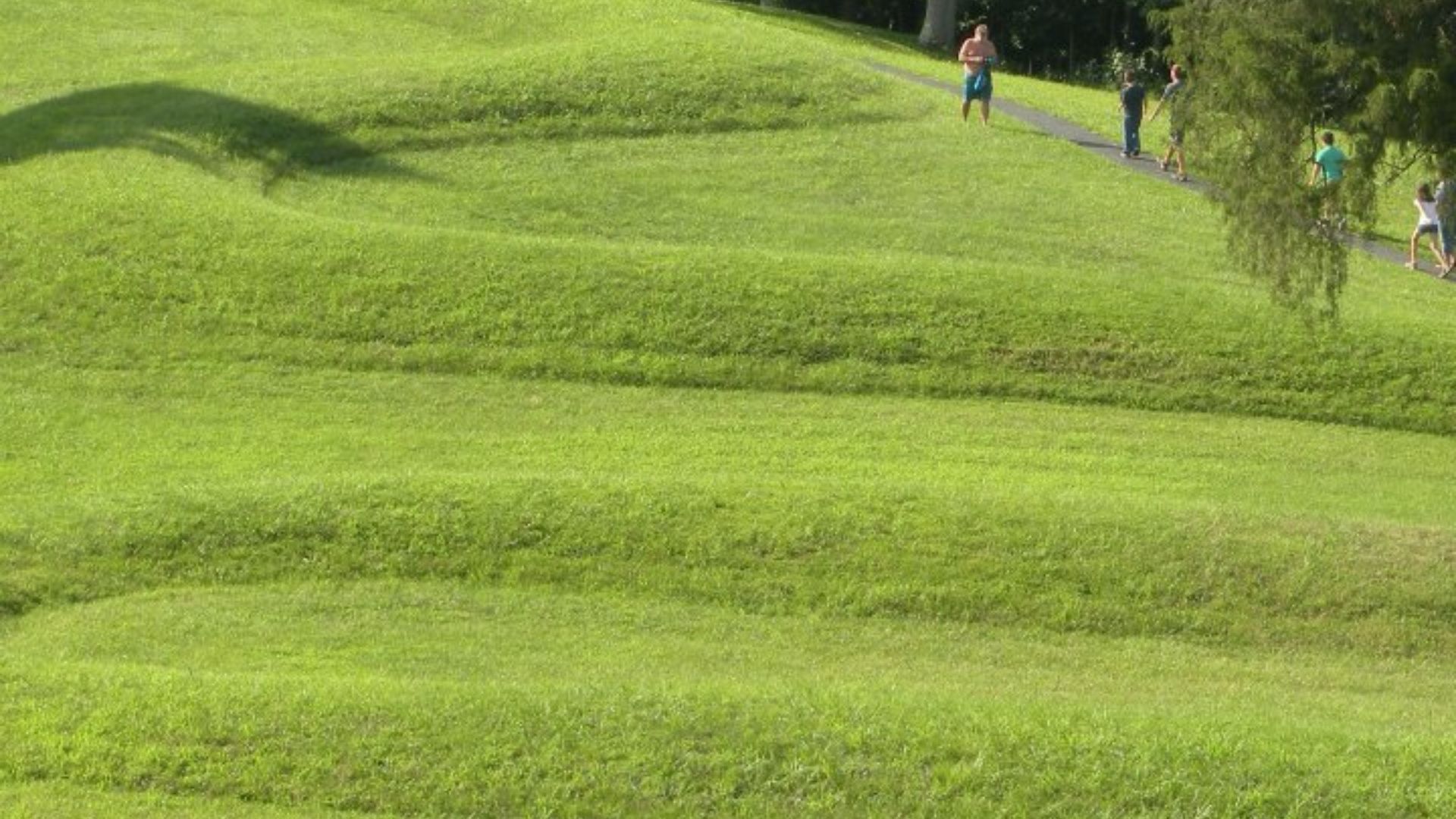 Stephanie A. Terry on Wikimedia
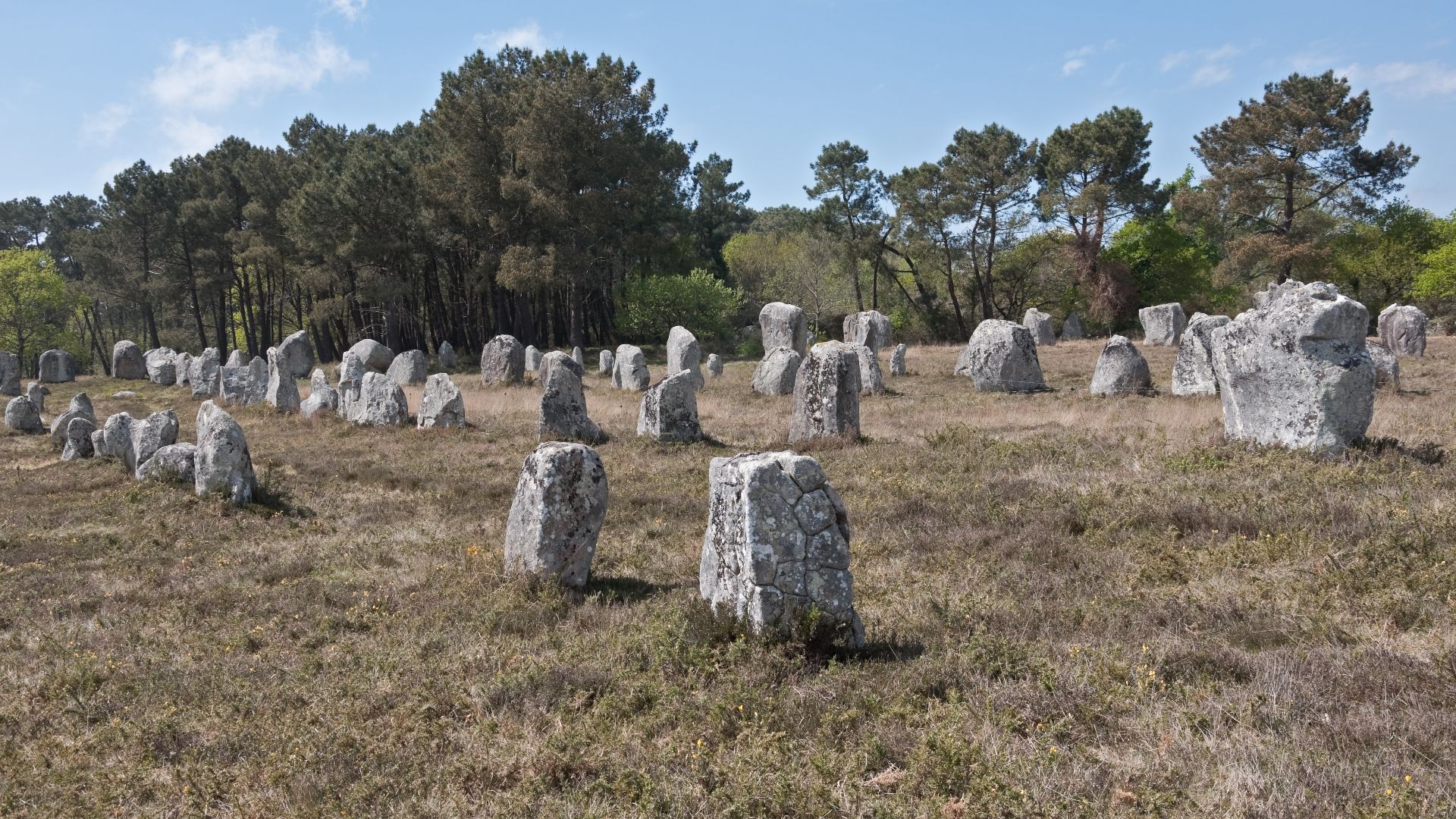
17. Carnac Stones, France
Over 3,000 standing stones stretch across the Brittany countryside in rows, arranged in a pattern that predates Stonehenge by centuries. No inscriptions explain what the alignments were for, and proposals range from ceremonial pathways to some form of astronomical tracking.
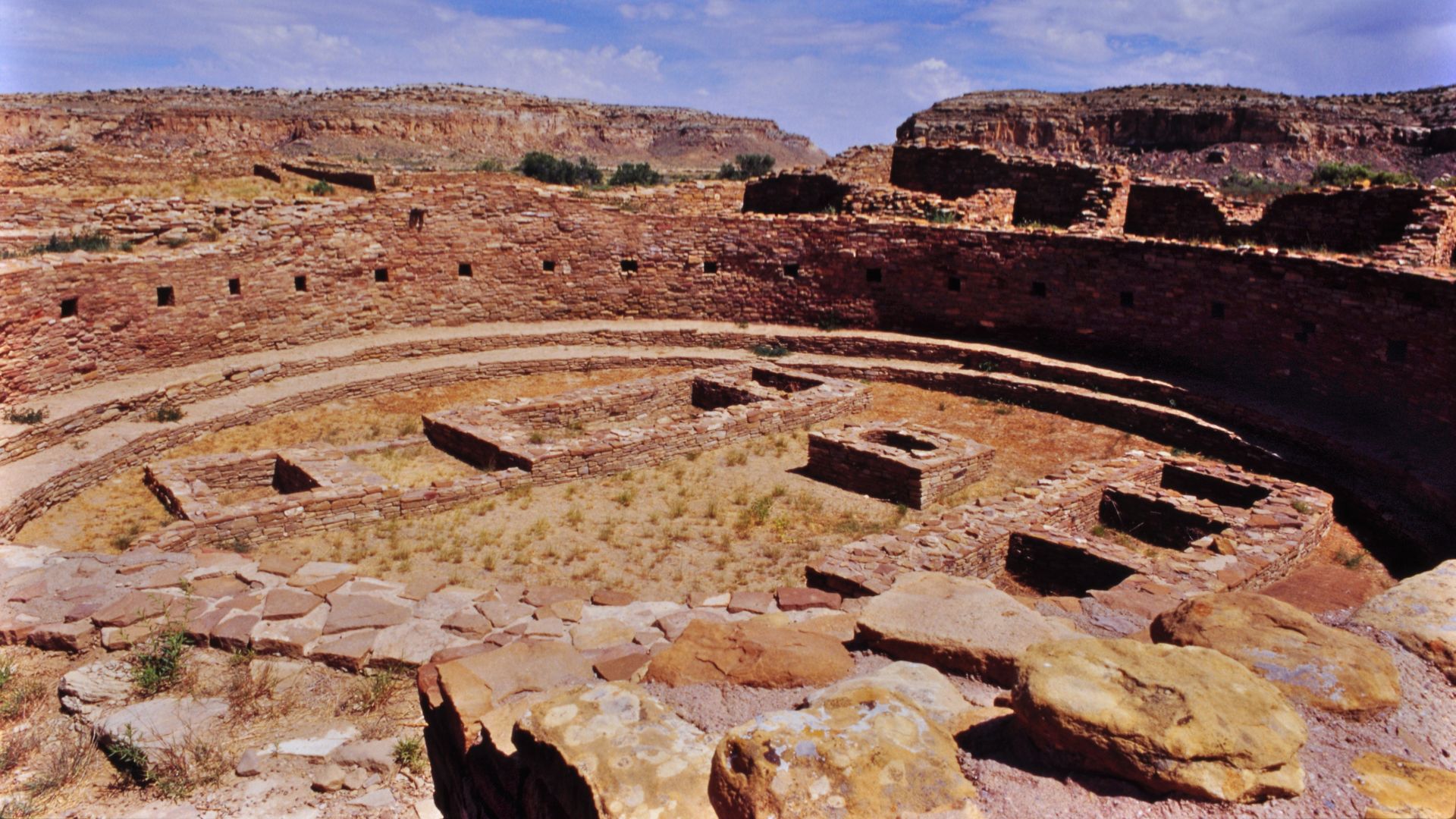
18. Chaco Canyon, New Mexico
The Ancestral Puebloan people who built this site connected its great houses to distant settlements with roads that run in straight lines for dozens of miles, some leading nowhere practical. Around 1150 CE the site was largely abandoned, likely tied to drought, though the full story of that departure isn't settled either.
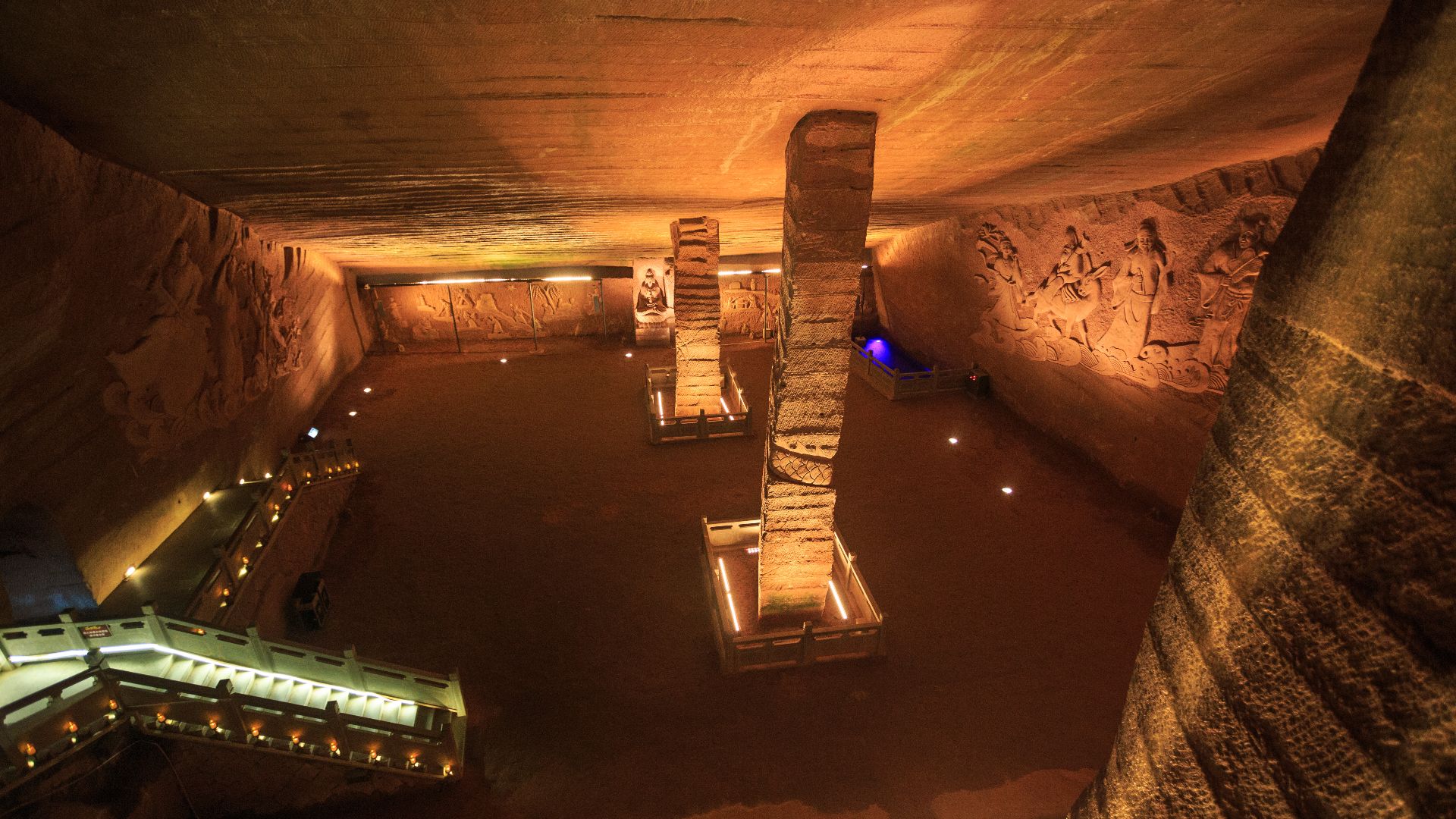
19. Longyou Caves, China
Hidden underwater until farmers drained the ponds covering them in 1992, these 24 hand-carved sandstone caverns date back roughly 2,000 years with no trace in any historical record. Chisel marks suggest a massive coordinated project, but no artifacts explain who ordered it or what the caves were for.
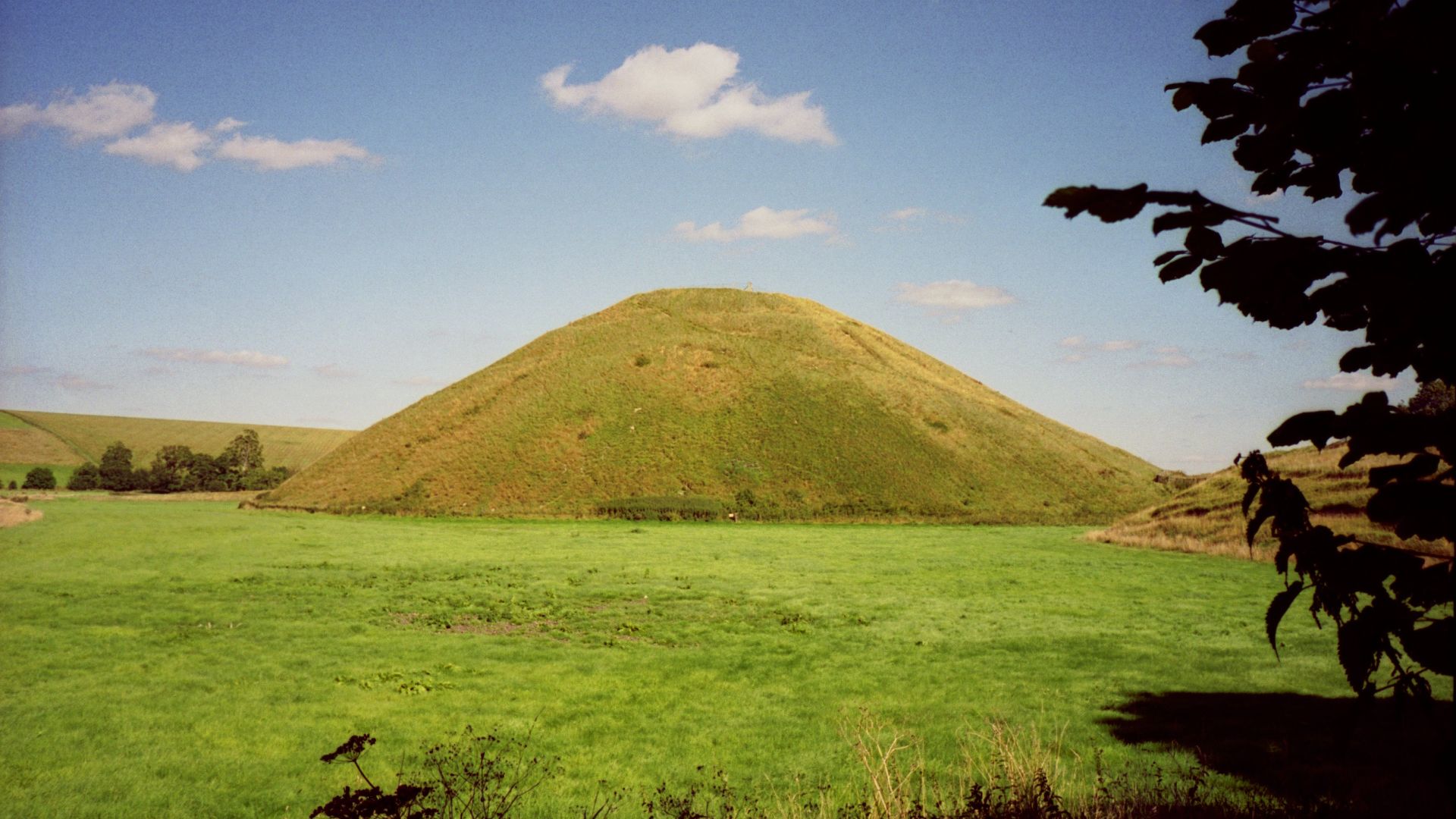
20. Silbury Hill, England
The largest prehistoric mound in Europe, built in stages around 2400 BCE using an estimated 4 million hours of labor. Excavations going back to 1776 have never turned up a burial inside it, and what the mound was actually built for still has no accepted answer.
KEEP ON READING