Decisions, Assumptions, and Unexpected Turns
Wars rarely begin because of one mistake, and they seldom end because of a single lucky break. Still, history contains many conflicts in which leaders misunderstood an opponent’s intentions, military strength, or willingness to fight, while unexpected deaths, political crises, or battlefield developments sometimes created opportunities for peace. Looking at these cases shows how poor assumptions can trigger enormous consequences and how unforeseen circumstances can influence the way wars finally end.
 SSGT MARIA J. LORENTE, USAF on Wikimedia
1. World War I
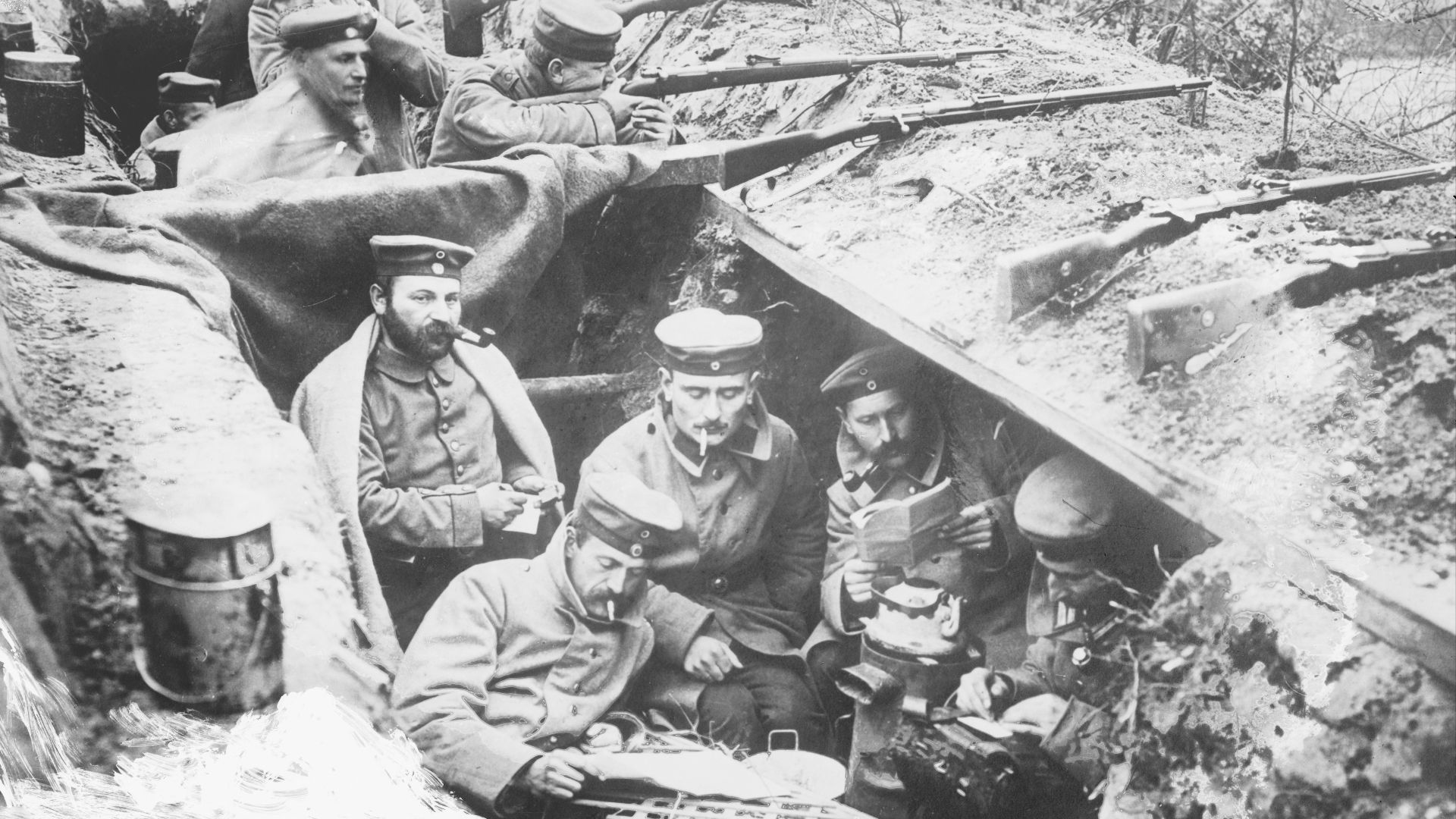
European leaders entered the July Crisis of 1914 believing they could control the confrontation that followed Archduke Franz Ferdinand’s assassination. Mobilization plans and alliance commitments then narrowed diplomatic options until a regional crisis became a European war.
 Library of Congress on Unsplash
2. The Crimean War
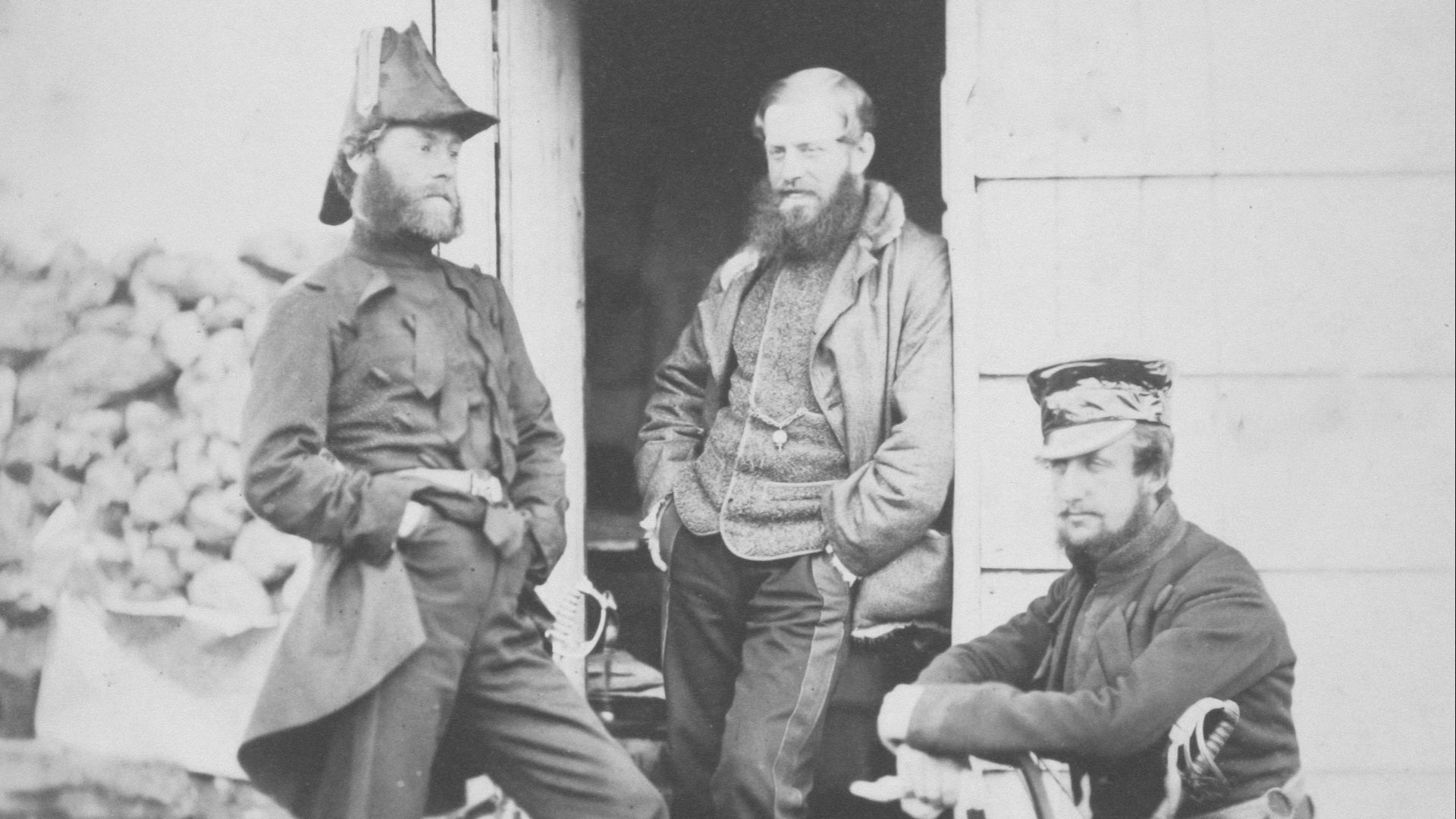
Russian Emperor Nicholas I badly misjudged how Britain and France would respond to increasing Russian pressure on the Ottoman Empire. Britain and France instead entered the conflict against Russia, while Austria’s hostile neutrality left Nicholas increasingly isolated.
 Art Institute of Chicago on Unsplash
3. The War of 1812
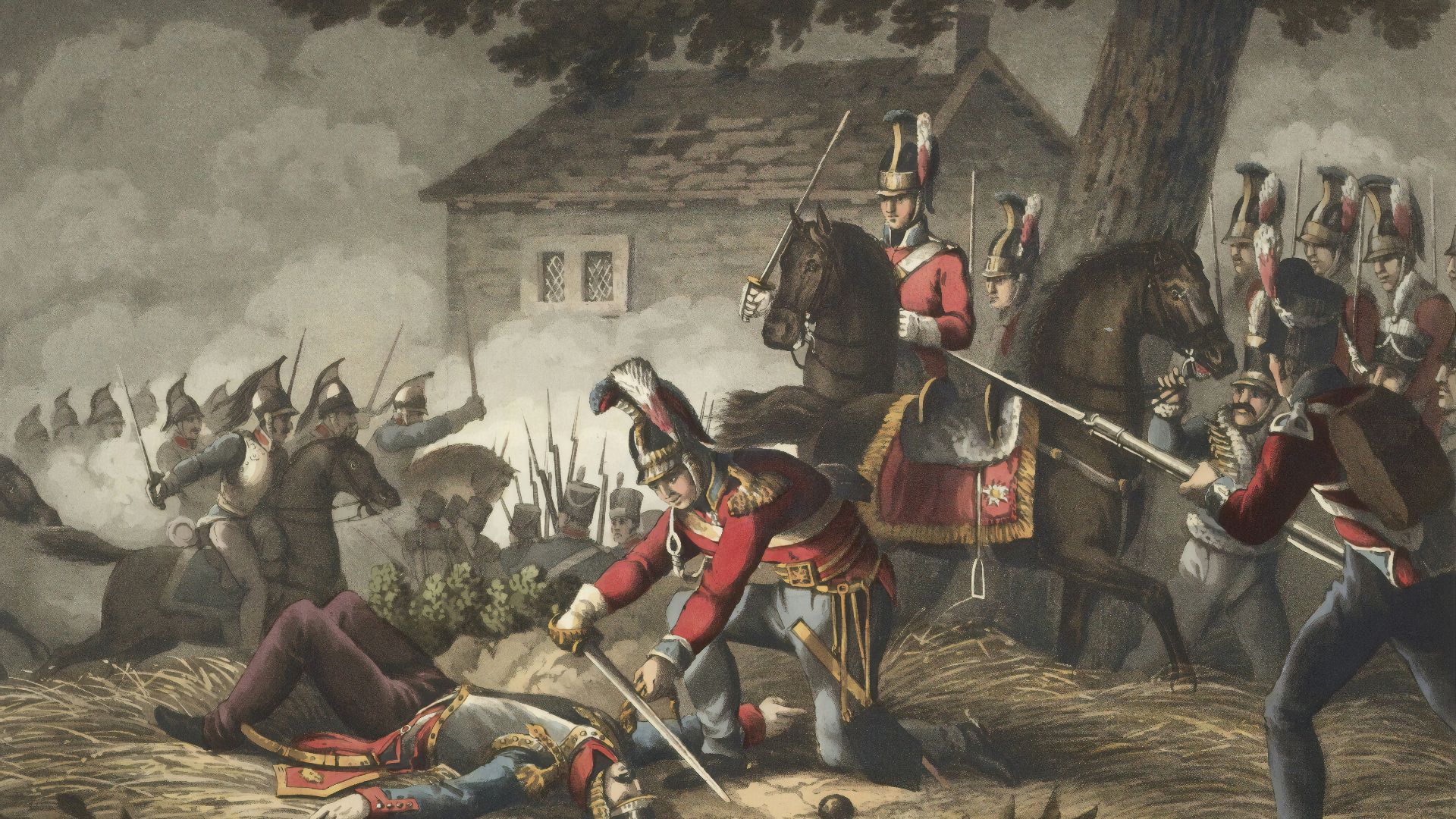
American leaders had legitimate grievances against Britain, including maritime restrictions and impressment, but some underestimated the difficulty of invading British North America. Early American invasions failed, and Britain later redirected experienced troops toward North America as Napoleon’s position in Europe weakened.
4. The Franco-Prussian War
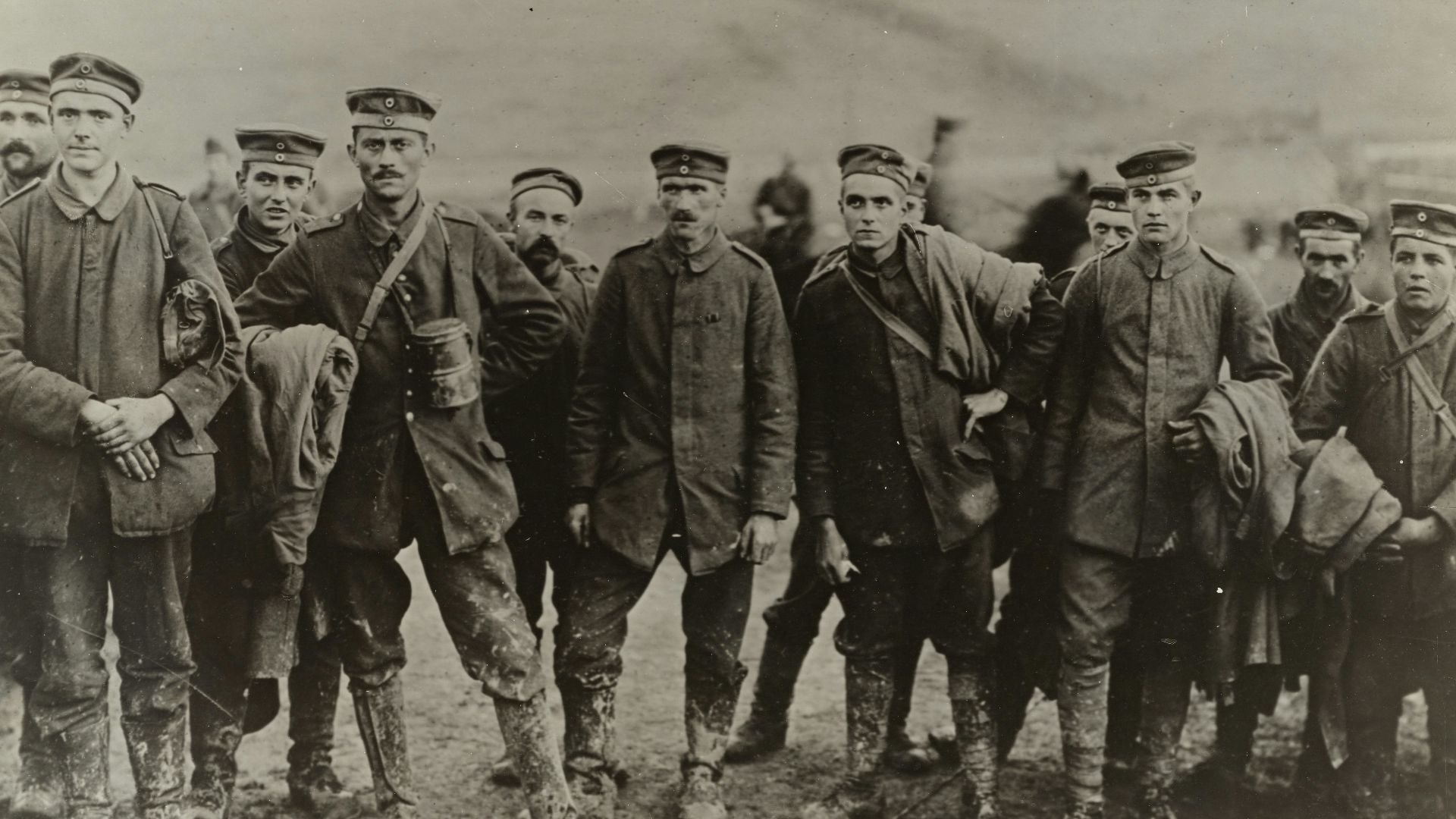
Napoleon III’s government declared war on Prussia in 1870 without fully appreciating the forces Prussia could assemble alongside its German allies. Otto von Bismarck had also skillfully intensified tensions through his handling of the Ems Dispatch.
 The New York Public Library on Unsplash
5. The Russo-Japanese War
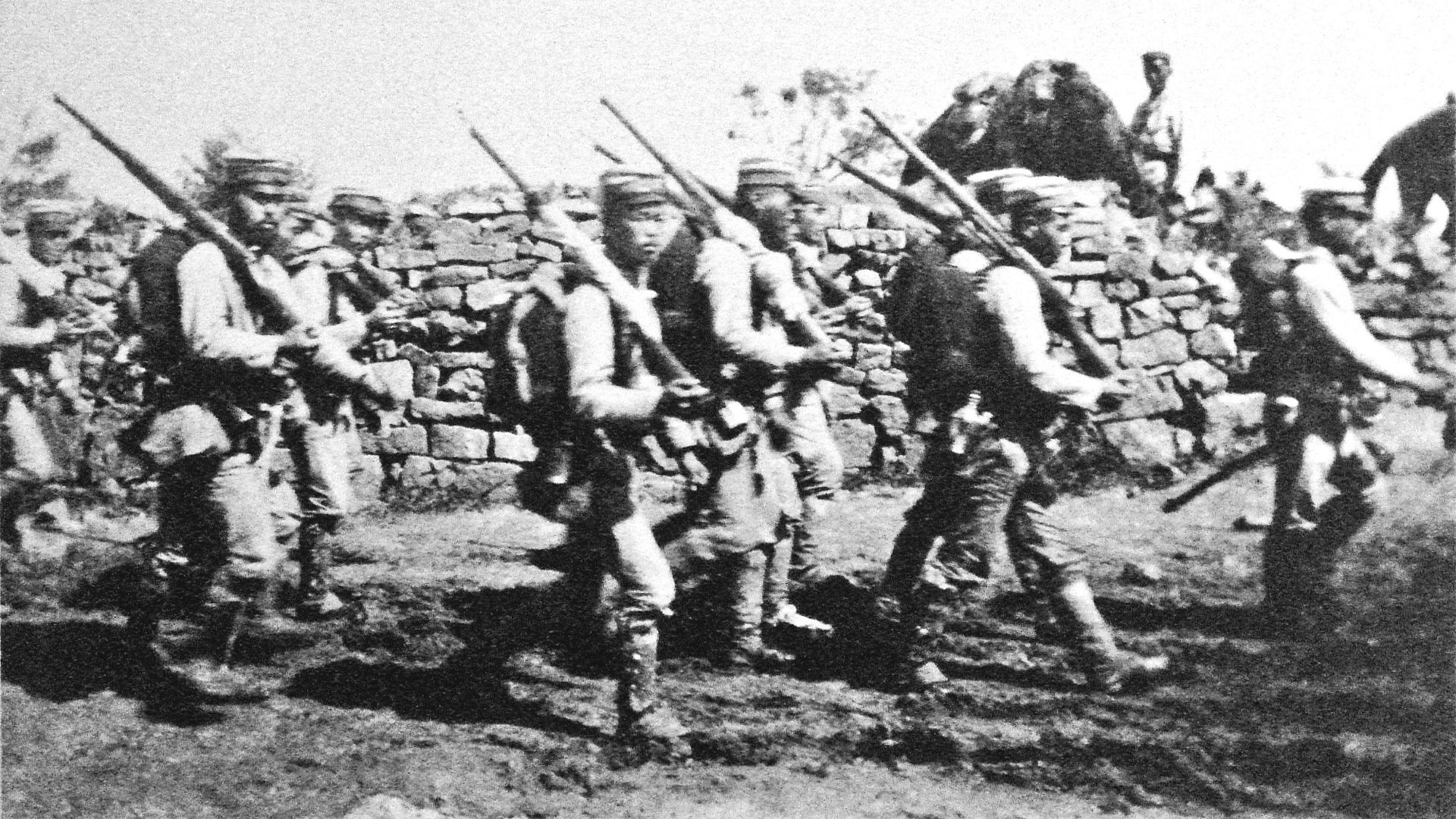
Russian leaders underestimated Japan’s willingness and ability to fight over competing interests in Korea and Manchuria. Japan launched a surprise attack on Russian forces at Port Arthur in 1904 and demonstrated greater military effectiveness than many Russian officials expected.
 AnonymousUnknown author on Wikimedia
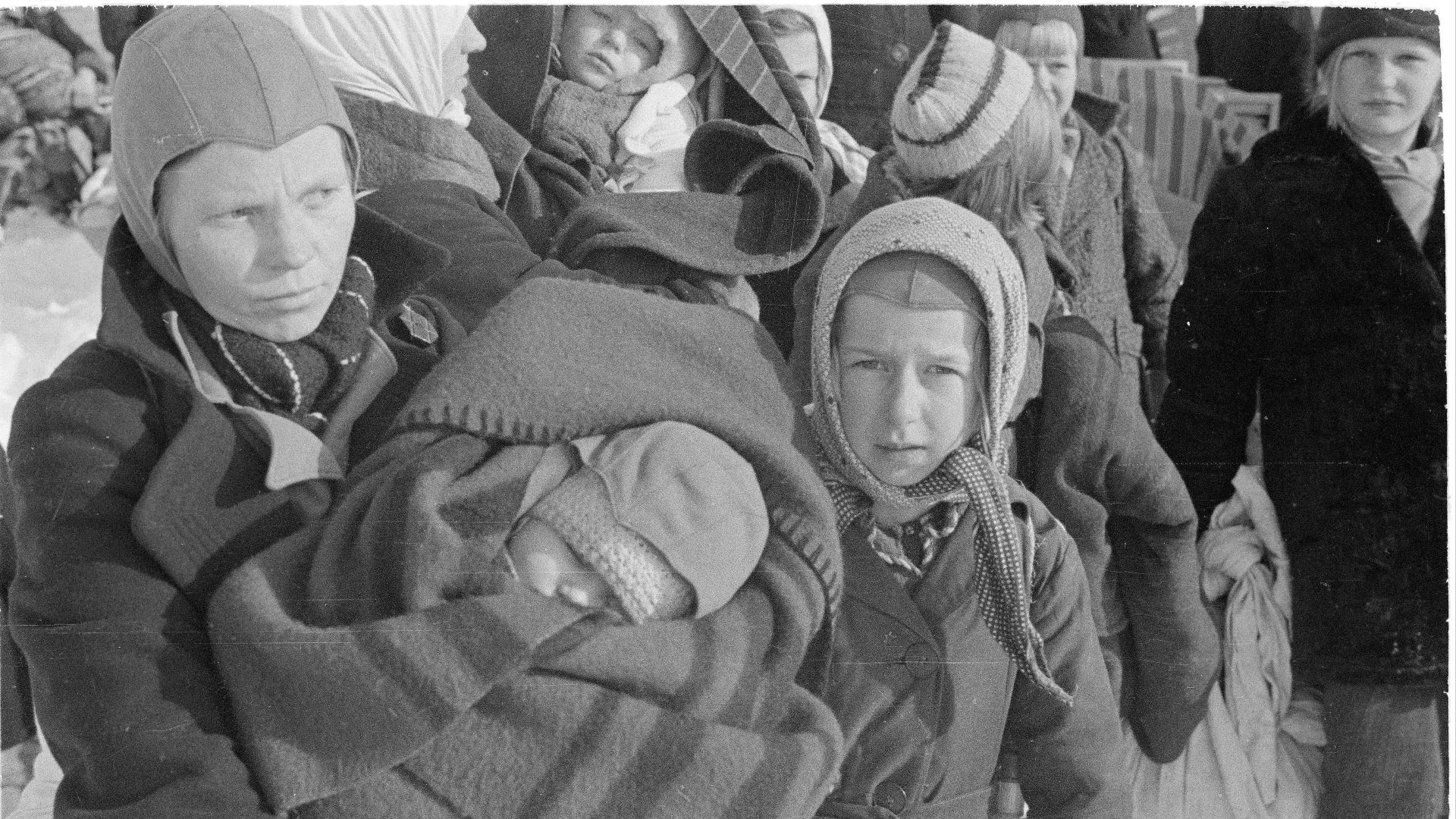
6. The Winter War
Joseph Stalin expected the Soviet Union’s 1939 invasion of Finland to produce a relatively quick victory. Finnish troops were vastly outnumbered, yet determined resistance, difficult terrain, and serious Soviet command problems turned the campaign into an unexpectedly costly struggle. Finland eventually accepted peace terms, but Soviet losses were far greater than Moscow had anticipated.
 Unknown authorUnknown author on Wikimedia
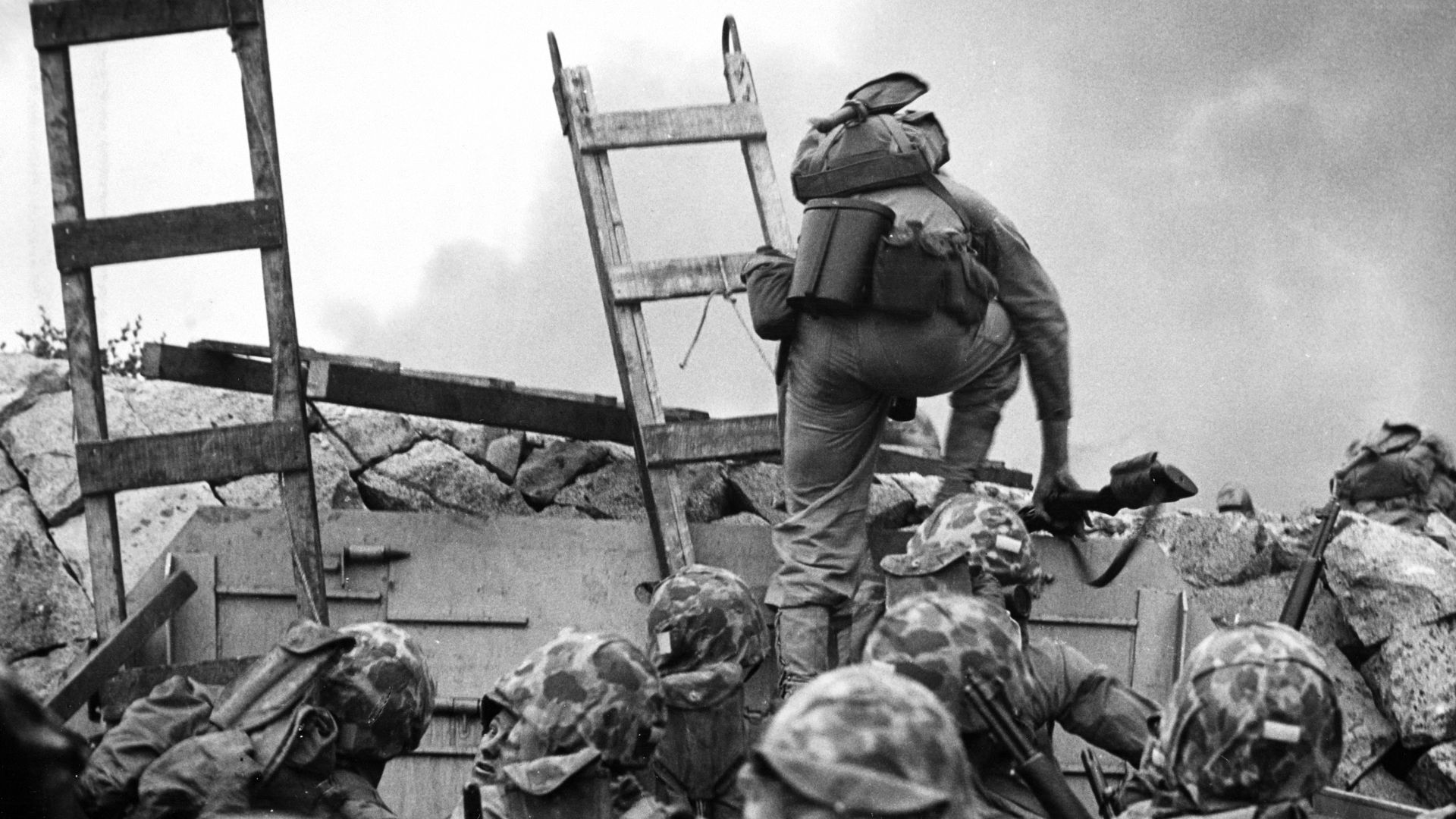
7. The Korean War
North Korea’s invasion of South Korea in June 1950 rested partly on expectations that the South could be defeated quickly. Intervention by United Nations forces led by the United States dramatically altered that calculation. The later UN advance toward the Chinese border produced another misjudgment when China entered the fighting in force and pushed UN troops southward.
8. The Falklands War
Argentina’s military government occupied the Falkland Islands in April 1982 while seriously misjudging Britain’s willingness to use force to recover them. Britain nevertheless dispatched a naval task force and retook the islands after several weeks of fighting.

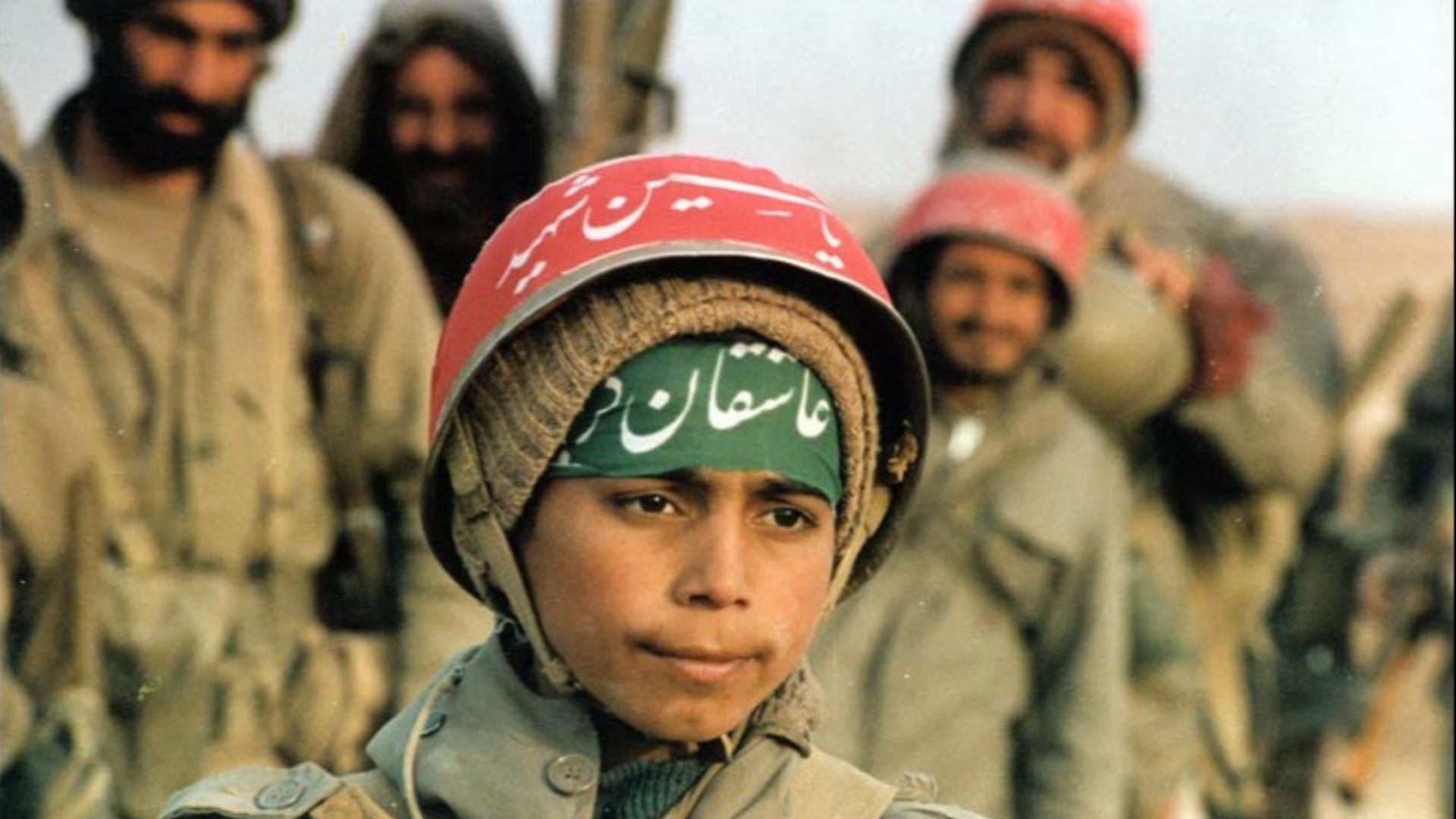
9. The Iran-Iraq War
Saddam Hussein invaded Iran in 1980 expecting to exploit the disorder created by the Iranian Revolution and gain strategic advantages quickly. What Baghdad expected to be a limited opportunity ultimately caused enormous military and economic losses on both sides.
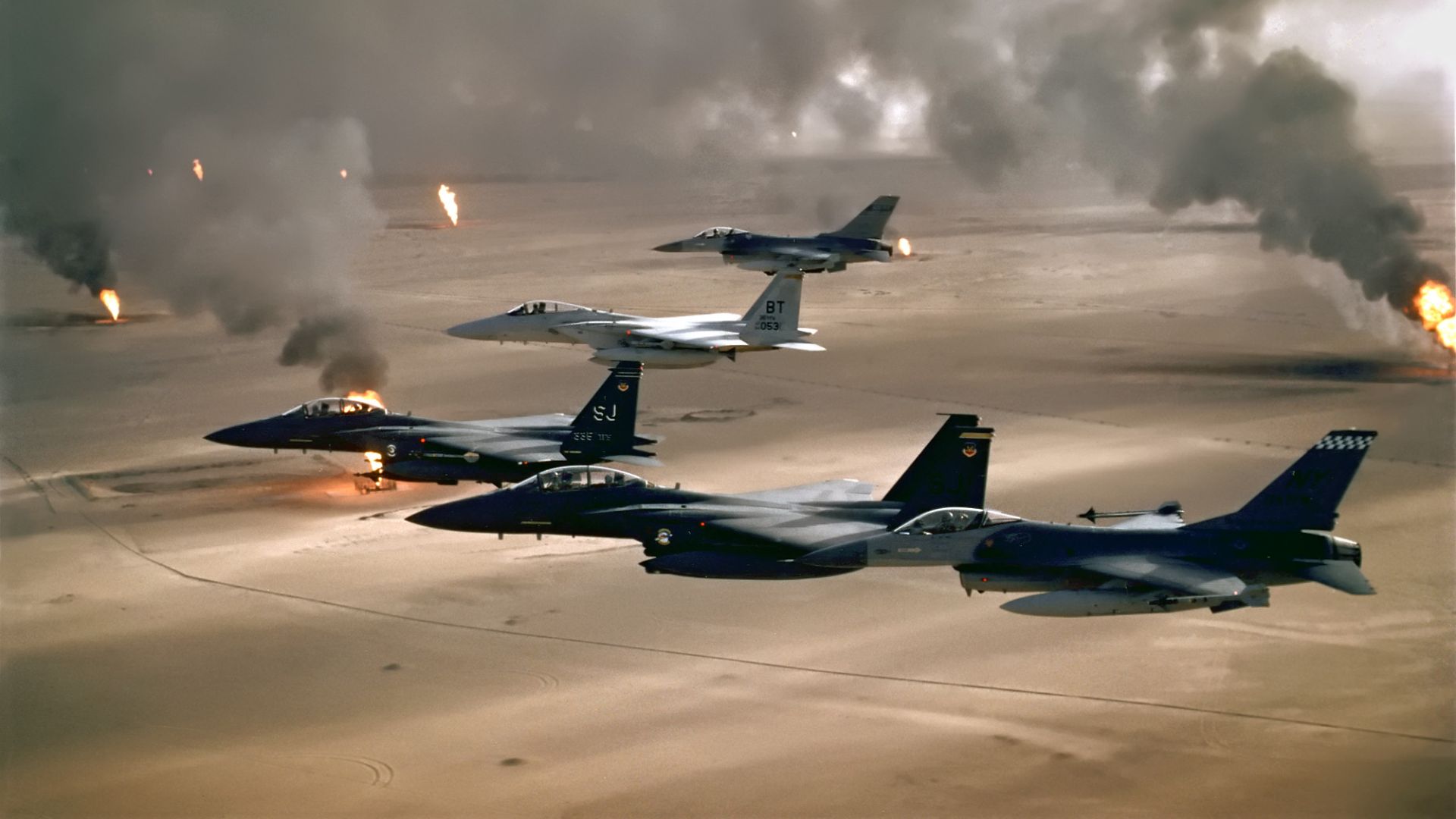
10. The Gulf War
Saddam Hussein made another major strategic miscalculation when Iraq invaded Kuwait in August 1990. Iraqi leaders failed to anticipate the scale of the international coalition that would assemble under American leadership or its determination to reverse the occupation. Coalition forces expelled Iraqi troops from Kuwait in early 1991 after months of diplomatic pressure and military buildup.
1. The American Revolutionary War
The American victory at Yorktown in 1781 depended on favorable military movements and naval timing. A French fleet under Admiral de Grasse controlled Chesapeake Bay, preventing Britain from easily reinforcing or evacuating Cornwallis while Washington and Rochambeau closed in and forced his surrender.

2. The Seven Years’ War
Prussia appeared dangerously close to defeat in early 1762 after years of war against powerful enemies, including Russia. Russian Empress Elizabeth then died and was succeeded by Peter III, an admirer of Frederick the Great who quickly withdrew Russia from the conflict and dramatically improved Prussia’s position.
3. The War of the Spanish Succession
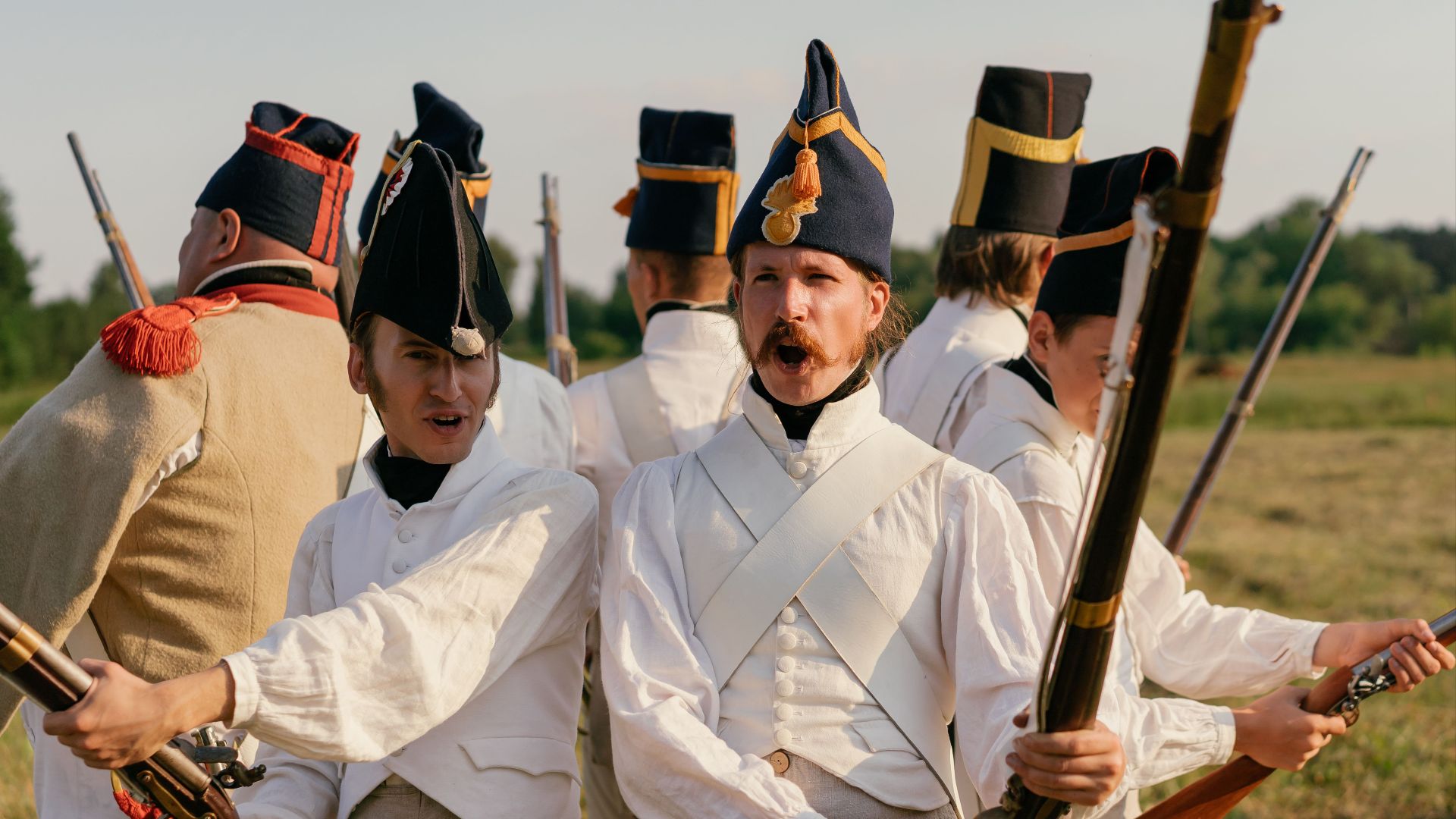
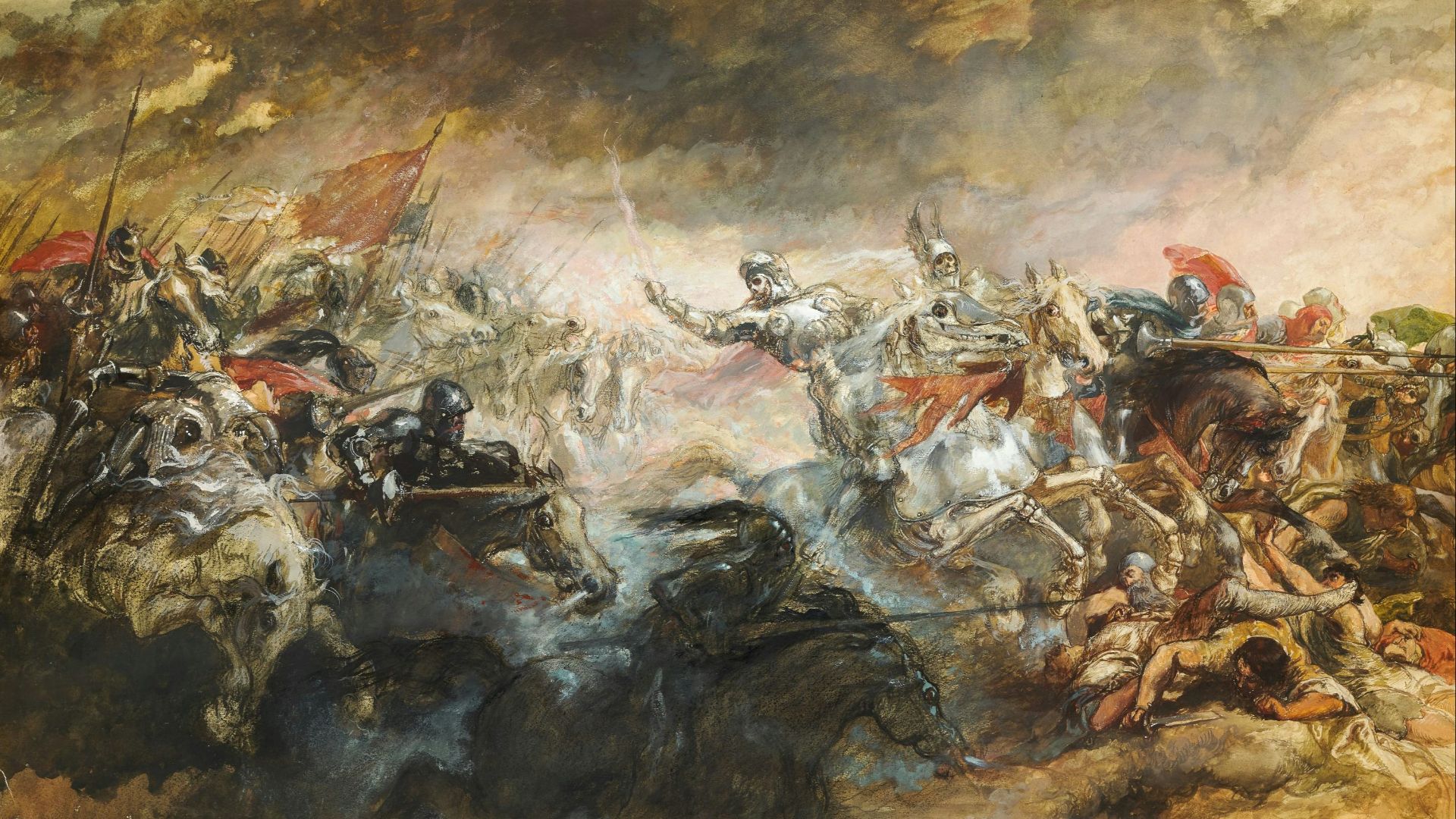
An unexpected royal death helped transform the diplomacy of the War of the Spanish Succession. Holy Roman Emperor Joseph I died in 1711, making his brother Charles both emperor and the Allied candidate for Spain’s throne, which reduced British enthusiasm for continuing a war that could create an enormous Habsburg empire.
 Birmingham Museums Trust on Unsplash
4. The Crimean War
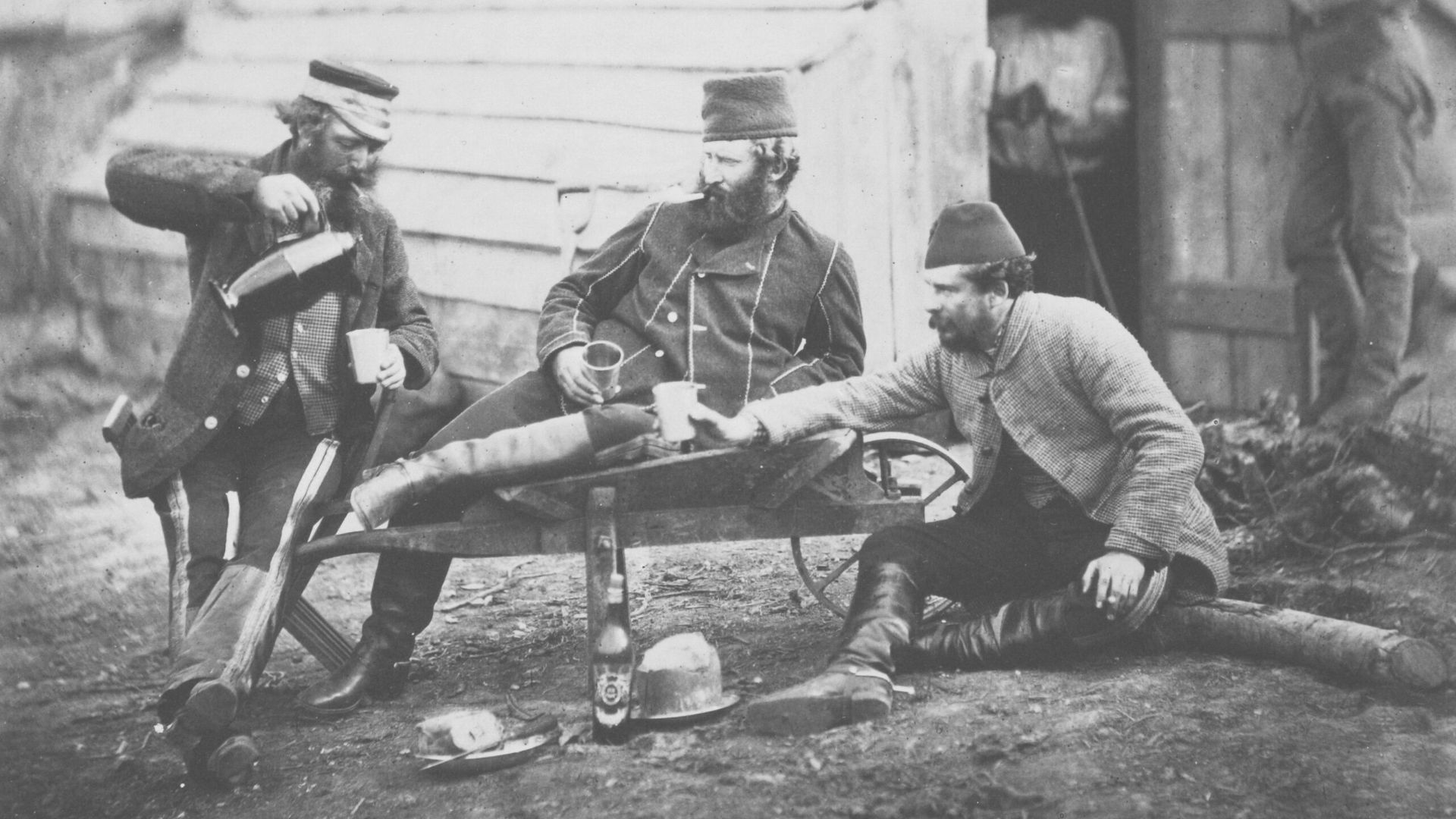
Nicholas I died in March 1855 while Russia was still fighting the Crimean War, leaving his son Alexander II to inherit a deteriorating military position. Russia didn’t immediately surrender, but the change in leadership helped make negotiations easier, and the Treaty of Paris ended the conflict in 1856.
 Art Institute of Chicago on Unsplash
5. The Great Northern War
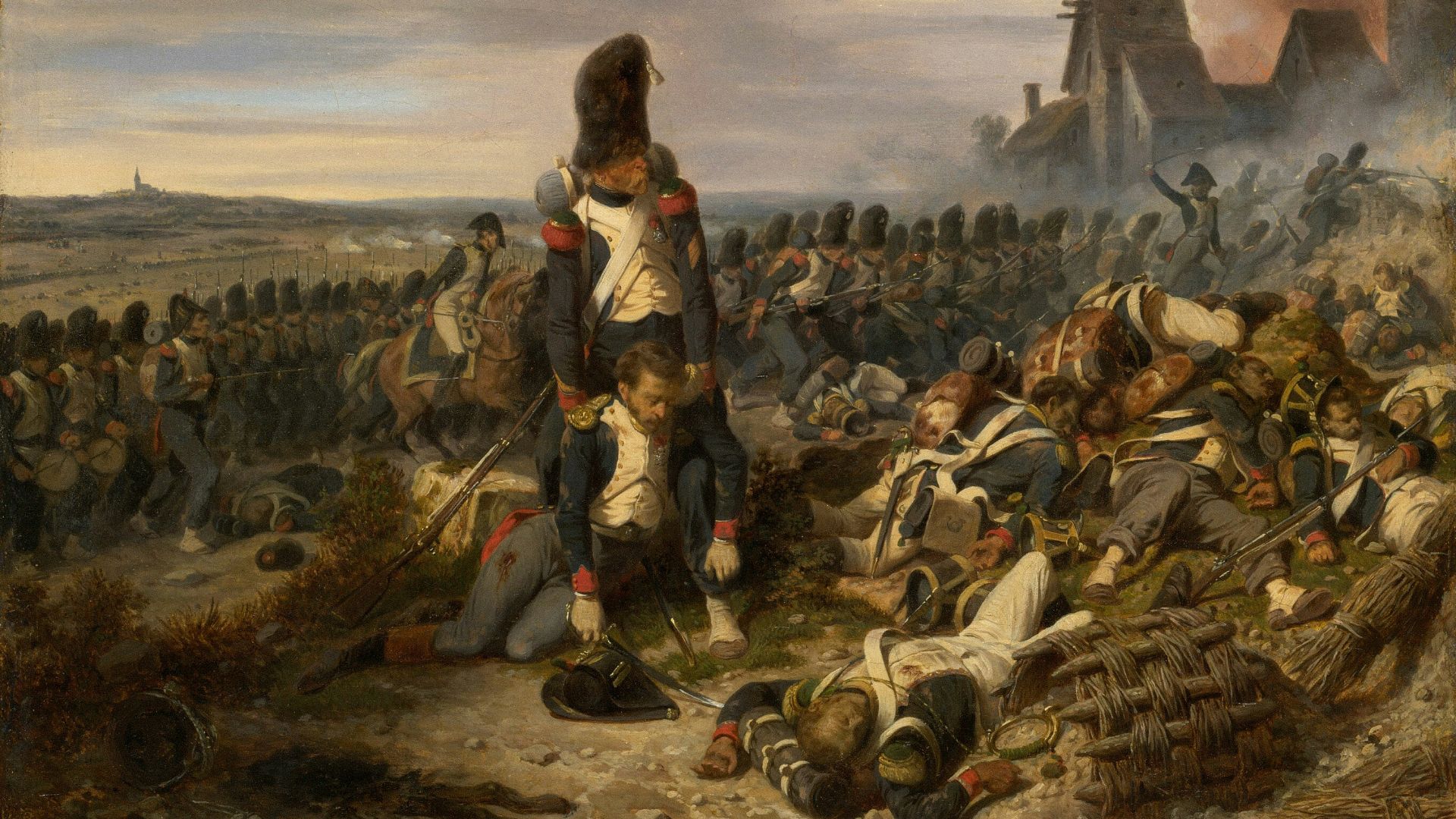
Sweden’s King Charles XII had personally driven much of his country’s aggressive military strategy during the Great Northern War. His unexpected death during the siege of Fredriksten in 1718 removed the leader most committed to continuing the campaigns.
 Art Institute of Chicago on Unsplash
6. The Korean War
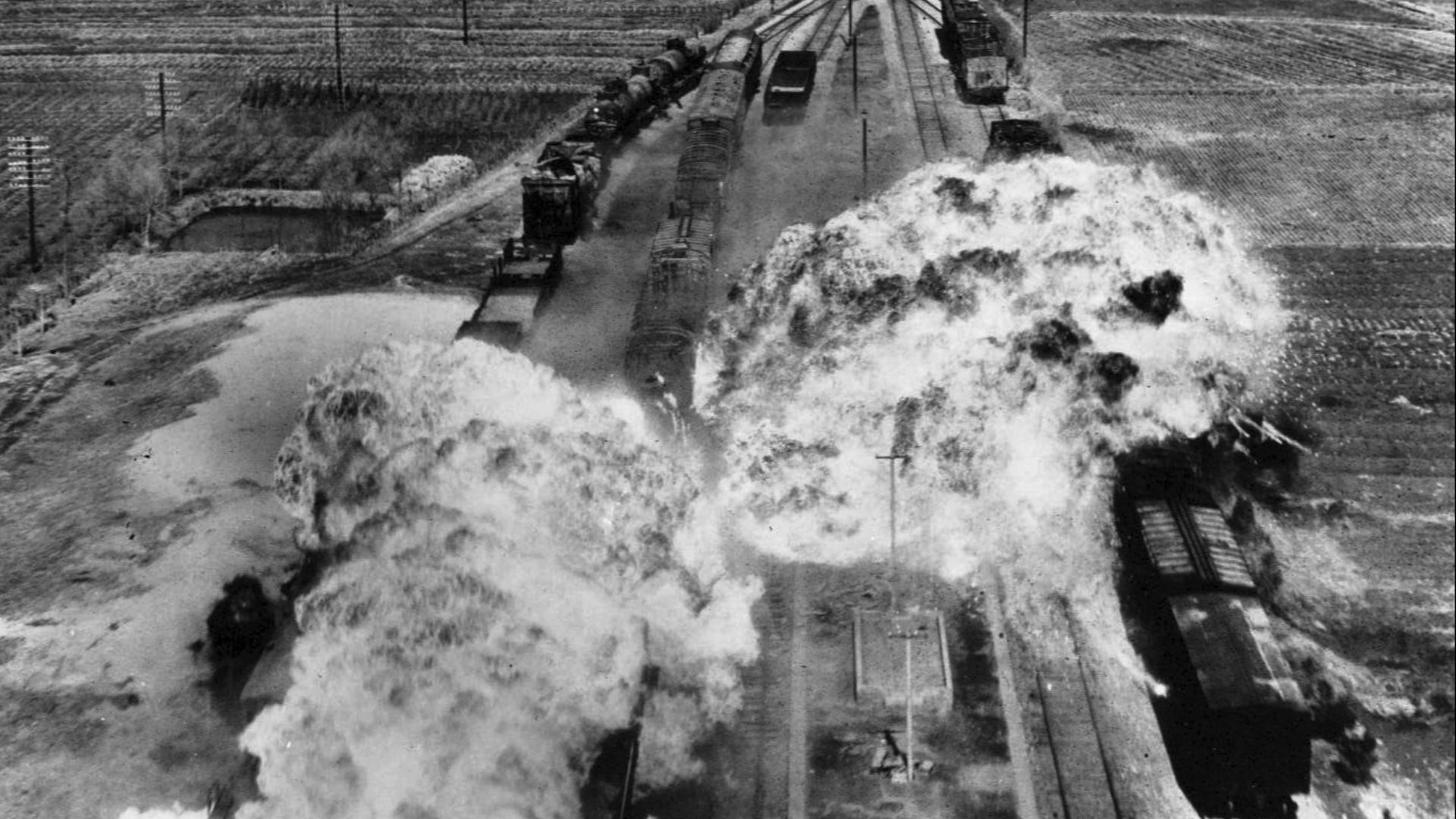
Peace negotiations in the Korean War had repeatedly stalled, particularly over the handling of prisoners of war. Stalin’s death in March 1953 altered the wider diplomatic environment as the new Soviet leadership became more interested in easing tensions, helping negotiations advance toward the July 1953 armistice.
 U.S. Army Military History Institute on Wikimedia
7. The Russo-Japanese War
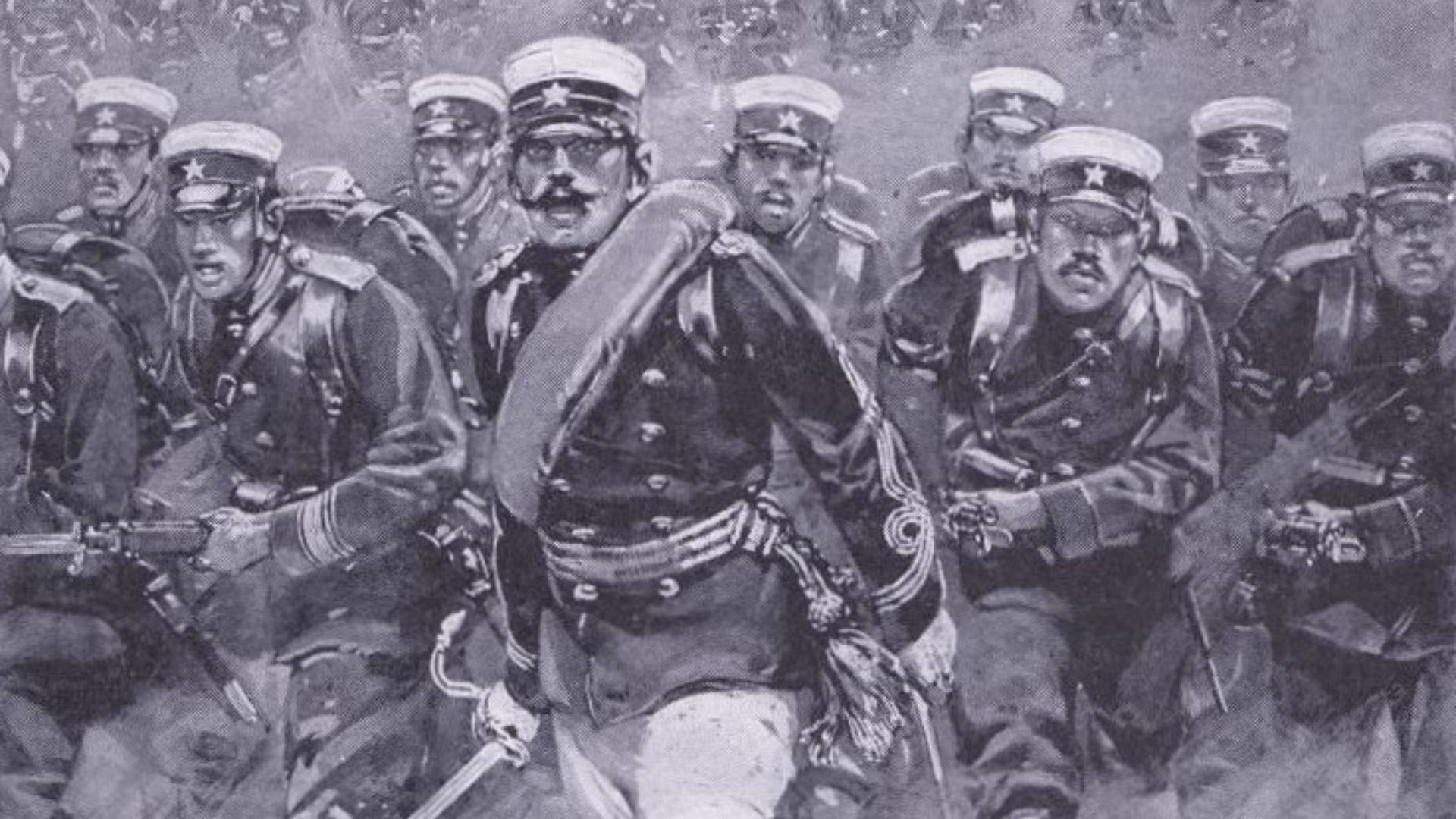
Russia’s military defeats against Japan were compounded by an unexpected wave of domestic unrest in 1905. Strikes, protests, mutinies, and political instability increased pressure on Nicholas II’s government while Japan was also financially strained.
 Johannes Hermanus Barend Koekkoek on Wikimedia
8. World War I
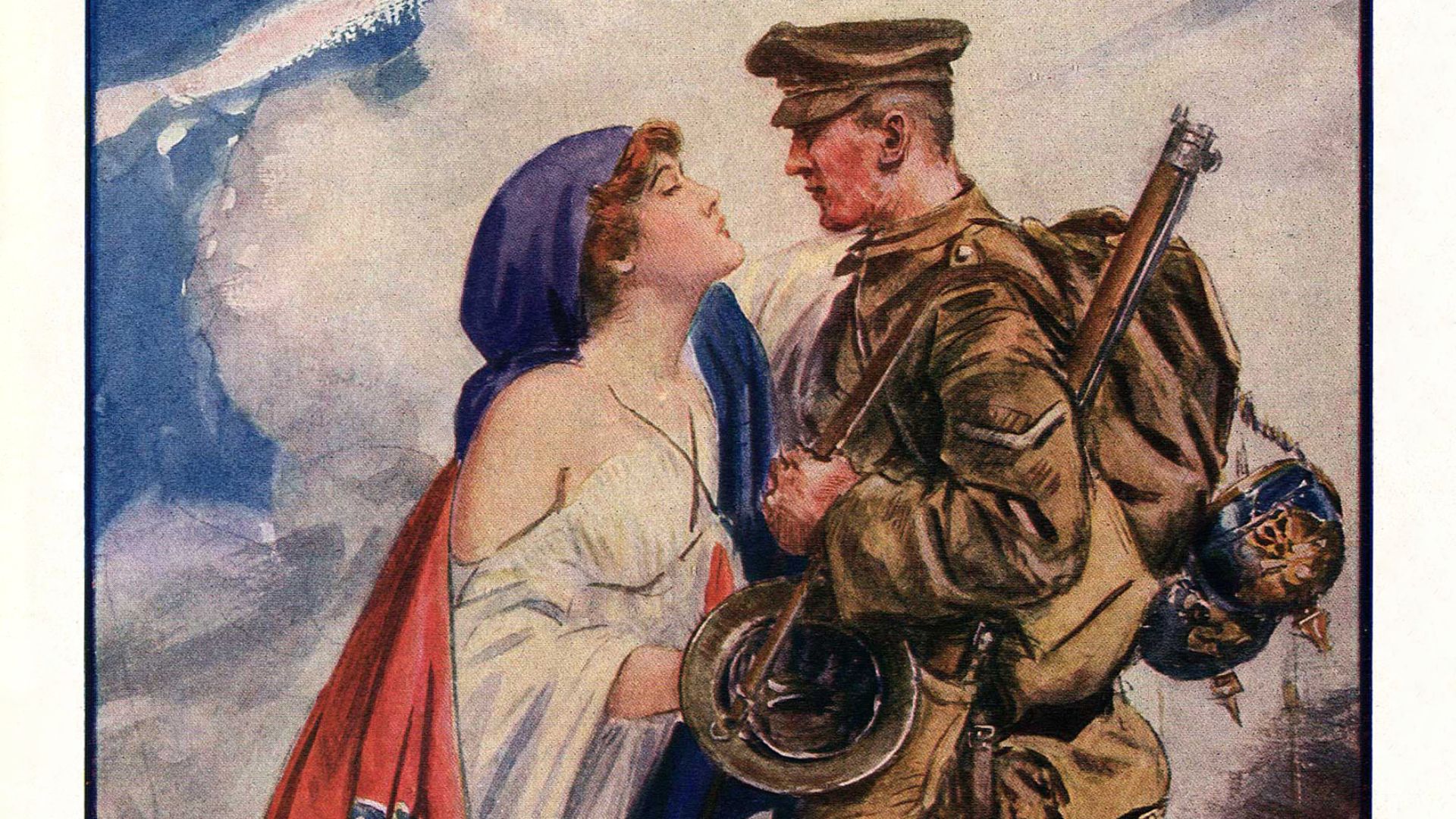
Germany’s defeat resulted from overwhelming military, political, and economic pressures, but unexpected developments accelerated the collapse of the Central Powers. Bulgaria’s sudden request for an armistice in September 1918 weakened Germany’s position and was soon followed by peace moves from the Ottoman Empire and Austria-Hungary.
9. The Falklands War
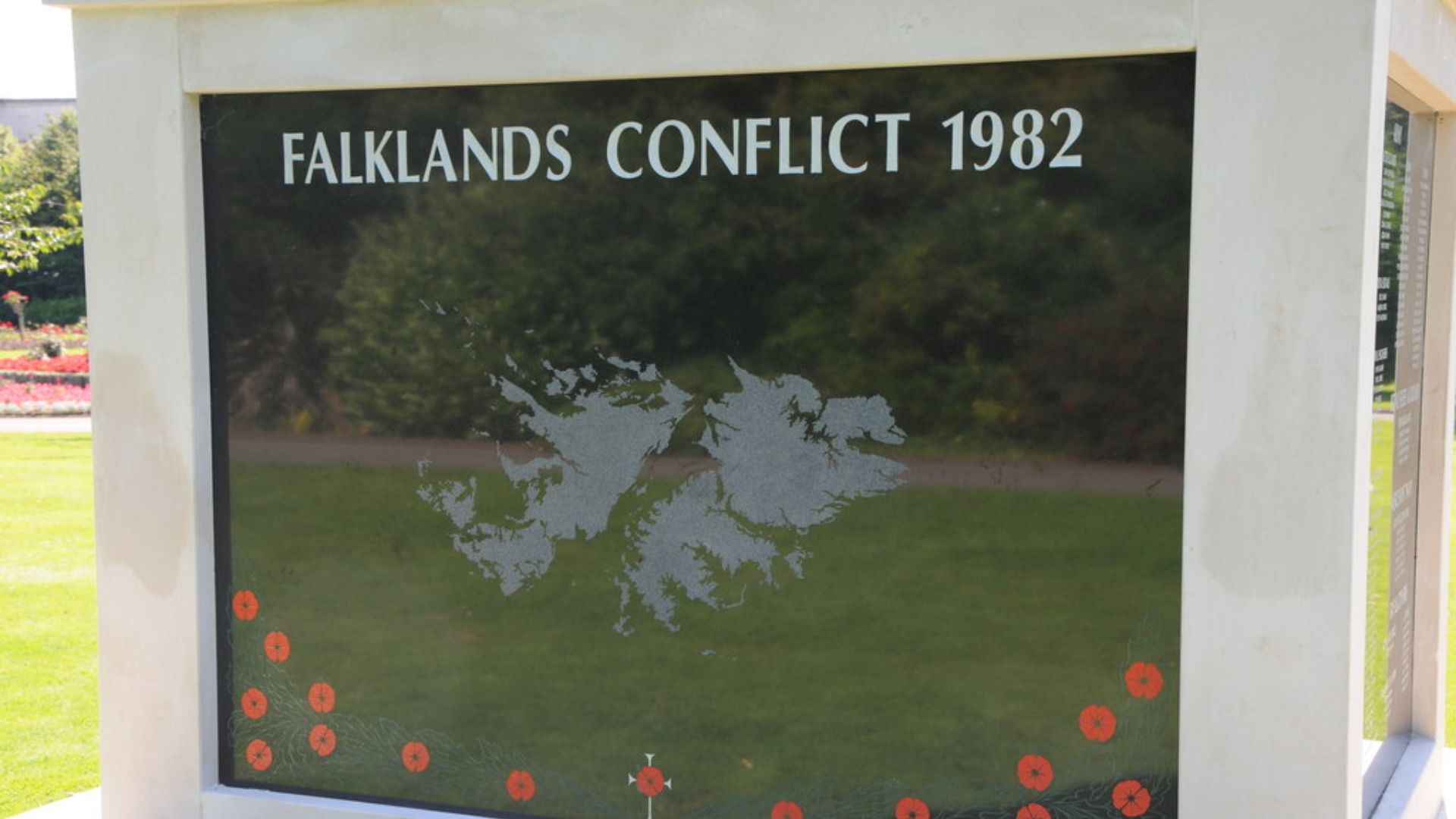
Chance affected several dangerous moments during the Falklands naval campaign, including cases in which Argentine bombs struck British ships but failed to explode properly. Had more detonated, British losses could have been considerably higher.
10. The First Boer War
The decisive British defeat at Majuba Hill in February 1881 followed General George Colley’s occupation of the height without adequately preparing defensive positions. Boer troops unexpectedly counterattacked uphill and routed the British force.
KEEP ON READING