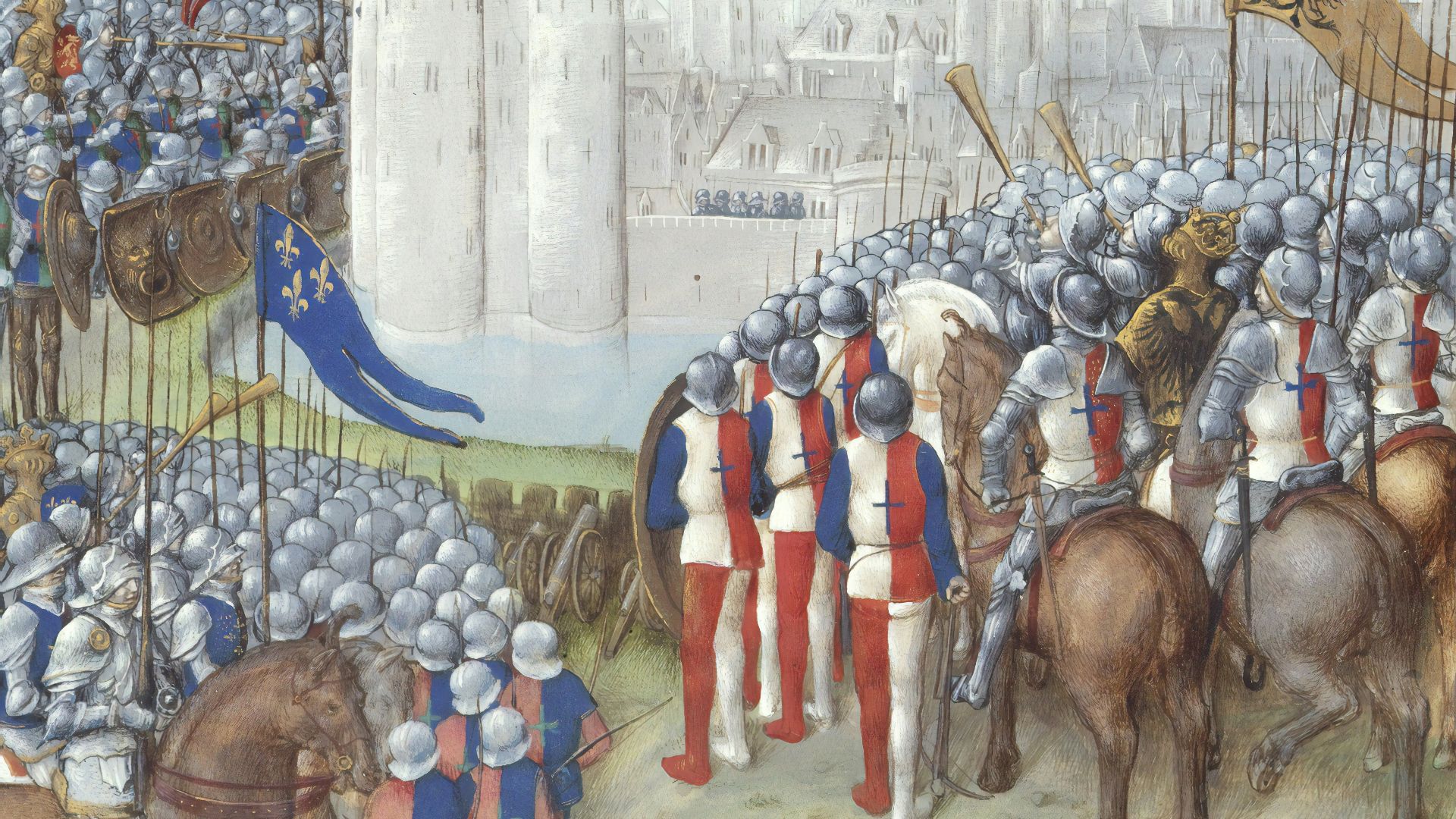
Spying in the age of empires rarely resembled the neat profession associated with modern intelligence agencies. Rulers across the ancient and medieval worlds depended on merchants, soldiers, diplomats, scouts, informants, and couriers to learn what rivals were planning, yet intelligence work was often informal and dangerous. A useful agent might spend months traveling under an ordinary identity, listening for military news, observing defenses, or quietly building relationships with people who had access to valuable information.
The risks could be severe because there were few legal protections for anyone accused of serving an enemy power. Capture might lead to interrogation, imprisonment, execution, or punishment by a ruler who wanted to make an example of suspected traitors. For spies working within powerful states such as Rome or the Byzantine Empire, success depended less on elaborate gadgets than on access, memory, language skills, discretion, and the ability to remain unnoticed.
Information Was Gathered Almost Everywhere
Imperial intelligence began with something surprisingly ordinary: paying attention to what people said and did. Markets, ports, military camps, royal courts, inns, and border settlements all brought together travelers carrying news from distant regions. Merchants were particularly useful sources because their occupations naturally allowed them to cross political boundaries and observe conditions without immediately attracting suspicion.
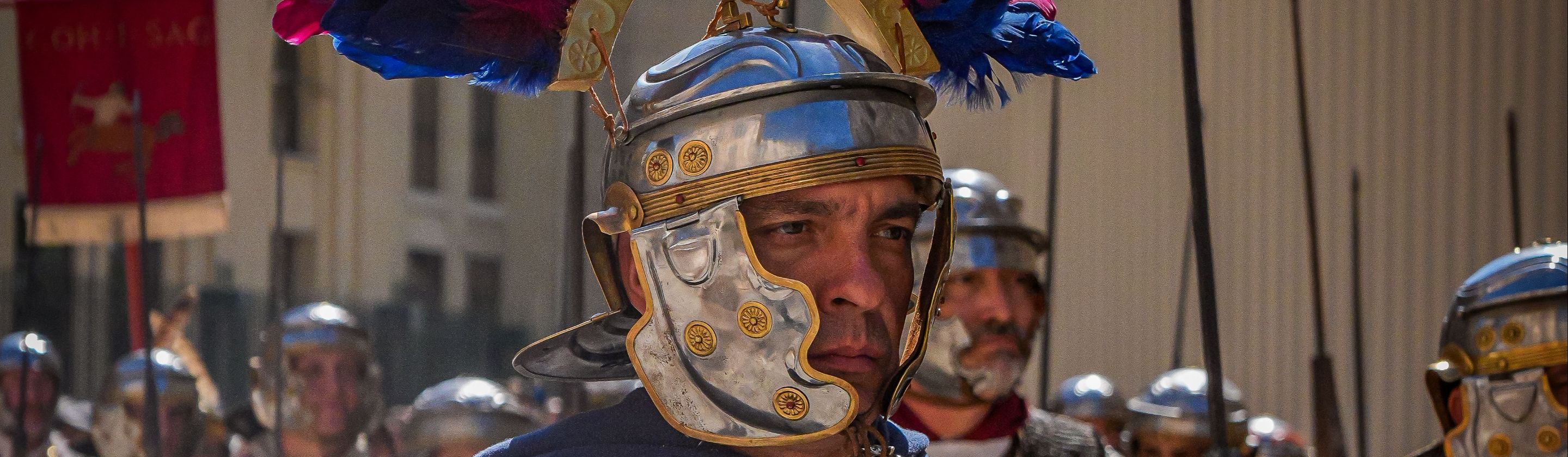
Military reconnaissance formed another major part of intelligence gathering. Roman armies, for example, employed scouts and reconnaissance personnel to examine terrain, watch enemy movements, and carry information between commanders. Under the Roman Empire, some personnel known as speculatores also developed roles involving communications, surveillance, and intelligence, showing how military and political information could overlap.
Diplomatic missions offered another valuable opportunity because ambassadors and their entourages could observe foreign courts while officially conducting negotiations. A visiting delegation might learn about political rivalries, military preparations, economic problems, or disputes within an elite household simply through conversation and observation. Diplomacy and intelligence weren't completely separate professions, particularly in societies where rulers depended heavily on personal networks for reliable news.
A Spy Needed Trust More Than Technology
Without electronic surveillance or instant communications, intelligence usually depended on human relationships. Agents needed people willing to provide information, carry messages, offer shelter, introduce them to influential figures, or simply confirm whether a rumor was credible. Building those connections could require patience because approaching the wrong person too aggressively might expose an entire network.
Messages presented their own difficulties once information had been collected. Couriers could be delayed by weather, warfare, poor roads, banditry, or hostile patrols, while an intercepted letter could reveal both the intelligence and the identities of those involved. Codes, concealed writing, trusted messengers, and indirect wording were therefore useful, although none guaranteed that sensitive material would reach its destination safely.
Disguise was sometimes practical, but blending into everyday society could matter more than adopting an elaborate false appearance. Roman intelligence personnel were reportedly capable of appearing among ordinary civilians while monitoring political sentiment, demonstrations, or public gatherings. In an age when identity documents were far less standardized than they are today, a convincing personal story, appropriate clothing, and knowledge of local customs could help someone travel without immediately revealing their purpose.
Getting Caught Could Be Catastrophic
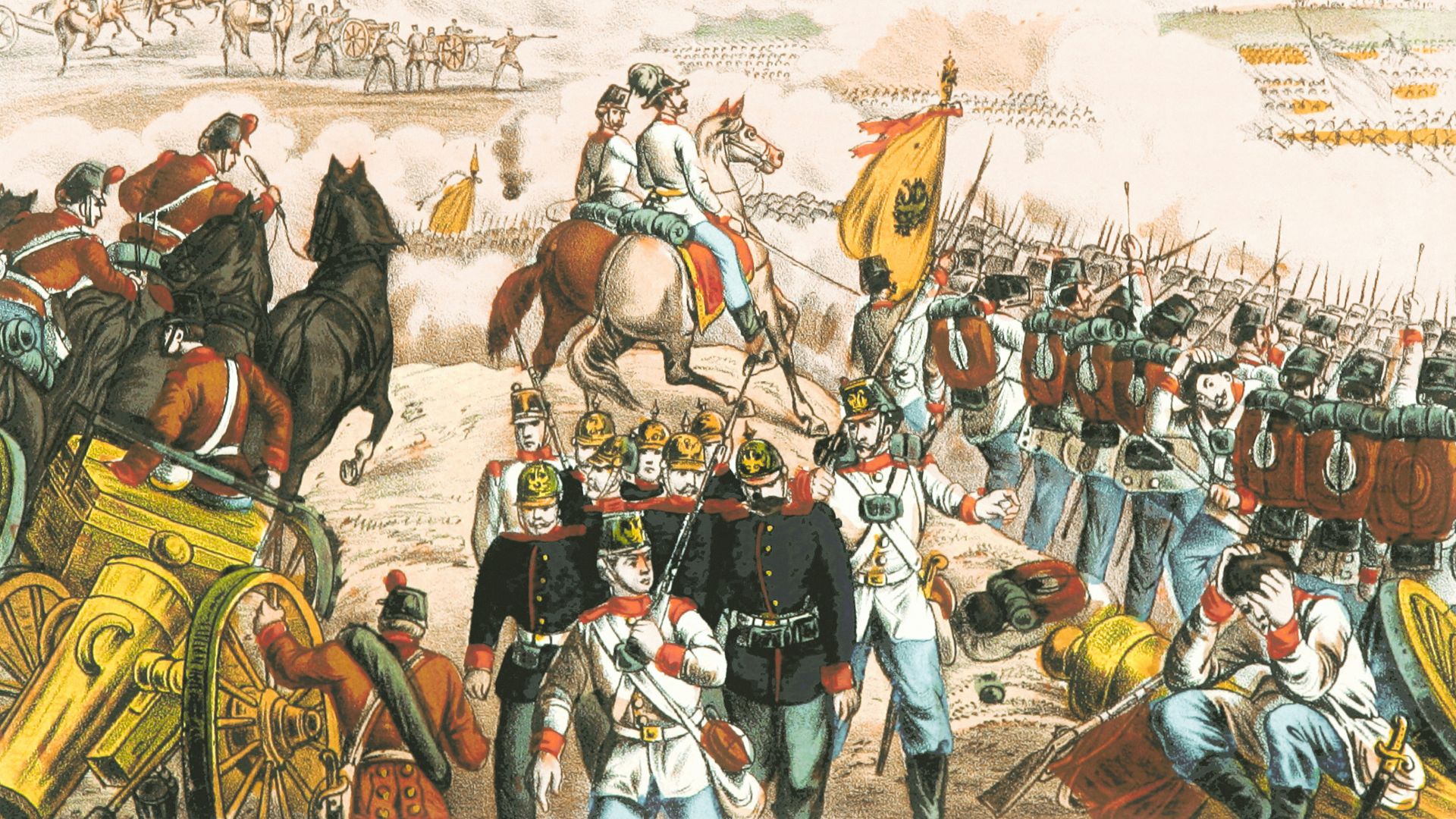
The greatest danger wasn't simply discovering the wrong information but being identified as the person searching for it. Imperial politics could be deeply suspicious, especially during rebellions, succession struggles, wars, or periods when rulers feared assassination. A suspected agent might have little opportunity to explain innocent behavior once authorities believed that secrecy itself was evidence of disloyalty.
Counterintelligence consequently became important long before the development of modern security agencies. Roman emperors used members of the Praetorian system and associated personnel to monitor potential threats, while later imperial governments developed increasingly sophisticated networks for reporting political and military information. The Byzantine Empire became particularly associated with careful diplomacy and intelligence gathering because its rulers regularly managed powerful rivals across several frontiers.
Even successful spies had uncertain careers because rulers could distrust the very people they relied upon for secret information. An agent who had betrayed one master might reasonably be suspected of betraying another, while political changes could suddenly make yesterday's valuable contact today's dangerous liability. Loyalty, therefore, could be tested repeatedly in imperial systems where personal relationships often mattered as much as formal institutions.
To be a spy in the age of empires was to operate in a world where information could determine the outcome of a campaign, expose a conspiracy, or protect a ruler, yet collecting it depended largely on people rather than machines. The job could involve long journeys, quiet observation, military scouting, private conversations, coded messages, and the constant possibility that an acquaintance might reveal what you were doing. Far from being a glamorous occupation, imperial espionage was uncertain work in which being useful required patience, caution, and an unusually strong ability to keep secrets.